
Common Dermatological Problems
|
|
|
- Amos Lester
- 10 years ago
- Views:
Transcription
1 Slide 1 Common Dermatological Problems Papulosquamous Diseases Papulosquamous diseases are a group of disorders characterized by scaly papules and plaques. These entities have little in common except the clinical characteristics of their primary lesion. Slide 2 Common Dermatologic problems Papulosquamous Diseases Seborrhea and dandruff Psoriasis Pityriasis rosea Superficial fungal infections Dermatophytes Candida Tinea Versicolor Miliaria (Prickly Heat) Lichen Planus Included in this category of diseases are seborrhea, psoriasis, pityriasis rosea, the superficial fungal infections, miliaria and lichen planus. Slide 3 Psoriasis and Other Papulosquamous Diseases Scaly papules and plaques Transmitted genetically Chronic, recurrent exacerbations and remissions Influenced by stress, environment and age The lesions of psoriasis are distinctive. They begin as red, scaling papules that coalesce to form round-to-oval plaques, which can easily be distinguished from the surrounding normal skin. The scale is adherent, silvery white, and reveals bleeding points when removed (Auspitz s sign). Scale may become extremely dense, especially on the scalp. Scale forms but is macerated and dispersed in intertriginous areas; therefore the psoriatic plaques of skin folds appear only as smooth, red plaques with a macerated surface. The most common site for an intertriginous plaque is the intergluteal fold; this is referred to as gluteal pinking. The deep rich red color is another characteristic feature and remains constant in all areas. Environmental influences may modify the course, severity, and age of the individual at the time of the onset of the disease. Extent and severity of the disease vary widely. The disease affects the extensor more than the flexor surfaces and usually spares the palms, soles, and face. Most patients have chronic localized disease, but there are several other presentations. Localized plaques may be confused with eczema or seborrheic dermatitis, and the guttate form with many small lesions can resemble secondary syphilis or pityriasis rosea. Slide 4 Psoriasis Drugs that Precipitate/Exacerbate Psoriasis Lithium, Beta Blockers, Antimalarials Withdrawal of systemic steroids Guttate Psoriasis Lithium, Beta-blockers and anti-malarials may worsen psoriasis as does withdrawal of systemic steroids. Psoriasis frequently begins in childhood, when the first episode may be stimulated by streptococcal pharyngitis (as in guttate psoriasis).

2 Slide 5 Psoriasis of the Penis and Reiter s Syndrome Keratoderma blenorrhagicum (Reiter s syndrome). Reiter s syndrome appears to be a reactive immune response that is usually triggered in a genetically susceptible individual (60% to 90% of patients are HLA-B27 positive) by any of several different infections, especially those that cause dysentery or urethritis. Patients with Reiter s syndrome (urethritis and/or cervicitis, peripheral arthritis of more than 1 month s duration) develop psoriasiform skin lesions usually 1 to 2 months after the onset of arthritis; 25% develop conjunctivitis. Slide 6 Psoriasis Psoriasis of the nails. Nail changes are characteristic of psoriasis and can be present in the absence of skin changes. Nail pitting, as seen on the right, is the best known and possibly the most frequent psoriatic nail abnormality. Nail plate cells are shed in much the same way as psoriatic scale is shed, leaving a variable number of tiny, punched-out depressions on the nail plate surface. They emerge from under the cuticle and grow out with the nail. Many other cutaneous diseases may cause pitting (e.g., eczema, fungal infections, and alopecia areata). It may also occur as a normal variation. Slide 7 Onycholysis and Psoriatic Arthritis Psoriatic Arthritis Assymmetric Involves one or more PIP or DIP joints Joint red, warm, painful with sausage fingers Can also be symmetric polyarthritis DIP joint disease Psoriatic arthritis is a distinct form of arthritis in which the rheumatoid factor is usually negative. It may occur at any point in the course of the disease. Psoriasis of the nail bed causes separation of the nail from the nail bed. The nail detaches in an irregular manner. The nail plate turns yellow, simulating a fungal infection. Subungual debris, which is analogous to fungal infection is not present. The nail bed scale is retained, forcing the distal nail to separate from the nail bed. The arthritis can occur in either a symmetric or assymetric pattern and commonly involves the DIP and PIP joints. The most common pattern is an asymmetric arthritis involving one or more joints of the fingers and toes. The small joints of the hands and feet, wrists, ankles, knees, and elbows may be involved. Perhaps the most characteristic presentation of arthritis with psoriasis is the involvement of the DIP joints of the hands and feet with associated psoriatic nail disease. The disease is chronic but mild, is not disabling, and is responsible for approximately 5% of cases of psoriatic arthritis. Slide 8 Hypertrophic Plaque Chronic plaque psoriasis. Chronic, noninflammatory, well-defined plaques are the most common presentation of psoriasis. Lesions can appear anywhere on the cutaneous surface. They enlarge to a certain size and then tend to remain stable for months or years. A temporary brown, white, or red macule remains when the plaque subsides.

3 Slide 9 Pityriasis Rubra Pilaris Patients with pityriasis rubra pilaris have red parafollicular papules with a slight scale which often affects the palms and soles. Slide 10 Perioral Dermatitis Perioral Dermatitis Perioral dermatitis is a distinctive eruption. It occurs in young women and resembles acne. Papules and pustules on an erythematous and sometimes scaling base are confined to the chin and nasolabial folds while sparing a clear zone around the vermilion border. Perioral dermatitis occurs in an area where drying agents are poorly tolerated; topical preparations such as benzoyl peroxide, tretinoin, and alcohol-based antibiotic lotions aggravate the eruption. The pathogenesis is unknown. Some have proposed that the dermatitis is a cutaneous intolerance reaction linked to constitutionally dry skin and often accompanied by a history of mild atopic dermatitis. It is precipitated by the habitual, regular, and abundant use of moisturizing creams. This results in persistent hydration of the horny layer, impairment of barrier function, and proliferation of the skin flora. Slide 11 Keratosis Pilaris Keratosis Pilaris Keratosis pilaris is a common finding on the posterolateral aspects of the upper arms and anterior thighs. The eruption is probably more common in atopics. Clinically, a group of small, pinpoint, follicular pustules remains in the same area for years. The inflammation actually occurs outside of the hair follicle. Scratching, wearing tight-fitting clothing, or undergoing treatment with abrasives may infect these sterile pustules and cause a diffuse eruption. Keratosis pilaris resists all types of treatment. Slide 12 Pseudofolliculitis Barbae (Razor Bumps) Pseudofolliculitis Barbae (Razor Bumps) Pseudofolliculitis is a foreign body reaction to hair. Clinically, there is less inflammation than with staphylococcal folliculitis. The condition occurs on the cheeks and neck in individuals who are genetically inclined to have tightly curled, spiral hair, which can become ingrown. This condition is found in 50% to 75% of blacks and 3% to 5% of whites who shave. If cut below the surface by shaving, the sharp-tipped whisker may curve into the follicular wall or emerge and curve back to penetrate the skin. A tender, red papule or pustule occurs at the point of entry and remains until the hair is removed. Generally, the problem is more severe in the neck areas where hair follicles are more likely to be oriented at low angles to the skin surface, making repenetration of the skin more likely. Pseudofolliculitis can occur also in the axillae, pubic area, and legs. Normal bacterial flora may eventually be replaced by pathogenic organisms if the process becomes chronic.

4 Slide 13 Very common, especially in warm, moist areas of body; and warm moist climates. Common Dermatological Problems Superficial Fungal Infections Slide 14 Superficial Fungal Infections Dermatophytes Tinea Corporis T.Faciea T. Capitis Candidiasis Tinea Versicolor Epidermal infections involve itching and burning Dermal and fat infections usually involve pain and burning. The superficial fungal infections caused by dermatophytes and yeast are common causes. Slide 15 Tinea Faciea This woman had red, scaly patches and plaques on her face, and a KOH demonstrated numerous fungal hyphae. Some authors maintain that fungal infection of the face should be treated with oral antifungals, and others maintain that topical antifungals are adequate. If there are any superimposed red papules or pustules within these red, scaly areas, that usually indicates a follicular infection, and oral agents are necessary to eradicate that. Slide 16 Tinea Pedis Tinea of the Foot The feet are the most common area infected by dermatophytes (tinea pedis, athlete s foot ). Shoes promote warmth and sweating, which encourage fungal growth. Fungal infections of the feet are common in adult males and uncommon in women. Tinea of the feet may present with the classic ringworm pattern, but most infections are found in the toe webs or on the soles. Chronic scaly infection of the plantar surface. Plantar hyperkeratotic or moccasin-type tinea pedis is a particularly chronic form of tinea. The entire sole is usually infected and covered with a fine, silvery white scale. The skin is pink, tender, and/or pruritic. The hands may be similarly infected. It is rare to see both palms and soles infected simultaneously; rather, the pattern is infection of two feet and one hand or of two hands and one foot. T. rubrum is the usual pathogen.

5 Slide 17 Tinea of the Groin Tinea of the Groin Tinea of the groin (tinea cruris, jock itch) occurs often in the summer months after sweating or wearing wet clothing and in the winter months after wearing several layers of clothing. The predisposing factor, as with many other types of superficial infection, is the presence of a warm, moist environment. Men are affected much more frequently than women. Children rarely develop tinea of the groin. Itching becomes worse as moisture accumulates and macerates this intertriginous area. The lesions are most often bilateral and begin in the crural fold. A half moon shaped plaque forms as a well-defined scaling, and sometimes a vesicular border advances out of the crural fold onto the thigh. The skin within the border turns red-brown, is less scaly, and may develop red papules. Slide 18 Tinea Cruris & Irritant Dermatitis This patient has two skin eruptions: 1) Tinea cruris that is in the inguinal folds and near the edge of the scrotum, and 2) An irritant dermatitis on the more distal portion of his thighs. Slide 19 Tinea Corporis Tinea of the face (excluding the beard area in men), trunk, and limbs is called tinea corporis (ringworm of the body). The disease can occur at any age and is more common in warm climates. There is a broad range of manifestations, with lesions varying in size, degree of inflammation, and depth of involvement. This variability is explained by differences in host immunity and the species of fungus. In classic ringworm, lesions begin as flat, scaly spots that then develop a raised border that extends out at variable rates in all directions. The advancing, scaly border may have red, raised papules or vesicles. The central area becomes brown or hypopigmented and less scaly as the active border progresses outward. However, it is not uncommon to see several red papules in the central area. There may be just one ring that grows to a few centimeters in diameter and then resolves or several annular lesions that enlarge to cover large areas of the body surface. These larger lesions tend to be mildly itchy or asymptomatic. They may reach a certain size and remain for years with no tendency to resolve. Clear, central areas of the larger lesions are yellow-brown and usually contain several red papules. The borders are serpiginous or annular and very irregular. Tinea from cats may appear suddenly as multiple round-tooval plaques on the trunk and extremities.

6 Slide 20 Tinea Manum Tinea of the Hand Tinea of the dorsal aspect of the hand (tinea manuum) has all of the features of tinea corporis; tinea of the palm has the same appearance as the dry, diffuse, keratotic form of tinea on the soles. The dry keratotic form may be asymptomatic and the patient may be unaware of the infection, attributing the dry, thick, scaly surface to hard physical labor. Tinea of the palms is frequently seen in association with tinea pedis. The usual pattern of infection is involvement of one foot and two hands or of two feet and one hand. Fingernail infection often accompanies infection of the dorsum of the hand or palm. Treatment is the same as for tinea pedis and, as with the soles, a high recurrence rate can be expected for palm infection. Slide 21 Slide 22 Tinea Capitus Kerion Fungal Infection Detection Tinea of the Scalp The inflammatory response to infection is variable. A severe, inflammatory reaction with a boggy, indurated, tumorlike mass that exudes pus is called a kerion It represents a hypersensitivity reaction to fungus and heals with scarring and some hair loss and thus requires steroids and long term systemic antifungal therapy. It is important to treat this with an oral antifungal and an oral or injectable steroid to quickly reduce the inflammation and thereby preserve the hair follicles and prevent permanent hair loss. A fungal infection of the scalp can require sometimes six months of oral antifungal therapy to eradicate it. A blue-green fluorescence of the hairs when ultraviolet A light (black light) was shined on the apparent area of involvement. This generally indicates that there is a microsporum organism present. Most tinea capitis in the United States is caused by T. tonsurans, which does not fluoresce, but prior to the 1950s fluorescent tinea capitis caused by M. canis and M. audouinii predominated. Therefore, years ago, physicians relied on the Wood s light to make or confirm the diagnosis, but since the 1960s the majority of cases have been nonfluorescent. Slide 23 Tinea Amiantacea Occurs in young children with hx of cradle cap in infancy Scale may persist for months Blocks hair growth Young Children (Tinea Amiantacea and Blepharitis) Seborrheic dermatitis and psoriasis may be confused with tinea of the scalp. Tinea amiantacea, a form of seborrheic dermatitis that occurs in children, is frequently misdiagnosed as tinea. Tinea amiantacea is a localized 2- to 8-cm patch of large, brown, polygonal-shaped scales that adheres to the scalp and mats the hair. The matted scale grows out, attached to the hair. There is little or no inflammation.

7 Slide 24 Tinea Barbae Tinea of the Beard Fungal infection of the beard area (tinea barbae) should be considered when inflammation occurs in this area. Bacterial folliculitis and inflammation secondary to ingrown hairs (pseudofolliculitis) are common. However, it is not unusual to see patients who have finally been diagnosed as having tinea after failing to respond to several courses of antibiotics. A positive culture for staphylococcus does not rule out tinea, in which purulent lesions may be infected secondarily with bacteria. Like tinea capitis, the hairs are almost always infected and easily removed. The hairs in bacterial folliculitis resist removal. Slide 25 Tinea Versicolor Tinea Versicolor Lesions and their distribution are highly characteristic. Lesions begin as multiple small, circular macules of various colors (white, pink, or brown) that enlarge radially. Tinea versicolor is a common fungal infection of the skin caused by a lipophilic yeast The individual lesions and their distribution are highly characteristic. The organism is part of the normal skin flora and appears in highest numbers in areas with increased sebaceous activity. This normally nonpathogenic resident proliferates in the upper layers of the stratum corneum. The upper trunk is most commonly affected, but it is not unusual for lesions to spread to the upper arms, neck, and abdomen. Involvement of the face, back of the hands, and legs can occur. The eruption may itch if it is inflammatory, but it is usually asymptomatic. The disease diminishes or disappears with advancing age. The differential diagnosis includes vitiligo, pityriasis alba, seborrheic dermatitis, secondary syphilis, and pityriasis rosea. Slide 26 Candidiasis (Moniliasis) Candidiasis (Moniliasis) The yeast like fungus C. albicans and a few other Candida species are capable of producing skin, mucous membrane, and internal infections. The organism lives with the normal flora of the mouth, vaginal tract, and gut, and it reproduces through the budding of oval yeast forms. Pregnancy, oral contraception, antibiotic therapy, diabetes, skin maceration, topical steroid therapy, certain endocrinopathies, and factors related to depression of cell-mediated immunity may allow the yeast to become pathogenic and produce budding spores and elongated cells (pseudohyphae) or true hyphae with septate walls. The pseudohyphae and hyphae are indistinguishable from dermatophytes in potassium hydroxide preparations. Culture results must be interpreted carefully because the yeast is part of the normal flora in many areas. The yeast infects only the outer layers of the epithelium of mucous membrane and skin (the stratum corneum). The primary lesion is a pustule, the contents of which dissect horizontally under the stratum corneum and peel it away. Clinically, this process results in a red, denuded, glistening surface with a long, cigarette paper like, scaling, advancing border. The infected mucous membranes of the mouth and vaginal tract accumulate scale and inflammatory cells that develop into characteristic white or white-yellow, curdy

8 material. Slide 27 Lichen Planus 5 P s Prurutic Planar Polyangular Purple papules Clears in 1 yr in 69% Recurrent in 49% Yeast grows best in a warm, moist environment; therefore, infection is usually confined to the mucous membranes and intertriginous areas. The advancing infected border usually stops when it reaches dry skin. Lichen Planus Lichen planus (LP) is a unique inflammatory cutaneous and mucous membrane reaction pattern of unknown etiology. The mean age of onset is 40.3 years in males compared with 46.4 years in females. The main eruption clears within 1 year in 68% of patients, but 49% recur. The lesions in this disease appear as purple/red scaly papules that generally tend to accentuate around the wrists and ankles. Slide 28 Lichen Planus The lesions are often described as purple, polygonal, flattopped papules. They have a light amount of scale and the lesions itch intensely. Slide 29 Miliaria Miliaria Miliaria or heat rash is a common phenomenon occurring in predisposed individuals during periods of exertion or heat exposure. Occlusion of the eccrine sweat glands produces the condition which appears as small red papules and/or vesicles, and associated inflammation. Slide 30 In this chapter we will discuss eczema, the most common inflammatory skin disease. Common Dermatological Problems Eczema

9 Slide 31 Eczema And Hand Dermatitis Although the term dermatitis is often used to refer to an eczematous eruption, the word means inflammation of the skin and is not synonymous with eczematous processes. An eczematous inflammation consists of erythema, scale, and vesicles and can be differentiated from psoriasiform or lichenoid processes by the presence of these three features. Slide 32 This is a summary of the major patterns of dermatitis (redness and scaling or redness and oozing) that a primary care provider will generally see. The four major eczematous patterns are Atopic dermatitis, Nummular Eczema, Lichen simplex chronicus, Seborrheic Dermatitis. Slide 33 Allergic Contact Dermatitis delayed hypersensitivity reaction after exposure to an antigenic substance. Allergic Contact Dermatitis Allergic contact dermatitis is a delayed hypersensitivity reaction that affects a limited number of individuals after one or a few exposures to an antigenic substance. In this picture, this twelve year-old girl has developed a hypersensitivity to the nickel in the safety-pin holding her head covering. Slide 34 Contact Dermatitis Contact dermatitis is an eczematous dermatitis caused by exposure to substances in the environment. Those substances act as irritants or allergens and may cause acute, subacute, or chronic eczematous inflammation. To diagnose contact dermatitis, one must first recognize that an eruption is eczematous. Contact allergies often have characteristic distribution patterns indicating that the observed eczematous eruption is caused by external rather than internal stimuli. Patients vary in their ability to withstand exposure to irritants. Some people cannot tolerate frequent hand washing, whereas others may work daily with harsh cleaning solutions without any difficulty. The picture on the right is of a patient with photosensitivity.

10 Slide 35 Slide 36 Atopic Dermatitis Atopic ("Strange") Dermatitis = The itch of wheezers & sneezers. Atopic Dermatitis Atopic Dermatitis The major symptom of dermatitis is itching. Often the skin of those who are predisposed to dermatitis can itch, even though the skin appears normal. The term atopy refers to a group of patients who have a personal or family history of one or more of the following diseases: hay fever, asthma, very dry skin, and eczema. Atopic dermatitis is an eczematous eruption that is itchy, recurrent, flexural, and symmetric. It generally begins early in life, follows periods of remission and exacerbation, and usually resolves by the age of 30. The disease characteristics vary with age. Infants have facial and patchy or generalized body eczema. Adolescents and adults have eczema in flexural areas and on the hands. Some families are known as "wheezers and sneezers." About two-thirds of patients who have atopic dermatitis will give a personal or family history of these problems. Slide 37 Atopic Dermatitis Atopic Dermatitis Atopic dermatitis in children often manifests as "cradle cap". This is redness and scaling involving the scalp, and can be the lone manifestation of this problem. Infants commonly develop a greasy adherent scale on the vertex of the scalp. Minor amounts of scale are easily removed by frequent shampooing with products containing sulfur and salicylic acid (e.g., Sebulex shampoo). Scale may accumulate and become thick and adherent over much of the scalp and may be accompanied by inflammation. Secondary infection can occur. Atopic dermatitis often involves the cheeks of children. Slide 38 Atopic Dermatitis in Children Atopic Dermatitis Atopic dermatitis often involves the trunk of children and imparts a sandpaper or rough feel to the skin. Children who have atopic dermatitis can have a sandpaper feel, but the skin itches, and they feel well otherwise. The skin of children who have scarlatina can look and feel like sandpaper, but the skin is often sensitive to touch, there is no itching, and the children are ill. I have seen both simultaneously in the same child, and usually it appears to be a flare of eczema with an accentuation of redness on the cheeks, sometimes a white coating of the tongue, and the child is ill.

11 Slide 39 Atopic Dermatitis In adults who suffer atopic dermatitis, often the eyelids are red and scaly. Slide 40 Atopic Dermatitis Atopic dermatitis involving the neck and axilla. Slide 41 Nummular Dermatitis tends to be symmetrical lesions consist of red, scaly patches that usually itch intensely. Nummular dermatitis tends to be symmetrical, and the lesions consist of red, scaly patches that usually itch intensely. Slide 42 Nummular Dermatitis Coalescing lesions can be seen on the left. Slide 43 Nummular Dermatitis Lesions of acute (red and oozing) nummular dermatitis on the buttocks.

12 Slide 44 Lichen Simplex Chronicus Lichen simplex chronicus is sometimes referred to as baseball player's disease: they itch and scratch where baseball player's tend to itch and scratch (shins, groin, buttocks, extensor forearms, and nape of neck). After repeated scratching, the epidermis thickens and darkens as shown here; this is called lichenification. Slide 45 The redness and scaling of seborrheic dermatitis can involve any of the areas shown here. Slide 46 Slide 47 Seborrheic Dermatitis Pitysporum ovale most likely causative organism Genetic & environmental factors influence onset and course of disease Seborrhea Seborrheic Dermatitis Seborrheic dermatitis is a common, chronic, inflammatory disease with a characteristic pattern for different age groups. The yeast Pityrosporum ovale probably is a causative factor, but both genetic and environmental factors seem to influence the onset and course of the disease. Many adult patients have an oily complexion, the so-called seborrheic diathesis. In adults, seborrheic dermatitis tends to persist, but it does undergo periods of remission and exacerbation. The extent of involvement among patients varies widely. Most cases can be adequately controlled. An example of seborrhea of the forehead. Slide 48 Seborrhea Seborrheic dermatitis may involve eyelashes, eyebrows or the beard.

13 Slide 49 Urticaria Urticaria Urticaria, also referred to as hives or wheals, is a common and distinctive reaction pattern. Hives may occur at any age; up to 20% of the population will have at least one episode. Hives may be more common in atopic patients. Urticaria is classified as acute or chronic. The majority of cases are acute, lasting from hours to a few weeks. Because most individuals can diagnose urticaria and realize that it is a self-limited condition, they do not seek medical attention. Slide 50 Severe Dry Skin (Xerosis) Winter Itch More severe in winter months Affects hands and lower legs Mild- skin rough and covered in fine white scales Severe- skin crisscrossed with shallow red fissures (craquele) Severe Dry Skin (Xerosis) Dry skin is more severe in the winter months when the humidity is low. Winter itch most commonly affects the hands and lower legs. Initially the skin is rough and covered with fine white scales. Thicker tan or brown scales may appear. The most severely affected skin may be crisscrossed with shallow red fissures. Dry skin may itch or burn. Slide 51 Common Dermatological Problems Acne/Rosacea Slide 52 Acne Vulgaris Acne Acne, a disease of the pilosebaceous unit, appears in males and females near puberty and in most cases becomes less active as adolescence ends. The intensity and duration of activity varies for each individual. The disease may be minor, with only a few comedones or papules, or it may occur as the highly inflammatory and diffusely scarring acne conglobata. The severest forms of acne occur more frequently in males, but the disease tends to be more persistent in females, who may have periodic flares prior to menstrual periods, which continue until menopause. Slide 53 Acne Postadolescent acne in women. A low-grade, persistent acne is common in professional women. Closed comedones are the dominant lesions, with a few papulopustules. Premenstrual flares are typical. Many of these patients passed through adolescence without acne. One author postulated that chronic stress leads to enhanced secretion of adrenal androgens, resulting in sebaceous hyperplasia and subsequent induction of comedones.

14 Slide 54 Closed and Open Comedoes The picture on the left demonstrates closed comedoes while the one on the right shows open comedo clinically and histologically. The black comes from melanin and not from dirt. Slide 55 Severe Nodulocystic Acne This is the back of a patient with severe nodulocystic acne. The nodules, cysts, and scarring are evident. This is both painful and disfiguring, and can have a profound detrimental psychological effect on the person who suffers this. Slide 56 Rosacea Staged 1-4 Appears at yr Slow onset aggravated by cold, ethyl alcohol, hot foods, stress; Central face Erythema, telangiectasias, papules/pustules; Can present with rhinophyma or chronic eye inflammation Rosacea occurs after the age of 30 and is most common in people of Celtic origin. The resemblance to acne is at times striking. The cardinal features are erythema and edema, papules and pustules, and telangiectasia. The patient usually has underlying erythema on the nose and cheeks, and generally has superimposed red papules and pustules on these areas. The first stage of rosacea consists of only erythema, and the second stage consists of the superimposed red papules and pustules. Chronic, deep inflammation of the nose leads to an irreversible hypertrophy called rhinophyma. Slide 57 Rosacea Stage 1: frequent episodes of flushing Stage 2: persistent erythema and telangiectases Stage 3: papules and pustules (occasionally cysts) Stage 4: Rhynophyma (occasionally oto-, mento-,or zygophyma) Stage 1: frequent episodes of flushing Stage 2: persistent erythema and telangiectases Stage 3: papules and pustules (occasionally cysts) Stage 4: Rhynophyma (occasionally oto-, mento-,or zygophyma This patient has moderate Stage 2 Rosacea Slide 58 Rosacea Patients with rosacea often have eye involvement, which can consist of styes as shown here.

15 Slide 59 Slide 60 Ocular Rosacea Rosacea Ocular rosacea. Manifestations of this disease range from minor to severe. Symptoms frequently go undiagnosed because they are too nonspecific. The prevalence in patients with rosacea is as high as 58%, with approximately 20% of those patients developing ocular symptoms before the skin lesions. A common presentation is a patient with mild conjunctivitis with soreness, grittiness, and lacrimation. Patients with ocular rosacea have been reported to have subnormal tear production (dry eyes), and they frequently have complaints of burning that are out of proportion to the clinical signs of disease. This patient has rather severe Stage 2 rosacea (red papules and pustules), and is developing Stage 3 rosacea (rhinophyma). Slide 61 Rosacea The etiology is in fact unknown. Alcohol may accentuate erythema, but does not cause the disease. Sun exposure may precipitate acute episodes, but solar skin damage is not a necessary prerequisite for its development. Part of the clinical picture is a functional impairment of venous flow resulting in facial vasodilation and an abnormal vascular response to heat and other stimuli may lead to a sequence of changes resulting in persistent erythema, telangiectasia, edema, and subsequent inflammatory events. Hot beverages should be avoided to decrease flushing. A significant increase in the hair follicle mites Demodex folliculorum is found in rosacea. Increased mites may play a part in the pathogenesis of rosacea by provoking inflammatory or allergic reactions, by mechanical blockage of follicles, or by acting as vectors for microorganisms. Slide 62 Bacterial Skin Infections

16 Slide 63 Bacterial Skin Infections Bacterial infections of the skin usually cause redness, swelling, scaling and blistering. Epidermal infections usually involve itching. Dermal infections usually involve pain and burning. Slide 64 Hidradenitis Suppurativa Hidradenitis Suppurativa Hidradenitis suppurativa is a chronic suppurative and scarring disease of the skin and subcutaneous tissue occurring in the axillae, the anogenital regions, and under the female breast and this image could be described as nodules and cysts on a violaceous base Comments:This 20 year old man was frustrated by painful recurrent and persistent nodules, cysts, sinus tracts in the groin and axillae. He improved temporarily with oral antibiotics and topical wound care measures. Slide 65 Skin Infections Skin Infections The two gram-positive cocci, Staphylococcus aureus and the group A beta-hemolytic streptococci, account for the majority of skin and soft tissue infections. The streptococci are secondary invaders of traumatic skin lesions and cause impetigo, erysipelas, cellulitis, and lymphangitis. S. aureus invades skin and causes impetigo, folliculitis, cellulitis, and furuncles. Elaboration of toxins by S. aureus causes the lesions of bullous impetigo and staphylococcal scalded skin syndrome. Slide 66 Impetigo Infection just beneath the stratum corneum of streptococcus or staphylococcus is called impetigo. The stratum corneum is readily torn off, and generally the serous ooze from the dermal blood vessels dries on the skin and produces a honey-colored crust Slide 67 Folliculitis Folliculitis Folliculitis is inflammation of the hair follicle caused by infection, chemical irritation, or physical injury. Inflammation may be superficial or deep in the hair follicle. Folliculitis is very common and is seen as a component of a variety of inflammatory skin diseases.

17 Slide 68 Slide 69 Pseudomonas Folliculitis Furuncle Pseudomonas Folliculitis The typical patient has a few to more than to 3-cm, pruritic, round, urticarial plaques with a central papule or pustule located on all skin surfaces except the head. The rash may be follicular, maculopapular, vesicular, pustular, or a polymorphous eruption that includes all of these types of lesions. From 8 hours to 5 days or longer (mean incubation period is 48 hours) after using a contaminated whirlpool, home hot tub, waterslide, physiotherapy pool, or contaminated loofah sponge, more than ¾ of those exposed develop Pseudomonas folliculitis. Furuncle. This is a deep infection of a hair follicle caused by staphylococcal aureus. Slide 70 Cellulitis This patient had a furuncle, and then the infection spread in the underlying fat and created cellulitis in the surrounding fat. Slide 71 Lymphangitis The red streak in this picture depicts inflammation of the ascending lymphatics with the same infection process as involves the fourth toe. Ascending lymphangitis is usually caused by strep or staph. Slide 72 Erysipalas Erysipelas (sharp red border) on the face. This is an infection of the dermis, and if the patient is having significant paraorbital pain, then intramuscular or intravenous antibiotics should be used.

18 Slide 73 Scarlatina Slide 74 Gonococcal Infections Gonorrhea Gonorrhea is a common sexually transmitted disease. The responsible organism, Neisseria gonorrhoeae, can survive only in a moist environment approximating body temperature and is transmitted only by sexual contact (genital, genital-oral, or genital-rectal) with an infected person. It is not transmitted through toilet seats or the like. Purulent burning urethritis in males and asymptomatic endocervicitis in females are the most common forms of the disease, but gonorrhea is also found at other sites. All forms of the disease have the potential for evolving into a bacteremic phase, producing the arthritis-dermatitis syndrome. From an epidemiologic point of view the disease is becoming more difficult to control because of the increasing number of asymptomatic male carriers. All forms of the disease previously responded to penicillin, but resistant strains have emerged. Slide 75 Slide 76 Non-Gonococcal Urethritis Primary Syphilis Nongonococcal Urethritis Nongonococcal urethritis (NGU) (nonspecific urethritis) and cervicitis are the most common sexually transmitted diseases in the United States. The diagnosis, as the name implies, used to be one of exclusion; however, routine diagnostic tests for identifying the various infecting organisms are now available. C. trachomatis causes 23% to 55% of cases of NGU. C. trachomatis is recovered in up to 50% of men with NGU. C. trachomatis is isolated in up to 50% of women with mucopurulent cervicitis and approximately 25% to 50% of women with PID. U. urealyticum causes 20% to 40% of cases, and T. vaginalis causes 2% to 5%. I Most women with cervical chlamydial infection, most homosexual men with rectal chlamydial infection, and as many as 30% of heterosexual men with chlamydial urethritis have few or no symptoms. Primary Syphilis Primary syphilis, characterized by a cutaneous ulcer, is acquired by direct contact with an infectious lesion of the skin or the moist surface of the mouth, anus, or vagina. From 10 to 90 days (average, 21 days) after exposure, a primary lesion, the chancre, develops at the site of initial contact. Chancres are usually solitary, but multiple lesions are not uncommon. Extragenital chancres account for 6% to 7% of all chancres, and most occur on the lips and in the oral cavity and are transmitted by kissing or orogenital sex. The lesion begins as a papule that undergoes ischemic necrosis and erodes, forming an 0.3 to 2.0 cm, painless to tender, hard, indurated ulcer; the base is clean, with a scant, yellow, serous discharge. Because the chancre began as a papule, the borders of the ulcer are raised,

19 smooth, and sharply defined. The chancre of chancroid is soft and painful. Painless, hard, discrete regional lymphadenopathy occurs in 1 to 2 weeks; the lesions never coalesce or suppurate unless there is a mixed infection. Without treatment the chancre heals with scarring in 3 to 6 weeks. Painless vaginal and anal lesions may never be detected. The differential diagnosis includes ulcerative genital lesions such as chancroid, herpes progenitalis, aphthae (Behçet s syndrome), and traumatic ulcers such as occur with biting. Slide 77 Secondary Syphilis Secondary Syphilis Secondary syphilis is characterized by mucocutaneous lesions, a flulike syndrome, and generalized adenopathy. It occurs in 25% of untreated cases of syphilis and occurs between 2 weeks and six months after the primary chancre appears. As with most other systemic cutaneous diseases, the rash is usually bilaterally symmetric. The lesions of secondary syphilis are noninflammatory, develop slowly, and may persist for weeks or months. Pain or itching is minimal or absent. Various types of lesions present simultaneously, unlike other eruptive skin diseases in which the morphologic appearance of the lesions is uniform. The color is characteristic, resembling a clean-cut ham or having a coppery tint. Lesions may assume a variety of shapes, including round, elliptic, or annular and may be described as maculopapular, papular, macular, annular, papulopustular, psoriasiform, or follicular. Eruptions may be limited and discrete, profuse, generalized, or more or less confluent and may vary in intensity. Slide 78 Secondary Syphilis The lesions of secondary syphilis that occur around the genitalia are called condyloma latum. These lesions are flatter and not pedunculated as are the condylomas associated with venereal warts. Slide 79 Tertiary Syphilis Tertiary Syphilis In a small number of untreated or inadequately treated patients, systemic disease develops, including cardiovascular disease, central nervous system (CNS) lesions, and systemic granulomas (gummas).

20 Slide 80 Lymphogranuloma Venereum Lymphogranuloma Venereum There are 15 serotypes of C. trachomatis, three of which (serovars L1, L2, or L3) cause lymphogranuloma venereum (LGV). These serotypes are more invasive and not limited to mucous membranes. LGV is mainly a disease of lymphatic tissue that spreads to tissue surrounding lymphatics. Primary lesion. After an incubation period of 5 to 21 days, a small papule or viral (herpetiform) vesicle occurs on the penis, fourchette, posterior vaginal wall, or cervix (Figure 10-15). The lesion evolves rapidly to a small, painless erosion that heals without scarring. The lesion may be so innocuous that the patient may not remember it. The primary lesion is rarely seen in women. Lymphadenopathy. Unilateral or sometimes bilateral inguinal lymphadenopathy accompanied by headache, fever, and migratory polymyalgia and arthralgia appears from 1 to 4 weeks after the primary lesion heals. In a short time the lymph nodes become tender and fluctuant and are referred to as buboes when they ulcerate and discharge purulent material. Draining buboes may persist for months. Inflammation spreads to adjoining nodes and leads to matting. For unexplained reasons, inflammation of the perineal lymph nodes develops in women and may lead to scarring and ulceration of the labia, rectal mucosa, and vagina. Chronic edema (elephantiasis) of the female external genitals is a late manifestation of lymphatic obstruction. Slide 81 Chancroid Chancroid Chancroid (soft chancre) is the most common of the minor venereal diseases. It is caused by the short gram-negative rod H. ducreyi. The male/female ratio of reported cases is approximately 10:1. Chancroid predominantly affects heterosexual men, and most cases originate from prostitutes who are often carriers with no symptoms. The disease is common and endemic in many parts of the world. In the United States chancroid typically occurs in epidemics. A high rate of HIV infection among patients with chancroid has been reported. Primary state. After an incubation period of 3 to 5 days, a painful, red papule appears at the site of contact and rapidly becomes pustular and ruptures to form an irregularshaped, ragged ulcer with a red halo. The ulcer is deep, not shallow as in herpes; bleeds easily; and spreads laterally, burrowing under the skin and giving the lesion an undermined edge and a base covered by yellow-gray exudate. The ulcers are highly infectious, and multiple lesions appear on the genitals from autoinoculation. Unlike syphilis, the ulcers may be so painful that some patients refuse the manipulation necessary to obtain culture material. Untreated cases may resolve spontaneously or, more often, progress to cause deep ulceration, severe phimosis, and scarring. Systemic symptoms, including anorexia, malaise, and low-grade fever, are occasionally present. Females may have multiple, painful ulcers on the labia and fourchette and, less often, on the vaginal walls and cervix. Autoinoculation results in lesions on the thighs, buttocks, and anal areas. Female carriers may have no detectable lesions and may be without symptoms.

21 Slide 82 Viral Infections Slide 83 Slide 84 Molluscum Contagiosum Herpes Simplex Molluscum Contagiosum is caused by a DNA poxvirus, the largest virus known. Most patients are asymptomatic; some complain of pruritus, tenderness, and pain. Some develop eczema around lesions (10% in series of 95 and 200 cases). The incubation period ranges from weeks to months (14-50 d). If patients have eczema or other diseases altering skin barrier function, molluscum may spread more rapidly in affected areas. The primary lesion is a firm, smooth, umbilicated papule, usually 2-6 mm in diameter (range 1-15 mm) which may be present in groups or widely disseminated on the skin and mucosal surfaces. Lesions greater than 15 mm have been described, particularly in patients with AIDS. The lesions can be flesh-colored, white, translucent, or even yellow in color. The number of lesions varies from 1-20 up to hundreds in some reports. Some lesions become confluent to form a plaque. Lesions generally are self-limited but can persist for several years. In children, lesions mainly on the trunk and extremities. In adults, lesions often are located on the lower abdominal wall, inner thighs, pubic area, and genitalia. Genital molluscum contagiosum in children may be a manifestation of sexual abuse. Molluscum contagiosum is a common and at times severely disfiguring eruption in patients with HIV infection. It is often a marker of late-stage disease. Genital Herpes Simplex Herpes simplex infection of the penis (herpes progenitalis), and rectum is pathophysiologically identical to herpes infection in other areas. Rarely seen a few decades ago, it has reached epidemic proportions. Recurrences cannot be predicted, but they often follow sexual intercourse. Genital herpes is primarily a disease of young adults. Both antigenic type 1 and type 2 infect the genital area. The virus can be cultured for approximately 5 days from active genital lesions, and the lesions are almost certainly infectious during this time. There is evidence that both males and females who have no symptoms can transmit the disease. Infection can develop in male patients from contact with female carriers who have no obvious disease. The infection may be acquired from an active cervical infection or from cervical secretions of a female who chronically carries the virus, from vulvar ulcers, from fissures, and from anorectal infection.
22 Slide 85 Herpes Simplex Oral-Labial Herpes Simplex Primary infection. Gingivostomatitis and pharyngitis are the most frequent manifestations of first-episode HSV-1 infection. Infection occurs most commonly in children between ages 1 and 5 years. The incubation period is 3 to 12 days. Although most cases are mild, some are severe. Sore throat and fever may precede the onset of painful vesicles occurring anywhere in the oral cavity. The vesicles rapidly coalesce and erode with a white, then yellow, superficial, purulent exudate. Pain interferes with eating and tender cervical lymphadenopathy develops. Fever subsides in 3 to 5 days and oral pain and erosions are usually gone in 2 weeks; in severe cases, they may last for 3 weeks. Recurrent infection. Recurrences average 2 to 3 each year but may happen as often as 12 times a year. Oral HSV-1 infections recur more often than oral HSV-2 infections. Recurrent oral herpes simplex can appear as a localized cluster of small ulcers in the oral cavity, but the most common manifestation is eruptions on the vermilion border of the lip (recurrent herpes labialis). Fever (fever blisters), upper respiratory infections (cold sores), and exposure to UV light, among other things, may precede the onset. Treatment. Oral acyclovir can be used to treat the primary infection and to prevent recurrent disease. The lips should be protected from sun exposure with opaque creams such as zinc oxide or with sun-blocking agents incorporated into a lip balm (Chapstick 15). A cool water or Burrow s compress decreases erythema and debrides crusts to promote healing. Slide 86 Warts Warts Warts are benign epidermal neoplasms. Different viruses cause different types of warts. At least 60 distinct types of human papilloma virus (HPV) have been identified by their DNA composition. Each of the HPV types is associated with a particular set of clinical and pathologic entities. HPV- 16 and HPV-18 have been found in cervical cancers. Warts commonly occur in children and young adults, but may appear at any age. Their course is highly variable. Most resolve spontaneously in weeks or months; others may last years or a lifetime. Warts are transmitted simply by touch; it is not unusual to see warts on adjacent toes ( kissing lesions ). Slide 87 Warts Warts on the face are often flat, measure 1 to 5 mm in diameter, and sometimes are slightly darker than normal skin.
23 Slide 88 Genital Warts (Condyloma Accuminata) Genital Warts Genital warts are very contagious. Recent studies show that almost two-thirds of persons who had one sexual contact with a person who had warts would then themselves develop warts. The incidence exceeds the incidence of genital herpes. The evidence supporting the relationship between genital warts and genital cancer is overwhelming. Genital warts (condyloma acuminata or venereal warts) are pale pink with numerous, discrete, narrow-to-wide projections on a broad base. The surface is smooth or velvety, moist, and lacks the hyperkeratosis of warts found elsewhere. The warts may coalesce in the rectal or perineal area to form a large, cauliflower-like mass. Warts spread rapidly over moist areas and may therefore be symmetric on opposing surfaces of the labia or rectum. Common warts can possibly be the source of genital warts, although they are usually caused by different antigenic types of virus. Warts may extend into the vaginal tract, urethra, and rectum. Genital warts frequently recur after treatment. Oral condyloma in patients with genital human papilloma virus infection. One study showed that 50% of patients with multiple and widespread genital human papilloma virus (HPV) infection who practiced orogenital sex have oral condylomas. All lesions were asymptomatic. Magnification was necessary to detect oral lesions. The tongue was the site most frequently affected. Oral condylomas appeared as multiple, small, white or pink nodules, sessile or pedunculate, and as papillary growths with filiform characteristics. The size of oral lesions was greater than 2 mm in more than 50% of lesions, and, in 61% of cases, more than five lesions were present. HPV types 16, 18, 6, and 11 were found. Genital warts in children. It has been estimated that at least 50% of the cases of condyloma acuminata in children are the result of sexual abuse. possibility that such an event occurred. Virus typing will be helpful in sorting out these problems when the test becomes more widely available. Slide 89 Warts vs Calluses These are calluses on the hand, and when viewed closely the skin lines can be seen to extend through the calluses.
24 Slide 90 Eczema Herpeticum Eczema Herpeticum Eczema herpeticum (Kaposi s varicelliform eruption) is the association of two common conditions: atopic dermatitis and herpes simplex virus infection. Certain atopic infants and adults may develop the rapid onset of diffuse cutaneous herpes simplex. The severity of infection ranges from mild and transient to fatal. The disease is most common in areas of active or recently healed atopic dermatitis, particularly the face, but normal skin can be involved. The disease in most cases is a primary herpes simplex infection. In one third of the patients in a particular study, there was a history of herpes labialis in a parent in the previous week. Recurrences are uncommon and usually limited. Approximately 10 days after exposure, numerous vesicles develop, become pustular, and umbilicate markedly. Secondary staphylococcal infection commonly occurs. Viremia with infection of internal organs can be fatal. Recurrent disease is milder and usually without constitutional symptoms. Treatment. Eczema herpeticum of the young infant is a medical emergency. Early treatment with acyclovir can be life saving. Eczema herpeticum is managed with cool, wet compresses, similar to the management of diffuse genital herpes simplex. Oral dosages of acyclovir 25 to 30 mg/kg/day have been effective.oral antistaphylococcal antibiotics are an important part of treatment. Slide 91 Varicella Varicella Varicella, or chicken pox, is a highly contagious viral infection that, during epidemics, affects the majority of urban children before puberty. The incidence peaks sharply in March, April, and May in temperate climates. Transmission is by airborne droplets or vesicular fluid. Patients are contagious from 2 days before onset of the rash until all lesions have crusted. The systemic symptoms, extent of eruption, and complications are greater in adults; thus some parents intentionally expose their young children. Patients with defective, cell-mediated immunity or those using immunosuppressive drugs, especially systemic corticosteroids, have a prolonged course with more extensive eruptions and a greater incidence of complications. An attack of chicken pox usually confers lifelong immunity. Varicella vaccine is now available in the U.S. from Merck, Inc. It is approved for use in children and adults. Clinical course. The incubation period averages 14 days, with a range of 9 to 21 days; in the immunosuppressed host, the incubation period can be shorter. The prodromal symptoms in children are absent or consist of low fever, headache, and malaise, which appear directly before or with the onset of the eruption. In adults, symptoms consist of fever, chills, malaise, and backache, which are more severe, and occur 2 to 3 days before the eruption. Eruptive phase. The rash begins on the trunk (centripetal distribution) (Figure 12-33) and spreads to the face (Figure 12-34) and extremities (centrifugal spread). The extent of involvement varies considerably. Some children have so few lesions that the disease goes unnoticed. Older children and adults have a more extensive eruption involving all areas, sometimes with lesions too numerous to count.
25 Slide 92 Herpes Zoster Eczema Herpeticum Herpes Zoster Herpes zoster, or shingles, a cutaneous viral infection generally involving the skin of a single dermatome (Figure 12-38), occurs during the lifetime of 10% to 20% of all persons. People of all ages are afflicted; it occurs regularly in young individuals,61 but the incidence increases with age. There is an increased incidence of zoster in normal children who acquire chicken pox when younger than 2 months.62 Patients with zoster are not more likely to have an underlying malignancy.63,64 Zoster may be the earliest clinical sign of the development of the acquired immunodeficiency syndrome in high-risk individuals.65 Zoster results from reactivation of varicella virus that entered the cutaneous nerves during an earlier episode of chicken pox, travelled to the dorsal root ganglia, and remained in a latent form. Age, immunosuppressive drugs, lymphoma, fatigue, emotional upsets, and radiation therapy have been implicated in reactivating the virus, which subsequently travels back down the sensory nerve infecting the skin. The predisposition in the elderly for the development of herpes zoster is considered to be a consequence of diminishing immunologic function. The elderly are also at greater risk to develop segmental pain, which can continue for months after the skin lesions have healed. Slide 93 Herpes Zoster This patient developed herpes zoster in the first branch of the trigeminal nerve. Note that she has crusting present which could be secondary to resolving herpetic lesions or to secondary infection, usually with staphylococcus aureus. If the globe of the eyes is involved with erythema, or if the tip of the nose is involved (involvement of the nasociliary branch), or if the patient complains of any facial disturbance, the patient should be referred emergently to an opthalmologist. Slide 94 Hand Foot and Mouth Disease Hand, Foot, and Mouth Disease Hand, foot, and mouth disease, which has no relation to hoof-and-mouth disease in cattle, is one of the most distinctive disease complexes caused by Coxsackie virus. This contagious disease may occur as an isolated phenomenon, or it may occur in epidemic form. It is more common among children. The incubation period is 4 to 6 days. There may be mild symptoms of low-grade fever, sore throat, and malaise for 1 or 2 days. Twenty percent of patients develop submandibular and/or cervical lymphadenopathy. Eruptive phase. Oral lesions, present in 90% of cases, are generally the initial sign. Aphthaelike erosions varying from a few to 10 or more appear anywhere in the oral cavity and are most frequently small and asymptomatic. The cutaneous lesions, which occur in approximately two thirds of patients, appear less than 24 hours after the enanthem. They begin as 3- to 7-mm, red macules that rapidly become pale, white, oval vesicles with a red areola. The vesicles occur on the palms, soles, dorsal aspects of the fingers and
26 Slide 95 Slide 96 Pityriasis Rosea Common, self-limiting Unknown etiology More common in women years Incidence higher in colder months Presents with Herald Patch Pityriasis Rosea toes, and occasionally on the face, buttocks, and legs. They heal in approximately 7 days. Pityriasis Rosea Pityriasis rosea is a common, benign, usually asymptomatic, distinctive, self-limiting skin eruption of unknown etiology. There is recent evidence that it is caused by HHV6. Small epidemics have occurred in fraternity houses and military bases. It occurs more commonly in women. Most patients are between the ages of 10 and 35 years, with a mean age of 23 years and an age range of 4 months to 78 years. The incidence of disease is higher during the colder months. Twenty percent of patients have a recent history of acute infection with fatigue, headache, sore throat, lymphadenitis, and fever; the disease may be more common in atopic patients. Patients generally present with multiple red, scaly, oval macules and papules involving mainly the trunk. In pityriasis rosea there is often a large herald patch that occurs on the trunk or thighs hours to days before the rest of the lesions appear. The lesions are described as being salmon-colored and having a slight amount of scale. Pityriasis rosea and multiple small annular lesions of ringworm may appear to be similar. However, the scaly ring of pityriasis rosea does not reach the edge of the red border as it does in tinea. Other distinguishing features of pityriasis rosea include rapid onset of lesions and localization to the trunk. Slide 97 Erythema Infectiousum Erythema Infectiosum Erythema infectiosum (fifth disease) is caused by the B19 parvovirus. It is relatively common, mildly contagious, and appears sporadically or in epidemics. Peak attack rates occur in children between 5 and 14 years of age; more than 50% of adults have serologic evidence of past infection. Asymptomatic infection is common. Parvovirus B19 infection can cause severe complications in pregnant women, individuals with hemolytic anemia, and those who are immunocompromised. People who do not have erythrocyte Parvovirus antigen, which is the cellular receptor for parvovirus B19, are naturally resistant to infection with this virus. Symptoms are usually mild or absent. Pruritus, low-grade fever, malaise, and sore throat precede the eruption in approximately 10% of cases. Lymphadenopathy is absent. Older individuals may complain of joint pain. Eruptive phase. There are three distinct, overlapping stages. Facial erythema ( slapped cheek ). Red papules on the cheeks rapidly coalesce in hours, forming red, slightly edematous, warm, erysipelas-like plaques that are symmetric on both cheeks and spare the nasolabial fold and the circumoral region. The slapped cheek appearance fades in 4 days.
27 Net pattern erythema. This unique characteristic eruption erythema in a fishnetlike pattern begins on the extremities approximately 2 days after the onset of facial erythema and extends to the trunk and buttocks, fading in 6 to 14 days (Figure 14-17). At times, the exanthem begins with erythema and does not become characteristic until irregular clearing takes place. Livedo reticularis has a similar netlike pattern, but it does not fade quickly. Recurrent phase. The eruption may fade and then reappear in previously affected sites on the face and body during the next 2 to 3 weeks. Temperature changes, emotional upsets, and sunlight may stimulate recurrences. The rash fades without scaling or pigmentation. There may be a slight lymphocytosis or eosinophilia. The petechial glove and sock syndrome. A recently described febrile dermatosis characterized by (1) fever, (2) pruritic edema, followed by pain and petechial involvement of hands and feet with sharp demarcation at the wrists and ankles, and (3) an enanthem of petechiae and oral erosions may be caused by human parvovirus B19.27 Slide 98 Measles (Rubeola) This child has measles (rubeola). The child often develops a barking cough and runny eyes and nose about three days before the eruption starts. The red macules and papules start on the upper portion of the head, and then move downwards. They disappear in this same order after about 7 days. Slide 99 Rubella The patient may or may not have a viral syndrome, but quite often develops postauricular and suboccipital lymph node enlargement. The red macules and papules of the eruption start at the forehead, and then continue to erupt in a downward direction. The eruption generally clears starting from the forehead and the eruption usually only lasts about three days. Slide 100 Roseola The child normally looks and feels well but has a temperature of about 104 degrees Fahrenheit for about three days. The temperature then drops, and as it does numerous red macules and papules appear predominantly on the trunk; they occassionally appear on the extremities and the face.
28 Slide 101 Bites Slide 102 Bites Who in NC has not seen a tick bite. If you were asked by someone who has had a tick how long they have to wait before they are out of the woods (so to speak) regarding acquiring tick borne disease(s), the answer is one week. Slide 103 Head Lice Infestation with head lice at the nape of the neck produces redness and scaling of the skin, and the black/brown/gray nits (eggs) can be seen on the hair shafts, and occasionally the adult lice can be seen on the skin. Slide 104 Scabies Typical distribution of inflammatory papules in adults who contract scabies. Slide 105 Scabies Children who have scabies generally have inflammatory papules in the axillae. This shows typical axillary lesions or in the web spaces of the hands.
29 Slide 106 Exaggerated Insect Bite Reaction Slide 107 Evolution of a Brown Recluse Spider Bite Brown Recluse Spiders are common inhabitants of North Carolina gardens. They are not aggressive but will bite when threatened. Patients generally are not aware of a bite until 24 hours later when they first notice a pruritic blister which eventually evolves into an edenatous inflamed area with blistering and a central purple eschar. The ulceration progresses for several week and healing generally takes several months. Slide 108 Actinic Damage Slide 109 Actinic Damage Slide 110 Actinic Keratoses Actinic keratoses generally appear as rough, red/brown, scaly macules or papules on the skin. They start to appear usually about age 30 or older.
30 Slide 111 Actinic Keratoses This woman has multiple actinic keratoses, and the scale is very pointed, tenacious, and is very hard to pick off. Slide 112 Actinic Keratoses One actinic keratosis per thousand actinic keratoses per year will progress into the underlying dermis and develop into a squamous cell carcinoma. Squamous cell carcinomas look like very large actinic keratoses in that they have scale, they are thick, and they have underlying erythema. Slide 113 Squamous Carcinoma Solar keratoses & squamous cell carcinoma Slide 114 Basal Cell Cancer Basal cell carcinomas are generally induced by ultraviolet light, and they start to appear at about age 30 in sunlight exposed areas. They appear as a flesh-colored, or red, or pearly papule. They particularly appear pearly if the skin is stretched to accentuate the translucence. Slide 115 Basal Cell Cancer This is a basal cell carcinoma on the forehead of a young woman in her 20's.
31 Slide 116 Basal Cell Cancer Superficial spreading basal cell carcinoma. This appears as a red, pearly or scaly plaque with a slightly elevated ridge that is described as appearing like a piece of thread. These tend to grow rather broadly, and generally do not penetrate very deeply into the underlying dermis. They are found almost exclusively on the trunk Slide 117 Basal Cell Carcinoma Basal cell carcinoma. This patient had spent her younger years in Chihuahua, Mexico, and had been exposed to a lot of sunlight as a young person. This basal cell carcinoma originated within the epidermis and extended through the skin fat, and attached to the underlying muscle. Slide 118 Malignant Melanoma Melanomas generally exhibit a mixture of colors and/or an irregular jagged or notched border. Slide 119 Mycosis Fungoids A T-cell lymphoma Occurs in older adults Mycosis fungoids is a T-cell lymphoma that occurs generally in people in their 50's or 60's and older. From the time of diagnosis until death, the average life expectancy is 8.3 years. As more lymphocytes accumulate within the epidermis and dermis, tumors of mycosis fungoids are formed, and often skin will break down. Slide 120 Brown Nails Brown nails Consider staining (nicotine, potassium permanganate, nail varnish) and chemotherapy. Illustrated are staing from podophyllin (top image) and streaks due to oral hydroxyurea (bottom image).
32 Slide 121 Yellow Nail Syndrome Yellow or green nails due to lymphatic obstruction in cardiopulmonary disease Slide 122 Green Nails Pseudomonas/Candida Infection Slide 123 Yellow Nails Due to the dermatophyte onychomycosis Slide 124 Yellow Nails Due to psoriasis Slide 125 White Nails Due to vitiligo (see white patches on adjacent skin)
33 Slide 126 White Nails Due to trauma Slide 127 Onycholysis Onycholysis White or yellow distal nail, lifted off. Consider idiopathic causes, trauma, psoriasis (top), thyrotoxicosis, irritant & allergic contact dermatitis, drug photosenstivity, i.e., tetracycline (lower left), fungal nail infection (candida: lower right) Slide 128 Half and Half Nails Seen in renal failure. White proximal nail, brown distal nail Slide 129 Terry s Nails Seen in liver cirrhosis. White proximal nail, reddened distal nail Slide 130 Ragged Cuticles Consider Connective tissue disease
34 Slide 131 Vasculitis Distal Digital Infarcts Slide 132 Acute Paronychia Staphylococcus aureus (right) Herpes Simplex (below) Slide 133 Chronic Paronychia Due to Candida Slide 134 Clubbing Bulbous uniform swelling of the soft tissue of the terminal phalanx of a digit with subsequent loss of the normal angle between the nail and the nailbed. Due to chronic cardiopulmonary disease, liver or bowel disease, thryoid disease (acropachy) Slide 135 Abnormal Nail Shapes Koilonychia Thin spoon-shaped nail associated with iron deficiency anemia Pachyonychia Wedge-shaped nails Pincer Nails
Syphilis: Aid to Diagnosis
 STD, HIV, AND TB SECTION Syphilis: Aid to Diagnosis This document contains extremely graphic images. These images are intended to help health care professionals identify and diagnose syphilis. All images
X-Plain Psoriasis Reference Summary
 X-Plain Psoriasis Reference Summary Introduction Psoriasis is a long-lasting skin disease that causes the skin to become inflamed. Patches of thick, red skin are covered with silvery scales. It affects
B. Disorders of sebaceous glands
 Go Back to the Top To Order, Visit the Purchasing Page for Details B. Disorders of sebaceous glands 1. Acne vulgaris It most frequently occurs on the face of adolescent men and women. Comedones, folliculitis,
Leader's Resource. Note: Both men and women can have an STD without physical symptoms.
 Leader's Resource Information on Sexually Transmitted Diseases (STDs) Signs and Symptoms of STDs Note: Both men and women can have an STD without physical symptoms. Any of the following can indicate to
Acne (Acne Vulgaris) A common type of bacteria that lives on the skin, known as Propionibacterium acnes, sometimes
 Acne (Acne Vulgaris) Acne, clinically known as acne vulgaris, is the most common skin disease. It affects 85% of teenagers, some as young as 12, and often continues into adulthood. It is also called pimples,
What is Psoriasis? Common Areas Affected. Type Who Does it Affect Characteristics
 What is? is a term derived from the Greek word psōra which means itch and is a common, long lasting, inflammatory skin condition which affects 1-3% of the UK population and about 80 million people worldwide.
Common Skin Conditions in Children. Liz Moore and Emma King Dermatology Nurse Consultants
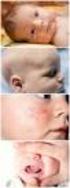 Common Skin Conditions in Children Liz Moore and Emma King Dermatology Nurse Consultants Diagnosis? Nummular Dermatitis Disc pattern rash (discoid eczema) Clearly demarcated edges Occurs at any age Can
Spongiotic reaction pattern Spongiosis = Intercellular edema Elongation of bridges vesiculation, bullae?mechanism unclear Fluid comes from dermis Impo
 Spongiotic Reaction Pattern and review Nathan C. Walk, M.D. Spongiotic reaction pattern Spongiosis = Intercellular edema Elongation of bridges vesiculation, bullae?mechanism unclear Fluid comes from dermis
Glossary. amenorrhea, primary - from the beginning and lifelong; menstruation never begins at puberty.
 Glossary amenorrhea - absence or cessation of menstrual periods. amenorrhea, primary - from the beginning and lifelong; menstruation never begins at puberty. A amenorrhea, secondary - due to some physical
X-Plain Acne Reference Summary
 X-Plain Acne Reference Summary Introduction Nearly 17 million people in the United States have acne, making it one of the most common skin diseases in the USA. Although acne is not a serious health threat,
Accent on Health Obgyn, PC HERPES Frequently Asked Questions
 1. What is herpes? 2. How common is herpes? 3. Is there a cure for herpes? 4. What is oral herpes (cold sores)? 5. How is oral herpes spread? 6. What is genital herpes? 7. How is genital herpes spread?
EVALUATING THE PATIENT WITH AN ACUTE, GENERALIZED VESICULAR OR PUSTULAR RASH ILLNESS AND DETERMINING THE RISK OF SMALLPOX
 EVALUATING THE PATIENT WITH AN ACUTE, GENERALIZED VESICULAR OR PUSTULAR RASH ILLNESS AND DETERMINING THE RISK OF SMALLPOX Many rash illnesses can present with vesicles and pustules. The purpose of this
Leukocytoclastic Vasculitis and Stasis Dermatitis With Id Reaction
 Id Reaction December 01, 2007 By David L. Kaplan, MD [1] A Photo Quiz to Hone Dermatologic Skills Case 1: A slightly pruritic eruption developed on the lower legs of a 39-year-old woman after she had an
FastTest. You ve read the book... ... now test yourself
 FastTest You ve read the book...... now test yourself To ensure you have learned the key points that will improve your patient care, read the authors questions below. Please refer back to relevant sections
Highlights on Clinical Picture of Psoriasis
 Highlights on Clinical Picture of Psoriasis PROF DR DOAA MAHGOUB CAIRO UNIVERSITY 1 Chronic Plaque Psoriasis Symmetric distribution of sharply defined, erythematous, scaly plaques. The scalp, elbows, knees
Acne Vulgaris: Basic Facts
 Acne 1 Module Instructions The following module contains hyperlinked information which serves to offer more information on topics you may or may not be familiar with. We encourage that you read all the
The challenge of herpes
 The challenge of herpes Herpes is a common and personally challenging disease Herpes is very common. One out of four adults has genital herpes. When people first hear that they are infected, many become
Additional details >>> HERE <<<
 Additional details >>> HERE http://dbvir.com/ringworm12/pdx/comw23/ Tags:
Vesiculobullous Diseases Non-Infectious Etiology. Vesiculobullous Diseases. Infectious Etiology
 Vesicles and Pustules in the Newborn Julian Trevino, M.D. Associate Professor Boonshoft School of Medicine Department of Dermatology Vesicles and Pustules in the Newborn Represent wide spectrum of disorders
Balanitis (change on the helmet of the penis) This is a change in the skin on the glans (helmet) of the penis. It is often caused by either:-
 INFECTIONS Bacterial Vaginosis Women with Bacterial Vaginosis (BV) often complain of an increase in vaginal discharge that is "smelly" or they feel "unclean" despite regular washing. This is more noticeable
F r e q u e n t l y A s k e d Q u e s t i o n s
 Acne who specializes in treating skin problems) about how you can help prevent acne and if treatment would help you. Q: What is acne? A: Acne is a disorder that causes outbreaks of skin lesions commonly
Diseases that can be spread during sex
 Diseases that can be spread during sex Did you know... over 65 million people in the United States have a chronic, incurable sexually transmitted disease (STD)? and that every year another 19 million persons
Newborn Skin Rashes. References
 Newborn Skin Rashes COMPETENCIES: The resident should be able to: Recognize presenting signs and symptoms of a neonatal herpes simplex virus infection Recognize erythema toxicum and characteristics of
1g cream or ointment contains 1 mg methylprednisolone aceponate.
 CONSUMER MEDICINE INFORMATION ADVANTAN 1g cream or ointment contains 1 mg methylprednisolone aceponate. What is in this leaflet Please read this leaflet carefully before you start using ADVANTAN. It will
SKIN DISORDERS AND DISEASES Date:
 SKIN DISORDERS AND DISEASES Date: TOPIC 1: UNDERSTANDING SKIN DISORDERS 9 Rating: Text Pages: 184 205 1 Esthetics and dermatology are services that ideally complement one anotherthe esthetician should
Ear Infections Chickenpox chickenpox
 Ear Chickenpox Infections chickenpox Chickenpox Chickenpox is a common, very contagious viral infection that over 90% of people get during childhood unless they have been immunised. After an infection,
THE SKIN PHYSICAL EXAMINATION
 INTRODUCTION THE SKIN PHYSICAL EXAMINATION Among the many aspects of the physical examination, the diagnosis of skin disorders requires a unique approach. It demands the diagnostician s ability not only
NURS 821 Alterations in the Musculoskeletal System. Rheumatoid Arthritis. Type III Hypersensitivity Response
 NURS 821 Alterations in the Musculoskeletal System Margaret H. Birney PhD, RN Lecture 12 Part 2 Joint Disorders (cont d) Rheumatoid Arthritis Definition: Autoimmune disorder occurring in genetically sensitive
Yes, I know I have genital herpes:
 Counseling Messages for Herpes Simplex Type II (HSV-II) Genital herpes Always take the time to attend to the participant s feelings and emotional state; for some people, this is the most devastating news
Psoriasis Can be Cured with Homoeopathy
 Homoeopathy Clinic http://www.homoeopathyclinic.com Psoriasis Can be Cured with Homoeopathy Case Report / General Information What you should Know about Psoriasis? It is not a contagious disease. Psoriasis
Streptococcal Infections
 Streptococcal Infections Introduction Streptococcal, or strep, infections cause a variety of health problems. These infections can cause a mild skin infection or sore throat. But they can also cause severe,
Psoriasis. Student's Name. Institution. Date of Submission
 Running head: PSORIASIS Psoriasis Student's Name Institution Date of Submission PSORIASIS 1 Abstract Psoriasis is a non-contagious chronic skin disease that is characterized by inflammatory and multiplying
Arthritis and Rheumatology Clinics of Kansas Patient Education. Reactive Arthritis (ReA) / Inflammatory Bowel Disease (IBD) Arthritis
 Arthritis and Rheumatology Clinics of Kansas Patient Education Reactive Arthritis (ReA) / Inflammatory Bowel Disease (IBD) Arthritis Introduction: For as long as scientists have studied rheumatic disease,
Immunization Healthcare Branch. Human Papillomavirus Vaccination Program Questions and Answers. Prepared by
 Immunization Healthcare Branch Human Papillomavirus Vaccination Program Questions and Answers Prepared by Immunization Healthcare Branch (IHB), Defense Health Agency Last Updated: 02 Jan 14 www.vaccines.mil
Disorders of the Vulva
 Disorders of the Vulva WOMENCARE A Healthy Woman is a Powerful Woman (407) 898-1500 Certain health problems can affect the vulva (the outer part of the female genital area). Some problems are minor. Others
Cervical lymphadenopathy
 Cervical lymphadenopathy Introduction There are various classifications of lymphadenopathy, but a simple and clinically useful system is to classify lymphadenopathy as "generalized" if lymph nodes are
History and Physical Examination for Rheumatic Disease for MUSC Students
 History and Physical Examination for Rheumatic Disease for MUSC Students Inflammatory vs. non-inflammatory arthritis Inflammatory Prolonged stiffness after rest Stiffness improved with use Warmth Prolonged
www.healthoracle.org 1
 How does hair grow and should it recycle? A single hair follicle grows its hair strand over a period of four to six years (the anagen phase). It then rests for two to four months (the telogen phase), after
What are spider veins? What is the best treatment for spider veins?
 Laser Spider/Leg Vein Q & A What are spider veins? Millions of women and men are bothered by unsightly spider veins on their faces and legs. Spider veins or telangiectasias are those small red, blue and
F REQUENTLY A SKED Q UESTIONS
 Acne ogist (a doctor who specializes in treating skin problems) about how you can help prevent acne and if treatment would help you. page 1 Q: What is acne? Q: What are the different types of A: Acne is
Genital warts. Looking after your sexual health
 Genital warts Looking after your sexual health 2 Genital warts Genital warts are the most common viral sexually transmitted infection (STI). They are caused by the human papilloma virus (HPV) which can
Raynaud s phenomenon, Scleroderma and associated disorders
 Patient information Raynaud s phenomenon, Scleroderma and associated disorders Vascular Surgery Surgical Division PIF 202/V5 What is Raynaud s phenomenon? Raynaud s phenomenon is a condition where the
Guidelines for Hand Foot and Mouth Disease HFMD
 Guidelines for Hand Foot and Mouth Disease HFMD Hand, foot, and mouth disease, or HFMD, is a contagious illness caused by different viruses. Infants and children younger than 5 years are more likely to
COMMON BACTERIAL SKIN INFECTIONS IN GENERAL PRACTICE
 COMMON BACTERIAL SKIN INFECTIONS IN GENERAL PRACTICE The two most common bacteria to cause skin infections are staphylococcus aureus (staph aureus ) and streptococcus pyogenes ( strep) (see Table 1). Staphylococcus
Sports Dermatology. Atlantic Sports Health Damion A. Martins, MD Director Dean Padavan, MD Brett Keller, MD
 Sports Dermatology Atlantic Sports Health Damion A. Martins, MD Director Dean Padavan, MD Brett Keller, MD Objectives NJSIAA Skin Checks Disease Identification and Management Bacterial Fungal Viral Return
Facts About Chickenpox and Shingles for Adults
 Facts About Chickenpox and Shingles for Adults What is chickenpox? Chickenpox, also known as varicella, is a very contagious disease caused by the varicella-zoster virus. It is spread easily through the
The Integumentary System Dr. Ali Ebneshahidi
 The Integumentary System Dr. Ali Ebneshahidi The Skin The integument system consists of the skin (cutaneous membrane) and its accessory organs. The skin is composed of three layers of tissue: the outer
Nurse Practitioner, Dermatology
 Melissa O Neill, O MS, APRN Nurse Practitioner, Dermatology Three Types of Skin Cancer > Basal Cell Carcinoma > Squamous Cell Carcinoma > Malignant Melanoma Basal Cell Carcinoma > Most common skin cancer
Smoothbeam Laser Treatment of Acne Vulgaris. Emerging Applications
 Smoothbeam Laser Treatment of Acne Vulgaris Emerging Applications About Acne Vulgaris Very common - Affects 80% of population Almost every person experiences acne Most common reason to visit dermatologist
Acne. Sofia Chaudhry M.D. Histology of an inflamed comedo. Bolognia, 2008.
 Acne Sofia Chaudhry M.D. Histology of an inflamed comedo. Bolognia, 2008. Acne Vulgaris (Common Acne) Multifactorial disorder of pilosebaceous unit Affects 40-50 million individuals annually in U.S. alone
Nail Psoriasis. A positive approach. to psoriasis and. psoriatic arthritis
 Nail Psoriasis A positive approach to psoriasis and psoriatic arthritis What is psoriasis? Psoriasis (Ps) is a long-term (chronic) scaling disease of the skin, which affects 2% 3% of the UK population.
Pathogenesis 10/04/2015. Acne
 Deepani Rathnayake MBBS, MD, FACD Acne Affects >80% of adolescents >40% of adults Associated with Disfigurement Loss of confidence Depression Affects quality of life Pathogenesis i) increased sebum production,
CLINICAL PRESENTATION OF PSORIASIS
 CLINICAL PRESENTATION OF PSORIASIS F. AYALA Division of Dermatology, Department of Systematic Pathology, University of Naples Federico II, Naples, Italy SUMMARY Psoriasis is a chronic, inflammatory disease
AIR FORCE REPORTABLE EVENTS GUIDELINES & CASE DEFINITIONS
 AIR FORCE REPORTABLE EVENTS GUIDELINES & CASE DEFINITIONS An Air Force addendum to the TRI-SERVICE REPORTABLE EVENTS GUIDELINES & CASE DEFINITIONS Prepared by: Air Force Institute for Operational Health
Approaches to Infection Control
 Approaches to Infection Control Considerations for PTAs in the Clinic Objectives Describe the basic characteristics of bacteria, viruses, fungi, and parasites. Discuss the locations, advantages, and disadvantages
MANAGING ACNE IN PHARMACY
 MANAGING ACNE IN PHARMACY ACNE PREVALENCE Acne is the most common of skin diseases, affecting 85 per cent of Australians aged 15-24 years old. Very few people manage to escape their teenage and young adult
Wound Care on the Field. Objectives
 Wound Care on the Field Brittany Witte, PT, DPT Cook Children s Medical Center Objectives Name 3 different types of wounds commonly seen in sports and how to emergently provide care for them. Name all
Melanoma The Skin Understanding Cancer
 Melanoma A form of cancer that begins in melanocytes (cells that make the pigment melanin). It may begin in a mole (skin melanoma), but can also begin in other pigmented tissues, such as in the eye or
PACKAGE LEAFLET: INFORMATION FOR THE USER. Elidel 10 mg/g Cream. pimecrolimus
 PACKAGE LEAFLET: INFORMATION FOR THE USER Elidel 10 mg/g Cream pimecrolimus Read all of this leaflet carefully before you start using Elidel cream Keep this leaflet. You may need to read it again. If you
URINARY TRACT INFECTIONS IN YOUNG WOMEN
 URINARY TRACT INFECTIONS IN YOUNG WOMEN Reviewed by Finnish Centre for Health Promotion Publisher: Ylioppilaiden terveydenhoitosäätiö Töölönkatu 37 A 00260 Helsinki Orders: [email protected] Author:
Psoriasis. Psoriasis. Mark A. Bechtel, M.D. Director of Dermatology The Ohio State University College of Medicine
 Psoriasis Mark A. Bechtel, M.D. Director of Dermatology The Ohio State University College of Medicine Psoriasis Psoriasis is a chronic skin disorder resulting from a polygenic predisposition combined with
MRSA. Living with. Acknowledgements. (Methicillin-Resistant Staphylococcus aureus)
 How can I keep myself healthy? Hand washing and use of an alcohol-based hand sanitizer are the primary way to prevent acquiring or transmitting bacteria. If you get a cut or scrape, wash it well with soap
NEHSNORTH EASTERN HEALTH SPECIALISTS
 COSMETIC DERMATOLOGY NEHSNORTH EASTERN HEALTH SPECIALISTS nehs.com.au CONSENT FORM ACNE Treatment I, DOB:, of authorize of North Eastern Health Specialist to perform hair removal with the BBL / Nd-Yag
THE KIDNEY. Bulb of penis Abdominal aorta Scrotum Adrenal gland Inferior vena cava Urethra Corona glandis. Kidney. Glans penis Testicular vein
 29 THE KIDNEY 9. Recurrent urinary tract infections Recurrent urinary tract infections The urinary tract consists of the urethra, the bladder, the ureters, the kidneys and in men the prostate gland. An
ACNE AND ROSACEA. Disclosure. Distribution of Acne 6/12/2014. NJAFP 2014 Summer Celebration & Scientific Assembly 1
 ACNE AND ROSACEA Everett Schlam, MD Assistant Director, Mountainside Hospital Family Medicine Residency Program, Verona, NJ Disclosure Dr. Schlam has indicated that he has nothing to disclose relevant
FUNCTIONS OF THE SKIN
 FUNCTIONS OF THE SKIN Skin is the largest organ of the body. The average adult has 18 square feet of skin which account for 16% of the total body weight. Skin acts as a physical barrier for you to the
Color Atlas of Skin Diseases
 Color Atlas of Skin Diseases Table of Contents 1. Acne Rosacea 2. Bacterial Infections Folliculitis Impetigo 3. Benign Neoplasms Seborrheic Keratoses Granuloma Pyogenicum Lentigo Simplex 4. Childhood Infectious
General Practice Service Willows Information Sheets. Ectoparasites (fleas and other skin parasites) in dogs
 General Practice Service Willows Information Sheets Ectoparasites (fleas and other skin parasites) in dogs Flea Tick Mite Louse Ectoparasites (fleas and other skin parasites) in dogs What types of skin
HIV/AIDS. HIV- Human Immunodeficiency Virus. AIDS immume system severely damaged
 HIV/AIDS HIV- Human Immunodeficiency Virus Person is infected with virus. May have no s/s (but may transmit virus) More common to have brief flu-like illness 2-6 wks after becoming infected (swollen lymph
X-Plain Alopecia Reference Summary
 X-Plain Alopecia Reference Summary Introduction Hair loss is very common in both men and women. You or someone you love may be experiencing hair loss. Hair follicle Learning about normal hair growth is
Inflammation and Healing. Review of Normal Defenses. Review of Normal Capillary Exchange. BIO 375 Pathophysiology
 Inflammation and Healing BIO 375 Pathophysiology Review of Normal Defenses Review of Normal Capillary Exchange 1 Inflammation Inflammation is a biochemical and cellular process that occurs in vascularized
Single-celled microorganisms, which can live inside or outside the body. Some cause sickness, but others are harmless.
 The Science behind the Noses are Red show: Introduction: The Noses are Red show is about allergies and the biological causes behind them. In order to explain allergies you need to understand a certain
MEDICATION GUIDE. PROTOPIC [pro-top-ik] (tacrolimus) Ointment 0.03% Ointment 0.1%
![MEDICATION GUIDE. PROTOPIC [pro-top-ik] (tacrolimus) Ointment 0.03% Ointment 0.1%](/thumbs/27/10084771.jpg "MEDICATION GUIDE. PROTOPIC [pro-top-ik] (tacrolimus) Ointment 0.03% Ointment 0.1%") MEDICATION GUIDE PROTOPIC [pro-top-ik] (tacrolimus) Ointment 0.03% Ointment 0.1% Read the Medication Guide every time you or a family member gets PROTOPIC Ointment. There may be new information. This Medication
MEDICATION GUIDE PROTOPIC [pro-top-ik] (tacrolimus) Ointment 0.03% Ointment 0.1% Read the Medication Guide every time you or a family member gets PROTOPIC Ointment. There may be new information. This Medication
GENETIC ANALYSIS OF PSORIASIS AND PSORIATIC ARTHRITIS Department of Dermatology, University of Michigan
 GENETIC ANALYSIS OF PSORIASIS AND PSORIATIC ARTHRITIS Department of Dermatology, University of Michigan SELF ASSESSMENT FORM FOR STUDY SUBJECTS AND CONTROLS Accession Number (will be filled in by lab)
Local Coverage Determination (LCD) for Skin Lesion (Non-Melanoma) Removal (L28300)
 Search Home Medicare Medicaid CHIP About CMS Regulations & Guidance Research, Statistics, Data & Systems Outreach & Education People with Medicare & Medicaid Questions Careers Newsroom Contact CMS Acronyms
Pap smears, cytology and CCHC lab work and follow up
 Pap smears, cytology and CCHC lab work and follow up What is a Pap Smear? A Pap smear (also known as the Pap test) is a medical procedure in which a sample of cells from a woman's cervix (the end of the
Informed Consent For Laser Hair Removal
 Informed Consent For Laser Hair Removal INSTRUCTIONS This informed-consent document has been prepared to help inform you about laser procedures, its risks, as well as alternative treatment(s). It is important
Two main classes: Epithelial Connective (synovial) Epithelial. Cutaneous Mucous Serous
 Two main classes: Epithelial Connective (synovial) Epithelial Cutaneous Mucous Serous Epithelial Membranes = sheet of epithelia + connective tissue base 1. Cutaneous membrane: outer skin layer (stratified
ACNE. Nisakorn Saewan, Ph.D.
 ACNE, Ph.D. Contents Definition Cause of acne Type of acne Acne grades Acne treatments Objectives To explain the definition of acne To elucidate cause of acne To identify type and grade of acne To explain
A Psoriasis. Clinical Presentation. 2 Types of Psoriasis. Plaque Psoriasis. 1 Introduction
 Clinical Presentation A Psoriasis Jennifer Soung, Mark Lebwohl Contents 1 Introduction 67 2 Types of Psoriasis 67 Plaque Psoriasis 67 Guttate Psoriasis 68 Pustular Psoriasis 69 Inverse Psoriasis 70 Erythrodermic
Betnovate -C 0.1% / 3% w/w Cream Betamethasone (as valerate) and Clioquinol
 [GSK Logo] Package Leaflet: Information for the User Betnovate -C 0.1% / 3% w/w Cream Betamethasone (as valerate) and Clioquinol Read all of this leaflet carefully before you start using this medicine
Other Noninfectious Diseases. Chapter 31 Lesson 3
 Other Noninfectious Diseases Chapter 31 Lesson 3 Diabetes Diabetes- a chronic disease that affects the way body cells convert food into energy. Diabetes is the seventh leading cause of death by disease
 More details >>> HERE
 Take Charge--Know Your Risk. About STDs: Most Common Questions
 Take Charge--Know Your Risk About STDs: Most Common Questions 1. What Are STDs? Sexually transmitted diseases (STDs) are spread through sexual contact. Sexual contact includes vaginal, anal, or oral intercourse,
Skin cancer Patient information
 Skin cancer Patient information What is cancer? The human body is made up of billions of cells. In healthy people, cells grow, divide and die. New cells constantly replace old ones in an orderly way. This
Topical Tacrolimus or Pimecrolimus for the treatment of mild, moderate or severe atopic eczema. Effective Shared Care Agreement
 Topical Tacrolimus or Pimecrolimus for the treatment of mild, moderate or severe atopic eczema. Effective Shared Care Agreement A Copy of this page signed by all three parties should be retained in the
How massage therapists can handle skin conditions, for both themselves and their clients By Annie Morien massage. skin conditions
 How massage therapists can handle skin conditions, for both themselves and their clients By Annie Morien massage skin conditions & Anatomy and Physiology of Skin OVERVIEW. The skin is composed of two distinct
Psoriasis and lichen planus. Department of Dermatology SRM MCH & RC
 Psoriasis and lichen planus Department of Dermatology SRM MCH & RC WHAT IS PSORIASIS Psoriasis is a common, chronic, disfiguring, inflammatory and proliferative condition of the skin; in which both genetic
 Full version is >>> HERE
 Conjunctivitis - Pink Eye
 Conjunctivitis - Pink Eye Introduction Conjunctivitis is often called pink eye. It causes inflammation of the thin, clear lining inside the eyelid and on the white of the eye. The inflammation gives the
High Impact Rheumatology
 High Impact Rheumatology Rheumatology at a Glance Osteoarthritis: Typical hand Hard boney enlargements Heberden s nodes at the DIP joints Bouchard s nodes at the PIP joints Often have squared first CMC
Transient Hypogammaglobulinemia of Infancy. Chapter 7
 Transient Hypogammaglobulinemia of Infancy Chapter 7 An unborn baby makes no IgG (antibody) and only slowly starts producing it after birth. However, starting at about the sixth month of pregnancy, the