
Use of treadmill and wheel exercise to assess dystrophic state
|
|
|
- Brook Mills
- 10 years ago
- Views:
Transcription
1 Please quote this SOP in your Methods. Use of treadmill and wheel exercise to assess dystrophic state SOP (ID) Number DMD_M Version 1.0 Issued November 12 th, 2008 Last reviewed May 23 rd, 2015 Author Robert W. Grange Virginia Tech, Department of Human Nutrition, Foods and Exercise, Blacksburg, VA, USA Working group members SOP responsible Official reviewer Annamaria De Luca (Sezione di Farmacologia, Dipartimento Farmacobiologico, Facoltà di Farmacia, Università di Bari, Italy) Annemieke Aartsma-Rus and Maaike van Putten (Leiden University Medical Center, Department of Human Genetics, Leiden, The Netherlands) Jean-Marc Raymackers (Université Catholique de Louvain, Louvain-la-Neuve, Belgique) Kanneboyina Nagaraju (Children s National Medical Center, Washington DC, USA) Markus Rüegg (Biozentrum, University of Basel, Switzerland) Robert W. Grange Markus Rüegg Page 1 of 12

2 TABLE OF CONTENTS 1. OBJECTIVE 3 2. SCOPE AND APPLICABILITY 3 3. CAUTIONS Wheel test Treadmill 4 4. MATERIALS Voluntary wheel running Enforced treadmill exercise 6 5. METHODS Wheel running Treadmill exercise 8 6. EVALUATION AND INTERPRETATION OF RESULTS 9 7. REFERENCES 11 Page 2 of 12

3 1. OBJECTIVE The objective of this SOP is to describe how treadmill or wheel running exercise can be used to evaluate the disease-related impairment of neuromuscular function in mdx mice to better determine the benefits of a specific treatment. The ultimate aim of a treatment should be to improve neuromuscular function. Because the dystrophic process affects limb skeletal muscle, the diaphragm and the heart, improvements in these muscles should be ideally reflected in better physiologic performance. Physiologic performance can be assessed by the mouse running on a treadmill or on a wheel. For the treadmill, mice are subjected to a running paradigm to determine the time to exhaustion and the total distance run. For the wheel running, mice voluntarily run on a wheel in their home cage, and the improvement in distance run per night, per week, per month etc. is assessed. These approaches can be used to quantify the disease-related impairment in either sedentary and/or chronically exercised (i.e., exercise trained) mdx mice. While the purpose of this SOP is to describe an approach to evaluate the dystrophic phenotype with or without treatment, and in a sedentary or trained state, specific exercise protocols or experimental conditions can also be used to aggravate the dystrophic process. This approach is described in a separate SOP (DMD_M , Use of treadmill and wheel exercise for impact on mdx mice phenotype). 2. SCOPE AND APPLICABILITY Running exercise on either a treadmill or a wheel can be used to assess mdx phenotype and/or to evaluate the efficacy of therapeutic interventions with pharmacotherapies (Granchelli et al., 2000; De Luca et al., 2003; Radley and Grounds, 2006; Brunelli et al., 2007; Minetti et al., 2006), gene or cellular strategies (Denti et al., 2006), or nutritional interventions (Call et al., 2008; Dorchies et al., 2006). Both treadmill and wheel running can be used as early as weaning age, although mice with spinal muscle atrophy have been trained on a running wheel as early as 10 days old (Grondard et al., 2005). As described below, it is mandatory that the treadmill controls provide for setting and maintaining a specific speed and for setting and maintaining a horizontal, downhill or uphill orientation. Downhill running is used to generate eccentric contractions in vivo. However, mdx mice can barely tolerate this type of running, and thus it can only be used for short-term proof-of-concept approaches. However, this may be a valuable acute test to discriminate the efficacy of a treatment if the dystrophic mice show only minor muscle damage similar to wild type mice, whereas the untreated dystrophic mice demonstrate severe muscle damage. All the conditions described below need to be followed carefully to allow comparison between laboratories. Although less stringent, these recommendations also apply to wheel running. 3. CAUTIONS As is true for any behavioral tests, variables concerning the environment and the animals used must be kept constant throughout the study. These include housing conditions Page 3 of 12

4 (light, humidity, background noise, etc.), feeding state, schedule of the experiments (morning / afternoon), strain, sex and age of the mice. Exercise can modify the progression of the disease, therefore it is essential to use standardized protocols and the proper control mice (e.g., Call et al., 2008; Carter et al., 1995). 3.1 Wheel test Advantages The wheel test reveals each individual animal s voluntary capacity for running. There is no need for further acclimatization after the first session and minimal human intervention is required while the mice run. This exercise can be initiated during early maturation (usually at or after weaning) and continued for set periods of time (e.g., one to several weeks) or indefinitely throughout the mouse s life, according to the experimental purposes. Noninvasive in vivo testing offers the great advantage that it can be readministered, so that each animal can become its own control (provided that the mice are examined during a steady-state phase of neuromuscular development, i.e. 4-6 months of age). Obviously, this implies making the same examinations in untreated animals, to differentiate the effects of exercise from those due to the treatment. Disadvantages There can be wide variation in the amount of running between individual mice, requiring a large number of animals to reach statistical significance. To determine the number of animals required, a Power analysis should be performed. There are also differences between male and female runners; females run further each night. Other disadvantages, which mainly relate to the use of wheel running for chronic exercise, are that the mice are caged individually, with a possible impact on their behavior, and that a change in wheel properties as a result of dirt accumulation can potentially increase the effort required by the animal to perform the running test. Differences in the design of particular wheels may also account for the different results obtained by different laboratories: Indeed, some designs allow the wheel resistance to be set to increase the workload. Although generally affordable, a complete setup can also be somewhat expensive. 3.2 Treadmill Advantages Exercise parameters such as speed, duration and angle of the treadmill can be strictly controlled to fulfill a variety of experimental protocols and allow a precise exercise load to be set. All of the mice belonging to an experimental group undergo the same protocol and this allows precise monitoring of the neuromuscular performance of each mouse in and between Page 4 of 12

5 experimental groups. Control of the parameters facilitates comparison of results from different laboratories. Ideally, if the environmental and exercise conditions are the same, this will limit bias. Disadvantages Unlike wheel running, treadmill experiments cannot be conducted without an acclimatizing period of 3 to 10 days, during which animals become familiar with the apparatus and can then train for longer periods of time and at higher speeds. Running can induce a certain level of stress in the animal. Continuous supervision by one or more experimenters is required. Although anecdotal evidence indicates that the concomitant running of 5-6 mice ensures better adherence (emulation phenomenon?), experimenters may choose to reduce the number of mice being tested at the same time to more closely observe each individual mouse. As a consequence, the time required to conduct the test will be substantial. Finally, treadmills are expensive. As described above, there is great variability in the performances achieved by different animals, even from the same litter. The response to a given drug itself is certainly different from one mouse to another. There are three possibilities for dealing with this variability: (1) monitor each mouse individually, before, during and after treatment, and express the efficacy of a drug as the post/pre ratio ( mean of the differences, rather than differences in the means ); (2) adapt the experimental condition to their initial performances; this implies determining for example, the maximal speed at which the animal can run, and measuring time to exhaustion at 80% of the maximal speed; and (3) use only mice that demonstrate a comparable performance, as determined by a preliminary test. Optimally, the 3 possibilities can be used together. This approach will increase the experiment time, but should lower the variability so that an effect has a greater chance to be observed. 4. MATERIALS 4.1 Voluntary wheel running A metal mouse wheel can be placed on the cage floor, suspended from the cage top or attached to the cage side. Exercise data can be obtained from the wheel via self-built detection systems or by automated commercial systems. Two examples of self-built systems are the following; (1) a small magnet can be attached to the wheel and a sensor from a bicycle pedometer attached to the back of the cage (Radley and Grounds, 2006); (2) a metal tab attached to the rear of the wheel can be used to interrupt a light signal to a photo electric gate. Each signal interrupt can be recorded on a laptop computer using a digital data acquisition card (National Instruments USB-6501, Part # ) and a custom Labview program (Call et al. 2008). In both cases, the sensor records single wheel revolutions. Daily and total distance (km), as well as maximal and average speed can be recorded each day (e.g., Radley and Grounds, 2006). A more sophisticated computerized monitoring system can be used to collect precise data on the patterns of running and stopping (e.g., Lafayette Instruments, Inc.; MiniMitter with Vital View software, Minimitter Inc.). Page 5 of 12

6 4.2 Enforced treadmill exercise A variety of treadmills are commercially available and allow the mouse to perform horizontal, uphill, or downhill running at a fixed speed. Each lane of the treadmill is physically separated on the same belt, so that up to six mice can be exercised simultaneously at the same speed and angle. Some treadmills have computerized systems to record exercise time, and a grid for delivering a low-intensity electric shock to the mouse s paws when the mouse stops. Other treadmills are built in a closed environment that allows the collection of respiratory gases for detailed analysis of gas exchange. One of the most widely used treadmill models is from Columbus Instruments (illustrated below). 5. METHODS 5.1 Wheel running Individually caged mice are allowed to freely move on the wheel for exercise. According to the circadian rhythm of rodents, mice generally run at night. The detection system records and saves the active running time for each mouse in each cage. Every day the experimenter can obtain data of the total distance run, the time of major activity and/or of rest, and the intervals of active time, such as shortest and longest lag interval time. Single animal data can be then compared with those of other animals and eventually pooled if responses are uniform. (Hara et al., 2002; Radley and Grounds; 2006; Brunelli et al., 2007). Note that accumulation of dust and other materials may increase rotational resistance of the wheel. Free movement of the wheel and the correct recording of revolutions should be regularly checked and corrected as necessary. In addition, the experimenter should also be aware that mice may turn the wheel during normal movement in the cage without actually running in it. Frequency, intensity and duration of wheel running. Frequency is the number of times the animals are allowed to run per week. This could be set for an experiment from 1 to 7 days per week. For non-computerized wheel systems, the wheel would have to be locked by the experimenter to prevent running on non-exercise days. This could be done by using a wire hook from the wheel to the wire cage top for example. Intensity is the load against which the mouse works on the wheel. In most cases, the mice will only run against the resistance of the wheel Page 6 of 12

7 itself. However, some computerized systems (e.g., Lafayette Instruments, Inc.) have an electronic brake on the wheel that can increase the resistance through computer control. Duration is the time the mouse is allowed to run on the wheel for any given exercise session. Normally the mice would be allowed to run all night, but duration of 1 or more hours could also be used. Ideally, with a computerized system, the brake could be programmed to come on after a certain duration. However, if duration is to be manipulated with a manual running system, an experimenter would have to be present to limit the duration by manually locking the wheel. Matched workloads. Exercise induces both positive and negative adaptations. To avoid differences between treatment groups due to the amount of exercise performed, the dose of exercise should be matched. For example, exercise doses for wt and mdx runners could be matched as follows: (1) mice from two different treatment groups are randomly paired (e.g., mdx and wt mice). Mdx running dose (i.e., distance per night) for each pair will be recorded, then this data will be used to ensure a match of the distance run per night by the paired wt runner. Running by wt and mdx mice will be initially staggered by one night. Mdx but not wt mice of each pair will run the first night, to record the running dose. On the 2 nd night through the end of the training period, both mdx and wt mice of each pair will run, with wt mice restricted to the dose of running performed by the mdx mice the previous night. Wt mice will complete the training period one day later than mdx mice. Ideally, computer controlled running wheels for each wt mouse would stop the wheel automatically when the appropriate distance from the respective mdx mouse for each pair is reached. If a computerized system is not available, this would have to be done manually. Example Study: Two groups of mdx mice (n=10 per group), one control and one treated are compared for distance run per night, week, month, etc. for a given training period at a given frequency, intensity and duration. Frequency = 7 times per week Intensity = wheel resistance only Duration = self selected Training period = 3, 6, 12 weeks (e.g., Call et al., 2008; Hayes et al, 1996). Additional groups of sedentary mdx mice without and with treatment could also be included in the study. This would help to distinguish between the effects of the treatment alone and the treatment plus exercise. Another approach would be to have two groups of sedentary mdx mice, one treated with a given drug and one that is not. After a set treatment period (e.g., 6 weeks), both groups of mice are assessed for their capacity to run on the wheel over some set period (e.g., 3 weeks). More sophisticated analyses could also be conducted while the mice run on wheels in an enclosed chamber so gas exchange can be evaluated (e.g., TSE Systems Inc., LabMaster/Calorimetry system; Columbus Instruments, Inc. Oxymax/CLAMS system). Page 7 of 12

8 Voluntary wheel running distances by C57BL/10 and mdx mice. Maximum values during the training period are reported below. Carter et al.,1995: 4 weeks training; young mdx mice (gender not reported) aged 4-8 weeks - ~6000 m/night; young C57BL/10 mice - ~9000 m/night; old mdx mice aged 6-7months - ~3000 m/night; old C57BL/10 mice aged 6-7 months - ~9500 m/night. Hayes and Williams, 1996: young male mdx mice aged 4-20 weeks - ~5400 m/night; young C57BL/10 - ~8500 m/night. Call et al., 2008: 3 weeks training; male mdx mice aged 3-6 weeks - ~2000 m/night; male C57BL/10 mice aged 3-6 weeks - ~6000 m/night. Treadmill exercise One mouse is placed in each lane and is enforced to run at a certain speed with the treadmill orientation held at 0. The mice are run to exhaustion and the time of running is recorded. Chronic exercise. When treadmill running is used for chronic exercise, a fixed protocol should be used, according to protocols and procedures described in detail in the SOP M.2.1_001, Use of treadmill and wheel exercise for impact on mdx mice phenotype. (Granchelli et al., 2000; De Luca et al., 2003, 2005). In this SOP, the exercise protocols described are used to assess the impact of treatment on neuromuscular function. For example, the effectiveness of a drug treatment could be evaluated by assessing how far the mouse can run before exhaustion. Other parameters (in vivo and mostly ex vivo) can then be used to evaluate the disease state. Again, these approaches are described in other SOPs. However, information (e.g., the number of stops/mouse; the duration of the stop) obtained during each exercise session are also useful in assessing the disease severity. For example, mice with a more severe disease state stop more frequently than less severely diseased mice. To obtain this stop information, the number of stops and the duration (e.g., a stopwatch) of each would have to be recorded. However, to obtain this detailed information, a second experimenter would be necessary or fewer mice would have to be run if there is only one experimenter. Consistency of this latter measurement is more difficult to obtain vs. overall running resistance and therefore less used as readout parameter. Example exercise training (for evaluation of number of stops during a fixed exercise duration): Exercise compared to a sedentary group of mdx mice with and without treatment: (1) 12 m/min for 30 min twice a week for some specified period (e.g., 3, 6 and 8 weeks; Granchelli et al., 2000; De Luca et al., 2003, 2005). (2) 9m/min for 30 min, twice a week for some specified period (e.g., 3, 6 and 8 weeks; Kaczor et al., 2007; Hudecki et al., 1993). Example run to exhaustion: The speed is initially set at 5 m/min for 5 min, and then the speed is increased 1 m/min every minute until exhaustion. A specific criterion for exhaustion should be pre-determined. For example, the mouse will not continue running on the treadmill for 20 s despite repeated gentle nudges to make it do so (e.g., Brunelli et al., 2007; Denti et al., 2006). Page 8 of 12

9 For this exhaustion test, typical distance values for sedentary wild-type male mice (C57/BL10) aged 8-12 weeks are approximately meters. Values for sedentary mdx mice of the same age are lower (~ m) with distances even less when the pathology is worse or subsequent to chronic forced exercise protocols ( m). Treadmill Maintenance. Most commercial treadmills are designed to collect wastes; however this is not sufficient for the belt. This has to be properly and gently cleaned after each exercise session to avoid dust and organic waste from reducing adherence of the mouse paws, as well as change the speed belt efficiently. Periodically, the speed of the belt has to be verified by measuring the time required by a small fixed object on the belt to cover the distance between two points (beginning and end of the lane at a known distance) and verifying that it corresponds with the speed value chosen by the experimenter. 6. EVALUATION AND INTERPRETATION OF RESULTS When exercise is used to evaluate the progression of the dystrophic pathology and or the effect of a therapy the objective data obtained are used to determine, 1) the total distance run by each mouse until exhaustion (treadmill) 2) the change in the total distance run by each mouse until exhaustion over time (longitudinal studies for chronic treatment) 3) the total distance run by each mouse in acute tests and over time (wheel exercise) and relative speed 4) the duration of each bout of voluntary running session (wheel exercise) 5) change in pattern of running over time (duration and number of shortest and longest running session) (wheel exercise) Importantly, the collection of the data should include additional information: a) that all the mice performed the required exercise correctly (treadmill) b) the total amount/pattern of exercise performed by each mouse c) inter-animal variability d) possible correlations with between therapy and pathology course All observational data are extremely important to understand the consistency of the protocol and to account for concomitant disturbing events, such as stress. These observations include: Body weight (to be monitored weekly) Food and water consumption (monitored weekly) Change in mood (too nervous or too sleepy (monitored daily)) Page 9 of 12

10 Marked change in the ability to perform the exercise (i.e., more than 3 stops per each treadmill trial session; no wheel exercise) Change in fore limb strength (as assessed by grip strength) Change in social habits (for treadmill) All these data should be consistently recorded in a lab book to provide immediate or subsequent analysis. Page 10 of 12

11 7. REFERENCES Bouchentouf M, Benabdallah BF, Mills P, Tremblay JP. (2006). Exercise improves the success of myoblast transplantation in mdx mice. Neuromuscul Disord. 8: Brunelli S, Sciorati C, D'Antona G, Innocenzi A, Covarello D, Galvez BG, Perrotta C, Monopoli A, Sanvito F, Bottinelli R, Ongini E, Cossu G, Clementi E. (2007). Nitric oxide release combined with nonsteroidal antiinflammatory activity prevents muscular dystrophy pathology and enhances stem cell therapy. Proc. Natl. Acad. Sci. USA. 104: Call, JA, Voelker KA, Wolff AV, Macmillan RP, Evans NP, Hulver MW, Talmadge RJ Grange RW. (2008). Endurance capacity in maturing mdx mice is markedly enhanced by combined voluntary wheel running and green tea extract. J Appl Physiol. [Epub ahead of print; doi:101152] Carter GT, Wineinger MA, Walsh SA, Horasek SJ, Abresch RT, Fowler WM Jr. (1995). Effect of voluntary wheel-running exercise on muscles of the mdx mouse. Neuromuscul Disord 5: De Luca A, Pierno S, Liantonio A, et al. (2003). Enhanced dystrophic progression in mdx mice by exercise and beneficial effects of taurine and insulin-like growth factor-1. J. Pharmacol. Exper. Ther. 304: De Luca A, Nico B, Liantonio A, et al. (2005). A multidisciplinary evaluation of the effectiveness of cyclosporine a in dystrophic mdx mice. Am. J. Pathol. 166: Denti MA, Rosa A, D'Antona G, Sthandier O, De Angelis FG, Nicoletti C, Allocca M, Pansarasa O, Parente V, Musarò A, Auricchio A, Bottinelli R, Bozzoni I. (2006). Body-wide gene therapy of Duchenne muscular dystrophy in the mdx mouse model. Proc. Natl. Acad. Sci. USA. 103: Dorchies OM, WagnerS, VuadensO, WaldhauserK, BuetlerTM, KuceraP, RueggUT. (2006). Green tea extract and its major polyphenol(-)- epigallocatechingallate improve muscle function in a mouse model for Duchenne muscular dystrophy. Am J Physiol Cell Physiol 290:C616 C625. Grondard C, Biondi O, Armand, AS, Lecolle S, Della Gaspera B, Pariset C, Li H, Gallien CL, Vidal PP, Chanoine C, Charbonnier F. (2005). Regular exercise prolongs survival in a type 2 spinal muscular atrophy model mouse. J Neurosci. 25(33): Granchelli JA, Pollina C and Hudecki MS. (2000). Pre-clinical screening of drugs using the mdx mouse. Neuromuscul Disord. 10(4-5): Page 11 of 12

12 Hara H, Nolan PM, Scott MO, Bucan M, Wakayama Y, Fischbeck KH. (2002). Running endurance abnormality in mdx mice. Muscle Nerve 25: Hayes A, and Williams DA. (1996). Beneficial effects of voluntary wheel running on the properties of dystrophic mouse muscle. J Appl Physiol 80: Hayes A, Williams DA. (1998). Contractile function and low-intensity exercise effects of old dystrophic (mdx) mice. Am. J. Physiol.274 (4 Pt 1):C Page 12 of 12

Use of treadmill and wheel exercise for impact on mdx mice phenotype
 Please quote this SOP in your Methods. Use of treadmill and wheel exercise for impact on mdx mice phenotype SOP (ID) Number DMD_M.2.1.001 Version 2.0 Issued August 28th, 2008 Last reviewed March 27 th,
Use of pen test (balance beam) to assess motor balance and coordination in mice
 Please quote this SOP in your Methods. Use of pen test (balance beam) to assess motor balance and coordination in mice SOP (ID) Number SMA_M.2.1.001 Version 1 Issued September 8 th, 2010 Last reviewed
Serum Creatine Kinase analysis in mouse models of muscular dystrophy.
 Please quote this SOP in your Methods. Serum Creatine Kinase analysis in mouse models of muscular dystrophy. SOP (ID) Number MD_M.2.2.001 Version 2.0 Issued October 18th, 2008 Last reviewed March 25th,
FSH Society s 2014 Biennial FSHD Connect Meeting: Natural History Studies
 FSH Society s 2014 Biennial FSHD Connect Meeting: Natural History Studies Raymond A. Huml, MS, DVM, RAC Executive Director, Head, Global Biosimilars Business Development and Strategic Planning, Quintiles
Sophisticated Life Science Research Instrumentation. Vogel Test System. Anxiety Monitoring System
 Sophisticated Life Science Research Instrumentation Vogel Test System Anxiety Monitoring System www.tse-systems.com [email protected] Specifications subject to change without notice TSE Vogel Test System
Module PhenoMaster System
 Sophisticated Life Science Research Instrumentation Module PhenoMaster System Treadmill Module for Mice & Rats www.tse-systems.com [email protected] Specifications subject to change without notice 2
Early treatment with heart failure drugs preserves cardiac and skeletal muscles in a mouse model of DMD
 Early treatment with heart failure drugs preserves cardiac and skeletal muscles in a mouse model of DMD Jill A. Rafael-Fortney, Ph.D. Associate Professor Dept. Molecular and Cellular Biochemistry (Physiology
CONTENTS. Note to the Reader 00. Acknowledgments 00. About the Author 00. Preface 00. Introduction 00
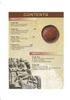 Natural Therapies for Emphysema By Robert J. Green Jr., N.D. CONTENTS Note to the Reader 00 Acknowledgments 00 About the Author 00 Preface 00 Introduction 00 1 Essential Respiratory Anatomy and Physiology
Program of Study: Bachelor of Science in Athletic Training
 Program of Study: Bachelor of Science Training Program Description Athletic training, as defined by the National Athletic Trainer s Association, is practiced by athletic trainers, health care professionals
The challenges of conducting clinical development in rare / orphan diseases: The Industry Perspective
 The challenges of conducting clinical development in rare / orphan diseases: The Industry Perspective Thomas Meier, PhD (Chief Scientific Officer) Muscle Study Group, September 22, 2009 Agenda Santhera
2nd MuscleTech Network Workshop. From translational Research to translational Medicine. CONCLUSIONS AND CLOSING REMARKS Dr.
 2nd MuscleTech Network Workshop. From translational Research to translational Medicine. CONCLUSIONS AND CLOSING REMARKS Dr. Carles Pedret MUSCLE AND TENDON WORKSHOP HEALTH AND GENERAL POPULATION SPORTS
Muscular Dystrophy: Stem Cell Therapy
 by Caitlin Pederson Abstract: Genetic disorders affect many people, and muscular dystrophy is a disorder that can greatly decrease the quality of life. Finding treatment to stop or prevent the loss of
Not All Clinical Trials Are Created Equal Understanding the Different Phases
 Not All Clinical Trials Are Created Equal Understanding the Different Phases This chapter will help you understand the differences between the various clinical trial phases and how these differences impact
Health Science Career Field Allied Health and Nursing Pathway (JM)
 Health Science Career Field Allied Health and Nursing Pathway (JM) ODE Courses Possible Sinclair Courses CTAG Courses for approved programs Health Science and Technology 1 st course in the Career Field
Seminar/Talk Calendar
 Seminar/Talk Calendar Tuesday, February 3rd Dr. John Neumaier, Professor of Psychiatry and Pharmacology, University of Washington DREADDing Addiction Dr. Neumaier s laboratory is studying stress and addiction
The Use of the Lokomat System in Clinical Research
 International Neurorehabilitation Symposium February 12, 2009 The Use of the Lokomat System in Clinical Research Keith Tansey, MD, PhD Director, Spinal Cord Injury Research Crawford Research Institute,
Chapter 6: HRV Measurement and Interpretation
 Chapter 6: HRV Measurement and Interpretation Heart-rhythm analysis is more than a measurement of heart rate; it is a much deeper measurement of the complex interactions between the brain, the heart and
Power Measurement in Cycling using inductive Coupling of Energy and Data (P80)
 Power Measurement in Cycling using inductive Coupling of Energy and Data (P80) Reinhardt Tielert, Norbert Wehn 1, Thomas Jaitner 2, Roland Volk 1 Topics: Bicycle; Innovation & Design; Measurement Systems;
CURRICULUM VITAE. - Instructor, Department of Nutrition and Exercise Sciences, Oregon State University, Corvallis Oregon (2010-2011
 CURRICULUM VITAE Personal Information Kathleen S. Howe, Ph.D. Instructor School of Biological and Population Health Sciences, College of Public Health and Human Sciences Oregon State University [email protected]
adj., departing from the norm, not concentric, utilizing negative resistance for better client outcomes
 Why Eccentrics? What is it? Eccentric adj., departing from the norm, not concentric, utilizing negative resistance for better client outcomes Eccentrics is a type of muscle contraction that occurs as the
Republic Polytechnic. Continuing Education & Training. Course Structure: Anatomy & Physiology
 Republic Polytechnic Continuing Education & Training Course Structure: Anatomy & Physiology Module Anatomy and Physiology Description This module introduces the basic human anatomical organization, tissue
The small open field can also serve as a hole board and as a test chamber for the novel
 1 The Open Field Test Revised 9 July 2004 The open field can be of different sizes; small (38 x 38 cm), or large (72 x 72 cm). The small open field can also serve as a hole board and as a test chamber
MASTER OF SCIENCE IN BIOKINESIOLOGY
 MASTER OF SCIENCE IN BIOKINESIOLOGY STUDENT HANDBOOK Division of Biokinesiology & Physical Therapy University of Southern California Revised 8/27/13 Table of Contents What is Biokinesiology? 3 Master of
CHAPTER 4 QUALITY ASSURANCE AND TEST VALIDATION
 CHAPTER 4 QUALITY ASSURANCE AND TEST VALIDATION CINDY WEILAND AND SANDRA L. KATANICK Continued innovations in noninvasive testing equipment provide skilled sonographers and physicians with the technology
WHAT IS THE CORE RECOMMENDATION OF THE ACSM/AHA PHYSICAL ACTIVITY GUIDELINES?
 PHYSICAL ACTIVITY AND PUBLIC HEALTH GUIDELINES FREQUENTLY ASKED QUESTIONS AND FACT SHEET PHYSICAL ACTIVITY FOR THE HEALTHY ADULT WHAT IS THE CORE RECOMMENDATION OF THE ACSM/AHA PHYSICAL ACTIVITY GUIDELINES?
Exercise and FES cycle fact sheet
 Exercise and FES cycle fact sheet FES = Functional Electrical Stimulation. An electrical current is passed through paralysed muscle causing it to contract. The electrical current uses the peripheral nerves
Cardiorespiratory Fitness
 Cardiorespiratory Fitness Assessment Purpose Determine level of fitness & set goals Develop safe & effective exercise prescription Document improvements Motivation Provide info concerning health status
Tension Type Headaches
 Tension Type Headaches Research Review by : Dr. Ian MacIntyre Physiotherapy for tension-type Headache: A Controlled Study P. Torelli, R. Jenson, J. Olsen: Cephalalgia, 2004, 24, 29-36 Tension-type headache
Endocrine Responses to Resistance Exercise
 chapter 3 Endocrine Responses to Resistance Exercise Chapter Objectives Understand basic concepts of endocrinology. Explain the physiological roles of anabolic hormones. Describe hormonal responses to
Stem Cell Quick Guide: Stem Cell Basics
 Stem Cell Quick Guide: Stem Cell Basics What is a Stem Cell? Stem cells are the starting point from which the rest of the body grows. The adult human body is made up of hundreds of millions of different
Anaerobic and Aerobic Training Adaptations. Chapters 5 & 6
 Anaerobic and Aerobic Training Adaptations Chapters 5 & 6 Adaptations to Training Chronic exercise provides stimulus for the systems of the body to change Systems will adapt according to level, intensity,
Kinesiology Graduate Course Descriptions
 Kinesiology Graduate Course Descriptions KIN 601 History of Exercise and Sport Science 3 credits Historical concepts, systems, patterns, and traditions that have influenced American physical activity and
Section 8: Clinical Exercise Testing. a maximal GXT?
 Section 8: Clinical Exercise Testing Maximal GXT ACSM Guidelines: Chapter 5 ACSM Manual: Chapter 8 HPHE 4450 Dr. Cheatham Outline What is the purpose of a maximal GXT? Who should have a maximal GXT (and
Predicting Aerobic Power (VO 2max ) Using The 1-Mile Walk Test
 USING A WALKING TEST 12/25/05 PAGE 1 Predicting Aerobic Power (VO 2max ) Using The 1-Mile Walk Test KEYWORDS 1. Predict VO 2max 2. Rockport 1-mile walk test 3. Self-paced test 4. L min -1 5. ml kg -1 1min
Pharmacology skills for drug discovery. Why is pharmacology important?
 skills for drug discovery Why is pharmacology important?, the science underlying the interaction between chemicals and living systems, emerged as a distinct discipline allied to medicine in the mid-19th
Stem cells and motor neurone disease
 Stem cells and motor neurone disease F Stem cell research has fuelled hope of a treatment for a variety of conditions. This information sheet explains what these cells are and includes details of the current
Animal Models of Human Behavioral and Social Processes: What is a Good Animal Model? Dario Maestripieri
 Animal Models of Human Behavioral and Social Processes: What is a Good Animal Model? Dario Maestripieri Criteria for assessing the validity of animal models of human behavioral research Face validity:
2. The prescribing clinician will register with the designated manufacturer.
 Clozapine Management Program Description Magellan of Arizona Pharmacy Program Background: Magellan Health Services of Arizona recognizes the importance of a clozapine program. Clozapine received increased
Repelling effect on mice and rats
 Ultrasound and Extremely Low Frequency Magnetic Field on mice and rats -.U/ELMF-_M www.silverline.se Pest Control gardensystem The complete indoor guard system Poison Free Pest Control Repelling system
19. Drug Treatment Trials
 1 9. D R U G T R E A T M E N T T R I A L S 19. Drug Treatment Trials The science behind the Progeria clinical drug trials Trial medications at a glance Progeria clinical drug trials The science behind
Biomechanics of cycling - Improving performance and reducing injury through biomechanics
 Biomechanics of cycling - Improving performance and reducing injury through biomechanics Biomechanics is the science concerned with the forces that act on the human body and the effects these forces produce.
STROKE CARE NOW NETWORK CONFERENCE MAY 22, 2014
 STROKE CARE NOW NETWORK CONFERENCE MAY 22, 2014 Rehabilitation Innovations in Post- Stroke Recovery Madhav Bhat, MD Fort Wayne Neurological Center DISCLOSURE Paid speaker for TEVA Neuroscience Program.
Beware that Low Urine Creatinine! by Vera F. Dolan MSPH FALU, Michael Fulks MD, Robert L. Stout PhD
 1 Beware that Low Urine Creatinine! by Vera F. Dolan MSPH FALU, Michael Fulks MD, Robert L. Stout PhD Executive Summary: The presence of low urine creatinine at insurance testing is associated with increased
Certificate in School of Applied Physiology
 Certificate in School of Applied Physiology The certificate program, as outlined below, satisfies the institutional requirement for 12 semester hours, with at least 9 being at the 3000 level or above.
Respiratory Therapy Program Technical Standards
 Respiratory Therapy Program Technical Standards Technical Standards define the observational, communication, cognitive, affective, and physical capabilities deemed essential to complete this program and
A Genetic Analysis of Rheumatoid Arthritis
 A Genetic Analysis of Rheumatoid Arthritis Introduction to Rheumatoid Arthritis: Classification and Diagnosis Rheumatoid arthritis is a chronic inflammatory disorder that affects mainly synovial joints.
Understanding the Pain Trajectory During Treadmill Testing in Peripheral Artery Disease
 Understanding the Pain Trajectory During Treadmill Testing in Peripheral Artery Disease Diane Treat-Jacobson, PhD, RN, FAHA, FAAN Susan J. Henly, PhD, RN Ulf G. Bronas, PhD, ATC, ATR Arthur S. Leon, MD,
The role, duties and responsibilities of clinical trials personnel Monitoring: rules and recommendations
 The role, duties and responsibilities of clinical trials personnel Monitoring: rules and recommendations Maria Luisa Paoloni OPBG Clinical & Research Services Monitoring and Responsible of monitoring:
Muscular Dystrophy and Multiple Sclerosis. ultimately lead to the crippling of the muscular system, there are many differences between these
 Battles 1 Becky Battles Instructor s Name English 1013 21 November 2006 Muscular Dystrophy and Multiple Sclerosis Although muscular dystrophy and multiple sclerosis are both progressive diseases that ultimately
Targeting Specific Cell Signaling Pathways for the Treatment of Malignant Peritoneal Mesothelioma
 The Use of Kinase Inhibitors: Translational Lab Results Targeting Specific Cell Signaling Pathways for the Treatment of Malignant Peritoneal Mesothelioma Sheelu Varghese, Ph.D. H. Richard Alexander, M.D.
TECHNICAL STANDARDS Physician Assistant Program Charles R. Drew University of Medicine and Science
 Medical education requires the accumulation of medical knowledge, acquisition of clinical skills, professional attitudes and behaviors. Successful completion of the program relies on the students ability
Interval Training. Interval Training
 Interval Training Interval Training More work can be performed at higher exercise intensities with same or less fatigue than in continuous training Fitness Weight Loss Competition Baechle and Earle, Essentials
Heart Rate and Physical Fitness
 Heart Rate and Physical Fitness The circulatory system is responsible for the internal transport of many vital substances in humans, including oxygen, carbon dioxide, and nutrients. The components of the
33 % of whiplash patients develop. headaches originating from the upper. cervical spine
 33 % of whiplash patients develop headaches originating from the upper cervical spine - Dr Nikolai Bogduk Spine, 1995 1 Physical Treatments for Headache: A Structured Review Headache: The Journal of Head
STEM CELL FACTS. The ISSCR is an independent, nonproft organization providing a global forum for stem cell research and regenerative medicine.
 STEM CELL FACTS The ISSCR is an independent, nonproft organization providing a global forum for stem cell research and regenerative medicine. WHAT ARE STEM CELLS? Stem cells are the foundation cells for
feature: plus: the med associates newsletter new product wireless running wheel unveiled at SfN 2007 www.med-associates.com
 www.med-associates.com the med associates newsletter Volume 1 Issue 5 November/December 2007 feature: new product wireless running wheel unveiled at SfN 2007 plus: what s new 2 3 7 Read about our from
CORE MEDICAL TERMINOLOGY Course Syllabus
 Course Syllabus Course Number: HLTH-0342 OHLAP Credit: No OCAS Code: None Course Length: 45 Hours Career Cluster: Health Science Career Pathway: Therapeutic Services Career Major(s): Pre-requisite(s):
Video-Based Eye Tracking
 Video-Based Eye Tracking Our Experience with Advanced Stimuli Design for Eye Tracking Software A. RUFA, a G.L. MARIOTTINI, b D. PRATTICHIZZO, b D. ALESSANDRINI, b A. VICINO, b AND A. FEDERICO a a Department
Use of Human Big Data to Help Improve Productivity in Service Businesses
 Hitachi Review Vol. 6 (216), No. 2 847 Featured Articles Use of Human Big Data to Help Improve Productivity in Service Businesses Satomi Tsuji Hisanaga Omori Kenji Samejima Kazuo Yano, Dr. Eng. OVERVIEW:
University of South Florida, Tampa, FL. Nutrition Laboratory
 Bill Campbell, PhD, CSCS, FISSN Assistant Professor of Exercise Science at the University of South Florida, Tampa, FL. Director of the Exercise and Performance Director of the Exercise and Performance
Medical Therapies Limited EGM Presentation
 Medical Therapies Limited EGM Presentation Maria Halasz Chief Executive Officer 5 May 2009 1 Agenda 1. Company information 2. Recent developments 3. Business strategy 4. Key value inflection points for
Telemedicine - a challenge rather than solution for payers and service providers in EU
 Telemedicine - a challenge rather than solution for payers and service providers in EU K. Dziadek, MAHTA G. Waligora Keywords: adherence, e-health, telemedicine, telemonitoring DOI: 10.7365 / JHPOR.2015.1.1
Overview of Phase 1 Oncology Trials of Biologic Therapeutics
 Overview of Phase 1 Oncology Trials of Biologic Therapeutics Susan Jerian, MD ONCORD, Inc. February 28, 2008 February 28, 2008 Phase 1 1 Assumptions and Ground Rules The goal is regulatory approval of
Neuromuscular disorders Development of consensus for diagnosis and standards of care. Thomas Sejersen, Pediatric neurology
 Neuromuscular disorders Development of consensus for diagnosis and standards of care Thomas Sejersen, Pediatric neurology What are neuromuscular disorders? How does the field of neuromuscular disorders
Therapeutic Canine Massage
 Meet our Certified Canine Massage Therapist, Stevi Quick After years of competitive grooming and handling several breeds in conformation, I became interested in training and competing with my dogs in the
GETTING STARTED WITH LABVIEW POINT-BY-POINT VIS
 USER GUIDE GETTING STARTED WITH LABVIEW POINT-BY-POINT VIS Contents Using the LabVIEW Point-By-Point VI Libraries... 2 Initializing Point-By-Point VIs... 3 Frequently Asked Questions... 5 What Are the
National MS Society Information Sourcebook www.nationalmssociety.org/sourcebook
 National MS Society Information Sourcebook www.nationalmssociety.org/sourcebook Chemotherapy The literal meaning of the term chemotherapy is to treat with a chemical agent, but the term generally refers
Version 1 2015. Module guide. Preliminary document. International Master Program Cardiovascular Science University of Göttingen
 Version 1 2015 Module guide International Master Program Cardiovascular Science University of Göttingen Part 1 Theoretical modules Synopsis The Master program Cardiovascular Science contains four theoretical
LONG TERM HYPERBARIC OXYGENATION (HBO) RETARDS PROGRESSION IN MULTIPLE SCLEROSIS PATIENTS
 LONG TERM HYPERBARIC OXYGENATION (HBO) RETARDS PROGRESSION IN MULTIPLE SCLEROSIS PATIENTS Abstract: Analysis of703 MS patients showed that 300 HBO treatments (about one treatment a fortnight over 10-13
tem ells /background /information Stem cell research Copyright 2007 MRC Centre for Regenerative Medicine, Institute for Stem Cell Research
 tem ells /background /information Stem cell research Copyright 2007 MRC Centre for Regenerative Medicine, Institute for Stem Cell Research /02 /information Table of contents Page 01. What are stem cells?
Take a moment Confer with your neighbour And try to solve the following word picture puzzle slides.
 Take a moment Confer with your neighbour And try to solve the following word picture puzzle slides. Example: = Head Over Heels Take a moment Confer with your neighbour And try to solve the following word
Neck Pain & Cervicogenic Headache Integrating Research into Practice: San Luis Sports Therapy s Approach to Evidence-Based Practice
 Neck Pain & Cervicogenic Headache Integrating Research into Practice: San Luis Sports Therapy s Approach to Evidence-Based Practice PROBLEM: Neck Pain and Cervicogenic Headache 66% Proportion of individuals
NAME: The measurement of BMR must be performed under very stringent laboratory conditions. For example:
 NAME: HPER 3970 BODY COMPOSITION / WEIGHT MANAGEMENT / SPORT NUTRITION LABORATORY #1: ASSESSMENT OF RESTING METABOLIC RATE AND SUBSTRATE UTILIZATION DURING EXERCISE Introduction Basal Metabolic Rate /
PCORI Workshop on Treatment for Multiple Sclerosis. Breakout Group Topics and Questions Draft 3-27-15
 PCORI Workshop on Treatment for Multiple Sclerosis Breakout Group Topics and Questions Draft 3-27-15 Group 1 - Comparison across DMTs, including differential effects in subgroups Consolidated straw man
Delivering gene therapy to patients
 Delivering gene therapy to patients FORWARD-LOOKING STATEMENTS This presentation contains forward-looking statements that involve substantial risks and uncertainties. All statements, other than statements
Stem cells will change medicine as we know it. Are you ready? STEM CELL BANKING
 Stem cells will change medicine as we know it. Are you ready? STEM CELL BANKING Stem cell banking with Store-A-Tooth is a unique investment in the health of your family. WHY BANK STEM CELLS? YOU PLAN FOR
EXERCISE SCIENCE AND NUTRITION
 EXERCISE SCIENCE AND NUTRITION BEAU GREER, PH.D., CSCS, DIRECTOR Phone: 203-396-8064 Fax: 203-365-4723 Email: [email protected] Program Rationale The program offers graduate level study in exercise
Statistics and Pharmacokinetics in Clinical Pharmacology Studies
 Paper ST03 Statistics and Pharmacokinetics in Clinical Pharmacology Studies ABSTRACT Amy Newlands, GlaxoSmithKline, Greenford UK The aim of this presentation is to show how we use statistics and pharmacokinetics
Lymon C. Reese & Associates LCR&A Consulting Services Tests of Piles Under Axial Load
 Lymon C. Reese & Associates LCR&A Consulting Services Tests of Piles Under Axial Load Nature of Services The company has a long history of performance of tests of piles and pile groups under a variety
If you were diagnosed with cancer today, what would your chances of survival be?
 Q.1 If you were diagnosed with cancer today, what would your chances of survival be? Ongoing medical research from the last two decades has seen the cancer survival rate increase by more than 40%. However
Measuring isometric force of isolated mouse muscles in vitro
 Please quote this SOP in your Methods. Measuring isometric force of isolated mouse muscles in vitro SOP (ID) Number DMD_M.1.2.002 Version 2.0 Issued July 31 st, 2008 Last reviewed June 5 th, 2015 Author
The goals of this program in the Department of Exercise Science are to:
 School of Public Health and Health Services Department of Exercise Science Master of Science in Exercise Science Strength and Conditioning 2012-2013 Program Director Todd A. Miller, PhD Department of Exercise
NEW DIRECTION IN THE IMPROVEMENT OF CLINICAL CONDITIONS IN MULTIPLE SCLEROSIS PATIENTS By F. De Silvestri, E. Romani, A. Grasso
 NEW DIRECTION IN THE IMPROVEMENT OF CLINICAL CONDITIONS IN MULTIPLE SCLEROSIS PATIENTS By F. De Silvestri, E. Romani, A. Grasso Introduction Multiple sclerosis (MS), in its many and varied clinical forms,
Regulatory Issues in Genetic Testing and Targeted Drug Development
 Regulatory Issues in Genetic Testing and Targeted Drug Development Janet Woodcock, M.D. Deputy Commissioner for Operations Food and Drug Administration October 12, 2006 Genetic and Genomic Tests are Types
EVALUATION OF PERSONAL COOLING SYSTEMS FOR SOLDIERS Elizabeth A. McCullough and Steve Eckels
 EVALUATION OF PERSONAL COOLING SYSTEMS FOR SOLDIERS Elizabeth A. McCullough and Steve Eckels Institute for Environmental Research, Kansas State University, Manhattan, KS 66506 USA INTRODUCTION Contact
Stem cells possess 2 main characteristics: Sources of pluripotent stem cells: -Long-term self renewal. -The inner cell mass of the blastocyst.
 Stem cells possess 2 main characteristics: -Long-term self renewal. - They give rise to all types of differentiate cells. Sources of pluripotent stem cells: -The inner cell mass of the blastocyst. - Fetal
Doctor of Physical Therapy Degree Curriculum:
 Doctor of Physical Therapy Degree Curriculum: SUMMER SEMESTER 1 st YEAR (BOTH SESSIONS) DPT 744 Gross Human Anatomy I 2 credits DPT 744L Gross Human Anatomy I Lab 1 credit DPT 745 Gross Human Anatomy II
Introduction. Pathogenesis of type 2 diabetes
 Introduction Type 2 diabetes mellitus (t2dm) is the most prevalent form of diabetes worldwide. It is characterised by high fasting and high postprandial blood glucose concentrations (hyperglycemia). Chronic
An Effective Exercise Prescription for Ataxia. Polly Swingle, PT The Recovery Project, LLC www.therecoveryproject.net 734-953-1745
 An Effective Exercise Prescription for Ataxia Polly Swingle, PT The Recovery Project, LLC www.therecoveryproject.net 734-953-1745 1 Are you Functional? Sit to stand from a chair without the use of your
NeuroStar TMS Therapy Patient Guide for Treating Depression
 NeuroStar TMS Therapy Patient Guide for Treating Depression This NeuroStar TMS Therapy Patient Guide for Treating Depression provides important safety and use information for you to consider about treating
CELL PHONE INDUCED PERCEPTUAL IMPAIRMENTS DURING SIMULATED DRIVING
 CELL PHONE INDUCED PERCEPTUAL IMPAIRMENTS DURING SIMULATED DRIVING David L. Strayer, Frank A. Drews, Robert W. Albert, and William A. Johnston Department of Psychology University of Utah Salt Lake City,
Clinical Trials: Questions and Answers
 Clinical Trials: Questions and Answers Key Points Clinical trials are research studies that test how well new medical approaches work in people (see Question 1). Every clinical trial has a protocol, which