
PHYSICIAN ASSISTANT PROGRAM WEILL CORNELL GRADUATE SCHOOL OF MEDICAL SCIENCES
|
|
|
- Bernice Singleton
- 10 years ago
- Views:
Transcription
1 FINANCIAL AID PHYSICIAN ASSISTANT PROGRAM WEILL CORNELL GRADUATE SCHOOL OF MEDICAL SCIENCES Becky Hernandez Assistant Director of Financial Aid E mail: [email protected] Weill Cornell Medical College 445 East 69th St. Olin 110 New York, NY Phone: Fax:

2 Introduction This handbook aims to give Weill Cornell Graduate School of Medical Sciences Physician Assistant students information and advice about financing their PA program. With increasing cost, only a small percentage of students are able to meet expenses fully. The major portion of each student s financial aid is in the form of loans, which must be repaid after graduation. In order to keep this debt at a manageable level, cooperation from your family and careful planning and budgeting is necessary from the first term. The handbook is your first step in being in control of your financial situation Page 2

3 HOW TO APPLY FOR FINANCIAL AID FREE APPLICATION FOR FEDERAL STUDENT AID (FAFSA) Weill Medical College's Federal School Code is G04762 (Listed as WEILL CORNELL MEDICAL COLLEGE AND G) 1. Complete the FAFSA. Go to Processing is free and secure. You will need a Personal Identification Number (PIN) to submit your application, Please keep a record of your PIN# since this will allow you to gain access of the Department of Education s system. 2. Parent information is not required on the FAFSA. 3. Your grade level is For 1 st year Graduate/Professional Degree. 4. You will receive a Student Aid Report (SAR) via , if a valid is on file within 3-5 business days with instructions on how to access an online copy. Keep this for your files. You do not need to bring the SAR to the Financial Aid Office since we will get an electronic version. Be sure to read the cover page. The SAR will include confirmation that: you (males only) have registered for the draft are not in default on any previous student loans have a legal social security number and if you are a permanent resident, have a legal INS number Page 3

4 THE FINANCIAL AID PACKAGE 1. Once the Financial Aid Office has received your SAR a financial aid package will be processed and sent to you, along with required paperwork via . Financial aid will be in the form of loans from the Federal Direct Student Loan Program. A maximum of $20,500 is available for each financial aid term (Be aware that no grant/scholarship money is available from the Medical College.) 2. Acceptance of the financial aid package is indicated by signing one copy of the award notice and sending it back to the Financial Aid Office. 3. You will be required to complete a Master Promissory Notes (MPN) if you do not have a Direct Loan master promissory note already on file. Financial aid cannot be awarded until a signed promissory note is on file. You will be contacted by the Financial Aid office if you are required to sign a new MPN. 4. Loan Entrance Counseling is required for all loan applicants prior to their first loan disbursement. You may complete this requirement online at 5. All loan funds are applied to your student tuition and fees bill. Money in excess of the bill will be refunded to you. 6. The Physician Assistant Program is a 26 month program (March 23, 2012 May 31, 2014) (see Table 1). William D. Ford Federal Direct Loan Program What is the Federal Direct Loan Program? A federal program in which the U.S. government (not a commercial lender) provides four types of education loans to student borrowers directly through schools: Federal Direct Subsidized Stafford Loan [Need based aid] Federal Direct Unsubsidized Stafford Loan Federal Direct Grad PLUS Loan, and [Non-need based aid] Federal Direct Consolidation Loan These loans are referred to collectively as Direct Loans. Direct Loan Eligibility Requirements be a U.S. citizen or eligible non-citizen; be enrolled at least half-time in a degree program; How much can I borrow? PA students can borrow up to $20,500 per financial aid term under the Federal Direct Stafford Loan program. What is the interest rate on a Direct Stafford Loan? The current interest rate is 6.80% fixed (see Table 2) Page 4

5 Legislative Changes Affecting Eligibility Due to legislative changes taking effect in July 2012, need based eligible students will be allowed to borrow a maximum $8,500 (subsidized) of the $20,500 allotted under Direct Stafford Loan program for their first financial term (3/23/12-1/31/13) only. For subsequent terms (effective 2/1/13), students will be eligible to borrow up to $20,500 in the Direct Unsubsidized loan only. Satisfactory Academic Progress In order to be eligible for financial assistance at the Graduate School of Medical Sciences, a student must be in good academic standing and making satisfactory progress according to the Guidelines for Graduation and Promotion printed annually in the Student Handbook Page 5

6 Loan Types If you are awarded a need based Federal Direct Stafford Loan, the federal government pays the interest on the loan while you're in school. These types of loans are called "subsidized." If you are awarded a non-need based Federal Direct Stafford Loan, you have an "unsubsidized" loan, and you'll be responsible for the interest during the in-school period. You may let the interest accumulate during the in-school period. Note, however, that this will increase the amount of your loan; the unpaid interest will be added to the principal. Direct Loan Disbursement, Fees & Rebate (Subsidized and Unsubsidized) Loans are disbursed in two equal checks, half at the beginning of the financial aid term and half at the midpoint. The Direct Stafford Loans have an origination fee of 1.0%, which will be deducted proportionately from each loan disbursement check. This fee goes to the federal government to help reduce the government's cost of supporting these low interest loans. For Direct loans first disbursed before July 1, 2012, an up-front interest rebate that is equal to 0.5% (for a net origination fee of 0.5%) of the loan amount borrowed will be applicable. A borrower retains the rebate by making the first twelve monthly payments on time. If all twelve payments are not made on time, the borrower will be required to repay the amount of the rebate. For Direct loans first disbursed on or after July 1, 2012, there is no rebate offered. All Direct Stafford Loans will be subject to a 1% origination fee for Unsubsidized loans, and 4% for Graduate PLUS Loans. When is the Direct Loan repaid? After you graduate or drop below half-time enrollment, you have six months before you have to begin repayment. This is called a "grace period." See page 9 for further information. Alternative Loans Alternative Loans, also known as Private Loans, help bridge the gap between the actual cost of your education and the limited amount the government allows you to borrow in its programs. These are loans provided directly to students by banks and other lending institutions, unless otherwise stated. Alternative student loans are independent of government regulation and can offer various terms for repayment, interest rates, and loan limits. The terms of these loans can vary from lender to lender and you are offered the opportunity to choose the loan that fits your situation. Your financial aid package will tell you what types of education loan programs you are eligible to accept. If you have remaining "unmet need," you may need private or alternative loan programs to cover all your expenses Page 6

7 PLUS Loans for Graduate and Professional Degree Students Graduate and Professional degree students are also eligible to borrow under the Direct PLUS Loan Program up to their cost of attendance minus other estimated financial assistance in the Direct Loan Program. The origination fee for Graduate PLUS Loans is 4% effective July 1, The approval terms include: a determination that the applicant does not have an adverse credit history, repayment commencing after the full disbursement of the loan, and a fixed interest rate of 7.9 %. The repayment period for a Graduate/Professional PLUS Loan is due 60 days after the final disbursement. However, for Graduate/Professional PLUS Loans with a first disbursement date on or after July 1, 2008, you may defer repayment: -time, and -time. Although repayment is immediate, you are eligible for in-school deferment if you maintain more than half-time enrollment. Questions and Answers about Direct PLUS Loans for Graduate and Professional Students (see Table 3) Page 7


8 Tips for Reducing Education Expenses and the Cost of Student Loans Be thrifty- Live as cheaply as you can. Remember, you are a student. You'll enjoy a more comfortable lifestyle once you've graduated if you minimize your borrowing while you are in school. *Credit Cards - use credit cards to If you do accept credit, Make sure it offers a low Avoid using credit cards as much as possible; don t extend your student budget. accept only one card and try to pay in full each month. interest rate in case you do have to carry a balance. You re in trouble if you: Can only make the minimum payment Are always at your limit Accept more cards to borrow more. Loans - Pay any interest that accrues on loans while in school, rather than let the interest accrue and capitalize. This will reduce the total cost of the loans you borrowed; thereby saving you money once you enter repayment. Follow the budget you establish for yourself. Work on developing good financial habits. CREDIT REPORTS Credit is an increasingly important part of Physician Assistant student financial life. Private lenders are looking at the prior credit record of new borrowers and will not approve those with unsatisfactory ratings. We recommend you check on your credit rating. Call the following agencies to request a copy of your credit report: Experian: Trans Union: Equifax: It is strongly recommended that you reduce outstanding credit card balances to zero before attending school Page 8

9 12 STEP PROGRAM Good Financial Habits: A Guide to Achieving Your Dreams How can you achieve your dreams when faced with the reality of education loan debt? The following 12 habits can help you realize your financial goals and fulfill your educational and professional dreams. Getting into these habits can be a strategy for success both in-school and after graduation, and allow you to be responsible in financing your education. 1. Identify your goals (personal, professional, and financial) and write them down. Develop strategies for achieving those goals and reassess them periodically. 2. Make informed choices about how to use your scarce new resources. 3. Develop a monthly budget and stick to it. Live below your means and learn to stretch your dollars while in school so that you can afford to live the lifestyle you want once you graduate. Live a lifestyle you can afford. 4. Save a little each month (even if only $5), so that you'll have funds available for emergencies. 5. Keep accurate, well-organized records of your financial activities. 6. Establish and maintain a strong credit history; review your credit reports annually. 7. Pay all your bills prior to the due date. 8. Borrow the minimum amount you need to achieve your goals and repay all that you borrow. Also evaluate the impact of borrowing before you borrow. Consider whether you'll be able to afford and repay the loan(s) and will be willing to make the sacrifices necessary to do so. Make adjustments in your borrowing if necessary. 9. Be a well-informed borrower. Understand the terms and conditions of the loan(s) you borrow, as well as your rights and responsibilities as a borrower. Not all loans (nor lenders) are alike; know the differences and borrow wisely. 10. Limit the number of credit cards you have as well as your available credit. 11. Pay your credit card balance in full each month; charge only what you know you can repay when the bill arrives. Better yet, consume with cash, not credit! 12. Be realistic about how much money you'll earn once you graduate; don't count on any immediate financial windfalls Page 9

10 REPAYING YOUR LOANS Before you leave school, you must attend an exit counseling session. At that time you will be given detailed information about your loans. You'll be counseled about your loan obligations, with the emphasis on selecting a repayment plan and budgeting for loan repayment. You'll also be told about options for postponing repayment, including deferment and forbearance. Repayment Begins Repayment of your loan begins six months after you half-time enrollment. The first payment on the Direct Unsubsidized Loans is due within 45 days after the graduate or drop below Subsidized and Direct grace period expires. Direct Loan Servicing Beginning on July 1, 2010, the U.S. Department of Education contracted with several non-forprofit companies to provide loan servicing for borrowers of Federal Direct Subsidized, Unsubsidized and Grad PLUS Loans. Newly processed Direct Loans are sent for servicing to any one of these companies once a promissory note has been completed and a disbursement is made on the loan. If you receive a contact from one of the entities listed below, it is important to follow-through on any requests made by these servicers. Students who first borrowed Federal Direct Loans prior to July 1, 2010 from any previous school should continue to have all of their Federal Direct Loans serviced by the main Direct Loan Servicing Center. Direct Loan Servicing Center (ACS): Students who first borrowed Federal Direct Loans after July 1, 2010 will have their Federal Direct Loans serviced by one of the following loan servicing contractors listed below: CornerStone: ESA/EdFinancial: FedLoan Servicing (PHEAA): Great Lakes Educational Loan Services, Inc: MOHELA: Nelnet: Sallie Mae: Once you get a Direct Loan, you'll be notified by your Loan Servicer. The servicer then becomes your point of contact for information about your Direct Loans. You must make sure your loan servicer always has your correct address and telephone number, and you should contact the Servicer if you have any questions about, or problems with, loan repayment Page 10


11 Repayment Options There are five repayment plans for your Direct Student Loans: Standard, Extended, Graduated, Income-Contingent (ICR), and Income-Based (IBR). Borrowers can choose a plan to fit their financial circumstances and can change plans without penalty at any time if their financial circumstances change. If, because of exceptional circumstances, you can't repay your loans using one of the repayment plans, you may be able to work out an alternative repayment plan with your Loan Servicer. Such a plan would be provided only on a case-by-case basis. You'll receive detailed information about repayment options at exit counseling and from your Servicer so you can select the plan that's right for you. You'll be told what your monthly repayment amounts would be under each plan. Once you've selected a plan, your Servicer will send you a repayment schedule for all your Direct Loans, listing the plan you selected and telling you what your monthly payment will be and when your payments will be due. Questions about your Direct Loans You can look up your complete loan history including the Servicers for each of your current loans on The National Student Loan Data System at Access to this site requires the user to have their Department of Education PIN. This is the primary resource to utilize if you are uncertain of which servicer to contact regarding your loans Page 11

12 The Office of the Ombudsman works with student loan borrowers to informally resolve loan disputes and problems. Direct Loans Subsidized and Unsubsidized Direct Student Loans and Direct Consolidation Loans; Federal Family Education Loans Subsidized and Unsubsidized Stafford Loans and FFEL Consolidation Loans; Guaranteed Student Loans, SLS Loans; and Perkins Loans The Office can be reached by any of the methods listed below: Internet: Toll Free Telephone: Mail: Office of the Ombudsman Student Financial Assistance U.S. Department of Education Rm. 3012, ROB #3 7 th and D Streets, SW Washington, DC Page 12

13 ESTIMATE MONTHLY LOAN PAYMENTS To ensure affordable student loan payments, consider the amount you ll have to pay back before you start borrowing. Keep in mind that you ll probably be making more money after you graduate, but at the same time you may have some additional start-up expenses for an apartment, a car payment, new clothes, etc. Generally, your monthly student loan payment should be no more than 8% of your monthly salary. Loan Type Principal Balance Interest Rate Initial Monthly Payment Consolidated $ 2, % $ 50. Stafford 61, % 756. Grad Plus 79, % 1,101. Total $143,391. N/A $1,907. This example represents the monthly amount payable for a payout of 10 years with fixed interest rates. Accumulated Financial Aid Debt PA Class of Average debt of all borrowers accumulated in the 26 months program =$114,345 -Average total debt of all borrowers (includes undergraduate debt) = $125,813. -Students borrowing above the average had more undergraduate debt and/or dependent expenses Page 13

14 CONSUMER INFORMATION STUDENT RIGHTS You have the right to know how the budget is developed. You have the right to know what financial aid programs are available. You have the right to know the deadline for submitting applications for each of the available financial aid programs. You have the right to know how financial aid will be distributed, how decisions on that distribution are made, and the basis for these decisions. You have the right to know how your financial need is determined. You have the right to know what resources are considered in determining your need. You have the right to request an explanation of the various programs in your student aid package. You have the right to know the interest rate on your loans and the repayment terms. You have the right to know under what circumstances you may be asked to return a portion or all of your financial aid. You have the right to know how Weill Cornell Medical College determines whether you are making satisfactory academic progress, and what happens if you are not. STUDENT RESPONSIBILITIES You must complete all application forms, additional documentation, corrections, and/or new information, and submit them on time. You must read, understand, and keep copies of all forms that you are asked to sign. You are responsible for knowing when you might be expected to return all or part of your financial aid award. You are responsible for honoring all agreements that you sign. REFUND POLICIES If a student takes a leave of absence or withdraws from the Medical College, financial aid received will be refunded based on a prorated formula Page 14

15 BORROWER RIGHTS AND RESPONSIBLILITIES As a Direct Loan borrower, you have certain rights and responsibilities. You ll receive a complete list of these when you receive your promissory note. Listed below are some to keep in mind. You have the right to: written information about your loan obligation, including on loan consolidation and a list of your rights and responsibilities as a borrower information before you begin repayment on interest rates, loan fees and how they are collected and the balance owed on your loans a loan repayment schedule an explanation of default and its consequences an explanation of the grace period and of federal interest benefits, if you qualify for those benefits prepayment of your loan without penalty forbearance and deferments, if you qualify (these benefits are not granted automatically; you must request them, and the U.S. Department of Education determines if you qualify) It is your responsibility to: repay the loan according to the loan repayment schedule notify your Servicing Center in advance if you will be late making a payment notify your Servicing Center of anything that affects your ability to repay or affects your eligibility for deferment or discharge notify your school (if you are still enrolled) and your Servicing Center if you or your employer s name or address changes notify your Servicing Center if you fail to enroll for the period covered by the loan; or if you graduate, withdraw from school, begin attending less than half time, or transfer to another school attend an exit counseling interview before you leave school Page 15

16 GLOSSARY OF LOAN AND BANK TERMS A Adjusted Gross Income: Income after all deductions, such as social security payments, federal, state and local taxes, health and life insurance premium payments, and retirement benefits; also referred to as net income. B Borrower: Any legal entity who obtains funds from a lender by the extension of credit for a period of time: said borrower signs a promissory note as evidence of the indebtedness. C Cancellation: Unlike regular consumer loans, the balance of a student loan may be canceled upon the death or disability of the borrower. Student loans may also be canceled in full or in part loan has its own stipulations. Capitalizing Fee and Interest: Having interest payments added to the principal amount borrowed rather then paying them as they become due in the period between assumption of a loan and its repayment period: doing this increases the principal and thereby adds significantly to the monthly payment during the repayment period. Cosigner: A second credit-worthy party, who is required to sign a promissory note for a loan with a borrower who has no collateral or credit history; this party, by signing, guarantees that the loan will be repaid if the borrower defaults. D Deferment: A period during which the repayment of the principal amount of the loan is suspended as a result of the borrower s meeting one of the requirements established by law and/or contained in the promissory note. During this period, the borrower may or may not have to pay interest on the loan. Disclosure Statement: A statement of the actual loan costs, including the interest rate and any additional fees, which is presented to the borrower at the time the loan is made. Your disclosure statement should include the name of your lender, guarantor, and servicer. F Forbearance: An agreement to accept a temporary cessation of loan payments, smaller payments than were previously scheduled, or an extension of time for making payments. G Grace Period: A period of time that begins when you graduate, leave school, or your enrollment status drops below half-time, whichever comes first, and ends when your first loan payment is due. Interest continues to be deferred on subsidized loans during the grace period. L Loan Period: The academic year of portion there of for which the applicant is enrolled and is seeking one or more loans. M MPN (Master Promissory Note): This is the legally binding contract between the borrower and the lender of a Federal Stafford Loan. MPN allows a school to make multiple Federal Stafford Loans to a borrower using the single note (up to 10 years) Page 16

17 O Originate: Origination includes receiving a loan application, entering that record into a records database, processing the loan application, and sending loan funds (money) to the borrower. Origination Fee: Fee charged by a bank to process a loan; when charged it is deducted from the principal. P Payout Note: Conversion of the interim note or notes to payout status; at this point, a borrower begins to repay the principal with interest according to a repayment schedule negotiated prior to the issuance of the payout note. Prepayment: When you make payment before they are due. For most educational loans, that make the loan less expensive, because it will probably shorten the amount of time it takes to repay the loan and because interest only accrues on what you haven t paid back yet. There is no prepayment penalty for most educational loans when you repay more quickly than required. Principal: The face value of the loan; the amount upon which interest is charged. Promissory Note: A legally binding contract between a lender and a borrower which includes all the terms and conditions of the loans and is signed by both parties at the time the loan is made; promissory notes should be signed for every loan negotiated. R Repayment Period: The time over which you have to pay back the loan, any interest that has accrued and capitalized, plus the interest that will accrue while you are making repayments. Refinancing: Taking out a new loan to repay a loan or loans you already have. S Simple Interest: Interest calculated on the original principal only. V Variable Interest: Rates of interest that are tied to a certain index (depending on the loan) and change periodically as the index changes. USEFUL COLLEGE FINANCIAL AID GOVERNMENT WEBSITES USEFUL COLLEGE FINANCIAL AID GOVERNMENT WEBSITES American Academy of Physician Assistants Free Application for Federal Student Aid The Smart Students Guide to Financial Aid National Student Loan Data System Student Aid on the Web Health Resource and Service Page 17 Administration Primary Health Care for the Underserved

18 Key Departments 445 E. 69 th Street Olin Hall New York, NY Office Hours: 9am-5pm, unless stated otherwise Financial Aid Olin 110 LaVerne Walker, MBA Director of Financial Aid Becky Hernandez Assistant Director of Financial Aid Student Affairs Olin 110 Rachel Kalaf, Sr. Administrative Secretary Denise Norton, Receptionist Student Accounting Olin Ms. Susan Zakoian Ms. Hannah Hoang Cashier s Office Olin or am & 3-4pm Page 18

19 FAFSA Year FAFSA FA Terms 07/01/11-06/30/12 07/01/12-06/30/13 Total Months Per Term PA 2014 Financial Aid Schedule (Tentative) FA Term (Loan Period) Mar 23,'12 - Jan 31,'13 {Bills: 04/12; 08/12} Feb 01, - Sep 30,'13 {Bills: 02/13; 6/13} Table 1 07/01/13-06/30/ Oct 01,'13 - May 25,'14 {Bills: 10/13; 01/14} 26 Total Months Loan Period 03/23/12-01/31/13 02/01-09/30/13 10/01/13-05/31/14 FA Terms Loan Disbursement Disbursement Dates 1st Disb 2nd Disb 1 04/15/12 08/15/12 TENTATIVE 2 02/15/13 06/15/13 TENTATIVE 3 10/15/13 01/15/14 TENTATIVE PA'13 2/2/2012 WEILL CORNELL MEDICAL COLLEGE Financial Aid Office

20 TABLE 2 Direct Loan Interest Rates Effective July 1, 2011 Fixed Rates for Loans First Disbursed on or After July 1, 2006: Loan Type Subsidized Loans Unsubsidized Loans Grade Level First Disbursed Between July 1, 2010 and June 30, 2011 First Disbursed Between July 1, 2011 and June 30, 2012 Undergraduate 4.5% 3.4% Graduate 6.80% Undergraduate Graduate 6.80% PLUS Loans Graduate 7.90% Variable Rates for Loans First Disbursed Between July 1, 1998 and June 30, 2006: These rates were calculated based upon statutory formulas and equal the bond equivalent rate of the 91-day Treasury bills auctioned on May 31, 2011, plus certain statutory percentage add-ons. The 91-day Treasury bills were auctioned at percent, rounded to 0.06 percent. Loan Type Subsidized and Unsubsidized Loans PLUS Loans Graduate Student Loan Status For the Period of July 1, 2010 to June 30, 2011 For the Period of July 1, 2011 to June 30, 2012 Repayment or Forbearance In-School, Grace, or Deferment All Statuses Notes: Interest rates on Stafford and PLUS loans disbursed before July 1, 1998, are calculated using different statutory formulas, percentage add-ons, or both. Generally, interest rates on Consolidation Loans are fixed rates calculated based on the weighted average of the loans being consolidated rounded up to the next higher 1/8 percent, not to exceed 8.25 percent. Last updated/reviewed Feb 01, Page 19

21 TABLE 3 Questions and Answers About Direct PLUS Loans for Graduate and Professional Students ELIGIBILITY 1. What are the eligibility requirements? You must be enrolled at least half-time in a graduate or professional program (for example, a program that leads to a Master s Degree or to a law or medical degree) at a school that participates in the William D. Ford Federal Direct Loan (Direct Loan) Program, and must meet all of the other general eligibility requirements for the Federal Student Aid programs. In addition, you must not have an adverse credit history (a credit check will be done). 2. What is considered to be an adverse credit history? You are considered to have an adverse credit history if you are 90 or more days delinquent on any debt or if, within 5 years of the date of the credit report, you have been the subject of a default determination, bankruptcy discharge, foreclosure, repossession, tax lien, wage garnishment, or writeoff of a Federal Student Aid debt (for example, a Direct Loan or Federal Stafford Loan). 3. What are my options if I have an adverse credit history? You may still receive a Direct PLUS Loan if you obtain an endorser who does not have an adverse credit history. An endorser is someone who agrees to repay the loan if you do not repay it. 4. Can I borrow a Direct PLUS Loan to pay for courses required for teacher certification or for admission into a graduate or professional program? No. You must be enrolled in a graduate or professional program. 5. Can I decline Direct Subsidized/Unsubsidized Loans and use only Direct PLUS Loans to pay for my education? Yes. However, Direct Subsidized/Unsubsidized Loans have some advantages over Direct PLUS Loans. Direct Subsidized/Unsubsidized Loans have a lower fixed interest rate (6.8%) than Direct PLUS Loans (7.9%), and no interest is charged on Direct Subsidized Loans while you are in school at least half-time or during grace and deferment periods. Interest is charged on Direct PLUS Loans during all periods. In addition, Direct Subsidized/Unsubsidized Loans have a 6-month grace period after you leave school during which you are not required to make payments. There is no grace period for Direct PLUS Loans. APPLYING 6. How do I apply for a Direct PLUS Loan? You must complete the Free Application for Federal Student Aid (FAFSA) and a Federal Direct PLUS Loan Application and Master Promissory Note (PLUS MPN). 7. Can I cancel a Direct PLUS Loan after I ve applied? Before your loan money is disbursed (paid out), you may cancel all or part of the loan by notifying your school. After your loan money is disbursed, you may cancel all or part of your loan within certain timeframes. For details, refer to the Borrower s Rights and Responsibilities Statement that accompanies your PLUS MPN. 8. Can the MPN that I signed for my Direct Subsidized/Unsubsidized Loans be used for Direct PLUS Loans? No. You must sign a PLUS MPN. 9. Can I take out Direct PLUS Loans for myself under a PLUS MPN that I signed for Direct PLUS Loans to pay for my child s education? No. You must sign a separate PLUS MPN to borrow for yourself. LOAN LIMITS 10. How much can I borrow in Direct PLUS Loans? There are no set annual or aggregate limits. You may borrow up to your full cost of attendance, minus any other financial aid you receive (including Direct Subsidized Loans, Direct Unsubsidized Loans, scholarships, and certain fellowships). 11. Do Direct PLUS Loan amounts count toward the $138,500 Direct Subsidized/Unsubsidized Loan aggregate loan limit for graduate/professional students? No. Only Direct Subsidized/Unsubsidized Loans and Federal Stafford Loans (subsidized and unsubsidized) made through the Federal Family Education Loan (FFEL) Program count toward the $138,500 aggregate. 12. Am I eligible for a Direct PLUS Loan if I have reached the $138,500 Direct Subsidized/Unsubsidized Loan aggregate loan limit for graduate/professional students? Yes. However, if you have exceeded the $138,500 aggregate, you must either repay the excess loan amount or make satisfactory arrangements to repay it before you can receive any additional Federal Student Aid, including Direct PLUS Loans. 13. If I have an adverse credit history but cannot find an endorser, can I receive additional Direct Unsubsidized Loan funds? No. If you are not eligible for a Direct PLUS Loan, the regular Direct Subsidized/Unsubsidized Loan annual loan limit for graduate and professional students applies. You may not borrow more than $18,500 (maximum $8,500 subsidized) for an academic year. (Certain health professions students may receive increased Direct Unsubsidized Loan amounts.) 14. If I am in a health professions program that allows me to receive increased Direct Unsubsidized Loan amounts, can I also receive Direct PLUS Loans? Yes. You may receive Direct PLUS Loans in addition to the increased Direct Unsubsidized Loan amounts. INTEREST RATE AND FEES 15. What is the interest rate on a Direct PLUS Loan? Direct PLUS Loans have a fixed interest rate of 7.9%. This interest rate will not change throughout the life of your loan. Continued on reverse
22 16. Is there a loan fee? Yes. The U.S. Department of Education charges a loan fee of 4% of the principal amount of each Direct PLUS Loan. This fee is deducted proportionately from each disbursement of your loan. 17. Is the Direct Subsidized/Unsubsidized Loan up-front interest rebate also available on Direct PLUS Loans? Yes. Direct PLUS Loan borrowers receive the same up-front interest rebate repayment incentive (equal to 1.5% of the loan principal amount) that is currently available for Direct Subsidized/Unsubsidized Loan borrowers. REPAYMENT 18. When do I have to begin repaying a Direct PLUS Loan? Your first payment will be due within 60 days after the loan is fully disbursed. This will generally be while you are still in school. There is no grace period. 19. Can I postpone payments while I am in school? Yes. While you are enrolled in school on at least a half-time basis, you are eligible for an in-school deferment that allows you to postpone payments on your Direct PLUS Loan until you graduate or drop below half-time status. 20. How do I obtain an in-school deferment? You must submit an In-School Deferment Request form to the Direct Loan Servicing Center. (You must apply separately for an in-school deferment on your Direct PLUS Loans, even if you have automatically received an inschool deferment on your Direct Subsidized/Unsubsidized Loans.) You may obtain an In-School Deferment Request form from your school s financial aid office, or from the Direct Loan Servicing Center. Your school must certify your enrollment status on the deferment request form. 21. Do I need to apply for an in-school deferment each year? Generally, the school that certifies your deferment request will report your expected graduation date on the form. The in-school deferment on your Direct PLUS Loan will then remain in effect until you graduate or drop below half-time enrollment status, and you will not have to reapply each year. 22. How soon do I have to begin making payments after my in-school deferment ends? Your first payment will be due within 45 days after the deferment end date. The Direct Loan Servicing Center will notify you 60 days before your deferment ends. 23. Can I postpone payments on a Direct PLUS Loan during the grace period on my Direct Subsidized/Unsubsidized Loans? If you are unable to make payments on your Direct PLUS Loan after you leave school and your in-school deferment ends, you may request a forbearance that will allow you to temporarily postpone payments. You will have to explain why you are unable to make payments. To request a forbearance, contact the Direct Loan Servicing Center. 24. Is interest charged during a deferment or forbearance? Yes. Interest is charged on a Direct PLUS Loan beginning on the date of the first loan disbursement, and it continues to be charged during periods of deferment or forbearance. You may either pay the interest as it accrues (the Direct Loan Servicing Center will send you a quarterly interest statement), or you may allow the interest to be capitalized (added to your loan principal balance) at the end of the deferment or forbearance. Capitalization increases the total loan amount that you must repay. 25. What repayment plans are available? You will be able to choose from a variety of repayment plans that are designed to meet your individual needs. The Direct Loan Servicing Center will provide you with information on available repayment plans. 26. How much will I have to pay each month? Your monthly payment amount on a Direct PLUS Loan will vary depending on the repayment plan that you choose and how much you borrowed. The table below shows estimated monthly payment amounts under the Standard Repayment Plan (fixed monthly payments over a 10-year repayment period) at various debt levels, based on the Direct PLUS Loan interest rate of 7.9%. Direct PLUS Loan Amount Owed When You Enter Repayment Standard Repayment Plan Monthly Payment Total Amount Repaid $10,000 $121 $14,496 $20,000 $242 $28,992 $30,000 $362 $43,488 $40,000 $483 $57,984 You can obtain estimated monthly payment amounts for different debt levels or for other repayment plans by contacting the Direct Loan Servicing Center. CONSOLIDATION 27. Can I consolidate my Direct PLUS Loans with my other student loans? If so, when can I consolidate? You may consolidate your Direct PLUS Loans with your other eligible student loans into a single consolidation loan after you leave school. Note that the repayment period for a consolidation loan begins as soon as the loan is made there is no grace period. Therefore, if you want to consolidate your Direct PLUS Loans with your other student loans that have a grace period, you should wait to do so until shortly before the end of the grace period on the other loans. DIRECT LOAN SERVICING CENTER 28. How do I contact the Direct Loan Servicing Center? Contact the Direct Loan Servicing Center at (TTY ) or online at Visit the web site or call to get loan account information, request a deferment or forbearance, download a deferment or forbearance request form, change repayment plans, make online payments, set up automatic payments, and much more.
ENTRANCE COUNSELING GUIDE
 ENTRANCE COUNSELING GUIDE For Direct Loan Borrowers Contents Direct Loan Types 1 Borrow Wisely 2 Borrow Direct Subsidized Loans and Direct Unsubsidized Loans First 2 You Must Repay Your Loans 3 Use of
fyi Federal loans: The smart way to borrow
 Federal loans: The smart way to borrow If you don t receive enough free money to pay for college and you aren t able to cover your costs with savings or other resources, consider federal student loans.
ENTRANCE COUNSELING GUIDE
 ENTRANCE COUNSELING GUIDE For Direct Loan Borrowers ENTRANCE COUNSELING GUIDE For Direct Loan Borrowers CONTENTS TYPES OF DIRECT LOANS Direct Subsidized Loans, Direct Unsubsidized Loans, Direct PLUS Loans,
STUDENT LOAN REPAYMENT
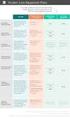 STUDENT LOAN REPAYMENT Chase College of Law Financial Aid Presentation April 14 th, 2011 TOPICS TO BE COVERED General Repayment Information Loan consolidation Repayment Plans Public service loan forgiveness
Widener University School of Law. Exit Interview Counseling Presentation Managing your student loan repayment
 Widener University School of Law Exit Interview Counseling Presentation Managing your student loan repayment Types Of Education Debt Three Types Federal Loans Stafford Subsidized/Unsubsidized Federal Direct
Federal Direct Exit Loan Counseling
 Federal Direct Exit Loan Counseling Student Financial Services Fall 2012 What is Exit Counseling and Why are You Here? Exit counseling is a way for students to understand their rights and responsibilities.
EXIT COUNSELING GUIDE
 EXIT COUNSELING GUIDE For Federal Student Loan Borrowers Contents Intro 1 Exit Counseling Federal Student Loan Programs Getting Started 1 Types of Federal Student Loans Loan Terminology Repaying Your
Entrance Counseling Guide for Direct Loan Borrowers
 You are borrowing Direct Subsidized Loans and/or Direct Unsubsidized Loans to help you finance your education. Repaying these loans is a serious responsibility. This guide explains some of the most important
William D. Ford Federal Direct Loan Program Direct PLUS Loans Borrower s Rights and Responsibilities Statement
 William D. Ford Federal Direct Loan Program Direct PLUS Loans Borrower s Rights and Responsibilities Statement Important Notice: This Borrower s Rights and Responsibilities Statement provides additional
EXIT INTERVIEW FACT SHEET
 EXIT INTERVIEW FACT SHEET All students who have borrowed a Federal Direct/FFEL student loan are required by law to complete an Exit interview at this point of graduation or if they leave school, or drop
William D. Ford Federal Direct Loan Program Direct PLUS Loan Borrower s Rights and Responsibilities Statement
 Important Notice: This Borrower s Rights and Responsibilities Statement provides additional information about the terms and conditions of the loans you receive under the accompanying Federal Direct PLUS
Federal Stafford Loan Counseling Checklist
 Student s Name (Please Print) Social Security Number You are receiving a Federal Stafford loan to help you cover the costs of your education. You must repay this loan. Before you receive your Stafford
Student loan terms to know
 Definition of words related to federal student loans and the Nelnet payment process. Accrue The act of interest accumulating on the borrower s principle balance. Aggregate Loan Limit The maximum total
EXIT COUNSELING GUIDE FOR BORROWERS OF DIRECT LOANS AND FEDERAL FAMILY EDUCATION PROGRAM LOANS
 EXIT COUNSELING GUIDE FOR BORROWERS OF DIRECT LOANS AND FEDERAL FAMILY EDUCATION PROGRAM LOANS U.S. Department of Education Arne Duncan Secretary Federal Student Aid James W. Runcie Chief Operating Officer
Financial Aid Package
 Financial Aid Package Understanding Your Financial Aid Graduate Students TABLE OF CONTENTS. Understanding Financial Aid for Graduate Students Page 1. William D. Ford Federal Direct Unsubsidized Loan Page
EXIT COUNSELING GUIDE FOR BORROWERS OF DIRECT LOANS AND FEDERAL FAMILY EDUCATION PROGRAM LOANS
 EXIT COUNSELING GUIDE FOR BORROWERS OF DIRECT LOANS AND FEDERAL FAMILY EDUCATION PROGRAM LOANS U.S. Department of Education Arne Duncan Secretary Federal Student Aid James W. Runcie Chief Operating Officer
How To Get A Loan From A College
 STUDENT LOANS: AFTER YOU BORROW Student Loan Basics Nearly Everyone CAN Borrow, however: Loans have to be repaid! Borrow only what you need!! Interest What you are charged for using someone else s money
William D. Ford Federal Direct Loan Program Direct Subsidized Loan and Direct Unsubsidized Loan Borrower s Rights and Responsibilities Statement
 Important Notice: This Borrower s Rights and Responsibilities Statement provides additional information about the terms and conditions of the loans you receive under the accompanying Master Promissory
William D. Ford Federal Direct Loan Program Direct Subsidized Loan and Direct Unsubsidized Loan Borrower s Rights and Responsibilities Statement
 Important Notice: This Borrower s Rights and Responsibilities Statement provides additional information about the terms and conditions of the loans you receive under the accompanying Master Promissory
Direct Loan Exit Counseling
 Direct Loan Exit Counseling Understanding your student loan rights and responsibilities is critical to successful repayment! This guide will help you understand Federal Stafford Loans and Direct Loans.
Helping Students Repay their Loans: Repayment Plan Overview. Greg Carlo Senior Client Relationship Manager
 Helping Students Repay their Loans: Repayment Plan Overview Greg Carlo Senior Client Relationship Manager Agenda Information you can share with your students Understanding Loan Repayment Top 10 Things
William D. Ford Federal Direct Loan Program Direct Subsidized Loan and Direct Unsubsidized Loan Borrower s Rights and Responsibilities Statement
 Important Notice: This Borrower s Rights and Responsibilities Statement provides additional information about the terms and conditions of the loans you receive under the accompanying Master Promissory
Federal Direct Stafford Loan Request Form for 2015-16
 Federal Direct Stafford Loan Request Form for 2015-16 Name: G#: Address: City: State: ZIP: Phone: Email: Stafford Loan Requirements and Acknowledgements We strongly recommend that you borrow loans conservatively
Repayment of Your Student Loan Debt
 Repayment of Your Student Loan Debt your dream, your plan, your future Florida Department of Education (FDOE) Office of Student Financial Assistance (OSFA) Repayment of Your Student Loan Debt Table of
https://youtu.be/rfrdgmzy-ri
 https://youtu.be/rfrdgmzy-ri Federal Loan Exit December 2015 Jess Christensen Assistant Director of Financial Aid [email protected] 218-299-3010 Types of Direct Student Loans Subsidized Federal Direct
EXIT COUNSELING GUIDE FOR BORROWERS OF DIRECT LOANS AND FEDERAL FAMILY EDUCATION PROGRAM LOANS
 EXIT COUNSELING GUIDE FOR BORROWERS OF DIRECT LOANS AND FEDERAL FAMILY EDUCATION PROGRAM LOANS U.S. Department of Education Arne Duncan Secretary Federal Student Aid James W. Runcie Chief Operating Officer
Loan Exit. Agenda. Goals. O Interest Rates O Rights & Responsibilities
 Loan Exit Loan Exit Agenda O Interest Rates O Rights & Responsibilities O Payment information O Consolidation O Benefits O Consequences O Last steps O Contacts Goals O Fulfill requirement O Translate terms
Guidelines and Requirements in Applying for a Federal Direct Stafford Student Loan
 2014-2015 Guidelines and Requirements in Applying for a Federal Direct Stafford Student Loan Entrance Counseling On Line: Go directly to www.studentloans.gov and use your PIN to sign in. If you need assistance
Federal Supplemental Education Opportunity Grant Work Study Federal Work Study (may not be available at all school locations) Loans
 Financial Aid Information Schools recognize that in many instances individuals and their families are not able to meet the entire cost of education. Therefore, the Financial Aid Office will assist students
Financial Aid Information
 Financial Aid Information Schools recognize that in many instances individuals and their families are not able to meet the entire cost of education. Therefore, the Financial Aid Office will assist students
Repaying Your Student Loan. Florida Coastal School of Law
 Repaying Your Student Loan Florida Coastal School of Law Workshop Objectives At the end of the workshop you will understand: What options are available during repayment What education-related tax incentives
William D. Ford Federal Direct Loan Program Direct PLUS Loan Borrower s Rights and Responsibilities Statement
 Important Notice: This Borrower s Rights and Responsibilities Statement provides additional information about the terms and conditions of the loans you receive under the accompanying Federal Direct PLUS
Vicky L. Cagle Director of Student Financial Services Vanderbilt University School of Medicine. November 2, 2012
 Vicky L. Cagle Director of Student Financial Services Vanderbilt University School of Medicine November 2, 2012 q What type of loans do you have? q What are grace, deferment and forbearance? q What repayment
Direct Loans 2015-2016
 Direct Loans 2015-2016 All students who complete a valid FAFSA are offered Direct Loans as part of their Financial Aid package. The purpose of this document is to explain how Direct loans work and answer
NAVIGATING LOAN REPAYMENT
 NAVIGATING LOAN REPAYMENT Navigating Loan Repayment Agenda Federal Loan Exit Counseling Basics of Student Loan Repayment Federal Repayment Plans Other Repayment Considerations Helpful Links Question and
Financial Aid Information
 Financial Aid Information Schools recognize that in many instances individuals and their families are not able to meet the entire cost of education. Therefore, the Financial Aid Office will assist students
Exit Counseling Guide for Direct Loan Borrowers
 You borrowed Direct Subsidized Loans and/or Direct Unsubsidized Loans to help you finance your education. Repaying these loans is a serious responsibility. This guide explains some of the most important
Student Loans A comprehensive look at student aid and the various repayment options
 Student Loans A comprehensive look at student aid and the various repayment options How Much Does College Cost? According to the Bureau of Labor Statistics and the US Department of Labor, the average cost
Private Loan Guide. Apply for free, federal and state financial aid programs:
 Private Loan Guide Private loan basics Private student loans are non-federal loans. You should only borrow private loans to fund your education as a last resort. Do all of the following before you consider
Federal Student Aid Glossary (edited. Original at: http://studentaid.ed.gov/glossary) Academic Year This is the amount of the academic work you must
 Federal Student Aid Glossary (edited. Original at: http://studentaid.ed.gov/glossary) Academic Year This is the amount of the academic work you must complete each year, and the time period in which you
FINANCIAL AID CONSUMER INFORMATION GUIDE 2015-2016 Award Year Revised 09/01/2015
 FINANCIAL AID CONSUMER INFORMATION GUIDE 2015-2016 Award Year Revised 09/01/2015 You are responsible for reading this award guide. This information is essential to read and understand the terms and conditions
2014 Exit Counseling / Student Loan Repayment Information. May 7, 2014 University of Maryland, Baltimore County
 2014 Exit Counseling / Student Loan Repayment Information May 7, 2014 University of Maryland, Baltimore County First. If you are graduating: Congratulations! Know your loans Know the type(s) of loan (Stafford
Glossary Financial Aid & Student Loan Terms
 Glossary Financial Aid & Student Loan Terms A Academic year A period of time schools use to measure a quantity of study. For example, a school s academic year may consist of a fall and spring semester,
The End of Grace. How to Navigate Your Student Loans After You Graduate
 The End of Grace How to Navigate Your Student Loans After You Graduate Where to find your loans National Student Loan Data System Complete your Financial Aid Review Complete your Exit Counseling www.nslds.ed.gov
Loan Counseling Presentation
 Loan Counseling Presentation Financing Options Federal Stafford Loans In Student s name Subsidized Unsubsidized Federal Parent Loans for Undergraduate Students (PLUS) In Parent s name Maximum Annual Loan
Servicing Direct Loans and Forgiveness Plans. Trevor Summers U.S. Department of Education
 Servicing Direct Loans and Forgiveness Plans Trevor Summers U.S. Department of Education How do we help borrowers stay on the road to successful repayment? There may be rest stops, roadblocks or even detours
STUDENT LOAN REPAYMENT STRATEGIES
 STUDENT LOAN REPAYMENT STRATEGIES FOR GRADUATE STUDENTS November 9, 2009 Updated: 11/04/2009 The information contained in this presentation is not comprehensive, is subject to constant change, and therefore
The Department of Education (ED) may use a servicer to handle billing and other communications related to your loan.
 Terms and Conditions of Title IV, HEA Loans Under applicable state law, except as preempted by federal law, you may have certain borrower rights, remedies, and defenses in addition to those stated in the
2015-2016 Application for Financial Aid New York Medical College School of Basic Medical Sciences
 2015-2016 Application for Financial Aid New York Medical College School of Basic Medical Sciences New York Medical College, Office of Student Financial Planning, Room 125 C 40 Sunshine Cottage Road, Administration
8/4/2015. Agenda. Student Loan Repayment and other exciting activities after GRADUATION! Types of Loans. Key Players. Stafford Loan Interest Rates
 Student Repayment and other exciting activities after GRADUATION! Agenda types & interest rate The grace period Repayment plans Forgiveness Avoiding delinquency & default Financial Planning 1 2 Key Players
2016-2017 Student Guide. Student Financial Assistance
 2016-2017 Student Guide Student Financial Assistance Table of Contents Code of Conduct... 3 Financial Aid Office... 4 Contact Information Financial Aid Officer... 4 How We Determine your Financial Aid...
How to Understand your Student Loans
 How to Understand your Student Loans How do my student loans work? (edited from Bill Pratt s Extra Credit: The 7 Things Every College Student Needs to Know about Credit, Debt, & Ca$h) 1. Borrow all federal
New Directions. New Directions. A Guide to Repaying Your Federal Student Loans
 New Directions New Directions A Guide to Repaying Your Federal Student Loans This booklet is a resource to help you learn more about: Your rights and responsibilities as a student loan borrower of a Federal
Financial AID. for Law School: A PRELIMINARY GUIDE. A Publication of the Law School Admission Council. Visit us at www.lsac.org or call 215.968.1001.
 Financial AID for Law School: A PRELIMINARY GUIDE A Publication of the Law School Admission Council. Visit us at www.lsac.org or call 215.968.1001. Introduction Considering law school but concerned about
What is a Federal Direct PLUS Loan?
 What is a Federal Direct PLUS Loan? This is one of the low-interest loans that make up the William D. Ford Federal Direct Loan Program (also known as Direct Loans ). The Direct Loan Program enables students
Your Student Loan Record
 Your Student Loan Record STUDENT LOAN RECORD There are lots of people ready to help with information about your student loans, if you need it Ombudsman: 1-877-557-2575 or www.ombudsman.ed.gov National
STUDENT LOAN FORGIVENESS AND REPAYMENT: WHAT YOU NEED TO KNOW
 STUDENT LOAN FORGIVENESS AND REPAYMENT: WHAT YOU NEED TO KNOW From here to repayment IUPUI updates your enrollment status. Your grace period begins. Your student loan servicer sends you details about
How To Get A Direct Subsidized Loan
 STUDENT LOANS Financial Literacy Forum December 2013 WHAT KINDS OF DIRECT LOANS ARE AVAILABLE? Subsidized Direct Subsidized Stafford Loans are available to undergraduate students with financial need. Interest
Answers To Your College Loan Questions
 Answers To Your College Loan Questions 23625 Commerce Park, Suite 200 Beachwood, OH 44122 866-207-5545 2015-2016 Beachwood, OH 44122 866-207-5545 Contents Federal Direct Student and Parent Loan Interest
Financial Aid Consumer Information
 Financial Aid Consumer Information Schools recognize that in many instances individuals and their families are not able to meet the entire cost of education. Therefore, the Financial Aid Office will assist
Financial AID. for Law School: A PRELIMINARY GUIDE. A Publication of the Law School Admission Council. Visit us at www.lsac.org or call 215.968.1001.
 Financial AID for Law School: A PRELIMINARY GUIDE A Publication of the Law School Admission Council. Visit us at www.lsac.org or call 215.968.1001. Introduction Considering law school but concerned about