
Answers To Your College Loan Questions
|
|
|
- Ada Cook
- 10 years ago
- Views:
Transcription
1 Answers To Your College Loan Questions Commerce Park, Suite 200 Beachwood, OH Beachwood, OH

2 Contents Federal Direct Student and Parent Loan Interest Rate Update 05/13/ Federal Direct Student and Parent Loan Interest Rate Chart Loan Frequently Asked Questions Federal Loan Programs Federal Perkins Loan 8 Federal Subsidized and Unsubsidized Loans 10 Direct PLUS Loan for Parents 15 Credit Check for the PLUS Loan 18 Federal Loan Program Comparison Chart 19 The Master Promissory Note 20 Direct Loan Entrance Counseling 21 Direct Loan Exit Counseling 22 Step-by-Step Instructional Help Guides Step-by-Step Instructions for Signing the Master Promissory Note for Direct Loans 23 Step-by-Step Instructions for Completing Entrance Counseling for Direct Loans 29 Step-by-Step Instructions to apply for the Direct PLUS Loan 50 Top Commercial/Private Alternative Education Loans 58 Discover Student Loan (Discover Bank) 58 Wells Fargo Collegiate Loan (Wells Fargo) 60 Smart Option Student Loan (Sallie Mae) 61 Citizens Bank Student Loan for Parent (Citizen Bank) 62 Citizens Bank Student Loan (Citizen Bank) 63 The PNC Solution Loan for Undergraduates (PNC Bank) 64 Union Federal Private Student Loan (Union Federal Savings Bank) 65 Wells Fargo Student Loan for Parents (Wells Fargo) 66 SunTrust Custom Choice Loan (SunTrust Bank) 67 SoFi Student Loans (Social Finance Inc.) 68 Private Loan FAQs 69 Private Loan Comparison Chart 70 Loan Options: Pros and Cons 72 Information Regarding Loan Consolidation 74 Glossary 76 Resource Websites 81 1

3 Federal Direct Student and Parent Loan Interest Rate Update, 5/14/2015 The United States Treasury completed an auction of the 10-year note on Wednesday, 5/13/15, selling the notes at a yield of 2.24%. This is 0.37% lower than the yield produced during the 10-year note auction this time in Since this yield is the yield upon which federal student loan interest rates are based, this means that federal student loan interest rates will also decrease by 0.37% for the school year (for the time being). For Stafford Loans, which is a federal form of aid reserved for undergraduate students, the 0.37% drop in 10-year yield means that the interest rate will go from its current 4.66 % fixed rate to a 4.29% fixed rate for loans disbursed July 1, 2015 until June 30, (The 0.37% decrease is the same for Subsidized Stafford Loans, for which the interest does not accrue while the student is in school, and Unsubsidized Stafford Loans, for which the interest does accrue.) For the Direct PLUS Loan, which are available to undergraduate parents, the existing 7.21 % fixed rate will decrease to 6.84 % on July 1, The 5/13/15 decrease in rates does not change the terms of loans that have already been disbursed (and that carry a fixed rate). Similarly, the 10-year auction does not change the terms of federal loans that are in repayment. 2

4 Federal Student and Parent Loan Interest Rate Chart by School Year for the Direct Stafford Loans and the Direct PLUS Loans for Parents Fixed Rates Borrower Undergraduate Students Parents Loan Type Date of First Disbursement Fixed Interest Rate Direct Subsidized and NEW: 7/1/15 6/ % Unsubsidized Loans 7/1/14 6/30/ % Direct Unsubsidized Loans 7/1/13 6/30/ % Direct Subsidized Loans Direct PLUS Loans 7/1/06 6/30/ % 7/1/13 6/30/ % 7/1/11 6/30/ % 7/1/10 6/30/ % 7/1/09 6/30/ % 7/1/08 6/30/ % NEW: 7/1/15 6/ % 7/1/14-6/30/ % 7/1/13-6/30/ % *Graduate and professional students are not eligible to receive Direct Subsidized Loans for loan periods beginning on or after July 1,

5 What are the Federal Loan Programs? LOAN FREQUENTLY ASKED QUESTIONS There are 4 types of loans awarded by the federal government: Federal Direct Subsidized Loan Federal Direct Unsubsidized Loan Federal Perkin s Loan Federal PLUS Loan What are the current interest rates for Federal Loans disbursed AFTER July 1, 2015? The interest rates vary by the type of loan- all interest rates are fixed: Federal Direct Subsidized Loan a. 4.29% Federal Direct Unsubsidized Loan a. 4.29% Federal Perkin s Loan a. 5% Federal PLUS Loan a. 6.84% What are the current interest rates for Federal Loans disbursed after July 1, 2014 but BEFORE July 1, 2015? The interest rates vary by the type of loan- all interest rates are fixed: Federal Direct Subsidized Loan a. 4.66% Federal Direct Unsubsidized Loan a % Federal Perkin s Loan a. 5% Federal PLUS Loan a. 7.21% Why aren t the interest rates for federal student loans the same every school year? In 2013 Congress passed and the President signed the Bipartisan Student Loan Certainty Act of 2013, which tied federal student loan interest rates to financial markets. Under this Act, interest rates will be determined each June for new loans being made for the upcoming award year, which runs from July 1 to the following June 30. Each loan will have a fixed interest rate for the life of the loan. The College Planning Network will update this Loan Manual every year once the new annual rates become active. 4

6 What are the interest rates for Private Loans? Interest rates for Private Loans are variable and are given based on the borrower or the co-signer s credit scores. The higher the borrower or co-signer s credit score, the lower the interest rate will be. Are Federal Loans better than a Private Loan? Which has a lower interest rate? You may be able to qualify for a lower interest rate with a private loan, but the interest rate is variableusually based on the Prime or LIBOR index. These are both currently at a low, but it cannot be predicted how they will change over the course of the next 4 years while in college or during your repayment period. There are also many repayment benefits with the federal student loans including loan forgiveness after years depending on your occupation and income based repayment (monthly payment is based on your income level and family size). Private lenders do not offer loan forgiveness or income based repayment. When will I find out what loans I have been awarded from the college? The Federal Direct Loans awarded to you will be included on your financial aid award from the college. Most colleges send their financial aid awards between the middle of March and the middle of April. The award will let you know if you have been awarded the subsidized or unsubsidized loan. If you qualify for the Federal Perkins Loan, it will also be included on your financial aid award letter. Some colleges will include the Parent PLUS Loan eligibility on your financial aid award; some require you to request the loan first. Either way, your parent(s) must apply for this loan and have an acceptable credit history to receive this loan. Private Loans require you to seek out a lender and apply for the loan. Your college may provide you with a list of lenders, but won t usually tell you exactly which loan to apply for because they are not familiar with your financial situation and do not want to get in trouble for giving a lender preferential treatment or risk being involved in predatory lending. Some colleges (mostly Ivy League or Non-Accredited colleges) do not include Federal Loans on their awardsif you are not awarded a Federal Loan, and you would like to take one out to assist in paying for college, check with your college s financial aid office to see if they participate in these loan programs. How are loans disbursed? Loans are paid directly to the college and applied to the balance of your college bill. If any amount is left over it will be refunded to the borrower to be used toward living expenses and other outside educational cost such as books and a computer. Some colleges will ask you to fill out a form instructing them on what to do with excess funds- apply them to past balances, put them on your college account or send a check for the refund. Most loans are disbursed at the beginning of each semester or quarter (depending on the system your college uses). For example, if your school is on semesters half of your loan will be disbursed in the fall and the other half in the spring. If there is any amount left over it will be sent to the student at the beginning of each semester. 5

7 Use of Your Loan Money You may use your loan money only to pay for authorized educational expenses at the school that certified your loan eligibility. Authorized educational expenses include: Tuition Room and board Institutional fees Books Supplies Equipment Dependent child care expenses Transportation and commuting expenses Rental or purchase of a personal computer Loan fees Other documented, authorized costs. Why do I need to apply for loans every year? Costs involved with college change each year and your family s financial situation might also change to increase or decrease financial aid. These changes will affect the amount you need to borrow from loans so you have to apply for a new loan with the specific amount each year. Terms to borrow may also change. Qualifying for a loan one year does not guarantee you ll qualify for it again the next year, especially if your credit score decreases. You Must Repay Your Loans You must repay the full amount of your loans, even if you: Do not complete your program of study, or do not complete the program within the normal time for completing it; Cannot find employment after graduation; or Are not satisfied with or did not receive from your school the education or other services that you paid for with your loan. **Although your credit history was not taken into account when you received federal student loans, your credit history will be affected if you do not repay your federal student loans under the repayment plan you agree to when you enter repayment. Changes You Must Report It is your responsibility to contact your Direct Loan servicer and your school if you: 1. Stop attending school or drop below half-time enrollment 2. Graduate 3. Fail to enroll at the school that determined you were eligible to receive your loan 4. Do not enroll at least half-time for the loan period certified by your school 6

8 5. Transfer to another school 6. Change your name, address, or phone number Are there any alternatives to taking out a loan? There are some alternatives to taking out a loan to pay for college. These alternatives can be discussed with your college funding advisor. Your college funding advisor is most familiar with your financial situation and can answer your specific questions regarding funding alternative. Who Do I Contact to Get More Information Regarding My Loan Status? Because your school determines your loan eligibility, contact your school's financial aid office to receive the most up to date information regarding your loan status. Once you receive the first disbursement of your loan, contact your loan servicer with repayment questions. 7

9 FEDERAL PERKINS LOAN The Federal Perkins Loan is a low-interest loan for both undergraduate and graduate students with exceptional financial need. Here s a quick overview of Federal Perkins Loans: Available to undergraduate, graduate, and professional students with exceptional financial need. Interest rate for this loan is 5%. Not all schools participate in the Federal Perkins Loan Program. You should check with your school's financial aid office to see if your school participates. Your school is the lender; you will make your payments to the school that made your loan or your school s loan servicer. Funds depend on your financial need and the availability of funds at your college. Am I eligible for a Perkins Loan? You may be eligible for a Perkins Loan if you are: an undergraduate, graduate, or professional student with exceptional financial need; enrolled full-time or half-time; and attending a school that participates in the Federal Perkins Loan Program. How much can I borrow? The amount you can borrow depends on your financial need, the amount of other aid you receive, and the availability of funds at your college or career school. You should apply for federal student aid early to make sure you are considered for a Perkins Loan. Due to limited funds, not everyone who qualifies for a Perkins Loan will receive one. If you are an undergraduate student, you may be eligible to receive up to $5,500 a year. The total you can borrow as an undergraduate is $27,500. Other than interest, is there a charge for this loan? No, there are no other charges. However, if you skip a payment, if it's late, or if you make less than a full payment, you might have to pay a late charge plus any collection costs. How will I receive my loan? The school will apply your loan funds to your school account to pay for tuition, fees, room and board, and other school charges. If any loan funds remain, your school will issue you a refund to help pay for your other education expenses. Can I cancel a loan? Yes. Before your loan money is disbursed, you may cancel all or part of your loan at any time by notifying your school. After your loan is disbursed, you may cancel all or part of the loan within certain time frames. 8

10 Your promissory note and additional information you receive from your school will explain the procedures and time frames for canceling your loan. When do I have to pay back my Perkins Loan? If you are attending school at least half-time, you have nine months after you graduate, leave school, or drop below half-time status before you must begin repayment. If you are attending less than halftime, check with your college or career school to find out how long your grace period will be. 9

11 FEDERAL SUBSIDIZED AND UNSUBSIDIZED LOANS Direct Loans (or Stafford Loans ) are government loans made to students rather than their parents. These loans are guaranteed by the federal government and offer flexible repayment options. There are two types of Federal Stafford Loans: subsidized and unsubsidized. Depending on household income, a student may be eligible for one or both varieties of student loans. After your FAFSA is processed, your school will review the results and will inform you about your loan eligibility. What s the difference between Direct Subsidized Loans and Direct Unsubsidized Loans? In short, Direct Subsidized Loans have slightly better terms to help out students with financial need. Here s a quick overview of Direct Subsidized Loans: Direct Subsidized Loans are available to undergraduate students with financial need. Your school determines the amount you can borrow, and the amount may not exceed your financial need. For a subsidized loan, the U.S. Department of Education pays the interest while you re in school at least half-time, for the first six months after you leave school (referred to as a grace period), and during a period of deferment (a postponement of loan payments). Here s a quick overview of Direct Unsubsidized Loans: Direct Unsubsidized Loans are available to undergraduate and graduate students; there is no requirement to demonstrate financial need. Your school determines the amount you can borrow by considering the cost of attendance and other financial aid you receive. For an unsubsidized loan, you are responsible for paying the interest during all periods. o If you choose not to pay the interest while you are in school and during grace periods and deferment or forbearance periods, your interest will accrue (accumulate) and be capitalized (that is, your interest will be added to the principal amount of your loan). Am I eligible for a Direct Subsidized Loan or a Direct Unsubsidized Loan? To receive either type of loan, you must be enrolled at least half-time at a school that participates in the Direct Loan Program. Generally, you must also be enrolled in a program that leads to a degree or certificate awarded by the school. Direct Subsidized Loans are available only to undergraduate students who have financial need. Direct Unsubsidized Loans are available to both undergraduates and graduate or professional degree students. You are not required to show financial need to receive a Direct Unsubsidized Loan. Is there a time limit on how long I can receive loans? If you are a first-time borrower on or after July 1, 2013, there is a limit on the maximum period of time (measured in academic years) that you can receive Direct Subsidized Loans. This time limit does not apply to Direct Unsubsidized Loans or Direct PLUS Loans. If this limit applies to you, you may not receive Direct Subsidized Loans for more than 150 percent of the published length of your program. This is called your 10

12 maximum eligibility period. Your maximum eligibility period is based on the published length of your current program. You can usually find the published length of any program of study in your school s catalog. For example, if you are enrolled in a four-year bachelor s degree program, the maximum period for which you can receive Direct Subsidized Loans is six years (150 percent of 4 years = 6 years). If you are enrolled in a two-year associate degree program, the maximum period for which you can receive Direct Subsidized Loans is three years (150 percent of 2 years = 3 years). Because your maximum eligibility period is based on the length of your current program of study, your maximum eligibility period can change if you change to a program that has a different length. Also, if you receive Direct Subsidized Loans for one program and then change to another program, the Direct Subsidized Loans you received for the earlier program will generally count toward your new maximum eligibility period. Certain types of enrollment may cause you to become responsible for the interest that accrues on your Direct Subsidized Loans when the U.S. Department of Education usually would have paid it. These enrollment patterns are described below. Do I become responsible for paying the interest that accrues on my Direct Subsidized Loans because... I am no longer eligible for Direct Subsidized Loans and I stay enrolled in my current program? I am no longer eligible for Direct Subsidized Loans, did not graduate from my prior program, and am enrolled in an undergraduate program that is the same length or shorter than my prior program? I transferred into the shorter program and lost eligibility for Direct Subsidized Loans because I have received Direct Subsidized Loans for a period that equals or exceeds my new, lower maximum eligibility period, which is based on the length of the new program? I was no longer eligible for Direct Subsidized Loans, did not graduate from my prior program, and am enrolled in an undergraduate program that is longer than my prior program? I lose eligibility for Direct Subsidized Loans and immediately withdraw from my program? I graduated from my prior program prior to or upon meeting the 150 percent limit, and enroll in an undergraduate program that is the same length or shorter than my prior program? I enroll in a graduate or professional program? I enroll in preparatory coursework that I am required to complete to enroll in a graduate or professional program? I enroll in a teacher certification program (where my school does not award an academic credential)? Yes X X X No X X X X X X How do I apply for a loan? To apply for a Direct Loan, you must first complete and submit the FAFSA. Your school will use the information from your FAFSA to determine how much student aid you are eligible to receive. Direct Loans are generally included as part of your financial aid package. 11

13 What are the interest rates from 7/1/15 to 6/30/16? Here are the interest rates for loans first disbursed between July 1, 2015, and June 30, Undergraduate Students Direct Subsidized Loans 4.29% Direct Unsubsidized Loans 4.29% What are the interest rates from 7/1/14 to 6/30/15? Here are the interest rates for loans first disbursed between July 1, 2014, and June 30, Undergraduate Students Direct Subsidized Loans 4.66% Direct Unsubsidized Loans 4.66% Other than interest, is there a charge for this loan? Yes, there is a 1.073% loan fee on all Direct Subsidized Loans and Direct Unsubsidized Loans. The loan fee will be proportionately deducted from each loan disbursement. Can I change the Unsubsidized Loan awarded to a Subsidized Loan? You cannot make this change; the college that awarded the loan is the only one that can make the change. You must appeal to the financial aid office at the college and request part of the Unsubsidized Loan to be redistributed into a Subsidized Loan. This is not always a successful appeal because the Subsidized Loan is awarded based on financial need; you usually must show a special circumstance that increases your need to qualify for the change. How much can I borrow? For Direct Subsidized and Direct Unsubsidized Loans, there are limits on the maximum amount you may borrow for an academic year (annual loan limits). The total combined amounts a student may borrow in subsidized and unsubsidized Stafford loans may not exceed the annual loan limits. If you're a dependent undergraduate student, each year you can borrow up to: 1. $5,500 (for the academic year) if you're a first-year student enrolled in a program of study that is at least a full academic year. No more than $3,500 of this amount may be in subsidized loans. 12

14 2. $6,500 (for the academic year) if you've completed your first year of study and the remainder of your program is at least a full academic year. No more than $4,500 of this amount may be in subsidized loans. 3. $7,500 if you've completed at least two years of study and the remainder of your program is at least a full academic year. No more than $5,500 of this amount may be in subsidized loans. Loan Borrowing Limits Per Academic Year (Fall and Spring) Dependent Year Maximum Subsidized Additional Unsubsidized Combine Subsidized & Unsubsidized Freshman $3,500 $2,000 $5,500 Sophomore $4,500 $2,000 $6,500 Junior/Senior $5,500 $2,000 $7,500 **The lifetime loan limit for a dependent undergraduate is $31,000; of which $23,000 can be subsidized NOTE: A dependent student whose parent has been denied a PLUS loan during the current aid year may be eligible to receive an additional Unsubsidized Direct Loan of $4,000 with proof of PLUS loan denial from the lender. A PLUS loan letter of denial from the lender is only valid for one aid year. What additional steps must I take to receive my loan? If your financial aid package includes federal student loans, your school will tell you how to accept the loan. If it is your first time receiving a Direct Loan, you will be required to: Complete entrance counseling, a tool to ensure you understand your obligation to repay the loan. Sign a Master Promissory Note (MPN), agreeing to the terms of the loan. Contact the financial aid office at the school you are planning to attend for details regarding the process at your school. How will I receive my loan? The school will first apply your loan funds to your school account to pay for tuition, fees, room and board, and other school charges. If any additional loan funds remain, they will be returned to you. All loan funds must be used for your education expenses. When do I have to pay back my loans? When you receive your first Direct Loan, you will be contacted by your loan servicer (you repay your loan to the loan servicer). Your loan servicer will provide regular updates on the status of your Direct Loan, and any additional Direct Loans that you receive. After you graduate, leave school, or drop below half-time enrollment, you will have a six-month grace period before you are required to begin repayment. During this period, you'll receive repayment information from your loan servicer, and you'll be notified of your first payment due date. Payments are usually due monthly. 13

15 What types of loan repayment plans are available? There are several repayment options available that are designed to meet the individual needs of borrowers. Your loan servicer can help you understand which repayment options are available to you. Generally, you ll have 10 to 25 years to repay your loan, depending on the repayment plan that you choose. What if I have trouble repaying the loan? If you are unable to make your scheduled loan payments, contact your loan servicer immediately. Your loan servicer can help you understand your options for keeping your loan in good standing. For example, you may wish to change your repayment plan to lower your monthly payment or request a deferment or forbearance that allows you to temporarily stop or lower the payments on your loan. Can my loan be canceled, forgiven, or discharged? Yes. Before your loan money is disbursed, you may cancel all or part of your loan at any time by notifying your school. After your loan is disbursed, you may cancel all or part of the loan within certain time frames. Your promissory note and additional information you receive from your school will explain the procedures and time frames for canceling your loan. Under certain conditions, you may have all or part of your loan canceled, discharged, or forgiven. 14

16 DIRECT PLUS LOAN FOR PARENTS Direct PLUS loans are federal loans that parents of dependent undergraduate students can use to help pay education expenses. Here s a quick overview of Direct PLUS Loans: The U.S. Department of Education is the lender. The borrower must not have an adverse credit history. Loans have a fixed interest rate of 6.84% from 7/1/15 to 6/30/16. If a loan is first disbursed between 7/1/14 and 6/30/15, it has a fixed interest rate of 7.21%. The maximum loan amount is the student s cost of attendance (determined by the school) minus any other financial aid received. Am I eligible for a Direct PLUS Loan? Parent Borrowers of a Direct PLUS Loan: 1. Must be the biological or adoptive parent of a dependent undergraduate or the spouse of the parent whose income and assets were reported on the FAFSA. 2. Must not have an adverse credit history or must obtain an endorser. (An endorser is someone who agrees to repay a Direct PLUS Loan if the borrower does not repay the loan.) 3. And their dependent child: a. Must be a U.S. citizen or eligible noncitizen b. Must not be in default on any federal education loans or owe an overpayment on a federal education grant c. Must be enrolled at least half-time at a school that participates in the Direct Loan Program and meet the general eligibility requirements for the Federal Student Aid programs, including filing a FAFSA How do I apply for a Direct PLUS Loan? In order to receive a Direct PLUS loan, you (or your child, in the case of parent borrowers) must complete the FAFSA. The school's financial aid office will provide instructions about their process for requesting a Direct PLUS Loan. Can I still receive a Direct PLUS Loan if I have an adverse credit history? A credit check will be performed during the application process. If you have an adverse credit history, you may still receive a Direct PLUS Loan by obtaining an endorser who does not have an adverse credit history or documenting to the U.S. Department of Education s satisfaction extenuating circumstances relating to your adverse credit history. If you are a parent borrower, the endorser cannot be the child on whose behalf you are borrowing. If a parent borrower is unable to secure a PLUS loan, the undergraduate dependent student may be eligible for additional unsubsidized loans to help pay for his or her education. The dependent student should contact the school s financial aid office for more information. 15

17 What additional steps must I take to receive my loan? If you are eligible for a Direct PLUS Loan, you will be required to sign a Master Promissory Note (MPN), agreeing to the terms of the loan. Contact the financial aid office at the school your child is planning to attend for details regarding the process at that school. How much can I borrow? The maximum PLUS loan amount you can borrow is the cost of attendance (determined by the school) minus any other financial assistance received. What is the current interest rate? The interest rate for Direct PLUS Loans is a fixed rate of 6.84% from 7/1/15 through 6/30/16. Direct PLUS loans first disbursed between 7/1/14 through 6/30/15 have a fixed rate of 7.21%. Other than interest, is there a charge for this loan? Yes, there is a 4.292% loan origination fee on all Direct PLUS Loans. The fee will be proportionately deducted from each loan disbursement. How will I receive my loan? The school will first apply Direct PLUS Loan funds to the school account to pay for tuition, fees, room and board, and other school charges. If any loan funds remain, your school will give them to you to help pay other education expenses. How do I pay back my loan? When you receive your Direct PLUS Loan, you will be contacted by your loan servicer. Your loan servicer will provide regular updates on the status of your Direct PLUS Loan and will provide you with information on how and when to repay your loan. When do I begin repaying my loan? Your Direct PLUS Loan enters repayment once your loan is fully disbursed (paid out). If you are a parent borrower, you may contact your loan servicer to request a deferment; while you or your child are enrolled at least half-time for an additional six months after your child ceases to be enrolled at least half-time. If your loan is deferred, interest will accrue on the loan during the deferment. You may choose to pay the accrued interest or allow the interest to capitalize when the deferment period ends. Your loan servicer will notify you when your first payment is due. What types of repayment plans are available? There are several repayment plans that are designed to meet the different needs of individual borrowers. 16

18 What if I have trouble repaying the loan? If you are unable to make your scheduled loan payments, contact your loan servicer immediately. Your servicer can help you understand your options for keeping your loan in good standing. For example, you may wish to change your repayment plan or request a deferment or forbearance that allows you to temporarily stop or lower the payments on your loan. As a parent borrower, can I transfer my loan to my child? No, a Direct PLUS Loan made to a parent cannot be transferred to the child. You, the parent, are responsible for repaying the loan. Can my loan ever be canceled or forgiven? Yes. Before your loan money is disbursed, you may cancel all or part of your loan by notifying your school. After your loan is disbursed, you may cancel all or part of your loan within certain time frames. Your promissory note and additional information you receive from your school will explain the procedures and time frames for canceling your loan. You also may qualify for forgiveness of some or your entire loan if you meet certain conditions. 17

19 Credit Check for the PLUS Loan Does my debt to income ratio, credit score, or employment status count against me? These factors are not taken into account when your credit history is reviewed. A lack of credit is not considered adverse credit. What is considered "Adverse Credit"? Adverse Credit Conditions include but are not limited to: Bankruptcy (Chapters 7, 11, or 12 within the past 5 years). (Note: Department Policy does not consider Chapter 13 bankruptcy as adverse credit.) Voluntary surrender within the last 5 years. Repossession within the last 5 years. Foreclosure proceedings started. Foreclosure within the last 5 years. Deed in lieu of foreclosure. Accounts currently 90 days or more delinquent. Unpaid collection accounts. Charge offs/write offs. Wage garnishment within the last 5 years. Defaulted loan that has been claim paid. Lease or contract terminated by default. County/State/Federal tax lien, within the past 5 years. What are my options when I am declined? You may either obtain an endorser, or you may choose to document extenuating circumstances relating to the reason you were declined. Contact the school's financial aid office as soon as possible to let them know whether you plan to pursue a Direct PLUS Loan by obtaining an endorser or submitting documentation of extenuating circumstances. If you decide not to pursue a Direct PLUS Loan, the school's financial aid administrator may be able to provide information concerning other options to assist you with paying for your or the student's education. Obtain an Endorser An endorser is someone who does not have an adverse credit history and agrees to repay the loan if you do not repay it. If you are a parent borrower, the endorser may not be the student on whose behalf you are requesting the Direct PLUS Loan. If you choose to obtain an endorser, the endorser may complete the endorser addendum on the StudentLoans.gov Web site. To complete the endorser addendum online, the endorser will need the Loan Reference Number (if you completed a Direct PLUS Loan Request) or Loan/Award Identification Number and a Federal Student Aid ID. If you completed a Direct PLUS Loan Request, the Loan Reference Number may be found in the confirmation you received or may be found by logging in to the StudentLoans.gov Web site and selecting "Direct PLUS Loan Requests" located on the left navigation bar. If you did not complete a Direct PLUS Loan Request, the Loan/Award Identification Number may be obtained from the school. If the endorser does not have an FSA ID, they may obtain one by visiting the FSA ID Web site at Document Extenuating Circumstances Document to the satisfaction of the U.S. Department of Education that: The information causing the adverse credit decision is incorrect or has been corrected, OR There are extenuating circumstances relating to the adverse credit history. (Note: Endorsers aren't eligible for this option.) If I am declined and decide to document extenuating circumstances, how long will this process take? After you submit your request to document extenuating circumstances, Applicant Services will contact you. Once all documentation has been received, a determination will be made and provided to you within 7-10 business days. How do I begin the process of documenting extenuating circumstances? If you believe there are extenuating circumstances related to the adverse credit information that should be considered in evaluating your eligibility for a Direct PLUS Loan, you may begin the process in one of two ways: 1. Log in to StudentLoans.gov and select "Document Extenuating Circumstances" on the left navigation bar. Follow directions. Applicant Services will contact you with further instructions. 2. Contact Applicant Services between 8:00 AM to 8:00 PM, Eastern Time, Monday through Friday. Applicant Services may be reached toll-free, at

20 FEDERAL LOAN PROGRAM COMPARISON CHART Federal Loan Programs Perkins Subsidized Unsubsidized PLUS Is the loan based on financial need? Yes Yes No No Who may receive the loan? Undergraduate students with exceptional financial need Undergraduate students with financial need All undergraduate students Parents of undergraduate students What is the current interest rate? 5.0% 4.29% from 7/14/15 through 6/30/ % from 7/1/14 through 6/30/ % from 7/14/15 through 6/30/ % from 7/1/14 through 6/30/ % from 7/1/15 through 6/30/ % from 7/1/14 through 6/30/15. When does the government pay my interest? In college (while you are enrolled at least half-time) and for 9 months after you graduate or drop below half-time In college (while you are enrolled at least half-time) You pay all interest charged over the course of your loan You pay all interest charged over the course of your loan When do I begin repayment? enrollment 9 months after you graduate or drop below half-time enrollment 6 months after you graduate or drop below half-time enrollment 6 months after you graduate or drop below halftime enrollment Immediately, but you can defer repayment until 6 months after you graduate or drop below half-time enrollment Whose name is the loan in? Student s Student s Student s Parent s Is a credit check performed? No No No Yes 19

21 What is a Master Promissory Note (MPN)? MASTER PROMISSORY NOTE The MPN is a legal document in which you promise to repay your loan(s) and any accrued interest and fees to the Department of Education. It also explains the terms and conditions of your loan(s). There are two types of MPNs in the Direct Loan Program: one for Direct Subsidized/Unsubsidized Loans and one for Direct PLUS Loans. If you are an undergraduate student borrower, you may be required to sign only one MPN for all of your Direct Subsidized Loans and Direct Unsubsidized Loans. If you are a parent borrower whose child is attending a school, you may be required to sign only one MPN for all of your Direct PLUS Loans. You may be able to borrow under this one MPN for all academic years of that child's undergraduate study. Note: Parents must sign an MPN for each child for whom they are borrowing. What if I do not want to complete an MPN electronically? To complete a paper MPN, contact the school's financial aid office. How do I complete an electronic MPN? To complete an electronic MPN: From the StudentLoans.gov home page, click on the "Sign In" button located in the "Manage My Direct Loan" box. The Sign In page will appear. Once signed in, click on Complete Master Promissory Note. Select the type of loan you would like to receive. Follow the instructions to complete, sign, and submit your MPN. What do I do after I have completed a Master Promissory Note? Your school's financial aid office will be notified of the completion and will contact you if further action is needed. Before your loans are disbursed, you will receive a disclosure statement from the Department of Education. To view your submitted Master Promissory Notes (MPN), go to the MyProfile page and select "Completed MPNs" under "My Loan Documents." Will I be able to save my electronic MPN prior to submitting it and return at a later time to complete it? No. You will need to complete the entire electronic MPN process in a single session. If you exit the web site before submitting your signed MPN and return later, you will have to start over from the beginning of the process. 20
22 What is Direct Loan Entrance Counseling? DIRECT LOAN ENTRANCE COUNSELING A mandatory information session which takes place before you receive a federal student loan that explains your responsibilities and rights as a student borrower. During entrance counseling, you will learn about the following: What a Direct Loan is and how the loan process works Managing your education expenses Other financial resources to consider to help pay for your education Your rights and responsibilities as a borrower Who has to complete entrance counseling? All students taking out Direct Subsidized Loans or Direct Unsubsidized Loans: If you have not previously received a subsidized or unsubsidized loan under the Direct Loan Program Federal Perkins Loan borrowers: If you re going to receive a Perkins Loan, check with the financial aid office at your school to see what requirements you must meet. Parents taking out a Direct PLUS Loan to help pay for their children s education expenses do not have to complete entrance counseling. When do I go through entrance counseling? You must complete entrance counseling before your school can make the first disbursement of your loan. How do I complete entrance counseling? Your school will tell you how to complete your entrance counseling. Your school may require in-person counseling, or you may be able to complete the counseling online. (The school will provide the URL for your counseling if it s available online.) If your school tells you to use to complete entrance counseling, you should expect it to take you about 30 minutes. 21
23 DIRECT LOAN EXIT COUSELING Exit Counseling Before federal student loan borrowers graduate, withdraw (regardless of plans to transfer to another school), or drop below half-time status they are asked to complete exit loan counseling. Exit counseling has many purposes. It provides an opportunity for the borrower to review their rights and responsibilities and provide their lender(s) with current contact information. During the exit counseling session, the borrower will also select their repayment plan. Exit counseling helps borrowers make wise decisions with regard to repayment of their loans. In order to make this as easy and convenient as possible, borrowers are able to complete this requirement online. How to Complete Your Exit Counseling 1. Go to 2. Click on Exit Counseling 3. Click on the "Start" button under Loan Exit Counseling 4. Read the site navigation and then click next 5. Read the Intro and then click next 6. Read the basics and then click next 7. Type your social security number, last two letters of your last name, date of birth and your FSA ID (this is the same FSA ID you used to sign your FAFSA) 8. Click Submit 9. Complete the entire exit counseling session (upon completion a box will appear indicating Congratulations with your name). Transfer Students Did you know that your financial aid package doesn't automatically transfer to your new college or university? There are a few steps you need to take to ensure that your financial aid is in order: 1. Contact your current school's financial aid department and notify them of your transfer. 2. Contact the Direct Loan Program and notify them of your transfer. Their contact phone number is (800) Contact CPN and notify them of your transfer so they can send your FAFSA to your new school 4. Contact your new school's financial aid department and make sure they are looking out for the paperwork coming from your old school. 22
24 STEP-BY-STEP INSTRUCTIONAL GUIDES STEP-BY-STEP INSTRUCTIONS FOR SIGNING THE MASTER PROMISSORY NOTE FOR DIRECT LOANS 1. Open up a web browser and go to studentloans.gov on the internet and click the green Login button. 2. The site will prompt you to enter your FSA ID. If you don t have an FSA ID you may click Create and FSA ID or if you forgot your FSA ID click Forgot Username or Password. You will be directed to the FSA ID website. 23
25 3. Before you begin, verify that your personal information is up to date. The personal information displayed is based on the information returned from the Federal Student Aid ID website. If any of the information is incorrect, you must correct it at the Federal Student Aid ID website. 4. Click on Complete a Master Promissory Note. 24

26 5. Click on the type of Direct Loan you are applying for. For this example, we will click on Subsidized/Unsubsidized 6. Verify that the Borrower Information is correct. This will already be populated for you. 25

27 7. Under the School Information section, click on the state that your college is located in, and click on your school name. And then press, Continue. 26

28 8. You must enter two references with the following requirements: o List adults with different U.S. addresses who have known you for at least three years. o The first reference should be a parent or legal guardian. o References must have different addresses and telephone numbers. o If the reference does not have a telephone number, enter N/A. After entering the information for Reference 1 and Reference 2 click on the Continue tab at the bottom of the screen. 27

29 9. Read sections C through G, and then click in the checkbox acknowledging that you have reviewed all sections. Then click Continue to finalize the process for signing the Master Promissory Note ( MPN ). Congratulations! You have completed the Master Promissory Note. 28
30 STEP-BY-STEP INSTRUCTIONS FOR COMPLETING ENTRANCE COUNSELING FOR DIRECT LOANS 1. Open up a web browser and go to studentloans.gov on the internet and click the green Login button. 2. The site will prompt you to enter your FSA ID. If you don t have an FSA ID you may click Create and FSA ID or if you forgot your FSA ID click Forgot Username or Password. You will be directed to the FSA ID website. 29
31 3. Before you begin, verify that your personal information is up to date. The personal information displayed is based on the information returned from the Federal Student Aid ID website. If any of the information is incorrect, you must correct it at the Federal Student Aid ID website. 4. Click on Complete Counseling. 30

32 5. Click on Entrance Counseling. 6. Select the state that your college is located in and select the name of your college that you will be attending. You will then be required to click "Notify School" once the school is provided. 31

33 7. In order to complete the correct entrance counseling you must select the Student Type. Click on the circle that says I am completing entrance counseling to receive Direct Loans as an undergraduate student. and click Continue. 8. You will now be required to read information and answer questions to test your knowledge about loans. Scroll down to begin the Entrance Counseling, read each question and provide your answer. Please note, if you answer any of the question incorrectly, it will allow you to re-read the section and answer again. 32

34 9. Your current loan balance is located at the top of the page and you will be asked to confirm the amount you owe. Answer the question As of today, how much do you owe in student loans? and then click Check Answer. 33

35 10. Free Money First explains the various types of federal aid. Answer the question Which sources of federal student aid do you have to repay? Once you select the answer, the screen will display if you have answered correctly. 34

36 11. Type of Federal Student Loans displays the four types of federal loans. Answer the question What is the current interest rate for Direct Unsubsidized Loans received by undergraduate students? and click Check Answer. 35
37 12. The Loan Limits display loan limits for the Direct Subsidized and Unsubsidized loans for both Dependent and Independent students. Answer, What is the total annual loan limit for a dependent undergraduate student in their 2nd year? and click Check Answer. 36

38 14. Your School Expense Budget allows you to compare school expenses verses funding. Review your school s expenses and click Apply Expenses. You may click Step 2 to adjust your funding for this year. Enter the amount you expect to receive in funding for this school year. Refer to your student account for your financial aid package awarded by your college. You may also refer to your Student Aid Report (SAR/FAFSA results). This would include any scholarships, grants, work study, federal student loans, or private loans. Answer the questions, What are your total expenses for this year? and How much funding do you have available for this year? Click Check Answer for each question. 37

39 16. Manage Your Expenses gives you tip on managing your budget. Answer, Which of the following is/are true? 17. Under Manage Loan Disbursements select if the state is true or false. 38
40 18. Responsible Borrowing gives you tips for borrowing responsibly. The Interest Savings Calculator to see potential savings by paying interest during your grace period. Click on Continue at the bottom of the page. 39

41 19. Complete the Estimate What You Will Owe and Earn section. Enter your projected loan balance under Step 1 and your monthly income under Step 2. Answer the question Under the Standard Repayment Plan, you generally must pay at least per month for up to years. 40

42 20. There are several repayment options. Income-Driven Repayment Plans explains a few options for repayment. Answer Under the Income-Based Repayment Plan, your federal student loan payment will be what percentage of your discretionary income? 41

43 21. Entering Repayment answers questions you may have about repayment. Answer, When do you have to start making payments on your Direct Subsidized and Direct Unsubsidized Loans? 42

44 22. Navigating Repayment gives additional repayment information. Answer the questions, Who do you contact to select or change your repayment plan? and When must you contact your federal loan servicer? and click Continue. 43

45 23. Read the Avoiding Default and Trouble Making Payments. Select true or false to the statements, Deferment and forbearance are ways of temporarily postponing your student loan payments question and the If you're having trouble making payments, your loan servicer can help you... 44
46 24. Delinquency and Default informs you of the consequences for a delinquent or default loan. Complete the statements and answer the question, Some consequences of allowing a federal student loan to default are., How soon after you miss a payment does your loan become delinquent? and Even if I am delinquent on my federal student loans, there are steps I can take to avoid default. 45

47 25. Plan for the Future gives you tip on planning, saving, and spending. Answer the question, You should save enough in your emergency fund to cover of your normal expenses. 46

48 26. Your Income & Taxes inform you of tax incentives. Answer the statement, A tax deduction reduces taxable income. 47

49 27. Your Credit & Identity provides you with tips on establishing and maintain good credit, as well as protecting your credit and identity. Answer the statement, Shredding unnecessary financial documents will help protect you from identity theft. 48

50 28. Credit Cards & Other Borrowing gives you tips on borrowing other funds. Answer the statements, Missing payments or being late on payments can result in fees and higher interest rates. and Your credit score can significantly impact your ability to borrow and the cost of borrowing. Click Submit Counseling to complete your Entrance Counseling. Congratulations! You have finished your Entrance Counseling for your direct loan. 49
51 STEP-BY-STEP INSTRUCTIONS FOR COMPLETING APPLICATION FOR DIRECT PLUS LOAN 1. Open up a web browser and go to studentloans.gov on the internet and click the green Login button. 2. The site will prompt you to enter your FSA ID. If you don t have an FSA ID you may click Create and FSA ID or if you forgot your FSA ID click Forgot Username or Password. You will be directed to the FSA ID website. 50
52 3. Before you begin, verify that your personal information is up to date. The personal information displayed is based on the information returned from the Federal Student Aid ID website. If any of the information is incorrect, you must correct it at the Federal Student Aid ID website. 4. Choose the "Request a Direct PLUS Loan" link to begin. 51

53 6. Choose your loan type by selecting Parent PLUS. 52

54 8. Complete student information and your loan preferences. Please note under Credit Balance Options, if you should borrow more than your bill, a credit balance will be created. It is important that you confirm who will be receiving the credit as a refund otherwise it will remain on the student's account. 53
55 9. Complete the Loan Amount Requested. If you select I would like to specify a loan amount. It is very important that you correctly figure the amount you wish to borrow. You may only borrow up to, but not more than, the cost of attendance minus any financial aid your student is receiving. The Loan Period start and end dates are dates the student s classes are scheduled to begin and end. The dates entered will specify the period you re requesting the PLUS loan. Once the information is entered and verified, click Continue. 54

56 10. Complete Borrower Information. Most information on this form is prefilled. Complete and verify each field before you click Continue. 55

57 11. Review your request to confirm everything is correct and click Continue. 56

58 12. To submit the application you must complete the Certification. You must review the Important Notices by clicking the link Click here to review. You must read and agree to the statement by clicking the two boxes by each statement. To submit you application click Continue. Click to SUBMIT your request. 13. Once you submit your request your confirmation will be displayed on your screen and you will receive an confirmation. o IF THIS IS THE FIRST TIME YOU RE BORROWING A FEDERAL DIRECT PLUS FOR THIS STUDENT, PLEASE ALSO COMPLETE A MASTER PROMISSORY NOTE. CLICK ON "COMPLETE MPN" and then select "Parent PLUS". o Once the college receives notice that you have completed the federal Direct PLUS process they will originate (or certify) your loan. The U.S. Department of Education will send you a disclosure statement with the details of your loan. You will also receive a confirmation letter from the Financial Aid Office. Once your funds have been disbursed to your student's account, you will receive notice from the Student Accounts Office. o If you do not pass the credit check you should have been prompted on the studentloans.gov website to either obtain an endorser or appeal the credit decision. If you want your child to borrow additional unsubsidized funds instead, you should have your child contact the college s financial aid office to let them know how much additional funds you wish to borrow. First and second year students may borrow up to an additional $4,000 unsubsidized and third and fourth year students may borrow up to an additional $5,000 unsubsidized. 57
59 TOP COMMERCIAL AND PRIVATE ALTERNATIVE EDUCATION LOANS A variety of loans are available to make up the difference between available funds (including grants, scholarships and savings) and college costs. If you have decided to apply for loans you should consider the combination of loans that will be right for your family. You have options that include Federal Stafford Loans, the Federal PLUS loan and Private Student Loans. Below is a list of national lenders College Planning Network clients have had success with in the past. We also recommend checking with your local bank or credit union to compare loan terms and interest rates before accepting a private loan. Discover Student Loan (Discover Financial Services) Phone: Website: Benefits No Loan Limits- Borrow up to 100% of college costs minus other aid, based on school certification. 0.25% interest rate reduction to borrowers who pay by continuous automatic debit from a personal bank account Secure online applications with immediate credit decision Loan is certified so interest paid may be tax deductible No payments required while in school at least half-time 1% Cash Back reward for maintaining a 3.0 GPA Interest Rate Fixed Rates and Variable rates available. Fixed interest rates from 5.99% APR to 11.49% APR. Variable interest rates from Prime Index % to Prime Index %. (Starting rates currently range from 2.99% APR to 9.12% APR). Fees No origination fees Minimum amount is $1,000 for each loan Repayment Repayment starts 6 months after graduation or enrollment drops below half-time 15 year repayment period You can make payments anytime to help reduce the overall cost of your loan and there is never a penalty for prepaying In addition to automatic in-school deferment, you can defer payments while on active military duty (up to 3 years), in public service with certain organizations (up to 3 years), or in a health professions residency program (up to 5 years). 58
60 Eligibility Requirements Only available to U.S. citizens, permanent residents or international students (International students require a Social Security number and a cosigner). Only available for students enrolled in a 4 or 5 year undergraduate program at an eligible school. Must be seeking a degree. Must maintain satisfactory academic progress as defined by your school. Must be 16 years or older at the time you apply. Must pass a credit check. 59
61 Wells Fargo Collegiate Loan (Wells Fargo) Phone: Website: Benefits Easy online application with quick credit decision Students are not required to make payments while in school; repayment begins six months after you graduate or leave school. You will have up to 15 years to repay the loan. Offers discounts that offer interest rate reductions: 1) 0.25% interest rate discount with a prior deferral or private student loan with Wells Fargo; 2) 0.50% interest rate discount with a Wells Fargo PMA Package; 3) 0.25% interest rate discount with a qualifying Wells Fargo Checking Package account; 4) 0.25% interest rate discount for enrolling in automatic payments. Interest Rate Offers variable and fixed interest rates. Variable interest rates range from 2.93 % APR (with discount) to 8.60% APR (without discount). Fixed interest rates range from 5.94 % APR (with discount) to 10.72% APR (without discount). Fees No application fee or origination fee No early repayment fee Repayment No payments while you are in school or during 6 month separation period Cosigner can be released once the first 24 consecutive monthly payments are made on time and you meet certain credit requirements Eligibility Requirements Be enrolled as an undergraduate or graduate student at an eligible school, and seeking a degree, certificate, or license. You may qualify for this loan even if you are enrolled less than half time. You must be a U.S. citizen, U.S. national, permanent resident alien without conditions, or international student who is a temporary resident alien with a current U.S. address and proper evidence of eligibility. You many need a cosigner, unless you meet credit history, income, and employment requirements. For permanent and temporary resident aliens, a U.S. citizen must cosign the loan. 60
62 Smart Option Student Loan (Sallie Mae) Phone: Website: Benefits 2% reward for making on time payments while in school 0.25% interest rate reduction for automatic debit payments Interest Rate Variable interest rates from 2.25% APR to 9.37% APR Fixed interest rates from 5.74% APR to 11.85% APR Fees No origination fees and no prepayment penalties. Repayment Prepay your loan at any time without penalty. Deferred Repayment Option- Make no payments during school or pay as much as you d like for maximum flexibility Fixed Repayment Option- Pay just $25 a month while in school, and you can benefit from an average savings of over 10% on your total undergraduate loan cost, compared to our deferred repayment option. Interest Repayment Option- Pay interest while in school and you can enjoy average savings of over 20% on your total loan cost, when compared to our deferred repayment option. Eligibility Requirements You must be a U.S. citizen, permanent resident, or must apply with a creditworthy U.S. citizen or permanent resident cosigner. The cosigner must be a U.S. citizen or non-citizen permanent resident. 61
63 Citizens Bank Student Loan for Parents Phone: Website: Benefits No application, origination or disbursement fees Flexible repayment options Lower your interest rate by up to 0.50 percentage points with available discounts Interest Rate Fees Fixed rates from 6.29% No application, origination or disbursement fees Repayment Pay Immediately: Make principal and interest payments while in school. Pay Interest Only: Make interest-only payments while in school. This will reduce the total interest you pay on your loan. Eligibility Requirements Must be a U.S. citizen or permanent resident. Must be enrolled at least half time in a degree-granting program at an eligible institution. Must have good credit or have a qualified co-signer. 62
64 Citizens Bank Student Loan Phone: Website: Benefits No application, origination or disbursement fees Flexible repayment options Lower your interest rate by up to 0.50 percentage points with available discounts Interest Rate Fees Fixed rates from 5.75 %, variable rates as low as LIBOR plus 2.50% No application, origination or disbursement fees Repayment Pay Immediately: Make principal and interest payments while in school. Pay Interest Only: Make interest-only payments while in school. This will reduce the total interest you pay on your loan. Deferment options available Eligibility Requirements Must be a U.S. citizen or permanent resident. Must be enrolled at least half time in a degree-granting program at an eligible institution. Must have good credit or have a qualified co-signer 63
65 The PNC Solution Loan for Undergraduates (PNC Bank) Phone: Website: Benefits Applications eligible for a choice of fixed and variable interest rates as low as 3.47% APR No application or origination fees Payments can be deferred while you are in school, or you can choose to begin repayment immediately to save on interest expense Interest Rate Fees Variable rates or fixed rates available. Fixed rates from 6.49% to 12.99%. Variable rates from 3.47% to 10.42% No application or origination fees. Repayment Take up to 15 years to repay. Payments can be deferred while you are in school, or you can choose to begin repayments immediately to save on interest expense. If you choose to defer payments, repayment begins six months after you graduate. Once-time capitalization of interest at repayments. Eligibility Requirements Students who are enrolled at least half time in a degree or certificate program You and your co-signer, if any, must be U.S. citizens or permanent residents You and your co-signer must have lived in the U.S. for the previous two years You and your co-signer must meet the credit guidelines A co-signer is typically required for undergraduate students; a creditworthy co-signer is required for 17-year-old students 64
66 Union Federal Private Student Loan (Union Federal Savings Bank) Phone: Website: Benefits Choose from 4 repayment types to best fit your budget and lifestyle Compare loan scenarios: see how selecting different repayment terms and options can affect the total cost of the loan and the estimated monthly payment by using our repayment calculator 0.25% interest rate reduction for automatic payments from your bank account. 0.25% interest rate reduction for on-time payments. 0.25% interest rate reduction if you make automatic payments from a SunTrust bank account Co-signer release available after 36 on-time payments. 1% Loan Reduction upon graduation Interest Rate Fees Variable rates available. Variable rates from 2.990% to 7.697%. Fixed Rates from 4.751% to 9.762% No origination fees. No penalties for prepaying your loan. Repayment Loan terms of 5, 10 and 15 years. Repayment options: Immediate Repayment, Interest Only, Partial Interest, Full Deferment. Eligibility Requirements Undergraduate or graduate at an eligible school. Student must be enrolled at least half time. Student must be a U.S. Citizen or permanent resident. If applying with a U.S. cosigner, the student applicant is not required to be a U.S. Citizen. 65
67 Wells Fargo Student Loan for Parents (Wells Fargo) Phone: Website: Benefits This loan allows parents, family members, or friends to help students cover education-related expenses so they can focus on their studies without having to worry about financing their education. Select a competitive fixed or variable interest rate option. Choose immediate repayment or request interest-only payments for up to 48 months. Reduce your loan cost with our interest rate discounts. Interest Rate Variable interest rates range from 3.50% APR (with discount) to 10.24% APR (without discount). Fixed interest rates range from 6.49% APR (with discount) to 13.49% APR (without discount). Fees There is no application or origination fee, and no penalty for paying off your loan early. Repayment Payments begin once funds have been received. You ll have up to 15 years to repay the loan. Eligibility Requirements You must apply for the benefit of a student who is enrolled as an undergraduate or graduate student, and who is seeking a degree at an eligible school. You must meet the credit history, income, and employment requirements. You must be a U.S. citizen. 66
68 SunTrust Custom Choice Loan (SunTrust Bank) Phone: Website: R Benefits No origination, application or prepayment fees. Interest rate reduction for ACH payments. (SunTrust customers get something extra). Graduation reward. Interest Rate Rates depend upon the student and cosigner credit histories, if a cosigner is on the loan. Current variable rates range from % APR to 8.009% APR Current fixed rates range from 4.001% APR to 9.771% APR Fees No application, origination or prepayment fees Repayment Choice of repayment options: Immediate Repayment, Interest-only, Partial Interest, or Full Deferment. Student can select full deferment or can select a repayment type that allows them to make partial or full payments while in school. Eligibility Requirements Be enrolled at least half-time or more in a Title IV program at an eligible school Be a U.S. citizen or permanent resident Be the legal age of majority, or at least 17 years of age at the time of application. Have permanent residency address that is NOT in Iowa or Wisconsin. 67
69 SoFi Student Loans (Social Finance Inc.) Phone: SOFI (7634) Website: Benefits According to SoFi, graduates refinancing with the company can save up to $26,700 if switching from a 10-year loan with a weighted average rate of 7.67% to SoFi s best 10-year rate of 5.49%. In addition to financial benefits, borrowers gain access to career development experts, support and mentorship when starting a company, and a community of individuals invested in their success. SoFi is a company that is a non-bank lender focused on refinancing student loans at lower rates than traditional repayment options. If you lose your job through no fault of your own, you may apply for Unemployment Protection. SoFi will suspend your monthly SoFi loan payments and provide job placement assistance during your forbearance period. Interest will continue to accrue and will be added to your principal balance at the end of each forbearance period. Benefits are offered in three month increments, and capped at 12 months, in aggregate, over the life of the loan. To be eligible for this assistance you must provide proof that you have applied for and are eligible for unemployment compensation, and you must actively work with our career services department to look for new employment. Interest Rate Current variable rates range from 1.90 % APR to % APR Current fixed rates range from 3.50 % APR to % APR Fees No application, origination or prepayment fees Repayment You can defer payments, pay interest only, or make full payments Eligibility Requirements You must be a U.S. Citizen or Permanent Resident. You must be at least 18 years of age and able to enter into a binding contract. You must be employed or have an offer of employment. You must not have declared bankruptcy in the past three years. You must not have been convicted of a felony. If you are applying from a law program, you must have passed the bar and be licensed. You must currently reside in one of the eligible states. Please log onto the company s website for a current listing of eligible states at: 68
70 PRIVATE LOANS FAQS What are some main differences between Federal and Private Loans? Interest Rates- Interest rates for private student loans are usually higher than those for federal student loans and are generally not fixed. Private loan interest rates are based on the Prime or LIBOR market interest rates. This mean your monthly payment will change based on the current rates. Loan Fees- Private lenders may charge additional fees such as origination fees, monthly service charges, or late fees. Eligibility- In general, private student loans have stricter eligibility requirements. Lenders may require a good credit score and a co-signer. Repayment Plans- Private lenders may not offer repayment plans that are as flexible as those offered for federal student loans, such as income-based or extended payment plans. 69
71 PRIVATE LOAN COMPARISON CHART Who may receive the loan? Discover Student Loan Wells Fargo Collegiate Smart Option Student Loan (Sallie Mae) Citizens Bank Student Loan for Parents Citizens Bank Student Loan Student Student Student Parents Student Variable Interest Rate Range 2.99 % APR to 9.12% APR 2.93% APR to 8.60% APR 2.25% APR to 9.37% APR No Variable Rate Options From 2.50% + LIBOR Fixed Interest Rate Range 5.99% APR to APR 5.94% APR to 10.72% APR 5.74% APR to 11.85% APR From 6.29% From 5.75% Repayment Fees 6 month s after graduation or enrollment drops below 1/2 time No origination fee. Minimum amount is $1,000 for loan No payments while you are in school or during 6 month separation period No application fee. No origination fee. No early repayment fee. 3 Options No origination fee. No prepayment penalties. Pay Immediately or Interest Only No application fee. No origination fee. No penalty for early payoff of loan. 3 Options No application fee. No origination fee. No disbursement fee. 70
72 PRIVATE LOAN COMPARISON CHART CONTINUED Who may receive the loan? The PNC Solution Loan Student Union Federal Private Student Wells Fargo Smart Option Parents, Family Members, or Friends of the student SunTrust Custom Choice Student SoFi Student Loans Student Variable Interest Rate Range 3.47% to 10.42% 2.99% to 7.697% 3.50% APR to 10.24% APR 2.491% APR to 8.009% APR 1.90% APR to 5.190% APR Fixed Interest Rate Range 6.49% to 12.99% 4.751%-9.762% 6.49% APR to 13.49% APR 4.001% APR to 9.771% APR 3.50% APR to 7.240% APR Repayment 2 Options 4 options Payments begin immediately 4 options You can defer payments, pay interest only, or make full payments. Fees No application fee. No origination fee. No origination fee. No prepayment penalties. No application fee. No origination fee. No penalty for early payoff of loan. No application fee. No origination fee. No prepayment fee. No application fee. No origination fee. No prepayment fee. 71
73 LOAN OPTIONS: PROS AND CONS PROS Loan Product CONS No Credit Checks since the funds are guaranteed by the federal government, your credit report is not used in qualifying you for the loan. Low Interest federal student loans are fixed rate loans that remain fixed for the entire term of the loan; current rates are lower than most other financing options. Flexible Repayment Plans student loan payments do not have to be repaid until 180 days after you leave or graduate from school. The federal government offers flexible repayment plans that can fit your budget. You can even consolidate your federal loans into one, low repayment plan. Pays the Entire Cost parents can borrow up to the total cost of education minus any financial aid received by the student: Low Interest federal PLUS loans are fixed rate loans that remain fixed for the entire term of the loan; current PLUS loan rates are about the same as most other financing options: Flexible Repayment Plans the federal government offers flexible repayment plans that can fit your budget. Fills the Gap since the cost of college can be higher than most financial aid awards, private student loans are used to fill the gap between cost of education and financial aid received Quick Processing unlike federal loans that are processed through the college, the processing and distribution of funds is through the student thus speeding up process time: Availability of Funds private student loans can be used for most education-related expenses such as personal computers and other related supplies No Federal Filing you do not have to file forms with the federal government in order to apply for private student loans. Direct Subsidized and Unsubsidized Loans PLUS Loan Private Student Loans Low Amount Limits the biggest disadvantage of Stafford loans is the limited loan amounts only $3,500 for first-year students. Requires Federal Filings you must file the FAFSA form with the federal government in order to apply for Stafford loans. Multiple Borrowings you have to file and apply for a loan each academic year. Limited Use of Funds your Stafford loan is processed by your college to pay tuition, books, and housing. You cannot use your loan to pay other education-related expenses. Loan Must be Repaid by the Borrower the loan is underwritten for the parent; the parent is responsible for repaying the loan Requires Federal Filings you must file the FAFSA form with the federal government in order to apply for PLUS loans: Credit Check Required in order to qualify for the loan, you must pass a credit check as set by the federal government Multiple Borrowings you have to file and apply for a loan each academic year. Credit Check Required you must have a credit history and verifiable income in order to qualify for this loan; since many students do not meet these qualifying parameters, a co-applicant may be required on the application Rates May Be Higher depending on your credit strength, private student loans generally have a higher interest rate than federal student loans. Rates are variable and can change monthly either up or down: Multiple Borrowings you have to file and apply for a loan each academic year. 72
74 Total Independence you do not need to file federal forms or work through the college processing systems; you simply use your home equity credit line to pay all related college expenses (up to your assigned credit limit): Low Interest Rate depending on your LTV position, your interest rate can be as low as the PRIME rate or Lower Flexible Repayment Plans you can use your equity line to draw upon funds as needed while the student is attending school. By depositing your income into the equity line account, you can repay the borrowed funds at minimal cost One-Time Application you only apply once for your home equity line; you can draw upon available funds anytime you need money regardless of student's time in school Use Funds for Anything you can use your home equity for any expense; you are not restricted on use of funds Home Equity Line of Credit Credit Check Required you must have a credit history and verifiable income in order to qualify for this loan. You must also have enough equity value in your home to secure your loan: Home Is Your Security your home equity is secured by the equity value of your home; you could potentially lose your home if you default in your loan payments Rate May Be Higher- depending on your LTV position and amount borrowed, your interest rate may be slightly higher than PLUS loan rates Funds May Be Limited the amount you can borrow depends on your LTV value of your home; if your equity value if low, you may not have enough borrowing funds to pay for college expenses. 73
75 INFORMATION REGARDING CONSOLIDATION OF STUDENT LOANS The Bipartisan Student Loan Certainty Act of 2013 changed the formula for determining the interest rate for Direct Consolidation Loans. You may be able to combine your existing Federal education loans into one new consolidated loan that offers several advantages. Should you consolidate? 1. Are your monthly payments manageable? If you have trouble meeting your monthly payments, have exhausted your deferment and forbearance options, and/or want to avoid default, a Direct Consolidation Loan may help you. You can use the federal government s online calculator to find out what your monthly payments would be under each of their payment plans: 2. Too many monthly payments driving you crazy? If you send payments to more than one lender every month, and want the convenience of a single monthly payment, consolidation may be right for you. With a Direct Consolidation Loan, you will have a single lender the U.S. Department of Education and a single monthly payment. 3. What are the interest rates on your loans? If you have variable interest rates on your Federal education loans, you may want to consolidate. The interest rate for a Direct Consolidation Loan is fixed for the life of the Direct Consolidation Loan. The rate is based on the weighted average interest rate of the loans being consolidated, rounded to the next nearest higher one-eighth of one percent. The interest rate for Direct Consolidation loans that were made based on applications received prior to July 1, 2013, will not exceed 8.25 percent. Direct Consolidation loans that were made based on applications received after July 1, 2013 through June 30, 2014, there is no cap on the interest rate. Use the federal government s online calculator to find out what your weighted average interest rate would be if you consolidate: 4. How much are you willing to pay over the long term? Like a home mortgage or a car loan, extending the years of repayment increases the total amount you have to repay. 5. How many payments do you have left on your loans? If you are close to paying off your student loans, it may not be worth the effort to consolidate or extend your payments. How do you benefit from consolidating your federal student loans? 1. One Lender and One Monthly Payment 2. Flexible Repayment Options 3. No minimum or Maximum Loan Amounts or Fees 4. Varied Deferment Options 5. Reduced Monthly Payments 6. Retention of Subsidy Benefits Are you eligible to consolidate your Federal Direct Loans? 74
76 To qualify for a Direct Consolidation Loan, borrowers must have at least one Direct Loan or Federal Family Education Loan (FFEL) that is in grace, repayment, (including deferment or forbearance), or default status. Loans that are in an in-school status cannot be included in a Direct Consolidation Loan. Borrowers can consolidate most defaulted education loans, if they make satisfactory repayment arrangements with the current loan holders or agree to repay their new Direct Consolidation Loan under the Income Contingent or Income Based Repayment Plan. How do you apply for Federal Direct Consolidation of Loans? 1. Online Web Application: 2. Express Phone Application: Apply over the phone if you have all Direct Loans. 3. Paper Application: a. Download a paper copy of the application and promissory note including the complete contents of the application package: b. Request an application package be mailed to you: o Phone at = AM to 8PM (EST) J(TDD ) or (334) outside USA o at loan [email protected] What about Private Lender Student Loan Consolidation? Some private lenders have also begun offering borrowers an opportunity to consolidate and refinance student loans. Among these lenders: 1) Discover Financial Services, 2) RBS Citizens Financial, and 3) Wells Fargo. 1. For Discover Financial Services Loan Consolidation Options, please call their loan center at STUDENT, or you can go to their website below: 2. For RBS Citizens Financial Services Loan Consolidation Options, please call their loan center at , or you can go to their website below: 3. For Wells Fargo Loan Consolidation Options, please call their loan center at , or you can go to their website below: 75
77 GLOSSARY Acceleration Demand for immediate repayment of the entire unpaid amount of your loan. Accrue To accumulate interest on a loan. Annual Percentage Rate (APR) The actual yearly cost of borrowing money reflected as a percentage rate. Borrower The individual who signed and agreed to the terms in the promissory note and is responsible for repaying a loan. Capitalized Interest (Capitalization) Unpaid interest that has been added to the principal balance of a loan. Future interest is charged on the increased principal balance. Consolidation The process of combining one or more loans into a single new loan. Consumer Reporting Agencies See credit bureaus. Credit Bureaus A credit bureau collects the credit information of individuals and makes it available to financial institutions, credit card companies, etc. Credit bureaus are also known as consumer reporting agencies (CRAs). Credit Score A number reported by credit bureaus and used by lenders to determine whether to lend you money, and what interest rate to charge you. Credit Report A collection of information about you and your credit history, kept by the three major credit bureaus. Debt Consolidation When a borrower contracts a third party company to manage his/her unsecured debt. Debt-to-Income Ratio The amount of debt compared to your overall income. Lenders use this ratio when determining whether to lend you money. A low debt-to-income ratio is more desirable. Default Failure to repay a loan according to the terms agreed to. For the FFEL and Direct Loan programs, your loan is in default if you fail to make a payment for 270 days, if you repay monthly (or 330 days, if your payments are due less frequently). Your lender is required to report the default to at least one national credit bureau. Deferment Allows you to temporarily stop making payments on your federal student loans. You are not charged interest on subsidized loans during deferment. Interest will continue to be charged on your unsubsidized loans and PLUS loans. Delinquency You become delinquent on a loan if you don't make a payment when due. Your lender is required to report the delinquency to at least one national credit bureau. Direct Loan See William D. Ford Federal Direct Loan (Direct Loan) Program. 76
78 Disbursement A portion of a loan that is paid out from the school to the borrower by applying the funds to the student's account at the school or paying the borrower directly. Loans are paid out in one or more disbursements. FFEL Federal Family Education Loan (FFEL) Program. Federal student loans borrowed through private lenders and guaranteed by the federal government. FFEL Loans include the following types of federal student loans: Subsidized Stafford Loans, Unsubsidized Stafford Loans, Federal PLUS Loans and Federal Consolidation Loans. The FFEL Program ended July 1, 2010 and no new loans have been made since that date. Forbearance Allows you to temporarily stop making payments or reduce your federal student loans' monthly payment. Interest will continue to be charged on your subsidized, unsubsidized and PLUS loans. Grace Period A period of time that generally begins on the day after a borrower graduates, leaves school, or drops below half-time enrollment and ends on the day before the repayment period begins. A borrower is not required to make payments during the grace period. Grace periods occur for: subsidized and unsubsidized loans made under the Direct Loan (sixmonth grace period); and loans made under the Perkins loan program (generally nine-month grace period). Grant Student grants are monetary gifts to people who are pursuing higher education. Unlike student loans, grants do not require repayment. Gross Income Your total income before deductions. Half-Time Enrollment The minimum hours or credit hours you need to be enrolled to be eligible for a federal student loan. Interest The cost of borrowing money, charged as a percentage (interest rate) of the outstanding (unpaid) principal balance. Interest Rate The percentage charged when you borrow money. See also Annual Percentage Rate (APR). LIBOR The London Interbank Offered Rate (LIBOR) is the average interest rate paid on deposits of US dollars in the London market. Loan Money that you borrow and must repay with interest. Loan Discharge (Cancellation) The forgiveness of a loan debt under certain circumstances. Loan Fee (Origination Fee) A charge that occurs each time money is disbursed (paid out) to the borrower. The loan fee is charged as a percentage of the disbursement (gross), and reduces the actual amount received (net). Loan Forgiveness The cancellation of a loan debt under various loan forgiveness programs. Loan Modification Agreement Temporary or permanent restructure of a mortgage loan. 77
79 Loan Period The portion of the academic year that the loan is requested for. Loan Reference Number An identifying number associated to a Direct PLUS Loan Request. Used by an endorser when completing a Direct PLUS Loan endorser addendum for a specific loan. Loan Servicers A company that collects payments on a loan, responds to customer service inquiries, and performs other administrative tasks associated with maintaining a loan on behalf of a loan holder. Loan Term The time period over which you must repay the loan. The standard loan term for federal student loans is up to 10 years. Master Promissory Note (MPN) A binding legal document in which you promise to repay your loans and any accrued interest and fees. It also explains the terms and conditions of your loans. An MPN can be used to make one or more loans for one or more academic years, for up to 10 years, except in certain circumstances. Minimum Balance The minimum amount of money a bank requires you to keep in your account to avoid fees. National Student Loan Data System (NSLDS) The central database for student aid. NSLDS receives data from schools, guaranty agencies, the Direct Loan program, and other federal student aid programs. On-time Payment made within 15 days of the scheduled due date. Partial Financial Hardship A circumstance in which the annual amount due on all eligible loans at the time you enter repayment as calculated under the 10-year Standard Repayment Plan exceeds 15% of the difference between your Adjusted Gross Income and 150% of the poverty line income for your family size. Payroll Deductions Amount withheld by an employer from employee's earnings. Some examples are: Federal Income Tax (withholding), Social Security, Medicare, State Taxes, Other Deductions (Health Insurance, Retirement Plan, etc.). Perkins Loan A loan made under the Federal Perkins Loan Program for students with exceptional financial need. Perkins Loans are administered by the school. PLUS Loan Direct PLUS Loans are loans for eligible graduate or professional students and eligible parents of dependent undergraduate students to help pay for the cost of the student's education at participating schools.* Includes Direct PLUS Loans (made through the William D. Ford Federal Direct Loan Program) and Federal PLUS Loans (made through the Federal Family Educational Loan Program.**) The Financial Awareness Counseling Tool does not display to students the PLUS Loans taken out by parents on their behalf. * Graduate or professional students should exhaust unsubsidized and subsidized loans before taking out Direct PLUS Loans. ** The FFEL Program ended July 1, 2010 and no new loans have been made since that date. Prime The interest rate banks charge their most creditworthy commercial customers. 78
80 Principal The loan amount plus any capitalized interest added to the loan. Rehabilitated Loan A defaulted loan is rehabilitated if the borrower makes nine voluntary, reasonable, and affordable monthly payments within twenty days of the due date during ten consecutive months. Repayment To pay back money you borrowed by making scheduled payments to a loan servicer. Repayment Plan A plan setup and agreed upon between a borrower and lender that determines the amount you pay each month and the number of payments you must make. Satisfactory Repayment Arrangement Agreement between the debtor and the account holder detailing the terms of repayment. Student Loan Money you borrow for school and must repay with interest. Student Loan Debt Burden Student loan debt burden is the portion of a student's monthly income dedicated to their student loan payments. The Consumer Financial Protection Bureau (CFPB) has the following categories for student loan debt burden: Low: Monthly payment less than 8% of monthly income Medium: Monthly payment between 8% and 14% of monthly income High: Monthly payment greater than 14% of monthly income Subsidized Loan A federal student loan for which in some cases, a borrower is not responsible for paying the interest while in an in-school, grace*, or deferment period. * Interest will be charged during your grace period, if your loan is first disbursed July 1, 2013 through June 30, Tax Credit Reduces the taxes owed. Tax - Tax Credit=Taxes Owed $ $250 = $750 Tax Deduction Reduces taxable income. Income - Deduction=Taxable Income $45,000 - $5,000 = $40,000 Taxable Income Adjusted Gross Income minus any applicable deductions or exemptions. Tax Withholding Allowances An allowance an individual claims on a W-4 Form. A withholding allowance is mainly used to assist an employer in calculating the amount of income tax to withhold from an employee's paycheck. Unsubsidized Loan A federal student loan for which the borrower is fully responsible for paying the interest regardless of the loan status. Voluntary Payment Payment made directly by the borrower and does not include payments obtained by federal offset, garnishment of income or asset execution. 79
81 William D. Ford Federal Direct Loan (Direct Loan) Program Student loans provided by the U.S. Department of Education to enable a student or parent to pay for education after high school. Eligible students and parents borrow directly from the U.S. Department of Education at participating schools. Direct Loans include the following types of federal student loans: Direct Subsidized Loans, Direct Unsubsidized Loans, Direct PLUS Loans, and Direct Consolidation Loans. Withholding Amount withheld by an employer from employee's earnings. Some examples are: Federal Income Tax (withholding), Social Security, Medicare, State Taxes, Other Deductions (Health Insurance, Retirement Plan, etc.) 80
82 Resource Websites
fyi Federal loans: The smart way to borrow
 Federal loans: The smart way to borrow If you don t receive enough free money to pay for college and you aren t able to cover your costs with savings or other resources, consider federal student loans.
EXIT COUNSELING GUIDE FOR BORROWERS OF DIRECT LOANS AND FEDERAL FAMILY EDUCATION PROGRAM LOANS
 EXIT COUNSELING GUIDE FOR BORROWERS OF DIRECT LOANS AND FEDERAL FAMILY EDUCATION PROGRAM LOANS U.S. Department of Education Arne Duncan Secretary Federal Student Aid James W. Runcie Chief Operating Officer
ENTRANCE COUNSELING GUIDE
 ENTRANCE COUNSELING GUIDE For Direct Loan Borrowers Contents Direct Loan Types 1 Borrow Wisely 2 Borrow Direct Subsidized Loans and Direct Unsubsidized Loans First 2 You Must Repay Your Loans 3 Use of
EXIT COUNSELING GUIDE FOR BORROWERS OF DIRECT LOANS AND FEDERAL FAMILY EDUCATION PROGRAM LOANS
 EXIT COUNSELING GUIDE FOR BORROWERS OF DIRECT LOANS AND FEDERAL FAMILY EDUCATION PROGRAM LOANS U.S. Department of Education Arne Duncan Secretary Federal Student Aid James W. Runcie Chief Operating Officer
Parent PLUS Loans For Dependent Undergraduate Students
 Parent PLUS Loans For Dependent Undergraduate Students Contents Parent PLUS Loan Quick Facts Parent PLUS Loan Application Process Overview Parent PLUS Loan: Completing the Application Parent PLUS Loan:
EXIT COUNSELING GUIDE FOR BORROWERS OF DIRECT LOANS AND FEDERAL FAMILY EDUCATION PROGRAM LOANS
 EXIT COUNSELING GUIDE FOR BORROWERS OF DIRECT LOANS AND FEDERAL FAMILY EDUCATION PROGRAM LOANS U.S. Department of Education Arne Duncan Secretary Federal Student Aid James W. Runcie Chief Operating Officer
William D. Ford Federal Direct Loan Program Direct PLUS Loan Borrower s Rights and Responsibilities Statement
 Important Notice: This Borrower s Rights and Responsibilities Statement provides additional information about the terms and conditions of the loans you receive under the accompanying Federal Direct PLUS
2015-2016 LOAN COUNSELING CHECKLIST
 2015-2016 LOAN COUNSELING CHECKLIST You must abide by the requirements set forth in your Master Promissory Note. The 2015-2016 interest rate for subsidized and unsubsidized loans is 4.29% with a 1.073%
William D. Ford Federal Direct Loan Program Direct PLUS Loans Borrower s Rights and Responsibilities Statement
 William D. Ford Federal Direct Loan Program Direct PLUS Loans Borrower s Rights and Responsibilities Statement Important Notice: This Borrower s Rights and Responsibilities Statement provides additional
Financial Aid Package
 Financial Aid Package Understanding Your Financial Aid Graduate Students TABLE OF CONTENTS. Understanding Financial Aid for Graduate Students Page 1. William D. Ford Federal Direct Unsubsidized Loan Page
Federal Student Aid Glossary (edited. Original at: http://studentaid.ed.gov/glossary) Academic Year This is the amount of the academic work you must
 Federal Student Aid Glossary (edited. Original at: http://studentaid.ed.gov/glossary) Academic Year This is the amount of the academic work you must complete each year, and the time period in which you
Private Loan Guide. Apply for free, federal and state financial aid programs:
 Private Loan Guide Private loan basics Private student loans are non-federal loans. You should only borrow private loans to fund your education as a last resort. Do all of the following before you consider
Loan Counseling Presentation
 Loan Counseling Presentation Financing Options Federal Stafford Loans In Student s name Subsidized Unsubsidized Federal Parent Loans for Undergraduate Students (PLUS) In Parent s name Maximum Annual Loan
William D. Ford Federal Direct Loan Program Direct Subsidized Loan and Direct Unsubsidized Loan Borrower s Rights and Responsibilities Statement
 Important Notice: This Borrower s Rights and Responsibilities Statement provides additional information about the terms and conditions of the loans you receive under the accompanying Master Promissory
2015-2016 DIRECT LOAN APPLICATION PACKET
 21193 Malta Rd, Malta IL 60150-9699 815-825-2086, ext. 2240 TTY: 815-825-9106 Fax: [email protected] 2015-2016 DIRECT LOAN APPLICATION PACKET The purpose of the Direct Loan Application
2016-2017 DIRECT LOAN APPLICATION PACKET STEPS TO COMPLETE FOR A DIRECT STUDENT LOAN
 21193 Malta Rd, Malta IL 60150-9699 815-825-2086, ext. 2240 TTY: 815-825-9106 Fax: 815-825-2968 [email protected] 2016-2017 DIRECT LOAN APPLICATION PACKET The purpose of the Direct Loan Application
A Guide to Completing Federal Direct Stafford Loan Entrance Counseling. Logging into the website with the FSA ID and password
 A Guide to Completing Federal Direct Stafford Loan Entrance Counseling Updated: May 2016 All students taking out Direct Subsidized Loans and/or Direct Unsubsidized Loans, who have not previously received
Office of Student Financial Aid Direct Stafford Loan Processing Information
 Montgomery College endless possibilities Office of Student Financial Aid Direct Stafford Loan Processing Information Attention all first-time borrowers at Montgomery College. In order for your loan proceeds
William D. Ford Federal Direct Loan Program Direct PLUS Loan Borrower s Rights and Responsibilities Statement
 Important Notice: This Borrower s Rights and Responsibilities Statement provides additional information about the terms and conditions of the loans you receive under the accompanying Federal Direct PLUS
William D. Ford Federal Direct Loan Program Direct Subsidized Loan and Direct Unsubsidized Loan Borrower s Rights and Responsibilities Statement
 Important Notice: This Borrower s Rights and Responsibilities Statement provides additional information about the terms and conditions of the loans you receive under the accompanying Master Promissory
Student Loan Guide And Loan Request Form 2014-2015
 THE LOS ANGELES COMMUNITY COLLEGE DISTRICT Student Loan Guide And Loan Request Form 2014-2015 2014-2015 Student Loan Guide and Request Form Page 1 LACCD and West Los Angeles College Loan Philosophy As
Direct Loans 2015-2016
 Direct Loans 2015-2016 All students who complete a valid FAFSA are offered Direct Loans as part of their Financial Aid package. The purpose of this document is to explain how Direct loans work and answer
Federal Direct Stafford Loan Request Form for 2015-16
 Federal Direct Stafford Loan Request Form for 2015-16 Name: G#: Address: City: State: ZIP: Phone: Email: Stafford Loan Requirements and Acknowledgements We strongly recommend that you borrow loans conservatively
Widener University School of Law. Exit Interview Counseling Presentation Managing your student loan repayment
 Widener University School of Law Exit Interview Counseling Presentation Managing your student loan repayment Types Of Education Debt Three Types Federal Loans Stafford Subsidized/Unsubsidized Federal Direct
NAVIGATING LOAN REPAYMENT
 NAVIGATING LOAN REPAYMENT Navigating Loan Repayment Agenda Federal Loan Exit Counseling Basics of Student Loan Repayment Federal Repayment Plans Other Repayment Considerations Helpful Links Question and
William D. Ford Federal Direct Loan Program Direct Subsidized Loan and Direct Unsubsidized Loan Borrower s Rights and Responsibilities Statement
 Important Notice: This Borrower s Rights and Responsibilities Statement provides additional information about the terms and conditions of the loans you receive under the accompanying Master Promissory
AMERICAN UNIVERSITY OF ANTIGUA COLLEGE OF MEDICINE APPROVED TO PARTICIPATE IN WILLIAM D FORD DIRECT LOAN PROGRAM APPROVAL DATE : 10/15/15
 AMERICAN UNIVERSITY OF ANTIGUA COLLEGE OF MEDICINE APPROVED TO PARTICIPATE IN WILLIAM D FORD DIRECT LOAN PROGRAM APPROVAL DATE : 10/15/15 Disclaimer 2 This presentation highlights the basics of Title IV
Student Loans A comprehensive look at student aid and the various repayment options
 Student Loans A comprehensive look at student aid and the various repayment options How Much Does College Cost? According to the Bureau of Labor Statistics and the US Department of Labor, the average cost
Entrance Counseling Guide for Direct Loan Borrowers
 You are borrowing Direct Subsidized Loans and/or Direct Unsubsidized Loans to help you finance your education. Repaying these loans is a serious responsibility. This guide explains some of the most important
Steps for Applying & Receiving Federal Financial Aid
 Steps for Applying & Receiving Federal Financial Aid A summary of all steps are as follows: I. Apply for a PIN (Personal Identification Number) II. Complete a FAFSA at www.fafsa.ed.gov (this is a FREE
Direct Loan Basics. Susan Young Director, Financial Aid Bob Jones University
 Direct Loan Basics Susan Young Director, Financial Aid Bob Jones University Agenda Types Eligibility Rates, Fees and Loan Limits Counseling Repayment Types of Direct Loans Subsidized, Unsubsidized, PLUS
Financial Aid Information
 Financial Aid Information Schools recognize that in many instances individuals and their families are not able to meet the entire cost of education. Therefore, the Financial Aid Office will assist students
Student loan terms to know
 Definition of words related to federal student loans and the Nelnet payment process. Accrue The act of interest accumulating on the borrower s principle balance. Aggregate Loan Limit The maximum total
Direct loan Information. Federal Direct Student Loans A simple and flexible way to finance your education. Welcome!
 Direct loan Information Federal Direct Student Loans A simple and flexible way to finance your education. Welcome! Beginning Spring Semester 2012, Ogeechee Technical College will be participating in the
2015/2016 THINGS YOU NEED TO KNOW ODP Graduate. The following information should help you as you review your 2015/2016 Financial Aid Offer
 2015/2016 THINGS YOU NEED TO KNOW ODP Graduate Financial Aid Online Degree Programs 2130 Fulton Street San Francisco, CA 94117 Tel: 415.422.4531 Fax: 415.422.4534 [email protected] The following information
ENTRANCE COUNSELING GUIDE
 ENTRANCE COUNSELING GUIDE For Direct Loan Borrowers ENTRANCE COUNSELING GUIDE For Direct Loan Borrowers CONTENTS TYPES OF DIRECT LOANS Direct Subsidized Loans, Direct Unsubsidized Loans, Direct PLUS Loans,
How To Get A Loan From A College
 STUDENT LOANS: AFTER YOU BORROW Student Loan Basics Nearly Everyone CAN Borrow, however: Loans have to be repaid! Borrow only what you need!! Interest What you are charged for using someone else s money
Student Financial Resources and Scholarships (SFRS) 2014-15 Student Loan Automatic Packaging Q & A
 Student Financial Resources and Scholarships (SFRS) 2014-15 Student Loan Automatic Packaging Q & A What is Student Loan Automatic Packaging? Student Loan Automatic Packaging is the process of predetermining
Federal Supplemental Education Opportunity Grant Work Study Federal Work Study (may not be available at all school locations) Loans
 Financial Aid Information Schools recognize that in many instances individuals and their families are not able to meet the entire cost of education. Therefore, the Financial Aid Office will assist students
Financial Aid Information
 Financial Aid Information Schools recognize that in many instances individuals and their families are not able to meet the entire cost of education. Therefore, the Financial Aid Office will assist students
Financial Aid Student Loan Guide 2013-2014
 Financial Aid Student Loan Guide 2013-2014 LA City College Loan Philosophy As low-cost public institutions with limited entrance requirements, we are concerned about our students and believe that it is
EXIT COUNSELING GUIDE
 EXIT COUNSELING GUIDE For Federal Student Loan Borrowers Contents Intro 1 Exit Counseling Federal Student Loan Programs Getting Started 1 Types of Federal Student Loans Loan Terminology Repaying Your
Federal Aid Student Application Guide 2015-2016
 Federal Aid Student Application Guide 2015-2016 University of Limerick Version 4, May 2015 1 Introduction Federal Aid at the University of Limerick 2015-2016 As of July 2010, UL transitioned from the Federal
CHAPTER2 BORROWER ELIGIBILITY ISSUES:
 Borrower Eligibility for Stafford and PLUS loans To receive a Stafford Loan, a student borrower must meet the basic eligibility requirements for FSA funds (citizenship, Selective Service registration if
Office of Financial Aid (OFA) Frequently Asked Questions
 Office of Financial Aid (OFA) Frequently Asked Questions Who should apply for Financial Aid? The USD OFA recommends that every eligible* student apply for financial aid. Even if you believe you won t qualify
STUDENT LOAN REPAYMENT
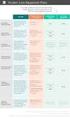 STUDENT LOAN REPAYMENT Chase College of Law Financial Aid Presentation April 14 th, 2011 TOPICS TO BE COVERED General Repayment Information Loan consolidation Repayment Plans Public service loan forgiveness
u s s t u e n t loans
 f e d e r a l d i rect u s s t u e n t loans the answers to some common questions regarding federal direct us student loans. Why a Loan? Your education is an investment into every aspect of who you are.
How To Get A Direct Subsidized Loan
 STUDENT LOANS Financial Literacy Forum December 2013 WHAT KINDS OF DIRECT LOANS ARE AVAILABLE? Subsidized Direct Subsidized Stafford Loans are available to undergraduate students with financial need. Interest
STUDENT LOAN FORGIVENESS AND REPAYMENT: WHAT YOU NEED TO KNOW
 STUDENT LOAN FORGIVENESS AND REPAYMENT: WHAT YOU NEED TO KNOW From here to repayment IUPUI updates your enrollment status. Your grace period begins. Your student loan servicer sends you details about
Federal Stafford Loan Counseling Checklist
 Student s Name (Please Print) Social Security Number You are receiving a Federal Stafford loan to help you cover the costs of your education. You must repay this loan. Before you receive your Stafford
Repayment of Your Student Loan Debt
 Repayment of Your Student Loan Debt your dream, your plan, your future Florida Department of Education (FDOE) Office of Student Financial Assistance (OSFA) Repayment of Your Student Loan Debt Table of
Repaying Your Student Loan. Florida Coastal School of Law
 Repaying Your Student Loan Florida Coastal School of Law Workshop Objectives At the end of the workshop you will understand: What options are available during repayment What education-related tax incentives
FINANCIAL AID CONSUMER INFORMATION GUIDE 2015-2016 Award Year Revised 09/01/2015
 FINANCIAL AID CONSUMER INFORMATION GUIDE 2015-2016 Award Year Revised 09/01/2015 You are responsible for reading this award guide. This information is essential to read and understand the terms and conditions
Glossary Financial Aid & Student Loan Terms
 Glossary Financial Aid & Student Loan Terms A Academic year A period of time schools use to measure a quantity of study. For example, a school s academic year may consist of a fall and spring semester,
What is a Federal Direct PLUS Loan?
 What is a Federal Direct PLUS Loan? This is one of the low-interest loans that make up the William D. Ford Federal Direct Loan Program (also known as Direct Loans ). The Direct Loan Program enables students
FEDERAL DIRECT SUBSIDIZED/UNSUBSIDIZED LOAN FOR STUDENTS
 2015-16 INSTRUCTIONS AND REQUEST FORM FEDERAL DIRECT SUBSIDIZED/UNSUBSIDIZED LOAN FOR STUDENTS Your Financial Aid Notification for the 2015-16 academic year indicates your eligibility for the Federal Direct
Types of student loans.
 Types of student loans. Events like losing a job, getting sick and having financial trouble can create many challenges. In such situations, before you borrow, make sure you know the basic types of student
US Loans. Please read these pages carefully with regards to applying for your loan(s). 2014/15
 US Loans Please read these pages carefully with regards to applying for your loan(s). 2014/15 London South Bank University participates in the William D. Ford Federal Direct Loan (Direct Loan) Program
Guidelines and Requirements in Applying for a Federal Direct Stafford Student Loan
 2014-2015 Guidelines and Requirements in Applying for a Federal Direct Stafford Student Loan Entrance Counseling On Line: Go directly to www.studentloans.gov and use your PIN to sign in. If you need assistance
2015-16 Academic Year
 2015-16 Academic Year Financial Aid & Scholarships Office This Award Notification Guide is your resource for understanding the types of financial aid offered and action required to accept your aid award,
Parent PLUS Loans. Who is eligible to apply for a Parent PLUS Loan? Who is not eligible to apply for a Parent PLUS Loan?
 A Parent PLUS Loan is a loan from the federal government to the parents of dependent undergraduate students. Parent PLUS loans are credit based using the provided parent s financial information to determine
Direct Loan Exit Counseling
 Direct Loan Exit Counseling Understanding your student loan rights and responsibilities is critical to successful repayment! This guide will help you understand Federal Stafford Loans and Direct Loans.
STUDENT LOAN EXIT COUNSELING AND REPAYMENT. Sam Krow-Lucal, Student Loan Coordinator, Stanford Financial Aid Office
 STUDENT LOAN EXIT COUNSELING AND REPAYMENT Sam Krow-Lucal, Student Loan Coordinator, Stanford Financial Aid Office Presentation Overview Loan Repayment Terminology Federal Loan Repayment Plans Federal
Paying For College Strategies
 2014 Counselor Training Paying For College Strategies after all of the student s free money has been exhausted OASFAA is a non-profit organization OASFAA has provided the information today as a free service
STUDENT LOAN REPAYMENT STRATEGIES
 STUDENT LOAN REPAYMENT STRATEGIES FOR GRADUATE STUDENTS November 9, 2009 Updated: 11/04/2009 The information contained in this presentation is not comprehensive, is subject to constant change, and therefore
2016-2017 Student Guide. Student Financial Assistance
 2016-2017 Student Guide Student Financial Assistance Table of Contents Code of Conduct... 3 Financial Aid Office... 4 Contact Information Financial Aid Officer... 4 How We Determine your Financial Aid...
Federal Direct Exit Loan Counseling
 Federal Direct Exit Loan Counseling Student Financial Services Fall 2012 What is Exit Counseling and Why are You Here? Exit counseling is a way for students to understand their rights and responsibilities.
2015-2016 Application for Financial Aid New York Medical College School of Basic Medical Sciences
 2015-2016 Application for Financial Aid New York Medical College School of Basic Medical Sciences New York Medical College, Office of Student Financial Planning, Room 125 C 40 Sunshine Cottage Road, Administration