
WITH LASER-ASSISTED IN SITU KERATOMILEUSIS
|
|
|
- Candice Evans
- 10 years ago
- Views:
Transcription
1 Corneal Changes After Laser in Situ Keratomileusis: Measurement of Corneal Polarization Magnitude and Axis RAYMUND ANGELES, MD, TERESA ABUNTO, MD, CHRISTOPHER BOWD, PHD, LINDA M. ZANGWILL, PHD, DAVID J. SCHANZLIN, MD, AND ROBERT N. WEINREB, MD PURPOSE: Laser in situ keratomileusis (LASIK) involves ablation of the corneal stroma, which may induce a change in birefringence. The purpose of this study was to determine the effect of LASIK on corneal birefringence by measuring corneal polarization magnitude (CPM) and axis (CPA). STUDY DESIGN: Cohort study. METHODS: In this prospective study, we measured the change in CPM and CPA before and after LASIK with a scanning laser polarimeter ([SLP] GDx-VCC; Laser Diagnostic Technologies, San Diego, California). Scans were completed on 23 subjects before and 3 months after LASIK. 14 normal controls were tested twice during the same time interval. Change in CPM, CPA, corneal thickness, and corneal curvature measurements were compared between LASIK and normal subjects. RESULTS: At baseline, the mean (95% confidence interval) values of CPM, CPA, corneal thickness, and corneal curvature measurements of the total population (n 37) were 41.6 nm (36.6, 46.5); 31.5 degrees (25.7, 37.3); m (540.0, 556.7); and 7.6 mm (7.5, 7.7), respectively. There were no significant differences in baseline values between normal and LASIK subjects. The reproducibility, measured as the average standard deviation of CPM and CPA measurements in 30 normal control eyes, was 1.95 nm (1.43, 2.48) and 1.69 degrees (0.92, 2.46), respectively. Mean CPA, corneal thickness, and corneal curvature measurements were significantly different in patients after LASIK (all P <.0001). Mean absolute values of the change in both CPM and CPA were significantly greater in LASIK patients (4.8 Accepted for publication Nov 3, From the Hamilton Glaucoma Center and the Department of Ophthalmology, University of California, San Diego, California. This study was supported in part by National Institutes of Health Grant EY (L.M.Z.). Doctor Weinreb is a consultant who has received research support from Laser Diagnostic Technologies, San Diego, California. Inquiries to Robert N. Weinreb, MD, Hamilton Glaucoma Center, University of California, San Diego, 9500 Gilman Dr, La Jolla, CA ; fax: (858) ; [email protected] nm [3.3, 6.4], and 10.4 degrees [6.8, 14.1], respectively) than in normal subjects (2.43 nm [1.53, 3.33], and 1.64 degrees [1.15, 2.14], respectively; both P <.05). The absolute value of change in CPA was linearly associated with the absolute value of change in both corneal thickness (R ) and corneal curvature (R ). CONCLUSIONS: LASIK causes a measurable change in corneal birefringence as measured by the CPM and CPA that may be related to loss of corneal tissue. Comparison of SLP measurements before and after LASIK requires eye-specific compensation to adjust for the change in corneal birefringence. (Am J Ophthalmol 2004;137: by Elsevier Inc. All rights reserved.) WITH LASER-ASSISTED IN SITU KERATOMILEUSIS (LASIK), corneal stromal photoablation results in changes in the thickness and curvature of the cornea. The effect of these corneal architectural changes on corneal birefringence have been previously hypothesized but not demonstrated. 1 5 When a light beam is perpendicular to the corneal surface, the cornea can be described as a linear retarder characterized by two orthogonal linear polarizations such that light with one polarization propagates through the material slower than the other, and thus is retarded in phase. The extent of this retardation is referred to as the corneal polarization magnitude (CPM). The orientation of the slower polarized light defines the slow axis of corneal birefringence, or the corneal polarization axis (CPA). 6 The propagation of polarized light through the cornea is affected by the orientations of the corneal lamellae and by the refractive imbalance between the collagen fibrils and the ground substance. 7 Thus, ultrastructural changes in the cornea brought about by LASIK could potentially affect corneal birefringence. 7 Furthermore, subsequent changes in corneal curvature and thickness after LASIK could also affect the birefringent properties of the cornea. 8 This study was designed to ascertain whether LASIK affects CPA and CPM /04/$ BY ELSEVIER INC. ALL RIGHTS RESERVED. 697 doi: /j.ajo

2 METHODS SUBJECTS: Twenty-three consecutive patients undergoing myopic LASIK by a single surgeon (D.J.S.), who consented to participate in this study between June and December 2002, were prospectively enrolled. Fourteen normal subjects, not undergoing LASIK, who consented to participate within the same time period, were enrolled as controls. One eye was randomly selected from all subjects for inclusion in the study. Informed consent, approved by the University of California San Diego Institutional Review Board, was obtained from each participant. All eyes underwent refraction, slit-lamp biomicroscopy, intraocular pressure (IOP) measurement, and dilated fundus examination with an indirect ophthalmoscope using a 20 diopter lens and slit-lamp biomicroscopy using a 78 diopter lens before enrollment as part of the preoperative evaluation for LASIK surgery. Patients having myopic LASIK who were at least 18 years of age were included in the study. Average (95% confidence interval [CI]) sphere and cylinder before LASIK were 4.4 ( 3.5, 5.2) diopters and 1.1 (0.7, 1.5) diopters, respectively. Exclusion criteria were glaucomatous appearing optic discs, intraocular pressure greater than 21 mm Hg, and any corneal or retinal pathology. Glaucomatous-appearing optic discs were defined as having one or a combination of the following findings: disk hemorrhages, pallor, localized notching, rim thinning or excavation, cup:disk ratio asymmetry of greater than 0.2. INSTRUMENTS: The CPM and CPA were measured using a commercial scanning laser polarimeter, the GDx- VCC (Laser Diagnostic Technologies, San Diego, California). Using polarized light, this technology is designed primarily to measure the birefringence of the retinal nerve fiber layer and determine its thickness. This device measures the CPM and CPA of each individual then uses these values to extract retinal nerve fiber layer retardance from the total retardation. Since the anterior segment structures, mainly the cornea and to a lesser extent the lens, also exhibit birefringence; this device has been modified to include a variable corneal compensator which also measures eye-specific corneal birefringence. A detailed description on how CPM and CPA are determined from this data and how the compensator adjusts to minimize corneal birefringence is described elsewhere. 9 In brief, uncompensated macular polarimetry images first are obtained. The macula, because of the radial arrangement of the Henle fibers, exhibits fairly uniform birefringence. The resulting retardation profile reflects the combined retardance of both the cornea and the Henle layer (Figure 1, A). The CPM and CPA are calculated automatically from this signal, and the instrument then adjusts to compensate for them. A fully compensated macular SLP macular image exhibits little birefringence (Figure 1, B). The difference between the total signal and FIGURE 1. (A) Uncompensated scanning laser polarimeter macular image reflecting the combined retardance of the cornea and Henle fiber layer. Red and yellow color indicate high retardance values, blue indicates low retardance. (B) Compensated macular image. Note the uniform blue color. the corneal signal then represents the retinal nerve fiber layer retardation. STUDY DESIGN THE STUDY DESIGN FOLLOWS THE PRINCIPLES OF A COHORT study. Measurements were done on two occasions using the GDx-VCC. For patients, scans were completed on all eyes before and approximately 12 weeks after LASIK. For the control group, the two scanning sessions were obtained at approximately the same interval as with the study group. Multiple scans were taken, and the best quality scan based 698 AMERICAN JOURNAL OF OPHTHALMOLOGY APRIL 2004

3 TABLE 1. Characteristics of Study Population and Normal Controls LASIK Patients n 23 Normal Controls n 14 P Value* Male:female 12:11 3: Age (mean, 95% CI), years 45 ( ) 42.8 ( ).407 Range Number of weeks between 15.1 ( ) 17.2 ( ).376 examinations (mean, 95% CI) CI confidence interval; LASIK laser-assisted in situ keratomileusis. *Student t test. on maximal instrument-provided image quality score and minimum residual retardance measurement was used to report the CPM and CPA. Experienced operators performed all scans (T.A.A., and a nonauthor technician). For scans to be included, software-provided quality scores of 8 or more (of 10) and residual macular retardance measurements of12.5 nm or less were required. No participants were excluded because of unacceptable image quality. During the second scanning session, the device was reset to remeasure the CPM and CPA. Other parameters that were measured and recorded during both visits were the following: refraction, corneal thickness using ultrasound pachymetry (Pachette DGH 500; DGH Technology, Philadelphia, PA), corneal curvature using keratometry (Humphrey Automatic Refractor 597; Humphrey Systems, Dublin, California), and applanation intraocular pressure (Haag Streit International, Bern, Switzerland). To determine intrasubject reproducibility of CPM and CPA measurements, we obtained four macular scans from 30 normal control subjects, defined as those with normal eye examinations and normal visual field results using full-threshold or Swedish Interactive Threshold Strategy standard automated perimetry (Humphrey Field Analyzer; Carl Zeiss Meditiec, Dublin, California). We then reported the average standard deviation of CPM and CPA measurements for all of these subjects combined. SURGERY: Laser-assisted in situ keratomileusis was performed with the LADARVision 4000 excimer laser (Alcon Laboratories, Orlando, Florida) and with the VISX Star 3 Laser (VISX, Santa Clara, California). The Hansatome microkeratome was used to create the flap after the intraocular pressure was increased to a minimum of 65 mm Hg as measured with a Barraquer tonometer. STATISTICAL ANALYSIS Statistical analysis was performed using JMP software (SAS Institute, Cary, North Carolina). We used unpaired Student t tests and paired t tests to compare the baseline with the post- LASIK measurements of CPA and CPM, corneal thickness, and curvature. Linear regression analysis also was used to analyze the relationship between change in corneal structure (thickness and curvature) and change in CPM and CPA. A P value of.05 or less was considered statistically significant. RESULTS WE STUDIED 23 EYES OF 23 CONSECUTIVE PATIENTS (12 males, 11 females) who underwent LASIK and compared them with 14 eyes of 14 normal controls (three males, 11 females). The mean (95% CI) age for LASIK patients and normal controls was 45.0 years (41.8, 48.3; range 27 to 64) and 42.8 years (37.9, 47.7; range 26 to 54), respectively. The mean (95% CI) length of time between examinations for LASIK patients was 15.1 (12.4, 17.1) weeks; for normal subjects it was 17.2 (12.4, 22.0) weeks. There were no significant differences in age and length of time between examinations between LASIK patients and controls (Student t test P.4, P.3, respectively; Table 1). In addition, there were no significant differences (all P.05) in mean (95% CI) residual retardance measurements between patients and controls either at baseline (5.9 nm [4.7, 7.1 nm], and 4.4 nm [3.4, 5.3 nm], respectively) and follow-up testing (5.5 nm [4.5, 6.4 nm], and 5.5 nm [3.8, 7.1 nm], respectively). The reproducibility, measured as the average standard deviation (95% CI), of CPM and CPA measurements in 30 normal control eyes (see Methods) was 1.95 nm (1.43, 2.48) and 1.69 degrees (0.92, 2.46), respectively. These values resulted in coefficients of variations of 0.05 for CPM and 0.07 for CPA. At baseline, the mean (95% CI) values of CPM, CPA, corneal thickness, and corneal curvature of the total population (n 37) were 41.6 nm (36.6, 46.5); 31.5 degrees (25.7, 37.3); m (540.0, 556.7), and 7.6 mm (7.5, 7.7), respectively. The mean baseline CPM, CPA, central corneal thickness, and corneal curvature values were similar in the LASIK patients and normal controls (Student t test, all P.2). Comparing baseline with VOL. 137, NO. 4 CORNEAL CHANGES AFTER LASER IN SITU KERATOMILEUSIS 699

4 TABLE 2. Comparison Between Baseline and Follow-Up Means in Both LASIK Patients and Normal Subjects LASIK Subjects (n 23) Normal Controls (n 14) Follow-Up Mean (95% CI) P Value* Baseline Mean (95% CI) Follow-Up Mean (95% CI) P Value* Variable Baseline Mean (95% CI) CPM (nm) 43.1 ( ) 42.8 ( ) ( ) 39.6 ( ).474 CPA (degrees) 31.0 ( ) 21.0 ( ) ( ) 31.4 ( ).064 Corneal curvature (mm) 7.6 ( ) 3.2 ( ) ( ) 7.6 ( ).072 Corneal thickness ( m) ( ) ( ) ( ) ( ).019 CI confidence interval; CPA corneal polarization axis; CPM corneal polarization magnitude; LASIK laser-assisted in situ keratomileusis. *Paired t test. follow-up measurements in LASIK patients, statistically significant differences were found in mean CPA, corneal thickness and corneal curvature (paired t tests, all P.0001), but not in CPM (Table 2). In normal patients, there was a statistically significant change only in corneal thickness measurements (P.02). Because CPM and CPA may not change in a predictable direction after LASIK, we determined the absolute value of the difference between baseline and follow-up for both parameters. The mean (95% CI) absolute value of change in CPA was significantly greater in the LASIK group (10.4 degrees [6.8, 14.1]) than in the control group (1.6 degrees [1.2, 2.1]; P.001), and the absolute value of change in CPM was marginally greater in the LASIK group (4.8 nm [3.3 nm, 6.4 nm]), than in the control group (2.4 nm [1.5 nm, 3.3 nm]; P.05). Regression analysis, including all eyes, showed a linear correlation between absolute value of change in corneal thickness and in the CPA (R , P.0001), and between the absolute value of change in corneal curvature and the in the CPA (R , P.0001). The absolute value of change in CPM was not linearly associated with change in corneal curvature, corneal thickness or CPA (all R 2 P.07; Figure 2). DISCUSSION THE ADVENT OF SCANNING LASER POLARIMETRY HAS INcreased interest in measuring corneal birefringence Scanning laser polarimetry directly measures retardation, a measure that correlates well with the retinal nerve fiber layer thickness. 12 An early version of the SLP assumed fixed values for CPA (nasally downward) and CPM to compensate for corneal birefringence. Greenfield and associates, 13 however, in a study of 113 eyes showed that the distribution of CPA varies over a wide range. In a study of 73 eyes, Knighton and associates 10 confirmed the individual variation of CPA, and also showed that CPM varied among individuals. These observations led to the development by Zhou and Weinreb of a method to individually compensate for corneal birefringence 14 which confirmed the individual variability of both CPM and CPA. Their method was subsequently incorporated into a commercial SLP system (GDx-VCC) that measures the CPA and CPM of each individual, and then uses these values to extract retinal nerve fiber layer retardance from the total retardation. Our baseline results (pre-lasik and normal eyes combined) for CPM and CPA ( nm and degrees, respectively) were similar to those previously reported by Weinreb and associates 11 using a prototype of the GDx-VCC. They reported a mean ( SD) CPM of 41.1 nm ( 14.3 nm) and a CPA of 28.8 degrees ( 15.4 degrees) for healthy eyes. The results of the current study are in agreement with previous ones in finding a large interindividual variability for both the CPM and CPA. 9,11 In addition, this study evaluated the intrasubject reproducibility of CPA and CPM measurements obtained with the commercial instrument. In general, the reproducibility was good with coefficients of variation less than 0.07 for four scans obtained on the same day. In the current study, a significant difference was noted in the CPA but not the CPM when comparing the mean values between baseline and follow up tests in post-lasik patients. As the change in CPM and CPA may be positive or negative, measuring the means of these parameters in a given population may underestimate the magnitude of change. Measurements of the mean absolute value of the change with time were significantly different between the LASIK patients and the normal controls for all parameters, including CPM. However, the change in CPM was twofold, while that of the CPA was sixfold in post-lasik eyes compared with normal eyes. The change in corneal thickness measurements in normal controls was small, approximately 3.5 m, compared with 48 m in the LASIK group, and may be due to measurement variability or chance. Another possibility is that this small change may be due to reported diurnal changes in corneal thickness AMERICAN JOURNAL OF OPHTHALMOLOGY APRIL 2004

5 FIGURE 2. (A) Correlation between absolute value of change in corneal polarization axis (CPA) and change in corneal thickness (n 37). (B) Correlation between absolute value of change in CPA and change in corneal curvature (n 37). (C) Correlation between absolute value of change in corneal polarization magnitude (CPM) and change in corneal thickness (n 37). (D) Correlation between absolute value of change in CPM and change in corneal curvature (n 37). (E) Correlation between absolute value of change in CPM and absolute value of change in CPA (n 37). In the current study we did not standardize the time of day at which measurements were made. The effect of LASIK on SLP measurements has been investigated in previous studies, 1 3,5,16 18 but its direct effects on CPM and CPA have not been reported. In this study, we observed that there was a significant difference, compared with baseline, in CPA after LASIK. In addition, there was a significant change in absolute value of both CPM and CPA after LASIK. This agrees with our hypothesis that structural changes in the cornea brought about by LASIK may lead to changes in the corneal birefringence. Linear regression analysis confirmed that the change in CPA was correlated with changes in the corneal thickness and curvature. However, the change in CPM does not appear to be influenced by the change in corneal thickness and curvature. Changes in CPM and CPA did not appear to be correlated. The morphologic changes that occur in the cornea after LASIK have been described previously. 7,19 Vesaluoma and coworkers 19 in a study of 62 eyes using confocal microscopy, showed microfolds in the Bowman layer and the anterior stroma in 96.8% of eyes after LASIK. The clinical significance of slight microfolding appears negligible. However, deeper and more extensive folding might affect the topography of the corneal surface resulting in irregular astigmatism. Whether these changes affect corneal birefringence can only be speculative. Vesaluoma and colleaugues 19 also observed particles of variable size and reflectivity, most probably composed of metallic and cellular debris and inflammatory cells at the flap interface. Their presence coincides with the need for a higher intensity of illumination during scanning laser polarimetry, as noted by Hollo and associates 2 and raises the possibility that the debris significantly increases the reflection of polarized light. This observation was observed during the early postoperative period although it diminishes with time and reaches a stable level at 3 months. The presence of persistent interface particles cannot be discounted. Our follow-up period of approximately 12 weeks post-lasik was designed to eliminate the VOL. 137, NO. 4 CORNEAL CHANGES AFTER LASER IN SITU KERATOMILEUSIS 701

6 FIGURE 3. Case 1. (A) Baseline retinal nerve fiber layer scan: corneal polarization magnitude (CPM) 52, corneal polarization axis (CPA) 55.1 (9/1/2002). Note the hourglass pattern denoting thicker retinal nerve fiber layer in the superior and inferior quadrants (yellow/red color) (B) Post- LASIK (laser-assisted in situ keratomileusis) scan without resetting of corneal compensation. Note reversal of hourglass pattern (12/13/2002) (C) Post-LASIK scan after resetting corneal compensation: CPM 46, CPA 43.3 (12/13/2002). short-term effects of corneal wound healing on SLP measurements. We hypothesize that the loss and disruption of the spatial order of collagen fibrils after photoablation causes the change in the birefringent properties of the cornea. Retardation from stacked layers of fibrils composing the corneal stroma, each at a different angle relative to the others and acting as a single linear retarder, is combined to represent the overall retardation of all of the layers. 20,21 Loss of stromal layers would thus change the net orientation of the fibrils and lead to a change in the corneal birefringence. Because all of our patients received treatment to correct myopia, the effect of corneal steepening (for correction of hyperopia) by LASIK on CPM and CPA was not investigated and remains untested. Other limitations of the current study include the limited sample size and the possibility of interoperator differences in image acquisition. However, the sample size was sufficient to detect significant change in CPM and CPA as a result of LASIK. The change in CPM and CPA after LASIK, and possibly after other surgical procedures involving the cornea, could have an impact in the use of imaging technologies dependent on birefringence such as SLP. The accuracy of the results can be affected if erroneous corneal values are used to compensate for corneal birefringence. As an example, we show the scan results of one patient (Figure 3). Compared with baseline (Figure 3, A), even a small change in the CPM and CPA may lead to a different pattern of retinal nerve fiber layer retardance (Figure 3, B) because of inadequate compensation. These measurements would incorrectly estimate the retinal nerve fiber layer thickness. After remeasuring the CPA and CPM, however, the resulting retardance map (Figure 3, C) is almost identical to baseline. Therefore it is imperative that the CPM and CPA be remeasured after LASIK for the accurate measurement of retinal nerve fiber layer thickness using this device. In conclusion, we were able to demonstrate that there was a measurable change in CPM and CPA after LASIK. The change in CPA is linearly correlated with the change in corneal curvature and thickness. Whether these changes can significantly affect the discriminating power of SLP in post-lasik eyes remains to be investigated. Certainly these changes will affect the ability to detect change in the RNFL when comparing pre and post-lasik SLP images. Therefore, individual eye-specific corneal compensation is mandatory for detecting retinal nerve fiber layer change with SLP in these circumstances. REFERENCES 1. Gurses-Ozden R, Liebmann JM, Schuffner D, Buxton DF, Soloway BD, Ritch R. Retinal nerve fiber layer thickness remains unchanged following laser-assisted in situ keratomileusis. Am J Ophthalmol 2001;132: Hollo G, Nagy ZZ, Vargha P, Suveges I. Influence of post-lasik corneal healing on scanning laser polarimetric measurement of the retinal nerve fibre layer thickness. Br J Ophthalmol 2002;86: Hollo G, Katsanos A, Kothy P, Kerek A, Suveges I. Influence of LASIK on scanning laser polarimetric measurement of the retinal nerve fibre layer with fixed angle and customised corneal polarisation compensation. Br J Ophthalmol 2003; 87: AMERICAN JOURNAL OF OPHTHALMOLOGY APRIL 2004

7 4. Nevyas JY, Nevyas HJ, Nevyas-Wallace A. Change in retinal nerve fiber layer thickness after laser in situ keratomileusis. J Cataract Refract Surg 2002;28: Roberts TV, Lawless MA, Rogers CM, Sutton GL, Domniz Y. The effect of laser-assisted in situ keratomileusis on retinal nerve fiber layer measurements obtained with scanning laser polarimetry. J Glaucoma 2002;11: Farrell RA, Wharam JF, Kim D, McCally RL. Polarized light propagation in corneal lamellae. J Refract Surg 1999;15: Rumelt S, Cohen I, Skandarani P, Delarea Y, Ben Shaul Y, Rehany U. Ultrastructure of the lamellar corneal wound after laser in situ keratomileusis in human eye. J Cataract Refract Surg 2001;27: Bueno JM, Vargas-Martin F. Measurements of the corneal birefringence with a liquid-crystal imaging polariscope. Appl Opt 2002;41: Greenfield DS, Knighton RW, Feuer WJ, Schiffman JC, Zangwill L, Weinreb RN. Correction for corneal polarization axis improves the discriminating power of scanning laser polarimetry. Am J Ophthalmol 2002;134: Knighton RW, Huang XR. Linear birefringence of the central human cornea. Invest Ophthalmol Vis Sci 2002;43: Weinreb RN, Bowd C, Greenfield DS, Zangwill LM. Measurement of the magnitude and axis of corneal polarization with scanning laser polarimetry. Arch Ophthalmol 2002; 120: Weinreb RN. Evaluating the retinal nerve fiber layer in glaucoma with scanning laser polarimetry. Arch Ophthalmol 1999;117: Greenfield DS, Knighton RW, Huang XR. Effect of corneal polarization axis on assessment of retinal nerve fiber layer thickness by scanning laser polarimetry. Am J Ophthalmol 2000;129: Zhou Q, Weinreb RN. Individualized compensation of anterior segment birefringence during scanning laser polarimetry. Invest Ophthalmol Vis Sci 2002;43: du Toit R, Vega JA, Fonn D, Simpson T. Diurnal variation of corneal sensitivity and thickness. Cornea 2003;22: Gurses-Ozden R, Pons ME, Barbieri C, et al. Scanning laser polarimetry measurements after laser-assisted in situ keratomileusis. Am J Ophthalmol 2000;129: Kook MS, Lee S, Tchah H, Sung K, Park R, Kim K. Effect of laser in situ keratomileusis on retinal nerve fiber layer thickness measurements by scanning laser polarimetry. J Cataract Refract Surg 2002;28: Tsai YY, Lin JM. Effect of laser-assisted in situ keratomileusis on the retinal nerve fiber layer. Retina 2000;20: Vesaluoma M, Perez-Santonja J, Petroll WM, Linna T, Alio J, Tervo T. Corneal stromal changes induced by myopic LASIK. Invest Ophthalmol Vis Sci 2000;41: Radner W, Zehetmayer M, Aufreiter R, Mallinger R. Interlacing and cross-angle distribution of collagen lamellae in the human cornea. Cornea 1998;17: Radner W, Mallinger R. Interlacing of collagen lamellae in the midstroma of the human cornea. Cornea 2002;21: VOL. 137, NO. 4 CORNEAL CHANGES AFTER LASER IN SITU KERATOMILEUSIS 703

Scanning laser polarimetry and retinal thickness analysis before and after laser in situ k e r a t o m i l e u s i s
 European Journal of Ophthalmology / Vol. 15 no. 4, 2005 / pp. 434-440 Scanning laser polarimetry and retinal thickness analysis before and after laser in situ k e r a t o m i l e u s i s E.M. HOFFMANN,
EFFECT OF MYOPIC LASIK ON RETINAL NERVE FIBER LAYER THICKNESS- IS IT SAFE OR UNSAFE?
 24. Glaucoma: Imaging EFFECT OF MYOPIC LASIK ON RETINAL NERVE FIBER LAYER THICKNESS- IS IT SAFE OR UNSAFE? Chief Author: Dr. Amit porwal 1 Co-Authors: Dr. Kavita Porwal 2, Dr. Puja Rai 1 1. Choithram Netralaya,
S canning laser polarimetry (SLP) of the retinal nerve fibre
 627 SCIENTIFIC CORRESPONDENCE Influence of post-lasik corneal healing on scanning laser polarimetric measurement of the retinal nerve fibre layer thickness G Holló, Z Z Nagy, P Vargha, I Süveges... Br
Measure of Confidence. Glaucoma Module Premium Edition
 Measure of Confidence Glaucoma Module Premium Edition The Changing Face of Glaucoma Practice Literature 1 Leske et al., Arch Ophthalmol 1997; 115:1051-1057 2 Doughty et al., Surv Ophthalmol 2000; 44:367-408
FIRST EXPERIENCE WITH THE ZEISS FEMTOSECOND SYSTEM IN CONJUNC- TION WITH THE MEL 80 IN THE US
 FIRST EXPERIENCE WITH THE ZEISS FEMTOSECOND SYSTEM IN CONJUNC- TION WITH THE MEL 80 IN THE US JON DISHLER, MD DENVER, COLORADO, USA INTRODUCTION AND STUDY OBJECTIVES This article summarizes the first US
Case Report Laser Vision Correction on Patients with Sick Optic Nerve: A Case Report
 Case Reports in Ophthalmological Medicine Volume 2011, Article ID 796463, 4 pages doi:10.1155/2011/796463 Case Report Laser Vision Correction on Patients with Sick Optic Nerve: A Case Report Ming Chen
Comparison of Residual Stromal Bed Thickness and Flap Thickness at LASIK and Post-LASIK Enhancement in Femtosecond Laser-Created Flaps
 Comparison of Residual Stromal Bed Thickness and Flap Thickness at LASIK and Post-LASIK Enhancement in Femtosecond Laser-Created Flaps Lingo Y. Lai, MD William G. Zeh, MD Clark L. Springs, MD The authors
Alexandria s Guide to LASIK
 Alexandria s Guide to LASIK A Community Service Project sponsored by: Wallace Laser Center Your Guide To A Successful LASIK Procedure The word LASIK is actually an acronym for Laser Assisted In-Situ Keratomileusis.
Overview of Refractive Surgery
 Overview of Refractive Surgery Michael N. Wiggins, MD Assistant Professor, College of Health Related Professions and College of Medicine, Department of Ophthalmology Jones Eye Institute University of Arkansas
THE BEST OF BOTH WORLDS Dual-Scheimpflug and Placido Reaching a new level in refractive screening
 THE BEST OF BOTH WORLDS Dual-Scheimpflug and Placido Reaching a new level in refractive screening GALILEI G4 Clinical Applications Corneal Implant Planning The comes with a licensable corneal inlay software
Comparison Combined LASIK Procedure for Ametropic Presbyopes and Planned Dual Interface for Post-LASIK Presbyopes Using Small Aperture Corneal Inlay
 Comparison Combined LASIK Procedure for Ametropic Presbyopes and Planned Dual Interface for Post-LASIK Presbyopes Using Small Aperture Corneal Inlay Minoru Tomita, MD, PhD 1,2 1) Shinagawa LASIK, Tokyo,
Case Reports Post-LASIK ectasia treated with intrastromal corneal ring segments and corneal crosslinking
 Case Reports Post-LASIK ectasia treated with intrastromal corneal ring segments and corneal crosslinking Kay Lam, MD, Dan B. Rootman, MSc, Alejandro Lichtinger, and David S. Rootman, MD, FRCSC Author affiliations:
Ectasia after laser in-situ keratomileusis (LASIK)
 Ectasia after laser in-situ keratomileusis (LASIK) 長 庚 紀 念 醫 院 眼 科 蕭 靜 熹 Post-LASIK ectasia A rare complication of LASIK Manhattan jury awarded a former investment banker a record $7.25 million for post-lasik
How do you adjust for IOP in a LASIK patient?
 How do you adjust for IOP in a LASIK patient? Sunita Radhakrishnan, M.D Glaucoma Center of San Francisco Glaucoma Research and Education Group Principle of applanation tonometry Imbert Fick law Applanation
Consumer s Guide to LASIK
 Consumer s Guide to LASIK A Community Service Project brought to you by Price Vision Group Your Guide To A Successful LASIK Procedure The purpose of this educational guide is to help prospective patients
Customized corneal ablation and super vision. Customized Corneal Ablation and Super Vision
 Customized Corneal Ablation and Super Vision Scott M. MacRae, MD; James Schwiegerling, PhD; Robert Snyder, MD, PhD ABSTRACT PURPOSE: To review the early development of new technologies that are becoming
TABLE OF CONTENTS: LASER EYE SURGERY CONSENT FORM
 1 BoydVision TABLE OF CONTENTS: LASER EYE SURGERY CONSENT FORM Risks and Side Effects... 2 Risks Specific to PRK... 3 Risks Specific to LASIK... 4 Patient Statement of Consent... 5 Consent for Laser Eye
IOL Power Calculation After Myopic LASIK. Hany Helaly, Lecturer of Ophthalmology, Faculty of Medicine, Alexandria University.
 IOL Power Calculation After Myopic LASIK Hany Helaly, Lecturer of Ophthalmology, Faculty of Medicine, Alexandria University. SUPERVISORS Prof. Dr. Mohammad El-Hifnawy Professor of Ophthalmology Faculty
Surgical Advances in Keratoconus. Keratoconus. Innovations in Ophthalmology. New Surgical Advances. Diagnosis of Keratoconus. Scheimpflug imaging
 Surgical Advances in Keratoconus Keratoconus Ectatic disorder 1 in 1,000 individuals Starts in adolescence & early adulthood Uncertain cause 20% require corneal transplant Innovations in Ophthalmology
Confocal Microscopy of Corneal Stroma and Endothelium After LASIK and PRK
 Confocal Microscopy of Corneal Stroma and Endothelium After LASIK and PRK Javad Amoozadeh, MD; Soheil Aliakbari, MD; Amir-Houshang Behesht-Nejad, MD; Mohammad-Amin Seyedian, MD; Bijan Rezvan, DDS; Hassan
Customized corneal ablation can be designed. Slit Skiascopic-guided Ablation Using the Nidek Laser. Scott MacRae, MD; Masanao Fujieda
 Slit Skiascopic-guided Ablation Using the Nidek Laser Scott MacRae, MD; Masanao Fujieda ABSTRACT PURPOSE: To present the approach of using a scanning slit refractometer (the ARK 10000) in conjunction with
Anterior Lamellar Keratoplasty With a Microkeratome: A Method for Managing Complications After Refractive Surgery
 Anterior Lamellar Keratoplasty With a Microkeratome: A Method for Managing Complications After Refractive Surgery Farhad Hafezi, MD; Michael Mrochen, PhD; Franz Fankhauser II, MD; Theo Seiler, MD, PhD
Post LASIK Ectasia. Examination: Gina M. Rogers, MD and Kenneth M. Goins, MD
 Post LASIK Ectasia Gina M. Rogers, MD and Kenneth M. Goins, MD October 6, 2012 Chief Complaint: Decreasing vision after laser- assisted in- situ keratomileusis (LASIK) History of Present Illness: This
The pinnacle of refractive performance.
 Introducing! The pinnacle of refractive performance. REFRACTIVE SURGERY sets a new standard in LASIK outcomes More than 98% of patients would choose it again. 1 It even outperformed glasses and contacts
LASIK Eye Surgery Report
 LASIK Eye Surgery Report LASIK eye surgery can be a liberating experience for people hoping to reduce or eliminate their dependence on glasses and contact lenses. Most patients do not realize how evolved
Alain Saad, MD, Alice Grise-Dulac, MD, Damien Gatinel, MD, PhD
 CASE REPORT Bilateral loss in the quality of vision associated with anterior corneal protrusion after hyperopic LASIK followed by intrastromal femtolaser-assisted incisions Alain Saad, MD, Alice Grise-Dulac,
INTRODUCTION. Trans Am Ophthalmol Soc 2006;104:402-413
 ORBSCAN II ASSISTED INTRAOCULAR LENS POWER CALCULATION FOR CATARACT SURGERY FOLLOWING MYOPIC LASER IN SITU KERATOMILEUSIS (AN AMERICAN OPHTHALMOLOGICAL SOCIETY THESIS) BY Henry Gelender MD ABSTRACT Purpose:
ReLEx smile Minimally invasive vision correction Information for patients
 ReLEx smile Minimally invasive vision correction Information for patients Seeing is living Our eyes are our most important sensory organ. The human brain obtains over 80 % of its information via the sense
KERATOCONUS IS A BILATERAL, ASYMMETRIC, CHRONIC,
 Comparison of and Intacs for Keratoconus and Post-LASIK Ectasia MUNISH SHARMA, MD, AND BRIAN S. BOXER WACHLER, MD PURPOSE: To evaluate the efficacy of single-segment Intacs and compare with double-segment
Comparison of Two Procedures: Photorefractive Keratectomy Versus Laser In Situ Keratomileusis for Low to Moderate Myopia
 Comparison of Two Procedures: Photorefractive Keratectomy Versus Laser In Situ Keratomileusis for Low to Moderate Myopia Jae Bum Lee, Jae Sung Kim, Chul-Myong Choe, Gong Je Seong and Eung Kweon Kim Institute
INFORMED CONSENT FOR LASIK SURGERY
 IMPORTANT: READ EVERY WORD! This information is to help you make an informed decision about having laser assisted in-situ keratomileusis (LASIK) surgery to treat your nearsightedness, farsightedness and/or
Keratorefractive Surgery for Post-Cataract Refractive Surprise. Moataz El Sawy
 Keratorefractive Surgery for Post-Cataract Refractive Surprise Moataz El Sawy Departmentof Ophthalmology, Faculty of Medicine,MenoufiyaUniversity, Egypt [email protected] Abstract: Purpose: To evaluate
Optic Nerve Imaging. Management of Glaucoma
 Optic Nerve Imaging in the Diagnosis and Management of Glaucoma Scott D. Smith, MD, MPH Associate Professor of Clinical Ophthalmology Director, Glaucoma Service Columbia University, New York, NY Glaucoma
The Evolution of the Optical Zone in Corneal Refractive Surgery. Bruce Drum, Ph.D.
 The Evolution of the Optical Zone in Corneal Refractive Surgery. Bruce Drum, Ph.D. FDA, Division of Ophthalmic and ENT Devices, Rockville, MD Disclaimer This presentation represents the professional opinion
Conductive keratoplasty (CK) utilizes radiofrequency energy. Original Article
 Original Article Comparing the Rate of Regression after Conductive Keratoplasty with or without Prior Laser-Assisted in situ Keratomileusis or Photorefractive Keratectomy Majid Moshirfar, Erik Anderson
Curtin G. Kelley, M.D. Director of Vision Correction Surgery Arena Eye Surgeons Associate Clinical Professor of Ophthalmology The Ohio State
 Curtin G. Kelley, M.D. Director of Vision Correction Surgery Arena Eye Surgeons Associate Clinical Professor of Ophthalmology The Ohio State University Columbus, Ohio Refractive Errors Myopia (nearsightedness)
Dr. Booth received his medical degree from the University of California: San Diego and his bachelor of science from Stanford University.
 We've developed this handbook to help our patients become better informed about the entire process of laser vision correction. We hope you find it helpful and informative. Dr. Booth received his medical
Informed Consent for Refractive Lens Exchange (Clear Lens Replacement)
 Mark Packer, M.D. Informed Consent for Refractive Lens Exchange (Clear Lens Replacement) This surgery involves the removal of the natural lens of my eye, even though it is not a cataract. The natural lens
Rediscover quality of life thanks to vision correction with technology from Carl Zeiss. Patient Information
 Rediscover quality of life thanks to vision correction with technology from Carl Zeiss Patient Information 5 2 It was really w Vision defects: Light that goes astray For clear vision the eyes, cornea and
Financial Disclosure. LASIK Flap Parameters IntraLase Microkeratome 6/9/2008. Femtosecond LASIK Flaps: What Could We Customize Yesterday?
 Financial Disclosure Arturo Chayet, MD Tijuana, BC Mexico Perry S. Binder, MS, MD San Diego CA USA I have the following financial interests or relationships to disclose: AMO/IntraLase Corporation - C Acufocus
How To Understand The Current Of An Optic Nerve Fiber Layer
 A Practical Guide for Journal Interpretation of Current of Optical Glaucoma Coherence Practice, Tomography January-April Retinal 2009;3(1):9-13 Nerve Fiber Layer Measurement A Practical Guide for Interpretation
INFORMED CONSENT TO HAVE LASIK
 A Division of Scott & Christie and Associates INFORMED CONSENT TO HAVE LASIK This information is to help you make an informed decision about having Laser Assisted Intrastromal Keratomileusis (LASIK), an
PHOTOREFRACTIVE KERATECTOMY (PRK) HAS BECOME
 Comparison of Corneal Nerve Regeneration and Sensitivity Between LASIK and Laser Epithelial Keratomileusis (LASEK) SEUNG JAE LEE, MD, JIN KUK KIM, MD, KYUNG YUL SEO, MD, EUNG KWEON KIM, MD, PHD, AND HYUNG
INTRACOR. An excerpt from the presentations by Dr Luis Ruiz and Dr Mike Holzer and the Round Table discussion moderated by Dr Wing-Kwong Chan in the
 INTRACOR An excerpt from the presentations by Dr Luis Ruiz and Dr Mike Holzer and the Round Table discussion moderated by Dr Wing-Kwong Chan in the 1 Dr Luis Ruiz Presbyopia treatment with INTRACOR Luis
OCT-guided Femtosecond Laser for LASIK and Presbyopia Treatment
 Shinagawa LASIK Center OCT-guided Femtosecond Laser for LASIK and Presbyopia Treatment Minoru Tomita, MD, Ph.D 1) Executive Medical Director at Shinagawa LASIK Center, Tokyo, Japan 2) Clinical Professor
Corneal intrastromal implantation surgery for the treatment of moderate and high myopia
 TECHNIQUE Corneal intrastromal implantation surgery for the treatment of moderate and high myopia Albert Daxer, MD, PhD I describe a corneal intrastromal implantation technique that uses a new type of
Corneal polarimetry after LASIK refractive surgery
 Journal of Biomedical Optics 111, 014001 January/February 2006 Corneal polarimetry after LASIK refractive surgery Juan M. Bueno Esther Berrio Pablo Artal Universidad de Murcia Laboratorio de Óptica Campus
PATIENT CONSENT FOR LASER IN-SITU KERATOMILEUSIS (LASIK)
 INTRODUCTION: You have been diagnosed with myopia (nearsightedness) or hyperopia (farsightedness) with or without astigmatism, or astigmatism alone. Myopia is a result of light entering the eye and focusing
Wavefront technology has been used in our
 Wavefront Customized Ablations With the WASCA Asclepion Workstation Sophia I. Panagopoulou, BSc; Ioannis G. Pallikaris, MD ABSTRACT PURPOSE: WASCA (Wavefront Aberration Supported Cornea Ablation) is a
your bestchoice for Laser Vision Correction www.aucklandeyelaser.co.nz
 your bestchoice for Laser Vision Correction www.aucklandeyelaser.co.nz Auckland Eye is the Centre of Excellence for Laser Eye Surgery in Auckland Welcome to a life of freedom from contact lenses and glasses.
CustomVue Treatments for Monovision in Presbyopic Patients with Low to Moderate Myopia and Myopic Astigmatism
 CustomVue Treatments for Monovision in Presbyopic Patients with Low to Moderate and Myopic Introduction Pre-Operative Examination Surgical Technique 1 2 IMPORTANT INFORMATION CustomVue Monovision treatments
Simple regression formula for intraocular lens power adjustment in eyes requiring cataract surgery after excimer laser photoablation
 J CATARACT REFRACT SURG - VOL 32, MARCH 26 Simple regression formula for intraocular lens power adjustment in eyes requiring cataract surgery after excimer laser photoablation Samuel Masket, MD, Seth Everett
Life Science Journal 2014;11(9) http://www.lifesciencesite.com. Cross cylinder Challenging cases and their resultswith Nidek Quest (EC-5000)
 Cross cylinder Challenging cases and their resultswith Nidek Quest (EC-5000) Gamal Mostafa Abo El Maaty, Mohamed Elmoddather, Mahmoud Ibrahem Ghazy, Mohamed Al-Taher Ophthalmology Department, Faculty of
Aberrations caused by decentration in customized laser refractive surgery
 Aberrations caused by decentration in customized laser refractive surgery Diana C. Lozano 1,2 Advisors: Jason Porter 2,3a, Geunyoung Yoon 2,3b, and David R. Williams 2,3a San Diego State University, San
Refractive Errors & Correction
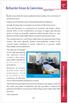 Super Vision 6 Chapter Lasik is currently the most sophisticated procedure for correction of refractive errors. Lasik is an acronym for Laser Assisted Insitu Keratomileusis. In Lasik, Excimer laser is
LASIK SURGERY IN AL- NASSIRYA CITY A CLINICOSTATISTICAL STUDY
 Thi-Qar Medical Journal (TQMJ): Vol(4) No(4):1(14-21) SUMMARY: LASIK SURGERY IN AL- NASSIRYA CITY A CLINICOSTATISTICAL STUDY Dr. Ali Jawad AL- Gidis (M.B.Ch.B., D.O., F.I.C.O.)* Background: LASIK which
Ophthalmic Consultants of Long Island
 Case History Improving Cataract and Refractive Surgery Outcomes Through Ocular Surface Optimization 59 year old healthy white female History increased IOP Mother has history of glaucoma Presents for refractive
How To See With An Cl
 Deciding on the vision correction procedure that s right for you is an important one. The table below provides a general comparison of the major differences between Visian ICL, LASIK and PRK. It is NOT
Refractive Surgery Issue. Inlays and Presbyopia: On the Horizon P. 24. Crack a SMILE or Raise a Flap? P. 30. LASIK Xtra: Who Should Get It? P.
 MULTIMODAL IMAGING OF PLACOID DISORDERS P. 42 WILLS RESIDENT CASE SERIES P. 67 NTG: THE NOCTURNAL BLOOD PRESSURE FACTOR P. 54 WISE CHOICES FOR OCULAR DIAGNOSES P. 50 NEW WAYS TO DETECT KERATOCONUS P. 58
Cassie Schroeder Refractive Surgery Coordinator Boozman-Hof Regional Eye Clinic (479) 246-1820 (479) 531-3937
 Thank you for your interest in refractive surgery here at Boozman-Hof Regional Eye Clinic. Enclosed is a bio on Dr. Cole and articles about LASEK. There is also information on our financing company that
Vision Glossary of Terms
 Vision Glossary of Terms EYE EXAMINATION PROCEDURES Eyeglass Examinations: The standard examination procedure for a patient who wants to wear eyeglasses includes at least the following: Case history; reason
Looking for Keratoconus
 07.31.06 Screening for LASIK: Tips and Techniques Surgeons share helpful strategies for identifying which patients are good candidates and which could be trouble. Christopher Kent, Senior Editor Screening
REFRACTIVE ERROR AND SURGERIES IN THE UNITED STATES
 Introduction REFRACTIVE ERROR AND SURGERIES IN THE UNITED STATES 150 million wear eyeglasses or contact lenses 2.3 million refractive surgeries performed between 1995 and 2001 Introduction REFRACTIVE SURGERY:
Validation of a New Scoring System for the Detection of Early Forme of Keratoconus
 10.5005/jp-journals-10025-1019 Alain Saad, Damien Gatinel ORIGINAL ARTICLE Validation of a New Scoring System for the Detection of Early Forme of Keratoconus Alain Saad, Damien Gatinel ABSTRACT Purpose:
Wavefront-guided Custom Ablation for Myopia Using the NIDEK NAVEX Laser System
 Wavefront-guided Custom Ablation for Myopia Using the NIDEK NAVEX Laser System Jan Venter, MD ABSTRACT PURPOSE: To determine the predictability, effi cacy, safety, and stability of LASIK using custom ablation
Medical Director, Shinagawa LASIK Center, Tokyo, Japan Adjunct Professor, Department of Ophthalmology, Wenzhou Medical College, Wenzhou, China
 Medical Director,, Tokyo, Japan Adjunct Professor, Department of Ophthalmology, Wenzhou Medical College, Wenzhou, China Financial disclosure: Ziemer Group AG, Switzerland AcuFocus, CA Schwind Eye-Tech-Solutions,
ALTERNATIVES TO LASIK
 EYE PHYSICIANS OF NORTH HOUSTON 845 FM 1960 WEST, SUITE 101, Houston, TX 77090 Office: 281 893 1760 Fax: 281 893 4037 INFORMED CONSENT FOR LASER IN-SITU KERATOMILEUSIS (LASIK) INTRODUCTION This information
final corrected draft
 Archived at the Flinders Academic Commons http://dspace.flinders.edu.au/dspace/ This is the author s final corrected draft of this article. It has undergone peer review. Citation for the publisher s version:
Excimer Laser Refractive Surgery
 Excimer Laser Refractive Surgery In the field of ophthalmology has achieved great technological advances and, undoubtedly, the most representative have focused on refractive surgery, which aims to eliminate
Refractive Surgery. Common Refractive Errors
 Refractive Surgery Over the last 25 years developments in medical technology and Refractive Surgery allow almost all need for glasses and contact lenses to be eliminated. Currently there are a number of
Corneal flap thickness with the Moria M2 single-use head 90 microkeratome
 Corneal flap thickness with the Moria M2 single-use head microkeratome Anne Huhtala, 1,2 Juhani Pietila, 1,2 Petri Ma kinen, 1,2 Sakari Suominen, 1,2 Matti Seppa nen 1,2 and Hannu Uusitalo 2,3 1 Mehila
Informed Consent for Refractive Lens Exchange (Clear Lens Replacement)
 Drs. Fine, Hoffman and Packer, LLC PHYSICIANS AND SURGEONS, EyeMDs OPHTHALMOLOGY I. Howard Fine, M.D. Richard S. Hoffman, M.D. Mark Packer, M.D. 1550 Oak Street, Suite 5 www.finemd.com Eugene, OR 97401-7701
IntraLase and LASIK: Risks and Complications
 No surgery is without risks and possible complications and LASIK is no different in that respect. At Trusted LASIK Surgeons, we believe patients can minimize these risks by selecting a highly qualified
refractive surgery a closer look
 2011-2012 refractive surgery a closer look How the eye works Light rays enter the eye through the clear cornea, pupil and lens. These light rays are focused directly onto the retina, the light-sensitive
Vision Correction Surgery Patient Information
 Vision Correction Surgery Patient Information Anatomy of the eye: The eye is a complex organ composed of many parts, and normal vision requires these parts to work together. When a person looks at an object,
Wavefront Analysis in Post-LASIK Eyes and Its Correlation with Visual Symptoms, Refraction, and Topography
 Analysis in Post-LASIK Eyes and Its Correlation with Visual Symptoms, Refraction, and Topography Maria Regina Chalita, MD, 1 Sai Chavala, MD, 1 Meng Xu, MS, 2 Ronald R. Krueger, MD, MSE 1 Purpose: To evaluate
Straylight values 1 month after laser in situ keratomileusis and photorefractive keratectomy
 ARTICLE Straylight values 1 month after laser in situ keratomileusis and photorefractive keratectomy Jeroen J.G. Beerthuizen, MD, FEBOphth, Luuk Franssen, MSc, Monika Landesz, MD, PhD, Thomas J.T.P. van
Outcome of Laser in Situ Keratomeliusis (Lasik) in Low to High Myopia: Review of 200 Cases
 Original Article Outcome of Laser in Situ Keratomeliusis (Lasik) in Low to High Myopia: Review of 200 Cases Muhammad Saeed Iqbal, Adil Salim Jafri, P.S. Mahar Pak J Ophthalmol 2008, Vol. 24 No. 3...............................................................................
ALL-IN-ONE Optical Biometry, Dual Scheimpflug Tomography and Placido Topography
 ALL-IN-ONE Optical Biometry, Dual Scheimpflug Tomography and Placido Topography GALILEI G6 Clinical Applications High confidence premium IOL selection The GALILEI G6 offers a link to the ray-tracing software
The cornea is richly innervated by nerve fibers of the ophthalmic. Reinnervation in the Cornea after LASIK
 Reinnervation in the Cornea after LASIK Bong Hwan Lee, 1 Jay W. McLaren, 1 Jay C. Erie, 1 David O. Hodge, 2 and William M. Bourne 1 PURPOSE. Nerve fibers in the cornea are disrupted by photorefractive
INFORMED CONSENT FOR LASER IN-SITU KERATOMILEUSIS (LASIK)
 Lasik Center 2445 Broadway Quincy, IL 62301 217-222-8800 INFORMED CONSENT FOR LASER IN-SITU KERATOMILEUSIS (LASIK) INTRODUCTION This information is being provided to you so that you can make an informed
Underestimation of Intraocular Pressure in Eyes After Laser In Situ Keratomileusis
 Underestimation of Intraocular Pressure in Eyes After Laser In Situ Keratomileusis Ako Arimoto*, Kimiya Shimizu, Nobuyuki Shoji, Kikuko Enomoto and Makio Kohara* *Department of Ophthalmology, Musashino
LASIK SURGERY OUTCOMES, VOLUME AND RESOURCES
 MOH Information Paper: 2006/17 LASIK SURGERY OUTCOMES, VOLUME AND RESOURCES By Dr. Ganga Ganesan 1 I INTRODUCTION LASIK stands for Laser-Assisted In Situ Keratomileusis and is a surgical procedure that