
Spondyloarthropathy and Work A review of UK evidence
|
|
|
- Aleesha Morgan
- 10 years ago
- Views:
Transcription
1 Spondyloarthropathy and Work A review of UK evidence Stephan Bevan

2 Contents 1. Executive summary 3 2. Background 6 3. How do spondyloarthropathies affect working lives? 8 4. Keeping people with SpAs in work Conclusions and recommendations References 24 2 Spondyloarthropathy and Work a review of UK evidence

3 1. Executive summary The economic downturn has made life in the UK labour market very difficult for a large number of people. This is especially true for those who risk being at its margins even when it is buoyant, including those people of working age with long-term or chronic health conditions. Spondyloarthropathies (SpA) are a group of inflammatory conditions which frequently affect younger people who still have many years of working life left. During this time, if they can stay at work, they can earn an income, pay their taxes, and live productive and fulfilling lives both at work and in the wider community. This report has sought to examine the effects of SpA conditions on work ability and the measures which can be taken to support job retention or return to work among over half a million UK citizens who have these diseases. The report studied the UK impact of three SpA conditions: Ankylosing spondylitis (AS) a progressive and chronic rheumatic disorder that mainly affects the spine, but can also affect other joints, tendons and ligaments, affecting 200,000 people. Psoriatic arthritis (PsA) a form of joint inflammation affecting between 10 and 20 per cent of individuals with the skin condition psoriasis. When joints are inflamed they become tender, swollen and painful on movement, affecting 300,000 people. Crohn s disease (CD) an inflammatory bowel disease (IBD) which causes the intestines to become swollen and inflamed. affecting about 60,000 people. Each of these conditions frequently develops in people at or near the beginning of their working lives. One of the implications of this is that the opportunity which people with these conditions have to live full and productive working lives can be threatened. In addition, each of these conditions can be difficult to diagnose accurately. Many GPs remain unfamiliar with them and can, unwittingly, delay referral to specialists. Similarly, many employers remain ignorant both about the conditions themselves and the often simple measures which they can implement to support employees to remain in work. Delays or failures to diagnose these conditions early, or provide access treatments or therapies which can help manage the progression or severity of the condition, can have a damaging impact on earnings, career prospects and on long-term labour market participation. The economic downturn has worsened employment prospects for people with chronic conditions and that, in many cases, their fear of job loss or even discrimination has been heightened. Spondyloarthropathy and Work a review of UK evidence 3

4 Executive summary Overall, we have found that the impact of these conditions on working lives can be profound, disabling and economically devastating. We estimate, for example that the total costs of CD (including lost productivity, healthcare costs etc) is likely to be in excess of 300m per annum. We have also found that in very many cases these outcomes are largely avoidable and that, with early diagnosis, appropriate treatment or therapy, and with enlightened interventions by GPs and employers, most people with SpAs can continue to have active and productive working lives. We recommend that: GPs should: Prioritise early diagnosis and referral. Many SpA conditions go undiagnosed for too long and early treatment can reduce both the severity of the symptoms and increase the quality of life. Early intervention can also prolong the working lives of people with SpAs. Identify where job retention or early return to work is good for the patient. It is easy to assume that work is unambiguously bad for patients, especially if GPs suspect that if their patient returns to work their symptoms may worsen. They should consider carefully whether, with some adjustments, staying at work on lighter duties or with adjusted hours might be a better option than a prolonged absence from work. Employers should: Implement imaginative job re-design which will assist rehabilitation. Managers can change the ways work is organised (including simple changes to working time arrangements) to help prevent inflammatory conditions getting worse and to help workers with these conditions to return to work. They need to do this in a way which preserves job quality, avoids excessive or damaging job demands and takes heed of ergonomic good practice. Focus on capacity not incapacity. Most workers with inflammatory conditions can make a contribution at work if they are allowed to continue. They do not need to be 100 per cent fit to return to work, and a little lateral thinking will allow employers to provide work which will support those affected by these conditions on their journey back to full productive capacity. 4 Spondyloarthropathy and Work a review of UK evidence

5 Executive summary The government should: Push forward with the implementation of the new Fit Note. This will focus both GPs and employers on the question of work ability rather than disability and, as a result, will encourage more constructive dialogue about appropriate clinical and workplace interventions. This should be accompanied by wider access (for both GPs and employers) to occupational health expertise to support informed decisions about vocational rehabilitation and return to work. Emphasise more explicitly that job retention or return to work are desirable clinical outcomes for many people with SpA conditions in clinical guidance to GPs and any further work on the Commissioning Pathway. Both the National Service Framework (NSF) for musculoskeletal disorders (MSDs) and the proposed Commissioning Pathway for rheumatic conditions currently understate the importance of employment for people with chronic and progressive inflammatory diseases. Spondyloarthropathy and Work a review of UK evidence 5

6 2. Background At a time when the UK labour market is less buoyant than at any time in the last 15 years, it is especially important that people of working age with long-term or chronic conditions are supported in their attempts to stay in, or to return to work which is meaningful, dignified and rewarding. This is especially important if these health conditions can affect relatively young workers and continue to affect their quality of life and their participation in the labour market. Spondyloarthropathies (SpA) is the term used to refer to a group of inflammatory conditions which can be chronic and progressive often with a significant impact on the working lives of anyone affected by them. Indeed, recent data suggests that: People with SpA conditions often experience at least three times the levels of worklessness of the workforce as a whole. Accurate and timely diagnosis is rare, resulting in critical early treatment opportunities being lost. Delays of up to seven years between onset and diagnosis are not uncommon for some SpA conditions, an important time window within which delays in treatment can have damaging clinical and labour market consequences. We also know that SpAs are related to a number of other conditions. For example, up to 30 per cent of people with psoriasis subsequently develop PA. Several rheumatic diseases are also associated with inflammatory bowel diseases (IBD) such as CD and ulcerative colitis. Scope This report: Summarises what we know about the prevalence and impact of SpA conditions on the working age population in the UK. Highlights and presents evidence about the labour market, as well as the social and economic consequences of SpA conditions. Indicates where evidence of early intervention and treatment can improve job retention, return to work, productivity and attendance at work. Suggests where changes to clinical practice, policy or employment practice might reduce the negative impact of SpA conditions on people of working age in the UK. The Work Foundation has been conducting a major programme of applied research Fit for Work? 1 which has focused on the labour market participation of people with a number of long-term and chronic musculoskeletal and inflammatory conditions. This report builds on work conducted across much of Europe in the last thee years Spondyloarthropathy and Work a review of UK evidence

7 Background Approach We have conducted desk-based research using a range of clinical and labour market studies to identify the key issues faced by the 500,000 or more people in the UK with SpA conditions who wish to stay in, or return to, work. In addition, we have conducted a number of expert interviews with representatives of patient groups and some clinicians. Spondyloarthropathy and Work a review of UK evidence 7

8 3. How do spondyloarthropathies affect working lives? There are many inflammatory conditions which present challenges of work disability in the UK workforce. Rheumatoid arthritis (RA) is among the most prominent and has been the subject of recent scrutiny in the UK by both researchers and policy-makers (Bevan, Passmore and Mahdon, 2007; NAO, 2009). In this section we will look at three other chronic conditions which can also affect the labour market participation of those who develop them. Ankylosing spondylitis Ankylosing spondylitis (AS) is a specific progressive and chronic rheumatic disorder that mainly affects the spine, but can also affect other joints, tendons and ligaments. Up to 200,000 people visit their GP with AS every year (McCormick et al, 2006). First diagnosis is often made when people are in their teens and early twenties (the mean age of onset is 26). It affects more men than women: approximately 1 in 200 men and 1 in 500 women in Britain (NASS, 2007). Prevalence amongst white males is about 0.5 per cent. Research suggests that there is a strong genetic component to the cause of AS. Although anyone can get AS, it affects men, women and children in slightly different ways. In men, the pelvis and spine are more commonly affected, as well as the chest wall, hips, shoulders and feet. In women, it commonly affects the pelvis, hips, knees, wrists and ankles. The spine is generally less severely affected in women. Typical AS symptoms include pain, particularly in the early morning; weight loss, particularly in the early stages; fatigue; fever and night sweats and improvement after exercise. As with RA, the temporal aspects of the disease require good management to ensure that someone can perform their job but do not make work impossible. As with most musculoskeletal disorders (MSDs) the effects of AS vary greatly from individual to individual. Approximately half are severely affected whilst others report very few symptoms. AS is generally considered to be a disease in which sufferers maintain relatively good functional capacity (Chorus, 2002), yet reported unemployment rates are three times higher among people with AS than in the general population (Boonen et al, 2001). A study among GPs found that the symptoms of inflammatory back pain are not widely recognised in primary care (Jois, McGregor and Gaffney, 2007). Other research indicates that one third of AS patients give up work before retirement (Keat, Gaffrey et al, 2007). Survey data collected in the UK from among 324 people with AS examined the impact of the condition on aspects of working life. Key points included: Only 12 per cent reported that AS had made no discernible impact on their working lives. Two-thirds said that they occasionally go to work even though they feel unwell. A third reported that they were able to perform less physical or manual tasks at work than before the onset of AS. 8 Spondyloarthropathy and Work a review of UK evidence

9 How do spondyloarthropathies affect working lives? A quarter reported that their level of job satisfaction had declined since they developed AS. While 27 per cent of all respondents reported that they were concerned that the recession would put their jobs at risk, this concern rose to 41 per cent among those with higher levels of disease activity. Almost a third of respondents claimed that they had received no useful advice from any source about how to cope well in the workplace with AS. Indeed only 12 per cent reported that they had been given useful advice about work by their GP and only 3 per cent by their employer. Respondents were also asked to identify other concerns about their current job or about employment in general. The responses appear in Figure 1, below. Figure 1: Job-related concerns among workers with AS Deterioration of my condition 61% Not being able to find a job that fits around my condition 25% Losing my job My employer not being flexible to my needs 24% 23% Most concerns are felt more so by those with a higher BASDAl score or those not receiving treatment which is working well for them. Employer discrimination 18% Any discrimination concern: 23% Discrimination by fellow employees 12% I am not worried or concerned about my job or employment 23% Source: KRC Research Spondyloarthropathy and Work a review of UK evidence 9

10 How do spondyloarthropathies affect working lives? Almost two-thirds were concerned about the employment impact of a deterioration in their condition and a quarter were worried about finding a job which could be fitted around their condition. Almost a quarter were concerned about losing their job as a result of their AS. Most of these concerns were amplified among those with higher levels of disease activity and among those who were concerned that they were not receiving beneficial treatment. These findings were confirmed in expert interviews, with many workers with AS expressing concern that their existing disadvantages in the labour market may be compounded by the economic downturn. Recent research has provided evidence that physical health related quality of life of both RA and AS sufferers was positively influenced by work (Chorus et al, 2003). The authors conclusion was that work might be an important factor in positively influencing patients perception of their physical performance. Prompt referral to specialists for confirmation of diagnosis and the start of treatment is also essential for those with AS. Since (similarly to RA) there is no cure for AS, the aim of therapeutic intervention is to reduce inflammation, control pain and stiffness, alleviate systemic symptoms such as fatigue, and to slow or stop the long-term progression of the disease. The prescription of non-steroidal anti-inflammatory agents (NSAIDS) coupled with regular physiotherapy forms the current basis for the treatment of AS (BSR, 2004). The role of anti-tnf drug therapies 2 for more severe cases of AS is currently the subject of further NICE consultation (NICE, 2007). Physical therapy is also an important part to managing AS, with a focus on maintaining good posture and exercising and stretching to maintain spinal and joint mobility. Although a survey by the National AS Society of 500 members found that the average time it took patients to see a rheumatologist was 27 months, considerably more respondents believed that their condition had been managed either quite or very well (69 per cent) than thought it had been managed quite or very badly (12 per cent). The remaining 19 per cent thought that it had been managed neither well nor badly. Of those who believed their condition has been managed quite badly or very badly, most (36 people out of 61) believed it would be managed better by access to the right healthcare professional. As AS typically affects relatively young people, its potential to disrupt or even curtail an individual s labour market participation may be significant. As we have discussed, there are important clinical, social and economic benefits to keeping these patients in work as long and consistently as possible. Depending on the severity of their condition, AS patients can benefit from workplace adjustments, flexible working arrangements, exercise regimes and physiotherapy. 2 TNF (Tumour Necrosis Factor) is one of a number of chemicals called cytokines. These help the body to defend itself from outside attack (such as virus and bacteria) by causing inflammation. Anti-TNF drugs are used to stop inflammation by blocking the TNF that is made by the body (NASS). They are sometimes referred to as biological drugs 10 Spondyloarthropathy and Work a review of UK evidence

11 How do spondyloarthropathies affect working lives? Psoriatic arthritis Psoriatic arthritis (PsA) is a form of joint inflammation affecting between 10 and 20 per cent of individuals with psoriasis. When joints are inflamed they become tender, swollen and painful on movement. Tissues such as ligaments, tendons around the joints, may also be involved. Inflammation of tendons or muscles (such as tennis elbow and pain around the heel) are also features in those with PsA. In approximately 80 per cent of cases the arthritis develops after the appearance of psoriasis. There are several features that distinguish PsA from other forms of arthritis: one is the pattern of inflammation is usually in the end of finger joints; another is involvement of the joints of the spine and sacroiliac joints called spondylitis (similar to AS). Neck pain and stiffness can occur or an entire toe or finger can become swollen or inflamed (dactylitis). There can also be a tendency for joints to stiffen up and sometimes to fuse together. The absence of rheumatoid factor in the blood helps distinguish psoriatic arthritis from rheumatoid arthritis. The condition can develop in the teenage years though can also affect people of working age. In women there may be an increased incidence following pregnancy or the menopause. Recent and reliable prevalence data for PsA in Europe is difficult to find, though a review by Cimmino (2007) suggested that its prevalence could be as high as 0.42 per cent. Key facts about PsA include the following: PsA is a chronic inflammatory arthritis which occurs in people with psoriasis. It can involve both skin lesions and joint inflammation, together with chronic pain. In 10 per cent of patients with PsA, five or more joints are affected (Reich and Mrowietz, 2007). One in six psoriasis patients also develop PsA, but up to 30 per cent of these remain unaware or undiagnosed (Ibrahim, Waxman et al 2009). Mortality risk in PsA patients has improved in the last 30 years (Castro-Rueda and Kavanaugh, 2008). The mean onset of PsA is in the 30 s, with males and females equally affected (Leung, Tam et al, 2008). Up to 33 per cent of PsA patients report losing their jobs as a result of their condition (Leung, Tam et al, 2008). Psoriasis precedes PsA in 70 per cent of cases (Leung, Tam et al, 2008). In a US study, psoriasis was estimated to precede PsA by an average of 8.5 years (Gelfand et al, 2005). PsA patients have higher incidence of obesity, insulin resistance and hypertension (Leung, Tam et al, 2008). The majority of PsA patients respond to anti-tnf drug therapy (Coates et al, 2008). Clinical studies have demonstrated that these treatments can improve work productivity, increase employment rates and reduce days lost from work (Kavanaugh et al, 2006). Spondyloarthropathy and Work a review of UK evidence 11

12 How do spondyloarthropathies affect working lives? Psoriasis affects up to 2 per cent of the population, of whom between per cent subsequently develop PsA (Filer, Barton et al, 2007; Radke, Reich et al, 2009). There appears to be good evidence of a genetic link to PsA, one third of patients with PsA have a first degree relative with psoriasis and 10 per cent have a first degree relative with PsA (Coates, McHugh et al, 2007). Psychological well-being among people with PsA can also be damaged (Aitken et al, 2006). A study among PsA patients in Germany found that work disability rates were often not as high as RA patients, but that work disability among those with PsA who had developed the condition ten years previously or more were higher (Mau et al 2005). The authors also found that workers with PsA were 1.5 times more likely to be unemployed if they had fewer than nine years of formal education. A survey conducted in the UK by the Psoriatic Arthropathy Alliance (PAA) now the Psoriasis and Psoriatic Arthritis Alliance (Papaa) found that 27 per cent of their members with PsA reported that they had experienced job discrimination as a result of their condition (Papaa, 2006). Work disability has been calculated to account for the majority of the costs associated with SpAs (Yelin, 2007). For all forms of arthritis, the costs associated with lost wages and other indirect costs represent 74 per cent of total costs (Callahan and Yelin, 2001). A large study conducted in Norway indicated that the impact of PsA on a number of dimensions of quality of life including work disability was worse for people with psoriatic arthritis than for those with psoriasis alone (Zachariae et al, 2002). There is evidence that vocational rehabilitation interventions which focus on job retention among workers with rheumatic conditions including PsA and AS can protect against job loss (Allaire et al, 2003). These interventions, which concentrated on supporting job accommodation, vocational counselling and self-advocacy, were found to be effective in promoting job retention for three to five years after they were initiated. In expert interviews with patient groups it was emphasised that the joint swelling, pain and fatigue experienced by people with PsA can be similar to the symptoms associated with RA. However, in many cases these symptoms are compounded by skin lesions and discomfort. This makes the condition more difficult to conceal from colleagues and increases the already enhanced risk of developing anxiety or depression as a result. Up to 30 per cent of workers with RA withhold information about their condition from their co-workers and from their superiors (Gignac et al, 2004). While no comparable data exists for those with PsA, it might be expected that the equivalent proportion would be higher. 12 Spondyloarthropathy and Work a review of UK evidence

13 How do spondyloarthropathies affect working lives? One practical implication of the stigma and non-disclosure associated with PsA may be that workers themselves may be reluctant to seek support from their employers which could delay the introduction of workplace measures (physical adjustments or changes to working time) which may help them to retain their jobs and minimise a potential source of distress. Crohn s disease Inflammatory bowel disease (IBD) is the name of a group of disorders that cause the intestines to become swollen and inflamed. The main forms of IBD are Crohn s disease (CD) and ulcerative colitis (UC). Despite their differences, CD and UC are characterised by an abnormal response by the body s immune system. Many clinicians believe that the immune system mistakes organisms which are normally found in the intestines (eg bacteria) for foreign bodies, triggering an immune response. As part of this process white blood cells move into the lining of the intestines, where they produce chronic inflammation which can lead to more inflammation and ulceration. In addition, CD and UC can also present with other symptoms such as liver complaints and arthritis. There is no cure for CD and the individual s best outcome is managing the disease to maintain remission after an acute episode. Both CD and UC have significant impacts on the patient s quality of life as a result of pain, cramping, bleeding, fatigue, vomiting, diarrhoea, itchiness or irritation around the anus, flatulence and bloating. Weight loss and anaemia can also represent significant problems if individual s limit the amount they eat to reduce or avoid painful or discomforting symptoms. Health issues and the timing of onset (in many cases when educational and career attainment is of prime importance), together contribute to a greater likelihood that people with CD and UC will be disadvantaged in terms of participation in the workforce and lifetime earnings which, subsequently, may result in higher use of other government services. There are five types of CD: 1. Ileocolitis: The most common form of Crohn s, affecting the ileum and colon. Symptoms include diarrhoea and cramping or pain in the right lower part or middle of the abdomen. This form of CD is often accompanied by significant weight loss. 2. Ileitis: Affects the ileum. Symptoms are the same as ileocolitis. Complications may include fistulas or inflammatory abscesses in right lower quadrant of the abdomen. 3. Gastroduodenal CD: Affects the stomach and duodenum (the first part of the small intestine). Symptoms may include loss of appetite, weight loss and nausea. Vomiting may indicate that narrowed segments of the bowel are obstructed. Spondyloarthropathy and Work a review of UK evidence 13

14 How do spondyloarthropathies affect working lives? 4. Jejunoileitis: Produces patchy areas of inflammation in the jejunum (upper half of the small intestine). Symptoms may include abdominal pain (ranging from mild to intense) and cramps following meals, as well as diarrhoea. Fistulas may form. 5. Crohn s (granulomatous) colitis: Affects the colon only. Symptoms may include diarrhoea, rectal bleeding, and disease around the anus (abscesses, fistulas, ulcers). Skin lesions and joint pains are more common in this form of Crohn s than in others. As Crohn s is a chronic disease, patients will frequently go through periods in which the disease flares up, is active, and causes symptoms. Fatigue is another common symptom. These episodes may be followed by periods of remission during which the symptoms disappear or reduce in severity. These fluctuations mean that consistent or sustained attendance at work may sometimes be difficult. In expert interviews it was emphasised that people with CD can often learn to predict the length and severity of a painful episode and that the impact on job performance and productivity can be minimised if simple changes to working arrangements can be accommodated by employers. It is estimated that up to three-quarters of patients with CD will require surgery at some point during their lives. An EU study suggests that this may be as high as 80 per cent (Caprilli et al, 2006). Surgery may become necessary in CD when anti-inflammatory or other drug therapies can no longer control the symptoms. Another indication for surgery is the presence of an intestinal obstruction or other complication, such as an intestinal abscess. In most cases, the diseased segment of bowel (and any associated abscess) is removed. This is called a resection. The two ends of healthy bowel are then joined together in a procedure called an anastomosis. While resection and anastomosis may allow many symptom-free years, this surgery is not considered a cure for CD, because the disease frequently recurs at or near the site of anastomosis. In the UK: Up to 60,000 people have CD (about 1 in 1,600 people); In excess of 3,000 new cases are diagnosed each year; The most common age for diagnosis is years; CD affects men and women equally; A study in Scotland showed a doubling in the number of diagnoses of CD among children between 1967 & Spondyloarthropathy and Work a review of UK evidence

15 How do spondyloarthropathies affect working lives? Several studies have looked at the impact of CD on employment. Feagan et al, (2005) found that, among workers with CD, unemployment was highest among the young, among women, among those with shorter disease duration and prior to a bowel resection. Bernstein et al (2001) and Lichtenstein et al (2004) found that unemployment among workers with CD is as high as 38 per cent. The research also found that those entering remission, either because of drug therapies or through surgery, experienced higher quality of life and improved and sustained employment rates. Dean et al (2003) estimated that work productivity among people with IBD could be as much as 20 per cent lower than among fit employees. This translates to over 40 days of reduced productivity or absence from work per employee per year. In an Australian study, the total cost of IBD was A$500m (Access Economics, 2007). Australia has just under 30,000 people with CD. Because of the younger onset, IBD can cause disruption to education and employment, leading to productivity losses, which cost $266.7m in 2005 (including $128.8m for CD and $137.9m for UC). This was the largest cost component (over half of financial costs) for both conditions. Lost earnings due to workplace separation and early retirement from IBD cost $204.2m ($94.3m for CD and $109.9m for UC). On average, IBD was associated with a statistically significant 13 per cent reduction in the probability that the person would be employed (relative risk of 0.87). Absenteeism cost $52.3m in 2005 ($8.2m borne by employees and $44.1m borne by employers), of which $24.3m was for CD and $28.0m was for UC. Each employed person with IBD took 7.2 days off per year, on average, due to their IBD. Premature death cost $10.2m in lost income streams for people with IBD aged years and their families. Associated with these productivity losses was a $97.9m loss of potential taxation revenue. Allocated health expenditures on IBD were conservatively estimated as $68.0m ($1,114 per person) each year, comprising $33.9m for CD and $34.1m for UC in The data in Table 1 on the next page suggests that the lost productivity costs linked to inflammatory bowel disease can be substantial. A detailed economic analysis conducted in Australia (Access Economics, 2007) suggested that over three-quarters of these costs are attributable to lost earnings. A crude application of these figures to the UK (60,000 people with CD, and not accounting for differences in labour costs and healthcare costs), would put the total annual cost of CD to the UK economy at something in excess of 300m. The incidence and prevalence of CD appears to be increasing. This represents a challenge to clinicians and to employers as many of those newly diagnosed are at the start of their working lives and, most often, are in the acute phase of the condition when most support is needed. Spondyloarthropathy and Work a review of UK evidence 15

16 How do spondyloarthropathies affect working lives? Table 1: Lost productivity costs associated with IBD (Australia), 2005 Cost (A$m) % Total costs (IBD) Lost earnings Absence Premature death Source: Access Economics, 2007 Summary Together, ankylosing spondylitis (AS), psoriatic arthritis (PsA) and Crohn s disease (CD) represent a set of chronic and disabling inflammatory conditions which can have very significant impact on the quality of working life and employment prospects of those who develop them. We know that: Each condition frequently develops in people at or near the beginning of their working lives. One of the implications of this is that the opportunity which people with these conditions have to live full and productive working lives can be threatened. Each of these conditions can be difficult to diagnose accurately. Many GPs remain unfamiliar with them and can, unwittingly, delay referral to specialists. Similarly, many employers remain ignorant both about the conditions themselves and the often simple measures which they can implement to support employees to remain in work. Delays or failures to diagnose these conditions early, or provide access treatments or therapies which can help manage the progression or severity of the condition, can have a damaging impact on earnings, career prospects and on long-term labour market participation. The economic downturn has worsened employment prospects for people with chronic conditions and that, in many cases, their fear of job loss or even discrimination has been heightened. In the next section we examine what might be done to support people with SpA conditions as they seek to stay in, or return to, work. 16 Spondyloarthropathy and Work a review of UK evidence

17 4. Keeping people with SpAs in work Enabling people of working age with chronic inflammatory conditions to play their full part at work requires collaboration between a number of stakeholders, including the workers themselves. In this section we focus on the roles which both clinicians and employers can play to support this aim. Clinicians It is clear from both our review of the literature and our expert interviews, that more can be done by clinicians to help workers with chronic inflammatory conditions to remain in or return to work if that is their aspiration. The first issue is often accurate and timely diagnosis. It is clear, for example, that many people with PsA are initially referred to dermatologists or osteopaths rather than rheumatologists. We also know that, especially among younger men with AS, the early symptoms can be easily mistaken for sporting injuries. There are also examples of young people with CD being treated for appendicitis. Although information and awareness of these conditions is improving, it is still the case that delays in diagnosis can damage both quality of life and sustained employment. The second issue is treatment. There is a range of treatments which can bring about pain relief, improved functional capacity and even remission in each of the inflammatory conditions covered by this report. These include advanced drug therapies, physiotherapy (especially for AS), surgery and, in cases where depression or anxiety also develop, cognitive behavioural therapy. If access to these treatments is given early enough then patients can improve their daily functioning and increase their chances of living full and productive working lives. This, in no small measure, depends on GPs and specialists seeing job retention as a clinical outcome and work as a positive influence over health and well-being more generally. Unfortunately, this is often not a primary concern for many GPs who still regard workplaces as poor environments for recovery. Employers Many employers remain unaware of the nature of these inflammatory conditions, both in terms of that immediate impact on functional capacity at work and, where relevant, the manifestations and progression of these conditions. For example, employees with AS, PsA or CD may be susceptible to periodic flares of inflammation and severe pain followed by fatigue and possible depressed mood. Unless employers are aware that these symptoms are expected or typical, they can adopt an unhelpful or over-cautious approach to return to work. Since work disability may occur early in each of these conditions especially before an appropriate treatment regime has been introduced it is also important that employers realise the importance of facilitating re-training or job re-design to keep people in work for as long as possible and to minimise the economic impact for both the organisation and the employee. Spondyloarthropathy and Work a review of UK evidence 17

18 Keeping people with SpAs in work The health and safety messages about manual handling and work design may have got through to many employers. But the fact that absence and even reduced work effectiveness (presenteeism) can be costly to business has yet to stimulate more proactive practices to support job retention or rehabilitation among employees with chronic conditions. Changing attitudes and raising awareness about the management of chronic disease is an important part of reducing their burden to employers and society. Not only has evidence shown that work is good for you but returning to modified work can help recovery (Feuerstein et al, 2003). Among occupational health specialists, the use of vocational rehabilitation has long been an accepted mechanism for ensuring that individuals with illness, injury or incapacity can return to work (even to perform adjusted work) as soon and as sustainably as possible. There have been concerns that rehabilitation is not well-integrated into mainstream clinical practice and that return to work is not seen by a sufficient proportion of clinicians as a valued outcome for the patient (Frank and Chamberlain, 2006). It is also important to stress that vocational rehabilitation is not the preserve of professionals. 3 In practice, effective management is as, if not more important than formal rehabilitation especially if it is based on a philosophy which allows employees to contribute fully in their jobs. Yet many employers and managers, if they think about supporting job retention at all, invariably consider only the physical job demands which need to be met by an employee with an inflammatory condition. However, it is also clear that the mental or psychological demands of the work should also be considered as part of the return to work process. There is a growing body of work which shows that adjusting a range of work demands can support successful return to work among those with a range of musculoskeletal conditions (Schultz et al, 2007; de Croon et al, 2004; Feuerstein et al, 2004; Chorus et al, 2001). The success with which both employee and employer can manage the process of re-adjustment during return to work can also depend on the beliefs that both parties have about the extent to which the work itself is contributing to, or related to, the incapacity. There are numerous types of work-based intervention for assisting those with MSDs, ranging from ergonomic adjustments to providing access to physiotherapy, modifying work programmes to cognitive behavioural therapy, or a combination of various strategies. But implementing them requires employers to think beyond their statutory duty to address health and safety risks, and to recognise that sickness absence management, effective return to work programmes and rehabilitation are, at the very least, important principles for effective management (Waddell and Burton, 2006). Much is dependent on raising awareness about how to manage the symptoms of 3 Expert interviews 18 Spondyloarthropathy and Work a review of UK evidence

19 Keeping people with SpAs in work chronic inflammatory conditions amongst employees and their managers, and ensuring that the latter have the skills and confidence to support employees in work. Many line managers feel ill-equipped to manage long-term absence and incapacity. 4 They may find aspects of mental ill-health or chronic incapacity awkward and embarrassing to talk about or confront, and are concerned about challenging or asking for more information about GP sick notes, making home visits or telephoning staff at home for fear of being accused of harassment or falling foul of the law and landing themselves and their organisation in a tribunal. They are also ignorant of, or uncomfortable with, the idea of rehabilitation. Although the Disability Discrimination Act (DDA) requires employers to make reasonable adjustments to accommodate employees with long-term illness or injury, most line managers find job re-design difficult, irritating and disruptive. Too often early support and advice from an occupational health professional is not sought and managers are left to cope with a difficult and sensitive problem without appropriate advice. Getting employers and clinicians talking to each other On the face of it, many of the return to work challenges faced by employees with inflammatory conditions could be improved if there was an improved level of mutual understanding between employers and clinicians. The awareness of inflammatory conditions among employers can be cursory to say the least. It is often argued that most GPs, in their turn, have little or no appreciation of the vocational or occupational dimension of many of these conditions. Medical students spend a very small proportion of their time learning about occupational health 5, whilst training for GPs has been found lacking (Akesson, 2003). Many GPs are making return to work judgements without a very clear view of the demands of the job, the extent to which adjustments to the job can be made or, indeed, whether swift and appropriate return to work might have positive clinical, psychological (and economic) benefits. Without this understanding of the specific tasks undertaken by employees and their ability to adjust those tasks, GPs may feel that a return to work would exacerbate a condition unless an individual is 100 per cent fit. For their part, employers will only very rarely challenge a GP s sick note, or ask for a second opinion on the potential for a beneficial return to work for a patient. The consequence of this mutual lack of understanding and resulting lack of dialogue can often be that the patient is left stranded in the middle, with no clear pathway back to work and, more importantly, no voice. Quite often both employers and GPs will focus on the aspects of the job which a worker with a SpA condition cannot currently perform, rather than on those which they can. In some cases, Statutory Sick Pay (SSP) regulations can reinforce the biomedical model and encourage employers to consider the physical symptoms of the incapacity and their effects to the exclusion of the psychological and social dimension. 4 Expert interview 5 Expert interview Spondyloarthropathy and Work a review of UK evidence 19

20 Keeping people with SpAs in work One of the attractions of the biopsychosocial model is that it joins up the three core strands of the patient s experience, and management of, their condition. It offers a comprehensive framework with which to look at the diagnosis and treatment of a range of chronic conditions, especially when an important outcome for the individual is to stay in, or to return swiftly to, work. Summary Although these inflammatory conditions are chronic, progressive and often disabling, they frequently affect people of working age who remain keen to stay in work and to progress their careers. Clinically, with early diagnosis and appropriate treatment, there are now many physical and drug therapies which can both alleviate symptoms and, on occasion, arrest the progression of the disease. One of the challenges for the healthcare system is to make sure that where appropriate return to work is regarded as a clinical outcome which is worth pursuing on behalf of a patient for whom work is important. To widen labour market opportunity for people with chronic inflammatory conditions more clinicians (GPs and specialists) need to factor in consideration of the benefits that staying in, or returning to work might have for their patients. Employers, of course, can play a major part in helping people with SpA conditions to retain their jobs and to play a full and active part at work. Adjustment to the physical work environment and flexibility over working hours are both necessary but not sufficient factors. In addition, a positive culture and climate where employees with chronic illnesses feel able to disclose their condition to their colleagues and bosses can make a substantial difference to both their physical and psychological well-being as well as to their productivity and performance at work. 20 Spondyloarthropathy and Work a review of UK evidence

21 5. Conclusions and recommendations The economic downturn has made life in the UK labour market very difficult for a large number of people. This is especially true for those who risk being at its margins even when it is buoyant, including those people of working age with long-term or chronic health conditions. Spondyloarthropathies (SpA) are a group of inflammatory conditions which frequently affect younger people who still have many years of working life left. During this time, if they can stay at work, they can earn an income, pay their taxes, and live productive and fulfilling lives both at work and in the wider community. This report has sought to examine the effects of SpA conditions on work ability and the measures which can be taken to support job retention or return to work among those who have these diseases. Overall, we have found that the impact of these conditions on working lives can be profound, disabling and economically devastating. However, we have also found that in very many cases these outcomes are largely avoidable and that, with early diagnosis, appropriate treatment or therapy, and with enlightened interventions by GPs and by employers, most people with SpAs can continue to have active and productive working lives. Action for GPs Prioritise early diagnosis and referral. Many SpA conditions go undiagnosed for too long and early treatment can reduce both the severity of the symptoms and increase the quality of life. Early intervention can also prolong the working lives of people with SpAs. Identify where job retention or early return to work is good for the patient. It is easy to assume that work is unambiguously bad for patients, especially if GPs suspect that if their patient returns to work their symptoms may worsen. They should consider carefully whether, with some adjustments you can recommend, staying at work on lighter duties or with adjusted hours might still be a better option than a prolonged absence from work. Think beyond the physical symptoms. Bring to bear understanding of mental health in the diagnosis of patients and most importantly assess the role that the patient s job might play in helping them stay active and avoid isolation. GPs are ideally placed to identify the early presentation of many inflammatory conditions. Where appropriate, they should seek to refer patients to specialist teams as early as practicable, to enable management of the condition to begin. Avoid catastrophising. A patient can hold a very negative view of the impact and likely progression of their condition if the way that clinicians present it focuses on incapacity rather than capacity. This risk is especially high in the acute phase of their condition. Encourage self-management. GPs should try to ensure that patients can adopt. strategies to manage aspects of their own condition, especially if they are staying in or returning to work. A feeling of empowerment and control will help their mood and ensure that they can keep on top of important aspects of their incapacity while at work. Spondyloarthropathy and Work a review of UK evidence 21
22 Conclusions and recommendations Early intervention. The evidence suggests that long periods away from work are usually bad for people with SpAs. The longer they are away from work, the more difficult it is to return. Early action, preferably in partnership with the patient and their employer, can help achieve a balance between the individual s need for respite and their need to work. Action for employers Action for government Imaginative job re-design will assist rehabilitation. Managers can change the ways work is organised (including simple changes to working time arrangements) to help prevent inflammatory conditions getting worse and to help workers with these conditions to return to work. They need to do this in a way which preserves job quality, avoids excessive or damaging job demands and takes heed of ergonomic good practice. Challenge GPs. If sick notes from GPs are not providing a clear enough indication of the nature of the health problem an employee has, and its impact on their capacity to work, employers should challenge and clarify the GP s assessment, if only to help understand which tasks the employee can still perform, or what support they might need to return to work. Intervene early. Employers should always take action sooner rather than later because caution and delay can only make matters worse. As long as they behave compassionately and make decisions based on evidence and on expert opinion, early intervention cannot be construed as harassment. Use occupational health advice. Vocational rehabilitation, carefully organised and tailored to the individual, can make a real difference to return to work, productivity, morale and sustainability of performance. Involve OH professionals as early as possible. Beyond legal compliance. Try to avoid a risk management mentality when dealing with an employee with an inflammatory condition, this can often lead to delay and ambiguity. In almost all cases, the employee is better off at work. Focus on capacity not incapacity. Most workers with inflammatory conditions can make a contribution at work if they are allowed to continue. They do not need to be 100 per cent fit to return to work, and a little lateral thinking will allow employers to provide work to do which will support sufferers on their journey back to full productive capacity. Both the National Service Framework (NSF) for Musculoskeletal Disorders (MSDs) and the proposed Commissioning Pathway for rheumatic conditions currently understate the importance of employment for people with chronic and progressive inflammatory diseases. Clinical guidance to GPs and any further work on the Commissioning Pathway should emphasise more explicitly that job retention or return to work are desirable clinical outcomes for many people with SpA conditions. 22 Spondyloarthropathy and Work a review of UK evidence
23 Conclusions and recommendations Push forward with the implementation of the new Fit Note. This will focus both GPs and employers on the question of work ability rather than disability and, as a result, will encourage more constructive dialogue about appropriate clinical and workplace interventions. This should be accompanied by wider access (for both GPs and employers) to occupational health expertise to support informed decisions about vocational rehabilitation and return to work. Spondyloarthropathy and Work a review of UK evidence 23
24 6. References Access Economics (2007), The Economic Costs of Crohn s Disease and Ulcerative Colitis. Canberra Aitken, C., Poole, H., Whyte, A., Adams, T. & Anderson, M. (2006), Psoriasis and psoriatic arthritis: A qualitative study exploring quality of life issues, European Journal of Pain, 10 (Supp 1), page S240 Bansback, N., Ara, R., Barkham, N., Brennan, A., Fraser, Conway, P., Reynolds, A. & Emery, P. (2006), Estimating the cost and health status consequences of treatment with TNF antagonists in patients with psoriatic arthritis. Rheumatology, doi: / rheumatology/kel147 Bernstein, C., Kraut, A., Blanchard, J., Rawsthorne, P., Yu, N. & Wald, R. (2001), The relationship between bowel disease and socioeconomic variables, American Journal of Gastroenterology, 96, pp Boonen, A., Chorus, A., Miedema, H., van der Heijde, Landewé, D. R., Schouten, H., van der Tempel, Van der Linden, S. (2001). Withdrawal from labour force due to work disability in patients with ankylosing spondylitis, Annals of Rheumatic Diseases, 60, Callahan, L. & Yelin, E. The social and economic consequences of rheumatic disease. In Klippel J, Crofford I, Stone J, Weyand C (Eds) Primer on the Rheumatic Diseases, 12 th Edition. Atlanta: Arthritis Foundation, 2001, pp 1-4 Caprilli, R., Gassull, M., Escher, J., Moser, G., Munkholm, P., et al (2006), European evidence based consensus on the diagnosis and management of Crohn s disease: special situations. Gut, 55, pp i36-i58 Castro-Rueda, H. & Kavanaugh, A. (2008), The treatment of psoriatic arthritis and inflammatory spondylitis. Current pain and headache reports, 12, pp Chorus, A. M. J., Miedema, H. S., Wevers, C. W. J., van der Linden, S. (2001). Work factors and behavioural coping in relation to withdrawal from the labour force in patients with rheumatoid arthritis. Annals of the Rheumatic Diseases, 60, Chorus, A. M, J., Boonen, A., Miedema, H. S., van der Linden, S. (2002). Employment perspectives of patients with ankylosing spondylitis. Annals of the Rheumatic Diseases, 61, Chorus, A, M, J., Miedema, H.S., Boonen, A., van der Linden, S. (2003). Quality of life and work in patients with rheumatoid arthritis and ankylosing spondylitis of working age. Annals of the Rheumatic Diseases, 62, Cimmino, M, (2007) The epidemiology of psoriasis and psoriatic arthritis, Reumatismo, 59 Suppl 1, pp19-24 Coates, L., Cawkswell, L., Ng, N., Bennett, A., Bryer, D., Fraser, A. & Emery, P., Marzo-Ortega, H. (2008), Sustained response to long-term biologics and switching in psoriatic arthritis: results from real life experience. Annals of Rheumatic Diseases, 67, pp Spondyloarthropathy and Work a review of UK evidence
25 References Coates, L., McHugh, N., Carmichael, A., Waldron, N. & Korendowych, E. (2007), An analysis of family history in a cohort of subjects with psoriatic arthritis, British Society of Rheumatology Annual Conference, Rheumatology, 46, Supp 1, i56 Dean, B., Aguilar, D., Dylan, M., Barghout, V., Frech, F., Groves, D. & Ofman, J. (2003), Impact of irritable bowel syndrome on worker productivity in an employed U.S. population. Gastroenterology, 124(4) Suppl 1, page A506 de Croon, E. M., Sluiter, J. K., Nijssen, T. F., Dijkmans, B. A. C., Lankhorst, G. J., Frings-Dresen, M. H. W (2004). Predictive factors of work disability in rheumatoid arthritis: a systematic literature review. Annals of the Rheumatic Diseases, 63, Feagan, B., Bala, M., Yan, S., Olson, A. & Hanauer, S. (2005), Unemployment and disability in patients with moderately to severely active Crohn s Disease, Journal of Clinical Gastroenterology, 39 (5) pp Feuerstein, M., Shaw, W. S., Lincoln, A. E., Miller, V. I., Wood, P. M. (2003). Clinical and workplace factors associated with a return to modified duty in work-related upper extremity disorders. Pain, 102, Feuerstein, M., Shaw, W. S., Nicholas, R. A., Huang, G. D. (2004). From confounders to suspected risk factors: psychosocial factors and work-related upper extremity disorders. Journal of Electromyography and Kinesiology, 14, Frank, A. O., Chamberlain, M. A. (2006). Rehabilitation: an integral part of clinical practice. Occupational Medicine, 56, Gelfand, J., Gladman, D., Mease, P., Smith, N., Margolis, D., Nijsten, T., Stern, R., Feldman, S. & Rolstad, T. (2005), Epidemiology of psoriatic arthritis in the population of the United States, Journal of the American Academy of Dermatology, 53 (4), pp Gignac, M. A. M., Badley, E. M., Lacaille, D., Cott, C. C., Adam, P. & Anis, A. H. (2004). Managing arthritis and employment: Making arthritis-related work changes as a means of adaptation. Arthritis & Rheumatism, 51 (6), Ibrahim, G., Waxman, R. & Helliwell, P. (2009), The prevalence of psoriatic arthritis in people with psoriasis. Arthritis Care and Research, 61 (10), pp Jois, R., McGregor, A. & Gaffney, K. (2008), Recognition of Inflammatory Back Pain and Ankylosing Spondylitis in Primary Care, Rheumatology, 47(9), pp Kavanaugh, A., Antoni, C., Mease, P., Gladman,D., Yan,S., Bala, M., Zhou, B., Dooley,L., Beutler,A., Guzzo,C. & Krueger, G. (2006), Effect of infliximab therapy on employment, time lost from work, and productivity in patients with psoriatic arthritis. Arthritis and Rheumatism, 48, pp KRC Research, Working with AS, 2010 Spondyloarthropathy and Work a review of UK evidence 25
26 References Leung, Y. Y., Tam, L. S., Kun, W. L. & Kwok-Ming, Li. (2008), Psoriatic arthritis: An update on classification, clinical features and therapies, Hong Kong Bulletin of Rheumatic Diseases, 8, pp 1-11 Lichtenstein, G., Yan, S., Bala, M. & Hanauer, S. (2004), Remission in patients with Crohn s Disease is associated with improvement in employment and quality of life and a decrease in hospitalizations and surgeries. American Journal of Gastroenterology, 99(1) Mau, W., Listing, J., Huscher, D., Zeidler, H. & Zink, A. (2005), Employment across chronic inflammatory rheumatic diseases and comparison with the general population, Journal of Rheumatology, 32(4), pp McCormick, A., Fleming, D., Charlton, J., (2006). Morbidity statistics from general practice, 4 th y in ARC, The impact of arthritis (statistics), March 2006 National Institute for Health and Clinical Excellence (2007). Ankylosing spondylitis - adalimumab, etanercept and infliximab (2nd appraisal consultation document). London: NICE National Ankylosing Spondylitis Society (2007), Guidebook for patients, A positive response to Ankylosing Spondylitis. Answers and practical advice, Produced by the Royal National Hospital for Rheumatic Diseases (RNHRD) Psoriasis and Psoriatic Arthritis Alliance (Papaa), Psoriatic Health Information Delivery Survey. c276427e2658a0d9e9109e4859f (accessed 14 January 2010) Radke, M., Reich, K. & Blome, C., Rustenbach, S. & Augustin, M. (2009). Prevalence and clinical features of psoriatic arthritis and joint complaints in 2009 patients with psoriasis: Results of a German national survey. Journal of the European Academy of Dermatology and Venereology, 23(6):pp Reich, K. & Mrowietz, U. (2007), Treatment goals in psoriasis. Journal of the German Society of Dermatology (JDDG), 5:pp Schultz, I. Z., Stowell,A. W., Feuerstein, M., Gatchel, R. J. (2007). Models of return to work for musculoskeletal disorders. Journal of Occupational Rehabilitation, 17(2), Yelin, E. (2007), Work disability in rheumatic diseases. Current opinion in Rheumatology, 19, pp Zachariae, H., Zachariae, R., Blomqvist, K., Davidsson, S., Molin, L., Mork, C. & Sigurgeirsson, B. (2002). Quality of life and prevalence of arthritis reported by 5,795 members of the Nordic Psoriasis Associations, Acta Derm Venereol, 82, pp Spondyloarthropathy and Work a review of UK evidence
27 All rights reserved. No part of this publication may be reproduced, stored in a retrieval system or transmitted, in any form or by any means, electronic, mechanical, photocopying, recording and/or otherwise without the prior permission of the publishers. This publication may not be lent, resold, hired out or otherwise disposed of by way of trade in any form, binding or cover other than that in which it is published, without the prior consent of the publishers. To obtain permission, please contact [email protected]
28 We provide: Research Advisory Consulting Policy and Voice Partnership The Work Foundation is the leading independent authority on work and its future. It aims to improve the quality of working life and the effectiveness of organisations by equipping leaders, policymakers and opinion-formers with evidence, advice, new thinking and networks. The Work Foundation Registered as a charity no: First published: February 2010 The Work Foundation 21 Palmer Street London SW1H 0AD Telephone: [email protected] Website:
Understanding Rheumatoid Arthritis
 Understanding Rheumatoid Arthritis Understanding Rheumatoid Arthritis What Is Rheumatoid Arthritis? 1,2 Rheumatoid arthritis (RA) is a chronic autoimmune disease. It causes joints to swell and can result
Arthritis and Rheumatology Clinics of Kansas Patient Education. Reactive Arthritis (ReA) / Inflammatory Bowel Disease (IBD) Arthritis
 Arthritis and Rheumatology Clinics of Kansas Patient Education Reactive Arthritis (ReA) / Inflammatory Bowel Disease (IBD) Arthritis Introduction: For as long as scientists have studied rheumatic disease,
Rheumatoid Arthritis www.arthritis.org.nz
 Rheumatoid Arthritis www.arthritis.org.nz Did you know? RA is the second most common form of arthritis Approximately 40,000 New Zealanders have RA RA can occur at any age, but most often appears between
(Intro to Arthritis with a. Arthritis) Manager of Education & Services for the Vancouver Island Region of The Arthritis Society
 Arthritis 101 (Intro to Arthritis with a Focus on Rheumatoid Arthritis) by Cari Taylor by Cari Taylor Manager of Education & Services for the Vancouver Island Region of The Arthritis Society What You Will
Rheumatoid Arthritis: Symptoms, Causes, and Treatments of Rheumatoid Foot and Ankle
 Rheumatoid arthritis is the most common form of inflammatory arthritis, affecting about two to three million Americans. Rheumatoid arthritis is a symmetric disease, meaning that it will usually involve
X-Plain Rheumatoid Arthritis Reference Summary
 X-Plain Rheumatoid Arthritis Reference Summary Introduction Rheumatoid arthritis is a fairly common joint disease that affects up to 2 million Americans. Rheumatoid arthritis is one of the most debilitating
It is worth noting that people with psoriasis can also develop other forms of arthritis such as rheumatoid arthritis and osteoarthritis.
 Psoriatic Arthritis Main Colour - pantone 2597u Research - pantone 206u Children - pantone 123 4 What is psoriatic arthritis? Psoriatic arthritis is an inflammatory joint disease associated with psoriasis.
Rheumatoid Arthritis
 Rheumatoid Arthritis While rheumatoid arthritis (RA) has long been feared as one of the most disabling types of arthritis, the outlook has dramatically improved for many newly diagnosed patients. Certainly
Sick at Work. The cost of presenteeism to your business and the economy. July 2011 Part of the Medibank research series
 Sick at Work The cost of presenteeism to your business and the economy. July 2011 Part of the Medibank research series In 2009/10, the total cost of presenteeism to the Australian economy was estimated
Psoriatic Arthritis www.arthritis.org.nz
 Psoriatic Arthritis www.arthritis.org.nz Did you know? Arthritis affects one in six New Zealanders over the age of 15 years. Psoriatic arthritis usually appears in people between the ages of 30 to 50.
Fluctuating conditions, fluctuating support: Improving organisational resilience to fluctuating conditions in the workforce
 January 2015 Fluctuating conditions, fluctuating support: Improving organisational resilience to fluctuating conditions in the workforce An executive summary of the second white paper of the Health at
Information on Rheumatoid Arthritis
 Information on Rheumatoid Arthritis Table of Contents About Rheumatoid Arthritis 1 Definition 1 Signs and symptoms 1 Causes 1 Risk factors 1 Test and diagnosis 2 Treatment options 2 Lifestyle 3 References
State of Workplace Mental Health in Australia
 State of Workplace Mental Health in Australia L1, 181 Miller Street North Sydney 2060 www.tnsglobal.com KEY FINDINGS Mentally healthy workplaces are as important to Australian employees as physically
A patient and public guide to the National Clinical Audit for Rheumatoid and Early Inflammatory Arthritis
 A patient and public guide to the National Clinical Audit for Rheumatoid and Early Inflammatory Arthritis 1st Annual Report 2015 (Data collection: 1 February 2014 30 April 2015) 2 Contents Background Who
Stickler Syndrome and Arthritis
 Stickler Syndrome and Arthritis Arthritis Foundation Pacific Region, Nevada Office Presented by: Crystal Schulz, MPH Community Development Manager Arthritis Foundation Improving lives through leadership
ARTHRITIS INTRODUCTION
 ARTHRITIS INTRODUCTION Arthritis is the most common disease affecting the joints. There are various forms of arthritis but the two that are the most common are osteoarthritis (OA), and rheumatoid arthritis
Polymyalgia Rheumatica www.arthritis.org.nz
 Polymyalgia Rheumatica www.arthritis.org.nz Did you know? Arthritis affects one in six New Zealanders over the age of 15 years. Polymyalgia rheumatica is a common rheumatic condition. It affects more women
X-Plain Psoriasis Reference Summary
 X-Plain Psoriasis Reference Summary Introduction Psoriasis is a long-lasting skin disease that causes the skin to become inflamed. Patches of thick, red skin are covered with silvery scales. It affects
STRESS POLICY. Stress Policy. Head of Valuation Services. Review History
 STRESS POLICY Title Who should use this Author Stress Policy All Staff SAC Approved by Management Team Approved by Joint Board Reviewer Head of Valuation Services Review Date 2018 REVIEW NO. DETAILS Review
BODY STRESSING INJURIES. Key messages for rehabilitation providers
 BODY STRESSING INJURIES Key messages for rehabilitation providers CONTENTS BACKGROUND 4 DELAYS IN PROVIDING REHABILITATION OR RETURN TO WORK ASSISTANCE TO EMPLOYEES INJURED AT WORK 6 DELAYS IN LODGING
BODY STRESSING INJURIES. Key messages for rehabilitation providers
 BODY STRESSING INJURIES Key messages for rehabilitation providers CONTENTS BACKGROUND 4 DELAYS IN PROVIDING REHABILITATION OR RETURN TO WORK ASSISTANCE TO EMPLOYEES INJURED AT WORK 6 DELAYS IN LODGING
Once the immune system is triggered, cells migrate from the blood into the joints and produce substances that cause inflammation.
 HealthExchange Points For Your Joints An Arthritis Talk Howard Epstein, MD Orthopaedic & Rheumatologic Institute Rheumatic & Immunologic Disease Cleveland Clinic Beachwood Family Health & Surgery Center
DIFFERENTIATING INFLAMMATORY AND MECHANICAL BACK PAIN
 DIFFERENTIATING INFLAMMATORY AND MECHANICAL BACK PAIN CHALLENGE YOUR DECISION MAKING Claire Harris, Senior Physiotherapist, The North West London Hospitals NHS Trust Susan Gurden, Advanced Physiotherapy
Rheumatoid Arthritis
 Rheumatoid Arthritis Rheumatoid arthritis (RA) is an autoimmune disease that causes chronic inflammation of the joints. Autoimmune diseases are illnesses that occur when the body's tissues are mistakenly
Rheumatoid Arthritis www.arthritis.org.nz
 Rheumatoid Arthritis www.arthritis.org.nz Did you know? Rheumatoid arthritis (RA) is the third most common form of arthritis Approximately 40,000 New Zealanders have RA RA can occur at any age, but most
Understanding Colitis and Crohn s Disease
 Improving life for people affected by Colitis and Crohn s Disease Understanding Colitis and Crohn s Disease 1 Understanding Colitis and Crohn s Disease Understanding Ulcerative Colitis and Crohn s Disease...
Arthritis www.patientedu.org
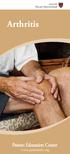 written by Harvard Medical School Arthritis www.patientedu.org Arthritis is the most common chronic disease in the world, and it s the leading cause of disability in the United States. There are more than
Fact Sheet: Occupational Overuse Syndrome (OOS)
 Fact Sheet: Occupational Overuse Syndrome (OOS) What is OOS? Occupational Overuse Syndrome (OOS) is the term given to a range of conditions characterised by discomfort or persistent pain in muscles, tendons
Definition of Terms. nn Mental Illness Facts and Statistics
 nn Mental Illness Facts and Statistics This section contains a brief overview of facts and statistics about mental illness in Australia as well as information that may be useful in countering common myths.
Depression in Older Persons
 Depression in Older Persons How common is depression in later life? Depression affects more than 6.5 million of the 35 million Americans aged 65 or older. Most people in this stage of life with depression
There are many different types of cancer and sometimes cancer is diagnosed when in fact you are not suffering from the disease at all.
 About Cancer Cancer is a disease where there is a disturbance in the normal pattern of cell replacement. The cells mutate and become abnormal or grow uncontrollably. Not all tumours are cancerous (i.e.
15 things you might not know about back pain
 15 things you might not know about back pain Mary O Keeffe (University of Limerick), Dr Kieran O Sullivan (University of Limerick), Dr Derek Griffin (Tralee Physiotherapy Clinic) Managing back pain costs
Guide to Claims against General Practitioners (GPs)
 Patients often build up a relationship of trust with their GP over a number of years. It can be devastating when a GP fails in his or her duty to a patient. Our medical negligence solicitors understand
RHEUMATOID ARTHRITIS. Dr Bruce Kirkham Rheumatology Clinical Lead
 RHEUMATOID ARTHRITIS Dr Bruce Kirkham Rheumatology Clinical Lead RHEUMATOID ARTHRITIS (RA) RA is a common disease: 0.8 per cent of the population RA more common in females: female to male ratio 3:1 RA
Alcohol and the Liver
 The facts about... Alcohol and the Liver Five key things you need to know This is a part of your body that regularly works overtime. The liver is our largest organ and it has 500 different roles. One of
NURS 821 Alterations in the Musculoskeletal System. Rheumatoid Arthritis. Type III Hypersensitivity Response
 NURS 821 Alterations in the Musculoskeletal System Margaret H. Birney PhD, RN Lecture 12 Part 2 Joint Disorders (cont d) Rheumatoid Arthritis Definition: Autoimmune disorder occurring in genetically sensitive
Absence Management Policy
 Absence Management Policy 1. Policy Statement The University is committed to developing a working environment and working practices which help maintain and improve the health of our employees. As such,
The Physiotherapy Pilot. 1.1 Purpose of the pilot
 The Physiotherapy Pilot 1.1 Purpose of the pilot The purpose of the physiotherapy pilot was to see if there were business benefits of fast tracking Network Rail employees who sustained injuries whilst
Fit for Work Ireland - Position Paper April 2013 Produced by Arthritis Ireland
 Musculoskeletal disorders (MSDs) are the leading cause of temporary work disability amongst Ireland s working age population 1, 2. The social costs of MSDs are enormous, often over-shadowing those of other
Crohn's and Colitis UK Information Sheet. Students with IBD: a guide for universities and colleges
 Crohn's and Colitis UK Information Sheet Improving life for people affected by inflammatory bowel diseases Students with IBD: a guide for universities and colleges Introduction It is very likely that several
Asthma, anxiety & depression
 Anxiety and are common in people with asthma. The good news is that there are effective treatments both for asthma and for anxiety and. With careful management, the symptoms of anxiety and can be treated
Creating a healthy and engaged workforce. A guide for employers
 Creating a healthy and engaged workforce A guide for employers 1 Introduction The health and wellbeing of your workforce is fundamental to the achievement of your company s current goals and future ambitions.
Advice for employers on workplace adjustments for mental health conditions
 Advice for employers on workplace adjustments for mental health conditions At any one time, one in six adults 1 will be experiencing a mental health condition. It is crucial that employers are playing
Psoriatic arthritis FACTSHEET
 1 What is psoriatic arthritis? Psoriatic arthritis (PsA) is a disease where joints around the body become inflamed and sore. It can make moving about difficult and painful. People who have PsA also have
31% of people experience pain at work at least once a week 1
 Chartered Society of Physiotherapy Health and Social Care Bill Lords Report Stage briefing: Impact of NHS reforms on musculoskeletal physiotherapy February 2012 The Chartered Society of Physiotherapy (CSP)
MANAGING SICKNESS ABSENCE POLICY
 MANAGING SICKNESS ABSENCE POLICY Policy Devised: March 2013 Adopted on: 5 th December 2013 Review date: December 2014 1. BACKGROUND 1.1 From time to time employees may suffer ill health and it is essential
Am I likely to develop. rheumatoid Arthritis? A guide for people with joint symptoms
 Am I likely to develop Rheumatoid rheumatoid Arthritis? arthritis? A guide for people with joint symptoms At a glance Rheumatoid arthritis (RA) is a common disease that causes painful and swollen joints,
The Guide to Managing Long-Term Sickness. Civilians in Defence
 The Guide to Managing Long-Term Sickness Civilians in Defence Contents Introduction 3 Section 1 Initial Planning Fit for Work: focusing on planning a successful return to work and full capability Why plan
Early Intervention, Injury Resolution & Sustainable RTW Outcomes. Presented by: Mr. Fred Cicchini, Chief Operations Manager September 2013
 Early Intervention, Injury Resolution & Sustainable RTW Outcomes. Presented by: Mr. Fred Cicchini, Chief Operations Manager September 2013 Session Objectives Early Intervention in the RTW Context Injury
BODY STRESSING RISK MANAGEMENT CHECKLIST
 BODY STRESSING RISK MANAGEMENT CHECKLIST BODY STRESSING RISK MANAGEMENT CHECKLIST This checklist is designed to assist managers, workplace health staff and rehabilitation providers with identifying and
Arthritis in Children: Juvenile Rheumatoid Arthritis By Kerry V. Cooke
 Reading Comprehension Read the following essay on juvenile rheumatoid arthritis. Then use the information in the text to answer the questions that follow. Arthritis in Children: Juvenile Rheumatoid Arthritis
Dr Sarah Levy Consultant Rheumatology Croydon University Hospital
 Dr Sarah Levy Consultant Rheumatology Croydon University Hospital Contents Definition/ epidemiology Diagnosis Importance of early diagnosis/ treatment Guidelines Evidence based treatment protocol Current
Introduction: Anatomy of the spine and lower back:
 Castleknock GAA club member and Chartered Physiotherapist, James Sherry MISCP, has prepared an informative article on the common causes of back pain and how best it can be treated. To book a physiotherapy
Leukapheresis for inflammatory bowel disease
 Issue date: June 2005 Leukapheresis for inflammatory bowel disease Understanding NICE guidance information for people considering the procedure, and for the public Information about NICE Interventional
The Irish Congress of Trade Unions has identified common causes of occupational stress:
 Tipp FM Legal Slot 25 th September 2012 Workplace Stress & Repetitive Strain Injury Melanie Power, Solicitor What is Workplace Stress? Stress is not an illness in itself but it is characterized by a feeling
Presently, there are no means of preventing bipolar disorder. However, there are ways of preventing future episodes: 1
 What is bipolar disorder? There are two main types of bipolar illness: bipolar I and bipolar II. In bipolar I, the symptoms include at least one lifetime episode of mania a period of unusually elevated
Biologic Treatments for Rheumatoid Arthritis
 Biologic Treatments Rheumatoid Arthritis (also known as cytokine inhibitors, TNF inhibitors, IL 1 inhibitor, or Biologic Response Modifiers) Description Biologics are new class of drugs that have been
A MANIFESTO FOR BETTER MENTAL HEALTH
 A MANIFESTO FOR BETTER MENTAL HEALTH The Mental Health Policy Group General Election 2015 THE ROAD TO 2020 The challenge and the opportunity for the next Government is clear. If we take steps to improve
Rheumatoid Arthritis Information
 Rheumatoid Arthritis Information Definition Rheumatoid arthritis (RA) is a long-term disease that leads to inflammation of the joints and surrounding tissues. It can also affect other organs. Alternative
Financial advisors and Alzheimer s disease: What you need to know
 Financial advisors and Alzheimer s disease: What you need to know In today s aging society, with people living longer lives, chances are high that you ll be called upon to assist clients who are caring
Autoimmune Diseases More common than you think Randall Stevens, MD
 Autoimmune Diseases More common than you think Randall Stevens, MD picture placeholder Autoimmune Diseases More than 60 different disorders Autoimmune disorders (AID) diseases caused by the immune system
Eating Disorder Policy
 Eating Disorder Policy Safeguarding and Child Protection Information Date of publication: April 2015 Date of review: April 2016 Principal: Gillian May Senior Designated Safeguarding Person: (SDSP) Anne
Policy Name: SICKNESS ABSENCE POLICY AND PROCEDURES FOR SCHOOL BASED STAFF. Version: November 2009. Approved By: Date Approved:
 Policy Name: SICKNESS ABSENCE POLICY AND PROCEDURES FOR SCHOOL BASED STAFF Version: November 2009 Approved By: Date Approved: Review Date: November 2010 1 SICKNESS ABSENCE - POLICY AND PROCEDURES 1 Introduction
Latvian Early Intervention Concept development
 Latvian Early Intervention Concept development Professor Daina Andersone, Medical Faculty of Latvian University Fit for Work Medical team leader in Latvia Latvian Presidency of the EU Council Healthcare
The Cost of Workplace Stress in Australia
 The Cost of Workplace Stress in Australia August 2008 Workplace stress is costing the Australian economy $14.81 billion a year. Stress related presenteeism and absenteeism are directly costing Australian
Other Noninfectious Diseases. Chapter 31 Lesson 3
 Other Noninfectious Diseases Chapter 31 Lesson 3 Diabetes Diabetes- a chronic disease that affects the way body cells convert food into energy. Diabetes is the seventh leading cause of death by disease
How To Choose A Biologic Drug
 North Carolina Rheumatology Association Position Statements I. Biologic Agents A. Appropriate delivery, handling, storage and administration of biologic agents B. Indications for biologic agents II. III.
TRADIES NATIONAL HEALTH MONTH HEALTH SNAPSHOT
 TRADIES NATIONAL HEALTH month AUGUST 2016 TRADIES NATIONAL HEALTH MONTH HEALTH SNAPSHOT Prepared by the Australian Physiotherapy Association ABOUT THE TRADIES NATIONAL HEALTH MONTH SNAPSHOT Marcus Dripps,
STRESS MANAGEMENT POLICY
 STRESS MANAGEMENT POLICY NWAS Stress Management Policy Page: 1 of 21 Recommending Committee: Health, Safety and Security Sub Committee Approving Committee: Trust Board Approval Date: October 2010 Version
HSE Transformation Programme. to enable people live healthier and more fulfilled lives. Easy Access-public confidence- staff pride
 HSE Transformation Programme. to enable people live healthier and more fulfilled lives Easy Access-public confidence- staff pride The Health Service Executive 4.1 Chronic Illness Framework July 2008 1
Low back pain. Quick reference guide. Issue date: May 2009. Early management of persistent non-specific low back pain
 Issue date: May 2009 Low back pain Early management of persistent non-specific low back pain Developed by the National Collaborating Centre for Primary Care About this booklet This is a quick reference
16. ARTHRITIS, OSTEOPOROSIS, AND CHRONIC BACK CONDITIONS
 16. ARTHRITIS, OSTEOPOROSIS, AND CHRONIC BACK CONDITIONS Goal Reduce the impact of several major musculoskeletal conditions by reducing the occurrence, impairment, functional limitations, and limitation
What is an eating disorder?
 What is an eating disorder? What is an eating disorder? People with an eating disorder experience extreme disturbances in their eating behaviours and related thoughts and feelings. Eating disorders are
BIOPSYCHOSOCIAL INJURY MANAGEMENT. Introduction. The traditional medical model
 BIOPSYCHOSOCIAL INJURY MANAGEMENT Introduction This paper outlines HWCA s position on a biopsychosocial approach to injury management and recognises work undertaken by Workers Compensation Authorities
How To Treat Musculoskeletal Injury In Sonographers
 MUSCULOSKELETAL DISORDERS IN SONOGRAPHERS: ARE WE DOING ENOUGH? Many terms are used to refer to work related injuries among sonographers. Musculosketetal injury (MSI) Repetitive motion injury (RMI) Repetitive
Vocational Rehabilitation: what is it, who can deliver it, and who pays?
 Vocational Rehabilitation: what is it, who can deliver it, and who pays? December 2008 Sainsbury Centre for Mental Health & College of Occupational Therapists Vocational Rehabilitation: what is it, who
Understanding. Depression. The Road to Feeling Better Helping Yourself. Your Treatment Options A Note for Family Members
 TM Understanding Depression The Road to Feeling Better Helping Yourself Your Treatment Options A Note for Family Members Understanding Depression Depression is a biological illness. It affects more than
Mental Health in the Workplace. Kate Hubl- Occupational Therapist
 Mental Health in the Workplace Kate Hubl- Occupational Therapist So what does the workplace have to do with mental health and mental health issues? Its not abnormal, weird, strange or weak to experience
Developing a National Audit for Rheumatoid and Early Inflammatory Arthritis Ian Rowe
 Developing a National Audit for Rheumatoid and Early Inflammatory Arthritis Ian Rowe Chair Clinical Affairs Committee, BSR Outline The British Society for Rheumatology Challenges in improving patient outcomes
Guideline scope Workplace health: support for employees with disabilities and long-term conditions
 NATIONAL INSTITUTE FOR HEALTH AND CARE EXCELLENCE Guideline scope Workplace health: support for employees with disabilities and long-term conditions Short title Workplace health: employees with disabilities
Unsocial hours and night working
 Unsocial hours and night working Introduction Rotational shift workers account for more than a fifth of the NHS workforce and enable the NHS to offer patients 24-hour care. The 2003 staff survey revealed
Understanding specialty drugs
 Group Benefits Understanding specialty drugs What your pharmaceutical benefits plan may look like over the next decade Between 2011 and 2014, the percentage of total drug spend represented by specialty
Osteoporosis and Arthritis: Two Common but Different Conditions
 and : Two Common but Different Conditions National Institutes of Health and Related Bone Diseases ~ National Resource Center 2 AMS Circle Bethesda, MD 20892 3676 Tel: 800 624 BONE or 202 223 0344 Fax:
6/3/2011. High Prevalence and Incidence. Low back pain is 5 th most common reason for all physician office visits in the U.S.
 High Prevalence and Incidence Prevalence 85% of Americans will experience low back pain at some time in their life. Incidence 5% annual Timothy C. Shen, M.D. Physical Medicine and Rehabilitation Sub-specialty
THE COSTS AND BENEFITS OF ACTIVE CASE MANAGEMENT AND REHABILITATION FOR MUSCULOSKELETAL DISORDERS
 This document is the abstract and executive summary of a report prepared by Hu-Tech Ergonomics for HSE. The full report will be published by Health and Safety Executive on their website in mid-august 2006.
Ministry of Social Development: Changes to the case management of sickness and invalids beneficiaries
 Ministry of Social Development: Changes to the case management of sickness and invalids beneficiaries This is the report of a performance audit we carried out under section 16 of the Public Audit Act 2001
Working with IBD A Guide for Employers. Supporting employees living with Crohn s disease or ulcerative colitis
 Working with IBD A Guide for Employers Supporting employees living with Crohn s disease or ulcerative colitis 3182_CCA_Employer_REV.indd 1 16/11/11 9:57:06 AM Did you know? 2.2 2.1 million Australians
Policy and Procedure. Managing Attendance. Policy and Procedure
 Managing Attendance Policy and Procedure Agreed at CNG on 25 th April 2007 Managing Attendance Policy and Procedure Table of contents: TABLE OF CONTENTS Section 1 The Policy 3 Aim of the Process 3 Key
Bile Duct Diseases and Problems
 Bile Duct Diseases and Problems Introduction A bile duct is a tube that carries bile between the liver and gallbladder and the intestine. Bile is a substance made by the liver that helps with digestion.
GENETIC ANALYSIS OF PSORIASIS AND PSORIATIC ARTHRITIS Department of Dermatology, University of Michigan
 GENETIC ANALYSIS OF PSORIASIS AND PSORIATIC ARTHRITIS Department of Dermatology, University of Michigan SELF ASSESSMENT FORM FOR STUDY SUBJECTS AND CONTROLS Accession Number (will be filled in by lab)
Cancer Pain. Relief from PALLIATIVE CARE
 PALLIATIVE CARE Relief from Cancer Pain National Clinical Programme for Palliative Care For more information on the National Clinical Programme for Palliative Care, go to www.hse.ie/palliativecareprogramme