
Hyperbaric Oxygen Therapy (HBOT) as a treatment for Cerebral Palsy
|
|
|
- Joseph Bridges
- 10 years ago
- Views:
Transcription
1 Hyperbaric Oxygen Therapy (HBOT) as a treatment for Cerebral Palsy What is Cerebral Palsy Cerebral palsy, or CP, refers to a group of developmental conditions that have several features in common (Rosenbaum, Paneth, Leviton, Goldstein, & Bax, 2007). All are associated with (caused by) some kind of injury to the developing brain. The injury can occur in the womb, during the birth of the baby, or in the first couple of years after birth (usually because of infection or trauma to the brain). In Canada, CP affects 1 in every 400 individuals and is the most common physical disability in children. Conventional treatment and management of CP include the advice, ideas and experience of occupational, physical and speech therapists and doctors with experience with development, as well as mechanical devices, drugs and surgery (Lacey, Stolfi, & Pilati, 2012) There are many treatments in medicine that are referred to as alternative or complementary therapies. Some are simply too new to have been studied and evaluated carefully. Others are based on ideas about CP and development and human biology that are very different from how most scientists understand these issues. HBOT fits into this group of therapies, but is different because it has been very carefully studied. What is Hyperbaric Oxygen Therapy? Hyperbaric Oxygen Therapy (HBOT) is a technique that allows 100% oxygen to be delivered to the body's tissues under increased atmospheric pressure. To achieve this, the patient enters a "pressure chamber" that makes it possible to increase the atmospheric pressure to "hyperbaric" levels, i.e., above the earth's atmospheric pressure at sea level (Rosenbaum, Fehlings, & Iliffe, HBOT has been approved by the US Food and Drug Administration (FDA) as an effective approach for the treatment of certain wounds, carbon monoxide poisoning and decompression illnesses in deep sea divers (e.g., the bends ); however using HBOT to treat CP remains controversial and unproven (McDonagh et al., 2007). Short Summary of the Evidence: HBOT is being used in many places around the world to treat children with CP, even though there is sound scientific evidence to show that this treatment does not work. Studies also provide information on the side effects that are associated with its use (Collet et al., In two very well-executed clinical trials comparing HBOT and placebo treatment, HBOT has been shown to have no effectiveness for CP. Most of the other evidence for HBOT (and often for other alternative therapies) comes from stories, or from testimonials from people who sell these treatments. The individual stories may be true but they do not constitute scientific evidence! 1

2 How does HBOT work in the human body? The air in a room usually contains 21% oxygen. In hospitals, oxygen may be given from 21% to 100% (for medical emergencies). A hyperbaric chamber can increase oxygen to a higher pressure than normal, so that more oxygen is dissolved in the blood (Rosenbaum, Fehlings, & Iliffe, Within the body, oxygen is attached to hemoglobin (in red blood cells) and is transported by the blood. A small amount of oxygen remains free in the bloodstream. This free oxygen is used by the body s tissues and can travel 10 to 15 times further into the tissues. HBOT increases the amount of free oxygen circulating in the blood. Therefore, hyperbaric oxygen (HBO) can be used to increase the delivery of oxygen to areas of the body that have been subjected to hypoxia, that is, low oxygen (Rosenbaum, Fehlings, & Iliffe, Why is HBOT believed to be useful to treat CP? HBOT is being used to treat CP based on the (unproven) theory that, along with damaged brain cells, people with CP have some inactive ( dormant ) brain cells that possess the potential to recover. This recovery is thought to take place if these dormant cells are stimulated by improving oxygen availability, thereby allowing the cells to function normally and reactivating them metabolically or electrically (McDonagh et al., 2007). Current understanding of brain science does not support this seemingly appealing theory. Improvements in spasticity, cognition, memory and attention have been reported anecdotally, but have been poorly documented. Very few evidence-based studies on the supposed benefits of HBOT have been published in peer-reviewed journals and those that are available have consistently showed no benefits (see below) (Lacey, Stolfi, & Pilati, 2012). Why is the topic important? Parents of children with CP may feel obligated to try every possible intervention, with the hope of fixing their child. This means that parents can be vulnerable to claims about the effectiveness of new interventions. Some parents decide to try treatments such as HBO because they believe that they have nothing to lose, and because they are dissatisfied with the outcomes of existing interventions (Novak & Badawi, 2012). Our belief is that, in general, if something sounds too good to be true it probably is! We believe that parents are entitled to be able to consider the latest evidence about the efficacy and effectiveness of HBOT when making decisions that involve their child s health (Novak & Badawi, 2012). The approach taken by the writers of this review is based on principles of sound clinical science, and whatever advice is offered is presented in light of these perspectives. Professionals working to improve the health and well-being of children with CP need to have access to and evaluate evidence-based information on the potential benefits of new therapies. In doing so, they will be able to assist parents with making an informed decision regarding new treatments (Rosenbaum, Fehlings, & Iliffe, In-Depth Summary of the Evidence Methods The findings included in this update are based on a recent systematic review and a meta-analysis conducted by Novak and Badawi (2012 and 2013). This review looked at the available scientific literature both published and unpublished in order to find and assess credible scientific evidence about the effectiveness of HBO to treat CP. Three randomized control trials were identified, which compared 40 HBOT treatments to hyperbaric air (HBA). HBO treatment involves administration of 100% oxygen, whereas HBA involves a mixture of gases (14% oxygen) in order to provide some pressure 2

3 and to simulate 21% oxygen that is present in room air (Lacey et al., 2012). The objective of the Novak and Badawi (2012) review was to determine whether hyperbaric oxygen treatment could improve the self-care and gross motor skills of children with CP, as is claimed by the people who provide it. Results Collet et al (2001) conducted a large randomized controlled trial, and found no beneficial effects for HBOT in CP. The study involved 111 children with CP who, on a randomized basis, received either 40 daily treatments of HBO at 1.75 atmospheres of pressure with 100% oxygen, or 40 daily dives using room air (the usual air we breathe) at 1.3 atmospheres (slightly above ordinary pressure). None of the children, the families or the researchers knew which children were receiving HBO and which received the pretend treatment until after the study was completed and analyzed. Trained masked observers assessed several aspects of function. These included gross and fine motor function, language skills and learning abilities. The assessments were carried out before the treatment started, after 20 treatments, after 40 treatments and again three months after the last treatment ended. The study found that both groups of children showed virtually identical amounts of change on all the functional outcomes measured. There was absolutely no extra benefit of exposure to HBO compared with the 'pretend' treatment. It was found, however, that more children in the HBO (higher pressure) group had episodes of ear pain, and that these occurred more often, than the children in the control' group who had been exposed to a lower amount of increased pressure. These findings show clearly that the apparent benefits being observed and reported from HBO cannot reasonably be attributed to pressurized oxygen, since both groups changed equally. There is no credible evidence that small amounts of increased oxygen or pressure, as experienced by the comparison (control) group, are therapeutic. Rather, the results (i.e., the observed changes in both groups) appear to reflect the effect of the hopes, expectations and extra involvement of the families with their children over the two months of treatment. Thus while one can celebrate the observed improvements seen in all the children, it is not possible to accept that these changes occurred as a result of exposure to HBO (Collet et al., 2001; Rosenbaum, Fehlings, & Iliffe, Most recently, the Lacey et al. study (2012) consisted of a randomized double-blind controlled trial over a period of 4 years. The trial found that HBO was not associated with any significant improvement in self-care and gross motor function. The study included 49 children with CP who were randomized to receive either 40 treatments of HBO with 100% oxygen at 1.5 atmospheres of pressure or 40 treatments of HBA with 14% oxygen (similar to the air we breathe) at 1.5 atmospheres of pressure, for 8 weeks. None of the participating children, or their families, or the researchers knew which treatment each child was receiving until after the study was completed and the data were analyzed. The primary outcome used in this study included the Gross Motor Function Measure (GMFM) global score. Other measures of outcome used included the Pediatric Evaluation of Disability (PEDI) and the Test of Variable Attention (TOVA). Assessments were conducted before the study began (to measure baseline levels of function) and after 40 treatments, as well as 3 and 6 months after the treatments ended. Results of the study demonstrated that HBO did not improve GMFM scores. In addition, both HBO and HBA were equally effective in improving PEDI scores, although the improvements observed were minimal. It is important to note that both the Lacey and Collet studies used gold standard methods and measures, i.e. the GMFM and PEDI, to assess outcomes on data that were collected immediately after HBOT. This gave HBO the best chance of demonstrating efficacy and showing positive outcomes (Novak & Badawi, 2012). Conversely, Packard (2000) conducted a randomized controlled trial, which demonstrated positive effects of HBOT in children with moderate to severe CP. The study was a randomized, delayed entry trial. In other words, 26 children with CP were randomized to receive 40 one-hour sessions of HBOT at 1.5 atmospheres of pressure 3

4 (immediate group) or HBOT treatment only after 6 months (delayed group). In order to measure outcomes for each group, a neuro-developmental assessment, the Bayley II (a cognitive assessment), Preschool Language Scale (a language assessment), the Peabody Motor Scales (for gross and fine motors skills) and PEDI (in which parents report on mobility, self-care and social interactions) were administered. These assessments were carried out four times: at enrollment, after the immediate group received HBOT, before the delayed group received HBOT (5 months after enrollment), and after the delayed group received HBOT. While parental reports and observations during therapy reported benefits of HBOT, the blinded assessments (not knowing which group each child was in) did not show any significant benefits that could be attributed to HBOT. Interestingly, the Packard study was not published, did not undergo any peer-review process, did not report enough statistical data, had a very small sample size and was subject to bias. Therefore, the results of this study are not considered, from a scientific perspective, to be applicable to the general population. The meta-analysis (including all the findings from available studies) confirmed that there is no favourable benefit of HBO over HBA for improving gross motor function. In summary, although HBOT is effective in specific patient populations for specific medical conditions, it has not been proven beneficial for the treatment of CP. In fact the small number of high quality CP studies conducted conclude the opposite. High-quality Grading of Recommendations Assessment, Development and Evaluation evidence concludes that HBOT does not have a clinically important effect on gross motor and self-care skills in children with CP (Novak & Badawi, 2012). Risks of HBOT Side effects (unintended consequences) of HBOT are often related to high pressure and oxygen toxicity (Muller-Bolla et al., 2006). Rupturing of the eardrum has been associated with hyperbaric pressure oxygen treatment (Muller-Bolla et al., 2006). Pneumothorax (collapsed lung) is another potential risk of HBOT. This can happen because children with CP may sometimes have a history of lung problems and experience difficulty clearing respiratory secretions (Rosenbaum, Fehlings, & Iliffe, Nearsightedness is a temporary side effect of HBOT that has been observed in 40% of adult patients. It usually subsides, but studies have shown that it may persist in some cases (Rosenbaum, Fehlings, & Iliffe, Seizures have been reported after HBOT, and could be due to oxygen toxicity. However, this does not pose a risk for children, because the recommended pressure levels used in the hyperbaric chamber are too low to produce oxygen poisoning (Rosenbaum, Fehlings, & Iliffe, Conclusion Based on solid clinic research evidence it can be concluded that HBO is not an effective intervention for children with CP. HBOT may, however, negatively affect respiratory functioning and hearing, as well as cause nearsightedness, ear pain and seizures. Children with CP have a short period of developmental opportunity before their motor skills plateau (Novak & Badawi, 2012). Therefore, it could be argued that providing ineffective treatment to these children is not in their best interest. Based on current research, it cannot be considered ethical to sell or recommend HBOT to children with CP (Novak & Badawi, 2012). Health care professionals and parents should focus their efforts on interventions that have been proven successful. Want to know more? For questions about this Keeping Current, please contact [email protected]. 4

5 References Collet, J. P., Vanasse, M., Marois, P., Amar, M., Goldberg, J., Lambert, J.,... & Majnemer, A. ( Hyperbaric oxygen for children with cerebral palsy: a randomized multicentre trial. The Lancet, 357(9256), Faraone, S. V. (2008). Interpreting estimates of treatment effects: implications for managed care. Pharmacy and Therapeutics, 33(12), 700. Rosenbaum, P., Paneth, N., Leviton, A., Goldstein, M., and Bax M. (2007). Definition and Classification Document. In The Definition and Classification of Cerebral Palsy (Ed Baxter P). Developmental Medicine and Child Neurology, Supplement, January, 49 (s2):8-14. Lacey, D. J., Stolfi, A., & Pilati, L. E. (2012). Effects of hyperbaric oxygen on motor function in children with cerebral palsy. Annals of neurology, 72(5), McDonagh, M. S., Morgan, D., Carson, S., & Russman, B. S. (2007). Systematic review of hyperbaric oxygen therapy for cerebral palsy: the state of the evidence. Developmental Medicine & Child Neurology, 49(12), Muller-Bolla, M., Collet, J. P., Ducruet, T., & Robinson, A. (2006). Side effects of hyperbaric oxygen therapy in children with cerebral palsy. Undersea Hyperb Med, 33: Novak, I., & Badawi, N. (2012). Last breath: Effectiveness of hyperbaric oxygen treatment for cerebral palsy. Annals of neurology, 72(5), Novak, I. & Badawi, N. (2013). Reply: Effectiveness of hyperbaric oxygen treatment for cerebral palsy. Annals of Neurology. Online Early /ana Novak, I., Hines, M., Goldsmith, S., & Barclay, R. (2012). Clinical Prognostic Messages From a Systematic Review on Cerebral Palsy. Pediatrics, 130(5), e1285-e1312. Packard, M. (2000). The Cornell Study. University of Graz, November, 18, Retrieved from: Rosenbaum, P., Fehlings, D., & Iliffe, C. ( Hyperbaric Oxygen Therapy: Hot or Not? Spring 2001 Update. CanChild Centre for Childhood Disability Research. Retrieved from: canchildresources/hyperbaricoxygen.asp 5

HYPERBARIC OXYGEN THERAPY FACT SHEET 2012
 HYPERBARIC OXYGEN THERAPY FACT SHEET 2012 Quotes Hyperbaric Oxygen Treatment can provide an important weapon in the fight against numerous disorders. Dr. Richard Neubauer 1 Giving more oxygen is not alternative
Cerebral Palsy. In order to function, the brain needs a continuous supply of oxygen.
 Cerebral Palsy Introduction Cerebral palsy, or CP, can cause serious neurological symptoms in children. Up to 5000 children in the United States are diagnosed with cerebral palsy every year. This reference
Cerebral Palsy. 1995-2014, The Patient Education Institute, Inc. www.x-plain.com nr200105 Last reviewed: 06/17/2014 1
 Cerebral Palsy Introduction Cerebral palsy, or CP, can cause serious neurological symptoms in children. Thousands of children are diagnosed with cerebral palsy every year. This reference summary explains
Benefit Criteria to Change for Hyperbaric Oxygen Therapy for the CSHCN Services Program Effective November 1, 2012
 Benefit Criteria to Change for Hyperbaric Oxygen Therapy for the CSHCN Services Program Effective November 1, 2012 Information posted September 14, 2012 Effective for dates of service on or after November
Clinical Indications for Hyperbaric Oxygen Therapy in 2011 Part 1
 Clinical Indications for Hyperbaric Oxygen Therapy in 2011 Part 1 Med LtCol Peter GERMONPRE Centre for Hyperbaric Oxygen Therapy Military Hospital Brussels What is HBO therapy? Breathing oxygen under pressure
Hyperbaric Oxygen Therapy WWW.RN.ORG
 Hyperbaric Oxygen Therapy WWW.RN.ORG Reviewed September, 2015, Expires September, 2017 Provider Information and Specifics available on our Website Unauthorized Distribution Prohibited 2015 RN.ORG, S.A.,
CLINICAL OUTCOME SCORES FOR THE FAMILY HOPE CENTER FOR 13.0 YEARS, COMPARED TO NATIONAL SAMPLE OF OUTPATIENT REHABILITATION FOR SIMILAR DIAGNOSES
 CLINICAL OUTCOME SCORES FOR THE FAMILY HOPE CENTER FOR 13.0 YEARS, COMPARED TO NATIONAL SAMPLE OF OUTPATIENT REHABILITATION FOR SIMILAR DIAGNOSES This document references data from a Report compiled and
Participating in Alzheimer s Disease Clinical Trials and Studies
 Participating in Alzheimer s Disease Clinical Trials and Studies FACT SHEET When Margaret was diagnosed with earlystage Alzheimer s disease at age 68, she wanted to do everything possible to combat the
What to Know About HBO (Hyperbaric Oxygen Therapy)
 Objectives What to Know About HBO (Hyperbaric Oxygen Therapy) Presented by Catherine Rogers, APN, BC, CWCN, CWS, FACCWS Advanced Practice Nurse/Program Manager SwedishAmerican Health System Rockford, IL
House Resolution No. 37
 california legislature regular session House Resolution No. Introduced by Assembly Member Hill August, House Resolution No. Relative to umbilical cord blood banking. WHEREAS, Since the first umbilical
WHAT IS CEREBRAL PALSY?
 WHAT IS CEREBRAL PALSY? Cerebral Palsy is a dysfunction in movement resulting from injury to or poor development of the brain prior to birth or in early childhood. Generally speaking, any injury or disease
Cerebral Palsy: Intervention Methods for Young Children. Emma Zercher. San Francisco State University
 RUNNING HEAD: Cerebral Palsy & Intervention Methods Cerebral Palsy & Intervention Methods, 1 Cerebral Palsy: Intervention Methods for Young Children Emma Zercher San Francisco State University May 21,
Pediatric Outpatient Rehabilitation Services
 Pediatric Outpatient Rehabilitation Services Northwestern Medicine Pediatric Rehabilitation As a parent, you want your child to lead a full and satisfying life at home and in school. The goal of Pediatric
Cerebral palsy can be classified according to the type of abnormal muscle tone or movement, and the distribution of these motor impairments.
 The Face of Cerebral Palsy Segment I Discovering Patterns What is Cerebral Palsy? Cerebral palsy (CP) is an umbrella term for a group of non-progressive but often changing motor impairment syndromes, which
Top Ten Things to Know About Stem Cell Treatments
 Top Ten Things to Know About Stem Cell Treatments Many clinics that are offering stem cell treatments make claims about what stem cells can and cannot do that are not supported by our understanding of
Umbilical Cord Blood Treatments for Children with Cerebral Palsy by Susan Agrawal
 www.complexchild.com Umbilical Cord Blood Treatments for Children with Cerebral Palsy by Susan Agrawal Over the past year or so, the popular media has featured several little boys and girls with cerebral
Cerebral Palsy. www.teachinngei.org p. 1
 Cerebral Palsy What is cerebral palsy? Cerebral palsy (CP) is a motor disability caused by a static, non-progressive lesion (encephalopathy) in the brain that occurs in early childhood, usually before
the future in your hands imagine
 the future in your hands imagine The promise of hope Carrie and Wilf s story... Quinn weighed in at a healthy 4397g at birth. His parents, Carrie and Wilf, had decided to store the umbilical cord blood
Accepted by the Medical Community
 click on chart to enlarge Studies with thousands of Multiple Sclerosis patients have shown that not only can the disease be stopped, in some cases, it can reverse. The chart above shows how 11 patients
Critical Review: Sarah Rentz M.Cl.Sc (SLP) Candidate University of Western Ontario: School of Communication Sciences and Disorders
 Critical Review: In children with cerebral palsy and a diagnosis of dysarthria, what is the effectiveness of speech interventions on improving speech intelligibility? Sarah Rentz M.Cl.Sc (SLP) Candidate
SUBSTANCE USE DISORDER SOCIAL DETOXIFICATION SERVICES [ASAM LEVEL III.2-D]
![SUBSTANCE USE DISORDER SOCIAL DETOXIFICATION SERVICES [ASAM LEVEL III.2-D]](/thumbs/27/9667060.jpg "SUBSTANCE USE DISORDER SOCIAL DETOXIFICATION SERVICES [ASAM LEVEL III.2-D]") SUBSTANCE USE DISORDER SOCIAL DETOXIFICATION SERVICES [ASAM LEVEL III.2-D] I. Definitions: Detoxification is the process of interrupting the momentum of compulsive drug and/or alcohol use in an individual
SUBSTANCE USE DISORDER SOCIAL DETOXIFICATION SERVICES [ASAM LEVEL III.2-D] I. Definitions: Detoxification is the process of interrupting the momentum of compulsive drug and/or alcohol use in an individual
C CS. California Children Services Alameda County
 C CS California Children Services Alameda County The California Children Services (CCS) Program strives to assure access to medical services essential to the health and well-being of children with catastrophic
In This Issue... From the Coordinator by Amy Goldman... 2. Early AAC Intervention: Some International Perspectives by Mary Jo Cooley Hidecker...
 Unless otherwise noted, the publisher, which is the American Speech-Language-Hearing Association (ASHA), holds the copyright on all materials published in Perspectives on Augmentative and Alternative Communication,
CCS - Does CCS provide Counseling or Support Services? CCS - Are there any costs to me? CCS - What papers should I bring?
 CCS - Does CCS provide Counseling or Support Services? CCS - Are there any costs to me? CCS - What papers should I bring? CCS - What are the steps to CCS services? CCS - How is my privacy protected? CCS
Homeopathy. Homeopathy is one of the more controversial forms of CAM. Much of. Treatment Method
 Homeopathy Homeopathy is one of the more controversial forms of CAM. Much of the controversy is due to the fact that the basic principles of homeopathy are in conflict with many of the fundamental concepts
What is cerebral palsy?
 What is cerebral palsy? This booklet will help you to have a better understanding of the physical and medical aspects of cerebral palsy. We hope it will be a source of information to anyone who wishes
Social Service Agencies. Programs for Schools & Music Therapy. Outreach
 Music Therapy Outreach Programs for Schools & Social Service Agencies Innovative and creative programs addressing the therapeutic needs of children, adolescents, and adults. Brooklyn-Queens Conservatory
Pediatric. Psy c h o l o g y Pr o g r a m. Every child is born with great potential. Shouldn t every child have the chance to achieve it?
 Department of Behavioral Psychology Pediatric Psy c h o l o g y Pr o g r a m Every child is born with great potential. Shouldn t every child have the chance to achieve it? Overview The Pediatric Psychology
BINSA Information on Brain Injury
 Acquired Brain Injury (ABI) There are a number of ways an individual can suffer an acquired brain injury (ABI) Figure one - ABI causes Significant causes of ABI Traumatic Brain Injury (TBI) Traumatic Brain
Rehabilitation Where You Recover. Inpatient Rehabilitation Services at Albany Medical Center
 Rehabilitation Where You Recover Inpatient Rehabilitation Services at Albany Medical Center You're Here and So Are We As the region s only academic medical center, Albany Medical Center offers a number
Final Comments for Hyperbaric Oxygen (HBO) Therapy (PHYS-056) DL31357
 Final Comments for Hyperbaric Oxygen (HBO) Therapy (PHYS-056) DL31357 Comment An association stated WPS Medicare s Physician Credentialing Requirements are not clinically supported and directly conflict
SAM KARAS ACUTE REHABILITATION CENTER
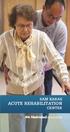 SAM KARAS ACUTE REHABILITATION CENTER 1 MEDICAL CARE Sam Karas Acute Rehabilitation The Sam Karas Acute Rehabilitation Center is a comprehensive and interdisciplinary inpatient unit. Medical care is directed
What Cancer Patients Need To Know
 Taking Part in Clinical Trials What Cancer Patients Need To Know NATIONAL INSTITUTES OF HEALTH National Cancer Institute Generous support for this publication was provided by Novartis Oncology. Taking
Identifying the Scopes of Services for People with Disabilities in Travis County Executive Summary
 Identifying the Scopes of Services for People with Disabilities in Travis County Executive Summary By Louise Bonneau, Jennifer Gordon, Ann Roth, and Ted Wilson The University of Texas at Austin, School
Research: Stem Cells. What are Stem Cells?
 What are Stem Cells? Have you ever thought about where you come from? How you were made? How did you grow from two tiny cells from your mother and father into a human mass of cells all performing independent
Hyperbaric Oxygenation can repair and restore damaged brain
 Hyperbaric Oxygenation can repair and restore damaged brain Reprinted below is a Medical Bulletin of immense importance to parents and caregivers of small children with Cerebral Palsy, Autism and similar
Schmoga: Yoga-based self-regulation programming for children with Autism Spectrum Disorder in the school environment Kara Larson, OTD/S
 Schmoga: Yoga-based self-regulation programming for children with Autism Spectrum Disorder in the school environment Kara Larson, OTD/S Faculty Advisors: Dr. Christine Manville, EdD, MEd, OTR/L Dr. Tamara
DCCT and EDIC: The Diabetes Control and Complications Trial and Follow-up Study
 DCCT and EDIC: The Diabetes Control and Complications Trial and Follow-up Study National Diabetes Information Clearinghouse U.S. Department of Health and Human Services NATIONAL INSTITUTES OF HEALTH What
Clinical Medical Policy Outpatient Rehab Therapies (PT & OT) for Members With Special Needs
 Benefit Coverage Rehabilitative services, (PT, OT,) are covered for members with neurodevelopmental disorders when recommended by a medical provider to address a specific condition, deficit, or dysfunction,
1695 N.W. 9th Avenue, Suite 3302H Miami, FL. 33136. Days and Hours: Monday Friday 8:30a.m. 6:00p.m. (305) 355 9028 (JMH, Downtown)
 UNIVERSITY OF MIAMI, LEONARD M. MILLER SCHOOL OF MEDICINE CLINICAL NEUROPSYCHOLOGY UHEALTH PSYCHIATRY AT MENTAL HEALTH HOSPITAL CENTER 1695 N.W. 9th Avenue, Suite 3302H Miami, FL. 33136 Days and Hours:
INTRODUCTION REVIEW OF LITERATURE HYPOTHESIS
 The Indian Journal of Occupational Therapy : Vol. XXXV: No. 1 TO SEE THE EFFICACY OF HYPERBARIC OXYGEN THERAPY IN GROSS MOTOR ABILITIES OF CEREBRAL PALASY CHILDREN OF 2-5 YEARS, GIVEN INITIALLY AS AN ADJUNCT
PSA Screening for Prostate Cancer Information for Care Providers
 All men should know they are having a PSA test and be informed of the implications prior to testing. This booklet was created to help primary care providers offer men information about the risks and benefits
DRIVER REHABILITATION OVERVIEW
 DRIVER REHABILITATION OVERVIEW What is included in a Driving Evaluation? The purpose of the evaluation is to determine if the individual s medical condition, medications, functional limitations and/ or
Objective of This Lecture
 Component 2: The Culture of Health Care Unit 3: Health Care Settings The Places Where Care Is Delivered Lecture 5 This material was developed by Oregon Health & Science University, funded by the Department
Developmental Disabilities
 RIGHTS UNDER THE LAN TERMAN ACT Developmental Disabilities Chapter 2 This chapter explains: - What developmental disabilities are, - Who is eligible for regional center services, and - How to show the
Frequently Asked Questions (FAQs)
 Frequently Asked Questions (FAQs) Research Rationale 1. What does PrEP stand for? There is scientific evidence that antiretroviral (anti-hiv) medications may be able to play an important role in reducing
Cerebral Palsy. Causes
 Cerebral Palsy Cerebral Palsy (sera brul PAUL zee) (CP) is an injury or abnormality of the developing brain that affects movement. This means that something happened to the brain or the brain did not develop
Comprehensive Special Education Plan. Programs and Services for Students with Disabilities
 Comprehensive Special Education Plan Programs and Services for Students with Disabilities The Pupil Personnel Services of the Corning-Painted Post Area School District is dedicated to work collaboratively
About The Causes of Hearing Loss
 About 1 in 500 infants is born with or develops hearing loss during early childhood. Hearing loss has many causes: some are genetic (that is, caused by a baby s genes) or non-genetic (such as certain infections
NeuroStar TMS Therapy Patient Guide for Treating Depression
 NeuroStar TMS Therapy Patient Guide for Treating Depression This NeuroStar TMS Therapy Patient Guide for Treating Depression provides important safety and use information for you to consider about treating
Introduction Hemophilia is a rare bleeding disorder in which the blood does not clot normally. About 1 in 10,000 people are born with hemophilia.
 Hemophilia Introduction Hemophilia is a rare bleeding disorder in which the blood does not clot normally. About 1 in 10,000 people are born with hemophilia. Hemophilia can be mild, moderate, or severe.
A Note to Physical, Occupational and Speech Therapists
 D Page 1 of 5 A Note to Physical, Occupational and Speech Therapists Treating Children with Hurler Syndrome Because Hurler syndrome is such a rare disease, we have provided some basic information to assist
How To Understand Cerebral Palsy
 Date: February 26th, 2015 Name: Paul Purnell Teacher Name: Lisette Nenninger, Erin Raney School Name: St Anne School School Address: 101 W. Lee St Seattle, WA, 98119 Western Washington Enter this essay
75-09.1-08-02. Program criteria. A social detoxi cation program must provide:
 CHAPTER 75-09.1-08 SOCIAL DETOXIFICATION ASAM LEVEL III.2-D Section 75-09.1-08-01 De nitions 75-09.1-08-02 Program Criteria 75-09.1-08-03 Provider Criteria 75-09.1-08-04 Admission and Continued Stay Criteria
The National Survey of Children s Health 2011-2012 The Child
 The National Survey of Children s 11-12 The Child The National Survey of Children s measures children s health status, their health care, and their activities in and outside of school. Taken together,
Attention, memory and learning and acquired brain injury. Vicki Anderson. Jamie M. Attention & learning: an information processing model
 Attention, memory and learning and acquired brain injury Vicki Anderson Jamie M. Childhood acquired amnesia Attention & learning: an information processing model MANAGEMENT Organising, problem solving
Clinical Practice Guidelines: Attention Deficit/Hyperactivity Disorder
 Clinical Practice Guidelines: Attention Deficit/Hyperactivity Disorder AACAP Official Action: OUTLINE OF PRACTICE PARAMETERS FOR THE ASSESSMENT AND TREATMENT OF CHILDREN, ADOLESCENTS, AND ADULTS WITH ADHD
Therapeutic Interventions in Cerebral Palsy
 Symposium on Developmental and Behavioral Disorders - II Therapeutic Interventions in Cerebral Palsy Dilip R. Patel Michigan State University, Kalamazoo Center for Medical Studies, Kalamazoo, Michigan,
National Emphysema Treatment Trial (NETT) Consent for Screening and Patient Registry
 National Emphysema Treatment Trial (NETT) Consent for Screening and Patient Registry Instructions: This consent statement is to be signed and dated by the patient in the presence of a certified study staff
Medical Center of Central Georgia Neonatal Intensive Care Unit
 Medical Center of Central Georgia Neonatal Intensive Care Unit The Effect of Music Therapy as a Nursing Intervention for the Inconsolable 32-40 Week Critically Ill Infant Dr. Douglas Keith, PhD, MT-BC
A Phase 2 Study of Interferon Beta-1a (Avonex ) in Ulcerative Colitis
 A Phase 2 Study of (Avonex ) in Ulcerative Colitis - Study Results - ClinicalTrials.gov A Phase 2 Study of (Avonex ) in Ulcerative Colitis This study has been completed. Sponsor: Biogen Idec Information
Chapter 26. Assisting With Oxygen Needs. Elsevier items and derived items 2014, 2010 by Mosby, an imprint of Elsevier Inc. All rights reserved.
 Chapter 26 Assisting With Oxygen Needs Oxygen (O 2 ) is a gas. Oxygen It has no taste, odor, or color. It is a basic need required for life. Death occurs within minutes if breathing stops. Brain damage
Discover the Possibilities Born With Your Baby
 Discover the Possibilities Born With Your Baby Your Simple Guide to Saving Cord Blood The Power and Promise The lifesaving power of cord blood and regenerative healing potential of cord blood and cord
Edited by P Larking ACC Date report completed 18 January 2010
 Brief report Hart Walker Reviewer Adrian Purins AHTA Edited by P Larking ACC Date report completed 18 January 2010 1. Background Cerebral Palsy (CP) is a group of disorders that arise from brain damage
Why is prematurity a concern?
 Prematurity What is prematurity? A baby born before 37 weeks of pregnancy is considered premature. Approximately 12% of all babies are born prematurely. Terms that refer to premature babies are preterm
OXYGEN THERAPY Hyperbaric Oxygen Therapy (HBO 2 ) Mild Hyperbaric Therapy Topical Oxygen Therapy
 OXYGEN THERAPY Hyperbaric Oxygen Therapy (HBO 2 ) Mild Hyperbaric Therapy Topical Oxygen Therapy Coverage for services, procedures, medical devices and drugs are dependent upon benefit eligibility as outlined
FREQUENTLY ASKED QUESTIONS ABOUT PHYSICAL THERAPY, OCCUPATIONAL THERAPY, AND ADAPTED PHYSICAL EDUCATION SERVICES
 FREQUENTLY ASKED QUESTIONS ABOUT PHYSICAL THERAPY, OCCUPATIONAL THERAPY, AND ADAPTED PHYSICAL EDUCATION SERVICES 1. What is adapted physical education? Adapted physical education is a diversified program
HOMEOPATHY AS AN ALTERNATIVE TO ANTIBIOTICS
 HOMEOPATHY AS AN ALTERNATIVE TO ANTIBIOTICS Professor Dr. Michael FRASS Medical University of Vienna, Department Medicine I Doctor s Asscociation for Classical Homeopathy www.aekh.at President, Umbrella
GUIDELINES FOR THE MANAGEMENT OF OXYGEN THERAPY
 SOUTH DURHAM HEALTH CARE NHS TRUST GUIDELINES FOR THE MANAGEMENT OF OXYGEN THERAPY AIM To supplement oxygen intake using the appropriate equipment in order to correct hypoxia and relieve breathlessness.
Biostatistics and Epidemiology within the Paradigm of Public Health. Sukon Kanchanaraksa, PhD Marie Diener-West, PhD Johns Hopkins University
 This work is licensed under a Creative Commons Attribution-NonCommercial-ShareAlike License. Your use of this material constitutes acceptance of that license and the conditions of use of materials on this
Clinical Neuropsychology. Recovery & Rehabilitation. Alan Sunderland School of Psychology
 Clinical Neuropsychology. Recovery & Rehabilitation Alan Sunderland School of Psychology 1 The Changing Role of Clinical Neuropsychology HISTORY The Origins of Clinical Neuropsychology Emergence as a profession
Facts on. Mental Retardation NATIONAL ASSOCIATION FOR RETARDED. 2709 Avenue E East P.O. Box 6109 Arlington, Texas 76011
 Facts on Mental Retardation NATIONAL ASSOCIATION FOR RETARDED CHILDREN 2709 Avenue E East P.O. Box 6109 Arlington, Texas 76011 This booklet was revised and updated in August, 1973 as part of an ongoing
Brain Injuries INJURY & NEGLIGENCE SPECIALISTS
 Brain Injuries INJURY & NEGLIGENCE SPECIALISTS Injury & Negligence At all times they put my interests first and gave excellent advice. Client interviewed for Chambers (Independent Legal Guide) WELCOME
SPECIAL EDUCATION AND RELATED SERVICES
 i SPECIAL EDUCATION AND RELATED SERVICES Updated May 2008 i It is the policy of the South Dakota Department of Education, Office of Educational Services and Supports to provide services to all persons
Medical Section. Email : [email protected]. Fax : 1 888 334-7717 (toll-free) or 514 828-0027
 Departure Date: Medical Section Hours of Operation MON-FRI 06:00-20:00 EST SAT-SUN 06:00-18 :00 EST Email : [email protected] Fax : 1 888 334-7717 (toll-free) or 514 828-0027 Telephone : 1 800 667-4732
CLINICALLY OBSERVED REDUCTION OF SPASTICITY IN PATIENTS WITH NEUROLOGICAL DISEASES AND IN CHILDREN WITH CEREBRAL PALSY FROM HYPERBARIC OXYGEN THERAPY
 CLINICALLY OBSERVED REDUCTION OF SPASTICITY IN PATIENTS WITH NEUROLOGICAL DISEASES AND IN CHILDREN WITH CEREBRAL PALSY FROM HYPERBARIC OXYGEN THERAPY MACHADO, J.J. Neurological Advisor of "Centro Brasileiro
AssureImmune. Cord Blood: For Something That Precious, Bank with the Best. Important Facts for When You re Expecting. AssureImmune.
 AssureImmune AssureImmune Cord Blood: For Something That Precious, Bank with the Best Important Facts for When You re Expecting Banking your baby s umbilical cord blood could be a potentially lifesaving
Patient Information Leaflet: Part 1 select-d
 Patient Information Leaflet: Part 1 select-d Anticoagulation Therapy in SELECTeD Cancer Patients at Risk of Recurrence of Venous Thromboembolism Introduction This
Occupational Therapy Program
 Health Care Authority Occupational Therapy Program Billing Instructions [WAC 182-545-0300] About This Publication This publication supersedes all previous Agency Occupational Therapy Program Billing Instructions
THE DEPRESSION RESEARCH CLINIC Department of Psychiatry and Behavioral Sciences Stanford University, School of Medicine
 THE DEPRESSION RESEARCH CLINIC Department of Psychiatry and Behavioral Sciences Stanford University, School of Medicine Volume 1, Issue 1 August 2007 The Depression Research Clinic at Stanford University
Common Outcomes/Competencies for the CCN Nursing Web Page
 Common Outcomes/Competencies for the CCN Nursing Web Page NURS 120: Foundations of Nursing This course introduces concepts related to the practical nurse s roles and responsibilities in today s society.
Understanding Hypoventilation and Its Treatment by Susan Agrawal
 www.complexchild.com Understanding Hypoventilation and Its Treatment by Susan Agrawal Most of us have a general understanding of what the term hyperventilation means, since hyperventilation, also called
OSTEOPATHIC CARE OF CHILDREN
 OSTEOPATHIC CARE OF CHILDREN OSTEOPATHIC HEALTHCARE OF MAINE OSTEOPATHIC CARE OF CHILDREN Donald V. Hankinson, D.O. Childhood is a time when the potential for mental, physical and spiritual growth is profound.
Static Encephalopathy A Basis Explanation for Parents
 Static Encephalopathy A Basis Explanation for Parents Nancy J. Hitzfelder, M.D. Medical Director July 1999 This article may not be copied without the express written permission of Easter Seals of Greater
Cerebral palsy, neonatal death and stillbirth rates Victoria, 1973-1999
 Cerebral Palsy: Aetiology, Associated Problems and Management Lecture for FRACP candidates July 2010 Definitions and prevalence Risk factors and aetiology Associated problems Management options Cerebral
SUMMARY MINUTES. of the GENERAL AND PLASTIC SURGERY DEVICES PANEL MEETING
 SUMMARY MINUTES of the GENERAL AND PLASTIC SURGERY DEVICES PANEL MEETING November 17, 1998 9200 Corporate Blvd. Rockville, Maryland GENERAL AND PLASTIC SURGERY DEVICES PANEL November 17, 1998 Monica Morrow,
It s not something you want to think about, but it s something you want to prepare for.
 It s not something you want to think about, but it s something you want to prepare for. StemCyte cord blood banking offers your family a new lifesaving treatment alternative Why Bank Take the once-in-alifetime
Appealing Claim Denials
 Appealing Claim Denials Janet McCarty American Speech-Language- Hearing Association Today s Agenda How to Respond to Health Plan Denials Understanding Medical Necessity Documentation Needed Sample Appeal
Cerebral Palsy. Information for patients. Cerebral Palsy Treatment With Stem Cells from your own Bone Marrow / Adipose Tissue
 Information for patients Cerebral Palsy Treatment With Stem Cells from your own Bone Marrow / Adipose Tissue Cerebral Palsy Cerebral palsy is a neurological impairment principally causing loss or limitation
Submission to the TGA on Premarket Medical Device Assessment
 Submission to the TGA on Premarket Medical Device Assessment (Exposure Draft) 2nd Submission Submitted to TGA - June 2013 By John Dwyer, President, FSM & Loretta Marron, CEO, FSM Executive Summary This