
Addressing safety concerns about U-500 insulin in a hospital setting
|
|
|
- Edwin Hodges
- 10 years ago
- Views:
Transcription
1 Addressing safety concerns about U-500 insulin in a hospital setting Karen Hamrick Samaan, Megan Dahlke, and Judy Stover U-500 regular insulin has been used since the 1950s to treat diabetic patients with severe insulin resistance. 1,2 It is five times more concentrated than U-100 regular insulin (500 units/ml versus 100 units/ml). 3 Both products have an onset of action of 30 minutes; however, due to the concentration, U-500 insulin is regarded as having a more consistent rate of absorption, resulting in a prolonged duration of action lasting up to 24 hours. 1-5 Due to this pharmacokinetic difference, U-500 insulin is not interchangeable on a unit-to-unit ratio with U-100 insulin. 1,2 Severe insulin resistance has been traditionally associated with other forms of diabetes mellitus, specifically acquired forms of lipodystrophy, insulin receptor defects, gestational diabetes with severe insulin resistance, and insulin receptor autoantibodies. 1,2,4-6 U-500 insulin is ideal for patients with severe insulin resistance because large doses of insulin (greater than 100 units) can be administered with fewer injections and because the formulation is associated with cost savings on insulin (unit per unit) and insulin supplies. 1,2,4-6 Purpose. Safety precautions for the use of U-500 insulin in a hospital setting are described. Summary. St. Vincent Indianapolis Hospital, a 500-bed community hospital, formed a committee to develop a U-500 insulin policy to address the unique considerations required for this drug at all steps of the medication management process. An order set was designed by the multidisciplinary team to standardize prescribing and ensure safety measures are consistently applied. Home dose verification by a pharmacist or certified diabetes educator is required to avoid inaccurate dosing. U-500 insulin is not stocked or stored in the automated dispensing machines on the nursing unit. When an order for U-500 insulin is received, a two-pharmacist order-entry process unique to this drug is followed. The total dose in units is entered, and the computer converts the dose to volume. A pharmacist checklist and dispensing kit are stored with the product to ensure that all safety precautions have Health care professionals today are faced with a new type of patient with severe insulin resistance. Some patients with morbid obesity and type 2 diabetes are responding to U-500 insulin therapy when traditional insulin therapies have failed been completed. A pharmacist hand delivers the insulin to the charge nurse and bedside nurse, at which time a safety time-out is taken to review the key characteristics of the drug, the physician order, and the medication administration record. Tuberculin syringes are used to administer U-500 insulin, and patients are taught how to use this syringe. Staff members also receive education regarding the U-500 insulin policy and procedure. Conclusion. Safety precautions for hospital use of U-500 insulin employed a multilayered, multidisciplinary process using safeguards at every step in the medication management process. Index terms: Concentration; Dispensing; Dosage; Drug administration; Education; Health professions; Hospitals; Insulin; Insulins; Pharmaceutical services; Pharmacists, hospital; Pharmacy, institutional, hospital; Prescribing; Protocols; Syringes; Team; Toxicity Am J Health-Syst Pharm. 2011; 68:63-8 to achieve the desired outcomes. 1,2,4 Lane, Cochran, and colleagues 1,2 defined severe insulin resistance as requiring over 200 units of insulin per day or an insulin dose of more than 2 units/kg/day. Based on their successful research involving this pa- Karen Hamrick Samaan, Pharm.D., is Medical Specialties Clinical Pharmacist; Megan Dahlke, Pharm.D., is Pharmacy Practice Resident; and Judy Stover, B.S.Pharm., is Medication Safety Coordinator, St. Vincent Indianapolis Hospital, Indianapolis, IN. Address correspondence to Dr. Samaan at St. Vincent Indianapolis Hospital, 2001 West 86th Street, Indianapolis, IN (kxhamric@ stvincent.org). Elaine Cochran, M.S.N., CRNP, BC-ADM, is acknowledged for her invaluable assistance during the development of the U-500 insulin policy and procedure. Amanda Quebe, Pharm.D., and the members of the St. Vincent Indianapolis Hospital U-500 safety committee are acknowledged for their time, support, and continued dedication to this ongoing initiative. The authors have declared no potential conflicts of interest. Copyright 2011, American Society of Health-System Pharmacists, Inc. All rights reserved /11/ $ DOI /ajhp Am J Health-Syst Pharm Vol 68 Jan 1,

2 tient population, they have published U-500 dosing recommendations. 1,2,4,5 With the positive outcomes of this research and publication of dosing recommendations, the use of U-500 insulin is expected to increase. Hospitals and other treatment facilities need to prepare for patients requiring U-500 insulin therapy. Policy and procedure development The American Society of Health- System Pharmacists and the Institute for Safe Medication Practices (ISMP) recommend that each organization specifically define circumstances in which U-500 insulin may be used. 7,8 In March 2009, a multidisciplinary team was formed at our 500-bed community hospital to develop a U-500 insulin policy to address the unique considerations required at all steps of the medication management process: prescribing, storage, dispensing, administering, and monitoring. In addition, the team addressed staff education to support the safe-use initiatives. When U-500 insulin is identified as a home medication or on a physician s order, the U-500 concentrated insulin policy and procedures are activated. Initiation or alteration of U-500 insulin is limited to specialists in endocrinology, but all credentialed prescribers may order U-500 insulin for continuation of outpatient diabetes management. Prescribing. An order set was designed by the multidisciplinary team to standardize prescribing and ensure safety measures are consistently applied (Figure 1). Perhaps the most challenging aspect of prescribing U-500 insulin relates to the lack of a U-500 calibrated syringe. Patients are required to measure their dose in unit markings on a U-100 insulin syringe or milliliters (volume) on a tuberculin syringe. To prevent inaccurate dosing and reduce confusion, an essential component of medication reconciliation is verification of the patient-reported home dose of U-500 insulin. 1 Home dose verification by a pharmacist or certified diabetes educator (CDE) is necessary before ordering U-500 insulin. During the verification process, patients select the syringe they use at home: an insulin syringe or a tuberculin syringe. Patients are asked to demonstrate how they measure their insulin for each dose. The verifier confirms each measurement, determines the actual units administered, and documents this information on the verification section of the order set for U-500 insulin. Once verification is complete, the prescriber writes the orders for U-500 insulin on the U-500 insulin order set, and doses are expressed in actual units and volume, as recommended by ISMP. 1,8,9 During the verification process, the pharmacist or CDE explains the importance of home dose verification to patients and highlights the differences between U-500 insulin and standard insulins. Patients are introduced to the phrase units measured on an insulin syringe, and the CDE follows up with more in-depth patient education before discharge. Storage. ISMP recommends that U-500 insulin be stored separately from other insulins to reduce dispensing errors. 10 In the pharmacy, U-500 insulin is stored separately from other insulins in the refrigerator designated for Schedule II controlled substances. The storage area is marked with physical alerts consistent with the organization s high-alert medication policy. U-500 insulin is not stocked or stored in the automated dispensing machines on the nursing unit. When the drug is needed for a specific patient, it is stored securely in the individual patient s medication storage area in accordance with the organization s high-alert medication measures. At patient discharge, the drug is immediately removed from the nursing unit for disposal. Dispensing. Erroneous selection of U-500 insulin by physicians or pharmacists has been reported when U-500 insulin is listed on the inventory screen of computer systems, possibly due to the incorrect assumption that there is only one concentration of insulin available. The risk of this error may be reduced by removing U-500 insulin from the browser, requiring the name to be typed in its entirety to locate the drug in the database. 10 When an order for U-500 insulin is received, a two-pharmacist orderentry process unique to this drug is followed. The pharmacist entering the order manually types U-500 insulin in the database. The total dose in units is entered, and the computer converts the dose to volume. A second pharmacist reviews the order for the correct dose and volume before order activation. Safety time-out. A pharmacist checklist (appendix) and dispensing kit containing information on the proper labeling, storage, and administration of and education about U-500 insulin is stored with the product and used by the pharmacist to ensure that all safety precautions have been completed. The patient label applied to the insulin vial is highlighted to differentiate the vial from other medications, and warning labels are affixed. A pharmacist hand delivers the insulin to the charge nurse and bedside nurse. On arrival to the unit, a safety time-out is taken. The pharmacist who delivers the insulin, the charge nurse, and the bedside nurse review the key characteristics of the drug, the physician s order, and the medication administration record (MAR). Emphasis is placed on the dose (expressed in units and volume), the use of a tuberculin syringe with a safety needle, the storage and disposal procedures described on the MAR, and the warning labels. Written information reviewed and stored with the insulin includes U-500 drug information, dose 64 Am J Health-Syst Pharm Vol 68 Jan 1, 2011

3 Figure 1. St. Vincent Health U-500 insulin order set. 03A PHYSICIAN ORDERS Allergies: List Reaction: Patient ID CHECK Applicable Orders New Patient Start (Skip Dose Verification section and see Physician Orders below-new starts restricted to Endocrinology) U500 INSULIN Patient/care DOSE provider VERIFICATION: verbalized DOSE and demonstrated & SYRINGE MUST measuring BE VERIFIED to the marks PRIOR described TO DISPENSING for each MEDICATION. dose below: Patient uses INSULIN SYRINGE at home Patient uses TUBERCULIN SYRINGE at home (reports unit marking measured on an insulin syringe) (reports measuring dose in volume ml) Breakfast Dose: Breakfast Dose: Dose measured using an Insulin Syringe Lunch Dose: Dinner Dose: HS Dose: units U500 insulin administered Lunch Dose: units U500 insulin administered Dinner Dose: HS Dose: Transfer medications Doses confirmed as described above. Doses confirmed with previous institution and listed above. Unable to obtain demonstration. Date: Time: Date: Mo/Day/Yr Time Dose Verifier signature (RPh, Certified Diabetes Educator, or qualified licensed designee) Dose Verifier signature (RPh, Certified Diabetes Educator, or qualified licensed designee) Pager/Phone PHYSICIAN ORDERS [all U500 insulin must be delivered with a tuberculin syringe. Orders must be expressed in total units as well as volume (ml)] Breakfast Dose units U500 insulin 500 = ml U500 insulin SC 30 minutes prior to meal Lunch Dose Dinner Dose Bedtime Dose units U500 insulin 500 = ml U500 insulin SC 30 minutes prior to meal units U500 insulin 500 = ml U500 insulin SC 30 minutes prior to meal units U500 insulin 500 = ml U500 insulin SC 30 minutes prior to snack Blood Glucose & Lab Testing : A1C test Fasting BMP on Fasting lipid panel Eating or bolus tube feedings: Test BG before meals and at bedtime. Other tests Call orders: Call results to LIP (Licensed Independent Practitioner) If BG falls below 70 twice within 24 hours or with severe hypoglycemic event Call for changes of the following: oral intake, bolus tube feedings, and/or steroid dose. If patient becomes NPO, discontinue U500 insulin and obtain order for insulin drip. Other tests Diet: 1800 calorie diabetes meal plan Other Consults: Patient Education Endocrinologist Notify Unit Nursing Director or Charge Nurse of patient arrival now Consult Diabetes Nurse Educators (pager #3422): indication U500 insulin patient Verify patient s U500 insulin dose by demonstration and document on this form. Inform patient of use of tuberculin syringe during hospital stay. Dose measured using a Tuberculin Syringe CONCENTRATED U500 REGULAR INSULIN ORDER SET (ADULT) Date: Time: M.D USE BALL POINT PEN PRESS FIRMLY Page 1 MEDICAL RECORDS Pager/Phone Am J Health-Syst Pharm Vol 68 Jan 1,

4 conversion calculations (Figure 2), and policy and procedure highlights. The safety time-out is complete after warning labels are placed on the patient s medical and bedside charts and on the individual patient s secure medication storage area. After the safety time-out, the charge nurse is responsible for acquiring any additional supplies needed (e.g., tuberculin syringe, safety needles) and contacting the unit nursing director and diabetes nurse educators. The nursing director is responsible for ensuring the continuity of nursing care for the patient and scheduling inservice education on U-500 insulin for charge nurses and nurses anticipated to care for the patient. The inservice education sessions are led by the CDE, a clinical pharmacist, or both. If the session does not occur before the nursing shift change, the bedside nurse is responsible for complete U-500 insulin handoff communication on to the next bedside nurse. The CDE and clinical pharmacist remain involved in the care of the patient throughout the patient s hospitalization. Administration. ISMP recommends administering all U-500 doses in the hospital with a tuberculin syringe, regardless of the type of syringe the patient uses at home. 9 The team considered two approaches to ensure that the correct dose is administered. The first was to have the pharmacy dispense patient-specific doses. This option added another layer to the medication management process, resulting in additional risks for error, delays in care if doses were changed, and fewer educational opportunities on self-administration. The second option was to dispense the vial and allow the nurse or patient (under nursing supervision) to draw up the dose for administration. The latter option was chosen, and education materials were developed to ensure proper administration. The tuberculin syringes used at our institution have a standard detachable needle. The nurses are instructed to remove that needle and replace it with a safety needle before drawing up the U-500 insulin dose. This step is essential, because there is approximately 0.07 ml of dead space between the detachable needle and the tip of the syringe. If the insulin is drawn before the safety needle is attached, approximately 35 units of U-500 insulin would not be administered. As with all insulins and highalert medications, an independent double check by another health care professional must be performed and documented before the administration of each dose. 7,9 U-500 insulin is always administered subcutaneously, never intravenously. 3 To reduce the risk of hypoglycemia, the U-500 insulin policy advises against administering U-500 insulin to patients in the intensive care unit, who have orders to receive nothing by mouth, or for whom dose verification cannot be obtained. In these circumstances, an insulin infusion is recommended. Staff awareness and education. U-100 is the most commonly used concentration of insulin, and health care professionals may be unaware of how it differs from U-500 insulin. After implementation of the U-500 insulin policy, basic information about U-500 insulin was provided to a variety of health care professionals via broad-reaching education to hospital staff through grand rounds, continuing-education sessions, Webbased educational training, and inservice education sessions. Because time may lapse between patients receiving U-500 insulin, real-time education is crucial for patient safety. On receipt of a new order, CDEs, nursing directors, and pharmacists are deployed to provide information about U-500 regular insulin at the bedside. Written information provided at the safety time-out is often copied and distributed among the staff and inserted into the patient s charts for reference. Inservice education regarding U-500 insulin is provided to nursing staff on the unit within 24 hours of the patient s admission and repeated if requested. One-year follow-up Our hospital s multidisciplinary team met in April 2010 to review U-500 insulin experiences and identify areas for improvement. During the first year of policy implementation, 12 patients came to our institution with U-500 insulin as a home medication. In each case, individual circumstances not covered by the policy and procedure required clinical judgment. These included patients who underwent bariatric surgery, a disoriented patient unable to verify the home dose of insulin, U-500 insulin prescribed in the emergency department, and dietary changes while in the hospital that resulted in hypoglycemia. Despite the policy, U-500 insulin is prescribed infrequently, and awareness of this insulin continues to be a challenge. Pharmacists are heavily relied on to identify patients based on medication orders or medication reconciliation. Nursing associates were often unaware of their responsibilities after a patient using U-500 insulin was admitted and often did not notify the CDEs. At times, the order set led to confusion among physicians, nurses, and pharmacists and did not meet the needs of patients for whom a corrective U-500 insulin dosing schedule was prescribed. A statement was included noting that there will be unique inpatient exceptions requiring deviation from the policy and procedure. These circumstances are handled and reviewed on a case-by-case basis by a physician, CDE, or clinical pharmacist to ensure that as many safeguards as possible remain intact. A recommendation was added to treat patients who are unable to verify their home U-500 insulin dose and bariatric surgery patients with an insulin infusion. U-500 insulin was determined not to be an emergent 66 Am J Health-Syst Pharm Vol 68 Jan 1, 2011

5 Figure 2. Written information stored with the insulin and included in the patient s chart for reference. This document highlights U-500 insulin information and conversion calculations. CAUTION ***This Patient is receiving Regular Insulin U500*** To ensure patient safety, deliver Humulin R U500 insulin via a ** TUBERCULIN SYRINGE ONLY** Given Sub-Q Route ONLY Always use a safety needle when using the tuberculin syringe. Warning: Humulin R U500 insulin is a concentrated insulin. It contains 500 units per ml (it is 5 Xs the concentration of other insulins). Physicians MUST write insulin orders in units as well as volume (ml). Below is a reference for converting units of insulin to volume (ml). Always do an independent double check when calculating and measuring insulin doses. Units Insulin Volume (ml) to be measured on Tuberculin Syringe ONLY The equation for converting Units of Insulin to Volume (ml) When using a Tuberculin Syringe draw up U500 insulin in volume (ml) # units insulin 500 = volume of insulin measured on syringe in ml Example: 250 units 500 = 0.5 ml Am J Health-Syst Pharm Vol 68 Jan 1,

6 medication and is not used in the emergency department. In an attempt to ensure that each step of the process is completed, the pharmacist checklist was modified to include notification of the CDEs. A nursing checklist is being developed to define responsibilities of and facilitate the procedure for nursing. The order set is also being revised. The verification will be separated from the physician s order. Both the verification and physician s order will include sections for the standard mealtime dosing of U-500 and corrective U-500 insulin dosing. The back of the physician s order set will include prescribing information based on published recommendations 1,2 and a section on unit-tovolume conversion. The criterion calling for a physician to manage hypoglycemia will be for any blood glucose values of less than 70 mg/dl, and 2 a.m. point-of-care blood glucose concentrations will be monitored for the first 48 hours of treatment to assess for nocturnal hypoglycemia. Further, the policy and procedure for adult patients will be shared with the pediatric hospital for consideration and presentation to the pediatric pharmacy and therapeutics committee. Conclusion Safety precautions for hospital use of U-500 insulin employed a multilayered, multidisciplinary process using safeguards at every step in the medication management process. References 1. Cochran E. U-500 insulin: when more with less yields success. Diabetes Spectr. 2009; 2: Lane W, Cochran E, Jackson J et al. Highdose insulin therapy: is it time for U-500 insulin? Endocr Pract. 2009; 15: Humulin R regular U-500 (concentrated) insulin human, USP (rdna Origin) package insert. Indianapolis, IN: Eli Lilly and Company; Cochran E, Gorden P. Use of U-500 insulin in the treatment of severe insulin resistance. Insulin. 2008; 3: Cochran E, Musso M, Gorden P. The use of U-500 in patients with extreme insulin resistance. Diabetes Care. 2005; 28: American Diabetes Association. Diagnosis and classification of diabetes mellitus. Diabetes Care. 2010; 33(suppl 1):S American Society of Health-System Pharmacists. Professional practice recommendations for safe use of insulin in hospitals. files/safe_use_of_insulin.pdf (accessed 2010 Jan 22). 8. Extra caution needed with U-500 insulin. ISMP Med Saf Alert. 1997; 2:2. 9. U-100 insulin syringes are not made for measurement of U-500 insulin. ISMP Med Saf Alert. 2001; 6: Insulin concentrate U-500. ISMP Med Saf Alert. 2007; 12: Quarterly action agenda, January March ISMP Med Saf Alert. 2007; 12: Safety briefs. ISMP Med Saf Alert. 2007; 12:3. Appendix Pharmacist checklist for U-500 insulin Dose is verified with the patient and documented on the order form Order is written on the U-500 insulin order form, and dose is specified in both units and milliliters Two-pharmacist order-entry process is followed Patient label affixed to the vial is highlighted to differentiate it from other medications, and warning labels are affixed Drug is hand delivered by pharmacist to charge nurse and bedside nurse together Safety time-out Pharmacist and nurses review the U-500 insulin order and medication administration record Pharmacist provides education about key characteristics of U-500 insulin and supplemental information Pharmacist emphasizes proper administration and policy and procedure highlights U-500 insulin is placed in the individual patient s secure medication storage area Warning labels are placed on the charts and the secure medication storage area 68 Am J Health-Syst Pharm Vol 68 Jan 1, 2011

Reducing the risk of patient harm: A focus on insulin
 Reducing the risk of patient harm: A focus on insulin New York State Partnership for Patients (NYSPFP) Initiative Regional Educational Session November 2013 1 1 Disclosure Matt Fricker, Matt Grissinger,
Donovan Victorine Pharm.D. BCACP Clinical Pharmacy Specialist Boise VA Medical Center. U-500 Insulin
 Donovan Victorine Pharm.D. BCACP Clinical Pharmacy Specialist Boise VA Medical Center U-500 Insulin Understand differences between U-500 concentrated insulin and standard insulin formulations Recognize
Managing the U Managing the U--500 500 Patient as a Surg as a Sur ical Inpatient
 Managing the U-500 Patient as a Surgical Inpatient Tyler Fischback Pharmacy Specialist St. Clare Hospital I have no conflicts of interest to disclose The Case DM is a 37 y.o.. developmentally delayed T2DM
Humulin R (U500) insulin: Prescribing Guidance
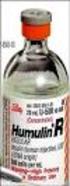 Leeds Humulin R (U500) insulin: Prescribing Guidance Amber Drug Level 2 We have started your patient on Humulin R (U500) insulin for the treatment of diabetic patients with marked insulin resistance requiring
Objective. Failure Modes & Effects Analysis: A U-500 Insulin Case Study. What is a FMEA? Assembling a Team. Steps to Conducting a FMEA 5/12/2011
 5/12/2011 Objective Failure Modes & Effects Analysis: A U-500 Insulin Case Study Understand the role of a failure mode and effects analysis (FMEA) in developing U-500 insulin use criteria Ryan J. Bickel,
The Importance of Using Insulin Safely. Learning Objectives
 The Importance of Using Insulin Safely Victor Tran, PharmD PGY 1 Pharmacy Resident Ambulatory Care Diabetes Symposium November 12, 2015 Learning Objectives List the potential adverse drug events of insulin
Managing the Hospitalized Patient on Insulin: Care Transition. Catie Prinzing MSN, APRN, CNS
 Managing the Hospitalized Patient on Insulin: Care Transition Catie Prinzing MSN, APRN, CNS Diabetes and Hospitalization People with DM are hospitalized 3x more frequently than patients without diabetes
Health Professions Act BYLAWS SCHEDULE F. PART 2 Hospital Pharmacy Standards of Practice. Table of Contents
 Health Professions Act BYLAWS SCHEDULE F PART 2 Hospital Pharmacy Standards of Practice Table of Contents 1. Application 2. Definitions 3. Drug Distribution 4. Drug Label 5. Returned Drugs 6. Drug Transfer
8/6/2015. Diabetes Educator Needed: Transitioning Inpatient Persons with Diabetes on U-500 Regular Insulin to Discharge Safely
 Diabetes Educator Needed: Transitioning Inpatient Persons with Diabetes on U-500 Regular Insulin to Discharge Safely Carol A. Biondi MSN, RN, CDE Diabetes Nurse Specialist Tampa General Hospital Tampa,
A new insulin order form should be completed for subsequent changes to type of insulin and/or frequency of administration
 of nurse A new insulin order form should be completed for subsequent changes to type of insulin and/or frequency of administration 1. Check times for point of care meter blood glucose testing. Pre-Breakfast
Continuous Subcutaneous Insulin Infusion (CSII)
 IMPORTANCE OF FOCUS CSII (Insulin pumps) have been used for more than 35 years. In the U.S. in 2005, the level of insulin pump penetration was estimated at 20 to 30% in patients with type 1 diabetes mellitus
SARASOTA MEMORIAL HOSPITAL
 SARASOTA MEMORIAL HOSPITAL TITLE: NURSING PROCEDURE MANAGEMENT OF PATIENT S OWN INSULIN PUMP/CONTINUOUS SUBCUTANEOUS INSULIN INFUSION PUMP (dia13) DATE: REVIEWED: PAGES: 08/84 10/15 1 of 7 PS1094 ISSUED
Dear Parent/Guardian and Physician of
 DIABETIC MANAGEMENT PLAN Parent Consent and Physician Authorization POWAY UNIFIED SCHOOL DISTRICT HEALTH SERVICES 15250 Avenue of Science San Diego CA 92128 Dear Parent/Guardian and Physician of California
Ten Ways to Prevent Insulin-Use Errors in Your Hospital. ASHP Research and Education Foundation May 14, 2014
 Ten Ways to Prevent Insulin-Use Errors in Your Hospital ASHP Research and Education Foundation May 14, 2014 To Ask Questions and Adjust the Control Panel Expand or Collapse Type your question here Faculty
Insulin: A Practice Update. Department of Nursing Staff Development Elizabeth Borgelt, MS, RN
 Insulin: A Practice Update Department of Nursing Staff Development Elizabeth Borgelt, MS, RN Learning Outcome The learner will be able to identify the different types of insulins available, their actions,
Intensive Insulin Therapy in Diabetes Management
 Intensive Insulin Therapy in Diabetes Management Lillian F. Lien, MD Medical Director, Duke Inpatient Diabetes Management Assistant Professor of Medicine Division of Endocrinology, Metabolism, & Nutrition
Objectives PERINATAL INSULIN PUMPS: BASICS FOR NURSES. Historical Perspective. Insulin Pumps in Pregnancy. Insulin Pumps in the US
 Objectives PERINATAL INSULIN PUMPS: BASICS FOR NURSES Jo M. Kendrick, APN BC, CDE [email protected] Describe indications and contraindications for insulin pump use in hospitalized patients Differentiate
at The Valley Hospital (TVH) for Nursing Students/Nursing Instructors 2012
 at The Valley Hospital (TVH) for Nursing Students/Nursing Instructors 2012 Subject - Insulin Safety Background Insulin known to be high risk medication Can promote serious hypoglycemia if given incorrectly
INPATIENT DIABETES MANAGEMENT Robert J. Rushakoff, MD Professor of Medicine Director, Inpatient Diabetes University of California, San Francisco
 INPATIENT DIABETES MANAGEMENT Robert J. Rushakoff, MD Professor of Medicine Director, Inpatient Diabetes University of California, San Francisco CLINICAL RECOGNITION Background: Appropriate inpatient glycemic
GUIDELINES ON PREVENTING MEDICATION ERRORS IN PHARMACIES AND LONG-TERM CARE FACILITIES THROUGH REPORTING AND EVALUATION
 GUIDELINES GUIDELINES ON PREVENTING MEDICATION ERRORS IN PHARMACIES AND LONG-TERM CARE FACILITIES THROUGH REPORTING AND EVALUATION Preamble The purpose of this document is to provide guidance for the pharmacist
SHINE Study Ordering Instructions for Investigators SUNY Downstate
 General Directions SHINE Study Ordering Instructions for Investigators SUNY Downstate 1) Call Spiro Demetis to get patient admitted to ICU ASAP. Cell: 646-261-5730; Pager: 917-760-1653. Let him know that
Decreasing risks of medication errors in patients prescribed Humulin R U-500
 Decreasing risks of medication errors in patients prescribed Humulin R U-500 Denise Bennetts BN, BEd; Megan Masko BN Department of Diabetes and Endocrinology Princess Alexandra Hospital, Brisbane, Qld
Use of U-500 Insulin in the Treatment of Severe Insulin Resistance
 Use of U-500 Insulin in the Treatment of Severe Insulin Resistance Elaine Cochran, MSN, CRNP, and Phillip Gorden, MD Clinical Endocrinology Branch, National Institute of Diabetes and Digestive and Kidney
BOARD OF PHARMACY DIVISION 41 OPERATION OF PHARMACIES (RETAIL AND INSTITUTIONAL DRUG OUTLETS) CONSULTING PHARMACISTS AND OPERATION OF DRUG ROOMS
 BOARD OF PHARMACY DIVISION 41 OPERATION OF PHARMACIES (RETAIL AND INSTITUTIONAL DRUG OUTLETS) CONSULTING PHARMACISTS AND OPERATION OF DRUG ROOMS 855-041-6050 Definitions Hospitals with Pharmacies (1) In
Ch. 109 NURSING SERVICES 28 CHAPTER 109. NURSING SERVICES GENERAL PROVISIONS
 Ch. 109 NURSING SERVICES 28 CHAPTER 109. NURSING SERVICES GENERAL PROVISIONS Sec. 109.1. Principle. 109.2. Director of nursing services. 109.3. Assistants to director of nursing services. 109.4. Professional
Your Road Map to Diabetes Medication Administration Record (Part 1)
 Your Road Map to Diabetes Medication dministration Record (Part 1) Ohio Revised ode (3313.713) is the education law that addresses prescriptive medication administration in Ohio schools. This OR lists
Parenteral Dosage of Drugs
 Chapter 11 Parenteral Dosage of Drugs Parenteral Route of administration other than gastrointestinal Intramuscular (IM) Subcutaneous (SC) Intradermal (ID) IV Parenteral Most medications prepared in liquid
[ ] POCT glucose Routine, As needed, If long acting insulin is given and patient NPO, do POCT glucose every 2 hours until patient eats.
![[ ] POCT glucose Routine, As needed, If long acting insulin is given and patient NPO, do POCT glucose every 2 hours until patient eats.](/thumbs/35/17205932.jpg "[ ] POCT glucose Routine, As needed, If long acting insulin is given and patient NPO, do POCT glucose every 2 hours until patient eats.") Glycemic Control - Insulin Infusion NOTE: For treatment of Diabetic Ketoacidosis or Hyperglycemic Hyperosmolar Syndrome please go to order set named Diabetic Ketoacidosis (DKA) and Hyperglycemic Hyperosmolar
Glycemic Control - Insulin Infusion NOTE: For treatment of Diabetic Ketoacidosis or Hyperglycemic Hyperosmolar Syndrome please go to order set named Diabetic Ketoacidosis (DKA) and Hyperglycemic Hyperosmolar
Resident s Guide to Inpatient Diabetes
 Resident s Guide to Inpatient Diabetes 1. All patients with diabetes of ANY TYPE, regardless of reason for admission, must have a Hemoglobin A1C documented in the medical record within 24 hours of admission
Custodial Procedures Manual Table of Contents
 Custodial Procedures Manual Table of Contents Page 1. Drug Policies and Procedures 1 A. Procurement of Prescription Drugs 1 i. Prescription drugs may only be accepted from 1 pharmacies and or practitioners.
Humulin (HU-mu-lin) R
 1 PATIENT INFORMATION Humulin (HU-mu-lin) R Regular U-500 (Concentrated) insulin human injection, USP (rdna origin) Read the Patient Information that comes with Humulin R U-500 before you start taking
Intensifying Insulin Therapy
 Intensifying Insulin Therapy Rick Hess, PharmD, CDE, BC-ADM Associate Professor Gatton College of Pharmacy, Department of Pharmacy Practice East Tennessee State University Johnson City, Tennessee Learning
Clinical Impact of An Inpatient Diabetes Care Model. Objectives
 Clinical Impact of An Inpatient Diabetes Care Model Beth Pfeffer MSN, RN CDE June 4, 2014 Objectives 1. Examine the development of the role of the diabetes case manager model in the inpatient setting 2.
ALVIN INDEPENDENT SCHOOL DISTRICT Diabetes Medical Management Plan
 ALVIN INDEPENDENT SCHOOL DISTRICT Diabetes Medical Management Plan of Plan: School Year (must be current): This plan should be completed by the student s personal health care team and parents/guardian.
Electronic Medication Administration Record (emar) (For Cerner Sites Only)
 POLICY NO. 1009 Approved: 12/05 Effective: 12/05 Reviewed: 9/10; 5/12 1. Purpose: Electronic Medication Administration Record (emar) (For Cerner Sites Only) To provide direction for the transcription and
Equipment and Supplies Checklist for Parents Student: DOB: School: Grade: Equipment and Supplies to be Provided by Parent. Parent Signature Date
 Equipment and Supplies Checklist for Parents Student: DOB: School: Grade: Equipment and Supplies to be Provided by Parent Parent Signature Date Daily Snacks (for AM/PM snack times): Specify: Extra Snacks
INSULINThere are. T y p e 1 T y p e 2. many different insulins for
 T y p e 1 T y p e 2 INSULINThere are many different insulins for Characteristics The three characteristics of insulin are: Onset. The length of time before insulin reaches the bloodstream and begins lowering
IAC 10/5/11 Pharmacy[657] Ch 40, p.1 CHAPTER 40 TECH-CHECK-TECH PROGRAMS
![IAC 10/5/11 Pharmacy[657] Ch 40, p.1 CHAPTER 40 TECH-CHECK-TECH PROGRAMS](/thumbs/25/6867725.jpg "IAC 10/5/11 Pharmacy[657] Ch 40, p.1 CHAPTER 40 TECH-CHECK-TECH PROGRAMS") IAC 10/5/11 Pharmacy[657] Ch 40, p.1 CHAPTER 40 TECH-CHECK-TECH PROGRAMS 657 40.1(155A) Purpose and scope. The board may authorize a hospital pharmacy to participate in a tech-check-tech program. The board
IAC 10/5/11 Pharmacy[657] Ch 40, p.1 CHAPTER 40 TECH-CHECK-TECH PROGRAMS 657 40.1(155A) Purpose and scope. The board may authorize a hospital pharmacy to participate in a tech-check-tech program. The board
Diabetes Medical Management Plan
 Diabetes Medical Management Plan 1 School District: School: School Year: Grade: Student Name: DOB: Provider Name: Phone #: Fax #: Blood Glucose Monitoring at School Blood Glucose Target Range: - mg/dl
Health Professions Act BYLAWS SCHEDULE F. PART 3 Residential Care Facilities and Homes Standards of Practice. Table of Contents
 Health Professions Act BYLAWS SCHEDULE F PART 3 Residential Care Facilities and Homes Standards of Practice Table of Contents 1. Application 2. Definitions 3. Supervision of Pharmacy Services in a Facility
School Year 20 / 20. Diabetes Health Care Plan for Southgate Schools
 School Year 20 / 20 Diabetes Health Care Plan for Southgate Schools Diabetes Medical Management Plan, Initialized Healthcare Plan and Physician Orders Part A: Contact Information must be completed by the
Types of insulin and How to Use Them
 Diabetes and Insulin Pumps Amy S. Pullen Pharm.D ISHP Spring Meeting April 2012 Objectives Describe the different types of insulin used in diabetes Identify the types of insulin that are compatible with
SCHOOL DISTRICT #22 VERNON DIABETES POLICY
 SCHOOL DISTRICT #22 VERNON DIABETES POLICY A student with diabetes does not automatically qualify for additional support. The student may qualify as a temporary D category (chronic health) after diagnosis
User guide Basal-bolus Insulin Dosing Chart: Adult
 Contacts and further information Local contact Clinical pharmacy or visiting pharmacy Diabetes education service Director of Medical Services Visiting or local endocrinologist or diabetes physician For
Medications that are associated
 Pharmacists role in ensuring safe and effective hospital use of insulin Michael R. Cohen Purpose. To highlight the potential errors that may occur with insulin use in the inpatient setting and to describe
OFFICE OF CATHOLIC SCHOOLS DIOCESE OF ARLINGTON DIABETES MEDICAL MANAGEMENT PLAN Page 1 of 5 TO BE COMPLETED BY PARENT OR GUARDIAN
 PART I OFFICE OF CATHOLIC SCHOOLS DIOCESE OF ARLINGTON DIABETES MEDICAL MANAGEMENT PLAN Page 1 of 5 TO BE COMPLETED BY PARENT OR GUARDIAN Student School Date of Birth Date of Diagnosis Grade/ Teacher Physical
Inpatient Anticoagulation Safety. To provide safe and effective anticoagulation therapy through a collaborative approach.
 Inpatient Anticoagulation Safety Purpose: Policy: To provide safe and effective anticoagulation therapy through a collaborative approach. Upon the written order of a physician, Heparin, Low Molecular Weight
Starting patients on the V-Go Disposable Insulin Delivery Device
 Starting patients on the V-Go Disposable Insulin Delivery Device A simple guide for your practice For adult patients with Type 2 diabetes on basal insulin who need to take the next step Identify appropriate
CARDIAC SURGERY INTRAVENOUS INSULIN PROTOCOL PHYSICIAN ORDERS INDICATIONS EXCLUSIONS. Insulin allergy
 Page 1 of 5 INDICATIONS EXCLUSIONS 2 consecutive blood glucose measurements greater than 110 mg per dl AND NPO with a continuous caloric source AND Diagnosis of : Cardio-thoracic Surgery NOTE: This protocol
SECTION: NM NUMBER: 20. HENRY FORD HOSPITAL DETROIT, MICHIGAN TITLE: GLYCEMIC CONTROL INTENSIVE CARE PROTOCOL UNIT: All ICUs
 CLINICALPROTOCOL MULTIDISCIPLINARY SECTION: NM NUMBER: 2 HENRY FORD HOSPITAL DETROIT, MICHIGAN TITLE: GLYCEMIC CONTROL INTENSIVE CARE PROTOCOL UNIT: All ICUs APPROVED: 3/3 REVIEWED: REVISED: 12/3, 5/,
Subcutaneous Insulin Audit Tool
 Name of organisation Audit completed by Designation Date Recommendations 1. Is there promotion of insulin as a high risk medicine in your organisation? 2. Does your organisation promote use of the word
In-hospital management of diabetes
 Dr. Tom Elliott MBBS, FRCPC Medical Direct 4102 2775 Laurel St. phone: 604.675.2491 Vancouver, BC fax: 604.875.5931 V5Z 1M9 Canada email: [email protected] In-hospital management of diabetes General Management
Diabetes Health Care Plan
 The Public Schools of Brookline School Health Services of Plan: Diabetes Health Care Plan To be completed by the student s health care team and parents/guardian. Plan will be kept with the school nurse
SafetyFirst Alert. Errors in Transcribing and Administering Medications
 SafetyFirst Alert Massachusetts Coalition for the Prevention of Medical Errors January 2001 This issue of Safety First Alert is a publication of the Massachusetts Coalition for the Prevention of Medical
Telephone: Home Work Cell E-mail Address Father/Guardian: Address:
 SAMPLE Diabetes Medical Management Plan/Individualized Healthcare Plan Part A: Contact Information must be completed by the parent/guardian. Part B: Diabetes Medical Management Plan (DMMP) must be completed
Lead Clinician(S) (DATE) Approved by Diabetes Directorate on: Approved by Medicines Safety Group on: This guideline should not be used after end of:
 Guideline for members of the diabetes team and dietetic department for advising on insulin dose adjustment and teaching the skills of insulin dose adjustment to adults with type 1 or type 2 diabetes mellitus
Diabetes Management and Treatment Plan for School (For the insulin pump student)
 Lafayette School Corporation Health Services Diabetes Management and Treatment Plan for School (For the insulin pump student) Effective Dates: This plan should be complete by the student s personal health
ADJUSTING INSULIN DOSES CONFLICTS OF INTEREST
 ADJUSTING INSULIN DOSES CONFLICTS OF INTEREST Vahid Mahabadi, MD Research grants from Sanofi and Amylin Pharmaceutical Companies Mayer B. Davidson, MD Advisory Board Sanofi Pharmaceutical Company Chief
A Simplified Approach to Initiating Insulin. 4. Not meeting glycemic goals with oral hypoglycemic agents or
 A Simplified Approach to Initiating Insulin When to Start Insulin: 1. Fasting plasma glucose (FPG) levels >250 mg/dl or 2. Glycated hemoglobin (A1C) >10% or 3. Random plasma glucose consistently >300 mg/dl
Health Professional s. Guide to INSULIN PUMP THERAPY
 Health Professional s Guide to INSULIN PUMP THERAPY Table of Contents Introduction Presenting Insulin Pump Therapy to Your Patients When Your Patient Chooses the Pump Estimates for Starting Insulin Pump
Revised: X Date: 04/07/14. 1. All medication orders shall be reviewed, signed, or co-signed by a Registered Nurse (RN).
 Vermont Psychiatric Care Hospital Procedure Revised: X Date: 04/07/14 I. Medication Orders 1. All medication orders shall be reviewed, signed, or co-signed by a Registered Nurse (RN). 2. Medication orders
1.00 REGULATORY AUTHORITY
 ARKANSAS DEPARTMENT OF EDUCATION AND ARKANSAS STATE BOARD OF NURSING RULES GOVERNING THE ADMINISTRATION OF INSULIN AND GLUCAGON TO ARKANSAS PUBLIC SCHOOL STUDENTS SUFFERING FROM DIAGNOSED WITH DIABETES
A guidebook for people with diabetes
 A guidebook for people with diabetes This booklet is designed to supplement, not replace, your doctor s advice. Please consult your doctor if you have any questions about what you read. You ll learn how
Lipodystrophy: Metabolic and Clinical Aspects. Resource Room Slide Series
 Lipodystrophy: Metabolic and Clinical Aspects Resource Room Slide Series Current Thinking About the Diagnosis and Treatment of the Insulin-Resistant State: How to Use Insulin Therapy Irl B. Hirsch, MD
Safe use of insulin e- learning module
 Safe use of insulin e- learning module Page 1 Introduction Insulin is a hormone produced by the beta cells in the pancreas, it is released when blood glucose levels are raised for example after a meal.
EVALUATION OF A BASAL-BOLUS INSULIN PROTOCOL FROM CONTINUING DOSING EFFICACY AND SAFETY OPTIMIZATION IN NON-CRITICALLY ILL HOSPITALIZED PATIENTS
 EVALUATION OF A BASAL-BOLUS INSULIN PROTOCOL FROM CONTINUING DOSING EFFICACY AND SAFETY OPTIMIZATION IN NON-CRITICALLY ILL HOSPITALIZED PATIENTS Joanne Archer, MSN, APRN, BC-ADM, Maureen T. Greene, PhD,
UNIVERSITY OF WISCONSIN HOSPITAL AND CLINICS DEPARTMENT OF PHARMACY SCOPE OF PATIENT CARE SERVICES FY 2014 October 1 st, 2014
 UNIVERSITY OF WISCONSIN HOSPITAL AND CLINICS DEPARTMENT OF PHARMACY SCOPE OF PATIENT CARE SERVICES FY 2014 October 1 st, 2014 Department Name: Department of Pharmacy Department Director: Steve Rough, MS,
Date Submitted: July 20, 2000 Date Reviewed: May 31, 2005 January 17, 2006 March 17, 2009 Subject: Administration of Medication
 POLICY SOMERSET COUNTY BOARD OF EDUCATION 1. PURPOSE Date Submitted: July 20, 2000 Date Reviewed: May 31, 2005 January 17, 2006 March 17, 2009 Subject: Administration of Medication Number: 600-32 Date
UW School of Dentistry Comprehensive Medication Policy
 UNIVERSITY OF WASHINGTON SCHOOL OF DENTISTRY Subject: UW School of Dentistry Comprehensive Medication Policy Policy Number: Effective Date: December 2014 Revision Dates: June 2015 PURPOSE This policy provides
Insulin T Y P E 1 T Y P E 2
 T Y P E 1 T Y P E 2 INSULIN There are many different insulins for many different situations and lifestyles. This section should help you and your doctor decide which insulin or insulins are best for you.
Diabetes and Technology. Disclosures Certified Insulin Pump Trainer for: Animas Medtronic Diabetes Omnipod. Rebecca Ray, MSN, APRN, FNP-C
 Diabetes and Technology Rebecca Ray, MSN, APRN, FNP-C Insulin Pump Therapy and Continuous Glucose Monitoring In Patients with Type 2 Diabetes Page 1 Disclosures Certified Insulin Pump Trainer for: Animas
Diabetes Management Tube Feeding/Parenteral Nutrition Order Set (Adult)
 Review Due Date: 2016 May PATIENT CARE ORDERS Weight (kg) Known Adverse Reactions or Intolerances DRUG No Yes (list) FOOD No Yes (list) LATEX No Yes ***See Suggestions for Management (on reverse)*** ***If
PHYSICIAN ORDERS TRANSIENT ISCHEMIC ATTACK (TIA) OBSERVATION
 SCREENING- ABCD-2 Score The ABCD2 score is a risk assessment tool designed to improve the prediction of short-term stroke risk after a transient ischemic attack (TIA). Higher ABCD2 scores are associated
University of Miami Clinical Enterprise Technologies
 Nursing Manual Our Mission: To design and deliver ongoing support for a network of Business and Clinical Information Management Systems which enhance the academic and research vision while implementing
Diabetes Medical Management Plan (DMMP)
 Diabetes Medical Management Plan (DMMP) This plan should be completed by the student s personal diabetes health care team, including the parents/guardian. It should be reviewed with relevant school staff
The Joint Commission Advanced DSC Certification for Inpatient Diabetes Care
 The Joint Commission Advanced DSC Certification for Inpatient Diabetes Care November 12, 2013 Caroline Isbey RN, MSN, CDE Associate Director Teresa Gomez Associate Project Director Specialist-SSM Carol
Carbohydrate Ratio Correction Target Correction Factor
 Information Needed to Get Started How many grams of carbs the child is eating Blood glucose (BG) taken before eating Important numbers from primary caregiver: Carbohydrate Ratio Correction Target Correction
Use of Continuous Subcutaneous Insulin Infusion (CSII) Pumps in Hospitalized Patients Policy and Procedure
 Purpose: To ensure safe and accurate administration of insulin for patients using their own external continuous subcutaneous insulin infusion pump during hospitalization. Definitions: Insulin pump: An
The Massachusetts Coalition for the Prevention of Medical Errors. MHA Best Practice Recommendations to Reduce Medication Errors
 The Massachusetts Coalition for the Prevention of Medical Errors MHA Best Practice Recommendations to Reduce Medication Errors Executive Summary In 1997, the Massachusetts Coalition for the Prevention
(30251) Insulin SQ Prandial Carbohydrate
 Diagnosis Patient MUST BE educated using carbohydrate counting for prial insulin coverage before hospitalization to be eligible for this order set Nursing Metered Glucose (Single Select Section) Metered
POLICY. 2015 7513 1 of 5. Students ADMINISTRATION OF MEDICATION
 1 of 5 ADMINISTRATION OF MEDICATION The school's registered professional nurse may administer medication to a student during the school day under certain conditions. who have been determined by the school
NSW Adult Subcutaneous Insulin Prescribing Chart User Guide
 NSW Adult Subcutaneous Insulin Prescribing Chart User Guide Adult Subcutaneous Insulin Prescribing Chart User Guide - 13 August 2013 Contents Target audience:... 1 Exceptions:... 1 1. Introduction... 2
Onset Peak Duration Comments
 Rapid- Acting 5-15 minutes 0.5-3 hours 3-5 hours Meal should be available before administering, ideally taking within 10 minutes of eating). Good in refrigerator (36-46 F) until expiration date. Protect
Medications or therapeutic solutions may be injected directly into the bloodstream
 Intravenous Therapy Medications or therapeutic solutions may be injected directly into the bloodstream for immediate circulation and use by the body. State practice acts designate which health care professionals
The consensus of the Pharmacy Practice Model Summit Am J Health-Syst Pharm. 2011; 68:1148-52 This list of the Pharmacy Practice
 The consensus of the summit The consensus of the Pharmacy Practice Model Summit Am J Health-Syst Pharm. 2011; 68:1148-52 This list of the Pharmacy Practice Model Summit s 147 points of consensus about
Sample Position Description Nurse Practitioner GS-12. Introduction
 Sample Position Description Nurse Practitioner GS-12 Introduction The Nurse Practitioner Position is located within the National Institutes of Health, (Institute, Branch). The nurse practitioner is a Masters
Glycemic Control Initiative: Insulin Order Set Changes Hypoglycemia Nursing Protocol
 Glycemic Control Initiative: Insulin Order Set Changes Hypoglycemia Nursing Protocol Ruth LaCasse Kalish, RPh Department of Pharmacy Objectives Review the current practice at UConn Health with sliding
SLIDING SCALE INSULIN ASPART PROTOCOL PLAN
 Weight Allergies Patient Care Accucheck Per Sliding Scale Insulin Frequency AC & HS AC & HS 3 days TID BID q12h q6h q6h 24 hr q4h q2h Sliding Scale Insulin Protocol Follow SSI Reference Text Medications
CONNECTICUT. Downloaded January 2011 19 13 D8T. CHRONIC AND CONVALESCENT NURSING HOMES AND REST HOMES WITH NURSING SUPERVISION
 CONNECTICUT Downloaded January 2011 19 13 D8T. CHRONIC AND CONVALESCENT NURSING HOMES AND REST HOMES WITH NURSING SUPERVISION (d) General Conditions. (6) All medications shall be administered only by licensed
Insulin pen start checklist
 Insulin pen start checklist Topic Instruction Date & Initials 1. Cognitive Assessment 2. Insulin Delivery loading appropriate mixing priming shot dialing up dose delivery of insulin 3. Insulin type/action
Calculating Insulin Dose
 Calculating Insulin Dose First, some basic things to know about insulin: Approximately 40-50% of the total daily insulin dose is to replace insulin overnight, when you are fasting and between meals. This
NHS Professionals. Guidelines for the Administration of Medicines
 NHS Professionals Guidelines for the Administration of Medicines Introduction The control of medicines in the United Kingdom is primarily through the Medicines Act (1968) and associated British and European
Insulin: Breaking Barriers Enhancing Therapies. Jerry Meece, RPh, FACA, CDE [email protected]
 Insulin: Breaking Barriers Enhancing Therapies Jerry Meece, RPh, FACA, CDE [email protected] Questions To Address Who are candidates for insulin? When do we start insulin? How do the different types of
10 to 30 minutes ½ to 3 hours 3 to 5 hours. 30 60 minutes 1 to 5 hours 8 hours. 1 to 4 hours
 Insulin Action There are several types of insulin. They are classified by how long they act: very fast, fast, slow and very slow acting. Each type of insulin has a certain time period in which it works.
Kaiser Sunnyside Medical Center Inpatient Pharmacy Manual
 Page: 1 of 10 PURPOSE To provide a standard procedure for optimizing care of the inpatient with hyperglycemia and/or diabetes. Substantially provide safe and effective glucose control for all adult inpatients.
Inpatient Guidelines: Insulin Infusion Pump Management
 Inpatient Guidelines: Insulin Infusion Pump Management Developed by the Statewide Diabetes Clinical Network Steering Committee July 2012 Clinical Access and Redesign Unit Table of Contents Purpose...4