
Mange in Companion Animals 1
|
|
|
- Alban Carson
- 10 years ago
- Views:
Transcription
1 ENY E. N. I. Weeks and P. E. Kaufman 2 Mange is a persistent skin condition of mammals caused by infestation with parasitic mites. Mites are tiny arthropods, usually less than 1 mm in length and difficult to see with the naked eye. Adult mites have eight legs, and larvae have six. The effect of the mites on the animal s skin, called mange, is the most visible sign of an infestation. There are two types of mites that cause mange: burrowing and non-burrowing mites. Female burrowing mites tunnel into the animal s skin to form burrows in which to lay their eggs. Non-burrowing mites typically invade hair follicles and glands or live on the surface of the skin. The symptoms of mange are redness and itching of the skin and hair loss. The irritation of the skin is due to an allergic response to molecules associated with the mite s bodies, secretions (e.g., saliva), and fecal material. Several skin conditions commonly caused by parasitic mites in domestic animals are described below, including sarcoptic, notoedric, demodectic, otodectic, and psoroptic mange. Of these forms of mange, only sarcoptic and notoedric mange are caused by female mites burrowing in the skin. Sarcoptic mange commonly occurs in dogs and notoedric mange in cats. Mange can afflict humans, horses, sheep, cattle, and other animals. Mange-causing mites spread through direct contact from infested to non-infested animals; however, the development and severity of mange will depend upon the type of mite and the animal s health. Temporary animal mange may be contracted by the owners and handlers of infested animals, although this is typically limited to the burrowing mites that cause sarcoptic and notoedric mange. Humans are not appropriate hosts for these mite species, and infestations in humans are shortlived because the mites do not form burrows or reproduce in human skin. When a cat or dog is treated, any reactions in humans who have contact with the animal will clear up quickly. Types of Mange and Mange- Causing Mites Sarcoptic Mange Sarcoptic mange occurs in all domestic animals except cats and guinea pigs, but is most common in dogs. The related condition in humans is called scabies. Mange in dogs is caused by the canine mange mite (Fig. 1), which frequently also attacks humans, causing temporary infestations. Wild canids, e.g., red fox, gray fox, wolf, and coyote, are particularly susceptible to the canine mange mite. Domesticated dogs may be infested through contact with infested domestic or wild canids. All stages of the canine mange mite live in burrows in the skin formed by tunneling female mites. Female mites lay up to three eggs a day for two to three weeks in these burrows. The eggs hatch in three to five days, and the larvae molt to the nymphal stage. The nymphs mature to adults, and then the adults mate on the surface of the skin. The whole life cycle from egg to adult is completed within two to three weeks. 1. This document is ENY-289, one of a series of the Entomology and Nematology Department, UF/IFAS Extension. Original publication date September Revised September Visit the EDIS website at 2. E. N. I. Weeks, assistant research scientist; P. E. Kaufman, associate professor/extension entomologist; Entomology and Nematology Department; UF/ IFAS Extension, Gainesville, FL The Institute of Food and Agricultural Sciences (IFAS) is an Equal Opportunity Institution authorized to provide research, educational information and other services only to individuals and institutions that function with non-discrimination with respect to race, creed, color, religion, age, disability, sex, sexual orientation, marital status, national origin, political opinions or affiliations. For more information on obtaining other UF/IFAS Extension publications, contact your county s UF/IFAS Extension office. U.S. Department of Agriculture, UF/IFAS Extension Service, University of Florida, IFAS, Florida A & M University Cooperative Extension Program, and Boards of County Commissioners Cooperating. Nick T. Place, dean for UF/IFAS Extension.

2 The skin reaction in the animal is caused by the presence of the mites and their excrement in the burrows. The first symptoms usually appear three weeks after the animal becomes infested, although the delay decreases with repeated exposures. The lesions start where the hair is thin, most commonly on the head, and then spread across the animal. The skin becomes itchy and erupts in red, inflamed papules (wart-like growths), and the animal s hair falls out (Fig. 2). The burrowing mites cause the skin to ooze serum, which dries and forms crusty scabs. Scratching spreads the infestation and often leads to secondary infection of wounds. These infections cause the unpleasant odor often associated with mangy animals. Infested animals may suffer from weight loss, lack of appetite, and poor hearing and vision. If the mange is left untreated, animals may die of exhaustion or dehydration or as the result of a secondary infection. The canine mange mite is specific to dogs, yet human infestations of dog handlers or owners are common. These temporary infestations result from contact with infested dogs and are known as animal scabies. The symptoms in humans are pimples or blisters and inflammation on the forearms, thighs, and abdomen. Because the skin reaction is due to an immune response to the mites rather than to the mites themselves, the symptoms may occur in areas that are not infested with mites. Some individuals will react more severely than others depending on various factors including previous exposure. Figure 2. Sarcoptic mange in a dog. Credits: Department of Pathobiology, College of Veterinary Medicine, Auburn University. Notoedric Mange Notoedric mange is caused by the most common mite of domestic cats in North America, Europe, and Africa, Notoedres cati (Fig. 3). This mite occurs on cats (wild and domesticated), rats, squirrels, rabbits, and bats. Notoedric mites rarely infest dogs or other canids, but they occasionally and temporarily infest humans. Even under a microscope these mites appear very similar to the sarcoptes mites, but there are differences that can be used to tell the two apart using a compound microscope and identification keys. The adult female notoedric mite burrows in the skin and deposits eggs, which hatch after three to four days. The entire life cycle from egg to adult takes just 6 10 days. The females also may invade hair follicles or sebaceous glands. Symptoms of notoedric mange usually begin on an animal s head, in particular the ears, face, neck and shoulders. The irritation is intense, with reddening, scaling, hair loss and formation of gray/yellow crusts (Fig. 4). The infested skin becomes thick, folded, and wrinkled. The irritation causes the animal to scratch, resulting in removal of skin and further irritation. Chronic cases may lead to debilitation and death. Figure 1. Sarcoptic mange mite (Sarcoptes scabei). Adult female specimen from a dog. Human beings may contract temporary notoedric mange through contact with infested animals. The most common 2

3 sites of skin lesions in humans are the legs and hands the areas most likely to be in contact with an infested animal. Prolonged exposure to the mite causes sensitization in humans. Once sensitized, a person may experience an exaggerated immune response such as intense itching after just a few hours of exposure, even though the mites do not burrow into human skin. Figure 3. Notoedric mange mite (Notoedres cati). Adult female specimen from a cat. Credits: J. F. Butler (photo), E. N. I. Weeks (illustration), University of Florida. Healthy animals experience only mild and temporary deterioration in skin condition, if they show any symptoms at all. Clinical symptoms are most common in dogs, particularly young animals (less than one year), or animals with weak immune systems; in such animals the irritation caused by the mites may lead to a dangerous generalized demodicosis (Fig. 6a) and the development of red mange (a severe irritation; Fig. 6b). Certain breeds of dog are more susceptible to demodectic mange including old English sheepdogs, collies, Afghan hounds, German shepherds, akitas, doberman pinschers, English bull dogs, great danes, dachshunds, chihuahuas, chow chows, boxers, pugs, Chinese shar-peis, beagles, pointers and many terrier breeds including American Staffordshire terriers, American pit-bull terriers, English bull terrier, miniature bull terrier, West Highland terrier, rat terrier and Boston terriers. Symptoms in other animals are rare, though cats and horses may develop mild demodectic mange, usually localized and self-limiting. Siamese and Burmese cat breeds are more susceptible to generalized demodicosis. Canine demodectic mange usually appears as red, bald patches around the eyes and mouth. The mites and the associated mange may spread to the front legs and trunk. In most cases the animal s immune system will defeat the infestation without treatment, but in some animals, such as those with a genetic predisposition or a depressed immune system, the symptoms may become severe. A condition called pustular demodicosis may develop, in which pus Figure 4. Notoedric mange in a kitten. Credits: Department of Pathobiology, College of Veterinary Medicine, Auburn University. Demodectic Mange Demodectic mange is caused by mites living in the hair follicles or associated sebaceous glands of mammals (Fig. 5). Dogs, livestock, wild animals, and laboratory animals are commonly infested; the mite is uncommon in cats and horses. Each animal has its own species of mite, and infestation of one species by another species mite is rare. Transmission of the mites may occur from mother to offspring during the first few days of life through nursing. The eggs and all the life stages of these mites are found in the hair follicles or glands, and the full life cycle occurs in three to four weeks. Figure 5. Demodectic mange mite (Demodex canis). Adult female specimen from a dog. 3

4 filled swellings form on the skin. These can become infected and give off an unpleasant odor from the bacterial infection. The smell is often described as rancid or mousy. If the irritation becomes generalized and the skin becomes intensely red and tender and bleeds easily, then the condition is known as red mange. The condition usually starts on the head and face but will quickly spread to the rest of the body. If the animal is not treated, its immune system will weaken and it will eventually be killed by a secondary infection. Figure 6. Canines infested with demodectic mange. (a) A young dog with generalized demodicosis, and (b) an adult dog with red mange. Credits: J. F. Butler, University of Florida. Otodectic Mange Ear mange, caused by the otodectic ear mite, is common among cats and dogs (Fig. 7). The mites also infest the ears of other carnivores such as foxes and raccoons. All of the otodectic mite s life stages are found within the ear canal, though in some cases otodectic infestations can spread beyond the ear to the rest of the body, particularly the head, tail, and feet. Otodectic mites do not burrow into the skin, living instead on skin surfaces deep inside the external ear canal. These mites feed primarily on skin but occasionally pierce the skin to feed on blood, serum, and lymph. The feeding mites cause injury because the skin inside the ear swells and blocks follicles and glands, causing the formation of papules and nodules. Hair falls out and secondary infections may develop. The ear canal becomes congested, often resulting in hearing loss. Infested animals will be seen to shake their heads and rub their ears in an attempt to relieve the itching. The responses in animals are highly variable from asymptomatic, to severe otitis, to convulsive seizures (particularly in cats). Psoroptic Mange Psoroptic mange mites occur in the ears of domestic and wild animals, particularly rabbits (Fig. 8). These ear mites do not burrow. Instead they feed on skin tissue, which irritates the skin and causes lesions. The lesions produce scabs, and the scabs protect the mites from the environment and shield them from removal by the animal when it scratches. All of the developmental stages of these mites will be found under scabs in the ear canal. Eggs laid by the female mite hatch within four days; the life cycle takes a total of three weeks from egg to adult. Symptoms start in the external ear canal, with loose crusts and brown, strong-smelling discharge becoming evident (Fig. 9). The animal will show characteristic behavior: scratching, shaking its head, losing its balance, and tensing its neck muscles. The infestation may spread to other parts of the body, and the lesions may become infected with bacteria. Figure 8. Psoroptic ear mange mite (Psoroptes cuniculi). Adult female specimen from a rabbit. Figure 7. Otodectic or ear mange mite (Otodectic cyanotis). Adult female specimen from a cat. 4

5 Treatment In almost all cases of mange on domestic animals, a veterinarian should be consulted. An owner or handler suspecting mange should take the animal to a veterinarian for diagnosis and treatment. Because mange-like symptoms can manifest in response to stress or to other allergens such as flea bites, it is particularly important to get an accurate diagnosis. Mange is usually diagnosed by the detection of the mites in the affected area. For example, skin scrapes are done for most types of suspected mange. Although animals will usually self-cure from demodectic mange, it is advisable to get a diagnosis from a veterinarian in case secondary complications develop such as pustular demodicosis and red mange. Treatment for Animals Treatment of most mange mites involves three steps: Figure 9. Psoroptic ear mange in a rabbit. Credits: Department of Pathobiology, College of Veterinary Medicine, Auburn University. Prevention Prevention of mange involves the promotion of good health and hygiene to enhance resistance against mites and mite-induced skin diseases. Canine mange mainly occurs in young animals in poor condition; for example, malnourished puppies or those that are suffering with a secondary condition such as internal parasite infection. Puppies that are mothered by mite-infested animals also will be at increased risk. As direct contact is the most important method of transmission, pets with mange should be quarantined. Healthy animals should not be permitted to have contact with mangy animals or with areas previously occupied by mangy animals. In order to avoid passing on the genetic predisposition for severe mange, an animal that has suffered with demodectic mange should not be used for breeding, particularly if the animal developed secondary complications (e.g., red mange). Severity of the disease depends on each animal s individual level of immune response to the mite. Some animals have been shown to have a genetic predisposition to an elevated immune response and are therefore more likely to develop pustular demodicosis or red mange. 1. Isolation of the animal to prevent spread to noninfested individuals. 2. Medication to kill the mites. 3. Treatment of the animal s environment. The veterinarian will prescribe either a topical or an internal miticide. Topical medications include creams, shampoos, and dips; internal preparations are either given orally or injected. The veterinarian also may prescribe medications to ease the itching or to treat bacterial infections. It may be necessary to clip long-haired animals to ensure success of topical treatments. All animals in the house at risk of infestation should be treated at the same time, whether they are symptomatic or not. It is important that any prescribed drugs are used for the specified treatment period, and not discontinued early if the symptoms begin to ease. Asymptomatic ear mange can be treated at home by the application of mineral oil to the ear canal with a medicine dropper or a cotton swab. The outer ear should be cleaned to remove accumulations of material every other day for about three weeks. Treating the environment is important, and particularly so in cases of sarcoptic mange. Wash all bedding and clothing in hot, soapy water, and dry at hot temperatures. Wash or replace collars. If the pet stays indoors, the veterinarian may advise an indoor carpet and furniture treatment. 5

6 Treatment for Humans Humans with animal mange-like symptoms should consult a physician for diagnosis and treatment and take their pets to the veterinarian if they themselves are found to be infested. Sarcoptic mange is the usual condition found in humans that have been exposed to infested dogs, but notodectic mange from exposure to infested cats is also possible, particularly in children or in individuals with a weakened immune system. In humans, infestation with animal mites is temporary, and the mites do not burrow in the skin or reproduce. Therefore, if the companion animal is treated then the symptoms in the owners and handlers will resolve. Selected References Chakrabarti, A Human notoedric scabies from contact with cats infested with Notoedres cati. Int. J. Dermatol., 25: Mullen, G. R. and B. M. OConnor Mites (Acari), pp In G. R. Mullen and L. A. Durden (eds.), Medical and Veterinary Entomology vol. 2. Elsevier, Burlington, MA, USA. Nutting, W. B Hair follicle mites (Demodex spp) of medical and veterinary concern. Cornell. Vet., 66: Rafferty, D. E., and J. S. Gray The feeding behaviour of Psoroptes spp. mites on rabbits and sheep. J. Parasitol., 73: Stone, W. B., E. Parks, B. L. Weber, and F. J. Parks Experimental transfer of sarcoptic mange from red foxes and wild canids to captive wildlife and domestic animals. New York Fish Game J., 19: Sweatman, G. K. 1958a. Biology of Otodectes cynotis, the ear canker mite of carnivores. C. J. Zool., 36: Sweatman, G. K. 1958b. On the life history and validity of the species in Psoroptes, a genus of mange mites. C. J. Zool., 36: Walker, E. D., and J. A. Stachecki Mites and Ticks, pp In Pest management for small animals: A training manual for commercial pesticide applicators and registered technicians (Category 7G), Michigan State University Extension, Michigan. bulletins/pdf/2492/e2492chap9.pdf (17 May 2012). Whitaker, J. O Ectoparasites of mammals of Indiana. The Indiana Academy of Science, Indianapolis, Indiana. (17 May 2012). 6

General Practice Service Willows Information Sheets. Ectoparasites (fleas and other skin parasites) in dogs
 General Practice Service Willows Information Sheets Ectoparasites (fleas and other skin parasites) in dogs Flea Tick Mite Louse Ectoparasites (fleas and other skin parasites) in dogs What types of skin
SKIN CONDITIONS IN PIGS
 DEPARTMENT: AGRICULTURE SKIN CONDITIONS IN PIGS Jenny Turton 2001 Compiled by Directorate Communication, Department of Agriculture in cooperation with the ARC-Onderstepoort Veterinary Institute Printed
Biology of External Parasites of Dairy Goats 1
 ENY-273 Biology of External Parasites of Dairy Goats 1 P. G. Koehler and J. F. Butler 2 Arthropod pests limit production in the dairy goat industry in many ways. External parasites feed on body tissue
Scabies. Care Homes IPC Study Day. Sue Barber Lead Nurse Infection Prevention & Control AV & Chiltern CCG s
 Scabies Care Homes IPC Study Day Sue Barber Lead Nurse Infection Prevention & Control AV & Chiltern CCG s Scabies What is it? (warning you will experience itching during this session) Ancient disease evidence
As seen on TV. Your guide to protecting your pet against fleas and ticks.
 As seen on TV Your guide to protecting your pet against fleas and ticks. The trouble with fleas. Fleas are much more than just a minor irritation to your pet. They can cause: intense itching and scratching
External Parasites of Goats
 External Parasites of Goats Dr. Justin Talley Oklahoma State University Introduction Arthropod pests limit production in the goat industry in many ways. External parasites feed on body tissue such as blood,
Questions & Answers on Rabies
 BUCKS COUNTY DEPARTMENT OF HEALTH Neshaminy Manor Center, Health Building 1282 Almshouse Road Doylestown, PA 18901 215-345-3318 Questions & Answers on Rabies Q: What is rabies? A: Rabies is a deadly disease
Agricultural Pest Control Animals Learning Objectives. Category 1B, Agricultural Pest Control - Animals
 Category 1B: Agricultural Pest Control Animals Agricultural Pest Control Animals Learning Objectives After studying this section, you should be able to: Describe Integrated Pest Management (IPM) as it
X-Plain Psoriasis Reference Summary
 X-Plain Psoriasis Reference Summary Introduction Psoriasis is a long-lasting skin disease that causes the skin to become inflamed. Patches of thick, red skin are covered with silvery scales. It affects
Allergic Skin Disease
 Allergic Skin Disease By Lee Pickett, V.M.D. Dogs and cats manifest allergies in a number of ways (itchy skin, hair loss, puffy eyes or diarrhea), but they most commonly exhibit allergies through the skin.
Bites, Bats, and being safe a a quiz about RABIES. Dr. Emily Beeler, DVM Los Angeles County Public Health Veterinary Public Health and Rabies Control
 Bites, Bats, and being safe a a quiz about RABIES Dr. Emily Beeler, DVM Los Angeles County Public Health Veterinary Public Health and Rabies Control Overview What is rabies? What animals transmit rabies?
COMMON SKIN DISEASES OF THE DOG ALLERGIES Dog Owners and Breeders Symposium University of Florida College of Veterinary Medicine July 29, 2000
 COMMON SKIN DISEASES OF THE DOG ALLERGIES Dog Owners and Breeders Symposium University of Florida College of Veterinary Medicine July 29, 2000 Gail Kunkle, D.V.M., Dip A.C.V.D. Professor, SACS, CVM, UF
Multiple Myeloma. This reference summary will help you understand multiple myeloma and its treatment options.
 Multiple Myeloma Introduction Multiple myeloma is a type of cancer that affects white blood cells. Each year, thousands of people find out that they have multiple myeloma. This reference summary will help
Acne (Acne Vulgaris) A common type of bacteria that lives on the skin, known as Propionibacterium acnes, sometimes
 Acne (Acne Vulgaris) Acne, clinically known as acne vulgaris, is the most common skin disease. It affects 85% of teenagers, some as young as 12, and often continues into adulthood. It is also called pimples,
Overview of the Cattle Immune System 1
 Oregon State University BEEF043 Beef Cattle Library Beef Cattle Sciences Overview of the Cattle Immune System 1 Reinaldo F. Cooke 2 Introduction On average, the U.S. cattle industry loses more than $1
I Ear Your Messages A Review of Ear Disease as it Pertains to the Anatolian Shepherd Dog
 I Ear Your Messages A Review of Ear Disease as it Pertains to the Anatolian Shepherd Dog a A few months ago I received an email asking me to address the increasing prevalence of ear infections in the Anatolian
Canine Lymphoma Frequently Asked Questions by Pet Owners
 Canine Lymphoma Frequently Asked Questions by Pet Owners What is lymphoma? The term lymphoma describes a diverse group of cancers in dogs that are derived from white blood cells called lymphocytes. Lymphocytes
AARHUS UNIVERSITY JUNE 15, 2010 BED BUGS OLE KILPINEN DANISH PEST INFESTATION LABORATORY INSTITUTE OF INTEGRATED PEST MANAGEMENT DENMARK
 BED BUGS OLE KILPINEN DANISH PEST INFESTATION LABORATORY INSTITUTE OF INTEGRATED PEST MANAGEMENT AARHUS DENMARK 1 Bed bug problems in Europe Bed bug biology -new results and importance for control Host
Zoonosis From Pets Dr. Corrie Brown, University of Georgia A Webber Training Teleclass
 Zoonoses from Pets Old faithfuls Pretty scary On the increase/ really wild Skin diseases often from pets! Corrie Brown, DVM, PhD Professor of Veterinary Pathology University of Georgia, Athens, GA Hosted
Conjunctivitis - Pink Eye
 Conjunctivitis - Pink Eye Introduction Conjunctivitis is often called pink eye. It causes inflammation of the thin, clear lining inside the eyelid and on the white of the eye. The inflammation gives the
Fleas and other parasites
 Fleas and other parasites VETERINARY GUIDE 15 A parasite is an organism that lives and feeds on another to the detriment of the host. Both outdoor and indoor cats are at risk from infection. How do I tell
The challenge of herpes
 The challenge of herpes Herpes is a common and personally challenging disease Herpes is very common. One out of four adults has genital herpes. When people first hear that they are infected, many become
RABIES CONTROL REGULATIONS 2012
 RABIES CONTROL REGULATIONS 2012 Adopted July 31, 2012 Effective Date September 1, 2012 Be it ordered by the Board of Health of the Delaware General Health District, State of Ohio. CONTENTS OF REGULATIONS:
Pubic lice and Scabies. Looking after your sexual health
 Pubic lice and Scabies Looking after your sexual health 2 Pubic lice and Scabies Pubic lice are tiny parasitic insects that live in coarse body hair, such as pubic hair. They are yellow-grey and about
Animal Bites. The role and responsibilities of Town Health Officers
 Animal Bites The role and responsibilities of Town Health Officers What is rabies? Rabies is a fatal viral disease that affects humans and other mammals. People get rabies by and large from the bite of
Discover Entomology. Discover Entomology. A Science, a Career, a Lifetime. A Science, a Career, a Lifetime
 Discover Entomology A Science, a Career, a Lifetime Discover Entomology A Science, a Career, a Lifetime What is Entomology? Entomology is the study of insects. Entomologists study bees, ants, beetles,
Immunotherapy For Control Of Allergies In Your Pets
 Immunotherapy For Control Of Allergies In Your Pets Pet owner information from The Quality Clinical Pathology Service What is Immunotherapy? Immunotherapy is a medical treatment where allergens (pollens,
Itchy cats and skin disorders
 Itchy cats and skin disorders VETERINARY GUIDE 4 One of the largest organs in the body, the cat s skin has a number of functions. It provides a protective barrier, helping to maintain body temperature
www.aranimalclinic.com Ear Infections -Dr. Wes Sperry
 www.aranimalclinic.com Ear Infections -Dr. Wes Sperry Friends, Romans, Countrymen, Lend me your EARS! - William Shakespeare Ear infections are very common in pets, especially in dogs. The ears become very
Bile Duct Diseases and Problems
 Bile Duct Diseases and Problems Introduction A bile duct is a tube that carries bile between the liver and gallbladder and the intestine. Bile is a substance made by the liver that helps with digestion.
West Nile Virus and Workers
 West Nile Virus and Workers What is West Nile virus (WNv)? The West Nile Virus (WNv) is a mosquito-borne virus that can cause swelling and inflammation of the brain and spinal cord in horses, birds, and
Ear Infections Chickenpox chickenpox
 Ear Chickenpox Infections chickenpox Chickenpox Chickenpox is a common, very contagious viral infection that over 90% of people get during childhood unless they have been immunised. After an infection,
WEST NILE VIRUS DEPARTMENT OF HEALTH AND HUMAN SERVICES
 WEST NILE VIRUS DEPARTMENT OF HEALTH AND HUMAN SERVICES Centers for Disease Control and Prevention West Nile Virus West Nile virus was first recognized in the United States in 1999 as the cause of severe
RULES PERTAINING TO RABIES CONTROL
 RULES PERTAINING TO RABIES CONTROL Arkansas State Board of Health Effective January 1, 2010 RULES AND REGULATIONS PERTAINING TO RABIES CONTROL Table of Contents AUTHORITY... 1 SECTION I. DEFINITIONS...
Parasitic Diseases. There are three main classes of parasites that cause disease in humans: Protozoa. Helminths. Ectoparasites.
 Parasitic Diseases Introduction Parasites are living things that use other living things, like your body, for food and a place to live. You can get them from contaminated food or water, a bug bite or sexual
1333 Plaza Blvd, Suite E, Central Point, OR 97502 * www.mountainviewvet.net
 1333 Plaza Blvd, Suite E, Central Point, OR 97502 * www.mountainviewvet.net Diabetes Mellitus (in cats) Diabetes, sugar Affected Animals: Most diabetic cats are older than 10 years of age when they are
Leader's Resource. Note: Both men and women can have an STD without physical symptoms.
 Leader's Resource Information on Sexually Transmitted Diseases (STDs) Signs and Symptoms of STDs Note: Both men and women can have an STD without physical symptoms. Any of the following can indicate to
Less stress for you and your pet
 Less stress for you and your pet Canine hyperadrenocorticism Category: Canine Cushing s disease, Cushing s syndrome Affected Animals: Although dogs of almost every age have been reported to have Cushing
Basal Cell Carcinoma Affecting the Eye Your Treatment Explained
 Basal Cell Carcinoma Affecting the Eye Your Treatment Explained Patient Information Introduction This booklet is designed to give you information about having a Basal Cell Carcinoma near your eye and the
Allergies: ENT and Allergy Center of Missouri YOUR GUIDE TO TESTING AND TREATMENT. University of Missouri Health Care
 Allergies: YOUR GUIDE TO TESTING AND TREATMENT ENT and Allergy Center of Missouri University of Missouri Health Care 812 N. Keene St., Columbia, MO 65201 (573) 817-3000 www.muhealth.org WHAT CAUSES ALLERGIES
The Disease is a commonly diagnosed infectious disease that affects all equidae worldwide. Caused by the bacterium Streptococcus equi (S.equi), this d
 ADVICE ON The Disease is a commonly diagnosed infectious disease that affects all equidae worldwide. Caused by the bacterium Streptococcus equi (S.equi), this disease is highly contagious and is spread
Nursing Process Focus: Patients Receiving LINDANE (Kwell)
 Nursing Process Focus: Patients Receiving LINDANE (Kwell) ASSESSMENT Prior to administration: Obtain complete health history including allergies, drug history, and possible drug interactions. Assess vital
Streptococcal Infections
 Streptococcal Infections Introduction Streptococcal, or strep, infections cause a variety of health problems. These infections can cause a mild skin infection or sore throat. But they can also cause severe,
Canine Influenza. What do I need to know?
 Canine Influenza What do I need to know? What is canine influenza? Canine influenza is a newly emerging infectious disease caused by a flu virus. In dogs, a highly contagious strain of the influenza A
The Fly. Quality Pest Management. Live Cleaner. Live Healthier. Cluster Fly. The weather is warming up and as if from no where the flies appear.
 The Fly The weather is warming up and as if from no where the flies appear. House Fly Flies will pitch and feed on just about anything including faeces to your lunch! They spread disease and are a generally
How To Control A Dog
 TITLE 8: AGRICULTURE AND ANIMALS CHAPTER I: DEPARTMENT OF AGRICULTURE : ANIMALS AND ANIMAL PRODUCTS (EXCEPT MEAT AND POULTRY INSPECTION ACT REGULATIONS) PART 30 ANIMAL CONTROL ACT Section 30.10 Definitions
Facts About Chickenpox and Shingles for Adults
 Facts About Chickenpox and Shingles for Adults What is chickenpox? Chickenpox, also known as varicella, is a very contagious disease caused by the varicella-zoster virus. It is spread easily through the
Theresa A. Dellinger and Eric Day, Department of Entomology, Virginia Tech
 Lice Found on Humans Psocodea: Phthiraptera human head louse, Pediculus humanus capitus Pediculus humanus humanus De Geer human body louse, Pediculus humanus humanus L. De Geer Theresa A. Dellinger and
NEHSNORTH EASTERN HEALTH SPECIALISTS
 COSMETIC DERMATOLOGY NEHSNORTH EASTERN HEALTH SPECIALISTS nehs.com.au CONSENT FORM ACNE Treatment I, DOB:, of authorize of North Eastern Health Specialist to perform hair removal with the BBL / Nd-Yag
Thymus Cancer. This reference summary will help you better understand what thymus cancer is and what treatment options are available.
 Thymus Cancer Introduction Thymus cancer is a rare cancer. It starts in the small organ that lies in the upper chest under the breastbone. The thymus makes white blood cells that protect the body against
VETERINARY TECHNICIAN
 MICHIGAN CIVIL SERVICE COMMISSION JOB SPECIFICATION VETERINARY TECHNICIAN JOB DESCRIPTION Employees in this job perform various tasks to facilitate and support the work and research of professional veterinarians,
Blepharoplasty - Eyelid Surgery
 Blepharoplasty - Eyelid Surgery Introduction Eyelid surgery repairs sagging or drooping eyelids. The surgery is also known as blepharoplasty, or an eyelid lift. Sagging or drooping eyelids happen naturally
Guidelines for Hand Foot and Mouth Disease HFMD
 Guidelines for Hand Foot and Mouth Disease HFMD Hand, foot, and mouth disease, or HFMD, is a contagious illness caused by different viruses. Infants and children younger than 5 years are more likely to
Canine Distemper Virus
 Canine Distemper Virus Canine Distemper (CD) is a highly contagious infectious disease of dogs worldwide caused by the canine distemper virus (CDV). It is often fatal. CD is a multisystemic disease that
www.macdillfss.com 7804 Blackbird St., Bldg. 936 MacDill AFB, FL 33621 (813) 828-3558/3559 Monday - Friday 8 am to 4 pm
 7804 Blackbird St., Bldg. 936 MacDill AFB, FL 33621 (813) 828-3558/3559 Monday - Friday 8 am to 4 pm www.macdillfss.com NOTE: Clinic services are limited to those personnel in possession of a military
Advice about MRSA for people not in hospital. If you have MRSA, this leaflet tells you about things you should do in your everyday life.
 Advice about MRSA for people not in hospital If you have MRSA, this leaflet tells you about things you should do in your everyday life. Easy read This booklet is about a germ called MRSA. It is an Easy
Skin cancer Patient information
 Skin cancer Patient information What is cancer? The human body is made up of billions of cells. In healthy people, cells grow, divide and die. New cells constantly replace old ones in an orderly way. This
C. difficile Infections
 C. difficile Infections Introduction C. difficile is a type of bacteria that can cause diarrhea and infection of the colon. This bacterium is more likely to infect patients at hospitals and other healthcare
SHINGLES (Herpes zoster infection)
 SHINGLES (Herpes zoster infection) What are the aims of this leaflet? This leaflet has been written to help you understand more about shingles. It will tell you what it is, what causes it, what can be
Looking after. and treating skin infections. A guide for parents and families
 Looking after and treating skin infections A guide for parents and families Healthy Skin These things help keep your child s skin healthy: Eating healthy food like meat, fruit and vegetables. Drinking
TOC INDEX. Lice Management for Feedlot Cattle. Douglas D. Colwell. Take Home Message. Introduction. Biology
 TOC INDEX Lice Management for Feedlot Cattle Douglas D. Colwell Take Home Message Lice can have a substantial impact on feedlot cattle, affecting their gain, efficiency and appearance. Keeping cattle well
Raynaud s phenomenon, Scleroderma and associated disorders
 Patient information Raynaud s phenomenon, Scleroderma and associated disorders Vascular Surgery Surgical Division PIF 202/V5 What is Raynaud s phenomenon? Raynaud s phenomenon is a condition where the
Seasonal Allergies. 1995-2012 The Patient Education Institute, Inc. www.x-plain.com im010101 Last reviewed: 05/30/2012 1
 Seasonal Allergies Introduction Seasonal allergies are allergies that develop during certain times of the year. Seasonal allergies are usually a response to pollen from trees, grasses, and weeds. Constant
A Guide to Responsible External Parasite Control in Sheep
 A Guide to Responsible External Parasite Control in Sheep Contents Introduction to Guidelines Dr Peter Bates, VLA 3 Responsible External Parasite Control Peter Morris, NSA 4 Ectoparasite Control Decision
X-Plain Pediatric Tuberculosis Reference Summary
 X-Plain Pediatric Tuberculosis Reference Summary Introduction Tuberculosis, or TB, is a bacterial infection that causes more deaths in the world than any other infectious disease. When a child gets TB,
F r e q u e n t l y A s k e d Q u e s t i o n s
 Acne who specializes in treating skin problems) about how you can help prevent acne and if treatment would help you. Q: What is acne? A: Acne is a disorder that causes outbreaks of skin lesions commonly
Poison Ivy, Oak & Sumac: A Rash of Information About Identification, Treatment and Prevention
 Poison Ivy, Oak & Sumac: A Rash of Information About Identification, Treatment and Prevention The American Academy of Family Physicians Foundation has favorably reviewed this material through 2007. Favorable
MRSA. Living with. Acknowledgements. (Methicillin-Resistant Staphylococcus aureus)
 How can I keep myself healthy? Hand washing and use of an alcohol-based hand sanitizer are the primary way to prevent acquiring or transmitting bacteria. If you get a cut or scrape, wash it well with soap
Anaphylaxis: a severe, life threatening allergic reaction usually involving swelling, trouble breathing, and can progress to shock
 Allergy is a condition in which the immune system causes sneezing, itching, rashes, and wheezing, or sometimes even life-threatening allergic reactions. The more you know about allergies, the better prepared
X-Plain Acne Reference Summary
 X-Plain Acne Reference Summary Introduction Nearly 17 million people in the United States have acne, making it one of the most common skin diseases in the USA. Although acne is not a serious health threat,
We have put together the following guidance on the different kinds of pests that we treat.
 Pest Control Guidance Document: We have put together the following guidance on the different kinds of pests that we treat. If you need advice or help with pests, please contact us on 01942 404364. Contents
Connie Austin June 2012
 Rabies Exposures: When is Prophylaxis Recommended and Update on Communicable Disease Rule Changes Connie Austin June 2012 Rabies Transmission Bite from infected mammal (not birds, amphibians, reptiles)
FUNCTIONS OF THE SKIN
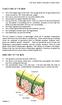 FUNCTIONS OF THE SKIN Skin is the largest organ of the body. The average adult has 18 square feet of skin which account for 16% of the total body weight. Skin acts as a physical barrier for you to the
Welcome to the safe@work Veterinary Module.
 Welcome to the safe@work Veterinary Module. Have you read the General Module, completed the test and gained your safe@work General certificate? The Veterinary Module should be done AFTER the General Module
Caring for your adult cat
 CAT 3 Caring for your adult cat The charity dedicated to helping sick, injured and homeless pets since 1897. Caring for your adult cat Although considered independent pets, cats are reliant on their owners
VCA Animal Specialty Group 5610 Kearny Mesa Rd., Suite B San Diego, CA 92111 858-560-8006 www.vcaanimalspecialtygroup.com.
 Disk Disease While not limited to small breeds, disc disease is much more prevalent among Dachshunds, Lhasa Apsos, Poodles, Beagles and Pekingese primarily due to genetic factors. These traits result in
Guide to. Allergies 020 8742 7042. A guide to allergies
 If you need advice on taking over-the-counter medicines speak to a pharmacist or call the Consumer Health Information Centre s Over-the-Counter Medicines Advice Line on 020 8742 7042. The advice line is
Official reprint from UpToDate www.uptodate.com 2012 UpToDate
 1 of 8 4/11/2012 11:07 AM Official reprint from UpToDate www.uptodate.com 2012 UpToDate Authors Adam O Goldstein, MD, MPH Beth G Goldstein, MD Section Editors Robert P Dellavalle, MD, PhD, MSPH Moise L
Sentinel Chicken Screening Here are the mosquito larvae! Ground Application Aerial Larvicide Applications
 County of San Diego Vector Control Program Mosquitoes, Rats, Ticks and More! What is a Vector? Any organism capable of carrying and transferring a disease Common vectors: Mosquitoes Ticks Rats Flies Mosquito
WEST NILE VIRUS QUESTIONS ABOUT SPRAYING AND MOSQUITO CONTROL
 WEST NILE VIRUS QUESTIONS ABOUT SPRAYING AND MOSQUITO CONTROL Q1: What is West Nile virus (WNV)? A: WNV is a virus carried by certain species of mosquitoes that pick it up after biting infected birds.
your new puppy! Congratulations on Puppy nutrition 7
 Puppy care Congratulations on your new puppy! This guide has been designed to help you familiarise yourself with the routine healthcare requirements of the new addition to your family, answering some of
STATE RABIES AND ANIMAL CONTROL STATUTES (effective November 20, 2002) TITLE IV of the state health law RABIES
 STATE RABIES AND ANIMAL CONTROL STATUTES (effective November 20, 2002) TITLE IV of the state health law RABIES Section 2140. Definitions. 2141. Compulsory vaccination. 2142. Rabies; emergency provisions.
JEFFERSON COUNTY PUBLIC SCHOOLS (JCPS) PEST CONTROL PLAN
 JEFFERSON COUNTY PUBLIC SCHOOLS (JCPS) PEST CONTROL PLAN Each facility shall implement a pesticide registry program, as required by Kentucky Department of Agriculture 302 KAR 29 29.050 Section 12, JCPS
Bed Bugs. 2. How are they transferred? As above. 3. Will I get a disease? Bed bugs do not transmit human diseases.
 Bed Bugs 1. How did I get them? The most common sources of infestation are believed to be: Introducing an infested item such as furniture, into the home. Staying in an infested premises, and then inadvertently
Get Your Head In The Game. Matthew Voorman, MD Hutchinson Clinic March 21, 2016
 Get Your Head In The Game Matthew Voorman, MD Hutchinson Clinic March 21, 2016 About Me Otolaryngology Head & Neck Surgery Geisinger Medical Center General Surgery University of California San Francisco
Informed Consent For Laser Hair Removal
 Informed Consent For Laser Hair Removal INSTRUCTIONS This informed-consent document has been prepared to help inform you about laser procedures, its risks, as well as alternative treatment(s). It is important
Feline Coronavirus (FCoV) and Feline Infectious Peritonitis (FIP)
 Feline Coronavirus (FCoV) and Feline Infectious Peritonitis (FIP) VETERINARY GUIDE 10 What is Feline Coronavirus or FCoV? FCoV is a common and contagious virus which is passed in the faeces of cats. It
Public Health Services Dept. Veterinary Services Section
 Public Health Services Dept. Veterinary Services Section Call Center: 800900 Tel.: 04 2891114, Fax: 04 2891123 E-mail: [email protected] www.dm.gov.ae Introduction Breeding of dogs is a common and familiar
Bed Bugs: An Overview
 Bed Bugs: An Overview What you need to know, and then some Jeff Hyman CSEA OSH Specialist 1. Overview Bed Bug History What are Bed Bugs? How and When do they Feed? Are Bed Bugs Harmful? Bed Bug Bites 2
Type 2 diabetes Definition
 Type 2 diabetes Definition Type 2 diabetes is a lifelong (chronic) disease in which there are high levels of sugar (glucose) in the blood. Type 2 diabetes is the most common form of diabetes. Causes Diabetes
THE KIDNEY. Bulb of penis Abdominal aorta Scrotum Adrenal gland Inferior vena cava Urethra Corona glandis. Kidney. Glans penis Testicular vein
 29 THE KIDNEY 9. Recurrent urinary tract infections Recurrent urinary tract infections The urinary tract consists of the urethra, the bladder, the ureters, the kidneys and in men the prostate gland. An
Melanoma The Skin Understanding Cancer
 Melanoma A form of cancer that begins in melanocytes (cells that make the pigment melanin). It may begin in a mole (skin melanoma), but can also begin in other pigmented tissues, such as in the eye or
Wound Care on the Field. Objectives
 Wound Care on the Field Brittany Witte, PT, DPT Cook Children s Medical Center Objectives Name 3 different types of wounds commonly seen in sports and how to emergently provide care for them. Name all
Skin biopsy. Delivering the best in care. UHB is a no smoking Trust
 Skin biopsy Delivering the best in care UHB is a no smoking Trust To see all of our current patient information leaflets please visit www.uhb.nhs.uk/patient-information-leaflets.htm A skin biopsy is a