
Strategies for managing alcohol dependence. Managing alcohol problems and co-occurring anxiety, depression and psychosis
|
|
|
- Myra Joseph
- 10 years ago
- Views:
Transcription
1 Dealing with alcohol problems 2009 CAMH and St. Joseph s Health Centre, Toronto The adverse health and social consequences of alcohol abuse outweigh those of all other drugs of abuse combined. Primary care providers can play a critical role in reducing alcohol-related morbidity and mortality. This section provides the guidance and tools needed to effectively screen for, assess, treat and manage patients alcohol problems. Frequently asked questions (FAQs) Screening for alcohol problems Assessment of alcohol problems Treatment and management of alcohol problems Brief advice for patients at risk Strategies for managing alcohol dependence Managing alcohol problems and co-occurring anxiety, depression and psychosis Alcoholics Anonymous Medications for alcohol dependence Alcohol withdrawal Alcoholic liver disease Tools and resources Tools and forms Guidelines Patient information Fast facts Self-assessment and self-help References References cited in the Alcohol section of the Addiction Toolkit 1

2 FAQ: Screening for alcohol problems 2009 CAMH and St. Joseph s Health Centre, Toronto How should I screen for alcohol problems? How should I take an alcohol use history? What medical conditions are common presentations of alcohol problems? How should I screen for alcohol problems? 2009 CAMH and St. Joseph s Health Centre, Toronto Consumption of more than 14 drinks per week for men or more than nine drinks per week for women indicates at-risk or problem drinking (Ashley et al., 1994; Bondy et al., 1999). You can increase detection of alcohol problems in your patients by: Incorporating questions about alcohol use into routine lifestyle questions for all patients Investigating alcohol as a possible cause of many common problems seen in a primary care setting Using the CAGE or another screening questionnaire for all patients who drink alcohol (CAGE is the most sensitive tool for screening for alcohol problems in primary care, with per cent sensitivity at detecting consumption of four of more drinks per day (King, 1986). Ordering appropriate laboratory tests if you suspect alcohol use may be a problem. The CAGE screening questionnaire 1. Have you ever felt you should CUT DOWN on your drinking? 2. Have people ANNOYED you by criticizing your drinking? 3. Have you ever felt bad or GUILTY about your drinking? 4. Have you ever had a drink first thing in the morning (an EYE OPENER) to steady your nerves or get rid of a hangover? Males: Two yes responses suggests a current or past alcohol problem. Females: One yes response suggests a current or past alcohol problem (Bradley et al., 1998). 2

3 Source: Ewing, J.A. (1984). Detecting alcoholism: The CAGE questionnaire. Journal of the American Medical Association, 252 (14), An even simpler screening tool Males: How many times in the past year have you had five or more drinks in a day? Females: How many times in the past year have you had four or more drinks in a day? More than once is defined as a positive response. In one study in a primary care population, this screening test had a sensitivity of 88 per cent and a specificity of 67 per cent for a current alcohol use disorder (Smith et al., 2009). Depending on the prevalence of alcohol problems in your clinic, this test may generate quite a few false positives. For example, a person who has had only two episodes of heavy drinking in the past year is unlikely to have a significant alcohol problem. Therefore (as with other screening tests) patients who screen positive should be fully assessed before you diagnose an alcohol use disorder. Initial laboratory tests Blood tests can be used to help identify excessive alcohol use and possible liver damage. These tests have a low sensitivity and therefore should be used only to confirm suspected alcohol problems, not as a sole screening test. They can also be used to monitor changes in patients alcohol consumption. Informing patients of their test results gives them concrete evidence of their progress. Gamma Glutaryl Transferase (GGT) An elevated GGT level may indicate high alcohol consumption; the GGT test is percent sensitive for detecting consumption of four or more drinks per day (Sharpe, 2001; Rosman, 1992). However, GGT is also elevated in people with non-alcoholic liver disease, diabetes or obesity, and by some medications (e.g., phenytoin). GGT has a half-life of two to four weeks, so if GGT is elevated because of drinking, the level will decrease by half after two to four weeks of abstinence. Complete Blood Count (CBC) Check mean cell volume (MCV). This test is less sensitive than GGT. MCV is also elevated in people with folate or vitamin B12 deficiency, non-alcoholic liver disease or hypothyroidism, and by some medications (e.g., phenytoin) 3

4 MCV s half-life is 3 months, so if MCV is elevated because of drinking, the level will decrease by half after three months of abstinence. 4

5 How should I take an alcohol use history? 2009 CAMH and St. Joseph s Health Centre, Toronto Ask patients about their typical weekly consumption and maximum daily consumption: On average, how many days per week do you drink alcohol? On a typical day when you drink, how many drinks do you have? What is the maximum number of drinks you have had on any one day during the past three months? Convert responses to standard drinks (see below). What is a standard drink? Each of the following drinks contains the same amount of alcohol, equivalent to one standard drink: If patients give vague responses or you think they may be minimizing their consumption: Ask about alcohol consumption in the past week or the past day Ask about the number and size of bottles purchased per week Present them with a wide range of consumption. Let patients know you won t be shocked by heavy consumption: Would you say you drink one or two beers per night, or eight or ten beers per night? Provide a medical or social excuse for drinking: Many people have a drink or two to help them get to sleep. Do you ever 5

6 have a drink before bed? Do you ever have a glass of wine with dinner? How about at Christmas or New Years? Document current alcohol use on every patient s chart, including: The number of drinks per week The maximum drinks on any day in the past three months Key points Patients tend not to count heavy drinking episodes in their estimate of average weekly consumption. Older women, patients who are severely addicted, patients new to the practice, and patients who do not see their drinking as a problem are less likely to admit to heavy drinking. 6

7 What medical conditions are common presentations of alcohol problems? 2009 CAMH and St. Joseph s Health Centre, Toronto Patients presenting with the following symptoms should be screened for alcohol problems: See also: musculoskeletal symptoms: trauma gastrointestinal symptoms: gastritis, esophagitis, fatty liver, elevated transaminases cardiovascular symptoms: hypertension psychiatric symptoms: depression, anxiety, insomnia, social and family dysfunction. Reporting to the Ontario Ministry of Transportation 7

8 FAQ: Assessment of alcohol problems 2009 CAMH and St. Joseph s Health Centre, Toronto How are alcohol use and problems classified? What is the difference between at-risk drinking and alcohol dependence? Is there a tool I can use to help assess patients drinking? What response is most appropriate to each level of alcohol use? 8

9 How are alcohol use and problems classified? 2009 CAMH and St. Joseph s Health Centre, Toronto Alcohol use and problems may be classified as: Low risk At risk Abuse Dependence. Low-risk drinking Moderate alcohol consumption lowers cardiovascular mortality by elevating cardioprotective lipids and inhibiting platelet aggregation. Most of these benefits can be obtained by consumption of less than one drink per day. Above two drinks per day, mortality and morbidity increases. A lower level of consumption is recommended for women because they reach a higher blood alcohol level than men for a given rate of consumption. Guidelines define low-risk drinking as: Weekly intake of alcohol that does not exceed 14 standard drinks for males and 9 for females Daily consumption that does not exceed two standard drinks for both males and females (Centre for Addiction and Mental Health, n.d.). Abstinence is recommended for patients who: Are pregnant Use medications that may interact dangerously with alcohol Have medical conditions that may be worsened by alcohol (e.g., seizure disorder, cirrhosis, active ulcer) Have a past history of alcohol dependence. At-risk drinking People whose drinking exceeds the low-risk drinking guidelines do not usually meet the criteria for alcohol abuse or dependence given in the Diagnostic and Statistical Manual of Mental Disorders, fourth edition (DSM-IV). Their level of 9

10 drinking does, however, put them at a higher risk of developing an alcoholrelated medical, psychological or social problem. Alcohol abuse: DSM-IV criteria People may be diagnosed with alcohol abuse if they meet one or more of the following criteria in the last 12 months, and do not meet the criteria for alcohol dependence: Recurrent use resulting in failure to fulfill major role obligations at work, school or home Recurrent use in hazardous situations Recurrent use-related legal problems Continued use despite related social or interpersonal problems. (American Psychiatric Association, 2000) Alcohol dependence: DSM-IV criteria People may be diagnosed with alcohol dependence if they meet three or more of the following criteria in the last 12 months: Tolerance, or a need for more alcohol to get the same effect Withdrawal symptoms Loss of control (i.e., drinking larger amounts or drinking for longer than planned) Unsuccessful attempts to cut down Salience, or significant time spent obtaining, using or recovering from the effects of alcohol Reduced social, occupational or recreational activities because of alcohol use Continued alcohol use despite knowledge of likely physical or psychological harm (American Psychiatric Association, 2000). 10

11 What is the difference between at-risk drinking and alcohol dependence? 2009 CAMH and St. Joseph s Health Centre, Toronto The following table outlines the distinction between at-risk drinking and the DSM diagnoses of alcohol abuse and alcohol dependence: At-risk drinking refers to consumption above the low-risk guidelines. Alcohol abuse refers to hazardous or socially inappropriate behaviour while drinking (e.g., dangerous driving). Alcohol dependence is a psychological syndrome characterized by compulsive drinking and loss of control over consumption. At-risk drinking versus alcohol abuse and alcohol dependence Indicators At-risk drinking Alcohol Abuse Alcohol Dependence Withdrawal symptoms No No Almost always Tolerance Mild Mild Marked Weekly consumption Above low-risk guidelines Binge drinking 40 or more drinks per week Fewer than four drinks per day Often Sometimes Rarely Nil or mild Social consequences (e.g., occasional argument with spouse, fatigue at Often severe (e.g., legal, job loss) Often severe work) Physical consequences Nil or mild (e.g., hypertension, insomnia, fatty liver, hypertriglyceridemia) Trauma and violence Often severe (e.g., cirrhosis, pancreatitis) Socially stable Usually Usually Often not 11

12 Neglect of major responsibilities No During a binge Yes Is there a tool I can use to help assess patients drinking? 2009 CAMH and St. Joseph s Health Centre, Toronto The Alcohol Use Disorders Test (AUDIT) is a useful 10-item survey that can be given to patients to fill out in the waiting room or in a face-to-face interview. The questionnaire asks how much the person drinks and whether he or she has experienced negative consequences of drinking. When scored, the AUDIT helps to identify at-risk drinking and alcohol dependence. 12

13 What response is most appropriate to each level of alcohol use? 2009 CAMH and St. Joseph s Health Centre, Toronto The diagram below shows that most people who use alcohol do so at a low-risk or at-risk level. People who drink at an at-risk level are often not willing to accept a referral to a specialized addiction service. Moreover, the limited capacity of addiction services is often fully absorbed in helping patients with severe substance use disorders. Given this situation, primary care providers have a responsibility to advise patients who drink at at-risk levels. Simple and brief counselling interventions are often effective with this group. Source: Skinner, H.A. (1990). Spectrum of drinkers and intervention opportunities. Canadian Medical Association Journal, 143 (10), See also: Reporting to the Ontario Ministry of Transportation 13

14 FAQ: Treatment and management of alcohol problems 2009 CAMH and St. Joseph s Health Centre, Toronto Brief advice for patients at risk What can I do quickly for patients who drink heavily? What tips can I give patients to help them reduce their alcohol consumption? What tools can I give patients to help them monitor and reduce their drinking? Managing patients with alcohol dependence How should I manage patients with alcohol dependence? Managing alcohol problems and co-occurring anxiety, depression and psychosis Can antidepressants help patients with alcohol dependence and mood disorders? How should I prescribe antidepressants to patients with alcohol dependence? Can benzodiazepines be used to help patients with alcohol dependence and anxiety disorders? Alcoholics Anonymous What is Alcoholics Anonymous? Does AA work? If so, how? How should I encourage patients to attend AA? Medications for alcohol dependence When should I recommend medication? What medications can help to manage alcohol dependence? How should I encourage patients to take their medication as prescribed? 14

15 Alcohol withdrawal What are the clinical features of alcohol withdrawal? What are the serious complications of alcohol withdrawal? How should I manage treatment of alcohol withdrawal in the office? How should I manage home treatment of alcohol withdrawal? When should I refer a patient in alcohol withdrawal to the ER? Who should I refer to a withdrawal management service? Alcoholic liver disease Who is at risk of developing alcoholic liver disease? What is the spectrum of alcoholic liver disease? How should I interpret laboratory tests and diagnostic imaging for alcoholic liver disease? How should I manage alcoholic liver disease? How should I manage cirrhosis? How should I manage the complications of cirrhosis? 15

16 Brief advice for patients at risk 2009 CAMH and St. Joseph s Health Centre, Toronto What can I do quickly for the patient who drinks heavily? What are some tips I can give patients to help them reduce their alcohol consumption? What are some tools I can give to patients to help them monitor and reduce their drinking? What can I do quickly for patients who drink heavily? Brief advice from a physician is effective in reducing alcohol consumption, injuries, emergency room visits, hospital days and health care costs in people with alcohol problems (Fleming et al., 1997). The following interventions can help patients change their alcohol use behaviours and prevent their problem use from developing into alcohol dependence (Kahan et al., 1995): Inform patients about the low-risk drinking guidelines. Mention non-specific effects of drinking, such as fatigue, insomnia and low mood. Give out information about the effects of alcohol use. Link patients current health condition to their alcohol consumption. Ask about the effects of alcohol on family and work. Ask if the patient s spouse or partner has expressed any concerns about the person s drinking. Advise patients to change their drinking patterns. Ask patients if they would be willing to reduce their drinking. Ask patients to commit to a drinking goal: when, where and with whom they will drink. Suggest that patients keep a daily record of the number of drinks consumed, by using the goal setting and drinking diary form. Monitor gamma-glutamyl transferase (GGT) and mean cell volume (MCV) every couple of months. Arrange at least one follow-up visit to discuss alcohol consumption. 16

17 Give patients tips for reducing alcohol consumption (e.g., avoiding, substituting, setting limits). What tips can I give patients to help them reduce their alcohol consumption? Recommend the following strategies to patients: Have no more than one drink per hour. Sip drinks don t gulp. Alternate non-alcoholic drinks with alcoholic drinks. Have a 20-minute time out between drinks. Have a full meal before drinking. Avoid people and places where you tend to drink heavily. Switch to a non-favourite drink (e.g., if you prefer wine, drink beer). What tools can I give patients to help them monitor and reduce their drinking? Goal setting and drinking diary The goal setting and drinking diary form can be used to record weekly goals for drinking, and to keep track of how much the person actually drank. Importantly, the form also asks patients to track when, where and with whom they drink. Raising patients awareness of their drinking behaviour can help them to see what changes they can make that will help them to reduce their drinking. On the next page, the following is an example of how the form can be used: 17

18 Goal Setting and Drinking Diary Example Week of: February 9 Drinking goal: I will have three beers on Thursday, Friday and Saturday, but only at home not at the bar. Drinking diary Monday Tuesday Wednesday Thursday Friday Saturday Sunday No. of Drinks Where/ With Whom Home with Sue Home alone Home/Jim & Shantel came over Bar with Jim & Mo Home alone 18

19 Evaluate Your Drinking CAMH s Evaluate Your Drinking brochure contains a simple test that allows people to find out how their drinking compares to that of other Canadians. It also presents the choices they might want to make about their drinking based on that comparison. Check Your Drinking You may also wish to refer patients to the Check Your Drinking website. This online survey allows people to look at their drinking in various ways, such as how many drinks they had in the past year, how much it cost and how their drinking compares to other Canadians of their age and sex. The survey also provides research-based information on the physical and psychosocial effects of alcohol, and how to reduce the risk of alcohol-related problems. See also: Addiction treatment Motivation and change Goals and solutions Relapse prevention 19

20

21 Managing patients with alcohol dependence 2009 CAMH and St. Joseph s Health Centre, Toronto How should I manage patients with alcohol dependence? Strategies for managing patients who are dependent on alcohol will differ depending on whether the patient is willing to quit. If the patient is not ready to quit Provide clear non-judgmental advice to quit drinking. Use motivational strategies. Use open-ended questions and reflective listening. Encourage the patient to talk about the pros and cons of drinking, and the pros and cons of abstinence. Using the decisional balance tool can be helpful (see the example below). Encourage regular follow-ups, with alcohol at the top of the agenda. Try to engage the patient in a discussion about alcohol use, without arguing or lecturing. Don t give up! It may take months or years before a person is ready to change. Decisional balance example Quitting Not quitting Pros More money, better performance at work Drinking helps relieve stress Cons Not seeing friends Wife is getting angry If the patient is willing to try to quit Offer treatment of alcohol withdrawal if indicated Consider using trazodone to provide short-term medical assistance for sleeping Recommend an inpatient, day or outpatient treatment program Recommend that the patient attend Alcoholics Anonymous Consider prescribing medications for alcohol dependence Provide supportive counselling for the patient and his or her family 21
22 Monitor laboratory markers for signs of improvement or relapse Provide ongoing treatment of medical complications Provide encouragement and relapse prevention. See also: Addiction treatment Motivation and change Goals and solutions Relapse prevention 22
23 Managing alcohol problems and co-occurring anxiety, depression and psychosis 2009 CAMH and St. Joseph s Health Centre, Toronto Can antidepressants help patients with alcohol dependence and mood disorders? How should I prescribe antidepressants to patients with alcohol dependence? Can benzodiazepines be used to help patients with alcohol dependence and anxiety disorders? Can antidepressants help patients with alcohol dependence and mood disorders? In controlled trials of SSRIs and other antidepressants in patients with both alcohol dependence and depression, antidepressants have been shown to improve mood and, in patients who continue to drink, to cause modest overall reductions in alcohol consumption (Nunes & Levin, 2004). Antidepressant therapy should be combined with addiction counselling, selfhelp groups and other treatment modalities. How should I prescribe antidepressants to patients with alcohol dependence? If the patient is able to abstain, it is better to wait at least three to four weeks before beginning antidepressant treatment. If the patient has an alcohol-induced mood or anxiety disorder, it will quickly resolve with abstinence. If the patient is unable to stop drinking, antidepressants may be tried, especially if the patient is likely to have a primary mood or anxiety disorder. This should be considered if the patient: Has a strong family history of depression or anxiety Reports persistent depression or anxiety even during prolonged periods of abstinence Reports that depression or anxiety symptoms usually precede a binge. 23
24 Caution When prescribing antidepressants, consider the following: Bupropion lowers the seizure threshold; avoid using it in patients at risk for alcohol withdrawal. Tricyclic antidepressants may be arrhythmogenic, and an overdose can cause seizures and fatal arrhythmias; use them with considerable caution in patients with alcohol dependence who are at high risk for seizures, arrhythmias (e.g., cardiomyopathy) or suicide. SSRIs as a class may be disinhibiting, particularly when combined with alcohol; monitor their effects closely in the first few weeks of treatment. SSRIs may increase the sedating effects of alcohol, particularly early in treatment. Can benzodiazepines help patients with alcohol dependence and anxiety disorders? Except for acute alcohol withdrawal, there is little evidence to support a therapeutic role for benzodiazepines in the management of alcohol dependence, and there is considerable evidence for harm. Patients who are dependent on substances and who are prescribed benzodiazepines do not have higher addiction recovery rates, but they do have higher rates of benzodiazepine abuse (Brunette et al., 2003). Benzodiazepine use is associated with an increased risk of falls, motor vehicle accidents and trauma, particularly in older adults (Ray et al., 2000; Longo et al., 2000), hepatic encephalopathy (Blei & Córdoba, 2001) and declines in cognitive function in older adults (Paterniti et al., 2002; Barker et al., 2004). Guidelines Avoid initiating long-term benzodiazepine therapy in patients with alcohol dependence, except perhaps in cases of severe generalized anxiety disorder that is refractory to other treatments. Patients who are currently abusing benzodiazepines should be tapered off them and referred for addiction treatment. Patients who are on therapeutic doses of benzodiazepines and are not abusing them should have a careful trial of tapering, particularly if they are at high risk for falls (i.e., older adults, very 24
25 heavy binge drinkers). See also: How are mental health and addiction problems related? What are concurrent disorders? How should I manage concurrent disorders in patients? What are the goals when treating patients with concurrent disorders? How can I tell if a psychiatric disorder is substance induced? Which drugs can cause psychiatric disorders? What are the general principles of pharmacotherapy for mental health problems in patients with substance disorders? Should I be concerned about suicidal risk? 25
26 Alcoholics Anonymous 2009 CAMH and St. Joseph s Health Centre, Toronto What is Alcoholics Anonymous? Does AA work? If so, how? How should I encourage patients to attend AA? What is Alcoholics Anonymous? Alcoholics Anonymous (AA) is a mutual help organization for people who wish to stop to drinking and stay sober. The AA approach is based on a set of principles that emphasize personal responsibility and honesty, known as the 12 steps. AA group members are encouraged to choose a more senior group member as a sponsor. Sponsors and experienced members provide practical advice and support, sometimes making themselves available on evenings and weekends. A close bond often develops between group members. Membership can be life long, making AA important for relapse prevention. Open AA meetings can be attended by the general public; closed meetings are attended only by group members. Does AA work? If so, how? Attendance at AA correlates with an increased rate of abstinence (Gossop et al., 2003). Research has demonstrated that therapist-facilitated AA is as effective for alcohol dependence as cognitive therapy or motivational interviewing (Project MATCH Research Group, 1997). In therapist-facilitated AA, the therapist reviews the 12-step approach with the patient and encourages the patient to attend AA meetings. AA works by offering its members: Practical advice: AA members advise each other on how to avoid relapse and maintain a healthy lifestyle; for example, members are advised to avoid HALT states (Hungry, Angry, Lonely, Tired), as these are common triggers for relapse. Social support: A close bond often develops between group members. This helps them overcome the social isolation and loneliness that puts them at risk for relapse. 26
27 Mentoring: The sponsor often plays a crucial role in the member s recovery, providing support, advice and assistance. Accessibility and long-term support: No formal assessment is required to attend AA. Membership and meetings are provided without cost. Meetings are held once a week or more in many communities in Ontario and around the world. Members can attend indefinitely. Support for family and friends: AA s related organizations, Al- Anon and Alateen, provide a forum for those whose lives are affected by someone with an alcohol problem. Members share their experience and strength and help each other to learn a better way of life, regardless of whether their family member continues to drink. At meetings they discuss difficult issues such as how to stop enabling their family member and how to stop trying to control their family member s drinking. How should I encourage patients to attend AA? Explain how AA works and that it helps many people. Tell patients that the only requirement for membership is a desire to quit drinking; despite the spiritual approach that is often identified with AA, they do not have to believe in God. Arrange to have an AA contact accompany patients (with mutual consent) to their first AA meeting. In areas where more than one AA group is available, encourage patients to try several groups and to choose the one they think they would feel most comfortable attending. Check your local phone book or the AA website to find a local AA contact number, and encourage patients to call for meeting times and locations. 27
28 Medications for alcohol dependence 2009 CAMH and St. Joseph s Health Centre, Toronto When should I recommend medication? What medications can help to manage alcohol dependence? How should I encourage patients to take their medication as prescribed? When should I recommend medication? Offer medication for alcohol dependence routinely, as with nicotine dependence, even if the patient is not willing to engage in formal psychosocial treatment. Several medications can reduce the frequency and intensity of binges and increase abstinence rates in patients with alcohol dependence. Primary care providers, patients and therapists often view alcohol dependence as exclusively a psychological problem and consider medications only if all else has failed. Yet alcohol dependence has a strong genetic component. Children of alcohol-dependent parents tend to respond to alcohol differently they can drink larger amounts without falling asleep or getting sick, and they appear to enjoy it more (Enoch & Goldman, 2001). What medications can help to manage alcohol dependence? Five medications in particular are useful for treating patients with alcohol dependence in a primary care practice: disulfiram naltrexone acamprosate topiramate baclofen Their actions and indications are outlined in this table. Patient preference, side-effects, cost and availability will also influence the choice of the drug. When prescribing naltrexone, acomprosate, topiramate and baclofen as treatments for alcohol dependence to patients whose drug costs are covered by the Ontario Drug Benefits Program, you must request coverage from the Ministry of Health and Long-Term Care Exceptional Access Program. 28
29 Medications for alcohol dependence* Medication Action Indicators that the patient might benefit from the medication Ontario Drug Benefit coverage (as of 2009) Disulfuram Aversive. A family member agrees to observe patient taking the medication. Not covered. Individual pharmacies will compound the medication and charge the patient directly. Naltrexone Reduces reinforcing effects of alcohol. The patient has strong urges or cravings to drink. Physician must request coverage. Acamprosate Relieves subacute withdrawal symptoms. The patient has required treatment for acute withdrawal. In the first few weeks of abstinence, the patient experiences anxiety, insomnia, irritability, craving. Physician must request coverage. Only covered if naltrexone is contraindicated. (Acamprosate is not manufactured in Canada, so supply is limited.( Topiramate Probably reduces reinforcing effects of alcohol. Also has mood stabilizing effect. The patient has withdrawal seizures; anxiety and labile mood; and/or strong urges or cravings. Covered under Limited Use for withdrawal seizures. Otherwise, physician must request coverage. Baclofen Probably relieves subacute withdrawal symptoms. The patient has acute or subacute withdrawal symptoms. Covered, but use for alcohol dependence is off-label. * The authors have attempted to ensure that the information on medication is accurate; however, physicians should check with the official drug monograph prior to prescribing any medication mentioned in this toolkit. 29
30 How should I encourage patients to take their medication as prescribed? Take an approach similar to what can be used to encourage patients to take SSRIs for depression: Emphasize that alcohol dependence is an illness with biological as well as psychological components. Emphasize that medication is an essential component of recovery for many patients. Ask about medication use at every visit. Ensure that the patient does not run out. 30
31 Disulfiram (previously Antabuse) 2009 CAMH and St. Joseph s Health Centre, Toronto Efficacy The effectiveness of disulfiram is increased when it is administered by a family member (de Sousa & de Sousa, 2004, 2005; Laaksonen et al., 2008), which helps to ensure that patients take it as directed. Disulfiram can be used in combination with naltrexone and psychosocial treatment. Action Inhibits acetaldehyde dehydrogenase, causing the toxic accumulation of acetaldehyde; patients who consume alcohol while taking disulfiram will experience side-effects such as vomiting, flushed face and headache Initiation of treatment Patient must be free from alcohol for at least two days Initial dose is 125 mg by mouth once daily, which can be increased to 250 mg once daily if patient drinks on 125 mg dose and has little reaction Duration of treatment Three to six months or longer Discontinue when patient is confident that he or she no longer needs it to prevent relapse Can be restarted again if patient does relapse Potential adverse effects Headache, anxiety Fatigue usually resolves in several weeks; can be minimized by taking disulfiram at night Garlic-like taste in mouth Acneiform rash With prolonged use, can cause peripheral neuropathy Cases of severe toxic hepatitis have been reported but are very rare 31
32 Precautions and contraindications Although rare, can cause death through hypotension and arrhythmias if taken with alcohol; underlying heart disease or antihypertensive medications increase risk (pressor response is impaired) Is a teratogen and must not be used in pregnancy Should be avoided in patients with severe hepatitis or severe cirrhosis Can be used safely by patients with psychiatric disorders at doses not exceeding 125 mg; higher doses (500 mg) have been linked with new onset psychosis (Chick, 1999; Mueser et al., 2003; Murthy, 1997; Petrakis et al., 2006, 2007) 32
33 Naltrexone (ReVia) 2009 CAMH and St. Joseph s Health Centre, Toronto Efficacy Randomized trials and systematic reviews have demonstrated that naltrexone is an effective treatment for alcohol dependence (Rösner et al., 2008; Anton et al., 2006). Action Blocks the action of endogenous opioids, which may be partly responsible for the reinforcing effects of alcohol Reduces strong alcohol cravings Reduces frequency and intensity of binges and relapses Initiation of treatment Abstinence not required Order AST and ALT tests to check for signs of liver disease before initiating treatment; use naltrexone if liver enzymes are less than two to three times the upper limit of normal Check liver enzymes again two to three weeks after starting treatment a transient modest rise in liver enzymes usually resolves within that time; discontinue if the liver enzymes increase to two to three times normal levels Standard dose is 50 mg by mouth once daily Start at 25 mg once daily for three days, and then increase to 50 mg if tolerated Increase dose to maximum of 150 mg once daily if patient continues to experience strong cravings or daily drinking has not reduced to goal after four weeks Duration of treatment Three to six months or until patient is confident that he or she will not relapse Potential adverse effects Nausea 33
34 Headache Dizziness Insomnia Anxiety Sleepiness Precautions and contraindications Does not appear to cause hepatotoxicity at the usual therapeutic doses; it is not contraindicated in liver disease (Brewer & Wong, 2004) Renders opioids ineffective as analgesics Triggers withdrawal in patients taking opioids daily for pain Safety in pregnancy not known 34
35 Acamprosate (Campral) 2009 CAMH and St. Joseph s Health Centre, Toronto Efficacy Controlled trials have demonstrated that patients with alcohol dependence who are treated with acamprosate achieve more consecutive days of abstinence and higher treatment retention rates than untreated controls (Garbutt, 2009; Snyder & Bowers, 2008). Action A glutamate antagonist Thought to relieve the alcohol cravings associated with subacute withdrawal Initiation of treatment Abstinence not required Usual dose is 333 mg three times daily, but evidence suggests that a higher dose (666 mg three times daily) is more effective and equally well tolerated Duration of treatment Three to six months or until patient is confident that he or she won t relapse Potential adverse effects Diarrhea Few other side-effects, even in patients aged 65 and older Precautions and contraindications Use with caution in patients with renal insufficiency Contraindicated in pregnancy 35
36 Topiramate (Topamax) 2009 CAMH and St. Joseph s Health Centre, Toronto Efficacy Controlled trials suggest that the anticonvulsant topiramate is effective in reducing alcohol consumption in patients with alcohol dependence (Baltieri et al., 2008; Johnson et al., 2007; Ma et al., 2006). Action May reduce cravings by modulating dopamine pathways Initiation of treatment Abstinence not required Initial dose is 50 mg by mouth daily; in patients who continue to have cravings and use alcohol it should be titrated by 50 mg weekly, to a maximum dose of 200 to 300 mg daily Duration of treatment Three to six months or longer Potential adverse effects Dizziness, ataxia, speech disorder and other neurological symptoms; these side-effects are dose related and occur early in therapy Sedation Precautions and contraindications Is a carbonic acid inhibitor and can cause nephrolithiasis; should be used with caution in patients with a history of stones Can cause myopia and secondary angle glaucoma; should be avoided in patients with elevated intraocular pressure Lower doses required in patients with renal insufficiency Can cause weight loss; use with caution in patients who are underweight 36
37 Baclofen 2009 CAMH and St. Joseph s Health Centre, Toronto Efficacy Several controlled trials have shown that baclofen, a commonly used muscle relaxant, is effective in maintaining abstinence and reducing craving, anxiety and withdrawal symptoms in patients with alcohol dependce (Addolorato et al., 2002, 2007). The trials were relatively small and of only a few months duration. Baclofen has not been tested against other alcohol dependence medications such as naltrexone. Action Baclofen is a GABA agonist; GABA is the main neuroinhibitory system in the CNS, which explains its effects on alcohol withdrawal Initiation of treatment Initial dose is 5 mg by mouth three times daily, maximum dose 80 mg per day; the dose used in the trials was 10 mg three times daily, similar to that used to treat muscle spasm Duration of treatment Three to six months or longer; ongoing cravings or recurrent relapses suggest continued need for the medication Potential adverse effects Drowsiness, weakness Precautions and contraindications Baclofen is not metabolized in the liver and has been shown to be safe in patients with cirrhosis Lower doses should be used in patients with renal insufficiency Should be used with caution in patients on tricyclic antidepressants or MAO inhibitors 37
38 Alcohol withdrawal 2009 CAMH and St. Joseph s Health Centre, Toronto What are the clinical features of alcohol withdrawal? What are the serious complications of alcohol withdrawal? How should I manage treatment of alcohol withdrawal in the office? How should I manage home treatment of alcohol withdrawal? When should I refer a patient in alcohol withdrawal to the ER? Who should I refer to a withdrawal management service? 38
39 What are the clinical features of alcohol withdrawal? Time course Withdrawal can begin as early as six to 12 hours after the last drink. Symptoms peak at two to three days, although they can last up to seven days. A subacute withdrawal syndrome may last for weeks, characterized by insomnia, irritability and craving. Risk of withdrawal The severity of withdrawal is dose-related. Alcohol withdrawal requiring treatment is rare in people consuming fewer than six drinks per day. Withdrawal severity varies widely. Some people who drink very heavily experience little or no symptoms of withdrawal, while others experience severe symptoms. Patients aged 65 and above tend to have more severe withdrawal. Past withdrawal predicts future episodes. Patients with a history of withdrawal seizures are at risk for a seizure if they return to drinking at the same level. Symptoms and signs The most reliable sign is postural and intention tremor. Ask patients to hold their hands out in front of them, to reach for an object or to walk across the room. The tremor may not be visible when the patient is at rest. Other signs include diaphoresis, tachycardia and hypertension. Subjective symptoms include anxiety, nausea and headache. Withdrawal versus anxiety Patients with alcohol dependence sometimes attribute withdrawal symptoms to anxiety. 39
40 Withdrawal should be suspected if: - Patients report daily consumption of six or more drinks per day - Drinking begins at a predictable time in the morning or afternoon - Anxiety is accompanied by sweating or tremor - Anxiety is quickly relieved by alcohol - Patients have required medical treatment for withdrawal in the past, or have had withdrawal seizures. 40
41 What are the serious complications of alcohol withdrawal? Alcohol withdrawal can include serious complications such as seizures, delirium tremens, hallucinations without delirium, electrolyte disturbances, and arrhythmias. Wernicke-Korsakoff syndrome is not caused by withdrawal but can accompany it. Table 1 outlines the features and management of these complications. Alcohol withdrawal may also be complicated by other acute medical conditions such as hepatic encephalopathy, depression and surgery. Their features and management are detailed in Table 2. Table 1: Management of the complications of alcohol withdrawal Complication Clinical features Management Seizures Delirium tremens The most common complication Grand mal, non-focal, brief 2 3 days after last drink Starts 3 5 days after last drink, lasts several days More common with surgery or acute medical illness Extreme disorientation x3 Vivid hallucinations, often visual and believed by patient Paranoid delusions, agitation Sometimes fever, sweating, tremor, vomiting, hypertension, Prevention: Diazepam 20 mg po q 1 2 H for at least 3 doses even if Clinical Institute Withdrawal Assessment of Alcohol Scale, Revised (CIWA-Ar) score < 10 Phenytoin ineffective Investigate if: 1st seizure in a patient over 40 years old; focal features; outside time frame; head trauma May be prevented by early and consistent use of diazepam (often several hundred mg required) IM haloperidol for severe agitation Atypical antipsychotics for delirium Aggressive fluid and electrolyte replacement Often needs sitter at night Form 1 if confused and tries to 41
42 tachycardia Sometimes no autonomic sx Often worse at night Sudden death can occur from arrhythmias due to hypokalemia and catecholamine excess leave Avoid restraints if possible Admit to ICU if severe autonomic hyperactivity not responding to diazepam Intubation, propofol, IV lorazepam Hallucinations without delirium Electrolyte disturbances Arrhythmias Wernicke- Korsakoff syndrome Usually tactile but may be auditory or visual Patient is oriented, knows hallucinations are unreal Low potassium and magnesium common May trigger arrhythmias Any supraventricular or ventricular tacchyarrhythmia possible More likely with low potassium or magnesium, cardiomyopathy, elderly patients, severe withdrawal, cocaine use Wernicke s: encephalopathy, ataxia, ophthalmoplegia If untreated, causes permanent impairment of short-term memory (Korsakoff s) Difficult to diagnose in patients who are intoxicated or withdrawing Repeated subclinical episodes may contribute to dementia Responds to low-dose antipsychotics If patient in acute withdrawal, give at least 3 doses of diazepam (antipsychotics lower seizure threshold) Baseline and daily monitoring and replacement until withdrawal resolves Cardiac monitoring Standard anti-arrhythmic treatment Treat withdrawal aggressively Look for underlying cardiomyopathy especially if patient also has cirrhosis (the two conditions often co-exist) R/O other causes of encephalopathy or new-onset memory loss Thiamine 100 mg IM od for 3 days If you strongly suspect Wernicke s (e.g., ophthalmoplegia): thiamine 100 mg IV daily Do not give IV dextrose solutions until IM thiamine administered (glucose metabolism uses thiamine) 42
43 Table 2: Management of alcohol withdrawal in patients with other acute medical conditions Condition Clinical features Management Lactulose Low protein diet Hepatic encephalopathy Depression Surgery Cirrhotic patients in withdrawal at risk for encephalopathy if they receive benzodiazepines or have fluid and electrolyte disturbances Very common in alcohol dependence High suicide rate Intensifies withdrawal, increases risk of delirium tremens Associated with post-surgical arrhythmias, wound infections, prolonged hospital stay Use diuretics judiciously Avoid benzodiazepines; if severe withdrawal, use lorazepam 0.5 to 1 mg Candidate for liver transplant if attends treatment, abstinent 6 months to 2 years Refer to psychiatric or addiction specialist if suicidal during withdrawal, or remains depressed after withdrawal resolved Early and consistent diazepam loading, before surgery if possible Elective surgery: Arrange outpatient alcohol withdrawal management Refer to an addiction treatment program. 43
44 How should I manage treatment of alcohol withdrawal in the office? Key point: Withdrawal symptoms are usually mild, requiring little or no pharmacotherapy; however, they can be severe and prolonged, requiring intensive treatment and hospital admission. Indications for office management The patient is committed to abstinence and a treatment plan. (There is little value in planned treatment of withdrawal if the patient is likely to relapse immediately.) The patient does not have a history of severe withdrawal (seizures or delirium tremens). On completion of treatment, the patient agrees to go home (if socially stable), to a withdrawal management service or, if necessary, to a hospital emergency room. You have a room in your clinic for the patient to spend several hours, and you or the office nurse has the time to assess the patient every one to two hours. Office treatment protocol Agree on a date for the patient to come in to withdraw. He or she should be prepared to spend at least a few hours in your office. Have a plan for when the patient leaves the office: who, if anyone, is going to pick the patient up and where he or she is going to spend the night. Advise the patient to have his or her last drink between 6:00 and 8:00 p.m. on the night before the appointment. On arrival the doctor or nurse should use the Clinical Institute Withdrawal Assessment of Alcohol Scale, Revised (CIWA-Ar). If the CIWA is not in routine use in your clinic or hospital, assess vital signs and elicit a postural and intention tremor by having the patient hold up his or her arms and reach for an object, or walk across the room. (A tremor may not be visible when the patient is at rest.) 44
45 Give diazepam (with the exceptions noted below) according to the diazepam loading protocol (below). If the CIWA is not available, treat with diazepam if the patient has moderate to severe tremor. Treatment is completed when the patient is comfortable, with minimal or no tremor. Check complete blood count and electrolytes. If the patient is diaphoretic, vomiting or on diuretics or other medications, fluid and potassium replacement may be indicated. Most patients require only one to three doses of diazepam 20 mg. Using the CIWA-Ar withdrawal scale The CIWA-Ar scale is a validated instrument for monitoring the severity of withdrawal. It can be completed in a few minutes by a primary care provider. The CIWA consists of 10 items that measure the severity of symptoms such as anxiety and hallucinations, and signs such as tremor and sweating. A score of 10 or more indicates the need for benzodiazepines. Treatment is completed when the patient scores less than 8 on two consecutive readings. Benzodiazepines for alcohol withdrawal Benzodiazepines are the first-line treatment for withdrawal symptoms because they effective and safe. Long-acting benzodiazepines such as diazepam may be more effective than short-acting in preventing complications such as seizures. Patients aged 65 and older, or those with cirrhosis, should receive lorazepam rather than diazepam because the latter has a prolonged half-life in these patients. Diazepam loading protocol for alcohol withdrawal If the CIWA score is 10 or more, give the patient diazepam 20 mg by mouth every one to two hours until symptoms abate and CIWA is less than 8. 45
46 Treatment is completed when patient is comfortable with minimal tremor, and CIWA is less than 8 on two consecutive readings. If take-home diazepam is necessary, give no more than two to three 10 mg tablets. Give thiamine 100 mg intramuscular, then 100 mg by mouth for three days. If the patient has a history of seizures, give diazepam 20 mg every hour for a minimum of three doses. If the patient is unable to take oral diazepam, give lorazepam sublingual 1 4 mg every one to two hours. If the patient is aged 65 or older, or has hepatic dysfunction, give lorazepam 1 2 mg sublingual or by mouth every two to four hours. Completion of treatment Send the patient home if he or she has an escort, or otherwise to a local withdrawal management service for admission. If the patient is still in some withdrawal, prescribe two or three 10 mg diazepam tablets, to be taken one tablet every four hours, preferably to be dispensed by a spouse or friend. The patient should agree not to drink while taking benzodiazepines. Have the patient return for follow-up in one to two days. 46
47 How should I manage home treatment of alcohol withdrawal? Home treatment of withdrawal may be considered if the office is unsuitable or the patient prefers to withdraw at home. Suggested criteria for home withdrawal management Protocol A spouse, relative or friend agrees to dispense the medication. The patient has no history of severe withdrawal (e.g., seizures, delirium, hospital admissions). A treatment plan is in place (e.g., medication for alcohol dependence, ongoing counselling, AA). The patient is less than 65 years of age and has no hepatic decompensation (ascites, encephalopathy). The patient agrees not to drink while taking medication. Patient has the last drink between 6:00 and 8:00 p.m. the night before. Patient takes diazepam 10 mg every four hours as needed for tremor. Prescribe no more than 60 mg diazepam. Reassess the next day (by phone or in person). Patient visits the clinic within two to three days. Community withdrawal management In some communities, an addiction service worker from a withdrawal management service will visit patients in their homes to monitor home withdrawal and arrange for formal treatment. To find a community withdrawal management service in your area, contact the Ontario Drug and Alcohol Registry of Treatment (DART) [ 47
48 When should I refer a patient in alcohol withdrawal to the ER? Most patients in alcohol withdrawal can be managed as outpatients; however, some may require management in a hospital emergency room (ER). They include patients who: Have a history of severe withdrawal requiring hospitalization (e.g., delirium tremens) Use alcohol very heavily (i.e., more than 12 to 15 drinks per day) Are at risk for dehydration or electrolyte imbalance (diaphoretic, vomiting) Have persistent tachycardia at a rate more than 120 per minute, with irregular beats Have marked withdrawal, persisting or worsening despite having taken mg diazepam or 10 mg of lorazepam Have a history of withdrawal seizures Show signs of impending delirium or psychosis (e.g., confusion, hallucinations) Show any sign of acute medical illness (e.g., fever, dyspnea) Are suicidal Cannot be monitored appropriately in your office for reasons of time or space Are unable to take oral diazepam or lorazepam. Key point: These patients often require ER treatment, with intravenous rehydration, psychiatric assessment and monitoring of electrolytes, vital signs and cardiac function. 48
49 Who should I refer to a withdrawal management service? Withdrawal management services (WMS) are non-medical community-based organizations. Most patients who do not need further medical interventions for withdrawal should be offered a referral to a WMS. Patients can be admitted immediately if a bed is available, and they can stay for up to five days or sometimes longer. WMS provide a safe place for people who are attempting to withdraw from any substance. Staff will send patients to the ER if they are in severe withdrawal or otherwise require medical attention. WMS provide counselling and treatment referral; some provide two- to three-week early recovery programs on site for outpatients. You can phone a WMS to assess the availability of beds, but patients need to call or go themselves to secure an assessment. Contact DART [ to find a withdrawal management service in your community. 49
50 Alcoholic liver disease 2009 CAMH and St. Joseph s Health Centre, Toronto Who is at risk of developing alcoholic liver disease? What is the spectrum of alcoholic liver disease? How should I interpret laboratory tests and diagnostic imaging for alcoholic liver disease? How should I manage alcoholic liver disease? How should I manage cirrhosis? How should I manage the complications of cirrhosis? 50
51 Who is at risk of developing alcoholic liver disease? All patients should be advised to consume alcohol only within the low-risk drinking guidelines; however, daily drinking is a greater risk for cirrhosis than binge drinking is. One study found that men with cirrhosis consumed an average of 6.2 drinks per day over 20 years, while women consumed an average of 4.4 drinks per day over 9 years (Stokkeland et al., 2008). Patients with hepatitis C should be advised to abstain; they are at substantially greater risk for cirrhosis, even if they drink moderately. 51
52 What is the spectrum of alcoholic liver disease? Hepatocytes can regenerate following a toxic insult, and the liver can function even if most of it has been replaced with scar tissue. This explains why the early stages of alcoholic liver disease are reversible and asymptomatic, and even patients with extensive cirrhosis can often live normal lives if they abstain from alcohol. Alcoholic fatty liver disease Is usually asymptomatic. Patients may have an enlarged, firm, mildly tender liver. Liver enzymes may be mildly elevated. Will often resolve with abstinence. Alcoholic hepatitis Mild: Often asymptomatic, with elevation of liver enzymes to two to three times the upper limit of normal. Moderate: Presents with typical symptoms of hepatitis (fatigue, anorexia, weight loss, vomiting, jaundice, right upper quadrant pain). Severe: Presents with fever, jaundice, ascites, hyperdynamic circulation and encephalopathy. Patients with severe alcoholic hepatitis should go to the ER. Those with marked encephalopathy have a mortality rate of up to 50 per cent. Indicators of a poor prognosis include: Low serum albumin Elevated international normalized ratio (INR) Elevated serum bilirubin Signs of encephalopathy. Cirrhosis Involves permanent destruction of the liver architecture and, thus, function; liver enzymes may be raised. 52
53 Tests of liver function are abnormal (i.e., low albumin, raised INR). Patients may have hepatomegaly or a small, shrunken right lobe and hypertrophied left lobe (palpable in epigastrium). Stigmata of chronic liver disease may be present (gynecomastia, testicular atrophy, spider nevi, palmar erythema, splenomegaly, ascites). Complications include encephalopathy, ascites, bleeding varices, portal hypertension and subacute bacterial peritonitis. Cirrhosis with hepatitis Patients with cirrhosis sometimes develop a superimposed alcoholic hepatitis with elevation of liver enzymes; if severe, this can precipitate liver failure. Chronic or recurrent hepatitis accelerates the progression of cirrhosis. 53
54 How should I interpret laboratory tests and diagnostic imaging for alcoholic liver disease? Gamma-glutamyl transferase (GGT), mean cell volume (MCV) and platelets Elevated GGT, macrocytosis and mild thrombocytopenia suggest continued alcohol use but not necessarily chronic liver disease. Macrocytosis (with target cells) can occur in cirrhosis. Persistent or severe thrombocytopenia suggests splenomegaly. Aspartate aminotransferase (AST), Alanine aminotransferase (ALT) In alcoholic hepatitis, AST is more than ALT (often in a 2:1 ratio). In viral hepatitis, ALT is more than AST. AST of more than 100 implies moderate to severe disease. Hepatitis B or C The presence of viral hepatitis (hepatitis B or C) should be ruled out if liver enzymes are elevated. People who drink heavily have a higher prevalence of viral hepatitis. Chronic viral hepatitis worsens the prognosis of alcoholic liver disease. Liver function tests: International normalized ratio (INR), albumin, bilirubin Increased INR or bilirubin, or decreased albumin, indicates liver dysfunction caused by cirrhosis or severe alcoholic hepatitis. Blood alcohol concentration (BAC) Lab measurement of serum BAC can be used in the ER to follow the metabolism of alcohol and in the office to confirm intoxication or assess alcohol dependence. 54
55 A patient with alcohol dependence may appear normal but have high BAC due to tolerance. Ultrasound Commonly identifies fatty liver. May be normal, even in cirrhosis. Nodularity indicates cirrhosis. Splenomegaly suggests portal hypertension due to cirrhosis. Can be used to detect ascites and to screen for hepatomas. Endoscopy Detects varices and measures portal pressures in patients with cirrhosis. Also detects gastritis, esophagitis and ulcers. Liver biopsy Rules out other causes of liver disease. Determines the extent of cirrhosis prior to long-term treatment. 55
56 How should I manage alcoholic liver disease? Fatty liver Often reversible with alcohol abstinence or reduction to low-risk levels. Often not related to alcohol (non-alcoholic fatty liver disease), so be careful in labelling patients. May be related to concomitant obesity and reversible with weight loss. Eight to 20 per cent of patients with fatty liver will progress to cirrhosis. Alcoholic hepatitis mild to moderate Reversible with abstinence or reduction to low-risk levels. Treatment is supportive and often involves managing symptoms of withdrawal. Alcoholic hepatitis severe Patients generally need hospitalization, often requiring admission to an intensive care unit. Prednisolone improves short-term survival in alcoholic hepatitis with spontaneous hepatic encephalopathy but is contraindicated in patients with renal failure, gastronintestinal bleeding or infection. Prednisolone dose: 40 mg per day for four weeks, then 20 mg per day for one week, then 10 mg per day for one week. 56
57 How should I manage cirrhosis? Diagnosis Clinical: Firm liver edge, splenomegaly, spider nevae Lab: High INR, low albumin, high bilirubin, low platelets (splenomegaly) Ultrasound: Cirrhosis is hard to detect on ultrasound, but splenomegaly confirms portal hypertension Management Patient advice Emphasize abstinence and involvement in treatment and AA; even moderate alcohol consumption can accelerate liver damage. In patients with cirrhosis, risk of variceal bleed is 10 times higher in those who drink heavily than in those who abstain (Lucey et al., 2008). Review indications for a liver transplant (see below). Prescribing medications Avoid regular use of acetaminophen (2.5 to 4 g per day can cause hepatotoxicity). Avoid regular use of non-steroidal anti-inflammatory drugs (NSAIDs). Use potentially hepatotoxic medications with caution and careful monitoring. Most common medications can be used in patients with cirrhosis. If in doubt, check with a gastroenterologist. Avoid benzodiazepines and other sedating drugs (they can trigger encephalopathy). Medications for alcohol dependence Disulfiram, naltrexone, acamprosate and topiramate can be used with careful monitoring of liver enzymes; they should be discontinued if there is clinical evidence of reduced drinking. 57
58 Laboratory monitoring Monitor bilirubin, INR, albumin, AST, ALT and platelets every three to six months. Monitor progression of cirrhosis and check for hepatomas with an ultrasound once a year. Diet If the patient is at risk for encephalopathy and ascites, refer to a dietitian for a low protein and low salt diet. Immunization Hepatitis A and B immunization, if indicated. Management of patients with hepatitis C Patients should be given ribavarin and interferon treatment when indicated. Patients should be clearly advised to abstain, even if they don t currently have a problem with alcohol. If they don t wish to abstain completely, they should have no more than one to two drinks per week (Blixen et al., 2008). Referral Refer the patient to a gastroenterologist who is knowledgeable about alcoholic liver disease and who understands alcohol dependence and its treatment. Liver transplant Patients who receive liver transplants have a low relapse rate and a good long-term survival rate. Eligibility for transplant for patients with liver failure depends on the transplant program, but is usually based on indicators that a patient has a low risk of relapse, such as: - Has been abstinent for six months to two years - Participated in treatment - HJs strong psychosocial supports. 58
59 How should I manage the complications of cirrhosis? Prevention of first-time bleeding and rebleeding from portal hypertension Arrange yearly endoscopy. Nadolol or propanolol reduces the risk of bleeding in portal hypertension and confirmed varices. Nadolol dose: 40 to 80 mg per day; aim for a 25 per cent decrease in resting pulse. Isosorbide-5-mononitrate increases the effectiveness of betablocker therapy. Hepatic encephalopathy Clinical features Grade 1: Subclinical with normal examination except for subtle changes on psychometric tests. Patient may experiences fatigue, day-night reversal, personality or mood changes, inattention, poor work and driving performance. Grade 2: Asterixis, lethargy Grade 3: Somnolence, confusion, disorientation, hypoactive reflexes, muscle rigidity Grade 4: Coma Possible underlying causes Altered nitrogen load to GI tract (e.g., increased dietary protein, constipation, GI bleeding) Sedating drugs (e.g., benzodiazepines, opioids) Metabolic causes (e.g., hypoxia, electrolyte disturbances, dehydration, hypothyroidism, hypoglycemia, anemia) Infections (e.g., spontaneous bacterial peritonitis) Treatment of chronic, low-grade encephalopathy Treat underlying cause. 59
60 Ascites Refer to dietitian for a low-protein diet. Avoid sedating drugs, especially benzodiazepines. Use diuretics judiciously to avoid dehydration and electrolyte imbalance. Prescribe lactulose (osmotic laxative) Lactulose dose: ml three to four times per day until the patient has two to three soft stools daily. Diagnosis Increased abdominal girth, confirmed with clinical examination and ultrasound. Treatment Recommend low-sodium diet. Prescribe diuretics (spironolactone, furosemide; however, aggressive diuresis can cause encephalopathy and other complications). Use furosemide with caution; avoid use if no pedal edema. Initial dose of spironolactone: 25 mg twice per day. Increase to 50 mg twice per day, or add second diuretic if little response after five days. 60
61 Tools and resources 2009 CAMH and St. Joseph s Health Centre, Toronto Tools and forms Alcohol Use Assessment Form [AAF version 5] (PDF): A tool developed by the Addiction Shared Care Program at St. Joseph s Health Centre, Toronto, to facilitate a comprehensive alcohol use assessment. Decisional Balance Sheet: A tool designed to facilitate a discussion between care providers and clients about the pros and cons of alcohol and other substance use. The Clinical Institute Withdrawal Assessment for Alcohol Scale (CIWA-Ar): A standardized clinical tool designed to facilitate the assessment of alcohol withdrawal. Babor, T.F., Higgins-Biddle, J.C., Saunders, J.B. & Monteiro, M.G. (2001). AUDIT: The Alcohol Use Disorders Identification Test: Guidelines for Use in Primary Care (2nd edition). Geneva, Switzerland: World Health Organization. (PDF) [ A manual that includes the AUDIT and describes how to use it to identify people with hazardous and harmful patterns of alcohol consumption. Request for an Unlisted Drug Product Exceptional Access Program, Ontario Ministry of Health and Long-Term Care. [ mdetail?openform&act=rdr&tab=profile&env=wwe&no= ] A form used to request coverage for unlisted drugs for patients whose drug costs are covered by the Ontario Drug Benefit Program. Guidelines National Institute on Alcohol Abuse and Alcoholism. (2005). Helping Patients Who Drink Too Much: A Clinician s Guide. Bethesda, MD: Author. [ 2005/clinicians_guide.htm] A care provider s guide to the initial management of alcohol use disorders. 61
62 Center for Substance Abuse Treatment. (2009). Incorporating Alcohol Pharmacotherapies into Medical Practice. Treatment Improvement Protocol (TIP) Series 49. Rockville, MD: Substance Abuse and Mental Health Services Administration. (PDF) [ Provides clinical guidelines for the proper use of medications in the treatment of alcohol use disorders in the United States. 62
63 Patient information 2009 CAMH and St. Joseph s Health Centre, Toronto Fast facts Self-assessment and self help Fast facts About Alcohol. [ out_alcohol.aspx] A resource about alcohol for adolescents aged 13 to 18 years. "Alcohol" from the CAMH book Is It Safe for My Baby? [ Information/Safe_Baby/safe_baby_substance_alcohol.html] There is no known safe level of alcohol use in pregnancy. This web page recommends ways to make the fetus and baby safer. Alcohol (PDF only) s/en_alcohol_photonovella.pdf This booklet uses photographs to tell a story (a "photo-novella"). People from some cultures are familiar with this format and may prefer it to text-based information. The booklet assists readers to better understand and accept people who are dealing with alcohol problems. It also offers basic information about prevention and where to go for help. Disulfiram Treatment for Alcoholism An information sheet for patients on disulfuram (Antabuse). Do You Know... Alcohol [ Addiction_Information/alcohol_dyk.html] Information for the general public on alcohol and its effects. Do You Know... Alcohol, Other Drugs and Driving [ chohol_drugs_driving_dyk.aspx] 63
64 Information on how alcohol and other drugs affect the ability to drive safely. Low-Risk Drinking Guidelines [ Addiction_Information/low_risk_drinking_guidelines.html ] Information on reducing the risks of alcohol use. Naltrexone Treatment for Alcoholism An information sheet for patients on naltrexone (ReVia). Partying and Getting Drunk: [ Addiction_Information/binge_drinking.html] Information about binge drinking for young people. "Symptoms of FASD" from the CAMH book Acting Out. Young people with FASD can experience a range of physical, mental, behavioural and learning problems. These problems can vary in intensity and can affect those with the disorder throughout their lives. "Managing FASD" from the CAMH book Acting Out. [ r/pages/fetal_alcohol_disorder.aspx#manage] The abnormalities, disabilities and negative behaviours associated with FASD are permanent. However, there are some things that parents and others can do to alter the symptoms and manage the behaviours. What Older Adults, Their Families and Friends Need to Know about... Alcohol [ der_adults_alcohol.aspx] This fact sheet highlights the negative effects of alcohol, which are usually more problematic in older adults; outlines signs of an alcohol problem; recommends ways to avoid problems with alcohol; and suggests places to get more information and help. When a Parent Drinks Too Much Alcohol... What Kids Want to Know [ Addiction_Information/when_parent_drinks.html] A brochure that suggests answers to common questions that children have 64
65 about a parent s alcohol problem. Women and Alcohol [ Addiction_Information/Women_and_Alcohol/] A booklet that covers topics relating to the physical and psychological effects of alcohol for women. Self-assessment and self help Alcoholics Anonymous World Services. (1972). A Brief Guide to Alcoholics Anonymous. New York: Author. [ Alcohol Help Centre [ A website for people who are concerned about their drinking, providing personalized exercises, tools, information and a professionally moderated online support group. Check Your Drinking [ An 18-question online anonymous survey designed to help answer some questions about drinking. Dealing with Drinking: [ Addiction_Information/dealing_with_drinking.html] A CAMH web page that provides steps to cut down or quit drinking. Evaluate Your Drinking [ aluate_your_drinking.aspx] A CAMH self-assessment tool for patients. Personalised Alcohol Use Feedback [ This online questionnaire asks a number of questions about people s alcohol use. People submit the completed online questionnaire and immediately receive feedback about where their alcohol use may be affecting them. diction.aspx#alcohol. 65
66 References Addolorato, G., Caputo, F., Capristo, E., Domenicali, M., Bernardi, M., Janiri, L., et al. (2002). Baclofen efficacy in reducing alcohol craving and intake: A preliminary double-blind randomized controlled study. [ Alcohol and Alcoholism, 37 (5), Addolorato, G., Leggio, L., Ferrulli, A., Cardone, S., Vonghia, L., Mirijello, A. et al. (2007). Effectiveness and safety of baclofen for maintenance of alcohol abstinence in alcohol-dependent patients with liver cirrhosis: Randomised, double-blind controlled study. Lancet, 370 (9603), American Psychiatric Association. (2000). Diagnostic and Statistical Manual of Mental Disorders (4th ed., text revision). Washington, DC: Author. Anton, R.F., O Malley, S.S., Ciraulo, D.A., Cisler, R.A., Couper, D., Donovan, D.M. et al. (2006). Combined pharmacotherapies and behavioral interventions for alcohol dependence: The COMBINE study: A randomized controlled trial. [ Journal of the American Medical Association, 295 (17), Ashley, M., Ferrence, R., Room, R., Rankin, J. & Single, E. (1994). Moderate drinking and health: Report of an international symposium. [ Canadian Medical Association Journal, 151 (6), Baltieri, D.A., Daró, F.R., Ribeiro, P.L. & de Andrade, A.G. (2008). Comparing topiramate with naltrexone in the treatment of alcohol dependence. Addiction, 103 (12), Barker, M.J., Greenwood, K.M., Jackson, M. & Crowe, S.F. (2004). Persistence of cognitive effects after withdrawal from long-term benzodiazepine use: A meta-analysis. [ 49HMSF5-1&_user=84596&_rdoc=1&_fmt=&_orig=search&_sort=d&_docanchor=&vie w=c&_searchstrid= &_rerunorigin=google&_acct=c & _version=1&_urlversion=0&_userid=84596&md5=26777b1381c5a796ebf08 7ad29d9f17d] Archives of Clinical Neuropsychology, 19 (3), Blei, A.T. & Córdoba, J. (2001). Hepatic encephalopathy. [ 66
67 American Journal of Gastroenterology, 96 (7), Blixen, C.E., Webster N.J., Hund, A.J., Perzynski, A.T., Kanuch, S.W., Stoller, E.P. et al. (2008). Communicating about alcohol consumption to nonharmful drinkers with hepatitis C: Patient and provider perspectives. Journal of General Internal Medicine, 23 (3), Bondy, S., Rehm, J., Ashley, M., Walsh, G., Single, E. & Room, R. (1999). Low-risk drinking guidelines: The scientific evidence. [ Canadian Journal of Public Health, 90 (4), Bradley, K.A., Boyd-Wickizer, J., Powell, S.H. & Burman, M.L. (1998). Alcohol screening questionnaires in women: A critical review. [ Journal of the American Medical Association, 280 (2), Brewer, C. & Wong, V.S. (2004). Naltrexone: Report of lack of hepatotoxicity in acute viral hepatitis, with a review of the literature. Addiction Biology, 9 (1), Brunette, M.F., Noordsy, D.L., Xie, H. & Drake, R.E. (2003). Benzodiazepine use and abuse among patients with severe mental illness and co-occurring substance use disorders. [ Psychiatric Services, 54 (10), Centre for Addiction and Mental Health. (n.d.). Low-Risk Drinking Guidelines: Maximize Life, Minimize Risk. [ Information/low_risk_drinking_guidelines.html] Chick, J. (1999). Safety issues concerning the use of disulfiram in treating alcohol dependence. Drug Safety, 20 (5), De Sousa, A. & De Sousa, A. (2004). A one-year pragmatic trial of naltrexone vs disulfiram in the treatment of alcohol dependence. [ Alcohol and Alcoholism, 39 (6), De Sousa, A. & De Sousa, A. (2005). An open randomized study comparing disulfiram and acamprosate in the treatment of alcohol dependence. [ Alcohol and Alcoholism, 40 (6), Enoch, M.A. & Goldman, D. (2001). The genetics of alcoholism and alcohol 67
68 abuse. Current Psychiatry Reports, 3 (2), Fleming, M.F., Barry, K.L., Manwell, L.B., Johnson, K. & London, R. (1997). Brief physician advice for problem alcohol drinkers: A randomized controlled trial in community-based primary care practices. [ Journal of the American Medical Association, 227 (13), Garbutt, J.C. (2009). The state of pharmacotherapy for the treatment of alcohol dependence. Journal of Substance Abuse Treatment, 36 (1), S15 S23. Gossop, M., Harris, J. Best, D., Man, L.H., Manning, V., Marshall, J., et al. (2003). Is attendance at Alcoholics Anonymous meetings after inpatient treatment related to improved outcomes? A 6-month follow-up study. [ Alcohol and Alcoholism, 38 (5), Johnson, B.A., Rosenthal, N., Capece, J.A., Wiegand, F., Mao, L., Beyers, K. et al. (2007). Topiramate for treating alcohol dependence: A randomized controlled trial. [ Journal of the American Medical Association, 298 (14), Kahan, M., Wilson, L. & Becker, L. (1995). Effectiveness of physician-based interventions with problem drinkers: A review. [ Canadian Medical Association Journal, 152 (6), King, M. (1986). At risk drinking among general practice attenders: Validation of the CAGE questionnaire. Psychological Medicine, 16 (1), Laaksonen, E., Koski-Jännes, A., Salaspuro, M., Ahtinen, H. & Alho, H. (2008). A randomized, multicentre, open-label, comparative trial of disulfiram, naltrexone and acamprosate in the treatment of alcohol dependence. [ Alcohol and Alcoholism, 43 (1), Longo, M.C., Hunter, C.E., Lokan, R.J., White, J.M. & White, M.A. (2000). The prevalence of alcohol, cannabinoids, benzodiazepines and stimulants amongst injured drivers and their role in driver culpability: Part II: The relationship between drug prevalence and drug concentration, and driver culpability. Accident Analysis and Prevention, 32 (5),
69 Lucey, M.R., Connor, J.T., Boyer, T.D., Henderson, J.M., Rikkers, L.F. & DIVERT Study Group. (2008). Alcohol consumption by cirrhotic subjects: patterns of use and effects on liver function. American Journal of Gastroenterology, 103 (7), Ma, J.Z., Ait-Daoud, N. & Johnson, B.A. (2006). Topiramate reduces the harm of excessive drinking: Implications for public health and primary care. Addiction, 101 (11), Mueser, K.T., Noordsy, D.L., Fox, L. & Wolfe, R. (2003). Disulfiram treatment for alcoholism in severe mental illness. American Journal on Addictions, 12 (3), Murthy, K.K. (1997). Psychosis during disulfiram therapy for alcoholism. Journal of the Indian Medical Association, 95 (3), Nunes, E.V. & Levin, F.R. (2004). Treatment of depression in patients with alcohol or other drug dependence: A meta-analysis. [ Journal of the American Medical Association, 291 (15), Paterniti, S., C. Dufouil & Alpérovitch A. (2002). Long-term benzodiazepine use and cognitive decline in the elderly: The Epidemiology of Vascular Aging Study. Journal of Clinical Psychopharmacology, 22 (3), Petrakis, I.L., Nich, C. & Ralevski, E. (2006). Psychotic spectrum disorders and alcohol abuse: A review of pharmacotherapeutic strategies and a report on the effectiveness of naltrexone and disulfiram. [ 4] Schizophrenia Bulletin, 32 (4), Petrakis, I., Ralevski, E., Nich, C., Levinson, C., Carroll, K., Poling, J. et al. (2007). Naltrexone and disulfiram in patients with alcohol dependence and current depression. Journal of Clinical Psychopharmacology, 27 (2), Project MATCH Research Group. (1997). Matching alcoholism treatments to client heterogeneity: Project MATCH Posttreatment Drinking Outcomes. Journal of Studies on Alcohol, 58 (1), Ray, W.A., Thapa, P.B. & Gideon, P. (2000). Benzodiazepines and the risk of falls in nursing home residents. Journal of American Geriatric Society, 48 (6), Rosman, A.S. (1992). Utility and evaluation of biochemical markers of alcohol consumption. Journal of Substance Abuse, 4 (3),
70 Rösner, S., Leucht, S., Lehert, P. & Soyka, M. (2008). Acamprosate supports abstinence, naltrexone prevents excessive drinking: Evidence from a metaanalysis with unreported outcomes. Journal of Psychopharmacology, 22 (1), Sharpe, P.C. (2001). Biochemical detection and monitoring of alcohol abuse and abstinence. Annals of Clinical Biochemistry, 38 (Pt 6), Smith, P.C., Schmidt, S.M., Allensworth-Davies, D. & Saitz, R. (2009). Primary care validation of a single-question alcohol screening test. Journal of General Internal Medicine (e-publication ahead of print publication). Snyder, J.L. & Bowers, T.G. (2008). The efficacy of acamprosate and naltrexone in the treatment of alcohol dependence: A relative benefits analysis of randomized controlled trials. American Journal of Drug and Alcohol Abuse, 34 (4), Stokkeland, K., Hilm, G., Spak, F., Franck, J. & Hultcrantz, R. (2008). Different drinking patterns for women and men with alcohol dependence with and without alcoholic cirrhosis. [ Alcohol and Alcoholism 43, (1)
THE BASICS. Community Based Medically Assisted Alcohol Withdrawal. World Health Organisation 2011. The Issues 5/18/2011. RCGP Conference May 2011
 RCGP Conference May 2011 Community Based Medically Assisted Alcohol Withdrawal THE BASICS An option for consideration World Health Organisation 2011 Alcohol is the world s third largest risk factor for
Alcohol Dependence and Motivational Interviewing
 Alcohol Dependence and Motivational Interviewing Assessment of Alcohol Misuse Checklist Establish rapport patients are often resistant Longitudinal history of alcohol use Assess additional drug use Establish
Alcohol Withdrawal Recognition and Treatment
 Alcohol Withdrawal Recognition and Treatment Thomas Meyer BS EMS, MICP SREMSC Page 1 Purpose As EMTs a mantle of responsibility is placed upon you to ensure the safety and well-being of those in your charge
Alcohol. Problems with drinking alcohol
 Alcohol Alcoholism is a word which many people use to mean alcohol dependence (alcohol addiction). Some people are problem drinkers without being dependent on alcohol. If you are alcohol- dependent then
Substance Use Learning Event Nov 3, 2015 Bill Bullock MD, CCFP
 Substance Use Learning Event Nov 3, 2015 Bill Bullock MD, CCFP Medical assessment of patient with Alcohol Use Disorder Identification patients suitable for home detox Process for referral to inpatient
Medicines To Treat Alcohol Use Disorder A Review of the Research for Adults
 Medicines To Treat Alcohol Use Disorder A Review of the Research for Adults Is This Information Right for Me? Yes, this information is right for you if: Your doctor* said you have alcohol use disorder
Update and Review of Medication Assisted Treatments
 Update and Review of Medication Assisted Treatments for Opiate and Alcohol Use Disorders Richard N. Whitney, MD Medical Director Addiction Services Shepherd Hill Newark, Ohio Medication Assisted Treatment
New York State Office of Alcoholism & Substance Abuse Services Addiction Services for Prevention, Treatment, Recovery
 New York State Office of Alcoholism & Substance Abuse Services Addiction Services for Prevention, Treatment, Recovery USING THE 48 HOUR OBSERVATION BED USING THE 48 HOUR OBSERVATION BED Detoxification
Alcohol Withdrawal. Introduction. Blood Alcohol Concentration. DSM-IV Criteria/Alcohol Abuse. Pharmacologic Effects of Alcohol
 Pharmacologic Effects of Alcohol Alcohol Withdrawal Kristi Theobald, Pharm.D., BCPS Therapeutics III Fall 2003 Inhibits glutamate receptor function (NMDA receptor) Inhibits excitatory neurotransmission
How To Diagnose And Treat An Alcoholic Problem
 guideline for identification and treatment of alcohol abuse/dependence in primary care This guideline is informational in nature and is not intended to be a substitute for professional clinical judgment.
2.6.4 Medication for withdrawal syndrome
 .6.3 Self-medication Self-medication presents a risk during alcohol withdrawal, particularly when there is minimal supervision (low level and medium level 1 settings). Inform patients of the risk of selfmedication
Reintegration. Recovery. Medication-Assisted Treatment for Alcohol Dependence. Reintegration. Resilience
 Reintegration Recovery Medication-Assisted Treatment for Alcohol Dependence Reintegration Resilience 02 How do you free yourself from the stress and risks of alcohol dependence? Most people cannot do it
Alcohol. And Your Health. Psychological Medicine
 Alcohol And Your Health Psychological Medicine Introduction Alcohol, when used in moderation and as part of a healthy lifestyle, can have beneficial effects for some people, particularly in the prevention
Alcohol Overuse and Abuse
 Alcohol Overuse and Abuse ACLI Medical Section CME Meeting February 23, 2015 Daniel Z. Lieberman, MD Professor and Vice Chair Department of Psychiatry George Washington University Alcohol OVERVIEW Definitions
Chapter 7. Screening and Assessment
 Chapter 7 Screening and Assessment Screening And Assessment Starting the dialogue and begin relationship Each are sizing each other up Information gathering Listening to their story Asking the questions
ALCOHOLISM, ALCOHOL DEPENDENCE AND THE EFFECTS ON YOUR HEALTH.
 ALCOHOLISM, ALCOHOL DEPENDENCE AND THE EFFECTS ON YOUR HEALTH. Alcoholism also known as alcohol dependence is a disabling ADDICTIVE DISORDER. It is characterized by compulsive and uncontrolled consumption
ARTICLE #1 PLEASE RETURN AT THE END OF THE HOUR
 ARTICLE #1 PLEASE RETURN AT THE END OF THE HOUR Alcoholism By Mayo Clinic staff Original Article: http://www.mayoclinic.com/health/alcoholism/ds00340 Definition Alcoholism is a chronic and often progressive
INTOXICATED PATIENTS AND DETOXIFICATION
 VAMC Detoxification Decision Tree Updated May 2006 INTOXICATED PATIENTS AND DETOXIFICATION Patients often present for evaluation of substance use and possible detoxification. There are certain decisions
MOH CLINICAL PRACTICE GUIDELINES 2/2008 Prescribing of Benzodiazepines
 MOH CLINICL PRCTICE GUIELINES 2/2008 Prescribing of Benzodiazepines College of Family Physicians, Singapore cademy of Medicine, Singapore Executive summary of recommendations etails of recommendations
Does This Hospital Serve Cocktails? Alcohol Withdrawal: A Nursing Perspective. Written and presented by: Susan Laffan, RN, CCHP-RN, CCHP-A
 Does This Hospital Serve Cocktails? Alcohol Withdrawal: A Nursing Perspective Written and presented by: Susan Laffan, RN, CCHP-RN, CCHP-A Disclaimer: This speaker has no financial disclaimers to report.
Outpatient Treatment of Alcohol Withdrawal. Daniel Duhigg, DO, MBA
 Outpatient Treatment of Alcohol Withdrawal Daniel Duhigg, DO, MBA DSM V criteria for Alcohol Withdrawal A. Cessation or reduction of heavy/prolonged alcohol use B. 2 or more of the following in hours to
A Guide to Alcoholism and Problem Drinking
 A Guide to Alcoholism and Problem Drinking Alcoholism is a word which many people use to mean alcohol dependence (alcohol addiction). Some people are problem drinkers without being dependent on alcohol.
Alcohol Withdrawal Syndrome & CIWA Assessment
 Alcohol Withdrawal Syndrome & CIWA Assessment Alcohol Withdrawal Syndrome is a set of symptoms that can occur when an individual reduces or stops alcoholic consumption after long periods of use. Prolonged
Alcoholism and Problem Drinking
 Page 1 of 5 Alcoholism and Problem Drinking Alcoholism is a word which many people use to mean 'alcohol dependence' (alcohol addiction). Some people are 'problem drinkers' without being dependent on alcohol.
Alcohol Addiction. Introduction. Overview and Facts. Symptoms
 Alcohol Addiction Alcohol Addiction Introduction Alcohol is a drug. It is classed as a depressant, meaning that it slows down vital functions -resulting in slurred speech, unsteady movement, disturbed
GP Drug & Alcohol Supplement No.7 May 1997
 GP Drug & Alcohol Supplement No.7 May 1997 This is the seventh of the monthly Drug and Alcohol Supplements prepared for Central Coast GPs. Detoxification from Alcohol Dr Tony Gill Introduction The management
DEPRESSION CARE PROCESS STEP EXPECTATIONS RATIONALE
 1 DEPRESSION CARE PROCESS STEP EXPECTATIONS RATIONALE ASSESSMENT/PROBLEM RECOGNITION 1. Did the staff and physician seek and document risk factors for depression and any history of depression? 2. Did staff
Facts About Alcohol. Addiction Prevention & Treatment Services
 Facts About Alcohol Addiction Prevention & Treatment Services Table of Contents Facts about alcohol: What is harmful involvement with alcohol?... 2 What is alcohol dependence?... 3 What Is BAC?... 4 What
Glasgow Assessment and Management of Alcohol
 Glasgow Assessment and Management of Alcohol If you would like further information or advice on the alcohol screening and withdrawal management guideline(gmaws) please contact your local acute addiction
Alcoholism. Alcoholism is a type of drug addiction. There is both physical and mental dependence on alcohol.
 Alcoholism Alcoholism Alcohol dependence; Alcohol abuse Definition Alcoholism is drinking alcoholic beverages at a level that interferes with physical health, mental health, and social, family, or job
SPECIFICATION FOR THE LOCAL COMMISSIONED SERVICE FOR THE MANAGEMENT ALCOHOL MISUSE
 SPECIFICATION FOR THE LOCAL COMMISSIONED SERVICE FOR THE MANAGEMENT OF ALCOHOL MISUSE Date: March 2015 1 1. Introduction Alcohol misuse is a major public health problem in Camden with high rates of hospital
Drugs for Alcohol Dependence: Clinical Guidance and Three Way Agreement
 Drugs for Alcohol Dependence: Clinical Guidance and Three Way Agreement for County Durham In partnership with the GP, the client, and the County Durham Drug and Alcohol Service December 2015 Version 1.0
Systematic Review of Treatment for Alcohol Dependence
 Systematic Review of Treatment for Alcohol Dependence ALCOHOL ARCUATE NUCLEUS in Hypothalamus, pituitary Beta-endorphin Dynorphin Kappa receptor Nucleus Enkephalins accumbens Delta receptor (+) Mu receptor
Alcohol Abuse and Addiction Management Protocol
 Alcohol Abuse and Addiction Management Protocol All Team Members: Patient Self-Management Education and Support Alcohol is the most commonly abused drug in the United States. About 18 million people in
GUIDELINES FOR COMMUNITY ALCOHOL DETOXIFICATION IN SHARED CARE
 GUIDELINES FOR COMMUNITY ALCOHOL DETOXIFICATION IN SHARED CARE Dr Millicent Chikoore MBBS MRCPsych Dr O Lagundoye MBBS MRCPsych Community based alcohol detoxification is a safe and effective option for
Alcoholism and Problem Drinking
 Page 1 of 5 Alcoholism and Problem Drinking Alcoholism is a word which many people use to mean alcohol dependence (alcohol addiction). Some people are problem drinkers without being dependent on alcohol.
1. According to recent US national estimates, which of the following substances is associated
 1 Chapter 36. Substance-Related, Self-Assessment Questions 1. According to recent US national estimates, which of the following substances is associated with the highest incidence of new drug initiates
California Society of Addiction Medicine (CSAM) Consumer Q&As
 C o n s u m e r Q & A 1 California Society of Addiction Medicine (CSAM) Consumer Q&As Q: Is addiction a disease? A: Addiction is a chronic disorder, like heart disease or diabetes. A chronic disorder is
NHS FORTH VALLEY. Guidance on Alcohol Dependence: Maintenance of Abstinence. Contact: Valerie Kippen Area Drug & Therapeutics Committee
 NHS FORTH VALLEY Guidance on Alcohol Dependence: Maintenance of Abstinence Approved 06/09/2012 Version 5.0 Date of First Issue February 2008 Review Date 06/09/2014 Current Issue Date 26/11/2012 EQIA Yes
These changes are prominent in individuals with severe disorders, but also occur at the mild or moderate level.
 Substance-Related Disorders DSM-V Many people use words like alcoholism, drug dependence and addiction as general descriptive terms without a clear understanding of their meaning. What does it really mean
SUBSTANCE USE DISORDER SOCIAL DETOXIFICATION SERVICES [ASAM LEVEL III.2-D]
![SUBSTANCE USE DISORDER SOCIAL DETOXIFICATION SERVICES [ASAM LEVEL III.2-D]](/thumbs/27/9667060.jpg "SUBSTANCE USE DISORDER SOCIAL DETOXIFICATION SERVICES [ASAM LEVEL III.2-D]") SUBSTANCE USE DISORDER SOCIAL DETOXIFICATION SERVICES [ASAM LEVEL III.2-D] I. Definitions: Detoxification is the process of interrupting the momentum of compulsive drug and/or alcohol use in an individual
SUBSTANCE USE DISORDER SOCIAL DETOXIFICATION SERVICES [ASAM LEVEL III.2-D] I. Definitions: Detoxification is the process of interrupting the momentum of compulsive drug and/or alcohol use in an individual
http://nurse practitioners and physician assistants.advanceweb.com/features/articles/alcohol Abuse.aspx
 http://nurse practitioners and physician assistants.advanceweb.com/features/articles/alcohol Abuse.aspx Alcohol Abuse By Neva K.Gulsby, PA-C, and Bonnie A. Dadig, EdD, PA-C Posted on: April 18, 2013 Excessive
Naltrexone and Alcoholism Treatment Test
 Naltrexone and Alcoholism Treatment Test Following your reading of the course material found in TIP No. 28. Please read the following statements and indicate the correct answer on the answer sheet. A score
Alcohol Screening and Brief Intervention
 Updatedì A POCKET GUIDE FOR Alcohol Screening and Brief Intervention Updated 2005 Edition This pocket guide is condensed from the 34-page NIAAA guide, Helping Patients Who Drink Too Much: A Clinician s
ALCOHOL IN THE ELDERLY
 ALCOHOL IN THE ELDERLY Dr. Sheryl Spithoff & Dr. Suzanne Turner Addition Medicine Fellows Contact: [email protected] BURDEN OF ILLNESS Mental health and addiction dx: Account 4.7% of all SJHC ED visits
Alcohol information. A standard drink contains about 10g of alcohol takes a healthy liver about 1 hour to remove alcohol from the body.
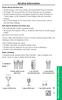 Alcohol information Facts about alcohol use Alcohol (grog) is the most widely used recreational drug in Australia NT drinks 70% more and WA 25% more than the rest of Australia Alcohol related deaths for
Symptom Based Alcohol Withdrawal Treatment
 Symptom Based Alcohol Withdrawal Treatment -Small Rural Hospital- Presenter CDR Dwight Humpherys, DO [email protected] Idaho State University Baccalaureate Nursing Program Lake Erie College of Osteopathic
Supported Alcohol Withdrawal Treatment Information
 Supported Alcohol Withdrawal Treatment Information Alcohol Liaison Service What is Alcohol Withdrawal Syndrome? If you are dependent on alcohol and suddenly stop drinking or you are admitted to hospital
How To Know If You Should Be Treated
 Comprehensive ehavioral Care, Inc. delivery system that does not include sufficient alternatives to a particular LOC and a particular patient. Therefore, CompCare considers at least the following factors
CAGE. AUDIT-C and the Full AUDIT
 CAGE In the past have you ever: C tried to Cut down or Change your pattern of drinking or drug use? A been Annoyed or Angry because of others concern about your drinking or drug use? G felt Guilty about
Diagnosis: Appropriate diagnosis is made according to diagnostic criteria in the current Diagnostic and Statistical Manual of Mental Disorders.
 Page 1 of 6 Approved: Mary Engrav, MD Date: 05/27/2015 Description: Eating disorders are illnesses having to do with disturbances in eating behaviors, especially the consuming of food in inappropriate
Alcohol and nicotine are widely abused substances and are often used together One study showed that 15% of patients visiting a primary care practice
 Dr IM Joubert Alcohol and nicotine are widely abused substances and are often used together One study showed that 15% of patients visiting a primary care practice for any reason had either an at-risk pattern
FAQ' s on Alcohol Abuse and Alcoholism
 FAQ' s on Alcohol Abuse and Alcoholism It is important to understand that these answers are not meant to provide specific medical advice, but to provide information to better understand the health consequences
Source: National Institute on Alcohol Abuse and Alcoholism. Bethesda, Md: NIAAA; 2004. NIH Publication No. 04-3769.
 Diagnosis and Treatment of Alcohol Dependence Lon R. Hays, MD, MBA Professor and Chairman Department of Psychiatry University of Kentucky Medical Center Defining the Standard Drink A standard drink = 14
Alcohol: The good, the bad and
 Alcohol: The good, the bad and the Clare Wilhelm, Ph.D. Portland VA Medical Center Oregon Health & Science University Supported by VA Career Development Grant (BX001294) Overview Alcohol statistics the
Care Manager Resources: Common Questions & Answers about Treatments for Depression
 Care Manager Resources: Common Questions & Answers about Treatments for Depression Questions about Medications 1. How do antidepressants work? Antidepressants help restore the correct balance of certain
Naltrexone Shared Care Guideline for the treatment of alcohol dependence and opioid dependance
 Naltrexone Shared Care Guideline for the treatment of alcohol dependence and opioid dependance Introduction Indication/Licensing information: Naltrexone is licensed for use as an additional therapy, within
Relapse prevention clinic
 Relapse prevention clinic Doncaster drug and alcohol services RDaSH Substance Misuse Services Relapse Prevention Clinic Sinclair House 29-31 Thorne Road Doncaster DN1 2EZ Tel: 01302 303900 Treatment, support
Adjunctive psychosocial intervention. Conditions requiring dose reduction. Immediate, peak plasma concentration is reached within 1 hour.
 Shared Care Guideline for Prescription and monitoring of Naltrexone Hydrochloride in alcohol dependence Author(s)/Originator(s): (please state author name and department) Dr Daly - Consultant Psychiatrist,
SUBSTANCE ABUSE SCREENING
 OVERVIEW Substance abuse in the elderly is a common problem that is frequently under- diagnosed by primary care doctors and families. Alcohol abuse is present in 10% to 15% of elderly individuals who seek
Source: National Institute on Alcohol Abuse and Alcoholism. Bethesda, Md: NIAAA; 2004. NIH Publication No. 04-3769.
 Diagnosis and Treatment of Alcohol Dependence Lon R. Hays, MD, MBA Professor and Chairman an Department of Psychiatry University of Kentucky Medical Center Defining the Standard Drink A standard drink
Alcohol Withdrawal Syndromes
 Alcohol Withdrawal Syndromes Should You Treat This Patient s Alcohol Withdrawal With Benzodiazepines?! Meta-analysis of RCTs of benzodiazepines for the treatment of alcohol withdrawal! 11 RCTs identified,
ALCOHOLISM. getting the facts
 ALCOHOLISM getting the facts U.S. Department of Health and Human Services National Institutes of Health National Institute on Alcohol Abuse and Alcoholism ALCOHOLISM getting the facts For many people,
Prior Authorization Guideline
 Prior Authorization Guideline Guideline: PDP IBT Inj - Vivitrol Therapeutic Class: Central Nervous System Agents Therapeutic Sub-Class: Opiate Antagonist Client: 2007 PDP IBT Inj Approval Date: 2/20/2007
Philip Moore DO, Toxicology Fellow, PinnacleHealth Toxicology Center Joanne Konick-McMahan RN MSRN, Staff RN, PinnacleHealth
 Philip Moore DO, Toxicology Fellow, PinnacleHealth Toxicology Center Joanne Konick-McMahan RN MSRN, Staff RN, PinnacleHealth I. II. Background A. AWS can occur in anyone who consumes alcohol B. Risk correlates
Review of Pharmacological Pain Management
 Review of Pharmacological Pain Management CHAMP Activities are possible with generous support from The Atlantic Philanthropies and The John A. Hartford Foundation The WHO Pain Ladder The World Health Organization
Alcohol Liaison Service. Alcohol Withdrawal. Information
 Alcohol Liaison Service Alcohol Withdrawal Information Alcohol withdrawal If you are dependent on alcohol and suddenly stop drinking, there are a series of symptoms that you may experience. These include:
OVERVIEW WHAT IS POLyDRUG USE? Different examples of polydrug use
 Petrol, paint and other Polydrug inhalants use 237 11 Polydrug use Overview What is polydrug use? Reasons for polydrug use What are the harms of polydrug use? How to assess a person who uses several drugs
Alcohol detoxification
 Alcohol detoxification A guide to alcohol detoxification for service users and families. Stockton Treatment Alcohol and Recovery Service Alcohol dependence If you are dependent on alcohol then you will
Alcohol withdrawal A challenge in caring for patients after heart surgery
 Abteilung Praxisentwicklung Pflege Alcohol withdrawal A challenge in caring for patients after heart surgery Wolfgang Hasemann, RN, PhD Deborah Leuenberger, MScN.cand. June 2015 Content Alcohol consumption
ALCOHOL WITHDRAWAL SYNDROME
 ALCOHOL WITHDRAWAL SYNDROME INTRODUCTION Alcohol is the most commonly abused drug in the United States and when someone who chronically abuses alcohol does not drink, that person is at risk for developing
Alcohol-use disorders
 Issue date: February 2011 Alcohol-use disorders Diagnosis, assessment and management of harmful drinking and alcohol dependence Alcohol dependence: NICE guideline FINAL DRAFT (February 2011) 1 NICE clinical
How To Treat Alcohol Withdrawal In The Elderly
 ALCOHOL ABUSE AND WITHDRAWAL SYNDROME IN THE ELDERLY Colin Muscat Family Medicine Case 90 year old Female Lives with son on vacation Admitted for FTT Consult -? GARP Develops increasing confusion during
Residential Sub-Acute Detoxification Guidelines
 I. Background Information A. Definition of Detoxification Residential Sub-Acute Detoxification Guidelines SAMSA s TIP #45, Detoxification and Substance Abuse Treatment: Treatment Improvement Protocols
Alcoholism In The Office SCOTT PAIST, III, M. D.
 Alcoholism In The Office SCOTT PAIST, III, M. D. The Dopaminergic Mesolimbic System PFC= Prefrontal Cortex NA=Nucleus Accumbens VTA= Ventral Tegemntal Area A = Amygdala C = Caudate Nucleus The Limbic System
Alcohol & Chemical Dependence. Chisoo Choi, M.D. Internal Medicine Consultant Brookhaven Hospital Tulsa, Oklahoma
 Alcohol & Chemical Dependence Chisoo Choi, M.D. Internal Medicine Consultant Brookhaven Hospital Tulsa, Oklahoma Objectives Increased awareness of alcohol and chemical dependence problems Hallmarks of
ALCOHOL DETOXIFICATION (IN-PATIENTS) PRESCRIBING GUIDELINE
 ALCOHOL DETOXIFICATION (IN-PATIENTS) PRESCRIBING GUIDELINE Authors Sponsor Responsible committee Ratified by Consultant Psychiatrist; Pharmacist Team Manager Medical Director Medicines Management Group
Prescription Drug Abuse
 Prescription Drug Abuse Introduction Most people take medicines only for the reasons their health care providers prescribe them. But millions of people around the world have used prescription drugs for
How To Use Naltrexone Safely And Effectively
 Naltrexone And Alcoholism Treatment Treatment Improvement Protocol (TIP) Series 28 Executive Summary and Recommendations Psychosocial treatments for alcoholism have been shown to increase abstinence rates
75-09.1-08-02. Program criteria. A social detoxi cation program must provide:
 CHAPTER 75-09.1-08 SOCIAL DETOXIFICATION ASAM LEVEL III.2-D Section 75-09.1-08-01 De nitions 75-09.1-08-02 Program Criteria 75-09.1-08-03 Provider Criteria 75-09.1-08-04 Admission and Continued Stay Criteria
Depression in Older Persons
 Depression in Older Persons How common is depression in later life? Depression affects more than 6.5 million of the 35 million Americans aged 65 or older. Most people in this stage of life with depression
KAP Keys. For Physicians. Based on TIP 40 Clinical Guidelines for the Use of Buprenorphine in the Treatment. of Opioid Addiction
 Clinical Guidelines for the Use of Buprenorphine in the Treatment of Opioid Addiction Knowledge Application Program KAP Keys For Physicians Based on TIP 40 Clinical Guidelines for the Use of Buprenorphine
SUBSTANCE MISUSE IN OLDER ADULTS
 SUBSTANCE MISUSE IN OLDER ADULTS Ageing Population Estimates indicate by 2025 more than 25% of UK s population will be over 60 years old A generation which will have grown up in a period when drug use
What is Addiction? DSM-IV-TR Substance Abuse Criteria
 Module 2: Understanding Addiction, Recovery, and Recovery Oriented Systems of Care This module reviews the processes involved in addiction and what is involved in recovering an addiction free lifestyle.
What are some of the signs that alcohol is a problem?
 Problems with Alcohol How can I tell if alcohol is a problem for me? Alcohol is a problem if it affects any part of your life, including your health, your work and your life at home. You may have a problem
Guidelines for the use of unlicensed and off label medication within NHS Fife Addiction Services
 NHS Fife Community Health Partnerships Addiction Services Guidelines for the use of unlicensed and off label medication within NHS Fife Addiction Services Intranet Procedure No. A11 Author Dr A. Baldacchino
Understanding. Depression. The Road to Feeling Better Helping Yourself. Your Treatment Options A Note for Family Members
 TM Understanding Depression The Road to Feeling Better Helping Yourself Your Treatment Options A Note for Family Members Understanding Depression Depression is a biological illness. It affects more than
Benzodiazepines. And Sleeping Pills. Psychological Medicine
 Benzodiazepines And Sleeping Pills Psychological Medicine Introduction Benzodiazepines are a type of medication prescribed by doctors for its therapeutic actions in various conditions such as stress and
Running head: BEST TREATMENT FOR ALCOHOL WITHDRAWAL SYNDROME 1
 1 Best Treatment for Alcohol Withdrawal Syndrome Kathryn Obert Auburn University School of Nursing 2 Abstract Alcoholism is defined as a pattern of uncontrolled drinking leading to medical, legal, and
Your Care Clinics, LLC
 Your Care Clinics, LLC 5985 49 th St. N., St. Petersburg, FL 33709 (727) 528-8997 1258 W. Bay Dr., Unit #F, Largo, FL 33770 (727) 588-7600 Alcoholism Introduction Alcoholism is characterized by a preoccupation
How To Prevent Alcohol And Drug Abuse At Stanford
 STANFORD UNIVERSITY Office for Campus Relations Stanford Help Center Alcohol and Drug Abuse Prevention at Stanford Information for Faculty and Staff Phone: 650-723-4577 or Email: [email protected]
Medical marijuana for pain and anxiety: A primer for methadone physicians. Meldon Kahan MD CPSO Methadone Prescribers Conference November 6, 2015
 Medical marijuana for pain and anxiety: A primer for methadone physicians Meldon Kahan MD CPSO Methadone Prescribers Conference November 6, 2015 Conflict of interest statement No conflict of interest to
Benzodiazepines. Understanding psychiatric medications. Information for consumers, families and friends. Titles in the
 Titles in the Understanding psychiatric medications series include: Antidepressants Antipsychotics Benzodiazepines Mood Stabilizers Understanding psychiatric medications Benzodiazepines For more information