
Differential Diagnosis of Chronic Headache
|
|
|
- Ethan Parks
- 10 years ago
- Views:
Transcription
1 Chronic Headache Differential Diagnosis of Chronic Headache JMAJ 47(3): , 2004 Koichi HIRATA Professor, Department of Neurology, Dokkyo University School of Medicine Abstract: Headache is one of the most frequent problems in daily general medical practice. New drugs effective for migraine, including triptan, have been released one after another, but it is beyond dispute that the first step to treatment requires primarily an accurate diagnosis. When headache is regarded to be a pain in the head, doctors often casually diagnose functional headache due to a lack of sense of seriousness or urgency. However, it must not be forgotten that serious sequelae, even death, can result if the correct diagnosis of an organic headache is not made. Furthermore, even with this in mind, diagnosing a chronic headache is not simple, and even diagnosing a migraine may sometimes be difficult. An accurate differential diagnosis of chronic headache, which may seem easy but actually is rather difficult, benefits patients quality of life without question, and is very important. Key words: Migraine; Tension-type headache; Cluster headache; Headache diagnosis Introduction Headache is such a common symptom that almost everyone experiences it now and then, and it is one of the most frequently encountered problems in daily general medical practice. The need for accurate diagnosis and proper treatment of an organic headache, which takes an acute course, is beyond dispute, but also in the case of a chronic headache like migraine and tension-type headache, which in the past has not necessarily been treated as a disorder because it is so common, the need for appropriate treatment has been advocated in recent years. However, an accurate diagnosis in patients with headache seems easy but is actually difficult. Even when trying to make a diagnosis according to the classification 1) of the International Headache Society (IHS), which can be called the bible of headache diagnosis, there are very many headaches that are difficult to be diagnosed. When we actually treat patients with headache after having studied headache to some extent, we encounter incredibly many cases which are puzzling. In recent years, however, various useful drugs have become available, and the differential diagnosis of chronic headache, which seems easy but actually is difficult, benefits patients lives without question, and is important. This article is a revised English version of a paper originally published in the Journal of the Japan Medical Association (Vol. 128, No. 11, 2002, pages ). 118 JMAJ, March 2004 Vol. 47, No. 3

2 DIAGNOSIS OF CHRONIC HEADACHE Hospital consultation Obtaining characteristics based on questionnaire Examination (vital signs, general physical condition, and neurological findings) Supportive tests (CT, MRI, CBC, etc.) Differential diagnosis (migraine, tension-type headache, cluster headache, etc.) Initial treatment Confirmation by headache diary etc. Exclusion of organic headache Fig. 1 Algorithm of Chronic Headache Diagnosis 2) When Consulted by a Patient with Chronic Headache It is a well known fact that the causes of headaches are diverse. If the headache that the patient is seeking treatment for is clearly chronic and recurrent, there is probably nothing to worry about; however, the existence of serious diseases that would affect vital prognosis if diagnosis and treatment are delayed, such as subarachnoid hemorrhage, brain tumor, and cerebral meningitis, should be noticed. In the case of acute/subacute headaches, a physical examination and laboratory tests should be performed quickly; however, it should be noted that organic headaches may be latent among chronic headaches. Therefore, if the patient s symptoms are completely different in character from past headaches, caution is needed. The entire flow-chart of the diagnosis of headache, centering on migraine, is shown in Fig. 1, 2) but diagnosis, of course, does not always follow an established algorithm like this. The IHS diagnostic criteria 1) are considered useful to diagnose headache. The IHS classifi- cation was established in 1988 and revised in 2004, 3) improving the old classification of headache, which was announced in 1962 by an Ad Hoc committee at the NIH in the U.S. Already over 10 years have passed since the announcement of this IHS classification in 1988, and today it is widely accepted internationally as the headache classification. In addition to the diagnostic criteria, it is important to carefully collect information on the past history and present medical records, and especially concerning migraine, these are much more important than such supportive examinations as brain CT and MRI. 4 7) Many cases can be diagnosed by careful historytaking alone. We use a headache questionnaire 6) prepared by ourselves, to help in making a diagnosis (Table 1). Excluding cases with acute or serious conditions, this form is completed while the patient is waiting, and can give easy and systematic general information on the age when the headache started, family history, past history, medication, character of the headache, aura, general condition including mental condition, and episodes related to the evoking for the headache. Various kinds of questionnaires are prepared at the respective institutions, but in recent years, Iwata et al. have been trying to standardize the questionnaires on chronic headache for use by primary care physicians (ADITUS Japan). Based on these questionnaires, general physical and neurological findings are obtained, including blood pressure and various other vital signs. It is important even for physicians skilled in quickly and accurately obtaining neurological findings to pay attention to the mild consciousness disturbance, neck stiffness, minimal neurological signs, and temporal artery dilatation in temporal arteritis, and it is also essential to confirm the presence of a choked disc on funduscopic examination. At our outpatient department, we also conduct such general examinations as blood cell count, biochemistry profile, and urinalysis, and JMAJ, March 2004 Vol. 47, No

3 K. HIRATA Table 1 Headache Questionnaire 6) Please write (or circle the appropriate items) concerning your headache. At what age did the headaches start? Age: years old Does anyone in your family (blood relatives) have headaches? a) Yes (Who?: ) b) No What kind of headache is it? a) Pulsating (throbbing pain, as if associated with the heartbeat and pulse) b) Dull pain, a sense of pressure on the head (heavy feeling) c) Sharp, stabbing-like pain Please check any diseases you have experienced in the past. Head injury Hypertension Epilepsy Diseases of the ear/nose, eye, and teeth, etc. Do you take a medicine regularly for the headaches? a) Yes (name of the medicine: ) b) No How does a headache occur? a) Paroxysmal (occurs suddenly; How long does it last? About ( ) hours) b) Persistent (constantly) How often does it occur? a) Once a month to once in several months b) Several times a month c) Persistent, almost every day In which part of the head do you have the headache? a) Entire head b) One side c) Front part d) Around the eye(s) or deep behind eye(s) e) Back of the head to neck When do the headaches tend to occur? a) Early morning b) Evening c) Night, during sleep Do you have an aura (flickering, or blind spot/area in the visual field)? About general physical and mental conditions Do you have a fever? Do you have clear consciousness? Do you experience any abnormal vision? Do you experience nausea or vomiting? Do you experience stiffness of the shoulders? Do your eyes have excessive tears and/or is your nose runny? Do you feel depressed, such as feeling unwell all the time? Circle the items that are associated with your headache. Fatigue Lack of sleep Hunger Light Noise Coldness Bathing Menstruation Mental stress Relaxation after tension Foods (chocolate, cheese, hot dogs, nuts, wine, Chinese dishes) Alcohol Change in position such as standing and sitting Aggravated by climbing up or down stairs Yawning if a diagnosis cannot be made by observing the course, we order X ray imaging of the skull and cervical spine and brain CT/MRI examination, if there is no estimated risk from exposure to radiation and magnetism. Diagnosis of migraine does not necessarily require brain CT/MRI examination, but they are conducted to find rare brain tumors, subarachnoid hemorrhage, 120 JMAJ, March 2004 Vol. 47, No. 3

4 DIAGNOSIS OF CHRONIC HEADACHE Migraine Tension-type headache Cluster headache Characteristics Throbbing pain (pulsating) Dull pain or tightness Severe ocular pain, lacrimation, and a stuffed nostril Frequency Sudden attack a few times a month Persistent (sometimes everyday) Cluster headache once or twice a year (the same time every day) These can be mixed. Fig. 2 Three types of chronic headaches chronic subdural hematomas, etc., which do not take an acute course or have clear neurological signs. Electroencephalography is sometimes useful to diagnose basilar migraine in addition to the differentiation of organic headache. 8) When the migraine can clearly be diagnosed by the first examination, this may not be necessary, but diagnosis is occasionally very difficult in transitional, or intermediate, or mixed cases of both tension-type headache and migraine. In these cases, a headache diary or headache notebook is given to the patient to obtain longitudinal information for treatment. 4) Knowledge Necessary for the Differential Diagnosis The main chronic headaches are migraine, tension-type headache, and cluster headache, which are primary headaches (Fig. 2), but it is necessary to know about the existence of headaches due to glaucoma, trigeminal neuralgia, and intracranial hypotension, and very rare functional headaches such as benign exertional headache and primary headache associated with sexual activities. 1. Migraine Migraine is characterized by the following: hemicrania or, occasionally, bilateral pulsatile headache; a headache has a paroxysmal onset at an interval of several days or weeks, but lasts only a few days; there is also nausea, vomiting, and hypersensitivity to light and sound during attacks; and a pain is caused by release from stress, hunger, crowdedness, excessive sleep, being in direct hot sunlight, drinking, exercise, etc. Further, a headache begin by age 30 at the latest, and almost always similar headaches are experienced by some blood relatives of the patient, such as parents, siblings, and children. If the pain is severe, the patient prefers to lie down in a quiet, darkened room and tries to sleep. 4) Migraine is further classified according to the IHS diagnostic criteria, 1) as shown below. (1) Migraine without aura This corresponds to the former common migraine, and this most common migraine accounts for 80% of all migraines. There is no aura like scintillating scotoma, but other associated symptoms, such as nausea, vomiting, and JMAJ, March 2004 Vol. 47, No

5 K. HIRATA hypersensitivity to light and sound, occur. A pulsating or non-pulsating headache occurs on one side of the head or the entire head, and it lasts for 4 to 72 hours. As there is no characteristic symptom that can be identified as an aura, diagnosis is sometimes difficult particularly differentiation from episodic tension-type headache. (2) Migraine with aura This corresponds to the former classic migraine, and is relatively uncommon, accounting for approximately 10 to 30% of all migraines. The characteristic sign is the aura preceding the onset of the headache. The most frequent aura is scintillating scotoma, where a small blind spot in the visual field gradually expands over approximately 20 minutes and ends within 60 minutes. The border shines zigzag and the blind spot in the visual field remains inside. In general, a headache appears in the opposite temporal region of the side on which the scintillating scotoma is seen after the aura disappears. The headache pain is usually pulsating. Migraine with a typical aura, usually a visual aura, is further classified as migraine with typical aura, and this is characterized by hypoesthesia of one side of the body or hemiplegia. Though rare, we also find familial hemiplegic migraine, which has an attack of familial migraine with hemiplegia during the aura; basilar migraine, which has symptoms of ischemia in the vertebrobasilar artery region, such as consciousness disorder and brain stem symptom, during the aura; and migraine with only aura without headache itself. These may require different treatment policies, and caution is needed. 2. Tension-type headache Tension-type headache is the most frequent chronic headache, and it is said that it is experienced by 20 to 30% of Japanese people. Tension-type headache is relatively clearly classified by diagnostic criteria. In actual clinical practice, however, it is sometimes difficult to differentiate between and classify episodic tension-type headache (ETTH) and chronic tension-type headache (CTTH), the latter of which lasts longer than 15 days a month. Tension-type headache is bilateral, and often located in the occipital region, and the pain feels like being pressed or tightened up. The headache is not paroxysmal but persistent, accompanied by stiff shoulders and a sense of dizziness, but without vomiting or hypersensitivity to light and sound; and it is characterized by being induced by a posture of looking down, 9) stress, and overfatigue. 4) This headache represents a trash box-like diagnostic concept that includes former psychogenic headache and headache due to dysfunction of the mouth and jaw, and it is sometimes difficult to make a diagnosis. It is often difficult to differentiate between chronic migraine and tension-type headache, especially CTTH. Some patients are judged to have transitional, or intermediate, or mixed types of tension-type headache and migraine, like the former mixedtype headache. Differentiation from CTTH is difficult, and in addition, transformed migraine and chronic daily headache (CDH), which are related to drug overuse and have characteristics of both migraine and tension-type headache, are also found. 10,11) Chronic daily headache is also referred to as chronic habitual headache, but this name is not found in the IHS classification. Presently, most cases with chronic daily headache are considered to have an aberrant type of migraine. In other words, it is considered that this type of headache has an initial migraine-like phase, and that its main pathology is migraine which gradually progresses to chronic daily headache in many cases. Headache caused by drug overuse, as mentioned earlier, is also called drug-induced headache, and it is caused by the excessive administration and chronic use of ergotamine and analgesics, which are originally used for treatment, or sometimes triptan. In fact, a considerable number of patients have drug-induced 122 JMAJ, March 2004 Vol. 47, No. 3

6 DIAGNOSIS OF CHRONIC HEADACHE headache. 3. Cluster headache Cluster headaches are so called because they occur in clusters, daily, almost at a set time, for one to two months, in many cases. The cluster period, in which a severe headache behind the eyes is accompanied by lacrimation from the eyes and a stuffed nostril, can occur once or twice a year, or once in several years, but after the period passes, no headaches occur. The severe headache lasts for one to two hours, and then resolves on its own. Less than 0.1% of people have cluster headaches, and we don t see patients with this type of headache very often in clinical practice. Cluster headache is accompanied by relatively characteristic symptoms, so making a diagnosis is not very difficult. It is one of the most excruciating pains people experience, similar to trigeminal neuralgia, and its existence should be known. Conclusion As mentioned at the beginning, diagnosing chronic headache seems to be easy but actually difficult. An accurate diagnosis of functional headache should only be made after excluding organic headache. Toward this end, it should be reconfirmed that the most important is to have knowledge of the accurate diagnostic criteria and accurate medical history-taking based on the patient s understanding and cooperation. REFERENCES 1) Headache Classification Committee of the International Headache Society: Classification and diagnostic criteria for headache disorders, cranial neuralgias and facial pain of headache. Cephalalgia 1988; 8(suppl7): ) Hirata, K.: Diagnosis and initial management of chronic headache. Journal of Pain and Clinical Medicine 2002; 2: (in Japanese) 3) Headache Classification Committee of the International Headache Society: Classification and diagnostic criteria for headache disorders, cranial neuralgias and facial pain of headache. Cephalalgia 2004; 24(suppl1): ) Igarashi, H.: Treatment strategy for migraine. Prog Med 2000; 20: (in Japanese) 5) Yamada, H. and Kuroiwa, Y.: How to collect findings that physicians should know Points in headache treatment. Diagnosis and Treatment 1998; 86: (in Japanese) 6) Manaka, S.: University of Headache. homepage2.nifty.co/uoh/ (in Japanese) 7) Yamaguchi, Y. and Hirata, K.: Diagnosis and Treatment of Headache Diagnosis and Treatment Series at 30 University Hospitals. Shinko Koeki Isho Publishing Division, Tokyo, 1998; pp (in Japanese) 8) Hirata, K., Kubo, J., Arai, M. et al.: Alternate numbness in the upper extremities as the initial symptom of basilar migraine An electrophysiological evaluation using EEG power topography. Int Med 2000; ) Sakuta, M.: Tension-type headache Actual treatment. Japanese Journal of Medicine 2001; 90: (in Japanese) 10) Teramoto, J.: Tension-type headache Chronic daily headache. Japanese Journal of Medicine 2001; 90: (in Japanese) 11) Hirata, K.: Chronic daily headache. Diagnosis and Treatment 2002; 90: (in Japanese) JMAJ, March 2004 Vol. 47, No

Classification of Chronic Headache
 Chronic Headache Classification of Chronic Headache JMAJ 47(3): 112 117, 2004 Mitsunori MORIMATSU Professor, Department of Neurology and Clinical Neuroscience, Yamaguchi University School of Medicine Abstract:
HEADACHE. as. MUDr. Rudolf Černý, CSc. doc. MUDr. Petr Marusič, Ph.D.
 HEADACHE as. MUDr. Rudolf Černý, CSc. doc. MUDr. Petr Marusič, Ph.D. Dpt. of Neurology Charles University in Prague, 2nd Faculty of Medicine Motol University Hospital History of headache 1200 years B.C.
Headaches + Facial pain
 Headaches + Facial pain Introduction: Each of us experienced sporadically/ chronically headache 40% worldwide population suffers with severe, disabling headache at least annually Common ailment Presenting
Headaches. This chapter will discuss:
 C H A P T E R Headaches 1 1 Almost everyone gets an occasional headache at some time or another. Some people get frequent headaches. Most people do not worry about headaches and learn to live with them
National Hospital for Neurology and Neurosurgery. Migraine associated dizziness Department of Neuro-otology
 National Hospital for Neurology and Neurosurgery Migraine associated dizziness Department of Neuro-otology If you would like this document in another language or format or if you require the services of
Post Traumatic and other Headache Syndromes. Danielle L. Erb, MD Brain Rehabilitation Medicine, LLC Brain Injury Rehab Center, PRA
 Post Traumatic and other Headache Syndromes Danielle L. Erb, MD Brain Rehabilitation Medicine, LLC Brain Injury Rehab Center, PRA Over 45 million Americans have chronic, recurring headaches 62% of these
Sinus Headache vs. Migraine
 Sinus Headache vs. Migraine John M. DelGaudio, MD, FACS Professor and Vice Chair Chief of Rhinology and Sinus Surgery Department of Otolaryngology Emory University School of Medicine 1 Sinus Headache Problems
Headaches in Children
 Children s s Hospital Headaches in Children Manikum Moodley, MD, FRCP Section of Pediatric Neurology The Cleveland Clinic Foundation Introduction Headaches are common in children Most headaches are benign
HEADACHES IN CHILDREN AND ADOLESCENTS. Brian D. Ryals, M.D.
 HEADACHES IN CHILDREN AND ADOLESCENTS Brian D. Ryals, M.D. Frequency and Type of Headaches in Schoolchildren 8993 children age 7-15 in Sweden Migraine in 4% Frequent Nonmigrainous in 7% Infrequent Nonmigrainous
None related to the presentation Grants to conduct clinical trials from:
 Chronic Daily Headache Bassel F. Shneker, MD, MBA Associate Professor Vice Chair, OSU Neurology The Ohio State University Wexner Medical Center Financial Disclosures None related to the presentation Grants
Fainting - Syncope. This reference summary explains fainting. It discusses the causes and treatment options for the condition.
 Fainting - Syncope Introduction Fainting, also known as syncope, is a temporary loss of consciousness. It is caused by a drop in blood flow to the brain. You may feel dizzy, lightheaded or nauseous before
Toothaches of Non-dental Origin
 Toothaches of Non-dental Origin This brochure is produced by the American Academy of Orofacial Pain The American Academy of Orofacial Pain is an organization of health care professionals dedicated to alleviating
Careful Coding: Headaches
 Dynamic Chiropractic March 26, 2012, Vol. 30, Issue 07 Careful Coding: Headaches By K. Jeffrey Miller, DC, DABCO and Ray Tuck, DC Because s are among the most common reasons for seeking chiropractic care,
When the Pain Won t Stop: Managing Chronic Daily Headache
 When the Pain Won t Stop: Managing Chronic Daily Headache Arnolda Eloff, MB, ChB, Mmed Presented at the University of Calgary s Wednesday Evening Course Program, Calgary, Alberta. Copyright Chronic daily
Headaches in Children
 Headaches in Children A headache is one of the most common complaints of children and teenagers. Fussiness, crankiness and not being able to sleep may be the only signs of head pain in children who are
Migraine The Problem: Common Symptoms:
 Migraine The Problem: A combination of genetic and environmental factors alter pain mechanisms in your brain Transient changes in brain chemicals such as serotonin and neuropeptides affect the membranes
Clinical guidance for MRI referral
 MRI for cervical radiculopathy Referral by a medical practitioner (excluding a specialist or consultant physician) for a scan of spine for a patient 16 years or older for suspected: cervical radiculopathy
Differential Diagnosis of Craniofacial Pain
 1. Differential Diagnosis of Craniofacial Pain 2. Headache Page - 1 3. International Headache Society International Classification... 4. The Primary Headaches (1-4) Page - 2 5. The Secondary Headaches
Headaches in Children How to Manage Difficult Headaches
 Headaches in Children How to Manage Difficult Headaches Peter Procopis Childhood headaches Differential diagnosis Migraine Psychological Raised Pressure Childhood headaches Other causes: Constitutional
NEURO-OPHTHALMIC QUESTIONNAIRE NAME: AGE: DATE OF EXAM: CHART #: (Office Use Only)
 PAGE 1 NEURO-OPHTHALMIC QUESTIONNAIRE NAME: AGE: DATE OF EXAM: CHART #: (Office Use Only) 1. What is the main problem that you are having? (If additional space is required, please use the back of this
Neurovascular Orofacial Pain. Orofacial pain of potential neurovascular origin may mimic odontogenic pain to the extent that
 Neurovascular Orofacial Pain Introduction Orofacial pain of potential neurovascular origin may mimic odontogenic pain to the extent that a large population of patients with migraine and trigeminal autonomic
St. Luke s MS Center New Patient Questionnaire. Name: Date: Birth date: Right or Left handed? Who is your Primary Doctor?
 St. Luke s MS Center New Patient Questionnaire Name: Date: Birth date: Right or Left handed? Who is your Primary Doctor? Who referred you to the MS Center? List any other doctors you see: Reason you have
Headache: Differential diagnosis and Evaluation. Raymond Rios PGY-1 Pediatrics
 Headache: Differential diagnosis and Evaluation Raymond Rios PGY-1 Pediatrics You are evaluating a 9 year old male patient at the ED brought by his mother, who says that her son has had a fever, cough,
Vision Health: Conditions, Disorders & Treatments NEUROOPTHALMOLOGY
 Vision Health: Conditions, Disorders & Treatments NEUROOPTHALMOLOGY Neuroophthalmology focuses on conditions caused by brain or systemic abnormalities that result in visual disturbances, among other symptoms.
Headaches and Kids. Jennifer Bickel, MD Assistant Professor of Neurology Co-Director of Headache Clinic Children s Mercy Hospital
 Headaches and Kids Jennifer Bickel, MD Assistant Professor of Neurology Co-Director of Headache Clinic Children s Mercy Hospital Overview Headache classifications and diagnosis Address common headache
Evaluation of Headache Syndromes and Migraine
 Evaluation of Headache Syndromes and Migraine Sonja Potrebic MD PhD Department of Neurology Los Angeles Kaiser Objectives 1) Identify the diagnostic features of migraine Differentiate from sinusitis 2)
![Bell s Palsy ]]> <![CDATA[Bell's Palsy]]>](/thumbs/27/10105461.jpg "Bell s Palsy ]]> <![CDATA[Bell's Palsy]]>")
Spine University s Guide to Neuroplasticity and Chronic Pain
 Spine University s Guide to Neuroplasticity and Chronic Pain 2 Introduction Neuroplasticity is also called Brain Plasticity. Neuroplasticity is the ability of your brain to reorganize neural (nerve) pathways
SIGN. Diagnosis and management of headache in adults. Quick Reference Guide. Scottish Intercollegiate Guidelines Network
 SIGN Scottish Intercollegiate Guidelines Network 107 iagnosis and management of headache in adults Quick Reference Guide November 2008 opies of all SIGN guidelines are available online at www.sign.ac.uk
New appendix criteria open for a broader concept of chronic migraine
 Blackwell Publishing LtdOxford, UKCHACephalalgia0333-1024Blackwell Science, 20062006266742746Original ArticleA broader concept of chronic migrainej Olesen et al. BRIEF REPORT New appendix criteria open
Chronic daily headache
 Chronic daily headache Chronic daily headache (CDH) is defined as any headache syndrome affecting more than half of the month, i.e. a headache on more than 15 days per month. It is also known as daily
Revised 10-4-10 Bethel Park s Sports Concussion and Closed Head Injury Protocol and Procedures for Student-Athletes
 Bethel Park s Sports Concussion and Closed Head Injury Protocol and Procedures for Student-Athletes If the Certified Athletic Trainer of Bethel Park School District has a concern that a student-athlete
BOTOX Treatment. for Chronic Migraine. Information for patients and their families. Botulinum Toxin Type A
 BOTOX Treatment Botulinum Toxin Type A for Chronic Migraine Information for patients and their families. Is Chronic Migraine the same as Migraine? Chronic Migraine is similar to migraine as sufferers experience
The ICHD III Secondary Headaches
 The ICHD III Secondary Headaches ICHD II Morris Levin, MD Professor of Neurology Professor of Psychiatry Dartmouth Medical School Co-Director, Dartmouth Headache Center Hanover, New Hampshire, USA ICHD
Treating Severe Migraine Headaches in the Emergency Room A Review of the Research for Adults
 Treating Severe Migraine Headaches in the Emergency Room A Review of the Research for Adults Is This Information Right for Me? Yes, this information is right for you if: Your doctor* has told you that
Adult with headache. Problem-specific video guides to diagnosing patients and helping them with management and prevention
 Adult with headache Problem-specific video guides to diagnosing patients and helping them with management and prevention London Strategic Clinical Networks London Neuroscience Strategic Clinical Network
Dizziness and balance problems
 Dizziness and balance problems Dizziness and balance problems, Action on Hearing Loss Information, May 2011 1 Dizziness and balance problems This factsheet is part of our Ears and ear problems range. It
Eastman Dental Hospital. Temporomandibular disorder. Facial Pain Team
 Eastman Dental Hospital Temporomandibular disorder Facial Pain Team If you would like this document in another language or format or if you require the services of an interpreter contact us on 020 3456
UBC Pain Medicine Residency Program: CanMEDS Goals and Objectives of the UBC Headache Clinic Rotation
 UBC Pain Medicine Residency Program: CanMEDS Goals and Objectives of the UBC Headache Clinic Rotation Overview: The UBC Headache Clinic is located in located in rm. 267, on the 2nd floor of UBC Hospital.
Anatomy: The sella is a depression in the sphenoid bone that makes up part of the skull base located behind the eye sockets.
 Pituitary Tumor Your doctor thinks you may have a pituitary tumor. Pituitary tumors are benign (non-cancerous) overgrowth of cells that make up the pituitary gland (the master gland that regulates other
Types of Brain Injury
 Types of Brain Injury The bones of your skull are hard and they protect your brain. Your brain is soft, like firm Jell-O. When your head moves, your brain moves inside your skull. When your head is hit
LUMBAR. Hips R L B R L B LUMBAR. Hips R L B R L B LUMBAR. Hips R L B R L B
 1 Patient Name In order to properly assess your condition, we must understand how much your BACK/LEG (SCIATIC) PAIN has affected your ability to manage everyday activities. For each item below, please
Stuart B Black MD, FAAN Chief of Neurology Co-Medical Director: Neuroscience Center Baylor University Medical Center at Dallas
 Billing and Coding in Neurology and Headache Stuart B Black MD, FAAN Chief of Neurology Co-Medical Director: Neuroscience Center Baylor University Medical Center at Dallas CPT Codes vs. ICD Codes Category
Pain Syndromes Acute Neck and Back Pain with or without arm or leg pain Chronic Neck and Back Pain with or without arm or leg pain
 Pain Syndromes The most common and best understood type of pain is acute pain. Acute pain will result when tissue is injured by trauma, surgery, illness, or infection. This type of pain is generally understood
What is chronic daily headache? Information for patients Neurology
 What is chronic daily headache? Information for patients Neurology What is chronic daily headache (CDH)? Chronic daily headache (CDH) is the term used when a person has a headache on 15 days a month or
INFORMATION FOR YOU. Lower Back Pain
 INFORMATION FOR YOU Lower Back Pain WHAT IS ACUTE LOWER BACK PAIN? Acute lower back pain is defined as low back pain present for up to six weeks. It may be experienced as aching, burning, stabbing, sharp
Name Date of Birth Social Security # XXX-XX- Address Apt. # City State Zip. Home Ph# Cell Ph# Driver s License #
 PATIENT INFORMATION Name Date of Birth Social Security # XXX-XX- Address Apt. # City State Zip Home Ph# Cell Ph# Driver s License # E-mail address: Race: Afro-American Am-Indian American Asian Black Caucasian
Tension Type Headaches
 Tension Type Headaches Research Review by : Dr. Ian MacIntyre Physiotherapy for tension-type Headache: A Controlled Study P. Torelli, R. Jenson, J. Olsen: Cephalalgia, 2004, 24, 29-36 Tension-type headache
Tension-type headache Non-pharmacological and pharmacological treatment
 Danish Headache Center Tension-type headache Non-pharmacological and pharmacological treatment Lars Bendtsen Associate professor, MD, PhD, Dr Med Sci Danish Headache Center, Department of Neurology Glostrup
Whiplash injuries can be visible by functional magnetic resonance imaging. Pain Research and Management Autumn 2006; Vol. 11, No. 3, pp.
 Whiplash injuries can be visible by functional magnetic resonance imaging 1 Bengt H Johansson, MD FROM ABSTRACT: Pain Research and Management Autumn 2006; Vol. 11, No. 3, pp. 197-199 Whiplash trauma can
Upper Arm. Shoulder Blades R L B R L B WHICH SIDE IS MORE PAINFUL? (CERVICAL PAIN SIDE) RIGHT LEFT EQUAL NOT APPLICABLE (N/A) CERVICAL.
 1 NECK PAIN Patient Name In order to properly assess your condition, we must understand how much your NECK/ARM problems has affected your ability to manage everyday activities. For each item below, please
HEADACHES AND THE THIRD OCCIPITAL NERVE
 HEADACHES AND THE THIRD OCCIPITAL NERVE Edward Babigumira M.D. FAAPMR. Interventional Pain Management, Lincoln. B. Pain Clinic, Ltd. Diplomate ABPMR. Board Certified Pain Medicine No disclosures Disclosure
New Patient Evaluation
 What area hurts you the most? (Please choose one) When did this pain start? Neck Other: Back How did this pain start? How often do you experience this pain? Describe what this pain feels like. What makes
Neuroimaging of Headache. Kenneth D. Williams, MD
 Neuroimaging of Headache Kenneth D. Williams, MD Disclosures Financial: None Off Label Usage: None Key Points Headache is an extremely common symptom. Structural abnormalities (Primary HA) are rare. Clinical
Headaches. Second edition. Richard Peatfield. David W Dodick
 Headaches Second edition Richard Peatfield Consultant Neurologist, West London Neurosciences Centre, Charing Cross Hospital, London, UK David W Dodick Associate Professor, Mayo Medical School; Consultant
Electroconvulsive Therapy (ECT)
 Electroconvulsive Therapy (ECT) What is ECT? Electroconvulsive therapy (ECT) is a physical therapy in which a patient under general anesthetic will have an electrical current passed through his or her
Cervical Spine. New Patient Form
 Cervical Spine New Patient Form Please mark the painful areas on the pictures below Use the following marks: stabbing pain ooo burning pain +++ aching pain pins and needles = = = numbness Right Right Right
(For use with 1995 and 1997 CMS Documentation Guidelines for Evaluation & Management Coding )
 Appendix I: E/M Codebuilder (For use with 1995 and 1997 CMS Documentation Guidelines for Evaluation & Management Coding ) Introduction The evaluation and management (E/M) code reported to a third-party
Optic Neuritis. The optic nerve fibers are coated with myelin to help them conduct the electrical signals back to your brain.
 Optic Neuritis Your doctor thinks that you have had an episode of optic neuritis. This is the most common cause of sudden visual loss in a young patient. It is often associated with discomfort in or around
There are two different types of migraines: migraines without aura and migraines with aura.
 What is migraine? A migraine is a relatively common medical condition that can severely affect the quality of life of the sufferer and his or her family and friends. 1 Almost 8% of Canadians over the age
Cervicogenic Headache: A Review of Diagnostic and Treatment Strategies
 Cervicogenic Headache: A Review of Diagnostic and Treatment Strategies 1 Journal of the American Osteopathic Association April 2005, Vol. 105, No. 4 supplement, pp. 16-22 David M. Biondi, DO FROM ABSTRACT:
Medical Massage Client Intake Form Medical Massage Client Intake Form
 Medical Massage Client Intake Form Medical Massage Client Intake Form Client Name: Date: Please note: The more information you are able to provide, the better equipped our therapists will be to help you.
New England Pain Management Consultants At New England Baptist Hospital
 New England Pain Management Consultants At New England Baptist Hospital Pain Management Center Health Assessment Dear New Pain Management Patient, Welcome to the New England Pain Management Consultants
Guidance for Industry Migraine: Developing Drugs for Acute Treatment
 Guidance for Industry Migraine: Developing Drugs for Acute Treatment DRAFT GUIDANCE This guidance document is being distributed for comment purposes only. Comments and suggestions regarding this draft
STRESS. Health & Wellness The Newsletter About Achieving and Maintaining Optimal Well-being UNDERSTANDING AND YOUR BODY. www.neorthopt.
 Health & Wellness The Newsletter About Achieving and Maintaining Optimal Well-being UNDERSTANDING STRESS AND YOUR BODY Life s demands create stress and although some stress may be good, too much can cause
Neurological System Best Practice Documentation
 Neurological System Best Practice Documentation Click on the desired Diagnoses link or press Enter to view all information. Diagnoses: Dementia Delirium/Encephalopathy Parkinson s Epilepsy /Seizure Migraines
One Day at a Time: When Headaches Become Chronic. Robert Shapiro, MD, PhD
 One Day at a Time: When Headaches Become Chronic Robert Shapiro, MD, PhD Disclosures Scientific/Medical Advisory Boards (since 10/12) Transcept Pharmaceuticals Chronic Headaches: Overview What is a chronic
How To Write A Recipe Card
 Joanne R. Festa, PhD (PLEASE PRINT) NAME: DATE OF BIRTH: NEUROPSYCHOLOGY INITIAL VISIT DATE: AGE: Do you have any areas of concern about your cognitive functioning? (i.e., problems with memory, attention,
Ischaemic stroke 85% (85 in every 100 strokes)
 UNDERSTANDING STROKE DUE TO INTRACEREBRAL HAEMORRHAGE This factsheet provides information for people who have had a stroke due to an intracerebral (bleed in the brain) and for their families and carers.
NEUROPSYCHOLOGY QUESTIONNAIRE. (Please fill this out prior to your appointment and bring it with you.) Name: Date of appointment: Home address:
 NEUROPSYCHOLOGY QUESTIONNAIRE (Please fill this out prior to your appointment and bring it with you.) Name: Date of appointment: Date of birth: Age: _ Home address: _ Home phone: Cell phone: Work phone:
NEW PATIENT HISTORY QUESTIONNAIRE. Physician Initials Date PATIENT INFORMATION
 NEW PATIENT HISTORY QUESTIONNAIRE Physician Initials Date PATIENT INFORMATION JHH# DOB# AGE HOME PH CELL PH DAY PH EMAIL Who is your REFERRING PHYSICIAN? (The doctor who referred you to Johns Hopkins Neurology.)
Understanding. Brain Tumors. Jana, diagnosed in 1999, with her husband, Paul.
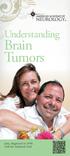 Understanding Brain Tumors Jana, diagnosed in 1999, with her husband, Paul. What Is a Brain Tumor? A brain tumor, like other tumors, is a collection of cells that multiply at a rapid rate. The tumor may
http://images.tutorvista.com/content/control5coordination/human5brain.jpeg!! 387
 http://images.tutorvista.com/content/control5coordination/human5brain.jpeg!! 387! 388! http://my.fresnounified.org/personal/lygonza/gonzalez/neuron/neuron5synapse%20communication.png!! http://www.urbanchildinstitute.org/sites/all/files/databooks/2011/ch15fg25communication5between5neurons.jpg!!
INFORMED CONSENT INFORMED CONSENT FOR PARTICIPATION IN A HEALTH AND FITNESS TRAINING PROGRAM
 INFORMED CONSENT INFORMED CONSENT FOR PARTICIPATION IN A HEALTH AND FITNESS TRAINING PROGRAM NAME: DATE: 1. PURPOSE AND EXPLANATION OF PROCEDURE I hereby consent to voluntarily engage in an acceptable
Closed Automobile Insurance Third Party Liability Bodily Injury Claim Study in Ontario
 Page 1 Closed Automobile Insurance Third Party Liability Bodily Injury Claim Study in Ontario Injury Descriptions Developed from Newfoundland claim study injury definitions No injury Death Psychological
Non-epileptic seizures
 Non-epileptic seizures a short guide for patients and families Information for patients Department of Neurology Royal Hallamshire Hospital What are non-epileptic seizures? In a seizure people lose control
Headache Medicine Core Curriculum
 Headache Medicine Core Curriculum Adopted by the United Council for Neurologic Subspecialties (UCNS) Board of Directors December 2005 2005 Table of Contents 1. Traditional Curriculum Components 3 A. Definition
What is a concussion? What are the symptoms of a concussion? What happens to the brain during a concussion?
 What is a concussion? The working definition used today for concussion is a complex pathophysiological process affecting the brain, induced by traumatic biomechanical forces (developed by the consensus
PELED PLASTIC SURGERY HEADACHE HISTORY FORM
 HEADACHE HISTORY FORM IF THIS IS YOUR FIRST VISIT, PLEASE TAKE THE TIME TO FILL THIS FORM OUT COMPLETELY. Patient Name: Age: Date of Birth: Weight: Height: Address: City: State: Zip: Home Phone: Cell Phone:
Chronic Headache Problem
 Integrative Manual Therapy and Headaches In This Issue 2 HEADACHES Risk factors and what to do. 3 TIPS & TRICKS Exercises to minimize problems with headaches. 4 FAQ Most frequently asked questions about
Auto Accident Questionnaire
 Auto Accident Questionnaire Patient s Name: Date Of Accident: Date: Social History: (please complete the following, check all boxes that apply) Are you: Married Single Divorced Widowed # of Children: #
Application For Admission To The Non-Surgical Spinal Decompression Program At The Spinal Decompression Center of Long Beach
 Application For Admission To The Non-Surgical Spinal Decompression Program At The Spinal Decompression Center of Long Beach If you are reading this form, you have qualified for a consultation with Dr.
Zomig Nasal Spray. Zolmitriptan 5 mg Nasal Spray Solution. CONSUMER MEDICINE INFORMATION
 Zomig Nasal Spray Zolmitriptan 5 mg Nasal Spray Solution. CONSUMER MEDICINE INFORMATION What is in this leaflet This leaflet answers some of the common questions people ask about It does not contain all
Spine University s Guide to Kinetic MRIs Detect Disc Herniations
 Spine University s Guide to Kinetic MRIs Detect Disc Herniations 2 Introduction Traditionally, doctors use a procedure called magnetic resonance imaging (MRI) to diagnose disc injuries. Kinetic magnetic
Whiplash and Whiplash- Associated Disorders
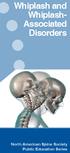 Whiplash and Whiplash- Associated Disorders North American Spine Society Public Education Series What Is Whiplash? The term whiplash might be confusing because it describes both a mechanism of injury and
Medicines To Treat Alcohol Use Disorder A Review of the Research for Adults
 Medicines To Treat Alcohol Use Disorder A Review of the Research for Adults Is This Information Right for Me? Yes, this information is right for you if: Your doctor* said you have alcohol use disorder
New daily persistent headache in the paediatric population
 doi:10.1111/j.1468-2982.2008.01647.x New daily persistent headache in the paediatric population E Kung 1, SJ Tepper 2, AM Rapoport 3, FD Sheftell 4 & ME Bigal 1,5 1 Department of Neurology, Albert Einstein