
Living and Aging with Cerebral Palsy. By Maureen Arcand
|
|
|
- Maryann Elizabeth Walsh
- 10 years ago
- Views:
Transcription
1 Living and Aging with Cerebral Palsy By Maureen Arcand

2 Living and Aging with Cerebral Palsy Presented to Adults with Cerebral Palsy, their Families & Service Providers By Maureen Arcand November 2002 This publication was funded by the Wisconsin Council on Developmental Disabilities (WCDD) using federal funds provided under P.L, through a grant authorized by the Administration on Developmental Disabilities and the U. S. Department of Health and Human Services. The information herein was compiled pursuant to the State Plan on Developmental Disabilities. Grantees undertaking projects under Council sponsorship are encouraged to express freely their findings and conclusions. Points of view or opinions expressed do not, therefore, necessarily represent the official position or policy of the Wisconsin Council on Developmental Disabilities. The report is based in part on two research projects by grant number 90DD0287 from the Administration on Developmental Disabilities (ADD) to the Program on Aging and Developmental Disabilities, Waisman Center UCE, University of Wisconsin-Madison. Gary B. Seltzer, Ph.D., Principal Investigator. Wisconsin Council on Developmental Disabilities 201 West Washington Avenue, Suite 110, Madison, WI / FAX 608/ TTY 608/ [email protected] Internet:

3 Living and Aging with Cerebral Palsy An Introduction to Cerebral Palsy Any discussion of Cerebral Palsy (CP) must be based on an awareness of the uniqueness of this neurological condition that produces a wide variety of physical disabilities. It must be understood that it affects each person differently. Now that people with CP, like other people, are living longer they look back and realize that each person and family has utilized their own coping skills over a lifetime. The degree of coping needed is dependent the degree of disability of each individual. The severity of disability caused by CP can vary from minimal to total incapacitation. Recently, reports in the media on people with CP have tended to focus on the extremes. Most have been stories about children with the severest disabilities; children unable to walk, talk, even breath on their own. The focus seems be on the small percentage of people with CP who are also mentally retarded. While it is important to understand the needs of those children and their families, it is equally important to recognize that they, and children with less severe disabilities caused by CP, will grow to be adults and live a lifetime with those disabilities. CP often originates when oxygen is cut off to the motor cells in an infant's brain. The oxygen deprivation may occur just prior to birth, during a difficult birth, because of prematurity, infection or by a brain injury in the first two years of life. Once the damage is done it can not be changed, but early therapy and/or surgery may increase abilities. Disabilities are most often physical, but may be accompanied by a cognitive disability. The physical disabilities vary from very severe to minimal. The degree and type of disability is determined by the location and severity of the damage to the motor cells, and is usually most evident in a lack of muscle control, difficulties in coordinating body movement, and/or paralysis of the lower body. The activities most often affected are walking, hand and body coordination, speech, and swallowing. The damage may produce disabilities in combinations including any or all of these activities and may be complicated by the impact on internal bodily functions such as breathing and bowel and bladder control. This brief background introduces the relatively new topic of aging with CP. The same medical advances, which are allowing the general population to live longer, are allowing people with CP to live long enough to experience the aging process. Living more active lives outside of institutions also appears to add years to people's lives. Only in the last fifteen years have people with CP lived long enough to be concerned about the impact of aging on bodies affected by a life long disability.

4 Waisman Center Research This report is to share information gathered in two research projects done at the Waisman Center at the University of Wisconsin-Madison in It is based on research supervised by Dr. Gary Seltzer. One of two projects was a Focus Group Project for which I conducted focus groups and interviews with 20 people ages 34 to 74. The second project was a paper survey of 202 people with CP ages 21 to 74 conducted by graduate student, Amy Ho. Survey respondents included 93 males and 109 females ranging in age from 21 to 74. A count by age shows 29 people from 21 to 30, 48 from 31 to 40, 58 from 41 to 50, 35 from 51 to 60, 15 from 61 to 70, and 7 over 70. Respondents represented all the varying degrees, types and combinations of physical disabilities usually associated with CP. About 85% reported lack of coordination and control of body movement and/or abnormal muscle tone, while about 60% reported paralysis and/or skeletal deformities. Almost 40% had speech difficulties, and over a quarter of them had swallowing problems. The overlap in numbers indicates combinations of disabilities. A variety of questions were asked for a variety of reasons, but this report focuses on the reported changes in abilities and functions affected by the CP. Because people were asked to report on changes occurring in the previous twelve months, the information may not reflect changes over a lifetime. Discussion in the focus groups centered on life long changes. For purposes of the survey abilities and functions resulting for CP were referred to as "conditions". They included those conditions most commonly resulting from CP and experienced over a lifetime including those conditions mentioned above, along with such less obvious affects on fatigue, breathing, swallowing, and bowel and bladder control. People identified each condition they had and weather it was getting better, staying the same, or getting worse. Changes were charted by age groupings and indicate some changes, such as fatigue and arthritis, as early as 30 or 35. Conditions which people saw as getting worse and affecting walking and body coordination increase after age 45, indicating that symptoms of aging may appear somewhat earlier in functions affected CP than in unaffected functions. Questions were asked about the frequency of general health problems experienced by people as they age. Results for heart conditions, high blood pressure, diabetes, bronchitis, broken hips, dental problems, and women's health problems are shown on the last chart. These problems appear to span all the age groupings, but it does not appear that, except for dental problems, the frequency of these physical conditions occur any more often in people with CP then in the general aging population. These and other answers in the survey and the focus groups indicate that people with CP do not see their disabilities as health problems, and many of them rated their health as good to excellent. Overview of Projects Results The survey verified much of the information gathered in the focus groups. Most prominent were the consistent reports of fatigue in both studies. In the focus groups people even in their thirties had said, "I can't do as much as I used to" or "I'm so tired". The condition was referred to as

5 fatigue in the survey. People in every age range reported experiencing fatigue and the percentages increase with age. Of interest is the fact that people appeared to be less aware of impact on internal bodily functions, such as bladder control and breathing. People in the focus groups tended to deny that impact previous to the discussion, but admitted to it after discussion with others. Survey respondents reported problems with bowel and bladder control in significant numbers that increased to a high of 75% in people over 70. It is likely that most people expect that their abilities will diminish as they age, and they do all they can to maintain those abilities. People with CP, until recently, have not thought ahead that much. They had not expected to live that long, and they had lived with idea doctors had given their parents that CP is not progressive. They worked hard as young people to gain their own highest level of functioning, and they expected to stay at that level. The non-progressive concept refers to the original damage not to the life time affect on the muscles. As they live longer and begin to experience decreasing control of body movement and more and more fatigue, they may become depressed. Survey results indicate that across all age groups 40% of respondents reported some degree of depression. Focus group participants, all of whom lived in an urban area, had social outlets, and positive living situations, felt they were coping well and did not report depression. The survey does not have enough information to firmly establish reasons for depression, but indicates that isolation and life styles play an important part in the likelihood that people will experience depression. WCDD Information Project Review of the information from the Waisman Center research confirmed the importance of getting it to people with Cerebral Palsy (CP), their families, caregivers, and service providers. It became even more important in view of the fact that many more people with CP, including those with severe disabilities, are living in the community and making their own choices about how they live. Having some sense of what they can expect as they age is an important consideration in that planning. With this in mind the Wisconsin Council on Developmental Disabilities (WCDD) contracted with me to coordinate an Informational Project on CP and Aging. The project was to present the research results to people with CP, their families, and care givers around the state of Wisconsin. Titled "Learning Together" it was designed to provide the available information while learning more from people sharing their personal experiences. Drawing from the research and the learning sessions the project was to produce a series written reports in various formats for appropriate audiences. Learning sessions focused on the survey information on changes in abilities, bodily functions, and coping skills. The charts summarizing survey results were distributed with a brief written overview. In the belief that people want to know how age related change affects their daily lives I paid special attention to every day concerns including fatigue and its' relationship mobility, the increase in spasticity, the threat of choking, and the importance of good dental care.

6 People's personal experience verified survey results indicating significant problems swallowing and gagging which can lead to choking and failure to practice good dental care. Participants agreed that the tendency to gag while brushing one's teeth is a prediction of how difficult it would be for them to keep dentures in place making good dental care even more important to the person with CP. In every group someone asked about choking. It was of grave concern to care givers who were noticing people with severe disabilities having difficulty swallowing food. They felt that the awareness of the possibility of choking is the key to taking precautions such as cutting food in small pieces, not giving too much as once, and eating softer foods. For caregivers it should mean knowing how to assist someone who is choking. Attendees at the first presentation, a statewide conference on Aging and CP, acknowledged their fatigue and loss of strength. Those who had struggled to walk all their lives knew that they could conserve their energy by using a motorized chair, but their families were resisting and accusing them of "giving up". At that conference Dr. Katherine Frank, Professor of Physical Therapy reported on research she did on energy use by people with CP. Her research showed that people with CP use 100% of their available energy on a daily basis and build up no energy reserve. These results explained why, no matter what their age, people with CP fatigue so easily. In succeeding learning sessions I reported on Dr. Frank's study results and encouraged people to find ways of conserving energy. One topic, which came up over and over, but about which there is little information available, is exercise for people with CP. People felt that exercise would be of value to them, as it has proven to be for other older people, but they did not know how to exercise with their disabilities. People made it clear that they do not want the kind of physical therapy they had as children. I could only share with them my beneficial experience with a warm water exercise program developed by the Arthritis Foundation and distribute an informational brochure on exercise from the United Cerebral Palsy Research and Educational Foundation. Somewhat surprising was the fact that in several places more service providers attended than were people with CP. Their questions and comments evidenced a concern for the people they work with, but among them there appeared to be a lack of knowledge of CP. They were eager to learn more about CP in general and made good comments about what they were observing in people they were working with. It may be that observers notice changes in abilities before the person with CP is ready to admit them. These kinds of observations could prove very helpful in future planning and developing coping strategies. Many people with CP, from the focus groups through the learning sessions, talked about health care providers who know little or nothing about CP. Health care professions must recognize that Cerebral Palsy produces disabilities that can change, and must be dealt with in every stage of life. The various presentations pointed up the importance of providing basic information to a wide range of people. Participants did learn together. More information was gathered, and continues to be shared. People with CP who attended tended to be those who sought to have their own

7 experiences verified by the research. They were, in a sense, comforted by the fact that the project data reflected experiences very much like their own. People were alerted to what they might expect, enabling them judge the impact of the aging process on their own disability, and to evaluate the changes they are experiencing. With this knowledge they can educate their families, paid caregivers, and professional health care providers. Many people with CP, from the focus groups through the learning sessions, talked about health care providers who know little or nothing about CP. Health care professions must recognize that Cerebral Palsy produces disabilities that can change, and must be dealt with in every stage of life. Some Conclusions In a sense this report has evolved over a number of years. There were four years between the Waisman Center research and the WCDD Informational Project, and the various presentations for that project were done over two years. A fact that has become evident during this process is that CP affects the various body systems. Because these systems interact with each other, the studies make us aware that even if it appears that the CP affects a given part of an individual's body, it does in fact affect the whole body. The impact of the CP appears to increase as the person ages. Most of these affects have been reported in other parts of this report reflecting how and when I heard about them from people experiencing them. It seems wise to call attention to the system wide affects. While some of the information will appear redundant, it seems important to view it as part of the bodily systems. Issues Associated with the Oral Mechanisms and Systems The muscles associated with the mouth and throat are good examples of a system that works together in obvious and less obvious ways. Often affected by CP they impact on speech and swallowing with drooling and gagging being the visible results of a person's inability to swallow involuntarily. When the aging process begins to weaken those swallowing muscles, drooling will increase along with increased gagging. I have always gagged easily, and my dental hygienist suggested that bending lower over the sink might reduce the gagging. People began to tell me they were gagging more now than when they were younger. This was making good dental care more difficult. Sharing their concerns helped people realize that the tendency to gag would make it impossible for them to keep a dental plate in their mouth making it imperative that they take care of their teeth. Having this information early on may motivate people to find their own ways of maintaining good dental care. During the Informational Project people consistently asked if others or I were beginning to choke on food. I had to tell them about the severely spastic woman who choked to death on pizza crust on her 41st birthday. Many of the people reporting choking problems were much less disabled than she. The threat of choking is very real, and we must learn to pay attention to what we put in our mouths. People working with us can help us make wise choices, and should know how to

8 help someone who is choking. When we speak we use the muscles of the month, lips, tongue, and throat to form words and project sound. Almost 40% of survey respondents reported that CP affected their speech. People's speech can vary depending on the affect of the CP on the oral muscles. People echoed my experience when they said, "talking is harder work". It's harder to get the muscles to work together to form words. People listening to us tend to tell us it doesn't sound different, but if it feels different to the person he/she should be evaluated by a speech therapist. Contrary to what we were told as children, speech therapy can help adults-even aging adults. I believe that no matter what their age it is vitally important for a person with CP to have is a means of communication. If the ability to speak begins to deteriorate all alternatives should be examined including speech therapy and technical communication systems. In this technical age the possibilities are greater than they have ever been, and we must work to make those opportunity available to everyone who needs it. Another mouth problem which I have experienced, but which no one had ever mentioned to me until recently is pain in and/or locking of the jaw joint. From time to time over the last thirty years my jaw has locked open. It's a frightening experience. Now two women, both in there fifties, have reported pain and tightening in the jaw joint. Two of us have found relief through Chiropractic care. Issues Associated with Gastronomic Systems Problems with chewing and swallowing of food may be the beginning of problems in digestion and assimilation of food. As has been stated people in the focus groups were reluctant to admit that bowel and bladder control was a problem, but a follow-up study of sixteen of them four years later found that eight of them had been diagnosed with spastic and/or irritated bowel or bladder. While four were over sixty, two were under forty, and two over forty. A doctor who understands the relationship of these functions to CP can prescribe helpful medication. Issues Associated with Fatigue, Mobility, and Daily Living In thinking about mobility it is important to know about the thinking that doctors and therapists passed on to parents of children who are now adults over thirty. They stressed walking above all else, and most surgery and therapy was focused on walking. It didn't seem to make any difference what kind a gait they had or how much effort it took to walk on crutches; the desired outcome was that you wouldn't appear as disabled if you could walk. In the survey 46.5% of respondents reported being fatigued, which I think now may be on the low side. Sixty percent of those from 45 to 55 reported increased fatigue. Forty per cent of those 35 to 45 felt fatigue was getting worse. There have been no efforts to correlate these numbers with the person's method of mobility. However, as soon as I began talking to people again complaints of fatigue were the first thing I heard. It was people over 35 who had walked

9 all their lives who talked most about fatigue. Several people in their fifties have said, "I know I should be using a wheelchair, but my family members say that I'm giving up." I encouraged them to explain to their families that people with CP do not build up a reserve of energy, and not walking is a way of conserving their energy. While most people related fatigue to walking, it has become obvious that other activities and bodily functions also draw on that limited supply of energy. Individuals need to evaluate all their activities in order to prioritize the use of their energy. All these systems have played a role in whatever degree of independence we have achieved. Because we value that independence, finding ways to conserve energy may seem like giving up some independence. These choices become necessary in the lives of all people as they get older, and are to be expected in the life of a person with a disability. For many people in the follow-up study it had meant accepting help in their home and/or attending adult day programs. Whatever those choices are it is important that we make them ourselves. Hopefully, better knowledge of what they can expect will allow people to better plan for those changes over time.

One Person s Journey into Aging with Cerebral Palsy
 One Person s Journey into Aging with Cerebral Palsy A Collection of Writings By Maureen Arcand WI Board for People with Developmental Disabilities This publication was funded by the Wisconsin Board for
Cerebral Palsy. In order to function, the brain needs a continuous supply of oxygen.
 Cerebral Palsy Introduction Cerebral palsy, or CP, can cause serious neurological symptoms in children. Up to 5000 children in the United States are diagnosed with cerebral palsy every year. This reference
Cerebral Palsy. 1995-2014, The Patient Education Institute, Inc. www.x-plain.com nr200105 Last reviewed: 06/17/2014 1
 Cerebral Palsy Introduction Cerebral palsy, or CP, can cause serious neurological symptoms in children. Thousands of children are diagnosed with cerebral palsy every year. This reference summary explains
Cerebral palsy can be classified according to the type of abnormal muscle tone or movement, and the distribution of these motor impairments.
 The Face of Cerebral Palsy Segment I Discovering Patterns What is Cerebral Palsy? Cerebral palsy (CP) is an umbrella term for a group of non-progressive but often changing motor impairment syndromes, which
Cerebral Palsy: Intervention Methods for Young Children. Emma Zercher. San Francisco State University
 RUNNING HEAD: Cerebral Palsy & Intervention Methods Cerebral Palsy & Intervention Methods, 1 Cerebral Palsy: Intervention Methods for Young Children Emma Zercher San Francisco State University May 21,
a guide to understanding moebius syndrome a publication of children s craniofacial association
 a guide to understanding moebius syndrome a publication of children s craniofacial association a guide to understanding moebius syndrome this parent s guide to Moebius syndrome is designed to answer questions
What is cerebral palsy?
 What is cerebral palsy? This booklet will help you to have a better understanding of the physical and medical aspects of cerebral palsy. We hope it will be a source of information to anyone who wishes
MODULE 1: Introduction
 MODULE 1: Introduction Materials Flipchart, display material, pens Icebreaker Welcome everyone to the first session. Explain how long the training programme will run and how long each session will run
Patient s Handbook. Provincial Rehabilitation Unit ONE ISLAND HEALTH SYSTEM ONE ISLAND FUTURE 11HPE41-30364
 Patient s Handbook Provincial Rehabilitation Unit ONE ISLAND FUTURE ONE ISLAND HEALTH SYSTEM 11HPE41-30364 REHABILITATION EQUIPMENT USED ON UNIT 7 During a patient s stay on Unit 7, various pieces of
National Stroke Association
 CHAPTER 1 WHERE TO BEGIN? Your loved one has just survived a stroke. A great deal of information will be coming at you at once. Focus on the stroke survivor s immediate needs. This section outlines important
ARTICLE #1 PLEASE RETURN AT THE END OF THE HOUR
 ARTICLE #1 PLEASE RETURN AT THE END OF THE HOUR Alcoholism By Mayo Clinic staff Original Article: http://www.mayoclinic.com/health/alcoholism/ds00340 Definition Alcoholism is a chronic and often progressive
The National Survey of Children s Health 2011-2012 The Child
 The National Survey of Children s 11-12 The Child The National Survey of Children s measures children s health status, their health care, and their activities in and outside of school. Taken together,
Alexis Naugle 2-15-13. Intro to Special Education. Dr. Macy
 Running head: MOVIE REVIEW: MY LEFT FOOT 1 Alexis Naugle 2-15-13 Intro to Special Education Dr. Macy 2 The movie I chose to review was called My Left Foot, The story of Christy Brown filmed in 1989. The
For Those in Treatment
 For Those in Treatment This is NA Fellowship-approved literature. Copyright 1991 by Narcotics Anonymous World Services, Inc. All rights reserved. This pamphlet is designed to introduce you to recovery
DENVER CHIROPRACTIC CENTER GLENN D. HYMAN, DC, CSCS
 DENVER CHIROPRACTIC CENTER GLENN D. HYMAN, DC, CSCS Are you in the right place? Please read this before proceeding with paperwork: At Denver Chiropractic Center, we specialize in treating muscles with
Accommodation and Compliance Series. Employees with Cerebral Palsy
 Accommodation and Compliance Series Employees with Cerebral Palsy Preface The Job Accommodation Network (JAN) is a service of the Office of Disability Employment Policy of the U.S. Department of Labor.
Pediatric. Psy c h o l o g y Pr o g r a m. Every child is born with great potential. Shouldn t every child have the chance to achieve it?
 Department of Behavioral Psychology Pediatric Psy c h o l o g y Pr o g r a m Every child is born with great potential. Shouldn t every child have the chance to achieve it? Overview The Pediatric Psychology
Quality Measures for Long-stay Residents Percent of residents whose need for help with daily activities has increased.
 Quality Measures for Long-stay Residents Percent of residents whose need for help with daily activities has increased. This graph shows the percent of residents whose need for help doing basic daily tasks
Cerebral Palsy. Causes
 Cerebral Palsy Cerebral Palsy (sera brul PAUL zee) (CP) is an injury or abnormality of the developing brain that affects movement. This means that something happened to the brain or the brain did not develop
Parkinson s Disease (PD)
 Parkinson s Disease (PD) Parkinson s disease (PD) is a movement disorder that worsens over time. About 1 in 100 people older than 60 has Parkinson s. The exact cause of PD is still not known, but research
CP Factsheet An introduction to ageing and cerebral palsy
 An introduction to ageing and cerebral palsy The concept of ageing and cerebral palsy is now becoming more recognised and more research is being undertaken. However many people, including some professionals,
Prolia 2 shots a year proven to help strengthen bones.
 Ask your doctor if Prolia (denosumab) is right for you and visit us at www.prolia.com For women with postmenopausal osteoporosis at high risk for fracture: there s Prolia. Prolia 2 shots a year proven
Lawrence A. Kotlow D.D.S. P.C. 340 Fuller Road Albany, New York 12203
 Lawrence A. Kotlow D.D.S. P.C. 340 Fuller Road Albany, New York 12203 Practice limited to infants and children from birth to early teens Board Certified Specialist in Pediatric Dentistry 518-489-2571 fax:
Your guide to. anxiety treatment. after a motor vehicle accident
 Your guide to anxiety treatment after a motor vehicle accident November 2003 ISBN 1 876958 16 2 Published by the Motor Accidents Authority of NSW Level 22, 580 George Street, Sydney 2000 Phone: 1300 137
Provincial Rehabilitation Unit. Patient Handbook
 Provincial Rehabilitation Unit Patient Handbook ONE ISLAND FUTURE ONE ISLAND HEALTH SYSTEM Welcome to Unit 7, the Provincial Rehabilitation Unit. This specialized 20 bed unit is staffed by an interdisciplinary
Need a New Dentist? How to Choose a Dentist Using 10 Simple Questions
 Need a New Dentist? How to Choose a Dentist Using 10 Simple Questions Re: Special Report How to Choose a Dentist Using 10 Simple Questions Dear Friend, Although we all know proper dental care is vital
Depression Support Resources: Telephonic/Care Management Follow-up
 Depression Support Resources: Telephonic/Care Management Follow-up Depression Support Resources: Telephonic/Care Management Follow-up Primary Care Toolkit September 2015 Page 29 Role of the Phone Clinician
Treating Sleep Apnea A Review of the Research for Adults
 Treating Sleep Apnea A Review of the Research for Adults Is This Information Right for Me? Yes, if: A doctor said you have mild, moderate, or severe obstructive sleep apnea, or OSA. People with OSA may
Sleep Difficulties. Insomnia. By Thomas Freedom, MD and Johan Samanta, MD
 Sleep Difficulties By Thomas Freedom, MD and Johan Samanta, MD For most people, night is a time of rest and renewal; however, for many people with Parkinson s disease nighttime is a struggle to get the
Cerebral Palsy. ls Not. "Who" larn. Erin Butler
 Cerebral Palsy ls Not "Who" larn Erin Butler I This book is dedicated to all of the therapists and teachere who helped and encouraged me for the past seventeen years My name is Erin. I am a junior in high
CHIEF COMPLAINT (No, you can't just say your "husband" or "wife")
 Date: / / Patient s Full Name: Home Phone: Cell Phone: E-Mail: Male Female Age: Date of Birth: / / Social Security #: - - Address: City: State: Zip: How would you like to be addressed by our staff? Married
Question Specifications for the Cognitive Test Protocol
 Question Specifications for the Cognitive Test Protocol Core Questions These are the 6 disability questions to be tested in the interview. All of the other questions in the cognitive test protocol are
CLINICAL OUTCOME SCORES FOR THE FAMILY HOPE CENTER FOR 13.0 YEARS, COMPARED TO NATIONAL SAMPLE OF OUTPATIENT REHABILITATION FOR SIMILAR DIAGNOSES
 CLINICAL OUTCOME SCORES FOR THE FAMILY HOPE CENTER FOR 13.0 YEARS, COMPARED TO NATIONAL SAMPLE OF OUTPATIENT REHABILITATION FOR SIMILAR DIAGNOSES This document references data from a Report compiled and
Multiple Sclerosis (MS)
 Multiple Sclerosis (MS) Purpose/Goal: Care partners will have an understanding of Multiple Sclerosis and will demonstrate safety and promote independence while providing care to the client with MS. Introduction
Bowel Control Problems
 Bowel Control Problems WOMENCARE A Healthy Woman is a Powerful Woman (407) 898-1500 Bowel control problems affect at least 1 million people in the United States. Loss of normal control of the bowels is
Advance Health Care Planning: Making Your Wishes Known
 Page 1 of 26 Advance Health Care Planning: Making Your Wishes Known Page 2 of 26 What s Inside Why Health Care Planning Is Important... 2 What You Can Do... 4 Work through the advance health care planning
Cerebral Palsy. 1 - Introduction. An informative Booklet for families in the Children and Teens program
 Cerebral Palsy 1 - Introduction An informative Booklet for families in the Children and Teens program Centre de réadaptation Estrie, 2008 Preface Dear parents, It is with great pleasure that we present
Neuropsychological Testing Appointment
 Neuropsychological Testing Appointment Steven A. Rogers, PhD Kathleen D. Tingus, PhD 1701 Solar Drive, Suite 140 Oxnard, CA 93030 When will it be? Date: Time: Examiner: What will I have to do? Each appointment
Non-epileptic seizures
 Non-epileptic seizures a short guide for patients and families Information for patients Department of Neurology Royal Hallamshire Hospital What are non-epileptic seizures? In a seizure people lose control
Case: Cerebral Palsy
 Case: Cerebral Palsy A.W. is a 48 y.o. AA female with diplegic Cerebral Palsy(CP) Dysphagia, coughing, with solid foods X 3 mo. Vague generalized abdominal pain intermittently, 3 lb wt loss Seizure disorder
MS Learn Online Feature Presentation Speech Disorders in MS Featuring Patricia Bednarik, CCC-SLP, MSCS
 Page 1 MS Learn Online Feature Presentation Speech Disorders in MS Featuring, CCC-SLP, MSCS >>Kate Milliken: Hello. I'm Kate Milliken, and welcome to MS Learn Online. There are many symptoms associated
Treating. Multiple Sclerosis. Acupressure
 Treating Multiple Sclerosis With Acupressure An Alternative To Medication and Surgery by Monte Cunningham Acupressure is intended as an adjunct to, not a substitute for, conventional medical therapy. The
Lung cancer (non-small-cell)
 Patient information from the BMJ Group Lung cancer (non-small-cell) It can be devastating to find out that you or someone close to you has lung cancer. You will have to make some important decisions about
Lateral pterygoid muscle Medial pterygoid muscle
 PATIENT INFORMATION BOOKLET Trismus Normal Jaw Function The jaw is a pair of bones that form the framework of the mouth and teeth. The upper jaw is called the maxilla. The lower jaw is called the mandible.
Better Choices, Better Health
 PROGRAM BROCHURE Fall 2015 and Winter 2016 October 2015 March 2016 Education Classes Better Choices, Better Health Exercise Classes D isease-specific and general topics are offered in different formats
Importance of Integrating Stroke Rehabilitation Across the Continuum of Care
 Importance of Integrating Stroke Rehabilitation Across the Continuum of Care Dori Tooke, MHA, PT, CSCS Manager-Inpatient Rehab Program St. Luke s Medical Center Milwaukee, WI Disclosure Nothing to disclose
Cardio-Pulmonary Resuscitation (CPR): A Decision Aid For. KGH Patients And Their Families
 Cardio-Pulmonary Resuscitation (CPR): A Decision Aid For KGH Patients And Their Families The goal of this pamphlet is to provide information about cardiopulmonary resuscitation (CPR) so you can be adequately
National Stroke Association s Guide to Choosing Stroke Rehabilitation Services
 National Stroke Association s Guide to Choosing Stroke Rehabilitation Services Rehabilitation, often referred to as rehab, is an important part of stroke recovery. Through rehab, you: Re-learn basic skills
Developing Human Fetus
 Period Date LAB. DEVELOPMENT OF A HUMAN FETUS After a human egg is fertilized with human sperm, the most amazing changes happen that allow a baby to develop. This amazing process, called development, normally
Guide to Claims against General Practitioners (GPs)
 Patients often build up a relationship of trust with their GP over a number of years. It can be devastating when a GP fails in his or her duty to a patient. Our medical negligence solicitors understand
National Hospital for Neurology and Neurosurgery. Managing Spasticity. Spasticity Service
 National Hospital for Neurology and Neurosurgery Managing Spasticity Spasticity Service If you would like this document in another language or format, or require the services of an interpreter please contact
Depression. What Causes Depression?
 National Institute on Aging AgePage Depression Everyone feels blue now and then. It s part of life. But, if you no longer enjoy activities that you usually like, you may have a more serious problem. Feeling
Cerebral Palsy Information
 Cerebral Palsy Information The following information was extracted from the Mayo Clinic s website Definition: "Cerebral palsy" is a general term for a group of disorders that appear during the first few
SPEECH AND LANGUAGE CASE HISTORY FORM PLEASE ATTACH A RECENT PHOTO OF YOUR CHILD HERE IDENTIFYING INFORMATION
 SPEECH AND LANGUAGE CASE HISTORY FORM Date Person filling out this questionnaire Relationship to child PLEASE ATTACH A RECENT PHOTO OF YOUR CHILD HERE IDENTIFYING INFORMATION Name of child Nickname Date
The Well Woman Centre. Adult Urinary Incontinence
 The Well Woman Centre Adult Urinary Incontinence 1 Adult Urinary Incontinence... 3 Stress Incontinence Symptoms... 3 Urge Incontinence Symptoms... 4 Mixed Incontinence Symptoms... 5 Where to Start?...
Key Facts about Influenza (Flu) & Flu Vaccine
 Key Facts about Influenza (Flu) & Flu Vaccine mouths or noses of people who are nearby. Less often, a person might also get flu by touching a surface or object that has flu virus on it and then touching
Heads Up for Healthier Living
 Help for today. Hope for tomorrow... Heads Up for Healthier Living For people with Alzheimer s disease and their families Living with Alzheimer s disease can be challenging. Whether you have the disease
What is the Spasticity Clinic?
 The Spasticity Clinic This booklet can help you learn about: the Spasticity Clinic at McMaster Children s Hospital spasticity and how it may be treated Your therapist will give you more information and
Traumatic Brain Injury
 Traumatic Brain Injury NICHCY Disability Fact Sheet #18 Resources updated, March 2011 Susan s Story Susan was 7 years old when she was hit by a car while riding her bike. She broke her arm and leg. She
Type 2 diabetes Definition
 Type 2 diabetes Definition Type 2 diabetes is a lifelong (chronic) disease in which there are high levels of sugar (glucose) in the blood. Type 2 diabetes is the most common form of diabetes. Causes Diabetes
Understanding late stage dementia Understanding dementia
 Understanding late stage dementia About this factsheet This factsheet is for relatives of people diagnosed with dementia. It provides information about what to expect as dementia progresses to late stage.
Cerebral Palsy. www.teachinngei.org p. 1
 Cerebral Palsy What is cerebral palsy? Cerebral palsy (CP) is a motor disability caused by a static, non-progressive lesion (encephalopathy) in the brain that occurs in early childhood, usually before
Patient Guide. A Winnipeg Health Region Hospital
 Emergency Department Patient Guide Information FOR PATIENTS & Their FAMILIES in SEVEN OAKS GENERAL HOSPITAL s EMERGENCY DEPARTMENT A Winnipeg Health Region Hospital If You Have a Concern about Your Care,
Patients with dementia and other types of structural brain injury are predisposed to delirium (i.e., abrupt onset, temporary confusion caused by
 Dementia is the permanent loss of multiple intellectual functions resulting from neuronal death. Dementia afflicts 10% of individuals over the age of 65 and these patients survive approximately seven years
Practice Test for Special Education EC-12
 Practice Test for Special Education EC-12 1. The Individualized Educational Program (IEP) includes: A. Written evaluation B. Assessment tests C. Interviews 2. Learning disabilities include: A. Cerebral
Why and how to have end-of-life discussions with your patients:
 Why and how to have end-of-life discussions with your patients: A guide with a suggested script and some basic questions to use The medical literature consistently shows that physicians can enhance end-of-life
A Note to Physical, Occupational and Speech Therapists
 D Page 1 of 5 A Note to Physical, Occupational and Speech Therapists Treating Children with Hurler Syndrome Because Hurler syndrome is such a rare disease, we have provided some basic information to assist
ALL ABOUT SPASTICITY. www.almirall.com. Solutions with you in mind
 ALL ABOUT SPASTICITY www.almirall.com Solutions with you in mind WHAT IS SPASTICITY? The muscles of the body maintain what is called normal muscle tone, a level of muscle tension that allows us to hold
Orthopaedic Spine Center. Anterior Cervical Discectomy and Fusion (ACDF) Normal Discs
 Orthopaedic Spine Center Graham Calvert MD James Woodall MD PhD Anterior Cervical Discectomy and Fusion (ACDF) Normal Discs The cervical spine consists of the bony vertebrae, discs, nerves and other structures.
INFORMED CONSENT INFORMED CONSENT FOR PARTICIPATION IN A HEALTH AND FITNESS TRAINING PROGRAM
 INFORMED CONSENT INFORMED CONSENT FOR PARTICIPATION IN A HEALTH AND FITNESS TRAINING PROGRAM NAME: DATE: 1. PURPOSE AND EXPLANATION OF PROCEDURE I hereby consent to voluntarily engage in an acceptable
Depression & Multiple Sclerosis. Managing Specific Issues
 Depression & Multiple Sclerosis Managing Specific Issues Feeling blue The words depressed and depression are used so casually in everyday conversation that their meaning has become murky. True depression
1. What is Cerebral Palsy?
 1. What is Cerebral Palsy? Introduction Cerebral palsy refers to a group of disorders that affect movement. It is a permanent, but not unchanging, physical disability caused by an injury to the developing
RESIDENT ASSESSMENT TOOL
 RESIDENT ASSESSMENT TOOL To be completed by a physician, certified nurse practitioner, registered nurse, or physician assistant within 30 days prior to admission, at least annually, & within 48 hours after
Implementing a Fall Alarm Program to Reduce Fall Risk Rein Tideiksaar, PhD FallPrevent, LLC
 Implementing a Fall Alarm Program to Reduce Fall Risk Rein Tideiksaar, PhD FallPrevent, LLC This program was supported by a grant from Implementing a Fall Alarm Program to Reduce Fall Risk Rein Tideiksaar,
Workforce Restrictions and Leave Management
 Workforce Restrictions and Leave Management Medical Accommodation Forms Package Package Includes: Request for Medical Accommodation in Employment (4 pages) Instructions for completing the request Request
A guide for employers and registrants. Managing fitness to practise
 A guide for employers and registrants Managing fitness to practise Contents Introduction 1 About us (the HPC) 1 Who do we regulate? 1 Protected titles 2 Fitness to practise 2 This document 3 Managing fitness
Understanding Pervasive Developmental Disorders. Page 1 of 10 MC5155-09 Pervasive Developmental Disorders
 Understanding Pervasive Developmental Disorders Page 1 of 10 MC5155-09 Pervasive Developmental Disorders Page 2 of 10 MC5155-09 Pervasive Developmental Disorders This information is intended to help you
Dental Admission Form
 Dental Admission Form PERSONAL HISTORY All of the information which you provide on this form will be held in the strictest confidence. Although some questions may seem unimportant at the time, they may
Statement for the Record. Mr. Chairman and Members of the Committee:
 The Need For National Cerebral Palsy Surveillance - Testimony before the House Subcommittee on Labor, Health and Human Services, Education, and Related Agencies - Committee on Appropriations Dr. Janice
Your Baby s Care Team
 UW MEDICINE PATIENT EDUCATION Your Baby s Care Team For parents of NICU infants Parents and Family You and your baby are the center of the NICU care team. As parents, you will give input and take part
Therapies for Treatment- Resistant Depression. A Review of the Research
 Therapies for Treatment- Resistant Depression A Review of the Research Is This Information Right for Me or Someone I Care For? Yes, if: A doctor or health care professional has told you that you have major
DEVELOPMENTAL SPEECH AND LANGUAGE HISTORY
 DEVELOPMENTAL SPEECH AND LANGUAGE HISTORY Parents: This history may appear to be quite long. However, a number of the questions require checking off responses, which can be done quickly. This information
Coping With a Birth Injury Information for Parents and Families Who Are Raising a Child With Special Needs
 "Every child is gifted. They just unwrap their packages at different times." Unknown Author Silvers, Langsam & Weitzman, P.C. Home of MyPhillyLawyer www.birthinjuryinfo.org The Birth Injury Team Dean I.
Mental Health in the Workplace. Kate Hubl- Occupational Therapist
 Mental Health in the Workplace Kate Hubl- Occupational Therapist So what does the workplace have to do with mental health and mental health issues? Its not abnormal, weird, strange or weak to experience
Rehabilitation Integrated Transition Tracking System (RITTS)
 Rehab Criteria The patient must have a physical impairment requiring rehabilitation OR have a known cognitive impairment requiring ongoing rehabilitation support or services. The patient is medically stable:
An overview of Intellectual Developmental Disability Functioning levels of Mental Retardation/Intellectual Disability Autism
 An overview of Intellectual Developmental Disability Functioning levels of Mental Retardation/Intellectual Disability Autism Intellectual/Developmental Disability (IDD) - indicates an overall intellectual
ARTHRITIS INTRODUCTION
 ARTHRITIS INTRODUCTION Arthritis is the most common disease affecting the joints. There are various forms of arthritis but the two that are the most common are osteoarthritis (OA), and rheumatoid arthritis
Aase Frostad Fasting, Specialist clinical psychology/neuropsychology, Huseby resource centre for the visual impaired
 Aase Frostad Fasting, Specialist clinical psychology/neuropsychology, Huseby resource centre for the visual impaired Assessing the potentialities of children with disabilities. Presentation at the Conference
Urinary Incontinence FAQ Sheet
 Urinary Incontinence FAQ Sheet Are you reluctant to talk to your doctor about your bladder control problem? Don t be. There is help. Loss of bladder control is called urinary incontinence. It can happen
X-Plain Hip Replacement Surgery - Preventing Post Op Complications Reference Summary
 X-Plain Hip Replacement Surgery - Preventing Post Op Complications Reference Summary Introduction Severe arthritis in the hip can lead to severe pain and inability to walk. To relieve the pain and improve
Supporting MS-Related Disability Claims to Private Insurers: The Physician s Role
 Supporting MS-Related Disability Claims to Private Insurers: The Physician s Role What Is This Guide? This guide was compiled by the National Multiple Sclerosis Society as an aid to health care professionals
Do you have a. of what you want to be when you grow up? Do you look at your teacher and think you might want to have that job
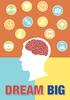 DREAM BIG Do you look at your teacher and think you might want to have that job when you are bigger, or have you passed the fire station and thought about helping others as a firefighter? What about a
Spine University s Guide to Transient Osteoporosis
 Spine University s Guide to Transient Osteoporosis 2 Introduction The word osteoporosis scares many people because they ve heard about brittle bone disease. They may know someone who has had it or seen