
MASSAGE THERAPY: essential contraindications
|
|
|
- Cecilia Johns
- 10 years ago
- Views:
Transcription
1 CANCER COURSE DESCRIPTION: For people with cancer and cancer histories, massage therapy can be a powerful healing intervention. Skilled, structured touch has the potential to reduce isolation, relieve symptoms and help people feel cared for, whole, and empowered. This course reviews old assumptions about cancer and massage therapy. It also includes essential contraindications for massage for common cancer presentations. It takes a detailed look at current thought on when, where, why and how massage therapy is contraindicated. & MASSAGE THERAPY: essential contraindications by tracy walton, MS, LMT This is a two-part series of courses. This first course looks at massage contraindications that arise from cancer and complications as cancer develops over time. The second course, which will appear in the Fall 2006 mtj, looks at massage contraindications that arise from cancer treatment

2 COURSE OBJECTIVES: A well-prepared massage therapist offers caring touch to clients with cancer at important times in their lives. However, there are contraindications, considerations regarding site, pressure and joint movement, as well as other details you should explore before beginning massage therapy for clients with cancer. When you have completed Part 1 of this two-part series, you will be able to: List three problems with the traditional, absolute contraindication to massage therapy; Describe three counterarguments to the notion that increased circulation from massage therapy promotes cancer spread; Describe five common massage therapy contraindications for cancer and its complications; Define deep vein thrombosis (DVT) and the concern it presents to massage therapists working with oncology clients; List the signs and symptoms of DVT, the risk factors and the actions to take when these are present. CONTACT HOURS: mtj/massage therapy journal summer 2006 >> To take the exam for this course, go to AMTA s Online Learning site at the role of massage therapy HEALING BENEFITS Cancer can be an isolating experience. For people with cancer and cancer histories, massage therapy is often a powerful healing intervention. Skilled, structured touch has the potential to relieve symptoms and help people feel whole and empowered. A well-prepared massage therapist offers caring touch at an important time in someone s life you can be a wonderful companion on a journey that may be, by turns, deepening, strengthening, terrifying and healing. And the reassuring company of a massage therapist s touch is often welcome. VARYING CLIENT PRESENTATIONS As with any special population, you provide different massage techniques for different clinical presentations. Cancer does not define a single client presentation; instead, it encompasses a broad spectrum of clinical possibilities: Immediate or long-term survivorship, which requires very different massage therapy from that given to someone at end of life; Issues facing someone during diagnosis are different than those faced later in treatment, and these scenarios involve different massage contraindications; Different types and stages of cancer bring different signs, symptoms and complications, requiring individualized massage therapy approaches. Because of this variability, the massage therapy modifications required for cancer are rarely found in a simple rule or list of rules. Instead, they flow from good clinical judgment, some basic principles in massage, and knowledge of how cancer and cancer treatment affect the body. This first course of the two-part series addresses essential contraindications for the most common cancer presentations, both early in the disease and as it develops over time. The second course in this series addresses essential contraindications that arise from the treatment of cancer, often presenting a separate set of issues from the cancer itself. (The second course will appear in the Fall 2006 issue of mtj.) MASSAGE THERAPY & SYMPTOM RELIEF Massage is being recognized as a source of significant benefit for people with cancer histories and active cancer. Clients often report relief from the five common symptoms associated with cancer and its treatment: pain, anxiety, nausea, fatigue and depression. These anecdotal reports of relief are becoming a focal point for massage researchers.

3 Of these five symptoms, the most solid research support is for the reduction of anxiety. But because research on massage therapy is still in its early stages with small numbers of patients studied, effects on symptom relief are not yet definitive. Investigators continue to research massage therapy questions, and massage therapy for people with cancer is gaining interest among researchers. Massage effects on the common symptoms and physiological parameters are suggested in recent small studies. Of particular interest in these studies are the suggested effects of massage on anxiety, pain and nausea. For a list of these studies, go to page 134. the myth of the absolute contraindication THE CONVENTIONAL BELIEF Over the years, a myth in massage therapy existed that all massage was contraindicated for people with cancer. This belief was passed from therapist to therapist, taught in massage schools and recorded in massage literature. Unfortunately, this directive was usually not specific in its guidelines and may have drifted from its original message as it was passed through the primarily oral tradition of massage therapy. In response to this severe contraindication, therapists and students have asked for more specifics: What kinds of massage are contraindicated? Where shouldn t massage be applied? For which kinds of cancer, and in which stages is massage therapy contraindicated? Is massage therapy contraindicated for cancer survivors whose cancer has resolved? After how many years of survivorship is massage considered forever safe? Is massage therapy contraindicated at the end of life or during treatment? Is massage therapy contraindicated for cancer that was removed successfully, but the client is still in active treatment? Unfortunately, none of these questions were answered, nor the nuances captured, in the broad instruction, massage is contraindicated for people with cancer. The instruction seemed based on an underlying fear: that by increasing circulation, massage could promote the process of cancer metastasis, the spread of cancer from its primary site to distant tissues and organs. Because cancer metastasis does so much damage, and is a factor in most cancer deaths, the massage therapy profession was understandably cautious, but ill-informed. In this uncertain climate, countless clients were turned away by concerned therapists. Unfortunately, because this fear went unexamined for so long, both therapists and clients missed rich opportunities for working together to promote healing. challenges to the myth Thanks to recent thought and education, the absolute contraindication of massage therapy for cancer patients has been examined closely and overturned. There are several major challenges to it. TOO GENERAL First, the contraindication was too general a universal prohibition that didn t necessarily apply to individual clients, massage modalities or techniques. With many kinds of massage and varying clinical pictures of cancer, it ignored all the individual massage approaches that might be safe and appropriate for individuals. Recognizing this, many therapists disregarded the contraindication and provided modified techniques for their oncology clients throughout treatment and into recovery or end of life. NOT SPECIFIC AS TO SITE, PRESSURE OR JOINT MOVEMENT The contraindication as stated above was not specific about the site or pres- 10 PEOPLE LIVE WITH CANCER CHALLENGES TO THE ABSOLUTE MASSAGE CONTRAINDICATION million IN THE UNITED STATES. THIS INCLUDES ANYONE DIAGNOSED WITH CANCER OR A CANCER HISTORY. Source: American Cancer Society and the National Cancer Institute It is too general as to client, massage modality or massage technique; It is not specific as to site, pressure or joint movement; It is based on a flawed assumption, that massage increases circulation, and that increased circulation promotes metastasis.

4 sure of the massage. It may have originated as a concern about merely disturbing the tumor site itself, but it was interpreted as a rule against all massage, all the time, in all places. This contraindication was amplified, propagated and developed a life of its own. It is true that any technique is contraindicated if it directly disturbs an active tumor site. But for massage to do this, the tumor site would have to be superficial enough to be in reach of the therapist s hands, movements or hydrotherapy techniques. 1 And often a tumor is easy to avoid pressing upon, as it is usually limited to one or several readily defined areas. As surgeon Bernie Siegel pointed out, Massage therapy is not contraindicated in cancer patients; massaging a tumor is, but there is a great deal more to a person than their tumor. 2 MASSAGE INCREASED CIRCULATION INCREASED METASTASIS Third, the absolute contraindication rests on the faulty assumption that massage, by increasing circulation of blood and lymph, could promote cancer metastasis. Both parts of this assumption are flawed. The first is the assumption that massage significantly increases general circulation of blood or lymph. While this is widely believed and taught in the profession, I know of no rigorous research, using Swedishtype massage therapy, with adequate numbers that supports the claim of an overall boost in systemic circulation, as would be brought on by cardiovascular exercise. Only smatterings of smaller studies, themselves offering conflicting results, test effects on blood and lymph circulation, and these are about local or regional circulation limited to the area of tissue worked directly by the therapist s hands. (For a list of some studies on this, see page 134.) So far, the evidence is inconclusive about this readily accepted assumption. There is a second flaw in the assumption. Even if massage did significantly increase the overall flow rate of blood or lymph, it is doubtful that this would result in a faster metastatic process. Why is this? Think about how fast circulation flows under normal conditions in the body, without massage in the picture. Although figures differ on the normal rate of lymph flow, it seems to take about an hour for the lymphatic system to move material from out in a limb, through vessels and nodes to the subclavian veins, where the material joins the blood circulation. 3 The transit time for material in the deeper tissues in the trunk would seem to be, if not comparable, at least in the same order of magnitude. Now think about blood flow. The time it normally takes a cell floating in the bloodstream to complete a circuit through the entire systemic and pulmonary circuits, returning to its starting point), which is only a matter of a minute or a few. Under high arterial pressure, this cell moves quickly through much of the circuit. It seems STUDIES GROWING IN SIZE Controlled trials on massage therapy in people with cancer are still small but are growing in size. Of particular interest is a study of 230 people in chemotherapy done at the University of Minnesota. Researchers compared massage therapy, Healing Touch, caring presence without touch, and usual care control (no intervention) in outpatients. Patients were each measured during a four-week control period and were randomized to four 45-minute sessions of one of the three interventions. Results suggested that both massage and Healing Touch lowered total mood disturbance. Massage therapy lowered anxiety. Healing Touch reduced fatigue. And massage therapy reduced the use of analgesics over the four-week period. These are promising findings, and if they are replicated in larger studies, present a compelling case for the role of massage in helping people cope during cancer treatment. * More recently, investigators have undertaken studies with larger sample sizes. Moreover, higher-level analysis of existing studies will help determine how massage helps, when it doesn t appear to help and what kind of future research is needed to better answer clinical questions. A gold standard of higher-level analysis is a systematic, quantitative review of existing studies, called a meta-analysis. So far, one such rigorous review has not shown strong evidence for massage therapy relieving common symptoms of cancer. ** This doesn t mean there s no help from massage; it just means the evidence is not yet there to draw conclusions in either direction. It may be that as smaller studies are added to the pool of available information, the evidence will mount in favor of the relief massage therapy can provide. There is even investigation into the effect of massage on caregivers and spouses of people with cancer, a population also in need of care. Therapists interested in following research on massage therapy have several resources to turn to. For example, there are online databases of general information such as Medline ( where a search of massage therapy can yield good results. A list of other such databases is available at * Post-White J, et al. Therapeutic massage and healing touch improve symptoms in cancer. Integrative Cancer Therapies. 2003; 2(4): ** Fellowes D, Barnes K, Wilkinson S. Aromatherapy and massage for symptom relief in patients with cancer. Cochrane Database System Review. 2004;(2):CD

5 unlikely that massage therapy could significantly increase the rate of a cancer cell s movement through these channels. If it did, would massage hurry the process by 15 seconds? An hour? Would this make a difference to the disease process of metastasis? METASTATIC FACTORS Despite how fast a cancer cell in the lymphatic vessels or in the bloodstream can travel to other parts of the body, the actual process of metastasis can, in fact, take months or years. This is in part because not all cancer cells, free in circulation after shedding from the primary tumor, go on to form metastatic tumors. As described in Gayle MacDonald s book, Medicine Hands: Massage Therapy for People with Cancer, metastasis is a complex process, involving interactions of cancer cells with the immune system, other factors in the blood and the target tissues, as well as the genetic makeup of the cancer cell itself. 4 So even though lymph and blood flow swiftly to carry the cell along its course, its ability to survive the flow, establish a site in a distant tissue, build its own blood supply, and thrive as a secondary tumor site is limited by other factors. Clearly, metastasis is more than a simple mechanical movement from point A to point B. In fact, cancer metastasis seems to have a life of its own, a life that is well beyond the reach of a simple, skilled 50-minute general massage. THE EXERCISE ARGUMENT Going even further, one of the most powerful arguments against a general massage contraindication is the exercise argument. So far we ve questioned whether typical circulatory massage characterized by medium and deep kneading and stroking of the Swedish variety or lighter, choreographed strokes of the lymph 3 TYPES OF MASSAGE CONTRAINDICATIONS FOR CANCER PATIENTS Contraindications due to the primary tumor site; Contraindications due to the progression of the cancer; Contraindications that arise from cancer treatment. drainage variety has been thought to promote metastasis. But if, indeed, this were true, wouldn t exercise or other normal activities be more dangerous than massage therapy? Debra Curties points out this compelling argument in an article in mtj. 5 If we were truly concerned about the blood and lymph flow rate and metastasis, patients would be warned against exercise and movement. But physicians don t tell cancer patients to lie still in order to keep cancer from spreading. In fact, where possible, exercise is strongly encouraged for people with cancer. 6 Restrictions on activity are usually based on healing incisions, unstable bones or other risks, not on fear of cancer spread. Even breathing increases circulation, by encouraging venous return, as massage is thought to do. And of course, physicians don t advise their cancer patients to breathe shallowly to reduce the chance of metastasis. Movement, breathing and circulation are normal functions factors in health and healing, not isolated factors in cancer spread. Against these physician-approved activities, the fear that massage increases circulation and increases metastasis fades to insignificance. If you place massage therapy, even the general circulatory massage therapy that many of us were taught, next to exercise and other equivalent activities, the reasoning provides a simple, effective argument against the old absolute massage contraindication. While there are massage contraindications for patients with cancer, they are not based on the fear of increasing blood or lymph flow. Instead, they are specific contraindications based on specific cancer presentations. The reasoning about massage, circulation, and metastasis along with the exercise argument is useful to pass along to patients and health care providers who are still affected by the conventional contraindication to massage. This is an important educational contribution massage therapists can make. cancer, complications and contraindications CATEGORIES OF CONTRAINDICATIONS To move further away from a flat, absolute statement like massage is contraindicated for cancer, it s useful to be more precise. What is it about cancer that contraindicates massage therapy? And what is it about massage therapy that is contraindicated or must be modified? To manage medically complex information, it is useful to group these concerns, and massage contraindications are organized into the following three groups: First, contraindications for cancer itself stem from how the tumor initially manifests itself. Second, as cancer develops over time, complications can arise cancer amplifies its effect on tissue and organ function, and increases its reach to distant areas of the body

6 124 mtj/massage therapy journal summer 2006 for more training in cancer & massage: Tracy Walton offers an intensive training, Caring for Clients with Cancer with a supervised clinic, and advanced courses around the country. She also teaches a one-day course customized to spa and resort facilities, hospital massage programs and conferences. Her course descriptions and teaching schedule are at Gayle MacDonald teaches Massage Therapy for People with Cancer, which is offered nationally. Gayle also offers an intensive, hospital-based massage training and teaches for the program at the Scherer Institute in Santa Fe, New Mexico. More information available at Cheryl Chapman, an oncology nurse, certified holistic nurse and massage therapist, teaches two courses: Mastectomy Massage, and Cancer Massage, both offered nationally. More information is at The Integrative Medicine Service at Memorial Sloan-Kettering Cancer Center, led by Wendy Miner, offers two levels of Medical Massage for the Cancer Patient in New York City. Visit them at Debra Curties, the author of Massage Therapy and Cancer and Breast Massage, teaches workshops on breast massage and on massage and cancer in Canada and the United States. More information is available at works.htm. The Scherer Institute of Natural Healing in Santa Fe, New Mexico offers a program in Oncology Massage, featuring Sandy Canzone, Gayle MacDonald and other instructors. More information is available at oncolcertinfo.htm. The Colorado School of Healing Arts offers an oncology massage program, including several courses at their facility in Lakewood, Colorado. More information is available at oncology.html. The MD Anderson Cancer Center in Houston, Texas, offers Massage for the Cancer Patient: An Integrative Approach. Reach the Complementary and Integrative Medicine Education and Resources (CIMER) site at departments/cimer. Finally, contraindications arise from the effects of cancer treatments, side effects, adverse reactions, and so on. In general, therapists consider any active tumor sites primary and secondary metastatic sites in their planning. They look at whether cancer exerts stress on tissues or organs. With changes in the body s internal environment, you need to gauge a sensible massage response. If the body is weakened fatigued or an organ function is compromised, you need to provide massage therapy techniques that are supportive rather than challenging. You should work conservatively, often using gentler pressures, less demanding protocols and softer joint movements. You also might work for less time, avoid certain areas of the body, or schedule around good and bad times for the client. PHYSICAL AREAS OF CONCERN Sources of massage contraindications for the cancer itself and the complications that develop over time include tumor site or sites, bone involvement, cancer pain, vital organ involvement and deep vein thrombosis (DVT). Of these five factors, the first four are fairly straightforward. In contrast, a lengthy discussion is required for DVT and the need to assess what actions are appropriate for DVT. How cancer manifests in the body with a tumor in a certain area, a symptom caused by the condition and its complications or effects on organ or tissue function over time, may warrant massage adjustments. To determine the extent of these adjustments, you should ask specific questions. Sample questions are included throughout this article. A complete list is also available at ww.amtaonlinelearning.org. psychosocial challenges People with cancer, at the end of life with cancer and in survivorship face many psychosocial challenges and often a range of emotions and moods terror, sadness, anger, depression and anxiety, to name just a few. As with many illnesses, people face isolation, stigmatization and sensation. With cancer, the diagnosis alone can affect one s body image. Add that to other outward sides of illness, surgical removal of tissue or loss of hair, and the relationship with one s body can become fraught. But as massage therapists, you are in a unique position to accompany people on the path they travel with their body through diagnosis and treatment. Learn as much as you can about experiences of cancer so that you can interview, listen carefully and provide healing touch in healing ways. The connections between massage therapists and seriously ill clients are powerful and healing. This is intuitive, but it also shows up in some concrete ways. For example, people in cancer treatment often deal with painful touch from procedures, examinations and treatment. Massage therapy restores pleasurable and corrective touch to a client s experience, and can help a client feel whole again. A targeted interview question about mood or the emotional landscape of a client s experience may be too intrusive for some clients. But open-ended questions such as, How have you been doing since the diagnosis? make space for this aspect of a client s experiences, along with the medical information you need. Listening carefully in conversation will help you understand clients experiences, possibly meet their concerns with massage therapy, and certainly make a judicious referral, which can be vital. Nearly everyone can provide solid listening and empathy, but counseling is outside the massage therapy scope. Avoid giving advice, and refer clients to their physicians and nurses or to professional counseling for additional support. tumor sites One of the most obvious issues presented by a client with cancer is a tumor site. Whether this is a known

7 or suspected tumor site, or even a tumor site of the past where only a scar, left by surgery, remains, massage may be adapted to the site of the tumor in some way. DIRECT PRESSURE PROHIBITION Don t directly massage a tumor site with pressure or move tissues in the vicinity of the tumor that may then disturb it. Most of the time this is a straightforward contraindication. In your initial interview question, you should ask something like, Where is (or was) the tumor site, or, more simply, Where is (or was) it in your body? There are more details about this basic contraindication. First of all, you need to avoid pressure or joint movement only at the site of tumors in reach of or mechanically affected by hand pressure or joint movement. Using this guideline, a simple lung, liver or pancreatic tumor would presumably be out of reach. If there are no other contraindications, some pressure on the back and ribs would likely be fine for these cases. On the other hand, complications of these conditions may lead to pressure contraindications in those areas. A thorough interview and consultation with a client s physician may be necessary to determine whether it is a simple or more complicated matter. Abdominal cancer, including colon cancer, would contraindicate abdominal therapies with pressure. And cancer in the bone contraindicates pressure and joint movement in the region. In fact, because massage therapists press on the bone, bone involvement is one of the most relevant issues for therapists and will be addressed in detail in subsequent paragraphs. Having described the massage issues pressure and movement it s important to describe the tumor issues. First, a site where a tumor has been successfully surgically removed would not come with these contraindications. However, if it is a healing incision, massage pressure, movement and perhaps contact will need to be modified depending on how new the incision is. Second, a suspected tumor site, not yet established by a physician using diagnostic tests, nevertheless gets treated like a known site, with all of the pressure and movement contraindications for known sites. Third, no matter how delicate a tumor site is, neither caring contact, nor holding is necessarily contraindicated. If the client tolerates and welcomes it, and there are no other contraindications, gentle holding with soft hands may be welcome and healing. Moving the hands across the skin with the gentlest pressure the kind used to apply lotion, but not to rub it in would likely be appropriate wherever the skin is intact and not irritated. LIQUID TUMORS Some kinds of cancer are not solid. Instead, they circulate throughout the bloodstream. These are known as liquid tumors; a blood cancer such as leukemia is a prime example. important books on cancer & massage Curties, Debra. Massage Therapy and Cancer. Toronto: Curties-Overzet Publications, Inc., MacDonald, Gayle. Medicine Hands: Massage Therapy for People with Cancer. Forres, Scotland: Findhorn Press, (2nd edition expected Fall 2006.) MacDonald, Gayle. Massage for the Hospital Patient and Medical Frail Client. Philadelphia: Lippincott Williams & Wilkins, A FORTUNATE INTERVENTION Sometimes DVT is clinically silent, with no signs and no symptoms or discomfort. I know a massage therapist who worked with an individual with no symptoms or complaints, but one day the therapist felt a strange, cord-like hardness while she used strokes with pressure on the adductors of the client s right thigh. Feeling that something was not right, the therapist left it alone and brought it to the attention of her client, urging him to see his physician as soon as possible. Later the client called the therapist to say that acting on her advice, his doctor had diagnosed a blood clot, and he was now on medication to prevent future clot formation. His physician assured him he was lucky the massage therapist had noticed the difference in the tissues

8 126 mtj/massage therapy journal summer 2006 PAIN CAN SIGNAL BONE INVOLVEMENT When a client with cancer comes in with pain, instead of going after the pain as though it were muscular, wait for a physician to verify that the pain is not due to bone metastasis. Ask the client where he or she experiences the pain and whether he or she has talked with a physician about it. Have the client point to it. Bone pain can be a symptom of bone metastasis. Since bone metastasis usually weakens bones, an affected area could be at risk for fracture from too much movement or pressure. A massage therapist working with a client at the site of pain should use extremely gentle pressure, with no joint movement. Positioning should be done cautiously to avoid disturbing the area. Because these are distributed throughout the body, there is no single site-specific massage contraindication to pressure or movement. There might be other more general contraindications to pressure or other elements of massage, but these can be determined after you evaluate the client s case for complications of leukemia, effects on other tissues and the effects of treatment. bone involvement & its complications Among the most relevant issues facing you in work with cancer patients is cancer involving the bone, whether it is a primary or metastatic site. Cancer can start in the bone or it can end up there, metastasized from several other primary sites such as breast, pancreas or ovary. Most cancer in the bone eats away at the structure, making it less stable and vulnerable to pathologic fracture. Pathologic fracture occurs whenever bone is weakened by such a disease process or by other diseases such as osteoporosis. Fracture can occur with unusually low force. Every client with cancer or a cancer history should be asked if there is/was bone involvement. With bone involvement, you must consider how stable the bones are before using pressure on or near them or moving involved joints. Mechanical disturbance in areas of bone involvement can damage the bone itself. QUESTIONS TO ASK As a massage therapist, it is not your place to diagnose bone involvement, but there are several questions to ask clients and their physicians. Likewise, you have questions for a client when they present with pain (see sidebar, opposite). Important questions include the following: Where is the bone involvement? (Have them describe and point to the area(s).) Have you received diagnostic tests for bone involvement? Recently? What have your doctors concluded from those tests? Have any of your physicians or nurses told you to be concerned about the stability of your bones? If so, please describe their concern. Have any of your physicians or nurses restricted your activities because of concern about bone stability? Describe. In general, what is your activity level? What kinds of activities do you engage in daily or weekly? These questions and physician input about massage will help you to determine the best levels of massage pressure and movement to use. Examples of how one therapist accommodated bone involvement in practice are shown on page cancer pain MASSAGE THERAPY TREATMENT PRIORITIES FOR CANCER PAIN Pain is one of the most feared cancer experiences. Whether it s caused by the cancer itself or by the cancer treatment, pain places emotional strains on individuals and families. Pain from cancer itself can be caused by the tumor through a variety of mechanisms, such as pressing on organs, tissues or nerves, or by obstructing blood vessels. You can provide therapy for pain related to muscle tension and various other comfortoriented techniques. Often people find pain relief from massage. But it s also important to ask clients about their pain level in order to: Find out the cause of pain; Provide relief, where possible; Be sure they are being treated for their pain, and, if not, refer them to their health care team for care. Careful questioning about pain is important, as is proper follow-up. If a client with cancer or a cancer history complains of new pain, you

9 should ensure that: The client sees his or her treating physician for evaluation and appropriate treatment. Massage pressure or joint movement is not used at any site where the pain in the tissue could be due to tumor presence. Massage pressure or joint movement is not used at any site where bone involvement could be causing the pain, bone integrity is compromised or both. Problems with bone integrity make it vulnerable to fracture. The client s physician provides guidelines for massage pressure and joint movement. You are in a good position to make an important referral and support clients in getting their pain assessed, treated or at least managed. Some pain goes underreported and some people are reluctant to seek help for their pain. vital organ involvement CENTRAL QUESTION FOR VITAL ORGAN INVOLVEMENT Cancer that is large or advanced enough, or located in key areas, may affect the function of vital organs. Ask each client the following question: Has the cancer affected the function of your lungs, liver, kidney, brain or heart? Even if a tumor is located in a tissue or organ, it might not be large or advanced enough to affect its function. Therefore, distinguishing between a tumor s location and its impact is important. If the answer to this question is yes, follow a general guideline called the vital organ principle. It states: If the function of a vital organ is compromised, provide massage with gentle elements. Adjust the massage elements to pose minimal challenge to the client s body. 7 Think of all the elements of massage pressure, joint movement, positioning, speed of massage strokes, rhythms, length of the session that can be made gentler on the body. Provide a massage at the gentle end of the continuum one that is supportive of healing. Don t ask the body to handle strong stimuli. This principle is based on common sense more than exact, known mechanisms of the effects of massage therapy on vital organs. A body working with a compromised vital organ is already working hard to maintain balance. As healing as a vigorous massage can be, it still asks the body to adapt to a variety of input with countless reflex responses. Someone with a vital organ compromise may be severely ill. His or her body is already working hard to compensate for the diminished function. ORGAN FUNCTION AND MASSAGE The question about vital organ function is important and the impact of it can vary from client to client. For example, a client with a slow-growing brain tumor is scheduled for surgery in a few weeks. The client may be using the time to prepare his or her body mentally and physically by walking a couple miles each day, doing yoga several times a week and meditating. The client is taking minimal medications for the condition. Another client, also with a brain tumor, suffers frequent seizures, balance and mobility difficulties, and even mental status changes. It is likely this client is taking several strong medications. This client has a very different body from the client mentioned in the above example; this one requires much more caution. Massage will need to be shorter, gentler and scheduled around good and bad times of day, and you need to be careful with positioning. Speeds are slow, rhythms are even. Joint movement is gentle, posing minimal challenge to the client. Depending upon his or her mental status, communication may need to be simplified and direct. CONTINUED ON PAGE 130 GUIDELINES FOR MASSAGE THERAPISTS: FOLLOWING UP ON CANCER PAIN The following guidelines are strongly recommended for working them immediately to their physician with or without pain. with cancer patients in treatment or those who have recently Nervous system symptoms signal the possibility of bone pressing received treatment for it. They help you respond appropriately on peripheral nerves, spinal cord, etc. This possible bone instability makes this a medical emergency requiring strict immobiliza- when clients report pain. 1. If clients mention pain that is new, unfamiliar, recently tion. Have the client call his or her doctor immediately to ask how increased or has not been mentioned to their physician even if to proceed. it s a dull pain avoid massage pressure or joint movement in the general area. Refer these clients to their physicians for diagnosis When to Refer to a Physician: and treatment. You must have assurance that there is no bone If clients are experiencing new, unfamiliar or recently increased involvement in the area compromising the bone structure in order pain and have not mentioned it to their physicians; to use pressure or movement at that site. Immediately, if the clients report nervous system symptoms 2. If clients report any weakness, numbness or tingling, refer (i.e., sharp pain, numbness, tingling, weakness, etc.)

10 EXAMPLES OF BONE INVOLVEMENT. Bone involvement can be severe or mild, as shown in the following graphic. Bone stability can be affected to varying levels, as well, and more or less vulnerable to pathologic fracture. In response, the massage therapist may need to adjust the massage a little or a lot. This graphic also shows appropriate levels of pressure used by a therapist with six different clients, and the reasoning used. The client descriptions demonstrate varying levels of risk of pathologic fracture or instability. These cases demonstrate the importance of receiving guidance from clients physician, getting the physician s permission for massage and asking the client careful questions about bone involvement. BONE METASTASIS & These client stories illustrate the range of bone stabilities least severe metastasis (most stable) > 128 mtj/massage therapy journal summer 2006 medium pressure 2 3 1MULTIPLE BONE METASTASES, DIFFUSE BONE METASTASES, STABILIZED BY MEDICATION; NONE SEVERE OR UNSTABLE; VERY ACTIVE; NO ACTIVITY VERY ACTIVE; NO ACTIVITY RESTRICTIONS. RESTRICTIONS. A client told me she had several sites of A client stated, the cancer has spread bone metastasis from her primary breast cancer. There were a couple of spots on ribs, a bones, but further communication with from my pancreas to everywhere in my couple of vertebrae involved and a lesion on her and her physician revealed no concern her hip. Medication was stabilizing her bones about bone stability. The lesions were pretty well, and her physician encouraged her numerous but tiny. The doctor encouraged high level of activity. In the week before she the client to be quite active, so she continued to workout on stairs, on a treadmill, came in for her first session, she bicycled 40 miles, cut down and hauled away small trees and with weights, and did yoga several from her land, and carried wet cement to pour times a week. She also walked briskly the foundation for a deck. She spent hours each day for 75 minutes. pounding nails, building the deck. THERAPY DECISION: It seemed that massage for this client would be safe at mod- THERAPY DECISION: It seemed that this client could tolerate moderate pressures everywhere except near the lesions; the same is moderate joint movement would be fine. erate pressures throughout her body, and applied to joint movement. Pathologic fracture Pathologic fracture was unlikely in this was unlikely in this client with massage client with massage adjusted accordingly. adjusted accordingly. She reported benefit She reported that massage helped her from massage of tense muscles. The physician approved the massage pressures used. approved the pressures maintain her activity level. The physician used. MASSAGE PRESSURE BONE METASTASES STABILIZED BY SURGERY, MODERATELY ACTIVE; NO ACTIVITY RESTRICTIONS. A client had bone metastasis in two vertebrae C8 and T1 but had surgery to stabilize the area with metal hardware. During her course of massage therapy she was moderately active, walking each day. The area of bone involvement was somewhat stiff, but mobile. THERAPY DECISION: It seemed that I could use gentle to moderate pressure and joint movement generally, but none in the area of the affected vertebrae. In that area, I used only gentle contact and skin stroking; I tried gentle, quiet, still holding around her neck, and the client reported relief from stiffness and pain in the area. The physician approved the pressures used. This graphic is meant to provide clinical examples, not to serve as a universal practice guideline. Always include the physician s input on bone involvement, massage pressure, and joint movement.

11 MASSAGE THERAPY and the therapist s massage adjustments. BONE METASTASIS most severe metastasis (least stable) gentle pressure 4 5 6MANY BONE METASTASES, SEVERE HIP BONE METASTASIS; LOW ACTIVITY LEVEL; CAUTIOUS ACTIVITY RESTRICTIONS. A long-time client came in. She had recently been told by her physician to move slowly and carefully, walk with a cane and not to step too hard off of a curb onto the street. The metastasis in her hip joint made her hip unstable a hard jolt might fracture it. She had one other milder metastasis site in a rib. The client received regular scans for bone involvement. THERAPY DECISION: This client needed careful positioning to accommodate her vulnerable hip with absolutely no pressure in the two areas of metastasis or joint movement at those sites. Once I determined that her scans for bone involvement were recent, it made sense to do gentle massage and joint movement in other, unaffected areas of her body. Her hip pain seemed to respond to full, gentle hand contact with no pressure, and the rest of her body seemed to relax in response to gentle muscular massage. The physician approved the pressures used. MANY BONE METASTASES, EASILY FRACTURED, LIMITED ACTIVITY LEVEL; STRONG ACTIVITY RESTRICTIONS. A week prior to his massage session, a client fractured a rib when he clipped a snug-fitting lumbar pack belt around his waist. Scans showed significant bone involvement at many sites in his body. THERAPY DECISION: This client had an extremely fragile skeleton and no pressure or joint movement was used anywhere. Instead, the gentlest holding was indicated, with possible stroking of the skin only. No displacement of muscles. Repositioning this client was ill-advised; instead, I decided to work with him in the position in which I found him. When necessary, I repositioned him with the help of a medical professional. The physician approved the pressures used. EASILY FRACTURED; VERY LIMITED ACTIVITY LEVEL; STRONG ACTIVITY RESTRICTIONS. A client was told by his physician that he must drink coffee from paper cups because the weight of a coffee mug could cause fracture. THERAPY DECISION: This client had an extremely fragile skeleton. No pressure or joint movement was used anywhere on his body. Instead, I used the gentlest holding, with stroking of the skin only. No displacement of muscles. Repositioning him for massage was ill-advised; instead, I decided to work with him in the position in which I found him. When necessary, I repositioned him with the help of a medical professional. The physician approved the pressures used. > 129

12 130 mtj/massage therapy journal summer 2006 WHO IS AT RISK FOR DVT? Recognizing the risk of DVT is more difficult than recognizing the symptoms that lead you to suspect DVT. DVT risk increases above the normal level for a number of reasons cancer is only one of them. Risk factors for DVT include: Some cancer treatments. Immobility (72+ hours of bed rest, long plane or car ride, etc.). Trauma. Recent surgery (especially abdominal and pelvic surgery such as for cancer, orthopedic hip and knee surgery and neurosurgical procedures). Increasing age. Obesity. Pregnancy and the postpartum period. Cardiac diseases. Oral contraceptives. Smoking. Diabetes. Previous occurrence of DVT or pulmonary embolism. Cancer, although different sources list different types increasing the risk. Included on some lists are lung, pancreas, gastrointestinal, prostate, ovarian, endometrial and breast. The first client has a tumor in a vital organ with minimal changes in function. The second scenario requires a much more modified massage in response to vital organ involvement, as the client s function is impaired. These are very different scenarios, suggesting a wide range in brain function. Both cases show that there is no one massage response to a brain tumor. Instead, get a sense of vital organ function and modify massage accordingly. In both these cases, approval for massage from the client s physician with guidance about any adjustments in massage therapy focus, pressure and movement is essential. Because cancer treatment, as well as cancer itself, can affect some vital organ functions, it is worthwhile to expand the interview question to, Has cancer or its treatment affected the function of any of the following? Then list the vital organs. deep vein thrombosis DEEP VEIN THROMBOSIS IN CLIENTS WITH CANCER Massage therapists need to learn all they can about the risk of DVT in massage therapy practice, how to assess risk and how to get help from a client s physician. Some aspects of cancer or its treatment can increase a client s risk of DVT a blood clot. In particular, advanced cancer and even some specific cancers such as lung, pancreas and gut (stomach, small intestine, colon, rectum and anus) raise the risk of DVT above normal levels. The danger of DVT lies in a clot, or thrombus, that detaches from the walls of the veins and floats free in the venous circulation. Here it is called an embolus. A blood clot formed in the veins of the extremities especially the legs, where they are most likely to form can do considerable damage if it is dislodged. Traveling from these veins, a process known as embolization, the clot can continue through the right side of the heart to the pulmonary circulation. There, the embolus can lodge on the arterial side of the lungs, blocking further blood flow and inhibiting necessary oxygenation of the blood. This situation, called pulmonary embolism, can cause shortness of breath, chest pain, rapid heart rate or cough (with bloody phlegm). It is life threatening, and is treated as a medical emergency. DVT is of particular interest to massage therapists, because it s important to avoid any pressure or movement that could detach a clot from the veins of the extremities, initiating an embolism. But a blood clot can be clinically silent. It does not always produce signs or symptoms. A blood clot can be difficult for physicians to diagnose. One response to this uncertainty would be to avoid all massage of the extremities in cancer patients, but that would be an overly conservative approach. Instead, to manage the uncertainty and risk of DVT in practice, along with the therapeutic need for massage of the extremities, hone your interview skills to get specific information from the client. To work safely with this population, you need to distinguish between two client scenarios: A client who you suspect has developed DVT (because he or she shows signs or symptoms); A client at risk for DVT (because he or she has one or more risk factors). These two scenarios require very different follow-up on your part. SUSPECTED DVT RECOGNIZING SIGNS OR SYMPTOMS DVT can occur in upper or lower extremity; however, the most common scenario is a thrombus in the lower extremity, which will be discussed in this article. Usually it occurs unilaterally, although it can occur in both legs. About half the time, DVT occurs with-

13 out any signs or symptoms. Signs or symptoms of DVT are a red flag and any one of these signs or symptoms puts the situation in the suspected DVT category: Pain or tenderness (can be nonspecific, non-local and feel like a deep ache). Blue coloration in skin, nail beds or both. Redness. Warmth. Swelling. A cord-like feeling in the leg (could be an enlarged vein). Enlargement of the superficial veins (they look wider). You need to be cautious if you work with clients with cancer, or anyone currently or recently in cancer treatment. Be especially alert for possible DVT. Any one of the above symptoms or signs is a red flag. While it is outside of your scope of practice to diagnose, you can still recognize the signs or symptoms of DVT and refer clients to their physicians immediately. ACTIONS TO TAKE FOR SUSPECTED DVT DVT is a medical emergency. If you suspect a client might have DVT, waste no time considering massage contraindications; no massage is provided in these cases. Instead, in a firm, nonalarmist fashion, you should suggest that the client call his or her physician to see how he or she should proceed. If the physician or the physician s nurse cannot be reached quickly, a visit to the emergency room is necessary. Some therapists might recoil at this scenario what if you re wrong in suspecting DVT? Why alarm the client unnecessarily? There is no crime in suspecting a problem and acting on it; it s up to the client s physician to determine whether or not the problem is serious. Massage therapists don t possess the skill to assess or treat this THE HOMAN S SIGN Some medical and massage literature mention using Homan s Sign to check for DVT. A test is considered positive for DVT if passive dorsiflexion produces pain in the calf, a positive Homan s sign. Although it persists in some of the literature, it is not considered a reliable indicator of DVT, and is ill-advised. In fact, manipulating the area during this test could even be unsafe if it disturbs an existing thrombus. If you are concerned enough to use this test for DVT, you are concerned enough to consult the client s physician. Suspected DVT is a medical emergency. Contact the physician. situation on their own. That s why it s important to get physician assistance as soon as possible. RECOGNIZING DVT RISKS Low levels of activity (or immobility) have some influence on DVT risk. Immobility, by creating an environment for venous stasis or blood pooling adds greatly to the risk of DVT. One familiar version of this is economy class syndrome the development of blood clot after long airplane flights. People sitting in cramped quarters, discouraged from movement, run an additional risk of clot formation. Various scoring systems help people assess DVT risk. On one website, the client s age and various risk factors are used to calculate DVT risk. 8 Other scoring systems, such as one for emergency physicians, have been developed that combine risk factors with signs and symptoms to help physicians diagnose DVT. 9 One thing that can help you recognize DVT risk and make an appropriate decision is to consider your client s recent and ongoing activity. A client who is more active exercises regularly, walks to work every day or is generally up and about is less at risk of DVT than a client with roughly the same diagnosis and treatment, but whose fatigue keeps him or her on the couch or in bed much of the day. Someone who has been in bed for more than three days is also at greater risk. ACTIONS TO TAKE FOR CLIENTS AT RISK FOR DVT Not all risk factors are equal; some have more weight than others. Different sources list different risk factors, with different statistics. In this sea of conflicting information, what is a massage therapist to do? Most massage therapy training doesn t include assessment of the likelihood of DVT. While the diagnosis should be left to the physician, when working with a population with elevated risk, such as cancer patients, there are some basic guidelines you can follow: 1. Never massage a person showing symptoms of DVT. If you observe signs of DVT, or the client reports symptoms, do not initiate or continue the massage. The situation is now suspected DVT and you should treat it as a medical emergency as described above. 2. Be alert for the risks of DVT in people with cancer or other risk factors. 3. Before using any massage pressure or joint movement techniques on the lower extremities in any of the following scenarios, (and many of the scenarios on the risk list ) it is imperative to consult with the client s physician for: People with active cancer; Anyone in cancer treatment, or 131

14 132 mtj/massage therapy journal summer 2006 >> For more information about cancer, go to the American Cancer Society s website at between treatments; People whose cancer treatment ended less than one year ago; Anyone taking a medication that increases DVT risk, including some drugs that prevent cancer recurrence. 4. A note from the physician, saying simply, massage is fine for this person does not specifically address the DVT risk and role of massage. It is too general. It does not substitute for a focused discussion, nor does it clear the way for massage or movement of the legs with pressure. In the best interests of the client, the therapist should be direct and specific with the physician about DVT. Be sure to: Inform the physician that you and the client are discussing joint movement and massage of the lower extremities with pressure. List the DVT risk factors that you know about, ask if there are any additional risk factors, and explain the interface of massage and DVT risk. Be sure the physician speaks directly to the client s DVT risk and understands that massage can include joint movement and range of pressures on the legs and feet. 5. If the massage setting or timing doesn t allow for involving the client s physician for the currently scheduled massage, leave the lower extremities out of the session and focus on the rest of the body. Leave the physician communication for later in preparation for the next session. Remember that not just cancer, but cancer treatment such as surgery and some medications can increase DVT risk. This is why it s good to ask a client, and ultimately the client s physician: Is there anything about the cancer or cancer treatment that might increase your risk of blood clots? and Did your doctor or nurse talk with you about any increased risk of blood clots during this time? DVT REVIEW The information about DVT may seem overwhelming. Just remember, DVT is a medical problem that is diagnosed, treated and followed by physicians and nurses. If a client is by definition at higher risk of DVT, always ask the health care provider to consider the client s risk level before massaging the lower extremities with pressure. Make sure the physician understands that you use pressure on the legs. Also list the risk factors that you know about; ask the physician to address those risk factors in the light of massage. the role of the interview Many interview questions are suggested by the information above: questions about tumor sites, bone involvement, pain and DVT risk factors are just a few. These and other interview questions provide a good starting point for therapists looking for possible massage contraindications. Asking so many questions might seem overwhelming, and the length of the interview might take up the whole session! Most therapists are more comfortable providing the hands-on session than conducting a lengthy interview, and may need time to get used to these lines of questioning. And some of you work in high-volume, heavily scheduled settings like on-site massage and spas, which may not allow for many medical questions. In those settings, you may be working without documentation, and getting only verbal information about a client s cancer and cancer history before the session. Abridged interview strategies need to be used for managing clients in such settings, without sacrificing the flow of information needed to assess massage contraindications. In reality, not every question needs to be asked of every client some questions are follow-ups to others. And some information, such as a client s positioning needs, will emerge in the hands-on session, or as part of every lead-in to the massage. Some questions

15 can be grouped or handled more efficiently under umbrella questions such as How is the treatment affecting you? And with practice, many of the questions can easily be worked into a natural conversation with the client. No matter how streamlined or drawn out the interview becomes, it is an important, fundamental exchange. It goes far beyond establishing contraindications. Each interview question says to clients that you are curious about how it is to be them, in this time, in this situation, in this body. These questions provide small ways for you to establish a connection. They can reduce the isolation a person feels, and make small parts of the cancer journey, where possible, a shared experience. This sharing can happen in the moment or later that day, when a therapist curious about the client s condition, searches the web for more information about the client s cancer treatment. This learning can inform future sessions with the client or just make the therapist more prepared for the next relevant situation with a different client, on a different day. The effort to gather information from the client, from the massage literature or from medical resources is never wasted. Information on cancer, its complications and the effects of cancer treatments is vast. No one can know it all, but bits of it stand out. This is useful if you are considering the best way to provide massage. These factors help therapists consider the best pressure to use, possible positions, whether or not to move a joint, or the appropriate length of a session for a client with cancer. concluding thoughts Remember that not all cancer presentations are addressed in this course. Instead, it includes some of the common issues encountered in massage therapy practice. If you see something further in your practice, outside the scope of this article, you will need to do additional homework to incorporate it into your session design. Look to the many resources on massage and cancer books, articles, research and additional training for more information and guidance on working effectively and safely. Study patient education literature on the client s condition and treatment to learn more about how it affects the body. And, of course, include the client s physician in your decisions about contraindications. Together with caring, skilled touch, information about a client s experience can lead to a profoundly healing exchange. That is a compelling force in massage therapy; it is no wonder that clients and therapists alike are drawn to it. See Part 2 of this course about contraindications due to cancer treatment in the Fall issue of mtj. REFERENCES 1. Curties D. Could Massage Therapy Promote Cancer Metastasis? Massage Therapy Journal. 2000; 39(3): Siegel B. Clarifications (letter to the editor). Massage Therapy Journal, 1996; 35(2): Howarth DM, Southee AE, Whyte IM. Lymphatic flow rates and first-aid in simulated peripheral snake or spider envenomation. Med J Aust, 1994 Dec 5-19;161(11-12): MacDonald G. How Cancer Spreads. Massage Therapy Journal, 2001; 39(4): Curties D. Could Massage Therapy Promote Cancer Metastasis? Massage Therapy Journal, 2000; 39(3): Kaelin CM. Living through breast cancer. New York: McGraw-Hill, Walton T, Medical Conditions in Massage Therapy. Philadelphia: Lippincott Williams & Wilkins, (manuscript in preparation). 8. Sanofi-Aventis group. DVT Prevention Center; DVT Risk Assessor. Available at accessed January Stephen A. Colucciello, MD. Deep Venous Thrombosis: Risk Factor Assessment and Diagnosis. Available at ADDITIONAL RESOURCES ON FOLLOWING PAGE million 2THE NUMBER OF AMERICANS DVT OCCURS IN EACH YEAR. Source: American Heart Association For sample questions you should ask your clients with cancer, go to >> 133

16 textbookarticles/textbook/68_dvt.htm. Accessed January ADDITIONAL RESEARCH FOR INVESTIGATION Massage & anxiety in cancer patients: Cassileth BR, Vickers AJ. Massage therapy for symptom control: outcome study at a major cancer center. J Pain Symptom Manage Sep;28(3): Post-White J, Kinney ME, Savik K, et al. Therapeutic massage and healing touch improve symptoms in cancer. Integr Cancer Ther. 2003;2(4): Ahles TA, Tope DM, Pinkson B, et al. Massage therapy for patients undergoing autologous bone marrow transplantation. J Pain Symptom Manage Sep;18(3): Cancer Nurs Jun;23(3): Ahles TA, Tope DM, Pinkson B, et al. Massage therapy for patients undergoing autologous bone marrow transplantation. J Pain Symptom Manage Sep;18(3): Massage & caregivers of people with cancer: Goodfellow LM, The effects of therapeutic back massage on psychophysiologic variables and immune function in spouses of patients with cancer. Nurs Res Sep-Oct;52(5): Rexilius SJ, Mundt C, Erickson Megel M, Agrawal S. Therapeutic effects of massage therapy and healing touch on caregivers of patients undergoing autologous hematopoietic stem cell transplant. Oncol Nurs Forum Apr;29(3):E >> For more information about cancer go to the National Cancer Institutes website at Hernandez-Reif M, Field T, Ironson G, et al. Natural killer cells and lymphocytes increase in women with breast cancer following massage therapy. Int J Neurosci Apr;115(4): Massage & pain in cancer patients: Cassileth BR, Vickers AJ. Massage therapy for symptom control: outcome study at a major cancer center. J Pain Symptom Manage Sep;28(3): Post-White J, Kinney ME, Savik K, et al. Therapeutic massage and healing touch improve symptoms in cancer. Integr Cancer Ther. 2003;2(4): Hernandez-Reif M, Field T, Ironson G, et al. Natural killer cells and lymphocytes increase in women with breast cancer following massage therapy. Int J Neurosci Apr;115(4): See the following studies for investigations with larger samples: Post-White J, Kinney ME, Savik K, et al. Therapeutic massage and healing touch improve symptoms in cancer. Integr Cancer Ther. 2003;2(4): *One of the larger studies on massage and cancer used a sample size of 230 patients. Kutner, Jean. Efficacy of Massage Therapy at the End of Life, NCCAM Grant # 5R01AT ). *The largest study to-date on massage in this population, the REST study (Reducing End of life Symptoms with Touch), is a multisite study currently being conducted by the University of Colorado at Denver. This study is enrolling several hundred patients with cancer at end of life and studies pain, quality of life, and symptom distress. 134 mtj/massage therapy journal summer 2006 Grealish L, Lomasney A, Whiteman B. Foot massage: a nursing intervention to modify the distressing symptoms of pain and nausea in patients hospitalized with cancer. Cancer Nurs Jun;23(3): Smith MC, Kemp J, Hemphill L, Vojir CP. Outcomes of therapeutic massage for hospitalized cancer patients. J Nurs Scholarsh. 2002;34(3): Massage & nausea in cancer patients: Cassileth BR, Vickers AJ. Massage therapy for symptom control: outcome study at a major cancer center. J Pain Symptom Manage Sep;28(3): Grealish L, Lomasney A, Whiteman B. Foot massage: a nursing intervention to modify the distressing symptoms of pain and nausea in patients hospitalized with cancer. STUDIES PRESENTING DIFFERING PERSPECTIVES ON MASSAGE THERAPY & CIRCULATION Shoemaker JK, Tiidus PM, Mader R.. Failure of manual massage to alter limb blood flow: measures by Doppler ultrasound. Med Sci Sports Exerc May;29(5): Mori H, Ohsawa H, Tanaka TH, et al. Effect of massage on blood flow and muscle fatigue following isometric lumbar exercise. Med Sci Monit May;10(5):CR Epub 2004 Apr 28. Hinds T, McEwan I, Perkes J, et al. Effects of massage on limb and skin blood flow after quadriceps exercise. Med Sci Sports Exerc Aug;36(8):

Tired, Aching Legs? Swollen Ankles? Varicose Veins?
 Tired, Aching Legs? Swollen Ankles? Varicose Veins? Healthy Legs 2006 http://healthylegs.com Page 1 Venous disorders are widespread Leg problems are widespread throughout the world, but what most people
Tired, Aching Legs? Swollen Ankles? Varicose Veins? An informative guide for patients
 Tired, Aching Legs? Swollen Ankles? Varicose Veins? An informative guide for patients Are You at Risk? Leg problems are widespread throughout the world, but what most people don t know is that approximately
Recognizing and Understanding Pain
 Because multiple myeloma is a cancer involving the bone marrow, a common myeloma symptom is bone pain. But the good news is that most pain can be managed. This resource can help you better understand pain
The type of cancer Your specific treatment Your pre training levels before diagnose (your current strength and fitness levels)
 Exercise and Breast Cancer: Things you can do! Cancer within the fire service is one of the most dangerous threats to our firefighter s health & wellness. According to the latest studies firefighters are
PAIN MANAGEMENT During Your Hospital Stay
 PAIN MANAGEMENT During Your Hospital Stay TABLE OF CONTENTS Understanding Pain...2 Pain Assessment...2 Describing Your Pain...5 Pain Treatment...5 Comfort Measures...6 Medication...7 Specialty Procedures...8
Healing the Invisible Wound. Recovery and Rehabilitation from a Post Traumatic. Stress Injury. By Dr. Amy Menna
 Healing the Invisible Wound Recovery and Rehabilitation from a Post Traumatic Stress Injury By Dr. Amy Menna Post Traumatic Stress Disorder can affect anyone. It is a term used to describe a reaction to
Electroconvulsive Therapy - ECT
 Electroconvulsive Therapy - ECT Introduction Electroconvulsive therapy, or ECT, is a safe and effective treatment that may reduce symptoms related to depression or mental illness. During ECT, certain parts
ARTHROSCOPIC HIP SURGERY
 ARTHROSCOPIC HIP SURGERY Hip Arthroscopy is a relatively simple procedure whereby common disorders of the hip can be diagnosed and treated using keyhole surgery. Some conditions, which previously were
UNDERSTANDING STRESS AND YOUR BODY
 UNDERSTANDING STRESS AND YOUR BODY Life s demands create stress and although some stress may be good, too much can cause health problems. Most people equate stress with high blood pressure, a heart attack
Physical therapies. Massage
 This information is an extract from the booklet, Understanding complementary therapies. You may find the full booklet helpful. We can send you a copy free see page 6. This information discusses eight physical
Therapeutic Massage .(W). Chiropractor
 Therapeutic Massage Please take a moment to answer the following questions. The information you provide will be used to customize your session to your needs and exclude any techniques that may be medically
Colon and Rectal Cancer
 Colon and Rectal Cancer What is colon or rectal cancer? Colon or rectal cancer is the growth of abnormal cells in your large intestine, which is also called the large bowel. The colon is the last 5 feet
A PATIENT S GUIDE TO DEEP VEIN THROMBOSIS TREATMENT
 A PATIENT S GUIDE TO DEEP VEIN THROMBOSIS TREATMENT This medicine is subject to additional monitoring. This will allow quick identification of new safety information. If you get any side effects, talk
Provided by the American Venous Forum: veinforum.org
 CHAPTER 1 NORMAL VENOUS CIRCULATION Original author: Frank Padberg Abstracted by Teresa L.Carman Introduction The circulatory system is responsible for circulating (moving) blood throughout the body. The
The Radiotherapy Department Radiotherapy to the chest wall and lymph nodes
 Oxford University Hospitals NHS Trust The Radiotherapy Department Radiotherapy to the chest wall and lymph nodes Information for patients Introduction This leaflet is for people who have had surgery for
Endoscopic Plantar Fasciotomy
 Endoscopic Plantar Fasciotomy Introduction Plantar fasciitis is a common condition that causes pain centralized around the heel. It may be severe enough to affect regular activities. Health care providers
Rivaroxaban to prevent blood clots for patients who have a lower limb plaster cast. Information for patients Pharmacy
 Rivaroxaban to prevent blood clots for patients who have a lower limb plaster cast Information for patients Pharmacy Your doctor has prescribed a tablet called rivaroxaban. This leaflet tells you about
CANCER TREATMENT: Chemotherapy
 CANCER TREATMENT: Chemotherapy Chemotherapy, often called chemo, is the use of drugs to treat a disease. The term chemotherapy is now most often used to describe a type of cancer treatment. Dr. Khuri:
Throughout this reference summary, you will find out what massage therapy is, its benefits, risks, and what to expect during and after a massage.
 Massage Therapy Introduction Massage therapy is the manipulation of the soft tissues of the body, including the skin, tendons, muscles and connective tissue by a professional, for relaxation or to enhance
Therapeutic Canine Massage
 Meet our Certified Canine Massage Therapist, Stevi Quick After years of competitive grooming and handling several breeds in conformation, I became interested in training and competing with my dogs in the
Lumbar Laminectomy and Interspinous Process Fusion
 Lumbar Laminectomy and Interspinous Process Fusion Introduction Low back and leg pain caused by pinched nerves in the back is a common condition that limits your ability to move, walk, and work. This condition
Stem cell transplant, you and your rehabilitation Information for patients and their carers
 Oxford University Hospitals NHS Trust Physiotherapy department Stem cell transplant, you and your rehabilitation Information for patients and their carers Stem cell transplant exercise handout Thank you
X-Plain Hip Replacement Surgery - Preventing Post Op Complications Reference Summary
 X-Plain Hip Replacement Surgery - Preventing Post Op Complications Reference Summary Introduction Severe arthritis in the hip can lead to severe pain and inability to walk. To relieve the pain and improve
PATIENT INFORMATION ABOUT ADJUVANT THERAPY AFTER THE WHIPPLE OPERATION FOR ADENOCARCINOMA ( CANCER ) OF THE PANCREAS AND RELATED SITES.
 PATIENT INFORMATION ABOUT ADJUVANT THERAPY AFTER THE WHIPPLE OPERATION FOR ADENOCARCINOMA ( CANCER ) OF THE PANCREAS AND RELATED SITES. Radiation Oncology Sidney Kimmel Cancer Center at Johns Hopkins Last
INTRODUCTION Thrombophilia deep vein thrombosis DVT pulmonary embolism PE inherited thrombophilia
 INTRODUCTION Thrombophilia (Hypercoagulability) is a condition in which a person forms blood clots more than normal. Blood clots may occur in the arms or legs (e.g., deep vein thrombosis DVT), the lungs
Emergency Scenario. Chest Pain
 Emergency Scenario Chest Pain This emergency scenario reviews chest pain in a primary care patient, and is set up for roleplay and case review with your staff. 1) The person facilitating scenarios can
Heart Attack: What You Need to Know
 A WorkLife4You Guide Heart Attack: What You Need to Know What is a Heart Attack? The heart works 24 hours a day, pumping oxygen and nutrient-rich blood to the body. Blood is supplied to the heart through
What If I Have a Spot on My Lung? Do I Have Cancer? Patient Education Guide
 What If I Have a Spot on My Lung? Do I Have Cancer? Patient Education Guide A M E R I C A N C O L L E G E O F C H E S T P H Y S I C I A N S Lung cancer is one of the most common cancers. About 170,000
Level 1, 131-135 Summer Street ORANGE NSW 2800 Ph: 02 63631688 Fax: 02 63631865
 Write questions or notes here: Level 1, 131-135 Summer Street ORANGE NSW 2800 Ph: 02 63631688 Fax: 02 63631865 Document Title: Revision Total Hip Replacement Further Information and Feedback: Tell us how
Facts About Peripheral Arterial Disease (P.A.D.)
 Facts About Peripheral Arterial Disease (P.A.D.) One in every 20 Americans over the age of 50 has P.A.D., a condition that raises the risk for heart attack and stroke. Peripheral arterial disease, or P.A.D.,
Total hip replacement
 Patient Information to be retained by patient What is a total hip replacement? In a total hip replacement both the ball (femoral or thigh bone) side of the hip joint and the socket (acetabular or pelvic
Brain Cancer. This reference summary will help you understand how brain tumors are diagnosed and what options are available to treat them.
 Brain Cancer Introduction Brain tumors are not rare. Thousands of people are diagnosed every year with tumors of the brain and the rest of the nervous system. The diagnosis and treatment of brain tumors
METASTASES TO THE BONE
 RADIATION THERAPY FOR METASTASES TO THE BONE Facts to Help Patients Make an Informed Decision TARGETING CANCER CARE AMERICAN SOCIETY FOR RADIATION ONCOLOGY WHAT ARE BONE METASTASES? Cancer that starts
A Guide to Complementary Therapy for Patients and Carers
 A Guide to Complementary Therapy for Patients and Carers St Giles Hospice At St Giles Hospice we offer a range of complementary therapies, which can be received safely alongside the treatments and medicines
.org. Herniated Disk in the Lower Back. Anatomy. Description
 Herniated Disk in the Lower Back Page ( 1 ) Sometimes called a slipped or ruptured disk, a herniated disk most often occurs in your lower back. It is one of the most common causes of low back pain, as
Mesothelioma. 1995-2013, The Patient Education Institute, Inc. www.x-plain.com ocft0101 Last reviewed: 03/21/2013 1
 Mesothelioma Introduction Mesothelioma is a type of cancer. It starts in the tissue that lines your lungs, stomach, heart, and other organs. This tissue is called mesothelium. Most people who get this
.org. Fractures of the Thoracic and Lumbar Spine. Cause. Description
 Fractures of the Thoracic and Lumbar Spine Page ( 1 ) Spinal fractures can vary widely in severity. While some fractures are very serious injuries that require emergency treatment, other fractures can
INTRODUCTION Thrombophilia deep vein thrombosis DVT pulmonary embolism PE inherited thrombophilia
 INTRODUCTION Thrombophilia (Hypercoagulability) is a condition in which a person forms blood clots more than normal. Blood clots may occur in the arms or legs (e.g., deep vein thrombosis DVT), the lungs
17. Undiagnosed lumps and bumps and unexplained areas of pain. 2. Varicose veins (do not treat anything below the vein site).
 15. Acute rheumatism. 16. Asthma. 17. Undiagnosed lumps and bumps and unexplained areas of pain. 18. Whiplash. 19. Slipped Disc. LOCAL CONTRA-INDICATIONS 1. Skin diseases (non contagious). 2. Varicose
WHEN PROSTATE CANCER RETURNS: ADVANCED PROSTATE CANCER. How Will I Know If My Prostate Cancer Returns?
 WHEN PROSTATE CANCER RETURNS: ADVANCED PROSTATE CANCER (The following information is based on the general experiences of many prostate cancer patients. Your experience may be different.) How Will I Know
Y O U R S U R G E O N S. choice of. implants F O R Y O U R S U R G E R Y
 Y O U R S U R G E O N S choice of implants F O R Y O U R S U R G E R Y Y O U R S U R G E O N S choice of implants F O R Y O U R S U R G E R Y Your Surgeon Has Chosen the C 2 a-taper Acetabular System The
Procedure Information Guide
 Procedure Information Guide Total hip replacement Brought to you in association with EIDO and endorsed by the The Royal College of Surgeons of England Discovery has made every effort to ensure that the
Understanding. Brain Tumors. Jana, diagnosed in 1999, with her husband, Paul.
 Understanding Brain Tumors Jana, diagnosed in 1999, with her husband, Paul. What Is a Brain Tumor? A brain tumor, like other tumors, is a collection of cells that multiply at a rapid rate. The tumor may
Massage Therapy & Multiple Sclerosis
 Massage Therapy & Multiple Sclerosis National Massage Therapy Awareness Week October 2008 Presented by the Massage Therapist Association of Saskatchewan, Inc. MTAS Inc., 2008 Researched & written by Cynthia
Understanding Metastatic Disease
 Supported by an unrestricted educational grant from Pfizer Understanding Metastatic Disease Metastatic disease or metastases are phrases that mean the same as Secondary cancer. This means that the cancer
CONTENTS. Note to the Reader 00. Acknowledgments 00. About the Author 00. Preface 00. Introduction 00
 Natural Therapies for Emphysema By Robert J. Green Jr., N.D. CONTENTS Note to the Reader 00 Acknowledgments 00 About the Author 00 Preface 00 Introduction 00 1 Essential Respiratory Anatomy and Physiology
Cardiac Rehabilitation
 Cardiac Rehabilitation Introduction Experiencing heart disease should be the beginning of a new, healthier lifestyle. Cardiac rehabilitation helps you in two ways. First, it helps your heart recover through
Preventing Blood Clots in Adult Patients. Information For Patients
 Preventing Blood Clots in Adult Patients Information For Patients 1 This leaflet will give you information on how to reduce the risk of developing blood clots during and after your stay in hospital. If
Quality Measures for Long-stay Residents Percent of residents whose need for help with daily activities has increased.
 Quality Measures for Long-stay Residents Percent of residents whose need for help with daily activities has increased. This graph shows the percent of residents whose need for help doing basic daily tasks
Sciatica Yuliya Mutsa PTA 236
 Sciatica Yuliya Mutsa PTA 236 Sciatica is a common type of pain affecting the sciatic nerve, which extends from the lower back all the way through the back of the thigh and down through the leg. Depending
Breast Cancer. Sometimes cells keep dividing and growing without normal controls, causing an abnormal growth called a tumor.
 Breast Cancer Introduction Cancer of the breast is the most common form of cancer that affects women but is no longer the leading cause of cancer deaths. About 1 out of 8 women are diagnosed with breast
XARELTO (rivaroxaban tablets) in Knee and Hip Replacement Surgery
 XARELTO (rivaroxaban tablets) in Knee and Hip Replacement Surgery Fast Facts: XARELTO is a novel, once-daily, oral anticoagulant recently approved in the United States for the prevention (prophylaxis)
INFORMED CONSENT INFORMED CONSENT FOR PARTICIPATION IN A HEALTH AND FITNESS TRAINING PROGRAM
 INFORMED CONSENT INFORMED CONSENT FOR PARTICIPATION IN A HEALTH AND FITNESS TRAINING PROGRAM NAME: DATE: 1. PURPOSE AND EXPLANATION OF PROCEDURE I hereby consent to voluntarily engage in an acceptable
Diuretics: You may get diuretic medicine to help decrease swelling in your brain. This may help your brain get better blood flow.
 Hemorrhagic Stroke GENERAL INFORMATION: What is a hemorrhagic stroke? A hemorrhagic stroke happens when a blood vessel in the brain bursts. This may happen if the blood vessel wall is weak, or sometimes
Herniated Lumbar Disc
 Herniated Lumbar Disc North American Spine Society Public Education Series What Is a Herniated Disc? The spine is made up of a series of connected bones called vertebrae. The disc is a combination of strong
Orthopaedic Spine Center. Anterior Cervical Discectomy and Fusion (ACDF) Normal Discs
 Orthopaedic Spine Center Graham Calvert MD James Woodall MD PhD Anterior Cervical Discectomy and Fusion (ACDF) Normal Discs The cervical spine consists of the bony vertebrae, discs, nerves and other structures.
Thyroid Surgery at Massachusetts General Hospital Frequently Asked Questions
 Thyroid Surgery at Massachusetts General Hospital Frequently Asked Questions Q: What is the thyroid gland? A: The thyroid is a butterfly-shaped gland located in the front of the neck. It is one of the
Medicines To Treat Alcohol Use Disorder A Review of the Research for Adults
 Medicines To Treat Alcohol Use Disorder A Review of the Research for Adults Is This Information Right for Me? Yes, this information is right for you if: Your doctor* said you have alcohol use disorder
Plantar Fascia Release
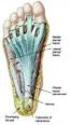 Plantar Fascia Release Introduction Plantar fasciitis is a common condition that causes pain around the heel. It may be severe enough to affect regular activities. If other treatments are unsuccessful,
OSTEOPATHIC CARE OF CHILDREN
 OSTEOPATHIC CARE OF CHILDREN OSTEOPATHIC HEALTHCARE OF MAINE OSTEOPATHIC CARE OF CHILDREN Donald V. Hankinson, D.O. Childhood is a time when the potential for mental, physical and spiritual growth is profound.
Recurrent Varicose Veins
 Information for patients Recurrent Varicose Veins Sheffield Vascular Institute Northern General Hospital You have been diagnosed as having Varicose Veins that have recurred (come back). This leaflet explains
Steps to getting a diagnosis: Finding out if it s Alzheimer s Disease.
 Steps to getting a diagnosis: Finding out if it s Alzheimer s Disease. Memory loss and changes in mood and behavior are some signs that you or a family member may have Alzheimer s disease. If you have
ARTICLE #1 PLEASE RETURN AT THE END OF THE HOUR
 ARTICLE #1 PLEASE RETURN AT THE END OF THE HOUR Alcoholism By Mayo Clinic staff Original Article: http://www.mayoclinic.com/health/alcoholism/ds00340 Definition Alcoholism is a chronic and often progressive
Acute Low Back Pain. North American Spine Society Public Education Series
 Acute Low Back Pain North American Spine Society Public Education Series What Is Acute Low Back Pain? Acute low back pain (LBP) is defined as low back pain present for up to six weeks. It may be experienced
Patient Guide. Sacroiliac Joint Pain
 Patient Guide Sacroiliac Joint Pain Anatomy Where is the Sacroiliac Joint? The sacroiliac joint (SIJ) is located at the bottom end of your spine, where the "tailbone" (sacrum) joins the pelvis (ilium).
Multiple Myeloma. This reference summary will help you understand multiple myeloma and its treatment options.
 Multiple Myeloma Introduction Multiple myeloma is a type of cancer that affects white blood cells. Each year, thousands of people find out that they have multiple myeloma. This reference summary will help
A Patient s Guide to PAIN MANAGEMENT. After Surgery
 A Patient s Guide to PAIN MANAGEMENT After Surgery C o m p a s s i o n a n d C o m m i t m e n t A Patient s Guide to Pain Management After Surgery If you re facing an upcoming surgery, it s natural to
Your Certified Professional Cancer Coach. An Integrative Answer to Cancer Exclusive Professional Program for Patients with Cancer
 Your Certified Professional Cancer Coach An Integrative Answer to Cancer Exclusive Professional Program for Patients with Cancer The CPCC Patient Program Nutrition & Lifestyle Oncology A Cancer Diagnosis
Radiotherapy to the chest wall
 Oxford University Hospitals NHS Trust The Radiotherapy Department Radiotherapy to the chest wall Information for patients Introduction This leaflet is for people who have had surgery for breast cancer
Total Hip Replacement Surgery Home Care Instructions
 Total Hip Replacement Surgery Home Care Instructions Surgery: Date: Doctor: This handout will review the care you need to follow once you are home. If you have any questions or concerns, please ask your
.org. Metastatic Bone Disease. Description
 Metastatic Bone Disease Page ( 1 ) Cancer that begins in an organ, such as the lungs, breast, or prostate, and then spreads to bone is called metastatic bone disease (MBD). More than 1.2 million new cancer
Further information You can get more information and share your experience at www.aboutmyhealth.org
 OS01 Total Hip Replacement Further information You can get more information and share your experience at www.aboutmyhealth.org Local information You can get information locally from: Taunton and Somerset
CARDIAC REHABILITATION Follow-up Options & Dismissal Instructions Open Heart Surgery
 CARDIAC REHABILITATION Follow-up Options & Dismissal Instructions Open Heart Surgery For patients of Jeffrey Kramer, MD As you re discharged from the hospital, you may have questions about your continuing
Level 1, 131-135 Summer Street ORANGE NSW 2800 Ph: 02 63631688 Fax: 02 63631865
 Write questions or notes here: Level 1, 131-135 Summer Street ORANGE NSW 2800 Ph: 02 63631688 Fax: 02 63631865 Document Title: Total Knee Replacement Further Information and Feedback: Tell us how useful
Sensory Sanctuary Staff Occupational Therapy Stress Management Program [email protected]
 Abdominal Breathing Technique How it s done: With one hand on the chest and the other on the belly, take a deep breath in through the nose, ensuring the diaphragm (not the chest) inflates with enough air
Pancreatic Cancer Understanding your diagnosis
 Pancreatic Cancer Understanding your diagnosis Let s Make Cancer History 1 888 939-3333 cancer.ca Pancreatic Cancer Understanding your diagnosis When you first hear that you have cancer you may feel alone
CLINICAL PRACTICE GUIDELINES FOR MANAGEMENT OF LOW BACK PAIN
 CLINICAL PRACTICE GUIDELINES FOR MANAGEMENT OF LOW BACK PAIN Low back pain is very common, up to 90+% of people are affected by back pain at some time in their lives. Most often back pain is benign and
Spinal Cord Injury Education. Common Medical Problems Following Spinal Cord Injury
 Spinal Cord Injury Education Common Medical Problems Following Spinal Cord Injury Common Medical Complications After SCI, your body is vulnerable to various complications This presentation gives a brief
Understanding Your Diagnosis of Endometrial Cancer A STEP-BY-STEP GUIDE
 Understanding Your Diagnosis of Endometrial Cancer A STEP-BY-STEP GUIDE Introduction This guide is designed to help you clarify and understand the decisions that need to be made about your care for the
Smoking and misuse of certain pain medicines can affect the risk of developing renal cell cancer.
 Renal cell cancer Renal cell cancer is a disease in which malignant (cancer) cells form in tubules of the kidney. Renal cell cancer (also called kidney cancer or renal adenocarcinoma) is a disease in which
Patient Information Understanding Varicose Veins
 Patient Information Understanding Varicose Veins The Circulatory System Arteries carry oxygenated blood to your legs and the veins carry de-oxygenated blood away from your legs. The blood returns to the
ORTHOPAEDIC SPINE PAIN QUESTIONNAIRE
 ORTHOPAEDIC SPINE PAIN QUESTIONNAIRE NAME: DATE: ADDRESS: AGE: TELEPHONE#: RELIGION: OCCUPATION: REFERRED BY WHOM: NEAREST FRIEND/RELATIVE: TELEPHONE#: ADDRESS: PLEASE EXPLAIN WHY YOU HAVE COME TO SEE
X-Plain Abdominal Aortic Aneurysm Vascular Surgery Reference Summary
 X-Plain Abdominal Aortic Aneurysm Vascular Surgery Reference Summary Ballooning of the aorta, also known as an "abdominal aortic aneurysm," can lead to life threatening bleeding. Doctors may recommend
The lungs What is lung cancer? How common is it? Risks & symptoms Diagnosis & treatment options
 Why We re Here The lungs What is lung cancer? How common is it? Risks & symptoms Diagnosis & treatment options What Are Lungs? What Do They Do? 1 Located in the chest Allow you to breathe Provide oxygen
LOW BACK PAIN: SHOULD I HAVE AN MRI?
 DATE: / / HG SY EH CQ RL AS JZ Name: (Last, First, M.I.) M F DOB: / / Decision Point LOW BACK PAIN: SHOULD I HAVE AN MRI? You may want to have a say in this decision, or you may simply want to follow your
Cancer and Massage. Metastasis?
 Cancer and Massage Could Massage Therapy Promote CANCER Metastasis? This article provides new insights to this serious concern, which often has prevented affected patients from receiving massages. By Debra
Is Insulin Effecting Your Weight Loss and Your Health?
 Is Insulin Effecting Your Weight Loss and Your Health? Teressa Alexander, M.D., FACOG Women s Healthcare Associates www.rushcopley.com/whca 630-978-6886 Obesity is Epidemic in the US 2/3rds of U.S. adults
What You Should Know About Cerebral Aneurysms
 What You Should Know About Cerebral Aneurysms From the Cerebrovascular Imaging and Interventions Committee of the American Heart Association Cardiovascular Radiology Council Randall T. Higashida, M.D.,
Cervical Spondylosis (Arthritis of the Neck)
 Copyright 2009 American Academy of Orthopaedic Surgeons Cervical Spondylosis (Arthritis of the Neck) Neck pain is extremely common. It can be caused by many things, and is most often related to getting
Hip Replacement Surgery Understanding the Risks
 Hip Replacement Surgery Understanding the Risks Understanding the Risks of Hip Replacement Surgery Introduction This booklet is designed to help your doctor talk to you about the most common risks you
Information for the Patient About Surgical
 Information for the Patient About Surgical Decompression and Stabilization of the Spine Aging and the Spine Daily wear and tear, along with disc degeneration due to aging and injury, are common causes
Hip Replacement. Department of Orthopaedic Surgery Tel: 01473 702107
 Information for Patients Hip Replacement Department of Orthopaedic Surgery Tel: 01473 702107 DMI ref: 0134-08.indd(RP) Issue 3: February 2008 The Ipswich Hospital NHS Trust, 2005-2008. All rights reserved.
OVARIAN CANCER TREATMENT
 OVARIAN CANCER TREATMENT Cancer Care Pathways Directorate Tailored Information in Cancer Care (TICC) Sir Anthony Mamo Oncology Centre National Cancer Plan May 2015 Contents About this booklet 1 The Ovaries
Tricia Cox on 7/18/2012 at Oncology Center. Sarah Randolf. Female
 SAMPLE This Survivorship Care Plan will facilitate cancer care following active treatment. It may include important contact information, a treatment summary, recommendations for follow-up care testing,
Anterior Hip Replacement
 Disclaimer This movie is an educational resource only and should not be used to manage Orthopaedic health. All decisions about the management of hip replacement and arthritis management must be made in
Positron Emission Tomography - For Patients
 Positron Emission Tomography - For Patients A physician s written order is required for any PET-CT tests. How should I prepare for my PET-CT? PET-CT is more complicated than most other tests you may be