
Preventing Blood Clots in Adult Patients. Information For Patients
|
|
|
- Bertha Montgomery
- 9 years ago
- Views:
Transcription
1 Preventing Blood Clots in Adult Patients Information For Patients 1

2 This leaflet will give you information on how to reduce the risk of developing blood clots during and after your stay in hospital. If you need more information please ask a member of the medical or nursing team. Most patients who come into hospital for treatment have a straightforward stay and leave hospital after treatment feeling better. However, a small number of people will develop a blood clot. What is a venous thromboembolism (VTE)? Venous thrombosis is a condition in which a blood clot forms, often in the deep veins in the calf, thigh or pelvis. This is also known as deep vein thrombosis (DVT). Veins are blood vessels that return blood to the heart. When you have a DVT the blood flow in the vein is partially or completely blocked. An embolism is created if a part or all of the blood clot in the deep vein breaks off from the site where it is created and travels through the venous system. This is called Venous Thromboembolism (VTE). The clot can lodge in the lung giving rise to a very serious condition called pulmonary embolism (PE). Venous thromboembolism can be a very serious condition and the information in this leaflet will help avoid it from happening. 2

3 What causes VTE? VTE can be an inherited problem (inherited thrombophilias) that allows the blood to clot easily. Some medical conditions will increase the risk of blood clots. When you are inactive your blood tends to collect in the lower parts of your body, often in your lower legs. This is usually nothing to worry about because when you start to move, your blood flow increases and moves evenly around your body. However, if you are immobile (unable to move) for a long period of time such as after an operation, because of an illness or injury, or during a long journey your blood flow can slow down considerably. A slow blood flow increases the chances of a blood clot forming. A DVT sometimes occurs for no apparent reason. However, the risk of developing a DVT is increased in certain circumstances. Further information on what can cause a VTE can be found on page 6. 3

4 What are the symptoms of a VTE (DVT and PE)? In some cases of DVT there may be no symptoms, but possible symptoms can include: pain, swelling and tenderness in one of your legs (usually your calf) a heavy ache in the affected area warm skin in the area of the clot redness of your skin, particularly at the back of your leg below the knee DVT usually affects one leg, but this is not always the case. The pain may be made worse by bending your foot upward towards your knee. Sometimes there are no symptoms and a DVT only becomes apparent when pulmonary embolism (PE) develops. Symptoms of a PE include breathlessness, chest pain and, in severe cases, collapse. Both DVT and PE are serious conditions and require urgent investigation and treatment. 4

5 How serious is VTE? When a blood clot forms in a leg vein it usually remains stuck to the vein wall. The symptoms tend to settle gradually, but there are two main possible complications. Pulmonary embolus This is a break-away part of a blood clot that travels in the blood stream, up the larger veins in the legs and body, through the heart chambers to lodge in a blood vessel in the lungs. It occurs in a small number of people who have a DVT. Pulmonary embolus is serious, and can sometimes be fatal. Post-thrombotic syndrome Without treatment, up to 6 in 10 people who have a DVT develop long-term symptoms in the calf. Symptoms occur because the increased flow and pressure of the diverted blood in other veins can affect the tissues of the calf. Symptoms can range from mild to severe and include: calf pain, discomfort, swelling, and rashes. An ulcer on the skin of the calf may develop in severe cases. Post-thrombotic syndrome is more likely to occur if the DVT occurs in a thigh vein, or extends up into a thigh vein from a calf vein. It is also more common in people who are overweight, and in those who have had more than one DVT in the same leg. 5

6 Who is at risk? Anyone may develop a VTE, but the following increase the risk. Immobility causes blood flowing in your veins to slow down. Slow flowing blood is more likely to clot than normal flowing blood A surgical operation which lasts more than 60 minutes. Under anaesthetic, your legs are still, and the blood flow in your veins slows down Any illness or injury that causes immobility increases the risk of a VTE Long journeys by plane, train and car may increase the risk of VTE slightly. This is most likely due to sitting in a cramped position for long periods Damage to the inside lining of the vein increases the risk of a blood clot forming. For example, a DVT may damage the lining of the vein. So, if you have a DVT, then you have a higher than average risk of having another one sometime in the future Some conditions such as vasculitis (inflammation of the vein wall) and some drugs (for example, some chemotherapy drugs) can damage the vein and increase the risk of having a VTE Conditions that cause the blood to clot more easily than normal (thrombophilia) can increase the risk of having a VTE 6

7 Some medical conditions can cause the blood to clot more easily than usual. For example, nephrotic syndrome (a kidney problem) and antiphospholipid syndrome (a disorder of the immune system) Some rare inherited conditions can also cause the blood to clot more easily than normal If you are taking an oestrogen-containing contraceptive (the combined pill, transdermal patch or vaginal ring) or hormone replacement therapy (HRT) and you are having an operation you may be at increased risk of VTE. This is because oestrogen, a female hormone, can cause your blood to clot more easily You are advised to consider stopping these drugs temporarily 4 weeks before you have your operation. You should seek advice from your GP or a family planning clinic about changing to another type of contraception before you stop using your current contraceptive People with cancer or heart failure have an increased risk of having a VTE Older people (above 60 years) are more likely to have a VTE, particularly if they have poor mobility or have a serious illness such as cancer Pregnancy increases the risk. About 1 in 1000 pregnant women has a VTE Obesity also increases the risk of having a VTE 7

8 Will my risk of VTE be assessed? Your individual risk for VTE will be assessed by a doctor, a midwife (if you are pregnant) or an advanced nurse practitioner. They will discuss your risk with you including, what can be done to reduce your risk. Your doctor will follow national guidelines and if needed offer you protection against VTE. This must be done within 24 hours of coming into hospital preferably within 6 hours. If this has not been done please tell a member of the nursing or medical staff. Do I need any tests? No, not in order to complete the risk assessment. However, if you have symptoms of a VTE you may be asked to undergo some tests. It is difficult for a doctor, midwife or advance nurse practitioner to be sure of the diagnosis from just the symptoms as there are other causes for a painful and swollen calf such as a muscle strain or an infection. If you have suspected VTE, you will normally be advised to have tests done urgently to confirm or rule out the diagnosis. The most used test is: An ultrasound scan of the leg which can often detect a clot in a vein. A special type of ultrasound, known as Doppler ultrasound is sometimes used to find out how fast the blood is flowing through a blood vessel. 8

9 What can I do to reduce my risk? If possible before you come into hospital: Talk to your doctor about contraceptives and hormone replacement therapy if you are on any of these Keep a healthy weight and Try and take regular exercise, even just gentle movements When in hospital: Avoid long periods of immobility such as sitting in a chair for many hours. If you are able, get up and walk around. A daily brisk walk for minutes is even better if you can do this. The aim is to stop the blood pooling, and to get the circulation in the legs moving. Regular exercise of the calf and foot muscles. You can do some calf exercises even when you are sitting. Drink plenty of water to avoid dehydration. If advised by the ward staff to wear an elastic compression stockings it is important that you do so. They will assist in fitting these for you. 9

10 What will be done in hospital to reduce my risk of VTE? If considered appropriate by your doctor you will be measured and fitted with knee or thigh length stockings. The slight pressure from the stocking helps to prevent blood pooling in the calf. You should still continue with your regular exercise as stockings do not replace the need for exercise For those at moderate to high risk, you may be given a blood thinner (anticoagulant) such as a heparin-type injection An inflatable sleeve connected to a pump to compress the legs during a long operation may also be used It is also common practice to get you up and walking as soon as possible after an operation. Major operations are known to be a risk of VTE e.g. operations to the hip, lower abdomen and leg 10

11 Anticoagulant medication If you are at moderate or high risk of VTE, your doctor may advise you to take blood thinning medication (e.g. heparin). While in hospital discuss this option with your doctor if you: Have had a previous DVT or pulmonary embolus Have a family history of clotting conditions Have cancer, or had treatment for cancer in the past Had major surgery in the last three months. In particular if you had a hip or knee replacement within the last 3 months Have had a stroke Have had a recent long flight or journey greater than 3 hours How long will I need to be on any anticoagulant medication? How long you need to take your anticoagulant medication depends on your individual condition. Your doctor will discuss this with you and agree with you how long you need to continue your treatment. What happens when I go home? If you have been advised to wear anti embolism stockings you should wear this until you return to your normal level of mobility. If you have been given anticoagulation medicine to take home and you need help with administration of injections or tablets please ask your nurse or doctor before your discharge. If you develop any signs or symptoms of DVT or PE at home, you must seek medical advice immediately either from your GP or your nearest hospital emergency department. 11

12 Can I have dental treatment if I am on anticoagulation? You must tell your dentist if you are on any anticoagulant as there is an increased risk of bleeding with any dental treatment. Your dentist will assess your individual need and advise you accordingly. Should I stop sports/exercise if I am on anticoagulant? You do not have to stop exercising. You just need to avoid certain sports or exercise that may hurt you. Think of ways that you can do your normal activities without increasing the risk of hurting yourself e.g. wear gloves while gardening. What should I do if I am planning a pregnancy or find out I am pregnant? If you plan to become pregnant or find out that you are pregnant talk to your doctor (GP) who will advise you on what to do. What kind of anticoagulant medicine will I be given? Your doctor will advise you on what medicine you need depending on your individual condition. You could be given one of the following: Heparin, Clexane (enoxaparin), Innohep (tinzaparin), Fragmin (dalteparin), rivaroxaban, fondaparinux. Further information on these drugs can be found on page

13 In summary The main cause of VTE is immobility The most serious complication of VTE is a pulmonary embolus where part of the blood clot breaks off and travels to the lung Persistent calf symptoms may occur after a DVT With treatment, the risk of complications is much reduced Prevention includes anticoagulation, compression stockings, leg elevation, and keeping active Prevention is important if you have an increased risk of VTE You may be at increased risk of DVT and VTE for 6 weeks after your surgery If you develop any signs or symptoms of DVT or PE at home, you must seek medical advice immediately either from your GP or your nearest hospital emergency department. Here at Central Manchester the number is (0161) and for Trafford hospitals (0161) (please note Trafford opening times are 8.00 am to midnight 7 days a week) 13

14 Pharmacy Medicine Helpline If you have any questions about your medication when you are discharged from the hospital, you can phone the number below: Pharmacy Medicines Helpline: (0161) Monday Friday 9.00 am 5.00 pm We can only provide information on medicines prescribed for you by the hospital. We cannot answer questions on medicines that belong to someone else. We cannot take calls regarding your medication while you are still an in-patient. Please discuss any issues with your clinical team on the ward. Further advice: introduction.aspx Department of health advice Regarding travel related DVT - en/publichealth/healthprotection/bloodsafety/dvt/index.htm 14

15 Drug Some Benefits Some Disadvantages Some Side effects Heparin, Clexane (enoxaparin), Innohep (tinzaparin), Fragmin (dalteparin) No blood tests required Rivaroxaban Fewer blood tests - Increased risk of bleeding - Effects are not currently reversible but wears off in 24 hours - bruising on injection site - irritation at injection site - bleeding - dizziness - headaches - nausea (sickness) - bleeding Fondaparinux - bleeding - anaemia - nausea - vomiting Effects on other medicine, foods and alcohol Some drugs can affect how it works ask your pharmacist or doctor. Some drugs can affect how it works/ increase your risk of bleeding ask your pharmacist or doctor. 15

16 TIG 136/14 Produced August 2014 Review 16 Date August 2016 (SF Taylor CM15770)

Confirmed Deep Vein Thrombosis (DVT)
 Confirmed Deep Vein Thrombosis (DVT) Information for patients What is deep vein thrombosis? Blood clotting provides us with essential protection against severe loss of blood from an injury to a vein or
Deep Vein Thrombosis (DVT) in pregnancy
 Deep Vein Thrombosis (DVT) in pregnancy Information and advice for women and families Maternity What is a deep vein thrombosis (DVT)? A deep vein thrombosis (DVT) is a blood clot that forms in a deep leg
Rivaroxaban to prevent blood clots for patients who have a lower limb plaster cast. Information for patients Pharmacy
 Rivaroxaban to prevent blood clots for patients who have a lower limb plaster cast Information for patients Pharmacy Your doctor has prescribed a tablet called rivaroxaban. This leaflet tells you about
Information for you Treatment of venous thrombosis in pregnancy and after birth. What are the symptoms of a DVT during pregnancy?
 Information for you Treatment of venous thrombosis in pregnancy and after birth Published in September 2011 What is venous thrombosis? Thrombosis is a blood clot in a blood vessel (a vein or an artery).
How To Take Xarelto
 A patient's guide Your clinic's contact details are: Name: Contact number: Contents 2 Why have I been prescribed Xarelto? 2 What is Xarelto? 3 How do I take Xarelto? 3 What should I do if I miss a dose
A PATIENT S GUIDE TO DEEP VEIN THROMBOSIS TREATMENT
 A PATIENT S GUIDE TO DEEP VEIN THROMBOSIS TREATMENT This medicine is subject to additional monitoring. This will allow quick identification of new safety information. If you get any side effects, talk
ORAL ANTICOAGULANTS RIVAROXABAN (XARELTO) FOR PULMONARY EMBOLISM (PE)
 ORAL ANTICOAGULANTS RIVAROXABAN (XARELTO) FOR PULMONARY EMBOLISM (PE) Information Leaflet Your Health. Our Priority. Page 2 of 6 What Are Anticoagulants And What Do They Do? This information leaflet has
A PATIENT S GUIDE TO PULMONARY EMBOLISM TREATMENT
 A PATIENT S GUIDE TO PULMONARY EMBOLISM TREATMENT This medicine is subject to additional monitoring. This will allow quick identification of new safety information. If you get any side effects, talk to
ORAL ANTICOAGULANTS - RIVAROXABAN (XARELTO) FOR DEEP VEIN THROMBOSIS (DVT)
 ORAL ANTICOAGULANTS - RIVAROXABAN (XARELTO) FOR DEEP VEIN THROMBOSIS (DVT) Information Leaflet Your Health. Our Priority. Page 2 of 6 What Are Anticoagulants And What Do They Do? This information leaflet
Venous Thrombosis and Pulmonary Embolism Treatment with Rivaroxaban
 Venous Thrombosis and Pulmonary Embolism Treatment with Rivaroxaban Information for patients and families Read this booklet to learn: about venous thrombosis and pulmonary embolism how the medicine Rivaroxaban
Preventing Blood Clots After Hip or Knee Replacement Surgery or Surgery for a Broken Hip. A Review of the Research for Adults
 Preventing Blood Clots After Hip or Knee Replacement Surgery or Surgery for a Broken Hip A Review of the Research for Adults Is This Information Right for Me? Yes, if: You are considering or planning to
Oxford Anticoagulation & Thrombosis Service Deep Vein Thrombosis (DVT) and Pulmonary Embolism (PE)
 Oxford University Hospitals NHS Trust Oxford Anticoagulation & Thrombosis Service Deep Vein Thrombosis (DVT) and Pulmonary Embolism (PE) Information for people with a blood clot (thrombus) What is this
Your Guide to Preventing and Treating Blood Clots
 Your Guide to Preventing and Treating Blood Clots U.S. Department of Health and Human Services Agency for Healthcare Research and Quality 540 Gaither Road Rockville, MD 20850 AHRQ Pub. No. 09 0067 C May
INTRODUCTION Thrombophilia deep vein thrombosis DVT pulmonary embolism PE inherited thrombophilia
 INTRODUCTION Thrombophilia (Hypercoagulability) is a condition in which a person forms blood clots more than normal. Blood clots may occur in the arms or legs (e.g., deep vein thrombosis DVT), the lungs
What Does Pregnancy Have to Do With Blood Clots in a Woman s Legs?
 Patient s Guide to Prevention of Blood Clots During Pregnancy: Use of Blood-Thinning A Patient s Guide to Prevention of Blood Clots During Pregnancy: Use of Blood-Thinning Drugs to Prevent Abnormal Blood
Recurrent Varicose Veins
 Information for patients Recurrent Varicose Veins Sheffield Vascular Institute Northern General Hospital You have been diagnosed as having Varicose Veins that have recurred (come back). This leaflet explains
INTRODUCTION Thrombophilia deep vein thrombosis DVT pulmonary embolism PE inherited thrombophilia
 INTRODUCTION Thrombophilia (Hypercoagulability) is a condition in which a person forms blood clots more than normal. Blood clots may occur in the arms or legs (e.g., deep vein thrombosis DVT), the lungs
An operation for prolapse Colpocleisis
 Saint Mary s Hospital Gynaecology Service Warrell Unit An operation for prolapse Colpocleisis Information for Patients What is a prolapse? A prolapse is a bulge or lump in the vagina caused by sagging
Patient Information Leaflet: Part 1 select-d
 Patient Information Leaflet: Part 1 select-d Anticoagulation Therapy in SELECTeD Cancer Patients at Risk of Recurrence of Venous Thromboembolism Introduction This
V03 Varicose Veins Surgery
 V03 Varicose Veins Surgery What are varicose veins? Varicose veins are enlarged and twisted veins in the leg. They are common and affect up to 3 in 10 people. More women than men ask for treatment, with
VARICOSE VEINS. Information Leaflet. Your Health. Our Priority. VTE Ambulatory Clinic Stepping Hill Hospital
 VARICOSE VEINS Information Leaflet Your Health. Our Priority. Page 2 of 7 Varicose Veins There are no accurate figures for the number of people with varicose veins. Some studies suggest that 3 in 100 people
Rivaroxaban for the treatment of deep vein thrombosis (DVT) and pulmonary embolism (PE)
 Rivaroxaban for the treatment of deep vein thrombosis (DVT) and pulmonary embolism (PE) This leaflet aims to answer your questions about rivaroxaban that may be prescribed for you when you are diagnosed
An operation for prolapse Sacrospinous Fixation Sacrospinous Hysteropexy
 Saint Mary s Hospital Gynaecology Service Warrell Unit An operation for prolapse Sacrospinous Fixation Sacrospinous Hysteropexy Information For Patients 1 What is a prolapse? Prolapse is a bulge or lump
Varicose veins - 1 -
 Varicose veins - 1 - Varicose Veins About 3 in 10 adults develop varicose veins at some time in their life. Most people with varicose veins do not have an underlying disease and they usually occur for
Suspected pulmonary embolism (PE) in pregnant women
 Suspected pulmonary embolism (PE) in pregnant women What is a pulmonary embolus? A deep vein thrombosis (DVT) is a blood clot that forms in one of the deep veins of the leg. If the clot moves to the lung,
Medication Information. (Ri va rox xa - ban)
 Medication Information (Ri va rox xa - ban) Other names for this medication are: Xarelto What does this medication do? This medication is a blood thinner, also called an anticoagulant. It prevents a blood
LASER TREATMENT FOR VARICOSE VEINS
 LASER TREATMENT FOR VARICOSE VEINS How can varicose veins be treated by laser? Laser treatment of varicose veins, Endovascular Laser Ablation (known as EVLA), is a minimally invasive procedure for treating
SCRIPT NUMBER 122 VARICOSE VEINS - 2 (TWO SPEAKERS)
 SCRIPT NUMBER 122 VARICOSE VEINS - 2 (TWO SPEAKERS) PROGRAM NAME: HEALTH NUGGETS PROGRAM TITLE: VARICOSE VEINS - 2 PROGRAM NUMBER: 122 SUBJECT: SYMPTOMS, CAUSES, TREATMENT, PREVENTION OF VARICOSE VEINS
Rivaroxaban (Xarelto) for preventing blood clots after hip or knee replacement surgery
 medicineupdate Asking the right questions about new medicines Rivaroxaban (Xarelto) for preventing blood clots after hip or knee replacement surgery This Medicine Update is for people who have been prescribed
Medication Information. (a pix a ban)
 Medication Information (a pix a ban) Other names for this medication are: Eliquis What does this medication do? This medication is a blood thinner, also called an anticoagulant. It prevents a blood clot
Information for patients who require Foam Sclerotherapy for Varicose Veins.
 Information for patients who require Foam Sclerotherapy for Varicose Veins. Why do I need this procedure? Everybody has two sets of veins in the legs. These include the superficial and deep veins. Their
Horton General Hospital Deep Vein Thrombosis (DVT) and Pulmonary Embolism (PE) Information for patients
 Horton General Hospital Deep Vein Thrombosis (DVT) and Pulmonary Embolism (PE) Information for patients What is a Deep Vein Thrombosis (DVT)? A DVT is a blood clot which forms in a deep vein, usually in
Medication Information. (a pix a ban)
 Medication Information (a pix a ban) Other names for this medication are: Eliquis What does this medication do? This medication is a blood thinner, also called an anticoagulant. It prevents a blood clot
Tired, Aching Legs? Swollen Ankles? Varicose Veins?
 Tired, Aching Legs? Swollen Ankles? Varicose Veins? Healthy Legs 2006 http://healthylegs.com Page 1 Venous disorders are widespread Leg problems are widespread throughout the world, but what most people
ORAL ANTICOAGULANTS - RIVAROXABAN (XARELTO) FOR ATRIAL FIBRILLATION
 ORAL ANTICOAGULANTS - RIVAROXABAN (XARELTO) FOR ATRIAL FIBRILLATION Information Leaflet Your Health. Our Priority. Page 2 of 6 What Are Anticoagulants And What Do They Do? This information leaflet has
Varicose Vein Surgery
 Information for patients Varicose Vein Surgery Northern General Hospital You have been diagnosed as having varicose veins and your specialist has recommended varicose vein surgery. This leaflet explains
X-Plain Varicose Veins Reference Summary
 X-Plain Varicose Veins Reference Summary Introduction Varicose veins are very common, in both women and men. Varicose veins can be painful and unattractive. Vein doctors use non-invasive ultrasound imaging
Inguinal Hernia (Female)
 Inguinal Hernia (Female) WHAT IS AN INGUINAL HERNIA? 2 WHAT CAUSES AN INGUINAL HERNIA? 2 WHAT DOES TREATMENT / MANAGEMENT INVOLVE? 3 DAY SURGERY MANAGEMENT 3 SURGICAL REPAIR 4 WHAT ARE THE RISKS/COMPLICATIONS
Varicose veins and spider veins
 Varicose veins and spider veins Summary Varicose veins are knobbly, twisted and darkish-blue in appearance, and are most commonly found on people s legs. Varicose veins are caused by faulty valves within
Atrial Fibrillation and Anticoagulants
 York Teaching Hospital NHS Foundation Trust Atrial Fibrillation and Anticoagulants A guide to your diagnosis and treatment Information for patients, relatives and carers For more information, please contact:
MEDICATION GUIDE COUMADIN (COU-ma-din) (warfarin sodium)
 MEDICATION GUIDE COUMADIN (COU-ma-din) (warfarin sodium) Read this Medication Guide before you start taking COUMADIN (warfarin sodium) and each time you get a refill. There may be new information. This
A Guide to Healthier Legs
 A Guide to Healthier Legs Are You at Risk? Keeping Your Legs Healthy Leg problems are widespread throughout the world. According to the American College of Phlebology, more than 80 million Americans suffer
CHAPTER 15 SCLEROTHERAPY FOR VENOUS DISEASE
 Introduction CHAPTER 15 SCLEROTHERAPY FOR VENOUS DISEASE Original authors: Niren Angle, John J. Bergan, Joshua I. Greenberg, and J. Leonel Villavicencio Abstracted by Teresa L. Carman New technology has
Vaginal hysterectomy and vaginal repair
 Women s Service Vaginal hysterectomy and vaginal repair Information for patients Vaginal hysterectomy and vaginal repair This leaflet is for women who have been advised to have a vaginal hysterectomy.
Guide to Dabigatran, Rivaroxaban and Apixaban
 Page 1 of 8 Guide to Dabigatran, Rivaroxaban and Apixaban Medicines to Prevent Blood Clots If you are deaf or hard of hearing, please let us know. We provide many free services including sign language
Living with a Non-Vitamin K Antagonist Oral Anticoagulant (NOAC)
 Living with a Non-Vitamin K Antagonist Oral Anticoagulant (NOAC) dabigatran (Pradaxa ) rivaroxaban (Xarelto ) apixaban (Eliquis ) Information for patients Produced and made available by the Western Australian
Deep Vein Thrombosis or Pulmonary Embolism
 What You Need to Know After Deep Vein Thrombosis or Pulmonary Embolism The content provided here is for informational purposes only. It is not intended to diagnose or treat a health problem or disease,
Femoral Hernia Repair
 Femoral Hernia Repair WHAT IS A FEMORAL HERNIA REPAIR? 2 WHAT CAUSES A FEMORAL HERNIA? 2 WHAT DOES TREATMENT/ MANAGEMENT INVOLVE? 3 DAY SURGERY MANAGEMENT 3 SURGICAL REPAIR 4 WHAT ARE THE RISKS/COMPLICATIONS
TERMINATION OF PREGNANCY- MEDICAL
 TERMINATION OF PREGNANCY- MEDICAL Information Leaflet Your Health. Our Priority. Page 2 of 8 You have been offered a medical termination of pregnancy using mifepristone. You will have been given some verbal
Inferior Vena Cava filter and removal
 Inferior Vena Cava filter and removal What is Inferior Vena Cava Filter Placement and Removal? An inferior vena cava filter placement procedure involves an interventional radiologist (a specialist doctor)
Level 1, 131-135 Summer Street ORANGE NSW 2800 Ph: 02 63631688 Fax: 02 63631865
 Write questions or notes here: Level 1, 131-135 Summer Street ORANGE NSW 2800 Ph: 02 63631688 Fax: 02 63631865 Document Title: Total Knee Replacement Further Information and Feedback: Tell us how useful
abortion your questions answered
 abortion your questions answered About Marie Stopes International Marie Stopes International is a specialist reproductive healthcare organisation and a registered charity working in both the UK and overseas.
Treatment with Rivaroxaban
 UW MEDICINE PATIENT EDUCATION Treatment with Rivaroxaban Xarelto This handout explains the medicine rivaroxaban, a drug that helps prevent blood clots. What is rivaroxaban? Rivaroxaban (brand name Xarelto)
The temporary haemodialysis catheter
 The temporary haemodialysis catheter Department of Renal Medicine Patient Information Leaflet Introduction The information in this booklet is for: People have renal failure and who require urgent haemodialysis.
Femoral artery bypass graft (Including femoral crossover graft)
 Femoral artery bypass graft (Including femoral crossover graft) Why do I need the operation? You have a blockage or narrowing of the arteries supplying blood to your leg. This reduces the blood flow to
Venefit treatment for varicose veins
 Oxford University Hospitals NHS Trust Venefit treatment for varicose veins Information for patients Your consultant has recommended that we treat your varicose veins with a procedure known as Venefit radio
A Patient s Guide to Post-Operative Physiotherapy. Following Anterior Cruciate Ligament Reconstruction of the Knee
 A Patient s Guide to Post-Operative Physiotherapy Following Anterior Cruciate Ligament Reconstruction of the Knee Introduction The anterior cruciate ligament (ACL) is one of the main supporting ligaments
Hip Replacement. Department of Orthopaedic Surgery Tel: 01473 702107
 Information for Patients Hip Replacement Department of Orthopaedic Surgery Tel: 01473 702107 DMI ref: 0134-08.indd(RP) Issue 3: February 2008 The Ipswich Hospital NHS Trust, 2005-2008. All rights reserved.
An operation for prolapse Laparoscopic Sacrohysteropexy
 Saint Mary s Hospital Gynaecology Service Warrell Unit An operation for prolapse Laparoscopic Sacrohysteropexy Information for Patients What is a prolapse? Uterine prolapse is a bulge or lump in the vagina
Epidural Continuous Infusion. Patient information Leaflet
 Epidural Continuous Infusion Patient information Leaflet April 2015 Introduction You may already know that epidural s are often used to treat pain during childbirth. This same technique can also used as
What You Need to KnowWhen Taking Anticoagulation Medicine
 What You Need to KnowWhen Taking Anticoagulation Medicine What are anticoagulant medicines? Anticoagulant medicines are a group of medicines that inhibit blood clotting, helping to prevent blood clots.
Having denervation of the renal arteries for treatment of high blood pressure
 Having denervation of the renal arteries for treatment of high blood pressure The aim of this information sheet is to help answer some of the questions you may have about having denervation of the renal
Ischaemic stroke 85% (85 in every 100 strokes)
 UNDERSTANDING STROKE DUE TO INTRACEREBRAL HAEMORRHAGE This factsheet provides information for people who have had a stroke due to an intracerebral (bleed in the brain) and for their families and carers.
Further information You can get more information and share your experience at www.aboutmyhealth.org
 OS01 Total Hip Replacement Further information You can get more information and share your experience at www.aboutmyhealth.org Local information You can get information locally from: Taunton and Somerset
Pneumonia. Pneumonia is an infection that makes the tiny air sacs in your lungs inflamed (swollen and sore). They then fill with liquid.
 Pneumonia Pneumonia is an infection that makes the tiny air sacs in your lungs inflamed (swollen and sore). They then fill with liquid. People with mild (not so bad) pneumonia can usually be treated at
Tired, Aching Legs? Swollen Ankles? Varicose Veins? An informative guide for patients
 Tired, Aching Legs? Swollen Ankles? Varicose Veins? An informative guide for patients Are You at Risk? Leg problems are widespread throughout the world, but what most people don t know is that approximately
Headache after an epidural or spinal injection What you need to know. Patient information Leaflet
 Headache after an epidural or spinal injection What you need to know Patient information Leaflet April 2015 We have produced this leaflet to give you general information about the headache that may develop
XARELTO (rivaroxaban tablets) in Knee and Hip Replacement Surgery
 XARELTO (rivaroxaban tablets) in Knee and Hip Replacement Surgery Fast Facts: XARELTO is a novel, once-daily, oral anticoagulant recently approved in the United States for the prevention (prophylaxis)
Form ### Transgender Hormone Therapy - Estrogen Informed Consent SAMPLE
 What are the different medications that can help to feminize me? Estrogen - Different types of the hormone estrogen can help you appear more feminine. Estrogen is the female sex hormone. Androgen blocker
VARICOSE VEIN ADVICE SHEET PRIVATE DAY CASE Mr Paul O Byrne
 VARICOSE VEIN ADVICE SHEET PRIVATE DAY CASE Mr Paul O Byrne What are Varicose Veins Varicose veins are enlarged swollen veins. Most varicose veins are found in the legs. They are generally caused by a
FDA-Approved Patient Labeling IMPLANON (etonogestrel implant) Subdermal Use
 FDA-Approved Patient Labeling IMPLANON (etonogestrel implant) Subdermal Use IMPLANON does not protect against HIV infection (the virus that causes AIDS) or other sexually transmitted diseases. Read this
Patient information. Goserelin Zoladex Breast Services Directorate PIF 1005 V3
 Patient information Goserelin Zoladex Breast Services Directorate PIF 1005 V3 What is Goserelin? Goserelin is a tried and tested drug used to treat breast cancer. It can be used alone or given with other
Renal Vascular Access Having a Fistula For Haemodialysis
 Renal Vascular Access Having a Fistula For Haemodialysis Delivering the best in care UHB is a no smoking Trust To see all of our current patient information leaflets please visit www.uhb.nhs.uk/patient-information-leaflets.htm
MEDICATION GUIDE ELIQUIS (ELL eh kwiss) (apixaban) tablets
 MEDICATION GUIDE ELIQUIS (ELL eh kwiss) (apixaban) tablets What is the most important information I should know about ELIQUIS? For people taking ELIQUIS for atrial fibrillation: People with atrial fibrillation
Procedure Information Guide
 Procedure Information Guide Total hip replacement Brought to you in association with EIDO and endorsed by the The Royal College of Surgeons of England Discovery has made every effort to ensure that the
Total hip replacement
 Patient Information to be retained by patient What is a total hip replacement? In a total hip replacement both the ball (femoral or thigh bone) side of the hip joint and the socket (acetabular or pelvic
Having a tension-free vaginal tape (TVT) operation for stress urinary incontinence
 Having a tension-free vaginal tape (TVT) operation for stress urinary incontinence This leaflet explains more about tension-free vaginal tape (TVT) including the benefits, risks and any alternatives, and
Tibial Intramedullary Nailing
 Tibial Intramedullary Nailing Turnberg Building Orthopaedics 0161 206 4898 All Rights Reserved 2015. Document for issue as handout. Procedure The tibia is the long shin bone in the lower leg. It is a weight
Warfarin therapy for stroke patients with atrial fibrillation
 Warfarin therapy for stroke patients with atrial fibrillation Delivering the best in care UHB is a no smoking Trust To see all of our current patient information leaflets please visit www.uhb.nhs.uk/patient-information-leaflets.htm
The veins of the lower limbs can be subdivided into three subtypes: deep veins, superficial veins, and connecting veins (figure 1).
 VEIN DISEASE Vein disease may seem insignificant and harmless at first, but if left untreated, it can develop into a major problem. It occurs when veins have trouble transporting blood back to the heart
BREAST CANCER. How to spot the signs and symptoms and reduce your risk. cruk.org
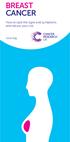 BREAST CANCER How to spot the signs and symptoms and reduce your risk cruk.org Breast cancer is the most common cancer in the UK. Around 8 in 10 breast cancer cases are in women aged 50 and over. Men can
what is warfarin? Treatment with Warfarin (Coumadin ) What is warfarin?
 What is warfarin? Warfarin sodium (Coumadin ) is a medication that works as an anti-coagulant. Anti means against and coagulant refers to blood clotting. An anticoagulant helps to prevent clots from forming
Treatment of diseases affecting the kidney using steroids
 Treatment of diseases affecting the kidney using steroids Hope Building Renal 0161 206 5223 All Rights Reserved 2015. Document for issue as handout. This information has been written by the medical and
Total Hip Replacement Surgery Home Care Instructions
 Total Hip Replacement Surgery Home Care Instructions Surgery: Date: Doctor: This handout will review the care you need to follow once you are home. If you have any questions or concerns, please ask your
Posterior Lumbar Decompression for Spinal Stenosis
 Posterior Lumbar Decompression for Spinal Stenosis Issue 6: March 2016 Review date: February 2019 Following your recent MRI scan and consultation with your spinal surgeon you have been diagnosed with
OPERATION:... Proximal tibial osteotomy Distal femoral osteotomy
 AFFIX PATIENT DETAIL STICKER HERE Forename.. Surname NHS Organisation. Responsible surgeon. Job Title Hospital Number... D.O.B.././ No special requirements OPERATION:..... Proximal tibial osteotomy Distal
T.E.D. Anti-Embolism Stockings
 T.E.D. Anti-Embolism Stockings You have been given this information because you are spending time in the hospital. This booklet contains important information about why you are wearing T.E.D. anti-embolism
Level 1, 131-135 Summer Street ORANGE NSW 2800 Ph: 02 63631688 Fax: 02 63631865
 Write questions or notes here: Level 1, 131-135 Summer Street ORANGE NSW 2800 Ph: 02 63631688 Fax: 02 63631865 Document Title: Revision Total Hip Replacement Further Information and Feedback: Tell us how
BOWEL CANCER. The doctor has explained that you have a growth or tumour, in your bowel or rectum and could be cancer.
 Patient and Carer Information BOWEL CANCER Please read this leaflet carefully. It is important that you take note of any instructions or advice given. If you have any questions or problems that are not
Biliary Stone Disease
 Biliary Stone Disease Delivering the best in care UHB is a no smoking Trust To see all of our current patient information leaflets please visit www.uhb.nhs.uk/patient-information-leaflets.htm You have
Local Steroid Injections to Joints and Soft Tissues. Rheumatology Patient Information Leaflet
 Local Steroid Injections to Joints and Soft Tissues Rheumatology Patient Information Leaflet Welcome to The Dudley Group Rheumatology department. This leaflet will provide you with information about what
Warfarin. (Coumadin, Jantoven ) Taking your medication safely
 Warfarin (Coumadin, Jantoven ) Taking your medication safely Welcome This booklet is designed to provide you with important information about warfarin to help you take this medication safely and effectively.
Sudden dizziness, trouble walking, loss of balance or coordination
 rivaroxaban (Xarelto) Patient Education Information Sheet Veterans Health System Pharmacy Service 119 What is rivaroxaban (Xarelto)? A new anticoagulant ( blood thinner ) that reduces the risk of stroke
Breast Pain. National Cancer Helpline 1800 200 700
 General information Breast Pain Breast Pain This factsheet gives information on breast pain in women. It explains the different types and causes of breast pain and how it can be diagnosed and treated.
Beaumont Hospital. Varicose Veins. and their TREATMENT. Professor Austin Leahy, MCh, FRCS, FRCSI WWW.VEINCLINICSOFIRELAND.COM
 Beaumont Hospital Varicose Veins and their TREATMENT Professor Austin Leahy, MCh, FRCS, FRCSI WWW.VEINCLINICSOFIRELAND.COM Department of Surgery Beaumont Hospital and Royal College of Surgeons in Ireland
FDA-Approved Patient Labeling
 FDA-Approved Patient Labeling Guide for Using Lo Loestrin Fe WARNING TO WOMEN WHO SMOKE Do not use Lo Loestrin Fe if you smoke cigarettes and are over 35 years old. Smoking increases your risk of serious