
The development of pressure ulcers
|
|
|
- Roxanne Norman
- 10 years ago
- Views:
Transcription
1 2.5 Prevention of Pressure Ulcers in the Surgical Patient PATINA S. WALTON-GEER, RN-BC, MSN, CWCN, CFCN ABSTRACT The development of pressure ulcers (PUs) is of enormous concern in all health care settings. A PU is any lesion (ie, localized area of tissue necrosis) caused by unrelieved pressure or pressure in combination with friction or shear that results in damage to the skin or underlying tissue. 1,2 An ulcer often develops when soft tissue is compressed between a bony prominence and an external surface for a prolonged period. 2-4 Pressure ulcers can occur any time body tissue is compromised causing skin breakdown. Monitoring and maintaining skin integrity is an essential component of defining a patient s health status and evaluating the quality of nursing care. 5 It is incumbent upon all health care provi - ders to work not only to decrease the incidence of PUs, but also to effectively Pressure ulcers (PUs) are a serious health care problem, and it is crucial to assess how patients acquire pressure ulcers after admission to a health care facility. In the OR, factors related to positioning, anesthesia, and the duration of surgery, in addition to patient-related factors, all can affect PU development. This article reviews current practices, including AORN recommended practices, regarding pressure ulcer prevention efforts for surgical patients. All surgical patients should be considered at-risk for pressure ulcer development; therefore, perioperative departments should develop and implement strategic plans for pressure ulcer prevention. Key words: pressure ulcer, health care-acquired conditions, surgical patients, wound prevention. AORN J 89 (March 2009) AORN, Inc, treat them when they occur. The Institute for Healthcare Improvement has initiated interventions to help hospitals reduce PUs through the use of evidence-based practices to improve patient care. 6 According to Graves et al, any patient affected by PU development will require a longer hospital stay. 7 Brown s research indicates that there is a link between hospital-acquired PUs and mortality. 8 Reddy et al estimate that approximately 60,000 patients will die each year from hospital-acquired pressure ulcers and that the cost of treating these wounds is approximately $11 billion per year. 9 The Centers for Medicare and Medicaid Services will no longer reimburse health care facilities if a health careassociated PU develops or is not documented as present on the patient s admission to the facility. 10 Placing financial responsibility for PU development on the health care facility should intensify the focus on reducing PU incidence. It is important to look at all areas within health care to decrease the possibilities of PU development whenever possible. There are many times during which patients are put at increased risk for developing PUs, including during surgery. Literature reviews reveal that PUs are discussed predominantly in regard to long-term care, intensive care, indicates that continuing education contact hours are available for this activity. Earn the contact hours by reading this article and taking the examination on pages and then completing the answer sheet and learner evaluation on pages The contact hours for this article expire March 31, You also may access this article online at AORN JOURNAL MARCH 2009, VOL 89, NO 3 AORN, Inc, 2009

2 Walton-Geer MARCH 2009, VOL 89, NO 3 TABLE 1 Stages of Tissue Breakdown 1,2 Type of injury Length of pressure Resolution Hyperemia Occurs when pressure is applied for Resolves within 1 hour less than 30 minutes Ischemia Occurs after 2 to 6 hours of unrelieved May require up to 36 hours pressure to resolve Necrosis Develops after 6 hours of unrelieved May require a vascular surgeon pressure with microvasculature and/or wound care team consult collapse and thrombosis Ulceration Occurs within 2 weeks of necrosis May require a vascular surgeon and/or wound care team consult 1. Pressure ulcers. Landon Center on Aging. Ulc.htm. Accessed December 28, Pieper B. Mechanical forces: pressure, shear, and friction. In: Bryant R, Nix D, eds. Acute & Chronic Wounds: Current Management Concepts. 3rd ed. St Louis, MO: Mosby Elsevier; 2007: and rehabilitation settings however, with little focus on acute care settings including the surgical environment. 7,11-14 Even though a large amount of information is available to educate health care providers and help them implement policies, procedures, protocols, and nursing care plans to decrease the number of health care-associated ulcers, the incidence of PUs continues to climb. 3,7,12 This article reviews the causes of and risk factors for PUs and intraoperative methods for pressure redistribution and prevention of ulcers that could occur during surgical procedures. ETIOLOGY OF PRESSURE ULCERS An intraoperatively acquired PU may resemble, and is often documented as, a burn. According to AORN s Recommended practices for positioning the patient in the perioperative setting, an intraoperatively acquired PU usually develops outward on the muscle of a bony prominence and has a purplish discoloration. 15 Depending on the patient s skin color, a purple or maroon localized area of discolored intact skin or blood-filled blister occurs as a result of damage to underlying soft tissue. 2,4,16 According to the National Pressure Ulcer Advisory Panel (NPUAP) and the Wound, Ostomy, and Continence Nurses Society (WOCN), PUs develop based on three causes: pressure, extrinsic factors, and intrinsic factors. 2,4 PRESSURE. Pressure can be defined by its intensity and its duration. Pressure ulcers are caused by compression of soft tissue between a bony prominence and an external surface such as a bed or chair. When the external pressure exceeds normal capillary filling pressure of approximately 32 mmhg, local blood flow is occluded, causing tissue ischemia and subsequent necrosis of skin and subcutaneous tissues. Muscle is more sensitive to pressure than skin; underlying tissue may become necrotic by the time a lesion presents on the skin surface. 3,17 Tissue breakdown occurs in stages (Table 1). Tissue damage may become apparent within several hours after surgery or may not appear for up to three days. Therefore, a PU that results from surgery may not be noticed until the patient s recovery period. 3,18 An inverse relationship may exist between the duration and intensity of pressure. Low-intensity pressure over a long period can initiate the tissue breakdown process, as can high-intensity pressure for a short period of time. 3,17 Tissue tolerance is the condition or integrity of the skin and supporting structures that influences the skin s ability to tolerate pressure. 3 Pressure risk factors for skin damage include AORN JOURNAL 539

3 MARCH 2009, VOL 89, NO 3 Walton-Geer immobility, sensory deficit, mental status changes, and bottoming out. 2,19 Immobility is the limitation of the patient s ability to reposition. Sensory defi cit is the patient s limited ability to sense the need to reposition. This could be caused by neuropathies, spinal cord lesions, stroke, coma, or chemical restraints. Mental and cognitive changes may prevent pressure sensitivity. Patients may not be able to move promptly or may be too confused to follow common movement patterns. Bates-Jensen defines bottoming out as when the pressure-relieving device no longer prevents direct pressure on the surface from which the patient needs to be protected. 19 This can be evaluated by sliding a hand between the pressure-redistribution device and the prominence exposed to the pressure. 19 EXTRINSIC FACTORS. Extrinsic factors include shear, friction, and moisture. Shear is defined as the applied force that can cause an opposite, parallel sliding motion in the planes of an object. Shear is affected by the amount of pressure that is exerted. 3,16 This tends to occur in larger occluded areas of vascular supply. An example is pulling skin in one direction and the bone in another. Friction is defined as a superficial, mechanical force directed against the epidermis, resulting in increased susceptibility to ulceration. 3 For example, this can occur when a patient is dragged across a sheet during repositioning or when a patient self-repositions. Another extrinsic factor occurs when the layer of skin (eg, stratum corneum) becomes overhydrated, causing weakness of the collagen or elasticity of the skin. This leads to maceration of the skin, resulting in tissue damage. All of these extrinsic factors can cause tissue damage, especially in older adult patients, patients with spastic movements, and patients who use braces or appliances that can rub against the skin. INTRINSIC FACTORS. Many patients undergoing surgery, especially older adults, have numerous risk factors that can result in PUs. Intrinsic risk factors causing skin damage affect the ability of the skin and supporting structures to respond to pressure and shear forces. Intrinsic factors include advanced age, anaerobic waste products, nutritional deficiencies, and steroid administration that affect collagen synthesis and degradation. Other factors that affect tissue perfusion include certain medications (eg, steroids, vasoactive medications); 3,20 presence of comorbid diseases (eg, cancer, cardiovascular and peripheral vascular deficiencies, diabetes mellitus, neurological or respiratory disease); 3,20 extracorporeal circulation; 21 impaired regulation in body temperature; 3,20 fractures; 3 low hemoglobin and hematocrit levels; 3,20 nutritional deficiencies; 3,11 obesity; 22 low serum protein (ie, prealbumin or total albumin plus globulin); 3 smoking; 3,20 and low systemic blood pressure. 3,20 POSITIONING Positioning is a crucial component of surgical care. Positioning for a surgical procedure depends on the surgeon s preference, the anesthesia care provider s needs, the procedure being performed, the need for exposure of the surgical site, and the patient s predisposing conditions. 5,15,23 Positioning is recognized as a balance between the position a patient can physically assume and those that are physiologically tolerated. A patient s body must be positioned adequately on an OR bed and proper body align - ment must be maintained to lessen the potential risk of skin injuries. Factors to be taken into account during the preoperative interview before sedation and positioning occur include preexisting conditions; 24 decreased ranges of motion; 24 previous surgical procedures; 24 presence of joint prostheses; 24 fractures; 24 and the patient s age, height, and weight. 23,24 A surgical patient should be positioned properly during the intraoperative phase of surgery to lessen possible injuries. Physiological injuries that are short-term (ie, resolving in 24 to 48 hours) or long-term can occur during surgery. Some injuries are modifiable and others are not. 25 The incidence of modifiable injuries can be decreased by proper positioning during surgery to lessen the probability of adverse physiological 540 AORN JOURNAL

4 Walton-Geer MARCH 2009, VOL 89, NO 3 responses, while providing access to the surgical site, the patient s airway, IV sites, and monitoring devices. 23,24 Maintaining optimal physiological conditions lessens the risk for complications both intraoperatively and postoperatively. When a patient has inadequate arterial blood flow, improper positioning can cause complications with blood pressure, decrease tissue perfusion and venous return, and cause thrombus formation. The patient s skin is at increased risk of tissue damage when the patient s body weight is not distributed evenly on the OR bed or if poor tissue perfusion is present. 23,24 Safety is the primary concern when determining a patient s position for a procedure. The number of personnel and devices must be adequate to safely transfer or position the patient preoperatively or intraoperatively. Transferring is accomplished with a lateral transfer device (eg, slide boards, air-assisted transfer devices) that reduces friction and shear. Perioperative team members should place proper padding around the patient s body to help prevent skin breakdown, especially on high-risk areas, depending on the position (Tables 2, 3, 4, 5, and 6). Pressure-relieving devices should be used to decrease possible ischemic changes as a result of pressure when a patient must remain in a position for several hours. Rolled sheets and towels are not to be used beneath overlays. This decreases the effectiveness of the overlay and causes pressure. It is important to monitor the TABLE 2 Common Surgical Positions Supine 1 Applicable Vulnerable Description procedures anatomy Patient lies on back with face toward the ceiling. Ankles are uncrossed. Arms are padded at sides in neutral position or on padded arm boards at less than a 90-degree angle with palms up. Head and upper body are in alignment with hips. Legs are parallel. Anterior chest (eg, open heart) Abdomen Pelvis Face, neck, and mouth Extremities Occiput Scapulae Arms Elbows Thoracic vertebrae Lumbar area Sacrum and coccyx Heels If patient is pregnant, a wedge should be placed under patient s right side to shift the uterus to the left and relieve compression on the aorta and vena cava. 1. Recommended practices for positioning the patient in the perioperative setting. In: Perioperative Standards and Recommended Practices. Denver, CO: AORN, Inc; 2008: Heels Occiput Scapulae Arms and elbows Thoracic vertebrae Lumbar area Sacrum and coccyx Kurt Jones AORN JOURNAL 541

5 MARCH 2009, VOL 89, NO 3 Walton-Geer quantity of pads, blankets, and warming blankets placed on top of or beneath a patient. Use of too many pads or blankets can cause the capillary pressure to rise over 32 mmhg, which increases the risk for poor tissue perfusion at that area of pressure, causing the patient to be at risk for PU development. 15 Patients should be repositioned during surgery if they are at high risk for skin breakdown. For example, a patient in the lithotomy position may have to be repositioned after prolonged surgery. AORN s Recommended practices for positioning the patient in the perioperative setting suggests that a patient should be repositioned every two hours to prevent continuous pressure on pressure points and assist in decreasing the risk of adverse physiological responses. 15 ANESTHESIA Together, positioning and anesthesia put the patient in a compromised state. Anesthesia affects how the patient is positioned. It also blocks a patient s sensitivity to pain and pressure, causing tissue damage vulnerability. All agents used in anesthesia can depress the autonomic nervous system, causing some degree of vasodilatation that is reflected in a lowering of blood pressure that causes a decrease in tissue perfusion. The compounded effect of anesthesia and the cold OR bed causes decreased perfusion. 23,24 According to a study performed by TABLE 3 Common Surgical Positions Prone 1 Applicable Vulnerable Description procedures anatomy Begins in the supine position. After induction of anesthesia, patient is log-rolled into the prone position (ie, face down). Patient may be placed on a positioning device. Head is placed on a padded headrest. Head and cervical alignment is maintained. Arms are at the patient s sides or on padded arm boards at less than a 90-degree angle. Chest rolls may be used to accommodate chest movement and lower abdominal pressure. Back and spine Posterior legs Forehead, eyes, ears, and chin Anterior shoulders Breasts Iliac crests Genitalia Knees Shins Dorsum of the feet Toes Protection is provided for patient s forehead, eyes, chin, breasts, genitalia, knees, and shins. Toes are allowed to extend over the end of the bed or are raised off the bed with padding under the shins. 1. Recommended practices for positioning the patient in the perioperative setting. In: Perioperative Standards and Recommended Practices. Denver, CO: AORN, Inc; 2008: Forehead, eyes, ears, chin Anterior shoulders Knees Dorsum of the feet Toes Breasts (women) Iliac crests Genitalia (men) Shins Kurt Jones 542 AORN JOURNAL

6 Walton-Geer MARCH 2009, VOL 89, NO 3 Lindgren et al, 26 patients having epidural or spinal anesthesia were more likely to develop pressure ulcers than patients having general anesthesia. Other contributing factors in the study were low body mass, poor nutritional status, low albumin levels, and decreased blood pressure. Changing the position of a patient undergoing anesthesia, regardless of what vasoactive medications are used, can decrease blood pressure, putting skin integrity at risk. SURGERY DURATION Most tissue can only withstand excessive pressure for brief periods. Prolonged exposure to pressure can initiate events resulting in tissue ischemia, which may lead to tissue anoxia and necrosis. In acute and chronic settings, it is suggested that patients who are immobile be turned at least every two hours. 3,15,18 The duration of the surgical procedure is a significant indicator in the risk of tissue damage. Repositioning a surgical patient, except for the heels, arms, and head, is rarely possible intraoperatively. 14 O Connell 24 demonstrated that procedures lasting longer than four hours triple the risk of tissue damage. Even the healthiest patient can be at risk for tissue damage if a surgical procedure lasts longer than four hours. Length of a surgical procedure is not always the primary predictor of PU development. Other factors could complicate or influence the course of the procedure, resulting in TABLE 4 Common Surgical Positions Kraske/Jackknife 1 Applicable Vulnerable Description procedures anatomy Begins in the supine position. After induction of anesthesia, patient is logrolled into the prone position. OR bed is then flexed to a 90-degree angle. Head and cervical alignment is maintained. A padded headrest and chest rolls are used. Arms are at sides of bed or on arm boards at less than a 90-degree angle. Toes are allowed to extend over the end of the bed or are raised off the bed with padding under the shins. Rectum Anus Forehead, eyes, ears, and chin Anterior shoulders Breasts Iliac crests Genitalia Knees Shins Dorsum of the feet Toes 1. Recommended practices for positioning the patient in the perioperative setting. In: Perioperative Standards and Recommended Practices. Denver, CO: AORN, Inc; 2008: Forehead, eyes, ears, chin Anterior shoulders Shins Toes Breasts (women) Iliac crests Genitalia (men) Knees Dorsum of the feet Kurt Jones AORN JOURNAL 543

7 MARCH 2009, VOL 89, NO 3 Walton-Geer longer time spent on the OR bed. Perioperative nurses and surgeons must address immobility if the patient will remain in one position for several hours. VULNERABLE SURGICAL PATIENTS Patients who are 65 years of age or older experience the highest incidence of PU development. The incidence of PUs in surgical patients can be as high as 45%. 2,3 In older adult patients, there is a greater incidence of preoperative variables (ie, extrinsic and intrinsic factors) occurring that result in physiological changes to the skin and ultimately, PU development. 2,3 During the intraoperative phase of surgery, which includes the time on the OR bed, hypotension and the type of procedure increase the patient s susceptibility to PU development. 3,18 The skin of the older adult is most likely to sustain tissue injury because it is less elastic with a thinner dermis and has less collagen, muscle, and adipose tissue. These characteristics make older patients not just susceptible to pressure problems with the skin, but also to increased bruising, skin tears, infection, impaired thermoregulation, and slow healing. 24 SURGICAL PRESSURE REDISTRIBUTION Rather than focusing on pressure reduction and pressure relief, support surfaces redistribute pressure. 16 These devices are designed to TABLE 5 Common Surgical Positions Lithotomy 1 Applicable Vulnerable Description procedures anatomy Patient begins in the supine position then legs are slowly and simultaneously raised and placed in stirrups or leg holders that are at an even height. Legs are not in contact with the stirrup posts. Patient s buttocks are at the break in the procedure bed. Arms are on arm boards at less than a 90-degree angle with the palms up. Arms are tucked at sides only if this is surgically necessary. Heels are in the lowest possible Obstetrics and gynecological procedures Genitourinary procedures position. After surgery, the patient s legs are lowered slowly and simultaneously. 1. Recommended practices for positioning the patient in the perioperative setting. In: Perioperative Standards and Recommended Practices. Denver, CO: AORN, Inc; 2008: Occiput Shoulders and scapulae Hips Occiput Shoulders Scapulae Hips Sacrum/coccyx Lateral aspect of the legs Heels Sacrum and coccyx Heels Lateral aspect of the legs Kurt Jones 544 AORN JOURNAL

8 Walton-Geer MARCH 2009, VOL 89, NO 3 prevent PUs or to promote reduction of interface tissue pressure. Several types of pressure redistribution support surfaces are available. One type is an overlay, which is placed directly on the mattress or on the bed frame as a replacement for the standard foam OR mattress. Foam, static air, gel, and dynamic air are common types of overlays, and all are latex free. Foam overlays are available in a variety of sizes, depths, densities, and construction. Static-air overlays allow air to exchange through multiple chambers when a patient lies on the overlay. This type of overlay must be reinflated periodically. Gel overlays (ie, visco-elastic polymer) prevent shearing, support weight, and prevent bottoming out. If punctured, gel overlays are capable of self-repair. One study found that gel overlays helped to prevent both skin changes and PU development in the older adult population, including those with chronic health comorbidities or vascular disease and those experiencing extended surgical times (ie, longer than two hours). 27 Dynamic-air overlays have a mechanical pump alternating inflation and deflation. These types of overlays include alternating pressure mattresses, low-air-loss beds, and airfluidized mattresses. Alternating-pressure mattresses produce alternating high and low pressures between the patient and the mattress with diminishing periods of high pressure. TABLE 6 Common Surgical Positions Lateral 1 Applicable Vulnerable Description procedures anatomy Chest Lung Kidney Hip Patient begins in the supine position and is logrolled onto the nonoperative side with assistance of positioning devices. Solid positioning devices (eg, bean bags) should be avoided as they compromise circulation and increase risk of ulceration. Patient s dependent leg is flexed and the top leg is straight with padding (eg, a pillow) between the legs. Spinal alignment is maintained. A headrest or pillow is used for the patient s head. The dependent arm is on a padded arm board. The upper arm is on a padded arm board or is supported with padding and a pillow is placed between the arms. Dependent side of face and ear Dependent shoulder Arms Dependent axilla Dependent hip Legs Dependent knee Ankles Feet 1. Recommended practices for positioning the patient in the perioperative setting. In: Perioperative Standards and Recommended Practices. Denver, CO: AORN, Inc; 2008: Note: In this illustration, the bed has been cracked for a kidney procedure. Arms Ankles and feet Dependent side of the face and ear Dependent shoulder and axilla Dependent hip Legs Dependent knee Kurt Jones AORN JOURNAL 545

9 MARCH 2009, VOL 89, NO 3 Walton-Geer Low-air-loss mattresses are air sacs through which warm air passes. Air-fluidized mattresses contain small silicone-coated beads; warm air under pressure sets the beads in motion to stimulate circulation and evenly distribute weight. 7 Dynamic-air overlays are not often used intraoperatively because of the possibility of body movement, electrical problems, and asepsis. 15 Mackey 28 reviewed three OR trials that indicated that the use of air and gel pressure overlays on the OR bed might be beneficial in reducing the incidence of PU for high-risk surgical patients. 28 Reddy et al 9 reviewed 59 randomized controlled trials that addressed impairment of mobility, skin integrity, and nutrition in relation to PU development. Strategies to address mobility impairment included the use of a support surface, mattress overlays on the OR bed, and specialized foam and specialized sheepskin overlays. Reddy s review reaffirmed that mattress overlays on the OR bed may decrease the incidence of postoperative PUs along with adequate nutrition, moistening the skin, and repositioning. 9 More current and unbiased research is needed to address the effectiveness and deficiencies of surgical pressure redistribution support surfaces. SURGICAL CONSIDERATIONS AND RECOMMENDATIONS All surgical patients should be considered at risk for PU development because of the uncontrollable length of surgery and the effects of anesthesia on the patient s hemodynamic state along with the use of vasoactive medications during surgery. Classifying all surgical patients as at risk for PU development is an appropriate preoperative intervention to successfully help reduce the incidence of possible PU development. The preoperative assessment should include details of the patient s skin status along with a risk assessment noting whether the patient is a high-risk candidate for PU development based on the proposed procedure and intrinsic and extrinsic factors. Perioperative nurses should develop nursing guidelines and protocols and individualized nursing care plans based on the patient s condition, the type and length of the surgical procedure, the required surgical positioning devices, and risk factors (Table 7). SKIN ASSESSMENT. The perioperative nurse should perform a thorough skin assessment of each surgical patient. This establishes a preoperative baseline to compare with the patient s postoperative status. The preoperative nurse should check thoroughly for any skin complications (eg, rash, maceration, infection, breakdown, dermatitis, incontinence, lymphedema) and look for signs of venous insufficiency 21 (eg, aching, cramps, pain, tiredness, paresthesia in the legs that worsens with standing or walking and is relieved by rest and elevation). A Braden or Norton Scale can be used to validate the patient s skin integrity and provide a comparison of preoperative and postoperative skin status. These scales can determine preoperatively whether the patient is at high risk for PU development, depending on the parameters being assessed. These assessments can provide evidence that would suggest the need to take more proactive steps before surgery to help prevent possible tissue damage and PU development. Pressure ulcer development does not necessarily start in the OR. Many factors that can contribute to tissue fragility begin before surgery. It would be appropriate, therefore, to thoroughly assess the patient s skin when performing the preoperative physical examination (eg, nutrition, hydration) and laboratory tests (eg, hemoglobin, total albumin, prealbumin), all of which are important in evaluating skin integrity. For example, if a patient has been immobile or unable to react to ischemic pain before surgery, the patient is at increased risk for skin breakdown. Perioperative nurses should emphasize evaluating skin integrity before surgery. More research needs to be performed to help support the preoperative and postoperative use and effectiveness of a skin assessment for surgical patients. CONSIDERATIONS FOR SUPPORT SURFACES. Pressure redistribution devices should be used for all surgical patients. The use of pressure redistribution support surfaces has been proven to be effective in decreasing PU formation, especially among high-risk populations. 9,14,27,28 For surgery, research supports the use of a static-air mattress in the OR. Gel overlays have been shown 546 AORN JOURNAL

10 Walton-Geer MARCH 2009, VOL 89, NO 3 Diagnosis Risk for injury [X29] Ineffective tissue perfusion [X61] TABLE 7 Nursing Care Plan to Prevent the Development of Intraoperatively Acquired Pressure Ulcers [PNDS code] Nursing interventions Verifies the patient s identity, allergies, NPO status, informed consent, and laterality [I26, I123, I124, I143]. Identifies physiological status (eg, skin integrity, sensory impairments, musculo skeletal status) [I66, I90]. Implements protective measures to prevent injury (eg, appropriate positioning, adequate padding of pressure points, safety devices) [I11, I72-I78, I90]. Evaluates for injury [I136-I143, I152]. Identifies baseline tissue perfusion [I60]. Identifies risk factors for ineffective tissue perfusion (eg, venous stasis) [I15]. Maximizes mechanical prophylaxis by assisting the patient in donning thrombo - embolic disease (TED) stockings properly, educating the patient about the importance of TED stockings and the significance of wearing them as prescribed, and suggesting that the patient use stockinettes or socks under foot pumps for comfort. Administers pharmacologic agents as ordered. Maintains continuous surveillance [I128]. Evaluates postoperative tissue perfusion [I46] and response to venous stasis prophylaxis. Outcome indicator The patient s skin remains intact, nonreddened, and free of blistering; motion, sensation, and circulation are maintained or improved during the perioperative period. The patient does not exhibit signs or symptoms of venous stasis. Outcome statement The patient is free from signs and symptoms of physical injury acquired during the perioperative period [O1]. The patient has wound/ tissue perfusion consistent with or improved from baseline levels established preoperatively [O11]. to provide a reduction in pressure but not as effectively as air mattresses. More research needs to be done to help identify preventative techniques, supplies, and equipment. Nurse managers should assess the support surfaces used throughout the hospital, including in the emergency department (ED). Many patients are transported to the ED in ambulances on hard surfaces. Patients then are transferred onto stretcher mattresses that do not provide the pressure redistribution needed to help prevent PU development. Often, patients in the ED are left on that surface waiting for admission for many hours. Patients may already have adversely affected tissue because of this extensive and long-term pressure. More research is needed to address the prevention of PUs in surgical patients. The research then should be translated into better education to improve the competency of perioperative team members and to help develop and implement policies and procedures, where needed, to decrease the vulnerability for PU development. More evidence-based research in this area will encourage practice changes that will in turn help decrease PU development, improve patient comfort, decrease patient mortality, and lower health care costs. Acknowledgment: The author acknowledges Michelle M. Byrne, PhD, RN, CNOR, associate professor of nursing and coordinator of the MS Nursing Education Program, North Georgia College and State University, Dahlonega, GA, for her support and mentorship during the development of this manuscript. AORN JOURNAL 547
![Identifies physiological status (eg, skin integrity, sensory impairments, musculo skeletal status) [I66, I90].](/docs-images/43/13300729/images/page_10.jpg "Implements protective measures to prevent injury (eg, appropriate positioning, adequate padding of pressure points, safety devices) [I11, I72-I78, I90]. Evaluates for injury [I136-I143, I152].")
11 MARCH 2009, VOL 89, NO 3 Walton-Geer REFERENCES 1. Ayello EA, Baranoski S, Lyder CH, Cuddigan J. Pressure ulcers. In: Baranoski S, Ayello EA, eds. Wound Care Essentials: Practice Principles. 2nd ed. Philadelphia, PA: Lippincott Williams & Wilkins; 2007: Pressure ulcer stages revised by NPUAP. National Pressure Ulcer Advisory Panel. Accessed December 27, Pieper B. Mechanical forces: pressure, shear, and friction. In: Bryant R, Nix D, eds. Acute & Chronic Wounds: Current Management Concepts. 3rd ed. St Louis, MO: Mosby; 2007: Position statement: Pressure ulcer staging. Wound Ostomy and Continence Nurses Society. ments/pressureulcerstaging.pdf. Accessed December 27, Montalvo I. The National Database of Nursing Quality Indicators TM (NDNQI ). The Online Journal of Issues in Nursing. 2007;12(3). ingworld.org/mainmenucategories/anamarket place/anaperiodicals/ojin/tableofcontents/vol ume122007/no3sept07/nursingqualityindicators.aspx. Accessed January 30, Relieve the pressure and reduce harm. Institute for Healthcare Improvement. /Topics/PatientSafety/SafetyGeneral/Improvement Stories/FSRelievethePressureandReduceHarm.htm. Accessed January 28, Graves N, Birrell F, Whitby M. Effect of pressure ulcers on length of hospital stay. Infect Control Hosp Epidemiol. 2005;26(3): Brown G. Long-term outcomes of full-thickness pressure ulcers: healing and mortality. Ostomy Wound Manage. 2003;49(10): Reddy M, Gill SS, Rochon PA. Preventing pressure ulcers: a systematic review. JAMA. 2006;296(8): Hospital-acquired conditions (present on admission indicator). The Centers for Medicare and Medicaid Services. pitalacqcond. Accessed January 28, Baumgarten M, Margolis D, Localio AR, et al. Extrinsic risk factors for pressure ulcers early in the hospital stay: a nested case-control study. J Gerontol A Biol Sci Med Sci. 2008;63(4): Ayello EA, Lyder CH. Protecting patients from harm: preventing pressure ulcers in hospital patients. Nursing. 2007;37(10): Padula CA, Osborne E, Williams J. Prevention and early detection of pressure ulcers in hospitalized patients. J Wound Ostomy Continence Nurs. 2008;35(1): Dybec RB. Intraoperative positioning and care of the obese patient. Plast Surg Nurs. 2004;24(3): Recommended practices for positioning the patient in the perioperative setting. In: Perioperative Standards and Recommended Practices. Denver, CO: AORN, Inc; 2008: Nix DP. Support surfaces. In: Bryant R, Nix D, eds. Acute & Chronic Wounds: Current Management Concepts. 3rd ed. St Louis, MO: Mosby; 2007: Lee BY, Ostrander LE. Noninvasive evaluation of the cutaneous circulation. In: Lee BY, ed. The Wound Management Manual. New York, NY: McGraw-Hill; 2005: Price MC, Whitney JD, King CA, Doughty D. Development of a risk assessment tool for intraoperative pressure ulcers. J Wound Ostomy Continence Nurs. 2005;32(1): Bates-Jensen BM. Pressure ulcers: pathophysiology and prevention. In: Sussman C, Bates-Jensen BM, eds. Wound Care: A Collaborative Practice Manual for Health Professionals. 3rd ed. Philadelphia, PA: Lippincott Williams & Wilkins; 2007: Posthauer M. Introduction to wound diagnosis. In: Sussman C, Bates-Jensen BM, eds. Wound Care: A Collaborative Practice Manual for Health Professionals. 3rd ed. Philadelphia, PA: Lippincott Williams & Wilkins; 2007: Sewchuk D, Padula C, Osborne E. Prevention and early detection of pressure ulcers in patients undergoing cardiac surgery. AORN J. 2006;84(1): Nixon J, Cranny G, Iglesias E, et al. Randomised controlled trial of alternating pressure mattresses compared with alternating pressure overlays for the prevention of pressure ulcers: PRESSURE (pressure relieving support surfaces) trial. BMJ. 2006;332(7555): Phillips NF. Positioning, prepping, and draping the patient. In: Phillips NF, ed. Berry and Kohn s Operating Room Technique. St Louis, MO: Mosby; 2004: O Connell MP. Positioning impact on the surgical patient. Nurs Clin North Am. 2006;41(2): Intraoperative nursing management. In: Smeltzer SC, Bare BG, Hinkle JL, Cheever KH, eds. Brunner & Suddarth s Textbook of Medical-Surgical Nursing. 11th ed. Philadelphia, PA: Lippincott Williams & Wilkins; 2006: Lindgren M, Unosson M, Krantz AM, Ek AC. Pressure ulcer risk factors in patients undergoing surgery. J Adv Nurs. 2005;50(6): Hoshowsky VM, Schramm CA. Intraoperative pressure sore prevention: an analysis of bedding materials. Res Nurs Health. 1994;17(5): Mackey D. Support surfaces: beds, mattresses, overlays oh my! Nurs Clin North Am. 2005;40(2): Patina S. Walton-Geer, RN-BC, MSN, CWCN, CFCN, is a wound and foot care nurse clinician at AnMed Health Outpatient Wound and Foot Care Clinic, Anderson, SC. Ms Walton-Geer has no declared affiliation that could be perceived as a potential conflict of interest in publishing this article. 548 AORN JOURNAL

12 Examination 2.5 Prevention of Pressure Ulcers in the Surgical Patient PURPOSE/GOAL To educate perioperative nurses about prevention of intraoperatively acquired pressure ulcers (PUs). BEHAVIORAL OBJECTIVES After reading and studying the article on preventing PUs in surgical patients, nurses will be able to 1. discuss the etiology of PU development, 2. describe factors that contribute to the development of intraoperatively acquired PUs, 3. identify surgical patient populations that may have an increased risk of developing PUs, and 4. describe methods available to help prevent PUs in surgical patients. 1. Local blood flow is occluded when the external pressure exceeds normal capillary filling pressure of approximately a. 32 mmhg. b. 64 mmhg. c. 86 mmhg. d. 92 mmhg. QUESTIONS 2. friction. 3. overhydration of tissue. 4. shear. a. 1 and 3 b. 2 and 4 c. 2, 3, and 4 d. 1, 2, 3, and 4 2. Underlying tissue may become necrotic by the time a lesion presents on the skin surface because a. muscle rests directly on bone. b. muscles have less vascular supply than skin. c. muscle is more sensitive to pressure than skin. d. muscles have more vascular supply than skin. 3. Necrosis occurs when unrelieved pressure is applied for a. less than 30 minutes. b. two to four hours. c. four hours or more. d. six hours or more. 4. Extrinsic risk factors for tissue damage include 1. comorbid diseases. 5. When a patient has inadequate arterial blood flow, improper positioning can 1. cause blood pressure complications. 2. decrease tissue perfusion. 3. decrease venous return. 4. result in thrombus formation. a. 1 and 2 b. 3 and 4 c. 1, 3, and 4 d. 1, 2, 3, and 4 6. According to AORN s Recommended practices for positioning the patient in the perioperative setting, the OR team should reposition the patient every to prevent continuous pressure on pressure points. a. 30 minutes b. hour c. two hours d. three hours AORN, Inc, 2009 MARCH 2009, VOL 89, NO 3 AORN JOURNAL 549

13 MARCH 2009, VOL 89, NO 3 Examination 7. All agents used in anesthesia can 1. cause a decrease in tissue perfusion. 2. cause some degree of vasodilatation. 3. depress the autonomic nervous system. 4. lower blood pressure to some degree. a. 1 and 3 b. 2 and 4 c. 1, 2, and 3 d. 1, 2, 3, and 4 8. Anatomical sites that are vulnerable to pressure ulcer development when a patient is in the jackknife position include 1. dorsum of the feet. 2. eyes, ears, and forehead. 3. genitalia and breasts. 4. knees. 5. occiput. 6. sacrum. a. 1 and 5 b. 1, 2, 3, and 4 c. 2, 3, 4, 5, and 6 d. 1, 2, 3, 4, 5, and 6 9. The highest incidence of PU development occurs in patients who are a. younger than 10 years of age. b. 50 years of age or older. c. 65 years of age or older. 10. Gel overlays (ie, visco-elastic polymer) 1. allow gel to exchange through multiple chambers. 2. are capable of self-repair. 3. prevent bottoming out. 4. prevent shearing. 5. support the patient s weight. a. 2 and 3 b. 1, 4, and 5 c. 2, 3, 4, and 5 d. 1, 2, 3, 4, and 5 The behavioral objectives and exam - ination for this program were prepared by Rebecca Holm, RN, MSN, CNOR, clinical editor, with consultation from Susan Bakewell, RN, MS, BC, director, Center for Perioperative Education. Ms Holm and Ms Bakewell have no declared affiliations that could be perceived as potential conflicts of interest in publishing this article. This program meets criteria for CNOR and CRNFA recertification, as well as other continuing education requirements. AORN is accred ited as a provider of continuing nursing education by the American Nurses Creden tialing Center s Commission on Accredit ation. AORN recognizes this activity as continuing education for registered nurses. This recognition does not imply that AORN or the American Nurses Credentialing Center approves or endorses products mentioned in the activity. AORN is provider-approved by the California Board of Registered Nursing, Provider Number CEP Check with your state board of nursing for acceptance of this activity for relicensure. 550 AORN JOURNAL

14 Answer Sheet 2.5 Prevention of Pressure Ulcers in the Surgical Patient Event #09100 Session #1115 Please fill out the application and answer form on this page and the evaluation form on the back of this page. Tear the page out of the Journal or make photocopies and mail with appropriate fee to: AORN Customer Service c/o AORN Journal Continuing Education 2170 S Parker Rd, Suite 300 Denver, CO or fax with credit card information to (303) Additionally, please verify by signature that you have reviewed the objectives and read the article, or you will not receive credit. Signature 1. Record your AORN member identification number in the appropriate section below. (See your member card.) 2. Completely darken the spaces that indicate your answers to examination questions 1 through 10. Use blue or black ink only. 3. Our accrediting body requires that we verify the time you needed to complete this 2.5 continuing education contact hour (150-minute) program. 4. Enclose fee if information is mailed. AORN (ID) # Name Address City Phone number RN license # Fee enclosed State Zip State or bill the credit card indicated MC Visa American Express Discover Card # Expiration date Signature (for credit card authorization) Fee: Members $12.50 Nonmembers $25 Program offered March 2009 The deadline for this program is March 31, 2012 AORN, Inc, 2009 A score of 70% correct on the examination is required for credit. Participants receive feedback on incorrect answers. Each applicant who successfully completes this program will receive a certificate of completion. MARCH 2009, VOL 89, NO 3 AORN JOURNAL 551

15 2.5 Learner Evaluation Prevention of Pressure Ulcers in the Surgical Patient This evaluation is used to determine the extent to which this continuing education program met your learning needs. Rate these items on a scale of 1 to 5. PURPOSE/GOAL To educate perioperative nurses about prevention of intraoperatively acquired pressure ulcers (PUs). OBJECTIVES To what extent were the following objectives of this continuing education program achieved? 1. Discuss the etiology of PU development. 2. Describe factors that contribute to the development of intraoperatively acquired PUs. 3. Identify surgical patient populations that may have an increased risk of developing PUs. 4. Describe methods available to help prevent PUs in surgical patients. CONTENT To what extent 5. did this article increase your know ledge of the subject matter? 6. was the content clear and organized? 7. did this article facilitate learning? 8. were your individual objectives met? 9. did the objectives relate to the overall purpose/goal? TEST QUESTIONS/ANSWERS To what extent 10. were they reflective of the content? 11. were they easy to understand? 12. did they address important points? LEARNER INPUT 13. Will you be able to use the information from this article in your work setting? a. yes b. no 14. I learned of this article via a. the AORN Journal I receive as an AORN member. b. an AORN Journal I obtained elsewhere. c. the AORN Journal web site. 15. What factor most affects whether you take an AORN Journal continuing education examination? a. need for continuing education contact hours b. price c. subject matter relevant to current position d. number of continuing education contact hours offered What other topics would you like to see addressed in a future continuing education article? Would you be interested or do you know someone who would be interested in writing an article on this topic? Topic(s): Author names and addresses: 552 AORN JOURNAL MARCH 2009, VOL 89, NO 3 AORN, Inc, 2009

Patient Safety. 20 The OR Connection
 Patient Safety 20 The OR Connection Back to Basics Eleventh in a Series Perioperative Positioning Injuries on the Rise: What to Do! by Alecia Cooper, RN, BS, MBA, CNOR Author s note: In 2007, I wrote a
Understand nurse aide skills needed to promote skin integrity.
 Unit B Resident Care Skills Essential Standard NA5.00 Understand nurse aide s role in providing residents hygiene, grooming, and skin care. Indicator Understand nurse aide skills needed to promote skin
Pressure Ulcer Prevention in the O.R. Recommendations and Guidance
 March, 2013 Pressure Ulcer Prevention in the O.R. Recommendations and Guidance These recommendations are intended to provide guidance to improve the consistency of pressure ulcer prevention in operating
Skin & Wound Care Prevention & Treatment. By Candy Houk, RN Skin & Wound Program Manager
 Skin & Wound Care Prevention & Treatment By Candy Houk, RN Skin & Wound Program Manager OBJECTIVES Classify Stage 1 and 2 pressure ulcers Recognize suspected Stage 3, 4, DTI, and unstageable pressure ulcers
Pressure Ulcers Assessing and Staging. Anne Pirzadeh RN CWOCN University of Colorado Hospital June 2010
 Pressure Ulcers Assessing and Staging Anne Pirzadeh RN CWOCN University of Colorado Hospital June 2010 Never Events: Pressure Ulcers Pressure Ulcer Codes: MD documentation of pressure ulcers determines
OASIS-C Integument Assessment: Not for Wimps! Part I: Pressure Ulcers
 OASIS-C Integument Assessment: Not for Wimps! Part I: Pressure Ulcers Presented by: Rhonda Will, RN, BS, COS-C, HCS-D Assistant Director, OASIS Competency Institute 243 King Street, Suite 246 Northampton,
Position Statement: Pressure Ulcer Staging
 Position Statement: Pressure Ulcer Staging Statement of Position The Wound, Ostomy and Continence Nurses (WOCN) Society supports the use of the National Pressure Ulcer Advisory Panel Staging System (NPUAP).
Wound and Skin Assessment. Mary Carvalho RN, BSN, MBA Clinical Coordinator Johnson Creek Wound and Edema Center
 Wound and Skin Assessment Mary Carvalho RN, BSN, MBA Clinical Coordinator Johnson Creek Wound and Edema Center Skin The largest Organ Weighs between 6 and 8 pounds Covers over 20 square feet Thickness
.org. Herniated Disk in the Lower Back. Anatomy. Description
 Herniated Disk in the Lower Back Page ( 1 ) Sometimes called a slipped or ruptured disk, a herniated disk most often occurs in your lower back. It is one of the most common causes of low back pain, as
7/11/2011. Pressure Ulcers. Moisture-NOT Pressure. Wounds NOT Caused by Pressure
 Assessment and Documentation of Pressure Ulcers Jeri Ann Lundgren, RN, BSN, PHN, CWS, CWCN Pathway Health Services July 19, 2011 Training Objectives Describe etiologies of pressure ulcers Discuss how to
A Patient s Guide to Diffuse Idiopathic Skeletal Hyperostosis (DISH)
 A Patient s Guide to Diffuse Idiopathic Skeletal Hyperostosis (DISH) Introduction Diffuse Idiopathic Skeletal Hyperostosis (DISH) is a phenomenon that more commonly affects older males. It is associated
Mosby s Nursing Skills Perioperative Skills and Procedures
 Mosby s Nursing Skills Perioperative Skills and Procedures Surgical Gown: Applying Gown and Maintaining Sterility Surgical Field: Maintaining Sterility Surgical Packs: Maintaining Sterility Surgical Packs:
AST Standards of Practice for Surgical Positioning
 AST Standards of Practice for Surgical Positioning Introduction The following Standards of Practice were researched and authored by the AST Education and Professional Standards Committee and have been
Spinal Cord Injury Education. An Overview for Patients, Families, and Caregivers
 Spinal Cord Injury Education An Overview for Patients, Families, and Caregivers Spinal Cord Anatomy A major component of the Central Nervous System (CNS) It is 15 to 16 inches long, and weighs 1 to 2 ounces
Pressure Ulcers in Neonatal Patients. Rene Amaya, MD Pediatric Specialists of Houston Infectious Disease/Wound Care
 Pressure Ulcers in Neonatal Patients Rene Amaya, MD Pediatric Specialists of Houston Infectious Disease/Wound Care Objectives Review skin anatomy and understand why neonatal skin is at increased risk for
Working together to prevent pressure ulcers (prevention and pressure-relieving devices)
 Working together to prevent pressure ulcers (prevention and pressure-relieving devices) Understanding NICE guidance information for people at risk of pressure ulcers, their carers, and the public Draft
Request for Designated Doctor Examination Type (or print in black ink) each item on this form
 Texas Department of Insurance Division of Workers Compensation 7551 Metro Center Drive, Suite 100 MS-603 Austin, TX 78744-1645 (512) 804-4380 phone (512) 804-4121 fax Complete, if known: DWC Claim # Carrier
.org. Fractures of the Thoracic and Lumbar Spine. Cause. Description
 Fractures of the Thoracic and Lumbar Spine Page ( 1 ) Spinal fractures can vary widely in severity. While some fractures are very serious injuries that require emergency treatment, other fractures can
How To Stage A Pressure Ulcer
 WOCN Society Position Statement: Pressure Ulcer Staging Originated By: Wound Committee Date Completed: 1996 Reviewed/Revised: July 2006 Revised: August 2007 Reviewed/Revised: April 2011 Definition of Pressure
Tired, Aching Legs? Swollen Ankles? Varicose Veins? An informative guide for patients
 Tired, Aching Legs? Swollen Ankles? Varicose Veins? An informative guide for patients Are You at Risk? Leg problems are widespread throughout the world, but what most people don t know is that approximately
Anaesthesia tutorial of the week 112: Prone Positioning
 Anaesthesia tutorial of the week 112: Prone Positioning Dr D G Hovord Specialist Trainee Registrar - Anaesthetics University Hospitals of Coventry and Warwick [email protected] Self-assessment Before
Information for the Patient About Surgical
 Information for the Patient About Surgical Decompression and Stabilization of the Spine Aging and the Spine Daily wear and tear, along with disc degeneration due to aging and injury, are common causes
Pressure Ulcers. Occupational Therapy. This leaflet is for both yourself and Carers
 Pressure Ulcers Occupational Therapy This leaflet is for both yourself and Carers Contents What is a pressure ulcer? 3 Who is at risk of developing a pressure ulcer? 4 How can I avoid developing a pressure
Pain and tissue-interface pressures during spineboard immobilization.
 Ann Emerg Med. 1995 Jul;26(1):31-6. Links Pain and tissue-interface pressures during spineboard immobilization. Cordell WH, Hollingsworth JC, Olinger ML, Stroman SJ, elson DR. Emergency Medicine and Trauma
Illinois Department of Public Health STATEMENT OF DEFICIENCIES AND PLAN OF CORRECTION. Statement of LICENSURE Violations
 (X1) PROVER/SUPPLIER/CLIA ENTIFICATION NUMBER: (X3) SURVEY D NAME OF PROVER OR SUPPLIER (X4) SUMMARY REGULATORY OR LSC ENTIFYING INFORMATION) PROVER'S PLAN OF CORRECTION Final Observations Statement of
Pressure Ulcers: Facility Assessment Checklists
 Pressure Ulcers: Facility Assessment Checklists This is a series of self-assessment checklists for nursing home staff to use to assess processes related to managing pressure ulcers in the facility, in
Tired, Aching Legs? Swollen Ankles? Varicose Veins?
 Tired, Aching Legs? Swollen Ankles? Varicose Veins? Healthy Legs 2006 http://healthylegs.com Page 1 Venous disorders are widespread Leg problems are widespread throughout the world, but what most people
Heel Pressure Ulcers: 2014
 Heel Pressure Ulcers: 2014 International Pressure Ulcer Prevention & Treatment Guidelines Diane Langemo, PhD, RN, FAAN Objectives Discuss heel anatomy & physiology as it contributes to pressure ulcer development
Injury Prevention for the Back and Neck
 Injury Prevention for the Back and Neck www.csmr.org We have created this brochure to provide you with information regarding: Common Causes of Back and Neck Injuries and Pain Tips for Avoiding Neck and
treatment of varicose and spider veins patient information SAMPLE a publication by advancing vein care
 treatment of varicose and spider veins patient information a publication by advancing vein care Since most veins lie deep to the skin s surface, vein disorders are not always visible to the naked eye.
PATIENT HANDBOOK AND JOURNAL DAY OF SURGERY
 PATIENT HANDBOOK AND JOURNAL DAY OF SURGERY PREPARING YOUR SKIN BEFORE SURGERY PRE-OP HIBICLENS BATHING INSTRUCTIONS: General Information: Because the skin is not sterile, it is important to make sure
Lower Back Pain An Educational Guide
 Lower Back Pain An Educational Guide A publication from the Center of Pain Medicine and Physiatric Rehabilitation 2002 Medical Parkway Ste 150 1630 Main St Ste 215 Annapolis, MD 21401 Chester, MD 21619
Preventing pressure ulcers
 Golden Jubilee National Hospital NHS National Waiting Times Centre Preventing pressure ulcers Patient information guide for adults at risk of pressure ulcers Agamemnon Street Clydebank, G81 4DY (: 0141
Exercises for Low Back Injury Prevention
 DIVISION OF AGRICULTURE RESEARCH & EXTENSION University of Arkansas System Family and Consumer Sciences Increasing Physical Activity as We Age Exercises for Low Back Injury Prevention FSFCS38 Lisa Washburn,
Quality Measures for Long-stay Residents Percent of residents whose need for help with daily activities has increased.
 Quality Measures for Long-stay Residents Percent of residents whose need for help with daily activities has increased. This graph shows the percent of residents whose need for help doing basic daily tasks
Anyone who has difficulty moving can get a pressure sore. But you are more likely to get one if you:
 Patient information from the BMJ Group Pressure sores Anyone can get a pressure sore if they sit or lie still for too long without moving. People who are old or very ill are most likely to get them. Careful
Use of a Soft Silicone Bordered Sacrum Dressing to Reduce Pressure Ulcer Formation in Critically Ill Patients: A Randomized Clinical Trial
 Use of a Soft Silicone Bordered Sacrum Dressing to Reduce Pressure Ulcer Formation in Critically Ill Patients: A Randomized Clinical Trial Peggy Kalowes RN, PhD, CNS, FAHA Principal Investigator Director,
Y O U R S U R G E O N S. choice of. implants F O R Y O U R S U R G E R Y
 Y O U R S U R G E O N S choice of implants F O R Y O U R S U R G E R Y Y O U R S U R G E O N S choice of implants F O R Y O U R S U R G E R Y Your Surgeon Has Chosen the C 2 a-taper Acetabular System The
Risk Assessment using the Munro Pressure Ulcer Risk Assessment Scale For Perioperative Patients. Prevention of Perioperative Pressure Ulcers Tool Kit
 Risk Assessment using the Munro Pressure Ulcer Risk Assessment Scale For Perioperative Patients Prevention of Perioperative Pressure Ulcers Tool Kit 2 Funded in part by grants from Sage Products, LLC and
Pennsylvania Trauma Nursing Core Curriculum. Posted to PTSF Website: 10/30/2014
 Pennsylvania Trauma Nursing Core Curriculum Posted to PTSF Website: 10/30/2014 PREFACE Care of the trauma patient has evolved since 1985, when the Pennsylvania Trauma Systems Foundation (PTSF) Board of
Range of Motion. A guide for you after spinal cord injury. Spinal Cord Injury Rehabilitation Program
 Range of Motion A guide for you after spinal cord injury Spinal Cord Injury Rehabilitation Program This booklet has been written by the health care providers who provide care to people who have a spinal
Graduated compression hosiery (stockings)
 What is compression hosiery? Compression hosiery are elasticated stockings which give support to your legs. In graduated compression hosiery, the pressure given by the stockings is greater at the ankle
Cervical Fusion Protocol
 REHABILITATION DEPARTMENT Cervical Fusion Protocol The following protocol for physical therapy rehabilitation was designed based on the typical patient seen at the Texas Back Institute for the procedure
Pressure Ulcers Risk Management and Treatment
 Pressure Ulcers Risk Management and Treatment Objectives State reasons why individuals initiate lawsuits. Define strategies to reduce the risk of litigation. Determine appropriate treatment for the patient.
How does Diabetes Effect the Feet
 How does Diabetes Effect the Feet What Skin Changes May Occur? Diabetes can cause changes in the skin of your foot. At times your foot may become very dry. The skin may peel and crack. The problem is that
Pressure Injury Prevention and Management Policy
 Pressure Injury Prevention and Management Policy Owner (initiating the document): Dr Amanda Ling Contact name and number: Rachel Dennis (Ph: 9222 2197) Version: 1.5 Approved by: Professor Bryant Stokes,
Blepharoplasty - Eyelid Surgery
 Blepharoplasty - Eyelid Surgery Introduction Eyelid surgery repairs sagging or drooping eyelids. The surgery is also known as blepharoplasty, or an eyelid lift. Sagging or drooping eyelids happen naturally
Herniated Disk in the Lower Back
 Nader M. Hebela, MD Fellow of the American Academy of Orthopaedic Surgeons http://orthodoc.aaos.org/hebela Cleveland Clinic Abu Dhabi Cleveland Clinic Abu Dhabi Neurological Institute Al Maryah Island
Orthopaedic Spine Center. Anterior Cervical Discectomy and Fusion (ACDF) Normal Discs
 Orthopaedic Spine Center Graham Calvert MD James Woodall MD PhD Anterior Cervical Discectomy and Fusion (ACDF) Normal Discs The cervical spine consists of the bony vertebrae, discs, nerves and other structures.
Hip Replacement Surgery Understanding the Risks
 Hip Replacement Surgery Understanding the Risks Understanding the Risks of Hip Replacement Surgery Introduction This booklet is designed to help your doctor talk to you about the most common risks you
Nursing. Management of Spinal Trauma. Content. Objectives. Objectives
 7 cervical vertebrae Content 12 thoracic vertebrae Nursing 5 sacral vertebrae Management of Spinal Trauma Kwai Fung Betty Siu Ward Manager O&T Dept TKOH Date : 22nd April 2007 5 lumbar vertebrae 4 coccygeal
Spine Conditioning Program Purpose of Program
 Prepared for: Prepared by: OrthoInfo Purpose of Program After an injury or surgery, an exercise conditioning program will help you return to daily activities and enjoy a more active, healthy lifestyle.
Self Management Program. Ankle Sprains. Improving Care. Improving Business.
 Ankle Sprains Improving Care. Improving Business. What is an ankle sprain? Ligaments attach to the ankle bones and allow for normal movement and help prevent too much motion within the joint. Ankle sprains
TIPS and EXERCISES for your knee stiffness. and pain
 TIPS and EXERCISES for your knee stiffness and pain KNEE EXERCISES Range of motion exercise 3 Knee bending exercises 3 Knee straightening exercises 5 STRENGTHENING EXERCISES 6 AEROBIC EXERCISE 10 ADDITIONAL
Patient Guide. Sacroiliac Joint Pain
 Patient Guide Sacroiliac Joint Pain Anatomy Where is the Sacroiliac Joint? The sacroiliac joint (SIJ) is located at the bottom end of your spine, where the "tailbone" (sacrum) joins the pelvis (ilium).
Knee arthroscopy advice sheet
 Knee arthroscopy advice sheet During an arthroscopy, a camera is inserted into the knee through two or three small puncture wounds. It allows the surgeon to look at the joint surfaces, cartilage and the
Silicone pressure-reducing pads for the prevention and treatment of pressure ulcers
 S46 Product focus Silicone pressure-reducing pads for the prevention and treatment of pressure ulcers Abstract Pressure ulcers, a key quality of care indicator, cause emotional distress to the patient,
Pressure Ulcer Passport
 Pressure Ulcer Passport Information for patients This is a record of the treatment you are receiving for your pressure ulcer injury. Please bring it with you to all your healthcare appointments. This will
THE DEVELOPMENT OF A CARE BUNDLE FOR THE CRITICALLY ILL
 PRESSURE ULCER PROPHYLAXIS THE DEVELOPMENT OF A CARE BUNDLE FOR THE CRITICALLY ILL Barb Duncan RN, BScN Heather Harrington RN, BScN, CNCC(c) Louanne Rich vanderbij, RN, BScN, MSc., WOCN CWCN Barb Duncan
NPUAP PRESSURE ULCER ROOT CAUSE ANALYSIS (RCA) TEMPLATE
 Purpose: The development of a facility acquired pressure ulcer brings with it both a financial impact to an institution and a performance or quality of care impact that may be reportable to state or government
Herniated Disk. This reference summary explains herniated disks. It discusses symptoms and causes of the condition, as well as treatment options.
 Herniated Disk Introduction Your backbone, or spine, has 24 moveable vertebrae made of bone. Between the bones are soft disks filled with a jelly-like substance. These disks cushion the vertebrae and keep
Pressure Ulcers in the ICU Incidence, Risk Factors & Prevention
 Congress of the Critical Care Society of South Africa Sun City, 10-12 July 2015 Pressure Ulcers in the ICU Incidence, Risk Factors & Prevention Stijn BLOT Dept. of Internal Medicine Faculty of Medicine
James A. Sanfilippo, M.D. CONSENT FOR SPINAL SURGERY PATIENT: DATE:
 James A. Sanfilippo, M.D. CONSENT FOR SPINAL SURGERY PATIENT: DATE: 1. I have been strongly advised to carefully read and consider this operative permit. I realize that it is important that I understand
Sample Treatment Protocol
 Sample Treatment Protocol 1 Adults with acute episode of LBP Definition: Acute episode Back pain lasting
McMaster Spikeyball Therapy Drills
 BODY BLOCKS In sequencing Breathing and Tempo Flexibility / Mobility and Proprioception (feel) Upper body segment Middle body segment Lower body segment Extension / Static Posture Office / Computer Travel
CHAPTER 32 QUIZ. Handout 32-1. Write the letter of the best answer in the space provided.
 Handout 32-1 QUIZ Write the letter of the best answer in the space provided. 1. All of the following are signs and symptoms in patients with spinal injuries except A. paralysis. C. hyperglycemia. B. priapism.
he American Physical Therapy Association would like to share a secret with you. It can help you do more with less effort breathe easier feel great.
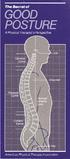 The Secret... T he American Physical Therapy Association would like to share a secret with you. It can help you do more with less effort breathe easier feel great. The secret is about good posture, which
Identifying Hard to Detect Pressure Ulcers in Individuals
 Identifying Hard to Detect Pressure Ulcers in Individuals with Dark Skin Tones Sheila Carter, MSN, RN FNP BC, CWON, CFCN Pam Damron, MSN, RN, CWON Patricia Moore, RN, ASN, CWCN Jennifer Vandiver, RN, BSN,
Calcaneus (Heel Bone) Fractures
 Copyright 2010 American Academy of Orthopaedic Surgeons Calcaneus (Heel Bone) Fractures Fractures of the heel bone, or calcaneus, can be disabling injuries. They most often occur during high-energy collisions
Errors in the Operating Room. Patrick E. Voight RN BSN MSA CNOR President Association of perioperative Registered Nurses (AORN)
 Errors in the Operating Room Patrick E. Voight RN BSN MSA CNOR President Association of perioperative Registered Nurses (AORN) What What We All We Strive All Strive For: For: Patient Patient Safety Safety
Range of Motion & Positioning
 Range of Motion & Positioning Teaching Guide To use this lesson for self-study, the learner should read the material, do the activity, and take the test. For group study, the leader may give each learner
ILIOTIBIAL BAND SYNDROME
 ILIOTIBIAL BAND SYNDROME Description The iliotibial band is the tendon attachment of hip muscles into the upper leg (tibia) just below the knee to the outer side of the front of the leg. Where the tendon
Rehabilitation Guidelines for Patellar Tendon and Quadriceps Tendon Repair
 UW Health Sports Rehabilitation Rehabilitation Guidelines for Patellar Tendon and Quadriceps Tendon Repair The knee consists of four bones that form three joints. The femur is the large bone in the thigh
SCI Rehab. Stages of Pressure Sores. Prevention of Pressure Sores Develop due to pressure on skin, lack of blood supply, tissue death.
 SCI Rehab Basics of Bowel and Bladder Management, Skin Protection, Bathroom DME, Positioning, and Transfers SCI Rehab 101 Rehab Education Basics Skin, Bladder, Bowel Skin Protection and Pressure Sore Prevention!
X-Plain Varicose Veins Reference Summary
 X-Plain Varicose Veins Reference Summary Introduction Varicose veins are very common, in both women and men. Varicose veins can be painful and unattractive. Vein doctors use non-invasive ultrasound imaging
We ve got your back. Physical Therapy After Lumbar Fusion Surgery
 We ve got your back Physical Therapy After Lumbar Fusion Surgery Physical therapy is an extremely important part of you recovery after spinal surgery. This booklet, prepared by the therapists who specialize
Mistral, wellness in the air. Ovattificio Fortunato s.r.l. the soul of ideas
 Mistral, wellness in the air. Ovattificio Fortunato s.r.l. the soul of ideas Ovattificio Fortunato s.r.l. Via dell Industria, n 109 84092 Bellizzi (SA) Italy ph.: (+39) 089 981146 (+39) 089 981646 Fax:
.org. Plantar Fasciitis and Bone Spurs. Anatomy. Cause
 Plantar Fasciitis and Bone Spurs Page ( 1 ) Plantar fasciitis (fashee-eye-tiss) is the most common cause of pain on the bottom of the heel. Approximately 2 million patients are treated for this condition
Wound Care: The Basics
 Wound Care: The Basics Suzann Williams-Rosenthal, RN, MSN, WOC, GNP Norma Branham, RN, MSN, WOC, GNP University of Virginia May, 2010 What Type of Wound is it? How long has it been there? Acute-generally
Contact your Doctor or Nurse for more information.
 A spinal cord injury is damage to your spinal cord that affects your movement, feeling, or the way your organs work. The injury can happen by cutting, stretching, or swelling of the spinal cord. Injury
Lumbar Spondylolisthesis or Anterolisthesis Patient Educational Information
 Lumbar Spondylolisthesis or Anterolisthesis Patient Educational Information What is a Spondylolisthesis or Anterolisthesis? Spondylolisthesis is a condition of the spine when one of the vertebra slips
No Equipment Agility/Core/Strength Program for Full Body No Equip Trainer: Rick Coe
 No Equipment Agility/Core/Strength Program for Full Body No Equip Trainer: Rick Coe Introduction Program designed to be performed in a circuit. Perform exercises in sequence without rest 2-3 times. Increase
Surgery for cervical disc prolapse or cervical osteophyte
 Mr Paul S. D Urso MBBS(Hons), PhD, FRACS Neurosurgeon Provider Nº: 081161DY Epworth Centre Suite 6.1 32 Erin Street Richmond 3121 Tel: 03 9421 5844 Fax: 03 9421 4186 AH: 03 9483 4040 email: [email protected]
Arthritis of the hip. Normal hip In an x-ray of a normal hip, the articular cartilage (the area labeled normal joint space ) is clearly visible.
 Arthritis of the hip Arthritis of the hip is a condition in which the smooth gliding surfaces of your hip joint (articular cartilage) have become damaged. This usually results in pain, stiffness, and reduced
total hip replacement
 total hip replacement EXCERCISE BOOKLET patient s name: date of surgery: physical therapist: www.jointpain.md Get Up and Go Joint Program Philosophy: With the development of newer and more sophisticated
Certified Athletic trainers should follow a 10-step process of evaluation for orthopedic injuries, which includes but is not limited to:
 Acute Care Policy Acute Care Policy and Procedures Athletic training students within Winona State University s Athletic Training Education Program have the opportunity to evaluate acute athletic injuries
Knee Arthroscopy Exercise Programme
 Chester Knee Clinic & Cartilage Repair Centre Nuffield Health, The Grosvenor Hospital Chester Wrexham Road Chester CH4 7QP Hospital Telephone: 01244 680 444 CKC Website: www.kneeclinic.info Email: [email protected]
Cervical Exercise: How important is it? What can be done? The Backbone of Spine Treatment. North American Spine Society Public Education Series
 Cervical Exercise: The Backbone of Spine Treatment How important is it? What can be done? North American Spine Society Public Education Series Important: If you have had an accident that started your neck
Preventing Pressure Ulcers and Assisting With Wound Care
 Preventing Pressure Ulcers and Assisting With Wound Care C H A P T E R 19 A nursing assistant makes an occupied bed. Providing clean, wrinkle-free linens is just one way that nursing assistants help to
Recognizing and Understanding Pain
 Because multiple myeloma is a cancer involving the bone marrow, a common myeloma symptom is bone pain. But the good news is that most pain can be managed. This resource can help you better understand pain
Pressure ulcers attributable to the
 Ten top tips: preventing pressure ulcers in the surgical patient Authors: Joyce Black, Debra Fawcett and Susan Scott Joyce Black is Associate Professor of Nursing, University, Nebraska Medical Center,
HELPFUL HINTS FOR A HEALTHY BACK
 HELPFUL HINTS FOR A HEALTHY BACK 1. Standing and Walking For correct posture, balance your head above your shoulders, eyes straight ahead, everything else falls into place. Try to point toes straight ahead
Patient Information. Lumbar Spine Segmental Decompression. Royal Devon and Exeter NHS Foundation Trust
 Lumbar Spine Segmental Decompression Royal Devon and Exeter NHS Foundation Trust Patient Information Lumbar Spine Segmental Decompression Reference Number: TO 05 004 004 (version date: June 2015) Introduction
INTRODUCTION TO POSITIONING. MODULE 3: Positioning and Carrying
 MODULE 3: Positioning and Carrying Blankets, pillows and towels, sandbags, carpet on the floor, a doll with floppy limbs that can be positioned i.e. not a hard plastic doll, display materials. Icebreaker
X-Plain Rheumatoid Arthritis Reference Summary
 X-Plain Rheumatoid Arthritis Reference Summary Introduction Rheumatoid arthritis is a fairly common joint disease that affects up to 2 million Americans. Rheumatoid arthritis is one of the most debilitating
Varicose Veins Operation. Patient information Leaflet
 Varicose Veins Operation Patient information Leaflet 22 nd August 2014 WHAT IS VARICOSE VEIN SURGERY (HIGH LIGATION AND MULTIPLE AVULSIONS) The operation varies from case to case, depending on where the
KNEE EXERCISE PROGRAM
 KNEE PROGRAM INTRODUCT ION Welcome to your knee exercise program. The exercises in the program are designed to improve your knee stability and strength of the muscles around your knee and hip. The strength