
Final Consensus Statement
|
|
|
- Norman Carson
- 10 years ago
- Views:
Transcription
1 Final Consensus Statement Abstract An expert panel was established to formulate a consensus statement on Skin Changes At Life s End (SCALE). The panel consists of 18 internationally recognized key opinion leaders including clinicians, caregivers, medical researchers, legal experts, academicians, a medical writer and leaders of professional organizations. The inaugural forum was held on April 4-6, 2008 in Chicago, IL, and was made possible by an unrestricted educational grant from Gaymar Industries, Inc. The panel discussed the nature of SCALE, including the proposed concepts of the Kennedy Terminal Ulcer (KTU) and skin failure along with other end of life skin changes. The final consensus document and statements were edited and reviewed by the panel after the meeting. The document and statements were initially externally reviewed by 49 international distinguished reviewers. A modified Delphi process was used to determine the final statements and 51 international distinguished reviewers reached consensus on the final statements. The skin is the body s largest organ and like any other organ is subject to a loss of integrity. It has an increased risk for injury due to both internal and external insults. The panel concluded that: our current comprehension of skin changes that can occur at life s end is limited; that SCALE process is insidious and difficult to prospectively determine; additional research and expert consensus is necessary; and contrary to popular myth, not all pressure ulcers are avoidable. Specific areas requiring research and consensus include: 1) the identification of critical etiological and pathophysiological factors involved in SCALE, 2) clinical and diagnostic criteria for describing conditions identified with SCALE, and 3) recommendations for evidence-informed pathways of care. The statements from this consensus document are designed to facilitate the implementation of knowledge-transfer-into-practice techniques for quality patient outcomes. This implementation process should include interprofessional teams (clinicians, lay people and policy makers) concerned with the care of individuals at life s end to adequately address the medical, social, legal, and financial ramifications of SCALE. The statements from this consensus document are designed to facilitate the implementation of knowledge-transfer-into-practice techniques for quality patient outcomes. This implementation process should include interprofessional teams (clinicians, lay people and policy makers) concerned with the care of individuals at life s end to adequately address the medical, social, legal, and financial ramifications of SCALE. The content of this document is based on the results of a two-day round table discussion held on April 4-6, 2008 in Chicago, IL, and was made possible by an unrestricted educational grant from Gaymar Industries, Inc. Additional input was received from an internationalfrom international panels of 49 and 51 distinguished reviewers using a modified Delphi Method process. The information contained herein does not necessarily represent the opinions of all panel members, distinguished reviewers, or Gaymar Industries, Inc. Disclaimer: The content of this document is intended for general information purposes and is not intended to be a substitute for medical or legal advice. Do not rely on information in this article in place of medical or legal advice. Copyright 2009 Skin Changes At Life s End (SCALE) Expert Panel. All rights reserved SCALE Final Consensus Statement, October 1, 2009 Page 1

2 SCALE Expert Panel Members Co-Chairpersons R. Gary Sibbald, BSc, MD, FRCPC (Med, Derm),MACP, FAAD, MEd, FAPWCA University of Toronto, Toronto,, Diane L. Krasner, PhD, RN, CWCN, CWS, BCLNC, FAAN, Wound & Skin Care Consultant, York, PA,, Corresponding Author: 212 East Market Street, York, PA Medical Writer James Lutz, MS, CCRA, Lutz Consulting, LLC, Medical Writing Services, Buellton, CA,, aol.com Panel Facilitator Cynthia Sylvia, MSc, MA, RN, CWOCN, Gaymar Industries, Inc., Orchard Park, NY,, gaymar.com Additional Panel Members Oscar Alvarez, PhD, CCT, FAPWCA, Center for Curative and Palliative Wound Care, Calvary Hospital, Bronx, NY,, Elizabeth A. Ayello, PhD, RN, ACNS-BC, ETN, FAPWCA, FAAN, Excelsior College School of Nursing,, Sharon Baranoski, MSN, RN, CWOCN, APN, DAPWCA, FAAN, Wound Care Dynamics, Inc., Shorewood, IL,, William J. Ennis, DO, MBA, FACOS, University of Illinois, Palos Heights, IL,, Nancy Ann Faller, RN, MSN, PhD, ETN, CS, Carlisle, PA,, Jane Hall, Medical Malpractice Defense Attorney, Huie, Fernambucq & Stewart, LLP, Birmingham, AL,, Rick E. Hall, BA, RN, CWCN, Helping Hands Wound Care, Wichita, KS,, Karen Lou Kennedy-Evans, RN, CS, FNP, KL Kennedy, LLC, Tucson, AZ,, Diane Langemo, PhD, RN, FAAN, Langemo & Assoc, Grand Forks, ND,, Joy Schank, RN, MSN, ANP, CWOCN, Schank Companies, Himrod, NY,, Thomas P. Stewart, PhD, Gaymar Industries, Inc., Orchard Park, NY & S.U.N.Y. at Buffalo,, Nancy A. Stotts, RN, CNS, EdD, FAAN, University of California, San Francisco, San Francisco, CA,, David R. Thomas, MD, FACP, AGSF, GSAF, CMD, St. Louis University, St. Louis, MO,, slu.edu Dot Weir, RN, CWON, CWS, Osceola Regional Medical Center, Kissimmee, FL,, hcahealthcare.com SCALE Final Consensus Statement, October 1, 2009 Page 2

3 Table of Contents Abstract 1 SCALE Expert Panel Members 2 Background for Skin Changes At Life s End (SCALE) 4 Goals and Objectives of the SCALE Panel 5 Methodology 5 Panel Statements Statement 1 6 Statement 2 6 Statement 3 7 Statement 4 7 Statement 5 8 Statement 6 8 Statement 7 9 Statement 8 9 Statement 9 10 Statement Recommendations for Future Research 13 Conclusions 13 Glossary of Terms 14 References 16 List of Distinguished Reviewers 18 SCALE Final Consensus Statement, October 1, 2009 Page 3

4 Background for Skin Changes At Life s End (SCALE) Organ dysfunction is a familiar concept in the health sciences, and can occur at any time but most often occurs at life s end, during an acute critical illness or with severe trauma. Body organs particularly the heart and kidneys undergo progressive limitation of function as a normal process related to aging and the end of life. End of life is defined as a phase of life when a person is living with an illness that will often worsen and eventually cause death. This time period is not limited to the short period of time when the person is moribund. 1 It is well accepted that during the end stages of life, any of a number of vital body systems (e.g. the renal, hepatic, cardiac, pulmonary, or nervous systems) can be compromised to varying degrees and will eventually totally cease functioning. The process of organ compromise can have devastating effects, resulting in injury or interference with functioning of other organ systems that may contribute to further deterioration and eventual death. We propose that the skin, the largest organ of the body, is no different, and also can become dysfunctional with varying degrees of resultant compromise. The skin is essentially a window into the health of the body, and if read correctly, can provide a great deal of insight into what is happening inside the body. Skin compromise, including changes related to decreased cutaneous perfusion and localized hypoxia (blood supply and local tissue factors) can occur at the tissue, cellular, or molecular level. The end result is a reduced availability of oxygen and the body s ability to utilize vital nutrients and other factors required to sustain normal skin function. When this compromised state occurs, the manifestations are termed, Skin Changes At Life s End (SCALE). It should be noted that the acronym SCALE is a mnemonic used to describe a group of clinical phenomena, and should not be confused with a risk assessment tool. The term applies to all individuals across the continuum of care settings. Skin organ compromise at life s end is not a new concept in the literature. The first clinical description in modern medical literature appeared in 1989 with the Kennedy Terminal Ulcer (KTU). 2 Kennedy The skin is essentially a window into the health of the body, and if read correctly, can provide a great deal of insight into what is happening inside the body. described the KTU as a specific subgroup of pressure ulcers that some individuals develop as they are dying. They are usually shaped like a pear, butterfly, or horseshoe, and are located predominantly on the coccyx or sacrum (but have been reported in other anatomical areas). The ulcers are a variety of colors including red, yellow or black, are sudden in onset, typically deteriorate rapidly, and usually indicate that death is imminent. 2 This initial report was based on retrospective chart reviews of individuals with pressure ulcers. It sparked further inquiry into how long these individuals within the facility lived after occurrence of a pressure ulcer. Just over half (55.7%) died within six weeks of discovery of their pressure ulcer(s). The observations were further supported by Hanson and colleagues (1991), who reported that 62.5% of pressure ulcers in hospice patients occurred in the 2 weeks prior to death. 3 Further evidence for the existence of the KTU is mostly observational in nature, but is consistent with the premise that skin function can become compromised at life s end. It is noteworthy that while Kennedy independently described the KTU in 1989, a similar condition was actually first described much earlier in the French medical literature by Jean-Martin Charcot ( ). 4, 5 In a medical textbook written in 1877, Charcot described a specific type of ulcer that is butterfly in shape and occurring over the sacrum. Patients that developed these ulcers usually died shortly thereafter, hence he termed the ulcer Decubitus Ominosus. However, Charcot attributed the ulcers to being neuropathic rather than pressure in origin. Charcot s writings of Decubitus Ominosus SCALE Final Consensus Statement, October 1, 2009 Page 4

5 were all but forgotten in the medical literature until recently with renewed interest in skin organ compromise. 4 The fact that two experts in the field of chronic wounds independently reported the same clinical phenomenon, with very similar descriptions, 112 years apart, lends credence to the possible existence of terminal pressure ulcers as a result of end-of-life skin organ compromise. Also of historical interest is the original work of Dr. Alois Alzheimer in Germany. He was on call in 1901 when a 51 year old woman, Frau August D, was admitted to his asylum for the insane in Frankfort. Dr. Alzheimer followed this patient, studied her symptoms and presented her case to his colleagues as what came to be known as Alzheimer s Disease. When Frau Auguste D. died on April 8, 1906, her medical record listed the cause of death as septicemia due to decubitus. 6 Alzheimer noted, at the end, she was confined to bed in a fetal position, was incontinent and in spite of all the care and attention given to her, she suffered from decubitus. So, here we have the first identified patient with Alzheimer s Disease having developed immobility and two pressure ulcers with end stage Alzheimer s. In our modern times, end stage Alzheimer s Disease has become an all-too-frequent scenario with multiple complications including SCALE. In 2003, Langemo proposed a working definition of skin failure; that it is a result of hypoperfusion, creating an extreme inflammatory reaction concomitant with severe dysfunction or failure of multiple organ systems. 7 Three years later, Langemo and Brown (2006) conducted a comprehensive review of the literature on the concept of skin failure that focused largely on pressure ulcer development. 8 They presented a discussion of changes in the skin that can occur with aging, the development of pressure ulcers, multiorgan failure, and skin failure (both acute and chronic as well as end of life) In the early 1990 s two publications by Parish & Witkowski had presented logical arguments about the mechanism of pressure ulcer occurrence at the end of life, suggesting that they may not be preventable in those individuals with multiple organ failure. 11, 16 Although the term skin failure has been introduced, it is not currently a widely accepted term in the dermatological or the wound literature. Despite the limited scientific literature, there is consensus from the narrative literature that some pressure ulcers may be unavoidable including those that are manifestations of SCALE. We propose that at the end of life, failure of the homeostatic mechanisms that support the skin can occur, resulting in a diminished reserve to handle insults such as minimal pressure. Therefore, contrary to popular myth, not all pressure ulcers are avoidable. 17, 18 Many members of the SCALE Panel acknowledge the need for systematic study of the phenomenon. Goals and Objectives of the SCALE Panel The overall goal of the SCALE Expert Panel was to initiate stakeholder discussion of skin changes at the end of life, a phenomenon that we have termed SCALE. An objective was to examine the concept of unavoidable pressure ulcers that can occur as a result of SCALE. While reaching consensus on the various aspects of this topic is an important outcome, this endeavor will require a more rigorous scientific investigative approach that was beyond the scope of this ground breaking meeting. The purpose of this initial meeting was to generate a series of statements that will serve as a platform for future consensus discussions. The objective of this document is to present these panel statements, disseminate them for public discussion, and to further the development of the body of scientific knowledge on this important topic. Methodology A modified three phase Delphi Method approach was used to reach consensus on the 10 statements reported in this document. The Delphi Method relies on expert panel input to reach consensus on a topic of interest. 19 Our approach consisted of three separate phases of consensus building involving an international group of 69 noted experts in the field SCALE Final Consensus Statement, October 1, 2009 Page 5

6 of wound care. Phase 1: A panel of 18 experts in the field of wound care with expertise in wound and skin care convened in a round table format on April 4-6, 2008 in Chicago, IL,. Audio proceedings and written notes from this round table discussion were used to generate a Preliminary Consensus Document (PCD). This PCD was returned to the original panel for review and was modified as necessary to reach panel consensus. Phase 2: The PCD was presented and distributed at numerous international conferences seeking public comment from September 2008 through June The document was published, 20 and also available for public download from the web site of the panel sponsor (Gaymar Industries, Inc.). 21 The PCD was further reviewed by a selected international panel of 49 Distinguished Reviewers with noted expertise in wound care and palliative medicine. Phase 3: Written input received from the panel of Distinguished Reviewers and from the various public presentations was used to generate A Final Consensus Document (FCD). This FCD was then returned to the original 18-member Expert Panel and a 52-member Distinguished Reviewer Panel for voting on each of the 10 statements for consensus. A quorum of 80% that strongly agree or somewhat agree with each statement was used as a pre-determined threshold for having achieved consensus on each of the statements. Fifty two individuals voted on the final consensus process. In addition to the PCD and FCD documents, an annotated bibliography of literature pertinent to SCALE was generated and is available for download from the web site of the panel sponsor (Gaymar Industries, Inc.). 21 Panel Statements As a result of the two-day panel discussion and subsequent panel revisions, and with input from 69 noted wound care experts in a modified Delphi Method approach, the following 10 statements are proposed by the SCALE Expert Panel: Statement 1 Physiologic changes that occur as a result of the dying process (days to weeks) may affect the skin and soft tissues and may manifest as observable (objective) changes in skin color, turgor, or integrity, or as subjective symptoms such as localized pain. These changes can be unavoidable and may occur with the application of appropriate interventions that meet or exceed the standard of care. When the dying process compromises the homeostatic mechanisms of the body, a number of vital organs may become compromised. The body may react by shunting blood away from the skin to these vital organs, resulting in decreased skin and soft tissue perfusion and a reduction of the normal cutaneous metabolic processes. Minor insults can lead to major complications such as skin hemorrhage, gangrene, infection, skin tears and pressure ulcers that may be markers of SCALE. See Statement 6 for further discussion. Statement 2 The plan of care and patient response should be clearly documented and reflected in the entire medical record. Charting by exception is an appropriate method of documentation. The record should document the patient s clinical condition including co-morbidities, pressure ulcer risk factors, significant changes, and clinical interventions that are consistent with the patient s wishes and recognized guidelines for care. 22 Facility policies and guidelines for record keeping should be followed and facilities should update these policies and guidelines as appropriate. The impact of the interventions should be assessed and revised as appropriate. This documentation may take many forms. Specific approaches to documentation of care should be consistent with professional, legal, and regulatory guidelines, and may involve narrative documentation, the use of flow sheets, or other documentation systems/tools. SCALE Final Consensus Statement, October 1, 2009 Page 6

7 If a patient is to be treated as palliative, it should be stated in the medical record, ideally with a reference to a family/caregiver meeting, and that consensus was reached. If specific palliative scales such as the Palliative Performance Scale, 23 or other palliative tools were utilized, 24 they should be included in the medical record. Palliative care must be patientcentered, with skin and wound care being only a part of the total plan of care. It is not reasonable to expect that the medical record will be an all-inclusive account of the individual s care. Charting by exception is an appropriate method of documentation. This form of documentation should allow the recording of unusual findings and pertinent patient risk factors. Some methods of clinical documentation are antiquated in light of today s complexity of patient care and rapidly changing interprofessional healthcare environment; many current documentation systems need to be revised and streamlined. Statement 3 Patient centered concerns should be addressed including pain and activities of daily living. A comprehensive, individualized plan of care should not only address the patient s skin changes and comorbidities, but any patient concerns that impact quality of life including psychological and emotional issues. Research suggests that for wound patients, health-related quality of life is especially impacted by pain, change in body image, odors and mobility issues. It is not uncommon for these factors to have an effect on aspects of daily living, nutrition, mobility, psychological factors, sleep patterns and socialization. 25, 26 Addressing these patient-centered concerns optimizes activities of daily living and enhance a patient s dignity. A comprehensive, individualized plan of care should not only address the patient s skin changes and comorbidities, but any patient concerns that impact quality of life including psychological and emotional issues. Statement 4 Skin changes at life s end are a reflection of compromised skin (reduced soft tissue perfusion, decreased tolerance to external insults, and impaired removal of metabolic wastes). When a patient experiences SCALE, tolerance to external insults (such as pressure) decreases to such an extent that it may become clinically and logistically impossible to prevent skin breakdown and the possible invasion of the skin by microorganisms. Compromised immune response may also play an important role, especially with advanced cancer patients and with the administration of corticosteroids and other immunosuppressant agents. Skin changes may develop at life s end despite optimal care, as it may be impossible to protect the skin from environmental insults in its compromised state. These changes are often related to other cofactors including aging, co-existing diseases and drug adverse events. SCALE, by definition occurs at life s end, but skin compromise may not be limited to end of life situations; it may also occur with acute or chronic illnesses, and in the context of multiple organ failure that is not limited to the end of life. 8, 27 However, these situations are beyond the scope of this panel s goals and objectives. SCALE Final Consensus Statement, October 1, 2009 Page 7

8 Statement 5 Expectations around the patient s end of life goals and concerns should be communicated among the members of the interprofessional team and the patient s circle of care. The discussion should include the potential for SCALE including other skin changes, skin breakdown and pressure ulcers. It is important that the provider(s) communicate and document goals of care, interventions, and outcomes related to specific interventions (See Statement 2). The patient s circle of care includes the members of the patient unit including family, significant others, caregivers, and other healthcare professionals that may be external to the current interprofessional team. Communication with the interprofessional team and the patient s circle of care should be documented. The education plan should include realistic expectations surrounding end of life issues with input from the patient if possible. Communication of what to expect during end of life is important and this should include changes in skin integrity. Being mindful of local protected health information disclosure regulations (e.g. : HIPAA, 1996), 28 the patient s circle of care needs to be aware that an individual at the end of life may develop skin breakdown, even when care is appropriate. They need to understand that skin function may be compromised to a point where there is diminished reserve to tolerate even minimal pressure or external insult. Educating the patient s circle of care up front may help reduce the chances of shock and emotional reactions if end of life skin conditions occur. This education includes information that as one nears end of life, mobility decreases. The individual frequently has a position of comfort that the patient may choose to maintain, resulting in a greater potential for skin breakdown. Some patients elect to continue to lie on the pressure ulcer, stating it is the most comfortable position for them. Respecting the coherent patient s wishes is important. With the recognition that these skin conditions are sometimes a normal part of the dying process, there is less potential for assigning blame, and a greater understanding that skin organ compromise may be an unavoidable part of the dying process. The patient s circle of care includes the members of the patient unit including family, significant others, caregivers, and other healthcare professionals that may be external to the current interprofessional team. Discussions regarding specific trade-offs in skin care should be documented in the medical record. For example, patients may develop pressure ulcers when they cannot be (or do not want to be) turned due to pain or the existence of other medical conditions. Pressure ulcers may also occur in states of critical hypoperfusion due to underlying physical factors such as severe anemia, hypoxia, hypotension, peripheral arterial disease, or severe malnutrition. Care decisions must be made with the total goals of the patient in mind, and may be dependent on the setting of care, trajectory of the illness, and priorities for the patient and family. Comfort may be the overriding and acceptable goal, even though it may be in conflict with best skin care practice. In summary, the patient and family should have a greater understanding that skin organ compromise may be an unavoidable part of the dying process. Statement 6 Risk factors symptoms and signs associated with SCALE have not been fully elucidated, but may include: Weakness and progressive limitation of mobility. Suboptimal nutrition including loss of appetite, weight loss, cachexia and wasting, low serum albumin/pre-albumin, and low hemoglobin as well as dehydration. SCALE Final Consensus Statement, October 1, 2009 Page 8

9 Diminished tissue perfusion, impaired skin oxygenation, decreased local skin temperature, mottled discoloration, and skin necrosis. Loss of skin integrity from any of a number of factors including equipment or devices, incontinence, chemical irritants, chronic exposure to body fluids, skin tears, pressure, shear, friction, and infections. Impaired immune function. Diminished tissue perfusion is the most significant risk factors for SCALE and generally occurs in areas of the body with end arteries, such as the fingers, toes, ears, and nose. These areas may exhibit early signs of vascular compromise and ultimate collapse, such as dusky erythema, mottled discoloration, local cooling, and eventually infarcts and gangrene. As the body faces a critical illness or disease state, a normal protective function may be to shunt a larger percentage of cardiac output from the skin to more vital internal organs, thus averting immediate death. Chronic shunting of blood to the vital organs may also occur as a result of limited fluid intake over a long period of time. Most of the skin has collateral vascular supply but distal locations such as the fingers, toes, ears and nose have a single vascular route and are more susceptible to a critical decrease in tissue oxygenation due to vasoconstriction. Furthermore, the ability to tolerate pressure is limited in poorly perfused body areas. Additional literature reviews and clinical research are needed to more thoroughly comprehend and document all of the potential risk factors associated with SCALE and their clinical manifestations. For pressure ulcers, it is important to determine if the ulcer may be (i) healable within an individual s life expectancy, (ii) maintained, or (iii) non-healable or palliative. Statement 7 A total skin assessment should be performed regularly and document all areas of concern consistent with the wishes and condition of the patient. Pay special attention to bony prominences and skin areas with underlying cartilage. Areas of special concern include the sacrum, coccyx, ischial tuberosities, trochanters, scapulae, occiput, heels, digits, nose and ears. Describe the skin or wound abnormality exactly as assessed. It is important to assess the whole body because there may be signs that relate to skin compromise. Table 1 provides a limited list of dermatologic terms that may be useful when describing areas of concern. Table 2 provides descriptive terms for lesions based on characteristics and size. Statement 8 Consultation with a qualified health care professional is recommended for any skin changes associated with increased pain, signs of infection, skin breakdown (when the goal may be healing), and whenever the patient s circle of care expresses a significant concern. There are very definite descriptive terms for skin changes that can be used to facilitate communication between health care professionals (see Statement 7). Until more is known about SCALE, subjective symptoms need to be reported and objective skin changes described. This will allow for identification and characterization of potential end of life skin changes. An accurate diagnosis can lead to decisions about the area of concern and whether it is related to end of life care and/or other factors. The diagnosis will help determine appropriate treatment and establish realistic outcomes for skin changes. For pressure ulcers, it is important to determine if the ulcer may be (i) healable within an individual s life expectancy, (ii) maintained, or (iii) non-healable or palliative. 17 The treatment plan will depend on an accurate diagnosis, the individual s life expectancy and wishes, family members expectations, institutional policies, SCALE Final Consensus Statement, October 1, 2009 Page 9

10 and the availability of an interprofessional team to optimize care.31 Remember that patient status can change and appropriate reassessments with determination of likely outcomes may be necessary. It is important to remember that a maintenance or non-healable wound classification does not necessarily equate with withholding treatment. For example, the patient may benefit with improved quality of life from surgical debridement and/or the use of advanced support surfaces. Statement 9 The probable skin change etiology and goals of care should be determined. Consider the 5 Ps for determining appropriate intervention strategies: Prevention Prescription (may heal with appropriate treatment) Preservation (maintenance without deterioration) Palliation (provide comfort and care) Preference (patient desires) Table 1: Useful dermatologic terms for describing areas of concern. Additional terms can be found in the Glossary included at end of this document. Term Prevention is important for well being, enhanced quality of life, potential reimbursement, and to avoid unplanned medical consequences for end of life care. The skin becomes fragile when stressed with Definition Bruise Crust Erosion (denudation) Eschar Fissure Hematoma Lesion Mottling of skin due to vascular stasis Scale Skin Tear Slough Ulcer An injury producing a hematoma or diffuse extravasation of blood without rupture of the skin. 29 Often presents as a reddish, purple, black discoloration of the skin. A hard outer layer or covering; cutaneous crusts are often formed by dried serum, pus or blood on the surface of a ruptured blister or pustule. 29 A loss of surface skin with an epidermal base. Thick adherent, necrotic tissue that is typically dry and brown, black or gray in color. A thin linear loss of skin with a dermal or deeper base. A collection of blood in the soft tissues. Any change in the skin that may be a normal or abnormal variant including a wound or injury. 29 It encompasses everything from macular lesions (color changes without elevation or depression of the skin) through total skin breakdown. An area of skin composed of macular lesions of varying shades or colors over the smaller or medium sized blood vessels. 29 Surface keratin that may be thick or thin, resembling a fish scale, cast off (desquamating) from the skin. 29 A traumatic wound occurring principally on the extremities of older adults as a result of friction alone or with shearing and frictional forces, that separate the epidermis from the dermis (partialthickness wound) or which separate both the epidermis and the dermis from the underlying structures (full-thickness wound). 30 Yellow, green, tan, or white putrefied debris often partly separated from the surface of the wound bed. 29 A loss of surface skin with a dermal or deeper base. SCALE Final Consensus Statement, October 1, 2009 Page 10

11 decreased oxygen availability associated with the end of life. The plan of care needs to address excessive pressure, friction, shear, moisture, suboptimal nutrition, and immobilization. Prescription refers to the interventions for a treatable lesion. Even with the stress of dying, some lesions are healable after appropriate treatment. Interventions must be aimed at treating the cause and at patient centered concerns (pain, quality of life), before addressing the components of local wound care as consistent with the patient s goals and wishes. Preservation refers to situations where the opportunity for wound healing or improvement is limited, so maintenance of the wound in its present clinical state is the desired outcome. A maintenance wound may have the potential to heal, but there may be other overriding medical factors that could direct the interprofessional team to maintain the status quo. For example there may be limited access to care, or the patient may simply refuse treatment. Palliation refers to those situations in which the goal of treatment is comfort and care, not healing. A palliative or non-healable wound may deteriorate due to a general decline in the health of the patient as part of the dying process, or due to hypoperfusion associated with non-correctable critical ischemia. 32, 33 In some situations, palliative wounds may also benefit from some treatment interventions such as surgical debridement or support surfaces, even when the goal is not to heal the wound. 34 Preference includes taking into account the preferences of the patient and the patient s circle of care. Table 2: Dermatological descriptions of lesions based on characteristics and size. Lesion Characteristics Lesion Size <1 cm >1 cm Flat Macule Patch Elevated Papule Plaque Blister Vesicle Bulla The 5P enabler can be used in combination with the SOAPIE mnemonic to help explain the process of translating this recommendation into practice (Figure 1). 35 Realistic outcomes can be derived from appropriate SOAPIE processes with the 5 skin Ps becoming the guide to the realistic outcomes for each individual. S = Subjective skin & wound assessment: The person at the end of life needs to be assessed by history, including an assessment of the risk for developing a skin change or pressure ulcer (Braden Scale or other valid and reliable risk assessment scale). 36 O = Objective observation of skin & wound: A physical exam should identify and document skin changes that may be associated with the end of life or other etiologies including any existing pressure ulcers. A = Assess and document etiology: An assessment should then be made of the general condition of the patient and a care plan. P = Plan of care: A care plan should be developed that includes a decision on skin care considering the 5P s as outlined in the Figure 1. This plan of care should also consider input and wishes from the patient and the patient s circle of care. I = Implement appropriate plan of care: For successful implementation, the plan of care must be matched with the healthcare system resources (availability of equipment and personnel) along with appropriate education and feedback from the patient s circle of care and as consistent with the patient s goals and wishes. E = Evaluate and educate all stakeholders: The interprofessional team also needs to facilitate appropriate education, management, and periodic reevaluation of the care plan as the patient s health status changes. SCALE Final Consensus Statement, October 1, 2009 Page 11

12 Figure 1: The SOAPIE mnemonic with the 5P enabler. Person at Risk for SCALE S = Subjective skin & wound assessment. If skin already impaired, do a total wound assessment. O = Objective observation of skin and wound. Include a comprehensive assessment of the person. Determine and Document Etiology A = Assess and document etiology P = Plan of care 5 Ps Patient Centered Concerns Prevention Prescription (Treatable) Preservation (Maintenance) Palliative (Comfort & Care) Preference (Patient desires) Evaluate & revise care plan as needed Implement Evaluate Educate all Stakeholders I = Implement appropriate plan of care to prevent or treat skin lesion E = Evaluate and educate all stakeholders Evaluate & revise care plan as needed Statement 10 Patients and concerned individuals should be educated regarding SCALE and the plan of care. Education needs to be directed not only to the patient but also the patient s circle of care. Within the confines allowed by local protected health information regulations (e.g. HIPAA, 1996, ), 28 the patient s circle of care needs to be included in decision making processes regarding goals of care and the communication of the meaning and method of accomplishing those decisions. Collaboration and communication should be ongoing with designated representatives from the patient s circle of care and the clinical team connecting at regular intervals. Documentation of decision making, educational efforts, and the patient s circle of care perspective is recommended. If adherence to the plan of care cannot be achieved, this should be documented in the medical record (including the reasons), and alternative plans proposed if available and feasible. Education also extends beyond the patient s circle of care, to other involved healthcare professionals, healthcare administrators, policy makers, and to the payers. Healthcare professionals need to facilitate communication and collaboration across care settings and disciplines; organizations need to prepare staff to identify and manage SCALE. Ongoing discussions with key stakeholders will additionally provide a stimulus for additional evidence based research and education regarding all aspects of SCALE. Healthcare professionals need to facilitate communication and collaboration across care settings and disciplines; organizations need to prepare staff to identify and manage SCALE. SCALE Final Consensus Statement, October 1, 2009 Page 12

13 Recommendations for Future Research Conduct and disseminate through publications and presentations: A thorough review of the literature concerning all aspects of SCALE. Research to identify the mechanisms for the proposed decreased hypoperfusion and oxygenation of the skin and soft tissues involved with SCALE and resulting outcomes. Research to determine the mechanisms for the proposed, tissue, cellular, and molecular dysfunctions that occur during SCALE. Research that helps to clarify and distinguish skin and soft tissue damage associated with SCALE from pressure ulcers and other skin disorders not associated with skin organ compromise or the end of life. Research into predictive tools for the onset and measurement of SCALE and the timing of life s end (possibly adaptive use of the Palliative Performance Scale ( resource_material/ppsv2.pdf) Qualitative research to explore the impact of SCALE on the patient, the patient s circle of care, and professional caregivers with regard to healthcare-related quality of life. Conclusions SCALE Panel members are in agreement that there are observable changes in the skin at the end of life. Our current understanding of this complex phenomenon is limited and the panel concludes that additional research is necessary to assess the etiology of SCALE, to clinically describe and diagnose the related skin changes, and to recommend appropriate pathways of care. The panel recommends that clinicians, laypeople, and policy makers need to be better educated in the medical, social, legal and financial ramifications of SCALE. Development of a database of patients (with histories) suspected of exhibiting SCALE to analyze them retrospectively for skin and soft tissue changes and risk factors that occurred just prior to death. Isolate the skin changes and risk factors involved and determine how important each individual variable is to the occurrence of SCALE. Research cataloging patients who do not exhibit SCALE to identify factors that may help prevent the occurrence of SCALE. Develop a registry of Kennedy Terminal Ulcers to better categorize this phenomenon, including location, clinical description, patient and ulcer outcomes, and the presence of other end of life skin changes including lesions in other locations. Both prospective and retrospective prevalence research of individuals suspected of exhibiting SCALE, particularly among hospice patients. Research on specific medical and physiologic conditions that may contribute to SCALE. These include but may not be limited to malignancy, hypotension and hemodynamic instability, administration of potent vasoconstrictors, peripheral arterial and vascular disease, hypoxia, malnutrition, and severe anemia. Health care organizations need to ensure the provision of resources that enable health care professionals to identify and care for SCALE while maintaining the dignity of the patient, family and circle of care to the end of life. SCALE Final Consensus Statement, October 1, 2009 Page 13

14 Glossary of Terms Arterial Ulcer: An ulcer that occurs almost exclusively in the distal lower extremity due to inadequate perfusion/ischemia. 37 Avoidable (pressure ulcer): The resident (individual) developed a pressure ulcer and the facility did not do one or more of the following: evaluate the resident s clinical condition and pressure ulcer risk factors; define and implement interventions that are consistent with resident needs, resident goals, and recognized standards of practice; monitor and evaluate the impact of the interventions; or revise the interventions as appropriate (CMS definition). 38 Charting by Exception (CBE): Charting by exception is premised on an assumption that the patient has manifested a normal response to all interventions unless an abnormal response is charted.39 This type of charting is often performed with flow sheets that are based on preestablished guidelines, protocols, and procedures that identify and document the standard patient management and care delivery. Clinicians need to make additional documentation when the patient s condition deviates from the standard or what s expected. 40 Crust: A hard outer layer or covering; cutaneous crusts are often formed by dried serum, pus or blood (one or more components may co-exist) on the surface of a ruptured blister or pustule. 29 Decubitus Ominosus: Medical term first used by Jean-Martin Charcot in the 19th century to signify a sacral ulcer that presages death. Delphi Method: A systematic, interactive forecasting method which relies on a panel of independent experts. The carefully selected experts answer questionnaires in two or more rounds. After each round, a facilitator provides an anonymous summary of the experts forecasts from the previous round as well as the reasons they provided for their judgments. Thus, experts are encouraged to revise their earlier answers in light of the replies of other members of their panel. It is believed that during this process the range of the answers will decrease and the group will converge towards the correct answer. Finally, the process is stopped after a predefined stop criterion (e.g. number of rounds, achievement of consensus, stability of results) and the mean or median scores of the final rounds determine the results. 19 Denudation: See erosion. Diabetic Ulcer: A wound occurring most often in the feet of people with diabetes due most commonly to neuropathy and/or peripheral vascular disease. 41 End of Life: End of life is defined as a phase of life when a person is living with an illness that will worsen and eventually cause death. It is not limited to the short period of time when the person is moribund. 1 Erosion: A loss of surface skin with an epidermal base. Fissure: A thin linear loss of skin with a dermal or deeper base. Healable (wound): A wound occurring on an individual whose body can support the phases of wound healing within the individuals expected lifetime. Healed (wound): A wound that has attained closure of the epidermal surface. A recently closed wound may only have 20% tensile strength of skin that has never been wounded and may be susceptible to recurrent ulceration. Kennedy Terminal Ulcer: A pressure ulcer that some individuals develop as they are dying. It is usually shaped like a pear, butterfly, or horseshoe, usually on the coccyx or sacrum (but has been reported on other anatomical areas), has colors of red, yellow or black, is sudden in onset, and usually 2, is associated with imminent death. Lesion: Any change in the skin that may be a normal or abnormal variant including a wound SCALE Final Consensus Statement, October 1, 2009 Page 14

15 or injury. 29 It encompasses everything from macular lesions (color changes without elevation or depression of the skin) through total skin breakdown. Maintenance (wound): An attempt to keep an ulcer from deteriorating by providing good wound care. The wound may not heal due to patient choice or a lack of the health care system to provide optimal resources to promote healing. Non-healable (wound): A wound that often deteriorates and occurs on an individual whose body cannot support the phases of wound healing within the individuals expected lifetime. There may be inadequate vascular supply to support healing or the cause of the wound cannot be corrected. Palliative skin care: Providing comfort and support for the bodies cutaneous surface (part of the practice of palliative medicine) is not a timeconfined but rather a goal-oriented and patientcentered care delivery model. 50 Palliative wound care is the evolving body of knowledge and skills that take a holistic approach to relieving suffering and improving quality of life for patients (individuals) and families living with chronic wounds, whether the wound is healable, can be maintained or may deteriorate. 32 Patient circle of care: This is not a legal term, but rather a social term that includes all of the stakeholders in the patient s health and well being. The term includes, but is not limited to, the patient, a legal guardian or responsible party, a spouse or significant other, interested friends or family members, caregivers, and any other individual(s) who may have an interest in the patient s care and well being. Pressure Ulcer: A pressure ulcer is localized injury to the skin and/or underlying tissue usually over a bony prominence, as a result of pressure, or pressure in combination with shear and/or friction. A number of contributing or confounding factors are also associated with pressure ulcers; the significance of these factors is yet to be elucidated. 51 Scale (skin): Surface keratin that may be thick or thin, resembling a fish scale, cast off (desquamating) from the skin. 29 SCALE: The acronym for Skin Changes at Life s End. Skin breakdown: An interruption in the integrity of the skin surface leading to defect in the epidermal covering with an epidermal, dermal or deeper base. Skin compromise: A state in which skin s protective function is at risk of breaking down. Skin failure: An acute episode where the skin and subcutaneous tissues die (become necrotic) due to hypoperfusion that occurs concurrent with severe dysfunction or failure of other organ systems. 8 Skin tear: A traumatic wound occurring principally on the extremities of older adults as a result of friction alone or with shearing and frictional forces that separate the epidermis from the dermis (partialthickness wound) or a deeper split that separates both the epidermis and the dermis from the underlying structures (full-thickness wound). 30 Stakeholders: An individual, facility, or organization with an interest in Skin Changes at Life s End (SCALE). Stage I Pressure Ulcer: Intact skin with nonblanchable redness of a localized area usually over a bony prominence. Darkly pigmented skin may not have visible blanching; its color may differ from the surrounding area. 51 Stage II Pressure Ulcer: Partial thickness loss of dermis presenting as a shallow open ulcer with a red pink wound bed, without slough. May also present as an intact or open/ruptured serum-filled blister. 51 Stage III Pressure Ulcer: Full thickness tissue loss. Subcutaneous fat may be visible but bone, tendon or muscle are not exposed. Slough may be present but does not obscure the depth of tissue loss. May include undermining and tunneling. 51 Stage IV Pressure Ulcer: Full thickness tissue loss SCALE Final Consensus Statement, October 1, 2009 Page 15

16 with exposed bone, tendon or muscle. Slough or eschar may be present on some parts of the wound bed. Often include undermining and tunneling. 51 Suspected Deep Tissue Injury: Purple or maroon localized area of discolored intact skin or blood-filled blister due to damage of underlying soft tissue from pressure and/or shear. The area may be preceded by tissue that is painful, firm, mushy, boggy, warmer or cooler as compared to adjacent tissue. 51 Terminal tissue trauma: Damage to the integumentary system that has occurred at the end of life. Ulcer: A loss of surface skin with a dermal or deeper base. Unavoidable (pressure ulcer): The resident developed a pressure ulcer even though the facility had evaluated the resident s clinical condition and pressure ulcer risk factors; defined and implemented interventions that are consistent with resident needs, goals, and recognized standards of practice; monitored and evaluated the impact of the interventions; and revised the approaches as appropriate (CMS definition). 38 Unstageable Pressure Ulcer: Full thickness tissue loss in which the base of the ulcer is covered by slough (yellow, tan, gray, green or brown) and/or eschar (tan, brown or black) in the wound bed. 51 Venous Ulcer: A ulceration that occurs on the lower limb secondary to underlying venous disease; formerly called stasis ulcers. 52 References 1. Qaseem A, Snow V, Shekelle P, et al. Evidence-based interventions to improve the palliative care of pain, dyspnea, and depression at the end of life: a clinical practice guideline from the American College of Physicians. Ann Intern Med 2008;148(2): Kennedy KL. The prevalence of pressure ulcers in an intermediate care facility. Decubitus 1989;2(2): Hanson D, Langemo DK, Olson B, et al. The prevalence and incidence of pressure ulcers in the hospice setting: analysis of two methodologies. Am J Hosp Palliat Care 1991;8(5): Levine JM. Historical perspective on pressure ulcers: the decubitus ominosus of Jean-Martin Charcot. J Am Geriatr Soc 2005;53(7): Charcot JM. Lectures on the Diseases of the Nervous System. Translated by G. Sigerson. London: The New Sydenham Society; Shenk D. The Forgetting: Alzheimer s: Portrait of an Epidemic. Chapter 1, I Have Lost Myself: Anchor; Langemo DK. The hot seat: the reality of skin failure. 18th Annual Clinical Symposium on Advances in Skin & Wound Care. Chicago, IL Langemo DK, Brown G. Skin fails too: acute, chronic, and endstage skin failure. Adv Skin Wound Care 2006;19(4): Goode PS, Allman RM. The prevention and management of pressure ulcers. Med Clin North Am 1989;73(6): La Puma J. The ethics of pressure ulcers. Decubitus 1991;4(2): Witkowski JA, Parish LC. Skin failure and the pressure ulcer. Decubitus 1993;6(5): Leijten FS, De Weerd AW, Poortvliet DC, De Ridder VA, Ulrich C, Harink-De Weerd JE. Critical illness polyneuropathy in multiple organ dysfunction syndrome and weaning from the ventilator. Intensive Care Med 1996;22(9): Hobbs L, Spahn JG, Duncan C. Skin failure: what happens when this organ system fails. Poster presented at the 32nd Annual Wound, Ostomy, and Continence Nurses Society, Toronto, June Witkowski JA, Parish LC. The decubitus ulcer: skin failure and destructive behavior. Int J Dermatol 2000;39(12): Brown G. Long-term outcomes of full-thickness pressure ulcers: healing and mortality. Ostomy Wound Manage 2003;49(10): Parish LC, Witkowski JA. Chronic wounds: myths about decubitus ulcers. Int J Dermatol 1994;33(9): Alvarez OM, Kalinski C, Nusbaum J, et al. Incorporating wound healing strategies to improve palliation (symptom management) in patients with chronic wounds. J Palliat Med 2007;10(5): Thomas DR. Are all pressure ulcers avoidable? J Am Med Dir Assoc 2003;4(2 Suppl):S Wikipedia The Free Encyclopedia: Delphi Method. Available at URL: Last Accessed July 20, Sibbald RG, Krasner DL, Lutz JB, et al. Skin changes at life s end (SCALE): a preliminary consensus statement. World Council of Enterostomal Therapists Journal 2008;28(4): Sibbald RG, Krasner DL, Lutz JB, et al. Skin Changes At life s End (SCALE) Preliminary Consensus Statement. Available at URL: >Medical Research and Education>SCALE Consensus Documents. 2008;Last accessed July 20, Ayello EA, Capitulo KL, Fife CE, et al. Legal Issues in the SCALE Final Consensus Statement, October 1, 2009 Page 16

17 Care of Pressure Ulcer Patients: Key Concepts for Healthcare Providers. White Paper Available from URL: com Victoria Hospice Society, Palliative Performance Scale version 2 (PPSv2). Available at URL: material/ppsv2.pdf International Association for Hospice & Palliative Care: Assessment and Research Tools: Assessment and Research Tools. 2009;Available at URL: pain-research.htm. 25. Price P. Health-Related Quality of Life. In: Krasner D, Rodeheaver GT, Sibbald RG, editors. Chronic wound care: a clinical source book for healthcare professionals. 4th ed. Malvern, PA: HMP Communications; p Krasner DL, Papen J, Sibbald RG. Helping Patients Out of the SWAMP : Skin and Wound Assessment and Management of Pain. In: Krasner D, Rodeheaver GT, Sibbald RG, editors. Chronic wound care: a clinical source book for healthcare professionals. 4th ed. Malvern, PA: HMP Communications; p Langemo DK. When the goal is palliative care. Adv Skin Wound Care 2006;19(3): U.S. Department of Health and Human Services. Standards for Privacy of Individually Identifiable Health Information; Final Rule, 45 C.F.R. Parts 160, and 164. Code of Federal Regulations Available at: articles/45cfr160&164.pdf. Accessed May 13, Stedman s Medical Dictionary, 27th Edition. Lippincott Williams & Wilkins Available from URL: stedmans.com. 30. Payne RL, Martin ML. Defining and classifying skin tears: need for a common language. Ostomy Wound Manage 1993;39(5):16-20, 22-4, Krasner D, Rodeheaver GT, Sibbald RG. Interprofessional Wound Caring. In: Krasner D, Rodeheaver GT, Sibbald RG, editors. Chronic wound care: a clinical source book for healthcare professionals. 4th ed. Malvern, P.A.: HMP Communications; p Ferris FD, Al Khateib AA, Fromantin I, et al. Palliative wound care: managing chronic wounds across life s continuum: a consensus statement from the International Palliative Wound Care Initiative. J Palliat Med 2007;10(1): Romanelli M, Dini V, Williamson D, Paterson D, Pope M, Sibbald R. Measurement: Lower Leg Ulcer Vascular and Wound Assessment. In: Krasner D, Rodeheaver GT, Sibbald RG, editors. Chronic wound care: a clinical source book for healthcare professionals. 4th ed. Malvern, PA: HMP Communications; p Lee KF, Ennis WJ, Dunn GP. Surgical palliative care of advanced wounds. Am J Hosp Palliat Care 2007;24(2): Weed LJ. The problem oriented record as a basic tool in medical education, patient care and clinical research. Ann Clin Res 1971;3(3): Bergstrom N, Braden BJ, Laguzza A, Holman V. The Braden Scale for Predicting Pressure Sore Risk. Nurs Res 1987;36(4): Holloway GA. Arterial Ulcers: Assessment, Classification, and Management. In: Krasner D, Rodeheaver GT, Sibbald RG, editors. Chronic wound care: a clinical source book for healthcare professionals. 4th ed. Malvern, PA: HMP Communications; p CMS Manual System Department of Health & Human Services (DHHS). Pub State Operations. Provider Certification. Centers for Medicare & Medicaid Services (CMS).Transmittal 4. Date: November 12, Murphy EK. Charting by exception - OR Nursing Law. AORN J 2003 (NOV). 40. Smith LM. How to chart by exception. Nursing 2002 (SEPT). 41. Steed DL. Wounds in People with Diabetes: Assessment, Classification, and Management. In: Krasner D, Rodeheaver GT, Sibbald RG, editors. Chronic wound care: a clinical source book for healthcare professionals. 4th ed. Malvern, PA: HMP Communications; p Kozier B, Erb G, Olivieri R. Fundamentals of nursing: concepts, process and practice. 4th ed. Redwood City, Calif.: Addison- Wesley Nursing; Milne CT, Corbett LQ. The Kennedy Terminal Ulcer. In: Wound, Ostomy, and Continence Secrets. Philadelphia, PA: Hanley & Belfus; p Kennedy KL. Gaymar Pictoral Guide to Pressure Ulcer Assessment. Second ed. Orchard Park, NY: Gaymar Industries, Inc.; Weir D. Pressure ulcers: assessment, classification, and management. In: Krasner DL, Rodeheaver GT, Sibbald RG, editors. Chronic Wound Chare: A Clinical Source Book for Healthcare Professionals. 4th ed., edited by Diane L. Krasner, George T. Rodeheaver, R. Gary Sibbald. ed. Malvern, Pennsylvania: HMP Communications; p The different types of wounds. In: The Wound Care Handbook. Mundelein, IL: Medline Industries, Inc.; p Ayello EA, Shank JE. Ulcerative lesions. In: Kuebler KK, Heidrich DE, Esper P, editors. Palliative & end-of-life care: clinical practice guidelines. 2nd ed. ed. Philadelphia, Pa. ; Edinburgh: Elsevier Saunders; p Turnbull GB. Year s end notables. Ostomy Wound Manage 2001;47(12): Hogue EE. Key legal issues for wound care practitioners in The Remmington Report May/June 2005;13(3): Davis MP, Walsh D, LeGrand SB, Lagman R. End-of-Life care: the death of palliative medicine? J Palliat Med 2002;5(6): National Pressure Ulcer advisory Panel: Updated Staging System. Available at URL: Sibbald RG, Williamson D, Contreras-Ruiz J, et al. Venous Leg Ulcers. In: Krasner D, Rodeheaver GT, Sibbald RG, editors. Chronic wound care: a clinical source book for healthcare professionals. 4th ed. Malvern, PA: HMP Communications; p SCALE Expert Panel. SCALE Final Consensus Statement, October 1, 2009 Page 17

18 List of Distinguished Reviewers Sadanori Akai Mona Baharestani Jane Ellen Barr Scott Bolhack Barbara Braden Barbara Bates-Jensen Janice Beitz Pauline Beldon Nancy Bergstrom Dan Berlowitz Joyce Black Keryln Carville Pat Coutts Carol Dealey Tom Defloor Dorothy Doughty Caroline Fife Chris Glynn Laurie Goodman Robert Gunther Terese Henn Heather Hettrick Cathy Kalinski David Keast Kathryn Kozell Steven Kravitz Kathleen Lawrence Michele Lee Jeffrey Levine Larry Liebrach Christina Lindholm Maartin Lubbers Vera Lucia de Gouevia Santos JoAnn Maklebust Marge Meehan Gerit Mulder Japan UK Australia UK Belgium UK Hong Kong Sweden Netherlands Brazil Linda Norton Jeanne Nusbaum Nancy Parslow Christine Pearson Ben Peirce Patricia Price Madhuri Reddy George Rodeheaver Marco Romanelli James Spahn Aletha Tippett Charles Von Gunten Robert Warriner Kevin Woo Gail Woodbury UK Italy SCALE Final Consensus Statement, October 1, 2009 Page 18

19 2009 SCALE Expert Panel. Reproduction: Permission to reproduce and distribute this document for non-commercial educational purposes is granted when the copyright statement is displayed. For any other use, please contact the corresponding author. When citing this document, the following format is recommended: Sibbald RG, Krasner DL, Lutz JB, et al. The SCALE Expert Panel: Skin Changes At Life s End. Final Consensus Document. October 1, Acknowledgements: The SCALE Expert Panel would like to thank the following individuals for their special contributions to this project: James B. Lutz, Lutz Consulting LLC for providing medical writing assistance in the preparation of this document. Drs. Diane L. Krasner and R. Gary Sibbald for their leadership, dedication, and timeless effort put forth in making this document a reality. Dr. Thomas P. Stewart and Gaymar Industries, Inc. for financial support, without which, completion of this project would have been impossible. Cynthia Sylvia for logistical and leadership support as panel facilitator. Disclosure: The work of the SCALE Expert Panel is supported by an unrestricted educational grant from Gaymar Industries, Inc., Orchard Park, NY,. The SCALE Annotated Bibliography and future updates to the SCALE Consensus Statement will be posted at: com > Clinical Support and Education > SCALE Consensus Documents. Corresponding Author: Dr. Diane L. Krasner 212 East Market Street York, PA [email protected] SCALE Final Consensus Statement, October 1, 2009 Page 19

Pressure Ulcers Risk Management and Treatment
 Pressure Ulcers Risk Management and Treatment Objectives State reasons why individuals initiate lawsuits. Define strategies to reduce the risk of litigation. Determine appropriate treatment for the patient.
Position Statement: Pressure Ulcer Staging
 Position Statement: Pressure Ulcer Staging Statement of Position The Wound, Ostomy and Continence Nurses (WOCN) Society supports the use of the National Pressure Ulcer Advisory Panel Staging System (NPUAP).
How To Stage A Pressure Ulcer
 WOCN Society Position Statement: Pressure Ulcer Staging Originated By: Wound Committee Date Completed: 1996 Reviewed/Revised: July 2006 Revised: August 2007 Reviewed/Revised: April 2011 Definition of Pressure
7/11/2011. Pressure Ulcers. Moisture-NOT Pressure. Wounds NOT Caused by Pressure
 Assessment and Documentation of Pressure Ulcers Jeri Ann Lundgren, RN, BSN, PHN, CWS, CWCN Pathway Health Services July 19, 2011 Training Objectives Describe etiologies of pressure ulcers Discuss how to
Pressure Ulcers Assessing and Staging. Anne Pirzadeh RN CWOCN University of Colorado Hospital June 2010
 Pressure Ulcers Assessing and Staging Anne Pirzadeh RN CWOCN University of Colorado Hospital June 2010 Never Events: Pressure Ulcers Pressure Ulcer Codes: MD documentation of pressure ulcers determines
OASIS-C Integument Assessment: Not for Wimps! Part I: Pressure Ulcers
 OASIS-C Integument Assessment: Not for Wimps! Part I: Pressure Ulcers Presented by: Rhonda Will, RN, BS, COS-C, HCS-D Assistant Director, OASIS Competency Institute 243 King Street, Suite 246 Northampton,
Pressure Ulcers in Neonatal Patients. Rene Amaya, MD Pediatric Specialists of Houston Infectious Disease/Wound Care
 Pressure Ulcers in Neonatal Patients Rene Amaya, MD Pediatric Specialists of Houston Infectious Disease/Wound Care Objectives Review skin anatomy and understand why neonatal skin is at increased risk for
Wound, Ostomy and Continence Nurses Society s Guidance on OASIS-C1 Integumentary Items: Best Practice for Clinicians
 Wound, Ostomy and Continence Nurses Society s Guidance on OASIS-C1 Integumentary Items: Best Practice for Clinicians Acknowledgments Wound, Ostomy and Continence Nurses Society s Guidance on OASIS-C1 Integumentary
Wound Classification Name That Wound Sheridan, WY June 8 th 2013
 Initial Wound Care Consult Sheridan, WY June 8 th, 2013 History Physical Examination Detailed examination of the wound Photographs Cultures Procedures TCOM ABI Debridement Management Decisions A Detailed
Wound and Skin Assessment. Mary Carvalho RN, BSN, MBA Clinical Coordinator Johnson Creek Wound and Edema Center
 Wound and Skin Assessment Mary Carvalho RN, BSN, MBA Clinical Coordinator Johnson Creek Wound and Edema Center Skin The largest Organ Weighs between 6 and 8 pounds Covers over 20 square feet Thickness
Skin & Wound Care Prevention & Treatment. By Candy Houk, RN Skin & Wound Program Manager
 Skin & Wound Care Prevention & Treatment By Candy Houk, RN Skin & Wound Program Manager OBJECTIVES Classify Stage 1 and 2 pressure ulcers Recognize suspected Stage 3, 4, DTI, and unstageable pressure ulcers
WOUND OSTOMY CONTINENCE NURSES SOCIETY GUIDANCE ON OASIS-C INTEGUMENTARY ITEMS
 Wound Ostomy Continence Nurses Society Guidance on OASIS-C Integumentary Items WOCN OASIS Taskforce Members: Ben Peirce (Chairperson), RN, BA, CWOCN, COS-C Dianne Mackey, BSN, RN, PHN, CWOCN Laurie McNichol,
Pressure Injury Prevention and Management Policy
 Pressure Injury Prevention and Management Policy Owner (initiating the document): Dr Amanda Ling Contact name and number: Rachel Dennis (Ph: 9222 2197) Version: 1.5 Approved by: Professor Bryant Stokes,
SECTION M: SKIN CONDITIONS. M0100: Determination of Pressure Ulcer Risk. Item Rationale Health-related Quality of Life.
 SECTION M: SKIN CONDITIONS Intent: The items in this section document the risk, presence, appearance, and change of pressure ulcers. This section also notes other skin ulcers, wounds, or lesions, and documents
Pressure Ulcer Passport
 Pressure Ulcer Passport Information for patients This is a record of the treatment you are receiving for your pressure ulcer injury. Please bring it with you to all your healthcare appointments. This will
Objectives- Participants will:
 Pressure Ulcer Staging Elizabeth A. Ayello PhD, RN, ACNS-BC, CWON, ETN, MAPWCA, FAAN Clinical Editor, Advances in Skin and Wound Care Faculty, Excelsior College School of Nursing Co-Director and Course
When Healing Is Not the Goal Palliative Wound Care and SCALE. Kim Kehoe, BSN, RN, CWOCN, DAPWCA - Clinical Education Specialist.
 When Healing Is Not the Goal Palliative Wound Care and SCALE Kim Kehoe, BSN, RN, CWOCN, DAPWCA - Clinical Education Specialist Course Transcript Welcome to Medline University and thank you for joining
Illinois Department of Public Health STATEMENT OF DEFICIENCIES AND PLAN OF CORRECTION. Statement of LICENSURE Violations
 (X1) PROVER/SUPPLIER/CLIA ENTIFICATION NUMBER: (X3) SURVEY D NAME OF PROVER OR SUPPLIER (X4) SUMMARY REGULATORY OR LSC ENTIFYING INFORMATION) PROVER'S PLAN OF CORRECTION Final Observations Statement of
Pressure Ulcers: Facility Assessment Checklists
 Pressure Ulcers: Facility Assessment Checklists This is a series of self-assessment checklists for nursing home staff to use to assess processes related to managing pressure ulcers in the facility, in
PRESSURE ULCER GUIDELINES FOR TOPICAL TREATMENT
 PRESSURE ULCER GUIDELINES FOR TOPICAL TREATMENT The following are suggested guidelines for treatment of pressure ulcers using products from Swiss-American Products, Inc. and are intended to supplement
Skin/Wound Referral Resource
 Skin/Wound Referral Resource This resource was designed by the University of Michigan Health System Multidisciplinary Pressure Ulcer Prevention Committee for nursing and physician use. This document s
Diabetic Foot Ulcers and Pressure Ulcers. Laurie Duckett D.O. Plastic and Reconstructive Surgeon Oklahoma State University Center for Health Sciences
 Diabetic Foot Ulcers and Pressure Ulcers Laurie Duckett D.O. Plastic and Reconstructive Surgeon Oklahoma State University Center for Health Sciences Lecture Objectives Identify risk factors Initiate appropriate
NPUAP PRESSURE ULCER ROOT CAUSE ANALYSIS (RCA) TEMPLATE
 Purpose: The development of a facility acquired pressure ulcer brings with it both a financial impact to an institution and a performance or quality of care impact that may be reportable to state or government
PERFORMANCE MEASURE TECHNICAL SPECIFICATIONS
 PERFORMANCE MEASURE TECHNICAL SPECIFICATIONS 1. Rate of Emergency Department Visits The number of visits experienced by PACE participants to acute care hospital Emergency Departments, urgent care clinics,
Identifying Hard to Detect Pressure Ulcers in Individuals
 Identifying Hard to Detect Pressure Ulcers in Individuals with Dark Skin Tones Sheila Carter, MSN, RN FNP BC, CWON, CFCN Pam Damron, MSN, RN, CWON Patricia Moore, RN, ASN, CWCN Jennifer Vandiver, RN, BSN,
WOUND MANAGEMENT PROTOCOLS WOUND CLEANSING: REMOVING WOUND DEBRIS FROM WOUND BASE
 WOUND MANAGEMENT PROTOCOLS PURPOSE: Provide nursing personnel with simple guidance regarding appropriate dressing selection in the absence of wound specialist expertise Identify appropriate interventions
Wound Care: The Basics
 Wound Care: The Basics Suzann Williams-Rosenthal, RN, MSN, WOC, GNP Norma Branham, RN, MSN, WOC, GNP University of Virginia May, 2010 What Type of Wound is it? How long has it been there? Acute-generally
Scope and Standards of Practice for The Acute Care Nurse Practitioner. American Association of Critical-Care Nurses
 Scope and Standards of Practice for The Acute Care Nurse Practitioner American Association of Critical-Care Nurses Editor: Linda Bell, RN MSN Copy Editor: Anne Bernard Designer: Derek Bennett An AACN Critical
REGION D MEDICARE GROUP 2 PRESSURE REDUCING SUPPORT SUFACE. Documentation Checklist Local Coverage Determination (LCD)
 REGION D MEDICARE GROUP 2 PRESSURE REDUCING SUPPORT SUFACE Documentation Checklist Local Coverage Determination (LCD) Disclaimer: The ROHO Group gathered these documents from various sources as an educational
Common Pathology Diagnoses: ICD-9 to ICD-10 Mapping
 PERFORMANCE THAT MATTERS NUMBER OF CODES 14,000 69,000 ICD-9 DIAGNOSIS CODES ICD-10 DIAGNOSIS CODES CODE STRUCTURE ICD-9-CM CODE FORMAT ICD-10-CM CODE FORMAT X X X X X X X X X X X X CATEGORY ETIOLOGY,
HCPCS AMERIGEL HYDROGEL DRESSINGS CODING GUIDANCE FOR:
 HCPCS CODING GUIDANCE FOR: AMERIGEL HYDROGEL DRESSINGS FORM 1500 MUST HAVE THE FOLLOWING: APPROPRIATE HCPCS CODE APPROPRIATE A MODIFIER ACCURATE POS = 12 The Centers for Medicare and Medicaid Services
Beverlin Allen, PhD, RN, MSN, ARNP
 Pressure Ulcers & Nutritional Deficits in Elderly Long-Term Care Patients: Effects of a Comprehensive Nutritional Protocol on Pressure Ulcer Healing, Length of Hospital Stay & Health Care Charges Beverlin
9/20/2013. Webinar Guidelines. September 26, 2013 12-1:00 pm ET. 1 hour presentation by Dr. Elizabeth Ayello including a discussion period at the end.
 Medicaid Redesign Team Gold STAMP Project Webinar Staging, Measuring and Documenting Pressure Ulcers September 26, 2013 12-1:00 pm ET This project is funded through a Memorandum of Understanding with the
FUNCTIONS OF THE SKIN
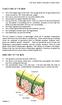 FUNCTIONS OF THE SKIN Skin is the largest organ of the body. The average adult has 18 square feet of skin which account for 16% of the total body weight. Skin acts as a physical barrier for you to the
Pressure Ulcers in the ICU Incidence, Risk Factors & Prevention
 Congress of the Critical Care Society of South Africa Sun City, 10-12 July 2015 Pressure Ulcers in the ICU Incidence, Risk Factors & Prevention Stijn BLOT Dept. of Internal Medicine Faculty of Medicine
NURSING DOCUMENTATION
 NURSING DOCUMENTATION OBJECTIVES 1. The learner will be able to state 2 components of documentation that meet the 2. The learner will be able to identify 4 characteristics of a complete skin assessment
Eliminating Pressure Ulcers in Ascension Health
 Eliminating Pressure Ulcers in Ascension Health Cissy Shanks RN BSN CEN & Pam Kleinhelter RN MSN CNA-BC Nursing Managers St Vincent s Health System Jacksonville, Florida Objectives Participants will be
5 Pressure Ulcer Classification
 5 Pressure Ulcer Classification Carol Dealey and Christina Lindholm Introduction Pressure ulcer classification is a method of determining the severity of a pressure ulcer. A classification system describes
Highlights of the Revised Official ICD-9-CM Guidelines for Coding and Reporting Effective October 1, 2008
 Highlights of the Revised Official ICD-9-CM Guidelines for Coding and Reporting Effective October 1, 2008 Please refer to the complete ICD-9-CM Official Guidelines for Coding and Reporting posted on this
Outcome-Based Pathways WOUND CARE
 Outcome-Based Pathways WOUND CARE Overview, Guidelines and Glossary Table of Contents Overview... 2 Outcome-Based Pathway Structure... 3 Guidelines for Use... 5 Outcome Terminology... 8 Pathway Stoppage
Wound Healing. Healing is a matter of time, but it is sometimes also a matter of opportunity. Hippocrates
 C HAPTER 9 Wound Healing Healing is a matter of time, but it is sometimes also a matter of opportunity. Hippocrates As the above quote suggests, conduct regular and systematic wound assessments, and seize
The Family Library. Understanding Diabetes
 The Family Library Understanding Diabetes What is Diabetes? Diabetes is caused when the body has a problem in making or using insulin. Insulin is a hormone secreted by the pancreas and is needed for the
Test Content Outline Effective Date: February 9, 2016. Family Nurse Practitioner Board Certification Examination
 February 9, 2016 Board Certification Examination There are 200 questions on this examination. Of these, 175 are scored questions and 25 are pretest questions that are not scored. Pretest questions are
Nursing Process. What Is Nursing Diagnosis (Dx)? Step 2: Nursing Diagnosis Step 3: Outcome Identification. Nursing Diagnosis.
 Nurse Caring Concepts 1A Nursing Process Step 2: Nursing Diagnosis Step 3: Outcome Identification Week 6 September 22, 2003 What Is Nursing Diagnosis (Dx)? Has two related meanings: Nursing diagnosis is
Use of a Soft Silicone Bordered Sacrum Dressing to Reduce Pressure Ulcer Formation in Critically Ill Patients: A Randomized Clinical Trial
 Use of a Soft Silicone Bordered Sacrum Dressing to Reduce Pressure Ulcer Formation in Critically Ill Patients: A Randomized Clinical Trial Peggy Kalowes RN, PhD, CNS, FAHA Principal Investigator Director,
ICD-9 Basics Study Guide
 Board of Medical Specialty Coding ICD-9 Basics Study Guide for the Home Health ICD-9 Basic Competencies Examination Two Washingtonian Center 9737 Washingtonian Blvd., Ste. 100 Gaithersburg, MD 20878-7364
APPLICATION OF DRY DRESSING
 G-100 APPLICATION OF DRY DRESSING PURPOSE To aid in the management of a wound with minimal drainage. To protect the wound from injury, prevent introduction of bacteria, reduce discomfort, and assist with
Rehabilitation Best Practice Documentation
 Rehabilitation Best Practice Documentation Click on the desired Diagnoses link or press Enter to view all information. Diagnoses: Reason for Admission to Inpatient Rehab CVA Deficits Fractures Secondary
Understand nurse aide skills needed to promote skin integrity.
 Unit B Resident Care Skills Essential Standard NA5.00 Understand nurse aide s role in providing residents hygiene, grooming, and skin care. Indicator Understand nurse aide skills needed to promote skin
Epilepsy 101: Getting Started
 American Epilepsy Society 1 Epilepsy 101 for nurses has been developed by the American Epilepsy Society to prepare professional nurses to understand the general issues, concerns and needs of people with
Ischemia and Infarction
 Harvard-MIT Division of Health Sciences and Technology HST.035: Principle and Practice of Human Pathology Dr. Badizadegan Ischemia and Infarction HST.035 Spring 2003 In the US: ~50% of deaths are due to
Quality Measures for Long-stay Residents Percent of residents whose need for help with daily activities has increased.
 Quality Measures for Long-stay Residents Percent of residents whose need for help with daily activities has increased. This graph shows the percent of residents whose need for help doing basic daily tasks
Silicone pressure-reducing pads for the prevention and treatment of pressure ulcers
 S46 Product focus Silicone pressure-reducing pads for the prevention and treatment of pressure ulcers Abstract Pressure ulcers, a key quality of care indicator, cause emotional distress to the patient,
7/30/2012. Increased incidence of chronic diseases due
 Dianne Rudolph, DNP, GNP bc, CWOCN Discuss management of wound care in older adults with focus on lower extremity ulcers Identify key aspects of prevention Explain basic principles of wound management
November 15, 2013. Ann Laramee MS ANP-BC ACNS-BC CHFN FletcherAllen.org
 Advance Care Planning with Heart Failure: Results of a Primary Care Practitioners Needs Survey 5 th Annual Nursing Research and Evidence Based Practice Symposium November 15, 2013 Ann Laramee MS ANP-BC
Y O U R S U R G E O N S. choice of. implants F O R Y O U R S U R G E R Y
 Y O U R S U R G E O N S choice of implants F O R Y O U R S U R G E R Y Y O U R S U R G E O N S choice of implants F O R Y O U R S U R G E R Y Your Surgeon Has Chosen the C 2 a-taper Acetabular System The
Critical Illness Insurance
 You ve protected your family s financial future by purchasing life and health insurance. Critical Illness Insurance It s cash when you need it. You choose how to spend it. So you can focus on getting well.
Wound Care Management
 Rule Category: Billing ` Ref: No: 2012-BR-0007 Version Control: Version No. 3.0 Effective Date: 08 December 2012 Revision Date: August 2015 Wound Care Management Adjudication Rule Table of content Abstract
Tae J Lee, MD, CMD, AGSF Medical Director Palliative Care and Hospice Vidant Medical Center
 Tae J Lee, MD, CMD, AGSF Medical Director Palliative Care and Hospice Vidant Medical Center Objectives Discuss important healthcare issues for aging population Review long term care options Discuss advance
Critical Illness Supplemental Insurance
 You ve protected your family s financial future by purchasing life and health insurance. Critical Illness Supplemental Insurance It s cash when you need it. You choose how to spend it. So you can focus
UNCG S.O.N. Nurse Practitioner Competency Metrics
 Yes Module on Clinical Prevention in Long-Term Care that students complete Assessment of Health Status: Obtains a relevant health history, which may be comprehensive or focused. Post test on Clinical prevention
Depression in Older Persons
 Depression in Older Persons How common is depression in later life? Depression affects more than 6.5 million of the 35 million Americans aged 65 or older. Most people in this stage of life with depression
Benefit Criteria to Change for Hyperbaric Oxygen Therapy for the CSHCN Services Program Effective November 1, 2012
 Benefit Criteria to Change for Hyperbaric Oxygen Therapy for the CSHCN Services Program Effective November 1, 2012 Information posted September 14, 2012 Effective for dates of service on or after November
A Pocket Guide. Application and Cutting Guide
 A Pocket Guide Application and Cutting Guide Developed by Pia Carlsen, RN, Denmark Jacqui Fletcher, Principal Lecturer, MSc BSc (Hons) PG Dip (ED) RN ILT, UK Maria Mousley, AHP, Consultant Podiatrist,
Common Outcomes/Competencies for the CCN Nursing Web Page
 Common Outcomes/Competencies for the CCN Nursing Web Page NURS 120: Foundations of Nursing This course introduces concepts related to the practical nurse s roles and responsibilities in today s society.
Reducing Hospital. of Pressure Damage. Spread the Learning and celebrate the successes
 Reducing Hospital Acquired Pressure Ulcers Prevention & Management of Pressure Damage Spread the Learning and celebrate the successes Prevalence & Cost Prevalence ranges from 10% to 18% in the UK (Clark
THE DEVELOPMENT OF A CARE BUNDLE FOR THE CRITICALLY ILL
 PRESSURE ULCER PROPHYLAXIS THE DEVELOPMENT OF A CARE BUNDLE FOR THE CRITICALLY ILL Barb Duncan RN, BScN Heather Harrington RN, BScN, CNCC(c) Louanne Rich vanderbij, RN, BScN, MSc., WOCN CWCN Barb Duncan
Diagnosis: Appropriate diagnosis is made according to diagnostic criteria in the current Diagnostic and Statistical Manual of Mental Disorders.
 Page 1 of 6 Approved: Mary Engrav, MD Date: 05/27/2015 Description: Eating disorders are illnesses having to do with disturbances in eating behaviors, especially the consuming of food in inappropriate
Recommended Geropsychiatric Competency Enhancements for Nurse Practitioners Who Provide Care to Older Adults but are not Geriatric Specialists
 Recommended Geropsychiatric Competency Enhancements for Nurse Practitioners Who Provide Care to Older Adults but are not Geriatric Specialists These recommended competency enhancement statements are not
Two main classes: Epithelial Connective (synovial) Epithelial. Cutaneous Mucous Serous
 Two main classes: Epithelial Connective (synovial) Epithelial Cutaneous Mucous Serous Epithelial Membranes = sheet of epithelia + connective tissue base 1. Cutaneous membrane: outer skin layer (stratified
INFORMED CONSENT - CARPAL TUNNEL RELEASE
 . Purchasers of the Patient Consultation Resource Book are given a limited license to modify documents contained herein and reproduce the modified version for use in the Purchaser's own practice only.
A: Nursing Knowledge. Alberta Licensed Practical Nurses Competency Profile 1
 A: Nursing Knowledge Alberta Licensed Practical Nurses Competency Profile 1 Competency: A-1 Anatomy and Physiology A-1-1 A-1-2 A-1-3 A-1-4 A-1-5 A-1-6 A-1-7 A-1-8 Identify the normal structures and functions
Summary of Recommendations
 Summary of Recommendations *LEVEL OF EVIDENCE Practice Recommendations Assessment 1.1 Conduct a history and focused physical assessment. IV 1.2 Conduct a psychosocial assessment to determine the client
OFFICE OF THE STATE CORONER FINDINGS OF INVESTIGATION
 OFFICE OF THE STATE CORONER FINDINGS OF INVESTIGATION CITATION: TITLE OF COURT: JURISDICTION: Non-inquest findings into the death of Ms C Coroners Court Brisbane FILE NO(s): 2012/4591 DELIVERED ON: 11
Common Medical Malpratice Delayed Diagnosis Cases: Melanoma
 DELAYED DIAGNOSIS SKINCANCER Common Medical Malpratice Delayed Diagnosis Cases: Melanoma Melanoma makes up the smallest percentage of skin cancer cases, yet it s the deadliest form causing the greatest
September 12, 2011. Dear Dr. Corrigan:
 September 12, 2011 Janet M. Corrigan, PhD, MBA President and Chief Executive Officer National Quality Forum 601 13th Street, NW Suite 500 North Washington, D.C. 20005 Re: Measure Applications Partnership
Management of Burns. The burns patient has the same priorities as all other trauma patients.
 Management of Burns The burns patient has the same priorities as all other trauma patients. Assess: - Airway - Breathing: beware of inhalation and rapid airway compromise - Circulation: fluid replacement
Trends in Life Expectancy and Causes of Death Following Spinal Cord Injury. Michael J. DeVivo, Dr.P.H.
 Trends in Life Expectancy and Causes of Death Following Spinal Cord Injury Michael J. DeVivo, Dr.P.H. Disclosure of PI-RRTC Grant James S. Krause, PhD, Holly Wise, PhD; PT, and Emily Johnson, MHA have
ICD-10-CM Official Guidelines for Coding and Reporting
 2013 Narrative changes appear in bold text Items underlined have been moved within the guidelines since the 2012 version Italics are used to indicate revisions to heading changes The Centers for Medicare
How To Treat An Elderly Patient
 1. Introduction/ Getting to know our Seniors a. Identify common concepts and key terms used when discussing geriatrics b. Distinguish between different venues of senior residence c. Advocate the necessity
PATIENT TEACHING GUIDE: Wound Care Handbook
 PATIENT TEACHING GUIDE: Wound Care Handbook PATIENT TEACHING GUIDE: WOUND CARE Design by Mariscal Design, Illustrations by Lysa Hawke. The Wound Care Self Care Guide was written and prepared by: Barbara
7 Myths Regarding Opioid Use in Pain Management. Chris Patterson, M.S.N., R.N. Muskegon Community College
 1 7 Myths Regarding Opioid Use in Pain Management Chris Patterson, M.S.N., R.N. Muskegon Community College 2 7 Myths Regarding Opioid Use in Pain Management The National Center for Health Statistics estimates
Thyroid Eye Disease. Anatomy: There are 6 muscles that move your eye.
 Thyroid Eye Disease Your doctor thinks you have thyroid orbitopathy. This is an autoimmune condition where your body's immune system is producing factors that stimulate enlargement of the muscles that
Insights into Quality Improvement. Key Observations 2014-15 Quality Improvement Plans Long-Term Care Homes
 Insights into Quality Improvement Key Observations 2014-15 Quality Improvement Plans Long-Term Care Homes Introduction Ontario has now had close to four years of experience with Quality Improvement Plans
Personal Assessment Form for RN(NP) Practice for the SRNA Continuing Competence Program (CCP)
 Personal Assessment Form for RN(NP) Practice for the SRNA Continuing Competence Program (CCP) Completing a personal assessment is a mandatory component of the SRNA CCP. It allows a RN and RN(NP) to strategically
How To Prevent Pressure Ulcer
 Pressure ulcers prevention and treatment A Coloplast quick guide Table of Contents Pressure ulcers prevention and treatment... 3 What is a pressure ulcer?... 4 How do pressure ulcers occur?... 5 Who develops
Guidelines for the Use of Controlled Substances in the Treatment of Pain Adopted by the New Hampshire Medical Society, July 1998
 Guidelines for the Use of Controlled Substances in the Treatment of Pain Adopted by the New Hampshire Medical Society, July 1998 Section I: Preamble The New Hampshire Medical Society believes that principles
Inflammation and Healing. Review of Normal Defenses. Review of Normal Capillary Exchange. BIO 375 Pathophysiology
 Inflammation and Healing BIO 375 Pathophysiology Review of Normal Defenses Review of Normal Capillary Exchange 1 Inflammation Inflammation is a biochemical and cellular process that occurs in vascularized
Iatrogenesis. Suzanne Beyea,, RN, PhD, FAAN Associate Director: Centers for Health and Aging
 Iatrogenesis Suzanne Beyea,, RN, PhD, FAAN Associate Director: Centers for Health and Aging Iatrogenesis Definition from the Greek word, iatros,, meaning healer, iatrogenesis means brought forth by a healer
AACN SCOPE AND STANDARDS
 AACN SCOPE AND STANDARDS FOR ACUTE AND CRITICAL CARE NURSING PRACTICE AMERICAN ASSOCIATION of CRITICAL-CARE NURSES AACN SCOPE AND STANDARDS FOR ACUTE AND CRITICAL CARE NURSING PRACTICE Editor: Linda Bell,
Test Content Outline Effective Date: January 29, 2013
 Board Certification Examination There are 200 questions on this examination. Of these, 175 are scored questions and 25 are pretest questions that are not scored. Pretest questions are used to determine
Identification and Prevention Pressure Ulcers in the ED
 Identification and Prevention Pressure Ulcers in the ED Evidence Based Practice Project UC Davis Medical Center s Nurse Residency Program Janine Taylor R.N., B.S.N. Peg Freitag R.N., B.S.N. Hospital Acquired
The Sepsis Puzzle: Identification, Monitoring and Early Goal Directed Therapy
 The Sepsis Puzzle: Identification, Monitoring and Early Goal Directed Therapy Cindy Goodrich RN, MS, CCRN Content Description Sepsis is caused by widespread tissue injury and systemic inflammation resulting
Hospice and Palliative Medicine
 Hospice and Palliative Medicine Maintenance of Certification Examination Blueprint Purpose of the exam The exam is designed to evaluate the knowledge, diagnostic reasoning, and clinical judgment skills
Quality standard Published: 11 June 2015 nice.org.uk/guidance/qs89
 Pressure ulcers Quality standard Published: 11 June 2015 nice.org.uk/guidance/qs89 NICE 2015. All rights reserved. Contents Introduction... 6 Why this quality standard is needed... 6 How this quality standard
Adult CCRN/CCRN E/CCRN K Certification Review Course: Integumentary and Musculoskeletal
 Adult CCRN/CCRN E/CCRN K Certification Review Course: Integumentary and Musculoskeletal Carol Rauen RN BC, MS, PCCN, CCRN, CEN Integumentary IV infiltration Pressure ulcers Wounds Infectious Surgical Trauma