
The maternal hyperlactation syndrome
|
|
|
- Blanche Franklin
- 10 years ago
- Views:
Transcription
1 OBSTETRICS & GYNECOLOGY Medicine North America January 1997 The maternal hyperlactation syndrome When there s too much breast milk, a spectrum of complications may arise. If you recognize the signs, the solutions are often simple. Verity Livingstone This article will help you to: detect the signs of the maternal hyperlactation syndrome use simple procedures to treat blocked ducts and strip congested breast segments treat breast abscesses surgically know which antibiotics to use to allow breastfeeding to continue Practice Point Incomplete drainage may be aggravated by poor positioning and latching or impaired infant suckling. Seepage of milk into the interstitial tissue causes it to become inflamed and erythematous, signifying an inflammatory mastitis. A high fluctuating fever associated with a firm, demarcated, tender mass, usually with erythema of the skin, indicates abscess formation. Use gentle abrasion or a sterile needle to remove epithelial skin and open a blocked nipple pore. A rapid synthesis of breast milk combined with milk retention leads to the clinical spectrum of the maternal hyperlactation syndrome. The symptoms and possible consequences include: milk stasis and blocked ducts lactiferous duct colic inflammatory mastitis acute infectious mastitis chronic infectious mastitis breast abscess. Many breastfeeding mothers experience one or more of the above problems. They often have large, thriving infants and may have started to wean. The pathophysiology is as follows: milk retention results from incomplete breast drainage and may then lead to lower or upper lactiferous duct disease, including lactiferous sinus and duct distention, spasms and colic. Secondary complications include ascending lactiferous tract infections such as lactiferous sinusitis, adenitis, and breast abscess (Figure 1).

2 Figure 1 The maternal hyperlactation syndrome. (Source: Livingstone VH. Too Much of a Good Thing: Maternal and infant hyperlactation syndromes. Canadian Family Physician 1996;42:89-99). Milk stasis and blocked ducts Milk stasis occurs when a mother with a high milk output switches her infant from one breast to the other before the first side has been adequately drained. A strong milk ejection reflex causes a rapid letdown of a large volume of pooled milk and the infant quickly becomes satiated before all the lactiferous ducts are drained. Incomplete drainage may be aggravated by poor positioning and latching or impaired infant suckling. If this occurs repeatedly, some of the ducts and lobules remain constantly full. A firm, tender, wedge-shaped segment becomes palpable and a small white spot may become visible on the nipple which represents edematous epithelium blocking the nipple pore and milk flow. In some cases, a lactiferous duct obstruction is due to a small calculus of caseinous milk precipitate. Lactiferous duct colic If the lactiferous duct outlet become blocked, increased retrograde pressure may result. The ductal colic that results is caused by myoepithelium smooth muscle contractions. Mothers may complain of sharp, knife-like cramps or shooting pains deep in the breast, often between feeds. Relieving the obstruction resolves the pain. Inflammatory mastitis A firm, lumpy, slightly tender quadrant in the breast may be palpable due to milk stasis. If this area is not drained, milk will eventually seep into the interstitial tissue, causing it to become inflamed and erythematous. This signifies an inflammatory mastitis, and may occur within 12 to 24 hours of milk blockage. Under normal conditions, the milk leukocyte count is less than 10.6 cells per ml of milk and the bacterial count is less than 10.3 cells per ml of milk. Within 48 hours of breast symptoms, the leukocyte count increases to more than 10.6 cells per ml, but the bacterial count remains low. This is considered noninfectious inflammation of the breast; improved milk drainage will quickly resolve the situation. Acute infectious mastitis A high rate of milk synthesis combined with continuous, poor drainage of a segment of the breast may result in the stagnant milk becoming secondarily infected with common skin pathogens via an ascending lactiferous duct infection. Infectious mastitis is defined as having a leukocyte count and bacterial

3 count of more than 10.6 ml/milk. Occasionally, a blood-borne infection can lead to infectious mastitis. Puerperal mastitis affects 1.4% to 8.9% of nursing mothers presenting with general malaise, chills or sweats, and fever. However, half of the affected patients may have localized symptoms and signs of inflammation without fever or systemic symptoms. Recurrent mastitis Recurrent mastitis may be due to an acute reinfection or a chronic relapsed infection because of inadequately treated mastitis and continuing poor milk drainage. There may be a persistent nidus of infection or there may be a stricture formed inside the lactiferous duct as a result of a previous infection. Breast abscess A high fluctuating fever with chills and general malaise, associated with a firm, well-demarcated, tender, fluctuating mass, usually with erythema of the skin, indicates the formation of an abscess. In a few rare cases, there may be no systemic symptoms. Ultrasonography of the breast and needle aspiration under local anesthesia are useful diagnostic techniques to identify collections of fluid or pus and to distinguish mastitis from a galactocele. How to manage the hyperlactation syndrome Decrease the rate of milk production Reduce breast stimulation by decreasing the frequency and duration of breastfeeding. This results in reduced prolactin surges. Milk production remains blocked via central prolactin inhibitorv factors. Decrease the frequency of breast drainage. This results in milk retention in the lactiferous ducts. Inhibitor peptides collect and block milk production via a local negative feedback mechanism. In practical terms, the infant should remain at one breast per feed, until he or she is full and spontaneously releases the breast. In this way, the volume of milk ingested is less, but the fat content and caloric value increases as the feed progresses. A higher fat intake often satiates the infant for a longer period and decreases the hunger drive. The interval between feeds is lengthened and milk production declines, while the second breast remains full for a longer period and local inhibition further reduces milk synthesis in that breast. Prevent milk retention Improve milk removal and breast drainage by regular effective breast-feeding with or without pumping. The infant is usually efficient at draining each segment of the breast when positioned and latched correctly. The modified cradle position allows the mother to cup the breast with her hand and apply firm pressure over the outer quadrant and compress retained milk towards the nipple while the infant suckles (Figure 2). If the milk is flowing rapidly, the mother should stop compressing the breast. Switching breast-feeding positions and using the under- the-arm hold allows thorough drainage of all segments and prevents milk stasis.

4 Breastfeeding should start on the fullest breast and the infant should remain on this breast until all areas feel soft. As the pressure in the duct is relieved, breast pain and discomfort lessens. Relieving obstruction Blocked pores: A small white dot over a nipple pore means that an outlet is obstructed. Gentle abrasion or a sterile needle can be used to remove epithelium skin for opening the pore. When the breast is firmly compressed, a small calculus or granule may suddenly pop out, relieving the blockage. A thick stream of milk gushing out indicates patency. If breastfeeding by itself doesn t effectively remove the thickened inspissated milk, then manual expression of the milk, or the use of an efficient breast pump after feeds will be needed. The mother should be shown how to firmly compress her breast with a cupped hand, squeezing gently towards the nipple while pumping, in order to dislodge the calculus or thickened milk. Manual stripping may be used if expressing the milk doesn t unblock the segment. Manual stripping involves cupping the breast between the finger and thumb and applying firm, steady pressure over the tender section, starting from the periphery over the rib cage and drawing the fingers and thumb slowly together toward the nipple, stripping out thickened milk or pus. This procedure should be repeated several times. The skin must be well lubricated before attempting to do this and analgesia may be necessary, but even with mastitis, the discomfort lessens as the procedure continues. The intraductal pressure is relieved as milk or pus is slowly extruded. Mothers must be taught this technique, and instructed to repeat the procedure every few hours, standing in the shower, using soapy fingers, until the breast feels softer and milk is flowing freely. Breast abscess: If an abscess has formed, incision and drainage is performed under local or general anesthesia. Repeat needle aspiration may not be enough. The incision should be radial, not circumferential, to minimize the severance of ducts. Insert a large drain and irrigate daily until the cavity closes. Apply the dressing so that the infant can continue to breastfeed or the mother can use an efficient breast pump. Regular drainage prevents further milk stasis and maintains lactation. Eradicate infection Breast pain and erythema associated with flu-like systemic symptoms and a fever strongly suggest infectious mastitis. This needs antibiotic therapy. Common bacterial pathogens include Staphylococcus aureus, Escherichia coli, Group A beta-haemolytic Streptococcus with occasional Streptococcus faecalis, and Klebsiella pneumonia. In contrast, nonpuerperal breast infections are mixed infections with a major anaerobic component. Antibiotics of choice include penicillinaseresistant penicillins such as dicloxacillin or erythromycin, cephalosporins, sulphonamides, and clindamycin. A ten to fourteen day course is required. Breast milk excretion of these antibiotics is minimal and it is considered safe to continue to breastfeed. Clinical improvement is usually seen within 24 to 48 hours, the erythema subsides, the fever decreases, and breast pain improves. A persistent mass which becomes fluctuant may indicate abscess formation.

5 How to prevent recurrences Excessive milk retention can be prevented by correct breastfeeding techniques, such as ensuring a proper latch and thorough drainage of the breasts. Avoid missing feeds: Sleeping through the night, returning to work, introducing breast milk substitutes such as bottles of formula, starting solid foods, and weaning are all typical periods when breastfeeds may be missed. The resultant breast confusion can lead to inadequate drainage and milk retention. Breast palpation: Mothers with a high milk output should remove their bra before feeding, if practical, and become skilled at palpating their breasts for lumps. Areas of breast lumpiness or caking that persist after breastfeeding may indicate milk stasis or a blocked duct. Thorough expression of this residual milk should relieve the situation and prevent secondary complications. Avoid weaning suddenly: Gradual baby-led weaning is optimum as abrupt weaning may predispose a mother with a high milk production to the maternal hyperlactation syndrome. If a mother chooses to wean the baby suddenly or if weaning is clinically indicated, a lactation suppressant such as bromocriptine (2.5 mg b.i.d. for 14 days) may be used with caution, though side effects including nausea, headache, postal hypotension and stroke, occur in rare circumstances. Supportive measures Parenting is a tiring time for mothers, and your suggestions may help to make this time enjoyable and rewarding rather than exhausting and frustrating. Additional help at home is mandatory and bed rest is often advisable. Analgesia such as acetaminophen plain or combined with codeine may be necessary. Hot compresses applied to the breast, before breastfeeding or milk expression, encourages blood flow and smooth muscle relaxation, which in turn helps milk transfer. Cold compresses after feeds may decrease inflammation and edema. Further reading Lawrence R A. Breastfeeding: A Guide for the Medical Profession. 4th ed. Mosby Livingstone VH. Too much of a good thing: The Maternal Hvperlactation Syndrome. Can Fam Physician 1996;42: The Art of Successful Breastfeeding. An Educational Video Guide for Health Professionals. Vancouver Breastfeeding Centre, 690 West 11th Ave. Vancouver. V5Z 1M7 Fax Proprietary Drugs Acetaminophen Abenol Atasol Atasol Forte Panadol Ternpra

6 222 AF Tylenol Bromocriptine mesylate Parlodel Clindamycin Dalacin C Erythromycin Many proprietary names Verity Livingstone MB BS FCFP IBCLC is Medical Director of the Vancouver Breastfeeding Centre and an Associate Professor in the Department of Family Practice at the University of British Columbia. She received her medical degree in London, England in 1974 and did postgraduate training in pediatrics. She is a family physician and an International Board Certified Lactation Consultant and is a member of the Breastfeeding Committee for Canada. She was the first recipient of the Family Physician Practice of Excellence award for her work in breastfeeding promotion and has recently produced a video titled The Art of Successful Breastfeeding A Guide to Health Professionals.

Breastfeeding Problems
 1. Introduction 2. General Presentation 3. Anatomy 4. Common Breastfeeding Problems 5. Conclusion 6. References 7. Acknowledgement Breastfeeding Problems 1. Introduction Breastfeeding has been recognized
Common Breast Complaints:
 : Palpable mass Abnormal mammogram with normal physical exam Vague thickening or nodularity Nipple Discharge Breast pain Breast infection or inflammation The physician s goal is to determine whether the
Mastitis and Breast Abscess
 1. Purpose This document outlines the guidelines for pharmacological and non pharmacological management of mastitis and breast abscess at the Women s. This guideline is related to the RWH Breastfeeding
X-Plain Sinus Surgery Reference Summary
 X-Plain Sinus Surgery Reference Summary Introduction Sinus surgery is a very common and safe operation. Your doctor may recommend that you have sinus surgery. The decision whether or not to have sinus
BREAST FEEDING TEACHING GUIDE
 BREAST FEEDING TEACHING GUIDE This information was developed to address issues related to breast-feeding and identify problems usually encountered in the first six weeks postpartum after discharge from
Laparoscopic Cholecystectomy
 Laparoscopic Cholecystectomy Gallbladder removal is one of the most commonly performed surgical procedures in the United States. Today,gallbladder surgery is performed laparoscopically. The medical name
Lawrence A. Kotlow D.D.S. P.C. 340 Fuller Road Albany, New York 12203
 Lawrence A. Kotlow D.D.S. P.C. 340 Fuller Road Albany, New York 12203 Practice limited to infants and children from birth to early teens Board Certified Specialist in Pediatric Dentistry 518-489-2571 fax:
X-Plain Hip Replacement Surgery - Preventing Post Op Complications Reference Summary
 X-Plain Hip Replacement Surgery - Preventing Post Op Complications Reference Summary Introduction Severe arthritis in the hip can lead to severe pain and inability to walk. To relieve the pain and improve
St. Olavs Hospital Trondheim University Hospital Mother and Child Friendly
 St. Olavs Hospital Trondheim University Hospital Mother and Child Friendly Your hospital stay is meant to be a time for you to get to know your newborn, become accustomed to your new family situation,
Common Concerns About Breastfeeding
 Patient Education Page 51 Caring for Yourself and Your New Baby Common Concerns About Breastfeeding Breastfeeding is healthy and natural. So are the questions and concerns that come with it. Whether you
Blood, Lymphatic and Immune Systems
 Component 3-Terminology in Healthcare and Public Health Settings Unit 4-Blood, Lymphatic and Immune Systems This material was developed by The University of Alabama at Birmingham, funded by the Department
Nursing college, Second stage Microbiology Dr.Nada Khazal K. Hendi L14: Hospital acquired infection, nosocomial infection
 L14: Hospital acquired infection, nosocomial infection Definition A hospital acquired infection, also called a nosocomial infection, is an infection that first appears between 48 hours and four days after
Streptococcal Infections
 Streptococcal Infections Introduction Streptococcal, or strep, infections cause a variety of health problems. These infections can cause a mild skin infection or sore throat. But they can also cause severe,
Endoscopic Plantar Fasciotomy
 Endoscopic Plantar Fasciotomy Introduction Plantar fasciitis is a common condition that causes pain centralized around the heel. It may be severe enough to affect regular activities. Health care providers
Gastroschisis and My Baby
 Patient and Family Education Gastroschisis and My Baby Gastroschisis is a condition where a baby is born with the intestine outside the body. Learning about the diagnosis What is gastroschisis? (pronounced
Breastfeeding Your Baby
 Getting the Help You Need If you have questions or problems, don t wait. Another nursing mother or mothers support group can often help. Your hospital, WIC office, baby s doctor, midwife, or obstetrician/gynecologist
Laparoscopic Colectomy. What do I need to know about my laparoscopic colorectal surgery?
 Laparoscopic Colectomy What do I need to know about my laparoscopic colorectal surgery? Traditionally, colon & rectal surgery requires a large, abdominal and/or pelvic incision, which often requires a
Spinal Cord and Bladder Management Male: Intermittent Catheter
 Spinal Cord and Bladder Management Male: Intermittent Catheter The 5 parts of the urinary system work together to get rid of waste and make urine. Urine is made in your kidneys and travels down 2 thin
GLOBAL. Frequently Asked Questions
 GLOBAL Frequently Asked Questions about Breast Implants 2 Contents 1 Silicone Material 1 Safety of Silicone 2 Capsular Contracture 2 Breast Cancer 3 Mammography 3 Silicone Allergy 3 Implant Life Expectancy
Men s Health: Testicular & Breast. September 2012
 Men s Health: Testicular & Breast September 2012 Objectives: You will learn: How to perform a testicular self-exam and breast self-exam. You will know when to perform testicular and breast self-exams.
Laparoscopic Cholecystectomy
 Laparoscopic Cholecystectomy Removal of Gall Bladder Page 12 Patient Information Further Information We endeavour to provide an excellent service at all times, but should you have any concerns please,
Laparoscopic Gallbladder Removal (Cholecystectomy) Patient Information from SAGES
 Laparoscopic Gallbladder Removal (Cholecystectomy) Patient Information from SAGES Gallbladder removal is one of the most commonly performed surgical procedures. Gallbladder removal surgery is usually performed
Epidural Continuous Infusion. Patient information Leaflet
 Epidural Continuous Infusion Patient information Leaflet April 2015 Introduction You may already know that epidural s are often used to treat pain during childbirth. This same technique can also used as
Supporting the Breastfeeding Mom in Child Care. Gwen Marshall RD, IBCLC Washington State WIC Nutrition Program September 25, 2013
 Supporting the Breastfeeding Mom in Child Care Gwen Marshall RD, IBCLC Washington State WIC Nutrition Program September 25, 2013 At the end of this presentation participants will be able to: 1. State the
BREASTFEEDING; HOW? January 14 HELEN BORG, INFANT FEEDING MIDWIFE MATER DEI HOSPITAL
 BREASTFEEDING; HOW? January 14 HELEN BORG, INFANT FEEDING MIDWIFE MATER DEI HOSPITAL 1 THE IMMIGRANT MOTHER- BABY DYAD Challenges to Breastfeeding and Bonding Lack of Information How to enhance milk supply
PATIENT CARE MANUAL PROCEDURE
 PATIENT CARE MANUAL PROCEDURE NUMBER VII-E-5 PAGE 1 OF 7 APPROVED BY: CATEGORY: Tri-site Nursing Policy and Procedures Review Committee Body Systems; Genitourinary 1.0 GOALS To influence patient care providers
Informed Patient Tutorial Copyright 2012 by the American Academy of Orthopaedic Surgeons
 Informed Patient Tutorial Copyright 2012 by the American Academy of Orthopaedic Surgeons Informed Patient - Carpal Tunnel Release Surgery Introduction Welcome to the American Academy of Orthopaedic Surgeons'
It is a syndrome characterized by chronic pain caused by multiple trigger points and
 1 WHAT IS MYOFASCIAL PAIN SYNDROME? It is a syndrome characterized by chronic pain caused by multiple trigger points and myofascial tightening. The term fascial pertains to the muscle, and it is a lining
2) Anticipatory guidance for the breastfeeding infant and mother on the day of hospital discharge includes all of the following EXCEPT:
 Evaluation Tool Pre-test (with Answers) Section I: Knowledge 1) Hypoglycemia, both symptomatic and asymptomatic, is a common concern in healthy term breastfed neonates. While glucose monitoring should
Multiple Myeloma. This reference summary will help you understand multiple myeloma and its treatment options.
 Multiple Myeloma Introduction Multiple myeloma is a type of cancer that affects white blood cells. Each year, thousands of people find out that they have multiple myeloma. This reference summary will help
Interstitial Breast Brachytherapy
 Patient Education Questions? Your questions are important. Call your doctor or health care provider if you have questions or concerns. UWMC clinic staff are also available to help at any time. During normal
Hernia- Open Inguinal Hernia Repair PROCEDURAL CONSENT FORM. A. Interpreter / cultural needs. B. Condition and treatment
 DO NOT WRITE IN THIS BINDING MARGIN v5.00-04/2011 SW9317 Hernia- Open Inguinal Hernia Repair Facility: A. Interpreter / cultural needs An Interpreter Service is required? Yes No If Yes, is a qualified
URINARY CATHETER CARE
 URINARY CATHETER CARE INTRODUCTION Urinary catheter care is a very important skill, and it is a skill that many certified nursing assistants (CNAs) must know. Competence at providing urinary catheter care
INFORMATION FOR YOU. Lower Back Pain
 INFORMATION FOR YOU Lower Back Pain WHAT IS ACUTE LOWER BACK PAIN? Acute lower back pain is defined as low back pain present for up to six weeks. It may be experienced as aching, burning, stabbing, sharp
Pain Relief Options for Labor. Providing You with Quality Care, Information and Support
 Pain Relief Options for Labor Providing You with Quality Care, Information and Support What can I expect during my labor and delivery? As a patient in the Labor and Delivery Suite at Lucile Packard Children
MEDICATION GUIDE mitoxantrone (mito-xan-trone) for injection concentrate
 MEDICATION GUIDE mitoxantrone (mito-xan-trone) for injection concentrate Read this Medication Guide before you start receiving mitoxantrone and each time you receive mitoxantrone. There may be new information.
Department of Surgery
 Thoracic Surgery After Your Lung Surgery Patient Education Discharge Information You have just had lung surgery. The following are definitions of terms you may hear in connection with your surgery: THORACOTOMY
Medication Guide Rebif (Re-bif) Interferon beta-1a (in-ter-feer-on beta-one-â)
 Medication Guide Rebif (Re-bif) Interferon beta-1a (in-ter-feer-on beta-one-â) Please read this leaflet carefully before you start to use Rebif and each time your prescription is refilled since there may
Gallbladder Diseases and Problems
 Gallbladder Diseases and Problems Introduction Your gallbladder is a pear-shaped organ under your liver. It stores bile, a fluid made by your liver to digest fat. There are many diseases and problems that
Abdominal Wall Pain. What is Abdominal Wall Pain?
 Abdominal Wall Pain What is Abdominal Wall Pain? Abdominal Wall Pain is a syndrome (an experience) of abdominal pain that can occur at any time of life and is not unique to children. It is diagnosed by
Like cocaine, heroin is a drug that is illegal in some areas of the world. Heroin is highly addictive.
 Heroin Introduction Heroin is a powerful drug that affects the brain. People who use it can form a strong addiction. Addiction is when a drug user can t stop taking a drug, even when he or she wants to.
150640_Brochure_B 4/12/07 2:58 PM Page 2. Patient Information. Freedom From an Enlarged Prostate
 150640_Brochure_B 4/12/07 2:58 PM Page 2 Patient Information Freedom From an Enlarged Prostate 150640_Brochure_B 4/12/07 2:58 PM Page 3 GreenLight Laser Therapy 1 150640_Brochure_B 4/12/07 2:58 PM Page
Community home-based prevention of disability due to lymphatic filariasis
 Community home-based prevention of disability due to lymphatic filariasis World Health Organization Geneva WHO/CDS/CPE/CEE/2003.35 Part 3 Figure 1 Wash your leg, or other part of the body affected by lymphoedema,
Laparoscopic Antireflux Surgery Information Sheet
 Laparoscopic Antireflux Surgery Information Sheet What is Laparoscopic Antireflux Surgery? Antireflux surgery (also known as fundoplication) is the standard surgical method of treating gastro-oesophageal
Overview of Bariatric Surgery
 Overview of Bariatric Surgery To better understand how weight loss surgery works, it is helpful to know how the normal digestive process works. As food moves along the digestive tract, special digestive
Exposure. What Healthcare Personnel Need to Know
 Information from the Centers for Disease Control and Prevention National Center for Infectious Diseases Divison of Healthcare Quality Promotion and Division of Viral Hepatitis For additional brochures
Breast Cancer. Sometimes cells keep dividing and growing without normal controls, causing an abnormal growth called a tumor.
 Breast Cancer Introduction Cancer of the breast is the most common form of cancer that affects women but is no longer the leading cause of cancer deaths. About 1 out of 8 women are diagnosed with breast
Herniated Lumbar Disc
 Herniated Lumbar Disc North American Spine Society Public Education Series What Is a Herniated Disc? The spine is made up of a series of connected bones called vertebrae. The disc is a combination of strong
MS Treatments Gilenya
 1 MSology Essentials Series Gilenya (fingolimod) Developed by MSology with the invaluable assistance of multiple sclerosis nurse advisors: Trudy Campbell Dalhousie MS Research Unit, Capital Health, Halifax,
MEDICATION GUIDE REBIF interferon beta-1a Injection for subcutaneous use
 MEDICATION GUIDE REBIF interferon beta-1a Injection for subcutaneous use Read this Medication Guide before you start using REBIF and each time you get a refill. There may be new information. The information
Intermittent Self Catheterization for Males
 Intermittent Self Catheterization for Males CEAC 0371 January 2016 Intermittent Self Catheterization This involves inserting a catheter (small tube) into your bladder at regular intervals to help empty
Bottle Feeding Puppies and Kittens
 Bottle Feeding Puppies and Kittens Formula Goats milk works as a temporary substitute, but it can get expensive. Goats milk is sold at Wal-Mart and most grocery stores. Cow s milk is not an alternative;
MS Treatments Aubagio TM
 1 MSology Essentials Series Aubagio TM (teriflunomide) Developed by MSology with the invaluable assistance of multiple sclerosis nurse advisors: Bonnie Blain Central Alberta MS Clinic, Red Deer, Alberta
Supporting Breastfeeding and Lactation: The Primary Care Pediatrician s Guide to Getting Paid
 Supporting Breastfeeding and Lactation: The Primary Care Pediatrician s Guide to Getting Paid Breastfeeding support can often be quite time-intensive initially but pays off in a healthier patient population.
Blepharoplasty - Eyelid Surgery
 Blepharoplasty - Eyelid Surgery Introduction Eyelid surgery repairs sagging or drooping eyelids. The surgery is also known as blepharoplasty, or an eyelid lift. Sagging or drooping eyelids happen naturally
Breastfeeding for mothers with diabetes
 906700-WZZ1643 19/12/2013 16:22 Page 1 We continually strive to improve the quality of information given to patients. If you have any comments or suggestions regarding this information booklet, please
Laparoscopic Bilateral Salpingo-Oophorectomy
 Laparoscopic Bilateral Salpingo-Oophorectomy What is a? This is a surgery where your doctor uses a thin, lighted camera and small surgical tool placed through a small (1/2 inch) incision usually in the
PATIENT CONSENT TO PROCEDURE - ROUX-EN-Y GASTRIC BYPASS
 As a patient you must be adequately informed about your condition and the recommended surgical procedure. Please read this document carefully and ask about anything you do not understand. Please initial
Care of Gastrostomy Tubes for Adults with IDD in Community Settings: The Nurse s Role. Lillian Khalil, BSN, RN Volunteers of America, Chesapeake
 Care of Gastrostomy Tubes for Adults with IDD in Community Settings: The Nurse s Role Lillian Khalil, BSN, RN Volunteers of America, Chesapeake Objectives The participants will be able to identify the
A PRINTED copy of this guideline may not be the most recent version. The OFFICIAL version is located on IHNET at the Policies & Procedures Home Page
 A PRINTED copy of this guideline may not be the most recent version. The OFFICIAL version is located on IHNET at the Policies & Procedures Home Page IX0200: Prevention & Control of Catheter Associated
Weaning. Breastfeeding. and 1-800-445-6175. Arkansas WIC Breastfeeding Helpline. (WIC de Arkansas Línea de Ayuda para la Lactancia)
 Arkansas WIC Breastfeeding Helpline (WIC de Arkansas Línea de Ayuda para la Lactancia) 1-800-445-6175 Breastfeeding and Weaning The WIC program is an equal opportunity provider and employer. (El programa
Acute Myeloid Leukemia
 Acute Myeloid Leukemia Introduction Leukemia is cancer of the white blood cells. The increased number of these cells leads to overcrowding of healthy blood cells. As a result, the healthy cells are not
Heart problems - What are the possible side effects of AVONEX? What is AVONEX? Who should not take AVONEX?
 MEDICATION GUIDE AVONEX Interferon beta-1a (Including appendix with instructions for using AVONEX Vials) Please read this guide carefully before you start to use AVONEX (a-vuh-necks) and each time your
Challenges of Foster Parents who Care for Infants with Neonatal Abstinence Syndrome
 Challenges of Foster Parents who Care for Infants with Neonatal Abstinence Syndrome All Health Care Providers are required by law to make a referral to the Department of Children s Services (DCS) Child
Breastfeeding and Breast Care
 Government of Western Australia Department of Health Women and Newborn Health Service Please pack me in your hospital bag Breastfeeding and Breast Care WNHS Community Advisory Council your voice 90063
Plantar Fascia Release
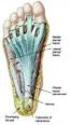 Plantar Fascia Release Introduction Plantar fasciitis is a common condition that causes pain around the heel. It may be severe enough to affect regular activities. If other treatments are unsuccessful,
X-Plain Psoriasis Reference Summary
 X-Plain Psoriasis Reference Summary Introduction Psoriasis is a long-lasting skin disease that causes the skin to become inflamed. Patches of thick, red skin are covered with silvery scales. It affects
Acute Low Back Pain. North American Spine Society Public Education Series
 Acute Low Back Pain North American Spine Society Public Education Series What Is Acute Low Back Pain? Acute low back pain (LBP) is defined as low back pain present for up to six weeks. It may be experienced
call 811 to get advice from a nurse, or have someone drive the patient to a hospital Emergency Department. Patients should NOT drive themselves.
 Taking Care at Home After Surgery This checklist is to help you and your support person know what to do after you go home following your surgery. If you are given instructions verbally or in writing by
You will be having surgery to remove a tumour(s) from your liver.
 Liver surgery You will be having surgery to remove a tumour(s) from your liver. This handout will help you learn about the surgery, how to prepare for surgery and your care after surgery. Surgery can be
Clinical Interruption of Pregnancy (Medical/Surgical Abortion)
 Clinical Interruption of Pregnancy (Medical/Surgical Abortion) Approximately one fifth of all pregnancies in the United States end in abortion (Ventura et al., 2009). According to the CDC (2011a), there
Breast Pain. National Cancer Helpline 1800 200 700
 General information Breast Pain Breast Pain This factsheet gives information on breast pain in women. It explains the different types and causes of breast pain and how it can be diagnosed and treated.
Laser Procedure Note
 Laser Procedure Note Patient Name Date 1. Pre procedure diagnosis 2. Procedure and Eye Eye: 3. Pre procedure topical medications administered (and time) 4. Vital signs BP / HR Acuity OD: OS: 5. IOP: OD
Ureteroscopy with Laser Lithotripsy
 Ureteroscopy with Laser Lithotripsy Introduction Kidney stones are fairly common. Although kidney stones can be very painful, they are treatable, and in many cases preventable. Your doctor may recommend
Controlling symptoms of mesothelioma
 Controlling symptoms of mesothelioma This information is an extract from the booklet Understanding mesothelioma. You may find the full booklet helpful. We can send you a free copy see page 9. Contents
Laparoscopic Cholecystectomy (Removal of the Gallbladder)
 Laparoscopic Cholecystectomy (Removal of the Gallbladder) The gall bladder is a small pear-shaped organ that lies in the right upper quadrant of your abdomen under your liver (under your ribs). The liver
St. Louis Eye Care Specialists, LLC Andrew N. Blatt, MD
 St. Louis Eye Care Specialists, LLC Andrew N. Blatt, MD 675 Old Ballas Rd. Suite 220 St. Louis, MO 63141 Phone: 314-997-3937 Fax: 314997-3911 Toll Free: 866-869-3937 PEDIACTRIC CATARACT SURGERY A cataract
Sore Throat. Definition. Causes. (Pharyngitis; Tonsillopharyngitis; Throat Infection) Pronounced: Fare-en-JY-tis /TAHN-sill-oh-fare-en-JY-tis
 Sore Throat (Pharyngitis; Tonsillopharyngitis; Throat Infection) Pronounced: Fare-en-JY-tis /TAHN-sill-oh-fare-en-JY-tis by Jennifer Lewy, MSW En Español (Spanish Version) Definition A sore throat is the
Breast changes during and after pregnancy
 Breast changes during and after pregnancy Breast health Visit www.breastcancercare.org.uk 3 Contents Introduction 5 The breasts 6 What happens to the breasts during pregnancy? 7 Breast lumps 8 Breast
THE KIDNEY. Bulb of penis Abdominal aorta Scrotum Adrenal gland Inferior vena cava Urethra Corona glandis. Kidney. Glans penis Testicular vein
 29 THE KIDNEY 9. Recurrent urinary tract infections Recurrent urinary tract infections The urinary tract consists of the urethra, the bladder, the ureters, the kidneys and in men the prostate gland. An
Breastfeeding vs. Formula Feeding
 KidsHealth.org The most-visited site devoted to children's health and development Breastfeeding vs. Formula Feeding A Personal Decision Choosing whether to breastfeed or formula feed your baby is one of
A case of concurrent deep venous thrombosis, pseudoaneurysm, and extremity abscess in an intravenous methamphetamine abuser
 A case of concurrent deep venous thrombosis, pseudoaneurysm, and extremity abscess in an intravenous methamphetamine abuser BY MATTHEW L HARRISON Abstract Introduction. Intravenous drug abuse is a global
Breast Cancer: from bedside and grossing room to diagnoses and beyond. Adriana Corben, M.D.
 Breast Cancer: from bedside and grossing room to diagnoses and beyond Adriana Corben, M.D. About breast anatomy Breasts are special organs that develop in women during puberty when female hormones are
Breastfed Babies in Child Care. Breastfeeding Works! How to Meet the Needs of
 Breastfeeding Works! How to Meet the Needs of Breastfed Babies in Child Care Massachusetts Department of Public Health Bureau of Family and Community Health Nutrition and Physical Activity Unit WIC Nutrition
RENAL ANGIOMYOLIPOMA EMBOLIZATION
 RENAL ANGIOMYOLIPOMA EMBOLIZATION The information about renal angiomyolipomas on the next several pages includes questions commonly asked about the embolization procedure. Please take a few moments to
New York State Ten Steps to a Breastfeeding Friendly Practice Implementation Guide June 2014
 Ten Steps to a Breastfeeding Friendly Practice 1. Develop and maintain a written breastfeeding friendly office policy. 2. Train all staff to promote, support and protect breastfeeding and breastfeeding
Lumbar or Thoracic Decompression and Fusion
 Lumbar or Thoracic Decompression and Fusion DO NOT TAKE ANY ASPIRIN PRODUCTS OR NON-STEROIDAL ANTI- INFLAMMATORY DRUGS (ie NSAIDs, Advil, Celebrex, Ibuprofen, Motrin, Naprosyn, Aleve, etc) FOR 2 WEEKS
Making Milk for Your Baby
 Making Milk for Your Baby Mother s milk, time-tested for millions of years, is the best nutrient for babies because it is nature s perfect food. Robert Mendelsohn Making milk for your baby is one of the
After care following insertion of a suprapubic catheter
 Other formats After care following insertion of a suprapubic catheter If you need this information in another format such as audio tape or computer disk, Braille, large print, high contrast, British Sign
Inflammation and Healing. Review of Normal Defenses. Review of Normal Capillary Exchange. BIO 375 Pathophysiology
 Inflammation and Healing BIO 375 Pathophysiology Review of Normal Defenses Review of Normal Capillary Exchange 1 Inflammation Inflammation is a biochemical and cellular process that occurs in vascularized
Questions and answers on breast cancer Guideline 10: The management of persistent pain after breast cancer treatment
 Questions and answers on breast cancer Guideline 10: The management of persistent pain after breast cancer treatment I ve had breast cancer treatment, and now I m having pain. Does this mean the cancer
Caring for your baby in the NICU: feeding
 C1 At birth, all newborns need a great deal of energy and nutrients from food to help their bodies grow, and to adjust to life outside the womb. Babies who are born early (premature) and/or with a very
Neck Pain Overview Causes, Diagnosis and Treatment Options
 Neck Pain Overview Causes, Diagnosis and Treatment Options Neck pain is one of the most common forms of pain for which people seek treatment. Most individuals experience neck pain at some point during
MEDICATION GUIDE KOMBIGLYZE XR (kom-be-glyze X-R) (saxagliptin and metformin HCl extended-release) tablets
 MEDICATION GUIDE KOMBIGLYZE XR (kom-be-glyze X-R) (saxagliptin and metformin HCl extended-release) tablets Read this Medication Guide carefully before you start taking KOMBIGLYZE XR and each time you get
Location: Clinical Practice Manual
 Subject: Area: Classification: Relevant to: Bladder Management Clinical Practice All Clinical Staff Implementation Date: March 2001 Review Date: March 2004 Responsible for Review: Approved by: Distribution: