
EVERY NEWBORN S HEALTH
|
|
|
- Dana Flowers
- 10 years ago
- Views:
Transcription
1 SAVING NEWBORN LIVES EVERY NEWBORN S HEALTH Recommendations for Care for All Newborns

2 IMMEDIATE CARE AFTER BIRTH AND CONTINUING POSTNATAL CARE IMMEDIATE CARE AFTER BIRTH Be sure that attendants wash hands with soap and water before the delivery and before tying and cutting the cord. Keep delivery room warm and ensure baby is dried and warmly wrapped immediately after birth. Keep the head covered. Delay bathing for at least six hours. Use a clean (preferably sterile) instrument to cut the umbilical cord, and check frequently for bleeding. Keep the baby with the mother to ensure warmth and frequent breastfeeding. Pay attention to frequent hand washing by anyone handling the baby. CONTINUING POSTNATAL CARE Keep the baby with the mother. Avoid putting two babies in the same cot. Clean the cord with soap and water and keep it dry. Do not cover the cord with any bandage or cloth. Tell mother what danger signs to look for in the condition of the cord and in her baby. Be sure she knows when and where to go for help. Teach mother how to keep the baby warm. Take baby to health center at six weeks for immunizations. Advise the mother to give her child nothing but breast milk for the first six months and to continue breastfeeding up to two years or longer. Clean baby s eyes immediately after birth, and if prophylaxis is country policy, instill drops or ointment. Help mother with the first (within one hour) breastfeeding.

3 WHAT CAN MAKE A DIFFERENCE? Every newborn infant needs certain essential elements of care immediately at birth and during the first vulnerable month of life. Every Newborn s Health describes those fundamental measures, based on evidence, necessary for ALL babies, whether well or sick, normal birth weight or low birth weight. This set of information sheets offers selected essential recommended practices in newborn care a tool that can be used by all those who deal with newborns. It has been designed for health care workers in facilities, for those who work in communities, and for those who manage and organize programs that involve care for neonates. The information sheets are versatile, and can be used as a summary of procedures and interventions, a means to review evidence-based aspects of newborn care, or even as a guide to use in talking to new mothers about appropriate care for their new babies. We fully recognize the mother/ baby dyad and the fact that good maternal care is essential to neonatal survival. However, the purpose of these notes is to focus on the essential preventative care for the newborn baby, who needs a number of very specific interventions during the first month of life. Care for mother and baby during pregnancy, childbirth, and the postpartum period can be found in other texts, such as the World Health Organization s Essential Care Practice Guidelines. With the exception of immunizations, any caregiver, provided with a minimal amount of education, could also provide this care including family members such as mothers and grandmothers, as well as Traditional Birth Attendants (TBAs). Every formal health care worker, regardless of level of expertise, should know about and be able to provide or support these interventions. Once the impact of good basic care is known, then the additional impact of more sophisticated care can be better assessed. Without the basic care outlined here, more specialized interventions for sick or low birth weight babies will be less effective. However, frequently, the very basic but essential care is either not done routinely or not performed well. By implementing these practices consistently and comprehensively, caregivers will see improved health in most newborns in their care. Based on the current evidence, we recommend the following best practices for ALL newborns: " Keeping the baby warm to prevent hypothermia " Cord care " Eye care " Promotion of exclusive breastfeeding within one hour of birth " Routine immunizations REFERENCE Integrated Management of Pregnancy, Childbirth, Post Partum and Newborn Care. A Guide for Essential Care Practice. Department of Reproductive Health and Research, Family and Community Health, WHO, Geneva EVERY NEWBORN S HEALTH AUTHORS Judith Moore, Saving Newborn Lives, Save the Children; Jeanne McDermott, formerly with MotherCare ILLUSTRATIONS Tim Hinton DESIGN KINETIK Save the Children US, 2004

4 EYE CARE Recommended Practices EYE CARE SAVING NEWBORN LIVES SIMPLE STEPS FOR HEALTHY EYE CARE ALL HEALTH WORKERS AND PREVENT CROSS INFECTION CARE GIVERS SHOULD FOLLOW IN HEALTH FACILITIES BY THESE INFECTION PREVENTION FREQUENT HAND WASHING PRACTICES: BETWEEN HANDLING INFANTS. Maintain cleanliness, CLEAN THE BABY S EYES and where feasible, sterilize IMMEDIATELY AFTER BIRTH equipment, follow correct medical BY SWABBING EACH EYE techniques, and maintain general SEPARATELY WITH A CLEAN cleanliness of the environment. CLOTH DIPPED IN BOILED AND COOLED WATER. KEEP THE BABY WITH THE MOTHER AND AVOID THE IF PROPHYLAXIS IS THE PRACTICE OF PUTTING TWO POLICY, INSTILL DROPS OR BABIES IN THE SAME COT, OINTMENT AFTER CLEANING which increases cross infection in AND WITHIN ONE HOUR OF general as well as eye infections. BIRTH. Do not touch eye with the dropper or tip of ointment tube. TRAIN CAREGIVERS TO Health workers should know the RECOGNIZE EYE INFECTIONS national policy and drug to be used. AND WHAT ACTIONS TO TAKE (CLEANING THE EYES, REQUIRE FREQUENT HAND REFERRAL, ETC.). WASHING BY ANYONE HANDLING THE BABY MOTHER, RELATIVES, AND HEALTH WORKERS. EVERY NEWBORN S HEALTH

5 Newborns can develop serious eye infections that can lead to blindness in the first month of life. The three most common organisms that cause eye infections are Neisseria gonorrhoea, Chlamydia trachomatis (both acquired during birth from the mother s birth canal), and Staphylococcus aureus (acquired either from the birth canal or after delivery, from caregivers). Of the three, the most serious organism is Neisseria gonorrhoea, because it can cause blindness if left untreated. [Opthalmia neonatorum is another term used for the infection caused by N.Gonorrhoea.] Chlamydia, although the most common cause of newborn eye infections, can lead to some loss of vision but rarely results in blindness. With all three infections, typically both eyelids become red and swollen and pus discharges, usually beginning between two to five days after birth, although symptoms can begin earlier or later. It is impossible to tell what type of organism is causing the infection from the clinical appearance alone. In areas where there is a high rate of gonococcal infections, health workers should treat any eye infection immediately as if it were due to gonorrhea, rather than waiting for laboratory diagnosis or confirmation. Health workers should pay special attention to screening and treating pregnant women who may have sexually transmitted infections (STIs) during pregnancy. It is estimated that 3 percent of the babies with untreated gonococcal opthalmia will suffer blindness. PREVALENCE AND RISK FACTORS Gonorrhea and chlamydia are common STIs that affect pregnant women. WHO estimates that there are approximately 32 million new cases of gonococcal conjunctivitis and 46 million new cases of chlamydia infections among women in the world annually. One-third to one-half of babies born to mothers with these STIs will develop eye infections. Staphylococcus aureus occurs in 10 to 20 percent of newborns and can spread very rapidly from infant to infant, especially in health facilities. It is also a common cause of cord infections, which can be a reservoir for these bacteria. STRATEGIES TO PREVENT AND CONTROL EYE INFECTIONS WHO s guidelines present five strategies to help prevent and control neonatal eye infections: 1. Primary prevention of STIs in the mother (use of condoms); 2. Screening and treatment of STIs during pregnancy; 3. Eye prophylaxis at birth; 4. Appropriate infection prevention practices during the care of the newborn; 5. Diagnosis and treatment of the disease after it occurs in newborns. This document focuses on eye prophylaxis and infection pre-

6 HAND WASHING IS IMPORTANT Require frequent hand washing by anyone handling the baby mother, relatives, and health workers. TABLE 1 ANTIMICROBIALS AND THEIR EFFECT ANTI MICROBIAL RELATIVE EFFECTIVENESS SIDE EFFECTS OTHER 1% SILVER NITRATE SOLUTION 90-95% effective against Gonococcus. Not effective against chlamydia. Chemical conjunctivitis in 50% infants lasts 24 hours. If not in a single dose container, solution may evaporate and become too concentrated. 1% TETRACYCLINE EYE OINTMENT 90-95% effective against Gonococcus (although some strains are resistant). None. Chlamydia 2.5% POVIDONE-IODINE Slightly less effective against Gonococcus than other two. More effective in preventing chlamydia. Also effective against viruses, including herpes simplex. Not irritating. Turns conjunctiva brown for a few minutes. Same solution can be used on the cord. vention practices as the two strategies that apply to all newborns. The other strategies are addressed as part of Safe Motherhood and Reproductive Health Guidelines such as the WHO s IMPACT documents. EYE PROPHYLAXIS FOR INFECTIONS DUE TO GONORRHEA AND CHLAMYDIA WHO recommends that all newborn babies eyes be cleaned immediately after birth and that 1% silver nitrate or 1% tetracycline eye ointment be instilled within 1 hour of delivery. The three recommended antimicrobials shown in Table 1 can prevent percent of infections caused by gonorrhea. These have varying degrees of success in preventing infections due to chlamydia. The most common reason for the failure of eye prophylaxis is that it is given too late after delivery. Because an eye infection caused by gonorrhea is so serious, all cases of neonatal conjunctivitis should be treated with systemic antibiotics as if they were caused by gonorrhea. Most cases of infections caused by chlamydia can still be prevented by disinfection of the eyes immediately after birth, even if the mother is not treated before delivery. APPROPRIATE INFECTION PREVENTION PRACTICES TO PREVENT EYE INFECTIONS DUE TO STAPHYLOCOCCUS AUREUS Frequent hand washing by all caregivers, using clean equipment and instruments, and keeping the surroundings clean are essential to preventing eye and other infections in newborns.

7 REFERENCES Benenson, A Control of Communicable Diseases in Man. 15th Edition.pp American Public Health Association: Washington, DC. Essential Newborn Care. Report of a Technical Working Group, Trieste, April Foster A., and K. Volker. March Opthalmia neonatorum in developing countries. Editorial. N Engl J Med. 332(9): Isenberg, S., L. Apt, and M. Wood. March Controlled trial of povidone-iodine as prophylaxis against opthlamia neonatorum. N Engl J Med. 332(9): Zupan, J. Conjunctivitis of the Newborn. Summary of available information. World Heath Organization: Geneva. SAVING NEWBORN LIVES INITIATIVE Saving Newborn Lives, supported by the Bill & Melinda Gates Foundation, is a 15- year global initiative to improve the health and survival of newborns in the developing world. Saving Newborn Lives works with governments, local communities and partner agencies in developing countries to make progress toward real and lasting change in newborn health. SAVE THE CHILDREN is a leading international nonprofit child-assistance organization working in over 40 countries worldwide, including the United States. Our mission is to make lasting positive change in the lives of children in need. Save the Children is a member of the international Save the Children Alliance, a worldwide network of 30 independent Save the Children organizations working in more than 100 countries to ensure the well-being and protect the rights of children everywhere. BASICS II is a global child survival project including newborn health funded by the Office of Health and Nutrition of the Bureau for Global Health of the U.S. Agency for International Development (USAID). The project works at global and regional levels and in 14 countries, BASICS II is conducted by the Partnership for Child Health Care, Inc., under contract no. HRN-C Partners are the Academy for Educational Development, John Snow, Inc., and Management Sciences for Health. Subcontractors include Emory University, The Johns Hopkins University, The Manoff Group, Inc., the Program for Appropriate Technology in Health, Save the Children Federation, Inc., and TSL. BASICS II 1600 Wilson Boulevard Suite 300 Arlington, VA MotherCare, a centrally-funded United States Agency for International Development (USAID) project, also participated in this publication. Saving Newborn Lives Save the Children/US 2000 M Street NW Suite 500 Washington, DC

8 CORD CARE Recommended Practices CORD CARE SAVING NEWBORN LIVES EVERY NEWBORN S HEALTH SIMPLE STEPS FOR HEALTHY CORD CARE TO PROTECT A NEWBORN TIE THE CORD WITH 2 CLEAN FROM INFECTION, THE BIRTH TIES ABOUT 2 CENTIMETERS ATTENDANT SHOULD DO THE APART. The ties should be tightly FOLLOWING: knotted with more than one knot. Some people use three ties to be USE A STERILE INSTRUMENT extra sure that they do not come TO CUT THE CORD. If a sterile off. The extra tie should be on the instrument is not available, use a part of the cord still attached to the clean instrument such as a new baby. Tie the first one (or two) ties razor blade. about 2 cms or two fingers breadths from the baby s body. Tie WHERE CLEAN DELIVERY OR the next tie the same distance 2 BIRTHING KITS ARE AVAIL- cms or two fingers breadths, from ABLE, HAVE ONE READY FOR the first. Cut the cord between USE AT THE DELIVERY. The these two ties. The attendant individual kit contents can also be should check frequently that there purchased separately but should is no bleeding from the cord in the consist of at least a piece of soap, first day after delivery, especially a clean, new razor blade, or a knife during the first few hours. If there or blade that has been washed and is, another clean tie should be then boiled for at least 20 minutes, applied. Bleeding later on from the three cord ties, and a piece of plastic or clean sheet on which the and then assistance from a health cord might indicate an infection woman will deliver. professional should be sought. THE ATTENDANTS MUST WASH CUT AND TIE THE CORD. Cut the THEIR HANDS WITH SOAP cord immediately after initial drying/warming of a normal healthy BEFORE THE DELIVERY AND BEFORE TYING AND CUTTING infant. Cutting of the cord at this time THE CORD. facilitates putting the baby skin-toskin with the mother and encourages immediate breastfeeding. DO NOT COVER THE CORD WITH ANY BANDAGE OR CLOTH. Keep the cord outside of the diaper. Clean the cord with soap and water and dry it well every day, or if it becomes soiled with urine or feces. Show the mother how to do this and tell her to keep the cord dry. Remind her to wash her hands frequently and before touching the cord. TELL THE MOTHER WHAT DANGER SIGNS TO LOOK FOR IN HER BABY AND THE CONDITION OF THE CORD, AS WELL AS WHEN AND WHERE SHE SHOULD GO FOR HELP. FOLLOW THE CORD CARE PRACTICES IN YOUR HEALTH FACILITY. Some advocate that nothing be applied, while others recommend using a local antiseptic such as chlorhexadine, alcohol, gentian violet, or mercurochrome. RECOGNIZE THE CORD STUMP AS A POTENTIAL SOURCE OF BACTERIA AND ENSURE CORRECT CORD CARE BY EVERYONE IN CONTACT WITH THE INFANT.

9 The newborn s cord stump provides a good environment for bacterial growth until it dries up and separates usually 5-15 days after birth. Proper cutting and tying of the cord and hygienic care of the umbilicus until it is fully healed can prevent serious infection and even death. The greatest risk of contamination and infection (including tetanus) is during the first three days of life, but infection can occur at any time. Cord infections may present with red or swollen skin around the umbilicus or the cord may also exude pus, which may or may not have a foul smell. Some infections may not be visible to the eye. Systemic infections (sepsis) can present with general symptoms: fever, lethargy, or not sucking. Neck stiffness, spasms, an arched back, or inability to suck or swallow are key signs of neonatal tetanus infection (lockjaw). Treatments to prevent cord infections and traditional practices may increase or decrease the time it takes for the cord to separate. Cultural traditions may determine the instrument used to cut the cord, whether the cord is tied, and what substances or treatments are applied to the cord after delivery and until separation occurs. For example, in some cultures a cloth or binder is tied around the baby s abdomen. Covering the stump slows down the natural drying and shrinking process. In others, dirty substances such as clarified butter or ghee, cow dung, ash or herbal pastes are placed on the cord and these obviously increase the risk of bacteria entering the system. Sanitary conditions at the time of the delivery are also important for preventing postnatal infections in both baby and mother. CAUSES OF INFECTION Bacteria can be transmitted from the mother s genital tract during delivery or be acquired after birth from the environment. Little is known about which organisms, other than the one that causes tetanus (C. tetani), cause cord infections in developing countries. In developed settings, the most common organism associated with cord infections is staphlococcus aureus. In hospital nurseries, infections caused by staphlococcus are most commonly acquired from the hands of nursery personnel. Other common organisms that are known to cause cord infections in developed countries include Group B streptococcus, E. coli, and candida albicans. The occurrence of cord infection is 2 to 54 per 1,000 live births, with a variable case fatality rate; high fatality rates are associated with neonatal tetanus infections ( percent). PREVENTION Clean cord practices (clean hands of the birth attendant and caregivers, clean instrument to cut the cord and keeping the cord stump clean and dry) are essential to preventing cord infection. We know that complete tetanus toxoid (TT) immunization of the mother alone will protect

10 TIPS FOR CUTTING THE CORD Tie the cord with 2 clean ties about 2 centimeters apart. The ties should be tightly knotted with more than one knot. Some people use three ties to be extra sure that they do not come off. The extra tie should be on the part of the cord still attached to the baby. Tie the first one (or two) ties about 2 cms or two fingers breadths from the baby s body. Tie the next tie the same distance 2 cms or two fingers breadths, from the first. Cut the cord between these two ties. her neonate from the risk of neonatal tetanus, even if clean cord practices are not followed. Complete immunization requires at least 2 doses of tetanus toxoid during pregnancy for women with no previous immunizations or completion of the 5 doses of TT at the correct time intervals. [See Immunization sheet.] Promoting both clean cord practices and complete TT immunization of the mother will help prevent all cord infections. Infrequent hand washing among caregivers has been associated with cord infections. Rooming in in which the baby stays with the mother all the time rather than in a centralized nursery has been shown to decrease the number of infections because fewer people handle the baby. It is usually recommended that instruments used to cut the cord are sterile. When this is not feasible, socially clean instruments are suggested, such as a new razor blade. Other sharp instruments, knives, scissors, sharpened bamboo, and others frequently used by traditional birth attendants may be contaminated, especially if the delivery takes place in an unclean environment. CURRENT PRACTICES IN HOSPITALS The treatment of the umbilical stump after it has been cut varies. In most hospitals, the providers tie off the cord with sterilized tape, plastic clamps, or some other form of ligature. They may clean the cord stump daily with a disinfectant, such as chlorhexadine or alcohol, and apply antiseptics, such as gentian violet, mercurochrome, or silver sulfadiazine, an antibiotic. They may place a dressing on it, or leave the cord exposed to the air to dry. RESULTS FROM STUDIES TO DATE Few studies have evaluated the efficacy of these various hospital practices in a randomized controlled trial. No studies have examined the effect of doing nothing except keeping the cord clean and dry. A WHO review (Zupan and Garner) of routine topical umbilical cord care reviewed studies from the Cochrane database and other registers. It compares ten randomized controlled trials that assessed the effectiveness of topical cord care. " Only one study was carried out in a developing country. No systemic infections or deaths were observed. There was no overwhelming evidence that one particular intervention was superior to another or better than observing good hygiene practices and keeping the cord dry. The authors recommend conducting randomized comparisons in countries with higher cord infection rates to identify the best regimens. " No studies have defined the normal process of the drying and separation of the cord against which to judge the efficacy of different treatment regimes. " No studies have been published to evaluate the use of colostrum, which has bacteriostatic properties and has been used as a traditional practice to treat eye infections, applied to the cord stump as a possible effective intervention to prevent infection. The use of colostrum as a potentially cheap and appropriate part of routine newborn care needs to be investigated. Of the ten studies evaluated by WHO, it was not possible to identify the optimal practices. There was no evidence that maintaining hygienic practices alone was harmful. However, high-risk groups were not included in these trials. In some countries, deliveries taking place at home or in health institutions may present a greater than normal risk of bacterial contamination of the cord. Because no studies evaluated by WHO took place in developing countries where the risks of cord infection may be greater, it is difficult to make recommendations for global practice, apart from discouraging harmful practices, such as using dirty instruments to cut the cord or applying animal dung. In summary, the WHO report concluded that more trials were needed, particularly in developing countries and including high-risk groups. One recent study, not included in the WHO review, examined the role that antimicrobials and other factors played in neonatal tetanus in rural Bangladesh. The study was a population-based, matched, case control study. The cases were 359 infants who were normal at birth, died between

11 three and 30 days after birth, and displayed signs of neonatal tetanus (NNT). The application of antimicrobials at delivery, hand washing by the delivery attendant, and maternal protection with tetanus toxoid were all significant factors in protecting the newborn from tetanus. The study found that the application of either antibiotics or disinfectants were protective against NNT. Not surprisingly, the application of animal dung to the cord was found to be hazardous. REFERENCES Benenson AS, Control of Communicable Diseases in Man: pp Eliminating Neonatal Tetanus. WHO/EPI/GEN/ The Global Impact of Neonatal Infection: Stoll BJ. Infections in Perinatology. Vol. 24:No.1:March Parashar, U. D., et al. Topical antimicrobials applied to the umbilical cord stump: a new intervention against neonatal tetanus. International Journal of Epidemiology. 1998: 27: Zupan, J. and Garner, P Routine topical umbilical cord care at birth. World Health Organization. Geneva. January 29. SAVING NEWBORN LIVES INITIATIVE Saving Newborn Lives, supported by the Bill & Melinda Gates Foundation, is a 15- year global initiative to improve the health and survival of newborns in the developing world. Saving Newborn Lives works with governments, local communities and partner agencies in developing countries to make progress toward real and lasting change in newborn health. SAVE THE CHILDREN is a leading international nonprofit child-assistance organization working in over 40 countries worldwide, including the United States. Our mission is to make lasting positive change in the lives of children in need. Save the Children is a member of the international Save the Children Alliance, a worldwide network of 30 independent Save the Children organizations working in more than 100 countries to ensure the well-being and protect the rights of children everywhere. Saving Newborn Lives Save the Children/US 2000 M Street NW Suite 500 Washington, DC BASICS II is a global child survival project including newborn health funded by the Office of Health and Nutrition of the Bureau for Global Health of the U.S. Agency for International Development (USAID). The project works at global and regional levels and in 14 countries, BASICS II is conducted by the Partnership for Child Health Care, Inc., under contract no. HRN-C Partners are the Academy for Educational Development, John Snow, Inc., and Management Sciences for Health. Subcontractors include Emory University, The Johns Hopkins University, The Manoff Group, Inc., the Program for Appropriate Technology in Health, Save the Children Federation, Inc., and TSL. BASICS II 1600 Wilson Boulevard Suite 300 Arlington, VA MotherCare, a centrally-funded United States Agency for International Development (USAID) project, also participated in this publication.

12 BREASTFEEDING Recommended Practices BREASTFEEDING SAVING NEWBORN LIVES EVERY NEWBORN S HEALTH SIMPLE STEPS FOR HEALTHY BREASTFEEDING PUT A NEWBORN BABY ENCOURAGE THE MOTHER TOGETHER WITH HIS OR HER TO FEED HER BABY OFTEN. MOTHER IN THE FIRST HOUR Usually newborns want to feed AFTER BIRTH. Wait to bathe every two to three hours at least and weigh the baby. Only the eye times in 24 hours. Remind prophylaxis needs to be done as the mother and her family that soon as possible after delivery. this may vary greatly. Some babies Keep the baby warm by laying him may want to feed more often, or her on the mother s skin and especially during the first two covering them both. weeks. At other times, a baby may sleep for four to five hours. If the HELP THE MOTHER WITH baby is not demanding to feed (by THE FIRST BREASTFEEDING. crying), tell the mother to offer the Watch to make sure the baby is breast to the baby. If the baby refuses to feed, this is often the first sign well attached and is positioned correctly. See page 3 for some that the baby is sick and medical helpful suggestions on how to do help should be sought immediately. this. The mother s arms need to be well supported in holding TELL THE MOTHER AND her baby. FAMILY TO GIVE ONLY COLOSTRUM AND BREAST MILK PLACE THE BABY NEXT TO TO THE BABY. Other foods or liquids, including water, can make the THE MOTHER ON THE SAME BED OR MAT TO SLEEP. baby sick. The baby s sucking on the breast helps the woman s body produce the breast milk. The mother s milk supply will decrease if the baby does not breastfeed, because her breasts produce milk according to how much the baby sucks. If other feeds or water are given, the baby will not feel hungry, so he or she will not suck. AVOID BOTTLE-FEEDING AND USING PACIFIERS. These substitutes confuse a newborn and may cause him or her to refuse the mother s nipple or to attach poorly. ADVISE THE MOTHER TO GIVE HER CHILD NOTHING BUT BREAST MILK FOR THE FIRST SIX MONTHS AND TO CONTINUE BREASTFEEDING UP TO TWO YEARS OR LONGER.

13 Breast milk is the perfect food for the newborn because it contains all the nutrients the baby needs. It is easy to digest, and helps prevent infections. Breast milk is always fresh, clean, ready to drink, and costs nothing. Breast milk is the only food a newborn needs for the first six months of life. Breastfeeding is good for the mother, too. The baby s sucking at the mother s nipple causes her body to release a hormone that makes her uterus contract, which may help reduce bleeding after delivery. Breastfeeding is also a good way for mother and baby to begin to know each other. Breastfeeding comforts the baby and helps the mother relax and feel good about her new baby. For some women, it can also prevent pregnancy in the first six months after delivery, if breastfeeding is frequent, on demand, and exclusive, and if the woman has not resumed menstruation. It is important to let the baby breastfeed soon after birth and then frequently (at least every 2 3 hours, even at night). Breast milk usually comes in two to three days after the birth. Before that, a woman s breasts produce a liquid called colostrum that nourishes the baby. It is important to tell the mother to let the baby breastfeed and drink the colostrum because it is exactly the food the baby needs before the breast milk comes in. Colostrum is healthy because it: " is very high in nutrients and easy to digest; " helps to boost the baby s health and immunity to disease (like a first immunization); " helps the baby clear out the first stool (meconium) from the gut. TELL THE MOTHERS NOT TO THROW THE COLOSTRUM AWAY! In fact, the more a baby sucks at the breast during the first days after birth and drinks the colostrum, the more milk the mother will produce, and the sooner and more easily it will come in. ADVISING MOTHERS ON BREASTFEEDING Ideally, talking to the mother about the benefits of breastfeeding should begin before the birth of her child. After the baby is born, the health worker, other birth attendant, and family can play a crucial role in helping the mother begin breastfeeding right away, by providing advice and encouragement and helping the mother manage any problems that might arise during breastfeeding. The following recommendations, adapted from Healthy Mother and Healthy Newborn Care, provide information to support successful breastfeeding. MANAGEMENT OF BREASTFEEDING PROBLEMS Helping the mother to solve minor problems with breastfeeding can prevent more serious ones from developing. Sometimes, mothers start giving other feeds too early because

14 Good latching on Bad latching on THE BABY IS WELL-POSITIONED ON THE BREAST WHEN: " The baby s whole body is close and turned toward the mother. " The baby s mouth and chin are close to the breast. " The baby s mouth is wide open. " Most of the areola (dark skin that surrounds the mother s nipple), does not show, especially below the baby s mouth. " The baby is taking slow deep sucks and you may hear the baby swallowing. " The baby is relaxed and happy. " The mother does not feel nipple pain. If she does feel pain, show her how to gently depress the baby s chin, ease out the nipple and re-attach the baby s mouth. they are worried that they do not have enough breast milk or because breastfeeding is painful. Below are some common breastfeeding problems with suggestions to help the mother: SORE OR CRACKED NIPPLES If a mother has sore nipples, sit with her and watch the baby attach and feed. The biggest reason for sore nipples is that the baby is attached to the breast poorly. Several ways to help avoid sore nipples are: " Make sure baby is attached correctly and use other positions, as in the illustrations on opposite page. " Keep nipples clean and dry with soap and water when bathing. " Rub colostrum or breast milk over the nipples after each feeding. " Start feeding with the breast that is not sore or is less sore. " CONTINUE TO BREASTFEED. Only in EXTREME cases can the mother rest (stop the baby from sucking) the sore nipple for 24 hours. If she does need to rest a nipple, she needs to continue to empty the breast by expressing the breast milk, which she should feed to the baby with cup and spoon. ENGORGED BREASTS Many mothers have very full and mildly painful breasts when their milk comes in. If the baby nurses at least every two to three hours, the breasts will become softer. If the breasts are very full, shiny, and painful, then the baby may have trouble attaching. Tell the mother that taking the following steps before feeding will help: 1. Prepare the very full breast by: " Placing hot wet cloths on the breasts for five minutes and " Massaging the breasts from outside towards the nipple 2. Express some breast milk by hand so the nipples are softer before feeding. To express her breast milk, the mother should: Place her thumb and index finger OUTSIDE the areola area. " Press thumb and index finger in toward body. " Squeeze the thumb and index finger together so the breast milk is expressed out. 3. Put cool cloths on breasts after breastfeeding (or other traditional technique to cool and make breasts more comfortable after feeding). 4. Breastfeed often, at least every two to three hours. If baby is sick or unable to suck, express the milk every two to three hours. Engorged breasts that are not emptied can become infected and an abscess can develop. 5. Sit in a quiet comfortable place, with good support for the arms and back when breastfeeding. NOT ENOUGH BREAST MILK? Breast size does not determine how much breast milk a mother can produce. Frequently, women worry that they are not making enough milk to sustain their newborns. This notion may be reinforced because babies may lose weight in the first week. A BABY IS GETTING ENOUGH BREAST MILK WHEN: " The baby wets at least six times in 24 hours and the urine is clear to pale yellow in color. " The baby has frequent yellow seedy stools. " The baby seems contented, with hungry times, quiet awake times, and sleepy times. It is NOT a good sign if a baby is sleeping all the time. " The baby feeds at least times in 24 hours. " The baby is gaining weight. It is important that a mother gets enough rest, eats well and drinks plenty of fluids when she is breastfeeding. If a mother is exhausted, not drinking or eating enough, she may produce less breast milk. Also, it is important for mothers to understand the principle of supply and demand. If the baby is allowed to sleep for more than three to four hours at a time, if other feeds are given, or if the breasts are not emptied well at each feeding, then the hormonal message to the mother s brain is make less breast milk. When this happens, a cycle is set up. The baby breastfeeds less and the mother provides less breast milk. Tell the mother and her family that she CAN produce more milk by following a healthy routine for herself and her baby: " Encourage the mother to rest more, eat well, and increase liquids (especially water and juice). " Feed baby frequently, every two hours day and night while trying to increase milk supply.

15 " Wake a sleepy baby when it is time to feed. " Make sure baby is well attached; listen for active swallowing. " Feed the baby in a quiet, comfortable place. " Sleep with the baby next to you in bed. " Give ONLY breast milk, not other foods or liquids. " Avoid using a bottle or pacifier. FOR MOTHERS WHO ARE HIV-POSITIVE Because HIV can be transmitted through breast milk, a mother who knows she is HIV-infected must consider her own situation (social, cultural and economic factors) when choosing how to feed her baby. For more information on helping HIV-infected mothers, refer to the following two websites: " documents/mtct/infantguide.html " Ongoing research on ways to protect babies from HIV infection through breastfeeding may soon provide more information to help HIV-infected mothers in their decision-making about feeding. SAVING NEWBORN LIVES INITIATIVE Saving Newborn Lives, supported by the Bill & Melinda Gates Foundation, is a 15- year global initiative to improve the health and survival of newborns in the developing world. Saving Newborn Lives works with governments, local communities and partner agencies in developing countries to make progress toward real and lasting change in newborn health. SAVE THE CHILDREN is a leading international nonprofit child-assistance organization working in over 40 countries worldwide, including the United States. Our mission is to make lasting positive change in the lives of children in need. Save the Children is a member of the international Save the Children Alliance, a worldwide network of 30 independent Save the Children organizations working in more than 100 countries to ensure the well-being and protect the rights of children everywhere. Saving Newborn Lives Save the Children/US 2000 M Street NW Suite 500 Washington, DC BASICS II is a global child survival project including newborn health funded by the Office of Health and Nutrition of the Bureau for Global Health of the U.S. Agency for International Development (USAID). The project works at global and regional levels and in 14 countries, BASICS II is conducted by the Partnership for Child Health Care, Inc., under contract no. HRN-C Partners are the Academy for Educational Development, John Snow, Inc., and Management Sciences for Health. Subcontractors include Emory University, The Johns Hopkins University, The Manoff Group, Inc., the Program for Appropriate Technology in Health, Save the Children Federation, Inc., and TSL. BASICS II 1600 Wilson Boulevard Suite 300 Arlington, VA MotherCare, a centrally-funded United States Agency for International Development (USAID) project, also participated in this publication. REFERENCES Beck, D et al Healthy Mother and Healthy Newborn Care: A Reference for Care Givers. American College of Nurse Midwives: Washington, DC or online at mothercare/pubs/training.htm WHO. Family and Reproductive Health, Division of Child Health and Development Evidence for the 10 Steps to Successful Breast Feeding. WHO/CHD/98.9, World Health Organization, Geneva.

16 BODY TEMPERATURE Recommended Practices BODY TEMPERATURE SAVING NEWBORN LIVES EVERY NEWBORN S HEALTH SIMPLE STEPS FOR KEEPING THE BABY WARM MAINTAIN A WARM CHAIN USE SKIN-TO-SKIN TO RE- FOR ALL NEWBORNS. Have a WARM A BABY WHO BECOMES warm room for the birth (at least COLD. Skin-to-skin is also the 25 C/ 77 F), dry the newborn completely immediately after birth; baby. Artificial methods of warming safest and best way to re-warm a replace the cloth or towel used to (e.g., radiant heaters) are costly, dry the newborn with a second dry require maintenance, and may towel, cloth or blanket, and keep make the baby too hot. A newborn the newborn s head covered. can become too hot (hyperthermic) when artificial heating sources are KEEP THE NEWBORN IN misused, or if the child is overwrapped in hot weather. CLOSE CONTACT WITH HIS/HER MOTHER. Skin-to-skin is best, as in the kangaroo mother ENCOURAGE ALL MOTHERS care position. A study conducted TO BREASTFEED ON DEMAND in the United States shows that FROM BIRTH. This will keep the immediate, continuous skin-to-skin baby and mother together and supply the baby with the food needed contact between mother and newborn keeps newborns warmer than to produce his or her own heat. using a radiant warmer. The mother is the best incubator because DELAY BATHING THE NEWBORN she keeps the baby at the right FOR AT LEAST SIX HOURS. temperature. Also, skin-to-skin (WHO RECOMMENDATION) with the mother is the best way to Wait for at least six hours after transport a sick baby. If for some birth, and better still, 24 hours, to reason the newborn and mother bathe the baby. Blood and amniotic must be separated, be sure the fluid can be wiped off at the time of baby is well wrapped in a dry cloth birth, but vernix, (a white sticky and has his/her head covered. substance) on the baby s skin should not be removed. It is protective, has been shown to have antibacterial properties, and insulates the baby s skin from heat loss. It will be absorbed into the baby s skin naturally. IF POSSIBLE, CHECK THE NEWBORN S TEMPERATURE. Check the axillary temperature of the newborn (a normal axillary temperature is C ( F)) in the first 30 minutes after birth to identify newborns who are cold, and check again before moving them or at two hours after birth. Most normal newborns will not need additional readings. Continue to check the temperatures of low birth weight (LBW under 2500 grams) newborns, asphyxiated, or sick newborns. TEACH MOTHERS HOW TO KEEP THE NEWBORN WARM, including keeping the baby s head covered, how to check for hypothermia (cold feet or body), and how to re-warm.

17 Immediately after birth, the newborn s body temperature drops. A wet neonate can lose enough heat to cause her or his body temperature to fall 2 4 C ( F). This heat loss could cause the baby to become too cold a condition called neonatal hypothermia. Hypothermia is life-threatening: newborns with hypothermia are more likely to die than non-hypothermic newborns. Neonatal hypothermia (a body temperature less than 36 C (96.8 F)) is a problem worldwide, even in warm and tropical climates. Although babies born at home and babies with low birth weight seem to be at increased risk, hypothermia can as easily occur among babies born in health facilities and among babies who are normal birth weight. Newborns who suffer hypothermia shortly after birth are more likely to remain hypothermic 24 hours later. Also, newborns who are asphyxiated at birth are more likely to be hypothermic. Becoming hypothermic, in turn, will compromise an asphyxiated baby. Other consequences of hypothermia can be severe. Hypothermic newborns develop hypoglycemia (low blood sugar) and metabolic acidosis as they try to produce heat to keep warm. As the infant fails to stay warm, respiratory distress and abnormal clotting can result. Newborns suffering from hypothermia are also at increased risk of developing infections, jaundice, and pulmonary hemorrhage (bleeding into or inside the lungs). The newborn loses the greatest amount of heat in the first minutes after delivery. Because all babies are born wet, the sensation of a wet newborn in room temperature air is similar to that of a naked adult in freezing temperature (0 C or 32 F). At first, the newborn loses most heat through evaporation from the skin. But the newborn can lose additional heat from contact with cold surfaces such as a metal table or scale (conduction), from contact with cold moving air, such as a breeze from a window or a fan (convection), and even being close to cooler objects nearby, such as cold walls or windows (radiation). Bathing or being wet causes further heat loss. This rapid decrease in body temperature is caused by the newborn s inability to produce enough heat to offset the heat lost during and after delivery. Also, the newborn is more vulnerable to cold because of the large surface area in relation to body weight (2 3 times that of adults) and the proportionally larger head. An uncovered head may contribute to 75 percent of the baby s heat loss. In addition, LBW and premature newborns are vulnerable to becoming cold because of their lack of body fat and immature temperature control systems.

18 TIPS FOR KEEPING BABY WARM Teach mothers how to maintain the newborn s heat, including keeping the baby s head covered, how to check for hypothermia (cold feet or body), and how to re-warm. OBSERVE the practices in your delivery room, postpartum ward and nursery to identify conditions that may cause newborns to be cold or too hot. Conditions that should be monitored include: " temperature of the delivery room, postpartum ward, and nursery; " use of air conditioners or fans; " placement of windows; " how well newborns are dried at the time of birth, including their heads; " where the staff place the newborns after delivery (skin-to-skin with mother after birth and covering both with dry blankets or covers whenever possible); " encouraging mothers to initiate breastfeeding as soon after birth as possible and breastfeeding babies on demand; " how soon after birth the newborns are bathed and under what conditions; " if the babies are being kept with their mothers in bed all the time (24 hour rooming-in but not in cots); " if newborns are separated from their mothers and admitted to nursery for reasons that may not be justified. Some studies have evaluated the ability of mothers and health workers to assess if a baby is too cold or not by feeling the skin on a baby s abdomen or foot. This method is not as accurate as taking a temperature with a thermometer, but can be helpful in situations where no thermometer is available. In summary, conditions that contribute to hypothermia in the newborn are: " a cold or drafty room for birth " incomplete drying " insufficient covering or being covered with a wet blanket " lack of head covering " separation from the mother " early bathing " delayed feeding " cold or drafty environment during care and transport " low birth weight, prematurity, and asphyxia in newborn.

19 REFERENCES Dragovich, D., et al Thermal control of newborn: knowledge and practices of health professionals in seven countries. ACTA Paediatr. 86: Färdig, J., A comparison of skin-to-skin contact and radiant heaters in promoting neonatal thermoregulation. J Nurse Midwifery. 25: Johanson, R., et al Effect of post-delivery care on newborn temperature. ACTA Paediatr. 81: Johanson, R., Letter to editor: Diagnosis of hypothermia-a simple test? J Trop Pediatr. 39: Johanson, R., et al Letter to editor: Should thermometers be issued to birth attendants in Nepal? J Trop Pediatr. 38:202. Johanson, R., et al A survey of technology and temperature control in a neonatal unit in Kathmandu, Nepal. J Trop Pediatr. 39:4 10. Kumar, R, et al Accuracy of maternal perception of neonatal temperature. Indian Pediatr. 33: Raman, V., et al., Effect of bathing on temperature of normal neonates. Indian Pediatr. 33 (2):143. WHO Thermal control of the newborn: a practical guide. WHO/FHE/MSM/93.2. SAVING NEWBORN LIVES INITIATIVE Saving Newborn Lives, supported by the Bill & Melinda Gates Foundation, is a 15- year global initiative to improve the health and survival of newborns in the developing world. Saving Newborn Lives works with governments, local communities and partner agencies in developing countries to make progress toward real and lasting change in newborn health. SAVE THE CHILDREN is a leading international nonprofit child-assistance organization working in over 40 countries worldwide, including the United States. Our mission is to make lasting positive change in the lives of children in need. Save the Children is a member of the international Save the Children Alliance, a worldwide network of 30 independent Save the Children organizations working in more than 100 countries to ensure the well-being and protect the rights of children everywhere. Saving Newborn Lives Save the Children/US 2000 M Street NW Suite 500 Washington, DC BASICS II is a global child survival project including newborn health funded by the Office of Health and Nutrition of the Bureau for Global Health of the U.S. Agency for International Development (USAID). The project works at global and regional levels and in 14 countries, BASICS II is conducted by the Partnership for Child Health Care, Inc., under contract no. HRN-C Partners are the Academy for Educational Development, John Snow, Inc., and Management Sciences for Health. Subcontractors include Emory University, The Johns Hopkins University, The Manoff Group, Inc., the Program for Appropriate Technology in Health, Save the Children Federation, Inc., and TSL. BASICS II 1600 Wilson Boulevard Suite 300 Arlington, VA MotherCare, a centrally-funded United States Agency for International Development (USAID) project, also participated in this publication.

20 IMMUNIZATIONS Recommended Practices IMMUNIZATIONS SAVING NEWBORN LIVES SIMPLE STEPS FOR SAFE IMMUNIZATIONS ADVISE MOTHER TO RECEIVE EXPLAIN ANY SIDE EFFECTS THE REQUIRED NUMBER THAT MAY OCCUR AND HOW OF TETANUS TOXOID DOSES. TO TREAT THEM. Emphasize that the risks of not immunizing a baby COUNSEL THE MOTHER ON are greater than the dangers of THE IMPORTANCE OF IMMU- side effects (which are rare) and NIZING HER BABY. Tell her that immunizations save lives. when and where to go to get the first immunization. COUNSEL THE MOTHER ABOUT THE IMPORTANCE OF COM- ADVISE THE MOTHER THAT PLETING THE IMMUNIZATION EVEN A SMALL BABY CAN BE SCHEDULE. Explain when and IMMUNIZED WITHOUT HARM. where to take her baby and give her an immunization card if this IMMUNIZE THE BABY WITH is standard practice. THE BCG VACCINE, THE FIRST DOSE OF OPV, AND (IF IN AN AREA WITH HIGH HEPATITIS B RATES) HEPATITIS B VACCINE. EVERY NEWBORN S HEALTH

21 Many studies have shown that immunizations save children s lives. To fully immunize a child, the World Health Organization (WHO) recommends a regular schedule of infant immunizations beginning at birth and continuing until the infant is nine months old. Responses to vaccines may be affected by maternal antibody transfer during pregnancy and by the maturity of the infant s immune system, but young infants, including premature infants, respond adequately to the recommended vaccines. BCG: TUBERCULOSIS VACCINE BCG is thought to be most effective in preventing tuberculosis, meningitis, and disseminated disease in infants and young children. In populations at high risk of tuberculosis infection, WHO recommends giving BCG as soon as possible after birth. Even when an infant is given a dose at birth, it takes two to three months to develop antibodies and protection; however, the infection rate in infants less than two years old is low. Isolated cases of a generalized infection have been reported after the BCG vaccine was given in infants with asymptomatic HIV infection. However, prospective studies comparing BCG immunization in HIV-infected and HIVuninfected infants have failed to show any difference in the risk of local or regional complications. BCG should not be given to children with symptomatic HIV infections (i.e., AIDS). OPV: ORAL POLIO VACCINE To increase early protection, a first dose of OPV (oral polio vaccine) is recommended at birth or during the first two weeks of life. Giving a dose at birth appears to increase the likelihood that the child will complete all the doses and be fully protected later on, perhaps because mothers receive information early on about the importance and benefits of immunization. In its campaign to eradicate polio, WHO does not cite HIV infection as a contraindication to vaccinating with OPV. HB: HEPATITIS B VACCINE In 1991, WHO recommended universal infant immunization against Hepatitis B (HB). In areas where the transmission from mother to child is common (Southeast Asia and the Far East) the first dose should be given as soon as possible after birth (within 24 hours). In other areas where perinatal transmission is less common, the Hepatitis B vaccine can be given with the regular diphtheria, tetanus toxoid, pertussis (DTP) vaccine schedule. Some studies have shown that there is an impaired response to HB vaccine in HIVinfected adults. However, a study of the response to HB vaccine in HIV-infected infants is not documented and studies are needed. The following table summarizes the full infant immunization schedule and for the mother, who should be counseled on the benefits of completing the full course.
22 HAND WASHING IS IMPORTANT Require frequent hand washing by anyone handling the baby mother, relatives, and health workers. TABLE 1 SUMMARY OF IMMUNIZATION SCHEDULE FOR INFANTS Recommended by WHO Expanded Program on Immunization (EPI) Division AGE Birth 6 weeks 10 weeks 14 weeks 9 months VACCINES BCG, OPV O DPT 1, OPV 1 DPT 2, OPV 2 DPT 3, OPV 3 measles, yellow fever** HEPATITIS B VACCINE* Scheme A Scheme B HB 1 HB 2 HB 3 TABLE 2 TETANUS TOXOID (TT) SCHEDULE FOR WOMEN OF CHILDBEARING AGE DOSE TT1 WHEN TO GIVE At first contact or as early as possible in pregnancy X X HB 1 HB 2 HB 3 *Scheme A is recommended in countries where perinatal transmission of the hepatitis B virus is frequent (e.g., South Asia). Scheme B is recommended in countries where perinatal transmission is less frequent, (e.g., sub-saharan Africa). **Recommended in countries where yellow fever is a risk. SOURCE WHO X EXPECTED DURATION OF PROTECTION None MNT: MATERNAL AND NEONATAL TETANUS VACCINE Neonatal tetanus accounts for a large percentage of neonatal deaths. To protect every baby, all women must receive a course of tetanus toxoid (TT) immunizations either before or during pregnancy. UNICEF/WHO s MNT strategy is to immunize all women of childbearing age and each country should define the age group of women to be included in the childbearing age category (e.g., years). This three-dose course will provide protection for five to seven years. The fourth dose and the fifth dose, given later, will prolong the duration of immunity for 10 and 20 years, respectively. TT2 TT3 TT4 TT5 At least 4 weeks after TT 1 At least 6 months after TT 2 At least 1 year after TT 3 or during subsequent pregnancy At least 1 year after TT 4 or during subsequent pregnancy 1 3 years 5 years 10 years All childbearing years SOURCE WHO TABLE 3 GUIDELINES FOR TETANUS TOXOID (TT) IMMUNIZATION FOR WOMEN WHO WERE PREVIOUSLY IMMUNIZED AGE AT IMMUNIZATION PREVIOUS TT IMMUNIZATION RECOMMENDED IMMUNIZATIONS At present contact/pregnancy Later (at intervals of at least 1 year) Infancy DPT 3 2 TT* 1 TT Childhood DPT 4 1 TT 1 TT School age DPT DT/Td 1 TT 1 TT School age DPT 4 + 1DT/Td 1 TT None Adolescence DPT 4 + 1DT at 4 6 yrs + 1TT/Td at yrs None None *At least 4 weeks between doses. SOURCE WHO 1995.
23 REFERENCES Benenson, A. S, ed Control of communicable diseases in man. Washington, D.C.: American Public Health Association. Expanded Programme on Immunization, Ministry of Health and Social Welfare, Liberia and the Christian Health Association of Liberia, United Nations Volunteers EPI Handbook for Health Workers. Second Edition. WHO Global Programme for Vaccines and Immunization, Expanded Programme on Immunization. Geneva. Immunization Policy. WHO/EPI/GEN/95.03 Rev.1. SAVING NEWBORN LIVES INITIATIVE Saving Newborn Lives, supported by the Bill & Melinda Gates Foundation, is a 15- year global initiative to improve the health and survival of newborns in the developing world. Saving Newborn Lives works with governments, local communities and partner agencies in developing countries to make progress toward real and lasting change in newborn health. SAVE THE CHILDREN is a leading international nonprofit child-assistance organization working in over 40 countries worldwide, including the United States. Our mission is to make lasting positive change in the lives of children in need. Save the Children is a member of the international Save the Children Alliance, a worldwide network of 30 independent Save the Children organizations working in more than 100 countries to ensure the well-being and protect the rights of children everywhere. BASICS II is a global child survival project including newborn health funded by the Office of Health and Nutrition of the Bureau for Global Health of the U.S. Agency for International Development (USAID). The project works at global and regional levels and in 14 countries, BASICS II is conducted by the Partnership for Child Health Care, Inc., under contract no. HRN-C Partners are the Academy for Educational Development, John Snow, Inc., and Management Sciences for Health. Subcontractors include Emory University, The Johns Hopkins University, The Manoff Group, Inc., the Program for Appropriate Technology in Health, Save the Children Federation, Inc., and TSL. BASICS II 1600 Wilson Boulevard Suite 300 Arlington, VA MotherCare, a centrally-funded United States Agency for International Development (USAID) project, also participated in this publication. Saving Newborn Lives Save the Children/US 2000 M Street NW Suite 500 Washington, DC
24 Saving Newborn Lives Save the Children/US 2000 M Street NW Suite 500 Washington, DC BASICS II 1600 Wilson Boulevard Suite 300 Arlington, VA and the former organization MotherCare
Routine care of a newborn baby
 Routine care of a newborn baby Slide NC-l,2 Introduction All mothers need help, support, and advice in the first few days after delivery to ensure proper care of their newly born babies. The care and help
COUNSELING CARDS FOR MATERNAL & NEONATAL HEALTH: NEWBORN AND POSTPARTUM CARE For Community Health Workers
 [email protected] COUNSELING CARDS FOR MATERNAL & NEONATAL HEALTH: NEWBORN AND POSTPARTUM CARE For Community Health Workers Source credit: Images taken from and counseling points adapted from NIPI
Common Concerns About Breastfeeding
 Patient Education Page 51 Caring for Yourself and Your New Baby Common Concerns About Breastfeeding Breastfeeding is healthy and natural. So are the questions and concerns that come with it. Whether you
Best Practice for Umbilical Cord Care. Kaitlin Robertson. Radford University School of Nursing
 Best Practice for 1 Running head: BEST PRACTICE FOR UMBILICAL Best Practice for Umbilical Cord Care Kaitlin Robertson Radford University School of Nursing Best Practice for 2 Significance During pregnancy
Breastfeeding Your Baby
 Getting the Help You Need If you have questions or problems, don t wait. Another nursing mother or mothers support group can often help. Your hospital, WIC office, baby s doctor, midwife, or obstetrician/gynecologist
MRSA. Living with. Acknowledgements. (Methicillin-Resistant Staphylococcus aureus)
 How can I keep myself healthy? Hand washing and use of an alcohol-based hand sanitizer are the primary way to prevent acquiring or transmitting bacteria. If you get a cut or scrape, wash it well with soap
Black Hills Healthcare System
 Black Hills Healthcare System Methicillin Resistant Staphylococcal Aureus (MRSA) Patient and Family Information What is MRSA? Staphylococcus Aureus, often referred to simply as staph, is a bacteria commonly
MINI - COURSE On TEMPERATURE CONTROL IN THE NEWBORN
 MINI - COURSE On TEMPERATURE CONTROL IN THE NEWBORN Instructions: Read each sheet and answer any questions as honestly as possible The first sheets have four questions to allow you to give your thoughts
The challenge of herpes
 The challenge of herpes Herpes is a common and personally challenging disease Herpes is very common. One out of four adults has genital herpes. When people first hear that they are infected, many become
Moving to a hospital or skilled nursing facility
 H Moving to a hospital or skilled nursing facility What to expect when you have MRSA (Methicillin-resistant Staphylococcus aureus) A booklet for patients, residents, family members, and caregivers About
Gastroschisis and My Baby
 Patient and Family Education Gastroschisis and My Baby Gastroschisis is a condition where a baby is born with the intestine outside the body. Learning about the diagnosis What is gastroschisis? (pronounced
35-40% of GBS disease occurs in the elderly or in adults with chronic medical conditions.
 What is Group B Strep (GBS)? Group B Streptococcus (GBS) is a type of bacteria that is found in the lower intestine of 10-35% of all healthy adults and in the vagina and/or lower intestine of 10-35% of
Streptococcal Infections
 Streptococcal Infections Introduction Streptococcal, or strep, infections cause a variety of health problems. These infections can cause a mild skin infection or sore throat. But they can also cause severe,
Breastfed Babies in Child Care. Breastfeeding Works! How to Meet the Needs of
 Breastfeeding Works! How to Meet the Needs of Breastfed Babies in Child Care Massachusetts Department of Public Health Bureau of Family and Community Health Nutrition and Physical Activity Unit WIC Nutrition
Position Statement on Breastfeeding
 ABN 64 005 081 523 RTO 21659 Applies to All ABA staff and volunteers Position statement The Australian Breastfeeding Association (ABA) endorses the following statement from the Joint WHO/ UNICEF Meeting
How To Care For A Sick Person
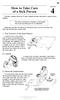 39 How to Take Care of a Sick Person Sickness weakens the body. To gain strength and get well quickly, special care is needed. Medicines are often not necessary. But good care is always important. The
Living with MRSA. Things to remember about living with MRSA: This is really serious. I need to do something about this now!
 Things to remember about living with MRSA: 1. Wash your hands often. 2. Take care of yourself: Eat right, exercise, quit smoking, and avoid stress. 3. Take good care of your skin. 4. Keep skin infections
Learning About MRSA. 6 How is MRSA treated? 7 When should I seek medical care?
 IMPORTANT MRSA is a serious infection that can become life-threatening if left untreated. If you or someone in your family has been diagnosed with MRSA, there are steps you need to take now to avoid spreading
A Guide to Your Baby s Care The First Year
 A Guide to Your Baby s Care The First Year A Guide to Your Baby s Care The First Year What s Inside Congratulations! Your baby is finally here. Having a baby is a special gift. You ll want to take good
NEWBORN ASSESSMENT AND CARE
 Unit Seven NEWBORN ASSESSMENT AND CARE Purpose This unit has three primary purposes -- to review: 1. how to assess the health of a newborn during a home visit; 2. warning signs of serious newborn health
Ear Infections Fever fever
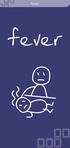 Ear Infections Fever fever Fever is when the temperature of the body rises above normal, generally above 38 degrees (38ºC) when the temperature is taken under the arm or in the mouth. Fever usually occurs
Guidelines for Hand Foot and Mouth Disease HFMD
 Guidelines for Hand Foot and Mouth Disease HFMD Hand, foot, and mouth disease, or HFMD, is a contagious illness caused by different viruses. Infants and children younger than 5 years are more likely to
FREQUENTLY ASKED QUESTIONS ABOUT PERTUSSIS (WHOOPING COUGH)
 FREQUENTLY ASKED QUESTIONS ABOUT PERTUSSIS (WHOOPING COUGH) What is pertussis? General Questions About Pertussis Pertussis, or whooping cough, is a contagious illness that is spread when an infected person
Frequently asked questions about whooping cough (pertussis)
 Frequently asked questions about whooping cough (pertussis) About whooping cough What is whooping cough? Whooping cough is a highly contagious illness caused by bacteria. It mainly affects the respiratory
Thermal protection in neonates
 Thermal protection in neonates Slide NT-1,2,3 Importance of temperature regulation Warmth is one of the basic needs of a newborn baby; it is critical to the baby s survival and well being. Unlike adults,
The Hepatitis B virus (HBV)
 The Hepatitis B virus (HBV) There are 400 million people in the world who live with chronic hepatitis B, including France. Most people don t even know they are infected. But there are several important
Heat Illnesses. Common Heat Rash Sites
 Heat Illnesses Introduction Heat illnesses happen when the body becomes too hot and cannot cool itself. There are several different types of heat-related illnesses. This includes heat cramps, heat exhaustion,
NEONATAL ABSTINENCE SYNDROME (NAS)- THE CARE YOUR BABY MAY NEED
 NEONATAL ABSTINENCE SYNDROME (NAS)- THE CARE YOUR BABY MAY NEED Information Leaflet Your Health. Our Priority. Page 2 of 8 Welcome to Stepping Hill Hospital Women's Unit The aims of this leaflet are to:
2 P age. Babies from Birth to Age 2
 Contents Babies from Birth to Age 2... 2 Vaccines give parents the power... 2 Vaccines are recommended throughout our lives... 3 Talk to your doctor... 3 Vaccines are very safe... 3 Whooping Cough (Pertussis)...
Off to the best start. Important information about feeding your baby
 Off to the best start Important information about feeding your baby mum s milk the best start for your baby What happens in your baby s first years has a big effect on how healthy he or she will be in
HOW TO CARE FOR A PATIENT WITH DIABETES
 HOW TO CARE FOR A PATIENT WITH DIABETES INTRODUCTION Diabetes is one of the most common diseases in the United States, and diabetes is a disease that affects the way the body handles blood sugar. Approximately
How To Choose Between A Vaginal Birth Or A Cesarean Section
 Be informed. Know your rights. Protect yourself. Protect your baby. What Every Pregnant Woman Needs to Know About Cesarean Section 2012 Childbirth Connection If you re expecting a baby, there s a good
How babies' senses develop
 B2 There is much growth and change that must occur in your baby s body. For babies born full-term (37-40 weeks), this growth and change occurred within the warm, dark, watery womb. For the premature baby,
Advice about MRSA for people not in hospital. If you have MRSA, this leaflet tells you about things you should do in your everyday life.
 Advice about MRSA for people not in hospital If you have MRSA, this leaflet tells you about things you should do in your everyday life. Easy read This booklet is about a germ called MRSA. It is an Easy
Why is prematurity a concern?
 Prematurity What is prematurity? A baby born before 37 weeks of pregnancy is considered premature. Approximately 12% of all babies are born prematurely. Terms that refer to premature babies are preterm
How can herpes simplex spread to an infant?
 CHAPTER 3 HERPES AND PREGNANCY As an expectant parent eagerly awaiting the birth of your new baby, you are probably taking a number of steps to ensure your baby s health. One step many experts recommend
BENEFITS OF BREASTFEEDING
 BENEFITS OF BREASTFEEDING There are many benefits to breastfeeding. Even if you are able to do it for only a short time, your baby's immune system can benefit from breast milk. Here are many other benefits
Healthy Start FAQ: How to Talk with Moms about Breastfeeding: Starting the Conversation
 Healthy Start FAQ: How to Talk with Moms about Breastfeeding: Starting the Conversation On May 12, 2015, Cathy Carothers facilitated the first part of a three-part webinar on breastfeeding. This first
St. Olavs Hospital Trondheim University Hospital Mother and Child Friendly
 St. Olavs Hospital Trondheim University Hospital Mother and Child Friendly Your hospital stay is meant to be a time for you to get to know your newborn, become accustomed to your new family situation,
Advice for those affected by MRSA outside of hospital
 Advice for those affected by MRSA outside of hospital If you have MRSA this leaflet provides information and advice for managing your day-to-day life. 1 About MRSA There are lots of different types or
What Every Pregnant Woman Needs to Know About Cesarean Section. Be informed. Know your rights. Protect yourself. Protect your baby.
 Be informed. Know your rights. Protect yourself. Protect your baby. What Every Pregnant Woman Needs to Know About Cesarean Section 2012 Childbirth Connection If you re expecting a baby, there s a good
American Academy of Pediatrics Section on Breastfeeding. Ten Steps to Support Parents Choice to Breastfeed Their Baby
 American Academy of Pediatrics Section on Breastfeeding 1 2 3 4 5 6 7 8 9 10 Ten Steps to Support Parents Choice to Breastfeed Their Baby This practice enthusiastically supports parents plans to breastfeed
Neonatal Abstinence Syndrome. A Guide for Families
 Neonatal Abstinence Syndrome A Guide for Families Contents What is Neonatal Abstinence Syndrome (NAS)?...................... 4 When will my baby show signs of NAS?..................................................
What is whooping cough. (pertussis)? Information and Prevention. Ocument dn
 What is whooping cough Ocument dn (pertussis)? Information and Prevention IMPORTANT Pertussis (or whooping cough) is a highly contagious infection that can cause uncontrollable, violent coughing. If you
Living healthy with MRSA
 Stamford Health System Having MRSA means what? Living healthy with MRSA Discharge information for patients and families WASHING YOUR HANDS IS THE KEY!!! Staph aureus is a bacteria that lives on your skin
Making Milk for Your Baby
 Making Milk for Your Baby Mother s milk, time-tested for millions of years, is the best nutrient for babies because it is nature s perfect food. Robert Mendelsohn Making milk for your baby is one of the
Protecting your baby against meningitis and septicaemia
 Protecting your baby against meningitis and septicaemia caused by meningococcal B bacteria MenB vaccine now available! Information about the MenB vaccine and recommended paracetamol use mmunisation The
Safety FIRST: Infection Prevention Tips
 Reading Hospital Safety FIRST: Infection Prevention Tips Reading Hospital is committed to providing high quality care to our patients. Your healthcare team does many things to help prevent infections.
Community home-based prevention of disability due to lymphatic filariasis
 Community home-based prevention of disability due to lymphatic filariasis World Health Organization Geneva WHO/CDS/CPE/CEE/2003.35 Part 3 Figure 1 Wash your leg, or other part of the body affected by lymphoedema,
Breastfeeding WORKS for Working Women! Here s HoW
 E m p l o y E E s G u i d E t o B r E a s t f E E d i n G a n d W o r k i n G B o t t o m l i n E B E n E f i t s Breastfeeding WORKS for Working Women! Here s HoW Breastfeeding is the most precious gift
How can you protect yourself from infections?
 How can you protect yourself from infections? Your Infection Prevention Guide www.esrdncc.org Table of Contents Preventing an infection is an important part of your kidney care...3 Things you can do...4
Remove this cover sheet before redistributing and replace it with your own. Please ensure that DPHHS is included on your HAN distribution list.
 State of Montana Health Alert Network DPHHS HAN ADVISORY Cover Sheet DATE: May 15, 2012 SUBJECT: Pertussis INSTRUCTIONS: DISTRIBUTE to your local HAN contacts. This HAN is intended for general sharing
X-Plain Foley Catheter Male Reference Summary
 X-Plain Foley Catheter Male Reference Summary Introduction A Foley catheter is a tube that is put through the urinary opening and into your bladder to drain urine. Your doctor may have placed or may ask
THE A, B, C S OF HEPATITIS. Matt Eidem, M.D. Digestive Health Associates of Texas 1600 Coit Road Suite #301 Plano, Texas 75075 (972) 867-0019
 THE A, B, C S OF HEPATITIS Matt Eidem, M.D. Digestive Health Associates of Texas 1600 Coit Road Suite #301 Plano, Texas 75075 (972) 867-0019 WHAT IS HEPATITIS? Hepatitis means inflammation of the liver
Water Birth Online Course. Women s Services
 Water Birth Online Course Women s Services 1 Water Birth Instructions for Online Class 1. Read through all the slides. 2. Print out the certificate at the end of the slides. 3. Sign and date the certificate.
BREASTFEEDING; HOW? January 14 HELEN BORG, INFANT FEEDING MIDWIFE MATER DEI HOSPITAL
 BREASTFEEDING; HOW? January 14 HELEN BORG, INFANT FEEDING MIDWIFE MATER DEI HOSPITAL 1 THE IMMIGRANT MOTHER- BABY DYAD Challenges to Breastfeeding and Bonding Lack of Information How to enhance milk supply
Premature Infant Care
 Premature Infant Care Introduction A premature baby is born before the 37th week of pregnancy. Premature babies are also called preemies. Premature babies may have health problems because their organs
Protecting Myself from MRSA By Angela Ulferts RN, BSN
 Protecting Myself from MRSA By Angela Ulferts RN, BSN What is MRSA? MRSA stands for Methicillin-Resistant Staphylococcus Aureus. This is an infection that has been around for some time. But it has always
Biliary Drain. What is a biliary drain?
 Biliary Drain What is a biliary drain? A biliary drain is a tube to drain bile from your liver. It is put in by a doctor called an Interventional Radiologist. The tube or catheter is placed through your
Sanitary Food Preparation & Safe Food Handling
 70 Feeding Infants 10 Sanitary Food Preparation & Safe Food Handling Babies are more susceptible to bacteria than older children, and unsanitary food conditions can cause serious infections. General cleanliness,
Caring for your baby in the NICU: feeding
 C1 At birth, all newborns need a great deal of energy and nutrients from food to help their bodies grow, and to adjust to life outside the womb. Babies who are born early (premature) and/or with a very
Delaying First Pregnancy
 Delaying First Pregnancy Introduction The age at which a woman has her first pregnancy affects the health and life of a mother and her baby. While pregnancy can present health risks at any age, delaying
BREAST FEEDING TEACHING GUIDE
 BREAST FEEDING TEACHING GUIDE This information was developed to address issues related to breast-feeding and identify problems usually encountered in the first six weeks postpartum after discharge from
My Birth Experience at Mercy
 My Birth Experience at Mercy This booklet provides information about labor and birth practices at Mercy and includes an optional birth plan that you can complete prior to your baby s birth. Discuss your
HEPATITIS C. The Facts. Get Tested. Get Cured! Health
 HEPATITIS C The Facts Get Tested. Get Cured! Health EVEN IF YOU FEEL HEALTHY, HEPATITIS C MAY BE DAMAGING YOUR LIVER. Your liver keeps you healthy in many ways, such as by removing toxins from your blood
A guide for parents of babies at risk of Neonatal Abstinence Syndrome Planning care for you and your baby
 A guide for parents of babies at risk of Neonatal Abstinence Syndrome Planning care for you and your baby Reading this booklet can help you: learn how certain drugs can affect your baby during pregnancy
How to Prepare Powdered Infant Formula in Care Settings
 How to Prepare Powdered Infant Formula in Care Settings This booklet contains new information to help you prepare powdered infant formula for bottle-feeding and cup-feeding as safely as possible. Powdered
Diseases that can be spread during sex
 Diseases that can be spread during sex Did you know... over 65 million people in the United States have a chronic, incurable sexually transmitted disease (STD)? and that every year another 19 million persons
Post-natal period. You have one of the volumes of the Growth Guide in your hands. The Growth Guide consists of seven practical booklets:
 Post-natal period Dear (prospective) parents, You have one of the volumes of the Growth Guide in your hands. The Growth Guide consists of seven practical booklets: Planning for Parenthood Pregnancy Breastfeeding
You are planning to travel on vacation or business does your destination require a vaccination?
 Disease, travel and vaccinations You are planning to travel on vacation or business does your destination require a vaccination? If you are planning to stay in a resort or a city and you are in good health,
GENERAL INFORMATION. Hepatitis B Foundation - Korean Chapter Pg. 3 www.hepb.org
 GENERAL INFORMATION What is hepatitis B? Hepatitis B is the world's most common liver infection that can lead to cirrhosis and liver cancer. It is caused by the hepatitis B virus (HBV), which attacks and
Breastfeeding Problems
 1. Introduction 2. General Presentation 3. Anatomy 4. Common Breastfeeding Problems 5. Conclusion 6. References 7. Acknowledgement Breastfeeding Problems 1. Introduction Breastfeeding has been recognized
COMMUNITY HEALTH INFORMATION CARDS. Taking Action for Our Health
 COMMUNITY HEALTH INFORMATION CARDS Taking Action for Our Health COMMUNITY HEALTH INFORMATION CARDS The overall objective of these cards is to: Increase awareness about family planning and postabortion
Obstetrical Emergencies
 Date: July 18, 2014 Page 1 of 5 Obstetrical Emergencies Purpose: To provide the process for the assessment and management of the patient with an obstetrical related emergency. Pre-Medical Control 1. Follow
Breastfeeding. Nursing Education
 Breastfeeding AWHONN supports breastfeeding as the optimal method of infant nutrition. AWHONN believes that women should be encouraged to breastfeed and receive instruction and support from the entire
Cytotoxic Precautions at Home A Guide for Cancer Patients and Families
 Cytotoxic Precautions at Home A Guide for Cancer Patients and Families Your cancer treatment... 1 What are cytotoxic precautions?... 1 What body fluids are cytotoxic?... 1 How do I handle my body wastes?...
Tuberculosis and You A Guide to Tuberculosis Treatment and Services
 Tuberculosis and You A Guide to Tuberculosis Treatment and Services Tuberculosis (TB) is a serious disease that can damage the lungs or other parts of the body like the brain, kidneys or spine. There are
How to prepare your baby s bottle
 How to prepare your baby s bottle Cleaning and Sterilising Using or storing sterilised bottles Preparing a bottle feed Storing and warming feeds Feeding your baby Crèches, childminders and other childcare
Yes, I know I have genital herpes:
 Counseling Messages for Herpes Simplex Type II (HSV-II) Genital herpes Always take the time to attend to the participant s feelings and emotional state; for some people, this is the most devastating news
X-Plain Pediatric Tuberculosis Reference Summary
 X-Plain Pediatric Tuberculosis Reference Summary Introduction Tuberculosis, or TB, is a bacterial infection that causes more deaths in the world than any other infectious disease. When a child gets TB,
Cholera Prevention and Control: Introduction and Community Engagement. Module 1
 Cholera Prevention and Control: Introduction and Community Engagement Module 1 Introduction This guide instructs how to prevent cholera illnesses and deaths in your communities. These slides and modules
FROM THE AMERICAN COLLEGE OF NURSE-MIDWIVES
 FROM THE AMERICAN COLLEGE OF NURSE-MIDWIVES Giving Birth In Place : A Guide to Emergency Preparedness for Childbirth Deanne Williams, CNM, MSN EDITOR S NOTE What can midwives do to help women who are at
Spinal Cord and Bladder Management Male: Intermittent Catheter
 Spinal Cord and Bladder Management Male: Intermittent Catheter The 5 parts of the urinary system work together to get rid of waste and make urine. Urine is made in your kidneys and travels down 2 thin
Breastfeeding vs. Formula Feeding
 KidsHealth.org The most-visited site devoted to children's health and development Breastfeeding vs. Formula Feeding A Personal Decision Choosing whether to breastfeed or formula feed your baby is one of
Water It s Crucial Role in Health. By: James L. Holly, MD
 Water It s Crucial Role in Health By: James L. Holly, MD After a two week hiatus, we return to our series entitled, Aging Well. It is often the case that in health we become so infatuated with the exotic,
Caring for your baby at night A guide for parents
 Caring for your baby at night A guide for parents Caring for your baby at night Becoming a parent is a very special time and can be one of the most rewarding experiences of your life as you get to know
Frequently Asked Questions (FAQs)
 Frequently Asked Questions (FAQs) Research Rationale 1. What does PrEP stand for? There is scientific evidence that antiretroviral (anti-hiv) medications may be able to play an important role in reducing
Yes, Tuberculosis is a serious problem all over the world. Between 6 and 10 million in South Africa are infected by the TB germ.
 What is TB? Do many people get tuberculosis (TB)? Yes, Tuberculosis is a serious problem all over the world. Between 6 and 10 million in South Africa are infected by the TB germ. It is infectious, so it
IV. Counseling Cue Cards. ICAP International Center for AIDS Care and Treatment Mailman School of Public Health Columbia University
 IV. Counseling Cue Cards ICAP International Center for AIDS Care and Treatment Mailman School of Public Health Columbia University How to Use These Counseling Cue Cards ABOUT THE CUE CARDS This set of
Accent on Health Obgyn, PC HERPES Frequently Asked Questions
 1. What is herpes? 2. How common is herpes? 3. Is there a cure for herpes? 4. What is oral herpes (cold sores)? 5. How is oral herpes spread? 6. What is genital herpes? 7. How is genital herpes spread?
COLCHESTER EAST HANTS HEALTH CENTRE: WOMEN AND CHILDREN S HEALTH UNIT BIRTH PLAN
 COLCHESTER EAST HANTS HEALTH CENTRE: WOMEN AND CHILDREN S HEALTH UNIT BIRTH PLAN Name: Obstetrical Physician: Family Physician: Congratulations on your pregnancy! As your Childbirth Team we want you to
RSV infection. Information about RSV and how you can reduce the risk of your infant developing a severe infection.
 RSV infection Information about RSV and how you can reduce the risk of your infant developing a severe infection. What is RSV? RSV is one of the most common respiratory viruses and is spread easily. By
Tell your doctor about all the medicines you take, including prescription and nonprescription medicines, vitamins, and herbal supplements.
 SOMAVERT pegvisomant for injection PATIENT INFORMATION SOMAVERT (SOM-ah-vert) (pegvisomant for injection) Read the patient information that comes with SOMAVERT before you start using it and each time you
Melbourne Children s Eye Clinic. Strabismus Surgery for Children
 Melbourne Children s Eye Clinic Strabismus Surgery for Children Why operate on turned eyes? Surgery for turned eyes aims to improve the alignment of the eyes, that is, to make the eyes look straight. The
Breastfeeding for mothers with diabetes
 906700-WZZ1643 19/12/2013 16:22 Page 1 We continually strive to improve the quality of information given to patients. If you have any comments or suggestions regarding this information booklet, please
BASIC INFORMATION ABOUT HIV, HEPATITIS B and C, and TUBERCULOSIS Adapted from the CDC
 BASIC INFORMATION ABOUT HIV, HEPATITIS B and C, and TUBERCULOSIS Adapted from the CDC HIV What are HIV and AIDS? HIV stands for Human Immunodeficiency Virus. This is the virus that causes AIDS. HIV is
Ear Infections Chickenpox chickenpox
 Ear Chickenpox Infections chickenpox Chickenpox Chickenpox is a common, very contagious viral infection that over 90% of people get during childhood unless they have been immunised. After an infection,
Breast-feeding. You have one of the volumes of The Growth Guide series in your hands. The Growth Guide consists of seven practical booklets:
 Breast-feeding Dear (prospective) parents, You have one of the volumes of The Growth Guide series in your hands. The Growth Guide consists of seven practical booklets: Planning for Parenthood Pregnancy