
Useful information about stem cells. Focusing on stem cells from the umbilical cord
|
|
|
- Kristian McKenzie
- 10 years ago
- Views:
Transcription
1 Useful information about stem cells Focusing on stem cells from the umbilical cord

2

3 Useful information about stem cells Focusing on stem cells from the umbilical cord What is a stem cell?... 4 Categories of stem cells What are stem cells currently used for?... 9 How do stem cells work? The need for tissue compatibility Milestones in research and treatment Facts and figures on stem cells from the umbilical cord How do you get access to stem cells? Future prospects Challenges Private versus public? How is the area regulated? Glossary Notes and references Find out more

4 Stem cells an area of strong development Useful information about stem cells Focusing on stem cells from the umbilical cord 2 In recent years much has been spoken and written about stem cells. We now know that many diseases are linked to damaged or defective cells, tissue and organs, and that stem cells have the potential to cure a variety of diseases. Each month publications appear with results of new research and treatment. We often hear about people who travel the world in the anticipation that stem cell treatment may save them from an incurable disease, and we are continuously following the many clinical trials and the results achieved. Many of these trials are conducted at university hospitals throughout the world. Also in Denmark, research within the field of stem cells has intensified in recent years. Thus, the national stem cell centre, DanStem, was established in 2010, and in recent years several major projects are underway to examine the possibility of using stem cells to treat a variety of diseases. Rigshospitalet (Copenhagen University Hospital) has e.g. conducted several studies where stem cells have been used to treat patients with heart problems. These trials have shown to produce positive results, and currently the first trials are being followed up by new trials on patients with various forms of heart disease. In Denmark, developments will steadily increase within several

5 fields of diseases over the coming years. In recent years there is a growing interest in using stem cells from umbilical cord blood. Umbilical cord blood is the blood that remains in the placenta/afterbirth, when the umbilical cord has been cut. If you are expecting a baby, you have particular reasons to be interested in the subject, because it is during pregnancy that you have to decide whether you wish to store the stem cells from your baby s umbilical cord. In the USA, it has been possible to store stem cells from umbilical cord blood in private cord blood banks since 1992, in Europe since 1997 and in Denmark since In 24 states in the USA it is required by law to inform pregnant women of the possibility to get umbilical stem cells deepfrozen. 1 This information will hopefully be required or more common here in Denmark, but currently, it is up to individual parents to familiarise themselves with this subject. The stem cell field is constantly evolving and is complicated to grasp. Hopefully, with this booklet, we will be able to increase the overview of the vast area that stem cells include. Magnification of human mesenchymal stem cells that express GFP (Green Fluorescent Protein). 3

6 What is a stem cell? Bone cells Heart cells muscel cells Stem cell Mesenchymal stem cell Nerve cells Red blood cells Immune system cells White blood cells Blood stem cell Useful information about stem cells Focusing on stem cells from the umbilical cord 4 Cells are the smallest living component of an individual, and the cells are specialised in relation to the tissue they are in. There are a total of 200 different cell types in the body. Our bones contain e.g., cells, which are capable forming new bone tissue, whilst in the heart there are cells capable of repairing narrowed blood vessels, defective heart muscles, or normalise a heart that is out of rhythm, to again beat regularly. Furthermore, in the body, we have stem cells, which are capable of repairing disorders arising in the brain and in nerve tissue, as well as stem cells for building up other tissue and organ parts in the body. Common for all the specialised cells of the body is that all originate from a single cell type: The stem cell. Stem cells are immature cells that can replicate themselves and have the potential to develop into any cell of the body. In other words, stem cells are the body s ultimate producer of building blocks. They are found in early embryos (embryonic stem cells, ESC), in tissue and organs from the newborn, in the placenta and in the umbilical cord, as well as in young people and adults (has been identified in many types of tissue or organs in the body, such as bone marrow, muscle tissue and fatty tissue). Stem cells comprise irrespective of the source of the stem cell mainly two types: Blood-forming stem cells (hæmatopoietic stem cells, HSC) and mesenchymal stem cells (MSC). When stem cells mature, they develop into several types of specialised cells of which the body is composed, e.g. blood cells, nerve cells, liver cells, muscle cells, etc.

7 Categories of stem cells pluripotent stem cells 8 days after fertilisation The inner cell mass is isolated in the laboratory Stem cells are found in: 1. The early embryo (embryonic stem cells) 2. Fully developed organs in children and adults (adult stem cells) 3. Umbilical cord blood (umbilical cord stem cells) Embryonic stem cells Stem cells taken from fertilised eggs are grown in small bowls in the laboratory. Embryonic stem cells Stem cells from fertilised eggs are unique, as they are pluripotent and therefore, in principle, capable of differentiating into any of the cell types of the body. The cell mass, which is created when the fertilised egg begins to divide is called an embryo (or embryos). The embryo gives rise to all the cells of the body and to the placenta and the amniotic membrane that protects and nourishes the baby in the uterus. Embryonic stem cells have been removed from the fertilised egg 8 days after fertilisation and as the removal of embryonic stem cells thus involves the destruction of embryos, research in and practical use of embryonic stem cells is an ethical problematic area. In Denmark scientists are only permitted to carry out research on the fertilised eggs left over to be discarded in connection with in-vitro fertilisation. No clinical trials have been conducted with these cells, and a possible option for routine treatment based on embryonic stem cells is actually far away. It has further been found that human embryonic stem cells in long-term storage as well as in connection with freezing and defrosting can develop abnormalities, which potentially could change into unwanted and atypical cell types such as e.g. cancer cells. 2 5

8 Removal of stem cells from bone marrow requires surgical intervention. Bone marrow Stem cells Useful information about stem cells Focusing on stem cells from the umbilical cord Adult stem cells Adult stem cells are further advanced in their development than embryonic stem cells and have more limited development potential (multipotent stem cells). Adult stem cells are found in virtually all types of tissue, such as muscles, fat, the brain, teeth and heart. In addition, there are stem cells in the bone marrow itself, and they are used routinely in conjunction with bone marrow transplants. Bone-marrow stem cells can be divided into two stem cell types, blood-forming stem cells and mesenchymal stem cells. Blood-forming stem cells can turn into all types of blood cells and can be used e.g. in connection with treatment of blood-related diseases such as leukaemia (blood cancer) while the mesenchymal stem cells can be used for regenerative treatments. Mesenchymal stem cells may actually develop into a number of different specialised cell types, such as heart cells, bone cells, nerve cells and blood vessel cells. It is expected that mesenchymal stem cells (regardless of source) within a few years will be used to treat a variety of common diseases such as arthritis and rheumatism, bone formation, heart and brain disorders. 3,4,5 6

9 Mesenchymal stem cells Isolation of stem cells Blood stem cells Stem cells are removed from the umbilical cord immediately after the birth without any risk to child or mother. Stem cells from umbilical cord blood Blood from the umbilical cord and placenta contains stem cells, which are readily available and are usually discarded as waste when placenta and umbilical cord are discarded after the birth. These stem cells are the earliest that can be collected without damaging the foetus. The stem cells in umbilical cord blood, like the stem cells present in the bone marrow, can be divided into two types: Blood-forming stem cells and mesenchymal stem cells. Research indicates that there are several differences between the two types of stem cells in the umbilical cord, and those found in the bone marrow. For example, it has been shown that stem cells from umbilical cord blood can develop into more types of cells than adult stem cells. This is believed to be due to the fact that stem cells from cord blood are younger, more immature and undifferentiated than stem cells obtained from the bone marrow of an adult patient 6, as the stem cells in general age together with the body they are in, and due to exposure to the environment. Stem cells from umbilical cord blood are accepted far more easily by the body s immune system than stem cells from bone marrow 7. It is important if a patient is to be treated with stem cells from a donor who is a stranger or unrelated to the patient (recipient) (i.e. in connection with allogeneic not unrelated transplant treatment). Umbilical cord stem cells are considered to be zero years old and will continue to be, if they are collected at birth and frozen for long-term storage. 8 In recent years, researchers have successfully returned mature adult cells to the stem cells, from which they were developed (reprogramming). However, 7

10 such induced pluripotent stem cells (ips) in studies with mice showed a tendency to develop into cancer cells following transplantation. Facts about the different categories of stem cells Embryonic stem cells Stem cells from umbilical cord blood Adult stem cells Where are they found? Taken from fertilised eggs (surplus from invitro fertilisation). Taken from the umbilical cord Found in different types of tissue in children and adults Useful information about stem cells Focusing on stem cells from the umbilical cord For what diseases are they used or tested? What are the main characteristics? Until 2011 there have been no treatments with embryonic stem cells as it has been shown that embryonic stem cells are not well controlled and can cause cancer after transplantation into experimental mice Embryonic stem cells are taken from fertilised eggs and are therefore difficult to access. These cells are associated with ethical issues. Donor stem cells from Adult stem cells umbilical cord blood have, since 1960, been are used today as used in bone marrow standard for the treatment of leukaemia tion, adult stem cells transplants. In addi- (blood cancer). are tested in clinical In addition, they are trials for a number tested in clinical of illnesses like heart trials for a variety of disease, arthritis and diseases, such as certain disorders of diabetes, cerebral the immune system. palsy and heart disease Stem cells from the Stem cells taken from umbilical cord are adults have been an easily accessible through a lifetime of source. They have physical and chemical the same therapeutic impact, therefore, potential as adult their therapeutic stem cells and are potential may be better accepted by altered the body s immune system than stem cells from bone marrow 8

11 What are stem cells currently used for? Stem cell treatment is not a new concept. Blood-forming stem cells from bone On the left, a normal vein and on the right an artificial vein made from stem cells. marrow have, for several decades been standard treatment for e.g. leukaemia (blood cancer). Blood-forming stem cells and mesenchymal stem cells from the umbilical cord, peripheral blood 9 and bone marrow are currently used for the treatment of 79 different diseases including aplastic anaemia, Fanconi anaemia, sickle cell anaemia, Thalassaemia and congenital defects in the metabolic system. 10 For the treatment of certain diseases, own stem cells (autologous stem cells) are used, for others, stem cells from a donor (allogenous stem cells) are used. Own (autologous) stem cells can be used for diseases that are not hereditary The majority of all the umbilical cord stem cells are used today for the treatment of leukaemia In most cases umbilical cord stem cells will be used from siblings or from a stranger with a tissue type, suitable for the patient to be treated. 11 A vast number of studies are attempting to determine whether adult mesenchymal stem cells can be used to treat cardiovascular diseases. So far, the results have been promising, and it is expected that the stem cells from umbilical cord blood in these treatments are at least as effective as the adult stem cells. The latest research suggests that stem cells are able to mitigate adverse immune reactions in the body. If an organ or part of an organ is damaged due to disease, wear and tear or accidents, the stem cells can thus be recruited to the damaged areas and restore normal function. It is this property that is exploited in so-called regenerative medicine, and it is at least, in this area that researchers expect stem cells to have great therapeutic potential. 9

12 In recent years, several milestones have been reached in the field of regenerative medicine. For example, in the fall of 2008, a 30-year-old Colombian woman had a windpipe surgically implanted, that had been built using her own stem cells. 12 In February 2010, a 36-year-old Danish sclerosis patient in Costa Rica received stem cell treatment with own and donated stem cells and in 2010 at Rigshospitalet (Copenhagen University Hospital), consultant Jens Kastrup launched a clinical trial with stem cells from fatty tissue for the treatment of heart conditions. In Denmark, at Rigshospitalet, a number of clinical trials have been conducted, in which stem cells are tested for the treatment of various types of heart disease. These first trials have produced positive results, and further trials are currently underway. 13 See examples of milestones in research and stem cell therapy on page 16. Værd at vide om stamceller Med fokus på stamceller fra navlesnoren 10

13 Several treatments with stem cells from umbilical cord blood The first successful transplant of stem cells from umbilical cord blood took place in France in 1988, when a boy was cured of a serious blood disease (Fanconi anaemia) through his sister s umbilical cord stem cells. 14,15 Stem cells from umbilical cord blood are tested for treatment of a variety of diseases in addition to blood diseases. So far, e.g. own mesenchymal umbilical cord stem cells have been used for (autologous) treatment of children with type 1 diabetes, with promising results 16. Furthermore, researchers have been using own (also called autologout) mesenchymal umbilical cord stem cells to treat children with neurological disorders including at least 124 children with cerebral palsy (spastic paralysis). 17 The University of Texas Health Science Center in Houston, Texas, has also started using autologous umbilical stem cell treatment of children, who have suffered severe brain damage at birth or in early childhood. 18 Recent research also points out that stem cells from umbilical cord blood can be used in the treatment of certain brain injuries. 19 By the end of 2012, there were more than 30,000 umbilical cord stem cell transplants on sick children and adults. 20 According to researchers, we have only seen the tip of the iceberg, and the future potential in the use of stem cells will probably be in the area of regenerative treatment, such as the treatment of cardiovascular diseases, osteoarthritis and type 1 diabetes and neurological diseases. It is precisely this potential that has been investigated during these years in major clinical studies in which stem cells from several sources have been tested on a number of trial subjects. The number of treatments with stem cells from umbilical cord blood is increasing exponentially 21, and during the first half of 2009, the number of treatments with umbilical cord stem cells exceeded the number of treatments with bone marrow stem cells in the USA for the first time. 22 Many researchers agree that in future, different sources of stem cells will be used depending on the disease to be treated. Bone marrow transplants Bone marrow transplants are the oldest and best-known form of stem cell treatment The first bone marrow transplant was performed between identical twins and carried out by Dr E Donnall Thomas in Cooperstown, New York, towards the end of the 1950s. 11

14 6.000 Number of bone marrow transplants broken down by cell type Number of transplants broken down by stem cell source during the period Bone marrow Peripheral blood cells Umbilical cord blood Useful information about stem cells Focusing on stem cells from the umbilical cord 12 In the 1960s researchers developed techniques for determining tissue types. The tissue type testing, often referred to as HLA (Human Leukocyte Antigen) testing, determines whether there is genetic identity, a close genetic identity or non-genetic identity (non matching identity) between individual s white blood cells. The possibility of determining tissue typing resulted in unrelated bone marrow donors cells now being used for the treatment of severe e.g. serious blood disorders. In a bone marrow transplant, a healthy person (donor) donates his or her bone marrow to a person with a serious blood disease such as leukaemia. The infusion of the bone marrow cells is a relatively simple procedure, which in practice is carried out like any blood transfusion. Today, blood-forming stem cells from both bone marrow and umbilical cord blood, are used for the treatment of several different types of leukaemia and lymphoma types (blood cancer types). Stem cells from umbilical cord blood are therefore now used as standard treatment in line with bone marrow transplants for leukaemia. 23 The two sources of stem cells complement each other. Stem cells from umbilical cord blood have some advantages as mentioned earlier. However, more stem cells can be harvested from the bone marrow of an adult.

15 How do stem cells work? The precise mechanism behind the healing effect of stem cells (regardless of the source of the stem cells) is currently unknown, but studies show that stem cells have the ability to repair damaged tissue, replace dead cells, regenerate muscle tissue, and even improve the function of entire organs. In addition, it has been shown that certain stem cells called TREG cells in some cases are immunosuppressive and reduce the risk of GVHD (graft-versus -host disease). 24 Stem cells are programmed and influenced by a number of complex systems, which means that they can identify the areas where they are needed and for which they are predestined to work. This is called homing. For example, haematopoietic ( blood stem cells ) cell s fate depends entirely on the homing process working as it should, so that the stem cells can find their way or rebuild a bone marrow. When the stem cells have reached their destination in the body (homing), transforming themselves by coding of the types of blood cells, there is a need for the development and progression of a mechanism, which cannot yet be explained. Mesenchymal stem cells are also passed on to the areas in the organism which, depending on their pre-programming, can adapt to. These cells transform into cartilage cells, muscle cells, bone cells, nerve cells, depending upon where they are needed. Often, mesenchymal cells need to be helped on their way to areas where there is a special need for them to undertake homing. This can be done either by the action of hormones or cytokines, which could change or influence the encoding of the cell and thereby direct the cell to the right place Stem cells therefore have a unique ability to adapt when the cells have first found their homing. But before this homing, a complicated process of encoding the cells is undertaken, so that they accept the new surroundings and understand the mission they have to complete and how they have to adapt in relation to the neighbouring cells they are brought together with. 13

16 The need for tissue compatibility For a stem cell transplant to be successful there must be some degree of tissue compatibility between the stem cells from the donor and the transplant patient. Donor and recipient have some proteins on the cell surfaces, which should be similar to each other they must be tissue compatible. If they are different, the recipient will reject, i.e. kill the transplanted cells (Host versus graft rejection). Even more serious is the fact that the transplanted donor cells can attack the recipient body (called Graft versus Host Rejection, GVHR). However, there are cases where a weak GVHR is produced in order to kill the patient s leukaemia cells. Tissue compatibility is determined by carrying out tissue typing of donor and patient respectively (HLA-typing). A match of 6 out of 6 or 8 out of 8 HLAantigens is aimed for in transplants with umbilical cord blood and bone marrow respectively. Rejection is one of the riskiest side effects of non-compatible tissue types, and even less or almost negligible variations between bone marrow donor and patient can cause rejection, which could mean a risky situation for the patient. When it is the person s own umbilical cord blood, which is used later in life, to form new cartilage in a knee, there is of course no incompatibility and therefore never a rejection issue. There is a 25 % chance that siblings with the same biological parents match each other 100% who thus can make use of each other s stem cells. Stem cells from umbilical cord blood can be used in % tissue type matches corresponding to an HLA match of 4/6 6/6. 25 Of course, the highest possible match is aimed for in each individual treatment 14

17 For various reasons bone marrow stem cells are more difficult to reconcile with patients than stem cells from umbilical cord blood, which are generally better tolerated. 26 It is believed that the reason for this better tolerance is that there are differences in Natural Killer Cells and their degree of maturation. The adult Natural Killer cell, along with other immune cells, (HLA differences) in fact helps to increase the risk of the Graft versus Host reaction. In addition, there are physical and biochemical differences in the outer membranes of stem cells from umbilical cord blood and bone marrow, which imply that there is no need for strict HLA compatibility, when the stem cells from umbilical cord blood are used for transplants. Other factors affecting the effect of a stem cell transplant The effect of a transplant depends furthermore, on tissue compatibility of the cell count (TNC, nucleated cells and CD34+ stem cells), CFU (Colony Forming Unit), stage of the disease and to a lesser extent on the blood type (AB0). The most recent treatment results show that the optimally successful transplant is achieved at a minimum nucleated cells and CD34+ cells per kg of body weight. 27 The parameters typically looked for determining whether a treatment has been successful, are engraftment (which is a measure of how well the transplanted cells grow: The more cells, the better engraftment, relapse, survival, DFS (disease-free survival), GVHD (Graft-versus-host-disease) and development of viral infection such as infection with CMV (Cytomegalovirus). It is against these parameters we have estimated that stem cell transplants with umbilical cord blood are often more successful than bone marrow transplants

18 Milestones in research and treatment Stem cell research groups around the world deal typically with pluripotent stem cells (ips and embryonic) and/or adult stem cells (mesenchymal and blood forming stem cells) and to a lesser but increasing degree, with umbilical cord stem cells. In Denmark, the research is primarily focused on adult stem cells. Useful information about stem cells Focusing on stem cells from the umbilical cord In Denmark, there is no significant commercial activity within the area of stem cell therapy, and there are no actual stem cell based products in the pipeline. Of commercial companies in Sweden and the UK there is far greater commercial activity in this area, mainly due to a more liberal approach to research in embryonic stem cells. In Denmark it is estimated that around DKK 220 million is to be allocated from the official Danish side for research including DKK 65 million to the Danish Stem Cell Center (DanStem), which is a new stem cell centre at the University of Copenhagen. Furthermore, EU funds attracted by Danish research groups, as well as US funds are primarily given to the Hagedorn Research Institute (Novo Nordisk). The vast majority of funds in Denmark are used for projects that have focused on adult stem cells. 16

19 Number of treatments with umbilical cord blood rises to over 30,000. The Nobel Prize in Physiology and Medicine 2012 Professor Shinya Yamanaka for the discovery of ips technology The number of transplants with umbilical cord blood exceeds the number of bone marrow transplants in the USA First danish private umbilical cord blood bank is established President Georg Bush forbids research into embryonic stem cells In the USA the first official umbilical cord stem cell bank (New York Blood Center). The 1960s Stem cells in bone marrow used in the form of bone marrow transplants for treatment of blood cancer First patient with blood cancer succesfully treated with amplified stemcells from the cord blood. New statement from Rigshospitalet shows that until now 32 patients have been treated with stem cells from umbilical cord blood The Health Minister, Astrid Kragh, gives the green light for the establishment of a public stem cell bank in Denmark The number of transplants with umbilical cord blood exceeds 21,000. Rigshospitalet treats two blood cancer patients with stem cells from umbilical cord blood. Danish National Stem Cell Centre (Danstem) established. Around 2002 Stem cells to treat heart conditions show positive results Embryonic stem cells discovered First treatment with stem cells from umbilical cord blood (Dr Gluckman). 17

20 Facts and figures on stem cells from the umbilical cord Useful information about stem cells Focusing on stem cells from the umbilical cord 18 How many are treated with stem cells from the umbilical cord? The possibility of storing umbilical cord stem cells from newborn children has existed in the USA since 1992 and in Denmark since 2002 By the end of 2012 there were more than 30,000 umbilical cord stem celltransplants on both children and adults. 29 According to researchers, we have only seen the tip of the iceberg, and the potential in the use of stem cells lies mainly in the regenerative treatment area, where it is the mesenchymal stem cells that apply. In the first half of 2010 in the USA, the number of treatments with umbilical cord stem cells exceeded the number of treatments with bone marrow stem cells for the first time. 30 The increase is linked to the fact that stem cells from umbilical cord blood can change to several more types of cells than adult stem cells, that stem cells from umbilical cord blood are more readily accepted by the body s immune system than stem cells from bone marrow, and that globally, more and more umbilical cord portions are available in public and private stem cell banks. How many stem cell portions are stored in public and private stem cell banks? The 158 private and public umbilical cord banks registered worldwide, today store around 646,000 umbilical cord portions, and the number is rising. Of these, 30,000 umbilical cord portions have been released for transplant purposes as of December

21 What is the probability of needing stem cell treatment? According to US researchers, in future there will be an urgent need for stem cells to treat disease. The American doctor and researcher Marcelo C Pasquini has estimated the probability of requiring stem cell treatment in the future. 32 The calculation is based on the likelihood of a child suffering from a disease that already in 2005 could be treated with stem cells from the umbilical cord. Since then, several more treatments have come about, and this trend will continue. Even today, the likelihood that you will need stem cell treatment is thus greater than these figures indicate. The need for transplants with own stem cells The need for transplants with own or a relative s stem cells Within 20 years 1 in 5,000 1 in 1,700 Within 50 years 1 in 1,100 1 in 450 Within 70 years 1 in in 220 Lifetime 1 in in
22 Useful information about stem cells Focusing on stem cells from the umbilical cord
23 How do you get access to stem cells? Adult stem cells Should the need occur to use stem cells from e.g. siblings to treat a sick brother or sister, these can be provided by minor surgical intervention into the bone marrow, if you don t have your children s umbilical cord stem cells available. Children as young as one-year of age are used today on donors for treatment of a sibling s leukaemia. Current practice is criticised, however, by the Ethical Council and the Council for Children, because a donor must always be able to understand and agree with and give personal consent to donation, as even a minor intervention will always be associated with some risk of complications for the donor. If you have no siblings, or your stem tissue is not compatible with your sibling s, doctors will instead try to find a tissue compatible stem cell donor in international public registers. Collection of stem cells from the umbilical cord Collection of stem cells from the umbilical cord always requires the consent of the newborn child s mother and should the collected stem cells be required for the newborn child s possible own use or use within the family, an agreement should be reached prior to the birth with a private stem cell bank. As soon as the child is born and the umbilical cord cut, the umbilical cord blood from the newborn child is collected. The collection involves no risk to mother or child and is completely painless. 21
24 Useful information about stem cells Focusing on stem cells from the umbilical cord Subsequently, the collected umbilical cord blood will be laboratory processed so that the umbilical cord stem cells can be isolated, analysed and checked. It is then frozen to minus 196 degrees. There is a maximum of 48 hours from the time of birth, to the freezing being a reality. This ensures the maintenance of stem cell characteristics and quality. 22
25 Future prospects It is generally agreed among researchers that the various sources of stem cells could, in the future, may be used for regenerative treatment of diseases such as e.g. spastic paralysis (cerebral palsy), traumatic brain injury, multiple sclerosis, Parkinson s disease, Alzheimer s, Lou Gehrig s disease (amyotrophic lateral sclerosis (ALS)), cardiovascular disease, osteoporosis, diabetes etc. There are currently many clinical trials underway with mesenchymal stem cells,where patients with heart conditions, diabetes, arthritis and nerve disorders are treated. The results from these studies will be of great importance for the future use of mesenchymal stem cells from both bone marrow and umbilical cord blood. The results of many of these trials are currently very promising. 33 Examples: Clinical trials with injection of autologous (i.e. the patient s own) umbilical cord stem cells in young people with type 1 diabetes, where the first results were published in Clinical trials with umbilical stem cells for the treatment of children with neurological disorders including at least 124 children with spastic paralysis (cerebral palsy). 35 Clinical trial at e.g. Rigshospitalet with stem cells from fatty tissue for the treatment of heart conditions. Experimental studies, with positive results through the use of mesenchymal stem cells for the regeneration of a damaged heart muscle following a heart attack
26 Researchers e.g. from the University of Wisconsin - Madison have found evidence that stem cells could replace vital nerve cells in connection with brain damage, and animal studies have shown that treatment with own stem cells can repair seriously damaged brain tissue after a stroke or brain haemorrhage. As a whole, there is evidence that brain diseases could be treated with stem cells, and especially with the patient s own stem cells. 37 Furthermore, stem cells will continue to be used for transplants, e.g. in connection with the treatment of blood disorders such as leukaemia. There are diseases where the supply of stem cells can be lifesaving. In regards to whether stem cells may also have an effect on the body s normal ageing is not know, but it is one of the exciting new prospects under investigation Useful information about stem cells Focusing on stem cells from the umbilical cord 24
27 Challenges Although research has come a long way, and stem cells are already currently being used for the treatment of various diseases, there is still some distance before stem cell treatments will be included as standard in the future routine treatment of serious illnesses. Firstly, there are still too few cells stored to make it possible, publicly, to provide stem cell treatment in general. In order to be able to use stem cells for the treatment of a patient, it must be possible to have sufficient knowledge to the cell tissue with the patient who is to be treated. There are many different tissue types. Some tissue types are more frequent than others, and researchers estimate that a public umbilical cord stem cell bank in Denmark over 3-5 years should be able to collect and store stem cell portions, which should be linked to the international stem cell register NMDP 38 and Netcord. 39 This would ensure that part of the population could be treated with partial matching stem cells for the treatment of e.g. blood disorders, such as acute leukaemia. Theoretically, the stem cell bank will need at its disposal, over 50,000 different stem cell portions to guarantee 80 % of the population at least one tissue compatible donor portion 40, because in relation to international registers there is more likelihood of finding a tissue compatible donor in a 25
28 Useful information about stem cells Focusing on stem cells from the umbilical cord national bank. This is because the tissue types are more closely compatible at national than at international level, where there are major differences in tissue types between the peoples of e.g. the Nordic region, Central Europe, Eastern Europe, the Mediterranean area, Russia, Asia etc. Therefore, if there is a need to find tissue compatible stem cell donors among the more than 500,000 umbilical cord stem cell portions that are registered in international official stem cell banks, a period of 12 monthsit would be possibly used to identify a tissue compatible stem cells for 80 % of the people needing a bone marrow donor. Secondly, there are still relatively few doctors who are able to utilize stem cells for therapeutic use, and finally, there remains the task of targeting each stem cell s individual coding, in order to be able to treat diseases that affect the entire body, e.g. diabetes and arthritis and brain disorders. Considerable research is being undertaken as to what rendering a stem cell development into a specialised cell type, and many of these mechanisms have already been identified Researchers are also working on finding the optimal stem cell sources for specific treatment of diseases, and there is every indication that in the future, different stem cell sources may be used depending on the disease being treated. 26
29 Molecules Blood stem cell Propagation of own stem cells from the umbilical cord If you have saved your own umbilical cord stem cells, you and in many cases also your siblings are ensured access to tissue compatible stem cells, if you suffer from an illness that cannot be treated with foreign non-allogeneic stem cells. The best results are achieved through treatments with many stem cells. The number of stem cells found in a single umbilical cord portion is, however, limited and in addition, the percentage of mesenchymal stem cells (MSC) with respect to haematopoietic stem cells (HSC) is relatively low There are several ways to try to increase the amount of stem cells for treatment, including the culturing methodology to expand a cell culture, which is under way, the use of two umbilical cord portions and propagation of certain stem cells, the methods which is researched thoroughly. Approved methods used for the propagation of mesenchymal stem cells, umbilical cord already currently being used, and it is therefore relatively straightforward to treat a patient s own mesenchymal stem cells with a sufficient number. 41 Propagation of haematopoietic stem cells is a lot more challenging but researchers around the world working in stem cell research these years are trying to find the most suitable methods for laboratory propagation of bloodforming stem cells. 42 Propagation of stem cells is achieved by adding molecules, which bind to specific growth receptors on the cell surface. 27
30 Private versus public? Useful information about stem cells Focusing on stem cells from the umbilical cord 28 In Denmark, in contrast to the USA, the UK and Germany, there is not yet a public stem cell bank for the storage of umbilical cord cells. When there is a need for stem cells for treatment in this country, the hospital therefore tries to find them in a public stem cell bank abroad unless one has access to his/her own stem cells, which can be used for the treatment. After 12 months, in 80 % of cases a matching stem cell donor will be found in the international, public stem cell banks. 43 Time is typically a critical factor, and therefore it may be problematic to wait for months before maybe finding matching donor stem cells Tissue compatibility is partly linked to ethnicity, so the challenge of finding a matching sample in official registers is bigger for children of parents with different ethnic background. Of course, there will also be people who fall outside the tissue type norm, even though the family may have always lived in Denmark. When Denmark gets a public stem cell bank, pregnant women will be faced with having to choose between keeping their own stem cells privately or donating to a public international stem cell register The crucial difference is that by donating umbilical cord blood to a public stem cell bank, you lose the ownership and thus right of disposal over the donated stem cells. Umbilical cord stem cells, held in a public register, are available to all with the same or suitably acceptable tissue type. A donor cannot expect that there will be umbilical cord stem cells with the right tissue type available if he or she should subsequently need them. If one can find tissue compatible donor stem cells in public registers, they will, in turn, be free of charge to the patient, since
31 the cost of acquiring stem cells from international registers is the government s responsibility. If you have had your own umbilical cord stem cells frozen, you have a guarantee of tissue compatibility and will therefore never have trouble finding a suitable donor should you fall ill and have an acute need for stem cell treatment with your own stem cells. At the same time siblings are often able to use each other s stem cells. Use of sibling stem cells will often be relevant in the treatment of e.g. hereditary diseases or blood disorders. Public Danish stem cell bank within reach Rigshospitalet has on several occasions applied for funding from the Danish Ministry of Health to establish a public health stem cell bank by 2010 at the latest. At the time, the application was rejected on the basis of cost-benefit considerations. Subsequently, both the Danish Health and Medicines Authority and the Ministry of Health changed position regarding the need for the establishment of a public stem cell bank for umbilical cord stem cells in Denmark A change in attitude came alongside Rigshospitalet s publication in January 2012, to introduce transplants with umbilical cord stem cells from strangers as standard treatment for seriously ill leukaemia patients. 29
32 Useful information about stem cells Focusing on stem cells from the umbilical cord 30 This announcement was a quantum leap in the area of treatment in Denmark and an indirect endorsement of umbilical cord stem cells. 44 The therapeutic benefits of transplantation of umbilical cord stem cells had the result in April, that the Health Minister following consultation with the Danish Health and Medicines Authority gave the green light for the establishment of a public stem cell bank in Denmark. The minister stated, however, at the same time, that the government is currently unable to participate in the funding. On the other hand, the regions are now free to establish a public stem cell bank, if funding can take place within the existing financial frameworks. The minister s and the Danish Health and Medicines Authority s position, the current potential and the fact that the scientific community is generally in agreement that leukaemia is only the first in a series of diseases that in the future it will be possible to treat with stem cells from the umbilical cord, indicates that within the foreseeable future Denmark will have a public umbilical cord stem cell bank. Thus, an important step has been taken in the race to close the gap between Denmark and other EU countries in the field.
33 How is the area regulated? In Denmark, private and public companies, institutions or organisations that deal with human tissue and cells for use in human treatment are subject to the Danish Tissue Act from The Danish Tissue Act with associated regulations and guidelines is an implementation of a European directive from Tissue centres - including stem cell banks - are accredited by the Danish Medicines Agency, which together with the Danish Health and Medicines Authority enforces the Danish Tissue Act, issues licenses and attends inspections Biobanks with living biological material, including stem cell banks must also have the Data Protection Agency s permission to record sensitive personal information, and finally, private stem cell banks are governed by the Danish Health and Medicines Authority s regulations and monitoring as regards the collection procedure as well as information and marketing. 31
34 Glossary Adult stem cells. Stem cells obtained from the fully developed body, e.g. bone marrow or fatty tissue. FDA. Stands for Food and Drug Administration and is the USA s federal food and drug regulatory authority. 32 Allogeneic stem cell treatment. Involves the use of stem cells from persons other than the person undergoing treatment. Autologous stem cell treatment. Involves use of own stem cells. Blood-forming stem cells (Hæmatopoietic). Develop into blood cells. Are used primarily in the treatment of leukaemia and genetic diseases that affect blood cells. Donor: A giver (as opposed to a recipient). Clinical use / trial. When something is clinical it means that it is used for treatment purposes. When the research is applied to a patient,and thus the treatment is tested on patients, it is called a clinical trial. If the treatment is tested on animals, it is called a pre-clinical trial. Embryonic stem cells (ESC). Stem cells from embryos, i.e. from fertilised eggs. These stem cells are pluripotent.. GVHR/GVHD (Graf-versus-hostrejection/disease). Is a frequent and serious complication, that occurs primarily as a result of HLA mismatch and the cause of significant mortality following a transplant. Hæmatopoietic stem cells (HSC). See Blood-forming stem cells. HLA. Stands for Human leukocyte antigen, used in connection with the investigation of whether there is a hereditary identity, near hereditary identity or non-hereditary identity between individuals white blood cells. Immunostimulatory potential. When something is able to influence the immune system in a positive manner. Immunosuppression. Immunosuppressivetreatment, inhibition of the immune system s reactions, e.g. such as treatment of autoimmunity and chronic inflammatory diseases or in connection with a transplant to prevent rejection of the transplanted organ Immunosuppression takes
35 place either in the form of radiation or most commonly in treatment with immunosuppressive drugs. Regenerative medicine. Building damaged tissue and thereby curing the underlying disease. ips: Induced pluripotent stem cells General adult cells (somatic), that in the laboratory, are genetically programmed to embryonic-like stem cells. Mesenchymal stem cells. Can develop into many types of cells. They are mainly used for regenerative medicine (see below) and also show positive results in the treatment of e.g. diabetes and some neurological diseases. Multipotent stem cells. Can develop into many types of cells. Some multipotent stem cells are responsible e.g. for the formation of skin or other tissue. Rejection. When transplanting cells and organs it is important that the donor has the same tissue type as the recipient. Otherwise, rejection will occur, either by the recipient s immune system rejecting the transplanted stem cells, or by the actual transplanted stem cells causing rejection by the recipient (GVHD, Graf-versus-host-disease). The latter is seen in some cases in the transplanting of bone marrow in patients undergoing treatment for leukaemia (blood cancer) When using own stem cells rejection will never occur. Tissue compatibility. See under rejection. Placenta. Afterbirth. Pluripotent stem cells. Can differentiate into any cell type in the body. Recipient. The receiver (as opposed to donor). 33
36 Notes and references 1. Source: Cord Blood Europe, April Source: Cowan CA, et al New Engl J Med, Kilde: Kim SJ et al : A multi-center, randomized, clinical study to compare the effect and safety of autologous cultured osterblast (Ossron) injection to treat fractures BMC Musculoskelet Disord, 2009;10: Source: Hare JM et al, A randomized, double-blind, placebocontrolled, doseescalation study of intravenous adult human mesenchymal stem cells (Prochymal) after acute myocardial infarction, J AM Coll Cardiol 2009;54: Source: Cowan CA, Klimanskaya I, Mc- Mahon J, Atienza BS, Witmyer J, Zucker J, Wang S, Morton CC, McMahon A, Powers D, Melton DA, Derivation of Embryonic Stem-Cell Lines from Human Blastocysts New Engl J Med 2004, 350: Source: Malgieri A: Bone marrow and umbilical cord blood human mesenchymal stem cells; state of the art Int J Clin Exp Med Source: Verneris MR, Miller JS, The Phenotypic and Functional Characteristics of Umbilical Cord Blood and Peripheral Blood Natural Killer Cells, Br J Haematol 2009 October; 147(2): Source: Hal E. Broxmeyer, Edward F. Srour, Giao Hangoc, Scott Cooper, Stacie A. Anderson and David M. Brodine: Highefficiency recovery of functional hematopoietic progenitor and stem cells from human cord blood cryopreserved for 15 years. PNAS January 21, 2003, vol.100, no.2, In addition to stem cells from umbilical cord blood and bone marrow, which are the two sources most frequently referred to, there is a third source of stem cells, where the injection of growth factors mobilising stem cells from the bone marrow into the bloodstream, after which the blood is collected, and the stem cells are discarded. Stem cells from peripheral blood are the most common source of transplants today, but as the stem cells originate in the bone marrow, for the purposes of this booklet, the differentiation will only be between the umbilical cord and the bone marrow. 10. Source: Parentsguidecordblood.org 11. Source: Presidential Session at ASH 2010 devoted to Cord Blood : Presented by Professor Eliane Gluckman 12. Source: Macchiarini P et al ; Clinical transplantation of a tissue-engineered airway, Lancet 2008 Dec 3;372(9655): Source: Kastrup J et al : Mesenchymal stromal cells for Cardiovascular repair: current status and future challenges, Future Cardiol 2009;5: Source: Gluckman E et al : Hematopoietic reconstitution in a patient with Fanconi s anemia by means of umbilical-cord blood from an HLA-identical sibling N Engl J Med 1989;321: Source: Wagner JE and E Gluckman: Umbilical Cord Blood Transplantation: The first 20 Years, Semin Hematol 47: Source: Diabetes Care 32(11): samt Klinik fur Kinder und Jugend Medizin, Technical University, Munich. 34
37 17. Source: A Randomized Umbilical Cord Blood Reinfusion in Children with Cerebral Palsy, June 2010, Duke University Medical Center; Principal Investigator Joanne Kurtzberg. 18. Source: Cox CS Jr Et al : Autologous Bone Marrow Mononuclear Cell Therapy for Severe Traumatic Brain Injury in Children Neurosurgery, 2010 [Epub ahead of print]. 19. Source: Arien-Zakay et al : Human Umbilical Cord Blood Stem Cells: Rational for Use as a Neuroprotectant in Ischemic Brain Disease, Int J Mol Sci Source: Broxmeyer HE Cord blood hematopoetic stem cell transplantation StemBOOK Cambridge, Source: Gluckman et al, Hematopoietic reconstitution in a patient with Fanconi s anemia by means of umbilical-cord blood from an HLA-identical sibling. N Engl J Med Oct 26;321(17): Source: Broxmeyer HE Cord blood hematopoetic stem cell transplantation, StemBOOK Cambridge, 2010 and Broxmeyer HE: Cord blood hematopoetic stem cell transplantation StemBOOK Cambridge, Source: Broxmeyer HE Cord blood hematopoetic stem cell transplantation StemBOOK Cambridge, Source: Review in: Stem Cells: Sources, Therapies and the Dental Professional, Jeremy J, Source: Rewied in Wagner JE and E Gluckman, Umbilical Cord Blood Transplantation: The first 20 Years, Semin Hematol 47: Source: Verneris MR, Miller JS, The Phenotypic and Functional Characteristics of Umbilical Cord Blood and Peripheral Blood Natural Killer Cells, Br J Haematol 2009 October; 147(2): Source: World Cord Blood Congress in Marseilles, France, 4 7 November Source: Broxmeyer HE Cord blood hematopoetic stem cell transplantation StemBOOK Cambridge, Source: Broxmeyer HE Cord blood hematopoetic stem cell transplantation StemBOOK Cambridge, Source: C Navarrete in connection with World Cord Blood Congress, in Marseilles, France, 4 7 November Ballen, Gluckman, Broxmeyer. Umbilical cord blood transplantation: The first 25 years and beyond. Blood 2013; 122: Source: Marcelo C Pasquini (Center for International Blood and Marrow Research, USA) et al : The Likelihood of Hematopoietic Cell Transplantation (HCT) in the United States: Implications for Umbilical Cord Blood (UCB) Storage Presented at the 47th Annual Meeting of the American Society of Hematology i Atlanta Source: Diabetes Care 32(11): Source: A Randomized Umbilical Cord Blood Reinfusion inchildren with Cerebral Palsy, June 2010, at Duke University Medical Center; Principal Investigator Joanne Kurtzberg. 35. Source: Eur Heart J (11): Source: Cell Transplant (9): ; J Neurosci Res (16): The National Marrow Donor Program (NMDP) is a non-profit organisation, working to ensure that all patients who need it, get the opportunity to have a transplant with blood from bone marrow or umbilical cord. Source: The International NetCord Foundation is a non-profit collaboration between umbilical 35
38 cord blood banks. Source: netcord.affiniscape.com/index. cfm 39. Source: Querol S, Mufti GJ Marsh SG, Pagliuca A, Little AM, Shaw BE, Jeffery R, Garcia J, Goldman JM, Madrigal JA, Cord blood stem cells for hematopoietic stem cell transplantation in the UK: how big should the bank be? Haematologica, 2009, 94: Source Cytotherapy (6): Sources: Fx (1) Kusadasi N, van Soest PL, Mayen AE, Koevoet JL, Ploemacher RE successful short-term ex vivo expansion of NOD/SCID repopulating ability and CAFC week 6 from umbilical cord blood Leukemia 2000 Nov;14(11): (2) Nakahata T Ex vivo expansion of human hematopoietic stem cells Int J Hematol 2001 Jan;73(1):6-13 (3) Chao NJ, Emerson SG, Weinberg KI Stem cell transplantation (cord blood transplants Hematology Am Soc Hematol Educ Program 2004: Source: Nature Medicin, Januar 2010, Professor Irwin Bernstein. 43. Source: W Aecese (University of Rome): Speaker at the World Cord Blood Congress in Marseilles, France, 4 7 November Source: reddet-af-blod-fra-navlesnor 36
39 Find out more Version 3, 1st edition October Graphic design and production: www mollers dk Illustrations: mollers dk Hans Møller / Magnus Gaarde Photos: Stemcare and Dreamstime (2 and 23)
40 Useful information about stem cells Focusing on stem cells from the umbilical cord is written by: professor, dr.med. peter ebbesen of the Laboratory for Stem Cell Research, Aalborg University and affiliated Research and Innovation Agency. Professor Peter Ebbesen worked for a few years in surgery and as a medical practitioner. Has now worked for many years with cancer and stem cell research, and in this regard led several international projects, he is currently on the staff of the University of Oslo team leader, m.sc.med. christian clausen, the Research Institute Bioneer A/S Bioneer A/S is a wholly owned subsidiary of DTU, Denmark s Technical University. Bioneer s aim is to drive technological service on a non-profit basis within the biomedical, biotechnological and bio-medicotechnical field. As a non-profit company, Bioneer is independent of special interests. laboratory manager, msc. christophe poirel madsen from Stem- Care A/S StemCare is Denmark s only stem cell bank and specialises in the collection and freezing of stem cells from newborn umbilical cord blood for use in connection with any subsequent illness. StemCare was established in 2002 and is a member of the European Association of stem cell banks, Cord Blood Europe. id: UK
STEM CELLS FROM THE UMBLICAL CORD BLOOD AND UMBLICAL CORD TISSUE
 STEM CELLS FROM THE UMBLICAL CORD BLOOD AND UMBLICAL CORD TISSUE What are Stem Cells? Stem cells are the basic building blocks of all the cells, tissues and organs in the human body. The role of the stem
Stem Cell Quick Guide: Stem Cell Basics
 Stem Cell Quick Guide: Stem Cell Basics What is a Stem Cell? Stem cells are the starting point from which the rest of the body grows. The adult human body is made up of hundreds of millions of different
guides BIOLOGY OF AGING STEM CELLS An introduction to aging science brought to you by the American Federation for Aging Research
 infoaging guides BIOLOGY OF AGING STEM CELLS An introduction to aging science brought to you by the American Federation for Aging Research WHAT ARE STEM CELLS? Stem cells are cells that, in cell cultures
4. All cord blood banks should be subject to the same standards, regulations and accreditation requirements.
 WMDA Policy Statement on the Utility of Autologous or Family Cord Blood Unit Storage The WMDA Board adopted this policy on 25 th of May 2006. Policy updated _April 2011 The Cord Blood Working Group and
5. All cord blood banks should be subject to the same standards, regulations and accreditation requirements.
 WMDA Policy Statement for the Utility of Autologous or Family Cord Blood Unit Storage (This policy statement has been approved and adopted by the WMDA board on the 25 th of May 2006) The Cord Blood Registries
SAVE A LIFE... BY GIVING LIFE!
 SAVE A LIFE... BY GIVING LIFE! FOLLOW US ON: HÉMA-QUÉBEC PUBLIC CORD BLOOD BANK www.hema-quebec.qc.ca Scan this code with your smart phone to access the page Register to the Public Cord Blood Bank on the
STEM CELL FACTS. The ISSCR is an independent, nonproft organization providing a global forum for stem cell research and regenerative medicine.
 STEM CELL FACTS The ISSCR is an independent, nonproft organization providing a global forum for stem cell research and regenerative medicine. WHAT ARE STEM CELLS? Stem cells are the foundation cells for
Vita 34 Parents Guide to umbilical Cord Blood Banking. secure first-class innovative
 Vita 34 Parents Guide to umbilical Cord Blood Banking secure first-class innovative Contents INTRODUCTION 3 THERAPEUTIC USES OF STEM CELLS 4 STEM CELLS IN CANCER TREATMENT STEM CELLS IN THE TREATMENT OF
your complete stem cell bank
 your complete stem cell bank HYDERABAD - 88985 000 888, WARANGAL - 8297 256 777 VISAKHAPATNAM - 7799 990 774 VIJAYAWADA AND GUNTUR - 7799 990 771 NELLORE - 7799 990 772, KADAPA - 8297 256 700 RAJAHMUNDRY
STEM CELLS : A THERAPEUTIC REVOLUTION JACQUES KADOCH ROBERT HEMMINGS MARINELA MANDRA
 STEM CELLS : A THERAPEUTIC REVOLUTION JACQUES KADOCH ROBERT HEMMINGS MARINELA MANDRA OVO CLINIC I 8000 BLVD DECARIE, MONTREAL QC H4P 2S4 I 514.798.2000 I OVOCLINIC.COM 2 a therapeutic revolution As the
5 Frequently Asked Questions About Adult Stem Cell Research
 5 Frequently Asked Questions About Adult Stem Cell Research Stem cells are often referred to in the sociopolitical realm with some level of controversy and beyond that, some level of confusion. Many researchers
Not All Stem Cells are the Same
 Cord Blood Banking and Transplantation Jennifer Willert, M.D. Hematology/Oncology Blood and Marrow Transplant Rady Children s Hospital San Diego Clinical Professor UCSD Not All Stem Cells are the Same
The Facts about Cord Blood
 The Facts about Cord Blood Dear Future Mom and/or Dad, All of us at CorCell would like to give you a big CONGRATULATIONS on your new baby! Now that you are expecting, you have probably heard about saving
CORD BLOOD BANKING FAQ
 CORD BLOOD BANKING FAQ Cord Blood & Stem Cells Q: What is umbilical cord blood (UCB)? A: Bone marrow, peripheral blood and UCB constitute the three primary sources of stem cells. Cord blood, which, until
cord blood saves lives...
 cord blood saves lives... ...by providing a rich source of blood stem cells that can be used to treat over 80 different diseases including leukemia, lymphoma, thalassemia, Tay-Sachs and sickle cell anemia.
UMBILICAL CORD BLOOD TRANSPLANTATION: KFSH EXPERIENCE
 UMBILICAL CORD BLOOD TRANSPLANTATION: KFSH EXPERIENCE HIND AL HUMAIDAN, MD,FRCPA Director, Blood Bank (Donor & Transfusion Services) and Stem Cell Cord Blood Bank Consultant Hematopathologist INTRODUCTION
How To Treat Leukaemia With Cord Blood Stem Cell
 Cord blood for the treatment of acute lymphoblastic leukemia in young children By Caitlin McGreevy Kiara Paramjothy Pass with Merit RESEARCH PAPER BASED ON PATHOLOGY LECTURES AT MEDLINK 2011 1 Abstract:
Stem Cells and Hope for Patients
 Stem Cells and Hope for Patients by Maureen Condic, Ph.D. Most Americans know someone afflicted with an incurable medical condition. The possibility of stem cell cures has given hope to many who face such
UMBILICAL CORD BLOOD BANKING. A guide for parents
 UMBILICAL CORD BLOOD BANKING A guide for parents This guide has been elaborated by the Council of Europe European Committee on Organ Transplantation (CD-P-TO). For more information, please visit https://go.edqm.eu/transplantation.
H. R. 2107 IN THE HOUSE OF REPRESENTATIVES
 I 1TH CONGRESS 1ST SESSION H. R. 2107 To direct the Secretary of Health and Human Services to conduct a public education campaign on umbilical cord blood stem cells, and for other purposes. IN THE HOUSE
UMBILICAL CORD BLOOD BANKING A guide for parents
 UMBILICAL CORD BLOOD BANKING A guide for parents 2 nd EDITION INTRODUCTION The cells contained in the umbilical cord blood have therapeutic value for the treatment of blood disorders and immune diseases.
The Types of stem cells: Totipotent Pluripotent Multipotent
 Stem Cells is the main material for building and regeneration of the body Stem cells are not differentiated and can transform to any cell of organism Stem cells are capable of indefinite renewal through
Discover the Possibilities Born With Your Baby
 Discover the Possibilities Born With Your Baby Your Simple Guide to Saving Cord Blood The Power and Promise The lifesaving power of cord blood and regenerative healing potential of cord blood and cord
PT CordLife Indonesia Premium Cordblood Bank. PT CordLife Indonesia Premium Cordblood Bank
 Cordblood Stem Cells and The Role of Cordblood Bank in Supporting Stem Cells Research Presentation Overview Company profile Haematopoietic stem cells in cordblood What we can do to help 1 2 PT CordLife
15 Stem Cell Research
 15 Stem Cell Research t a l k it o v e r 1 c l a s s se s s i o n Overview Students read about current scientific research on and the social controversy over embryonic stem cells. On a KWL literacy strategy
Bone Marrow Transplantation and Peripheral Blood Stem Cell Transplantation: Questions and Answers. Key Points
 CANCER FACTS N a t i o n a l C a n c e r I n s t i t u t e N a t i o n a l I n s t i t u t e s o f H e a l t h D e p a r t m e n t o f H e a l t h a n d H u m a n S e r v i c e s Bone Marrow Transplantation
How To Support Umbilical Cord Blood Stem Cell Research
 Cauley O. Gieb Advanced Health Law HLP Article Umbilical Cord Blood Stem Cell Research: The Proof is in the Cord Today advances in science seem to gain the most recognition and support when the subject
Save up to 25% off stem cell banking with Netcells Biosciences
 Save up to 25% off stem cell banking with Netcells Biosciences In a unique offering, we have been able to arrange an exclusive offer for medical scheme members with Netcells Biosciences Africa s leading
the future in your hands imagine
 the future in your hands imagine The promise of hope Carrie and Wilf s story... Quinn weighed in at a healthy 4397g at birth. His parents, Carrie and Wilf, had decided to store the umbilical cord blood
DEPARTMENT OF BONE MARROW AND STEM CELL TRANSPLANT
 www.narayanahealth.org DEPARTMENT OF BONE MARROW AND STEM CELL TRANSPLANT About Narayana Health City Narayana Health, one of India's largest and the world's most economical healthcare service providers
Bone Marrow (Stem Cell) Transplant for Sickle Cell Disease
 Bone Marrow (Stem Cell) Transplant for Sickle Cell Disease Bone Marrow (Stem Cell) Transplant for Sickle Cell Disease 1 Produced by St. Jude Children s Research Hospital Departments of Hematology, Patient
Stem Cell Banking. Umbilical Cord. The Leading Cell Bank www.stemology.co.uk. Protect your family s future
 Protect your family s future The Leading Cell Bank www.stemology.co.uk Stem Cell Banking Umbilical Cord For women in their 1st, 2nd or 3rd Trimester of Pregnancy Introduction to Stemology Imagine you
A Gift for life. HTA Licence No. 22653
 A Gift for life HTA Licence No. 22653 2 3 the best possible gift for your new born child. 4 6 8 9 10 12 14 16 19 what is cord blood current treatments services contents properties for treatment process
It s not something you want to think about, but it s something you want to prepare for.
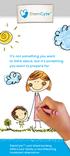 It s not something you want to think about, but it s something you want to prepare for. StemCyte cord blood banking offers your family a new lifesaving treatment alternative Why Bank Take the once-in-alifetime
tem ells /background /information Stem cell research Copyright 2007 MRC Centre for Regenerative Medicine, Institute for Stem Cell Research
 tem ells /background /information Stem cell research Copyright 2007 MRC Centre for Regenerative Medicine, Institute for Stem Cell Research /02 /information Table of contents Page 01. What are stem cells?
House Resolution No. 37
 california legislature regular session House Resolution No. Introduced by Assembly Member Hill August, House Resolution No. Relative to umbilical cord blood banking. WHEREAS, Since the first umbilical
Blood-Forming Stem Cell Transplants
 Blood-Forming Stem Cell Transplants What are bone marrow and hematopoietic stem cells? Bone marrow is the soft, sponge-like material found inside bones. It contains immature cells known as hematopoietic
Cord Cor Blood Banking Scott N. Furlan, MD Ellen S. Plummer, Plummer MD
 Cord Blood Banking Scott N. Furlan, MD Ellen S.Plummer, MD Overview Background Biology of Stem Cell Transplant Opportunities i at Parkland Logistics of Banking Potential Barriers Indications for HCT Cancer
Stem Cell Research: Adult or Somatic Stem Cells
 Chiang 1 Stem Cell Research: Adult or Somatic Stem Cells Abstract Kelly Chiang Cluster 7 Dr. LeFebvre 07/26/10 Over the past few decades, stem cells have been a controversial topic in the scientific field.
Statement of Joanne Kurtzberg, M.D.
 Statement of Joanne Kurtzberg, M.D. President of the Cord Blood Association Jerome Harris Distinguished Professor of Pediatrics and Pathology Chief Scientific Officer and Medical Director, Robertson Clinical
Cord Blood Stem Cell Transplantation
 LEUKEMIA LYMPHOMA MYELOMA FACTS Cord Blood Stem Cell Transplantation No. 2 in a series providing the latest information on blood cancers Highlights Umbilical cord blood, like bone marrow and peripheral
UMBILICAL CORD BLOOD COLLECTION
 UMBILICAL CORD BLOOD COLLECTION by Frances Verter, PhD Founder & Director, Parent's Guide to Cord Blood Foundation [email protected] and Kim Petrella, RN Department of Obstetrics and Gynecology
Umbilical Cord Blood Stem Cells Current Status & Future Potential
 Umbilical Cord Blood Stem Cells Current Status & Future Potential Natasha Ali Assistant Professor Haematology Department of Pathology & Laboratory Medicine/Oncology The Aga Khan University Email: [email protected]
UMBILICAL CORD BLOOD, STEM CELL BANKING
 UMBILICAL CORD BLOOD, STEM CELL BANKING Dr.Sharad Jain MD Blood Transfusion officer, & I/C Transfusion Medicine NSCB Medical College. Jabalpur.MP. Introduction: Every parent during childbirth DREAMS the
Stem cells will change medicine as we know it. Are you ready? STEM CELL BANKING
 Stem cells will change medicine as we know it. Are you ready? STEM CELL BANKING Stem cell banking with Store-A-Tooth is a unique investment in the health of your family. WHY BANK STEM CELLS? YOU PLAN FOR
Narrator: Transplants using stem cells from the blood, bone marrow or umbilical cord blood
 [Track 2: What Is a Transplant?] Narrator: Transplants using stem cells from the blood, bone marrow or umbilical cord blood can be an effective treatment for people with blood cancers such as leukemia,
Cord Blood: Research Progress and Future Promise
 Cord Blood: Research Progress and Future Promise By Al Staropoli, AABB Contributing Writer Sue Fister found out she had leukemia when she was 50 years old. Doctors suggested a bone marrow transplant as
A fact sheet UNRELATED BONE MARROW AND CORD BLOOD STEM CELL TRANSPLANTS
 A fact sheet UNRELATED BONE MARROW AND CORD BLOOD STEM CELL TRANSPLANTS Each year, thousands of patients are diagnosed with diseases treatable by a blood stem cell transplant. These blood stem cells can
Stem cells from Cord Blood: Myths, reality and potential. Elisabeth Semple, PhD Scientific Director Cells for Life Cord Blood Institute
 Stem cells from Cord Blood: Myths, reality and potential Elisabeth Semple, PhD Scientific Director Cells for Life Cord Blood Institute Learning objectives Understand the current usage of stem cells from
Collecting cord blood to save and improve lives. Rebecca Roberts
 Collecting cord blood to save and improve lives Rebecca Roberts Cells4Life Introduction to stem cells Why cord blood is important Legislation Cells4Life Cord blood collection What is a stem cell? Cells
Guidance For Research Involving Human Embryonic Stem Cells, Germ Cells, And Cells Obtained From Cord Blood
 Guidance For Research Involving Human Embryonic Stem Cells, Germ Cells, And Cells Obtained From Cord Blood Supreme Council of Health Department of Research Guidance Regarding Research Involving Human Embryonic
CIGNA HEALTHCARE COVERAGE POSITION
 CIGNA HEALTHCARE COVERAGE POSITION Subject Umbilical Cord Blood Banking Table of Contents Coverage Position... 1 General Background... 1 Coding/Billing Information... 3 References... 3 Revised Date...
UMBILICAL CORD BANKING. (formerly Unistem Biosciences Pvt.Ltd.)
 UMBILICAL CORD BANKING (formerly Unistem Biosciences Pvt.Ltd.) INITIATIVES OF CELLUGEN BIOTECH PVT.LTD. (formerly Unistem Biosciences Pvt.Ltd.) UMBILICAL CORD BANKING UMBILICAL CORD STEM CELL THERAPY Stem
San Diego Stem Cell Treatment Center Frequently Asked Questions
 San Diego Stem Cell Treatment Center Frequently Asked Questions What is a Stem Cell? A stem cell is basically any cell that can replicate and differentiate. This means the cell can not only multiply, but
Roche Position on Human Stem Cells
 Roche Position on Human Stem Cells Background Stem cells and treating diseases. Stem cells and their applications offer an enormous potential for the treatment and even the cure of diseases, along with
An Introduction to Stem Cells
 By Kirstin Matthews, Ph.D. An Introduction to Stem Cells Overview Stem cells are cells that have the potential to replicate themselves for indefinite periods and to divide, producing one of themselves
Stem cells possess 2 main characteristics: Sources of pluripotent stem cells: -Long-term self renewal. -The inner cell mass of the blastocyst.
 Stem cells possess 2 main characteristics: -Long-term self renewal. - They give rise to all types of differentiate cells. Sources of pluripotent stem cells: -The inner cell mass of the blastocyst. - Fetal
UMBILICAL CORD BLOOD HARVESTING & STORAGE
 Protocol: TRP009 Effective Date: October 14, 2013 UMBILICAL CORD BLOOD HARVESTING & STORAGE Table of Contents Page COMMERCIAL, MEDICARE & MEDICAID COVERAGE RATIONALE... 1 BACKGROUND... 2 CLINICAL EVIDENCE...
What are Stem Cells? How can they be used in medicine?
 What are Stem Cells? How can they be used in medicine? What is a stem cell????... What is a stem cell????......a cell with the ability to differentiate into specialized cells and renew to become more stem
The Leading Cell Bank www.stemology.co.uk. Protect Your Family s Future. Stem Cell Banking. Umbilical Cord. Only for Expecting Parents
 Protect Your Family s Future The Leading Cell Bank www.stemology.co.uk Stem Cell Banking Umbilical Cord Only for Expecting Parents Introduction to Stemology Imagine you could replace any cells in your
Patient Handbook on Stem Cell Therapies
 Patient Handbook on Stem Cell Therapies Appendix I of the Guidelines for the Clinical Translation of Stem Cells www.isscr.org 2008, International Society for Stem Cell Research 2 Introduction We have all
STEM CELL FELLOWSHIP
 Module I: The Basic Principles of Stem Cells 1. Basics of Stem Cells a. Understanding the development of embryonic stem cells i. Embryonic stem cells ii. Embryonic germ cells iii. Differentiated stem cell
What we will discuss today
 Umbilical cord blood banking It s Utility? Dr. Nita Radhakrishnan Pediatric Hematology Oncology Unit, Sir Ganga Ram Hospital, New Delhi What we will discuss today What are stem cells? What are the sources
SEARCHING FOR A BONE MARROW DONOR
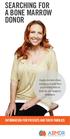 SEARCHING FOR A BONE MARROW DONOR Angela received a bone marrow transplant from an unrelated donor to treat her non-hodgkin s lymphoma. INFORMATION FOR PATIENTS AND THEIR FAMILIES For patients who need
Stem cells and motor neurone disease
 Stem cells and motor neurone disease F Stem cell research has fuelled hope of a treatment for a variety of conditions. This information sheet explains what these cells are and includes details of the current
Cord blood banking: information for parents
 Cord blood banking: information for parents Published August 2006 by the RCOG Contents Page number Key points 1 About this information 2 What is cord blood? 2 Why is cord blood useful? 3 How is cord blood
My Sister s s Keeper. Science Background Talk
 My Sister s s Keeper Science Background Talk Outline Acute promyelocytic leukemia (APL) APL Treatment Savior Siblings In vitro fertilization (IVF) Pre-implantation Genetic Diagnosis (PGD) Risks of donating
Top Ten Things to Know About Stem Cell Treatments
 Top Ten Things to Know About Stem Cell Treatments Many clinics that are offering stem cell treatments make claims about what stem cells can and cannot do that are not supported by our understanding of
Chapter 16 Reproductive Technology, Gene Therapy, and Stem Cells (modified)
 Chapter 16 Reproductive Technology, Gene Therapy, and Stem Cells (modified) Assisted Reproductive Technologies (ART) Artificial insemination (AI) In vitro fertilization (IVF) Gamete intrafallopian transfer
Do you have anything to add? If so, I d love to hear from you! Jessica Robinson Conference Manager Life Sciences @jessbiopharma
 1 Who is the most influential figure in cord blood around the world? What is the biggest challenge to overcome in the use of cord blood as a source of stem cells? We asked 10 leading experts in the cord
Unit 1 Higher Human Biology Summary Notes
 Unit 1 Higher Human Biology Summary Notes a. Cells tissues organs body systems Division of labour occurs in multicellular organisms (rather than each cell carrying out every function) Most cells become
Should Stem Cells Be Used To Treat Human Diseases?
 SAMPLE ESSAY C Should Stem Cells Be Used To Treat Human Diseases? Stem cells can be defined as undifferentiated cells that are generated during the development of the embryo. There are two functions ascribed
Saving Cord Tissue for Your Family
 Saving Cord Tissue for Your Family Dear Future Mom and/or Dad, All of us at CorCell would like to give you a big CONGRATULATIONS on your pregnancy! Now that you are expecting, you have probably heard about
Stem Cells and Inner Ear Cell Regeneration. Stefan Heller Stanford University School of Medicine
 Stem Cells and Inner Ear Cell Regeneration Stefan Heller Stanford University School of Medicine Embryonic stem cells Induced pluripotent stem cells Somatic stem cells 50 µm Derived from the inner cell
Stem Cells. Part 1: What is a Stem Cell?
 Stem Cells Part 1: What is a Stem Cell? Stem cells differ from other kinds of cells in the body. When a stem cell divides by mitosis, each new cell has the potential to either remain a stem cell or become
Differentiation = Making specialized cells
 Differentiation = Making specialized cells What is a stem cell? Screws: JM www.logodesignweb.com/stockphoto Differentiation = Making specialized cells What is a stem cell? What the photo shows A lump of
Corporate Medical Policy Cord Blood as a Source of Stem Cells
 Corporate Medical Policy Cord Blood as a Source of Stem Cells File Name: Origination: Last CAP Review: Next CAP Review: Last Review cord_blood_as_a_source_of_stem_cells 2/2001 3/2015 3/2016 3/2015 Description
Current Issues in Stem Cell Technologies. Lance D. Trainor, MD OneBlood, Inc.
 Current Issues in Stem Cell Technologies Lance D. Trainor, MD OneBlood, Inc. Objective: The big picture of stem cell therapy Outline: Relevant definitions History of Stem Cell Therapy Hematopoietic Stem
Securing the future of your family s health
 Biovault Family offers parents the chance to save their baby s cord blood at the time of birth. Cord blood is the blood that is contained within the placenta and the umbilical cord. The umbilical cord,
Human stem cell research: a novel technology that will benefit patients Information and Position Paper
 October 2003 Human stem cell research: a novel technology that will benefit patients Information and Position Paper EuropaBio, the European Association for Bio-industries, has 35 corporate members operating
CHAPTER 1 BACKGROUND AND CORD BLOOD BANK (CBB) ORGANIZATION
 CHAPTER 1 BACKGROUND AND CORD BLOOD BANK (CBB) ORGANIZATION Chapter 1 BACKGROUND AND CORD BLOOD BANK (CBB) ORGANIZATION 1.1 OVERVIEW OF THE CORD BLOOD TRANSPLANTATION STUDY Bone marrow transplantation
Corporate Medical Policy Cord Blood as a Source of Stem Cells
 Corporate Medical Policy Cord Blood as a Source of Stem Cells File Name: Origination: Last CAP Review: Next CAP Review: Last Review cord_blood_as_a_source_of_stem_cells 2/2001 3/2015 3/2016 3/2015 Description
General Information about Donating Blood Stem Cells
 General Information about Donating Blood Stem Cells This document contains general information about joining the national Registry and donating blood stem cells. You could be the Questions & Answers Paul
Cord Blood Bank Business Plan
 Cord Blood Bank Business Plan A sample of how to create a new program Produced by the AABB subsection: Cellular Therapy Business Management with major contributions by Nicole Omer TABLE OF CONTENTS Page
Saving your baby s s cord blood: Is this good insurance?
 Saving your baby s s cord blood: Is this good insurance? 32 th SEMINAR ON PERINATAL MEDICINE CONTROVERSIES IN PERINATAL MEDICINE: EVIDENCE FOR CURRENT PRACTICE Sante Fe, New Mexico Mervin C. Yoder, MD
Donate your baby s cord blood and save lives.
 Donate your baby s cord blood and save lives. A public nonprofit cord blood bank licensed by the FDA Each year, thousands of people are diagnosed with life-threatening diseases that may be cured with a