
Addiction in Adolescents
|
|
|
- Loren Henderson
- 10 years ago
- Views:
Transcription
1 Addiction in Adolescents THE BIOLOGICAL, COGNITIVE, AND SOCIAL EMOTIONAL EFFECTS RENEA BEEN, CRISTY BERGER, & TAMMER MALATY
2 Biological Effects Today s Lesson: The Brain
3 Welcome to Biology 101 In order to understand how certain drugs effect the adolescent, one must first understand the biological components and functions involved.
4 The Brain Cerebral Cortex- This controls our senses: sight, touch, hearing, taste, and smell. It is also responsible for the ability to think, problem solve, and make decisions (National Institute of Drug Abuse N.I.D.A., 2007). Brain Stem- This connects the spinal cord to the brain (National Institute of Drug Abuse N.I.D.A., 2000). It also controls the heart rate, breathing, eating, and sleeping (N.I.D.A., 2007). National Institute of Drug Abuse (2000). Mind over matter: The brain s response to drugs. Teacher s guide (Report No. NIH ). National Institute of Drug Abuse. (2007). The science of addiction. Retrieved from
5 The Brain continued Limbic System- This contains the Hypothalamus, Amygdala, Hippocampus, Thalamus, and Pituitary. It also controls emotions, perceptions, and memory, and reward circuits (N.I.D.A., 2007). Cerebellum- Responsible for skilled repetitive movement, balance, and posture (N.I.D.A., 2000) National Institute of Drug Abuse (2000). Mind over matter: The brain s response to drugs. Teacher s guide (Report No. NIH ). National Institute of Drug Abuse. (2007). The science of addiction. Retrieved from
6 How the Brain Communicates Neurons are nerve cells. Neurotransmitters transfer a message from one neuron to another across the synapse, or space between the neurons. Receptors are specialized sites on the receiving neuron that will then forward the appropriate message to where it is needed. Transporters bring back the neurotransmitters for recycling (N.I.D.A., 2007). National Institute of Drug Abuse. (2007). The science of addiction. Retrieved from
7 How the Brain Communicates Think of this communication as a business trip You have to give a presentation to new clients (Brain s Message). You arrive at the airport and proceed to your airline s terminal for departure (Neuron). You have chosen an airplane/airline you trust to get there (Neurotransmitters). The plane carries you to your specific destination and you arrive at the designated terminal (Receptors). The ground crew then directs your plane back to its original airport or it will no longer be in use (Transporters).
8 Effects of Alcohol Alcohol is one such drug that inhibits the process in which nerve impulses travel more easily across the gap between nerve cells (National Institute on Alcohol Abuse & Alcoholism N.I.A.A.A., 2004/2005, p. 126). Since adolescence is a period marked by high levels of growth and sex hormone output, alcohol consumed during rapid development (i.e., prior to or during puberty) has the potential to disrupt normal growth and endocrine development through its effects on the hypothalamus, the pituitary gland, and various target organs such as the ovaries and testes ( N.I.A..A.A., 2004/2005, p. 126). National Institute on Alcohol Abuse & Alcoholism (2004/2005). The effects of alcohol on physiological processes and biological development. Alcohol Research & Health 28, (3),
9 Effects of Marijuana Marijuana decreases neuron activity in the hippocampus (Limbic System) which affects memory (N.I.D.A., 2000). THC, the main ingredient in Marijuana, interrupts nerve impulse in the cerebellum which affects muscle movement and coordination (N.I.D.A., 2000). Marijuana also affects receptors in the brain areas and structures responsible for sensory perception. Marijuana interferes with the receiving of sensory messages in the cerebral cortex (N.I.D.A., 2000, p. 8). National Institute of Drug Abuse (2000). Mind over matter: The brain s response to drugs. Teacher s guide (Report No. NIH ).
10 Effects of Inhalants Chronic abusers have reduction in certain areas of the brain including the cerebral cortex, cerebellum, and brain stem (N.I.D.A., 2000). The fatty tissues protecting the nerve cells in the brain are destroyed by inhalant vapors. This slows down or even stops neural transmissions (N.I.D.A., 2000, p. 17). This can have adverse effects on learning ability, memory, and problem solving (N.I.D.A., 2000). National Institute of Drug Abuse (2000). Mind over matter: The brain s response to drugs. Teacher s guide (Report No. NIH ).
11 Effects of Hallucinogens LSD causes an increase in the receptor of serotonin. This can induce mood swings, altered perception, delusions, and hallucinations (N.I.D.A., 2000). Ecstasy can damage neurons containing serotonin, which can cause confusion, depression, sleep problems, drug cravings, and anxiety (N.I.D.A., 2000). Although PCP in not a true hallucinogen, it affects neurotransmitters in the brain and can cause dopamine to be released from neurons into the synapse which can produce altered perception or hallucinations. This may also account for memory loss and speech difficulties (N.I.D.A., 2000). National Institute of Drug Abuse (2000). Mind over matter: The brain s response to drugs. Teacher s guide. (Report No. NIH ).
12 Effects of Steroids The American Academy of Pediatrics strongly condemns the use of performance-enhancing substances among children and adolescents (American Academy of Pediatrics, 2005, p. 1103). Steroids affect the hypothalamus and lymbic system by altering the type of message transmitted by the neurons causing a disruption in the hormone levels which may result in many problems, including a reduction in normal testosterone production in males and loss of the monthly period in females (N.I.D.A., 2000, p. 25). Steroids also produce violent behavior, impaired judgment, and even psychosis. It can also produce changes in sexual characteristics and stunt the growth of teens (N.I.D.A., 2000). American Academy of Pediatrics (2005). Use of performing enhancing substances. Pediatrics, 115, (4), doi: /peds National Institute of Drug Abuse (2000). Mind over matter: The brain s response to drugs. Teacher s guide. (Report No. NIH ).
13 Cognitive Effects
14 Dopamine Dopamine is a neurotransmitter present in regions of the brain that regulate movement, emotion, cognition, motivation, and feelings of pleasure. When drugs of abuse are taken, they can release 2 to 10 times the amount of dopamine than natural rewards. The resulting effects on the brain's pleasure circuit dwarfs those produced by naturally rewarding behaviors such as eating and sex. The effect are so strong that it motivates people to take drugs repeatedly (N.I.D.A., 2007). National Institute of Drug Abuse (N.I.D.A.). (2007). The science of addiction. Retrieved from
15 Effects on the Brain The brain begins to adjust to the surges of dopamine and begins to produce less dopamine or by reducing to amount of receptors. Their levels get so low that they begin to take more of the drug in order to get their dopamine levels up to normal. An effect known as tolerance (N.I.D.A., 2007) National Institute of Drug Abuse (N.I.D.A.). (2007). The science of addiction. Retrieved from
16 Dopamine Releasing Chemicals Alcohol Opiates Cocaine Amphetamines MDMA Cannabinoids Inhalants Nicotine Caffeine Anabolic Steriods (Gilbert, 2008) Gilbert, D. (2008, May 2). Lifetime of ill effects: Drugs can stunt brain growth. The Gainesville Times. Retrieved from
17 Dopamine (N.I.D.A., 2007) National Institute of Drug Abuse (N.I.D.A.). (2007). The science of addiction. Retrieved from
18 Arrested Development Definition: becoming stranded at the psychosocial stage which prevailed at the time of drug use. Effects: Increased social disinhibition Risky, impulsive behavior Poor planning and judgment Little ability to weigh consequences (Gilbert, 2008) Gilbert, D. (2008, May 2). Lifetime of ill effects: Drugs can stunt brain growth. The Gainesville Times. Retrieved from
19 Arrested Development Gogtay et al., 2004) If you arrest at the age of 13 and get sober at 18, you are emotionally 13 years old. At age 11 or 12, before puberty, there s only about 50 percent of the neurochemicals needed to make the brain work properly. At age 18, it s about 75 percent (Gilbert, 2008). Gilbert, D. (2008, May 2). Lifetime of ill effects: Drugs can stunt brain growth. The Gainesville Times. Retrieved from Gogtay, N, Giedd, J., Lusk, L., Hayashi, K., Greenstein, D., Vaituzis, C., Nugent, T., Herman, D., Clasen, L., Toga, A., Rapoport, J., Thompson, P. (2004, May 17). Dynamic mapping of human cortical development during childhood through early childhood. Retrieved from
20 Social Emotional Effects
21 Natural Inclination For many teens, their brains and bodies drive them toward risky or thrill-seeking behavior. For teens, who are socially awkward, the use of drugs can provide them an entry way into the social world (Berger, 2010). Berger, K.S. (2010). Adolescence: Psychosocial Development. In J. Bayne, Invitation to the lifespan (pp ). New York: Worth Publishers.
22 Age Culture Cohort Gender (Berger, 2010) Significant Factors Berger, K.S. (2010). Adolescence: Psychosocial Development. In J. Bayne, Invitation to the lifespan (pp ). New York: Worth Publishers.
23 Age Drug use becomes more widespread from about years of age. Drug use before 18 is the best predictor of later drug abuse (Berger, 2010). Berger, K.S. (2010). Adolescence: Psychosocial Development. In J. Bayne, Invitation to the lifespan (pp ). New York: Worth Publishers.
24 Age Differences Inhalants are the only drug category used more by 8th graders (16%) than 12th graders (11%). Middle school boys who live in quiet neighborhoods are particularly vulnerable (Berger, 2010). Berger, K.S. (2010). Adolescence: Psychosocial Development. In J. Bayne, Invitation to the lifespan (pp ). New York: Worth Publishers.
25 Cohort Differences In general, drug use among adolescents has decreased in the U.S. since Most teens have experimented with drugs but are not regular drug users. Adolescent culture may have a greater effect on drug-taking behavior than laws do. A significant minority (about 20%) never use any drugs, usually because of religious values (Berger, 2010) Berger, K.S. (2010). Adolescence: Psychosocial Development. In J. Bayne, Invitation to the lifespan (pp ). New York: Worth Publishers.
26 Gender With some exception, adolescent boys use more drugs and more often than girls do. Heavy use of drugs (such as daily use of marijuana) is about twice as prevalent among boys. Among 8th graders, drug use is unisex, but drug use increases faster among boys than girls (Berger, 2010). Berger, K.S. (2010). Adolescence: Psychosocial Development. In J. Bayne, Invitation to the lifespan (pp ). New York: Worth Publishers.
27 Social Connections For many teens, drug use signifies independence from social restrictions, Enhances sensations, and fosters social connections. Many adolescents believe that occasional use is harmless, just an expression of friendship or generational solidarity (Berger, 2010). Berger, K.S. (2010). Adolescence: Psychosocial Development. In J. Bayne, Invitation to the lifespan (pp ). New York: Worth Publishers.
28 Social Consequences Adolescents who abuse drugs often: Act out Do poorly academically Drop out of school Are at risk for unplanned pregnancies, violence, & infectious diseases (N.I.D.A., 2007). National Institute of Drug Abuse (N.I.D.A.). (2007). The science of addiction. Retrieved from
29 Emotional Aspects Since psychoactive drugs excite the limbic system and interfere with the prefrontal cortex, drug users tend to be more emotional (specifics vary, from ecstasy to terror to paranoia to rage) than they otherwise would be, as well as less reflective (Berger, 2010). Berger, K.S. (2010). Adolescence: Psychosocial Development. In J. Bayne, Invitation to the lifespan (pp ). New York: Worth Publishers.
30 Motivations To feel good To feel better To do better Curiosity & because others are doing it (N.I.D.A., 2007) National Institute of Drug Abuse (N.I.D.A.). (2007). The science of addiction. Retrieved from
31 Environmental Factors That Increase Risk Home & Family Peer & School (N.I.D.A., 2007) Peer Pressure Popularity Conformity (Santor, Messervey, and Kusumakar, 2000) National Institute of Drug Abuse (N.I.D.A.). (2007). The science of addiction. Retrieved from Santor, D., Messervey, D. and Kusumakar, V. (2000). Measuring peer pressure, popularity, and conformity in adolescent boys and girls: Predicting school performance, sexual attitudes, and substance abuse. Journal of Youth and Adolescence, 29, (2),
32 Results of Study Perceived peer pressure and a need to be popular were strongly interrelated but did not predict risk behaviors and psychosocial difficulties equally well. Doing thing to be popular with others may be less of a risk factor than the experience of being urged or pressured to act in certain ways, but it is related to feeling pressured by others to engage in certain activities. Strong correlation between substance use, peer pressure, and peer conformity exists and is a strong predictor of risk behaviors (Santor, Messervey, and Kusumakar, 2000). Santor, D., Messervey, D. and Kusumakar, V. (2000). Measuring peer pressure, popularity, and conformity in adolescent boys and girls: Predicting school performance, sexual attitudes, and substance abuse. Journal of Youth and Adolescence, 29, (2),
33 Preventative Social Factors Involvement in community activities Social support from community members Strong attachments to family All lead to higher self esteem and less risk taking behaviors (Peterson, Buser, and Westburg, 2010) Peterson, C., Buser, T., and Westburg, N. (2010). Effects of familial attachment, social support, involvement, and self-esteem on youth substance use and sexual risk taking. The Family Journal, 18, (4) doi: /
34 References American Academy of Pediatrics (2005). Use of performing enhancing substances. Pediatrics, 115, (4), doi: /peds Berger, K.S. (2010). Adolescence: Psychosocial Development. In J. Bayne, Invitation to the lifespan (pp ). New York: Worth Publishers. Gilbert, D. (2008, May 2). Lifetime of ill effects: Drugs can stunt brain growth. The Gainesville Times. Retrieved from Gogtay, N, Giedd, J., Lusk, L., Hayashi, K., Greenstein, D., Vaituzis, C., Nugent, T., Herman, D., Clasen, L., Toga, A., Rapoport, J., Thompson, P. (2004, May 17). Dynamic mapping of human cortical development during childhood through early childhood. Retrieved from National Institute of Drug Abuse (2000). Mind over matter: The brain s response to drugs. Teacher s guide (Report No. NIH ). National Institute of Drug Abuse. (2007). The science of addiction. Retrieved from National Institute on Alcohol Abuse & Alcoholism (2004/2005). The effects of alcohol on physiological processes and biological development. Alcohol Research & Health 28, (3),
35 References Peterson, C., Buser, T., and Westburg, N. (2010). Effects of familial attachment, social support, involvement, and self-esteem on youth substance use and sexual risk taking. The Family Journal, 18, (4) doi: / Santor, D., Messervey, D., and Kusumakar, V. (2000). Measuring peer pressure, popularity, and conformity in adolescent boys and girls: Predicting school performance, sexual attitudes, and substance abuse. Journal of Youth and Adolescence, 29, (2),
Drugs and Teens: Current Facts and Recent Trends. Agenda. Adolescent development
 Drugs and Teens: Current Facts and Recent Trends Cheryl Houtekamer Youth Addiction Services Calgary Agenda Adolescent Development Brain Development Adolescent Substance Use - Prevalence How does addiction
PRESCRIPTION DRUG ABUSE prevention
 PRESCRIPTION DRUG ABUSE prevention Understanding Drug Addiction Many people do not understand how someone could abuse drugs even when their life seems to be falling apart. It is often assumed that those
The Cranium Connection
 Your Brain! The brain is the command center of your body. It controls just about everything you do, even when you are sleeping. Weighing about 3 pounds, the brain is made up of many parts that all work
THE BRAIN & DRUGS. Nebraska Training on Substance Abuse Prevention
 THE BRAIN & DRUGS Nebraska Training on Substance Abuse Prevention Educational Service Unit 10 Building 76 Plaza Blvd., Kearney, NE 68848-0850 Tuesday, April 26th 2011 MODULE 2 1 Overview How does the brain
Drug addiction. These factors increase the likelihood of your having an addiction to a legal or an illegal drug:
 Drug addiction You may be hooked emotionally and psychologically. You may have a physical dependence, too. If you're addicted to a drug whether it's legal or illegal you have intense cravings for it. You
Integration and Coordination of the Human Body. Nervous System
 I. General Info Integration and Coordination of the Human Body A. Both the and system are responsible for maintaining 1. Homeostasis is the process by which organisms keep internal conditions despite changes
Table of Contents. Neurotra nsmission F act Sh eet Page 2. Neurotransmission Scavenger Hunt Page 4. Brain Parts Fact Sheet Page 6
 Table of Contents Neurotra nsmission F act Sh eet Page 2 Neurotransmission Scavenger Hunt Page 4 Brain Parts Fact Sheet Page 6 Nicotine and the Brain Page 8 Alcohol and the Brain Page 10 Puzzle Pieces
Diagram 2(i): Structure of the Neuron
 Diagram 2(i): Structure of the Neuron Generally speaking, we can divide the nervous system into different parts, according to location and function. So far we have mentioned the central nervous system
ANIMATED NEUROSCIENCE
 ANIMATED NEUROSCIENCE and the Action of Nicotine, Cocaine, and Marijuana in the Brain Te a c h e r s G u i d e Films for the Humanities & Sciences Background Information This program, made entirely of
How To Understand The Effects Of Drugs On The Brain
 DRUGS AND THE BRAIN Most of the psychological and behavioural effects of psychoactive drugs is due the interaction they have with the nerve cells in the CNS (which includes the brain and peripheral nervous
How To Treat A Drug Addiction
 1 About drugs Drugs are substances that change a person s physical or mental state. The vast majority of drugs are used to treat medical conditions, both physical and mental. Some, however, are used outside
Drug Abuse and Addiction
 Drug Abuse and Addiction Introduction A drug is a chemical substance that can change how your body and mind work. People may abuse drugs to get high or change how they feel. Addiction is when a drug user
Sponsored by: 2013 NAMI Maryland Conference Baltimore, Maryland; Friday, October 18 th, 2013
 Integrated System of Care Universal Dual Diagnosis Capabilities Principles of Empathy and Hope Motivational Interviewing Approach Stages of Change Model Design Solution Focused Strength Based Skill Building
1. The modern discovery of hypnosis is generally attributed to: A) Freud. B) Mesmer. C) Spanos. D) Hilgard.
 Name: Date: 1. The modern discovery of hypnosis is generally attributed to: A) Freud. B) Mesmer. C) Spanos. D) Hilgard. 2. Which of the following statements concerning hypnosis is true? A) People will
Chapter 4. The Brain
 Chapter 4 The Brain The Nervous System Central Nervous System (CNS) receives, processes, interprets and stores info (taste, sound, smell, color etc.) Sends information to muscles, glands and internal organs
The Developing Person Through the Life Span 8e by Kathleen Stassen Berger
 The Developing Person Through the Life Span 8e by Kathleen Stassen Berger Chapter 16 Adolescence: Psychosocial Development PowerPoint Slides developed by Martin Wolfger and Michael James Ivy Tech Community
Slide 1: Introduction Introduce the purpose of your presentation. Indicate that you will explain how the brain basically works and how and where
 Slide 1: Introduction Introduce the purpose of your presentation. Indicate that you will explain how the brain basically works and how and where drugs such as heroin and cocaine work in the brain. Tell
Slide 4: Forebrain Structures. Slide 5: 4 Lobes of the Cerebral Cortex. Slide 6: The Cerebral Hemispheres (L & R)
 Slide 1: [Film Clip: The Brain #2- Phineas Gage] Integrated Bodily Communications Within Brain (Hemispheres and structures) The remaining Nervous System Endocrine System (Hormonal communication) Our bodies-
"BARRIERS TO HIV PREVENTION AND CARE DUE TO CONSUMER SUBSTANCE ABUSE AND CHEMICAL DEPENDENCE PART II.
 "BARRIERS TO HIV PREVENTION AND CARE DUE TO CONSUMER SUBSTANCE ABUSE AND CHEMICAL DEPENDENCE PART II. BY PROFESSOR TERENCE MCPHAUL PSYCHOLOGY TELEVISION NETWORK (PSYCHTV ) Distinct Populations of Youth
34 th Judicial District Substance Abuse Study Guide
 34 th Judicial District Substance Abuse Study Guide What is Drug Addiction? 2 It is characterized by intense and, at times, uncontrollable drug craving, along with compulsive drug seeking and use that
And, despite the numbers, for many people, the Facts About Drugs are not clear.
 According to the National Survey on Drug Use and Health (NSDUH), an estimated 20 million Americans aged 12 or older used an illegal drug in the past 30 days. This estimate represents 8% percent of the
Lecture One: Brain Basics
 Lecture One: Brain Basics Brain Fractured Femur Bone Spinal Cord 1 How does pain get from here to here 2 How does the brain work? Every cell in your body is wired to send a signal to your brain The brain
What Are the Short-Term Effects of Marijuana Use?
 What Is It? Marijuana is a mixture of the dried and shredded leaves, stems, seeds, and flowers of the cannabis sativa plant. The mixture can be green, brown, or gray. A bunch of leaves seem harmless, right?
Brain & Mind. Bicester Community College Science Department
 B6 Brain & Mind B6 Key Questions How do animals respond to changes in their environment? How is information passed through the nervous system? What can we learn through conditioning? How do humans develop
WHAT SHOULD WE KNOW ABOUT MARIJUANA
 WHAT SHOULD WE KNOW ABOUT MARIJUANA Marijuana is the most commonly used illicit drug in the U.S. The use of marijuana can produce adverse physical, mental, emotional, and behavioral effects. What is marijuana?
ADOLESCENT BRAIN DEVELOPMENT: IMPLICATIONS FOR DRUG USE PREVENTION. Jessie Breyer, B.A. & Ken C. Winters, Ph.D. Center for Substance Abuse Research
 ADOLESCENT BRAIN DEVELOPMENT: IMPLICATIONS FOR DRUG USE PREVENTION Jessie Breyer, B.A. & Ken C. Winters, Ph.D. Center for Substance Abuse Research Department of Psychiatry, University of Minnesota & Mentor
Addictions: Why Don t They Just Quit?
 Counseling Center of New Smyrna Beach 265 N. Causeway New Smyrna Beach FL 32169 Ph: 386-423-9161 Fax: 386-423-3094 Addictions: Why Don t They Just Quit? By Shane Porter One of the most frustrating issues
NEURON AND NEURAL TRAMSMISSION: ANATOMY OF A NEURON. created by Dr. Joanne Hsu
 NEURON AND NEURAL TRAMSMISSION: ANATOMY OF A NEURON NEURON AND NEURAL TRAMSMISSION: MICROSCOPIC VIEW OF NEURONS A photograph taken through a light microscope (500x) of neurons in the spinal cord. NEURON
Prevention & Recovery Conference November 28, 29 & 30 Norman, Ok
 Prevention & Recovery Conference November 28, 29 & 30 Norman, Ok What is Addiction? The American Society of Addiction Medicine (ASAM) released on August 15, 2011 their latest definition of addiction:
Karla Ramirez, LCSW Director, Outpatient Services Laurel Ridge Treatment Center
 Karla Ramirez, LCSW Director, Outpatient Services Laurel Ridge Treatment Center 1 in 4 Americans will have an alcohol or drug problems at some point in their lives. The number of alcohol abusers and addicts
Brain Power. Counseling and Mental Health
 Brain Power Counseling and Mental Health TEA COPYRIGHT Copyright Texas Education Agency, 2012. These Materials are copyrighted and trademarked as the property of the Texas Education Agency (TEA) and may
31.1 The Neuron. BUILD Vocabulary. Lesson Objectives
 Name Class Date 31.1 The Neuron Lesson Objectives Identify the functions of the nervous system. Describe the function of neurons. Describe how a nerve impulse is transmitted. BUILD Vocabulary A. The chart
Addiction and the Brain's Pleasure Pathway: Beyond Willpower
 Addiction and the Brain's Pleasure Pathway: Beyond Willpower The human brain is an extraordinarily complex and fine-tuned communications network containing billions of specialized cells (neurons) that
Medicinal Marijuana and the Developing Adolescent Brain
 Medicinal Marijuana and the Developing Adolescent Brain John R. Knight, MD Associate Professor of Pediatrics Harvard Medical School Associate in Medicine & Psychiatry Children s Hospital Chair in Developmental
The Addicted Brain. And what you can do
 The Addicted Brain And what you can do How does addiction happen? Addiction can happen as soon as someone uses a substance The brain releases a neurotransmitter called Dopamine into the system that makes
Exploring The New Science of Addiction
 Abstract Students explore interactive module on our website to complete a web quest. Logistics Time Required Class Time: 80 minutes Prep Time: 10 minutes to copy student pages Materials Student handouts,
Alcohol and Brain Damage
 Alcohol and Brain Damage By: James L. Holly, MD O God, that men should put an enemy in their mouths to steal away their brains! That we should, with joy, pleasance, revel, and applause, transform ourselves
ARE YOU PREPARED TO HELP YOUR TEEN MAKE GOOD DECISIONS? STATS, FACTS & TALKING POINTS ABOUT ALCOHOL AND OTHER DRUGS PARENT ACTION PACK
 ARE YOU PREPARED TO HELP YOUR TEEN MAKE GOOD DECISIONS? STATS, FACTS & TALKING POINTS ABOUT ALCOHOL AND OTHER DRUGS PARENT ACTION PACK YOU ARE YOUR TEEN S MOST IMPORTANT INFLUENCE! You may feel like your
Interview: NIDA Director Discusses Drug Abuse Among Teens
 Interview: NIDA Director Discusses Drug Abuse Among Teens Nora Volkow, M.D., is the director of the National Institute on Drug Abuse (NIDA). The Challenge interviewed Dr. Volkow to discuss the research
Cocaine. Like heroin, cocaine is a drug that is illegal in some areas of the world. Cocaine is a commonly abused drug.
 Cocaine Introduction Cocaine is a powerful drug that stimulates the brain. People who use it can form a strong addiction. Addiction is when a drug user can t stop taking a drug, even when he or she wants
Drugs PSYCHOSIS. Depression. Stress Medical Illness. Mania. Schizophrenia
 Drugs Stress Medical Illness PSYCHOSIS Depression Schizophrenia Mania Disorders In preschool children imaginary friends and belief in monsters under the bed is normal (it may be normal in older developmentally
10 questions to consider. before you smoke your next joint.
 10 questions to consider before you smoke your next joint. 1 2 You ve probably heard conflicting opinions about marijuana and its risks. The statistics and health information included here are not opinions.
Methamphetamine. Like heroin, meth is a drug that is illegal in some areas of the world. Meth is a highly addictive drug.
 Methamphetamine Introduction Methamphetamine is a very addictive stimulant drug. People who use it can form a strong addiction. Addiction is when a drug user can t stop taking a drug, even when he or she
A LIFESPAN OF BRAIN DEVELOPMENT
 PURDUE UNIVERSITY COOPERATIVE EXTENSION SERVICE Crawford County A LIFESPAN OF BRAIN DEVELOPMENT Developed by Carol Judd Description: Brain architecture is a process that begins early in life and continues
Identification, treatment and support for individuals with Alcohol & Drug Addiction in the Community
 Identification, treatment and support for individuals with Alcohol & Drug Addiction in the Community Dr David Jackson Clinic Medical Officer The Hobart Clinic Association Drugs In tonight s context, drugs
Related KidsHealth Links. Discussion Questions
 Grades 6 to 8 Human Body Series KidsHealth.org/classroom Teacher s Guide This guide includes: Standards Related Links Discussion Questions Activities for Students Reproducible Materials Standards This
Learning Objectives Drugs disrupt the natural action of neurotransmitters at the synapse. Logistics
 Module Abstract An optional worksheet to use in conjunction with the interactive online activity of the same title located in The New Science of Addiction: module on our website (url above). Students analyze
Alcohol and the Adolescent Brain. Ruth Bowles. BS, CPP Executive Director The Rockland Council on Alcoholism and other Drug Dependence, Inc.
 Alcohol and the Adolescent Brain Ruth Bowles. BS, CPP Executive Director The Rockland Council on Alcoholism and other Drug Dependence, Inc. Freedom is that instant between when someone tells you to do
Alcohol Addiction. Introduction. Overview and Facts. Symptoms
 Alcohol Addiction Alcohol Addiction Introduction Alcohol is a drug. It is classed as a depressant, meaning that it slows down vital functions -resulting in slurred speech, unsteady movement, disturbed
This presentation was prepared by Sion Kim Harris, PhD, a research scientist with the Center for Adolescent Substance Abuse Research at Boston
 This presentation was prepared by Sion Kim Harris, PhD, a research scientist with the Center for Adolescent Substance Abuse Research at Boston Children s Hospital, a teaching hospital of Harvard Medical
Amphetamines Addiction
 Introduction Amphetamines, which are classified as stimulants, work by using the dopamine reward system of the brain. When these drugs are used, the user s central nervous system is simulated which causes
Substance Addiction. A Chronic Brain Disease
 Substance Addiction A Chronic Brain Disease What you will Learn Addiction is a Brain Disease Understand the Structure and Pathways Associated with changes in the brain. Addiction is a Chronic Condition
PSK171 STRESS MANAGEMENT
 PSK171 STRESS MANAGEMENT Chapter 2 Systems that control stress arousal Controlling Stress & Tension Girdano, Dusek & Everly Ligands Ligands (amino acid molecules) Biochemicals that carry information Neurohormones
WHAT HAPPENS TO OUR BRAIN?
 WORK DYNAMIC The final result of this session is the formulation of the questions that, within the activity of the Let s talk about drugs programme of the la Caixa Welfare Project, you will ask Dr. Rafael
Identifying and Treating Dual-Diagnosed Substance Use and Mental Health Disorders. Presented by: Carrie Terrill, LCDC
 Identifying and Treating Dual-Diagnosed Substance Use and Mental Health Disorders Presented by: Carrie Terrill, LCDC Overview What is Dual Diagnosis? How Common is Dual Diagnosis? What are Substance Use
Co-Occurring Substance Use and Mental Health Disorders. Joy Chudzynski, PsyD UCLA Integrated Substance Abuse Programs
 Co-Occurring Substance Use and Mental Health Disorders Joy Chudzynski, PsyD UCLA Integrated Substance Abuse Programs Introduction Overview of the evolving field of Co-Occurring Disorders Addiction and
The Science of Addiction:
 The Science of Addiction: Why it s a bad idea to turn to drugs in times of stress Regina M. Carelli, PhD Stephen B. Baxter Distinguished Professor Department of Psychology & Neuroscience The University
Why Meditation is successful in Substance abuse treatment. Mediation paired with substance abuse treatment has been around since 1982 when the
 Stone Amber Stone Mathew Arndt HLTH-1240 26 June 2014 Why Meditation is successful in Substance abuse treatment. Mediation paired with substance abuse treatment has been around since 1982 when the Betty
Alcoholism, Drug Addiction, and the Road to Recovery
 Alcoholism, Drug Addiction, and the Road to Recovery Life on the Edge Barry Stimmel, MD The Haworth Medical Press An Imprint of The Haworth Press, Inc. New York London Oxford CONTENTS Preface Acknowledgments
Sybil Hosek, PhD Clinical Psychologist Department of Psychiatry Division of Child & Adolescent Psychiatry Stroger Hospital of Cook County
 Sybil Hosek, PhD Clinical Psychologist Department of Psychiatry Division of Child & Adolescent Psychiatry Stroger Hospital of Cook County New CDC HIV Estimates In August, 2008, the CDC released new estimates
Topic Youth Problems Drug Abuse and Addiction: Understanding the Signs, Symptoms, and Effects What happens when you take drugs?
 Topic Youth Problems Drug Abuse and Addiction: Understanding the Signs, Symptoms, and Effects Drugs are chemicals that have a profound impact on the neurochemical balance in the brain which directly affects
Assessment and Diagnosis of DSM-5 Substance-Related Disorders
 Assessment and Diagnosis of DSM-5 Substance-Related Disorders Jason H. King, PhD (listed on p. 914 of DSM-5 as a Collaborative Investigator) [email protected] or 801-404-8733 www.lecutah.com D I S C L
Brain Development. Genetic make-up... is not the major determiner
 Brain Development Presented by: Linda Alsop SKI-HI Institute Utah State University Genetic make-up... is not the major determiner Early experiences are so powerful that they can completely change the way
Naltrexone and Alcoholism Treatment Test
 Naltrexone and Alcoholism Treatment Test Following your reading of the course material found in TIP No. 28. Please read the following statements and indicate the correct answer on the answer sheet. A score
DRUG USE. 1300 136 588 ndss.com.au AND TYPE 1 DIABETES
 DRUG USE AND TYPE 1 DIABETES 1300 136 588 ndss.com.au The National Diabetes Services Scheme (NDSS) is an initiative of the Australian Government administered by Diabetes Australia. Contents Topic Page
Brain Damage & Recovery: The Resilience of the Brain, Addiction Impact & Therapeutic Repair. Michael Fishman, MD Director of Young Adult Program
 Brain Damage & Recovery: The Resilience of the Brain, Addiction Impact & Therapeutic Repair Michael Fishman, MD Director of Young Adult Program How Addiction Takes Hold Large & rapid upsurges in dopamine
States of Consciousness Notes
 States of Consciousness Notes There s been a lot in the news lately about the new Peace Palace they re building in West L.A., for people to come and meditate and not just Hollywood people! Consciousness
SPIRITUALITY S ROLE IN ADDICTION RECOVERY
 SPIRITUALITY S ROLE IN ADDICTION RECOVERY DEFINITION OF DISEASE AMERICAN SOCIETY ADDICTION MEDICINE-ADDICTION IS A PRIMARY, CHRONIC DISEASE OF THE BRAIN REWARD, MEMORY, MOTIVATION AND RELATED CIRCUITS.
Adversity, Toxic Stress & Resiliency. Baystate Medical Center:Family Advocacy Center Jessica Wozniak, Psy.D., Clinical Grants Coordinator
 Adversity, Toxic Stress & Resiliency Baystate Medical Center:Family Advocacy Center Jessica Wozniak, Psy.D., Clinical Grants Coordinator Adverse Childhood Experiences ACE Study (www.acestudy.org) 18,000
OTC Abuse. Dr. Eman Said Abd-Elkhalek Lecturer of Pharmacology & Toxicology Faculty of Pharmacy Mansoura University
 OTC Abuse Dr. Eman Said Abd-Elkhalek Lecturer of Pharmacology & Toxicology Faculty of Pharmacy Mansoura University Opiates Abuse Opioids are a group of natural, partially synthetic, or synthetic drugs
National Institutes of Health U.S. Department of Health and Human Services
 DRUGS, BRAINS, AND BEHAVIOR DRUGS, BRAINS, AND BEHAVIOR THE SCIENCE OF ADDICTION ADDICTION National Institutes of Health U.S. Department of Health and Human Services This publication is in the public domain
Class 10 NCERT Science Text Book Chapter 7 Control and Coordination
 Class 10 NCERT Science Text Book Chapter 7 Control and Coordination Question 1: What is the difference between a reflex action and walking? A reflex action is a rapid, automatic response to a stimulus.
Pharmacology and Physiology (C105) Understanding Pharmacology and Physiology. The History of Drugs. The Neurobiology of Addiction.
 Understanding Pharmacology and Physiology Knowledge of Pharmacology and Physiology is Crucial SAMHSA s Counselor Competencies What is Addiction? NIDA: Why Do People Use Drugs? From Abuse to Addiction Desired
BRAIN storming Copyright, Poliakoff and Bee, 2000
 by Ellen Poliakoff and Sally Bee Illustrations by Serena Korda BRAIN storming The 1990 s was hailed as the decade of the brain. We ask, what do we really know about the elusive workings of the grey matter
The Limbic System Theory of Addiction
 The Limbic System Theory of Addiction The brain controls every aspect of a human being. From breathing to blinking, it runs the show. Most of how it operates, however, is on an automatic and unconscious
NEUROPHARMACOLOGY AND ADDICTION CHRISTOPHER M. JONES, PHARMD, MPH
 NEUROPHARMACOLOGY AND ADDICTION CHRISTOPHER M. JONES, PHARMD, MPH Disclosures This presentation does not represent the views of the US Public Health Service or the US Food and Drug Administration The majority
C N, A. National Institutes of Health U.S. Department of Health and Human Services
 V IO R S E TH E I C E C N O N TI D N, A S IN A BR, GS U R D A H BE OF D A D IC National Institutes of Health U.S. Department of Health and Human Services This publication is in the public domain and may
Employee Drug-Free Workplace Education
 Employee Drug-Free Workplace Education South Carolina State University Alcohol- and Drug-Free Workplace Provided by the Office of Professional Development & Training SC State University Employee Education
Ch 7 Altered States of Consciousness
 Ch 7 Altered States of Consciousness Consciousness a state of awareness Altered State of Consciousness involves a change in mental processes in which one is not completely aware Sleep is a state of altered
Drugs, The Brain, and Behavior
 Drugs, The Brain, and Behavior John Nyby Department of Biological Sciences Lehigh University What is a drug? Difficult to define Know it when you see it Neuroactive vs Non-Neuroactive drugs Two major categories
Development of Chemical Dependency in Adolescents & Young Adults. How to recognize the symptoms, the impact on families, and early recovery
 Development of Chemical Dependency in Adolescents & Young Adults How to recognize the symptoms, the impact on families, and early recovery Tim Portinga, PsyD, LP, Mental Health Clinic Supervisor Tim Portinga
What is the basic component of the brain and spinal cord communication system?
 EXPLORING PSYCHOLOGY David Myers The Biology of Mind Chapter 2 Neural Communication Neurons How Neurons Communicate How Neurotransmitters Influence Us The Nervous System The Peripheral Nervous System The
Scientific Facts on. Psychoactive Drugs. Tobacco, Alcohol, and Illicit Substances
 page 1/5 Scientific Facts on Psychoactive Drugs Tobacco, Alcohol, and Illicit Substances Source document: WHO (2004) Summary & Details: GreenFacts Context - Psychoactive drugs such as tobacco, alcohol,
The Impact of Alcohol
 Alcohol and Tobacco Smoking cigarettes and drinking alcohol are behaviors that often begin in adolescence. Although tobacco companies are prohibited from advertising, promoting, or marketing their products
Underage Drinking. Underage Drinking Statistics
 Underage Drinking Underage drinking is a serious public health problem in the United States. Alcohol is the most widely used substance of abuse among America s youth, and drinking by young people poses
Nervous System: PNS and CNS
 Nervous System: PNS and CNS Biology 105 Lecture 10 Chapter 8 Outline I. Central Nervous System vs Peripheral Nervous System II. Peripheral Nervous System A. Somatic Nervous System B. Autonomic Nervous
Adolescence Alcohol Drugs
 Adolescence Alcohol Drugs What parents need to know order code DA065 The adolescent years have always been challenging for both parents and youth. This is a time when a young person develops his or her
It makes your heart beat faster and your blood pressure goes up. Smoking marijuana reduces the amount of oxygen in your body. This means every part
 It makes your heart beat faster and your blood pressure goes up. Smoking marijuana reduces the amount of oxygen in your body. This means every part of your body has to work harder just to do its job. Smoking
The Adolescent Cycle of Addiction
 0 0 0 The Adolescent Cycle of Addiction What they are Using, Why they are Using, and How they 0 are Unique Traci Wojciechowski Regional Director of SAP 610-462-7334 0 Kelly McAdams Business Development
The Developing Brain, Adolescence and Vulnerability to Drug Abuse
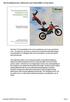 Welcome. This presentation is for you to read and to use in your prevention work. We hope you will review it, learn from it and feel comfortable using it in presentations to colleagues that work in prevention,
The Brain, Behavior, and Addiction. Objectives. Advances in science have revolutionized our fundamental views of drug abuse and addiction.
 The Brain, Behavior, and Addiction Flo Hilliard University of Wisconsin-Madison Division of Continuing Studies Objectives Progress of science in addiction studies Why it is a brain disease Changing our
Delusions are false beliefs that are not part of their real-life. The person keeps on believing his delusions even when other people prove that the be
 Schizophrenia Schizophrenia is a chronic, severe, and disabling brain disorder which affects the whole person s day-to-day actions, for example, thinking, feeling and behavior. It usually starts between