
"Entomopathogenic Nematodes Save Biocontrol Agents for Sustainable Systems"
|
|
|
- Gary Doyle
- 10 years ago
- Views:
Transcription
1 Article "Entomopathogenic Nematodes Save Biocontrol Agents for Sustainable Systems" Ralf-Udo Elhers Phytoprotection, vol. 79, n 4, 1998, p Pour citer cet article, utiliser l'adresse suivante : Note : les règles d'écriture des références bibliographiques peuvent varier selon les différents domaines du savoir. Ce document est protégé par la loi sur le droit d'auteur. L'utilisation des services d'érudit (y compris la reproduction) est assujettie à sa politique d'utilisation que vous pouvez consulter à l'uri Érudit est un consortium interuniversitaire sans but lucratif composé de l'université de Montréal, l'université Laval et l'université du Québec à Montréal. Il a pour mission la promotion et la valorisation de la recherche. Érudit offre des services d'édition numérique de documents scientifiques depuis Pour communiquer avec les responsables d'érudit : [email protected] Document téléchargé le 14 février :49

2 Research Challenges and Needs for Safe Use of Arthropods Entomopathogenic Nematodes - Save Biocontrol Agents for Sustainable Systems Dr. Ralf-Udo Ehlers Institute for Phytopathology, Christian-Albrechts-University Kiel, Dept. Biotechnology & Biol. Control, Klausdorfer Str , Raisdorf, Germany Q. Q. 3 w r» BIOLOGY Steinernema and Heterorhabditis (Rhabditida) are symbiotically associated with bacteria of the gênera Xenorhabdus and Photorhabdus within the Enterobacteriaceae in the gamma subdivision of purple bacteria (Ehlers et ai, 1988), respectively. Each nematode species has a spécifie association with one bacterium species (Akhurst & Boemare, 1990; Ehlers & Niemann, in press). Like other nematodes of the order Rhabditida, Steinernema and Heterorhabditis spp. form dauer (enduring) juvéniles (DJs), which are morphologically and physiologically adapted for long term survival in the soil environment (Womersley, 1993; Glazer, 1996). DJs can be isolated from almost ail habitats where soil insects occur. Whereas the few Heterorhabditis species are distributed ail around the world, the majority of the Steinernema species seem to be restricted to certain geografical régions and other species, e.g. S. feltiae, are widly distributed (Hominick et al., 1996). The nematode dauer juvéniles (DJ) carry between 0to250cellsof theirsymbiont in the anterior part of the intestine. The symbiotic bacteria are released into the haemolymph after pénétration of the DJ into a suitable host insect. Inside the DJ the bacteria are well protected against detrimental conditions in the soil. Neither Xenorhabdus nor Photorhabdus spp. hâve ever been isolated from soil environments (Akhurst & Boemare, 1990; Poinar, 1990). Accordingly, this phoretic relation seems to be of vital necessity for the associated bacteria. They totally dépend on transmission by the DJ into a stérile environment like the insect's haemocoel, as they lack any means for survival in the soil environment (Morgan et al., 1997) or invasion of insect's haemocoel without the help of the DJ. Whereas Steinernema spp. can kill insects even without their symbiotic bacteria (Ehlers et al., 1997), Heterorhabditis spp. lack insect pathogenicity in the absence of P. luminescens. Bowen & Ensign (1998) identified insecticidal proteins produced by P. luminescens with potential to substitute Bt toxins in transgenic plants. Host-finding behaviour of DJs can differ within a population and can also be species spécifie. "Hunters" are highly mobile and a large proportion of their population tends to actively seek for suitable hosts. In populations of S. glaseri and Heterorhabditis spp. the majority of the individuals show this character. The sit-and wait "ambushers" often attach to soil particles and nictate, waiting for an insect to pass by and then attack. S. carpocapsae is a species with this behaviour (Gaugler, 1993). Pénétration of the host insect occurs via naturalopeningsordirectlythrough the insect cuticle (Bedding & Molyneux, 1982; Peters & Ehlers, 1994). There are indications that the pénétration process is supported by proteolytic factors produced by the exsheathed dauer juvénile (Roque et al., 1994). Upon reaching the haemocoel the DJ is recognized as non-self and insect défense mechanisms can eliminatethe DJsthrough encapsulation (Peters & Ehlers, 1997). Defence mechanisms against the bacteria also 94

3 hâve been described (Gôtz et al., 1981). Providing the insect's défense mechanisms fail to eliminate the nematodebacterium complex, the insect dies 2-4 days after infection. Akhurst & Dunphy (1993) and Simoes & Rosa (1996) hâve summarized the current knowledge on the pathogenicity mechanisms of the nematode-bacterium complex and the interactions with the défense System of host insects. Once established inside the cadaver, the bacteria proliferate and produce suitable conditions for the nematode to grow and reproduce. The nematodes feed on cells of their symbiont and host tissue. Without the présence of the symbiotic bacteria in the insect cadaver the nematodes are unable to reproduce (Poinar & Thomas, 1966). Infective DJs of Stelnernema develop to amphimictic adults and Heterorhabditis spp. to self-fertilizing hermaphrodites. Their offspring either develop to DJs or to a F1 adult génération. Another adult génération (F2) is usually not developed. Instead, in response to depleting food resources, DJs are formed. Two to three weeks after colonisation of the host insect, the DJs leave the cadaver searching for new target insects in the soil. SAFETY AND REGISTRATION Entomopathogenic nematodes and their symbionts are environmentally safe and show no évidence of mammalian pathogenicity (Boemare et al., 1996, Ehlers & Hokkanen, 1996). Besides what has been published in the scientifc literature, safety tests hâve been conducted by the Pasteur Institute (Boemare et al., 1996) and by commercial companies. Although thèse results hâve not been made public, the documentation was provided to the US agency APHIS. No attributes of the nematodes could be identified which would prohibit their use in biocontrol (R. Georgis, personal communication; Parkman et al., 1992). The consensus view of the participants of a combined OECD and COST 819workshopon introduction and commercial use of non-endemic nematodes for insect biological control (Ehlers & Hokkanen, 1996) was that entomopathogenic nematodes (EPNs) possess spécifie biological and ecological features, which make their use in biological control exceptionally safe. Ail of the scientific évidence available supports the conclusion that EPNs are safe to the environment, as well as to the production and application personnel, to the gênerai public, and to the consumers of agricultural productstreated with EPNs. Only a few potential, but very remote risks could be identified (Tab. 1 & 2). Therefore it was recommended that EPNs should not be subject to any kind of registration. The introduction of non-endemic nematode species, however, should be regulated. Species should be accurately identified, détails of the origin, known distribution, probable host range and Table 1. Possible risks to human heaith as identified by the expert group. Scale: 0 = no risk at ail, 1 = remote, 2 = slight, 3 = moderate, 4 = high, 5 = very high risk. Toxicity Allergenicity Infectivity nematodes bacteria Carcinogenicity Teratogenicity Food and Feed Pathogenicity of hot-adapted strains Production & Application Personnel General Public 95

4 Table 2: Possible environmental risks of using EPNs, as identif ied by the experts. Risk rating as in Table 1. NTO = Non-Target Organsims Possible environmental risks Rating 1. Non-target organisms (NTOs) In untreated fields In treated fields - in the soil - in other cryptic environments - on foliage Vertebrates - warm blodded - cold blooded Invertebrates Arthropods - Predators - Parasitoids - Pollinators - Rare or endangered species - Others Non Arthropods - Earthworms - Others Plants 2. Compétitive displacement of native EPN in treated fields - Temporary - Permanent 3. Changes in ecosystem balance - Local temporary suppression of NTOs - Permanent suppression of NTOs 4. Contamination of ground water 5. Gène transfer from exotic symbiotic bacteria to other soil bacteria 6. Biological "pollution" with new EPN species 7. General biodiversity a 3 c/> its safety to the user must be provided together with an expert opinion based on available information of the possible impact on non-target organisms. Nematodes are bénéficiai animais and although symbiotically associated with bacteria, in most countries they are not placed in the category of microorganisms for pest control. As such they are usually exempted from registration requirements, as documented for the United States by Gorsuch (1982). This makes the commercial development of nematode products even more attractive for industry as large costs related with registration can be avoided. COMMERCIAL USE OF EPNs Nematodes can be mass produced in in vitro culture. Their symbiotic bacteria can convert protein-rich média into suitable resources for the nematodes. A significant breakthrough in nematode biotechnology was the discovery of the symbiotic bacterium by Poinar & Thomas (1965) and the development of in vitro production techniques on solid substrates applicable for nematodes of both gênera (Bedding, 1981, 1984). Since then the commercial use of nematodes in high value crops in horticulture started. In industrilized countries 96

5 the labour-intensive solid state production is often substituted by liquid culture in bioreactors. Liquid mass production started with S. carpocapsae, which was scaled up to Itr. (Friedman, 1990). Yields of Heterorhabditis spp. liquid cultures are still highly variable (Ehlers et al., 1998). In the future, commercial development will rely solely on liquid culture technology as this is the only means for a development of nematode-based products for agricultural markets at economically reasonable priées. The art of nematode formulation technology is to define and maintain environmental conditions which transfer the DJ into a quiescent state from which it can immediately recover when placed into the spraying tank. Formulation compounds, like clays or biopolymers, hâve the function to immobilize the nematodes, and ail kinds of adjuvants and additives préserve favourable conditions for the nematode. Sufficient gas exchange and a stable moisture content hâve to be preserved. Shelf life of nematode based products of a few months is nowadays achieved at ambient températures not exceeding 30 C. The DJ is résistant to shear forces and can bear pressure of 2,000 kpa (Georgis, 1990), which is why DJs can be sprayed with conventional spraying equipment. In the overall turnover in the biocontrol market, EPNs hâve reached the second position after Bacillus thuringiensis based products. Currently seven companies in Europe produce EPNs for commercial application. In 1994 world-wide nematode sales surpassed $US 10 million. In Europe and the USA, larvae of the black vine weevil Otiorhynchus sulcatus are controlled in strawberries, craneberries, ornamentals and tree nurseries with Heterorhabditis spp., S. feltiae or S. carpocapsae (Georgis, 1992). Treatments in citrus plantations reduce root weevils (Curculionidae) by 50-65% (Downing et al., 1991; Schroeder, 1990, 1992). Sciarid flies (Sciaridae) in mushroom cultures are reduced by S. feltiae strains by 51-94% (Grewal & Richardson, 1993; Grewal et al., 1993). Turf insect pests can be successfully controlled. The mole cricket Scapteriscus vicinus is controlled with S. scapterisci in Florida and Georgia (Redmond & Georgis, 1993). White grubs (Scarabaeidae) in turf can be managed by application of Heterorhabditisspp. (e.g., Georgis &Gaugler, 1991; Klein & Georgis, 1992, Downing, 1994, Sulistyanto & Ehlers, 1996). In China the peach borer {Carposina nipponensus) is an important pest of apples and pears (Jinxian, 1993), and several hundred hectares are already treated with S. carpocapsae (Doeleman, 1990). Also in China, this nematode is successfully introduced to control the cossid carpenterworm Holocerus insularis in shade trees (Huaiwen et al., 1993; Jinxian, 1993). S. carpocapsae is also used against flea larvae and pupae in soil in the USA. EPNs IN SUSTAINABLE SYSTEMS Little is known about the impact of naturally occuring EPN populations. The observations reported so far can be divided into relatively balanced hostnematode associations and epizootics. The association of S. krausseiwwh the false spruce webworm, Cephalcia abietis, in Central Europe is an example for a balanced System with a cumulative annual control of approximately 25% (Mracek, 1986; Eichhorn, 1988). In Austria Fùhrer & Fischer (1991) used lime to increase the soil ph in forest Systems in order to enhance the host finding of the natural nematode popuation and they could increase the nematode infestation of C. abietis. Another example for an attempt to increase the naturally occurring EPN population by cultural methods is reported by Brust (1991). No-tillage and less intense weed control resulted in higher levels of nematode infestation, significantly higher corn yields and less root damage by the corn rootworm Diabrotica undecimpunctata howardi. Epizootics hâve been observed in grub populations infested with Heterorhabditis sp. reaching 71% control in a sugarcane field (Akhurst et al., 1992) 97

6 and 80% in the population of the garden chafer Phyllopertha horticola (Peters, 1996). In New Zealand an increasing infestation reaching 56% after a one-time release of H. bacteriophora was reported in the second year (Jackson & Wouts, 1987). Since four years H. bacteriophora is used inundatively in Germany to control grubs (P. horticola) in turf. On many plots treated with nematodes the grub population was below the damage threshold in following years (Ehlers & Peters, 1998). Thèse observation encourage further research to investigate the conditions necessary to obtain long-term effects through nematode inoculation. The distribution of EPNs in the field seems to be related to the distribution of potential host insects. As the distribution of soil insect populations are usually patchy, the same is recorded for nematodes. Those species with a wide host range, e.g. S. feltiae, are found in almost every second soil sample, whereas Heterorhabditis spp. are seldomly encounted. The latter seem to hâve the potential to cause epizootics and thus hâve a potential for inoculative release. Their potential for long term survival seems to be poor. In contrast, S. feltiae is able to survive for long périodes without hosts available and thus is more abundant, but has not been observed to control more than 20% of a potential host population. Nowadays, EPNs are used inundatively, however, the reports of natural occurance, their potential for long-term control and possible cultaral means of stabilizing their population should encourage research to investigate their potential as antagonists in sustainable Systems. FUTURE PERSPECTIVES Currently, the market size in the différent countries seldomly surpasses treatments of 500 hectares. The use in outdoor crops would involve much larger areas and consequently a an increase in liquid culture capacity. Considering the short shelf life of nematodes and the seasonal variation in the demand of agriculture markets,the production also becomes a logistic problem. The capacity and timing of mass production needs to be adapted to the market's seasonal demand (von Reibnitz & Backhaus, 1994). To make available such quantités of entomopathogenic nematodes, the technology needs to be reproducible, liquid culture yields need to be further increased and DJ quality must be stabilized. Significant progress also is needed in the improvement of the post harvest and application technology. Large nematode quantaties can only be handled when storage technology can guarantee a survival of the DJs at high quality. The objective of formulation improvement is to guarantee a shelf life of approximately 6 months at ambient température. This is already achieved with some, but not ail nematode species. For field use, low volume application technology and the lack of irrigation facilities must also be considered. Currently, nematodes are applied with high volumes of water. Future efforts will hâve to consider adjuvants and additives in order to decrease the amount of water necessary for nematode application in the field. Research and development in application technology will also focus on an overall réduction of the nematode application density. Many of the nematodes applied never reach a target host (Curran, 1993). The improvement of the application technology and of the nematode's control potential by genetic means (Burnell & Dowds, 1996) are possible measures to reduce the application density in the field. Together with progress in the liquid culture technology this will significantly contribute to lower application costs. In conventional agriculture Systems biocontrol products can not compete with chemical control measures. Therefore biologicals are only used in situation were chemicals fail, either due to résistance of the insect population orto survival in cryptic environments, or when the chemical control is restricted by législation. Chemical compounds are to be degraded in the environment within two weeks after application, 98

7 persistent pesticides hâve been banned. In contrast, the impact of biologicals can be long lasting. Sustainable agriculture and ecological farming practice will rely on the potential of biologicals. They can either develop cultural methods to increase and maintain the potential of antagonistic populations or, in the case where the antagonist is absent, they will rely on inundative release. Sustainability will largely dépend on biological régulation of pest populations and EPNs contribute to the overall antagonistic potential in soil environments. EPNs hâve many advantages over other control agents. They can be applied with conventional spraying equipment, chemical compounds cannot interfère with their control potential and they are usually exempted from registration (Ehlers & Peters, 1995). Like microbial agents nematodes can easily be mass produced in liquid culture and stored maintaining their control potential for considérable time (Ehlers, 1996). They hâve a potential in inundative and inoculative release and hâve insignificant effects on non-target organisms (Bathon, 1996). They are mobile in the soil environment and can persist for years. Other microbiais need registration and the costs related with the registration cannot be justified taking into considération the size of the potential markets. Transgenic plants met the same conditions as their development is equally expensive and they will be available only in the large scale markets. As long as registration policy is not changed, marketing of microbial control agents is prevented and nematodes will probably be the number one agents for insect control in soil environments. - The question is whether long-term sustainable effects can be measured? Quantification of nematode populations is almost impossible and usually we cannot distinguish between released and endémie populations. Increases in yields of 5% or more are within the confidentiality range of our data. - Another question is whether societies are willing to support the development of biocontrol agents and will subsidies costs related tosafety tests? - Biocontrol in sustainable Systems will rely on a spectrum of possible agents. Are our politicians prepared to reduce the costly hurdles which are currently related with registration of microbial agents? REFERENCES AKHURST, R. J., BEDDING, R. A., BULL, R. M., & SMITH, R. J. (1992) An epizootic of Heterorhabditis spp. (Heterorhabditidae: Nematoda) in sugar cane scarabaeida (Coleoptera). Fundamental & applied Nematology, 15, AKHURST, R. J. & BOEMARE, N. E. (1990) Biology and taxonomy of Xenorhabdus, in Entomopathogenic Nematodes in Biological Control (GAUGLER, R. &. KAYA, H. K., Eds) CRC Press, Boca Raton, pp AKHURST, R. J. & DUNPHY, G. B. (1993) Tripartite interactions between symbiotically associated entomopathogenic bacteria, nematodes, and their insect hosts, in Parasites and Pathogens of Insects - Volume 2: Pathogens (BECKAGE, N. E., THOMPSON, S. N. & FEDERICI, B. A., Eds). Académie Press, San Diego, pp BEDDING, R. A. (1981) Lowcost in-vitro mass production of Neoaplectana and Heterorhabditis species (Nematoda) for field control of insect pests. Nematologica21, BEDDING, R. A. (1984) Large scale production, storage and transport of the insectparasitic nematodes Neoaplectana spp. and Heterorhabditis spp. Annals of Applied Biology 104, BATHON, H. (1996) Impact of entomopathogenic nematodes on non-target hosts. Biocontrol Science and Technology 6, BEDDING, R. A. & MOLYNEUX, A. S. (1982) Pénétration of insect cuticle by infective juvéniles of Heterorhabditis spp. (Heterorhabditidae: Nematoda). Nematologica 28, BOEMARE, N. E., LAUMOND, C. & MAULE- ON, H. (1996) Biology of nematode-bacterium complex. Biocontrol Science and Technology 6,

8 BOWEN, J. D. & ENSIGN, J. C. (1998) Purification and characterization of a highmolecular-weight insecticidal protein complex produced by the entomopathgenic bacterium Photorhabdus luminescens. Applied & Environmental Microbiology 64, BURNELL, A. M., & DOWDS, B. C. A. (1996) The genetic improvement of entomopathogenic nematodes and their symbionts. Biocontrol Science and Technology 6, BURST, G. E. (1991) Augmentation of an endémie entomogenous nematode by agroecosystem manipulation forthe control of a soil pest. Agriculture, Ecosystem & Environment 36, CURRAN, J. (1993) Post-application biology of entomopathogenic nematodes in soil, in Nematodes and the Biological Control of Insect Pests (BEDDING, R. A., AKHURST, R. J. & KAYA, H. K., Eds) CSIRO Publications, East Melbourne, pp DOELEMAN, J. A. (1990) Economie Assessment Séries 4. Benefits and Costs of Entomopathogenic Nematodes: Two Biological Control Applications in China. Australian Centre for International Agriculture Research, Canberra. DOWNING, A. S. (1994) Effect of irrigation and spray volume on efficacy of entomopathogenic nematodes (Rhabditida, Heterorhabditidae) against white grubs (Coleoptera, Scarabaeidae). Journal of Economie Entomology 87, DOWNING, A. S., ERICKSEN, C. G. & KRAUS, M. J. (1991) Field évaluation of entomopathogenic nematodes against citrus root weevils (Coleoptera: Curculionidae) in Florida citrus. Florida EntomologistlA, EHLERS, R.-U. (1996). Current and future use of nematodes in biocontrol: Practice and commercial aspects in regard to regulatory policies. Biocontrol Science & Technology 6, EHLERS, R.-U. & HOKKANEN, H. T. M. (1996) Insect biocontrol with non-endemic entomopathogenic nematodes {Steinernema and Heterorhabditis spp.): Conclusions and recommendations of a combined OECD and COST workshop on scientific and regulatory policy issues. Biocontrol Science and Technology 6, EHLERS, R.-U., LUNAU, S., KRASOMIL-OS- TERFELD, K. & OSTERFELD, K. H. (1998) Liquid culture of the entomopathogenic Heter lumine- nematode-bacterium-complex orhabditis megidis/photorhabdus scens. BioControl 43, in press. EHLERS, R.-U., & NIEMANN, I. (1998) Molecular identification of Photorhabdus luminescens strains by amplification of spécifie fragments of the 16S ribosomal DNA. Systematic & Applied Microbiology, in press. EHLERS, R.-U. & PETERS, A. (1995) Entomopathogenic nematodes in biological control: feasibility, perspectives and possible risks, in Biological Control - Benefits andrisks (HOKKANEN, H. M. T. & LYNCH, J. M., Eds) Cambridge University Press, Cambridge, pp EHLERS, R.-U. & PETERS, A. (1998) Bekampfung von Engerlingen auf Sportrasen. Rasen/Turf/Gazon 29, in press. EHLERS, R.-U., WULFF, A. & PETERS, A. (1997) Pathogenicity of axenic Steinernema feltiae, Xenorhabdus bovieniiand the bacto-helminthic complex to larvae of Tipula oleracea (Diptera) and Galleria mellonella (Lepidoptera). Journal of Invertebrate Pathology 69, EHLERS, R.-U., WYSS, U. & STACKE- BRANDT, E. (1988) 16S rrnacataloguing and the phylogenetic position of the genus Xenorhabdus. Systematic and Applied Microbiology 10, EICHHORN, O. (1988) Untersuchungen ùber die Fichtengespinstblattwespen Cephalcia spp. PANZ (Hymenoptera, Pamphiliidae) II. Die Larven- und Nymphenparasiten. Journal ofapplied Entomology105, FRIEDMAN, M. J. (1990) Commercial production and development, in Entomopathogenic Nematodes in Biological Control (GAUGLER, R. & KAYA, H. K., Eds) CRC Press, Boca Raton, pp FÙHRER, E. & FISCHER, P. (1991) Towards integrated control of Cephalcia abietis, a defoliator of Norway spruce in central Europe. Forest Ecology and Management 39, GAUGLER, R. (1993) Ecological genetics of entomopathogenic nematodes, in Nematodes and the Biological Control of Insect Pests (BEDDING, R., AKHURST, R. J. & KAYA, H. K., Eds) CSIRO, East Melbourne, pp GEORGIS, R. (1990) Formulation and application technology, in Entomopathogenic Nematodes in Biological Control (GAUGLER, R. & KAYA, H. K., Eds) CRC Press, Boca Raton, pp GEORGIS, R. (1992) Présent and future prospects for entomopathogenic nematode Science and Tech products. Biocontrol nology 2,

9 GEORGIS, R. & GAUGLER, R. (1991) Predictability in biological control using entomopathogenic nematodes. Journal of Economie Entomology 84, GLAZER, I. (1996) Survival mechanisms of entomopathogenic nematodes. Biocontrol Science and Technology 6, GORSUCH, A. M. (1982) Régulations for the enforcement of the FIFRA exemption from régulation of certain biocontrol agents. US Fédéral Register GÔTZ, P., BOMAN, A. & BOMAN, H. G. (1981) Interaction between insect immunity and an insect-pathogenic nematode with symbiotic bacteria. Proceedings ofthe Royal Society London B212, GREWAL, P. S., GAUGLER, R. & SELVAN, S. (1993) Host récognition by entomopathogenic nematodes: behavioral responseto contact with host fèces. Journal of Chemical Ecology 19, GREWAL, P. S. & RICHARDSON, P. N. (1993) Effects of application rates of Steinernema feltiae (Nematoda: Steinernematidae) on biological control of the mushroom fly Lycoriella auripila (Diptera: Sciaridae). Biocontrol Science and Technology 3, HOMINICK, W. M., REID, A. P., BOHAN, D. A. & BRISCOE, B. R. (1996) Entomopathogenic nematodes: biodiversity, geographical distribution and the Convention on Biological Diversity. Biocontrol Science and Technology 6, HUAIWEN, Y., GANGYING, Z., SHANAGO, Z. & HENG, J. (1993) Biological control of tree borers (Lepidoptera: Cossidae) in China with the nematode Steinernema carpocapsae, in Nematodes and the Biological Control of Insect Pests (BEDDING, R., AKHURST, R. J. & KAYA, H. K., Eds) CSIRO, East Melbourne, pp JACKSON, T. A. & WOUTS, W. M. (1987) Delayed action of an entomophagous nematode Heterorhabditis sp. (V16) for grass grub control. Proceeding ofthe 40th New Zealand Weed and Pest Control Conférence, JINXIAN,W. (1993) Control ofthe fruit moth, Carposina niponensis, using entomopathogenic nematodes, in Nematodes and the Biological Control of Insect Pests (BEDDING, R., AKHURST, R. J. & KAYA, H. K., Eds) CSIRO, East Melbourne, pp KLEIN, M. G. & GEORGIS, R. (1992) Persistence of control of Japanese beetle (Coleoptera: Scarabaeidae) larvae with steinernematid and heterorhabditid nematodes. Journal of Economie Entomology 85, MORGAN, J. A. W., KUNTZELMAN, V., TAVE- NOR, S., OUSLEY, M. A. & WINSTAN- LEY, C. (1997) Survival of Xenorhabdus nematophilusand Photorhabdus luminescens in water and soil Journal of Applied Microbiology 83, MRACEK, Z. (1986) Nematodes and other factors controlling the sawfly Cephalcia abietes (Pamphilidae: Hymenoptera), in Czechoslovakia. Forest Ecology & Management, 15, PARKMAN, J. P., THURSTON, G. S. & GAUGLER, R. (1992) Proceedings of the bénéficiai nematode panel, in Proceedings ofa USDA/CSRS National Workshop: Régulations and Guidelines: Critical Issues in Biological Control (CHARUDAT- TAN, R. & BROWNING, H. W., Eds) Institute of Food and Agricultural Sciences, Universityof Florida, Gainesville, pp PETERS, A. (1996) The natural host range of Steinernema and Heterorhabditis spp. and their impact on insect populations. Biocontrol Science & Technology 6, PETERS, A. & EHLERS, R.-U. (1994) Susceptibility of leatherjackets {Tipula paludosa and T. oleracea; Tipulidae: Nematocera) to the entomopathogenic nematode Steinernema feltiae. Journal of Invertebrate Pathology 63, PETERS, A. & EHLERS, R.-U. (1997) Encapsulation of the entomopathogenic nematodes Steinernema feltiae in Tipula oleracea. Journal of Inverte b rate Pathology 69, POINAR, G. 0., JR. (1990) Biology and taxonomy of Steinernematidae and Heterorhabditidae in Entomopathogenic Nematodes in Biological Control (GAUGLER, R. & KAYA, H. K., Eds) CRC Press, Boca Raton, pp POINAR, G. 0., JR., &THOMAS, G. M. (1965) A new bacterium, Achromobacter nematophilus sp. nov. (Achromobacteriaceae: Eubacteriales), associated with a nematode. International Bulletin of Bacteriological Nomenclature and Taxonomy, 15, POINAR, G. O., JR. &THOMAS, G. M. (1966) Significance of Achromobacter nematophilus Poinar and Thomas (Achromobacteriaceae: Eubacteriales) in the development of the nematode, DD-136 (Neoaplectana sp., Steinernematidae). Parasitology 56, REDMOND, C. T. & GEORGIS, R. (1993) Entomopathogenic nematodes as biopesticides for control of turfgrass insects, in International Turfgrass Society Research Journal 7,

10 ROQUE, P., RIBEIRO, C, CRUZ, N. & SIMO- ES, N. (1994) Chemical factors released by Steinernema carpocapsae correlated with the pénétration in the insect host, in Sixth International Colloquium on Invertebrate Pathology and Microbial Control - Second International Conférence on Bacillus thuringiensis Society for Invertebrate Pathology, Montpellier, p SCHROEDER, W. J. (1990). Entomopathogenic nematodes for root weevil control in citrus, in Proceedings ofthe Fifth International Colloquium of Invertebrate Pathology and Microbial Control, Society for Invertebrate Pathology, Adélaïde, p SCHROEDER, W. J. (1992) Entomopathogenic nematodes for control of root weevils of citrus. Florida EntomologistlS, SIMOES, N. & ROSAS, J. S. (1996) Pathogenicity and host specificity of entomopathogenic nematodes. Biocontrol Science & Technology 6, SULISTYANTO, D. & EHLERS, R.-U. (1996) Efficacy ofthe entomopathogenic nematodes Heterorhabditis megidis and Heterorhabditis bacteriophora to control grubs (Phyllopertha horticola and Aphodius contaminatus) in golf course turf. Biocontrol Science and Technology 6, VON REIBNITZ, C. & BACKHAUS, G. F. (1994) Untersuchungen zum Bedarf biologischer Pflanzenschutzverfahren gegen Otiorhynchussjpp. im Gartenbau und zur Kostenstruktur der Produktionsverfahren fur entomopathogen Nematoden (Heterorhabditis). Gartenbauwissenschaft 59, WOMERSLEY, C. Z. (1990) Dehydration survival and anhydrobiotic potential, in Entomopathogenic Nematodes in Biological Control (GAUGLER, R. & KAYA, H. K., Eds) CRC Press, Boca Raton, pp

"Templating as a Strategy for Translating Official Documents from Spanish to English"
 Article "Templating as a Strategy for Translating Official Documents from Spanish to English" Sylvie Lambert-Tierrafría Meta : journal des traducteurs / Meta: Translators' Journal, vol. 52, n 2, 2007,
"Simultaneous Consecutive Interpreting: A New Technique Put to the Test"
 Article "Simultaneous Consecutive Interpreting: A New Technique Put to the Test" Miriam Hamidi et Franz Pöchhacker Meta : journal des traducteurs / Meta: Translators' Journal, vol. 52, n 2, 2007, p. 276-289.
Article. "A Professional Approach to Translator Training (PATT)"
 Article "A Professional Approach to Translator Training (PATT)" María Dolores Olvera Lobo, Bryan Robinson, Rosa María Castro Prieto, Enrique Quero Gervilla, Ricardo Muñoz Martín, Eva Muñoz Raya, Miguel
"Internationalization vs. Localization: The Translation of Videogame Advertising"
 Article "Internationalization vs. Localization: The Translation of Videogame Advertising" Raquel de Pedro Ricoy Meta : journal des traducteurs / Meta: Translators' Journal, vol. 52, n 2, 2007, p. 260-275.
JOURNAL OF NEMATOLOGY
 VOLUME 27 Supplement to the JOURNAL OF NEMATOLOGY DECEMBER 1995 NUMBER 4S Supplement to the Journal of Nematology 27(4S):529-534. 1995. The Society of Nematologists 1995. VIEWPOINT Entomopathogenic Nematodes
A Review on Entomopathogenic Nematodes in Turkey
 A Review on Entomopathogenic Nematodes in Turkey İ. Alper Susurluk Uludag University, Agriculture Faculty, Plant Protection Department, 16059 Görükle-Bursa, Turkey. ABSTRACT Entomopathogenic nematodes
(Coleoptera: Buprestidae)
 Tishreen University Journal for Research and Scientific Studies Biological Sciences Series Vol. (30) No. (4) 2008 ** *** (S.c) Steinernema cubanum (H.b) Heterorhabditis bacteriophora (C.t) (C.c) IJ C.c
Compte rendu. Ouvrage recensé : par Dorian Stoilescu
 Compte rendu Ouvrage recensé : JANE MARGOLIS, RACHEL ESTRELLA, JOANNA GOODE, JENNIFER JELLISON HOLME, & KIMBERLY NAO. Stuck in the Shallow End: Education, race and computing. Cambridge MA: MIT Press (2008).
Using Entomopathogenic Nematodes for Crop Insect Pest Control
 Using Entomopathogenic Nematodes for Crop Insect Pest Control A PACIFIC NORTHWEST EXTENSION PUBLICATION PNW544 Washington State University Oregon State University University of Idaho Using Entomopathogenic
LAWN GUARDIAN GRUB CONTROL
 LAWN GUARDIAN GRUB CONTROL Beneficial Nematodes When Do I Apply? Grubs start feeding in April and again in August. Apply Beneficial Nematodes in May or when grubs are seen in the soil, ensure the soil
History of Entomopathogenic Nematology
 History of Entomopathogenic Nematology G. O. POINAR JR., 1 P. S. GREWAL 2 Journal of Nematology 44(2):153 161. 2012. Ó The Society of Nematologists 2012. Abstract: The history of entomopathogenic nematology
Article. "Plant bed treatment with 1,3-dichloropropene for Meloidogyne hapla control in carrots grown in organic soil" G. Bélair et Y.
 Article "Plant bed treatment with 1,3-dichloropropene for Meloidogyne hapla control in carrots grown in organic soil" G. Bélair et Y. Fournier Phytoprotection, vol. 78, n 1, 1997, p. 35-39. Pour citer
GUIDELINES FOR THE REGISTRATION OF BIOLOGICAL PEST CONTROL AGENTS FOOD AND AGRICULTURE ORGANIZATION OF THE UNITED NATIONS
 GUIDELINES FOR THE REGISTRATION OF BIOLOGICAL PEST CONTROL AGENTS FOOD AND AGRICULTURE ORGANIZATION OF THE UNITED NATIONS -ii- GUIDELINES ON THE REGISTRATION OF BIOLOGICAL PEST CONTROL AGENTS FOOD AND
Integrated Pest Management
 Chapter 2 Integrated Pest Management In This Chapter Keywords After learning the information in this chapter, you will be able to: 1. Define Integrated Pest Management (IPM). 2. List and describe the 5
Formulation of bio-pesticides and mass culture of natural enemies for pest management. D. Ahangama
 Formulation of bio-pesticides and mass culture of natural enemies for pest management D. Ahangama Bio-pesticides Microbial pesticides Fungi, Bacteria, Viruses, Protozoa, Nematodes Biochemical Substances
"Final Position Arbitration and Intertemporal Compromise : The University of Alberta Compromise"
 Article "Final Position Arbitration and Intertemporal Compromise : The University of Alberta Compromise" Gene Swimmer Relations industrielles / Industrial Relations, vol. 30, n 3, 1975, p. 533-536. Pour
What is a pest? How Insects Become Pests. How do insects become pests? Problems with Pesticides. What is most commonly used to control insect pests?
 What is a pest? How Insects Become Pests How do insects become pests? Introduction outside of native range Becomes disease vector Plant or animal (inclu. human) disease vector Host shift in native insect
"Insurance Plans and Land Use Atlases: Sources for Urban Historical Research"
 Article "Insurance Plans and Land Use Atlases: Sources for Urban Historical Research" Robert J. Hayward Urban History Review / Revue d'histoire urbaine, n 1-73, 1973, p. 2-9. Pour citer cet article, utiliser
Best Lawns News. Late Spring 2014 Edition Virginia Cooperative Extension Prince William Unit. Featured in This Issue
 Best Lawns News Late Spring 2014 Edition Virginia Cooperative Extension Prince William Unit Featured in This Issue Stilt Grass 2 National Arboretum s Grass Roots Exhibit 4 Grub Control 5 All content was
Biological solutions for chafer grub and leatherjacket control in turf.
 Biological solutions for chafer grub and leatherjacket control in turf. Chafer grubs and leatherjackets cause extensive damage by feeding on plant roots in turf. The secondary damage is just as destructive
CONTROL OF INSECT PESTS WITH ENTOMOPATHOGENIC NEMATODES. I. Control of Weevils with Entomopathogenic Nematodes
 CONTROL OF INSECT PESTS WITH ENTOMOPATHOGENIC NEMATODES I. Control of Weevils with Entomopathogenic Nematodes Kirk A. Smith biosys Palo Alto, California U.S.A. ABSTRACT Entomopathogenic nematodes in the
Tree Integrated Pest Management. Dan Nortman Virginia Cooperative Extension, York County
 Tree Integrated Pest Management Dan Nortman Virginia Cooperative Extension, York County IPM Refresher Definition: The use of a combination of appropriate pest control tactics to reduce pest population
Isolation and Molecular Characterization of Entomopathogenic Nematode (Steinernema Siamkayai)
 Isolation and Molecular Characterization of Entomopathogenic Nematode (Steinernema Siamkayai) Swati 1, Shailendra Singh Gaurav 2 1 Research Scholar, Dept. of Biotechnology, Mewar University NH - 79 Gangrar,
Fungal Entomopathogens: An Enigmatic Pest Control Alternative
 Fungal Entomopathogens: An Enigmatic Pest Control Alternative Nicole Rusconi $ and Cerruti R 2 Hooks! $ Student Research Assistant and 1 Associate Professor and Extension Specialist, University of Maryland
The Pennsylvania State University, University Park, PA 16802
 BIOLOGICAL AND MICROBIAL CONTROL Potential of Entomopathogenic Nematodes for Biological Control of Acalymma vittatum (Coleoptera: Chrysomelidae) in Cucumbers Grown in Conventional and Organic Soil Management
MATERIAL FACT SHEET BACILLUS THURINGIENSIS
 MATERIAL FACT SHEET BACILLUS THURINGIENSIS MATERIAL NAME: Bacillus thuringiensis (Bt) MATERIAL TYPE: Microbial-derived U.S. EPA TOXICITY: Category: III, Caution USDA-NOP: considered nonsynthetic, allowed.
Integrated Pest Management
 Integrated Pest Management Ecology and Human Impact R. Bruce Chapman Insect Science Ltd Pest organisms When do organisms become pests? When an organism s population exceeds a threshold level, and control
Introduction to Integrated Pest Management. John C. Wise, Ph.D. Michigan State University MSU Trevor Nichols Research Complex
 Introduction to Integrated Pest Management John C. Wise, Ph.D. Michigan State University MSU Trevor Nichols Research Complex What is Integrated Pest Management? Integrated Pest Management (IPM) New concept;
Checking the Effectiveness of Pest Control Measures
 Checking the Effectiveness of Pest Control Measures Chris Hayes, PhD (Tampa) SE Technical Sales Manager & Mexico [email protected] Cell: 585-820-6807 6/15/2015 1 Thanks Cultivate 15 Thanks to YOU,
Pest Control Products Board Nairobi, Kenya PESTICIDE REGISTRATION IN KENYA - BIOPESTICIDES. by P. N. Ngaruiya (Dr)
 Pest Control Products Board Nairobi, Kenya PESTICIDE REGISTRATION IN KENYA - BIOPESTICIDES by P. N. Ngaruiya (Dr) Introduction Pesticides, an indispensable tool in farming Chemical pesticides such as the
INSECT PATHOLOGY IN BIOLOGICAL CONTROL Lynn M. LeBeck, University of Hawaii at Manoa
 Insect Pathology in Biological Control 46 INSECT PATHOLOGY IN BIOLOGICAL CONTROL Lynn M. LeBeck, University of Hawaii at Manoa I. Insect Pathology A. There are 3 major subdivisions of biological control:
INTERNATIONAL STANDARDS FOR PHYTOSANITARY MEASURES CODE OF CONDUCT FOR THE IMPORT AND RELEASE OF EXOTIC BIOLOGICAL CONTROL AGENTS
 Publication No. 3 February 1996 INTERNATIONAL STANDARDS FOR PHYTOSANITARY MEASURES CODE OF CONDUCT FOR THE IMPORT AND RELEASE OF EXOTIC BIOLOGICAL CONTROL AGENTS Secretariat of the International Plant
Integrated Pest Management
 Integrated Pest Management Andrea Veres Junior Technical Officer FAO REU [email protected] Yerevan, Armenia 2013 Why develop IPM? Agriculture was: not sustainable optimized inputs for maximum profit
Indian Journal of Science and Technology Vol.2 No. 7 (July 2009) ISSN: 0974-6846
 Entomopathogenic nematodes in pest management K. Divya and M. Sankar Multiplex Biotech Pvt. Ltd., Andarasanahalli, Tumkur, Karnataka-570 106, India [email protected], [email protected] Abstract: Naturally
MASTER OF SCIENCE IN BIOLOGY
 MASTER OF SCIENCE IN BIOLOGY The Master of Science in Biology program is designed to provide a strong foundation in concepts and principles of the life sciences, to develop appropriate skills and to inculcate
Hylobius abietis, using natural enemies
 Silviculture / Management No. 15 COFORD 2008 The large pine weevil is the most serious pest of conifer reforestation in Ireland. The adult weevil causes damage by feeding on the bark of young transplants.
Guidère, Matthieu (2000) : Publicité et traduction. Paris : L Harmattan, 320 p.
 Compte rendu Ouvrage recensé : Guidère, Matthieu (2000) : Publicité et traduction. Paris : L Harmattan, 320 p. par Francis Guinle Meta : journal des traducteurs / Meta: Translators' Journal, vol. 47, n
Possible Commercial Formulations of Insect- Parasitic Nematodes *
 Possible Commercial Formulations of Insect- Parasitic Nematodes * W. R. NICKLE, Nematology Laboratory, Plant Protection Institute, Science and Education Administration, Agricultural Research, Beltsville
Total Course Hours. Semester Degree code. ID Course Name Professor Course Content Summary. 90 1 st 11070
 LEA0170 Invertebrate Zoology I Italo Delalibera Junior Characterization and importance of the Porifera, Cnidaria, Platyhelminthes, Nemata, Mollusca, Annelida, Echinodermata phyla and smaller invertebrate
POLISH JOURNAL OF ECOLOGY 52 2 223 228 2004 (Pol. J. Ecol.) Andrzej BEDNAREK 1, El bieta POPOWSKA-NOWAK 2, El bieta PEZOWICZ 1, Marta KAMIONEK 1
 POLISH JOURNAL OF ECOLOGY 52 2 223 228 2004 (Pol. J. Ecol.) Short research contribution Andrzej BEDNAREK 1, El bieta POPOWSKA-NOWAK 2, El bieta PEZOWICZ 1, Marta KAMIONEK 1 1 Department of Zoology, Agricultural
3. Which relationship can correctly be inferred from the data presented in the graphs below?
 1. Recent evidence indicates that lakes in large areas of New York State are being affected by acid rain. The major effect of acid rain in the lakes is (1) an increase in game fish population levels (3)
Introduction to the concepts of IPM
 DEPARTMENT OF PRIMARY INDUSTRY AND FISHERIES Principles of Integrated Pest Management Deanna Chin and Brian Thistleton, Entomology, Diagnostic Services What is a pest? Principles of IPM Introduction to
Upscaling of locally proven IPM technologies for control of pest of economic importance i
 Technology Fact Sheet for Adaptation Upscaling of locally proven IPM technologies for control of pest of economic importance i Technology: Upscaling of locally proven IPM technologies for control of pest
A Perspective of Research on HLB and its Vector in the United States David G. Hall, Tim R. Gottwald and Calvin E. Arnold
 A Perspective of Research on HLB and its Vector in the United States David G. Hall, Tim R. Gottwald and Calvin E. Arnold US Horticultural Research Laboratory, USDA-ARS, Ft Pierce, FL ACP Asian citrus psyllid
Department of Plant Protection, +90 224 2941579 Nilufer Campus 16059 Bursa / TURKEY
 I. Alper SUSURLUK Uludag University, Faculty of Agriculture, [email protected] Department of Plant, +90 224 2941579 Nilufer Campus 16059 Bursa / TURKEY EDUCATION PhD, 2005, Christian Albrechts Universität,
BENEFITS OF USING IPM
 Edward J. Bechinski and William H. Bohl Potato growers who use IPM consider all available pest control tools. Alternatives to conventional pesticides are the foundation of every IPM plan. Pesticides play
NATURE AND SCOPE OF BIOLOGICAL CONTROL
 Biological Control of Pests, ENTO 675, UH-Manoa, Fall 2000, M. W. Johnson 1 NATURE AND SCOPE OF BIOLOGICAL CONTROL I. DEFINITIONS A. H. S. Smith (1919) first used term "biological control" to signify the
Genetically modified crops in Integrated Pest Management
 Federal Department of Economic Affairs, Education and Research EAER Agroscope Genetically modified crops in Integrated Pest Management Franz Bigler, Michael Meissle and Jörg Romeis Agroscope ART Zürich,
COTTON RESEARCH AND DEVELOPMENT CORPORATION
 '\,. COTTON RESEARCH AND DEVELOPMENT CORPORATION Project title: Assessing the effectiveness of Helicoverpa predators Project Number: UNE13C Research Organisation: University of New England Principal researcher:
HOW TO ASSESS NON-TARGET EFFECTS OF POLYPHAGOUS BIOLOGICAL CONTROL AGENTS: TRICHOGRAMMA BRASSICAE AS A CASE STUDY
 Assessing Non-Target Effects of Polyphagous Biological Control Agents HOW TO ASSESS NON-TARGET EFFECTS OF POLYPHAGOUS BIOLOGICAL CONTROL AGENTS: TRICHOGRAMMA BRASSICAE AS A CASE STUDY Dirk BABENDREIER
OSU Extension Service Master Gardener Program. Organic Pest Control. Weston Miller OSU Extension Service Community and Urban Horticulture faculty
 Organic Pest Control Weston Miller OSU Extension Service Community and Urban Horticulture faculty Audience Question What does the term organic pest control mean to you? Preview of Presentation Organic
Curriculum Policy of the Graduate School of Agricultural Science, Graduate Program
 Curriculum Policy of the Graduate School of Agricultural Science, Graduate Program Agricultural Science plans to conserve natural and artificial ecosystems and its ideal of "Sustainable coexistence science"
Chemical versus Biological Control of Sugarcane. By Abid Hussain Matiari Sugar Mills Ltd.
 Chemical versus Biological Control of Sugarcane By Abid Hussain Matiari Sugar Mills Ltd. Sugarcane It is an important cash crop, Pakistan is the fifth largest cane producing country. However, its yield
AP ENVIRONMENTAL SCIENCE 2010 SCORING GUIDELINES
 AP ENVIRONMENTAL SCIENCE 2010 SCORING GUIDELINES Question 3 (a) Why are zebra mussels located primarily in areas in the eastern United States rather than in the western United States? One point can be
Integrated Pest Management
 Integrated Pest Management Science and Language Arts Brief Description: This lesson will focus all of the information the students have learned about pests in the other insect lessons in a decision-making
AGRONOMY (NEW REGULATION)
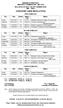 AGRONOMY (NEW REGULATION) Friday 08.05.2015 F.N STA 611 Statistical Methods & Design of Experiments Saturday 09.05.2015 F.N COM 615 Computer Applications for Monday 11.05.2015 F.N AGR 611 Modern Concepts
Integrated Pest Management (IPM) Learning Objectives. What is Integrated Pest Management (IPM)? After studying this section, you should be able to:
 General Knowledge: Integrated Pest Management (IPM) Integrated Pest Management (IPM) Learning Objectives After studying this section, you should be able to: Define the concept of Integrated Pest Management
San Diego County Agriculture How Sustainable and Resilient are We?
 San Diego County Agriculture How Sustainable and Resilient are We? Karen Melvin Deputy Agricultural Commissioner/ Sealer The San Diego County Department of Agriculture, Weights and Measures Thriving Ag,
Discover Entomology. Discover Entomology. A Science, a Career, a Lifetime. A Science, a Career, a Lifetime
 Discover Entomology A Science, a Career, a Lifetime Discover Entomology A Science, a Career, a Lifetime What is Entomology? Entomology is the study of insects. Entomologists study bees, ants, beetles,
INTERNATIONAL STANDARDS FOR PHYTOSANITARY MEASURES. 1 to 24. (2005 edition)
 INTERNATIONAL STANDARDS FOR PHYTOSANITARY MEASURES 1 to 24 (2005 edition) INTERNATIONAL STANDARDS FOR PHYTOSANITARY MEASURES 1 to 24 (2005 edition) Produced by the Secretariat of the International Plant
BIOS 3010: Ecology Lecture 16: Manipulating abundance: 2. Manipulating abundance: 3. Pest and weed control:
 BIOS 3010: Ecology Lecture 16: Manipulating abundance: Lecture summary: Manipulating abundance: Pest control. Pesticides:» Benefits.» Problems. Biological control. Cultural control. Integrated pest management.
Organic Control Methods of Almond Insect Pest
 Big Tree Organic Field Day Turlock, CA, April 2nd, 2009 Organic Control Methods of Almond Insect Pest David Doll Farm Advisor UCCE Merced County Overview Organic Control Methods of Control of common pests
UTAH CERTIFIED NURSEY PROFESSIONAL UCNP TEST SYLLABUS
 UTAH CERTIFIED NURSEY PROFESSIONAL UCNP TEST SYLLABUS Contact Information: Utah Green-UNLA 1174 E 2760 S #16 Salt Lake City UT 84152 801-484-4426 or [email protected] UCNP Program Description: The
Adoption of GE Crops by U.S. Farmers Increases Steadily
 Adoption of GE Crops by U.S. Farmers Increases Steadily Farmers are more likely to adopt new practices and technologies if they expect to benefit from them. Benefits are usually thought of in monetary
Distance Education Entomology Degree Tracks, with Course Requirements
 Distance Education Entomology Degree Tracks, with Course Requirements [Printable version - PDF format] I. Master of Science (non-thesis) with specialization in Entomology (30 credits)* Title of Program:
Biopesticides Provide More Options Plus Customer Satisfaction for Produce Buyers and Retailers
 Biopesticide Industry Alliance Advancing Knowledge About Biopesticides Biopesticides Provide More Options Plus Customer Satisfaction for Produce Buyers and Retailers Contents Introduction... 3 Biopesticides
#1: Threshold and Injury Calculations the Theory. #2: Putting Economic Injury Levels and Action Thresholds to Use. Related Topics
 Module #4 What is a Threshold? p. 1 www.nysaes.cornell.edu/ipmnet/ne.ipm.region What is a Threshold? By James VanKirk Overview Concept Activity Handouts The Economic Injury Level and the Action Threshold
INTEGRATED PEST MANAGEMENT SYSTEM FOR KENNESAW STATE UNIVERSITY
 INTEGRATED PEST MANAGEMENT SYSTEM FOR KENNESAW STATE UNIVERSITY KENNESAW, GEORGIA PREPARED JANUARY 1997 REVISED NOVEMBER 2006 TABLE OF CONTENTS Introduction and Principles of Integrated Pest Management
Integrated Pest Management Strategies 1
 Circular 1149 1995 Integrated Pest Management Strategies 1 L. B. McCarty 2 One of the most appealing aspects of a landscape is the beauty of the lawn. The responsibility for maintaining this beauty and
Unit 4 Lesson 1: A Pest by Any Other Name
 Focus Areas: Pest Control: Biological; Environmental Science, Language Arts Focus Skills: critical thinking, conducting research, observing, graphing, interpreting data Objectives To explore human attitudes
PEST MANAGEMENT (CSP Enhancements) January 2006 Enhancement Activity Task Sheet
 Reduced risks to ground and surface water quality Lower costs by limiting chemical applications to only when necessary To learn more about Integrated Pest Management go to the following website: http://extension.usu.edu/files/gardpubs/ipm01.pdf
Insects That Kill Trees. Diane G. Alston Extension Entomologist Utah State University 2004 Professional Tree Care Workshops
 Insects That Kill Trees Diane G. Alston Extension Entomologist Utah State University 2004 Professional Tree Care Workshops Topics Introduction websites, IPM strategies Ips bark beetles Tree borers flatheaded,
What is Integrated Pest Management?
 SLIDE 1: This is Steve Johnson, University of Maine Cooperative Extension, bringing you information on Integrated Pest Management. It is possible to receive a Maine Board of Pesticides Control recertification
Principles and Applications of Soil Microbiology
 Principles and Applications of Soil Microbiology Edited by David M. Sylvia JefFry J. Fuhrmann Peter G. Hartel David A. Zuberer Technische Universitat Darmstadt FACHBEREICH 10 BIOLOGIE B i b I : o t h e
Population Ecology. Life History Traits as Evolutionary Adaptations
 Population Ecology An Overview of Population Ecology Population ecology is the study of factors that affect population: Density Growth A population is a group of individuals of a single species that occupy
Lesson Overview. Biodiversity. Lesson Overview. 6.3 Biodiversity
 Lesson Overview 6.3 6.3 Objectives Define biodiversity and explain its value. Identify current threats to biodiversity. Describe how biodiversity can be preserved. THINK ABOUT IT From multicolored coral
From known to unknown
 Risks associated with Chemical and Non-Chemical Pest Control From known to unknown Paul Leonard Nov 2009 Agenda 1. EU non-chemical pest control legislation? 2. What do we know about risks associated with
Major/Specialization. B.Sc. Degree
 B.Sc. Degree Extension and Extension and Forestry and Forest Reclamation of Arid & Mountainous Regions Agronomy & with two specializations Landscape Design Aquatic Ecology Fish Processing Forestry and
- A9/1 - Format for the listing of end points to be included in the Tier III overall summary and assessments
 - A9/1 - - A9/1 - APPENDIX 9 FORMAT FOR THE LISTING OF END POINTS TO BE INCLUDED IN THE REASONED STATEMENT OF THE OVERALL CONCLUSIONS DRAWN BY THE REGULATORY AUTHORITY (LEVEL 2)8 General remark: Testing
Plant Biology (776) Expanded Course Description 11:776:408 TURFGRASS PEST SCIENCE
 Plant Biology (776) Expanded Course Description 11:776:408 TURFGRASS PEST SCIENCE (4 cr) Prerequisites and registration restrictions: 01:119:101 102 or 01:119:103 or 01:119:115 116 117; and 11:776:238
- A4/1 - APPENDIX 4. FORMAT FOR COMPILATION OF Tier I QUALITY CHECKS PART 1
 - A4/1 - APPENDIX 4 FORMAT FOR COMPILATION OF Tier I QUALITY CHECKS PART 1 SUMMARY REPORT - APPROPRIATE FOR STUDIES CONDUCTED IN ACCORDANCE WITH THE TEST GUIDELINES CURRENTLY SPECIFIED EXAMPLE 1 1. Data
The Soil Food Web and Pest Management
 The Soil Food Web and Pest Management Mary Barbercheck, Department of Entomology, 501 ASI Building, Penn State University, University Park, PA, 16802 Tel. (814)863-2982 [email protected] New England Vegetable
Biological Control of Weeds - It's a Natural!
 Biological Control of Weeds - It's a Natural! Before After Published by the Biological Weed Control Committee of the Weed Science Society of America Funding provided by the National Biological Control
Asian Longhorned Beetle Control Program
 United States Department of Agriculture Animal and Plant Health Inspection Service Asian Longhorned Beetle Control Program Environmental Assessment, December 1996 United States Department of Agriculture
Insect Pathogens as Biological Control Agents: Do They Have a Future?
 Biological Control 21, 230 248 (2001) doi:10.1006/bcon.2001.0938, available online at http://www.idealibrary.com on Insect Pathogens as Biological Control Agents: Do They Have a Future? L. A. Lacey,* R.
AP ENVIRONMENTAL SCIENCE 2012 SCORING GUIDELINES
 AP ENVIRONMENTAL SCIENCE 2012 SCORING GUIDELINES Question 3 The active ingredients in many pesticides are chemical compounds that kill organisms such as insects, molds, and weeds. Proponents claim that
Fertilizer, Weed Control, Grubs, and General Application Questions
 Lawn Care FAQ s Fertilizer, Weed Control, Grubs, and General Application Questions Why do we have so many weeds? Dandelions in particular, weeds in general, do not seem concerned about how long lawn has
It can be easy..without using pesticides you can increase the health of your landscape allowing it to naturally fight insects and diseases.
 The Pesticide By-law Think Outside the Box It can be easy..without using pesticides you can increase the health of your landscape allowing it to naturally fight insects and diseases. Let us help you. Your