
Biotechnology for insect pest control
|
|
|
- Lilian French
- 10 years ago
- Views:
Transcription
1 Proc. Sat. Forum, "Sustainable Agricultural System in Asia," Nagoya: June (2002) Biotechnology for insect pest control Tipvadee Attathom (Department of Entomology, Faculty of Agriculture, Kasetsart University, Kamphaengsaen, Nakhon Pathom, Thailand.) Abstract Insect pests are a major constraint to increased global production of food and fiber. Biological control agents including arthropod natural enemies, entomopathogens (bacteria, nematode, virus, and fungus), plant-derived insecticides and insect hormones are receiving significant interest as alternatives to chemical pesticides and as key components of integrated pest management system. Biotechnology has a significant role in improving efficacy, cost-effectiveness and in expanding the markets for these bioinsecticides. Several molecular techniques have been employed for identifying and monitoring establishment and dispersal of specific biotypes of natural enemies. Genetic engineering and insect transformation technology provide opportunities for the development of insect natural enemies conferring beneficial traits such as pesticide resistance, cold hardiness and sex ratio alteration. Modern technologies provide an effective extraction process, formulation solvents and adjuvants, which can enhance insecticidal activity of plant-derived insecticides. Production, formulation and storage, which are extremely important for the utilization of entomopathogenic fungi and nematodes, can be dramatically improved through biotechnology and genetic engineering. The introduction of gene coding for proteinaceous insect toxins (scorpion toxin, mite toxin, trypsin inhibitor), hormones (eclosion hormone, diuretic hormone) or metabolic enzymes (juvenile hormone esterase) into nucleopolyhedroviruses genome are some approaches to increase speed of kill, enhance virulent and extend host specificity of the virus. Genetic manipulation of Bacillus thuringiensis (Bt) genes encoding for proteins toxic to insects offers an opportunity to produce genetically modified strains with more potent and transgenic plant expressing Bt toxin. In addition to the Bt delta-endotoxin, several proteins that are effective against certain insects such as the vegetative insecticidal proteins (VIP), alpha-endotoxin, a variety of secondary metabolites and proteins of plant origin are amenable to genetic manipulation. Biological control strategies involving beneficial insects, microorganisms that attack insect pests and plant-derived insecticide will provide sustainable control practices that work in harmony with genetically engineered plants. Biotechnology can have a positive impact on food security from insect attack and can contribute to the sustainability of modern agriculture. However, the use of biotechnology brings questions regarding the potential impact of those genetically modified organisms (GMOs) or plants to human, animal and environment. National biosafety and regulatory systems for proper management of GMOs must be in place to enable the full exploitation of biotechnology. Insect control strategies that integrate advance knowledge in biotechnology with traditional wisdom and technology will contribute to the sustainability of agriculture. Corresponding author: [email protected] Introduction An estimated one third of global agricultural production, valued at several billion dollars is destroyed annually by over 20,000 species of field and storage pests. Synthetic, broad-spectrum insecticide is a satisfactory and permanent solution for pest control; however, the excessive use of chemical insecticides is a threat to human health, natural ecosystem and environment. Societal concerns over pesticide use have resulted in the development of new biologically based pest management strategies that are ecologically sound, reliable, economical and practical. These lead to the development and registration of naturally occurring and genetically altered bio-insecticides, which include arthropod natural enemies, entomopathogens (bacteria, nematode, virus, and fungus), plant-derived insecticides and insect hormones. Recent global bio-pesticide products registered include bacteria (104 products, mostly are B. thuringiensis), nematodes (44 products), fungi (12 products), viruses (8 products), protozoa (6 products) and arthropod natural enemies (107 products) (Waage, 1996). Bio-pesticides, unlike the chemical pesticides, can be produced at an appropriate scale with technologies that are well

2 Chapter 2: Biotechnology for Sustainable Bioproduction within reach of most developing countries. This could make possible the development of local bio-pesticide products that target local pests. However, advance knowledge in biotechnology and molecular biology can help assess the production of more potent and cost-effective bio-pesticides. Most of the modern technologies are directed at improving the performance of an engineered product relative to its wild type competition by broadening their host range, increasing the speed of action, enhancing the delivery of the product to the pest, and improving their persistence in the environment. This paper addresses the biological control agents that are receiving interest as alternatives to chemical insecticides and the recent progress that has demonstrated the potential of biotechnology in enhancing efficacy of those bio-insecticides for sustainable agricultural productivity. Development of genetic engineering bio-insecticides and community perception of these novel biological control agents are also discussed. Insect natural enemies as bio-control agents Biotechnology could provide solutions to a number of basic and applied problems that limit the use of insect natural enemies as biological control agents. Mass rearing of insect natural enemies for classical or augmentative release is the main task of this insect control strategy. Maintaining quality in laboratory-reared insects is difficult due to possible genetic changes caused by accidental selection, inbreeding, genetic drift and founder effects (Hopper et al., 1993). New DNA-based methods for monitoring genetic variations are now available such as: mitochondrial DNA analysis, DNA sequencing, restriction fragment length polymorphism (RFLP), polymerase chain reaction (PCR), random amplified polymorphic DNA (RAPD)-PCR and ribosomal DNA analysis. Some of these methods are also of potential value for identifying and monitoring establishment and dispersal of specific biotypes of insect natural enemies (Edwards and Hoy, 1993). Currently maintaining insect natural enemies is only by continuous rearing or holding specimens in diapause. The development of cryobiological method for preserving embryos of insects can significantly save the rearing costs, and the valuable collection of insect natural enemies could be maintained indefinitely. Genetic improvement is a potential approach to increase the efficacy of insect natural enemies. Transgenic techniques provide the opportunity to introduce and express foreign genes and/or disrupt existing gene functions so that the desirable characteristics may be inherited by subsequent generations, thus reducing frequent mass releases. Introduction of DNA into insect germ cells can be achieved by using physical means such as microinjection, biolistics and electroporation or by using biological means in which several transposable elements, Sindbis viruses and retrovirus are used as gene vectors (Atkinson et al., 2001). Microinjection is the best method for penetrating insect chorions and delivering vector DNA to the germ cells. Efforts have been most intense and successful with Drosophila melanogaster. Inserting cloned target DNA into the chromosome of insect cells was rarely successful until the P-transposable element was genetically manipulated to serve as a vector (Rubin and Spradling, 1982). Micro-injecting DNA carried in P-element vectors had been used for gene transfer in several insect species (McGrane et al., 1988, Morris et al., 1989). A technique called maternal microinjection in which the exogenous DNA microinjected through the cuticle of gravid females without the aid of any transposable-element vector, is developed for certain species of insect (Presnail and Hoy, 1992). The four transposable-element vectors, Minos element from D. hydei, Hermes element from the housefly, Musca domestica, MosI element from D. mauritiana and piggybac element from the cabbage looper, Trichoplusia ni, have been developed for the generation of transgenic insects and for stable genetic transformation in non-drosophilid insect species. Sindbis alphavirus and pseudotyped pantropic retroviruses have been developed as vertebrate gene expression tools, however, these two viral systems are limited to the expression of genes in individuals that have been directly infected with engineered virus (Atkinson et al., 2001). Other insect transformation methods including soaking embryos in a DNA solution, injecting and transplanting nuclei and pole cells into eggs, using bacterial symbionts as vehicles for expressing foreign genes, baculovirus expression vector and yeast recombinase-mediated recombination are currently explored (Hoy, 1996). However, many of them are limited to Drosophila species. A universal transformation system that can be

3 Biotechnology for insect pest control routinely applied for introducing exogenous DNA into insect species, nonetheless their genetic information are barely known, will highlight the future of transgenic insect production. There are several potentially useful genes that can be used to improve the performance of insect natural enemies. Resistance genes for chemical insecticides will probably be the most available genes, which include a parathion hydrolase gene from Pseudomonas diminuta and Flavobacterium;, an acetylcholinesterase gene from D. melanogaster and Anopheles stephensi; the amplification core and esterase B1 gene isolated from Culex mosquito, which confers resistance to organophosphorous insecticide. Freeze resistance and heat tolerance genes can help the insect natural enemies to adapt to a broader range of climates and become useful and effective as biological control agents (Hoy, 1996). The power of biotechnology on genetic manipulation of insect natural enemies is enormous, however, public concerns on the release of transgenic insect emphasized the need to assess the biological consequences of such a release; for example, the risk of any transgene being transferred to non target species. Releases of transgenic insect natural enemies into the environment should be planned and strictly following the appropriate regulatory oversight system set by responsible persons or institutes. Table 1. Imported chemical and microbial insecticides of Thailand in Imported Product Year 1997 Year 1998 Year 1999 Year 2000 Amount Value Amount Value Amount Value Amount Value Chemical 12,543 1,645,547 12,823 2,044,493 19,525 6,589,279 12,532 2,000,546 Insecticide Microbial 73 36, , , ,984 Insecticide (0.5%) (2.2%) (0.6%) (2.5%) (0.2%) (0.2%) (0.15%) (0.30%) Amount : x 1000 kg Value : x 1000 Baht (1US$~40 Baht) Source : Department of Agriculture, Ministry of Agriculture and Cooperative, Thailand Entomopathogens Entomopathogen is a major segment of biological pesticides worldwide. Asian countries, where two phenomena on the widespread resistance to synthetic pesticides and the unacceptable negative consequences are so intense, have recognized the need for biological insecticide in which entomopathogen received the most attention. For instance, the imported biological insecticides of Thailand are almost exclusively entomopathogens, which include bacteria, virus, nematode and fungi. Recent figures as shown in Table 1 demonstrated the total amount of imported microbial insecticides in , which account for less than 1% of chemical insecticides and the total value of those microbial insecticides is less than 3% of chemical insecticides. Bt dominates the biopesticide market in Thailand but recently, fungus is increasing its role in integrated insect management program and is expected to increase its share in the market. Currently, efforts have been contributed to local production of Bt, nematode and nucleopolyhedrovirus in China, Vietnam and Thailand. It is, thus forecasted that the growth rate of microbial insecticides over the next ten years should be higher than chemical insecticides. This paper will highlight the principal factors constraining the use of those entomopathogens and to examine how far modern biotechnological processes may overcome these constraints in order to increase the market share for microbial insecticide products.

4 Chapter 2: Biotechnology for Sustainable Bioproduction Bacillus thuringiensis and transgenic insect resistant plants Bacillus thuringiensis (Bt) is a ubiquitous, spore-forming, rod-shaped, Gram-positive bacterium that produces massive amounts of one or more proteins that crystallize intracellularly during sporulation stage. These proteins (Cry proteins) are toxic mainly to insect larvae in order Lepidoptera, Diptera, and Coleoptera, but isolates with toxicity toward Hymenoptera, Homoptera, Orthoptera and Mallophaga and against nematode, mites, lice and protozoa have been recently discovered (Lacey and Goettel, 1995). The genes encoding the insecticidal proteins known as cry genes have been of particular interest. They have been classified into some 30 different groups by amino acid sequences of the proteins encoded by the genes (Yamamoto, 2001). The genetic manipulation of cry genes in Bt offers promising means of improving the efficacy and cost effectiveness of Bt-based bioinsecticide products. In Asian countries, Bt products have been used almost exclusively as direct spray for the control of foliar-feeding lepidopteran insects. Poor persistence under field condition and the dissemination of large amount of spores are two limitations of Bt for spray application. Cell Cap technology had been developed in which Bt toxin genes were cloned into a common plant-colonizing bacterium, Pseudomanas fluorescens. The bacteria were killed, resulting in encapsulated insecticidal proteins that had enhanced residual property in the field and had no Bt spores. These novel formulations provide environmentally safe and stabilized Bt-based bioinsecticides (Gaertner et al.,1993). The gene encoding Cry1Ac protein has been engineered into the endophytic, xylem-inhabiting bacterium, Clavibacter xyli. The engineered bacterium was then introduced into corn, and damage caused by stem borer was significantly reduced (Tomasino et al., 1995). In this alternative approach, the endophytic microbe help to enhance delivery of toxin to leaf and stem-feeding lepidopteran insects. Combining genes from different strains of Bt to increase the activity and broaden their host range is underway using nonrecombinant and recombinant technologies. A self-transmissible cry gene from a Bt aizawai strain was transferred via conjugation-like process to a kurstaki recipient strain (Gawron-Burke and Baum, 1991). Recent development of Bt-based cloning vector system enables the construction of recombinant Bt strains with improved spectrum of insecticidal activity and these genetically modified Bt products are currently commercially available. Advances in plant transformation, tissue culture and molecular biology offer great potential for incorporation of genes that produce the Bt delta-endotoxin into crops to confer resistance against insects. The two most widely used methods of transforming plant are Agrobacterium-mediated transfer of DNA and bombardment of cells with DNA-coated particles. Bt transgenic crop has received more attention when cry genes had been reconstructed by a combination of mutagenesis and oligonucleotide synthesis to produce synthetic genes. These genes encoded the same proteins but had codon usages typical for plant genomes and which had all aberrant processing signals removed. Expressing level of Bt toxin from these synthetic genes was increased by nearly two orders of magnitude when expressed in transgenic plants (Perlak et al., 1991). Since then many other crops, including cereals, root crops, leafy vegetables, forage crops, and tree are/or being engineered to express Bt toxins. Currently Bt crops have been commercialized for field corn, sweet corn and cotton. Plant varieties that incorporate both Bt and virus resistant traits or Bt and herbicide resistance have been produced. Global commercialized transgenic crops in 2001 has been reviewed by James (2001). Herbicide tolerant soybean occupied 33.3 million hectares, representing 63% of the global transgenic crop area of 52.6 million hectares. Bt crops occupy 7.8 million hectares, representing 15%, which include Bt maize, the second most dominant transgenic crop that occupied 5.9 million hectares; and Bt cotton, which occupied 1.9 million hectares. Stacked genes for herbicide tolerance and insect resistance deployed in both cotton and corn occupy 8% of the global area of transgenic crops (Table 2). It is interesting to note that the area of crops with stacked genes for Bt and herbicide tolerance increased from 3.2 million hectares in 2000 to 4.2 million hectares in It is expected that stacked genes will continue to gain an increasing share of the global transgenic crop market. Despite the ongoing debate on genetically-modified (GM) crops, millions of large and small farmers in both industrial and developing countries continue to increase their planting of GM crops. Their decision was based on evidences that clearly demonstrated the

5 Biotechnology for insect pest control benefits of GM crops, such as more sustainable and resource-efficient crop management practices; more effective control of insect pests; and reduction of fumonisin mycotoxin level in maize that provides safer and healthier food and feed products (James, 2001). The number of farmers that benefited from GM crops increased from 3.5 million in 2000 to an estimated 5.5 million in More than three-quarters of this number were resource- poor farmers planting Bt cotton, mainly in China and South Africa. The experience of China with Bt cotton presents a remarkable case study where poor farmers are already benefiting from significant agronomic, environmental, health and economic advantages (James, 2001). In addition to the Bt delta-endotoxin, a second class of protein that is effective against certain insects such as the vegetative insecticidal proteins (VIP), alpha-endotoxin, and a variety of secondary metabolites including Zwittermycin from B. cereus strains may be amenable to genetic manipulation (Baum et al., 1999). Several single gene products of plant origin have been proven to confer resistance to insect damage and have been transferred to another plant species. Lectin and lectin-like proteins are carbohydrate binding molecules that are abundant in seeds and storage tissue of plants. The role for lectin as defensive protein in plants against insect is well documented particularly for homopteran plant pests such as aphids, leafhoppers and planthoppers, which routinely feed by phloem abstraction (Powell et al., 1993). Genes encoding the pea lectin (P-Lec) and the snowdrop lectin (GNA) have been engineered into transgenic plants resulting in significant reduction of insect damage. Enzyme inhibitors that have insecticidal and/or antimetabolic activity in insects such as protease inhibitor, cysteine, alpha-amylase inhibitor and cholesterol oxidase have been proven to reduce insect damage to transgenic plants expressing these proteins (Gatehouse and Gatehouse, 1998). With these tremendous opportunities provided by modern biotechnology, new resistance genes must continue to be identified from both conventional and transgenic sources for the advent of more environment-friendly control strategies. New genetically engineered and improved Bt products may provide more opportunity and choice for growers. It is expected that transgenic plants resistant to insects will be a major component of future pest-control system in agriculture. The risk of developing greater resistance of insects to Bt transgenic plants than to Bt formulations applied as sprays has been raised and will be one of the major constraints for the utilization of Bt crops. However, strategies have been developed to delay the evolution of resistance involving establishment of refugia for sensitive insect, high dose expression in engineered plants, pyramiding traits and agronomic practices (Gould, 1998). Table 2. Dominant transgenic crops, Crop Million hectares % Transgenic Herbicide tolerant soybean Bt maize Herbicide tolerant canola Herbicide tolerant cotton Bt/Herbicide tolerant cotton Herbicide tolerant maize Bt cotton Bt/Herbicide tolerant maize Total Source: Clive James, 2001

6 Chapter 2: Biotechnology for Sustainable Bioproduction Entomopathogenic nematode Insect nematodes have enormous potential for inoculative and inundative release and control of a wide range of insect pests. They are probably second only to bacteria (i.e., Bt ) in terms of commercially important microbial insecticides. Commercially available species of nematode as bioinsecticide are in three families: Rhabditidae, Steinernematidae, and Heterorhabditidae. Nematodes parasitize their hosts by direct penetration either through the cuticle or natural opening in the host integument (i.e., spiracles, mouth, or anus). Insect death is not due to nematode itself but a symbiotic bacterium that is released upon entry into the host. The symbionts are specific with members of the genus Xenorhabdus associated with the steinernematids and Photorhabdus associated with the heterorhabditids (Lacey and Goettel, 1995). In general, both steinernematids and heterorhabditids tend to do best against soil-inhabiting insects and borers. There have been limited successes when applying to other insects. Strain selection and new formulations may be able to address this limitation. Molecular techniques such as RFLP, RAPD-PCR, AFLP, ribosomal internal transcribed spacer (ITS) analysis, satellite DNA analysis have been applied to measure genetic diversity of the nematodes and provide an initial screen to identify useful strains. The development of large- scale in vitro rearing systems and formulations that would allow for adequate shelf life and infectivity in the field are underway. Currently, nematodes are successfully grown in large-scale bioreactors similar to those used for the production of Bt or antibiotics. Formulation by chilling the produced nematodes prior to formulation and then mixing with materials that will enhance their handling, application, persistence, and storage will help to create a commercial venture. Another limitation of nematodes for insect control is their susceptibility to environmental stress, extreme temperature, solar radiation and desiccation. The potential of genetic engineering to enhance these traits is being explored. In addition, genes that confer resistance to insecticide or fungicides could also be incorporated for protective purposes (Harrison and Bonning, 1998). Efforts to engineer entomopathogenic nematodes have been immense and relied heavily on knowledge and techniques for manipulating of the Caenorhabditis elegans genome (Poinar, 1991). The research has been focused mainly on enhancing the environmental stability with respect to heat tolerance. The nematode, Heterorhabditis bacteriophora was engineered to express C. elegans Hsp70A (heat-shock protein genes) to enhance tolerance of high temperatures (Hashmi et al., 1998). Research on genetic of heterorhabditid and steinernematid nematodes especially on pathogenicity traits are required for future genetic manipulation of more efficient strains of nematode for insect control. Recombinant Baculoviruses for Insect Control Entomopathogenic viruses have been employed as bioinsecticides for a wide range of situations from forest and field to food stores and greenhouses. Baculoviruses, particularly the nucleopolyhedroviruses (NPVs) are the most commonly used or considered for development as microbial insecticides mainly for the control of lepidopteran insects on field and vegetable crops. NPVs are formulated for application as sprays in the same fashion as chemical insecticide and Bt strains. However, only moderate success has been achieved due to several key limitations, which include a relatively slow speed of kill, a narrow spectrum of activity, less persistence in the field, and lack of a cost-effective system for mass production in vitro. Fermentation technology for their mass production on a large-scale commercial basis is extensively investigated to reduce the production cost. Approaches to engineer NPVs as improved biological insecticide include deletion of genes that encode products prolonging host survival, and insertion of genes that express an insecticidal protein during viral replication. O Reilly and Miller (1991) demonstrated that deletion of the ecdysteroid UDP-glucosyltransferase (EGT) gene of Autographa californica NPV caused infected fall armyworm, Spodoptera frugiperda to feed less and die about 30% sooner than larvae infected with wild-type AcNPV. Research to insert specific toxin genes or disrupters of larval development genes into baculovirus genome is progressing. The most common used strategy for engineering baculoviruses has exploited the polyhedrin or p10 promoters and the construction of recombinant baculovirus is achieved by allelic replacement of the polyhedrin gene by foreign genes. When the recombination is successful, the polyhedrin of

7 Biotechnology for insect pest control p10 promoters drive the expression of the foreign gene to levels equivalent to those of polyhedrin or p10 in wild type virus (Miller, 1995). Hundreds of proteins from viral, bacteria, animal and plant origin have now been produced via such recombinant baculovirus expression vectors. Candidate genes for insertion into baculoviruses and potential to enhance pathogenicity and insecticidal activity are listed in Table 3 (Vlak, 1993). Introducing an insect-specific neurotoxin gene from the Algerian scorpion, Androctonus australis and from the straw itch mite, Pyemotes tritici into insect genome using the baculovirus expression system have received the greatest attention to date (Treacy, 1999). There are several insect hormones that play vital role in the control of insect morphogenesis and reproduction and are focused for engineering into baculoviruses. These include eclosion hormone that initiates ecdysis, the process leading to the shedding of old cuticle, prothoracicotropic hormone (PTTH), which is involved in triggering the molting process; allatostatins and allatotropins, which regulate the release of juvenile hormone; and diuretic hormone (DH) that regulates water balance and possibly blood pressure in insect. Another interesting gene for genetic manipulation of baculovirus is the enzyme gene, juvenile hormone esterase (JHE) that caused the reduction in JH level. A reduction in the titer of JH early in the last instar initiates metamorphosis and leads to cessation of feeding. Insertion of two or more toxin genes into baculoviruses has been studied and Hermann et al.(1995) found that binary mixtures of scorpion toxin, AaIT and LqhIT injected into larval of Helicoverpa virescens induced 5-10 fold the levels of activity. The authors suggested that simultaneous expression in baculoviruses of synergistic combinations of insecticidal proteins could lead to even more potent, insect-selective bioinsecticides. The development of baculovirus expression system and the accomplishment of insect cell culture technology have broadened the utility of insect viruses as effective insecticides and as expression vector of foreign genes in eukaryote host for the production of useful proteins. Production, formulation and application t e c h n o l o g y i n c o n j u n c t i o n w i t h g e n e t i c engineering for fast kill and broader host range will be necessary to enable the development of more economic and efficacious viral products for insect control. Table 3. Candidate genes for introduction into baculoviruses and potential to enhance insecticidal activity. Gene class Protein Insecticida1 potential Toxins Bt-toxin +/- Entomopathogenic fungi Scorpion toxin +++ Mite toxin +++ Trypsin inhibitor? Hormones Eclosion hormone +/- Diuretic hormone + Prothoracicotropic + hormone Allatoropin - Allatostain + Proctolin + Enzymes Juvenile + Source : Vlak, J. M Although over 750 species of entomopathogenic fungi were reported to infect insects, few have received serious consideration as potential commercial candidates. The first registered mycoinsecticide was Hirsutella thompsonii, which has been known to cause dramatic epizootics in spider mites. The next mycoinsecticides are Verticillium lecanii and Paecilomyces fumosoroseus, which have been recently registered for control of whitefly, thrips, aphids and spider mites. Insect fungi that have much broader host range are Beauveria bassiana and Metarhizium anisopliae, which are effective against homopteran and lepidopteran greenhouse insects as well as coleopteran and lepidopteran field insects (Flexner and Belnavis, 1998). The broad host range of some insect fungi is an attractive characteristic for insect pests control. Nevertheless, there are numerous biotic and abiotic constraints on the ability of fungi to infect their hosts. These include dessication, UV light, host behavior, temperature, pathogen vigor and age. Certain aspects of the insecticidal efficacy of these fungi such as production, stability and application have been optimized by nongenetic means. For instance, advances in production and formulation technologies have contributed substantially to the cost-effectiveness and viability of mycoinsecticide as practical insect control agents. Optimization of entomopathogenic fungi by genetic engineering is limited due to lack of knowledge of molecular and biochemical bases for fungal pathogenesis, and the unavailability

8 Chapter 2: Biotechnology for Sustainable Bioproduction of good cloning system for species other than deuteromycete fungi. The molecular and biochemical bases of pathogenicity of M. anisopliae which cause green muscardine diseases, have been well studied especially on host cuticle penetration by the fungus. Various genes related to formation of the appressorium (a specialized structure involved in penetration of the insect cuticle by the fungus), virulence, and nutritional stress had been cloned from M. anisopliae. Additional copies of the PrI gene, which encodes a subtilisin-like protease involved in host cuticle penetration were engineered into the genome of M. anisopliae. The larvae infected with recombinant strains died 25% sooner and feeding damage was reduced by 40% (St. Leger et al., 1996). The prospect of using recombinant fungi for insect control highlights the need for further research in identifying and manipulating genes involved in pathogenesis and monitoring of genetic exchange between strains by using isolate-specific molecular markers. (Harrison and Bonning, 1998). Despite a potentially wide array of insecticidal proteins produced by entomopathogenic fungi, fungal genes have played little part in agricultural biotechnology to date. Botanical Insecticide More than 2,400 plant species around the world are currently known to possess pest control properties. The promising species include the neem tree, sweet flag, onion, garlic, custard apple, pyretrum, derris, common latana, holy basil, black pepper, and common ginger (Weinzierl, 1998). Botanical insecticides may be in the form of dust or powder of crude preparations of plant parts that may be used in full-strength or diluted in a carrier. Some preparations are the water extracts or organic solvent extract of insecticidal components of plants. The most processed forms are purified insecticidal compounds that are isolated from plant materials by a series of extraction and distillations. The use of botanical insecticide is well documented in Asian countries and extracts from neem tree, Azadirachta indica appear to be the most widely used. In Thailand, the availability of neem-based bioinsecticide was a prerequisite to the emergence in the early 1990s of a new market of organic vegetables, fruit and rice, now widely sold through a network of green shops. More than 15 complex chemicals having repellent, antifeedant, insect growth regulator and insecticidal properties have been identified in aqueous and chemical extracts of neem leaves, bark, stem seed and other parts. Seeds or seed kernels provide the greatest amounts of insecticidal compounds (Schmutterer, 1990). Neem is generally considered to be most effective against the soft-bodied, immature stages of plant pests, including whiteflies, thrips, mealybugs, and various caterpillars (Weinzierl, 1998). Neem s broad activity against plant-eating insects, its virtual nontoxicity to mammals, beneficial insects and environment make it an extremely appealing insecticide. Despite several appealing traits, however, botanical insecticides continue to fill only a minor role, primarily because most are very expensive in comparison with synthetic insecticides. Their availability is often limited because production levels are not sufficient to meet a highly fluctuating global market demand and bioactivity of some products often varies among seeming identical preparations (Weinzierl, 1998). Research should be focused on increasing natural production, improving extraction rates of the toxic compound and improving formulation for spray application. Gene transfer into bacteria or directly into food crops for the production of toxic compound is encouraging. Pheromone for Insect Pest Control Pheromones are signal compounds used by insects to communicate. The direct insect control approaches using pheromone includes mass trapping, lure and kill tactics and mating disruption tactics. The most efficient way is the lure and kill technique. Combination of pheromone and pathogen is designed not to kill the insects right away, but rather to use them as vector of the disease into the wider population. Mating disruption technology has received considerable attention, however it only works with isolated population. A large number of pheromone dispensers were deployed to interfere with orientation toward conspecifics and interrupt the life cycle of the insect by preventing mating (Suckling and Karg, 1998). All the pheromones currently marketed are made by chemical synthesis, but biotechnology is of potential interest. For instance, pheromone consists of two stereo-isomeric variants, only one of which has the desired biochemical effect. The use of enzyme technology will allow the effective form only to

9 Biotechnology for insect pest control be produced, whereas in chemical synthesis both variants are produced. Accurate identification, increased stability and longevity, and more uniform release rate following field exposure, can enhance the performance of pheromones. These improvements can be achieved through the continued progress of biotechnology (Suckling and Karg, 1998). However, the adoption by growers of pheromone-based biological control will depend on how well the system can meet grower concerns about efficacy and cost. A better understanding of how and why the technology works will lead to the design of a more cost-effective technology. Table 4 Awareness of cotton growers in Thailand on the impact of Bt cotton on the environment. Awareness Number of growers % Aware of (positive & negative) Not aware of Not indicated Source : Kunalasiri, A. and S. Buskaew (2000) Table 5. Acceptance of Bt cotton by cotton growers in Thailand. Acceptance Number of growers % Accept Not accept Not certain Not indicated Source : Kunalasiri, A. and S. Buskaew (2000) Community Perception on Genetically Modified Organisms Most of the agricultural countries recognize the potential of biotechnology as an important tool for agricultural productivity. In the past decades, many genetically modified (GM) microorganisms and plants have been produced and used in agriculture primarily for insect and disease control. There are growing concerns of the community over GM plants and products derived. Those who are in favor of the technology believe that GM plant could help the farmers reduce pesticide use and increase crop productivity. On the other hand, the opponents are anxious about the possible risk that may be associated with GM technology. The production of GMOs is now being considered as biosafety, trade and political issue. Community perception on GMOs will be presented here with special reference to public and farmer s perception of GM plants and products particularly the cotton engineered with Bt toxin genes in Thailand. Cotton has been considered an important economic crop for Thailand since 1961 due to its high demand for the textile industry. The major constraint for cotton production in Thailand is the presence of insect pests especially the cotton bollworm, Helicoverpa armigera. Bt cotton resistant to insect attack, therefore, received much of public attention and demonstrated high potential for commercialization. The NuCOTN 33B Bt cotton was first introduced by Monsanto Ltd. Thailand Company in 1995 for screenhouse testing. This cotton line was described as having the crylac gene from B. thuringiensis that is effective against the cotton bollworm, H. armigera. In 1996, Bt cotton was approved for isolated small scale field trial in Chiang Mai Province. By 2000, nine isolated large scale field trials of Bt Cotton were conducted in the Department of Agriculture (DOA) experiment stations and farmer s fields. During these field trials, GMO debates were so intense among the Thai community. In 1999, the National Center for Genetic Engineering and Biotechnology (BIOTEC) had conducted a survey on public awareness, understanding and opinions about genetically modified organisms (GMOs). On the understanding of GM technology, 34.15% indicated that they have no knowledge about it. Those who understand the technology at good, average and basic levels were at 15.57, and 16.39%, respectively. Most of the Thais (90.71%) were aware of the GMOs but they have fewer concerns on GM food as compared to chemical residues being food contaminants. It is obvious that media plays an important role in public awareness (Noppakornvisate et al., 2000). In the same year, the DOA made a survey on the socio-economic effect of the transgenic Bt-cotton to cotton growers in six provinces in Thailand. Generally, cotton growers (91.93%) knew about Bt cotton from the media and seed companies. They have heard of the advantages and disadvantages of the so called GM plants. Yet, only 24.19% were aware of the possible adverse effects of Bt-cotton on the environment (Table 4). About 77.42% of the farmers in the survey were willing to plant Bt-cotton as soon as it is permitted and only 4.84% denied to accept Bt cotton (Table 5). Most of the farmers believed that Bt-cotton could reduce the cost of production and lessen the use of chemical insecticides, which consequently contribute to their better living conditions (Kunalasiri and Bukaew, 2000). However, due to the strong

10 Chapter 2: Biotechnology for Sustainable Bioproduction movement of the anti-gmo and NGO groups campaigning against the technology monopoly and possible adverse effects on biodiversity, the government decision on deregulation of transgenic Bt-cotton for commercialization has not been made. The surveys clearly showed that the scientific community in Thailand is open-minded to the GM technology. Yet, there is a need to help the public understand the technology better, especially those who are not in the field of biological science. Conclusion Sustainable agriculture could be achieved not only through proper agricultural practices but also through continuous research and development of new technologies, particularly agricultural biotechnology, which is probably a very important investment to achieve greater competitiveness in the world market. Knowledge and continuous research is the key to assess the potential of biotechnology to increase agricultural productivity and to contribute to sustainability of agricultural systems. Potential improvements of bio-control agents involving beneficial insects and microorganisms that work in harmony with genetically engineered plants are examples of the utilization of biotechnology that lead to sustainable control practices. Public concerns on extensive use of chemical insecticides, insect resistance development, and the rising cost of developing new synthetic insecticides, all suggest that integrated insect pest management utilizing biological control products will become increasingly important in the years to come. However, products of biotechnology should be handled and marketed in much the same way as chemical pesticides. It is important to provide appropriate regulatory mechanisms to ensure that products produced by using new techniques are as safe as the products of traditional biotechnology. It is wiser, especially for the Asian countries to look into bio-control products that complement synthetic pesticide instead of replaces them. Bio-insecticides should bring great benefit in reducing the use of synthetic pesticides, especially those that are toxic and persistent. An integrated insect pest management underlying less input, cost effective and friendly environment is the key for sustainable agriculture. Despite tremendous benefits of biotechnology in insect pest management, there are still questions that required answers especially in Asian countries where biotechnology could be most profitable. Specific examples are the uncertainty of the technology in terms of successful research and adoption by the end users; high start-up investment; public awareness and acceptance; national policies on bio-safety and intellectual property issues; technology dissemination and proper implementation; human resource and institutional development; and limited funding due to long-term and continuous nature of the research. Responsible national institutes and other affiliated research centers should engage in educational and training programs aimed at the general public for better understanding of the risks and benefits of biotechnology application. References Atkinson, P. W., A. C. Pinkerton, and D. A. O Brochta Genetic transformation systems in insects. Annu. Rev. Entomol. 46: Baum, J. A., T.B. Johnson, and B.C. Carlton Bacillus thuringiensis Natural and recombinant bioinsecticide products. In F. R. Hall and J. J. Menn (eds.), Biopesticides use and delivery. Methods in Biotechnology No. 5. Humana Press Inc., Totowa, NJ E d w a r d s, O. R. a n d M. A. H o y Polymorphism in two parasitoids detected using random amplified polymorphic DNA (RAPD)-PCR. Biological Control Theory and Application in Pest Management 3: Flexner, J. L. and D.L. Belnavis Microbial insecticides. In J. E. Rechcigl and N. A. Rechcigl (eds.), Biological and Biotechnological Control of Insect Pests. Agriculture and Environment Series. CRC Press LLC Gaertner, F. H., T.C. Quick, and M.A. Thompson CellCap: an encapsulation system for insecticidal biotoxin proteins. In L. Kim (ed.), Advanced Engineered Pesticides. Marcel Dekker, Inc., New York Gatehouse, J. A. and A.M.R. Gatehouse Genetic engineering of plants for insect resistance. In J. E. Rechcigl and N. A. Rechcigl (eds.), Biological and Biotechnological Control of Insect Pests. Agriculture and Environment Series. CRC Press LLC Gawron-Burke, C. and J. Baum Genetic

11 Biotechnology for insect pest control manipulation of Bacillus thuringiensis insecticidal crystal protein genes in bacteria. In J. K. Setlow (ed.), Genetic Engineering. Plenum, New York Gould, F Sustainability of transgenic insecticidal cultivars: Integrating pest genetics and ecology. Annu. Rev. Entomol. 43: Harrison, R. L. and B. C. Bonning Genetic engineering of biocontrol agents for insects. In J. E. Rechcigl and N. A. Rechcigl (eds.), Biological and Biotechnological Control of Insect. Agriculture and Environment Series. CRC Press LLC Hashmi, S., G. Hashmi., I. Glazer., and R. Gaugler Thermal response of Heterorhabditis b a c t e r i o p h o r a t r a n s f o r m e d w i t h t h e Caenorhabditis elegans hsp 70 encoding gene. J. Exper. Zool. 281, 164. Hermann, R., H. Moskowitz., E. Zlotkin, and B.D. Hammock Positive cooperativity among insecticidal scorpion toxins. Toxicon. 33: Hopper, K. R., R. T. Roush, and W. Powell Management of genetics of biological-control introductions. Annu. Rev. Entomol. 38: Hoy, M. A Novel arthropod biological control agents. In G. J. Persley (ed.), Biotechnology and integrated pest management. Biotechnology in Agriculture No. 15. CAB International, Wallingford, Oxon., OX 108 DE, UK James, C PREVIEW Global Review of Commercialized Transgenic Crops : ISAAA Briefs. No Kunalasiri, A. and S. Bukaew Growers opinions on the socio-economic aspect of Bt-cotton resistant to bollworm. Biosafety Report on Field Testing on NuCOTN 33B Bt Cotton Lacey, L. A. and S. M. Goettel Current development in microbial control of insect pests and prospects for the early 21 st century. Entomophaga, 40: McGrane, V., J. O. Carlson, B. R. Miller, B. J. Beaty Microinjection of DNA into Aedes triseriatus ova and detection of integration. Ann. J. Trop. Med. Hyg. 39: Miller, L. K Genetically engineered insect virus pesticides : Present and future, J. Invertebr. Pathol., 65: Morris, A. C., P. Eggleston. and J. M. Crompton Genetic transformation of the mosquito Aedes aegypti by micro-injection of DNA. Med. Vet. Entomol. 3: 1-7. Noppakornvisate, T., M. Chumsukhon and N. Damrongchai Survey on public awareness, understanding and opinions on GMOs. National Center for Genetic Engineering and Biotechnology. Bangkok, Thailand. O R e i l l y, D. R. a n d L. K. M i l l e r Improvement of a baculovirus pesticide by deletion of the EGT gene. Bio/Technol. 9: Perlak, F. J., R. L. Fuchs, D. A. Dean, S. L. McPherson, and D. A. Fischhoff Modifications of the coding sequence enhances plant expression of insect control protein genes. Proc. Nat. Acad. Sci. USA. 88: Powell, K. S., A.M. R. Gatehouse, V. A. Hilder, and J.A. Gatehouse Antimetabolic effects of plant lectins and fungal enzymes on the nymphal stages of two important rice pests, Nilaparvata lugens and Nephotettix cinciteps. Entomol. Exp. Appl. 66: Poinar,G.O. Jr Genetic engineering of nematodes for pest control. In K. Maramorosch (ed.), Biotechnology for Biological Control of Pests and Vectors. Boca Raton, Fl., CRC Presnail, J. K. and M.A. Hoy Stable genetic transformation of a beneficial arthropod, Metaseiulus occidentalis (Acari : Phytoseiidae), by a microinjection technique. Proc. Natl. Acad. Sci. USA 89: Rubin, G. M. and A.C. Spradling Genetic transformation of Drosophila with transporable element vectors. Science 218: Schmutterer, H Properties and potential of natural pesticides from the neem tree, Azadirachtin indica. Annu. Rev. Entomol. 35: St. Leger, R. J., L. Joshi, M.J. Bidochka, and D. W. Roberts Construction of an improved mycoinsecticide overexpressing of toxin protease. Proc. Natl. Acad. Sci. USA. 93: Suckling, D. M. and G. Karg Pheromones and other semiochemicals. In J. E. Rechcigl and N. A. Rechcigl (eds.), Biological and

12 Chapter 2: Biotechnology for Sustainable Bioproduction biotechnological control of insect pests. Agriculture and Environment Series. CRC Press LLC Tomasino, S.F., R. T. Leister, M. B. Dimock, R. M. Beach, and J. L. Kelly Field performance of Clavibacter xyli subsp. cynodontis expressing the insecticidal protein gene cryia(c) of Bacillus thuringiensis against European corn borer in field corn. Biol. Control. 5: Treacy, M. F Recombinant baculoviruses. In F. R. Hall and J. J. Menn (eds.), Biopesticides use and delivery. Methods in Biotechnology No. 5. Humana Press Inc.,Totowa, NJ Vlak, J. M Genetic engineering of baculovirus for insect control. In M. J. Whitten and J. G. Oakeshott (eds.), Molecular Approaches to Pure and Applied Entomology. Springer Report, New York Waage, J Integrated pest management and biotechnology: An analysis of their potential for integration. In G. J. Persley (ed.), Biotechnology and integrated pest management. Biotechnology in Agriculture No. 15. CAB International, Wallingford, Oxon., UK Weinzierl, R. A Botanical insecticides, soaps, and oils. In J. E. Rechcigl and N. A. Rechcigl (eds.), Biological and biotechnological control of insect pests. Agriculture and Environment Series. CRC Press LLC Yamamoto, T One Hundred Years of Bacillus thuringiensis Research and Development : Discovery to Transgenic Crops. J. Insect Biotechnol. Seric. 70: 1-23.

Integrated Pest Management
 Chapter 2 Integrated Pest Management In This Chapter Keywords After learning the information in this chapter, you will be able to: 1. Define Integrated Pest Management (IPM). 2. List and describe the 5
Formulation of bio-pesticides and mass culture of natural enemies for pest management. D. Ahangama
 Formulation of bio-pesticides and mass culture of natural enemies for pest management D. Ahangama Bio-pesticides Microbial pesticides Fungi, Bacteria, Viruses, Protozoa, Nematodes Biochemical Substances
GUIDELINES FOR THE REGISTRATION OF BIOLOGICAL PEST CONTROL AGENTS FOOD AND AGRICULTURE ORGANIZATION OF THE UNITED NATIONS
 GUIDELINES FOR THE REGISTRATION OF BIOLOGICAL PEST CONTROL AGENTS FOOD AND AGRICULTURE ORGANIZATION OF THE UNITED NATIONS -ii- GUIDELINES ON THE REGISTRATION OF BIOLOGICAL PEST CONTROL AGENTS FOOD AND
What is a pest? How Insects Become Pests. How do insects become pests? Problems with Pesticides. What is most commonly used to control insect pests?
 What is a pest? How Insects Become Pests How do insects become pests? Introduction outside of native range Becomes disease vector Plant or animal (inclu. human) disease vector Host shift in native insect
MATERIAL FACT SHEET BACILLUS THURINGIENSIS
 MATERIAL FACT SHEET BACILLUS THURINGIENSIS MATERIAL NAME: Bacillus thuringiensis (Bt) MATERIAL TYPE: Microbial-derived U.S. EPA TOXICITY: Category: III, Caution USDA-NOP: considered nonsynthetic, allowed.
Pest Control Products Board Nairobi, Kenya PESTICIDE REGISTRATION IN KENYA - BIOPESTICIDES. by P. N. Ngaruiya (Dr)
 Pest Control Products Board Nairobi, Kenya PESTICIDE REGISTRATION IN KENYA - BIOPESTICIDES by P. N. Ngaruiya (Dr) Introduction Pesticides, an indispensable tool in farming Chemical pesticides such as the
GENE CLONING AND RECOMBINANT DNA TECHNOLOGY
 GENE CLONING AND RECOMBINANT DNA TECHNOLOGY What is recombinant DNA? DNA from 2 different sources (often from 2 different species) are combined together in vitro. Recombinant DNA forms the basis of cloning.
Biopesticides Provide More Options Plus Customer Satisfaction for Produce Buyers and Retailers
 Biopesticide Industry Alliance Advancing Knowledge About Biopesticides Biopesticides Provide More Options Plus Customer Satisfaction for Produce Buyers and Retailers Contents Introduction... 3 Biopesticides
Fungal Entomopathogens: An Enigmatic Pest Control Alternative
 Fungal Entomopathogens: An Enigmatic Pest Control Alternative Nicole Rusconi $ and Cerruti R 2 Hooks! $ Student Research Assistant and 1 Associate Professor and Extension Specialist, University of Maryland
Tree Integrated Pest Management. Dan Nortman Virginia Cooperative Extension, York County
 Tree Integrated Pest Management Dan Nortman Virginia Cooperative Extension, York County IPM Refresher Definition: The use of a combination of appropriate pest control tactics to reduce pest population
Genetically modified crops in Integrated Pest Management
 Federal Department of Economic Affairs, Education and Research EAER Agroscope Genetically modified crops in Integrated Pest Management Franz Bigler, Michael Meissle and Jörg Romeis Agroscope ART Zürich,
BIOTECHNOLOGY Vol VIII - Crop Protection Through Pest-Resistant Genes - Stanley Freeman, Anges W. Mwang ombe
 CROP PROTECTION THROUGH PEST-RESISTANT GENES Stanley Freeman Department of Plant Pathology, Agricultural Research Organization, The Volcani Center, Bet Dagan, Israel Anges W. Mwang ombe Department of Crop
Recombinant DNA and Biotechnology
 Recombinant DNA and Biotechnology Chapter 18 Lecture Objectives What Is Recombinant DNA? How Are New Genes Inserted into Cells? What Sources of DNA Are Used in Cloning? What Other Tools Are Used to Study
IPM Plan for Campus Landscape
 Created June 2014 IPM Plan for Campus Landscape Statement of Purpose The purpose of this integrated pest management (IPM) plan is to guide the use of environmentally sensitive pest management strategies
Introduction to Integrated Pest Management. John C. Wise, Ph.D. Michigan State University MSU Trevor Nichols Research Complex
 Introduction to Integrated Pest Management John C. Wise, Ph.D. Michigan State University MSU Trevor Nichols Research Complex What is Integrated Pest Management? Integrated Pest Management (IPM) New concept;
Integrated Pest Management (IPM) Policy
 Integrated Pest Management (IPM) Policy What is Integrated Pest Management (IPM)? Integrated pest management (IPM) is an approach to pest control that utilizes regular monitoring and record keeping to
Upscaling of locally proven IPM technologies for control of pest of economic importance i
 Technology Fact Sheet for Adaptation Upscaling of locally proven IPM technologies for control of pest of economic importance i Technology: Upscaling of locally proven IPM technologies for control of pest
Integrated Pest Management
 Integrated Pest Management Andrea Veres Junior Technical Officer FAO REU [email protected] Yerevan, Armenia 2013 Why develop IPM? Agriculture was: not sustainable optimized inputs for maximum profit
CCR Biology - Chapter 9 Practice Test - Summer 2012
 Name: Class: Date: CCR Biology - Chapter 9 Practice Test - Summer 2012 Multiple Choice Identify the choice that best completes the statement or answers the question. 1. Genetic engineering is possible
NATURE AND SCOPE OF BIOLOGICAL CONTROL
 Biological Control of Pests, ENTO 675, UH-Manoa, Fall 2000, M. W. Johnson 1 NATURE AND SCOPE OF BIOLOGICAL CONTROL I. DEFINITIONS A. H. S. Smith (1919) first used term "biological control" to signify the
Curriculum Policy of the Graduate School of Agricultural Science, Graduate Program
 Curriculum Policy of the Graduate School of Agricultural Science, Graduate Program Agricultural Science plans to conserve natural and artificial ecosystems and its ideal of "Sustainable coexistence science"
What are biofuels? Pocket K No. 24. Biotechnology for Green Energy: Biofuels
 Pocket K No. 24 Biotechnology for Green Energy: Biofuels What are biofuels? Biofuels are alternative fuels made from plant and plant-derived resources. Biofuels are used mainly for transportation. There
Life-Science Economics and Policy
 Life-Science Economics and Policy Winter Term 2011/12 Dr. Maarten J. Punt Technische Universität München - Weihenstephan [email protected] http://www.wzw.tum.de/aew/ GMO adoption by countries What is
INSECT PATHOLOGY IN BIOLOGICAL CONTROL Lynn M. LeBeck, University of Hawaii at Manoa
 Insect Pathology in Biological Control 46 INSECT PATHOLOGY IN BIOLOGICAL CONTROL Lynn M. LeBeck, University of Hawaii at Manoa I. Insect Pathology A. There are 3 major subdivisions of biological control:
Ch. 10 - Pest Control. Outline
 Ch. 10 - Pest Control 1 Outline Pests Pesticides Types Benefits Problems Alternatives Reducing Exposure Regulating Use Organic Farming 2 16 July 2011 1 Pests and Pesticides Biological Pests - organisms
Biotechnology and Recombinant DNA (Chapter 9) Lecture Materials for Amy Warenda Czura, Ph.D. Suffolk County Community College
 Biotechnology and Recombinant DNA (Chapter 9) Lecture Materials for Amy Warenda Czura, Ph.D. Suffolk County Community College Primary Source for figures and content: Eastern Campus Tortora, G.J. Microbiology
FAQs: Gene drives - - What is a gene drive?
 FAQs: Gene drives - - What is a gene drive? During normal sexual reproduction, each of the two versions of a given gene has a 50 percent chance of being inherited by a particular offspring (Fig 1A). Gene
Integrated Pest Management
 Integrated Pest Management Ecology and Human Impact R. Bruce Chapman Insect Science Ltd Pest organisms When do organisms become pests? When an organism s population exceeds a threshold level, and control
FACULTY OF MEDICAL SCIENCE
 Doctor of Philosophy Program in Microbiology FACULTY OF MEDICAL SCIENCE Naresuan University 171 Doctor of Philosophy Program in Microbiology The time is critical now for graduate education and research
Chapter 23 Definitions of GMO/LMO and modern biotechnology. Three different definitions but the same legal interpretation?
 Chapter 23 Definitions of GMO/LMO and modern biotechnology JAN HUSBY NORWEGIAN INSTITUTE OF GENE ECOLOGY (GENØK), TROMSØ, NORWAY Three different definitions but the same legal interpretation? There are
WHY IS THIS IMPORTANT?
 CHAPTER 1 WHAT IS MICROBIOLOGY AND WHY IS IT IMPORTANT? WHO / TDR / Crump WHY IS THIS IMPORTANT? Microbiology is more relevant than ever in today s world. Infectious diseases are a leading health-related
Nitrogen Fixing Bacteria in Agriculture Now a Real Option Guy Webb B.Sc. REM Agricultural Consultant
 Nitrogen Fixing Bacteria in Agriculture Now a Real Option Guy Webb B.Sc. REM Agricultural Consultant The Pursuit of Protein and Profit All agricultural enterprises, in essence, are based on the pursuit
Introduction to the concepts of IPM
 DEPARTMENT OF PRIMARY INDUSTRY AND FISHERIES Principles of Integrated Pest Management Deanna Chin and Brian Thistleton, Entomology, Diagnostic Services What is a pest? Principles of IPM Introduction to
Genetic Engineering and Biotechnology
 1 So, what is biotechnology?? The use of living organisms to carry out defined chemical processes for industrial or commercial application. The office of Technology Assessment of the U.S. Congress defines
Adoption of GE Crops by U.S. Farmers Increases Steadily
 Adoption of GE Crops by U.S. Farmers Increases Steadily Farmers are more likely to adopt new practices and technologies if they expect to benefit from them. Benefits are usually thought of in monetary
University of Hawaii at Manoa, College of Tropical Agriculture and Human Resources
 University of Hawaii at Manoa, College of Tropical Agriculture and Human Resources J. Sugano, J. Uyeda, S. Fukuda, K. Wang, M. Kawate, C. Tamaru, B. Fox, and T. Radovich College of Tropical Agriculture
Frequently Asked Questions about FAO and Agricultural Biotechnology. 5. What is FAO s position on release of GMOs in any specific country?
 Frequently Asked Questions about FAO and Agricultural Biotechnology 1. What is agricultural biotechnology? 2. What are GMOs? 3. Are GMOs widely used in food and agriculture today? 4. What is FAO s position
Management JBiopest 5(1): of 1-6 rice yellow stem borer, Scirpophaga incertulas Walker using some biorational insecticides
 Management JBiopest 5(1): of 1-6 rice yellow stem borer, Scirpophaga incertulas Walker using some biorational insecticides Sitesh Chatterjee 1 and Palash Mondal 2 ABSTRACT The experiments were carried
CHAPTER 6: RECOMBINANT DNA TECHNOLOGY YEAR III PHARM.D DR. V. CHITRA
 CHAPTER 6: RECOMBINANT DNA TECHNOLOGY YEAR III PHARM.D DR. V. CHITRA INTRODUCTION DNA : DNA is deoxyribose nucleic acid. It is made up of a base consisting of sugar, phosphate and one nitrogen base.the
Human Genome and Human Genome Project. Louxin Zhang
 Human Genome and Human Genome Project Louxin Zhang A Primer to Genomics Cells are the fundamental working units of every living systems. DNA is made of 4 nucleotide bases. The DNA sequence is the particular
INTEGRATED PEST CONTROL
 19 TOPIC 3 INTEGRATED PEST CONTROL Scope Chemical pesticides are now the traditional solution to pest problems, and they have saved lives and crops. Their use, however, has created significant problems,
Entomopathogens and biological control
 Entomopathogens and biological control Agricultural pests Agricultural pests include plant pathogens (e.g. fungi, oomycetes, bacteria, viruses, nematodes), weeds, arthropods (primarily insects and mites),
PEST IDENTIFICATION. PMA 4570/6228 Lab 1 July 3 2014
 PEST IDENTIFICATION PMA 4570/6228 Lab 1 July 3 2014 Steps towards a successful IPM program 1. Correct identification 2. Monitoring 3. Economic thresholds 4. Choice of optimum pest control option Pests
INTERNATIONAL CONFERENCE ON HARMONISATION OF TECHNICAL REQUIREMENTS FOR REGISTRATION OF PHARMACEUTICALS FOR HUMAN USE Q5B
 INTERNATIONAL CONFERENCE ON HARMONISATION OF TECHNICAL REQUIREMENTS FOR REGISTRATION OF PHARMACEUTICALS FOR HUMAN USE ICH HARMONISED TRIPARTITE GUIDELINE QUALITY OF BIOTECHNOLOGICAL PRODUCTS: ANALYSIS
Discover Entomology. Discover Entomology. A Science, a Career, a Lifetime. A Science, a Career, a Lifetime
 Discover Entomology A Science, a Career, a Lifetime Discover Entomology A Science, a Career, a Lifetime What is Entomology? Entomology is the study of insects. Entomologists study bees, ants, beetles,
Genetics Lecture Notes 7.03 2005. Lectures 1 2
 Genetics Lecture Notes 7.03 2005 Lectures 1 2 Lecture 1 We will begin this course with the question: What is a gene? This question will take us four lectures to answer because there are actually several
Chapter 20: Antimicrobial Drugs
 Chapter 20: Antimicrobial Drugs 1. Overview of Antimicrobial Drugs 2. Antibacterial Drugs 3. Antiviral Drugs 4. Drugs for Eukaryotic Pathogens 1. Overview of Antimicrobial Drugs Antibiotics An antibiotic
Cotton Situation in the World 1 M. Rafiq Chaudhry Technical Information Section
 1 Cotton Situation in the World 1 M. Rafiq Chaudhry Technical Information Section Abstract The world cotton production for the year 1996/97 is currently placed by the ICAC at about 19 million metric tons
OSU Extension Service Master Gardener Program. Organic Pest Control. Weston Miller OSU Extension Service Community and Urban Horticulture faculty
 Organic Pest Control Weston Miller OSU Extension Service Community and Urban Horticulture faculty Audience Question What does the term organic pest control mean to you? Preview of Presentation Organic
Heading/title. Health and Safety Executive
 Heading/title Health and Safety Executive The SACGM Compendium of guidance Part 4: Genetic modification work that involves plants (including plant-associated genetically modified microorganisms) HSE Books
Lecture 13: DNA Technology. DNA Sequencing. DNA Sequencing Genetic Markers - RFLPs polymerase chain reaction (PCR) products of biotechnology
 Lecture 13: DNA Technology DNA Sequencing Genetic Markers - RFLPs polymerase chain reaction (PCR) products of biotechnology DNA Sequencing determine order of nucleotides in a strand of DNA > bases = A,
HSA Consumer Guide. Understanding Vaccines, Vaccine Development and Production. www.hsa.gov.sg November 2009. How a Vaccine Works.
 November 2009 Understanding Vaccines, Vaccine Development and Production Vaccines, in general, help protect people from harmful infections before they come in contact with the disease. Vaccines may also
Class Insecta - The insects
 A Introduction 1. Very species rich 2. Characteristics a. 3 pairs of legs b. 2 pairs of wings (most) except flies (1 pair of wings - Diptera) B. Distribution 1. All habitats except saltwater - replaced
Outline. What is IPM Principles of IPM Methods of Pest Management Economic Principles The Place of Pesticides in IPM
 Improving Control Systems in Thailand for Plant and Plants Products Intended for Export to the European Union co-funded by the European Union and Thai Department of Agriculture Preharvest Use of Pesticides
Trasposable elements: P elements
 Trasposable elements: P elements In 1938 Marcus Rhodes provided the first genetic description of an unstable mutation, an allele of a gene required for the production of pigment in maize. This instability
Costa Rica's Ag Biotechnology Situation and Outlook
 THIS REPORT CONTAINS ASSESSMENTS OF COMMODITY AND TRADE ISSUES MADE BY USDA STAFF AND NOT NECESSARILY STATEMENTS OF OFFICIAL U.S. GOVERNMENT POLICY Required Report - public distribution Date: GAIN Report
Chemical versus Biological Control of Sugarcane. By Abid Hussain Matiari Sugar Mills Ltd.
 Chemical versus Biological Control of Sugarcane By Abid Hussain Matiari Sugar Mills Ltd. Sugarcane It is an important cash crop, Pakistan is the fifth largest cane producing country. However, its yield
Genetics Test Biology I
 Genetics Test Biology I Multiple Choice Identify the choice that best completes the statement or answers the question. 1. Avery s experiments showed that bacteria are transformed by a. RNA. c. proteins.
BENEFITS OF USING IPM
 Edward J. Bechinski and William H. Bohl Potato growers who use IPM consider all available pest control tools. Alternatives to conventional pesticides are the foundation of every IPM plan. Pesticides play
Pests and Pest Control
 Pests and Pest Control The need for pest control Philosophies of control Development of Chemical Pesticides Promises and problems of the chemical approach Some of the more commonly used icides Alternative
BARRIERS TO WIDESPREAD CONVERSION FROM CHEMICAL PEST CONTROL TO NON-CHEMICAL METHODS IN U.S. AGRICULTURE
 BARRIERS TO WIDESPREAD CONVERSION FROM CHEMICAL PEST CONTROL TO NON-CHEMICAL METHODS IN U.S. AGRICULTURE 1 Leonard Gianessi and 2 Nathan Reigner CropLife Foundation, Crop Protection Research Institute,
Checking the Effectiveness of Pest Control Measures
 Checking the Effectiveness of Pest Control Measures Chris Hayes, PhD (Tampa) SE Technical Sales Manager & Mexico [email protected] Cell: 585-820-6807 6/15/2015 1 Thanks Cultivate 15 Thanks to YOU,
Statement of ethical principles for biotechnology in Victoria
 Statement of ethical principles for biotechnology in Victoria Statement of ethical principles for biotechnology in Victoria Acknowledgments Published by the Public Health Group, Rural & Regional Health
Lesson Overview. Biodiversity. Lesson Overview. 6.3 Biodiversity
 Lesson Overview 6.3 6.3 Objectives Define biodiversity and explain its value. Identify current threats to biodiversity. Describe how biodiversity can be preserved. THINK ABOUT IT From multicolored coral
European Medicines Agency
 European Medicines Agency July 1996 CPMP/ICH/139/95 ICH Topic Q 5 B Quality of Biotechnological Products: Analysis of the Expression Construct in Cell Lines Used for Production of r-dna Derived Protein
This lesson is part of a larger, comprehensive school garden guide called Minnesota School Gardens: A Guide to Gardening and Plant Science developed
 This lesson is part of a larger, comprehensive school garden guide called Minnesota School Gardens: A Guide to Gardening and Plant Science developed by Minnesota Agriculture in the Classroom in 2013. The
The Soil Food Web and Pest Management
 The Soil Food Web and Pest Management Mary Barbercheck, Department of Entomology, 501 ASI Building, Penn State University, University Park, PA, 16802 Tel. (814)863-2982 [email protected] New England Vegetable
I. RECOMMENDED PRACTICES BASED ON GOOD AGRICULTURAL PRACTICES (GAP) AND GOOD MANUFACTURING PRACTICES (GMP)
 CAC/RCP 51-2003 Page 1 of 8 CODE OF PRACTICE FOR THE PREVENTION AND REDUCTION OF MYCOTOXIN CONTAMINATION IN CEREALS, INCLUDING ANNEXES ON OCHRATOXIN A, ZEARALENONE, FUMONISINS AND TRICOTHECENES CAC/RCP
SECTION 1 : INTRODUCTORY. Chapter 1 Introduction. Pest status and economic damage
 SECTION 1 : INTRODUCTORY Chapter 1 Introduction Cotton production systems The cotton pest situation Cotton bollworm (Helicoverpa armigera) Pest status and economic damage COTTON BOLLWORM CONTROL species,
Chapter 18: Applications of Immunology
 Chapter 18: Applications of Immunology 1. Vaccinations 2. Monoclonal vs Polyclonal Ab 3. Diagnostic Immunology 1. Vaccinations What is Vaccination? A method of inducing artificial immunity by exposing
What is Integrated Pest Management?
 SLIDE 1: This is Steve Johnson, University of Maine Cooperative Extension, bringing you information on Integrated Pest Management. It is possible to receive a Maine Board of Pesticides Control recertification
DOE Office of Biological & Environmental Research: Biofuels Strategic Plan
 DOE Office of Biological & Environmental Research: Biofuels Strategic Plan I. Current Situation The vast majority of liquid transportation fuel used in the United States is derived from fossil fuels. In
Pesticides for use on Mangoes
 Pesticides for use on Mangoes Brian Thistleton, DPIFM and Scott Spencer, Landmark Talk Outline Insecticide issues Types Registration Labels Off label use Withholding periods Problems with insecticides
Bacterial Transformation Post lab Questions:
 Bacterial Transformation Post lab Questions: 1. This graph represents typical bacteria growth and death on any culture plate. This trend occurs in both Luria Broth/ agarose and Luria broth/ Agarose/ Ampicillin/Arabinose
GMO Risk Assessment - EU experiences and recent developments
 A future task in good hands GMO Risk Assessment - EU experiences and recent developments Beatrix Tappeser Head, Biosafety Division, BfN, Germany ENSSER - EEA Symposium on Science & Society 'Integrity of
Animal Pharming: The Industrialization of Transgenic Animals December 1999
 Animal Pharming: The Industrialization of Transgenic Animals December 1999 Animal pharming, the process of using transgenic animals to produce human drugs, is staking its claim in a lucrative world market.
Gene mutation and molecular medicine Chapter 15
 Gene mutation and molecular medicine Chapter 15 Lecture Objectives What Are Mutations? How Are DNA Molecules and Mutations Analyzed? How Do Defective Proteins Lead to Diseases? What DNA Changes Lead to
Tailoring solutions for a region of diversity Global Press Conference 2013
 Tailoring solutions for a region of diversity Global Press Conference 2013 Vincent Gros Senior Vice President, BASF Crop Protection Europe, CIS, Central Asia, Africa and Middle East October 2 nd, 2013
Unit 4 Lesson 1: A Pest by Any Other Name
 Focus Areas: Pest Control: Biological; Environmental Science, Language Arts Focus Skills: critical thinking, conducting research, observing, graphing, interpreting data Objectives To explore human attitudes
7- Master s Degree in Public Health and Public Health Sciences (Majoring Microbiology)
 7- Master s Degree in Public Health and Public Health Sciences (Majoring Microbiology) Students should fulfill a total of 38 credit hours: 1- Basic requirements: 10 credit hours. 150701, 150702, 150703,
Research to improve the use and conservation of agricultural biodiversity for smallholder farmers
 Research to improve the use and conservation of agricultural biodiversity for smallholder farmers Agricultural biodiversity the variability of crops and their wild relatives, trees, animals, arthropods,
5.3 Natural Pesticides
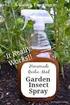 5.3 Natural Pesticides Introduction As explained in chapter 5.1, strengthening the plant is the best protection against pests and disease. Through adapted cultivation methods and with good management of
INTEGRATED PEST MANAGEMENT
 C 1 H A P TE R INTEGRATED PEST MANAGEMENT LEARNING OBJECTIVES After completely studying this chapter, you should: Be able to define integrated pest management. Understand the importance of an economic
BIOS 3010: Ecology Lecture 16: Manipulating abundance: 2. Manipulating abundance: 3. Pest and weed control:
 BIOS 3010: Ecology Lecture 16: Manipulating abundance: Lecture summary: Manipulating abundance: Pest control. Pesticides:» Benefits.» Problems. Biological control. Cultural control. Integrated pest management.
Guidance. 2. Definitions. 1. Introduction
 Work with naked DNA or RNA (including oligonucleotides, sirna, mirna, sequences that code for highly biologically active molecules and full length viral genomes) Guidance 1. Introduction The following
Information for Educators Page. Acknowledgments...4 About this Curriculum...5 National Science Education Standards...6
 Table of Contents Information for Educators Page Acknowledgments...4 About this Curriculum...5 National Science Education Standards...6 Lesson Modules I. The Science Behind Bt Crops The nature of Bt...7
Manufacturing process of biologics
 Manufacturing process of biologics K. Ho Afssaps, France 2011 ICH International Conference on Harmonisation of Technical Requirements for Registration of Pharmaceuticals for Human Use 2011 ICH 1 Disclaimer:
Genetics 301 Sample Final Examination Spring 2003
 Genetics 301 Sample Final Examination Spring 2003 50 Multiple Choice Questions-(Choose the best answer) 1. A cross between two true breeding lines one with dark blue flowers and one with bright white flowers
Control of Gene Expression
 Home Gene Regulation Is Necessary? Control of Gene Expression By switching genes off when they are not needed, cells can prevent resources from being wasted. There should be natural selection favoring
Structure and Function of DNA
 Structure and Function of DNA DNA and RNA Structure DNA and RNA are nucleic acids. They consist of chemical units called nucleotides. The nucleotides are joined by a sugar-phosphate backbone. The four
COMMISSION IMPLEMENTING REGULATION (EU) No /.. of XXX
 Ref. Ares(2013)222755-20/02/2013 EUROPEAN COMMISSION Brussels, XXX SANCO/12462/2011 Rev. 2 (POOL/E1/2011/12462/12462R2- EN.doc) [ ](2012) XXX draft COMMISSION IMPLEMENTING REGULATION (EU) No /.. of XXX
Alternative Pesticide Management for the Lawn and Garden
 Alternative Pesticide Management for the Lawn and Garden XCM-221 A pest-free lawn and garden may sound ideal, but is it really? Maintaining the perfect urban landscape may result in a reliance on pesticides
A Perspective of Research on HLB and its Vector in the United States David G. Hall, Tim R. Gottwald and Calvin E. Arnold
 A Perspective of Research on HLB and its Vector in the United States David G. Hall, Tim R. Gottwald and Calvin E. Arnold US Horticultural Research Laboratory, USDA-ARS, Ft Pierce, FL ACP Asian citrus psyllid
Public Perceptions of Labeling Genetically Modified Foods
 Public Perceptions of Labeling Genetically Modified Foods Working Paper 2013-01 William K. Hallman, Ph.D. Cara L. Cuite, Ph.D. Xenia K. Morin, Ph.D. Release date: November 1, 2013 For more information:
Impacts of Genetically-Modified Crops and Seeds on Farmers
 Impacts of Genetically-Modified Crops and Seeds on Farmers Prepared by David Kruft, Legal Research Assistant November 2001 I. Introduction The agriculture industry has traditionally been supportive of