
Mild Traumatic Brain Injury. Mild Traumatic Brain Injury
|
|
|
- Nicholas Gervase Watkins
- 10 years ago
- Views:
Transcription
1 Western Occupational and Environmental Medical Association Webinar August 19, 2010 Mild Traumatic Brain Injury Speaker: Lorne Direnfeld, MD, FRCP, Neurologist, Diplomate, American Board of Psychiatry & Neurology PLEASE STAND BY WEBINAR WILL BEGIN AT 12:00pm (PDT) For Audio: Call: Access Code: # Faculty Disclosure: Lorne Direnfeld, MD, FRCP has no conflict of interest to disclose. Mild Traumatic Brain Injury Lorne Direnfeld MD 1
2 Outline Scope of the problem. Definition. Grading severity. Mechanism of injury (pathology). Symptoms. Treatment. Prognosis. Persistent Post-Concussion Syndrome (PPCS). Areas of controversy. Mild TBI Case Study (with a sad result) 2
3 The Symptoms Mr. A is a 30-year-old Construction Worker who complains of "shaky vision", pain at the back of the head, problems with balance, and "surges", among other symptoms. Symptoms are attributed to the effects of an injury on the job three years ago. The Injury At the time of the injury, Mr. A was on some scaffolding. He was putting backing between rafter tails. He stood up and hit one of them with his forehead. He was knocked down to his knees. He reported being dazed. The injury occurred at about 10:00 a.m. He continued to work. He completed his workday until 3:00 p.m. 3
4 Clinical Course On the evening of the injury day, he had a bad headache. The day after the injury Mr. A was evaluated by his primary care physician. Symptoms included headache and numbness in the face and both arms. He was diagnosed with cervical spine degenerative disc disease and acute neurologic symptoms. Additional investigations were planned. Let s s Do Some Tests X-rays of the cervical spine showed mild degenerative changes. An MRI scan of the brain was normal. 4
5 Things Are Not Going Well Three weeks later Mr. A was evaluated in an emergency room for complaints of severe headache and left face numbness, as well as fluttering visual disturbance. He was noted to have had a recent closed head injury and to have undergone an MRI scan with normal findings. He was examined and diagnosed with acute headache. Neurologic evaluation was recommended. The Beginning of the End One month post-injury Mr. A was evaluated by Neurologist 1. Symptoms included headache, problems with memory, dizziness, irritability, and fatigue. Mr. A was examined. Findings included tenderness to palpation at the back of the head. Mr. A was otherwise intact neurologically. He was diagnosed with headache, numbness, memory loss, and vertigo, as well as... traumatic brain injury (!!!). 5
6 Sewing the Seeds of Destruction Elavil and Lyrica were prescribed. Treatment with an occipital nerve block was recommended. Mr. A was told it may take 6 to 12 months for his condition to improve More Tests and Opinions Ten weeks post-injury an MRI scan of the cervical spine was obtained and showed mild degenerative changes. A second neurologist Dx moderate head injury, without significant brain injury and cervical strain. 6
7 Fourteen weeks post-injury Mr. A was evaluated by Neurologist 3 who Dx closed head injury without loss of consciousness and anxiety. Seventeen weeks post-injury Mr. A saw a neuro- ophthalmologist due to visual symptoms. No abnormality was found. ENT evaluation was performed. Findings were negative. Physiatrist 1 Eighteen weeks post-injury Mr. A was evaluated by Physiatrist 1. He was described as having a host of unusual symptoms including involuntary movements of both upper and lower extremities, impaired vision, pain and stiffness of the neck, and just not being himself since the injury. The physiatrist said it was unclear what the complete spectrum of symptoms could be from. It was noted Mr. A had a small traumatic brain injury that could account for his symptoms. (More seeds of destruction) 7
8 Physiatrist 2 Twenty four weeks post-injury Mr. A was evaluated by Physiatrist 2. Mr. A complained of headache, neck pain, poor memory, difficulty concentrating, emotional lability, dizziness, and nausea. He was diagnosed with post-concussive syndrome. Treatment at a community-oriented program specializing in traumatic brain injury was recommended. (The plot thickens.) Neuropsychological Evaluation Nine months post-injury Mr. A underwent neuropsychological evaluation. He was diagnosed as having a somatization disorder. Mr. A's symptoms were thought to be of psychogenic origin. 8
9 Neurologist 4 One year post-injury Mr. A was evaluated by Neurologist 4, a seizure specialist. Mr. A reported recurrent, at times frequent, episodes of abnormal movements of the arms or legs. Mr. A was examined. No abnormalities were found. Thirteen months post-injury Mr. A was admitted to a hospital for three days of intensive video EEG monitoring. During the admission, Mr. A reported experiencing various events. No EEG abnormalities were found. Neurologist 4 concluded that the events were psychogenic. There was no evidence on the EEG or on any of the testing that there was any indication of brain injury. 9
10 Mr. A was unconvinced that he was not brain injured! (It is hard to un-ring the bell.) Mr. A expressed a desire to go to a brain injury rehab program on the mainland. A 4 _ Month Admission! Fifteen months post-injury Mr. A was admitted to a brain injury program on the mainland, where he stayed for four and a half months! 10
11 Iatrogenesis Magnus Physiatrist 3 evaluated Mr. A at the brain injury rehabilitation program and diagnosed mild traumatic brain injury, headaches of multifactorial origin, post-traumatic visual disturbance, and possible vestibular dysfunction, among other conditions. Treatment with physical therapy, occupational therapy, speech therapy, cognitive therapy, and neurobehavioral therapy was instituted. Another MRI of the Brain Eighteen months post-injury a second MRI scan of the brain was performed on Mr. A. The study was performed using sequences including diffusion tensor imaging. Findings were normal. 11
12 Time to Come Home Following his discharge after 4_ 4 months in the mainland rehabilitation facility, Mr. A returned to his home in Hawaii and continued follow-up with a new primary care physician, as well as another neuropsychologist. More Pills When Mr. A returned to Hawaii, medications included: Ritalin 20 mg twice a day to treat decreased attention and concentration, meclizine 25 mg twice a day to treat vestibular dysfunction, propranolol 10 mg two tablets three times a day for autonomic instability, 12
13 Yet Even More... Mirapex 0.5 mg at bedtime to treat periodic limb movements impairing sleep, baclofen 10 mg at bedtime to treat neck spasm, Lamictal 150 mg twice a day for seizures, Namenda 5 mg twice a day for cognitive decline attributed to traumatic brain injury, And More... Vicodin one to two tablets as needed every four hours for pain, Prilosec 40 mg a day for gastroesophageal symptoms, Ativan 2 mg three times a day as needed for anxiety, and ibuprofen 600 mg three times a day as needed for pain. 13
14 Return to Neurologist 3 Two and a half years post-injury Mr. A was reevaluated by Neurologist 3 Diagnoses included: Non-epileptic/psychogenic seizures. History of closed head injury with multiple persisting subsequent somatic complaints including visual disturbance and imbalance, not of objectively supported primary organic origin. Somatoform disorder versus conversion disorder (with seizures). Don t t Forget The Injury Mr. A was on some scaffolding. He was putting backing between rafter tails. He stood up and hit one of them with his forehead. He was knocked down to his knees. He reported being dazed. The injury occurred at about 10:00 a.m. He continued to work. He completed his workday until 3:00 p.m. 14
15 Note!!! Mr. A was not rendered unconscious and had no post-traumatic amnesia. There were never any objective abnormalities on multiple clinical examinations by various specialists. There were never any abnormalities on any objective tests. Surprise!! Among the conclusions noted in Mr. A's case was that the condition was, to a great extent, of iatrogenic origin. 15
16 A Sad Result Mr. A remains off work and believes he is permanently brain injured. 1.5 million people with a TBI each year in the US. 90% of these cases are mild injuries. Almost half were seen only in the clinic, physician office, or not at all. 16
17 Definition of Traumatic Brain Injury A traumatically-induced structural injury and/or physiological disruption of brain function as a result of an external force that is indicated by new onset or worsening of at least one of the following clinical signs immediately following the event: Any period of Loss of, or decreased Level of, Consciousness (LOC). Any loss of memory for events immediately before or after the injury (Post-Traumatic Amnesia/PTA). Any alteration in mental state at the time of the injury (confusion, disorientation, slowed thinking, etc.) (Alteration of Consciousness/mental state/aoc). Neurologic deficits (weakness, loss of balance, change in vision, praxis, paresis/plegia plegia,, sensory loss, aphasia, etc.) that may or may not be transient. Intracranial lesion. Severity of Brain Injury TBI can be categorized as mild, moderate, or severe based on various criteria. Acute injury severity is determined at the time of the injury. 17
18 CRITERIA Mild Moderate Severe Structural Imaging Normal Normal or abnormal Normal or abnormal Loss of Consciousness (LOC) 0 30 minutes Greater than 30 minutes and less than 24 hours Greater than 24 hours Alteration of Consciousness/Mental State (AOC) A moment up to 24 hours Greater than 24 hours severity based on other criteria Greater than 24 hours severity based on other criteria Post Traumatic Amnesia (PTA) 0 1 day Greater than 1 and less than 7 days Greater than 7 days Glasgow Coma Scale Score (best available score in first 24 hours) Less than 9 Mechanism of Injury Mild traumatic brain injury is Diffuse Axonal Injury (DAI). The mechanism is believed to be lateral shearing damage to axon processes and small blood vessels. In mild TBI, the axons are not transected, but locally damaged, affecting intracellular transport and membrane stability. Failure of function in the distal axon can lead to secondary transsynaptic injury. 18
19 Concussion The terms concussion and mild TBI can be used interchangeably. The use of the term concussion or history of mild TBI may be preferred when communicating with the patient. This indicates a transient condition and avoids the use terms such as "brain damage" or "brain injury." These terms may inadvertently reinforce misperceptions of symptoms or insecurities about recovery. Please Note This Point!!! The patient who is told that he or she has "brain damage" based on vague symptoms, complaints, and no clear indication of significant head trauma may develop a long-term perception of disability that is difficult to undo. 19
20 Symptoms Associated with Concussion/Mild TBI Symptoms may manifest immediately following the event and resolve quickly within minutes to hours, or may persist longer. Typical signs and symptoms fall into three main categories. Somatic/physical Cognitive/intellectual Affective/behavioral/emotional complaints. Somatic Physical/somatic complaints include headache, nausea, vomiting, dizziness, fatigue, blurred vision, sleep disturbance, sensitivity to light/noise, balance problems, and other transient neurologic abnormalities. Cognitive Cognitive/intellectual problems include difficulty with attention, concentration, memory, speed of processing, judgment, and executive function. Affective Affective/behavioral/emotional complaints include depression, anxiety, agitation, irritability, impulsivity, and aggression. 20
21 Conceptual Point Although a variety of symptoms can occur in association with TBI, they are not part of the definition of mild TBI. There are no pathognomonic signs or symptoms. The term mild TBI only refers to the initial injury severity, and should not be interpreted as referring to the level of severity of subsequent symptoms. Signs and symptoms following mild TBI should not be attributed to mild TBI if they are better explained by pre-existing conditions or other medical, neurological, or psychological causes, except in cases of immediate exacerbation of a pre- existing condition. Symptoms associated with mild TBI are not unique and occur frequently in day-to-day life among healthy people, and are often found in persons with other conditions such as chronic pain, depression, or other traumatic injuries. 21
22 Diagnosing Mild TBI The diagnosis of mild TBI is based primarily on the patient's history. The history should include detailed information of the injury event including the mechanism of injury and the duration and severity of altered consciousness, as well as immediate symptoms and symptom course. Injury Description Was there evidence of a forcible blow to the head? Was it direct or indirect? Is there evidence of intracranial injury or skull fracture? What was the location of the impact (frontal, occipital, right, left, etc.)? What was the cause? Was it a motor vehicle accident, a fall, a sports injury, an assault, a blast, or something else? Were there any deaths or injuries to others that occurred as a result of this event? 22
23 Assess for post-traumatic amnesia. Are there events immediately preceding or following the injury for which the person has no memory, even briefly? Does the patient report loss of consciousness? Was there an early appearance of being dazed, stunned, confused, or forgetful? Clinical Course Define the patient's symptoms, clinical course and resolution, or lack thereof, since the time of injury. Documenting frequency and severity of symptoms is important to set a baseline for monitoring subsequent treatment efficacy or establishing co- occurring conditions. 23
24 History of Past Health and Personal /Social History The history should also include screening for premorbid conditions, potential co-occurring conditions, and psychosocial risk factors such as substance use disorders that may exacerbate or maintain certain symptom presentation. Physical Examination Physical examination of a person with mild TBI should include a detailed neurologic exam and musculoskeletal examination including examination of the head, neck, and jaw. 24
25 Imaging The role of neuroimaging in diagnosing mild TBI continues to evolve. Structural imaging modalities include CT scanning and MRI scanning. Currently CT scanning is the modality of choice in the acute concussion setting. The absence of abnormal findings on a CT scan does not preclude the presence of concussion/mild TBI. Treatment Approach Build a therapeutic alliance with patients. Interactions with patients and their families involving real or suspected MTBI may be highly emotional. Reactions may range from disbelief to anger to frustration to relief. Information provided to individuals who have mild TBI can either amplify and increase their symptoms and distress (iatrogenic factors) or can minimize and normalize their symptoms and reduce stress. The lack of a definitive diagnosis or single effective treatment can make the management of patients with mild TBI challenging, and cause frustration of both the patient and provider. To counter this, a high level of patient trust and faith in the clinician is required to maintain continuity of care. A therapeutic alliance between the patient and clinician should be established during the initial evaluation. 25
26 How Can The Partnership With A Patient Be Strengthened? Acknowledge and indicate commitment to understanding the patient's concerns and symptoms. Encourage open and honest transfer of information that will provide a more comprehensive picture of the patient's concerns and medical history. Present information regarding a positive outcome and symptom remission to create an expectation of recovery. Indicate commitment to allocate sufficient time and resources to resolving the patient's concerns. Avoid open skepticism or disapproving comments in discussing the patient's concerns. Treatment of patients with mild TBI focuses on symptom management and the education of the patient and family. Education should emphasize recovery, gradual resumption of work, and social responsibilities, and teaching compensatory strategies and environmental modifications. Patients should be encouraged to implement changes in lifestyle including exercise, diet, sleep hygiene, stress reduction, relaxation training, scheduling leisure activities, and pacing to improve treatment outcomes. Although activity restrictions are a part of the treatment regimen in the acute post-injury period, activity reduction does not imply complete bed rest. It implies a restful pattern of activity throughout the day with minimal physical and mental exertion. 26
27 Part of the early intervention for mild TBI involves protecting the patient from a secondary insult or further injury by limiting or eliminating job requirements until proper recovery is obtained. Return to activity is based on an inventory of symptoms and their severity and the patient's job-specific tasks. A successful treatment outcome is the return to work or school or other usual daily activities Symptom Management There is a complex relationship among mild TBI symptoms (sleep, headache, cognition, and mood, for example). It is reasonable to expect that alleviating or improving one symptom may lead to improvement in others 27
28 Headache Headaches may have different qualities, but overall best fit either muscle tension, headache accompanying cervical strain, or vascular headaches with or without a pre-existing history of migraine. There are no specific interventions for most post-traumatic headaches. Post-traumatic vascular headaches have the same characteristics as common migraine. Nausea is a common accompaniment. Sensory sensitivities are variable, but common. In the first days after injury, it is reasonable to treat headaches with analgesics including over-the-counter medications or opiates. However, these should not be continued as a primary treatment for headaches. If headaches persist, more specific treatment should be utilized. The symptomatic and preventive medications for vascular headache in the post-traumatic context are identical to the standard migraine options. Dizziness For complaints of unsteadiness, treatment with anti-vertigo medications is not usually effective. For patients with true vertigo and who have findings consistent with benign positional vertigo (BPPV), treatment with the Epley maneuver is recommended. For patients whose complaint of dizziness is most consistent with pre-syncope, patient education regarding postural changes can be helpful. 28
29 Sleep Disorders Sleep disorders are common in patients with mild TBI. Depression, anxiety, and rumination may affect sleep, as may pain. Improvements in headache, fatigue, concentration, attention, and mood may all hinge on improvements in sleep. Counseling regarding sleep hygiene and brief use of sleep-inducing medication may be helpful. Cognitive Complaints In the majority of patients with mild TBI, cognitive complaints clear spontaneously. The differential diagnosis of cognitive complaints includes anxiety disorders, chronic pain, depression or other mood disorders, insomnia, substance abuse, and other medical conditions. 29
30 Comorbid psychiatric problems, including major depression and anxiety disorders, as well as substance abuse disorders, should be treated aggressively using appropriate psychotherapeutic and pharmacologic interventions. Non-pharmacologic treatment includes encouraging regularly scheduled aerobic exercise, appropriate activity restriction or adjustment, and sleep hygiene education (as noted above). In selected patients, cognitive rehabilitation may be indicated. Therapeutic Exercise Therapeutic exercise has been shown to positively impact many disabilities. These exercises can be general and directed at an overall improvement in cardiopulmonary health, physical strength and power, and overall wellbeing. Alternatively, exercises may focus on significant musculoskeletal, sensory, or neuromuscular impairments that limit performance of daily activities. 30
31 Prognosis The majority of people with mild TBI will have no difficulties or complaints within days to weeks or a few months following injury. A minority of patients will have ongoing symptoms that may result in disability. Persistent Post-Concussive Syndrome (PPCS) The point at which MTBI becomes PPCS has been somewhat arbitrarily considered by some researchers to be by approximately three to four months post-injury. Symptoms of PPCS are similar to those of MTBI. 31
32 RISK FACTORS FOR PPCS or POORER OVERALL OUTCOME Pre-Injury Peri-Injury Post-Injury Age (older). Gender (female). Low socioeconomic status. Less education lower levels of intelligence. Lack of support system. Acute symptom presentation (for example, headache, dizziness, or nausea in the emergency room). Compensation. Litigation (malingering, delayed resolution). Co-occurrence of psychiatric disorders. Pre-Injury Peri-Injury Post-Injury Pre-neurologic conditions. Pre- or co-occurrence of mental health disorders (depression, anxiety, traumatic stress, or substance abuse). Context of injury (stress). Co-occurrence of chronic pain conditions. Lack of support system. Low education. 32
33 Memory No one's memory is perfect. Worrying about and focusing on each lapse will make your memory seem worse. THINGS WE NORMALLY FORGET Symptom % People Forgets telephone numbers 58% Forgets people's names 48% Forgets where the car was parked 32% Loses car keys 31% Forgets groceries 28% Forgets why they entered a room 27% Forgets directions 24% Forgets appointment dates 20% Forgets store location in shopping center 20% Loses items around the house 17% Loses wallet or pocketbook 17% Forgets contents of daily conversations 17% 33
34 The symptoms of PPCS are very much like normal signs of daily stress. Patients forget how common stress-related symptoms are in everyday life. SYMPTOMS OF EVERYDAY STRESS Symptom % of People Poor concentration 14% Irritability 16% Tired a lot more 13% Depression 20% Memory problems 20% Headaches 13% Anxiety 24% Trouble thinking 6% Dizziness 7% 34
35 Treatment Early detailed education about the anticipated symptoms of MTBI, including the highly favorable prognosis, is a useful, but often neglected, intervention. Unexpectedly prolonged symptoms are commonly iatrogenic due to: Repeated testing and imaging ("there must be something wrong or they wouldn't keep testing"). Referral to a different specialist for every symptom; neurology, physiatry,, orthopedics, ENT, psychiatry, physical therapy, neuropsychology, chiropractic, massage therapy, craniosacral therapy, etc., etc., etc. Substituting tests purported to be diagnostic for brain injury (for example, quantitative EEG) for informed clinical assessment. There is nothing like an abnormal test, no matter how bogus, to convince someone that there "must be something wrong. Failure to address early emerging psychological factors. Legal obstacles to return to health and logistical obstacles to return to work. 35
36 Consultation? Consultation or specialty referral should occur in patients with MTBI who complain of persistent or chronic symptoms when: There is an atypical pattern or course (worsening or variable symptom presentation). The patient is experiencing difficulties in return to preinjury activity (work/school). Problems emerge in the role of the patient in family or social life. Patients with multiple problems may benefit from an interdisciplinary rehabilitative approach including physical or occupational therapy and supportive psychotherapy. The primary care provider should remain involved in the patient's care. The Military A very significant effort has been made to establish criteria for the diagnosis of either mild TBI or Post- Traumatic Stress Disorder (PTSD), or both, in soldiers returning from combat. They cannot be cleanly distinguished by symptoms alone. In the US' experience, PTSD is common and associated with an increase in somatic and other PPCS symptoms. 36
37 Clinical Practice Guidelines TBI is the leading cause of death and disability, especially among young adults. This is also true for the military population, both during times of peace and war. In an effort to provide the highest level of care to TBI victims, the military adopts "standard of care" practices, even in the deployed setting. This has been found to make a remarkable improvement in patient outcomes. For conditions in which civilian Clinical Practice Guidelines (CPGs( CPGs) ) exist, they are used. When CPGs do not exist in civilian practice, they are developed. The military process by which CPGs are adapted or created is similar to that in civilian practice. A group of subject matter experts is convened, some of whom are civilian. A critical review of the medical literature is performed. An evidenced-based CPG is created. It then undergoes peer review. The CPG is then published to enable wide dissemination. 37
38 For mild TBI, a civilian CPG did not exist. Therefore, in 2008 a joint VA-DoD working group was convened to develop one. The result is the "Management of Concussion/Mild Traumatic Brain Injury" CPG. This was released in It is available free to military and civilian health care professionals. It is an evidence-based CPG for managing subacute and chronic symptoms. This can be downloaded at: n_mtbi_full_1_0.pdf American Academy of Neurology Practice Parameter: The Management of Concussion in Sports delines/pda/concussion_sports.pdf Thank You! 38
39 Thank you for participating in today s webinar. At the conclusion of this call you will receive an with a link to a post-webinar questionnaire. You will need to complete this questionnaire in order to receive CME for this webinar. This webinar presentation can be downloaded at 39
TBI TRAUMATIC BRAIN INJURY WITHIN THE MILITARY/VETERAN POPULATION
 TBI TRAUMATIC BRAIN INJURY WITHIN THE MILITARY/VETERAN POPULATION What is TBI? An external force that disrupts the normal function of the brain. Not all blows or jolts to the head result in a TBI. The
Traumatic Brain Injury and Incarceration. Objectives. Traumatic Brain Injury. Which came first, the injury or the behavior?
 Traumatic Brain Injury and Incarceration Which came first, the injury or the behavior? Barbara Burchell Curtis RN, MSN Objectives Upon completion of discussion, participants should be able to Describe
Revised 10-4-10 Bethel Park s Sports Concussion and Closed Head Injury Protocol and Procedures for Student-Athletes
 Bethel Park s Sports Concussion and Closed Head Injury Protocol and Procedures for Student-Athletes If the Certified Athletic Trainer of Bethel Park School District has a concern that a student-athlete
Recovering from a Mild Traumatic Brain Injury (MTBI)
 Recovering from a Mild Traumatic Brain Injury (MTBI) What happened? You have a Mild Traumatic Brain Injury (MTBI), which is a very common injury. Some common ways people acquire this type of injury are
BINSA Information on Mild Traumatic Brain Injury
 Mild traumatic brain injuries (MTBI) occur through sporting, car and workplace accidents. Mild brain injury is not easily diagnosed. This fact sheet explains how it may be recognised and assessed, and
What is a concussion? What are the symptoms of a concussion? What happens to the brain during a concussion?
 What is a concussion? The working definition used today for concussion is a complex pathophysiological process affecting the brain, induced by traumatic biomechanical forces (developed by the consensus
Early Response Concussion Recovery
 Early Response Concussion Recovery KRISTA MAILEY, BSW RSW, CONCUSSION RECOVERY CONSULTANT CAREY MINTZ, PH.D., C. PSYCH., PRACTICE IN CLINICAL NEUROPSYCHOLOGY FOR REFERRAL: Contact Krista Mailey at (204)
Neuropsychological Assessment in Sports-Related Concussion: Part of a Complex Puzzle
 Neuropsychological Assessment in Sports-Related Concussion: Part of a Complex Puzzle Jillian Schuh, PhD 1, 2, John Oestreicher, PhD 1, & Linda Steffen, PsyD 1 1 Catalpa Health 2 Department of Neurology,
Clinical guidance for MRI referral
 MRI for cervical radiculopathy Referral by a medical practitioner (excluding a specialist or consultant physician) for a scan of spine for a patient 16 years or older for suspected: cervical radiculopathy
A patient guide to mild traumatic brain injury
 A patient guide to mild traumatic brain injury Delivering the best in care UHB is a no smoking Trust To see all of our current patient information leaflets please visit www.uhb.nhs.uk/patient-information-leaflets.htm
A comparison of complaints by mild brain injury claimants and other claimants describing subjective experiences immediately following their injury
 Archives of Clinical Neuropsychology 16 (2001) 689 695 A comparison of complaints by mild brain injury claimants and other claimants describing subjective experiences immediately following their injury
Traumatic brain injury (TBI), caused either by blunt force or acceleration/
 Traumatic Brain Injury (TBI) Carol A. Waldmann, MD Traumatic brain injury (TBI), caused either by blunt force or acceleration/ deceleration forces, is common in the general population. Homeless persons
Concussion Management Return to Play Protocol
 Concussion Management Return to Play Protocol Returning to play following a concussion involves a stepwise progression once the individual is symptom free. There are many risks to premature return to play
Brain Injury Litigation. Peter W. Burg Burg Simpson Eldredge Hersh & Jardine, P.C. www.burgsimpson.com
 Brain Injury Litigation Peter W. Burg Burg Simpson Eldredge Hersh & Jardine, P.C. www.burgsimpson.com Some General Facts About Traumatic Brain Injury TBIs contribute to a substantial number of deaths and
A PEEK INSIDE A CLOSED HEAD INJURY CLAIM... 1
 A PEEK INSIDE A CLOSED HEAD INJURY CLAIM By: Douglas Fletcher Fernando Fred Arias Dr. Jim Hom April 11, 2014 CONTENTS A PEEK INSIDE A CLOSED HEAD INJURY CLAIM... 1 SYMPTOMATOLOGY... 2 CRITICAL INFORMATION...
Closed Automobile Insurance Third Party Liability Bodily Injury Claim Study in Ontario
 Page 1 Closed Automobile Insurance Third Party Liability Bodily Injury Claim Study in Ontario Injury Descriptions Developed from Newfoundland claim study injury definitions No injury Death Psychological
Neuropsychological Assessment in Sports- Related Concussion: Part of a Complex Puzzle
 Neuropsychological Assessment in Sports- Related Concussion: Part of a Complex Puzzle Jillian Schuh, PhD 1, 2, John Oestreicher, PhD 1, & Linda Steffen, PsyD 1 1 Catalpa Health 2 Department of Neurology,
The FacTs: * All concussions are serious. A Fact Sheet for School Nurses
 A Fact Sheet for School Nurses Assess the situation Be alert for signs and symptoms Contact a health care professional The FacTs: * All concussions are serious. * Most concussions occur without loss of
Ronald G. Riechers, II, M.D. Medical Director, Polytrauma Team Cleveland VAMC Assistant Professor Department of Neurology Case Western Reserve
 Ronald G. Riechers, II, M.D. Medical Director, Polytrauma Team Cleveland VAMC Assistant Professor Department of Neurology Case Western Reserve University The opinions or assertions contained herein are
Mild head injury: How mild is it?
 Mild head injury: How mild is it? Carly Dutton; Gemma Foster & Stephen Spoors Sunderland and Gateshead Community Acquired Brain Injury Service (CABIS), Northumberland, Tyne and Wear NHS Foundation Trust
Background on Brain Injury
 CHAPTER 1 Background on Brain Injury In this chapter, you will: Read about Alberta s definition of Acquired Brain Injury and how that affects which supports you will be able to access. Learn about the
The Indiana Trial Lawyer Association s Lifetime Achievement Seminar. Honoring Peter L. Obremsky. May 23-24, 2005
 The Indiana Trial Lawyer Association s Lifetime Achievement Seminar Honoring Peter L. Obremsky May 23-24, 2005 The Use of Medical Literature in the Brain Injury Case Thomas C. Doehrman Doehrman-Chamberlain
EMOTIONAL AND BEHAVIOURAL CONSEQUENCES OF HEAD INJURY
 Traumatic brain injury EMOTIONAL AND BEHAVIOURAL CONSEQUENCES OF HEAD INJURY Traumatic brain injury (TBI) is a common neurological condition that can have significant emotional and cognitive consequences.
Post-Concussion Syndrome
 Post-Concussion Syndrome Anatomy of the injury: The brain is a soft delicate structure encased in our skull, which protects it from external damage. It is suspended within the skull in a liquid called
SOUTHWEST FOOTBALL LEAGUE CONCUSSION MANAGEMENT PROTOCOL
 SOUTHWEST FOOTBALL LEAGUE CONCUSSION MANAGEMENT PROTOCOL NOTE: Revisions to the guidelines recommended in this Concussion Management Protocol will be made on an annual basis based upon current legislation.
Concussion Guidance for the General Public
 CONCUSSION FACTS A concussion is a brain injury. All concussions are serious. Concussions can occur without loss of consciousness. All athletes with any symptoms following a head injury must be removed
Handicap after acute whiplash injury A 1-year prospective study of risk factors
 1 Handicap after acute whiplash injury A 1-year prospective study of risk factors Neurology 2001;56:1637-1643 (June 26, 2001) Helge Kasch, MD, PhD; Flemming W Bach, MD, PhD; Troels S Jensen, MD, PhD From
Concussion Management Program for Red Bank Catholic High School Athletic Department
 Concussion Management Program for Red Bank Catholic High School Athletic Department *This document should be used as a framework for a successful concussion management program but is not intended to replace
Integrated Neuropsychological Assessment
 Integrated Neuropsychological Assessment Dr. Diana Velikonja C.Psych Neuropsychology, Hamilton Health Sciences, ABI Program Assistant Professor, Psychiatry and Behavioural Neurosciences Faculty of Health
SLEEP DISTURBANCE AND PSYCHIATRIC DISORDERS
 E-Resource December, 2013 SLEEP DISTURBANCE AND PSYCHIATRIC DISORDERS Between 10-18% of adults in the general population and up to 50% of adults in the primary care setting have difficulty sleeping. Sleep
Brain Injury Association National Help Line: 1-800-444-6443 Brain Injury Association Web site: www.biausa.org Centers for Disease Control and
 Brain Injury Association National Help Line: 1-800-444-6443 Brain Injury Association Web site: www.biausa.org Centers for Disease Control and Prevention Web site: www.cdc.gov/ncipc/tbi Contents About Brain
THE MANAGEMENT OF CONCUSSION IN AUSTRALIAN FOOTBALL
 THE MANAGEMENT OF CONCUSSION IN AUSTRALIAN FOOTBALL AFL Research board AFL MEDICAL OFFICERS' ASSOCIATION THE MANAGEMENT OF CONCUSSION IN AUSTRALIAN FOOTBALL This document has been published by the AFL
Traumatic brain injury (TBI)
 Traumatic brain injury (TBI) A topic in the Alzheimer s Association series on understanding dementia. About dementia Dementia is a condition in which a person has significant difficulty with daily functioning
RECOVERING FROM A MILD TRAUMATIC BRAIN INJURY
 RECOVERING FROM A MILD TRAUMATIC BRAIN INJURY An Information Guide BRAIN INJURY REHABILITATION SERVICE CONCUSSION CLINIC BURWOOD HOSPITAL TABLE OF CONTENTS AN INFORMATION GUIDE... 3 WHAT HAPPENS IN A TRAUMATIC
IF IN DOUBT, SIT THEM OUT.
 IF IN DOUBT, SIT THEM OUT. Scottish Sports Concussion Guidance: Grassroots sport and general public Modified from World Rugby s Guidelines on Concussion Management for the General Public Introduction The
A GUIDE TO IN RUGBY UNION
 A GUIDE TO The aim of this brochure is to provide information on concussion to those involved in rugby union in Ireland. Concussion MUST be taken extremely seriously. Any player with a suspected concussion
DEPRESSION CARE PROCESS STEP EXPECTATIONS RATIONALE
 1 DEPRESSION CARE PROCESS STEP EXPECTATIONS RATIONALE ASSESSMENT/PROBLEM RECOGNITION 1. Did the staff and physician seek and document risk factors for depression and any history of depression? 2. Did staff
FACT SHEET. What is Trauma? TRAUMA-INFORMED CARE FOR WORKING WITH HOMELESS VETERANS
 FACT SHEET TRAUMA-INFORMED CARE FOR WORKING WITH HOMELESS VETERANS According to SAMHSA 1, trauma-informed care includes having a basic understanding of how trauma affects the life of individuals seeking
Montreal Cognitive Assessment (MoCA) as Screening tool for cognitive impairment in mtbi.
 Montreal Cognitive Assessment (MoCA) as Screening tool for cognitive impairment in mtbi. Suresh Kumar, M.D. AUTHOR Director of: Neurology & Headaches Center Inc. Neurocognitve &TBI Rehabilitation Center
Non-epileptic seizures
 Non-epileptic seizures a short guide for patients and families Information for patients Department of Neurology Royal Hallamshire Hospital What are non-epileptic seizures? In a seizure people lose control
Whiplash injuries can be visible by functional magnetic resonance imaging. Pain Research and Management Autumn 2006; Vol. 11, No. 3, pp.
 Whiplash injuries can be visible by functional magnetic resonance imaging 1 Bengt H Johansson, MD FROM ABSTRACT: Pain Research and Management Autumn 2006; Vol. 11, No. 3, pp. 197-199 Whiplash trauma can
Michael J. Sileo, MD. Orthopedic Associates of Long Island (OALI)
 Michael J. Sileo, MD Orthopedic Associates of Long Island (OALI) ! Jeremy Thode, AD! Center Moriches BOE ! Safety of our student-athletes is our Number 1 concern! NYS is now forcing our hand " Referees
HEADACHES IN CHILDREN AND ADOLESCENTS. Brian D. Ryals, M.D.
 HEADACHES IN CHILDREN AND ADOLESCENTS Brian D. Ryals, M.D. Frequency and Type of Headaches in Schoolchildren 8993 children age 7-15 in Sweden Migraine in 4% Frequent Nonmigrainous in 7% Infrequent Nonmigrainous
8 th Annual W/C Spine Summit. Ted A. Lennard, MD Feb. 12, 2015
 8 th Annual W/C Spine Summit Ted A. Lennard, MD Feb. 12, 2015 Case Study 45 y.o. male Truck Accident on 1/15/12 Slid on ice and crossed median. Case Study Taken by ambulance to ER in Texas +Loss of consciousness
How To Treat A Concussion
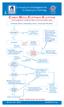 1 Concussion Management Combat Medic/Corpsman Algorithm (Pre-hospital/no medical officer in the immediate area) Traumatic Event or Head Injury Occurs: Concussion Possible A Any red flags? B Initiate MACE
Traumatic Brain Injury Lawsuit
 Traumatic Brain Injury Lawsuit D Legal Guide Simple Step-By-Step Guide to Your Brain & Traumatic Brain Injury (TBI) [Type text] Distributed By: www.downtownlalw.com A Simple Step-by-Step Guide to your
B U R T & D A V I E S PERSONAL INJURY LAWYERS
 TRANSPORT ACCIDENT LAW - TRAUMATIC BRAIN INJURY Traumatic Brain Injury ( TBI ) is a common injury in transport accidents. TBI s are probably the most commonly undiagnosed injuries in a hospital setting.
Staff, please note that the Head Injury Routine is included on page 3.
 Staff, please note that the Head Injury Routine is included on page 3. This booklet explains what can happen after a concussion, how to get better and where to go for more information and help if needed.
NFL Head, Neck and Spine Committee s Protocols Regarding Diagnosis and Management of Concussion
 NFL Head, Neck and Spine Committee s Protocols Regarding Diagnosis and Management of Concussion Introduction Concussion is an important injury for the professional football player, and the diagnosis, prevention,
NEW ZEALAND RUGBY LEAGUE CONCUSSION / HEAD INJURY POLICY
 NEW ZEALAND RUGBY LEAGUE CONCUSSION / HEAD INJURY POLICY February 2015 New Zealand Rugby League Medical panel The aim of the policy is to provide information on concussion to all those involved in rugby
The Petrylaw Lawsuits Settlements and Injury Settlement Report
 The Petrylaw Lawsuits Settlements and Injury Settlement Report TRAUMATIC BRAIN INJURIES How Minnesota Juries Decide the Value of Pain and Suffering in Brain Injury Cases The Petrylaw Lawsuits Settlements
Dr. Elizabeth Gruber Dr. Dawn Moeller. California University of PA. ACCA Conference 2012
 Dr. Elizabeth Gruber Dr. Dawn Moeller California University of PA ACCA Conference 2012 http://www.youtube.com/watch?v=9rpisdwsotu Dissociative Identity Disorder- case presentation Diagnostic criteria Recognize
Brain Injury Litigation Today
 MILD TRAUMATIC BRAIN INJURY PAPER 3.1 Brain Injury Litigation Today These materials were prepared by Joseph E. Murphy, QC, of Murphy Battista LLP, Vancouver, BC, for the Continuing Legal Education Society
Cognitive Rehabilitation of Blast Traumatic Brain Injury
 Cognitive Rehabilitation of Blast Traumatic Brain Injury Yelena Bogdanova, PhD VA Boston Healthcare System Rehabilitation Research & Development Boston University School of Medicine IOM Committee on Cognitive
Injury Law Center HEAD INJURY. Head injuries can be caused by car crashes, sports injuries, falls, workplace injuries and assaults.
 Injury Law Center Note: This information is provided to give you a basic understanding of the injury. It is not intended as medical advice. You should consult a qualified medical provider. Description
MENTAL IMPAIRMENT RATING
 MENTAL IMPAIRMENT RATING Lev.II Curriculum Rev. 6/09 155 OBJECTIVES MENTAL AND BEHAVIORAL DISORDERS 1. Identify the axes used in the diagnostic and statistical manual of mental disorders - DSM. 2. Understand
Understanding. Depression. The Road to Feeling Better Helping Yourself. Your Treatment Options A Note for Family Members
 TM Understanding Depression The Road to Feeling Better Helping Yourself Your Treatment Options A Note for Family Members Understanding Depression Depression is a biological illness. It affects more than
NEW TRENDS AND ISSUES IN NEUROPSYCHOLOGY: Mild Traumatic Brain Injury and Postconcussive Syndrome Cases
 NEW TRENDS AND ISSUES IN NEUROPSYCHOLOGY: Mild Traumatic Brain Injury and Postconcussive Syndrome Cases Carl F. Mariano Barry H. Uhrman Introduction to Neuropsychology As many of you are aware, clinical
Traumatic Brain Injury (TBI) Examination Comprehensive Version
 Traumatic Brain Injury (TBI) Examination Comprehensive Version Name: Date of Exam: SSN: C-number: Place of Exam: Narrative: The potential residuals of traumatic brain injury necessitate a comprehensive
Department of Defense INSTRUCTION. DoD Policy Guidance for Management of Mild Traumatic Brain Injury/Concussion in the Deployed Setting
 Department of Defense INSTRUCTION NUMBER 6490.11 September 18, 2012 USD(P&R) SUBJECT: DoD Policy Guidance for Management of Mild Traumatic Brain Injury/Concussion in the Deployed Setting References: See
Whiplash and Whiplash- Associated Disorders
 Whiplash and Whiplash- Associated Disorders North American Spine Society Public Education Series What Is Whiplash? The term whiplash might be confusing because it describes both a mechanism of injury and
R ECOVERING F ROM M ILD B RAIN I NJURY/CONCUSSION A G UIDE FOR P ATIENTS
 R ECOVERING F ROM M ILD B RAIN I NJURY/CONCUSSION A G UIDE FOR P ATIENTS Mild brain injury (or concussion) is relatively common and typically occurs as a result of a blow to the head during sports, a motor
3. Overview: The next 8 pages contain the concussion management algorithms guiding garrison medical care at the time of injury to 7 days.
 ATTACHMENT 2 (CONCUSSION MANAGEMENT IN THE GARRISON SETTING ALGORITHMS) TO HQDA EXORD DA GUIDANCE FOR MANAGEMENT OF CONCUSSION/MILD TRAUMATIC BRAIN INJURY IN THE GARRISON SETTING 1. General: Implementation
Cognitive Assessment and Rehabilitation in mtbi Patients. Shannon E. Auxier, MS CCC-SLP Judy M. Mikola, PhD CCC-SLP
 Cognitive Assessment and Rehabilitation in mtbi Patients Shannon E. Auxier, MS CCC-SLP Judy M. Mikola, PhD CCC-SLP Disclaimer The views expressed in this presentation are those of the presenters and do
Responding to the Needs of Justice-Involved Veterans. Mark Mayhew, LCSW VA Justice Outreach Coordinator
 Responding to the Needs of Justice-Involved Veterans Mark Mayhew, LCSW VA Justice Outreach Coordinator There is inherent sympathy for those who sustain damage in defense of country, whether that damage
Service Overview. and Pricing Guide
 Service Overview and Pricing Guide Millard Health s Service Overview and Pricing Guide Millard Health provides rehabilitation services for both work-related and non-work-related injuries. The rehabilitation
Memory, Behaviour, Emotional and Personality Changes after a Brain Injury
 Memory, Behaviour, Emotional and Personality Changes after a Brain Injury The consequences of a brain injury on any individual, family or relationship are far reaching. A brain injury not only impacts
Mellen Center for Multiple Sclerosis
 Mellen Center Cleveland Clinic Marie Namey, RN, MSN, MSCN Mellen Center Cleveland Clinic Cleveland, OH Home of. Mellen Center for Multiple Sclerosis Mellen Center Mission The Mellen Center remains committed
Types of Brain Injury
 Types of Brain Injury The bones of your skull are hard and they protect your brain. Your brain is soft, like firm Jell-O. When your head moves, your brain moves inside your skull. When your head is hit
Any rapid head movement can cause a Whiplash. ALTERNATIVE CARE CHIROPRACTIC Reston, Virginia
 ALTERNATIVE CARE CHIROPRACTIC Reston, Virginia P ROV E N R E L I E F F RO M W H I P L A S H Any rapid head movement can cause a Whiplash injury. Although whiplash is commonly associated with car accidents
DoD/VA CODE PROPOSAL FINAL 508 COMPLIANT
 1 A. DOD/VA COMMON DEFINITION OF TBI DoD/VA Definition and Symptomatic Taxonomy Working Group and other joint consensus panels developed a definition of traumatic brain injury (TBI) for use in the Departments
Attention & Memory Deficits in TBI Patients. An Overview
 Attention & Memory Deficits in TBI Patients An Overview References Chan, R., et.al.. (2003). Are there sub-types of attentional deficits in patients with persisting post- concussive symptoms? A cluster
Offering Solutions for The Management of Pain
 Integrative Pain Treatment Center Integrative Pain Treatment Center Offering Solutions for The Management of Pain ADACHES BACK AND NECK PAIN FIBROMYALGIA MYOFASCIAL PAIN ARTHRITIS SPINAL STENOSIS JOINT
V OCATIONAL E CONOMICS, I NC.
 V OCATIONAL E CONOMICS, I NC. This document was downloaded from Vocational Economics Inc. (www.vocecon.com). For more information on this document, visit: www.vocecon.com/articles/arttbi.htm Volume 2,
Pragmatic Evidence Based Review Substance Abuse in moderate to severe TBI
 Pragmatic Evidence Based Review Substance Abuse in moderate to severe TBI Reviewer Emma Scheib Date Report Completed November 2011 Important Note: This report is not intended to replace clinical judgement,
Behavioral Health Psychological/Neuropsychological Testing Guidelines
 Behavioral Health Psychological/Neuropsychological Testing Guidelines Psychological testing (procedural code 96101) and Neuropsychological Testing (procedural code 96118) involve the culturally and linguistically
Mild Brain Injury Recovery
 2011 Mild Brain Injury Recovery Mild Brain Injury Recovery What is a mild brain injury? A brain injury is often caused by trauma to the head for any reason. If you had a change in your level of consciousness,
Recovering from Mild Traumatic Brain Injury/Concussion. A Guide for Patients and Their Families
 Recovering from Mild Traumatic Brain Injury/Concussion A Guide for Patients and Their Families Recovering From Mild Traumatic Brain Injury/Concussion: A Guide for Patients and Their Families This booklet
Defined as a complex process affecting the brain, induced by traumatic biomechanical forces.
 Concussion Protocol Defined as a complex process affecting the brain, induced by traumatic biomechanical forces. May be caused by a direct blow to the head, face, neck or elsewhere on the body with force
Laurel School Sports Medicine Traumatic Brain Injury (TBI)/Concussion Management Document
 Laurel School Sports Medicine Traumatic Brain Injury (TBI)/Concussion Management Document Baseline Testing Laurel School Sports Medicine utilizes ImPACT neurocognitive testing as part of our concussion
20 Questions (and answers) about Traumatic Brain Injury
 20 Questions (and answers) about Traumatic Brain Injury for insurance claims adjusters, case managers, attorneys, and health-care providers by Dennis P. Swiercinsky, Ph.D. 1. What is traumatic brain injury
WHAT IS PTSD? A HANDOUT FROM THE NATIONAL CENTER FOR PTSD BY JESSICA HAMBLEN, PHD
 WHAT IS PTSD? A HANDOUT FROM THE NATIONAL CENTER FOR PTSD BY JESSICA HAMBLEN, PHD Posttraumatic Stress Disorder (PTSD) is an anxiety disorder that can occur following the experience or witnessing of a
Optum By United Behavioral Health. 2015 Florida Medicaid Managed Medical Assistance (MMA) Level of Care Guidelines
 Optum By United Behavioral Health 2015 Florida Medicaid Managed Medical Assistance (MMA) Level of Care Guidelines Therapeutic group care services are community-based, psychiatric residential treatment
Depression & Multiple Sclerosis
 Depression & Multiple Sclerosis Managing specific issues Aaron, diagnosed in 1995. The words depressed and depression are used so casually in everyday conversation that their meaning has become murky.
Preferred Practice Guidelines Bipolar Disorder in Children and Adolescents
 These Guidelines are based in part on the following: American Academy of Child and Adolescent Psychiatry s Practice Parameter for the Assessment and Treatment of Children and Adolescents With Bipolar Disorder,
WHIPLASH! Therapeutic Massage by Lucy Lucy Dean, LMT, NMT, MMT. Helpful and effective treatment with Neuromuscular Therapy. What does Whiplash mean?
 WHIPLASH! Helpful and effective treatment with Neuromuscular Therapy Therapeutic Massage by Lucy Lucy Dean, LMT, NMT, MMT What does Whiplash mean? Whiplash is a non-medical term used to describe neck pain
TCHP Behavioral Health Psychological/Neuropsychological Testing Child/Adolescent Guidelines
 TCHP Behavioral Health Psychological/Neuropsychological Testing Child/Adolescent Guidelines Psychological testing involves the culturally and linguistically competent administration and interpretation
DEPRESSION Depression Assessment PHQ-9 Screening tool Depression treatment Treatment flow chart Medications Patient Resource
 E-Resource March, 2015 DEPRESSION Depression Assessment PHQ-9 Screening tool Depression treatment Treatment flow chart Medications Patient Resource Depression affects approximately 20% of the general population
Headaches. This chapter will discuss:
 C H A P T E R Headaches 1 1 Almost everyone gets an occasional headache at some time or another. Some people get frequent headaches. Most people do not worry about headaches and learn to live with them
1st Edition 2015. Quick reference guide for the management of acute whiplash. associated disorders
 1 1st Edition 2015 Quick reference guide for the management of acute whiplash associated disorders 2 Quick reference guide for the management of acute whiplash associated disorders, 2015. This quick reference
6/3/2011. High Prevalence and Incidence. Low back pain is 5 th most common reason for all physician office visits in the U.S.
 High Prevalence and Incidence Prevalence 85% of Americans will experience low back pain at some time in their life. Incidence 5% annual Timothy C. Shen, M.D. Physical Medicine and Rehabilitation Sub-specialty
Bipolar Disorder. When people with bipolar disorder feel very happy and "up," they are also much more active than usual. This is called mania.
 Bipolar Disorder Introduction Bipolar disorder is a serious mental disorder. People who have bipolar disorder feel very happy and energized some days, and very sad and depressed on other days. Abnormal