
Disorders of the Skin
|
|
|
- Shavonne Walsh
- 10 years ago
- Views:
Transcription
1 CHAPTER 12 Disorders of the Skin Acne Vulgaris A polymorphic skin disorder characterized by comedones, papules, and pustules. Acne vulgaris may be exacerbated by steroids and anticonvulsants; food has not been demonstrated to be a contributing factor. Precise cause unknown Pathogenic events: Plugging of the infundibulum of the follicles Retention of sebum Overgrowth of Propionibacterium acnes Release of fatty acids More common and severe in males overall More common in women between ages Most common of all skin conditions Genetic predisposition Male Conditions characterized by hyperandrogenism Anticonvulsants Systemic or topical steroid use on the face Comedones are hallmark sign Closed comedones tiny, flesh colored noninflamed bumps Open comedones blackheads 307

2 308 ADULT NURSE PRACTITIONER Papules, pustules, and/or cysts on face and or upper trunk Perioral dermatitis papular lesions on the chin and around the mouth most common in women aged Mild soreness, pain, or itching Depressed or hypertrophic scars Occasionally mild discomfort from swollen lesion In women, may exacerbate just prior to menses Acne rosacea Folliculitis Typically a clinical diagnosis Bacterial culture may be indicated to rule out folliculitis Serologic testing as indicated when systemic causes suspected: Hyperandrogen states HIV (sudden onset widespread folliculitis) Patient education: Avoid picking the lesions Improvement not generally seen for at least 4 weeks Avoid topical exposure to oils, make-up Clean face and affected areas before bed Comedonal acne (mild acne): Topical retinoids titrate to use nightly Topical benzoyl peroxide as needed Topical antibiotics clindamycin, erythromycin Papular inflammatory acne (moderate acne): Antibiotics are the mainstay of treatment for mild and moderate forms Mild forms typically respond to a regimen of topical antibiotics and topical inoids Moderate forms require oral antibiotics choice of antibiotic depends primarily upon issues in cost, compliance, and tolerance: m Tetracycline and erythromycin bid typically first choice m Minocycline bid in those who do not respond to tetracycline or erythromycin more expensive, commonly causes vertigo when initiated Severe forms typically managed with isotretinoin (Accutane): m Absolutely contraindicated in pregnancy two negative pregnancy tests should be obtained prior to use and assess monthly for duration of therapy m Two forms of contraception should be used

3 Chapter 12 Disorders of the Skin 309 m Informed consent is required m Liver function tests should be monitored m Adverse effects include: } Depression } Extreme drying of mucus membranes } Decreased night vision } Bowel symptoms } Myalgias } Hypertriglyceridemia and hypercholesterolemia m Acne does not usually recur after a course of isotretinoin cases that do usually respond to second course Be alert to psychosocial issues related to acne. Acne managed with antibiotics typically resumes when therapy completely discontinued successful response to therapy allows for titration of antibiotics to maintenance doses. Acne Rosacea A chronic facial disorder characterized by acneform inflammation of the central third of the face and characterized by four subtypes; erythematotelangiectatic type, papulopustular rosacea, phymatous rosacea, and ocular rosacea. Cause is unknown Occurs primarily in middle-aged and older patients Fair skin Family history More common in those with migraine headache Rosy coloration to nose, chin, cheeks at time involves the whole face Papules and pustules No comedones Occasional burning with flushing Telangiectasias Comorbid ophthalmic disease: Blepharitis Keratitis Rhinophyma more common in men

4 310 ADULT NURSE PRACTITIONER Acne vulgaris Folliculitis Cellulitis Rash of systemic lupus erythematosus None indicated Clinical diagnosis Avoidance of triggers; may include cold, alcohol, wind, heat, and spicy food Use of daily sunscreen Erythema, papules, pustules: Topical metronidazole 0.75% gel is first choice Topical erythromycin or clindamycin for those who cannot tolerate metronidazole Systemic tetracycline or erythromycin in more severe cases Minocycline in those unresponsive to other therapies Isotretinoin in extreme and refractory cases Rhinophyma surgical debulking Nonablative laser therapy Immunosuppressants in severe cases Allergic Contact Dermatitis An acute or chronic dermatitis resulting from direct contact with and subsequent irritation by chemicals, plant oils, medications, or latex. 80% of cases due to universal irritants: Soaps Detergents Organic solvents True contact allergens: Poison ivy Poison oak Topical irritants: Antimicrobials Adhesive tape Latex

5 Chapter 12 Disorders of the Skin 311 Exposure to irritants Prior sensitization to allergens Less common in African-American patients Pruritus Scaling, erythema, and edema Tiny vesicles or bullae Thickened skin and weepy, encrusted lesions in chronic phase Location will suggest cause Affected areas hot and swollen Atopic dermatitis Impetigo Scabies No testing in the acute phase typically a clinical diagnosis Patch testing after episode is resolved Gram stain and culture to rule out secondary bacterial infection if clinical presentation warrants Scraping for mites if pruritus is generalized and distribution consistent with scabies Prevention: Identification of the irritant Barrier creams when risk of exposure is high Local involvement: Acute phase m Compresses m Potent topical steroids m Wet dressings Residing phase mid- to high-potency steroids taper Widespread distribution: Prednisone taper 60 mg for 4 7 days, taper at 20 mg increments ending with 20 mg for 4 7 days Medrol Dosepak inappropriate for this condition

6 312 ADULT NURSE PRACTITIONER Atopic Dermatitis (Eczema) Chronic skin condition characterized by intense itching along a typical pattern of distribution. Presentation frequently varies according to the age and race of the patient. Inherited IgE-mediated hypersensitivity Slightly more common in males 95% of cases appear by age 5 Personal or family history of atopic disease: Asthma Allergic rhinitis Atopic dermatitis Extremes of climate Emotional stress Initial presentation in infancy or early childhood Intense pruritus Exudative, rough red patches in a characteristic distribution: Face Neck Upper trunk Antecubital and popliteal fossae Dry, leathery, lichenified skin Pigmented persons: Papules Poorly demarcated hypopigmented areas African-American patients may lose pigmentation in lichenified areas History of recurring skin infection Seborrheic dermatitis Allergic contact dermatitis Impetigo

7 Chapter 12 Disorders of the Skin 313 None usually performed diagnosis made based on history and clinical presentation Eosinophilia Elevated serum IgE As indicated to rule out differential diagnosis: Culture for bacterial infection Patch testing for suspected allergy General skin care and prevention: Bathing no more than once daily Soap use should be minimal and washed off immediately No wash brushes or cloths Pat skin dry no rough drying with towel Daily use of emollients after bathing Avoid irritating clothes wool, acrylics Local measures: Acute weeping lesions: m Soothing soaks or dressings (e.g., saline, aluminum subacetate solution, colloidal oatmeal) m High-potency steroid creams or lotions (avoid irritating ointments) after soothing soaks Subacute lesions: m Mid- to high-potency steroids in ointment form (if tolerated) m Taper from bid to qd application alternatively, switch to low-potency steroid Chronic lichenified lesions: m High- to highest-potency topical steroids m Night occlusion for 2- to 6-week periods m Tar preparations in those unresponsive to steroid Systemic therapy only in extensive and severe cases: Oral prednisone begin 60 mg, taper over 2 4 weeks Oral antihistamines Phototherapy UVB, UVA, PUVA Immunomodulators tacrolimus, pimecrolimus Psoriasis A common benign, acute, or chronic skin disease based on genetic predisposition, characterized by reduced epidermal turnover time; normal maturation of the skin cells cannot take place, and hyperkeratinization occurs.

8 314 ADULT NURSE PRACTITIONER One of several factors triggers a reduction in epidermal turnover time Triggers include: Injury or irritation No obvious cause may be genetic predisposition Extensive involvement and abrupt onset may be linked to HIV infection Slightly more common in men Occurs in 1% 2% of the population Trauma (Koebner s phenomenon) Streptococcal pharyngitis may precede eruption known as guttate psoriasis Genetic predisposition May be asymptomatic Occasional pruritus Sharply defined red plaques with characteristic silvery scales Scalp, elbows, knees, palms, and soles are common sites Stippling of the nail beds (pitting) Pink or red intergluteal fold Auspitz sign droplet of blood when scales removed Atopic dermatitis Seborrheic dermatitis None diagnosis based on clinical examination As indicated to rule out HIV if presentation warrants Limited involvement: Topical steroids high- to mid-potency Tar preparation Occlusion therapy with Duoderm or Tegaderm for at least 7 days Anthralin (Drithocreme) Calcipotriene (Dovonex) ointment 0.005% Tazarotene gel for mild to moderate disease

9 Chapter 12 Disorders of the Skin 315 Generalized disease > 30% body involvement: of choice UVB light three times weekly PUVA for those failing UVB Systemic steroids not indicated may induce pustular psoriasis Acitretin synthetic retinoid Cyclosporine Sulfasalazine Immunomodulators alefacept, methotrexate, efalizumab, etc. Pityriasis Rosea A common, self-limiting inflammatory skin disorder that follows a typical course of presentation and resolution. Believed to be of viral origin 50% more common in women Young adults most commonly affected More prominent in spring and fall months Sharing a household with an affected individual Female ages Mild pruritus Herald patch initial lesion preceding general eruption by 1 to 2 weeks, usually larger than subsequent lesions Classic lesions: Oval shape Fawn-colored plaques to 2 cm diameter Crinkled center Collarette scale Distributes along cleavage lines (Christmas tree distribution) Variant presentations: Inverse pityriasis lesions affect axilla and groin Papular eruptions more common in African-American patients Spontaneous resolution in 4 to 8 weeks

10 316 ADULT NURSE PRACTITIONER Secondary syphilis Tinea corporis Tinea versicolor Seborrheic dermatitis None to make the diagnosis Serology to rule out syphilis Potassium hydroxide (KOH) scraping to rule out tinea None necessary Topical steroids for pruritus UVB treatment for residual hyperpigmentation (more common in dark-skinned patients) Prednisone for severe pruritus High-dose acyclovir (800 mg tid) trial being conducted to shorten duration Abscesses (Boils, Furuncles) A bacterial infection involving an entire hair follicle with involvement of surrounding subcutaneous tissue; characterized by autoinoculable spread. Carbuncle is the term used to represent multiple furuncle development along contiguous follicles that forms a large abscess with multiple peaks. Gram-positive bacteria usually staphylococci, may be community-acquired methicillin-resistant Staphylococcus aureus MRSA (ca-mrsa) Most common in hairy areas exposed to friction, pressure, and moisture Diabetes mellitus Injection drug use HIV infection Close contact with affected individual Significant pain Gradually enlarging rounded furuncle

11 Chapter 12 Disorders of the Skin 317 Erythema of involved surrounding tissue clear line of demarcation between affected and unaffected tissue Increasing fluctuance Epidermal inclusion cyst Tinea profunda Deep mycotic infection Hidradenitis suppurativa Staphylococcus aureus typically the cause Culture and sensitivity of purulent drainage, particularly in immunocompromised patients or recurrent cases rule out methicillin-resistant strains or other bacteria Culture anterior nares for carriers Incision and drainage is mainstay of treatment Beta lactamase resistant antibiotic with gram-positive spectrum: Dicloxacillin (Dynapen) First-generation cephalosporin Erythromycin for penicillin-allergic patients Ciprofloxacin for resistant cases Recurrent cases dicloxacillin (Dynapen) and rifampin (Rifadin) Clindamycin (Cleocin) as suppressant therapy 2% mupirocin (Bactroban) to nares, axillae, and anogenital regions for carriers Impetigo A bacterial infection of the skin characterized by its autoinoculable nature. Impetigo may present as vesiculopustular or bullous. Vesiculopustular Staphylococcus aureus or group A ß-hemolytic streptococcus Bullous phage group II Staphylococcus aureus More common in urban or overcrowded areas More common in young children May be endemic in day-care centers or schools

12 318 ADULT NURSE PRACTITIONER Young age Contact sports Poor hygiene Crowded living conditions Pruritus Polymorphic lesions: Macules Vesicles Bullae Pustules Honey-colored gummy crusts Face and exposed parts most frequently affected Ecthyma a deeper form characterized by ulceration with thick adherent crusts and scarring; occurs on the legs and other covered regions Contact dermatitis Herpes simplex virus Perioral dermatitis Scabies Excoriations Typically a clinical diagnosis Gram stain and culture confirm gram-positive bacterial infection Viral culture or Tzanck smear to rule out herpes virus Crusted areas can be treated with soap and compresses washcloths and towels should be laundered separately 2% mupirocin (Bactroban), tid, for 10 days in limited cases Systemic antibiotics for widespread infection or in the presence of fever or other signs of toxicity coverage for ß-lactamase producing gram-positive bacteria: Dicloxacillin (Dynapen) 250 mg qid for 10 days Cephalexin (Keflex) 250 mg qid for 10 days

13 Chapter 12 Disorders of the Skin 319 Erythromycin 250 mg qid, in penicillin-allergic patients for 10 days In recurrent cases with colonized nares, add topical mupirocin to the nares or rifampin (Rifadin) 600 mg qd, for 5 days Ensure all linens washed separately Cellulitis A bacterial infection of the skin usually resulting from some invasion of bacteria into an area of impaired integrity and spreading in a rapid, diffuse manner. Bacterial infection: Usually gram-positive cocci Escherichia coli Haemophilus influenzae May be predisposing web tinea pedis with fissuring Most common in children < 3 years and older adults Breaks in the skin from trauma (lacerations, abrasions, excoriations) Contact sports Underlying dermatosis Diabetes mellitus Hematologic malignancies Injection drug use Chronic lymphedema (post mastectomy or coronary artery grafting) Immunocompromise Initial skin break may be apparent pre-existing fungus, laceration, puncture wound, insect bite, or other trauma Tenderness or pain Diffuse, ill-defined borders Classic signs of infection: Heat Edema Erythema Pain Purulent drainage particularly in more severe cases May be systemic toxicity fever, malaise, anorexia

14 320 ADULT NURSE PRACTITIONER Regional lymphadenopathy Red streaking or tracking Necrotizing fasciitis must consider if: Patient appears very ill Cellulitis includes bullae Crepitus or anesthesia of involved area is noted Skin necrosis is visible Rhabdomyolysis or disseminated intravascular coagulation is apparent Deep vein thrombosis Superficial vein thrombosis None clinical diagnosis Injection and subsequent aspiration of saline into affected area in an effort to culture organism is rarely successful Systemic antibiotics parenteral vs. enteral as well as coverage depend upon clinical assessment. Patients with systemic toxicity may require initial or full course of parenteral antibiotics. Mild or localized cases may be managed enterally or with an initial parenteral dose followed by complete enteral course. In most cases, coverage for gram-positive ß-lactamase producing bacteria as noted for impetigo is appropriate. Broad spectrum or gram-negative coverage is appropriate in patients with increased risk of gram-negative infection or those who have been unresponsive to initial choices: Patients with HIV or other forms of immunosuppression Patients with chronic disease Patients with increased risk of fecal contamination (bedridden) Nonsteroidal anti-inflammatory drugs (NSAIDs) for discomfort. Antipyretics when fever presents significant catabolic costs. Hidradenitis Suppurativa Traditionally considered a chronic suppurative disease of the of apocrine gland region of the axillae, anogenital region, breasts, and scalp with development of sinus tracts and scarring; more recently recognized as an acneform disorder that begins with follicular occlusion leading to an abscess of the apocrine gland; also known as acne inversa.

15 Chapter 12 Disorders of the Skin 321 Etiology unknown Follicular occlusion resulting in abscess formation More common in the African-American population Family history Nodulocystic acne Obesity and hirsutism Apocrine duct obstruction (antiperspirant use) Recurrent lesions in apocrine-rich regions (axillae, anogenital area, scalp, under breasts) Fluctuant, abscess-like lesions Spontaneous seropurulent or purulent drainage Scarring or sinus tract formation Regional lymphadema Significant pain Furuncle or carbuncle Cat-scratch disease Ruptured inclusion cyst None indicated clinical diagnosis Aspirate may be cultured to rule out secondary bacterial infection Weight loss to reduce incidence of recurrence Avoid occlusive antiperspirants/deodorants Warm compresses for smaller lesions; encourage spontaneous drainage NSAIDs for pain Incision and drainage is treatment of choice typically extensive, should be referred to surgeon May require skin grafting Empiric antibiotic coverage of gram-positive organisms is controversial

16 322 ADULT NURSE PRACTITIONER Tinea Infection Superficial fungal infection of the nonliving, keratinized portions of the skin, including the stratum corneum (epidermomycosis), nails (onychomycosis), and hair (trichomycosis). Individual tinea infections are named according to the part of the body they infect. for all types requires antifungal therapy, either topical or systemic. Causative organism may be any one of several dermatophytes with regional predominance Three common dermatophytes in the United States: Trichophyton Epidermophyton Malassezia furfur Can be spread by direct contact with active lesion of an animal or another human. Fomites such as clothing, linens, or gym mats may also facilitate spread. Soil is an unusual source of fungal infection. More common in tropical climates, during warmer months in temperate climates. More common in immunocompromised patients. More common in peripheral nerve disease due to reduced blood flow to periphery. Subtypes of tinea based upon distribution: Tinea facialis face Tinea capitis scalp Tinea corporis trunk and limbs Tinea manuum hands Tinea barbae beard Tinea pedis feet Tinea cruris groin Tinea unguium nails Tinea versicolor (named for its multicolored appearance) trunk and neck Prolonged topical or systemic steroid use Heat and humidity Obesity fosters warm, humid conditions Exposure to fungal infections of animals and humans with whom the person has close physical contact (pets, household members, classmates, teammates) Exposure to fomites in hot, humid environments such as wrestling or gymnastic mats Mechanical pressure from shoe predisposes susceptible individuals to tinea unguium

17 Chapter 12 Disorders of the Skin 323 May be asymptomatic or pruritic. Physical findings depend upon specific type. Tinea corporis, manus, facialis (epidermomycosis of an exposed area): Scaling erythematous plaque ranging from < 1 cm up to 20 cm Varying shapes: round, arciform, or polycyclic With or without pustules/vesicles Usually has an elevated, sharp border with central clearing; annular configuration ( ringworm ) Color is erythematous or hyperpigmented Tinea cruris (jock itch): Similar to presentation described above, but usually arciform or polycyclic and is more dull in color Often coexists with tinea pedis; infection transferred from feet to groin by hands Maceration common in intertriginous areas Tinea pedis (athlete s foot): Erythema Diffuse desquamation with superficial white scales and possible bulla formation Hyperkeratosis of soles Painful fissuring/cracking along lateral borders of the soles and toe webs Usually bilateral foot involvement Maceration seen in intertriginous areas between toes Tinea manuum: Distribution more often unilateral but may present as bilateral Chief finding may be flaking or scaling of palmar surface of hand Frequently coexists with tinea pedis or tinea cruris Tinea versicolor: Clinically significant only in some individuals Distribution on trunk and neck Hypo- or hyperpigmented nummular macules Discrete, scattered, or confluent patches Usually asymptomatic but may be mildly pruritic Tinea capitis and tinea barbae: Inflammation of the hair follicle Painful, boggy, suppurative nodules with crusting/scabs Alopecia Tinea unguium: Nails become white, brown, yellow, or black Nails thicken and surface becomes roughened Nails eventually separate from the nail bed

18 324 ADULT NURSE PRACTITIONER Pityriasis Psoriasis Candidiasis Atopic dermatitis Contact dermatitis Impetigo Carcinoma Typically a clinical diagnosis Spaghetti and meatball hyphae apparent with KOH stain Wood s lamp examination some tineas fluoresce yellow-green Fungal cultures will grow but take weeks only indicated in invasive fungal infection not responsive to treatment Antifungal treatment required topical vs. systemic dependent upon type and extent of infection Tinea manuum, pedis, and cruris topical antifungal agents Tinea capitis, versicolor, and unguium enteral antifungal agents Topical applications may be used for as little as 7 days (tinea cruris) to 6 weeks (tinea pedis) Systemic applications continued for 2 weeks (tinea corporis) to 12 months (tinea unguium) depending upon area infected nail bed infection typically requires the longest duration of therapy When treating with prolonged oral therapy, liver function tests should be monitored Affected areas should be dried thoroughly after washing Avoid tight or occlusive clothing Control risk factors as possible Candidiasis Yeastlike superficial fungal infection that may affect any moist cutaneous or mucosal site in susceptible individuals when local immunity is disturbed. Candida sp No demographic preference; can occur in all gender, age, and ethnic groups

19 Chapter 12 Disorders of the Skin 325 Predisposing factors that impair local immunity Immunocompromised states: HIV Chronic debilitation Chemotherapy Diabetes or polyendocrinopathies Systemic broad-spectrum antibiotic therapy Moisture from repeated immersion in water Obesity with redundant skin folds Occlusive clothing that traps moisture (e.g., diapers, rubber boots) Hyperhidrosis (excessive sweating) Corticosteroid use Pregnancy Oral contraceptives Typical sites of infection include skin folds, anogenital region, axillae, intertriginous areas Pruritus may be intense Burning sensation Superficial beefy-red appearance White, curdlike discharge or secretions Peripheral satellite vesicular borders Paronychia Fissuring Variety of differentials may be ruled out dependent upon site of infection. Mouth: Hairy leukoplakia Bite irritation Pernicious anemia Genital involvement: Bacterial vaginosis Scabies Intertriginous areas: Eczema Contact dermatitis Tinea

20 326 ADULT NURSE PRACTITIONER None typically indicated Hyphae visible with KOH preparation Culture on Sabouraud s medium takes several weeks Affected area should be kept dry and exposed to open air as possible. Skin and nail surfaces: Many topical antifungals available Gentian violet 1% Castellani s paint (carbol-fuchsin paint) Oral involvement: Nystatin swish and swallow Clotrimazole troches Systemic antifungal agents Anogenital involvement: Topical or intravaginal antifungal agents Single-dose 150 mg fluconazole orally Itraconazole 200 mg BID, for 2 4 weeks for refractory cases Herpes Simplex Virus (HSV) Recurrent viral mucocutaneous infection spread by skin-to-skin, skin-to-mucosa, or mucosa-toskin contact. Only known to affect humans. HSV-1 has an oral-labial predilection, HSV-2 has a urogenital predilection; while cross-contamination may occur, outbreaks tend to be less severe and less likely to recur. Herpes simplex virus types 1 and 2 Virus resides in sensory ganglia Reactivation occurs in response to a variety of triggers: Minor infection Physical or emotional stress Sun exposure Other unknown triggers Expression typically occurs initially in young adulthood

21 Chapter 12 Disorders of the Skin 327 Intimate skin-to-skin or skin-to-mucous membrane contact with an infected person. Can be transmitted at any time 70% of infection occurs during asymptomatic viral shedding. In monogamous couples with one infected partner, the other partner is infected within 1 year in 10% of cases. Primary outbreak (after initial exposure) tends to be more severe Neuralgia burning and stinging Neuralgias precede physical eruption Small, grouped vesicles on an erythematous base Sites of vesicular eruption: Vermillion border of lips Penile shaft Labia Perianal region Buttocks Vesicles burst, crust, and dry over approximately 1 week Regional lymphadenopathy Malaise Myalgia Chancroid Syphilis Pyoderma Trauma Tzanck smear positive for multinucleated cells, least sensitive test Direct immunofluorescent antibody slide test Viral culture Herpes, enzyme-linked immunosorbent assay (ELISA), or Western blot used more for carriers of infection than diagnosis of acute ulcer eruption Patients with frequent outbreaks should consider HIV screening
22 328 ADULT NURSE PRACTITIONER Prevention: Safe sex practices of limited value condoms do not reduce risk of transmission as viral shedding occurs along a wide area of the groin/perineal region Sunscreen prevention of outbreaks in infected persons Prophylactic antiviral agents when risk of triggers is high (e.g., ultraviolet light exposure, dental or oral surgery): m Acyclovir (Zovirax) 200 mg five times daily, beginning 24 hours prior to exposure m Valacyclovir (Valtrex) 500 mg bid (same regimen) m Famciclovir (Famvir) 250 mg bid (same regimen) in immunocompetent patients: Oral forms are not typically treated First genital episode (all regimens 7 10 days) m Acyclovir (Zovirax) 200 mg five times daily or 800 mg tid or m Valacyclovir (Valtrex) 1000 mg bid or m Famciclovir (Famvir) 250 mg tid Recurrent genital cases typically mild and do not require therapy therapy typically only reduces duration of outbreak by < 24 hours; if treatment desired, acyclovir at indicated dose, or one-half dose famciclovir or valacyclovir for 5 days Suppressive therapy for those with frequent or severe recurrences reduces outbreaks by 85% m Acyclovir (Zovirax) 400 mg bid or m Valacyclovir (Valtrex) 500 mg qd or m Famciclovir (Famvir) mg bid Topical therapies neither indicated nor effective in immunocompetent patient Immunosuppressed patients: of attacks as noted for immunocompetent 5% acyclovir ointment for initial infection apply q2h while awake for 4 days may reduce duration of attack Herpes Zoster (Shingles) Acute vesicular eruption as a result of the varicella-zoster virus, following a typical course in terms of symptoms and sign presentation, and occurring only once in the overwhelming majority. Varicella-zoster virus Typically contracted in childhood as chicken pox Lies dormant in nerve ganglion
23 Chapter 12 Disorders of the Skin 329 Viral reactivation results in typical disease course Cause of reactivation is unclear Most common in persons > 50 years of age Advancing age Immunosuppression HIV-infected patients 20 times more likely to develop zoster Trauma to sensory ganglia Pain along a dermatomal pathway occurs 48 hours before eruption of lesions Grouped vesicles along an erythematous base Unilateral distribution typically: Some lesions may scatter outside dermatome Eruption may cross mid-line in immunocompromised patients Vesicles erupt, burst, and crust spontaneously over a period of days Regional lymphadenopathy Poison oak and ivy Allergic contact dermatitis Herpes simplex virus Dermatomal pain may mimic systemic disease prior to vesicular eruption depending upon dermatome affected Tzanck smear Varicella-zoster virus antibodies Viral culture of lesions All patients should be treated because treatment reduces postherpetic neuralgia: Immunocompetent patient all regimens for 7 days m Acyclovir (Zovirax) 800 mg five times daily or m Famciclovi (Famvir) 500 mg tid or m Valacyclovir (Valtrex) 1000 mg tid m Oral corticosteroids for 3-week tapering dose begin 60 mg qd for pain
24 330 ADULT NURSE PRACTITIONER Immunosuppressed patient: m Antiviral agents in doses shown for the immunocompetent patient, with duration of therapy of 14 days (or until lesions healed) m No corticosteroids in this population increases risk of dissemination m Progression of infection may require parenteral acyclovir m Foscarnet (Foscavir) 40 mg/kg for acyclovir-resistant cases All patients with corneal involvement require ophthalmology evaluation: Postherpetic neuralgia: m Capsaicin ointment 0.025% to 0.075% m Topical lidocaine m Tricyclic antidepressants m Antiepileptic drugs m Regional nerve blocks Human Papillomavirus (HPV) Discrete, benign, epithelial hyperplastic papules occurring on skin and mucous membranes the wart. Human papillomavirus more than 65 types identified Simultaneous infection with multiples types is common Most common in school-aged children Occurs in 5% of adult population Skin-to-skin contact with infected person Household contact with infected person HIV infection Typically asymptomatic rarely lesions may itch, burn, sting Plantar warts often tender (occurring on plantar surface of foot) Pruritus more common with anogenital warts Polymorphic appearance: Macular Papular Fleshy Hyper- or hypopigmented Rough or smooth surfaces
25 Chapter 12 Disorders of the Skin 331 Actinic keratosis Seborrheic keratosis Condylomata lata Molluscum contagiosum Squamous cell carcinoma None typically clinical diagnosis Suspicious lesions should be sent for pathology evaluation when removed Warts of the hands: Liquid nitrogen seconds over a 2 4 week period can produce scarring if used inappropriately or incorrectly Keratolytic agents variety of salicylic acid products available Anogenital warts podophyllum resin External genitalia imiquimod 5% has high rate of clearance Laser removal Operative removal Cimetidine mg/kg daily Retinoids Due to viral nature, recurrence is not uncommon Sexual transmission of virus may occur even following removal of visible lesions Human papillomavirus quadrivalent vaccine (Gardasil) can protect against HPV types 6 and 11, which cause 90% of genital wart infections; also protects against types 16 and 18 which cause 70% of cervical cancers, indicated only for females Molluscum Contagiosum A dermal manifestation of infection with poxvirus, characterized by a typical popular lesion that is autoinoculable. Poxvirus (molluscum contagiosum virus MCV-1 and -2) Common in children and sexually active adults Occurs more often in males than females
26 332 ADULT NURSE PRACTITIONER Multiple sexual partners AIDS infection with helper T cell count < 100/uL Single or multiple papules Dome-shaped 2 5 mm in diameter Firm, solid, and flesh-colored initially Progresses to softer, white-gray color Characteristic umbilication Occur most commonly on face, genitals, abdomen Verruca plana Condyloma acuminate Sebaceous hyperplasia Basal cell carcinoma None typically clinical diagnosis Direct microscopy with Giemsa s stain demonstrates central inclusion bodies Curettage Liquid nitrogen (as shown for human papillomavirus) Electrosurgery with fine needle Burns A heat injury to some level of the epidermis (known as first-degree or superficial burn), dermis and above (known as second-degree or partial thickness burn), and/or subcutaneous tissue and above (known as third-degree or full thickness burn). Exposure to intense heat: Fire Steam
27 Chapter 12 Disorders of the Skin 333 Chemicals Electricity 1.25 million burn injuries annually 51,000 acute burn hospitalizations annually More than 75% of burns involve < 10% body surface Incidence of burn injuries dropping down 50% in recent years Occupational exposure to chemical or fire Firefighters Unsupervised children First degree: Pain Erythema Edema Will demonstrate good capillary refill No initial blistering Second degree: Pain Hair absent or easily extracted Initial blistering Oozing serous fluid Skin appears smoother Third degree: Charred, white skin Skin appears dry and depressed Feels tight Rule of nines for assessing percentage of burned area: Anterior head and neck 4.5% Posterior head and neck 4.5% Anterior trunk 18% Posterior trunk 18% Anterior arms 4.5%each Posterior arms 4.5% each Genitalia 1% Anterior legs 9% each Posterior legs 9% each
28 334 ADULT NURSE PRACTITIONER Comorbid smoke inhalation injury: Singed nasal hairs Dark sputum Burn occurred in a closed space Cardiac dysrhythmia in electrical injury Pancreatitis in severe burns None history of injury rules out other differentials Identification of specific agent in chemical injury None immediately in the outpatient setting Culture and sensitivity if bacterial infection suspected during the healing process Immediate triage is the first priority determine the need for emergency care. Stabilization of serious burns in accordance with Advanced Trauma Life Support (ATLS ) guidelines: Establish airway. Rule out cervical spine and head injury. Stabilize fractures. Establish vascular access. Fluid resuscitation. Irrigate eye burns with water, saline, or lactated Ringer s solution. Outpatient management appropriate for: First-degree burns Superficial second-degree burns up to 6% of body not involving functional or cosmetic areas Selected, deeper second-degree burns if not on lower extremities, hands, face, areas of function or cosmetic concern, or genitals, and that probably do not cover more than 1% to 2% of the body Prevention of bacterial infection is of utmost priority.
29 Chapter 12 Disorders of the Skin 335 Scabies A mite infestation resulting in generalized pruritus. Sarcoptes scabiei Common in young children Occurs in institutional settings or crowded living quarters Epidemics occur in cycles Close contact or shared bedding with infected individual Institutional living AIDS infection Pruritus ranges from mild to severe Generalized excoriations with vesicles Occurs in burrows or runs 2 3 mm stretches Typical sites: Web spaces of hands/feet Palms Wrists Axillae Feet Pruritic papules may occur Crusting occurs after several months Pediculosis Atopic dermatitis Metabolic pruritus Pityriasis rosea Scraping of lesion after oil immersion microscopic visualization of organism, ova, or feces Burrow ink test apply ink to burrow, shave, and visualize under light microscope
30 336 ADULT NURSE PRACTITIONER All clothing and linens should be laundered and stored in plastic bags for 14 days. All infected persons must be treated. Permethrin (Nix) 5% cream: Apply for 8 12 hours May repeat in 1 week Safe in patients > 2 months old Used in pregnant women with documented infestation Lindane 1% cream or lotion: Safe for use in adults Potential neurotoxicity avoid in children and pregnant women Do not overuse Resistant cases or immunosuppressed host ivermectin (Stromectol) 200 ug/kg in a single dose or two doses 2 weeks apart. Pruritus may continue for several weeks after successful treatment. Antihistamines or steroids for pruritus. Systemic antibiotics for pyoderma suggests secondary bacterial infection. Pediculosis A parasitic infestation of the skin occurring on the scalp, body, or pubic region causing pruritus and excoriation. Pediculus humanus capitis scalp lice Pediculus humanus corporis body lice Phthirus pubis pubic lice, crabs Head lice most common in elementary school-aged children uncommon in African-American population Pubic lice most common in young adults Body lice most common in overcrowded living environments Head lice: School-aged children Any person (adult or child) sharing comb, brush, or hat with affected individual
31 Chapter 12 Disorders of the Skin 337 Body lice: Overcrowded living conditions Institutional living Sharing clothing/bedding with affected individual Pubic lice: Sexual contact with affected individual Poor personal hygiene Pruritus Scratching may result in deep excoriation Pyoderma may be present Lice can be visualized: Head and body lice 3 4 mm long Best visualized close to skin, at ears, or nape of neck Nits may be visualized on hair shaft Pubic lice clearly visible to naked eye often seen crawling Body lice in clothing folds Seborrheic dermatitis Scabies Atopic dermatitis Tinea infection Culture for suspected secondary bacterial infection KOH scraping to rule out tinea Sexually transmitted infection (STI) screening as indicated in pubic lice Body lice treated via disposal of infested clothing. Head lice 1% permethrin cream rinse (Nix) apply for 30 minutes to 8 hours, rinse, repeat in 1 week. Nits removed with a fine-toothed comb. Other agents include synergized permethrin (RID) and malathion lotion 1% (Ovide). Pubic lice lindane or permethrin as noted for scabies. In all cases treatment of source contacts or all affected individuals.
32 338 ADULT NURSE PRACTITIONER Seborrheic Keratoses Benign epithelial tumors that frequently appear in old age. In most circumstances they represent a normal age-related change and do not require treatment. Proliferation of keratinocytes, melanocytes, and plugged follicles Occurs most often in the late middle age and old age Most common benign tumor in the elderly Infrequently is associated with underlying malignancies (e.g., adenocarcinoma of the gastrointestinal tract, lymphoma, and acute leukemia) consider when the onset is widespread and sudden (sign of Leser-Trélat) Advancing age Family history Plaques ranging in size from 3 mm to 20 mm Color ranges beige, brown, black Fuzzy or irregular surface Appear stuck on to skin surfaces Lesions not typically multicolored Borders may be irregular May occur on any skin surface except hands/feet Squamous cell carcinoma Malignant melanoma Pigmented basal cell carcinoma Solar lentigo None typically a clinical diagnosis As indicated to rule out other causes when diagnosis is in question As indicated to rule out malignancy when onset is widespread and acute
33 Chapter 12 Disorders of the Skin 339 None required may be removed for cosmetic reasons Pure trichloroacetic acid Ammonium lactate Alpha hydroxyacids Electrodessication Curettage removal Liquid nitrogen freezing Cryosurgery (CO2) Actinic Keratoses Small patches that occur on sun-exposed parts of the body in persons of fair complexion. Actinit keratoses are considered premalignant although only 1:1000 lesions per year progress to squamous cell carcinomas. Recurrent or prolonged sun exposure More common in males Onset middle or late adulthood History of sun exposure Hot, sunny geographic living Fair coloring Small patches (< 10 mm) Colors range from flesh-colored to hyperpigmented Rough sandpaper to touch May occur singly or with multiple presentation Seborrheic keratoses Basal cell carcinoma Human papillomavirus
34 340 ADULT NURSE PRACTITIONER Any suspicious lesions should be biopsied. Typically a clinical diagnosis. Liquid nitrogen freezing lesions crust and resolve in < 2 weeks Excision 1% 5% fluorouracil cream bid applications result in crusting and eroding of lesions Lesions not responding to therapy should be biopsied Basal Cell Carcinoma Slow-growing carcinoma that most commonly presents as a papule or nodule that may have central umbilication, progressing to significant ulceration. There is no risk of metastasis, but can produce significant cosmetic deformity. Proliferation of atypical basal cells with various amounts of stroma Most common type of skin cancer Occurs most in young and middle-aged adults Males affected more often than females Excess sun exposure Fair skin with poor tanning ability Previous incidence of basal cell carcinoma Slow growing achieves sizes of 2 cm over a period of years Waxy, pearly appearance Brown or gray pigment may occur in some cases Visible telangiectasia Pearly, translucent quality diagnostic feature Less often may appear as red scales or plaques Most common on the face, but can occur on any sun-exposed surface Can progress to severe ulceration if not treated
35 Chapter 12 Disorders of the Skin 341 Molluscum contagiosum Intradermal nevi All suspect lesions should be shaved or punch biopsied As indicated to rule out malignancy or metastasis Referral/consult with physician Goal of therapy is eradication and minimal cosmetic deformity Options include: Excision Curettage and electrodessication Radiotherapy Mohs technique removal of tumor with immediate pathologic examination of margins and reexcision with final closure all at one procedure Instruction to patient to avoid sun exposure Follow-up at regular intervals for 5 years to evaluate for recurrence Squamous Cell Carcinoma A skin malignancy that occurs on sun-exposed areas and may arise out of actinic keratoses on exposed parts in individuals who burn easily; develops in the course of a few months. Approximately 5% have the potential for metastasis variants include erythroplasia of Queyrat, which occurs on the penis, and Bowen s disease, which is a form of squamous cell carcinoma arising de novo on any area of skin. Malignant tumor of epithelial keratinocytes developing on skin and mucous membranes Second most common type of cutaneous carcinoma Most common in males Age distribution typically > 55 years Fair skin with poor tanning ability History of significant sun exposure outdoor occupation Tobacco use
36 342 ADULT NURSE PRACTITIONER Radiation exposure Organ transplant patients Cases occurring in the oral cavity and surrounding region and the genitalia have a greater incidence of metastasis Develop relatively quickly over a period of months Originate with a small red nodule, papule, or plaque Progresses to induration Thick, adherent, keratotic scale Honey-colored exudate extruded from periphery May be eroded, crusted, ulcerated, hard, erythematous, isolated, or multiple lesions Nummular eczema Paget s disease Keratoacanthoma Suspicious lesions should be biopsied Immediate consult/referral with physician Excision if preferred treatment Mohs technique for high-risk lesions Electrodessication and curettage in select lesions Intralesional fluorouracil or methotrexate for keratoacanthomas Malignant Melanoma Least common but most deadly form of skin malignancy, with a high risk of metastasis. Cases with lymph node involvement at time of diagnosis have a 5-year survival rate of 30%; those with distant metastasis, < 10%. Proliferating malignant melanocytes Comprise 5% of all cutaneous carcinomas in the U.S. More common in sunbelt states Most common cancer of women aged 25 29
37 Chapter 12 Disorders of the Skin 343 Positive family history Excessive sun exposure Severe sunburn, particularly at an early age Outdoor occupations Fair skin Five histopathologic types: Superficial spreading malignant melanoma (most common) Nodular malignant melanoma Acral-lentiginous melanoma (occurs on palms of hands, soles of feet, and l beds) Malignant melanomas of mucous membranes Melanomas arising from blue or congenital nevi > 6 mm diameter May be macular, papular, or nodular Variety of colors, may demonstrate multiple colors in one lesion May hurt, bleed, or itch Irregular margins Five cardinal signs of malignant melanoma via ABCDE method: Asymmetry Border is irregular and often scalloped Color is mottled with haphazard display of brown, black, gray, and/or pink Diameter is large greater than 6.0 mm Elevation is almost always present with subtle or obvious surface distortion and best assessed by side-lighting of the lesion Benign nevi Pigmented basal cell carcinoma Biopsy to include margins Tumor thickness is single most useful prognostic indicator: < 0.76 mm 96% 10-year survival 0.76 mm to 1.69 mm 81% 10-year survival 1.7 mm to 3.6 mm 57% 10-year survival > 3.6 mm 31% 10-year survival
38 344 ADULT NURSE PRACTITIONER Immediate consultation with physician Excision to include 1 3 cm margin Sentinel lymph node biopsy Resources and References Balin, A. K. (2006). Seborrheic keratoses. Retrieved October 1, 2007, from Berger, T. G. (2007). Skin, hair, and nails. In L. M. Tierney, Jr., S. J. McPhee, & M. A. Papadakis (Eds.), Current medical diagnosis and (46th ed., pp ). New York: Lange Medical Books/McGraw-Hill. Blount, B. W. (2002). Rosacea: A common, yet commonly overlooked, condition. American Family Physician, 66(3), Fairhurst, D. A., Ashcroft, D. M., Griffiths, C. E. (2005). Optimal management of severe plaque form of psoriasis. American Journal of Clinical Dermatology, 6(5), Fisher, D. (2001). Common dermatoses: How to treat safely and effectively during pregnancy, part 2. Consultant, 41(8), Fitzpatrick, T. B., Johnson, R. A., Wolff, K., & Suurmond, D. (2005). Color atlas & synopsis of clinical dermatology (5th ed.). New York: McGraw-Hill. Gnann Jr., J. W. (2002). Clinical practice: Herpes zoster. New England Journal of Medicine, 347(4), Kaplan, D. L. (2001). Dermclinic: Cutaneous conundrums, dermatologic disguises. Consultant, 41(4), , , Marghoob, A. A. (2002). Dermatologic look-alikes: Skin cancer concerns. Clinical Advisor, 5, , 127. Monroe, J. R. (2005). Controlling rosacea: A case-based approach. Clinical Advisor, 8, 20 21, Rees, M. T. (2002). Managing atopic eczema. Primary Health Care, 12(8), Rosi, Y. L., Lowe, L., & Kang, S. (2005). of hidradenitis suppurativa with infliximab in a patient with Crohn s disease. Journal of Dermatological, 16(1),
39 Chapter 12 Disorders of the Skin 345 Supplement to Chapter 12 Medications for Disorders of the Skin Antifungals Systemic Caspofungin Fluconazole Griseofulvin Terbinafine Clotrimazole Nystatin Ketoconazole Itraconazole Voriconazole Topical Sulconazole nitrate 1% Terbinafine 1% Ciclopirox 0.77% Clotrimazole 1% Miconazole 2% Butenafine HCl 1% Ketoconazole 2% Oxiconazole nitrate 1% Selenium sulfide 2.5% Tolnaftate 1% Econazole nitrate 1% Retinoids Isotretinoin Tretinoin Adapalene 0.1% (topical) Tazarotene 0.05%, 0.1% Topical Steroids Low potency Hydrocortisone acetate 1%, 2.5% Alclometasone dipropionate 0.05% Desonide 0.05% Medium potency Prednicarbate 0.1% Triamcinolone acetonide 0.1% Fluocinolone acetonide 0.01, 0.25% Mometasone furoate 0.1% High potency Diflorasone diacetate 0.05% Amcinonide 0.1% Fluocinonide 0.05% Ultra-high potency Betamethasone dipropionate 0.05% Clobetasol propionate 0.05% Halobetasol propionate 0.05% Immunomodulators Alefacept Methotrexate Cyclosporine Efalizumab Etanercept Infliximab Topical Antibiotics Clindamycin 1% Erythromycin 2%, 3% Sulfacetamide 10%
40
Common Skin Conditions in Children. Liz Moore and Emma King Dermatology Nurse Consultants
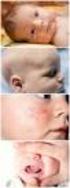 Common Skin Conditions in Children Liz Moore and Emma King Dermatology Nurse Consultants Diagnosis? Nummular Dermatitis Disc pattern rash (discoid eczema) Clearly demarcated edges Occurs at any age Can
X-Plain Psoriasis Reference Summary
 X-Plain Psoriasis Reference Summary Introduction Psoriasis is a long-lasting skin disease that causes the skin to become inflamed. Patches of thick, red skin are covered with silvery scales. It affects
A t f e t r e r th t is s lec e t c u t re r e t h t e e st s u t den e t t sh s ould b e e a b a le e t o t :
 Dermatopharmacology Prof Werner Sinclair Department of Dermatology University of the Free State Outcomes for this Lecture After this lecture the student should be able to: Name the most important characteristics
Acne Vulgaris: Basic Facts
 Acne 1 Module Instructions The following module contains hyperlinked information which serves to offer more information on topics you may or may not be familiar with. We encourage that you read all the
Acne (Acne Vulgaris) A common type of bacteria that lives on the skin, known as Propionibacterium acnes, sometimes
 Acne (Acne Vulgaris) Acne, clinically known as acne vulgaris, is the most common skin disease. It affects 85% of teenagers, some as young as 12, and often continues into adulthood. It is also called pimples,
Pathogenesis 10/04/2015. Acne
 Deepani Rathnayake MBBS, MD, FACD Acne Affects >80% of adolescents >40% of adults Associated with Disfigurement Loss of confidence Depression Affects quality of life Pathogenesis i) increased sebum production,
COMMON BACTERIAL SKIN INFECTIONS IN GENERAL PRACTICE
 COMMON BACTERIAL SKIN INFECTIONS IN GENERAL PRACTICE The two most common bacteria to cause skin infections are staphylococcus aureus (staph aureus ) and streptococcus pyogenes ( strep) (see Table 1). Staphylococcus
B. Disorders of sebaceous glands
 Go Back to the Top To Order, Visit the Purchasing Page for Details B. Disorders of sebaceous glands 1. Acne vulgaris It most frequently occurs on the face of adolescent men and women. Comedones, folliculitis,
ACNE AND ROSACEA. Disclosure. Distribution of Acne 6/12/2014. NJAFP 2014 Summer Celebration & Scientific Assembly 1
 ACNE AND ROSACEA Everett Schlam, MD Assistant Director, Mountainside Hospital Family Medicine Residency Program, Verona, NJ Disclosure Dr. Schlam has indicated that he has nothing to disclose relevant
Informed Consent For Laser Hair Removal
 Informed Consent For Laser Hair Removal INSTRUCTIONS This informed-consent document has been prepared to help inform you about laser procedures, its risks, as well as alternative treatment(s). It is important
Melanoma The Skin Understanding Cancer
 Melanoma A form of cancer that begins in melanocytes (cells that make the pigment melanin). It may begin in a mole (skin melanoma), but can also begin in other pigmented tissues, such as in the eye or
X-Plain Acne Reference Summary
 X-Plain Acne Reference Summary Introduction Nearly 17 million people in the United States have acne, making it one of the most common skin diseases in the USA. Although acne is not a serious health threat,
What are spider veins? What is the best treatment for spider veins?
 Laser Spider/Leg Vein Q & A What are spider veins? Millions of women and men are bothered by unsightly spider veins on their faces and legs. Spider veins or telangiectasias are those small red, blue and
Common Dermatologic Problems in Medicine
 Common Dermatologic Problems in Medicine Toby Maurer, MD University of California, San Francisco Psoriasis-What is it? Fast growing skin-takes 3 days to come to surface and desquamate Normal rate is 28
Wound Care on the Field. Objectives
 Wound Care on the Field Brittany Witte, PT, DPT Cook Children s Medical Center Objectives Name 3 different types of wounds commonly seen in sports and how to emergently provide care for them. Name all
Sports Dermatology. Atlantic Sports Health Damion A. Martins, MD Director Dean Padavan, MD Brett Keller, MD
 Sports Dermatology Atlantic Sports Health Damion A. Martins, MD Director Dean Padavan, MD Brett Keller, MD Objectives NJSIAA Skin Checks Disease Identification and Management Bacterial Fungal Viral Return
Ear Infections Chickenpox chickenpox
 Ear Chickenpox Infections chickenpox Chickenpox Chickenpox is a common, very contagious viral infection that over 90% of people get during childhood unless they have been immunised. After an infection,
SHINGLES (Herpes zoster infection)
 SHINGLES (Herpes zoster infection) What are the aims of this leaflet? This leaflet has been written to help you understand more about shingles. It will tell you what it is, what causes it, what can be
Nurse Practitioner, Dermatology
 Melissa O Neill, O MS, APRN Nurse Practitioner, Dermatology Three Types of Skin Cancer > Basal Cell Carcinoma > Squamous Cell Carcinoma > Malignant Melanoma Basal Cell Carcinoma > Most common skin cancer
THE SKIN PHYSICAL EXAMINATION
 INTRODUCTION THE SKIN PHYSICAL EXAMINATION Among the many aspects of the physical examination, the diagnosis of skin disorders requires a unique approach. It demands the diagnostician s ability not only
Vesiculobullous Diseases Non-Infectious Etiology. Vesiculobullous Diseases. Infectious Etiology
 Vesicles and Pustules in the Newborn Julian Trevino, M.D. Associate Professor Boonshoft School of Medicine Department of Dermatology Vesicles and Pustules in the Newborn Represent wide spectrum of disorders
SKIN DISORDERS AND DISEASES Date:
 SKIN DISORDERS AND DISEASES Date: TOPIC 1: UNDERSTANDING SKIN DISORDERS 9 Rating: Text Pages: 184 205 1 Esthetics and dermatology are services that ideally complement one anotherthe esthetician should
Psoriasis. Psoriasis. Mark A. Bechtel, M.D. Director of Dermatology The Ohio State University College of Medicine
 Psoriasis Mark A. Bechtel, M.D. Director of Dermatology The Ohio State University College of Medicine Psoriasis Psoriasis is a chronic skin disorder resulting from a polygenic predisposition combined with
Leukocytoclastic Vasculitis and Stasis Dermatitis With Id Reaction
 Id Reaction December 01, 2007 By David L. Kaplan, MD [1] A Photo Quiz to Hone Dermatologic Skills Case 1: A slightly pruritic eruption developed on the lower legs of a 39-year-old woman after she had an
Psoriasis. Student's Name. Institution. Date of Submission
 Running head: PSORIASIS Psoriasis Student's Name Institution Date of Submission PSORIASIS 1 Abstract Psoriasis is a non-contagious chronic skin disease that is characterized by inflammatory and multiplying
1. ACNE 1. Lisa Schmidt, MPH, Eve A. Kerr, MD, and Kenneth Clark, MD
 1. ACNE 1 Lisa Schmidt, MPH, Eve A. Kerr, MD, and Kenneth Clark, MD The general approach to summarizing the key literature on acne was to review relevant sections of two medical text books (Vernon and
Smoothbeam Laser Treatment of Acne Vulgaris. Emerging Applications
 Smoothbeam Laser Treatment of Acne Vulgaris Emerging Applications About Acne Vulgaris Very common - Affects 80% of population Almost every person experiences acne Most common reason to visit dermatologist
FastTest. You ve read the book... ... now test yourself
 FastTest You ve read the book...... now test yourself To ensure you have learned the key points that will improve your patient care, read the authors questions below. Please refer back to relevant sections
Color Atlas of Skin Diseases
 Color Atlas of Skin Diseases Table of Contents 1. Acne Rosacea 2. Bacterial Infections Folliculitis Impetigo 3. Benign Neoplasms Seborrheic Keratoses Granuloma Pyogenicum Lentigo Simplex 4. Childhood Infectious
www.healthoracle.org 1
 How does hair grow and should it recycle? A single hair follicle grows its hair strand over a period of four to six years (the anagen phase). It then rests for two to four months (the telogen phase), after
The Integumentary System Dr. Ali Ebneshahidi
 The Integumentary System Dr. Ali Ebneshahidi The Skin The integument system consists of the skin (cutaneous membrane) and its accessory organs. The skin is composed of three layers of tissue: the outer
Syphilis: Aid to Diagnosis
 STD, HIV, AND TB SECTION Syphilis: Aid to Diagnosis This document contains extremely graphic images. These images are intended to help health care professionals identify and diagnose syphilis. All images
F r e q u e n t l y A s k e d Q u e s t i o n s
 Acne who specializes in treating skin problems) about how you can help prevent acne and if treatment would help you. Q: What is acne? A: Acne is a disorder that causes outbreaks of skin lesions commonly
Leader's Resource. Note: Both men and women can have an STD without physical symptoms.
 Leader's Resource Information on Sexually Transmitted Diseases (STDs) Signs and Symptoms of STDs Note: Both men and women can have an STD without physical symptoms. Any of the following can indicate to
NEHSNORTH EASTERN HEALTH SPECIALISTS
 COSMETIC DERMATOLOGY NEHSNORTH EASTERN HEALTH SPECIALISTS nehs.com.au CONSENT FORM ACNE Treatment I, DOB:, of authorize of North Eastern Health Specialist to perform hair removal with the BBL / Nd-Yag
Nursing Process Focus: Patients Receiving LINDANE (Kwell)
 Nursing Process Focus: Patients Receiving LINDANE (Kwell) ASSESSMENT Prior to administration: Obtain complete health history including allergies, drug history, and possible drug interactions. Assess vital
EVALUATING THE PATIENT WITH AN ACUTE, GENERALIZED VESICULAR OR PUSTULAR RASH ILLNESS AND DETERMINING THE RISK OF SMALLPOX
 EVALUATING THE PATIENT WITH AN ACUTE, GENERALIZED VESICULAR OR PUSTULAR RASH ILLNESS AND DETERMINING THE RISK OF SMALLPOX Many rash illnesses can present with vesicles and pustules. The purpose of this
The challenge of herpes
 The challenge of herpes Herpes is a common and personally challenging disease Herpes is very common. One out of four adults has genital herpes. When people first hear that they are infected, many become
1g cream or ointment contains 1 mg methylprednisolone aceponate.
 CONSUMER MEDICINE INFORMATION ADVANTAN 1g cream or ointment contains 1 mg methylprednisolone aceponate. What is in this leaflet Please read this leaflet carefully before you start using ADVANTAN. It will
Two main classes: Epithelial Connective (synovial) Epithelial. Cutaneous Mucous Serous
 Two main classes: Epithelial Connective (synovial) Epithelial Cutaneous Mucous Serous Epithelial Membranes = sheet of epithelia + connective tissue base 1. Cutaneous membrane: outer skin layer (stratified
Topical Tacrolimus or Pimecrolimus for the treatment of mild, moderate or severe atopic eczema. Effective Shared Care Agreement
 Topical Tacrolimus or Pimecrolimus for the treatment of mild, moderate or severe atopic eczema. Effective Shared Care Agreement A Copy of this page signed by all three parties should be retained in the
Acne. Sofia Chaudhry M.D. Histology of an inflamed comedo. Bolognia, 2008.
 Acne Sofia Chaudhry M.D. Histology of an inflamed comedo. Bolognia, 2008. Acne Vulgaris (Common Acne) Multifactorial disorder of pilosebaceous unit Affects 40-50 million individuals annually in U.S. alone
ACNE. Nisakorn Saewan, Ph.D.
 ACNE, Ph.D. Contents Definition Cause of acne Type of acne Acne grades Acne treatments Objectives To explain the definition of acne To elucidate cause of acne To identify type and grade of acne To explain
MRSA. Living with. Acknowledgements. (Methicillin-Resistant Staphylococcus aureus)
 How can I keep myself healthy? Hand washing and use of an alcohol-based hand sanitizer are the primary way to prevent acquiring or transmitting bacteria. If you get a cut or scrape, wash it well with soap
Additional details >>> HERE <<<
 Additional details >>> HERE http://dbvir.com/ringworm12/pdx/comw23/ Tags:
MEDICATION GUIDE. PROTOPIC [pro-top-ik] (tacrolimus) Ointment 0.03% Ointment 0.1%
![MEDICATION GUIDE. PROTOPIC [pro-top-ik] (tacrolimus) Ointment 0.03% Ointment 0.1%](/thumbs/27/10084771.jpg "MEDICATION GUIDE. PROTOPIC [pro-top-ik] (tacrolimus) Ointment 0.03% Ointment 0.1%") MEDICATION GUIDE PROTOPIC [pro-top-ik] (tacrolimus) Ointment 0.03% Ointment 0.1% Read the Medication Guide every time you or a family member gets PROTOPIC Ointment. There may be new information. This Medication
MEDICATION GUIDE PROTOPIC [pro-top-ik] (tacrolimus) Ointment 0.03% Ointment 0.1% Read the Medication Guide every time you or a family member gets PROTOPIC Ointment. There may be new information. This Medication
Disorders of the Vulva
 Disorders of the Vulva WOMENCARE A Healthy Woman is a Powerful Woman (407) 898-1500 Certain health problems can affect the vulva (the outer part of the female genital area). Some problems are minor. Others
Facial Use of Low Potency Steroids With Anti-microbials and Retinoids
 Facial Use of Low Potency Steroids With Anti-microbials and Retinoids Steven L. Harlan, MD Medical Director, Dermatology Center, Des Moines, IA Introduction: There have been many reports of topical corticosteroids
PACKAGE LEAFLET: INFORMATION FOR THE USER. Elidel 10 mg/g Cream. pimecrolimus
 PACKAGE LEAFLET: INFORMATION FOR THE USER Elidel 10 mg/g Cream pimecrolimus Read all of this leaflet carefully before you start using Elidel cream Keep this leaflet. You may need to read it again. If you
How To Get A Medical Insurance Plan From A Doctor
 PATIENT DEMOGRAPHICS SHEET Patient Name: Parent/Legal Guardian Name: Date of Birth: Phone: Address: CITY STATE ZIP Social Security Number: Patient Phone: Sex: M F Home Cell Business Okay to leave detailed
Chapter 71. Caring for Clients with Skin, Hair and Nail Disorders. Tattoos & Body Piercing
 Chapter 71 Caring for Clients with Skin, Hair and Nail Disorders Tattoos & Body Piercing A Tattoois pigmentation of the dermal layer of the skin with needles containing dye Body piercing is the insertion
F REQUENTLY A SKED Q UESTIONS
 Acne ogist (a doctor who specializes in treating skin problems) about how you can help prevent acne and if treatment would help you. page 1 Q: What is acne? Q: What are the different types of A: Acne is
Local Coverage Determination (LCD) for Skin Lesion (Non-Melanoma) Removal (L28300)
 Search Home Medicare Medicaid CHIP About CMS Regulations & Guidance Research, Statistics, Data & Systems Outreach & Education People with Medicare & Medicaid Questions Careers Newsroom Contact CMS Acronyms
Newborn Skin Rashes. References
 Newborn Skin Rashes COMPETENCIES: The resident should be able to: Recognize presenting signs and symptoms of a neonatal herpes simplex virus infection Recognize erythema toxicum and characteristics of
Accent on Health Obgyn, PC HERPES Frequently Asked Questions
 1. What is herpes? 2. How common is herpes? 3. Is there a cure for herpes? 4. What is oral herpes (cold sores)? 5. How is oral herpes spread? 6. What is genital herpes? 7. How is genital herpes spread?
Skin cancer Patient information
 Skin cancer Patient information What is cancer? The human body is made up of billions of cells. In healthy people, cells grow, divide and die. New cells constantly replace old ones in an orderly way. This
Yes, I know I have genital herpes:
 Counseling Messages for Herpes Simplex Type II (HSV-II) Genital herpes Always take the time to attend to the participant s feelings and emotional state; for some people, this is the most devastating news
COST-EFFECTIVE TREATMENT OF ACNE, ATOPIC DERMATITIS AND MOLLUSCUM. Jan Yusk, M.D.
 COST-EFFECTIVE TREATMENT OF ACNE, ATOPIC DERMATITIS AND MOLLUSCUM Jan Yusk, M.D. Conflicts of Interest I have no conflicts of interest to disclose. ACNE Pathogenesis Epidermis Dermis Hair Follicle Hair
Dr Noluthando Nematswerani Department of Pharmacology
 Dr Noluthando Nematswerani Department of Pharmacology They account for 2% of consultations in GP Important to make correct diagnosis Adverse reactions to topical or systemic drugs produce a wide variety
Psoriasis and lichen planus. Department of Dermatology SRM MCH & RC
 Psoriasis and lichen planus Department of Dermatology SRM MCH & RC WHAT IS PSORIASIS Psoriasis is a common, chronic, disfiguring, inflammatory and proliferative condition of the skin; in which both genetic
VARICELLA ZOSTER (VZ) VIRUS, CHICKENPOX & SHINGLES GUIDANCE
 VARICELLA ZOSTER (VZ) VIRUS, CHICKENPOX & SHINGLES GUIDANCE Summary This guidance provides background information on varicella zoster (VZ), chickenpox and shingles and sets out the infection control measures
MEDICAL MANAGEMENT POLICY
 TITLE: Scar Revision/Keloid PAGE: 1of 9 This Medical policy is not a guarantee of benefits or coverage, nor should it be deemed as medical advice. In the event of any conflict concerning benefit coverage,
FUNCTIONS OF THE SKIN
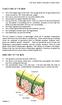 FUNCTIONS OF THE SKIN Skin is the largest organ of the body. The average adult has 18 square feet of skin which account for 16% of the total body weight. Skin acts as a physical barrier for you to the
Spongiotic reaction pattern Spongiosis = Intercellular edema Elongation of bridges vesiculation, bullae?mechanism unclear Fluid comes from dermis Impo
 Spongiotic Reaction Pattern and review Nathan C. Walk, M.D. Spongiotic reaction pattern Spongiosis = Intercellular edema Elongation of bridges vesiculation, bullae?mechanism unclear Fluid comes from dermis
METHICILLIN-RESISTANT STAPHYLOCOCCUS AUREUS (MRSA) COMMUNITY ACQUIRED vs. HEALTHCARE ASSOCIATED
 METHICILLIN-RESISTANT STAPHYLOCOCCUS AUREUS (MRSA) COMMUNITY ACQUIRED vs. HEALTHCARE ASSOCIATED Recently, there have been a number of reports about methicillin-resistant Staph aureus (MRSA) infections
What is Psoriasis? Common Areas Affected. Type Who Does it Affect Characteristics
 What is? is a term derived from the Greek word psōra which means itch and is a common, long lasting, inflammatory skin condition which affects 1-3% of the UK population and about 80 million people worldwide.
Skin Infections and Infestations
 Campen_C05.qxd 23/04/2004 05:25 PM Page 67 Chapter 5 Ch. 5: Skin Infections and Infestations 67 Skin Infections and Infestations FUNGAL INFECTIONS OF SKIN Most fungi that infect the stratum corneum of
Nursing college, Second stage Microbiology Dr.Nada Khazal K. Hendi L14: Hospital acquired infection, nosocomial infection
 L14: Hospital acquired infection, nosocomial infection Definition A hospital acquired infection, also called a nosocomial infection, is an infection that first appears between 48 hours and four days after
PATIENT REGISTRATION
 PATIENT REGISTRATION Patient s Last Name: Patient s First Name: MI: Address: City, State Zip code: Patient s Date of Birth: Patient s Social Security: Best Number to contact: Secondary Number: Marital
Informed Consent for Cosmetic Laser Skin Resurfacing with the DOT laser
 Informed Consent for Cosmetic Laser Skin Resurfacing with the DOT laser INSTRUCTIONS This informed-consent document has been prepared to help inform you about laser procedure, its risks, as well as alternative
Balanitis (change on the helmet of the penis) This is a change in the skin on the glans (helmet) of the penis. It is often caused by either:-
 INFECTIONS Bacterial Vaginosis Women with Bacterial Vaginosis (BV) often complain of an increase in vaginal discharge that is "smelly" or they feel "unclean" despite regular washing. This is more noticeable
BOWEN S DISEASE (SQUAMOUS CELL CARCINOMA IN SITU)
 BOWEN S DISEASE (SQUAMOUS CELL CARCINOMA IN SITU) What are the aims of this leaflet? This leaflet has been written to help you understand more about squamous cell carcinoma in situ (Bowen s disease). It
Management of Burns. The burns patient has the same priorities as all other trauma patients.
 Management of Burns The burns patient has the same priorities as all other trauma patients. Assess: - Airway - Breathing: beware of inhalation and rapid airway compromise - Circulation: fluid replacement
Use of Packing for Surgical Wounds. Maggie Benson Clinical Problem Solving II
 Use of Packing for Surgical Wounds Maggie Benson Clinical Problem Solving II Purpose Present patient management s/p Incision and Drainage in an outpatient setting Examine evidence for the use of wound
Statement of Principles concerning PRURITUS ANI
 Instrument No.41 of 1996 Determination of Statement of Principles concerning PRURITUS ANI ICD CODE: 698.0 Veterans Entitlements Act 1986 1. This Statement of Principles is determined by the Repatriation
Guidelines for Hand Foot and Mouth Disease HFMD
 Guidelines for Hand Foot and Mouth Disease HFMD Hand, foot, and mouth disease, or HFMD, is a contagious illness caused by different viruses. Infants and children younger than 5 years are more likely to
Diseases that can be spread during sex
 Diseases that can be spread during sex Did you know... over 65 million people in the United States have a chronic, incurable sexually transmitted disease (STD)? and that every year another 19 million persons
Treatment of sexually transmitted and other genital infections
 www.bpac.org.nz keyword: sti Treatment of sexually transmitted and other genital infections Key reviewer: Dr Murray Reid, Sexual Health Physician, Auckland Sexual Health Service General points: If one
Psoriasis Can be Cured with Homoeopathy
 Homoeopathy Clinic http://www.homoeopathyclinic.com Psoriasis Can be Cured with Homoeopathy Case Report / General Information What you should Know about Psoriasis? It is not a contagious disease. Psoriasis
Cervical lymphadenopathy
 Cervical lymphadenopathy Introduction There are various classifications of lymphadenopathy, but a simple and clinically useful system is to classify lymphadenopathy as "generalized" if lymph nodes are
Common Medical Malpratice Delayed Diagnosis Cases: Melanoma
 DELAYED DIAGNOSIS SKINCANCER Common Medical Malpratice Delayed Diagnosis Cases: Melanoma Melanoma makes up the smallest percentage of skin cancer cases, yet it s the deadliest form causing the greatest
Psoriasis Treatment Transition Pathway
 Psoriasis Treatment Transition Pathway A Treatment Support Tool Adapted from Circle Nottingham NHS Treatment Centre Psoriasis Pathway (under consultation) with support from Abbvie Ltd Treatment Pathways
Scabies. Care Homes IPC Study Day. Sue Barber Lead Nurse Infection Prevention & Control AV & Chiltern CCG s
 Scabies Care Homes IPC Study Day Sue Barber Lead Nurse Infection Prevention & Control AV & Chiltern CCG s Scabies What is it? (warning you will experience itching during this session) Ancient disease evidence
Looking after. and treating skin infections. A guide for parents and families
 Looking after and treating skin infections A guide for parents and families Healthy Skin These things help keep your child s skin healthy: Eating healthy food like meat, fruit and vegetables. Drinking
Pubic lice and Scabies. Looking after your sexual health
 Pubic lice and Scabies Looking after your sexual health 2 Pubic lice and Scabies Pubic lice are tiny parasitic insects that live in coarse body hair, such as pubic hair. They are yellow-grey and about
CHAPTER 15 SCLEROTHERAPY FOR VENOUS DISEASE
 Introduction CHAPTER 15 SCLEROTHERAPY FOR VENOUS DISEASE Original authors: Niren Angle, John J. Bergan, Joshua I. Greenberg, and J. Leonel Villavicencio Abstracted by Teresa L. Carman New technology has
PSORIASIS AND ITS. Learn how vitamin D medications play an important role in managing plaque psoriasis
 PLAQUE PSORIASIS AND ITS TREATMENTS Learn how vitamin D medications play an important role in managing plaque psoriasis 2 Understanding Plaque Psoriasis WHAT CAUSES PLAQUE PSORIASIS? No one knows exactly
Protecting Myself from MRSA By Angela Ulferts RN, BSN
 Protecting Myself from MRSA By Angela Ulferts RN, BSN What is MRSA? MRSA stands for Methicillin-Resistant Staphylococcus Aureus. This is an infection that has been around for some time. But it has always
Kean University BS Degree Program in Athletic Training BLOOD BORN PATHOGENS POLICY
 Kean University BS Degree Program in Athletic Training BLOOD BORN PATHOGENS POLICY Effective September 2, 2014 The following policy will apply to students taking classes and faculty teaching those classes
FUNGAL INFECTIONS OF THE NAILS
 FUNGAL INFECTIONS OF THE NAILS What are the aims of this leaflet? This leaflet has been written to help you understand more about fungal infections of the nails. It tells you what they are, what causes
Consent for Laser/Light Based Treatment
 Consent for Laser/Light Based Treatment I authorize Dr. Linda Cook to oversee laser/intense pulsed light cosmetic dermatology treatments on me, including but not limited to deep tissue heating, soft tissue
Glossary. amenorrhea, primary - from the beginning and lifelong; menstruation never begins at puberty.
 Glossary amenorrhea - absence or cessation of menstrual periods. amenorrhea, primary - from the beginning and lifelong; menstruation never begins at puberty. A amenorrhea, secondary - due to some physical
PHYSICIAN OFFICE BILLING INFORMATION SHEET FOR IMLYGIC (talimogene laherparepvec)
 PHYSICIAN OFFICE BILLING INFORMATION SHEET FOR IMLYGIC (talimogene laherparepvec) INDICATION IMLYGIC is a genetically modified oncolytic viral therapy indicated for the local treatment of unresectable
X-Plain Alopecia Reference Summary
 X-Plain Alopecia Reference Summary Introduction Hair loss is very common in both men and women. You or someone you love may be experiencing hair loss. Hair follicle Learning about normal hair growth is
Facts About Chickenpox and Shingles for Adults
 Facts About Chickenpox and Shingles for Adults What is chickenpox? Chickenpox, also known as varicella, is a very contagious disease caused by the varicella-zoster virus. It is spread easily through the
SQUAMOUS CELL CARCINOMA
 SQUAMOUS CELL CARCINOMA What are the aims of this leaflet? This leaflet has been written to help you understand more about squamous cell carcinomas of the skin. It tells you what they are, what causes
Canine Lymphoma Frequently Asked Questions by Pet Owners
 Canine Lymphoma Frequently Asked Questions by Pet Owners What is lymphoma? The term lymphoma describes a diverse group of cancers in dogs that are derived from white blood cells called lymphocytes. Lymphocytes