
Institutional delivery service utilization in Woldia, Ethiopia
|
|
|
- Vanessa Greer
- 9 years ago
- Views:
Transcription
1 Science Journal of Public Health 2013; 1(1) : Published online March 10, 2013 ( doi: /j.sjph Institutional delivery service utilization in Woldia, Ethiopia Worku Awoke 1,, Jemal Muhammed 2, Gedefaw Abeje 1 1 Bahir Dar University, College of medicine and Health Sciences, Ethiopia 2 rth Wollo, Zonenal Health Departments, Ethiopia address: [email protected] (W. Awoke), [email protected] (J. Muhammed), [email protected] (G. Abeje) To cite this article: Worku Awoke, Jemal Muhammed, Gedefaw Abeje. Institutional Delivery Service Utilization in Woldia, Ethiopia, Science Journal of Public Health. Vol. 1,. 1, 2013, pp doi: /j.sjph Abstract: Introduction: Institutional delivery service utilization is essential to improve maternal and child health. However, little is known about institutional delivery service utilization in Woldia, Ethiopia. This study was aimed at assessing institutional delivery service utilization. Methods: Community based cross sectional study was done on 478. Census was carried out in two urban and one rural kebeles (the smallest administrative unit) to identify mothers who gave birth in the past five year. Mothers were selected by systematic random sampling technique. Quantitative data and qualitative data were collected by means of a pretested questionnaire and in-depth interview guide, respectively. Bivariate and multiple logistic regression analysis were done by using SPSS version 20; P-values 0.05 were considered as statically significant. Results: The study showed that 48.3% of institutional delivery service utilization. Mothers residences, educational status, being informed about place of delivery at their last pregnancy were main factors associated to institutional delivery service utilization. Conclusions: Institutional delivery service in Woldia was low. It is recommended that motivating mothers through formal education and awareness creation about the benefit of institutional delivery service utilization and the risk of home delivery should be given due attention by the local health workers. Keywords: Institutional Delivery Service; Woldia; Ethiopia 1. Introduction Globally, mothers die from complications of pregnancy and childbirth. Sub-Saharan Africa and Southern Asia accounted for 85% of the global burden of maternal deaths [1]. The rate of maternal mortality in Ethiopia is one of the highest in the world and estimated 673 maternal deaths per 100,000 live births in 2012 [2]. Most maternal deaths are avoidable, as the health-care solutions to prevent or manage complications are well known. It is particularly important that all births are attended by skilled health professionals, as timely management and treatment can make the difference between life and death [3]. Recent efforts to reduce maternal mortality in developing countries have focused primarily on training and deploying skilled birth attendants and upgrading emergency obstetric care facilities [4]. However, the proportion of birth attended by skilled health workers varies across the regions. Nearly all births in developed countries, 61.9% in less developed countries, 35.3% in the least developed countries and 33.7% births in eastern Africa were attended by skilled health personnel [5]. In Ethiopia institutional delivery service utilization at national level was very low, only 10 % of births were assisted by skilled health care provider. Moreover, sixty one percent of mothers stated that health facility delivery was not necessary and thirty percent stated that it was not customary to deliver at health facility [2]. Previous local studies done in Ethiopia showed that there were variation in skilled birth attendance, 12.3% in Munisa district [6], 4.3% of rural mothers and 40% urban mother in Arsi [7], 12.0% (20.8% in urban and 6.8 % in rural mother) in Metekel [8], 13.5% in rth Gondar [9], 12.1% in Sekela district [10]. Previous studies also showed that institutional delivery service utilization were associated with educational status of mothers and their husbands, income level, preferences of the attentions of their relatives, trust on traditional birth attendants, absence of health problems during pregnancy, antenatal visits during pregnancy, short duration of labor, mothers place of residence, age, perceived distance to the nearest health facility and transportation costs [6, 7, 8, 9, 10]. However, little is known about institutional delivery service utilization in Woldia, Ethiopia. This study was aimed at assessing institutional delivery service utilization and associated factors among mothers who gave birth in the past five year prior to this survey.
2 Science Journal of Public Health 2013, 1(1) : Methods 2.1. Study Area and Period Community based cross sectional study was done by using quantitative and qualitative method of data collection from February to March 2012 in Woldia, Ethiopia. Woldia is located at a distance of 520 km from Addis Ababa in rth Ethiopia which is administratively structured by four rural and three urban kebeles (lowest administrative level) and had a total a total population of 46,139, of whom 23,000 are men and 23,139 women [11].There is one hospital, two health centers and four health posts Sample Size Determination and Sampling Method Sample size was determined using single population proportion formula. The following assumptions were used, the proportion of institutional delivery in Amhara Region according to previously study was 10.2% [2], 95 % confidence level, 4% margin of error, multiplying by two for designing effect and additional 10% allowance for none response rate, making the calculated sample size to be 478 mothers. Participants for quantitative data were selected by using the following steps. First, two urban and one rural kebeles (the smallest administrative unit) were selected by using simple random sampling technique. Census was carried out in the selected Kebeles to identify mothers who gave birth in the past five year prior to the survey. Then, proportional distribution of the sample size for each selected kebeles was done. Finally, mothers were selected by systematic random sampling method. For qualitative data, key informants were selected conveniently from district health office, district hospital and health centers Data Collection and Management A structured questionnaire was originally prepared in English according to the objective of the study and translated into the local language (Amharic). Sections that showed any discrepancies were revised. Ten females, who completed secondary school education, were recruited for data collection. Data collectors and supervisors were trained mainly on the objective of the study, how to conduct face to face interview and how to keep confidentiality of the information. Then data were collected by using a face-to-face interview after pre-testing in a similar setting of the study area. The data collection processes were supervised daily in the field by health professionals. The collected data were coded and entered in to a statistical package of SPSS version 20. Bivariate and multiple logistic regression analysis were done; P-values 0.05 were considered as statically significant. The qualitative data were collected by using in-depth interviews with key informants. After gathering the qualitative data, it was organized manually and thematic analysis was done Ethical Considerations Ethical clearance was obtained from ethical review committee of Bahir Dar University. Letter of permission was obtained from Woldia administration. During data collection, the purposes of the study were clearly explained and informed oral consent was obtained from the selected mothers. Participants were assured of confidentiality of the information and told that they had the right to withdraw from the study at any time during interviewing. 3. Results 3.1. Socio-Demographic Characteristics of Respondents From the total of 471 mothers interviewed, 181(38.4%) and 290 (61.6%) of respondents were rural and urban residents respectively. Twelve (2.5%), 78(16.6%), 140(29.7%), 241 (51.1%) of the respondents were in the age group of 15-19, 20-24, 25-29, and above 30 years, respectively. Majority of mothers, 434 (92.1%) were belong to the Amhara ethnic group. Concerning educational status, 224(47.6%) of mothers cannot read and write, 47(10%) can read and write, 105(22.3%) attended primary education and 95(20.2%) of the respondents completed secondary education and above. As to occupational status, 334(70.9%) were house wives, 63 (13.4%) were farmers, and 74(15.7%) had other occupations. Regarding marital status, 37(7.9%) were single, 397(84.3%) married, 17(3.6%) divorced, 7(1.5%) separated, and 13(2.8%) were widowed (Table 1). Table 1. Socio-demographic characteristics of the respondents, March (N= 471) Variables Frequency Percent Residence Rural Urban Age (years) Religion Muslim Orthodox Protestant Ethnicity Amhara Tigrie Educational status Cannot read and write Can read and write Primary Secondary and above Occupational status House wife Framer Others Marital status Single Married Divorced Separated Windowed
3 20 Worku Awoke et al.: Institutional delivery service utilization in Woldia, Ethio-pia 3.2. Obstetric Characteristics of Respondents Two hundred forty eight 248 (52.7%) of the respondents were years at their first pregnancy, 164 (34.8%) and 50 (10.6%) of the respondents were years old. Regarding age of mother during the last birth, 50 (10.6%) were years, 125 (26.5%) were years, 113 (24%) mothers were years, and 183 (38.9%) mothers were older than 30 years. Majority 419 (89%) of the respondents had a history of antenatal care services. Three hundred forty three (72.8%) of respondents reported that they obtained information about complication during delivery and 364 (77.3%) of the respondents reported that they were informed about the place of delivery during their antenatal visits (Table 2). Table 2. Obstetric characteristics of the respondents, March Institutional Delivery Service Utilization Majority, 470 (99.8%) of the respondents reported that the availability of health facility in the nearby to their home. However, 132 (28%) of respondents did not know whether that health facility provide delivery service or not. Among 471 respondents, 227 (48.3%) gave their last birth in health institutions, 243 (51.7%) gave birth at home. Out of the total home deliveries, 22.5%, 10.4% and 7.4%, of the deliveries were assisted by family members and relatives, untrained traditional birth attendants, trained traditional birth attendants, respectively (Table 3). Table 3. Institutional delivery service Utilization in Woldia, March 2012March Variable Frequency Percent Variables Frequency Percent Age at first pregnancy Do you know that the nearby Health facility is providing delivery service? I don t know Age at last pregnancy Place of delivery of the last pregnancy Home Health facility Others Gravidity Parity Had complication during last delivery among home deliveries (N=243) I don t remember ANC visit Frequency of ANC visits Who assisted the home delivery(n=243) attendant 4 Health professionals 2 Trained traditional birth attendant 35 Untrained traditional birth attendant 49 Relatives Informed about delivery complications I don t remember Informed about place of delivery The most common reasons for home delivery were precipitate labor 47.9%, smooth and short labor 42% and labor at night 14% (Figure 1). Most mothers who gave birth at home reported that they experienced complications, Retained placenta (39%) prolonged labor (27.3%), excessive vaginal discharge and loss of consciousness (Figure 2).
4 Science Journal of Public Health 2013, 1(1) : Percentages Reasons for Home Delivery Figure 1. Reasons for home delivery as mentioned mothers in Woldia, March Percentages Excessive bleeding Prolonged labor Retained placenta Loss of consciousness Complications Figure 2. Types of complications faced during home delivery as reported by mothers who gave birth at home in Woldia, March Factors Associated with Institutional Delivery Service Utilization Bivariate analysis was carried out to examine factors associated with institutional delivery service. The socio demographic variables which showed statistically significant association were place of residence, mothers education status and occupation, husband s education and occupation (p-value 0.05). The obstetric variables that showed statistically significant association (p-value 0.05) were mothers age at first pregnancy, frequency of antennal care visits and obtaining information on the importance of institutional delivery during their last pregnancy. Finally, multivariate logistic regression was carried out to predict institutional delivery service utilization with variables that were statistically associated during the bivariate analysis p-value 0.05). Mothers residence, educational status, obtaining information on the importance of institutional delivery during their last pregnancy and knowledge of mothers about institutional delivery services were significantly associated with the utilizations of institutional
5 22 Worku Awoke et al.: Institutional delivery service utilization in Woldia, Ethio-pia delivery service. The result showed that mothers who live in rural areas were less likely to utilize institutional delivery service than mothers from urban areas (AOR=0.032 and 95% CI= ). Mothers who had secondary and above educational level were more likely to utilize institutional delivery service than those who cannot read and write (AOR 15 and 95%CI= ). Mothers who were not informed about place of delivery were less likely to utilize institutional delivery service than informed ones (AOR=0.081 and 95%CI= ). Mothers who were less knowledgeable less knowledgeable about institutional delivery service utilization and delivery complications were less likely to utilize delivery service than mothers who had adequate knowledge (AOR= %CI= ( ) (Table 4). Table 4. Associations of socio- demographic and obstetric characteristics of respondents with institutional delivery service utilization in Woldia, March 2012March Variables Residence Rural Urban Institutional delivery Crud OR 95% CI 0.034( ) Adjusted OR 95% CI 0.032( ) Educational status Cannot read and write Can read and write Primary education Secondary and above ( ) 13.34( ) 53.39( ) 6.86( ) 9.76( ) 15( ) Informed about place of delivery during last pregnancy ( ) 0.081( ) Knowledge of mothers about institutional delivery services Knowledgeable t knowledge ( ) 0.20( ) 4. Discussion This study showed that institutional delivery service utilization in the study area was low [48.3%]. This finding is consistent with other findings in Ethiopia; EDHS 2011[2], in the urban Arsi Zone [7] and in Metekel [8]. This finding was also supported with the qualitative data findings. The key-informant said that; Like any Ethiopian region, proportion of mothers who use institutional delivery service in Woldia town is low. Most mothers in our town (Woldia) gave birth at home without the help of skilled birth attendants. The result of the present study depict that place of residence had significant association with institutional delivery service utilization. The rural mothers were less likely to give birth at health facility compared to rural mothers. This finding was consistent with other research findings reported in Ethiopia, find dings of Ethiopia demographic and health surveys of year 2011 [2], Metekel [8] and Gondar [9]. The reason might be that urban mothers tend to have better access to health facilities and other promotional services than rural mothers. On the other hand, rural mothers might be tied with strong cultural and traditional belief and lack awareness about the benefit of institutional delivery services. Mothers who had educational level of secondary and above were fifteen times more likely to utilize institutional delivery service than mothers who cannot read and write. This finding is consistent with that of some previous studies which showed that educational status of mothers to be the most significant associated factors for utilization of institutional delivery service [2, 7-9]. There are a number of reasons why educational status of mothers has significant positive relationship with utilization of institutional delivery service. Education may enhance female autonomy; thus increasing mothers ability to make decisions regarding their utilization of institutional delivery service. Education also increases the knowledge of delivery care, thus increasing the demand for utilization of institutional delivery service. Study conducted in Ethiopia revealed that antenatal care visit could increase utilization of institutional delivery service [8, 9]. In this study 89% of mothers received antenatal care services for the last pregnancy. However, antenatal care visit did not show statistically significant association with institutional delivery service utilization. This finding was also supported by findings of the qualitative data. One key informant said that; All mothers who had antenatal care visit did not give birth at health facility. This is due to the
6 Science Journal of Public Health 2013, 1(1) : fact that, during antenatal care, mothers did not get enough information about the risk of home delivery. On other hand, mothers can come for antenatal care by themselves, but they could not come when they are in labor because they need the help of others. Therefore, the coverage of institutional delivery is lower than other maternal health care services. Majority of mothers preferred home delivery. The most common reasons for home delivery were precipitate labor, smooth and short labor, labor was at night, normal home delivery in previous time, preference to traditional birth attendants and relatives. Similar study from Arisi Zone revealed that the main reasons for mothers to prefer home delivery was short labor 54.8% [7]. Another study in Gondar identified that the main reasons for home delivery were smooth and short labor (42%), need to be attended with relatives during labor (44.7%), trusting traditional birth attendants and cultural belief (55.3%) [9]. This study showed that mothers who delivered at home had faced birth complications. Mothers who delivered at home reported complications such as retained placenta (39.4%), prolonged labor (27.3%), excessive vaginal bleeding (27.3%) and loss of consciousness (12%).This finding is similar with the result reported from rth Gondar, which revealed that 41.1%, 24.2% and 18.6% of mothers who gave birth at home had excessive vaginal bleeding, prolonged labor and retained placenta respectively [9]. Key informant said that; Mothers experienced complications when they delivered at home, such as retained placenta, prolonged labor, excessive vaginal bleeding and fetal distress. Mothers come to health institutions after they have developed complications. 5. Conclusion This study showed that there was low institutional delivery service utilization in Woldia. The socio-demographic characteristics of mothers, residence, educational status, being informed about place of delivery and knowledge of mothers about delivery service utilization were the common associated factors on the utilization of institutional delivery service in Woldia. Even though 89% of mothers received antenatal care, only 48.3% of those were delivered at health facility depicting that there was a gap between antenatal care service and delivery service utilization. Based on our findings, it is important to increase girls education to improve institutional delivery service utilization. Health education for mothers about benefits of institutional delivery service utilization and risks of home delivery should be also given due attention by the local health workers to increase institutional delivery service utilization. Limitation of the study The limitations of this study may include the following. This cross sectional study by its very nature cannot establish cause and effect relationship. Some of the data like antenatal visit, being informed about place of delivery and types of complication they faced during home delivery were based on mothers response. Acknowledgements We would like to thank Bahir Dar University and GAMBY College of Medical Sciences. We are also grateful for the cooperation of data collectors and the study participants. References [1] World Health Organization: Trends in Maternal Mortality: 1990 to 2010 Estimates developed by WHO, UNICEF, UNFPA and The World Bank. Geneva; [2] Central Statistical Agency [Ethiopia] and ICF International: Ethiopia Demographic and Health Survey 2011: Addis Ababa. Ethiopia and Calverton, Maryland, USA: Central Statistical Agency and ICF International; [3] World health organization: Maternal mortality (2012) url: x.html [4] Prata N, Passano P, Rowen T, Bell S, Walsh J and Potts M: Where There Are (Few) Skilled Birth Attendants. Journal of health nutrition, population and Nutrition April; 29(2): [5] Department of Reproductive Health and Research: Proportion of births attended by a skilled health worker By World Health organization, Geneva; 2008 updates. Url: l_perinatal_health/2008_skilled_attendant.pdfl: [6] Amano A, Gebeyehu A and Birhanu Z: Institutional delivery service utilization in Munisa Woreda, South East Ethiopia: a community based cross-sectional study. BMC Pregnancy and Childbirth 2012, 12:105. [7] Abera M, G/mariam A, and Belachew T: predictors of safe delivery service utilization in Arsi zone, south-east Ethiopia. Ethiop journal of Health Sciences. 2011; Vol. 21, Special Issue: [8] Tura G, G/Mariam : Safe delivery service utilization in Metekel Zone, rth West Ethiopia. Ethiop journal of Health Sciences. 2011; 17(4): [9] Nigussie M, Haile Mariam D, Mitike G: Assessment of safe delivery service utilization among Mothers of childbearing age in north Gondar Zone, rth West Ethiopia. Ethiopian journal of Health Development.2004;18(3): [10] Teferra AS, Alemu FM, Woldeyohannes SM: Institutional delivery service utilization and associated factors among mothers who gave birth in the last 12 months in Sekela District, rth West of Ethiopia: A community - based cross sectional study. BMC Pregnancy and Childbirth 2012, 12(74):1-11. [11] Central Statistical Agency [Ethiopia] Population and housing census results of the Amhara Region, Addis Ababa.
Unintended pregnancy and induced abortion in a town with accessible family planning services: The case of Harar in eastern Ethiopia
 Original article Unintended pregnancy and induced abortion in a town with accessible family planning services: The case of Harar in eastern Ethiopia Solomon Worku 1, Mesganaw Fantahun 2 Abstract Introduction:
Zeritu Dewana 1, Teshale Fikadu 1*, Abebe G/ Mariam 2 and Misra Abdulahi 2
 Dewana et al. Reproductive Health (2016) 13:11 DOI 10.1186/s12978-016-0125-0 RESEARCH Client perspective assessment of women s satisfaction towards labour and delivery care service in public health facilities
Prevalence and associated risk factors of Induced Abortion in northwest Ethiopia
 Original article Prevalence and associated risk factors of Induced Abortion in northwest Ethiopia Elias Senbeto¹, Getu Degu Alene¹, Nuru Abesno², Hailu Yeneneh³ Abstract Background: Approximately 20 million
Measuring Women Status And Gender Statistics in Cambodia Through the Surveys and Census
 Global Forum on Gender Statistics 27 29 March 2012, Dead Sea, Jordan Measuring Women Status And Gender Statistics in Cambodia Through the Surveys and Census By Mrs. Hang Lina, Deputy Director General National
Role of socio-demographic factors on utilization of maternal health care services in Ethiopia
 Role of socio-demographic factors on utilization of maternal health care services in Ethiopia Author Eyerusalem Dagne Year: 2010 Supervisor: Anders Emmelin Acknowledgment I would like to thank the department
150 7,114,974 75.8 -53-3.2 -3.6 -2.9. making progress
 Per 1 LB African Region Maternal and Perinatal Health Profile Department of Maternal, Newborn, Child and Adolescent Health (MCA/WHO) Demographics and Information System Health status indicators - Maternal
117 4,904,773 -67-4.7 -5.5 -3.9. making progress
 Per 1 LB Eastern Mediterranean Region Maternal and Perinatal Health Profile Department of Maternal, Newborn, Child and Adolescent Health (MCA/WHO) Demographics and Information System Health status indicators
Assessment of Factors Affecting Clinical Practice Competency of Undergraduate Health Science Students in Hawassa University, South, Ethiopia
 Assessment of Factors Affecting Clinical Practice Competency of Undergraduate Health Science Students in Hawassa University, South, Ethiopia Rekiku Fikre College of medicine and health sciences, Department
Awareness and attitude to liberalized safe abortion services among female students in University and Colleges of Arba Minch Town, Ethiopia
 Science Journal of Public Health 2014; 2(5): 440-446 Published online September 10, 2014 (http://www.sciencepublishinggroup.com/j/sjph) doi: 10.11648/j.sjph.20140205.20 ISSN: 2328-7942 (Print); ISSN: 2328-7950
Girls education the facts
 Education for All Global Monitoring Report Fact Sheet October 2013 Girls education the facts Millions of girls around the world are still being denied an education PRIMARY SCHOOL: There are still 31 million
68 3,676,893 86.7 -49-2.9 -3.2 -2.5. making progress
 Per 1 LB African Region Maternal and Perinatal Health Profile Department of Maternal, Newborn, Child and Adolescent Health (MCA/WHO) Demographics and Information System Health status indicators Maternal
2. Incidence, prevalence and duration of breastfeeding
 2. Incidence, prevalence and duration of breastfeeding Key Findings Mothers in the UK are breastfeeding their babies for longer with one in three mothers still breastfeeding at six months in 2010 compared
Summary. Accessibility and utilisation of health services in Ghana 245
 Summary The thesis examines the factors that impact on access and utilisation of health services in Ghana. The utilisation behaviour of residents of a typical urban and a typical rural district are used
Promoting Family Planning
 Promoting Family Planning INTRODUCTION Voluntary family planning has been widely adopted throughout the world. More than half of all couples in the developing world now use a modern method of contraception
Department of Pharmacognosy, Cherraan s College of Pharmacy, 521-Siruvani Main Road, Coimbatore-39, Tamilnadu state, India
 Free Access : Available Online PHCOG J A survey on knowledge and attitude of pharmacy, health science and medical students towards traditional medicine as well as willingness of students and doctors towards
Prevalence and determinants of work related injuries among small and medium scale industry workers in Bahir Dar Town, north west Ethiopia
 Molla et al. Annals of Occupational and Environmental Medicine (2015) 27:12 DOI 10.1186/s40557-015-0062-3 RESEARCH ARTICLE Open Access Prevalence and determinants of work related injuries among small and
Cross sectional study on household sanitation, hygiene and water access level in Debay Tilat Gin Woreda, East Gojjam, Ethiopia
 Cross sectional study on household sanitation, hygiene and water access level in Debay Tilat Gin Woreda, East Gojjam, Ethiopia Abstract Introduction An estimated.6 billion people lack access to improved
Unwanted pregnancy and associated factors among female students of Madawalabu University Bale Zone, Oromia Region south east, Ethiopia
 Science Journal of Public Health 2015; 3(1): 50-55 Published online January 20, 2015 (http://www.sciencepublishinggroup.com/j/sjph) doi:10.11648/j.sjph.20150301.19 ISSN: 2328-7942 (Print); ISSN: 2328-7950
Sustainability and factors affecting the success of community-based reproductive health programs in rural Northwest Ethiopia
 Sustainability and factors affecting the success of community-based reproductive health programs in rural Northwest Ethiopia Daniel Argaw, Mesganaw Fanthahun, Yemane Berhane ABSTRACT Various Community
Scaling Up Community-Based Service Delivery of Implanon:
 INTEGRATED FAMILY HEALTH PROGRAM January 2010 Scaling Up Community-Based Service Delivery of Implanon: The Integrated Family Health Program s Experience Training Health Extension Workers A satisfied client
Factors influencing utilization of antenatal care services among pregnant women in Ife Central Lga, Osun State Nigeria
 Available online at www.pelagiaresearchlibrary.com Advances in Applied Science Research, 12, 3 (3):1309-1315 ISSN: 0976-8610 CODEN (USA): AASRFC Factors influencing utilization of antenatal care services
Maternal and Neonatal Health in Bangladesh
 Maternal and Neonatal Health in Bangladesh KEY STATISTICS Basic data Maternal mortality ratio (deaths per 100,000 births) 320* Neonatal mortality rate (deaths per 1,000 births) 37 Births for women aged
The trend of Vietnamese household size in recent years
 2011 International Conference on Humanities, Society and Culture IPEDR Vol.20 (2011) (2011) IACSIT Press, Singapore The trend of Vietnamese household size in recent years Nguyen, Thanh Binh 1 Free University
Implementing Community Based Maternal Death Reviews in Sierra Leone
 Project Summary Implementing Community Based Maternal Death Reviews in Sierra Leone Background Sierra Leone is among the poorest nations in the world, with 70% of the population living below the established
Malawi Population Data Sheet
 Malawi Population Data Sheet 2012 Malawi s Population Is Growing Rapidly Malawi Population (Millions) 26.1 19.1 13.1 9.9 8.0 4.0 5.5 1966 1977 1987 1998 2008 2020 2030 Malawi s population is growing rapidly,
Internship at the Centers for Diseases Control
 Internship at the Centers for Diseases Control Survey method to assess reproductive health of refugees Edith Roset Bahmanyar International Emergency Refugee Health Branch (IERHB) Division of Emergency
INDICATOR REGION WORLD
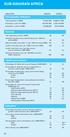 SUB-SAHARAN AFRICA INDICATOR REGION WORLD Demographic indicators Total population (2005) 713,457,000 6,449,371,000 Population under 18 (2005) 361,301,000 2,183,143,000 Population under 5 (2005) 119,555,000
CORRELATIONAL ANALYSIS BETWEEN TEENAGE PREGNANCY AND MATERNAL MORTALITY IN MALAWI
 CORRELATIONAL ANALYSIS BETWEEN TEENAGE PREGNANCY AND MATERNAL MORTALITY IN MALAWI Abiba Longwe-Ngwira and Nissily Mushani African Institute for Development Policy (AFIDEP) P.O. Box 31024, Lilongwe 3 Malawi
MANA Home Birth Data 2004-2009: Consumer Considerations
 MANA Home Birth Data 2004-2009: Consumer Considerations By: Lauren Korfine, PhD U.S. maternity care costs continue to rise without evidence of improving outcomes for women or babies. The cesarean section
MALAWI YOUTH DATA SHEET 2014
 MALAWI YOUTH DATA SHEET 2014 2 of Every 3 People in Malawi Are Under Age 25 Age 80+ 75-79 70-74 65-69 60-64 55-59 50-54 45-49 40-44 35-39 30-34 25-29 Male Female 20-24 POPULATION 700,000 700,000 0 POPULATION
Health and Longevity. Global Trends. Which factors account for most of the health improvements in the 20th century?
 8 Health and Longevity The health of a country s population is often monitored using two statistical indicators: life expectancy at birth and the under-5 mortality rate. These indicators are also often
INDICATOR REGION WORLD
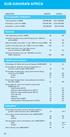 SUB-SAHARAN AFRICA INDICATOR REGION WORLD Demographic indicators Total population (2006) 748,886,000 6,577,236,000 Population under 18 (2006) 376,047,000 2,212,024,000 Population under 5 (2006) 125,254,000
MATERNAL AND CHILD HEALTH 9
 MATERNAL AND CHILD HEALTH 9 Ann Phoya and Sophie Kang oma This chapter presents the 2004 MDHS findings on maternal and child health in Malawi. Topics discussed include the utilisation maternal and child
Awareness and determinants of family planning practice in Jimma, Ethiopia
 Blackwell Publishing LtdOxford, UKINRInternational Nursing Review0020-8132 2006 The Authors200653 Original ArticleAwareness and determinants of family planning practice in Ethiopia A. T. Beekle & C. McCabe
Violence against women in Egypt 1
 United Nations Statistical Commission ESA/STAT/AC.193/2 United Nations Statistics Division Instituto Nacional de Estadística y Geografía de México November 2009 Meeting of the Friends of the Chair of the
When a Child Dies. A Survey of Bereaved Parents. Conducted by NFO Research, Inc. on Behalf of. The Compassionate Friends, Inc.
 When a Child Dies A Survey of Bereaved Parents Conducted by NFO Research, Inc. on Behalf of The Compassionate Friends, Inc. June 1999 FOLLOW-UP CONTACTS: Regarding Survey: Wayne Loder Public Awareness
METHODOLOGICAL ISSUES IN THE MEASURES OF MATERNAL MORBIDITY MORTALITY (MM 1 MM 2 ) Dr. AKO Simon
 (1) METHODOLOGICAL ISSUES IN THE MEASURES OF MATERNAL MORBIDITY MORTALITY (MM 1 MM 2 ) Dr. AKO Simon Postgraduate Research Training in Reproductive Health 2004 Faculty of Medicine, University of Yaounde
Child Marriage and Education: A Major Challenge Minh Cong Nguyen and Quentin Wodon i
 Child Marriage and Education: A Major Challenge Minh Cong Nguyen and Quentin Wodon i Why Does Child Marriage Matter? The issue of child marriage is getting renewed attention among policy makers. This is
HIV/AIDS AND OTHER SEXUALLY TRANSMITTED INFECTIONS 11
 HIV/AIDS AND OTHER SEXUALLY TRANSMITTED INFECTIONS 11 11.1 INTRODUCTION D. Zanera and I. Miteka The 2004 Malawi Demographic and Health Survey (MDHS) collected information on HIV/AIDS as well as other sexually
MDG 4: Reduce Child Mortality
 143 MDG 4: Reduce Child Mortality The target for Millennium Development Goal (MDG) 4 is to reduce the mortality rate of children under 5 years old (under-5 mortality) by two-thirds between 1990 and 2015.
Fact Sheet: Girls and Young Women
 Fact Sheet: Girls and Young Women There are 1.8 billion young people in the world. Approximately half of them 900 million are adolescent girls and young women. Girls primary school completion rates are
Mid-year population estimates. Embargoed until: 20 July 2010 14:30
 Statistical release Mid-year population estimates 2010 Embargoed until: 20 July 2010 14:30 Enquiries: Forthcoming issue: Expected release date User Information Services Tel: (012) 310 8600/4892/8390 Mid-year
Progress and prospects
 Ending CHILD MARRIAGE Progress and prospects UNICEF/BANA213-182/Kiron The current situation Worldwide, more than 7 million women alive today were married before their 18th birthday. More than one in three
Christobel Deliwe Chakwana
 DOMESTIC VIOLENCE 5 5. INTRODUCTION Christobel Deliwe Chakwana The 2004 survey represents the first time the Malawi Demographic and Health Survey (MDHS) collected information on domestic. The inclusion
66% Breastfeeding. Early initiation of breastfeeding (within one hour of birth) Exclusive breastfeeding rate (4-5 months)
 56% Early initiation of breastfeeding (within one hour of birth) 29% Exclusive breastfeeding rate (4-5 months) 66% Timely complementary feeding rate (6-9 months) Egypt Demographic and Health Survey 2008
Childcare and early years survey of parents 2014 to 2015
 Childcare and early years survey of parents 2014 to 2015 March 2016 Tom Huskinson, Sylvie Hobden, Dominic Oliver, Jennifer Keyes, Mandy Littlewood, Julia Pye, and Sarah Tipping Contents Executive Summary...
Complementary and alternative medicine use in Chinese women with breast cancer: A Taiwanese survey
 Complementary and alternative medicine use in Chinese women with breast cancer: A Taiwanese survey Dr Fang-Ying (Sylvia) Chu Department of Nursing, Tzu Chi College of Technology, Hua Lien, Taiwan 1 BACKGROUND
Number, Timing, and Duration of Marriages and Divorces: 2009
 Number, Timing, and Duration of Marriages and Divorces: 2009 Household Economic Studies Issued May 2011 P70-125 INTRODUCTION Marriage and divorce are central to the study of living arrangements and family
GENDER AND DEVELOPMENT. Uganda Case Study: Increasing Access to Maternal and Child Health Services. Transforming relationships to empower communities
 GENDER AND DEVELOPMENT Uganda Case Study: Increasing Access to Maternal and Child Health Services The Context World Vision has been active in working with local communities to increase access to health
KEY WORDS Circular Hip Massage, first stage labour Pain, primi gravida mother INTRODUCTION
 ISSN: 2321-3272 (Print), ISSN: 2230-7605 (Online) IJPBS Volume 6 Issue 2 APR-JUN 2016 17-22 Research Article Biological Sciences A STUDY TO ASSESS THE EFFECTIVENESS OF CIRCULAR HIP MASSAGE ON FIRST STAGE
Convention on the Elimination of All Forms of Discrimination against Women
 United Nations CEDAW/C/ETH/Q/6-7 Convention on the Elimination of All Forms of Discrimination against Women Distr.: General 4 November 2010 Original: English Committee on the Elimination of Discrimination
KNOWLEDGE AND ATTITUDE OF MOTHERS TOWARDS JANANI SURAKSHA YOJANA IN A SELECTED RURAL AREA OF MANGALORE, D.K., KARNATAKA
 ISSN: 96-33 Available Online at http://www.recentscientific.com International Journal of Recent Scientific Research Vol. 6, Issue, 4, pp.346-34, April, RESEARCH ARTICLE KNOWLEDGE AND ATTITUDE OF MOTHERS
Female Genital Mutilation/Cutting: Data and Trends
 Female Genital Mutilation/Cutting: Data and Trends UPDATE 2014 An estimated 100 million to 140 million girls and women worldwide have undergone female genital mutilation/cutting (fgm/c) and more than 3
Differentials in Infant and Child Mortality Rates in Nigeria: Evidence from the Six Geopolitical Zones
 Differentials in Infant and Child Mortality Rates in Nigeria: Evidence from the Six Geopolitical Zones Aigbe, Gladys O., PhD Department of Geography and Planning Lagos State University, Ojo Lagos State,
Sexual and reproductive health challenges facing young people
 Sexual and reproductive health challenges facing young people Shireen J Jejeebhoy, KG Santhya and R Acharya Population Council, New Delhi Lea Hegg Independent consultant, Reproductive Health United Nations
Child Marriage in Ethiopia -A Matter of Concern
 21 Child Marriage in Ethiopia -A Matter of Concern Bimal Kanta Nayak, Associate Professor, Department of Social Work Faculty of Social Sciences and Humanities, University of Gondar, Gondar, Ethiopia ABSTRACT
30% Opening Prayer. Introduction. About 85% of women give birth at home with untrained attendants; the number is much higher in rural areas.
 This is the second of four studies on maternal health M AT E R N A L a n d C H I L D H E A LT H : A f g h a n i s t a n b y K a r e n B o k m a About 85% of women give birth at home with untrained attendants;
Information & Communications Technology for Maternal, Newborn and Child Health in Malawi: Evaluation Methodology
 Evaluation Brief 2013 Information & Communications Technology for Maternal, Newborn and Child Health in Malawi: Evaluation Methodology This brief presents an overview of the methods used to evaluate outcomes
Business Statistics: Chapter 2: Data Quiz A
 CHAPTER 2 Quiz A Business Statistics, 2nd ed. 2-1 Business Statistics: Chapter 2: Data Quiz A Name 1. The mission of the Pew Internet & Life Project is to explore the impact of the Internet on families,
Home Health Education Programme Thatta - Pakistan
 Home Health Education Programme Thatta - Pakistan Programme Update July 2014-April 2015 Supported by: Association of Medical Doctors of Asia (AMDA) Funded by: Chigasaki -Chuo Rotary Club (CCRC)-Japan Implemented
Medical termination of pregnancy and subsequent adoption of contraception
 International Journal of Reproduction, Contraception, Obstetrics and Gynecology Shankaraiah RH et al. Int J Reprod Contracept Obstet Gynecol. 2013 Sep;2(3):367-371 www.ijrcog.org pissn 2320-1770 eissn
Delaying First Pregnancy
 Delaying First Pregnancy Introduction The age at which a woman has her first pregnancy affects the health and life of a mother and her baby. While pregnancy can present health risks at any age, delaying
CHAPTER I INTRODUCTION. Here in the Philippines, we believe in the saying of our national hero Dr.
 1 CHAPTER I INTRODUCTION Background of the Study Here in the Philippines, we believe in the saying of our national hero Dr. Jose P. Rizal that Youth is the hope of our Mother land. In their hand lies the
Population, Health, and Human Well-Being-- Benin
 Population, Health, and Human Well-Being-- Benin Demographic and Health Indicators Benin Sub- Saharan Africa World Total Population (in thousands of people) 1950 2,046 176,775 2,519,495 2002 6,629 683,782
Module 10: The Roles of Families, Community and the Health Care System in Prevention and Care for Women with Obstetric Fistula
 Prevention and Recognition of Obstetric Fistula Training Package Module 10: The Roles of Families, Community and the Health Care System in Prevention and Care for Women with Obstetric Fistula The Obstetric
Global Health Research Internship 2016 in Boston
 801 Massachusetts Ave, Crosstown 2079 Boston, MA 02118-2335 Tel: 617-414-6933 E-mail: [email protected] Karsten Lunze, MD, MPH, DrPH, FACPM, FAAP Research Assistant Professor of Medicine Global
Q&A on methodology on HIV estimates
 Q&A on methodology on HIV estimates 09 Understanding the latest estimates of the 2008 Report on the global AIDS epidemic Part one: The data 1. What data do UNAIDS and WHO base their HIV prevalence estimates
Vitamin A Deficiency: Counting the Cost in Women s Lives
 TECHNICAL BRIEF Vitamin A Deficiency: Counting the Cost in Women s Lives Amy L. Rice, PhD INTRODUCTION Over half a million women around the world die each year from conditions related to pregnancy and
Infant Feeding Survey 2010: Summary
 Infant Feeding Survey 2010: Summary Authors: Fiona McAndrew, Jane Thompson, Lydia Fellows, Alice Large, Mark Speed and Mary J. Renfrew A survey carried out on behalf of the Health and Social Care Information
Blood donation awareness and beliefs among medical and nursing students
 Research Article Blood donation awareness and beliefs among medical and nursing students Suchetha Singh, Muninarayana Chandrappa, Mahesh Venkatesha, Anil NS Department of Community Medicine, Sri Devaraj
CLINICAL AUDIT REPORT LABOUR WARD LOWER UMFOLOZI DISTRICT WAR MEMORIAL HOSPITAL
 CLINICAL AUDIT REPORT LABOUR WARD LOWER UMFOLOZI DISTRICT WAR MEMORIAL HOSPITAL Dr A K M Hoque - Medical Manager Dr W Edelstein - Senior Specialist Perinatal mortality rate is a sensitive indicator used
Education is the key to lasting development
 Education is the key to lasting development As world leaders prepare to meet in New York later this month to discuss progress on the Millennium Development Goals, UNESCO s Education for All Global Monitoring
Pregnancy Intendedness
 Pregnancy Intendedness What moms had to say: "Very excited! We wanted to be pregnant for 8 years!" "I felt too old." "I wanted to have a baby to get some support so I could be on my own; if didn't have
IV. DEMOGRAPHIC PROFILE OF THE OLDER POPULATION
 World Population Ageing 195-25 IV. DEMOGRAPHIC PROFILE OF THE OLDER POPULATION A. AGE COMPOSITION Older populations themselves are ageing A notable aspect of the global ageing process is the progressive
Congo (Democratic Republic of the)
 Human Development Report 2015 Work for human development Briefing note for countries on the 2015 Human Development Report Congo (Democratic Republic of the) Introduction The 2015 Human Development Report
Teen Pregnancy in Sub-Saharan Africa: The Application of Social Disorganisation Theory
 Teen Pregnancy in Sub-Saharan Africa: The Application of Social Disorganisation Theory Extended Abstract Population Association of America 2015 Annual Meeting-April 30-May 2, San Diego,CA Sibusiso Mkwananzi*
INCREASING COMPLETE IMMUNIZATION IN RURAL UTTAR PRADESH
 INCREASING COMPLETE IMMUNIZATION IN RURAL UTTAR PRADESH The Government of India has recommended that a child must be vaccinated against six vaccine-preventable diseases (polio, tuberculosis [TB], diphtheria,
Methodology Understanding the HIV estimates
 UNAIDS July 2014 Methodology Understanding the HIV estimates Produced by the Strategic Information and Monitoring Division Notes on UNAIDS methodology Unless otherwise stated, findings in this report are
Getting Better Information from Country Consumers for Better Rural Health Service Responses
 Getting Better Information from Country Consumers for Better Rural Health Service Responses Tony Woollacott, Anne Taylor, Kay Anastassiadis, Di Hetzel, Eleonora Dal Grande 5th National Rural Health Conference
Awareness about the Consequences of Early Marriage Amongst Amassoma Residents in Southern-Ijaw Local Government Area, Bayelsa State
 Awareness about the Consequences of Early Marriage Amongst Amassoma Residents in Southern-Ijaw Local Government Area, Bayelsa State Lawrence, Arunibebi Lamawal 1 ; Azebri, Pereotubo Beauty 2, Amakoromo,
How Universal is Access to Reproductive Health?
 How Universal is Access to Reproductive Health? A review of the evidence Cover Copyright UNFPA 2010 September 2010 Publication available at: http://www.unfpa.org/public/home/publications/pid/6526 The designations
HRODE Alyson Sargeant 01785 257888 ext 8103. Name of service/policy/strategy/guidance/project proposal
 Directorate Name and contact details of the people involved EQUALITY AND HUMAN RIGHTS FULL IMPACT ASSESSMENT TEMPLATE HRODE Alyson Sargeant 01785 257888 ext 8103 Date started 3 rd June 2013 Date completed
The relationship between mental wellbeing and financial management among older people
 The relationship between mental wellbeing and financial management among older people An analysis using the third wave of Understanding Society January 2014 www.pfrc.bris.ac.uk www.ilcuk.org.uk A working
Statistical release P0302
 Statistical release Mid-year population estimates 2011 Embargoed until: 27 July 2011 10:00 Enquiries: Forthcoming issue: Expected release date User Information Services Mid-year population estimates, 2012
The Situation of Children and Women in Iraq
 The Situation of Children and Women in Iraq Highlights from the Multiple Indicator Cluster Survey 4 (MICS 4) 2011 Demographics - Population of Iraq: 33.4 million - Children and Adolescents (0-18): 16.6
Dental public health intelligence programme North West oral health survey of services for dependant older people, 2012 to 2013
 Dental public health intelligence programme rth West oral health survey of services for dependant older people, 2012 to 2013 Report 2: adult residential care, nursing homes and hospices About Public Health
Nursing Education Program of Saskatchewan (NEPS) Employment Survey:
 Nursing Education Program of Saskatchewan (NEPS) Employment Survey: Graduates of the NEPS Program in the 2003 2004 Academic Year 5 Year Follow up Prepared for The College of Nursing of the University of
Black and Minority Ethnic Groups Author/Key Contact: Dr Lucy Jessop, Consultant in Public Health, Buckinghamshire County Council
 Black and Minority Ethnic Groups Author/Key Contact: Dr Lucy Jessop, Consultant in Public Health, Buckinghamshire County Council Introduction England is a country of great ethnic diversity, with approximately
SUMMARY- REPORT on CAUSES of DEATH: 2001-03 in INDIA
 SUMMARY- REPORT on CAUSES of DEATH: 2001-03 in INDIA Background: Long-term mortality measurement by cause, gender and geographic area has been the requirement of every country. With this in view, Medical
2014 Demographics PROFILE OF THE MILITARY COMMUNITY
 Demographics PROFILE OF THE MILITARY COMMUNITY ACKNOWLEDGEMENTS This report is published by the Office of the Deputy Assistant Secretary of Defense (Military Community and Family Policy), under contract
The South African Child Support Grant Impact Assessment. Evidence from a survey of children, adolescents and their households
 The South African Child Support Grant Impact Assessment Evidence from a survey of children, adolescents and their households Executive Summary EXECUTIVE SUMMARY UNICEF/Schermbrucker Cover photograph: UNICEF/Pirozzi
Maternal Health Services Utilization
 What moms had to say: I couldn't get an appointment earlier in my pregnancy. Maternal Health Services Utilization I think that there should be some sort of affordable insurance for self-employed farmers.
Civil Service Employment and Pay in Ethiopia: Challenges for Service Deliveries and Achieving the MDGs Mohammed Mussa
 Civil Service Employment and Pay in Ethiopia: Challenges for Service Deliveries and Achieving the MDGs Mohammed Mussa Labor Markets and Employment in Ethiopia and the Emerging Policy Agenda Joint MOLSA/ILO/WB
MCTS TRAINING NATIONAL INSTITUTE OF HEALTH AND FAMILY WELFARE MOTHER AND CHILD TRACKING SYSTEM. Islands)
 NATIONAL INSTITUTE OF HEALTH AND FAMILY WELFARE MOTHER AND CHILD TRACKING SYSTEM Training Report- (Andaman & Nicobar Islands) 23 rd to 24 th December 2013 NATIONAL INSTITUTE OF HEALTH AND FAMILY WELFARE,
CHAPTER 3. Research methodology
 39 CHAPTER 3 Research methodology 3.1 INTRODUCTION In this chapter the research methodology used in the study is described. The geographical area where the study was conducted, the study design and the
Tamil Nadu DATA HIGHLIGHTS : THE SCHEDULED CASTES Census of India 2001
 Tamil Nadu DATA HIGHLIGHTS : THE SCHEDULED CASTES Census of India 2001 The total population of Tamil Nadu, as per the 2001 Census is 62,405,679. Of this, 11,857,504 (19 per cent) are Scheduled Castes (SCs).