
Title and Navigation Bar
|
|
|
- Christina Reynolds
- 10 years ago
- Views:
Transcription
1 US Al (19) United States (12) Patent Application Publication (10) Pub. No.: US 2011/ A1 Baugh (43) Pub. Date: Jan. 6, 2011 (54) ELECTRONIC MEDICAL RECORD SYSTEM Publication Classi?cation FOR DERMATOLOGY (51) Int- Cl G06F 3/ (76) Inventor: Jonathon David Baugh, Ypsilanti, 52 U 5 Cl ( ) 715/862 MI (Us) ( ) Correspondence Address: JELIC PATENT SERVICES, LLC 2922 MARSHALL ST ANN ARBOR, MI (US) (21) App1.No.: 12/496,583 (22) Filed: Jul. 1, 2009 (57) ABSTRACT The disclosure provides an electronic medical records system for dermatology. The electronic medical records system uses visual Work?oW methods instead of text based methods. Health professionals are able to identify skin areas and graphically record skin locations in a template. These loca tions in the template are a visual representation of the patient s condition. The locations are linked to identi?ers Which may include data and information. Title and Navigation Bar Evaluation & Management Problem Location 401 Zoom to: Face Hands Feet Body / A. bump on face 402 Problem Description Popup

2 Patent Application Publication Jan. 6, 2011 Sheet 1 0f 8 US 2011/ A1 Ema S5 n<om.ue H $828.; O: HJmCmCCWO n<mo..

3 Patent Application Publication Jan. 6, 2011 Sheet 2 0f 8 US 2011/ Al vow / o6 cosmos c6305 8mm EooN xv 226: 9 \NON \mon ncm m:.. co=m9>mz Em.w co=m2m>w EmEwmmcmé.bo? < Co

4 Patent Application Publication Jan. 6, 2011 Sheet 3 0f 8 US 2011/ A1 EwEoE co=moo xuom 6mm wucmi 8mm EooN H9 2E. co=m9>mz vcm Em w co=m2m>m EmEmmmzmE Pom/98E < co
5 Patent Application Publication Jan. 6, 2011 Sheet 4 0f 8 US 2011/ A1 Po on cozgcowmo c6505 c0583 EwEoE v \ >uom Howl wucmi 8mm EooN Em co=m9>mz ncm 2E. llllllllll.w co=m2m>w EwEmmmzmE = < :0 Nov
6 IIIIIIIIIL Patent Application Publication Jan. 6, 2011 Sheet 5 0f 8 US 2011/ A1 5:83 E2065 :5\ >nom Howl wucmi womm EooN H9.07 m Em 2E. cozmgzwz ccm co=m2m>m = < co mom w EwEwmmc?z

7 Patent Application Publication Jan. 6, 2011 Sheet 6 0f 8 US 2011/ A1 n " r\ 8w wow (\ c053:.8835 Sq 4 u z wemcw m3 ix 26 r\. 6&2 3 m >> 6959 m.i L.. 52mm n " wow r\ OHw Ema 33mm 255 mwsbm Em S a J 4 a: m
8 Patent Application Publication Jan. 6, 2011 Sheet 7 0f 8 US 2011/ A1 Login 701 ( 702 Is this a new patient? Yes,703 NO 704 ( ( New papent Select Patient Creation \lr New Encounter NewProblem NewTreatment/Rx/Order Sign Encnunter P705 / 706 P707 f' 708 FIG. 7
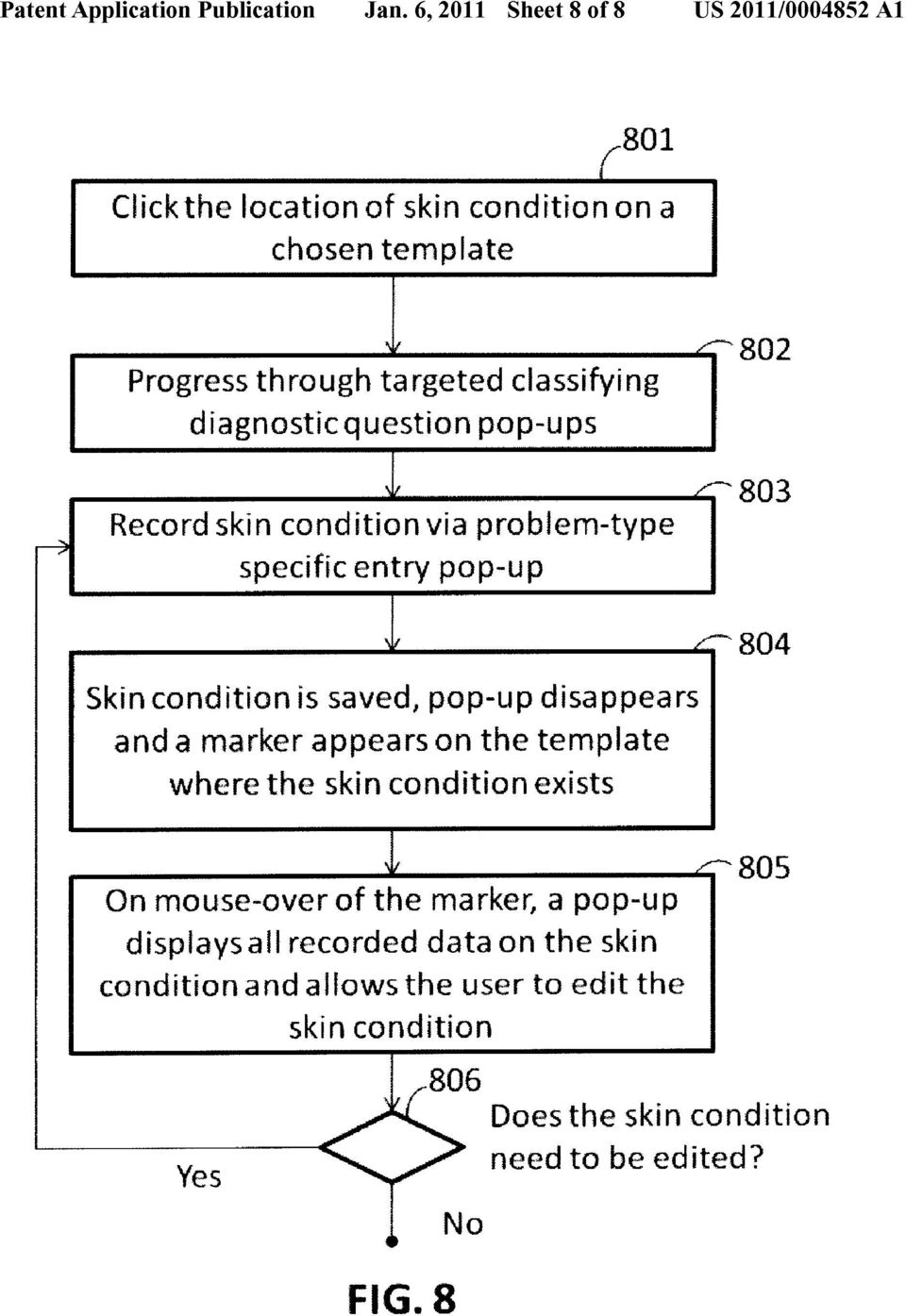
9 Patent Application Publication Jan. 6, 2011 Sheet 8 0f 8 US 2011/ A1 801 [ Clickthe location of skin condition on a chosen template / 802 Progress through targeted classifying diagnosticquestion pop-ups ml ["803 a Record skin condition via problem-type specific entry pop-up Skin condition is saved, pop-up disappears and a marker appears on the template where the skin condition exists P804 On mouse-over of the marker, a pop-up displaysall recorded data on the skin condition and allows the user to edit the skin condition Yes 806 FIG. 8 No f 805 Does the skin condition need to be edited?
10 US 2011/ A1 Jan. 6, 2011 ELECTRONIC MEDICAL RECORD SYSTEM FOR DERMATOLOGY BACKGROUND OF THE INVENTION [0001] Currently, there is a shift from paper medical records to electronic medical records (EMR). Recent legisla tion, the American Recovery and Reinvestment Act of 2009, has facilitated this shift. BRIEF SUMMARY OF THE INVENTION [0002] The disclosure provides an EMR system for derma tology. The EMR system uses visual work?ow methods instead of text based methods. Health professionals are able to identify skin areas and graphically record skin locations in a template. These locations in the template are a visual rep resentation of the patient s condition. The locations are linked to identi?ers which may include data and information. [0003] The identi?ers enable ahealth professional to evalu ate and manage patient care. The identi?ers are tied to menu trees. The menu trees enable the health professional to rapidly record common ailments while also allowing?exibility for uncommon ailments. The identi?ers and menu trees may be accessed concurrently with the visual representation in the template. [0004] Patient evaluations are integrated with patient ill ness management. The health care professional is able to review past history, update the history, identify possible treat ments, order prescriptions, and add other miscellaneous information. The EMR system for dermatology enables the health care professional to record all relevant aspects of a patient visit in a fast, accurate, and convenient way. BRIEF DESCRIPTION OF THE DRAWINGS [0005] FIG. 1 is a diagram which compares SOAP to OSAP. [0006] FIG. 2 is a screen shot which shows a new patient encounter. [0007] FIG. 3 is a screen shot which shows multiple skin conditions from a patient encounter. [0008] FIG. 4 is a screen shot which shows a mouse-over popup with the details of a particular skin condition. [0009] FIG. 5 is a screen shot which shows an edit screen for a skin growth. [0010] FIG. 6 is a network diagram. [0011] FIG. 7 is a?owchart illustrating a method for pro viding patient services. [0012] FIG. 8 is a?owchart illustrating a method for recording a skin condition. DETAILED DESCRIPTION OF THE INVENTION [0013] This disclosure describes a novel EMR system for dermatology (herein referred to as the system). The system contrasts with competing products in a number of ways. From conception, the system is designed for dermatology. Hence, it is not a general product modi?ed to meet the requirements of dermatology. [0014] For the purposes ofthis disclosure, a dermatologist is a health professional who specializes in treating the skin. [0015] One advantage of the system is the overall work?ow. Competing systems typically use a Subjective-Objec tive-assessment-plan (SOAP) method for work?ow. This is the way that medicine is generally practiced. In contrast, dermatologists typically use an Objective-Subjective-As sessment-plan (OSAP) method for work?ow. Therefore, the system is designed to compliment an OSAP work?ow method. [0016] The?rst step in the OSAP work?ow method is the objective phase. In this phase, the dermatologist makes an objective analysis of the patient. The EMR system for derma tology assists the dermatologist in a number of ways. [0017] The system initially provides a graphical interface with templates for different skin locations. For example, one template shows skin locations on the front side of the head/ neck area. The graphical interface allows the dermatologist to click-on a location which has a location speci?c address. The dermatologist may then enter a skin condition for the address. The system creates an identi?er which corresponds to the address. Hence, a graphical map of skin conditions may be created and updated as required. The condition, with a loca tion speci?c address and identi?er, is categorized with a menu-driven method. The dermatologist enters characteris tics of the condition by either selecting available choices or typing them into the system directly. [0018] The next step in the OSAP work?ow method is the subjective phase. In this phase, the dermatologist discusses the history of any present illness (e.g. any skin condition) with the patient. The dermatologist may then enter the patient s data into the system and use it to compliment existing data. [0019] The third step in the OSAP work?ow method is the assessment phase. The system enables the dermatologist to analyze a condition faster and easier than paper methods or competing systems. Using the combination of characteristics, the system then provides decision support for the dermatolo gist. Decision support enables the dermatologist to select a diagnosis from a targeted list based upon skin condition or manually type in skin condition. The dermatologist then chooses a diagnosis from the available choices or manually enters one. [0020] The?nal step in the OSAP work?ow method is the plan phase. The system enables the dermatologist to plan a response faster and easier than paper methods or competing systems. The system suggests possible treatments for a cho sen diagnosis. In addition, common prescriptions and dos ages are recommended. The system may also link to prescrip tion providers to make it easier for the dermatologist to write and authorize prescriptions. [0021] A key element of the system is the graphical inter face. The graphical interface is tied to all of the other elements to enable a visual work?ow for the dermatologist. The skin condition and it s location may be referenced during any of the OSAP steps since popup menu-driven boxes are linked to each identi?er. [0022] The graphical interface enables the dermatologist to record a location speci?c condition in the system. In one embodiment, vertical (y) and horizontal (x) pixel address coordinates are used. The coordinates are relative to the tem plate used, not the screen resolution. Then, the coordinates are scaled to match the relative pixel density of the screen being used. It is possible to have many different templates for a speci?c skin area, each corresponding to a different pixel density. [0023] One embodiment enables depth (Z) axis pixel coor dinates to be used. This embodiment would enable three dimensional recording of skin conditions. [0024] Multiple templates of skin areas are possible repre senting variations such as male, female, child, adult, weight, height, or other attributes. [0025] Additional embodiments include pre-set pixel den sities which enable the dermatologist to Zoom-in or Zoom-out of a skin area.
![Recent legisla tion, the American Recovery and Reinvestment Act of 2009, has facilitated this shift. BRIEF SUMMARY OF THE INVENTION [0002] The disclosure provides an EMR system for derma tology.](/docs-images/45/2809373/images/page_10.jpg "The EMR system uses visual work?ow methods instead of text based methods. Health professionals are able to identify skin areas and graphically record skin locations in a template.")
11 US 2011/ A1 Jan. 6, 2011 [0026] FIG. 1 is a diagram Which compares the SOAP 109 to OSAP 110 Work?oW methods. Most competing EMR sys tems use the SOAP 109 Work?oW method. With the SOAP 109 method, the?rst step is to get subjective 101 information from the patient. Next, the health professional provides an objective 102 opinion of the condition. This may include testing, observation, or further questioning of the patient. Third, an assessment 103 of the condition is made Which utilizes the subjective 101 and objective 102 information. Finally, a plan 104 is determined based upon the assessment 103. The plan 104 may include treatment, a prescription for medicine, or further study. [0027] In contrast to SOAP 109, the?rst step in the Der manaut OSAP 110 Work?oW method is an objective opinion 105 from the dermatologist. This may include testing, obser vation, or further questioning of the patient. Next, the derma tologist gets subjective 106 information from the patient. Third, an assessment 107 of the condition is made Which utilizes the subjective 106 and objective 105 information. Finally, a plan 108 is determined based upon the assessment 107. The plan 108 may include treatment, a prescription for medicine, or further study. [0028] FIG. 2 is a screen shot Which shows a new patient encounter. The screen shot provides a graphical depiction of skin in the facial area 201. Other areas of the body may be depicted such as the hands 202, feet 203, and body 204. The depicted areas of the body represent all of a patient s available skin. Further subclassi?cation of skin areas may be available in other embodiments of the system. [0029] FIG. 3 is a screen shot Which shows multiple skin conditions from a patient encounter. Each condition 301 has an associated location(s) 302 With a pixel address and an associated identi?er(s) 303. [0030] FIG. 4 is a screen shot Which shows a mouse-over popup With the details of a particular skin condition. The popup 401 is visible When the dermatologist scrolls a cursor over the identi?er 402. The popup 401 contains information relevant to the skin condition. [0031] FIG. 5 is a screen shot Which shows an edit screen for a skin growth. The edit screen 501 is linked to the identi?er 502. The edit screen 501 may be accessed With either a mouse or keyboard command. The edit screen 501 contains infor mation relevant to the skin condition. [0032] FIG. 6 is anetwork diagram. Local elements 601 are typically in the dermatologist s of?ce. Remote elements 602 may be located elsewhere. Communications 603 are estab lished between the local elements 601 and remote elements 602. A security protocol 604 is used to authenticate the local elements 601 With the remote elements 602. The typical local element 601 used for initiating and continuing communica tion is a Web browser 605. The typical remote element 602 used for initiating and continuing communication is a server 609. One embodiment of a server is a computer system With software such as MySQL. The server 609 contains the soft Ware application engine 608 used to provide software appli cations. The server 609 also links to data storage 610 Where information is stored. [0033] A dermatologist inputs data into the system via an input device 606. Embodiments of an input device 606 include a tablet PC, netbook PC, laptop PC, and desktop PC. Associated peripherals are also included. Examples of peripherals are a mouse, trackball, keyboard, touchscreen, and mousepad. [0034] A dermatologist reads data and information via an output device 607. Embodiments of an output device 607 include a tablet PC, netbook PC, laptop PC, and desktop PC. Associated peripherals are also included. Examples of peripherals are a touchscreen, monitor, LCD display, and the like. [0035] FIG. 7 is a?owchart illustrating a method for pro viding patient services. A dermatologist uses the system login 701 procedure to begin. Next, the dermatologist determines Whether or not he has a new patient 702. If the dermatologist has a new patient 702, the new patient creation 703 procedure is followed. Information is input into the system for the new patient. If the dermatologist does not have a new patient, he uses the select patient 704 function of the system to retrieve existing information related to the patient. Next, a new encounter 705 template is opened for the system. The derma tologist then identi?es a new problem 706 and enters relevant data into the system. Previously identi?ed and stored prob lems may also be accessed from the system. The dermatolo gist next performs the new treatment/rx/order 707 step. In this step, the dermatologist decides on a treatment for the skin condition, authorizes a prescription, and then decides if an additional skin condition should be investigated (i.e. go back to step 706). If there are no other skin conditions to investi gate, the dermatologist performs the sign encounter 708 step to authenticate the electronic medical record and save it in the system. [0036] FIG. 8 is a?owchart illustrating a method for recording a skin condition. A dermatologist begins by click ing on the location of a skin condition using a chosen template 801. Then, the dermatologist progresses through a series of targeted classifying diagnostic question pop-ups 802. Next, the dermatologist records the skin condition via a problem type speci?c entry pop-up 803. Then, the skin condition is saved, the pop-up disappears, and a marker appears on the template Where the skin condition exists 804. When a mouse over of the marker occurs, a pop-up displays all recorded data on the skin condition and allows the user to edit the skin condition 805. Next, the dermatologist determines if infor mation for the skin condition needs to be edited 806. If an edit is required, the dermatologist goes back to step 803. If an edit is not required, then the dermatologist is done recording the skin condition. [0037] When a prototype of the system Was tested, unex pected results occurred. The unexpected results included shorter patient visits, better record keeping, and fewer pre scription errors. In part, the shorter patient visits occurred because of the integration of templates, mouse-over pop-ups, and editing functions Within the graphical interface. [0038] Mouse-over as used herein, means moving a cur sor, pointer, or the like over an area Within a template. The cursor or pointer is moved via an input device such as a mouse, trackball, mousepad, keyboard, thumb-eraser, or the like. If a touchscreen is being used, any item used to touch the screen may be used to create the mouse-over. [0039] In one embodiment, the system may be imple mented in a non-networked setting. That is, the system con sists of a server/client model. [0040] Various embodiments of the present subject matter can be implemented in software, Which may be run in the environment shown in FIG. 6 or in any other suitable com puting environment. The embodiments of the present subject matter are operable in a number of general-purpose or spe cial-purpose computing environments. Some computing environments include personal computers, server computers, hand-held devices (including, but not limited to, telephones and personal digital assistants (PDAs) of all types), laptop devices, multi-processors, microprocessors, set-top boxes, programmable consumer electronics, network computers, minicomputers, mainframe computers, distributed comput

12 US 2011/ A1 Jan. 6, 2011 ing environments, and the like to execute code stored on a computer readable medium. The embodiments of the present subject matter may be implemented in part or in Whole as machine-executable instructions, such as program modules that are executed by a computer. Generally, program modules include routines, programs, objects, components, data struc tures, and the like to perform particular tasks or to implement particular abstract data types. In a distributed computing envi ronment, program modules may be located in local or remote storage devices. [0041] A general computing device, in the form of a com puter, may include a processor, memory, removable storage, non-removable storage, bus, and a network interface. [0042] A computer may include or have access to a com puting environment that includes one or more user input modules, one or more user output modules, and one or more communication connections such as a network interface card or a USB connection. The one or more output devices can be a display device of a computer, computer monitor, TV screen, plasma display, LCD display, display on a digitizer, display on an electronic tablet, and the like. The computer may oper ate in a networked environment using the communication connection to connect one or more remote computers. A remote computer may include a personal computer, server, router, network PC, a peer device or other network node, and/ or the like. The communication connection may include a Local Area NetWork (LAN), a Wide Area NetWork (WAN), and/ or other networks. [0043] Memory may include volatile memory and non volatile memory. A variety of computer-readable media may be stored in and accessed from the memory elements of a computer, such as volatile memory and non-volatile memory, removable storage and non-removable storage. Computer memory elements can include any suitable memory device(s) for storing data and machine-readable instructions, such as read only memory (ROM), random access memory (RAM), erasable programmable read only memory (EPROM), elec trically erasable programmable read only memory (EE PROM), hard drive, removable media drive for handling com pact disks (CDs), digital video disks (DVDs), diskettes, magnetic tape cartridges, memory cards, memory sticks, and the like. Memory elements may also include chemical stor age, biological storage, and other types of data storage. [0044] Processor or processing unit as used herein, means any type of computational circuit, such as, but not limited to, a microprocessor, a microcontroller, a complex instruction set computing (CISC) microprocessor, a reduced instruction set computing (RISC) microprocessor, a very long instruction Word (VLIW) microprocessor, an explicitly par allel instruction computing (EPIC) microprocessor, a graph ics processor, a digital signal processor, or any other type of processor or processing circuit. The term also includes embedded controllers, such as generic or programmable logic devices or arrays, application speci?c integrated circuits, single-chip computers, smart cards, and the like. [0045] Embodiments of the present subject matter may be implemented in conjunction With program modules, includ ing functions, procedures, data structures, application pro grams, etc. for performing tasks, or de?ning abstract data types or low-level hardware contexts. [0046] While the disclosure describes embodiments and various alternatives thereto, it should be apparent that the invention is not limited to such embodiments. Rather, many variations Would be apparent to persons of skill in the art Without departing from the scope and spirit of the invention, as de?ned herein and in the claims. The invention claimed is: 1. An electronic medical records (EMR) system for derma tology comprising: a graphical user interface con?gured to receive input data from a health professional, the graphical user interface comprising: a series of templates Which represent different skin areas; means to identify a location on a speci?c template Which corresponds to the location of a skin condition; means to create an identi?er for the location on the speci?c template; an ability to show relevant data When a cursor is placed over the identi?er; an ability to edit information linked to the identi?er; and an ability to provide suggested treatment for the skin condition Which is linked to the identi?er. 2. The system of claim 1 Wherein the templates reside on one or more servers. 3. The system of claim 2 Wherein the templates may be accessed remotely. 4. The system of claim 3 Wherein an electronic medical record is automatically generated. 5. A method for generating an electronic medical record for use in dermatology, the method comprising the steps of: having a health professional make an objective assessment of a patient condition; entering the objective assessment into an electronic medi cal records (EMR) system, the EMR system comprising: a graphical user interface con?gured to receive input data from a health professional, the graphical user interface comprising: a series of templates Which represent different skin areas; means to identify a location on a speci?c template Which corresponds to the location of a skin condition; means to create an identi?er for the location on the speci?c template; an ability to show relevant data When a cursor is placed over the identi?er; an ability to edit information linked to the identi?er; an ability to provide suggested treatment for the skin condition Which is linked to the identi?er; entering a subjective assessment from the patient into the EMR system; analyzing the objective and subjective assessments; and formulating a treatment plan. 6. The system of claim 5 Wherein the templates reside on one or more servers. 7. The system of claim 6 Wherein the templates may be accessed remotely. 8. The system of claim 7 Wherein an electronic medical record is automatically generated. * * * * *
US 20090157756Al (19) United States (12) Patent Application Publication (10) Pub. No.: US 2009/0157756 A1 Sanvido (43) Pub. Date: Jun.
 US 20090157756Al (19) United States (12) Patent Application Publication (10) Pub. No.: US 2009/0157756 A1 Sanvido (43) Pub. Date: Jun. 18, 2009 (54) FILE SYSTEM FOR STORING FILES IN Publication Classi?cation
US 20070139188A1 (19) United States (12) Patent Application Publication (10) Pub. No.: US 2007/0139188 A1 Ollis et al. HOME PROCESSOR /\ J\ NETWORK
 US 20070139188A1 (19) United States (12) Patent Application Publication (10) Pub. No.: US 2007/0139188 A1 Ollis et al. (43) Pub. Date: Jun. 21, 2007 (54) (75) (73) (21) (22) METHOD AND APPARATUS FOR COMMUNICATING
software, and perform automatic dialing according to the /*~102
 US 20140105199A1 (19) United States (12) Patent Application Publication (10) Pub. No.: US 2014/0105199 A1 Tian (43) Pub. Date: (54) METHOD AND APPARATUS FOR AUTOMATIC DIALING ACCESS POINTS (71) Applicant:
(71) Applicant: SPEAKWRITE, LLC,Austin, TX (US)
 US 20130304465Al (19) United States (12) Patent Application Publication (10) Pub. No.: US 2013/0304465 A1 Henry et al. (43) Pub. Date: NOV. 14, 2013 (54) METHOD AND SYSTEM FOR AUDIO-VIDEO (52) US. Cl.
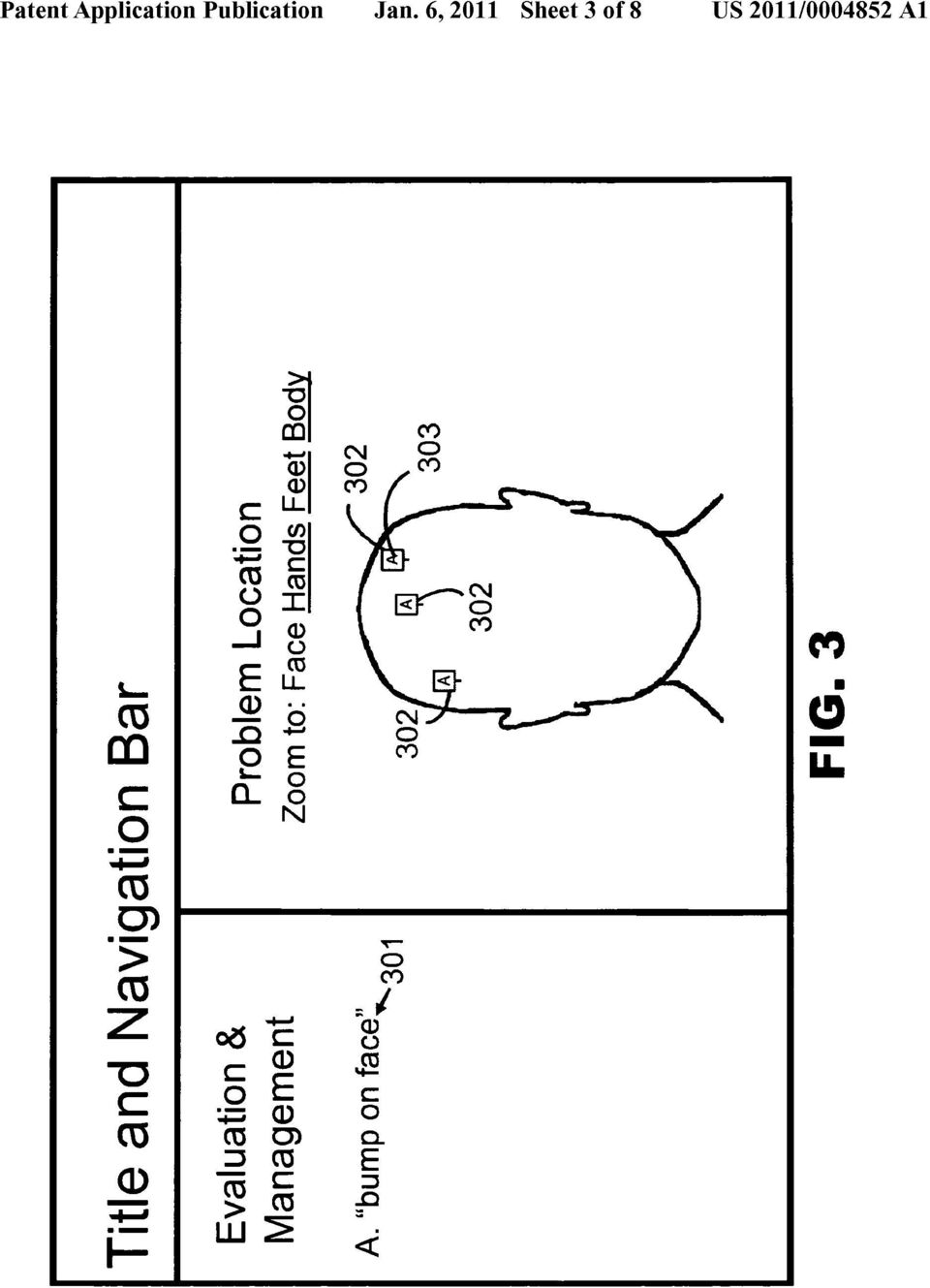
Vignet (43) Pub. Date: Nov. 24, 2005
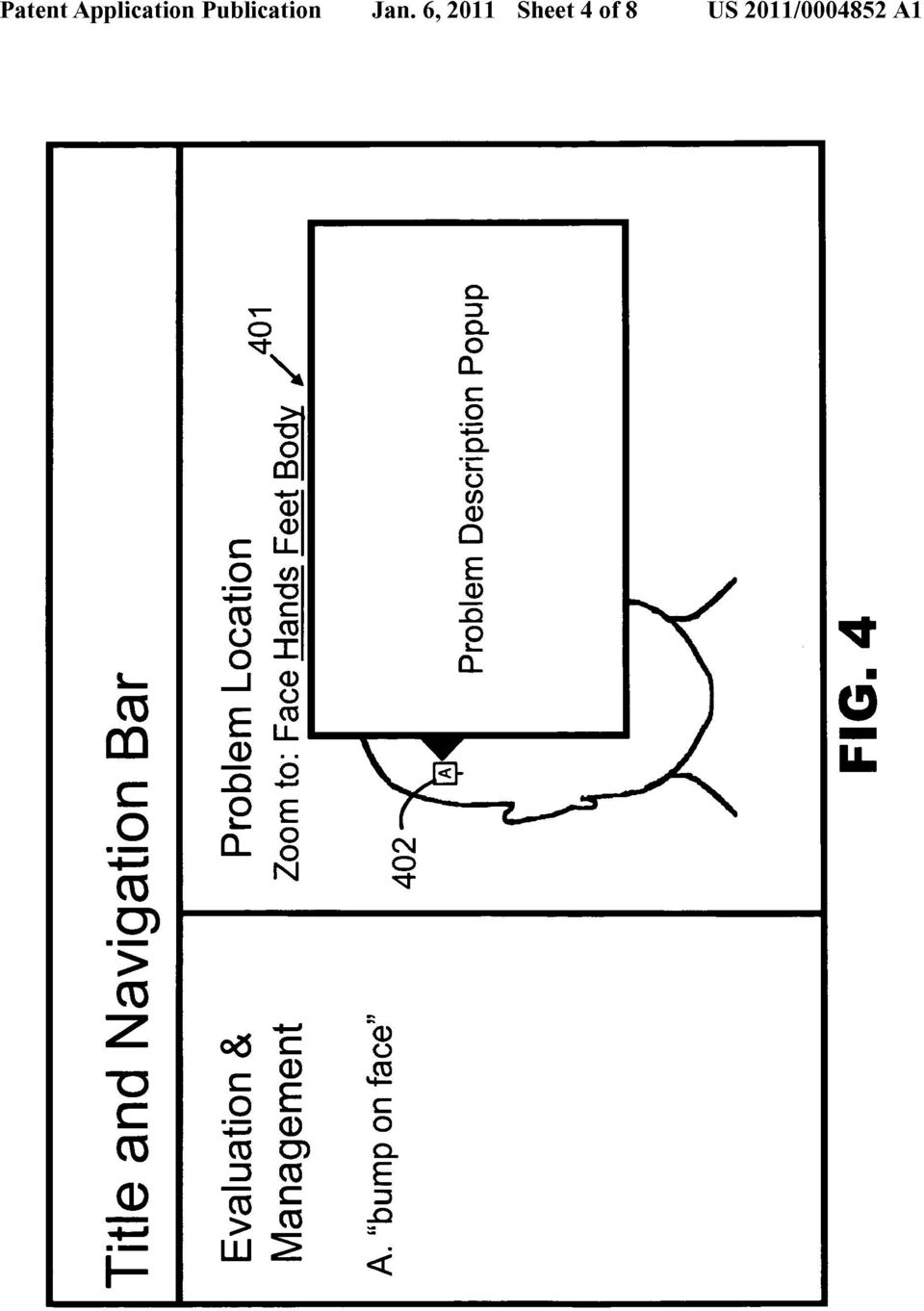
 US 20050262425A1 (19) United States (12) Patent Application Publication (10) Pub. No.: Vignet (43) Pub. Date: Nov. 24, 2005 (54) (76) (21) (22) METHOD AND SYSTEM FOR JAVA GANTT/BAR CHART RENDERING Inventor:
(12) Patent Application Publication (10) Pub. No.: US 2013/0325512 A1 Kim et al. (43) Pub. Date: Dec. 5, 2013
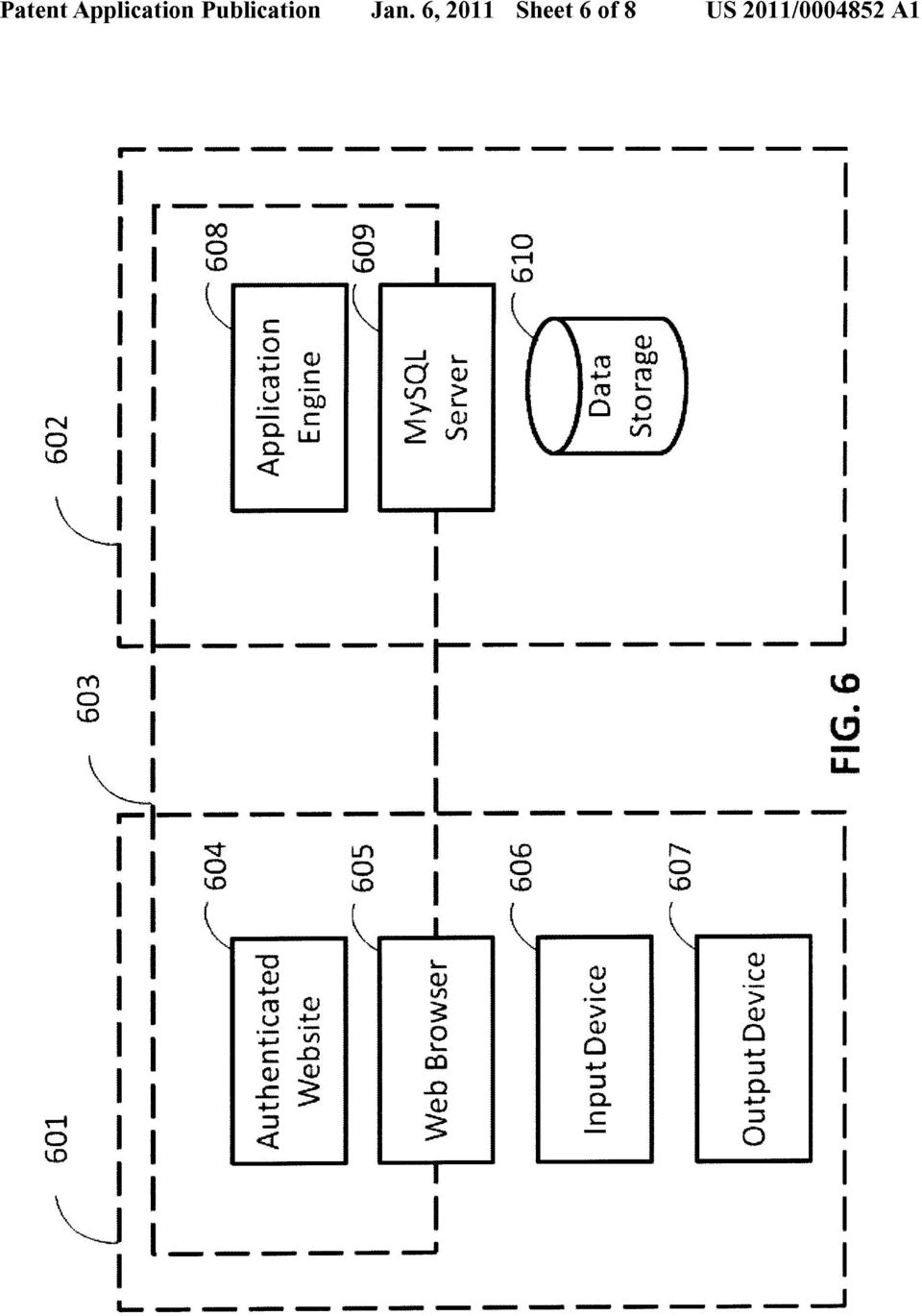
 (19) United States US 20130325512Al (12) Patent Application Publication (10) Pub. No.: US 2013/0325512 A1 Kim et al. (43) Pub. Date: Dec. 5, 2013 (54) ELECTRONIC MEDICAL RECORD SYSTEM Publication Classi?cation
Management Challenge. Managing Hardware Assets. Central Processing Unit. What is a Computer System?
 Management Challenge Managing Hardware Assets What computer processing and storage capability does our organization need to handle its information and business transactions? What arrangement of computers
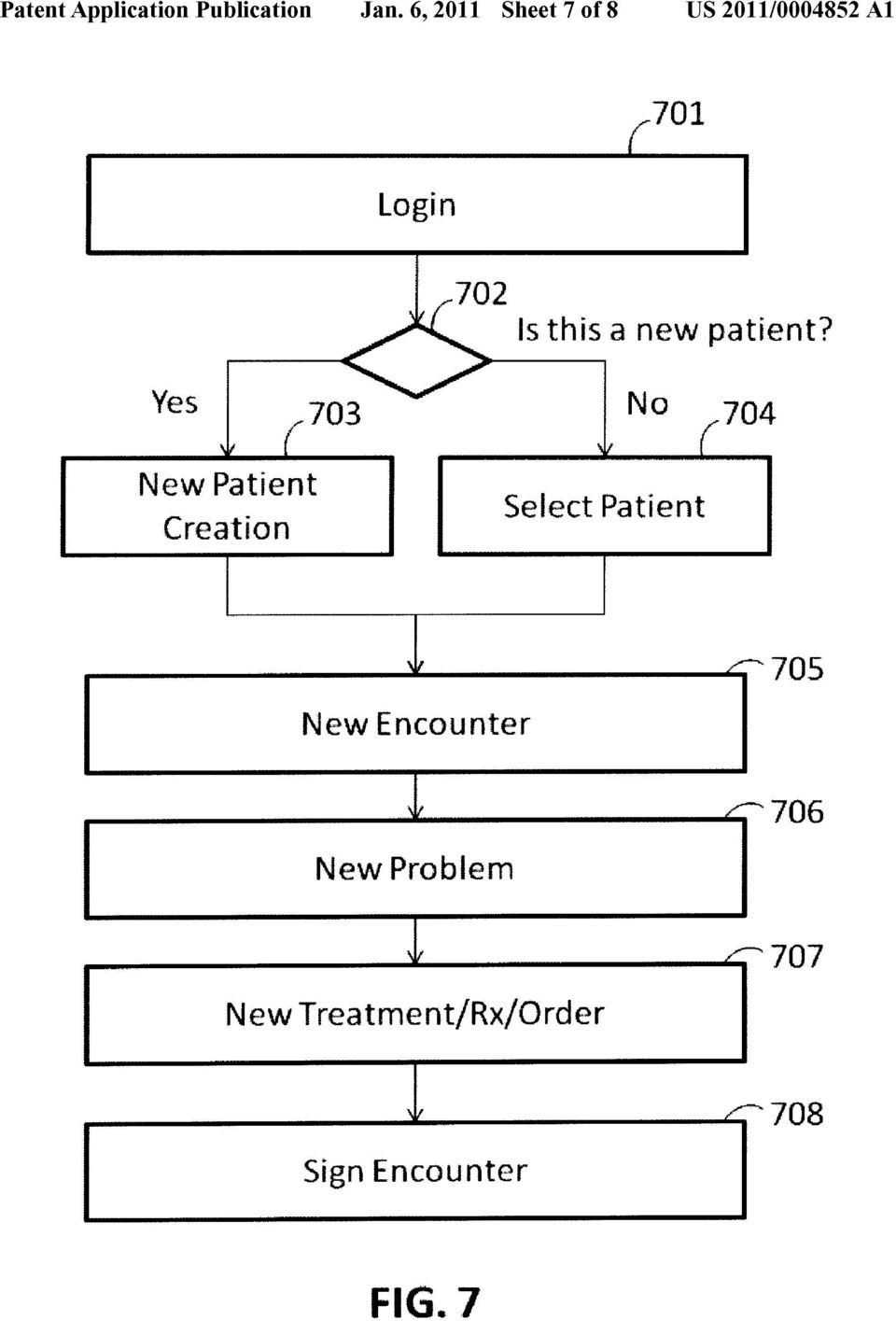
US 20130117218A1 (19) United States (12) Patent Application Publication (10) Pub. No.: US 2013/0117218 A1 Fan et al.
 US 20130117218A1 (19) United States (12) Patent Application Publication (10) Pub. No.: US 2013/0117218 A1 Fan et al. (43) Pub. Date: May 9, 2013 (54) CROSS-STORE ELECTRONIC DISCOVERY (75) Inventors: John
\ \ \ connection connection connection interface interface interface
 US 20140122910A1 (19) United States (12) Patent Application Publication (10) Pub. No.: US 20140122910 A1 Chiu et al. (43) Pub. Date: May 1, 2014 (54) RACK SERVER SYSTEM AND OPERATION Publication Classi?cation
US 20020174380A1 (19) United States (12) Patent Application Publication (10) Pub. N0.: US 2002/0174380 A1. Mannarsamy (43) Pub. Date: NOV.
 US 20020174380A1 (19) United States (12) Patent Application Publication (10) Pub. N0.: US 2002/0174380 A1 Mannarsamy (43) Pub. Date: NOV. 21, 2002 (54) HELPDESK SYSTEM AND METHOD (52) US. Cl...... 714/25
Hay (43) Pub. Date: Oct. 17, 2002
 US 20020152322A1 (19) United States (12) Patent Application Publication (10) Pub. No.: US 2002/0152322 A1 Hay (43) Pub. Date: Oct. 17, 2002 (54) (76) (21) (22) (51) (52) METHOD AND APPARATUS FOR FACILITATING
(12) United States Patent Edelen
 US008285799B2 (12) United States Patent Edelen (10) Patent N0.: (45) Date of Patent: Oct. 9, 2012 (54) QUOTA-BASED ARCHIVING (75) Inventor: James Edelen, Renton, WA (U S) (73) Assignee: Microsoft Corporation,
US 20020072350A1 (19) United States (12) Patent Application Publication (10) Pub. No.: US 2002/0072350 A1 Fukuzato (43) Pub. Date: Jun.
 US 20020072350A1 (19) United States (12) Patent Application Publication (10) Pub. No.: US 20020072350 A1 Fukuzato (43) Pub. Date: Jun. 13, 2002 (54) BACKUP METHOD OF APPLICATIONS OF PORTABLE CELLULAR PHONE
(54) Applicant: (71) (72) Assignee: (73) (21) (22) (60)
 US 20140373140A1 (19) United States (12) Patent Application Publication (10) Pub. No.: US 2014/0373140 A1 Waters, JR. et al. (43) Pub. Date: Dec. 18, 2014 (54) (71) (72) (73) (21) (22) (60) DATA CENTER
US 20120215907A1 (19) United States (12) Patent Application Publication (10) Pub. No.: US 2012/0215907 A1 Chung (43) Pub. Date: Aug.
 US 20120215907A1 (19) United States (12) Patent Application Publication (10) Pub. No.: US 2012/0215907 A1 Chung (43) Pub. Date: (54) SYSTEMS AND METHODS FOR (52) US. Cl...... 709/224 SELF-ADJUSTING LOGGING
US 20130169877A1 (19) United States (12) Patent Application Publication (10) Pub. N0.: US 2013/0169877 A1 DANG (43) Pub. Date: Jul.
 US 20130169877A1 (19) United States (12) Patent Application Publication (10) Pub. N0.: US 2013/0169877 A1 DANG (43) Pub. Date: Jul. 4, 2013 (54) SUPPLEMENTAL AUDIO AND VISUAL (52) US. Cl. SYSTEM FORA VIDEO
(Us) (73) Assignee: Avaya Technology Corp. Je?' McElroy, Columbia, SC (US); (21) Appl. No.: 10/413,024. (22) Filed: Apr. 14, 2003 (57) ABSTRACT
 US 20040202300A1 (19) United States (12) Patent Application Publication (10) Pub. No.: US 2004/0202300 A1 Cooper et al. (43) Pub. Date: Oct. 14, 2004 (54) CALL HANDLING USING NON-SPEECH CUES VIA A PERSONAL
US 20120222106Al (19) United States (12) Patent Application Publication (10) Pub. No.: US 2012/0222106 A1 Kuehl (43) Pub. Date: Aug.
 US 20120222106Al (19) United States (12) Patent Application Publication (10) Pub. No.: US 2012/0222106 A1 Kuehl (43) Pub. Date: (54) AUTOMATED HYBRID CONNECTIONS (52) US. Cl...... 726/11 BETWEEN MULTIPLE
(12) Patent Application Publication (10) Pub. No.: US 2003/0035525 A1 Wu et al. (43) Pub. Date: Feb. 20, 2003
 (19) United States US 20030035525A1 (12) Patent Application Publication (10) Pub. No.: US 2003/0035525 A1 Wu et al. (43) Pub. Date: (54) (76) (21) (22) SYSTEM AND METHOD FOR DISTINGUISHING TELEPHONE NUMBER
US 20050027827A1 (19) United States (12) Patent Application Publication (10) Pub. No.: US 2005/0027827 A1 Owhadi et al. (43) Pub. Date: Feb.
 US 20050027827A1 (19) United States (12) Patent Application Publication (10) Pub. No.: US 2005/0027827 A1 Owhadi et al. (43) Pub. Date: Feb. 3, 2005 (54) SYSTEM FOR PROVIDING SUPPORT FOR AN ELECTRONIC
Module 1 Introduction to Information and Communication Technologies
 Module 1 Introduction to Information and Communication Technologies Lesson 3 What are the Hardware Components of a Computer? UNESCO EIPICT Module 1. Lesson 3 1 Rationale The hardware components are the
Naylor, Lake OsWego, OR (US) (51) Int_ CL
 US 20100023688A1 (19) United States (12) Patent Application Publication (10) Pub. No.: US 2010/0023688 A1 Crowther et al. (43) Pub. Date: (54) SYMMETRICAL STORAGE ACCESS ON (86) PCT No.: PCT/US2007/001542
1 PERSONAL COMPUTERS
 PERSONAL COMPUTERS 1 2 Personal computer a desktop computer a laptop a tablet PC or a handheld PC Software applications for personal computers include word processing spreadsheets databases web browsers
US 20130073440A1 (19) United States (12) Patent Application Publication (10) Pub. No.: US 2013/0073440 A1 Chen (57)
 US 20130073440A1 (19) United States (12) Patent Application Publication (10) Pub. No.: US 2013/0073440 A1 Chen (43) Pub. Date: Mar. 21, 2013 (54) PAYROLL SYSTEM AND METHOD Publication Classi?cation (76)
(12) United States Patent (10) Patent N0.: US 8,282,471 B1 Korner (45) Date of Patent: Oct. 9, 2012
 US008282471B1 (12) United States Patent (10) Patent N0.: US 8,282,471 B1 Korner (45) Date of Patent: Oct. 9, 2012 (54) COMPUTER-IMPLEMENTED SPORTS 2011/0003634 A1* 1/2011 Manteris..... 463/25 WAGERING
l / Normal End, client 1 granted access to " System 1
 US 20110252465A1 (19) United States (12) Patent Application Publication (10) Pub. No.: US 2011/0252465 A1 MILLER et al. (43) Pub. Date: Oct. 13, 2011 (54) (75) (73) (21) (22) (63) (60) SYSTEM AND METHOD
Chapter 1. The largest computers, used mainly for research, are called a. microcomputers. b. maxicomputers. c. supercomputers. d. mainframe computers.
 Chapter 1 CD-ROM stands for: a. Compact Disk Random Only Memory b. Compact Disk Read Only Memory c. Computer Device Read Only Memory d. Computer Disk Random Online Memory Control Unit (CU) is the a. Main
US 20130290013A1 (19) United States (12) Patent Application Publication (10) Pub. No.: US 2013/0290013 A1 Forrester (43) Pub. Date: Oct.
 US 20130290013A1 (19) United States (12) Patent Application Publication (10) Pub. No.: US 2013/0290013 A1 Forrester (43) Pub. Date: Oct. 31, 2013 (54) MEDICAL ALERT SYSTEM (52) US. Cl. ' CPC..... G06Q
US 20130007621A1 (19) United States (12) Patent Application Publication (10) Pub. No.: US 2013/0007621 A1 Warren (43) Pub. Date: Jan.
 US 20130007621A1 (19) United States (12) Patent Application Publication (10) Pub. No.: US 2013/0007621 A1 Warren (43) Pub. Date: Jan. 3, 2013 (54) (76) (21) (22) (51) (52) SYSTEM FOR LEARNING NAMES OF
(30) Foreign Application Priority Data
 US 20040015727A1 (19) United States (12) Patent Application Publication (10) Pub. No.: US 2004/0015727 A1 Lahti et al. (43) Pub. Date: Jan. 22, 2004 (54) SYNCHRONIZATION METHOD (76) Inventors: Jerry Lahti,
US 20070203917A1 (19) United States (12) Patent Application Publication (10) Pub. No.: US 2007/0203917 A1 Du et al. (43) Pub. Date: Aug.
 ' i.. 2. Y. US 20070203917A1 (19) United States (12) Patent Application Publication (10) Pub. No.: US 2007/0203917 A1 Du et al. (43) Pub. Date: (54) COMMUNICATION SYSTEM AND METHOD FOR IMPLEMENTING ONLINE
Logical Operations. Control Unit. Contents. Arithmetic Operations. Objectives. The Central Processing Unit: Arithmetic / Logic Unit.
 Objectives The Central Processing Unit: What Goes on Inside the Computer Chapter 4 Identify the components of the central processing unit and how they work together and interact with memory Describe how
SECURITY SYSTEM WITH AUTHENTICATION CODE AND ADAPTIVE PHOTO LOG
 Technical Disclosure Commons Defensive Publications Series January 06, 2016 SECURITY SYSTEM WITH AUTHENTICATION CODE AND ADAPTIVE PHOTO LOG Alexander Faaborg Ariel Sachter-Zeltzer Follow this and additional
(12) United States Patent (16) Patent N6.= US 6,611,861 B1 Schairer et al. (45) Date of Patent: Aug. 26, 2003
 US006611861B1 (12) United States Patent (16) Patent N6.= Schairer et al. () Date of Patent: Aug. 26, 2003 (54) INTERNET HOSTING AND ACCESS SYSTEM Primary Examiner AyaZ Sheikh AND METHOD Assistant Examiner
Basic Concepts of Information Technology (IT)
 Basic Concepts of Information Technology (IT) Objectives Define Computer and Identify the Four Basic Computing Functions Identify the Different Types of Computers Describe Hardware Devices and Their Uses
United States. (12) Patent Application Publication (10) Pub. No.: US 2013/0268350 A1 Koonce et al. (43) Pub. Date: Oct. 10, 2013 (19) (54) (71) (72)
 (19) United States US 20130268350A1 (12) Patent Application Publication (10) Pub. No.: US 2013/0268350 A1 Koonce et al. (43) Pub. Date: Oct. 10, 2013 (54) (71) (72) (21) (22) (63) SYSTEM AND METHOD FOR
TEPZZ 9 Z5A_T EP 2 922 305 A1 (19) (11) EP 2 922 305 A1. (12) EUROPEAN PATENT APPLICATION published in accordance with Art.
 (19) TEPZZ 9 ZA_T (11) EP 2 922 A1 (12) EUROPEAN PATENT APPLICATION published in accordance with Art. 13(4) EPC (43) Date of publication: 23.09.1 Bulletin 1/39 (21) Application number: 1386446.2 (22) Date
THE BUSINESS VALUE OF AN ERP SYSTEM
 THE BUSINESS VALUE OF AN ERP SYSTEM AJMAL BEG THE BUSINESS VALUE OF AN ERP SYSTEM AJMAL BEG ii Copyright c 2010 by Ajmal Beg. All rights reserved. This technology described in this publication is based
TEPZZ 94Z968A_T EP 2 940 968 A1 (19) (11) EP 2 940 968 A1 (12) EUROPEAN PATENT APPLICATION. (51) Int Cl.: H04L 29/08 (2006.01)
 (19) TEPZZ 94Z968A_T (11) EP 2 940 968 A1 (12) EUROPEAN PATENT APPLICATION (43) Date of publication: 04.11.20 Bulletin 20/4 (1) Int Cl.: H04L 29/08 (2006.01) (21) Application number: 1430649.7 (22) Date
US006282278B1 (12) United States Patent. (10) Patent N0.: US 6,282,278 B1 D0ganata et al. (45) Date 0f Patent: Aug. 28, 2001
 US006282278B1 (12) United States Patent (10) Patent N0.: US 6,282,278 B1 D0ganata et al. (45) Date 0f Patent: Aug. 28, 2001 (54) UNIVERSAL CONFERENCE CONTROL 5,758,281 * 5/1998 Emery et a1...... 455/428
Fall 2009. Lecture 1. Operating Systems: Configuration & Use CIS345. Introduction to Operating Systems. Mostafa Z. Ali. [email protected].
 Fall 2009 Lecture 1 Operating Systems: Configuration & Use CIS345 Introduction to Operating Systems Mostafa Z. Ali [email protected] 1-1 Chapter 1 Introduction to Operating Systems An Overview of Microcomputers
Levy Processing System 1_Q
 US 20130332350A1 (19) United States (12) Patent Application Publication (10) Pub. No.: US 2013/0332350 A1 Polk (43) Pub. Date: Dec. 12, 2013 (54) SYSTEMS AND METHODS FOR (52) US. Cl. PROCESSINIG LEIES
BTEC First Diploma for IT. Scheme of Work for Computer Systems unit 3 (10 credit unit)
 BTEC First Diploma for IT Scheme of Work for Computer Systems unit 3 (10 credit unit) Overview On completion of this unit a learner should: 1 Know the of 4 Be able to. Num of hours Teaching topic Delivery
US 20030110248A1 (19) United States (12) Patent Application Publication (10) Pub. N0.: US 2003/0110248 A1 Ritchc (43) Pub. Date: Jun.
 US 20030110248A1 (19) United States (12) Patent Application Publication (10) Pub. N0.: US 2003/0110248 A1 Ritchc (43) Pub. Date: (54) (76) (21) (22) (51) (52) AUTOMATED SERVICE SUPPORT OF SOFTWARE DISTRIBUTION
(12) United States Patent (16) Patent N6.= US 6,198,814 B1 Gill (45) Date of Patent: Mar. 6, 2001
 US006198814B1 (12) United States Patent (16) Patent N6.= Gill (45) Date of Patent: Mar. 6, 2001 (54) SYSTEM AND METHOD FOR ENTERING 5,621,790 * 4/1997 Grossman 6161...... 379/266 CALL OUTCOME RECORDS IN
5/4/2011. Overview. Claim Drafting. Patent Claims: Example. Patent Claims. Patent Claims 1. Patent Claims 2
 Overview Claim Drafting Claim types in computing arts context System/device claims Method claims Computer-readable media claims Claiming to hit the target Joint infringement issues End-user claims and
[11] [45] USER ANSWERS TELEPHONE CALL FOR CLIENT USING WEB-ENABLED TERMINAL 18 WEB-ENABLED TERMINAL 1B LOOKS UP CLIENT
![[11] [45] USER ANSWERS TELEPHONE CALL FOR CLIENT USING WEB-ENABLED TERMINAL 18 WEB-ENABLED TERMINAL 1B LOOKS UP CLIENT](/thumbs/27/10625613.jpg "[11] [45] USER ANSWERS TELEPHONE CALL FOR CLIENT USING WEB-ENABLED TERMINAL 18 WEB-ENABLED TERMINAL 1B LOOKS UP CLIENT") United States Patent [19] Waldner et al. [11] [45] US006141413A Patent Number: Date of Patent: Oct. 31, 2000 [54] [75] [73] TELEPHONE NUMBER/WEB PAGE LOOK-UP APPARATUS AND METHOD Inventors: Wayne Waldner,
United States Patent [19] Waldner et al. [11] [45] US006141413A Patent Number: Date of Patent: Oct. 31, 2000 [54] [75] [73] TELEPHONE NUMBER/WEB PAGE LOOK-UP APPARATUS AND METHOD Inventors: Wayne Waldner,
llllllllllllllillllllllllllllllllllllllllllllllllllllllllllllllllllllllllll
 llllllllllllllillllllllllllllllllllllllllllllllllllllllllllllllllllllllllll USOO5535162A United States Patent [19] [11] Patent Number: 5,535,162 Uenoyama [45] Date of Patent: Jul. 9, 1996 [54] ELECTRICALLY
Chapter 7 Types of Storage. Discovering Computers 2012. Your Interactive Guide to the Digital World
 Chapter 7 Types of Storage Discovering Computers 2012 Your Interactive Guide to the Digital World Objectives Overview Differentiate between storage devices and storage media Describe the characteristics
Filetto et al. [45] Date of Patent: Feb. 15, 2000
![Filetto et al. [45] Date of Patent: Feb. 15, 2000](/thumbs/39/20301551.jpg "Filetto et al. [45] Date of Patent: Feb. 15, 2000") US006025842A United. States Patent [19] [11] P a t en tn um b er: 6, 025, 842 Filetto et al. [45] Date of Patent: Feb. 15, 2000 [54] SYSTEM AND METHOD FOR WINDOW 5,046,001 9/1991 Barker et al...... 364/200
US006025842A United. States Patent [19] [11] P a t en tn um b er: 6, 025, 842 Filetto et al. [45] Date of Patent: Feb. 15, 2000 [54] SYSTEM AND METHOD FOR WINDOW 5,046,001 9/1991 Barker et al...... 364/200
(51) Int. Cl. Payment Date. January 1 for the next 18 years. Bidding Time Left / 610 /- 612 8 ) 8mm 23 Hours 14 Mins 614 \ 616 -\ 618 -\
 Int. Cl. Payment Date. January 1 for the next 18 years. Bidding Time Left / 610 /- 612 8 ) 8mm 23 Hours 14 Mins 614 \ 616 -\ 618 -\") US 20140019286A1 (19) United States (12) Patent Application Publication (10) Pub. No.: US 2014/0019286 A1 Fannin et al. (43) Pub. Date: (54) (71) (72) (73) (21) (22) (63) (60) SYSTEMS, DEVICES AND METHODS
US 20140019286A1 (19) United States (12) Patent Application Publication (10) Pub. No.: US 2014/0019286 A1 Fannin et al. (43) Pub. Date: (54) (71) (72) (73) (21) (22) (63) (60) SYSTEMS, DEVICES AND METHODS