
Global Population Circa. 2 billion people. -United Nations Development Programme.
|
|
|
- Dominic Webster
- 9 years ago
- Views:
Transcription
1 Access to safe water is a fundamental human need and therefore, a basic human right. Contaminated water jeopardizes both the physical and social health of all people. It is an affront to human dignity. -United Nations Development Programme. In September 2000, at the UN millennium summit, world leaders committed themselves to a set of eight time-bound measurable Millennium Development Goals Goal seven is about ensuring environmental sustainability its target is to halve by 2015, the proportion of people without sustainable access to safe drinking water and basic sanitation. This objective will require greater support from developed nations, new policies and new technologies in the developing world. Water was asserted as a Human Right by the United Nations in 2002 in their General Comment No.15. This clarified the obligation for governments to extend access to sufficient, affordable, accessible and safe water supplies and to safe sanitation services as their resources allow. While progress has been made on realizing the MDG goal of halving the number of people without access to safe drinking water and sanitation, population growth has caused the realization of the goals by 2015 to be virtually impossible. In fact at the current rate, the Sub-Saharan Africa is unlikely to meet the MDG sanitation target until The worlds population has tripled in the 20th century,while the use of renewable water resources has grown six-fold. In the UK the expansion of sanitation infrastructure in the 1880s contributed to a 15 year increase in life expectancy in the following four decades. Global Population Circa 2 billion people
2 Global Population Circa 6 billion people Global Population Circa Global Population Circa
3 Global Population Circa Global Population Circa While the world's population tripled in the 20th century, the use of renewable water resources has grown six-fold. Within the next fifty years, the world population will increase by another 40 to 50 %. This population growth, coupled with industrialization and urbanization, will result in an increasing demand for water and will have serious consequences on the environment.
4 In many areas of the world, good municipal water is unavailable. Unsafe water and lack of sanitation causes 80% of all sickness and disease, and kills more people every year than all forms of violence, including war. Water-related disease alone is the second biggest killer of children worldwide. Thats DEATHS PER DAY.
5 APPROXIMATELY 20% OF THE WORLD S POPULATION HAVE INADEQUATE ACCESS TO WATER AND 40% OF THE POPULATION LACK BASIC SANITATION? THE AVERAGE AMERICAN USES 100 GALLONS OF WATER PER DAY? THOSE LIVING IN POVERTY USE LESS THAN 5 GALLONS PER DAY. APPROXIMATELY 1.8 MILLION CHILDREN DIE EVERY YEAR AS A RESULT OF DIARRHOEA? MORE THAN 443 MILLION SCHOOL DAYS EACH YEAR ARE LOST AS A RESULT OF WATER BORNE DISEASES. MILLIONS OF WOMEN SPEND SEVERAL HOURS EVERY DAY WALKING TO GET WATER? MILLIONS OF GIRLS ARE UNABLE TO ATTEND SCHOOL BECAUSE OF THEIR WATER DUTIES AND CHORES. THE WEIGHT OF WATER CARRIED BY WOMEN AND GIRLS IS THE SAME AS THE AVERAGE US AIRPORT LUGGAGE ALLOWANCE. MORE THAN 4,500 CHILDREN DIE EVERY DAY FROM DISEASES CAUSED BY UNCLEAN WATER AND POOR SANITATION? APPROXIMATELY 1.8 MILLION CHILDREN DIE EVERY YEAR AS A RESULT OF DIARRHOEA? THE SIMPLE ACT OF WASHING HANDS WITH SOAP AND WATER CAN REDUCE DIARRHOEAL DISEASES BY 40%. MORE THAN 4,500 CHILDREN DIE EVERY DAY FROM WATER BORNE DISEASES? AN INTEGRATED APPROACH OF PROVIDING WATER, SANITATION AND HYGIENE REDUCES THE NUMBER OF DEATHS BY AN AVERAGE OF 65%. THE WORLD S POPULATION IS EXPECTED TO GROW FROM 1.6 BILLION PEOPLE IN 1900 TO AN ESTIMATED 9 BILLION PEOPLE BY 2050? WATER AVAILABILITY WILL BE ONE OF THE CRITICAL ISSUES OF THE NEXT GENERATION.
6 97.5% OF THE EARTH S WATER IS SALTWATER? IF THE WORLD S WATER FITTED INTO A BUCKET, ONLY ONE TEASPOON WOULD BE DRINKABLE. AT ANY ONE TIME, HALF OF THE DEVELOPING WORLD S HOSPITAL BEDS ARE OCCUPIED BY PATIENTS SUFFERING FROM WATER-RELATED DISEASES? WATER-RELATED DISEASES ARE THE SECOND BIGGEST KILLER OF CHILDREN WORLDWIDE, AFTER ACUTE RESPIRATORY INFECTIONS LIKE TUBERCULOSIS? THE AVERAGE LIFE EXPECTANCY IN DEVELOPED COUNTRIES IS 30 YEARS GREATER THAN IN DEVELOPING COUNTRIES? HALF OF THIS DIFFERENCE IS CREDITED TO SANITATION AND WATER SYSTEMS. IT S ESTIMATED THAT A $9 BILLION INVESTMENT WOULD ACHIEVE UNIVERSAL ACCESS TO CLEAN WATER AND SANITATION. EUROPE SPENDS MORE THAN $11 BILLION PER YEAR ON ICE CREAM. THE HUMAN BODY IS 50 TO 70 PER CENT WATER AND NEEDS A REGULAR SUPPLY OF CLEAN WATER TO MAINTAIN HEALTH? AN ESTIMATED $9 BILLION INVESTMENT WOULD ACHIEVE UNIVERSAL ACCESS TO CLEAN WATER AND SANITATION? EUROPE AND THE US SPEND MORE THAN $12 BILLION PER YEAR ON PERFUME. A CHILD DIES EVERY 15 SECONDS FROM A WATER-RELATED DISEASE?
7 EACH DAY IN DEVELOPING COUNTRIES, WOMEN AND GIRLS SPEND MORE THAN 200 MILLION HOURS COLLECTING WATER FROM DISTANT, OFTEN POLLUTED SOURCES? THE AVERAGE DISTANCE A PERSON LIVING IN RURAL AFRICA MUST WALK TO A WATER SOURCE IS FIVE MILES? GIRLS OFTEN CAN T GO TO SCHOOL BECAUSE COLLECTING WATER TAKES UP SO MUCH OF THEIR TIME. THE UN SAYS THAT 95% OF THE WORLD S CITIES DUMP RAW SEWAGE INTO THEIR WATER SUPPLIES? 80% PERCENT OF THEIR HEALTH PROBLEMS CAN BE TRACED BACK TO UNSANITARY WATER. WATER RELATED DISEASES KILL MORE PEOPLE EVERY YEAR THAN ALL FORMS OF VIOLENCE, COMBINED? OF THE 30,000 DEATHS THAT OCCUR EVERY WEEK FROM UNSAFE WATER, 90% ARE CHILDREN UNDER 5 YEARS OLD? WHEN YOU FLUSH THE TOILET, YOU ARE USING THE SAME AMOUNT OF WATER THAT A PERSON IN THE DEVELOPING WORLD USES ALL DAY TO WASH, CLEAN, COOK AND DRINK? EVERY DOLLAR INVESTED IN WATER YIELDS AN ECONOMIC RETURN OF EIGHT DOLLARS SAVED TIME, INCREASED PRODUCTIVITY AND REDUCED HEALTHCARE COSTS? OVER 76 MILLION PEOPLE WILL PERISH FROM WATER-RELATED DISEASE BY 2020 UNLESS URGENT ACTION IS TAKEN?
8 The earth is becoming more crowded Water related disease Within the next forty-five years, the world population is estimated to increase by 2.6 billion people and the bulk of this increase will occur in areas that are the least developed. This population growth, coupled with continued industrialization and urbanization of developing countries, will result in a heightened demand for water and an increase in polluted water, both of which will have serious adverse consequences on the environment. Sadly, the availability of clean water in many underdeveloped areas of the world is extremely scarce as once dependable rainfall patterns are failing to replenish the local water table. \o "United Nations" United Nations estimates that in 2005, 1.1 billion people (20% of the global population) lacked access to safe, affordable, drinking water, and 2.6 billion people (40% of the global population) lacked access to safe sanitation. About 80% of those lacking such access live in sub-saharan Africa, Eastern Asia and Southern Asia. Without creative solutions to increase the availability to clean water, these impoverished communities around the world will continue to languish. Water-related diseases are one of the most devastating consequences resulting from a pervasive lack of clean water, destroying not only lives but also local economies. In 2004 alone, 2.2 million people died due to unsafe drinking water, most of which were children under the age of 5. This amounts to around 6,000 deaths a day. In addition, it is estimated that 50% of all hospital beds in the developing world are currently occupied by patients with diarrheal illness as a result of exposure to contaminated water. If the world does not act to provide basic access to clean water, as many as 135 million additional people will die from these water-related diseases by On top of the massive death toll, local economies and household budgets are drained by the constant need to purchase expensive medicines in order to combat the effects of consuming polluted water. The solution to ending the cycle of poverty and disease in these impoverished communities is crystal clear: investment in the creation and strengthening of basic sanitation infrastructures to provide access to clean water. Improving sanitation infrastructure in these impoverished communities could reduce diarrhea-related deaths in young children by more than one-third and if hygiene promotion is added, such as simply teaching proper hand washing, deaths could be reduced by two thirds. Access to water must be a human right that all can enjoy and yet globally, it does not exist. Women and children are socially disadvantaged. The lack of available clean water has other detrimental social consequences as well. Without the basic availability of toilets and in order to maintain their social dignity, women are forced to defecate only in secluded areas at night, making them susceptible to violence. Furthermore, in the rural areas of many developing countries, women and children are not able to acquire an elementary education because they are required to provide water each day to their family or village. This can mean up to a 5-mile walk, one way, only to arrive at a river, pond or stream contaminated with bacteria. Furthermore, the containers used to transport water usually hold about 15 liters of water and weigh up to 15 kilograms. Such a physically difficult and time consuming responsibility means that these women and children are not able to go to school due to fatigue or simply because they are not afforded the time. In addition, many young women in these areas are marrying between the ages of 12 and 16 years. By keeping these women in school, they can become educated and potentially avoid marrying at such a young age. This ultimately benefits the local community as older, more educated women might opt for smaller, more economically manageable family sizes resulting in more moderate population growth and less pressure on available resources. As surprising as it sounds, these positive changes all start with providing clean water to these families and their children so they can sustain safe and healthy lives and have the time and the strength to start and finish school Nika Water Company, LLC. // P.O. Box 2348 // La Jolla, Ca // //
Water and Health. Information brief
 Lack of safe water, sanitation and hygiene remains one of the world s most urgent health issues. Almost one tenth of the global disease burden could be prevented by improving water supply, sanitation,
water, sanitation and hygiene
 water, sanitation and hygiene situation Lack of water and sanitation is one of the biggest issues affecting the health of children across Cambodia, particularly those who live in the countryside. Too many
Promoting Family Planning
 Promoting Family Planning INTRODUCTION Voluntary family planning has been widely adopted throughout the world. More than half of all couples in the developing world now use a modern method of contraception
WaterPartners International Project Funding Proposal: Gulomekeda and Ganta-afeshum, Ethiopia
 WaterPartners International Project Funding Proposal: Gulomekeda and Ganta-afeshum, Ethiopia Project Summary: Location: Eastern Region of the Tigray Regional State Number of Individual Beneficiaries: 1,720
Implementing Water, Sanitation and Hygiene (WASH)
 Implementing Water, Sanitation and Hygiene (WASH) Why WASH? One of the world s most urgent issues is lack of safe water, sanitation and hygiene. Water-related improvements are crucial to meet the development
Global water resources under increasing pressure from rapidly growing demands and climate change, according to new UN World Water Development Report
 WWDR4 Background Information Brief Global water resources under increasing pressure from rapidly growing demands and climate change, according to new UN World Water Development Report As demand for water
MILLENNIUM DEVELOPMENT GOALS
 MILLENNIUM DEVELOPMENT GOALS Time Level Skills Knowledge goal 60 90 minutes intermediate speaking, reading to raise awareness of today s global issues and the UN Millennium Development Goals Materials
Water, Sanitation and Hygiene
 Water, Sanitation and Hygiene UNICEF/Giacomo Pirozzi for children unite for children UNICEF/Julie Pudlowski Fast facts Tanzanians that lack access to improved drinking water sources 46% Tanzanians with
Rural Sanitation, Hygiene and Water Supply
 Rural Sanitation, Hygiene and Water Supply KEY STATISTICS Use of sanitary latrines (% of rural population) 32 Defecating in the open (% of rural population) 9 Use of hanging latrines (% of rural population)
Max Foundation plan 2014-2016
 Max Foundation plan 2014-2016 Page1 Content 1. Introduction 3 2. Goal 4 3. Our values 5 4. How we work 6 5. Max-WASH approach 7 6. Were we work 9 7. Ambition 10 Page2 1. Introduction Max Foundation prevents
Availability of Clean Water Teacher s Guide
 H 2 O Lesson 3 Availability of Clean Water Teacher s Guide In part one, students will learn about the difficulties many people in the developing world face each day in obtaining water for their personal
WASH (water, sanitation and hygiene) in Day Care Centers (WinD)
 WASH (water, sanitation and hygiene) in Day Care Centers (WinD) Importance of implementing a WASH (water, sanitation and hygiene) program in day care centers: WASH can break the link between nutrient malabsorption
30% Opening Prayer. Introduction. About 85% of women give birth at home with untrained attendants; the number is much higher in rural areas.
 This is the second of four studies on maternal health M AT E R N A L a n d C H I L D H E A LT H : A f g h a n i s t a n b y K a r e n B o k m a About 85% of women give birth at home with untrained attendants;
Millennium Development Goals Millennium Development Goal 6 To combat HIV/AIDS, malaria and other diseases
 1 Millennium Development Goals Millennium Development Goal 6 To combat HIV/AIDS, malaria and other diseases Information and activities Target To have halted and begun to reverse the spread of HIV/AIDS
GENDER AND DEVELOPMENT. Uganda Case Study: Increasing Access to Maternal and Child Health Services. Transforming relationships to empower communities
 GENDER AND DEVELOPMENT Uganda Case Study: Increasing Access to Maternal and Child Health Services The Context World Vision has been active in working with local communities to increase access to health
United Nations Educational, Scienti c and Cultural Organization EDUCATION COUNTS. Towards the Millennium Development Goals
 United Nations Educational, Scienti c and Cultural Organization EDUCATION COUNTS Towards the Millennium Development Goals The original artwork presented in the brochure was designed by Zago, New York,
Education is the key to lasting development
 Education is the key to lasting development As world leaders prepare to meet in New York later this month to discuss progress on the Millennium Development Goals, UNESCO s Education for All Global Monitoring
Discussion paper. Turning slums around: The case for water and sanitation
 Discussion paper Turning slums around: The case for water and sanitation Written by Timeyin Uwejamomere, Policy Officer Urban Water Supply and Sanitation Services, WaterAid Supported by Henry Northover,
cambodia Maternal, Newborn AND Child Health and Nutrition
 cambodia Maternal, Newborn AND Child Health and Nutrition situation Between 2000 and 2010, Cambodia has made significant progress in improving the health of its children. The infant mortality rate has
INVESTIGATION OF SANITATION AND HYGIENE PRACTICES IN SELECTED RURAL AREAS OF THE NORTHERN PROVINCE, SOUTH AFRICA. ABSTRACT
 Presented at the WISA 2000 Biennial Conference, Sun City, South Africa, 28 May - 1 June 2000 INVESTIGATION OF SANITATION AND HYGIENE PRACTICES IN SELECTED RURAL AREAS OF THE NORTHERN PROVINCE, SOUTH AFRICA.
World Toilet Day Beyond Infrastructure: Building New Attitudes Also Needed to End Open Defecation, UN Says
 UN PRESS RELEASE Contacts: Terry Collins, +1-416-538-8712; +1-416-878-8712 (m); [email protected] Christian Clark, UN,+1 212 963 6870; +1 917 208 7703 (m), [email protected] Rita Ann Wallace, +1-212-326-7586; +1-917-213-4034
Investing in sustainable sanitation and hygiene. Water Supply & Sanitation Collaborative Council GLOBAL SANITATION FUND
 GLOBAL SANITATION FUND Investing in sustainable sanitation and hygiene WATER SUPPLY & SANITATION Water Supply & Sanitation Collaborative Council COLLABORAT IVE IL COUNC GLOBAL SANITATION FUND Sustainable
I would like to share with you some personal views about the major freshwater challenges in our world
 I would like to share with you some personal views about the major freshwater challenges in our world Everybody uses water, everybody uses water daily. A a result water matters to everyone and everyone
Safe Water Quality for All Uses: Promoting science-based policy responses to water quality challenges
 Complementary Additional Programme 2014-2015 / Concept note Safe Water Quality for All Uses: Promoting science-based policy responses to water quality challenges Geographical scope/benefitting country(ies):
Cholera / Response / 1. Response to an Epidemic of Cholera
 Cholera / Response / 1 Response to an Epidemic of Cholera Goal of Response Activities Reduce deaths good case management mobilizing staff and supplies increasing access to care Prevent new cases intensive
UNICEF in South Africa
 UNICEF in South Africa A message from the Representative 47,900,000 people live in South Africa 20,200,000 are children 294,000 children are HIV-positive 1 in 17 children die before their fifth birthday
Setting the Scene: Water, 1 Poverty, and the MDGs
 Setting the Scene: Water, 1 Poverty, and the MDGs CHAPTER 1 THE MILLENNIUM DEVELOPMENT GOALS (MDGs) reflect the commitment of the world community to work together and reduce global poverty. The MDGs do
THE TOP TEN CAUSES OF DEATH
 FACT SHEET THE TOP TEN CAUSES OF DEATH THE TEN LEADING CAUSES OF DEATH BY BROAD INCOME GROUP 2002 High-income countries Deaths in millions % of deaths Coronary heart 1.34 17.1 Stroke and other s 0.77 9.8
Introduction CHAPTER 1
 1 CHAPTER 1 Introduction Many factors determine the health both of individuals and of the communities in which they live. These factors include income, social relationships, access to and use of basic
Part 4 Burden of disease: DALYs
 Part Burden of disease:. Broad cause composition 0 5. The age distribution of burden of disease 6. Leading causes of burden of disease 7. The disease and injury burden for women 6 8. The growing burden
The Global Economic Cost of Cancer
 The Global Economic Cost of Cancer About the Global Economic Cost of Cancer Report Cancer is taking an enormous human toll around the world and is a growing threat in low- to middle-income countries.
The LP Gas Rural Energy Challenge Michael Kelly, Director, Market Development, World LP Gas Association (WLPGA)
 CSD-16 Partnerships Fair May 2008 The LP Gas Rural Energy Challenge Michael Kelly, Director, Market Development, World LP Gas Association (WLPGA) Introduction Access to affordable, reliable energy services
Shutterstock TACstock
 Shutterstock TACstock 10 Introduction Since 2000, the IDF Diabetes Atlas has detailed the extent of diabetes and this seventh edition shows how it is impacting every country, every age group and every
Women s Rights: Issues for the Coming Decades
 September 24, 2010 Suzanne B. Goldberg Columbia Law School Remarks for the International Conference on the Protection of Women s Rights Women s Rights: Issues for the Coming Decades I am delighted to be
United Nations INTRODUCTION. The World at Six Billion 1
 INTRODUCTION According to the latest United Nations population estimates, world population reaches the six billion mark on 12 October 1999, an historic milestone in the growth of world population. The
Collection and disposal of wastewater
 10 Collection and disposal of wastewater 10.1 Characteristics and hazards of wastewater from health-care establishments Wastewater from health-care establishments is of a similar quality to urban wastewater,
Water Supply & Sanitation in Rural Armenia
 Water Supply & Sanitation in Rural Armenia Armenian Women for Health and Healthy Environment Elena Manvelyan, MD. PhD Workshop on equitable access to water Paris, 5-65 6 July 2007 Armenia Area: 29.750
INDICATOR REGION WORLD
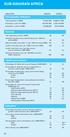 SUB-SAHARAN AFRICA INDICATOR REGION WORLD Demographic indicators Total population (2005) 713,457,000 6,449,371,000 Population under 18 (2005) 361,301,000 2,183,143,000 Population under 5 (2005) 119,555,000
The Smartest Targets For The WORLD 2016-2030
 The Smartest Targets For The WORLD 2016-2030 The World s Best Targets Right now, 193 governments negotiating Targets for 2016-2030 Most people don t know Development aid 2016-30: $2.5 trillion The World
COMMUNITY RESILIENT WATER SAFETY PLAN (CR-WSP) FOR WATER SUPPLY SYSTEM SUSTAINABILITY AND PUBLIC HEALTH BASED TARGET
 JOURNAL OF GEO AND ENVIRONMENTAL SCIENCE RESEARCH VOL. 4(1), pp. 01-09, JANUARY 2016 REF NUMBER: ONLINE: http://www.professionaljournals.org/jgesr -------------------------------------------------------------------------------------------------------------------------------
Urban development: promoting jobs, upgrading slums, and developing alternatives to new slum formation 1
 Urban development: promoting jobs, upgrading slums, and developing alternatives to new slum formation 1 The Cities Alliance has reproduced this section of the Millennium Project s Report to the UN Secretary
Goal 1: Eradicate extreme poverty and hunger. 1. Proportion of population below $1 (PPP) per day a
 Annex II Revised Millennium Development Goal monitoring framework, including new targets and indicators, as recommended by the Inter-Agency and Expert Group on Millennium Development Goal Indicators At
SUB-SAHARAN AFRICA. Economic indicators. Demographic indicators. Survival HIV/AIDS. Health and nutrition. Child protection. Education.
 SUB-SAHARAN AFRICA Total population (2004) 697,561,000 6,374,050,000 Population under 18 (2004) 354,355,000 2,181,991,000 Population under 5 (2004) 117,346,000 614,399,000 Life expectancy at birth (2004)
Education for All An Achievable Vision
 Education for All An Achievable Vision Education for All Education is a fundamental human right. It provides children, youth and adults with the power to reflect, make choices and enjoy a better life.
GLOBAL HEALTH ESSENTIAL CORE COMPETENCIES
 GLOBAL HEALTH ESSENTIAL CORE COMPETENCIES All medical graduates should understand the major factors that influence the health of individuals and populations worldwide. They should have a basic understanding
III. World Population Growth
 III. World Population Growth Population dynamics are one of the key factors to consider when thinking about development. In the past 50 years the world has experienced an unprecedented increase in population
Water, sanitation and hygiene in health care facilities in Asia and the Pacific
 Water, sanitation and hygiene in health care facilities in Asia and the Pacific A necessary step to achieving universal health coverage and improving health outcomes This note sets out the crucial role
Sundsvall Statement on Supportive Environments for Health
 Sundsvall Statement on Supportive Environments for Health Third International Conference on Health Promotion, Sundsvall, Sweden, 9-15 June 1991 The Third International Conference on Health Promotion: Supportive
Hunger and Poverty: Definitions and Distinctions
 Hunger and Poverty: Definitions and Distinctions The Hunger Project 5 Union Square West New York, NY 10003 www.thp.org Hunger and poverty are powerful but familiar terms. Everyone knows what they mean,
Borderless Diseases By Sunny Thai
 Borderless Diseases By Sunny Thai Millennium Development Goal #6 6. Combat HIV/AIDS, malaria and other borderless diseases. A. Halt and begin reversing spread of HIV by 2015. B. Achieve universal access
Influenza and Pandemic Flu Guidelines
 Influenza and Pandemic Flu Guidelines Introduction Pandemic flu is a form of influenza that spreads rapidly to affect most countries and regions around the world. Unlike the 'ordinary' flu that occurs
Global Urbanization: Trends, Patterns, Determinants, and Impacts. Abdullah Baqui, DrPH, MPH, MBBS Johns Hopkins University
 This work is licensed under a Creative Commons Attribution-NonCommercial-ShareAlike License. Your use of this material constitutes acceptance of that license and the conditions of use of materials on this
DONOR REPORT WATER PROJECTS 2015
 DONOR REPORT WATER PROJECTS 2015 UPDATED: MAY 2015 ISLAMIC RELIEF USA WATER PROJECTS FUNDING IN PROGRESS. 2 URGENT WATER REPAIRS FOR GAZA FEB. 2015 - JULY 2015 LOCATION: Gaza Working with American Near
NO MORE MISSED MDG4 OPPORTUNITIES: OPTIMIZING EXISTING HEALTH PLATFORMS FOR CHILD SURVIVAL. Polio Campaigns
 NO MORE MISSED MDG4 OPPORTUNITIES: OPTIMIZING EXISTING HEALTH PLATFORMS FOR CHILD SURVIVAL Polio Campaigns With fewer than 600 days remaining to the Millennium Development Goal (MDG) deadline, new strategies
Maternal and Neonatal Health in Bangladesh
 Maternal and Neonatal Health in Bangladesh KEY STATISTICS Basic data Maternal mortality ratio (deaths per 100,000 births) 320* Neonatal mortality rate (deaths per 1,000 births) 37 Births for women aged
Water Scarcity Ashley Schopieray
 Water Scarcity Ashley Schopieray INTRODUCTION In this lesson, students will learn about water scarcity and how much of the earth s water is actually available for daily human use. By examining situations
World Population Growth
 3 World Population Growth Why is world population growing faster than ever before? Population dynamics are one of the key factors to consider when thinking about development. In the past years the world
Booklet B The Menace of Alcohol
 The Menace of Alcohol This report has been designed so that you consider the effects of excessive drinking. It has been compiled from a series of websites from around the world, all of which are reputable
Driving Sustainable Development: the role of Science, Technology and Innovation
 G-SCIENCE ACADEMIES STATEMENTS 2013 Driving Sustainable Development: the role of Science, Technology and Innovation 1. Introduction The framework of Millennium Development Goals has led to several in-depth
FOCUSING RESOURCES ON EFFECTIVE SCHOOL HEALTH:
 FOCUSING RESOURCES ON EFFECTIVE SCHOOL HEALTH: a FRESH Start to Enhancing the Quality and Equity of Education. World Education Forum 2000, Final Report To achieve our goal of Education For All, we the
CORRELATIONAL ANALYSIS BETWEEN TEENAGE PREGNANCY AND MATERNAL MORTALITY IN MALAWI
 CORRELATIONAL ANALYSIS BETWEEN TEENAGE PREGNANCY AND MATERNAL MORTALITY IN MALAWI Abiba Longwe-Ngwira and Nissily Mushani African Institute for Development Policy (AFIDEP) P.O. Box 31024, Lilongwe 3 Malawi
Progress and prospects
 Ending CHILD MARRIAGE Progress and prospects UNICEF/BANA213-182/Kiron The current situation Worldwide, more than 7 million women alive today were married before their 18th birthday. More than one in three
2014-2017. UNICEF/NYHQ2012-1868/Noorani
 UNICEF STRATEGIC PLAN 2014-2017 UNICEF/NYHQ2012-1868/Noorani UNICEF s Strategic Plan 2014-2017 is a road map for the realization of the rights of every child. The equity strategy, emphasizing the most
Ageing OECD Societies
 ISBN 978-92-64-04661-0 Trends Shaping Education OECD 2008 Chapter 1 Ageing OECD Societies FEWER CHILDREN LIVING LONGER CHANGING AGE STRUCTURES The notion of ageing societies covers a major set of trends
TUBERCULOSIS the disease, its treatment and prevention. mmunisation
 TUBERCULOSIS the disease, its treatment and prevention mmunisation TB (tuberculosis) is an infectious disease that usually affects the lungs, although it can affect almost any part of the body. About
FOOD POISONING. Information Leaflet. Your Health. Our Priority. Infection Prevention Stepping Hill Hospital
 FOOD POISONING Information Leaflet Your Health. Our Priority. Page 2 of 5 What is Food Poisoning? Food poisoning is an illness that occurs after eating or drinking anything that is contaminated. Usually
Global Plan of Action for Children's Health and the Environment
 Global Plan of Action for Children's Health and the Environment Children are our future, numbering over 2.2 billion worldwide (aged 0-19) and representing boundless potential. Child survival and development
Cholera Prevention and Control: Introduction and Community Engagement. Module 1
 Cholera Prevention and Control: Introduction and Community Engagement Module 1 Introduction This guide instructs how to prevent cholera illnesses and deaths in your communities. These slides and modules
United Nations Programme on Youth. Interagency Expert Group Meeting on. Goals and Targets for Monitoring the Progress of Youth in the Global Economy
 BACKGROUND PAPER United Nations Programme on Youth Interagency Expert Group Meeting on Goals and Targets for Monitoring the Progress of Youth in the Global Economy New York, 30-31 May 2007 INTRODUCTION
WFP!""# World Food Programme Rome, Italy
 WFP!""# World Food Programme Rome, Italy 2 Having considered the document on the Global Framework for Action to End Child Hunger and Undernutrition, the Board: a) welcomes the Ending Child Hunger and Undernutrition
ASSESSING THE RISK OF CHOLERA AND THE BENEFITS OF IMPLMENTING ORAL CHOLERA VACCINE
 Johns Hopkins Bloomberg School of Public Health, 615 N. Wolfe Street / E5537, Baltimore, MD 21205, USA ASSESSING THE RISK OF CHOLERA AND THE BENEFITS OF IMPLMENTING ORAL CHOLERA VACCINE Draft February
4,100 CHILDREN DIE EACH DAY FROM WATER-RELATED DISEASES.
 1 4,100 CHILDREN DIE EACH DAY FROM WATER-RELATED DISEASES. WHO WE ARE charity: water is a non-profit organization bringing clean and safe drinking water to people in developing nations. We raise awareness
The Situation of Children and Women in Iraq
 The Situation of Children and Women in Iraq Highlights from the Multiple Indicator Cluster Survey 4 (MICS 4) 2011 Demographics - Population of Iraq: 33.4 million - Children and Adolescents (0-18): 16.6
Water in the SDG s - in a European context. Continued challenges, tasks, responsibilities and opportunities
 Water in the SDG s - in a European context Continued challenges, tasks, responsibilities and opportunities Dept. of Climate adaptation, Water sector and Ground water The SDG process following Rio +20 Danish
Nursing Home Care and Cleaning
 Article for: New England HealthCare Article Due Date: June 15 or sooner Article Type: Small Feature Magazine Editor: Shawn Client: Enviro Subject: Cleaning Nursing Homes/bring in Green cleaning Word Count:
Emergency Plan Of Action update
 Emergency Plan Of Action update Tajikistan: Floods DREF n MDRTJ019 Update n 1 Date of issue: 30 June 2014 Operation n MDRTJ019 Glide n FL-2014-000063-TJK Timeframe covered by this update: 11 May 2014 23
49. INFANT MORTALITY RATE. Infant mortality rate is defined as the death of an infant before his or her first birthday.
 49. INFANT MORTALITY RATE Wing Tam (Alice) Jennifer Cheng Stat 157 course project More Risk in Everyday Life Risk Meter LIKELIHOOD of exposure to hazardous levels Low Medium High Consequences: Severity,
Cross sectional study on household sanitation, hygiene and water access level in Debay Tilat Gin Woreda, East Gojjam, Ethiopia
 Cross sectional study on household sanitation, hygiene and water access level in Debay Tilat Gin Woreda, East Gojjam, Ethiopia Abstract Introduction An estimated.6 billion people lack access to improved
You re One in Seven Billion!
 You re One in Seven Billion! We ve all heard the expression, You re one in a million!. With the ever-growing number of people on the planet, it might be more accurate to say, You re one in seven billion!
Health and Longevity. Global Trends. Which factors account for most of the health improvements in the 20th century?
 8 Health and Longevity The health of a country s population is often monitored using two statistical indicators: life expectancy at birth and the under-5 mortality rate. These indicators are also often
Cholera: mechanism for control and prevention
 SIXTY-FOURTH WORLD HEALTH ASSEMBLY A64/18 Provisional agenda item 13.9 17 March 2011 Cholera: mechanism for control and prevention Report by the Secretariat 1. Cholera is an acute enteric infection characterized
FOOD SAFETY MANAGEMENT SYSTEMS (FSMS): REQUIREMENTS FOR ANY ORGANISATION IN THE FOOD CHAIN (ISO 22000:2005)
 FOOD SAFETY MANAGEMENT SYSTEMS (FSMS): REQUIREMENTS FOR ANY ORGANISATION IN THE FOOD CHAIN (ISO 22000:2005) Dr.R.MANAVALAN, M.Pharm., Ph.D. Professor and Research Director, Department of Pharmaceutics,
As of 2010, an estimated 61 million students of primary school age 9% of the world total - are out of school vi.
 YOUTH AND EDUCATION HIGHLIGHTS 10.6% of the world s youth (15-24 years old) are non-literate i. Data from 2011 indicates that in developing countries, the percentage of non-literate youth is 12.1%, with
COST-BENEFIT ANALYSIS: TREAT THE ILLNESS OR TREAT THE WATER?
 COST-BENEFIT ANALYSIS: TREAT THE ILLNESS OR TREAT THE WATER? It isn t cheap to treat water so that it is safe to drink. But it also isn t cheap to treat everyone who becomes ill during a waterborne illness
INDICATOR REGION WORLD
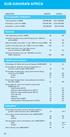 SUB-SAHARAN AFRICA INDICATOR REGION WORLD Demographic indicators Total population (2006) 748,886,000 6,577,236,000 Population under 18 (2006) 376,047,000 2,212,024,000 Population under 5 (2006) 125,254,000
Targets in the proposed SDGs framework
 Targets in the proposed SDGs framework Goal 3. Ensure healthy lives and promote well-being for all at all ages 3.2 By 2030, end preventable deaths of newborns and children under 5 years of age 3.6 By 2020,
World Health Day Diabetes and RMNCAH in Africa: R for Reproductive Health
 World Health Day Diabetes and RMNCAH in Africa: R for Reproductive Health Managing diabetes and reproductive health in developing contexts. The 2016 World Health Day theme to scale up prevention, strengthen
Characteristics and Causes of Extreme Poverty and Hunger. Akhter Ahmed, Ruth Vargas Hill, Lisa Smith, Doris Wiesmann, and Tim Frankenberger
 The World s Most Deprived Characteristics and Causes of Extreme Poverty and Hunger Akhter Ahmed, Ruth Vargas Hill, Lisa Smith, Doris Wiesmann, and Tim Frankenberger Context Report was undertaken as part
Fact Sheet: Youth and Education
 Fact Sheet: Youth and Education 11% of the world s youth (15-24 years old) are non-literate. Data from 2005-2008 indicates that in developing countries, the percentage of nonliterate youth is 13%, with
HEALTH TRANSITION AND ECONOMIC GROWTH IN SRI LANKA LESSONS OF THE PAST AND EMERGING ISSUES
 HEALTH TRANSITION AND ECONOMIC GROWTH IN SRI LANKA LESSONS OF THE PAST AND EMERGING ISSUES Dr. Godfrey Gunatilleke, Sri Lanka How the Presentation is Organized An Overview of the Health Transition in Sri
The Human Right to Water and Sanitation Media brief
 The Human Right to Water and Sanitation Today Safe drinking water and adequate sanitation are crucial for poverty reduction, crucial for sustainable development and crucial for achieving any and every
 11th International Conference on Urban Drainage, Edinburgh, Scotland, UK, 2008 communities where livelihoods are more vulnerable with virtually all the members of the community suffering because of food