
Technical Reference. for Garmin NMEA 2000 Products + -
|
|
|
- Reynard Lang
- 9 years ago
- Views:
Transcription
1 Technical Reference for Garmin NMEA 2000 Products + -
2 Garmin Ltd. or its subsidiaries Garmin International, Inc East 151st Street, Olathe, Kansas 66062, USA Tel. (913) or (800) Fax (913) Garmin (Europe) Ltd. Liberty House Hounsdown Business Park, Southampton, Hampshire, SO40 9LR UK Tel. +44 (0) (outside the UK) (within the UK) Fax +44 (0) Garmin Corporation No. 68, Jangshu 2nd Road, Sijhih, Taipei County, Taiwan Tel. 886/ Fax 886/ All rights reserved. Except as expressly provided herein, no part of this manual may be reproduced, copied, transmitted, disseminated, downloaded or stored in any storage medium, for any purpose without the express prior written consent of Garmin. Garmin hereby grants permission to download a single copy of this manual onto a hard drive or other electronic storage medium to be viewed and to print one copy of this manual or of any revision hereto, provided that such electronic or printed copy of this manual must contain the complete text of this copyright notice and provided further that any unauthorized commercial distribution of this manual or any revision hereto is strictly prohibited. Information in this document is subject to change without notice. Garmin reserves the right to change or improve its products and to make changes in the content without obligation to notify any person or organization of such changes or improvements. Visit the Garmin Web site ( for current updates and supplemental information concerning the use and operation of this and other Garmin products. Garmin, the Garmin logo, and GPSMAP are trademarks of Garmin Ltd. or its subsidiaries, registered in the USA and other countries. GFS, GWS, GHP, GXM, GFL, GBT, GST, GMI, GRA, GET, GHC, Intelliducer, are trademarks of Garmin Ltd. or its subsidiaries. These trademarks may not be used without the express permission of Garmin. NMEA 2000 and the NMEA 2000 logo are registered trademarks of the National Maritime Electronics Association. July 2010 Part Number Rev. C Printed in Taiwan
3 Introduction Introduction A NMEA 2000 network consists of connected NMEA 2000 devices that communicate using basic plug-and-play functionality. This technical reference provides basic NMEA 2000 component identification, basic NMEA 2000 network-building instructions, and a list of NMEA specific data used with Garmin NMEA 2000-certified displays and sensors. The first section, NMEA 2000 Fundamentals, provides descriptions of the NMEA 2000 connectors and cables sold by Garmin, and the fundamental concepts of installing a NMEA 2000 network on your boat. The second section, General NMEA 2000 Data Type Requirements, provides a table to help you determine which NMEA 2000 sensors provide the particular data type you want. The last two sections provide Parameter Group Number (PGN) information for Garmin chartplotters and marine instruments as well as configuration and PGN information for Garmin NMEA 2000 sensors. These sections contain PGN and configuration information for the following products: GPSMAP 4000/5000/6000/7000 Series chartplotters GPSMAP 700 Series chartplotters GPSMAP 4x1/5x1/5x6 Series chartplotters GMI 10 GPS 17x GFS 10 GRA 10 GET 10 GFL 10 GBT 10 GST 10 Intelliducers GWS 10 GHP 10 (CCU and GHC 10) GXM 51 VHF 200/300 AIS 300 AIS 600 Note: PGN information is also included in the installation instructions provided with the Garmin NMEA 2000-certified device. Sensor configuration information is also included in a Sensor Configuration Guide provided with each Garmin NMEA 2000-certified sensor. At the end is a checklist. Use this checklist when installing a NMEA 2000 network to be sure you have correctly followed installationcritical procedures. Contact Garmin If you experience difficulty installing a NMEA 2000 network, or have other questions about NMEA 2000-certified Garmin devices, contact Garmin Product Support or a certified NMEA 2000 technician. In the USA, go to or contact Garmin USA by phone at (913) or (800) In the UK, contact Garmin (Europe) Ltd. by phone at In Europe, go to and click Contact Support for in-country support information, or contact Garmin (Europe) Ltd. by phone at +44 (0) Technical Reference for Garmin NMEA 2000 Products iii
4 Table of Contents Table of Contents Introduction... iii Contact Garmin...iii NMEA 2000 Fundamentals... 1 Garmin NMEA 2000 Device Overview... 1 Building a NMEA 2000 Network... 3 Existing NMEA 2000 Installation Considerations... 8 NMEA 2000 Glossary... 8 General NMEA 2000 Data Type Requirements... 9 NMEA 2000-Certified Display Device PGN Information NMEA 2000-Certified Sensor PGN Information GPS 17x (GPS Antenna) GFS 10 (Garmin Fuel Sensor) GRA 10 (Garmin Rudder Angle Adapter) GET 10 (Garmin Engine Tilt Adapter) GFL 10 (Garmin Fluid Level Adapter) GBT 10 (Garmin Bennett Trim Tab Adapter) GST 10 (Garmin Water Speed and Temperature Adapter) Intelliducer (Intelligent Depth Transducer Transom Mount and Thru-Hull) GWS 10 (Garmin Wind Sensor) GHP 10 (Marine Autopilot System) GXM VHF VHF AIS AIS NMEA 2000-Certified Sensor Configuration Information GPS 17x (GPS Antenna) GFS 10 (Garmin Fuel Sensor) GRA 10 (Garmin Rudder Angle Adapter) GET 10 (Garmin Engine Tilt Adapter) GFL 10 (Garmin Fluid Level Adapter) Restoring Factory Default Settings GBT 10 (Garmin Bennett Trim Tab Adapter) GST 10 (Garmin Water Speed and Temperature Adapter) Restoring Factory Default Settings Intelliducer (Intelligent Depth Transducer Transom Mount and Thru-Hull) GWS 10 (Garmin Wind Sensor) NMEA 2000 Checklist iv Technical Reference for Garmin NMEA 2000 Products
5 NMEA 2000 Fundamentals NMEA 2000 Fundamentals A NMEA 2000 network is made of connected NMEA 2000 devices that communicate using basic plug-and-play functionality. If your boat already contains a NMEA 2000 network and you would like to add Garmin NMEA 2000 components, see page 8. For a glossary of commonly used NMEA 2000 terms, see page 8. After you have installed your NMEA 2000 network, use the checklist on page 37 to verify the installation. Garmin NMEA 2000 Device Overview Garmin uses NMEA 2000 micro connectors on units, sensors, and T-connectors that are compatible with other NMEA 2000 micro connectors, cables, and NMEA 2000-compatible devices. Garmin sensors may be packaged with a drop cable and a T-connector. Garmin displays may also include additional NMEA 2000 components (such as a power cable). The NMEA 2000 components included with a Garmin sensor or display are listed in the product documentation. A diagram on the product box shows which NMEA 2000 components are included. + - Sample Box Diagram (GFS 10) In the sample box diagram, a complete NMEA 2000 network is shown, and the parts included with the sensor are shaded. In this example, a T-connector is included with a Garmin GFS 10 fuel sensor. A NMEA 2000 power cable, terminators, an additional drop/backbone cable, and additional T-connectors are not included with a GFS 10 fuel sensor. The GFS 10 fuel sensor, as shown by the shaded components in the box diagram, is intended to be connected to an existing NMEA 2000 network on your boat. If you do not have a NMEA 2000 network on your boat, this guide will help you assemble one. Technical Reference for Garmin NMEA 2000 Products
6 NMEA 2000 Fundamentals NMEA 2000 Components The main components of a NMEA 2000 network are T-connectors, terminators, backbone/drop cables, and a power cable. The following cables, connectors, and terminators are sold by Garmin, and as of January 2009, they are NMEA 2000 approved. NMEA 2000-approved cables sold by Garmin feature the NMEA 2000 logo on the tag with the part number. T-connector Male Terminator Female Terminator In-line Terminator (Garmin part number) Power Cable (2 meters [6.5 feet]) (3 A fuse included) Backbone/Drop Cable 305 millimeters (1 foot) meters (6.5 feet) meters (20 feet) meters (33 feet) (backbone only) meter spool (98.5 feet) (backbone only) Specialty Cable/Connectors Right-angle drop-cable, 2 meters (6.5 feet) (pictured) Field-installable connector - Male* (not pictured) Field-installable connector - Female* (not pictured) NMEA 2000 network power switch (not pictured) K NMEA 2000 in-line lightning arrestor** (not pictured) * The field-installable connectors are used to create custom-length drop cables and custom-length backbone extension cables. The field-installable connectors can be used to shorten any Garmin NMEA 2000 drop/backbone cable. ** The gray in-line lightning arrestor is designed to help prevent damage due to nearby lightning strikes, but it is not able to protect against direct lightning strikes. Garmin is not responsible for lightning-strike related damage. NOTE: All male/female connections are interchangeable. Ensure that the T-connectors are used properly when constructing your NMEA 2000 network. See page 4. 2 Technical Reference for Garmin NMEA 2000 Products
7 NMEA 2000 Fundamentals Building a NMEA 2000 Network The main communication channel of a NMEA 2000 network is a backbone to which your NMEA 2000 devices connect. Each NMEA 2000 device connects to the backbone with a T-connector. The NMEA 2000 backbone must be connected to power, and terminators must be installed at both ends for the network to function correctly. When you design a NMEA 2000 network, start by creating a diagram of the network. When creating the diagram, be as detailed as possible: Include all of the devices you intend to connect to your network Note the approximate location of the backbone and devices on your boat Measure the distances between devices and the backbone, as well as the overall length of the backbone Note the power consumption of each device (Load Equivalency Number) Intelligent transducer Fuel sensor Marine instrument Chartplotter Ignition or in-line switch Fuse + - Battery - 12 Vdc Drop cable Female terminator Power cable Backbone extension cable T-connector Male terminator NMEA 2000 backbone Sample NMEA 2000 Network Note: This diagram illustrates the NMEA 2000 data connections to each device or sensor. Some devices or sensors can be powered by the NMEA 2000 network; others may require a separate power connection. Consult the installation instructions for each device you connect to your NMEA 2000 network to be sure you supply power to the device appropriately. When building a NMEA 2000 network, you must follow certain rules to make sure your NMEA 2000 network functions correctly. Be sure to understand the following concepts: Linear backbone construction (page 4) Power connection and distribution (page 5) Proper termination (page 7) Cable length and device limits (page 8) Technical Reference for Garmin NMEA 2000 Products
8 NMEA 2000 Fundamentals Linear Backbone Construction Use the NMEA 2000 T-connectors to construct your NMEA 2000 backbone, and extend the backbone with appropriate lengths of backbone cable if necessary. Use one T-connector per device. Use the sides of the T-connector to construct the backbone of the NMEA 2000 network, and use the top of the T-connector to attach a NMEA 2000 device. By using only the sides of the T-connectors to construct the backbone, you create a linear construction to your NMEA 2000 network. T-connectors can be separated by backbone cables or connected directly together. Although the male and female connectors on the T-connectors and backbone cables will fit on all sides of a T-connector, it is very important to use the top of the T-connector only to attach NMEA 2000 devices, not to attach other T-connectors or backbone cables. To NMEA 2000 devices and power Female terminator CORRECT Backbone extension cable Male terminator Correct Linear Backbone Construction To NMEA 2000 devices and power T-connector installed incorrectly Male terminator (also installed incorrectly) INCORRECT Backbone extension cable Male terminator Incorrect Linear Backbone Construction Technical Reference for Garmin NMEA 2000 Products
9 NMEA 2000 Fundamentals Power Connection and Distribution Your NMEA 2000 network must be connected to a 12 Vdc power supply. Do not connect your NMEA 2000 network to any other voltage source, such as a 24 Vdc power supply. Use a NMEA 2000 power cable to connect your NMEA 2000 backbone to the auxiliary power switch on your boat. If you do not have an auxiliary power switch, or if connecting to the auxiliary power switch causes electrical interference, connect the NMEA 2000 power cable directly to the battery and install an in-line switch. caution: If you connect the NMEA 2000 network to your battery without an in-line switch, it may drain your battery. Be sure to ground the NMEA 2000 power cable. Connect the bare shield-drain wire to the same location as the ground (black) wire. The Garmin NMEA 2000 power cable connects to a T-connector like other drop cables. Be sure to connect the NMEA 2000 power cable to the top of a T-connector; never connect the NMEA 2000 power cable to the side of a T-connector. You can connect power either at the end of your NMEA 2000 network or in the middle. When planning where to place the power cable and the T-connector on your NMEA 2000 network, you will need to evaluate how the NMEA 2000 devices connected to your network use power. The NMEA 2000 network will work properly when there is no more than a 3 Vdc drop in the supply voltage between the power source and the NMEA 2000 device located farthest from the power source on the NMEA 2000 network. To determine the voltage drop in your NMEA 2000 network, use this equation: Voltage Drop = Cable resistance (ohms/m)* Distance (from the battery to the farthest device, in meters) Network Load** 0.1 * Garmin cable resistance value = ** Network Load = the sum of Load Equivalent Numbers (LEN) between the battery and the end of the network. The LEN for each device should be visible on the device, or provided in the documentation for the device. If you calculate a voltage drop of 3.0 Vdc or less, then you can connect power to either the end or the middle of your NMEA 2000 network, and it will function correctly. If you calculate a voltage drop of more than 3.0 Vdc, you must connect power to the middle of your NMEA 2000 network. The location will depend on the network load and distance from the battery. Try to balance the voltage drop equally on both sides of the power connection. If a voltage drop of under 3.0 Vdc is not possible on your NMEA 2000 network, contact a professional installer. Examples The following examples show a correctly designed, end-powered NMEA 2000 network; an incorrectly designed NMEA 2000 network; and a redesign of the incorrectly designed NMEA 2000 network to correctly balance power on the network. End-powered NMEA 2000 network, correctly designed: + - Power cable Length = 2 m NMEA compliant device LEN = 4 Drop cable Length = 2 m NMEA compliant device LEN = 5 Drop cable Length = 6 m CORRECT Backbone cable Length = 10 m Backbone cable Length = 10 m Drop cable Length = 6 m NMEA compliant device LEN = 7 When the voltage-drop formula is applied to this example, we see that the voltage drop is less than 3.0 Vdc. This NMEA 2000 network will function correctly when powered at the end. Voltage Drop = ( ) ( ) 0.1 = 2.37 Vdc Cable resistance Distance Network load Technical Reference for Garmin NMEA 2000 Products
10 NMEA 2000 Fundamentals End-powered NMEA 2000 network, incorrectly designed: + NMEA 2000compliant device LEN = 4 - Drop cable Length = 2 m Power cable Length = 2 m NMEA 2000compliant device LEN = 7 NMEA 2000compliant device LEN = 5 T C E R R O C N I Backbone cable Length = 10 m Backbone cable Length = 20 m When the voltage drop formula is applied to this example, we see that the voltage drop is greater than 3.0 Vdc, so this NMEA 2000 network will not function correctly when powered at the end. Drop cable Length = 6 m Drop cable Length = 6 m Voltage Drop = ( ) ( ) 0.1 = 3.22 Vdc Cable resistance Distance Network load This NMEA 2000 network must be redesigned with the power connected to the center of the network in order to function correctly. Middle-powered NMEA 2000 network, correctly designed: NMEA 2000compliant device LEN = Drop cable Length = 2 m NMEA 2000compliant device LEN = 5 R R O Power cable Length = 2 m Backbone cable Length = 20 m T C E C Drop cable Length = 6 m NMEA 2000compliant device LEN = 7 Drop cable Length = 6 m Backbone cable Length = 10 m When the NMEA 2000 network is redesigned with the power source in the center, you calculate the voltage drop in both directions. If the T-connector to which you connect the power source is connected directly to another T-connector (as shown in this example), use the LEN from that device as part of the calculation for both directions. Voltage Drop Left = ( ) (4 + 5) 0.1 = Vdc When the voltage drop formula is applied to both the left and right sides of the power source in this example, we see that the voltage drop Cable Distance Network load resistance is less than 3.0 Vdc on each side, so the NMEA 2000 network will Voltage Drop Right = ( ) (5 + 7) 0.1 = Vdc function correctly. Note: The equation and examples provide conservative estimates for calculating voltage drop. Technical Reference for Garmin NMEA 2000 Products
11 NMEA 2000 Fundamentals Proper Termination You must install terminators at the ends of your NMEA 2000 backbone for it to function correctly. You have two options when installing terminators on your NMEA 2000 network. 1. Typical Terminators If your NMEA 2000 network is built with correct linear backbone construction, use one female terminator and one male terminator. Install the terminators at opposite ends of your NMEA 2000 network. To NMEA 2000 devices and power Female terminator Backbone extension cable Male terminator Using Standard Terminators 2. In-line Terminators If one or both of the NMEA 2000 devices at opposite ends of your NMEA 2000 network are separated from the rest of the NMEA 2000 network by a length of backbone cable, and the typical T-connector/drop cable/terminator combination is not feasible or is too bulky for the area, use an in-line terminator instead of the final T-connector on the backbone. Connect the final device to the in-line terminator with the appropriate length of drop cable, or connect the final device directly to the in-line terminator, without a drop cable. Standard Termination To a NMEA 2000 device Female terminator To power Backbone extension cable Inline Termination To the final NMEA 2000 device in the backbone on this end. Connect the in-line terminator directly to a NMEA 2000 device, or use a drop cable up to 6 m (20 ft.) long. Do not connect additional T-connectors or terminators. Inline terminator Using an Inline Terminator Caution: Do not use more than two terminators in a NMEA 2000 network. Note: The in-line terminator connects to the NMEA 2000 backbone with a male connector, and to the final NMEA 2000 device with a female connector. Because of this, you can only use one in-line terminator on a NMEA 2000 network. Technical Reference for Garmin NMEA 2000 Products 7
12 NMEA 2000 Fundamentals Cable Length and Device Limits When building your NMEA 2000 network, keep in mind these limitations: The distance between any two points on the NMEA 2000 network must not exceed 100 m (328 ft). To estimate this distance, measure between the terminators on your backbone and add the length of the drop cable for the devices connected to the T-connectors at the ends of the network. The total length of all drop cables cannot exceed 78 m (256 ft). The maximum length of a single drop cable to a NMEA 2000 device is 6 m (20 ft). No more than 50 NMEA 2000 devices can be connected to your NMEA 2000 network. Existing NMEA 2000 Installation Considerations If your boat has an existing NMEA 2000 installation, and you would like to add Garmin NMEA 2000 equipment, there are a few things to consider: Cable Type: Garmin uses NMEA 2000 micro connectors for all cables and connectors. Your existing NMEA 2000 network may use NMEA 2000 mini connectors and cables in the backbone. Mini connectors are larger than micro connectors, and you will need to use a converter or adapter to connect with Garmin NMEA 2000 devices. Power: Is the existing NMEA 2000 network connected to power? A NMEA 2000 network must be connected to power to function correctly (page 5). Do not connect the NMEA 2000 network to power at more than one location. Termination: Are terminators installed on the ends of the existing NMEA 2000 backbone? A NMEA 2000 network must be terminated to function correctly. Do not add more terminators to a NMEA 2000 network if it is already properly terminated. If you are unsure of any of these considerations, contact your boat manufacturer or a certified NMEA 2000 technician for assistance. NMEA 2000 Glossary T-connector Three-way connector with one male and two female micro connectors. A T-connector is used to connect a NMEA 2000 device to the NMEA 2000 backbone. Terminator 120 ohm resistor located at each end of the NMEA 2000 backbone. Proper termination helps ensure signal integrity across the entire length of the backbone. Inline Terminator Special terminator with male and female connectors, which allows direct connection to the a device at the end of the NMEA 2000 backbone. The inline terminator simplifies installation by not requiring a T-connector, terminator, and drop cable for the device at the end of the backbone. Drop Cable Cable connecting a NMEA 2000 device to the NMEA 2000 backbone. Drop cables are limited to 6 m (20 ft.) maximum length. Backbone Cable In conjunction with T-connectors, the backbone cables create the main communication path of the NMEA 2000 network. A backbone cable extends the NMEA 2000 backbone to connect NMEA 2000 devices located in different places on the boat. The maximum backbone cable length is 100 m (328 ft.). Device Electronic hardware that connects to the NMEA 2000 network. A device may only receive data transmitted by other devices on the network, or may both transmit and receive data on the network. Network Power 12 Vdc power supplied to the NMEA 2000 network. Power should be connected through a switch (instead of directly connected to the battery) because some devices are always on when NMEA 2000 power is present. NMEA 2000 devices must operate from 9 to 16 Vdc, with a nominal voltage of 12 Vdc. LEN (Load Equivalency Number) A number that indicates the amount of current a device draws from the NMEA 2000 network. 1 LEN = 50 ma. Each device should have an LEN specified on the product or in the product documentation. Technical Reference for Garmin NMEA 2000 Products
13 General NMEA 2000 Data Type Requirements General NMEA 2000 Data Type Requirements Each NMEA 2000-certified sensor provides unique information to the NMEA 2000-certified display devices (such as a GPSMAP 4000/5000 series chartplotter or a GMI 10) on the NMEA 2000 network. The data you can view on your display device depends on the sensors you have installed and configured. Refer to the following table for a list of data types that you can view on a display device; specific NMEA 2000 PGN information required to view or calculate that data type; and the NMEA 2000 sensor that typically provides required PGN information. In some cases, more than one sensor is necessary or a specific combination of sensors may provide more-precise information. For more about PGN information, see page 18. Category Data Type PGN Data Required Typical Sender Engine Information Battery Voltage Eng Dynamic NMEA 2000-compatible engine Fuel Flow Rate Eng Dynamic Fuel Flow Sensor Hours Eng Dynamic NMEA 2000-compatible engine Oil Pressure Eng Dynamic NMEA 2000-compatible engine Engine RPM Engine Rapid NMEA 2000-compatible engine Temperature Eng Dynamic NMEA 2000-compatible engine Coolant Pressure Eng Dynamic NMEA 2000-compatible engine Fuel Pressure Eng Dynamic NMEA 2000-compatible engine Oil Temperature Eng Dynamic NMEA 2000-compatible engine Boost Pressure Engine Rapid NMEA 2000-compatible engine Trim Engine Rapid NMEA 2000-compatible engine Rudder Angle Rudder Rudder Angle Sensor Bow Tabs Small Craft Status Trim Tab Sensor Trim Tabs Small Craft Status Trim Tab Sensor Fuel Information Total Fuel Flow Rate Eng Dynamic Fuel Flow Sensor Navigation Information (Continued) Total Fuel Onboard Eng Dynamic Fuel Flow Sensor Fuel Economy Eng Dynamic (GPS Speed or Water Speed) Note: The Fuel Economy data type is configurable, based on the fuel speed source Fuel Flow Sensor and Speed Sensor Cruising Range Eng Dynamic (GPS Speed or Water Speed) Fuel Flow Sensor and Speed Sensor Fuel Level Fluid Level Fuel Level Sensor Tank Fluid Level Fuel Level Sensor Tank Fluid Level Fuel Level Sensor Course Made Good Distance Made Good COG/SOG, GNSS Position, Nav Data, Route, and XTE COG/SOG, GNSS Position, Nav Data, and Route Garmin Chartplotter and GPS Antenna Garmin Chartplotter and GPS Antenna Waypoint Name Nav Data or Route Garmin Chartplotter Bearing to Waypoint Nav Data Garmin Chartplotter and GPS Antenna Distance to Waypoint Nav Data Garmin Chartplotter and GPS Antenna Off Course XTE Garmin Chartplotter and GPS Antenna Desired COG Nav Data Garmin Chartplotter and GPS Antenna Heading Vessel Heading Heading Sensor Course Over Ground COG/SOG and GNSS Position GPS Antenna Technical Reference for Garmin NMEA 2000 Products
14 General NMEA 2000 Data Type Requirements Category Data Type PGN Data Required Typical Sender Navigation Information (continued) GPS Speed COG/SOG and GNSS Position GPS Antenna Position COG/SOG and GNSS Position GPS Antenna Turn COG/SOG, GNSS Position, and Nav Data Trip Odometer COG/SOG and GNSS Position GPS Antenna Trip Odometer COG/SOG and GNSS Position GPS Antenna Average GPS Speed COG/SOG and GNSS Position GPS Antenna Maximum GPS Speed COG/SOG and GNSS Position GPS Antenna Garmin Chartplotter and GPS Antenna Water Odometer Water Speed Water Speed Sensor Water Trip Odometer Water Speed Water Speed Sensor Average Water Speed Water Speed Water Speed Sensor Maximum Water Speed Water Speed Water Speed Sensor Weather Barometer Actual Pressure, Envir Param Old, or Envir Param Air Temperature Temp, Envir Param Old, or Envir Param Barometric Pressure Sensor Air Temperature Sensor Humidity Humidity or Envir Param Humidity Sensor Wind Speed Wind Data, COG/SOG, Either: - GNSS Position, Vessel Heading, and Wind Sensor, a Water Speed Water Speed Sensor, a Heading Sensor, and a (If a Heading Sensor and Water Speed Sensor are GPS Antenna not present, a less-accurate reading can be calculated Wind Sensor and a GPS Antenna using only the Wind Sensor and GPS antenna Wind Sensor, a Water Speed [ Wind Data, COG/SOG and Sensor, and a Heading Sensor GNSS Position]) (If a GPS antenna is not present, a less-accurate reading can be calculated using only the Wind Sensor, Water Speed Sensor, and Heading Sensor [ Wind Data, Vessel Heading, and Water Speed]) Wind Direction Wind Data, COG/SOG, GNSS Position, Vessel Heading, and Water Speed (If a Heading Sensor and Water Speed Sensor are not present, a less-accurate reading can be calculated using only the Wind Sensor and GPS antenna [ Wind Data, COG/SOG and GNSS Position]) (If a GPS antenna is not present, a less-accurate reading can be calculated using only the Wind Sensor, Water Speed Sensor, and Heading Sensor [ Wind Data, Vessel Heading, and Water Speed]) Either: Wind Sensor, a Water Speed Sensor, a Heading Sensor, and a GPS Antenna Wind Sensor and a GPS Antenna Wind Sensor, a Water Speed Sensor, and a Heading Sensor (Continued) 10 Technical Reference for Garmin NMEA 2000 Products
15 General NMEA 2000 Data Type Requirements Category Data Type PGN Data Required Typical Sender Cardinal Wind Direction Wind Data, COG/SOG, Either: - GNSS Position, Vessel Heading, and Wind Sensor, a Water Speed Water Speed Sensor, a Heading Sensor, and a (If a Heading Sensor and Water Speed Sensor are GPS Antenna not present, a less-accurate reading can be calculated Wind Sensor and a GPS Antenna using only the Wind Sensor and GPS antenna Wind Sensor, a Water Speed [ Wind Data, COG/SOG and Sensor, and a Heading Sensor GNSS Position]) (If a GPS antenna is not present, a less-accurate reading can be calculated using only the Wind Sensor, Water Speed Sensor, and Heading Sensor [ Wind Data, Vessel Heading, and Water Speed]) Beaufort Scale Wind Data, COG/SOG, GNSS Position, Vessel Heading, and Water Speed (If a Heading Sensor and Water Speed Sensor are not present, a less-accurate reading can be calculated using only the Wind Sensor and GPS antenna [ Wind Data, COG/SOG and GNSS Position]) (If a GPS antenna is not present, a less-accurate reading can be calculated using only the Wind Sensor, Water Speed Sensor, and Heading Sensor [ Wind Data, Vessel Heading, and Water Speed]) Either: Wind Sensor, a Water Speed Sensor, a Heading Sensor, and a GPS Antenna Wind Sensor and a GPS Antenna Wind Sensor, a Water Speed Sensor, and a Heading Sensor Sunrise/Sunset COG/SOG and GNSS Position GPS Antenna Sailing Apparent Wind Speed Wind Data Wind Sensor Apparent Wind Angle Wind Data Wind Sensor True Wind Speed Wind Data and Water Speed (If a Water Speed Sensor is not present, a less-accurate reading can be calculated using a GPS antenna instead [ COG/SOG and GNSS Position]) Either a Wind Sensor and Speed Sensor or a Wind Sensor and a GPS Antenna (Continued) True Wind Angle Wind VMG (Velocity Made Good) Wind Data and Water Speed (If a Water Speed Sensor is not present, a less-accurate reading can be calculated using a GPS antenna instead [ COG/SOG and GNSS Position]) Wind Data and Water Speed (If a Water Speed Sensor is not present, a less-accurate reading can be calculated using a GPS antenna instead [ COG/SOG and GNSS Position]) Either a Wind Sensor and Speed Sensor or a Wind Sensor and a GPS Antenna Either a Wind Sensor and Speed Sensor or a Wind Sensor and a GPS Antenna Waypoint VMG Nav Data Garmin Chartplotter and GPS Antenna Maximum Apparent Wind Speed Wind Data Wind Sensor Maximum True Wind Speed Wind Data and Water Speed (If a Water Speed Sensor is not present, a less-accurate reading can be calculated using a GPS antenna instead [ COG/SOG and GNSS Position]) Either a Wind Sensor, a Heading Sensor, and Speed Sensor or a Wind Sensor, a Heading Sensor, and a GPS Antenna Opposite Tack Heading Wind Data, Vessel Heading, and Water Speed (If a Water Speed Sensor is not present, a less-accurate reading can be calculated using a GPS antenna instead [ COG/SOG and GNSS Position]) Either a Wind Sensor and both Water Speed and Heading Sensors, or a Wind Sensor and a GPS Antenna Technical Reference for Garmin NMEA 2000 Products
16 General NMEA 2000 Data Type Requirements Category Data Type PGN Data Required Typical Sender Water Depth Water Depth Depth Transducer Temperature Temp, Envir Param Old, or Envir Param Water Temperature Sensor Speed Water Speed Water Speed Sensor Set Drift COG/SOG, GNSS Position, Water Speed, and Vessel Heading COG/SOG, GNSS Position, Water Speed, and Vessel Heading System Time Of Day COG/SOG and GNSS Position GPS Antenna Date COG/SOG and GNSS Position GPS Antenna Timer None None Unit Voltage None None GPS Antenna, Water Speed Sensor, and Heading Sensor GPS Antenna, Water Speed Sensor, and Heading Sensor 12 Technical Reference for Garmin NMEA 2000 Products
17 NMEA 2000-Compatible Display Device PGN Information NMEA 2000-Certified Display Device PGN Information All data transmitted on a NMEA 2000 network are organized into groups. These groups are identified by a Parameter Group Number (PGN) that describes the type of data contained in the group. All Garmin NMEA 2000 devices use the proprietary PGN numbers and All other PGN numbers follow the NMEA 2000 standard. The following tables list the non-proprietary PGN information for all Garmin NMEA 2000-certified display devices. For NMEA 2000 configuration information on every available Garmin NMEA 2000-certified display device, see the owner s manual for your display device. GPSMAP 6000/7000 Series Chartplotters Receive ISO Acknowledgment ISO Acknowledgment ISO Request ISO Request ISO Address Claim ISO Address Claim NMEA - Command/Request/Acknowledge Group Function NMEA - Command/Request/Acknowledge Group Function /Receive PGN List Group Function /Receive PGN List Group Function System Time Product Information Product Information Vessel Heading Vessel Heading Magnetic Variance Engine Parameters - Dynamic Speed - Water Referenced Engine Parameters - Rapid Update Water Depth Transmission Parameters, Dynamic Position - Rapid Update Fluid Level COG & SOG - Rapid Update Speed - Water Referenced GNSS Position Data Water Depth Cross Track Error Position - Rapid Update Navigation Data COG & SOG - Rapid Update Navigation Route/Waypoint Info GNSS Position Data GNSS Sats in View AIS Class A Position Report Wind Data AIS Class B Position Report Temperature AIS Class B Extended position report GNSS DOPs GNSS Sats in View AIS Class A Static and Voyage Related Data DSC Call Information AIS Class B "CS" Static Data Report, Part A AIS Class B "CS" Static Data Report, Part B Wind Data Environmental Parameters Environmental Parameters Temperature Humidity Actual Pressure Technical Reference for Garmin NMEA 2000 Products
18 NMEA 2000-Compatible Display Device PGN Information GPSMAP 4000/5000 Series Chartplotters Receive ISO Acknowledgment ISO Acknowledgment ISO Request ISO Request ISO Address Claim ISO Address Claim NMEA - Command/Request/Acknowledge Group Function NMEA - Command/Request/Acknowledge Group Function /Receive PGN List Group Function /Receive PGN List Group Function System Time Product Information Product Information Vessel Heading Vessel Heading Magnetic Variation Engine Parameters - Rapid Update Speed - Water Referenced Engine Parameters - Dynamic Water Depth Fluid Level Position - Rapid Update Speed - Water Referenced COG & SOG - Rapid Update Water Depth GNSS Position Data Position - Rapid Update GNSS Sats in View COG & SOG - Rapid Update Cross Track Error GNSS Position Data Navigation Data GNSS DOPs Navigation - Route/Waypoint Information GNSS Sats in View Wind Data Wind Data Temperature Environmental Parameters Environmental Parameters Temperature Humidity Actual Pressure 14 Technical Reference for Garmin NMEA 2000 Products
19 NMEA 2000-Compatible Display Device PGN Information GPSMAP 700 Series Chartplotters Receive ISO Acknowledgment ISO Acknowledgment ISO Request ISO Request ISO Address Claim ISO Address Claim NMEA - Command/Request/Acknowledge Group Function NMEA - Command/Request/Acknowledge Group Function /Receive PGN List Group Function /Receive PGN List Group Function Product Information Product Information Rudder Vessel Heading Vessel Heading Magnetic Variance Engine Parameters - Rapid Update Speed - Water Referenced Engine Parameters - Dynamic Water Depth Transmission Parameters - Dynamic Position, Rapid Update Engine Parameters - Static COG/SOG Rapid Update Fluid Level GNSS - Position Data Speed - Water Referenced Cross Track Error Water Depth Navigation Data AIS Class A Position Report Navigation - Route/WP information AIS Class B Position Report GNSS DOPs AIS Class B Extended Position Report GNSS Sats in View AIS Class A Static and Voyage Related Data Wind Data AIS SAR Aircraft position report Radio Frequency/Mode/Power AIS Safety Related Broadcast Message DSC Call Information Wind Data Small Craft Status Environmental Parameters Environmental Parameters (Obsolete) Temperature Humidity Actual Pressure Technical Reference for Garmin NMEA 2000 Products
20 NMEA 2000-Compatible Display Device PGN Information GPSMAP 4x1/5x1 Series Chartplotters Receive ISO Acknowledgment ISO Acknowledgment ISO Request ISO Request ISO Address Claim ISO Address Claim NMEA - Command/Request/Acknowledge Group Function NMEA - Command/Request/Acknowledge Group Function /Receive PGN List Group Function /Receive PGN List Group Function Product Information Product Information Vessel Heading Water Depth Engine Parameters - Rapid Update Speed - Water Referenced Engine Parameters - Dynamic Water Depth Fluid Level Position, Rapid Update Speed - Water Referenced COG/SOG Rapid Update Water Depth GNSS - Position Data AIS Class A Position Report Cross Track Error AIS Class B Position Report Navigation Data AIS Class B Extended Position Report Navigation - Route/WP information AIS Class A Static and Voyage Related Data GNSS DOPs Radio Frequency/Mode/Power GNSS Sats in View DSC Call Information Wind Data Wind Data Environmental Parameters Environmental Parameters (Obsolete) Temperature Humidity Actual Pressure 16 Technical Reference for Garmin NMEA 2000 Products
21 NMEA 2000-Certified Sensor PGN Information GMI 10 Receive ISO Acknowledgment ISO Acknowledgment ISO Request ISO Request ISO Address Claim ISO Address Claim NMEA - Command/Request/Acknowledge Group Function NMEA - Command/Request/Acknowledge Group Function /Receive PGN List Group Function /Receive PGN List Group Function System Time Product Information Product Information Vessel Heading Engine Parameters - Rapid Update Boost Pressure Coolant Pressure Fuel Pressure Oil Temperature Engine Parameters - Dynamic Fluid Level Speed - Water Referenced Water Depth Position - Rapid Update COG & SOG - Rapid Update GNSS Position Data Datum Cross Track Error Navigation Data Navigation - Route/WP information GNSS DOPs GNSS Sats in View Wind Data Environmental Parameters Environmental Parameters Temperature Humidity Actual Pressure Technical Reference for Garmin NMEA 2000 Products 7
22 NMEA 2000-Certified Sensor PGN Information NMEA 2000-Certified Sensor PGN Information The following tables list the non-proprietary PGN information for all Garmin NMEA 2000-certified sensors. GPS 17x (GPS Antenna) Receive ISO Acknowledgment ISO Acknowledgment ISO Address Claim ISO Request NMEA - Command/Request/Acknowledge Group Function ISO Address Claim /Receive PGN List Group Function NMEA - Command/Request/Acknowledge Group Function System Time and Date Product Information Position - Rapid Update COG & SOG - Rapid Update GNSS Position Data GNSS DOPs GNSS Sats in View GFS 10 (Garmin Fuel Sensor) Receive ISO Acknowledgement ISO Acknowledgement ISO Address Claim ISO Request NMEA Command/Request/Acknowledge Group Function ISO Address Claim /Receive PGN List Group Function NMEA Command/Request/Acknowledge Group Function Product Information Engine Parameters - Dynamic Engine Parameters Dynamic Trip Parameters, Engine Trip Parameters, Engine Fluid Level (when calibrated using a Garmin chartplotter or marine instrument) Fluid Level (when calibrated using a Garmin chartplotter or marine instrument) GRA 10 (Garmin Rudder Angle Adapter) Receive ISO Acknowledgment ISO Acknowledgment ISO Address Claim ISO Request NMEA - Command/Request/Acknowledge Group Function ISO Address Claim /Receive PGN List Group Function NMEA - Command/Request/Acknowledge Group Function Product Information Rudder GET 10 (Garmin Engine Tilt Adapter) Receive ISO Acknowledgment ISO Acknowledgment ISO Address Claim ISO Request NMEA - Command/Request/Acknowledge Group Function ISO Address Claim 18 Technical Reference for Garmin NMEA 2000 Products
23 NMEA 2000-Certified Sensor PGN Information Receive /Receive PGN List Group Function NMEA - Command/Request/Acknowledge Group Function Product Information Engine Parameters - Rapid Update GFL 10 (Garmin Fluid Level Adapter) Receive ISO Acknowledgment ISO Acknowledgment ISO Address Claim ISO Request NMEA - Command/Request/Acknowledge Group Function ISO Address Claim /Receive PGN List Group Function NMEA - Command/Request/Acknowledge Group Function Product Information Fluid Level GBT 10 (Garmin Bennett Trim Tab Adapter) Receive ISO Acknowledgment ISO Acknowledgment ISO Address Claim ISO Request NMEA - Command/Request/Acknowledge Group Function ISO Address Claim /Receive PGN List Group Function NMEA - Command/Request/Acknowledge Group Function Product Information Small Craft Status GST 10 (Garmin Water Speed and Temperature Adapter) Receive ISO Acknowledgment ISO Acknowledgment ISO Address Claim ISO Request NMEA - Command/Request/Acknowledge Group Function ISO Address Claim /Receive PGN List Group Function NMEA - Command/Request/Acknowledge Group Function Product Information Speed - Water Referenced Temperature Intelliducer (Intelligent Depth Transducer Transom Mount and Thru-Hull) Receive ISO Acknowledgement ISO Acknowledgement ISO Address Claim ISO Request NMEA Command/Request/Acknowledge Group Function ISO Address Claim /Receive PGN List Group Function NMEA Command/Request/Acknowledge Group Function Product Information Water Depth Temperature Technical Reference for Garmin NMEA 2000 Products
24 NMEA 2000-Certified Sensor PGN Information GWS 10 (Garmin Wind Sensor) Receive ISO Acknowledgment ISO Acknowledgment ISO Address Claim ISO Request NMEA - Command/Request/Acknowledge Group Function ISO Address Claim /Receive PGN List Group Function NMEA - Command/Request/Acknowledge Group Function Product Information Wind Data Temperature Actual Pressure GHP 10 (Marine Autopilot System) The GHP 10 autopilot system contains two components that utilize NMEA 2000, the CCU and the GHC 10. CCU Recieve ISO Acknowledgment ISO Acknowledgment ISO Request ISO Request ISO Address Claim ISO Address Claim NMEA - Command/Request/Acknowledge Group Function NMEA - Command/Request/Acknowledge Group Function /Receive PGN List Group Function /Receive PGN List Group Function Product Information Product Information Vessel Heading Magnetic Variation GHC 10 (Marine Autopilot Control Unit) Engine Parameters - Rapid Update Position - Rapid Update COG & SOG - Rapid Update Cross Track Error Navigation Data Recieve ISO Acknowledgment ISO Acknowledgment ISO Request ISO Request ISO Address Claim ISO Address Claim NMEA - Command/Request/Acknowledge Group Function NMEA - Command/Request/Acknowledge Group Function /Receive PGN List Group Function /Receive PGN List Group Function Product Information Product Information Position - Rapid Update Vessel Heading COG & SOG - Rapid Update Engine Parameters - Rapid Update GNSS Position Data Position - Rapid Update Cross Track Error GNSS Position Data Navigation Data Navigation Data Navigation - Route/WP information Navigation - Route/WP information GNSS Sats in View 20 Technical Reference for Garmin NMEA 2000 Products
25 NMEA 2000-Certified Sensor Configuration Information GXM 51 (XM Weather and Radio - North America Only) Receive ISO Acknowledgment ISO Acknowledgment ISO Address Claim ISO Request NMEA - Command/Request/Acknowledge Group Function ISO Address Claim /Receive PGN List Group Function NMEA - Command/Request/Acknowledge Group Function Product Information VHF 200 Receive ISO Acknowledgment ISO Acknowledgment ISO Address Claim ISO Request NMEA Request/Command/Acknowledge Group Function ISO Address Claim PGN List NMEA - Command/Request/Acknowledge Group Function Product Information COG (course over ground) and SOG (speed over ground) - Rapid Radio Frequency/Mode/Power Update DSC Call Information GNSS (Global Navigation Satellite System) Position Data VHF 300 Receive ISO Acknowledgment ISO Acknowledgment ISO Request ISO Address Claim ISO Address Claim NMEA Request/Command/Acknowledge Group Function NMEA - Command/Request/Acknowledge Group Function COG (course over ground) and SOG (speed over ground) - Rapid Update GNSS (Global Navigation Satellite System) Position Data PGN List Product Information AIS Class A Position Report AIS Class B Position Report AIS Class B Extended Position Report AIS Class A Static and Voyage Related Data AIS SAR Aircraft Position Report DSC Call Information Radio Frequency/Mode/Power Radio Frequency/Mode/Power DSC Call Information Technical Reference for Garmin NMEA 2000 Products 21
26 NMEA 2000-Certified Sensor Configuration Information AIS 300 Receive ISO Acknowledgment ISO Acknowledgment ISO Request ISO Address Claim ISO Address Claim NMEA Request/Command/Acknowledge Group Function NMEA - Command/Request/Acknowledge Group Function PGN List System Time Product Information AIS 600 Receive AIS Class A Position Report AIS Class B Position Report AIS Class B Extended Position Report AIS Class A Static and Voyage Related Data AIS SAR Aircraft Position Report AIS Safety Related Broadcast Message AIS Class B CS Static Data Report, Part A AIS Class B CS Static Data Report, Part B ISO Acknowledgment ISO Acknowledgment ISO Request ISO Address Claim ISO Address Claim NMEA Request/Command/Acknowledge Group Function NMEA - Command/Request/Acknowledge Group Function PGN List System Time Product Information AIS Class A Position Report AIS Class B Position Report AIS Class B Extended Position Report AIS Class A Static and Voyage Related Data AIS SAR Aircraft Position Report AIS Safety Related Broadcast Message AIS Class B CS Static Data Report, Part A AIS Class B CS Static Data Report, Part B 22 Technical Reference for Garmin NMEA 2000 Products
27 NMEA 2000-Certified Sensor Configuration Information NMEA 2000-Certified Sensor Configuration Information Garmin NMEA 2000-certified sensors each have a Sensor Configuration Guide included in the package. For convenience, this section contains the configuration information for all Garmin NMEA 2000 sensor. All NMEA 2000 device configuration options are set from the NMEA 2000 configuration menu on your NMEA 2000 display device. Important: To access the NMEA 2000 configuration menu on your display device, consult the documentation provided with your display device. GPS 17x (GPS Antenna) Enabling and Disabling WAAS (Wide Area Augmentation System)/EGNOS (Euro Geostationary Navigation Overlay Service) When enabled, WAAS/EGNOS provides more-accurate position information. For more information on WAAS/EGNOS, visit 1. While viewing the NMEA 2000 configuration menu, select the GPS 17x device. 2. Select Config > WAAS/EGNOS. 3. On a Garmin chartplotter, select On or Off. Setting the Speed Filter The speed filter setting on the GPS 17x can help reduce unnecessary drift alarm triggers as well as potentially sporadic position information. The speed filter averages the data provided by the GPS 17x to provide smoother position data updates. The speed filter is most helpful when stationary or in low-speed situations. 1. While viewing the NMEA 2000 configuration menu, select the GPS 17x device. 2. Select Config > Speed Filter. 3. Choose from the following options: Off position information from the GPS 17x is provided to the NMEA 2000 network as it is gathered. On position information from the GPS 17x is gathered and averaged before it is provided to the NMEA 2000 network. Select the interval at which the position information is gathered. Auto the speed filter toggles on in low-speed situations and toggles off in high-speed situations. Refreshing GPS Satellite Acquisition In some situations, if you have moved the boat many miles without using the GPS 17x, for example, you can force the GPS 17x to re-initialize and find your current position. 1. While viewing the NMEA 2000 configuration menu, select the GPS 17x device. 2. Select Config > Auto Locate. 3. Wait for the GPS 17x to acquire satellites. Restoring Factory Default Settings You can restore factory default settings to the GPS 17x. You will lose all custom configuration settings when you restore factory default settings. To restore factory default settings: 1. While viewing the NMEA 2000 configuration menu, select the GPS 17x device. 2. Select Config > Factory Defaults. Technical Reference for Garmin NMEA 2000 Products 23
28 NMEA 2000-Certified Sensor Configuration Information GFS 10 (Garmin Fuel Sensor) Caution: The GFS 10 is a sensor that helps you better determine the amount of fuel used on your boat. You should not rely solely on the GFS 10 for fuel-level information. Carefully compare information displayed on the unit to all available fuel-level instruments and sources. Using Fuel-Flow Information With a Garmin Chartplotter or Marine Instrument Caution: The Garmin chartplotter or marine instrument must be powered on to calculate remaining fuel based on the fuel-flow rate. Important: When using the GFS 10 to calculate remaining fuel based on the fuel-flow rate, you must specify the amount of fuel each time you add fuel to the tank. To specify the amount of fuel added: 1. While viewing the fuel page or fuel instrument screen on your NMEA 2000 device, select Menu. 2. Choose from the following options: Fill Up Tank set the fuel level to the maximum capacity. Add Fuel to Boat specify the amount of fuel added. Set Total Fuel Onboard specify the amount of fuel currently available in the fuel tank or tanks. Changing the Fuel Economy Source The Garmin chartplotter or marine instrument requires a speed sensor, in addition to the GFS 10, to calculate fuel economy. To change the fuel economy source: 1. While viewing the fuel page or fuel instrument screen on your NMEA 2000 device, select Menu > Fuel Economy Source. 2. Select either GPS Speed or Water Speed to specify which speed sensor is used to calculate fuel economy. Using Fuel-Level Information With a Garmin Chartplotter or Marine Instrument To receive fuel-level information, connect the wiring harness on the GFS 10 to the fuel gauge or fuel-level sensor of your boat according to the GFS 10 Installation Instructions. To calibrate fuel-level information from the GFS 10: 1. While in still water, on the NMEA 2000 device configuration menu, select the GFS 10 device that is connected to the fuel tank you want to configure. Tip: The serial number of each GFS 10 is shown on the NMEA 2000 device configuration screen to help differentiate among multiple GFS 10 devices. 2. Select Config > Level Calibration > Add Calibration Point and enter a calibration point that corresponds to the current fuel level in that fuel tank. Entering more calibration points will provide a more-accurate reading. For example, entering five calibration points (empty tank, 1/4 tank, 1/2 tank, 3/4 tank, and full tank) will provide a more-accurate reading than entering two calibration points (empty tank and full tank). Tip: For a quick calibration, start with an empty tank, and enter calibration points as you fill up the tank. To reset the fuel-level calibration: 1. While viewing the NMEA 2000 device configuration menu, select the GFS 10 device that is connected to the fuel tank you want to configure. 2. Select Config > Level Calibration > Reset Calibration. 24 Technical Reference for Garmin NMEA 2000 Products
29 NMEA 2000-Certified Sensor Configuration Information Configuring Engine and Tank Information If you have a multi-engine or a multi-tank setup on your boat, specify which engine or tank is associated with each GFS 10. Tip: The serial number of each GFS 10 is shown on the NMEA 2000 device configuration menu to help differentiate among multiple GFS 10 devices. To configure tank and engine information for the GFS 10: 1. While viewing the NMEA 2000 device configuration menu, select the GFS 10 device you want to configure, and select Config. 2. Select from the following options: Engine Number for a multi-engine installation, assign the selected GFS 10 to a specific engine. Tank Number for a multi-tank installation, assign the selected GFS 10 to a specific tank. Tank Capacity define the fuel capacity of the fuel tank that the selected GFS 10 is connected to. Troubleshooting Fuel Gauge Type When wired to a fuel gauge, the gauge type defaults to Auto Detect. If the fuel-level reading on your Garmin chartplotter or marine instrument changes with the engine RPM, the GFS 10 could be detecting the wrong type of gauge. Note: The fuel level changes with the motion of the boat. Perform this test when the boat is not moving. To test the gauge-type setting: 1. When the boat is not moving, put the engine in neutral. 2. Use the throttle to increase the engine RPM. If the fuel-level reading changes with the engine RPM, change the gauge type. To change the gauge-type setting: 1. While viewing the NMEA 2000 device configuration menu, select the GFS 10 device. 2. Select Config > Gauge Type. 3. Choose 1 Coil or 2 Coil and repeat the gauge-type setting test. Troubleshooting the Fuel-Flow Reading If the fuel-flow information received from the GFS 10 appears inaccurate, you can manually adjust the fuel-flow reading. To adjust the fuel-flow reading: 1. While viewing the NMEA 2000 device configuration menu, select the GFS 10 device. 2. Select Config > Flow Adjustment. 3. Enter a positive or negative adjustment. For example, when you set the Flow Adjustment to +10%, a flow reading of 20 gal./hr. (75 L/h) would change to a reading of 22 gal./hr. (82.5 L/h), because 20 gal. 110% = 22 gal. (75 L 110% = 82.5 L). Restoring Factory Default Settings You can restore factory default settings to the GFS 10. You will lose all custom configuration and calibration settings when you restore factory default settings. To restore factory default settings: 1. While viewing the NMEA 2000 configuration menu, select the GFS 10 device. 2. Select Config > Factory Defaults. Technical Reference for Garmin NMEA 2000 Products 25
30 NMEA 2000-Certified Sensor Configuration Information GRA 10 (Garmin Rudder Angle Adapter) NOTE: This section provides specific configuration information for the GRA 10 adapter using your compatible Garmin display device. To access the NMEA 2000 configuration menu on your display device, consult the documentation provided with your display device. Calibrating the Rudder Angle To use the GRA 10 adapter, you must calibrate the angle of the rudder that the adapter is associated with. 1. Turn the boat ignition key to the On position (not Start). 2. From the NMEA 2000 Devices list, select the GRA 10 device. 3. Select an option: For most Garmin chartplotters, select Review > Rudder Angle Calibration. For other Garmin marine devices, select Config > Rudder Angle Calibration. 4. Follow the on-screen instructions to calibrate the starboard and port rudder angles. 5. Select OK when the calibration is complete. Troubleshooting the Gauge Type When connected to a gauge, the GRA 10 adapter gauge type is set to Auto Detect by default, and the adapter automatically detects the type of gauge it is connected to. If the rudder-angle reading on a connected Garmin chartplotter or marine instrument changes with the engine RPM, the adapter may be detecting the wrong type of gauge. To test the gauge-type setting: 1. When the boat is not moving, put the engine in neutral. 2. Use the throttle to increase the engine RPM. If the rudder-angle reading changes with the engine RPM, change the gauge type. To change the gauge type: 1. From the NMEA 2000 Devices list, select the GRA 10 device. For most Garmin chartplotters, select Review > Gauge Type. For other Garmin marine devices, select Config > Gauge Type. 3. Select an option: To automatically detect the gauge type, select Auto Detect. To indicate a one-coil gauge, select 1 Coil. To indicate a two-coil gauge, select 2 Coil. 4. Perform the gauge-type setting test. Configuring the GRA 10 Adapter if the Rudder Angle Calibration and Gauge Type Selections Are Not Displayed Depending on the version of software loaded on your Garmin marine instrument, the specific configuration options may not be displayed on the configuration screens. To calibrate the rudder angle if the menu option is not displayed: To use the GRA 10 adapter, you must calibrate the angle of the rudder that the adapter is associated with. 1. Turn the boat ignition key to the On position (not Start). 2. From the NMEA 2000 Devices list, select the GRA 10 device. 3. Select an option: For most Garmin chartplotters, select Review > Generic Config. For other Garmin marine devices, select Config >Generic Configuration. 4. Move the rudder fully to starboard and observe the angle of the rudder position, in degrees. 5. Enter the following command: RUDDERPOS= 26 Technical Reference for Garmin NMEA 2000 Products
31 NMEA 2000-Certified Sensor Configuration Information 6. After the command, enter the angle of the starboard rudder position as a whole number greater than 0 and less than 180, in degrees, followed by Done. For example, RUDDERPOS=45Done. 7. Center the rudder. 8. Enter the following command: RUDDERPOS=0Done 9. Move the rudder fully to port and observe the angle of the rudder position, in degrees. 10. Enter the following command: RUDDERPOS= 11. After the command, enter the angle of the port rudder position as a whole number less than 0 and greater than -180, in degrees, followed by Done. For example, RUDDERPOS=-45Done. To configure the gauge type if the menu option is not displayed: When connected to a gauge, the GRA 10 adapter gauge type is set to Auto Detect by default, and the adapter automatically detects the type of gauge it is connected to. When you troubleshoot the gauge-type setting, if the rudder-angle reading on a connected Garmin chartplotter or marine instrument changes with the engine RPM, the adapter may be detecting the wrong type of gauge. 1. From the NMEA 2000 Devices list, select the GRA 10 device. For most Garmin chartplotters, select Review > Generic Config. For other Garmin marine devices, select Config >Generic Configuration. 3. Enter the following command: GAUGRAYPE= 4. After the command, enter one of the following options: To automatically detect the gauge type, enter 0, followed by Done. For example, GAUGRAYPE=0Done. To indicate a one-coil gauge, enter 1, followed by Done. For example, GAUGRAYPE=1Done. To indicate a two-coil gauge, enter 2, followed by Done. For example, GAUGRAYPE=2Done. Restoring Factory Default Settings You will lose all custom configuration settings when you restore factory default settings. 1. From the NMEA 2000 Devices list, select the GRA 10 device. For most Garmin chartplotters, select Review > Generic Config. For other Garmin marine devices, select Config >Generic Configuration. 3. Select Yes. GET 10 (Garmin Engine Tilt Adapter) NOTE: This section provides specific configuration information for the GET 10 adapter using your compatible Garmin display device. To access the NMEA 2000 configuration menu on your display device, consult the documentation provided with your display device. Calibrating the Engine Tilt To use the GET 10 adapter, you must calibrate the tilt of the engine with which the adapter is associated. 1. Turn the boat ignition key to the On position (not Start). 2. From the NMEA 2000 Devices list, select the GET 10 device. 3. Select an option: For most Garmin chartplotters, select Review > Engine Tilt Calibration. For other Garmin marine devices, select Config > Engine Tilt Calibration. 4. Follow the on-screen instructions to calibrate the engine tilt. 5. Select OK when the calibration is complete. Configuring the Engine Number If your boat has multiple engines, you can indicate which engine each GET 10 adapter is associated with. Technical Reference for Garmin NMEA 2000 Products 27
32 NMEA 2000-Certified Sensor Configuration Information 1. From the NMEA 2000 Devices list, select the GET 10 device. For most Garmin chartplotters, select Review > Engine Number. For other Garmin marine devices, select Config > Engine Number. 3. Select the number of the engine that the adapter is associated with. 4. Select Done. Troubleshooting the Gauge Type When connected to a gauge, the GET 10 adapter gauge type is set to Auto Detect by default, and the adapter automatically detects the type of gauge it is connected to. If the engine-tilt reading on a connected Garmin chartplotter or marine instrument changes with the engine RPM, the adapter may be detecting the wrong type of gauge. To test the gauge-type setting: 1. When the boat is not moving, put the engine in neutral. 2. Use the throttle to increase the engine RPM. If the engine-tilt reading changes with the engine RPM, change the gauge type. To change the gauge type: 1. From the NMEA 2000 Devices list, select the GET 10 device. For most Garmin chartplotters, select Review > Gauge Type. For other Garmin marine devices, select Config > Gauge Type. 3. Select an option: To automatically detect the gauge type, select Auto Detect. To indicate a one-coil gauge, select 1 Coil. To indicate a two-coil gauge, select 2 Coil. 4. Perform the gauge-type setting test. Configuring the GET 10 Adapter if the Engine Tilt Calibration, Engine Number, and Gauge Type Selections Are Not Displayed Depending on the version of software loaded on your Garmin marine instrument, the specific configuration options may not be displayed on the configuration screens. To calibrate the engine tilt if the menu option is not displayed: To use the GET 10 adapter, you must calibrate the tilt of the engine that the adapter is associated with. 1. Turn the boat ignition key to the On position (not Start). 2. From the NMEA 2000 Devices list, select the GET 10 device. 3. Select an option: For most Garmin chartplotters, select Review > Generic Config. For other Garmin marine devices, select Config >Generic Configuration. 4. Set the engine tilt to the full-up position. The engine tilt is at 100%. 5. Enter the following command: ENGINETILT=100Done 6. Set the engine tilt to the full-down position. The engine tilt is at 0%. 7. Enter the following command: ENGINETILT=0Done To configure the engine number if the menu option is not displayed: If your boat has multiple engines, you can indicate which engine each GET 10 adapter is associated with. 1. From the NMEA 2000 Devices list, select the GET 10 device. 28 Technical Reference for Garmin NMEA 2000 Products
33 NMEA 2000 Checklist For most Garmin chartplotters, select Review > Generic Config. For other Garmin marine devices, select Config >Generic Configuration. 3. Enter the following command: INSTANCE= 4. After the command, enter a whole number between 1 and 253, which indicates the engine number, followed by Done. For example, INSTANCE=2Done indicates that the adapter is associated with engine number 2. To configure the gauge type if the menu option is not displayed: When connected to a gauge, the GET 10 adapter gauge type is set to Auto Detect by default, and the adapter automatically detects the type of gauge it is connected to. When you troubleshoot the gauge-type setting, if the engine-tilt reading on a connected Garmin chartplotter or marine instrument changes with the engine RPM, the adapter may be detecting the wrong type of gauge. 1. From the NMEA 2000 Devices list, select the GET 10 device. For most Garmin chartplotters, select Review > Generic Config. For other Garmin marine devices, select Config >Generic Configuration. 3. Enter the following command: GAUGETYPE= 4. After the command, enter one of the following options: To automatically detect the gauge type, enter 0, followed by Done. For example, GAUGETYPE=0Done. To indicate a one-coil gauge, enter 1, followed by Done. For example, GAUGETYPE=1Done. To indicate a two-coil gauge, enter 2, followed by Done. For example, GAUGETYPE=2Done. Restoring Factory Default Settings You will lose all custom configuration settings when you restore factory default settings. 1. From the NMEA 2000 Devices list, select the GET 10 device. For most Garmin chartplotters, select Review > Factory Defaults. For other Garmin marine devices, select Config > Factory Defaults. 3. Select Yes. GFL 10 (Garmin Fluid Level Adapter) NOTICE: This section provides specific configuration information for the GFL 10 adapter using your compatible Garmin display device. To access the NMEA 2000 configuration menu on your display device, consult the documentation provided with your display device. Configuring the NMEA 2000 Fluid Type You can indicate the type of fluid that is in the tank with which each GFL 10 adapter is associated. 1. From the NMEA 2000 Devices list, select the GFL 10 device. For most Garmin chartplotters, select Review > N2K Fluid Type. For other Garmin marine devices, select Config > N2K Fluid Type. 3. Select a fluid type. 4. Select OK. Configuring the Tank Number If your boat has multiple fluid tanks, you can indicate which tank each GFL 10 adapter is associated with. 1. From the NMEA 2000 Devices list, select the GFL 10 device. For most Garmin chartplotters, select Review > Tank Number. Technical Reference for Garmin NMEA 2000 Products 29
34 NMEA 2000 Checklist For other Garmin marine devices, select Config > Tank Number. 3. Select a tank number. 4. Select OK. Configuring the NMEA 2000 Tank Capacity You can indicate the capacity of the fluid tank that the GFL 10 adapter is associated with. 1. From the NMEA 2000 Devices list, select the GFL 10 device. For most Garmin chartplotters, select Review > N2K Tank Capacity. For other Garmin marine devices, select Config > N2K Tank Capacity. 3. Select the tank capacity. 4. Select Done. Calibrating the Fluid Level To use the GFL 10 adapter, you must calibrate the fluid level of the tank that the adapter is associated with, using a minimum of two calibration points. The greater the number of fluid calibration points, the greater the accuracy of the reading on the fluid-level gauge. 1. Turn the boat ignition key to the On position (not Start). 2. From the NMEA 2000 Devices list, select the GFL 10 device. 3. Select an option: For most Garmin chartplotters, select Review > Level Calibration > Add Calibration Point. For other Garmin marine devices, select Config > Level Calibration > Add Calibration Point. 4. Select the percentage of fluid currently in the tank, based on the total tank capacity. 5. Select Done. 6. Change the level of the fluid in the tank. 7. Select Add Calibration Point. 8. Select the percentage of fluid currently in the tank, based on the total tank capacity. 9. Select Done. 10. Repeat steps 6 through 9 to add additional, optional fluid-level calibration points. Troubleshooting the Tank Number If multiple GFL 10 adapters are assigned to the same NMEA 2000 fluid type, each adapter is assigned a unique tank number automatically. If the Invalid NMEA 2000 tank configuration error message appears, you must assign a unique tank number to each adapter. For example, if two adapters are assigned the NMEA 2000 fluid type value of Live Well and the error message appears, you must assign each adapter a unique tank number. 1. From the NMEA 2000 Devices list, select the GFL 10 device. For most Garmin chartplotters, select Review > Tank Number. For other Garmin marine devices, select Config > Tank Number. 3. Select a tank number. 4. Select OK. Troubleshooting the Gauge Type When connected to a gauge, the GFL 10 adapter gauge type is set to Auto Detect by default, and the adapter automatically detects the type of gauge it is connected to. If the fluid-level reading on a connected Garmin chartplotter or marine instrument changes with the engine RPM, the adapter may be detecting the wrong type of gauge. NOTE: The fluid level changes when the boat is moving. Test the gauge-type setting when the boat is not moving. 30 Technical Reference for Garmin NMEA 2000 Products
35 NMEA 2000 Checklist To test the gauge-type setting: 1. When the boat is not moving, put the engine in neutral. 2. Use the throttle to increase the engine RPM. If the fluid-level reading changes with the engine RPM, change the gauge type. To change the gauge type: 1. From the NMEA 2000 Devices list, select the GFL 10 device. For most Garmin chartplotters, select Review > Gauge Type. For other Garmin marine devices, select Config > Gauge Type. 3. Select an option: To automatically detect the gauge type, select Auto Detect. To indicate a one-coil gauge, select 1 Coil. To indicate a two-coil gauge, select 2 Coil. 4. Perform the gauge-type setting test. Resetting the Fluid Level Calibration You can reset the fluid-level calibration of the tank that the GFL 10 adapter is associated with. 1. From the NMEA 2000 Devices list, select the GFL 10 device. For most Garmin chartplotters, select Review > Level Calibration. For other Garmin marine devices, select Config > Level Calibration. 3. Select Reset Calibration. 4. Select Yes. 5. Calibrate the fluid level. Configuring the GFL 10 Adapter if the Tank Number and Fluid Type Selections Are Not Displayed Depending on the version of software loaded on your Garmin marine instrument, the specific configuration options may not be displayed on the configuration screens. To configure the tank number if the menu option is not displayed: If your boat has multiple fluid tanks, you can indicate which tank each GFL 10 adapter is associated with. 1. From the NMEA 2000 Devices list, select the GFL 10 device. For most Garmin chartplotters, select Review > Generic Config. For other Garmin marine devices, select Config >Generic Configuration. 3. Enter the following command: INSTANCE= 4. After the command, enter a whole number between 1 and 16, which indicates the tank number, followed by Done. For example, INSTANCE=2Done indicates that the adapter is associated with tank number 2. To configure the fluid type if the menu option is not displayed: You can indicate the type of fluid that is in the tank that each GFL 10 adapter is associated with. 1. From the NMEA 2000 Devices list, select the GFL 10 device. For most Garmin chartplotters, select Review > Generic Config. For other Garmin marine devices, select Config >Generic Configuration. 3. Enter the following command: FLUIDTYPE= 4. After the command, enter a number between 0 and 5 to indicate the fluid type as defined in the following table, followed by Done. Technical Reference for Garmin NMEA 2000 Products
36 NMEA 2000 Checklist For example, FLUIDTYPE=1Done indicates that the tank contains fresh water. Fluid Type FLUIDTYPE Value Fluid Type FLUIDTYPE Value Fuel 0 Live well 3 Fresh water 1 Oil 4 Waste water 2 Black water (sewage) 5 Restoring Factory Default Settings When you restore factory default settings, you will lose all custom configuration settings except fluid-level calibration. 1. From the NMEA 2000 Devices list, select the GFL 10 device. For most Garmin chartplotters, select Review > Factory Defaults. For other Garmin marine devices, select Config > Factory Defaults. 3. Select Yes. GBT 10 (Garmin Bennett Trim Tab Adapter) NOTE: This section provides specific configuration information for the GBT 10 adapter using your compatible Garmin display device. To access the NMEA 2000 configuration menu on your display device, consult the documentation provided with your display device. Calibrating the Trim Tab Position To use the GBT 10 adapter, you must calibrate the position of the trim tabs the adapter is associated with. NOTE: If you only adjust your trim tabs within a limited range of motion on a regular basis, calibrate the GBT 10 adapter using your normal range instead of the full range. Only the calibrated range will be displayed on your chartplotter or marine instrument. 1. From the NMEA 2000 Devices list, select the GBT 10 device. For most Garmin chartplotters, select Review > Trim Tab Calibration. For other Garmin marine devices, select Config > Trim Tab Calibration. 3. Follow the on-screen instructions to calibrate the trim tab position. Configuring the GBT 10 Adapter if the Trim Tab Calibration Selection Is Not Displayed Depending on the version of software loaded on your Garmin marine instrument, the specific configuration options may not be displayed on the configuration screens. To calibrate the trim tab position if the menu option is not displayed: To use the GBT 10 adapter, you must calibrate the position of the trim tabs that the adapter is associated with. You can enter a minimum of two, and a maximum of sixteen, trim tab positions. For greater accuracy, enter more trim tab positions. 1. While viewing the NMEA 2000 configuration menu, select the GBT 10 device. 2. Select Config > Generic Configuration. 3. Enter the following command: CALIBRATION=1 4. Move both trim tabs to the highest position. When the trim tabs are in the highest position, they should be at or near 0% of their full range of motion. 5. Enter the following command: TRIMTABPOS= 6. After the command, enter the percentage of the highest trim tab position as a whole number between 0 and 100, and select Done. For example, TRIMTABPOS=0Done. 7. Move both trim tabs to the lowest position. When the trim tabs are in the lowest position, they should be at or near 100% of their full range of motion. 32 Technical Reference for Garmin NMEA 2000 Products
37 NMEA 2000 Checklist 8. Enter the following command: TRIMTABPOS= 9. After the command, enter the percentage of the lowest trim tab position as a whole number between 0 and 100, and select Done. For example, TRIMTABPOS=100Done. 10. To enter an additional, optional trim tab position, move both trim tabs to a new position, and observe the trim tab position as a percentage of the full range of motion of the trim tab. 11. Enter the following command: TRIMTABPOS= 12. After the command, enter the percentage of the trim tab position as a whole number between 0 and 100, and select Done. For example, TRIMTABPOS=50Done. 13. Repeat steps 10 through 12 to enter additional, optional trim tab positions. Restoring Factory Default Settings You will lose all custom configuration settings when you restore factory default settings. 1. From the NMEA 2000 Devices list, select the GBT 10 device. For most Garmin chartplotters, select Review > Factory Defaults. For other Garmin marine devices, select Config > Factory Defaults. 3. Select Yes. GST 10 (Garmin Water Speed and Temperature Adapter) NOTE: This section provides specific configuration information for the GST 10 adapter using your compatible Garmin display device. To access the NMEA 2000 configuration menu on your display device, consult the documentation provided with your display device. Calibrating the Water Speed To use the GST 10 adapter, you must calibrate the water speed. 1. From the NMEA 2000 Devices list, select the GST 10 device. For most Garmin chartplotters, select Review > Calibrate Water Speed. For other Garmin marine devices, select Config > Calibrate Water Speed. 3. Follow the on-screen instructions to calibrate the water speed. Assigning a NMEA 2000 Temperature Source To use the GST 10 adapter, you must select the source for the temperature data. 1. From the NMEA 2000 Devices list, select the GST 10 device. For most Garmin chartplotters, select Review > N2K Temp. Source. For other Garmin marine devices, select Config > N2K Temp. Source. 3. Select the location of the temperature sensor. Configuring the Temperature Offset If the temperature data displayed on the gauge connected to the GST 10 adapter is not the same as temperature data displayed on other devices, you can configure the temperature offset to increase or decrease the displayed temperature by a specific amount. 1. From the NMEA 2000 Devices list, select the GST 10 device. For most Garmin chartplotters, select Review > Temperature Offset. For other Garmin marine devices, select Config > Temperature Offset. 3. Select the temperature offset as a positive or negative decimal number, in degrees. Technical Reference for Garmin NMEA 2000 Products
38 NMEA 2000 Checklist 4. Select Done. Troubleshooting the Sensor Number If multiple GST 10 adapters are assigned to the same NMEA 2000 temperature source, each adapter is assigned a unique sensor number automatically. If the Invalid NMEA 2000 temperature configuration error message appears, you must assign a unique sensor number to each adapter. For example, if two adapters are assigned the NMEA 2000 temperature source value of Live Well and the error message appears, you must assign each adapter a unique number. 1. From the NMEA 2000 Devices list, select the GST 10 device. For most Garmin chartplotters, select Review > Sensor Number. For other Garmin marine devices, select Config > Sensor Number. 3. Select a sensor number. 4. Select OK. Configuring the GST 10 Adapter if the Water Speed, Location, Temperature Offset, and Sensor Number Selections Are Not Displayed Depending on the version of software loaded on your Garmin marine instrument, the specific configuration options may not be displayed on the configuration screens. To calibrate the water speed if the menu option is not displayed: To use the GST 10 adapter, you must calibrate the water speed. 1. From the NMEA 2000 Devices list, select the GST 10 device. For most Garmin chartplotters, select Review > Generic Config. For other Garmin marine devices, select Config >Generic Configuration. 3. Ensure that the boat is stationary; the engine should be off or idling. 4. Enter the following command: WATERSPEED=0Done 5. Accelerate the boat to cruising speed and observe the maximum speed, in miles per hour. 6. Bring the boat to a stop; the engine should be off or idling. 7. Enter the following command: WATERSPEED= 8. After the command, enter a positive decimal number that indicates the maximum cruising speed in miles per hour, followed by Done. For example, WATERSPEED=35.5Done. To configure the temperature source if the location menu option is not displayed: To use the GST 10 adapter, you must select the source for the temperature data. 1. From the NMEA 2000 Devices list, select the GST 10 device. For most Garmin chartplotters, select Review > Generic Config. For other Garmin marine devices, select Config >Generic Configuration. 3. Enter the following command: TEMPSOURCE= 4. After the command, enter a number between 0 and 8, or 13, to indicate the source of the temperature data as defined in the following table, followed by Done. For example, TEMPSOURCE=6Done indicates that the bait well is the source for the temperature data. 34 Technical Reference for Garmin NMEA 2000 Products
39 NMEA 2000 Checklist Location TEMPSOURCE Value Location TEMPSOURCE Value Water 0 Live well 5 Air outside 1 Bait well 6 Air inside 2 Refrigeration 7 Engine room 3 Heating system 8 Main cabin 4 Freezer 13 To configure the temperature offset if the menu option is not displayed: If the temperature data displayed on the gauge connected to the GST 10 adapter is not the same as temperature data displayed on other devices, you can configure the temperature offset to increase or decrease the displayed temperature by a specific amount. 1. From the NMEA 2000 Devices list, select the GST 10 device. For most Garmin chartplotters, select Review > Generic Config. For other Garmin marine devices, select Config >Generic Configuration. 3. Enter the following command: TEMPOFFSET= 4. After the command, enter a positive or negative decimal number, followed by Done. For example, TEMPOFFSET=-2.5Done indicates that the temperature readings displayed on the gauge connected to the GST 10 adapter will be decreased by 2.5 degrees Celsius. To configure the sensor number if the menu option is not displayed: If multiple GST 10 adapters are assigned to the same NMEA 2000 temperature source, each adapter is assigned a unique sensor number automatically. If the Invalid NMEA 2000 temperature configuration error message appears, you must assign a unique sensor number to each adapter. For example, if two adapters are assigned the NMEA 2000 temperature source value of Live Well and the error message appears, you must assign each adapter a unique number. 1. From the NMEA 2000 Devices list, select one of the GST 10 devices assigned to the same temperature source. For most Garmin chartplotters, select Review > Generic Config. For other Garmin marine devices, select Config >Generic Configuration. 3. Enter the following command: INSTANCE= 4. After the command, enter a positive decimal number, followed by Done. 5. Repeat steps 1 4 for each GST 10 device assigned to the same temperature source. For example, if two GST 10 adapters are assigned the value of Live Well, assigning INSTANCE=1 to the first adapter and assigning INSTANCE=2 to the second adapter prevents the error message. Restoring Factory Default Settings You will lose all custom configuration settings when you restore factory default settings. 1. From the NMEA 2000 Devices list, select the GST 10 device. For most Garmin chartplotters, select Review > Factory Defaults. For other Garmin marine devices, select Config > Factory Defaults. 3. Select Yes. Technical Reference for Garmin NMEA 2000 Products
40 NMEA 2000 Checklist Intelliducer (Intelligent Depth Transducer Transom Mount and Thru-Hull) Setting the Keel Offset Adjust the Keel Offset to display a depth reading from the water line or from the lowest point of the boat (keel) rather than the actual location of the Intelliducer. To adjust the keel offset: 1. While viewing the NMEA 2000 device configuration menu, select a specific Intelliducer and select Config > Keel Offset. 2. Enter the measured distance from the Intelliducer location to the water line or to the keel of the boat. If you are measuring down to the keel (Intelliducer installed at the water line), enter a (+) positive number. If you are measuring up to the water line (Intelliducer installed on the keel), enter a (-) negative number. Intelliducer at the water line Enter a (+) positive number to show depth at the bottom of the keel. Intelliducer at the bottom of the keel Enter a (-) negative number to show depth at the surface. Keel Offset GWS 10 (Garmin Wind Sensor) Configuring the Wind Angle Offset (Orientation) When mounting the sensor, you must adjust the angle offset if you did not orient the GWS 10 as described in the GWS 10 Installation Instructions. To configure the wind angle offset (orientation): 1. While viewing the NMEA 2000 device information, select Config > Wind Angle Offset. 2. Select the angle in degrees to adjust for the difference in orientation. Tip: The angles are configured clockwise around the mast of the boat. For example, 90 degrees is on the starboard side of the boat, and 270 degrees is on the port side. Configuring the Wind Speed Filter The wind speed filter governs how quickly the NMEA 2000-compatible display device shows a change in the wind speed. A lower filter setting shows changes in the wind speed more gradually, and may stabilize the display. To configure the wind speed filter: 1. While viewing the NMEA 2000 device information, select Config > Wind Speed Filter. 2. Choose from the following options to adjust the filter settings. Off the wind speed data is not filtered. On select a lower number to show a change in the wind speed more gradually, and help the gauge needle or wind speed number to move or change more steadily. Auto automatically adjusts the filter settings based on wind conditions. 36 Technical Reference for Garmin NMEA 2000 Products
41 NMEA 2000 Checklist Configuring the Wind Angle Filter The wind angle filter governs how quickly the NMEA 2000-compatible display device shows a change in the wind angle. A lower filter setting shows changes in the wind angle more gradually, and may stabilize the display. To configure the wind angle filter: 1. While viewing the NMEA 2000 device information, select Config > Wind Angle Filter. 2. Choose from the following options to adjust the filter settings. Off the wind angle data is not filtered. On select a lower number to update the display device less often, and help the gauge needle or wind angle number to move or change more steadily. Auto automatically adjusts the filter settings based on wind conditions. Configuring the GWS 10 if the Filter and Offset Selections Are Not Displayed Depending on the version of software loaded on your Garmin marine instrument, the specific configuration options may not be displayed on the configuration screens. To configure the wind angle offset if the menu option is not displayed: 1. Select Generic Configuration to specify data for the filter and offset settings. 2. Enter the following command: ANGLEOFFSET= 3. Follow the command with a number between 0 and 359, in degrees (for example: ANGLEOFFSET=180). To configure the wind angle filter if the menu option is not displayed: 1. Select Generic Configuration to specify data for the filter and offset settings. 2. Enter the following command: ANGLEFILTER= 3. Follow the command with a number between 0 and 254, representing a time constant in increments of 0.25 second, or 255 to represent the Automatic setting (for example: ANGLEFILTER=12). To configure the wind speed filter: 1. Select Generic Configuration to specify data for the filter and offset settings. 2. Enter the following command: SPEEDFILTER= 3. Follow the command with a number between 0 and 254, representing a time constant in increments of 0.25 second, or 255 to represent the Automatic setting (for example: SPEEDFILTER=215). Technical Reference for Garmin NMEA 2000 Products 7
42 NMEA 2000 Checklist Use this checklist to confirm your NMEA 2000 installation. Is the NMEA 2000 network connected to power, and is the power balanced correctly on the network? (page 5) Is the NMEA 2000 network power connected through the ignition switch if not, did you install a switch? (page 5) Is the NMEA 2000 power cable grounded? Is the bare wire connected to the same ground location? (page 5) Is the NMEA 2000 network backbone built using linear construction? (page 4) Are there terminators on both ends of the NMEA 2000 network? (page 7) Are all drop cables less than 20 ft. (6 m)? (page 8) For the latest free software updates (excluding map data) throughout the life of your Garmin products, visit the Garmin Web site at Garmin Ltd. or its subsidiaries Garmin International, Inc East 151 st Street, Olathe, Kansas 66062, USA Garmin (Europe) Ltd. Liberty House, Hounsdown Business Park, Southampton, Hampshire, SO40 9LR UK Garmin Corporation No. 68, Jangshu 2 nd Road, Sijhih, Taipei County, Taiwan July 2010 Part Number Rev. C Printed in Taiwan
VHF 100/200 Series Radio Installation Instructions
 VHF 100/200 Series Radio Installation Instructions These installation instructions are for the following VHF radios and handsets: North American Models VHF 100 VHF 200 GHS 10 International Models VHF 100i
Approach Series. owner s manual
 Approach Series owner s manual 2009 Garmin Ltd. or its subsidiaries Garmin International, Inc. 1200 East 151 st Street, Olathe, Kansas 66062, USA Tel. (913) 397.8200 or (800) 800.1020 Fax (913) 397.8282
GHC 20 Owner s Manual
 GHC 20 Owner s Manual April 2013 190-01610-00_0A Printed in Taiwan All rights reserved. Under the copyright laws, this manual may not be copied, in whole or in part, without the written consent of Garmin.
GPSMAP 62 series quick start manual. For use with the GPSMAP 62, 62s, and 62st
 GPSMAP 62 series quick start manual For use with the GPSMAP 62, 62s, and 62st Getting Started warning See the Important Safety and Product Information guide in the product box for product warnings and
EDGE 800. quick start manual TOUCHSCREEN GPS-ENABLED BIKE COMPUTER
 EDGE 800 quick start manual TOUCHSCREEN GPS-ENABLED BIKE COMPUTER 2010 Garmin Ltd. or its subsidiaries All rights reserved. Except as expressly provided herein, no part of this manual may be reproduced,
GTM 11. fm tmc traffic receiver. owner s manual. GTM 11 shown with the whip antenna
 GTM 11 fm tmc traffic receiver owner s manual GTM 11 shown with the whip antenna Copyright 2005 2006 Garmin Ltd. or its subsidiaries Garmin International, Inc. 1200 East 151st Street Olathe, Kansas 66062,
GPS 35 USB. installation and quick start guide
 GPS 35 USB installation and quick start guide 2001 GARMIN Corporation GARMIN International, Inc. 1200 E 151 st Street, Olathe, Kansas 66062 U.S.A. Tel. 913/397.8200 Fax. 913/397.8282 GARMIN (Europe) Ltd.
GPSMAP 62 series quick start manual. For use with the GPSMAP 62, 62s, 62st, 62sc, and 62stc
 GPSMAP 62 series quick start manual For use with the GPSMAP 62, 62s, 62st, 62sc, and 62stc Getting Started warning See the Important Safety and Product Information guide in the product box for product
EDGE 800. quick start manual TOUCHSCREEN GPS-ENABLED BIKE COMPUTER
 EDGE 800 quick start manual TOUCHSCREEN GPS-ENABLED BIKE COMPUTER 2010 2012 Garmin Ltd. or its subsidiaries All rights reserved. Except as expressly provided herein, no part of this manual may be reproduced,
etrex 10 quick start manual
 etrex 10 quick start manual Getting Started Device Overview warning See the Important Safety and Product Information guide in the product box for product warnings and other important information. ➊ ➍ ➌
GSD 22 Sounder Module. installation instructions
 GSD 22 Sounder Module installation instructions Copyright 2006 Garmin Ltd. or its subsidiaries Garmin International, Inc. 1200 East 151 st Street, Olathe, Kansas 66062, USA Tel. (913) 397.8200 or (800)
owner s manual EDGE 200 GPS-ENABLED CYCLING COMPUTER December 2012 190-01368-00_0B Printed in Taiwan
 EDGE 200 GPS-ENABLED CYCLING COMPUTER owner s manual December 2012 190-01368-00_0B Printed in Taiwan Getting Started warning Always consult your physician before you begin or modify any exercise program.
GPSMAP 700 Series Installation Instructions
 GPSMAP 700 Series Installation Instructions WARNING See the Important Safety and Product Information guide in the product box for product warnings and other important information. Caution Always wear safety
LMS-480M, LMS-480DF & GlobalMap 4800M
 Addendum I 1 Pub. 988-0151-182 LMS-480M, LMS-480DF & GlobalMap 4800M This addendum addresses new items packed with your unit, changes to installation procedures, and NMEA 2000 upgrades not documented in
Garmin Dash Cam 10/20 Owner s Manual
 Garmin Dash Cam 10/20 Owner s Manual January 2014 190-01711-00_0B Printed in Taiwan All rights reserved. Under the copyright laws, this manual may not be copied, in whole or in part, without the written
F O R E R U N N E R 6 1 0. q u i c k s t a r t m a n u a l
 F O R E R U N N E R 6 1 0 q u i c k s t a r t m a n u a l Important Information warning Always consult your physician before you begin or modify any exercise program. See the Important Safety and Product
quick start manual MULTISPORT GPS TRAINING DEVICE
 quick start manual F O R E R U N N E R 3 1 0 X T MULTISPORT GPS TRAINING DEVICE Warning: Always consult your physician before you begin or modify any exercise program. See the Important Safety and Product
Navigator. Welcome 1 pg.3. Router Setup 2 pg.5. Send Expedition Data to Ventus Navigator 3 pg.6. Using Ventus Navigator 4 pg.8
 Navigator www.ventusnavigation.com Welcome 1 pg.3 Router Setup 2 pg.5 Send Expedition Data to Ventus Navigator 3 pg.6 Number of Network Connections... 3-1 pg.6 Configure Network Connection.. 3-1 pg.6 Select
Model 201 Wiegand Touchpad Reader Installation Guide
 Model 201 Wiegand Touchpad Reader Installation Guide P/N 460353001C 15AUG11 2011 UTC Fire & Security. All rights reserved. This document may not be copied in whole or in part or otherwise reproduced without
Approach S3 Owner s Manual
 Approach S3 Owner s Manual December 2012 190-01467-00_0C Printed in Taiwan All rights reserved. Under the copyright laws, this manual may not be copied, in whole or in part, without the written consent
set up and go! GPS 10x
 set up and go! GPS 10x GPS receiver with Bluetooth wireless technology 2006-2008 Garmin Ltd. or its subsidiaries Garmin International, Inc. 1200 East 151st Street, Olathe, Kansas 66062, USA Tel. (913)
mapping software user s manual
 mapping software user s manual Copyright 2004-2005 Garmin Ltd. or its subsidiaries Garmin International, Inc. 1200 E. 151 st Street, Olathe, Kansas 66062 U.S.A. Tel. 913/397.8200 or 800/800.1020 Fax. 913/397.8282
GTX 330. Mode S Transponder. pilot s guide
 GTX 330 Mode S Transponder pilot s guide Copyright 2002, 2007 Garmin Ltd. or its subsidiaries All Rights Reserved Except as expressly provided herein, no part of this manual may be reproduced, copied,
STANDARD FOR SERIAL-DATA NETWORKING OF MARINE ELECTRONIC DEVICES
 059392 ISO Acknowledgment This message is provided by ISO 11783 for a handshake mechanism between transmitting and receiving devices. This message is the possible response to acknowledge the reception
GPS 72. Personal Navigator. Read This First! quick start guide
 GPS 72 Personal Navigator Read This First! quick start guide Internal Antenna Quick Start Unit Overview Interface keys MOB ZOOM Battery Compartment MARK External Data/Auxilary Power Port 120 x 160 Four
Manual. VE.Bus to NMEA 2000 interface
 Manual EN VE.Bus to NMEA 2000 interface Copyrights 2010 Victron Energy B.V. All Rights Reserved This publication or parts thereof may not be reproduced in any form, by any method, for any purpose. For
quick start manual FR60 SPORT WATCH WITH WIRELESS SYNC
 quick start manual FR60 SPORT WATCH WITH WIRELESS SYNC Warning: Always consult your physician before you begin or modify any exercise program. See the Important Safety and Product Information guide in
quick reference guide Edge 605/705 GPS-ENABLED BIKE COMPUTER
 quick reference guide Edge 605/705 GPS-ENABLED BIKE COMPUTER MB Warning: This product contains a lithium-ion battery. See the Important Safety and Product Information guide in the product box for important
The future today with FURUNO's electronics technology. FURUNO ELECTRIC CO., LTD.
 R R The future today with FURUNO's electronics technology. FURUNO ELECTRIC CO., LTD. 9-52 Ashihara-cho, Nishinomiya City, Japan Telephone: +81 (0)798 65-2111 Telefax: +81 (0)798 65-4200, 66-4622 URL: www.furuno.co.jp
Manual. Simrad StructureScan LSS-1 Sonar Module. English
 Manual Simrad StructureScan LSS-1 Sonar Module English www.simrad-yachting.com A brand by Navico - Leader in Marine Electronics Disclaimer As Navico is continuously improving this product, we retain the
ikommunicate NMEA - SignalK Gateway
 ikommunicate NMEA - SignalK Gateway 1. Introduction Congratulations on the purchase of your ikommunicate Gateway. It is recommended that your gateway is installed by a professional installer. If ikommunicate
Introduction to AIS White Paper
 Introduction to AIS White Paper 1. Background AIS (Automatic Identification System) is the mariner s most significant development in navigation safety since the introduction of radar. The system was originally
GPSMAP 4000/5000 Series Installation Instructions
 GPSMAP 4000/5000 Series Installation Instructions The GPSMAP 4000/5000 series and GPS antenna must be properly installed according to the following instructions. You need the appropriate fasteners, tools,
StructureScan HD Module. Installation Guide ENGLISH. www.bandg.com www.simrad-yachting.com www.lowrance.com
 StructureScan HD Module Installation Guide ENGLISH www.bandg.com www.simrad-yachting.com www.lowrance.com Disclaimer As Navico is continuously improving this product, we retain the right to make changes
SOFTWARE SERVICE BULLETIN
 SOFTWARE SERVICE BULLETIN NO.: 1240 TO: All Garmin Aviation Service Centers DATE: 19 March 2013 SUBJECT: Software Version 7.02 available for GTX 23, GTX 33/33D w/es, GTX 330/330D w/es products (not applicable
Yamaha Engine NMEA2000 Connection
 Yamaha Engine NMEA2000 Connection Many Yamaha outboard engines have the ability to output engine data to a NMEA 2000 network. This output from the engine can be displayed on a NMEA 2000 compatible Navico
NMEA 2000 Engine Interface
 NMEA 2000 Engine Interface ESSENTIAL GUIDE www.lowrance.com www.simrad-yachting.com www.bandg.com Engine Connection for NMEA 2000 Messages The outboard engines included in this brochure have the ability
SERVICE ALERT. NO.: 1640 Revision A
 SERVICE ALERT NO.: 1640 Revision A TO: Customers with the following Garmin devices: Garmin echomap 50/70 series and GPSMAP 5x7/7x1/8x0/10x0 series chartplotters with software versions 6.00, 6.10, and 6.20
GARMIN GPS to PC Wiring Instructions
 GARMIN GPS to PC Wiring Instructions Introduction This will outline the basics for connecting most GARMIN GPS receivers to a PC serial connector for data transfer. Since the GPS needs to both send and
AIS (Automatic Identification System)
 AIS (Automatic Identification System) AIS are the one of the most important aids to navigation that you can have add to your navigations system. It is an excellent tool for collision avoidance. In the
GoFree Tier 1 Data Networking Specification Revision 0.6
 GoFree Tier 1 Data Networking Specification Revision 0.6 Introduction The Simrad GoFree Tier 1 data networking standard is an open protocol designed to allow mobile devices (tablets, smartphones and other
NMEA 0183 INSTALLATION AND OPERATING GUIDELINES
 NMEA 0183 INSTALLATION AND OPERATING GUIDELINES Revised July 2010 8.1.3 Documentation The following documentation shall be provided to the owner for each interfaced system and shall be kept on file by
Marine HF SSB Installation and Grounding. Anatomy of the Best Tour 2006
 Marine HF SSB Installation and Grounding Anatomy of the Best Tour 2006 Marine HF Installation Considerations This document is meant to be an overview of Marine HF radio installation For detailed installation
RMK-9. Installation and Operation instructions. ENGLISH Date: 04-2013 Document number: 81351-1-EN 2013 Raymarine UK Limited
 RMK-9 Installation and Operation instructions ENGLISH Date: 04-203 Document number: 835--EN 203 Raymarine UK Limited ENGLISH Document number: 835- Date: 04-203 Handbook information This handbook contains
User s Manual. Revision 1.1. Copyright 2012 Maretron, LLP All Rights Reserved
 EMS100 Engine Monitoring System User s Manual Revision 1.1 Copyright 2012 Maretron, LLP All Rights Reserved Maretron, LLP 9014 N. 23 rd Ave #10 Phoenix, AZ 85021 http://www.maretron.com Maretron Manual
DVI to Mini DisplayPort Converter. EXT-DVI-2-MDP User Manual
 DVI to Mini DisplayPort Converter EXT-DVI-2-MDP User Manual www.gefen.com ASKING FOR ASSISTANCE Technical Support: Telephone (818) 772-9100 (800) 545-6900 Fax (818) 772-9120 Technical Support Hours: 8:00
www.silva.se System Suggestion
 www.silva.se System Suggestion System Suggestion NX2 Race The FDX, Fast Data exchange, is the protocol that allows the PC to become a fully integrated NX2 instrument when connected to the NX2 Server. The
vyacht Wifi Router vyacht yacht automation About this manual
 vyacht Wifi Router The vyacht's Wifi Router brings instrument data to your ipad and on-board computer. The router comes in three different versions which all have galvanically isolated inputs: 2 x NMEA0183
www.marine.vdo.com ViewLine At the cutting edge of tomorrow s trends. < 7 m
 www.marine.vdo.com ViewLine At the cutting edge of tomorrow s trends. < 7 m 2 ViewLine Content Content Instrumentation 6 Tachometer 6 Synchronizer 8 GPS speed 9 Depth gauges 10 Temperature gauges 11 Pressure
G-100/200 Operation & Installation
 G-100/200 Operation & Installation 2 Contents 7 Installation 15 Getting Started 16 GPS Mode Setup 18 Wheel Sensor Mode Setup 20 Fuel Calibration 23 Basic Operation 24 Telemetery Screen 27 Entering a Distance
MARINE PRODUCT SELECTION GUIDE
 MARINE PRODUCT SELECTION GUIDE TRANSDUCERS, INSTRUMENTS AND SENSORS GARMIN.COM Garmin International, Inc. East 151st Street, Olathe, KS 66062 p: 913.397.8200 f: 913.397.8282 Garmin Corporation No. 68,
R4 AIS Transponder System
 Saab TransponderTech AB R4 AIS Transponder System Troubleshooting Guide This page is intentionally left blank PI-08-195 A Page 2 Copyright The content of this document and its attachments shall remain
CONTENTS USING THE LIGHTS KEY...31 NETWORK ALARMS...32 FAULT AND ERROR MESSAGES...33
 CONTENTS GENERAL INTRODUCTION TO B&G NETWORK... 2 INTRODUCTION TO NETWORK QUAD... 3 EXAMPLE SYSTEMS USING NETWORK QUAD... 4 SELECTING THE DISPLAY MODE... 5 USING THE SPEED KEY... 6 CALIBRATION AND OPERATING
e-4 AWT07MLED 7 Q TFT LCD MONITOR (LED Backlighted) USER MANUAL
 Thank you for purchasing our product. Please read this User s Manual before using the product. Change without Notice AWT07MLED 7 Q TFT LCD MONITOR (LED Backlighted) USER MANUAL e-4 SAFETY PRECAUTIONS Federal
The Caravan Club User Manual. Installing Caravan Club Points of Interest on your Garmin Satellite Navigation device
 The Caravan Club User Manual Installing Caravan Club Points of Interest on your Garmin Satellite Navigation device Contents Introduction.. Page 3 Step 1: Preparation Page 3 Checklist Page 3 Storing the
Traditional Sonar and DSI Sonar Installation
 Traditional Sonar and DSI Sonar Installation This document covers the installation of the transducer and display unit installation, which includes connecting the unit to power and installing the unit on
Environmental data Temperature: -20 C to +55 C (Operating) -55 C to +85 C (Storage) Humidity: 0 95%
 ARIOM World wide sales & support network Physical Size W x H x D: 485x133x415 (mm) Rack Standard:19, 3U Weight: 10 kg, (21,5 lbs) Power: Input (main) 100-240 VAC, 50-60 Hz Backup: 24 VDC Power Consumtion:
nüvi 1400 series quick start manual
 nüvi 1400 series quick start manual for use with these nüvi models: 1410, 1490 2009 Garmin Ltd. or its subsidiaries April 2009 190-01073-01 Rev. A Printed in Taiwan Looking at Your nüvi See the Important
Wireless LAN Outdoor Bridge Solution
 309-2273-001AA.fm Page 1 Monday, February 3, 2003 4:54 PM Quick Start Guide Wireless LAN Outdoor Bridge Solution 3CRWEASY96A Outdoor solution for secure long-distance wireless connections The 3Com Wireless
Kvaser Mini PCI Express User s Guide
 Kvaser Mini PCI Express User s Guide Copyright 2013-2014 Kvaser AB, Mölndal, Sweden http://www.kvaser.com Printed Sunday 28 th September, 2014 We believe that the information contained herein was accurate
U g CS for DJI Phantom 2 Vision+, Phantom 3 and Inspire 1
 U g CS for DJI Phantom 2 Vision+, Phantom 3 and Inspire 1 Copyright 2015, Smart Projects Holdings Ltd Contents Preface... 2 Drone connection and first run... 2 Before you begin... 2 First run... 2 Connecting
Trimble R8 Base and Rover Quick Setup Guide. Inland GPS Inc.
 Trimble R8 Base and Rover Quick Setup Guide Inland GPS Inc. Setting up the GPS Base Equipment Hardware First Find the best, most advantageous secure place to setup the GPS base equipment. Look for a high
GPSMAP. 4000/5000 series owner s manual
 GPSMAP 4000/5000 series owner s manual 2009 2011 Garmin Ltd. or its subsidiaries All rights reserved. Except as expressly provided herein, no part of this manual may be reproduced, copied, transmitted,
HDMI Switch USER MANUAL VS481A
 HDMI Switch USER MANUAL VS481A FCC Information This equipment has been tested and found to comply with the limits for a Class B digital device, pursuant to Part 15 of the FCC Rules. These limits are designed
AMI MARINE (UK) LTD BRIDGE NAVIGATIONAL WATCH ALARM SYSTEM (BNWAS) Operation Manual KW810
 AMI MARINE (UK) LTD BRIDGE NAVIGATIONAL WATCH ALARM SYSTEM (BNWAS) Operation Manual KW810 This Manual and the information contained therein is the property of AMI Marine (UK) Ltd. It must not be reproduced
Skyus 3G. Quick Start Guide Verizon
 Skyus 3G TM Quick Start Guide Verizon Preface Copyright 2016 Feeney Wireless, LLC a Novatel Wireless Company. All rights reserved. This document may not be copied in part or otherwise reproduced without
USER MANUAL MODEL 2300M SERIES. OpticLink Ethernet Media Converters (2300M, 2310M, 2311M, & 2312M)
 USER MANUAL MODEL 2300M SERIES OpticLink Ethernet Media Converters (2300M, 2310M, 2311M, & 2312M) An ISO-9001 Certified Company Part# 07M2300M Doc# 077321U Rev. A Revised 4/14/03 SALES OFFICE (301) 975-1000
Integrating Digiquartz MET3 and MET3A Broadband Meteorological Systems with Leica GX1200 Series GPS Receivers
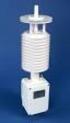 Integrating Digiquartz MET3 and MET3A Broadband Meteorological Systems with Leica GX1200 Series GPS Receivers The standard by which other standards are measured Paroscientific, Inc. 4500 148 th Ave. N.E.
GO7. Getting Started ENGLISH. simrad-yachting.com
 GO7 Getting Started ENGLISH simrad-yachting.com GO7 Getting Started 3 4 GO7 Getting Started Contents 7 Introduction 7 The Home page 8 Application pages 9 Integration of 3 rd party devices 9 GoFree wireless
MGL Avionics CAN bus interface for Trig Avionics TT21/TT22 transponders
 MGL Avionics CAN bus interface for Trig Avionics TT21/TT22 transponders General The MGL Avionics CAN bus interface for the Trig Avionics TT21 and TT22 transponders provides a simple solution to allow any
Charge Regulator SCR 12 Marine
 Charge Regulator SCR 12 Marine Manual Many thanks for purchasing a superwind product. The SCR 12 Marine is a charge regulator of highest quality and will perfectly and reliably charge your batteries for
PUSH BUTTON START INSTALLATION MANUAL
 PUSH BUTTON START INSTALLATION MANUAL ALTHOUGH THIS PRODUCT HAS BEEN THOROUGHLY TESTED KPIERSON TECHNOLOGIES ASSUMES NO RESPONSIBILITY FOR ANY DAMAGE THAT MAY RESULT BY THE INSTALLATION OF THIS PRODUCT.
Raymarine S100 Controller User Guide
 D7637-1 Raymarine S100 Controller User Guide Welcome to the S100 Controller Handbooks can be such daunting things, can t they? Please don t worry, we have made this guide as simple as possible. Your guide
TM Advanced Tracking Technologies, Inc. 2003 ATTI All rights reserved
 TM Advanced Tracking Technologies, Inc. 2003 ATTI All rights reserved Copyright 2003, Advanced Tracking Technologies, Inc. All rights reserved. No part of this publication may be reproduced or transmitted
Addendum for Zeus Touch software updates
 *988-10802-001* Addendum for Zeus Touch software updates www.bandg.com 2 ZC1 Remote Controller 2 New chart features 5 Fusion Link Support 6 NMEA 0183 Data logging 6 Damping 7 Configuring the ZG100 GPS
HDS Gen2 RTM 4.0 software update
 HDS Gen2 RTM 4.0 software update The HDS RTM 4.0 software update enables autopilot control of outboard motors and includes features for Jeppesen 4D charts. Outboard motor autopilot To use outboard autopilot
OIL PRESS 71.8 PSI FUEL. Cloud based, diagnostic, engine monitoring and reporting system. www.faria-instruments.com www.beede.com
 OIL PRESS 71.8 PSI Cloud based, diagnostic, engine monitoring and reporting system www.faria-instruments.com www.beede.com Start Updating Send Data The Faria EntelNet service is a multi part system which
Volvo Penta IPS Autopilot System DPU Installation and System Connections. Document Number: 87054-1 Date: May 2005
 Volvo Penta IPS Autopilot System DPU Installation and System Connections Document Number: 87054-1 Date: May 2005 2 Volvo Penta IPS Autopilot System Handbook information To the best of our knowledge, the
EMBEDDED ACCESS CONTROL Hardware Installation Guide
 EMBEDDED ACCESS CONTROL Hardware Installation Guide Lenel goentry Hardware Installation Guide, product version 1.00. This guide is item number DOC- ENHW-ENU, revision 1.003, April 2009 Copyright 2009 Lenel
GPSMAP 78 series. owner s manual. for use with the GPSMAP 78, GPSMAP 78S, and GPSMAP 78Sc
 GPSMAP 78 series owner s manual for use with the GPSMAP 78, GPSMAP 78S, and GPSMAP 78Sc 2010 Garmin Ltd. or its subsidiaries Garmin International, Inc. 1200 East 151st Street, Olathe, Kansas 66062, USA
AUTOPILOTS. Advantages of an autopilot. Standby: Auto: Nav: Goto:
 AUTOPILOTS A properly installed and set up Autopilot will be one of the most enjoyable and useful pieces of electronics that you will have on your boat. An improperly operating autopilot can be a major
SAH2217 Enhanced ATHEROS GPS Module with ultra high sensitivity and antenna open/short detection/protection
 SAH2217 Enhanced ATHEROS GPS Module with ultra high sensitivity and antenna open/short detection/protection 20F-8, No.107, Sec 1,Jhongshan Rd. Sinjhuang City, Taipei County 242, Taiwan Phone: +886-2-8522-7628
ATL Fuel Level Sender Probes
 T E C H N I C A L S P E C I F I C A T I O N The ATL EL-AD-151 (Resistance Output) and EL-AD-152 (Voltage Output) Fuel Level Senders are highly advanced sensors for continuously measuring the contents of
Perimeter Security System
 TM Perimeter Security System The Next Generation Perimeter Security System ICRONET combines patented Southwest Microwave technology with microprocessor power and laptop computer convenience. It is a sophisticated
EVOLUTION Thermal Imaging Camera Remote Wireless Video Receiver System
 EVOLUTION Thermal Imaging Camera Remote Wireless Video Receiver System Instruction Manual DELUXE AND MINI RECEIVER KIT (RX) INSTRUCTIONS " WARNING THIS MANUAL MUST BE READ CAREFULLY BY ALL INDIVIDUALS
MapSource CD-ROMs. Detailed maps for your adventures on land and sea
 MapSource CD-ROMs Detailed maps for your adventures on land and sea On the water Garmin even offers detailed cartography for your boating and fishing pursuits. For offshore coverage, check out Garmin s
LMU-5000. Hardware and Installation Guide
 LMU-5000 Hardware and Installation Guide Plan The Installation Verify Power, Ground and Ignition. Be sure to check each source (power, ground and ignition) to ensure that the proper signaling exists. This
GPSMAP 78 series. quick start manual. for use with the GPSMAP 78, GPSMAP 78s, and GPSMAP 78sc
 GPSMAP 78 series quick start manual for use with the GPSMAP 78, GPSMAP 78s, and GPSMAP 78sc Getting Started warning See the Important Safety and Product Information guide in the product box for product
Installation and User s Manual Global Tracking and Tracing System. GTTS-2000Bi
 Installation and User s Manual Global Tracking and Tracing System GTTS-2000Bi Version 1.4 - January 2016 T +31570 606088 E [email protected] W www.gtts.eu Page 1 of 11 1. Preface The information in this Installation
New Customer Activation Guide for Sprint-Nextel Customers
 New Customer Activation Guide for Sprint-Nextel Customers Easy-to-implement tips on how to get started 2003-2008 TeleNav, Inc. All rights reserved. TeleNav is a trademark of TeleNav, Inc. All other trademarks
User Manual Weather station V 0.2
 & User Manual Weather station V 0.2 Last update: July 2012 All software-related descriptions refer to the software V1279. We recommend to update older versions of the system. Small deviations in the description
Ethernet Networking Installation & Operations Manual Humminbird ETHERNET
 Ethernet Networking Installation & Operations Manual 531906-2EN_A GPS Unit 1 Humminbird ETHERNET Unit 2 Thank You! Thank you for choosing Humminbird, the #1 name in marine electronics. Humminbird has built
USB Plus+ RFID Reader Setup Guide
 875-0042-03 RevA USB Plus+ RFID Reader Setup Guide 1 Government Limited Rights Notice: All documentation and manuals were developed at private expense and no part of it was developed using Government funds.
Quick Start Guide 00825-0100-4764, Rev DA March 2014. Rosemount 8714D (Calibration Standard) Magnetic Flowtube Simulator
 Quick Start Guide 00825-0100-4764, Rev DA Rosemount 8714D (Calibration Standard) Magnetic Flowtube Simulator Quick Start Guide NOTICE This document provides basic guidelines for the Rosemount 8714D. It
3500/62 Process Variable Monitor
 3500/62 Process Variable Monitor Description The 3500/62 Process Variable Monitor is a 6-channel monitor for processing machine critical parameters (pressures, flows, temperatures, levels, etc.) that merit
Installation guide H-5500-8554-03-A. HSI hardwired system interface
 Installation guide H-5500-8554-03-A HSI hardwired system interface 2008-2011 Renishaw plc. All rights reserved. This document may not be copied or reproduced in whole or in part, or transferred to any
Help. Help Software Tutorial. Building a load sizing project with an ME Series Humidifier
 Help Help Software Tutorial Building a load sizing project with an ME Series Humidifier 502-B 18 Aug 2015 Help Tutorials provide step-by-step examples of complete load sizing projects and browser projects