
Green Cleaning Overview and Lesson Plan
|
|
|
- Abigail Tyler
- 9 years ago
- Views:
Transcription
1 Green Cleaning Overview and Lesson Plan An environmentally friendly cleaner, or green cleaner, is generally defined as a solution which safeguards human health, while minimizing its impact on the environment. Interestingly, if you were to take a look around your kitchen right now, you d likely find the majority of the ingredients necessary to create a green cleaner. You may also find some household cleaning products that would not be considered green cleaners. The Be Green & Clean Workshop was developed by the One Simple Act (OSA) program to help educate Albertans about the benefits of using environmentally friendly cleaning alternatives. This workshop also highlights some of the important health and environmental concerns regarding standard household cleaning products. This document is intended as a presenter s resource to familiarize you with the workshop and associated tools. Note: This workshop is most effective when a PowerPoint presentation is used, followed by the Make a Green Cleaner activity. While the activity has been developed and used repeatedly, the PowerPoint presentation requires further development. The goals of this workshop are: 1. To emphasize the environmental and financial benefits of green cleaning. 2. To identify some of the important health and environmental issues associated with conventional cleaners. 3. To encourage group discussion about experiences with conventional cleaning products, and share stories or recipes for effective green cleaners. 4. To make and test the effectiveness of a multi purpose green cleaner. The Workshop Audience This workshop can be delivered to both adults and children. Though adults typically have the most experience with purchasing and using cleaning products, children particularly enjoy the Make a Green Cleaner activity because it is fun and interactive. If you do intend to present to an audience including children, be sure to monitor them during the activity to avoid accidents. You will also need to tailor the PowerPoint presentation to a child inclusive audience. The presentation can be given to a group of up to 30 people, dependant upon the supplies available for the activity and your comfort with managing/presenting to large groups. Ideal audiences include community groups, families, women s or men s clubs, and event gatherings with a green focus. The information it covers is very practical and therefore the presentation also lends itself well to a lunch n learn type of audience.
2 Location and Time This workshop is best held indoors in a room with a computer, a projector, and a screen. It is best to have participants seated so they can view the screen and the presenter. You may wish to set up an extra table in advance of the presentation for the activity supplies. This way, you can smoothly transition from the informational portion of the session to the interactive Make a Green Cleaner activity. You will need a source of warm water (NOT boiling) for the green cleaner recipe. Access to a kitchen or washroom is ideal for clean up after the activity. Dependant upon the length of the informational PowerPoint you develop, you will likely want to budget 1 hour for the workshop, as the activity alone takes about 20 minutes. The workshop facilitator should manage their speed of presentation and group discussion to meet the time requirements. Presentation Materials 1. PowerPoint Presentation OSA has developed the Be Green and Clean PowerPoint, but has identified the need to improve it. Ideally this presentation would focus on the benefits of green cleaning and briefly discuss some of the health and environmental concerns surrounding traditional cleaning supplies. In its current form, the presentation focuses heavily on the issues surrounding conventional cleaners rather than the benefits of green cleaners. As such we would encourage you to develop a new presentation, with the use of the other tools mentioned in this document. 2. Make a Green Cleaner Activity Using readily available ingredients, this activity gives workshop participants the opportunity to make a multi purpose green cleaner that will save them money and reduce their environmental footprint. Follow these steps to run the activity: a. Lay out the activity materials Before you begin your presentation, lay out the ingredients for the activity (7% white pickling vinegar, borax, hot water, essential oils and castile soap), the measuring utensils (measuring cups and spoons), spray bottles, funnels to pour the ingredients into the bottles and cloths to clean up any spills. This 2
3 way, you can smoothly transition from the informational portion of the session to the interactive activity. b. Explain the activity You may wish to give the following instructions prior to sending participants over to the green cleaner assembling station. Begin by selecting a spray bottle and a funnel. On the side of your spray bottle, there is a list of the ingredients. Be sure to add the ingredients to the bottle in order. It is very important that you don t skip an ingredient and add it later, because this particular green cleaner tends to get clumpy and ineffective if it is not added in the correct order. If you are working with a group that includes children, be sure to ask adults to help them in making their cleaner. Also, be prepared to walk participants through assembling their solution by making one of your own (you can give the one you ve made away at the end of the workshop, or keep it for yourself!) c. Supervise and answer questions While participants assemble their green cleaners, you may wish to educate them on the components they are adding. White vinegar creates an environment that inhibits the growth of mould, mildew and some bacteria (Be sure to point out that the vinegar being used is 7% white pickling vinegar rather than normal 5% vinegar. The 7% solution is stronger and therefore creates a less hospitable environment for bacteria.) Borax increases detergent efficiency by softening water; alkaline property helps to kill mould and fungus. Hot water to dissolve the other ingredients (do not use boiling water because it will melt the bottles. Hot water out of a tap is fine.) Essential oil to add scent. Some oils have mild antiseptic properties, such as lemon or lavender. (Suggest that people add only a few drops of essential oils. They tend to have a very strong smell and therefore participants will likely not want to add the recommended 10 drops.) Castile soap (a pure, olive oil based soap) efficiently loosens grime and dirt from surfaces. 3
4 Participants will likely also ask you where they can purchase castile soap and borax. Both of these products are readily available at most grocery stores in the cleaning section. If the local grocery store does not carry these items, they are also available at health food stores (or could certainly be special ordered in remote areas). Inevitably, someone will add their ingredients in the wrong order and wonder why their solution has gone all clumpy. Explain to them that they need to pour it out and follow the order of the ingredients list. d. Test the cleaners Once participants have assembled their green cleaner, have them test their cleaner on the table or a nearby wall, door handle or countertop. This particular cleaner is not recommended for glass or windows due to the essential oils and oil based soap it contains. However be sure to mention that participants will be mailed out a list of other green cleaning solutions, including glass cleaner, scouring powder, floor cleaner and furniture polish. 3. One Simple Act Commitment Cards Once the workshop is complete, ask each participant to make a personal commitment to utilize their green cleaner. Alternately, inform participants that they may choose any other action on the back of the commitment card. Be sure to stress that they must choose an action that they are prepared to tackle; something they will actually do, not just something they will think about. (If you give this presentation in conjunction with another workshop, you may choose to suggest that participants commit to actions that align with the other topic also.) Once a simple action has been chosen, the individual will write out their commitment on a One Simple Act commitment form and sign their name. 4
5 Research has shown that when someone writes down and signs their name to something, they are more likely to follow through with it Workshop Evaluation Form Have each participant complete and return an evaluation form. It is useful to have a large envelope for participants to place their completed sheets into before they leave (rather than giving them directly to the presenter). Though this workshop generally receives a great degree of positive feedback, it is always helpful to get constructive criticism to improve the workshop in the future. Therefore, placing evaluation forms in an envelope allows for participant anonymity and increases the likelihood for useful improvement tips. Workshop Delivery Tips 1. When developing your Be Green and Clean presentation, be sure to focus on the positives of green cleaners and try to stay away from an alarmist tone about common household cleaning products. 2. As with any presentation, being flexible and adaptable is important. Do not be put off if the number of participants is less than you had expected. As you deliver the presentation, read your audience s comprehension level. If the audience is looking lost or bored, adapt your presentation style, language, and energy level. 3. It is often valuable to begin the workshop by having everyone introduce themselves and share any experiences with green cleaners (or recipes. This will create a dialogue and encourage participants to ask questions and comment throughout the workshop. 4. Monitor group conversation. Be conscious of timing, but also try to allow space for conversations which add value to the workshop. Participants will learn more if they feel involved, and have been given the opportunity to share their own stories. 5. be sure to mention the following tips during the activity: a. Be sure to add the ingredients to the bottle in order 1 accessed February 4,
6 b. The vinegar being used is 7% white pickling vinegar rather than normal 5% vinegar. The 7% solution is stronger and therefore creates a less hospitable environment for bacteria. c. Suggest that people add only a few drops of essential oils. They tend to have a very strong smell and therefore participants will likely not want to add the recommended 10 drops. d. This particular cleaner is not recommended for glass or windows due to the essential oils and oil based soap it contains. 6
7 Green Cleaning Target Audience: Most suitable for adult audiences. Consider that your audience should have experience with house cleaning to make this a relevant exercise. Setting: Any open room space, outdoor okay Time Required: One hour Learning Objectives: Understand home cleaning products and their connection to the environment Create dialogue on the implications (positive and negative) of store bought, chemically based cleaning products Understand some of the issues involved in the global food supply Encourage green cleaning Materials: White vinegar Lemon juice Baking soda Borax Castille bar soap (a pure, olive oil based soap) Measuring cups & spoons Hot water Bottle/container labels Essential oils Spray bottles and containers Rags/paper towels for trying out your recipe Things to consider when working with adults: 1. Adult education should tap into the experiences and knowledge adults come with. Begin with what they know. 2. Adults learn more if they discover it themselves. 3. Adults should have some control over the learning process, including setting goals and learning how to learn. 4. AE should help to solve immediate problems or issues they encounter in daily living and working. 5. Adults need to process and use information immediately after it is presented. 7
8 A Brief Outline Introductions and A Question to Ponder Chemical Wipe out Game Debrief Green cleaning discussion Make Your Own Cleaner Wrap up 5 minutes 15 minutes 5 minutes 10 minutes 20 minutes 5 minutes Introduction Start by introducing yourself, One Simple Act, why you are doing the session. Depending on your group, you may want to give them a sense of the length of the presentation (if they don t already know) and what we will be doing today. Adults especially like to have the whole picture whereas; students often appreciate the anticipation of what s next. A Question to Ponder When you think of cleaning, what kind of products do you think of? Chances are, your audience will say, Mr, Clean, Palmolive, Tilex, Vim, Scrub Free, PineSol and other cleaning product brand names. Be sure NOT to ask them what cleaning products they have we don t want to lay blame or make anyone feel badly for the products they use. Shame does not result in change! Then ask, what ingredients do they think are listed on those containers? The audience may pause, because they are not sure. That is probably because most cleaning products do NOT list the chemicals they contain! This is because if a chemical is at a low percentage in the total volume, chemical labeling is not required. Most manufacturers try to stay below that percentage, so that they don t have to disclose the chemicals they use. Often, if a chemical is listed, it will be listed in the first aid section in very small print. Let s have a look at my multi surface orange liquid over here (hold up the bottle)! It says that it contains to phosphate, no chlorine and no ammonia. I thought this stuff would be great! But it also says that it contains alcohol ethoxylates. I found it listed in the first aid section. I looked them up and found this: Corrosive to eyes and skin. When ingested, it can cause burns, ulcerations or perforation (in extreme cases). Concentration vapors cause respiratory tract irritation, cough, discomfort and difficulty in breathing. Yikes! However, despite the human health hazards, instructions for environmentally safe disposal are not required on labels. The consumer, manufacturer, municipal and provincial waste management agencies and federal regulatory authorities should all share the responsibility for ensuring the proper disposal of residues and containers. But how does the consumer get this information? Some materials, for example, paint, are not marked as potential hazardous waste. 8
9 Some of these products require special precautions for use and disposal. For some, safe disposal methods do not exist. Many communities do not have proper disposal facilities, thus making it impossible for individuals to safely dispose of hazardous wastes. Provincial departments and local municipalities responsible for disposal have an enormous task. As a result, they may suggest throwing "small" amounts of hazardous materials in the garbage. They tend to be more concerned with the control of large industrial sources of pollution at manufacturing plants. But, "small" household wastes, taken together, amount to a considerable environmental effect. Many health and environmental groups are currently lobbying to have standard hazard labeling on all household products, but so far, this is not yet instituted. The Chemical Wipe out Game! Goal: Participants discuss some of the hazardous chemicals in cleaning products, but in a fun and light way. We don t want to dwell on the negatives of cleaning; we just want to heighten some awareness of synthetic cleaning products. The game is similar to bingo, but played as a team. Objective: As a team, select a hazardous symbol for the chemical listed on your play board. Use the description of the chemical to guess what the hazard symbol may be. Some chemicals have more than one hazard symbol, but your team s job is to select only one! First team with a full board of hazard symbols wins. Materials Cut out hazard symbols (lots) sorted into like piles (Hazard symbol sheet is attached). Copy onto coloured paper. Pre made play boards (made on flip chart paper). They will be like bingo card where every team has a different play board. You need one play board for each team. Draw this game board on a piece of flip chart paper: 1, 4 dichlorobenzene Ammonia Nitrobenzene Xylene FREE Triclosan Phosphates Alcohol ethoxylates Napthalene 9
10 Alphabetical listing of chemicals (attached) Tape or adhesive to stick hazard symbols to game board Instructions 1. Each team will get 1 play board, 1 alphabetical listing of chemicals, small stack of the six different hazard symbol cut outs. Every country has different hazard labeling. In the list below, you will be familiar with a number of the symbols. We have added a few other classifications that are used in other countries, but not yet in Canada. Your team s job is to help Canada add new hazard symbols to products containing chemicals of concern. Review the meaning of these symbols with your team: This is the symbol for a toxic or poison. This product can poison or damage living organisms. (e.g., heavy metals, antifreeze) This is the symbol for corrosive. It can eat away at surfaces, including skin (e.g., acids, rust removers, alkaline cleaning fluids) This is the symbol for flammable. These products can burn easily (e.g., degreasers) This is the symbol for irritant. This symbol covers a wide range of hazards with precautions such as avoid contact with skin, do not breath, etc. (e.g., air fresheners, synthetic soaps) 10
11 This is the symbol for reactive/explosive. These products can react violently when mixed with other agents, or when placed under heat or pressure (e.g., bleaches, aerosols) This is the symbol for a chemical that is dangerous for the environment. These may build up in the environment (bioaccumulate) or persist for long periods of time. Care should be taken on disposal. (e.g.: detergents with phosphates). 2. The play boards will be posted on the wall at one end of the room. The teams with their chemical list and hazard symbols will all be at the other end of the room. 3. The team must look at their play board and select a chemical. Let s use phosphates from the example board above. They will then find the description for phosphates on their alphabetical listing. The team must decide which hazard symbol best describes this chemical. 4. Once the team has selected the appropriate hazard symbol for phosphates, one team member must run to the play board and stick the hazard symbol over the word, phosphates. 5. Repeat steps 3 and 4 until the game board is full of hazard symbols. When the team is complete, they must yell out, Wipe Out instead of Bingo. Game Debrief 1. You can check and see which teams were correct in the symbols they assigned to their chemicals. Discuss their rationale for selecting a certain symbol. 2. Should Canada add better labeling of these chemicals to products in which they can be found? 3. Which chemical caused you concern that you didn t know about before? Remember, this game should be fun and relatively short. Don t spend too much time on this game, and allow more time for making green cleaning products. The goal of the game is to heighten awareness. The Solution to Chemicals: Make Cleaning Easy! Green cleaning answers can be found in your home right now! There are only about five ingredients that we really need to do most of our household cleaning. They are: White vinegar Lemon juice Baking soda Borax Castille bar soap (a pure, olive oil based soap). 11
12 These products are inexpensive, environmentally benign and the best part they really work! Here are a few more tips to help you clean up your act! : To save time and money, make your cleaners in advance and buy the ingredients in bulk for cost savings and to avoid excess packaging. Make large batches of the recipes and store them in reusable airtight plastic containers and spray bottles. Label all of your ingredients and keep them out of reach of children. Add your favourite essential oils or herbs to add fragrance
13 Activity: Make your own Cleaning Product Send groups of participants to stations you have set up to make their own cleaning product. If the room is small or without good air exchange, avoid using essential oils your meeting space will become too fragrant! Have your participants add their own oils once they get home. Don t want to make your own? Products you can buy: Natura (all purpose, reusable dryer sheets, the Wondercloth made from wood fibres and resists bacterial growth) Nature Clean Method Seventh Generation Ecover Murphy s Oil Soap Check out these tips for buying Cleaning Products: Is the product you want to buy : Non aerosol Minimally packaged Non poisonous (look for the hand skeleton) Non toxic (look for the hand skeleton) Non Corrosive (look for the skull) Inexpensive Phosphate free All purpose Re usable Available in bulk Not every product will meet all of these criteria, but they are good reminders! 13 13
14 Background Information Cleaning products were responsible for nearly 10 percent of all toxic exposures reported to U.S. Poison Control Centers in 2000, accounting for 206,636 calls. Of these, nearly two thirds involved children under six, who can swallow or spill cleaners stored or left open inside the home. According to the U.S. Environmental Protection Agency, the air inside the typical home is on average 2 5 times more polluted than the air just outside and in extreme cases 100 times more contaminated largely because of household cleaners and pesticides. The Janitorial Products Pollution Prevention Project reports that 6 out of every 100 janitors in Washington state have lost time from their jobs as a result of injuries linked to toxic cleaning products, particularly glass and toilet cleaners and degreasers. In a 2002 U.S. Geological Survey study of contaminants in U.S. stream water, 69 percent of streams sampled contained persistent detergent metabolites, and 66 percent contained disinfectants. (from World Watch Institute, Cleaning Products) Hydrogen Peroxide Not just for Owies Anymore! Shower: Keep a spray bottle of 3% hydrogen peroxide in the bathroom for spraying down the shower to kill bacteria bugs and viruses To freshen kitchen: Keep a spray bottle of 3% solution of hydrogen peroxide in the kitchen. Use to wipe off counter tops and appliances. It will disinfect and give the kitchen a clean, fresh smell. Also works great in the refrigerator and lunch boxes. For the laundry: Add 1 cup of 3% hydrogen peroxide to your wash in place of bleaches. In the dish wash/rinse water: Add 4 Tablespoons of 3% hydrogen peroxide to the regular washing formula to safely sanitize and eliminate the transmission of colds and diseases. Cleansing for vegetables and salad greens: Add salt in addition to 1/4 cup 3% hydrogen peroxide to a sink full of cold water. Wash vegetables thoroughly, rinse with cold water and drain. This process prolongs freshness. Recipes Glass Cleaner ¼ cup vinegar 4 cups warm water 14 14
15 Pour ingredients into a pump bottle. For best results, spray the mixture on the glass surface and rub with crumpled newspapers (no seriously, give it a try!). Scouring Powder 1 ½ cups baking soda 5 to 6 drops of essential oil (thyme, clary sage, tea tree and grapefruit oil have anti bacterial properties) 1 tbsp Borax Mix ingredients in an empty yogurt / sour cream container. Be sure and label the container! Sprinkle on stove top stains or bathroom sinks Multi purpose Cleaner ¼ cup white vinegar 2 teaspoons Borax 3 ½ cups hot water 20 drops of essential oil (lavender or lemon is excellent) ¼ cup Castile soap (add last) Mix ingredients and store in a clean pump bottle. Floor Cleaner 1/8 cup Castille soap ¼ to ½ cup white vinegar or lemon juice 20 drops of essential oil (thyme, clary sage, tea tree and grapefruit oil have antibacterial properties) Keep mixture in a small container. Add your desired amount to a bucket of warm water. Furniture Polish ¼ cup olive oil ¼ cup vinegar 2 tsp lemon juice Mix ingredients and store in a clean pump bottle. Shake well and apply liberally to wood surfaces
16 Chemicals to watch out for Look on just about any cleaning product and you will notice a lack of an ingredient list. Could it be because so many contain ingredients that are toxic? Here is a short list of harmful ingredients that are in many household cleaners. Here s a good rule if you can t pronounce it, you shouldn t be cleaning with it! 1,4 dichlorobenzene (1,4 DCB): Has been linked to a reduction in pulmonary function. It is found in deodorizing products, such as room fresheners, urinal cakes, toilet bowl fresheners, and cleaning products. 2 butoxyethanol/ Ethylene glycol butyl ether: One of many glycol ethers used as a solvent in carpet cleaners and specialty cleaners. Can be inhaled or absorbed through the skin and may cause blood disorders, as well as liver and kidney damage. Ammonia (in glass cleaner): An eye and lung irritant, causes headaches and irritation to mucus membranes, breathing difficulty, wheezing, chest pains, pulmonary edema, and skin burns. Formaldehyde (a preservative in many products): A suspected human carcinogen, and a strong irritant to eyes, throat, skin, and lungs. Methylene chloride: Methylene chloride is listed as a possible human carcinogen by the International Agency for Research on Cancer and is commonly found in paint strippers. Naphthalene: Either naphthalene, or another chemical called paradichlorobenzene, is used in mothballs and moth crystals. Naphthalene is a substance known to cause cancer, while paradichlorobenzene is listed as a possible human carcinogen. Nitrobenzene (in furniture and floor polishes): Can cause skin discoloration, shallow breathing, vomiting, and death. It is associated with cancer and birth defects. Petroleum distillates (in metal polishes): Short term exposure can cause temporary eye clouding; longer exposure can damage the nervous system, skin, kidneys, and eyes. Phenol and Cresol (in disinfectants): Corrosive and can cause diarrhea, fainting, dizziness, and kidney and liver damage. Phosphates: Manufacturers have since reduced or even eliminated phosphates from laundry products, but no action has ever been taken on dishwasher detergents. Sodium hypochlorite and sodium hydroxide (chlorine bleach): When bleach is mixed with other products can create noxious gases. In the environment, sodium hypochlorite is toxic to fish and aquatic organisms. Toluene: Toluene is a potent reproductive toxin, which is used as a solvent in numerous products, including paints. It may cause harm to the developing fetus and pregnant women should avoid products containing toluene
17 Triclosan: An antibacterial found in soaps, deodorants, toothpastes, mouthwashes, and cleaning supplies. Reports have suggested that Triclosan can combine with chlorine in tap water to form chloroform gas and other toxic compounds. They are eliminated from the body very slowly (they can bioaccumulate to dangerous levels), and they persist in the environment for a very long time. Trisodium nitrilotriacetate (NTA): NTA is listed as a possible human carcinogen by the International Agency for Research on Cancer. It is used in laundry detergents and can impede the elimination of metals in wastewater treatment plants. Xylene: Another extremely toxic ingredient that is often found in graffiti and scuff removers, spray paints, and some adhesives. A suspected reproductive toxin, it is also a neurotoxin that can cause memory loss on repeated exposure. The following web sites contain much useful background information for presenters, students and teachers: United Stated Department of Health and Human Services, Household Products Database: Enter the name of a household product, paint, cleaner or personal care product by brand name and the database will pull up all chemical information on the product. Consumer Reports Greener Choices website The World Watch Institute, Cleaning Products What s Behind the Shine?
18 EVALUATION QUESTIONNAIRE Please reflect on this workshop and let us know what worked well and what needs improvement. Your input will help us enhance future workshops and resources. Your individual responses are confidential. EVENT INFORMATION Workshop Name: Workshop Location: Facilitator(s) Date: OVERALL ASSESSMENT 1. Please indicate your overall assessment of the workshop. Very Effective Effective Somewhat Effective Definitely Not Effective WORKSHOP OVERVIEW Please check the best measures your level of agreement with the following statements: Strongly Agree Agree Disagree Strongly Disagree Not Applicable Workshop Content The workshop objectives were clear to me. This workshop lived up to my expectations. The content is useful/applicable to me. Workshop Design The workshop activities stimulated my learning. The difficulty level of this workshop was appropriate. The pace of this workshop was appropriate. Workshop Facilitator(s) The instructor(s) was well prepared. The instructor (s) was helpful. Workshop Results I will be able to use what I learned in this workshop. I believe the goals of the workshop were met
19 2. Which topics or aspects of the workshop did you find most interesting or useful? 3. How will you apply what you learned at this workshop? Please complete the following statement: As a result of this workshop, I intend to: 4. Please tell us how we could make this workshop more effective. Please tell us what topics you would like more information on and share other comments you may have. BUILDING THE MOVEMENT 5. How would you like to continue your engagement with One Simple Act? Please check all items that interest you. Add my to the One Simple Act electronic newsletter I would like to share my progress with One Simple Act. Please contact me by phone or within six months to learn how I used the information from this workshop. Name: Phone Freedom of Information and Privacy: Information you provide to Alberta Environment is collected under the authority of Section 8(1) of the Government Organization Act in conjunction with Section 2(d) of the Water Act to promote the conservation and management of the environment of the province of Alberta. Personal information collected on this site is collected under the authority of Section 12(c),(g),(i) of the Environmental Protection and Enhancement Act and is in compliance with section 33 (c) of the Freedom of Information and Protection of Privacy (FOIP) Act. Information you provide to Alberta Environment through the One Simple Act program will only be used by Alberta Environment to plan, deliver, promote and evaluate the One Simple Act program. Alberta Environment will ensure your information is protected consistent with the principles of the FOIP Act. Submitting information is strictly voluntary. By doing so, you are giving Alberta Environment your permission to use the information for the intended purpose. Your personal information will not be shared with any other public body or agency without your specific written consent or unless required to do so by law
How to prepare the Green Cleaning Recipes for a Healthy Home pages:
 How to prepare the Recipes for a Healthy Home pages: The following pages, Recipes for a Healthy Home, should be printed back to back on heavy weight paper. The odd number recipes will be on top and the
Conserve O Gram. Safer Cleaning Alternatives For The Museum & Visitor Center
 Conserve O Gram June 2003 Number 2/21 Safer Cleaning Alternatives For The Museum & Visitor Center All parks with museum collections should have a Museum Housekeeping Plan developed by, or in consultation
Green Cleaning Recipes
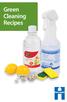 Green Cleaning Recipes Green cleaning recipes According to the U.S. Environmental Protection Agency, only a fraction of registered chemicals have gone through complete testing for human health concerns.
HOMEMADE CLEANING RECIPES
 HOMEMADE CLEANING RECIPES MAKE YOUR OWN (REUSABLE) DRYER SHEETS 4 white dishrags (face cloths) Downy Fabric Softener A bowl or bucket Start by placing the cloths in the bowl, pour the Downy over the cloths
Dukes of Hazard Activity Time:
 Dukes of Hazard Activity Time: TEACHERS: Read Populution and Water Source Protection on page 80 of Peel Water Story book. Objectives: Students will: Identify household hazardous waste (HHW) materials around
Lesson Plan: How Do We Know What is Healthy Water?
 Lesson Plan: How Do We Know What is Healthy Water? Estimated Time: 1-3 days ph /Chlorine / Hardness State Standards taught and addressed Grade 8: Standards Taught (and evaluated at end of lesson) Science
Acids and Bases. AND a widemouth container of the following solids:
 Acids and Bases GOAL To introduce students to acids and bases. MATERIALS: 3 10oz clear plastic cups 1 4 oz. bottle white vinegar - labeled Acid 1 4 oz. bottle of water - labeled Water 1 4 oz. bottle of
Where is it found? Elemental form: in barometers, blood pressure instruments, thermometers, and other pressuresensing
 Mercury 2 Where is it found? Elemental form: in barometers, blood pressure instruments, thermometers, and other pressuresensing instruments Some batteries for small electronic devices Small amounts in
Acids & Bases Around the House Use a ph indicator to find acids and bases
 Use a ph indicator to find acids and bases Description: Visitors predict whether various household solutions are acids or bases, and test their hypotheses using a universal ph indicator. Then, visitors
Ingredients Checklist
 Ingrients Checklist This list was develop to assist custodians in identifying the hazards of ingrients in common cleaning and maintenance products. Although all cleaning chemicals ne to be us with caution,
Help protect our special places by maintaining your septic tank
 Help protect our special places by maintaining your septic tank BC3136 A septic tank guide Help protect our special places Rural Auckland is a special place, but the remoteness also means that many homes
Oxivir Tb and Accelerated Hydrogen Peroxide (AHP) Frequently Asked Questions
 Oxivir Tb and Accelerated Hydrogen Peroxide (AHP) Frequently Asked Questions What is Accelerated Hydrogen Peroxide (AHP)? AHP is a patented synergistic blend of commonly used, safe ingredients that when
Subsection 4.1.6 Cleaning And Sanitizing for Licensed Group Child Care Homes, Licensed Child Care Centers and License-Exempt Child Care Facilities
 Page 1 of 6 CLEANING AND SANITIZING All items requiring sanitizing shall be washed, rinsed and sanitized with approved agents, methods and concentrations. [19 CSR 30-60.090 (1) (B), (5) (A), 19 CSR 30-62.082
Conventional cleaners
 MP492 DID YOU KNOW? All ingredients within a product do NOT have to be listed on the packaging. Clean and Green HEAL THY HOMES, HEAL THY PEOPLE Conventional cleaners Indoor air levels of many pollutants
TOXIC SUBSTANCES AND HAZARDOUS WASTE IN MY HOME?!
 Yes, your home!! TOXIC SUBSTANCES AND HAZARDOUS WASTE IN MY HOME?! If you have motor oil, unused pesticides, old paint or household cleaners, you have hazardous waste. Many household, car and garden products
Safety Data Sheet Avesta Neutralization Agent 502
 Safety Data Sheet Avesta Neutralization Agent 502 This Safety Data Sheet contains information to help users understand the potential hazards relating to this product and provides advice for risk management.
Cleaning up after sewage backup
 Be prepared Being prepared before an emergency strikes will benefit you greatly in: Reducing your stress and protecting your health. Minimizing possible exposure to health hazards. Minimizing loss to personal
1. PUBLIC HEALTH STATEMENT
 1 This Statement was prepared to give you information about fuel oils and to emphasize the human health effects that may result from exposure to them. The Environmental Protection Agency (EPA) has identified
How to Reduce Your Exposure to Chemicals at Home, Work, and Play
 How to Reduce Your Exposure to Chemicals at Home, Work, and Play You come into contact with chemicals every day. This is called chemical exposure. Although some chemical exposures are safe, others are
Neutralizing an Acid and a Base
 Balancing Act Teacher Information Objectives In this activity, students neutralize a base with an acid. Students determine the point of neutralization of an acid mixed with a base while they: Recognize
Leavener Lineup. Getting started. How do we use chemical reactions in the kitchen? Hands-on experiment. Year levels 4 5. Curriculum Links.
 rise and Shine: what Makes Bread Rise? Lesson 2 Leavener Lineup Year levels 4 5 Curriculum Links Science Science knowledge helps people to understand the effect of their actions (Yr 4, ACSHE062). Solids,
Household Hazardous Wastes
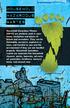 Household Hazardous Wastes Household Hazardous Wastes (HHW) are products used in your home, workplace and places of leisure and recreation. They can be flammable, corrosive, explosive or toxic, and harmful
Hazardous Waste Procedures
 Hazardous Waste Procedures Hazardous waste is defined as a waste, or combination of wastes, which because of its quantity, concentration, or physical or chemical characteristics may pose a substantial
Fuel Oils. Public Health Statement for. June 1995
 Public Health Statement for Fuel Oils June 1995 This Public Health Statement is the summary chapter from the Toxicological Profile for Fuel Oils. It is one in a series of Public Health Statements about
Moving to a hospital or skilled nursing facility
 H Moving to a hospital or skilled nursing facility What to expect when you have MRSA (Methicillin-resistant Staphylococcus aureus) A booklet for patients, residents, family members, and caregivers About
Precautionary Boil Water Notices: Frequently Asked Questions
 Precautionary Boil Water Notices: Frequently Asked Questions QUICK TIPS: Boil Water For: Drinking Brushing Teeth Washing fruits & vegetables Preparing food Mixing baby formula Making ice Giving water to
Ice Cream Maker INSTRUCTION MANUAL WITH RECIPES. www.zokuhome.com
 Ice Cream Maker INSTRUCTION MANUAL WITH RECIPES www.zokuhome.com The Zoku Ice Cream Maker revolutionizes the way ice cream is made at home. Watch ice cream magically freeze before your eyes in minutes!
The most common active ingredient used in deodorants is aluminium chlorohydrate. But not all deodorants contain aluminium chlorohydrate:
 Engineeringfragrance make a deodorant practical activity 2 student instructions page 1 of 5 chemical compounds The most common active ingredient used in deodorants is aluminium chlorohydrate. But not all
Ontario Science and Technology Curriculum 1999 Strand: Matter and Materials Topic: Properties of Liquids and Solids Grade: 2
 Name: Ontario Science and Technology Curriculum 1999 Strand: Matter and Materials Topic: Properties of Liquids and Solids Grade: 2 All rights reserved Developed by T Tasker May be photocopied for classroom
Safer Alternatives. Adaptations and Alternative Activities for English Language Learners HAZARDS ON THE HOMEFRONT
 HAZARDS ON THE HOMEFRONT Adaptations and Alternative Activities for English Language Learners Safer Alternatives Adaptations and alternative classroom activities for English Language Learners (ELL) are
Environmental Management of Staph and MRSA in Community Settings July 2008
 Page 1 of 7 Environmental Management of Staph and MRSA in Community Settings July 2008 Questions addressed on this page What are Staph and MRSA? How is Staph and MRSA spread? What is the role of the environment
How to recognize, manage and dispose of it in Mecklenburg County. Household. Hazardous Waste
 FERTILIZER How to recognize, manage and dispose of it in Mecklenburg County Household Hazardous Waste Did you know? Chemicals are a way of life in most American homes. A typical home can contain 100 to
COMPOSITION / INFORMATION ON INGREDIENTS
 MATERIAL SAFETY DATA SHEET DAMTITE WATERPROOFER- WHITE 01071, 01211, 01451 DAMTITE POWDER FOUNDATION WATERPROOFER GRAY 02451 SECTION I. COMPANY & PRODUCT INFORMATION Product Identification Manufacturer
Cleaning and Disinfecting
 Handout #5.1 It is inevitable that germs will spread to surfaces and objects after being soiled with blood or bodily fluids such as stool, urine, vomit, mucus, saliva, human milk, etc. To prevent the spread
CONTROLLING CROSS INFECTION IN THE DENTAL LABORATORY. Best Practice Guide
 CONTROLLING CROSS INFECTION IN THE DENTAL LABORATORY Best Practice Guide Preparing to Work A separate work area shall be set aside in the laboratory to receive all incoming work. This should ideally be
Wherever chemical solutions are involved, ph matters. Some
 47 Acids, Bases, and the ph Scale r e a d i n g Wherever chemical solutions are involved, ph matters. Some important chemical reactions, such as those involved in corrosion of iron or digestion of food,
Poison-proof your home
 Poison-proof your home Information for Families Your guide to keeping your family safe from poisons How to keep your family safe from poisons Your home contains many items that can poison a child. You
PESTICIDES. Your Health
 PESTICIDES Your Health What are Pesticides? Pesticides including insecticides, herbicides and other chemicals targeted at different types of pests - are intended to kill or suppress pests. As a result,
Swallowed Do not induce vomiting give 250 ml water to drink. Seek immediate medical attention.
 Section 3- HAZARDS IDENTIFICATION R20/21 3.1 Hazardous substance dangerous goods 3.2 Risk Phrases R20/21 Harmful by inhalation in contact with skin. 3.3 Safety Phrases S16 Keep away from sources of ignition
Black Hills Healthcare System
 Black Hills Healthcare System Methicillin Resistant Staphylococcal Aureus (MRSA) Patient and Family Information What is MRSA? Staphylococcus Aureus, often referred to simply as staph, is a bacteria commonly
1-888-448-7250 GENERAL CARE PLUMBING & VALVE INFORMATION TUB & SHOWER DOOR INFORMATION FOR QUESTIONS CALL OUR SERVICE DEPARTMENT
 GENERAL CARE PLUMBING & VALVE INFORMATION TUB & SHOWER DOOR INFORMATION FOR QUESTIONS CALL OUR SERVICE DEPARTMENT 1-888-448-7250 or email [email protected] caring for your new bath fitter unit Thank
Keeping Your Swimming Pool and Spa Healthy Environmental Health Guide
 Keeping Your Swimming Pool and Spa Healthy Environmental Health Guide A swimming pool or spa can be an asset to your home, and provide the opportunity to take part in healthy relaxing activities. However,
Smartstrand Cleaning Guidelines
 A) Stain Removal Please contact the fiber producer prior to any cleaning attempts. The use of nonapproved cleaning methods or agents will void your stain protection warranty. Treatment of the affected
Cederroth First Aid for Eyes
 Cederroth First Aid for Eyes Using the right equipment im proves the chance of saving your eyes Proven to be more effective than sodium chloride solution on alkali and acid splashes. The most common eye
healthy homes Pesticides are poisons used to kill pests (including cockroaches, mice and rats).
 WHAT YOU NEED TO KNOW ABOUT PESTS AND PESTICIDES TO PROTECT YOUR FAMILY S HEALTH Pests or chemicals? It s a hard choice. Mice and cockroaches can make your family sick, trigger asthma attacks, and damage
Specimen Memo Fragrance Use
 Specimen Memo Fragrance Use Our firm is concerned about an issue that is very important to the health of some of our staff. We hope by providing you with comprehensive information, you will be better able
CYTOTOXIC PRECAUTIONS A GUIDE FOR PATIENTS & FAMILIES
 Perth and Smiths Falls District Hospital Attention: Manager, Quality 60 Cornelia Street, West Smiths Falls, Ontario K7A 2H9 CYTOTOXIC PRECAUTIONS A GUIDE FOR PATIENTS & FAMILIES This guide has been prepared
Mechanical Systems Competency 1.20
 Competency 1.20 Mechanical systems personnel shall demonstrate a working level knowledge of the safety and health fundamentals of mechanical systems and/or components. 1. Supporting Knowledge and Skills
The Acid Test Grade Nine
 Ohio Standards Connection: Physical Sciences Benchmark B Explain how atoms react with each other to form other substances and how molecules react with each other or other atoms to form even different substances.
Selecting an Appropriate Sanitizer or Disinfectant
 Selecting an Appropriate Sanitizer or Disinfectant One of the most important steps in reducing the spread of infectious diseases in child care settings is cleaning, sanitizing or disinfecting surfaces
VRE. Living with. Learning how to control the spread of Vancomycin-resistant enterococci (VRE)
 VRE Living with Learning how to control the spread of Vancomycin-resistant enterococci (VRE) CONTENTS IMPORTANT VRE is a serious infection that may become life-threatening if left untreated. If you or
Material Safety Data Sheet GREASED LIGHTNING SUPER STRENGTH CLEANER & DEGREASER
 SECTION 1. PRODUCT AND COMPANY IDENTIFICATION Product name: Product Use Description: Home Care Product Chemical nature: Mixture Company: HomeCare Labs, Inc. P.O. Box 491150 Lawrenceville, GA 30049-1002
McDonald s Kitchen Cleaning Instructions. Prepared for: Employees of McDonald s
 McDonald s Kitchen Cleaning Instructions Prepared for: Employees of McDonald s Prepared By: Aracelly Arana TECM 2700 MWF 10-10:50 May 9, 2014 Table of Contents Table of Contents Table of Contents... iii
Boil Water Advisory. For Commercial/Public Facilities. Boil Water Advisory Factsheet #3
 Boil Water Advisory Factsheet #3 Boil Water Advisory For Commercial/Public Facilities How to operate a commercial/ public facility under a boil water advisory Boil water advisories are issued when a municipal,
Sodium Hypochlorite KEY FAC T S. Na + O OVERVIEW
 Na + O Cl OTHER NAMES: Sodium oxychloride; hypochlorite; bleach; chlorine bleach FORMULA: NaClO ELEMENTS: Sodium, chlorine, oxygen COMPOUND TYPE: Oxy salt (inorganic) STATE: Solid or aqueous solution;
XONYX Solid Surface Owner's Manual
 XONYX Solid Surface Owner's Manual 1. IMPORTANT SAFETY CAUTION: Never allow children to use the bath/shower cabin without adult supervision to avoid accidents. CAUTION: Physically challenged people must
MATERIAL SAFETY DATA SHEET In accordance with CE Regulation n 1907/2006. Annex II.
 Ref.: BA/909 ELSACYFRA Page: 1 of 5 RRR1. Identification of preparation and of the company/undertaking 1.1 Product name: ELSACYFRA 1.2 Use With the exception of products specifically labeled for In Vitro
PEROXIDE SAFETY DATA SHEET (60% H2O2) Safety Data Sheet
 SAYFA : 1/6 1. Identification of the substance Identification of the product Product name : Hydrogen peroxide solution 60% Manufacturer / supplier identification Company : A.Ş. 600Evler Mahallesi Atatürk
A Guideline for Cleaning Up After Flood or Sewer Back-up
 A Guideline for Cleaning Up After Flood or Sewer Back-up Revised 2010-03 INDEX PAGE Index 2 Personal Protection 3 Procedure for Cleaning Up 3 Safety 4 Initial Clean-up 5 Clean-up and Disinfection 5 Disinfectants
WHEN TO WASH YOUR HANDS
 WHEN TO WASH YOUR HANDS Before eating or preparing food After using the toilet After blowing your nose After handling garbage or trash After touching pets or animals After touching shared objects Before
Acids, Bases, and ph
 CHAPTER 9 1 SECTION Acids, Bases, and Salts Acids, Bases, and ph KEY IDEAS As you read this section, keep these questions in mind: What properties do acids have? What properties do bases have? How can
Material Safety Data Sheet
 Material Safety Data Sheet OASIS PRO 10 HEAVY DUTY ALL PURPOSE 1. Product and company identification Trade name of product Product use Product dilution information : OASIS PRO 10 HEAVY DUTY ALL PURPOSE
THE FIRST 24 HOURS. After The Fire
 After The Fire Recovery from a fire can be a physically and mentally demanding process. A fire is devastating and the hardest part is knowing where to begin. Red Deer County Fire Services has gathered
Vacating Your Northwood III Apartment
 Vacating Your Northwood III Apartment Residents moving out of Northwood III apartments are asked to leave their apartment clean and in good condition. As a general rule, your unit should be left in a condition
care & cleaning guide
 guide guide Everything Sterling puts its name on is painstakingly designed and precisionengineered to ensure excellence. With proper care and cleaning, your high-quality product will stand the test of
WOVEN CARPET DRY CLEANING KIT INFORMATION & DIRECTIONS FOR USE. Ph: 1800 339 379. www.interfloors.com.au
 WOVEN CARPET DRY CLEANING KIT INFORMATION & DIRECTIONS FOR USE Ph: 1800 339 379 www.interfloors.com.au Benefits of cleaning with the Dry Cleaning System Suitable for all types of carpeting from Naturals
Dry Ice Color Show Dry Ice Demonstrations
 elearning 2009 Introduction Dry Ice Color Show Dry Ice Demonstrations Publication No. 95016 Add a small piece of solid carbon dioxide to a colored indicator solution and watch as the solution immediately
Syllabus OC18 Use litmus or a universal indicator to test a variety of solutions, and classify these as acidic, basic or neutral
 Chemistry: 9. Acids and Bases Please remember to photocopy 4 pages onto one sheet by going A3 A4 and using back to back on the photocopier Syllabus OC18 Use litmus or a universal indicator to test a variety
Material Safety Data Sheet
 Section 1: CHEMICAL PRODUCT A COMPANY IDENTIFICATION Product Name/ Trade Name: HMIS codes H F R P 1 0 1 Supplier: Orange Glo International PO Box 3998 Littleton, CO 80110 USA MSDS preparation date: By:
CLEAN UP FOR VOMITING & DIARRHEAL EVENT IN RETAIL FOOD FACILITIES
 CLEAN UP FOR VOMITING & DIARRHEAL EVENT IN RETAIL FOOD FACILITIES GENERAL INFORMATION Noroviruses are a group of viruses that cause gastroenteritis [gas-trō-en-ter-ī-tis] in people. Gastroenteritis is
How to Use Water Safely in Your Food Establishment During a Boil Water Advisory
 How to Use Water Safely in Your Food Establishment During a Boil Water Advisory Food service establishments are allowed to operate during the boil water advisory as long as the conditions outlined below
TITLE: Scent Sensitivity Procedure. SPONSOR: Vice-President, Finance & Administration
 TITLE: Scent Sensitivity Procedure SPONSOR: Vice-President, Finance & Administration PREVIOUS VERSIONS: ACCOUNTABILITY: Office of Accountability: Safety and Risk Management Administrative Accountability:
: MR MUSCLE Window & Glass Cleaner
 1. IDENTIFICATION OF THE SUBSTANCE/MIXTURE AND OF THE COMPANY/UNDERTAKING Product information Product identifier : Relevant identified uses of the substance or mixture and uses advised against : Hard Surface
Chapter 3: Separating Mixtures (pg. 54 81)
 Chapter 3: Separating Mixtures (pg. 54 81) 3.2: Separating Mechanical Mixtures (PB Pg. 40 5 & TB Pg. 58 61): Name: Date: Check Your Understanding & Learning (PB pg. 40 & TB pg. 61): 1. What are four methods
Hygiene and Infection. Control advice in the home
 Introduction The Infection Control Department Mid-Western Regional Hospital, Ennis, wrote this booklet with Clare Primary Community and Continuing Care and C-Diff Patients and Families Group. This booklet
O o. Thomas Jefferson National Accelerator Facility - Office of Science Education http://education.jlab.org/
 O o b l ekk c What is Oobleck? Can you use THE SCIENTIFIC METHOD AND your senses to solve the mystery of Oobleck? Problem Three liquids are mixed together in a plastic bag. Using your senses (except for
HAZARD COMMUNICATION & THE GLOBAL HARMONIZING SYSTEM EMPLOYEE TRAINING
 HAZARD COMMUNICATION & THE GLOBAL HARMONIZING SYSTEM EMPLOYEE TRAINING This easy-to-use Leader s Guide is provided to assist in conducting a successful presentation. Featured are: INTRODUCTION: A brief
Ingredient % content Hazard data Cross linked Sodium Polyacrylite 70-90 CAS No:9003-04-7 Non chemical fillers 20-30 Zeolite 1-10
 Body Spill Granules Composition Ingredient % content Hazard data Cross linked Sodium Polyacrylite 70-90 CAS No:9003-04-7 Non chemical fillers 20-30 Zeolite 1-10 Hazards Identification Eye contact: May
Recommended Use: Consumer use : General Household Cleaning
 Page 1 of 6 1. Product and Company Identification Product Identifier: Brillo Steel Wool Soap Pads Other Designations: Brillo Lemon Fresh Scent Steel Wool Soap Pads: Brillo Singles Small Size Steel Wool
SAFE HEALTHY CHILDREN A Health and Safety Manual for Childcare Providers
 TABLE OF CONTENTS Chapter 7: Food Storage and Preparation Safe Food: Food Storage and Preparation 7.1 Requirements of the Day Nurseries Act... 7.2 Recommendations of the Medical Officer of Health... 7.2
CLEANING SOLUTIONS FOR 200 YEARS
 www.dri-pak.co.uk Sinks & Drains Unblocks grease from sinks and drains. Washing Clothes Shifts heavy stains. Softens hard water. Kitchens Cuts through grease on cookers, pans and surfaces. CLEANING SOLUTIONS
Inorganic mercury/ elemental mercury General information
 Inorganic mercury/ elemental mercury General information Key Points Fire Does not easily burn under normal conditions Reacts with nitric acid and hot concentrated sulphuric acid. May react explosively
Physical and Chemical Changes
 Physical and Chemical Changes Jana Barrow West Point Jr. High 2775 W 550 N 801-402-8100 West Point, UT 84015 [email protected] Eighth Grade Integrated Science Standard I: Students will understand the
MRSA. Living with. Acknowledgements. (Methicillin-Resistant Staphylococcus aureus)
 How can I keep myself healthy? Hand washing and use of an alcohol-based hand sanitizer are the primary way to prevent acquiring or transmitting bacteria. If you get a cut or scrape, wash it well with soap
ACIDS, BASES AND SALTS
 Acids are those chemical substances which have a sour taste. Bases are those chemical substances which have a bitter taste. A salt is an ionic compound which dissociates to yield a positive ion other than
Household Acids and Bases
 Household Acids and Bases Computer 28 Many common household solutions contain acids and bases. Acid-base indicators, such as litmus and red cabbage juice, turn different colors in acidic and basic solutions.
CLEANING AND SANITIZING
 CLEANING AND SANITIZING Cleaning and sanitizing procedures must be part of the standard operating procedures that make up your food safety program. Improperly cleaned and sanitized surfaces allow harmful
T 465 Bucasan Pino Date of issue: 21. 2. 2014 Page 1 of 10
 Date of issue: 21. 2. 2014 Page 1 of 10 1. Identification of the mixture and of the company / undertaking 1.1. Product identifier 1.2. Relevant identified uses of the mixture and uses advised against Water-dilutable
MATERIAL SAFETY DATA SHEET TOILET BOWL SANITIZER
 MATERIAL SAFETY DATA SHEET TOILET BOWL SANITIZER No. 1 Date Issued: 07/03/2011 COMPANY DETAILS NAME: Hygiene Systems (Pty) Ltd EMERGENCY TEL: 0860 494 4363 ADDRESS: 7 Hargan Road, TEL: 011 552 8403 SECTION
Chemistry 101. Chemistry Experiments for the Home Acidity Determination Using Indicators
 Chemistry 101 Chemistry Experiments for the Home Acidity Determination Using Indicators I. Objective: To determine the acidity of a variety of common substances by the use of indicators. To prepare your
& CLEANING GUIDE MAINTAIN BEAUTY & PERFORMANCE
 & CLEANING GUIDE MAINTAIN BEAUTY & PERFORMANCE BATHS, SHOWERS & WHIRLPOOLS MADE OF SOLID VIKRELL Everything Sterling puts its name on is painstakingly designed and precision-engineered to ensure excellence.
ALL YOU NEED TO KNOW...
 ALL YOU NEED TO KNOW... What do you know about your septic tank system? For the purposes of this booklet, a septic tank system refers to any kind of on-site sewage management system including traditional
LiAiSON. Formaldehyde. In This Issue. How does Formaldehyde affect human health?
 LiAiSON OCTOBER Marwell Medical Newsletter Formaldehyde How does Formaldehyde affect human health? Formaldehyde is toxic by inhalation, by skin contact, and by swallowing. Breathing Formaldehyde vapours
SECOND GRADE 1 WEEK LESSON PLANS AND ACTIVITIES
 SECOND GRADE 1 WEEK LESSON PLANS AND ACTIVITIES WATER CYCLE OVERVIEW OF SECOND GRADE WATER WEEK 1. PRE: Exploring the properties of water. LAB: Experimenting with different soap mixtures. POST: Analyzing
Teachers Notes BATH BOMB FACTORY
 Teachers Notes BATH BOMB FACTORY BATH BOMB FACTORY 2 BATH BOMB FACTORY INTRODUCTION BATH BOMB FACTORY is a fun activity that promotes scientific thinking. It allows children to explore materials and find
FACTS in Drinking Water
 Volatile Organic Compounds FACTS in Drinking Water What Are Volatile Organic Compounds (VOCs)? 3 How Can VOCs Get into Your Drinking Water? 5 How Can You Find Out If VOCs Are in Your Drinking Water? 7