
ASGE Technology Status Evaluation Report: wireless capsule endoscopy
|
|
|
- Joy Tyler
- 10 years ago
- Views:
Transcription
1 GUIDELINE ASGE Technology Status Evaluation Report: wireless capsule endoscopy To promote the appropriate use of new or emerging endoscopic technologies and those technologies that have an impact on endoscopic practice, the ASGE Technology Committee presents relevant information to practicing physicians in the form of technology reviews. Evidence-based methodology is employed wherein a MEDLINE literature search is performed to identify pertinent clinical studies on the topic, a MAUDE (Food and Drug Administration Center for Devices and Radiological Health) database search is performed to identify the reported complications of a given technology, and both are supplemented by accessing the related articles feature of PubMed and by scrutiny of pertinent references cited in the identified studies. Controlled clinical trials are emphasized, but in many cases data from randomized controlled trials are lacking; in such cases, large case series, preliminary clinical studies, and expert opinion are utilized. Technical data are gathered from traditional and Web-based publications, proprietary publications, and informal communications with pertinent vendors. Reviews are drafted by 1 or 2 committee members, reviewed in significant detail by the committee as a whole, and approved by the Governing Board of the ASGE. When financial guidance is appropriate, the most recent coding data and list prices at the time of publication are provided. For this review the MEDLINE database was searched through November 2005 for articles related to capsule endoscopy by using the keywords capsule endoscopy and wireless endoscopy plus esophageal disease, esophageal varices, small intestinal disease, gastrointestinal bleeding, Crohn s disease, and celiac disease. Practitioners should continue to monitor the medical literature for subsequent data about the efficacy, safety, and socioeconomic aspects of these technologies. BACKGROUND Endoscopic examination of the small intestine is limited by its significant length and distance from accessible orifices. The desire to explore this relatively inaccessible Copyright ª 2006 by the American Society for Gastrointestinal Endoscopy /$32.00 doi: /j.gie area led to the development of an ingestible miniature camera. Video capsule endoscopy provides visualization of the GI tract by transmitting images wirelessly from a disposable capsule to a data recorder worn by the patient. The first capsule was approved by the Food and Drug Administration (FDA) in August 2000 and to date O250,000 capsules have been ingested. 1 A second capsule was approved in October 2004, specifically to evaluate the esophagus. TECHNOLOGY REVIEW At the time of this writing, the Given Diagnostic Imaging System (Given Imaging Ltd., Norcross, Ga) is the only wireless endoscopy system that has received FDA clearance. Given Imaging manufactures the PillCam SB, which evaluates the small intestine, and PillCam ESO (marketed by InScope, a Division of Ethicon Endo-Surgery, Inc., a Johnson & Johnson company, Cincinnati, Ohio) for the esophagus. Another wireless capsule device developed by Olympus, Inc has been released in Europe and is nearing clearance and release in the United States. The systems consist of 3 components: (1) a capsule endoscope, (2) a sensing system composed of sensing pads attached to the trunk, a data recorder, and a battery pack, and (3) a personal computer workstation with proprietary software that reviews and interprets the images. Imaging the small intestine The Given capsule endoscope is a disposable plastic capsule (PillCam SB) that weighs 3.7 g and measures 11 mm in diameter and 26 mm in length. The contents include a complementary metal oxide silicon (CMOS) chip camera, a short focal length lens, 6 white light emitting diode (LED) illumination sources, 2 silver oxide batteries, and a UHF band radio telemetry transmitter. Image features include a 140 degree field of view, 1:8 magnification, 1 to 30 mm depth of view, and a minimum size of detection of about 0.1 mm. The capsule is activated by removal from a magnetic holder and provides image accrual and transmission at a frequency of 2 frames per second until the battery expires after 7 G 1 hours. The capsule is passively propelled through the intestine by peristalsis while transmitting color images ( pixels) at a transmission frequency of MHZ. The Advanced Pillcam SB, Volume 63, No. 4 : 2006 GASTROINTESTINAL ENDOSCOPY 539

2 anticipated in 2006, will acquire 4 frames per second and have an increased operational time of 8 to 9 hours. Two data recorders are commonly used. The DR 1.5 attaches to an external power supply containing 5 rechargeable (D-cell sized) NiCad batteries, lasts for an average of 9 hours, and has a 5 gigabyte portable hard drive for archiving received images. The newer generation DR 2 uses a hard drive with an integrated Lithium-ion battery that lasts an average of 12 hours. Capsule endoscopy can be performed in an ambulatory outpatient setting. Fasting or clear liquids for 10 to 12 hours is standard practice; some centers employ a clear liquid diet for 24 hours before the study. Data are conflicting, but several studies suggest that use of a bowel preparation the night before the study yields improved visualization of the small intestine and higher rates of capsules reaching the colon before the end of the recording period. 2-5 Most studies used either 2 or 4 L of polyethylene glycol based electrolyte solution; oral sodium phosphate preparation has also been evaluated. At the time of the procedure, 8 sensor pads are adhered to the abdominal wall in a designated pattern and connected to the portable hard drive, which is fitted on a belt with suspenders. After ingestion of the capsule, patients are instructed to keep a diary of symptoms and monitor the lights on the data recorder to confirm that the signal is being received. Patients are encouraged to avoid exercise or activities that may cause the sensor to detach. A diet of clear liquids is allowed after 2 hours and a light meal after 4 hours. The reusable data-recording system can be disconnected from the patient after 8 hours. The data recorder is subsequently connected to a customized PC workstation for transfer of the acquired images. The disposable capsule is designed to be excreted. Proprietary software (RAPID 3 Application, Given Imaging Ltd., Norcross, Ga) is used to process and display the images in single, double, or quad views at rates of 5 to 40 images per second. Representative images and video clips can be annotated and saved. The program also has a report generation feature. The Suspected Blood Indicator is a feature that is designed to facilitate detection of bleeding lesions in the small bowel by identifying red pixels. There is limited published data regarding its clinical relevance. 6 Additionally, the software localizes the capsule s position in the abdomen by means of triangulation of the signal received by the 3 closest sensors and displays its path graphically on a 2-dimensional picture. The next software upgrade (Rapid 4) will include an atlas of images for reference and improvements to aid the physician reader. The average reading time varies between 30 to 120 minutes, primarily dependant on small-bowel transit time and the experience of the reader. See standards of practice ASGE committee guidelines for credentialing and granting privileges for capsule endoscopy. 7 In October 2005, Olympus Medical Systems Corporation (Tokyo) released a new small-bowel capsule (Endo Capsule) in Europe. Their system comprises a capsule with automatic brightness control, a recorder unit, antenna lead set, and a real time viewer. 8 As of February 2006, FDA clearance and release in the United States remain pending. Imaging the esophagus The PillCam ESO capsule, for esophageal applications, has a lens and 6 LED illumination sources on each end. The capsule dimensions, transmission wavelength, field of view, and the minimum size of the object that can be detected are similar to the PillCam SB. The PillCam ESO acquires and transmits 7 frames per second from each end, for a total of 14 frames per second. 9 The image features are also similar to that of the PillCam SB; however, the capsule battery life is only 20 minutes. At the time of the test, the patient should be fasting for 2 hours. The patient is fitted with 3 thoracic sensors, in a designated pattern, that are connected to the DR 2 data recorder. The patient drinks 100 ml of water and simethicone while standing and then ingests the activated capsule in the supine position with a 10 ml sip of water that can be administered with the help of a syringe. The manufacturer suggests a 5 minute ingestion protocol comprising two 2-minute recording intervals with the patient supine and raised to 30 degrees, and then an additional minute at 60 degrees, followed by an upright position for 15 minutes. Image transfer and review require a recent version of the software (Rapid 3 or newer) and are similar to the PillCam SB. The average reading time varies between 5 and 15 minutes. A handheld device that enables real-time viewing of the PillCam SB and PillCam ESO images (RAPID Access) is under development. A prototype of this device is expected to be available in the first half of Given patency capsule Retention of a capsule above an intestinal stenosis may necessitate its removal either endoscopically or surgically. A radio-opaque nonvideo capsule with dimensions equivalent to the esophageal and small intestinal capsules has been developed for assessment of the patency of the GI tract. It carries a radiofrequency identification (RFID) tag that is activated and detected by a hand-held, batteryoperated RFID scanner. When retained in a fluid filled environment, the core of the patency capsule dissolves after approximately 40 hours, allowing the insoluble outer membrane to collapse and pass. 10,11 The detection of a retransmitted signal by the handheld scanner means that the RFID tag is still retained in the GI tract. This system is approved in Europe but not in the United States as of this writing GASTROINTESTINAL ENDOSCOPY Volume 63, No. 4 :

3 Delivery devices A variety of accessories can be used to deliver the capsule to the stomach or small intestine for those patients with dysphagia, gastroparesis, or known or suspected anatomical abnormalities. Overtubes can be used to deliver the capsule into the stomach, 13 and standard polypectomy snares 14 and nets 15 can be used to deliver the capsule into the duodenum. Whether patients with altered upper GI anatomy (eg, Billroth II anastomosis) benefit from use of a delivery device 16,17 is uncertain. A unique capsule delivery system, the AdvanCE (US Endoscopy, Mentor, Ohio) was designed to endoscopically deliver the video capsule. The AdvanCE catheter is preloaded through the accessory channel of an endoscope and a specialized cup is screwed onto its leading end. The activated video capsule is loaded into the capsule cup, the endoscope and the device are then advanced to the desired anatomical area, and the capsule is released. INDICATIONS AND CONTRAINDICATIONS The PillCam SB is FDA approved for visualization of the small bowel mucosa in adults and children aged R10 years There has been clinical experience of its use in children as young as 3 years, after endoscopic placement. 22 The most common applications include evaluation for: d Obscure GI bleeding-including iron deficiency anemia 23 d Suspected Crohn s Disease d Suspected small intestinal tumors and surveillance in patients with polyposis syndromes d Suspected or refractory malabsorptive syndromes (eg, celiac disease) The contraindications include: d Patients with known or suspected GI obstruction, strictures, or fistulas based on the clinical picture or preprocedure testing d Patients with cardiac pacemakers or other implanted electro-medical devices d d Patients with swallowing disorders Pregnancy. The PillCam ESO is FDA approved for visualization of the esophagus. The most common applications include evaluation for suspected Barrett s esophagus, esophagitis, or esophageal varices. 9,36 SAFETY The capsule should be used with caution in patients with known or suspected GI obstruction, fistulas, or suspected motility disorders. 37 A recent consensus statement has defined capsule retention as a capsule endoscope remaining in the digestive tract for a minimum of 2 weeks or one that has required directed therapy to aid its passage. 38 Capsule nonexcretion occurred in 7 of 937 patients (0.75%) and was associated with localized pathology in all patients. 39 Capsule retention has not been reported in normal subjects or those with anatomical variants such as colon or small-bowel diverticulosis and appendiceal orifices. 12 The risk of non-natural excretion varies with the indication for the examination. A retention rate of 1.5% 12 to 5% 40 has been reported in patients with obscure GI bleeding and suspected Crohn s disease. Retained capsules, usually clinically asymptomatic, 40,41 may require surgery or endoscopic removal. 42,43 To date there has not been a documented case in the literature of an acute small-bowel obstruction caused by a retained capsule. 38 Failure to pass the capsule naturally has also manifested as asymptomatic aspiration, 44 retention in a Zenker s diverticulum, 45,46 a fractured capsule, 47 and intestinal perforation. 48 There has been concern about potential interference between transmitted capsule wavelengths and other implanted electronic devices, most notably cardiac pacemakers and defibrillators. Nevertheless, there are no reports of failure of cardiac devices as a consequence of capsule endoscopy, and several series have described performance of capsule endoscopy in such patients without interference. 49,50 In one study there was a loss of acquired images while the capsule was in close proximity to a patient s abdominal pacemaker pulse generator. 51 In another study a test device was used to simulate the capsule frequency without clinically significant interference to implanted cardiac pacemakers. 52 Patients should not undergo magnetic resonance imaging after having completed a capsule endoscopy until they have passed the capsule. The capsule can be easily identified on plain radiographs, and this should be performed if there is any question. Patients undergoing esophageal capsule studies should also be informed of the potential risks for electromagnetic interference and esophageal or small intestinal retention. Patients with dysphagia should not undergo such a test. If the risk of capsule retention is dependent on the indication for the exam, it is expected that the intestinal retention rate will be much lower for esophageal studies in light of such patients not having small-bowel disease. For example, among O400 ingestions of Pillcam SB in healthy volunteers, there were no occurrences of capsule retention. 53 There is limited information about the new patency capsule. While it is intended to assess the passage of a capsule in patients at risk for intestinal stenosis, there have been reported cases that have required hospital admissions, augmentation of medical therapy, and even surgery. 54 As a result, improvements to the system are being implemented before it can be approved in the United States. Volume 63, No. 4 : 2006 GASTROINTESTINAL ENDOSCOPY 541

4 EFFICACY AND COMPARATIVE STUDIES The alternative methods for evaluation of the small intestine are either radiographic or endoscopic. Radiographic methods are relatively insensitive for flat or subtle lesions such as vascular malformations and superficial erosions or ulcers. 55 In contrast, the global diagnostic yield of capsule endoscopy of the small bowel is about 65%. 56 Hence, in 2003 the FDA modified the previous labeling of the Pillcam SB by removing its designation as an adjunctive tool and approving its use as a first-line test. 57 Obscure GI bleeding For obscure bleeding, capsule endoscopy has shown superior results compared to radiographic studies, which are relatively insensitive. 58,59 Evaluation of the capsule versus push enteroscopy has the benefit of using each patient to serve as his or her own control. A recent pooled analysis of 7 prospective studies showed a capsule yield of 71% for identification of a source of bleeding compared to 29% for push enteroscopy. 60 The detection rate of capsule endoscopy for this indication is dependant on the character of bleeding, which in one study 61 was 92% in the presence of ongoing overt bleeding, 44% in patients with hemepositive stool and anemia, and only 13% in patients with a prior overt bleeding. In a recent evaluation of obscure GI bleeding after a negative initial work-up, 47 consecutive patients underwent both capsule and intraoperative enteroscopy. 62 Capsule endoscopy identified the source of bleeding in 74.5% of all patients, with the highest yield in those with ongoing bleeding. The overall yield with intraoperative enteroscopy was 72.3%. One patient died of postoperative peritonitis. Compared with intraoperative enteroscopy, the sensitivity, specificity, and positive and negative predictive value of capsule endoscopy was 95%, 75%, 95%, and 86%, respectively. Studies using clinical outcome as the criterion standard have estimated similar test performance characteristics. 61,63,64 Double balloon enteroscopy is a relatively new method for evaluation of the majority of the small intestine. A recent study comparing double balloon enteroscopy with capsule endoscopy identified concordant findings in 12 of 13 bleeding patients. In 1 patient an ulcer was missed on a capsule study. 65 Crohn s disease Capsule endoscopy is useful in the evaluation of the small intestine in patients in whom the diagnosis of Crohn s disease has been elusive. 41,66 In a blinded study of 35 patients with suspected Crohn s disease, a diagnosis was made in 77% by using a capsule study versus 23% by small-bowel follow through and 20% by CT scan. 67 Further studies have shown that this is an adjunctive diagnostic modality after conventional endoscopy and ileoscopy and that it is superior to small-bowel follow through, enteroclysis, 18,71 push enteroscopy, 71 and CT enteroclysis 72 for identifying small intestinal disease. A recent study in 39 patients, the majority of whom had known Crohn s disease, estimated the sensitivity and specificity of capsule endoscopy to be 89.6% and 100%, respectively. 73 A significant shortcoming of this technology is the lack of validated capsule criteria for the diagnosis of Crohn s disease and the inability to obtain biopsy specimens for confirmation of the diagnosis. 74 Some gross findings, such as scattered mucosal breaks and aphthous ulcers or erosions, may not be sufficient to confirm a diagnosis of Crohn s disease because up to 13.8% of asymptomatic healthy volunteers not taking nonsteroidal anti-inflammatory agents (NSAIDs) can have mucosal breaks and other lesions seen on capsule endoscopy. 53 Use of NSAIDs has also been associated with small intestinal ulcers and strictures, which can be difficult to differentiate from Crohn s disease. 59 Small intestinal tumors Several studies have suggested the benefits of performing capsule endoscopy in patients with known or suspected polyposis syndromes, 75,76 even after prior intestinal surgery. 77 Capsule endoscopy is able to detect more polypoid lesions than barium examinations such as a small-bowel follow through. 78 MRI and capsule endoscopy did not differ in identifying polyps that were larger than 15 mm. 79 However, smaller polyps were detected more often with the use of capsule endoscopy. In one study of 9 patients, direct endoscopic visualization with double balloon enteroscopy was superior to capsule endoscopy for identification of small-bowel polyps while providing the potential for therapeutic intervention. 65 Celiac disease Capsule endoscopy provides another modality for identification of small intestinal villous atrophy and other endoscopic findings suggestive of celiac disease. 80,81 Capsule endoscopy has been proposed as an alternative confirmatory test for patients with positive serologies who do not wish to undergo standard endoscopy with mucosal biopsies. However, in one series, interobserver variability was poor between investigators with limited prestudy exposure to capsule endoscopy but concordant among experienced readers. 33 Evaluation of the entire small intestine is of significant importance in complicated or refractory cases. In this subgroup, capsule studies have documented unexpected findings in up to 45% of cases, such as neoplasms, ulcerations, and strictures. 32 Esophageal disease To date there are limited published data on capsule endoscopy of the esophagus. Among 106 patients who underwent both a PillCam ESO study and standard 542 GASTROINTESTINAL ENDOSCOPY Volume 63, No. 4 :

5 endoscopy, the capsule study was found to have positive and negative predictive values of 97% and 88%, respectively, and sensitivity and specificity of 92% and 95% for all findings, respectively. 9 In a pilot study of 32 patients, 23 had esophageal varices at both EGD and PillCam ESO evaluation. The overall concordance between PillCam ESO and EGD was 96.9% for the diagnosis of esophageal varices and 90.6% for portal hypertensive gastropathy. 82 The preliminary data show an excellent diagnostic yield in cases of erosive esophagitis, Barrett s esophagus, and esophageal varices. 83 FINANCIAL CONSIDERATIONS The list price for the Given RAPID Application Software and Workstation is $17,500. The price for the reusable Given DataRecorder (DR2) set, including aerial harness and beltpack with batteries and portable hard drive, is $4995. The disposable PillCam SB and ESO are each sold for $450 per capsule, in packs of The cost for the AdvanCE capsule delivery system is $125. Imaging the small intestine The Center for Medicare and Medicaid Services (CMS) approved indications for capsule endoscopy of the small intestine include obscure GI bleeding, initial diagnosis of suspected Crohn s disease, and other small bowel pathology (eg, tumor). All claim forms should contain the appropriate International Classification of Diseases, 9th Revision, Clinical Modification (ICD-9-CM) diagnosis code to report the patient s clinical condition. Since approved indications may vary among payers, providers should check their individual Medicare carrier or private payers Web site for details on coverage. The approved CPT* (Current Procedural Terminology) code describes the small bowel capsule endoscopy procedure. CPT Gastrointestinal tract imaging, intraluminal (eg, capsule endoscopy), esophagus through ileum, with physician interpretation and report. (Visualization of the colon is not reported separately) (Append modifier 52 if the ileum is not visualized) CPT is designated without a global period (ie, XXX code), implying that a same day cognitive service can be billed if it involves work that is separately identifiable from the capsule service. For example, a patient is *Current Procedural Terminology (CPT) is copyright 2005 American Medical Association. All Rights Reserved. No fee schedules, basic units, relative values, or related listings are included in CPT. The AMA assumes no liability for the data contained herein. Applicable FARS/DFARS restrictions apply to government use. CPT Ò is a trademark of the American Medical Association. Current Procedural Terminology ª 2005 American Medical Association. All Rights Reserved. referred for a consultation regarding obscure gastrointestinal bleeding. After visiting with the patient and performing the consultation, the decision is made to proceed with capsule endoscopy on the same day. The physician would bill for both services, including the appropriate consultation level and If the capsule exam is performed at the hospital, the 26 modifier would be appended to because only the professional component is billed for. No modifier for is necessary if the capsule exam is done in the physician s office (this payment is higher to cover both the professional interpretation fee and the additional practice expense for personnel, equipment, and the disposable capsule). Imaging the esophagus To date, there is no specific CPT code for capsule endoscopy of the esophagus. It is important to remain current on this issue as it will most likely change. As with capsule imaging of the small bowel, the applicable ICD- 9-CM code should be included with submissions. Until a specific procedure code is established, the use of miscellaneous code is appropriate. SUMMARY Wireless capsule endoscopy is a relatively new technology for assessment of the digestive tract. Small intestinal applications are the most extensively studied, and it has quickly become a first line test for visualizing the mucosa of the small intestine. Further research and experience are still necessary to better define its role. The esophageal capsule uses similar technology but clinical data on its use are limited. REFERENCES 1. Ginsberg GG, Barkun AN, Bosco JJ, et al. Wireless capsule endoscopy: August Gastrointest Endosc 2002;56: Dai N, Gubler C, Hengstler P, et al. Improved capsule endoscopy after bowel preparation. Gastrointest Endosc 2005;61: Ben-Soussan E, Savoye G, Antonietti M, et al. Is a 2-liter PEG preparation useful before capsule endoscopy? J Clin Gastroenterol 2005;39: Niv Y, Niv G. Capsule endoscopy: role of bowel preparation in successful visualization. Scand J Gastroenterol 2004;39: de Franchis R, Avgerinos A, Barkin J, et al. ICCE Consensus for Bowel Preparation and Prokinetics. Endoscopy 2005;37: D Halluin PN, Delvaux M, Lapalus MG, et al. Does the Suspected Blood Indicator improve the detection of bleeding lesions by capsule endoscopy? Gastrointest Endosc 2005;61: Faigel DO, Baron TH, Adler DG, et al. ASGE guideline: guidelines for credentialing and granting privileges for capsule endoscopy. Gastrointest Endosc 2005;61: Endo Capsule [news release]. Tokyo, Japan: Olympus Inc; Available at: Accessed February 1, Eliakim R, Sharma VK, Yassin K, et al. A prospective study of the diagnostic accuracy of PillCam ESO esophageal capsule endoscopy versus Volume 63, No. 4 : 2006 GASTROINTESTINAL ENDOSCOPY 543

6 conventional upper endoscopy in patients with chronic gastroesophageal reflux diseases. J Clin Gastroenterol 2005;39: Delvaux M, Ben Soussan E, Laurent V, et al. Clinical evaluation of the use of the M2A Patency Capsule System before a capsule endoscopy procedure, in patients with known or suspected intestinal stenosis. Endoscopy 2005;37: Boivin ML, Lochs H, Voderholzer WA. Does passage of a patency capsule indicate small-bowel patency? A prospective clinical trial. Endoscopy 2005;37: Lewis B. How to prevent endoscopic capsule retention. Endoscopy 2005; 37: Skogestad E, Tholfsen JK. Capsule endoscopy: in difficult cases the capsule can be ingested through an overtube. Endoscopy 2004;36: Leung WK, Sung JJ. Endoscopically assisted video capsule endoscopy. Endoscopy 2004;36: Toth E, Fork FT, Almqvist P, et al. Endoscopy-assisted capsule endoscopy in patients with swallowing disorders. Endoscopy 2004;36: Mishkin DS. Capsule endoscopy in Patients after Upper Gastrointestinal Surgery: A Review of a Web Based Survey. In: Proceedings of the 4th International Conference on Capsule Endoscopy, Miami, Florida, Yoqneam, Israel: Given Imaging; 2005: Spera G, Spada C, Riccioni ME, et al. Video capsule endoscopy in a patient with a Billroth II gastrectomy and obscure bleeding. Endoscopy 2004;36: Liangpunsakul S, Chadalawada V, Rex DK, et al. Wireless capsule endoscopy detects small bowel ulcers in patients with normal results from state of the art enteroclysis. Am J Gastroenterol 2003;98: Guilhon de Araujo Sant Anna AM, Dubois J, Miron MC, et al. Wireless capsule endoscopy for obscure small-bowel disorders: final results of the first pediatric controlled trial. Clin Gastroenterol Hepatol 2005;3: Arguelles-Arias F, Caunedo A, Romero J, et al. The value of capsule endoscopy in pediatric patients with a suspicion of Crohn s disease. Endoscopy 2004;36: Aabakken L, Scholz T, Ostensen AB, et al. Capsule endoscopy is feasible in small children. Endoscopy 2003;35: Barth BA, Donovan K, Fox VL. Endoscopic placement of the capsule endoscope in children. Gastrointest Endosc 2004;60: Swain P, Adler D, Enns R. Capsule endoscopy in obscure intestinal bleeding. Endoscopy 2005;37: Swain P. Wireless capsule endoscopy and Crohn s disease. Gut 2005; 54: Cave D. Capsule endoscopy and Crohn s disease. Gastrointest Endosc 2005;61: Kornbluth A, Legnani P, Lewis BS. Video capsule endoscopy in inflammatory bowel disease: past, present, and future. Inflamm Bowel Dis 2004;10: Burke CA, Santisi J, Church J, et al. The utility of capsule endoscopy small bowel surveillance in patients with polyposis. Am J Gastroenterol 2005;100: Mata A, Llach J, Castells A, et al. A prospective trial comparing wireless capsule endoscopy and barium contrast series for small-bowel surveillance in hereditary GI polyposis syndromes. Gastrointest Endosc 2005; 61: Schulmann K, Hollerbach S, Kraus K, et al. Feasibility and diagnostic utility of video capsule endoscopy for the detection of small bowel polyps in patients with hereditary polyposis syndromes. Am J Gastroenterol 2005;100: Caspari R, von Falkenhausen M, Krautmacher C, et al. Comparison of capsule endoscopy and magnetic resonance imaging for the detection of polyps of the small intestine in patients with familial adenomatous polyposis or with Peutz-Jeghers syndrome. Endoscopy 2004;36: Soares J, Lopes L, Vilas Boas G, et al. Wireless capsule endoscopy for evaluation of phenotypic expression of small-bowel polyps in patients with Peutz-Jeghers syndrome and in symptomatic first-degree relatives. Endoscopy 2004;36: Culliford A, Daly J, Diamond B, et al. The value of wireless capsule endoscopy in patients with complicated celiac disease. Gastrointest Endosc 2005;62: Petroniene R, Dubcenco E, Baker JP, et al. Given capsule endoscopy in celiac disease: evaluation of diagnostic accuracy and interobserver agreement. Am J Gastroenterol 2005;100: Petroniene R, Dubcenco E, Baker JP, et al. Given capsule endoscopy in celiac disease. Gastrointest Endosc Clin N Am 2004;14: Joyce AM, Burns DL, Marcello PW, et al. Capsule endoscopy findings in celiac disease associated enteropathy-type intestinal T-cell lymphoma. Endoscopy 2005;37: Golding MI, Doman DB, Goldberg HJ. Take your Pill(Cam): it might save your life. Gastrointest Endosc 2005;62: Rey JF, Gay G, Kruse A, et al. European Society of Gastrointestinal Endoscopy guideline for video capsule endoscopy. Endoscopy 2004;36: Cave D, Legnani P, de Franchis R, et al. ICCE consensus for capsule retention. Endoscopy 2005;37: Barkin JS, Friedman S. Wireless capsule endoscopy requiring surgical intervention: the world s experience. Am J Gastroenterol 2002; 97(Suppl 1):S Sears DM, Avots-Avotins A, Culp K, et al. Frequency and clinical outcome of capsule retention during capsule endoscopy for GI bleeding of obscure origin. Gastrointest Endosc 2004;60: Papadakis KA, Lo SK, Fireman Z, et al. Wireless capsule endoscopy in the evaluation of patients with suspected or known Crohn s disease. Endoscopy 2005;37: May A, Nachbar L, Ell C. Extraction of entrapped capsules from the small bowel by means of push-and-pull enteroscopy with the double-balloon technique. Endoscopy 2005;37: Lee BI, Choi H, Choi KY, et al. Retrieval of a retained capsule endoscope by double-balloon enteroscopy. Gastrointest Endosc 2005;62: Tabib S, Fuller C, Daniels J, et al. Asymptomatic aspiration of a capsule endoscope. Gastrointest Endosc 2004;60: Ford RM, Affronti J, Cohen R, et al. Zenker s diverticulum: a contraindication for wireless capsule endoscopy? J Clin Gastroenterol 2005;39: Aabakken L, Blomhoff JP, Jermstad T, et al. Capsule endoscopy in a patient with Zenker s diverticulum. Endoscopy 2003;35: Fry LC, De Petris G, Swain JM, et al. Impaction and fracture of a video capsule in the small bowel requiring laparotomy for removal of the capsule fragments. Endoscopy 2005;37: Gonzalez Carro P, Picazo Yuste J, Fernandez Diez S, et al. Intestinal perforation due to retained wireless capsule endoscope. Endoscopy 2005; 37: Leighton JA, Srivathsan K, Carey EJ, et al. Safety of wireless capsule endoscopy in patients with implantable cardiac defibrillators. Am J Gastroenterol 2005;100: Leighton JA, Sharma VK, Srivathsan K, et al. Safety of capsule endoscopy in patients with pacemakers. Gastrointest Endosc 2004;59: Guyomar Y, Vandeville L, Heuls S, et al. Interference between pacemaker and video capsule endoscopy. Pacing Clin Electrophysiol 2004;27: Dubner S, Dubner Y, Gallino S, et al. Electromagnetic interference with implantable cardiac pacemakers by video capsule. Gastrointest Endosc 2005;61: Goldstein JL, Eisen GM, Lewis B, et al. Video capsule endoscopy to prospectively assess small bowel injury with celecoxib, naproxen plus omeprazole, and placebo. Clin Gastroenterol Hepatol 2005;3: Gay G, Delvaux M, Laurent V, et al. Temporary intestinal occlusion induced by a patency capsule in a patient with Crohn s disease. Endoscopy 2005;37: Lewis B. Radiology versus endoscopy of the small bowel. Gastrointest Endosc Clin N Am 1999;9: GASTROINTESTINAL ENDOSCOPY Volume 63, No. 4 :

7 56. van Tuyl SA, Stolk MF, Timmer R. Clinical application of video capsule endoscopy. Scand J Gastroenterol Suppl 2003;239: Gay G, Delvaux M, Rey JF. The role of video capsule endoscopy in the diagnosis of digestive diseases: a review of current possibilities. Endoscopy 2004;36: Costamagna G, Shah SK, Riccioni ME, et al. A prospective trial comparing small bowel radiographs and video capsule endoscopy for suspected small bowel disease. Gastroenterology 2002;123: Hara AK, Leighton JA, Sharma VK, et al. Small bowel: preliminary comparison of capsule endoscopy with barium study and CT. Radiology 2004;230: Melmed GY, Lo SK. Capsule endoscopy: practical applications. Clin Gastroenterol Hepatol 2005;3: Pennazio M, Santucci R, Rondonotti E, et al. Outcome of patients with obscure gastrointestinal bleeding after capsule endoscopy: report of 100 consecutive cases. Gastroenterology 2004;126: Hartmann D, Schmidt H, Bolz G, et al. A prospective two-center study comparing wireless capsule endoscopy with intraoperative enteroscopy in patients with obscure GI bleeding. Gastrointest Endosc 2005;61: Saurin JC, Delvaux M, Vahedi K, et al. Clinical impact of capsule endoscopy compared to push enteroscopy: 1-year follow-up study. Endoscopy 2005;37: Delvaux M, Fassler I, Gay G. Clinical usefulness of the endoscopic video capsule as the initial intestinal investigation in patients with obscure digestive bleeding: validation of a diagnostic strategy based on the patient outcome after 12 months. Endoscopy 2004;36: Matsumoto T, Esaki M, Moriyama T, et al. Comparison of capsule endoscopy and enteroscopy with the double-balloon method in patients with obscure bleeding and polyposis. Endoscopy 2005;37: Kornbluth A, Colombel JF, Leighton JA, et al. ICCE Consensus for Inflammatory Bowel Disease. Endoscopy 2005;37: Eliakim R, Suissa A, Yassin K, et al. Wireless capsule video endoscopy compared to barium follow-through and computerised tomography in patients with suspected Crohn s disease final report. Dig Liver Dis 2004;36: Mow WS, Lo SK, Targan SR, et al. Initial experience with wireless capsule enteroscopy in the diagnosis and management of inflammatory bowel disease. Clin Gastroenterol Hepatol 2004;2: Herrerias JM, Caunedo A, Rodriguez-Tellez M, et al. Capsule endoscopy in patients with suspected Crohn s disease and negative endoscopy. Endoscopy 2003;35: Fireman Z, Mahajna E, Broide E, et al. Diagnosing small bowel Crohn s disease with wireless capsule endoscopy. Gut 2003;52: Chong AK, Taylor A, Miller A, et al. Capsule endoscopy vs. push enteroscopy and enteroclysis in suspected small-bowel Crohn s disease. Gastrointest Endosc 2005;61: Voderholzer WA, Beinhoelzl J, Rogalla P, et al. Small bowel involvement in Crohn s disease: a prospective comparison of wireless capsule endoscopy and computed tomography enteroclysis. Gut 2005; 54: Dubcenco E, Jeejeebhoy KN, Petroniene R, et al. Capsule endoscopy findings in patients with established and suspected small-bowel Crohn s disease: correlation with radiologic, endoscopic, and histologic findings. Gastrointest Endosc 2005;62: Swain P. Wireless capsule endoscopy and Crohn s disease. Gut 2005; 54: Schulmann K, Hollerbach S, Kraus K, et al. Feasibility and diagnostic utility of video capsule endoscopy for the detection of small bowel polyps in patients with hereditary polyposis syndromes. Am J Gastroenterol 2005;100: Soares J, Lopes L, Vilas Boas G, et al. Wireless capsule endoscopy for evaluation of phenotypic expression of small-bowel polyps in patients with Peutz-Jeghers syndrome and in symptomatic first-degree relatives. Endoscopy 2004;36: Burke CA, Santisi J, Church J, et al. The utility of capsule endoscopy small bowel surveillance in patients with polyposis. Am J Gastroenterol 2005;100: Mata A, Llach J, Castells A, et al. A prospective trial comparing wireless capsule endoscopy and barium contrast series for small-bowel surveillance in hereditary GI polyposis syndromes. Gastrointest Endosc 2005; 61: Caspari R, von Falkenhausen M, Krautmacher C, et al. Comparison of capsule endoscopy and magnetic resonance imaging for the detection of polyps of the small intestine in patients with familial adenomatous polyposis or with Peutz-Jeghers syndrome. Endoscopy 2004;36: Cellier C, Green PH, Collin P, et al. ICCE consensus for celiac disease. Endoscopy 2005;37: Green PH, Rubin M. Capsule endoscopy in celiac disease. Gastrointest Endosc 2005;62: Eisen GM, Eliakim R, Zaman A, et al. The accuracy of PillCam ESO capsule endoscopy versus conventional upper endoscopy for the diagnosis of esophageal varices: a prospective three-center pilot study. Endoscopy 2006;38: Sharma VK, Eliakim R, Sharma P, et al. ICCE consensus for esophageal capsule endoscopy. Endoscopy 2005;37: Biling guide for PillCam Capsule Endoscopy of the small bowel, revised March Norcross, Ga: Given Imaging; Available at: Reimbursement. Accessed February 1, Prepared by: TECHNOLOGY ASSESSMENT COMMITTEE Daniel S. Mishkin, MD Ram Chuttani, MD Joseph Croffie, MD James DiSario, MD Julia Liu, MD Raj Shah, MD Lehel Somogyi, MD William Tierney, MD Louis M. Wong Kee Song, MD Bret T. Petersen, MD, Chair Volume 63, No. 4 : 2006 GASTROINTESTINAL ENDOSCOPY 545

Wireless Capsule Endoscopy Corporate Medical Policy
 Wireless Capsule Endoscopy Corporate Medical Policy File name: Wireless Capsule Endoscopy File code: UM.DIAG.06 Origination: 10/2004 Last Review: 03/2014 (ICD-10 remediation and CPT update only) Next Review:
By Anne C. Travis, M.D., M.Sc. and John R. Saltzman, M.D., FACG Brigham and Women's Hospital Harvard Medical School Boston, MA
 SMALL BOWEL BLEEDING: CAUSES, DIAGNOSIS AND TREATMENT By Anne C. Travis, M.D., M.Sc. and John R. Saltzman, M.D., FACG Brigham and Women's Hospital Harvard Medical School Boston, MA 1. What is the small
Gastrointestinal Bleeding
 Gastrointestinal Bleeding Introduction Gastrointestinal bleeding is a symptom of many diseases rather than a disease itself. A number of different conditions can cause gastrointestinal bleeding. Some causes
How to Effectively Code for Endoscopic Procedures in Gastroenterology
 How to Effectively Code for Endoscopic Procedures in Gastroenterology Ariwan Rakvit, MD Associate Professor Interim Chief, Division of Gastroenterology Texas Tech University Health Science Center All rights
Capsule Endoscopy (Camera Pill)
 Last Review Date: May 27, 2016 Number: MG.MM.RA.05iC Medical Guideline Disclaimer Property of EmblemHealth. All rights reserved. The treating physician or primary care provider must submit to EmblemHealth
The digestive system. Medicine and technology. Normal structure and function Diagnostic methods Example diseases and therapies
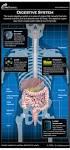 The digestive system Medicine and technology Normal structure and function Diagnostic methods Example diseases and therapies The digestive system An overview (1) Oesophagus Liver (hepar) Biliary system
GI Bleeding. Thomas S.Foster,Pharm.D. PHR 961 Integrated Therapeutics
 GI Bleeding Thomas S.Foster,Pharm.D. PHR 961 Integrated Therapeutics Overview Because GI bleeding is internal, it is possible for a person to have GI bleeding without symptoms. Important to recognize
What is Barrett s esophagus? How does Barrett s esophagus develop?
 Barrett s Esophagus What is Barrett s esophagus? Barrett s esophagus is a pre-cancerous condition affecting the lining of the esophagus, the swallowing tube that carries foods and liquids from the mouth
Learning Luncheon 7: Endoscopic Mucosal Resection: When, Where and How?
 Endoscopic Mucosal Resection (EMR): When, Where, and Charles J. Lightdale, MD Columbia University New York, NY Endoscopic Mucosal Resection (EMR) EMR developed for removal of sessile or flat neoplasms
Evolution of Barrett s esophagus
 Endoscopic Treatment and Surveillance of Esophageal Cancer: GI Perspective Charles J. Lightdale, MD Columbia University New York, NY Evolution of Barrett s esophagus Squamous esophagus Chronic inflammation
Colonoscopy Data Collection Form
 Identifier: Sociodemographic Information Type: Zip Code: Gender: Height: (inches) Race: Ethnicity Inpatient Outpatient Male Female Birth Date: Weight: (pounds) American Indian (Native American) or Alaska
GI Bleed. Steven Lichtenstein, D.O. Chief, Division of Gastroenterology Mercy Health System. Director, Endoscopy/GI Lab Mercy Fitzgerald Hospital
 October 3, 2015 GI Bleed Steven Lichtenstein, D.O. Chief, Division of Gastroenterology Mercy Health System Director, Endoscopy/GI Lab Mercy Fitzgerald Hospital Clinical Associate Professor of Medicine
Ingestible ph and Pressure Capsule
 Ingestible ph and Pressure Capsule Policy Number: 2.01.81 Last Review: 5/2016 Origination: 1/2011 Next Review: 5/2017 Policy Blue Cross and Blue Shield of Kansas City (Blue KC) will not provide coverage
WHAT S WRONG WITH MY GALL BLADDER? GALL BLADDER POLYPS
 WHAT S WRONG WITH MY GALL BLADDER? GALL BLADDER POLYPS This is a patient information booklet providing specific practical information about gall bladder polyps in brief. Its aim is to provide the patient
2016 Quick Reference Coding Chart
 43197 Trans nasal esophagoscopy 43198 Biospy Trans Nasal Esophagoscopy Esophagoscopy 43200 Esophagoscopy Includes collection of specimen(s) by brushing or washing, when performed. 43201 Submucosal injection
Billing Guideline. Subject: Colorectal Cancer Screening Exams (Invasive Procedures) Effective Date: 1/1/2012 Last Update Effective: 4/16
 Subject: Colorectal Cancer Screening Exams (Invasive Procedures) Effective Date: 1/1/2012 Last Update Effective: 4/16 Billing Guideline Background Health First administers benefit packages with full coverage
Surgeon and Radiological Services Billing for Laparoscopic Adjustable Gastric Band Procedures
 Surgeon and Radiological Services Billing for Laparoscopic Adjustable Gastric Band Procedures Table 1: Surgeon Billing for Laparoscopic Adjustable Gastric Band Procedures 2012 Medicare Payment 2 43770
What is Capsule Endoscopy?
 What is Capsule Endoscopy? Capsule Endoscopy involves swallowing a small (the size of the large vitamin pill) capsule, which contains a colour camera, battery, light source and transmitter. The camera
11/10/2014. I have nothing to Disclose. Covered Stents discussed are NOT FDA approved for the indications covered in my presentation
 I have nothing to Disclose Ramsey Dallal, MD, FACS Vice Chair Department of Surgery Chief Bariatric i and Minimally i Invasive Surgery Einstein Healthcare Network Nemacolin, PA 2014 Covered Stents discussed
Risk stratification for colorectal cancer especially: the difference between sporadic disease and polyposis syndromes. Dr. med. Henrik Csaba Horváth
 Risk stratification for colorectal cancer especially: the difference between sporadic disease and polyposis syndromes Dr. med. Henrik Csaba Horváth Why is risk stratification for colorectal cancer (CRC)
Captivator EMR Device
 Device Clinical Article and Abstract Summary Endoscopic Mucosal Bergman et al: EMR Training Tips Bergman et al: EMR Learning Curve ASGE: EMR & ESD Guidelines Bergman et al: Captivator EMR vs Cook Duette
Chapter 6 Gastrointestinal Impairment
 Chapter 6 Gastrointestinal This chapter consists of 2 parts: Part 6.1 Diseases of the digestive system Part 6.2 Abdominal wall hernias and obesity PART 6.1: DISEASES OF THE DIGESTIVE SYSTEM Diseases of
COLORECTAL CANCER SCREENING
 COLORECTAL CANCER SCREENING By Douglas K. Rex, M.D., FACG & Suthat Liangpunsakul, M.D. Division of Gastroenterology and Hepatology, Department of Medicine Indiana University School of Medicine Indianapolis,
Center for Endoscopic Research & Therapeutics
 Center for Endoscopic Research & Therapeutics 5758 South Maryland Avenue (MC9028) Chicago, Illinois 60637 (773) 702-1459 www.uchospitals.edu Center for Endoscopic Research & Therapeutics To refer a patient
Epi procolon The Blood Test for Colorectal Cancer Screening
 Epi procolon The Blood Test for Colorectal Cancer Screening Epi procolon is an approved blood test for colorectal cancer screening. The US Preventive Services Task Force, the American Cancer Society and
Clinical question: what is the role of colonoscopy in the diagnosis of ischemic colitis?
 Clinical question: what is the role of colonoscopy in the diagnosis of ischemic colitis? Filtered resources,, which appraise the quality of studies and often make recommendations for practice, include
MU Inpatient Consult Rotation
 MU Inpatient Consult Rotation I. Description of Rotation and Educational Goal: This is a four-week rotation in which GI fellows gain exposure and acquire expertise in the evaluation and management of adult
Colocutaneous Fistula. Disclosures
 Colocutaneous Fistula Madhulika G. Varma MD Associate Professor Chief, Colorectal Surgery University of California, San Francisco Honoraria Applied Medical Covidien Disclosures 1 Colocutaneous Fistula
Endoscopic Resection for Barrett s Esophagus and Early Cancer 2014 Masters of Minimally Invasive Surgery
 Endoscopic Resection for Barrett s Esophagus and Early Cancer 2014 Masters of Minimally Invasive Surgery Matthew Hartwig, M.D. Duke Cancer Institute Case Presentation: Patient ER 51 y/o man with schizophrenia
POEM Procedure for. Esophageal Achalasia
 POEM Procedure for Esophageal Achalasia POEM (Per-Oral endoscopic myotomy) is an incisionless procedure to treat esophageal achalasia, totally performed by endoscopy, without cutting the surface of the
The University of Hong Kong Department of Surgery Division of Esophageal and Upper Gastrointestinal Surgery
 Program Overview The University of Hong Kong Department of Surgery Division of Esophageal and Upper Gastrointestinal Surgery Weight Control and Metabolic Surgery Program The Weight Control and Metabolic
WallFlex Biliary RX Stent. Fully, Partially and Uncovered Self-Expanding Metal Stents
 WallFlex Biliary RX Stent Fully, Partially and Uncovered Self-Expanding Metal Stents WallFlex Biliary RX Stent Fully, Partially and Uncovered Self-Expanding Metal Stents The WallFlex Biliary RX Stent is
CPT COD1NG UPDATES Gastroenterology CPT Advisors
 2014 CPT COD1NG UPDATES Gastroenterology CPT Advisors Joel V. Brill, MD, AGA CPT Advisor Daniel C. DeMarco, MD, ACG CPT Advisor Glenn D. Littenberg, MD, ASGE CPT Advisor The American College of Gastroenterology
Evidence of Crohn s Disease. Case Presentation
 Witt Wait to Treat tutiled Until Endoscopic Evidence of Crohn s Disease Raymond Cross, MD, MS, AGAF Associate Professor of Medicine Director, IBD Program University of Maryland School of Medicine Co-Director,
Figure 3: Dysphagia. 14 meets. esophageal. esophageal manometry +/- +/- impedance measurement. structural lesion? no. 19 yes
 Figure 3: Dysphagia 1 patient with dysphagia 2 history and physical exam. suggestive of nesophageal etiology? 3 evaluate and treat as as indicated 4 upper GI GI endoscopy with biopsies 15 achalasia, absent
understanding GI bleeding
 understanding GI bleeding a consumer education brochure American College of Gastroenterology 4900B South 31st Street, Arlington, VA 22206 703-820-7400 www.acg.gi.org American College of Gastroenterology
LOWER GI ENDOSCOPIES So why is CMS yanking our chain? General Concepts for all GI Endoscopy Procedures
 LOWER GI ENDOSCOPIES We have lots of changes to lower GI coding for 2015 to talk about. Code definitions have been revised and many new codes have been added to this chapter. First the good news: All these
AORTOENTERIC FISTULA. Mark H. Tseng MD Brooklyn VA Hospital February 11, 2005
 AORTOENTERIC FISTULA Mark H. Tseng MD Brooklyn VA Hospital February 11, 2005 AORTOENTERIC FISTULA diagnosis and management Mark H. Tseng MD Brooklyn VA Hospital February 11, 2005 AORTOENTERIC FISTULA Aortoenteric
Overview of Bariatric Surgery
 Overview of Bariatric Surgery To better understand how weight loss surgery works, it is helpful to know how the normal digestive process works. As food moves along the digestive tract, special digestive
FAQ About Prostate Cancer Treatment and SpaceOAR System
 FAQ About Prostate Cancer Treatment and SpaceOAR System P. 4 Prostate Cancer Background SpaceOAR Frequently Asked Questions (FAQ) 1. What is prostate cancer? The vast majority of prostate cancers develop
X-ray (Radiography), Lower GI Tract
 Scan for mobile link. X-ray (Radiography), Lower GI Tract What is Lower GI Tract X-ray Radiography (Barium Enema)? Lower gastrointestinal (GI) tract radiography, also called a lower GI or barium enema,
Endoscopy and infection: Prevention of infection during endoscopy Treatment of infection by endoscopy. M. Arvanitakis SRBG June 2009
 Endoscopy and infection: Prevention of infection during endoscopy Treatment of infection by endoscopy M. Arvanitakis SRBG June 2009 Outline Antibiotic prophylaxis during endoscopy Upper GI endoscopy Lower
Flexible sigmoidoscopy the procedure explained Please bring this booklet with you
 Flexible sigmoidoscopy the procedure explained Please bring this booklet with you Exceptional healthcare, personally delivered Introduction You have been advised by your GP or hospital doctor to have an
The Role of Industry Representatives in the Endoscopy Unit
 The Role of Industry Representatives in the Endoscopy Unit Vivek Kaul, MD 1 and Douglas Faigel, MD, FASGE 2 Introduction The modern endoscopy unit is a busy workplace environment. With the patient as the
A Guide for Patients Living with a Biliary Metal Stent
 A Guide for Patients Living with a Biliary Metal Stent What is a biliary metal stent? A biliary metal stent (also known as a bile duct stent ) is a flexible metallic tube specially designed to hold your
Early Colonoscopy in Patients with Acute Diverticulitis Simon Bar-Meir, M.D.
 Early Colonoscopy in Patients with Acute Diverticulitis Simon Bar-Meir, M.D. Professor of Medicine Germanis Kaufman Chair of Gastroenterology Director, Dept. of Gastroenterology Chaim Sheba Medical Center,
Cancer of the Cardia/GE Junction: Surgical Options
 Cancer of the Cardia/GE Junction: Surgical Options Michael A Smith, MD Associate Chief Thoracic Surgery Center for Thoracic Disease St Joseph s Hospital and Medical Center Phoenix, AZ Michael Smith, MD
PATIENT CONSENT TO PROCEDURE - ROUX-EN-Y GASTRIC BYPASS
 As a patient you must be adequately informed about your condition and the recommended surgical procedure. Please read this document carefully and ask about anything you do not understand. Please initial
DEPARTMENT OF HEALTH AND HUMAN SERVICES Centers for Medicare & Medicaid Services ICD-10-CM/PCS THE NEXT GENERATION OF CODING
 DEPARTMENT OF HEALTH AND HUMAN SERVICES Centers for Medicare & Medicaid Services ICD-10-CM/PCS THE NEXT GENERATION OF CODING ICN 901044 April 2013 This publication provides the following information on
Care of Gastrostomy Tubes for Adults with IDD in Community Settings: The Nurse s Role. Lillian Khalil, BSN, RN Volunteers of America, Chesapeake
 Care of Gastrostomy Tubes for Adults with IDD in Community Settings: The Nurse s Role Lillian Khalil, BSN, RN Volunteers of America, Chesapeake Objectives The participants will be able to identify the
CODING. Neighborhood Health Plan 1 Provider Payment Guidelines
 CODING Policy The terms of this policy set forth the guidelines for reporting the provision of care rendered by NHP participating providers, including but not limited to use of standard diagnosis and procedure
Acute Abdominal Pain following Bariatric Surgery. Disclosure. Objectives 8/17/2015. I have nothing to disclose
 Acute Abdominal Pain following Bariatric Surgery Kathy J. Morris, DNP, APRN, FNP C, FAANP University of Nebraska Medical Center College of Nursing Disclosure I have nothing to disclose Objectives Pathophysiology
Lenox Hill Hospital Department of Surgery General Surgery Goals and Objectives
 Lenox Hill Hospital Department of Surgery General Surgery Goals and Objectives Medical Knowledge and Patient Care: Residents must demonstrate knowledge and application of the pathophysiology and epidemiology
NP/PA Clinical Hepatology Fellowship Summary of Year-Long Curriculum
 OVERVIEW OF THE FELLOWSHIP The goal of the AASLD NP/PA Fellowship is to provide a 1-year postgraduate hepatology training program for nurse practitioners and physician assistants in a clinical outpatient
EMR Can anyone do this?
 EMR Can anyone do this? Norio Fukami, MD University of Colorado Piecemeal resection? 1 Endoscopic mucosal resection (EMR) and Endoscopic submucosal dissection (ESD) Endoscopic removal of premalignant or
STUDY PLAN FOR THE CERTIFICATE OF THE HIGHER SPECIALIZATION IN ( Diagnostic Radiology)
 STUDY PLAN FOR THE CERTIFICATE OF THE HIGHER SPECIALIZATION IN ( Diagnostic Radiology) plan number :15/11/97/NT I-GENERAL RULES AND CONDITIONS: 1- This plan conforms to the regulations of granting the
By James D. Gould, MD FACS
 By James D. Gould, MD FACS BACKGROUND Balloon devices enlarge narrowed sinus ostia and outflow tracts by remodeling the surrounding bone and paranasal sinus structures. Multiple studies have demonstrated
Global Surgery Fact Sheet
 DEPARTMENT OF HEALTH AND HUMAN SERVICES Centers for Medicare & Medicaid Services R Global Surgery Fact Sheet Fact Sheet Definition of a Global Surgical Package Medicare established a national definition
EVIDENCE BASED TREATMENT OF CROHN S DISEASE. Dr E Ndabaneze
 EVIDENCE BASED TREATMENT OF CROHN S DISEASE Dr E Ndabaneze PLAN 1. Case presentation 2. Topic on Evidence based Treatment of Crohn s disease - Introduction pathology aetiology - Treatment - concept of
ESD for colorectal lesions I am in favour. Alessandro Repici, MD Digestive Endoscopy Unit IRCCS Istituto Clinico Humanitas Milano, Italy
 ESD for colorectal lesions I am in favour Alessandro Repici, MD Digestive Endoscopy Unit IRCCS Istituto Clinico Humanitas Milano, Italy Surgery for early colonic lesions 51 pts referred for lap colectomy
Status Active. Assistant Surgeons. This policy addresses reimbursement for assistant surgical procedures during the same operative session.
 Status Active Reimbursement Policy Section: Surgery/Interventional Procedure Policy Number: RP - Surgery/Interventional Procedure - 001 Assistant Surgeons Effective Date: June 1, 2015 Assistant Surgeons
PHYSICIAN OFFICE BILLING INFORMATION SHEET FOR IMLYGIC (talimogene laherparepvec)
 PHYSICIAN OFFICE BILLING INFORMATION SHEET FOR IMLYGIC (talimogene laherparepvec) INDICATION IMLYGIC is a genetically modified oncolytic viral therapy indicated for the local treatment of unresectable
Nash Heartburn Treatment Center
 Nash Heartburn Treatment Center a division of Nash Health Care NHCS Mission Statement: To provide superior quality health care services and to help improve the health of the community in a caring, efficient
Celiac Disease. Donald Schoch, M.D. Ohio ACP Meeting October 17, 2014
 Celiac Disease Donald Schoch, M.D. Ohio ACP Meeting October 17, 2014 None to disclose Conflicts of Interest Format Present a case Do a pretest about the evaluation Review case Discuss the questions & answers
Emergencies in Post- Bariatric Surgery Patients
 Emergencies in Post- Patients Disclosures Dr. Birnbaumer has no financial disclosures Diane M. Birnbaumer, M.D., FACEP Professor of Medicine University of California, Los Angeles Senior Clinical Educator
Ambulatory Surgery Center Coding and Payment Guide 2015
 Targeted Drug Delivery Ambulatory Surgery Center Coding and Payment Guide 2015 Flowonix Medical has compiled this coding information for your convenience. This information is gathered from third party
Captivator II. Single-Use Snares
 Captivator II Single-Use Snares Captivator II Snares are the first line of stiff and rounded snares available in multiple sizes with both a hot and cold snaring indication. The Captivator II Snare line
Informed Consent for Laparoscopic Vertical Sleeve Gastrectomy. Patient Name
 Informed Consent for Laparoscopic Vertical Sleeve Gastrectomy Patient Name Please read this form carefully and ask about anything you may not understand. I consent to have a laparoscopic Vertical Sleeve
Radiologist Assistant Role Delineation
 Radiologist Assistant Role Delineation January 2005 Background The American Registry of Radiologic Technologists (ARRT) is developing a certification program for a new level of imaging technologist called
The Captivator II Snares are the first line of stiff and rounded snares available in multiple sizes with both a hot and cold snaring indication.
 Captivator II Single-Use Snares The Captivator II Snares are the first line of stiff and rounded snares available in multiple sizes with both a hot and cold snaring indication. The Captivator II Snare
Surgical Weight Loss. Mission Bariatrics
 Surgical Weight Loss Mission Bariatrics Obesity is a major health problem in the United States, with more than one in every three people suffering from this chronic condition. Obese adults are at an increased
OHTAC Recommendation
 OHTAC Recommendation Multiple Sclerosis and Chronic Cerebrospinal Venous Insufficiency Presented to the Ontario Health Technology Advisory Committee in May 2010 May 2010 Issue Background A review on the
These parameters cannot, at the present time, be determined by non-invasive imaging techniques.
 Endoscopic Mucosal Resection for Upper Gastrointestinal Lesions Kenneth K. Wang, M.D. Chairman, WEO Publication and Guidelines Committee Professor of Medicine, Mayo Clinic Rochester, Minnesota Upper gastrointestinal
ICD-10 FAQ. How Long Has ICD-9-CM Been In Use?
 ICD-10 FAQ How Long Has ICD-9-CM Been In Use? What Code Set Does ICD-9-CM Define? What Code Set Does ICD-10 Define? When was ICD-10-CM Created? What agency maintains ICD-10? Why is ICD-10 better than ICD-9?
2015 Medicare Physician Fee Schedule Putting the Pieces Together for GI Colleen M. Schmitt, MD, MHA, FASGE ASGE President
 2015 Medicare Physician Fee Schedule Putting the Pieces Together for GI Colleen M. Schmitt, MD, MHA, FASGE ASGE President Glenn D. Littenberg, MD, MACP Chair, ASGE Practice Management Committee and CPT
The Official Guidelines for coding and reporting using ICD-9-CM
 Reporting Accurate Codes In the Era of Recovery Audit Contractor Reviews Sue Roehl, RHIT, CCS The Official Guidelines for coding and reporting using ICD-9-CM A set of rules that have been developed to
2015 CPT coding changes will have mixed effects on payment for general surgeons
 CPT coding changes will have mixed effects on payment for general surgeons 17 by Linda Barney, MD, FACS, and Mark T. Savarise, MD, FACS JAN BULLETIN American College of Surgeons 18 Significant changes
Learning Objectives. Introduction to Medical Careers. Vocabulary: Chapter 16 FACTS. Functions. Organs. Digestive System Chapter 16
 Learning Objectives Introduction to Medical Careers Digestive System Chapter 16 Define at least 10 terms relating to the digestive Describe the four functions of the digestive Identify different structures
CODE AUDITING RULES. SAMPLE Medical Policy Rationale
 CODE AUDITING RULES As part of Coventry Health Care of Missouri, Inc s commitment to improve business processes, we are implemented a new payment policy program that applies to claims processed on August
Guide to Abdominal or Gastroenterological Surgery Claims
 What are the steps towards abdominal surgery? Investigation and Diagnosis It is very important that all necessary tests are undertaken to investigate the patient s symptoms appropriately and an accurate
Pediatric Gastroenterology Fellowship Pediatric Nutrition Rotation Goals and Objectives - 1 st Year
 Pediatric Nutrition Rotation Goals and Objectives - 1 st Year Goal 1: Gain experience and competency in managing common and rare gastrointestinal, liver and nutritional problems. (Competencies: patient
GASTRO-INTESTINAL BLEEDING
 Introduction Site of Bleeding History Physical Examination Laboratory Tests Investigation Treatment References Introduction Gastrointestinal bleeding is an uncommon but important sign in paediatric patients.
Contraindications: Malign or benign strictures in the upper part of esophagus close to the cricopharyngeal muscle.
 Manufactured by: ELLA CS, s.r.o. Milady Horákové 504 500 06 Hradec Králové 6 Czech Republic Phone: +420 49 527 91 11 Fax: +420 49 526 56 55 E-mail: [email protected] Instructions for Use FerX-ELLA Esophageal
Direct Current Therapy for Treatment of Hemorrhoids
 Direct Current Therapy for Treatment of Hemorrhoids [For the list of services and procedures that need preauthorization, please refer to www.mcs.com.pr Go to Comunicados a Proveedores, and click Cartas
HEALTH DEPARTMENT BILLING GUIDELINES
 HEALTH DEPARTMENT BILLING GUIDELINES Acknowledgement: Current Procedural Terminology (CPT ) is copyright 2015 American Medical Association. All Rights Reserved. No fee schedules, basic units, relative
Coding with. Snayhil Rana
 Coding with ICD-9-CM CM Snayhil Rana ICD-9-CM CM Index Pre-Test Introduction to ICD-9-CM Coding The Three Volumes of the ICD-9-CM ICD-9-CM Coding Conventions Other ICD-9-CM Sections ICD-9-CM for Claim
Figure 2: Recurrent chest pain of suspected esophageal origin
 Figure 2: Recurrent chest pain of suspected esophageal origin 1 patient with chest pain of suspected esophageal origin 2 history and physical exam. suggestive of n-esophageal etiology? 3 evaluate and treat
GASTROESOPHAGEAL REFLUX DISEASE (GERD)
 GASTROESOPHAGEAL REFLUX DISEASE (GERD) Gastroesophageal reflux disease is a clinical scenario where the gastric or duodenal contents reflux back up into the esophagus. Reflux esophagitis, however, is a
Preservation and Incorporation of Valuable Endoscopic Innovations (PIVI)
 Preservation and Incorporation of Valuable Endoscopic Innovations (PIVI) The American Society for Gastrointestinal Endoscopy PIVI on Endoscopic Bariatric Procedures (short form) Please see related White
NOVOSTE BETA-CATH SYSTEM
 HOSPITAL INPATIENT AND OUTPATIENT BILLING GUIDE FOR THE NOVOSTE BETA-CATH SYSTEM INTRAVASCULAR BRACHYTHERAPY DEVICE This guide is intended solely for use as a tool to help hospital billing staff resolve
COM Compliance Policy No. 3
 COM Compliance Policy No. 3 THE UNIVERSITY OF ILLINOIS AT CHICAGO NO.: 3 UIC College of Medicine DATE: 8/5/10 Chicago, Illinois PAGE: 1of 7 UNIVERSITY OF ILLINOIS COLLEGE OF MEDICINE CODING AND DOCUMENTATION