
Vermont s Environmental Regulations
|
|
|
- Mavis Short
- 10 years ago
- Views:
Transcription
1 An Autobody Repair Technician s Guide to: Vermont s Environmental Regulations Spring 2014 DEPARTMENT OF ENVIRONMENTAL CONSERVATION OFFICE OF ENVIRONMENTAL ASSISTANCE WHAT S INSIDE How to Use This Guide Tips for Environmental Success Hazardous Waste Management & More... ENVIRONMENTAL FACT SHEETS Auto Surface Preparation Managing Waste Paint Booth Filters Solvent/Thinner Recycling Systems Waterborne Basecoats & More...
2 Cover photo Kathryn Sauber Photography
3 Table of Contents Compliance Checklists & Guidance Introduction...1 Helpful Tips for Environmental Success...2 Hazardous Waste...4 Wastewater and Floor Drains...9 Air Pollution...13 Petroleum Storage...19 Fact Sheets Aqueous Parts Cleaning...25 Asbestos Containing Auto Parts Auto Surface Preparation...29 Burning Used Oil Fuel...30 Hazardous Material Spill Response...33 Hazardous Waste Determination...35 Landfill Ban Items Lead-Acid Batteries...38 Managing Air Bags...39 Managing Automotive Antifreeze...40 Managing Waste Fuel & Fuel/Water Mixtures...42 Managing Waste Paint Booth Filters...44 Mercury-Containing Lamps and Auto Switches...46 Motor Vehicle Air Conditioning...48 Oil Filters...50 Oily Wastes Oil/Water Separators...53 Petroleum-Based Parts Cleaning...55 Scrap Metal & Recycling Scrap Tires...58 Shop Rags Contaminated with Used Oil or Hazardous Waste...59 Solvent/Thinner Recycling Systems Spill Prevention, Control, & Countermeasure (SPCC) Regulation...63 Universal Waste...64 Used Oil...66 Washwater Discharges From Vehicle Washing...68 Waste Motor Vehicle Fuel & System Components...69 Waterborne Basecoats...70 Appendices A - Hazardous Waste Codes Commonly Used by CEGs B - VT Hazardous Waste Handler Site ID Information & Form Example C - Hazardous Waste Manifest Information & Form Example...79 D - Hazardous Waste Compatibility List E - General Requirements for Aboveground and Underground Storage Tanks...83 F - Permit and License Information (new construction or existing)...85 G - Procedure Addressing the Management and Disposal of Aerosol Cans H - Common OSHA Violations for Autobody Shops...91 I - Hazardous Chemical Decision Diagram for Tier II Reporting...93 J - Resource Contact List...95 K - Vermont Solid Waste Districts and Alliances...97 L - Regional Office Map...99
4 This guide has been developed specifically for autobody repair facilities. We have spent a fair amount of time in shops and garages across the state, so we understand your work, and are familiar with your operations and the chemicals you use. We have included enough detail so that most of your questions will be answered right here. This guide will not only help you understand environmental regulations, but can also help you reduce wastes, minimize some regulatory requirements, and provide you with some peace of mind. Environmental Assistance HOTLINE If you need additional assistance beyond that provided in this guide or are unsure whether a certain practice or activity at your facility meets the regulations, please call the Environmental Assistance Hotline. The Environmental Assistance Office (EAO) The Environmental Assistance Office is a non-regulatory office with the Department of Environmental Conservation that provides environmental compliance assistance, permit assistance, and pollution prevention and waste reduction assistance. EAO administers the Vermont Business Environmental Partnership, a business recognition program that promotes environmentally sustainable practices. These services are confidential and provided at no cost. For more information see our web site: If you are planning new construction or a modification to your facility, contact an EAO Permit Specialist to see what state permits you may need (in addition to contacting your municipal office for local ordinances and permitting requirements). See Appendix L for information on how to contact the Permit Specialist serving your town.
5 Compliance Checklists & Guidance Introduction...1 Helpful Tips for Environmental Success...2 Hazardous Waste...4 Wastewater and Floor Drains...9 Air Pollution...13 Petroleum Storage...19
6 This page intentionally left blank
7 Introduction This compliance assistance guide has been developed to help owners and operators of autobody facilities. The guide will help with a general understanding of environmental regulations, as well as offer some practical suggestions and Best Management Practices (BMPs) to help minimize waste and save you money. It updates our original 2002 Autobody Repair Guide (blue cover) and includes: regulatory changes since 2002 that may affect your business, the latest environmental best management practices, new fact sheets and overall updated information. We have included enough detail so that most of your questions can be answered right here. However, if you need clarification on something or have any questions, please do not hesitate to call. Environmental Assistance Office Our toll-free number is: The Environmental Assistance Office (EAO) The EAO is a non-regulatory assistance office within the Department of Environmental Conservation (DEC). The office focuses on helping Vermont businesses, municipalities, and other organizations to understand and comply with environmental regulations. Our services include: on-site assessments, permit assistance, workshops and training opportunities, and producing guidance materials and fact sheets. We also offer business recognition programs and provide waste reduction assistance. All of our services are offered both over the phone or during an on-site visit; all services are confidential and provided at no cost. If you are planning new construction or modifications to your facility, contact the regional EAO Permit Specialist to see what state permits you may need. See Appendix L for the Permit Specialist serving your area. How to use this guide The Vermont Environmental Guide for Autobody Repair is divided into three sections Guidance, Fact Sheets, and Appendices. The first section provides self audit checklists covering important regulatory requirements and BMPs for autobody facilities including: Hazardous Waste Wastewater and Floor Drains Air Pollution Petroleum Storage Each of these self audit checklists can be used to determine whether your facility is in compliance with Vermont s environmental regulations on a given topic. The self audit checklist questions are worded in such a way that if you answer Yes or Not Applicable (N/A), you are likely to be in compliance with that specific requirement. If your answer is No, we recommend you revisit the regulatory issue being addressed and review any associated environmental fact sheets to learn more about how to fix the issue. Throughout the first section of the guide, you will find many tips, or BMPs indicated by the following symbol ( ). This symbol is used to communicate specific information that is presented within text boxes. The second section of the guide is a series of environmental Fact Sheets that provide a quick reference on regulatory requirements and are an excellent resource for best management practices. The fact sheets are a useful place to start when you need to be reminded of specific details on a given topic. The third section of the guide includes the Appendices, as well as additional useful materials such as: sample forms, additional compliance information and resource lists. Use this section of the guide to get names, phone numbers and addresses of various entities that are involved with the autobody industry or to find additional information that may be helpful in training employees regarding sound environmental management. 1
8 Helpful Tips For Environmental Success Use prevention strategies to reduce waste and minimize regulatory oversight. Keep hazardous materials and repair activities away from floor drains. A tried-and-true pollution prevention strategy is to purchase products friendly to the environment and workers. For example, using paints that do not contain heavy metals will allow you to petition the U.S. EPA for exemption from the 6H rule (see Air Section) and will help minimize the chance that filters and booth sweepings are hazardous waste. Repair vehicles in areas with no floor drains or in areas where floor drains are plugged or covered. Hazardous materials in wastewater discharges from floor drains can lead to ground water and soil contamination, or cause problems at the local wastewater treatment plant. Some facilities use temporary or locking drain plugs on their floor drains. Reuse and recycle whenever possible. Involve and train your staff. Certain wastes generated at autobody facilities may be able to be reused or recycled. Learn more about reuse and recycling options in this guide book, from your local solid waste district, and from industry associations. Maintain and know how to use your Material Safety Data Sheets (MSDS). All chemical products have MSDS that detail important environmental, health, and workplace safety information. Reviewing a product s MSDS before making a purchase will alert you to possible concerns and perhaps help avoid a problem down the road. MSDS are required to be kept on-site and should be readily accessible by employees and organized in such a way that it is easy to find the sheet for a given product. Maintain and update your MSDS on a regular basis. When setting up waste management and worker safety programs, involvement of the entire staff will produce better results in the long run. Make sure employees know that their ideas are welcome. In doing so, you help ensure that the programs you design will work at your facility. An investment in employee training can produce less waste, a more efficient process and fewer accidents. Keep good records. Keep receipts, bills of lading, and hazardous waste manifests every time you buy materials containing hazardous substances or dispose of hazardous waste. Even when not required by regulation, well kept records can help you better track material use and waste management, expedite a property sale or secure a loan, and reduce your liability. 2
9 Helpful Tips For Environmental Success Be careful what you throw in the dumpster or pour down the drain. Take advantage of no-cost assistance programs. Hazardous substances should never be disposed of with the regular trash or poured down the drain. Doing so can cause a threat to human health and the environment. Certain wastes generated from the repair of vehicles such as paints, liquids in general, tires, batteries (not including alkaline batteries) and oil soaked materials are banned from Vermont landfills. Although certified hazardous waste haulers can be used, most municipal solid waste districts and alliances can help with recycling and disposal options for these materials (see Appendix K). Keep it off the floor. Spills, leaks, and drips of vehicle fluids can lead to clean-up and disposal costs. Reduce the need to clean your floors and minimize the use of oil soaking absorbents. Consider using pans to help catch drips and leaks, and use funnels when transferring or changing vehicle fluids. There are several no-cost programs, like the Small Business Compliance Assistance Program and regional Permit Specialists within the Environmental Assistance Office that can help you deal with all the applicable regulatory requirements and permits, while keeping costs in check. Take advantage of workshops, training events, and on-site assistance. This will free you up to focus on your primary job of running an autobody repair business. Be a good neighbor. Air pollution issues at autobody shops are most often discovered as a result of complaints from neighbors of strong odors or particulate emissions. Exhaust from spray booths should be discharged vertically, at least 4 feet above the roofline of the building. A higher stack may be warranted if buildings are located nearby which are above the point of discharge. Horizontal discharges are not recommended and stacks must not be equipped with any device that would impede the upward discharge of exhaust air (i.e.,rain caps). 3
10 Hazardous Waste Autobody shops typically generate several waste streams which require special management as hazardous waste, used oil or universal waste. From the very start, it is important to understand that less is better. When a facility only generates small amounts of hazardous waste (i.e., less than 220 pounds per month), it is subject to fewer regulations and may incur lower waste management costs. In order to determine how wastes should be managed, an autobody shop should follow these steps: Step 1 - Determine whether any wastes are exempt. Many of the hazardous wastes generated by autobody shops may be exempt from full regulation as hazardous waste. Why is this important? Generally, it is easier and less costly to manage wastes under their respective exemptions than to manage them as hazardous waste. To take advantage of the exemptions, each waste must be managed according to specific conditions. It is important to know that exempt wastes do not have to be counted when calculating how much hazardous waste your facility generates per month. It is the weight of hazardous waste generated each calendar month that determines your generator status, which in turn dictates the scope of regulatory requirements with which you must comply (see Step 3). The following wastes may be managed as exempt provided specific conditions are followed: Used Oils crankcase / transmission / hydraulic Used Oil Filters Contaminated Shop Rags (that are destined for commercial laundering) Spent Antifreeze Lead Acid and NiCad Rechargeable Batteries (not including standard alkaline batteries which may be disposed of as regular trash) Gas Filters (only metal encased) Mercury Switches (trunk & hood lights, and ABS sensors) Fluorescent & HID Lamps Chlorofluorocarbon (CFC) Refrigerants Waste Fuel & Fuel-Water Mixtures Fact Sheets dealing with these and other specific autobody waste streams are found in this Guide. The fact sheets explain how each of the above must be managed in order for the waste to be considered exempt. You should review the fact sheet for each of the potentially exempt hazardous wastes your facility generates to make sure that your management practices are consistent with the practices required by the exemptions. Disposable oil soaking absorbents such as pads, towels or granular types can be reused several times, even wrung out, after each use. Step 2 Determine if the waste is listed as a hazardous waste or exhibits any of the hazardous waste characteristics. In general, waste is regulated as hazardous waste if it is specifically listed in the regulations, or if it exhibits at least one of four hazardous waste characteristics ignitability, corrosivity, reactivity or toxicity. Therefore, for each waste, a generator needs to determine if the waste is on one of the lists in Vermont s Hazardous Waste Management Regulations or if the waste exhibits any of the above characteristics. For more information see Appendix A: Listed and Characteristic Hazardous Waste and also, Fact Sheet 6: Hazardous Waste Determination. The generator s own knowledge of how the waste is generated, review of applicable Material Safety Data Sheets, and when necessary, laboratory testing, are all key factors that can be relied upon in assessing whether a waste is a hazardous waste (or not). Making the correct hazardous waste determination is very important because it is the foundation for being in compliance. However, it can sometimes be difficult. If you are unsure about your determination(s), or need assistance making a hazardous waste determination, please contact: the Environmental Assistance Office at
11 Step 3 -Determine your generator status. The following table lists hazardous wastes commonly generated by autobody repair, and is designed to help you calculate how many pounds of hazardous waste are generated at your facility per month. To use the table: 1. Review the list of hazardous waste streams in the first column and indicate which, if any, you generate in the fourth column titled Do I Generate This Waste? For your reference, applicable fact sheets are noted in the red circles next to the waste streams. 2. For each waste that is generated, use the last column to account for how many pounds are generated per month. In the absence of the exact weight, liquid hazardous waste expressed in gallons may be approximated in pounds by multiplying by 8 (the specific gravity of water is 8.2 lbs/gallon). If you determined in Step 1 that a particular waste stream is exempt, simply write E in the last column. Potentially exempt wastes are found in the shaded cells of the table. 3. Once you have recorded the amount in pounds of each hazardous waste generated per month, total the last column and record the sum at the bottom in the Total box. * NOTE: Waste streams listed in red text may or may not be hazardous. See the discussion in Step 2 on making a hazardous waste determination. Regulated Wastes Typically Generated by Autobody Shops Typical Waste Code Likely Hazardous Property Do I generate this waste? How many pounds do I generate per month? Aerosol Spray Cans (with remaining product) see Appendix G D001, F003, F005 Often have ignitable or toxic solvents FS1 FS10 FS14 FS11 FS11 FS21 Aqueous Parts Cleaning Solution* VT02, D008 Petroleum content >5% by weight, toxic metals Antifreeze VT08, D008, D018 Ethylene Glycol, toxic heavy metals Chlorofluorocarbon Refrigerants* Characteristics Toxicity Contaminated Diesel VT02, D001 Petroleum content >5% by weight, often ignitable Contaminated Gasoline D001, D018 Ignitable, Benzene Contaminated Shop Rags VT02, D001, F002, F003, F005 Petroleum content >5% by weight, often ignitable Floor Drain Sludge* VT02 Petroleum content >5% by weight FS27 FS8 FS13 FS13 Gas Filters D001, D018 Ignitable, Benzene Lead Acid Batteries D002, D008 Lead, Corrosive Mercury Fluorescent Lamps D009, or Universal Waste Mercury Mercury Switches D009, or Universal Waste Mercury FS4 FS25 Oils - crankcase/transmission/ hydraulic N/A - Used Oil A petroleum distillate, suspected carcinogen FS15 Oil Filters VT02 Petroleum content >5% by weight FS16 Oil-soaked Absorbants - socks/pads/ speedi-dry VT02 Petroleum content >5% by weight FS11 Oil Water Mixture VT02 Petroleum content >5% by weight Paint Stripper D001, F003, F005, D035 Toxic solvents, ignitable FS18 FS28 FS3 Petroleum Based Cleaning Solution VT02, D001 Petroleum content >5% by weight, often ignitable Primers/Basecoats/Clearcoats D006, D007, D008, D001 Toxic heavy metals, may be ignitable Sanding Dust D006, D007, D008 Toxic heavy metals FS12 Spray Booth Filters D006, D007, D008, D001, F003, F005 May contain toxic heavy metals, ignitable, or have toxic solvents (from cleaning equipment) FS22 Still Bottoms F003, F005, D001 Derived from toxic solvents, may contain heavy metals, ignitable Surface Preparers/Cleaners F003, F005, D001, D002 Toxic solvents, ignitable, corrosive FS22 Thinners/Gun Cleaning Solvents F003, F005, D001 Toxic solvents, ignitable TOTAL POUNDS è 5
12 I know how much hazardous waste I generate per month. What s next? By now you hopefully have a good idea about which wastes are regulated as hazardous wastes. You should also have an estimate (or actual number) for each hazardous waste your facility generates (in pounds) per month. Remember, the weight of exempt wastes are not included in monthly generation totals. If your facility generates less than 220 pounds of hazardous waste per month, it is regulated as a Conditionally Exempt Generator (CEG). Requirements for CEGs are minimal when compared to the requirements for those that generate 220 pounds or more of hazardous waste per month. Most autobody repair shops should be able to qualify as a CEG. If your facility does not qualify as a CEG, you should investigate whether best management practices presented in this guide, especially the fact sheets, can help lower your monthly hazardous waste generation rate. Remember, less is better. If your facility generates 220 pounds or more of hazardous waste per month, it is either a Small Quantity Generator or a Large Quantity Generator. In this case, contact the Environmental Assistance Office or the Waste Management Division s Hazardous Waste Program for information about the requirements that apply to your generator status. Self Audit Checklist for Conditionally Exempt Generators of Hazardous Waste IMPORTANT: THE FOLLOWING CHECKLIST IS FOR CEGs ONLY. It summarizes CEG requirements, and will help you determine if you are in compliance with Vermont s hazardous waste regulations. The statements are worded in such a way that a No response indicates a potential compliance issue. 1. We have evaluated all of our wastes and determined which are hazardous wastes. Yes No 2. We have calculated our monthly hazardous waste generation rate and determined that we are either a Conditionally Exempt Generator (less than 220 pounds/month) OR that we are a fully regulated (small quantity (SQG) or large quantity (LQG) generator of hazardous waste. Yes No Remember that Vermont listed wastes (those with a VT waste code) can be averaged over a six month period. For example clay based granular absorbents used to soak oil (VT02). The weight of waste(s) managed under an exemption does not count towards your monthly total. 3. We have filed a Hazardous Waste Handler Site ID Form with the Waste Management Division. Yes No All facilities producing any amount of hazardous waste are required to file a Hazardous Waste Handler Site ID form with the Waste Management Division (WMD). After receipt of the form, the WMD will assign your facility a site-specific EPA Identification Number. Please see the instructions and sample form in Appendix B. If you are unsure whether your facility has filed this form, contact the EAO. 6
13 4. All of our hazardous waste is stored in containers that are: In good condition and chemically compatible with the waste stored in them; Closed except to add or remove waste; Marked with the words Hazardous Waste and other words that identify the contents (e.g., oily debris or solvent ); Located on an impervious surface; Kept under cover to protect from rain and snow; Protected from freezing (applicable for freezable wastes). Yes No 1. A drum mounted funnel must be covered with a lid for a container to be considered closed. 2. Allowing waste solvent to evaporate is prohibited as illegal disposal of a hazardous waste. 5. Incompatible wastes are: Not placed in the same container (or in an unwashed container that once held an incompatible waste); Stored in containers that are separated from each other by means of a berm, wall or other device. Yes No See Appendix D for the Chemical Waste Compatibility List. 6. We do not store more than 2,200 pounds of hazardous waste on-site at any one time. Yes No If at any time more than 2,200 pounds of hazardous waste is stored on-site (roughly equivalent to 5 55 gallon drums of a liquid waste), you no longer qualify as a CEG and become subject to all the requirements of a fully regulated (SQG or LQG) generator. 7. The management of hazardous waste at our facility is conducted in a manner that minimizes the possibility of fire, explosion or any release of hazardous waste which could threaten human health or the environment. Yes No 8. In the event of a release of hazardous waste to the environment, we comply with applicable reporting and emergency response procedures. (See Fact Sheet 5: Hazardous Materials Spill Response for additional information.) Yes No 7
14 9. We utilize our solid waste district for hazardous waste disposal, or ship our hazardous waste to a certified treatment, storage or disposal facility using a licensed hazardous waste transporter. (Other management/disposal options may apply contact the Environmental Assistance Office or the Hazardous Waste Management Program for more information). Yes No Waste must be transported in a vehicle owned by the CEG or an employee of the CEG. 10. We have read all of the applicable fact sheets related to the hazardous wastes we generate at our facility (as noted in the table on page 5), and are managing our equipment, materials, and waste as described in these fact sheets. Yes No Best Management Practices Although not specifically required by the hazardous waste regulations, consider the following BMPs: Store liquid wastes away from floor drains; Store hazardous waste in one location (makes it easier to keep track of); Periodically inspect waste containers for leaks; Consider using covered funnels, containment pallets and drip pans to minimize the chance for spills; Provide training to your employees about proper waste management and spill response. Summary of Important Points Take advantage of the exemptions, but make sure your management practices are consistent with the required conditions. Make correct hazardous waste determinations - this is the foundation for being in compliance. 8
15 Wastewater and Floor Drains A wastewater permit is required for any sanitary discharge (toilets, sinks, showers, etc.) from a public building to either a municipal treatment plant or an on-site subsurface system unless the discharge began prior to Any new wastewater connection or new use of an existing connection may also require a permit from the DEC s Regional Office. See Appendix L for contact information. Wastewater discharges are regulated by the Department of Environmental Conservation s Drinking Water and Groundwater Protection Division, operating out of Montpelier and the five Regional Offices around the state (see Appendix L). In addition to sanitary wastewater discharges, some other common discharges from autobody facilities include snow melt from vehicles, floor cleaning, and vehicle washing. Typically, wastewater enters a floor drain which ultimately discharges to a municipal treatment plant, an on-site system like a septic tank and leach field, or it may discharge to the ground surface. Floor Drains The DEC Drinking Water and Groundwater Protection Division s Underground Injection Control (UIC) program has proposed new regulations that affect floor drains. In general, existing floor drains at autobody repair shops that do not discharge to either a municipal wastewater treatment facility or a holding tank will have to be permanently closed under the new rule. It is expected that the rule will go into effect in The only exception to discharge to a treatment plant or holding tank is where the floor drain is located in an area that is physically isolated from the rest of the shop such that any coatings, solvents, fuels, or any other liquid chemicals could not possibly enter the floor drain in the event of a spill. If a floor drain is located in such an area, it is possible to to discharge snow melt or washwater from the exterior washing of vehicles to either the ground surface (no permit is required), or to the subsurface (where a permit issued by the UIC program is required). Floor drain discharges to the ground surface, a practice referred to as daylighting, are allowed with restrictions. For vehicle washing inside where a floor drain is used, see Fact Sheet 26 of this Guide on: Washwater Discharges from Vehicle Washing. Highlights include: 1) washwater from no more than 30 vehicles per week can be daylighted, 2) an oil-water separator on the floor drain piping system must be installed, and 3) the use of nonphosphorous soaps. If vehicle washwater or snowmelt is to be discharged subsurface to a septic system/leachfield, the permit will specify required conditions, including an oilwater separator. Self Audit Checklist for Floor Drains The following checklist summarizes basic wastewater requirements and will help you determine if you are in compliance. The statements are worded in such a way that a No response indicates a likely compliance problem. 1. If our floor drain discharges to the municipal treatment plant, we have received approval from the local sewer authority. Yes No N/A 9
16 A floor drain located in an area where vehicles are serviced or where hazardous materials are stored is prohibited unless it is connected to either a municipal sewer or a holding tank. 2. If our floor drain discharges to the municipal treatment plant, we operate and maintain an oil/water separator on the floor drain piping system (if required by our municipal sewer ordinance or other local sewer authority). Yes No N/A It is important to keep detailed maintenance and service records for any oil/water separator. Separators should be inspected annually and cleaned as needed. If an accidental spill of a hazardous material en ters a separator, it should be cleaned promptly. Refer to Fact Sheet 17: Oil/Water Separators for more information. 3. If our floor drain discharges to a holding tank, the holding tank has been permitted by the DEC s Regional Office serving our town. Yes No N/A Permits for holding tanks typically require an oil/water separator connected to the floor drain piping. It is important to understand the cost associated with tank pumpout and disposal of the contents which usually get transported to a municipal treatment plant (not all treatment plants will accept). Use of a separator and keeping floors clean should help assure that tank contents will not be determined to be a hazardous waste. 4. If our floor drain discharges only vehicle washwater and/or snowmelt to an on-site subsurface system/leachfield, we have obtained a permit for the discharge from the UIC program. (Note: The floor drain must be located in an area such that there is no possibility for any liquid other than washwater or snowmelt to enter the drain.) Yes No N/A See Fact Sheet 26: Wastewater Dis charges from Vehicle Washing to learn more about available options for handling vehicle washwater. 5. If our floor drain discharges only vehicle washwater and/or snowmelt to the ground surface, the floor drain is located in an area that is physically isolated so there is no chance of any chemicals, vehicle fluids, fuels, or other hazardous liquids entering the drain. (See Fact Sheet #26) Yes No N/A Areas that are physically isolated from service bays to allow for the dis charge of snowmelt can not be used to store hazardous materials or oils. 10
17 6. Our facility does not dispose of any waste oil, antifreeze, solvents or other hazardous materials in sinks or floor drains. Yes No N/A Floor Drains Best Management Practices Even when not required, use of a grit collector and oil/water separator represents a BMP whenever floor drain wastewater is generated at an autobody facility. Use of a separator would likely be required where discharges go to a holding tank and contents are pumped for transport to a municipal plant for treatment and disposal or where the discharge goes directly to the municipal sewer. Keep floors as clean as possible. Sweep floors to avoid washing with water. For small spills and leaks, use reusable shop rags, wetvacuums, drip pans, etc. to avoid the use of absorbents that typically result in generation of a hazardous waste. See Fact Sheet 16 Oily Wastes. Keep spill clean-up materials readily available and make sure employees know proper response procedures. Stormwater The quality of our surface waters is continually under pressure as development and associated sources of pollution grow. The number one stormwater impact on our lakes and rivers is sediment. Although autobody shops are not required to get a permit for stormwater discharges at this time, ultimately you are responsible for polluted stormwater that runs off your site and reaches lakes and rivers. A good way to approach stormwater management at your facility is to divide the outside grounds surrounding your facility into sections. It is often easier to address those sections individually, rather than trying to address stormwater discharges as a whole. A little work now may help in the long run in dealing with stormwater at your site. You may need a stormwater permit at your facility if you are planning any construction or are considering expanding your parking area. If you plan to expand your main facility or add additional pole barns or storage buildings you may trigger the need for a construction stormwater permit. By increasing impervious surfaces (i.e., paving and buildings) you may also trigger the need for a stormwater permit after construction is complete. See Appendix J for contact information. 11
18 Stormwater Best Management Practices Encourage stormwater to discharge in sheet flow to vegetated and grassy areas rather than channel flow to one or a few discharge points. Implement methods to slow discharge water down, and break up the flow of water. Such activities will greatly reduce the amount of sediment and other pollutants washing off-site. Use stone check dams to slow stormwater and allow sediments and other pollutants to settle out before running off-site. Cover outdoor storage piles and materials to prevent contact with stormwater. Push and dump snow in areas away from surface waters. Snow piles often contain large amounts of sand, sediment, and trash which need to be properly managed once the snow melts. Summary of Important Points Know whether your wastewater discharges are going to a municipal wastewater treatment facility, an on-site septic system, or being discharged to the ground. Make sure you have permission from your local wastewater treatment plant operator for your discharges to the local sewer system. All floor drains that discharge to the subsurface or to the ground surface must be registered with the DEC s Drinking Water and Groundwater Protection Division s Underground Injection Control Program. Floor drains that discharge to the ground surface are only allowed under limited conditions. Managing stormwater runoff from your property is your responsibility. 12
19 Air Pollution Autobody shops have the potential to generate air pollutants that may impact human health and the environment if they are not controlled properly. The pollutants of concern include: particulate matter in the form of sanding and/or sandblasting dust and coating overspray, strong odors from solvents contained in coatings and cleaning solvents, and volatile organic compounds (VOCs) and hazardous air contaminants (HACs), also contained in coating materials and cleaning solvents. To control adverse impacts from these pollutants, autobody shops are required to comply with recent U.S. EPA regulations on Paint Stripping and Miscellaneous Surface Coating Operations, referred to as The 6H Rule. 6H Rule overview The 6H Rule establishes a national emission standard for target Hazardous Air Pollutant (HAP) compounds of cadmium (Cd), chromium (Cr), lead (Pb), manganese (Mn), and nickel (Ni) that are components in many automotive coatings. The 6H Rule applies to all autobody shops that spray coatings containing these five target HAPs. You can determine if any spray coatings contain target HAPs by contacting your coating manufacturers, supply vendors or by reviewing the material safety data sheets (MSDS) for each of the coatings used in your shop. If you can certify that your shop does not spray any coatings containing any of these target HAPs, you can petition EPA for an exemption from the 6H Rule. Existing autobody shops were to have been in compliance with the 6H requirements by January 11, New shops must comply with these requirements on the date of initial startup. For specific information and exemptions on the 6H Rule for spray booth operation, booth filter requirements, and training requirements, visit our website: Federal requirements for servicing vehicle air conditioning systems Vehicle air conditioners use refrigerants which are made from a group of chemicals called chlorofluorocarbons (CFCs). If CFCs evaporate or vent from your shop, they rise into the upper atmosphere and destroy the ozone layer, which protects the earth from ultraviolet (UV) radiation. Because of the ozone-depleting nature of air conditioner refrigerants, federal law prohibits the venting of any refrigerants into the atmosphere, and requires shops that repair, service, or replace air conditioning systems, to capture and recycle all refrigerants. For more information, see Fact Sheet 14: Motor Vehicle Air Conditioning. Recovery of CFCs U.S. EPA regulates how CFCs are handled from motor vehicle air conditioners. The rules also set standards for the recovery and disposal of CFCs. Technician Training Technicians who recover CFCs from motor vehicles must be trained and certified by a U.S. EPA approved organization. Training must include instruction on the proper use of equipment, regulatory requirements, importance of refrigerant recovery, and the effects of ozone depletion. To be certified, technicians must pass a test demonstrating their knowledge in these areas. A list of approved testing programs is available from the U.S. EPA Ozone Hotline and technicians/609certs.html Approved Equipment Technicians who service motor vehicles must use U.S. EPA approved equipment for refrigerant recovery and recycling. Recovery/recycle equipment cleans the refrigerant so that contaminants like oil, air, and moisture reach acceptably low levels. A list of approved recovery and recycling equipment is available from U.S. EPA s Ozone Hotline and website. Service shops performing recovery/recycle operations must certify to U.S. EPA that they own approved equipment. See: title6/609/technicians/appequip.html 13
20 Disposal and Record keeping CFCs recovered from vehicles must either be sent off-site to a reclamation facility or recycled on site. For any recycling done on site, there are specific procedures in the regulations that you must follow. For refrigerants sent to a reclamation facility, you must keep records, including the name and address of the reclaimer. Prohibition on Venting Refrigerants Since 1992, the Clean Air Act prohibits intentional venting of CFCs into the atmosphere while maintaining, servicing, repairing, or disposing of air conditioning or refrigeration equipment. Only four types of releases are permitted. De minimis quantities of refrigerant released in the course of making good faith attempts to recapture and recycle or safely dispose of refrigerant. Refrigerants emitted in the course of normal operation of air-conditioning and refrigeration equipment (as opposed to during the maintenance, servicing, repair, or disposal) such as from mechanical purging and leaks. However, EPA requires the repair of leaks above 50 pounds to be repaired within 30 days of discovery. Releases of CFCs or HCFCs that are not used as refrigerants. For instance, mixtures of nitrogen and R-22 that are used as holding charges or as leak test gases may be released. Small releases of refrigerant that result from purging hoses or from connecting or disconnecting hoses to charge or service appliances will not be considered violations of the prohibition on venting. However, recovery and recycling equipment manufactured after November 15, 1993, must be equipped with lowloss fittings. For more information on the CFC recovery requirements, contact U.S. EPA s Ozone Protection Program at or visit: title6/608/608fact.html#noventing Vermont air pollution control regulations Air pollution related regulatory issues at autobody shops are most often discovered as a result of complaints from neighbors of strong odors or particulate emissions. Nuisance, Odor, and Particulate Matter Vermont s Air Pollution Control Regulations contain broad prohibitions against creating a public nuisance, objectionable odors leaving your property, and particulate emissions. Do not plan on doing any autobody work outside that has the potential to create dust (like grinding, sanding or sandblasting). Research has shown that sanding or sandblasting dust can contain toxic metals, such as lead, arsenic, cadmium, and chromium. Exposure to these metals can cause adverse health effects and so it is important that sanding dust be controlled. Using a disc sander in combination with a dust collection unit will ensure a safer, healthier workplace and reduce the potential for complaints from neighbors. When used properly, vacuum units (dustless vacs or ventilated sanders) can control up to 90% of sanding dust generated from disc sanding operations. See Fact Sheet 3: Auto Surface Preparation. Another form of particulate in autobody shops is overspray of paint particles from coating operations. Volatile Organic Compounds Most autobody surface preparation products, paints, thinners, paint strippers, and equipment cleaning solvents contain hydrocarbon-based compounds that evaporate easily into the air. Once in the air, these volatile organic compounds (VOCs) combine with nitrogen oxides in the presence of sunlight to form ground-level ozone, and ultimately, smog. In order to reduce the formation of smog caused by emissions from autobody repair operations, federal regulations limit the VOC content of auto refinishing materials that can be sold for use in the U.S. Most coatings are not purchased readyto-spray but require mixing prior to use. Coating suppliers typically provide product data sheets with detailed mixing instructions to ensure that coatings ready-to-spray will meet the required VOC limits. 14
21 An air pollution control permit issued by the DEC s Air Quality and Climate Division will be required for autobody shops when all air contaminants combined exceed 5 tons per year. While VOCs from spray coating operations are likely the largest source of emissions at your facility, other potential air contaminant emissions include by-products of combustion from heating systems and particulate/ dust from sanding and paint overspray that is released to the outdoors. The trend to water-borne base coatings is an important step in reducing VOC emissions (see Fact Sheet #28 on page 70). While it is expected that the large majority of autobody repair shops in Vermont will not exceed the 5 ton per year threshold, it is important to maintain purchase records for all coatings, thinners, and solvents to be able to estimatte your shop s emissions. You should also stay abreast of regulatory changes that may require you to report your emissions or usages on a regular basis. Self Audit Checklist The following checklist will help you determine if you are in compliance with federal and state air pollution control regulations. The statements are worded in such a way that a No response indicates a potential compliance issue. 1. We keep records of all our purchases of coatings, thinners, and solvents as an important indicator of our facility s annual air emissions. Yes No Where a facility s emissions of all air contaminants combined is expected to exceed 5 tons per year, the facility will be required to obtain a permit. This often comes into play when a facility plans on growing and is important since permit requirements can have an impact on the purchase of new equipment and/or operations. Purchase records of coatings are a good indicator of emissions; records should be kept for three years. If you spray-apply 1,000 gallons per year or more of material you may well be approaching the 5 ton threshold and should conduct a detailed evaluation of your emissions. Contact your coating supplier for assistance in obtaining purchase records; also request your supplier s assistance in calculating VOC and HAC emissions. See if they might be willing to provide you with regular reports of purchases and emission calculations based on purchases. Contact the DEC s Air Quality and Climate Division ( ) for questions related to permitting and for assistance in calculating your facility s emissions of air contaminants. NOTE: The next two statements deal with applicability of the Federal 6H rule. 2. We spray apply one or more coatings that contain at least 0.1 percent (1,000 ppm) of any of the following metals or metal compounds: Cadmium (Cd), Chromium (Cr), Lead (Pb), Nickel (Ni), OR that contain at least 1.0 percent (10,000 ppm) Manganese (Mn). Yes (You are subject to the rule. Skip #3, go to #4) No (go to #3) Review your MSDS or product data sheets for all coatings used at the facility. 15
22 3. We have petitioned the U.S. EPA for an exemption from the 6H Rule. Yes (skip statements #4-10 ) No Petition for Exemption forms can be found on EAO s website: under What Reporting/Record keeping is Required? NOTE: Statements 4-11 apply if you answered yes to #2 and are subject to the 6H Rule. 4. We have notified U.S. EPA that our autobody shop is subject to the 6H rule. Yes No Initial notification forms can be found on EAO s website: under What Reporting/Record keeping is Required? A copy must be maintained at the facility. New facilities must be in compliance with 6H at start-up and notify EPA within 180 days of start-up. 5. We use only HVLP guns (or guns with equivalent transfer efficiency*) for all spray operations. Yes No *Spray applied coatings using airless, air-assisted airless, electrostatic or other technology with transfer efficiency equal to or greater than HVLP are allowed. If the paint gun is not one of the types listed in the 6H Rule, a written determination from US EPA that the paint gun is able to achieve equivalent transfer efficiency is required. 6. We conduct all spray coating operations in an enclosed spray booth operated under negative pressure. Yes No Body shops that refinish parts or subassemblies (not complete vehicles) may be painted in areas with a roof, at least three walls or side curtains, and ventilated to draw air through the area. 7. Our spray booth(s) are equipped with filters achieving 98% capture efficiency on the exhaust of all spray operations. Yes No Booth filter specification data sheets proving control efficiency of 98% can be obtained from your vendor. 8. All spray equipment is cleaned so that an atomized mist or spray of the cleaning solvent is not created outside the container that collects the used solvent. Yes No 16
23 Hand cleaning of a disassembled gun is one option. Flush the gun with solvent, with the gun configured so the solvent is not atomized, or consider using a fully enclosed gun cleaner in combination with other non-atomizing methods. 9. All technicians who spray apply coatings are certified to have received training on compliance with the 6H Rule, proper gun setup, spray technique to improve transfer efficiency and minimize overspray, and routine booth and filter maintenance. Yes No Maintain a record of when spray operators were trained, by whom, and the subject areas covered. Refresher training, at least every five years, is required for all employees conducting spray application. Applicable training opportunities may be provided through community colleges or technical schools, paint or equipment suppliers, consultants, and technical assistance providers. A sample form for training certification is found on EAO s website: htm under What Reporting/Record keeping is Required? 10. We have filed the Final Notification of Compliance form with U.S. EPA. Yes No Final Notification of Compliance forms can be found on EAO s website: autobody.htm under What Reporting/Record keeping is Required? A copy of the Final Notification of Compliance form, and any annual Notification of Change report (if necessary), must be maintained on file at the facility. The annual Notification of Change report should record any deviation from the 6H rule and include the time or period of deviation, a description of the deviation, and what steps were taken to address the problem. 11. All records dealing with the 6H Rule are maintained onsite for at least five years. Yes No In addition to the initial and final notifications, spray operator training certification, and Notification of Change report (if necessary), records must be kept which demonstrate spray gun transfer efficiency and booth filter efficiency. NOTE: The following statements relate to compliance with the Federal requirements for servicing motor vehicle air conditioning systems. 12. We do not evaporate or vent refrigerants to the atmosphere. Yes No N/A Because of their ozone-depleting effect, federal law prohibits the venting of motor vehicle refrigerants to the atmosphere. The common non-ozone depleting substitute, HFC-134a, is also prohibited from being vented to the atmosphere because it is a greenhouse gas (i.e., a contributor to global warming). 17
24 13. Technicians performing service on air conditioning systems have been trained and certified by an EPA-accredited program. Yes No N/A 14. Technicians performing service on air conditioning systems using CFC-12 as the refrigerant use either recover/recycle or recover-only equipment approved by EPA. Yes No N/A Records must be maintained on-site showing that technicians have been trained and are certified. Please see Fact Sheet 14: Motor Vehicle Air Conditioning. 15. We maintain records of the name and address of any facility to which refrigerant is sent for reclamation. Yes No N/A Records must be maintained on-site showing that approved equipment is used. Sheet 14: Motor Vehicle Air Conditioning. Please see Fact 18
25 Petroleum Storage Underground Storage Tanks An Underground Storage Tank (UST) is any tank, including connected underground piping, the volume of which is 10% or more beneath the surface of the ground AND which is or has been used to store a regulated substance. For autobody shops, regulated substances are almost always liquid petroleum (at standard conditions of temperature and pressure). This includes but is not limited to gasoline, diesel fuel, hydraulic fluid, used oil and heating oil. The requirements are significantly less for petroleum stored in a UST that is used exclusively for on-site heating purposes. Oil/water separators are not defined as USTs (see Fact Sheet 17: Oil/Water Separators ), nor are underground reservoirs used to store hydraulic fluid for car lifts. For additional information, refer to the one-page matrix in Appendix E: General Requirements for Aboveground & Underground Storage Tanks that are administered by the Department of Environmental Conservation s (DEC) UST Program. The objectives of the UST Program are to ensure that: UST systems are properly constructed and designed using recognized industry standards; Installations and repairs are conducted and inspected by qualified individuals; Active USTs are properly operated and monitored for releases; Upon closure, USTs are properly decommissioned and sites assessed for contamination. Self Audit Checklist The following checklists will help you determine if you are in compliance with UST and AST regulations. The statements are worded in such a way that a No response indicates a potential compliance issue. 1. The UST has been registered with the DEC s UST Program. Yes No N/A Forms are available at: Registrations are forwarded to the town in which the UST(s) are located to be recorded in the municipal land records. If ownership of an UST changes, the new owner must register within 30 days of transfer. 2. The UST has an operating permit issued by the UST Program. Yes No N/A Exception: A UST storing liquid petroleum that is not used oil and that is used exclusively for on-premises heating (including domestic hot water) is not required to be permitted, regardless of size. Operating permits are generally issued for a five year period although they may expire sooner. There is an annual permit fee of $100/UST. Permits address basic requirements for leak detection, corrosion protection, and spill and overfill prevention equipment. Visit wastediv/ust/oandm.htm for more information. 19
26 3. An annual inspection of the UST for compliance with the regulations has been performed and the self-certification form submitted to the UST Program. Yes No N/A Forms to self certify compliance are found at: selfcert.htm Forms may be filled out on-line and must be submitted by December 31st of each year. 4. For new and replacement USTs, a permit has been obtained from the UST Program prior to the commencement of construction. Yes No N/A Construction permits are issued for one year. The DEC has funds available to make zero interest loans of up to $75,000 for the removal, replacement or upgrade of an UST (or aboveground storage tank). Contact the UST Program for more information. 5. Any suspected release of petroleum from a UST is reported to the UST Program within 24 hours of discovery (unless it is determined that leak detection systems are not working properly). Defective leak detection systems must be repaired within 72 hours. Yes No N/A Any confirmed release of petroleum in excess of 2 gallons must be reported as soon as possible to the UST Program at during normal working hours, or by calling the 24-hour Vermont Hazardous Materials Reporting Hotline at For permanent closure of a UST, the UST Program has been notified at least 5 business days prior to the scheduled closure date. Yes No N/A A UST which has not been used for a period of one year or more must be removed from the ground, unless permission is granted by the UST Program to close the tank in-place. A site assessment for contamination is required for all UST closures. Aboveground Storage Tanks (AST) The Department of Environmental Conservation s (DEC) Waste Management Division has recently adopted regulations affecting the storage of petroleum in ASTs. These regulations can be accessed by going to: vt.us/dec/wastediv/ust/home.htm. Unlike USTs, no permit is required by the DEC for the new construction or operation of an AST. The Vermont Department of Public Safety, Division of Fire Safety, also administers requirements for the storage of flammable and combustible liquids in ASTs. New and replacement ASTs used for petroleum, including liquefied petroleum (LP) tanks, must obtain a construction permit. The Division of Fire Safety oversees these requirements out of its Regional Offices located in Williston, Barre, Rutland and Springfield. 20
27 Self Audit Checklist 1. All ASTs are visually inspected at least monthly to discover potential problems and correct them before they affect tank longevity, system performance and to prevent a release of product. Yes No N/A See Appendix A of the regulations: Operating Guidelines for Aboveground Storage Tanks. 2. We report any suspected (or confirmed) release of petroleum to the environment from an AST as soon as possible. Yes No N/A Any confirmed release of petroleum in excess of 2 gallons must be reported as soon as possible to the UST Program at during normal working hours, or by calling the 24-hour Vermont Hazardous Materials Reporting Hotline at Reasons to report a suspected release include: an unusual loss of product, strong petroleum vapors in the vicinity or other environmental conditions that suggest a release may have occurred. 3. The total capacity of all aboveground petroleum storage at the facility (includes all ASTs and any container 55 gallons or greater) exceeds 1320 gallons and we have complied with federal Spill Prevention, Control and Countermeasure (SPCC) requirements. Yes No N/A See Fact Sheet 23: Spill Prevention, Control and Countermeasure Regulation for more information. 4. Any AST used to store used oil is labeled with the words Used Oil and equipped with secondary containment if it is located outdoors. Yes No N/A See Fact Sheet 25: Used Oil for more information. 5. Any AST which is out-of-service for more than one year has been removed from operation. Yes No N/A Section of DEC s AST regulations address removal procedures and provides for limited exceptions to the one-year time frame above. 21
28 The following two statements relate to compliance with requirements administered by the Department of Public Safety, Fire Safety Division. 6. For any new or replacement AST used for the storage of a flammable or combustible liquid, a construction permit has been obtained from the appropriate Regional Office of the Fire Safety Division. Yes No N/A The application form can be found at: Section of DEC s AST regualtion also contains Installation Standards. Section specifies prohibitions against locating AST systems in sensitive groundwater areas. 7. For any AST used to store gasoline, the AST is a UL-approved, 2 hour fire-resistant tank equipped with secondary containment? Yes No N/A There are prescribed setbacks from buildings, fuel dispensers, roads and property lines. Contact the Regional Office of the Fire Safety Division serving your area for more information. 22
29 Fact Sheets FS1 FS2 FS3 FS4 FS5 FS6 FS7 FS8 FS9 FS10 FS11 FS12 FS13 FS14 FS15 FS16 FS17 FS18 FS19 FS20 FS21 FS22 FS23 FS24 FS25 FS26 FS27 FS28 Aqueous Parts Cleaning...25 Asbestos Containing Auto Parts...27 Auto Surface Preparation...29 Burning Used Oil Fuel...30 Hazardous Material Spill Response...33 Hazardous Waste Determination...35 Materials Banned From Vermont Landfills...37 Lead-Acid Batteries...38 Managing Air Bags...39 Managing Automotive Antifreeze...40 Managing Waste Fuel & Fuel/Water Mixtures...42 Managing Waste Paint Booth Filters...44 Mercury-Containing Lamps & Auto Switches...46 Motor Vehicle Air Conditioning...48 Oil Filters...50 Oily Wastes...51 Oil/Water Separators...53 Petroleum-Based Parts Cleaning...55 Scrap Metal...57 Scrap Tires...58 Shop Rags Contaminated with Used Oil or Hazardous Waste...59 Solvent/Thinner Recycling Systems...61 Spill Prevention, Control & Countermeasure (SPCC) Regulation...63 Universal Waste...64 Used Oil...66 Washwater Discharges From Vehicle Washing...68 Waste Motor Vehicle Fuel & System Components...69 Waterborne Basecoats
30 This page intentionally left blank 24
31 FS1 - Aqueous Parts Cleaning This fact sheet covers aqueous solutions used in parts cleaning equipment such as enclosed spray washers, sinks, and dip tanks to remove oil, grease and other solid materials. A separate fact sheet, Petroleum- Based Parts Cleaning Solvent, covers parts washers that use solvents such as mineral spirits and naphtha. What are some of the advantages associated with aqueous parts cleaning? Aqueous cleaners are water-based solutions that do not contain hazardous volatile organic compounds (VOCs) and, unlike many petroleum-based solvents, are non-flammable. Instead of chemically dissolving oil and grease, they rely on heat, agitation and detergents to remove these contaminants from parts. Aqueous cleaners are less toxic than petroleum-based solvents and therefore are safer for employees to use. To extend the life of cleaning solutions, the better aqueous systems are designed to remove oils and solids using skimmers and filters. In fact, cleaning solutions can last indefinitely if they are properly maintained. In all cases though, it is necessary to periodically add water and detergent formulations due to loss through evaporation, filtration and by being carried out on parts. What is a microbial cleaner? These are aqueous cleaning solutions typically used in conjunction with parts cleaning sinks that extend cleaner life by relying on microscopic organisms to consume oil, grease, and other organic contaminants. Like other aqueous cleaning solutions, they perform best when heated. Solids need to be removed through filtration or other means and equipment manufacturers offer various recommendations for doing this. How is spent aqueous parts cleaning solution regulated? Because spent aqueous solution is likely contaminated with oil, grease, and possibly metals like lead or chromium, there are environmental concerns associated with its disposal. Depending on the level of contamination, spent aqueous solutions may be regulated as hazardous waste. If approved for discharge, such solutions must be managed according to Vermont wastewater requirements. What are the basic wastewater requirements? Spent aqueous cleaning solutions that are non-hazardous may be discharged to a municipal wastewater treatment plant provided the business has received permission from both the municipality (treatment plant operator or other official) and the Department of Environmental Conservation s Drinking Water and Groundwater Protection Division. Be prepared to inform the plant operator about the volume of spent solution to be discharged, the ph and the contaminants likely to be present. If testing is necessary, take a sample of the wastewater near the end of its useful life. Aqueous cleaning solutions should never be discharged to an on-site septic system since contaminants of concern are not treated in the soil environment and can result in groundwater contamination. How are oils and solids removed from parts washers regulated? Oils that are skimmed, filtered or otherwise removed from aqueous parts washers are subject to regulation either as used oil (see Fact Sheet 25: Used Oil for more information) or as hazardous waste under the Vermont Hazardous Waste Management Regulations. Oil that is managed as hazardous waste is identified by the VT02 hazardous waste code (i.e., wastes containing greater than 5% petroleum distillate). 25
32 Sediment and other solid materials that are removed from aqueous parts washers are regulated as solid or hazardous waste. Although these wastes generally do not meet hazardous waste criteria, any business generating this material is responsible for making a determination, based either on laboratory testing or his or her knowledge of the material (see Fact Sheet 6: Making a Hazardous Waste Determination for more information). Non-hazardous solids may be disposed of in the regular trash. What contaminants should be tested for? If a business decides that laboratory testing is necessary, it should only test for those contaminants likely to be present in the waste in order to keep the cost down. A total metals analysis can be used to screen for the specific metals of concern (i.e., lead, chromium or other regulated metal), and a total petroleum hydrocarbon (TPH) test can be used to determine the concentration of oil in the spent material. Samples of aqueous cleaning solutions to be sent for laboratory analysis should be taken near the end of the solution s useful life. Call Hazardous Waste Program staff ( ) or the non-regulatory Environmental Assistance Office ( ) for help in deciding what to test for and how to interpret results. Can wastewater be evaporated? Wastewater from an aqueous parts cleaning system may be evaporated provided: It is non-hazardous OR hazardous waste only because it contains greater than 5% by weight petroleum distillate material; Evaporation equipment has been approved by Vermont s Air Pollution Control Division (this is generally straight-forward and does not require a permit for pre-engineered systems); and Oily residue remaining after evaporation is managed either as used oil or as hazardous waste. Best Management Practices Install cleaning equipment that uses water efficiently or is capable of recycling water. Remove heavy soils from parts with a scraper or rag before aqueous cleaning to reduce cleaning time, water usage, and the amount of contamination introduced into the cleaning solution. Conduct cleaning operations on an impervious surface. 26
33 FS2 - Asbestos Containing Auto Parts This fact sheet covers management options for businesses that handle auto parts that potentially contain asbestos, such as brake linings and clutch facings. Although major auto manufacturers no longer use asbestos parts in new vehicles, aftermarket parts containing asbestos are still being made, imported to the United States and used in repairs. This, in conjunction with the presence of asbestos containing parts on older cars, should cause auto repair shops to take precautions where circumstances could lead to employee exposure. What is Asbestos and why is it a concern? Asbestos is the name given to a number of naturally occurring fibrous silicate minerals that have been mined for their useful properties such as thermal insulation, chemical and thermal stability, and high tensile strength. Asbestos is made up of microscopic bundles of fibers that may become airborne when disturbed. These fibers get into the air and are inhaled into the lungs, where they may cause significant health problems. Researchers still have not determined a safe level of exposure, but know greater and longer exposure increases the risk of contracting an asbestos related disease. Health effects can result from even a single exposure. Some of these health problems include asbestosis (scaring of the lung tissue), mesothelioma (a type of fatal cancer of the lining of the chest), and lung, intestinal and voice box cancers. It may take 15 to 30 years for these health problems to show up after exposure. Because health effects are not immediate, mechanics and supervisors may develop a false sense of security without realizing that disease may develop much later. Thousands of auto workers are diagnosed each year with asbestos-related diseases. Few mechanics take protective measures when working with brakes - mainly, they say, because they believe asbestos is no longer present. When is Asbestos exposure a problem for vehicle service providers? Millions of asbestos fibers can be released during brake and clutch servicing. Grinding and beveling friction products can cause even higher exposures. Asbestos released into the air lingers long after a brake job is done and can be breathed in by everyone inside a garage, including customers. Mechanics can expose their families when asbestos is carried on work clothing into their family cars and homes. Eating, drinking and smoking should not be done in an area where brake work is done. Mechanics should wash their hands & face before eating. They should also wash exposed skin and change clothes before going home. Unless a mechanic is certain before brake work starts that a vehicle s brakes are not lined with asbestos, it should be assumed for the sake of caution that asbestos is present. If brakes are lined with asbestos, which brake cleaning methods release asbestos fibers into the air? The following brake cleaning techniques can result in the release of asbestos into the air and consequently may lead to employee exposure: Using a compressed air hose to clean drum brakes; Wiping with a dry rag or brushing dust from the assembly; Wiping with a wet rag or brush asbestos will still scatter even if the rag or brush is wet. Furthermore, once dry, the rag or brush can spread the fibers around the work area; Using liquid squirt bottles or solvent sprays; Using a water hose; Using a shop vacuum cleaner a shop vacuum filter is not fine enough to collect asbestos fibers. 27
34 What is the best way to minimize asbestos exposure? Whenever possible, use pre-ground, installation-ready brake linings and clutch facings. In situations where asbestos exposures cannot be eliminated entirely, they should be reduced to the lowest possible level. To accomplish this, consider: Using specially designed wet collection equipment. This is generally a portable sink (which sits on a reservoir typically containing an aqueous brake cleaning solution) which can be rolled directly under the area to be cleaned. Using low pressure flow, the unit pumps the solution over the brake assembly, while the resulting wash is collected in the sink (often with adjustable height) and flows back into the reservoir after being filtered. The filtered solution is then reused for additional cleaning. Using enclosure equipment with a HEPA (High-Efficiency, Particulate Air filter) vacuum cleaner for brake cleaning. Enclosure equipment for clutch repair is under development. Where friction materials containing asbestos must be machined, beveled, or lathe-turned, adequate local exhaust ventilation equipment connected to a HEPA vacuum collector should be used. Such equipment should be designed and set up by a professional ventilation engineer, using specifications such as those proposed by the American Conference of Governmental Industrial Hygienists. A comprehensive asbestos control and monitoring program must be developed where machining, beveling, or latheturning of asbestos parts is done. Respirators with asbestos-compatible cartridges may be appropriate for secondary protection during activities where employees have a greater risk of exposure; however, because uncontained brake and clutch repair could contaminate an entire garage with asbestos fibers, mechanics and other employees would have to wear a respirator all day to be fully protected. Please note that respirator use requires a respiratory protection program, including worker training, medical monitoring, proper respirator selection and maintenance, fit testing, and periodic inspections. How should Asbestos containing auto parts be disposed? Asbestos disposal is covered under Vermont s Solid Waste Management rules. Although asbestos materials are not banned from disposal in Vermont, the solid waste landfills operating in the State are no longer accepting asbestos waste. Because of this, vehicle service facilities that generate asbestos containing waste auto parts must have a Vermont Department of Health certified asbestos contractor pick up the asbestos containing waste for proper disposal. The asbestos containing waste auto parts need to be properly packaged prior to shipment by double-wrapping the waste in polyethylene sheeting (with total thickness of 6 mils or greater) and secured with tape. The polyethylene sheeting must fully encapsulate the asbestos containing waste and be secured for transport in appropriate containers. The containers must be transported directly to a disposal facility, and not mixed with other waste types or compacted. Where can I get more information? Asbestos-containing waste must be clearly labeled as follows: CAUTION CONTAINS ASBESTOS FIBERS AVOID CREATING DUST CANCER AND LUNG DISEASE HAZARD Work practices where asbestos exposure is possible are regulated by the Vermont Occupational Safety and Health Administration (VOSHA) which is a part of the Vermont Department of Labor. For information regarding VOSHA requirements, you may contact the Vermont Department of Labor at or VOSHA s non-regulatory assistance program, Project WorkSafe, at A list of Vermont Department of Health certified asbestos contractors can be obtained by calling or in Vermont, or by visiting: 28
35 FS3 - Auto Surface Preparation Auto surface preparation and resurfacing operations conducted on vehicles are essential activities for proper paint adhesion; however, these activities generate particulate matter (dust). Disc sanders used to remove paint and body filler from cars generate dust that could potentially travel beyond the property of your shop. Vermont s Air Pollution Control Regulations prohibit any activity that causes a public nuisance or otherwise endangers the health of your neighbors. In addition, regulations protecting workers from the inhalation of air contaminants within the work place are administered by Vermont s Department of Labor. Refer to Vermont s Project WorkSAFE Program for more information concerning worker safety at: or at A 1998 study of autobody workers clothing in Rhode Island found lead, arsenic, cadmium, chromium and nickel in the form of sanding dust on shirts, pants and boots. These metals can cause adverse health effects. It is recommended that work clothes be sent out to be laundered by a professional service. A hazardous waste determination needs to be made to assure proper disposal of sanding dust as arsenic, lead, cadmium, and chromium are regulated under Vermont s Hazardous Waste Management Regulations. Ventilated Sanders Rotary/orbital and straight line/reciprocating sanders, equipped with High Velocity/Low Volume (HVLV) local exhaust ventilation as part of the tool s design, are recommended because they have been shown to be effective in reducing total dust concentrations during the sanding of body filling compounds. HVLV ventilated sanders have cut total dust concentrations to one-tenth the levels produced using unventilated sanders. The increased cost of sanders equipped with HVLV ventilation is minor compared with non-ventilated sanders. The amount of air used in the ventilation systems is also relatively low. The use of ventilated sanders can be enhanced by making them convenient to use. For example, install retractable, flexible hosing to a central vacuum system. Although initial costs for this system including an air mover, air cleaners, and duct work can be substantial, the system will help eliminate expensive repaints, shorten clean-up time and extend sandpaper life. Most importantly, it will promote a healthier work environment. To Minimize Risk of Exposure to Dust Always wash your hands before eating. Do not leave food and drink in the work area, as dust can travel and contaminate these items. Do not smoke in the work area. Besides the potential fire hazard that smoking can cause, sanding dust containing lead and other contaminants can enter your body through hand to mouth contact. Best Management Practices Use rotary/orbital and/or straight line/reciprocating sanders, equipped with high velocity, low volume (HVLV), local exhaust ventilation. Install retractable flexible hosing attached to a central vacuum system equipped with a dust control device. Do not use paint strippers containing dichloromethane (methylene chloride) or if one must be used, choose one with a low methylene chloride content. Be sure to sand the area before applying the paint stripper. This will reduce the amount of paint stripper needed and improve the penetration of the material into the coating layers. 29
36 FS4 - Burning Used Oil Fuel In Vermont, used oil may be burned as fuel provided certain requirements are met. These requirements are found in Subchapter 8 of the Vermont Hazardous Waste Management Regulations (VHWMR), and Section 5-221(2) of the Air Pollution Control Regulations (APCR). While the APCR only covers waste oil burning, Subchapter 8 of the VHWMR establishes standards for all aspects of used oil management (i.e., storage, transportation, marketing, and burning). This fact sheet only summarizes the requirements applicable to burning specification used oil fuel in small fuel burning equipment (i.e., space heating equipment designed specifically for burning used oil fuel), an activity that is exempt from the APCR. Burning used oil fuel in larger equipment, or burning offspecification used oil, is subject to regulation under the APCR and more stringent VHWMR requirements. This fact sheet also presumes that when used oil fuel is received by a burner from off-site, the oil is shipped in amounts that do not exceed 55 gallons at one time. When used oil is shipped in amounts greater than 55 gallons, more stringent VHWMR requirements apply to the facilities that Table 1 Used Oil Fuel Specifications ship, transport and receive the oil. Constituent / Property Allowable Level General used oil management requirements are summarized in Fact Sheet 25: Used Oil. What is specification used oil fuel? Specification used oil fuel meets the allowable constituent and property levels identified in Table 1 of VHWMR Section Arsenic Cadmium Chromium Lead Flash Point Total Halogens PCBs Net Heat of Combustion What is small fuel burning equipment and how is it regulated? The term small fuel burning equipment refers to all used oil burning equipment at a facility when the maximum operating heat input for that equipment is equal to or less than 500,000 BTU/hr. Small fuel burning equipment is exempt from the permitting requirements of the Vermont Air Pollution Control Regulations, but still must meet the basic standards described in this fact sheet. Facilities with used oil burning equipment that exceeds the 500,000 BTU/hr heat input threshold may be required to obtain a permit and should contact the Vermont Air Pollution Control Division. For example, a facility operating two used oil burners, each with operating heat input values of 300,000 BTU/hr, may need to obtain a permit because collectively the equipment has a maximum operating heat input value of 600,000 BTU/hr. Burning used oil fuel in this type of space heating equipment is allowed provided: Combustion gases are vented to ambient (outdoor) air; Stacks are not equipped with devices that would impede the upward discharge of the exhaust gases (i.e., no raincaps); No more than one space heater is connected to an above-ground storage tank; and 5 ppm maximum 2 ppm maximum 10 ppm maximum 100 ppm maximum 100 F minimum 1000 ppm maximum < 2 ppm maximum 8000 BTU/lb minimum The unit is operated with no visible smoke (except as allowed under Section of the APCR). 30
37 Can any type of used oil be burned in small fuel burning equipment? The types of used oil that may be burned in small fuel burning equipment are limited to vehicle crankcase and machine gearbox oil. Other types of used oil (e.g., hydraulic fluids, compressor oils, petroleum-based power steering and transmission fluids, metal working fluids) may be burned as fuel only after approval is granted by the Waste Management Division. Approval is based on product information provided on the material safety data sheet (MSDS) and a description of the process generating the used oil. Does used oil fuel need to be tested for all the Table 1 constituents? Business that either burn their own used oil on-site, or burn used oil received from off-site in shipments of less than or equal to 55 gallons: ~ Must only test the used oil (from each source) for total halogens. A field screening test kit may be used to determine if the 1,000 ppm specification limit is met for total halogens. Contact the Waste Management Division or Environmental Assistance Office for information about field screening test kits and how to obtain them. ~ If there is reason to believe that any of the remaining Table 1 specifications (i.e., those specifications other than total halogens) would not be met by a volume of used oil, that oil must be tested for the suspected constituents or properties. Businesses that receive used oil fuel in shipments greater than 55 gallons: ~ Must establish that the used oil fuel meets all of the Table 1 specifications; this testing may be conducted by either the burner or the used oil generator. Note: A 1994 Vermont Agency of Natural Resource study concluded that used oil from vehicle service facilities and do-it-yourselfer collection sites frequently meets all Table 1 specifications. How often do I have to test used oil fuel? Used oil fuel from a specific source must be tested one time. The oil must be retested only if there is reason to believe that the quality of the oil, or the process generating the oil, has changed such that the Table 1 specifications would not be met. A burner does not need to test used oil fuel received from off-site if the oil has already been tested by the generator (or transporter) and found to meet Table 1 specifications. Do I need a permit to burn used oil fuel in small fuel burning equipment? No permit is required to burn specification used oil. However, any business that accepts used oil from off-site, or that generates hazardous waste (e.g., oily sorbent or debris), does need to notify the Waste Management Division of its used oil collection or hazardous waste activity using the Vermont Hazardous Waste Handler Site ID form (available on-line or from the Waste Management Division). Businesses that only burn used oil generated on-site, and that do not generate any hazardous waste, are not required to notify. Can I burn used oil fuel that I don t generate? Yes. In addition to burning used oil fuel that is generated on-site, burners may accept crankcase and machine gearbox oil from the following sources: Do-it-yourselfers (households that generate used oil); Off-site facilities that are owned and operated by the burner; or Other businesses and municipalities. 31
38 What do I need to do if I accept used oil fuel from off-site? When used oil fuel is received in shipments of no more than 55 gallons from do-it-yourselfers or other businesses/municipalities, notify the Waste Management Division (using the Vermont Hazardous Waste Handler Site ID form) of status as a used oil collection facility. Facilities that receive used oil in shipments larger than 55 gallons are subject to more stringent transfer facility standards (40 CFR ). Facilities initiating shipments of more than 55 gallons of used oil fuel may be subject to the VHWMR marketer standards. Store used oil fuel in containers, above-ground tanks, or underground storage tanks as required under Subchapter 8 of the VHWMR (see Fact Sheet 25: Used Oil for more information). Maintain records of used oil fuel accepted from other businesses and municipalities documenting: ~ The quantity of used oil accepted; ~ Specification testing results; ~ The name, address, telephone number and EPA identification number of any business or municipality from which used oil fuel is accepted; and ~ The name, address and EPA identification number of the transporter (if applicable). These records must be retained for at least three years. 32
39 FS5 - Hazardous Material Spill Response This fact sheet applies to any Vermont business or municipality that handles hazardous material (including hazardous waste, petroleum products, or CERCLA hazardous substances*), and consequently may need to respond to a release of hazardous material (spill) to the environment. It summarizes the spill response requirements included under Section in the Vermont Hazardous Waste Management Regulations (VHWMR) and describes response procedures for spills that occur at fixed facilities and during transportation. How do I respond to a spill at a fixed facility? 1. Assess the hazard and perform initial response (if appropriate) For spills that can be safely managed without assistance: Stop the spill at its source; Prevent spilled material from entering storm drains, waterways, drainage ditches, etc; and Contain spilled material using a barrier (absorbent pads or socks), temporary dike or trench. For all other spills, a cleanup contractor will likely need to be hired since they have the training and equipment necessary to safely respond to dangerous hazardous material spills. A list of spill cleanup contractors that operate in Vermont is maintained online at: spills_program.htm 2. Report the spill Any hazardous material spill to the land or water that meets the following criteria must be immediately reported to the Department of Environmental Conservation (DEC) Spill Response Team (spill team) by calling the 24-hour Hazardous Materials Spills Hotline at If there is any question about whether a spill is reportable, call. A spill of 2 gallons or more; A spill that is less than 2 gallons, but poses a threat to human health or the environment (for example, a gallon of gasoline spilled to a wetland); or A spill that exceeds a CERCLA reportable quantity*. Any person who has knowledge of a spill and who may be subject to liability for that spill, is responsible for reporting the spill. In addition to reporting to the DEC, any spill of hazardous material that impacts (or threatens) surface water (e.g., lakes, streams, wetlands) must also be reported to the U.S. Coast Guard via the National Response Center at Clean up and follow up Any business or municipality who may be responsible for a spill must: Ensure that the spill is cleaned up to the extent that it no longer presents a threat to human health or the environment; Make a hazardous waste determination for all spill cleanup materials; Ensure that contaminated soil/water/debris is collected and managed appropriately; and For any reportable spill, submit a written follow-up report within 10 days detailing how the spill was cleaned up and how waste was managed. 33
40 What happens when a spill is reported to the DEC? When a spill is reported to the DEC, a spill team member will determine if onsite assistance is necessary to assess environmental impact and/or oversee cleanup efforts. While on the phone, the spill team member can provide assistance related to spill containment and cleanup, and the proper management of cleanup materials. The DEC s spill team can also assist with obtaining information about spilled materials, contacting other individuals with potential cleanup obligations, and, if needed, hiring a cleanup contractor. It is important to report spills immediately so that the DEC can quickly assess the potential for environmental impact, and coordinate outside assistance as necessary. A delay in reporting can result in greater environmental impact and a more complicated and costly cleanup. What happens when a hazardous material spill occurs during transportation? Although the primary obligation of reporting and cleaning-up a hazardous materials spill that occurs during transportation lies with the owner or operator of the vehicle from which the material has been released, transportation related spills usually are reported to the DEC by the emergency responder (fire chief or police officer) who first arrives at the spill scene. While transportation-related spills are subject to the same reporting requirements as those that occur at fixed facilities, any transportation-related spill that meets the criteria of a Reportable Incident specified in Section of 49 CFR (the federal Department of Transportation regulations) must also be reported to the National Response Center at Examples of Reportable Incidents include a death or injury requiring hospitalization; closure of a major transportation artery or facility for more than one hour; and evacuation of the general public for more than one hour. An incident commander (in most cases, the local fire chief) is usually designated to oversee the spill response effort in consultation with the DEC spill team. The responsible party(ies) may also be involved in the cleanup depending on their willingness and/or ability. Follow-up to the initial spill response is generally coordinated between the DEC s spill team and the responsible party(ies). Best Management Practices Develop a spill prevention plan; involve employees as they know how and why spills occur. When transferring liquids, use drip trays, funnels or other means to avoid spills. Use spring-loaded drum covers, valves or other positive shut-off devices. Keep all containers closed when not adding or removing material. Store all containers on an impervious surface (concrete) that is protected from weather. Instruct employees in spill response procedures. Cover basic safety precautions like: Minimize contact with or walking in spilled material. Minimize inhalation of any gases, vapors or smoke that result from a spill. Promptly wash any skin that comes in contact with spilled material. Post a list of emergency numbers next to the phone. Maintain spill control and containment equipment in a designated area. 34
41 FS6 - Making a Hazardous Waste Determination This is the procedure used to evaluate whether a waste is regulated as a hazardous waste under the Vermont Hazardous Waste Management Regulations (VHWMR). Everyone knows that some businesses generate hazardous waste (e.g., dry cleaners, electroplaters, autobody shops). For other businesses, hazardous waste generation may be less obvious. For example, most people do not think of food product manufacturers, educational institutions, and retail stores as producing hazardous waste. Upon closer examination however, these businesses may discover that hazardous wastes are generated through grounds-keeping, painting, vehicle maintenance, and other activities. Who is responsible for making a hazardous waste determination? Any business, municipality or other organization that generates a waste must determine if that waste is a hazardous waste. While household waste is exempt from regulation, waste generated by a business operating out of a home is not. What wastes need to be evaluated? All waste must be evaluated to determine if it is a hazardous waste. However, if a material is not usable by one entity, but can legitimately be used as is (i.e., without first being recycled, filtered or otherwise processed in any way) by another, the material is not considered to be a waste and therefore does not have to be evaluated. A good way to start is by preparing an inventory of all wastes generated at your facility. Be sure to include: Process wastes, manufacturing byproducts, and spent laboratory chemicals Maintenance wastes like oily sorbents, spent fluorescent lamps and parts washing solvent (even if the unit is maintained by another company) Out-dated or otherwise unneeded chemicals or raw materials Spill clean-up materials, emission control residues, and boiler blow-down water How is a hazardous waste determination made? STEP 1: See if the waste is exempt from regulation as a hazardous waste. Section of the VHWMR includes exemptions for certain wastes so long as specific management conditions are met. Section includes additional exemptions that are conditioned upon the waste being reused or recycled. Examples of exempt wastes include: oil filters, lead-acid batteries, antifreeze and universal wastes (e.g. fluorescent lamps, cathode ray tubes and mercury-containing devices). STEP 2: If a waste is not exempt, determine if it is a listed hazardous waste (i.e., the waste is found on one of five lists in the VHWMR and is assigned a VT, F, K, P, or U code*). In Vermont, VT and F wastes are far more common than other listed wastes. Vermont-listed wastes (see VHWMR Section 7-211). Vermont regulates six specific wastes that are not regulated under the federal hazardous waste program. An example is oily waste that contains > 5% by weight petroleum distillates assigned the VT02 code. F-listed wastes (see VHWMR Section 7-210) are wastes from non-specific sources. There are 28 such wastes. An example is spent non-halogenated solvent, like acetone assigned the F003 code. K-listed wastes (see VHWMR Appendix I) are wastes from specific sources. An example is distillation bottoms from aniline production assigned the K083 code and like most K-listed wastes, is rarely, if ever, generated in Vermont. P-listed wastes (see VHWMR Appendix IV) These acutely hazardous wastes have more protective standards. An example is sodium cyanide assigned the P106 code. 35
42 U-listed wastes (see VHWMR Appendix III) These are specific discarded commercial chemical products or off-specification batches of commercial chemical products. An example is methanol that has never been used and is no longer needed assigned the U154 code. STEP 3: If the waste is not listed, the generator must then determine if it exhibits any one of four hazardous waste characteristics (i.e., ignitability, corrosivity, reactivity, and/or toxicity and is assigned a D code*). Ignitable waste (see VHWMR section 7-205) is liquid with a flash point of less than ~140 F; or is not a liquid and is capable under standard temperature and pressure of causing fire and creating a burning hazard; or is an ignitable compressed gas. Ignitable waste is assigned the D001 waste code. Corrosive waste (see VHWMR section 7-206) is liquid with a ph <2 or 12.5; examples are battery acid and caustic drain cleaner. Corrosive waste is assigned the D002 code. Note: corrosive solids are regulated under Vermont-listed wastes and are identified by the VT20 code. Reactive waste (see VHWMR section 7-207) may have any of the following properties: is normally unstable; reacts violently with water, forms a potentially explosive mixture with water or can generate toxic gases when in contact with water; or is capable of detonation. Examples are picric acid and dynamite (munitions). Reactive waste is assigned the D003 code. Toxicity Characteristic wastes (see VHWMR section 7-208) are wastes capable of leaching any one of 40 specific contaminants in excess of regulatory levels when tested in a laboratory using the Toxicity Characteristic Leaching Procedure (TCLP). Toxicity Characteristic wastes are assigned the D004 through D043 codes. *All hazardous wastes are identified by a four-digit hazardous waste code that consists of one or two letters followed by two or three numbers (e.g., F005, VT02, D018). The waste codes are used to identify the waste on container labels and other required documents such as the hazardous waste manifest shipping document. How do you determine if a waste meets a listing or exhibits a characteristic? A generator can use either his or her knowledge of the process that produces the waste or analytical testing. A generator may assume that a waste exhibits a characteristic without knowing if it actually meets the criteria for ignitability, corrosivity, reactivity or whether the concentration of suspected toxicity characteristic contaminants actually exceeds regulatory levels. How does one use process knowledge? In order for a generator to use process knowledge, sufficient information (such as that provided on labels or Material Safety Data Sheets) must be available for all materials used in the process or that otherwise contribute to the waste. Be aware however, that such information only represents raw materials and may not accurately represent what s in the waste. This is especially relevant when it comes to determining if the regulatory level for a toxicity characteristic constituent is exceeded. Generators that rely on process knowledge to make a hazardous waste determination must be able to demonstrate the basis for their claim. What about analytical testing? If sufficient information is not available to make a hazardous waste determination, it may be necessary to have a sample of the waste analyzed by a laboratory. Since analytical testing can be expensive, it is important to provide the laboratory with as much information as possible about the waste. For example, if you know that arsenic is the only potentially hazardous contaminant in a waste, there is no need to test for other contaminants. You must keep any test results for at least three years from the date the waste was last sent to a treatment, storage or disposal facility. How often must a hazardous waste determination be made? An initial determination must be made on each waste, and the waste must be re-characterized whenever a change is made to the waste-generating process. 36
43 FS7 - Materials Banned From Vermont Landfills The following items are NOT allowed to be landfilled in Vermont and must be properly disposed of through your solid waste district, a permitted waste hauler or during your town-wide waste collection events. This landfill ban applies to commercial business and residential customers Mercury-Added Products Including thermostats, thermometers, manometers, barometers, and elemental mercury. Learn more about recycling mercury wastes at: Waste Oil Including oil filters (unless filters are punctured and hot drained. See Fact Sheet 15: Oil Filters. Please consider recycling your properly drained oil filters with your scrap steel. White Goods Including discarded refrigerators, washing machines, clothes driers, ranges, water heaters, dishwashers and freezers. Untreated Regulated Medical Waste (RMW) Only treated RMW may be disposed. A certificate of treatment must accompany the treated RMW. RMW generated in the home is not restricted from disposal. See the RMW Regulations for details. Questions? Contact the Solid Waste Program at www. anr.state.vt.us/dec/wastediv/solid/ pubs/medwaste.pdf Paint Including oil and water based (unless water based is dried and less than one gallon), paint thinner, paint remover, stains, and varnishes. Nickel Cadmium Batteries or Other Rechargeable Batteries From cordless power tools, video cameras, cellular phones, and personal care items (shavers, etc.). Lead Acid Batteries Fluorescent Lamps Including full-size and compact fluorescents, and high intensity discharge lamps (HID) such as mercury vapor, metal halide, and sodium lamps. Learn more about recycling mercury wastes at: Electronic Wastes (E-Waste) Including, but not limited to: computers and peripherals (such as keyboard and mouse), monitors, televisions, all telephones, answering machines, printers, fax machines, and videocassette recorders. Learn more about the VT E-Waste ban at: Propane Cylinders Including one (1) pound (propane torch size), twenty (20) pound (grill size) and larger cylinders. Not specifically prohibited - but for worker safety reasons, please recycle propane cylinders and keep them out of our landfills. Tires * Note: Hazardous wastes are also banned from Vermont Landfills Liquid Waste Except household waste, other than septage. 37
44 FS8 - Lead-Acid Batteries Lead-acid batteries, which are commonly used in motor vehicles, forklifts, golf carts, garden tractors, and wheelchairs, utilize a sulfuric acid electrolyte solution to convert potential chemical energy to electrical energy. A typical automobile battery contains pounds of lead (plates) and 11 pounds of sulfuric acid, and if handled improperly, poses hazards to human health and the environment. Lead is a toxic substance that can contaminate soil and water, while sulfuric acid is corrosive and can cause severe bodily injury upon contact. Lead-acid batteries also present fire and explosion hazards. How are Lead-Acid Batteries regulated? Spent lead-acid batteries that are generated by businesses are regulated as hazardous waste unless they are managed: 1) According to the recycling exemption (discussed below) provided in section 7-204(f) of the Vermont Hazardous Waste Management Regulations (VHWMR); OR 2) As universal waste by following the standards outlined in Subchapter 9 of the VHWMR and Part 273 of the Code of Federal Regulations Title 40 (refer to the Universal Waste fact sheet for more information about this option). In Vermont, most businesses manage lead-acid batteries under the recycling exemption because state law requires retailers to accept spent lead-acid batteries in return for those that they sell. The law also requires that collected batteries be recycled. Retailers can usually send spent batteries for recycling using the same company that delivers new batteries. Although household wastes are exempt from the VHWMR, all spent lead-acid batteries, including those generated by households, are banned from landfill disposal and should be recycled through a solid waste district or battery retailer. What conditions must be met to satisfy the recycling exemption? Spent lead-acid batteries are exempt from regulation as hazardous waste provided: Businesses that generate or collect the batteries store them under cover and on an impervious surface; The batteries are transported in accordance with Department of Transportation requirements (49 CFR specifies regulations for packaging, shipping, labeling, and placarding); and The batteries are recycled. Best Management Practices Avoid stockpiling spent lead-acid batteries. Check batteries for leaks and cracks prior to storing. Store batteries upright to prevent acid leaks through vent holes. Keep spent batteries from freezing to avoid cracking their cases. Place cracked or leaking batteries in a closed, watertight, acid-resistant storage container such as a five-gallon plastic (polyethylene) pail or bin. Store waste battery electrolyte as a corrosive hazardous waste in a compatible container. Keep a neutralizing agent, such as baking soda, lime or bicarbonate soda nearby in case acid leaks or spills. Place same-size batteries on pallets and separate layers with a shock-absorbing material. Stack batteries in layers no more than five high, with the pole side of each battery facing toward the outside of the stack to maximize stability. When handling batteries, always wear safety equipment (e.g., gloves, apron, and eye protection) to prevent contact with corrosive materials (sulfuric acid). 38
45 FS9 - Managing Air Bags Air bags have been installed in American vehicles for more than 30 years. Most air bag modules contain inflators containing sodium azide for generating the gas that fills the air bag when it deploys in a crash. If the air bag has not been deployed, it can be dangerous to handle due to the explosion hazard. Sodium azide can cause burns if it gets on unprotected skin and it can severely irritate the lungs if inhaled. When mixed with water, sodium azide forms hydrazoic acid which is very toxic, particularly if it enters surface or groundwater. Fully deployed air bags do not pose an explosion hazard nor do they present a risk to health and the environment. When an air bag is deployed, the chemicals in the inflator undergo a reaction that converts the sodium azide to nitrogen gas. Fully deployed air bags can be left in the car (if its destined to be shredded or crushed) or removed and disposed of as solid waste. Should undeployed air bags be removed (or deployed) in cars destined to be shredded or crushed? Undeployed air bags should be removed from the vehicle before it is shredded or crushed. The considerable heat and friction generated by shredding (and crushing to a lesser extent) increase the risk of explosion as airbags pass through the shredder. Undeployed air bags must be managed in a manner that prevents them from being accidentally deployed. They should be stored in a cool, dry and secure area that is free of oil, grease or detergent. What if I want to dispose of undeployed air bags? Undeployed air bags destined for disposal must be managed as a reactive hazardous waste (waste code D003). However, if these airbags are sent to a reclamation facility, they are considered to be a recyclable component and do not have to be managed as hazardous waste. Non-deployed air bags, especially those from newer vehicles, are valuable. If airbags are defective in any way, they should not be voluntarily triggered. These items must be managed as hazardous waste and disposed of as such. Employees shipping undeployed air bags for reclamation must be trained and certified in Department of Transportation (DOT) rules regarding air bag shipments. For each air bag module the shipping paper description must conform to the requirements in 40 CFR : octqtr/pdf/49cfr pdf What about seatbelt pretensioners? Vehicles may also be equipped with seatbelt pretensioners that contain sodium azide. (Some pretensioners are mechanical and do not contain sodium azide. Check with the manufacturer for more information.) If pretensioners do contain sodium azide, those that are undeployed and destined for disposal (and not sent for reclamation) must be managed as reactive hazardous waste, as is the case for airbags. Best Management Practices Store non-deployed air bags indoors, protected from the weather until they can be resold. If you ship air bags, retain shipping papers that indicate the name of the reclaimer, the date of transfer, and the number of air bags shipped. Consider the hazmat training and certification opportunities offered through the Auto Recyclers Association (ARA) at Consider following the ARA Protocol for use of Original Equipment Non-Deployed Airbags AirbagBrochureNovember2007.pdf If the air bags have been deployed, the material is no longer dangerous, and you will not have to take special precautions. Airbag & Pretensioner Recyclers: EBV EEC (Pennsylvania): PDF/Automotive%20Brochure.pdf The Air Bag Center (Florida): com (with related articles and How-to s) 39
46 Antifreeze is a material that, in automotive applications, is used to protect engines against overheating, freezing in low temperatures, and corrosion. While antifreeze has many other uses and can contain either ethylene glycol or propylene glycol as a primary active ingredient, the antifreeze most commonly used in automobiles contains ethylene glycol and additives that inhibit corrosion. Ethylene glycol is a toxic material with a sweet taste that is attractive to children and pets. Ingestion of enough ethylene glycol can cause respiratory failure, kidney failure, coma, and even death. Consequently, the proper management of spent ethylene glycol-based antifreeze is particularly important. Propylene glycol is generally not associated with adverse health effects and sometimes is even used as a food additive. Automotive antifreeze, which is usually diluted with an equal amount of water, breaks down over time, forming acids that can corrode a vehicle s cooling system. During use, antifreeze can also become contaminated with trace amounts of fuel, metals and grit. Consequently, the replacement of spent antifreeze should be part of routine maintenance for all vehicles. How is spent ethylene glycol-based antifreeze regulated? Businesses: Due to the toxicity of ethylene glycol and the contaminants introduced through use, spent ethylene glycol-based antifreeze generated by Vermont businesses is regulated as hazardous waste under the Vermont Hazardous Waste Management Regulations (VHWMR). As a hazardous waste, spent ethylene glycol-based antifreeze can either be: Managed as hazardous waste identified by the VT08 hazardous waste code that applies to waste ethylene glycol and solutions containing greater than 700 parts per million of ethylene glycol; or Recycled according to the ethylene glycol recycling exemption provided in section 7-204(i) of VHWMR. Households: Although household-generated wastes are not subject to hazardous waste regulations, it is illegal to release spent antifreeze (or any other waste) onto the ground, or into waterways (e.g., storm drains, ditches, streams, lakes, etc.) or septic systems. In addition, all liquid wastes are banned from landfill disposal in Vermont. Household-generated antifreeze should be managed through the household hazardous waste collection program in your area. Contact your local solid waste management district for information. What requirements must be met if spent ethylene glycol is managed as hazardous waste? Although most businesses choose to recycle their antifreeze, either on-site or off-site, the requirements that apply to businesses that manage spent ethylene glycol as hazardous waste depend on the types and total quantity of all hazardous waste that the business generates per month. For more information about hazardous waste management requirements, refer to the Conditionally Exempt Generator Handbook which is available on-line at: What conditions must be met to satisfy the ethylene glycol recycling exemption? In order to be exempt from regulation as hazardous waste, spent ethylene glycol antifreeze must be recycled for reuse either on- or off-site. In addition: Prior to recycling, the containers holding the spent antifreeze solutions on-site must: Remain closed except when adding or removing spent material; Be in good condition (i.e., no rusting, structural defects, etc.); Be stored on an impervious surface, within a structure that sheds rain and snow; and Be marked with words that identify the contents, like: USED ANTIFREEZE TO BE RECYCLED. AND FS10 - Managing Automotive Antifreeze Any residue resulting from on-site recycling must be managed as hazardous waste. 40
47 Recycling methods include filtration, distillation, and ion exchange. Distillation and ion exchange restore antifreeze to the highest level of purity (for more information on antifreeze recycling technology contact the Environmental Assistance Office). Is a hazardous waste manifest required to ship spent antifreeze for off-site recycling? No. A manifest is not required when shipping an exempt waste. Nonetheless, some transporters may still require, for their own purposes, that a manifest be used when shipping antifreeze to an off-site recycling facility. In such cases, the business should use the VT99 waste code to identify the spent antifreeze as exempt (non-taxable) waste. Is propylene glycol-based antifreeze regulated under the VHWMR? No. Unless the business has reason to believe that the propylene glycol-based antifreeze has become sufficiently contaminated with metals or fuel as to exceed hazardous waste limits, it is not subject to regulation as hazardous waste. Best Management Practices If the vehicle manufacturer s warranty allows, substitute less toxic propylene glycol for ethylene glycol, or use recycled antifreeze. Test antifreeze for properties such as corrosion inhibition and freeze protection before replacing; only replace antifreeze when necessary. Investigate extended life antifreeze products. Manufacturers claim that these products last up to five years or 100,000 miles in automobile engines, and up to 300,000 miles in heavy-duty diesel engines with the addition of an extender. Businesses managing spent antifreeze should contract with a commercial recycling service to recycle spent antifreeze on- or off-site. Businesses should manage all vehicle fluid wastes (e.g., antifreeze, oil, transmission fluid, gas) separately. 41
48 FS11 - Managing Waste Fuel and Fuel/Water Mixtures This fact sheet describes how businesses and municipalities can manage waste fuel and fuel/water mixtures under the Vermont Hazardous Waste Management Regulations (VHWMR). Although the focus is primarily on contaminated gasoline and gasoline/water mixtures, most of the information provided in this fact sheet applies to other liquid fuels (e.g., heating oil, diesel fuel, and kerosene). How are waste fuels and fuel/water mixtures regulated under the VHWMR? Under the VHWMR, waste fuel and fuel/water mixtures can be managed either as hazardous waste or, if certain conditions are met, as exempt material. Although waste fuel and fuel/water mixtures are subject to regulation as hazardous waste if they contain greater than 5% petroleum distillate material, or exhibit a hazardous waste characteristic (e.g., ignitability, toxicity), those materials may be managed according to the following two exemptions: VHWMR 7-204(a)(1)(B) exempts wastes that are used or reused as an effective substitute for a commercial product without first being processed or reclaimed. An example is gasoline that is removed from a vehicle during maintenance and used as fuel in small engines. VHWMR 7-204(a)(2)(B) exempts commercial chemical fuel products (exempt fuel products) when they are burned for energy recovery or used to produce a fuel. Since the first exemption is self-explanatory, the remainder of this fact sheet focuses on managing waste fuel and fuel/water mixtures under 7-204(a)(2)(B), a provision that is often referred to as the fuel-to-fuel exemption. What conditions should be met in order for a waste fuel or fuel/water mixtures to be considered an exempt fuel product? Vermont considers waste fuel and fuel/water mixtures to be exempt fuel products when the material has a recoverable quantity of fuel, and the generator: Manages the material as a commodity and in an environmentally sound manner prior to use as fuel (refer to the storage and handling requirements listed below). Does not mix the material with non-fuel hazardous waste. Ships the material within 45 days of generation to a legitimate facility for use as fuel or to produce fuel. A legitimate facility possesses the state and/or federal permits necessary to allow the facility to accept, treat, and/or burn for energy recovery exempt fuel products received from off-site. Maintains a written record of material shipped off-site (i.e., the type and amount of material shipped, the dates of generation and shipment, and the name, address, and phone number of the receiving facility). Any waste fuel or fuel/water mixture that is not managed as an exempt fuel product must be evaluated (by the waste generator) to determine if it is hazardous waste (e.g., contains greater than 5% petroleum distillate, and/or exhibits the hazardous waste characteristics of ignitability or toxicity). Wastes determined to be hazardous must be handled according to the requirements of the VHWMR. Refer to the Hazardous Waste Determination fact sheet for more information about making hazardous waste determinations. Hazardous waste program fact sheets and other publications are available on-line at: 42
49 What are examples of fuel/water mixtures that can be managed as an exempt fuel product? Examples include fuel storage tank bottom water; fuel/water mixtures collected from underground storage tank secondary containment systems, sumps, and spill buckets; and bad gas resulting from vehicle service work. Tank cleaning wastes, rinsewaters, water that contains hazardous constituents not found in the fuel product, tank bottom sludge, and bilge water are not considered exempt fuel products. How should waste fuel or fuel/water mixtures be stored and handled? Handled and stored in a manner that minimizes the possibility of fire, explosion or a release or discharge to air, soil, groundwater, or surface water; Stored in containers and tanks on an impervious surface, under cover; Label containers and tanks clearly (e.g., "Gasoline for Recycling"); Ensure that containers and tanks are in good condition; Keep containers and tanks closed and sealed except when adding or removing material; Keep freezable material in a heated space. What are some additional best management practices? Keep spill and fire control equipment readily available; Inspect containers weekly for leaks; Store containers more than 50 feet from surface water and storm drains; If possible, secure storage areas against unauthorized entry. How do I respond to a spill should one occur? Refer to Fact Sheet 5: Hazardous Material Spill Response for more information about spill response and spill reporting. For more information contact: Vermont Department of Environmental Conservation: Waste Management Division 103 South Main Street, West Bldg. Waterbury VT Environmental Assistance Office 103 South Main Street, Cannery Bldg. Waterbury VT
50 FS12 - Managing Waste Paint Booth Filters In addition to providing a clean environment in which to paint, a spray booth protects workers and the environment. Spray booths with exhaust filters collect paint particles and dust, thus preventing them from polluting the air or being harmful to the operator s respiratory system. Solvent vapors are directed up the stack away from employees, neighboring buildings and people. How are they regulated? If spray-applied coatings contain any metals or metal compounds targeted under the federal Paint Stripping and Miscellaneous Surface Coating Operations regulation (aka: the 6H Rule), booth filters must be at least 98 percent efficient. Operators may use published booth filter efficiency data provided by vendors to show compliance with 6H. The five metals of concern are: cadmium, chromium, lead and nickel (regulatory level >.1% by mass) and manganese (regulatory level >1.0% by mass). No matter which type of exhaust filter you use: fiberglass, paper, styrene, composite or some other type, all types of spent filters must be evaluated to determine whether or not they must be managed as hazardous waste. Evaluating filters can be done two ways: through knowledge of the waste or by laboratory testing. Knowledge of the Waste - Using knowledge to make a hazardous waste determination for spent filters essentially involves assessing the coatings you use for the presence of certain metals and assuring that any metals in the waste do not exceed regulatory levels (see table). Written documentation to assist with this determination can include: Material Safety Data Sheets (MSDS), Technical Data Sheets or a written statement from the paint manufacturer stating that any metals in the paint are below these levels. A word of caution however: a MSDS is only required to show ingredients that make up more than one percent (1%) of the product or one-tenth (.1%) of a percent if the ingredient is a carcinogen. 1% is the same as milligrams/liter (mg/l);.1% equals 1000 milligrams/liter (mg/l). Therefore, when compared with the regulatory levels in the table, it is easy to see that metals not required to be shown on a MSDS could still result in a spent booth filter being regulated as hazardous waste. Because of this we recommend a onetime representative laboratory test of your booth filters. Metal Regulatory Level EPA Waste Mg/L Code Arsenic 5.0 D004 Barium D005 Cadmium 1.0 D006 Chromium 5.0 D007 Lead 5.0 D008 Mercury 0.2 D009 Selenium 1.0 D010 Silver 5.0 D011 Laboratory Testing - This involves taking a representative sample of your waste filters and having it analyzed to determine the presence of metals exceeding regulatory levels as shown in the table above. The toxicity characteristic leaching procedure or TCLP test is commonly used for this purpose. However, a less costly alternative to the TCLP test for identifying the concentration of metals in a waste is called total metals analysis. Please call the DEC s Waste Management and Prevention Division to better understand if this analysis is appropriate for your situation. Other Ways Spent Filters Might be Hazardous Waste Using a F-listed solvent for the purpose of cleaning equipment by spraying into booth filters will also cause filters to be regulated as hazardous waste. Commonly used f-listed solvents include toluene, xylene, acetone, methyl ethyl ketone, and methanol or mixtures containing these solvents. If any of these listed solvents are ingredients in the paint (and not used for cleaning purposes), their use, as part of the paint formulation, will not result in paint wastes (including filters) being designated as hazardous waste. (Note: If your painting operations are subject to the 6H Rule, the cleaning of equipment by spraying where solvent is not contained and allowed to evaporate is prohibited. 44
51 Regardless, this practice is discouraged as a source of air pollution and the use of an enclosed gun wash unit is strongly recommended.) Finally, a spent booth filter could be regulated as hazardous waste if it exhibits the characteristic of ignitability. In this case, the filter would be capable, under standard temperature and pressure, of causing fire through friction, absorption of moisture, or spontaneous chemical changes and, when ignited, burn so vigorously and persistently, that a hazard is created. Most modern autobody finishes in use today would not render a filter ignitable under this definition. If used filters are thoroughly dry at the time of replacement, solvents will have either evaporated or become part of the polymerized coating. Paint booth stack design Paint booth stacks should discharge vertically above the roofline of the building. Horizontal discharges are not recommended. The height of the stack discharge must be sufficient to avoid the exhaust being circulated adjacent to the building due to building downwash effects or drawn into nearby building intakes. A height of four feet above the roof peak is an absolute minimum. However, site conditions may warrant a higher stack if buildings are located nearby which are above the discharge. The stack must not be equipped with any device that would impede the upward discharge of the exhaust air (i.e., rain caps). Other techniques may be employed to minimize the entry of water and snow into the exhaust system, (i.e., butterfly caps or stack sleeves). Best Management Practices Store filters in a way that will protect them from dust and damage prior to use; Use correct filter for the type of paint, equipment and booth you use; Use correct air volume and velocity; Minimize overspray - adjust equipment to ensure proper fan pattern and operating pressure; Filters do not remove vapors from shop exhausts. While the spray booth works to remove harmful solvent vapors from inside the shop, most exhaust filters do NOT remove these solvent vapors or volatile organic compounds (VOC) from the exhaust emitted into the air from the shop. Consider switching to waterborne paint products to reduce VOCs. 45
52 FS13 - Mercury-Containing Lamps & Auto Switches Mercury is a highly toxic heavy metal that is released into the environment when mercury-containing lamps are broken or discarded. Although lamps contain a relatively small amount of mercury, the high volume of spent lamps generated in Vermont each year contributes to mercury contamination, particularly in fish and wildlife. State and federal fish advisories restrict consumption of certain freshwater and marine fish (see: What kinds of lamps contain mercury? Fluorescent lamps (linear and compact fluorescent) and high intensity discharge (HID) lamps contain mercury. HID is a term used to describe mercury vapor, metal halide, and high pressure sodium lamps. How are mercury-containing lamps regulated? Spent lamps, whether generated by businesses or households, cannot by law be disposed in the trash, and if possible, should be recycled. Spent lamps generated by businesses and institutions are subject to Universal Waste Management Standards contained in the Vermont Hazardous Waste Management Regulations (VHWMR) (Subchapter 9). See Fact Sheet 24: Universal Waste for more information. What are the options for recycling mercury-containing lamps? The following recycling options are available to homeowners and businesses: Contact your local solid waste district or municipality for information about the availability of nearby collection sites or household hazardous waste collection events. Many hardware stores and other retailers offer free collection programs for smaller quantities of lamps from households and small businesses. Some electrical wholesale suppliers accept lamps from their customers for recycling. Businesses that already use a permitted hazardous waste transporter to pick up hazardous wastes may be able to ship spent lamps using that same transporter. Lamp recycling facilities (out-of-state) have pick-up and mail-back programs for spent lamps. Check for recycling information. Are there special storage requirements for businesses? Yes. Under the Universal Waste Management Standards, businesses are required to package lamps in structurally sound containers (boxes) that prevent breakage. Boxes or containers must be: Kept closed and sealed with tape once full (Do not tape lamps together); Labeled with words like Universal Waste Lamps or Waste Lamps; Stacked no higher than five feet; and Stored on site for no more than one year. Businesses may self-transport mercury-containing lamps to a Universal Waste Handler without a manifest. Can the so-called green tip or low mercury lamps be disposed in the trash? No. Even though some manufacturers now make lamps that are low in mercury, these lamps are also prohibited from disposal as solid waste in Vermont. 46
53 Is crushing an acceptable method of managing spent lamps? No. Vermont regulations prohibit the intentional breaking or crushing of mercury-containing lamps since studies have shown that even enclosed crushing devices designed specifically for lamps release a significant amount of mercury vapor. Although lamp crushing devices are commercially available for the purpose of increasing lamp storage space (decreasing lamp volume), the use of such devices is prohibited without full certification under the VHWMR. Lamps that are intentionally broken must be managed as hazardous waste. What if a lamp accidentally breaks? If a lamp breaks during routine handling, collect the residue (see below for safe clean-up instructions) into a container and evaluate the residue to determine if it is subject to regulation as hazardous waste under the VHWMR. If the residue exhibits the toxicity characteristic for mercury (see VHWMR section 7-208), it must be managed on-site and disposed of as hazardous waste according to applicable VHWMR requirements. If a lamp is broken after being placed in a shipping container (e.g., box, drum, etc.), the lamp should be left in the shipping container, and the container should be sealed immediately. The sealed container may still be managed as universal waste. You can safely clean up a broken lamp by following the directions below: DO NOT VACUUM OR SWEEP up the broken lamp, as this may spread any mercury vapor that is present to other rooms. Keep all people and pets away from the breakage area. Ventilate the room by closing all interior doors and vents, opening windows and any exterior doors in the room and leaving the room (restrict access) for at least 15 minutes. Remove all materials you can, and don t use a vacuum cleaner. Wear disposable gloves if available. Carefully scoop up the glass fragments and powder with a stiff paper or cardboard (such as playing cards or index cards). Pick up any remaining small pieces of glass and powder using sticky tape (such as masking or duct tape). Wipe the area clean with a damp paper towel or disposable wet wipe. Place all cleanup materials (cardboard, gloves, tape, etc.) into a glass or rigid container with a lid. Wash your hands. Leave windows in the affected room open as long as practical (weather permitting). If the residue is determined to be hazardous waste, it must be disposed properly in accordance with the VHWMR. Mercury-containing auto switches Many vehicles (model year 2002 and older) contain mercury tilt switches in trunk and convenience light assemblies. The mercury tilt switch is a small metallic pellet in the light assembly and contains liquid mercury. You can tell if mercury is present in the tilt switch (pellet) by shaking it and hearing that it is liquid filled. Mercury switches are a universal waste should be removed and properly handled prior to vehicle crushing. See Fact Sheet 24: Universal Waste. Some anti-lock brake G-Force sensors contain mercury switches and these must be similarly handled as a universal waste. ABS sensors were used in Jeeps of all types, Ford Explorers and Broncos, and Subarus (Legacy and Impreza AWD). 47
54 FS14 - Motor Vehicle Air Conditioning CFC-12 (also known by the trade name Freon) is a refrigerant used in automobile air conditioners. Scientists worldwide believe that certain man-made chemicals such as CFC-12 are destroying the ozone layer miles above the earth s surface. The ozone layer acts as a blanket in the atmosphere, protecting us from the sun s harmful ultraviolet (UV) radiation. Overexposure to UV radiation has been determined to cause skin cancer, cataracts, and suppression of the human immune system. How is CFC-12 regulated? The 1990 Clean Air Act Amendments banned the production of most ozone-depleting substances, including CFC-12, by the end of However, the use of CFC-12 is still permitted as long as supplies are available. There is no requirement for car owners to convert their vehicle s air conditioning system to an alternative refrigerant. State and federal regulations do not prescribe any particular service as long as technicians are certified to work with refrigerant and any recycling equipment he or she uses meets EPA standards. What is HFC-134a? HFC-134a has been selected by engineers for automotive manufacturers as the replacement refrigerant for CFC-12. Although HFC134-a is not an ozone-depleting chemical, it is a greenhouse gas (i.e., a contributor to global warming) and therefore cannot be vented to the air. Are there other substitutes that are considered safe to use? EPA evaluates all substitutes for CFC-12 under its Significant New Alternatives Policy in order to determine if they pose any risk to human health or the environment. Currently, HFC-134a is the only alternative which has been fully tested and specified by automakers in their guidelines. How do technicians become certified? Technicians who repair or service air conditioners must be certified by an EPA-approved organization. To be certified, technicians must pass a test demonstrating their knowledge in the importance of refrigerant containment, the use of equipment, and the effects of ozone depletion. You can find a listing of approved certification programs by going to the following web site: technicians/609certs.html or by calling the Environmental Assistance Office Hotline. How is equipment certified? Service shops must also certify to EPA that they have acquired and are properly using approved refrigerant recovery equipment. The certification statement must include the name and address of the business, the name of the equipment manufacturer, equipment model and serial number, and equipment date of manufacture. A sample certification form may be found at: or in Appendix D of this Guide. A list of approved equipment for CFC-12 recovery and/or recycling can also be found at this website. Recover/recycle equipment cleans the refrigerant so that oil, air and moisture contaminants reach acceptably low levels. Certain equipment models can recycle either CFC-12 or HFC-134a refrigerants. 48
55 What can be done with recovered CFC-12? Recovered CFC-12 is almost always recycled by either: returning it to the vehicle for reuse or storing it in a holding tank until such time as it is sent to an off-site reclamation facility. Recovered CFC-12 that is not reused directly or reclaimed for further use must be managed as a hazardous waste under Vermont s Hazardous Waste Management Regulations. Best Management Practices Evacuate and recover refrigerant before servicing to avoid releases. Inspect hoses, connections and condenser for leaks. Consider purchase of an electronic leak detector. Avoid using leak detecting products containing CFC-12. Don t mix CFC-12 and HFC-134a since contaminated refrigerant must be sent off-site for reclamation. Purchase refrigerant in 15 lb. containers or greater. Retrofit air conditioner to use HFC-134a instead of CFC-12. Lubricants, seals, fittings, etc. used with CFC-12 are generally not compatible with systems retrofitted for HFC-134a. When in doubt as to proper retrofitting procedures, always consult with the air conditioner manufacturer. Motor vehicles, model year 1995 or newer, use HFC
56 FS15 - Oil Filters Used oil filters that are generated by businesses are regulated as hazardous waste unless they are managed according to the exemption for metal encased oil filters provided in section 7-203(o) of the Vermont Hazardous Waste Management Regulations (VHWMR). All household-generated wastes, including spent oil filters, are exempt from regulation as hazardous waste under VHWMR section 7-203(a). What conditions must be met in order for oil filters to be exempt? While the following conditions must be met in order for business-generated oil filters to be exempt from regulation as hazardous waste, business should also consider implementing the best management practices listed below. The exemption requires that: The filters are not terne plated. Terne is a lead/tin alloy that typically is used on filters for heavy duty vehicles. Terne plated filters can be hazardous due to their lead content. The filters are drained using one of the following methods: Puncturing the filter anti-drain back valve or the filter dome end and hot draining*; Hot draining and dismantling; Any other equivalent hot draining method that will remove used oil; or Draining and crushing using a mechanical, pneumatic, or hydraulic device designed for crushing oil filters. *Hot draining means draining oil filters at temperatures near the operating temperature of an engine. The filters are not mixed with any hazardous waste (e.g., gasoline or oily absorbents). All drained oils are collected and managed in accordance with the VHWMR. Where can I send exempt oil filters? Although exempt oil filters, which in most cases are made of steel, can be disposed of as solid waste, the DEC strongly encourages businesses and households alike to recycle them as scrap metal. Check with local scrap yards or contact your solid waste district, planning commission, or municipality for information about recycling opportunities. Best Management Practices Hot drain filters for at least 12 hours. Filters that immediately drip oil when picked up are not considered drained. Puncture the dome (top) of the filter, and drain it with the filter threads facing up. This method bypasses the check valves in the filter, ensuring that most of the oil is removed. Manage the oil drained from filters with other used oil. Store drained or crushed filters in a closed, leak proof container on an impervious surface. Recycle properly drained or crushed filters with scrap metals. Businesses that routinely generate large numbers of oil filters should consider purchasing an oil filter crusher. These devices compress oil filters into pucks allowing generators to fit more spent filters into shipping containers, while reducing recycling or disposal costs. If spent filters are being sent for recycling, contact the recycler prior to crushing since some recyclers do not accept crushed filters (e.g., recyclers that separate the metal from filtration media). If you crush filters, use a crushing area with an impervious surface. 50
57 FS16 - Oily Wastes Oily wastes represent a broad category of waste materials contaminated with petroleum-based oils. The Vermont Hazardous Waste Management Regulations (VHWMR) stipulate that wastes generated by businesses or municipalities that are greater than 5% by weight petroleum distillates are hazardous wastes identified by the VT02 hazardous waste code. Although some petroleum-containing wastes are regulated under additional hazardous waste codes because they are ignitable or contain contaminants like benzene (i.e., anything contaminated with gasoline), this fact sheet only covers wastes contaminated with oil. Examples of oily wastes may include used: Absorbents like pads and booms; Kitty litter and other clay-based absorbent materials; Organic, granular absorbents like saw dust, corn cob or peat-based products; Floor sweepings; Sludge or grit from floor drain troughs; Oil-soaked dirt. What is the best way to determine if wastes are more than 5% by weight petroleum distillates? For absorbents, the weight of the uncontaminated material can be compared with its weight after use to see if there has been at least a 5% increase. If the contaminated material is heavier by more than 5%, it is probably hazardous waste (dirt, water and other non-petroleum contaminants can also account for some of the increase). Manufacturers of most oil-absorbing products claim that they will absorb 50% or more of their original weight in oil. For oil-contaminated liquids, dirt or other debris, samples can be taken to an environmental laboratory and analyzed for total petroleum hydrocarbons (TPH). Copies of the test results should be kept on file. Analytical testing does not have to be performed again unless the generator (the business or municipality) has reason to suspect that the composition of the waste has changed. Are all oily wastes regulated as hazardous waste? No. Again, only wastes that contain more than 5% by weight petroleum distillates are regulated under the VT02 waste code. The VHWMR do contain exemptions for some oily wastes so long as certain conditions are met. These conditional exemptions are identified later in this fact sheet. What if contaminated material is less than 5% by weight petroleum distillates? Oily waste less than or equal to 5% petroleum distillate can be disposed of as regular solid waste in the trash. Contaminated dirt or floor sweepings should never be spread outside to mix with uncontaminated soils. Wastewater that has picked up small amounts of oil must pass through an oil/water separator (See Fact Sheet 17: Oil/Water Separators ) prior to discharge to a municipal wastewater treatment plant. Oily wastewater should never be discharged to an on-site septic system. What are oily wastes that are conditionally exempt from the VHWMR? The following oily wastes greater than 5% by weight petroleum are exempt from regulation as hazardous wastes (and therefore are not considered in determining the generator status of the business) so long as they are managed with conditions stipulated in the VHWMR. Oil filters (section 7-203(o)); (See Fact Sheet 15: Oil Filters ) 51
58 Commercially-Laundered Wipers (section 7-203(w)); (See Fact Sheet 21: Shop Rags Contaminated with Used Oil or Hazardous Waste ) Petroleum-contaminated soil (section 7-203(p)); This exemption is intended for contaminated properties and has many stringent conditions with it. All household wastes (section 7-203(a)); Reusable absorbents (section 7-203(x)); see next question. Can oil-soaked absorbent material be wrung out and reused? Yes. The VHWMR provide for the reuse of wring-able pads, booms and other absorbent materials so long as they are processed and reused on site. If contaminated absorbents are stored prior to processing, containers must be: Marked with words that identify the contents (i.e., oily absorbents for reuse ); Kept closed except to add or remove material; In good condition; and Located on an impervious surface and if kept out-side, within a structure that sheds rain and snow. What about any oil that is recovered? Free liquid oil that is recovered by the wringing of absorbent material, skimmed from an oil/water separator, or otherwise drained, separated or removed from materials contaminated with oil, may be managed as used oil under Subchapter 8 of the VHWMR. See Fact Sheets 25 : Used Oil and 4: Used Oil Burning. Can oily wastewater be evaporated? After free oil has been removed, oily wastewater may be evaporated provided: It is non-hazardous OR hazardous waste only because it contains greater than 5% by weight petroleum distillate; The facility has received approval from Vermont s Air Pollution Control Division to operate evaporation equipment; and Oily residue remaining after evaporation is managed either as used oil or as hazardous waste. Best Management Practices Identify the circumstances that result in oil reaching the shop floor. Implement a preventive maintenance program to minimize the generation of oily waste. Common techniques include: Using drip pans, funnels, drain trays, etc. to catch and transfer fluids to appropriate containers; Cleaning floors regularly to remove dirt before it has a chance to become contaminated; Avoiding the sweeping of dirt and debris into floor troughs or basins. If a spill does occur, avoid the use of absorbents if possible by collecting liquid oil with a squeegee or oil-only wet-vacuum. Oil can then be managed as used oil. Keep a small supply of absorbent material on-site to clean up residual oil that cannot be collected. If it is necessary to use absorbent materials to clean up an oil spill, use reusable pads or booms if possible. Otherwise use absorbent material(s) that has a high absorbency to weight ratio, and use it until saturated. 52
59 FS17 - Oil/Water Separators Oil/water separators are underground vaults, usually constructed of concrete, installed between a drain or drain network and the connecting sewer pipe. These vaults are designed with baffles to trap sediment(s) and retain floating oils and grease, while allowing water to discharge. The large capacity of these separator systems slows discharge water allowing oil to float to the surface and solid material to settle to the bottom. Who typically needs an oil/water separator? Any business or facility that frequently discharges oily or sediment-laden wastewater to a sewer system should install a separator system. Many local sewer ordinances require an oil/water separator for certain activities such as commercial car washes, vehicle service facilities with floor drains or facilities with a vehicle washing bay. Check with your local town office or contact your wastewater treatment plant operator to see if your town has such a requirement. What is required before an oil/water separator is installed? You should check with your local town office to better understand any local sewer ordinances or requirements that may apply. Before a separator system is installed in an existing facility you need to contact the Department of Environmental Conservation s regional office serving the area in which your facility is located. In some cases an existing facility may need a permit, and in some cases it may not. A separator being installed in a new facility will require a wastewater permit prior to installation. See the regional office map for the VT DEC to which office serves your town. Plumbing supply contractors or wastewater engineers can be helpful in choosing a separator that is appropriately sized for your facility. Contact your local permit specialist if you have questions about permit requirements for any wastewater activity. How do I know when it needs to be maintained or cleaned? Just because an oil/water separator is still draining, it may not be functioning at its full efficiency. Like any filtration system, an oil/water separator needs to be maintained and cleaned on a regular basis. The efficiency of a separator system is most affected by settled solids or sludge on the bottom of the separator, and by oils floating on the water surface. The VT DEC recommends that an oil/water separator be inspected every six months to a year and the system be cleaned when needed. A separator with less sediments and lower amounts of oil entering the system may only need to be cleaned every few years. Who can I call to pump out and clean my separator system? Oil/water separators can be cleaned by a professional contractor specializing in environmental clean up work. You can contact the Environmental Assistance Office for a list of contractors who do this type of work. These companies have special vacuum trucks that can easily pump materials ranging from liquid, to sludge and dirt slurry. If the liquid is less than 5% by weight petroleum distillates it can be sent to a wastewater treatment facility with approval from the operator. If the solids are less than 5% by weight petroleum distillates they must be land filled. If either the liquid and/or solids contain greater than 5% by weight petroleum distillates they must be properly disposed of as hazardous waste. Please contact the EAO if you have questions about trying to clean and service your own separator system. What should not go down the drain and into an oil/water separator? Antifreeze, degreasers, and detergents can emulsify (break up) oil into small droplets so the oil does not float to the surface. Fuels, alcohols or other solvents can also emulsify oil, as well as cause accumulated vapors, posing a threat to facility employees and/or wastewater treatment plant workers. Concentrated amounts of oily products will decrease the effectiveness of the separator system and require more frequent potentially 53
60 expensive cleanings. Oil/water separators are not designed to treat heavy metal-bearing wastewater. These types of discharges are typically hazardous waste and must be handled and disposed of accordingly. What can you do to maintain and help keep your oil/water separator clean? You can save maintenance and service costs by minimizing the amount of oil and sediments that enter your system. By frequently sweeping sand and sediments from the floor, you will greatly reduce the potential of those materials building up in your separator. By using drip pans and oil soaking absorbent materials you will greatly reduce the amount of oils and grease that enter your separator. Another way to remove oil is to use absorbent pads and socks on the floor and within your floor drain system. These pads and socks float on water and attract and retain oil allowing the water to pass by. Place them in the inlet chamber or within the floor drain network to trap oils before they have a chance to migrate into the separator system. Check the pads and socks often so they don t get fully saturated and become less effective. Some pads can be wrung out and reused if handled properly. Remember to properly handle and dispose of any oils that are extracted from such activities, or manage them as used oil if they are not contaminated. After use any such material must be disposed of as oil soaked hazardous waste. 54
61 FS18 - Petroleum-Based Parts Cleaning This fact sheet covers parts washers that use petroleum-based solvents such as mineral spirits and naphtha to clean oil and grease from metal and other non-porous parts. Petroleum-based solvents, like other petroleum products (e.g., gasoline, fuel oil), are derived from crude oil and have environmental, health and safety concerns associated with them. Solvent cleaning performed in vapor degreasing units is not addressed here, nor is aqueous parts cleaning, which is the subject of a separate fact sheet. How is petroleum-based parts cleaning regulated? Petroleum-based parts cleaning solvents are subject to regulation under both the Vermont Hazardous Waste Management Regulations (VHWMR), which affect the proper management and disposition of spent solvent, and section of Vermont s Air Pollution Control Regulations, which establishes operating standards for minimizing the release of volatile organic compounds (VOCs) during use. Why is spent petroleum-based solvent a hazardous waste? Under the VHWMR, spent petroleum-based solvents are regulated as hazardous waste because they contain greater than 5% by weight of petroleum distillate, and are identified by the VT02 hazardous waste code. These solvents can further qualify as hazardous waste if they have either a flash point less than 140 F and thus exhibit the characteristic of ignitability (identified by the D001 waste code), or if they become contaminated with certain toxic constituents during use. In most cases, if the solvent is not ignitable at the time of purchase, it is unlikely that it will become ignitable through use. Conversely, parts cleaning solvent can easily become contaminated through use with toxic metals like chromium or lead (from parts) or even very small amounts of other solvents such as trichloroethylene or methyl ethyl ketone. Since these contaminants can cause spent petroleum-based solvent to be more strictly regulated, it is important to use parts washers carefully. In particular, avoid using cleaning (and other spray) products that contain regulated solvents over parts washing sinks or in a way that allows them to mix with the parts washing solvent. In all cases, it is up to the generator to make a determination whether spent parts cleaning solvent is a hazardous waste based on testing, generator knowledge or a combination of the two. For more information see Fact Sheet 6: Making a Waste Determination. What if a parts washer is serviced by an outside contractor? Many businesses choose to lease parts washers from an outside contractor who periodically replaces spent solvent with fresh solvent. The extent to which the VHWMR apply to the spent solvent depends on how the contractor manages the spent solvent after pick-up. Solvent that is used directly as an ingredient in an industrial process to make a product (i.e., without first processing or reclaiming the solvent) is exempt from regulation as a hazardous waste under section 7-204(a) of the VHWMR. In this case, the solvent does not count towards the total quantity of hazardous waste generated on-site. Alternatively, in cases where the contractor either sends the spent solvent for fuel-blending, or must first reclaim the solvent before reusing it, the spent solvent is regulated as hazardous waste and the business using the parts washer is considered the generator of that waste. As with any hazardous waste, the weight of spent solvent must be counted toward the total quantity of hazardous waste generated by the business for the purpose of determining generator status. Also, it is important to note that even if the contractor completes the required documentation for shipping and tracking the waste, the business using the parts washer is still considered the generator. 55
62 What if my parts washer is equipped with a filter to extend solvent life? Although the use of filters to extend solvent life in a parts washer is considered a best management practice, spent filters and sediment are likely to be hazardous waste for the same reasons as spent solvent. As such, unless a generator determines otherwise, spent filters (and sediments) are assumed to be hazardous waste and must be stored in properly labeled containers that are kept covered to prevent solvent from evaporating. Even in situations where spent solvent is being reused directly, (and is therefore exempt under section 7-204(a) as explained above), spent filters are assumed to be hazardous waste. Can spent petroleum-based solvent be mixed with used oil and burned in approved equipment? Spent petroleum-based solvent that is hazardous waste only because it is ignitable (and because it contains petroleum distillates) may be mixed with used oil provided the resulting mixture is not ignitable. Such mixtures may be burned in approved space heating equipment provided all standards applicable to onsite used oil fuel burning are satisfied. See Fact Sheet 4: Burning Used Oil Fuel for more information. It is important to realize, however, that even though spent petroleum-based parts cleaning solvent can be mixed with used oil, spent solvent by itself does not meet the definition of used oil and therefore cannot be managed under the Used Oil Management Standards of Subchapter 8 of the VHWMR. What are terpene solvents? Terpenes are organic solvents derived from natural sources such as pine trees and citrus fruit that generally have strong characteristic odors. Although terpenes are considered less toxic to use than petroleum-based solvents, they are comprised of volatile organic compounds and consequently can exhibit the hazardous waste characteristic of ignitability. Spent terpene solvents may also be subject to further regulation as a result of contaminants introduced during use. What requirements govern parts washers during use? Vermont s Air Pollution Control Regulations require that the following standards be met to minimize emissions of volatile organic compounds from parts cleaning operations: Parts cleaning units must have a cover and the cover must be kept closed except when parts are being cleaned. If the parts washer is designed to spray solvent, the pressure of the spray cannot exceed 10 psi. Only parts that are non-porous and non-absorbent can be washed. Any leaks from a parts washer must be repaired. Cleaned parts must be drained until dripping stops. Best Management Practices Wipe off parts with a rag or wire brush before washing with solvent. Drip racks or trays that route solvent back into the parts washer can help increase drainage from parts (and minimize solvent loss). Carefully review Material Safety Data Sheets to avoid using hazardous materials as much as possible spent solvent with a flash point greater than 140 F is not an ignitable hazardous waste. Keep accurate records of solvent purchases and the disposal of spent solvent and filters. Never use aerosol spray cleaners over a parts washer as those cleaners can introduce new solvents that can cause the parts washing solvent to be more strictly regulated. Use filters to extend solvent life. Consider a safer alternative like a terpene or water-based (aqueous) cleaner. See Fact Sheet 1: Aqueous Parts Cleaning. 56
63 FS19 - Scrap Metal & Recycling Scrap metal means bits and pieces of metal parts (rods, bolts, wheel weights) or metal pieces that may be combined together with bolts or solder (radiators, scrap vehicles) which can be recycled. Some scrap parts contain lead, a toxic substance and potential pollutant. Scrap catalytic converters contain platinum, a valuable, recyclable metal. Managing scrap metal safely will help prevent pollution at your salvage yard. Lead scrap Lead wheel (tire) weights and battery cable ends are common sources of lead. Lead is also found in radiators, heater cores, steering columns, soldered parts (circuit boards) and electronic components. Before removing parts such as radiators or heater cores, drain fluids carefully to prevent spills and manage them appropriately. If you need to use a cutting torch wear respirator protection, such as a respirator with appropriate filters, to reduce the risk of breathing airborne lead that may be released by heating lead scrap. Health Alert! To avoid generating toxic lead fumes, use a reciprocating saw rather than a cutting torch to remove lead portions from scrap parts when appropriate. Store scrap items containing lead in a covered container capable of handling the excessive weight of the lead. Marking the container Lead Scrap will help ensure non-lead scrap is not mixed with it. Battery cable ends can be left attached to the battery and recycled along with the battery. Recycle lead parts with a metals battery recycler. Health Alert! After working with lead scrap, always wash well before smoking or eating to avoid ingesting lead. Cores Core parts, such as alternators, master brake cylinders, starters and brake pads should be returned to a parts supplier for rebuilding. Before returning brake cylinders or any other part containing fluid, be sure to drain and manage the brake fluid appropriately. Other recyclable materials Common recyclable materials are: (1) cardboard, including corrugated and boxboard; (2) glass containers; (3) compostable yard and food waste; (4) newsprint; (5) office paper; (6) steel and aluminum cans; and (7) plastic containers (made of HDPE or PET). Many municipalities and Solid Waste Districts have mandatory recycling ordinances that apply to residential and commercial wastes. Check with your municipality or Solid Waste District to find out if there is mandatory recycling for businesses and the types of materials required to be recycled. Vehicle storage Wrecked or disabled vehicles should be stored for less than 90 days to avoid classification as a salvage yard and additional regulations. 57
64 FS20 - Scrap Tires In recent years, recycling markets for scrap tires have been strong because numerous uses for scrap tires have been developed. Today, recycling scrap tires makes more sense than disposal. Disposal of scrap tires represents wasted resources, energy, and money. Why are scrap tires of concern? Waste tires are bulky waste which cannot be managed along with normal solid waste because of the problems they create when landfilled. When buried in a landfill, tires tend to float to the surface over time and disrupt landfill covers as well as landfill gas and leachate collection systems. Piles of scrap tires present a number of environmental, health and safety hazards. When tire piles catch fire, the melted rubber generates oil and other toxic run-off that can pollute surface and groundwater. The air trapped in tire piles makes fires difficult to extinguish, often causing them to burn uncontrollably. Furthermore, rainwater accumulated in waste tires creates a perfect breeding ground for disease transmitting mosquitoes, which have become a concern in Vermont. How should scrap tires be managed? Scrap tires are banned from landfill disposal by Vermont statue. Furthermore, scrap tires may not be burned as fuel without a permit issued by the Vermont Air Pollution Control Division. Vehicle service shops that generate scrap tires must hire a licensed tire hauler to remove their tires. A licensed hauler will have a current waste transporter sticker on the left side of the vehicle. For a list of licensed tire haulers, go to: Vehicle service shops should also make sure they know where their scrap tires are going and how the tires are eventually processed. Vermont companies in the business of storing or processing scrap tires must have a permit from the Solid Waste Management Program. Some of the ways scrap tires are used: Burning as a tire-derived fuel in paper mills, cement kilns or electric power plants; Retreaded retreading usually works best for truck tires; Shipped to firms that process them to produce crumb rubber or chips; Used as a construction material (i.e., intact for retaining walls or shredded for use as a lightweight fill) Approval may be required by the Solid Waste Management Program for some uses. See the Acceptable Use Procedure online at: Best Management Practices Do not let tire piles become too large. Ship them as soon as a full load has been accumulated. Keep tire piles orderly and accessible from all sides. Either cover or store scrap tires in an enclosure until shipped to prevent water from accumulating in the casings. This will help prevent mosquitoes from breeding in the scrap tires. Re-market tires with more than 30% serviceable tread. Separate the highest quality casings for retreading. Encourage customers to regularly check tire pressure and rotate tires according to manufacturers recommendations, as well as maintain proper wheel alignment and tire balance to prolong tread life. If you are in an area prone to flooding, remove tires frequently to keep our rivers clean. Consider proper scrap tire disposal part of the cost of doing business and budget accordingly. 58
65 FS21 - Shop Rags Contaminated with Used Oil or Hazardous Waste This fact sheet covers management options for Vermont businesses that handle shop rags contaminated with used oil or hazardous wastes such as spent solvent and ink. Shop rags (also called wipes, wipers, or towels) generally fall into two categories: rags that are intended for reuse and made of woven cotton or a polyester blend, and disposable (non-woven) rags made of wood pulp or a polyester blend. This fact sheet describes the conditions that must be met in order for reusable shop rags to be considered exempt from regulation under the Vermont Hazardous Waste Management Regulations (VHWMR), and when contaminated rags that are to be disposed of are subject to full regulation as hazardous waste. When are contaminated shop rags considered exempt from regulation as hazardous waste? Contaminated shop rags are considered exempt from regulation as hazardous waste provided: 1. The rags are picked up and cleaned under a contractual agreement with a commercial laundry service. 2. Hazardous waste is not intentionally added to (i.e., poured onto) the rags beyond what is picked up through normal use of the rag, and no free liquid is present in the rags (i.e., no liquid can be wrung from the rags). 3. Prior to being picked up by a laundry service, the rags are accumulated and stored on-site in containers that are: Marked with words that identify the contents, such as Used Rags for Laundering; Kept closed except to add or remove contaminated rags (if laundry bags are used, they must be kept inside a closed container); In good condition (i.e., no apparent structural defects); and Stored on an impervious surface, and if stored out-of-doors, within a structure that sheds rain and snow. 4. The laundering facility manages: Wastes from laundering contaminated rags in accordance with local, state and federal regulations; and Wastewater in accordance with local, state and federal wastewater discharge requirements. It is a good idea to ask the laundry service to provide written verification that they hold all applicable permits and are in good standing with the municipal wastewater treatment facility in the town in which they operate. Since shop rags that are managed according to the conditions described above are considered to be exempt from regulation as hazardous waste, they do not have to be counted toward your facility s monthly hazardous waste generation rate, or shipped using a manifest. You should be aware, however, that the U.S. Environmental Protection Agency is in the process of developing a rule for shop rags that, if adopted, could supersede this policy. Can I self-launder contaminated shop rags at my own facility? No. In order to be considered exempt from regulation as hazardous waste, contaminated rags must be picked up and laundered by a commercial laundry service. By self-laundering contaminated shop rags, you could inadvertently contaminate groundwater. 59
66 Can I allow hazardous waste to evaporate from contaminated shop rags? No. The evaporation of hazardous waste is specifically prohibited under Section 7-302(a) of the VHWMR. Once shop rags are no longer usable, they must be placed in a marked container and managed according to the requirements described in this fact sheet. How do I manage shop rags that I intend to dispose of? Any shop rags that are destined for disposal and that are contaminated with a listed hazardous waste (e.g., rags that contain greater than 5% by weight of petroleum distillates, or any amount of an F-listed solvent) and/or exhibit a hazardous characteristic must be managed as hazardous waste according to the requirements of the VHWMR. For more information about listed hazardous wastes, the hazardous waste characteristics, and basic hazardous waste management requirements, please refer to the Conditionally Exempt Generator Handbook, which is available on-line at: pubs.htm. Shop rags that are not contaminated with hazardous waste and do not exhibit a hazardous waste characteristic may be disposed of in the regular trash. What else should I know about managing shop rags? Reusable shop rags contaminated with an ignitable material must be stored in a closed metal container according to Vermont Occupational Safety & Health Act (VOSHA) requirements. For information regarding VOSHA requirements, you may contact the Vermont Department of Labor at or VOSHA s nonregulatory assistance program, Project WorkSafe, at Best Management Practices Store containers holding contaminated shop rags away from ignition sources. Avoid saturating rags in such a way that they can not be laundered. Use drip pans, funnels, drain trays, etc. to prevent oil and other fluids from reaching the shop floor, thus eliminating the need for clean-up. Improve housekeeping and preventative maintenance practices to minimize need for clean-up. Identify circumstances that routinely require the clean-up of fluids, and develop a spill prevention plan that identifies measures to address each of circumstances. Involve facility workers in the planning process they know how and why spills happen. Remove excess solvent or oil from rags before laundering by wringing them with a mechanical device, and then recycle the collected fluids. When a spill is more than just a drip, clean the fluids up with a wet-vac or squeegee and dust pan, and then recycle the collected fluids. 60
67 FS22 - Solvent/Thinner Recycling Systems Autobody shops use a significant amount of paint thinner and solvent for cleaning spray equipment. Up to 80 percent of used solvent can be reprocessed for reuse through an on-site recycling system. Distillation is the most common method of solvent recycling. On-site distillation will save money resulting from reduced purchases of virgin material as well as lowering disposal costs. Regulatory requirements may also be lessened. Other factors when considering a distillation unit include fire and electrical safety concerns and recycled product quality. How does on-site distillation equipment work? Simple units operate by vaporizing solvent within a closed system, leaving behind paint residue and other contaminants in a sludge or solid material called still bottoms. The vaporized solvent is captured when it condenses on a refrigerated heat exchanger and is then collected in a separate container. Small stills can process batch runs of five gallons or less and can be very cost effective - especially when used in combination with gun washing equipment. Gun washers reuse solvent for successive cleanings. When the solvent is no longer effective it can be reclaimed using distillation equipment. Do the still bottoms have to be managed as a hazardous waste? Still bottoms (solid still bottoms are often called a puck ) generally must be managed as hazardous waste because most solvents being used and recycled in autobody shops are specifically listed as hazardous waste or are ignitable. Some common solvents used by autobody shops are identified by the following F-listing hazardous waste codes: F003: xylene, acetone, methyl isobutyl ketone and methanol F005: toluene, methyl ethyl ketone and isobutanol Although less common, some shops may use petroleum mineral spirits, stoddard solvent or naphtha to clean spray equipment. When spent, these solvents or the still bottoms resulting from distillation of these solvents, are hazardous waste if they are greater than 5 % by weight petroleum distillate - identified by the VT02 hazardous waste code - or are ignitable. To determine if a still bottom (or spent solvent) is regulated as hazardous waste, compare the constituents identified on the material data safety sheets (MSDS) for the solvent being used to see if any F-listed or petroleum-based solvents are identified. For a complete list of F-listed wastes, see section of Vermont s Hazardous Waste Management Regulations. Does recycled solvent count as hazardous waste when determining my generator status? The weight of waste solvent destined for on-site recycling is counted only the first time through the recycling process when calculating monthly hazardous waste generation totals used to determine a facility s generator status. Simply put, generator status determines the level of regulation that a facility is subject to. For example, if the weight of all hazardous waste generated at a facility changes from more than 220 lbs. in a month to less than that amount, the facility s generator status changes from small quantity ( SQG ) to conditionally exempt ( CEG ) and it has fewer regulatory requirements to comply with. Since recycled solvent is processed again and again, after the first time through the recycling process its weight should not be added to the weight of other hazardous waste generated by the facility during the month. This is important as it can make the difference in keeping the facility in a lower status category. 61
68 How must used solvent awaiting distillation be managed? It is important to note that solvent that is partially used, and will be used again prior to recycling, is not considered a waste because it is still being used for its intended purpose. However, once solvent can no longer be used, it is a waste and must either be transferred directly to the still for reclamation or managed according to hazardous waste container management (and potentially other) requirements. Do other requirements apply? Because on-site distillation is a generator treatment activity, the facility must provide written notification of the activity to the DEC s Hazardous Waste Program. The notification must provide the following information: a) A simple description of the process; b) An estimate of the frequency that the distillation process will be used; c) The type and quantity of solvents to be distilled; and d) How the still bottoms will be managed. 62
69 FS23 - Federal Spill Prevention, Control, & Countermeasure (SPCC) Regulation - 40 CFR 112 The U.S. Environmental Protection Agency s oil pollution prevention regulation requires facilities that are subject to regulation to prepare and implement a plan to prevent any discharge of oil into navigable waters or adjoining shorelines of the U.S. The plan is referred to as a Spill Prevention, Control, and Countermeasure (SPCC) plan. What is an oil? Oil is any kind or in any form, including, but not limited to: petroleum, fuel, sludge refuse, oil mixed with wastes other than dredged spoil; fats, oils or greases of animal, fish, or marine mammal origin; vegetable oils, including oil from seeds, nuts, fruits, or kernels; and other oils and greases, including synthetic oils and mineral oils. Who is regulated? Facilities which meet the following criteria are regulated by the SPCC regulation: 1. Non-transportation-related fixed facilities, including support equipment; 2. Facilities with a total aboveground storage capacity greater than 1,320 gallons (count all drums or vessels greater or equal to 55 gallons) or a total underground storage capacity greater than 42,000 gallons, and; 3. A reasonable expectation that a discharge to navigable waters or adjoining shorelines of the U.S. could occur. (EPA Region I interprets this as any VT facility - unless a case is made against it). N O T E 1,320 gallons is equivalent to 24 full 55-gallon drums of oil. UST certified tanks (that are subject to 40 CFR 280 and 281) are exempt from SPCC. You must count the potential storage capacity of all on-site oil vessels, whether they contain virgin product or used/waste oil. What is required? If your facility meets the three items listed, you must comply with the SPCC regulation. The SPCC plan is to be kept on-site and available for regulatory inspections, and must include, but is not limited to: Spill predictions Site security 5-year plan review Oil spill history Training and spill briefings Professional Engineer certification Loading/unloading trucks Management approval Facility drainage Facility inspections Secondary containment or diversionary structures (outdoors) For the latest information on SPCC requirements and compliance deadlines, visit the EPA s website at: 63
70 FS24 - Universal Waste Universal wastes are wastes that meet hazardous waste criteria but, because they pose a relatively low-risk compared to other hazardous wastes, and are generated by a wide variety and large number of businesses, are exempt from regulation as hazardous waste. Although universal wastes are exempt from the hazardous waste regulations of Subchapters 1 through 7 of the Vermont Hazardous Waste Management Regulations (VHWMR), they still must be managed according to the Subchapter 9 Universal Waste Management Standards. Wastes that can be managed as universal waste in Vermont include: batteries, certain pesticides, mercury thermostats, PCB-containing fluorescent light ballasts, lamps (e.g., fluorescent bulbs), mercury-containing devices (e.g., mercury switches), and cathode ray tubes (e.g., color computer monitors and TV screens). In general, the Universal Waste Management Standards include requirements that apply to small and large quantity handlers of universal waste (including specific management standards for each category of universal waste), universal waste transporters, and destination facilities. However, since the vast majority of the Vermont businesses that manage universal waste fall into the small quantity handler category, this fact sheet focuses primarily on those requirements. What is a small quantity handler? A universal waste handler is defined as: A generator of universal waste; or The owner or operator of a facility, including all contiguous property, that receives universal waste from other universal waste handlers, accumulates universal waste, and sends universal waste to another universal waste handler, to a destination facility, or to a foreign destination. A small quantity handler is defined as: A universal waste handler who does not accumulate 5,000 kilograms (11,000 pounds) or more total of universal waste other than CRTs (batteries, pesticides, thermostats, ballasts, lamps, or mercurycontaining devices, calculated collectively), and who does not accumulate 36,288 kilograms (40 tons) or more of CRTs, at any time. What does a small quantity handler need to comply with? Although each category of universal waste has unique waste management requirements (individual fact sheets are available for lamps, mercury-containing devices and CRTs), small quantity handlers must manage all universal wastes according to the following general requirements: Manage universal wastes in a way that prevents breakage and releases to the environment. Keep containers of universal waste closed. Immediately contain and transfer any universal wastes that show evidence of leakage or damage to an appropriate container. Meet waste-specific container or packaging requirements. Label or mark the universal waste (or container holding the universal waste) to indicate that it is a waste or universal waste. For example, universal waste lamps should be marked as Universal Waste Lamps, Waste Lamps, or Used Lamps. Accumulate universal waste for no longer than one year (a handler must be able to demonstrate the length of time that a universal waste has been accumulated from the date it became a waste or is received). Ensure that employees handling universal waste are familiar with proper handling and emergency procedures, relative to their responsibilities. 64
71 In the event of a release of universal waste, comply with the emergency actions and reporting requirements of VHWMR Section 7-105(a), and determine if any material resulting from the release is hazardous waste. Where can small quantity handlers bring universal waste? Small quantity handlers can bring their universal wastes to another universal waste handler or a destination facility (which, in general, is defined as a facility that treats, disposes of, or recycles a particular category of universal waste). Small quantity handlers may also send universal waste to a foreign destination provided the specific export requirements of VHWMR Section 7-912(k) are met. Who can transport universal waste? Small quantity handlers can either self-transport their own universal waste or hire an approved solid waste transporter. Anyone that transports universal waste must comply with applicable Department of Transportation (DOT) requirements and, if using a vehicle with a gross vehicle weight greater than one ton, with the solid waste permit requirements of 10 V.S.A. 6607a. No hazardous waste manifest shipping document is required for the transport of universal waste. 65
72 FS25 - Used Oil Used oil is defined as any petroleum product refined from crude oil or any synthetic oil that has been used and has been contaminated as a result of that use. Used oil is a free-flowing liquid at standard temperature and pressure and has a flash point greater than 100 degrees (F). The term used oil does not include fuels or solvents but may include: Vehicle crankcase oils, transmission fluids and power steering fluids; Hydraulic, compressor, and straight cutting oils; Tramp oil and oil drained from evaporators. Used oil is regulated under the Used Oil Management Standards of Subchapter 8 of the Vermont Hazardous Waste Management Regulations. Do-it-yourselfers who produce used oil are exempt from the Subchapter 8 standards. What can be done with used oil? Send it off-site to be fuel-blended and burned for energy recovery or re-refined for reuse as a lubricant. Reuse it to lubricate chains, tools and other machinery. Don t let it drip on the ground. Burn it on-site in used oil space heating equipment (see Fact Sheet 4: Burning Used Oil Fuel for more information), or give it away or sell it as fuel. Check with the Solid Waste District in your area to see if they have a collection program for small businesses. What cannot be done with used oil? Used oil cannot be disposed of in a Vermont landfill. Used oil cannot be applied to roads for dust control. Used oil cannot be mixed with a hazardous waste, with the exception that used oil may be mixed with waste that is hazardous only because it exhibits the characteristic of ignitability (e.g., ignitable-only mineral spirits), provided the resultant mixture is not ignitable. How should used oil be stored? Used oil must be stored in containers that are: In good condition and made of or lined with compatible material; Kept closed except when adding or removing used oil; Labeled with the words Used Oil; Located on an impervious surface (like concrete or asphalt); and Within a structure that sheds rain and snow. Used oil, if stored in above-ground tanks, must be stored in above-ground tanks that are: Installed and operated in accordance with Vermont DEC Aboveground Storage Tank Regulations and Vermont Department of Labor and Industry standards; Labeled with the words Used Oil; Managed in a manner so as to prevent a release to the environment; and 66
73 If located out-doors, equipped with secondary containment capable of holding the contents of the tank. A permit is required to store used oil in an underground storage tank (UST). Contact Vermont s UST program for assistance. How can used oil be transported? Used oil generators can self-transport their own used oil without obtaining a transporter permit provided: No more than 55 gallons are transported at any one time; Containers meet Department of Transportation standards; Used oil is transported in a vehicle owned by the generator or an employee. To transport more than 55 gallons of used oil at one time, contact the Waste Management Division to obtain either a list of permitted hazardous waste transporters, or a hazardous waste transporter permit application. What else do I need to know? Notification: Facilities that generate used oil, but don t generate any hazardous waste and don t accept used oil from off-site, are not required to notify. Most facilities that manage used oil do, however, generate some hazardous waste (e.g., oily sorbent or debris) and therefore must notify the Waste Management Division of its hazardous waste activity using the Vermont Waste Handler Site ID Form (see Appendix B). Facilities that accept used oil from off-site must notify as a used oil collection facility. Hazardous waste generator status: Facilities that generate both used oil and hazardous waste should not count the volume of used oil generated when calculating hazardous waste generator status (based on the amount of hazardous waste generated each month). If a business chooses to manage used oil as hazardous waste (i.e., under the VT02 hazardous waste code), the business would need to count that waste toward its generator status. Hazardous waste manifest: A hazardous waste manifest shipping document is not required when transporting used oil. If a business chooses to ship used oil using a manifest, or if a hired transporter requires the use of a manifest, the used oil should be identified on the manifest using the VT99 code for non-hazardous waste. Finally, if a business chooses to manage used oil as hazardous waste (i.e., under the VT02 hazardous waste code), the business would need to ship the used oil using a manifest. Federal planning requirements: The U.S. EPA requires a Spill Prevention, Control and Countermeasure (SPCC) plan for any facility that has above-ground petroleum storage capacity exceeding 1,320 gallons (see Fact Sheet 23: SPCC fact sheet for more information). 67
74 FS26 - Washwater Discharges From Vehicle Washing Water used in washing cars, trucks, and other equipment may contain a wide range of contaminants including oil, other hydrocarbons, metals, detergents, road salt, and grit. These pollutants can be toxic and harmful to living organisms, including fish and the people who eat the fish. It is important to keep these contaminants out of our surface and drinking water. The Department of Environmental Conservation s (DEC) policy (dated 12/09/02) covers only the washwater generated from washing the exterior of vehicles (cars, trucks, buses, and light or heavy equipment). There are four options for handling your vehicle washwater: 1) Install a closed system with no discharge. Operate a closed loop system by recycling your washwater. Because no wastewater is discharged to the ground s subsurface or surface, this would not require a UIC permit. However, if it includes a holding tank, the tank will need to be permitted by the DEC Regional Office in your area. 2) Install a holding tank. Install a holding tank to collect the washwater from the floor drain and have the contents disposed of properly. Holding tanks can be installed and pumped out as needed by a qualified hauler. The holding tank contents must be disposed of at an approved disposal facility (i.e., a municipal wastewater treatment facility). Holding tanks require a permit from the DEC Regional Wastewater Office in your area (see contact info on back). The town may also need to approve the disposal at its wastewater treatment facility. 3) Discharge to municipal sanitary sewer. Connections to the local wastewater treatment facility must be permitted by the Regional Offices and may require adequate pretreatment (e.g., an oil/water separator.) The town may also have an approval process for connections to its wastewater treatment facility. 4) Limit washings to 30 or fewer vehicles per week. If the following conditions are met, the washwater from 30 or fewer vehicle washings per week may be discharged to the ground surface. A) Whether these vehicle washings occur indoors or outside, the following conditions must be met: i. The washwater going to the ground surface must sheet flow over a vegetated area and infiltrate or evaporate on-site, therefore the site should not be graded in a way that encourages the collection of the washwater. ii. The washwater must not cause soil erosion and must not reach waters of the state, either directly or through stormwater drains or ditches. iii. Only non-phosphorus soaps may be used. iv. The use of acids, bases, metal brightners and degreasing agents as well as pressure washing engines, undercarriage washing and engine cleaning are all prohibited. B) If the vehicle washing takes place indoors (discharging to ground surface), the following additional conditions must be met: i. All washing must occur in a wash bay that has a floor drain and is physically separated from where vehicles are serviced. ii. An oil-water separator must be installed on the floor drain piping. iii. The floor drain must be registered with the UIC program. iv. Hazardous materials can t be stored in the wash area unless adequate containment is provided. C) If the vehicle washing takes place outside; the following additional conditions must be met: i. Whenever possible, the washing should occur on an impermeable surface (i.e., concrete, asphalt, plastic, or other) and then sheet flow over a vegetated area. Regardless of which option you chose, remember, if there is ever a hazardous spill to a floor drain or to the ground and there is a potential for groundwater contamination or the contents of a holding tank is in question, contact the Hazardous Spills Hotline for assistance. 68
75 FS27 - Waste Motor Vehicle Fuel & System Components This fact sheet covers management options for businesses that handle gasoline and diesel fuel removed from motor vehicles and waste fuel system components such as tanks, lines, and filters. Fuel that can be reused as fuel is not considered a hazardous waste. Contaminated fuel that cannot be reused as fuel is regulated as hazardous waste unless it meets the conditional exemption as discussed in Fact Sheet 11: Managing Waste Fuel & Fuel/Water Mixtures. What can I do with uncontaminated fuel that has been removed from a motor vehicle? Uncontaminated fuel should be returned to the vehicle from which it was removed or otherwise used as motor fuel whenever possible. Fuel that is stored temporarily should be stored in a container that is: In good condition and compatible with the fuel; Clearly labeled to identify its contents; Kept closed and located on an impervious surface, away from floor drains; and Grounded, if necessary. How do I manage contaminated diesel fuel? Contaminated diesel fuel may be: Used as a lesser grade fuel to be burned for energy recovery; or Managed as used oil (see Fact Sheet 25: Used Oil for more information on used oil management standards); Mixed with used oil provided the resulting mixture is not ignitable; or Managed as hazardous waste. Also, be sure to see FS11 - Managing Waste Fuel and Fuel/Water Mixtures which applies to liquid fuels, especially gasoline and gasoline/water mixtures. What else should I know about managing contaminated fuel? Do not mix waste gasoline with used oil. Gasoline contains benzene and other toxic constituents that can easily cause used oil to become regulated as hazardous waste. Do not allow waste fuel to evaporate. The evaporation of waste fuel not only introduces harmful vapors into the air, but also is considered illegal disposal of a hazardous waste. Used absorbent materials. (e.g., pads, granular products) generally must be managed as a hazardous waste and cannot be discarded with solid waste. See Fact Sheet 16: Oily Wastes for more information. How should waste fuel filters (and other components) be managed? Fuel filters: Due to the fact that the filter media within fuel filters typically retains residual fuel after draining, used filters may be considered hazardous waste. Because section 7-204(e) of the VHWMR provides an exemption for scrap metal that is recycled, metal filters that have been drained are not regulated as hazardous waste so long as they are recycled as scrap. Metal-encased fuel filters that are not recycled as scrap metal must be managed as hazardous waste. Since there is no such exemption for plastic fuel filters, they must be managed as hazardous waste. Used fuel system components that are to be discarded, such as fuel lines and tanks, must be drained of fuel. Metal components may be managed as scrap metal. Non-metal components that have been drained, with the exception of fuel filters or other absorbent components, may be managed as non-hazardous waste. Best Management Practices Always store flammable materials away from ignition sources such as stoves and welding equipment. Use drip pans to minimize the need for absorbents. If fuel must be removed from a vehicle, collect it in a manner to ensure that it is not contaminated. 69
76 FS28 - Waterborne Basecoats Are waterborne basecoats for autobody repair required in Vermont? No, not at this time. However, switching to waterborne from solvent-based paints is becoming more popular across the U.S. for a variety of reasons, including worker health and environmental. Original equipment manufacturers (OEMs) and repair shops in Europe and some OEMs in the U. S. already use waterborne paints extensively. Canada, California and a few other states have passed regulations to achieve further reductions in the emission of volatile organic compounds, or VOCs, from painting operations. In addition to toxicity concerns, VOCs are one of the necessary ingredients for the formation of ground level ozone pollution, or smog. California s rule stipulates that basecoats cannot exceed 3.5 pounds of VOC per gallon of paint. This can be achieved in different ways including the use of waterborne basecoats, or in some cases, paint companies have reformulated paint using VOC exempt solvents to get below the 3.5 pound/gallon threshold. Note: As a member of the regional Ozone Transport Commission, which includes thirteen northeastern and mid- Atlantic states, Vermont is obligated to adopt a similar VOC reduction regulation affecting autobody repair at some point in the future. Are primers, sealers and clearcoats also formulated with solvents that are VOCs? Yes, but lesser amounts of VOCs are typically used in their formulation. While some paint manufacturers offer these materials in waterborne, especially primers, there is general agreement that there are differences in the performance characteristics of waterborne vs. solvent for these coatings and so the transition to waterborne has been much less than it has been for the basecoats. While many traditional clearcoats and primers have reduced VOCs already, the hardeners or catalysts in these coatings typically contain isocyanates and polyisocyanates which are strong dermal and lung sensitizers and a leading cause of occupational asthma. Do waterborne basecoats contain any heavy metals that are regulated? More and more, manufacturers are formulating paints free of toxic metals for autobody repair. Federal air pollution control regulations target five cadmium, nickel, lead, chrome and manganese. With limited exceptions, if you spray-apply any coatings (not just basecoats) containing any of these metals or metal compounds, you are subject to the 6H rule which imposes overspray filter efficiency, spray gun transfer efficiency and training requirements. Your MSDS sheets as well as your paint supplier should be able to help you determine whether any of the coatings you use contain metals regulated under 6H. Eight RCRA heavy metals are also regulated due to their toxicity under state and federal hazardous waste regulations. Lead, chrome, cadmium, selenium and barium are among those most likely to be found in paint (the others are mercury, silver and arsenic), sometimes at concentrations so low that they would not be required to be shown on an MSDS, yet their presence in a waste could still cause it to be regulated as a hazardous waste. In addition to the environmental and health benefits, what are some other reasons to consider a switch to waterborne basecoats? Even though all waterborne basecoat products share water in their formulations, they also contain other ingredients (including solvent) that affect sprayability and performance. Each paint manufacturer has a different system. Viscosities vary greatly, requiring different spray techniques and equipment recommendations. However, advantages of waterborne vs solvent basecoats that are commonly mentioned include: improved coverage so fewer coats are needed, better durability and superior color match with the OEM s finish. 70
77 What are likely to be some of the challenges in switching to waterborne basecoats? As stated above, all waterborne basecoats are not the same. Therefore, the ease (and cost) of switching to waterborne basecoats will vary from shop to shop. Probably the biggest consideration involves the spray booth and whether additional airflow and sometimes heat will be needed for proper drying. Also, spray gun components and other equipment in contact with waterborne paints must be protected against corrosion. Another consideration is that cleaning operations will also have to be performed in separate equipment using specially treated water (not tap water). How does the spent water from cleaning equipment have to be managed? If the tints you are using do not contain any of the eight RCRA regulated metals then the spent cleaning solution will not likely be a hazardous waste. To be sure however, a hazardous waste determination would have to be performed. (See fact sheet on that topic.) Often, an additive is used prior to filtration to help remove solids and extend the life of the cleaning solution. Filters and dried paint solids are non-hazardous and can be disposed of in the trash, again so long as RCRA-regulated metals are not a concern. The amount and frequency of cleaning solution to be disposed of is usually minor, especially if it is filtered according to manufacturer recommendations. Still, it is questionable whether the filtered liquid would be approved by the local municipality for discharge to the sewage treatment plant. Check with your local treatment plant operator to be sure. How can I get more information on switching to waterborne basecoats? Talk to your paint and equipment suppliers about options and training opportunities for your painters. Visit a shop that uses waterborne technology. Read about waterborne conversions in the trade press and on paint manufacturer web sites. Call the Environmental Assistance Office for help with any environmental questions related to the switch. 71
78 This page intentionally left blank 72
79 Appendices A - Hazardous Waste Codes Commonly Used By CEGs:...74 B - Vermont Hazardous Waste Handler Site ID Information & Form Example...76 C - Hazardous Waste Manifest Information & Form Example...79 D - Hazardous Waste Compatibility List...81 E - General Requirements for Aboveground and Underground Storage Tanks...83 F - Permit and License Information...85 G - Procedure Addressing the Management and Disposal of Aerosol Cans...87 H - Common OSHA Violations for Autobody Shops...91 I - Hazardous Chemical Decision Diagram for Tier II Reporting...93 J - Resource Contact List...95 K - Vermont Solid Waste Districts and Alliances...97 L - Regional Office Map
80 Subchapter 2 of the Vermont Hazardous Waste Management Regulations (VHWMR) identifies all of the wastes that are regulated as hazardous wastes in Vermont. F-Listed Hazardous Wastes: Refer to the VHWMR Section for the complete list of wastes from non-specific sources. F001 The following spent halogenated solvents used in degreasing: Tetrachloroethylene, trichloroethylene, methylene chloride, 1,1,1- trichloroethane, carbon tetrachloride, and chlorinated fluorocarbons. Also still bottoms from these spent solvents and solvent mixtures. F002 The following spent halogenated solvents: Tetrachloroethylene, methylene chloride, trichloroethylene, 1,1,1-trichloroethane, chlorobenzene, 1,1,2-trichloro-1,2,2-trifluoro-ethane, orthodichlorobenzene, trichlorofluoromethane, and 1,1,2-trichloroethane. Also still bottoms from these spent solvents and solvent mixtures. F003 The following spent non-halogenated solvents: Xylene, acetone, ethyl acetate, ethyl benzene, ethyl ether, methyl isobutyl ketone, n-butyl alcohol, cyclohexanone, and methanol. Also still bottoms from these spent solvents and solvent mixtures. F005 The following spent non-halogenated solvents: Toluene, methyl ethyl ketone, carbon disulfide, isobutanol, pyridine, benzene, and 2-nitropropane. Also still bottoms from these spent solvents and solvent mixtures. F006 Wastewater treatment sludges from electroplating operations except from the following processes: (1) sulfuric acid anodizing of aluminum; (2) tin plating on carbon steel; (3) zinc plating (segregated basis) on carbon steel; (4) aluminum or zinc-aluminum plating on carbon steel; (5) cleaning/stripping associated with tin, zinc, and aluminum plating of carbon steel; and (6) chemical etching and milling of aluminum. F007 through F012 Various plating wastes where cyanides are used. F032 Wastewaters, process residuals, preservative drippage, and spent formulations from wood preserving processes generated at plants that currently use or have previously used chlorophenolic formulations (unless the generator meets all requirements of 40 CFR Section ). F034 Wastewaters, process residuals, preservative drippage, and spent formulations from wood preserving processes generated at plants that use creosote formulations. F035 Wastewaters, process residuals, preservative drippage, and spent formulations from wood preserving generated at plants that use inorganic preservatives containing arsenic or chromium. VT-Listed Hazardous Wastes: VT01 VT02 VT03 Wastes containing PCBs in concentrations equal to or greater than 50 parts per million. Waste containing greater than 5% by weight of petroleum distillates with melting points of less than 100 F, including but not limited to kerosene, fuel oil, hydraulic oils, lubricating oils, penetrating oils, tramp oils, quenching oils, and crankcase and automotive oils. Wastewater-miscible metal cutting and grinding fluid. VT06 Pesticidal wastes and obsolete pesticidal products not specifically listed in Subchapter 2 of the Regulations. VT08 Appendix A - Hazardous Waste Codes Commonly Used by CEGs Waste ethylene glycol and solutions containing greater than 700 parts per million (ppm) of ethylene glycol (e.g., coolants, antifreeze). 74
81 Appendix A - continued VT20 VT99 A solid material that when mixed with an equal weight of distilled water causes the liquid fraction of the mixture to exhibit the properties of the corrosivity characteristic as specified in 7-206(a)(3) of the Regulations. Non-hazardous waste. This code is to be used only for non-hazardous waste shipped using a hazardous waste manifest. Characteristic Hazardous Wastes: Refer to the VHWMR Sections through for complete descriptions of each hazardous waste characteristic. D001 (Ignitable waste): Liquid with a flash point of less than ~140 F; or is not a liquid and is capable under standard temperature and pressure of causing fire and creating a burning hazard; or is an ignitable compressed gas; or is an oxidizer (the chemical names of oxidizers often have per as a prefix, ate as a suffix, or include oxide ). D002 (Corrosive waste): Liquid with a ph < 2 or 12.5; or that corrodes steel at a rate greater than ¼ inch/ year. D003 (Reactive waste): Waste that is unstable; reacts violently with water; can generate toxic gases; or is capable of detonation. D004 through D043 (Toxicity Characteristic wastes): Wastes that when analyzed using the "Toxicity Characteristic Leaching Procedure (TCLP) are found to contain any of the following contaminants at concentrations (in milligrams per liter) greater than or equal to the value identified in parentheses. D004 - Arsenic (5.0 mg/l) D005 - Barium (100.0 mg/l) D006 - Cadmium (1.0 mg/l) D007 - Chromium (5.0 mg/l) D008 - Lead (5.0 mg/l) D009 - Mercury (0.2 mg/l) D011 - Silver (5.0 mg/l) D018 - Benzene (0.5 mg/l) D019 - Carbon tetrachloride (0.5 mg/l) D022 - Chloroform (6.0 mg/l) D023 through D026 - Cresols (200 mg/l) D035 - Methyl ethyl ketone (200.0 mg/l) D037 - Pentachlorophenol (100.0 mg/l) D039 - Tetrachloroethylene (0.7 mg/l) D040 - Trichloroethylene (0.5 mg/l) D043 - Vinyl Chloride (0.2 mg/l) 75
82 Appendix B - VT Hazardous Waste Handler Site ID Info & Form 1. Reason for Submittal Mark Correct Box(es) VT HAZARDOUS WASTE HANDLER SITE ID ID FORM Shaded box for VT DEC Office Use Only Date In: Please return completed form form to: to: Date Complete: VT VT DEC DEC Waste Management && Prevention Prevention Division Division One 1 National Life Life Drive, Drive, Davis Davis 1 1 Montpelier, Vermont To provide initial notification (to obtain an EPA ID Number for hazardous waste, including used oil, or universal waste activities). To provide subsequent notification (to update site identification information). Reason: 2. Site EPA ID EPA ID Number: 3. Site Name Name: 4. Site Location Information 5. Site Land Type 6. NAICS Code(s) for Site s.gov/eos/www/n aics/ 7. Site Mailing Address 8. Site Contact Person Street Address (not P.O Box): State: Zip Code: Private County District Federal Tribal Municipal State Other A. B. C. D. Number and Street or P. O. Box: City or Town: Same as 4, above or: State: Country: Zip Code: First Name: Last Name: Title: 9. Legal Owner Name of Site s Legal Owner: Date Became Owner (mm/dd/yyyy): and Operator of John Greene 08/09/1950 the Site Street or P.O. Box: City: State: (List additional owners or operators in Item 13-Comments) Fender Bender Autobody, Inc. 123 Dingsanddents Drive City or Town: Pothole County Name: Windham Vermont Will Greene President Street or P.O. Box: City: 123 Dingsanddents Drive Pothole State: Zip Code: Country: Vermont USA Phone Number w/ extension: address: [email protected] 123 Dingsanddents Drive Pothole Vermont Zip Code: Country: Phone: USA Owner Type: Private County District Federal Tribal Municipal State Other Name of Site s Operator: Date Became Operator (mm/dd/yyyy): Will Greene 09/09/2000 Operator Type: Private County District Federal Tribal Municipal State Other Vermont Hazardous Waste Handler Site ID Form (Revised March 2013) Page 1 76
83 Appendix B - continued 10. Type of Regulated Waste Activity (Mark 'X' in the appropriate boxes): A. Hazardous Waste Activities (check all that apply): 1. Generator of Hazardous Waste (Choose only one of the following three categories.) a. Large Quantity Generator (LQG): 2,200 lbs (1,000 kg) or greater of non-acute hazardous waste generated in a calendar month, or 2.2 lbs (1 kg) or greater of acute waste b. Small Quantity Generator (SQG): 220-2,200 lbs (100 to 1,000 kg) of non-acute hazardous waste and less than 2.2 lbs (1 kg) of acutely hazardous waste generated in a calendar month; and less than 13,200 lbs (6000 kg) accumulated c. Conditionally Exempt Generator (CEG): Less than 220 lbs (100 kg/mo) of non-acute hazardous waste and less than 2.2 lbs (1 kg) of acutely hazardous waste generated in a calendar month; and less than 2200 lbs (1000 kg) accumulated; 2. Short-term Generator (generate from a short-term or one-time event and not from an on-going process). If Yes, explain in the Comments Sect. 13 EPA ID No. 3. United States Importer of Hazardous Waste 4. Mixed Waste (hazardous and radioactive) Generator 5a. Transporter of Hazardous Waste Note: A hazardous waste transporter permit is required for this activity. 5b. Hazardous Waste Transfer Facility 6. Treater, Storer, or Disposer of Hazardous Waste (at your site) Note: A hazardous waste facility certification is required for this activity. 7. Recycler of Hazardous Waste (at your site) Note: A hazardous waste permit may be required for this activity. 8. Exempt Boiler and/or Industrial Furnace Small-Quantity On-site Burning Exemption Smelting, Melting, and Refining Furnace Exemption 9. SQG or LQG that receives waste from CEG owned/operated by same B. Universal Waste Activities: 1. Large Quantity Handler of Universal Waste (accumulate 11,000 lbs [5000 kg] or more) Mark all that apply: a. Batteries b. Lamps c. Pesticides d. Mercury-containing Devices e. Cathode Ray Tubes f. Mercury Thermostats g. PCB-containing Light Ballasts 2. Destination Facility for Universal Waste Note: A hazardous waste permit may be required for this activity. C. Used Oil Activities: 1. Used Oil Transporter - Indicate Type(s) of Activity(ies) a. Transporter b. Transfer Facility (at your site) 2. Used Oil Processor and/or Re-refiner - Indicate Type(s) of Activity(ies) a. Processor b. Re-refiner 3. Used Oil Burner a. Off-Specification b. Specification If used oil is received from offsite, please list name & address of source 4. Used Oil Marketer - Indicate Type(s) of Activity(ies) a. Marketer who directs shipment of off-specification used oil to off-specification used oil burner b. Marketer who first claims the used oil meets the specifications 5. Used Oil generator that gives or sells specification used oil to others to burn (Please list burner(s) name & address): Pothole Town Garage, 1 Main Street, Pothole, VT 6. Used Oil generator that sends used oil to be re-refined 7. Used Oil Collection Facility D. Eligible Academic Entities with Laboratories Notification for opting into or withdrawing from managing laboratory hazardous wastes pursuant to 40 CFR Part 262 Subpart K (see item by item instructions for eligibility criteria) 1. Opting into or currently operating under 40 CFR Part 262 Subpart K for the management of hazardous wastes in laboratories a. College or University b. Teaching Hospital that is owned by or has a formal written affiliation agreement with a college or university c. Non-profit Institute that is owned by or has a formal written affiliation agreement with a college or university 2. Withdrawing from 40 CFR Part 262 Subpart K for the management of hazardous wastes in laboratories Vermont Hazardous Waste Handler Site ID Form (Revised March 2013) Page 2 77
84 Appendix B - continued EPA ID No. 11. Description of Hazardous Wastes: Please list the waste name, waste codes and estimated monthly quantity of the hazardous waste handled at your site. Use all waste codes for each waste stream (federal waste codes take precedence over state waste codes). Use an additional page if more spaces are needed. For long lists, please list waste codes in alphanumeric order. Waste Name EPA/State Waste Codes Estimated Monthly Quantity Oil soaked absorbents Spray gun cleaning solvents and pucks Naphtha Sanding dust from red paint containing cadmium & chromium VT02 F003, F005, D005 VT02, D001 D006, D pounds 18 pounds 10 pounds 3 pounds 12. Does your company own other facilities or have affiliates in Vermont? Yes No If yes, please list name(s) & location(s): 13. Comments: All recyclables are stored inside and are drummed and labeled. Two times a year they are all disposed of at our Town s household hazardous waste (HHW) collection days, since our Town does not par ticipate in a Solid Waste District. If we miss two HHW events, we utilize On The Road Transpor t to ship our hazardous wastes annually. We also take advantage of the free fluorescent bulb collections at our hardware store. 14. Certification. I certify under penalty of law that this document and all attachments were prepared under my direction or supervision in accordance with a system designed to assure that qualified personnel properly gather and evaluate the information submitted. Based on my inquiry of the person or persons who manage the system, or those persons directly responsible for gathering the information, the information submitted is, to the best of my knowledge and belief, true, accurate, and complete. I am aware that there are significant penalties for submitting false information, including the possibility of fine and imprisonment for knowing violations. Signature of owner, operator, or an authorized representative Name and official title (type or print) of owner, operator, or an authorized representative Date Signed (mm-dd-yyyy) Will Greene Will Greene, President 08/28/11 Vermont Hazardous Waste Handler Site ID Form (Revised March 2013) Page 3 78
85 Appendix C - Hazardous Waste Manifest Information & Form Please print or type. (Form designed for use on elite (12-pitch) typewriter.) Form Approved. OMB No UNIFORM HAZARDOUS WASTE MANIFEST 1. Generator ID Number 2. Page 1 of 3. Emergency Response Phone 4. Manifest Tracking Number DESIGNATED FACILITY TR ANSPORTER INT'L GENERATOR 5. Generator's Name and Mailing Address Generator's Site Address (if different than mailing address) Generator's Phone: 6. Transporter 1 Company Name U.S. EPA ID Number 7. Transporter 2 Company Name U.S. EPA ID Number 8. Designated Facility Name and Site Address U.S. EPA ID Number Facility's Phone: 9a. HM 9b. U.S. DOT Description (including Proper Shipping Name, Hazard Class, ID Number, and Packing Group (if any)) Special Handling Instructions and Additional Information 10. Containers No. Type 11. Total Quantity 12. Unit Wt./Vol. 13. Waste Codes 15. GENERATOR S/OFFEROR S CERTIFICATION: I hereby declare that the contents of this consignment are fully and accurately described above by the proper shipping name, and are classified, packaged, marked and labeled/placarded, and are in all respects in proper condition for transport according to applicable international and national governmental regulations. If export shipment and I am the Primary Exporter, I certify that the contents of this consignment conform to the terms of the attached EPA Acknowledgment of Consent. I certify that the waste minimization statement identified in 40 CFR (a) (if I am a large quantity generator) or (b) (if I am a small quantity generator) is true. Generator's/Offeror's Printed/Typed Name Signature Month Day Year 16. International Shipments Import to U.S. Export from U.S. Port of entry/exit: Transporter signature (for exports only): Date leaving U.S.: 17. TransporterAcknowledgment of Receipt of Materials Transporter 1 Printed/Typed Name Signature Month Day Year Transporter 2 Printed/Typed Name Signature Month Day Year 18. Discrepancy 18a. Discrepancy Indication Space Quantity Type Residue Partial Rejection Full Rejection 18b. Alternate Facility (or Generator) VTD ABC Fender Bender Autobody, Inc. 123 Dingsanddents Drive, Pothole, Vermont On The Road Transport, Inc. Stay-Put Transport, Inc. All Gone, Inc. 21 Roadways End Cleveland, Ohio Non-Regulated Materials (VT Regulated Wastes) Waste Toluene/Xylene, Flammable Liquid N.O.S., 3, UN1993, PG II Waste Petroleum Distillates, N.O.S., 3, UN1268, PG II Waste Toxic Solid, Inorganic, N.O.S., 6.1, UN3288, PG II Manifest Reference Number: U.S. EPA ID Number Facility's Phone: 18c. Signature of Alternate Facility (or Generator) Month Day Year Hazardous Waste Report Management Method Codes (i.e., codes for hazardous waste treatment, disposal, and recycling systems) DM DM DM 001 DM NJD NJD OHD P G G 235 P VT02 F003 D001 F005 D001 VT02 D006 D Oil soaked absorbents 2. Spray gun cleaning solvent & puck solids 3. Petroleum Naphtha Solvent 4. Sanding dust (cadmium & chromium from red paint chips) Will J. Greene Joe Transporter Antonia Hauler H061 H061 H061 Will J. Green Joe Transporter Antonia Hauler H Designated Facility Owner or Operator: Certification of receipt of hazardous materials covered by the manifest except as noted in Item 18a Printed/Typed Name Signature Month Day Year Rosa Recycler EPA Form (Rev. 3-05) Previous editions are obsolete. Rosa Recycler DESIGNATED FACILITY TO DESTINATION STATE (IF REQUIRED) 79
86 This page intentionally left blank 80
87 Appendix D - Hazardous Waste Compatibility List RCRA s Chemical Waste Compatibility List The mixing of Group A materials with Group B materials may have the potential consequences noted. Group 1-A Group 1-B Acetylene sludge Alkaline caustic liquids Alkaline cleaner Alkaline corrosive liquids Alkaline corrosive battery fluid Caustic wastewater Lime sludge and other corrosive alkalies Lime wastewater Lime and water Spent caustic Potential consequences: heat generation; violent reaction Acid sludge Acid and water Battery acid Chemical cleaners Electrolyte, acid Etching acid liquid or solvent Pickling liquor & other corrosive acids Spent acid Spent mixed acid Spent sulfuric acid Group 2-A Group 2-B Aluminum Any waste in Group 1-A or 1-B Beryllium Calcium Lithium Magnesium Potassium Sodium Zinc powder Other reactive metals and metal hydroxides Potential consequences: fire or explosion; generation of flammable hydrogen gas Group 3-A Group 3-B Alcohols Water Any concentrated waste in Groups 1A or 1B Calcium Lithium Metal hydrides Potassium SO2Cl2, SOCl2, PCl3, CH3SiCl3 Other water-reactive waste Potential consequences: fire, explosion, or heat generation; generation of flammable or toxic gases Group 4-A Group 4-B Alcohols Aldehydes Halogenated hydrocarbons Nitrated hydrocarbons Unsaturated hydrocarbons Other reactive organic compounds & solvents Potential consequences: fire, explosion, or violent reaction Concentrated Group 1-A or 1-B wastes Group 2-A wastes 81
88 Appendix D - continued Group 5-A Group 5-B Spent cyanide and sulfide solutions Group 1-B wastes Potential consequences: generation of toxic hydrogen cyanide or hydrogen sulfide gas Group 6-A Group 6-B Chlorates Chlorine Chlorites Chromic acid Hypochlorites Nitrates Nitric acid, fuming Perchlorates Permanganates Peroxides Other strong oxidizers Potential consequences: fire, explosion, or violent reaction Acetic acid and other organic acids Concentrated mineral acids Group 2-A wastes Group 5-A wastes Other flammable and combustible wastes 82
89 Appendix E - General Requirements for Aboveground and Underground Storage Tanks GENERAL REQUIREMENTS FOR ABOVEGROUND & UNDERGROUND STORAGE TANKS (Other requirements may be applicable by other state and federal agencies) State of Vermont 1 National Life Drive, Davis 1 Department of Environmental Conservation Montpelier, VT Waste Management Division TYPE OF TANK & GENERAL INFORMATION Notification/ Registration? Permit? Financial Responsibility? Release Detection? Spill, Overflow & Corrosion Protection? Site Assessment at removal/ Closure? Required to report leaks or spills? Uninsured releases covered by PCF? Petroleum Cleanup Fund (PCF) Deductible? Category One Underground Storage Tanks Motor Fuel Any Size. Used Oil Tank Any Size, (special sampling requirements apply for site assessment) YES YES YES YES YES YES YES YES $10,000 YES YES YES YES YES YES YES YES $10,000 Fuel Oil Tank Commercial or industrial use (not only space heating) Any Size (e.g., generator, YES YES YES YES YES YES YES YES $10,000 process heat, etc). Underground Chemical (Non-petroleum) Tank Any Size. *Federal deadline for financial YES YES *NO YES YES YES YES NO N/A responsibility has been deferred Underground Storage Tanks Category Two, Three and Four Underground Storage Tanks At farm or residential properties Motor Fuel or Fuel Oil Tanks (space heating and or generator, process heat, etc). Underground Heating Oil Tank Used only for space heating, domestic hot water, and/or humidification. **USTs at public buildings need to be registered (anything besides a private residence is a public building) ***Site assessment is required if applying for a grant to remove tank or tank is at a public building. Aboveground Petroleum Tank Category Four Tank 1,100 Gal. Category Two Tank > 1,100 Gal. Category Three and Four Tanks 1,100 Gal. Category Three Tank >1,100 Gal. Residential/Farm Category Three Tank >1,100 Gal. Commercial NO NO NO NO NO Recommended YES NO Covered by PCF **NO NO NO NO Recommended YES NO NO NO Recommended YES YES $250 YES YES YES YES YES $10,000 ***NO YES YES $250 YES YES YES $250 YES NO NO NO YES YES YES YES $10,000 Uninsured releases from aboveground tanks are now covered by PCF. Residential/ Farm NO NO NO NO NO NO YES YES $250 Commercial NO NO NO NO NO NO YES YES $1,000 Bulk < 1320 gallons NO NO NO NO NO NO NO NO NO Bulk > 1320 gallons YES YES YES YES YES YES YES YES YES Y:\WM_Tech\UST\UST Program Mgmt\\GRchart Revised 6/18/
90 This page intentionally left blank 84
91 Appendix F - Permit and License Information Several state permits and licenses may be required to operate an auto repair garage or service station, whether it is in a new or existing building. Permits are also required if you operate the facility as a home occupation. Often times modifications to existing facilities trigger the need for a permit that perhaps was not there until the modification took place. The Department of Environmental Conservation provides a unique service to anyone with questions about state permits. Vermont Permit Specialists are located in our four regional offices including Springfield, Essex Junction, Rutland, and Barre, as well as part time in satellite offices in St. Johnsbury, St. Albans, Bennington, Middlebury, and Morrisville. Call them at the numbers listed in Appendix L. They will guide you through the process by completing a Project Review Sheet that identifies state permits or licenses that your project may need. It could save you time, money, and headaches. You can determine which permit specialist serves your area at: Permit Specialist Locator: Department Of Environmental Conservation Wastewater System & Potable Water Supply Permit may be required whether or not your garage has a water supply or septic system. If you operate your garage on the same property as your residence, it may qualify for an exemption as a home occupation provided you have no employees other than family members, and there is no general public access. If you have employees, sanitary facilities may have to be provided. You may have to hire a Vermont licensed designer to design a water source and septic system or connection to municipal water and sewer. Please contact a Wastewater Management Division Regional Engineer to discuss your particular requirements. Barre: ; Essex: ; Rutland: ; Springfield: ; St Johnsbury: Floor Drains are prohibited in vehicle service areas unless they are approved by the Wastewater Management Division and the municipality for connection to municipal sewer. Floor drains connected to leachfields or dry wells present a high level of risk of contamination of ground water from even a small spill of oil, gasoline or solvents. For more information or if you have questions concerning alternatives to floor drains, please contact a Wastewater Management Regional Engineer (see phone numbers above). Management of Hazardous Wastes such as used oil, burning of used oil, used antifreeze, waste solvents, waste paints, etc., are regulated by the DEC Waste Management Division. Anyone who generates hazardous waste must complete a Hazardous Waste Handler Site ID Form. No fee is required. Forms and instructions can be found at: Underground Storage Tanks for petroleum product and waste oil are required to be permitted. For more information contact the Underground Storage Tank (UST) program or go to: vt.us/dec/wastediv/ust/home.htm Air Pollution Control. Autobody shops and vehicle repair operations are required to comply with air pollution regulations. Contact the Air Pollution Control Division or go to: air/permitting/index.htm Environmental Assistance Division provides free, voluntary, confidential assistance concerning DEC regulations. Advice is also available about new technologies, recycling opportunities, and methods to reduce the amount of wastes you produce. Plain English guide books have been produced for both the autobody and vehicle service sectors. They are available on-line and in hard copy. For more information: (800) or 85
92 Appendix F - continued District Environmental Commission (Act 250): Construction of improvements for commercial purposes may require an Act 250 permit. Contact the Act 250 District Coordinator at the Regional Environmental Office for a jurisdictional ruling on your specific project. Department Of Public Safety, Fire Safety Division: The Fire Safety Division has jurisdiction over any public building. This department reviews projects with respect to issues of fire safety, building codes, accessibility, boiler inspections, and electrical and plumbing installations. District Fire Safety Division Offices: Barre Rutland Springfield Williston Other Government Offices You Should Contact: Local municipal offices regarding zoning permits and sewer use ordinance Vermont Department of Taxes Secretary of State Department of Agriculture (gas pumps) This is not an all-inclusive list, but identifies the permits and licenses that are most likely required prior to operating an autobody shop or vehicle service facility. 86
93 Appendix G - Procedure Addressing the Management and Disposal of Aerosol Cans 87
94 Appendix G - continued 88
95 Appendix G - continued 89
96 Appendix G - continued 90
97 Appendix H - Common OSHA Violations for Autobody Shops The following list describes the top 10 violations cited by the U.S. Department of Labor ( ) for the Autobody Industry (SIC 7532) listed in order of the most to least common violation. OSHA 29 CFR (Code of Federal Regulations) addresses General Industry Standards. 1. Respiratory Protection. 29 CFR Your shop is required to have a written respiratory plan. All employees wearing respiratory equipment must be fit tested annually, you must provide medical clearance and screening, and provide training to all employees exposed to respiratory exposures. 2. Hazard Communication. 29 CFR Your shop is required to have a written hazard communication (haz-com) program, maintain Material Safety Data Sheets (MSDS) for each chemical (and a list of all chemicals), label all products, and provide haz-com training to all employees directly involved with chemical handling. 3. Spray Finishing Using Flammable and Combustible Materials. 29 CFR This OSHA requirement focuses primarily on the spray booth operation or areas where dangerous quantities of flammable vapors or mists, or combustible residues, dusts, or deposits are present due to the operation of spraying processes. 4. Wiring Methods, Components, and Equipment for General Use. 29 CFR This section deals with the general electrical system at your facility including wiring, your electric panel, and your general electricity service at the facility. 5. Lead. 29 CFR This section applies to all occupational exposures to lead. You must have an adequate employee exposure monitoring program in place including baseline as well as regular exposure information. (Note this section does not apply if you do not have employee exposure to lead). 6. Portable Fire Extinguishers. 29 CFR The requirements of this section apply to the placement, use, maintenance, and testing of portable fire extinguishers provided for the use of employees. You must provide monthly fire extinguisher checks, including an annual check, as well as provide employee training on fire extinguisher use. 7. General Requirements. 29 CFR This requirement focuses primarily on electrical equipment and the associated wiring and electrical connections to the electrical system at your facility. 8. General Requirements 29 CFR This section focuses on protective equipment, including personal protective equipment for eyes, face, head, and extremities, protective clothing, respiratory devices, and protective shields and barriers. It also requires you to conduct a PPE assessment for each job task. 9. Flammable and Combustible Liquids 29 CFR This section covers a wide range of topics dealing with flammable and combustible liquids ranging from pressure vessels to the storage of liquids in tanks, including the proper installation, setbacks, and other specifics dealing with both above and below ground tanks. 10. Abrasive Wheel Machinery 29 CFR This section focuses on what is required for the use of abrasive wheel grinders and other abrasive wheel machinery. For grinders they must be properly guarded and the tool rest should be securely fastened 1/8 of an inch from the grinding wheel surface, and remember to keep the top debris guard ¼ inch from the wheel surface. The section covers all kinds of grinding. 91
98 This page intentionally left blank 92
99 Appendix I - Hazardous Chemical Decision Diagram for Tier II Reporting 93
100 This page intentionally left blank 94
101 Appendix J - Resource Contact List Environmental assistance (compliance and technical assistance): Environmental Assistance Office, Vermont Department of Environmental Conservation 1 National Life Drive, Davis 1, Montpelier, VT The Environmental Assistance Office is comprised mostly of non-regulatory programs. The office provides guidance to permit applicants, offers environmental compliance assistance to Vermont businesses and municipalities, and provides assistance to municipal household hazardous waste programs. Office staff assists businesses, communities, state agencies, and others to identify effective and economical ways to reduce waste at the source in order to avoid waste treatment and disposal costs, and to safeguard human health and the environment. Hazardous waste, solid waste, medical waste, used oil, universal waste & tanks (underground/aboveground): Waste Management and Prevention Division, Vermont Department of Environmental Conservation 1 National Life Drive, Davis 1, Montpelier, VT To report hazardous material spills: Waste Management and Prevention Division (during regular business hours): Vermont Emergency Management Hotline (24 hours/7 days): Air Emissions, dust, noise, smoke or outdoor burning concerns: Air Quality and Climate Division, Vermont Department of Environmental Conservation 1 National Life Drive, Davis 2, Montpelier, VT Community right-to-know reporting, emergency response: Vermont Department of Public Safety, Division of Emergency Management Community Right to Know / Tier II Program 103 South Main Street, Waterbury, VT or Wastewater, septic systems, floor drains: Drinking Water and Groundwater Protection Division, VT Dept. of Environmental Conservation See Appendix L Regional Office Map for contacts serving your town Pesticides, herbicides: Vermont Agency of Agriculture 116 State Street, Drawer 20, Montpelier, VT
102 Appendix J - continued Asbestos and Lead-Abatement: Vermont Department of Health PO Box 70, 108 Cherry Street, Burlington, VT or VOSHA, Occupational Health & Safety, Above-ground Storage Tanks: Department of Labor National Life Bldg, Drawer 20, Montpelier, VT or Drinking Water, Water Supply: Drinking Water and Groundwater Protection Division, VT Dept. of Environmental Conservation 1 National Life Drive, Main 2, Montpelier, VT Stormwater, Water Quality, Wetlands, River Management, Stream Alterations: Watershed Management Division, VT Dept. of Environmental Conservation 1 National Life Drive, Main 2, Montpelier, VT Environmental Enforcement: Compliance & Enforcement Division, VT Dept. of Environmental Conservation 1 National Life Drive, Davis 2, Montpelier, VT Act 250 Office: Natural Resources Board National Life Drive, Dewey 1, Montpelier, Vermont NRB Staff Contacts: District Commission Members and Staff: US EPA Region I/New England The Customer Call Center can answer questions about everything EPA does, and will refer you to their appropriate staff, when necessary. EPA New England - Customer Call Center (New England States) fax:
103 Appendix K - Vermont Solid Waste Districts and Alliances Vermont Solid Waste Districts and Towns with Approved Plans Addison County Solid Waste Management District Addison, Bridport, Buels Gore, Cornwall, Ferrisburg, Goshen, Leicester, Lincoln, Middlebury, Monkton, New Haven, Orwell, Panton, Ripton, Shoreham, Starksboro, Vergennes, Waltham, Weybridge, Whiting 1223 Route 7 South, Middlebury, VT Fax: [email protected] Website: Bennington County Regional Commission Arlington, Dorset, Glastensbury, Manchester, Pownal, Rupert, Sandgate, Shaftsbury, Sunderland 111 South Street, Suite 203, Bennington, VT Fax: [email protected] Website: Central Vermont Solid Waste Management District Barre City, Barre Town, Berlin, Bradford, Calais, Chelsea, East Montpelier, Hardwick, Middlesex, Montpelier, Orange, Plainfield, Tunbridge, Walden, Washington, Williamstown, Woodbury 137 Barre Street, Montpelier, VT Fax: [email protected] Website: Chittenden Solid Waste District Bolton, Burlington, Charlotte, Colchester, Essex, Hinesburg, Huntington, Jericho, Milton, Richmond, St. George, Shelburne, South Burlington, Underhill, Westford, Williston, Winooski 1021 Redmond Road, Williston, VT Fax: Recycling Hotline: [email protected] Website: Greater Upper Valley Solid Waste Management District Bridgewater, Hartland, Norwich, Pomfret, Sharon, Strafford, Thetford, Vershire, West Fairlee, Woodstock 96 Mill St., PO Box 58, No. Hartland, VT Fax: [email protected] Website: Lamoille Regional Solid Waste Management District Belvidere, Cambridge, Craftsbury, Eden, Elmore, Hyde Park, Johnson, Morristown, Stowe, Waterville, Wolcott, Worcester 29 Sunset Drive, Suite 5, Morrisville VT Fax: [email protected] Website: Londonderry Group Landgrove, Londonderry, Peru, Weston, Windham PO Box 118, South Londonderry, VT [email protected] Website: LondonderryRecycle/RecycleMain.html Mad River Resource Management Alliance Duxbury, Fayston, Moretown, Northfield, Roxbury, Waitsfield, Warren, Waterbury PO Box 210, Waterbury Center, VT Fax: [email protected] Website: Northeast Kingdom Waste Management District Albany, Averill, Averys Gore, Barnet, Bloomfield, Brighton, Brownington, Brunswick, Cabot, Charleston, Concord, Corinth, Danville, Derby, East Haven, Ferdinand, Granby, Greensboro, Groton, Guildhall, Holland, Irasburg, Jay, Kirby, Lewis, Lunenburg, Lyndon, Maidstone, Marshfield, Morgan, Newark, Newport Town, Norton, Peacham, Ryegate, Sheffield, Stannard, Sutton, Troy, Victory, Waterford, Warren Gore, Warners Grant, Westfield, Westmore, Wheelock PO Box 1075, Lyndonville, VT Fax: [email protected] Website: 97
104 Appendix K - continued Northwest Vermont Solid Waste Management District Alburg, Bakersfield, Berkshire, Enosburg, Fairfield, Fletcher, Georgia, Grand Isle, Isle LaMotte, Montgomery, North Hero, Richford, St. Albans City, Sheldon, South Hero, Swanton 158 Morse Road, Fairfax, VT Fax: [email protected] Website: Rutland County Solid Waste District Brandon, Castleton, Clarendon, Danby, Hubbardton, Ira, Killington, Mendon, Mt. Holly, Mt. Tabor, Pittsford, Poultney, Proctor, Rutland City, Wallingford, Wells, West Rutland 2 Green Hill Lane, Rutland, VT Fax: [email protected] Recycling Hot Line: Website: Solid Waste Alliance Communities Benson, Chittenden, Fair Haven, Middletown Springs, Pawlet, Rutland, Shrewsbury, Sudbury, Tinmouth, West Haven 87 Halls Pond Road, Salem, NY [email protected] Website: Southern Windsor/Windham Counties Solid Waste Management District Andover, Baltimore, Cavendish, Chester, Grafton, Ludlow, Plymouth, Reading, Rockingham, Springfield, Weathersfield, West Windsor, Windsor PO Box 320, Ascutney, VT Fax: [email protected] Website: portal/index.php Tri-Town Agreement Braintree, Brookfield, Randolph Gary Champy, Randolph Town Manager Drawer B, Randolph, VT Telephone: Fax: [email protected] White River Alliance Barnard, Bethel, Granville, Hancock, Pittsfield, Rochester, Royalton, Stockbridge RR 1 Box 335, Bethel, VT Fax: Windham Solid Waste Management District Brattleboro, Brookline, Dover, Dummerston, Guilford, Halifax, Jamaica, Marlboro, Newfane, Putney, Readsboro, Stratton, Townshend, Vernon, Wardsboro, Westminister, Whitingham, Wilmington, Winhall 327 Old Ferry Road, Brattleboro, VT Fax: [email protected] Website: Individual Towns With Approved Plans Call Town Office Bristol, Burke, Canaan, Conventry, Fairfax, Fairlee, Franklin, Glover, Hartford, Highgate, Lowell, Newbury, Newport City, Salisbury, St. Albans Town, St. Johnsbury, Stamford, Woodford, Barton, Bennington If your town is not listed above, contact your town office for more information. 98
105 Appendix L - Regional Office Map DEPARTMENT OF ENVIRONMENTAL CONSERVATION (DEC) DISTRICT ENVIRONMENTAL COMMISSIONS (ACT 250) DISTRICTS 1, 8, & Asa Bloomer State Office Bldg. Merchants Row, Rutland, VT DEC Permit Specialist DEC Wastewater Program Act 250 (Dist #1 & 8) Act 250 (Dist #9) DEC River Management (Dist #1 & 8) DEC River Management (Dist #9) DEC Wetlands DISTRICTS 2 & Mineral St, Ste #303 Springfield, VT DEC Permit Specialist DEC Wastewater Program Act 250 (Dist #2 & 3) or DEC River Management DEC Wetlands DISTRICTS 4 & West Street Essex Junction, VT DEC Permit Specialist DEC Wastewater Program (Dist #4 & 6) Act 250 (Dist #4 & 6) DEC River Management DEC Wetlands N. Chittenden/Grand Isle/Franklin S. Chittenden/VTrans/Farm Projects DISTRICTS 3A & 5 5 Perry Street, Suite 80 Barre, VT DEC Permit Specialist DEC Wastewater Program Act 250 (Dist #3 & 3A) Act 250 (Dist #5) DEC River Management DEC Wetlands (Dist #3A) DEC Wetlands (Dist #5) DISTRICT Portland St-Ste 201 St. Johnsbury, VT DEC Permit Specialist (Tues) DEC Wastewater Program Act DEC River Management DEC Wetlands ALBURG FRANKLIN RICHFORD TROY DERBY HIGHGATE JAY HOLLAND NORTON AVERILL CANAAN BERKSHIRE NEWPORT CITY SWANTON 6 WARNERS GRANT WARRENS GORE ISLE LA MOTTE SHELDON NEWPORT TOWN MORGAN ENOSBURG WESTFIELD AVERYS GORE LEMINGTON ST. ALBANS TOWN COVENTRY CHARLESTON LEWIS NORTH HERO MONTGOMERY ST. ALBANS CITY BROWNINGTON IRASBURG BLOOMFIELD BAKERSFIELD BRIGHTON FAIRFIELD LOWELL GRAND ISLE GEORGIA FLETCHER WATERVILLE 7 BELVIDERE BARTON WESTMORE ALBANY FERDINAND EDEN NEWARK BRUNSWICK FAIRFAX GLOVER SUTTON MILTON JOHNSON EAST HAVEN CRAFTSBURY SOUTH HERO SHEFFIELD MAIDSTONE WESTFORD CAMBRIDGE HYDE PARK GREENSBORO BURKE GRANBY WHEELOCK COLCHESTER ESSEX MORRISTOWN WOLCOTT 4 STANNARD VICTORY GUILDHALL LYNDON WINOOSKI UNDERHILL HARDWICK KIRBY BURLINGTON JERICHO ELMORE ST. JOHNSBURY STOWE 5 LUNENBURG WALDEN S. BURLINGTON WILLISTON WOODBURY SHELBURNE RICHMOND CONCORD WORCESTER DANVILLE BOLTON CABOT ST. GEORGE WATERBURY CALAIS WATERFORD HINESBURG PEACHAM HUNTINGTON MIDDLESEX MARSHFIELD CHARLOTTE DUXBURY EAST MONTPELIER BARNET MONKTON STARKSBORO MONTPELIER GROTON MORETOWN PLAINFIELD FAYSTON BERLIN BARRE CITY RYEGATE FERRISBURGH BUELS GORE VERGENNES 9* WAITSFIELD BRISTOL BARRE TOWN PANTON WALTHAM LINCOLN NORTHFIELD ORANGE ADDISON NEW HAVEN WARREN TOPSHAM WILLIAMSTOWN NEWBURY ROXBURY WEYBRIDGE WASHINGTON 3A* CORINTH MIDDLEBURY GRANVILLE BROOKFIELD BRIDPORT CHELSEA BRADFORD CORNWALL RIPTON BRAINTREE VERSHIRE WEST FAIRLEE SALISBURY HANCOCK RANDOLPH SHOREHAM FAIRLEE WHITING GOSHEN TUNBRIDGE LEICESTER ROCHESTER STRAFFORD BETHEL ORWELL BRANDON THETFORD PITTSFIELD 3ROYALTON SUDBURY CHITTENDEN SHARON HUBBARDTON STOCKBRIDGE NORWICH PITTSFORD BARNARD BENSON KILLINGTON POMFRET PROCTOR WEST HAVEN MENDON CASTLETON HARTFORD RUTLAND CITY FAIR HAVEN BRIDGEWATER W. RUTLAND 1RUTLAND TOWN WOODSTOCK IRA HARTLAND POULTNEY CLARENDON PLYMOUTH SHREWSBURY READING MIDDLETOWN SPRINGS WINDSOR TINMOUTH MOUNT HOLLY WEST WINDSOR WELLS WALLINGFORD LUDLOW WEATHERSFIELD CAVENDISH PAWLET MOUNT TABOR BALTIMORE DANBY WESTON SPRINGFIELD ANDOVER RUPERT LANDGROVE DORSET CHESTER PERU 2 LONDONDERRY SANDGATE WINHALL GRAFTON 8MANCHESTER WINDHAM ROCKINGHAM JAMAICA ATHENS ARLINGTON STRATTON WESTMINSTER SUNDERLAND TOWNSHEND WARDSBORO SHAFTSBURY BROOKLINE SOMERSET PUTNEY NEWFANE GLASTENBURY DOVER DUMMERSTON BENNINGTON SEARSBURG WILMINGTON BRATTLEBORO WOODFORD MARLBORO POWNAL READSBORO STAMFORD WHITINGHAM GUILFORD HALIFAX VERNON DEC and Act 250 Regional Office Map September A* NOTE: For towns in District 3A, contact the Springfield Office for Act 250 Permits. For Water Supply, Wastewater Disposal and Subdivision Approval, District 3A should contact the Barre Office. 9* NOTE: For towns in District 9, contact the Essex Junction Office for Act 250 Permits. For Water Supply, Wastewater Disposal and Subdivision Approval, District 9 should contact the Rutland Office. 99
Compliance Guidance for Motor Vehicle Waste Disposal Wells in Oregon September 2015
 Compliance Guidance for Motor Vehicle Waste Disposal Wells in Oregon September 2015 Underground Injection Control Program 700 NE Multnomah Street Suite 600 Portland, OR 97232 Phone: 503-229-6371 800-452-4011
New York State Department of Environmental Conservation 625 Broadway, Albany, NY 12233 www.dec.ny.gov. Environmental Self Audit For Small Businesses
 New York State Department of Environmental Conservation 625 Broadway, Albany, NY 12233 www.dec.ny.gov Environmental Self Audit For Small Businesses Disclaimer The materials in this document are intended
How Your Vehicle Service Facility Can Prevent Stormwater Pollution
 TIPS FOR A CLEANER BAY How Your Vehicle Service Facility Can Prevent Stormwater Pollution alameda county YOU CAN PREVENT WATER POLLUTION! Storm drains flow directly into creeks and the Bay without any
Pollution Liability Exposure: Adjustments your automotive business should consider to maintain compliance
 : Adjustments your automotive business should consider to maintain compliance Pollution sounds like such a dirty word. And as an automotive service business owner, employee or operator, you might be producing
Managing Floor Drains and Flammable Traps
 Managing Floor Drains and Flammable Traps Contents: Problem... 1 Solution... 2 Maintenance... 2 Waste Management Options... 2 For More Information... 4 BMP Chart... 5 This fact sheet discusses recommended
Good Housekeeping BMP
 E.1. Good Housekeeping BMP Sweep or vacuum shops floor frequently. Use mopping as an alternative to hosing down work areas. Spot clean any spilled oil or fluids using absorbents or rags. Use dry cleanup
Here are some hazardous wastes commonly generated by the marina industry:
 Important Note: The following text is excerpted directly from the New York State Department of Environmental Conservation s publication, Environmental Compliance, Pollution Prevention, and Self Assessment
VEHICLE SERVICE FACILITIES. Best Management Practices
 VEHICLE SERVICE FACILITIES Best Management Practices Chapter 1 of the Best Management Practices Manual for the City s Storm Water Management Program Public Works Department 809 Center Street, Santa Cruz,
Florida Department of Environmental Protection
 Florida Department of Environmental Protection Background Mobile vehicle and equipment washing involves washing at a location where vehicles are based (such as a trucking company, warehouse, bus station,
Spill Prevention, Control & Cleanup SC-11
 Objectives Cover Contain Educate Reduce/Minimize Product Substitution Description Spills and leaks, if not properly controlled, can adversely impact the storm drain system and receiving waters. Due to
Waste Handling & Disposal
 Objectives Cover Contain Educate Reduce/Minimize Product Substitution Description Improper storage and handling of solid wastes can allow toxic compounds, oils and greases, heavy metals, nutrients, suspended
POLLUTION PREVENTION FACT SHEET: AUTOMOBILE MAINTENANCE
 POLLUTION PREVENTION FACT SHEET: AUTOMOBILE MAINTENANCE Description This pollution prevention measure involves creating a program of targeted outreach and training for businesses involved in automobile
Environmental Compliance Guide for Auto Repair Shops. March 2007 (Update)
 Environmental Compliance Guide for Auto Repair Shops March 2007 (Update) This guide was produced by: Ted Strickland, Governor Chris Korleski, Director Office of Compliance Assistance and Pollution Prevention
Improper storage of fuel on construction sites will increase the risk of water pollution that may occur as a result of leaks or spills.
 WQ-10 Best Management Practice (BMP) Water Quality Protection Guideline Secondary Containment Design Standards Fuel Storage on Construction Sites According to the EPA, the majority of water pollution in
UDOT SPILL PREVENTION and RESPONSE PLAN for CONSTRUCTION SITES
 UDOT SPILL PREVENTION and RESPONSE PLAN for CONSTRUCTION SITES February 2014 The plan contained in the following pages was developed in part from UDOT Construction Division s Safety and Health Manual,
Chapter 2 Stormwater Pollution Prevention Plan (SWPPP) for Park Operations
 SWPPP for Park Operations 2 Chapter 2 Stormwater Pollution Prevention Plan (SWPPP) for Park Operations Bordered by Lake Washington & Lake Sammamish, the City of Bellevue has more than 60 miles of streams,
ACTIVITY NAME. Training Requirements for Spill Prevention Control and Countermeasures (SPCC) 40 CFR Part 112 Naval Air Station Corpus Christi Texas
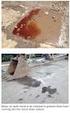 ACTIVITY NAME Training Requirements for Spill Prevention Control and Countermeasures (SPCC) 40 CFR Part 112 Naval Air Station Corpus Christi Texas CY 2014 BOTTOM LINE UP FRONT To prevent oil discharges
Pollution Prevention And Best Management Practices For Dry Cleaners Operating In Broward County
 FORWARD In 1991, the Broward County Environmental Protection and Growth Management Department, who was then known as the Department of Natural Resource Protection (DNRP), initiated the development of Pollution
Green Seal Best Practices Guide for Fleet Vehicle Maintenance Operations
 Green Seal Best Practices Guide for Fleet Vehicle Maintenance Operations June 4, 1996 Green Seal, Inc. 1001 Connecticut Ave. NW, Ste 872 Washington, DC USA 20036-5525 (202) 872-6400 FAX (202) 872-4324
Waste Hazardous? Why?
 Doc. No. 801 Hazardous Waste M anagement Auto body shops typically generate several kinds of potentially hazardous waste, including waste solvent and coatings, contaminated rags, wipes, and absorbents,
APPENDIX G Materials Storage and Handling Guidelines
 APPENDIX G Materials Storage and Handling Guidelines 1.0 INTRODUCTION Operations at Austin-Bergstrom International Airport (ABIA) comprise several different industrial activities including aircraft, ground
FOOD SERVICE FACILITIES Best Management Practices Stormwater Management Program City of Bluff City P.O. Box 70, Bluff City, TN 37618 423-538-7144
 FOOD SERVICE FACILITIES Best Management Practices Stormwater Management Program City of Bluff City P.O. Box 70, Bluff City, TN 37618 423-538-7144 This document may be printed and used for reference by
FUELING AND FUEL STORAGE
 FUELING AND FUEL STORAGE BENCHMARK Implement spill prevention measures whenever fuel is handled or stored. Report, minimize, contain and clean up spills that do occur. FUELING BMPS Spills of diesel, oil,
Good Housekeeping Practices for DPW/Fleet Maintenance Facilities
 Good Housekeeping Practices for DPW/Fleet Maintenance Facilities Kevin P. Walker C&S Engineers, Inc. Best Management Practices Best Management Practices (BMPs) are measures and/or controls used to prevent
How Your Business Can Prevent Stormwater Pollution
 Tips for a Cleaner Bay How Your Business Can Prevent Stormwater Pollution alameda county You Can Prevent Water Pollution! Storm drains flow directly into creeks and the Bay without any treatment. Because
Outdoor Storage of Raw Materials SC-33
 Objectives Cover Contain Educate Reduce/Minimize Description Raw materials, by-products, finished products, containers, and material storage areas exposed to rain and/or runoff can pollute stormwater.
FLORIDA HAZARDOUS WASTE MANAGEMENT REGULATIONS THAT DIFFER FROM FEDERAL REQUIREMENTS
 FLORIDA HAZARDOUS WASTE MANAGEMENT REGULATIONS THAT DIFFER FROM FEDERAL REQUIREMENTS Chapter 1: Introduction General Notes Lead Agency: Florida Department of Environmental Protection (DEP) Division of
Spill Control Prevention Plan (SCPP)
 Spill Control Prevention Plan (SCPP) FACILITY INFORMATION PLEASE PRINT Facility Name: Mailing Address: Physical address if different: Owner Name: Owner Address: Primary Contact Name: Work Phone Number:
Best Management Practices
 for The City of Paso Robles is required to implement a Phase II Municipal Water Program in order to reduce or eliminate the pollutants that enter our waterways from both storm water and non-storm water
DRAFT Guidelines for Manually Diverting Outdoor Wastewater to the Sanitary Sewer
 Only RAIN down the Storm Drain... DRAFT Guidelines for Manually Diverting Outdoor Wastewater to the Sanitary Sewer This publication applies to you if: You generate wastewater outdoors, and The wastewater
Extraction Oil and Gas, LLC. Diamond Valley Central Oil Terminal Waste Management Plan
 Extraction Oil and Gas, LLC. Diamond Valley Central Oil Terminal Waste Management Plan Scope: This Extraction Oil and Gas Waste Management Plan has been prepared to provide operations personnel at the
Waste Oil Collection / Storage
 ENVIRONMENTAL & REGULATORY SERVICES Storage Tank Regulation Section P. O. Box 7837 Madison, Wisconsin 53707-7837 TDD #: (608) 264-8777 http://www.commerce.state.wi.us http://www.wisconsin.gov Jim Doyle,
Stormwater BMPs: Secondary Containment and Spill Control. September 2012
 Stormwater BMPs: Secondary Containment and Spill Control September 2012 Secondary Containment Secondary Containment Helps to minimize the potential for pollution by: Keeping spills in a confined area Preventing
FACILITY ENVIRONMENTAL COMPLIANCE
 FACILITY ENVIRONMENTAL COMPLIANCE 2014 TxDOT Environmental Conference 2014 TxDOT Environmental Conference 2014 TxDOT Environmental Conference Table of Contents 1 Introduction 1 2 Facility Environmental
How To Prevent Over Water Activities
 Objectives Cover Contain Educate Reduce/Minimize Product Substitution Description Over-water activities occur at boat and ship repair yards, marinas, and yacht clubs. The discharge of pollutants to receiving
IC24. DISPOSAL OF WASTEWATER GENERATED BY MOBILE BUSINESSES AND OUTDOOR ACTIVITIES
 IC24. DISPOSAL OF WASTEWATER GENERATED BY MOBILE BUSINESSES AND OUTDOOR ACTIVITIES BEST MANAGEMENT PRACTICES (BMP) A BMP is a technique, measure, or structural control that is used for a given set of conditions
SOP 4: Spill Response and Cleanup Procedures SOP 4: SPILL RESPONSE AND CLEANUP PROCEDURES
 SOP 4: SPILL RESPONSE AND CLEANUP PROCEDURES Municipalities are responsible for any contaminant spill or release that occurs on property they own or operate. Particular areas of concern include any facilities
A SELF-EVALUATION CHECKLIST of BEST PRACTICES for AUTO REFINISH SHOPS and SCHOOLS
 A of BEST PRACTICES for AUTO REFINISH SHOPS and SCHOOLS www.epa.gov/dfe/pubs/projects/auto/ WHAT IS THE DESIGN FOR THE ENVIRONMENT (DFE) AUTO REFINISH PROJECT? The DfE Program has been working with the
History of the SPCC Rule
 2010 SPCC Training SPCC Rule History of the SPCC Rule The SPCC plan is a document required under the clean water act (CWA) It became effective in 1972 and has changed little in 32 years. The rule was formally
How To Safely Handle A Spill
 WD DWGB 22 6 2010 Best Management Practices for Fueling and Maintenance of Excavation and Earthmoving Equipment Env Wq 401, Best Management Practices for Groundwater Protection, applies to a variety of
Stormwater Ponds. c ıty of a bı le ne st or m wat e r utı lıty dıv ısı on
 CLEAN WATER FACT SHEET Stormwater Ponds c ıty of a bı le ne st or m wat e r utı lıty dıv ısı on Rapid growth in the City of Abil ene and consequent development, as well as construction of culverts, drains,
Civil Engineering Sector Labour-Management Health and Safety Committee
 PROCEDURE FOR THE STORAGE AND HANDLING OF FUEL ON CONSTRUCTION SITES Civil Engineering Sector Labour-Management Health and Safety Committee July 2008 PROCEDURE FOR THE STORAGE AND HANDLING OF FUEL ON CONSTRUCTION
7. Chemical Waste Disposal Procedures
 7. Chemical Waste Disposal Procedures Substances that Can and Cannot be Disposed of via Sink Drains or in Regular Solid Refuse Containers 1. It is prohibited to pour down a sink or floor drain, or place
Annual Storm Water Pollution Prevention Plan and Spill Prevention, Control and Countermeasures Plan Compliance Inspection
 Annual Storm Water Pollution Prevention Plan and Spill Prevention, Control and Countermeasures Plan Compliance Inspection September 22, 2014 Prepared By: Facilities Management Environmental Resources University
ENVIRONMENTAL GUIDANCE DOCUMENT
 NEBRASKA DEPARTMENT OF ENVIRONMENTAL QUALITY ENVIRONMENTAL GUIDANCE DOCUMENT 06-221 March 2006 MANAGEMENT TIPS FOR AUTOMOBILE & SCRAP METAL RECYCLER BUSINESSES These types of businesses are potentially
BP WIND ENERGY POLICIES AND PROCEDURES
 BP WIND ENERGY POLICIES AND PROCEDURES Document Control Details 1.0 Purpose/Scope 1.1 This procedure provides the minimum requirements to be followed for the storage of flammable or combustible materials
Policies and Procedures Manual Waste Management Plan Policy No. 06:04:00 Page 1 of 12
 Page 1 of 12 Revision Responsibility: Director of Facility Services and Safety Responsible Executive Officer: Vice President for Financial & Administrative Services Source / Reference: Tennessee Division
LOS ANGELES UNIFIED SCHOOL DISTRICT INDUSTRIAL WASTEWATER MANAGEMENT PROCEDURES
 LOS ANGELES UNIFIED SCHOOL DISTRICT INDUSTRIAL WASTEWATER MANAGEMENT PROCEDURES Office of Environmental Health and Safety 333 S. Beaudry Avenue, 20 th Floor Los Angeles, California 90017 (213) 241-3199
SUBJECT: Effective Date: Procedure Number: Contractor Environmental Management. 09/03/13 emp11 Procedures
 SUBJECT: Effective Date: Procedure Number: Contractor Environmental Management 09/03/13 emp11 Procedures APPLICABILITY/ACCOUNTABILITY: Supersedes: Page Of EMS Procedure-011 1 11 Responsible Authority:
Outdoor Liquid Container Storage
 Outdoor Liquid Container Storage SC-31 Objectives Cover Contain Educate Reduce/Minimize Description Accidental releases of materials from above ground liquid storage tanks, drums, and dumpsters present
SPILL RESPONSE PLAN. What is the Issue? Regulatory Requirements. General Information
 An equal opportunity university SPILL RESPONSE PLAN What is the Issue? Accidental spills of petroleum products, common household cleaning products, hazardous materials or hazardous waste, can have negative
ALLEGANY WIND POWER PROJECT CONSTRUCTION SPILL PREVENTION PLAN
 ALLEGANY WIND POWER PROJECT CONSTRUCTION SPILL PREVENTION PLAN Best Management Practices (BMPs) will be implemented during construction of the Allegany Wind Power Project to prevent and contain spills.
Cleaning. Wash vehicles over an indoor drain leading to an oil/water separator that flows to the sanitary sewer system.
 Underground Oil/Water Separator Cleaning Wash water from cleaning often contains solvents, detergents, and metals. Wash water should never be discharged to a street, gutter, or storm drain. Contact your
RULE 1102. DRY CLEANERS USING SOLVENT OTHER THAN PERCHLOROETHYLENE
 (Adopted January 6, 1978)(Amended August 3, 1979)(Amended July 11, 1980) (Amended August 3, 1990)(Amended December 7, 1990) (Amended November 17, 2000) RULE 1102. DRY CLEANERS USING SOLVENT OTHER THAN
Hazardous Waste Determination and Management Plan
 Hazardous Waste Determination and Management Plan Prepared By: Triumvirate Environmental Developed: November 2014 Updated: Program Approval Associate Vice President of Public Safety & Administrative Services
ENVIRONMENTAL HEALTH AND SAFETY HAZARDOUS MATERIALS MANAGEMENT PLAN
 ENVIRONMENTAL HEALTH AND SAFETY HAZARDOUS MATERIALS MANAGEMENT PLAN November 2011 University of Northern Colorado Hazardous Materials Management Plan I. General II. III. IV. Responsibilities Definition
WWW.STOPTHECLOG.COM WHY A FATS, OILS AND GREASE PROGRAM. Employee Food Service Establishment Information Sheet INTRODUCTION
 Employee Food Service Establishment Information Sheet WHY A FATS, OILS AND GREASE PROGRAM Fats, oils and grease (FOG) cause serious problems in the sewer system. FOG sticks to the walls of the pipes when
Waste and Cost Reduction Techniques for Small Parts Cleaners
 Waste and Cost Reduction Techniques for Small Parts Cleaners Edited by Ron Still Mechanical components typically need cleaning during repair and maintenance activities, and most maintenance shops use parts
SPILL PREVENTION AND RESPONSE PLAN TEMPLATE FOR BUSINESSES IN DAYTON S SOURCE WATER PROTECTION AREA
 SPILL PREVENTION AND RESPONSE PLAN TEMPLATE FOR BUSINESSES IN DAYTON S SOURCE WATER PROTECTION AREA Regulated Substance Management: All Regulated Substances, including chemical wastes, are to be managed
USC CFC Leak Repair and Recordkeeping Procedures
 USC CFC Leak Repair and Recordkeeping Procedures I. Introduction Chlorofluorocarbons (CFCs) released into the atmosphere can damage the ozone layer that protects the earth from the penetration of harmful
Spill Prevention, Control and Countermeasure (SPCC) Rule
 Spill Prevention, Control and Countermeasure (SPCC) Rule Code of Federal Regulations Title 40 CFR Part 112 Training Guide for Oil and Fuel handlers on Farms 1 Purpose of SPCC Rule To prevent oil discharges
Best Environmental Management Practices
 Save money and prevent costly utility increases by protecting our environment and our Publicly Owned Treatment Works. Read this pamphlet to find out how. Vehicle Service Facility Best Environmental Management
SPILL CONTAINMENT AND CONTROL PLAN
 SPILL CONTAINMENT AND CONTROL PLAN PUD NO. 1 TREATMENT PLANT 1257 GLASS ROAD PORT ANGELES, WASHINGTON PUD No. 1 Treatment Plant 2431 East Highway 101 P.O. Box 1090 Port Angeles, WA 98362 Facility Description:
Chapter 5: Spills Response
 Chapter 5: Spills Response When printing materials are spilled, the response required by the owner or operator depends on what is spilled and the quantity. The entities who must be informed of a spill
PREVENTING GROUNDWATER POLLUTION: SECONDARY CONTAINMENT
 PREVENTING GROUNDWATER POLLUTION: SECONDARY CONTAINMENT PREVENTING GROUNDWATER POLLUTION IS EVERYONE S JOB! Even if our drinking water comes from rivers, lakes, or reservoirs, we need to be mindful of
Tips from the Help Desk
 Tips from the Help Desk Questions & Answers from the Source Registration (SR) Help Desk for some common problems and unusual situations Contents CTRL+Click the questions below to go to the answers. Tips
Managing Automotive Repair And Body Shop Wastes
 Managing Automotive Repair And Body Shop Wastes For Assistance and More Information Your company may generate other hazardous wastes beyond the examples mentioned within this Booklet. It is your responsibility
BEST MANAGEMENT PRACTICES (BMPs)... What are They? GOOD HOUSEKEEPING PRACTICES Your Business Should Employ
 BEST MANAGEMENT PRACTICES (BMPs)... What are They? CLEAN STREETS MEAN CLEAN STREAMS Inexpensive to implement and easy to use, BMPs help you to do your share to protect the environment. The term Best Management
Michigan Dry Cleaning Environmental Compliance Workbook
 Michigan Dry Cleaning Environmental Compliance Workbook Michigan Department of Environmental Quality Environmental Science and Services Division Clean Air Assistance Program Jennifer M. Granholm, Governor
City of San Diego Urban Runoff Management Program. Appendix XI. Minimum BMPs for Mobile Businesses
 City of San Diego Urban Runoff Management Program This Page Left Intentionally Blank. Minimum Best Management Practices (BMPs) for Mobile Businesses No. BMP Title Description and Examples Justification
YOUR GUIDE TO PRACTICAL METHODS THAT PROTECT
 POLLUTION PREVENTION PRACTICES FOR SURFACE CLEANING YOUR GUIDE TO PRACTICAL METHODS THAT PROTECT OUR LOCAL CREEKS, RIVERS, LAKES, AND THE SAN FRANCISCO BAY. DECEMBER 2004 CREATED BY THE NAPA-SOLANO-SONOMA
Identifying Your Hazardous Waste
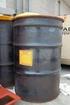 Division of Materials and Waste Management August 2015 Identifying Your Hazardous Waste As a business owner, it is important to know if you generate hazardous waste. Under Ohio EPA s rules, all wastes
Best Management Practice (BMP) Guidance Document
 Best Management Practice (BMP) Guidance Document 2010 Best Management Practice Guidance Document Table of Contents Elimination of Non-Allowable Storm Water Discharges... BMP 1 Allowable Non-Storm Water
Michigan Department of Environmental Quality Environmental Assistance Program Michigan Auto Body Environmental Compliance Workbook
 Michigan Department of Environmental Quality Environmental Assistance Program Michigan Auto Body Environmental Compliance Workbook Jennifer Granholm, Governor Steven E. Chester, Director Michigan Department
Be a part of the Team! Keep the Bay CLEAN!
 Be a part of the Team! Keep the Bay CLEAN! Water Quality Protection Guidelines for Food Handling Facilities Regional Water Quality Control Plant Operated by the City of Palo Alto for the communities of
Best Management Practices for Mercury Waste Management in Dental Offices
 Best Management Practices for Mercury Waste Management in Dental Offices Mercury Waste Best Management Practices (BMPs) for Dental Facilities are designed to comply with environmental regulations, prevent
A Guide to Hazardous Substance Storage Capacity
 New Jersey Department of Environmental Protection Bureau of Release Prevention A Guide to Hazardous Substance Storage Capacity August 7, 2014 Introduction The Spill Compensation and Control Act (the Spill
Hazardous Waste Accumulation, Storage, & Labeling
 Nadine Deak, Kalamazoo District Office 269-567-3592 or [email protected] Jenny Bennett, Gaylord District Office 989-705-2421 or [email protected] Hazardous Waste Accumulation, Storage, & Labeling
Hazardous Waste Compliance Awareness For Faculty and Staff
 Hazardous Waste Compliance Awareness For Faculty and Staff Important information for campus employees generating, handling or storing hazardous waste I. Hazardous Waste A. Materials being used for their
2006 Standard Application Processing Time. 10 months. 14 months
 Air and Radiation Management Administration General Permit to Construct - without expanded public review Air Quality Permit to Construct - with expanded public review but limited public interest 11 months
Pollution From Surface Cleaning. Flat work Sidewalks Plazas Building exteriors Parking areas Drive-throughs
 Pollution From Surface Cleaning Flat work Sidewalks Plazas Building exteriors Parking areas Drive-throughs Pollution From Surface Cleaning It harms the environment... In most parts of the San Francisco
A Guide on Hazardous Waste Management for Florida s. Auto Repair and Paint and Body Shops
 A Guide on Hazardous Waste Management for Florida s Auto Repair and Paint and Body Shops Published by: Florida Department of Environmental Protection (FDEP) Bureau of Solid and Hazardous Waste Hazardous
Improper storage of potential pollutants will increase the risk of water pollution that may occur because of spills.
 WQ-3 Best Management Practice (BMP) Water Quality Protection Guideline Secondary Containment Design and Operation Standards Section 1. Introduction According to the EPA, the majority of water pollution
MAINE DEPARTMENT OF ENVIRONMENTAL PROTECTION
 Oxford Hills Bus Garage 36 Brown St, Norway, ME Oil Storage Inspection 2/20/14 CONDITIONS OBSERVED Underground Oil Storage: 12,000 gallon underground oil storage tank (split 10,000 gallon diesel/2,000
Birmingham City University / Students Union Aspects and Impacts Register. Waste. Impacts description
 Birmingham City University / Students Union and Impacts Register Waste Production of non - hazardous waste Production of hazardous waste Storage of non - hazardous waste Potential for waste to be disposed
Toxic Release Inventory (TRI) Reporting (SARA Title III Section 313)
 Toxic Release Inventory (TRI) Reporting (SARA Title III Section 313) Precision Machined Products Association May 2012 TRI Reporting What is it? Part of the Community Right to Know regulations; An inventory
Laws Requiring Pollution Prevention Practices
 Laws Requiring Pollution Prevention Practices Stormwater/urban runoff is being addressed as a result of the 1987 amendments to the Federal Clean Water Act [Section 402(p)], which established requirements
UNIVERSITY OF WISCONSIN MADISON
 UNIVERSITY OF WISCONSIN MADISON Contractor Spill Contingency Plan (while working on campus) Departments of: Environment, Health & Safety Physical Plant Table of Contents Spill Contingency Plan Most Common
Plain English Guide for the Dry Cleaners Step By Step Approach to Understanding Federal Environmental Regulations
 LOCAL DRY CLEANING SHOP Plain English Guide for the Dry Cleaners Step By Step Approach to Understanding Federal Environmental Regulations LOCAL DRY CLEANING SHOP Table of Contents I. Part I: Summary of
Notes. Material 1. Appropriate Flammable Liquids
 29 CFR 1910.106 Flammable Materials Flammable Liquids Preparation 1. Read Applicable Background information and related Company Policy Chapter. 2. Make Copies of this Lesson Plan for Personnel 3. Make
BUSINESS INSPECTION PROGRAM
 RESOURCES FOR ENVIRONMENTAL HELP BUSINESS INSPECTION PROGRAM How can I help keep our waters clean and healthy? Educate your staff about common surface water pollution sources (spills, leaky containers
NEW JERSEY SMALL BUSINESS ENVIRONMENTAL ASSISTANCE PROGRAM
 NEW JERSEY SMALL BUSINESS ENVIRONMENTAL ASSISTANCE PROGRAM Helping New Jersey s small businesses understand the complex world of environmental regulation Pollution Prevention Practical Solutions Practical