
VIDEOFLUOROSCOPIC SWALLOWING EXAM
|
|
|
- Mervin Murphy
- 10 years ago
- Views:
Transcription
1 VIDEOFLUOROSCOPIC SWALLOWING EXAM INDENTIFYING INFORMATION May include the following: Name, ID/Medical record number, Date of birth, Date of exam, Referred by, Reason for referral HISTORY/SUBJECTIVE INFORMATION Medical History May include the following, as appropriate: Medical diagnosis, gestational age, post conceptual age, delivery method, Appearance, Pulse, Grimace, Activity, Respiration scores (APGARs), birth weight, respiratory history (to include presence or history of tracheostomy, mechanical ventilation, any history of apnea, history of aspiration/pneumonia, asthma/wheezing), gastrointestinal history, surgical history, previous hospitalizations, medications, medical specialists currently following patient, developmental history (to include apparent/estimated communication status, persistent reflexes), ear infections, vision and hearing (normal/abnormal) Feeding History Should include the following: Current feeding method (i.e., breast/bottle/cup/tube), medical team s concerns for feeding, parents /caregivers concerns, presence of coughing/choking/gagging/congestion during or after feeding, vomiting, excessive drooling, noisy breathing, irregular respiration, weight loss or difficulty with weight gain, poor endurance or fatigue, limited intake, difficulty latching, oxygen desaturation/other signs of stress including high irritability associated with feeding, color changes, and/or panicked look on face, feeding schedule, time taken to complete a feeding, current diet, any difficulties experienced when learning to eat table foods, specific food likes/dislikes Results of Previous VFSS May include recommendation for change in liquids to thin, nectar thick, honey thick, and so forth. Results of Previous Observations/Bedside Clinical Examinations May include responses to environmental and/or tactile inputs, assessment of primitive reflexes, oral structures, voice quality TESTS ADMINISTERED For today s study, patient was given (list all consistencies tested, including liquids, semisolids, and solids) via (list what combinations of bottles and nipples, cups, spoons, straws, oral syringe, other modalities were attempted). Patient was viewed sitting semi-upright/upright in the lateral/anterior-posterior view positioned in (dysphagia chair/wheelchair/other pediatric seats,

2 etc.). Patient s caregiver (was/was not) present throughout today s exam, and he or she (served/did not serve) as the feeder during today s exam. Barriers to learning (were/were not) identified. Staff radiologist (was/was not) present throughout today s exam. Patient (was/was not) in pain, and patient earned a score of _ out of _ on the pain scale. Parent/caregiver goal was ( / not reported due to their absence at the time of the exam). Oral Tests Modality of administration (cup/spoon/straw/other [if other, list]) Viscosity of test consistency (List each time there is a change in either modality or viscosity.) Fluid expression good fair poor Total volume consumed in specific amount of time (e.g., patient consumed 15 cc in 45 seconds ) Anterior loss: Present Not present Endurance: Patient took total volume of (list consistencies tested, i.e. thin, nectar, etc ) in amount of time (list time for each) with signs of stress (list specific stress sign) or no signs of stress. Adequate intra-oral bolus containment before the swallow: Yes No If no, list location of bolus material in the pharynx before the swallow (hypopharynx, pyriform sinuses, etc.) Amount consumed: of ml in min Heart rate Respiratory rate O 2 sats Tongue movement: Coordinated Uncoordinated Additional observations: Compensatory strategies designed to improve oral phase functioning and patient s responses to those strategies (e.g., change in modality, positioning, external pacing, etc.) Oral transit times were (within functional limits/prolonged) (list oral transit times, if available). Pharyngeal Tests Initiation of swallow: [ ] Prompt

3 [ ] Mild delay [ ] Moderate delay [ ] Severe delay [ ] Absent Based on pharyngeal transit times; report pharyngeal delayed time, when available. Laryngeal penetration noted and reason for penetration: [ ] Before swallow [ ] During swallow [ ] After swallow Report if penetrated material was cleared from the laryngeal vestibule with swallow completion or if it remained in the laryngeal vestibule after swallow completion. Aspiration noted, and reason for aspiration: [ ] Before swallow [ ] During swallow [ ] After swallow Report if patient coughed in response to aspirated material and if aspirated material was cleared from subglottic region with cough/swallow completion. Estimated severity of aspiration: [ ] Trace [ ] Mild [ ] Moderate [ ] Severe Nasopharyngeal backflow and reason for nasopharyngeal backflow Also report patient reaction to backflow and if it cleared with additional swallows. Presence of residual material If yes, list site of residual material. Also list reason for residual material and if it was cleared with additional swallows. The following compensatory measures were introduced to (list reason for introduction; e.g., liquids thickened to a nectar consistency were administered to increase sensory stimulation ) in an attempt to improve swallowing function.

4 Note: The previous information (e.g., initiation of swallow, presence of laryngeal penetration, aspiration, and/or nasopharyngeal backflow) should be included for each strategy attempted, which allows the clinician to objectively report on patient s response to compensatory strategies. Pharyngeal transit times were (within functional limits/prolonged) (list pharyngeal transit times, when available). Esophageal Phase Backflow observed? Other observations: IMPRESSION Clinical impression is (mild/moderate/severe/profound) (oral/pharyngeal/oropharyngeal) dysphagia characterized by (list specific impairment; e.g., reduced lingual control, delayed initiation of pharyngeal response, etc.) that resulted in (list specific symptoms observed such as spillover before the swallow, laryngeal penetration, aspiration, etc.). Note: If patient presents with normal swallow function, a statement such as the following may be appropriate: Clinical impression is oropharyngeal swallowing response that is within functional limits to support oral feeding. PROGNOSIS Prognosis is (good/fair/poor) for safe and adequate oral intake based on the results of today s exam and the medical history reported. (Note: It may be appropriate to have two prognosis statements one for adequate oral intake and one for safe oral intake if the prognosis is different for each one.) RECOMMENDATIONS [ ] Continue oral feedings with no changes [ ] Continue oral feedings with the following modifications: Liquids: thin nectar thick honey thick other: Feeding schedule modifications/recommendations Recommendations for feeding strategies [ ] Discontinue oral feeding with placement of alternative method of nutritional intake Feeding/swallowing therapy recommended? (Frequency: Duration: )

5 Other Recommended Referrals: [ ] Dietetics [ ] Gastroenterology [ ] Neurology [ ] Otolaryngology [ ] Pulmonology [ ] Other Follow-Up MBS? Recommended Date for Repeat MBS? If yes: Caregiver Education [ ] Described results of evaluation [ ] Family/caregivers expressed understanding of evaluation and agreement with goals and treatment plan [ ] Family/caregivers expressed understanding of safety precautions/feeding recommendations [ ] Family/caregivers require further education Treatment Plan Discuss long-term goals. Discuss short-term goals.
![If yes: Caregiver Education [ ] Described results of evaluation [ ] Family/caregivers expressed understanding of evaluation and](/docs-images/54/10190490/images/page_5.jpg "agreement with goals and treatment plan [ ] Family/caregivers expressed understanding of safety precautions/feeding recommendations [ ]")
Case Study of Dysphagia and Aspiration Following a Brain Stem Stroke
 Case Study of Dysphagia and Aspiration Following a Brain Stem Stroke 41 Case Study of Dysphagia and Aspiration Following a Brain Stem Stroke Dysphagia and aspiration are fairly common sequelae of stroke,
Care of Gastrostomy Tubes for Adults with IDD in Community Settings: The Nurse s Role. Lillian Khalil, BSN, RN Volunteers of America, Chesapeake
 Care of Gastrostomy Tubes for Adults with IDD in Community Settings: The Nurse s Role Lillian Khalil, BSN, RN Volunteers of America, Chesapeake Objectives The participants will be able to identify the
Importance of Integrating Stroke Rehabilitation Across the Continuum of Care
 Importance of Integrating Stroke Rehabilitation Across the Continuum of Care Dori Tooke, MHA, PT, CSCS Manager-Inpatient Rehab Program St. Luke s Medical Center Milwaukee, WI Disclosure Nothing to disclose
a guide to understanding pierre robin sequence
 a guide to understanding pierre robin sequence a publication of children s craniofacial association a guide to understanding pierre robin sequence this parent s guide to Pierre Robin Sequence is designed
PT, OT, and SLP Services and the International Classification of Functioning, Disability, and Health (ICF) Mapping Therapy Goals to the ICF
 PT, OT, and SLP Services and the International Classification of Functioning, Disability, and Health (ICF) Mapping Therapy Goals to the ICF Disclaimer Contents of this presentation are for educational
Multiple Sclerosis (MS)
 Multiple Sclerosis (MS) Purpose/Goal: Care partners will have an understanding of Multiple Sclerosis and will demonstrate safety and promote independence while providing care to the client with MS. Introduction
Dysphagia: What Your Speech Language Pathologist Wants You to Know
 Online Continuing Education for Nurses Linking Learning to Performance I NSIDE T HIS C OURSE: Course Outline... 2 A&P of the Normal Swallow... 3 Symptoms of... 4 Speech-Language Pathologist... 5 Role of
SUBSTANCE USE DISORDER SOCIAL DETOXIFICATION SERVICES [ASAM LEVEL III.2-D]
![SUBSTANCE USE DISORDER SOCIAL DETOXIFICATION SERVICES [ASAM LEVEL III.2-D]](/thumbs/27/9667060.jpg "SUBSTANCE USE DISORDER SOCIAL DETOXIFICATION SERVICES [ASAM LEVEL III.2-D]") SUBSTANCE USE DISORDER SOCIAL DETOXIFICATION SERVICES [ASAM LEVEL III.2-D] I. Definitions: Detoxification is the process of interrupting the momentum of compulsive drug and/or alcohol use in an individual
SUBSTANCE USE DISORDER SOCIAL DETOXIFICATION SERVICES [ASAM LEVEL III.2-D] I. Definitions: Detoxification is the process of interrupting the momentum of compulsive drug and/or alcohol use in an individual
a guide to understanding moebius syndrome a publication of children s craniofacial association
 a guide to understanding moebius syndrome a publication of children s craniofacial association a guide to understanding moebius syndrome this parent s guide to Moebius syndrome is designed to answer questions
SPEECH AND LANGUAGE CASE HISTORY FORM PLEASE ATTACH A RECENT PHOTO OF YOUR CHILD HERE IDENTIFYING INFORMATION
 SPEECH AND LANGUAGE CASE HISTORY FORM Date Person filling out this questionnaire Relationship to child PLEASE ATTACH A RECENT PHOTO OF YOUR CHILD HERE IDENTIFYING INFORMATION Name of child Nickname Date
Rehabilitation Integrated Transition Tracking System (RITTS)
 Rehab Criteria The patient must have a physical impairment requiring rehabilitation OR have a known cognitive impairment requiring ongoing rehabilitation support or services. The patient is medically stable:
Standard of Care: Neonatal Intensive Care Unit (NICU) Physical and Occupational Therapy Management of the high risk infant.
 BRIGHAM & WOMEN S HOSPITAL Department of Rehabilitation Services Standard of Care: Neonatal Intensive Care Unit (NICU) Case Type / Diagnosis: The high-risk infant is defined as the baby with any event
Management of dysphagia in MS
 Management of dysphagia in MS Marta Renom Speech and Language Therapist CEM-CAT (UNeR) Barcelona Introduction M A N A G E M E N T Assessment Treatment Take-home messages INTRODUCTION Normal swallowing
Speech and Language Questionnaire for Children: Ages 0-3
 Speech and Language Questionnaire for Children: Ages 0-3 Child s Name: Date of Birth: Name of Person Completing this Form: Relationship to Child: Today s Date: Whom should we thank for referring you to
NPO until Dysphagia Screen
 NPO until Dysphagia Screen Nancy B. Swigert, M.A., CCC/SLP, BRS-S Speech-Language Pathologist Board Recognized Specialist in Swallowing and Swallowing Disorders Director Speech-Language Pathology & Respiratory
Information for people being discharged with a naso-gastric (NG) feeding tube
 Information for people being discharged with a naso-gastric (NG) feeding tube The aim of this leaflet is to provide patients with the relevant information for the use of a nasogastric tube. It will include:
Video Fluoroscopic Swallowing Exam (VFSE)
 Scan for mobile link. Video Fluoroscopic Swallowing Exam (VFSE) A video fluoroscopic swallowing exam (VFSE) uses a form of real-time x-ray called fluoroscopy to evaluate a patient s ability to swallow
NEURO-OPHTHALMIC QUESTIONNAIRE NAME: AGE: DATE OF EXAM: CHART #: (Office Use Only)
 PAGE 1 NEURO-OPHTHALMIC QUESTIONNAIRE NAME: AGE: DATE OF EXAM: CHART #: (Office Use Only) 1. What is the main problem that you are having? (If additional space is required, please use the back of this
Speech and Voice Disorders in Parkinson s Disease
 Speech and Voice Disorders in Parkinson s Disease Matt McKeon M.S. CCC-SLP Lead Speech-Language-Pathologist Parkinson care team lead The Virginian CCRC and outpatient clinic March 28, 2015 Numbers for
Guidelines for Medical Necessity Determination for Speech and Language Therapy
 Guidelines for Medical Necessity Determination for Speech and Language Therapy These Guidelines for Medical Necessity Determination (Guidelines) identify the clinical information MassHealth needs to determine
Early Intervention Service Procedure Codes, Limits and Rates
 BABIES INFORMATION AND BILLING SYSTEM Early Intervention Service Procedure Codes, Limits and Rates Georgia Department of Public Health Office of Maternal and Child Health Children and Youth with Special
Clinical Medical Policy Outpatient Rehab Therapies (PT & OT) for Members With Special Needs
 Benefit Coverage Rehabilitative services, (PT, OT,) are covered for members with neurodevelopmental disorders when recommended by a medical provider to address a specific condition, deficit, or dysfunction,
G E R D. (Gastroesophageal Reflux Disease)
 G E R D (Gastroesophageal Reflux Disease) What is GERD? Gastroesophageal reflux disease (GERD) is a disorder caused by gastric acid flowing from the stomach into the esophagus. What are the symptoms of
Who am I? 5/20/2014. Name: Michaela A. Medved. Credentials: MA, TSSLD, CCC SLP. Certifications: LSVT
 Interventions for Treatment of Respiratory Issues in Rehab Michaela A. Medved, MA, TSSLD, CCC SLP Speech Language Pathologist Director of Patient Care Services, Aspire Center for Health and Wellness Who
Fainting - Syncope. This reference summary explains fainting. It discusses the causes and treatment options for the condition.
 Fainting - Syncope Introduction Fainting, also known as syncope, is a temporary loss of consciousness. It is caused by a drop in blood flow to the brain. You may feel dizzy, lightheaded or nauseous before
CH CONSCIOUS SEDATION
 Summary: CH CONSCIOUS SEDATION It is the policy of Carondelet Health that moderate conscious sedation of patients will be undertaken with appropriate evaluation and monitoring. Effective Date: 9/4/04 Revision
Blood Glucose Management
 Blood Glucose Management What Influences Blood Sugar Levels? There are three main things that influence your blood sugar: Nutrition Exercise Medication What Influences Blood Sugar Levels? NUTRITION 4 Meal
NEW YORK STATE MEDICAID PROGRAM REHABILITATION SERVICES POLICY GUIDELINES
 NEW YORK STATE MEDICAID PROGRAM REHABILITATION SERVICES POLICY GUIDELINES Version 2015-1 Page 1 of 11 Table of Contents SECTION I REQUIREMENTS FOR PARTICIPATION IN MEDICAID 3 QUALIFIED PRACTITIONERS. 3
User s Guide to Pediatric Feeding Templates
 User s Guide to Pediatric Feeding Templates The pediatric feeding history and clinical assessment electronic medical record (EMR) templates are consensus based and are provided as a resource for members
INDIVIDUAL FAMILY SERVICE PLAN (IFSP)
 INDIVIDUAL FAMILY SERVICE PLAN (IFSP) Check here if this is an Interim IFSP Resident District: IFSP Meeting Date: IDENTIFYING INFORMATION MARSS ID #: Gender: M F Date of Birth: / / School: Providing District
Cerebral Palsy. 1995-2014, The Patient Education Institute, Inc. www.x-plain.com nr200105 Last reviewed: 06/17/2014 1
 Cerebral Palsy Introduction Cerebral palsy, or CP, can cause serious neurological symptoms in children. Thousands of children are diagnosed with cerebral palsy every year. This reference summary explains
Obstetrical Emergencies
 Date: July 18, 2014 Page 1 of 5 Obstetrical Emergencies Purpose: To provide the process for the assessment and management of the patient with an obstetrical related emergency. Pre-Medical Control 1. Follow
BABIES BORN TO ADDICTED MOTHERS
 BABIES BORN TO ADDICTED MOTHERS PATRICA M. MESSERLE LICENSED CLINICAL PSYCHOLOGIST, M.A., ABSNP LICENSED SCHOOL PSYCHOLOGIST DIPLOMATE OF THE AMERICAN BOARD OF SCHOOL- NEUROPSYCHOLOGY 1 Signs and Symptoms
Cerebral Palsy. In order to function, the brain needs a continuous supply of oxygen.
 Cerebral Palsy Introduction Cerebral palsy, or CP, can cause serious neurological symptoms in children. Up to 5000 children in the United States are diagnosed with cerebral palsy every year. This reference
LESSON 4 ORAL, NASOPHARYNGEAL, AND NASOTRACHEAL SUCTIONING.
 LESSON 4 ORAL, NASOPHARYNGEAL, AND NASOTRACHEAL SUCTIONING. 4-1. SUCTIONING a. Suctioning is a common nursing activity performed for the purpose of removing accumulated secretions from the patient's nose,
Categories of Exceptionality and Definitions
 7. CATEGORIES and DEFINITIONS of EXCEPTIONALITIES Purpose of the standard To provide the ministry with details of the categories and definitions of exceptionalities available to the public, including parents
MULTIDISCIPLINARY PEDIATRIC FEEDING PROGRAM SCREENING QUESTIONNAIRE QUESTIONNAIRE PAGE OF
 Today s Date: MULTIDISCIPLINARY PEDIATRIC FEEDING PROGRAM BACKGROUND INFORMATION 1. Child s 2. Date of Birth: / / 3. Gender: Male Female 4. Parent/Guardian(s) Name(s): 5. Marital Status: Married Single
T- 09 Up Up and Away with Mediocre Therapy Documentation
 T- 09 Up Up and Away with Mediocre Therapy Documentation Carol Ashdown M. A. CCC-SLP RAC-CT CHC Carol Ashdown is a Regional Vice President of Consulting for Exponential Consulting Services specializing
Pulmonary Rehabilitation. Steve Crogan RRT Pulmonary Rehabilitation, University of Washington Medical Center Seattle, Washington 10/13/07
 Pulmonary Rehabilitation Steve Crogan RRT Pulmonary Rehabilitation, University of Washington Medical Seattle, Washington 10/13/07 Pulmonary Rehabilitation Created in the 1970 s Initially intended for COPD
The Arbor School of Central Florida Medical/Emergency Information Please Print
 Student's Name: Student s Date of Birth: Student's Address: Student's Home Phone: Primary Medical Diagnosis: The Arbor School of Central Florida Medical/Emergency Information Please Print Mothers Name:
Chemotherapy Side Effects Worksheet
 Page 1 of 6 Chemotherapy Side Effects Worksheet Medicines or drugs that destroy cancer cells are called cancer chemotherapy. It is sometimes the first choice for treating many cancers. Chemotherapy differs
Laryngeal Mask Airways (LMA), Indications and Use for the Pre-Hospital Provider. www.umke.org
 Laryngeal Mask Airways (LMA), Indications and Use for the Pre-Hospital Provider Objectives: Identify the indications, contraindications and side effects of LMA use. Identify the equipment necessary for
RESPIRATORY THERAPIST CLASSIFICATION SERIES
 STATE OF WISCONSIN CLASSIFICATION SPECIFICATION RESPIRATORY THERAPIST CLASSIFICATION SERIES Effective Date: June 16, 1985 Modified Effective: November 5, 2000 Modified Effective: May 6, 2001 I. INTRODUCTION
Neonatal Reference Guide
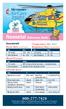 Operated by REACH Air Medical Services Assessment Heart Rate (beats/min.) Age Rate
Rehabilitation Nurses: Champions for Optimizing Stroke Rehabilitation Across the Continuum of Care
 Rehabilitation Nurses: Champions for Optimizing Stroke Rehabilitation Across the Continuum of Care Presenters Sandra Melchiorre RN, MN, ACNP, CNN (c) Regional Stroke Acute Care Advanced Practice Nurse,
Remove this cover sheet before redistributing and replace it with your own. Please ensure that DPHHS is included on your HAN distribution list.
 State of Montana Health Alert Network DPHHS HAN ADVISORY Cover Sheet DATE: May 15, 2012 SUBJECT: Pertussis INSTRUCTIONS: DISTRIBUTE to your local HAN contacts. This HAN is intended for general sharing
MAXIMIZING AND MAINTAINING INDEPENDENCE WITH COMMUNICATION AND SWALLOWING IN ADVANCED MS
 MAXIMIZING AND MAINTAINING INDEPENDENCE WITH COMMUNICATION AND SWALLOWING IN ADVANCED MS Alex Burnham, MS, CCC-SLP Rehabilitation Program Manager [email protected] The Boston Home CMSC 2014 Conference,
Deeper: geniohyoid, cricothyroid
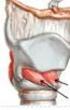 VitalStim Therapy ELECTRODE PLACEMENT WITH NECK MUSCLES Electrode Placements Placement 1 - All electrodes aligned vertically along midline - First electrode is placed well above hyoid bone - Second electrode
The MBSImP Guide. MBSImP Protocol
 The MBSImP Guide MBSImP Protocol Standardized Barium preparations and presentations are recommended (i.e., thin, nectar thick, honey thick, and pudding consistency). Compensatory postures and positioning
E-Stim for Dysphagia: Yes or No?
 E-Stim for Dysphagia: Yes or No? by Jennifer Carter & Ianessa A. Humbert SEE ALSO References (Carter) References (Humbert) In these articles, we hear from both sides on the controversial use of neuromuscular
Developmental Pediatrics of Central Jersey
 PATIENT INFORMATION: CLIENT INFORMATION Date: SS# Name: (Last) (First) (M.I.) Birthdate: Sex: Race: Address: City: State: Zip: Phone: (Home) (Work) (Cell) Which telephone number is preferred: ( ) Home
ISSUED BY: TITLE: ISSUED BY: TITLE: President
 CLINICAL PRACTICE GUIDELINE PROFESSIONAL PRACTICE TITLE: Stroke Care Rehabilitation Unit DATE OF ISSUE: 2005, 05 PAGE 1 OF 7 NUMBER: CPG 20-3 SUPERCEDES: New ISSUED BY: TITLE: Chief of Medical Staff ISSUED
NORTH DAKOTA NURSING FACILITY PAYMENT SYSTEM
 NORTH DAKOTA NURSING FACILITY PAYMENT SYSTEM North Dakota Department of Human Services Medical Services 600 E Boulevard Ave Dept 325 Bismarck ND 58505 BACKGROUND State law requires all nursing facilities
ROLE OF THE PARENT/LEGAL GUARDIAN IN THE ADMINISTRATION OF MEDICATION AT SCHOOL
 ROLE OF THE PARENT/LEGAL GUARDIAN IN THE ADMINISTRATION OF MEDICATION AT SCHOOL The parent/legal guardian who wishes medication to be administered at school to his/her child has the following responsibilities:
Seniors Health Services
 Leading the way in care for seniors Seniors Health Services Capital Health offers a variety of services to support seniors in communities across the region. The following list highlights programs and services
Neonatal Reference Guide
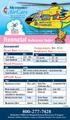 Operated by REACH Air Medical Services Assessment Heart Rate (beats/min.) Rate
Health Science Career Field Allied Health and Nursing Pathway (JM)
 Health Science Career Field Allied Health and Nursing Pathway (JM) ODE Courses Possible Sinclair Courses CTAG Courses for approved programs Health Science and Technology 1 st course in the Career Field
FAILURE TO THRIVE What Is Failure to Thrive?
 FAILURE TO THRIVE The first few years of life are a time when most children gain weight and grow much more rapidly than they will later on. Sometimes, however, babies and children don't meet expected standards
Full name DOB Age Address Email Phone numbers (H) (W) (C) Emergency contact Phone
 DEMOGRAPHIC INFORMATION Full name DOB Age Address Email Phone numbers (H) (W) (C) Emergency contact Phone CARE INFORMATION Primary care physician: Address Phone Fax Referring physician: Specialty Address
Pediatric Case Study OCCUPATIONAL THERAPY EVALUATION REPORT AND INTERVENTION PLAN. Setting: community out-patient in-patient home based
 I. BACKGROUND INFORMATION Pediatric Case Study OCCUPATIONAL THERAPY EVALUATION REPORT AND INTERVENTION PLAN Date of report: Date of onset: Date of birth: Client s name: Date of referral: Age on date of
Frequently Asked Questions Regarding the Use of Electrical Stimulation to Treat Feeding and Swallowing Disorders in the Pediatric Population
 Frequently Asked Questions Regarding the Use of Electrical Stimulation to Treat Feeding and Swallowing Disorders in the Pediatric Population This document was developed by the Pediatric Advisory Committee
A Note to Physical, Occupational and Speech Therapists
 D Page 1 of 5 A Note to Physical, Occupational and Speech Therapists Treating Children with Hurler Syndrome Because Hurler syndrome is such a rare disease, we have provided some basic information to assist
Documentation Requirements ADHD
 Documentation Requirements ADHD Attention Deficit Hyperactivity Disorder (ADHD) is considered a neurobiological disability that interferes with a person s ability to sustain attention, focus on a task
Neonatal Emergencies. Care of the Neonate. Care of the Neonate. Care of the Neonate. Student Objectives. Student Objectives continued.
 Student Objectives Neonatal Emergencies After completing this section the student will be able to: 1. Identify three physiologic and/or anatomic features unique to the newborn 2. List three perinatal factors
CLINICAL BEDSIDE SWALLOWING ASSESSMENT
 CLINICAL BEDSIDE SWALLOWING ASSESSMENT A. OBSERVATIONS: Patient Status and Abilities Is able to independently feed him/herself? Y N Is able to get out of bed? Y N Is able to ambulate independently? Y N
Learn the steps to identify pediatric muscle weakness and signs of neuromuscular disease.
 Learn the steps to identify pediatric muscle weakness and signs of neuromuscular disease. Guide for therapists/specialists Questions and comments to: [email protected] Surveillance and Referral
Feeding problems are complicated! And sometimes difficult to treat. Telability: Pediatric Feeding Therapy Using A Medical, Motor, & Behavior Approach
 Telability: Pediatric Feeding Therapy Using A Medical, Motor, & Behavior Approach Krisi Brackett MS SLP/CCC [email protected] What is a Feeding Problem? Developmentally, A feeding problem exists
External Radiation Side Effects Worksheet
 Page 1 of 6 External Radiation Side Effects Worksheet Radiation therapy uses special equipment to deliver high doses of radiation to cancerous tumors, killing or damaging them so they cannot grow, multiply,
Speech-Language Pathology Medical Review Guidelines. American Speech-Language-Hearing Association
 Speech-Language Pathology Medical Review Guidelines American Speech-Language-Hearing Association Speech-Language Pathology Medical Review Guidelines American Speech-Language-Hearing Association General
CHRONIC OBSTRUCTIVE PULMONARY DISEASE. Includes: Bronchitis (chronic and acute) Emphysema
 THE BASICS OF BREATHING: Assessment & Treatment Approaches for the Patient with COPD Jocelyn Alexander, MA CCC-SLP Director of Program Development Therapy Partners of Ohio LEARNER OBJECTIVES: Identify
DEVELOPMENTAL SPEECH AND LANGUAGE HISTORY
 DEVELOPMENTAL SPEECH AND LANGUAGE HISTORY Parents: This history may appear to be quite long. However, a number of the questions require checking off responses, which can be done quickly. This information
How To Care For A Patient With A Heart Condition
 Acute Care to Rehab & Complex Identify Referral Destination: Referral to Rehab Referral to Complex Continuing Care (CCC) If Faxed Include Number of Pages (Including Cover): Pages Estimated Date of Rehab/CCC
EXPECTATIONS OF PHYSICIANS INTENDING TO PRACTISE SLEEP MEDICINE CHANGING SCOPE OF PRACTICE PROCESS BACKGROUND
 EXPECTATIONS OF PHYSICIANS INTENDING TO PRACTISE SLEEP MEDICINE CHANGING SCOPE OF PRACTICE PROCESS BACKGROUND The College is gradually moving toward a system of performance measurement by focusing on a
A Sensory-Motor Approach to Feeding
 Unless otherwise noted, the publisher, which is the American Speech-Language- Hearing Association (ASHA), holds the copyright on all materials published in Perspectives on Swallowing and Swallowing Disorders
Anaphylaxis before and after the emergency
 Anaphylaxis before and after the emergency Mike Levin Paediatric Asthma and Allergy Division University of Cape Town Red Cross Hospital [email protected] http://www.scah.uct.ac.za/scah/clinicalservices/medical/allergy
Better Choices, Better Health
 PROGRAM BROCHURE Fall 2015 and Winter 2016 October 2015 March 2016 Education Classes Better Choices, Better Health Exercise Classes D isease-specific and general topics are offered in different formats
Many thanks to my sponsor:
 Oral Care for the Medically Complex Patient: From Intensive Care to Long-term Care Michigan Dental Association Lansing MI April 25, 2015 Cindy Kleiman RDH, BS Oral Care Consultant and Speaker Many thanks
What Medical Emergencies Should a Dental Office be Prepared to Handle?
 What Medical Emergencies Should a Dental Office be Prepared to Handle? Gary Cuttrell, DDS, JD, University of NM Division of Dental Services Santiago Macias, MD, First Choice Community Healthcare Dentists
Emory Eye Center New Patient Questionnaire
 Patient Name: Date: Current Address: Current Phone: Date of Birth: Primary Care Physician: Referring Physician: (First & Last Name) (First & Last Name) Pharmacy Name: Phone #: ( ) Please answer all questions
NURSING 500.105 Effective Date Title: 6/12 SCOPE OF PRACTICE FOR STUDENT NURSES AND NURSING ASSISTANTS
 XXX DAYTONA XXX _OCEANSIDE HEALTH CARE PARTNERS Department: Page 1 of 5 POLICY & PROCEDURE Policy Number NURSING 500.105 Effective Date Title: 6/12 SCOPE OF PRACTICE FOR STUDENT NURSES AND NURSING ASSISTANTS
Statistics of Type 2 Diabetes
 Statistics of Type 2 Diabetes Of the 17 million Americans with diabetes, 90 percent to 95 percent have type 2 diabetes. Of these, half are unaware they have the disease. People with type 2 diabetes often
75-09.1-08-02. Program criteria. A social detoxi cation program must provide:
 CHAPTER 75-09.1-08 SOCIAL DETOXIFICATION ASAM LEVEL III.2-D Section 75-09.1-08-01 De nitions 75-09.1-08-02 Program Criteria 75-09.1-08-03 Provider Criteria 75-09.1-08-04 Admission and Continued Stay Criteria
Target groups: Paramedics, nurses, respiratory therapists, physicians, and others who manage respiratory emergencies.
 Overview Estimated scenario time: 10 15 minutes Estimated debriefing time: 10 minutes Target groups: Paramedics, nurses, respiratory therapists, physicians, and others who manage respiratory emergencies.
SPEECH AND LANGUAGE EVALUATION CLIENT : RESP. PARTY : ADDRESS : INFORMANT : REFERRAL SOURCE : BIRTH DATE : EVALUATION DATE : PHONE : REPORT DATE :
 (Leave room for letterhead) SPEECH AND LANGUAGE EVALUATION CLIENT : RESP. PARTY : ADDRESS : INFORMANT : REFERRAL SOURCE : BIRTH DATE : EVALUATION DATE : PHONE : REPORT DATE : All pages following the letterhead
RESPIRATORY THERAPIST CLASSIFICATION SERIES
 STATE OF WISCONSIN CLASSIFICATION SPECIFICATION RESPIRATORY THERAPIST CLASSIFICATION SERIES Effective Date: June 16, 1985 Modified Effective: November 5, 2000 Modified Effective: May 6, 2001 Modified Effective:
The patient s response to therapy within the first hour in the Emergency Room is one of the most reliable ways to predict need for hospitalization.
 Emergency Room Asthma Management Algorithm The Emergency Room Asthma Management Algorithm is to be used for any patient seen in the Emergency Room with the diagnosis of asthma. (The initial history should
Physical, Occupational, Speech & Developmental Therapy
 Physical, Occupational, Speech & Developmental Therapy Let me begin by saying thank you for choosing Allied Therapy and Consulting Services as your child s therapy provider. We hope to make this a smooth
Urinary Incontinence Definitions
 (AADL) Program Urge Stress Overflow Functional Mixed DHIC (Detrussor hyperreflexia with impaired contractility) Reflex Incontinence Leakage of urine (usually larger volumes) because of inability to delay
VAD Chemotherapy Regimen for Multiple Myeloma Information for Patients
 VAD Chemotherapy Regimen for Multiple Myeloma Information for Patients The Regimen contains: V = vincristine (Oncovin ) A = Adriamycin (doxorubicin) D = Decadron (dexamethasone) How Is This Regimen Given?
COVER SHEET - CROUP PATHWAY
 COVER SHEET - CROUP PATHWAY 11/2011 Patients to include on pathway (Patients must be all of these): Patients 3 months to 6 years of age with moderate stridor and mild to moderate respiratory distress,
PATIENT HEALTH QUESTIONNAIRE Radiation Oncology (Patient Label)
 REVIEWED DATE / INITIALS SAFETY: Are you at risk for falls? Do you have a Pacemaker? Females; Is there a possibility you may be pregnant? ALLERGIES: Do you have any allergies to medications? If, please
Spinal Cord Injury Education. An Overview for Patients, Families, and Caregivers
 Spinal Cord Injury Education An Overview for Patients, Families, and Caregivers Spinal Cord Anatomy A major component of the Central Nervous System (CNS) It is 15 to 16 inches long, and weighs 1 to 2 ounces
Acute Care to Rehab and Complex Continuing Care (CCC) Referral
 (Identify Referral Destination) Rehabilitation Program Requested: CCC Program Requested: Restorative Medically Complex Medically Complex Ventilator Behavioural Health End of Life Medically Complex - Bariatric