
Binge Drinking: Motives and Expectations in the College Population
|
|
|
- Junior Turner
- 10 years ago
- Views:
Transcription
1 Binge Drinking: Motives and Expectations in the College Population R. Wade Wheeler Texas State University-San Marcos Introduction The complex and pervasive problems of alcohol abuse in the college population was first reported by Straus and Bacon (1953) well over 50 years ago. Since that time, a plethora of articles on the topic have appeared in the scientific literature (Walters and Bennett, 2000). Heavy episodic or binge drinking among college students has been identified as the number one threat to campus life (Syre et al., 1997). Media reports of alcohol related sexual assaults, personal injury and even death have alerted the public and their political representatives to the problem. Despite the best efforts of college administrators and health professionals to develop creative and comprehensive alcohol prevention programs, the problem persists. In fact, college students today are drinking more frequently and in greater amounts than ever before (The National Center on Addiction and Substance Abuse (CASA) at Columbia University, 2007). Alcohol prevention programs are simply not effective in reducing alcohol consumption on college campuses (Walters and Bennett, 2000). Binge Drinking Data from several surveys indicated that the vast majority of college students consume alcohol (Presley, Meilman, and Lyerla, 1994). College students drink more frequently and in greater numbers than their peers who do not attend college (Johnston et al., 1997). Defined as five consecutive drinks for men and four consecutive drinks for women within a two-week period, binge drinking occurs among 44% of college students (Weschler et al., 2002). These data have remained constant over time (Weschler et al., 1994). On average, college students consume 9.6 drinks per week (Engs, Diebold, and Hanson, 1996). Survey results show that 41% of males and 34 % of females consume alcohol at or above the binge drink threshold (White, Kraus, and Swatzwelder, 2006). A number of environmental and social factors have been identified as important influences on college students drinking behavior: the presence of a Greek system (Lo and Globetti, 1993); student involvement in athletics (Leichliter et al., 1998); students residence (on or off campus) (O Hare, 1990); the size of the institution (Presley et al., 1996); alcohol outlet density (Newman et al., 1991) and alcohol prices (Chaloupka, 1993). The excessive use of alcohol has been linked to a wide variety of negative consequences: alcoholrelated driving injuries and fatalities (Baer, Kivlahan, and Marlatt, 1995); unplanned sexual activity (Abby, 1991, 2002); physical injury, criminal mischief, property damage and trouble with law enforcement officers (Weschler et al., 1995); over 100 student deaths, 500,000 serious injuries, and 400,000 cases of unprotected sex (National Institute on Alcohol Abuse and Alcoholism, 2002). Because of its disinhibiting effects, alcohol abuse is also linked to aggressive behavior (Ito, Miller, and Pollock, 1996), and is associated with high incidence of date rape (Modestin et al., 1996). There is almost universal agreement among college administration and health professionals that alcohol abuse is the most widespread recreational drug used by college students, and that binge drinking is a major health problem (National Institute on Alcohol Abuse and Alcoholism, 1995). Faced with this problem, and with no immediate solution in sight, in the summer of 2008, 200 college presidents called on lawmakers to consider lowering the drinking age from 21 to 18 years. Their effort was referred to as

2 the Amethyst Initiative a proposal based on the assumption that the current policies and prohibitions against drinking may actually encourage students to binge drink. A search of the literature yields little evidence that lowering the drinking age will solve the binge drinking problem. There is considerable evidence that such action may exacerbate it. For example, high school students 18 years old and younger seem to be keeping pace with college peers in terms of alcohol consumption. According to the National Institute on Drug Abuse (2004), 62% of tenth graders and 72% of twelfth graders have used alcohol and 41% of tenth graders and 55% of twelfth graders have been drunk. In addition, 65% of college students who drink began drinking in high school (The National Center on Addiction and Substance Abuse at Columbia University, 2007) and according to Shinew and Parry (2005), only 13% of college students began drinking after entering college. Finally, lowering the drinking age appears antithetical to recent research on neurobiological development. The data suggested that cognitive functions, such as impulse control and decision making, are still developing into early adulthood (Fomito et al., 2004). During this critical period of development key regions of the young adult s brain is at risk due to the neurotoxic effects of excessive alcohol consumption. Clearly, a better alternative to lowering the drinking age is to increase research efforts designed to yield a better understanding of why so many students (even some of the brightest) engage in such irrational, risky, and self-destructive behavior. Factors Related to Binge Drinking In a search for answers to these questions, researchers have conducted studies on the motive and expectations underlying excessive drinking in the college population (Read et al., 2003). Some scholars have argued that college students simply don t see it as a problem (Broadbent, 1994), or possibly because students tend to identify hangovers as the most serious consequence of excessive drinking (Crundell, 1995). Still others suggest that students drink in order to attain valued outcomes or as a means of coping with stress (Cooper, 1994). Abbey et al. (1993) emphasize the satisfaction of social needs, while Berkowitz (1990) insists that peer influence is the most important factor leading to excessive drinking. According to Bosari and Carey (2001) there are three basic determinants of peer influence on student drinking: overt offers of alcohol, modeling and social norms (p. 391). Research on peer influence has shown that individuals who have friends who drink are more likely to begin drinking (Reifman et al., 1998), and that individuals who binge drink are likely to have friends who drink (Manski, 1995; Moffitt, 2001). As Duncan et al. (2005) point out: as long as individuals are free to choose their friends, it is possible that someone s substance abuse behavior or personal characteristics associated with substance abuse are affecting his or her choice of peer group (p. 376). Since most research on peer influence is correlational in nature, the question is: who is influencing whom? The College Culture The heaviest drinkers in the United States are young adults (Naimi et al., 2003). College students drink more frequently and in greater amounts than their peers who do not attend college (Johnston et al., 1997, Bennett, Miller, and Woodall, 1999). This is consistent with the notion that alcohol consumption is part of the culture of college life (Crundall, 1995) a so-called rite of passage into adulthood (Schulenberg et al., 1996). Cary (1995 indicates that the social context of the college environment has influence on the drinking patterns of students. According to Engs, Diebold, and Hanson (1996), Drinking is perceived as part of the college experience by most students (p. 28). Without question the college culture plays a role in student drinking, but some researchers may have exaggerated its effects. As Weitzman and Nelson (2004) report, While the heaviest drinkers are at greater risk for harm, they are relatively few and generate proportionally small amounts of all drinking harms (p. 247). This statement is supported by Weschler et al. (1999), who found that the top 17% of students in a large sample who drink heavily and frequently, consume 68% of the alcohol drunk by college students. Given these data and the degree of influence attributed to the college environment on students drinking patterns, one has to question why so many students who function in the same environment and are subject to the same pressures are able to curb their drinking. From an existential perspective, no

3 matter how many environmental factors impinge upon the students, ultimately it is the individual who makes the choice to drink or to decline. Motives and Expectations Both research and theory suggest that drinking motives can be subsumed under two general categories: drinking to socialize and drinking to relieve stress (Brennan et al., 1986). A distinction between drinking motives and alcohol expectancies is often made (Kuntsche et al., 2005, Oei and Morawska 2004). According to Baer (2002), Drinking motives refer to the need or psychological function that alcohol consumption fulfills while expectations relate to the use and risk associated with drinking (p. 45). Research by Brown (1985) showed that expectancies were better predictors of college students drinking than background or demographic variables. A study by Leigh and Stacey (1993) showed that positive expectancy on the part of students was a stronger predictor of rates of drinking than was negative expectancy. Students who drink for social reasons usually have positive expectations. They tend to associate alcohol consumption with fun, laughter, relaxation, feelings of euphoria, and sex. Research Methods In past research various instruments or questionnaires have been employed to determine the drinker s motives or expectations (Steward and Power, 2002). In other research strategies, students are simply asked to provide reasons for why they drink (Lo and Globetti, 2000) and subsequently assigned to various categories. Participants, 87% of which are enrolled in psychology classes, (Schultz and Schultz, 2006) are students who volunteer and are given extra credit for their participation. Motives and expectations are operationally defined by student responses. Because of the Likert type format used in most surveys (a statement or question followed by alternatives ranging from strongly agree to strongly disagree) this method may suggest responses not otherwise considered by the student. Closed questions found in most questionnaires generally yield less information than open-ended questions. A clear understanding of what motivates students to binge on alcohol requires insight into the biological, cognitive, emotional and social factors that influence the initiation, direction, intensity and persistence of such behavior (Green, Beatty, and Arkin, 1984). Surveys are quite limited in yielding measures of all these important aspects of motivation. In a recent review of the literature on drinking motives of young people Kuntsche et al. (2005) state that In most cases, decisions about drinking are even unconscious or automatized (p. 842). Support for this idea can be found in the social-psychological literature. As Baron, Byrne, and Branscombe (2006) have indicated: In fact, a growing theme of recent research in social psychology is this: In many cases we really don t know why we think or behave as we do in social contexts. On the contrary, our thoughts and actions are shaped by factors and processes of which we are only dimly aware at best, and often take place in an automatic manner without any conscious thought or intention on our part. (p. 17) Such an observation calls into question the validity of responses to self-report inventories. Are students truly aware of their drinking motives, and if so, will they provide truthful answers? Do their responses to survey questions reflect motives for drinking or justifications for drinking? As Sobel and Sobel (1993) have suggested, alcohol intoxication is socially acceptable as an excuse for engaging in certain otherwise inappropriate behaviors (see Lilenfield, Seeing Both Sides, 1995, p. 331). If students are motivated to drink in order to attain certain outcomes as Cooper (1994) has suggested, what outcomes do they expect? Is drinking an end in itself or the means to an end, i.e., instrumental in obtaining other desired outcomes? Since college age students are in their sexual prime and their sex drive is at its height, it seems reasonable to assume that many students may drink as a means of engaging in various types of sexual activity, although they may be reluctant to admit such on a questionnaire. Most students will be candid about their drinking patterns and motives while others may distort, suppress or even lie about their behaviors. Alcohol and Sex Increased alcohol use is strongly and consistently associated with sexual activity: having multiple sex partners (Graves, 1995); sexual assault (Abbey, 2002); unplanned sexual activity, unwanted sexual

4 advances, and date rape (Weschler, 1998). Surveys of college students show that 74% to 78% of males and 69% to 85% of females are sexually experienced (Weinberg, Lottes, and Gordon, 1997) and that one of the most popular places to meet is at a bar (Laumann et al., 1994). Following a review of studies focused on the relationship between drinking and risky sexual behavior in samples from the college population Cooper (2002) stated that Drinking was strongly related to the decision to have sex and to indiscriminate forms of risky sex (e. g., having multiple or casual sex partners), but was inconsistently related to protective behaviors (e. g., condom use) (p. 101). She adds that on average, college students have more than 8 new sex partners in their four years of college (p. 115). For many students alcohol consumption is sexually stimulating because it is expected to increase sexual responsiveness, not because of its chemical properties. In addition, alcohol consumption allows the individual to attribute his or her social behavior to alcohol rather than one s own conscious (or unconscious) decision making (Crowe and George, 1989). In a survey of over 1000 undergraduate students Grossman (1991) reported that more than half of the students who met the threshold for binge drinking admitted to engaging in sexual activity with someone they would not have otherwise chosen had they not been drinking. With respect to survey data, it should be noted that students self-reports of sexual activity may be contaminated by virtue of the fact that over 100,000 students between the ages of 18 to 24 have reported having been too drunk to know if they had consented to sex or not (Hingston et al., 2002). Even in a time of changing values, postponing sexual activities is still the current moral and social ideal but few students live up to that standard. Clearly, the strong link between binge drinking and sexual activity does not occur in a vacuum. It occurs as a result of the convergence of a number of complex and interrelated personal, social and cultural factors: students new-found independence from parental influence; peer pressure that encourages conformity to perceived drinking and sexual norms; large quantities of unstructured time; the hook-up culture that imposes few restrictions on irresponsible and reckless conduct; a constant and unprecedented media bombardment of messages linking drinking, glamour and sex; celebrity models exhibiting outrageous behavior; little or no negative consequences for inappropriate behavior; inadequate enforcement of drinking laws; college administrators concerned with the press of other matters; and the lack of even a moderately successful alcohol prevention program. Theoretical Models of Drinking Motives A number of theoretical models have been advanced to explain the motives and expectations of binge drinkers (Durkin, Wolfe, and Clark, 1999; Norman, Bennett, and Lewis, 1998; Oei and Baldwin, 1994; Abrams and Niauva, 1987; Bandura, 1986). But as Oei and Morawska (2004) have indicated, What characterizes most of the research and intervention efforts into binge drinking specifically, but also alcohol use in general is a lack of a coherent theoretical approach (p. 165). Most of the theoretical models found in the literature focus on the difference between individuals who binge drink and those who do not; the attitudes and cognitions of binge drinkers; the extent to which individuals believe they have control over their drinking; outcome expectations and self-efficacy (the belief in one s capacity to perform a specific task or reach a specific goal). None of these models attaches any special significance to sex as a motive or goal. If anything, sexual motives and expectations are conspicuous by their absence. For all practical purposes, the biological component of drinking motives has received relatively little attention. To a significant degree, and at the risk of over simplifying a complex problem, binge drinking among college students may be explained by employing basic learning principles. According to B.F. Skinner (1993) behavior is shaped by its consequences and behavior followed by positive outcomes is strengthened and more likely to be repeated. While the data on the negative sexual activities associated with binge drinking have been well documented, there is little data available on the positive consequences (e. g., the incidence of mutually satisfying, consensual, non-regrettable sex) linked to and reinforced by, prior drinking episodes. Binge drinking may also be reinforced by the absence of negative consequences. As Wesley Perkins (2003) has suggested an intoxicated student who behaves obnoxiously in public may feel no embarrassment or condemnation at all if the students peers simply think of the students actions as typical of most students (p. 99). Moreover, satisfying sexual intimacy may not occur following every

5 episode of binge drinking, but intermittently. Behavior reinforced on such a schedule is highly resistant to extinction. Concluding Comments Research and theory have provided the educational community with vital information about the binge drinking phenomenon. Information about many of the personal, social, cultural and environmental factors related to heavy episodic drinking is readily available in the literature. Research tells us what binge drinking is, which college students are most likely to engage in such behavior, and when and where it is most likely to take place. Innovative research is now needed to explain why students who are able to master physics, chemistry and mathematics are unable or unwilling to avoid the obvious dangers inherent in binge drinking. Moreover, creative research is needed to determine the extent to which consensual sexual intimacy plays a role in the motives and expectations of students who abuse alcohol. References Abbey, A. (1991). Acquaintances rage and alcohol consumption on college campuses: How are the linked? Journal of American College Health, 39, Abbey, A. (2002). Alcohol-related sexual assault: A common problem among college students. J. Stud. Alcohol, Supplement No. 14: Abbey, A., Smith, M. J., & Scott, R. O. (1993). The relationship between reasons for drinking alcohol and alcohol consumption: An interactional approach. Addictive Behaviors, 18, Abrams, D. B., & Niaura, R. S. (1987). Social Learning Theory. In H. T. Blane, & K. E. Leonard (Eds.), Psychological theories of drinking and alcoholism (pp ). New York: Guilford Press. Baer, J. S. (2002). Student factors: Understanding individual variation in college drinking. Journal of Studies on Alcohol, Supplement 14(63), Baer, J. S., Kivlahan, D. R. & Marlatt, G. A. (1995). High-risk drinking across the transition from high school to college. Alcoholism: Clinical and Experimental Research, 19, Bandura, A. (1986). Social foundation of thought and action: A social cognitive theory. Englewood Cliffs, NJ: Prentice-Hall. Baron, R. A., Byrne, D. & Branscombe, N. R. (2006) Social Psychology, 11 th ed. New York: Pearson. Bennett, M. E., Miller, J. H., & Woodall, W. G. (1999). Drinking, binge drinking, and other drug use among southwestern undergraduates: Three-year trends. American Journal of Drug and Alcohol Abuse, 25(2), Berkowitz, A. D. (1990). Reducing alcohol and other drug use on campus: effective strategies for prevention programs. The Eta Sigma Gamman, 22(1), Bosari, Bl, & Carey, K. B. (2001). Peer influences on college drinking: A review of the research. Journal of Substance Abuse, 13, Brennan, A. F., Walfish, S, & Au Buchon, P. (1986). Alcohol use and abuse in college students: A review of individual and personality correlates, International Journal of Addiction 21, Broadbent, R. (1994, Spring). Young people s perceptions of their use and abuse of alcohol. Youth Studies Australia, Brown, S. A. (1985). Expectancies versus background in the prediction of college drinking patterns. Journal of Consulting and Clinical Psychology, 53, Carey, K. (1993). Situational determinants of heavy drinking among college students. Journal of Counseling Psychology, 40, Chaploupka, F., Grossman, M., & Saffer, H. (2002). The effects of price on alcohol consumption and alcohol-related problems. Alcohol Research and Health, vol. 26. Cooper, M. L. (1994). Motivations for alcohol use among adolescents: Development and validation of a four-factor model. Psychology Assessment, 6, Cooper, M. L. (2002). Alcohol use and risky sexual behavior among college students and youth: Evaluating the evidence, Journal of Alcohol, supplement No. 14, Crowe, L. C., & George, W. H. (1989). Alcohol and human sexuality: Review and integration. Psychology Bulletin, 105,

6 Crundall, I. A. (1995). Perceptions of alcohol by student drinkers at university. Drug and Alcohol Review, 14, Duncan, G. J., Boisjoly, J., Kremer, M., Levy, D. M., & Eccles, J. (2005). Peer effects in drug use and sex among college students. Journal of Abnormal Child Psychology, 33(3), Durkin, K. F., Wolfe, T. W., & Clark, G. (1999). Social bond theory and binge drinking among college students: A multivariate analysis. College Student Journal, 33(3), Engs, R. C., Diebold, B. A., & Hanson, D. J. (1996). The drinking patterns and problems of national sample college students, Journal of Alcohol and Drug Education, 41, Fomito, A., Yucel, M., Wood, S., et al. Individual differences in anterior cingulate/paracingulate morphology are related to executive functions in healthy males. Cereb Cortex, 2004:14, Graves, K. L. (1995). Risky sexual behavior and alcohol use among young adults: Results from a national survey. American Journal of Health Promotion, Vol. 10. Green, R. G., Beatty, W. W., & Arkin, R. M. (1984). Human Motivation. Boston: Allyn & Bacon. Grossman, S. (1991, December 22). Cited in Undergraduates drink heavily, survey discloses. The New York Times, p. 46. Hingston, R. W., Heeren, T., Zakocs, R. C., Kopstein, A., & Wechsler, H. (2002). Magnitude of alcoholrelated morality and morbidity among U. S. College Students ages Journal of Studies on Alcohol, 63(2), Ito, T. A., Miller, N., & Pollock, V. E. (1996). Alcohol and Aggression: A meta-analysis on the moderating effects of inhibitory cues, triggering events, and self-focused attention. Psychological Bulletin, 120, Johnston, L. D., O Malley, P. M., & Bachman, J. G. (1997). National survey results on drug use from the Monitoring the Future Study, College Students and Young Adults, 2. Rockville, MD: National Institute on Drug Use. Kuntsche, E., Knibbe, R., Gmel, G., & Engles, R. (2002). Why do young people drink? A review of drinking motives. Clinical Psychology Review, 25, Laumann, E. D., Gagon, J. H., Michael, R. T., & Michacis, E. L. (1994). The Social Organization of Sexuality, Sexual Practices in the United States. Chicago: University of Chicago Press. Leichliter, J. S., Meilman, P. W., Presley, C. A. & Cashin, J. R. (1998). Alcohol use and related consequences among students with varying levels of involvement in college athletics. Journal of American College Health 46, Leigh, B. C. & Stacy, A. W. (1993). Alcohol outcome expectancies: Scale construction and predictive utility in higher order confirmatory models. Psychological Assess, 5, Leon-Carrion, J., Garcia-Orza, J., & Perez-Santamaria, F. J. (2004). Development of the inhibitory component of the executive functions in children and adolescents. International Journal of Neuroscience, 114, Lo, C. C., & Globetti, G. A. (1993). A partial analysis of the campus influence on drinking behavior: Students who enter college as nondrinkers. Journal of Drug Issues, 23, Manski, C. (1993). Identification of Endogenous Social Effects: The Reflection Problem. Review of Economic Studies, 60, Modestin, J., Berger, A., & Mannann, R. (1996). Mental disorder and criminality: Male Alcoholism. Journal of Nervous and Mental Disease, 184(7), Moffitt, R. A. (2001). Policy interventions, low-level equilibria and social interactions. In Durlauf, S. and Young, P. (Eds.) Social Dynamics, Cambridge: MIT Press. Naimi, T. S., Brewer, R. D., Mokdad, A. et al. (2003). Binge drinking among U. S. adults. Journal of the American Medical Association, 289(1), National Institute on Alcohol Abuse & Alcoholism. (1995). PH 357. Retrieved National Institute on Alcohol Abuse and Alcoholism Task Force of the National Advisory Council on Alcohol Abuse and Alcoholism. (2002). A call to action: changing the culture of drinking at U. S.

7 colleges. Bethesda, MD: National Institute on Alcohol and Alcoholism. Retrieved Newman, I. M., Crawford, J. K. & Nellis, M. J. (1991). The role and function of drinking games in a university community. Journal of American College Health 39, Norman, P., Bennett, P., & Lewis, H. (1998). Understanding binge drinking among young people: An application of the Theory of Planned Behavior. Health and Education Research 13(2), O Hare, T. M. (1990). Drinking in college: Consumption patterns, problems, sex differences, and legal drinking age. Journal of Studies on Alcohol, 51, Oei, T. P. S. & Baldwin, A. R. (1994). Expectancy theory: A two-process model of alcohol use and abuse. Journal of Studies on Alcohol, 55, Oei, T. P. S. & Morawska (2004). A cognitive model of binge drinking: The influence of alcohol expectancies and drinking refusal of self-efficacy. Addictive Behaviors, 29, Perkins, H. W. Surveying the damage (2002): A review of research on consequences of alcohol misuse in college populations. Journal of the Study of Alcohol, supplement No. 14, Presley, C. A. Meilman, P. W. & Cashin, J. R. (1996). Alcohol and Drugs on American College Campuses: Use, Consequences, and Perceptions of the Campus Environment, 4, Carbondale, IL: Core Institute, Southern Illinois University. Presley, C. A., Meilman, P. W. & Lyerla, R. (1994). Development of the core alcohol and drug survey: Initial findings and future directions. Journal of American College Health, 42, Read, J. P., Wood, M. D., Kahler, C. W., Maddock, J. E., & Palfai, T. P. (2003). Examining the role of drinking motives in college student alcohol use and problems. Psychology of Addictive Behaviors, 17(1), Reifman, A., Barnes, G., Dintcheff, B., Farrell, M. & Uhteg, L. (1998). Parental and peer influences on the onset of heavier drinking among adolescents. Journal of Studies on Alcohol, 59(3), Sher, K. J., Wood, M. D., Wood, P. K. & Raskin, G. (1996). Alcohol outcome expectancies and alcohol use: A latent variable cross-lagged panel study. Journal of Abnormal Psychology, 105, Shinew, K. J., & Parry, D. C. (2005). Examining college students participation in the leisure pursuits of drinking and illegal drug use. Journal of Leisure Research, 37(3), Schulenberg, J., O Malley, P. M., Bachman, J. G., Wadsworth, K.N., & Johnston, L. D. (1996). Getting drunk and growing up: Trajectories of frequent binge drinking during the transition to young adulthood. Journal of Studies on Alcohol, Schulenberg, J., Wadsworth, K. N., O Malley, P. M., Bachman, J. G., & Johnston, L. D. (1996). Adolescent risk factors for binge drinking during the transition to young adulthood: Variable and pattern-centered approaches to change. Developmental Psychology, 32(4), Schultz, D. & Schultz, S. E. (2006). Psychology and Work Today. 9 th Ed. New Jersey: Pearson Prentice Hall. Skinner, B. F. (1953). Science and Human Behavior. New York: Macmillan. Sobel, M. B., & Sobel, L. C. (1973). Individualized behavior therapy for alcoholics, in Lilenfield, Seeing Both Sides: Brooks/Cole, 1995, 331. Straus, R. & Bacon, S. D. (1953). Drinking in College. CT: Yale University Press. Stewart, C., & Power, T. G. (2002). Identifying patterns of adolescent drinking: A tri-ethnic study. Journal of Studies on Alcohol, 63(2), Syre, T. R., Martino-McAllister, J. M., & Vanda, L. M. (1997). Alcohol and other drug use at a university in the southeastern United States: Survey findings and implications. College Student Journal, 31(3), The National Center on Addiction and Substance Abuse (CASA) at Columbia University (2007). Wasting The Best And Brightest: Substance Abuse At America s Colleges And Universities. Walters, S. T. & Bennett, M. E. (2000). Addressing drinking among college students: A review of the empirical literature. Alcoholism Treatment Quarterly, vol. 18(1),

8 Wechsler, H., Davenport, A., Dowdall, G., Moeykens, B., & Castillo, S. (1994). Health and behavioral consequences of binge drinking in college: A national survey of students at 140 campuses. Journal of the American Medical Association, 272, Wechsler, H., Dowdall, G. W., Davenport, A., & Castillo, S. (1995). Correlates of college students binge drinking. American Journal of Public Health, 85, Wechsler, H., Dowdall, G. W., Maenner, G., Gledhill-Hoyt, J. & Lee, H. (1998). Changes in binge drinking related to problems among American college students between 1993 & Results of the Harvard School of Public Health College Alcohol Survey. Journal of American College Health, 47, Wechsler, H., Lee, J., Kuo, M. & Lee, H. (2002). College binge drinking in the 1990s: A Continuing Problem Results of the Harvard School of Public Health 1999 College Alcohol Study. Journal of American College Health, 48(10), Wechsler, H. Lee, J. E., Kuo, M., Seibring, M., Nelson, T. F., & Lee, H. (2002). Trends in College Binge Drinking a Period of Increased Prevention Efforts: Findings from 4 Harvard School of Public Health College Alcohol Study Surveys: Journal of American College Health, 50(5), Wechsler, H., Molnar, B. E., Davenport, A. E., & Baer, J. S. (1999). College alcohol use: A full or empty glass? Journal of American College Health, 47(6), Weinberg, M. S., Lottes, I. L., & Gordon, L. E. (1997). Social Class Background, Sexual Attitudes, and Sexual Behavior in a Heterosexual Undergraduate Sample. Archives of Sexual Behavior, 26, Weitzman, E. R., & Nelson, T. F. (2004). College student binge drinking and the prevention paradox : Implications for prevention and harm reduction. Journal of Drug Education, 34(3), Weitzman, E. R. (2004). Social development overview of heavy episodic or binge drinking among U. S. college students. Psychiatric Times, 21, 2. White, A., Kraus, C., McCracken, L., & Swartzwelder, H. S. (2003). Neurobiological, Behavioral and Environmental Relations to Drinking. Alcoholism: clinical & experimental research, 27(11),

Alcohol and Conformity: Alcohol Consumption and Social Conformity in Undergraduate Freshmen Students
 Alcohol & Conformity 1 Running head: ALCOHOL AND CONFORMITY Alcohol and Conformity: Alcohol Consumption and Social Conformity in Undergraduate Freshmen Students Tameer Siddiqui Loyola University Chicago
College Alcohol Education and Prevention: a Case for Distance Education
 College Alcohol Education and Prevention: a Case for Distance Education By: David L. Wyrick, Melodie D. Fearnow-Kenney, Cheryl Haworth Wyrick, Daniel L. Bibeau Wyrick, D.L., Fearnow-Kenney, M.D., Wyrick,
Alcohol Awareness Month October 2013. Chad Asplund, MD, FACSM Medical Director, Student Health Georgia Regents University
 Alcohol Awareness Month October 2013 Chad Asplund, MD, FACSM Medical Director, Student Health Georgia Regents University Alcohol Statistics According to the Office of Juvenile Justice and Delinquency
Family Ties: How Parents Influence Adolescent Substance Use
 ][ Strength ening our community through education and awaren ess ][ Report from the Mercyhurst College Civic Institute Vol.1 Issue 1 Summer 2009 Additional Reports Erie County Truancy Assessment Erie County
Young people and alcohol Factsheet
 IAS Factsheet Young people and alcohol Updated May 2013 Young people and alcohol Factsheet Institute of Alcohol Studies Alliance House 12 Caxton Street London SW1H 0QS Tel: 020 7222 4001 Email: [email protected]
IT HAS BEEN almost 50 years since Straus and Bacon
 82 JOURNAL OF STUDIES ON ALCOHOL / SUPPLEMENT NO. 14, 2002 College Factors That Influence Drinking CHERYL A. PRESLEY, PH.D., PHILIP W. MEILMAN, PH.D., AND JAMI S. LEICHLITER, PH.D. Student Health Programs,
Underage Drinking. Underage Drinking Statistics
 Underage Drinking Underage drinking is a serious public health problem in the United States. Alcohol is the most widely used substance of abuse among America s youth, and drinking by young people poses
How To Reduce Drinking In College
 Facts and Myths about College Drinking: A Serious Problem with Serious Solutions Kathryn Stewart Prevention Research Center Berkeley, California Concern about alcohol-related problems on American college
www.cymru.gov.uk GUIDANCE ON THE CONSUMPTION OF ALCOHOL BY CHILDREN AND YOUNG PEOPLE From Dr Tony Jewell Chief Medical Officer for Wales
 www.cymru.gov.uk GUIDANCE ON THE CONSUMPTION OF ALCOHOL BY CHILDREN AND YOUNG PEOPLE From Dr Tony Jewell Chief Medical Officer for Wales GUIDANCE ON THE CONSUMPTION OF ALCOHOL BY CHILDREN AND YOUNG PEOPLE
Alcohol Abuse Among our Nation s Youth What to do as educators
 Alcohol Abuse Among our Nation s Youth What to do as educators The devastating rate of drug and alcohol abuse by American youth is cause for alarm and its prevention and treatment remains one of our nation
The relationship among alcohol use, related problems, and symptoms of psychological distress: Gender as a moderator in a college sample
 Addictive Behaviors 29 (2004) 843 848 The relationship among alcohol use, related problems, and symptoms of psychological distress: Gender as a moderator in a college sample Irene Markman Geisner*, Mary
ADOLESCENT BRAIN DEVELOPMENT: IMPLICATIONS FOR DRUG USE PREVENTION. Jessie Breyer, B.A. & Ken C. Winters, Ph.D. Center for Substance Abuse Research
 ADOLESCENT BRAIN DEVELOPMENT: IMPLICATIONS FOR DRUG USE PREVENTION Jessie Breyer, B.A. & Ken C. Winters, Ph.D. Center for Substance Abuse Research Department of Psychiatry, University of Minnesota & Mentor
The Effects of Price on Alcohol Use, Abuse and Consequences
 The Effects of Price on Alcohol Use, Abuse and Consequences Frank J. Chaloupka Director, ImpacTeen, University of Illinois at Chicago www.uic.edu/~fjc www.impacteen.org Prepared for the National Academy
911: Lifeline Legislation
 NEW JERSEY NEW JERSEY 911: Lifeline Legislation My friend, I think has alcohol poisoning. I need to know what the symptoms are. Please guys, I need help with this. She drank about half of a fifth of vodka,
1 GUIDE TO ALCOHOLISM
 1 GUIDE TO ALCOHOLISM Understanding Alcoholism While a glass of wine with dinner or a couple of beers while watching the big game may seem like a harmless way to unwind, for 14 million Americans, it is
How To Prevent Alcohol And Drug Abuse At Stanford
 STANFORD UNIVERSITY Office for Campus Relations Stanford Help Center Alcohol and Drug Abuse Prevention at Stanford Information for Faculty and Staff Phone: 650-723-4577 or Email: [email protected]
Sybil Hosek, PhD Clinical Psychologist Department of Psychiatry Division of Child & Adolescent Psychiatry Stroger Hospital of Cook County
 Sybil Hosek, PhD Clinical Psychologist Department of Psychiatry Division of Child & Adolescent Psychiatry Stroger Hospital of Cook County New CDC HIV Estimates In August, 2008, the CDC released new estimates
Drug Abuse Prevention Training FTS 2011
 Drug Abuse Prevention Training FTS 2011 Principles of Prevention Prevention programs should enhance protective factors and reverse or reduce risk factors (Hawkins et al. 2002). The risk of becoming a drug
College students and problematic drinking: A review of the literature
 Clinical Psychology Review 23 (2003) 719 759 College students and problematic drinking: A review of the literature Lindsay S. Ham, Debra A. Hope* Department of Psychology, University of Nebraska-Lincoln,
Gambling and College Students: Literature Review
 Gambling and College Students: Literature Review Introduction Today s college students live in a culture more accepting of gambling than any previous generation. Poker on campus has experienced an unprecedented
Alcohol Facts and Statistics
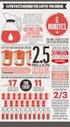 Alcohol Facts and Statistics Alcohol Use in the United States: Prevalence of Drinking: In 2012, 87.6 percent of people ages 18 or older reported that they drank alcohol at some point in their lifetime;
Do Parenting Styles Influence Alcohol Use and Binge Drinking During High School and College?
 DO PARENTING STYLES INFLUENCE ALCOHOL USE AND BINGE DRINKING 63 Do Parenting Styles Influence Alcohol Use and Binge Drinking During High School and College? Stephanie Kusmierski Jason Nichols Rebecca McDonnell
Greek Life 101 Training: October 2009 Social Norms & Alcohol Use in the Greek Community
 Greek Life 101 Training: October 2009 Social Norms & Alcohol Use in the Greek Community Tara Schuster, Health Educator Rensselaer Polytechnic Institute Student Health and Counseling Services Presentation
Twelve Ounces of Prevention: A Look at Alcohol Use by Erie County Youth
 ][ Strengthening our community through increased awareness and accountability ][ Vol.5 Issue 1 Spring 2013 Inside the Report Frequency of Use Age of First Use Attitudes About Alcohol Use Drinking Under
YOUNG PEOPLE & ALCOHOL
 YOUNG PEOPLE & ALCOHOL Essential Information for Social Workers A BASW Pocket Guide Supported by: Bedford and Luton Purpose of the guide This guide seeks to support Social Workers in their practice with
Binge Drinking on College Campuses: A Road Map to Successful Prevention. Preventing binge drinking on college campuses: A guide to best practices
 Binge Drinking on College Campuses: A Road Map to Successful Prevention Preventing binge drinking on college campuses: A guide to best practices Binge Drinking on College Campuses: A Road Map to Successful
ADMISSION TO THE PSYCHIATRIC EMERGENCY SERVICES OF PATIENTS WITH ALCOHOL-RELATED MENTAL DISORDER
 Bulletin of the Transilvania University of Braşov Series VI: Medical Sciences Vol. 4 (53) No. 2-2011 ADMISSION TO THE PSYCHIATRIC EMERGENCY SERVICES OF PATIENTS WITH ALCOHOL-RELATED MENTAL DISORDER P.
Eating Disorders. Symptoms and Warning Signs. Anorexia nervosa:
 Eating Disorders Eating disorders are serious conditions that can have life threatening effects on youth. A person with an eating disorder tends to have extreme emotions toward food and behaviors surrounding
COLLEGE STUDENT BINGE DRINKING AND THE PREVENTION PARADOX : IMPLICATIONS FOR PREVENTION AND HARM REDUCTION*
 J. DRUG EDUCATION, Vol. 34(3) 247-266, 2004 COLLEGE STUDENT BINGE DRINKING AND THE PREVENTION PARADOX : IMPLICATIONS FOR PREVENTION AND HARM REDUCTION* ELISSA R. WEITZMAN, SC.D., M.SC. TOBEN F. NELSON,
Suggested APA style reference:
 Suggested APA style reference: Parks, G. A., & Woodford, M. S. (2005). CHOICES about alcohol: A brief alcohol abuse prevention and harm reduction program for college students. In G. R. Walz & R. K. Yep
YOUNG PEOPLE & ALCOHOL
 YOUNG PEOPLE & ALCOHOL Essential Information for Social Workers A BASW Pocket Guide Supported by: Bedford and Luton C_YoungPeopleAlco.indd 1 19/10/2012 10:29 Purpose of the guide This guide seeks to support
Assessing the Perceptions and Usage of Substance Abuse among Teenagers in a Rural Setting
 Journal of Rural Community Psychology Vol E12 No 2 Assessing the Perceptions and Usage of Substance Abuse among Teenagers in a Rural Setting Regina Fults McMurtery Jackson State University Department of
Alcohol Addiction. Introduction. Overview and Facts. Symptoms
 Alcohol Addiction Alcohol Addiction Introduction Alcohol is a drug. It is classed as a depressant, meaning that it slows down vital functions -resulting in slurred speech, unsteady movement, disturbed
For NSDUH, the Northeast includes: Connecticut, Maine, Massachusetts, New Hampshire, New Jersey, New York, Pennsylvania, Rhode Island, and Vermont.
 Collective Action Issue Brief #4: MARIJUANA USE IN NEW HAMPSHIRE WHAT WE KNOW In New Hampshire, adolescent and young adult marijuana use is a significant concern. Rates of marijuana use among New Hampshire
Presently, there are no means of preventing bipolar disorder. However, there are ways of preventing future episodes: 1
 What is bipolar disorder? There are two main types of bipolar illness: bipolar I and bipolar II. In bipolar I, the symptoms include at least one lifetime episode of mania a period of unusually elevated
Be it enacted by the People of the State of Illinois,
 AN ACT concerning education. Be it enacted by the People of the State of Illinois, represented in the General Assembly: Section 5. The School Code is amended by changing Section 27-9.1 as follows: (105
NORTHWEST IOWA ALCOHOLISM AND DRUG TREATMENT UNIT
 NORTHWEST IOWA ALCOHOLISM AND DRUG TREATMENT UNIT Prime for Life! Under 21 Program Description Perception of risk is one of the strongest predictors of whether a young person will engage in high-risk drinking
Age and Alcohol and Other Drug Use
 C H A P T E R 1 0 Age and Alcohol and Other Drug Use Adolescents College Students Young Adults Older Populations Age, Cohort, and Period Effects Summary Stimulus/Response The nature of alcohol and other
In Brief UTAH. Adolescent Behavioral Health. A Short Report from the Office of Applied Studies
 UTAH Adolescent Behavioral Health In Brief A Short Report from the Office of Applied Studies Adolescence (12 to 17 years) is a critical and vulnerable stage of human development, during which males and
Capstone Project Minnesota State University Crime and Victimization Survey
 Capstone Project Minnesota State University Crime and Victimization Survey Sherrise Truesdale, PhD Department of Sociology and Corrections Minnesota State University April 28, 2005 1 Alan Hughes (2005)
Psychology. Administered by the Department of Psychology within the College of Arts and Sciences.
 Psychology Dr. Spencer Thompson, Professor, is the Chair of Psychology and Coordinator of Child and Family Studies. After receiving his Ph.D. in Developmental Psychology at the University of California,
Action plan for reducing risky drinking
 AMA Healthier Life Steps A physician-patient alliance for a longer, healthier life Action plan for reducing risky drinking The goal For adults who choose to consume alcohol, moderation as defined by the
In Brief MICHIGAN. Adolescent Behavioral Health. A Short Report from the Office of Applied Studies
 MICHIGAN Adolescent Behavioral Health In Brief A Short Report from the Office of Applied Studies Adolescence (12 to 17 years) is a critical and vulnerable stage of human development, during which males
NHS Swindon and Swindon Borough Council. Executive Summary: Adult Alcohol Needs Assessment
 NHS Swindon and Swindon Borough Council Executive Summary: Adult Alcohol Needs Assessment Aim and scope The aim of this needs assessment is to identify, through analysis and the involvement of key stakeholders,
A conversation with CDC s Alcohol Program, September 5, 2014
 A conversation with CDC s Alcohol Program, September 5, 2014 Participants Robert Brewer, MD, MSPH Epidemiologist; Lead, Excessive Alcohol Use Prevention Team (Alcohol Program), Division of Population Health
In Brief ARIZONA. Adolescent Behavioral Health. A Short Report from the Office of Applied Studies
 ARIZONA Adolescent Behavioral Health In Brief A Short Report from the Office of Applied Studies Adolescence (12 to 17 years) is a critical and vulnerable stage of human development, during which males
ALCOHOLISM, ALCOHOL DEPENDENCE AND THE EFFECTS ON YOUR HEALTH.
 ALCOHOLISM, ALCOHOL DEPENDENCE AND THE EFFECTS ON YOUR HEALTH. Alcoholism also known as alcohol dependence is a disabling ADDICTIVE DISORDER. It is characterized by compulsive and uncontrolled consumption
COURSE DESCRIPTIONS 2014-2015
 COURSE DESCRIPTIONS 2014-2015 Course Definitions, Designators and Format Courses approved at the time of publication are listed in this bulletin. Not all courses are offered every term. Refer to the online
Psychology. Mission. Outcomes
 233 Psychology Mission The mission of the psychology department is to assist students in the development of lifelong professional, spiritual, scholarly and scientific talents. Talents in psychology involve
AP Psychology Course Syllabus 2014-15
 AP Psychology Course Syllabus 2014-15 Instructor: Rev. Gregory Bork Title: AP Psychology Grade Level: 11-12 Course Length: 2 semesters Credit: 1 credit Prerequisites: none Description: A college-level
Prevention Status Report 2013
 The Prevention Status Reports (PSRs) highlight for all 50 states and the District of Columbia the status of public health policies and practices designed to prevent or reduce important health problems.
Karla Ramirez, LCSW Director, Outpatient Services Laurel Ridge Treatment Center
 Karla Ramirez, LCSW Director, Outpatient Services Laurel Ridge Treatment Center 1 in 4 Americans will have an alcohol or drug problems at some point in their lives. The number of alcohol abusers and addicts
Lone Star College-Tomball Community Library 30555 Tomball Parkway Tomball, TX 77375 http://www.lonestar.edu/library.
 Lone Star College-Tomball Community Library 30555 Tomball Parkway Tomball, TX 77375 http://www.lonestar.edu/library.htm 832-559-4211 PSYCHOLOGY Scholarly ELECTRONIC Electronic JOURNAL Journals LIST The
Psychology. 42 Credits Complete the requirements shown in the General Education Requirements section of this catalog. Include this specific course.
 Psychology Psychology is the science of behavior and mental processes. Behavior is anything an organism does that we can observe and record; examples include smiling, talking, yelling, and marking a questionnaire.
YOUTH DRUG SURVEY CHARLOTTE-MECKLENBURG PUBLIC SCHOOLS
 YOUTH DRUG SURVEY CHARLOTTE-MECKLENBURG PUBLIC SCHOOLS 2010 Paul C. Friday, Ph.D. Research & Training Specialists, Inc. Concord, NC June, 2011 Special appreciation is extended to Helen Harrill, John Basilice,
THE CAUSES OF DRUG ADDICTION
 1 Statistical facts associated with addiction and substance abuse are concerning, but many men and women choose to ignore the dangers. By understanding the main causes of addiction to drugs, it is possible
Teen Misuse and Abuse of Alcohol and Prescription Drugs. Information for Parents
 Teen Misuse and Abuse of Alcohol and Prescription Drugs Information for Parents Terminology Misuse: Using a drug in a way in which it was not intended Example: Using a higher dose of medication than was
Drinking and Driving
 244 East 58 th Street, 4th Floor New York, NY 10022 212-269-7797 212-269-7510 Fax www.ncadd.org NCADD POLICY STATEMENT Drinking and Driving Preamble A significant percentage of drinking drivers are suffering
Alcohol and Violence Related Cognitive Risk Factors Associated With the Perpetration of Intimate Partner Violence
 Journal of Family Violence, Vol. 19, No. 4, August 2004 ( C 2004) Alcohol and Violence Related Cognitive Risk Factors Associated With the Perpetration of Intimate Partner Violence Craig A. Field, 1,3 Raul
Maternal and Child Health Issue Brief
 Maternal and Child Health Issue Brief Why is substance abuse an issue among youth? December 14 8 Substance Abuse among Youth in Colorado Substance abuse among youth is defined as using alcohol, tobacco,
SUBSTANCE ABUSE PREVENTION COLLEGE DRINKING IN CONTEXT
 SUBSTANCE ABUSE PREVENTION COLLEGE DRINKING IN CONTEXT The issue of campus drinking is a pervasive problem: our students grow up in a culture which equates the consumption of alcohol with having fun, relaxing,
SOCIAL PRESSURE TO USE ALCOHOL AMONG YOUTH WITH ADS AT INTEGRATED REHABILITATION CENTRE FOR ADDICTS, KAJAMALAI, TIRUCHIRAPPALLI
 ISSN: 0976-01 RESEARCH ARTICLE SOCIAL PRESSURE TO USE ALCOHOL AMONG YOUTH WITH ADS AT INTEGRATED REHABILITATION CENTRE FOR ADDICTS, KAJAMALAI, TIRUCHIRAPPALLI A. Nancy Doctoral Scholar and Dr. Sam Deva
Helene Raskin White, Ph.D., and Kristina Jackson, Ph.D. concludes with a discussion of the implications of this research for prevention.
 Social and Psychological Influences on Emerging Adult Drinking Behavior Helene Raskin White, Ph.D., and Kristina Jackson, Ph.D. Emerging adulthood, the transitional period between high school and young
Alcohol and Drug Education and Prevention Programming at Seven Private Institutions
 STUDENT AFFAIRS LEADERSHIP COUNCIL Alcohol and Drug Education and Prevention Programming at Seven Private Institutions Custom Research Brief June 24, 2011 TABLE OF CONTENTS RESEARCH ASSOCIATE Lady Adjepong
Sociological Theories of Substance Abuse
 Background Sociological Theories of Substance Abuse Psychology 470 Introduction to Chemical Additions Steven E. Meier, Ph.D. Are different from other models Psychology and Biology Focus is on the individual
Alcohol Expectancy Challenges: A Comprehensive Review
 Alcohol Expectancy Challenges: A Comprehensive Review Khatidja S. Ali, M.A. Leslie A. Robinson, Ph.D. Ashley M. Hum, M.S. Ashley A. Jackson, M.S. The Department of Psychology The University of Memphis,
Running head: EFFECTS OF ALCOHOL 1. The Effects of Alcohol on the Acceptability of Casual Sex. College of Western Idaho
 Running head: EFFECTS OF ALCOHOL 1 The Effects of Alcohol on the Acceptability of Casual Sex College of Western Idaho EFFECTS OF ALCOHOL 2 Abstract The use of alcohol to excess and the engagement of binge
Running Head: ALCOHOL MISUSE AMONG COLLEGE STUDENTS 1
 Running Head: ALCOHOL MISUSE AMONG COLLEGE STUDENTS 1 Examining Alcohol Use and Misuse among College Students: A Comprehensive Review Natalie E. Chase Illinois State University Natalie E. Chase, Department
Alcoholism and Drug Abuse in China By David J. Powell, Ph.D. President, International Center for Health Concerns, Inc.
 Alcoholism and Drug Abuse in China By David J. Powell, Ph.D. President, International Center for Health Concerns, Inc. Introduction Alcohol and drug abuse and dependence are worldwide concerns. In China,
Whitney Colbert Research Methods for the Social Sciences Trinity College Spring 2012
 ALCOHOL IN COLLEGE ATHLETICS: THE FIGHT TO RAISE AWARENESS OF BINGE DRINKING ON COLLEGE ATHLETIC TEAMS Whitney Colbert Research Methods for the Social Sciences Trinity College Spring 2012 While there is
Alcohol. And Your Health. Psychological Medicine
 Alcohol And Your Health Psychological Medicine Introduction Alcohol, when used in moderation and as part of a healthy lifestyle, can have beneficial effects for some people, particularly in the prevention
Suggested APA style reference:
 Suggested APA style reference: Chapman, C., & Rokutani, L. (2005). Adolescents and substance abuse: What works and why? In G. R. Walz & R. K. Yep (Eds.), VISTAS: Compelling perspectives on counseling,