
Binge drinking in 19 year old men
|
|
|
- Ruby Lynch
- 10 years ago
- Views:
Transcription
1 Original article Peer reviewed article SWISS MED WKLY 2005;135: Binge drinking in 19 year old men Jean-Bernard Daeppen a, Frédéric Anex a, Joëlle Leutwyler a, Roland Gammeter a, Roger Darioli b, Alain Pécoud b a Alcohol Treatment Centre, Lausanne University Hospital (CHUV), Lausanne, Switzerland b University Medical Policlinic, Lausanne University Hospital (CHUV), Lausanne, Switzerland Summary Question under study: To describe alcohol use, binge drinking and drinking consequences in 19 year old men. Methods: During a one-day army recruitment process mandatory for all Swiss males, a convenience sample of 1,004 men completed the Health and Lifestyle Questionnaire, assessing demographics, alcohol use, binge drinking, and drinking consequences over the last 12 months. Binge drinking was defined as having 5 or more drinks on a single occasion at least once over the last 12 months. Among the 1,004 subjects, binge drinking could not be defined in 123 (12.3%) due to don t know responses, leaving 881 subjects with complete data. Results: Of the 881 subjects, 690 (78.3%) reported binge drinking at least once over the last 12 months, 269 (30.5%) with infrequent binge drinking ( 1 /month) and 421 (47.8%) with frequent binge drinking ( 2 /month). In addition, 379 (43.0%) of the subjects experienced 3 or more drinking consequences over the last 12 months and the number of these consequences increased as the frequency of binge drinking increased (trend analyses significant for 9 of the 12 consequences evaluated). Among the 687 subjects with moderate average alcohol intake (<14 drinks per week), 252 (36.7%) reported infrequent binge drinking, of whom 82 (32.5%) experienced 3 or more adverse drinking consequences over the last 12 months, whereas 246 (35.8%) reported frequent binge drinking and 128 (52.0%) of these experienced 3 or more adverse drinking consequences. Conclusions: Binge drinking in this sample of young men is frequent and is associated with numerous consequences, even among those consuming moderate amounts of alcohol. Key words: binge drinking; drinking consequences; young men; Switzerland This work was financially supported by the Research Fund of the University Department of Community Medicine and Health, CHUV, Lausanne. Introduction Prevention of alcohol induced harm among young binge drinkers is a great concern of public health experts [1, 2]. The frequency of binge drinking, defined as 5 drinks or more on one occasion, is significantly associated with adverse consequences of alcohol use [3, 4]. Binge drinking is associated with various types of injuries, aggression and assault. Moreover it contributes to almost half of all motor vehicle fatalities, and it is the leading cause of death among young adults [2, 5]. Binge drinking increases during adolescence, peaks around 20, then stabilizes and decreases during the twenties; boys are more susceptible to this pattern than girls [6, 7]. In late teenagers binge drinking is associated with unplanned and unsafe sexual activity, physical and sexual assault, unintentional injuries, other criminal violations, interpersonal problems, physical or cognitive impairment, and poor academic performance [7 11]. Data demonstrate that the association between alcohol intake and drinking consequences is not defined solely by the average volume consumed [12]. For example, drinking one drink per day for seven days was found to be far less risky than drinking three or four drinks per day on two days of the week [13]. Even at low levels of total volume of alcohol consumed, binge drinkers were more likely to report adverse consequences than were non-binge drinking counterparts [4]. This study aims at describing frequency of binge drinking and drinking consequences at several levels of alcohol intake in a convenience sample of 19 year old men attending the Swiss military recruitment.

2 Binge drinking in 19 year old men 180 Methods Sample Switzerland has a mandatory one-day army recruitment process for all males at age 19, and virtually all recruits complete the physical, medical, and cognitive assessments used to determine eligibility for service in the Swiss military. For the present study army authorities proposed a convenience sample of seven recruitment centres. At the request of the investigators these seven recruitment centres were in the three linguistic regions of the country. From the 1,018 subjects assessed during 23 recruitment days, 1,004 (98.6%) agreed to complete the questionnaire. Under the supervision of a study investigator (FA), groups of 30 to 50 subjects completed the questionnaire during each recruitment day. Questionnaires were immediately verified for completeness and subjects were asked to fill in missing items whenever necessary. The choice of recruitment centres was opportunistic, not reflecting the exact proportions of each of the 3 linguistic groups in Switzerland. This resulted in an under-representation of German-speaking subjects (42.6% in the study sample vs 73.9% in the general population), an overrepresentation of French-speaking subjects (50.2% vs 19.5% in the general population) and a close to correct representation of Italian-speaking subjects (7.2% vs 6.6% in the general population). Questionnaire Subjects gave written informed consent and then completed an instrument entitled Health and Lifestyle Questionnaire which assessed weight, height, physical activity, medical history, use of medications, general health perceptions, alcohol, tobacco, and drug use. The questionnaire was translated from French to German and from French to Italian. Translations were discussed in a group of experts to avoid translation bias, but were not backtranslated. Binge drinking was assessed by asking: How many times have you drunk 5 or more drinks on a single occasion over the last 12 months? Infrequent binge drinking was defined as having 5 or more drinks on a single occasion once a month or less over the last 12 months, while frequent binge drinking was defined as having 5 or more drinks on a single occasion twice a month or more over the last 12 months. Average alcohol intake was assessed with quantity/ frequency questions: (1) on average, over the last 12 months, how many days per week did you drink alcohol? (2) on average, over the last 12 months, in a drinking day, how many alcoholic drinks did you have in 24 hours? The questionnaire included a figure illustrating the most popular alcoholic beverages, where one drink was defined as a 250 ml can or bottle of beer, a 120 ml glass of wine, or a 40 ml shot of liquor straight or in a mixed drink. Average weekly alcohol intake was computed by multiplying frequency and quantity items. Subjects were classified as abstinent (zero for average frequency and quantity items), moderate drinkers (average volume <14 drinks per week) and heavy drinkers (average volume 14 drinks per week) according to definitions generally accepted in the United States and Switzerland [11, 14]. Twelve questions were extracted from a questionnaire assessing the adverse consequences of binge drinking in 17,000 college students [3]. Subjects were asked about the extent to which they had experienced the following consequences of their drinking over the last 12 months: had a hangover; missed a class or work; got behind in schoolwork; did something that they later regretted; forgot where they were or what they did; argued with friends; engaged in unplanned sexual activity; did not use protection when having sex; damaged property; got into trouble with police; got hurt or injured; or required medical treatment for an alcohol overdose [3]. The questionnaire was usually completed in 20 to 30 minutes and participants received 5 Swiss francs (3.5 Euros). A research assistant was present during the administration of the questionnaire to verify that subjects answered every item. The Lausanne University Medical School Ethics Committee approved the study protocol. Data analyses Descriptive statistics were used to classify subjects according to binge drinking, average alcohol intake and drinking consequences. A chi-square test for trend was used to assess whether alcohol consumption and drinking consequences increased linearly as a function of binge drinking frequency. Results Data indicate that 693 (78.7%) of the subjects continued their education beyond obligatory school and 407 (46.2%) practiced sports at least twice a week. Although the majority of subjects reported good general health, 112 (12.7%) were overweight, 421 (47.8%) were regular cigarette smokers, and 374 (42.5%) reported some cannabis use over the last 12 months. Average alcohol intake for the 881 subjects was 9.5 ± 12.1 drinks per week over the last 12 months, while 93 (10.6%) reported abstinence. Table 1 indicates that 191 (21.7%) subjects did not qualify for the binge drinking criteria, 269 (30.5%) were classified as infrequent binge drinkers and 421 (47.8%) were classified as frequent binge drinkers. Moreover, 379 (43.0%) experienced 3 or more drinking consequences over the last 12 months, with hangovers being most often endorsed. Approximately one third reported doing things that they later regretted, forgetting where they were or what they did, or engaging in unplanned sexual activity, while approximately one fifth argued with friends or damaged property. Other consequences were less frequent but were also potentially hazardous, such as getting hurt or injured, getting into trouble with police or having sex without protection. Table 1 indicates a strong positive association between the frequency of binge drinking and drinking consequences; subjects with frequent binge drinking were more likely to endorse 9 of the 12 drinking consequences than were their counterparts. Exceptions consisted of drinking consequences with relatively low rates of occurrence, eg medical treatment for alcohol overdose (reported

3 SWISS MED WKLY 2005;135: Table 1 Alcohol use and drinking consequences according to binge drinking frequency in 881 young men. N (%) Binge drinking* Total Never Infrequent Frequent p trend 0 ( 1 /month) ( 2 /month) Drinks per week (21.7) 269 (30.5) 421 (47.8) < <14 drinks per week 687 (78.0) 189 (99.0) 252 (93.7) 246 (58.4) 14 drinks per week 194 (22.0) 2 (1.0) 17 (6.3) 175 (41.6) Drinking consequences ( 1 over the last 12 months) Had a hangover 535 (60.7) 53 (27.8) 167 (62.1) 315 (74.8) < Missed a class or work 79 (9.0) 3 (1.6) 17 (6.3) 59 (14.0) < Got behind in school work 103 (11.7) 5 (2.6) 26 (9.7) 72 (17.1) Did something you regret 307 (34.8) 24 (12.6) 84 (31.2) 199 (47.2) < Forgot where you were or 300 (34.1) 14 (7.3) 69 (25.7) 217 (51.5) < what you did Argued with friends 200 (22.7) 11 (5.8) 46 (17.1) 143 (34.0) < Engaged in unplanned sexual 197 (22.4) 13 (6.8) 47 (17.5) 137 (32.5) activity Did not use protection 74 (8.4) 7 (3.7) 13 (4.8) 54 (12.8) < when having sex Damaged property 213 (24.2) 16 (8.4) 53 (19.7) 144 (34.2) < Got into trouble with police 114 (12.9) 6 (3.1) 22 (8.2) 86 (20.4) < Got hurt or injured 88 (10.0) 4 (2.1) 22 (8.2) 62 (14.7) Required medical treatment for 10 (1.1) 0 (0.0) 1 (0.4) 9 (2.1) alcohol overdose 3 drinking consequences 379 (43.0) 24 (12.6) 90 (33.4) 265 (63.0) < * 5 drinks per occasion, one drink defined as a 250 ml can or bottle of beer, a 100 ml glass of wine, or a 25 ml shot of liquor straight or in a mixed drink. Table 2 Frequency of binge drinking according to average volume of alcohol consumed weekly. Binge drinking* Never Infrequent Frequent ( 1 /month) ( 2 /month) N = 881 N = 191 N = 269 N = 421 Drinks per week <14 drinks per week N = drinks per week N = * 5 drinks per occasion, one drink defined as a 250 ml can or bottle of beer, a 100 ml glass of wine, or a 25 ml shot of liquor straight or in a mixed drink. Table 3 Drinking consequences according to average weekly alcohol use and binge drinking frequency. Binge drinking* Never Infrequent Frequent ( 1 /month) ( 2 /month) N = 881 N = 191 N = 269 N = 421 <3 problems 3 problems <3 problems 3 problems <3 problems 3 problems Drinks per week <14 drinks per week N = drinks per week N = 194 * 5 drinks per occasion, one drink defined as a 250 ml can or bottle of beer, a 100 ml glass of wine, or a 25 ml shot of liquor straight or in a mixed drink. by 9 subjects in the frequent binge drinking group and virtually absent in the other groups). In order to evaluate relationships between alcohol intake, binge drinking, and problems, further analyses explored whether binge drinking subjects experienced many adverse consequences if their average alcohol intake was moderate (<14 drinks per week). Table 2 indicates that although 687 (78.0%) of all subjects reported moderate volumes, 252 (36.7%) of them were infrequent binge drinkers and 246 (35.8%) of them were frequent binge drinkers. Table 3 shows that among the 252

4 Binge drinking in 19 year old men 182 subjects with moderate average alcohol intake and infrequent binge drinking, 82 (32.5%) also experienced 3 or more drinking consequences, while among 246 subjects with moderate alcohol intake and frequent binge drinking, 128 (52.0%) experienced 3 or more drinking consequences. Discussion These results confirm that binge drinking is widespread and is associated with potentially hazardous consequences. The large proportion of binge drinkers found in this study among young Swiss men is similar to that observed in a United States sample of college students [16]. This suggests that binge drinking is a major public health concern in Switzerland, despite its lowest rates among teenagers in Europe [15], and despite the belief that binge drinking is only a concern among college students in the US [16]. The data show that binge drinking is often found among individuals whose average alcohol intake is moderate. In this sample frequent binge drinking is more frequent among moderate drinkers, compared to heavy drinkers (246 vs 175 in table 2) simply because there are more moderate than heavy drinking subjects. In this sense, the association between binge drinking and adverse drinking consequences is not a direct function of the total volume of alcohol consumed. Similarly, the number of individuals with 3 drinking consequences observed among subjects with moderate alcohol intake and frequent binge drinking (128 subjects in table 3) was relatively similar to that observed among subjects with a high average alcohol intake (137 subjects in table 3). This supports the finding that most people who drink immoderate quantities occasionally are moderate drinkers. It is this group of moderate drinkers who binge drink that accounts for most of the drinking consequences reported [5]. These findings are consistent with data indicating that intoxication is more closely associated with adverse consequences than is frequency of alcohol use or average alcohol intake [17, 18]. One limitation of the study regards the choice of sample subjects. The convenience sample of this study may not reflect the true prevalence of binge drinking in 19 year old men in Switzerland, as the recruitment centres were not randomly selected and are not geographically representative. Moreover, different results might be found among women, older persons, ethnic groups, or individuals recruited within medical settings. Another limitation is the potential self-report induced decrease in response validity, despite studies defending this form of data collection on alcohol and substance use [19]. The questionnaire was translated from English to French, and from French to Italian and German. Although native speakers from the three linguistic regions adapted the questionnaires and researchers were always present to provide explanations and to help subjects understand the translated content of all items, various equivalency problems might have occurred. This study showed a high prevalence of binge drinking among young Swiss men which is associated with numerous potentially hazardous consequences. Brief counselling interventions have demonstrated effectiveness in modifying the drinking patterns and consequences of binge drinking, even in the absence of changes in total volume of alcohol intake [20]. Community interventions like those evaluated by Holder et al. [21] as well as institutions such as schools, universities, and other associations where young people are concentrated, should consider establishing prevention programmes aimed at reducing the consequences of binge drinking. Aknowledgements: Many thanks to Gerhard Gmel for his precious comments and to George Danko for his careful revision of the manuscript. Correspondence: Dr. Jean-Bernard Daeppen Alcohol Treatment Centre Mont-Paisible 16 CHUV CH-1011 Lausanne [email protected]

5 SWISS MED WKLY 2005;135: References 1 Pearson H. The demon drink. Nature 2004;428: Room R, Graham K, Rehm J, Monteiro M. Drinking and its burden in a global perspective: policy considerations and options. Eur Addiction Res 2003;9: Wechsler H, Davenport A, Dowdall G, Moeykens B, Castillo S. Health behavioural consequences of binge drinking in college, a national survey of students at 140 campus. JAMA 1994; 272: Room R, Bondy S, Ferris J. The risk of harm to oneself from drinking, Canada. Addiction 1995;90: Rehm J, Monteiro MG, Room R, Gmel G. Jernigan D, Frick U, Graham K. Steps towards constructing a global comparative risk analysis for alcohol consumption: determining indicators and empirical weights for patterns of drinking, deciding about theoretical minimum, and dealing with different consequences. Eur Addiction Res 2001;7: Jackson KM, Sher KJ, Lynne Cooper M, Wood PK. Adolescent alcohol and tobacco use: onset, persistence and trajectories of use across two samples. Addiction 2002;97: Lewinsohn PM, Rohde P, Seeley JR. Alcohol consumption in high school adolescents: frequency of use and dimensional structure of associated problems. Addiction 1996;91: Wechsler H, Isaac N. Binge drinkers at Massachusetts colleges: prevalence, drinking styles, time trends, and associated problems. JAMA 1992;267: Di Grande L, Perrier MP, Lauro MG, Contu P. Alcohol use and correlates of binge drinking among university students on the island of Sardinia, Italy. Substance Use and Abuse 2000;35: Murgraff V, Parrott A, Bennett P. Risky single-occasion drinking amongst young people definition, correlates, policy, and intervention: a broad overview of research findings. Alc & Alc 1999;34: Institut Suisse de prévention de l alcoolisme Chiffres et données sur l alcool et les autres drogues [Data on alcohol and other drugs], ISPA; Rehm J, Ashley MJ, Room R, Single E, Bondy SJ, Ferrence R, Giesbrecht N. On the emerging paradigm of drinking pattern and their social and health consequences. Addiction 1996;91: Rehm J, Greenfield TK, Walsh G, Xie X, Robson L, Single E. Assessment methods for alcohol consumption, prevalence of high risk drinking and harm: a sensitivity analysis. Int J Epidemiol 1999;28: The physicians guide to helping patients with alcohol problems. Department of Health and Human Services, Public Health Service, National Institute on Alcohol Abuse and Alcoholism: Washington DC; Currie C, Hurrelmann K, Settertobulte W, Smith R, Todd J. Health and Health Behaviour Among Young People. Copenhagen: World Health Organization; Kuntsche E, Rehm J, Gmel G. Characteristics of binge drinkers in Europe. Social Science & Medicine 2004;59: Hauge R, Irgens-Jensen O. The relationship between alcohol consumption, alcohol intoxication and negative consequences of drinking in four Scandinavian countries. Br J Addiction 1986; 81: Gmel G, Heeb JL, Rehm J. Is frequency of drinking an indicator of problem drinking? A psychometric analysis of a modified version of the alcohol use disorder identification test in Switzerland. Drug Alcohol Dependence 2001;64: Del Boca FK, Darkes J. The validity of self-reports of alcohol consumption: State of science and challenges for research. Addiction 2003;98(Supp 2): Baer JS, Kivlahan DR, Blume AW, McKnight P, Marlatt GA. Brief intervention for heavy drinking college students: 4-year follow-up and natural history. Am J Public Health 2001;91: Holder HD, Gruenewald PJ, Ponicki WR, Treno AJ, Grube JW, Saltz RF, et al. Effect of community-based interventions on alcohol-involved traffic crashes within a comprehensive community trial. Addiction 1997;92(Suppl. 2)S

6 Swiss Medical Weekly: Call for papers Swiss Medical Weekly Official journal of the Swiss Society of Infectious disease the Swiss Society of Internal Medicine the Swiss Respiratory Society The many reasons why you should choose SMW to publish your research What Swiss Medical Weekly has to offer: SMW s impact factor has been steadily rising, to the current Open access to the publication via the Internet, therefore wide audience and impact Rapid listing in Medline LinkOut-button from PubMed with link to the full text website (direct link from each SMW record in PubMed) No-nonsense submission you submit a single copy of your manuscript by attachment Peer review based on a broad spectrum of international academic referees Assistance of our professional statistician for every article with statistical analyses Fast peer review, by exchange with the referees Prompt decisions based on weekly conferences of the Editorial Board Prompt notification on the status of your manuscript by Professional English copy editing No page charges and attractive colour offprints at no extra cost Editorial Board Prof. Jean-Michel Dayer, Geneva Prof. Peter Gehr, Berne Prof. André P. Perruchoud, Basel Prof. Andreas Schaffner, Zurich (Editor in chief) Prof. Werner Straub, Berne Prof. Ludwig von Segesser, Lausanne International Advisory Committee Prof. K. E. Juhani Airaksinen, Turku, Finland Prof. Anthony Bayes de Luna, Barcelona, Spain Prof. Hubert E. Blum, Freiburg, Germany Prof. Walter E. Haefeli, Heidelberg, Germany Prof. Nino Kuenzli, Los Angeles, USA Prof. René Lutter, Amsterdam, The Netherlands Prof. Claude Martin, Marseille, France Prof. Josef Patsch, Innsbruck, Austria Prof. Luigi Tavazzi, Pavia, Italy We evaluate manuscripts of broad clinical interest from all specialities, including experimental medicine and clinical investigation. We look forward to receiving your paper! Guidelines for authors: Impact factor Swiss Medical Weekly Schweiz Med Wochenschr ( ) Swiss Med Wkly (continues Schweiz Med Wochenschr from 2001) Editores Medicorum Helveticorum All manuscripts should be sent in electronic form, to: EMH Swiss Medical Publishers Ltd. SMW Editorial Secretariat Farnsburgerstrasse 8 CH-4132 Muttenz Manuscripts: Letters to the editor: Editorial Board: Internet: [email protected] [email protected] [email protected]

Individualising drug dispensaries in a university hospital
 Original article Peer reviewed article SWISS MED WKLY 2007;137:62 65 www.smw.ch 62 Individualising drug dispensaries in a university hospital Balthasar L. Hug a, M. Jordan b, H. Plagge b, K. Schneider
Screening and brief alcohol interventions in trauma centres
 Review article Peer reviewed article SWISS MED WKLY 2003;133:495 500 www.smw.ch 495 Screening and brief alcohol interventions in trauma centres Jean-Bernard Daeppen Alcohol treatment center, Lausanne Summary
Facts About Alcohol. Addiction Prevention & Treatment Services
 Facts About Alcohol Addiction Prevention & Treatment Services Table of Contents Facts about alcohol: What is harmful involvement with alcohol?... 2 What is alcohol dependence?... 3 What Is BAC?... 4 What
www.cymru.gov.uk GUIDANCE ON THE CONSUMPTION OF ALCOHOL BY CHILDREN AND YOUNG PEOPLE From Dr Tony Jewell Chief Medical Officer for Wales
 www.cymru.gov.uk GUIDANCE ON THE CONSUMPTION OF ALCOHOL BY CHILDREN AND YOUNG PEOPLE From Dr Tony Jewell Chief Medical Officer for Wales GUIDANCE ON THE CONSUMPTION OF ALCOHOL BY CHILDREN AND YOUNG PEOPLE
Alcohol Awareness Month October 2013. Chad Asplund, MD, FACSM Medical Director, Student Health Georgia Regents University
 Alcohol Awareness Month October 2013 Chad Asplund, MD, FACSM Medical Director, Student Health Georgia Regents University Alcohol Statistics According to the Office of Juvenile Justice and Delinquency
Underage Drinking. Underage Drinking Statistics
 Underage Drinking Underage drinking is a serious public health problem in the United States. Alcohol is the most widely used substance of abuse among America s youth, and drinking by young people poses
CAGE. AUDIT-C and the Full AUDIT
 CAGE In the past have you ever: C tried to Cut down or Change your pattern of drinking or drug use? A been Annoyed or Angry because of others concern about your drinking or drug use? G felt Guilty about
NETHERLANDS (THE) Recorded adult per capita consumption (age 15+) Last year abstainers
 NETHERLANDS (THE) Recorded adult per capita consumption (age 15+) 14 12 Litres of pure alcohol 1 8 6 4 Beer Spirits Wine 2 1961 1965 1969 1973 1977 1981 1985 1989 1993 1997 21 Year Sources: FAO (Food and
College Alcohol Education and Prevention: a Case for Distance Education
 College Alcohol Education and Prevention: a Case for Distance Education By: David L. Wyrick, Melodie D. Fearnow-Kenney, Cheryl Haworth Wyrick, Daniel L. Bibeau Wyrick, D.L., Fearnow-Kenney, M.D., Wyrick,
Vermont PRAMS Data Brief
 Prenatal Counseling part 3 Alcohol, Tobacco & Drugs This is a report on the Pregnancy Risk Assessment Monitoring System (PRAMS), a survey conducted on a sample of Vermont women with live births since 2001.
JAMAICA. Recorded adult per capita consumption (age 15+) Last year abstainers
 JAMAICA Recorded adult per capita consumption (age 15+) 6 5 Litres of pure alcohol 4 3 2 Beer Spirits Wine 1 1961 1965 1969 1973 1977 1981 1985 1989 1993 1997 21 Sources: FAO (Food and Agriculture Organization
http://nurse practitioners and physician assistants.advanceweb.com/features/articles/alcohol Abuse.aspx
 http://nurse practitioners and physician assistants.advanceweb.com/features/articles/alcohol Abuse.aspx Alcohol Abuse By Neva K.Gulsby, PA-C, and Bonnie A. Dadig, EdD, PA-C Posted on: April 18, 2013 Excessive
How To Diagnose And Treat An Alcoholic Problem
 guideline for identification and treatment of alcohol abuse/dependence in primary care This guideline is informational in nature and is not intended to be a substitute for professional clinical judgment.
YOUTH AND ALCOHOL SURVEY
 YOUTH AND ALCOHOL SURVEY OVERVIEW Based on a survey conducted by the Business Research Centre for the Alcohol Advisory Council of New Zealand ALAC Occasional Publication: No. 1 ALCOHOL ADVISORY COUNCIL
Youth Drinking Rates and Problems: A Comparison of European Countries and the United States
 Youth Drinking Rates and Problems: A Comparison of European Countries and the United States Bettina Friese and Joel W. Grube Prevention Research Center Pacific Institute for Research and Evaluation Introduction
Policy Brief. Tackling Harmful Alcohol Use Economics and Public Health Policy. Directorate for Employment, Labour and Social Affairs.
 Policy Brief Tackling Harmful Alcohol Use Economics and Public Health Policy May 2015 Directorate for Employment, Labour and Social Affairs OECD s new flagship report examines the economic and public health
California Society of Addiction Medicine (CSAM) Consumer Q&As
 C o n s u m e r Q & A 1 California Society of Addiction Medicine (CSAM) Consumer Q&As Q: Is addiction a disease? A: Addiction is a chronic disorder, like heart disease or diabetes. A chronic disorder is
Alcohol Addiction. Introduction. Overview and Facts. Symptoms
 Alcohol Addiction Alcohol Addiction Introduction Alcohol is a drug. It is classed as a depressant, meaning that it slows down vital functions -resulting in slurred speech, unsteady movement, disturbed
activity guidelines (59.3 versus 25.9 percent, respectively) and four times as likely to meet muscle-strengthening
 18 HEALTH STATUS HEALTH BEHAVIORS WOMEN S HEALTH USA 13 Adequate Physical Activity* Among Women Aged 18 and Older, by Educational Attainment and Activity Type, 09 11 Source II.1: Centers for Disease Control
Year. Sources: FAO (Food and Agriculture Organization of the United Nations), World Drink Trends 2003. Male 36.4%
 ITALY Recorded adult per capita consumption (age 15+) 25 Litres of pure alcohol 2 15 1 Beer Spirits Wine 5 1961 1965 1969 1973 1977 1981 1985 1989 1993 1997 21 Year Sources: FAO (Food and Agriculture Organization
Key trends nationally and locally in relation to alcohol consumption and alcohol-related harm
 Key trends nationally and locally in relation to alcohol consumption and alcohol-related harm November 2013 1 Executive Summary... 3 National trends in alcohol consumption and alcohol-related harm... 5
Alcoholic Beverages Drinking among Female Students in a Tourist Province, Thailand
 Alcoholic Beverages Drinking among Female Students in a Tourist Province, Thailand Wirin Kittipichai Faculty of Public Health, Mahidol University Bangkok, Thailand E-mail: [email protected] Hatairat
SAFER JOURNEYS. DISCUSSION DOCUMENT Have your say on our next road safety strategy AUGUST 2009
 22 SAFER JOURNEYS DISCUSSION DOCUMENT Have your say on our next road safety strategy AUGUST 29 11 Reducing the impact of alcohol/drug impaired driving What is the problem? Alcohol/drug impaired driving
The relationship among alcohol use, related problems, and symptoms of psychological distress: Gender as a moderator in a college sample
 Addictive Behaviors 29 (2004) 843 848 The relationship among alcohol use, related problems, and symptoms of psychological distress: Gender as a moderator in a college sample Irene Markman Geisner*, Mary
ARE YOU PREPARED TO HELP YOUR TEEN MAKE GOOD DECISIONS? STATS, FACTS & TALKING POINTS ABOUT ALCOHOL AND OTHER DRUGS PARENT ACTION PACK
 ARE YOU PREPARED TO HELP YOUR TEEN MAKE GOOD DECISIONS? STATS, FACTS & TALKING POINTS ABOUT ALCOHOL AND OTHER DRUGS PARENT ACTION PACK YOU ARE YOUR TEEN S MOST IMPORTANT INFLUENCE! You may feel like your
Alcohol Screening and Brief Interventions of Women
 Alcohol Screening and Brief Interventions of Women Competency #2 Midwest Regional Fetal Alcohol Syndrome Training Center Competency 2: Screening and Brief Interventions This competency addresses preventing
Suggested APA style reference:
 Suggested APA style reference: Parks, G. A., & Woodford, M. S. (2005). CHOICES about alcohol: A brief alcohol abuse prevention and harm reduction program for college students. In G. R. Walz & R. K. Yep
Alcohol and Conformity: Alcohol Consumption and Social Conformity in Undergraduate Freshmen Students
 Alcohol & Conformity 1 Running head: ALCOHOL AND CONFORMITY Alcohol and Conformity: Alcohol Consumption and Social Conformity in Undergraduate Freshmen Students Tameer Siddiqui Loyola University Chicago
Alcohol Quick Facts. New Zealand s drinking patterns. Health impacts. Crime and violence. Drink driving. Social costs
 Alcohol Quick Facts New Zealand s drinking patterns 85% of New Zealanders aged 1664 had an alcoholic drink in the past year (Ministry of Health 2009). Three in five (61.6%) past-year drinkers consumed
CURRENT BEST PRACTICE FOR REDUCING CAMPUS ALCOHOL AND OTHER DRUG PROBLEMS
 CURRENT BEST PRACTICE FOR REDUCING CAMPUS ALCOHOL AND OTHER DRUG PROBLEMS Focusing On The Roles Of Law Enforcement And Medical Amnesty In Impacting These Problems INTRODUCTION By: Aviva B. Grasso, MPH,
College Alcohol, Tobacco, and Other Drug Use in New Mexico Spring 2013
 College Alcohol, Tobacco, and Other Drug Use in New Mexico Spring The New Mexico Higher Education Prevention Consortium Prepared by The University of New Mexico: Center on Alcoholism, Substance Abuse,
The Effects of Price on Alcohol Use, Abuse and Consequences
 The Effects of Price on Alcohol Use, Abuse and Consequences Frank J. Chaloupka Director, ImpacTeen, University of Illinois at Chicago www.uic.edu/~fjc www.impacteen.org Prepared for the National Academy
How to keep health risks from drinking alcohol to a low level: public consultation on proposed new guidelines
 How to keep health risks from drinking alcohol to a low level: public consultation on proposed new guidelines January 2016 2 How to keep health risks from drinking alcohol to a low level: public consultation
Alcohol Indicators Report
 Alcohol Indicators Report A framework of alcohol indicators describing the consumption of use, patterns of use, and alcohol-related harms in Nova Scotia NOVEMBER 2005 Nova Scotia Health Promotion Addiction
NWT Addictions Report Prevalence of alcohol, illicit drug, tobacco use and gambling in the Northwest Territories
 NWT Addictions Report Prevalence of alcohol, illicit drug, tobacco use and gambling in the Northwest Territories December 2010 K spin ki nitawiht n n h yawihk ma cim win, tipw sin n. Cree eriht ö s dëne
THE CENTER ON ALCOHOLISM, SUBSTANCE ABUSE, AND ADDICTIONS 25 years generating high quality prevention and treatment research
 THE CENTER ON ALCOHOLISM, SUBSTANCE ABUSE, AND ADDICTIONS 25 years generating high quality prevention and treatment research University of New Mexico Barbara S. McCrady, Ph.D., Director CASAA exists because
NHS Swindon and Swindon Borough Council. Executive Summary: Adult Alcohol Needs Assessment
 NHS Swindon and Swindon Borough Council Executive Summary: Adult Alcohol Needs Assessment Aim and scope The aim of this needs assessment is to identify, through analysis and the involvement of key stakeholders,
What are disease perceptions and subjective treatment goals of insulin treated diabetic patients?
 Original article Peer reviewed article SWISS MED WKLY 2005;135:365 371 www.smw.ch 365 What are disease perceptions and subjective treatment goals of insulin treated diabetic patients? Jardena J. Puder
Alcohol Use. Alcohol Use
 Lesson 5.2 By Carone Fitness Alcohol is a drug found in many different types of beverages, including beer, wine, and liquor. At first the drinker may experience a buzz, but then the true nature of the
ALCOHOLISM, ALCOHOL DEPENDENCE AND THE EFFECTS ON YOUR HEALTH.
 ALCOHOLISM, ALCOHOL DEPENDENCE AND THE EFFECTS ON YOUR HEALTH. Alcoholism also known as alcohol dependence is a disabling ADDICTIVE DISORDER. It is characterized by compulsive and uncontrolled consumption
SOCIAL WORK RESEARCH ON INTERVENTIONS FOR ADOLESCENT SUBSTANCE MISUSE: A SYSTEMATIC REVIEW OF THE LITERATURE
 SOCIAL WORK RESEARCH ON INTERVENTIONS FOR ADOLESCENT SUBSTANCE MISUSE: A SYSTEMATIC REVIEW OF THE LITERATURE By: Christine Kim Cal State University, Long Beach May 2014 INTRODUCTION Substance use among
Source: Minnesota Student Survey, Key Trends Through 2007, Minnesota Departments of Corrections, Education, Health, Human Services and Public Safety.
 Underage Drinking in Minnesota The Consequences of Drinking Outweigh the Experience. What s the Big Deal? Underage alcohol use is a big deal and directly related to criminal behavior and serious social
The Economic Benefits of Risk Factor Reduction in Canada
 The Economic Benefits of Risk Factor Reduction in Canada Tobacco Smoking, Excess Weight, Physical Inactivity and Alcohol Use Public Health 2015 May 26, 2015 Risk Factors in High-Income North America Ranked
Risk of alcohol. Peter Anderson MD, MPH, PhD, FRCP Professor, Alcohol and Health, Maastricht University Netherlands. Zurich, 4 May 2011
 Risk of alcohol Peter Anderson MD, MPH, PhD, FRCP Professor, Alcohol and Health, Maastricht University Netherlands Zurich, 4 May 2011 Lifetime risk of an alcoholrelated death (1/100) 16.0 14.0 12.0 10.0
Safe & Sober: Reducing deaths and injuries from drink driving
 Safe & Sober: Reducing deaths and injuries from drink driving Driving under the influence in Portugal and available interventions Condução sob o efeito de álcool em Portugal e medidas disponíveis João
Teen Misuse and Abuse of Alcohol and Prescription Drugs. Information for Parents
 Teen Misuse and Abuse of Alcohol and Prescription Drugs Information for Parents Terminology Misuse: Using a drug in a way in which it was not intended Example: Using a higher dose of medication than was
Alcohol. And Your Health. Psychological Medicine
 Alcohol And Your Health Psychological Medicine Introduction Alcohol, when used in moderation and as part of a healthy lifestyle, can have beneficial effects for some people, particularly in the prevention
http://www.elsevier.com/copyright
 This article was published in an Elsevier journal. The attached copy is furnished to the author for non-commercial research and education use, including for instruction at the author s institution, sharing
How To Know What Happens When You Drink
 Moderate Drinking, Harm Reduction, and Abstinence Outcomes BACKGROUND Kenneth Anderson - HAMS Harm Reduction Starting in the 1970s and leading up to the present day, William Miller and his colleagues have
Alcohol-related motor vehicle crashes kill someone every 31 minutes and non-fatally injure someone every two minutes (NHTSA 2006).
 Impaired Driving Alcohol-related motor vehicle crashes kill someone every 31 minutes and non-fatally injure someone every two minutes (NHTSA 2006). Occurrence and Consequences During 2005, 16,885 people
Alcohol Awareness: An Orientation. Serving Durham, Wake, Cumberland and Johnston Counties
 Alcohol Awareness: An Orientation Alcohol Facts The most commonly used addictive substance in the United States o 17.6 million people (1 in 12 adults) suffer from alcohol abuse or dependence o Millions
Screening Patients for Substance Use in Your Practice Setting
 Screening Patients for Substance Use in Your Practice Setting Learning Objectives By the end of this session, participants will Understand the rationale for universal screening. Identify potential health
Click to edit Master text styles Second level Third level Fourth level Fifth level
 Click to edit Talking about Master alcohol title quiz style How much do you know? www.talkaboutalcohol.com 1 Question 1: Why does alcohol affect men and women differently? a) The liver breaks down alcohol
Alcohol Facts and Statistics
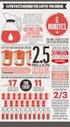 Alcohol Facts and Statistics Alcohol Use in the United States: Prevalence of Drinking: In 2012, 87.6 percent of people ages 18 or older reported that they drank alcohol at some point in their lifetime;
Motor Vehicle Deaths Updated: August 2014
 Motor Vehicle Deaths Updated: Motor vehicle death rates rise rapidly during the teen years and remain very high into early adulthood. The rate for teens, however, has followed a downward trend for most
SOUTH AFRICA. Recorded adult per capita consumption (age 15+) Last year abstainers
 SOUTH AFRICA Recorded adult per capita consumption (age 15+) 18 16 14 Litres of pure alcohol 12 10 8 6 4 Beer Spirits Wine 2 0 1961 1965 1969 1973 1977 1981 1985 1989 1993 1997 2001 Year Sources: FAO (Food
Prevalence and profiles of substance and multisubstance use among adolescents: UK and International perspectives.
 Prevalence and profiles of substance and multisubstance use among adolescents: UK and International perspectives. Dorothy Currie, Gillian Small and Candace Currie: Child and Adolescent Health Research
1 GUIDE TO ALCOHOLISM
 1 GUIDE TO ALCOHOLISM Understanding Alcoholism While a glass of wine with dinner or a couple of beers while watching the big game may seem like a harmless way to unwind, for 14 million Americans, it is
Ass Professor Frances Kay-Lambkin. NHMRC Research Fellow, National Drug and Alcohol Research Centre UNSW
 Ass Professor Frances Kay-Lambkin NHMRC Research Fellow, National Drug and Alcohol Research Centre UNSW Frances Kay-Lambkin PhD National Health and Medical Research Council Research Fellow Substance Use
Alcohol Quick Facts ALCOHOL FACTS. New Zealand s drinking patterns. Crime and violence. Health impacts. Drink driving.
 Alcohol Quick Facts ALCOHOL FACTS New Zealand s drinking patterns The proportion of New Zealanders aged 15 years or more who drank alcohol in the past year dropped from 84% in 2006/07 to 80% in 2011/12
Drinking patterns. Summary
 Drinking patterns 6 Linda Ng Fat and Elizabeth Fuller Summary This chapter presents data on frequency of drinking alcohol, the amount consumed on the heaviest drinking day in the previous week, and regular
How Does. Affect the World of a. Child?
 How Does Affect the World of a Child? Because we are constantly updating our web pages to incorporate the most recent statistics, there may be some differences between the statistics in our published documents
Special Report Substance Abuse and Treatment, State and Federal Prisoners, 1997
 U.S. Department of Justice Office of Justice Programs Bureau of Justice Statistics Special Report Substance Abuse and Treatment, and Prisoners, 1997 January 1999, NCJ 172871 By Christopher J. Mumola BJS
Responses to Misleading and Inaccurate Beer Industry Propaganda on Excise Taxes
 Responses to Misleading and Inaccurate Beer Industry Propaganda on Excise Taxes Forty four percent of the retail price of beer is now consumed by taxes. The ʺ44 percentʺ calculation deceptively includes
SMOKING TOBACCO: SMOKING
 TOBACCO: SMOKING One in 4 adults in Guam is a smoker. Among youth, 1 in 5 smokes. Guam s smoking rate is higher than most US States and Territories; this has remained unchanged since 2001. T O B A C C
How To Treat A Drug Addiction
 1 About drugs Drugs are substances that change a person s physical or mental state. The vast majority of drugs are used to treat medical conditions, both physical and mental. Some, however, are used outside
The Benefits of a Creating a Healthy Work Environment
 Eaton County Substance Abuse Advisory Group (ECSAAG) Barry-Eaton District Health Department The Benefits of a Creating a Healthy Work Environment This presentation includes: Harmful affects of alcohol,
Screening, Brief Intervention and Referral to Treatment (SBIRT) for Substance Use: A Public Health Approach. Joan Dilonardo, Ph.D., R.
 Screening, Brief Intervention and Referral to Treatment (SBIRT) for Substance Use: A Public Health Approach Joan Dilonardo, Ph.D., R.N What is SBIRT? Some definitions Screening: a preliminary systematic
Alcohol Awareness. When Does Alcohol Abuse Become Alcoholism?
 Alcohol Awareness When Does Alcohol Abuse Become Alcoholism? Heavy drinkers may appear to function day to day yet still be putting themselves and others at risk. Learn how to recognize problem drinking.
CCMTA Public Opinion Survey of Drugs and Driving in Canada SUMMARY REPORT. Completed by: Brian Jonah, Senior Researcher CCMTA
 CCMTA Public Opinion Survey of Drugs and Driving in Canada SUMMARY REPORT Completed by: Brian Jonah, Senior Researcher CCMTA Contents 1.0 Executive Summary... 3 2.0 Background... 5 3.0 Method... 5 3.1
Karla Ramirez, LCSW Director, Outpatient Services Laurel Ridge Treatment Center
 Karla Ramirez, LCSW Director, Outpatient Services Laurel Ridge Treatment Center 1 in 4 Americans will have an alcohol or drug problems at some point in their lives. The number of alcohol abusers and addicts
Alcohol Expectancy Challenges: A Comprehensive Review
 Alcohol Expectancy Challenges: A Comprehensive Review Khatidja S. Ali, M.A. Leslie A. Robinson, Ph.D. Ashley M. Hum, M.S. Ashley A. Jackson, M.S. The Department of Psychology The University of Memphis,
University of North Carolina Chapel Hill (Online)
 Page 1 of 8 University of North Carolina Chapel Hill (Online) CORE ALCOHOL AND DRUG SURVEY LONG FORM - FORM 194 EXECUTIVE SUMMARY The Core Alcohol and Drug Survey was developed to measure alcohol and other
YOUTH DRUG SURVEY CHARLOTTE-MECKLENBURG PUBLIC SCHOOLS
 YOUTH DRUG SURVEY CHARLOTTE-MECKLENBURG PUBLIC SCHOOLS 2010 Paul C. Friday, Ph.D. Research & Training Specialists, Inc. Concord, NC June, 2011 Special appreciation is extended to Helen Harrill, John Basilice,
911: Lifeline Legislation
 NEW JERSEY NEW JERSEY 911: Lifeline Legislation My friend, I think has alcohol poisoning. I need to know what the symptoms are. Please guys, I need help with this. She drank about half of a fifth of vodka,