
The Military Acute Concussion Evaluation (MACE)
|
|
|
- Candace Marsh
- 10 years ago
- Views:
Transcription
1 The Military Acute Concussion Evaluation (MACE) Louis French, PsyD, Michael McCrea, PhD, Mark Baggett, PhD ABSTRACT Traumatic brain injury (TBI), in both times of peace and times of war is a significant public health issue for the military. Even at its most mild, TBI (concussion) can degrade fighting effectiveness, put individuals at increased risk for another injury, and in some cases cause persistent difficulties in cognition, and aspects of physical and emotional functioning. Key to the appropriate treatment of those with TBI is the identification of those that have suffered TBI. This article describes one such tool for the identification of TBI in a military setting, the Military Acute Concussion Evaluation (MACE) including its history, administration, and interpretation. INTRODUCTION In the current operational environment of OIF/OEF, blast injuries from devices such as improvised explosive devices (IEDs) produce a high number of mild traumatic brain injuries (mtbi). The continued use of IEDs against our forces suggests that mtbi will remain a focus of medical evaluation and treatment. The effects of mtbi or concussion can decrease individual or unit mission effectiveness, and potentially cause further risk to the safety of the individual or his peers. While TBI might be suspected after any injury that causes a significant blow to the head, there is also risk for brain injury related to the concussive force of explosive devices. In some cases, a blow to the head or blast exposure will cause no injury, while in other cases this external force will cause disruption in brain processes. This disruption may range from a brief, temporary period of being dazed or confused, to a lengthier period of loss of consciousness. In those circumstances, it is useful to have an instrument to assess potential cognitive or physical changes from this injury. Ideally, such an instrument is validated for its ability to serve in that role, has sensitivity to subtle cognitive changes that are perhaps not obvious in casual conversation, is brief, and does not require administration by a physician or psychologist. This risk in wartime is in addition to that already substantial risk in young adulthood. In fact, young men, the group at greatest risk in the civilian population, has its rates largely matched by young women in the military, a figure that demonstrates the inherent risk in service. 1 From 1997 through 2006, there were 110,000 servicemembers who had at least one TBI-related medical encounter, with 11.6% being hospitalizations. As expected, the numbers of TBI associated with battle injuries and the war time activity has increased since September 2001 relative to the period from 1997 to September In 2007; however, there was a marked increase in those that have two or more ambulatory visits at least seven days apart while deployed to/within 365 days of returning from Operation Enduring Freedom (OEF) or Operation Iraqi Freedom (OIF) with the rates more than doubling over the previous year. 2 DEFINITION OF TBI The Defense and Veterans Brain Injury Center (DVBIC) defines traumatic brain injury as an injury to the brain resulting from an external force and/or acceleration/deceleration mechanism from an event such as a blast, fall, direct impact, or motor vehicle accident, which causes an alteration in mental status, typically resulting in the temporally related onset of symptoms such as: headache, nausea, vomiting, dizziness/balance problems, fatigue, trouble sleeping/sleep disturbances, drowsiness, sensitivity to light/noise, blurred vision, difficulty remembering, and/or difficulty concentrating. This definition, developed for use in military settings, is consistent with other widely accepted definitions such as those by the CDC and WHO. HISTORY The need for medical management of concussion (mtbi) is well recognized in the sports world. This involves two components. 1 One is the acute care management of the injured at the time of injury. This is to identify and treat any potential neurosurgical emergencies. The other is the monitoring of concussion symptoms over time to monitor progress in recovery and determine when an individual is fit to return to the playing field. McCrea and colleagues in a prospective cohort study of 1631 collegiate football players examined the course of recovery after a 68 Journal of Special Operations Medicine Volume 8, Edition 1 / Winter 08

2 subset of the players sustained a concussion. 2 These athletes showed the greatest number of physical and cognitive symptoms in the acute phase immediately after concussion, with a course of recovery over five to seven days, at which time most were again at their baseline. However, about 10% remained symptomatic at one week s time, and players demonstrated different patterns of recovery in their symptom reporting, cognition, and balance. In November 2006, the DVBIC assembled 32 military and civilian experts to create a literature-based clinical practice guideline with regard to the assessment and management of mtbi in a military operational setting. That group produced a set of guidelines (see ommendations.pdf for the full document). For illustrative purposes, a graphical representation of the Level I practice guideline is shown below. As can be seen, this guideline relies on the use of the Military Acute Concussion Evaluation (MACE; see on page 71 for full instrument) a tool developed earlier that year by the Defense and Veterans Brain Injury Center. The MACE has both a history and evaluation component. The history component can confirm the diagnosis of mtbi after establishing that trauma has occurred and that during the course of this traumatic event, i.e. the service member having experienced an alteration in consciousness. The evaluation component, designed to be easily used by medics and corpsmen, can be administered within five minutes. It utilizes the Standardized Assessment of Concussion (SAC) to preliminarily document neurocognitive deficits in four cognitive domains: orientation, immediate memory, concentration and delayed recall. 3 The SAC was developed in response to and in accordance with the recommendations of the Colorado and American Academy of Neurology Colorado Guidelines. The SAC was also designed to be consistent with the neuropsychological literature on those domains of function thought to be most sensitive to the effects of mild traumatic brain injury/concussion, and the tests best suited to measuring those functions in brain injury patients. 4,5 The SAC has been shown in multiple studies to have validity in detecting and characterizing mental status abnormalities resulting from concussion. 6,7 MACE ADMINISTRATION The MACE has full instructions in its administration. The MACE and instructions are available at The MACE is designed for use fairly immediately post-injury. There are no data to support its use beyond the acute injury period, although it may have sensitivity to persistent cognitive deficits after the first week. The first eight parts of the MACE describes the incident that caused injury or concern for injury, determines whether a TBI actually occurred, based on the TBI definition, and asks about current symptoms. In practice, when possible, it is useful to determine whether the reported symptoms have a temporal relationship to the injury itself. That is, if tracking recovery from injury, one must be sure that the symptoms being examined did not antedate the injury. These first sections of the MACE are generally equivalent to the Brief Traumatic Brain Injury Screen (BTBIS and better known as the DVBIC 3 Question Tool). The BTBIS 10 is a TBI screening that has had initial validation of its ability to determine the presence of a TBI when given as a questionnaire. While it has questions about TBI related symptoms, it provides only self report of cognition and other factors. The MACE is intended to be individually administered and can more carefully detect and characterize potential cognitive dysfunction as a result of the injury. Parts 9 through 13 of the MACE provide the formal cognitive examination and a neurological screening. This screening involves examination of the eyes for pupil reactivity; examination of verbal fluency and output; and motor changes such as gait disturbance or pronator drift. In the scored portion, one point is given for each correct response. However, there may not be equal clinical significance to each item. For example, if a service member were to lose a point for the month or year, it would be suggestive of more diffuse cognitive impairment than the inability to recall one of five learned words after a delay. There are alternate forms available for the words and digits, as there have been case reports of service members memorizing MACE word lists, so that they might remain deployable with their unit.. INTERPRETATION There is no definitive cutoff below which cognitive dysfunction is present. In studies of some non-concussed patients the mean score was 28. In the initial The Military Acute Concussion Evaluation (MACE) 69

3 validation studies of the SAC, a score of 25 provided the best combination of sensitivity and specificity to mental status changes. Therefore, in practice, a score below 25 may represent clinically relevant cognitive impairment. The authors of the SAC provide several guidelines to be followed in the interpretation of the SAC performance in sports related concussion, but the guidelines and cautions for interpretation are equally useful in a military setting (p.47): The SAC provides a standardized, objective measure of mental status changes following concussion, but the examiner must not rely solely on the SAC or any other instrument as a stand-alone method of diagnosing concussion or determining a subject s recovery and readiness to return to play after injury. The SAC is intended to complement, not substitute for, the advice of a physician or other qualified healthcare provider. All aspects of the injury examination (e.g., mental status evaluation, physical exam, symptom survey, witness accounts, etc.) must be equally considered in the assessment and management of concussion. Concussion may manifest with signs other than mental status or neurocognitive abnormalities, such as physical signs or other post-concussion symptoms. Therefore, a comprehensive physical exam and survey of symptoms should accompany any mental status exam, including the SAC. Any unusual signs and symptoms reported or displayed by a subject following suspected concussion must be seriously considered by the examiner, regardless of performance on the SAC or any other assessment measure. The presence of any post-concussion signs or symptoms, on the SAC or otherwise, should preclude any subject from returning to competition and indicates the need for close monitoring of the subject s condition. Persistent symptoms indicate the need for further evaluation by a physician. Louis M. French, PsyD Dr. French received his doctorate in clinical psychology, focused on assessment, from the George Washington University. He completed fellowships in clinical and experimental neuropsychology at the National Institute of Mental Health and in neuropsychology, focusing on traumatic brain injury, at the Defense and Veterans Brain Injury Center (DVBIC) at Walter Reed Army Medical Center. He is currently the TBI Service Chief at the hospital and site director for the DVBIC at Walter Reed, where he oversees operations related to the identification and treatment of individuals with traumatic brain injury. He serves or has served on a number of federal or DoD panels on issues in traumatic brain injury, including the Army Surgeon General s Taskforce on TBI. Michael McCrea, PhD, ABPP Dr. Michael McCrea is the Executive Director of the ProHealth Care Neuroscience Center based in suburban Milwaukee, Wisconsin. Dr. McCrea is a board-certified clinical neuropsychologist and has headed up the Neuropsychology Service at Waukesha Memorial Hospital since He earned his doctoral degree from the University of Wisconsin-Milwaukee, then completed his clinical training in neuropsychology at Vanderbilt University School of Medicine, followed by a postdoctoral fellowship at Northwestern University Medical School. Dr. Mc- Crea has been an active researcher in the neurosciences, with numerous scientific publications, book chapters, and national and international lectures on the topic of traumatic brain injury. Most recently, he authored the text Mild Traumatic Brain Injury and Postconcussion Syndrome: The New Evidence Base for Diagnosis and Treatment published by Oxford University Press. Mark R. Baggett, PhD LTC Mark Baggett is the Deputy Command Psychologist for the Directorate of Psychological Applications at the U.S. Army Special Operations Command. He holds a bachelor s in psychology from the University of California at Santa Cruz and a master s and Ph.D. in clinical psychology from Pacific Graduate School of Psychology, Palo Alto, CA. Prior to his current assignment, he served as the Command Psychologist for the JFK Special Warfare Center and School for two years; he served as an intern in clinical psychology, a neuropsychology fellow; chief of tele-health service at Walter Reed Army Medical Center; the division psychologist, 2nd Inf. Div.; chief of psychology service, Martin Army Hospital, Fort Benning, GA; command psychologist for the U.S. Army Infantry Center, Fort Benning; and chief of psychology service and chief of neuropsychology, Womack Army Medical Center, Fort Bragg. 70 Journal of Special Operations Medicine Volume 8, Edition 1 / Winter 08

4 The Military Acute Concussion Evaluation (MACE) 71

5 72 Journal of Special Operations Medicine Volume 8, Edition 1 / Winter 08

6 The Military Acute Concussion Evaluation (MACE) 73

7 74 Journal of Special Operations Medicine Volume 8, Edition 1 / Winter 08

8 The Military Acute Concussion Evaluation (MACE) 75

9 76 Journal of Special Operations Medicine Volume 8, Edition 1 / Winter 08

10 REFERENCES 1. Ommaya A., Ommaya A et al., (1996). Causation, incidence, and costs of traumatic brain injury in the U.S. military medical system. J Trauma, 40(2), United States Department of Defense. Traumatic Brain Injury among Members of Active Components, U.S. Armed Forces, Medical Surveillance Monthly Report, August 2007; 14(5), Randolph C, McCrea M, Barr, WB. (2005). Is neuropsychological testing useful in the management of sport-related concussion? J Athl Train, 40(3), McCrea M, Guskiewicz K, Barr W, Marshall S, Randolph C, Cantu RC, Yang G, Onate J, Kelly J. (2003). Acute effects and recovery time following concussion in collegiate football players. JAMA, 290(19), McCrea M, Kelly JP, Randolph C, et al. (1998). Standardized assessment of concussion: On-site mental status evaluation of the athlete. J Head Trauma Rehabil, 13(2), Capruso DX, Levin HS. (1992). Cognitive impairment following closed head injury. Neurol Clinics, 10, Clifton GL. (1992). Outcome measures for clinical trials involving traumatically brain injured patients: Report of a conference. Neurosurg, 31(5), McCrea M, Kelly JP, Randolph C, et al. (1997). Standardized assessment of concussion in football players. Neurology, 48, Pottinger L, Cullum M, Stallings RL. (1999). Cognitive recovery following concussion in high school athletes. Archives of Clinical Neuropsychology, 14, Schwab KA, Baker G, Ivins B, Sluss-Tiller M, Lux W, Warden D. (2006). The Brief Traumatic Brain Injury Screen (BTBIS): Investigating the validity of a self-report instrument for detecting traumatic brain injury (TBI) in troops returning from deployment in Afghanistan and Iraq. Neurology, 66(5) (Supp. 2), A235. The Military Acute Concussion Evaluation (MACE) 77

Department of Defense INSTRUCTION. DoD Policy Guidance for Management of Mild Traumatic Brain Injury/Concussion in the Deployed Setting
 Department of Defense INSTRUCTION NUMBER 6490.11 September 18, 2012 USD(P&R) SUBJECT: DoD Policy Guidance for Management of Mild Traumatic Brain Injury/Concussion in the Deployed Setting References: See
Health on the Homefront:
 Health on the Homefront: TRAUMATIC BRAIN INJURY SURVEILLANCE, DEPARTMENT OF THE NAVY, SAILORS AND MARINES IN VIRGINIA, 2008-2018 Jean Slosek, MS, Epidemiologist Deployment Health Division, Epidemiology
EYE-TRAC Advance. A research study funded by the Department of Defense
 EYE-TRAC Advance A research study funded by the Department of Defense BROCHURE CONTENTS About BTF..................................................... 1 Eye-Trac Advance Overview....................................1
TBI TRAUMATIC BRAIN INJURY WITHIN THE MILITARY/VETERAN POPULATION
 TBI TRAUMATIC BRAIN INJURY WITHIN THE MILITARY/VETERAN POPULATION What is TBI? An external force that disrupts the normal function of the brain. Not all blows or jolts to the head result in a TBI. The
A PEEK INSIDE A CLOSED HEAD INJURY CLAIM... 1
 A PEEK INSIDE A CLOSED HEAD INJURY CLAIM By: Douglas Fletcher Fernando Fred Arias Dr. Jim Hom April 11, 2014 CONTENTS A PEEK INSIDE A CLOSED HEAD INJURY CLAIM... 1 SYMPTOMATOLOGY... 2 CRITICAL INFORMATION...
Early Response Concussion Recovery
 Early Response Concussion Recovery KRISTA MAILEY, BSW RSW, CONCUSSION RECOVERY CONSULTANT CAREY MINTZ, PH.D., C. PSYCH., PRACTICE IN CLINICAL NEUROPSYCHOLOGY FOR REFERRAL: Contact Krista Mailey at (204)
Neuropsychological Assessment in Sports-Related Concussion: Part of a Complex Puzzle
 Neuropsychological Assessment in Sports-Related Concussion: Part of a Complex Puzzle Jillian Schuh, PhD 1, 2, John Oestreicher, PhD 1, & Linda Steffen, PsyD 1 1 Catalpa Health 2 Department of Neurology,
Traumatic Brain Injury in Young Athletes. Andrea Halliday, M.D. Oregon Neurosurgery Specialists
 Traumatic Brain Injury in Young Athletes Andrea Halliday, M.D. Oregon Neurosurgery Specialists Variability in defining concussion Lack of reliable biomarkers for concussions Reliance on subjective system
Clinician Portal: Enabling a Continuity of Concussion Care
 Clinician Portal: Enabling a Continuity of Concussion Care www.concussionvitalsigns.com Clinician Portal: Enabling a Continuity of Concussion CARE The Clinician Portal advances sports concussion care by
Revised 10-4-10 Bethel Park s Sports Concussion and Closed Head Injury Protocol and Procedures for Student-Athletes
 Bethel Park s Sports Concussion and Closed Head Injury Protocol and Procedures for Student-Athletes If the Certified Athletic Trainer of Bethel Park School District has a concern that a student-athlete
Defined as a complex process affecting the brain, induced by traumatic biomechanical forces.
 Concussion Protocol Defined as a complex process affecting the brain, induced by traumatic biomechanical forces. May be caused by a direct blow to the head, face, neck or elsewhere on the body with force
BINSA Information on Mild Traumatic Brain Injury
 Mild traumatic brain injuries (MTBI) occur through sporting, car and workplace accidents. Mild brain injury is not easily diagnosed. This fact sheet explains how it may be recognised and assessed, and
The Indiana Trial Lawyer Association s Lifetime Achievement Seminar. Honoring Peter L. Obremsky. May 23-24, 2005
 The Indiana Trial Lawyer Association s Lifetime Achievement Seminar Honoring Peter L. Obremsky May 23-24, 2005 The Use of Medical Literature in the Brain Injury Case Thomas C. Doehrman Doehrman-Chamberlain
Neuropsychological Assessment in Sports- Related Concussion: Part of a Complex Puzzle
 Neuropsychological Assessment in Sports- Related Concussion: Part of a Complex Puzzle Jillian Schuh, PhD 1, 2, John Oestreicher, PhD 1, & Linda Steffen, PsyD 1 1 Catalpa Health 2 Department of Neurology,
How To Treat A Concussion
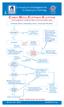 1 Concussion Management Combat Medic/Corpsman Algorithm (Pre-hospital/no medical officer in the immediate area) Traumatic Event or Head Injury Occurs: Concussion Possible A Any red flags? B Initiate MACE
Attention & Memory Deficits in TBI Patients. An Overview
 Attention & Memory Deficits in TBI Patients An Overview References Chan, R., et.al.. (2003). Are there sub-types of attentional deficits in patients with persisting post- concussive symptoms? A cluster
Concussion Guidance for the General Public
 CONCUSSION FACTS A concussion is a brain injury. All concussions are serious. Concussions can occur without loss of consciousness. All athletes with any symptoms following a head injury must be removed
Sport Concussion in New Zealand ACC National Guidelines
 Sport Concussion in New Zealand ACC National Guidelines This guideline document has been produced to inform National Sports Organisations (NSOs), and recreation, education and health sectors in their development
THE MANAGEMENT OF CONCUSSION IN AUSTRALIAN FOOTBALL
 THE MANAGEMENT OF CONCUSSION IN AUSTRALIAN FOOTBALL AFL Research board AFL MEDICAL OFFICERS' ASSOCIATION THE MANAGEMENT OF CONCUSSION IN AUSTRALIAN FOOTBALL This document has been published by the AFL
The FacTs: * All concussions are serious. A Fact Sheet for School Nurses
 A Fact Sheet for School Nurses Assess the situation Be alert for signs and symptoms Contact a health care professional The FacTs: * All concussions are serious. * Most concussions occur without loss of
GAO VA HEALTH CARE. Mild Traumatic Brain Injury Screening and Evaluation Implemented for OEF/OIF Veterans, but Challenges Remain
 GAO United States Government Accountability Office Report to Congressional Requesters February 2008 VA HEALTH CARE Mild Traumatic Brain Injury Screening and Evaluation Implemented for OEF/OIF Veterans,
Concussion: Sideline Assessment
 Concussion: Sideline Assessment Damion A. Martins, MD Director, Orthopedics & Sports Medicine Program Director, Sports Medicine Fellowship - Atlantic Health System Director of Internal Medicine - New York
Brain Injury Litigation. Peter W. Burg Burg Simpson Eldredge Hersh & Jardine, P.C. www.burgsimpson.com
 Brain Injury Litigation Peter W. Burg Burg Simpson Eldredge Hersh & Jardine, P.C. www.burgsimpson.com Some General Facts About Traumatic Brain Injury TBIs contribute to a substantial number of deaths and
What is a concussion? What are the symptoms of a concussion? What happens to the brain during a concussion?
 What is a concussion? The working definition used today for concussion is a complex pathophysiological process affecting the brain, induced by traumatic biomechanical forces (developed by the consensus
Cognitive Rehabilitation of Blast Traumatic Brain Injury
 Cognitive Rehabilitation of Blast Traumatic Brain Injury Yelena Bogdanova, PhD VA Boston Healthcare System Rehabilitation Research & Development Boston University School of Medicine IOM Committee on Cognitive
Traumatic brain injury (TBI)
 Traumatic brain injury (TBI) A topic in the Alzheimer s Association series on understanding dementia. About dementia Dementia is a condition in which a person has significant difficulty with daily functioning
San Diego Sports Medicine Sport Concussion Policy Developed by the SDSM Committee on Sports Concussion Updated 2/11
 San Diego Sports Medicine Sport Concussion Policy Developed by the SDSM Committee on Sports Concussion Updated 2/11 San Diego Sports Medicine (SDSM) has been a leader in the evaluation and treatment of
Montreal Cognitive Assessment (MoCA) as Screening tool for cognitive impairment in mtbi.
 Montreal Cognitive Assessment (MoCA) as Screening tool for cognitive impairment in mtbi. Suresh Kumar, M.D. AUTHOR Director of: Neurology & Headaches Center Inc. Neurocognitve &TBI Rehabilitation Center
Traumatic brain injury (TBI), caused either by blunt force or acceleration/
 Traumatic Brain Injury (TBI) Carol A. Waldmann, MD Traumatic brain injury (TBI), caused either by blunt force or acceleration/ deceleration forces, is common in the general population. Homeless persons
IF IN DOUBT, SIT THEM OUT.
 IF IN DOUBT, SIT THEM OUT. Scottish Sports Concussion Guidance: Grassroots sport and general public Modified from World Rugby s Guidelines on Concussion Management for the General Public Introduction The
CONCUSSION AND HEAD INJURY AWARENESS POLICY TRAINING C I T Y O F S O U T H J O R D A N 9 / 2 0 1 1
 CONCUSSION AND HEAD INJURY AWARENESS POLICY TRAINING C I T Y O F S O U T H J O R D A N 9 / 2 0 1 1 UTAH STATE LEGISLATION 2011 General Legislative Session House Bill 204: Enacts the Protection of Athletes
Concussion Management Program for Red Bank Catholic High School Athletic Department
 Concussion Management Program for Red Bank Catholic High School Athletic Department *This document should be used as a framework for a successful concussion management program but is not intended to replace
MYBRAINTEST. Computerized Concussion Testing
 MYBRAINTEST Computerized Concussion Testing Best Practices for Sports Teams and School Athletic Departments A Guide for Coaches, Athletic Trainers, Physicians, and Parents Table of Contents About This
Concussion: An Issue of Negligence in Sport? GREY MATTER, GREY AREA. The Legal Issues Arising From the Management of Concussion in Sport
 Concussion: An Issue of Negligence in Sport? GREY MATTER, GREY AREA The Legal Issues Arising From the Management of Concussion in Sport On 18 September 2015 the Rugby World Cup will kick off with England
sports medicine and concussion services Taking Care of Athletes of All Ages, from Recreational to Professional www.orthohealth.com
 sports medicine and concussion services Taking Care of Athletes of All Ages, from Recreational to Professional Specialists in the medicine of motion www.orthohealth.com sports medicine services Photo Credits:
A GUIDE TO IN RUGBY UNION
 A GUIDE TO The aim of this brochure is to provide information on concussion to those involved in rugby union in Ireland. Concussion MUST be taken extremely seriously. Any player with a suspected concussion
SOUTHWEST FOOTBALL LEAGUE CONCUSSION MANAGEMENT PROTOCOL
 SOUTHWEST FOOTBALL LEAGUE CONCUSSION MANAGEMENT PROTOCOL NOTE: Revisions to the guidelines recommended in this Concussion Management Protocol will be made on an annual basis based upon current legislation.
Psychological and Neuropsychological Testing
 2015 Level of Care Guidelines Psych & Neuropsych Testing Psychological and Neuropsychological Testing Introduction: The Psychological and Neuropsychological Testing Guidelines provide objective and evidencebased
Evaluating Mild Head Injuries Incorporating the Standardized Assessment of Concussion
 Evaluating Mild Head Injuries Incorporating the Standardized Assessment of Concussion By Jon Heck, MS, ATC and Robert Rosa, MPT Management of concussions in sports is one of the most controversial topics
Concussion Management Return to Play Protocol
 Concussion Management Return to Play Protocol Returning to play following a concussion involves a stepwise progression once the individual is symptom free. There are many risks to premature return to play
Coming Home Injured: Care and Advocacy for America s Veterans
 Exploring Justice Coming Home Injured: Care and Advocacy for America s Veterans Friday, October 29, 2010 Pike Conference Boston University School of Law Room 1270 8:45 a.m. Welcoming Remarks Deans of School
A patient guide to mild traumatic brain injury
 A patient guide to mild traumatic brain injury Delivering the best in care UHB is a no smoking Trust To see all of our current patient information leaflets please visit www.uhb.nhs.uk/patient-information-leaflets.htm
NEW TRENDS AND ISSUES IN NEUROPSYCHOLOGY: Mild Traumatic Brain Injury and Postconcussive Syndrome Cases
 NEW TRENDS AND ISSUES IN NEUROPSYCHOLOGY: Mild Traumatic Brain Injury and Postconcussive Syndrome Cases Carl F. Mariano Barry H. Uhrman Introduction to Neuropsychology As many of you are aware, clinical
Introduction to Veteran Treatment Court
 Justice for Vets Veterans Treatment Court Planning Initiative Introduction to Veteran Treatment Court Developed by: Justice for Vets Justice for Vets, 10 February 2015 The following presentation may not
Concussion Information Sheet
 Concussion Information Sheet A concussion is a brain injury and all brain injuries are serious. They are caused by a bump, blow, or jolt to the head, or by a blow to another part of the body with the force
Defense and Veterans Brain Injury Center
 Defense and Veterans Brain Injury Center Traumatic Brain Injury Recovery Support Program Donna Dennis, RN BSN Recovery Support Specialist (RSS) Agenda Who We Are: MRMC> DCoE> DVBIC >RSP Severity Rating
NFL Head, Neck and Spine Committee s Protocols Regarding Diagnosis and Management of Concussion
 NFL Head, Neck and Spine Committee s Protocols Regarding Diagnosis and Management of Concussion Introduction Concussion is an important injury for the professional football player, and the diagnosis, prevention,
Laurel School Sports Medicine Traumatic Brain Injury (TBI)/Concussion Management Document
 Laurel School Sports Medicine Traumatic Brain Injury (TBI)/Concussion Management Document Baseline Testing Laurel School Sports Medicine utilizes ImPACT neurocognitive testing as part of our concussion
Population Health: Veterans. Humble Beginnings
 Population Health: Veterans Randy Moore, MSN, RN VA Nursing Academy partnership with UAB SON; Clinical Instructor Humble Beginnings Colonial Period From the beginning, the English colonies in North America
NEW ZEALAND RUGBY LEAGUE CONCUSSION / HEAD INJURY POLICY
 NEW ZEALAND RUGBY LEAGUE CONCUSSION / HEAD INJURY POLICY February 2015 New Zealand Rugby League Medical panel The aim of the policy is to provide information on concussion to all those involved in rugby
UHSAA Sports Concussion Management Policy (Updated and Revised 8/17/2011)
 1. Overview UHSAA Sports Concussion Management Policy 1.1. In response to the growing concern over concussion in athletics there is a need for High Schools to develop and utilize a Concussion Management
1695 N.W. 9th Avenue, Suite 3302H Miami, FL. 33136. Days and Hours: Monday Friday 8:30a.m. 6:00p.m. (305) 355 9028 (JMH, Downtown)
 UNIVERSITY OF MIAMI, LEONARD M. MILLER SCHOOL OF MEDICINE CLINICAL NEUROPSYCHOLOGY UHEALTH PSYCHIATRY AT MENTAL HEALTH HOSPITAL CENTER 1695 N.W. 9th Avenue, Suite 3302H Miami, FL. 33136 Days and Hours:
Traumatic Brain Injury State of the State
 TBI Treatment Development Meeting February 19, 2015 Washington, DC Traumatic Brain Injury State of the State Geoffrey Ling, MD, PhD Director, Biological Technologies Office, DARPA Professor of Neurology,
Brain Injury Litigation Today
 MILD TRAUMATIC BRAIN INJURY PAPER 3.1 Brain Injury Litigation Today These materials were prepared by Joseph E. Murphy, QC, of Murphy Battista LLP, Vancouver, BC, for the Continuing Legal Education Society
Recognition and Care of Concussion
 Recognition and Care of Concussion Seattle Sport Concussion Program: Philip D. Heywood MS, ATC, AT/L Enter department name here Objectives: Definition and Pathophysiology Concussion facts Recognizing Concussions
LAWYERS SERVING WARRIORS
 Complete, sign and return to: National Veterans Legal Services Program, 1600 K. Street, N.W., Suite 500, Washington, DC 20006-2833; Email: [email protected]; Fax: 202.223-9197 Name: Date of Birth:
A comparison of complaints by mild brain injury claimants and other claimants describing subjective experiences immediately following their injury
 Archives of Clinical Neuropsychology 16 (2001) 689 695 A comparison of complaints by mild brain injury claimants and other claimants describing subjective experiences immediately following their injury
EMOTIONAL AND BEHAVIOURAL CONSEQUENCES OF HEAD INJURY
 Traumatic brain injury EMOTIONAL AND BEHAVIOURAL CONSEQUENCES OF HEAD INJURY Traumatic brain injury (TBI) is a common neurological condition that can have significant emotional and cognitive consequences.
Sport Concussion in New Zealand:
 Sport Concussion in New Zealand: ACC National Guidelines January 2015 Developed with our partners: This guideline document has been produced to inform National Sports Organisations (NSOs), and recreation,
Case Management of Mild Traumatic Brain Injury and Case Management Resources
 Case Management of Mild Traumatic Brain Injury and Case Management Resources Sue Kennedy, RN BSN CCM Defense Centers of Excellence for Psychological Health and Traumatic Brain Injury (DCoE), case management
Recovering from a Mild Traumatic Brain Injury (MTBI)
 Recovering from a Mild Traumatic Brain Injury (MTBI) What happened? You have a Mild Traumatic Brain Injury (MTBI), which is a very common injury. Some common ways people acquire this type of injury are
Traumatic Brain Injury and Incarceration. Objectives. Traumatic Brain Injury. Which came first, the injury or the behavior?
 Traumatic Brain Injury and Incarceration Which came first, the injury or the behavior? Barbara Burchell Curtis RN, MSN Objectives Upon completion of discussion, participants should be able to Describe
IHSA Sports Medicine Acknowledgement & Consent Form. Concussion Information Sheet
 Concussion Information Sheet A concussion is a brain injury and all brain injuries are serious. They are caused by a bump, blow, or jolt to the head, or by a blow to another part of the body with the force
Psychometric issues associated with computerised neuropsychological assessment of concussed athletes.
 Psychometric issues associated with computerised neuropsychological assessment of concussed athletes. Alexander Collie PhD 1,2,3, Paul Maruff PhD 1,4, Michael McStephen BSc(Hons) 1,3 & Michael Makdissi
Immediate Post-Concussion Assessment and Cognitive Testing (ImPACT) Normative Data
 Immediate Post-Concussion Assessment and Cognitive Testing (ImPACT) Normative Data Version 2.0 Only 2003 Grant L. Iverson, Ph.D. University of British Columbia & Riverview Hospital Mark R. Lovell, Ph.D.
Concussion in Sports
 PSAL: Concussion in Sports and the Concussion Management and Awareness Act Dennis A. Cardone, DO Associate Professor Concussion Overview Concussion accounts for 1 of 10 sports injuries CDC: Estimated 2,651,581
Responding to the Needs of Justice-Involved Veterans. Mark Mayhew, LCSW VA Justice Outreach Coordinator
 Responding to the Needs of Justice-Involved Veterans Mark Mayhew, LCSW VA Justice Outreach Coordinator There is inherent sympathy for those who sustain damage in defense of country, whether that damage
TRAUMATIC BRAIN INJURY AND DOMESTIC VIOLENCE
 TRAUMATIC BRAIN INJURY AND DOMESTIC VIOLENCE Women who are abused often suffer injury to their head, neck, and face. The high potential for women who are abused to have mild to severe Traumatic Brain Injury
Physical and Occupational. Treating Mild Traumatic. Injured Too. DoD Post Doctoral Research Team National Model Robyn Bolgla MSPT, CTRS
 Physical and Occupational Therapy Guidance to Treating Mild Traumatic Brain Injury Women Get Injured Too DoD Post Doctoral Research Team National Model Robyn Bolgla MSPT, CTRS MAJ, USAR, SP Army Professional
United States Military Casualty Statistics: Operation Iraqi Freedom and Operation Enduring Freedom
 : Operation Iraqi Freedom and Operation Enduring Freedom Hannah Fischer Information Research Specialist May 4, 2010 Congressional Research Service CRS Report for Congress Prepared for Members and Committees
SPORTS CONCUSSION INSTITUTE Excellence in Concussion Management Centinela Freeman Regional Medical Center, Marina Campus
 SPORTS CONCUSSION INSTITUTE Excellence in Concussion Management Centinela Freeman Regional Medical Center, Marina Campus An estimated ten percent of all athletes participating in contact sports suffer
The Role of Neuropsychological Testing in Guiding Decision- Making Related to Dementia
 The Role of Neuropsychological Testing in Guiding Decision- Making Related to Dementia By Scott Knight, Director, SLR Diagnostics & Assessments, a division of Sibley & Associates Inc., and Konstantine
Head Injury. Dr Sally McCarthy Medical Director ECI
 Head Injury Dr Sally McCarthy Medical Director ECI Head injury in the emergency department A common presentation 80% Mild Head Injury = GCS 14 15 10% Moderate Head Injury = GCS 9 13 10% Severe Head Injury
HANDLING NON-CATASTROPHIC BRAIN INJURY CASES
 HANDLING NON-CATASTROPHIC BRAIN INJURY CASES WE VE LEARNED THAT THE BRAIN IS MORE PLASTIC THAN WE ONCE THOUGHT AND THAT DAMAGE CAN COM FROM ITS MOVEMENT WITHIN THE SKULL AFTER A BLOW TO THE HEAD OR TO
HEAD INJURY Discharge Instructions
 Hospital Copy NEUROSURGICAL CONSULTANTS, INC. www.neurosurgical-consult.com MICHAEL GIEGER, ABNS MICHAEL H. FREED, M.D., FACS, ABNS MARC H. FRIEDBERG, M.D., Ph.D., FACS, ABNS LINDEN BUILDING FIRST FLOOR
3. Overview: The next 8 pages contain the concussion management algorithms guiding garrison medical care at the time of injury to 7 days.
 ATTACHMENT 2 (CONCUSSION MANAGEMENT IN THE GARRISON SETTING ALGORITHMS) TO HQDA EXORD DA GUIDANCE FOR MANAGEMENT OF CONCUSSION/MILD TRAUMATIC BRAIN INJURY IN THE GARRISON SETTING 1. General: Implementation
BON AIR BASKETBALL POLICIES & PROCEDURE MANUAL
 BON AIR BASKETBALL POLICIES & PROCEDURE MANUAL October 15, 2014 10/15/2014 Page 1 Crisis Management Plan The purpose of the Crisis Management plan is to define a step-by-step process to follow in the event
POLICY TO ADDRESS SUSPECTED SPORTS RELATED HEAD INJURY/CONCUSSION
 POLICY TO ADDRESS SUSPECTED SPORTS RELATED HEAD INJURY/CONCUSSION The Easton Public Schools has adopted this policy to address the identification and proper handling of suspected head injury for students
HEAD INJURIES & CONCUSSION PREVENTION AND MANAGEMENT PROTOCOL
 HEAD INJURIES & CONCUSSION PREVENTION AND MANAGEMENT PROTOCOL Policy Statement In order to effectively and consistently manage head injuries, the Brooke Charter School has established the following protocol
Michael J. Sileo, MD. Orthopedic Associates of Long Island (OALI)
 Michael J. Sileo, MD Orthopedic Associates of Long Island (OALI) ! Jeremy Thode, AD! Center Moriches BOE ! Safety of our student-athletes is our Number 1 concern! NYS is now forcing our hand " Referees
Woods Traumatic Brain Injury Symposium
 Woods Traumatic Brain Injury Symposium Veterans Health Affairs (VHA) Polytrauma/Traumatic Brain Injury (TBI) System of Care Philadelphia, PA September 28, 2013 VHA/Polytrauma/TBI Program: Presenters Keith
MANUEL DAVID TOBIAS, Ph.D. 9255 Town Centre Dr. Suite 875 San Diego, California 92121 Phone 858-362-8779 Fax-858-455-5556
 MANUEL DAVID TOBIAS, Ph.D. 9255 Town Centre Dr. Suite 875 San Diego, California 92121 Phone 858-362-8779 Fax-858-455-5556 PROFESSIONAL EXPERIENCE Qualified Medical Examiner- State of California, Division
Psychological and Neuropsychological Testing
 Psychological and Neuropsychological Testing I. Policy University Health Alliance (UHA) will reimburse for Psychological and Neuropsychological Testing (PT/NPT) when it is determined to be medically necessary
MEDICAL REGULATIONS 2015-2016 539 MEDICAL REGULATIONS
 MEDICAL REGULATIONS 2015-2016 539 MEDICAL REGULATIONS 1.1 CROWD DOCTOR With effect from 1998/1999 all Doctors employed as Crowd Doctors must have successfully undertaken the two one-day Football Association