
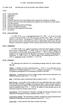
independent review program Assess Sample and audits suitability practices Examine Sample setting policy & conduct Review sales office visit
|
|
|
- Buck Wilkins
- 10 years ago
- Views:
Transcription
1 Offsite Review Core Examination Expanded Examination Conclusions Examination Process Determine extent of NDIP sales activity Review consumer complaints & resolutions Consider other regulators findings Assess policies, procedures, & contracts Evaluate personnel & compensation programs Assess disclosure practices & audits Review sales setting policy & conduct office visit Examine suitability practices and audits Verify qualifications, training, & compensation Sample account files & review all advertising Visit multiple offices & interview staff Sample account files with Regional Specialist Report of Examination Document safety & soundness concerns. Cite violations and contraventions. Address management & control deficiencies. Enter Examination Results System data. Safety & soundness concerns present? Evaluate independent review program Assess independent review program Sample independent review findings Compliance with regulations & policies? Federal Deposit Insurance Corporation 1 June 1, 1997

2 I. INTRODUCTION A nondeposit investment product (NDIP) is a finan cial asset that is not FDIC-insured and may contain investment risk. NDIPs include mutual funds, annuities, securities, and self-directed Individual Retirement Accounts that invest in securities. NDIP sales can expand banks activities, bolster earnings, increase competitiveness, and provide customers with additional services. NDIP sales at insured depository institutions may potentially confuse customers and expose banks to contingent liability or reputation risk. In addition, NDIP activity may materially affect banks earnings or funding structures. Therefore, examiners must carefully evaluate NDIP sales activities. Several FDIC regulations govern NDIP activity, including minimum recordkeeping and confirmation requirements (Part 344), subsidiary and affiliate activities (Part 337.4), and advertisement of membership standards (Part 328). In addition, on February 15, 1994, the four federal financial institution regulatory agencies issued the Interagency Statement on Retail Sales of No ndeposit Investment Products (Interagency Statement). The Interagency Statement applies to all insured depository institutions engaged in retail NDIP sales, regardless of whether they sell NDIPs directly or through an arrangement with a third party. The Interagency Statement declares that banks should fully inform customers about NDIP risks, differentiate NDIPs from insu red deposits, distinguish the NDIP sales area from the retail deposit area, develop effective program management, and establish independent compliance review. Notably, the Interagency Stateme nt does not apply to trust activities (when trust powers are exercised), savings bond sales, and government an d municipal security sales in segregated dealer departments. The Interagency Statement applies to retail NDIP sales effected by trust departments when trust powers are not exercised. The following guidance enables examiners to efficiently assess adherence to applicable regulations and the Interagency Statement, and to determine any safety and soundness risks that result from NDIP activities. The examination procedures emphasize offsite review and automated processes. At examiners discretion, the examination scope for any NDIP area may be expanded to permit more detailed review. However, expansion of the examination s scope should be restricted only to the specific areas that require additional scrutiny. Examination resources should be targeted on specific areas of concern. II. NDIP CONCEPTS LAWS, REGULATIONS, AND SUPERVISION Blue sky laws are state securities laws, which can vary considerably between states. The Employee Retirement Income Security Act (ERISA) governs most private pension and benefit plans and establishes pension fund management guidelines. ERISA provis ions apply to self-directed IRAs and Keogh accounts. The Glass-Steagall Act (Glass-Steagall), enacted in 1933, generally prohibits banks from underwriting securities, engaging in investment banking, or affiliating with investment banks. It also restricts securities firms retail banking activities. The Investment Company Act of 1940 requires investment companies to register with the SEC, and establishes requirements for reporting, pricing, investment allocations, and marketing. The Investment Advisers Act of 1940 requires all investment advisers to register with the SEC and protects investors from misrepresentation. Federal Deposit Insurance Corporation 2 June 1, 1997

3 The Securities Act of 1933 requires registration of securities offered for public sale, mandates preparation of a prospectus that contains adequate disclosures, and prohibits false statements or fraud. The Securities Exchange Act of 1934 authorizes the SEC to maintain fair an d orderly securities markets and enforce the Securities Act of It also established disclosure, registration, and insider trading requirements. The National Association of Securities Deal ers (NASD) is the self-regulatory organization for the over-the-counter securities market. It establishes member qualifications, tests and licenses representatives, maintains Rules of Fair Practice, and enforces compliance with securities laws and its own rules (subject to SEC review). NASD licenses, earned after passing standardized examinations, permit holders to engage in prescribed activities. Several licenses are summarized below: Series 6: Investment Company and Variable Contract Products Limited Representative, authorized to sell only mutual funds and annuities. Series 7: General Securities Representative, may sell all securities except commodities. Series 11: Assistant Representative - Order Processing, can take and enter unsolicited orders, but can not determine suitability or provide investment recommendations. Series 24: Series 52: Series 62: General Securities Principal, authorized to supervise all sales personnel. Municipal Securities Representative, may sell only municipal and government securities. Corporate Securities Limited Representative, may sell only corporate obligations. Regulatory enforcement authority is divided between several banking and securities regulators. Entity Effecting NDIP Sales State Nonmember Bank State Member Bank Bank Holding Company National Bank Broker / Dealer Primary Federal Regulator FDIC FRB FRB OCC SEC & NASD The Securities and Exchange Commission (SEC) was created by Congress to protect investors, maintain fair and orderly securities markets, and enforce federal securities laws. The Securities Investor Protection Corporation (SIPC) is a nonprofit membership corporation chartered by Congress to protect brokerage clients should their securities firm declare bankruptcy. Individual investors receive $500,000 coverage for cash and securities held by brokerages (but coverage for cash is limited to $100,000). This coverage does not apply to losses that result from investment risk. Banks are ineligible for SIPC membership, so direct bank NDIP program customers may not receive SIPC coverage. Bank subsidiaries and affiliates that register Federal Deposit Insurance Corporation 3 June 1, 1997

4 as broker/dealers are eligible for SIPC membership. Senior Regional Capital Markets and Securities Specialists (SRCMSS) are official FDIC specialists for a broad range of capital markets topics, including NDIPs, bank investment securities, market risk, and derivatives. One SRCMSS is assigned to each Region and serves as the primary contact between examiners and the Division of Supervision s Securities, Capital Markets, and Trust Branch. SRCMSS and other designated examiners, referred to as Regional Capital Markets and Securities Specialists (RCMSS), receive intensive specialized training. Securities and capital markets questions, including NDIP concerns, should be directed to a SRCMSS or a RCMSS. TERMINOLOGY Annuities are contracts that guarantee income (typically for an individual s lifetime) in exchange for a lump sum or periodic payment. The terms are usually based upon the individual s expected lifetime and anticipated market conditions. Deferred annuities guarantee payments at a specified future date and for a specified period. Fixed annuities are insurance products that guarantee fixed dollar payments, typically until death. The insurance company guarantees both earnings and principal. Fixed annuities are generally not considered securities, contain credit risk, and are regulated by state insurance commissioners. Immediate annuities are purchased with a single premium, and begin paying at once. Variable annuities guarantee payments, but do not guarantee the payment amounts. Variable annuities are securities, contain investment risk, and investors select level of investment risk. Bank securities representatives are bank employees who solicit, recommend, and effect NDIP transactions for retail customers within an insured depository institution s direct NDIP program. Bank securities representatives qualifications and training should substantively satisfy the equivalent NASD license s requirements. Dual and thirdparty employees are not bank securities representatives. Brokers charge a fee or commission for executing customer transactions, or for providing services (for example, investment advice). Federal securities laws exempt banks from the definition of a broker. Dealers act as a principal in a transaction. A dealer buys or sells a security for its own account and charges the customer a premium or discount. Federal securities laws exempt banks from the definition of a dealer. Discount brokers simply execute transactions and maintain customer accounts, b ut do not provide investment advice. All discount brokerage transactions are unsolicited. Dual employees are employed by both the bank and a third-party. Management and compensation arrangements vary, but dual employee programs should be governed by written agreements that clearly describe each party's responsibilities. Full-service brokers provide complete investment services, including investment advice, in exchange for fees or commissions. Hybrid accounts, which include sweep accounts, combine elements of insured deposits and NDIPs. The Interagency Statement s guidelines generally apply to hybrid accounts. Federal Deposit Insurance Corporation 4 June 1, 1997

5 Independent review functions should be performed by individuals that are not involved in any part of the NDIP operation. Reviews may be conducted by internal auditors, external auditors, or other independent staffers. Investment advisers include any individual who offers investment advice in exchange for compensation. Federal securities laws exempt banks from the definition of an investment adviser. Keogh accounts are tax-deferred pension accounts, but are available only to the self-employed or employees of unincorporated businesses. Load refers to the sales charge paid by an investor who purchases mutual fund shares or annuities. Front-end loads are charged at purchase, while back-end loads are charged at sale. However, many funds do not charge sales fees (no-load funds). 12b-1 mutual funds are usually no-load, but assess shareholde rs for promotional expenses. Charges typically total less than 1 percent of fund assets per year. 12b-1 funds must register with the SEC and disclose their fees. Mutual funds are investment companies that register under the Inv estment Company Act of Mutual funds offer their own shares for sale or have outstanding shares that are redeemable at the net asset value. All owners share gains and losses on a pro rata basis. Mutual funds are segregated into two categories: Open-end funds are sold through a continuous share offering. Share price equals the net asset value, plus any sales fees. Shares are redeemable at the net asset value, less any redemption fees. Closed-end fund shares are traded like equities, usually on an exchange. The number of shares is fixed, price is determined by the secondary market, and shares are not typically redeemed. Mutual fund administrators perform various services for mutual funds, such as disbursements, auditing, legal counsel, and information distribution. Mutual fund distributors are broker/dealers that act as mutual fund agents to sell fund shares. Distributors responsibilities include SEC registration, prospectus distribution, and marketing. Mutual fund custodians physically safeguard fund securities. Net asset value (NAV) represents a mutual fund s share value. It is calculated by subtracting total liabilities from total assets, then dividing by the number of outstanding shares. The NAV is calculated once per day, after each asset in the fund s portfolio is priced at the market close. Networking arrangements are formal agreements between banks and third-party vendors that enable vendors to sell or recommend NDIPs on bank premises. A written contract for malizes the arrangement, including compensation, personnel, facilities usage, and other responsibilities. Private label investment products are NDIPs not affiliated with the bank, but m arketed exclusively through that bank. The investment advisor, administrator, and distributor are not bank affiliates. Proprietary products are NDIPs that the bank or bank affiliate advises and markets principally to bank or affiliate customers. Sales representatives recommend or sell NDIPs on bank premises. Sales representatives may be NASD-licensed registered representatives or bank securities representatives. Federal Deposit Insurance Corporation 5 June 1, 1997

6 Self-directed individual retirement accounts (IRAs) permit account holders to select the investments held in their accounts. Accounts may be designated trustee or custodian accounts, and bank management s responsibilities vary accordingly. The Interagency Statement does not apply to self-directed IRAs that are invested entirely in insured deposits or that are part of a formal trust agreement (trustee accounts). Securities are financial instruments that grant an ownership position (stocks), a creditor relationship (bonds), or the right to purchase an ownership position (options, rights, and warrants). Sec urities contain investment risk and investors may lose part or all of their invested principal. Sweep accounts include any accounts that employ prearranged, automatic funds transfers (above a preset dollar balance) from a deposit account to purchase securities. Sweep accoun ts also include accounts that use prearranged, automatic securities sales or redemptions to replenish a deposit account that falls below a preset dollar balance. Third-party vendors are entities other than banks that engage in NDIP activity on bank premises. Bank subsidiaries or affiliates engaged in NDIP activities are considered third-party vendors. Unsolicited transactions occur when customers direct sales representatives to initiate transactions that were not recommended or suggested by any individual connected with the NDIP operation. III. PROGRAM MANAGEMENT Management s responsibilities depend upon the type and scope of the bank s NDIP operation. When bank employees sell or recommend NDIPs, management must establish a comprehensive program to control and supervise all aspects of the program s daily operations. If the bank has a networking arrangement with a third-party vendor, then management s responsibilities depend upon the nature and scope of the networking arrangement and management s oversight program for that relationship. Regardless of the type of NDIP operation employed, management must ensure that: NDIP activity adheres to all laws, regulations, and the Interagency Statement. The NDIP program operates safely and soundly. Customers receive adequate disclosures. Board Oversight The board should adopt an NDIP statement that addresses the program s risks and ensures compliance with the Interagency Statement. The NDIP statement should summarize the program s policies, procedures, and controls. It should clearly define the scope of any third party activities and bank monitoring of third party compliance with applicable laws, regulations, and the Interagency Statement. The statement should contain detail commensurate with the NDIP program s scope. The board should formally adopt the statement, review it periodically, and revise it when appropriate. Bank Operations When bank employees recommend or s ell NDIPs, management should adopt a comprehensive NDIP management program. The program should be guided by board policy, include detailed procedures, and receive close management supervision. The board should tailor its NDIP program to the bank s goals and its customers needs. Most important, the board should periodically reassess th e program and, when necessary, modify it to ensure prudent oversight of all NDIP activities. Management s policies and procedures should: Federal Deposit Insurance Corporation 6 June 1, 1997

7 Ensure compliance with all applicable laws, regulations, and the Interagency Statement. Designate the senior managers responsible for supervising NDIP activity. Designate the employees authorized to recommend or sell NDIPs. Maintain strict separation of duties between NDIP sales, management, and accounting. Establish procedures and criteria for selecting and reviewing the NDIPs offered. Set guidelines for customer information usage. Establish NDIP referral procedures. Detail employee qualification, training, and compensation practices. Ensure that the bank s blanket bond covers its NDIP activities. Establish a process to document and resolve customer complaints. Networking Arrangements Prior to entering into a networking agreement wi th a third-party vendor, management should diligently review the third party s: Qualifications Experience Regulatory history Financial condition References (particularly other banks) Networking arrangements should be established by a formal, written agreement. The board should periodically review its third party agreements to ensure that they meet the bank s needs and conform to all regulatory requirements. Networking agreements should: Clearly describe each party s duties and responsibilities. Define the activities that may be conducted on bank premises. Establish controls for the use of bank space, personnel, and equipment. Establish sales representative qualification requirements. Not preclude management from determining if particular sales representatives are not qualified to be associated with the NDIP program. Detail all compensation arrangements for all related personnel. Require the third party to comply with all applicable laws, regulations, and the Interagency Statement. Authorize the bank and appropriate banking agencies to monitor, review, and verify third party compliance and records. Indemnify the bank from liability resulting from the third party s NDIP sales activities. Require written, bank-approved employment contracts for any dual employees. Address the use of customer information and safeguard protected information. Subsidiaries and Affiliates NDIP subsidiaries and affiliates are third par ties; therefore, they are subject to all third-party vendor requirements and guidelines. The board s policies should ensure that the bank complies with Part of the FDIC s Rules and Regulations, which governs bank subsidiaries securities act ivities and bank transactions with affiliated securities firms. Product Selection Management should offer NDIPs that meet the bank s goa ls and anticipated customer needs. Policies should specify the criteria used to select the NDIPs that will be sold. That proc ess should be scrupulously followed and documented. At a minimum, management should: Determine if and how products are regulated. Assess each product s risks, rewards, and long-term performance. Federal Deposit Insurance Corporation 7 June 1, 1997

8 Consider the reputation and financial strength of the issuing or sponsoring company. Periodically review the product mix relative to the bank s goals and customer needs. When a consultant or third-party selects or recommends the product mix, management should verify that the selection process includes the above provisions. Further, management should determine if the consultant or third party receives compensation from any product provider. Management should carefully consider any compensation arrangements before offering those products. IV. PERSONNEL NDIP programs can not operate safely and soundly without qualified employees. Management should establish formal policies and requirements for bank securities representatives, the bank s NDIP supervisory personnel, and other bank NDIP program employees. Those policies and requirements should address: Qualifications Training Compensation Qualifications When bank employees recom mend or sell NDIPs, management should ensure that its employees are qualified and adhere to high professional standards. Bank securities representatives should possess qualifications that are substantively equivalent to NASD-licensed registered representatives. Man agement should verify each bank securities representative s background with regulatory agencies and prior employers. Securities regulators and self-regulatory organizations maintain historical records of disciplinary and f ormal enforcement actions taken against representatives. When a bank securities representative has a history of formal enforcement actions, management should carefully consider whether that individual should be associated with the bank s NDIP program. When the bank has a networking arrangement with a third party, management should take every reasonable precaution to verify that sales representatives on bank prem ises are properly licensed, qualified, and professional. For both dual employees and third-party employees, management should verify each sales representative s background with regulatory agencies and prior employers. When a representative has a history of formal enforcement actions, management should carefully consider whether that individual should be associated with the bank s NDIP program. Training All personnel involved in the NDIP program should receive comprehensive training for their duties, including continuing education. Sales representatives and investment advisors should fully understand the products offered, and all employees who have direct customer contact should receive basic NDIP program training. That training should address compliance with the Interagency Statement, all applicable laws and regulations, and the bank s sales guidelines. Bank securities representatives should receive training that is substantially equivalent to the requirements for the appropriate NASD representative designation, including coverage of: Product and strategy risks Applicable laws and regulations Customer protection requirements Bank personnel who supervise NDIP activity should receive sufficient training to effectively manage the sales Federal Deposit Insurance Corporation 8 June 1, 1997

9 representatives. NDIP program supervisors should receive training appropriate to that position. Compensation Banks may compensate employees for NDIP customer referrals, but the compensation must be: A one-time, nominal fee. A fixed dollar amount for each referral. Paid regardless of whether a sale or new account results. For example, a bank may pay a fixed dollar fee for every confirmed NDIP customer referral. However, the fee can not be increased if the customer purchases an investment or opens an account. Likewise, the fee can not be reduced if the customer does not purchase an investment or open an account. The referral compensation guidelines apply to all employees that are not specifically authorized to sell or recommend NDIPs. Sales representatives may receive commissions or incentives for customer transactions, but incentives must not encourage or result in unsuitable recommendations, improper sales, or excessive account transaction activity. Further, independent review personnel or audit staff should never receive incentive compensation related to NDIP sales. V. DISCLOSURES Management should ensure that sales r epresentatives and other employees clearly differentiate NDIPs from insured deposits for customers, regardless of the type of NDIP program in place (including networking arrangements). The Interagency Statement declare s that NDIP sales disclosures should, at a minimum, clearly indicate that a product is: Not insured by the FDIC. Not a bank deposit, bank obligation, or guaranteed by the bank. Subject to investment risk, including potential principal loss. However, the Interagency Statement disclosures do not apply to: Radio broadcasts of 30 seconds or less. Electronic signs (excluding television, internet, or ATMs). Signs used only as location indications. Customer Accounts Customers should receive the minimum disclosures during every NDIP sales presentation. Oral disclosures may suffice during many sales presentations and when investment advice is offered. However, when a customer opens an investment account, the sales representative should: Provide clear written and oral disclosures. Fully detail any fees, penalties, or redemption charges. Obtain a signed customer statement that acknowledges the customer s receipt and understanding of all disclosures. Disclose all material relationships between the bank and any third-party vendors (refer to the Material Relationships section below). If transaction confirmations or account state ments contain the bank (or affiliate) name or logo, then those documents should also include at least the minimum disclosures. If customers periodic deposit account statements also include NDIP account information, then the NDIP account information should be separ ate and distinct from the insured deposit Federal Deposit Insurance Corporation 9 June 1, 1997

10 account information. In addition, the statement should contain at least the minimum disclosures and identify the entity that conducted the NDIP transactions (if the bank used a third-party broker/dealer). Advertising and Promotion All retail NDIP advertising and promotions should include the minimum disclosures, and must not misrepresent a product s risks or lack of FDIC insurance. If advertising or promotional material addresses both insured deposits and NDIPs, then the NDIP information and disclosures should be separate and distinct from the insured deposit information. Further, the official FDIC membership statement described in Part 328 of the FDIC s Rules and Regulations should not be used in any NDIP advertising or promotional material. The minimum disclosures apply, but are not limited, to: Advertising (all media, including internet) Promotional displays on bank premises Brochures and other informative materials Telemarketing and electronic contacts Third-party vendor promotional material Shorter, logo format disclosures may be used for visual media, including televi sion, ATMs, billboards, signs, brochures, and other written promotional materials. Acceptable logo disclosures should include the following statements: Not FDIC Insured No Bank Guarantee May Lose Value Third-party vendors, mutual funds, and other NDIP providers will often supply banks with promotional materials, such as placards, brochures, and signs. However, the Interagency Statement s disclosure standards are uniform and do not vary depending upon the entity that produced the material. All NDIP advertising and promotional material displayed on bank premises or provided to customers through ba nk channels, regardless of its source, should contain the minimum disclosures. Material Relationships Sales representatives should disclose significant relationships between the bank, affiliates, and investment firms. Material relationships that should be disclosed include those between: Banks or affiliates and an investment company, when the bank or affiliate sells its shares. Banks and NDIP sales affiliates. Banks or affiliates and proprietary products. Other Insurance Coverage Whenever sales activities include a representation regarding insur ance coverage not provided by the FDIC, customers may confuse that coverage with FDIC insurance. For example, certain inves tments may be covered by the SIPC, state insurance funds, or private insurance firms. Sales representatives should clearly distinguish FDIC insurance from any other type of insurance coverage. Bank and Product Identity NDIPs must not have a name that is precisely identical to the bank s name. When the bank offers products with names similar to the bank, management should take precautions to prevent customer confusion. Management should ensure that those products are clearly differentiated from the bank s insured deposit products. Transaction Notification Part 344 of the FDIC s Rules and Regulations establishes minimum confirmation and recordkeeping requirements Federal Deposit Insurance Corporation 10 June 1, 1997

11 for banks that sell securities. When a customer purchases a security, the bank must provide either a copy of the broker/dealer confirmation or a written notification of the transaction. Part details the information that each notification must contain. The bank must disclose the amount of any compensation that it received from the customer for each transaction. Further, when the bank receiv es compensation from any other source for the transaction, then the bank must either: Disclose the source and amount of compensation on the transaction notification. Include a statement on the transaction notification disclosing that the bank received such compensation and that it will provide the source and amount upon the customer s written request. VI. SALES SETTING In order to minimize customer confusion between NDIPs and insured deposits, management should carefully plan the NDIP sales setting and customer contact procedures. Poorly designed sales settings and contact procedures can magnify customer confusion and expose the bank to risk. First, management must physically distinguish the area where NDIPs are sold or recommen ded from the area where insured deposits are accepted. Second, management should establish procedures for NDIP discussions, referrals, and inquiries that occur outside the designated NDIP sales areas. Bank management is responsible for pl anning and maintaining the NDIP sales setting, regardless of the type of sales operation in place. Physical Location All NDIP sales and recommendations should be conducted in a location that is physically distinct from the retail deposit area. Signs or other indicators should conspicuously identify and segregate the NDIP sales area. Confined facilities or limited lobby space may restrict management s options. In such cases, management should carefully distinguish NDIP activity from retail deposit activity. Signs for the retail deposit area should not address NDIPs, except for directional indicators. Insured deposit rate boards should not include NDIP information. Rate boards that address NDIPs may be subject to detailed securities laws regarding investment yield advertisements. Referrals and Inquiries Management should establish written customer contact procedures for employees that do not sell or recommend NDIPs (for example, tellers and deposit account representatives). All employees with customer contact responsibilities should receive NDIP customer contact procedure training. Within retail deposit areas, employees should never offer NDIP recommendations, qualify customers for NDIP purchases, or accept NDIP orders. Such activities may blur the distinction between insured deposits and NDIPs. However, any bank employee can refer customers to authorized NDIP sales or advisory personnel. Within some NDIP programs, bank employees sell both NDIPs and insured deposits. Management should ensure that those employees receive sufficient training to clearly disclose NDIP risks and explain the differences between NDIPs and insured deposits to customers. VII. SUITABILITY Sales representatives must employ fair and reasonable investment recommendation and sales methods. Federal Deposit Insurance Corporation 11 June 1, 1997

12 Representatives must base all investment recommendations on reasonable, objective analysis of each customer s financial condition and investment goals. Employees that are not authorized sales representatives should not recommend specific NDIPs or suggest investment strategy. The board should establish an effective independent review process that regularly assesses sales and investment recommendation practices, regardless of the type of NDIP program in place (including networking arrangements). Investment Recommendations Sales representatives should exercise care when recommending investments to retail customers. First, representatives should obtain information detailing each customer s investment goals, financial condition, and other factors. That information should be documented and periodically updated. Next, representatives should evaluate that information, compile customer profiles, and develop reasonable support for all recommendations. Finally, representatives should clearly explain all recommendations to customers. Representatives can not prudently recommend specific strategies or investments without first evaluating a customer s financial condition and investment goals. Customer investment goals should serve as the basis for all recommendations, especially: Risk tolerance Return objectives Tax considerations Liquidity Customer financial information should be evaluated, including: Assets, liabilities, and net worth Income and expenses Investment portfolio composition Taxation Insurance Customer nonfinancial factors should also be considered, including: Age and retirement plans Family status Current and anticipated education needs Current and anticipated health care needs Unsolicited Transactions Suitability standards are less stringent for unsolicited transactions and discount brokerage operations. In such circumstances, the sales representative should ensure that the customer has received at least the minimum NDIP and new account disclosures before accepting the transaction. Also, the bank should retain documentation (preferably signed by the customer) that shows the transaction was initiated solely at the customer s request. Third-Party Vendors Management should make reasonable efforts to ensure that third-party employees comply with all applicable regulations, the vendor s policies, and bank policies. Management should periodically review regulatory reports (for example: NASD and SEC examination findings), third-party audit reports, and other available materials. In addition, management should carefully review all customer complaints and re solutions. Further, management should evaluate sales representative turnover at bank locations. High complaint or turnover volume may indicate program difficulties. Material problems should be reported to the board, addressed with the vendor, and resolved. Federal Deposit Insurance Corporation 12 June 1, 1997

13 VIII. PROPRIETARY PRODUCTS Proprietary products are NDIPs that the bank or bank affiliate advises and markets principally to bank or affiliate customers. Proprietary products can produce greater income for banks than off-t he-shelf products, but can also create greater risk exposure. These products expose banks to increased reputation risk, create liquidity and capital considerations, and magnify disclosure concerns. The board and management should adopt detailed policies and procedures to control proprietary products sales. Program Management The board should establish policies that guide the management and operations of any proprietary products, and should maintain prudent oversight of proprietary product operations. This oversight should apply to all proprietary products, including those advised by an affiliate. The policies should: Require separation of duties between trading, sales, management, and accounting. Define bank management s responsibilities. Establish an independent review function. Outline strategies for potentially significant events, such as a capital injection. Disclosure When selling or recommending proprietary NDIPs, sales representatives should clearly disclose the product s risks to customers. Representatives should disclose th e minimum information described in subsection V, Disclosures, and should also inform customers of: Additional compensation earned for selling a proprietary product rather than other products. The product s fee structure, relative to other products offered at the bank. The product s risk profile, relative to other products offered at the bank. The product s historical performance, relative to other products offered at the bank. IX. IRAs AND KEOGH ACCOUNTS Generally, IRAs and Keogh accounts are trust accounts. When offered through a trust department, those accounts should be reviewed during trust examinations. Certain types of IRAs and Keogh accounts require trust powers, including: Accounts that appoint the bank as trustee. IRAs established by an employer for its employees. Keogh accounts that cover additional employees. Banks may, without exercising trust powers, offer self-directed custodial accounts that are established by individuals for their own benefit. Customers may then choose to invest account funds in NDIPs. Those activities are subject to the Interagency Statement s guidelines and must be examined during regular safety and soundness examinations. When banks offer and service self-directed IRAs or Keogh accounts, the Interagency Statement s guidelines apply to program management, personnel, disclosures, sales setting, and independent review apply. In addition, the special nature of these accounts demands additional management and control processes. Federal Deposit Insurance Corporation 13 June 1, 1997

14 Asset and accounting controls must segregate customer assets from bank assets (in both bank and correspondent facilities). Each individual account s assets must be distinguished from other accounts assets. Accounting records must clearly reflect that segregation, and must be separate from the bank s general ledger. Accounting controls should facilitate proper income reporting, record asset types, and identify individual instruments. Assets held at the bank must be under dual control and sho uld be periodically reconciled or verified. If the bank establishes a nominee partnership for securities registrations and transfers, then management should register the nominee name with the American Society of Corporate Secretaries. This safeguard prevents problems that could occur if more than one bank uses the same nominee name. Documentation must clearly identify and support each account. IRA documentation should include, at a minimum, the required IRS trust/custodian agreement (Form 5305, 5305A, or equivalent), consumer disclosure agreement, signature card(s), and beneficiary designation. Suitability guidelines should not apply to self-directed IRAs and Keogh accounts, since all transactions should be unsolicited. If the bank offers investment advice to the customer or acts as trustee, then the account is not self - directed. Management should implement procedures to document or verify that customers do not receive any investment recommendations from the bank. Illegal investments must not be permitted, regardless of any contrary customer instructions. IRA funds may be invested in United States American Eagle gold coins, but not in collectibles, including art, precious metals, gems, stamps, or antiques. In addition, IRA funds must not be used for certain insider transactions, including: Loans to the account sponsor or beneficiaries. Collateral for loans to the account sponsor or beneficiaries. Purchasing assets from the account sponsor, beneficiaries, or custodian bank. Selling assets to the account sponsor, beneficiaries, or custodian bank. Investments in debt instruments of the custodian bank or its holding company. Investments in equity securities of the custodian bank or its holding company, unless acquired from an independent third-party at fair market value. Broker selection must be based upon two principles. First, management must select the best broker for the account. Second, under SEC Rule 28(e), brokers must be selected based solely on the combination of lowest possible commission and best possible order executio n. Management may not select a broker based on insider relationships, personal relationships, compensation of any type, or solely due to community ties. Bank brokerage operations present conflicts of interest and considerable risk. A bank can only use its own bank brokerage services for custodial and trustee accounts when: Management satisfies securities laws relative to broker selection. The customer receives full written disclosure (pursuant to FDIC General Counsel s Opinion Number Six) of the bank s or affiliate s relationship to the broker and all compensation that the bank will earn. The account agreement expressly authorizes the specific activity. The bank complies with Part 337 of the FDIC s Rules and Regulations, which states that the transactions must be comparable to transactions with an unaffiliated broker/dealer. The bank complies with ERISA and Internal Revenue Code provisions stipulating that the bank must either charge no fees, or only charge fees that recover direct costs. The bank automatically uses its brokerage for all transactions unless re quested to do otherwise, but provides 30-day advance notice to accounts of all fee increases and permits accounts to immediately cease using the banks brokerage without penalty. Federal Deposit Insurance Corporation 14 June 1, 1997

15 Independent review functions, in addition to the minimum NDIP guidelines, should: Reconcile deposit and suspense accounts. Verify assets and recordkeeping. Test physical safekeeping and dual control. When banks offer self-directed IRAs and Keogh accounts but a third-party servicer administers the accounts, the board and management should implement a comprehensive program that adheres to the Interagency Statement s guidelines. Prior to selecting a third-party servicer, the board should evaluate servicers : Reputation and experience Financial strength Regulatory history Capacity to service anticipated volume Service costs Management should continue to regularly monitor its servicer, and those reviews should not occur only in preparation for contract renewal. All third-party servicer arrangements should be controlled by a board-approved, written agreement that: Permits the bank to review the servicer s regulatory reports and internal audit findings. Permits the bank to obtain the source paper files related to its accounts if servicing is terminated. Requires the servicer to provide all related computer records in a format compatible with bank and successor servicer systems. X. INDEPENDENT REVIEW The board must ensure that NDIP activities comply with all applicable laws and regulations, the Interagency Statement, and bank policies. Independent review depth and scrutiny should depend upon the type of sales program used. Depending upon a bank s size and NDIP activity, an effective independent review program may: Evaluate customer complaints and resolutions. Analyze exception reports that monitor sales and sales representatives performance. Assess sales representative turnover. Investigate unusual redemption patterns. Sample customer account files to verify disclosure, suitability, and activity practices. Interview customers. Employ testers to check disclosure and suitability practices. When bank employees sell or recommend NDIPs, independent review should also: Identify potential conflicts of interest. Review separation of duties between sales, supervision, and accounting functions. Review suitability processes and sample investment recommendations. Evaluate proprietary product operations. Federal Deposit Insurance Corporation 15 June 1, 1997

16 When the bank has a networking arrangement, independent review should also: Ensure that both parties adhere to the written agreement s terms and conditions. Verify that third party practices conform with FDIC regulations, the Interagency Statement, and bank policies. The independent review should be completely separate from the NDIP operation. Independent review staff should not receive any compensation that is based on NDIP sales activity. Review scope and frequency should be determined by independent staff. Findings should be reported directly to the board or a designated board committee (for example, the Audit Committee). Internal and external audit programs should also incorporate NDIP review procedures. XI. CORE EXAMINATION The NDIP examination procedures two-tier approach maximizes offsite revi ew, streamlines examinations, and focuses resources on potential risks. The procedures permit examiners to verify compliance with the Interagency Statement and applicable regulations. In addition, the procedures enable examiners to evaluate the potential impact of NDIP activity on banks safety and soundness. There are no questionnaires or checklists that must be completed during an NDIP examination. The core examination procedures apply to all bank NDIP sales programs. When material violations, weaknesses, or risks are evident, consider implementing the expanded examination procedures for that area. However, expanded procedures should only be implemented for the specific areas that cause examiner concern. Use judgement and discretion to determine when the examination s scope should be expanded. OFFSITE REVIEW The offsite review process incorporates many NDIP examination elements. Many examination procedures may be completed more efficiently during the offsite review, which also reduces the examination resources expended in banks. Obtain all available NDIP information from the bank prior to beginning the examination, including: Bank policies and procedures Agreements with third parties Independent review policies and reports NDIP activity and financial reports All available promotional materials Customer complaints and resolutions Customer disclosure forms Training programs materials and records Other regulatory reports Qualifications of all NDIP program personnel Proprietary product management reports Other regulators reports and findings should be obtained from the bank. When necessary, under a 1995 Memorandum of Understanding between the FDIC and the NASD, FDIC examiners can obtain the examination findings and workpapers from the most recent NASD examinations of bank-affiliated broker/dealers. FDIC Regional Offices are responsible for contacting the appropriate NASD regional office and establishing information sharing procedures. NASD information should be requested prior to beginning pre-examination planning to ensure that it is available for offsite review. Use the above material to complete as many of the following examination procedures as possible before commencing the onsite examination. PROGRAM MANAGEMENT The board and management should adopt, implement, and maintain an effective NDIP program. Refer to subsection III, Program Management, for additional information. Evaluate the board s oversight and control of the NDIP program. Federal Deposit Insurance Corporation 16 June 1, 1997

17 The board should: Establish clear goals for the NDIP program. Periodically assess the NDIP program s risks and rewards. Adopt prudent policies that guide NDIP management and operations. Establish an effective system to document and resolve customer complaints. Authorize specific employees to recommend and sell NDIPs. Authorize specific officers to supervise the NDIP program. Periodically review and, if necessary, act upon the NDIP independent review reports. Assess management s implementation of the NDIP program. Management should: Comply with the board s policies. Comply with applicable laws, regulations, and the Interagency Statement. Ensure safe and sound NDIP operations. Establish prudent NDIP procedures and controls. When the bank has a networking arrangement with a third-party vendor: The arrangement should be controlled by a written agreement. The agreement should be approved by the board. The agreement should comply with all laws, regulations, and the Interagency Statement. The agreement should indemnify the bank from the third party s NDIP activities. The agreement should provide for bank oversight, including the authority to remove sales representatives from bank premises. If the NDIP program does not include satisfactory board oversight, management supervision, policies, controls, and independent review, then NDIP activities may create safety and soundness concerns. When the standard examination procedures identify material program weaknesses or safety and soundness concerns, implement the expanded examination procedures. PERSONNEL NDIP personnel should meet minimum qualification and training standards, which are detailed in subsection IV (Personnel). Determine if: NDIP representatives and management are qualified to conduct their authorized duties. The NDIP training program provides adequate continuing education. Compensation policies and procedures comply with applicable laws, regulations, and the Interagency Statement. Independent review adequately addresses personnel and compensation. If personnel qualification, training, or compensation practices do not meet the standards described in subsection IV, then implement the expanded examination procedures. DISCLOSURES Complete, accurate NDIP disclosures can significantly reduce customer confusion and potential risk. Refer to subsection V, Disclosures, for additional information regarding disclosure requirements. Verify that all disclosures contain at least the minimum required content. Evaluate the NDIP program s standard materials, including: Customer account disclosure forms NDIP account statements Federal Deposit Insurance Corporation 17 June 1, 1997

18 Sales confirmations Advertising and promotional material Verify that the NDIP program mandates at least the minimum disclosures. Review the written policies, procedures, and independent review reports. Written policies and procedures should require: Disclosure training for all NDIP personnel. Minimum disclosures during all NDIP sales presentations. Minimum disclosures for all NDIP advertising and promotions. Representatives to obtain a signed customer statement that acknowledges the customer s receipt and understanding of all disclosures before opening a new account. Comprehensive independent review. Review all customer complaints in the NDIP program s files and in FDIC files. Determine if the complaints suggest a pattern of inadequate disclosure. If such a pattern is evident, then imple ment the expanded examination procedures. The core procedures do not include customer account file review. When file review appears necessary, implement the expanded procedures (which incorporate customer account file review). Use judgement and discretion to determine when to implement the expanded procedures. If the board and management have not adopted effective policies and procedures to provide at least the minimum disclosures, then implement the expanded examination procedures. Further, if th e independent review reports suggest that the NDIP customers do not receive adequate disclosures, then implement the expanded procedures. SALES SETTING Management must take every reasonable precaution to eliminate customer confusion between the NDIP and retail deposit settings and operations. Refer to subsection VI, Sales Setting, for additional information. When examining the NDIP sales setting: Verify that policies and procedures require strict segregation between NDIP and retail deposit activity. If hybrid accounts are offered, determine if management has established clear written policies and controls. Verify that NDIP names are not identical to the bank s name. Determine if the training program provides education regarding maintainin g segregation between the NDIP and retail deposit areas. Determine if the NDIP sales areas are clearly segregated from retail deposit areas. In banks with multiple NDIP sites, evaluate a small sample of the NDIP sales locations. Verify that the independent review reports address the NDIP sales setting and that exceptions have been corrected. Review all customer complaints and determine if they indicate a pattern of consumer confusion regarding NDIP sales settings. When management has not established NDIP sales areas that are physically distinct from the retail deposit areas, implement the expanded procedures. SUITABILITY Sales representatives can not prudently recommend specific investments without evaluating a customer s financial condition and investment goals. Evaluate management s policies and controls, independent review, and customer complaints, rather than samples of i ndividual recommendations to customers. Refer to subsection VII, Suitability, for additional information. Determine if: Customer complaints indicate a pattern of unsuitable recommendations. Federal Deposit Insurance Corporation 18 June 1, 1997

19 Policies and controls require represe ntatives to evaluate sufficient customer information before offering investment recommendations. Policies and controls require representatives to clearly explain all recommendations to customers. The independent review includes thorough suitability coverage. The core procedures do not include customer account file review. When file review appears necessary, implement the expanded procedures (which incorporate customer account file review). Use judgement and discretion to determine when to implement the expanded procedures. If the suitability policies, controls, or practices demonstrate weakness or indicate customer confusion, then implement the expanded examination procedures. PROPRIETARY PRODUCTS The board should oversee all proprietary product activities and establish policies that guide the management and operations of any proprietary products. Sales representatives should understand the proprietary products and clearly disclose those products risks, fees, and commissions to customers. Independent review should verify sound operations and appropriate disclosures. Refer to subsection VIII, Proprietary Products, for additional guidance. Determine if the proprietary products present potential risks by: Evaluating policies, procedures, board oversight, and management supervision. Reviewing other regulatory reports for findings that may affect the bank s safety and soundness. Verifying that policies and procedures require sales representatives to clearly disclose proprietary products risks, fees, and commissions. Determining independent review adequacy. If proprietary products have inadequate board oversight, management, sales disclosures, or independent review, then implement the expanded examination procedures. INDEPENDENT REVIEW Independent review should ensure that the NDIP program complies with all laws, regulations, the Interagency Statement, and internal policies and procedures. Refer to subsection IX, Independent Review, for additional information. Determine if the independent review: Maintains complete independence from the NDIP program. Identifies potential conflicts of interest. Monitors customer complaints and resolutions. Verifies that third-party sales adhere to the agreement with the bank, applicable laws and regulations, and the Interagency Statement. Ensures that disclosure policies, procedures, and content comply with applicable laws, regulations, and the Interagency Statement. Samples customer files to verify that signed disclosure statements are obtained. Reviews all advertising and promotions for compliance with applicable laws, regulations, and the Interagency Statement. Scrutinizes the suitability process and sample customer account files. Evaluates proprietary product operations. Compiles regular reports. Federal Deposit Insurance Corporation 19 June 1, 1997

20 Reports directly to the board or designated committee. If the independent review function does not adequately assess and report compliance to the board, then implement the expanded examination procedures. XII. EXPANDED EXAMINATION The expanded examination procedures direct increased scrutiny on specific areas of NDIP activity that present additional risk. The entire set of expanded procedures should not be applied automatically. Rather, implement only the expanded procedures that address specific areas of weakness, concern, or potential risk. When material supervisory concerns are evident, consider contacting a SRCMSS or RCMSS for additional guidance. PROGRAM MANAGEMENT When the core examination procedures identify NDIP program weaknesses, those weaknesses may negatively impact the bank s safety and soundness. Discuss all weaknesses in detail with management, suggest corrective action, and assess management s commitment to correct all deficienci es. If NDIP program management creates potential safety and soundness risk or management is unwilling to correct the program s deficiencies, then formal corrective action may be warranted. PERSONNEL When management s policies, procedures, and independent review do not appear to provide for a qualified, well - trained NDIP staff: Review sales representatives files and assess their bac kgrounds and regulatory histories. If management does not maintain that information on file, they should obtain it for the examination and for internal review. Assess the bank s NDIP training materials. Sample compensation practices to verify that management adheres to all applicable laws, regulations, the Interagency Statement, and board policy. Review sales records and ensure that only specifically designated personnel sell NDIPs. Review referral practices and verify that management adheres to all applicable laws, regulations, the Interagency Statement, and board policy. Interview various branch employees, including tellers and receptionists, and determine if proper NDIP referral procedures are followed. Discuss all concerns with management and determine their commitment to correct any deficiencies. DISCLOSURES When the core procedures indicate that customers may not receive adequate NDIP disclosures: Sample customer account files and verify that the required disclosures are included. Review all available advertising and promotional material. Visit several NDIP sales location s (when practical), evaluate the NDIP promotional material, and sample customer information. Interview sales representatives and gauge their knowledge of and commitment to adequate disclosure. Discuss all concerns with management and determine their commitment to correct any deficiencies. Do not pose as a potential NDIP customer or employ testers in order to assess the disclosure process. When a Federal Deposit Insurance Corporation 20 June 1, 1997

21 pattern of inadequate disclosure is evident, corrective action may be warranted. SALES SETTING When the core procedures indicate that the NDIP sales setting may create customer confusion between NDIPs and insured deposits: Visit additional NDIP sales locations (when practical) and determine if the NDIP sales setting is physically distinct from the retail deposit area. Discuss all concerns with management and determine their commitment to correct any deficiencies. When the sales settings do not clearly distinguish the NDIP sales area from the insured deposit area, assess the potential for customer confusion. SUITABILITY Implement these procedures when the core procedures reveal that suitability practices or controls create customer confusion or potential risk. Assess the extent of s uitability problems and potential risk exposures, but do not judge the appropriateness of individual recommendations to customers or suggest alternatives. Contact a SRCMSS or RCMSS for guidance before commencing these expanded suitability procedures. Analyze sales reports and promotions to: Evaluate sales activity for questionable practices, such as account churning. Determine if promotions have prompted unsuitable recommendation practices. For example, high volumes of volatile instruments or dramatic increases in a particular product s sales may indicate suitability concerns. Sample customer files and determine if: Customers signs appropriate disclosure forms. Representatives document and review adequate customer information before offering investment recommendations. Customer data has been updated periodically. Representatives provide complete information to customers regarding potential risks. Recommendations conform to customer goals. Determine the potential risk from customer confusion or unacceptable investment recommendation practices. Do not pose as a potential NDIP customer or employ testers in order to assess the suitability process. Discuss all concerns with management and determine their commitment to correct any deficiencies. PROPRIETARY PRODUCTS When the core procedures indicate that a proprietary product may create potential risk: Sample customer account files and verify that proper disclosures are included. Evaluate management s policies, procedures, and ability relative to potential cash injections or liquidity problems. Analyze other regulatory reports (for example, NASD, SEC, or state insurance commissioner examinations) to assess any operational risks. INDEPENDENT REVIEW When core examination procedures illustrate inadequate independent review: Federal Deposit Insurance Corporation 21 June 1, 1997
22 Sample customer account files and evaluate the independent review s success at identifying and eliminating documentation deficiencies. Determine if the independent review tracks all customer complaints and reports its findings to the board. When possible, verify the accuracy of the independent review s reports to the board. Interview NDIP staff and assess the independent review s oversight presence. Discuss all concerns with management and determine their commitment to correct any deficiencies. XIII. EXAMINATION CONCLUSIONS SAFETY AND SOUNDNESS ASSESSMENT Well-managed NDIP programs should augment bank earnings, and may help maintain or expand banks customer bases. However, NDIP activities can create safety and soundness concerns regarding: Contingent liabilities Reputation Earnings Liquidity Contingent Liabilities Determine if NDIP activities create current or potential contingent liabilities that can negatively affect earnings or capital. Incorporate that analysis, when material, in the earnings, capital, and contingent liability assessments. Consider: Settled, pending, and planned customer complaints or litigation. Regulatory investigations and sanctions. Failure to document minimum disclosures. Inappropriate product suitability or investment recommendation practices. Reputation When a bank s NDIP activities erode customers or the marketplace s confidence in that institution, the bank s reputation may suffer. This could result from poor disclosures, inappropriate investment recommendations, or even fraudulent practices. In addition, reputation risk may develop for no discernable reason. As a result, reputation risk is impossible to quantify. Still, the safety and soundness assessment must incorporate potential reputation risk from NDIP activity. Potential reputation risk may provide additional support for component and composite ratings. Earnings Determine if NDIP activities can materially impact earnings and incorporate the analysis in the examination s earnings assessment. Consider: NDIP program income, expenses, and stability relative to bank earnings. Deposit migration to NDIPs and funding costs. Liquidity Determine if NDIP activities can materially impact liquidity and incorporate that analysis in the examination s liquidity assessment. Focus the analysis on two factors: Actual or potential deposit migration to NDIPs. Proprietary product liquidity concerns. REPORT OF EXAMINATION Federal Deposit Insurance Corporation 22 June 1, 1997
23 Incorporate the NDIP analysis into the safety and soundness assessment, including the composite rating and all applicable component ratings. Material NDIP findings and analysis may be included in the Examiners Conclusions and Comments. Address any NDIP pro gram deficiencies in the Management and Administration, Risk Management, Internal Routine and Controls, and Violations sections of the Report of Examinations. APPARENT SECURITIES LAW VIOLATIONS Apparent violations of securities laws by bank-affiliated broker/dealers should be referred to the NASD. Each FDIC Regional Office has the responsibility for providing this information to the appropriate NASD regional office. Federal Deposit Insurance Corporation 23 June 1, 1997
SUBJECT: Nondeposit Investment Products (NDIP) and Recordkeeping Requirements Questions and Answers
 Division of Supervision Classification Number 6300 Date June 23, 1998 MEMORANDUM SYSTEM Issuing Office DOS/SCMT Contact Curtis Wong, 202-898-7327; Keith Ligon, 202-898-3618 Notice Memorandum X TO: FROM:
IX 2.1. IX. Retail Sales Insurance. Retail Insurance Sales. Introduction. Regulatory and Policy Requirements. Examination Procedures
 IX. Retail Sales Insurance Retail Insurance Sales Introduction The following supervisory information and examination procedures apply to retail sales, solicitation, advertising, or offers of any insurance
Thrift Activities Regulatory Handbook Update
 Office of Thrift Supervision January 7, 2004 Department of the Treasury Regulatory Bulletin RB 32-34 Handbook: Thrift Activities Subject: Other Activities Section: 710 Thrift Activities Regulatory Handbook
How To Manage An Rndip Sales Program
 Comptroller s Handbook O-RNIP Safety and Soundness Capital Adequacy (C) Asset Quality (A) Management (M) Earnings (E) Liquidity (L) Sensitivity to Market Risk (S) Other Activities (O) Retail Nondeposit
Nationwide Investment Advisors, LLC
 Item 1 Cover Page Nationwide Investment Advisors, LLC 10 West Nationwide Blvd Mail Code: 5-02-301J Columbus, OH 43215 614-435-5922 February 26, 2015 Part 2A of Form ADV This document ( brochure ) provides
Custom Wealth Manager Wrap Fee Program Brochure
 Custom Wealth Manager Wrap Fee Program Brochure March 30, 2016 Lincoln Financial Securities Corporation 1300 South Clinton St., Suite 150 Fort Wayne, IN 46802 (800) 258-3648 www.lfsecurities.com This wrap
ERISA 408(b)(2) Disclosure Statement
 This Fee Disclosure Guide 1 contains a description of services provided to plans and/or its participants as well as sources of compensation received by us or our affiliates which details are set forth
Financial Planning Services
 UBS Financial Services Inc. SEC File Number 801-7163 1000 Harbor Boulevard March 31, 2015 Weehawken, NJ 07086 (201)352-3000 http://financialservicesinc.ubs.com Financial Planning Services This brochure
CERTIFICATE OF DEPOSIT DISCLOSURE STATEMENT April 2014
 The information contained in this Disclosure Statement may not be modified by any oral representation made prior or subsequent to the purchase of your Certificate of Deposit. CERTIFICATE OF DEPOSIT DISCLOSURE
Merrill Lynch Personal Advisor Progra Client Agreement Mutual Fund Investing at Merrill Lynch. A Client Disclosure Pamphlet February 2015
 Merrill Lynch Personal Advisor Progra Client Agreement Mutual Fund Investing at Merrill Lynch A Client Disclosure Pamphlet February 2015 Merrill Lynch, Pierce, Fenner & Smith Incorporated One Bryant Park
PRODUCTS AND SERVICES
 PRODUCTS AND SERVICES Cost and Guide As a member of Thrivent Financial, we want you to have the information you need about the products and services you re paying for. This guide describes the costs associated
A GUIDE TO MUTUAL FUND INVESTING
 Many investors turn to mutual funds to meet their long-term financial goals. They offer the benefits of diversification and professional management and are seen as an easy and efficient way to invest.
Retirement Funding Advisors, Inc. 8031 M-15 Clarkston, MI 48348 248-620-8035
 Firm Brochure (Form ADV Part 2A) Retirement Funding Advisors, Inc. 8031 M-15 Clarkston, MI 48348 248-620-8035 May 31, 2011 This brochure provides information about the qualifications and business practices
Harmonic Investment Advisors
 Item 1 Cover Page Harmonic Investment Advisors 1020 W. Main Ave Ste 480 Boise, ID 83702 P: 208-947-3345 F: 208-947-9039 Website: Harmonicadvisors.com This brochure provides information about the qualifications
Ferguson-Johnson Wealth Management
 Firm Brochure (Part 2A of Form ADV) Item 1 Cover Page Ferguson-Johnson Wealth Management Investment Counseling & Wealth Management for Individuals & Institutions 51 Monroe St. Suite PE 25 Rockville, MD
Cash Sweep Program Disclosure Statement
 Cash Sweep Program Disclosure Statement Summary Please consult the full text of the disclosure statement below for further information at the pages indicated. How the Cash Sweep Program Works The Cash
Wealth Management Platform. - Advisor Managed Portfolios - Part 2A Appendix 1. Program Brochure. For
 Wealth Management Platform - Advisor Managed Portfolios - Part 2A Appendix 1 Program Brochure For VISION2020 Wealth Management Corp. One World Financial Center, 15th Floor New York, NY 10281 (800) 821-5100
Form ADV Part 2A Brochure March 30, 2015
 Item 1 Cover Page Form ADV Part 2A Brochure March 30, 2015 OneAmerica Securities, Inc. 433 North Capital Avenue Indianapolis, Indiana, 46204 Telephone: 877-285-3863, option 6# Website: www.oneamerica.com
Hewitt Financial Services Self-Directed Brokerage Account (SDBA)
 invest in you Enrollment Guide Brokerage Account (SDBA) Savings Plus offers a self-directed brokerage account option for investors who may want to direct investments to a wider variety of options other
SHARE CLASS AND SALES CHARGE INFORMATION IVY FUNDS
 SHARE CLASS AND SALES CHARGE INFORMATION IVY FUNDS CHOOSING A SHARE CLASS Each class of shares has its own sales charge, if any, and expense structure. The decision as to which class of shares of a Fund
DIVISION OF SECURITIES INVESTMENT ADVISOR SELF-INSPECTION CHECKLIST
 DIVISION OF SECURITIES INVESTMENT ADVISOR SELF-INSPECTION CHECKLIST July 2013 0 Investment Advisor Self-Inspection Checklist Registration Is the investment advisor properly registered in the IARD System?
FORM ADV PART 2A Brochure
 FORM ADV PART 2A Brochure HERITAGE WEALTH ADVISORS 901 EAST BYRD ST. WEST TOWER, SUITE 1300 RICHMOND, VA 23219 (804) 643-4080 WWW.HERITAGEWEALTH.NET Brochure updated MARCH 17, 2011 This brochure provides
211 CMR: DIVISION OF INSURANCE 211 CMR 142.00: INSURANCE SALES BY BANKS AND CREDIT UNIONS
 211 CMR 142.00: INSURANCE SALES BY BANKS AND CREDIT UNIONS Section 142.01: Scope and Purpose 142.02: Applicability 142.03: Definitions 142.04: Licensing 142.05: Consumer Protection Terms and Conditions
Conflicts of Interest
 Comptroller s Handbook AM-CI Asset Management (AM) Conflicts of Interest January 2015 Office of the Comptroller of the Currency Washington, DC 20219 Contents Introduction...1 Overview... 1 Types of Conflicts
RULE 1 INTERPRETATION AND EFFECT
 RULE 1 INTERPRETATION AND EFFECT 1.1. In these Rules unless the context otherwise requires, the expression: Affiliate or Affiliated Corporation means in respect of two corporations, either corporation
Lincoln Financial Advisors Corporation Financial Planning Brochure
 . Lincoln Financial Advisors Corporation Financial Planning Brochure March 26, 2015 Lincoln Financial Advisors Corporation 1300 South Clinton St., Suite 150 Fort Wayne, IN 46802 (800) 237-3813 www.lfa-sagemark.com
Firm Brochure (Form ADV Part 2A) 12610 N. Community Road, Suite 204 Charlotte, NC 28277 704-540-2500. www.independentadvisoralliance.
 Firm Brochure (Form ADV Part 2A) 12610 N. Community Road, Suite 204 Charlotte, NC 28277 704-540-2500 www.independentadvisoralliance.com October 21, 2015 This brochure provides information about the qualifications
CHAPTER 16 INVESTMENT ENTITIES
 CHAPTER 16 INVESTMENT ENTITIES Introduction 16.1 This Chapter sets out the requirements for the listing of the securities of investment entities, which include investment companies, unit trusts, closed-end
G&G Planning Concepts, Inc. Part 2A of Form ADV The Brochure
 G&G Planning Concepts, Inc. Part 2A of Form ADV The Brochure 9 East 40 th Street, 15 th Floor, New York, NY 10016 www.gassmanfg.com Updated: March 28, 2014 This brochure provides information about the
578326 (Rev 14) Cash Sweep Program Disclosure Statement
 578326 (Rev 14) Cash Sweep Program Disclosure Statement Cash Sweep Program Disclosure Statement Summary Please consult the full text of the disclosure statement below for further information at the pages
Account Fees: Fee. Physical Certificate Fee Check Delivery. Fees. Outgoing fed wire fee
 ERISA Section 408(b)(2) Disclosure Document Brokerage Services Introduction: This disclosure document (this Disclosure Document ) provides an overview of the fees and other compensation charged for or
Johanson Financial Advisors, Inc. 2105 South Bascom Avenue, Suite 255 Campbell, CA 95008. Firm Contact: Lynda Tu Chief Compliance Officer
 Part 2A of Form ADV: Firm Brochure Item 1: Cover Page June 2015 Johanson Financial Advisors, Inc. 2105 South Bascom Avenue, Suite 255 Campbell, CA 95008 Firm Contact: Lynda Tu Chief Compliance Officer
GUIDANCE FOR MANAGING THIRD-PARTY RISK
 GUIDANCE FOR MANAGING THIRD-PARTY RISK Introduction An institution s board of directors and senior management are ultimately responsible for managing activities conducted through third-party relationships,
Dennis Matthew Breier d/b/a Fairwater Wealth Management
 Item 1 Cover Page Dennis Matthew Breier d/b/a Fairwater Wealth Management Registered Investment Adviser 16W455 S. Frontage Road, Suite 311 Burr Ridge, Illinois 60527 (630) 282-6520 phone (630) 282-6520
Myles Wealth Management, LLC. 59 North Main Street Florida, NY 10921 845-651-3070. Form ADV Part 2A Firm Brochure.
 Myles Wealth Management, LLC 59 North Main Street Florida, NY 10921 845-651-3070 Form ADV Part 2A Firm Brochure February 23, 2015 This Brochure provides information about the qualifications and business
CHAPTER 64 REGULATION GOVERNING SUITABILITY IN ANNUITY TRANSACTIONS
 CHAPTER 64 REGULATION GOVERNING SUITABILITY IN ANNUITY TRANSACTIONS Section 1. Authority These rules and regulations governing the suitability in annuity transactions in the State of Wyoming supplement
Merrill Lynch Personal Advisor Progra Client Agreement Mutual Fund Investing at Merrill Lynch. A Client Disclosure Pamphlet May 2016
 Merrill Lynch Personal Advisor Progra Client Agreement Mutual Fund Investing at Merrill Lynch A Client Disclosure Pamphlet May 2016 Merrill Lynch, Pierce, Fenner & Smith Incorporated One Bryant Park New
JANNEY MONTGOMERY SCOTT LLC
 JANNEY MONTGOMERY SCOTT LLC Managed Account (Wrap Fee) Program Disclosure Brochure 1717 Arch Street Philadelphia, PA 19103 Main (215) 665-6000 Toll-free (800) 526-6397 www.janney.com August 17, 2015 This
FSB Premier Wealth Management, Inc. 131 Tower Park Drive Suite 115. Waterloo, IA 50701 Phone: 800-747-9999. Fax: 319-291-8626. www.fsbfs.
 FSB Premier Wealth Management, Inc. 131 Tower Park Drive Suite 115 Waterloo, IA 50701 Phone: 800-747-9999 Fax: 319-291-8626 www.fsbfs.com This brochure provides information about the qualification and
COMPANION POLICY 31-103CP REGISTRATION REQUIREMENTS AND EXEMPTIONS. Table of Contents
 COMPANION POLICY 31-103CP REGISTRATION REQUIREMENTS AND EXEMPTIONS Table of Contents Part 1 Definitions and fundamental concepts 1.1 Introduction 1.2 Definitions 1.3 Fundamental concepts Individual registration
Margin Account Agreement
 IMPORTANT TO READ This includes and incorporates by reference the Day-Trading Risk Disclosure Statement and the Truth-in-Lending Statement attached hereto (together, the Agreement ). Acknowledgments and
Part 2A of Form ADV: Firm Brochure
 Part 2A of Form ADV: Firm Brochure Item 1 Cover Page A. VL Capital Management LLC 55 West Church Street Orlando, FL 32801 Mailing Address: P.O. Box 1493 Orlando, FL 32802 Phone: (407) 412-6298 Effective
Woodbury Financial Services, Inc. Guide to Investing
 Woodbury Financial Services, Inc. Guide to Investing Woodbury Financial Services, Inc., Guide to Investing Table of Contents Who We Are..........................................................................
Executive Summary Definition of the Term Fiduciary U.S. Department of Labor Conflict of Interest Rule 1. April 15, 2016
 Executive Summary Definition of the Term Fiduciary U.S. Department of Labor Conflict of Interest Rule 1 April 15, 2016 I. Introduction. Background. The U.S. Department of Labor (the Department or DOL )
FORM ADV PART 2A BROCHURE
 November 4, 2015 FORM ADV PART 2A BROCHURE Thornburg Investment Management, Inc. 2300 North Ridgetop Road, Santa Fe, NM 87506 www.thornburg.com 1-800-533-9337 This brochure provides information about the
Webster Wealth Advisors, Inc.
 Webster Wealth Advisors, Inc. 195 Danbury Road, Suite 220 Davenport Building Wilton, CT 06897 (888) 862 9644 www.websterwealthadvisors.com March 30, 2015 This Brochure provides information about the qualifications
AGENCY: Securities and Exchange Commission ( Commission ). ACTION: Notice of an application under section 6(c) of the Investment Company Act of 1940
 This document is scheduled to be published in the Federal Register on 12/23/2015 and available online at http://federalregister.gov/a/2015-32193, and on FDsys.gov 8011-01p SECURITIES AND EXCHANGE COMMISSION
Understanding mutual fund share classes, fees and certain risk considerations
 Disclosure Understanding mutual fund share classes, fees and certain risk considerations Highlights Mutual funds may offer different share classes most commonly in retail brokerage accounts, Class A, B
American Bankers Association. Sample Glossary of Collective Investment Fund Terms for Disclosures to Retirement Plan Participants
 American Bankers Association Sample Glossary of Collective Investment Fund Terms for Disclosures to Retirement Plan Participants January 5, 2012 2 PART 1 Frequently Asked Questions (FAQs) About Collective
Developments in Deposit Insurance & Investment Protection for Municipalities
 Developments in Deposit Insurance & Investment Protection for Municipalities Establishment of Federal Deposit Insurance Program Following the stock market crash on October 29, 1929 and ensuing series of
DISCRETIONARY INVESTMENT ADVISORY AGREEMENT
 DISCRETIONARY INVESTMENT ADVISORY AGREEMENT This Discretionary Investment Advisory Agreement (this Agreement ) is between (the "Client") and LEONARD L. GOLDBERG d/b/a GOLDBERG CAPITAL MANAGEMENT, a sole
How To Determine If A Deposit Broker Is A Deposit Dealer
 GUIDANCE ON IDENTIFYING, ACCEPTING, AND REPORTING BROKERED DEPOSITS FREQUENTLY ASKED QUESTIONS (Updated 12/24/2014) A1. What is a brokered deposit? A. BROKERED DEPOSITS AND DEPOSIT BROKERS The term brokered
Collective. Prepared by the Coalition of Collective. Investment Trusts
 Collective Investment Trusts Prepared by the Coalition of Collective Investment Trusts Table of Contents Overview... 2 Collective Investment Trusts Defined... 3 Two Broad Types of Collective Trusts...
Public Financial Disclosure A Guide to Reporting Selected Financial Instruments
 Public Financial Disclosure A Guide to Reporting Selected Financial Instruments TABLE OF CONTENTS AMERICAN DEPOSITARY RECEIPT 1 CASH BALANCE PENSION PLAN 2 COMMON TRUST FUND OF A BANK 4 EMPLOYEE STOCK
ERISA 408(b)(2) Retirement Plan Service Provider Disclosure Information
 ERISA 408(b)(2) Retirement Plan Service Provider Disclosure Information This information is being provided to you as the Plan Sponsor or other responsible fiduciary of a retirement plan ("Plan") subject
KMH Wealth Management, LLC PO Box 2549 101 S. Main St. Suite 300 Victoria, TX 77902 FORM ADV PART 2 BROCHURE
 KMH Wealth Management, LLC PO Box 2549 101 S. Main St. Suite 300 Victoria, TX 77902 361 573-4383 Fax 361 573-1168 www.kmhwealth.com [email protected] 3/19/2014 FORM ADV PART 2 BROCHURE This brochure provides
The Re-Emergence of Collective Investment Trust Funds
 Manning & Napier Advisors, LLC The Re-Emergence of Collective Investment Trust Funds June 2011 Manning & Napier Advisors, LLC provides investment advisory services to Exeter Trust Company ( ETC ), Trustee
Manager Select Wrap Fee Brochure
 Manager Select Wrap Manager Fee Select Brochure Wrap Fee Brochure Wealth Management Services Manager Select Wrap Fee Brochure December 1, 2015 This brochure provides information about the qualifications
Code of Ethics Effective June 1, 2015
 Code of Ethics Effective June 1, 2015 APPLICABLE RULES AND REGULATIONS Rule 17j-1 of the Investment Company Act of 1940, as amended Rule 204A-1 of the Investment Advisers Act of 1940, as amended I. POLICY
Broker-Dealer and Registered Investment Advisor Fee Disclosure of the Transamerica Financial Group Division of TFA
 Broker-Dealer and Registered Investment Advisor Fee Disclosure of the Transamerica Financial Group Division of TFA This disclosure summarizes fees and other compensation received by Transamerica Financial
VERDE WEALTH GROUP, LLC
 VERDE WEALTH GROUP, LLC 2323 S. Shepherd Dr. Suite 845 Houston, TX 77019 www.verdewealthgroup.com This brochure provides information about the qualifications and business practices of Verde Wealth Group,
F I R M B R O C H U R E
 Part 2A of Form ADV: F I R M B R O C H U R E Dated: 03/24/2015 Contact Information: Bob Pfeifer, Chief Compliance Officer Post Office Box 2509 San Antonio, TX 78299 2509 Phone Number: (210) 220 5070 Fax
Pillar Wealth Management, LLC. Client Brochure
 Pillar Wealth Management, LLC. Client Brochure This brochure provides information about the qualifications and business practices of Pillar Wealth Management, LLC.. If you have any questions about the
Registration of Broker Dealers, Investment Advisers, and Agents
 CHAPTER 5 Registration of Broker Dealers, Investment Advisers, and Agents INTRODUCTION In this section we will examine the state registration process for broker dealers, investment advisers, and agents.
209 CMR: DIVISION OF BANKS AND LOAN AGENCIES 209 CMR 45.00: THE LICENSING AND REGULATION OF CHECK CASHERS
 209 CMR 45.00: THE LICENSING AND REGULATION OF CHECK CASHERS Section 45.01: Purpose and Scope 45.02: Definitions 45.03: Applicability 45.04: Application Procedure 45.04A: Mobile Units 45.05: Licensing
Statement of Financial Condition unaudited
 Statement of Financial Condition unaudited June 30, 2015 Vanguard Marketing Corporation (a wholly owned subsidiary of The Vanguard Group, Inc.) Vanguard Marketing Corporation (a wholly owned subsidiary
WEBLINKING: IDENTIFYING RISKS AND RISK MANAGEMENT TECHNIQUES
 Federal Deposit Insurance Corporation National Credit Union Administration Office of Thrift Supervision Office of the Comptroller of the Currency April 23, 2003 WEBLINKING: IDENTIFYING RISKS AND RISK MANAGEMENT
Discretionary Investment Management Agreement. Premier SEP IRA. Ameritas Investment Corp. 5900 "O" Street Lincoln, NE 68510-2234
 Discretionary Investment Management Agreement Premier SEP IRA Ameritas Investment Corp. 5900 "O" Street Lincoln, NE 68510-2234 DISCRETIONARY INVESTMENT MANAGEMENT AGREEMENT Ameritas Investment Corp. By
DECEMBER 8, 2010 FINANCIAL MARKETS UPDATE. SEC Proposes Rules Exempting Certain Private Fund Advisers from Investment Adviser Registration.
 December 8, 2010 FINANCIAL MARKETS UPDATE SEC Proposes Rules Exempting Certain Private Fund Advisers from Investment Adviser Registration The Securities and Exchange Commission (the SEC ) has published
Form ADV Part 2A Disclosure Brochure
 Form ADV Part 2A Disclosure Brochure Effective: February 3, 2014 This Disclosure Brochure provides information about the qualifications and business practices of Congress Capital Partners, LLP ( Congress
Item 2 Material Changes
 Item 1 Cover Page Prutzman Wealth Management, LLC dba Prutzman Wealth Management 201 W. Liberty Street, Suite 207 Reno, NV 89501 (800) 865-4202 www.prutzmanwm.com 8/31/2015 This Brochure provides information
TABLE OF CONTENTS PAGE GENERAL INFORMATION B-3 CERTAIN FEDERAL INCOME TAX CONSEQUENCES B-3 PUBLISHED RATINGS B-7 ADMINISTRATION B-7
 STATEMENT OF ADDITIONAL INFORMATION INDIVIDUAL VARIABLE ANNUITY ISSUED BY JEFFERSON NATIONAL LIFE INSURANCE COMPANY AND JEFFERSON NATIONAL LIFE ANNUITY ACCOUNT G ADMINISTRATIVE OFFICE: P.O. BOX 36840,
Cambridge Investment Research Advisors, Inc. 1776 Pleasant Plain Road Fairfield, IA 52556 800-777-6080 www.cir2.com. Date of Brochure: September, 2013
 Item 1 - Cover Page 1776 Pleasant Plain Road Fairfield, IA 52556 800-777-6080 www.cir2.com Date of Brochure: September, 2013 This brochure provides information about the qualifications and business practices
Sagemark Consulting. A division of Lincoln Financial Advisors Corporation Financial Planning Brochure
 . Sagemark Consulting A division of Lincoln Financial Advisors Corporation Financial Planning Brochure March 30, 2016 Lincoln Financial Advisors Corporation 1300 South Clinton St., Suite 150 Fort Wayne,
Office of the Comptroller of the Currency
 (1 of 6) Interpretations - Conditional Approval #208 Office of the Comptroller of the Currency Interpretations - Conditional Approval #208 Published in Interpretations and Actions August 1996 June 28,
UBS Deposit Account Sweep Program Disclosure Statement
 UBS Deposit Account Sweep Program Disclosure Statement Contents Summary 3 How the Program Works 4 Eligibility 4 Deposit Procedures 4 Withdrawal Procedures 4 Sweep Limit or Cap Election 4 Interest Rates
Accretive Wealth Management, LLC Firm Brochure - Form ADV Part 2A
 Accretive Wealth Management, LLC Firm Brochure - Form ADV Part 2A This brochure provides information about the qualifications and business practices of Accretive Wealth Management, LLC. If you have any
Authorised Persons Regulations
 Authorised Persons Regulations Contents Part 1: General Provisions Article 1: Preliminary... Article 2: Definitions... Article 3: Compliance with the Regulations and Rules... Article 4: Waivers... Part
Daily Income Fund Retail Class Shares ( Retail Shares )
 Daily Income Fund Retail Class Shares ( Retail Shares ) Money Market Portfolio Ticker Symbol: DRTXX U.S. Treasury Portfolio No Ticker Symbol U.S. Government Portfolio Ticker Symbol: DREXX Municipal Portfolio
Keystone Financial Planning, Inc.
 Keystone Financial Planning, Inc. 7261 Engle Road Suite 308 Middleburg Heights, Ohio 44130 Telephone: 440.234.6323 Facsimile: 440.234.6844 Website: www.keystonefin.com February 10, 2014 FORM ADV PART 2
Unison Advisors LLC. The date of this brochure is March 29, 2012.
 Unison Advisors LLC 2032 Belmont Road NW, #619 Washington, DC 20009 T 646 290 7697 F 646 290 5477 www.unisonadvisors.com The date of this brochure is March 29, 2012. This brochure provides information
NATIONAL INSTRUMENT 31-103 REGISTRATION REQUIREMENTS AND EXEMPTIONS. Table of Contents
 NATIONAL INSTRUMENT 31-103 REGISTRATION REQUIREMENTS AND EXEMPTIONS Table of Contents Part 1 Interpretation 1.1 Definitions of terms used throughout this Instrument 1.2 Interpretation of securities in
Investment Advisory Disclosure Brochure
 ADV Part 2A Appendix 1 211 E. High Street, Pottstown, PA 19464 610.323.5860 800.266.6532 www.mlfa.com Investment Advisory Disclosure Brochure March 25, 2013 This wrap fee program brochure provides information
Item 1: Cover Page LLC. Firm Brochure - Form ADV Part 2A
 Item 1: Cover Page Selective Wealth Management LLC Firm Brochure - Form ADV Part 2A This brochure provides information about the qualifications and business practices of Selective Wealth Management LLC.
INSIGHT FINANCIAL ADVISORS 400 North Tustin Avenue, Suite 250 Santa Ana, CA 92705 (714) 541-1400 www.insightfa.com October 1, 2014
 INSIGHT FINANCIAL ADVISORS 400 North Tustin Avenue, Suite 250 Santa Ana, CA 92705 (714) 541-1400 www.insightfa.com October 1, 2014 This Brochure provides information about the qualifications and business
How To Invest In Raymond James
 Summary Disclosure Pursuant to the provisions of the CFP Standards of Conduct, the following is a written document containing the information about the CFP Certificant that you have chosen to work with
International Research & Asset Management
 International Research & Asset Management 2301 Cedar Springs, Ste. 150 Dallas, TX 75201 214-754-0770 www.intlresearch.com Form ADV Part II A January 1, 2011 This Brochure provides information about the
Pillar Wealth Management, LLC. Client Brochure
 Pillar Wealth Management, LLC. Client Brochure This brochure provides information about the qualifications and business practices of Pillar Wealth Management, LLC.. If you have any questions about the