
Autologous stem cell transplantation for multiple myeloma: history and future
|
|
|
- Jeffery Myron Parrish
- 10 years ago
- Views:
Transcription
1 REVIEW International Journal of Myeloma 3(2): 55 66, 2013 日 本 骨 髄 腫 学 会 Autologous stem cell transplantation for multiple myeloma: history and future Chihiro SHIMAZAKI 1 Over the last decade, high-dose therapy supported by autologous stem cell transplantation (ASCT) has been the standard frontline therapy for younger patients with multiple myeloma (MM). But recently, the treatment strategy has been dramatically changed after the introduction of novel agents such as thalidomide, bortezomib and lenalidomide. These agents have been incorporated into induction therapies before ASCT and into consolidation and maintenance after ASCT, resulting in improvements in the complete remission (CR) rate with the prolongation of progression-free (PFS) and overall survival (OS). Now the best available strategy to achieve high CR rate and prolong PFS seems induction with three-drug bortezomib-based combinations followed by ASCT with bortezomib or immunomodulatory drugs-based consolidation, and lenalidomide maintenance. However, the best timing of ASCT in the era of novel agents represents an area of active debate and major interest. Currently several new agents are being developed, and more effective induction regimens using these agents with ASCT will upgrade responses and prolong PFS and OS in the near future. Key words: multiple myeloma, autologous stem cell transplantation, thalidomide, bortezomib, lenalidomide Introduction The outcome of patients with multiple myeloma (MM) treated with conventional chemotherapy is poor 1). However, the survival of patients with newly diagnosed MM, particularly those younger than 60 years, has significantly improved recently due to the introduction of high-dose therapy (HDT) supported by autologous stem cell transplantation (ASCT) 2). The concept of HDT supported by ASCT for MM was developed in the 1980 s 3,4), and over the last decade has become the standard frontline therapy for younger patients with MM 5). About 20 to 50% of patients who received ASCT achieved complete response (CR); however, almost all patients eventually relapse with a median survival of 5 years. More recently, novel agents such as thalidomide, bortezomib, and lenalidomide have been introduced into the clinical setting and have markedly changed the management of MM 6). Received: April 19, 2013, accepted: June 5, Department of Hematology, Social Insurance Kyoto Hospital Corresponding author: Chihiro SHIMAZAKI, M.D., Ph.D. Department of Hematology, Social Insurance Kyoto Hospital, 27 Koyama-Shimofusa-cho, Kita-ku, Kyoto , Japan TEL: , FAX: [email protected] These agents have been incorporated into induction therapies before ASCT and into consolidation and maintenance after ASCT, resulting in improvements in the CR rate with the prolongation of progression-free (PFS) and overall survival (OS). The use of these novel agents in combination with dexamethasone and alkylating agents is producing CR and PFS rates that are comparable to those achieved with HDT. In this review, the history and role of ASCT in the era of novel agents have been discussed. History of ASCT The beginning of modern chemotherapy for MM was initiated by the introduction of melphalan in 1958 (Figure 1). Another important step was the introduction of steroids. The combination of melphalan with prednisolone became the standard care for patients with MM for nearly 30 years. Changes in treatment standards began when HDT in MM was reported by McElwain and Powles in ). They demonstrated that a single infusion of high-dose melphalan could induce CR in patients with high-risk diseases, and this doseresponse effect of melphalan was later confirmed in a larger study 4). To overcome the prolonged myelosuppression induced by high-dose melphalan, systematic autologous stem cell support, which was initially explored in a relapse setting, but 55

2 HD-MEL Bortezomib Pomalidomide Lenalidomide 2006 melphalan 1958 MP 1969 VAD 1984 Thalidomide 1998 Carfilzomib Allo-BMT 1983 Auto- PBSCT 1996 Auto-Allo SCT 2000 Figure 1. Auto- Tandem BMT PBSCT Timeline depicting the treatment of multiple myeloma from 1958 to the present day. MP: melphalan/prednisolone, HD-MEL: highdose melphalan, VAD: vincristine/doxorubicin/dexamethasone, BMT: bone marrow transplantation, PBSCT: peripheral blood stem cell transplantation, SCT: stem cell transplantation. was recently introduced in an upfront setting, was proposed by Barlogie et al. 7,8). In the 1990 s, peripheral blood stem cell transplantation (PBSCT) was introduced and was shown to be superior to bone marrow transplantation in terms of hematopoietic recovery, which suggests that peripheral blood is a recommended source of ASCT in MM. With a single HDT followed by ASCT, 20 50% patients achieved CR; however, almost all patients eventually relapsed. To decrease the risk of relapse after ASCT, the feasibility and efficacy of purging methods aimed at providing a tumor-free source of hematopoietic stem cells were investigated in a prospective randomized trial. Although approximately 3 logs of reduction in the number of myeloma cells contaminating the graft was reported, purged autologous stem cell transplantation (SCT) did not improve the OS over that produced by unpurged SCT 9). In 1999, the Arkansas group first reported the concept of double intensification therapy for newly diagnosed MM, and prospective randomized trials comparing double versus single HDT have subsequently been investigated 10). Single ASCT versus conventional chemotherapy The first prospective randomized trial comparing HDT with conventional chemotherapy (CC) was conducted by Intergroupe Francophone du Myelome (IFM) 11) (Table 1). They demonstrated the superiority of HDT with ASCT over that of CC in 200 patients aged less than 65 years old (IFM 90 trial). In this trial, HDT significantly improved the response rate, event-free survival (EFS), and OS. These results were confirmed 7 years later by the British group in a larger cohort involving 407 patients (MRCVII trial) 12). Based on these two trials, ASCT become the standard care for frontline therapy in patients aged less than 65 years old. Thus far, six randomized trials comparing HDT followed by ASCT with CC have been published 11 16) ; however, the results across these studies have not been consistent. In four of the five studies 11 14,16), the CR rate was superior in the HDT arm, and in four of the six studies 11,12,14,15), this superior CR rate translated into a significant benefit in terms of EFS. However, OS was significantly improved in only three of the six trials 11,12,14). A systematic review and meta-analysis of randomized trials, including 2411 patients, of ASCT versus CC showed a significant longer PFS in favor of ASCT, with no significant impact on OS, which may have been due to salvage ASCT at the time of relapse in the CC arm 17). This suggests the benefit of delayed ASCT at the time of relapse 16,18). One randomized trial comparing early versus delayed ASCT demonstrated an equivalent OS, but early ASCT was associated with longer EFS and better quality of life 19). Tandem (double) transplantation Tandem stem cell transplantation refers to a planned second course of HDT and SCT within six months of the first. The concept of this approach in newly diagnosed patients was first investigated by the Arkansas group and was found to yield encouraging results, with median EFS and OS of 43 and 68 months, respectively 10). The IFM was the first to conduct a randomized trial comparing single versus double ASCT in 399 patients up to 60 years of age (IFM94 trial) 20) (Table 2). On an intention-to-treat analysis, the 7-year EFS and OS were significantly improved in the double ASCT arm. The benefit 56

3 Table 1 Conventional chemotherapy versus high-dose therapy for multiple myeloma Study Author No. of patients Age (years) CR (%) EFS (months) OS (months) CC vs HDT CC vs HDT CC vs HDT IFM90 Attal 200 < 65 5 vs vs 28 (5-year) vs 52 (5-year) 0.03 PETHEMA Blade 164 < vs vs vs 61 Italian MMSG Palumbo vs 25 (ncr) vs 28 < vs 58+ < MRCVII Child MAG95 Fermand 407 < 65 8 vs vs 32 < vs vs 36 nr 19 vs vs 48 US S9321 Barlogie vs 17 14% vs 17% (7-year) 38% vs 38% (7-year) CC: conventional chemotherapy, HDT: high-dose therapy, CR: complete response, EFS: event-free survival, OS: overall survival, nr: not reported, : not significant Table 2 Single versus tandem ASCT for multiple myeloma Study Author No. of patients CR (%) EFS (months) OS (months) single vs tandem single vs tandem single vs tandem IFM94 Attal MAG95 Fermand vs vs vs vs vs vs Bologna96 Cavo vs 47 (CR + ncr) vs vs 71 GMMG Goldschmidt HOVON 24 Sonneveld 261 nr nr 23 vs not reached 0.03 nr nr vs vs vs 50 ASCT: autologous stem cell transplantation, CR: complete response, EFS: event-free survival, OS: overall survival, nr: not reported, : not significant of EFS, but not OS, was confirmed by two other randomized trials 21,22). A meta-analysis of data pooled from controlled clinical trials (one of which was retracted), including 1803 patients, failed to show superior OS with tandem ASCT, which was associated with an improved response rate 23). The feasibility of double ASCT was good because 75% of patients underwent the second ASCT, with a toxic death rate of less than 5%. In both the IFM94 and Bologna 96 trials, the benefit of survival of tandem ASCT was only observed among patients failing to achieve CR or very good partial response (VGPR) after the first transplantation 20,21). On the other hand, patients who already achieved VGPR after the first transplant did not significantly benefit from a second ASCT. However, these two studies were not adequately powered to evaluate the equivalence on one versus two transplants in patients achieving CR or VGPR after the first ASCT. The NCCN guidelines (2013, ver. 1) recommended collecting enough stem cells for two transplants in all transplant-eligible patients, and that a second ASCT could be considered in patients achieving less than VGPR after the first HDT 24). The role of single versus tandem ASCT is currently being explored in a prospective randomized trial conducted by the Bone Marrow Transplant Clinical Trials Network (BMT/ CTN0702 trial) (Figure 2). Pre-transplant conditioning regimen High-dose melphalan 200 mg/m 2 (Mel200) is considered to be the standard preconditioning regimen for ASCT in MM. A prospective randomized trial comparing Mel200 versus melphalan 140 mg/m 2 (Mel140) plus 8Gy of total body irradiation 57

4 The BMT/CTN 0702 Trial R The IFM/DFCI 2009 Trial R No consolidation ASCT MEL200 VRD x4 ASCT MEL200 VRD x3 HD-CY PBSCH VRD x3 HD-CY PBSCH ASCT (MEL200) VRD x5 LEN maintenance LEN maintenance LEN maintenance VRD x2 LEN 12 mos LEN 12 mos ASCT at relapse Figure 2. Ongoing prospective randomized trials comparing early versus late ASCT. The BMT/CTN 0702 trial (left) and IFM/Dana-Farber Cancer Institute [DFCI] 2009 trial (right). R: randomization, VRD: bortezomib/lenalidomide/dexamethasone, LEN: lenalidomide, HD-CY: nigh-dose cyclophosphamide, PBSCH: peripheral blood stem cell harvest, ASCT: autologous stem cell transplantation (TBI) showed that Mel200 was at least as effective and better tolerated than the regimen containing TBI 25) (IFM9502 trial). Although EFS was identical in both groups, OS was significantly longer with Mel200 as a result of a longer OS after the first relapse. Although higher doses of melphalan have been tested, no randomized trials have been conducted. In the PETHEMA/GEM2000 trial, the first 225 patients receiving the combination of oral busulfan 12 mg/kg plus melphalan 140 mg/m 2 (BuMel) were retrospectively compared with the subsequent 542 patients receiving Mel200 as a preconditioning regimen for ASCT. They demonstrated that transplant-related mortality was significantly increased in the BuMel group due to the increased incidence of veno-occlusive disease. Although the median PFS was significantly longer in the BuMel group, OS was similar in both groups 26). Thus far, no randomized trial has shown the superiority of any other conditioning regimen over that of Mel200. HDT indicated a highly significant association between the maximal response and long-term outcomes 30). Recently, the Spanish PETHEMA group has shown that the achievement of a negative minimal residual disease (MRD) by multicolor flow cytometry (MFC) is a stronger predictor of EFS and OS than that of IFE-negative CR 31,32), while the Italian group showed that 18% of patients in at least VGPR after ASCT achieved molecular remission by qualitative and quantitative polymerase chain reactions with intensification therapy using VTD (bortezomib, thalidomide, and dexamethasone). After a median follow-up of 27 months, no patient in molecular remission had relapsed 33). In addition, sustained CR has been reported to be predictive of long-term survival 34). These observations suggest that the goal of myeloma therapy exists in the achievement of deeper and sustained responses, and that more refined and sensitive response criteria for MM, including not only negative IFE, but also MFC and molecular CR, is needed 35). Impact of CR after ASCT Prognostic factors in the context of ASCT The achievement of CR is a crucial step in obtaining longlasting disease control and prolonged survival in MM 27,28). In the IFM90 trial, patients achieving CR or at least VGPR had a longer OS than patients who only achieved partial response (PR). Moreover, patients who achieved immunofixation (IFE)- negative CR after ASCT had significantly longer PFS and OS than those who remained in near CR (ncr; negative electrophoresis but positive IFE) or VGPR 29). A review of retrospective and prospective studies on almost 5000 patients treated with Despite major improvements in the survival of patients treated with HDT, significant variability has been observed in the outcomes achieved. Many factors have been reported as being responsible for the lack of the efficacy of HDT. Most of these factors are linked to the biology of myeloma cells. The International Staging System (ISS), which is based on the β2-microglobulin (β2m) and albumin levels, can predict outcomes well after either conventional or HDT 36). Restricted to patients treated with HDT, the OS was 111 months, 66 58
![The BMT/CTN 0702 trial (left) and IFM/Dana-Farber Cancer Institute [DFCI] 2009 trial (right).](/docs-images/43/8691035/images/page_4.jpg "R: randomization, VRD: bortezomib/lenalidomide/dexamethasone, LEN: lenalidomide, HD-CY: nigh-dose cyclophosphamide, PBSCH: peripheral blood stem cell harvest, ASCT: autologous stem cell")
5 months, and 45 months, respectively for patients with stage 1, 2, or 3. Cytogenetic abnormalities are the most important prognostic factors in MM. With conventional cytogenetics, hypodiploidy and del(13) have been shown to be negative prognostic factors with HDT 37). FISH analysis showed that t(4;14), del(17p) and t(14;16) were also poor prognostic factors 38). The negative prognostic factor del(13), as detected by FISH, may be associated with a poor outcome only when associated with t(4;14) or del(17p) 38). One of the other factors related with poor outcomes is the proliferative index. However, this laboratory parameter is not always available or routinely evaluated. Introduction of novel agents The introduction of novel agents such as thalidomide, bortezomib, and lenalidomide has markedly changed the management of MM. These agents have been incorporated into induction therapies before ASCT, and into consolidation and maintenance treatments after ASCT. Induction regimens using novel agents Until recently, the combination of vincristine, doxorubicin, and dexamethasone (VAD) was the standard induction regimen before ASCT, but now its use has ceased. Thalidomide was the first novel agent to be compared with VAD or dexamethasone, in combination with dexamethasone (TD) or with doxorubicin plus dexamethasone (TAD) 39 41) (Table 3). Although TD or TAD were superior to VAD in terms of overall response or the VGPR rate, the CR rate was low at less than 10% 40,41). Post-ASCT results were analyzed in two trials; although the VGPR rates with TD and VAD were similar 39), they were be better with TAD than with VAD 41). In conclusion, the benefits of TD or TAD over VAD remained modest. Recently, another combination of thalidomide with cyclophosphamide and dexamethasone (CTD) has been reported from the MRC IX trial, in which CTD was shown to have a higher CR rate than that of VAD both before (13%) and after (50%) ASCT 42). The second novel agent that became available was the proteasome inhibitor bortezomib (Table 3). In the IFM trial, 482 patients were randomly assigned to receive bortezomib/ dexamethasone (BD) or VAD as induction therapy 43). Patients were then randomized to receive consolidation therapy consisting of dexamethasone, cyclophosphamide, etoposide, and cisplatin (DCEP) or not, followed by ASCT. Patients not achieving VGPR underwent a second transplantation. After induction therapy, the rates of CR/nCR, at least VGPR, and overall response were significantly higher with BD than with VAD. CR/nCR and at least the VGPR rates were higher regardless of the disease stage or adverse cytogenetic abnormalities, and response rates were similar in patients who did or did not receive DCEP consolidation. These superior response rates in the BD induction arms translated into better response rates after HDT. At a median follow-up of 32.2 months, median PFS was modestly, but not significantly prolonged; 36 months versus 30 months with BD versus VAD. Triple combination therapy including BD has been extensively tested in phase 3 studies. Three prospective randomized studies have shown that VTD (BD plus thalidomide) is superior to TD or BD 44 46). The Italian group prospectively compared TD versus VTD in 474 patients with newly diagnosed MM before tandem ASCT and found that VTD was superior in terms of CR or at least the VGPR rate, which translated into better PFS after HDT (GIMEMA MMY-3006 trial) 44). The major toxicity of this trial using bortezomib and thalidomide was peripheral neuropathy (10% in grade 3 4). The Spanish group also compared TD versus VTD versus a more complex chemotherapy regimen before ASCT in 390 patients, using the higher number of six cycles of induction, and demonstrated that VTD was able to achieve the best pre- and post-asct CR rates (PETHEMA/ GEM05ME65 trial) 45). In the IFM trial, four cycles of BD induction were compared with four cycles of a lower dose of VTD (bortezomib, 1 mg/m 2 instead of 1.3 mg/m 2, and thalidomide 100 mg/day instead of 200 mg/day as the Italian and Spanish trials) to reduce the rate of neuropathy 46). A total of 199 patients were enrolled and VTD was found to result in superior CR plus VGPR rates both before and after ASCT. A reduction in the rates of severe neuropathy was observed with the VTD arm with a grade 3 to 4 peripheral neuropathy of 3%. In the HOVON-65/GMMG-HD4 trial, a combination of BD plus doxorubicin (PAD) was compared with VAD as induction therapy before ASCT 47). PAD had a superior CR/nCR rate over that of VAD after both induction (11% vs. 5%) and ASCT (30% vs. 15%). Other triple combination therapies included BCD (BD plus cyclophosphamide) or VRD (BD plus lenalidomide). A phase II trial of BCD demonstrated an overall response rate of 88%, including at least VGPR of 61% and CR/nCR of 39% 48). A phase I/II trial with VRD demonstrated that response rate was 100% with 67% at least VGPR and 39% CR/nCR rates 49). However, no results by prospective randomized trials are available yet. A four-drug combination has been tested in phase 2 randomized trials. One study comparing VTD plus cyclophosphamide (VTDC) with VTD has demonstrated that both regimens were highly active induction regimens producing high CR/nCR and MRD-negative rates with a 3-year OS rate of 80% (both arms) 50). However, VTDC was associated with increased toxicity and transient decreases in the Global Health score, without an 59

6 Table 3 Novel agent-based induction regimen for transplant-eligible patients Study Author Regimen No. of patients Postinduction Post-Transplantation CR (%) VGPR (%) CR (%) VGPR (%) PFS (month) IFM Harrousseau HOVON-65/ GMMG-HD4 Sonneveld GIMEMA MMY-3006 Cavo PETHEMA/ GEM05MEN0S65 Rosinol IFM Moreau SWOG S0232 Zonder ECOG E4A03 Rajkumar MAG Macro HOVON50 Lokhorst MRCIX Morgan Ludwig BD VAD (+ ncr) (+ ncr) PAD % VAD % VTD < TD < % 56% (3y-PFS) VTD nr (CR) TD nr 28 vtd BD LD < 0.01 D LD Ld TD VAD TAD VAD CTD CVAD (CR) (CR) 25 VTD VTDC % Reeder BCD (+ncr) (+ncr) 74 nr Richardson VRD nr nr nr CR: complete response, VGPR: very good partial response, PFS: progression-free survival, OS: overall survival, nr: not reported, : not significant BD: bortezomib/dexamethasone, VAD: vincristine/doxorubicin/dexamethasone, PAD: bortezomib/doxorubicin/dexamethasone, VTD: bortezomib/ thalidomide/dexamethasone, TD: thalidomide/dexamethasone, LD: lenalidomide/high-dose dexamethasone, D: dexamethasone, Ld: lenalidomide/ low-dose dexamethasone, TAD: thalidomide/doxorubicin/dexamethasone, CTD: cyclophosphamide/thalidomide/dexamethasone, CVAD: cyclophosphamide/vincristine/doxorubicin/dexamethasone, VTDC: bortezomib/thalidomide/cyclophosphamide/dexamethasone, BCD: bortezomib/ cyclophosphamide/dexamethasone, VRD: bortezomib/lenalidomide/dexamethasone increase in activity. In another trial, VRD or BCD, or VRD plus cyclophosphamide (VRDC) were tested 51). The regimens were equally effective: the CR rate was 24% with VRD, 22% with BCD, and 25% with VRDC, and the corresponding 1-year PFS were 83%, 93%, and 86%, respectively. The third novel agent was a lenalidomide; an analog of thalidomide (Table 3). A randomized trial comparing lenalidomide plus high-dose dexamethasone (40mg/day on days 1 4, 9 12, and of a 28-day cycle) (LD) versus lenalidomide plus low-dose dexamethasone (40 mg/day, on days 1, 8, 15, and 22 of a 28 day-cycle) (Ld) in 445 newly diagnosed myeloma patients demonstrated that Ld was associated with better 60

7 short-term OS and lower toxicity (ECOG E4A03 trial) 52). Based on these observations, the NCCN guidelines (version 1, 2013) recommended BD, VTD, PAD, and Ld as a Category 1 induction regimen for younger myeloma patients eligible for ASCT 24). However, no data were available to draw conclusions regarding the superiority of one combination over the other. Currently, randomized trial comparing PAD with BCD is ongoing (GMMG-MM5 trial). Effect of novel agents on the peripheral blood stem cell harvest Recently, novel agents have been integrated as a first-line treatment; however, there is concern about their safety regarding the ability to collect sufficient numbers of stem cells from the peripheral blood. Several studies have suggested that lenalidomide markedly decreases the number of stem cells collected 53,54). Kumar et al. reported that among those mobilized with granulocyte colony-stimulating factor (G-CSF) alone, the total number of CD34 + cells collected, average daily collection, and day 1 collection were significantly lower and the amount of apheresis was higher in patients treated with lenalidomide than those receiving dexamethasone, TD, or VAD 54). A trend was seen towards a decreasing PBSC yield with an increasing duration of lenalidomide therapy as well as increasing age. They recommended the collection of PBSC within 6 months of the initiation of therapy with lenalidomide to minimize the risk of mobilization failure 54). However, stem cells were mobilized with cyclophosphamide and G-CSF in a prospective study that included 346 newly diagnosed patients who received four cycles of Ld as induction 55). Patients failing to collect a minimum of CD34 + cells/kg received a second mobilization course. After mobilization, a median yield of CD34 + cells/kg was obtained from patients receiving the Ld induction 55). These results show that a short induction with lenalidomide allowed the sufficient collection of stem cells for autologous transplantation in most newly diagnosed patients when mobilized with cyclophosphamide plus G-CSF. While there are contradictory findings on the impact of thalidomide on stem cell mobilization and collection, the effect, if any, appears to be relatively small with a limited impact on the ability to proceed with SCT 53). The effect of bortezomib on the ability to collect PBSC has also been examined in the context of clinical trials. In a randomized trial, there was slightly lower stem cell number in patients who received BD; median yield was CD34 + cells/kg in the bortezomib group versus CD34 + cells/kg in the control group receiving VAD 56). In another randomized trial, PAD did not have any negative impact, and the median yield of stem cells harvested was CD34 + cells/kg 57). Conditioning regimen containing novel agents As previously described, Mel200 is a standard preconditioning regimen for ASCT. The addition of bortezomib with Mel200 has recently been studied because bortezomib was shown to have synergistic effects with melphalan. The IFM group reported a phase 2 study involving 54 newly diagnosed patients who received the combination of bortezomib (1 mg/m 2 4) with Mel200 as a conditioning regimen (BorMel) 58). Overall, 70% of patients achieved at least VGPR, including 17 patients with CR (34%). No toxic death was observed, and bortezomib did not increase the hematological toxicity. A matched control analysis comparing this cohort with patients from the IFM trial (Mel200 alone) demonstrated that the CR rate was higher in the BorMel group (35% vs. 11%) regardless of the induction therapy. This observation suggests that BorMel is a safe and promising regimen. Similar results were reported in a phase I/II study involving 39 patients 59). A prospective randomized study is required to evaluate the role of the BorMel conditioning regimen. Post-transplantation consolidation with novel agents Recently, novel agents are being tested soon after ASCT to further improve the quantity and quality of responses. Ladetto et al. treated 39 patients who achieved at least VGPR after ASCT and who had an available molecular marker based on the immunoglobulin heavy chain rearrangement with VTD 33). Responses were assessed by qualitative nested polymerase chain reaction (PCR) and real-time quantitative PCR (RQ-PCR) using tumor-clone-specific primers. IFE-negative CR increased from 15% after ASCT to 49% after VTD, and molecular remissions increased from 3% after ASCT to 18% after VTD. With a median follow-up of 42 months after consolidation, no patient in molecular remission has relapsed. VTD consolidation induced the additional depletion of 4.14 natural logarithms of tumor burden by RQ-PCR. Patients with a tumor load less than the median value after VTD had better outcomes than those who had tumor loads above the median value after VTD. Recently, the efficacy and safety of consolidation with VTD or TD was assessed using a per-protocol analysis of the data from the GIMEMA MMY-3006 trial, which compared VTD versus TD as induction therapy before, and consolidation after, double ASCT for newly diagnosed myeloma patients 60). Before starting consolidation, CR/nCR rate was not significantly different in the VTD (63.1%) and TD arms (54.7%). After consolidation, CR/nCR (73.1% vs 60.9%) rate was significantly higher for VTD treated versus TD-treated patients. VTD consolidation significantly increased CR and CR/nCR rates, but TD did not. Single-agent bortezomib has been tested as a consolidation 61

8 Table 4 Maintenance therapy with novel agents Study Author Regimen No. of patients CR (%) EFS or PFS (%) OS (%) W vs WO W vs WO W vs WO IFM9902 Attal thalidomide + pamidronate none or pamidronate vs vs 36 (3-year) vs 77 (4-year) 0.04 TT2 Barlogie thalidomide none vs vs 44 (5-year) vs 44 (8-year) 0.09 ALLG MM6 Spencer thalidomide + PSL PSL vs vs 23 (3-year) 86 vs 75 (3-year) HOVON50 Lokhortst thalidomide interferon vs vs 25 (months) 73 vs 60 (months) 0.77 MRCIX Morgan thalidomide none 493 nr nr 30 vs 27 (months) vs 80 (3-year) 0.26 NCIC CTG MY10 Stewart thalidomide + PSL none 332 nr nr 32 vs 14 (4-year) < vs 60 (4-year) IFM Attal lenalidomide none vs 76 ( VGPR) vs 22 (4-year) 73 vs 75 (4-year) CALGB10040 McCarthy lenalidomide none 460 nr nr 66 vs 39 (3-year) 88 vs 80 (3-year) 0.03 W: with maintenance, WO: without maintenance, CR: complete response, EFS: event-free survival, PFS: progression-free survival, OS: overall survival, nr: not reported, : not significant treatment after ASCT in a phase III trial conducted by the Nordic Myeloma Group 61). A total of 392 patients were randomly assigned after ASCT to receive no treatment or bortezomib 1.3 mg/m 2 on days 1, 4, 8, and 11 for two 3-week cycles, and then again on days 1, 8, and 15 for four 4-week cycles. The median number of bortezomib infusions was 19 and toxicity was low, with 3% grade 3 to 4 neuropathy related to the consolidation phase. The response after ASCT was improved, and the 6-month post randomization CR/nCR rate was 35% in the observation arm versus 54% in the bortezomib arm (P <.005). These observations suggest that consolidation therapy may enhance responses after ASCT; however, no data regarding PFS and OS are available yet. Trials studying the impact of novel agent-containing consolidation regimens after ASCT are currently ongoing. In the BMT/CTN0702 trial, patients aged less than 70 years old who receive ASCT will be randomly assigned to receive Mel200 (tandem ASCT), or four courses of VRD or no consolidation, followed by lenalidomide maintenance (Figure 2). Another important international, prospective trial, which has been designed to assess the VRD regimen in combination with or without ASCT (the IFM/Dana-Farber Cancer Institute [DFCI] 2009 trial), will also examine the impact of two cycles of RVD given as consolidation after ASCT. Maintenance therapy Maintenance treatment is given for a prolonged time period with the goal of extending the duration of the response, PFS, and OS, while maintaining a good quality of life. Thus far, several trials tested chemotherapy as maintenance treatment without any positive results, and preliminary findings regarding the efficacy of interferon alpha as maintenance could not be confirmed 16). The availability of novel agents has renewed the concept of maintenance. The first novel agent tested was thalidomide. Six randomized studies have been reported on thalidomide maintenance 41,62 67) (Table 4). The IFM 9902 trial was the first to show that thalidomide as maintenance after tandem ASCT was superior to no maintenance or pamidronate alone 62). Thalidomide increased the CR + VGPR rate (67% vs. 55%), the 3-year PFS (52% vs. 36%), and the 4-year OS (87% vs. 77%). The Australian group obtained similar results 63). In the Total Therapy 2 trial, the Arkansas group initially reported that the CR rate and 5-year PFS were significantly better in the thalidomide arm, but there was no improvement in OS 64). However, in an updated analysis, with a median follow-up of 72 months, prolonged OS was confirmed in a subgroup of patients with poor-risk cytogenetics 65). In all 6 trials, a significant benefit was observed in terms of PFS with thalidomide maintenance, whereas OS was improved in 2 of 6 trials. In addition, in the 62

9 IFM trial, only patients who failed to achieve at least VGPR had significantly longer PFS in the thalidomide arm, indicating that thalidomide may further reduce the tumor mass after HDT, consistent with a consolidation rather than a maintenance effect 62). The shorter OS duration observed in several studies appears to be a result of a shorter survival time after relapse, which may be caused by the duration of the maintenance treatment, possible selection of more resistant clones, and the availability of effective salvage treatments. One major concern with thalidomide maintenance is cumulative toxicity such as peripheral neuropathy (PN). The PN observed with thalidomide is related to the duration of the treatment and is cumulative. In the IFM99-02 trial, patients received thalidomide for a median duration of 15 months and the PN observed in 68% of these cases (7% in grade 3 to 4) was the main reason for the discontinuation of treatment 62). In the Australian trial, thalidomide was planned to be administered for 12 months, and the most common reason for the withdrawal of thalidomide was PN, which occurred in 52% of patients (10% in grade 3 to 4) 63). Recently, Stewart et al. reported that maintenance therapy with thalidomide plus prednisolone following ASCT was associated with deteriorations in the patient-reported health-related quality of life 67). Future studies should be aimed at identifying patients who may benefit from thalidomide maintenance and establishing the appropriate dose and optimal duration of therapy. The more favorable toxicity profile of lenalidomide makes it an ideal agent for maintenance therapy. Two prospective randomized trials have been reported 68,69). In the CALGB trial, 460 patients who had stable disease or a marginal, partial, or complete response 100 days after ASCT, were randomly assigned to receive lenalidomide or placebo, which was administered until disease progression 68). The starting dose of lenalidomide was 10 mg per day. The median time to progression was 46 months in the lenalidomide group and 27 months in the placebo group (P ). The OS at 3 years was 88% and 80% among patients in the lenalidomide and placebo groups, respectively (P = 0.03). OS was significantly increased with lenalidomide maintenance therapy despite a crossover to lenalidomide by some of the placebo patients after unblinding of the study in January More grade 3 or 4 hematologic adverse events and grade 3 non-hematologic adverse events occurred in the lenalidomide arm. Second primary cancers occurred in 18 patients who received lenalidomide (8%) and 6 patients who received placebo (3%). In the IFM trial, 614 patients who had non-progressive disease after ASCT were treated with 2 cycles of lenalidomide consolidation and were randomized to either lenalidomide maintenance or placebo until relapse 69). Lenalidomide maintenance therapy improved the median PFS (41 months vs. 23 months with placebo; P ). This benefit was observed across all patient subgroups, including those based on the β2m level, cytogenetic profile, and response after transplantation. With a median follow-up period of 45 months, more than 70% of patients in both groups were alive at 4 years. The rates of grade 3 or 4 PN were similar in the two groups. The incidence of second primary cancers was 3.1 per 100 patient-years in the lenalidomide group versus 1.2 per 100 patient-years in the placebo group (P = 0.002). The median EFS (with events that included second primary cancers) was significantly improved with lenalidomide (40 months, vs. 23 months with placebo; P ). Maintenance therapy with single agent bortezomib has been reported in patients who had already been exposed to bortezomib during induction therapy. In the HOVON-65/ GMMG-HD4 trial, patients who were eligible for ASCT were randomly assigned to receive VAD or PAD before single ASCT 47). A two-year maintenance therapy was subsequently administered, which consisted of thalidomide for VAD patients and bortezomib (1.3 mg/m 2 twice a month) for PAD patients. The incorporation of bortezomib before ASCT was advantageous for the response rates, including a CR rate of 24% with VAD and 36% with PAD. After ASCT, bortezomib maintenance was tolerated better than thalidomide, with a lower rate of treatment discontinuation. Although a significant benefit of bortezomib maintenance therapy is likely, the design of the study allows only for the conclusion that the bortezomibbased induction regimen followed by ASCT and bortezomib maintenance was superior to VAD induction followed by ASCT with thalidomide maintenance therapy. Further studies are required to evaluate the role of bortezomib maintenance. Future directions The introduction of novel agents such as bortezomib and immunomodulatory drugs (IMiDs) has markedly improved the outcome of ASCT in young MM patients. The prospective randomized trials performed so far suggest that the best available strategy to achieve high CR rates and prolong PFS includes induction with 3-drug bortezomib-based combinations followed by ASCT with bortezomib or IMiDs-based consolidation, and lenalidomide-based maintenance. However, the best timing of ASCT in the era of novel agents represents an area of active debate and major interest. Unless the final results of ongoing clinical trials comparing early versus late ASCT plus novel agents become available, ASCT up-front should continue to be considered the preferred approach for a patient eligible to tolerate HDT (Figure 2). This sequential approach seems the most appropriate strategy to upgrade responses and prolong survival. 63

10 Recently, understanding of the biology of MM has markedly increased, and systematic cytogenetic evaluations in clinical trials have revealed critical adverse prognostic factors such as the 17p deletion. The Mayo Clinic group proposed the msmart (Mayo Stratification for Myeloma and Risk-adapted therapy) algorithm, a consensus opinion taking into account genetically-defined risk statuses, including cytogenetics, gene expression profiling, and plasma cell labeling indices. This classification allows for the definition of three risk groups, high, intermediate and standard, which determines treatment approaches. However, no clinical evidence is available to justify a risk-adapted strategy. Further study is warranted to evaluate the usefulness of a risk-adapted approach. Currently several novel agents including second generation proteasome inhibitors (carfilzomib, ixazomib, and oprozomib), pomalidomide, and monoclonal antibodies (elotuzumab and daratumumab) are being developed, and some of them have already been tested for their incorporation into induction therapy. More effective induction regimens with less toxicity in combination with ASCT will upgrade responses and prolong PFS and OS in the near future. References 1) Kyle RA, Rajkumar SV. Multiple myeloma. Blood. 2008; 111: ) Brenner H, Gondos A, Pulte D. Recent major improvement in longterm survival of younger patients with multiple myeloma. Blood. 2008; 111: ) McElwain TJ, Powles RL. High-dose intravenous melphalan for plasma-cell leukaemia and myeloma. Lancet. 1983; 2: ) Selby PJ, McElwain TJ, Nandi AC, Perren TJ, Powles RL, Tillyer CR, et al. Multiple myeloma treated with high-dose intravenous melphalan. Br J Haematol. 1987; 66: ) Harousseau JL, Moreau P. Autologous hematopoietic stem-cell transplantation for multiple myeloma. N Engl J Med. 2009; 360: ) Cavo M, Rajkumar SV, Palumbo A, Moreao P, Orlowski R, Blade J, et al. International Myeloma working Group (IMWG) consensus approach to the treatment of multiple myeloma patients who are candidates for autologous stem-cell transplantation. Blood. 2011; 117: ) Barlogie B, Alexanian R, Dicke KA, Zagars G, Spitzer G, Jagannath S, et al. High-dose chemoradiotherapy and autologous bone marrow transplantation for resistant multiple myeloma. Blood. 1987; 70: ) Barlogie B, Hall R, Zander A, Dicke K, Alexanian R. High-dose melphalan with autologous bone marrow transplantation for multiple myeloma. Blood. 1986; 67: ) Stewart AK, Vescio R, Schiller G, Ballester O, Noga S, Rugo H, et al. Purging of autologous peripheral-blood stem cells using CD34 selection does not improve overall or progression-free survival after high-dose chemotherapy for multiple myeloma: results of a multicenter randomized controlled trial. J Clin Oncol. 2001; 19: ) Barlogie B, Jagannath S, Desikan KR, Mattox S, Vesole D, Siegel D, et al. Total therapy with tandem autotransplants for newly diagnosed multiple myeloma. Blood. 1999; 93: ) Attal M, Harousseau JL, Stoppa AM, Sotto JJ, Fuzibet JG, Rossi JF, et al. A prospective, randomized trial of autologous bone marrow transplantation and chemotherapy in multiple myeloma: Intergroupe Francais du Myelome. N Engl J Med. 1996; 335: ) Child JA, Morgan GJ, Davies FE, Owen RG, Bell SE, Hawkins K, et al. High-dose chemotherapy with hematopoietic stem-cell rescue for multiple myeloma. N Engl J Med. 2003; 348: ) Blade J, Rosinol L, Sureda A, Ribera JM, Díaz-Mediavilla J, García- Laraña J, et al. High-dose therapy intensification compared with continued standard chemotherapy in multiple myeloma patients responding to the initial chemotherapy: Long-term results from a prospective randomized trial from the Spanish Cooperative Group PETHEMA. Blood. 2005; 106: ) Palumbo A, Bringhen S, Petrucci MT, Musto P, Rossini F, Nunzi M, et al. Intermediate-dose melphalan improves survival of myeloma patients aged 50-70: Results of a randomized controlled trial. Blood. 2004; 104: ) Fermand JP, Katsahian S, Divine M, Leblond V, Dreyfus F, Macro M, et al. High-dose therapy and autologous blood stem-cell transplantation compared with conventional treatment in myeloma patients aged 55 to 65 years: Long-term results of a randomized control trial from the Group Myelome-Autogreffe. J Clin Oncol. 2005; 23: ) Barlogie B, Kyle RA, Anderson KC, Greipp PR, Lazarus HM, Hurd DD, et al. Standard chemotherapy compared with high-dose chemoradiotherapy for multiple myeloma: Final results of phase III US Intergroup trial S9321. J Clin Oncol. 2006; 24: ) Koreth J, Cutler CS, Djulbegovic B, Behl R, Schlossman RL, Munshi NC, et al. High-dose therapy with single autologous transplantation versus chemotherapy for newly diagnosed multiple myeloma: A systematic review and meta-analysis of randomized controlled trials. Biol Blood Marrow Transplant. 2007; 13: ) Gertz M, Lacy MQ, Inwards DJ, Gastineau DA, Tefferi A, Chen MG, et al. Delayed stem cell transplantation for the management of relapsed or refractory multiple myeloma. Bone Marrow Transplant. 2000; 26: ) Fermand JP, Ravaud P, Chevret S, Divine M, Leblond V, Belanger C, et al. High-dose therapy and autologous peripheral blood stem cell transplantation in multiple myeloma: up-front or rescue treatment? Results of a multicenter sequential randomized clinical trial. Blood. 1998; 92: ) Attal M, Harousseau JL, Facon T, Guilhot F, Doyen C, Fuzibet JG, et al. Single versus double autologous stem-cell transplantation for multiple myeloma. N Engl J Med. 2003; 349: ) Cavo M, Tosi P, Zamagni E, Cellini C, Tacchetti P, Patriarca F, et al. Prospective, randomized study of single compared with double autologous stem-cell transplantation for multiple myeloma: Bologna 96 clinical study. J Clin Oncol. 2007; 25: ) Sonneveld P, van der Holt B, Segeren CM, Vellenga E, Croockewit AJ, Verhoe GE, et al. Intermediate-dose melphalan compared with myeloablative treatment in multiple myeloma: Long-term results of the Dutch Cooperative group HOVON 24 trial. Haematologica. 2007; 92: ) Kumar A, Kharfan-Dabaja MA, Glasmacher A, Djulbegovic B. 64

11 Tandem versus single autologous hematopoietic cell transplantation for the treatment of multiple myeloma: A systematic review and meta-analysis. J Natl Cancer Inst. 2009; 101: ) National Comprehensive Cancer Network Clinical practice guidelines in Oncology. Multiple myeloma. Version 1, ) Moreau P, Facon T, Attal M, Hulin C, Michallet M, Maloisel F, et al. Comparison of 200mg/m 2 melphalan and 8Gy total body irradiation plus 140mg/m 2 melphalan as conditioning regimen for peripheral blood stem cell transplantation in patients with newly diagnosed multiple myeloma: Final analysis of the Intergroupe Francophone du Myelome 9502 trial. Blood. 2002; 99: ) Lahuerta JJ, Mateos MV, Martinez-Lopez J, Grande C, de la Rubia J, Rosiñol L, et al. Busulfan 12 mg/kg plus melphalan 140 mg/m 2 versus melphalan 200 mg/m 2 as conditioning regimens for autologous transplantation in newly diagnosed multiple myeloma patients included in the PETHEMA/GEM2000 study. Haematologica. 2010; 95: ) Harousseau JL, Attal M, Avet-Loiseau H. The role of complete response in multiple myeloma. Blood. 2009; 114: ) Chanan-Khan A, Giralt S. Importance of achieving a complete response in multiple myeloma, and the impact of novel agents. J Clin Oncol. 2010; 28: ) Martinez-Lopez J, Blade J, Mateos MV, Grande C, Alegre A, Garcia- Larana J, et al. Long-term prognostic significance of response in multiple myeloma after stem cell transplantation. Blood. 2011; 118: ) van de Velde HJ, Liu X, Chen G, Cakana A, Deraedt W, Bayssas M. Complete response correlates with long-term survival and progression-free survival in high-dose therapy in multiple myeloma. Haematologica. 2007; 92: ) Paiva B, Vidriales MB, Cervero J, Mateo G, Pérez JJ, Montalbán MA, et al. Multiparameter flow cytometric remission is the most relevant prognostic factor for multiple myeloma patients who undergo autologous stem cell transplantation. Blood. 2008; 112: ) Paiva B, Martinez-Lopez J, Vidriales MB, Mateos MV, Montalban MA, Fernandez-Redondo E, et al. Comparison of immunofixation, serum free light chain, and immunophenotyping for response evaluation and prognostication in multiple myeloma. J Clin Oncol. 2011; 29: ) Ladetto M, Pagliano G, Ferrero S, Cavallo F, Drandi D, Santo L, et al. Major tumor shrinking and persistent molecular remissions after consolidation with bortezomib, thalidomide, and dexamethasone in patients with autografted myeloma. J Clin Oncol. 2010; 28: ) Barlogie B, Anaissie E, Haessler J, van Rhee F, Pineda-Roman M, Hollmig K, et al. Complete remission sustained 3 years from treatment initiation is a powerful surrogate for extended survival in multiple myeloma. Cancer. 2008; 113: ) Rajkumar SV, Harousseau JL, Durie B, Anderson KC, Dimopoulos M, Kyle R, et al. Consensus recommendations for the uniform reporting of clinical trials: report of the International Myeloma Workshop Consensus Panel 1. Blood. 2011; 117: ) Greipp PR, San Miguel J, Durie BG, Crowley JJ, Barlogie B, Bladé J, et al. International staging system for multiple myeloma. J Clin Oncol. 2005; 23: ) Fassas AB, Spencer T, Sawyer J, Zangari M, Lee CK, Anaissie E, et al. Both hypodiploidy and deletion of chromosome 13 independently confer poor prognosis in multiple myeloma. Br J Haematol. 2002; 118: ) Avet-Loiseau H, Attal M, Moreau P, Charbonnel C, Garban F, Hulin C, et al. Genetic abnormalities and survival in multiple myeloma: the experience of the Intergroupe Francophone du Myelome. Blood. 2007; 109: ) Macro M, Divine M, Uzunhan Y, Jaccard A, Bouscary D, Leblond V, et al. Dexamethasone + thalidomide compared to VAD as pretransplant treatment in newly diagnosed multiple myeloma: A randomized trial. Blood. 2006; 108: 22a, (abstr 57). 40) Rajkumar SV, Blood E, Vesole D, Fonseca R, Greipp PR, Eastern Cooperative Oncology Group. Phase III clinical trial of thalidomide plus dexamethasone compared with dexamethasone alone in newly diagnosed multiple myeloma: a clinical trial coordinated by the Eastern Cooperative Oncology Group. J Clin Oncol. 2006; 24: ) Lokhorst HM, van der Holt B, Zweegman S, Vellenga E, Croockewit S, van Oers MH, et al. A randomized phase 3 study on the effect of thalidomide combined with adriamycin, dexamethasone, and high-dose melphalan, followed by thalidomide maintenance in patients with multiple myeloma. Blood. 2010; 115: ) Morgan GJ, Davies FE, Gregory WM, Bell SE, Szubert AJ, Navarro Coy N, et al. Cyclophosphamide, thalidomide, and dexamethasone as induction therapy for newly diagnosed multiple myeloma patients destined for autologous stem-cell transplantation: MRC Myeloma IX randomized trial results. Haematologica. 2012; 97: ) Harousseau JL, Attal M, Avet-Loiseau H, Marit G, Caillot D, Mohty M, et al. Bortezomib-dexamethasone is superior to vincristinedoxorubicin-dexamethasone as induction treatment prior to autologous stem cell transplantation in newly diagnosed multiple myeloma: Results of the IFM phase III trial. J Clin Oncol. 2010; 28: ) Cavo M, Tacchetti P, Patriarca F, Petrucci MT, Pantani L, Galli M, et al. Bortezomib with thalidomide plus dexamethasone compared with thalidomide plus dexamethasone as induction therapy before, and consolidation therapy after double autologous stem-cell transplantation in newly diagnosed multiple myeloma: A randomized phase 3 study. Lancet. 2010; 376: ) Rosiñol L, Oriol A, Teruel AI, Hernández D, López-Jiménez J, de la Rubia J, et al. Superiority of bortezomib, thalidomide, and dexamethasone (VTD) as induction pretransplantation therapy in multiple myeloma: a randomized phase 3 PETHEMA/GEM study. Blood. 2012; 120: ) Moreau P, Avet-Loiseau H, Facon T, Attal M, Tiab M, Hulin C, et al. Bortezomib plus dexamethasone versus reduced-dose bortezomib, thalidomide plus dexamethasone as induction treatment prior to autologous stem cell transplantation in newly diagnosed multiple myeloma. Blood. 2011; 118: ) Sonneveld P, Schmidt-Wolf IGH, van der Holt B, El Jarari L, Bertsch U, Salwender H, et al. Bortezomib induction and maintenance treatment in patients with newly diagnosed multiple myeloma: Results of the randomized phase III HOVON-65/GMMG-HD4 trial. J Clin Oncol. 2012; 30: ) Reeder CB, Reece DE, Kukreti V, Chen C, Trudel S, Hentz J, et al. Cyclophosphamide, bortezomib and dexamethasone induction for newly diagnosed multiple myeloma: High response rates in a phase II clinical trial. Leukemia. 2009; 23:

12 49) Richardson P, Weller E, Lonial S, Jakubowiak AJ, Jagannath S, Raje, et al. Lenalidomide, bortezomib, and dexamethasone combination therapy in patients with newly diagnosed multiple myeloma. Blood. 2010; 116: ) Ludwig H, Viterbo L, Greil R, Masszi T, Spicka I, Shpilberg O, et al. Randomized phase II study of bortezomib, thalidomide, and dexamethasone with or without cyclophosphamide as induction therapy in previously untreated multiple myeloma. J Clin Oncol. 2013; 31: ) Kumar S, Flinn I, Richardson PG, Hari P, Callander N, Noga SJ, et al. Randomized, multicenter, phase 2 study (EVOLUTION) of combinations of bortezomib, dexamethasone, cyclophosphamide, and lenalidomide in previously untreated multiple myeloma. Blood. 2012; 119: ) Rajkumar SV, Jacobus S, Callander, Fonseca R, Vesole DH, Williams ME, et al. Lenalidomide plus high-dose dexamethasone versus lenalidomide plus low-dose dexamethasone as initial therapy for newly diagnosed multiple myeloma: An open-label randomized controlled trial. Lancet Oncol. 2010; 11: ) Kumar S, Giralt S, Stadtmauer EA, Harousseau JL, Palumbo A, Bensinger W, et al. Mobilization in myeloma revisited: IMWG consensus perspectives on stem cell collection following initial therapy with thalidomide-, lenalidomide-, or bortezomib-containing regimens. Blood. 2009; 114: ) Kumar S, Dispenzieri A, Lacy MQ, Hayman SR, Buadi FK, Gastineau DA, et al. Impact of lenalidomide therapy on stem cell mobilization and engraftment post-peripheral blood stem cell transplantation in patients with newly diagnosed myeloma. Leukemia. 2007; 21: ) Cavallo F, Bringhen S, Milone G, Ben-Yehuda D, Nagler A, Calabrese E, et al. Stem cell mobilization in patients with newly diagnosed multiple myeloma after lenalidomide induction therapy. Leukemia. 2011; 25: ) Moreau P, Hulin C, Marit G, Caillot D, Facon T, Lenain P, et al. Stem cell collection in patients with de novo multiple myeloma treated with the combination of bortezomib and dexamethasone before autologous stem cell transplantation according to IFM trial. Leukemia. 2010; 24: ) Goldschmidt H, Lokhorst HM, Bertsch U, van der Holt B, Jarari LE, Salwender, HJ, et al. Successful harvesting of peripheral hematopoietic stem cells after induction treatment with bortezomib, adriamycin, dexamethasone (PAD) in patients with newly diagnosed multiple myeloma (MM). Blood. 2008; 112: (abstract 3470). 58) Roussel M, Moreau P, Huynh A, Mary JY, Danho C, Caillot D, et al. Bortezomib and high-dose melphalan as conditioning regimen before autologous stem cell transplantation in patients with de novo multiple myeloma: A phase 2 study of the Intergroupe Francophone du Mye lome (IFM). Blood. 2010; 115: ) Lonial S, Kaufman J, Tighiouart M, Nooka A, Langston AA, Heffner LT, et al. A phase I/II trial combining high-dose melphalan and autologous transplant with bortezomib for multiple myeloma: A dose and schedule finding study. Clin Cancer Res. 2010; 16: ) Cavo M, Pantani L, Petrucci MT, Patriarca F, Zamagni E, Donnarumma D, et al. Bortezomib-thalidomide-dexamethasone is superior to thalidomide-dexamethasone as consolidation therapy after autologous hematopoietic stem cell transplantation in patients with newly diagnosed multiple myeloma. Blood 2012; 120: ) Mellqvist UH, Gimsing P, Hjertner O, Lenhoff S, Laane E, Remes K, et al. Bortezomib consolidation after autologous stem cell transplantation in multiple myeloma: a Nordic Myeloma Study Group randomized phase III. Blood. 2013; 121: ) Attal M, Harousseau JL, Leyvraz S, Doyen C, Hulin C, Benboubker L, et al. Maintenance therapy with thalidomide improves survival in multiple myeloma patients. Blood. 2006; 108: ) Spencer A, Prince HM, Roberts AW, Prosser IW, Bradstock KF, Coyle L, et al. Consolidation therapy with low-dose thalidomide and prednisolone prolongs the survival of multiple myeloma patients undergoing a single autologous stem-cell transplantation procedure. J Clin Oncol. 2009; 27: ) Barlogie B, Tricot G, Anaissie E, Shaughnessy J, Rasmussen E, van Rhee F, et al. Thalidomide and hematopoietic-cell transplantation for multiple myeloma. N Engl J Med. 2006; 354: ) Barlogie B, Pineda-Roman M, van Rhee F, Haessler J, Anaissie E, Hollmig K, et al. Thalidomide arm of total therapy 2 improves complete remission duration and survival in myeloma patients with metaphase cytogenetic abnormalities. Blood. 2008; 112: ) Morgan GJ, Gregory WM, Davies FE, Bell SE, Szubert AJ, Brown JM, et al. The role of maintenance thalidomide therapy in multiple myeloma: MRC Myeloma IX results and meta-analysis. Blood. 2012; 119: ) Stewart AK, Trudel S, Bahlis NJ, White D, Sabry W, Belch A, et al. A randomized phase III trial of thalidomide and prednisone as maintenance therapy following autologous stem cell transplantation (ASCT) in patients with multiple myeloma (MM) with a quality of life assessment: NCIC CTG MY.10 trial. Blood. 2013; 121: ) McCarthy PL, Owzar K, Hofmeister CC, Hurd DD, Hassoun H, Richardson PG, et al. Lenalidomide after stem-cell transplantation for multiple myeloma. N Engl J Med. 2012; 366: ) Attal M, Lauwers-Cances V, Marit G, Caillot D, Moreau P, Facon T, et al. Lenalidomide maintenance after stem-cell transplantation for multiple myeloma. N Engl J Med. 2012; 366: ) Mayo Stratification for Myeloma And Risk-adapted Therapy. Treatment of newly diagnosed myeloma. 66

STEM CELL TRANSPLANTATION IN MULTIPLE MYELOMA
 STEM CELL TRANSPLANTATION IN MULTIPLE MYELOMA Sundar Jagannath MD Professor of Medicine St. Vincent s Comprehensive Cancer Center New York, NY Where is transplant today in the management of Myeloma? Autologous
Treatment results with Bortezomib in multiple myeloma
 Treatment results with Bortezomib in multiple myeloma Prof. Dr. Orhan Sezer Hamburg University Medical Center Circulating proteasome levels are an independent prognostic factor in MM 1.0 Probability of
AUTOLOGOUS STEM CELL TRANSPLANTATION IN MULTIPLE MYELOMA: IS IT STILL THE RIGHT CHOICE?
 AUTOLOGOUS STEM CELL TRANSPLANTATION IN MULTIPLE MYELOMA: IS IT STILL THE RIGHT CHOICE? *Patrizia Tosi Hematology Unit, Department of Oncology and Hematology, Infermi Hospital, Rimini, Italy *Correspondence
Cure versus control: Which is the best strategy?
 Cure versus control: Which is the best strategy? Barcelona 8-9-2012 Mario Boccadoro DIVISIONE UNIVERSITARIA DI EMATOLOGIA AZIENDA OSPEDALIERA SAN GIOVANNI TORINO, ITALY MULTIPLE MYELOMA Cure versus control
Pro Cure in Multiple Myeloma. Nicolaus Kröger Dept. of Stem Cell Transplantation University Hospital Hamburg Hamburg, Germany
 Pro Cure in Multiple Myeloma Nicolaus Kröger Dept. of Stem Cell Transplantation University Hospital Hamburg Hamburg, Germany Pro Cure in Multiple Myeloma Several hematological malignancies can be cured
Shaji Kumar, M.D. Multiple Myeloma: Multiple myeloma (MM) is the second most common hematological
 An update on the management of multiple myeloma and amyloidosis Shaji Kumar, M.D. Multiple Myeloma: Multiple myeloma (MM) is the second most common hematological malignancy in this country affecting nearly
Multiple Myeloma Therapy Doublet, Triplet, and beyond October 2013 The IV. International Eurasian Congress of Hematology Rafat Abonour, M.D.
 Multiple Myeloma Therapy Doublet, Triplet, and beyond October 2013 The IV. International Eurasian Congress of Hematology Rafat Abonour, M.D. Multiple Myeloma Facts Second most prevalent hematologic neoplasm,
2014; 5(3): 248-252. doi: 10.7150/jca.8541 Research Paper
 248 Ivyspring International Publisher Journal of Cancer 2014; 5(3): 248-252. doi: 10.7150/jca.8541 Research Paper Partial Response at Completion of Bortezomib- Thalidomide-Dexamethasone (VTd) Induction
NATIONAL CANCER DRUG FUND PRIORITISATION SCORES
 NATIONAL CANCER DRUG FUND PRIORITISATION SCORES Drug Indication Regimen (where appropriate) BORTEZOMIB In combination with dexamethasone (VD), or with dexamethasone and thalidomide (VTD), is indicated
Review Article Post-Autologous (ASCT) Stem Cell Transplant Therapy in Multiple Myeloma
 Advances in Hematology, Article ID 652395, 12 pages http://dx.doi.org/1.1155/214/652395 Review Article Post-Autologous (ASCT) Stem Cell Transplant Therapy in Multiple Myeloma Zeina Al-Mansour and Muthalagu
FIFTEEN YEARS OF SINGLE CENTER EXPERIENCE WITH STEM CELL TRANSPLANTATION FOR MULTIPLE MYELOMA: A RETROSPECTIVE ANALYSIS
 ORIGINAL ARTICLE FIFTEEN YEARS OF SINGLE CENTER EXPERIENCE WITH STEM CELL TRANSPLANTATION FOR MULTIPLE MYELOMA: A RETROSPECTIVE ANALYSIS Jakub Radocha, Vladimír Maisnar, Alžběta Zavřelová, Melanie Cermanová,
MULTIPLE MYELOMA A new era for an old disease
 Emerging trends and recommendations MULTIPLE MYELOMA A new era for an old disease Nizar J. Bahlis, MD and Douglas A. Stewart, MD, FRCPC Top-line summary Multiple myeloma (MM) is the second most common
Bendamustine for the fourth-line treatment of multiple myeloma
 LONDON CANCER NEW DRUGS GROUP RAPID REVIEW Bendamustine for the fourth-line treatment of multiple myeloma Contents Summary 1 Background 2 Epidemiology 3 Cost 6 References 7 Summary There is no standard
Treating myeloma. Dr Rachel Hall Royal Bournemouth Hospital
 Treating myeloma Dr Rachel Hall Royal Bournemouth Hospital Treatment overview When to treat? Aim of treatment Which treatment? Monitoring response to treatment Prevention of complications What happens
Multiple Myeloma: Novel Agents. Robert A. Kyle, M.D. Germany June 28, 2008. Scottsdale, Arizona Rochester, Minnesota Jacksonville, Florida
 Multiple Myeloma: Novel Agents Robert A. Kyle, M.D. Germany June 28, 2008 Scottsdale, Arizona Rochester, Minnesota Jacksonville, Florida Multiple Myeloma Untreated Initial Therapy Transplant eligible Multiple
Focus on the Treatment of Multiple Myeloma
 Focus on the Treatment of Multiple Myeloma PRINTER-FRIENDLY VERSION AT CLINICALONCOLOGY.COM SHAJI KUMAR, MD Associate Professor of Medicine Division of Hematology Mayo Clinic Rochester, Minnesota S. VINCENT
Introduction POSITION PAPER
 bs_bs_banner Internal Medicine Journal 45 (2015) POSITION PAPER Treatment of patients with multiple myeloma who are eligible for stem cell transplantation: position statement of the Myeloma Foundation
FEIST- WEILLER CANCER CENTER MULTIPLE MYELOMA GUIDELINES. Updated December, 2011. Authors: Nebu Koshy, MD. Binu Nair, MD. Gerhard Hildebrandt, MD
 FEIST- WEILLER CANCER CENTER MULTIPLE MYELOMA GUIDELINES Updated December, 2011 Authors: Nebu Koshy, MD Binu Nair, MD Gerhard Hildebrandt, MD Reinhold Munker, MD Glenn Mills, MD Mandatory initial tests
Future strategies for myeloma: An overview of novel treatments In development
 Future strategies for myeloma: An overview of novel treatments In development Dr. Matthew Streetly Guys and St. Thomas NHS Trust How far have we come? Melphalan and prednisolone VAD Autologous SCT Thalidomide
MULTIPLE MYELOMA TREATMENT REGIMENS (Part 1 of 9)
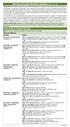 MULTIPLE MYELOMA TREATMENT S (Part 1 of 9) Clinical Trials: The NCCN recommends cancer patient participation in clinical trials as the gold standard for treatment. Cancer therapy selection, dosing, administration,
Multiple myeloma: ESMO Clinical Practice Guidelines for diagnosis, treatment and follow-up
 Annals of Oncology Advance Access published August 16, 2013 Annals of Oncology 00: 1 5, 2013 doi:10.1093/annonc/mdt297 Multiple myeloma: ESMO Clinical Practice Guidelines for diagnosis, treatment and follow-up
In multiple myeloma, the depth and maintenance of
 Continuous therapy with lenalidomide in multiple myeloma by Nizar Bahlis, MD Abstract In multiple myeloma, the depth and maintenance of response to therapy has been shown to correlate with improved survival.
Personalized, Targeted Treatment Options Offer Hope of Multiple Myeloma as a Chronic Disease
 /publications/targeted-therapy-news/2012/november-2012/personalized-targeted-treatment-options- Offer-Hope-of-Multiple-Myeloma-as-a-Chronic-Disease Personalized, Targeted Treatment Options Offer Hope of
Long Term Low Dose Maintenance Chemotherapy in the Treatment of Acute Myeloid Leukemia
 Long Term Low Dose Chemotherapy in the Treatment of Acute Myeloid Leukemia Murat TOMBULO LU*, Seçkin ÇA IRGAN* * Department of Hematology, Faculty of Medicine, Ege University, zmir, TURKEY ABSTRACT In
Current Multiple Myeloma Treatment Adapted From the NCCN Guidelines
 Current Multiple Myeloma Treatment Adapted From the NCCN Guidelines Diagnosis Survival 3-5 yrs Survival
J Clin Oncol 31:2540-2547. 2013 by American Society of Clinical Oncology INTRODUCTION
 VOLUME 31 NUMBER JULY 10 13 JOURNAL OF CLINICAL ONCOLOGY O R I G I N A L R E P O R T Minimal Residual Disease Assessed by Multiparameter Flow Cytometry in Multiple Myeloma: Impact on Outcome in the Medical
pan-canadian Oncology Drug Review Final Economic Guidance Report Lenalidomide (Revlimid) for Multiple Myeloma October 22, 2013
 pan-canadian Oncology Drug Review Final Economic Guidance Report Lenalidomide (Revlimid) for Multiple Myeloma October 22, 2013 DISCLAIMER Not a Substitute for Professional Advice This report is primarily
Optimizing the Treatment of Transplant- Eligible Patients in Multiple Myeloma
 Optimizing the Treatment of Transplant- Eligible Patients in Multiple Myeloma Wednesday, April 10 th, 2013 Chair: Dr. Ade Olujohungbe MD, FRCP, FRCPath Speaker: Dr. Joseph Mikhael MD, MEd, FRCPC, FACP
Clinical Course of Patients With Relapsed Multiple Myeloma. Mayo Clin Proc. July 2004;79(7):867-874 www.mayo.edu/proceedings 867
 ORIGINAL RELAPSED MULTIPLE ARTICLE MYELOMA Clinical Course of Patients With Relapsed Multiple Myeloma SHAJI K. KUMAR, MD; TERRY M. THERNEAU, PHD; MORIE A. GERTZ, MD; MARTHA Q. LACY, MD; ANGELA DISPENZIERI,
How I treat multiple myeloma in younger patients
 How I treat How I treat multiple myeloma in younger patients A. Keith Stewart, 1 Paul G. Richardson, 2 and Jesus F. San-Miguel 3 1 Mayo Clinic Arizona, Scottsdale; 2 Dana-Farber Cancer Institute, Boston,
Prior Authorization Guideline
 Prior Authorization Guideline Guideline: PS Inj - Velcade Therapeutic Class: Antineoplastic Agents Therapeutic Sub-Class: Antineoplastic Client: PS Inj Approval Date: 10/2/2004 Revision Date: 5/22/2007
The Blood Cancer Twice As Likely To Affect African Americans: Multiple Myeloma
 The Blood Cancer Twice As Likely To Affect African Americans: Multiple Myeloma 11 th Annual National Leadership Summit on Health Disparities Innovation Towards Reducing Disparities Congressional Black
Stem Cell Transplantation for Acute Lymphoblastic Leukemia
 Stem Cell Transplantation for Acute Lymphoblastic Leukemia Mona Shafey MD, FRCPC Bone Marrow Transplant Fellow Alberta Blood and Marrow Transplant Program 1 of 14 Stem Cell Transplantation for Acute Lymphoblastic
Target Audience. This activity has been designed to meet the educational needs of hematologistoncologists
 Target Audience This activity has been designed to meet the educational needs of hematologistoncologists and medical oncologists involved in the care of patients with multiple myeloma 1 Learning Objectives
FastTest. You ve read the book... ... now test yourself
 FastTest You ve read the book...... now test yourself To ensure you have learned the key points that will improve your patient care, read the authors questions below. Please refer back to relevant sections
MULTIPLE MYELOMA. Version Date: February, 2015
 MULTIPLE MYELOMA Version Date: February, 2015 The recommendations contained in this guideline are a consensus of the Alberta Provincial Hematology Tumour Team synthesis of currently accepted approaches
Lenalidomide (LEN) in Patients with Transformed Lymphoma: Results From a Large International Phase II Study (NHL-003)
 Lenalidomide (LEN) in Patients with Transformed Lymphoma: Results From a Large International Phase II Study (NHL-003) Reeder CB et al. Proc ASCO 2010;Abstract 8037. Introduction > Patients (pts) with low-grade
ADVANCES IN MULTIPLE MYELOMA:
 MYELOMA AND THE NEWLY DIAGNOSED PATIENT: A FOCUS ON TREATMENT AND MANAGEMENT S. Vincent Rajkumar, MD LEARNING OBJECTIVES Upon completion of this educational activity, participants should be able to: Discuss
Henk Lokhorst, Torben Plesner, Peter Gimsing, Hareth Nahi, Steen Lisby, Paul Richardson
 DRTUMUMB, a CD38 Monoclonal ntibody Study in dvanced Multiple Myeloma an Open-Label, Dose Escalation Followed by Open-Label Extension in a Single-rm Phase I/II Study bstract #S576 Henk Lokhorst, Torben
UNDERSTANDING MULTIPLE MYELOMA AND LABORATORY VALUES Benjamin Parsons, DO [email protected] Gundersen Health System Center for Cancer and
 UNDERSTANDING MULTIPLE MYELOMA AND LABORATORY VALUES Benjamin Parsons, DO [email protected] Gundersen Health System Center for Cancer and Blood Disorders La Crosse, WI UNDERSTANDING MULTIPLE
Multiple Myeloma and Amyloidosis: Optimism for Heretofore Incurable Diseases
 Multiple Myeloma and Amyloidosis: Optimism for Heretofore Incurable Diseases Robert Vescio, MD Director Multiple Myeloma & Bone Metastases Program Samuel Oschin Comprehensive Cancer Center Cedars-Sinai
Stage B multiple myeloma patients: a long-term, single center outcomes research study
 DCTH - 1 2014-13-21 ORIGINAL ARTICLE Stage B multiple myeloma patients: a long-term, single center outcomes research study Monica Galli 1, Ettore Sabadini 2, Paola Stefanoni 1, Federica Delaini 1, Elena
A Clinical Primer. for Managed Care Stakeholders
 reviews therapy Diagnosing, Staging, and Treating Multiple Myeloma: A Clinical Primer for Managed Care Stakeholders by Ralph V. Boccia, MD, FACP, Medical Director, Center for Cancer and Blood Disorders
lenalidomide, 5mg, 10mg, 15mg and 25mg hard capsules (Revlimid ) SMC No. (441/08) Celgene Limited
 Resubmission: lenalidomide, 5mg, 10mg, 15mg and 25mg hard capsules (Revlimid ) SMC No. (441/08) Celgene Limited 07 March 2014 The Scottish Medicines Consortium (SMC) has completed its assessment of the
MEDICAL COVERAGE POLICY
 Important note Even though this policy may indicate that a particular service or supply is considered covered, this conclusion is not necessarily based upon the terms of your particular benefit plan. Each
Hematopoietic Stem Cell Transplantation. Imad A. Tabbara, M.D. Professor of Medicine
 Hematopoietic Stem Cell Transplantation Imad A. Tabbara, M.D. Professor of Medicine Hematopoietic Stem Cells Harvested from blood, bone marrow, umbilical cord blood Positive selection of CD34 (+) cells
Multiple Myeloma. Scottsdale, Arizona Rochester, Minnesota Jacksonville, Florida CP1123175-1
 Multiple Myeloma 8 th Annual Living with Myeloma Conference New Developments in Multiple Myeloma Treatment Scottsdale, AZ March 22, 2014 Robert A. Kyle, MD Scottsdale, Arizona Rochester, Minnesota Jacksonville,
Corporate Medical Policy
 Corporate Medical Policy File Name: Origination: Last CAP Review: Next CAP Review: Last Review: hematopoietic_stem-cell_transplantation_for_epithelial_ovarian_cancer 2/2001 11/2015 11/2016 11/2015 Description
Disclosures for Elena Zamagni
 Prognostic relevance of 18F-FDG PET/CT in newly diagnosed multiple myeloma patients receiving upfront autologous stem-cell transplantation: a prospective study Zamagni E. 1, Nanni C. 2, Patriarca F. 3,
MULTIPLE MYELOMA. Dr Malkit S Riyat. MBChB, FRCPath(UK) Consultant Haematologist
 MULTIPLE MYELOMA Dr Malkit S Riyat MBChB, FRCPath(UK) Consultant Haematologist Multiple myeloma is an incurable malignancy that arises from postgerminal centre, somatically hypermutated B cells.
research paper Summary
 research paper A comparison of lenalidomide/dexamethasone versus cyclophosphamide/lenalidomide/dexamethasone versus cyclophosphamide/bortezomib/dexamethasone in newly diagnosed multiple myeloma Meaghan
BMT CTN PROTOCOL 0702 Version 4.0
 A Trial of Single Autologous Transplant with or without Consolidation Therapy versus Tandem Autologous Transplant with Lenalidomide Maintenance for Patients with Multiple Myeloma BMT CTN PROTOCOL 0702
Chapter 2. S. Hovenga 1, J.Th.M. de Wolf 1, J.E.J. Guikema 4, H. Klip 2, J.W. Smit 3, C.Th. Smit Sibinga 5, N.A. Bos 4, E.
 Chapter 2 Autologous stem cell transplantation in multiple myeloma after VAD and EDAP courses; a high incidence of oligoclonal serum immunoglobulins post transplantation S. Hovenga, J.Th.M. de Wolf, J.E.J.
Multiple Myeloma Workshop- Tandem 2014
 Multiple Myeloma Workshop- Tandem 2014 1) Review of Plasma Cell Disorders Asymptomatic (smoldering) myeloma M-protein in serum at myeloma levels (>3g/dL); and/or 10% or more clonal plasma cells in bone
RELAPSED/REFRACTORY MULTIPLE MYELOMA: THE CURRENT STATE OF PLAY
 RELAPSED/REFRACTORY MULTIPLE MYELOMA: THE CURRENT STATE OF PLAY *María-Victoria Mateos, Enrique M. Ocio, Verónica González, Julio Dávila University Hospital of Salamanca/IBSAL, Salamanca, Spain *Correspondence
DARATUMUMAB, A CD38 MONOCLONAL ANTIBODY IN PATIENTS WITH MULTIPLE MYELOMA - DATA FROM A DOSE- ESCALATION PHASE I/II STUDY
 DARATUMUMAB, A CD38 MONOCLONAL ANTIBODY IN PATIENTS WITH MULTIPLE MYELOMA - DATA FROM A DOSE- ESCALATION PHASE I/II STUDY Torben Plesner, Henk Lokhorst, Peter Gimsing, Hareth Nahi, Steen Lisby, Paul Richardson
Continuing medical education activity in American Journal of Hematology
 Continuing medical education activity in American Journal of Hematology CME Editor: Ayalew Tefferi, MD Author: S. Vincent Rajkumar, MD Article Title: Multiple Myeloma: 2012 update on Diagnosis, Risk-stratification
CHAPTER 26 LATE BREAKING DEVELOPMENTS: IMPACT OF ANTI-CD20 MONOCLONAL ANTIBODIES ON LYMPHOMA THERAPY
 CHAPTER 26 LATE BREAKING DEVELOPMENTS: IMPACT OF ANTI-CD20 MONOCLONAL ANTIBODIES ON LYMPHOMA THERAPY 26.1 Introduction rituximab Subsequent to the completion of drafts for the guidelines earlier in 2004,
Multiple Myeloma. Solving a growing puzzle
 Multiple Myeloma Solving a growing puzzle Disclosures Financial I wish. I eat too much. I did ask who the audience would be. Nurses and Doctors Goals 1. Understand the incidence, symptoms, and pathophysiology
Revving up the Revlimid Debate Lenalidomide as Maintenance Therapy for Multiple Myeloma after Autologous Stem Cell Transplant
 Revving up the Revlimid Debate Lenalidomide as Maintenance Therapy for Multiple Myeloma after Autologous Stem Cell Transplant Sarah M. Villarreal, Pharm.D. PGY2 Hematology/Oncology Pharmacy Resident Department