
CHAPTER 12: PROPERTY AND APPRAISAL REQUIREMENTS 12.1 INTRODUCTION
|
|
|
- Ronald Bridges
- 10 years ago
- Views:
Transcription
1 CHAPTER 12: PROPERTY AND APPRAISAL REQUIREMENTS 12.1 INTRODUCTION Lenders must ensure the property to be purchased is eligible for the SFHGLP. The Agency s minimum property requirements serve to protect the borrower s interest, minimize the lender s loss, and reduce the potential risk to the government in the event of liquidation. It is the lender s responsibility to ensure that the property meets the Agency s standards. Before loan approval, the lender must confirm that the property currently meets, or will meet (following planned construction or repairs), all applicable Agency site, dwelling, and environmental requirements. This is accomplished through determinations made directly by the lender and the lender s review of opinions or determinations made by others, such as appraisers, local building officials, architectural, engineers, or trades professionals. Section 1 covers site requirements, including rural area definitions and the definition of a modest site. Section 2 discusses appraisals, road maintenance, and water/waste systems. Section 3 explains the dwelling requirements, and Section 4 of this Chapter details the environmental requirements. Section 5 outlines requirements of condominiums and properties in planned unit developments. Section 6 outlines the provisions allowed when a property meets the standards of the Rural Energy Plus loan program. Section 7 outlines the construction-permanent new construction feature of the SFHGLP. SECTION 1: UNDERWRITING THE PROPERTY [7 CFR ] 12.2 OVERVIEW The lender must ensure the subject property meets the Agency s site guidelines. The site must be developed according to state or local government standards, which often are contained in zoning ordinances, building codes, subdivision regulations, and/or construction standards. In particular, sites must be in rural areas; meet community standards regarding utilities, including water and wastewater systems; meet street and road access and maintenance requirements; and contain other amenities essential to the continued marketability of the home. This section addresses each of these standards. The use of the property must comply with zoning and use restrictions. If the existing property does not comply with current zoning regulations, but is accepted by the zoning 12-1

2 authority, it is considered a legal nonconforming property. The property is not eligible for an Agency guarantee when the use is not legal. The appraisal must reflect any adverse effect of the legal nonconforming use on the value and marketability of the property. The economic life of a property must meet or exceed the term of the proposed loan. The appraiser may reject the property if the future economic life of the property is shortened by obvious and compelling pressure to a higher use, making a long-term mortgage impractical RURAL AREA DESIGNATION [7 CFR (a)] Only loans secured by properties located in areas designated by the Agency as rural are eligible to receive a loan guarantee. This section discusses rural areas designations, how lenders are notified of changes in rural area designations, and clarifies rare situations in which loans for properties in areas no longer designated as rural may receive a loan guarantee. A. Rural Area Definition An area s rural designation is determined by the Agency and may be changed as a result of periodic review or after the decennial census of population. The Agency conducts reviews every five years to identify areas that no longer qualify as rural. In areas experiencing rapid growth and in eligible communities within Metropolitan Statistical Areas (MSAs), reviews take place every three years. Public notification will be given at least 30 days before the date of the final determination in order to give interested parties an adequate chance to comment. Refer to section of 7 CFR 3550 and Handbook Chapter 5, Paragraph 5.3 of 7 CFR 3550 for additional information regarding rural area designations. In general, rural areas are defined as: Open country that is not part of, or associated with, an urban area. Any town, village, city, or place, including the immediately adjacent densely settled area, which is not part of, or associated with, an urban area, and which: Is rural in character with a population of less than 10,000; or Is not contained within an MSA and has a population above 10,000 but below 20,000 and has a serious lack of mortgage credit for lower and moderate-income families. Any area classified as rural or a rural area 12-2

3 prior to October 1, 1990, and determined not to be rural or a rural area as a result of data received from or after the 1990, 2000, or 2010 decennial census, and any area deemed to be a rural area any time during the period beginning January 1, 2000, and ending December 31, 2010, shall continue to be classified until the receipt of data from the decennial census in the year 2020 if such area has a population in excess of 10,000 but not in excess of 35,000, is rural in character, and has a serious lack of mortgage credit for lower and moderate-income families. Two or more towns, villages, cities, or places that are contiguous may be considered separately for a rural designation if they are not otherwise associated with each other, and their densely settled areas are not contiguous. B. Notification of Rural Area Designation The public website noted below provides maps of all ineligible areas in the lender s service area when the lender is approved to participate in the SFHGLP. The Agency will inform lenders of changes in rural area designations. Users who utilize the public website will receive one of three property eligibility decisions when inputting an actual address Eligible, Ineligible, or Unable to Determine. In areas not clearly delineated, users will receive an Unable to Determine. With this type of determination, the lender must confirm with Agency staff the property is located in a rural area and eligible for a guarantee prior to requesting an appraisal. Agency staff and lenders may use the following Internet site to determine whether a specific site is in an eligible area: Attachment 12-A of this Chapter provides guidance on utilizing the public website to determine eligible rural areas. C. Making Loans in Areas Changed to Non-rural If an area s designation changes from rural to non-rural, loans that meet the following criteria may be approved in that area: The application and purchase contract was complete, the loan was underwritten by an approved lender and a complete application for loan note guarantee was submitted to the Agency prior to the area designation change. 12-3

4 Existing conditional commitments that have been issued will be honored provided the commitment was issued prior to the area designation change. SFHGLP REO property sales and transfers with assumption may be processed in areas that have changed to non-rural. A supplemental loan may be made in conjunction with a transfer and assumption of a guaranteed loan SITE REQUIREMENTS [7 CFR (b)] Sites must be modest and developed in accordance with any standards imposed by a State or local government. Therefore, the lender must verify that the following requirements are met at the time of application. Site size. The site size must be typical for the area. Income-Producing Buildings. The property must not include buildings designed and to be used principally for income-producing purposes. For example barns, silos, greenhouses, or livestock facilities used primarily for income producing agricultural, farming or commercial enterprise are ineligible. However, barn, silos, livestock facilities or greenhouses no longer in use for a commercial operation, used for storage, and outbuildings such as storage sheds are permitted if they are not used primarily for income producing agricultural, farming or commercial enterprise. A minimal income-producing activity, such as maintaining a garden that generates a small amount of additional income, does not violate this requirement. Home-based operations such as childcare, product sales, or craft production that do not require specific features are not restricted. A qualified property must be predominantly residential in use, character and appearance. Income-Producing Land. The site must not have income-producing land that will be used principally for income producing purposes. Vacant land or properties used primarily for agricultural, farming or commercial enterprise are ineligible. Sites that have income-producing characteristics (e.g. large tracts of arable land ready for planting) are considered income-producing property. However maintaining a garden for personal use is not in violation of this requirement. A minimal income-producing activity, such as a garden that could generate a small amount of additional income does not violate this requirement. 12-4

5 A qualified property must be predominantly residential in use, character and appearance. Site Specifications. The site must be contiguous to and have direct access from a street, road, or driveway. Streets and roads must be hard surfaced or all weather surfaced and legally enforceable arrangements must be in place to ensure that needed maintenance will be provided. Utilities. The site must be supported by adequate utilities and water and wastewater disposal systems. SECTION 2: APPRAISALS [7 CFR (d)] 12.5 RESIDENTIAL APPRAISAL REPORTS High quality appraisals that are completed by a qualified appraiser that is independent and objective are key to ensuring adequate security for the proposed loan, an appraisal of the property serving as security for the proposed loan will be completed and submitted to the Agency for review. The lender may pass the cost of the appraisal on to the borrower. The appraisal must have been completed within 120 days of loan closing. A. Qualified Appraiser. Approved lenders are responsible for selecting qualified and competent appraisers that are properly licensed or certified, as appropriate, in the State in which the property is located in, along with the integrity, accuracy and thoroughness of the appraisals used for the loan guarantee. The appraiser must comply with the current edition of the Uniform Standards of Professional Appraisal Practice (USPAP). Lenders may verify that an appraiser is licensed or certified by checking the Appraisal Subcommittee website found at B. Appraisal Report. All appraisals must comply with the reporting requirements of USPAP available at The appraisal report (for existing and proposed construction) must not be more than 120 days old at loan closing. All appraisal reports must include a Market Condition Addendum (Form FNMA 1004MC) and will meet the Uniform Appraisal Dataset (UAD) requirements set forth by Fannie Mae and Freddie Mac. To read definitions of condition and quality ratings, refer to the Fannie Mae and 12-5
![The site must be supported by adequate utilities and water and wastewater disposal systems. SECTION 2: APPRAISALS [7 CFR 3555.107(d)] 12.](/docs-images/41/8493129/images/page_5.jpg "5 RESIDENTIAL APPRAISAL REPORTS High quality appraisals that are completed by a qualified appraiser that is independent and objective are key to ensuring adequate security for the proposed loan, an")
6 Freddie Mac Uniform Appraisal Dataset Specification Version 1.2 located online at: The appraisal forms currently applicable are: Uniform Residential Appraisal Report (FNMA Form 1004/FHLMC Form 70) for one unit single family dwellings; Manufactured Home Appraisal Report and addendum (FNMA Form 1004C/FHLMC Form 70B) for all manufactured homes; Individual Condominium Unit Appraisal Report (FNMA Form 1073/FHLMC Form 465) for all individual condominium units. Residential appraisals will be completed using the sales comparison approach and the cost approach to value. The income approach is only needed if the appraiser determines that it is necessary to develop credible assignment results. Not less than three comparable sales will be used unless the appraiser provides documentation that such comparable sales are not available. The appraiser must use their knowledge of the area and apply good judgment in the selection of comparable sales that are the best indicators of value for the subject property. The Estimated Reproduction Cost-New of Improvements will be completed when the dwelling is less than 1 year old. Either the Estimated Reproduction Cost or the Estimated Replacement Cost will be completed for all dwellings that have an actual age of more than 1 year. The appraiser will identify the source of the cost estimates and will comment on the methodology used to estimate depreciation, effective age and remaining economic life. An appraisal prepared for REO purposes, or for any other purpose other than for a purchase transaction, is not acceptable for a loan guarantee. A new appraisal with the intent to arrive at an opinion of value for a purchase transaction must be obtained. Appraisal transfer. An appraisal ordered by another lender for the applicant can be transferred to the lender who will complete the purchase transaction. The initial lender must agree to the transfer of the report. A letter from the initial lender who ordered the appraisal report must be retained in the permanent loan file as evidence the lender transferred the report to the lender completing the purchase transaction. The receiving lender must assume full responsibility for the integrity, accuracy and thoroughness of the appraisal report including the methods that the original lender used to acquire the 12-6

7 appraisal. The appraisal report must be no older than 120 days at loan closing to be valid. Appraisal update. Lenders may extend the validity period of an appraisal with an appraisal update report that will be no greater than 240 days from the effective date of the initial appraisal report at loan closing (120 days for the original appraisal plus 120 days for the Appraisal Update Report). Appraisals with no update will be no greater than 150 days from the effective date of the appraisal report at loan closing (120 days validity period plus a 30 day extension period). The 30 day extension period cannot be used when the original appraisal report is updated. An original appraisal report can be updated one time with an Appraisal Update Report. USPAP considers the term Appraisal Update as a business term but regardless of the nomenclature used, when a client seeks a more current value or analysis of a property that was the subject of a prior assignment, this is not an extension of that prior assignment that was already completed it is simply a new assignment. Refer to USPAP Advisory Opinion 3 for additional clarification available at All Appraisal Update Reports must include a completed Market Conditions Addendum (Fannie Mae Form 1044MC/Freddie Mac Form 71) for the subject property that is reflective of market conditions as of the effective date of the Appraisal Update Report. USPAP (Advisory Opinion 3) states that there are three ways that the reporting requirements can be satisfied for this type of assignment; 1. Provide a new report without incorporation of the prior report. 2. Provide a new report that incorporates by attachment specified information/analysis from the prior report. 3. Provide a new report that incorporates by reference specified information/analysis from the prior report. The appraiser may use a pre-printed form or a narrative report to provide the appraisal update, but whichever reporting format is used it must be in compliance with USPAP. Fannie Mae Form 1004D/Freddie Mac Form 442, Appraisal Update and/or Completion Report may be utilized by the lender to report the completion of a repair and/or satisfaction of requirements and conditions noted in the original appraisal report. 12-7

8 C. Agency Review. The Agency will review appraisals involving all guarantee loan requests by completing Form RD , Administrative Appraisal Review. If the Agency reviewer detects concerns, the appraisal will be referred to an Agency licensed appraiser for a technical desk or technical field review. Should the Agency licensed appraisers determine the appraisal is not adequate, the lender will be informed of corrections needed prior to issuance of the conditional commitment for loan guarantee. The Lender will be required to correct or complete any appraisal returned by the Agency for corrective action. The Lender is responsible for communicating and initiating corrective action with the appraiser. The corrected appraisal will be subject to the same review process described in this section. The Agency retains the right to determine an appraiser is ineligible based upon their failure to comply with requirements of this section. The Agency will notify the Lender when appraisals completed by ineligible appraisers will no longer be accepted for the SFHGLP. D. State Director Responsibilities. The State Director will designate or delegate authority to the Housing Program Director or other qualified personnel to conduct administrative appraisal reviews. Technical appraisal reviews must be completed by an Agency certified or licensed appraiser and need only be licensed or certified in one State or territory to perform real estate appraisal duties as Federal employees in all states and territories. Review appraisers, must have recent, documented appraisal experience or other factors which clearly establish their qualifications as a reviewer. State Directors will determine and establish the training needs for Rural Development staff completing appraisal reviews. The State Director will also assure that an adequate amount of reviews are being completed. E. Types of Agency Reviews. There are three types of reviews for appraisals; "Administrative," "Technical Desk" and "Technical Field." An administrative review will be completed for all transactions involving the submittal of an appraisal report. A sufficient number of technical desk and technical field reviews will be completed to ensure the Agency is getting quality appraisals for the Guaranteed Loan Program. An explanation of the review types are as follows: 1. Administrative Reviews 12-8

9 Administrative reviews are performed by the Agency loan approval official or qualified designee on all appraisals prior to issuance of the Conditional Commitment. This review determines if there are inconsistencies in the appraisal report that may have to be addressed, or if a technical review should be completed by the Agency staff appraiser prior to issuance of the Loan Note Guarantee. Indicators that a technical review may be required will be documented on Form RD Administrative reviews are completed by the Agency on Form RD This form will be signed, dated, and retained in the Agency file for scanning. This review should be completed prior to issuance of the Conditional Commitment. If there is a deficiency with an appraisal, the loan approval official should communicate the deficiency to the lender. These deficiencies should include items that affect loan security, value conclusions, or unacceptable property conditions. 2. Technical Desk Reviews A technical review is performed to determine whether the appraisal was complete, was clearly reasoned, and had adequate support for the conclusion of value. Technical reviews are performed by Agency licensed/certified appraisers. Technical reviews completed by Agency appraisers must follow current USPAP. Technical desk reviews may be documented in any format that complies with USPAP and is acceptable for use by RD. Technical reviews should be selected in a "spot check." The schedule of the "spot checks" should vary annually to ensure adequate controls are established for program operations. Field offices will be advised of these schedules and any changes. A technical review may be requested by Field staff when problems are detected on the administrative review that cannot or will not be addressed by the submitting lender or original appraiser. These problems must be significant and result in an appraisal which does not support the value conclusion. Field staff will document the nature of their concerns on Form RD The Field staff will then forward the appraisal to the State Office appraisal review staff or other reviewers for a technical and/or field review prior to approval of the loan. 3. Technical Field Reviews 12-9

10 Field reviews will involve on-site visits to the subject property and the comparable properties used in the report. Field reviews are completed by State Appraisal staff on a random, spot-check basis to determine if the appraiser has followed accepted appraisal techniques and arrived at a logical conclusion. USPAP Standard 3 Review is used for technical field reviews. The reviewer may use any reporting format that complies with USPAP and is acceptable for use by RD. The State Director and the appraisal review staff are responsible for the administration of residential appraisal compliance and training within the geographic jurisdiction of the State Office. Appropriate actions will be initiated by the State Director and appraisal review staff to ensure compliance with USPAP and National Office policies governing the residential appraisal process. 4. Internal Control by States The State Director will establish internal management controls and systems to document and substantiate residential appraisal compliance activities, which will be evaluated during State Internal Reviews, Single Family Housing program reviews, or Management Control Reviews. The determination of completing technical desk or field reviews will be established by the State Director. The National Office requires a minimum (desk and field combined) of 5 percent or more. These reviews provide a method of internal control for the appraisal review staff and ensure that appraisers are in compliance with USPAP and Agency regulations

11 F. Appraisals in Remote Rural Areas, On Tribal Lands, or in Areas Lacking Market Activity. In remote rural areas, on Tribal lands, or areas with a lack of market activity, as identified by the State Director, it may be difficult to obtain adequate comparable sales to appraise a property. When the sales comparison approach cannot be developed for a credible opinion or conclusions regarding value, the lender s appraiser may use other methods in compliance with the Uniform Standards of Professional Appraisal Practice (USPAP) and perform an appraisal without completing the Sales Comparison approach to value. Appraisers must explain the exclusion of the Sales Comparison approach to value and document their efforts to obtain comparable market data along with an explanation for any sales data not used. The primary method that the appraiser is relying on should be summarized to the extent that the user or a review appraiser can understand the reasoning and support of the valuation and conclusions. Remote rural areas are identified by the State Director and are defined as areas with all of the following characteristics: Scattered population; Low density of residences; Lack of basic shopping facilities; Lack of community and public services and facilities; and Lack of comparable sales data. If the appraiser is using the cost approach external depreciation based on the remoteness of the site must not be considered; however, factors that impact the site such as immediate proximity to a feedlot, factory, or other similar considerations should be included. If the appraiser is using the income approach they must explain why the income and expenses used are comparable to the subject property. When a market is established in these areas, the Agency will again require the sales comparison approach to be used

12 12.6 WATER AND WASTEWATER DISPOSAL SYSTEMS [7 CFR ] The site must have acceptable water and wastewater disposal systems to ensure the property is decent, safe, sanitary, and meets community standards. Public water and wastewater disposal systems are presumed to meet state and local requirements with no additional documentation or inspections. Private well and wastewater systems may require inspections or documentation as discussed in this section. Evidence will be retained in the lender s permanent loan file. A. Water Water systems, for existing or new construction, that require continuous or repetitive treatment to be safe bacterially or chemically are not acceptable. Individual dwelling water purification units are not an acceptable alternative; however, they may be used if the individual water system, with purification, meets the requirements of the state department of health or other comparable reviewing and regulatory authority. 1. Individual Privately Owned Individual water systems are owned and maintained by the homeowner and subject to compliance with all requirements of the local and/or State Health Authority codes. Individual water supply systems may be acceptable when the cost to connect to a public or community water system is not reasonable as defined by the lender. The lender is responsible for determining if connection is feasible. Water quality tests are required as follows: The water quality of the well must meet the requirements of the state or local authority. If the state or local authority does not have specific requirements, the maximum contaminant levels established by the Environmental Protection Agency (EPA) will apply. The local health authority or a state certified laboratory must perform a water quality analysis. The Safe Water Drinking Act does not apply to private wells. Contact the Environmental Protection Agency (EPA) at (800) for referral to certified labs and other inquiries. The water analysis report must be no greater than 120 days old at loan closing. If the Agency is aware of any recent environmental impacts that may render the previous analysis invalid (for example chemical spills, natural disasters, etc.) a new report may be required

13 The well location for individual water supply systems must be measured to establish the distance from the septic system. Distances must meet the most aggressive approach of the local and/or State Health Authority codes or HUD Handbook Individual water systems/wells should be located on the subject property site. If located on an adjacent property, evidence of water rights and recorded maintenance agreement must be retained in the lender s permanent loan file as acceptance of the well as the primary source of water. Properties served by cisterns are not acceptable. 2. Individual Privately Owned Shared If the property is served by a shared well or off-site facility, the lender must ensure the private system will provide a continuous and adequate supply of safe and potable water. The following requirements must also be met. The well serves properties that cannot feasibly be connected to an acceptable public or community water supply system. It is the lender s responsibility to make this determination. A shared well must have a valve on each dwelling. The water supply is adequate for all families served. A shared well must service no more than four living units or properties. The water quality of the well must meet the requirements of the state or local authority. If the state or local authority does not have specific requirements, the maximum contaminant levels established by the Environmental Protection Agency (EPA) will apply. The well must have an agreement that meets the following requirements. Is binding upon all signatory parties and their successors in title. Is recorded or will be recorded no later than the closing date. Makes provisions for maintenance and repair of the system and the sharing of costs to do so. These provisions must include a permanent easement that allows access for maintenance and repair

14 3. Community Owned If the property is served by a community water system operated by a private corporation or nonprofit property owners association, the lender must ensure the following conditions are met. The system and the water supply meet all applicable Federal, State and local requirements. The system has the capacity to provide a sufficient water supply during periods of peak demand. The system is operated under a legally binding agreement that allows interested third parties to enforce the obligation of the operator to provide satisfactory service. 4. Required Inspections and Documentation The lender must obtain documentation the water quality meets state and local standards as discussed in this section. Lenders will retain all documentation in their permanent loan file. Inspection and documentation requirements are discussed later in this chapter. B. Wastewater 1. Individual Privately Owned Individual sewage systems may be acceptable when the cost to connect to a public or community sewage system is not reasonable as defined by the lender. The lender is required to obtain a septic evaluation. A FHA roster appraiser who certifies the property meets required HUD Handbooks, a government health authority, a licensed septic system professional, or a qualified home inspector may perform the septic evaluation. The inspector may require additional inspections as a result of the inspection. The separation distances between a well and septic tank, and the property line should comply with HUD guidelines or state well codes. The septic system must be free of observable evidence of failure. Existing dwellings appraised by a HUD roster appraiser, who has indicated the dwelling meets the required HUD handbooks does not require further septic certification. If the property is served by an individual sewage disposal system, the lender must ensure the system: 12-14

15 Meets any applicable requirements of the state or local health authority with jurisdiction. Is located entirely on the subject property. If any part of the system is located on an adjacent property (for example leach lines), evidence such as a perpetual encroachment easement must be recorded to establish the rights of the property owner s permitted use. Is operating properly and has the capacity to dispose of all domestic wastes in a manner that will not create a nuisance or endanger public health. 2. Community Owned If the property is served by a community wastewater system operated by a private corporation or nonprofit property owners association, the lender must ensure that the system: Meets any applicable requirements of the state or local health authority with jurisdiction. Is licensed, operating properly and has the capacity to dispose of all domestic wastes in a manner that will not create a nuisance or endanger public health. Is subject to a legally binding agreement that allows interested third parties to enforce the obligation of the operator to provide satisfactory service. 3. Required Inspections and Documentation The lender must obtain documentation the wastewater system meets state and/or local standards. Lenders will retain all documentation in their permanent loan file. Inspection and documentation requirements are discussed later in this chapter STREET ACCESS AND ROAD MAINTENANCE [7 CFR ] A. Access The site must be contiguous to, and have direct access from, a public or private street, road, or driveway. If the driveway is shared, there must be a permanently recorded easement for ingress and egress. This agreement must be binding to successors and title. A copy of a title report, retained in the lender s mortgage file, may be used to evidence the easement. Private streets must have a permanently recorded easement or be owned and maintained by a Home Owners Association (HOA). All recorded easements must be 12-15

16 reviewed and approved by the approved lender s underwriter and documented in the lender s permanent loan file. B. Maintenance Streets and roads must be hard surfaced or all-weather surfaced. An all-weather surface is a road surface over which emergency and the area s typical passenger vehicles can pass at all times. A publicly maintained road is automatically assumed to meet this requirement. If a HOA is responsible for maintaining streets and roads, it must meet the criteria set forth by Fannie Mae, Freddie Mac, the U.S. Department of Housing and Urban Development (HUD), or U.S. Department of Veterans Affairs (VA) MODEST HOUSING SECTION 3: DWELLING REQUIREMENTS [7 CFR ] There are no maximum mortgage limits for property financed under the SFHGLP. However, the Agency will not guarantee loans to purchase or improve buildings designed to accommodate a business or income-producing enterprise as outlined earlier in this chapter. Home-based operations such as childcare, product sales, or craft production that do not require specific features are not restricted EXISTING AND NEW DWELLINGS A. Existing Dwellings [7 CFR (b)] The objective of the SFHGLP is to assist eligible rural households in obtaining adequate, safe, and sanitary homes. Information regarding financing existing manufactured and modular homes may be found in Chapter 13 of this Handbook. An existing dwelling may be attached, detached or semi-detached dwellings and must be inspected to determine that the dwelling meets the current requirements of: HUD Handbook , Valuation Analysis for Home Mortgage Insurance for Single Family One- to Four-Unit Dwellings (Appraisal Handbook), and HUD Handbook , Requirements for Existing Housing-One to Four Family Living Units

17 An existing dwelling has been completed for more than 12 months or has been completed less than 12 months but has been previously occupied. Required repairs under the noted handbooks are limited to those repairs necessary to preserve the continued marketability of the property and to protect the health and safety of the occupants. Applicants are encouraged to obtain a detailed home inspection of the property in dependent of the inspection noted above. As stated in HUD Handbook , the responsibility for enforcing code rests with the local municipalities. All repair items required by the appraiser or underwriter must be inspected and the clearance documented and retained in the lender s permanent loan file. Licensed or certified appraisers who are on the Federal Housing Administration (FHA) roster of approved appraisers can certify the HUD Handbook standards have been met. Licensed or certified appraisers who are not FHA roster appraisers may also certify the HUD Handbook standards have been met if the lender determines the non-fha roster appraiser is thoroughly familiar with HUD Handbooks and Appraisers who are not thoroughly familiar with the HUD Handbook standards should not certify that a property meets those standards. Doing so would constitute a misrepresentation. If the licensed or certified appraiser is not a FHA roster appraiser or familiar with the HUD Handbook standards, the lender may obtain a home inspection report provided by a home inspector deemed qualified by the lender. Lenders will be responsible for determining whether any, repairs will be required to meet HUD Handbook standards. Lenders are reminded they are responsible for the acts of their agents, including appraisers. HUD Handbooks and forms can be downloaded over the internet at or obtained by calling FHA roster appraisers can be identified at The appraiser may certify the requirements of HUD Handbooks and (also known as HUD Handbooks ) have been met on page three of the appraisal form in the comment section. Alternately, the appraiser may make their certification in an addendum to the appraisal. Termite/pest inspections are not required unless the lender, appraiser, inspector or State law requires the inspection to confirm the property is free of active infestation

18 An inspection to confirm thermal standards is not required for existing dwellings. The Agency may approve dwellings with in-ground swimming pools. A property which an FHA roster appraiser indicates is in average or good condition may be considered in good repair, though repairs may still be required by the lender. Regardless of whether the appraisal is performed by an FHA roster appraiser or not, the appraiser must report all readily observable property deficiencies as well as any adverse conditions discovered performing the research involved in completing the appraisal. When lending to low- and moderate-income borrowers under the SFHGLP, lenders are expected to use professional judgment and rely upon prudent underwriting practices in determining when a property condition requires additional inspections or repairs. Conditions that would warrant additional repairs include those that pose a threat to the safety of the occupants, jeopardize the soundness and structural integrity of the property, or adversely affect the likelihood of a low- or moderate-income borrower from becoming a successful homeowner. B. New Dwellings [7 CFR (a)] New dwellings must be designed and constructed in accordance with certified plans and specifications. Certifications may be accepted from individuals or organizations trained and experienced in the compliance, interpretation, or enforcement of the applicable development standards for drawings and specifications. Information regarding financing new manufactured and modular homes may be found in Chapter 13 of this Handbook. The lenders permanent loan file must contain evidence of certified plans and specifications by any one of the following options: Certification from a qualified individual or organization that the reviewed documents comply with applicable development standards. Lenders may utilize Form RD , Plan Certification as an optional format to document certification. Qualified individuals or organizations are: Licensed architects; Professional engineers; Plan reviewers certified by a national model code organization listed in7 CFR 1924, Part A, in Exhibit E. Local building officials authorized to review and approve building plans and specifications; and

19 National codes organizations. Building Permit. State Directors determine if local communities or jurisdictions qualify to use this form of applicable evidence in accordance with RD Instruction 1924-A, section (f)(1)(iii)(C)(2). State Directors will publish a state supplement if this is a permissible option to documenting plan certifications. Certificate of Occupancy. State Directors determine if local communities or jurisdictions qualify to use this form of applicable evidence in accordance with RD Instruction 1924-A, section (f)(1)(iii)(C)(2). State Directors will publish a state supplement if this is a permissible option to documenting plan certifications. In general, the lender has primary responsibility for all loan origination activities. The Agency has primary responsibility to review lenders actions and monitor participants compliance with program requirements. The Agency will not require the lender to routinely submit documentation maintained in the lender s file regarding new construction that is not required to be submitted under program guidelines, such as: Copies of plans, drawings, and specifications; Certifications regarding the plans, drawings, and specifications (although lenders may voluntarily elect to use Form RD , this form is not a required form for the SFHGLP. The certification may be on the plans and drawings, a separate form, or on any document that conveys the necessary information); Building permits; Copies of new construction inspections; Occupancy certificates; and Copies of construction warranties. The Agency has the option to request any of these documents in appropriate situations such as: The Agency is performing a processing review of a newly approved lender; The Agency is performing a periodic review of the lender s compliance with program regulations; 12-19

20 The Agency believes the lender is not fulfilling the obligations of the Lender Agreement and/or program guidelines; or The Agency is reviewing a loss claim. New home purchase transactions that cannot meet the minimum required plan certification, inspections and warranty document requirements outlined in this paragraph are limited to a 90 percent loan to value (LTV). The lender may loan the one time upfront guarantee fee in addition to the limiting 90 percent LTV. The following charts were developed as a guide for the certification of plans and specifications, documentation of construction inspections and certification of thermal standards. Evidence of construction inspections. The Lender s file must contain copies of the documents described in one of the following three options: 1. Certificate of Occupancy issued by a local jurisdiction that performs at least 3 construction phase inspections, including inspections noted in option 2 below and a 1-year builder warranty plan acceptable to Rural Development. -OR- 2. Three construction inspections performed when: Footings and foundation are ready to be poured and prior to back-filling. Shell is complete, but plumbing, electrical and mechanical work is still exposed. Final inspection of completed work prior to occupancy. A 1-year insured builder warranty plan acceptable to Rural Development. Builders may utilize their own warranty form, HUD or Form RD Applicants who build their own homes cannot provide a self-warranty. -OR- 3. Final inspection and a 10-year insured builder warranty plan acceptable to Rural Development. See RD Instruction 1924-A, Exhibit L for acceptable 10-year insured builder warranty plans. New Construction Certified Plans and Specifications The Lender s file must contain evidence the plans and specifications comply with all 12-20

21 development standards* applicable to the new construction. Acceptable evidence includes: 1. Copy of the certification from a qualified individual or organization that the reviewed documents comply with applicable development standards. Form RD is an acceptable format, but may not be required by the Agency for guaranteed loans. -OR- 2. Certificate of Occupancy issued by a local jurisdiction.** -OR- 3. Building Permit (or equivalent) issued by local jurisdiction.** The lender may accept certifications from individuals or organizations trained and experienced in the compliance, interpretation or enforcement of the applicable development standards* for drawings and specifications. Plan certifiers may be any of the following: (1) Licensed architects; (2) Professional engineers; (3) Plan reviewers certified by a national model code organization; (4) Local building officials authorized to review and approve building plans and specifications; or (5) National codes organizations. * Applicable development standards. The current International Code council (ICC) standards or current state adopted ICC code(s) for residential construction. ** If this method is used, the State Director must determine whether local communities or jurisdictions qualify to use this form of acceptable evidence under RD Instruction A. The State Director will publish a state supplement if this method can be utilized to document plan certifications
22 Evidence of thermal standards for new construction.. The Lender s file must contain evidence thermal standards meet or exceed the International Energy Conservation Code (IECC) in effect at the time of construction. Documentation of conformance may be by one of the following options: 1. The builder may certify confirmation with the IECC standards. 2. A qualified, registered architect or a qualified, registered engineer may certify confirmation with IECC standards. C. Escrow for Exterior Development [7 CFR (c)] When exterior development work is planned and cannot be completed because of inclement weather, material shortages, or other acceptable reasons, an escrow account may be established. The Agency may issue a Loan Note Guarantee prior to the completion of repairs provided the following conditions are met: The cost of any remaining work, exterior or interior, is not greater than 10 percent of the final loan amount; The livability of the dwelling is not affected; A signed contract between the borrower and the contractor is in effect for the proposed work and the funds to be escrowed are not less than the contract; The HUD-1 reflects the holdback; The development will be complete within 180 days of closing; and The escrow account is established in a federally supervised financial institution. Certification of completion is required to verify the work was completed and must: Be completed by the appraiser; 12-22
23 State that the improvements were completed in accordance with the requirements and conditions in the original appraisal report; Be accompanied by photographs of the completed improvements; and The individual performing the final inspection of the property must sign the completion report. The lender is responsible for monitoring the completion of the work and the release of funds for payment. Documentation supporting the development work and confirmation of the completion will be retained in the lenders permanent mortgage file. Funds remaining in the escrow account upon completion of the work will be used to reduce the unpaid principal balance of the mortgage. D. Escrow for Interior Development [7 CFR (c)] When the dwelling is complete with the exception of minor interior development work, the Agency may issue the loan note guarantee on the loan if the following conditions are met: The cost of any remaining interior work is not greater than 10 percent of the final loan amount; The livability of the dwelling is not affected; A signed contract between the borrower and the contractor is in effect for the proposed work and the funds to be escrowed are not less than the contractor s contract; The HUD-1 reflects the holdback; The development will be complete within 180 days of closing; and The escrow account is established in a federally supervised financial institution. Certification of completion is required to verify the work was completed and must: Be completed by the appraiser, State that the improvements were completed in accordance with the requirements and conditions in the original appraisal report, and 12-23
24 Be accompanied by photographs of the completed improvements. The individual performing the final inspection of the property must sign the completion report. The lender is responsible for monitoring the completion of the work and the release of funds to pay for the work. All documentation supporting the development and confirmation of the completion will be retained in the lender s permanent mortgage file. Any funds remaining in the escrow account upon completion of the work will be used to reduce the unpaid principal balance of the mortgage. E. Escrow Completion without the Assistance of a Contractor When a borrower will complete the planned interior or exterior development on an existing dwelling without the services of a contractor, the requirement for an executed contract noted in this section is waived when these three conditions are met: The estimated cost to complete the work is less than 10 percent of the total loan amount; The escrow amount is less than or equal to $10,000; and The lender has determined the borrower has the knowledge and skills necessary to complete the work. All remaining requirements as noted at Paragraph 12.9 C and 12.9 D are applicable. The lender is responsible for monitoring the completion of the work and the release of funds for payment of the work. All documentation supporting the planned development and completion will be retained in the lender s permanent mortgage file. Funds remaining in the escrow account upon completion of the work will be used to reduce the unpaid principal balance of the mortgage
25 SECTION 4: ENVIRONMENTAL REQUIREMENTS [7 CFR ] HAZARD IDENTIFICATION A. Due Diligence Lenders are required to utilize due diligence with regard to potential environmental hazards to ensure the property is decent, safe and sanitary, and has sufficient value to adequately secure the loan. The property must be free of known hazards that may have adverse effects on the health and safety of the occupants. The structural soundness of the dwelling must ensure customary use and enjoyment of the property by the occupants. While the Agency does not specify how the lender s due diligence must be conducted, the level of review must be equivalent to the standards established by Fannie Mae, Freddie Mac, the Federal Housing Authority (FHA), or the United States Veterans Administration (VA). Appraisers play an important role in identifying potential environmental hazards by notifying the lender of concerns identified during their visit to the property. The appraiser is required to note readily observable conditions. If the lender knows or is informed by another party of a potential hazard, the information must be disclosed to the appraiser. Lenders must follow up on all potential environmental hazards identified by an appraiser to determine the nature and scope of the problem, and the impact the problem is likely to have on the property s value. If potential environmental hazards are noted, the lender must carefully document the suspected problem and the findings of its investigation. If the lender s investigation reveals an environmental hazard does exist, the lender must ensure the hazard is mitigated before requesting the loan guarantee. B. Flood Hazards The lender must complete, or arrange for a contractor to complete, FEMA Form , Standard Flood Hazard Determination Form (SFHDF) to determine whether the dwelling is located in a Special Flood Hazard Area (SFHA) in accordance with the National Flood Insurance Reform Act of
26 Existing dwellings are eligible under the SFHGLP only if flood insurance through FEMA s National Flood Insurance Program (NFIP) is available for the community and flood insurance whether NFIP, write your own, or private flood insurance, as approved by the lender, is purchased by the borrower. Lenders are required to accept private flood insurance policies that meet the requirements of 42 USC 4012a (b)(1)(a). Insurance must be obtained as a condition of closing and maintained for the life of the loan for existing residential structures when any portion of the structure is determined to be located in a SFHA, including decks and carports, etc. However, according to the Homeowner Flood Insurance Affordability Act (HFIAA) of 2014, flood insurance is not required for any additional structures that are located on the property but are detached from the primary residential structure and do not serve as a residence, such as sheds, garages, or other ancillary structures. New or proposed construction in an SFHA is ineligible for a loan guarantee unless: A final Letter of Map Amendment (LOMA) or final Letter of Map Revision (LOMR) removes the property for the SFHA is obtained from FEMA, or; The lender obtains a FEMA National Flood Insurance Program Elevation Certificate (FEMA Form ). The flood elevation certificate must document that the lowest floor (including the basement) of the residential building, and all related improvements/equipment essential to the value of the property, are built at or above the 100-year flood elevation in compliance with National Flood Insurance Program (NFIP) criteria. The flood elevation certificate must be prepared by a licensed engineer or surveyor. Note: Part of the site may be located in the SFHA without triggering these requirements, as long as no part of the dwelling is located in the SFHA. At the lender s discretion they may require flood insurance even if the residential building and related improvements to the property are not located within the SFHA, but the lender has reason to believe that the building and related improvements to the property may be vulnerable to damage from flooding. Flood insurance must cover the lesser of the outstanding principal balance of the loan or the maximum amount of coverage allowed under FEMA s National Flood Insurance Program (NFIP). Unless a higher amount is required by state or federal law, the maximum deductible clause for a flood insurance policy should not exceed the greater of $1,000 or 1 percent of the face amount of the policy
27 SECTION 5: CONDOMINIUMS [7 CFR ] CONDOMINIUMS AND PLANNED UNIT DEVELOPMENTS A. Condominiums Condominium projects typically consist of multi-unit buildings governed by an HOA. Each unit is individually owned, and the common areas such as hallways and recreational facilities are owned by all the unit owners. Although less common, it is possible for condominium projects to consist of detached or attached single family dwellings. In these cases, it is the HOA and not the individual unit owner who is responsible for maintaining the exterior of the dwellings in addition to the common areas. HOA dues for dwellings in a condominium project must be included in total debt-toincome. Units in a condominium project are eligible for a guarantee if the condominium has been approved or accepted by HUD/FHA, VA, Fannie Mae or Freddie Mac. Lenders who meet the conditional authority and who have staff with knowledge and expertise in reviewing and approving condominium projects in accordance with HUD/FHA, VA, Fannie Mae or Freddie Mac, as applicable, may determine the acceptability of the condominium project. Lender representation and certification of project approval may be accepted as long the lender meets the self-certification criteria set forth by HUD/FHA, VA, Fannie Mae or Freddie Mac and is done so consistently with standards and regulations set forth by each entity. By submitting the request for Conditional Commitment for Loan Note Guarantee, the lender represents the condominium project meets the requirements set forth by HUD/FHA, VA, Fannie Mae or Freddie Mac. Lenders must retain evidence they have reviewed condominium documentation that supports the project s approval or acceptance by HUD/FHA, VA, Fannie Mae, or Freddie Mac and that the documentation remains available in the lender file for verification purposes. When requested, the lender must provide such documentation to Agency staff for verification of compliance with HUD/FHA, VA, Fannie Mae, or Freddie Mac regulations. Applicants remain responsible to obtain individual homeowners insurance or flood insurance as applicable. The lender is responsible for ensuring that the HOA obtains and maintains adequate flood and hazard insurance for buildings in a condominium projected 12-27
28 located within a SFHA. A Condominium Rider must supplement the Mortgage or Deed of Trust. 1. Ineligible Condominiums Certain types of condominium projects are not eligible under HUD, Fannie Mae, Freddie Mac, or VA guidelines. They are: Condominium hotels. Timeshares. Houseboat projects. Multi-dwelling unit condominiums that permit an owner to hold title to more than one dwelling by a single deed and mortgage. Any project for which the owner s association is named a party to current litigation or for a project that has not been turned over to the association for which the project sponsor or developer is named a party to current litigation. Condominiums that represent a legal, but non-conforming use of the land, if zoning regulations prohibit rebuilding the improvements to current density in the event of their full or partial destruction. Investment Securities A project in which ownership is characterized or promoted as an investment opportunity; and/or projects that have documents in file with the Securities and Exchange Commission. Common interest apartments or community apartment projects Any project or building that is owned by several owners as tenants-in-common or by a HOA in which individuals have an undivided interest in a residential apartment building and land, and have the right of exclusive occupancy of a specific apartment in the building. A project with non-incidental business operations owned or operated by the owners association such as, but not limited to, a restaurant, spa, health club, etc
29 2. Site Condominium Eligibility Project approval may not be required for site condominiums if they meet the following criteria: Single Family totally detached dwelling encumbered by a declaration of condominium covenant or condominium form of ownership. The unit has no shared garage or any other attached buildings (i.e. archways, breezeways). The condominium unit consists of the entire structure, site and air space and is not considered to be common areas or limited common areas. Appraisal data will continue to be collected on Uniform Residential Appraisal Report (FNMA Form 1004/FHLMC Form 70). A Condominium Rider must supplement the Mortgage or Deed of Trust. Insurance and maintenance costs will be the responsibility of the unit owner. Site condominiums that do not meet the criteria must follow Section A above for condominium approval. 3. Underwriting with a Condominium Unit: For all loans secured by a condominium unit in a condominium project, the lender must perform an underwriting review of the condominium project to ensure the unit is approved or accepted by HUD/FHA, VA, Fannie Mae, or Freddie Mac. Participating lenders may certify to Rural Development that they have reviewed the condominium documentation that supports project approval or acceptance, and that the condominium is in compliance with HUD/FHA, VA, Fannie Mae, or Freddie Mac guidelines. The lender may indicate compliance by stating the project classification on the Uniform Underwriting and Transmittal Summary (FNMA Form 1008, FHLMC Form 1077). The lender may utilize Rural Development s Attachment 12-B to this Chapter, Rural Development Condominium Certification. Use of the Condominium Certification Form is optional. Those lenders who utilize the Agency s automated underwriting system, GUS and receive an Accept underwriting recommendation may be requested to present documentation confirming the condominium unit meets the eligibility criteria of this section. Lenders may refer to HUD/FHA, VA, Fannie Mae or Freddie Mac for additional guidance in performing their underwriting review of the condominium project. Aside from the lender certification to Rural Development, all condominium documentation should remain in the lender s permanent loan file and should be available upon request
30 Full documentation will be requested if the lender fails to certify the condominium unit meets the requirements of HUD/FHA, VA, Fannie Mae or Freddie Mac project approval or acceptance. When there is an indication that a condominium unit or project does not meet the requirements of HUD/FHA, VA, Fannie Mae or Freddie Mac, the Agency will request additional documentation from the lender. If the condominium unit or project does not meet the stated requirements as certified or warranted by the lender, the Agency may refuse to issue a conditional commitment or loan note guarantee. Underwriters are cautioned regarding the additional layer of collateral risk associated with a condominium unit that would not be present in a detached single family housing dwelling. Each component of underwriting (credit reputation, capacity and collateral) must be considered in the underwriting analysis and determined by the lender if overall risk layering is acceptable. A conservative underwriting approach must be taken when there is evidence of layered risk. B. Planned Unit Developments [7 CFR ] A planned unit development (PUD) is a project or subdivision that includes common property that is owned and maintained by a home owner s association (HOA) for the benefit of use by the individual PUD unit owners. A PUD can consist of condominiums, townhomes or detached single family homes that are served by a HOA. HOA dues for dwellings in a PUD must be included in total debt-to-income calculations. The mortgage industry, including other Government housing programs like FHA, now recognize that PUD dwellings do not pose any more risk than single family dwellings not part of a PUD. Loans may be guaranteed for PUD single family dwellings the same as for single family dwellings not in a PUD
31 SECTION 6: RURAL ENERGY PLUS LOANS [7 CFR ] RURAL ENERGY PLUS PROVISIONS Rural Energy Plus loans are available to eligible applicants who purchase a home that is energy efficient. Property Eligibility Eligibility considerations are provided when new and existing properties meet the energy-efficient criteria outlined below: New homes built to meet the 2009 IECC standard or a subsequent comparable code as identified by the Agency. Existing homes that meet or are retrofitted to meet the 2009 IECC standard or a subsequent comparable code as identified by the Agency. The lender will certify the home meets the 2009 IECC standards or a subsequent comparable code. This certification will be made as part of the underwriting analysis submitted to Rural Development when requesting the Conditional Commitment for Loan Note Guarantee. SECTION 7: COMBINATION CONSTRUCTION PERMANENT LOANS [7 CFR ] A combination construction permanent loan can be offered to eligible applicants by approved lenders with appropriate construction lending experience and adequate controls for interim construction cost disbursements. The criteria for this type of loan, often referred to as a single-close loan are described in the following sections below SINGLE-CLOSE FEATURES A combination construction permanent loan (single-close loan) combines the features of a construction loan, which is a short-term interim loan for financing the cost of construction, and the traditional long-term permanent residential mortgage. This type of 12-31
32 loan provides funds during the construction period and then converts to a permanent loan upon its completion. The approved lender makes the loan to an eligible applicant. Since there is only one closing, which can save considerable closing costs, for upfront guarantee purposes, this type of loan is considered a purchase transaction by the Agency. Closing occurs prior to the start of construction. At closing funds are disbursed to cover the cost of land. The lender will be responsible for managing the disbursement of the loan proceeds to the builder or contractor for the balance of mortgage proceeds as construction progresses. The lender must obtain written approval from the borrower prior to each draw payment. The permanent mortgage loan interest rate is established at closing. The interest rate cannot float beyond closing. The Loan Note Guarantee may be issued once the interim construction loan is closed without waiting for completion of the subject property. An optional checklist, Attachment 12-C of this Chapter, has been developed to assist lenders with their project review LENDER REQUIREMENTS Approved lenders will be responsible for monitoring construction of the subject property, overseeing disbursement of mortgage proceeds, and obtaining documentation that confirms the construction of the subject property is complete. The lender must meet the following conditions to offer this loan feature: An approved lender with a fully executed Form RD lender agreement must have demonstrated they have two or more years experience making and administering construction loans. The approved lender must submit an executed construction contract with each single-close request. The approved lender will be responsible for conducting investigations and obtaining documentation to confirm the eligibility of construction contractors/builders. The approved lender will be responsible for the approval of construction contractors or builders upon submittal and review of evidence the contractor/builder meets requirements set forth in Paragraph of this Chapter. The lender will be responsible for resolving any issues that arise as a result of the contract
33 The lender must agree to retain evidence of contractor/builder approval for future review by the Agency. The loan will be closed prior to commencement of construction. Proceeds may be disbursed for the cost of the land, or the balance owed on the land. Any balance of the mortgage proceeds must be placed into an escrow account. The approved lender will be responsible for approval and disbursement of mortgage proceeds with prior written approval by the borrower and confirmation of work completion prior to disbursement. The lender must maintain a draw and disbursement ledger for each single close loan. The lender is representing they meet the criteria of this paragraph when requesting a commitment for loan note guarantee CONSTRUCTION CONTRACTOR-BUILDER REQUIREMENTS A key to the success of the loan feature will be the financial stability and reputation of the builder constructing the home. The approved lender will be responsible for approving participating builders. Each builder seeking to participate will be subjected to a process that involves license verification, insurance validation, credit examination, reference verification and a criminal background check. Minimum credit examination will include obtaining a Dun and Bradstreet credit report on the business. Ownerbuilders are ineligible for this loan feature. Lenders are required to document their determination for eligibility of the builder to participate in the Rural Development mortgage transaction as further described in Handbook Chapter 15, Section Construction contractors or builders of homes financed with the single close loan must have: Two or more years experience building or constructing all aspects of single family dwellings similar to the type of project being proposed. Evidence of a state-issued construction or contractor license, as required by state law or local law. Evidence of commercial general liability insurance with a minimum coverage of $500,000. The builder/contractor must have an acceptable credit history free of judgments, collections or liens related to previous construction projects. An individual credit report is required in addition to a commercial report on the business from Dun 12-33
34 and Bradstreet. Publically held entities must submit to an individual credit report of their Chief Executive Officer, Chair or Senior Executive of the publically held company. The builder/contractor must not have a previous criminal record. A background check will be performed by the approved lender. Publically held entities must submit their Chief Executive Officer, Chair or Senior Executive of the publically held company to a criminal background check. A builder is limited to 25 units per year under this program. Production beyond 25 units nationwide requires National Office approval. Contractors or builders who are constructing their own residence are ineligible. The lender is representing the builder meets the criteria of this paragraph when requesting a commitment for loan note guarantee ELIGIBLE LOAN COSTS The loan will be used to finance the construction of a new single family housing residence, which can include modular home construction. Condominiums or manufactured homes are ineligible for this type of loan feature. Loan costs will be reasonable and customary construction costs such as: Land Acquisition cost of the land Payoff the balance of land to be utilized in the construction of the dwelling Construction Hard Costs Costs inside the contract to be detailed on the construction budget agreed upon by the builder and borrower. Costs outside of the contract, paid to subcontractors, for contributive work such as well and septic installation, roads/driveways, utility hookups, landscaping, etc. Construction Soft Costs Appraisal fees 12-34
35 Inspection fees Survey Permits Plan review fees Architecture or design fees Engineering fees Title updates Lender construction administration fees Contingency reserve Interest reserve Tax and insurance reserve Other reasonable and customary closing costs are allowable as defined in Chapter 6 of this Handbook, as long as the costs do not exceed the maximum loan to value described in Chapter 7. Any item included in the cost to construct the home must be commonly and customarily included in the cost to construct other homes in the area where the subject property is located. A contingency reserve to cover expenses for unplanned problems with construction may be utilized. If used, the reserve is limited to 10% of the cost of construction (including labor, materials and soft costs). Reserve funds must be deposited into the construction escrow account. The cost to construct must not include items such as furniture, electronic and home entertainment equipment or other personal items PLAN AND THERMAL CERTIFICATION Certification of plans and confirmation of thermal requirements are required in accordance with Paragraph 12.9.B of this Chapter
36 12.18 APPRAISALS The fair market value of the proposed (to-be constructed) subject property will be utilized to establish the maximum loan amount. Land value is based on the value as reported in the Appraisal Report, with no seasoning requirement BUILDER WARRANTY A builder s warranty will be provided the borrower in accordance with Paragraph 12.9.B of this Chapter LOAN APPROVAL PROCESS Issuance of a Conditional Commitment will be in accordance with Chapter 15 of this Handbook LOAN CLOSING Standard industry closing documents are utilized when closing a combination construction-permanent loan. The date of closing will be the date the interim construction loan is closed. A Construction Rider or Allonge to the Note and a Construction Loan Agreement is required in addition to standard documentation. These construction documents may be in any form acceptable to the lender, but must provide that all special construction terms end at the time the construction loan converts to a permanent loan. The Construction Loan Agreement must outline the terms and conditions of the construction loan and its conversion to a permanent loan. After conversion, only the permanent loan terms continue to be effective. The term of the loan is thirty years. When construction is complete as evidenced by a Certificate of Occupancy or final inspection, the loan must be amortized to achieve full repayment within its remaining term. Lenders must also provide an executed Loan Modification Agreement to confirm the existence of the permanent loan and the corresponding amortizing interest rate on the mortgage loan. The permanent mortgage loan interest rate is established at closing and must be in accordance with Chapter 7 of this Handbook. Amortization must begin no later than the first of the month, following 60 days from the final inspection. Funds that remain after full disbursement of construction costs will be applied by the lender as a principal payment prior to the loan modification. The approved lender monitoring the construction of the subject dwelling will be required to submit a copy of the loan modification and a certification stating the dwelling 12-36
37 has been completed properly and can be occupied by the borrower, required construction phase inspections have been made and the required warranty coverage has been obtained. Attachment 12-D of this Chapter is an example of a lender certification. The preferred method of submission to USDA is electronically through . For a list of general communication addresses to each state, see the USDA LINC website at: Select Lender Origination to view the document regarding Identification of Electronic Delivery. The Agency will receive the documents from Lenders and will image them permanently into the Agency s imaging repository as a miscellaneous document. Refer to Chapter 2 of this Handbook for further guidance regarding imaging documents AGE OF DOCUMENTS Credit and verification documents must be dated within 120 days of the original closing date to be valid. If the documentation exceeds the condition time frame, the lender must obtain updated credit and/or appraisal documents and re-qualify the borrower before the loan note guarantee can be requested and/or issued ISSUANCE OF THE LOAN NOTE GUARANTEE The loan guarantee may be issued by Rural Development prior to the construction of the home being complete. The loan guarantee will be for the full amount of the loan closed. The guarantee fee structure for a construction to permanent loan will be equal to a purchase transaction. Prior to requesting the guarantee, the lender is responsible for ensuring that the loan is properly closed, closing conditions are met and the guarantee fee is collected. Loan closing instructions in accordance with Chapter 16 of this Handbook are applicable CONSTRUCTION DRAWS Draws and disbursements will be managed by the approved lender. The lender is required to maintain a draw and disbursement ledger for any loan guarantee request. The borrower and lender will be jointly responsible for approving disbursements to the builder during the construction phase. Total disbursements should not exceed the value of the realized material cost and the percentage of work in place. When funds are disbursed, the lender is warranting to Rural Development the work was done as specified
38 12.25 CHANGE ORDERS Lenders will approve any change orders during construction. The borrower(s) will be responsible for any cost overruns related to change orders INTEREST DURING CONSTRUCTION During construction, interest on the construction loan is payable monthly either directly from the borrower or indirectly drawn from an established interest reserve. Real estate taxes, property insurance premiums and the monthly amount of the annual fee (as applicable) due during the construction period may also be paid using the same draw process. Annual guaranteed fees will begin to accrue upon loan closing and will be due and payable each year upon the anniversary of the initial loan closing. If the borrower will pay these expenses directly, clear documentation that they possess the ability to do so must be demonstrated in the application package. The borrower begins making regularly scheduled (amortized) principal and interest payments on the loan after construction is complete. Only interest payments on the advanced construction loan balance will be due and paid during the construction phase CASH BACK TO BORROWER Lenders must apply any excess funds from the construction proceeds to reduce the principal balance of the permanent loan. The borrower is not to receive funds after closing. In the event funds remain after closing from unused prepaid expenses including, but not limited to per diem interest to the end of the month on the new loan, hazard insurance premium deposits, and/or real estate tax deposits needed to establish the escrow accounts, the borrower may receive cash back in the event the borrower paid these items from their personal funds and they do not represent loan funds MORTGAGE FILE DOCUMENTATION The lender s permanent mortgage file must contain the following information to support the single close transaction, in addition to documentation outlined in this Handbook: Sufficient documentation to validate the actual cost to construct the subject home. (For example purchase contracts with the builder, Construction Loan Agreement, plans and specifications, receipts, invoices, lien waivers, etc.) Appropriate documentation to verify the acquisition and transfer of ownership of the land if the borrower acquired the land as a gift or inheritance
39 All HUD-1 forms and closing documents executed by all parties to the transaction and evidencing all costs to the homebuyer and property seller at the time of loan closing. If the land has been owned for less than 6 months at the time of closing, the complete and fully executed purchase contract for the land or other documentation to establish acquisition. If the land has been owned for 6 months at the time of closing, evidence the borrower has been the owner for at least 6 months. Certification by the borrower after conversion to the permanent loan, that the mortgaged property is free and clear of all liens other than the mortgage and all construction costs have been fully drawn. The lender will retain all canceled checks, paid receipts, etc for all propertyrelated requirements for new construction. The lender must retain in its individual loan file, the appraiser s certificate of completion and a photograph of the completed property. All inspections and warranties as defined in this Chapter UNPLANNED CHANGES DURING CONSTRUCTION Should a life change occur with the borrower, such as loss of job or death occurs, the lender remains responsible to work with the builder to complete the home. The loan will be serviced in accordance with Chapters 18 through 20 of this Handbook, as applicable
40 ATTACHMENT 12-A Determining Eligible Areas Using the Public Website HB Attachment 12-A Page 1 of 8 Select Single Family Housing under Property Eligibility
41 Attachment 12-A Page 2 of 8 All addresses may not be mapped. Every effort is made to provide accurate information. Accept the disclaimer to continue your property match.
42 Attachment 12-A Page 3 of 8 For an exact address match, complete information under the Find Your Address search type. To view eligibility boundaries in a State, select the State from the US map. For a text description, select Text Description.
43 Attachment 12-A Page 4 of 8 To map an exact address, input address with an accurate zip code and select Go. Do not use periods when abbreviating street names (i.e. St (no period) = Street). Generally the United States Postal Service (USPS.com) display of the address is a best practice.
44 Other possible responses: HB Attachment 12-A Page 5 of 8
45 Attachment 12-A Page 6 of 8 To browse the state for a particular eligiblity boundary, select the state. And zoom to see ineligible areas
46 HB Attachment 12-A Page 7 of 8
47 Attachment 12-A Page 8 of 8 The basemap type may be modified. Directional tools to assist in enlarging and panning the state are available. Dark tan areas are ineligible.
48 Attachment 12-B Page 1 of 1 ATTACHMENT 12-B RURAL DEVELOPMENT CONDOMINIUM CERTIFICATION This warranty certifies the dwelling served by the homeowners association and identified below has been approved or accepted by HUD, VA, Fannie Mae, or Freddie Mac. Documentation supporting this certification will be maintained in the lender s files and will be available for inspection by Rural Housing Service, United States Department of Agriculture upon request. Borrower(s): Property Address: Lender: Lender Representativ e Name: Representativ e Signature: Date:
49 ATTACHMENT 12-C HB Attachment 12-C Page 1 of 1 PROJECT REVIEW Documentation of contractor-builder requirements. See Paragraph of Chapter 12. Budget Cost Breakdown Must match Construction Contract. Must be eligible loan costs. See Paragraph Contingency reserves are limited to 10% of construction costs. Plans, Drawings and Specifications Must be certified in accordance with Paragraph 12.9B. Must fully describe work to be completed. Construction Contract Evidence of all pages. Must contain a time frame for work to be completed (start/end). The cost of change orders will be the responsibility of the borrower. Must be signed by the contractor-builder and borrower. Amount must match the total amount of budget-cost breakdown.
50 ATTACHMENT 12-D HB Attachment 12-D Page 1 of 2 APPROVED LENDER CERTIFICATION Completion of New Construction Borrower: Co-Borrower: Property Address: City, State, Zip Code: In accordance with Paragraph of Chapter 12, HB , I enclose a loan modification for the above transaction and certify the following: 1. Construction is complete in accordance with approved plans, specifications and change orders. 2. The property can be occupied by the borrower. 3. The following is complete. Evidence is retained in the our permanent loan case file for further review by Rural Development: a. Plans, drawings and specifications have been certified in accordance with Paragraph 12.9B of Chapter 12, HB Evidence is retained in the lender s permanent loan case file. b. Required construction phase inspections have been completed in accordance with Paragraph 12.9B of Chapter 12, HB Evidence is retained in the lender s permanent loan case file. c. Thermal standards meet or exceed the 2009 International Entergy Conservation Code (IECC) or subsequently issued code. Evidence is retained.
51 Attachment 12-D Page 2 of 2 d. Construction warranties have been issued the borrower. e. Evidence of the construction contract, cost breakdown and construction ledger related to the construction of this home. Approved Lender Certification: I am dully authorized to represent this organization. I certify that we have originated, underwritten, closed and monitored the completion of new construction of the above loan in accordance with all Agency loan requirements of 7 CFR Lender s Signature Title of Lender s Representative Date Executed Name of Approved Lender
Appraisal Standards and Guidelines chapter
 Appraisal Standards and Guidelines chapter Union Capital requires appraisers and appraisal reports to meet USPAP and applicable Union Capital, FNMA, FHLMC, FHA and VA policies and requirements, as applicable.
CHAPTER 6: LOAN PURPOSES 7 CFR 3555.101
 CHAPTER 6: LOAN PURPOSES 7 CFR 3555.101 6.1 INTRODUCTION SFHGLP loan funds can be used to acquire new or existing housing that will be the applicant s principal residence, and to pay costs associated with
NRMLA Q & A HUD's New Appraisal Guidelines
 1) Is a well located in the basement okay? If not allowed by FHA, what if local laws permit it? A. Typically, a well located within the foundation walls of a dwelling is not acceptable except in arctic
CONSTRUCTION AND PERMANENT LOAN FINANCING TERM SHEET
 CONSTRUCTION AND PERMANENT LOAN FINANCING TERM SHEET This Term Sheet is to be utilized for disclosure of possible terms and conditions only. This is not to be construed as a commitment to lend. Terms and
506 Loan Terms The Loan amount is $14,000.00 and will be a second mortgage lien closed with a DCA-approved Lender s first mortgage.
 Chapter 5 Georgia Dream NSP Purchase Program 501 Georgia Dream NSP Purchase Program The Georgia Dream NSP Purchase Program is funded with proceeds from an allocation of federal funds from the Housing and
USDA Guaranteed Rural Housing Product Profile
 Appraisals LTV/CLTV 100%* Purchase Maximum LTV/FICO Requirements Min FICO Rate and Term Refinance LTV/CLTV Min FICO 620 100%* 620 *exclusive of financed guarantee fee A full appraisal (e.g. form 1004 or
The Chase Guaranteed Rural Housing Refinance Program Features
 PROGRAM ELIGIBILITY Borrower Eligibility In order to be eligible for a Rural Development guaranteed loan, the Borrowers adjusted household income cannot exceed the maximum allowable income limit set forth
4150.2 APPENDIX C: APPRAISAL OF SINGLE FAMILY HOMES ON NATIVE AMERICAN LANDS
 APPENDIX C: APPRAISAL OF SINGLE FAMILY HOMES ON NATIVE AMERICAN LANDS C-1 OVERVIEW For purposes of this appraisal guidebook, if a lender specifically needs an appraisal under HUD/FHA's Section 248 program
CONDOMINIUM PROCESSING Q&A s
 CONDOMINIUM PROCESSING Q&A s 1 P age FAQ s-ml 2009-46B Condominium Processing Contents Page/s General Processing for DELRAP & HRAP. 3-6 DELRAP Processing. 6-8 HRAP Processing.. 8 Project Recertification.
FROM: Tammye Treviño (Signed by Tammye Treviño) Administrator Housing and Community Facilities Programs
 RD AN No. 4635 (1980-D) April 2, 2012 TO: State Directors Rural Development ATTENTION: Rural Housing Program Directors, Guaranteed Loan Coordinators, Area Directors and Area Specialists FROM: Tammye Treviño
U.S. DEPARTMENT OF HOUSING AND URBAN DEVELOPMENT
 U.S. DEPARTMENT OF HOUSING AND URBAN DEVELOPMENT WASHINGTON, DC 20410-8000 ASSISTANT SECRETARY FOR HOUSING- FEDERAL HOUSING COMMISSIONER December 11, 2012 Mortgagee Letter 2012-28 To: Subject All Approved
Announcement 08-34 December 16, 2008. Project Eligibility Review Service and Changes to Condominium and Cooperative Project Policies
 Announcement 08-34 December 16, 2008 Amends these Guides: Selling Project Eligibility Review Service and Changes to Condominium and Cooperative Project Policies Introduction Announcement 07-18, Lender
Uniform Appraisal Dataset (UAD) Frequently Asked Questions FAQs
 Uniform Appraisal Dataset (UAD) Frequently Asked Questions FAQs The following provides answers to questions frequently asked about Fannie Mae s and Freddie Mac s Uniform Appraisal Dataset (UAD). July 13,
V. Lending - Flood Disaster Protection. Flood Disaster Protection. Introduction. National Flood Insurance Program:
 V. Lending - Flood Disaster Protection Flood Disaster Protection Introduction The National Flood Insurance Program (NFIP) is administered primarily under two statutes: the National Flood Insurance Act
Section 2.01c Texas Cash-Out Refinance First Mortgages
 Section 2.01c Texas Cash-Out Refinance First Mortgages [Texas Section 50(a)(6) Mortgages] In This Product Description This product description contains the following topics. Overview... 2 Product Summary...
Flood Insurance for Risk Managers
 Flood Insurance for Risk Managers Basics of the National Flood Insurance Program August 20, 2012 Susan W. Wilson DHS/FEMA Region IV NFIP Created by National Flood Insurance Act of 1968 THIS Adopt a local
HUD Real Estate Owned (REO) Loan Program Guide
 Table of Contents HUD Real Estate Owned (REO) Loan Program Guide Wholesale Lending January 9, 2014 Program Guide... 2 Pacific Union Financial Credit Philosophy... 2 Ability to Repay and Qualified Mortgages...
CHAPTER 7: ESCROW, TAXES, AND INSURANCE SECTION 1: ESCROW [7 CFR 3550.60]
![CHAPTER 7: ESCROW, TAXES, AND INSURANCE SECTION 1: ESCROW [7 CFR 3550.60]](/thumbs/22/1568275.jpg "CHAPTER 7: ESCROW, TAXES, AND INSURANCE SECTION 1: ESCROW [7 CFR 3550.60]") CHAPTER 7: ESCROW, TAXES, AND INSURANCE 7.1 INTRODUCTION Besides loan payments, other costs associated with being a homeowner include real estate taxes, hazard and flood insurance premiums, and related
CHAPTER 7: ESCROW, TAXES, AND INSURANCE 7.1 INTRODUCTION Besides loan payments, other costs associated with being a homeowner include real estate taxes, hazard and flood insurance premiums, and related
Appendix B: VA Forms and Their Uses
 VA Pamphlet 26-7, Revised How to Use this Appendix This appendix lists and describes the forms most frequently used by lenders and other program participants in connection with the processing, closing,
Appraisal Checklist. Single Family Appraisal or Marketability Report type required: 1004 2055 Exterior Only 2070 Exterior Only 2075 Exterior Only
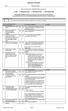 Appraisal Checklist Loan # Borrower Name Single Family Appraisal or Marketability Report type required: 1004 2055 Exterior Only 2070 Exterior Only 2075 Exterior Only *This appraisal checklist is a TOOL
Appraisal Review Reminders
 Use the following list of reminders as a tool when underwriting the appraisal report. For complete information on appraisal requirements, refer to the Freddie Mac Seller/Servicer Guide (Guide) Chapter
USDA RURAL DEVELOPMENT
 USDA RURAL DEVELOPMENT The USDA Rural Development (RD) program provides very-low-, low- and moderateincome rural residents with better access to affordable housing finance options with little or no down
Announcement 07-06 June 15, 2007
 Announcement 07-06 June 15, 2007 Amends these Guides: Selling Manufactured Housing Requirements, Clarifications, and New Forms Fannie Mae s commitment to homeownership involves helping to make lower cost
Section 1.16a Resale/Deed Restrictions Guidelines
 Section 1.16a Resale/Deed Restrictions Guidelines In This Section This section contains the following topics: Overview... 2 Introduction... 2 Related Bulletins... 2 General... 2 Identification and Eligibility
Regulation H Flood Insurance
 Regulation H Flood Insurance Background The Board s Regulation H (Membership of State Banking Institutions in the Federal Reserve System) implements the flood insurance provisions of the National Flood
Chapter 5. How to Process VA Loans and Submit Them to VA Overview
 Chapter 5. How to Process VA Loans and Submit Them to VA Overview In this Chapter This chapter contains the following topics. Topic Topic name See Page 1 Refinancing Loans 5-2 2 Processing Procedures 5-3
10.08 New ConstructionError! Bookmark not defined.
 10.08 New Error! Bookmark not defined. Definition Exhibits and Inspections To be eligible for appraisal as new construction, the property must be fully completed or completed except for customer preference
Capital One, N.A. 7933 Preston Road Plano, TX 75024
 Capital One, N.A. 7933 Preston Road Plano, TX 75024 This engagement letter serves as a contract between the vendor listed and Capital One Bank (USA), N.A. and can ONLY be completed by the appraiser listed.
Enhancements to Streamlined (k) Limited Repair Program
 U.S. DEPARTMENT OF HOUSING AND URBAN DEVELOPMENT WASHINGTON, DC 20410-8000 ASSISTANT SECRETARY FOR HOUSING- FEDERAL HOUSING COMMISSIONER December 29, 2005 MORTGAGEE LETTER 2005-50 TO: ALL APPROVED MORTGAGEES
Freddie Mac Condominium Unit Mortgages
 For all mortgages secured by a Condominium Unit in a Condominium Project, you must meet the requirements of Freddie Mac Single-Family Seller/Servicer Guide (Guide) Chapter 42, Special for Condominiums,
MORTGAGE PORTFOLIO PROTECTION PROGRAM AGREEMENT (PART V)
 Federal Emergency Management Agency Federal Insurance Administration MORTGAGE PORTFOLIO PROTECTION PROGRAM AGREEMENT (PART V) Purpose To enable the company to assist the mortgage lending and servicing
4145.1 REV-2 APPENDIX 11. Column A B C D E F G H I
 Architectural Requirements Grid Column A B C D E F G H I Construction Plans Subdiv Insp Final Bldr Bldr 10-Year Termite Carpet Status Reqd Req Reqd Insp Cert Warr Warr Control I.D., Mfg only Warr & Ins
Review of FHA s Policies
 Review of FHA s Policies January 16, 2014 Presented by Arlene Nunes 1 Agenda HUD s Qualified Mortgage Rule 2014 FHA Loan Limits (ML 2013 43) Manual Underwriting Final Notice Single Family Housing Policy
http://www.allregs.com/tpl/documentprint.aspx?did3=fbac4aa6751c4ea0b8e44256c659d9f...
 Page 1 of 5 Lending Library / Correspondent Seller Guide / 500. Products / 508. HIP Full FHA 203(k) 508. HIP Full FHA 203(k) HIP Full FHA 203(k) Product Matrix/Guidelines The FHA 203(k) program (i.e. Full
Frequently Asked Questions Valuation Protocol Overview
 Frequently Asked Questions Valuation Protocol Overview Contents This publication contains the following topics: Topic New Construction Wood Destroying Insects/Termites Utilities Well and Septic Inspections
CHAPTER 3: LENDER APPROVAL 7 CFR 3555.51
 3.1 INTRODUCTION CHAPTER 3: LENDER APPROVAL 7 CFR 3555.51 A lender is defined as an entity that originates, services, or holds a loan guaranteed by the Agency. The SFHGLP is not intended to promote risky
CHAPTER 3: ESCROW, TAXES, AND INSURANCE. SECTION 1: TAX AND INSURANCE REQUIREMENTS [7 CFR 3550.60 and 3550.61]
![CHAPTER 3: ESCROW, TAXES, AND INSURANCE. SECTION 1: TAX AND INSURANCE REQUIREMENTS [7 CFR 3550.60 and 3550.61]](/thumbs/26/8168010.jpg "CHAPTER 3: ESCROW, TAXES, AND INSURANCE. SECTION 1: TAX AND INSURANCE REQUIREMENTS [7 CFR 3550.60 and 3550.61]") . HB-2-3550 CHAPTER 3: ESCROW, TAXES, AND INSURANCE 3.1 INTRODUCTION To protect the Agency s interest in the security property, the Centralized Servicing Center (CSC) must ensure that real estate taxes
. HB-2-3550 CHAPTER 3: ESCROW, TAXES, AND INSURANCE 3.1 INTRODUCTION To protect the Agency s interest in the security property, the Centralized Servicing Center (CSC) must ensure that real estate taxes
203K Loan Parameters
 Full documentation only. 203K Loan Parameters AUS approval required, no manual underwriting permitted. Maximum DTI ratios of 31%/43% regardless of AUS findings. Both purchase or rate and term refinance
CHAPTER 6: UNDERWRITING THE LOAN SECTION 1: OVERVIEW OF THE UNDERWRITING PROCESS
 CHAPTER 6: UNDERWRITING THE LOAN SECTION 1: OVERVIEW OF THE UNDERWRITING PROCESS 6.1 INTRODUCTION The underwriting process brings together the applicant eligibility requirements discussed in Chapter 4
NEW JERSEY HOUSING AND MORTGAGE FINANCE AGENCY POLICE AND FIRE RETIREMENT SYSTEM MORTGAGE LOAN PROGRAM TERM SHEET
 T E R M S H E E T NEW JERSEY HOUSING AND MORTGAGE FINANCE AGENCY POLICE AND FIRE RETIREMENT SYSTEM MORTGAGE LOAN PROGRAM TERM SHEET 1. Single Family Mortgage Purchase Agreements dated 08/00 apply to loans
USDA Home Loans. USDA Income Limitations. What is a USDA Home Loan?
 USDA Home Loans What is a USDA Home Loan? USDA Home Loans provide up to 100% financing for a home purchase or refinance. These loans are guaranteed by the USDA and are serviced by direct lenders that meet
CITY OF YOUNGSTOWN. HOME Housing Rehabilitation Program. for Homeowners
 CITY OF YOUNGSTOWN HOME Housing Rehabilitation Program for Homeowners Community Development Agency Housing Division CITY OF YOUNGSTOWN Mayor Jay Williams Revised 2/19/2008 PROGRAM SUMMARY HOME HOUSING
Duplication of Benefits DRAFT Submitted to HUD: July 3, 2013
 Duplication of Benefits DRAFT Submitted to HUD: July 3, 2013 Introduction This duplication of benefit plan explains methods and procedures to prevent the duplication of benefits, as required by the Robert
FLOOD DAMAGE PREVENTION ORDINANCE
 FLOOD DAMAGE PREVENTION ORDINANCE SECTION 1.0 STATUTORY AUTHORIZATION, FINDINGS FO FACT, PURPOSE, AND OBJECTIVES 1.1 STATUTORY AUTHORIZATION The Legislature of the State of Washington has in RCW delegated
HUD Marketing Approaches Each HUD REO property will be offered for sale using one of the approaches listed below.
 HUD REOs Overview Through the Property Disposition Insured Sales Program, HUD offers its Real Estate Owned (REO) properties for sale with FHA-insured financing available. Properties must meet the intent
SECTION 4 REHABILITATION MORTGAGES 203(k) Standard & 203(k) Limited
 SECTION 4 REHABILITATION MORTGAGES 203(k) Standard & 203(k) Limited 4.1 Program Descriptions 4.2 Borrower Eligibility 4.3 Property Eligibility 4.4 Principal Residence Requirement 4.5 Rehabilitation Loan
CHAPTER 3 page 69 LOCAL FLOODPLAIN REGULATIONS AND NFIP STANDARDS
 CHAPTER 3 page 69 LOCAL FLOODPLAIN REGULATIONS AND NFIP STANDARDS LOCAL FLOODPLAIN REGULATIONS AND NFIP STANDARDS, page 69 THE PARTICIPATION OF A COMMUNITY IN THE NFIP IS MADE POSSIBLE BY ITS ADOPTION
COMMUNITY ACQUISITION REHABILITATION LOAN CARL CARL TERM SHEET AND GUIDELINES
 COMMUNITY ACQUISITION REHABILITATION LOAN I. PROGRAM OBJECTIVE CARL CARL TERM SHEET AND GUIDELINES URBAN REDEVELOPMENT AUTHORITY OF PITTSBURGH PITTSBURGH COMMUNITY REINVESTMENT GROUP The main objective
FHA Streamline (K) Limited Repair Program
 Training Mortgage Professionals FHA Streamline (K) Limited Repair Program Facilitator: XXXXXXXXX The Streamline (K) Overview General Characteristics Eligible/Ineligible Improvements Documentation Requirements
58.1: General property insurance requirements (10/06/06)
 FREDDIE MAC GUIDE SECTIONS 58.1: General property insurance requirements (10/06/06) For as long as Freddie Mac owns an interest in a Mortgage, the Seller/Servicer must ensure that the Mortgaged Premises
Texas Home Equity Section 50(a)(6)
 Texas Home Equity Section 50(a)(6) Revised 09/16/2015 rev. 16 Plaza s Underwriting Guidelines are designed to provide guidance as a standard to underwriting loans. There are cases where specific loan programs
FHA REPAIR ESCROW GUIDELINES
 FHA REPAIR ESCROW GUIDELINES Introduction Escrow holdbacks are used to facilitate loan closings for properties that require no more than $5000 of repairs to meet FHA s minimum property requirements. The
MORTGAGE PORTFOLIO PROTECTION PROGRAM RATE AND INCREASED COST OF COMPLIANCE (ICC) TABLE
 MORTGAGE PORTFOLIO PROTECTION PROGRAM I. BACKGROUND The Mortgage Portfolio Protection Program (MPPP) was introduced on January 1, 1991, as an additional tool to assist the mortgage lending and servicing
Please see Section IX. for Additional Information:
 The Florida Senate BILL ANALYSIS AND FISCAL IMPACT STATEMENT (This document is based on the provisions contained in the legislation as of the latest date listed below.) BILL: CS/SB 1094 Prepared By: The
Flood Insurance. NFIP Flood Insurance
 Flood Insurance 11 Flood insurance is essential in helping people repair, recover, rebuild, and even install some retrofitting measures. Flood insurance has many advantages, especially for people in areas
CONDOMINIUMS I. METHODS OF INSURING CONDOMINIUMS. Important Notice to Agents/Producers:
 Important Notice to Agents/Producers: CONDOMINIUMS Boards of directors of condominium associations typically are responsible under their by-laws for maintaining all forms of property insurance necessary
COEUR D ALENE TRIBAL HOUSING AUTHORITY HOUSING REHABILITATION POLICY (CDTHA REHAB)
 COEUR D ALENE TRIBAL HOUSING AUTHORITY HOUSING REHABILITATION POLICY (CDTHA REHAB) Adopted by the Housing Board May 25, 2005 CDTHA HOUSING REHAB POLICY Programs Available... 3 Reconstruction... 3 Relocation/Displacement...
STATE OF SOUTH CAROLINA RESIDENTIAL PROPERTY CONDITION DISCLOSURE STATEMENT
 STATE OF SOUTH CAROLINA RESIDENTIAL PROPERTY CONDITION DISCLOSURE STATEMENT The South Carolina Code of Laws (Title 27, Chapter 50, Article 1) requires that an owner of residential real property (single
Chapter 2. DE Lender Application and Approval/Lender Insurance Program (LI) Eligibility & Approval Table of Contents
 Chapter 2, Table of Contents Chapter 2. DE Lender Application and Approval/Lender Insurance Program (LI) Eligibility & Approval Table of Contents Section A. Direct Endorsement (DE) Program Lender Application
RESIDENCE TRANSACTION EXPENSES - HOME PURCHASE
 Items Payable In Connection With Loan: (Section 800 on HUD-I) Loan Origination Charge Line 801 The FTR allows for up to 1% of the loan amount to be reimbursed if lender charges are assessed in lieu of
CHAPTER 10 COMMONLY USED ENDORSEMENTS
 CHAPTER 10 COMMONLY USED ENDORSEMENTS This section contains various endorsements that are commonly used with Owner and/or Mortgagee policies. ATG Basic Forms and Procedures - Illinois Page 10-1 COMMONLY
The FHA Appraisal. The short version
 The FHA Appraisal The short version Health Safety HUD Requirements to Security Remember: (FHA defines this as the three Ss.) S s History of HUD and FHA Originally designed to encourage home ownership
Chapter 8 Property Fundamentals
 Chapter 8 Property Fundamentals 8.1 Introduction (10/01/14) This chapter details Freddie Mac's requirements for the Property secured by a SBL Mortgage. These Property requirements may also apply to Special
Words to Know When Buying a Home
 Words to Know When Buying a Home Adjustable mortgage interest rate: With an adjustable rate, both the interest rate and the mortgage payment vary, based on market conditions. Amortization: Length of time
Selling Guide Announcement SEL-2014-03
 Selling Guide Announcement SEL-2014-03 Selling Guide Updates April 15, 2014 The Selling Guide has been updated to include changes to the following: Property Eligibility and Appraisal Requirements Retirement
CHAPTER 5: CONSTRUCTION REQUIREMENTS SECTION 1: PRE-CONSTRUCTION CONFERENCE
 5.1 INTRODUCTION CHAPTER 5: CONSTRUCTION REQUIREMENTS A primary goal of the GRRHP is to encourage the construction of affordable yet safe and sanitary housing units in rural areas. To achieve this goal,
Endorsement Guide. A brief overview of ALTA Title Insurance Endorsements
 Endorsement Guide A brief overview of ALTA Title Insurance Endorsements 2013 First American Financial Corporation and/or its affiliates. All rights reserved. q NYSE: FAF ACKNOWLEDGMENTS All publications
13 DOWNPAYMENT PROGRAMS
 13 DOWNPAYMENT PROGRAMS DOWNPAYMENT ASSISTANCE PROGRAMS These guidelines apply to all downpayment assistance loans offered at the Commission Details for Home Advantage Downpayment Assistance Program can
OWNER-ARCHITECT AGREEMENT FOR DESIGN AND ADMINISTRATION SERVICES
 OWNER-ARCHITECT AGREEMENT FOR DESIGN AND ADMINISTRATION SERVICES MICHIGAN STATE HOUSING DEVELOPMENT AUTHORITY 735 East Michigan Avenue, Lansing, Michigan 48912 THIS AGREEMENT made on by and between (the
Program Type Occupancy Units LTV/CLTV * Purchase Owner-occupied 1-4 100%
 Maximum DTI: 41% Maximum Loan Amount: 1-unit $417,000 2-units $533,850 DU Approve/ 3-units $645,300 4-units $801,850 Minimum Loan Amount: $75,000 Maximums LTVs Purchase 100% LTV Rate/term & Cash-out 90%
Condominium Guide. Effective as of October 1, 2014 Primary Capital Mortgage
 Condominium Guide Effective as of October 1, 2014 Primary Capital Mortgage Contents 1. Overview... 2 2. Qualification... 2 2.1 Lender Full review... 3 2.2 Lender Limited Review... 4 2.3 FNMA Approved Projects...
Legal Instruments, Liens, Escrows and Related Issues
 Chapter 9 Legal Instruments, Liens, Escrows and Related Issues Overview Introduction This chapter contains information about legal instruments, liens, escrows, and related issues. In this Chapter This
NEW CONSTRUCTION FINANCING PROGRAM
 NEW CONSTRUCTION FINANCING PROGRAM Program Guide The is an Equal Housing Opportunity Lender I. Program Purpose The New Construction Financing Program (the Program ) encourages WV licensed home builders
MORTGAGE BANKING TERMS
 MORTGAGE BANKING TERMS Acquisition cost: Add-on interest: In a HUD/FHA transaction, the price the borrower paid for the property plus any of the following costs: closing, repairs, or financing (except
Supplemental Directive 10-03 March 26, 2010
 Supplemental Directive 10-03 March 26, 2010 Home Affordable Modification Program Modifications of Loans Insured by the Federal Housing Administration (FHA) Background In Supplemental Directive 09-01, the
RESPONSE TO COMMENTS AND SUGGESTIONS 2013 MODEL REGUATIONS September 3, 2013 version Montana Department of Natural Resources and Conservation
 RESPONSE TO COMMENTS AND SUGGESTIONS 2013 MODEL REGUATIONS September 3, 2013 version Montana Department of Natural Resources and Conservation February 24, 2013 A comment was to use consistently, either
`2 TERMS AND CONDITIONS
 `2 TERMS AND CONDITIONS Each House Key Program Mortgage Loan must satisfy the following terms and conditions: LOAN TYPES Fixed rate FHA 203(b), 234 (c), HUD 184, VA, USDA Rural Development, and Conventional
NYCalls Questions December 3, 2012 Flood Insurance Teleconference
 NYCalls Questions December 3, 2012 Flood Insurance Teleconference 1. An organization owns the land on which a building (owned by another organization) sits. The property is located in a V zone. Both organizations
[Space Above This Line For Recording Data] which has the address of
![[Space Above This Line For Recording Data] which has the address of](/thumbs/25/4793700.jpg "[Space Above This Line For Recording Data] which has the address of") FORM 3C.8 HOME EQUITY CONVERSION: MODEL MORTGAGE FORM [Space Above This Line For Recording Data] State of [see note 1] MORTGAGE THIS MORTGAGE ( Security Instrument ) is given on, 20. The mortgagor is,
FORM 3C.8 HOME EQUITY CONVERSION: MODEL MORTGAGE FORM [Space Above This Line For Recording Data] State of [see note 1] MORTGAGE THIS MORTGAGE ( Security Instrument ) is given on, 20. The mortgagor is,
Energy Efficient Mortgage Program DOYLE Loan #: 3001716496 Case #: 045-8129173-703
 Date: MAY 28, 2014 U.S. Department of Housing and Urban Development Energy Efficient Mortgage Program Case #: 045-8129173-703 FHA's Energy Efficient Mortgage program (EEM) helps homebuyers or homeowners
TITLE V--NATIONAL FLOOD INSURANCE REFORM
 Sept.23 RIEGLE COMMUNITY DEVELOPMENT ACT [Riegle Community Development and Regulatory Improvement Act of 1994] P.L. 103-325 Sec. 511 TITLE V--NATIONAL FLOOD INSURANCE REFORM SEC. 501. SHORT TITLE. This
Market Conditions Addendum to the Appraisal Report
 Market Conditions Addendum to the Appraisal Report Supplement PMKTCOND--C Fannie Mae Releases Market Conditions Addendum On November 14, 2008, Fannie Mae released a Market Conditions Addendum to the Appraisal
Section 9.4 REPLACEMENT HOUSING PAYMENTS
 Relocation Revised October 1, 2014 Section 9.4 REPLACEMENT HOUSING PAYMENTS TABLE OF CONTENTS PURPOSE... 9-4-1 AUTHORITY... 9-4-1 SCOPE... 9-4-1 REFERENCES... 9-4-1 TRAINING... 9-4-1 FORMS... 9-4-1 9.4.1
Claim and Foreclosure Bidding Servicing Guide
 Claims I Mortgage Insurance Claim and Foreclosure Bidding Servicing Guide October 1, 2014 Let s help someone buy a house today. 8783606.0814 GENWORTH MORTGAGE INSURANCE CORPORATION CLAIM AND FORECLOSURE
Page One of Settlement Statement A. U.S. Department of Housing B. Type of Loan and Urban Development 1. [ ] FHA 2. [ ] FMHA 3. [ ] Conv. Unins.
![Page One of Settlement Statement A. U.S. Department of Housing B. Type of Loan and Urban Development 1. [ ] FHA 2. [ ] FMHA 3. [ ] Conv. Unins.](/thumbs/18/805103.jpg "Page One of Settlement Statement A. U.S. Department of Housing B. Type of Loan and Urban Development 1. [ ] FHA 2. [ ] FMHA 3. [ ] Conv. Unins.") Page One of Settlement Statement A. U.S. Department of Housing B. Type of Loan and Urban Development 1. [ ] FHA 2. [ ] FMHA 3. [ ] Conv. Unins. 4. [ ] VA 5. [ ] Conv. Ins. 6. File Number 7. Loan Number
Page One of Settlement Statement A. U.S. Department of Housing B. Type of Loan and Urban Development 1. [ ] FHA 2. [ ] FMHA 3. [ ] Conv. Unins. 4. [ ] VA 5. [ ] Conv. Ins. 6. File Number 7. Loan Number