
Year in review: mechanical ventilation
|
|
|
- Maryann Shepherd
- 10 years ago
- Views:
Transcription
1 Year in review: mechanical ventilation Leo Heunks, MD, PhD Pulmonary and Critical Care Physician Dept of Critical Care Intensivisten dagen 2013

2 Disclosures Maquet (NAVA catheters, travel fee, speakers fee) Covedien (advisory board) Orion Pharma (research support)

3 Year in Review 2012 Feb feb 2013 My selection bias

4 Topics covered ECCO2R in ARDS & COPD HFOV Noninvasive ventilation Weaning from mechanical ventilation Patient - ventilator asynchrony

5 Year in Review (1)

6 What you should know Prolonged mechanical ventilation: > 21 d MV Small group of patients High percentage of total ventilator days High costs

7 What you should know Best methods for weaning? PSV SBT

8 What they did LTACH setting (90 bed center) MV > 21 d & tracheotomized Ready to be weaned Respiratory distress < 5 days of unassisted breathing!

9 What they did Trach collar group PSV group Day 1 Max 12 h SBT Initial PSV target RR 30 / min Day 2 Max 12 h SBT Reduce PS level 2 cmh2o thrice a day Day 3 Max 24 h SBT / 24 h Tolerate 6 cmh2o for 12h: SBT trials Fail: resume ACV for rest of day Fail: Increase PS by 2 cmh2o every 3 min until comfortable ACV TV: 8 ml/kg, RR 4-6 < patient RR

10 What they did Stratification: Early versus late failure Postop, COPD, ARDS, NMD Primary outcome: successful weaning (5 days unassisted breathing)

11 What they did

12 What they did

13 What they found Proportion of patients ventilator dependent

14 What they found PS TC P weaning duration, d 19 (12-31) 15 (8-25) 0,004 deaths during study, % ,23 death 6 mo, % ,41 death 12 mo, % ,24

15 What they found PS TC P = % Successfully weaned

16 How I interpret these findings 1. SBT-strategy superior to PSV for weaning Prolonged weaning patient, LTACH Single centre Mortality is high in prolonged weaning patients 3. The ICU is not an ideal weaning environment

17

18 Year in Review (2)

19 What you should know ARDS high mortality VILI due to high tidal volume / low PEEP

20 What you should know HFOV Tidal volume 1-2 ml/kg High respiratory rate: 3-15 / sec Small studies suggest benefit Tends to be used earlier in ARDS

21 What you should know Sud, BMJ 2010
22 What they did (Oscillate) Multicenter worldwide Pulmonary symptomes < 2 weeks P / F < 200 mmhg, Diagnosis ARDS less 72 h Primary outcome: in-hospital mortality
23 What they did (Oscillate) Stop HFOV if MAP < 25 cmh2o, but could be resumed
24 What they did (Oscillate)
25 What they found Early termination N = 500 analysis (planned 1200) HFOV median 3 days [IQR 2-8]
26 What they found
27 What they found 71% 60%
28 What they found HFOV Control % * In hospital death Barotrauma refractory hypoxemia death after RH *
29 What they found HFOV Control % * In hospital death Barotrauma refractory hypoxemia death after RH *
30 What they found HFOV Control % * No subgroups with benefits from HFOV In hospital death Barotrauma refractory hypoxemia death after RH *
31 What you they found
32 What they found HFOV Control % Vasporessor NMBA Day 1
33 What they did (Oscar) Multicentre UK P / F < 200 mmhg, ARDS criteria Inclusion within 7 days of MV Protocol mosly as oscillate trial Primary outcome: vital status at 30 days
34 What they found N ± 400 / group
35 What they found (Oscar) HFOV more NMBA More sedation No effect total duration of mechanical ventilation
36 How I interpret these data 1. No role for HFOV in ARDS 2. New modes / devices should be studied before widespread implementation 3. Another wrong meta-analysis
37 Year in Review (3)
38 What you know
39 What you know Acute hypoxemic failure (cardiac + pulmonary) Ferrer, AJRCCM, 2003
40 What you know Acute hypoxemic failure (cardiac + pulmonary) Ferrer, AJRCCM, 2003
41 What they did Multicentre, randomized controlled NIV vs venturi mask + O2 ALI patients P / F mmhg No left haert failure (Echo / PAC) NIV < 24 h fullfilling inclusion
42 What they did NIV (BiPAP Vision) PEEP titration as tolerated Fi,o2 target Spo % PS titrate TV to > 6 ml/kg (?) Venturi Adjust o2 flow: Sp,o % Intubation criteria (P/F < distress)
43 What they did Primary endpoint Number of patients meeting ETI criteria and number of patients intubtaed
44 What they found Early termination!
45 What they found
46 What they found NIV Control 40 p = 0.02 ETI for development ARDS p = 0.02 % Need ETI 5 ETI
47 What they found NIV Control NIV Control 40 p = p = p = % % NS Need ETI 5 ETI Dead ICU 8 6 LOS ICU
48 What they found
49 How I interpret these data 1. NIV is safe in mild ARDS 2. NIV might prevent intubation in mild ARDS 3. Highly skilled team necessary
50 YiR (2)
51 What you know Slutsky,, NEJM, 2010
52 What you know Conventional Low TV ,8 p = % 25 31, ml/kg 0 Mortality P,plat: Conventional: 33 cmh2o Low tidal volume: 25 cmh2o ARDSNet NEJM, 2000 Terragni, Am J Respir Crit Care Med, 2007
53 What you know ARDS, 28 Pplat 30 cmh2o, with TV 6 ml/kg n = 10, with DECAP Terragni, Anesthesiology, 2009
54 What you know 10 kpa 6.6 kpa Terragni, Anesthesiology, 2009
55 What you know
56 What they did Hypothesis TV 3 ml/kg + ECCO2R more lung protective and better clinical outcome compared to TV 6 ml/kg Primary outcome: Proportion of days w/o assist
57 What they did Multicenter (D + A), Patients: ARDS, P / F < 200 mmhg Pplat > 25 cmh2o, TV 6 ml/kg
58 What they did ECCO2R group Pumpless device, AV cannulation TV 3 ml/kg, ARDSNet high PEEP table Criteria for ECCO2R weaning Control group 6 ml/kg ph > 7,2. (buffer (TRIS) allowed)
59 What they found
60 What they found All P / F < 150 mmhg ECCO2R Control ECCO2R Control p = VFD 0 28 VFD N = 10 and N = 20
61 What they found ECCO2R Control ECCO2R Control % NS 15 days 40 NS Hospital mortality 0 LOS - ICU
62 What they found
63 What they found TNF-a IL-6 IL pg/ml pg/ml * * * ng/ml ECCO2R Control
64 What they found 6A 5A inter-group: p= intra-group: p<0.001 control avecco 2 -R 5B 6B inter-group: p= intra-group: p< days days Figure 6!
65 How I interpret these data 1. ECCO2R is feasible in ARDS 2. Negatie study 3. Role for ECCO2R in ARDS is unknown
66 Year in Review (1) Burki and Moerer
67 What you know NIV in for AE-COPD in ICU Need for intubation, % In hospital mortality, % P< P< N = 42 / group FEV1 ~ 28% pred Pa,co2 ~ 8.9 kpa ph ~ 7.28 Standard NIV Brochard, NEJM, 1995
68 What they did Aim Evaluate safety and efficacy of ECCO2R in hypercapnic respiratory failure
69 What they did VV-ECCO2R Low flow system
70 What they did Group 1 (n=7): AE-COPD + NIV with high likelyhood ETI Group 2 (n=2): AE-COPD + failed weaning NIV, not to be intubated Group 3 (n=11): Hypercapnic failure, failed weaning IMV >1 time or failed once and did not want further IMV
71 What they did Group 1 (n=7): AE-COPD + NIV with high likelyhood ETI COPD GOLD stage III/IV
72 What they found Group 1: AE-COPD + NIV
73 What they found Group 1: AE-COPD + NIV
74 What they found Patients Number (n= 7) Time on NIV before ECCO2R, d 5 Time on ECCO2R, h 90 Outcome day 30 ETI NIV Dead 0 3 4
75 What they found T = 0 T = 48h ,2 P< ,6 0 Dyspnea score
76 What they found Complications Number (n= 20) Thrombocytopenia Transfusion needed Dead due to catheter placement Leg thrombosis Pneumothorax Significant bleeding (RBC)
77 How I interpret these results 1. ECCO2R feasible in AE-COPD 2. Use only in scientfic studies 3. New indications may arise
78 Year in Review (4)
79 (1) Asynchrony
80 (1) Asynchrony
81 (1) Asynchrony
82 (2) Dyssynchrony Early cycling on Late cycling on Early cycling off Late cycling off Evidence for clinical relevance emerging
83 (2) Dyssynchrony Early cycling on Late cycling on Early cycling off Late cycling off Evidence for clinical relevance emerging
84 (2) Dyssynchrony Early cycling on Late cycling on Early cycling off Late cycling off Evidence for clinical relevance emerging
85 (2) Dyssynchrony Early cycling on Late cycling on Early cycling off Late cycling off Evidence for clinical relevance emerging
86 (2) Dyssynchrony Early cycling on Late cycling on Early cycling off Late cycling off Evidence for clinical relevance emerging
87 What they did Pes / Edi in AC ventilated patients (previous studies) Identify respiratory entrainment Inspiratory efforts over a specific and repetitive phase of the ventilator cycle
88 What they did angle = dp Ttotmech *360
89 What they did Reverse triggering angle = dp Ttotmech *360
90 What they did ARDS, N = 8 PAC or VAC, deep sedation (RASS -4 / -5)
91 What they found
92 What they found Neural efforts before cycling off
93 What they found Reverse triggering affected by vent settings
94 What they found angle = dp Ttotmech *360
95 How I interpret this study 1. Patient ventilator interaction is very complex 2. Reverse triggering new type of P-V asynchrony 3. Difficult to detect from flow - pressure curve 4. May induce lung injury
96 How I interpret this study 1. Patient ventilator interaction is very complex 2. Reverse triggering new type of P-V asynchrony 3. Difficult to detect from flow - pressure curve 4. May induce lung injury
97 Mechanical ventilation Severe (H1N1) ARDS = ECMO center 2. Volutrauma, lagere P,plat 3. P-V asynchrony is unrecognized 4. NIV helps weaning in COPD 5. Respiratory muscles dislike by CMV 6. IMT improves weaning outcome
Mechanical Ventilation for Dummies Keep It Simple Stupid
 Mechanical Ventilation for Dummies Keep It Simple Stupid Indications Airway Ventilation failure (CO2) Hypoxia Combination Airway obstruction Inability to protect airway Hypoxia (PaO 2 < 50) Hypercapnia
Importance of Protocols in the Decision to Use Noninvasive Ventilation
 Importance of Protocols in the Decision to Use Noninvasive Ventilation Janice L. Zimmerman, M.D. Weill Cornell Medical College The Methodist Hospital Houston, Texas Objectives Review application of protocols
NIV in non CPE, non-copd, non-neuromuscular patients
 NIV in non CPE, non-copd, non-neuromuscular patients Giorgio Iotti Anestesia e Rianimazione 2 Pavia Italia Missioni ECMOteam Pavia 2009/2011 18 4 2 Trasporto con ECMO senza ECMO ALI/ARDS Immunocompetent
Common Ventilator Management Issues
 Common Ventilator Management Issues William Janssen, M.D. Assistant Professor of Medicine National Jewish Health University of Colorado Denver Health Sciences Center You have just admitted a 28 year-old
Comparison of the Rate of Improvement in Gas Exchange between Two High Frequency Ventilators in a Newborn Piglet Lung Injury Model
 Comparison of the Rate of Improvement in Gas Exchange between Two High Frequency Ventilators in a Newborn Piglet Lung Injury Model Kurt Gillette, MD, San Antonio Military Medical Center Background: High
Neurally Adjusted Ventilatory Assist: NAVA for Neonates
 Neurally Adjusted Ventilatory Assist: NAVA for Neonates Robert L. Chatburn, MHHS, RRT-NPS, FAARC Research Manager Respiratory Institute Cleveland Clinic Professor Department of Medicine Lerner College
Recommendations: Other Supportive Therapy of Severe Sepsis*
 Recommendations: Other Supportive Therapy of Severe Sepsis* K. Blood Product Administration 1. Once tissue hypoperfusion has resolved and in the absence of extenuating circumstances, such as myocardial
The Berlin definition of Severe ARDS includes assessment of which of the following?
 2013 ACS Critical Care Update ARDS, Ventilators MCQs August, 2013 (Berlin Definition of ARDS Question 1) The Berlin definition of Severe ARDS includes assessment of which of the following? A. Oxygenation:
RES Non-Invasive Positive Pressure Ventilation Guideline Page 1 of 9
 Page 1 of 9 Scope: Respiratory Care Department, Physicians, Advanced Nurse Practitioners (APRN), Physician Assistants (PA) Population: Patients receiving rescue or non-rescue non-invasive positive pressure
ACUTE RESPIRATORY DISTRESS SYNDROME (ARDS) S. Agarwal, MD, S. Kache MD
 ACUTE RESPIRATORY DISTRESS SYNDROME (ARDS) S. Agarwal, MD, S. Kache MD Definition ARDS is a clinical syndrome of lung injury with hypoxic respiratory failure caused by intense pulmonary inflammation that
Airway Pressure Release Ventilation
 Page: 1 Policy #: 25.01.153 Issued: 4-1-2006 Reviewed/ Revised: Section: 10-11-2006 Respiratory Care Airway Pressure Release Ventilation Description/Definition Airway Pressure Release Ventilation (APRV)
Weaning the Unweanable
 Weaning the Unweanable Gerald W. Staton, Jr, MD Professor of Medicine Pulmonary & Critical Care Medicine Emory University School of Medicine Atlanta, GA [email protected] Disclosures Pulmonary Program
3100B Clinical Training Program. 3100B HFOV VIASYS Healthcare
 3100B Clinical Training Program 3100B HFOV VIASYS Healthcare HFOV at Alveolar Level Nieman,, G, SUNY 1999 Who DO We Treat? Only Pathology studied to date has been ARDS Questions about management of adults
From AARC Protocol Committee; Subcommittee Adult Critical Care Version 1.0a (Sept., 2003), Subcommittee Chair, Susan P. Pilbeam
 AARC - ADULT MECHANICAL VENTILATOR PROTOCOLS 1. Guidelines for Using Ventilator Protocols 2. Definition of Modes and Suggestions for Use of Modes 3. Adult Respiratory Ventilator Protocol - Guidelines for
NURSING SERVICES DEPARTMENT
 NURSING SERVICES DEPARTMENT TITLE: Mechanical Ventilation PATIENT CARE PLAN DIAGNOSIS: DISCHARGE CRITERIA: 1 The patient will: Maintain adequate mechanics of PERTINENT INFORMATION:. ventilation as demonstrated
Principles of Mechanical Ventilation
 Principles of Mechanical Ventilation The Basics Presented by WANG, Tzong-Luen Professor, Medical School, FJU Director, ED, SKH President, SECCM, Taiwan Origins of mechanical ventilation The era of intensive
BIPAP Synchrony TM AVAPS
 BIPAP Synchrony TM AVAPS Product Presentation V1.6 Contents Home NIV Solution introduction BiPAP Technology and Auto-Trak algorithm Consensus conference, Chest 1999 The AVAPS algorithm The AVAPS settings
Chronic Critical Illness: Can it be prevented? Carmen C Polito, MD Pulmonary & Critical Care Medicine Emory University Atlanta, GA cpolito@emory.
 Chronic Critical Illness: Can it be prevented? Carmen C Polito, MD Pulmonary & Critical Care Medicine Emory University Atlanta, GA [email protected] Data free zone Disclosures A (Very) Old Case 65 year-old
Non-Invasive Positive Pressure Ventilation in Heart Failure Patients: For Who, Wy & When?
 REUNIÃO CONJUNTA DOS GRUPOS DE ESTUDO DE CUIDADOS INTENSIVOS CARDÍACOS E DE FISIOPATOLOGIA DO ESFORÇO E REABILITAÇÃO CARDÍACA O L H Ã O 2 7 e 2 8 d e J a n e i r o 2 0 1 2 Non-Invasive Positive Pressure
MECHINICAL VENTILATION S. Kache, MD
 MECHINICAL VENTILATION S. Kache, MD Spontaneous respiration vs. Mechanical ventilation Natural spontaneous ventilation occurs when the respiratory muscles, diaphragm and intercostal muscles pull on the
Improving Weaning Automation (WEAN Study)
 , 2013 Improving Weaning Automation (WEAN Study) François LELLOUCHE, MD, PhD Centre de recherche de l Institut Universitaire de Cardiologie et de Pneumologie de Québec CONFLICTS OF INTEREST - Research
Safe Zone: CV PIP < 26; HFOV: MAP < 16; HFJV: MAP < 16 Dopamine infusion up to 20 mcg/kg/min Epinephrine infusion up to 0.1 mcg /kg/min.
 Congenital Diaphragmatic Hernia: Management Guidelines 5-2006 Issued By: Division of Neonatology Reviewed: Effective Date: Categories: Chronicity Document Congenital Diaphragmatic Hernia: Management Guidelines
High-Frequency Oscillatory Ventilation
 High-Frequency Oscillatory Ventilation Arthur Jones EdD, RRT Learning Objectives Describe the indications and rationale and monitoring for HFOV. Identify HFOV settings and describe the effects of their
Saint Thomas Hospital Protocol. Protocol Title: Terminal Weaning from Ventilator Protocol No.: V-09. Medical Staff departments
 Saint Thomas Hospital Protocol Protocol No.: V-09 Operating Unit(s) Medical Staff departments Important s: Affected: affected:! Hospital! Medicine of Origin: 2/00 " Regional Network! Surgery Reviewed:
Rehabilitation and Lung Cancer Resection. Roberto Benzo MD MS Mindful Breathing Laboratory Division of Pulmonary & CCM Mayo Clinic
 Rehabilitation and Lung Cancer Resection Roberto Benzo MD MS Mindful Breathing Laboratory Division of Pulmonary & CCM Mayo Clinic Disclosure Funded by the National Cancer Institute NIH for Preoperative
The Sepsis Puzzle: Identification, Monitoring and Early Goal Directed Therapy
 The Sepsis Puzzle: Identification, Monitoring and Early Goal Directed Therapy Cindy Goodrich RN, MS, CCRN Content Description Sepsis is caused by widespread tissue injury and systemic inflammation resulting
How To Use High Frequency Oscillatory Ventilation
 HIGH FREQUENCY OSCILLATORY VENTILATION ANAESTHESIA TUTORIAL OF THE WEEK 261 28 TH MAY 2012 Dr Sarah Jarvis, Mrs Karen Burt and Dr William English Royal Cornwall Hospitals NHS Trust, Cornwall, UK QUESTIONS
INTRODUCING RESMED S. Home NIV Solutions. S9 VPAP ST-A with ivaps S9 VPAP ST. Why choose average when you can choose intelligent?
 INTRODUCING RESMED S Home NIV Solutions S9 VPAP ST-A with ivaps S9 VPAP ST Why choose average when you can choose intelligent? Now you can provide intelligent air through ResMed s intelligent Volume-Assured
Protocols for Early Extubation After Cardiothoracic Surgery
 Protocols for Early Extubation After Cardiothoracic Surgery AATS / STS CT Critical Care Symposium April 27, 2014 Toronto, Ontario Nevin M. Katz, M.D. Johns Hopkins University Foundation for the Advancement
Oxygenation. Chapter 21. Anatomy and Physiology of Breathing. Anatomy and Physiology of Breathing*
 Oxygenation Chapter 21 Anatomy and Physiology of Breathing Inspiration ~ breathing in Expiration ~ breathing out Ventilation ~ Movement of air in & out of the lungs Respiration ~ exchange of O2 & carbon
Oxygenation and Oxygen Therapy Michael Billow, D.O.
 Oxygenation and Oxygen Therapy Michael Billow, D.O. The delivery of oxygen to all body tissues is the essence of critical care. Patients in respiratory distress/failure come easily to mind as the ones
Non-invasive ventilation in acute respiratory failure
 192 BTS GUIDELINE Non-invasive ventilation in acute respiratory failure British Thoracic Society Standards of Care Committee... Thorax 2002;57:192 211 Members of BTS Standards of Care Committee: S Baudouin,
Fisiología Respiratoria, Hipercapnia Permisiva e Injuria Pulmonar. Wally A. Carlo, M.D. University of Alabama at Birmingham
 Fisiología Respiratoria, Hipercapnia Permisiva e Injuria Pulmonar Wally A. Carlo, M.D. University of Alabama at Birmingham Randomized Trial of Oxygen Saturation Targets in Premature Infants - the SUPPORT
NON-INVASIVE VENTILATION. Jason C. Brainard, MD Assistant Professor Department of Anesthesiology
 NON-INVASIVE VENTILATION Jason C. Brainard, MD Assistant Professor Department of Anesthesiology Objectives Overview of Non-Invasive Ventilation Discuss Specific Indications for Non-Invasive Ventilation
Pulmonary Rehabilitation in Chronic Obstructive Pulmonary Disease (COPD)
 Pulmonary Rehabilitation in Chronic Obstructive Pulmonary Disease (COPD) Development of disability in COPD The decline in airway function may initially go unnoticed as people adapt their lives to avoid
La Ventilazione non-invasiva: questioni aperte... Andrea Bellone UOC di Pronto Soccorso-OBI-Medicina per Acuti Azienda Ospedaliera Sant'Anna Como
 La Ventilazione non-invasiva: questioni aperte... Andrea Bellone UOC di Pronto Soccorso-OBI-Medicina per Acuti Azienda Ospedaliera Sant'Anna Como Ruolo del medico di PS 1) Diagnostica differenziale 2)
Respiratory failure. (Respiratory insuficiency) MUDr Radim Kukla KAR FN Motol
 Respiratory failure (Respiratory insuficiency) MUDr Radim Kukla KAR FN Motol Respiratory failure definition Failure of ability to secure the metabolic needs of organism i.e. proper oxygenation and excretion
POCKET GUIDE. NAVA and NIV NAVA in neonatal settings
 POCKET GUIDE NAVA and NIV NAVA in neonatal settings Table of contents EMPTY 1 2 3 4 Introduction and background facts Invasive ventilation with NAVA Non invasive ventilation with NAVA NAVA and NIV NAVA
Airway Pressure Release Ventilation (APRV) for the Treatment of Severe Life-Threatening ARDS in a Morbidly Obese Patient
 Review Crit Care & Shock (2008) 11 : 132-136 Airway Pressure Release Ventilation (APRV) for the Treatment of Severe Life-Threatening ARDS in a Morbidly Obese Patient Amyn Hirani, Rodrigo Cavallazzi, Anastasia
Nurses and Respiratory Therapists Working Together for Safe Alarm Systems Management
 Nurses and Respiratory Therapists Working Together for Safe Alarm Systems Management May 11, 2015 9/25/2013 1 AAMI Foundation Vision: To drive the safe adoption and use of healthcare technology Visit our
MECHANICAL VENTILATION IN THE NEONATE
 Supplemental Resources for the PICU/NICU MECHANICAL VENTILATION IN THE NEONATE I. GENERAL PRINCIPLES A. NEONATAL VENTILATORS We use three types of neonatal ventilators in the NICU: 1. SIMV (Synchronized
Rehabilitation within critical care. By David McWilliams Senior Specialist Physiotherapist Critical Care Manchester Royal Infirmary
 Rehabilitation within critical care By David McWilliams Senior Specialist Physiotherapist Critical Care Manchester Royal Infirmary Contents Negative effects of Critical illness/ prolonged ventilation Evidence
APPENDIX B SAMPLE PEDIATRIC CRITICAL CARE NURSE PRACTITIONER GOALS AND OBJECTIVES
 APPENDIX B SAMPLE PEDIATRIC CRITICAL CARE NURSE PRACTITIONER GOALS AND OBJECTIVES The critical care nurse practitioner orientation is an individualized process based on one s previous experiences and should
Titration protocol reference guide
 Titration protocol reference guide Description Page Titration protocol goals 4 CPAP protocol CPAP protocol 6 CPAP titration protocol 7 CPAP reimbursement criteria 8 BiPAP S protocol BiPAP S protocol 10
Mechanical Ventilators
 University of Washington Academic Medical Center Copyright 2000 Disclaimer Children's Hospital and Regional Medical Center Copyright 2002 Disclaimer Mechanical Ventilators Authors Created 07/31/95 Reviewed
VENTILATION SERVO-i WITH NAVA
 VENTILATION SERVO-i WITH NAVA FREEING the full potential of synchrony This document is intended to provide information to an international audience outside of the US. 2 SERVO-i with NAVA Critical Care
Noninvasive Mechanical Ventilation in Acute Respiratory Failure Patients: A Respiratory Therapist Perspective
 Send Orders for Reprints to [email protected] 120 The Open Respiratory Medicine Journal, 2015, 9, (Suppl 2: M7) 120-126 Open Access Noninvasive Mechanical Ventilation in Acute Respiratory Failure
PULMONARY PHYSIOLOGY
 I. Lung volumes PULMONARY PHYSIOLOGY American College of Surgeons SCC Review Course Christopher P. Michetti, MD, FACS and Forrest O. Moore, MD, FACS A. Tidal volume (TV) is the volume of air entering and
Please answer the following questions before reading the tutorial. The answers are contained in the article.
 ACUTE RESPIRATORY DISTRESS SYNDROME (ARDS) Author Dr D. Lacquiere Correspondence: [email protected] Please answer the following questions before reading the tutorial. The answers are contained
Extracorporeal Life Support Organization (ELSO) Guidelines for Adult Respiratory Failure
 Extracorporeal Life Support Organization (ELSO) Guidelines for Adult Respiratory Failure Introduction This adult respiratory failure guideline is a supplement to ELSO s General Guidelines for all ECLS
Michael R. Pinsky, M.D., C.M., Dr.h.c., FCCP, MCCM Professor of Critical Care Medicine, Bioengineering, Anesthesiology, Cardiovascular Diseases, and
 Michael R. Pinsky, M.D., C.M., Dr.h.c., FCCP, MCCM Professor of Critical Care Medicine, Bioengineering, Anesthesiology, Cardiovascular Diseases, and Clinical & Translational Sciences, Vice Chair for Academic
Targeting patients for use of dexmedetomidine
 Targeting patients for use of dexmedetomidine H a n n a h W u n s c h, M D M S c H e r b e r t I r v i n g A s s i s t a n t P r o f e s s o r o f A n e s t h e s i o l o g y & E p i d e m i o l o g y
ESCMID Online Lecture Library. by author
 Do statins improve outcomes of patients with sepsis and pneumonia? Jordi Carratalà Department of Infectious Diseases Statins for sepsis & community-acquired pneumonia Sepsis and CAP are major healthcare
Pain Management in the Critically ill Patient
 Pain Management in the Critically ill Patient Jim Ducharme MD CM, FRCP President-Elect, IFEM Clinical Professor of Medicine, McMaster University Adjunct Professor of Family Medicine, Queens University
Guideline for the use of Non-Invasive Ventilation (NIV) TCP 180
 Guideline for the use of Non-Invasive Ventilation (NIV) CROSS REFERENCE Progress/date of approval This Strategy/ Policy should be read in conjunction with: Mental Capacity Act Policy -TCP 199 June 2009
NORTH WALES CRITICAL CARE NETWORK
 NORTH WALES CRITICAL CARE NETWORK LEVELS OF CRITICAL CARE FOR ADULT PATIENTS Throughout the work of the North Wales Critical Care Network reference to Levels of Care for the critically ill are frequently
TACO vs. TRALI: Recognition, Differentiation, and Investigation of Pulmonary Transfusion Reactions
 TACO vs. TRALI: Recognition, Differentiation, and Investigation of Pulmonary Transfusion Reactions Shealynn Harris, M.D. Assistant Medical Director American Red Cross Blood Services Southern Region Case
MECHANICAL VENTILATION
 MECHANICAL VENTILATION INDICATIONS: Respiratory Failure Cardiopulmonary arrest Trauma (especially head, neck, and chest) Cardiovascular impairment (strokes, tumors, infection, emboli, trauma) Neurological
New Tools of the Trade for Implementing a Successful NIV Program. Robert S. Campbell, RRT FAARC National Ventilation Specialist Philips Healthcare
 New Tools of the Trade for Implementing a Successful NIV Program Robert S. Campbell, RRT FAARC National Ventilation Specialist Philips Healthcare Course Objectives Review indications and complications
How To Treat A Patient With A Lung Condition
 NHS FORTH VALLEY BIPAP Guideline Date of First Issue 27 / 10 / 2010 Approved 27 / 10 / 2010 Current Issue Date 27 / 10 / 2010 Review Date 27 / 10 / 2012 Version Version 1.00 EQIA Yes 27 / 10 / 2010 Author
Alternatives to Endotracheal Intubation for Patients with Neuromuscular Diseases
 Authors: Emilio Servera, MD Jesús Sancho, MD Ma Jesús Zafra, RN Ana Catalá, RN Pedro Vergara, RT Julio Marín, MD Affiliations: From the Rehabilitation and Ventilation Unit, Department of Respiratory Medicine,
MECHANICAL VENTILATION: AN OVERVIEW
 MECHANICAL VENTILATION: AN OVERVIEW by Kevin T. Martin BVE, RRT, RCP V7117 HC 04 RC Educational Consulting Services, Inc. P.O. Box 1930, Brockton, MA 02303-1930 (800) 441-LUNG / (877) 367-NURS www.rcecs.com
Mechanical Ventilation
 Mechanical Ventilation 127 Mechanical Ventilation William Benitz, M.D. Caring for a mechanically ventilated neonate continues to unnecessarily strike fear in the heart of many a resident. This fear is
Mean Duration (days) ± SD b. n = 587 n = 587
 Online Table 1. Length of stay in matched cohorts of patients with VA and patients without VA a MS-DRG opulation (Code) ECMO or tracheostomy with mechanical ventilation 96 hours or principal diagnosis
Presented by: Jean Yoo-Campbell, Matthew Konerman, Monica Konerman, Jean Yoo Campbell, Christian Gocke, Eunpi Cho Donald Lynch
 Bass N.M., et. al. N Engl J Med 2010; 362:1071-1081 Presented by: Jean Yoo-Campbell, Matthew Konerman, Monica Konerman, Jean Yoo Campbell, Christian Gocke, Eunpi Cho Donald Lynch Faculty Advisor: Dr. Fred
What s s Happening in Canada
 Nurses Role in Mechanical Ventilation: an International Perspective Louise Rose Lawrence S. Bloomberg Professor in Critical Care Nursing University of Toronto Adjunct Scientist Li Ka Shing Institute, St
Edwards FloTrac Sensor & Edwards Vigileo Monitor. Understanding Stroke Volume Variation and Its Clinical Application
 Edwards FloTrac Sensor & Edwards Vigileo Monitor Understanding Stroke Volume Variation and Its Clinical Application 1 Topics System Configuration Pulsus Paradoxes Reversed Pulsus Paradoxus What is Stroke
Long Term Acute Care Hospital: Criteria for Admission
 Easy Choice Health Plan, Inc. Harmony Health Plan of Illinois, Inc. M issouri Care, Inc. Ohana Health Plan, a plan offered by WellCare Health Insurance of Arizona, Inc. WellCare Health Insurance of Illinois,
5/30/2014 OBJECTIVES THE ROLE OF A RESPIRATORY THERAPIST IN THE DELIVERY ROOM. Disclosure
 THE ROLE OF A RESPIRATORY THERAPIST IN THE DELIVERY ROOM Ona Fofah, MD FAAP Assistant Professor of Pediatrics Director, Division of Neonatology Department of Pediatrics Rutgers- NJMS, Newark OBJECTIVES
on behalf of the AUGMENT-HF Investigators
 One Year Follow-Up Results from AUGMENT-HF: A Multicenter Randomized Controlled Clinical Trial of the Efficacy of Left Ventricular Augmentation with Algisyl-LVR in the Treatment of Heart Failure* Douglas
The patient s response to therapy within the first hour in the Emergency Room is one of the most reliable ways to predict need for hospitalization.
 Emergency Room Asthma Management Algorithm The Emergency Room Asthma Management Algorithm is to be used for any patient seen in the Emergency Room with the diagnosis of asthma. (The initial history should
Irish Association for Emergency Medicine (IAEM) submission to the National COPD Strategy
 31 st Irish Association for Emergency Medicine (IAEM) submission to the National COPD Strategy 1 Introduction Chronic obstructive pulmonary disease (COPD) is an important disease for patients, the health
Bronchodilators in COPD
 TSANZSRS Gold Coast 2015 Can average outcomes in COPD clinical trials guide treatment strategies? Long live the FEV1? Christine McDonald Dept of Respiratory and Sleep Medicine Austin Health Institute for
Perioperative Management of Patients with Obstructive Sleep Apnea. Kalpesh Ganatra,MD Diplomate, American Board of Sleep Medicine
 Perioperative Management of Patients with Obstructive Sleep Apnea Kalpesh Ganatra,MD Diplomate, American Board of Sleep Medicine Disclosures. This activity is supported by an education grant from Trivalley
Phenobarbital in Severe Alcohol Withdrawal Syndrome. Jordan Rowe Pharm.D. Candidate UAMS College of Pharmacy
 Phenobarbital in Severe Alcohol Withdrawal Syndrome Jordan Rowe Pharm.D. Candidate UAMS College of Pharmacy Disclosure: No relevant financial relationship exists. Objectives 1. Describe the pathophysiology
Waterloo Wellington Rehabilitative Care System Integrated Care Pathway for COPD Stream of Care (short version)
 Waterloo Wellington Rehabilitative Care System Integrated Care Pathway for COPD Stream of Care (short version) Care Setting ACUTE Activity Confirmation of COPD diagnoses: If time and the patient s condition
The Respiratory Therapist s Role in Organ Donation. Laure Kendall, LBSW
 The Respiratory Therapist s Role in Organ Donation Laure Kendall, LBSW Midwest Transplant Network Organ & Tissue Procurement Professional Education Donor Family Aftercare Community Education 24 hour Call
Ruchika D. Husa, MD, MS Assistant t Professor of Medicine in the Division of Cardiology The Ohio State University Wexner Medical Center
 Modified Early Warning Score (MEWS) Ruchika D. Husa, MD, MS Assistant t Professor of Medicine i in the Division of Cardiology The Ohio State University Wexner Medical Center MEWS Simple physiological scoring
OPTIMAL PEEP DETERMINATION
 by Kevin T. Martin BVE, RRT, RCP RC Educational Consulting Services, Inc. 16781 Van Buren Blvd, Suite B, Riverside, CA 92504-5798 (800) 441-LUNG / (877) 367-NURS www.rcecs.com BEHAVIORAL OBJECTIVES UPON
Using Predictive Analytics to Reduce COPD Readmissions
 Using Predictive Analytics to Reduce COPD Readmissions Agenda Information about PinnacleHealth Today s Environment PinnacleHealth Case Study Questions? PinnacleHealth System Non-profit, community teaching
AVAPS-AE Auto-titration Mode of Noninvasive Ventilation. Monique Hom Sr. Clinical Education Manager HHS
 AVAPS-AE Auto-titration Mode of Noninvasive Ventilation Monique Hom Sr. Clinical Education Manager HHS AVAPS-AE: Why do we need it? 3 AVAPS-AE AVAPS-AE is an Auto-titration Mode of Noninvasive ventilation
Improvement in Dyspnea Implementing Pulmonary Rehabilitation in the Home
 Improvement in Dyspnea Implementing Pulmonary Rehabilitation in the Home Mary Cesarz MS, PT Lisa Gorski MS, APRN, BC, FAAN Wheaton Franciscan Home Health & Hospice Milwaukee, WI Objectives To identify
Intervention and clinical epidemiological studies
 Intervention and clinical epidemiological studies Including slides from: Barrie M. Margetts Ian L. Rouse Mathew J. Reeves,PhD Dona Schneider Tage S. Kristensen Victor J. Schoenbach Experimental / intervention
Neonatal Reference Guide
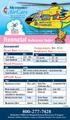 Operated by REACH Air Medical Services Assessment Heart Rate (beats/min.) Rate
Maryland MOLST. Guide for Authorized Decision Makers. Maryland MOLST Training Task Force
 Maryland MOLST Guide for Authorized Decision Makers Maryland MOLST Training Task Force May 2012 Health Care Decision Making: Goals and Treatment Options Guide for Authorized Decision Makers Contents Introduction
Dräger Evita Infinity V500 ventilator ICU Ventilation and Respiratory Monitoring
 Dräger Evita Infinity V500 ventilator ICU Ventilation and Respiratory Monitoring Combine fully-featured, high-performance ventilation with Infinity Acute Care System integration to meet the challenges