
Bone Marrow Transplant Update
|
|
|
- Letitia O’Neal’
- 10 years ago
- Views:
Transcription
1 Bone Marrow Transplant Update FALL Contact Us A transplant doctor from the Fred Hutchinson Blood and Marrow Transplant Program is available for phone consultations from 8:30 am to 5 pm pst, Monday through Friday. Just call our intake office toll free at (800) and ask for a transplant doctor. We re happy to answer your questions. SCCA Tests Allogeneic Transplantation as a Cure for Severe Crohn s Disease Researchers at Seattle Cancer Care Alliance have initiated a long awaited clinical trial of allogeneic bone marrow transplantation to cure severe treatment refractory cases of Crohn s disease. (For full story see page 2) Now Enrolling: Alternative Donor Transplant Study for Patients Lacking HLA Match Researchers are now comparing two alternative donor transplants for patients who need a bone marrow transplant but lack a human leukocyte antigen (HLA) match: umbilical cord blood from an unrelated source or HLA mismatched (haploidentical) marrow from parents, children, or siblings. (For full story see page 4) Measuring the Price of Success: Cost-Effectiveness Study of Alternative Donor Transplants Many patients needing a bone marrow transplant never find HLA matched donor cells. Others fall gravely ill during the long search for a suitable match. A study of two alternative donor transplant methods for these patients is providing a unique opportunity to capture the full economic impacts of the new methods from start to finish and from multiple perspectives. (For full story see page 5) Rituximab Shifts Lymphoma Landscape. But What About Patients Still Out of the Picture? Rituximab improves survival in patients with lymphomas. When combined with CHOP therapy in first line treatment, cure rates are boosted to 60 or 70 percent in advanced disease. That s the good news. The bad news is that the small group of relapsed or refractory patients are more likely to fail the standard next step: autologous stem cell transplantation. (For full story see page 6) 2012 Seattle Cancer Care Alliance
2 SCCA Tests Allogeneic Transplantation as a Cure for Severe Crohn s Disease SCCA researchers have initiated a long-awaited clinical trial of allogeneic bone marrow transplantation (BMT) to cure severe treatment-refractory cases of Crohn s disease (CD). As with BMT for congenital immune deficiency disorders in children, the goal is to replace the patient s faulty immune system with a healthy one. Researchers hope that eliminating the underlying genetic immune-related causes of CD will eradicate the terrible symptoms of the disease and also allow patients to stop using immune-suppressive drugs or biological agents meant to halt immune dysregulation and inflammation.» GEORGE MCDONALD, MD In its worst formulation, it s a bad disease. And because longevity is not affected, these patients will likely be miserable their entire lives. These are the patients we want to bring into the trial. Enrollment in this Crohn s Allogeneic Transplant Study (CATS) is open to patients 18 to 60 years of age who have failed to respond to all other treatments including systemic glucocorticoids and tumor necrosis factor alpha antagonists. Patients must also have a matched marrow donor and an insurance company willing to pay for the treatment. Hundreds of patients have already applied for the 12 available slots in this Phase II study, an indication of the huge unmet need for effective therapy for this debilitating disease. However, SCCA investigators still encourage qualified patients to apply for the SCCA study not only because the strict enrollment criteria will eliminate many patients from eligibility but also because larger follow-up studies for CD patients may soon expand the opportunities for transplantation. Information about CATS for physicians and patients (including a questionnaire to determine eligibility) is available at and on the SCCA website at For patients in a life of misery The word miserable rarely appears in the medical literature. But sit and talk with George McDonald, MD, for 20 minutes about his patients with severe CD, and the word pops up with unsettling regularity. McDonald, a gastroenterologist and transplant researcher at SCCA, is principal investigator for CATS. He says that about 10 percent of patients with CD approximately 100,000 people in the U.S. have a particularly bad form of the disease. The new biologic therapies have been a godsend to many of these people with severe Crohn s, he says. But there are still those who don t respond or become resistant. These are the refractory patients, according to McDonald, who face unremitting life-long misery pain, fever, diarrhea, and weight loss due to the chronic abnormal immune responses that trigger intestinal inflammation, ulcers, bowel strictures, and fistulas. Many patients eventually require bowelshortening surgeries and total parenteral nutrition. Some endure serious and potentially deadly complications from the highly immunosuppressive biologic therapies. The disease impact on employability and social life can be extreme. In its worst formulation, it s a bad disease, says McDonald. And because longevity is not affected, these patients will likely be miserable their entire lives. These are the patients we want to bring into the trial. 2 Fall 2012
3 Immune system transplantation for Crohn s disease: an idea whose time has finally come The idea that BMT can rid patients of their CD is not new. In 1998, McDonald and his colleagues at Fred Hutchinson Cancer Research Center published a retrospective analysis showing that of four of five patients with both CD and leukemia were completely cured of CD by allogeneic BMT. The other patient rejected his graft, developed mixed chimerism, and eventually had a relapse of CD. German researchers reported similar findings in Autologous transplants have also been used in CD with some success. In many patients, the strong course of immune suppression that precedes an autologous transplant calms the disease for years. But the CD tends to recur, explains McDonald, mainly because patients get their own immune system back the autologous transplant fails to eliminate the underlying genetic disorder. Our concept is simple, he says. Give these patients a completely new normal immune system. As further proof of principle for allogeneic BMT, McDonald describes how young patients with a CD-like intestinal inflammation related to specific genetic disorders (e.g., immune dysregulation, polyendocrinopathy, enteropathy, X-linked, or IPEX, and interleukin-10 receptor mutation) have also benefited dramatically from allogeneic transplantation. With all this evidence from case series, why has it taken so long to test allogeneic BMT in patients with CD? Twenty years ago, the risk of allogeneic transplantation was too high, answers McDonald. Mortality rates have fallen substantially since then. It s still by no stretch of imagination a risk-free procedure but we have solved many of the major problems. Two years ago, McDonald and SCCA colleagues published a paper in The New England Journal of Medicine showing a significant decrease in allogeneic BMT mortality from the mid-1990s to the mid-2000s. He says such documentation of allogeneic BMT safety helped to rebalance the risk-benefit equation for trans plantation in CD and to persuade the FDA to approve the clinical trial. Even with this new ethical equipoise, caution is the watchword in CATS. There is always a risk in doing a transplant, says McDonald, citing the possibility of graft versus host disease and transplantrelated death. That s why in this protocol we want only the most ill people, those with the highest misery index, who have failed every Crohn s treatment known to man. Looking to CATS and beyond As McDonald and his team get closer to enrolling and transplanting their first patient, they emphasize the difficulty of finding appropriate CD patients who also have an insurance company willing to pay for the procedure. While the trial s planning and start-up infrastructure is supported by a one-year grant from the Broad Medical Research Program, insurance is still needed to pay for the actual transplant and related care. This is a real stumbling block, McDonald says, pointing out that until the efficacy and safety of performing BMT in these patients is established, insurers will remain reluctant to reimburse for this Phase II trial. By early next year the first CD patients should have received their reduced-intensity allogeneic transplants. Short-term results are expected within a year. The study s main endpoint is freedom from any signs, symptoms, or inflammation of CD and survival at one year. Patients will be followed for at least five years. Some CD studies define success as the Crohn s Disease Activity Index going down by 50 percent or more, says McDonald. We define success as absolutely no signs or symptoms related to the inflammation. The disease has to be completely gone. That s a pretty high bar. If we are successful, the follow-up protocol is likely to be broader in its entry criteria. This next step will be a multicenter trial with other transplant centers around the country using the methods we perfect. CATS is just the start. Information about CATS for physicians and patients (including a questionnaire to determine eligibility) is available at and on the SCCA website at Bone Marrow Transplant Update 3
4 Now Enrolling: Alternative Donor Transplant Study for Patients Lacking HLA Match Researchers have developed two main alternative donor transplants for patients who need a bone marrow transplant (BMT) but lack a human leukocyte antigen (HLA) match. One approach uses umbilical cord blood from an unrelated source and the other employs HLA-mismatched (haploidentical) marrow from parents, children, or siblings. Small Phase II trials indicated that these two different approaches can produce survival outcomes that are very similar to each other and to standard approaches with HLA-matched donors. But will those results hold up in a larger multicenter randomized trial? Is one approach to alternative donor transplants better than the other? This is the central question now being asked in a major NIH-sponsored study of cord blood transplantation and haploidentical related BMT in patients with hematologic malignancies. Vital questions especially for minorities Transplant outcomes are strongly affected by the degree of HLA match. The HLA-identical sibling match is still the preferred route for any BMT. And today, many patients who need BMT but lack a matched sibling donor can find a matched unrelated donor in a marrow registry. Nationally, success rates with matched unrelated donors have improved steadily from an average overall 1-year survival of 42 percent in 2003 to 58 percent in 2010 according to the National Marrow Donor Program. Outcomes at Seattle Cancer Care Alliance (SCCA) are even better than those nationally. But searching for a match typically takes about three months time that a patient with leukemia or lymphoma often cannot spare. Many patients succumb to their disease during this waiting period. In others, outcomes may be jeopardized by the long wait. And for minorities such as African Americans and Asians, or especially for those of mixed ethnic heritage, the chance of ever finding a suitable HLA-matched donor is very low on the order of about 20 percent. Study details and eligibility SCCA joins about 40 centers around the country who are participating in this new Phase III randomized trial. Paul V. O Donnell, MD, PhD is one of the three principal investigators for this trial. Patients between ages 18 and 70 years of age with a diagnosis of hematologic malignancy (acute leukemia or lymphoma) will be eligible for enrollment. Only patients lacking an 8/8 HLAmatched donor (sibling or unrelated) will be considered. An exception to this matching criterion may be made in cases of clinical urgency for transplantation. Organ function must be adequate and Karnofsky performance score must be >_70. Each patient must also have available two partially HLA-matched cord blood units and a partially HLA-mismatched related donor. After randomization to either double-dose cord blood transplant or haploidentical BMT, patients will receive the appropriate reduced-intensity conditioning regimen, undergo transplantation, and be followed for three years. The non-myeloablative conditioning, which was pioneered at Fred Hutchinson Cancer Research Center (FHCRC), improves engraftment, reduces the risk of graft versus host disease (GVHD), and helps older and less fit patients avoid complications. The study s primary endpoint is relapse-free or progression-free survival after two years. Other outcomes to be measured include engraftment, neutrophil and platelet recovery, acute and chronic GVHD, overall survival, infections, quality of life, and costeffectiveness. The goal: no clinical barrier to BMT If this study of over 400 patients can confirm the safety and efficacy of these two alternative approaches, it would prove that essentially all patients in need of a transplant would be able to get one. The HLA barrier to BMT would continue to fall. Use of alternative donors would expand the patient population benefiting from BMT by about 40 percent, says O Donnell. Also, since we know that the time from diagnosis to transplant may impact survival, wider availability of alternative donor methods may also allow more timely transplantation perhaps within one to two months of diagnosis and therefore these alternatives may also spur the next phase of incremental improvement in survival for patients with high-risk hematologic malignancies. O Donnell also points out that expanded access to transplant would have profound consequences for thousands of cancer patients and their families every year, as well as the government and private health insurers who pay for this expensive treatment. That s why the economic consequences of expanding transplantation access with alternative methods are also now being evaluated in a parallel study by O Donnell and his FHCRC partners Dr. Scott D. Ramsey and Dr. Mark E. Bensink. (See: Measuring the Price of Success: Cost-Effectiveness Study of Alternative Donor Transplants, page 5) More information This study of alternative donor transplant methods is now enroll ing patients at SCCA. More information is online at To see the full protocol and FAQs on the BMT-CTN website, go to: protocol/1101_protocol.html To ask questions or enroll a patient, contact Paul V. O Donnell, MD, PhD at [email protected] or call SCCA at (800) Fall 2012
5 Measuring the Price of Success: Cost-Effectiveness Study of Alternative Donor Transplants Many patients needing a bone marrow transplant (BMT) never find HLA-matched donor cells. Others fall gravely ill during the long search for a suitable match. All told, about a third of patients requiring BMT thousands of patients every year in the U.S. fall into this marrow match gap. In recent years, two alternative donor transplant methods have been developed for these patients. One uses umbilical cord blood and the other uses HLA-mismatched marrow from family. Both methods are now being evaluated in a multicenter randomized trial, a description of which can be found elsewhere in this issue. (See: Alternative Donor Transplant Study for Patients Lacking HLA Match, page 4) Although the alternative donor trial only started in September, researchers at Seattle Cancer Care Alliance (SCCA) are already looking down the road and asking, if this works, and if more patients suddenly can receive a transplant, how much will it cost? The answer will have implications for patients and families, for insurers, and for society as a whole. A piggyback study of costs Scott D. Ramsey, MD, PhD, is principal investigator of the costeffectiveness trial. Paul V. O Donnell, MD, PhD, and Mark E. Bensink, PhD, are his SCCA co-investigators on the new NIH-funded trial. Ramsey says the alternative donor study provides a unique opportunity to capture all economic impacts of the new methods from start to finish and from multiple perspectives. That s exactly why his study was designed as an economic evaluation to parallel the parent multicenter study. Bone marrow transplants are one of the most expensive interventions in health care, he says, citing a cost of around $800,000 in direct medical costs per allogeneic transplant on average. (This estimate is based on proprietary claims data from Milliman, the large healthcare and insurance consulting firm, in one of the few recent studies to look at the cost of transplant in the U.S.) According to Ramsey, the alternative methods may be even more expensive. For example, the costs of umbilical cord blood procedures, he says, may increase costs by up to 40 percent because of the extra costs for acquiring and storing the cord blood. Ramsey, who heads up the Research and Economic Assessment in Cancer and Healthcare (REACH) group at Fred Hutchinson Cancer Research Center, says these high costs alone make it critical to project the full budget impacts of expanded transplantation access. But he also points to the need for determining the exact cost differences between the two alternative methods, as well as any differences in outcomes such as engraftment, infection risk, progression-free survival, overall survival, and quality-of-life. Only by measuring all these unknowns in prospective fashion, he says, can we construct a solid cost-effectiveness analysis that is capable of guiding insurance coverage decisions that reflect the interests of both patients and payers. Patient perspectives on cost Many patients or families who have been through a transplant can tell you that the money aspects even if the procedure is a complete success and if insurance covers the bulk of it can add major stress to the whole ordeal. The financial planning and bill-paying can be nightmarish. Out-of-pocket costs, copays, and post-transplant prescriptions are often significant. Time away from work also takes a toll on family income, with bankruptcy rates known to be higher in younger patients with leukemia and lymphoma. To get a better handle on the complete financial impact of BMT, Ramsey and his colleagues will also use their study to gather information on costs from the patient and family perspective. To increase participation in this part of the study, the SCCA group has created a novel web-based survey tool. This e-survey can be completed at home or on a mobile device. Expenses related to copays, uncovered medical bills, travel, accom modations, child care, and family caregiver time will all be probed in the survey. This patient and family perspective has never been systematically studied in BMT, says Ramsey.» PAUL V. O DONNELL, MD, PHD (STORY AT LEFT)» SCOTT D. RAMSEY, MD, PHD (STORY ABOVE) Bone Marrow Transplant Update 5
6 Rituximab Shifts Lymphoma Landscape. But what about patients still out of the picture? Introduced over a decade ago, rituximab has dramatically improved survival in patients with lymphomas. When combined with CHOP therapy (cyclophosphamide, hydroxydoxorubicin, oncovin, and prednisone) in first-line treatment, this anti-cd20 monoclonal antibody has boosted cure rates to 60 or 70 percent in those presenting with advanced disease. But the good news has a residual downside effect: the group of relapsed or refractory patients, although smaller in size, is now known to be more likely to fail the standard next step of salvage therapy: autologous stem cell transplantation.» AJAY K. GOPAL, MD Essentially, by having better treatment up front, says Ryan D. Cassaday, MD, senior fellow in medical oncology at Seattle Cancer Care Alliance (SCCA), we are only seeing those relapsed patients with lymphomas that are by their nature more aggressive or harder to cure. We ve shrunk the relapsed population, but we ve also selectively enriched it with difficult-to-treat lymphomas. Cassaday, who specializes in management of aggressive lymphomas, says that physicians need to stay aware of these shifting patterns of survival and risk at the first- and second-line stages of therapy. In particular, he says, early referral of patients who fail R-CHOP may give them a better chance. Here at SCCA, he says, we identify relapsed high-risk patients who will likely not do as well with standard autologous transplantation. We are working to understand the biology of these aggressive B-cell lymphomas and find better targets and better treatments. Early referral of these high-risk patients allows them to access the new options that might improve their chances. New transplant options for high-risk aggressive lymphoma patients» DAVID MALONEY, MD, PHD Over two dozen investigational therapies for relapsed or refractory lymphoma patients are now being tested in SCCA clinical trials. They include novel combination regimens at all stages as well as targeted chemotherapeutics, biological agents, radioimmunotherapies, and transplantation. Cassaday and Ajay K. Gopal, MD, director of Clinical Research for Hematology Malignancies at SCCA, are currently conducting two trials using radioimmunotherapy basically a radioactive isotope attached to a monoclonal antibody that zeros in on a lymphoma surface protein as part of the conditioning regimen for stem cell transplantation. Radiolabeled anti-cancer agents have been available for decades (and in fact were pioneered here in Seattle) but they have not yet found an established role in transplant conditioning. In a Phase I trial, iodine-131 attached to anti-cd45 monoclonal antibody BC8 is used as part of the conditioning before an autologous transplant. This trial includes lymphoma patients with documented CD45+ cells (tumor or adjacent) who have failed prior systemic therapy. (More information online at 6 Fall 2012
7 In a Phase II trial, high-dose yttrium-90 attached to ibritumomab tiuxetan (anti-cd20) is given together with a reduced-intensity conditioning regimen for allogeneic transplantation (chemotherapy and low-dose systemic radiation). This trial is open to patients with diffuse large B-cell lymphoma, Burkitt lymphoma, or other aggressive CD20+ B-cell lymphomas who have either suffered relapse following, or are ineligible for, high-dose therapy and autologous transplantation. (More information online at NCT cfm.) Recognizing the extreme difficulty in establishing cure in certain patients who have already failed standard chemotherapy, David Maloney, MD, PhD, medical oncologist and researcher at SCCA, is providing an even more proactive transplant option: a sequential autologous-then-allogeneic transplant. The goal here is to identify patients at highest risk of failure with conventional autologous transplant alone and, instead, use the tandem protocol as a onetwo punch that knocks the lymphoma into remission and then immediately delivers a powerful graft-versus-lymphoma effect. In this Phase I/II trial, patients with primary refractory or relapsed lymphoma who are deemed high risk and who can find a suitable HLA-matched donor will be enrolled. A reduced-intensity conditioning regimen is employed for the allogeneic transplant. (More information online at Patients with only a HLA-haploidentical matched donor may be eligible for a parallel study of tandem autologousallogeneic transplantation. (More information online at To refine risk prediction and help determine who would benefit most from clinical trials such as those described above, new risk stratification strategies are being developed. For example, the gene expression profile and the cell of origin (i.e., maturation stage of the lymphocyte) may impact aggressiveness. Specific chromosomal rearrangements are also known to correlate with lower cure rates. In fact, new tests for such rearrangements based on immunohistochemistry (IHC) rather than gene detection may soon allow improved risk stratification. In particular, recent research indicates that patients with double-hit lymphomas (IHC-positive for both MYC and bcl-2) have a particularly low rate of five-year survival. (For a quick audio overview of these recent results, listen to Dr. Gopal at site/podcasts/index.xhtml.) While none of these risk markers is specific enough to predict the outcome in a given newly diagnosed patient, they are increasingly being considered after rituximab failure to identify patients who might benefit from alternative transplantation protocols or from one of the many other lymphoma trials now being tested at SCCA (e.g., for combination chemotherapies or for post-transplant maintenance therapy). (More information online at Early referral of patients with these high-risk features or at the first sign of relapse can ensure they get access to the most appealing investigational therapy, says Cassaday. Who is highest risk? While relapse after rituximab-containing therapies certainly raises a red flag for high risk in lymphoma, researchers are now searching for better earlier and more biologically based indicators to predict treatment outcome. In general, the type of lymphoma has long been considered a key risk factor, with diffuse B-cell lymphomas and transformed indolent lymphomas tending to be among the most aggressive. The International Prognostic Index (which includes age, stage, lactate dehydrogenase [LDH]) is another way to predict likelihood of relapse, but this index does not reflect the underlying biology nor does it account for evolving treatment patterns, such as younger patients who may be able to tolerate transplants. Bone Marrow Transplant Update 7
8 NONPROFIT U.S. POSTAGE PAID SEATTLE, WA PERMIT NO Eastlake Ave E Seattle, WA Bone Marrow Transplant Update Fall 2012
Corporate Medical Policy
 Corporate Medical Policy Hematopoietic Stem-Cell Transplantation for CLL and SLL File Name: Origination: Last CAP Review: Next CAP Review: Last Review: hematopoietic_stem-cell_transplantation_for_cll_and_sll
What is a Stem Cell Transplantation?
 What is a Stem Cell Transplantation? Guest Expert: Stuart, MD Associate Professor, Medical Oncology www.wnpr.org www.yalecancercenter.org Welcome to Yale Cancer Center Answers with Drs. Ed and Ken. I am
Hematopoietic Stem Cell Transplantation. Imad A. Tabbara, M.D. Professor of Medicine
 Hematopoietic Stem Cell Transplantation Imad A. Tabbara, M.D. Professor of Medicine Hematopoietic Stem Cells Harvested from blood, bone marrow, umbilical cord blood Positive selection of CD34 (+) cells
Lauren Berger: Why is it so important for patients to get an accurate diagnosis of their blood cancer subtype?
 Hello, I m Lauren Berger and I m the Senior Director of Patient Services Programs at The Leukemia & Lymphoma Society. I m pleased to welcome Dr. Rebecca Elstrom. Dr. Elstrom is an Assistant Professor in
Bone Marrow Transplantation and Peripheral Blood Stem Cell Transplantation: Questions and Answers. Key Points
 CANCER FACTS N a t i o n a l C a n c e r I n s t i t u t e N a t i o n a l I n s t i t u t e s o f H e a l t h D e p a r t m e n t o f H e a l t h a n d H u m a n S e r v i c e s Bone Marrow Transplantation
Narrator: Transplants using stem cells from the blood, bone marrow or umbilical cord blood
 [Track 2: What Is a Transplant?] Narrator: Transplants using stem cells from the blood, bone marrow or umbilical cord blood can be an effective treatment for people with blood cancers such as leukemia,
Treatment of low-grade non-hodgkin lymphoma
 Produced 28.02.2011 Due for revision 28.02.2013 Treatment of low-grade non-hodgkin lymphoma Lymphomas are described as low grade if the cells appear to be dividing slowly. There are several kinds of low-grade
Blood-Forming Stem Cell Transplants
 Blood-Forming Stem Cell Transplants What are bone marrow and hematopoietic stem cells? Bone marrow is the soft, sponge-like material found inside bones. It contains immature cells known as hematopoietic
Outline of thesis and future perspectives.
 Outline of thesis and future perspectives. This thesis is divided into two different sections. The B- section involves reviews and studies on B- cell non- Hodgkin lymphoma [NHL] and radioimmunotherapy
Infosheet. Allogeneic stem cell transplantation in myeloma. What is the principle behind stem cell transplantation?
 Infosheet Allogeneic stem cell transplantation in myeloma High-dose therapy and autologous stem cell transplantation is currently the first-line treatment standard of care for younger/fitter myeloma patients.
I was just diagnosed, so my doctor and I are deciding on treatment. My doctor said there are several
 Track 3: Goals of therapy I was just diagnosed, so my doctor and I are deciding on treatment. My doctor said there are several factors she ll use to decide what s best for me. Let s talk about making treatment
Bone Marrow (Stem Cell) Transplant for Sickle Cell Disease
 Bone Marrow (Stem Cell) Transplant for Sickle Cell Disease Bone Marrow (Stem Cell) Transplant for Sickle Cell Disease 1 Produced by St. Jude Children s Research Hospital Departments of Hematology, Patient
Corporate Medical Policy
 Corporate Medical Policy File Name: Origination: Last CAP Review: Next CAP Review: Last Review: hematopoietic_stem-cell_transplantation_for_epithelial_ovarian_cancer 2/2001 11/2015 11/2016 11/2015 Description
INFORMATION ON STEM CELLS/BONE MARROW AND REINFUSION/TRANSPLANTATION SUR703.002
 INFORMATION ON STEM CELLS/BONE MARROW AND REINFUSION/TRANSPLANTATION SUR703.002 COVERAGE: SPECIAL COMMENT ON POLICY REVIEW: Due to the complexity of the Peripheral and Bone Marrow Stem Cell Transplantation
Pros and Cons of Stem Cell Sources and their availability in Africa. Dr Jaimendra Singh Inkosi Albert Luthuli Central Hospital Durban, South Africa
 Pros and Cons of Stem Cell Sources and their availability in Africa Dr Jaimendra Singh Inkosi Albert Luthuli Central Hospital Durban, South Africa Introduction The ability to perform a haematopoietic stem
Aggressive lymphomas. Michael Crump Princess Margaret Hospital
 Aggressive lymphomas Michael Crump Princess Margaret Hospital What are the aggressive lymphomas? Diffuse large B cell Mediastinal large B cell Anaplastic large cell Burkitt lymphoma (transformed lymphoma:
Many people with non-hodgkin lymphoma have found an educational support group helpful. Support
 Track 2: Treatment Options [Narrator] Many people with non-hodgkin lymphoma have found an educational support group helpful. Support groups take many forms: some meet the needs of people with all kinds
On April 4, a group of physicians at the 37th annual
 By Ronale Tucker Rhodes, MS Better gene sampling and newer transplant regimens are making stem cell transplantation possible for a host of disease states that previously were rarely considered for this
Not All Stem Cells are the Same
 Cord Blood Banking and Transplantation Jennifer Willert, M.D. Hematology/Oncology Blood and Marrow Transplant Rady Children s Hospital San Diego Clinical Professor UCSD Not All Stem Cells are the Same
CHAPTER 1 BACKGROUND AND CORD BLOOD BANK (CBB) ORGANIZATION
 CHAPTER 1 BACKGROUND AND CORD BLOOD BANK (CBB) ORGANIZATION Chapter 1 BACKGROUND AND CORD BLOOD BANK (CBB) ORGANIZATION 1.1 OVERVIEW OF THE CORD BLOOD TRANSPLANTATION STUDY Bone marrow transplantation
SEARCHING FOR A BONE MARROW DONOR
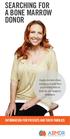 SEARCHING FOR A BONE MARROW DONOR Angela received a bone marrow transplant from an unrelated donor to treat her non-hodgkin s lymphoma. INFORMATION FOR PATIENTS AND THEIR FAMILIES For patients who need
Reference: NHS England B04/P/a
 Clinical Commissioning Policy: Haematopoietic Stem Cell Transplantation (HSCT) (All Ages): Revised Reference: NHS England B04/P/a 1 NHS England Clinical Commissioning Policy: Haematopoietic Stem Cell Transplantation
Blood & Marrow Transplant Glossary. Pediatric Blood and Marrow Transplant Program Patient Guide
 Blood & Marrow Transplant Glossary Pediatric Blood and Marrow Transplant Program Patient Guide Glossary Absolute Neutrophil Count (ANC) -- Also called "absolute granulocyte count" amount of white blood
Q: Why is there a need for people to join the Be The Match Registry?
 Q: Why is there a need for people to join the Be The Match Registry? A: Thousands of patients with blood cancers like leukemia and lymphoma, sickle cell and other life-threatening diseases depend on the
Mantle Cell Lymphoma Understanding Your Treatment Options
 New Developments in Mantle Cell Lymphoma John P. Leonard, M.D. Richard T. Silver Distinguished Professor of Hematology and Medical Oncology Associate Dean for Clinical Research Vice Chairman, Department
How To Treat Leukaemia With Cord Blood Stem Cell
 Cord blood for the treatment of acute lymphoblastic leukemia in young children By Caitlin McGreevy Kiara Paramjothy Pass with Merit RESEARCH PAPER BASED ON PATHOLOGY LECTURES AT MEDLINK 2011 1 Abstract:
Stem Cell Transplantation
 Harmony Behavioral Health, Inc. Harmony Behavioral Health of Florida, Inc. Harmony Health Plan of Illinois, Inc. HealthEase of Florida, Inc. Ohana Health Plan, a plan offered by WellCare Health Insurance
Corporate Medical Policy Cord Blood as a Source of Stem Cells
 Corporate Medical Policy Cord Blood as a Source of Stem Cells File Name: Origination: Last CAP Review: Next CAP Review: Last Review cord_blood_as_a_source_of_stem_cells 2/2001 3/2015 3/2016 3/2015 Description
DEPARTMENT OF BONE MARROW AND STEM CELL TRANSPLANT
 www.narayanahealth.org DEPARTMENT OF BONE MARROW AND STEM CELL TRANSPLANT About Narayana Health City Narayana Health, one of India's largest and the world's most economical healthcare service providers
Therapeutic Options in Refractory or Relapsed CD20-positive Follicular Lymphoma
 a report by Martin Dreyling Therapeutic Options in Refractory or Relapsed CD20-positive Follicular Lymphoma Head, Lymphoma Section, Department of Medicine III, University Hospital Großhadern, Ludwig Maximilians-University
Cord Blood Stem Cell Transplantation
 LEUKEMIA LYMPHOMA MYELOMA FACTS Cord Blood Stem Cell Transplantation No. 2 in a series providing the latest information on blood cancers Highlights Umbilical cord blood, like bone marrow and peripheral
Update in Hematology Oncology Targeted Therapies. Mark Holguin
 Update in Hematology Oncology Targeted Therapies Mark Holguin 25 years ago Why I chose oncology People How to help people with possibly the most difficult thing they may have to deal with Science Turning
Severe Combined Immune Deficiency (SCID)
 Severe Combined Immune Deficiency (SCID) ASCIA EDUCATION RESOURCES (AER) PATIENT INFORMATION Severe combined immune deficiency (SCID) is the most serious form of primary immune deficiency and is usually
UMBILICAL CORD BLOOD TRANSPLANTATION: KFSH EXPERIENCE
 UMBILICAL CORD BLOOD TRANSPLANTATION: KFSH EXPERIENCE HIND AL HUMAIDAN, MD,FRCPA Director, Blood Bank (Donor & Transfusion Services) and Stem Cell Cord Blood Bank Consultant Hematopathologist INTRODUCTION
CML. cure. A Patient s Guide. Molecular Biology Diagnosis Stem Cell Transplant Monitoring New Drugs Questions to Ask and More
 A Patient s Guide to CML Molecular Biology Diagnosis Stem Cell Transplant Monitoring New Drugs Questions to Ask and More cure C a n c e r U p d at e s, R e s e a r c h & E d u c at i o n Based on science,
MEDICAL COVERAGE POLICY
 Important note Even though this policy may indicate that a particular service or supply is considered covered, this conclusion is not necessarily based upon the terms of your particular benefit plan. Each
Asymptomatic or smoldering myeloma with no symptoms and slow growing cancer cells
 ESSENTIALS Multiple Myeloma Diagnosed with Multiple Myeloma? It s important to understand everything you can about your diagnosis, possible treatments, and places to go for support and care. Cancer is
Helping you find the one match.. Guide for Unrelated Stem Cell Transplant Patients OneMatch Stem Cell and Marrow Network BLOOD.
 Helping you find the one match.. Guide for Unrelated Stem Cell Transplant Patients OneMatch Stem Cell and Marrow Network BLOOD.CA WWW This guide is intended for patients in need of an unrelated volunteer
A Cure for Sickle Cell Anemia and Thalassemia
 IV Simpósio Internacional de Hemoglobinopatias A Cure for Sickle Cell Anemia and Thalassemia Bertram Lubin, MD and Mark Walters, MD 4 September 2007 Topics to be covered Cord blood: Importance and biology
How To Save A Patient From A Cancer
 BIOSTATISTICS FOR TRANSLATIONAL & CLINICAL RESEARCH Blood-&-Marrow Transplants & CANCERS Stem Cells Stem cells are immature body cells that act like "starter dough" because they can make identical copies
The Treatment of Leukemia
 The Treatment of Leukemia Guest Expert: Peter, MD Associate Professor of Hematology Director, Yale Cancer Center Leukemia Program www.wnpr.org www.yalecancercenter.org Hi, I am Bruce Barber and welcome
FDA approves Rituxan/MabThera for first-line maintenance use in follicular lymphoma
 Media Release Basel, 31 January 2011 FDA approves Rituxan/MabThera for first-line maintenance use in follicular lymphoma Approval provides option that improves the length of time people with incurable
TRANSPLANT BASICS Understanding transplant and how it works
 TRANSPLANT BASICS Understanding transplant and how it works Thuy, transplant recipient AT EVERY STEP, WE ARE HERE TO HELP As you journey through transplant, you re not alone. Be The Match is ready to help.
YOU RE A POTENTIAL MATCH
 YOU RE A POTENTIAL MATCH Explore the Journey to Donation Edward, PBSC donor, with his wife, Andrea TABLE OF CONTENTS A patient needs you You re a potential match and next steps 3 Steps of the donation
Corporate Medical Policy Cord Blood as a Source of Stem Cells
 Corporate Medical Policy Cord Blood as a Source of Stem Cells File Name: Origination: Last CAP Review: Next CAP Review: Last Review cord_blood_as_a_source_of_stem_cells 2/2001 3/2015 3/2016 3/2015 Description
Multiple Myeloma. This reference summary will help you understand multiple myeloma and its treatment options.
 Multiple Myeloma Introduction Multiple myeloma is a type of cancer that affects white blood cells. Each year, thousands of people find out that they have multiple myeloma. This reference summary will help
FastTest. You ve read the book... ... now test yourself
 FastTest You ve read the book...... now test yourself To ensure you have learned the key points that will improve your patient care, read the authors questions below. Please refer back to relevant sections
The Blood Cancer Twice As Likely To Affect African Americans: Multiple Myeloma
 The Blood Cancer Twice As Likely To Affect African Americans: Multiple Myeloma 11 th Annual National Leadership Summit on Health Disparities Innovation Towards Reducing Disparities Congressional Black
Acute myeloid leukemia (AML)
 Acute myeloid leukemia (AML) Adult acute myeloid leukemia (AML) is a type of cancer in which the bone marrow makes abnormal myeloblasts (a type of white blood cell), red blood cells, or platelets. Adult
2011 Update on the ECIL-3 guidelines for EBV management in patients with leukemia and other hematological disorders
 UPDATE ECIL-4 2011 2011 Update on the ECIL-3 guidelines for EBV management in patients with leukemia and other hematological disorders Jan Styczynski, Hermann Einsele, Rafael de la Camara, Catherine Cordonnier,
A fact sheet UNRELATED BONE MARROW AND CORD BLOOD STEM CELL TRANSPLANTS
 A fact sheet UNRELATED BONE MARROW AND CORD BLOOD STEM CELL TRANSPLANTS Each year, thousands of patients are diagnosed with diseases treatable by a blood stem cell transplant. These blood stem cells can
Lymphomas after organ transplantation
 Produced 21.03.2011 Revision due 21.03.2011 Lymphomas after organ transplantation People who have undergone an organ transplant are more at risk of developing lymphoma known as post-transplant lymphoproliferative
SAVE A LIFE... BY GIVING LIFE!
 SAVE A LIFE... BY GIVING LIFE! FOLLOW US ON: HÉMA-QUÉBEC PUBLIC CORD BLOOD BANK www.hema-quebec.qc.ca Scan this code with your smart phone to access the page Register to the Public Cord Blood Bank on the
ACUTE MYELOID LEUKEMIA (AML),
 1 ACUTE MYELOID LEUKEMIA (AML), ALSO KNOWN AS ACUTE MYELOGENOUS LEUKEMIA WHAT IS CANCER? The body is made up of hundreds of millions of living cells. Normal body cells grow, divide, and die in an orderly
Introduction. About 10,500 new cases of acute myelogenous leukemia are diagnosed each
 Introduction 1.1 Introduction: About 10,500 new cases of acute myelogenous leukemia are diagnosed each year in the United States (Hope et al., 2003). Acute myelogenous leukemia has several names, including
My Sister s s Keeper. Science Background Talk
 My Sister s s Keeper Science Background Talk Outline Acute promyelocytic leukemia (APL) APL Treatment Savior Siblings In vitro fertilization (IVF) Pre-implantation Genetic Diagnosis (PGD) Risks of donating
Understanding How Existing and Emerging MS Therapies Work
 Understanding How Existing and Emerging MS Therapies Work This is a promising and hopeful time in the field of multiple sclerosis (MS). Many new and different therapies are nearing the final stages of
Cord Blood: Research Progress and Future Promise
 Cord Blood: Research Progress and Future Promise By Al Staropoli, AABB Contributing Writer Sue Fister found out she had leukemia when she was 50 years old. Doctors suggested a bone marrow transplant as
4. All cord blood banks should be subject to the same standards, regulations and accreditation requirements.
 WMDA Policy Statement on the Utility of Autologous or Family Cord Blood Unit Storage The WMDA Board adopted this policy on 25 th of May 2006. Policy updated _April 2011 The Cord Blood Working Group and
Bone Marrow/Stem Cell Transplant
 Blue Distinction Centers for Transplants Program Selection Criteria for 2010 Mid-Point Designations To qualify as a Blue Distinction Center for Transplants (), each facility must satisfy s quality based
Blood and Marrow Stem Cell Transplantation
 Blood and Marrow Stem Cell Transplantation Revised 2013 A Message from Louis J. DeGennaro, PhD President and CEO of The Leukemia & Lymphoma Society The Leukemia & Lymphoma Society (LLS) is committed to
5. All cord blood banks should be subject to the same standards, regulations and accreditation requirements.
 WMDA Policy Statement for the Utility of Autologous or Family Cord Blood Unit Storage (This policy statement has been approved and adopted by the WMDA board on the 25 th of May 2006) The Cord Blood Registries
Pr Eliane Gluckman, MD, FRCP, Disclosure of Interest: Nothing to Disclose
 Pr Eliane Gluckman, MD, FRCP, Hospital Saint Louis, University Paris- Diderot, France Should Haplo-identical transplantation be preferred to cord blood in patients without a matched donor? Disclosure of
IF AT FIRST YOU DON T SUCCEED: TRIAL, TRIAL AGAIN
 + IF AT FIRST YOU DON T SUCCEED: TRIAL, TRIAL AGAIN Rena Buckstein MD FRCPC Head Hematology Site Group Sunnybrook Odette Cancer Center (OCC) Head of Hematology Clinical Trials Group at OCC + Outline Start
A Career in Pediatric Hematology-Oncology? Think About It...
 A Career in Pediatric Hematology-Oncology? Think About It... What does a pediatric hematologist-oncologist do? What kind of training is necessary? Is there a future need for specialists in this area? T
How to select a donor and product for allogeneic HCT
 How to select a donor and product for allogeneic HCT Dr Bronwen Shaw 10 February 2015 Overview Who (and where) are the donors What factors determine how we choose between them Acquisition Clinical Donor
Cord Blood for Cellular Therapy: A Snapshot of this Evolving Market Landscape
 GENReports: Market & Tech Analysis Cord Blood for Cellular Therapy: A Snapshot of this Evolving Market Landscape > Enal Razvi, Ph.D. Biotechnology Analyst, Managing Director SELECTBIO US [email protected]
Guidelines for the Management of Follicular Lymphoma
 Guidelines for the Management of Follicular Lymphoma Scope The following guidance for first- and second-line therapy applies to follicular lymphoma histological grades 1, 2 and 3a according to the World
Understanding CA 125 Levels A GUIDE FOR OVARIAN CANCER PATIENTS. foundationforwomenscancer.org
 Understanding CA 125 Levels A GUIDE FOR OVARIAN CANCER PATIENTS foundationforwomenscancer.org Contents Introduction...1 CA 125................................... 1 The CA 125 Test...2 The Use of the CA
EVIDENCE IN BRIEF OVERALL CLINICAL BENEFIT
 perc also deliberated on the alignment of bendamustine with patient values. perc noted that bendamustine has a progression-free survival advantage, may be less toxic than currently available therapies
What is non-hodgkin lymphoma, how is it treated, and what is the unmet need?
 What is non-hodgkin lymphoma, how is it treated, and what is the unmet need? Tim Illidge BSc PhD MRCP FRCR FRCPath Institute of Cancer Sciences, University of Manchester Manchester Cancer Research Centre,
CORD BLOOD TRANSPLANTATION STUDY EXPANDED ACCESS PROTOCOL APPENDIX A SAMPLE CONSENT FORM
 APPENDIX A SAMPLE CONSENT FORM CORD BLOOD TRANSPLANTATION (COBLT) STUDY SAMPLE CONSENT FORM FOR THE EXPANDED ACCESS PROTOCOL You (your child) are being asked to take part in a clinical research study.
Estimated New Cases of Leukemia, Lymphoma, Myeloma 2014
 ABOUT BLOOD CANCERS Leukemia, Hodgkin lymphoma (HL), non-hodgkin lymphoma (NHL), myeloma, myelodysplastic syndromes (MDS) and myeloproliferative neoplasms (MPNs) are types of cancer that can affect the
Fetal Maternal Immunity and Antileukemia Activity in Cord Blood Transplant. Recipients
 Fetal Maternal Immunity and Antileukemia Activity in Cord Blood Transplant Recipients Filippo Milano, 1 J. Lee Nelson, 1, 2 Colleen Delaney 1,3 1 Clinical Research Division, Fred Hutchinson Cancer Research
Are CAR T-Cells the Solution for Chemotherapy Refractory Diffuse Large B-Cell Lymphoma? Umar Farooq, MD University of Iowa Hospitals and Clinics
 Are CAR T-Cells the Solution for Chemotherapy Refractory Diffuse Large B-Cell Lymphoma? Umar Farooq, MD University of Iowa Hospitals and Clinics Disclosure(s) I do not intend to discuss an off-label use
MEDICAL BREAKTHROUGHS RESEARCH SUMMARY
 MEDICAL BREAKTHROUGHS RESEARCH SUMMARY TOPIC: Training the Body to Fight Melanoma REPORT: 3823 BACKGROUND: Melanoma is the most dangerous form of skin cancer that can be hard to treat and fatal if not
Stem Cell Transplant (Peripheral Blood, Bone Marrow, and Cord Blood Transplants)
 Stem Cell Transplant (Peripheral Blood, Bone Marrow, and Cord Blood Transplants) What we ll cover here This document reviews bone marrow transplants and different types of stem cell transplants used to
Phone: +44 20 8123 2220 Fax: +44 207 900 3970 [email protected] http://marketpublishers.com
 Global Stem Cell Umbilical Cord Blood (UCB) Market (Storage Service, Therapeutics, Application, Geography) - Size, Share, Global Trends, Analysis, Opportunities, Growth, Intelligence and Forecast, 2012-2020
UMBILICAL CORD BLOOD BANKING. A guide for parents
 UMBILICAL CORD BLOOD BANKING A guide for parents This guide has been elaborated by the Council of Europe European Committee on Organ Transplantation (CD-P-TO). For more information, please visit https://go.edqm.eu/transplantation.
Therapeutic Treatment Options: Chronic Blood Transfusions Bone Marrow Transplantation. Marianne E. McPherson Yee, MD, MSc
 Therapeutic Treatment Options: Chronic Blood Transfusions Bone Marrow Transplantation Marianne E. McPherson Yee, MD, MSc Sickle Cell Treatment Options Supportive Care Newborn Screen PCN Immunizations Education
Multiple Myeloma Understanding your diagnosis
 Multiple Myeloma Understanding your diagnosis Multiple Myeloma Understanding your diagnosis When you first hear that you have cancer you may feel alone and afraid. You may be overwhelmed by the large amount
Challenges of Hematopoietic Stem Cell Transplantation. Robert J. Soiffer, MD Dana Farber Cancer Institute
 Challenges of Hematopoietic Stem Cell Transplantation Robert J. Soiffer, MD Dana Farber Cancer Institute Hematopoietic Stem Cell Transplantation Objectives Deliver sufficient chemo-radio therapy to destroy
Cord Cor Blood Banking Scott N. Furlan, MD Ellen S. Plummer, Plummer MD
 Cord Blood Banking Scott N. Furlan, MD Ellen S.Plummer, MD Overview Background Biology of Stem Cell Transplant Opportunities i at Parkland Logistics of Banking Potential Barriers Indications for HCT Cancer
Stem Cell Transplantation for Acute Lymphoblastic Leukemia
 Stem Cell Transplantation for Acute Lymphoblastic Leukemia Mona Shafey MD, FRCPC Bone Marrow Transplant Fellow Alberta Blood and Marrow Transplant Program 1 of 14 Stem Cell Transplantation for Acute Lymphoblastic
Public Cord Blood Tissue Bank Committee on Health Care Services and Representative Peaden
 HOUSE OF REPRESENTATIVES COMMITTEE ON HEALTH CARE SERVICES ANALYSIS BILL #: HB 2337 (PCB HCS 00-07) RELATING TO: SPONSOR(S): TIED BILL(S): Public Cord Blood Tissue Bank Committee on Health Care Services
Bone Marrow, Peripheral Blood Stem Cells or Umbilical Cord Blood transplantation? Federica Giannotti, MD Eurocord-Hôpital Saint Louis, Paris
 Bone Marrow, Peripheral Blood Stem Cells or Umbilical Cord Blood transplantation? Federica Giannotti, MD Eurocord-Hôpital Saint Louis, Paris Background Hematopoietic stem cell transplantation (HSCT) is
CHAPTER 26 LATE BREAKING DEVELOPMENTS: IMPACT OF ANTI-CD20 MONOCLONAL ANTIBODIES ON LYMPHOMA THERAPY
 CHAPTER 26 LATE BREAKING DEVELOPMENTS: IMPACT OF ANTI-CD20 MONOCLONAL ANTIBODIES ON LYMPHOMA THERAPY 26.1 Introduction rituximab Subsequent to the completion of drafts for the guidelines earlier in 2004,
Malignant Lymphomas and Plasma Cell Myeloma
 Malignant Lymphomas and Plasma Cell Myeloma Dr. Bruce F. Burns Dept. of Pathology and Lab Medicine Overview definitions - lymphoma lymphoproliferative disorder plasma cell myeloma pathogenesis - translocations
Acute Myeloid Leukemia
 Acute Myeloid Leukemia Introduction Leukemia is cancer of the white blood cells. The increased number of these cells leads to overcrowding of healthy blood cells. As a result, the healthy cells are not