
Handbook provided courtesy of
|
|
|
- Douglas Lester
- 10 years ago
- Views:
Transcription
1 $6.95 REPLACEMENT COST Florida Driver s License HANDBOOK Handbook provided courtesy of Over 10 Million Happy Customers - Florida s #1 Online Traffic School!
2 A MESSAGE TO PARENTS, STEP-PARENTS, AND GUARDIANS: You and your teen are about to embark on a new adventure by taking an exciting and important step into his or her adulthood - obtaining a learner s permit and later, a driver s license. Your teen s safety is our number one priority and, as such, LowestPriceTrafficSchool.com provides the following services to assist your teen in becoming a knowledgable and safe driver: 4 hour Drug & Alcohol Course (required to get a permit available ONLINE) DMV Prep Course (recommended to learn the rules of the road) DMV Learner s Permit Written Test (required to get a permit available ONLINE) Additionally, we are providing you with this 2015 Driver s License Handbook so your teen can learn Florida s road rules to help him or her prepare for passing the Learner s Permit Test. We recommend that you retain this copy for them to refer back to even after they obtain the learner s permit so they can continue to gain knowledge and become a safe driver. A MESSAGE TO STUDENTS: Learners Permits and Drivers Licenses open new opportunities, new freedoms, and new responsibilites. Indeed, as a licensed driver, you will have a responsiblity to protect yourself, your passengers, and others on the roads and highways. This is no idle responsiblity. That means you and others need to be buckled up before the wheels roll on each and every trip, no matter how short the distance. You also have a responsibility to be focused on the road - not distracted by phone calls - and, of course, never text and drive. Remember, you share the road with other drivers and you need to be considerate, courteous, and safe. No matter who you are, no one is invincible. Always stay cautious, alert, and sober. You never knows what lies ahead. So, study and retain this handbook - it will help you gain the knowledge that you need to pass your DMV written exam available ONLINE at LowestPriceTrafficSchool.com and become a safe driver in the years ahead. Ken Underwood National Safety Commission 3 Disclaimer The Florida Driver s Handbook covers many condensed and paraphrased points of Florida s laws and provides safety advice not covered in the laws. The handbook is not a legal authority and should not be used in a court of law. The Florida Driver s Handbook is printed in volume and copies already obtained will not reflect any changes made by Legislature regarding fees or laws passed after the revision date. The National Safety Commission, Inc., d/b/a LowestPriceTrafficSchool.com, is an authorized provider of the online Class E Knowledge Exam ( DMV Exam ). It is not an employee or representative of the Florida DHSMV and cannot issue or guarantee the issuance of a driver license to any person. Remember: Driving is a privilege and not a right. Protect yourself and others by knowing the laws and driving safely. Warning Under section (5), Florida Statutes, it is a third degree felony to use a false or fictitious name in any application for a driver license or identification card, or to knowingly make a false statement, knowingly conceal a material fact, or otherwise commit a fraud in any such application. Violators face immediate arrest and, upon conviction, penalties up to a maximum fine of $5,000 and imprisonment up to 5 years. The Florida Department of Highway Safety and Motor Vehicles (DHSMV) will suspend the driving privilege for one year of any person who makes a fraudulent application for a Florida driver license. Under section , Florida Statutes, it is unlawful for any person to authorize or knowingly permit a motor vehicle to be operated by any person who does not hold a valid driver license. Public Records Florida law and sound records management practices require the collection of certain personal information in the driver licensing process. This personal information identifies an individual and is used for records management, driver improvement, financial responsibility, and law enforcement purposes. Failure to provide the required information will result in denial of a license or identification card. Falsification of information may result in prosecution. Florida law specifies that all documents or other material made or received in connection with the transaction of official business by any agency are public records. In addition to all documents, information taken from them is subject to public disclosure under Florida s Public Records law. This personal information, including name, address and driver license number is confidential by law, but may be given to law enforcement agencies, insurance companies, credit bureaus, lending institutions, and any other
3 entity exempted by statute. Medical information, social security number and emergency contact information are further protected and may only be released as specifically authorized by Florida law. The Division of Motorist Services strives to ensure the accuracy of information obtained in the licensing process and makes every effort to correct any incorrect information in its files. Incorrect information may be corrected by supplying your complete name, date of birth, driver license number, information on the nature of the error and proof that it is an error to the Chief, Bureau of Records, Neil Kirkman Building, MS 89, Tallahassee, Florida , or telephone (850) Certain information, such as conviction reports received from a court, can only be corrected upon notification from the court that the report was in error. Automobile insurance information is exempt from the Public Records Law. This information is provided to any party involved in the crash, their attorney or insurance company, law enforcement agencies and officers of the court, after receiving a written request and copy of the crash report. Important Law Changes for 2014 The breath levels for the Ignition Interlock Device was lowered from 0.05 to s F.S. Commercial Driver License Holders are disqualified for use of handheld communication devices while driving. s (7) F.S. Allows drivers to present proof of insurance in an electronic format. s F.S. Requires drivers to stay in right lane unless passing. s F.S. Revises due process procedures for red light camera violation. This change allows placement of a stop on any vehicle owned or co-owned by the offender. Establishes when a private entity may swipe a driver license or identification card and how the data may be used. Also establishes civil recourse. s F.S. Customers may provide contributions to ACG Safety Foundation (Auto Club Group) through the driver license or tax collector office - A new voluntary contribution. s F.S. S F.S establishes operating a motor vehicle in motion while manually typing into a wireless communications device as a secondary offense. TABLE OF CONTENTS SECTION 1 CONTACT INFORMATION DHSMV Contact Information...6 Crash Reports...6 Driving Transcripts...6 Emergency Contact Information...6 Florida GrandDriver...7 On-Line License Check...7 On-Line Motor Vehicle Check...7 Other Important Contact Information...7 Florida DOT Move Over Law...8 Florida Organ and Tissue Donor Program...8 SECTION 2 THE FLORIDA DRIVER LICENSE Who Needs a Florida License...9 Who Does Not Need a Florida License...10 Classified Driver Licenses...10 Identification Requirements...11 Non U.S. Citizens...11 Social Security Requirements...12 Address Requirements...13 Parental Consent...13 Traffic Law Substance Abuse Education...13 Testing...13 Purpose of Driver License Examination...13 Testing Methods...13 Examination Requirements...14 Examination Info...14 Vision Requirements...14 Examinations...14 Physical and Mental Requirements...15 Restrictions and Endorsements...16 Selective Service...16 Sexual Offenders/Predators...17 Career Offender...17 Voluntary Contributions...17 Fees...18 SECTION 3 OBTAINING YOUR LICENSE / ID CARD Learner s License...19 Class E License License Renewal...20 License Replacement...21 Motorcycle Only License...21 Motorcycle Also License...21 Identification Cards...21 Change of Address...22 Name Changes...22 Non-Immigrants...22 Veterans SECTION 4 DRIVING PRIVILEGE Driving a Motor Vehicle in Florida...23 Revocation, Suspension and Cancellation...24 The Point System...24 Red Light Cameras/Infractions...25 Mandatory Restriction for Minors...25 Zero Tolerance...25 Driving While Under the Influence...25 Other Serious Violations...27 Administrative Hearings...27 Insurance Laws...28 Crashes...29 Littering...30 Road Damage...30 SECTION 5 DRIVING SAFETY Distracted Driving...31 Getting Ready to Drive...31 Defensive Driving...31 Driving Safety for Mature Drivers...32 When You Back Up...33 Avoiding Rear-end Collisions...33 Emotions...33 Basic Driver Improvement...33 Safety Belts...34 Protecting Children...34 Speed Limits...43 Following Officer s and Fireman s Instructions...43 Crossing Intersections...44 Right-of-Way...44 Stop Signs...44 Open Intersections...44 Roundabouts...44 Driveways...44 Emergency Vehicles...45 Making Turns Turnabout...45 Turn Signals & Emergency Signals...45 Traffic Lanes...46 Blind Spots...46 Passing Following Distance...47 Parking...48 Expressway Driving...49 Night Driving...50 Animals Reduced Visibility...51 Handling Emergencies...51 First Aid...53 SECTION 6 SHARING THE ROAD Pedestrians...54 Bicycles Motorcycles...56 Mopeds School Buses...57 Sharing the Road with Trucks...57 Golf Carts...58 SECTION 7 VEHICLE EQUIPMENT Equipment Standards...60 Other Equipment Standards...61 Bumper Height Requirements Equipment Not Permitted...62 Additional Equipment Required...62 Limitations on Towing...62 Limitations on Loading Projecting Load...62 Anti-lock Braking...63 Emissions-Please Do Not Tamper...63 Vehicle Licensing Proving Ownership...63 Applying for Title, License Plates SECTION 8 DRIVING SCHOOLS Traffic Law Substance Abuse Education Third Party Tester Driver License Exams Advanced Driver Improvement...65 Basic Driver Improvement...65 Electing to Attend Traffic School...65 DUI...66 Mature Driver Insurance Courses SECTION 9 SIGNALS, SIGNS AND PAVEMENT MARKINGS Traffic Signals Pedestrian Signals Lane Signals Ramp Signals Traffic Signs...68 Railroad Crossing Signs and Signals...71 Drawbridge Signs and Signals Special Signs...72 Pavement Markings...72
4 SECTION 1 CONTACT INFORMATION This Section Covers: DHSMV Contact Information Other Important Contacts & Information 1.1 DHSMV Contact Information DHSMV Contacts: Customer Service Center...(850) DHSMV Official Web Site... Ask Us a Question... Common customer questions and answers Identification Requirements... GatherGoGet.com Find out what you need to bring with you before you make the trip. On-Line Transactions... GoRenew.com (DHSMVVirtual Office) Crash Reports Crash reports may be obtained on-line. Crash reports are kept in the local districts for two years from the date of the crash. Homicide reports are kept in the local districts for five years from the date of crash. To order a crash report ($10) older than 2 years, call (850) To order a traffic homicide report ($25) older than 5 years, call (850) To order traffic homicide photographs, call (850) Photographs are $1 for 5 x7 or $1.50 for 8 x10. J.M., New Symna Beach Taking the Drug & Alcohol Course online was 10 times better than spending an afternoon in a classroom! NOTE: When requesting photographs, have at least two of the following pieces of information available when you place your request: Date of Crash County of Crash Name of Fatality Victim Traffic Homicide Case Number Crash Reports Online Crash reports can now be purchased online at Additional fees may apply Driving Transcripts You may purchase an uncertified copy of your driving transcript from the driver license and tax collector offices that offer driver license services. Certified copies of your driving transcript are available through the Clerk of the Court or the Bureau of Records. To obtain a certified copy of a driving transcript in the mail, submit a written request that includes your full name, date of birth or approximate age, social security number, Florida driver license number (if available) and the address where to send the record, along with the appropriate fee to: Bureau of Records P.O. Box 5775 Tallahassee, Florida If you wish to use next day delivery carriers, please send your request to: Bureau of Records 2900 Apalachee Parkway, MS 90 Tallahassee, Florida Cost for records are: $ year $ year (complete) $ year or 7-year (certified) Clerks of Court and Tax Collector offices may charge an additional $6.25 service fee. You may pay by personal check or money order made payable to the Division of Motorist Services. For highvolume requests or corporate/business access to the driver license database, please visit our web page at gov/ddl/abstract.html. They could if you had entered your information onto the emergency contact information system. The system allows Floridians to voluntarily provide emergency contact information online, giving law enforcement immediate access to this information and making it easier for them to speak with someone quicker in case of emergency. If you have a Florida driver license or identification card, you can go online at and enter your emergency contact information. This information is available to law enforcement officers through a secure, web-based system and, by law, can only be used in the event of an emergency Florida GrandDriver Florida GrandDriver is an education and awareness campaign of the Florida Department of Highway Safety and Motor Vehicles and is based on a program developed by the American Association of Motor Vehicle Administrators (AAMVA). The goal of the campaign is to educate the public about the effects of age on driving ability and to encourage drivers to make appropriate choices as we age - choices that maximize personal safety and the safety of our communities. Using interactive community outreach activities combined with Web-based communication support, the Florida GrandDriver campaign is designed to help prepare drivers to Get Around Safe and Sound. in their later years. The campaign aims to educate drivers family, friends and caregivers about the challenges many people face trying to stay connected to communities as we age. Florida GrandDriver provides information about various steps drivers may take to maintain independence as long as possible as well as actions we can take to stay mobile in our communities when we restrict or stop driving. For more information visit On-Line License Check Visit our web site at to take advantage of the following services: Driver License Check Online Insurance Update Driving School Eligibility Check Social Security Number Update Parental Access of Minor Driving History Driver License and ID Card Tracking System On-Line Motor Vehicle Check Emergency Contact Information Visit our website at for assistance with registration or title problems. In an emergency situation could law enforcement personnel contact Other Important Contacts & Information: someone for you? 6 7 Florida Clerks of Court Florida Department of Transportation Florida Tax Collector Association Hurricane Safety Tips HurricaneLinksTips.htm Social Security Administration United States Citizenship and Immigration Services Florida Department of Transportation s Free 511 Traffic Information Service The Florida Department of Transportation s (FDOT) toll-free 511 Traveler Information System provides up-todate traffic information in English and Spanish for major Florida roadways. The system is updated with information about crashes, commuter travel times, congestion, lane closures, severe weather, construction and emergency evacuation information on interstate highways, Florida s Turnpike and other metropolitan roadways. There are four convenient ways for motorists to receive traffic updates: Call 511 toll free for updates in English and Spanish. Visit FL511.com, with interactive roadway maps showing traffic congestion and crashes, travel times and traffic camera views. Download the free Florida 511 mobile app at the itunes or Google Play store. Follow one of the 12 statewide, regional or roadwayspecific feeds on Twitter. To find a list of the regional Twitter accounts, please visit: Twitter.aspx For custom travel alerts, motorist can register for My Florida 511 personalized services on FL511.com. Users can visit the website to register routes they frequently use in order to hear information on those routes first when calling 511. Travelers can also register to receive traffic alerts via phone call, text message or . These alerts can be customized by choosing the time of day, day of week and severity of incidents.
5 FDOT reminds all travelers to check 511 before traveling, have a passenger check 511 or pull over to avoid distracted driving. Safety Tips Call 511 before driving or have a passenger call to avoid using a phone while driving. Customize your trip at FL511.com before leaving to minimize time spent on the phone. Leave yourself ample time to reach your destination to avoid feeling rushed. Take regular breaks and rotate drivers during long trips to avoid driving while fatigued. Always wear a safety belt. Don t drink and drive. Florida 511 Features Traffic information on all interstate highways, toll roads and many other metropolitan roadways. Commuter travel times and reports on crashes, congestion and construction. Public transit, airport and seaport information. AMBER, Silver and LEO Alerts (America s Missing: Broadcast Emergency Response (AMBER) Alerts notify the public of the most serious child-abduction cases. Silver Alerts notify the public when law enforcement agencies are searching for missing adults or citizens with cognitive impairments, including Alzheimer s disease or other forms of dementia. Law Enforcement Officer (LEO) Alerts notify the public when law enforcement officers are searching for an offender(s) who has seriously injured or killed a law enforcement officer.) FL511.com provides travel information, traffic camera views and free personalized services, including customized travel routes and , text and phone call alerts. Voice-activated and touch-tone navigation available when calling 511. The 511 phone call and FL511.com website are available in English and Spanish Florida s Move Over Law Florida s Move Over Law protects law enforcement officers, emergency workers and tow truck drivers stopped along roadways while performing their jobs. Violating the Move Over Law puts both yourself and a public safety professional at risk of injury or death and can result in fines and points on your license. On a two-lane roadway, you are required to slow to a speed that is 20 miles per hour less than the posted speed limit. If the speed limit is 20 miles per hour or less, you must slow down to five miles per hour. If you are driving on an interstate or roadway with multiple lanes of travel in the same direction, and you approach an emergency or law enforcement vehicle parked along the roadway, you must vacate the lane closest to that vehicle as soon as it is safe to do so. If you are not able to safely move over, you must slow down to a speed of 20 MPH below the posted speed limit unless directed otherwise by a law enforcement officer. Violators of the Move Over Law will be issued a citation! For more information, please visit Florida Organ and Tissue Donor Program Donate Life Florida is the non-profit 501(c)3 organization contracted by the State of Florida, Agency for Health Care Administration to create and oversee the state s organ, eye, and tissue donor registry in addition to implementing educational initiatives tailored to increase understanding and support for donation and donor designation. The Joshua Abbott Organ & Tissue Donor Registry was created in July 2009 to allow Floridians an easy, user-friendly means of joining the state s Registry. Floridians can join the Registry online at when renewing their driver license online, or when obtaining/renewing their license at a local driver license office. Individuals can also request a registration form by calling Donate Life Florida at FLSHARE ( ). Individuals that already have organ donor on their licenses or identification card are still encouraged to join the new Registry, ensuring their wishes are documented. Today, more than 100,000 children and adults await lifesaving organ transplants while hundreds of thousands more are in need of tissue transplants. Together, we can make a difference. TEST YOUR KNOWLEDGE 1. What is the move over law? (See section 1.2.2) 2. What is the benefit of the Emergency Contact Information System? (See Section 1.1.4) 3. How can you participate in the Florida Organ and TissueDonor Program? (See section 1.2.3) 4. What is the web address used to check the status of your driver license? (See section 1.1.6) SECTION 2 THE FLORIDA DRIVER LICENSE This Section Covers: 2.1: Definitions 2.2: Who Needs a Florida License 2.3: Who Does Not Need a Florida License 2.4: Florida Classified Driver Licenses 2.5: Identification Requirements 2.6: Parent s Consent for Minors 2.7: Traffic Law Substance Abuse Education 2.8: Testing 2.9: Physical and Mental Requirements 2.10: Restriction and Endorsement Codes on Florida Licenses 2.11: Selective Service 2.12: Sexual Offenders and Sexual Predators 2.13: Career Offender 2.14: Voluntary Contributions 2.15: Fees Definitions Business District: An area where 50% or more of the land next to the road is used for businesses. Bicycle: Every vehicle propelled solely by human power. How Can You Help? Cancellation: The act of declaring a driver s license void 1. Learn the facts about organ, eye and tissue donation. and terminated. 2. Designate your wishes by joining the Joshua Abbott Organ & Tissue Donor Registry at Certified Copy: A copy which is marked in some official way to show that it is a true copy of the original document. 3. Spread the word about the importance of donation and To get a certified copy of a document, you must contact the donor designation with family and friends. agency that issued the original document. 4. Get involved as a volunteer, contribute financially in support of the Registry or statewide educational Child Restraints: Infant carriers or removable car seats initiatives, or request a speaker by calling Donate Life specially designed to keep babies and young children from Florida at FL-SHARE. being injured in car crashes. A lap belt may be used as a restraint for children four years old or older. 5. ALL OF THE ABOVE 8 9 Conviction: A judgment of guilt in a court. In a driver s record, suspended sentences, forfeiting/entreasures of bonds, and pleas of no contest count against the driver just as a conviction does. Department: The Department of Highway Safety and Motor Vehicles. Endorsement: A special authorization which permits a person to drive certain types of vehicles, transport certain types of property or transport a number of passengers. Felony: Any criminal offense that is punishable under the laws of this state, or that would be punishable if committed in this state, by death or imprisonment in a state penitentiary. State penitentiary includes state correctional facilities. Immigrant: A Permanent Resident Alien who is admitted to the United States as a lawful permanent resident. Immigrants are legally accorded the privilege of residing permanently in the United States and are issued immigrant visas or adjusted to permanent resident status by the USCIS. Intersection: Where two streets meet or cross. Motor Vehicle: Any self-propelled vehicle not operated upon rails or guide way, but not including any bicycle, motorized scooter, electric personal assistive device, swamp buggy, or moped. as defined in section , Florida Statutes. Motorcycle: Any motor vehicle having a seat or saddle for the use of the rider and designed to travel on not more than three wheels in contact with the ground, but excluding a tractor or a moped. Non-Immigrant: An alien who seeks temporary entry to the United States for a specific purpose and who has declared ones intention to stay only for a temporary period of time. Pedestrian: Any person afoot. Elizabeth H. I just want to say how easy and painfree it was to take your DMV Exam Prep Course!
6 Resident: A person, who has his principal place of domicile in this state for a period of more than six consecutive months, has registered to vote, has made a statement of domicile pursuant to section , Florida Statutes, or has filed for homestead exemption on property in this state. Residential District: An area where most of the land next to the road is used for homes. Restriction: A prohibition against operating certain types of motor vehicles or a requirement that a driver comply with certain conditions when driving a motor vehicle. Revocation: The termination of a licensee s privilege to drive a motor vehicle. Suspension: The temporary withdrawal of a licensee s privilege to drive a motor vehicle. U.S. Citizen: A person born in the U.S., Naturalized, or one who has obtained a Certificate of Citizenship from the Department of State. Vehicle: Every device, in, upon, or by which any person is or may be transported or drawn upon a highway, except devices used exclusively upon stationary rails or tracks Who Needs a Florida License? If you live in Florida and want to drive a motor vehicle on public streets and highways. If you move to Florida and have a valid license from another state, you must get a Florida license within 30 days of becoming a resident. You are considered a resident of Florida if you: a. Enroll your children in public school, or b. Register to vote, or c. File for a homestead exemption, or d. Accept employment, or e. Reside in Florida for more than six consecutive months Who Does Not Need a Florida License? The following persons may drive in Florida without a Florida driver license, if they have a valid license from another state or country: Any non-resident who is at least 16 years old providing; The non-resident has a valid non-commercial driver license from another state or territory of the United States; or An International Driving Permit from his or her country of residence accompanied by a valid license from that country. Persons employed by the United States government driving a United States government motor vehicle on official business. Any non-resident working for a firm on a contract for the United States government. (This exemption is only for 60 days.) Any non-resident attending college in Florida. Persons who drive only vehicles like farm tractors or road machines temporarily on the highway may drive without a license. A licensed driver that lives in another state and travels regularly between his home and work in Florida. Non-resident migrant farm workers even though they are employed or place children in the public schools, providing they have a valid license from their home state. 1. Members of the Armed Forces stationed in Florida and their dependents, with these exceptions: a. Service member or spouse claims homestead exemption (All drivers in family must obtain Florida licenses), b. Service member becomes employed (All drivers in family must obtain Florida licenses), c. Spouse becomes employed (Spouse and children who drive must obtain Florida licenses), d. Child becomes employed (Only employed child who drives must obtain Florida license) Florida Classified Driver Licenses The Department of Highway Safety and Motor Vehicles issues the following classes of licenses: Class A, B, C, and E. Class E is for drivers of non-commercial vehicles. This handbook contains information needed to obtain a Class E License. Classes A, B, and C are for drivers of commercial motor vehicles such as large trucks and buses. You must have a CDL to operate: Any single vehicle with a gross vehicle weight rating (GVWR) of 26,001 pounds or more. A combination vehicle with a gross combination weight rating of 26,001 or more pounds, if the trailer(s) has a GVWR of 10,001 or more pounds. A vehicle designed to transport 16 or more passengers (including the driver). Any size vehicle which requires hazardous material placards or is carrying material listed as a select agent or toxin in 42 CFR part 73. Federal regulations through the Department of Homeland Security require a background check and fingerprinting for the Hazardous Materials endorsement. agent office that offers driver license services or on DHSMV s web page at If you wish to drive a motor vehicle you must be properly tested and licensed Identification Requirements All applicants for a Florida driver license or identification card must present: Primary identification (Step 1); Proof of social security number or if you have not been issued a social security number, you must bring a letter from the Social Security Administration indicating that you were never issued one. In addition you will need to provide a secondary form of identification (Step 2); Two documents showing your residential address (Step 3). If your name has changed since the issuances of the primary identification, you will need to present a name change document. See section for a list of acceptable name change documents. Please visit to obtain a personalized list of requirements. Step 1: Primary Identification U.S. Citizens must provide one of the following original or certified documents: 1. Certified United States birth certificate, including territories and District of Columbia. The birth certificate must be Issued by a government agency. Hospital birth certificates cannot be accepted. 2. Valid unexpired United States passport or Passport Card 3. Consular Report of Birth Abroad 4. Certificate of Naturalization 5. Certificate of Citizenship Immigrants must provide one of the following original or certified documents to establish continuous lawful presence: There is a separate manual entitled Commercial Driver License Manual for truck and bus drivers. This manual is 10 available at any Motorist Services or Tax Collector licensing 11 C.F. Williston, FL I passed my Florida learner s permit test the first time! The DMV Prep Course is a great way to study. 1. Valid Alien Registration receipt card, (Green card, Form I-151 or I-551, or Permanent Resident Card) 2. I-551 stamp in a valid passport with a valid U.S. Visa affixed or on an approved I Immigration Judges Order, with the customer s A-number, granting asylum 4. I-797, with the customer s A-number, stating the customer has been granted asylum 5. I-797 or another form from the Citizenship and Immigration Services, with the customer s A-number, stating the customer s application for Refugee status is approved. Canadian Citizens must provide one of the following original or certified documents to establish continuous lawful presence: 1. Valid Canadian passport 2. Original or certified Canadian birth certificate 3. Canadian Naturalization Certificate 4. Canadian Certificate of Citizenship Non-Immigrants must provide one of the following original documents to establish continuous lawful presence. The document must be valid for more than 30 days: 1. Valid Employment Authorization Card issued by the United States Citizenship and Immigration Service (Form I-688B or I-766) 2. Proof of non-immigrant classification provided by United States Citizenship and Immigration Service (Form I-94, not expired, with required supporting attachment(s). If in doubt regarding required documents, please bring all of your Citizenship and Immigration Services documentation with you). I-94s must be accompanied by a valid Passport with a valid U.S. Visa affixed. Certain classifications require additional documentation. Some examples are: F-1 and M-1 classification must also be accompanied by an I-20. J-1 or J-2 designation must be accompanied by a DS Refugee, asylee and parolee classifications must be accompanied by additional documentation. The following documents will only be accepted with a supporting document, including but not limited to a Passport, Florida Driver License or Identification Card, Driver License from any other state, Employment Authorization Card, Employer Identification, Identification from home country, Identification from school or college, Social Security Card or other Citizenship and Immigration Services document.
7 I-571 Travel Document/Refugee Travel Permit I-512 Parole Letter Accepted IJO- Asylum or Cancellation of Removal - Immigration Judges Order granting Asylum or Cancellation of Removal. Immigrants, Canadian citizens, and other non-immigrants applying for a Florida driver license will be issued a 30-day paper temporary driving permit without a photo. Non-U.S. citizens applying for an original identification card will be issued a receipt. DHSMV will review the identification documents provided and electronically verify their validity with the Department of Homeland Security, FDLE and the FBI. If your identity and legal presence is verified, you will be issued a driver license or identification card at the issuance office. If proof of identity / legal presence does not verify, the transaction will require secondary verification. If the proof of identity / legal presence verifies in the secondary verification process, the driver license or identification card will be sent to you in the mail. If the secondary verification does not verify, the driver license or identification card issuance will be denied. Go to the U.S. Citizenship and Immigration Services website located at for information about obtaining identification/legal presence documents for immigrants and non-immigrants. Step 2: Social Security Number or Secondary Identification Florida law requires the collection of the complete social security number as proof of your identity. We will electronically verify the information you provide with the Social Security Administration. All applicants for a driver license or identification card must present one of the following original or certified documents as proof of their social security numbers: Social Security card W-2 form Pay check containing your social security number Any 1099 form The name on your social security document must match the name that you wish to have on your driver license or identification card. If you recently changed your name, please update your records with the Social Security Administration first. If you have never been issued a social security number and you are a U.S. citizen or immigrant, you must provide a letter from the Social Security Administration indicating that a number has never been issued. You must also provide one of the secondary documents listed below. All nonimmigrants, including Canadians, must provide one of the following secondary documents: 1. A driver license from the District of Columbia, U.S. Territories, or one of our 50 states 2. School record stating date of birth, which must contain the registrar s signature 3. Transcript of the birth record filed with a public officer charged with the duty of recording certificates 4. Baptism certificate, which shows date of birth and the place of baptism 5. Family Bible record or birth announcement in a baby book 6. An insurance policy on the customer s life, which has been in force for at least two years and which has the month, day and year of birth 7. A military or military dependent identification card (United States Military ID cards with an Officer Rank will be accepted as proof of citizenship only, not as a primary identification) 8. An identification card from the District of Columbia, U.S. Territories or one of our 50 states 9. Florida license record or identification card record 10. Selective Service Registration (Draft Card) 11. Florida or out of state vehicle registration 12. Florida driver license or identification cards 13. Receipt copy of your last Florida driver license issuance 14. Immigration Form I Federal Form DD-214 (military record) 16. Marriage certificate 17. Court order, which includes legal name 18. A Florida voter registration card, 19. Personal identification by an examiner agent or by a person well known to the examiner agent A.M. The DMV Prep Course was a great way to quickly learn the rules and regulations for the driver s test. 20. Social Security Card 21. Parent consent form of minor, signed by the parent or legal guardian 22. Government issued out of country passport, driver license, or identification card 23. Concealed weapons permit Go to the Social Security Administration website located at for information about obtaining an original or replacement social security card. Step 3: Proof of Residential Address All applicants for a driver license or identification card must present two documents with their residential addresses: 1. Deed, mortgage, monthly mortgage statement, mortgage payment booklet or residential rental/lease agreement 2. Florida Voter Registration Card 3. Florida Vehicle Registration or Title 4. Florida Boat Registration or Title (if living on a boat/ houseboat) 5. Statements (Contact your local driver license or tax collector office for information about using statements) 6. A utility hook up 7. Automobile Payment Booklet 8. Selective Service Card 9. Medical or health card with address listed 10. Current homeowner s insurance policy or bill 11. Current automobile insurance policy or bill 12. Educational institution transcript forms for the current school year 13. Unexpired professional license issued by a government agency in the U.S. 14. W-2 form or 1099 form 15. Form DS2019, Certificate of Eligibility for Exchange Visitor (J-1) status 16. A letter from a homeless shelter, transitional service provider, or half-way house verifying that the customer resides at the shelter address 17. Utility bills, mail from financial institutions; including checking, savings, or investment account statements 18. Mail from Federal, State, County or City government agencies (including city and county agencies) Transients Sexual Offender/Predator/Career Offender: FDLE Registration Form completed by local sheriff s department Parent s Consent for Minors If you are under 18 and are not married, your license application must be signed by one parent or legal guardian. The application must be signed in front of the DL examiner/ agent or a notary public. Whoever signs your application agrees to take responsibility with you for your driving. If the signer decides not to accept responsibility for your driving, your license will be canceled. To cancel the license, the signer must write a letter to DHSMV, at the address listed below, requesting to withdraw their consent for the minor driver. Include the complete name, date of birth and driver license number of the minor driver in the letter. Division of Motorist Services Neil Kirkman Building 2900 Apalachee Parkway Tallahassee, Florida Attn: Bureau Chief of Motorist Compliance The consent form must be signed by a parent or legal guardian. If the document is not signed in front of an examiner/agent, the parent or legal guardian s signature must be notarized by a Notary. 2.7 Traffic Law Substance Abuse Education If you have never held a regular driver license in any state, country, or jurisdiction, you must complete a Traffic Law and Substance Abuse Education course before applying for a Learner s license in the state of Florida. Additional information about the Traffic Law Substance Abuse Education course can be found in section Testing Purpose of Driver License Examination The purpose of the license examination is to determine several things: a. Can you read and understand road signs, traffic signals and highway markings? b. Do you know the Florida driving rules? c. Can you see well enough to drive safely? d. Do you have the skill and experience to drive safely? e. Do you have any physical or mental handicaps that would affect your driving? Testing Methods Driver license testing can be administered at State driver license office, tax collector licensing agents, Driver Education Licensing Assistance Programs (DELAP) and authorized third party vendors.
8 A list of driver license offices and tax collector licensing agents can be found on the DHSMV web site located at Driver Education Many driver education teachers assist the Department of Highway Safety and Motor Vehicles in licensing new drivers. Students who complete their driver license tests through DHSMV approved Driver Education Licensing Assistance Program (DELAP) courses in participating public or private schools will have the results entered into DHSMV s test records by their driver education teacher. The test results will be used by the local driver license office for issuance of a learner s driver license or Class E license. DHSMV may, however, test any student on a random basis before issuing a driver license. Third Party Testing Driver license exams (road rules or road signs) are now available from providers approved by Department of Highway Safety and Motor Vehicles. The on-line service is available to students under 18 years of age. Students of all ages may take the exams with a provider who offers the exams in an in-person setting. A list of approved third party testers providing this service can be found on our website at Examination Requirements Persons applying for an original Florida license are required to take the following tests: Learner s Driver License Original - vision, hearing, and Class E knowledge test. (road rules & road signs) Renewal - vision and hearing Class E License Original - vision, hearing, and Class E knowledge test. (road rules & road signs) Renewal - vision and hearing Paige I think this firsttime driver site is great - a fantastic program passed the first time! NOTE: Persons holding a valid license from other states, U.S. possessions, Canada, France, or Republic of Korea (South Korea) are only required to take a vision test unless their driving ability is questionable; the license from the other states or U.S. possessions must be surrendered at the time of issuance of the Florida driver license. Persons holding a license from Germany are required to take the vision, hearing and written exam. The driving test may be waived unless their driving ability is questionable. Motorcycle Endorsement - In addition to the above tests, customers requesting motorcycle endorsements must complete a motorcycle rider course unless they have a motorcycle endorsement on a French, Canadian, or out-ofstate license (except Alabama). Commercial Driver Licenses - see Florida CDL handbook for required exams. A copy of the CDL Handbook can be obtained on the handbook page of the DHSMV website located at Examination Information Vision Test - You will be restricted to wearing corrective lenses when you drive if you need to wear contact lenses or glasses to pass the test. Your driving privilege will be revoked if you are unable to meet the minimum vision standards. To pass, you must meet the following vision standards with or without corrective lenses: 20/40 or better vision in each eye with or without corrective lenses meets state requirements without referral to an eye specialist. 20/50 or worse vision in either eye with or without corrective lenses are referred to an eye specialist for possible improvement. 20/70 vision in either eye, or both eyes together may pass with or without corrective lenses after referral to an eye specialist, providing the vision in the worst eye is better than 20/200. If one eye is blind or 20/200 or worse, the other eye must be 20/40 or better. The use of telescopic lenses to meet visual standards is not recognized in Florida. Class E Knowledge Test A multiple-choice test that consists of 10 road signs for you to identify by color, shape or meaning and 40 road rules regarding Florida traffic laws. Vehicle Inspection for Driving Test Your vehicle will be inspected to determine that it is safe for a driving test. Driving Test You must provide a vehicle for the driving test. If you do not have a valid license, you must be accompanied by a licensed driver. An interpreter can be used during the driving test. No other passengers are permitted. You are expected to perform the following maneuvers on the driving test: Turn About (Three Point Turn) - Turn your car around in a 30 to 40 space. Shift Gears - Change gears smoothly and correctly (if your car has a manual shift transmission). Approach of Crossing - Get in the proper lane and look in each direction. Change gears smoothly and correctly (if your car has a manual shift transmission). Observe Right-of-Way - Allow pedestrians to cross, pull over and stop for emergency vehicles and do not enter an intersection where you will interfere with other traffic. Straight-In Parking - Park your vehicle inside the parking space straight-in. When properly parked, the vehicle should be centered inside the space with no part of the vehicle extending out in the traffic lane. This maneuver gives the examiner/agent the opportunity to observe your ability to: a) handle the vehicle in close quarters b) judge distance c) maintain control of the vehicle as you turn into a straight-in parking space Parking on a Grade - If there is no hill on your driving test, this maneuver is simulated when the car is in the straight-in parking space or when the car is pulled over to the side of the road before the turnabout maneuver. You will be instructed to show or tell the examiner/agent what you would do if you were going to leave the vehicle parked up or down a hill, with or without a curb. Stop Quickly - Drive at 20 miles per hour and make a quick, safe stop when the examiner/agent instructs you. Backing -Back for a distance of 50 feet at a slow speed. Do not use the rear-view mirror or rear-view camera when backing. Look to the rear instead. Obey Stop Signs - Give the proper signal if turning, approach in the proper lane, come to a complete stop before reaching the pedestrian crosswalk*or stop line, and remain stopped until you can move safely without interfering with cross traffic or pedestrians. * Keep in mind that most intersections contain legal crosswalks; marked or unmarked. An unmarked crosswalk is the portion of the roadway at an intersection that would connect opposite sides of the street Obey Traffic Signals - Get into the proper lane and approach the light at a speed that will allow you to stop if the light should change. When you must stop, stop before the pedestrian crosswalk or stop line. When the light turns green, do not move forward until the other traffic has cleared the intersection. Give the correct signal for stopping and turning. Watch for no turn and one way signs. Signal and Turn - Get into the proper lane and signal your turn for the last 100 feet. You may use either hand signals or mechanical signals. Slow before reaching the crosswalk and turn into the proper lane. Passing - Always look ahead and behind to make sure you can pass safely. Pass on the left, unless the car ahead is about to make a left turn or is in the left turn lane on a street with more than one lane in each direction. Do not pass on the shoulder (side of the road). Stay in Proper Lane - Drive in the right lane except on a one-way street. Do not change lanes until you may do so safely. Follow at a Safe Distance - Do not follow too closely behind other cars. Keep a minimum following distance of two seconds with an additional second for any unusual weather or traffic conditions. Use Proper Posture - Keep both hands on the steering wheel and do not rest your elbow in the window. The examiner/agent will explain any mistakes you may have made after the test is completed. If you disqualify on the driving test, you will be asked to study or practice before returning for another test. You will be asked to return another day for additional tests. If you pass the examination, the examiner/agent will collect the fee and issue your license. If you surrender a valid Florida learner s license and do not need to make changes, you are not charged additional fees for the replacement Class E Physical and Mental Requirements You must list any physical or mental problems on your license application that might affect your driving. Many of the physical problems can be handled by placing restrictions on your license. If you have epilepsy, fainting spells, dizziness, blackouts or any other medical condition that could impair your driving, you may be asked to have your doctor complete a medical report form. These forms may be requested through your local driver licenses office and are mailed directly to you. The report must be completed by your doctor and submitted to DHSMV before a license is issued. If you are diabetic and use insulin, you may request that Insulin Dependent is indicated on your license.
9 Restriction and Endorsement Codes on Florida Licenses Restriction Codes A Corrective Lenses means a person must wear corrective lenses at all times when operating a vehicle. B Outside Rearview Mirror (Left Side) means the vehicle the person is driving must have a left outside rearview mirror on the car. C Business Purposes Only means a driving privilege that is limited to any driving necessary to maintain livelihood, including driving to and from work, necessary on-the-job driving, driving for educational purposes, and driving for church and for medical purposes. D Employment Purposes Only means a driving privilege that is limited to driving to and from work and any necessary on-the-job driving required by an employer or occupation. E Daylight Driving Only means the person can only drive during daylight hours. F Automatic Transmission means the person can only drive a vehicle that has automatic transmission. G Power Steering means the person must drive a vehicle with power steering. I Directional Signals means a person must drive a vehicle equipped with mechanical signals. J Grip on Steering Wheel means the vehicle must be equipped with a knob or grip on the steering wheel. K Hearing Aid means the person must wear a hearing aid at all times while driving a CDL vehicle. L Seat Cushion means the person must use a seat cushion at all times while driving. M Hand Controls or Pedal Extension means the vehicle must be equipped with hand controls or a pedal extension. N Left Foot Accelerator means the vehicle must be equipped with a left foot accelerator. P Probation-Interlock Device means the vehicle must be equipped with a device that locks the ignition. S Other Restrictions means there are other restrictions imposed on this license. X Medical Alert Bracelet means the person wears a medical alert bracelet Restriction Codes Appearing on Commercial Driver Licenses Only 1. Vehicles W/O Air Brakes - issued to those who have not passed the required written and/or skills tests for the operation of vehicles with air brakes. 2. CDL-Intrastate Only (CMV) - issued to those who are authorized to operate commercial motor vehicles inside Florida only. 3. Bus Only (CMV) - issued to persons who are only authorized to operate a commercial vehicle that is a bus. 4. CMV<26,001 LBS Gross Vehicle Weight Rating 5. No Tractor/Trailers 6. No Class A Passenger Vehicles 7. No Class B Passenger Vehicles V. CDL Medical Variance NOTE: Drivers with a restriction on their license who do not comply with the requirements of the restriction can be issued a citation for violation of restriction and could be suspended. Offenses of this type are a second degree misdemeanor, except for violations of restriction code X Endorsement Codes These endorsements are placed on Class A, B, or C commercial driver licenses. H Placarded Hazmat - issued to those who have passed the required written tests and who will transport placarded hazardous materials. N Tank Vehicles - issued to those who have passed the required written tests and who will drive tank vehicles. P Passengers - issued to those who have passed the required written and skills tests and who will drive passenger vehicles. T Double/Triple Trailers -issued to those who have passed the required written tests and who will drive double or triple tractor trailer vehicles. S School Bus - issued to those who have passed the required written and skills tests and who will drive a school bus. X Placarded Hazmat & Tank Vehicles - issued to those who qualify for endorsements H and N Selective Service State law requires any male that is a U.S. citizen or immigrant who is at least 18 years old but less than 26 years old, to comply with Federal Selective Service System requirements when applying to receive a driver s license, a learner s driver s license, a commercial driver s license, an identification card, or a renewal or replacement card or license. Any driver license or identification card applicant consents to the Federal Selective Service System requirements Sexual Offenders and Sexual Predators Within 48 hours after completing the required initial registration as a sexual predator or sexual offender in Florida, all sexual predators and sexual offenders who are not incarcerated, including sexual predators and sexual offenders who are under the supervision of the Florida Department of Corrections, shall register in person at a driver license office of the Department of Highway Safety and Motor Vehicles or Tax Collector licensing agent. If otherwise qualified, such person shall secure a Florida driver license or identification card. The sexual predator or sexual offender must identify him or herself as such and provide his or her place of permanent or temporary residence. Post office box numbers may not be used in place of a physical residential address. Each time a sexual predator s driver license or identification card is subject to renewal and within 48 hours after any change of the predator s or offender s residence or change in the predator s or offender s name by reason of marriage or other legal process, the predator or offender shall report in person to a driver licenses office or Tax Collector licensing agent. If otherwise qualified, such person shall secure a Florida driver license or identification card. For more information about registration and notification requirements, you may contact your local sheriff s office, your supervising officer with Probation & Parole or the Florida Department of Law Enforcement at FL-PREDATOR ( ), Sexual Offender/Predator Unit, Post Office Box 1489, Tallahassee, Florida ; Career Offender As of January 1, 2003: Career offenders are certain persons who are designated as habitual violent felony offenders, violent career criminals, or three-time violent felony offenders, s , , Within two working days after completing the required registration as a career offender in Florida, all career offenders who are not incarcerated, including career offenders who are under the supervision of the Florida Department of Corrections, shall register in person at a driver license office of the Department of Highway Safety and Motor Vehicles or Tax Collector licensing agent. If otherwise qualified, such person shall secure a Florida driver license or identification card. Each time a career offender s driver license or identification card is subject to renewal and within two working days after any change of the career offender s residence or change in the career offender s name by reason of marriage or other legal process, the career offender shall report in person to a driver license office or Tax Collector licensing agent. If otherwise qualified, such person shall secure a Florida driver license or identification card. The career offender must identify him or herself as such and provide his or her place of permanent or temporary residence. Post office box numbers may not be used in place of a physical resident address. For more information about registration and notification requirements, you may contact your local sheriff s office, your supervising officer with Probation & Parole or the Florida Department of Law Enforcement at , Career Offender Unit, Florida Department of Law Enforcement at FL-PREDATOR ( ), Sexual Offender/ Predator Unit, Post Office Box 1489, Tallahassee, Florida ; Voluntary Contributions When you are applying for a driver license or identification card you may voluntarily contribute to the following special trust funds: ACG Traffic Safety Foundation Minimum contribution: $1 Autism Services and Supports Minimum contribution: $1 Children s Hearing Help Fund Minimum contribution: $1 Disabled American Veterans Minimum contribution: $1 Family First Minimum contribution: $1 Florida Council of the Blind Minimum contribution: $1 Health Care Trust Fund Minimum contribution: $1 Hearing Research Institute Incorporated Minimum contribution: $2 Juvenile Diabetes Foundation International Minimum contribution: $1 League Against Cancer/La Liga Contra el Cancer Minimum contribution: $1 Palamadai K. The online tests offered by you were very useful. I received my license!
10 Prevent Blindness Florida Minimum contribution: $1 Prevent Child Sexual Abuse Minimum contribution: $1 Ronald McDonald House Minimum contribution: $1 Senior Vision Services Minimum contribution: $1 State Homes for Veterans Trust Fund Minimum contribution: $1 Stop Heart Disease Minimum contribution: $1 Support Our Troops Minimum contribution: $1 The ARC of Florida Minimum contribution: $ Fees Fees for License Initial license fee for first Florida license... $48 Learners driver license (Original)... $48 Class E renewal... $48 Learners license renewal... $48 Commercial Driver License... $75 Stolen license-if police report filed... No fee Replacement license... $25 Other Fees Commercial Driver License endorsements... $7 Hazardous Materials Endorsement Application and Background Check... $91 Motorcycle endorsement... $7 Identification Card (original)... $25 Identification Card (replacement or renewal)... $25 Stolen identification card - if police report filed... No fee Delinquent fee for renewals - after expiration date... $15 Written Re-exams... $10 Driving Re-exams... $20 Veteran Designation... $1 Tax Collector Service Fee (for services provided at a Tax Collector offices)... $ 6.25 Service Fees Administrative Fee Alcohol & Drug-Related Offenses (In addition to any other required fees)... $130 After a license has been revoked... $75 After a license has been suspended... $45 After a license has been disqualified... $75 Worthless checks... $55 Suspension for Failure to Pay or Appear for a Traffic Citation, Failure to Pay Child support, Failure to Pay Court Financial Obligations... $60 Insurance Suspension Fees Failure to maintain PIP insurance: (1st suspension)... $150 (2nd suspension)... $250 (3rd suspension)... $500 Failure to maintain liability insurance....$15 (1st suspension resulting from a DUI conv.)... $150 (2nd suspension resulting from a DUI conv.)... $250 (3rd suspension resulting from a DUI conv.)... $500 NOTE: If you are suspended under both the PIP and the liability law, you will be charged both reinstatement fees. Driver Licenses Agents (Tax Collectors) Your local Tax Collector may provide full or limited driver license services. Tax Collectors may assess a $6.25 service fee. TEST YOUR KNOWLEDGE 1. Who needs a Florida driver license? (See section 2.2) 2. Who does not need a Florida driver license? (See section 2.3) 3. Can a person temporarily operate a farm tractor on the highway without a driver license? (See section 2.3) 4. List two documents that can be used as proof of social security number. (See section 2.5) 5. List two documents that can be used as proof of residential address. (See section 2.5) 6. At what age are persons no longer required to have parental consent to obtain a Florida driver license? (See section 2.6) 7. What driving course is required for a person that has never been licensed? (See section 2.7) 8. What maneuvers are required on a driving test? (See section 2.7.4) 9. What examinations are required to obtain a Florida Learner s License? (See section 2.7.2) 10. Can telescopic lenses be used to pass the vision test? (See section 2.7.3) SECTION 3 OBTAINING YOUR LICENSE / IDENTIFICATION CARD This Section Covers: 3.1: Learner s Driver License 3.2: Class E License 3.3: License Renewal 3.4: License Replacement 3.5: Motorcycle Only License 3.6: Motorcycle Also License 3.7: Identification Cards 3.8: Change of Address 3.9: Name Changes 3.10: Veterans Learner s Driver License A person who holds a Learner s license must be accompanied by a licensed driver, 21 years of age or older, who occupies the front passenger seat closest to the right of the driver. Drivers can only drive during daylight hours the first three months from the original issue date and must be accompanied by a person 21 years of age or older, holding a valid driver license, occupying the front passenger seat. After the first three months, drivers may operate a vehicle from 6 a.m. to 10 p.m. with a person 21 years of age or older, holding a valid driver license, occupying the front passenger seat. Drivers with a Learner s license are ineligible for a motorcycle endorsement. Requirements Be at least 15 years old Pass vision and Class E Knowledge test Have the signature of one parent (or guardian) on the parent consent form, if under age 18 Completion of Traffic Law and Substance Abuse Education Course. See sections 2.7 and 9.1 Primary identification, proof of social security number and proof of residential address Mike D. Just passed the written test, your course was very helpful! Must be in compliance with school attendance, if under 18 Provide two documents with their proof of address. See section Parental Monitoring Parents can monitor their minor child s driving using our Parental Access of Minor Driving History and Driver License and ID Card Tracking System. These resources can be accessed on our web site at Class E License Original Issuance Requirements Be at least 16 years old Pass vision and Class E Knowledge tests Have the signature of one parent (or guardian) on the parent consent form, if under age 18 Completion of Traffic Law and Substance Abuse Education Course. See sections 2.7 and 9.1 Primary Identification. See section 2.5. (If your name has changed you will need to provide approved documents establishing your new name. See section 3.9) Proof of Social Security Number. See section 2.5 Must be in compliance with school attendance, if under 18 Provide two documents with their proof of address. See section Learner s to Class E The following requirements must be met in order to obtain a regular Class E license: Must hold the learner s license for 12 months or until the 18th birthday, whichever comes first Must have NO moving traffic violation convictions 12 months from the issue date of the Learner s license. Or May have one moving traffic violation conviction within 12 months from the issue date of the learner s license, if adjudication is withheld A parent, legal guardian or responsible adult 21 years of age or older, must certify that the driver has had at least 50 hours of driving experience, of which 10 hours must be at night Pass a driving test Reciprocating The Class E Knowledge and driving (skills) exams are reciprocated if you present a driver license from any of the following:
11 United States United States Territories, Possessions (including Panama Canal Zone if issued prior to January 1, 2000) Canada * France Germany (reciprocate the skill exam only) Republic of Korea (South Korea) Taiwan United States Military * Reciprocation Options for Canadians Canadian customers can reciprocate examination requirements by surrendering their Canadian driver license. If the Canadian driver license is not surrendered, applicable examinations are required License Renewal Driver licenses are valid for six to eight years. Expiration dates may vary for license renewals issued to nonimmigrants. Your license may not be renewed if: You are not qualified to receive a license. You did not answer a summons which involved a traffic violation. Your driver license is suspended, revoked or cancelled. You do not present the required documentation Renewal Issuance Requirements Present your old driver license. Pass a vision test. If you have changed your address, you will need to provide two approved proof of address documents with your new address. See section 2.5 and section 3.8. If your name has changed, you will need to provide approved documents establishing your new name. See section 3.9. Primary identification, proof of social security number and two proofs of residential address are required if you have not been issued a Florida driver license or identification card in a field office since January 1, See section 2 for identification requirements, acceptable proof of social security and acceptable proof of residential address. Non- Immigrants may have additional requirements. See Non- Immigrant section Renewal Options If you are a U.S. citizen or immigrant, you can avoid the lines and renew your driver license by mail or via the internet on GoRenew.com. The mail and internet convenience method can be used for non-commercial driver licenses. You are not eligible for renewal using a convenience method if; Your previous renewal was by phone, mail or internet. You hold a commercial driver license. You are not a U.S. citizen or permanent resident. Your driving privilege is suspended, revoked or canceled and you want an ID card. Mail You may receive a mail-in renewal packet approximately 30 days prior to your license expiration. There are no additional fees for renewing by mail. Internet You can renew by internet at After your request is processed, you will receive a six or eight year license. Florida law requires that you destroy your old driver license after receiving the new license. Application for renewal received after the license expiration date requires a $15 late fee. All drivers who are 80 years of age or older and who are in the process of renewing their driver license are required to pass a vision test. The test may be administered at the driver license office at no additional charge or by your Florida licensed health care practitioner, such as your medical doctor, osteopath or optometrist. A vision examination report must be completed and submitted to DHSMV if your vision test is administered by your doctor. For your convenience, you can ask your health care practitioner to file the form electronically on the web ddl/vision. Subsequent to it being filed electronically, you will then be able to renew via the internet, or mail. Should you elect to have your vision tested at the local driver license office or Tax Collector licensing agent, please schedule an appointment so that we can serve you more efficiently. Upon passing the vision screening, you can complete the renewal process. However, if a problem is Michael K. detected, you will be referred to your eye doctor for followup, prior to being able to renew Military Renewal by Mail or Online Members of the U.S. Armed Forces serving on active duty outside of Florida may renew their license by mail or online at Their spouses and children living with them may do the same. If your name changes while you are deployed or out of state, contact DHSMV at [email protected] or call Provide your name as it appears on your license, the driver license number, your date of birth and out of state address and zip code. DHSMV will send you the appropriate renewal packet by return mail or License Replacement If your driver license or identification card is lost or stolen, apply for a replacement immediately. A replacement can be obtained in a field issuance office or using a convenience method on our website at The replacement license fee is $ If the card was stolen and you provide a copy of the police report, the replacement fee is waived as long as you are not making any changes to the card. When changes are made to the card, the $25.00 replacement fee is charged Replacement Issuance Requirements If you have changed your address, you will need to provide two approved proof of address documents with your new address. See section 2.5 and section 3.8 If your name has changed you will need to provide approved documents establishing your new name. See section 3.9 Primary identification, proof of social security number and two proofs of residential address are required if you have not been issued a Florida driver license or identification card in a field office since January 1, See section 2 for identification requirements, acceptable proof of social security and acceptable proof of residential address. Non-Immigrants may have additional requirements. See Non-Immigrant section Any non-immigrant holding a driver license or identification card who needs a renewal or replacement driver license or identification card must apply in person. See section Your school is the best and I wont hesitate to recommend Motorcycle Only License it to others. Under 18 Must hold a Learner s License at least 12 months or until the 18th birthday prior to the issuance of a Class E 20 Motorcycle Only license 21 Must have NO moving traffic violation convictions 12 months from the issue date of the learner s license Must provide completion of an approved motorcycle safety course. A list of approved motorcycle safety course providers can be found on our web page motorcycles.hsmv.state.fl.us/sponsorsearch.cfm Over 18 Pass the vision, Class E Knowledge examinations or hold a current Learner s License Must provide completion of an approved motorcycle safety course. Or Provide an out-of-state motorcycle only license (except Alabama) Motorcycle Also License All persons requesting a motorcycle endorsement: Must hold a Class E license or higher or meet the requirements for a Class E license Must complete a motorcycle safety course, Basic Rider Course (BRC) Or Provide an out-of-state license with a motorcycle endorsement (except Alabama) Identification Cards If you need an identification card, you can apply at any driver license or Tax Collector licensing agent office. Persons holding a driver license who wish to obtain a Florida identification card must surrender their driver license. Section (6), F.S. prohibits a person from holding both a driver license and an identification card. To obtain an identification card, you must: 1. Be five (5) years of age or older. Any person, regardless of age, can be issued an identification card if applying for a disabled parking permit 2. Present required identification. **See section 2 for a list of acceptable primary identification. (If your name has changed you will need to provide approved documents establishing your new name. See section 3.9) 3. Provide proof of your Social Security number (unless one has never been issued). See section 2 for acceptable proof of social security number 4. Provide proof of residential address. (Two documents will be required) See section 2 for acceptable proof of residential address The card will contain your color photograph, full name, sex, address, date of birth, and other data DHSMV may require.
12 Identification cards issued to persons 5 to 14 years of age will be valid for four years; all others will be valid for eight years. Any non-immigrant holding a driver license or identification card who needs a renewal or replacement driver license or identification card must apply in person. See section NOTE: Expiration dates may vary for identification cards issued to Non-Immigrants Identification Cards for Homeless Persons Persons that can provide a letter from a local homeless shelter verifying the customer is homeless may be issued an identification card at no cost, providing they meet the identification card issuance requirements listed in section Change of Address You must obtain a new license within 10 days of any change to your mailing or residential address. You may change the address on your driver license or identification card by: Mail: be sure to include your complete name, new address, driver license number, and date of birth. Mail to Division of Motorist Services, Post Office Box 5775, Tallahassee, Florida Include a $25 check or money order payable to DHSMV. You will receive the appropriate corrections by mail. Please allow 30 days for processing. Visiting your local Motorist Services office or Tax Collector licensing agent. There is a $25 license fee. Internet at: There is a $25 license fee. After your request is processed, you will receive a new license. Florida law requires that you destroy your old driver license after receiving the new license. Non-immigrants will need to go to a driver license office or Tax Collector licensing agent to change the address on a driver license or identification card. If you fail to report a change of address you may not receive your motor vehicle registration renewal or your drivers license renewal. If you are pulled over by law enforcement and the address on your driver license is incorrect, you may receive a citation. 3.9 Name Changes If your name has changed and you would like your name to appear on the Florida driver license or identification card differently than it appears on your primary identification, you will need: To present original or certified copy of a government issued marriage certificate, divorce decree, or court order as a name change document(s). Have your name changed on your social security card. In addition: Immigrants and Non-Immigrants: You must have your name changed on your United States Citizenship and Immigration Services documents before you can change your name on your Florida driver license or identification card. Canadian Citizens: You must have your name changed on your Canadian passport before applying for a name change on your driver license or identification card Non-Immigrants Any non-immigrant holding a driver license or identification card who needs a renewal or replacement driver license or identification card must apply in person at a driver license office or Tax Collector licensing agent and present identification and legal presence documents. If you do not have the required documents showing legal presence, your driver license or identification card will be retained and a receipt issued for the driver license or identification card transaction. If your Florida driver license has not expired, you will be issued a 60-day temporary permit. When you return with the required documentation, you will be processed for a renewal or replacement license and the expiration date will be changed to the expiration date on your Citizenship and Immigration Services document up to one year. Proof of social security number (if one has been issued) and two proofs of residential address are required Veterans Veteran Designation on License or Identification Card Any honorably discharged U.S veteran may have a veteran designation V placed on his or her driver license. The veteran will need to provide a copy of their DD214 or other approved discharge document at the time of issuance. The veteran designation may be added for $2.00 as long as the current driver license or identification card is surrendered and there are no other license transactions or changes. The replacement driver license or identification card fee is waived; however, the Tax Collector service fees would apply if the transaction is completed in a Tax Collector office. same time the veteran designation may be added, a $1.00 fee is charged for the veteran designation along with the other transaction fees. The Tax Collector service fee would apply if the transaction is completed in a Tax Collector office Exempt Fees for 100% Disabled U.S. Veterans Any veteran honorably discharged from the Armed Forces who was issued a valid identification card by the Department of Veteran s Affairs, or a letter of disability determination from the Veterans Administration and has been determined by the Veteran s Administration to have a 100% service-connected disability, is exempt from paying certain driver license fees such as initial license fees and renewal fees. All identification card fees are exempt. TEST YOUR KNOWLEDGE 1. What is the minimum age to obtain a Florida Learner s License? (See section 3.1) 2. What is the minimum age to obtain a Florida Class E License? (See section 3.2) 3. If you failed to answer a traffic summons, would you be able to renew your license? (See section 3.3) 4. If you lose your Florida driver license and need a replacement license, where do you apply for it? (See section 3.4) 5. What is required to add a motorcycle endorsement to your Florida driver license? (See sections 3.5 & 3.6) 6. What is the minimum age that a person can be issued a Florida identification card? (See section 3.7) 7. What is the issuance period of a Florida identification card issued to a person age 5-14? (See section 3.7) 8. You must obtain a new license showing the new address within how many days of moving? (See section 3.4.2) 9. What document(s) are required to change your name on your Florida driver license or identification card? (See section 3.9) 10. How do honorably discharged veterans get a Veteran Designation V added to their driver license or identification card? (See section 3.11) When other license transactions are being completed at the SECTION 4 DRIVING PRIVILEGE This Section Covers: 4.1: Driving a Motor Vehicle in Florida is a Privilege you Earn 4.2: Point System 4.3: Red Light Camera/Infractions 4.4: Mandatory Restriction for Minors 4.5: Zero Tolerance 4.6: Driving While Under the Influence 4.7: Emotions 4.8: Other Serious Violations of the License Law 4.9: Administrative Hearings 4.10: Florida Motor Vehicle Laws 4.11: Traffic Crashes 4.12: Littering 4.13: Road Damage Driving a Motor Vehicle in Florida is a Privilege You Earn You cannot obtain a license in Florida under the following conditions: If your license is suspended or revoked in any state; If you are addicted to drugs or alcohol; If you cannot drive safely because of mental or physical problems; (Deafness alone will not prevent a person from being issued a driver license.) If you are under the legal age for licensing (15 for Learner s license, 16 for Class E). Every driver who obtains a license must drive safely to keep it. If you break the traffic laws or become an unsafe driver, your license can be taken away. It can be suspended, revoked, or canceled. Your license can be SUSPENDED if you: Make a fraudulent driver license application. Allow your license to be used for a purpose that is against the law. K.H. St. Augustine I m so glad I found this Online DMV exam and Amazing course!
13 Are convicted in a traffic court and the court orders that your license be suspended. Refuse to take a test to show if you are driving while under the influence of alcohol or drugs. Misuse a restricted license. Earn a certain number of points for traffic offenses on the point system. Break a traffic law and fail to pay your fine or appear in court as directed. Fail to pay child support. Fail to carry insurance on your vehicle. Fail to stop for a school bus. Use tobacco if you are under age. Commit retail theft. Education Non-Compliance (School Dropout). Your license must be REVOKED if you are found guilty of, or department records show: Driving while under the influence of alcohol, drugs or other controlled substances. A felony in which a motor vehicle is used. Not stopping to give help when the vehicle you are driving is involved in a crash causing death or personal injury. Lying about the ownership or operation of motor vehicles. Three cases of reckless driving within one year. Forfeiting bail and not going to court to avoid being convicted of reckless driving counts the same as a conviction. An immoral act in which a motor vehicle was used. Three major offenses or 15 offenses for which you receive points within a 5-year period. A felony for drug possession. Vision worse than the standard minimum requirements. Racing on the highway. A court may also order that your license be revoked for certain other traffic offenses. Your license can be CANCELLED if: Your license was issued in error. You giving false information or identification. You failed to complete a required school. Section and Florida Statutes Point System Violation Points Assessed Texting while Driving No penalty on first offense, subsequent offense penalties as follows: Two points are added to the primary offense if texting occurred in a school zone Six points are added if the texting offense resulted in a crash Unlawful speed 15 MPH or less over lawful or posted speed Unlawful speed 16 MPH or more over lawful or posted speed Unlawful speed resulting in a crash Leaving the scene of a crash resulting in property damage of more than $ Reckless Driving Any moving violation resulting in a crash Passing a stopped school bus Driving during restricted hours Violation of traffic control signal/sign/ device (red lights) (if camera-enforced, no points will be assessed) All other moving violations (including parking on a highway outside the limits or municipalities) Violation of curfew Open container as an operator Child restraint violation NOTE: The fine for exceeding the speed limit by more than 50 mph is $1,000 for the first offense and $2,500 for the second. Fines are doubled when infractions occur within a school zone or construction zone, with possible civil penalties up to $1,000 and can be required to complete driving school course. The driver receives the same number of points listed if the conviction occurs out-of-state or in a federal court. 18 points within a 18-month period... (3 months) 24 points within a 36-month period... (1-year) In computing points and suspensions, the offense dates of all convictions are used. Three points will be deducted from the driver record of any person whose driving privilege has been suspended only once under the point system and has been reinstated, if such person has complied with all other requirements. NOTE: A point suspension does not prohibit these convictions from being used to accumulate additional suspensions or revocations Red Light Cameras/Infractions Local and state governments are authorized to use traffic infraction detectors to enforce red light violations. It includes the use of traffic infraction enforcement officers, the mailing of an initial notice of violation within 30 days of the offense and mailing a traffic citation within 60 days if payment has not been received. The red light violation does not result in points being placed on the driver s record Mandatory Restriction for Minors Any driver under the age of 18 who accumulates six or more points within a 12 month period is automatically restricted for one year to driving for Business Purposes ONLY. If additional points are accumulated the restriction is extended for 90 days for every additional point received Time Restrictions A licensed driver (Class E or higher) who is under the age of 17 may not operate a motor vehicle between 11:00 p.m. and 6:00 a.m., unless accompanied by a driver who is 21 years of age or older and holds a valid driver license (Class E or higher), or the operator is driving to or from work. A licensed driver (Class E or higher) who is 17 years of age Monica B., Port Orange, FL This was a very convenient way to take the Learner s Permit course. Length of Suspension 12 points within a 12-month period... (30 days) may not operate a motor vehicle between 1:00 a.m. and 5:00 a.m., unless accompanied by a driver who is 21 years of age or older and holds a valid driver license (Class E or higher), or the operator is driving to and from work Zero Tolerance Any driver under 21 years of age who is stopped by law enforcement and has a breath or blood alcohol level of.02 or higher will automatically have their driving privilege suspended for 6 months. Any driver under 21 with a breath or blood alcohol level of.05 or higher is required to attend a substance abuse course. An evaluation will be completed and parents or legal guardians will be notified of the results for all drivers under the age of Driving While Under the Influence You can be charged with DUI if you are found to be driving or in actual physical control of a motor vehicle while under the influence of alcoholic beverages or controlled substances. Controlled substances include: prescription drugs, depressants, stimulants, narcotics, hallucinogens and model glue or other inhalants. At the time of arrest, you will be administratively suspended if you have a breath or blood alcohol level of.08 or above or refuse to submit to a chemical test Penalties for DUI (Including previous DWI and DUBAL convictions) First DUI Conviction Fine Community Service Probation Imprisonment License Revocation DUI School Ignition Interlock Device $500-$1,000, with BAL.15 or higher or minor in the vehicle, not less than 1,000 or more than $2, hours Not more than 1 year Not more than 6 months; with BAL.15 or higher or minor in the vehicle, not more than 9 months Minimum 180 days 12 hours DUI School Requirement Evaluation conducted to determine need for treatment Up to 6 continuous months
14 Second DUI Offense/Conviction Fine Imprisonment License Revocation DUI School Ignition Interlock Device Third DUI Offense/Conviction Fine $1,000-$2000, with BAL.15 or higher or minor in the vehicle, not less than $2000 or more than $4000 Not more than 9 months; 2nd conviction within 5 years, 10 days in jail, 48 hours of confinement must be consecutive Minimum 180 days; 2nd offense within 5 years after first conviction; 5 year revocation 21 hours DUI School Requirement Evaluation conducted to determine need for treatment Minimum of one continuous year $2,000-$5,000, with BAL.15 or higher or minor in the vehicle, not less than $4,000 Imprisonment Not more than 12 months; 3rd conviction within 10 years, mandatory 30 days in jail; 48 hours must be consecutive License Revocation DUI School Ignition Interlock Device Fourth or More DUI Conviction Minimum 180 days; 3rd offense within 10 years after second conviction; 10 year revocation 21 hours DUI School Requirement Evaluation conducted to determine need for treatment Minimum of two continuous years Fine Not less than $1000 Imprisonment Not more than 5 years License Revocation Ignition Interlock Device Drinking and Driving Permanent revocation Five years If you drink alcohol, even a little, your chances of being in a crash is much greater than if you did not drink any alcohol. No one can drink alcohol and drive safely, even if you have been driving for many years. Young drivers are more affected by alcohol because their bodies are still in the growth process and their livers have not developed to the extent that they can efficiently process the alcohol in their bloodstream. Because drinking alcohol and then driving is so dangerous, the penalties are very tough. People who drive after drinking risk heavy fines, higher insurance rates, loss of license and even jail sentences. A DUI conviction will remain on your driving record for 75 years The Dangers of Drinking and Driving Alcohol reduces all of the important skills necessary to drive safely, such as judgment, reaction, vision and concentration. Alcohol is absorbed into the lining of the stomach and then passes directly into the bloodstream and reaches your brain within minutes after consumption. Alcohol affects those areas of your brain that control judgment and skill and is one reason why drinking alcohol is so dangerous; it affects your judgment. A person s judgment is the first thing affected after drinking an alcoholic beverage. Good judgment is important to driving but in this case, judgment helps you to know when to stop drinking. Alcohol puts good judgment on hold. You do not know when you have had too much to drink until it is too late. It is a little like a sunburn, by the time you feel it, it is already too late. Alcohol slows your reflexes and reaction time, reduces your ability to see clearly and makes you less alert. As the amount of alcohol in your body increases, your judgment Vincent P. I got my Learners Permit cause of you. LowestPriceTrafficSchool.com is the greatest. Thank you! worsens and your skills decrease. You will have trouble judging distances, speeds and the movement of other vehicles. You will also have trouble controlling your vehicle. If You Drink, Do Not Drive! The best advice is, if you drink alcohol, do not drive. Even one drink of alcohol can affect your driving. With two or more drinks in your bloodstream you are impaired and could be arrested. It takes about an hour for your body to get rid of each drink. Time is the only thing that will sober you up. There are ways of dealing with social situations. Arrange to go with two or more persons and agree which one of you will not drink alcohol. You can rotate among the group being a designated driver. You can use public transportation or a taxi, if available Implied Consent Law You will be asked to take a blood test, a urine test, or a breath test if an officer thinks that you are under the influence of alcohol or drugs while driving. By law, if you drive in Florida, you have agreed by signing your driver license to take these tests if asked. If you refuse to take the tests when asked, your license will automatically be suspended for one year. A second refusal will result in an 18 month suspension and a first degree misdemeanor. In DUI cases involving death or serious injury, you will be required to take the blood test without your consent. The blood must be drawn by a doctor, nurse or other health professional. If you are unconscious and cannot refuse the blood test, blood may be drawn. The results of the test may be used as evidence, even if you object after becoming conscious Other Drugs and Driving Besides alcohol, there are many other drugs that can affect a person s ability to drive safely. These drugs can have effects like those of alcohol, or even worse. This is true of many prescription drugs and even many of the drugs you can buy without a prescription. Drugs taken for headaches, colds, hay fever or other allergies or those to calm nerves can make a person drowsy and affect their driving. Pep pills, uppers and diet pills can cause a person to be nervous, dizzy, and unable to concentrate and can affect his or her vision. Other prescription drugs can affect your reflexes, judgment, vision and alertness in ways similar to alcohol. If you are driving, check the label before you take a drug for warnings about its effects. If you are not sure it is safe to take the drug and drive, ask your doctor or pharmacist about any side effects. Never drink alcohol while you are taking other drugs. These drugs could multiply the effects of alcohol or have 26 additional effects of their own. These effects not only 27 reduce your ability to be a safe driver but could cause serious health problems, even death. Illegal and some legal drugs may affect your ability to be a safe driver Other Serious Violations of the License Law You can be put in jail or required to pay a fine for the following offenses: Changing your license in any way. Any changes must be made by DHSMV. Unlawful use of your license, including allowing your license to be used by another person. Making a fraudulent application for a driver license or identification card. Having more than one credential (U.S. driver license or identification card). Allowing an unlicensed person to use your car, or renting a motor vehicle to someone without a license. Giving false statements to an officer or in a courtroom. Knowingly giving false information in crash reports. Failing to make crash reports Administrative Hearings If your driving privilege is suspended or revoked you may be eligible to apply for a hardship license or reinstatement. For eligibility information, contact the local Bureau of Administrative Reviews office, driver license office, Tax Collector licensing agent, or the Customer Service Center. If you are administratively suspended for a breath or blood alcohol level of.08 or above or refuse to submit to a chemical test and wish to appeal this suspension, you must apply for a formal or informal review hearing at the appropriate Division of Motorist Services or Bureau of Administrative Reviews office within 10 days of your date of arrest. This suspension is in addition to any penalties directed by the court. Hearing filing fees up to $25 may apply. First time offenders have an additional option besides requesting a review of their license suspension. A first time DUI offender who has never had prior DUI related offenses, may be eligible to request a review of eligibility for a restricted driver license. By accepting a restricted driver license, the driver agrees to waive the right to a review of the suspension under s F.S. To elect this option, the driver must appear at a Bureau of Administrative Review office (BAR) within 10 days of the DUI arrest, and request the waiver review option and pay a non-refundable fee of $25.
15 4.9 - Florida Motor Vehicle Insurance Laws In Florida, there are two motor vehicle insurance laws. They are the Financial Responsibility Law and the No-Fault law. It is important that you understand these laws because if you do not have the proper insurance, you can lose your driver license and license plate(s) and have to pay large fees to get them back The Financial Responsibility Law The Financial Responsibility Law requires owners and operators of motor vehicles to be financially responsible for damages and/or injuries they may cause to others when a motor vehicle crash happens. This law requires any person to have bodily injury liability insurance at the time of the following: 1. A citation for DUI, which results in a revocation. These cases require the following minimum insurance coverage $100,000 Bodily Injury Liability (BIL) (to one person). $300,000 Bodily Injury Liability to two or more persons. $50,000 Property Damage Liability (PDL) If you do not have the required insurance to comply with the Financial Responsibility Law, your driver license and/or license plates will be suspended for up to three years. You will have to pay a reinstatement fee and show DHSMV certified proof of full liability insurance on Form FR-44 for three years from the original suspension date to get your driving privilege back. 2. A suspension for excessive points against your driver license. 3. A crash where you are at fault and injuries have occurred. 4. A revocation for Habitual Traffic Offender. 5. A revocation for any serious offense where this department is required to revoke your license. The cases listed above (excluding DUI) must have the following minimum insurance coverage: $10,000 Bodily Injury Liability (BIL) (to one person). $20,000 Bodily Injury Liability to two or more persons. $10,000 Property Damage Liability (PDL), or $30,000 Combined single limits. If involved in any of the above violations (excluding DUI) and you do not have insurance to comply with the Financial Responsibility Law, your driver license and/or license plates will be suspended for up to three years. You will have to pay a $15 reinstatement fee and show DHSMV certified proof of full liability insurance on Form SR-22 for three years from the original suspension date to get your driving privilege back. In addition, if you are the driver or the owner of a vehicle which is in a crash that is your fault, this department can require you to pay for the damages before your driving privilege is reinstated. Under this law, to protect yourself and others, you should have liability insurance on any motor vehicle you own or drive, including motorcycles The No-Fault Law The Florida No-Fault Law requires owners of motor vehicles with four or more wheels (excluding taxis and limousines) that have been in the state for at least 90 consecutive or non-consecutive days during the past 365 days to purchase a policy delivered or issued for delivery in this state. The minimum coverage is: $10,000 of Personal Injury Protection (PIP) $10,000 of Property Damage Liability (PDL) You cannot buy a license plate and registration for a car, or other four-wheel vehicle, without having coverage issued in Florida. Once you have this insurance, anytime you renew it, fail to renew it, cancel it, or the insurance company cancels, the insurance company must notify this department. DHSMV will then notify you to provide proof of new coverage. If you fail to provide proof of insurance, your driver license and license plate(s) will be suspended for up to three years. You must maintain insurance coverage throughout the vehicle registration period or you must surrender the license plate(s) to any driver license or tax collector office. If you are cited by a law enforcement officer for not providing proof of insurance and pay the civil penalty or are convicted in court, your driving privilege will be suspended. If your driver license and license plate(s) are suspended for not having insurance under the No-Fault Law, you will have to pay $150 and show proof of current insurance to get them back. For a second offense within three years, you will pay $250. For a third offense within three years, you will have to pay $500. Also, if your driver license and plate(s) have been under suspension for 30 days or more for a no-fault insurance violation, a police officer can seize your license plate immediately. To prevent an insurance suspension of your license and avoid reinstatement fees, turn in your license plate to a Florida driver license or Tax Collector office prior to canceling your insurance. Bodily Injury Liability per person:... $125,000 Bodily Injury Liability per occurrence:.... $250,000 Property Damage Liability:.... $50,000 Or Combined Single Limit Coverage:... $300,000 General Information You will be issued a Florida Insurance I.D. Card from your insurance company. You must have this paper or electronic card ready to show to any law enforcement officer to prove that you have the required insurance. If not, you may receive a ticket for not having proof of insurance. If your driver license or license plate(s) are suspended for not obeying either of these laws, you cannot get a temporary license for any reason, not even for work purposes only. Any person who makes a false statement or commits forgery about their motor vehicle insurance can be guilty of a second degree misdemeanor. DHSMV will always provide you with an opportunity to prove insurance coverage or be heard before being suspended. How to comply: 1. By purchasing a motor vehicle insurance policy from a company licensed to do business in Florida. 2. By obtaining a Financial Responsibility Certificate from the Bureau of Motorist Compliance after posting a satisfactory surety bond of a company licensed to do business in Florida. 3. By obtaining a Financial Responsibility Certificate from the Bureau of Motorist Compliance by depositing cash or securities with DHSMV. 4. By obtaining a Self Insurance Certificate from the Bureau of Motorist Compliance by providing satisfactory evidence of possessing a net unencumbered capital. Remember: Automobile insurance is an important part of your driving privilege. Protect yourself and others by having and keeping the proper insurance coverage Traffic Crashes Your Responsibilities 1. Call law enforcement If you are in a crash while driving, you must stop! Call the local police, the Florida Highway Patrol, or the county Sheriff s office. If the crash involves a charge of Effective 10/01/06, all taxicabs are required to maintain the driving under the influence (DUI) or results in death, following insurance to register a vehicle in Florida. injury, or property damage to the extent a wrecker must tow a vehicle, the officer will fill out a report. If the crash is investigated by an officer, the driver need not make a written report. If property damage appears to be over $500 and no report is written by an officer, you must make a written report of the crash to the Department of Highway Safety and Motor Vehicles within 10 days. The officer will provide you with a copy of the form for your records. 2. Remain calm 3. Attain vehicle, witness and driver information You must be ready to give your name, address, and vehicle registration number, as well as show your driver license to others involved in the crash. 4. Sketch the scene, showing vehicle crash locations. 5. Help the injured. If anyone is hurt, you must get help! Blocking the Flow of Traffic If you re involved in a minor crash and your vehicle is blocking the flow of traffic, you must move it. If you cannot move it yourself, you must get help or call a tow truck. This is true anytime your vehicle is blocking the flow of traffic whether it has been involved in a crash or not. Traffic Collision Avoidance Course If you are charged in a crash, you may have to go to court. The officer who comes to the scene of the crash will file charges against any driver who violated a traffic law. Anyone who is charged will have a chance to explain to the court what happened. The court will then decide what the penalty is. Anyone who is not charged with violating the law may have to come to court as a witness. If you are found at fault in a collision where anyone is injured and transported to a medical treatment facility or it is your second collision in a two-year period, you will be required by law to attend a Traffic Collision Avoidance Course. The traffic school that conducts this course can be found in the yellow pages of your local telephone book under driving instruction. Crash Involving an Unattended Vehicle If, while driving, you hit a vehicle with no one in it or if you damage any object that belongs to someone else, you must tell the owner. Give the owner your name, address, and tag number in person or in a note that is easily seen. Report the crash immediately to the proper law enforcement agency Hit and Run Florida has seen an increase of fatal hit-and-run crashes during the last two years. What does Florida law say? The driver must immediately stop and remain at the scene, must exchange information and render reasonable assistance to any injured persons.
16 Leaving the scene of a crash involving a death commits a felony of the first degree and carries a maximum penalty of 30 years in a state correctional facility and/or a fine of up to $10,000. Leaving the scene of a crash involving injuries commits a felony of the third degree and carries a maximum penalty of 5 years in a state correctional facility and/or a fine up to $5,000. Leaving the scene involving property damage commits a misdemeanor of the second degree and carries a maximum penalty of 60 days in a county jail and/or fine of $500. A few hit-and-run facts for Florida: Hit-and-run crashes involving fatalities increased from 162 in 2011 to 168 in The number of hit-and-run crashes statewide equaled 69,994 in Three out of every five fatalities in 2012 were pedestrians struck in hit-and-run crashes Three Crashes in Three Years Law: Section (1)(c) requires that if you were convicted of or pleaded nolo contender to your third traffic offense that caused a crash within 36 months, you must complete a department approved driver improvement course that includes behind-the-wheel training and an assessment of your driving safety. DHSMV notifies you of this requirement based on a qualifying third at fault crash occurring on or after January 1, What you must do to avoid driver license cancellation: Complete 12 hours of the 3-in-3 Crash Course or an approved Advanced Driver Improvement course (ADI). Receive 4-hours of behind-thewheel training from a Florida licensed commercial driving school (CDS). Pass the extended road test with a DL examiner or Tax Collector licensing agent. Failure to complete these requirements within 90 days will result in a license cancellation Littering Drivers are responsible for any littering from their vehicles. Use ashtrays for cigarettes and litter bags for trash while riding in motor vehicles. Empty ashtrays and litter bags only into trash cans. Littering is a crime. People who throw trash on public streets and highways can be fined up to $500 or jailed up to 60 days. You can be charged with a first-degree misdemeanor and fined up to $1,000 if dumping more than 15 pounds of trash. 30 The court may also require you to pick up litter along roadways Road Damage It is against the law to damage the roads by driving on the rim of a flat tire or by any other means. TEST YOUR KNOWLEDGE 1. What would happen to a person that did not stop to give help when the vehicle they are driving is involved in a crash causing death or personal injury? (See section 4.1) 2. How many points are assessed for a texting while driving? (See section 4.2) 3. If you receive twelve points within twelve months, for how long will your license be suspended? (See section 4.2) 4. When can you be charged with driving under the influence (DUI)? (See section 4.6) 5. Both your judgment and vision are affected after drinking alcohol. Which is affected first? (See section 4.6.3) 6. What are the penalties for failing to take a blood test, a urine test, or a breath test? (See section 4.6.4) 7. When must you comply with the Financial Responsibility Law (Prove you are insured with bodily injury liability insurance)? (See section 4.9.1) 8. What type of insurance must you have on motor vehicles with four or more wheels? (See section 4.9.2) 9. When a crash results in property damages of any amount, must the driver notify the Florida Highway Patrol, the Sheriff s Department, or the city police department? (See section 4.10) 10. If you hit a parked car and are unable to find the owner, what should you do? (See section 4.10/1) 11. After a crash has been investigated by an officer, does the driver need to send a written report to the Department of Highway Safety and Motor Vehicles? (See section ) 12. What are the penalties for littering? (See section 4.11) SECTION 5 DRIVING SAFETY This Section Covers: 5.1: Distracted Drivers 5.2: Getting Ready to Drive 5.3: Defensive Driving 5.4: Driving Safety for Mature Drivers 5.5: When You Back Up 5.6: Avoiding Rear End Collisions 5.7: Emotions 5.8: Basic Driver Improvement 5.9: Safety Belts 5.10: Protecting Children 5.11: Speed Limits 5.12: Following Officer s and Firemen s Instructions 5.13: Crossing Intersections 5.14: Right of Way 5.15: Stop Signs 5.16: Open Intersections 5.17: Roundabouts 5.18: Driveways 5.19: Emergency Vehicles 5.20: Making Turns 5.21: Turnabout 5.22: Turn Signals and Emergency Signals 5.23: Traffic Lanes 5.24: Blind Spots 5.25: Passing 5.26: Minimum Safe Following Distances 5.27: Parking 5.28: Expressway Driving 5.29: Night Driving 5.30: Animals 5.31: Reduced Visability 5.32: Handling Emergencies 5.33: First Aid Good driving is based on practice and being alert at the wheel. When driving, you must make sure that nothing interferes with your ability to see the road, react to situations or operate your vehicle properly. You must look down the road, to the sides and behind your vehicle and be alert for unexpected events. Be alert to what is going on around you and do not take your eyes off the road for more than a few seconds at any one time. Do not have objects inside your vehicle that might interfere with your ability to drive safely. This might include objects that obstruct your view of the road or mirrors Distracted Drivers Good drivers develop habits that focus their full attention on driving. Some drivers can develop bad habits that can be very dangerous when driving. Some bad habits that distract your attention away from driving are: 31 Driving when ill, upset or angry. Driving while eating and drinking. Driving while adjusting the radio or changing CDs/tapes/ digital players. Driving while calling, answering, talking or texting on a mobile phone. Reading while driving. Driving while drowsy or fatigued. NOTE: Florida law prohibits the operation of a motor vehicle while texting Getting Ready to Drive Before you start your engine: Make sure all windows are clean. Remove anything that blocks your view of the road. Adjust the seat so you can reach all controls. Adjust the inside and outside rearview mirrors. You should not have to lean forward or backward to use them. Lock all car doors. Put on your safety belts. Ask all passengers to do the same. Make sure your car is in park or neutral gear before starting the engine. Never move your car until you have looked in front, behind and to the side for pedestrians and oncoming traffic. Then, signal and pull into traffic when safe Defensive Driving Defensive driving means doing all you can to prevent crashes. As a defensive driver, you will give a little. You will change your driving to fit the weather conditions, the way you feel, Eduardo D., Hialeah, FL Thanks to you, I got my driver s license!
17 and the actions of other drivers, bicyclists and pedestrians. Follow these steps to avoid crashes: 1. Look for possible danger. Think about what might happen. If there are children playing by the road, plan what you will do if one runs or rides into the street. 2. Understand what can be done to prevent a crash. See the defensive driving tips which follow and the Handling Emergencies section later in this chapter. 3. Act in time. Once you have seen a dangerous situation, act right away to prevent a crash. Use these defensive driving tips if you see that you are about to be involved in a crash: It is better to swerve right instead of toward oncoming traffic to prevent a crash. Hitting a row of bushes is better than hitting a tree, post or solid object. Hitting a vehicle moving in the same direction as you are is better than hitting a vehicle head-on. It is better to drive off the road than skid off when avoiding a crash. It is better to hit something that is not moving instead of a vehicle moving toward you. 5.4 Driving Safety for Mature Drivers Tips to Help You Drive Safer. Longer Most older drivers are good drivers. But as we age, most of us will need to take steps to ensure that we can continue to drive safely. Changes in our visual, physical and mental abilities will affect each of us in different ways. That s why the Florida Department of Highway Safety and Motor Vehicles and its partners have created Florida GrandDriver designed to help prepare drivers to Get Around Safe and Sound. Strength, flexibility and overall wellness help contribute to the ability of an older driver to remain a safe driver. Drivers should: Receive regular medical and eye exams to identify physical and mental conditions that may affect driving. Consult with a doctor about exercising to maintain the flexibility and strength needed for safe driving. Give yourself time to react. Watch the entire road, from your front bumper to twelve seconds ahead of you (about one block at 30 miles per hour). Stay at least three seconds behind the car in front of you. Anticipate danger. Watch out for the other driver s mistakes. 32 Stiff joints make turning your head to see behind you difficult. Install large side mirror. Turn your body to see better. As muscles lose strength, turning the steering wheel gets harder. Don t swing wide on turns to compensate. Get power steering. If you still have trouble, get a turning knob. Tired muscles and sore joints distract you. On long trips, stop to rest every two hours, and always buckle up. Lap/shoulder seatbelts provide body support as well as protection from injury. Regular exercise can prolong strength and flexibility. Ask your doctor to recommend a safe exercise program Medicines and Alcohol Drinking alcohol impairs judgment, slows reflexes, distorts decision-making, and hinders coordination. You don t have to be a problem drinker to have alcohol-related driving problems because alcohol tolerance decreases with age. If you drink, don t drive. Both prescription and over-the-counter medications have side effects that can affect your ability to drive safely. Whenever you take any medication, ask our pharmacist or physician about driving Get Around Safe & Sound As Long As Possible Know the Basic Rules for Safe Driving Always wear corrective lenses as required. Be rested. Don t drive when you are physically exhausted or sleep deprived. Don t wear sunglasses in dim or dark conditions. Don t drink and drive. Ask your doctor or pharmacist how your medications affect driving. Always, always wear a safety belt Avoid Risky Drive Times Minimize or prevent high-stress situations by avoiding difficult traffic situations. Older drivers may continue to drive safely for many years by adjusting their habits: Driving during daylight hours. Driving in good weather. Avoiding rush-hour traffic. Limiting fast-paced highway driving When You Back Up Check behind your vehicle before you get in. Children or small objects cannot be seen from the driver s seat. Place your right arm on the back of the seat and turn around so that you can look directly through the rear window. Do not depend on your rearview or side mirrors as you cannot see directly behind your vehicle. Back slowly; your vehicle is much harder to steer while you are backing. Whenever possible use a person outside the vehicle to help you back up Avoiding Rear-end Collisions Many crashes happen because one vehicle runs into the back of another one. Here are some things you can do to lower the risk of someone running into the rear of your vehicle. Check your brake lights often to make sure they are clean and working properly. Know what is going on around you. Use your rearview mirrors. Signal well in advance for turns, stops and lane changes. Slow down gradually. Avoid any sudden actions. Drive with the flow of traffic (within the speed limit). Driving too slowly can be as dangerous as driving too fast. To avoid striking the vehicle in the front of you, keep at least three to four seconds following distance with an additional second for any unusual weather or traffic conditions. See the Minimum Safe Following Distance information in section Emotions Emotions can have an effect on driving safely. You may not be able to drive well if you are overly worried, excited, afraid, angry or depressed. If you are angry or excited, give yourself time to cool off. If necessary take a short walk, but stay off the road until you have calmed down. If you are worried, down or are upset about something, try to keep your mind on your driving. Some find listening to the radio helps. Marie Yea!! I passed the test with 100%. This program was great! 33 If you are impatient, give yourself extra time for your driving trip. Leave a few minutes early. If you have plenty of time, you may not tend to speed or do other things that can get you a traffic ticket or cause a crash. Don t be impatient. Wait for a train to cross in front of you. Driving around lowered gates or trying to beat the train can be fatal Aggressive Driving (Road Rage) Road rage is defined as violent or visibly angry behavior by a driver of a motor vehicle which can result in crashes or other incidents on roadways. It also called an extreme case of aggressive driving. The following are possible signs of road rage or aggressive driving: Generally aggressive driving, including sudden acceleration, braking, and closely tailgating Cutting off other drivers, or preventing other vehicles from merging Hitting the horn or flashing lights Shouting obscenities, or threats Hand gestures Intentionally causing a crash between vehicles Getting out of a vehicle in an attempt to start a confrontation Threatening to use or using a weapon Throwing objects from a moving vehicle Ways to Avoid Road Rage Keep a cool head Avoid eye contact Never make obscene gestures Do not use your vehicle to intimidate others Get out of the left lane for other fast moving vehicles If you witness something you think is road rage, call police Do not become frustrated or stressed out if you do, remove yourself from the situation Never get behind the wheel if you are tired or irritable Avoid confrontation Basic Driver Improvement Any driver can take a basic driver improvement course. The course teaches ways of keeping crashes from happening.
18 One driver can sign up, or a group can request a class. Consult your yellow pages under Driving Instruction for the location nearest you Safety Belts The driver and front seat passengers must wear seat belts. The seat belt law applies to passenger cars manufactured beginning with the 1968 model year, and trucks beginning with the 1972 model year. It is unlawful for any person to operate a vehicle in this state unless every passenger of the vehicle under the age of 18 is restrained by a safety belt or by a child restraint device, regardless of seating position. A seat belt violation will be charged to the driver when a person under 18 is not restrained by a safety belt or a child restraint device. If the passenger is 18 years of age or older and fails to wear a seat belt when required by law, the passenger will be charged with the violation. The law exempts the following from the seat belt requirements: Any person certified by a physician as having a medical condition that causes the seat belt use to be inappropriate or dangerous. Exempt persons need to keep a copy for the physician certification in their possession while operating a vehicle. Employee of a newspaper home delivery service while delivering newspapers on home delivery routes. School buses (purchased new prior to December 31, 2000) Buses purchased new after December 31, 2000 are required to be equipped with seat belts. Seat belts must be worn in these vehicles. Buses used for transportation of persons for compensation. Farm equipment. Trucks of a net weight of more than 26,000 pounds. Motorcycle, moped or bicycle. In a crash, you are far more likely to be killed if you are not wearing a safety belt. Wearing shoulder belts and lap belts make your chances of living through a crash twice as good. In a crash, safety belts: Keep you from being thrown from the vehicle. The risk of death is five times greater if you are thrown from a vehicle in a crash. Keep you from being thrown against others in the vehicle. Keep the driver behind the wheel, where he or she can control the vehicle. 34 Keep you from being thrown against parts of your vehicle, such as the steering wheel or windshield. Safety Belts Save Lives! Wear a lap belt around your hips, not your stomach. Fasten the belt snugly. Wear a shoulder belt only with a lap belt. Don t just use your safety belt for long trips or high-speed highways. More than half of the crashes that cause injury or death happen at speeds less than 40 MPH and within 25 miles from home Protecting Children All Children 5 Years Of Age Or Younger Must Use A Restraint Device When Riding In A Motor Vehicle. The number one killer of young children in the United States is traffic crashes in which children were not restrained at all. Over 90 percent of the deaths and 80 percent of the injuries in car crashes could be prevented by using crash-tested child restraints. Each passenger on a school bus equipped with safety belts or restraint systems shall wear a properly adjusted and fastened safety belt at all times while the bus is in operation. Seat belts on buses are exempt on buses purchased new prior to December 31, In passenger vehicles, children should be secured in the rear seat. Never secure a child in the front passenger side, especially if your vehicle has an air bag. The law requires every driver to properly secure children five years of age or younger in child restraint devices riding in a passenger car, van, or pick-up truck, regardless of whether the vehicle is registered in this state. Infant carriers or children s car seats must be used for children up to three years of age and younger. Child restraint requirements do not apply to a chauffeur driven limousine, sedan, van, bus motor coach, or other passenger vehicle if the operator and vehicle are for hire; however, it is the obligation and responsibility of the parent, guardian or other person responsible for the child s welfare. E.P.T., Miami, FL I love LowestPriceTrafficSchool.com! It helps me alot in learning the rules of the road. Before you get these Do This The State requires you to complete the Drug and Alcohol Course before you get your license. Sign up at LowestPriceTrafficSchool.com. Use coupon code "Handbook" for $5 Off! 2. After you complete the Drug and Alcohol Course, you can take the written DMV Exam Online. Sign up at LowestPriceTrafficSchool.com. You can even sign up for the Prep Course that Guarantees you'll pass the DMV Test on the first time if you complete the course. It's almost as good as having the answers before you take the test. 3. Go to the DMV, smile and say cheese, and get your Permit. It's that simple! You Want Your License... So Don t Wait Lowest Price Guarantee* go! LowestPriceTrafficSchool.com *See website for details The inclusion of advertising does not constitute an endorsement or the accuracy of the ad by the State of Florida or the Florida Department of Highway Safety & Motor Vehicles of the products or services advertised.
19
20
21
22 For children aged four through five years of age, a separate carrier, an integrated child seat or a seat belt may be used. All infant carriers and car seats must be crashtested and approved by the U.S. Government. Children being carried or riding bicycles should wear properly fitted bicycle helmets. Child Restraint Requirements Child s Age Up to Three Years of Age Four to Five Years of Age Over Five Years of Age Restraint Requirement Infant Carrier Infant Carrier, Integrated Child Seat, or Seat Belt Safety Belt What is the Best Child Seat? The one that fits your child. The one that fits your vehicle. The one that you will use correctly every time. For more information on the best child seat, please visit: and obtain information on Occupant Protection & Child Passenger Safety News Leaving Children Unattended or Unsupervised in Motor Vehicles It is dangerous to leave children unattended or unsupervised in a motor vehicle. The inside temperature of a vehicle can rise almost 20 degrees within the first 10 minutes with no ventilation. Even cool temperatures in the 60 s can cause the temperature in a vehicle to rise well above 110 Fahrenheit inside your car. Florida law states that a parent, legal guardian, or other person responsible for a child younger than 6 years of age may not leave the child unattended or unsupervised in a motor vehicle for a period in excess of 15 minutes or for any period of time if the motor of the vehicle is running, the health of the child is in danger, or the child appears to be in distress. Violations of this provision of law are a second degree misdemeanor and can result in a fine of up to $500. Violations that cause great bodily harm, permanent disability, or permanent disfigurement to a child are considered a third degree felony Speed Limits Speed causes many crashes. More drivers are convicted of speeding than any other offense. To avoid being fined or involved in a crash, obey the speed limits. Speed is very important in a collision. If you double the speed of a car, you increase its force of impact four times. If you triple the speed, the impact is nine times as great. 70 Does Not Always Mean 70 Remember that speed limits show the fastest speed you may drive under good conditions. You are responsible for adjusting your driving speed to the road conditions. For example, if the weather is bad or there is a lot of traffic, you must drive more slowly than the posted speed. The safe speed is the one that allows you to have complete control of your vehicle and avoid collisions with other vehicles and pedestrians. Florida Standard Speed Limits Municipal Speed Areas Business or Residential Area Rural Interstate * Limited Access Highways All Other Roads and Highways * School Zones *The 55 MPH maximum speed limit is still in effect in Florida except where otherwise posted. *Speed limits are 70 MPH on some rural Interstate highways. Speed limits may be changed on other multilane highways and in areas where the conditions require lower speeds. Drivers should not assume because the area appears to be a particular urban, municipality, business or highway area that the speed is the standard or expected speed zone. Observe and obey the posted speed signs as there may be frequent changes from area to area along the selected roads or highways. Speed limit signs are posted at the beginning of a speed zone and drivers must be driving no higher than that speed starting at the location of the posted sign and continuing until there is a posted speed limit change Driving Too Slowly is also Against the Law Drive with the flow of traffic (within the speed limit). You should not drive so slowly that you block other vehicles moving at normal, safe speeds. When driving slower than the flow of traffic, keep right so others may safely pass. You can be issued a ticket for driving too slowly. When the posted speed limit is 70 mph, the minimum speed limit is 50 mph Following Officer s and Fireman s Instructions If you are stopped by a law enforcement officer, pull off immediately to the extreme right, clear of traffic when possible. Turn off your engine. Reduce your headlights to the parking light position at night. Sit calmly and follow the instructions of the officer. You must follow any lawful order or direction of (1) any law enforcement officer or (2) any fireman at the scene of a fire who is directing traffic. If a law enforcement officer is directing traffic where there are signal lights, obey the officer - not the signals. 43
23 Crossing Intersections More crashes happen at intersections than any other place. Be very careful when approaching any intersection or driveway. Look both ways and be ready to brake or stop. Drive at the slowest speed just before entering the intersection, not while crossing. Do not pass or change lanes. Be aware of vehicles behind you. Will they be able to stop if necessary? If you are stopped, look for bicyclists and pedestrians who may be crossing the intersection from either direction or motorists on the cross street who may be passing a bicycle or other vehicle and be in the opposing lane Right-of-Way Who has the right-of-way in Florida? The answer is no one! The law only says who must yield (give up) the right of way. Every driver, motorcyclist, moped rider, bicyclist and pedestrian must do everything possible to avoid a crash Stop Signs If the vehicle has automatic transmission, check mirrors for traffic. Release the accelerator to allow the vehicle to slow. Move your foot to the brake pedal and press with steady pressure for a smooth stop. If the vehicle has manual transmission, check mirrors for traffic. Release the accelerator to allow the vehicle to slow. Move your foot to the brake pedal and press with steady pressure for a smooth stop. Press clutch pedal down and shift into first gear when stopped. Many intersections are marked with stop lines to show where you must come to a complete stop. These stop lines help to set you farther back at an intersection to give larger vehicles more turning space. Always stop behind stop lines. After a complete stop, you must yield the right-of-way to all other traffic and pedestrians at stop signs. Move forward only when the road is clear. At four-way stops, the first vehicle to stop should move forward first. If two vehicles reach the intersection at the same time, the driver on the left yields to the driver on the right Open Intersections An open intersection is one without traffic control signs or signals. When you enter one, you must yield the right-of-way if: A vehicle is already in the intersection. 44 You enter or cross a state highway from a secondary road. You enter a paved road from an unpaved road. You plan to make a left turn and a vehicle is approaching from the opposite direction. When two cars enter an open intersection at the same time, the driver on the left must yield to the driver on the right Roundabouts Roundabouts are circular intersections with no traffic signal which improve traffic flow and reduce traffic crashes. Roundabouts slow vehicle speed, give drivers more time to judge and react to other vehicles or pedestrians. Drivers entering the roundabout must yield to traffic already in the circle and are directed in one-way, counterclockwise direction. For multi-lane roundabouts, stay in the left lane to turn left and the right lane to turn right, and all lanes to go through, unless otherwise directed by signs or pavement markings. Stay in your lane within the roundabout and use your right turn signal to indicate your intention to exit. Prior to entering or exiting the roundabout, drivers must yield to pedestrians in the crosswalks. Bicyclists may take the lane in the roundabout, or use the sidewalk Driveways Drivers entering and exiting a road from a driveway, alley or roadside should yield to vehicles already on the main road and bicyclists and pedestrians on the sidewalk, shared use path or bike lanes Emergency Vehicles Pedestrians and drivers must yield the right-of-way to law enforcement vehicles, fire engines and other emergency vehicles using sirens and/ or flashing lights. Pull over to the closest edge of the roadway immediately and stop until the emergency vehicle has passed. Do not block intersections Move Over (See section 1.22 for information about the Move Over Law) Making Turns Turning a corner may seem to be a simple operation, but many traffic crashes are caused by drivers who do not turn correctly. There are nine steps in making a good turn: 1. Make up your mind about your turn before you get to the turning point. Turn signals are required when changing lanes. Never make last minute turns. 2. If you must change lanes, look behind and to both sides to see where other vehicles are located before making your turn. 3. Move into the correct lane as you near the intersection. The correct lane for the right turn is the lane next to the right edge of the roadway. 4. On a two-lane road with traffic in both directions, an approach for a left turn should be made in the part of the right half of the roadway nearest the center line. 5. Give a turn signal for at least the last 100 feet before you make your turn. Let other drivers know what you are going to do. Be sure that the drivers around you have time to see your signal before you move. 6. Slow down to a safe turning speed. Pay attention to no turn on red or stop here when pedestrians are present/crossing. 7. When you are slowing to make a right turn, the bicyclist you passed may be catching up to you. Search over your shoulder before turning. Yield to bicyclists and pedestrians. After checking that traffic is clear, look in the direction of travel to avoid colliding with a vehicle or pedestrian in front of you. 8. Always scan for pedestrians before starting a left turn. Yield to pedestrians who may be crossing in your path when turning left. Only turn left when the path is clear of pedestrians, bicyclists and vehicles. 9. Make the turn, staying in the proper lane. Yield the right-of-way to vehicles (including bicycles) coming from the opposite direction or vehicles lawfully passing on the left. 10. Finish your turn in the proper lane. A right turn should be from the right lane into the right lane of the roadway entered. A left turn may be completed in any lane lawfully available, or safe, for the desired direction of travel. See the diagrams for making left turns from or into one-way streets. 45 If you reach an intersection where you wish to make a right or left turn and are not in the proper lane, you should drive to the next intersection. Then make the turn from the proper lane Turnabout (Three-Point Turn) Sometimes you will need to turn your car around in a very small space. Use a threepoint turn only if the road is too narrow for a U-turn and you can t go around the block. To make a three-point turn: 1. Move as far right as possible, check traffic, and signal a left turn. 2. Turn the steering wheel sharply to the left and move forward slowly. Stop at the curb, or edge of roadway. 3. Shift to reverse, turn your wheels sharply to the right, check traffic, and back your vehicle to the right curb, or edge of roadway. You can now move in the opposite direction. Check the traffic and move forward. Never make a three-point turn or a U-turn on a curve, a hill or when a sign indicates that making a U-turn is prohibited Turn Signals and Emergency Signals You must use hand signals or directional signals to show that you are about to turn. Turn signals are required by law when changing lanes or overtaking a vehicle. You should use your turn signals to indicate your intention with sufficient time to allow other drivers around you to see your signal BEFORE you move. It is against the law to use your directional signals to tell drivers behind you that they can pass. Four-way emergency flashers should only be used while your vehicle is legally stopped or disabled on the highway or shoulder.
24 Traffic Lanes On a two-lane highway, you are allowed to drive on the left half of the roadway when it is safe to pass and passing is allowed. If the road has four or more lanes with two-way traffic, drive in the right lanes except when overtaking and passing. Left lanes on some interstate roads are reserved for car pool vehicles with two or more occupants in the car - watch for diamond signs in the median. The center lane of a three-lane or five-lane highway is used only for turning left. If you see red reflectors facing you on the lane lines, you are on the wrong side of the road. Get into the proper lane immediately! If you see red reflectors on the lines on the edge of the road, you are on the wrong freeway ramp. Pull over immediately! Red reflectors always mean you are facing traffic the wrong way and could have a head-on collision. Some roads have lanes reserved for bicycles. Motorized vehicles are not allowed to drive in bike lanes, except at intersections where indicated by broken white lines, and only when no bicyclists are present in the bike lane Blind Spots Blind spots are areas near the left and right rear corners of your vehicle that you cannot see in your rearview mirrors. Before you move sideways to change lanes on an expressway or to pass on any road, turn your head to make sure these areas are clear. Areas bordered by Xs are blind spots for a car with an outside mirror on the left side only. On the roads with more than one lane in each direction, do not drive in someone else s blind spot. Speed up or drop back so the other driver can see you Passing Stay a safe distance behind the vehicle you want to pass. The closer you get to the vehicle you want to pass, the less you can see ahead. This is especially true when passing trucks, trailers, and other large vehicles. Before you pull out to pass, check your blind spots and make sure that you have plenty of time and room to pass. On a two-lane road, tap your horn, or at night blink your headlights to let the other driver know you are passing. Give your signal before you move into the left lane. Turn signals are required when changing lanes. Be sure that the drivers around you have time to see your signal BEFORE you move. Do not return to the right side of the road until you can see the tires of the vehicle you passed in your rearview mirror. You must return to the right side of the road before coming within 200 feet of any vehicle coming from the opposite direction. Passing on the right is only legal when there are two or more lanes of traffic moving in the same direction or the vehicle you are passing is making a left turn. Pulling off the roadway to pass on the right is against the law. Other parked or stopped vehicles can create vision blockage obscuring the presence of pedestrians crossing the road or cyclists sharing the roadway. If another vehicle has stopped in an adjacent lane in the same direction of travel, be observant in case the other motorist has stopped for a pedestrian or disabled vehicle Being Passed The driver of the car being passed must not increase speed until the pass is complete. Help other drivers pass you safely. Move to the right side of your lane to give them more room and a better view of the road ahead When You May Not Pass You may not pass on a two-lane road with traffic moving in opposite directions under these conditions: Where you see a DO NOT PASS or NO PASSING ZONE sign. The prohibition of passing in a no-passing zone does not apply when an obstruction exists making it necessary to drive to the left of the center of the highway [s (3) F.S.]. Thus, when a cyclist is traveling so slowly as to constitute an obstruction, a motorist may cross the center line in a no-passing zone if the way is clear to do so, i.e., when it can be seen that oncoming traffic is far enough away the pass may be completed before coming within 200 feet of an oncoming vehicle. Curt W. Today I passed my written test on the first try!! Where a solid yellow line is painted on your side of the center line. On hills or curves, and at intersections. Within 100 feet of a bridge, viaduct, tunnel, or railroad crossing. Violators may be arrested or issued a ticket Minimum Safe Following Distances You must always share the road with other roadway users. The more distance between your vehicle and other roadway users, the more time you have to react. This space is a large space cushion designed for your protection. Always maintain a safe space cushion around your vehicle. Rear-end crashes are very common at intersections. Drivers following too closely, and then being unable to stop before hitting the vehicle ahead when it stops too quickly causes these types of crashes. Keep a minimum following distance of three to four seconds with an additional second for any unusual weather or traffic conditions. To determine your following distance: Watch when the rear of the vehicle ahead passes a sign, pole or any other stationary point. Count the seconds it takes you to reach the same sign, pole, or stationary point (one-thousand-one, one-thousandtwo). You are following too closely if you pass the stationary point before one-thousand-two. Reduce speed and then count again at another stationary point to check the new following interval. Repeat until you are following no closer than three-seconds. After practicing, guess how many seconds away you are from an object and then count the seconds it takes to reach the object to see how accurate you are. There are certain situations where you would need more space in front of your vehicle. In the following situations, you may need more than a three-second following interval to be safe due to high-risk behavior. Add more space in front of your vehicle and increase your following interval in the following situations: You need more distance to stop a vehicle on slippery roads, therefore, leave more space in front of your vehicle. If the vehicle ahead suddenly stops, your vehicle will need the extra distance to stop safely. Slow down to allow space in front of your vehicle when the vehicle behind wants to pass. Slowing also will allow the pass to be completed in less time. Keep more space in front of your vehicle, when following motorcycles. Motorcycles are different sizes and have different braking capabilities than other motor vehicles. If the motorcycle should fall, your vehicle needs extra stopping or steering distance to avoid the rider. The chances of a motorcyclist falling are greatest on wet or icy roads, gravel roads or metal surfaces such as bridges, gratings, or streetcar, or railroad tracks. When following drivers whose view to the rear is blocked you should allow for an extra cushion of space so the vehicle can see you. The drivers of trucks, buses, vans or vehicles pulling campers or trailers may not be able to see your vehicle when you are directly behind them. They could stop suddenly without knowing your vehicle is to the rear. Large vehicles can also block your view of the road ahead; therefore, you should reduce your speed and allow for more space so you can see around the vehicle. Add more space in front of your vehicle when carrying a heavy load or pulling a trailer. The extra weight increases your vehicle s stopping and steering ability. Increase your following interval when it is hard to see ahead because of darkness or bad weather. If your vehicle is being followed closely, you should allow for extra space. Slow down and keep to the right. Your vehicle will then be able to stop or steer effectively without being hit from behind. Police vehicles, law enforcement, ambulances and fire trucks need more space to operate, so increase your following interval. Many states require other vehicles to stay at least 500 feet to the rear of emergency equipment that is a minimum of 10 seconds at 30 mph and a minimum of 6 seconds at speeds of 60 mph. Leave extra space in front of your vehicle for vehicles required to come to a stop at railroad crossings, including transit buses, school buses or vehicles carrying hazardous materials. Leave extra space in front of your vehicle when stopped behind another vehicle on a hill or incline. The vehicle ahead may roll back before it begins to move forward
25 Following Distance for Trucks A truck or any vehicle towing another vehicle may not follow within 300 feet of another truck or vehicle towing a vehicle. This law does not apply to overtaking and passing, and it does not apply within cities or towns Parking When parking on a public road, move as far away from traffic as possible. If there is a roadside shoulder, pull as far onto it as you can. If there is a curb, pull close to it - you must not park more than one foot away. Always park on the right side of the roadway, unless it is a one-way street. Make sure your vehicle cannot move. Set the parking brake and shift to park with an automatic transmission or reverse with a manual transmission. Turn off the engine and lock the vehicle. Florida law requires that you take the keys out of your vehicle before leaving it. Always check traffic behind you before getting out on the street side or get out on the curb side. Bicyclists may be endangered by opening a door. Before you leave any parked position, look over your shoulder to the rear to make sure the way is clear. Give the proper turn signal if driving from a curb and yield to other traffic Parking on Hills When parking on hills: Turn your wheels so that if your car starts to move, it will roll away from traffic or into the curb. Study the diagram provided. Set the parking brake. Place automatic gear shift in park. Shift manual gears to reverse (downhill) or first (uphill). Turn vehicle off Straight-in Parking The rear markers represent the REAR corners of the parking space. The forward markers represent the approximate CENTER of the parking space. When properly parked, the vehicle should be centered inside the space with no part of the vehicle extending out into the traffic lane Where Parking is not Allowed On the roadway side of another parked vehicle (double parking). On crosswalks. On sidewalks. In bicycle lanes. In front of driveways. By curbs painted yellow or where No Parking signs are posted. Within intersections. Within 15 feet of a fire hydrant. Within 20 feet of an intersection. Within 20 feet of the entrance to a fire, ambulance or rescue squad station. Within 50 feet of a railroad crossing. On the hard surface of a highway where parking spaces are not marked. On any bridge or overpass or in any tunnel. Within 30 feet of a rural mail box on a state highway between 8 a.m. and 6 p.m. Within 30 feet of any flashing signal, stop sign or traffic signal. In such a way that you block or create a hazard for other vehicles Parking Lights Parking lights must be used at night on any vehicle parked on a roadway or shoulder outside of cities and towns. Driving with parking lights only (in place of headlights) is against the law Parking Privileges for Persons with Mobility Impairments Persons with mobility impairments do not have to pay parking fees on any public street, highway, or metered space and may park in spaces reserved for person with disabilities. To park in these designated spaces, a person needs to obtain a parking placard or obtain a specialty license plate authorized to park in the reserved spaces. Parking Placards Vehicles must display a valid parking placard which is visible from the front and rear of the vehicle. Each side of the placard must have the international symbol of accessibility in a contrasting color in the center. The placards may be obtained from a tag agent or Tax Collector s office and must be renewed every four years. 1. Proof of Eligibility: Statement from a physician licensed in the United States, the Division of Blind Services of the Department of Education, or the Veterans Administration, that the applicant is a severely physically disabled individual with permanent mobility problems which substantially impair his or her ability to move around or is certified as legally blind. 2. Display: Visible from the front and rear of the vehicle. 3. Procedure: Contact your local county tax collector or tag agent. a. Complete HSMV Application for a disabled person s parking permit. b. Provide proof of eligibility - Doctor s Statement issued within the last 12 months. c. Application for permanent disabled parking permit is no fee - blue. d. Pay $15 for temporary disabled person parking permit red. e. Present valid Florida driver license or identification card if one was issued and available. Vehicles with Specialty License Plates that display the International Symbol of Access (otherwise known as the international wheelchair symbol) may legally park in spaces reserved for people with Disabilities. Disabled American Veterans (DAV) and Paralyzed Veterans of America (PVA) plates are not required to have the ISA Symbol. The ISA Symbol is optional: Parking reserved for people with disabilities is a Federal and State legal requirement. Accessible parking spaces allow motorists with disabilities safe and equal access to goods and services. It is illegal for any vehicle to park, stop, or stand in these spaces unless it displays a Parking Permit, a Specialty License Plate with the ISA symbol issued by the Florida DMV, or a similar permit or plate issued by another state. In addition, the vehicle must actually be transporting the person with the disability who owns the permit or registration. Law enforcement officers are authorized to request proof of ownership of the Parking Permit identification card or a vehicle with a Specialty ISA License Plate. Do not loan your Parking Permit. Anyone who obtains or uses a permit that does not belong to them can be charged with a second degree misdemeanor, punishable by a $500 fine or up to 6 months in jail, and the illegally parked vehicle can be towed and the permit confiscated. See DHSMV web site for additional information on disabled parking permits. html# Expressway Driving Expressways - also called interstate highways, freeways, and turnpikes are multiple-lane roads with no stop signs, traffic lights, or railroad crossings. For these reasons, expressways can give you a fast, safe way to get where you need to go. Pedestrians, hitchhikers, bicycles, animal-drawn vehicles or motor-driven cycles and motor scooters with 150 cubic centimeter displacement or less are not allowed on expressways Entering and Leaving Expressways Vehicles can enter and leave expressways only at certain points. Because expressway traffic is usually moving at or close to the maximum speed allowed, you need to know how to enter and exit safely. All expressway entrances have three basic parts: an entrance ramp, an acceleration lane, and a merging area. Follow these guidelines to enter an expressway safely: On the entrance ramp, begin checking for an opening in traffic. Signal for your turn. As the ramp straightens into the acceleration lane, speed up. Try to adjust your speed so that you can move into the traffic when you reach the end of the acceleration lane. Merge into traffic when you can do so safely. You must yield the right-of-way to traffic on the expressway. You cannot always count on other drivers moving over to give you room to enter, but do not stop on an acceleration lane unless traffic is too heavy and there is no space for you to enter safely.
26 When leaving an expressway: Get into the exit lane. Posted signs will tell you which one. Most expressway exits are from the right lane. Signal your intention to leave the expressway by using your turn signal. Slow down as soon as you are off the expressway. Check the posted safe speed for the exit ramp. Do not make last-minute turns into an exit. If you go past your exit, you must go to the next one Expressway Safety Reminders Plan your trip. Know just where you will get on and get off. Drive in the right lane and pass on the left. If there are three lanes, use the right lane for lower speed driving, the left for passing. If you stay in the right lane, watch for cars entering the expressway. Adjust your speed or move into the center lane so they can enter safely. Never stop on the pavement, shoulder, or connecting ramp of an expressway except in an emergency. If your vehicle breaks down, it may be parked on the side of the expressway (completely off the pavement) or no more than six hours. Raise your hood and tie a white cloth to your antenna or left door handle to show you need help. Never back up on an expressway entrance ramp or exit ramp. The only exception to this would be if you are trying to enter an expressway through an exit. In this case, you would see a WRONG WAY or DO NOT ENTER sign. Then you must back up or turn around. Do not cross, drive on or park on the median strip. Do not follow too closely. Rear end collisions are the greatest danger on expressways. Always leave room for emergency stops. Stop driving when you feel tired. On long trips the hum of the engine and your lack of movement can make you feel sleepy. Stop for a cup of coffee, a short walk, or a nap. Do not risk falling asleep at the wheel Night Driving You will need to drive with extra care at night. You cannot see as far ahead or to the side, and glare from oncoming cars can reduce your vision even more. Follow these guidelines for driving at night: Use your headlights (low beam or high beam) between the hours of sunset and sunrise. Low beam headlamps are only effective for speeds up to MPH. You must use special care when driving faster than these speeds, since you are unable to detect pedestrians, bicyclists and others. High beam headlights can reveal objects up to a distance of at 450 feet and are most effective for speeds faster than 25 MPH.v Don t use high-beam headlights within 500 feet of oncoming vehicles. If you are behind other vehicles, use low beams when you are within 300 feet of the vehicle ahead. When leaving a brightly lit place, drive slowly until your eyes adjust to the darkness. Don t look directly at oncoming headlights. Instead, watch the right edge of your lane. Look quickly to be sure of the other vehicle s position every few seconds. Drive as far to the right as you can if a vehicle with one light comes toward you Animals There may be times when an animal suddenly runs in front of your vehicle. Do not swerve into oncoming traffic or off the roadway to avoid hitting the animal. Big game animals, mostly deer, are large enough to cause damage, injuries and fatalities to a motor vehicle. However, the size of the animal may cause you to take drastic action to prevent a collision. This may result in a more serious crash than if the vehicle collided with an animal. Regretfully, the safest alternative may be hitting the animal. Concentrate on regaining control of the vehicle before, during, and after the collision with the animal. You can use these precautions to reduce your chances of colliding with an animal: Use caution when driving at dawn and dusk, this is when your visibility is poor and animals are most active. The risk of animal/vehicle collisions is greatest during the months of October, November and December, due to the onset of breeding. Use caution and be alert when driving on roadways marked with deer crossing signs. These signs are placed in areas that have had a large number of deer/vehicle collisions. Look well down the road and far off to each side. Scan the sides of the road to watch for the reflection of your vehicle headlights in the eyes of animals, especially at night and near woods and water. Slow down when approaching animals that are standing near the roadway, they may bolt or change direction at the last minute. If you see an animal, such as a deer cross the road, slow down and use caution. Deer travel in groups expect other deer to follow. Use flashers or a headlight signal to warn other drivers when animals are spotted on or near the road. If you think you have time to avoid hitting an animal, reduce your speed, tap your brakes to warn other drivers and sound your horn. Deer tend to fixate on headlights so flashing them may cause the animal to freeze in the road. If there are no vehicles close behind you, brake hard, but do not lock wheels causing a skid. If a collision is inevitable, do not swerve to avoid the animal, your risk of personal injury may be greater if you do. Keep your vehicle under control and on the roadway when you hit the animal. Report the crash to the police if it involves a large animal such as a deer or farm animal. If the animal is a domestic pet and homes are nearby try to notify the pet s owner, if possible. Do not go inside someone s home. Pets, such as dogs may also run out on the roadway. Dogs that chase vehicles tend to approach in a straight line. Slow down until the dog is near your vehicle then accelerate away from the dog as it approaches. Dogs are likely to be seen in residential, rural or farm areas Reduced Visibility You must turn on your low beam (dim) headlights when driving between sunset and sunrise, including the twilight hours between sunset and sunrise or between full night and sunrise. You must also use these lights during any rain, smoke or fog. Parking lights do not meet requirements of this law Fog or Smoke Wildfires, smoke, fog and heavy rain can lower visibility on the roads. It is important for drivers to drive as safely as possible in these conditions. 50 Safety tips on driving in low visibility: Drive with lights on low beam. High beams will only be reflected back off the fog and actually impair visibility even more. Your lights help other drivers see your vehicle, so be sure they all work. Keep your windshield and headlights clean, to reduce the glare and increase visibility. Slow down - and watch your speedometer - before you enter a patch of fog. Be sure that you can stop within the distance that you can see. Fog creates a visual illusion of slow motion when you may actually be speeding. Speed is a major factor in fog-related crashes. Watch out for slow-moving and parked vehicles. Listen for traffic you cannot see. Open your window a little, to hear better. 51 Reduce the distractions in your vehicle. Turn off the radio and cell phone. Your full attention is required. Use wipers and defrosters liberally for maximum visibility. Sometimes it is difficult to determine if poor visibility is due to fog or moisture on the windshield. Use the right edge of the road or painted road markings as a guide. Be patient. Avoid passing and/or changing lanes. Signal turns well in advance and brake early as you approach a stop. Do not stop on a freeway or heavily traveled road. You could become the first link in a chain-reaction collision. If you must pull off the road, signal (people tend to follow tail lights when driving in fog), then carefully pull off as far as possible. After pulling off the road, turn on your hazard flashers(hazard lights should only be used when you pull over to show that you are parked on the side of the road). Move away from the vehicle. Check traffic conditions before traveling, by dialing 511 or visiting Rain The first few drops of rain mean danger. Roads are most slippery just after the rain begins because oil dropped from cars has not been washed away. Slow down and plan for at least two times the normal stopping distance. In a heavy rain, your tires can ride on a thin film of water, like skis. This is called hydroplaning. When your tires are not touching the road, you can easily lose control and skid. Keep your tires on the road by slowing down when it rains, and by having tires with the right air pressure and good tread. Brakes often become wet after driving through deep water or driving in heavy rain. They may pull to one side or the other, or they may not hold at all. If this happens, slow down and gently push on the brake pedal until your brakes are working again Handling Emergencies When you are driving, things can happen very quickly. You may have only a fraction of a second to make the right move. Follow these guidelines for handling emergencies Breakdowns If possible, park where the disabled vehicle can be seen for 200 feet in each direction. Move the vehicle so all four wheels are out of traffic lanes. Turn on your emergency flashers. Get all passengers out on the side away from traffic. Tie a white cloth on the left door handle or antenna.
27 Raise the hood. Call * FHP or other law enforcement agencies for assistance Tire Blowout Do not use brakes. Concentrate on steering. Slow down gradually. Brake softly when the car is under control. Pull completely off the pavement Wet Brakes Test brakes lightly after driving through deep water. Brakes may pull to one side or may not hold at all. Dry brakes by driving slowly in low gear and applying brakes Right Wheels off Pavement Take your foot off the gas pedal. Hold the wheel firmly and steer in a straight line. Brake lightly. Wait until the road is clear. Turn back on the pavement sharply at slow speed Car or Motorcycle Approaching in your Lane Sound your horn. Brake sharply. Steer for the side of the road or the ditch Jammed Gas Pedal Keep your eyes on the road. Tap the gas pedal with your foot. Try to pry the pedal up with the toe of your shoe. Shift into neutral. Turn off the ignition. (Do not turn the key to lock, or your steering will lock.) Use your brakes Brake Failure Pump the brake pedal hard and fast, except for vehicles with anti-lock brakes. Shift to a lower gear. Apply the parking brake slowly and make sure that you are holding down the release lever or button. This will prevent your rear wheels from locking and your vehicle from skidding. Rub your tires on the curb to slow your vehicle, or pull off the road into an open space Skidding Take your foot off the gas pedal. Do not use your brakes, if possible. Pump the brakes gently if you are about to hit something. Steer the car into the direction of the skid to straighten the vehicle out. Then steer in the direction you wish to go Fire If the fire is small and you have a portable extinguisher, you should attempt to extinguish the fire. If you cannot extinguish the fire and it continues to get larger, get away from the vehicle, due to the presence of toxic fumes and the possibility of explosion. Never apply water to a gasoline or diesel fire Submerged Vehicles If you are in a crash and your vehicle enters a pond, lake, river or other body of water you should remain calm and assess the situation. If your vehicle enters water, it will only float on the surface for 30 to 60 seconds so make every attempt to get out of the vehicle immediately. First, remove your safety belt, then lower the window and climb onto the top of the vehicle. Before trying to swim away, assess the current of the water. If the vehicle is sinking quickly and you cannot get the door or window open you will have to wait for the pressure to equalize. Take off heavy clothing that will cause you to sink, but keep your shoes on in case you have to kick the window to escape. When the water along the window is to your shoulder, try to open the door. If you are able to, there will still be a rush of water coming into the vehicle. If you cannot open the door or window, there will be a small air pocket near the part of the vehicle which is highest in the water. If you can t get a side window open, take a breath and kick the window out. Go to the air pocket for one more breath and then escape First Aid If you come upon a crash, send someone for help. Then apply the three first aid rules: Start the Breathing If the injured person has stopped breathing, start artificial respiration right away. Do not stop until a doctor tells you to stop, or until the victim is breathing normally. Follow these steps: Use your fingers to clear the victim s mouth. Place the victim on his or her back, lift the neck, and tilt the head back. Hold the victim s nose tightly and blow vigorously through the mouth to make the chest expand once every five seconds (twelve times a minute). When the injured person is a small child, do not pinch the nose. Cover the child s nose and mouth with your mouth and blow smaller more frequent breaths, about 20 per minute Stop the Bleeding Most bleeding can be stopped by pressing down on the wound. If possible you should place a gauze pad over the wound and then press down. If you do not have a gauze pad, a clean cloth or even your fingers will have to be used. Bleeding from an artery should always be stopped first. The blood from an artery will be bright red and will come out of the wound in spurts. If the blood is darker in color and flows evenly, it is from a vein Treat For Shock Persons who have been injured may go into shock. When someone is in shock, all of the body functions slow down. Shock can be very serious. It can cause death. Shock may develop right after a crash or later. Injured persons must be treated for shock regardless of whether or not they appear to be in shock: Reassure the injured person. Your calmness will help. Do not give them anything to drink. Cover the person with blankets or coats to hold body heat. Have the person lie flat. Keep onlookers back so that the injured person has air. Keep their head as low as possible unless there is a head injury. Loosen tight collars to make breathing easier. DO NOT MOVE AN INJURED PERSON WHO CANNOT MOVE OR COMPLAINS OF PAIN IN THE BACK OR NECK. DO NOT ATTEMPT TO REMOVE THE HELMET OF AN INJURED MOTORCYCLE OR BICYCLE RIDER. Andrea C. Thank you for having this website! TEST YOUR KNOWLEDGE 1. If a law enforcement officer stops a vehicle for a violation and finds a front seat passenger, 17 years of age or younger not wearing a safety belt, who will be charged with the seat belt violation? (See section 5.9) 2. To what ages does the Child Restraint Law apply? (See section 2.1 and 5.10) 3. What is the maximum speed limit in a residential area if there is no speed limit sign? (See section 5.11) 4. What is the maximum speed limit on an interstate highway on a clear day? In a rural area? (See section 5.11) 5. When you are driving too slowly, can you be issued a ticket? (See section 5.11) 6. If you approach a red light and a traffic officer directs you to go through the intersection without stopping, what should you do? (See section 5.12) 7. What is the arm signal for a left turn? Right turn? Slow or stop? (See section 5.22) 8. When may you drive in the left lane of a road with four or more lanes with two-way traffic? (See section 5.23) 9. After passing a vehicle, you must return to the right side of the road before coming within how many feet of an oncoming vehicle? (See section 5.25) 10. Where is it unlawful to overtake and pass? (See section ) 11. What is the recommended safe following distance? (See section 5.26) 12. Which way should you turn your wheels when parking facing uphill where there is a curb? Which way should you turn them where there is not a curb? (See section ) 13. What should you do if you drive past the exit on an interstate highway where you wanted to get off? (See section ) 14. At what times should you use your headlights? (See section 5.29) 15. When approaching another vehicle from the rear at night, within how many feet must you dim your bright headlights? (See section 5.29) 16. Within how many feet of an oncoming vehicle should you dim your bright headlights? (See section 5.29) 17. When driving in the rain, fog, or smoke in the daytime, what lights do you turn use? (See section )
28 SECTION 6 SHARING THE ROAD This Section Covers: 6.1: Pedestrians 6.2: Bicycles 6.3: Motorcycle Awareness 6.4: Mopeds 6.5: School Buses 6.6: Public Transit 6.7: Funeral Processions 6.8: Sharing the Road with a Truck 6.9: Golf Carts 6.1 Pedestrians Safety Rules for Motorist Regarding Pedestrians It is the motorist s responsibility to do everything possible to avoid colliding with pedestrians. Bicyclists, skaters and skateboarders in a crosswalk or driveway are considered pedestrians. 1. Turning motorists must stop for pedestrians at intersections and driveways. 2. Motorists must stop or yield as appropriate for pedestrians crossing the street or driveway at any marked mid-block crossing, driveway or intersection without traffic signals. 3. Drivers must not block the crosswalk when stopped at a red light. Do not stop with any portion of your vehicle overhanging the crosswalk area. Blocking a crosswalk forces pedestrians to go around your vehicle, and puts them in a dangerous situation. 4. You must stop and remain stopped for pedestrians on the sidewalk when entering or leaving an alley, driveway, or private road. 5. Do not make a turn that causes a pedestrian to stop, slow down or make some other special effort to avoid a collision. 6. If children are in the vicinity, take special care, because children are not fully aware of the dangers of traffic. 7. Be respectful of others who have difficulty in crossing streets, such as elderly persons or persons with a visual disability. Be especially observant for children in or along the roadway and be aware of pedestrians sharing the road where sidewalks are not present. When a vehicle is stopped at a crosswalk to permit a pedestrian to cross the roadway, the driver of any other vehicle approaching from the rear shall not overtake and pass such stopped vehicle. NOTE: When one driver stops to let a pedestrian cross, the stopped vehicles may screen the pedestrian from the view of an approaching driver, and also screen the approaching vehicle from the pedestrian s view. The law therefore requires a driver approaching a vehicle stopped at a crosswalk from the rear to assume that a pedestrian may be crossing, even when none can be seen at the moment. A violation of this rule can cause serious injury because the overtaking driver is traveling at speed. To reduce this risk, seasoned pedestrians pause to scan the next traffic lane before advancing beyond the outside edge of any screen Safety Rules for Pedestrians 1. Look to the left, right, and left for traffic before stepping off any curb, and keep looking as you cross. 2. Crosswalks at intersections may be marked or unmarked. Crossing is preferred at Intersections or designated crosswalks in the middle of a block. However, pedestrians may cross at other locations if not between adjacent signalized intersections but are required to yield to other traffic. 3. Cross with the green light, WALK or walking person symbol. Make sure you have enough time to cross. Many locations in Florida have count-down pedestrian signals. These indicate the time remaining for the crossing. 4. While walking along a highway without a sidewalk, always walk on the shoulder on the left side, facing traffic. Wear light colored and reflective clothing or use a flashlight to make you more visible to drivers at night Persons Who are Blind The primary traveling aids for a person who is blind are often a white cane or a trained guide dog. Independent travel involves some risk that can be greatly reduced when you, the driver, are aware of the use and meaning of a white cane or guide dog. Drivers must always yield the right-ofway to persons who are blind. When a pedestrian is crossing a street or highway guided by a dog or carrying a white cane (or a white cane with a red tip), vehicles must come to a complete stop Persons Who are Mobility-Impaired Drivers must yield the right-of-way to mobility-impaired persons and pedestrians utilizing the assistance of a guide dog or service animal. Mobility impaired persons must use sidewalks; however, they may leave the sidewalk and use the roadway to avoid a potential conflict. Drivers should be on the lookout for pedestrians leaving the sidewalk. When a pedestrian is crossing a public street or highway and the pedestrian is using a walker, a crutch, or an orthopedic lane or wheelchair, vehicles must come to a complete stop Bicycles In Florida, the bicycle is legally defined as a vehicle and has all of the privileges, rights and responsibilities to utilize the roadway as a motor vehicle operator does. Bicyclists on public roads (except for expressways) have the same rights and responsibilities as drivers of motorized vehicles. Respect the right-of-way of bicyclists because they are entitled to share the road with other drivers. Unlike motorists, bicyclists may also operate on sidewalks (except where prohibited by local ordinance), but must yield to pedestrians on sidewalks and in crosswalks. Riding against the flow of traffic in the adjacent traffic lane on a sidewalk is not illegal. However, it places cyclists where motorists entering or leaving the roadway at driveways and intersections do not expect wheeled traffic. As cyclists move faster than pedestrians, conflicts between motorists and sidewalk riders at driveways and intersection crosswalks can develop rapidly Sharing the Road with a Bicycle Expect to find a bicyclist on all types of roads (except interstate highways), at all intersections and roundabouts, in all types of weather, and at all times of the day and night. Bicyclists may ride out of the bike lane in the travel lane for their own safety due to narrow roads, or to avoid obstacles or pavement hazards, or to prepare for a left turn. On roads without shoulders, or with cars parked along the right side, often the safest place for a bicyclist to ride is in the center of the lane. A bicyclist may use the full lane even while traveling substantially below the speed of traffic if the lane is too narrow for a car to safely pass a bicycle within the lane. Most travel lanes in Florida range from 10 to 12 wide and guidance indicates that a 14 lane is a width that allows safe sharing with most motor vehicles. Florida law requires that motorists give cyclists a minimum of three feet of clearance and reduce their speed. On a two lane road, pass a bicyclist like a slow moving vehicle, and only when it is safe to do so. At night, avoid using high beam headlights when you see a cyclist approaching. Do not follow a cyclist closely in order to have adequate space to slow. Bicycles can maneuver quickly and may reduce speed or swerve to avoid a road hazard that a motorist cannot see Before opening a car door, check for bicyclists who may be approaching from behind. Avoid honking your horn. Bicyclists can usually hear an approaching vehicle and loud noises can startle bicyclists, causing a crash Bike Lanes Intersections and Driveways At intersections, always assume that bicyclists are traveling straight unless they signal otherwise. Yield to bicycles just as you would to any other vehicle. Bicyclists often ride on sidewalks and trails, so look both ways before crossing a sidewalk or trail. A bicycle may come from an unexpected direction. A large percentage of motorist bicycle crashes occur at intersections. When making a left turn, check for and yield to bicyclists coming from the opposite direction. When making a right turn, signal your turn, check for bicyclists, and do not turn directly in front of a bicyclist. They may travel faster than you think. When a bike lane is present, signal your turn and yield to any bicyclist in the bike lane, before crossing the bike lane to enter a right turn lane. If no right turn lane is present, yield to any cyclist present in the bike lane and make your turn behind the bicyclist. Otherwise merge into the bike lane before making your turn Young Bicyclists Children on bicycles can be unpredictable and can make sudden changes in direction. Be especially careful when children are present, and strictly obey the speed limit in school zones and residential areas Bicyclist Sharing the Road with Vehicles Persons riding bicycles or mopeds on a roadway have the same rights (with certain exceptions) and duties as motor vehicle drivers and may be ticketed for traffic violations. Know and obey these laws: Bicyclists must obey all traffic controls and signals. An adult bicyclist may carry a child in a backpack or sling, child seat or trailer designed to carry children. You may not allow a passenger to remain in a child seat or carrier when you are not in immediate control of the bicycle. Bicyclists and passengers under age 16 are required to wear helmets that meet federal safety standards. A helmet purchased before October 1, 2012, which meets the standards of the American National Standards Institute, the standards of Snell Memorial Foundations or any other nationally recognized standards for bicycle helmets adopted by DHSMV may continue to be worn by a bicycle rider or passenger until January 1, Every bicycle must be equipped with a brake or brakes which allow the bicyclist to stop within 25 feet when
29 traveling from a speed of 10 miles per hour on a dry, level, clean pavement. A bicyclist on a sidewalk or crosswalk must yield the right-ofway to pedestrians and must give an audible signal before passing. Keep both hands on the handlebars. On the roadway, check behind you before changing lanes or moving notably within the lane. For use between sunset and sunrise, a bicycle must be equipped with a lamp on the front exhibiting a white light visible from 500 feet to the front and both a red reflector and a lamp on the rear exhibiting a red light visible from 600 feet to the rear. If you are not traveling at the speed of other traffic, stay on the right-most portion of the roadway except when passing, making a left turn, avoiding hazards or when a lane is too narrow for you and a car to share it safely. When operating a bicycle on a one-way street with two or more traffic lanes, you may ride as close to the lefthand edge of the roadway as practicable. If you intend to make a left turn, you are entitled to full use of the lane from which the turn is made. In addition to the normal vehicular-style left turn, you may proceed through the right-most portion of the intersection and turn as close to the curb or edge as possible at the far side. After complying with any official traffic control device, you may proceed in the new direction of travel. Signal your intent to turn to other vehicle operators by pointing in the direction you are going to turn. Do not wear headphones or any other listening device except a hearing aid while bicycling. Do not ride a bicycle when under the influence of alcohol or drugs Motorcycle Awareness As of July 1, 2010, there were 1,009,803 motorcycle endorsements in the State of Florida. That is over a million bikes on the road! Please take a second to look twice save a life Sharing the Road with a Motorcycle Watch for motorcycles and yield the right-of-way. Look at least three times before pulling into an intersection or changing lanes and be aware that even the smallest of visual impairments can hide a motorcycle from view. When following a motorcycle, remember that motorcycles have the ability of stopping much more quickly than other vehicles. Following too closely endangers your life and that of the motorcyclist. Never attempt to share the lane with a motorcycle. The motorcyclist needs the room to maneuver safely and is entitled to the entire lane. Never pass a motorcyclist with only a few feet of space. The force of the buffeted wind can cause the rider to lose control. Motorcyclists may also choose to ride near one side of a lane to maximize the view ahead. When your vehicle is being passed by a motorcycle, maintain your lane position and speed. Allow the motorcycle to complete the maneuver and assume proper lane position. It is especially difficult to gauge the speed of a motorcycle because they take up less of your field of vision, making depth perception more difficult. They may appear to be much farther away than they really are. Be sure of their distance when making a maneuver in front of a motorcycle. Motorcyclists often slow down by downshifting or rolling off the throttle, thus not activating the brake light. Predict a motorcyclist may slow down without visual warning. Maintain a four second buffer zone between you and a motorcyclist, more in bad weather. In traffic, especially in inclement weather or under certain road conditions, motorcycles operate differently than other vehicles. Wind gusts can move a motorcycle across an entire lane. Wet or icy roads impair a motorcyclist s ability to brake and maneuver. Potholes or railroad tracks often require motorcyclists to change positions within their lane. Gravel roads decrease traction and may cause a rider to slow down or brake where a car would not. Give the motorcycle extra space when encountering these conditions. Additional information on motorcycle safety is located on the DHSMV website: Florida Rider Training Program (FRTP) Florida Motorcycle Handbook Mopeds Persons riding mopeds have the same rights and duties as drivers of motor vehicles. Moped riders committing traffic violations will receive citations. license. No motorcycle endorsement is required. Mopeds must be registered annually and a tag purchased. Mopeds may not be operated on bicycle paths or foot paths. Moped operators do not have to carry PIP insurance. Operators 16 years of age or older are not required to wear helmets School Buses On a two way street or highway, all drivers moving in either direction must stop for a stopped school bus which is picking up or dropping off children. You must remain stopped until all children are clear of the roadway and the bus stop arm is withdrawn. If the highway is divided by a raised barrier or an unpaved median at least five feet wide, you do not have to stop if you are moving in the opposite direction of the bus. Painted lines or pavement markings are not considered barriers. You must always stop if you are moving in the same direction as the bus and you must remain stopped until the bus stop arm is withdrawn. Any person using, operating, or driving a vehicle that passes a school bus on the side that children enter and exit when the school bus displays a stopped signal commits a moving violation and will be required to complete a basic driver improvement course School Crossings School area signs advise drivers of school zones and school crossings. School zones help protect the safety of students when they cross the roadway. School crossings help inform drivers that children use that crossing to go to and from school. Be attentive to school zone reduced speed limits, school crossing guards, and unpredictable children, since these situations may require you to reduce your speed or stop. When children (walking, bicycling or skating) or school crossing guards are present in a crosswalk, drivers must yield or stop at the marked stop line and without stopping in the crosswalk. It is the driver s responsibility to avoid colliding with pedestrians. Do your part to make every school crossing a Know and obey these moped laws: safe crossing for children. You must be 16 years of age or older to operate a moped Crossing guards are the first to enter and last to exit a on a public road. crosswalk to indicate to drivers that pedestrians, especially Operators of mopeds must have the minimum of a Class E children, are about to cross or are crossing. Do not enter the crosswalk while a school crossing guard is in the roadway Public Transit All drivers should yield the right-of-way to public transit buses traveling in the same direction which have signaled and are reentering the traffic flow from a specifically designated pullout bay Funeral Processions Pedestrians and drivers must yield the right-of-way to funeral processions. When the first vehicle in the funeral procession lawfully enters an intersection, other vehicles in the procession must have their headlights on as a signal to other drivers not to drive between or interfere with the procession while it is in motion, unless directed to do so by a law enforcement officer Sharing the Road with a Truck Whether you are sharing the road with a car, truck, bus, or other large vehicle, it s important for safety s sake to obey traffic laws, abide by the rules of the road, and drive defensively. Are there any special rules for sharing the road with a truck? Yes! Here are some suggestions from professional truck drivers The No-Zone Blind Spots. Although most large vehicles have several rearview mirrors, it is easy for a car, motorcycle or bicycle to be hidden in a large vehicle s blind spot. Do not follow closely behind a truck or a bus. When driving near a large vehicle, be aware of the driver s blind spots on the right, left, front and behind. Rear Blind Spots. Unlike passenger cars, trucks and buses have deep blind spots Directly behind them. Tailgating greatly increases your chances of a rear-end collision with a commercial vehicle. Unsafe Passing. Another No Zone is just in front of trucks and buses. When passing a bus or truck, be sure you can see the cab in your rearview mirror before pulling in front. Wide Right Turns. Truck and bus drivers sometimes need to swing wide to the left in order to safely negotiate a right turn. They cannot see cars, motorcycles or bicycles directly behind or beside them. Cutting in between the commercial vehicle and the curb or shoulder to the right increases the possibility of a crash. Backing Up. When a truck is backing up, it sometimes must block the street to maneuver its trailer accurately. Never cross behind a truck that is preparing to back up or is in the process of doing so. Remember, most trailers are eight and a half feet wide and can completely hide objects that suddenly come between them and loading areas. Automobile drivers attempting to pass behind a truck enter a blind spot for both drivers.
30 Passing When passing a truck, first check to your front and rear, and move into the passing lane only if it is clear and you are in a legal passing zone. Let the truck driver know you are passing by blinking your headlights, especially at night. The driver will make it easier for you by staying to the far side of the lane. On a level highway, it takes only three to five seconds longer to pass a truck than a car. On an upgrade, a truck often loses speed, so it is easier to pass than a car. On a downgrade, the truck s momentum will cause it to go faster, so you may need to increase your speed. Complete your pass as quickly as possible, and don t stay alongside the other vehicle. When a truck passes you, you can help the truck driver by keeping to the far side of your lane. You ll make it easier for the truck driver if you reduce your speed slightly. In any event, do not speed up while the truck is passing. After passing, the truck driver will signal to let you know that the truck will be returning to your lane. When you meet a truck coming from the opposite direction, keep as far as possible to the side to avoid a sideswipe crash and to reduce the wind turbulence between the two vehicles. Remember that turbulence pushes the vehicles apart; it does not draw them together Following a Truck In general, trucks take slightly longer than cars to stop because of their size. However, at highway speeds or on wet roads, trucks may have better traction and stability allowing them to stop more quickly. A car following too closely may not be able to stop quickly enough to avoid rear-ending the truck. If you are following a truck, stay out of its blind spot to the rear. Avoid following too closely and position your vehicle so the truck driver can see you in his side mirrors. Then you will have a good view of the road ahead, and the truck driver can give you plenty of warning for a stop or a turn. You will have more time to react and make a safe stop. When you follow a truck at night, always dim your headlights. Bright lights from a vehicle behind will blind the truck driver when they reflect off the truck s large side mirrors. If you are stopped behind a truck on an upgrade, leave space in case the truck drifts back slightly when it starts to move. Also, keep to the left in your lane so the driver can see that you re stopped behind the truck Golf Carts A golf cart may be operated only upon a county road that has been designated by a county, or a municipal street that has been designated by a municipality, for use by golf carts. Upon a determination that golf carts may be safely operated on a designated road or street, the responsible governmental entity shall post appropriate signs to indicate that such operation is allowed. Operation of golf carts on public roads or streets of this state is granted by F.S , however subjected to the following conditions: A Golf cart may not be operated by anyone under the age of 14. A Golf cart may be operated during the hours between sunrise and sunset. Golf Carts Operators may cross state roads if the posted speed limit is 45 mph or less only at an intersection with an official traffic control device. Golf carts may be operated only on state roads that have a posted speed limit of 30 miles per hour or less. All local and state traffic laws must be obeyed. When in a crosswalk, pedestrians and any individual using an adaptive device will always have the right of way. Golf Carts can be driven on the sidewalks adjacent to the state or county road only if the person driving the cart yield to pedestrians and the sidewalk is at least 5 feet wide. To safely operate on designated roads, the golf cart must be equipped with: Efficient Brakes Rearview Mirror Reliable steering apparatus Red reflectorized warning devices on both the front and rear of cart. Safe tires A golf cart may only be operated during the hours between sunrise and sunset. If local government determines that a golf cart may be operated outside those hours, it must also be equipped with: Headlights Turn signals Brakes lights Windshield *While golf carts cannot travel at high speeds, they can pose risks as there is potential for serious injuries when they come in contact with other motor vehicles that are sharing the road. To ensure your safety as well as others, you should always exercise care and courtesy while sharing the roadway. TEST YOUR KNOWLEDGE 1. Are motorists required to stop or yield for pedestrians crossing the street or driveway? (See section 6.1.1) 2. What must you do when you see a pedestrian with a white cane in the street ahead of you? (See section 6.1.3) 3. What is the minimum required clearance a motorist must maintain from a cyclist? (See section 6.2.1) 4. When can a motorist preparing to make a right hand turn, move into a bike lane? (See section 6.2.2) 5. What should you do when preparing to turn right on a roadway with a bike lane? (See section 6.2.2) 6. As you prepare to turn right at an intersection, what should you do? (See section 6.2.2) 7. Do riders of bicycles and mopeds on a roadway have the same rights and responsibilities as motor vehicle drivers? (See section 6.2.3) 8. Who is required to wear a bicycle helmet? (See section 6.2.4) 9. Are vehicles traveling in the opposite direction of school buses that have stopped to unload children on a divided highway with a raised barrier required to stop? (See section 6.5) 10. When a school bus stops to unload children on a divided highway, should the vehicles traveling in the same direction as the bus stop? (See section 6.5) 11. If a school bus stops to unload children on a four-lane highway divided only by a four-foot paved strip, must vehicles traveling in the opposite direction stop? (See section 6.5) 12. When children or school crossing guards are present in a crosswalk, what should a driver do? (See section 6.5.1)
31 SECTION 7 VEHICLE EQUIPMENT This Section Covers: 8.1: Equipment Standards 8.2: Other Equipment Standards 8.3: Equipment Not Permitted 8.4: Additional Equipment Required on Certain Vehicles 8.5: Limitations on Towing 8.6: Limitations on Load 8.7: Projecting Load 8.8: Nighttime 8.9: Daytime 8.10: Anti-Locking Brake Systems 8.11: Emmissions 8.12: Vehicle Licensing 8.13: Providing Ownership and Insurance coverage 8.14: Applying for Title, License Plates and Registration These items will be checked before you take the driving test for your license. If your tires, brake light, directional signals, brakes, steering, horn or mirror are not in good condition, you will not be allowed to take the driving test. You may be stopped at any time by a law enforcement officer for a vehicle inspection Equipment Standards The equipment on your car must meet certain standards. These are listed below Brakes Your car must have two braking systems. Each must be able to stop the car alone. The parking or emergency brake should be strong enough to hold the car on any hill. Your brakes must be able to stop your car within the distance shown on the chart Braking Distance Perception distance is how far your vehicle travels, in ideal conditions; from the time your eyes see a hazard until your brain recognizes it. Keep in mind certain mental and physical conditions can affect your perception distance. It can be affected greatly depending on visibility and the hazard itself. The average perception time for an alert driver is ¾ second to 1 second. Reaction distance is how far you will continue to travel, in ideal conditions; before you physically hit the brakes, in response to a hazard seen ahead. The average driver has a reaction time of ¾ second to 1 second. At 50 mph this accounts for 55 feet traveled. Braking distance is how far your vehicle will travel, in ideal conditions; while you are braking. At 50 mph on dry pavement with good brakes, it can take about 158 feet. Total stopping distance is the total minimum distance your vehicle has traveled, in ideal conditions; with everything considered, including perception distance, reaction distance and braking distance, until you can bring your vehicle to a complete stop. At 50 mph, your vehicle will travel a minimum of 268 feet. The faster you drive the greater the impact or striking power of your vehicle. When you double your speed from 20 to 40 mph the impact is 4 times greater. The braking distance is also 4 times longer. Triple the speed from 20 to 60 mph and the impact and braking distance is 9 times greater. At 60 mph, your stopping distance is greater than that of a football field. Increase the speed to 80 mph and the impact and braking distance are 16 times greater than at 20 mph. High speeds greatly increase the severity of crashes and stopping distances. By slowing down, you can reduce braking distance. You need to stay alert while driving to be able to stop while ft 22 ft2 5 ft 69 ft total 33 ft 33 ft5 7 ft 123 ft total 44 ft 44 ft 101 ft 189 ft total 55 ft 55 ft 158 ft 268 ft total 66 ft6 6 ft 227 ft 359 ft total Perception Reaction Distance Distance MPH giving other drivers time to slow down. Stopping suddenly is dangerous and usually means you are not paying attention to the traffic flow or following others too closely. Sudden slow downs make it harder for drivers behind your vehicle to stop without causing a collision. If moving to the curb to stop your vehicle, check mirrors for traffic to the rear, check over your shoulder and signal intention. Release accelerator to allow vehicle to slow, pivot your foot to the brake pedal and press brake pedal with steady pressure for a smooth stop, move to within 12 inches of the curb. If stopping at a stop sign or traffic signal light, stop behind the stop line or crosswalk as appropriate. If you have a vehicle with manual transmission, always slow down using the brake pedal first before pressing down the clutch. Brake to a smooth stop then shift into first or the proper gear when stopped Steering lock Operation Vehicles have various systems used to remove the keys from the ignition. Here are some common steering wheel lock systems and a description of how to remove the key: The Transmission Park System Shift the transmission into the park position. Turn the key to LOCK and remove. The Two Hand Button System This system requires two hands. Depress button below the steering column. Turn key to the LOCK and remove. The Lever System Depress lever located near the ignition. Turn key to LOCK and remove. The One Hand Button System Depress button located near the ignition. Turn key to LOCK and remove. The Push In System Turn key OFF, push in. Turn key to LOCK and remove. The Turn and Remove System Turn key to LOCK and remove Lights Your car must have the following lights: Bright (high-beam) headlights which show objects 450 feet ahead. Dimmed (low-beam) headlights which show objects 150 Braking Distance feet ahead. 60 Two red taillights mounted on the rear, visible from 1,000 feet. 61 A white light that makes the license plate visible from 50 feet (The plate must be kept clean). Two red stoplights. They must be seen from 300 feet in the daytime, and must come on when the foot brake is pressed. All vehicles, including animal-drawn vehicles, must have at least one white light visible from a distance of not less than 1,000 feet to the front. They must also have two red lights visible from a distance of not less than 1,000 feet to the rear, or one red light visible to the rear for a distance of 1,000 feet and two red reflectors visible from all distances from 600 feet to 1,000 feet Other Equipment Standards Horn: Your vehicle must have a horn which can be heard from a distance of 200 feet. Windshield Wiper: Your vehicle must have a windshield wiper in good working order for cleaning rain, snow or other moisture from the windshield. Windshields: Must be safety glass and may not be covered or treated with any material which has the effect of making the windshield reflective or in any way non-transparent. It must be free of any stickers not required by law. Side windows: May not be composed of, covered by, or treated with any material which has a highly reflective or mirrored appearance and reflects more than 35% of the light. Directional signals: You must have electrical turn signals if your vehicle measures more than 24 inches from the center of the top of the steering post to the left outside limit of the body, or when the distance from the steering post to the rear of the body or load is greater than 14 feet. Tires: Your tires should have visible tread of at least 2/32 of an inch across the base with no worn spots showing the ply. Smooth tires on wet roads contribute to thousands of serious crashes. Mirrors: Your vehicle must have at least one rearview mirror which gives a view of the highway at least 200 feet to the rear. Keeping your Car in Good Condition No matter how well you drive, you are not safe unless your vehicle is in good condition. If it is not, you could have a serious crash. Brakes: Check to see that the pedal stays well above the floor when you step on it. If the car pulls to one side when you use the brakes or you hear any scraping or squealing noises, your brakes may need to be repaired. Lights: Replace burned-out bulbs and clean lenses often.
32 Dirty headlights can cut your night vision by one-half. Burned out signal lights or brake lights mean you can t tell other drivers what you are doing. Keep your lights adjusted so that you don t blind oncoming drivers. Windows and Windshields: Keep the glass clean, inside and out, to reduce glare. Rear windows: When the rear window is composed of, covered by, or treated with any material which makes the rear window non transparent, the vehicle must be equipped with side mirrors on both sides. Bumper Height Requirements Owners of automobiles and pickup trucks are required to have both front and rear bumpers mounted within certain height levels. Height limitations are governed by the net shipping weight of the vehicle, not the modified or altered weight. The maximum allowable heights between the pavement and bottom of the front and rear bumper, provided by section , Florida Statutes, are: Cars with a net weight of less than 2,500 pounds - 22 inches front and rear. Cars 2,500 pounds or more but less than 3,500 pounds - 24 inches front; 26 inches rear. Cars 3,500 pounds or more - 27 inches front; 29 inches rear. Trucks under 2,000 pounds - 24 inches front; 26 inches rear. Trucks 2,000 pounds or more but less than 3,000 pounds - 27 inches front; 29 inches rear. Trucks 3,000 pounds or more but not more than 5,000 pounds - 28 inches front; 30 inches rear Equipment Not Permitted You may not have on or in your vehicle: Red or blue emergency lights. These are for emergency and law enforcement vehicles only. A siren, bell or whistle. A very loud muffler or one that lets out smoke. Signs, posters or stickers on the windshield or windows (except those required by law). A television which the driver can see. More than two spotlights, cowl or fender lights, fog lights (in front), or other extra lights (in front). Headsets worn by driver while operating a vehicle Additional Equipment Required on Certain Vehicles Trailers must have the following equipment: Every trailer or semi-trailer weighing more than 3,000 pounds: On the front, two clearance lamps, one at each side. On each side, two side marker lamps, one at/or near the front and one at/or near the rear. On the rear, two clearance lamps, one at each side, and two reflectors, one at/or near the front and one at/or near the rear. There must also be two stoplights on the rear of these vehicles. One stop light is permitted on vehicles built before January 1, Every pole trailer weighing more than 3,000 pounds: On each side, one side marker lamp and one clearance lamp (which may be in combination), to show to the front, side and rear, on the rear of the pole trailer or load, two reflectors, one at each side. Every trailer, semi-trailer or pole trailer weighing 3,000 pounds or less: On the rear, two reflectors, one on each side. Every trailer must have a stop light if the trailer covers the stop lights on the towing vehicle. Every trailer or semitrailer weighing 3,000 pounds or more must have brakes which can be operated by the driver in the towing motor vehicle. The brakes must be designed and connected so that they will automatically stop the trailer if it breaks away from the towing vehicle Limitations on Towing The following rules apply to the drawbar or towing connection: It must be strong enough to pull all towed weight. It must not be more than 15 feet long unless you are towing poles, pipes, machinery, or other objects that cannot be easily taken apart. If a chain, rope, or cable is used as the towing connection, you must have a white flag at least 12 inches square attached to it Limitations on Loading; Securing the Load You may not drive or move any loaded vehicle on the highway if the load is not secure. The load must not be able to drop, shift, leak, or otherwise escape. You must use a close-fitting cover when hauling loads which could fall or blow onto the roadway. Examples: dirt, sand, lime-rock, gravel, silica, trash or garbage. Every truck carrying logs or pulpwood must use proper equipment, including lock chains that will securely fasten the load Projecting Load When a load extends to the rear 4 feet or more beyond the bed or body of the loaded vehicle, it must be clearly marked Nighttime At night, or when you cannot see clearly at least 1,000 feet ahead, the following markers must be used: Two red lamps on the back of the load which can be seen from at least 500 feet to the rear. Two red reflectors on the rear which can be seen at night from all distances between 100 and 600 feet when directly in front of low- beam headlights. These reflectors should be placed to show the full width of the load. Two red lamps, one on each side of the load, which can be seen from at least 500 feet. These lamps should be placed near the end of the projecting load Daytime In the daytime, 4 red flags at least 12 inches square must be placed on the projecting load where red lamps are used at night (extreme rear and sides). NOTE: If the trailer or motor vehicle s transporting logs, long pulpwood, poles or posts that extend more than 4 feet beyond the rear of the load, then you must have one amber strobe-type lamp equipped, so that the lamp is visible from the rear and both sides of the projecting load. The lamp must be operational and seen any time of day or night Anti-Locking Brake System (ABS) Anti-lock brakes prevent skidding and allow drivers to steer during an emergency braking situation. ABS can help improve vehicle stability (avoiding spinouts), steering ability (directing the car where the driver wants it to go) and stopping capability (distance needed to stop the vehicle). Many drivers learned the correct way to stop in an emergency situation where traction is lost and the vehicle slides is by pumping the brakes. While this is correct with conventional brakes, with ABS it is different. Drivers with ABS need to press down hard on the brake pedal, hold it and steer out of danger. In an emergency situation, the ABS automatically pumps the brakes at a faster rate than the driver could. Drivers should be aware that removing steady pressure from the brake pedal or pumping the brakes will disengage or turn off the ABS. One of the most important benefits of ABS is that the driver can steer the vehicle away from hazards while braking. Drivers should not turn the steering wheel hard or jerk the vehicle in one direction. Control of the vehicle can be maintained by steering where the driver wants to go. Drivers need to check that traffic is clear when deciding where to steer and always remember to steer back into the original lane as soon as the hazard is cleared. 62 Vehicles can be equipped with two different types of ABS: 63 Four-wheel on passenger cars and some light trucks. Always remember to brake hard and steer. It is important to keep firm and constant pressure on the brake pedal while stopping. Rear-wheel-only on some light trucks. It prevents the rear wheels from locking up so that the back end of the vehicle does not skid sideways. The front wheels can still lock up and the driver will lose steering control if this happens. In this situation, the driver should let up on the brake pedal with just enough pressure to allow the front wheel to start rolling again to regain control. When the driver feels that he has regained steering control, the brake pedal should again be firmly engaged. Drivers can determine whether their cars have ABS by looking for a lighted ABS symbol on the dashboard right after starting the engine, checking the owner s manual or asking the dealer Emissions - Please Do Not Tamper It is illegal to tamper with, remove, or cause not to work any pollution control device on your vehicle. Those who do are guilty of a first or second degree misdemeanor, depending on the offense. Tampering with emissions control devices damages your vehicle and can cause the following: Increased air pollution. Lower gas mileage and less vehicle efficiency. More maintenance costs. Respiratory (breathing) difficulties. DO NOT EXHAUST FLORIDA S FUTURE! Vehicle Licensing If you accept employment or engage in a trade, profession or occupation in Florida or if you enroll your children to be educated in a public school in Florida, the vehicle you own must have a Florida registration certificate and license plate. You must obtain the registration certificate and license plate within 10 days after beginning employment or enrollment. You also must have a Florida Certificate of Title for your vehicle, unless an out-ofstate financial institution holds the title and will not release it to Florida Proving Ownership and Insurance Coverage To get your license plate and registration certificate, you must prove that you own your vehicle and that you have Florida Personal Injury Protection (PIP) insurance coverage for your vehicle. You must prove ownership by showing your certificate of title. You must prove PIP coverage by showing a Florida insurance identification card or other acceptable
33 proof. The vehicle identification number (VIN) on any vehicle previously titled or registered in another state must be verified by one of several designated officials before the vehicle can be titled and registered in Florida. VIN verification is not required on any new vehicles, regardless of whether purchased in Florida or out of state, mobile homes, trailer type recreational vehicles (travel trailers, camp trailers, truck campers, and fifth wheel recreational trailers) or trailers and semi-trailers with a weight of less than 2,000 pounds Applying For Title, License Plates and Registration Apply for title, license plates and registration at any tax collector s office in Florida. The cost of your license plate will depend on the type and weight of your vehicle. Your vehicle must always have a current license plate and you must always have your vehicle s registration when you are driving. If you buy a vehicle from a dealer in Florida, the dealer must apply for a certificate of title, certificate of registration and license plate for you. If you buy a vehicle from an individual, you must obtain the title from the individual and apply for a certificate of title in your name. You may apply for certificate of title, certificate of registration and license plate at the same time. You cannot get a license plate until you have a title to prove that you own the vehicle. All first time driver license applicants who hold an out-of-state license should apply for a Florida driver license before they register their vehicle in Florida Renewal Vehicle license plates and registrations must be renewed each year or biennially, on or before the birthday of the first owner listed on the registration form. Each time you renew, you must prove that you have the required insurance, unless on file and electronically updated. You may renew by mail or through the internet at Registrations expire at midnight on the birthday of the first owner listed on the registration form, except for: Mobile homes - renew yearly by December 31. Heavy trucks (>5000 lbs), semitrucks and semi-trailers renew yearly by December 31. Vehicles owned by companies and corporations, and some commercial vehicles - renew yearly by June 30. For more information or assistance on motor vehicle title and registration, contact your county tax collector s office. TEST YOUR KNOWLEDGE 1. When the foot brake is pressed, which light must come on? (See section 8.1.4) 2. In addition to other equipment, is your vehicle required to have a white light that makes the license plate visible from 50 feet, a windshield wiper and a horn? (See section 8.1.4) 3. How many feet to the rear should you be able to see objects through the rearview mirror? (See section 8.2) 4. If a trailer covers the stoplight of the towing vehicle, where else must a stoplight be? (See section 8.4) 5. Where should reflectors be mounted? (See Section 8.4) 6. When one vehicle is towing another by means of a chain, what does the chain need to have displayed on it? (See section 8.5) 7. How long can the drawbar be between the towing vehicle and the vehicle being towed? (See section 8.5) 8. Give three examples of loads that need to be covered to avoid items, falling or blowing on roadway. (See section 8.6) 9. Assume that a load extends 4 or more feet beyond the bed or body of a vehicle driven on a highway in the daytime. How many flags must be used to mark it, and what color should they be? (See section 8.7) 10. What is the proper way to use anti-lock brakes in an emergency situation? (See section 8.8) 11. What do anti-lock braking systems prevent when used in an emergency stopping situation? (See section 8.8) Greg M. Just letting you guys know your course is great! SECTION 8 DRIVING SCHOOL PROVIDERS This Section Covers: 8.1: Traffic Law Substance Abuse Education Course 8.2: Third Party Tester 8.3: Advanced Driver Improvement 8.4: Basic Driver Improvement Course 8.5: Electing to Attend Traffic School 8.6: Florida Licensed DUI Programs 8.7: Mature Driver Insurance Courses Traffic Law Substance Abuse Education Course Providers Reasons for Attending Traffic Law and Substance Abuse Education If you have never held a regular driver license in any state, country, or jurisdiction, you must complete a Traffic Law and Substance Abuse Education course before applying for a Learner s license in the state of Florida. The driver education courses offered by some county school boards may substitute for this requirement. Please contact your local school board for further information. If you are under 21 years old and receive a notice of suspension for driving with a BAL of.02 to.05, you must complete a Traffic Law and Substance Abuse Education course in order to reinstate your driver license on a hardship basis. An up to date list of approved course providers can be found on our web site at drivingcourses.html. 8.2 Third Party Tester Driver License Exams Driver license exams (Class E knowledge examination) are now available from providers approved by Department of Highway Safety and Motor Vehicles. The online service is available to students under 18 years of age. Students of all ages may take the exams with a provider who offers the exams in an in-person setting. An up to date list of approved course providers can be found on our web site at drivingcourses.html Advanced Driver Improvement Courses If your driver license was suspended in the state of Florida for points or as a habitual traffic offender (non-dui related), or by court order, you must complete an advanced driver improvement course. NOTE: If you hold a Florida driver license and receive a ticket for a moving violation in Arizona, the state of Arizona may withhold adjudication if you complete a state-approved advanced driver improvement course. To locate an approved online advanced driver improvement course, refer to your local telephone directory, or contact the course providers listed below. An up to date list of approved course providers can be found on our web site at drivingcourses.html Basic Driver Improvement Courses You must complete a basic driver improvement course (Traffic Collision Avoidance Course) if you want to retain your driver license in the following circumstance: You were a driver in a crash and are found at fault and someone was transported to the hospital or You had two crashes in a two-year period, which resulted in property damage greater than $500 or You are convicted of running a red light or You were convicted of passing a school bus when it displays a stopped signal or You were convicted of racing on highway If you receive a ticket for a non-criminal moving violation, and you do not hold a commercial driver license, you may elect to attend a basic driver improvement course in lieu of points on your driving record. In some cases, you may choose to attend a basic driver improvement course to receive insurance discounts. This discount is solely at the discretion of your insurance company Electing to Attend Traffic School Drivers with a Class A, B, or C license, or drivers charged with exceeding the speed limit by more than 30 mph may not make an election under this subsection. If, as a result of a moving violation, you elect to attend and complete a basic driver improvement course, you will receive the following benefits: 1. Your insurance rates cannot go up and your policy cannot be cancelled because of this violation, unless this involved a crash where you were at fault. 2. Points may not be added to your driver license record, adjudication of guilt is withheld. You may not make an election under this subsection if you have made this election in the preceding 12 months. A person may make no more than five elections in a lifetime. To determine if you are eligible to make an election to attend traffic school, check our web site at www. flhsmv.gov.
34 Within 30 days from the date you received the traffic citation and prior to attending class, you must: 1. Inform the Clerk of Court in the county where you received the citation that you want to go to traffic school, and 2. Pay an election fee to the Clerk of Court in the county where you received the citation. You may contact the traffic school of your choice to register for class. The Florida Department of Highway Safety and Motor Vehicles must approve the course. Traffic schools are listed in your local telephone directory under driving instruction or traffic schools. Approved course providers are also listed below. To locate an approved on-line basic driver improvement course, refer to your local telephone directory, or contact the course providers listed below. A full list of your options for satisfying your traffic citation is on the back of the citation. You are required to choose one of the three options within 30 days of receiving the citation. An up to date list of approved course providers can be found on our web site at drivingcourses.html Florida Licensed DUI Programs You may be required to complete a licensed DUI program if your license is administratively suspended for unlawful blood or breath alcohol level, if you refuse to submit to a breath, blood, or urine test, or if you are convicted of driving under the influence or possession of a controlled substance. An up to date list of approved course providers can be found on our web site at drivingcourses.html. 8.7 Mature Driver Insurance Courses A driving course just for older adults can update drivers on traffic laws and suggest useful ways to adapt driving habits to accommodate aging. Some courses even qualify older drivers for a reduction in auto insurance costs. R. W. I think your site is awesome. I passed the first time! 66 SECTION 9 SIGNS AND PAVEMENT MARKINGS This Section Covers: 9.1: Traffic Control Signs 9.2: Pedestrian Signals 9.3: Lane Signals 9.4: Ramp Signals 9.5: Traffic Signs 9.6: Pavement Markings Traffic Control Signals Traffic signals are placed at intersections to keep traffic moving and to avoid a crash. Drivers, pedestrians, and bicycle riders must obey these signals, except when an officer is directing traffic. Stop on the stop line if your car is nearest the signal. Some signals change only when a car is at the stop line. Occasionally, even when properly positioned near the stop line, motorcyclists and bicyclists may not be detected. If traffic signals are out of order, treat the light as if it is a four-way stop sign. Red Come to a complete stop at the marked stop line or before moving into the crosswalk or intersection. At most intersections, after stopping, you may turn right on red if the way is clear. Some intersections display a NO TURN ON RED sign, which you must obey. Left turns on a red light from a one-way street into a one-way street are also allowed. Anyone convicted of running a red light is required to complete a basic driver improvement course. Yellow Stop if you can safely do so. The light will soon be red. Green Go - but only if the intersection is clear. Yield to pedestrians and vehicles still in the intersection. If turning left, wait for a gap in oncoming traffic to complete the turn. If you turn left or right, yield to pedestrians crossing in the crosswalk that you turn into. Red Arrow Just like a red light, come to a complete stop at the marked stop line or before moving into the crosswalk or intersection. After stopping, you may turn right on a red arrow at most intersections if the way is clear. Some intersections display a NO TURN ON RED sign, which you must obey. Left turns on a red arrow from a one-way street into a one-way street are also allowed. Yellow Arrow Stop if you can. The light will soon be red. The yellow arrow means the same as the yellow light, but applies only to movement in the direction of the arrow. Flashing Left Yellow Arrow A flashing left yellow arrow means left turns are allowed. Yield to oncoming traffic and pedestrians. The oncoming traffic has a green light. Flashing Right Yellow Arrow A flashing right yellow arrow means right turns are allowed. Yield to oncoming traffic and pedestrians. Green Arrow A green arrow, pointing right or left, means you may make a turn in the direction of the arrow. If the red light is illuminated at the same time, you must be in the proper lane for such a turn and you must yield the right-of-way to vehicles and pedestrians clearing the intersection. Flashing Signals A flashing red light means the same thing as a stop sign. It is used at dangerous intersections. A flashing yellow light means you may move forward with caution. It is used at, or just before, dangerous intersections, or to alert you to a warning sign such as a school crossing or sharp curve Pedestrian Signals Pedestrian signals show words or pictures similar to the following examples: WALK or Walking Person lights mean a pedestrian may begin crossing the street. DON T WALK or Raised Hand lights mean a pedestrian may not begin crossing. A pedestrian in the crosswalk when the DON T WALK or Raised Hand signal begins flashing should finish crossing the street Pedestrian Countdown Signal How do they work? The countdown time period is based on walking speed and crossing distance. For instance, an eight-lane highway would have a longer countdown period than a four-lane road. The countdown period starts at the beginning of the DON T START or flashing hand phase and ends with a zero and a DON T WALK or solid red hand. 67 What are the benefits? Countdown pedestrian signals are easily understood by all age groups; they increase the feeling of safety; reduce the number of pedestrians stranded in the crosswalk when the light changes; are well suited for wide crossings and areas with large numbers of senior citizens; and are simple to install Lane Signals Lane signals are used: When the direction of the flow of traffic changes during the day. To show that a toll booth is open or closed. To show which lanes are opened or closed. You must never drive in a lane under a red X. A yellow X means that your lane signal is going to change to red. Prepare to leave the lane safely. You may drive in lanes beneath the green arrow, but you must also obey all other signs and signals Ramp Signals Ramp Signals are signals that control the rate of vehicles entering a freeway. The signals alternate between red and green indications and the driver must wait for the green signal before he/she may enter the freeway. Ramp signals are considered traffic control devices and failure to obey ramp signals are subject to the rules of enforcement and fines per Section , F.S Traffic Signs Shapes and Colors There are ten colors and nine shapes of traffic signs. Each shape and each color has an exact meaning, so you must acquaint yourself with all of them. Green: Guide, directional information. Red: Stop, do not enter or wrong way. Blue: Motorist services guidance. It is also used to identify parking spaces for disabled drivers. Orange: Construction and maintenance warning. Brown: Public recreation areas and guidance to areas of cultural and historical significance. Yellow: General warning and advisory of unexpected roadway conditions. White: Regulatory. Black: Regulatory.
35 Fluorescent Yellow Green: High emphasis warning of school, pedestrian, and bicycling activity. The shape of a road sign can tell you as much about the sign s message as its color. Octagon Exclusively for stop signs. Horizontal Rectangle Generally for guide signs. Triangle Exclusively for yield signs. Pennant Advance warning of no passing zones. Diamond Exclusively to warn of existing or possible hazards on roadways or adjacent areas. Vertical Rectangle Generally for regulatory signs. Pentagon School advance and school crossing signs. Round Railroad advance warning signs. Crossbuck Railroad crossing. Octagon: Stop Signs are always octagonal (8 sided). A stop sign means that you must bring your vehicle to a complete halt at the marked stop line. If there is no marked stop line, stop before entering the crosswalk on the near side of the intersection. If there is no crosswalk, stop at a point nearest the intersecting roadway where you have a clear view of approaching traffic on the intersecting roadway before entering the intersection. A 4-Way Stop sign means that there are four stop signs at this intersection. Traffic from all four directions must stop. The first vehicle to reach the intersection should move forward first. If two vehicles reach the intersection at the same time, the driver on the left yields to the driver on the right. Triangle: Yield Slow down and give vehicles crossing your path the rightofway. If the way is clear, you may move forward slowly without stopping. Yield signs are usually placed where auxiliary roads lead into major roads. 68 Pennant: No Passing You are entering a no passing zone. This sign is placed on the left side of the road, facing the driver. Diamond: Warning Narrow bridge. These signs warn you of special conditions or dangers ahead. Words or symbols on the sign will show why you need to use caution. Pentagon: School Sign This five-sided sign means you are near a school. Watch for children. School Crossing As you approach this sign, slow down and watch for children crossing the road. Stop if necessary. Obey signals from any crossing guards. Begin School Zone Do not exceed the school zone speed limit during indicated times. Watch for children! Begin School Zone Do not exceed the school zone speed limit when flashing. Watch for children! End School Zone This sign marks the end of a reduced school speed zone Warning Signs Here are some common warning signs. These signs give you advance notice of possible hazards ahead. Drive with caution. Slippery When Wet In wet weather, drive slowly. Do not speed up or brake quickly. Make sharp turns at a very slow speed. Divided Highway Ahead The highway ahead is divided into two oneway roadways. Keep to the right. Divided Highway Ends The divided highway on which you are traveling ends 350 to 500 feet ahead. You will then be on a roadway with two-way traffic. Keep to the right. Low Clearance Do not enter if your vehicle is taller than the height listed on the sign. Bicycle Crossing This sign warns you in advance that a bikeway crosses the roadway ahead. Merging Traffic You are coming to a point where another traffic lane joins the one you are on. Watch for other traffic and be ready to yield the right-of-way when necessary. Pedestrian Crossing Watch for people crossing the street. Slow down or stop if necessary. Narrow Bridge The bridge is wide enough to accommodate two lanes of traffic, but with very little clearance. Dip There is a low place in the road. Go slowly and be ready to stop if the dip is filled with water. Soft Shoulder The dirt on the side of the road is soft. Don t leave the pavement except in an emergency. One Lane Bridge The bridge is wide enough for only one vehicle at a time. Make sure the bridge is clear of oncoming traffic before you cross. Pavement Ends The road surface ahead changes from a hard-surfaced pavement to a lowtype surface or earth road. Right Curve Slow your speed and keep well to the left. The road willcurve to the right. Double Curve The road will curve to the right, then to the left. Slow your speed, keep to the right, and do not pass. Winding Road There are several curves ahead. Drive slowly and carefully. Truck Crossing Watch for trucks entering or crossing the highway. 69 Cross Road A road crosses the main highway ahead. Look to the left and right for other traffic. Side Road Another road enters the highway from the direction shown. Watch for traffic from that direction. Sharp Right Turn The road will make a sharp turn to the right. Slow your speed, keep to the right, and do not pass other vehicles. Reduction of Lanes There will be fewer lanes ahead. Traffic must merge left. Drivers in the left lane should allow others to merge smoothly. Right lane ends. Advisory Speed Sign The highest safe speed you should travel around the curve ahead is 25 miles per hour. Advisory speed signs may be used with any diamond-shaped warning sign. Hill/Downgrade Slow down and be ready to shift to lower gear to control speed and save brakes. Yield Ahead This sign warns of a yield sign ahead. Slow down and be prepared to stop at yield sign or adjust speed to traffic. Traffic Signal Ahead This sign warns of traffic signals at the intersection ahead. Slow down; poor visibility is likely. Stop Sign Ahead When you come to this sign, slow down to be ready to stop at the stop sign. Two-Way Traffic Ahead The one-way street or roadway ahead ends. You will then be facing oncoming traffic. Animal Crossing The animal pictured on the sign is common in this area: watch for this species crossing the road particularly during twilight and nighttime hours. Roundabout Circle Warning sign that provides an advance notice of a roundabout.
36 Speed Reduction Sign Warning sign that provides advance notice to upcoming speed limit change Rectangle: Regulatory Information These signs tell you the law, so you must follow their instructions. Remember that a red circle with a slash means NO. The sign shows you what is not allowed. NO U-TURN - You cannot make a complete turn to go in the opposite direction where this sign is displayed. No U-turn. You must not make a right turn at this intersection. 50 miles per hour is the highest speed you can safely travel in this area. Speeding Fines Doubled. This is a Florida Standard sign that applies to both active school and work zones. You cannot go straight ahead. You must turn either to the right or left. You are going the wrong way on an expressway exit ramp. Do not drive past this sign. Turn around immediately. A divided highway is ahead. Stay on the right side of the divider. Parking in this space is only for vehicles displaying an official permit and transporting a disabled person. You may travel only in the direction of the arrow. This sign lists the maximum recommended safe speed for an entrance or exit on an expressway. Slow down to whatever speed is shown. You may not turn right or left during the red light. You must wait for the signal to turn green. A diamond-shaped marking shows that a lane is reserved for certain purposes or certain vehicles. The lanes are usually reserved for buses or car-pool vehicles during rush hour traffic. 70 The center lane is shared for left turns in both directions of travel. When you have passed this sign, you are again permitted to pass other vehicles with care. Traffic in left lane must turn left at the intersection ahead. Stopping permitted only for emergencies. At the intersection ahead traffic in left lane must turn left and traffic in adjoining lane may turn left or continue straight ahead. This sign is used on multiple lane highways to advise slower driving traffic to stay in the right hand lane and also to do so when approached from behind by other traffic even if you are doing the speed limit. You must not turn either to the right or to the left at this intersection. If you park, you must always park off the pavement of the highway. When entering a right turn lane motorists may conflict with bicyclists traveling straight. Always yield. The Florida Department of Transportation s 511 Traffic Information Service provides bilingual (English and Spanish) real-time traffic information, including travel times, crashes, lane closures, severe weather, construction and emergency evacuation information on all Florida interstate highways, many metropolitan roadways and Florida s Turnpike. The service operates 24 hours a day on the phone by dialing 511, or on the Web at The 511 service is available from cell phones and landlines; however, standard cell phone minutes may apply Railroad Crossing Signs and Signals There are several signs, signals and pavement markings that indicate highway-railroad crossings. When you see one of them, slow down and be ready to stop. Remember: Trains cannot stop quickly. An average freight train traveling at 30 MPH needs a stopping distance of more than half a mile. Longer trains moving at faster speeds can take one and a half miles or more to stop. Any pedestrian or person driving a vehicle and approaching a railroadhighway grade crossing must stop 50 feet, but not less than 15 feet from the nearest rail of the railroad when the electrical or mechanical warning devices are flashing, the crossing gate is lowered, a human flagger is warning of an approaching train, or an approaching train is clearly visible and is in close proximity to the railroad-highway grade crossing. Do not proceed until you can do so safely. Pavement Marking Pavement markings, consisting of an RXR followed by a stop line closer to the tracks, may be painted on the paved approach to a crossing. Advance Warning Sign The advance warning sign is usually the first sign you see when approaching a highwayrail intersection. The advance warning sign advises you to slow down, look and listen for a train, and be prepared to stop if a train is approaching. Crossbuck Sign Crossbuck signs are found at highway-rail intersections. They are yield signs. You are legally required to yield the right of way to trains. Slow down, look and listen for a train, and stop if a train approaches. Railroad crossbuck signs are found at most crossings. If there is more than one track, the sign below the crossbuck will show the number of tracks at the crossing. Flashing Red Light Signals At many highway-rail crossings, the crossbuck sign has flashing red lights and bells. When the lights begin to flash,stop! A train is approaching. DO NOT STOP ON THE TRACKS OR WITHIN 15 FEET OF THE CROSSING. If there is more than one track, make sure all tracks are clear before crossing. Do not move forward until you can do so safely. In heavy traffic make sure there is room for your vehicle on the other side before starting to cross. Gates Many crossings have gates with flashing red lights and bells. Stop when the lights begin to flash and before the gate lowers across your road lane. If the gates are down, the road is closed. It is against the law to drive around or under a crossing gate, either down or being opened or closed. Do not move forward until the gates are raised and the lights stop flashing as there may be a train approaching on an adjacent track. 71 Always approach highway-railroad crossings at a reasonable speed and be prepared to stop if you have to. Be especially alert when you are following buses or trucks, which may have to stop at highway-railroad crossings even when gates are up and the warning lights are not flashing. If your car stalls on the tracks don t hesitate. Get yourself and your passengers out and away from the car immediately. If a collision is imminent, the safest direction is toward the train but stay off the tracks. That way you will be least likely to be hit by your vehicle or any debris from the collision Drawbridge Signs and Signals Drawbridges are mechanical bridges over navigable waters that raise or turn to allow marine traffic to go under them. When they begin to move the roadway is closed to all traffic. Always use caution when driving or walking over a drawbridge. Drawbridge Signal These should be treated just like a regular traffic control signal. DRAWBRIDGE SIGNAL DRAW BRIDGE Red Come to a complete stop at the marked stop line. The bridge is in operation and the roadway is closed to all pedestrian and motor vehicle traffic. Yellow Stop if you can safely do so. The bridge is just about to start operation. If you are not able to stop, continue with caution and watch for the traffic gates. Green Go - watch out for pedestrians and other vehicles on the bridge. Flashing Yellow Light Signal This is the first sign you see when approaching a drawbridge. This sign advises you to slow down and look for the DRAWBRIDGE SIGNAL. If the yellow light is flashing to indicate the drawbridge is in operation and the DRAWBRIDGE SIGNAL is red, prepare to stop. Many drawbridges have gates with flashing red lights and bells. Stop when the lights begin to flash and before the gate lowers across your road lane. If the gates are down, the road is closed. It is against the law to drive around or under a crossing gate, either down or being opened or closed. Do not move forward until the gates are raised and the lights stop flashing.
37 Construction and Maintenance Traffic Control Signs Various traffic control devices are used in road construction and maintenance work areas to direct drivers and pedestrians safely through the work site and to provide for the safety of highway workers. Be prepared to reduce your speed and use caution when directed to do so by a sign, flagger and/or police officer. Construction and maintenance signs are used to notify drivers of unusual or potentially dangerous conditions in or near work areas. Most signs used in highway and street work areas are diamond shaped. Channeling Devices Barricades, vertical panels, drums, and cones are the most commonly used devices to alert drivers of unusual or potentially dangerous conditions in highway and street work zones. These devices are used to guide the drivers safely through the work area, and at night, they may be equipped with warning lights. When a Road Closed sign is displayed, do not drive on this road. Look for a detour or another route. Stripes on barricades and panel devices slope downward in the direction traffic must travel. Flashing Arrow Panels Flashing arrow panels are used both during the day and at night to give advance warning and directional information to drivers, where it is necessary to move to the right or to the left into another lane. A horizontal flashing bar indicates a warning - use caution approaching the work area. Flaggers Flaggers are often provided in highway and street work zones to stop slow, or guide traffic safely through the area. Flaggers wear orange vests or jackets and use red flags or stop/slow panels to direct traffic through work zones Special Signs Slow Moving Vehicle Vehicles going less than RIGHT LANE ONE LANE CLOSED ROAD AHEAD 1000 FT 25 miles per hour (such as farm equipment) must display this sign on the rear when using public highways. Green Guide Signs Green and white signs give information about directions and distances. Guide signs on expressways show you which lanes to use to get where you want to go. Routes that run generally East-West have even numbers and those running North-South have odd numbers. Blue and White Service Signs Blue and white signs direct you to services, such as gas, food, motels and hospitals. Brown and White Signs Brown and white signs point out scenic areas and parks Pavement Markings ROCKY MOUNTAIN NAT L PARK 6 MILES 13 National Forest Lines, symbols and words are often painted on a roadway to help direct drivers and control traffic flow. You must know what the different lines and colors mean and obey them as you would traffic signs or signals. White and yellow lines are used along pavement edges and between lanes to keep vehicles in line. These lines may be solid or broken (long dashes), single or double. Unless you are turning, exiting a highway, or changing lanes, always stay between the lines marking your lane. Yellow Lane Lines Yellow lane lines separate lanes of traffic moving in opposite directions. Single yellow lines may also mark the left edge of the pavement on divided highways and one-way streets. Broken Yellow Line A broken yellow line separates lanes of traffic moving in opposite directions. Stay to the right of the line, unless you are passing a vehicle in front of you. When passing, you may cross this line temporarily when it is safe to do so. Double Yellow Lines: One Solid, One Broken A solid yellow line to the right of a broken yellow center line means passing or crossing is prohibited in that lane, except when turning left. If the broken line is closer to you, you can cross the broken line only to pass another vehicle and only when it is safe to do so. Double Yellow Lines Double solid yellow lines prohibit vehicles moving in either direction from crossing the lines. You may not cross these lines unless turning left when it is safe to do so. White Lane Lines White lane lines separate lanes of traffic moving in the same direction. Single white lines may also mark the right edge of the pavement. Broken White Line A broken white line separates two lanes traveling in the same direction. Once you have signaled and if it is safe to do so, you may cross this line when changing lanes. Solid White Line A solid white line marks the right edge of the roadway or separates lanes of traffic moving in the same direction. You may travel in the same direction on both sides of this line, but you should not cross the line unless you must do so to avoid a hazard. Double Solid White Line A double solid white line separates two lanes of traffic going in the same direction. Crossing a double solid line is prohibited. Solid with Turn Lane Arrow Solid white lines are used for turn lanes and to discourage lane changes near intersections. Arrows are often used with the white lines to show which turn may be made from the lane. 73 If you are in a lane marked with a curved arrow and the word ONLY, you must turn in the direction of the arrow. If your lane is marked with both a curved and straight arrow, you may either turn or go straight. Reversible Lanes Some highways have reversible traffic lanes to help handle rush-hour traffic. The direction of traffic is normally reversed at set times each day. These pavement markings are used along with special lane signals and other signs and symbols. A solid white line marks the edge of the pavement on most roads. Stop lines, crosswalks and parking spaces are also marked by white lines. Symbols such as arrows are in white also. A single yellow line marks the left edge of all divided or one-way roadways. Curbs are often marked yellow in no parking zones near fire hydrants or intersections. It is unlawful to park in or drive through areas that have pavement markings indicating fire lanes or safety zones. The lane marking arrow, in the center lane in the diagram, indicates that traffic in this lane can be reversed in accordance with local traffic controls due to rush hour traffic or other special traffic conditions. Drivers from either direction may use the center lane for left turns.
38 Two-Way Roadway with Center Lane Two-way roadway with a center lane for left turns in either direction of travel. The specially marked center turn lane is intended for slowing down and for sheltering turning vehicles and may not be used for passing. Drivers from either direction may use the center lane for left turns. Bicycle Lanes Some roads have pavement markings that show lanes specifically designated for the exclusive use of bicycles. Solid or LANE BIKE broken white lines separate these bike lanes from motor vehicle travel lanes. You may see bike lanes marked with bike lane signs or by a combination of bicycle symbols and arrows. Where parallel parking is allowed, similar lines may separate the bicycle lanes from the parking lanes. Sharrows Some roads, mostly in urban areas, do have shared-use lane markings (sharrows). These markings alert motorists that bicyclists may be on the road; indicate to bicyclists where to ride, and discourage bicycling in the wrong direction. TEST YOUR KNOWLEDGE 1. What does a red traffic light mean? What does a flashing red traffic light mean? (See section 9.1) 2. After a full stop at a red traffic light may a driver turn right if the way is clear? (See section 9.1) 3. What does a green arrow showing at the same time as a red traffic light mean you can do? (See section 9.1) 4. Can you proceed with caution when you approach a flashing yellow light? (See section 9.1) 5. If more than one vehicle is approaching a fourway stop sign and you are the first one to get there and stop, do you have the right to move forward first? (See section 9.4) 6. Where do you usually find YIELD RIGHT-OF- WAY signs posted? (See section 9.4) 7. What does a solid yellow line to the right of the center line of the highway mean? (See section 9.6) 8. What does a double solid yellow line in the center of the highway mean? What does a double solid white line in the center of the highway mean? (See section 9.6) 9. What does a broken white line on the highway mean? (See section 9.6) Ready to get your Learner's Permit? It's as EASY as 1,2,3. Go to 4 hour Drug & Alcohol Course online (Must be at least 14 years old. Course required to get permit). and take the Go to and take the DMV Prep Course to pass the DMV Exam the 1st time and become a Safe Driver. Go to DMV Exam online! (Exam required to get permit). Then, go to the DMV, smile for the camera, and get your Permit! and take the Danny J. Thank you, Thank you Thank you. Failed miserably the first time, took your course, smoked it. Didn t miss any! $5 OFF when you sign up before your birthday! 74 Enter Promo Code: Permit4MyBirthday!
39
Violators face immediate arrest and, upon conviction, penalties up to a maximum fine of $5,000 and imprisonment up to 5 years.
 Warning Under section 322.212 (5), Florida Statutes, it is a third degree felony to use a false or fictitious name in any application for a driver license or identification card, or to knowingly make a
Going out? How are you getting home?
 Going out? How are you getting home? Be responsible. Don't Drink and Drive! 5 TABLE SECTION 1 - CONTACT INFORMATION OF CONTENTS DHSMV Contact Information 11 Crash Reports 11 Driving Transcripts 11 Emergency
Disclaimer. Warning. Public Records. Official Florida Driver s Handbook 2014
 Disclaimer The Florida Driver s Handbook covers many condensed and paraphrased points of Florida s laws and provides safety advice not covered in the laws. The handbook is not a legal authority and should
2011 FLORIDA DRIVER'S HANDBOOK
 2011 FLORIDA DRIVER'S HANDBOOK Department of Highway Safety And Motor Vehicles Tallahassee, Florida 32399-0565 A complete copy of this manual is available via the internet at: www.flhsmv.gov Access to
2010 FLORIDA DRIVER'S HANDBOOK
 2010 FLORIDA DRIVER'S HANDBOOK Department of Highway Safety And Motor Vehicles Tallahassee, Florida 32399-0565 A complete copy of this manual is available via the internet at: www.flhsmv.gov Access to
FLORIDA DRIVERS LICENSE HANDBOOK
 014 FLORIDA DRIVERS LICENSE 015 HANDBOOK EXPECT SOMETHING TM MORE This handbook provided at no cost to Florida taxpayers courtesy of AAA and The Florida Tax 1Collectors Service Corporation IVE EXPECT SOMETHING
Driver Handbook S t a t e o f F l o r i d a
 Driver Handbook S t a t e o f F l o r i d a 2009 FLORIDA DRIVER'S HANDBOOK Department of Highway Safety And Motor Vehicles Tallahassee, Florida 32399-0565 A complete copy of this manual is available via
A GUIDE TO SUSPENSION & REVOCATION OF DRIVING PRIVILEGES IN NEW YORK STATE
 DEFINITIONS sus.pen.sion n 1: Your license, permit, or privilege to drive is taken away for a period of time before it is returned. You may be required to pay a suspension termination fee. re.vo.ca.tion
1. LICENSING OF DRIVERS
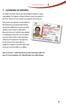 1. LICENSING OF DRIVERS Possession of a driver s licence and the privilege of driving is a major responsibility. The Registrar of Motor Vehicles, under the authority of the Motor Vehicle Act issues, renews
License System. The New Jersey Driver. Chapter one
 Chapter one The New Jersey Driver License System Motorists must always carry a valid driver or provisional license, in addition to a current vehicle registration and proof of valid liability auto insurance,
GEORGIA BOARD OF PHARMACY 2 Peachtree Street, N.W. 36 th Floor Atlanta, Georgia 30303
 GEORGIA BOARD OF PHARMACY 2 Peachtree Street, N.W. 36 th Floor Atlanta, Georgia 30303 PHARMACY TECHNICIAN INFORMATION SHEET AND CHECKLIST In accordance with O.C.G.A. 26-4-28, the Georgia Board of Pharmacy
The Price You ll Pay...
 The Price You ll Pay... DUI in North Dakota December 2012 DL1212 Ten Tips to Save Your Life Always plan ahead. If you wait until you start drinking to figure out how you ll get home, it s too late. Designate
Vermont Legislative Council
 Vermont Legislative Council 115 State Street Montpelier, VT 05633-5301 (802) 828-2231 Fax: (802) 828-2424 MEMORANDUM To: From: House Judiciary Committee Erik FitzPatrick Date: February 19, 2015 Subject:
DUI... INSTANT CRIMINAL RECORD
 DUI... INSTANT CRIMINAL RECORD TABLE OF CONTENTS Implied Consent How DUIs Are Handled p. 2 p. 2 I. DUI ADMINISTRATIVE PROCEDURES II. DUI COURT PROCEDURES A. Penalties B. First Offense Election C. IID License
CHAPTER 4: DRIVING RECORD INFORMATION
 CHAPTER 4: DRIVING RECORD INFORMATION This chapter provides important information about your driving record. PennDOT maintains a driving record for every licensed driver in Pennsylvania. The Bureau of
OREGON TRAFFIC ACCIDENT AND INSURANCE REPORT
 DMV OREGON TRAFFIC ACCIDENT AND INSURANCE REPORT Tear this sheet off your report, read and carefully follow the directions. ONLY drivers involved in an accident resulting in any of the following MUST file
Introduction. Contact Us. Please contact us if you have any questions regarding this handbook or if you need additional information.
 Introduction The Texas Department of Public Safety, Driver License Division, is committed to creating a faster, easier, and friendlier driver license experience and a safer Texas. One step toward achieving
DMV. OREGON TRAFFIC ACCIDENT AND INSURANCE REPORT Tear this sheet off your report, read and carefully follow the directions.
 OREGON TRAFFIC ACCIDENT AND INSURANCE REPORT Tear this sheet off your report, read and carefully follow the directions. ONLY drivers involved in an accident resulting in any of the following MUST file
Bicycle Safety Quiz Answers Parental Responsibilities
 Bicycle riding is a great way to get into shape and enjoy the outdoors. To remain safe on Illinois roads, it is important to follow the same traffic safety laws that govern vehicle drivers. No amount of
New York State Department of Motor Vehicles APPLICATION FOR PERMIT, DRIVER LICENSE OR NON-DRIVER ID CARD
 MV-44 (12/14) New York State Department of Motor Vehicles APPLICATION FOR PERMIT, DRIVER LICENSE OR NON-DRIVER ID CARD PAGE 1 OF 3 PLEASE PRINT CLEARLY IN BLUE OR BLACK INK. OFFICE USE ONLY This form is
HOME About Us Driver License Registration License Plates Business Forms Offices. New Resident Guide
 HOME About Us Driver License Registration License Plates Business Forms Offices New Resident Guide On This Page Residency Requirements Items Needed for Typical Transfers Get Organized/At The DMV Driving
Chapter 813. Driving Under the Influence of Intoxicants 2013 EDITION. Title 59 Page 307 (2013 Edition)
 Chapter 813 2013 EDITION Driving Under the Influence of Intoxicants GENERAL PROVISIONS 813.010 Driving under the influence of intoxicants; penalty 813.011 Felony driving under the influence of intoxicants;
CHAPTER ONE Obtaining A New Credential
 CHAPTER ONE Obtaining A New Credential Indiana driver s licenses, permits, and identification cards are produced using security features to help prevent identity theft, fraud, and card tampering, and to
Model Fleet Safety Program Short
 TM Model Fleet Safety Program Short CORPORATE HEADQUARTERS 518 EAST BROAD STREET COLUMBUS, OHIO 43215 614.464.5000 STATEAUTO.COM TM Disclaimer: The information contained in this publication was obtained
You and the Drinking Driving Laws
 Page 1 of 7 You and the Drinking Driving Laws WHY ARE PENALTIES FOR DRINKING AND DRIVING SO STRICT? Drinking and driving is a hazardous combination. CONSIDER THESE FACTS: One third of the fatalities in
CLASS B LIMOUSINE CARRIER CERTIFICATE
 GEORGIA DEPARTMENT OF PUBLIC SAFETY MCCD REGULATIONS COMPLIANCE P.O. BOX 1456 ATLANTA, GEORGIA 30371 (404) 624-7244 OR (404) 624-7243 FAX: (404) 624-7246 www.gamccd.net APPLICATION FOR CLASS B LIMOUSINE
DIGEST OF OHIO MOTOR VEHICLE LAWS
 DIGEST OF OHIO MOTOR VEHICLE LAWS Published and prepared by: The Ohio Department of Public Safety P.O. Box 182081, Columbus, Ohio 43218-2081 An Equal Opportunity Employer DIGEST OF OHIO MOTOR VEHICLE LAWS
You And The Drinking Driving Laws
 You nd The Drinking Driving Laws WHY RE PENLTIES FOR DRINKING ND DRIVING SO STRICT? Drinking and driving is a hazardous combination. One third of the fatalities in New York State involve impaired or intoxicated
LICENSE SUSPENSIONS RESULTING FROM CONVICTIONS
 LICENSE SUSPENSIONS RESULTING FROM CONVICTIONS Statute Description Predicate Offense(s) Permit Comments O.C.G.A. 32-6-30 Refusal to weigh O.C.G.A. 32-6-30 *6 month license suspension * Commercial vehicles
DRIVING UNDER THE INFLUENCE PENALTIES AND PROCESS INFORMATION
 DRIVING UNDER THE INFLUENCE PENALTIES AND PROCESS INFORMATION prepared by: LAW OFFICES OF MARK L. HORWITZ A Professional Association 17 East Pine Street Orlando, Florida 32801 (407) 843-7733 CRIMINAL CHARGE
HOW TO PREPARE FOR YOUR MARYLAND NONCOMMERCIAL CLASS C DRIVER S TEST
 ` HOW TO PREPARE FOR YOUR MARYLAND NONCOMMERCIAL CLASS C DRIVER S TEST A portion of your noncommercial driving test will be conducted on a closed course to test your basic control of the vehicle, and a
INFORMATION ON FLORIDA RESIDENCY FOR TUITION CLASSIFICATION - Effective December 2, 2015 ALL INFORMATION IS SUBJECT TO CHANGE WITHOUT NOTICE.
 INFORMATION ON FLORIDA RESIDENCY FOR TUITION CLASSIFICATION - Effective December 2, 2015 ALL INFORMATION IS SUBJECT TO CHANGE WITHOUT NOTICE. Students who are admitted to public-supported postsecondary
Significant Laws in Oregon Traffic Safety
 Significant Laws in Oregon Traffic Safety 1931 As part of National Model Driver License law, driver licenses could be suspended upon conviction for DUII. 1937 Law passed making driving under the influence
Bicycle riding is a great way to get into shape
 Bicycle riding is a great way to get into shape and have fun. To remain safe on Illinois roads, it is important to follow the same traffic safety laws that govern vehicle drivers. No amount of bicycle
NOTE: All mailings will be sent to the address you indicate below; if you change your address, you must advise this office.
 ATTACHMENT G 7/2013 STATE OF NEBRASKA Department of Health and Human Services Division of Public Health - Licensure Unit P.O. Box 94986 - Lincoln, Nebraska 68509-4986 Telephone #: 402-471-4918 [email protected]
Chapter 3 INTERMEDIATE LICENSES FOR DRIVERS UNDER 18 GRADUATED LICENSE PROCEDURES
 Drivers under 18 years old are required to go through graduated steps of driving experience to gain full, unrestricted Driver License status. The graduated Driver License steps are designed to incrementally
PART I TRAFFIC VIOLATIONS
 PART I TRAFFIC VIOLATIONS A. MOTOR VEHICLE STATUTES N.J.S.A. 39:3-4 Driving or parking unregistered motor vehicle 39:3-9a Failure to notify change in name $22 39:3-9a Failure to endorse license $42 39:3-10
UNION COLLEGE MOTOR VEHICLE POLICY
 UNION COLLEGE MOTOR VEHICLE POLICY October 2015 1 TABLE OF CONTENTS Section Title I. Scope II. III. IV. Eligibility and Authorization Procedures Reserving a Fleet Vehicle Passengers V. Vehicle Use/Fleet
DEFENSIVE DRIVING. It s an Attitude
 DEFENSIVE DRIVING It s an Attitude RLI Design Professionals Design Professionals Learning Event DPLE 155 July 15, 2015 RLI Design Professionals RLI Design Professionals is a Registered Provider with The
ON THE ROAD. License. Automobile Insurance
 ON THE ROAD License The minimum age, to obtain a driver s license in New Hampshire, is 18 years old. Individuals between the ages of 16 and 18 may obtain a drivers license, with permission from their parent
A Guide to Obtaining a Pennsylvania Junior Learner s Permit and Junior Driver s License
 A Guide to Obtaining a Pennsylvania Junior Learner s Permit and Junior Driver s License PUB 178 (6-15) NEW DRIVERS Now that you re almost 16 years of age or older, you re probably thinking about getting
Quincy Police Department One Sea Street Quincy, MA 02169 (617) 479-1212 TTY: (617) 376-1375
 PAUL KEENAN CHIEF OF POLICE Quincy Police Department One Sea Street Quincy, MA 02169 (617) 479-1212 TTY: (617) 376-1375 Please complete the attached Firearms Application. All questions must be answered
SAMPLE VEHICLE FLEET SAFETY & USAGE POLICY
 SAMPLE VEHICLE FLEET SAFETY & USAGE POLICY Policy The purpose of this policy is to ensure the safety of those individuals who drive company vehicles and to provide guidance on the proper use of company
About D.U.I. (Driving Under the Influence) Published by The Alaska Court System PUB-11 (6/13)(green)
 About D.U.I. (Driving Under the Influence) Published by The Alaska Court System PUB-11 (6/13)(green) Introduction This pamphlet summarizes the penalties for violating several Alaska statutes relating to
Michael Gayoso, Jr. Office of the County Attorney TH
 Michael Gayoso, Jr. Office of the County Attorney TH 11 Judicial District/Crawford County, Kansas DIVERSION PROGRAM -- DRIVING UNDER THE INFLUENCE Pursuant to K.S.A. 22-2906 et seq. the Crawford County
Driver Certification
 Driver Certification Environmental Health & Safety/Risk Management Department of Campus Operations 300 College Park Dayton, Ohio 45469-2904 937-229-4503 Agenda: Part I: Review of UD Driver Certification
Atlanta, Georgia Road Test
 1. When driving your car Into traffic from a parked position, you should: A. Sound your horn and pull Into the other lane. B. Signal and proceed when safe. C. Signal other traffic and pull directly into
Driver s license/driving record number. List of endorsements displayed on the driving record.
 LICENSE NO: ISSUE TYPE: BIRTH DATE: CLASS: ENDORSEMENTS: ISSUED: OPR STATUS OR CDL STATUS: EXPIRES: DRIVER TRAINING: RESTR: TYPE: DATE: DESCRIPTION: LOC: CONVICTION DESCRIPTION: POINTS: CRT: ORD: CLS:
July 2014 WEDMK FINAL 09 2014.indd 1 9/23/2014 10:34:47 AM
 Dear Michigan Motorist: If you are familiar with our popular booklet, What Every Driver Must Know, you will notice the difference with this newest edition. We have condensed the material, focusing on topics
ALCOHOL POLICY, REGULATIONS AND CITATIONS IN STATE OF CALIFORNIA. Legal drinking age of the United States is 21 years old.
 ALCOHOL POLICY, REGULATIONS AND CITATIONS IN STATE OF CALIFORNIA. According to the National Institute on Alcohol Abuse and Alcoholism (NIAAA) Legal drinking age of the United States is 21 years old. 1.
Application Fees are non-refundable.
 Application Fees are non-refundable. Applicant s should contact the DMV DUI-Interlock Section at 1-800-642-9066 or 304-926-2507 for a review of their driving record before submission of the application.
Published and prepared by: Ohio Department of Public Safety P.O. Box 182081, Columbus, Ohio 43218-2081 An Equal Opportunity Employer
 Published and prepared by: Ohio Department of Public Safety P.O. Box 182081, Columbus, Ohio 43218-2081 An Equal Opportunity Employer To order additional copies, please call (614) 466-4775, or visit www.publicsafety.ohio.gov
Your Guide to Illinois Traffic Courts
 Consumer Legal Guide Your Guide to Illinois Traffic Courts Presented by the Illinois Judges Association and the Illinois State Bar Association Illinois Judges Association Traffic courts hear more cases
Instructions for Employment Eligibility Verification
 Instructions for Employment Eligibility Verification Department of Homeland Security U.S. Citizenship and Immigration Services USCIS Form I-9 OMB No. 1615-0047 Expires 03/31/2016 Read all instructions
INSTRUCTIONS for RE-WRITING the LICENSURE EXAMINATION
 Oklahoma Board of Nursing 2915 North Classen Boulevard, Suite 524 Oklahoma City, Oklahoma 73106 (405) 962-1800 www.ok.gov/nursing INSTRUCTIONS for RE-WRITING the LICENSURE EXAMINATION APPLICATION FEE -
APPLICATION FOR PHARMACY TECHNICIAN REGISTRATION Information for Individuals who desire to register as a Pharmacy Technician
 NAME 9906/001 Application $75.00 9906/006 Regulatory $10.00 STATE OF TENNESSEE DEPARTMENT OF HEALTH DIVISION OF HEALTH LICENSURE AND REGULATION www.tennessee.gov/health APPLICATION FOR PHARMACY TECHNICIAN
FMCSA Webinar Nov.18th to Examine Large Truck Crash Fatalities Involving Pedestrians & Bicyclists. New Technology for Better Fleet Management
 In This Issue: FMCSA Webinar Nov.18th to Examine Large Truck Crash Fatalities Involving Pedestrians & Bicyclists Help Prevent Roadway Accidents involving Pedestrians How to Steer Clear of Accidents with
PEDESTRIAN LAWS OF NORTH CAROLINA
 PEDESTRIAN LAWS OF NORTH CAROLINA Under North Carolina law, pedestrians have the right of way at all intersections and driveways. However, pedestrians must act responsibly, using pedestrian signals where
INSTRUCTIONS for LICENSURE BY EXAMINATION
 Oklahoma Board of Nursing 2915 N. Classen Boulevard, Suite 524 Oklahoma City, OK 73106 (405) 962-1800 www.ok.gov/nursing INSTRUCTIONS for LICENSURE BY EXAMINATION APPLICATION FEE - $85.00 Use this application
JUVENILES BEHIND THE WHEEL LAWS FOR YOUNG DRIVERS
 JUVENILES BEHIND THE WHEEL LAWS FOR YOUNG DRIVERS Mara Dudley Llano Municipal Court Where Are We Going? Identify relevant statutes applicable to young drivers Discuss the need for restrictive laws on young
Driver s Licenses and Parking Privileges for People with Disabilities
 WISCONSIN COALITION FOR ADVOCACY Driver s Licenses and Parking Privileges for People with Disabilities Tom Hlavacek, Milwaukee Office Director Wisconsin Coalition for Advocacy Chapter 343, Wis. Stats.
DRIVER EMPLOYMENT APPLICATION Name (first, middle, last) Date: Hire Date (office use only) New Hire Re-Hire Position Applying For: Full Time Part Time
 DRIVER EMPLOYMENT APPLICATION Name (first, middle, last) : Hire (office use only) New Hire Re-Hire Position Applying For: Full Time Part Time You must list Address (street, city, state, zip code) all previous
Published and prepared by: Ohio Department of Public Safety P.O. Box 182081, Columbus, Ohio 43218-2081 An Equal Opportunity Employer
 Published and prepared by: Ohio Department of Public Safety P.O. Box 182081, Columbus, Ohio 43218-2081 An Equal Opportunity Employer To order additional copies, please call (614) 466-4775, or visit www.publicsafety.ohio.gov
COMPANY VEHICLE POLICY
 COMPANY VEHICLE POLICY Overview As an authorized driver of a company vehicle, you have been given certain privileges. You assume the duty of obeying all motor vehicle laws, maintaining the vehicle properly
You will need to mail or fax us copies of items that apply to your case. See the next page for a list of these items.
 Getting started: Health care for children CHIP and Children s Medicaid These programs offer health-care benefits for newborns and children age 18 and younger who live in Texas. With these programs, your
New York Laws. Title 11, ARTICLE 48-B REGISTRATION OF ALL TERRAIN VEHICLES
 New York Laws 2281. Definitions. For the purposes of this article: 1. (a) "All terrain vehicle" or "ATV" means any self-propelled vehicle which is manufactured for sale for operation primarily on off-highway
Operator and for Merchant Mariner's Document
 Section I - Personal Data Page 1 (For CG Use Only) Application Received Name (Last, First, Middle) (Maiden Name if applicable) Social Security Number of Birth (Month, Day, Year) Place of Birth (City, State,
What Every Driver Must Know Review Assignment
 What Every Driver Must Know Review Assignment 1. Who is the Michigan Secretary of State? What services does the Secretary of State office offer? What days and hours is your local Secretary of State branch
TABLE OF CONTENTS. Contact Information Regarding Fleet Operations...2. Driver Qualifications...3. Fleet Operations...4. Use of Personal Vehicles...
 TABLE OF CONTENTS Contact Information Regarding Fleet Operations...2 Driver Qualifications...3 Fleet Operations...4 Use of Personal Vehicles...6 Commercial Motor Vehicles (CDL Drivers)...7 Driver License
INSTRUCTIONS for REINSTATEMENT or RETURN to ACTIVE STATUS of RN or LPN LICENSE
 Oklahoma Board of Nursing 2915 N. Classen Boulevard, Suite 524 Oklahoma City, OK 73106 (405) 962-1800 www.ok.gov/nursing INSTRUCTIONS for REINSTATEMENT or RETURN to ACTIVE STATUS of RN or LPN LICENSE Application
Applicant Information. Last First M.I. Street Address Apartment/Unit # City State ZIP Code
 Employment Application Applicant Information Dunkirk Hardware 10745 Town Center Blvd, Dunkirk, MD 20754 410-257-1300 Last First M.I. Date: Street Address Apartment/Unit # City State ZIP Code Phone: ( )
Bicycle Safety Enforcement Action Guidelines
 Introduction Bicycle Safety Enforcement Action Guidelines People ride bicycles for many different reasons: fitness, recreation, or for transportation. Regardless of the reason for riding, bicyclists young
APPLICATION TO BEGIN A TRAINING PROGRAM NURSING HOME ADMINISTRATION
 This form may be completed online, printed and mailed to the address listed below. 4/2014 DIVISION OF PUBLIC HEALTH - Licensure Unit P.O. Box 94986 - Lincoln, Nebraska 68509-4986 Telephone #: 402-471-4918
GEORGIA DEPARTMENT OF PUBLIC SAFETY MCCD, REGULATIONS COMPLIANCE P.O. Box 1456 ATLANTA, GEORGIA 30371 (404) 624-7244 OR (404) 624-7243 www.gamccd.
 GEORGIA DEPARTMENT OF PUBLIC SAFETY MCCD, REGULATIONS COMPLIANCE P.O. Box 1456 ATLANTA, GEORGIA 30371 (404) 624-7244 OR (404) 624-7243 www.gamccd.net APPLICATION FOR A PASSENGER PERMIT (CHARTER OPERATIONS)
Application for Veterinary Technician Licensure in Nebraska
 Application for Veterinary Technician Licensure in Nebraska General Requirements: Pass the Veterinary Technician National Examination; and Be a graduate of an AVMA accredited Veterinary Technician School
Safety-conscious Drivers Prevent Crashes. Defensive Driving: Managing Visibility, Time and Space. Improve Your Defensive Driving Skills
 Defensive Driving: Managing Visibility, Time and Space Motor vehicle travel is the primary means of travel in the United States. With all the benefits that come along with mobility, there are thousands
LAWS. Colorado Revised Statutes Regarding Motorcycles. 42-1-102. Definitions.
 LAWS Colorado Revised Statutes Regarding Motorcycles 42-1-102. Definitions. (55) Motorcycle means every motor vehicle designed to travel on not more than three wheels in contact with the ground, except
OFFICE OF THE DISTRICT ATTORNEY Third Judicial District Of Kansas Chadwick J. Taylor, District Attorney
 OFFICE OF THE DISTRICT ATTORNEY Third Judicial District Of Kansas Chadwick J. Taylor, District Attorney Shawnee County Courthouse Fax: (785) 251-4909 200 SE 7th Street, Suite 214 Family Law Fax: (785)
2014 Driver Handbook
 2014 Driver Handbook Instructions for printing handbook pages: The following handbook may be printed in its entirety or on a page-by-page basis. Simply right click on the pdf of the handbook, select Print
OFFICE OF THE DISTRICT ATTORNEY Third Judicial District Of Kansas Chadwick J. Taylor, District Attorney
 OFFICE OF THE DISTRICT ATTORNEY Third Judicial District Of Kansas Chadwick J. Taylor, District Attorney Shawnee County Courthouse Fax: (785) 251-4909 200 SE 7th Street, Suite 214 Family Law Fax: (785)
State of Michigan. What Every Driver Must Know. Ruth Johnson, Secretary of State
 State of Michigan What Every Driver Must Know Ruth Johnson, Secretary of State November 2011 Dear Michigan Motorist: There are nearly 7 million licensed drivers and 10 million registered vehicles in Michigan,
Michigan Driving Record Alcohol, Drugs and Consequences
 7 Your Michigan Driving Record Alcohol, Drugs and Consequences Michigan maintains a driving record for every driver. The driving record contains information the Secretary of State is required to maintain,
APPLICANT INFORMATION (please print or type)
 STATE OF MINNESOTA DEPARTMENT OF COMMERCE 85 7 TH PLACE EAST, SUITE 600 ST. PAUL, MINNESOTA 55101 (651) 539-1599 (For Department Use Only) DESIGNATED HOME STATE BUSINESS ENTITY INSURANCE ADJUSTER LICENSE
Judge Sissy Hernandez Justice of The Peace Precinct Two 4641 Cohen Suite A El Paso, Texas 79924 (915) 751-7575. Traffic Offenses
 Judge Sissy Hernandez Justice of The Peace Precinct Two 4641 Cohen Suite A El Paso, Texas 79924 (915) 751-7575 Traffic Offenses The information contained in this packet is not offered as legal advice.
How to apply for in-state tuition
 NON-U.S. CITIZENS Clarification: How to apply for in-state tuition Qualifications. Certain non-u.s. citizens such as lawful permanent residents, temporary permanent residents, asylees, parolees, and refugees
DRIVER S LICENSE VIOLATIONS IN TEXAS. A Review of Transportation Code, Chapter 521
 DRIVER S LICENSE VIOLATIONS IN TEXAS A Review of Transportation Code, Chapter 521 WHAT IS A DRIVER S LICENSE? An authorization issued by TxDPS for the operation of a motor vehicle. The term includes:
APPLICATION FOR CERTIFIED NURSE AIDE BY EXAMINATION
 THE STATE of ALASKA Department of Commerce, Community, and Economic Development Division of Corporations, Business and Professional Licensing Nurse Aide Registry 550 West 7 th Avenue, Suite 1500 Anchorage,
CHAPTER 7 - YOUR DRIVING PRIVILEGES
 CHAPTER 7 - YOUR DRIVING PRIVILEGES Driving in Minnesota is a privilege. You can lose your driving privileges if you break certain laws or fail to meet certain requirements. The Minnesota Department of
 20-28.3. Seizure, impoundment, forfeiture of motor vehicles for offenses involving impaired driving while license revoked or without license and insurance, and for felony speeding to elude arrest. (a)
MOTOR VEHICLES, ACCIDENTS AND ALCOHOL
 MOTOR VEHICLES, ACCIDENTS AND ALCOHOL This is a guide to what you must and should do if you: are involved in a motor accident; have dealings with a police officer involving a motor vehicle; are required
South Carolina Highway Patrol. Guide to Enforcement Of Moped/ Scooter Laws
 South Carolina Highway Patrol Guide to Enforcement Of Moped/ Scooter Laws Prepared for South Carolina Law Enforcement O fficers SC Highway Patrol 10311 Wilson Boulevard Blythewood, SC 29016 803-896-7920/www.schp.org
Vehicle Fleet Safety Policy Amendment. The attached policy reflects a couple of important. The additions are underlined in red and the
 City of Pe not AGENDA ITEM # 10. 5 Lakes. REPORT TO CITY COUNCIL Report Prepared by: Sandy Peine, City Clerk Date: March 3, 2015 Subject: Vehicle Fleet Safety Policy Amendment Report: The attached policy
The Florida Department of Highway Safety and Motor Vehicles Statement of Agency Organization and Operation
 This statement of agency organization and operation has been prepared in accordance with the requirements of Section 28 101.001, Florida Administrative Code and is available to any person upon request.
GUIDELINES for NEW RESIDENTS
 GUIDELINES for NEW RESIDENTS Process to obtain a Delaware Driver License Process to Title & Register a Vehicle State of Delaware Department of Transportation DIVISION OF MOTOR VEHICLES P.O. BOX 698 Dover,