
Financial Literacy for life beyond high school. What you will find in this booklet:
|
|
|
- Marybeth Richard
- 10 years ago
- Views:
Transcription
1 Money Matter$ 9
2 Financial Literacy for life beyond high school The purpose of this work book is to provide you with some financial knowledge as you prepare to embark on life beyond high school. According to a recent study conducted by the Jump $tart Coalition, a group of high school seniors were asked basic financial questions and only 48% answered the questions correctly. This may not seem significant, but making just a few poor financial decisions early on can cause major headaches later that could have been avoided with just a little knowledge. I. Paying for college What you will find in this booklet: 1. FAFSA and the financial aid process 2. Student Loans a. Government vs. Private 3. Tuition: In-State, Out of State, and W.U.E. II. Budget what s a budget? Living within your means and keeping your head above water III. Credit Cards avoid traps and stay out of debt 10
3 PART I: Paying for College This section will provide an overview of: FAFSA and the financial aid process Students loans when and how to use them wisely 11 FAFSA the Free Application for Federal Student Aid & the financial aid process What is it? The FAFSA is a form made available to you by the federal government that asks questions about yours and your family s financial information. You will complete the FAFSA each year before February 15 th. Most students complete the application online (easiest) and sign it electronically. Financial aid is awarded on a first come, first serve basis so you must submit your FAFSA by the Feb. 15 th deadline. After you submit the FAFSA and the Federal Govt. processes the information, you will receive a SAR (Student Aid Report) in the mail, or via . Your SAR summarizes the data from your FAFSA and indicates your Expected Family Contribution (EFC). The Expected Family Contribution (EFC) is how much money the Federal Govt. determines that your family is expected to contribute to your education in one year (Factors such as family size, number of family members in college, family savings, and current earnings are used to calculate this figure). The EFC is the Expected Family Contribution, not just your parents' contribution. You and your parents share the responsibility for paying for college. How is the EFC is used? You re not the only one who receives your EFC information. The same information is also sent to the colleges/universities you listed on the FAFSA. The financial aid office at each school will use your EFC (and all of the information on the FAFSA) to determine your financial need. Need is defined as the difference between the cost of attending college and your EFC: Cost of Attendance (COA) Expected Family Contribution (EFC) = Financial Need
4 Based on your Financial Need, the financial aid office will prepare a financial aid package and craft a financial award letter Next, you will need to create your online account at each school you have sent your information to in order to view your Financial Aid Award online. Do this about 2 weeks after you have submitted your FAFSA and check it regularly to make sure that the school isn t requesting any additional paperwork from you that might hold up your financial aid award. Your financial aid award will detail how much financial support the school can offer you in terms of grants, scholarships, work-study, and student loans. Grants and Scholarships are also known as Gift Aid Financial Aid Vocabulary: Grant free money that you do not have to pay back Scholarship free money that you do not have to pay back. Scholarships can be institutional, meaning that the scholarship is awarded by college or university you plan to attend and is only valid at that institution. Private scholarships are awarded by private organizations and may be good at any institution, or may have some requirements as to where it may be used. Work-study money that you earn at a job (usually on campus) that gets paid directly to you to use toward your tuition, books, living expenses, etc. If you are awarded work study, you do not have to accept it you can get a job off campus. However, one of the biggest benefits of an on campus work study job is that you will only be expected to work around your class schedule Student Loan money that you borrow from a bank (either government or private) that you must pay back regardless of whether you graduate or not. LOANS There are two types of loans: Federal student loans, and private loans Federal Government loans: There are two types of loans that fall under this category: Subsidized and Unsubsidized, and students are qualified for these loans based on income eligibility. 12
5 Subsidized loans: These loans are subsidized by the government, meaning that interest on the amount borrowed does not begin to accrue until the loan goes into repayment. There is typically a limit on the amount a student can borrow each year, and it usually increases as the student nears graduation. These loans also have a lower interest rate than private loans. This loan does not require a credit check. Unsubsidized loans: these loans do accrue interest while the student is still in school. Everything else is similar to a subsidized loan. Private loans: this is money lent to the student by a private lending institution (a bank). The bank reviews the borrower s credit history and determines whether to lend money or not. Usually a student will require a co-signer (a qualified applicant to sign off on the loan as well in case the student does not repay the loan the co-signer is responsible). These loans have a much higher interest rate than Federal government loans, and thus will cost the student much more over the life of the loan. Question: When do you need to take out a student loan? Answer: As a last resort! Only turn to a student loan after you have exhausted all of your other resources for aid (grants, scholarships, family savings), and if there is still a gap between what you have and how much school is going to cost. If available to you, the first borrowing option you should take advantage of is always a government loan (first subsidized, then unsubsidized). If you still need to borrow money after that, you can look into your private loan options. ONLY BORROW WHAT YOU NEED you must repay it. It might sound like a good idea now to borrow an extra $500-$1000 each semester to have some fun with, but this is the worst possible thing you could do and you will be kicking yourself for it when it is time to repay. *Your decision about which school you are going to attend may rely heavily upon your financial situation. You may find yourself with acceptance letters to several schools, and the financial aid award package could be the decision maker for you, because it will determine how much (if any) that you will have to borrow. In the next section, we ll talk about tuition to give you an idea of how much it is going to cost you to go to college. 13
6 14 Tuition Tuition varies from institution to institution and depends on some factors such as whether the school is public or private, and the state in which you reside. However each college/university often has their own policies and procedures, so this is something you will need to research for your schools of choice. Below are some examples of several colleges and universities cost of attendance for In-state students, out of state students, and with the Western Undergraduate Exchange. The Western Undergraduate Exchange is a reduced tuition program that the following states participate in: Alaska, Arizona, California, Colorado, Hawaii, Idaho, Montana, Nevada, New Mexico, North Dakota, Oregon, South Dakota, Utah, Washington, and Wyoming. If you are a resident of, and wish to attend college in one of these states, you may be eligible for reduced tuition rather than pay full out of state tuition rates. For a full list of institutions that participate in the WUE and their requirements, follow this link to the website: School Tuition, Room & Board (Cost of attendance) Out of In State state WUE Public or Private Fort Lewis College $15, $22, $21, Public University of Colorado, Colorado Springs $23, $22, $19, Public CU Boulder $17, $38, NO Public University of New Mexico $18, $28, $25, Public University of Texas at Austin $12, $22, NO Public University of Hawaii $21, $33, $24, Public Colorado College $48, $49, NO Private San Juan College* $7, $8, NO Public Harvard University $48,868 $48,868 NO Private This is a very small sample of all of the colleges and Universities in the country, but it is designed to give you an idea of what a State school (University of Colorado or Fort Lewis), Community college (San Juan College), and a Private school (Colorado College, Harvard) would cost to attend. These numbers may seem very large to you (that s because they are!), but keep in mind that they include tuition, fees, a place to live, and a meal plan. *San Juan College have reciprocal agreements with Colorado under which it is possible to receive instate tuition rates.
7 Scholarships Now that you have an idea of how much it will cost you to go to college, let s talk about finding some free money to pay for it!!! Scholarships are the best way to avoid borrowing money to go to college because it is money that is given to you that you do not ever have to repay. There are two main types of scholarships: Institutional and private Institutional: scholarships specific to, and awarded by the institution you will be attending in the fall. Private: these scholarships are often awarded by organizations within the community such as the Elks Lodge, Banks, and other private foundations. These scholarships often have specific requirements such as belonging to a certain minority ethnic group, athletics, clubs, and many others. Many times these scholarships can be used at any college. The bigger the scholarship, usually the more time intensive it will be. Whether a scholarship is for $500 or $50,000 it is always worth it to apply! Look at it this way: If you had a job at which you made $8/hour, how long would it take you to earn $500? Answer: 62.5 hours (and that s not even accounting for taxes!) Is it worth it to spend 1 hour applying for a $500 scholarship? If you are awarded the scholarship you just made $500/hour! Another example: If you are applying for a full ride scholarship (Let s say an $80,000 value), is it worth it to spend 40 hours on the application? Hint YES!!! Most scholarship applications would not take you nearly as long as 40 hours to fill out, but if you were awarded the scholarship, you would have made the equivalent of $2,000/hour for your efforts. Do you know anyone that makes $2,000/hour? The guidance/counseling office or career center at your school is a good place to find scholarship applications is a good website to search for scholarships Also talk to Erin about other scholarship opportunities 15
8 PART II: Budget what s a budget? Living within your means and keeping your head above water One of the best strategies you can use to keep yourself out of financial trouble and avoid debt in college is to live within your means. The definition of Living within your means is that your expenses (the money you pay out) are less than or equal to the money you earn or bring in. If your expenses (this can be rent, food, car, entertainment anything you spend money on) are greater than what you earn, you will either not have the money to pay your bills, or you will have to borrow it from somewhere like a credit card = NOT GOOD. Budget: your budget is your financial plan to use the money you will make each month to pay your expenses. It is very easy to construct a budget plan for yourself it is not as easy to stick to it. Here are a couple examples of two different college students budget plans: Example 1: Jane Student - Jane is a freshman who lives, works, and eats most of her meals on campus. With financial aid and scholarships, she was able to cover most of the $18,000 cost of attendance at her college. However, she did end up borrowing $3,000 to make up the difference. She must also use a portion of her work study job to pay for books and a parking pass. Jane works about 8 hours/week. Income: On campus job Expenses: On Campus housing Food Toilettries/personal items Parking pass Books $1250 semester included in her tuition bill meal plan included in tuition $100/semester $50/semester $500/semester Total income-expenses = $600 Jane has $600 in disposable income to spend on whatever she wants each semester. If she were to break it down by month, she has $150/month to spend. Jane can spend this money however she chooses, but she must beware: if she eats out in a restaurant once per week, she could easily spend $30 each time = $120 per month. Or, if she buys a new pair of running shoes for $100, most of her disposable income is already gone for the month. If Jane gets paid twice per month, she knows she can spend $75 of each paycheck on whatever she wants. If she spends more than that, she will not be able to pay her bills. 16
9 Example 2: Joe Student - Joe is attending his local college and living with his parents. With financial aid and scholarships, Joe is able to cover most of the cost of attendance at his college. However, he still owes $1,000 per semester. Joe is trying not to borrow student loans, so he is working more hours to try to make up the difference in tuition. Even though he does not pay rent, he must contribute each month at home to help out with groceries, pay for gas to commute to campus and work, his car insurance, and a parking pass. He must also pay for his own books. Joe works about 18 hours/week. Income: Off campus job Expenses: Housing Food Toilettries/personal items Parking Pass Books Tuition Car insurance $3,000/semester lives with parents $300/semester $100/semester $50/semester $500/semester $1000/semester $600/semester Total income-expenses $450 Joe has $450 in disposable income to spend on whatever he wants each semester. You may have noticed that Joe works many more hours than Jane, yet has less money to spend each semester this is because Joe has not taken out any student loans and is working to pay his tuition as he goes. If Joe were to break it down by month, he has about $112 in disposable income each month. If he gets paid twice per month, he can spend $56 of each paycheck on whatever he wants eating out, movies, clothes, etc. If Joe spends more than $56 of each paycheck, he will not be able to pay his bills. Note: between work and studying, Joe is really, really busy he may decide to take out a $1,000 loan next semester so that he can work less and put more time into his studies and have a little more time for himself. NEEDS vs. WANTS: It is important to understand that there is a difference between what you NEED, and what you just want. Concert tickets might be something you want, but you they are not something you NEED in order to survive. Things that are wants should only come out of your disposable income not the money that is allocated to pay your bills. 17
10 Make your own budget Think about the things you spend money on right now (cell phone, clothes, sports equipment, video games, gas). Your parents might pay for most of these things right now, but what if you had to pay for them? Income: (do you work or get an allowance?) Expenses: Cell phone: Gas: Car insurance: Clothes: Entertainment: Other: Other: Total expenses: Total Income-expenses = Minimum wage is currently $7.28/hour. If you don t have an income, how long would it take you to earn enough money to pay for all of your expenses? Also, which of the things above are Needs, and which are Wants? If you had to, what could you give up in order to live within your budget? 18
11 PART III: Credit Cards Avoid traps and stay out of debt What is a credit card? -A credit card is a small plastic card that contains your personal identifying information and is linked to an account. You can charge purchases to the card, and you are billed for those purchases at a later time (within one month). -when your bill for that purchase comes in the mail, you are expected to pay at least a portion of the bill, but you do not have to pay it all. If you do not pay the entire bill, the balance is carried over to the next month and you are charged interest on that balance that is then added onto the bill. Why can credit cards be bad? -Credit cards can hurt you financially in many ways: Credit card companies usually only require a minimum payment. Sounds good, right? VERY wrong. Charging purchases to a credit card is exactly like taking out a loan. If you do not pay the balance in full each month, it will begin accruing interest just like any other loan. Before you know it, your balance can be out of control. Interest rates are often very high, especially for college students like you. Not only are you taking out a loan when you use your credit card, but you are taking out a loan at a very high interest rate one much higher usually than those student loans you are seeking to avoid. People are very good at lying to themselves. We tell ourselves that we will pay the balance on the credit card when the bill comes, but when the bill actually comes, the minimum payment looks a lot more attractive because there is already something else we want to spend our money on. This is how it is very easy to get into trouble because we just keep adding more and more to what we owe on the card while only making the minimum payment and getting charged more interest all the while. Why do so many people have Credit cards and get into trouble? -People most often get into trouble with credit cards because they did not stick to their budget. Remember the examples of the two college students budgets from before? If Jane Student or Joe Student decide to spend more money than they have it is likely they will use a credit card to do so. They would be living beyond their means and using credit cards to do it. If Joe spent $50 on a credit card each month beyond what he earned from his job, it would not take long for him to accumulate $1000 in credit card debt. If Joe had a credit card with a $1,000 balance and made a minimum payment of $20/month at 10.99% interest, it would take Joe 67 months (over five years!) to pay off and he would pay $ in interest! 19
12 Credit Card Quiz Time to test your knowledge about credit cards 1. Getting free stuff when you sign up for a credit card is: A. A nice perk B. A trap to entice you to sign up 2. Can credit card companies change your APR (Annual Percentage Interest Rate)? A. Yes, it is their right B. No, what they offer me is what I get. They can t change it unless I give them permission. 3. Choosing your own personal design for the look of your credit card is: A. Fun and free of charge B. Will probably cost a fee 4. Some credit cards require a monthly purchase A. True B. False 5. If you are late on a scheduled monthly payment your credit card company will: A. Let you know and request payment immediately B. Charge you a late fee 6. Those credit card offers in the mail are great, right? A. No, but it looked good until my first bill arrived B. Yes! They chose the perfect plan for me 7. Those credit card offers in the mail are great, right? A. No, but it looked good until my first bill arrived B. Yes! They chose the perfect plan for me 20
13 Credit Card Quiz Answers 1. B A trap giving away free stuff like a t-shirt is just a gimmick that companies use. Credit card companies earn so much money from card holders in interest and fees it is worth it for them to give stuff away. 2. A - They can change it and they will for a variety of reasons. If you're late on a payment, it can shift from the nice introductory rate of 7% to the increasingly high standard of 15% or 19%. And, some companies will automatically change it after your first year. 3. A - Sure, it's fun and free, but it's another way to lure you in to sign up. By personalizing the card, it feels like you are creating a gift or keepsake for yourself. It's also fun. However, this is one "gift" you'll want to return as soon as the bill comes. 4. A - True. Some credit card companies require a minimum monthly purchase. Sounds fun? Try expensive. This tactic makes you spend more than you would normally. 5. B - Once you're late on a payment, they are going to charge you a late fee. In fact, some companies will even charge you last month's interest on your statement or raise your interest rate. To top it off, some companies have shortened the time period between when the bill goes out and when it's due. 6. A - Sorry, but those offers are often misleading, or not actually applicable to the people they send them too. Most of the time it's a ploy to get you to sign up, but then the fine print says they can switch you to a different plan with higher interest rates and a lower spending limit. 7. B - Most minimum monthly payment amounts are not set for your convenience. Many are set so you will have to pay more interest over time. Each month you pay for interest on the balance and a portion of your total balance. The lower your monthly payment, the less money that goes to the credit card balance - leaving you with a larger balance longer. Typically, minimum monthly payments are around 2% of the total balance. 21
TALKING POINTS COLLEGE STUDENTS PRESENTED BY JEAN CHATZKY AND PASS FROM AMERICAN EXPRESS SM
 INTRODUCTION Give your kids a heads-up that tonight you re going to make some time to talk about money. It won t take all night, but they should clear their schedule. If your kid is away at college, and
How To Pay For College In Hawaii
 Financing Your Graduate Education Overview of Today s Workshop Estimating Graduate School Costs Making a Budget Funding Options Available Example Additional Resources Literacy Program 1 Did you know The
Mapping Your Future Guide to Life after High School SM : Senior Year
 Mapping Your Future Guide to Life after High School SM : Senior Year Get prepared for life after high school Some people know from an early age exactly what they want to be when they are adults and how
Overview. Develop a plan Understand financial aid Be a responsible borrower Take charge of credit cards Understand your credit Prevent identity theft
 Lisa Croat and Andrea Clark Lunch provided by the Higher One Financial Literacy Counts Grant Overview Develop a plan Understand financial aid Be a responsible borrower Take charge of credit cards Understand
How To Get EXACTLY What You Need Financially To Go To College. Educator Lesson Plans
 How To Get EXACTLY What You Need Financially To Go To College Educator Lesson Plans These two lessons enable educators to quickly teach students basic skills for seeking financial aid. The lessons encourage
HELPFUL FINANCIAL AID HINTS...
 TABLE OF CONTENTS HELPFUL FINANCIAL AID HINTS.........................................................................................1 PAYING FOR COLLEGE.................................................................................................2
Financial Aid and Scholarship Guide
 Financial Aid and Scholarship Guide University of Northern Colorado 2016-17 unco.edu/ofa unco.edu/ofa 1 2 University of Northern Colorado CONTENTS 4 How Eligibility is Determined 7 Applying for Financial
What Is Direct Loan Entrance Counseling?
 What Is Direct Loan Entrance Counseling? Federal regulations require that you, as a first-time student loan borrower, complete an Entrance Counseling session. You can complete the entire session online
Money Borrowing money
 Money Borrowing money Aims: To enable young people to explore ways of borrowing money and the advantages and possible consequences of doing so. Learning Outcomes: By the end of the session the participants
Dimes to Riches Money Management for Teens in Grades 7-12
 Dimes to Riches Money Management for Teens in Grades 7-12 s e e r t n o row g t n s e o yd e n o M t a! h k t n a w b o n a k t u n By now yo Your parents are & Life is getting busy and you need cash for
Make a Smart Start Toward Financial Success SUNY ORANGE STUDENTS
 Make a Smart Start Toward Financial Success SUNY ORANGE STUDENTS A College Education is a Smart Investment High School Graduate $25,000 Some College $30,000 Associate s Degree $32,000 Bachelor s Degree
Tray Thompson: Welcome everyone. We now have our. webinar, our second webinar, which is Banking 101. I
 0 Banking 0 Tray Thompson: Welcome everyone. We now have our webinar, our second webinar, which is Banking 0. I have myself, Tray Thompson, here. I work for the Financial Aid Office and I also have Mario.
Financial Aid 101. Conard School Counseling Senior Workshop
 Financial Aid 101 Conard School Counseling Senior Workshop Workshop Agenda Session #1 (Jan 7 th ) Overview of Financial Aid PIN Application College Goal Sunday Session #2 (Jan 14 th ) FAFSA completion
GenTX Way to Pay: Financial Aid Guide. Learn more and find your way to pay at GenTX.org/FinancialAid. 2012 Texas Higher Education Coordinating Board
 GenTX Way to Pay: Financial Aid Guide Learn more and find your way to pay at GenTX.org/FinancialAid 2012 Texas Higher Education Coordinating Board Don t let the cost of college get in the way of your education.
Good morning everyone! Welcome! My name is Daniel Hewitt and I m the Director of Financial Aid here at VCOM. I know I ve talked to some of you
 Good morning everyone! Welcome! My name is Daniel Hewitt and I m the Director of Financial Aid here at VCOM. I know I ve talked to some of you already, and Eloise and I are looking forward to working with
3Budgeting: Keeping Track of Your Money
 This sample chapter is for review purposes only. Copyright The Goodheart-Willcox Co., Inc. All rights reserved. 3Budgeting: Keeping Track of Your Money Chapter 3 Budgeting: Keeping Track of Your Money
HSMSE FINANCIAL AID PRESENTATION
 Crystal Bonds, Principal HSMSE FINANCIAL AID PRESENTATION Presented by: Wade A. Klein HSMSE Director of College Services & School Counselor Overview Overview of the Financial Aid Process Steps to Submitting
2015 YOU CAN AFFORD COLLEGE FINANCIAL AID WORKSHOPS
 WWW.YOUCANAFFORDCOLLEGE.ORG WWW.EDUCACIONATUALCANCE.ORG 2015 YOU CAN AFFORD COLLEGE FINANCIAL AID WORKSHOPS Student/Family Financial Aid Guide I. OVERVIEW & KEY INFORMATION Welcome! Welcome to the annual
How do I get good credit?
 Slide 1 Credit The information provided in this e-course is intended for educational purposes only and does not constitute specific advice for you as an individual. When evaluating your particular needs,
TITLE Financial aid overview for parents TITLE
 Financial aid overview for parents Understand Your Options Finding the money to pay for college is a concern of many parents because they think they can t afford it. It s important to know that families
Part 1 Test Question Bank
 Module 1 1. Which is true regarding unemployment rates? a. The unemployment rate for people with a bachelor s degree and a high school diploma are the same. b. People with a bachelor s degree experience
Money Management 29 Money Management Tips Every University Student Should Know
 Money Management 29 Money Management Tips Every University Student Should Know Financial Planning Creating Budgets Using Money Wisely Financial Aid Office California State University, San Bernardino 5500
Seattle Lutheran High School College Night Information Packet 2015-2016
 Seattle Lutheran High School College Night Information Packet 2015-2016 Gathering Information & Choosing a College: 1. Think about your personal interests and preferences. 2. Ask yourself some questions:
A Guide to Financial Aid 2016-17. The bottom line and how to pay for it.
 A Guide to Financial Aid 2016-17 The bottom line and how to pay for it. The Financial Aid Basics We re glad you are interested in attending Anderson University. Perhaps you have already received your acceptance
Right fit. Right here. 2015-16 FINANCIAL AID
 Right fit. Right here. 2015-16 FINANCIAL AID A UNI: THE RIGHT FINANCIAL FIT One of the top 22 colleges in Iowa that provides students with the best lifetime return on investment. Affordable Colleges Online
Office of Student Financial Aid & Scholarships
 Office of Student Financial Aid & Scholarships Agenda What are we going to talk about? How to use our website How to pay for college Work-study Loans Grants & Scholarships Remaining eligible for aid Planning
Accepted Student Reception Financial Aid Presentation. March 29, 2015
 Accepted Student Reception Financial Aid Presentation March 29, 2015 Understanding Your Financial Aid Award Letter Screen shot of award letter here Screen shot of award letter here Estimated costs and
Introducing the Credit Card
 Introducing the Credit Card This program was designed with high school students in mind. It goes over everything you need to know before you get your first credit card so you can manage it wisely.» Key
A Guide to Financial Aid 2015-16. The bottom line and how to pay for it.
 A Guide to Financial Aid 2015-16 The bottom line and how to pay for it. The Financial Aid Basics We re glad you are interested in attending Anderson University. Perhaps you have already received your acceptance
affording college Consolidated Credit 5701 West Sunrise Boulevard Fort Lauderdale, FL 33313 1-800-210-3481 www.consolidatedcredit.
 affording college Consolidated Credit 5701 West Sunrise Boulevard Fort Lauderdale, FL 33313 1-800-210-3481 www.consolidatedcredit.org Congratulations on taking this important step to a brighter financial
Handbook: The Cost of Borrowing. Learn what you need to know quickly.
 Handbook: The Cost of Borrowing Learn what you need to know quickly. Money Matters Handbook: The Cost of Borrowing Groceries cost. Clothes cost. Furniture costs. And it costs to borrow money. The amount
MEFA s Guide to Paying for College
 MEFA s Guide to Paying for College Congratulations! The waiting is over, and your student has received college acceptance letters. Now what? Deciding which college or university to attend isn t always
Paying for education: Help is available
 Paying for education: Help is available If you want to continue your education but are concerned that you won t be able to afford it, you should apply for financial aid, which is available as a supplement
Mapping Your Future Guide to Life after High School SM : Junior Year
 Mapping Your Future Guide to Life after High School SM : Junior Year Get prepared for life after high school Some people know from an early age exactly what they want to be when they are adults and how
Personal Finance. Your Money Matters
 Personal Finance Your Money Matters The decision to attend college is one that will create many opportunities for you. What lies ahead of you is full of possibility. While this is cause for excitement,
SOME IDEAS THAT MAY HELP WITH. Credit Problems and How to Get Help
 66308 1083 9/9/04 3:03 PM Page Cov1 SOME IDEAS THAT MAY HELP WITH Credit Problems and How to Get Help 66308 1083 9/9/04 3:03 PM Page Cov2 Table of Contents Do you have a credit problem? 1 Minor credit
How To Get EXACTLY What You Need Financially To Go To College. Student/Parent Workbook
 How To Get EXACTLY What You Need Financially To Go To College Student/Parent Workbook How To Get EXACTLY What You Need Financially To Go To College Too many students graduate with more debt than they can
What You Need To Know. Trent s Student Guide to Financial Literacy 2012-13
 What You Need To Know Trent s Student Guide to Financial Literacy 2012-13 Welcome to Trent University. In addition to the academic challenges students encounter in university, there are financial challenges
Lesson 2: Savings and Financial Institution Knowledge Making the Most of Your Money
 Lesson 2: Savings and Financial Institution Knowledge Making the Most of Your Money All the materials and information included in this presentation is provided for educational and illustrative purposes
Learning the Language of Financial Aid
 Learning the Language of Financial Aid An Introduction to Financial Aid Terminology and Basics BHS Guidance Office How do I pay for college? Family support Savings Work Grants Scholarships Loans Financial
fyi Federal loans: The smart way to borrow
 Federal loans: The smart way to borrow If you don t receive enough free money to pay for college and you aren t able to cover your costs with savings or other resources, consider federal student loans.
Making College An Affordable Reality Preparing and Paying For College The Right Way
 Making College An Affordable Reality Preparing and Paying For College The Right Way College and Financial Coaches Ready to Serve Your Family COLLEGE ADVISORS GROUP LLC 401-821-0080 Graduates 2013 College
MONEY MANAGEMENT WORKBOOK
 MICHIGAN ENERGY ASSISTANCE PROGRAM MONEY MANAGEMENT WORKBOOK Life is a challenge. As the saying goes, just when you're about to make ends meet, someone moves the ends. While it can be a struggle to pay
MANAGING MADE EASY: WHY IT IS IMPORTANT TO START YOUNG WHAT YOU NEED TO KNOW
 MANAGING YOUR BUDGETING MONEY: WHY IT IS IMPORTANT MADE EASY: TO START YOUNG WHAT YOU NEED TO KNOW A free publication provided by This complimentary publication is provided by Consolidated Credit Consolidated
The Basics of Building Credit
 The Basics of Building Credit This program was developed to help middle school students learn the basics of building credit. At the end of this lesson, you should know about all of the Key Topics below:»
STUDENT MODULE 8.1 ONLINE SHOPPING AND CREDIT CARDS PAGE 1
 STUDENT MODULE 8.1 ONLINE SHOPPING AND CREDIT CARDS PAGE 1 Standard 8: The student will describe and explain interest, credit cards, and online commerce. Credit Cards: More Than Plastic Austin receives
Understanding Financial Aid
 Understanding Financial Aid Goal of Financial Aid Primary goal is to assist students in paying for their educational investment and is achieved by:! Evaluating family s ability to pay for educational costs!
How do you receive financial aid?
 What types of financial aid are available and in what order are they awarded? 1. Scholarships and Fee Waivers 2. Grants 3. Work-Study 4. Student Loans: Subsidized, Unsubsidized, Perkins, Parent PLUS How
Learning Today, Leading Tomorrow FINANCIAL AID
 Learning Today, Leading Tomorrow STUDENT FINANCIAL AID SUCCESSFULLY NAVIGATING THE STUDENT FINANCIAL AID PROCESS The Northern Illinois University Student Financial Aid Office (SFAO) is pleased to assist
What You Need to Know About Financial Aid. Office of Financial Aid
 What You Need to Know About Financial Aid Office of Financial Aid 1 Tonight s Topics What is Financial Aid Cost of Attendance (COA) Expected Family Contribution (EFC) Financial Need Types & Sources of
The VSAC no-nonsense guide to education loans VSAC
 The VSAC no-nonsense guide to education loans VSAC for families of undergraduate students Fall 2014 The straight scoop on undergraduate education loans from VSAC, your trusted college planning advisor
OBJECTIVES. The BIG Idea MONEY MATTERS. How much will it cost to buy, operate, and insure a car? Paying for a Car
 Paying for a Car 4 MONEY MATTERS The BIG Idea How much will it cost to buy, operate, and insure a car? AGENDA Approx. 45 minutes I. Warm Up (5 minutes) II. What Can You Spend? (15 minutes) III. Getting
LESSON 10 CONSUMER CREDIT: BUY NOW, PAY LATER, AND MORE
 LESSON 10 CONSUMER CREDIT: BUY NOW, PAY LATER, AND MORE INTRODUCTION The word credit comes from the Latin word creditus meaning entrusted. Credit means that someone will lend you money and give you time
FINANCIAL AID VOCABULARY
 Award Letter Notification of the terms and requirements of the financial aid package offered by a college. College Scholarship Service (CSS) Profile A financial aid application, in addition to the FAFSA,
USC CENTER FOR HIGHER EDUCATION POLICY ANALYSIS COSTS:
 USC CENTER FOR HIGHER EDUCATION POLICY ANALYSIS COLLEGE COSTS: A CALIFORNIA STUDENT GUIDE TO PAYING FOR COLLEGE Are you concerned about paying for college? Do you think that attending your college of choice
Credit Cards: Advantages & Disadvantages
 Credit Cards: Advantages & Disadvantages Latino Community Credit Union & Latino Community Development Center CREDIT CARDS: BUILDING A better FUTURE ADVANTAGES AND DISADVANTAGES Latino Community Credit
Direct loan Information. Federal Direct Student Loans A simple and flexible way to finance your education. Welcome!
 Direct loan Information Federal Direct Student Loans A simple and flexible way to finance your education. Welcome! Beginning Spring Semester 2012, Ogeechee Technical College will be participating in the
Revolving credit: A consumer line of credit that can be used up to a certain limit or paid down at any time.
 TEACHER GUIDE 8.1 CREDIT CARDS AND ONLINE SHOPPING PAGE 1 Standard 8: The student will describe and explain interest, credit cards, and online commerce. Credit Cards: More Than Plastic Priority Academic
FINANCIAL AID NIGHT 2015 2016
 FINANCIAL AID NIGHT 2015 2016 1 Understanding the College and Financial Aid Application Process Be patient, thorough, and organized as you go through the college admission and financial aid application
College is one of the best investments you can make, but it can be expensive.
 College is one of the best investments you can make, but it can be expensive. Savvy students and families can dramatically reduce their out-of-pocket costs by taking advantage of all the student financial
7 Financial Talks to Have With Your Kids Before They Start College
 Publication: The Credit Solution Program Date: August 16, 2014 Author: Aaron Crowe 7 Financial Talks to Have With Your Kids Before They Start College Before your children start college, it s a good idea
AWARD LETTER COMPARISON WORKSHEET
 AWARD LETTER COMPARISON WORKSHEET Different schools have different resources, so financial aid offers can vary greatly from school to school. There are several components of an aid offer you should consider:
6. Always pay something: Even if you can't pay all of your bills in full, always make the minimum payment by the due date.
 1. Make your payments on time: Every late payment can hurt you, and in more than one way. Many utility companies report your payments to the credit bureaus. It also costs you more if you pay late as you
WINNING AT THE COLLEGE FINANCIAL AID GAME
 Helping Yourself. Helping Your Parents. Helping Your Children. By the numbers WINNING AT THE COLLEGE FINANCIAL AID GAME With college expenses having risen significantly, financial aid can be a critical
LIFE IN PLASTIC ...IT S FANTASTIC? Credit cards, why they re important, and how to use them responsibly. MIND ON MY MONEY MONEY ON MY MIND
 LIFE IN PLASTIC...IT S FANTASTIC? Credit cards, why they re important, and how to use them responsibly. MIND ON MY MONEY MONEY ON MY MIND WHAT YOU LL NEED: this packet a few of your friends worksheets
{OCU Financial Aid Office 740-477-7716. We re here for you! Common Questions. 1 Ohio Christian University Financial Aid
 1 Ohio Christian University Financial Aid Common Questions Q. What is Financial Aid? A. Financial Aid is any kind of money that is either given or loaned to you for a period of time that can assist you
Basics of Budgeting. Ten Steps To Create A Budget. Reviewing:
 Basics of Budgeting Reviewing: Ten Steps to creating a budget How to find where your money is going Tips to stay on course Budget format included Ten Steps To Create A Budget Basics of Budgeting A budget
COLLEGE. Going from high school to college. Getting Ready for College CHAPTER 1. Getting organized
 CHAPTER 1 COLLEGE Getting Ready for College Going from high school to college means taking more difficult classes, meeting new people, and setting your own hours. But it also means taking charge of your
COLLEGE BUDGET WORKSHEET
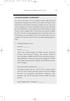 23359_ch01.qxd 7/15/04 9:00 AM Page 29 Principle One: College is worth the cost 29 COLLEGE BUDGET WORKSHEET You may not be able to fill out all these numbers right away and may need to change some of them
2. Ada Comstock Scholars Program. Application for Financial Aid 2015-16. Instructions... www.smith.edu/sfs for additional resources and information.
 Student Financial Services Northampton, Massachusetts 01063 Telephone: (413) 585-2530 Fax: (413) 585-2566 [email protected] www.smith.edu/sfs Ada Comstock Scholars Program Application for Financial Aid 2015-16
Shape Up Your Spending
 Shape Up Your Spending A Guide For College Students How Do You Feel About Money? If you received a $500 gift, what would you do with it? Put it in the bank? Buy clothes? Make a down payment on a car? Buy
Presented by Auburn Career/College Counselors. Jon Morrow, AHS Amanda Paulson, AMHS Steve Mead, ARHS
 Presented by Auburn Career/College Counselors Jon Morrow, AHS Amanda Paulson, AMHS Steve Mead, ARHS Agenda Types of Schools...Which is Right for You? Credit Requirements Application & Admission Considerations
Paying for College 2013
 Paying for College 2013 WHAT S INSIDE Higher Education Pays Off 1 Colleges and Their Costs 2 Financial Aid Hierarchy 4 How To Apply for Financial Aid 6 Applying for Gift Aid 8 Earn and Learn at Reduced
MANAGING CREDIT101 TM %*'9 [[[ EPXEREJGY SVK i
 MANAGING CREDIT101 TM i This book is intended as a general guide to the topics discussed, and it does not deliver accounting, personal finance, or legal advice. It is not intended, and should not be used,
Budget Busters: Who s Breaking the Bank?
 Time Required: 15 minutes Budget Busters: Where does all your money go? No matter how much money you earn, a careful budget lets you know exactly what happens to your cash. Below are three different cash
Winning at the college financial aid game
 Winning at the college financial aid game By the numbers Average tuition and fees per year for four-year colleges in 2006-07: 1 Private institutions: $30,367, up 4.6% from the previous year Public colleges: