
The spectrum of motorcycle research in Maryland
|
|
|
- Emmeline Garrett
- 10 years ago
- Views:
Transcription
1 The spectrum of motorcycle research in Maryland Cynthia Burch MPH, Timothy Kerns MS National Study Center for Trauma & EMS, University of Maryland School of Medicine Abstract Motorcycle riders experience significantly higher rates of fatal injury as compared to motor vehicle occupants; in 2011, motorcycle riders were more than 30 times more likely than passenger car occupants to die in a motor vehicle traffic crash and 5 times more likely to be injured. Motorcyclist fatalities have decreased in Maryland over the past five years, but still account for 16% of all traffic fatalities. This article will describe several motorcycle research studies that have been completed using a variety of traffic safety databases. These studies will go beyond the basic descriptive statistics typically seen and explain the importance of each component. Motorcycle safety is a complex issue that requires data integration, multi-tiered research studies, collaboration between partners, and an understanding of the multiple social and behavioral aspects of the riding population. Introduction Motorcycle riders experience significantly higher rates of fatal injury as compared to motor vehicle occupants; in 2011, the national passenger car occupant fatality rate per 100 million vehicle miles traveled was 0.80, the light truck occupant fatality rate was 0.81, and the motorcycle occupant fatality rate was (NCSA, May 2013). Over the past decade, the frequency of motorcycle crashes and deaths in the United States have not declined. In 2011, motorcycle fatalities accounted for 14% of all traffic deaths in the United States (NCSA, May 2013). In 2011, motorcycle riders were more than 30 times more likely than passenger car occupants to die in a motor vehicle traffic crash and 5 times more likely to be injured (NHTSA, April 2013). Those figures are the results of the Fatality Analysis Reporting System (FARS) (NCSA, August 2013) which contains information on all fatal traffic crashes in the United States. Analyses of 2011 FARS data also found that 29% of motorcycle operators were impaired at the time of the fatal crash and 35% were reported to be speeding, both higher than passenger vehicle drivers (NCSA, April 2013). Similar trends can be seen in Maryland crash data, with close to 16% of all traffic crash fatalities being motorcycle operators and passengers (NCSA, July 2013). In addition to speeding and operator impairment, this may be attributed to several factors including, but not limited to, warm weather leading to extended riding seasons, economic concerns leading to more motorcycles in use, increased risky behavior of motorcycle operators, or lack of recognition by motor vehicle drivers. Analyses of Maryland crash data are necessary to determine potential crash and operator characteristics that may be associated with higher injury severity. Maryland first instituted a universal helmet law, requiring all motorcycle riders to wear a helmet, in That law was revised in 1979 to exempt riders over the age of 17; then reverted back to a universal, all-ages law in 1992 (IIHS, 2013). Approximately 14% of
2 motorcycle fatalities in Maryland were not wearing a helmet at the time of the crash (NCSA, July 2013). However, due to the historical and comprehensive aspects of the Maryland helmet use law, helmet use will not be described in detail in this article. Research Studies The National Study Center for Trauma & EMS (NSC) at the University of Maryland, School of Medicine has conducted the Maryland Crash Outcome Data Evaluation System (CODES) project for close to 20 years. CODES involves the integration and analysis of traffic safety databases to characterize injury outcomes. Researchers at the NSC have expanded the CODES program to include a variety of data sources (depicted in Figure 1) including: Police-reported crash data Maryland State Police Maryland Automated Accident Reporting System (MAARS) Medical examiner data Office of the Chief Medical Examiner (OCME) EMS ambulance run report data Maryland Institute for Emergency Medical Services Systems (MIEMSS) Maryland Ambulance Information System (MAIS) & the Electronic Maryland EMS Data System (emeds) Citation data - Maryland District Court Geographic Information System geographic depiction of crashes Motorcycle Rider Training Motor Vehicle Administration (MVA) Driver license data Motor Vehicle Administration (MVA) Vehicle Registration file Motor Vehicle Administration (MVA) Hospital Discharge Data Maryland Health Services Cost Review Commission (HSCRC) Hospital Discharge Data Set o Inpatient Data set o Ambulatory Care Data set
3 Figure 1 This article will describe several motorcycle research studies that have been completed using the datasets listed above. Through collaboration with the Maryland Highway Safety Office, the NSC has reported motorcycle statistics from the statewide police crash report database to state agencies, their partners, and the public. These studies will go beyond the basic descriptive statistics typically seen and explain the importance of each component. To accurately understand and evaluate motorcycle safety, multiple data sources are necessary. There is no accurate exposure measure, such as vehicle miles traveled, and traditional traffic safety sources focus on passenger vehicles so the integration of those sources is often necessary to analyze motorcycles effectively. Police Crash Report Data The MAARS database contains records of all police-reported traffic crashes throughout Maryland, with a minimum reporting threshold of a vehicle tow away being necessary. Annually, that file contains approximately 95,000 crashes with 1,900 (2%) involving a motorcycle. Of those crashes, intersection and intersection-related crashes make up 72% of all motorcycle crashes, however rear-end collisions have been of particular interest. Basic analyses of crash data identify approximately 17% of multiple vehicle crashes were rear-end collisions, but do not identify which vehicle struck the other. By combining the collision type, vehicle movement, and damage location information it was determined that 47% of the time the motorcycle was hitting the rear of the motor vehicle. That information is helpful in identifying educational countermeasures to reduce the incidence. Also, there were 129 same direction-left turn
4 crashes involving motorcycles between Of those, the motorcycle was only turning left in 10 incidents (8% of the total), indicating that most likely a motor vehicle was turning in front of the motorcyclist. To understand the effect of operator behavior and environmental factors, crash contributing factors were analyzed. Close to 40% of operators were reported to be distracted, 25% were aggressive, and 14% were speeding. Also, only 3% of all motorcycle crash reports listed road debris, holes, or highway construction as contributing to the crash. Finally, the behavior of motor vehicle drivers identified as at-fault in motorcycle crashes are of interest. The most common factors were distracted (failure to give full time and attention), failure to yield right of way, following too closely (an aggressive characteristic), and improper turn. The last behavior corresponds to intersection crashes where the motor vehicle turns in front of a motorcycle without seeing them approach. Medical Examiner Data Death records provide injury and cause-of-death details not found in other databases. The Bodily Injury Locations in Fatally Injured Motorcycle Riders report clearly outlines findings from death records (NHTSA, 2007). One significant finding was that 36% of unhelmeted riders died from head injuries while only 19% of helmeted riders did the same, illustrating the benefit of motorcycle helmets in preventing significant head trauma. Emergency Medical Services (EMS) Reports Similar to death records, EMS runsheets provide initial injury and person characteristics that are not available from other data sources. Due to the immediacy of the EMS response and that the provider may be the first person to encounter the crash victim, the runsheet contains the first known vital signs, injury codes, occupant positioning, and witness reports. The narrative portion of the EMS runsheet is invaluable to traffic safety research because it is the only objective depiction of the crash scene. Citation/Adjudication Data Traffic violation databases are helpful to evaluate the scope and impact of law enforcement efforts. However, it may be challenging in the case of motorcycles because many agencies have no-chase policies which prevent officers from pursuing a motorcycle that is attempting to elude police. Knowing that, approximately 0.3% of all traffic violations written annually in Maryland are issued to motorcycle operators. The citation record itself does not indicate the type of vehicle in operation, but linking the citation to the registered vehicle database using the vehicles tag number allows researchers to distinguish violations by vehicle type. Typically motorcycle operators also drive motor vehicles at times, so determining which vehicle is critical when evaluating riding and driving behaviors.
5 Annually, close to one-half of all citations written to motorcycle operators were for speeding (exceeding the speed limit or too fast for conditions). More than 10% were for impairment by alcohol and/or drugs, another 10% were for reckless or negligent operation of the motorcycle. Smaller proportions, slightly less than 10%, were for suspended or revoked licenses or operating the motorcycle without the proper license (i.e. no motorcycle endorsement). The adjudication of these citations are available to the NSC researchers to determine the likelihood of a court appearance and disposition, typically guilty, probation before judgment, or not guilty. Geographic Information System Data Visualization Maryland traffic citations issued on paper do not contain geo-coded information so they cannot be displayed on a map. The state is currently implementing an electronic citation system that will include latitude and longitude coordinates allowing users to map locations in the near future. However, crash reports do contain logmile reference information that allows for geocoding and mapping. Many spatial analyses have been conducted to identify motorcycle crash locations by injury severity, segmented roadways, jurisdiction-spanning corridors, and overlays with other available data points. Figure 2 below depicts segmented roadways of motorcycle crashes in Baltimore and Anne Arundel Counties in Maryland. The colors correspond to the number of motorcycle crashes on that segment, with red being the highest
6 Figure 2
7 Motorcycle Training, Operator Licensing, Vehicle Registration Data There are two methods for obtaining a motorcycle license/endorsement in Maryland, through a safety training course or the conventional method of testing at the licensing offices. The Maryland Motor Vehicle Administration (MVA) is responsible for all licensing and also certifying and managing all motorcycle safety training courses in the state. Upon successful completion of the safety course, a written test, and skills evaluation the student may receive a license waiver that must then be presented at an MVA licensing office in order to receive a full motorcycle license. Table 1 below shows the number of safety course students, their completion, and receipt of waivers. Table Maryland Motorcycle Training Numbers Course Title # Enrolled # Completed # Passed # Received Waiver Basic Rider Course 7,928 7,138 6,663 6,340 Alternate Basic Rider Course Total 8,697 7,891 7,383 7,035 Percentage of those Enrolled 91% 85% 81% Driver license information is captured for all drivers involved in a crash or issued a traffic citation. Since the motorcycle license is rarely issued by itself, and is usually an added endorsement to the primary motor vehicle driver license, it is not always identified on police reports. In Maryland, the regular driver license is a Class C and the motorcycle license is Class M, so it is possible for someone who holds both licenses to be listed as C or CM on the crash report. To investigate the accuracy of the driver license field in the MAARS system, crash reports were linked to the MVA driver license file, which contains the most accurate information for any driver. In 2011, 2,037 motorcycle operators were involved in a crash in Maryland, of which 24% were reported to hold out-of-state licenses. So 1,522 operators with a Maryland license were found in the crash report file, of those 1,513 were successfully linked to the driver file by the soundex number. Of those, 896 (59%) had a valid Motorcycle endorsement on their record at the time of the crash. However, only 339 (22% of all Maryland resident operators in crashes) had an M in the license class field on the crash report. Therefore, analyzing crash report data alone to determine levels of licensure is inaccurate due to reporting errors. Vehicle title and registration records are a valuable source of information about the type and power of the motorcycle. By decoding the Vehicle Identification Number (VIN), details about the engine size, body type, wheelbase, and other characteristics can be analyzed. The Insurance Institute for Highway Safety (IIHS) has developed an algorithm for decoding the VIN of motorcycles and classifying them into several classes. After decoding Maryland s registration
8 file, the NSC linked that information to the crash report data and determined that 35% of motorcycles in crashes were cruisers, 34% were super sport, 14% were touring, and 9% were sport bikes. Correlating those figures to operator behavior and crash outcomes allows safety planners to develop and focus countermeasures to have the desired effect. Emergency Department and Hospital Inpatient Discharge Records FARS contains only crashes that result in a fatal injury, while other national and state crash databases rely on a five-point injury scale (K=fatal injury, A=incapacitating injury, B=nonincapacitating injury, C=possible injury, O=no injury) to determine the severity of the crash. That five-point scale is completed by the law enforcement officer at the scene of the crash, not a trained medical professional so it may not be accurate as to the level of injury, except for fatal injuries. Integrating medical records into traffic safety analyses enriches the findings with clinically accurate injury codes and hospital charges. Emergency department and hospital inpatient discharge records are both needed to capture minor injuries that may be treated quickly in the emergency department and the more serious injuries that require intervention or observation after admission to the hospital. CODES was developed on the basis of linking hospital information with crash reports to quantify costs associated with different types of injuries sustained among motorcycle operators wearing a helmet and those not wearing a helmet. Table 2 includes hospital admission numbers and charges from 2009 by mechanism and shows that motorcyclists, while only being 21% of all admissions, accrued the highest median and 75 th percentile hospital charges. Table 2 Maryland Hospital Inpatient Admissions (2009) Mechanism Number Charge Percent ($ in 1,000s) (%) Hospital Charges Driver 3,132 60, ,923 5,650 14,996 Passenger 1,125 19, ,075 6,110 15,403 Motorcyclist , ,835 9,999 27,207 Pedalcyclist 105 2, ,062 7,526 22,240 Pedestrian , ,588 9,083 25,455 Unspecified 247 5, ,281 7,066 18,201 Total 6, , ,104 6,396 17,713 Summary Motorcycle safety is a complex issue that cannot be understood through one analysis or one database or by answering one question. It requires data integration, multi-tiered research studies, collaboration between partners in the safety, engineering, enforcement, EMS, and
9 research fields, and an understanding of the multiple social and behavioral aspects of the riding population. Maryland has incorporated such research into its Motorcycle Safety Coalition and has implemented data-driven problem identification and program evaluation methodologies. Crash report data are the critical foundation to any traffic safety study; however motorcycle projects should be enhanced by medical databases, such as EMS, hospital, and death records, as well as traffic citation, operator training, licensing and vehicle registration information. Acknowledgements The authors would like to express gratitude to the traffic safety data owners in Maryland for their cooperation and generosity. The authors would also like to acknowledge the Maryland Crash Outcome Data Evaluation System (CODES) team and the Maryland Motorcycle Coalition, especially Andrew Krajewski from the Motor Vehicle Administration, for their efforts and determination to reduce motorcycle crashes, injuries, and fatalities. References Insurance Institute for Highway Safety. Helmet Law History, Accessed 8/1/2013. National Center for Statistics and Analysis (NCSA). Traffic Safety Facts Bodily Injury Locations in Fatally Injured Motorcycle Riders. DOT HS , October National Center for Statistics and Analysis (NCSA). Traffic Safety Facts 2011 Data: Overview. DOT HS , April National Center for Statistics and Analysis (NCSA). Traffic Safety Facts 2011 Data: Motorcycles. DOT HS , May National Center for Statistics and Analysis (NCSA). Traffic Safety Facts 2011 Data: State Traffic Data. DOT HS , July National Center for Statistics and Analysis (NCSA) Fatality Analysis Reporting System (FARS). U.S. Department of Transportation, National Highway Traffic Safety Administration. Accessed 8/1/2013.
Maryland s Motorcycle Crash Picture
 Maryland s Motorcycle Crash Picture Cindy Burch University of Maryland, Baltimore National Study Center for Trauma and EMS Maryland Center for Traffic Safety Analysis Challenges Motorcycle safety is not
Characteristics of Motorcycle Crashes in the U.S.
 Characteristics of Motorcycle Crashes in the U.S. Jeya Padmanaban, M.S. JP Research Inc., USA. 7 West El Camino Real, Suite 2 Mountain View, CA, 944 [email protected] Vitaly Eyges, PhD., JP Research,
Motorcycle Safety & Laws. Stewart Milner Chief Judge, City of Arlington
 Motorcycle Safety & Laws Stewart Milner Chief Judge, City of Arlington 1 1. Safety What percentage of Riders involved in fatal Motorcycle crashes are over 40 years old? A. 25% B. 10% C. 33% D. 47% 2 2.
Year Fatalities Injuries
 MOTORCYCLES, 2013 MAY 2014 ISSUE 14-C02 HIGHLIGHTS In 2013, the 113 Indiana fatal collisions involving motorcycles resulted in 118 fatalities. The 118 fatalities involved 81 motorcycle operators, 23 moped
Traffic Safety Facts. Children. 2003 Data. Motor vehicle crashes are the leading cause of death for children from 2 to 14 years old.
 Traffic Safety Facts 2003 Data DOT HS 809 762 Children Motor vehicle crashes are the leading cause of death for children from 2 to 14 years old. In 2003, there were more than 60 million children under
How To Know If You Can Ride A Motorcycle
 Motorcycle Safety Program Initiatives: Achievement and Challenges Mehdi Nassirpour Illinois Department of Transportation Division of Transportation Safety Objectives 1. General Statistics on Motorcycles
DOT HS 812 101 December 2014. 2013 Motor Vehicle Crashes: Overview 6.00 50,000. Fatality Rate per 100M VMT
 TRAFFIC SAFETY FACTS Research Note DOT HS 812 101 December 2014 2013 Motor Vehicle Crashes: Overview After an increase in motor vehicle crash fatalities in 2012, fatalities on U.S. roadways in 2013 resumed
New Mexico Traffic Crash Annual Report 2011
 New Mexico Traffic Crash Annual Report 2011 New Mexico Department of Transportation Planning and Traffic Safety Division New Mexico Department of Transportation Planning and Traffic Safety Division P.O.
Deaths/injuries in motor vehicle crashes per million hours spent travelling, July 2008 June 2012 (All ages) Mode of travel
 Cyclists CRASH STATISTICS FOR THE YEAR ENDED 31 DECEMBER 212 Prepared by the Ministry of Transport CRASH FACTSHEET November 213 Cyclists have a number of risk factors that do not affect car drivers. The
How To Know How Many People Die In A Car Crash
 TRAFFIC SAFETY FACTS Research Note DOT HS 811 856 November 2013 2012 Motor Vehicle Crashes: Overview Motor vehicle crashes and fatalities increased in 2012 after six consecutive years of declining fatalities
Traffic Safety Facts. Laws. Motorcycle Helmet Use Laws. Inside This Issue. Key Facts. April 2004
 Traffic Safety Facts Laws April 2004 Motorcycle Helmet Use Laws Motorcycle helmets provide the best protection from head injury for motorcyclists involved in traffic crashes. The passage of helmet use
Iowa CODES Fact Sheet 1. Traumatic Brain Injuries Caused by Motor Vehicle Crash (MVC) - 2007-2009
 Iowa CODES Fact Sheet 1 Traumatic Brain Injuries Caused by Motor Vehicle Crash (MVC) - 2007-2009 Of all types of injury, traumatic brain injuries () are among the most likely to cause death or permanent
Motorcycle Related Crash Victims (What the Statistics Say) Mehdi Nassirpour Illinois Department of Transportation Division of Transportation Safety
 Motorcycle Related Crash Victims (What the Statistics Say) Mehdi Nassirpour Illinois Department of Transportation Division of Transportation Safety Illinois Highway Safety Program Areas Occupant Protection
How To Understand The Safety Of A Motorcycle
 Disclaimer All reasonable endeavours are made to ensure the accuracy of the information in this report. However, the information is provided without warranties of any kind including accuracy, completeness,
How to Reach Motorcyclists Through Innovative Techniques
 Reaching Motorcyclists Through Innovative Techniques: California Problem Identification California Motorcyclist Fatalities 600 500 432 469 506 518 560 400 383 300 200 235 204 236 276 299 324 100 0 1997
How To Know If A Motorcyclist Is Safe
 Motorcyclists CRASH FACTSHEET November 2013 CRASH STATISTICS FOR THE YEAR ENDED 31 DECEMBER 2012 Prepared by the Ministry of Transport In 2012, 50 motorcyclists 1 died and a further 1,138 were injured
MISSOURI TRAFFIC SAFETY COMPENDIUM
 2010 MISSOURI TRAFFIC SAFETY COMPENDIUM MISSOURI STATE HIGHWAY PATROL STATISTICAL ANALYSIS CENTER 1510 East Elm Jefferson City, Missouri 65101 (573) 751-9000 CONTENTS PAGE EXECUTIVE SUMMARY INTRODUCTION...1
How To Know If You Are Distracted By Cell Phones
 TRAFFIC SAFETY FACTS Research Note DOT HS 811 737 Summary of Statistical Findings April 2013 Distracted Driving 2011 Distracted driving is a behavior dangerous to, passengers, and nonoccupants alike. Distraction
Evaluation of Frequency and Injury Outcomes of Lane Departure Crashes
 University of Massachusetts Traffic Safety Research Program www.ecs.umass.edu/umasssafe Evaluation of Frequency and Injury Outcomes of Lane Departure Crashes Marta Benavente, Heather Rothenberg, Michael
the Ministry of Transport is attributed as the source of the material
 Disclaimer All reasonable endeavours are made to ensure the accuracy of the information in this report. However, the information is provided without warranties of any kind including accuracy, completeness,
Per vehicle mile traveled, motorcyclists were more than 26 times more likely than passenger car occupants to die in a traffic crash.
 TRAFFIC SAFETY FACTS 2012 Data DOT HS 812 035 June 2014 Motorcycles In 2012, 4,957 motorcyclists were killed in motor vehicle traffic crashes an increase of 7 percent from the 4,630 motorcyclists killed
Traffic Collision Statistics Report
 Traffic Collision Statistics Report 2012 EXECUTIVE SUMMARY Executive Summary 2012 Traffic Collision Statistics Report Executive Summary Motor vehicle collisions resulting in a fatality, injury or property
"The Hurt Report" (AKA "Motorcycle Accident Cause Factors and Identification of Countermeasures")
 "The Hurt Report" (AKA "Motorcycle Accident Cause Factors and Identification of Countermeasures") A brief summary of the findings is listed below. To order the full report, contact: National Technical
DOT HS 809 360 October 2001
 U.S. Department of Transportation National Highway Traffic Safety Administration DOT HS 809 360 October 2001 Technical Report This document is available to the public from the National Technical Information
Statement before the Maryland House Environmental Matters Committee. Motorcycle Helmet Laws. Michael Fagin
 Statement before the Maryland House Environmental Matters Committee Motorcycle Helmet Laws Michael Fagin The Insurance Institute for Highway Safety is a nonprofit research and communications organization
The total number of traffic collisions in Saskatchewan is up 5% from 51,733 in 2008 to 54,229 in 2009.
 2009 Summary The total number of traffic collisions in Saskatchewan is up 5% from 51,733 in 2008 to 54,229 in 2009. The number of fatal collisions decreased 2% over the past year from 132 in 2008 to 129
ITSMR Research Note. Cell Phone Use and Other Driver Distractions: A Status Report KEY FINDINGS ABSTRACT INTRODUCTION.
 September 2012 KEY FINDINGS Observational Surveys 15% of the drivers observed in 2012 were engaged in some type of distracted driving behavior, down from in 2007. 4. of the drivers observed in the 2012
Motorcycles: Quantifying risks and countermeasures
 Motorcycles: Quantifying risks and countermeasures Governors Highway Safety Association Kansas City, MO September 28, 2010 Matthew J. Moore Vice President HLDI The Insurance Institute for Highway Safety,
The National Highway Traffic Safety Administration and Ground Ambulance Crashes. April 2014
 The National Highway Traffic Safety Administration and Ground Ambulance Crashes April 2014 Objectives The purpose of this presentation is to provide an overview of roadway ambulance crashes in the U.S.
ANALYSIS OF MOTORCYCLE CRASHES IN MICHIGAN 2009-2013 CAROL A.C. FLANNAGAN PATRICK J. BOWMAN
 UMTRI-2014-35 NOVEMBER 2014 ANALYSIS OF MOTORCYCLE CRASHES IN MICHIGAN 2009-2013 CAROL A.C. FLANNAGAN PATRICK J. BOWMAN Technical Report Documentation Page 1. Report No. UMTRI-2014-35 2. Government Accession
Safe Transportation System. Tangible Result Driver Leanna Depue, Highway Safety Director
 Tangible Result Driver Leanna Depue, Highway Safety Director MoDOT works closely with other safety advocates to make our roads and work zones safer. The department supports educational programs that encourage
Strategic Highway Safety Plan
 SAFETY CULTURE CONNECTION INSIDE Motorcycles Crashes Aren t Accidents What s Trending Buckle Up Nevada! Your Decision, but Who Pays? 1 2 3 4 5 Always Buckle Up Don t Drive Impaired Focus on the Road Stop
Oxfordshire Local Transport Plan 2011-2030 Revised April 2012. Objective 3 Reduce casualties and the dangers associated with travel
 6. Road Safety Objective 3 Reduce casualties and the dangers associated with travel Road safety continues to be a core priority both nationally and locally reflecting the very high human and other costs
Automobile Fleet Safety Manual. William Gallagher Associates Automobile Fleet Manual 1
 Automobile Fleet Safety Manual William Gallagher Associates Automobile Fleet Manual 1 Table Of Contents Mission Statement 3 Company Rules and Regulations 4-5 Driver Qualifications 6 Drivers Licenses 6
Bicycle Safety Enforcement Action Guidelines
 Introduction Bicycle Safety Enforcement Action Guidelines People ride bicycles for many different reasons: fitness, recreation, or for transportation. Regardless of the reason for riding, bicyclists young
DOT HS 812 018 April 2014
 TRAFFIC SAFETY FACTS 2012 Data DOT HS 812 018 April 2014 Bicyclists and Other Cyclists In 2012, 726 pedalcyclists were killed and an additional 49,000 were injured in motor vehicle traffic crashes. Pedalcyclist
The Under-Reporting of Cell Phone Involvement in Fatal Car Crashes
 National data show cell phones were involved in 3 fatal crashes nationwide in. Both policymakers and the public may not consider it as serious a problem compared to bigger fatality factors that can be
Highway Loss Data Institute Bulletin
 Highway Loss Data Institute Bulletin Helmet Use Laws and Medical Payment Injury Risk for Motorcyclists with Collision Claims VOL. 26, NO. 13 DECEMBER 29 INTRODUCTION According to the National Highway Traffic
HELPFUL TIPS AFTER A CAR ACCIDENT
 HELPFUL TIPS AFTER A CAR ACCIDENT A PRACTICAL GUIDE BY ERIN M. HARGIS, ESQ A car accident can be a very traumatic and stressful event and it may be difficult to think clearly if you have just been involved
Department of Legislative Services Maryland General Assembly 2006 Session FISCAL AND POLICY NOTE
 Department of Legislative Services Maryland General Assembly 2006 Session SB 163 FISCAL AND POLICY NOTE Senate Bill 163 Judicial Proceedings (Senator Hafer, et al.) Vehicle Laws - Protective Headgear Requirement
are the leading cause of teen fatalities, accounting for
 An exclusive offer for a teen driving presentation which is dynamic, interactive, and a must for teens or college students commuting to and from universities. Driving Safety Solutions Inc. P R ES E N TS
Traffic Safety Facts 2008 Data
 Traffic Safety Facts 2008 Data Bicyclists and Other Cyclists DOT HS 811 156 Bicyclists and other cyclists include riders of two-wheel nonmotorized vehicles, tricycles, and unicycles powered solely by pedals.
Measuring road crash injury severity in Western Australia using ICISS methodology
 Measuring road crash injury severity in Western Australia using ICISS methodology A Chapman Data Analyst, Data Linkage Branch, Public Health Intelligence, Public Health Division, Department of Health,
Traffic Safety Facts. Alcohol-Impaired Driving. 2013 Data. Overview. Key Findings
 Traffic Safety Facts 2013 Data December 2014 DOT HS 812 102 Alcohol-Impaired Driving Key Findings There were 10,076 fatalities in 2013 in crashes involving a driver with a BAC of.08 or higher; this was
Michigan Driving Record Alcohol, Drugs and Consequences
 7 Your Michigan Driving Record Alcohol, Drugs and Consequences Michigan maintains a driving record for every driver. The driving record contains information the Secretary of State is required to maintain,
A DESCRIPTION OF MOTORCYCLE CRASH INJURIES AND HELMET USE IN A SAMPLE OF MARYLAND TRAUMA PATIENTS
 A DESCRIPTION OF MOTORCYCLE CRASH INJURIES AND HELMET USE IN A SAMPLE OF MARYLAND TRAUMA PATIENTS Timothy J. Kerns, MS, Cynthia A. Burch, MPH, Patricia C. Dischinger, PhD University of Maryland National
ALCOHOL, 2013 HIGHLIGHTS
 ALCOHOL, 2013 JUNE 2014 ISSUE 14-C08 HIGHLIGHTS During 2013, there were 114 fatal alcohol-impaired collisions in the state (16 percent of all fatal collisions). Alcohol-impaired fatal collisions decreased
Montana Traffic Safety Problem Identification FFY 2011
 Montana Traffic Safety Problem Identification FFY 2011 2009 Data State Highway Traffic Safety Office Montana Department of Transportation 2701 Prospect Avenue Helena, Montana 59620-1001 http://www.mdt.mt.gov/safety/safetyprg.shtml
A GUIDE TO SUSPENSION & REVOCATION OF DRIVING PRIVILEGES IN NEW YORK STATE
 DEFINITIONS sus.pen.sion n 1: Your license, permit, or privilege to drive is taken away for a period of time before it is returned. You may be required to pay a suspension termination fee. re.vo.ca.tion
INCREASING MOTORCYCLE HELMET USE
 INCREASING MOTORCYCLE HELMET USE Head injuries among motorcyclists are a growing concern Rapid growth in the use of motorized twowheeled vehicles in many countries has been accompanied by increases in
How To Be Safe
 TRAFFIC SAFETY FACTS 2011 Data DOT HS 811 743 April 2013 Bicyclists and Other Cyclists In 2011, 677 pedalcyclists were killed and an additional 48,000 were injured in motor vehicle traffic crashes. Pedalcyclist
 June 2006 Dear Traffic Safety Partners: The Wisconsin Department of Transportation, Bureau of Transportation Safety is pleased to provide you with a copy of the 2003 Wisconsin Alcohol Traffic Facts book.
PROGRAM NARRATIVE Page 8
 PROGRAM NARRATIVE Page 8 PROGRAM GOAL(S): Describe the broad, long-term goals of the program and indicate the change(s) or outcome(s) anticipated. 1. To reduce the total number of alcohol and drug related
Tennessee Motorcycle Helmet Law THOMAS O LYNNGER, M D
 Tennessee Motorcycle Helmet Law THOMAS O LYNNGER, M D VANDERBILT UNIVERSITY M EDICAL CENTER Outline Legislation in Tennessee Helmet laws in the news Statistics Arguments against helmet laws Repealing universal
Large increases in motorcycle-related head injury deaths, hospitalizations, and hospital
 Large increases in motorcycle-related head injury deaths, hospitalizations, and hospital charges following the repeal of Pennsylvania s mandatory motorcycle helmet law Word count abstract: 80 Word count
SECTION 3.2: MOTOR VEHICLE TRAFFIC CRASHES
 SECTION 3.2: MOTOR VEHICLE TRAFFIC CRASHES 1,155 Deaths* 4,755 Hospitalizations 103,860 ED Visits *SOURCE: OHIO DEPARTMENT OF HEALTH, VITAL STATISTICS SOURCE: OHIO HOSPITAL ASSOCIATION CHAPTER HIGHLIGHTS:
HAPPY MOTORING IN QUÉBEC!
 HAPPY MOTORING IN QUÉBEC! Whether you are in Québec on vacation or business, you may well need information about the main rules for road use in this province, as set forth in the Highway Safety Code. Seat
Program Descriptions:
 Program Descriptions: Alcohol Education Alcohol education programs include underage drinking prevention and diverse community outreach. Underage drinking is America s number one youth drug problem, killing
OREGON TRAFFIC ACCIDENT AND INSURANCE REPORT
 DMV OREGON TRAFFIC ACCIDENT AND INSURANCE REPORT Tear this sheet off your report, read and carefully follow the directions. ONLY drivers involved in an accident resulting in any of the following MUST file
Impaired Motorcycle Riding: Law Enforcement Officers Focus Group Results. Joey W. Syner and Maria E. Vegega
 Impaired Motorcycle Riding: Law Enforcement Officers Focus Group Results Joey W. Syner and Maria E. Vegega U. S. Department of Transportation National Highway Traffic Safety Administration Washington,
2007 to 2011. Motor Vehicle Fatalities in British Columbia: Statistics
 Motor Vehicle Fatalities in British Columbia: Statistics 27 to 211 October 212 RAD 212-16 Web www.pssg.gov.bc.ca/osmv/ Twitter http://twitter.com/roadsafetybc You Tube www.youtube.com/roadsafetybcgov Contents
CHAPTER 4: DRIVING RECORD INFORMATION
 CHAPTER 4: DRIVING RECORD INFORMATION This chapter provides important information about your driving record. PennDOT maintains a driving record for every licensed driver in Pennsylvania. The Bureau of
Relative Contribution/Fault in Car-Truck Crashes February 2013
 Relative Contribution/Fault in Car-Truck Crashes February 2013 This paper addresses the question of relative fault in crashes involving large trucks and light passenger vehicles, including cars, vans,
This publication is distributed by the U.S. Department of Transportation, National Highway Traffic Safety Administration, in the interest of
 This publication is distributed by the U.S. Department of Transportation, National Highway Traffic Safety Administration, in the interest of information exchange. The opinions, findings, and conclusions
DMV. OREGON TRAFFIC ACCIDENT AND INSURANCE REPORT Tear this sheet off your report, read and carefully follow the directions.
 OREGON TRAFFIC ACCIDENT AND INSURANCE REPORT Tear this sheet off your report, read and carefully follow the directions. ONLY drivers involved in an accident resulting in any of the following MUST file
RULES OF THE ROAD BY LWTL Staff Writer
 RULES OF THE ROAD BY LWTL Staff Writer Publisher s Note This is the First of a Three Part Series on Pedestrian and Bicycle Safety. This First Part is made available to all readers. The final two parts
Model Fleet Safety Program Short
 TM Model Fleet Safety Program Short CORPORATE HEADQUARTERS 518 EAST BROAD STREET COLUMBUS, OHIO 43215 614.464.5000 STATEAUTO.COM TM Disclaimer: The information contained in this publication was obtained
LODI POLICE DEPARTMENT David J. Main, Chief of Police
 Release Date and Time: 090309 Subject: Avoid the 10 DUI Grant Details: On 08/28/09 the Lodi Police Department conducted a DUI Check Point in the 500 block of E Lockeford. During this check point, LPD arrested
Motorcycle Accident Investigation
 1st Forum Workshop: Motorcyclist safety: how can better road engineering help? Motorcycle Accident Investigation João M. P. Dias jdias@dem dem.ist.utl.pt IDMEC Department of Mechanical Engineering Instituto
FATALITIES AND INJURIES IN MOTOR VEHICLE BACKING CRASHES
 DOT HS 811 144 November 2008 FATALITIES AND INJURIES IN MOTOR VEHICLE BACKING CRASHES Required Under The Safe, Accountable, Flexible, Efficient Transportation Equity Act: A Legacy for Users (SAFETEA-LU)
FMCSA Webinar Nov.18th to Examine Large Truck Crash Fatalities Involving Pedestrians & Bicyclists. New Technology for Better Fleet Management
 In This Issue: FMCSA Webinar Nov.18th to Examine Large Truck Crash Fatalities Involving Pedestrians & Bicyclists Help Prevent Roadway Accidents involving Pedestrians How to Steer Clear of Accidents with
How To Know The Laws Of A Bike Ride In California
 The Rules Of The Road For Colorado Cyclists Your Rights and Responsibilities as a Colorado Cyclist Crawford Weiss, LLC Phone (303) 741-0249 www.denversaccidentlawyer.com 2015 The Rules Of The Road For
Speeding. Probability of death at different impact speeds
 Speeding CRASH FACTSHEET 2012 CRASH STATISTICS FOR THE YEAR ENDED 31 DECEMBER 2011 Prepared by the Ministry of Transport In this fact sheet speeding is defined as driving too fast for the conditions. The
ITARDAInstitute for Traffic Accident
 ITARDAInstitute for Traffic Accident Research and Data Analysis ( 財 ) 交 通 事 故 総 合 分 析 センター ITARDA INFORMATION No. 211 91NOVEMBER 1, 2, 3, 4, Crossing 3% 4,258 Number of casualties Collisions while turning
Customer Demo Ride Manual
 Customer Demo Ride Manual Table of Contents Page Section 1 Dealer Responsibilities 3 Section 2 Customer Qualifications 5 Section 3 Conducting Rides 6 Section 4 Accidents 9 Section 5 Mechanical Failures
POLICY SEAT BELTS IMPACT{ National Center for Injury Prevention and Control Division of Unintentional Injury Prevention
 IMPACT{ POLICY SEAT BELTS National Center for Injury Prevention and Control Division of Unintentional Injury Prevention What s the Issue? Motor vehicle crashes are the leading cause of death in the first
DOT HS 811 701 December 2012. 2011 Motor Vehicle Crashes: Overview. Fatality Rate per 100M VMT
 TRAFFIC SAFETY FACTS Research Note DOT HS 811 71 December 212 211 Motor Vehicle Crashes: Overview In 211, 32,367 people died in motor vehicle traffic crashes in the United States the lowest number of fatalities
Crash Outcome Data Evaluation System
 Crash Outcome Data Evaluation System HEALTH AND COST OUTCOMES RESULTING FROM TRAUMATIC BRAIN INJURY CAUSED BY NOT WEARING A HELMET, FOR MOTORCYCLE CRASHES IN WISCONSIN, 2011 Wayne Bigelow Center for Health
LANE SHARING: A GLOBAL SOLUTION FOR MOTORCYCLE SAFETY
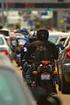 LANE SHARING: A GLOBAL SOLUTION FOR MOTORCYCLE SAFETY By Steve Guderian INTRODUCTION Motorcycle safety has proven to be a difficult traffic safety issue to address. Figure 1 1 provides an insight into
Myburgh Attorneys HAVE YOU BEEN INJURED IN A CAR ACCIDENT? DO YOU KNOW SOMEBODY WHO HAS BEEN INJURED IN A CAR ACCIDENT? WHAT ARE YOUR RIGHTS?
 Myburgh Attorneys HAVE YOU BEEN INJURED IN A CAR ACCIDENT? OR DO YOU KNOW SOMEBODY WHO HAS BEEN INJURED IN A CAR ACCIDENT? WHAT ARE YOUR RIGHTS? THE ROAD ACCIDENT FUND (RAF) The RAF was created to compensate
SENATE STAFF ANALYSIS AND ECONOMIC IMPACT STATEMENT
 SENATE STAFF ANALYSIS AND ECONOMIC IMPACT STATEMENT (This document is based only on the provisions contained in the legislation as of the latest date listed below.) BILL: CS/SB 958 SPONSOR: SUBJECT: Banking
ABCD F I N A N C I A L
 Surcharge Disclosure Statement ABCD F I N A N C I A L COUNTRY Preferred Insurance CompanyA P.O. Box 64035 St. Paul, MN 55164-0035 Your policy is rated using past experience (accidents and convictions)
Motorcycle Helmet Effectiveness Revisited
 TECHNICAL REPORT Motorcycle Helmet Effectiveness Revisited Motorcycle flips Stops ONE FOOT short of rider Rider comes to rest Unconscious Third bounce Left side Second bounce Motorcycle upside down Misses
CHAPTER 1 Land Transport
 Section 1 Road Transport - PART I - Summary of the Present Situation 1 Road Traffic Accident Trends 1-1 Long-term trends fell to below 6,000 for the first time in 54 years since 1953 Number of road traffic
POLICY INVOLVING VEHICLE USE ON OFFICIAL COLLEGE BUSINESS AUTOMOBILES & OTHER MOTORIZED VEHICLES Last update: August 9, 2011
 POLICY INVOLVING VEHICLE USE ON OFFICIAL COLLEGE BUSINESS AUTOMOBILES & OTHER MOTORIZED VEHICLES Last update: August 9, 2011 INTRODUCTION: Rollins College has many faculty, staff and students whose responsibilities