
We re all aware that neuroleptics
|
|
|
- Arron Warner
- 10 years ago
- Views:
Transcription
1 Subscribe today! Call The carlat report psychiatry an UNBIASED MONTHLY COVERING all things psychiatric A CME Publication Steve Balt, MD Editor-in-Chief Volume 12, Number 4 April IN THIS ISSUE Focus of the Month: Issues in Psychopharmacology The Facts on Tardive Dyskinesia 1 Expert Q&A: 1 David Mintz, MD Psychodynamic Psychopharmacology Research Updates: 6 Has Research Found a Reliable Depression Biomarker in Boys? News of Note 7 CME Test 7 Learning objectives for this issue: 1. Detail the causes and disease course of tardive dyskinesia. 2. Describe management and treatment options for tardive dyskinesia. 3. Explain psychodynamic psychopharmacology and how to use it in your practice. 4. Summarize some of the current findings in the literature regarding psychiatric treatment. The Facts on Tardive Dyskinesia Olga Waln, MD Neurologist Houston Methodist Neurological Institute, Department of Neurology Dr. Waln has disclosed that she has no relevant relationships or financial interests in any commercial company pertaining to this educational activity. We re all aware that neuroleptics and other dopamine-receptor blocking agents (DRBAs) can cause a variety of movement disorders, often referred to as extrapyramidal syndromes (EPS). Many EPS, such as acute dystonia, akathisia, or drug-induced parkinsonism, typically manifest within hours or days (sometimes a few weeks) after patients start neuroleptics, or after the dose is increased. Fortunately, these neurolepticinduced movement disorders are reversible, and the symptoms resolve soon after the causative medication is discontinued. This is not the case with tardive Q A & With the Expert Continued on page 2 In Summary Tardive dyskinesia is characterized by delayed-onset, drug-induced movement disorders that persist for months or even years after the drug is discontinued. Prevention of TD is paramount. If you must use a neuroleptic, choose atypicals if possible and take action as soon as you notice any sign of TD. Dopamine-depleting drugs such as tetrabenazine are the most effective medications for TD. Psychodynamic Psychopharmacology David Mintz, MD Fellow, American Academy of Psychoanalysis and Dynamic Psychiatry Staff psychiatrist, Austen Riggs Center, Stockbridge, MA Dr. Mintz has disclosed that he has no relevant relationships or financial interests in any commercial company pertaining to this educational activity. TCPR: Dr. Mintz, what is psychodynamic psychopharmacology? Dr. Mintz: Psychodynamic psychopharmacology is a way of thinking about treatment treatment resistance in particular. When patients don t respond to medications, it asks what else might be the problem besides just the wrong diagnosis or the wrong medications. It addresses the central role of meaning and interpersonal factors in psychopharmacologic outcomes. It doesn t tell you what to prescribe, but it gives guidance about how to prescribe to get the best results. Whereas evidence-based practice looks at how the patient is like other patients, psychodynamic psychopharmacology encourages consideration of what is unique about the patient (Mintz D & Belnap BA, J Amer Acad Psychoanalysis Dynamic Psychiatry 2006;34(4): ; Mintz D & Flynn D, Psychiatr Clin North Am 2012;35(1): ). Continued on page 4 April 2014 PAGE 1

2 The Facts on Tardive Dyskinesia Continued from page 1 dyskinesia (TD), a fascinating disorder, or rather a group of drug-induced movement disorders with distinct clinical presentations. The main differences between TD and other drug-induced movement disorders are: the delayed onset of the symptoms, hence the name tardive, and persistence of the symptoms for months or years after a causative drug was discontinued. According to DSM-5, TD can develop after neuroleptics are used for at least a few months, or an even shorter period in older patients, and lasts at least a few weeks. TD can also result from sudden discontinuation or dose reduction of a neuroleptic, emerging within four to eight weeks of withdrawal and persisting for longer. When the symptoms last fewer than four to eight weeks after discontinuation of the offending drug, it s called withdrawal-emergent dyskinesia (American Psychiatric Association. Diagnostic and statistical manual of mental EDITORIAL INFORMATION President and CEO: Steve Zisson Editor-in-Chief: Steve Balt, MD, is a psychiatrist in private practice in the San Francisco Bay area Executive Editor: Amy Harding, MA Editorial Board: Ronald C. Albucher, MD, director of counseling and psychological services, clinical associate professor of psychiatry, Stanford University, Palo Alto, CA Richard Gardiner, MD, psychiatrist in private practice in Potter Valley, CA Alan D. Lyman, MD, child and adolescent psychiatrist in private practice, New York City, NY James Megna, MD, PhD, director of inpatient psychiatry, associate professor of psychiatry and medicine at SUNY Upstate Medical University, Syracuse, NY Robert L. Mick, MD, contract physician in addiction medicine and military psychiatry in Bloomfield, NY Michael Posternak, MD, psychiatrist in private practice, Boston, MA Glen Spielmans, PhD, associate professor of psychology, Metropolitan State University, St. Paul, MN Marcia L. Zuckerman, MD, director of Psychiatric Services at Walden Behavioral Care in Waltham, MA All editorial content is peer reviewed by the editorial board. Dr. Albucher, Dr. Gardiner, Dr. Lyman, Dr. Megna, Dr. Mick, Dr. Posternak, Dr. Spielmans and Dr. Zuckerman have disclosed that they have no relevant financial or other interests in any commercial companies pertaining to this educational activity. Dr. Balt discloses that his spouse is employed as a sales representative for Otsuka America. This CME/CE activity is intended for psychiatrists, psychiatric nurses, psychologists and other health care professionals with an interest in the diagnosis and treatment of psychiatric disorders. disorders (5th ed.). Arlington, VA: American Psychiatric Publishing;2013). Epidemiology Up to 20% to 50% of patients treated with neuroleptics might develop TD, especially if they are treated with first generation, or typical antipsychotics. Second generation neuroleptics are associated with lower risk of TD (Correll CU et al, Am J Psychiatry 2004;161: ), although this has been contested (see TCPR, January 2013). Middle-age and elderly patients have about a 10-fold higher risk of developing TD after one year of treatment compared to younger patients. Although both genders can develop TD, postmenopausal women might be at higher risk. Tardive dystonia is the only exception as it occurs more often in younger males. Clinical Course and Types of TD Tardive dyskinesia has an insidious onset with evolution into a full syndrome over days and weeks, and a waxing and waning course. The symptoms persist for years or decades in most patients, even after discontinuation of an offending drug. The severity of TD can range from mild movements that the patient might not be aware of, to a very severe, disabling disease. Tardive dyskinesia can manifest as a variety of abnormal movements including stereotypy, dystonia, akathisia, tics, myoclonus, tremor, parkinsonism, or chorea (see box on this page) (Waln O & Jankovic J, Tremor Other Hyperkinet Mov 2013;3:1 11). Videos of these conditions can be found at gov/1iwtomc. Classic TD is the most common type of the disorder that manifests as repetitive oro-facial movements, or stereotypies, such as lip smacking, chewing, facial grimacing, tongue movements inside the mouth, and tongue popping out. Some patients with classic TD may also have stereotypic movements of the limbs or trunk such as foot tapping, piano-playing movements of fingers and toes, hands rubbing, trunk rocking, and swaying. Tardive akathisia is a feeling of internal restlessness that is usually uncomfortable and can be disabling. These patients appear restless and fidgety. They often rock in a chair, crossuncross legs when sitting, get up and pace on a spot, touch their face or scalp, or scratch themselves. Some can have repetitive moaning and grunting. Tardive dystonia can be generalized or focal, usually affecting tongue and facial muscles, and it has very characteristic features. Patients with tardive dystonia typically have opisthotonic trunk arching, neck retrocollis, adduction and pronation of arms with extension of the elbows, and flexion of the wrists. Tardive chorea in adult TD patients usually accompanies classic oro-facial dyskinesia. But in children, generalized chorea affecting mainly the trunk and limbs with no or minimal involvement of the oro-facial region, is a characteristic feature of withdrawal-emergent dyskinesia, a self-limiting condition typically resolving over several weeks. Tardive tics are clinically indistinguishable from motor and phonic tics of Tourette syndrome, but much older age at onset in conjunction with the history of chronic exposure to a DRBA would point towards tardive tics. Tardive tremor manifests as a high amplitude and low frequency postural, kinetic, and resting tremor with no other parkinsonian features such as bradykinesia, rigidity, or gait changes. Tardive myoclonus presents as postural jerk-like movements usually affecting upper extremities. Continued on page 3 Neuroleptic-Induced Movement Disorders Acute/Subacute (hours weeks) Acute dystonic reaction Acute akathisia Drug-induced parkinsonism Neuroleptic malignant syndrome (can also manifest after chronic exposure to neuroleptics) Tardive (months years) Classic tardive dyskinesia Tardive stereotypy Tardive dystonia Tardive akathisia Tardive tics (tardive tourettism) Tardive tremor Tardive myoclonus Tardive chorea Tardive parkinsonism Withdrawal emergent syndrome April 2014 PAGE 2

3 The Facts on Tardive Dyskinesia Continued from page 2 Tardive parkinsonism can be diagnosed if parkinsonian features (ie, rest tremor, bradykinesia, rigidity, gait changes) persist for several months or years after discontinuation of a DRBA. Note that drug-induced parkinsonism typically resolves within a few weeks after stopping an offending drug. Both conditions should have normal dopamine transporter SPECT imaging (DaTscan), as opposed to Parkinson s disease. About one third of TD patients might have a combination of two or more tardive syndromes. Etiology/Pathophysiology Although neuroleptics are the most common cause of TD, antiemetics, vasoactive medications, and other psychotropic drugs, such as antidepressants, can also cause TD (see box on this page). The pathophysiology of TD is still poorly understood (Waln O & Jankovic J, op.cit). One of the most popular theories about pathogenesis of TD is that chronic blockade of dopamine receptors in basal ganglia, particularly D2 and possibly D3, leads to the receptors upregulation (increasing in number) and supersensitivity to dopamine, producing a hyperkinetic movement disorder. Typical antipsychotics bind to D2 receptors stronger and for a longer time than newer generation neuroleptics, and therefore they carry a higher risk of causing TD. Atypical neuroleptics, particularly clozapine (Clozaril) and quetiapine (Seroquel), have the lowest D2 receptor Medications Associated with Tardive Dyskinesia Antipsychotics 1 st generation: haloperidol, loxapine, pimozide, chlorpromazine, thioridazine, trifluoperazine, prochlorperazine, perphenazine, fluphenazine, thiothixene 2 nd generation: ziprasidone, iloperidone, asenapine, clozapine, quetiapine, risperidone, paliperidone, olanzapine, amisulpride, aripiprazole Antiemetics droperidol, metoclopramide, chlorpromazine, prochlorperazine Antidepressants SSRI/SNRI: duloxetine, citalopram Tricyclic: amoxapine Lithium Calcium channel blockers flunarizine, cinnarizine Management of TD Prevention of TD is paramount. Whenever you can, avoid DRBAs and choose alternative medications or atypical neuroleptics with lower potential to cause TD. If you decide to use DRBAs in your patient, frequently re-assess the need to continue treatment and watch for symptoms of TD at every visit. Take action as soon as you notice signs of TD in your patient. The most important approach in treatment of TD is the removal of an offending drug as soon as possible. Remember, the longer patients with the symptoms of TD continue taking DRBAs, the lower their chances of recovery. But do not stop a DRBA abruptly; instead, taper it off slowly to avoid worsening of TD. Although we know that increasing the dose of a DRBA can temporarily improve the symptoms of TD, this strategy should be avoided and used only in the most severe cases when immediate control of the disabling TD symptoms is required. The dopamine-depleting drugs, reserpine (Serpalan) and tetrabenazine (Xenazine), are the most effective medications in any TD syndromes (see the table on page 5). Both medications prevent reuptake and recycling of the monoamines (including dopamine), thereby promoting their breakdown within the synaptic cleft. As a result, hypersensitive dopamine receptors receive reduced dopaminergic stimulation, thus improving hyperkinetic movements in the absence of dopamine-receptor blockade. Tetrabenazine is currently considered a first-line treatment option in TD if the symptoms persist after discontinuation of a DRBA. Despite this, the use of tetrabenazine remains off label. So far, it is FDA-approved only for Huntington s chorea, and is only available in the USA from a specialty pharmacy (see the manufacturer s website, com/hcp). This medication is usually well toler- Continued on page 5 occupancy and therefore a lower risk of TD. This receptor-supersensitivity theory makes sense if you recall that TD can manifest after sudden discontinuation of a neuroleptic, in which supersensitive dopamine receptors crave the drug. We also know that increasing the dose of a neuroleptic in patients who develop TD can temporarily improve the symptoms, possibly because the higher dose saturates the increased number of the receptors. But wouldn t you expect the receptors eventually to undergo downregulation, or decrease in number, after not being exposed to a DRBA for months? If so, TD symptoms should resolve, but this doesn t happen in many cases. The neurodegenerative hypothesis and oxidative stress hypothesis of TD may explain why. According to these theories, neurons may be irreversibly damaged by neurolepticinduced lipid peroxidation and free-radical formation, which causes persistent TD long after the discontinuation of the offending drug. The most recent maladaptive synaptic plasticity hypothesis attempts to connect all previous theories and fill the gaps between them (Teo JT et al, Mov Disord 2012;27: ). According to this hypothesis, D2-receptor hypersensitivity and neuronal damage caused by increased oxidative stress can result in the formation of abnormal new connections between basal ganglia and brain cortex, leading to abnormal movements that persist even after the offending drug is removed. The mechanism of TD caused by other, non-neuroleptic, medications is unclear. It is possible that increased levels of serotonin caused by SSRI and SNRI antidepressants can imitate an antidopaminergic effect on basal ganglia neurons similar to DRBAs, but this is not proven. You ve probably noticed from your own clinical experience that most patients taking antipsychotic medications for years do not develop TD, and the same medication regimen can cause different types and severity of TD. Does it mean there is genetic susceptibility for TD? Multiple gene candidates were recently found in association with TD, including genes coding for dopamine and serotonin receptors, antioxidative enzymes, and drug metabolism enzymes (Teo JT et al, op.cit). Therefore, although not a genetic disorder, TD might have a genetic predisposition. April 2014 PAGE 3

4 Expert Interview Continued from page 1 TCPR: What are some examples of those unique aspects of patients that influence outcomes? Dr. Mintz: There are dozens of psychosocial factors that affect medication outcomes. Patient preference is a potent one. It makes a huge difference if patients get the treatment that they want. For example, in one study, when patients with depression were randomized to a treatment they wanted either psychotherapy or psychopharmacology, about 50 percent got better. However, when people who wanted medication were randomized to the psychotherapy group, only a quarter of them got better. And when people who wanted psychotherapy were Health isn t just about an absence of symptoms; health is about resilience and being in charge of yourself. David Mintz, MD randomized to the psychopharmacology group, only about seven percent of them responded (Kocsis JH et al, J Clin Psychiatry 2009;70(3): ). Another important factor is whether the patient is ready to get better. We know, for example that when patients who are not ready to change (based on a readiness to change battery) are given a medication, they do worse than patients who are ready to change, even when these patients receive a placebo (Beitman BD et al, Anxiety 1994;1(2):64 69). TCPR: So we should be paying more attention to what our patients prefer. Dr. Mintz: Absolutely. Sometimes, when people come to a psychiatrist, we have already made up their minds for them in a way. This can stand in the way of our patients getting better. TCPR: What can you tell us about the doctor-patient alliance and its role in treatment? Dr. Mintz: It is really about giving the patient greater authority, bringing them in as a partner rather than establishing yourself as the one who knows best, even before you know what the patient wants. We psychiatrists have to pay attention to the fact that our environment applies considerable pressures upon us to objectify patients or to think about them in a biomedically reductionistic way. TCPR: Is there evidence that a good doctor-patient alliance improves outcomes? Dr. Mintz: Studies have found that patients with a good alliance receiving placebo had greater reductions in depression than patients in a poor alliance receiving an active drug (Krupnick JL et al, J Consult Clin Psychol 1996;64(3): ). Psychiatrists are sometimes not familiar with the evidence for the profound effect of psychosocial factors on outcomes, so familiarizing oneself with that evidence base goes a long way toward helping resist pressures to treat patients as if they are neurotransmitter soup. Furthermore, I think we need to know the patient; what he or she really wants. This is where the psychodynamic aspect comes in. A person may want to be rid of their depression on the surface, but beneath that there are likely to be more potent motivations, like the desire to be loved, or to escape some crushing burdens. And you, the psychiatrist, need to try to understand what your patient is most trying to get, and not make the assumption that the important thing is to stop this or that symptom. TCPR: But if we don t address symptoms and the underlying illness, but instead just give the patient what they want, then are we doing ultimately a disservice to the patient? Dr. Mintz: That is an interesting question. There is no alliance if either participant is simply submitting to the will of the other. Rather than reflexively giving them what they want, I would say that we should support them in getting what they want. We have to be guided by therapeutic principles. I m concerned, however, that we are not mental health professionals anymore; we have become mental illness professionals. Health isn t just about an absence of symptoms; health is about resilience and being in charge of yourself. It is useful to hold a developmental perspective, always asking what is it that will help the patient get where they want to go. And that may mean not treating symptoms at times because treatments can also get in the patient s way. For example, a patient who requires four milligrams of Klonopin a day to eliminate anxiety might be just too compromised to achieve their goals. To what extent do you want to really participate in that? We are not simply trying to get rid of symptoms; we are trying to help people get back into life. TCPR: Can you tell us about the role of the placebo effect in psychopharmacology? Dr. Mintz: Studies suggest that placebo effects may account for more than three quarters of the effects of medications, or at least antidepressants. The thing is, placebo effects are real. You can lower blood pressure, you can cure ulcers. Depression is often so difficult to treat that we should be using every tool in our armamentarium, including optimizing the relationship and mobilizing the placebo effect. TCPR: You have written about patients being ambivalent about symptoms. Can you describe what that means, how to identify it, and then how to use that in our treatment? Dr. Mintz: Patients are in conflict; they want many things at different levels. Patients are often ambivalent about taking their pills because they expect to be harmed, more even than they think they will be helped. Similarly, the most ill patients often have experienced profound powerlessness in their lives, and find that they can be more powerful in their illness than they ever were in health. So I always keep in mind that patients may become attached, consciously or unconsciously, to covert benefits of their illnesses. TCPR: What are counter-therapeutic uses of medications, which you have also spoken about? Dr. Mintz: One example is when the patient learns to rely on medication instead of relying on people. They have come to the April 2014 PAGE 4 Continued on page 5

5 The Facts on Tardive Dyskinesia Continued from page 3 ated; however it can cause or exacerbate depression, produce daytime somnolence, akathisia, and parkinsonism, especially in higher doses. Reserpine can cause the same side effects but also orthostatic hypotension and diarrhea; therefore it is used less often. Other, less studied medications showed some symptomatic improvement in TD according to small studies and case reports. Among those medications are amantadine (Symmetrel), clonazepam (Klonopin) and other benzodiazepines, baclofen (Lioresal), valproic acid (Depakene), zolpidem (Ambien), donepezil (Aricept), lithium, antioxidants, zonisamide (Zonegran), vitamin B6, and melatonin. Anticholinergic medication like trihexyphenidyl (Artane) and benztropine can be effective in tardive dystonia but can exacerbate other types of TD. Botulinum toxin injections are often used for treatment of focal dyskinesia and tardive dystonia. In the most severe and refractory cases of TD, surgical treatment such as pallidotomy or deep brain Treatment of Tardive Dyskinesia Medication Dose (starting / maintenance) Comments Slowly taper off an offending drug Dopamine-depleting drugs: Tetrabenazine Reserpine mg / mg (sometimes up to 200 mg daily) 0.25 mg / mg stimulation can be considered. TD can manifest as a variety of movement disorders and can be caused by medications other than first-generation antipsychotics. Early recognition of TD TCPR S VERDICT: symptoms and discontinuation of the offending drug can improve prognosis in TD patients. Tetrabanazine is the first-line in treatment of any type of TD. Depending on the dose, taper off over a few weeks. First line drug in TD but monitor for worsening of depression, drug-induced parkinsonism (dose-dependent). Rarely used now due to peripheral side effects. Amantadine 100 mg / mg Mild effect if any. Possibly works by blocking glutamate receptors (Angus S et al, J Clin Psychopharmacol 1997;17(2):88 91). GABA-ergic drugs: Baclofen Benzodiazepines Valproic acid Anticholinergic drugs: Trihexyphenidyl Benztropine 5 10 mg / mg 0.5 mg / 1 4 mg for clonazepam 500 mg / mg 1 mg / 4 32 mg 0.5 mg / 1 2 mg Mild effect if any, side effects might outweigh benefits (Alabed S et al, Cochrane Database Syst Rev 2011;Apr 13(4):CD000203). Of benzodiazepines, clonazepam is most commonly used (Thaker GK et al, Arch Gen Psychiatry 1990;47(10):980). Use only in tardive dystonia. Can worsen other types of TD. Botulinum toxin Variable doses Use especially in focal dyskinesia/dystonia. Can be combined with oral drugs. Zolpidem 5 mg / mg Does not cause drowsiness in some patients with TD (Waln O & Jankovic J, Mov Disord 2013;28(12): ). Other medications: (donepezil, vitamin E, vitamin B6, lithium, melatonin) Variable doses Very questionable effectiveness, rarely used in clinical practice. Expert Interview Continued from page 4 conclusion that you can t count on people, but your pills will be there for you. And so they get upset and they turn to their medications; their world becomes increasingly depopulated because they turn less and less to people, and they are caught in a depressing vicious circle. This person is never going to stop being depressed because of the way he uses medications to avoid healthy developmental steps. TCPR: Many outside influences keep us from approaching our patients in the ways you re talking about. Can you talk about some of these factors? Dr. Mintz: The concept of the 15-minute med check is probably the most destructive thing in psychiatry, because it already presupposes that all you are there to do is check the meds, and the person is left out of it. Our whole idea of the 15-minute med check is a massive experiment. There is no evidence base whatsoever for working this way. Most drug trials are done in environments where there is a tremendous amount of human contact. Patients are seen weekly, often with additional supports like nurses. To the extent that psychosocial factors matter, it is totally unfounded for us to be generalizing from that environment to the environment of the 15-minute med check. TCPR: How, then, can we build this alliance? Dr. Mintz: I don t think it is so much about the time, but about the stance you take: that you and your patient are partners. Continued on page 6 April 2014 PAGE 5

6 Research Updates In Psychiatry Section Editor, Glen Spielmans, PhD Glen Spielmans, PhD, has disclosed that he has no relevant financial or other interests in any commercial companies pertaining to this educational activity. depression uted among four classes, representing high cortisol (mean approximately 4 6 ng/ml) or low cortisol (2 3 ng/ml), as well as high or low depressive symptoms. The odds of developing major depression increased across the four classes, with the lowest risk in class 1 (low cortisol and low depressive symptoms, 31% of the sample) and the highest in class 4 (high cortisol and high depressive symptoms, 17%). Sex differences were also apparent. Male students who had both elevated depressive symptoms and elevated cortisol levels had significantly greater odds of developing a diagnosis of MDD compared to boys with low symptoms and low cortisol (OR=14.7, 95% CI: ). In girls, only depressive symptoms were significantly correlated with the onset of depression (OR=3.5 or 3.9 for high or low cortisol, respectively). The researchers also found that the students (both male and female) with elevated depressive symptoms and high cortisol demonstrated more overgen- Has Research Found a Reliable Depression Biomarker in Boys? A major obstacle in the prevention of depression is the lack of a predictive biomarker in individuals who later develop the disorder. British researchers have shown that the combination of a physiological biomarker salivary cortisol and the presence of depressive symptoms might be used to predict the development of major depression in adolescents. Two cohorts (n=660 and 1,198) of British students (mean ages 13.7 and 14.5 years, respectively) participated in this longitudinal study. At baseline, earlymorning salivary cortisol was measured daily over a four-day period; subjects also completed the Moods and Feelings Questionnaire (MFQ) and a battery of other neuropsychological tests. Followup interviews were conducted one to three years later. Subjects were fairly evenly distriberal memory, a tendency to recall general features of autobiographical events rather than specific details, and suggest that efforts to enhance the specificity of memories in such individuals may be one way to intervene and, perhaps, prevent the onset of depression (Owens M et al, Proc Natl Acad Sci US 2014;111(9): ). TCPR s Take: This study is another in a recent wave of research to identify biomarkers of mental illness. Notably, this study takes into account multiple features (cognitive, emotional, endocrine) to define a specific depressive phenotype, something lacking in the present DSM, and develops testable hypotheses for the prediction and possible prevention of major depression, even though it remains unclear why this particular combination increases the odds of depression in boys only. This research also identifies a possible nonpharmacological approach namely, cognitive training to target overgeneral memory to prevent later onset of depression. Expert Interview Continued from page 5 Research in primary care settings has found that eliciting patient preferences takes no extra time. So a lot of this is a false assumption that you need hours and hours to build this kind of alliance. TCPR: Many of us are being asked to perform measurement-based care, where we might be measuring outcomes that are just not relevant to the patient. Is this reality of practice still compatible with establishing a decent alliance with the patient? Dr. Mintz: That is definitely a problem. Psychopharmacologic treatment resistance has doubled every five years since the early 80s. There has been a 3,200 percent increase in references to treatment-resistant psychiatric conditions during that time period. And I think it is in part due to a shift in the delivery of care, which promotes an objectifying approach to the patient. Now this includes things like engaging with a computer screen instead of a patient. However, since about 2009 there has been an increasing amount of attention to psychosocial factors in the prescribing process. TCPR: What was special about 2009? Dr. Mintz: The philosopher of science Thomas Kuhn said that scientific revolutions occur because the science gets better and better until it starts encountering its limits. The paradox of our focus on evidence-based practice is that it became clear that far too few of our patients are recovering on medications. So, in 2009 and the beginning of 2010 you started to see a slew of articles coming out into popular media Time, Newsweek, The Wall Street Journal, and The New York Times about the limitations of antidepressants and stating that there is a lot more for us to do to address the problems that our patients have. TCPR: You are proposing that there is a lot of treatment resistance and it might be due to the failed alliance between the prescriber and patient, and that when done properly, the medications plus the alliance together will be successful. Dr. Mintz: At least more successful. Obviously, I am not claiming it is a panacea. Our medications remain limited in terms of their biological effectiveness and our psychosocial approach may support effectiveness or detract from it. Treatment resistance is a real problem, and so we should be using every evidence-based tool we have to help our patients get better. Continued on page 8 April 2014 PAGE 6

7 CME Post-Test This CME post-test is intended for participants only seeking AMA PRA Category 1 Credit TM. For those seeking ABPN self-assessment (MOC) credit, a 13 question pre- and post-test must be taken online. For all others, to earn CME or CE credit, you must read the articles and log on to www. TheCarlatReport.com to take the post-test. You must answer at least four questions correctly to earn credit. You will be given two attempts to pass the test. Tests must be taken by April 30, As a subscriber to TCPR, you already have a username and password to log on To obtain your username and password or if you cannot take the test online, please [email protected] or call The Carlat CME Institute is accredited by the Accreditation Council for Continuing Medical Education to provide continuing medical education for physicians. Carlat CME Institute is also approved by the American Psychological Association to sponsor continuing education for psychologists. Carlat CME Institute maintains responsibility for this program and its content. Carlat CME Institute designates this enduring material educational activity for a maximum of one (1) AMA PRA Category 1 Credit TM or 1 CE for psychologists. Physicians or psychologists should claim credit commensurate only with the extent of their participation in the activity. Below are the questions for this month s CME post-test. This page is intended as a study guide. Please complete the test online at Note: Learning objectives are listed on page Classic tardive dyskinesia is characterized by which of the following (Learning Objective #1)? [ ] a) A feeling of internal restlessness that is usually uncomfortable and can be disabling [ ] b) Repetitive oro-facial movements, or stereotypies, such as lip smacking, chewing, facial grimacing, tongue movements inside the mouth, and tongue popping out [ ] c) High amplitude and low frequency postural, kinetic, and resting tremor with no other parkinsonian features such as bradykinesia, rigidity, or gait changes [ ] d) Postural jerk-like movements usually affecting upper extremities 2. The most effective medications in treating any TD syndromes include which of the following (LO #2)? [ ] a) Tetrabenazine (Xenazine) and reserpine (Serpalan) [ ] b) Haloperidol (Haldol) and loxapine (Loxitane) [ ] c) Amantadine (Symmetrel) [ ] d) Donepezil (Aricept) and lithium 3. Studies have found that patients with a good doctor-patient alliance who received placebo had what outcome when compared to patients in a poor alliance receiving an active drug (LO #3)? [ ] a) Patients with a good alliance receiving placebo had similar changes in depression scores when compared to patients in a poor alliance receiving active drug [ ] b) Patients with a good alliance receiving placebo experienced worsening of depression, compared to patients in a poor alliance receiving active drug [ ] c) Patients with a good alliance receiving placebo had greater reduction in depression than patients in a poor alliance receiving active drug 4. According to Dr David Mintz, research in primary care settings has found that eliciting patient preferences takes how much extra time per visit (LO #3)? [ ] a) 30 minutes [ ] b) 15 minutes [ ] c) 10 minutes [ ] d) eliciting patient preferences takes no extra time 5. In the Owens M et al study of biomarkers for depression, male students in which group were at the greatest risk of developing depression (LO #4)? [ ] a) High depressive symptoms and high cortisol [ ] b) High depressive symptoms and low cortisol [ ] c) Low depressive symptoms and high cortisol [ ] d) Low depressive symptoms and low cortisol Please Note: We can award CME credit only to Paid subscribers Stem-Cell Research Reveals Differences in Bipolar Disorder Neurons A team of scientists from the University of Michigan Medical School studied a line of stem cells derived from patients with bipolar disorder to determine what, if any, differences could be found between these and the cells of people without the disorder. The cells, called induced pluripotent stem cells (ipsc), were created by converting skin cells from patients or controls into stem cells. The team then News of Note allowed these cells to develop into neurons in vitro. The team found that the cells from patients with bipolar disorder were different in how they express certain genes, how they differentiate into neurons, how they communicate, and how they respond to lithium, said scientist Sue O Shea, PhD, in a statement. Specifically, the cells showed significant differences in their expression of cell-surface receptors and calcium channels, and in how the cells behaved when treated with lithium. The cells also differentially expressed genes involved in migration to certain brain areas during development. The scientists say they hope this research helps pave the way for studying treatments at a cellular level rather than through trial and error in human subjects, and that the ipsc cell lines themselves provide an important resource for comparison with other neurodevelopmental disorders. Their findings were published online on March 25 in the journal Translational Psychiatry ( bit.ly/1mug1qk). April 2014 PAGE 7

8 Expert Interview Continued from page 6 TCPR: This all sounds great from a theoretical standpoint. But does this require anything extra to practice this way? Dr. Mintz: There are a lot of simple things that anybody can do, beginning with resisting pressures to think reductionistically about patients. Ask patients what they want, ask what they might stand to lose if treatment works, and understand something about their lives and their relationships. If you know, for instance, that this person is scared of dependency in relationships, you could anticipate that if a medication works, it might frighten them. Then you can begin to address that fear with them, before it leads to treatment discontinuation. That, I think, any psychologically-minded person can do. I have begun to regret the term psychodynamic psychopharmacology because my other acronym for it would be JPOGCC (just plain old good clinical care), and I think that is something that is ideally a part of doctoring, whatever you are doing. I am optimistic that with the pendulum swinging we will see more research on psychosocial aspects of medications, and as the ball gets rolling, the field of psychiatry will be in a better position to resist care delivery models that really promote an objectification of the patient. TCPR: Thank you, Dr. Mintz. April 2014 PAGE 8 Yes! I would like to try The Carlat Psychiatry Report for one year. I may cancel my subscription at any time for a full refund if not completely satisfied. Regular subscriptions $109 Institutions $149 International Add $20 to above rates Please send me the TCPR Binder $14.99 Enclosed is my check for Please charge my Visa MasterCard Amex Card # Exp. Date Signature Name Address City State Zip Phone Please make checks payable to Carlat Publishing, LLC Send to The Carlat Psychiatry Report, P.O. Box 626, Newburyport, MA Or call toll-free or fax to Or subscribe online at The Carlat Child Psychiatry Report The carlat report: Psychiatry P.O. Box 626 Newburyport, MA CCPR offers all of the same great features as TCPR, with a focus on child psychiatry. One year: $129 Two years: $229 To subscribe, visit This Month s Focus: Issues in Psychopharmacology Next month in The Carlat Psychiatry Report: Psychiatric Diagnosis DSM-5 and Beyond

Understanding Antipsychotic Medications
 Understanding Antipsychotic Medications NARSAD RESEARCH National Alliance for Research on Schizophrenia and Depression 60 Cutter Mill Road, Suite 404 Great Neck, NY 11021 516-829-0091 1-800-829-8289 516-487-6930
What You Need to Know About Xenazine
 Note to Healthcare Professionals: Please provide this guide to your patient or your patient s caregiver. What You Need to Know About Xenazine (tetrabenazine) Patient/Caregiver Counseling Guide This guide
Chapter 18 Drugs Used for Psychoses Learning Objectives Identify signs and symptoms of psychotic behavior Describe major indications for the use of
 Chapter 18 Drugs Used for Psychoses Learning Objectives Identify signs and symptoms of psychotic behavior Describe major indications for the use of antipsychotic agents Identify common adverse effects
PSYCHOPHARMACOLOGY AND WORKING WITH PSYCHIATRY PROVIDERS. Juanaelena Garcia, MD Psychiatry Director Institute for Family Health
 PSYCHOPHARMACOLOGY AND WORKING WITH PSYCHIATRY PROVIDERS Juanaelena Garcia, MD Psychiatry Director Institute for Family Health Learning Objectives Learn basics about the various types of medications that
Advances in MOvEMEnt DIsOrDErs:
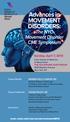 Advances in MOvEMEnt DIsOrDErs: The NYC Movement Disorder CME Symposium sunday, April 7, 2013 Icahn School of Medicine at Mount Sinai the goldwurm AuDItOrIuM New York, NY Course Director Course Co-Director
Bipolar Disorder. Mania is the word that describes the activated phase of bipolar disorder. The symptoms of mania may include:
 Bipolar Disorder What is bipolar disorder? Bipolar disorder, or manic depression, is a medical illness that causes extreme shifts in mood, energy, and functioning. These changes may be subtle or dramatic
Emergency Room Treatment of Psychosis
 OVERVIEW The term Lewy body dementias (LBD) represents two clinical entities dementia with Lewy bodies (DLB) and Parkinson s disease dementia (PDD). While the temporal sequence of symptoms is different
Treatments for Major Depression. Drug Treatments The two (2) classes of drugs that are typical antidepressants are:
 Treatments for Major Depression Drug Treatments The two (2) classes of drugs that are typical antidepressants are: 1. 2. These 2 classes of drugs increase the amount of monoamine neurotransmitters through
Contemporary Psychiatric-Mental Health Nursing. Assessing the Effectiveness of Medications. Administering Medications
 Contemporary Psychiatric-Mental Health Nursing Chapter 32 Psychopharmacologic Nursing Interventions Assessing the Effectiveness of Medications Include how well the medications are helping the client to
Depression is a medical illness that causes a persistent feeling of sadness and loss of interest. Depression can cause physical symptoms, too.
 The Family Library DEPRESSION What is depression? Depression is a medical illness that causes a persistent feeling of sadness and loss of interest. Depression can cause physical symptoms, too. Also called
I. The Positive Symptoms...Page 2. The Negative Symptoms...Page 2. Primary Psychiatric Conditions...Page 2
 SUTTER PHYSICIANS ALLIANCE (SPA) 2800 L Street, 7 th Floor Sacramento, CA 95816 SPA PCP Treatment & Referral Guideline Assessment & Treatment of Psychosis Developed March 1, 2003 Revised September 21,
Chapter 28. Drug Treatment of Parkinson s Disease
 Chapter 28 Drug Treatment of Parkinson s Disease 1. Introduction Parkinsonism Tremors hands and head develop involuntary movements when at rest; pin rolling sign (finger and thumb) Muscle rigidity arthritis
Summary of the risk management plan (RMP) for Aripiprazole Pharmathen (aripiprazole)
 EMA/303592/2015 Summary of the risk management plan (RMP) for Aripiprazole Pharmathen (aripiprazole) This is a summary of the risk management plan (RMP) for Aripiprazole Pharmathen, which details the measures
Dementia & Movement Disorders
 Dementia & Movement Disorders A/Prof Michael Davis Geriatrician ACT Health & GSAHS ANU Medical School Eastern Dementia Network Aged and Dementia Care Symposium Bateman s Bay, 22 October 2010 Types of Dementia
Depression is a common biological brain disorder and occurs in 7-12% of all individuals over
 Depression is a common biological brain disorder and occurs in 7-12% of all individuals over the age of 65. Specific groups have a much higher rate of depression including the seriously medically ill (20-40%),
Depression & Multiple Sclerosis
 Depression & Multiple Sclerosis Managing specific issues Aaron, diagnosed in 1995. The words depressed and depression are used so casually in everyday conversation that their meaning has become murky.
Parkinson's s disease - a
 Parkinson's Disease Parkinson's s disease - a progressive disorder of the nervous system that affects movement. The most common perception of Parkinson s is the patient having tremors. Hands shaking, inability
Background. Population/Intervention(s)/Comparator/Outcome(s) (PICO)
 updated 2012 Role of anticholinergic medications in patients requiring long-term antipsychotic treatment for psychotic disorders Q6: In individuals with psychotic disorders (including schizophrenia) who
Below, this letter outlines [patient name] s medical history, prognosis, and treatment rationale.
![Below, this letter outlines [patient name] s medical history, prognosis, and treatment rationale.](/thumbs/25/5563775.jpg "Below, this letter outlines [patient name] s medical history, prognosis, and treatment rationale.") [Date] [Name of Contact] [Title] [Name of Health Insurance Company] [Address] [City, State, Zip Code] Insured: [Patient Name] Policy Number: [Number] Group Number: [Number] Diagnosis: [Diagnosis and ICD-9-CM
[Date] [Name of Contact] [Title] [Name of Health Insurance Company] [Address] [City, State, Zip Code] Insured: [Patient Name] Policy Number: [Number] Group Number: [Number] Diagnosis: [Diagnosis and ICD-9-CM
Preferred Practice Guidelines Bipolar Disorder in Children and Adolescents
 These Guidelines are based in part on the following: American Academy of Child and Adolescent Psychiatry s Practice Parameter for the Assessment and Treatment of Children and Adolescents With Bipolar Disorder,
Medications for Huntington s Disease Vicki Wheelock, M.D.
 Medications for Huntington s Disease Vicki Wheelock, M.D. Director, HDSA Center of Excellence at UC Davis June 4, 2013 Outline Introduction and disclaimers Medications for cognitive symptoms Medications
Overview of Mental Health Medication Trends
 America s State of Mind Report is a Medco Health Solutions, Inc. analysis examining trends in the utilization of mental health related medications among the insured population. The research reviewed prescription
Psychotic Disorder. Psychosis. Psychoses may be caused by: Examples of Hallucinations and Delusions 12/12/2012
 Psychosis Psychotic Disorder Dr Lim Boon Leng Psychiatrist and Medical Director Dr BL Lim Centre For Psychological Wellness Tel: 64796456 Email: [email protected] Web: www.psywellness.com.sg A condition
Thorazine (chlorpromazine)
 Generic name: Chlorpromazine Available strengths: 10 mg, 25 mg, 50 mg, 100 mg, 200 mg tablets; 100 mg/ml oral concentrate; 25 mg/ml injection Available in generic: Yes Drug class: First-generation (conventional)
Medications for bipolar disorder
 Medications for bipolar disorder Findings from Australian National Survey of Mental Health and Wellbeing (Mitchell et al, 2004) In 12 months, only one-third saw a mental health professional 40% received
BIPOLAR DISORDER A GUIDE FOR INDIVIDUALS AND FAMILIES FOR THE TREATMENT OF BIPOLAR DISORDER IN ADULTS
 BIPOLAR DISORDER A GUIDE FOR INDIVIDUALS AND FAMILIES FOR THE TREATMENT OF BIPOLAR DISORDER IN ADULTS A publication of the Massachusetts Department of Mental Health and the Massachusetts Division of Medical
CENTRAL NERVOUS SYSTEM MANAGEMENT OF PARKINSON S DISEASE
 MANAGEMENT CENTRAL NERVOUS SYSTEM MANAGEMENT OF PARKINSON S DISEASE Parkinson s Disease is classically determined by the triad or rest tremor (usually starting in one arm) with bradykinesia (slowing of
Journal Club. Parkinsonismo iatrogeno
 PROGETTO UNIVA 2013 Journal Club Parkinsonismo iatrogeno Pietro Gareri, MD, PhD Geriatra ASP Catanzaro Lamezia Terme 3 Luglio 2013 Drug-induced parkinsonism (DIP) was recognized in the early 1950s as a
Understanding. Depression. The Road to Feeling Better Helping Yourself. Your Treatment Options A Note for Family Members
 TM Understanding Depression The Road to Feeling Better Helping Yourself Your Treatment Options A Note for Family Members Understanding Depression Depression is a biological illness. It affects more than
Depression in Older Persons
 Depression in Older Persons How common is depression in later life? Depression affects more than 6.5 million of the 35 million Americans aged 65 or older. Most people in this stage of life with depression
DRUG-INDUCED MOVEMENT DISORDERS
 142 KEY POINTS: A A A Drug-induced parkinsonism is clinically indistinguishable from idiopathic Parkinson s disease and may occur as a symmetric or asymmetric phenomenon. The most effective treatment for
Algorithm for Initiating Antidepressant Therapy in Depression
 Algorithm for Initiating Antidepressant Therapy in Depression Refer for psychotherapy if patient preference or add cognitive behavioural office skills to antidepressant medication Moderate to Severe depression
A Manic Episode is defined by a distinct period during which there is an abnormally and persistently elevated, expansive, or irritable mood.
 Bipolar disorder Bipolar (manic-depressive illness) is a recurrent mode disorder. The patient may feel stable at baseline level but experience recurrent shifts to an emotional high (mania or hypomania)
Comorbid Conditions in Autism Spectrum Illness. David Ermer MD June 13, 2014
 Comorbid Conditions in Autism Spectrum Illness David Ermer MD June 13, 2014 Overview Diagnosing comorbidities in autism spectrum illnesses Treatment issues specific to autism spectrum illnesses Treatment
What is PD? Dr Catherine Dotchin MD MRCP Consultant Geriatrician
 What is PD? Dr Catherine Dotchin MD MRCP Consultant Geriatrician Overview of presentation Case history Video example pre and post treatment Historical review PD in the UK Epidemiology and aetiology Making
An Introduction to Lewy Body Dementia
 An Introduction to Lewy Body Dementia A special publication for people newly diagnosed with Lewy body dementia and those still seeking answers. You don t have to face LBD alone. Increasing Knowledge Sharing
Care Manager Resources: Common Questions & Answers about Treatments for Depression
 Care Manager Resources: Common Questions & Answers about Treatments for Depression Questions about Medications 1. How do antidepressants work? Antidepressants help restore the correct balance of certain
Summary of the risk management plan (RMP) for Rasagiline ratiopharm (rasagiline)
 EMA/744222/2014 Summary of the risk management plan (RMP) for Rasagiline ratiopharm (rasagiline) This is a summary of the risk management plan (RMP) for Rasagiline ratiopharm, which details the measures
THE DEPRESSION RESEARCH CLINIC Department of Psychiatry and Behavioral Sciences Stanford University, School of Medicine
 THE DEPRESSION RESEARCH CLINIC Department of Psychiatry and Behavioral Sciences Stanford University, School of Medicine Volume 1, Issue 1 August 2007 The Depression Research Clinic at Stanford University
Depression & Multiple Sclerosis. Managing Specific Issues
 Depression & Multiple Sclerosis Managing Specific Issues Feeling blue The words depressed and depression are used so casually in everyday conversation that their meaning has become murky. True depression
GUIDELINES FOR USE OF PSYCHOTHERAPEUTIC MEDICATIONS IN OLDER ADULTS
 GUIDELINES GUIDELINES FOR USE OF PSYCHOTHERAPEUTIC MEDICATIONS IN OLDER ADULTS Preamble The American Society of Consultant Pharmacists has developed these guidelines for use of psychotherapeutic medications
Conjoint Professor Brian Draper
 Chronic Serious Mental Illness and Dementia Optimising Quality Care Psychiatry Conjoint Professor Brian Draper Academic Dept. for Old Age Psychiatry, Prince of Wales Hospital, Randwick Cognitive Course
DEMENTIA EDUCATION & TRAINING PROGRAM
 The pharmacological management of aggression in the nursing home requires careful assessment and methodical treatment to assure maximum safety for patients, nursing home residents and staff. Aggressive
Update on guidelines on biological treatment of depressive disorder. Dr. Henry CHEUNG Psychiatrist in private practice
 Update on guidelines on biological treatment of depressive disorder Dr. Henry CHEUNG Psychiatrist in private practice 2013 update International Task Force of World Federation of Societies of Biological
PARKINSON S DISEASE AND PARKINSONISM. Dr Phil Wood Geriatrician, Waitemata DHB Clinical Unit Leader, Waikato DHB
 PARKINSON S DISEASE AND PARKINSONISM Dr Phil Wood Geriatrician, Waitemata DHB Clinical Unit Leader, Waikato DHB OUTLINE Covering:- Why this is an important area of Medical and Psychiatric care The variety
1695 N.W. 9th Avenue, Suite 3302H Miami, FL. 33136. Days and Hours: Monday Friday 8:30a.m. 6:00p.m. (305) 355 9028 (JMH, Downtown)
 UNIVERSITY OF MIAMI, LEONARD M. MILLER SCHOOL OF MEDICINE CLINICAL NEUROPSYCHOLOGY UHEALTH PSYCHIATRY AT MENTAL HEALTH HOSPITAL CENTER 1695 N.W. 9th Avenue, Suite 3302H Miami, FL. 33136 Days and Hours:
Clinical Psychopharmacology
 Clinical Psychopharmacology Antiparkinsonian drugs Department of Pharmacy, GGZ WNB Chair on Pharmacotherapy in Psychiatric Patients/Anton Loonen May 2015 2 Basal ganglia diseases Parkinson s disease and
PARKINSON S DISEASE IN LONG-TERM-CARE SETTINGS
 PARKINSON S DISEASE IN LONG-TERM-CARE SETTINGS De Anna Looper, RN CHPN Corporate Clinical Consultant / Legal Nurse Consultant Carrefour Associates L.L.C. PARKINSON S DISEASE IN LONG-TERM-CARE SETTINGS
DEPRESSION DURING THE TRANSITION TO MENOPAUSE: A Guide for Patients and Families
 DEPRESSION DURING THE TRANSITION TO MENOPAUSE: A Guide for Patients and Families David A. Kahn, MD, Margaret L. Moline, PhD, Ruth W. Ross, MA, Lori L. Altshuler, MD, and Lee S. Cohen, MD www.womensmentalhealth.org
A BRIEF OVERVIEW OF PSYCHOTROPIC MEDICATION USE FOR PERSONS WITH INTELLECTUAL DISABILITIES
 INTRODUCTION A BRIEF OVERVIEW OF PSYCHOTROPIC MEDICATION USE FOR PERSONS WITH INTELLECTUAL DISABILITIES Individuals with intellectual disabilities are not uncommonly prescribed psychotropic medications.
Obsessive Compulsive Disorder: a pharmacological treatment approach
 Obsessive Compulsive Disorder: a pharmacological treatment approach Professor Alasdair Vance Head, Academic Child Psychiatry Department of Paediatrics University of Melbourne Royal Children s Hospital
ATYPICALS ANTIPSYCHOTIC MEDICATIONS
 The atypical antipsychotics are a class of drugs that are used to treat a number of behavioral health disorders, including schizophrenia, other psychotic disorders, mood disorders, and behavioral agitation
COMPREHENSIVE MANAGEMENT OF THE ELDERLY PATIENT WITH MANIA
 COMPREHENSIVE MANAGEMENT OF THE ELDERLY PATIENT WITH MANIA Manic depressive illness is a biological brain disorder that produces significant alterations of mood and psychosis. Mania in the elderly occurs
Delusions are false beliefs that are not part of their real-life. The person keeps on believing his delusions even when other people prove that the be
 Schizophrenia Schizophrenia is a chronic, severe, and disabling brain disorder which affects the whole person s day-to-day actions, for example, thinking, feeling and behavior. It usually starts between
Drug-induced Parkinsonism
 Drug-induced Parkinsonism Terms highlighted in bold italic are defined in the glossary at the end of this information sheet. What is drug-induced parkinsonism? About 7% of people with parkinsonism have
CLINICIAN INTERVIEW COMPLEXITIES OF BIPOLAR DISORDER. Interview with Charles B. Nemeroff, MD, PhD
 COMPLEXITIES OF BIPOLAR DISORDER Interview with Charles B. Nemeroff, MD, PhD Dr Nemeroff is the Reunette W. Harris Professor and Chairman of the Department of Psychiatry and Behavioral Sciences at Emory
in young people Management of depression in primary care Key recommendations: 1 Management
 Management of depression in young people in primary care Key recommendations: 1 Management A young person with mild or moderate depression should typically be managed within primary care services A strength-based
Professional Certificate in Primary Care Psychology
 Professional Certificate in Primary Care Psychology The NAPPP Primary Care Psychology Certificate training program requires the completion of 10 courses. Each course awards 15 CE credit hours. NAPPP is
Medication Side Effects:
 Medication Side Effects: Staying Healthy While on Psychotropic Medications Megan Maroney PharmD, BCPP Clinical Assistant Professor Ernest Mario School of Pharmacy Rutgers the State University of New Jersey
PARTNERSHIP HEALTHPLAN OF CALIFORNIA MEDI-CAL PROVIDER MANUAL CLAIMS DEPARTMENT
 PARTNERSHIP HEALTHPLAN OF CALIFORNIA MEDI-CAL PROVIDER MANUAL CLAIMS DEPARTMENT X.J. Mental Health Services 1. For claims with dates of service on or before January 1, 2014: Mental Health Services are
Presently, there are no means of preventing bipolar disorder. However, there are ways of preventing future episodes: 1
 What is bipolar disorder? There are two main types of bipolar illness: bipolar I and bipolar II. In bipolar I, the symptoms include at least one lifetime episode of mania a period of unusually elevated
Depression and its Treatment in Older Adults. Gregory A. Hinrichsen, Ph.D. Geropsychologist New York City
 Depression and its Treatment in Older Adults Gregory A. Hinrichsen, Ph.D. Geropsychologist New York City What is Depression? Everyday use of the word Clinically significant depressive symptoms : more severe,
MEDICATIONS AND TOURETTE S DISORDER: COMBINED PHARMACOTHERAPY AND DRUG INTERACTIONS. Barbara Coffey, M.D., Cheston Berlin, M.D., Alan Naarden, M.D.
 MEDICATIONS AND TOURETTE S DISORDER: COMBINED PHARMACOTHERAPY AND DRUG INTERACTIONS Barbara Coffey, M.D., Cheston Berlin, M.D., Alan Naarden, M.D. Introduction Tourette Syndrome (TS) or Tourette s Disorder
AUTISM SPECTRUM DISORDERS
 AUTISM SPECTRUM DISORDERS JAGWINDER SANDHU, MD CHILD, ADOLESCENT AND ADULT PSYCHIATRIST 194 N HARRISON STREET PRINCETON, NJ 08540 PH: 609 751 6607 Staff Psychiatrist Carrier clinic Belle Mead NJ What is
Alcohol Overuse and Abuse
 Alcohol Overuse and Abuse ACLI Medical Section CME Meeting February 23, 2015 Daniel Z. Lieberman, MD Professor and Vice Chair Department of Psychiatry George Washington University Alcohol OVERVIEW Definitions
NAPPP RXP Certificate Program Information
 NAPPP RXP Certificate Program Information The NAPPP Professional Certificate Program in Clinical Psychopharmacology requires the completion of 10 courses for a total of 450 hours. The program is consistent
o DOSAGE AND ADMINISTRATION Dosage in Special Populations: The recommended initial dose is 0.5 mg BID in patients who are elderly
 Some critics of Janssen, including plaintiff s lawyers, have stated it is improper for Risperdal to have been used to treat elderly dementia patients. As you consider that position, we suggest you consider
Abnormal Psychology PSY-350-TE
 Abnormal Psychology PSY-350-TE This TECEP tests the material usually taught in a one-semester course in abnormal psychology. It focuses on the causes of abnormality, the different forms of abnormal behavior,
Local Clinical Trials
 Local Clinical Trials The Alzheimer s Association, Connecticut Chapter does not officially endorse any specific research study. The following information regarding clinical trials is provided as a service
Non-epileptic seizures
 Non-epileptic seizures a short guide for patients and families Information for patients Department of Neurology Royal Hallamshire Hospital What are non-epileptic seizures? In a seizure people lose control
Section II When you are finished with this section, you will be able to: Define medication (p 2) Describe how medications work (p 3)
 Section II When you are finished with this section, you will be able to: Define medication (p 2) Describe how medications work (p 3) List the different medication effects (p5) List the ways that medications
MEDGUIDE SECTION. What is the most important information I should know about SEROQUEL? SEROQUEL may cause serious side effects, including:
 MEDGUIDE SECTION Medication Guide SEROQUEL (SER-oh-kwell) (quetiapine fumarate) Tablets Read this Medication Guide before you start taking SEROQUEL and each time you get a refill. There may be new information.
Steps to getting a diagnosis: Finding out if it s Alzheimer s Disease.
 Steps to getting a diagnosis: Finding out if it s Alzheimer s Disease. Memory loss and changes in mood and behavior are some signs that you or a family member may have Alzheimer s disease. If you have
Therapies for Treatment- Resistant Depression. A Review of the Research
 Therapies for Treatment- Resistant Depression A Review of the Research Is This Information Right for Me or Someone I Care For? Yes, if: A doctor or health care professional has told you that you have major
Name: Date of Birth: Phone: ( ) Gender: Mailing Address:
 To apply for help in affording your Sunovion prescription, please mail or fax a completed application to: Sunovion Support Prescription Assistance Program ( Program ) PO Box 220285, Charlotte, NC 28222-0285
For more than 100 years, extremely hyperactive
 8 WHAT WE KNOW ADHD Predominantly Inattentive Type For more than 100 years, extremely hyperactive children have been recognized as having behavioral problems. In the 1970s, doctors recognized that those
DEPRESSION CARE PROCESS STEP EXPECTATIONS RATIONALE
 1 DEPRESSION CARE PROCESS STEP EXPECTATIONS RATIONALE ASSESSMENT/PROBLEM RECOGNITION 1. Did the staff and physician seek and document risk factors for depression and any history of depression? 2. Did staff
This continuing education activity is co-sponsored by Indiana University School of Medicine and by CME Outfitters, LLC.
 This continuing education activity is co-sponsored by Indiana University School of Medicine and by CME Outfitters, LLC. Indiana University School of Medicine and CME Outfitters, LLC, gratefully acknowledge
Co-Occurring Substance Use and Mental Health Disorders. Joy Chudzynski, PsyD UCLA Integrated Substance Abuse Programs
 Co-Occurring Substance Use and Mental Health Disorders Joy Chudzynski, PsyD UCLA Integrated Substance Abuse Programs Introduction Overview of the evolving field of Co-Occurring Disorders Addiction and
Outline & Objectives Clinical Assessment of the Older Patient for Driving Fitness
 Outline & Objectives Clinical Assessment of the Older Patient for Driving Fitness Presented by: Linda Hill, MD, MPH Professor, UC San Diego School of Medicine A collaborative effort by the Division of
Naltrexone and Alcoholism Treatment Test
 Naltrexone and Alcoholism Treatment Test Following your reading of the course material found in TIP No. 28. Please read the following statements and indicate the correct answer on the answer sheet. A score
mtbi Concussion, Post Concussion Syndrome and mtbi
 mtbi Concussion, Post Concussion Syndrome and mtbi Barry Willer PhD [email protected] Immediate Symptoms Secondary Symptoms Cognitive Issues Ideally with Baseline Understanding Persistent Symptoms
Major Depression. What is major depression?
 Major Depression What is major depression? Major depression is a serious medical illness affecting 9.9 million American adults, or approximately 5 percent of the adult population in a given year. Unlike
Lisa C. Tang, Ph.D. Licensed Clinical Psychologist 91 W Neal St. Pleasanton, CA 94566 (925) 963-8835
 Lisa C. Tang, Ph.D. Licensed Clinical Psychologist 91 W Neal St. Pleasanton, CA 94566 (925) 963-8835 Professional Policies and Consent to Treatment Welcome to my practice. I appreciate your giving me the
Seminar/Talk Calendar
 Seminar/Talk Calendar Tuesday, February 3rd Dr. John Neumaier, Professor of Psychiatry and Pharmacology, University of Washington DREADDing Addiction Dr. Neumaier s laboratory is studying stress and addiction
Caring for depression
 Caring for depression Aetna Health Connections SM Disease Management Program Get information. Get help. Get better. 21.05.300.1 B (6/08) Get back to being you How this guide can help you Having an ongoing
Depression Overview. Symptoms
 1 of 6 6/3/2014 10:15 AM Return to Web version Depression Overview What is depression? When doctors talk about depression, they mean the medical illness called major depression. Someone who has major depression
Treating Mental Disorders. Types of Biological Treatment. Drug Treatments for Psychological Disorders
 Treating Mental Disorders Biological Treatments for Psychological Disorders Aims: Describe and Assess Biological Treatments Objectives By the end of this session you should be able to: Describe the use
Disclosure Statement. Nursing Facility Regulations and Psychotropic Medication Use. Learning Objectives (Cont) Learning Objectives
 Nursing Facility Regulations and Psychotropic Medication Use Jeffrey C. Reist PharmD, BCPS College of Pharmacy The University of Iowa December 2010 Disclosure Statement I, Jeffrey Reist, PharmD, BCPS do
Major Depressive Disorder:
 Major Depressive Disorder: An Actuarial Commercial Claim Data Analysis July 2013 Prepared by: Milliman, Inc. NY Kate Fitch RN, MEd Kosuke Iwasaki FIAJ, MAAA, MBA This report was commissioned by Takeda