
LANE COUNTY OFFICE OF LEGAL COUNSEL
|
|
|
- Milo Hardy
- 10 years ago
- Views:
Transcription
1 LANE COUNTY OFFICE OF LEGAL COUNSEL PUBLIC SERVICE BUILDING / 125 EAST 8 TH AVENUE / EUGENE, OR / (541) / FAX (541) Acting County Counsel Alex Gardner [email protected] Of C ou nsel Supervising Attorney Senior Asst. County Counsel Stephen E. Dingle [email protected] Asst. County Counsels H. Andrew Clark [email protected] Marc Kardell [email protected] Sebastian Newton-Tapia [email protected] Stephen L. Vorhes [email protected] Trina E. Laidlaw David B. Williams Of C ou nsel Legal Assistants Tali Bonine [email protected] Audra Stewart [email protected] DATE: TO: MEMORANDUM Lane County Board of Commissioners FROM: Stephen E. Dingle, Senior Assistant County Counsel RE: Mortgage Electronic Registration System (MERS) QUESTIONS PRESENTED: 1. What is MERS? 2. How could MERS generate revenue for the County? SHORT ANSWERS: 1. What is MERS? MERS is the acronym for the Mortgage Electronic Registration System, a database run by Merscorp, Inc. MERS is a database that allows banks and mortgage brokers to sell and trade mortgages without going through the traditional recording process. Basically, MERS allows lenders to trade and sell mortgages in bulk as a commodity by allowing them to track their purchases and sales in a forum outside of a county recorder s records. Before MERS, lenders and mortgage brokers were forced to record each transaction on the mortgages they bought and sold in order to track ownership of the loans they held. With MERS, recording is no longer a critical aspect of buying and selling mortgages because, in theory, the brokers and lenders are able to track the ownership of loans recorded using MERS on the MERS database. MERS operates by severing the promissory note associated with a mortgage or deed of trust, MERS then holds the promissory note while lenders and brokers reassign the associated mortgages or deeds of trust at their leisure.

2 Page 2 Explanation of how the system works: A. The Initial Loan: 1. A borrower (Borrower) and a lender (Lender 1, L1 ) enter into a contract to purchase a property. This transaction results in the creation of Borrower s mortgage (Mortgage). a. The Mortgage consists of an agreement between Borrower and L1 dictating the terms of the agreement (i.e. how much money L1 is lending Borrower and the purpose of the loan). In addition to the Mortgage Borrower and L1 create a promissory note (Note). The Note outlines the terms of Borrower s agreement to repay the loan. 2. In compliance with the terms of the Mortgage, the deed for the property purchased with the loan will name MERS as the beneficiary of the Note. 3. The documents outlining the transaction will then be recorded with the county in which the property is located. B. The Operation of the Loans within MERS: 1. While MERS maintains control over the Note, as the beneficiary of the loan, L1 may reassign its interest in the Mortgage as it pleases without recording its subsequent assignment of the Mortgage with the county recorder s office. a. L1 may do this because the beneficiary of the Note named in the property s deed, MERS, never changes. b. The idea is that the first transaction, where a deed is recorded, secures a lender s interest in a mortgage, and that interest may be properly assigned without recording each subsequent assignment because ownership of the mortgage can be tracked on MERS. c. However, the MERS system is notoriously inaccurate because its records are maintained by the lenders and brokers involved in the transactions, and there is little oversight over their recordkeeping. 2. In this example, L1 sells its interest in the Mortgage the day after the loan is executed. After this sale is completed, L1 assigns its rights associated with the Mortgage, to Lender 2 (L2). After the assignment L1 and L2 note the assignment on the MERS database in the loan s tracking record, but the assignment is not recorded with the county recorder. 3. Borrower makes payments in accordance with Note to MERS as the beneficiary. MERS then directs the payments to the current owner of the

3 Page 3 Mortgage based on the record of ownership that is noted within its database. In this case L2 will receive the payment. However, L2 may then decide to sell its interest to a third lender, and so on. a. MERS asks each of its members to track their assignments, but the database only requires minimum descriptions of transactions so errors in the chain of title occur frequently in properties bought and sold using the system. b. In most cases, these transactions will not be recorded with the counties in which the properties subject to the transactions are located. So MERS provides lenders and borrowers with the only record of the assignments of these properties. C. Foreclosures of Properties Listing MERS as Beneficiary: 1. If Borrower fails to make payments on the Mortgage in accordance with the Note, MERS has the authority to foreclose on the property because it, and not the current lender holding the Mortgage -- L2 in this example, holds the Note associated with Borrower s Mortgage. a. There is a legal question in dispute in the courts at the moment. This question ponders whether MERS actually has the right to foreclose on properties in its database because while MERS may holds the notes associated with properties in default, MERS does not actually have an interest in the deed or mortgage associated with the notes it holds. 2. MERS and not the lender may foreclose on a loan because a promissory note, not a mortgage or deed of trust, creates Borrower s underlying obligation to repay on a loan associated with a mortgage or deed of trust. This obligation to repay a loan, an obligation arising from a promissory note, not a mortgage, triggers the right to foreclose on a mortgage. 2. How Could MERS Generate Money for the County? Mr. Barrens public comment on May 22, 2012, suggests that Lane County could easily collect a large sum of money from a claim against MERS. However, this statement is not entirely correct. While Mr. Barrens is correct, counties in several states have filed claims against Merscorp, Inc, the company that created MERS; there is no evidence to suggest these claims will succeed in generating revenue for the counties. In fact, the most promising aspect of such suits is that the suits may allow counties enjoin banks and lenders from using MERS to track properties within the counties jurisdictions; preventing banks and lenders from using MERS in the future.

4 Page 4 Recently, counties and states that have brought suit against Merscorp on a numerous grounds. However, the most successful claims have asserted that Merscorp used fraudulent and deceitful business practices in some way. Additionally, numerous borrowers have been able to stave off foreclosure by claiming that Merscorp illegally or fraudulently foreclosed on their properties. In fact, private citizens have had enormous success the court. Courts across the county have openly questioned the legality of Merscorp s practices and the operation of MERS database; viewing both with suspicion and uncertainty. In Oregon, the District Court is divided about legality of Merscorp s operations, and in 2011, the court certified several questions to the Oregon Supreme Court requesting clarification about the application of Oregon law to claims regarding MERS operation in the State. To date, no court, the Oregon Supreme Court included, has given a definitive answer about the legality of MERS operations, or what counties and states can expect to receive from suits claiming damages against Merscorp for the harms they have sustained due to the operation of the MERS database. Therefore, while a county, or group of counties, could win a suit against Merscorp in which they challenge the operation of MERS, winning would not be an easy task. Additionally, there is no pot of money that may easily be accessed by counties claiming damages related to MERS. MERS is simply a shell company that has no office and only a handful of employees. This is likely why in a number of states and counties have filed suits against the banks and brokers using MERS. DISCUSSION: How MERS Operates MERS is a database that mortgage brokers and banks use to track their interests in the mortgages and deeds of trust that they own. Christopher L. Peterson, et al, Two Faces: Demystifying the Mortgage Electronic Registration System s Land Title Theory 3, ST055 ALI- ABA 283 (May 2012). These brokers and bankers pay a fee to become members of MERS. Id. Becoming a member involves designating an employee of the bank or brokerage as an employee of MERS. Id. at 4. Once members, brokerages and banks are able to use MERS to track their interests in mortgages as they buy and sell mortgages to other members. Id. Currently, 60% of residential mortgages in the United States are tracked by MERS. Id. Because of the large number of mortgages being traded and sold on MERS, its members have the ability to sell and trade large numbers of mortgages in bundles within the database. Id. This ease of transaction, in kind, spurs additional transactions on the system (bankers and brokers no long need to wait for the county recorders to record their transactions, and are no longer forced to pay a recording fee for the service). Id. This large scale buying and trading of mortgages, along with all other smaller scale assignments occurring on the MERS database occur without giving notice to the counties (the assignments are not recorded), without the payment of recording fees, and in many instances without the knowledge and consent of the borrower of the loan. Id.

5 Page 5 By holding 60% of American residential mortgages MERS allows its members to assign interest in a substantial percentage of American mortgages without ever leaving the database. Id. As a result, it is common for mortgages in the MERS database to be assigned several times during the life of the mortgage. See Id. at 3-4. Assignment transactions happen online, and records of the transactions are only accessible to MERS members. Id. at 3. Borrowers are typically unaware of the fact that their mortgages have been assigned to new entities, or that their payments are going to entities other than the bank or broker they originally contracted with. See Id. at 4. In many instances, all a borrower knows is that MERS holds the promissory note associated with his or her mortgage. Id. at 3-4. MERS is able to operate in this manner because most states do not require deeds of trust or mortgages to be recorded with the county recorder. Id. at 2. Instead, most state legislatures have incentivized recording deeds of trust and mortgages, and later assignments of the loan, by enacting statutes that only protect property rights when the transactions relating to the property are recorded with the county in which the property is located. Id., 6-7. Because maintaining property rights was believed to be of importance to lenders and borrowers alike it was believed that the incentives would outweigh the small monetary and time commitments associated with recording such transactions. Id. A major drawback to MERS is that the system makes recording the assignment of a mortgage a permissive choice for its members because it gives them an alternative way to track their assignments. Id. at 7. Under the current (but presently circumvented ) law of all fifty states, owners of an interest in land may intentionally conceal themselves but do so at the risk of losing that ownership interest.... [I]f a mortgage assignee fails to record and the assignor either intentionally or unintentionally assigns the same mortgage to a second, subsequent assignee who does record, then the first assignee can lose priority. Id. The idea behind this law is that it promotes the recording of ownership of land in county land records; and important action that facilitates both the sale of land and commerce in the counties. See Id. at 6-7. What this means is, under the MERS system title is often clouded by the system s failure to properly record assignments with counties. See Id. at 7. For instance, Broker B buys Mortgage X from Broker A. Broker A then assigns Broker B interest in Mortgage X on May 1, 2012, using MERS. On May 15, 2012, Broker B assigns his interest in Mortgage X to Broker C using MERS. Then, on May 23, 2012, due to a book-keeping error, Broker A sells Mortgage X to Broker D using MERS. That same day, Broker D records the assignment of Mortgage X with the county in which the property involved in Mortgage X is located. In this situation Broker D and Broker C have both been assigned interest in Mortgage X. However, there is a question as to which broker owns the interest in the mortgage? Under the current state of the law, Broker D owns the interest in Mortgage X because Broker D was the first entity to record the assignment with the county. However, this situation illustrates how MERS can cloud title to a mortgage. Suppose D had never recorded the assignment, then which broker owns the interest in Mortgage X?

6 Page 6 This situation results from the fast trading of mortgages that occurs on MERS every day. There are numerous examples of assignments occurring out of order, or getting shuffled and lost. See Hooker v. Northwest Trustee Services, Inc, Civ. No PA 11-12,15 (Dis. Ct. Or. 2011) (noting that the gap in the chain of title causes the court concern, and noting that the MERS system greatly increased the number of investors stuck holding worthless notes ); Margaret Cronin Fisk and Tom Korosec, Bank of America, MERS Lose Bid to Dismiss Texas Fee Suit, Bloomberg (May 23, 2012) (noting that the database has created massive confusion for both borrowers and lenders alike). As a result, property owners and counties are left trying to figure out the chain of title for properties whose mortgages are being constantly reassigned on the MERS system. Peterson at 8. [T]his leaves prospective owners and investors (and courts adjudicating the conflicts that will develop) to speculate on who actually owns rights in the property. Id. at 7. What does it mean to own a mortgage but not the promissory note? MERS structure (MERS holds the promissory note while its members trade interests in the mortgages and deeds of trust related to the promissory note held by MERS) places Merscorp and its members in an awkward legal position because MERS the system is severing promissory notes from their respective mortgages when, technically, the Supreme Court has indicated that mortgages and deeds of trust cannot be severed from their promissory notes. See Carpenter v. Longan, 83 U.S. 271, 274 (1872). This rule is based on old, but still applicable, precedent established by the U.S. Supreme Court in Carpenter v. Longan. In Carpenter, Longan purchases real property using money loaned to her by Carpenter. Id. at 271. At the time, the agreement is executed Logan and Carpenter execute a mortgage and a promissory note; the note associated with the mortgage required Longan to pay back the loan plus interest over a specific period of time. Id. According to the mortgage agreement, the mortgage was conditioned on the maturity of the note, and required Longan to pay back the note plus interest when the note matured; six months from the date the note was executed. Id. at Before the note matured Longan made payment on the note by giving Carpenter goods to cover the amount of the note; Carpenter was instructed to sell the goods and apply the proceeds to the note. Id. at 272. Before the note matured, but after receiving the goods from Longan, Carpenter sold both Longan s note and the mortgage to a third party (B. Platte Carpenter Platte ). Id. at 272. Platte, the holder of the note never received Longan s goods, or money from the sale of said goods, so Platte attempted to foreclose on the mortgaged property. Id. Longan challenged the foreclosure claiming that she had already paid the balance on the note. Id. Her claim argued that because the note had been paid, the assignment of the note and mortgage failed. See Id. The question presented [to the Court was], whether an assignee [Platte], under the circumstances of [the] case, takes the mortgage as he takes the note, free from the objections to which [the note] was liable in the hands of the mortgagee [Longan]. Id. at 273. The Court held that it does. Id. The Court noted that a mortgage is conditioned on the fulfillment of a contract established by a note. Id. The Court then held that [a] note and

7 Page 7 mortgage are inseparable; the former as essential, the latter as an incident. An assignment of the note carries the mortgage with it, while an assignment of the latter alone is a nullity. Id. at 274. In Carpenter, the Court establishes that a mortgage is a formality that follows a contract established by a promissory note. The Court s decision turned on the fact that the note specifically stated that payment for the loan would begin when the note matured, and therefore, Longan was bound by that term. Id. at Therefore, Platte had authority to foreclose on the property because the note was not paid in accordance to its terms. Id. The idea being that Longan was in a better position to prevent the fraud than the third party. As established in Carpenter, when a note is severed from a mortgage, the mortgage become a nullity. This raises an important question in regard to what MERS members are actually assigning, and what rights, if any, they maintain in the notes attached the mortgages being assigned in the system. At this point courts are uncertain about what rights MERS and its members actually hold in regard to mortgages held within the database. However, what is certain is that in the current financial climate the impact of MERS on property rights is staggering because the database currently houses about sixty percent of residential mortgages in the U.S. Summary: MERS is an electronic database that operates like a trust that holds its members interest in mortgages. MERS can do this because it is identified as a beneficiary of the promissory note. MERS then severs the promissory note from the mortgage so that its member, the actual lender for the mortgage, can reassign its interest in the mortgage in the future without having to record subsequent assignment of the mortgage. Once the note is severed from the mortgage, MERS holds the notes in trust while its members sell the mortgage amongst themselves. By never actually holding the promissory notes, MERS members have been able to quickly and cheaply reassign ownership of their mortgages without notifying counties, or borrowers responsible for making payments on the notes associated with the mortgages. The Status of the Law: Mortgages and Deeds of Trust in Oregon In accordance with ORS (2012), a mortgage in itself is not construed as creating a covenant for the payment of the sum secured in the mortgage. Instead, the promissory note, which stands as the loan agreement and attaches to the mortgage, creates the covenant for repayment of the sum dictated in the note. ORS (2012). In accordance with ORS , the mortgagor, the person receiving the loan, must repay the holder of the note in accordance with the note s terms. The holder of the note is then charged with recording the satisfaction of the note when the mortgagor has paid the sum of the note in full. ORS (2012).

8 Page 8 When a person fails to comply with the terms of his or her note, the person named in the deed as a beneficiary may take steps to foreclose on the property designated in the note. ORS (2012). This means that in Oregon, real property may be foreclosed upon when the a person fails to comply with their promissory note. ORS (2012). If the property is held under a deed of trust, the trustee of the trust may act to foreclose the property. ORS (2012). The foreclosure of a deed of trust can be carried out either judicially, or non-judicially. ORS (4)(b) (2012). The fastest and least expensive option for foreclosing on a mortgage or trust deed is to foreclose using a non-judicial foreclosure procedure in accordance with ORS (2012). Under Oregon law, a trustee may foreclose on a trust deed without going to court. ORS However, in order to proceed with the non-judicial process, the trustee must be able to establish a clear chain of title for the property in question, i.e. every assignment of the property must be recorded with the county recorder in the county where the property is located. ORS (1), (3). If title to the property is clouded, as it typically is in situations where the deed of trust has been assigned and reassigned using MERS, the foreclosure must go through the judicial process. ORS (4)(b); The Operation of MERS in Context of Oregon Law In Oregon a person is not required to record each assignment of his or mortgage or deed of trust. This means that MERS s operation is not technically breaking the law in Oregon. However, in Oregon, if MERS intends to foreclose on a property its members must either record all assignments of the relating to the property with the county recorder, or go to court. If MERS goes to court it will be required to sort out its assignments so that court can review the case (to make a determination the court will need to be sure that the title to the property is clear). Because litigation of foreclosures is expensive, and MERS will have to establish clear title, most MERS foreclosures attempt to go use non-judicial foreclosure. Therefore, recorders are receiving recording fees for MERS properties. The problem is, the recorders offices and judges only see a fraction of the mortgages and deeds of trust held in the MERS database only properties going through foreclosure. While the counties and courts have some oversight over mortgages and deeds of trust held in MERS, their oversight is restricted to those properties that MERS is foreclosing on. Therefore, the courts and counties have no oversight over what is likely that a far greater number of mortgages and deeds of trust that are in good standing and continue to be traded on MERS. It is these properties, the properties in good financial standing, that should cause counties, the state, borrowers, and investors to worry because without the assignments being recorded with Oregon counties each transaction has the potential to disrupt the borrower s title to his or her property.

9 Page 9 Possible Avenues for Claims Against MERS A number of legal theories for claims against MERS have been asserted in the context of county administration. These claims for recovery include unjust enrichment, tax fraud, deceptive practices, and judicial estoppel. The counties of the State of Texas are currently involved in a lawsuit against Merscorp Inc. Margaret Cronin Fisk and Tom Korosec, Bank of America, MERS Lose Bid to Dismiss Texas Fee Suit, Bloomberg (May 23, 2012). The Texas counties claim that MERS has shortchanged Texas counties out of uncollected mortgage filing fees. Id. The counties are currently seeking damages and an injunction that would prevent MERS from filing in Texas in the future. Id. Dallas County s District Attorney has claimed that the county may be owed as much as $100 million. Id. While the case is still in its infancy, the fact that it was not dismissed on May 23, 2012, is encouraging. Similar cases have been initiated in Alabama, Illinois, Kentucky (dismissed Feb. 2012), Michigan, Ohio, and Oklahoma. Id. Each case involves counties which claim that they have been cheated out of filing fees. Id. These counties all note that the loss of revenue resulting from the operation of MERS has harmed them. Id. And they express a sentiment similar to that of Texas counties, a belief that the operation of MERS has harmed chain of title in their jurisdictions. Id. CONCLUSION: By giving banks and mortgage brokers a way to track the assignment of their mortgages and deeds of trust without going through the traditional steps associated with recording the assignments with counties, MERS has greatly reduced the number of assignments being recorded with counties (basically, MERS gives banks and brokers a way of tracking their investments, in the form of mortgages and deeds of trust, without having to rely on county recorders which are slower than MERS and charge fees for their services at each transaction). The result of this change in the business practices associated with the assignment of mortgages has been a sharp decline in revenue coming into counties through the collection of recording fees. While it is clear that counties are not receiving recording fees like they once did, it may be difficult, if not impossible, for counties to establish that they have been harmed by MERS for two reasons: (1) counties do not require assignments to be recorded unless the property is being foreclosed upon; and (2) it will be very hard for counties to say with certainty how much MERS has cost them in lost fees because it is difficult to know how many times a mortgage or deed of trust has been assigned while it is inside of the MERS system. MERS made subprime lending possible because it created a secondary market for mortgages and deeds of trust that allows lenders to disconnect themselves the original transactions with a borrower. This disconnect allows banks and brokerages to package mortgages into commodities that could be bought and sold at a moment s notice. Since the creation of MERS

10 Page 10 in the mid-1990s, MERS has been used to increase the rate at which mortgages and deeds of trust can be sold, establishing mortgages and deeds of trust as commodities on the stock market. There are currently several cases between county governments and Merscorp Inc. pending in the courts. However, there has yet to be a decision defining what counties are entitled to in regard to their claims that MERS harmed them. This is likely due to the fact that in most states there is no requirement that an assignment of a mortgage or deed of trust be recorded with the county. The only certainty about the harm done to counties by MERS is that MERS has clouded the title of much of the residential property in the U.S. This makes the recorders offices job of maintaining a record of the chain of title for properties within its jurisdiction difficult. RECOMENDATIONS: Because Oregon does not require the assignments of deeds of trust and mortgages to be recorded (unless the property is in forclosure), the County will have a difficult time establishing that Merscorp, through the operation of MERS, actually harmed it by decreasing the amount of revenue the Country receives through recording fees. However, if the County can prove that it has actually been harmed by Merscorp, it may be able to successfully challenge MERS operation, and it could get an injunction to prevent lenders from using MERS to track properties located in the Lane County. Preventing the operation of MERS in Lane County would require banks to record their assignments of mortgages and deeds of trust for properties in Lane County, which would increase revenues related to recording fees, and would also help to ensure that titles in Lane County remain clear (or at least free from the murkiness that results from their being traded on MERS). POSTSCRIPT In July the Oregon Court of Appeals decided a case involving MERS in Niday v GMAC Mortg., LLC 251Or. App. 278, 284 P.3d A summary of the case follows and the last highlighted sentence is the essence of the holding. Rebecca Niday v. GMAC Mortgage, LLC (Nakamoto, J.) On appeal from the Circuit Court, Clackamas County. The judgment of the trial court is reversed and remanded. Opinion of the court by Judge Lynn Nakamoto. In Oregon, a trustee may foreclose a trust deed by advertisement and sale--also known as nonjudicial foreclosure--only if the beneficiary of the trust deed has publicly recorded "any assignments of the trust deed" in the county mortgage records. Today the Court of Appeals held that using Mortgage Electronic Registry Systems, Inc. (MERS) as the nominal "beneficiary" and its private database for tracking beneficial interests in trust deeds does not satisfy the public recording requirement of Oregon's nonjudicial foreclosure law. Since 1959, the Oregon Trust Deed Act has authorized the use of trust deeds as security for home loans and allowed foreclosure of a homeowner's interest by means of an advertised trustee's sale rather than judicial foreclosure--provided, however, that certain statutory requirements are met. One of those requirements is that "any assignments of the trust deed by the trustee or the beneficiary" are "recorded in the mortgage records in the counties in

11 Page 11 which the property described in the deed is situated." ORS (1). MERS, meanwhile, was created by the mortgage industry in the early 1990s to make it easier to bundle and sell promissory notes and their related security interests on the secondary market. MERS is not itself a lender. Rather, lenders, loan servicers, investors, and other industry participants can become members of MERS. When a MERS member originates a home loan, MERS--as opposed to the lender--is named as the "beneficiary" of the trust deed that the home buyer provides as security for the loan. MERS then allows members to transfer and track their beneficial interests in those promissory notes and associated trust deeds through an internal database rather than by publicly recording each assignment in the county mortgage records. The question before the Court of Appeals--and one that homeowners and MERS are litigating throughout the country under similar state laws--was whether MERS and its members can avail themselves of the nonjudicial foreclosure process for trust deeds. The plaintiff was a homeowner who, like many other borrowers, executed a trust deed that named MERS as the "beneficiary." After the plaintiff defaulted on her loan repayment obligation, she received a notice of trustee's sale that identified MERS as the 4 "beneficiary" of the sale and that asserted a power of sale under the trust deed. The plaintiff then filed a declaratory judgment action to stop the trustee's sale, arguing that, notwithstanding the labels used in the trust deed, MERS was not the "beneficiary" of the trust deed for purposes of Oregon's nonjudicial foreclosure laws. The trial court granted summary judgment in favor of MERS and the other defendants (the loan servicer and the trustee), ruling that MERS was the designated "beneficiary" of the trust deed and had never assigned that beneficial interest to any other party. On appeal, the Court of Appeals rejected the defendants' argument that MERS was the "beneficiary" of the trust deed within the meaning of the Oregon Trust Deed Act. Rather, the court held that the definition of "beneficiary" in ORS (1) refers to a particular person "for whose benefit a trust deed is given"--namely, the person to whom the underlying, secured obligation is owed. The "benefit" of the trust deed, like a mortgage, is security for an underlying loan repayment obligation, and that understanding of the "benefit" of a trust deed permeates the statutory scheme. The Court of Appeals then examined, in light of that statutory definition of "beneficiary," the trust deed that the plaintiff granted. Despite labeling MERS as the "beneficiary," the trust deed actually designated the original lender, GreenPoint Mortgage Funding, Inc., as the party to whom plaintiff owed the secured obligation. The trust deed explicitly "secures to Lender: (i) the repayment of the Loan * * * and (ii) the performance of Borrower's covenants and agreements * * *." Thus, the Court of Appeals held that the beneficiary of the trust deed was in fact GreenPoint, not MERS. Because GreenPoint, the lender, was the "beneficiary" of the trust deed, the remaining question was whether GreenPoint had "assigned" the trust deed but not recorded that assignment as required by ORS (1). The defendants argued that GreenPoint and any subsequent owners of the promissory note had simply assigned the promissory note but not the trust deed. The Court of Appeals rejected that argument. Historically, mortgages were "assigned" under Oregon law in two ways: (1) by a formal written assignment, or (2) by simply assigning the underlying promissory note, which carried with it the mortgage as an "incident to the debt." The legislature explicitly stated its intent that trust deeds are "deemed to be a mortgage" unless otherwise inconsistent with the Oregon Trust Deed Act, and would have understood trust deeds to be "assigned" in either of those two ways as well. Moreover, the broad language of ORS (1)--that "any assignments" of the trust deed by the beneficiary

12 Page 12 must be publicly recorded--includes those assignments that occur by operation of law when the underlying promissory note is assigned. In this case, assignments of the beneficial interest in the promissory note and the trust deed were not publicly recorded but were instead privately tracked through the MERS database. For that reason, the Court of Appeals held that one of the statutory prerequisites to nonjudicial foreclosure was not satisfied, and the trial court therefore erred in granting summary judgment in favor of the defendants. In conclusion, the court emphasized that its holding concerned only the requirements for nonjudicial foreclosure, and that the beneficiary of the trust deed nevertheless retains the option of judicial foreclosure, ORS The Court of Appeals explained that "the import of our holding is this: A beneficiary that uses MERS to avoid publicly recording assignments of a trust deed cannot avail itself of a nonjudicial foreclosure process that requires that very thing--publicly recorded assignments."

NONJUDICIAL FORECLOSURE OF MERS TRUST DEEDS AFTER BRANDRUP AND NIDAY
 NONJUDICIAL FORECLOSURE OF MERS TRUST DEEDS AFTER BRANDRUP AND NIDAY OREGON STATE BAR Real Estate and Land Use Section 2013 Annual Conference Bend, Oregon Presented by Patricia A. Ihnat, Fidelity National
MERS Recommended Foreclosure Procedures
 State-by-State MERS Recommended Foreclosure Procedures Updated 2002 Corporate Offices 1818 Library Street, Suite 300 Reston, VA 20190 tel (800) 646-6377 fax (703) 748-0183 www.mersinc.org TABLE OF CONTENTS
Westlaw Journal. Expert Analysis MERS: A Primer. Litigation News and Analysis Legislation Regulation Expert Commentary
 Westlaw Journal bank & Lender Liability Litigation News and Analysis Legislation Regulation Expert Commentary VOLUME 20, issue 7 / august 25, 2014 Expert Analysis MERS: A Primer By Lucy R. Dollens, Esq.,
UNITED STATES DISTRICT COURT SOUTHERN DISTRICT OF CALIFORNIA ) ) ) ) ) ) ) ) ) ) ) ) ) ) ) )
 Case :-cv-000-l-blm Document 0 Filed 0 Page of 0 0 IN RE: ELEAZAR SALAZAR, Debtor, U.S. BANK NATIONAL ASSOCIATION, v. ELEAZAR SALAZAR, Appellant, Appellee. UNITED STATES DISTRICT COURT SOUTHERN DISTRICT
UNITED STATES DISTRICT COURT DISTRICT OF NEVADA
 Case :-cv-00-kjd-pal Document Filed // Page of UNITED STATES DISTRICT COURT DISTRICT OF NEVADA SERGIO A. MEDINA, v. Plaintiff, QUALITY LOAN SERVICE CORPORATION, et al., Defendants. Case No. -CV-00-KJD-PAL
1:12-cv-12580-TLL-CEB Doc # 14 Filed 01/11/13 Pg 1 of 8 Pg ID 545 UNITED STATES DISTRICT COURT EASTERN DISTRICT OF MICHIGAN NORTHERN DIVISION
 1:12-cv-12580-TLL-CEB Doc # 14 Filed 01/11/13 Pg 1 of 8 Pg ID 545 DAVID SALEWSKE and SHARON SALEWSKE, UNITED STATES DISTRICT COURT EASTERN DISTRICT OF MICHIGAN NORTHERN DIVISION Plaintiffs, Case Number
No. 05-11-00700-CV IN THE FOR THE RAY ROBINSON,
 No. 05-11-00700-CV ACCEPTED 225EFJ016616444 FIFTH COURT OF APPEALS DALLAS, TEXAS 11 November 30 P8:40 Lisa Matz CLERK IN THE COURT OF APPEALS FOR THE FIFTH JUDICIAL DISTRICT DALLAS, TEXAS WELLS FARGO BANK,
1st Consumers Funding, Inc., a Colorado corporation, and Dave Wood, JUDGMENT REVERSED AND CASE REMANDED WITH DIRECTIONS
 COLORADO COURT OF APPEALS Court of Appeals No.: 05CA1753 El Paso County District Court No. 03CV3312 Honorable Richard V. Hall, Judge Honorable Rebecca S. Bromley, Judge Morris W. Fisher and Marcella B.
MORTGAGE REFORM AND THE IMPACT ON FINANCING AND FORECLOSURES
 MORTGAGE REFORM AND THE IMPACT ON FINANCING AND FORECLOSURES Lauren E. Winters, Senior Policy Analyst (503) 947-7039 Department of Consumer and Business Services, March 20, 2013 IMPORTANT INFORMATION ABOUT
Unit 11 Real Property: Acquisition and Disposition ARE 306
 Unit 11 Real Property: Acquisition and Disposition ARE 306 I. Contracts for Sale of Land A contract of sale is an agreement to acquire or to dispose of property at some specified date. Both parties are
PATHS OF A FORECLOSURE IN NEW YORK STATE
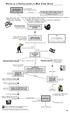 PATHS OF A FORECLOSURE IN NEW YORK STATE BORROWER DELINQUENT 2-3 months late with mortgage payments if S/P or N/T 90-DAY PRE-FORECLOSURE NOTICE* for all subprime and non-traditional loans (as defined by
How a District should respond to Bank and Mechanics Lien Foreclosures and Bankruptcy Filings
 DISCLAIMER This presentation is intended to provide information about the law and is designed to help Board members of Colorado Special Districts gain a general understanding of relevant legal issues.
Case 1:05-cv-00050-GC Document 29 Filed 12/13/05 Page 1 of 6 PageID #: 245 UNITED STATES DISTRICT COURT DISTRICT OF MAINE
 Case 1:05-cv-00050-GC Document 29 Filed 12/13/05 Page 1 of 6 PageID #: 245 UNITED STATES DISTRICT COURT DISTRICT OF MAINE BUSINESS LENDERS, LLC, Plaintiff, v. Civil No. 05-50-B-C RITANNE CAVANAUGH GAZAK,
v. Record No. 061373 OPINION BY JUSTICE ELIZABETH B. LACY June 8, 2007 CARLA VON NEUMANN-LILLIE
 Present: All the Justices SETTLEMENT FUNDING, LLC v. Record No. 061373 OPINION BY JUSTICE ELIZABETH B. LACY June 8, 2007 CARLA VON NEUMANN-LILLIE FROM THE CIRCUIT COURT OF FAIRFAX COUNTY M. Langhorne Keith,
State by State Foreclosure Laws
 State by State Foreclosure Laws Alabama Foreclosure Laws 49-74 21 365 Trustee Comments: Judicial Foreclosures are not common Alabama foreclosures occur both in court and out-of-court. The typical foreclosure
PATHS OF A FORECLOSURE IN NEW YORK STATE
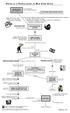 PATHS OF A FORECLOSURE IN NEW YORK STATE BORROWER DELINQUENT 2-3 months late with mortgage payments 90-DAY PRE-FORECLOSURE NOTICE Lender sends notices, bills, letters to borrower stating that he/she is
PATHS OF A FORECLOSURE IN NEW YORK STATE
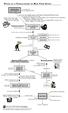 PATHS OF A FORECLOSURE IN NEW YORK STATE BORROWER DELINQUENT 2-3 months late with mortgage payments Lender sends notices, bills, letters to borrower stating that he/she is delinquent Borrower has multiple
11 LC 14 0449ER A BILL TO BE ENTITLED AN ACT
 House Bill 338 By: Representative Bryant of the 160 th A BILL TO BE ENTITLED AN ACT 1 2 3 4 5 6 7 8 9 10 11 12 13 14 15 16 To amend Title 44 of the Official Code of Georgia Annotated, relating to property,
UNITED STATES COURT OF APPEALS FOR THE TENTH CIRCUIT ORDER AND JUDGMENT * Before KELLY, ANDERSON, and TYMKOVICH, Circuit Judges.
 FILED United States Court of Appeals UNITED STATES COURT OF APPEALS Tenth Circuit WILLIAM MOSHER; LYNN MOSHER, Plaintiffs - Appellants, FOR THE TENTH CIRCUIT November 19, 2014 Elisabeth A. Shumaker Clerk
Twin Holdings of Del. LLC v CW Capital, LLC 2010 NY Slip Op 31266(U) May 10, 2010 Sup Ct, Nassau County Docket Number: 005193/09 Judge: Stephen A.
 Twin Holdings of Del. LLC v CW Capital, LLC 2010 NY Slip Op 31266(U) May 10, 2010 Sup Ct, Nassau County Docket Number: 005193/09 Judge: Stephen A. Bucaria Republished from New York State Unified Court
United States Court of Appeals For the Eighth Circuit
 United States Court of Appeals For the Eighth Circuit No. 13-3026 The County of Ramsey; The County of Hennepin, on behalf of themselves and all other Minnesota counties lllllllllllllllllllll Plaintiffs
Pooling and Servicing Agreement, and no one has the real, original promissory note and mortgage.
 Home Mortgage information How to find out if your lender and Servicing Bank followed these laws: HUD/FHA, Real Estate Settlement Procedures Act, Reg. X 3500.21(f)2 of the United States Uniform Commercial
Compliance & Foreclosure
 Compliance & Foreclosure June 19th, 2015 Hilton Hotel, Dedham, MA Erika J. Hoover, Esq. Compliance Counsel Life of a foreclosure default to post sale Pre-foreclosure compliance issues Obsolete mortgages
S.F. No. 2430, 3rd Engrossment - 86th Legislative Session (2009-2010) [s2430-3]
![S.F. No. 2430, 3rd Engrossment - 86th Legislative Session (2009-2010) [s2430-3]](/thumbs/27/11564477.jpg "S.F. No. 2430, 3rd Engrossment - 86th Legislative Session (2009-2010) [s2430-3]") 1.1 1.2 1.3 1.4 1.5 1.6 1.7 1.8 1.9 1.10 1.11 1.12 A bill for an act relating to mortgages; regulating reverse mortgages; requiring certain notices related to redemption rights be made to a mortgagor;
1.1 1.2 1.3 1.4 1.5 1.6 1.7 1.8 1.9 1.10 1.11 1.12 A bill for an act relating to mortgages; regulating reverse mortgages; requiring certain notices related to redemption rights be made to a mortgagor;
NOT DESIGNATED FOR PUBLICATION. No. 112,493 IN THE COURT OF APPEALS OF THE STATE OF KANSAS. BANK OF AMERICA, N.A., Appellee,
 NOT DESIGNATED FOR PUBLICATION No. 112,493 IN THE COURT OF APPEALS OF THE STATE OF KANSAS BANK OF AMERICA, N.A., Appellee, v. DELWIN CHRISTENSEN, a/k/a DELWIN W. CHRISTENSEN, Appellant. MEMORANDUM OPINION
TEXAS COURT OF APPEALS, THIRD DISTRICT, AT AUSTIN
 TEXAS COURT OF APPEALS, THIRD DISTRICT, AT AUSTIN NO. 03-12-00691-CV Grace Shamel and Stephen Shamel, Appellants v. Specialized Loan Servicing, LLC; Deutsche Bank National Trust Company, as Indenture Trustee
UNITED STATES COURT OF APPEALS FOR THE NINTH CIRCUIT
 FOR PUBLICATION UNITED STATES COURT OF APPEALS FOR THE NINTH CIRCUIT JOEL JOHNSON, a single person, Plaintiff-Appellant, v. FEDERAL HOME LOAN MORTGAGE CORPORATION, a foreign corporation, Defendant-Appellee.
GENERAL ASSEMBLY OF NORTH CAROLINA 1991 SESSION CHAPTER 546 HOUSE BILL 22
 GENERAL ASSEMBLY OF NORTH CAROLINA 1991 SESSION CHAPTER 546 HOUSE BILL 22 AN ACT TO REGULATE REVERSE MORTGAGES. The General Assembly of North Carolina enacts: Section 1. Chapter 53 of the General Statutes
APPEAL from a judgment of the circuit court for Walworth County: JOHN R. RACE, Judge. Reversed and cause remanded for further proceedings.
 COURT OF APPEALS DECISION DATED AND FILED July 26, 2011 A. John Voelker Acting Clerk of Court of Appeals NOTICE This opinion is subject to further editing. If published, the official version will appear
WHAT YOU SHOULD KNOW!! By Speare Valasakos & Lance D. Churchill, J.D. Compliments of:
 TRUST DEED INVESTMENTS WHAT YOU SHOULD KNOW!! By Speare Valasakos & Lance D. Churchill, J.D. Compliments of: F FRONTLINE Financing L 967 E. Parkcenter Blvd., #311 Boise, ID 83706 Phone: 208 846 9644 Fax:
ALABAMA COURT OF CIVIL APPEALS
 REL: 6/30/11 Notice: This opinion is subject to formal revision before publication in the advance sheets of Southern Reporter. Readers are requested to notify the Reporter of Decisions, Alabama Appellate
UNITED STATES BANKRUPTCY COURT EASTERN DISTRICT OF MICHIGAN SOUTHERN DIVISION
 UNITED STATES BANKRUPTCY COURT EASTERN DISTRICT OF MICHIGAN SOUTHERN DIVISION In Re: Jason D. Misleh, Case Number: 15-41721 Debtor. Chapter 13 Honorable Mark A. Randon / I. INTRODUCTION OPINION AND ORDER
NC General Statutes - Chapter 53 Article 21 1
 Article 21. Reverse Mortgages. 53-255. Title. This Article shall be known and may be cited as the Reverse Mortgage Act. (1991, c. 546, s. 1; 1995, c. 115, s. 1.) 53-256. Purpose. It is the intent of the
Assembly Bill No. 284 Assemblymen Conklin, Horne; and Kirkpatrick
 Assembly Bill No. 284 Assemblymen Conklin, Horne; and Kirkpatrick CHAPTER... AN ACT relating to real property; revising provisions governing the recording of assignments of mortgages and deeds of trust;
IN THE COURT OF APPEALS OF INDIANA
 Pursuant to Ind. Appellate Rule 65(D, this Memorandum Decision shall not be regarded as precedent or cited before any court except for the purpose of establishing the defense of res judicata, collateral
GENERAL ASSEMBLY OF NORTH CAROLINA SESSION 1991 H 1 HOUSE BILL 22
 GENERAL ASSEMBLY OF NORTH CAROLINA SESSION H HOUSE BILL Short Title: Regulate Reverse Mortgages. (Public) Sponsors: Representatives Brubaker, Easterling, Hasty, Ligon, Lineberry, Privette, and Woodard.
I m behind in my mortgage payments, what should I do?
 FORECLOSURES This handout was prepared by Legal Services of Greater Miami, Inc.(LSGMI) with support from the Institute for Foreclosure Legal Assistance. LSGMI represents homeowners in foreclosure and homeowners
STATE OF VERMONT FINDINGS OF FACT, CONCLUSIONS OF LAW, AND ORDER
 Drew et. al. v. Drew et. al., No. 174-6-10 Cacv (Teachout, J., Sept. 23, 2013). [The text of this Vermont trial court opinion is unofficial. It has been reformatted from the original. The accuracy of the
IN THE COURT OF APPEALS ELEVENTH APPELLATE DISTRICT GEAUGA COUNTY, OHIO
 [Cite as BAC Home Loans Servicing, L.P. v. Untisz, 2013-Ohio-993.] IN THE COURT OF APPEALS ELEVENTH APPELLATE DISTRICT GEAUGA COUNTY, OHIO BAC HOME LOANS SERVICING, LP, f.k.a. COUNTRYWIDE HOME LOANS SERVICING,
UNITED STATES BANKRUPTCY COURT EASTERN DISTRICT OF MICHIGAN SOUTHERN DIVISION. MARLON LESHAN FINLEY and Case No. 09-44480
 UNITED STATES BANKRUPTCY COURT EASTERN DISTRICT OF MICHIGAN SOUTHERN DIVISION IN RE: MARLON LESHAN FINLEY and Case No. 09-44480 LESLEY NICOLE FINLEY, Hon. Marci B. McIvor Chapter 13 Debtors. / OPINION
Securitization Process (Simple Model) Transfer by the Mortgagee: Assignment of Mortgage Loans. Securitization Process (Simple Model)
 Transfer by the Mortgagee: Assignment of Mortgage Loans Transfer/assignment of a mortgage loan can occur in one of two basic ways: 1) Outright sale of ownership (transferee takes on all risks and benefits
Poll: Domestic Violence in Foreclosure: The Foreclosure Process, Defenses and Alternatives for Survivors. Do you consider yourself: advocate; or
 Domestic Violence in Foreclosure: The Foreclosure Process, Defenses and Alternatives for Survivors Karen Merrill Tjapkes Legal Aid of Western Michigan (616) 774-0672 ext. 120 [email protected]
By Robert W. Norman, Jr. & Carrie N. Heieck. For over one hundred years, the State of California has not required an assignment of the
 CALIFORNIA COURT OF APPEALS REINFORCES CIVIL CODE 2932.5 S INAPPLICABILITY TO DEEDS OF TRUST AND UPHOLDS THE RULE THAT RECORDATION OF AN ASSIGNMENT OF THE BENEFICIAL INTEREST UNDER A DEED OF TRUST IS NOT
An Overview of Foreclosure
 An Overview of Foreclosure While the rising number of foreclosures is an alarming national trend, the real hardship is for any individual or family who knows the threat of foreclosure firsthand. Unfortunately,
GENERAL TIPS FOR BUYING/SELLING A HOME Office of the Staff Judge Advocate, MacDill Air Force Base, Florida (813) 828-4422
 GENERAL TIPS FOR BUYING/SELLING A HOME Office of the Staff Judge Advocate, MacDill Air Force Base, Florida (813) 828-4422 TYPES OF HOMES Buying a house will be one of the biggest investments one will ever
Georgia 2013 Legislation as of March 14, 2013
 Georgia 2013 Legislation as of March 14, 2013 The Regular 2013 Session for the Georgia General Assembly began in January 2013. Below are updates on the bills of importance to the default servicing community.
THIS OPINION HAS BEEN RELEASED FOR PUBLICATION BY ORDER OF THE COURT OF CIVIL APPEALS IN THE COURT OF CIVIL APPEALS OF THE STATE OF OKLAHOMA
 THIS OPINION HAS BEEN RELEASED FOR PUBLICATION BY ORDER OF THE COURT OF CIVIL APPEALS IN THE COURT OF CIVIL APPEALS OF THE STATE OF OKLAHOMA DIVISION I BAC HOME LOANS SERVICING, L.P. f/k/a COUNTRYWIDE
CODING: Words stricken are deletions; words underlined are additions. hb0087-00
 1 2 3 4 5 6 7 8 9 10 11 12 13 14 15 16 17 18 19 20 21 22 23 24 25 26 27 28 A bill to be entitled An act relating to mortgage foreclosures; amending s. 95.11, F.S.; revising the limitations period for commencing
COLORADO FORECLOSURE LAWS
 COLORADO FORECLOSURE LAWS Orten Cavanagh & Holmes, LLC Community Association Attorneys Denver Phone 720.221.9780 Fax 720.221.9781 Toll Free 888.841.5149 Colorado Springs Phone 719.457.8420 Fax 719.457.8419
FEDERAL DEPOSIT INSURANCE CORPORATION v. ST. LOUIS TITLE, LLC, Dist...
 Page 1 of 5 FEDERAL DEPOSIT INSURANCE CORPORATION, as Receiver for AmTrust Bank, Plaintiff, v. ST. LOUIS TITLE, LLC, Defendants. No. 4:13 CV 1078 RWS. United States District Court, E.D. Missouri, Eastern
Common Mortgage and Foreclosure Terms
 H ELP FOR N EW Y ORK S TATE H OMEOWNERS C ONCERNED A BOUT F ORECLOSURE Common Mortgage and Foreclosure Terms Talking about mortgages can feel like speaking a foreign language and is even more confusing
FARM LEGAL SERIES June 2015 Mortgage Foreclosures
 Agricultural Business Management FARM LEGAL SERIES June 2015 Mortgage Foreclosures Phillip L. Kunkel, Jeffrey A. Peterson, Jason Thibodeaux Attorneys, Gray Plant Mooty INTRODUCTION If a farm debtor is
CHAPTER 32-19 FORECLOSURE OF REAL ESTATE MORTGAGES BY ACTION
 CHAPTER 32-19 FORECLOSURE OF REAL ESTATE MORTGAGES BY ACTION 32-19-01. Action to foreclose mortgage on real estate authorized. The plaintiff shall bring an action in district court for the foreclosure
THE UTAH COURT OF APPEALS
 2014 UT App 187 THE UTAH COURT OF APPEALS LARRY MYLER, Plaintiff and Appellant, v. BLACKSTONE FINANCIAL GROUP BUSINESS TRUST, Defendant and Appellee. Opinion No. 20130246-CA Filed August 7, 2014 Third
UNITED STATES BANKRUPTCY COURT NORTHERN DISTRICT OF ILLINOIS EASTERN DIVISION MEMORANDUM OPINION
 UNITED STATES BANKRUPTCY COURT NORTHERN DISTRICT OF ILLINOIS EASTERN DIVISION In re: ) Case No. 04 B 26948 ) VICTOR AND LINDA WILSON, ) Chapter 13 ) Debtors. ) Judge Pamela S. Hollis MEMORANDUM OPINION
IN THE COURT OF APPEALS OF THE STATE OF OREGON
 FILED: December, 0 IN THE COURT OF APPEALS OF THE STATE OF OREGON BRASHER'S CASCADE AUTO AUCTION, INC., Plaintiff-Respondent, v. GUILLERMO E. LEON, dba Leon's Auto Sales, Defendant, and WESTERN SURETY
January 9, 2006. The Self Help Legal Center. Southern Illinois University School Of Law Carbondale, IL 62901 (618) 453-3217
 January 9, 2006 The Self Help Legal Center Southern Illinois University School Of Law Carbondale, IL 62901 (618) 453-3217 2 TABLE OF CONTENTS Table of Contents 2 Disclaimer 3 Warning to all readers 4 Who
STEPHEN S. EDWARDS, individually and as Trustee of the Super Trust Fund, u/t/d June 15, 2001, Plaintiff/Appellant,
 NOTICE: NOT FOR PUBLICATION. UNDER ARIZ. R. SUP. CT. 111(c), THIS DECISION DOES NOT CREATE LEGAL PRECEDENT AND MAY NOT BE CITED EXCEPT AS AUTHORIZED. IN THE ARIZONA COURT OF APPEALS DIVISION ONE STEPHEN
Remedial Action in Texas: Foreclosure and Recent Litigation
 Remedial Action in Texas: Foreclosure and Recent Litigation Kari Robinson John Barnes 713.286.7161 713.210.7441 [email protected] [email protected] Kat Statman 713.210.7443 [email protected]
IN THE COURT OF APPEAL OF THE STATE OF CALIFORNIA SECOND APPELLATE DISTRICT DIVISION FIVE B254585
 Filed 2/26/15 Vega v. Goradia CA2/5 NOT TO BE PUBLISHED IN THE OFFICIAL REPORTS California Rules of Court, rule 8.1115(a), prohibits courts and parties from citing or relying on opinions not certified
Defaulted Real Estate Loan Remedies in Tennessee
 Defaulted Real Estate Loan Remedies in Tennessee Nelwyn Inman Jay Ebelhar [email protected] [email protected] 423.752.4405 901.577.8204 Baker Donelson Offices 2 Tennessee Deed of Trust
MEMORANDUM. UCC Article 3 and Holder in Due Course Doctrine. Jim Smith, Reporter. February 11, 2013
 1. Introduction MEMORANDUM UCC Article 3 and Holder in Due Course Doctrine Jim Smith, Reporter February 11, 2013 The core idea of negotiability is that certain purchasers of monetary obligations take free
WARM SPRINGS TRIBAL CODE CHAPTER 206 REAL PROPERTY SECURED TRANSACTIONS. Table of Contents
 WARM SPRINGS TRIBAL CODE CHAPTER 206 REAL PROPERTY SECURED TRANSACTIONS Table of Contents Page 206.001 Legislative History... 1 206.010 Tribal Court Jurisdiction... 1 206.015 Security Interests Created
Misc. Docket No. f ( '9256
 IN THE SUPREME COURT OF TEXAS Misc. Docket No. f ( '9256 FINAL APPROVAL OF AMENDMENTS TO TEXAS RULES OF CIVIL PROCEDURE 735 AND 736 ORDERED that: 1. Pursuant to Section 22.004 of the Texas Government Code,
Massachusetts Foreclosure Law Summary
 Foreclosure Summary Massachusetts Foreclosure Law Summary Quick Facts - Judicial Foreclosure Available: Yes - Non-Judicial Foreclosure Available: Yes - Primary Security Instruments: Deed of Trust, Mortgage
CONSUMER MORTGAGE PROTECTION ACT Act 660 of 2002. The People of the State of Michigan enact:
 CONSUMER MORTGAGE PROTECTION ACT Act 660 of 2002 AN ACT to prohibit certain lending practices; to require disclosure of certain information for home loans; to prescribe certain duties and obligations of
IN THE UNITED STATES DISTRICT COURT FOR THE DISTRICT OF MINNESOTA
 IN THE UNITED STATES DISTRICT COURT FOR THE DISTRICT OF MINNESOTA Stanzer Knox, Plaintiff, vs. Homestead Mortgage Corporation, HomeComings Financial, LLC., Mortgage Electronic Registration Systems, Inc.,
Listing of Mortgage Servicer Definitions
 State Definition Citation Text ALABAMA This state does not define a mortgage servicer or the act of servicing a mortgage loan under the Mortgage Brokers Licensing Act, Consumer Credit Act or the Secure
IN THE DISTRICT COURT OF APPEAL OF THE STATE OF FLORIDA FIFTH DISTRICT
 IN THE DISTRICT COURT OF APPEAL OF THE STATE OF FLORIDA FIFTH DISTRICT CRISTOBAL COLON, Appellant, NOT FINAL UNTIL TIME EXPIRES TO FILE MOTION FOR REHEARING AND DISPOSITION THEREOF IF FILED v. Case No.
IN THE COURT OF APPEALS TWELFTH APPELLATE DISTRICT OF OHIO BUTLER COUNTY
 [Cite as BAC Home Loans Servicing, LP v. Mapp, 2013-Ohio-2968.] IN THE COURT OF APPEALS TWELFTH APPELLATE DISTRICT OF OHIO BUTLER COUNTY BAC HOME LOANS SERVICING, L.P., : CASE NO. CA2013-01-001 Plaintiff-Appellee,
2015 IL App (1st) 143589-U. No. 1-14-3589 IN THE APPELLATE COURT OF ILLINOIS FIRST JUDICIAL DISTRICT
 2015 IL App (1st) 143589-U SIXTH DIVISION September 11, 2015 No. 1-14-3589 NOTICE: This order was filed under Supreme Court Rule 23 and may not be cited as precedent by any party except in the limited
2014 IL App (1st) 131387. No. 1-13-1387 IN THE APPELLATE COURT OF ILLINOIS FIRST JUDICIAL DISTRICT
 2014 IL App (1st) 131387 THIRD DIVISION September 10, 2014 No. 1-13-1387 IN THE APPELLATE COURT OF ILLINOIS FIRST JUDICIAL DISTRICT DEUTSCHE BANK NATIONAL TRUST, ) Appeal from the ) Circuit Court of Plaintiff-Appellee,
SUPREME COURT OF MISSOURI en banc
 SUPREME COURT OF MISSOURI en banc SHELBY E. WATSON, Appellant, v. No. SC93769 WELLS FARGO HOME MORTGAGE, INC., ET AL., Respondents. APPEAL FROM THE CIRCUIT COURT OF THE CITY OF ST. LOUIS The Honorable
To help you better understand the foreclosure process, these definitions are presented in a logical order, rather than alphabetical order.
 FORECLOSURE GLOSSARY NOTICE: This glossary of legal words and phrases related to foreclosure is provided to you by the Clermont County Common Pleas Court to help you better understand your legal problem
Remedial Action in Southeastern States Foreclosure in Florida
 Remedial Action in Southeastern States Foreclosure in Florida Zachary J. Bancroft Heidi Weinzetl 407.367.5426 954.768.1600 [email protected] [email protected] Our Office Locations 2
v. VERIFIED ANSWER TO FORECLOSURE COMPLAINT
 SUPREME COURT OF THE STATE OF NEW YORK COUNTY OF v. Plaintiff, Index No. VERIFIED ANSWER TO FORECLOSURE COMPLAINT Defendant(s). Defendant answers as follows: I generally deny each allegation of the Complaint,
Home Mortgage Foreclosures in Maine
 Home Mortgage Foreclosures in Maine Find more easy-to-read legal information at www.ptla.org Important Note: This is very general information about home mortgage and foreclosure rules in Maine. It is not
BEFORE YOU INVEST IN A PROMISSORY NOTE SECURED BY AN INTEREST IN REAL PROPERTY, YOU SHOULD KNOW
 (At least 14-point bold type) MORTGAGE INVESTMENT DISCLOSURE FORM IMPORTANT: Pursuant to NRS 645B.185, each investor must sign and date a disclosure form before a mortgage broker or mortgage agent accepts
UNITED STATES DISTRICT COURT CENTRAL DISTRICT OF CALIFORNIA ) ) ) ) ) ) ) ) ) ) ) ) ) ) ) ) ) Presently before the court are the Motions to Dismiss
 Michael Bowe v. American Mortgage Network, Inc. et al Doc. 1 O NO JS- UNITED STATES DISTRICT COURT CENTRAL DISTRICT OF CALIFORNIA 1 1 1 1 1 1 1 MICHAEL BOWE, v. Plaintiff, AMERICAN MORTGAGE NETWORK, INC.;
UNPUBLISHED UNITED STATES COURT OF APPEALS FOR THE FOURTH CIRCUIT. No. 06-1802
 UNPUBLISHED UNITED STATES COURT OF APPEALS FOR THE FOURTH CIRCUIT No. 06-1802 SOUTHWESTERN LIFE INSURANCE GROUP, Plaintiff, and JOY MOREHEAD, Defendant - Appellant, versus FEWKES MANAGEMENT CORPORATION,
KEEPING IT LEGAL. REALTOR Resource for RESPA Issues: Transaction Fees & Home Warranty Rule. 2010 Convention Celebrating 100 Years
 KEEPING IT LEGAL REALTOR Resource for RESPA Issues: Transaction Fees & Home Warranty Rule 2010 Convention Celebrating 100 Years Copyright 2010 Ohio Association of REALTORS Fee Charged by Brokerage Violates
CHICAGO TITLE INSURANCE COMPANY
 CHICAGO TITLE INSURANCE COMPANY TOPIC: Condominium and Planned Community Assessments- Lien Priority Issues By: Mark Griffith State Underwriting Counsel, Chicago Title Insurance Company Homeowner association