
Ask the Climate Question: Adapting to Climate Change Impacts in Urban Regions
|
|
|
- Brook Turner
- 10 years ago
- Views:
Transcription


1 A Report by the Center For Clean Air Policy Urban Leaders Adaptation Initiative Ask the Climate Question: Adapting to Climate Change Impacts in Urban Regions Ashley Lowe Josh Foster Steve Winkelman June 2009

2 About CCAP Since 1985, CCAP has been a recognized world leader in climate and air quality policy and is the only independent, non-profit think-tank working exclusively on those issues at the local, national and international levels. Headquartered in Washington, D.C., CCAP helps policymakers around the world to develop, promote and implement innovative, market-based solutions to major climate, air quality and energy problems that balance both environmental and economic interests. For more information about CCAP, please visit Global warming allows us the most incredible opportunity to change social systems, environmental systems, how we do business, how we build, how we plan, wow I mean to be young again, and to have this incredible menu of challenges and to be able to weave them into robust and vibrant communities. Dealing with climate change is a question of economic competitiveness and of equity to ensure a high quality of life for all, across the world as well as our future generations. - Ron Sims, former King County Executive and charter Urban Leaders member at the May 2008 Urban Leaders partner meeting in Seattle. Acknowledgements CCAP applauds the vision, leadership, and effort of our ten partners in the Urban Leaders Adaptation Initiative: Chicago, King County, Los Angeles, Miami-Dade County, Milwaukee, Nassau County, New York City, Phoenix, San Francisco, and Toronto. Over the last few years we have been impressed with the partners commitment to climate adaptation, progress in adaptation planning, and their development and implementation of best practices for managing emerging and future climate change impacts. This report was made possible by support from the Rockefeller Foundation, the Surdna Foundation, and the U.S. Environmental Protection Agency. Front page photo credits from left to right: (1) Computer rendering of potential inundation levels in New York City Klaus H. Jacob, Lamont-Doherty Earth Observatory; (2) Chicago s City Hall building with green roof retrofit City of Chicago; (3) Former King County Executive Ron Sims breaks ground on the Brightwater treatment system King County, Washington.

3 TABLE OF CONTENTS EXECUTIVE SUMMARY...2 THE URBAN LEADERS ADAPTATION INITIATIVE...9 WHAT IS ADAPTATION?...10 ADDRESSING CRITICAL ADAPTATION ISSUES...11 Flooding/Extreme Precipitation...11 Temperature Spikes and the Urban Heat Island Effect...11 Water Resources and Drought...13 Sea-Level Rise...13 PARTNER HIGHLIGHTS...14 CHICAGO, ILLINOIS...14 KING COUNTY, WASHINGTON...15 LOS ANGELES, CALIFORNIA...17 MIAMI-DADE COUNTY, FLORIDA...18 MILWAUKEE, WISCONSIN...19 NASSAU COUNTY, NEW YORK...20 NEW YORK CITY, NEW YORK...21 PHOENIX, ARIZONA...22 SAN FRANCISCO, CALIFORNIA...23 TORONTO, CANADA...24 LESSONS LEARNED FROM THE URBAN LEADERS ADAPTATION INITIATIVE...26 INITIATING THE CLIMATE RESILIENCE EFFORT...26 Leadership - The Presence of an Adaptation Champion...26 Organizational Structure - Setting the Foundation for Effective Implementation...27 UNDERSTANDING YOUR SPECIFIC ADAPTATION NEEDS...27 Providing Actionable Science...27 Downscaling Climate Change Information to Relevant Scales...28 SETTING RESILIENCE GOALS AND DEVELOPING AN ADAPTATION PLAN...28 Incorporating Expertise by Collaborating with Universities...28 Sharing Adaptation Experiences...29 Engaging Stakeholders: Conducting Outreach, Dialogs, & Decision Support...29 IMPLEMENTING THE PLAN...30 Employing Existing Mechanisms to Advance Adaptation...30 Pursuing Synergies with Climate Mitigation for Resources and Support...31 Garnering Support for Adaptation Actions...32 Obtaining Financial Support for Regional and Local Adaptation...33 IMPROVING THE PLAN: FEDERAL POLICY ISSUES...33 Creating Climate Extension Services and Networks...33 Exploring Federal Policy Options...35 CONCLUSION...35 APPENDIX I: FEDERAL POLICY RECOMMENDATIONS...37 APPENDIX II: BEST PRACTICES AT A GLANCE...38 APPENDIX III: RESOURCES AND TOOLS...39 APPENDIX IV: LEVERS OF CHANGE MATRIX...40 NEXT STEPS FOR THE CCAP URBAN LEADERS ADAPTATION INITIATIVE...41

4 Executive Summary As the first responders to the impacts of climate change, local governments play a crucial role in implementing the actions and strategies that will reduce their communities vulnerability to the dangers of a changing climate. This type of action or intervention is commonly referred to as adaptation. Adaptation is any action or strategy that reduces vulnerability to the impacts of climate change. The main goal of these and all adaptation strategies is to improve local resilience, or the ability of a community to bounce back quickly from climate impacts. In partnership with government leaders from several large counties and cities, the Center for Clean Air Policy (CCAP) launched the Urban Leaders Adaptation Initiative ( Urban Leaders ) in 2006 to serve as a resource for local governments as they face important infrastructure and land-use decisions that will affect adaptation efforts and to empower local communities as they develop and implement their own climate resiliency strategies. The Urban Leaders partner network includes: Chicago, King County (Washington), Los Angeles, Miami-Dade County (Florida), Milwaukee, Nassau County (New York), New York City, Phoenix, San Francisco and Toronto (Canada). The Urban Leaders program encourages local leaders to Ask the Climate Question toward understanding the implications that local decisions have on community resilience to climate impacts and incorporating a climate dimension into daily urban management and planning. How will planning, policy, funding, infrastructure and land development decisions affect greenhouse gas (GHG) emissions and local vulnerability or resilience to the impacts of climate change? CCAP also supports the view that climate mitigation and adaptation strategies are inseparable, like eating and breathing, and that this adaptation/mitigation nexus exists in many climate change strategies. Lastly, Urban Leaders also promotes serving the adaptation needs of vulnerable communities (e.g., low income, minority) that are often overlooked when addressing climate change. This document will highlight the progress each partner county or city has made in advancing their local adaptation efforts as well as providing a summary of lessons learned and policy implications gathered by CCAP to date. Partner Highlights One of the first and often surprising answers to the Climate Question is that we re doing it already! CCAP Urban Leaders partners are finding the already have many of the relevant skills needed to plan for and respond to coming climate change impacts through their experience in hazard mitigation, flood management, water conservation and land use planning. As part of the Urban Leaders Initiative, CCAP evaluated the current adaptation progress of the counties and cities participating in the Initiative. Each of the 10 Urban Leaders partners started with different resources and histories of climate change action, and are in various stages of development and implementation of adaptation strategies. In terms of planning, almost all partners have conducted assessments to gauge current vulnerability to climate impacts. Many have developed climate action plans with a section on adaptation and a few have developed stand-alone adaptation plans that outline strategies to improve resilience. Despite the similarities, each partner city or county has exemplified unique planning and implementation strategies and approaches. In assessing climate impact vulnerabilities and developing climate plans, Urban Leaders partners have established many adaptation best practices. San Francisco has paid special Center for Clean Air Policy June

5 attention to the environmental justice aspect of adaptation by focusing on increasing the resilience of the most vulnerable low-income and minority populations. While conducting vulnerability assessments to inform their plan, the city of Chicago went beyond projecting impacts to infrastructure and ecosystems by also assessing the economic impacts of climate change on the city. Assessing impacts in this way has laid the groundwork for Chicago to make adaptation decisions that can be supported by proven financial data. Chicago also made use of a detailed prioritization process for climate impacts and adaptation actions that will allow them to utilize limited resources where they are needed the most. To assess vulnerabilities and develop science at the level relevant to local decision makers, King County pooled resources and expertise through various collaborations with the University of Washington s Climate Impacts Group (CIG), resulting in the development of an adaptation guidebook and a new Geographic Information System (GIS) tool that can be used by other government agencies or communities to conduct similar studies on a diverse set of infrastructure. Many Urban Leaders partners have made progress in incorporating climate change into their infrastructure and planning decisions. Los Angeles has made progress by Asking the Climate Question including a checklist of climate and sustainability-based questions in the procurement phase of project planning to help staff view their projects through an adaptation and sustainability lens. One of the most compelling examples of Asking the Climate Question on infrastructure decisions is in King County, which utilized climate projections to gain public support and funding to proactively build a water reclamation and distribution system that would help the county prepare for projected decreases in water availability in the future. Milwaukee also has focused on building green infrastructure to improve flood water storage and mitigate water quality impacts from climate change by utilizing a comprehensive watershed management approach including strategies such as installing rain gardens to absorb runoff and capture contaminants. Finding funding to implement adaptation strategies is a major challenge. Many Urban Leaders partners have been resourceful and creative in finding funds for their adaptation programs. Miami-Dade County utilized rare pre-disaster mitigation funds from the Federal Emergency Management Agency (FEMA) on numerous occasions to strengthen buildings against the ravages of hurricanes, including buildings critical for vulnerable communities like homeless shelters. Nassau County has also taken advantage of FEMA funds for adaptation, using a predisaster hazard mitigation grant to create their first Multi-Jurisdictional Hazard Mitigation Plan that profiles the various hazards faced by the county from climate change. Many partners also have utilized triggering events, such as, Hurricane Katrina or local severe floods and heat waves to bring attention and support to adaptation policies and needs at the local level. One organizational structure that partners have found to be particularly useful is multistakeholder task forces. New York City has employed a number of task forces in order to assess and plan for the impacts of climate change at the various levels of decision making within the city. The task forces range from intergovernmental and multi-sectoral groups like the New York City Climate Adaptation Task Force (CCATF) to academic-based efforts like the NYC Panel on Climate Change as well as department-specific efforts. Additionally, the city of Phoenix has developed a task force led by the Planning Department to recommend policies for redesigning the downtown core cognizant of climate change heat impacts. Urban Leaders partners have avoided reinventing the wheel when it comes to adaptation strategies by expanding existing efforts that improve resilience, and sharing knowledge and experiences with other adaptation leaders. Toronto has built off of its existing programs, such as, Center for Clean Air Policy June

6 the Toronto Heat Alert system and green roof pilot incentive program, and created a detailed action plan identifying both short-term and long-term recommendations to guide their adaptation efforts. Additionally, Los Angeles took advantage of the experiences of the other Urban Leaders partners and is planning to conduct a vulnerability assessment modeled after Chicago s approach. These and other highlights are discussed in detail in the main document. Lessons Learned Over the past year of working closely with Urban Leaders partners, CCAP identified a number of trends in the challenges and successes that these local communities experienced in seeking to increase their climate change resilience. CCAP believes that these lessons can contribute to the successful implementation of adaptation actions by other local governments and communities, and also inform policy recommendations at federal and state levels. Initiating the Climate Resilience Effort Leadership - The Presence of an Adaptation Champion A key ingredient for successfully overcoming obstacles to adaptation efforts is the presence of leadership at the top level of local government that is willing to advance adaptation objectives in other words a champion. An adaptation champion could be a mayor, a county commissioner or any decision maker or municipal staffer who enthusiastically promotes efforts to improve community resilience to climate change. Having the support of a top-level political or departmental leader can help to stimulate public interest in adaptation as well as increase buy-in for potential climate adaptation projects and operations. For example, by providing a high-profile voice for adaptation, King County Executive Ron Sims successfully helped to promote climate change strategies to the public and advance adaptation actions within the community. Organizational Structure - Setting the Foundation for Effective Implementation Climate change impacts intricately affect a wide variety of systems within a community with many consequences that cut across departmental lines and jurisdictions. Because of the complex nature of the impacts, proper departmental organization can help to make or break adaptation efforts. Chicago, for instance, has identified five primary areas in which to focus its adaptation actions then divided each area among departments based on their functional roles in city operations. As a result of this organizational structure and process, the five working groups have developed a total of 39 specific tactical adaptation implementation plans that the city can use to improve their resilience to climate change. Understanding Your Specific Adaptation Needs Providing Actionable Science Critical climate data from federal sources often is produced at a large scale (e.g., state or regional) and a low resolution (i.e., too coarse) so that it is not easily applicable to the smaller scale at which local decision making takes place. Additionally, climate change information often is not easily accessible to decision makers, and can be difficult to integrate with other important information such as socio-economic, demographic, or other geographic data in GIS. Lastly, the language gap between the information producers (scientists) and the information users (local decision makers) makes interpreting and using climate information products more difficult. The federal government can play a significant role in advancing adaptation efforts by providing actionable science science that is accessible, accurate and relevant enough to be applied at Center for Clean Air Policy June

7 the local level. Additionally, the federal government could help to fill in the data gaps within particular states and regions, or focus on issues that have been identified as most important by local and regional governments, organizations and communities. Downscaling Climate Change Information to Relevant Scales Climate change impacts will be acutely felt at the local level. Therefore, cities and counties have the need for high resolution climate change information. Many Urban Leaders partners have conducted their own studies downscaling impacts from existing climate projections data to fit local needs including King County, Chicago and Miami-Dade. This is an important first step for many communities toward improving their resilience to the impacts of climate change. Setting Resilience Goals and Developing an Adaptation Plan Incorporating Expertise by Collaborating with Universities Creating an adaptation strategy is closely linked to building knowledge about climate impacts and opportunities to adapt. Because of the importance of accurate and specific climate data and projections, creating partnerships with academic institutions can be a useful tool for gaining knowledge about climate impacts from a trusted source. Collaborating with universities also allows for more efficient expenditure of local resources while utilizing local expertise. Most Urban Leaders partners have taken advantage of such collaborations to assess vulnerabilities and explore adaptation solutions. Sharing Adaptation Experiences The value of networking to share experiences and practices among Urban Leaders partners has been one of the important success stories of the initiative. The dialogue and subsequent interactions among Urban Leaders partners during 2008 provided impetus for Los Angeles and San Francisco to move forward with their own adaptation planning processes, and for all Urban Leaders partners to focus more attention on adaptation as part of their climate policy and planning portfolios. The federal government can help this sharing process by facilitating dialogue among cities, counties and states on best practices in planning and implementation. Engaging Stakeholders: Conducting Outreach, Dialogs & Decision Support For many Urban Leaders partners, cross-cutting technical advisory groups were essential in setting the stage for moving forward on adaptation planning, and in some cases, on implementation. These groups help create momentum for adaptation activities by incorporating the expertise of individuals into processes in which they are most familiar. Engaging operational, scientific and sector experts also helps to provide a more practical and rounded approach, avoiding an exclusive or excessive focus on climate change as purely an environmental issue rather than an issue integral to city or county operations. Including a robust stakeholder process also gives the participants a sense of ownership of the adaptation policy and planning processes by appealing to their interests from the start. Cross-cutting groups can be most effective when organized into tasks forces or working groups and defined functionally (e.g., reducing the heat island effect) or sectorally (e.g., water, health, infrastructure). Implementing the Plan Employing Existing Mechanisms to Advance Adaptation State and local level governments have the advantage of possessing a close perspective on the adaptation needs of their communities and can influence adaptation efforts through a number of Center for Clean Air Policy June

8 mechanisms. As the leaders both closest to the impacts of climate change and those responsible for the on-the-ground implementation of resilience efforts, local governments play a crucial role in adaptation. Local governments can utilize a great number of adaptation strategies to improve community resilience. For example, ensuring that transportation and infrastructure funds are spent with adaptation needs in mind is an important tool available at the state level. This linkage is one of the most important tools available at the state level and just one of the levers of change available to local and state level adaptation leaders. Pursuing Synergies with Climate Mitigation for Resources and Support With limited resources to devote to climate change, adaptation activities are often considered as trade-offs to mitigation strategies. One cause for this trend is the commonly held belief that actively pursuing adaptation efforts sends a signal that decision makers have given up on mitigation efforts a signal that many are loath to risk conveying. One excellent way to address this challenge is emphasizing the link between adaptation strategies and mitigation. A significant number of adaptation strategies simultaneously contribute to mitigation and should be highlighted by elected leaders looking to advance adaptation in competition with mitigation options. For example, green building design can reduce energy and water use while helping to mitigate urban heat island effects. Furthermore, by planning an adaptation strategy that also addresses mitigation, decision makers can avoid the unintended consequences caused by unplanned adaptation behaviors, such as increasing air conditioner use in response to rising temperatures that also would increase GHG emissions. The federal government could promote understanding and support for adaptation efforts among the public by developing communications and outreach materials that explain the importance of adaptation measures as part of climate change solutions. Garnering Support for Adaptation Actions In order to increase support for adaptation actions, local adaptation champions have to be creative and flexible. The first step in this process is to convince the public and local leaders that increasing resilience to climate impacts is a valuable and pressing objective. To varying degrees, each Urban Leaders partner has opportunistically taken advantage of recent triggering events, such as, Hurricane Katrina in New Orleans motivate elected leaders and the public toward adaptation plans and actions. Data should be used in public outreach where available. For example, King County successfully used the climate flood impact projections from a partnership with the University of Washington to gain public support for infrastructure and flood management investments. Obtaining Financial Support for Regional and Local Adaptation One of the biggest challenges to fully implementing adaptation strategies is limited funding. The federal government can play an important role in advancing urban resilience by providing more funding mechanisms for local adaptation planning and implementation. In particular, funding is needed for regional-scale impacts research and risk analysis. Expanding programs that disburse pre-disaster mitigation funds like the FEMA hazard mitigation grant given to Nassau County can help encourage and enable communities to adapt ahead of climate impacts as opposed to in their wake. CCAP encourages legislators to include urban adaptation funding in future bills in addition to pursuing stand-alone adaptation and climate services legislation. One of the most promising opportunities is to Ask the Climate Question about major infrastructure and other spending bills (Water, wastewater, transportation, coastal zone management, hazard mitigation, etc.) and to integrate adaptation considerations into funding decisions. Center for Clean Air Policy June

9 Improving the Plan: Federal Policy Issues Ask the Climate Question Creating Climate Extension Services and Networks CCAP and its Urban Leaders partners support the creation of federal and state urban climate services and extension networks that will provide needed data and technical support for implementation of local adaptation policy and initiatives through collaborations with universities, the private sector and non-governmental organizations. In practice, merging a classic agricultural extension model with a community-organizing and education approach will ensure that local decision makers, businesses and citizens will have the resources and information to understand their climate risks and the available solutions to increase community resilience. University collaborations in King County and Milwaukee serve as good starting point models for this system. Exploring Federal Policy Options In terms of their regulatory role, the federal government can aid adaptation efforts by phasing out perverse subsidies such as rationalizing insurance programs that encourage development in flood plains protected and coastal zones that are vulnerable to sea level rise. Where possible, the funds from these programs could be redirected toward funding adaptation and mitigation activities. The federal government should facilitate investments in more sustainable, resilient and durable lines of business and ways of doing business that mediate climate risks, encourage investment in new business opportunities presented by climate change, and help train citizens for the jobs that will be needed to adapt infrastructure to new climate realities. Many existing laws, like the Clean Water Act or the Coastal Zone Management Act, also could be amended to address adaptation more effectively. Additionally, adaptation could be addressed in other bills, such as transportation legislation by helping implementers to Ask the Climate Question when planning how to use federal and state appropriations. Conclusions Throughout the Urban Leaders study of local actions on climate resilience what became evident is that when it comes to adaptation, regardless of whether local leaders are actively pursuing it, chances are they are already doing it. Local decisions on everything from street design to flood plans to water conservation efforts all have an influence on a community s resilience in the face of climate impacts. Improvements to the efficiency and soundness of the systems that support the health and functionality of the community can also improve resilience. However, in order to harness the full potential of adaptation, local leaders must consider climate impacts and responses throughout their planning process. Urban Leaders partners are finding they already have much of the relevant experience and skills needed to ensure a good quality of life for their residents in an age of climate change. These experiences and skills will need to be expanded and tapped even more as the unavoidable effects of climate change become more and more tangible. By Asking the Climate Question, communities will reap the full benefits of foresight, avoiding the worst impacts of climate change and leading the way to a healthy and vibrant future for their citizens. A summary table of federal policy recommendations and best practices can be found in Appendix II and III of the main document, respectively. For more information on the Urban Leaders Adaptation Initiative, visit Center for Clean Air Policy June

10 Center for Clean Air Policy 750 First Street, NE Suite 940 Washington, DC Tel: Fax: Center for Clean Air Policy June

11 : Adapting to Climate Change Impacts in Urban Regions The Urban Leaders Adaptation Initiative The Center for Clean Air Policy (CCAP) has been a recognized world leader in climate and air quality policy since 1985 and is the only independent, nonprofit think tank working exclusively on these issues at the local, national and international levels. In partnership with government leaders from several large counties and cities, CCAP launched the Urban Leaders Adaptation Initiative ( Urban Leaders ) in 2006 to serve as a resource for local governments as they face important infrastructure and land-use decisions that will affect local climate change adaptation efforts, and to empower local communities as they develop and implement their own climate resilience strategies. The Urban Leaders program encourages local leaders to Ask the Climate Question : How will planning, policy, funding, infrastructure and land development decisions affect greenhouse gas (GHG) emissions and local vulnerability or resilience to the impacts of climate change? Adapting to the impacts of climate change in practice means incorporating a climate dimension into daily urban management and planning activities, and helping city managers and the public to understand how their decisions affect our resilience to climate change; or in other words, an ability to adjust to or bounce back from climate impacts. The Urban Leaders initiative also promotes serving the adaptation needs of vulnerable communities (e.g., low income, minority) that are often overlooked when addressing climate change. In addition, the initiative emphasizes strategies that contribute simultaneously to climate change adaptation and mitigation. CCAP supports the view that climate mitigation and adaptation strategies are inseparable, like eating and breathing, and that this adaptation/mitigation nexus exists in many climate change strategies. For example, water conservation programs both save water for critical uses during drought (adaptation) while saving energy and reducing emissions related to pumping (mitigation). The Urban Leaders initiative encourages its partners to explore programs and strategies that harness the benefits of addressing the link between adaptation and mitigation. CCAP s vision for the Urban Leaders program is to develop a scientifically, economically and politically viable framework for informed urban decision making on climate resilience by back casting from projected 2050 impacts to identify today s necessary actions. To achieve this aim, Urban Leaders, with core funding from the Rockefeller Foundation, support from the Surdna Foundation and seed funding from the U.S. Environmental Protection Agency (EPA), is working to: Increase knowledge sharing among partners and act as an information hub; Help partners design and implement adaptation projects, policies, plans, programs, processes and/or partnerships; Extract and disseminate best practices recommendations for local governments interested in improving their adaptation efforts particularly in urban settings; and Develop recommendations that advance the development of national and state adaptation policies in support of local implementation efforts. Center for Clean Air Policy June

12 The Urban Leaders partner network includes: Chicago, King County (Washington), Los Angeles, Miami-Dade County (Florida), Milwaukee, Nassau County (New York), New York City, Phoenix, San Francisco and Toronto (Canada). Arming these leaders with needed tools and resources and helping them cultivate partnerships with the private, scientific and academic communities will enable them to identify and limit maladaptive practices, mainstream climate considerations into policies and programs and begin making more proactive decisions on climate adaptation. This document will highlight the progress that each partner county or city has made in advancing their local adaptation efforts as well as providing a summary of lessons learned and policy implications gathered by CCAP to date. What is Adaptation? To many Americans, the words climate change and global warming evoke thoughts on energy consumption, GHGs, and the plight of the polar bear. But as Hurricane Katrina demonstrated, the impacts of climate change extend far past the boundaries of the Arctic Circle. While nations are coming together to stem the flow of GHGs into the atmosphere and prevent projected worst-case climate scenarios, an action known as climate mitigation, the emissions already present in the atmosphere from more than a century of fossil fuel use will produce inevitable impacts on local communities. With the changing climate, small towns and cities alike are faced with the risks of increased flooding, more severe weather events, loss of snowpack and water supply and increases in severe heat events, among others. Model-based projections indicate that by 2050, past accumulation of GHG in the atmosphere will lead to a global average temperature increase of 2 C relative to the pre-industrial climate regardless of current and future efforts to reduce GHG emissions. This temperature increase will lead to inevitable climate changes with associated environmental and societal impacts. As the first responders to these inevitable climate change impacts, local governments will play a crucial role in implementing the actions and strategies that will reduce their communities vulnerability. This type of action or intervention is commonly referred to as adaptation. Adaptation is any action or strategy that reduces vulnerability to the impacts of climate change. Adaptation can be further defined by three classes of action: Preparedness, Passive Adaptation and Active Adaptation. In reducing a community s vulnerability to floods, for example, Preparedness includes actions such as stockpiling sandbags before a flood or replenishing beach sand to ward off winter coastal storm surges; Passive Adaptation includes strategies such as reinforcing levees as floods occur or retreating from the coast as sea level rises; and Active Adaptation includes activities such as raising levee heights and relocating development in anticipation of worse floods or well in advance of sea-level rise. The main goal of these and all adaptation strategies is to improve local resilience, or the ability of a community to bounce back quickly from climate impacts. 1 With this aspiration in mind, CCAP created the Urban Leaders Adaptation Initiative. Urban Leaders partner cities and counties are engaged in a diverse set of 1 Formal definitions of resilience in social or ecosystems generally relate to their ability to cope with change without major disruption or capacity to recover rapidly from external impacts. In human systems resilience includes the capability to prepare for or plan in advance thereby decreasing risks. Climate adaptation is essentially a means to increase societal resilience and decrease sensitivity to climate impacts and risks. Center for Clean Air Policy June

13 adaptation measures to help them prepare for and become more resilient to the climate impacts specific to their communities. These measures include planning for decreases in water resources, improving flood control systems and water quality and reducing urban heat impacts. Addressing Critical Adaptation Issues Flooding/Extreme Precipitation Floods represent an area of increased risk for almost all communities near rivers or with development in flood plains. As climate change increases the frequency of flood events, flood intensity is also expected to increase. High-intensity floods that were once expected every 100 years may become 50- or even 10-year events. This increased flooding presents significant implications for buildings, infrastructure and public health. In Milwaukee, increases in intense precipitation events may exacerbate existing problems with combined sewer overflows (CSOs) of stormwater into Lake Michigan their primary source of drinking water. In order to avoid the worst impacts, a number of actions can be taken to increase community resilience to this type of disaster including smart land-use planning, adjusting old infrastructure like water and sewer systems to accommodate more extreme flood events, and building with projected flood risks in mind. Left: A sign warns citizens to stay out of a water source potentially contaminated by CSOs. Right: A CSO plume in Lake Michigan from Milwaukee Harbor But in order to implement these and other resilience measures accurately, proper climate projections and impacts data is crucial. Linking climate models to hydrological models produces more detailed projections of where flooding will occur and allows communities to conduct assessments of their most vulnerable facilities and infrastructure. In Milwaukee, city planners are aiming for a target of zero stormwater pollution overflows per year. To achieve this goal, the city has undertaken a number of strategies, starting by constructing a deep tunnel for increased stormwater storage and conducting an analysis on stormwater infrastructure investments. Milwaukee is currently examining existing development codes to determine what incentives or disincentives exist to promote green spaces and reduced paved surfaces, both of which result in increased infiltration rates and remove some pressure from the stormwater system. In addition, Chicago has promoted green infrastructure strategies to address the issues that increased stormwater runoff create. Chicago implemented an inlet control system to relieve basement sewage flooding and CSOs by reducing the burden on their sewer systems. To accomplish this goal, the city encouraged its citizens through public service announcements (PSAs), community meetings, instructional video tapes and discounts on materials to disconnect their rainwater downspouts from the sewer system. These downspout disconnections allow rainwater to naturally infiltrate the ground rather than flowing into and overloading the sewer infrastructure. Temperature Spikes and the Urban Heat Island Effect For all Urban Leaders partners, the materials of the built environment can contribute to increased ambient temperatures in urban cores that can have severe impacts on public health, especially in Center for Clean Air Policy June

14 vulnerable populations such as the elderly and young. With climate change projected to increase the frequency and intensity of severe heat events, adaptation-minded cities are anticipating increases in heat-related deaths and hospital visits. Among Urban Leaders partners, the City of Chicago has taken proactive steps to identify the impacts of the urban heat island on its communities and to implement policies to mitigate it. Using advanced satellite images, Chicago has created a map that identifies the hottest spots in the city. From this information, city planners will be able to target Heat sensing pictures illustrate the major temperature difference between green roofing on Chicago s City Hall (left) and traditional roofing (right) adaptation strategies to the most vulnerable areas. One thermal image comparing the green-roof on the Chicago City Hall with an adjacent black-top roof showed a daytime temperature difference of as much as 70 degrees. In addition to the ordinance that has caused 110,000 new trees to be planted in the city, new private buildings are required to meet reflective roof standards through the Chicago Energy Conservation Code. Addressing Vulnerable Communities: The Urban Heat Island (UHI) Effect This image from Chicago s study of the heat island effect shows climate impacts at a resolution suitable to inform adaptation strategies at the local level The populations most vulnerable to climate change impacts are often the poor, the elderly and minority communities because they tend to lack access to the resources necessary to cope with and prepare for impacts. As King County Executive Ron Sims pointed out, Adaptation and the issue of addressing poorer communities are often ignored and under-discussed in our dialogue on global warming. 2 The Urban Leaders Adaptation Initiative believes that addressing this equity issue will be an important facet of climate change adaptation that can help bring the greatest benefits to those who need them most. The UHI Effect, is a good example of a climate change impact that disproportionately affects poor and vulnerable urban communities. In the wake of a severe heat wave in 1995 that killed upwards of 600 people in Chicago (mostly poor, elderly and African Americans), the city began to enhance its capability to manage heat waves, which can be intensified by the UHI Effect. The city is working with hospitals and community organizers to identify the location and extent of key vulnerable populations and implement adaptation measures such as installing cooling centers to provide shelter for those without access to air conditioning during future intense heat events. One of the most widely used strategies for increasing resilience to severe heat events has been the implementation of urban forestry initiatives. By planting trees in public spaces, cities reduce the amount of heat-absorbing surface area in the downtown and provide shade, reducing temperatures and the risk of heat-related incidents. Urban forestry also benefits urban water 2 Center for Clean Air Policy June

15 systems by increasing the permeable surface area in the city that in turn reduces runoff and relieves stress on stormwater infrastructure. Many Urban Leaders partners are also looking at new building materials that will reduce heat absorption on rooftops and pavement. Water Resources and Drought Impacts on water resources have been identified by Urban Leaders partners not only in the West, but around the country as other projected climate change impacts threaten the integrity of water infrastructure. As rainfall levels change and snowpack responsible for replenishing rivers downstream is lost, communities are faced with finding new ways to supply this vital resource. A number of Urban Leaders partners have taken steps to identify their vulnerability to drought and evaluate the risks to their water facilities and infrastructure. In practice, Phoenix, Los Angeles and San Francisco use multiple measures to diversify their surface and groundwater supplies, exploring a range of options including ground water recharge, increased surface storage, agricultural to urban water contingency contracts, creating extensive conservation programs and considering desalination. Notably, Urban Leaders partners are exploring a variety of solutions to water supply that fall in the realm of advancing green infrastructure. Through its Green Alley program, Chicago is installing permeable pavements and open-bottom catch basins to funnel more rainwater back into the ground. In addition to this, Chicago is promoting the use of rain barrel, or cistern, technology that collects and stores rainwater from building roofs for various uses, including the irrigation of plants. At the residential scale, home owners can combine disconnected downspouts with rain barrels to capture rainwater. Because these types of conservation efforts not only recycle rainwater for future use but also reduce the amount of stormwater runoff in the city, they serve as an example of how adaptation strategies can address multiple impacts at once. Sea-Level Rise As sea level rises, coastal communities face threats to vital infrastructure and natural resources. Additionally, the associated salt water intrusion threatens water quality and supplies in many Urban Leaders communities. As discussed above, among Urban Leaders partners King County, Wash., and Miami-Dade County, Fla., are particularly vulnerable to the impacts of sea-level rise. Nassau County and New York City also face risks from sea-level rise on top of hurricane storm surge an impact to which they are acutely vulnerable. To aid in addressing sea-level rise as a threat to coastal communities, the federal government could work to provide valuable climate data at relevant spatial and temporal scales. Miami-Dade, for instance, is calling for the development of LIDAR maps that use laser radar technology to measure coastal elevations in very fine detail. The use of this technology would allow the county to chart and map changes in sea-level rise in real time and with a high level of accuracy a step that is critical to adaptation efforts combating the impacts of sea-level rise. Center for Clean Air Policy June


16 Partner Highlights As part of Urban Leaders, CCAP has evaluated the current adaptation progress of the counties and cities participating in the Initiative. Each of the 10 Urban Leaders partners started with different resources and histories of climate change action, and is in various stages of development and implementation of adaptation strategies. In terms of planning, almost all partners have conducted assessments to gage current vulnerability to climate impacts. Many have developed climate action plans with a section on adaptation, and a few have developed standalone adaptation plans that outline strategies to improve resilience. Despite the similarities, each partner city or county has exemplified unique planning and implementation strategies and approaches. Below, CCAP highlights the diverse activities underway by each partner. Chicago, Illinois The city of Chicago has had great success in assessing vulnerabilities and developing plans of action to address identified climate impacts. Under the leadership of Sadhu Johnston, Mayor Richard M. Daley s Chief Environmental Officer, Chicago has raised substantial external funds to support their adaptation programs, Chicago has conducted downscaling of climate and impact data to a level that is useable for their local decision makers. 3 In addition, the city implemented a comprehensive interdepartmental stakeholder process to aid in the development of their plan that helped to promote participation and ownership of potential solutions across a spectrum of city managers. As a result of their efforts, Chicago released the Chicago Climate Action Plan in September of 2008, which maps the city s strategy to reduce GHG emissions, improve understanding of the local impacts of climate change and implement programs that will build future climate change resilience, including the linking of complementary adaptation and mitigation strategies. A chart illustrating part of the impacts classification system used in the Chicago Area Climate Change Quick Guide In drafting their climate plan, the city drew on extensive research and assessments of the projected regional impacts of climate change on ecosystem, health and infrastructure. Chicago also took an extra step that is unique among Urban Leaders partners of assessing the economic impacts of climate change on the city. Authored by corporate risk consulting group Oliver Wyman, Economic Impact Analysis of Climate Change for the City of Chicago provides a detailed assessment of the potential economic impacts of climate change on various city departments and sister agencies. The study was instrumental in informing assessments of infrastructure impacts in future adaptation plans that is supported by proven financial data. Another important aspect of Chicago s efforts is the prioritization of strategies within the planning process. Chicago is the only Urban Leaders partner to prioritize actions using specific language that identifies the next steps for each strategy. In March 2008, Chicago released the Chicago Area Climate Change Quick Guide: Adapting to the Physical Impacts of Climate Change, a document intended to inform the comprehensive climate plan and to provide a starting point for communities to evaluate their climate risks and strategies. The quick guide identified 3 reports/48.php Center for Clean Air Policy June

17 more than 80 different potential impacts and scored their risk level depending on their combined likelihood and general and economic consequences. With this information and knowledge of the existing capabilities and obstacles to implementation, individual adaptation strategies were scored on a scale of 1-5 based on their suitability to early implementation, and whether they addressed the highest risk impacts. The city also ranked the urgency of implementing each adaptation measure, rating potential actions as must do early, must do, investigate further and watch. Looking toward the future, Chicago intends to continually monitor and improve its response to climate change, resulting in a more resilient city and an improved quality of life for its residents. King County, Washington As the charter partner of the Urban Leaders initiative, King County, Wash., has emerged as a leader in the thought and practice of climate adaptation in the country, being the first to Ask the Climate Question and back cast from the projected impacts of 2050 in order to ascertain today s adaptation needs. King County s story begins with an adaptation champion in County Executive Ron Sims, whose vision for the long-term sustainability of the county has catalyzed and sustained adaptation action at the local level. The county has focused heavily on water related issues, funding a district-wide study and implementing strategies preparing for changes in water quality and quantity as a result of lost snowpack as well as impacts from sea-level rise. In these efforts, King County is collaborating closely with the University of Washington s Climate Impacts Group (CIG) to better understand the potential impacts of climate change in the county. CIG is one of nine Regional Integrated Sciences and Assessments (RISA) Teams supported by the National Oceanic and Atmospheric Administration (NOAA). In collaboration with CIG, the King County Wastewater Treatment Division conducted an infrastructure assessment focused on mapping the potential for inundation at various wastewater facilities due to projected sealevel rise, storm surges and tidal effects. The assessment led to Climate Guidebook prepared by King County, CIG, ICLEI and NOAA the development of a new Geographic Information System (GIS) tool that can be used by other government agencies or communities to conduct similar studies on a diverse set of infrastructure. In another collaboration combining the climate impacts research from CIG with King County s first-hand experiences in incorporating adaptation into everyday planning decisions, King County released an adaptation guide for action, Preparing for Climate Change: A Guidebook for Local, Regional, and State Governments. The guidebook includes a five-step process that can be used by local and regional governments to plan their responses to climate change. 4 In addition to gathering information about how climate change will impact their environment and infrastructure, King County has taken a proactive approach to improving resiliency through its infrastructure investments. The construction of the Brightwater Treatment System and related 4 The five steps illustrated in the Guidebook are: (1) Initiate a climate resilience effort; (2) Conduct a climate resilience study; (3) Set preparedness goals and develop a preparedness plan; (4) Implement a preparedness plan; and (5) Measure progress and update the plan. Center for Clean Air Policy June

18 infrastructure is a prime example of this approach (see the text box below). The wastewater facility will help to absorb the burden on the county wastewater infrastructure system over the next several decades as the region s population grows and water resources from snowpack melt decrease due to climate change. Additionally, reclaimed water produced by the system can be used to irrigate farmland, thereby reducing demands on scarce freshwater resources and reservoirs. King County s Brightwater Project: A Best Practice Example for Proactive Action To supply the increased demand for water in King County in spite of projected decreases in water supply as a result of climate change impacts, the county added water reclamation and distribution technology to the Brightwater infrastructure plans. Scheduled for completion in 2010, the advanced membrane bioreactor technology to be installed at Brightwater will treat water to a Class A standard. The project adds $28 million to the $1.8 billion price tag of the facility, less than 2 percent of total costs. Also, by installing the reclaimed water distribution infrastructure, or backbone, now during the construction of the Brightwater Tunnel, the county will avoid the need to dig an entirely new trench to install this infrastructure at a later date. County officials view this $28 million project as climate insurance an investment in the future needs of county residents that makes both economic and environmental sense. King County successfully used the projected flood impacts from a CIG study to build support to fund the King County Flood Control Zone District, which plans to conduct more than $300 million in repairs to the county s system of levees and revetments over the next decade. Based on the CIG research, in a victory for garnering public support for adaptation strategies, the county council voted to increase property taxes by 10 cents per $1000 in assessed property value in order to fund part of the flood plan work. One of the innovative county flood management strategies is the use of a new structuring system on the Briscoe Levee, which employs a stepped design incorporating a naturally vegetated bench on the inside bank of the levee that will reduce the pressure that high water levels impose. Additionally, over the next year, the county will acquire chronically flooded property, relocate its residents out of harm s way and allow the river to reoccupy its natural floodplain, particularly during flooding. This action will help to ease pressure on the county s infrastructure and flood protection systems as floods increase in frequency and intensity. King County is also taking action to make its transportation system more resilient to the effects of climate change. A new $24 million toll bridge spanning the Snoqualmie River has been built with longer spans than the previous bridge, increasing its capacity to withstand high flows and major flooding events. More than 57 smaller "short span" bridges will be replaced with wider span structures, allowing debris and floodwater to pass underneath even with rising river levels. In addition, the county is tackling undersized culverts that will increasingly be at risk for chronic flooding, road failure, or destruction of fish habitat during storm events. Replacing these culverts with larger systems not only prevents roads from failing, but also improves fish passage. The county also has begun incorporating low impact development techniques such as porous concrete and rain gardens into road projects to more effectively manage the effects of stormwater runoff during heavy rains. Center for Clean Air Policy June

19 Los Angeles, California As a result of participating in Urban Leaders, the city of Los Angeles has recognized adaptation as a stand-alone issue under an umbrella of environmental sustainability, establishing a Climate Adaptation Division within their Environmental Affairs Department and identifying a Director for Climate Adaptation who serves as the lead on adaptation efforts within the city. Additionally, Los Angeles plans to perform a downscaling of the global (IPCC) climate models and a vulnerability assessment of climate change impacts in cooperation with the University of California Los Angeles which will be modeled after Chicago s approach, as a basis for future climate adaptation policies and efforts. By learning and adapting the successful approaches of other local decision makers, the city of Los Angeles has saved valuable time and avoided reinventing the wheel, allowing them to advance their adaptation efforts more efficiently and at less cost. In addition to these broader measures, Los Angeles is exploring many micro-scale projects that direct solutions at the local source of specific problems without the concerns of macro-scale project costs. Melinda Bartlett, Director of the Adaptation and Vulnerability Assessments Program, noted that taking a smaller scale approach helps adaptation projects move along without necessarily competing with mitigation resources. Los Angeles has looked at the Urban Heat Island effect from both the macro and micro scales. The city initiated the Million Trees LA program (MTLA), a partnership between city agencies and non profit community-based organizations to plant trees along streets and in parks. On the macro level, the program identified low canopy areas of the city to receive prioritization for limited resources. But implementing the program occurs on the micro level. The program recently received a donation of 5,000 citrus fruit trees to be planted on private property to provide shade, reducing the need for cooling and hence energy needed for residential air conditioning. As Melinda Bartlett describes their adaptation efforts we re marching through the city one block at a time to increase resilience to climate impacts. Mayor Villaraigosa lends a hand in an urban forestry project in Los Angeles The Los Angeles Green Building Ordinance is an excellent example of a policy that addresses the nexus between adaptation and mitigation strategies. Signed into law in 2008, the ordinance promotes green building practices in the private sector by requiring that all new projects of a certain size to be built at the LEED Certified Level and offering expedited processing and incentives for projects meeting the LEED Silver designation. By encouraging sustainable development practices, the green building initiative will serve not only to reduce emissions through energy efficiency gains, but also to increase resilience to climate impacts by improving water use efficiency for times of drought, reducing runoff through permeable materials, and reducing the urban heat island impact by incorporating green spaces into the urban environment. Los Angeles green building efforts demonstrate how climate resilience can be built directly into the fabric of the community through urban planning. Center for Clean Air Policy June

20 Los Angeles also is actively Asking the Climate Question when it comes to future development in the city. Los Angeles is circulating a checklist of questions during the procurement phase that require staff look at their projects in terms of climate resilience and sustainability impacts. In posing these questions to project staff that are primarily engineers, designers and grant writers, Los Angeles is ensuring that climate considerations are incorporated into the everyday operations of city planning and development. Los Angeles is also developing neighborhood plan ordinances, or design standards that will guide the placement of streets, sidewalks, buildings, storm drains and landscaping while incorporating climate change considerations. With oversight by the Green Streets Committee, these design standards will allow for more water infiltration, less runoff, and more green and pedestrian friendly surface area in the city. Miami-Dade County, Florida For Miami-Dade County, sea-level rise, along with hurricane risks and storm surge, are their biggest vulnerabilities. As County Commissioner Natacha Seijas illustrates, Miami-Dade County, Florida, is a coastal community where land elevations are measured in inches above sea level. Even the least perceptible change in the sea levels poses a serious threat to this community. Furthermore, Because of the porous nature of the regional geology, inland flooding, saltwater intrusion and water contamination are of particular risk. In addition to the threats posed to vulnerable ecosystems, such as saltwater encroachment on the Everglades, the region is one of the most physically and financially vulnerable to the impacts of climate change in the world. Studies have estimated current economic losses from a one in 100-year storm surge flood event in Miami at $416 billion projected to $3.5 trillion in Meanwhile, Miami also is among the top 10 most vulnerable cities in the world for sea-level rise. Miami-Dade County is a national leader in hurricane preparation, evacuation and response. Notably, the county has used Federal Emergency Management Agency (FEMA) funds on numerous occasions to strengthen buildings against the ravages of hurricanes and severe storms. At Florida International University in North Miami, for example, the county used FEMA funds to harden the third floor of the campus library into a hurricane shelter, helping to ease the burden on evacuation routes. They have also used the money to help protect vulnerable communities. For example, in downtown Miami, the county spent $99,000 in FEMA Hazard Mitigation Grant Program funds to install heavy-duty hurricane glass at one homeless shelter and $158,000 to install perforated metal storm panels at another. A Task Force scientist s predictions of sea-level rise in South Florida show the magnitude of impacts under business as usual The county has taken a comprehensive stakeholder approach to developing their adaptation plans and efforts by engaging a diverse and multidisciplinary group of individuals representing many sectors of the community. Distinct from the Chicago stakeholder process that engaged city agencies, Miami-Dade s stakeholder process involved more than 250 people representing a 5 Miami-Dade Climate Change Advisory Task Force, Second Report and Initial Recommendations, April 2008, Center for Clean Air Policy June

21 cross-section of academia, non-government organizations, and public and private sectors. Initiated in July of 2006 by the Board of County Commissioners, the Climate Change Advisory Task Force (CCATF) draws on the technical expertise of these diverse stakeholders to provide recommendations regarding adaptation and mitigation options. In April 2008, Miami-Dade released a report from the CCATF, including recommendations from the Built Environment Committee, which focuses specifically on adaptation strategies. 6 The recommendations focused on laying the groundwork for the appropriate agencies to identify vulnerabilities and proactive strategies for the county, including requirements for all county agencies to assess how climate change will impact their responsibilities. The committee also recommended developing minimum criteria standards related to climate change for public investment to encourage municipalities to incorporate climate change into all public investment processes and decisions. This approach is an excellent example of a way to Ask the Climate Question in the context of local decision making. Miami-Dade also is a member of the Florida Climate Change Adaptation Technical Working Group, which focuses on developing state-level recommendations on adaptation as part of the Governor s Action Team on Energy and Climate Change. The Working Group s findings and recommendations were included in the October 2008 release of the Florida Acton Team Final Report to the Governor, including a chapter on adaptation strategies and a technical appendix detailing the Group s policy recommendations. 7 The recommendations in this report will help to guide climate action in Florida and shape the state s legislative policies and initiatives. Milwaukee, Wisconsin In addition to mitigation efforts under the leadership of Mayor Tom Barrett, the city of Milwaukee is working to develop programs that will help its citizens adapt to the effects of climate change. In Milwaukee, the health of Lake Michigan and its tributary waters are one of the city s greatest concerns since storm water runoff into the lake system impacts local water quality. In anticipation of more intense and frequent precipitation events, many efforts in Milwaukee are focused on building green infrastructure to improve flood water storage and to mitigate the water quality impacts associated with intense precipitation. The city is currently working with the newly created Southeastern Wisconsin Watershed Trust (SWWT) or Sweetwater Trust to promote green infrastructure improvements that will help the city respond to more intense rain events. The city has concentrated on addressing this issue through comprehensive watershed management and has included strategies such as installing rain gardens with water-hungry plants in depressions that will absorb runoff and capture contaminants. The SWWT plays an important role in addressing crossjurisdictional issues because it knits together organizations at different jurisdictional levels A rain garden absorbs toxins in runoff from an adjacent parking lot in Milwaukee 6 Miami-Dade Climate Change Advisory Task Force, Second Report and Initial Recommendations, April 2008, 7 The report can be found at Center for Clean Air Policy June
22 including the sewer districts, municipalities and the Southeastern Wisconsin Regional Planning Commission. Milwaukee is also a participant in the Wisconsin Initiative on Climate Change Impacts (WICCI), a joint project of the Wisconsin Department of Natural Resources and the University of Wisconsin. WICCI combines climate modeling with field expertise to assess climate change impacts at a relevant scale for local leaders. While the WICCI previously focused on natural resource impacts, as the city has recognized the need for parallel adaptation actions it has begun to incorporate an urban element that can be used in adaptation planning. The project includes a Milwaukee working group that aims to identify adaptation strategies that address the problems that are unique to Milwaukee as Wisconsin s largest city. To date, the working group has seen a large positive response from the region s key leaders in urban sustainability, water resources management, the private sector and public health that are willing to participate in the process. Nassau County, New York Nassau County, with its many coastal communities, is particularly vulnerable to the impacts of hurricane storm-surge, which likely will be exacerbated by climate change-induced sea-level rise. Long Island in particular has a history of being hit by hurricanes. Additionally, salt water intrusion into aquifers is becoming a bigger problem each year, and thousands of people are living in areas designated as storm surge zones by the state of New York. In response to this growing risk, under the leadership of Executive Tom Suozzi, the county is taking a critical role in bringing together stakeholders to help manage the economic and ecological risks to their communities. Nassau County recently completed its first Multi- Jurisdictional Hazard Mitigation Plan, which was funded under a Federal Emergency Management Agency (FEMA) Pre-disaster Hazard Mitigation Program, or PDM, grant. The PDM Program serves as a unique example of where federal funds have contributed to community preparedness before disaster strikes as opposed to after, funding proactive adaptation-like A storm surge bombards Long Island planning rather than typical recovery activities. The plan identifies strategies to lessen the impacts of disasters on the county including hazard profiles for coastal erosion, floods, landslides, droughts, extreme winds and severe weather events, among others. The plan also includes an assessment of future development trends and how they relate to the future impacts of each hazard. By looking forward to future impacts when considering development projects, Nassau County can consider a wide range of smart growth opportunities that would increase their resilience in the future. In response to flooding risks, the county has identified the local communities and key public works facilities that are most vulnerable to flooding, storm surge and sea-level rise, and is in the process of developing response plans that include strategies for coastal evacuation from flood prone areas. While the current version does not frame its assessments in terms of climate change impacts, the effect of the plan will improve Nassau County s resilience to the potential climate risks that threaten their communities the most. These efforts are a good example of how many local decision makers are already involved in climate adaptation without even labeling it as such. Center for Clean Air Policy June
23 Nassau County has also joined the New York State Sea-Level Rise Task Force that is assessing impacts to the state's coastlines from rising seas and recommending protective and adaptive measures. New York City, New York New York City faces many impacts from climate change. Housing one of the most urbanized coastlines in the country, New York City is particularly vulnerable to the impacts of sea-level rise including saltwater intrusion, loss of coastal wetlands and complete inundation of low-lying areas. Wastewater facilities along the 600 miles of city coastline will be particularly vulnerable to these impacts. Additionally, increases in the variability and intensity of precipitation events will frequently overwhelm the capacity of water pollution control plants to manage increased flows, leading to increased turbidity of the reservoirs that supply water to the city s 9.2 million residents. To address these and other climate issues, Mayor Bloomberg released PlaNYC, the city s comprehensive sustainability plan, on Earth Day. PlaNYC contains 127 initiatives, including three focused on climate change adaptation, and has the overreaching mitigation goal of reducing GHG emissions 30 percent by New York City has organized a number of task forces to better understand and take action to prevent the worst impacts of climate change. To help implement the adaptation objectives within the plan, Mayor Bloomberg launched the creation of the New York City Climate Adaptation Task Force (CCATF) in August The NYC CCATF is one of the first efforts of its kind to include stakeholders from all levels of government and the private sector with a focus solely on adaptation. It is the first adaptation effort to also include communications infrastructure. The Task Force is composed of approximately 40 city, state and federal agencies as well as private companies that operate or regulate critical infrastructure in New York City. The intergovernmental and multi-sectoral task force includes stakeholders and experts from academic, legal, engineering and insurance backgrounds, and is working to create a plan for adapting the city s critical infrastructure to the impacts of climate change. The task force will: (1) create an inventory of at-risk infrastructure, (2) develop coordinated adaptation plans based on city-specific climate change projections, (3) draft design guidelines for new infrastructure that will take climate change impacts into account and (4) incorporate climate change adaptation into existing capital planning processes. The Task Force plans to release the city s initial adaptation plan in the fall of Additionally, the city received pro bono assistance from the Boston Consulting Group, which collaborated with the city to structure and kick-off the CCATF. They also conducted a climate adaptation benchmarking study to determine where best practices already exist and to provide insight on how other municipalities have approached climate change adaptation. A hurricane inundation rendering illustrates New York City s vulnerability to increased storm events. Image source: Klaus H. Jacob, Lamont-Doherty Earth Observatory. Center for Clean Air Policy June
24 To support the city s adaptation efforts, the Mayor convened the NYC Panel on Climate Change (NPCC), an advisory group modeled after the Intergovernmental Panel on Climate Change. The NPCC, which is funded through a grant from the Rockefeller Foundation, is composed of nine academic institutions and private industry representatives. In February 2009, the NPCC issued comprehensive climate change data at the municipality level, including New York City-specific climate change projections. The panel is also working to create a set of tools to help decision makers identify at-risk infrastructure and develop adaptation strategies. Using the NPCC s climate projections as the standard set of climate scenarios for the city, the CCATF has been able to identify and prioritize potential vulnerabilities to critical infrastructure. To date, more than 100 types of city infrastructure have been identified as potentially at risk to climate change impacts, a crucial step in increasing local climate resiliency. Prior to the creation of the CCATF, the New York City Department of Environmental Protection (DEP), which operates the city s drinking water and wastewater systems, initiated an effort to identify vulnerabilities relevant to the department and to integrate climate change risk assessment into strategic and capital planning processes. In May 2008, NYC DEP released their first report, Report 1: Assessment and Action Plan, which identifies in detail the potential climate impacts that may affect DEP operations and establishes a plan of action for reducing these impacts. 8 DEP employs various strategies within the action plan including adding climate change in the department s Risk Prioritization process for project prioritization and funding allocations. The plan also establishes a Climate Change Office to manage its ongoing efforts and emphasizes fostering relationships with the other NYC task forces, as well as other water organizations like the national Water Utility Climate Alliance (WUCA) to exchange ideas and pool resources. Phoenix, Arizona The city of Phoenix faces increased stresses to their water supplies and public health as a result of climate change impacts in the arid Southwest. Under the leadership of Mayor Phil Gordon, climate change adaptation actions have been integrated into the city s current sustainability program, Phoenix: Living Like it Matters. Through the program, Phoenix is taking actions to improve sustainability in land use activities, pollution prevention and water use that have implications for climate change resilience. Their energy conservation program, for example, provides energyefficiency retrofits for air conditioning a strategy that will not only improve resilience against severe heat events, but also reduce GHG emissions, serving as both an adaptation and mitigation strategy. In order to ensure continued water supplies for current and future needs, Phoenix regularly updates its long-term Water Resources Plan. In the latest version of the plan, the 2005 Water Resources Plan Update, the city examines how Lake Mead fell to 46 percent capacity in 2007 potential multi-decade drought conditions, a potential climate impact, will affect water supply availability. Phoenix is also partnering with universities, 8 New York City Climate Change Program (May 2008). Report 1: Assessment and Action Plan. New York City Department of Environmental Protection. Center for Clean Air Policy June
25 such as, Arizona State University (ASU) and other area providers in assessing potential impacts of climate change on runoff and reservoir storage in the Colorado, Salt and Verde River watersheds. The 2005 update identifies several functional plans and projects necessary to meet future water needs and provides pathways for Phoenix to adapt to climate change induced drought impacts that may affect its future water supplies. To combat the Urban Heat Island (UHI) Effect, Phoenix created an inter-departmental Task Force led by the Planning Department to recommend policies for redesigning the downtown core cognizant of climate change impacts. In addition, a number of city departments have teamed up with ASU s Global Institute of Sustainability to study the impacts of the UHI effect and to explore adaptation solutions to maintain human comfort and the local economy while minimizing energy and water use. The researchers will examine how global environmental change combines with local conditions to affect human vulnerability to climate change. One of the studies underway as a result of this partnership is in the Aviation Department, which has teamed with ASU to study cooler materials that can be used in pavements, roofing and landscaping in airport development. The city s Urban Forestry Program also addresses the UHI effect by providing matching funds for planting trees on public property, which has been shown to decrease temperatures in urban communities by reducing the overall surface absorption of the Sun s radiation. All of these actions will help to improve the city s resilience to climate change impacts. Studies show that the urban poor are most vulnerable to extreme heat, but little is known about the interplay between changing urban climates and the human and natural systems within cities, and how cities might be designed to increase resilience to heat impacts particularly among vulnerable populations. ASU researchers are also investigating the public health effects of heat stress and identifying the city s human vulnerabilities to heat exposure. The research is seeking answers to guide Phoenix policymakers and planners in bolstering protective measures to prevent heat-related illness and deaths. San Francisco, California The city of San Francisco faces many coastal-related impacts as a result of climate change. Sealevel rise may threaten coastal wetlands, once rare high tide peaks could become commonplace, increased storm activity could lead to increased beach erosion, and cliff under-cutting and mudslides threaten infrastructure. Coastal infrastructure such as the San Francisco International Airport, which was built on wetlands only 10 feet above sea level, are also at risk from a rising sea level. Decreasing summertime runoff into the San Francisco Bay could lead to increased salinity, impacting marine life including fish and shellfish that use the bay as a nursery ground. Additionally, major salt water intrusion into the San Francisco Bay Delta System accelerated by earthquake-induced levee failures and combined with reduced snowpack in the Sierra Nevada Mountains could cut off up to 50 percent of the water supply to southern California affecting 22 million people, or roughly two-thirds of the state s population. Like most Urban Leaders partners, San Francisco has created a comprehensive climate action plan aimed at mitigating GHG emissions and understanding the impacts that climate change will have on their community. In this context, the city also has paid special attention in its climate action plan to the environmental justice aspect of adapting to climate change by understanding how climate change impacts will disproportionately affect low-income neighborhoods. Center for Clean Air Policy June
26 Since water resources will be severely stressed by climate change, Mayor Gavin Newsome has designated the San Francisco Public Utility Commission (SFPUC) as the city s active lead on climate adaptation. In early 2008, the SFPUC, along with seven of the nation s largest water utilities, created the Water Utility Climate Alliance (WUCA). Representing more than 36 million people in the U.S., the WUCA aims to improve research on climate impacts to water, promote and develop adaptation strategies to protect infrastructure and water supplies, and reduce GHG emissions. Chaired by SFPUC, the WUCA has identified several key research needs that would improve the ability of the drinking water industry to cope with the impacts of climate change. The WUCA recently presented their recommendations to the U.S. Climate Change Science Program, urging them to reduce uncertainty in climate projections, make data more useful for decision making purposes, improve downscaling of model forecasts and ensure access to climate data. All of these recommendations aim to help alleviate some of the biggest challenges faced by local decision makers attempting to improve the resilience of their communities. Toronto, Canada Under the leadership of Mayor David Miller and Lawson Oates, Director of the Toronto Environment Office, the city of Toronto is taking progressive steps to prevent the negative impacts of climate change on the environment, health and economy of their community. In May 2008, Toronto released Ahead of the Storm: Preparing Toronto for Climate Change. Ahead of the Storm presents a detailed account of the environmental changes that will take place as a result of climate change and comprehensive explanations of how they will affect the city. 9 With a number of resilience efforts underway, the Toronto report recommends two concurrent streams of activity: (1) a series of short-term actions started in 2008 building on existing programs that will reduce vulnerability to climate change in specific areas, and (2) a nine-step process, including 29 recommendations, that will guide the development of a comprehensive long-term climate change adaptation strategy for the city. The city has identified 13 short-term actions for that already have resources approved, including future climate prediction modeling to improve information on climate impacts, conducting a vulnerability and risk assessment for city operations and an analysis of where green roofs could be most effective providing a rationale for a new Green Roof by-law. The plan for developing a long-term comprehensive adaptation strategy includes a three-year timeline and an emphasis on the importance of prioritization. It details the nine-step process for creating the comprehensive strategy and includes recommended actions for each step of the process. Toronto has taken advantage of the shared knowledge available through the Urban Leaders Adaptation Initiative in a few ways. Dave MacLeod, the Urban Leaders representative from the Toronto Environment Office has observed successful organizational approaches from other Urban Leaders partners and has taken action to pursue some of the best ideas. Additionally, Toronto is collaborating with other Urban Leaders partners on a forum on Infrastructure and Climate Change Adaptation to share ideas on creating a decision-making body to take action on climate change risk assessment and adaptation. The forum is a product of the Toronto Urban Climate Change Network that was formed to increase cooperation on adaptation research and advocacy. The city has also partnered with the Canadian Institute for Catastrophic Loss 9 Center for Clean Air Policy June
27 Reduction (ICLR) to develop an extensive online municipal Reference Collection on Climate Change Adaptation complete with more than 300 issue-specific documents. 10 Using Adaptive Management to Address Urban Flooding The city of Toronto is experiencing more frequent extreme storms which have far exceeded the standard engineering design criteria, resulting in unforeseen damage to Toronto s urban infrastructure. Because, like many cities, much of the Toronto s sanitary sewer system follows the river and valley system, these and other critical infrastructure such as bridges and culverts are at risk of failure due to stream erosion during major storm events. These extreme storms have also resulted in significant urban flooding, characterized by surface ponding and sewer backup that leads to basement flooding. Also, ponding on streets often results in stranded vehicles and individuals requiring rescue, creating a situation that severely taxes city emergency services. City staffers have found that the extent of basement and surface flooding complaints is proportionate to the severity of the rainfall event. In August of 2005, one 100-year storm resulted in over 4,000 basement flooding complaints and many areas of the city experienced significant surface flooding. The areas of the city that are most impacted by major storms were developed before the 1970 s when storm drainage was only provided by minor system infrastructure, such as storm sewers. To help guard against future incidents of basement flooding during extreme storm events the and rather than reacting to individual erosion sites, the city of Toronto has adopted an adaptive management strategy, using an integrated systems approach for their storm and sanitary sewer infrastructure. The adaptive management approach strives to protect critical infrastructure by recognizing that the system as designed and constructed is not permanent, but rather is expected to change and adjust over time as the stream continues to adjust to land use impacts and the impacts of climate change. The strategy to reduce basement flooding consists of efforts such as disconnecting downspouts, ensuring proper lot grading, and disconnecting illegal sanitary sewer connections. The adaptive management approach, which is detailed in the city s 2003 stream restoration guide, is being applied on a priority basis to areas of the City which have experienced more frequent extreme storms, and basement flooding complaints. 10 To view the collection, go to Center for Clean Air Policy June
28 Lessons Learned From the Urban Leaders Adaptation Initiative Over the past year of working closely with Urban Leaders partners, CCAP has identified a number of trends in the challenges and successes that these local communities have experienced in seeking to increase their climate change resilience. The following sections illustrate the key challenges to implementing adaptation strategies at the local level, key vulnerabilities where action is happening and elements that have contributed to the successful implementation of adaptation strategies among the Urban Leaders partner cities and counties. CCAP believes that these lessons can contribute to the successful implementation of adaptation actions in other local governments and communities, and also inform policy recommendations at federal and state levels. Initiating the Climate Resilience Effort Leadership - The Presence of an Adaptation Champion A key ingredient for successfully overcoming obstacles to adaptation is leadership at the top level of local government that is willing to advance adaptation objectives in other words a champion. An adaptation champion could be a mayor, a county commissioner or any decision maker or municipal staffer who enthusiastically promotes efforts to improve community resilience to climate change. Having the support of a top-level political or departmental leader can help to stimulate public interest in adaptation as well as increase buy-in for potential climate adaptation projects and operations. A prime example of the power of having an adaptation champion is in King County, Wash., where County Executive Ron Sims took the lead on ensuring that climate change adaptation is at the forefront of policy decisions in the county. 11 Under his leadership, King County has become one of the first local governments to Ask the Climate Question in its decision making process. As a result of the continued efforts by the Executive Office and support from Sims, King County is aggressively pursuing actions to mitigate climate impacts. By providing a high-profile voice for adaptation, Ron Sims has successfully promoted climate change strategies to the public and advance adaptation actions within the community. King County Executive Ron Sims speaks at a conference on climate adaptation Amy Snover of the University of Washington Climate Impacts Group highlights the unique position of Ron Sims as an adaptation champion in local government, [O]nly a handful of leaders in this country have demonstrated the foresight and leadership to prepare their community for the local impacts of global warming. By including consideration of climate change in planning and decision making, King County will be well-placed to minimize the threats and maximize the opportunities associated with warming climate." 11 In May 2009, Ron Sims was confirmed as Deputy Secretary of the U.S. Department of Housing and Urban Development (HUD), stating that climate adaptation will be an important part of his work at HUD based in part on his participation in Urban Leaders Center for Clean Air Policy June
29 Organizational Structure - Setting the Foundation for Effective Implementation Climate change impacts intricately affect a wide variety of systems within a community, with many consequences that cut across departmental lines and jurisdictions. Legal or funding constraints that are imposed as the result of cross-jurisdictional conflicts can contribute to financial and managerial burdens at the local level and can stifle adaptation efforts. Because of the complex nature of climate impacts, proper departmental organization can help to make or break adaptation efforts. Chicago is an Urban Leaders partner that demonstrates an exemplary organizational structure for implementing climate change strategies. Chicago has identified five primary areas in which to focus its adaptation actions (extreme heat; extreme precipitation events; infrastructure vulnerabilities; ecosystem degradation and leadership; planning and communication) then divided each area among departments based on their functional roles in city operations. For each priority area, the city has identified which departments, sister agencies and collaborators should contribute to advancing resilience strategies and categorized them into working groups. These working groups will lead implementation activities, facilitate cross-departmental sharing, and utilize teamwork to identify and remove obstacles and barriers to success. Additionally, a single department within each working group was selected to act as the lead in order to improve accountability and drive organizational efficiency. As a result of this organizational structure and process, the five working groups have developed a total of 39 specific tactical adaptation implementation plans that the city can use to improve their resilience to climate change. Understanding Your Specific Adaptation Needs Providing Actionable Science Accurate and relevant information is the cornerstone of effective adaptation planning and implementation. Scientific data and expertise shed light on the what, when, where and how of climate impacts and provide the basis for building adaptation strategies. But climate data from these sources is often produced at a large scale (e.g., state or regional) and a low resolution (i.e., too coarse) so that it is not easily applicable to the smaller scale at which local decision making takes place. Additionally, climate change information often is not easily accessible to decision makers, either being of an experimental nature or not available to the public. It can also be difficult to integrate this data with information that is important in the local decision-making process such as socio-economic, demographic, or other geographic data in GIS. Lastly, the language gap between the climate information producers (scientists) and the information users (local decision makers) makes interpreting and using climate information products more difficult. Actionable Science, as recently defined by one Urban Leader partner, is characterized as data, analysis and forecasts that are sufficiently predictive, accepted and understandable to support decision making, including capital investment decision making. 12 Science that is accessible, accurate and relevant enough to be applied at the local level is crucial to the successful implementation of adaptation initiatives. There are a number of ways that federallevel climate information can be made more actionable for adaptation efforts. Satellite data 12 David Behar, San Francisco Public Utility Commission (SFPUC), Staff Lead for the Water Utility Climate Alliance (WUCA), and Urban Leaders partner. Discussion with Josh Foster. Center for Clean Air Policy June
30 could be used to refine and calibrate climate and hydrologic models, both of which are used in adaptation planning. Additionally, the federal government could help to fill in the data gaps within particular states and regions, such as, the gaps identified in understanding the links between ground water and surface water impacts. Furthermore, to provide more accurate climate data, the next generation of climate models should be produced on systems with increased computing power. The federal government could aid in improving the accuracy of climate models by, for example, re-tasking Department of Energy (DOE) and Department of Defense (DOD) super-computers, or purchasing more advanced computers for the climate community to use in modeling, assessments and scenarios. Federal studies could also focus on issues that have been identified as most important by local and regional communities. For instance, in the West, there is a need for detailed information for climate impacts on river flows and water supplies with a particular focus on how to incorporate such information into operational water management models for reservoirs and river systems. Downscaling Climate Change Information to Relevant Scales Climate change impacts will be acutely felt at the local level. This likelihood puts a premium on the need for high resolution climate change information for U.S. cities and counties. Without this information, it is difficult for local governments to identify where limited resources should be spent in order to best protect the community at the neighborhood scale. One of the most important steps that a city or county can take in terms of understanding and reducing their risks to climate impacts is to downscale existing climate impact information to a scale that is relevant to their local decision-making processes. Several Urban Leaders partners have successfully downscaled climate impacts information from global climate models to at least regional scales and then estimated impacts at the city scale. As a result of assessing the impacts of sea-level rise at a higher resolution, for example, King County discovered that while the city of Olympia is only 65 miles away from Seattle it faces twice the risk from projected sea-level rise. As discussed above, Chicago has completed a regional assessment of its climate change vulnerabilities, including geographically detailed assessments of where the severest impacts of the heat island effect will occur, in order to determine where to focus their resilience strategies. Miami-Dade has also down-scaled the impacts of sea-level rise on their communities and in the Everglades. Since participating in Urban Leaders, a few partners such as Toronto and Los Angeles have also initiated efforts to downscale climate impacts to their communities. These impacts assessments are an important first step for many communities to build awareness and provide data for decision making to improve their climate change resilience. Setting Resilience Goals and Developing an Adaptation Plan Incorporating Expertise by Collaborating with Universities Creating an adaptation strategy is closely linked to building knowledge about climate impacts and opportunities to adapt. Because of the importance of accurate and specific climate data and projections, creating partnerships with academic institutions can be a useful tool for gaining knowledge about climate impacts from a trusted source. Collaborating with universities also allows for more efficient expenditure of local resources while utilizing local expertise. The King County collaboration with the University of Washington Climate Impacts Group (CIG) is a good Center for Clean Air Policy June
31 example of where collaboration helped to advance adaptation actions. Through their partnership, King County and CIG co-authored a comprehensive adaptation guidebook to help local, regional and state governments prepare for climate change. Similarly, Milwaukee has employed the expertise of local academics in their adaptation efforts. The city is working with the Wisconsin Initiative on Climate Impacts (WICCI), a collaboration of more than 40 scientists from the University of Wisconsin, the Wisconsin Department of Natural Resources and other agencies to identify the impacts of climate change at the local and regional scales. In the West, Phoenix has partnered with Arizona State University to examine the impacts of the urban heat island effect, employing the expertise of nearly a dozen researchers from social and natural sciences, mathematics and education disciplines. These types of collaborations will help local governments address their unique vulnerabilities by One of several tidal inundation projections for the City of Olympia, Wash., from the Adaptation Guidebook produced by CIG and King County providing data specifically suited to their needs from scientists with whom they have formed a relationship of trust and can greatly enrich the quality of adaptation planning. Sharing Adaptation Experiences The value of networking to share experiences and practices among Urban Leaders partners has been one of the important success stories of the Urban Leaders program. At the May 2008 Urban Leaders meeting, several partners had already started a variety of climate vulnerability assessments and adaptation planning activities and, in some cases, implementation of projects such as the Brightwater example in King County. At the meeting, Chicago, King County and Toronto shared their experiences in exploring new adaptation approaches and methodologies. The dialogue and subsequent interactions among Urban Leaders partners during 2008 provided impetus for Los Angeles and San Francisco to move forward with their own adaptation planning processes, and for all Urban Leaders partners to focus more attention on adaptation as part of their climate policy and planning portfolios. Reaching beyond the group of nine several of the partners also engaged New York City, Boston and London to learn about their experiences to date with adaptation. 13 The value of these interactions in legitimizing adaptation at the local level and advancing adaptation among the partners particularly with similar characteristics or in the same regions cannot be overemphasized. Engaging Stakeholders: Conducting Outreach, Dialogs, & Decision Support For many Urban Leaders partners, cross-cutting technical advisory groups were essential in setting the stage for moving forward on adaptation planning, and in some cases, on implementation. These groups help create momentum for adaptation activities by incorporating the expertise of individuals into processes in which they are familiar, such as consulting city managers on planning decisions. Engaging operational, scientific and sector experts also help to provide a more practical and rounded approach avoiding an exclusive or excessive focus on climate change as purely an environmental issue rather than as one integral to city or county 13 New York City became an Urban Leaders partner in March Center for Clean Air Policy June
32 operations. Lastly, including a robust stakeholder process gives the participants a sense of ownership of the adaptation policy and planning processes by appealing to their interests from the start. Cross-cutting groups can be most effective when organized into task forces or working groups and defined functionally (e.g. reducing the heat island effect) or sectorally (e.g., water, health, infrastructure). In cases where these teams and task forces were composed of organizations and stakeholders outside of the local government that work within the city or county it helped to obtain buy-in across interest groups representing diverse segments of society ensuring that decisions were chosen based on a more comprehensive set of opinions and information. The stakeholder process in Miami-Dade, as discussed above, provides a good example of how including a diverse set of stakeholders from the private, public, Miami-Dade s Climate Advisory Task Force, chaired by ICLEI s Harvey Ruvin, is comprised of experts from academia, NGOs, the private sector, and regional and federal governments NGO and governmental sectors can create a wide field of expertise from which to draw adaptation decisions. The federal government can help in the planning phase of adaptation strategies by facilitating national dialogues on the lessons learned from current adaptation practices in cities, counties and states as well as highlighting the best available climate decision support tools and information. Sharing the lessons and successes of the more progressive adaptation efforts nationally can help spur more informed actions in other cities and counties that are just beginning to look for ways to increase their resilience to climate change impacts by exposing them to best practices. Under the Urban Leaders initiative, this approach has been illustrated in Los Angeles, which was able to use existing knowledge about adaptation strategies from the other Urban Leaders partners to develop their own strategy, drawing from the most successful pieces and minimizing unnecessary trial and error. Additionally, the federal government can promote the understanding of adaptation among the public by developing communications and outreach materials that explain the importance of adaptation measures as part of the climate change solution. This information will help communities more easily gain public buy-in on adaptation projects and has the potential to increase funding possibilities. Such was the case in King County where the citizens voted to raise their own taxes to support flood plan work that would improve their resilience to climate impacts. Implementing the Plan Employing Existing Mechanisms to Advance Adaptation As the leaders closest to the impacts of climate change and those responsible for the on-theground implementation of resilience efforts, local governments play a crucial role in adaptation. To achieve their adaptation goals, local decision-makers have their hands on many Levers of Change, or existing policy frameworks, from which they can advance implementation Center for Clean Air Policy June
33 strategies. 14 For example, in transportation and infrastructure investments, local governments can utilize the existing policy structures found in the transportation plans of metropolitan planning organizations (MPOs) along with zoning and housing rules to incorporate adaptation strategies into the everyday fabric of community planning and development. Local governments can also enhance existing flood management plans cognizant of projected climate impacts and ramp up their current urban forestry and coastal buffer programs to improve resilience. These tools allow local leaders to Ask the Climate Question while using the land-use and infrastructure frameworks that already exist within their systems. In addition to local levers of change, mechanisms exist in the form of private sector support and in collaboration with federal and state policymakers. For example, local governments can partner with private insurance agencies to discourage the development of land that is at increasing risk of flooding and sea-level rise impacts. Additionally, federal policies can be designed so that they do not create unfunded mandates and are in sync with the needs of local governments. Many existing federal laws, like the Clean Water Act or the Coastal Zone Management Act, also could be amended to address adaptation more effectively. Additionally, adaptation provisions could be inserted into other bills, such as transportation legislation by requiring implementers to Ask the Climate Question when planning how to use federal and state appropriations. The projected impacts of climate change will not be of a nature that local decision-makers have never before encountered. They will come in recognizable forms (floods, droughts, severe heat events, etc.) that city planners and governments already have years of experience minimizing their impacts on local communities. As such, local decision-makers should look to their existing mechanisms for addressing these impacts and evaluate how they must further adapt them for use in an age of climate change. Pursuing Synergies with Climate Mitigation for Resources and Support One challenge to implementation of adaptation actions is the competition with mitigation efforts for funding and support. With limited resources to devote to climate change, adaptation activities are often considered as zero-sum trade-offs to mitigation strategies. To date, the majority of activity and attention in the climate change realm, particularly at the local level, has revolved around reducing GHG emissions to reduce the global effects of climate change. As adaptation strategies vie for political support and local resources, they are often crowded out by what are perceived to be more relevant or environmentally sound mitigation efforts. Additionally, the view that adaptation is competing with rather than complementing GHG reductions means that mitigation advocates are often fearful of funding competition from activities that adaptation will increasingly necessitate. Even though adaptation is a distinctly local-level activity with local benefits, these challenges contribute to the lack of funding for adaptation planning and implementation. Another cause for this trend is the commonly held belief that actively pursuing adaptation efforts sends a signal that decision makers have given up on mitigation efforts a signal that many are loath to risk conveying. Some in the environmental community still hold this belief as a reaction to the earlier use of adaptation as a tactic to delay implementing climate mitigation efforts. However, such resistance to adaptation is eroding given the inevitability of some impacts of 14 See Appendix IV for the complete Levers of Change matrix Center for Clean Air Policy June
34 climate change and the increasing recognition that both mitigation and adaptation are not only necessary, but complementary efforts. As a result of these challenges, communities may be missing opportunities to prepare themselves for the inevitable impacts that climate change will have on their infrastructure, public health and natural resources. One excellent way to address this challenge is by emphasizing the link between many adaptation strategies and mitigation. A significant number of adaptation strategies simultaneously contribute to mitigation and should be highlighted by adaptation champions looking to advance strategies in the face of local opposition from mitigation proponents. For example, installing green roofs or urban forestry can not only reduce emissions from heating and cooling buildings, but also provides a buffer for rising temperatures and absorbs excess runoff from precipitation events. Another example of the adaptation/mitigation nexus is in the context of smart growth, which can combine energy saving design features with ones that help channel growth out of vulnerable flood plains or away from areas that have limited water resources. Furthermore, by planning an adaptation strategy that also addresses mitigation, decision makers can avoid the unintended consequences caused by unplanned adaptation behaviors, such as increasing air conditioner use in response to rising temperatures that would also increase GHG emissions. While beneficial synergies exist in many forms between mitigation and adaptation strategies, one must be mindful of potential conflicts between the two types of action. For instance, some communities that utilize mass underground transit systems as a mitigation strategy are simultaneously facing an increased risk of flooding due to climate change. In circumstances like these, it is important for decision-makers to Ask the Climate Question of potential synergies and to determine whether the conflicts can be managed or if a different approach must be found. By showing policymakers and local governments that they do not need to choose one type of strategy over the other, communities will gain the maximum benefits from their climate programs. Garnering Support for Adaptation Actions Obtaining federal funding for pre-disaster mitigation is rare. In order to increase support for adaptation actions, local adaptation champions have to be creative and flexible. The first step in this process is to convince the public and local leaders that increasing resilience to climate impacts is a valuable and pressing objective. To varying degrees, each Urban Leaders partner has opportunistically taken advantage of recent triggering events, such as, Hurricane Katrina in New Orleans, to motivate elected leaders and the public toward adaptation plans and actions. For each partner, a different trigger served as the impetus. In Toronto, the disaster was a flood while in King County flood, drought and prematurely melting snowpack brought attention to adaptation. In Chicago and Phoenix, heat waves helped local champions make the case while hurricanes and combined sewer overflows lent arguments to Florida and Milwaukee, Images of the stranded victims of Hurricane Katrina hit a chord with the American public that some leaders have harnessed to promote climate resilience Center for Clean Air Policy June
35 respectively. All partners agreed that the aftermath of Hurricane Katrina helped to bring adaptation considerations to the forefront of local decision making. But the triggering event does not necessarily have to be a disaster in order to have an impact. Urban Leaders partners also found that the release of the IPCC 4 th Assessment and Al Gore s hit documentary, An Inconvenient Truth, helped shed some light on their cause. Additionally, personal perceptions of changes in local climate by the public that have been confirmed by local observational data (such as changes in the timing of flowering trees) influenced movement towards supporting adaptation, whether or not these trends are directly tied to global warming. Obtaining Financial Support for Regional and Local Adaptation One of the biggest challenges to fully implementing adaptation strategies is limited funding. The federal government can play an important role in advancing urban resilience by providing more funding mechanisms for local adaptation actions. In particular, funding is needed for regionalscale impacts research, risk analysis and planning. Expanding programs that disburse pre-disaster mitigation funds like the FEMA PDM grants given to Nassau County and Miami-Dade County can also help encourage and enable communities to adapt ahead of climate impacts as opposed to in their wake. Additionally, federal legislation that is proposed to combat climate change can also help to advance adaptation priorities by providing additional financial support. In cap-and-trade bills, a portion of the allowance auction proceeds can be allocated to projects that will improve community resilience to inevitable climate change impacts. CCAP encourages legislators to include urban adaptation funding in future mitigation bills in addition to promoting stand-alone adaptation and climate services legislation. Improving the Plan: Federal Policy Issues Creating Climate Extension Services and Networks Ensuring efficient and effective adaptation to climate change impacts will require the help of leaders at all levels of government because adaptation responsibilities will cut across jurisdiction levels from federal to state, regional, local and the private sector. 15 In order to understand which issues are most pressing at the regional and local scales, the federal government must communicate with local leaders on research and information needs. The CCAP Urban Leaders initiative and its partners supports the creation of federal and state urban climate services and extension networks that will provide needed data and technical assistance to implementation of adaptation policies and initiatives through collaboration with universities, the private sector and non-governmental organizations. These climate services and extension networks would generate the data, analysis, and forecasts and will facilitate the transfer of trusted information via two-way dialogues between locally embedded experts and their communities. In practice, merging a classic agricultural extension model with a communityorganizing and education approach will ensure that local decision makers, businesses and citizens will have the resources and information to understand their climate risks and the available solutions to increase community resilience. 15 See Appendix 1, Levers of Change Matrix. Center for Clean Air Policy June
36 Two Urban Leaders partners provide examples of collaborations with universities that could serve as a starting point for a climate extension service. In King County, the Climate Impacts Group (CIG) is an interdisciplinary research group located at the University of Washington that studies the impacts of climate change on the Pacific Northwest. What makes CIG unique is its focus the intersection of climate science and public policy. Funded by NOAA s Regional Integrated Sciences and Assessments (RISA) Program, the CIG combines natural with social sciences research and outreach with regional stakeholders and management to provide an integrated and contextual assessment of the region s vulnerability and adaptability to climate impacts. At the request of King County, the CIG has provided detailed research to help county planners and policymakers understand the degree of climate change predicted in future years within the region and identify sector-specific impacts on hydropower, municipal water, stormwater management and floods, fish, forests, agriculture and coasts. In Milwaukee, the Wisconsin Initiative on Climate Change Impacts (WICCI) is another example of where the potential for climate extension exists. WICCI is a partnership between the University of Wisconsin, the Wisconsin Department of Natural Resources and other state agencies and institutions that assess and project the impacts of climate change on specific Wisconsin natural resources and regions. Through the partnership, local leaders are provided with up-to-date climate modeling capabilities and field expertise that will allow them to assess impacts at levels temporally and spatially relevant to local decision making. Both the Washington CIG and the Wisconsin WICCI serve as examples of how a national climate service could work at the local level. By providing local data relevant to decision makers specific needs, a national climate service can help to advance adaptation efforts on the ground. 16 Addressing Local Data Needs by Expanding the RISA Program The Regional Integrated Sciences and Assessments, or RISA, program is funded by the NOAA Climate Program Office to support research that addresses complex climate-related issues that are of particular concern to regional resource managers and policy planners. The research teams of each RISA are based primarily at local universities, such as the University of Washington-based Climate Impacts Group. By expanding the RISA program funding to achieve broader geographic coverage, the federal government can help to provide resources for local level, policy-based information collecting that is vital to successful implementation of adaptation efforts on the ground. Climate extension services can go beyond providing valuable information, they can also aid in implementing adaption efforts. As with adaptation information needs, partnerships between Urban Leaders partners and academic organizations provide a valuable starting point. For instance, the city of Phoenix has partnered with ASU National Center of Excellence on Smart Innovations to implement a cool pavements project designed to reduce the UHI Effect by 16 Arizona has appointed one of the first official climate extension agents in the U.S. at the University of Arizona, Tucson. < Center for Clean Air Policy June
37 installing pavements designed by ASU that attract and retain less heat than traditional pavements. Other issues where applied technical assistance would be valuable include hurricane preparedness, green infrastructure and building code updates. Exploring Federal Policy Options There are many opportunities to advance adaptation efforts through positive policies and at the federal level that utilize existing policy frameworks. Working with states, local governments and organizations like the Urban Leaders Adaptation Initiative, the federal government can play an important role in bringing attention to adaptation at the national policy and legislative levels. Firstly, the federal government can aid adaptation efforts by phasing out perverse subsidies which contribute to the impacts of climate change, such as insurance policies that encourage development in flood-plains or in at-risk coastal zones. Where possible, the funds from these subsidies could be redirected toward funding adaptation and mitigation activities. It is also important to address any conflicts between adaptation measures and other environmental goals. For example, in the West, measures that would address the increased need for water storage due to climate impacts on snowpack melt can conflict with dam removal goals aimed at preserving salmon. Ensuring that adaptation measure dovetail with other environmental objectives will increase the shared benefits in the community and the federal government could play a role in this reconciliation process. Finally the federal government should facilitate investments in more sustainable, resilient and durable lines of business that mediate climate risks, encourage investment in new business opportunities presented by climate change and help train citizens for the jobs that will be needed to adapt infrastructure to new climate realities. Fostering climate-resilient green businesses, work and training would be a contribution toward a new rising climate adaptation industry. Conclusion Urban Leaders partners experience shows that when it comes to adaptation regardless of whether local leaders are actively pursuing it chances are they are already doing it. Local decisions on everything from street design to flood plans to water conservation efforts all have an influence on a community s resilience in the face of climate impacts. In order to harness the full potential of adaptation, local leaders must incorporate this knowledge into every step of their planning process. By Asking the Climate Question, communities will reap the full benefits of foresight to avoid the worst impacts of climate change. Urban Leaders partners are finding that they already have much of the relevant experience and skills needed to ensure a good quality of life for their residents in an age of climate change. They are proving that with the right leadership, organizational structure and information, local governments can make tangible progress in improving resiliency to the impacts of climate change. As the unavoidable effects of climate change become more and more tangible and increasingly certain information becomes available to incorporate into decision-making processes, their experiences and skills will need to be expanded and tapped even more. While many Levers of Change exist for local governments to advance adaptation efforts from the bottom up, the CCAP Urban Leaders partners and other local governments also need support from other players at the national and state level to achieve full resiliency. Partnering with federal, state and private Center for Clean Air Policy June
38 sectors for support on risk assessment, planning and implementation will play a major role in creating the most comprehensive adaptation results in the U.S. With the contributions of needed financial, informational and on-the-ground support from federal and state players, local governments can continue to make strides in urban climate adaptation, leading the way to a healthy and vibrant future for their citizens. Works Cited 2007 King County Climate Plan -- February Center for Clean Air Policy (May 2008) Urban Leaders Seattle Partner Meeting Summary City of Chicago (September 2008). Chicago Climate Action Plan. City of Phoenix, Water Plan 2005 Update City of Toronto (May 2008). Ahead of the Storm: Preparing Toronto for Climate Change. The Boston Consulting Group (August 2008). Climate Change Adaptation Benchmarking Presentation. For New York City Mayor s Office of Operations, Long-term Planning and Sustainability The City of Los Angeles (May 2007). GREEN LA, An Action Plan to Lead the Nation In Fighting Global Warming Miami-Dade County Climate Change Advisory Task Force (April 2008). Second Report and Initial Recommendations. MWH for the City of Chicago (March 2008). Chicago Area Climate Change Quick Guide: Adapting to the Physical Impacts of Climate Change for Municipalities and Other Organizations. Nassau County Draft Multi-Jurisdictional Hazard Mitigation Plan (July 2006) available at: New York City Climate Change Program (May 2008). Report 1: Assessment and Action Plan. New York City Department of Environmental Protection Tawney, Letha (October 2008). Lessons on Adaptation to Climate Impacts from King County, Washington. PowerPoint presentation. Emerald Arc Consulting. University of Washington Climate Impacts Group & King County et. al. (September 2007). Preparing for Climate Change: A Guidebook for Local, Regional and State Governments. Wanless, Harold (April 2008). Statement on Sea Level in the Coming Century. PowerPoint presentation. Miami-Dade County Climate Change Advisory Task Force, Science Committee. Center for Clean Air Policy June
39 APPENDIX I: Federal Policy Recommendations Informed by the common challenges, best practices and unique experiences of the Urban Leaders partner cities and counties, the CCAP Urban Leaders Adaptation Initiative submits the following recommendations for federal policy to advance adaptation efforts in the United States: Provide actionable science that is accessible, accurate and relevant to local needs. Refine models used most at the local level (climate and hydrologic models), aid regions in filling in data gaps and invest in next-generation computers for more accurate modeling. Expand the Regional Integrated Sciences and Assessments (RISA) program. Create a climate extension services to provide local governments with technical assistance on implementing adaptation solutions. Facilitate dialogue among cities, counties and states on best practices in adaptation planning and implementation. Expand programs that encourage proactive, pre-disaster adaptation like the Hazard Mitigation Grant program. Allocate national cap-and-trade allowance value for adaptation efforts. Promote national understanding and awareness of the importance of adaptation measures by developing communications and outreach materials. Ask the Climate Question by integrating adaptation concerns into all local, state and national decision-making processes. Center for Clean Air Policy June
40 APPENDIX II: Best Practices at a Glance Challenge Best Practice Urban Leaders Example(s) 1. Available data at too low resolution, inaccessible, hard for decision makers to interpret Develop data that is accurate and relevant to local needs Chicago downscaling of Urban Heat Island impacts data; Miami- Dade downscaling of sea-level rise impacts; Vulnerability assessments by Chicago, King County and Miami-Dade 2. Limited expertise and capacity to meet information needs Incorporate expertise and expand research capacity by collaborating with universities Utilize cross-cutting technical advisory groups during planning King County/U.Washington CIG collaboration to provide detailed, sector-specific local impacts info; Milwaukee U.Wisconsin WICCI collaboration to assess climate impacts Miami-Dade Climate Advisory Task Force includes stakeholders from the private, public, NGO and government sectors, employing a wide field of expertise for decision making 3. Organizational structure not wellsuited to the cross jurisdictional nature of adaptation needs Create an organizational structure that addresses jurisdictional responsibilities across departments Chicago identified five primary areas of adaptation action and divided responsibilities for each area among departments based on their functional roles in city operations 4. Limited financial support for adaptation efforts Be creative and flexible in the use of existing federal funds to implement adaptation measures Obtain public buy-in on the importance of adaptation to gain support for funding Miami-Dade County and Nassau County used FEMA hazard mitigation grants to strengthen buildings from hurricane impacts and create hazard mitigation plans King County convinced citizens to increase property taxes in order to support flood plan work that would improve their resilience to climate impacts 5. Starting a local adaptation effort from scratch Facilitate dialogues on the lessons learned from current adaptation practices and seek guidance from other local governments Cultivate a local adaptation champion to lead the effort and advocate for adaptation among local decision makers The Urban Leaders Adaptation Initiative has aided nine cities and counties in sharing adaptation experiences and best practices. As a result, Los Angeles adopted successful Urban heat island strategies from Chicago; King County/Climate Impacts Group Adaptation Guidebook King County Executive Ron Sims effectively catalyzed adaptation efforts and served as a champion, advocating for adaptation in the county 6. Starting a local adaptation effort from scratch or looking for ways to improve adaptation in the community 7. Competing with Mitigation for Resources and Support "Ask the Climate Question": Integrate adaptation concerns into all local, state and national infrastructure and resource decision-making processes Highlight the adaptation/ mitigation nexus by promoting adaptation strategies that also contribute to mitigation efforts Los Angeles incorporated a climate and sustainability-focused checklist into the city s project procurement process Smart growth-based adaptation strategies like urban forestry and green roof projects in Chicago and Phoenix reduce emissions from cooling buildings while providing a buffer for rising temperatures 8. Lack of national adaptation policy and/or framework Use existing frameworks, or legal levers, to implement adaptation strategies Utilize MPO transportation plans, zoning and housing rules to make transportation and infrastructure investments with climate impacts in mind Center for Clean Air Policy June
41 APPENDIX III: Resources and Tools Ahead of the Storm: Preparing Toronto for Climate Change Arizona State University Global Institute of Sustainability CCAP Urban Leaders Adaptation Initiative Website Chicago Area Climate Change Quick Guide Chicago Climate Action Plan Florida Climate Change Action Plan King County/ CIG GIS inundation mapping tool and corresponding report: Vulnerability of Major Wastewater Facilities to Flooding from Sea Level Rise King County Sims Global Warming Initiative Homepage Los Angeles Climate Change and Sustainability Website Miami-Dade Climate Change Adaptation Task Force: Second Report and Initial Recommendations Milwaukee- Wisconsin Initiative on Climate Change Impacts (WICCI) Nassau County Hazard Mitigation Planning Website NYC Department of Environmental Protection Report 1: Assessment and Action Plan Phoenix: Living Like it Matters Environmental Sustainability Program PlaNYC Preparing for Climate Change: A Guidebook for Local Regional and State Governments (Produced by King County & the Climate Impacts Group) Regional Integrated Sciences & Assessments (RISA) Website San Francisco Climate Change Homepage Southeastern Wisconsin Watersheds Trust (SWWT) Water Utility Climate Alliance (WUCA) (Please visit to download an electronic copy of this report and access these links.) Center for Clean Air Policy June
42 APPENDIX IV: Levers of Change Matrix Levers Levers of of Change Power Issues LOCAL STATE FED PRIVATE Land Hazard Transport Use Mitigation Water MPO Transportation Plans Green roofs Treatment plants Zoning, housing programs Flood mgmt plans Coastal buffers Transp & infrastructure $ Clean Water State Revolving Loan Fund FEMA Hazard SAFETEA-LU reauthorization Mitigation Grants Water Resource Dvpt Act Development decisions (location, design) Long range energy and water planning Info & Tools Public education Economic analysis Impacts data, RISA centers, assessment tools Flood maps Insurance models Center for Clean Air Policy June
43 Next Steps for the CCAP Urban Leaders Adaptation Initiative Urban Leaders partners will continue to pursue adaptation strategies, exchange ideas and work with CCAP to frame effective national policies, identify promising funding mechanisms and craft approaches to technical assistance. CCAP plans to prepare a series of brief documents on a number of key themes in urban climate adaptation. Potential topics include: The Adaptation/Mitigation Nexus Climate Extension Services Climate Equity and Vulnerable Populations Green Infrastructure and Climate Resilience Green Climate Adaptation Businesses and Jobs Economic Benefits of Climate Adaptation Urban Adaptation Policy Agenda This summer, CCAP will release a paper, called Growing Wealthier: the Economic Benefits of Smart Growth, documenting issues such as: avoided infrastructure costs; residential transportation, fuel and water savings; economic development; increased municipal revenues; and public health benefits. CCAP is also developing a Framework on Infrastructure and Resource Efficiency (FIRE), which emphasizes end-use efficiency (energy, water, transportaion) and integrated planning and management practices that minimize the need for new infrastructure by maximizing the efficient use of existing infrastructure. Center for Clean Air Policy June
44 Center for Clean Air Policy 750 First Street, NE Suite 940 Washington, DC Tel: Fax:
City of Cambridge Climate Protection Action Committee. Recommendations for Adaptation to Climate Change. Purpose
 City of Cambridge Climate Protection Action Committee Recommendations for Adaptation to Climate Change Purpose The Climate Protection Action Committee (CPAC) is an advisory body to the City Manager on
Climate Adaptation and Preparedness
 Climate Adaptation and Preparedness Aaron Durnbaugh, Adaptation Coordinator & Deputy Commissioner, City of Chicago Department of Environment Rahm Emanuel, Mayor Climate Impact: Lake Michigan Decreased
Climate Change Long Term Trends and their Implications for Emergency Management August 2011
 Climate Change Long Term Trends and their Implications for Emergency Management August 2011 Overview A significant amount of existing research indicates that the world s climate is changing. Emergency
2013-2015. Milwaukee Metropolitan Sewerage District STRATEGIC PLAN
 Milwaukee Metropolitan Sewerage District STRATEGIC PLAN 2013-2015 The Strategic Plan identifies the District s strengths, weaknesses, opportunities, and threats, and provides direction and focus to help
Federal Emergency Management Agency (FEMA) Preliminary Flood Insurance Rate Maps (FIRMs) and Preliminary Flood Insurance Study (FIS) for New York City
 March 10, 2014 Submitted electronically via http://www.nyc.gov Mayor s Office of Long Term Planning and Sustainability c/o Flood Map Comments 253 Broadway, 10th Floor New York, NY 10007 Federal Emergency
FLOOD PROTECTION AND ECOSYSTEM SERVICES IN THE CHEHALIS RIVER BASIN. May 2010. Prepared by. for the. 2010 by Earth Economics
 FLOOD PROTECTION AND ECOSYSTEM SERVICES IN THE CHEHALIS RIVER BASIN May 2010 Prepared by for the Execubve Summary The Chehalis Basin experienced catastrophic flooding in 2007 and 2009. In response, the
Office of Climate Change, Energy Efficiency and Emissions Trading. Business Plan
 Office of Climate Change, Energy Efficiency and Emissions Trading Business Plan April 1, 2011 - March 31, 2014 Table of Contents Message from the Premier...3 1.0 OVERVIEW...4 2.0 MANDATE...5 3.0 LINES
EPA Trends for wastewater Treatment in California - 2011
 EPA S TECHNOLOGY NEEDS FOR THE WATER AND WASTEWATER INDUSTRY Nancy Stoner Acting Assistant Administrator U.S. EPA Office of Water International Emerging Technology Symposium Arlington, VA April 23rd, 2014
Climate Adaptation Overview. City of Chicago Rahm Emanuel, Mayor
 Climate Adaptation Overview City of Chicago Rahm Emanuel, Mayor Chicago Greenhouse Gas Emissions Reduction Goals: 25% reduction from 1990 levels by 2020 80% reduction from 1990 levels by 2050 1 FIVE STRATEGIES
NOAA COASTAL SERVICES CENTER Strategic Plan: 2010 to 2015
 NOAA COASTAL SERVICES CENTER Strategic Plan: 2010 to 2015 N a t i o n a l O c e a n i c a n d A t m o s p h e r i c A d m i n i s t r a t i o n ( N O A A ) C o a s t a l S e r v i c e s C e n t e r March
The Metropolitan St. Louis Sewer District. Sewer Overflows In Our Community
 The Metropolitan St. Louis Sewer District Sewer Overflows In Our Community March 2012 About MSD Formed in 1954, the Metropolitan St. Louis Sewer District (MSD) is the governmental agency that provides
Guideline for Stress Testing the Climate Resilience of Urban Areas
 Netherlands Ministry of Infrastructure and Environment Delta Programme Urban Development and Reconstruction Guideline for Stress Testing the Climate Resilience of Urban Areas Extended summary Version 1.0
SECTION 3.2 CLIMATE AND PRECIPITATION
 SECTION 3.2 CLIMATE AND PRECIPITATION Ulster County Climate Data A preliminary analysis of the Preserve s weather data shows that the average temperature has risen about two degrees over the past 114 years.
Empowering Local Clean Energy Action FEDERAL POLICY AGENDA FOR 2011
 Empowering Local Clean Energy Action FEDERAL POLICY AGENDA FOR 2011 L ocal government leadership is essential for America to achieve energy independence, renew economic prosperity and protect the environment.
Los Angeles Regional Collaborative For Climate Action & Sustainability CHARTER PREAMBLE
 CHARTER PREAMBLE The United Nations World Council on the Environment and Development defines sustainability as the ability to meet the needs of the present without compromising the ability of future generations
sample The IPCC Special Report on Managing the Risks of Extreme Events and Disasters to Advance Climate Change Adaptation
 sample The IPCC Special Report on Managing the Risks of Extreme Events and Disasters to Advance Climate Change Adaptation A changing climate leads to changes in extreme weather and climate events 2 Impacts
Adaptation to a Changing Climate
 Adaptation to a Changing Climate City Infrastructure Preparedness David MacLeod City of Toronto Environment Office March 3, 2011 WHAT IS CITY INFRASTRUCTURE? Physical (Hard) Infrastructure Buildings Municipal
Toronto s Wet Weather Flow Master Plan
 Toronto s Wet Weather Flow Master Plan 1. The Master Plan 2. The Don And Waterfront Study 3. What the Individual Can Do Wet Weather Flow Management Master Plan 2000 Storm Presentation to Don Mouth Naturalization...
CITY OF HIGHLAND PARK, ILLINOIS Stormwater Management Fact Sheet
 CITY OF HIGHLAND PARK, ILLINOIS Stormwater Management Fact Sheet WHAT IS STORMWATER MANAGEMENT? Stormwater management is the method for channeling rainfall through pipes and sewers away from property to
New Brunswick s Flood Risk Reduction Strategy. Province of New Brunswick PO 6000, Fredericton NB E3B 5H1. www.gnb.ca
 New Brunswick s Flood Risk Reduction Strategy i New Brunswick s Flood Risk Reduction Strategy Province of New Brunswick PO 6000, Fredericton NB E3B 5H1 2014 www.gnb.ca ISBN 978-1-4605-0533-5 (print edition)
BEYOND THE STORM: Toronto s Climate Change Adaptation Program. Its about Risk and Cost Management. David MacLeod Toronto Environment Office
 BEYOND THE STORM: Toronto s Climate Change Adaptation Program Its about Risk and Cost Management David MacLeod Toronto Environment Office June 16, 2011 Agenda Mitigation & Adaptation: Both are needed Impacts
Tools from the US EPA s Climate Ready Water Utilities Initiative (CRWU) EPA Region 3 Conference Extreme Weather Events: Adapt, Mitigate, and Survive
 Tools from the US EPA s Climate Ready Water Utilities Initiative (CRWU) EPA Region 3 Conference Extreme Weather Events: Adapt, Mitigate, and Survive May 9, 2013 1 Presentation Overview Background on EPA
Water LA. capture conserve reuse. California Adaptation Forum 2014 From Watershed to Coast: Adapting to Rising Seas & Prolonged Drought
 California Adaptation Forum 2014 From Watershed to Coast: Adapting to Rising Seas & Prolonged Drought A residence based urban acupuncture project, funded by the California Coastal Conservancy and LADWP
City of Cambridge Climate Protection Action Committee. Recommendation to the City Manager on Urban Heat Island Mitigation
 City of Cambridge Climate Protection Action Committee Recommendation to the City Manager on Urban Heat Island Mitigation Recommendation to take actions that mitigate and increase awareness of the urban
Oregon. Climate Change Adaptation Framework
 Oregon Climate Change Adaptation Framework Oregon Environmental Quality Commission Climate Change Adaptation Framework Presentation at a glance: Purposes of the framework Participating agencies Climate
Submission by the United States of America to the UN Framework Convention on Climate Change Communication of U.S. Adaptation Priorities May 29, 2015
 Submission by the United States of America to the UN Framework Convention on Climate Change Communication of U.S. Adaptation Priorities May 29, 2015 Adaptation is a challenge for all Parties. In addition
SECTOR ASSESSMENT (SUMMARY): CLIMATE CHANGE. 1. Sector Performance, Problems, and Opportunities
 Climate Resilience Sector Project (RRP TON 46351) Sector Road Map SECTOR ASSESSMENT (SUMMARY): CLIMATE CHANGE 1. Sector Performance, Problems, and Opportunities 1. Tonga is being affected by climate change,
THE STRATEGIC PLAN OF THE HYDROMETEOROLOGICAL PREDICTION CENTER
 THE STRATEGIC PLAN OF THE HYDROMETEOROLOGICAL PREDICTION CENTER FISCAL YEARS 2012 2016 INTRODUCTION Over the next ten years, the National Weather Service (NWS) of the National Oceanic and Atmospheric Administration
United States Postal Service Climate Change Adaptation Plan
 United States Postal Service Climate Change Adaptation Plan Version: June 29, 2012 USPS Climate Change Adaptation Plan 1. Introduction...2 2. Policy Framework...3 Vision & Goals...3 Objectives...3 Responsible
JACKSON HOLE ENERGY EFFICIENCY ACTION PLAN FALL 2007. Page 1 of 9
 JACKSON HOLE ENERGY EFFICIENCY ACTION PLAN FALL 2007 Page 1 of 9 TABLE OF CONTENTS I. SUMMARY 1. Introduction 2. Purpose 3. Energy Use Snapshot 4. Strategies 5. Short-Term Recommendations 6. Long-Term
The Planning Process. 1 O WOW 1.0 Plan Moving Towards Sustainability
 The Planning Process The development of this One Water One Watershed (OWOW) 2.0 Plan is built upon the planning process of the past to address the challenges of the future. The first phase of OWOW, known
Approach to Managing Climate Risk
 Approach to Managing Climate Risk I. Introduction As an insurer, employer, investor, property owner, and responsible corporate citizen, Allstate is committed to dedicating resources to help mitigate and
Develop hazard mitigation policies and programs designed to reduce the impact of natural and human-caused hazards on people and property.
 6.0 Mitigation Strategy Introduction A mitigation strategy provides participating counties and municipalities in the H-GAC planning area with the basis for action. Based on the findings of the Risk Assessment
CLIMATE ACTION IN BRITISH COLUMBIA 2014 PROGRESS REPORT
 CLIMATE ACTION IN BRITISH COLUMBIA 2014 PROGRESS REPORT B.C. is continuing to work towards an economy that is prepared for climate change, and helping to reduce greenhouse gas emissions on a global scale.
 Testimony of Mr. Robert J. Fenton, Jr. Assistant Administrator for Response, Office of Response and Recovery Federal Emergency Management Agency U.S. Department of Homeland Security Before House Committee
Coastal Erosion Risk Mitigation Strategies applied in a Small Island Developing State: The Barbados Model
 Coastal Erosion Risk Mitigation Strategies applied in a Small Island Developing State: The Barbados Model BY Dr. Leo Brewster, Director Coastal Zone Management Unit, Barbados Presented At UNFCCC Expert
Creating the environment for business
 1. Introduction 1.1 Introduction to Water Cycle Strategies (WCS) 1.1.1 Background The water cycle describes the pathways and processes through which water moves through the natural and built environment,
Implementation of the New York City Wastewater Resiliency Plan: Opportunities And Lessons Learned
 Implementation of the New York City Wastewater Resiliency Plan: Opportunities And Lessons Learned Pinar Balci, Ph.D. Director, Bureau of Environmental Planning and Analysis NYC Department of Environmental
Partnerships in Achieving Green Infrastructure Goals
 Partnerships in Achieving Green Infrastructure Goals Debra Mitchell, FASLA, LEED AP SmithGroupJJR Patrick Brawley, ASLA SmithGroupJJR Aaron Durnbaugh, Director of Sustainability Loyola University Chicago
Presentation Program Outline
 Presentation Program Outline IRWM Program Background San Diego IRWM Planning 2013 IRWM Update Integrated Flood Management Flood Management Planning Study IRWM Program Background What is IRWM? Collaborative
CWSRF Project Descriptions and Examples for Green Project Reserve
 CWSRF Project Descriptions and Examples for Green Project Reserve I. Water Efficiency a. Water efficiency is the use of improved technologies and practices to deliver equal or better services with less
9.1. Adequacy of Available Data and Monitoring Efforts
 9. DATA MANAGEMENT Data management is a crucial aspect of successful implementation of the ARB IRWMP and its component projects. This section discusses the adequacy of available data and monitoring efforts,
A Self Assessment to Address Climate Change Readiness in Your Community Midwest Region
 A Self Assessment to Address Climate Change Readiness in Your Community Midwest Region 0 Climate Change Readiness Index A Self Assessment to Address Climate Change Readiness in Your Community Communities
HUNTER WATER CORPORATION. Greenprint For Sust ainable Urb an Wat er Managem ent
 HUNTER WATER CORPORATION Greenprint For Sust ainable Urb an Wat er Managem ent NOVEMBER 2012 Table of Contents Message from the Managing Director 4 1. Introduction 5 1.1 Cities of the Future 5 1.2 Our
Chapter 6: Mitigation Strategies
 Chapter 6: Mitigation Strategies This section of the Plan describes the most challenging part of any such planning effort the development of a Mitigation Strategy. It is a process of: 1. Setting mitigation
GLOBAL ALLIANCE FOR CLIMATE-SMART AGRICULTURE (GACSA)
 GLOBAL ALLIANCE FOR CLIMATE-SMART AGRICULTURE (GACSA) FRAMEWORK DOCUMENT Version 01 :: 1 September 2014 I Vision 1. In today s world there is enough food produced for all to be well-fed, but one person
COMMUNITY CERTIFICATIONS
 National Flood Insurance Program Community Rating System COMMUNITY CERTIFICATIONS Public reporting burden for this form is estimated to average 4 hours for annual recertification, per response. The burden
A Developer s Guide: Watershed-Wise Development
 A Developer s Guide: Watershed-Wise Development Environmental Protection What is a watershed? It does not matter how far away you build from a creek, lake, or the ocean, you are in a watershed. Another
Understanding Your An Introduction to the Chicago Area s Combined Sewer Systems
 Understanding Your An Introduction to the Chicago Area s Combined Sewer Systems Metropolitan Water Reclamation District of Greater Chicago What is a combined sewer? In a combined sewer system, sanitary
NAPA COUNTY WATERSHED SYMPOSIUM
 Planning, Building, and Environmental Services NAPA VALLEY GROWTH NAPA COUNTY WATERSHED SYMPOSIUM Plunging Forward May 15, 2015 1 YOU CAN T CROSS THE SEA MERELY BY STANDING AND STARING AT THE WATER. Rabindranath
Belmont Forum Collaborative Research Action on Mountains as Sentinels of Change
 Belmont Forum Collaborative Research Action on Mountains as Sentinels of Change 1. Background and rationale Mountains exist in many regions of the world and are home to a significant fraction of the world
Post-Sandy Municipal Needs Assessment for Long-Term Recovery and Resiliency Planning EXECUTIVE SUMMARY
 Post-Sandy Municipal Needs Assessment for Long-Term Recovery and Resiliency Planning EXECUTIVE SUMMARY Prepared by Nathaly Agosto Filión, Resiliency Manager for the New Jersey Resiliency Network, a program
Climate Change. Lauma M. Jurkevics - DWR, Southern Region Senior Environmental Scientist
 Climate Change A n o t h e r F a c t o r i n M a n a g i n g S o u t h e r n C a l i f o r n i a s W a t e r R e s o u r c e s Lauma M. Jurkevics - DWR, Southern Region Senior Environmental Scientist USEPA-Region
The built environment : a policy framework for climate adaptation
 The built environment : a policy framework for climate adaptation The Hon. Tom Roper President, Australian Sustainable Built Environment Council Board Member, Climate Institute Thriving Neighbourhoods
Standard Operating Procedures for Flood Preparation and Response
 Standard Operating Procedures for Flood Preparation and Response General Discussion Hurricanes, tropical storms and intense thunderstorms support a conclusion that more severe flooding conditions than
Making San Francisco a Water Sensitive City. Sarah Minick SFPUC Urban Watershed Management Program June 2009
 Making San Francisco a Water Sensitive City Sarah Minick SFPUC Urban Watershed Management Program June 2009 OUTLINE Stormwater in San Francisco Water Sensitive Cities Low Impact Design Policies and Programs
Resolution XII.13. Wetlands and disaster risk reduction
 12 th Meeting of the Conference of the Parties to the Convention on Wetlands (Ramsar, Iran, 1971) Punta del Este, Uruguay, 1-9 June 2015 Resolution XII.13 Wetlands and disaster risk reduction 1. RECALLING
Climate Projections for Transportation Infrastructure Planning, Operations & Maintenance, and Design
 Climate Projections for Transportation Infrastructure Planning, Operations & Maintenance, and Design KATHARINE HAYHOE, ANNE STONER, JO DANIEL, JENNIFER JACOBS and PAUL KIRSHEN THE INFRASTRUCTURE CLIMATE
Flood Risk Management
 Flood Risk Management Value of Flood Risk Management Every year floods sweep through communities across the United States taking lives, destroying property, shutting down businesses, harming the environment
Flood Risk Management
 Flood Risk Management Value of Flood Risk Management Value to Individuals and Communities Every year floods sweep through communities across the United States taking lives, destroying property, shutting
Using Green Infrastructure to Manage Combined Sewer Overflows and Flooding
 New York State Water Resources Institute Using Green Infrastructure to Manage Combined Sewer Overflows and Flooding Emily Vail Hudson River Estuary Program NYS Department of Environmental Conservation
THE VALUE OF GREEN INFRASTRUCTURE FOR URBAN CLIMATE ADAPTATION
 THE VALUE OF GREEN INFRASTRUCTURE FOR URBAN CLIMATE ADAPTATION The Center for Clean Air Policy February 2011 Josh Foster Ashley Lowe Steve Winkelman About CCAP Since 1985, CCAP has been a recognized world
Wetlands and Climate Change: Considerations for Wetland Program Managers
 Wetlands and Climate Change: Considerations for Wetland Program Managers Association of State Wetland Managers July 2015 1 Wetlands and Climate Change: Considerations for Wetland Program Managers Association
How To Amend A Stormwater Ordinance
 Regulatory Alternatives to Address Stormwater Management and Flooding in the Marlboro Street Study Area Alternative 1: Amend Existing Local Regulations This proposed alternative provides an incremental
National Aeronautics and Space Administration NASA & GREEN ROOF RESEARCH. Utilizing New Technologies to Update an Old Concept. www.nasa.
 National Aeronautics and Space Administration NASA & GREEN ROOF RESEARCH Utilizing New Technologies to Update an Old Concept www.nasa.gov NASA Utilizes New Technologies to Update an Old Concept NASA s
Case Study: The History of the San Juan Headwaters Forest Health Partnership
 Case Study: The History of the San Juan Headwaters Forest Health Partnership Introduction: Wildfire is a part of life in Southwest Colorado. It plays an integral role in ecosystem health and management.
Risk and vulnerability assessment of the build environment in a dynamic changing society
 Risk and vulnerability assessment of the build environment in a dynamic changing society Limnei Nie SINTEF Building and infrastructure, P.O.Box 124 Blindern, NO-0314 Oslo, Norway. [email protected]
ATTACHMENT 7. CWSRF Project Descriptions and Examples for Green Project Reserve
 Attachments 7 and 8 are from the American Recovery and Reinvestment Act Guidance, produced March 2, 2009 by the U.S. EPA Office of Water. Attachments 7 and 8 specifically address the 20% Green Project
Toward a Resilient Denver: Preparing for Climate Change. Celia VanDerLoop Denver Environmental Health 720-865-5458
 Toward a Resilient Denver: Preparing for Climate Change Celia VanDerLoop Denver Environmental Health 720-865-5458 GETTING STARTED Western Adaptation Alliance Semi-Arid Cities Facing similar issues Shared
Why should communities invest in resiliency? What are the steps communities can take to become more resilient?
 Community Preparedness for Flood Resiliency Nina Peek, AICP New York Planning Federation Board of Directors Senior Technical Director AKRF, Inc. Focus of Today s Presentation Why should communities invest
Chicago Climate Action Plan Update
 Chicago Climate Action Plan First Two Years ACCO Climate Change Leadership Summit November 9, 2010 City of Chicago Richard M. Daley, Mayor Chicago Climate Action Plan Update FIVE STRATEGIES Recognition
The California Environmental Protection Agency works to restore, protect,
 Environmental Protection The California Environmental Protection Agency works to restore, protect, and enhance environmental quality. The Agency coordinates the state s environmental regulatory programs
THE NAIROBI WORK PROGRAMME ON IMPACTS, VULNERABILITY AND ADAPTATION TO CLIMATE CHANGE UNFCCC THE NINE WORK AREAS OF THE NAIROBI WORK PROGRAMME
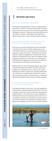 ON IMPACTS, VULNERABILITY AND ADAPTATION TO CLIMATE CHANGE 1 METHODS AND TOOLS WHAT IS? The Nairobi work programme, under the United Nations Framework Convention on Climate Change (), aims to assist countries
Hurricane Sandy: The Challenges and Opportunities to Link Disaster Management and Climate Change Adaptation*
 Hurricane Sandy: The Challenges and Opportunities to Link Disaster Management and Climate Change Adaptation* Gavin Smith, Ph.D. Associate Research Professor Department of City and Regional Planning University
chapter 9 conduct a climate change
 CONDUCT A CLIMATE RESILIENCY STUDY The following chapters recommend how to reach CRC Milestone Two, Conduct a Climate Resiliency Study. 2 MILESTONE Chapter 8: Conduct a Climate Change Vulnerability Assessment
COUNTY OF LAMBTON OFFICIAL PLAN UPDATE BACKGROUND REPORT NO.
 COUNTY OF LAMBTON OFFICIAL PLAN UPDATE BACKGROUND REPORT NO. 6 RENEWABLE ENERGY Image Source: (Word Clip Art Stock Photo, 2011) Date: May, 2015 BACKGROUND PLANNING AND DEVELOPMENT SERVICES DEPARTMENT 789
For a Green Economy Tomorrow, Private Sector Development Today will Tip the Scales!
 DCED Green Growth Working Group For a Green Economy Tomorrow, Private Sector Development Today will Tip the Scales! The Rio+20 summit in June 2012 will further substantiate the concept of sustainable development
Energy: renewable sources of energy. Renewable Energy Sources
 Energy: renewable sources of energy Energy Sources 1 It is technically and economically feasible to phase out net greenhouse gas (GHG) emissions almost entirely by 2050. A report by energy consulting firm
Planning Resource Guide. Climate Change Adaptation through Land Use Planning
 Planning Resource Guide Climate Change Adaptation through Land Use Planning i The new Provincial Planning regulation continues to promote sound land use planning and express the provincial interest in
Comparison of Goals and Policies Between Draft Plan (November 28, 2012) and Final Draft Plan (March 20, 2013)
 Comparison of Goals and Policies Between Draft Plan (November 28, 2012) and Final Draft Plan (March 20, 2013) GOALS HIGHLIGHTED TEXT INDICATES THE DRAFT PLAN GOALS & POLICIES THAT HAVE CHANGED IN THE FINAL
Building Resilient Infrastructure for the 21 st Century
 Building Resilient Infrastructure for the 21 st Century 1 Maria Mehranian Cordoba Corporation & Los Angeles Regional Water Quality Control Board October 19, 2014 24 th Annual Lake Arrowhead Symposium:
New York Sea Grant Strategic Plan
 New York Sea Grant Strategic Plan Introduction and Process This is the new strategic plan for New York Sea Grant (NYSG) for the years 2010-2013 as requested by the National Sea Grant Office. This plan