
Help For Struggling Borrowers
|
|
|
- Curtis Simmons
- 10 years ago
- Views:
Transcription
1 DECEMBER 18, 2013 Help For Struggling Borrowers A guide to the mortgage servicing rules effective on January 10, 2014

2 Table of contents Introduction Applying for loss mitigation Introduction Loss mitigation: General requirements on servicers Identifying key dates for loss mitigation and foreclosure When is a borrower delinquent? The loss mitigation process Step one The loss mitigation process: Live contact from the servicer to the borrower Step two The loss mitigation process: General information about loan workout and modification possibilities Step three The loss mitigation process: Assigning personnel and written notice Step four The loss mitigation process: Periodic statements with delinquency information Step five The borrower applies for loss mitigation Step six The servicer acknowledges receipt of the application and/or helps the borrower complete the borrower s application Step seven The borrower completes the loss mitigation application CONSUMER FINANCIAL PROTECTION BUREAU FOOTER STYLE

3 1.5.8 Step eight The servicer evaluates the borrower s complete the loss mitigation application Step nine The servicer offers or denies a loss mitigation option to the borrower Step ten Borrower s acceptance or rejection of an offer made by the servicer Borrower s appeal rights if loss mitigation is denied Offers of loss mitigation where the borrower has not applied for loss mitigation or where the borrower has submitted an incomplete loss mitigation application but the offer is not based on this incomplete application The servicer s obligation to comply with the loss mitigation rules if the borrower has sent a cease communication writing to the servicer Liability for failure to comply with 12 C.F.R Foreclosure prohibitions Introduction General What does it mean to file a foreclosure When is a servicer prohibited from filing a foreclosure action? What happens if the borrower submits a complete loss mitigation application after foreclosure has been filed? More than 37 days before a foreclosure sale days or less before a foreclosure sale Charges and fees that can be imposed on a borrower Rules regarding processing and applying payments Full periodic mortgage payments Partial periodic mortgage payments Limitations on pyramiding late fees Limitations on force-placed insurance CONSUMER FINANCIAL PROTECTION BUREAU FOOTER STYLE

4 3.3.1 What is Force-placed Insurance? When can the servicer purchase and charge the borrower for force-placed insurance? How can the borrower prove that the borrower has hazard insurance coverage in order to avoid force-placed insurance? Purchasing and charging the borrower for force-placed insurance Force-placed insurance renewals and replacements Cancelling force-placed insurance The error resolution process Step one Written notice from borrower Notice content What is an error? What counts as a written notice? Where should the borrower send the written notice? Step two The servicer acknowledges receipt of the notice of error Step three The servicer investigates the notice of error and responds to the notice of error Investigation Response Timing Responding to multiple allegations of error Exceptions Intersection of the error resolution rules and other laws Requests for information Step one: Written request for information from borrower Request content What counts as a request for information? CONSUMER FINANCIAL PROTECTION BUREAU FOOTER STYLE

5 5.1.3 Where should the borrower send the written notice? Step two: The servicer acknowledges receipt of the request for information Requirements Exceptions Step three: The servicer responds to the information request Response Timing Exceptions Other information request requirements Fee for information Intersection of the information request rules and other laws Information available on the Periodic Statement Requests for payoff statements Step one: Step two: Accuracy Timing Appendix A: Appendix B: CONSUMER FINANCIAL PROTECTION BUREAU FOOTER STYLE


6 This guide summarizes certain mortgage rules finalized by the CFPB in 2013, but it is not a substitute for the rules. Only the rules and their official interpretations can provide complete and definitive information regarding their requirements. 6 CONSUMER FINANCIAL PROTECTION BUREAU FOOTER STYLE

7 Introduction In January 2013, the Consumer Financial Protection Bureau issued several final rules concerning mortgage markets in the United States (2013 Title XIV Final Rules), pursuant to the Dodd-Frank Wall Street Reform and Consumer Protection Act (Dodd-Frank Act), Public Law No , 124 Stat (2010). 1 The Bureau issued various amendments to these rules that are available on the Bureau s website at This guide is concerned primarily with the new mortgage servicing rules, which are meant to address consumer harm that took place in the mortgage servicing market. 2 The rules contain specific requirements, discussed in this guide. The rules also require servicers to adopt policies and procedures reasonably designed to achieve objectives relating to, among 1 Specifically, on January 10, 2013, the Bureau issued Escrow Requirements Under the Truth in Lending Act (Regulation Z), 78 FR 4726 (Jan. 22, 2013) (2013 Escrows Final Rule), High-Cost Mortgage and Homeownership Counseling Amendments to the Truth in Lending Act (Regulation Z) and Homeownership Counseling Amendments to the Real Estate Settlement Procedures Act (Regulation X), 78 FR 6856 (Jan. 31, 2013) (2013 HOEPA Final Rule), and Ability-to-Repay and Qualified Mortgage Standards Under the Truth in Lending Act (Regulation Z), 78 FR 6407 (Jan. 30, 2013) (2013 ATR Final Rule). The Bureau concurrently issued a proposal to amend the 2013 ATR Final Rule, which was finalized on May 29, See 78 FR 6621 (Jan. 30, 2013) and 78 FR (June 12, 2013). On January 17, 2013, the Bureau issued the Real Estate Settlement Procedures Act (Regulation X) and Truth in Lending Act (Regulation Z) Mortgage Servicing Final Rules, 78 FR (Regulation Z) (Feb. 14, 2013) and 78 FR (Regulation X) (Feb. 14, 2013) (2013 Mortgage Servicing Final Rules). On January 18, 2013, the Bureau issued the Disclosure and Delivery Requirements for Copies of Appraisals and Other Written Valuations Under the Equal Credit Opportunity Act (Regulation B), 78 FR 7215 (Jan. 31, 2013) (2013 ECOA Final Rule) and, jointly with other agencies, issued Appraisals for Higher-Priced Mortgage Loans, 78 FR (Feb. 13, 2013). On January 20, 2013, the Bureau issued the Loan Originator Compensation Requirements under the Truth in Lending Act (Regulation Z), 78 FR (Feb. 15, 2013) (2013 Loan Originator Compensation Final Rule). 2 Bureau of Consumer Financial Protection, Mortgage Servicing Rules under the Real Estate Settlement Procedures Act (Regulation X), 78 Fed. Reg , (February 14, 2013). 7 CONSUMER FINANCIAL PROTECTION BUREAU FOOTER STYLE

8 other things: accessing and providing timely and accurate information, 3 properly evaluating loss mitigation applications, 4 facilitating oversight of and ensuring compliance with the rules by service providers, 5 facilitating transfer of information when servicing is transferred to a different servicer, 6 and informing borrowers of error resolution and information request procedures. 7 The rules also set forth requirements on record retention and the contents of a servicing file. 8 A copy of the rule, setting forth the specific items that must be covered in the servicer s policies and procedures, is attached to this outline as Appendix A. 9 These new rules become effective on January 10, Any borrower who is more than 37 days from a foreclosure sale on January 10, 2014 and files a complete loss mitigation application before 37 days before a foreclosure sale is entitled to an evaluation of the complete loss mitigation application for all available loss mitigation options under 12 C.F.R , as described more fully in section 1.5 of this guide. Small servicers are exempt from some of the new rules. A chart showing which servicers are subject to which rules is attached to this Guide as Appendix B. A small servicer is either: A servicer that, together with affiliates, services 5,000 or fewer mortgage loans and services only mortgage loans that they or an affiliate originated or own, or 3 12 C.F.R (b)(1) C.F.R (b)(2) C.F.R (b)(3) C.F.R (b)(4) C.F.R (b)(5) C.F.R (c) C.F.R CONSUMER FINANCIAL PROTECTION BUREAU FOOTER STYLE

9 A servicer that is a housing finance agency as defined in 24 C.F.R This guide will aid in determining when a borrower is delinquent for purposes of Regulation X s early intervention requirement, sets forth a step-by-step guide to the loss mitigation process under the new servicing rules, and discusses when a servicer can initiate a foreclosure under the new rules. The guide also discusses how to resolve servicer errors and how to request information from a servicer. This guide is divided into six parts, as follows: 1. The loss mitigation application process; 2. Foreclosure prohibitions under the rule; 3. Charges and fees that can be imposed on a borrower 4. The process for resolving errors by a servicer; 5. The process for requesting information from a servicer; and 6. Requests for payoff statements C.F.R (e)(4). 9 CONSUMER FINANCIAL PROTECTION BUREAU FOOTER STYLE

10 1. Applying for loss mitigation 1.1 Introduction This section sets out the early intervention, continuity of contact, and loss mitigation procedures contained in the new rules, as well as periodic statement requirements for borrowers who are delinquent on their mortgage. Borrowers should be encouraged to take full advantage of the contacts and processes provided for in these rule. While some of these rules apply only to delinquent borrowers, a borrower can apply for loss mitigation relief whether or not the borrower is delinquent. The Federal regulations discussed here are meant to be minimum requirements for servicers, and states may adopt regulations that offer greater consumer protection. 11 Individual mortgage lenders and owners are also free to adopt additional requirements for servicers. The rules provide that A servicer is only required to comply with the requirements [in the loss mitigation procedures 12 C.F.R ] for a single complete loss mitigation application for a borrower s mortgage loan account. 12 This means that if a borrower submits a complete loss mitigation application, and later seeks additional loss mitigation assistance, the borrower may not be entitled to a second full loss mitigation process under the rules. 11 Consumer Financial Protection Bureau, 2013 Real Estate Settlement Procedures Act (Regulation X) and Truth in Lending Act (Regulation Z) Mortgage Servicing Final Rules, Small Entity Compliance Guide at 11 (November 27, 2013); 12 C.F.R (c) and Comment 5(c)(1) C.F.R (i). 10 CONSUMER FINANCIAL PROTECTION BUREAU FOOTER STYLE

11 However, if servicing on the account is transferred to a new servicer, the borrower may be able to apply for loss mitigation again. 13 Documents and information transferred from the old servicer to the new servicer may count as an application for loss mitigation, triggering all of the responsibilities of section Small servicers do not have to comply with the loss mitigation rules, except that small servicers must comply with the requirements in 24 C.F.R (f)(1)(prohibition on foreclosure referral, including the 120-day limit) 14 and cannot make the first notice or filing required by applicable law for any judicial or non-judicial foreclosure process and shall not move for foreclosure judgment or order of sale or conduct a foreclosure sale if a borrower is performing pursuant to the terms of an agreement on a loss mitigation option. 15 If a servicer maintains an exclusive address that the borrower must use to assert an error against the servicer, or request information from the servicer, the servicer must include this exclusive address in any written communications with the borrower required by 12 C.F.R and 12 C.F.R in which the servicer gives the borrower the servicer s contact information for assistance C.F.R. part 1024 Supplement I, Comment 41(i) 1 ( A transferee servicer is required to comply with the requirements of regardless of whether a borrower received an evaluation of a complete loss mitigation application from a transferor servicer. ) C.F.R (j); 12 C.F.R (f)(1) C.F.R (j); Mortgage Servicing Rules: Coverage, available at < C.F.R. part 1024 supplement 1, Comments 35(c) 2(iv) and 36(b) 2(iv). 11 CONSUMER FINANCIAL PROTECTION BUREAU FOOTER STYLE

12 1.2 Loss mitigation: General requirements on servicers The new rules set forth the process that must be followed by a servicer who offers loss mitigation options to borrowers. The owner or assignee of a loan determines what options will be available. A servicer has no duty to provide any borrower with any specific loss mitigation options. 17 Nothing in section [the loss mitigation section] should be construed to create a right for a borrower to enforce the terms of any agreement between a servicer and the owner or assignee of a mortgage loan, including with respect to the evaluation for, or offer of, any loss mitigation option or to eliminate any such right that may exists pursuant to applicable law. 18 The loss mitigation application rules only apply to loss mitigation applications submitted on or after January 10, A borrower does not have to be delinquent to apply for loss mitigation. 1.3 Identifying key dates for loss mitigation and foreclosure Several key dates have to be identified, because the timing on various parts of the modification and foreclosure process is tied to these dates. Some of the timing is based on how many days it is AFTER the borrower becomes delinquent. Other timing requirements are based on the scheduled date of a foreclosure sale, and how many days BEFORE that date a loss mitigation application is submitted. These crucial dates are: C.F.R (a) C.F.R (a). 12 CONSUMER FINANCIAL PROTECTION BUREAU FOOTER STYLE
![41 [the loss mitigation section] should be construed to create a right for a borrower to enforce the terms of any agreement between a servicer and the owner or assignee of a mortgage loan, including](/docs-images/40/294729/images/page_12.jpg "with respect to the evaluation for, or offer of, any loss mitigation option or to eliminate any such right that may exists pursuant to applicable law.")
13 The date of delinquency days after the date of the missed or partial payment 45 days after the date of the missed or partial payment 120 days after a borrower becomes delinquent The scheduled date of the foreclosure sale If no foreclosure sale is set at the time the borrower submits a complete loss mitigation application, the loss mitigation application is treated as if it was received by the servicer more than 90 days before any foreclosure sale. 20 This treatment remains true even if a foreclosure sale is later actually scheduled or re-scheduled days before any scheduled foreclosure sale 45 days before any scheduled foreclosure sale 90 days before any scheduled foreclosure sale The date the servicer received a completed loss mitigation application, or the date a loss mitigation application is facially complete. The date the servicer provided the borrower with a loss mitigation offer. While there is no deadline for completing a loss mitigation application, the sooner the loss mitigation application is completed the more rights and time the borrower may have in the loss 19 Keep in mind that that the rule does not explicitly define delinquency, although the commentary does explain what constitutes a delinquency for certain specific purposes. See section 1.4 of this guide C.F.R (b)(3) and Comment 41(b)(3) C.F.R. part 1024 Supplement I, Comment 41(b)(3) CONSUMER FINANCIAL PROTECTION BUREAU FOOTER STYLE

14 mitigation process. Borrowers who submit a completed application 37 days or less before a foreclosure sale are not entitled to have the servicer comply with the loss mitigation requirements contained in 12 C.F.R with respect to that application, 22 although the servicer will still have to comply with any investor guidelines for loss mitigation applications received during this period. 1.4 When is a borrower delinquent? The rules do not provide an explicit definition of delinquency, but the commentary does explain what constitutes a delinquency for two specific purposes. If a borrower becomes delinquent, a servicer has certain obligations to attempt contact with the borrower and assign personnel to be continually available to discuss the borrower s loan. A borrower is delinquent for purposes of these early intervention (12 C.F.R ) and continuity of contact (12 C.F.R ) requirements when the borrower fails to make a payment sufficient to cover principal, interest and, if applicable, escrow on the date that the payment is due. 23 A borrower is delinquent on the day a full payment is due and not fully paid, even if the borrower is afforded a period after the due date to pay before the servicer assesses a late fee. 24 For example, 12 C.F.R provides that a servicer must establish or make good faith efforts to establish live contact with a delinquent borrower not later than the 36 th day of the borrower s delinquency 25 This means that if the borrower s payment was due on January 1 and the amount due is not fully paid during the 36-day period after January 1, the servicer must establish or make good faith efforts to establish live contact C.F.R. part 1024 Supplement I, Comment 41(g) C.F.R. part 1024 Supplement I, Comments 39(a) 1(i); 39(b)(1) 1 and 40(a) C.F.R. part 1024 Supplement I, Comment 39(a) 1(i) C.F.R (a). 14 CONSUMER FINANCIAL PROTECTION BUREAU FOOTER STYLE

15 not later than 36 days after January 1 i.e., by February This means that January 2 is day one, January 3 is day 2, etc. 1.5 The loss mitigation process Step one The loss mitigation process: Live contact from the servicer to the borrower REQUIREMENT Between the day the borrower s mortgage payment is due and not paid in full and 36 days later the servicer must make a good faith effort to reach the borrower, or an authorized agent of the borrower, by telephone (not just leave a message) or talk to the borrower in an in-person meeting to discuss the circumstances of the borrower s delinquency. 27 Servicers are encouraged to reach out more than once to a delinquent borrower to establish live contact, so a borrower should not be surprised to receive more than one phone call or electronic communication from the servicer if the borrower has not responded to the servicer s efforts to reach the borrower. 28 EXCEPTIONS This rule does not require contact with a borrower who: has filed for bankruptcy relief or whose joint obligor has filed for bankruptcy relief; C.F.R. part 1024 Supplement I, Comment 39(a) 1(i) C.F.R (a) and Comment 39(a) 2. Contacting an agent is permitted by 12 C.F.R. part 1024 Supplement I, Comment 39(a) Id C.F.R (d)(1) and Comment 39(d)(1) CONSUMER FINANCIAL PROTECTION BUREAU FOOTER STYLE

16 has instructed the servicer in writing to cease communications with the borrower pursuant to the Fair Debt Collection Practices Act, if the servicer is a debt collector subject to the Fair Debt Collection Practices Act with respect to that borrower; 30 is making payments as agreed on any loss mitigation contract; 31 sent a timely payment to a former servicer within 60 days before the current servicer took over the loan, and if the current servicer learns of this payment and documents the misdirected payment in the servicer s files; 32 cures a delinquent payment during this 36-day initial contact period C.F.R (d)(2). The FDCPA cease communications rule can be found at 15 U.S.C. 1692c(c) C.F.R. part 1024 Supplement I, Comment 39(a) 1(ii) C.F.R. part 1024 Supplement I, Comment 39(a) 1(iii) C.F.R. part 1024 Supplement I, Comment 39(a) 1(iv). 16 CONSUMER FINANCIAL PROTECTION BUREAU FOOTER STYLE

17 1.5.2 Step two The loss mitigation process: General information about loan workout and modification possibilities REQUIREMENT What and When? Promptly after the servicer makes live contact with the borrower the servicer must tell the borrower, or an authorized agent of the borrower, about the availability of loss mitigation options if appropriate. 34 It is within the servicer s reasonable discretion to decide if it is appropriate under the circumstances to inform the borrower about the availability of loss mitigation options. 35 The commentary to the rule gives examples: If a borrower has had a material adverse change in the borrower s financial circumstances that is likely to cause the borrower to experience a long-term delinquency for which loss mitigation options might be available, the servicer should tell the borrower about those options. 36 If the borrower says simply that a payment will be late, the servicer does not have to inform the borrower about the availability of loss mitigation options. 37 The information given to the borrower at this stage does not have to be about specific workout options. Rather, the servicer can just tell the borrower generally that loss mitigation options may be available C.F.R (a); contacting an agent is permitted by 12 C.F.R. part 1024 Supplement I, Comment 39(a) C.F.R. part 1024 Supplement I, Comment 39(a) C.F.R. part 1024 Supplement I, Comment 39(a) 3(i)(A) C.F.R. part 1024 Supplement I, Comment 39(a) 3(i)(B). 17 CONSUMER FINANCIAL PROTECTION BUREAU FOOTER STYLE

18 How Given? The servicer can give the borrower the information about loss mitigation options orally, in writing, or through electronic communication. 39 The servicer can comply with this obligation by giving the written notice required by 12 C.F.R (b) (discussed in section 1.5.3) to the borrower promptly after establishing live contact. 40 EXCEPTIONS This early intervention rule does not require contact with a borrower who: has filed for bankruptcy relief or whose joint obligor has filed for bankruptcy relief; 41 has instructed the servicer in writing to cease communications with the borrower pursuant to the Fair Debt Collection Practices Act, if the servicer is a debt collector subject to the Fair Debt Collection Practices Act with respect to that borrower; 42 is making payments as agreed on any loss mitigation contract; 43 sent a timely payment to a former servicer within 60 days before the current servicer took over the loan, and if the current servicer learns of this payment and documents the misdirected payment in the servicer s files C.F.R. part 1024 Supplement I, Comment 39(a) 3(ii) C.F.R. part 1024 Supplement I, Comment 39(a) 3(ii) C.F.R. part 1024 Supplement I, Comment 39(a) 3(ii) C.F.R (d)(1) and Comment 39(d)(1) C.F.R (d)(2). The FDCPA cease communications rule can be found at 15 U.S.C. 1692c(c) C.F.R. part 1024 Supplement I, Comment 39(a) 1(ii) C.F.R. part 1024 Supplement I, Comment 39(a) 1(iii). 18 CONSUMER FINANCIAL PROTECTION BUREAU FOOTER STYLE

19 1.5.3 Step three The loss mitigation process: Assigning personnel and written notice Between the day of the borrower s missed mortgage payment and 45 days later the servicer should assign personnel to the mortgage, and must send a written notice. ASSIGNING PERSONNEL Requirement In order to provide continuity of contact, the servicer should 45 assign personnel (which can be one or more persons) 46 to the delinquent borrower, or an authorized agent of the borrower, 47 who will be available via telephone, immediately or in a timely manner. 48 The servicer must maintain policies and procedures that are reasonably designed to ensure that the servicer can: provide the assigned personnel with access to all documents and information the borrower submits in connection with a loss mitigation option; and 49 facilitate the sharing of accurate and current information about the borrower s loss mitigation application and the status of any foreclosure proceeding between the assigned personnel and other appropriate personnel, such as those handling a foreclosure C.F.R (a)( the servicer shall maintain policies and procedures reasonably designed to achieve these requirements) C.F.R. part 1024 Supplement I, Comment 40(a) Contact with an agent is permitted by 12 C.F.R. part 1024 Supplement I, Comment 40(a) C.F.R (a) C.F.R (a) & (b)(2)(iii) C.F.R (a) & (b)(3)(iii). 19 CONSUMER FINANCIAL PROTECTION BUREAU FOOTER STYLE

20 The personnel assigned should be able to respond to the borrower s inquiries and assist the borrower with available loss mitigation options by doing the following: 51 Giving the borrower accurate information about loss mitigation options; Telling the borrower what the borrower has to do to apply for these options; Telling the borrower what the mortgage owner s deadlines are for applying for and processing the borrower s application; Telling the borrower how to appeal if the servicer denies the borrower s loss mitigation application; Telling the borrower the status of any loss mitigation application; Being able to retrieve and provide to anyone considering the borrower for loss mitigation a complete record of the borrower s payment history; Being able to retrieve and provide to anyone considering the borrower for loss mitigation all written information the borrower has submitted to any servicer in connection with a loss mitigation application; and Giving the borrower information about the procedures for error resolution 52 and requesting information from the servicer C.F.R (a) & (b). 52 See 12 C.F.R See 12 C.F.R CONSUMER FINANCIAL PROTECTION BUREAU FOOTER STYLE

21 The personnel assigned should remain assigned to the borrower until the borrower has made two consecutive mortgage payments under a permanent loss mitigation plan without incurring a late charge. 54 Exceptions Personnel do not have to be assigned to a borrower who has already refinanced or paid off the loan, brought the loan current, or if the property has been transferred to a new owner through sale or a deed in lieu of foreclosure. 55 Small servicers are exempt from this requirement. 56 WRITTEN NOTICE Requirement When sent? Between the day of the borrower s missed mortgage payment and 45 days later the servicer must send a written notice to the borrower, or an authorized agent of the borrower. 57 The notice must be sent even if the servicer gave the borrower loss mitigation information orally during the initial live contact with the borrower (section 1.5.2) C.F.R (a)(2) C.F.R. part 1024 Supplement I, Comment 40(a)(1). 56 Mortgage Servicing Rules: Coverage, available at < C.F.R (b)(2). Contacting an agent is permitted by 12 C.F.R. part 1024 Supplement I, Comment 39(b)(1) C.F.R. part 1024 Supplement I, Comment 39(b)(1) CONSUMER FINANCIAL PROTECTION BUREAU FOOTER STYLE
22 Notice Content The notice must: Encourage the borrower to contact the servicer; Give the borrower the telephone number for the personnel assigned to the borrower and the servicer s mailing address; Give the borrower examples of the loss mitigation options that might be available to the borrower; and Give the borrower a loss mitigation application, if the servicer does loss mitigation, or tell the borrower how to get more information about loss mitigation options; This requirement can be complied with by simply telling the borrower to contact us for instructions on how to apply, 59 The commentary to the rule suggests that servicers might expedite the loss mitigation process by telling the borrower what documents the borrower might need to apply, and an estimate of how quickly the servicer would expect to be able to evaluate and make a decision on a complete application. 60 Give the borrower a website address and the HUD toll-free telephone number where the borrower can access the CFPB or HUD list of housing counselors and organizations. Note that if the servicer maintains an exclusive address that the borrower must use to assert an error against the servicer, or request information from the servicer, the servicer must include this exclusive address in any written early intervention C.F.R. part 1024 Supplement I, Comment 39(b)(2)(iv) C.F.R. part 1024 Supplement I, Comment 39(b)(2)(iv) CONSUMER FINANCIAL PROTECTION BUREAU FOOTER STYLE
23 communications with the borrower required by 12 C.F.R in which the servicer gives the borrower the servicer s contact information for the assistance. 61 The notice may also: Give the borrower additional information that the servicer thinks would be helpful to the borrower; 62 Give the borrower additional information required by other law, or the owner or assignee of the mortgage. 63 Notice Form The form of the notice: Must be clear and conspicuous, but otherwise can be in any form, size, etc., and can be combined with other notices. 64 The regulation has model clauses that may be used by servicers to comply with the written notice form. 65 Exceptions The servicer does NOT have to send a written notice: to a borrower who has filed or whose joint obligor has filed for bankruptcy relief; C.F.R. part 1024 Supplement I, Comments 35(c) 2(iv) and 36(b) 2(iv) C.F.R. part 1024 Supplement I, Comment 39(b)(2) C.F.R. part 1024 Supplement I, Comment 39(b)(2) C.F.R. part 1024 Supplement I, Comments 39(b)(2) 2 & C.F.R (b)(3); 12 C.F.R , Appendices MS-4(A); MS4(B) and MS-4(C) C.F.R (d)(1) and Comment 39(d)(1) CONSUMER FINANCIAL PROTECTION BUREAU FOOTER STYLE
24 to a borrower who has instructed the servicer in writing to cease communications with the borrower pursuant to the Fair Debt Collection Practices Act, if the servicer is a debt collector subject to the Fair Debt Collection Practices Act with respect to the borrower; 67 to a borrower who is making payments as agreed on any loss mitigation contract designed to bring the borrower current on a previously missed payment; 68 to a borrower who sent a timely payment to a former servicer within 60 days before the current servicer took over the loan, and if the current servicer learns of this payment and documents the misdirected payment in the servicer s files; 69 if the servicer has sent a written notice under this section of the statute to a borrower in the last 180 days. (Only one notice is required during any 180-day period.) Step four The loss mitigation process: Periodic statements with delinquency information REQUIREMENT The new rules require servicers to send a monthly periodic statement to most borrowers. 71 But if the servicer provides the borrower with a coupon book that meets certain requirements, the servicer does not have to send a periodic statement to the borrower. 72 Upon the borrower s delinquency, the rules do not alter whether a periodic statement has to be sent to the borrower C.F.R (d)(2). The FDCPA cease communications rule can be found at 15 U.S.C. 1692c(c) C.F.R. part 1024 Supplement I, Comment 39(a) 1(ii) C.F.R. part 1024 Supplement I, Comment 39(a) 1(iii) C.F.R (b)(1) and Comment 39(b)(1) See generally, 12 C.F.R C.F.R (e)(3) 24 CONSUMER FINANCIAL PROTECTION BUREAU FOOTER STYLE
25 However, the rules require that once the borrower has been delinquent for more than 45 days the servicer or mortgage owner or assignee must send the borrower the following items, grouped together in close proximity to each other and located on the first page of the [periodic] statement or, alternatively, on a separate page enclosed with the periodic statement or in a separate letter 73 : The date the borrower became delinquent; 74 The possible risks, such as foreclosure, and expenses that might be incurred by the borrower if the delinquency is not cured; 75 An account history covering the period since the account was last current or for the last six months, whichever is shorter, and showing for that period the amount past due from each billing cycle and the date on which any payment was credited as fully paid; 76 Whether the servicer has made the first notice or filing required by applicable law for any judicial or non-judicial foreclosure process, if applicable ; 77 How much must be paid by the borrower to bring the account current; 78 A website address and the HUD toll-free telephone number where the borrower can access the CFPB or HUD list of housing counselors and organizations; C.F.R (d)(8); 12 C.F.R (e)(3)(iv) C.F.R (d)(8)(i) C.F.R (d)(8)(ii) C.F.R (d)(8)(iii) C.F.R (d)(8)(v) C.F.R (d)(8)(vi). 25 CONSUMER FINANCIAL PROTECTION BUREAU FOOTER STYLE
26 Information about any loss mitigation programs that the borrower has already agreed to. 80 Note that unlike the other rules in this guide, which apply to servicers only, this rule applies to the mortgage owner or assignee as well. 81 If the servicer sends the borrower a periodic statement, it can use the Sample Form of Periodic Statement with Delinquency Box that is appendix H-30 to the new regulations. 82 A servicer who uses this form properly is deemed to have complied with the delinquency periodic statement rules. 83 EXCEPTIONS The servicer does NOT have to send this delinquency information to a borrower who has filed or whose joint obligor has filed for bankruptcy relief. 84 This notice does have to be sent even if the servicer is a debt collector with respect to the borrower and the borrower has sent a cease communication instruction in writing under the FDCPA C.F.R (d)(8)(vii). The regulation says that what must be provided is a reference to the homeownership counselor information disclosed pursuant to. the section on housing counselors C.F.R (d)(8)(iv) C.F.R (a)(2) C.F.R (c); 12 C.F.R. 1026, Appendix H-30(B) C.F.R (c) C.F.R (e)(5) and Comment 41(e)(5) CFPB bulletin at 6, available at 26 CONSUMER FINANCIAL PROTECTION BUREAU FOOTER STYLE
27 1.5.5 Step five The borrower applies for loss mitigation Determining when a borrower has applied for loss mitigation is crucial because once the borrower has applied the servicer has certain obligations, as described in this guide. WHAT IS AN APPLICATION? An inquiry about loss mitigation, in which the borrower provides no information to the servicer, is not an application. 86 But if the borrower does provide any information that would be evaluated as part of a loss mitigation application, the provision of the information IS an application. 87 The commentary gives examples of communications from the borrower to the servicer that would be considered an application, and says that a loss mitigation application is considered expansively. 88 If servicing on a mortgage account is transferred to a new servicer, documents and information transferred from the old servicer to the new servicer may count as an application for loss mitigation, triggering all of the responsibilities of section C.F.R. part 1024 supplement 1, Comment 41(b)(1) C.F.R. part 1024 supplement 1, Comment 41(b)(1) C.F.R. part 1024 supplement 1, Comment 41(b)(1) C.F.R. part 1024 supplement 1, Comment 41(i) CONSUMER FINANCIAL PROTECTION BUREAU FOOTER STYLE
28 1.5.6 Step six The servicer acknowledges receipt of the application and/or helps the borrower complete the borrower s application In general, servicers must maintain policies and procedures that are reasonably designed to ensure that the servicer can identify documents and information that a borrower is required to submit to complete a loss mitigation application 90 SERVICER S OBLIGATIONS IF AN APPLICATION IS RECEIVED 45 DAYS OR MORE BEFORE ANY SCHEDULED FORECLOSURE SALE If the application is received 45 days or more before any scheduled foreclosure sale, the servicer must review the loss mitigation application to determine if it is complete. 91 This must be done promptly after receipt of the application. If the application is received 45 days or more before any scheduled foreclosure sale, the servicer is also required to send the borrower a written acknowledgement that the servicer received the application. 92 This written acknowledgement must tell the borrower whether the application is complete. The written acknowledgement must be sent within five days after receipt of the application, not including weekends and legal public holidays. If the application is incomplete: the servicer has to tell the borrower what additional documents and information must be submitted to complete the application; C.F.R (a) & (b)(2)(iv) C.F.R (b)(2)(i)(A) C.F.R (b)(2)(i)(B) C.F.R (b)(2)(i)(B). The servicer is also required to maintain policies and procedures that are reasonably designed to ensure that the servicer can facilitate compliance with this notice requirement. 12 C.F.R (a) & (b)(2)(iv). 28 CONSUMER FINANCIAL PROTECTION BUREAU FOOTER STYLE
29 The servicer has to give the borrower a date by which the application should be completed. 94 This date has to be a reasonable date. 95 A reasonable date is a one that preserves the maximum borrower rights under based on several milestones, except when doing so would be impracticable to permit the borrower sufficient time to obtain and submit the type of documentation needed. 96 The milestones are: The date by which documents already submitted as part of the loss mitigation application will become stale or invalid; 97 The date that is the 120 th day of the borrower s delinquency; 98 The date that is 90 days before a foreclosure sale; 99 The date that is 38 days before a foreclosure sale; 100 If this date is not known the servicer can use a reasonable estimate of this date. 101 The commentary says it is generally impracticable for a borrower to obtain and submit documents in less than seven days C.F.R (b)(2)(i)(B) & (b)(2)(ii) C.F.R (b)(2)(i)(B) and (b)(2)(ii) C.F.R. part 1024 supplement 1, Comment 41(b)(2)(ii) C.F.R. part 1024 supplement 1, Comment 41(b)(2)(ii) 1(i) C.F.R. part 1024 supplement 1, Comment 41(b)(2)(ii) 1(ii) C.F.R. part 1024 supplement 1, Comment 41(b)(2)(ii) 1(iii) C.F.R. part 1024 supplement 1, Comment 41(b)(2)(ii) 1(iv) C.F.R. part 1024 supplement 1, Comment 41(b)(2)(ii) 1(i) C.F.R. part 1024 supplement 1, Comment 41(b)(2)(ii) CONSUMER FINANCIAL PROTECTION BUREAU FOOTER STYLE
30 The servicer must exercise reasonable diligence in getting the documents and information to complete the loss mitigation application. 103 The commentary to the rules gives examples of due diligence, such as contacting a borrower for a missing employer address to verify employment, or checking for missing information in a file transferred to the current servicer by a former servicer. 104 SERVICER S REQUIREMENTS IF THE APPLICATION IS RECEIVED LESS THAN 45 DAYS BEFORE A SCHEDULED FORECLOSURE SALE Servicers are not required to provide the written acknowledgement described above for applications received fewer than 45 days before any scheduled foreclosure sale. If the application is incomplete when received during this time the servicer continues to have an obligation to exercise reasonable diligence in obtaining documents and information to complete a loss mitigation application Step seven The borrower completes the loss mitigation application The borrower must provide the servicer with a complete loss mitigation application in order to be evaluated for loss mitigation programs. While the rules impose no deadline for completing a loss mitigation application, the sooner the loss mitigation application is completed the more rights and time the borrower may have in the loss mitigation process. For example, a borrower who submits a complete loss mitigation application before a foreclosure sale is scheduled or 90 days or more before a scheduled foreclosure sale gets a longer period to accept or reject loss C.F.R (b)(1) C.F.R. part 1024 supplement 1, Comment 41(b)(1) C.F.R (b) and Comment 41(b)(1) CONSUMER FINANCIAL PROTECTION BUREAU FOOTER STYLE
31 mitigation offers, and is allowed to appeal a denial of a loss mitigation application. 106 These same rights are not extended to borrowers who file a completed application at a later date. Borrowers who submit a completed application 37 days or less before a foreclosure sale are not entitled to have the servicer comply with the loss mitigation requirements contained in 12 C.F.R with respect to that application. 107 WHEN IS AN APPLICATION COMPLETE? An application is complete when the borrower gives the servicer ALL of the information it requires from the borrower. 108 If the servicer is waiting for information from a third party, such as a credit reporting agency, the application is still complete once the borrower submits everything required from the borrower. 109 The servicer can establish its own COMPLETE application requirements C.R.F (e); 12 C.F.R (h)(1); 12 C.F.R (b)(3) and Comments 41(b)(3) 1 & C.F.R. part 1024 Supplement I, Comment 41(g) C.F.R (b)(1) and Comment 41(b)(1) 5; 12 C.F.R (c)(2)(iv) C.F.R. part 1024 Supplement I, Comment 41(b)(1) C.F.R. part 1024 Supplement I, Comment 41(b)(1) CONSUMER FINANCIAL PROTECTION BUREAU FOOTER STYLE
32 1.5.8 Step eight The servicer evaluates the borrower s complete the loss mitigation application EVALUATION OF COMPLETE APPLICATIONS RECEIVED MORE THAN 37 DAYS BEFORE ANY SCHEDULED FORECLOSURE SALE All complete applications that are received more than 37 days before any scheduled foreclosure sale, or before any foreclosure sale is scheduled, 111 must be evaluated for all loss mitigation options available to the borrower. 112 This evaluation must be conducted by the servicer within 30 days of the servicer receiving the complete loss mitigation application. 113 How to conduct the evaluation is at the discretion of the servicer. 114 Any borrower who is more than 37 days from a foreclosure sale on January 10, 2014 and files a complete loss mitigation application before 37 days before a foreclosure sale is entitled to an evaluation of the complete loss mitigation application under 12 C.F.R , as described more fully in section 1.5 of this guide. 111 If no foreclosure sale is set at the time the borrower submits a complete loss mitigation application, the loss mitigation application is treated as if it was received by the servicer more than 90 days before any foreclosure sale, (and so the borrower s application is treated as one that was made more than 37 days before any foreclosure sale). 12 C.F.R (b)(3) and Comment 41(b)(3) 1. This treatment remains true even if a foreclosure sale is later actually scheduled or re-scheduled. 12 C.F.R. part 1024 Supplement I, Comment 41(b)(3) C.F.R (c)(1)(i). (This will include only those programs available from the borrower s lender for which the borrower qualifies. 12 C.F.R. part 1024 Supplement I, Comment 41(c)(1) 2).) The servicer is also required to maintain policies and procedures that are reasonably designed to ensure that the servicer can [p]roperly evaluate a borrower who submits an application for a loss mitigation for all loss mitigation options for which the borrower may be eligible pursuant to any requirements established by the owner or assignee of the borrower s mortgage loan. 12 C.F.R (a) & (b)(2)(v). This includes evaluation procedures that are lender specific and are not imposed by 12 C.F.R C.F.R. part 1024 Supplement I, Comment 38(b)(2)(v) C.F.R (c)(1)(i) C.F.R. part 1024 Supplement I, Comment 41(c)(1) CONSUMER FINANCIAL PROTECTION BUREAU FOOTER STYLE
33 EVALUATION OF COMPLETE APPLICATIONS RECEIVED 37 DAYS OR LESS BEFORE ANY SCHEDULED FORECLOSURE SALE If the borrower submits a complete loss mitigation application 37 days or LESS before a foreclosure sale, the servicer does NOT have to follow the loss mitigation requirements in with respect to that application. 115 The investors or owner or assignee of the mortgage may have requirements for dealing with loss mitigation applications that are received 37 days or less before a foreclosure sale. If this is the case the servicer must maintain policies and procedures that are reasonably designed to abide by such requirements. 116 TRANSFER OF SERVICING WHILE COMPLETE LOSS MITIGATION APPLICATION IS BEING EVALUATED If servicing is transferred while the borrower s complete loss mitigation application is being evaluated, the transferee servicer must get all the documents and information the borrower gave to the old servicer as part of the loss mitigation process, and, if the documents constitute a complete loss mitigation application for the new servicer, treat the documents and information as if they were submitted to the new servicer on the date that they were submitted to the old servicer. 117 The transferee servicer should continue the evaluation to the extent practicable C.F.R. part 1024 Supplement I, Comment 41(g) C.F.R (a) & (b)(2)(v)( A servicer shall maintain policies and procedures that are reasonably designed to Properly evaluate a borrower who submits an application for a loss mitigation option for all loss mitigation options for which the borrower may be eligible pursuant to any requirements established by the owner or assignee of the borrower s mortgage loan and, where applicable, in accordance with the requirements of ) and 12 C.F.R. part 1024 Supplement I, Comment 41(g) 4 ( Such evaluation may be subject to requirements applicable to a review of a loss mitigation application submitted by a borrower 37 days or less before a foreclosure sale. ) C.F.R. part 1024 Supplement I, Comment 41(i) C.F.R. part 1024 Supplement I, Comment 41(i) CONSUMER FINANCIAL PROTECTION BUREAU FOOTER STYLE
34 FACIALLY COMPLETE APPLICATIONS OR SUPPLEMENTING A COMPLETE APPLICATION The acknowledgement letter from the servicer must list all the missing information required to complete the borrower s loss mitigation application, if any. However, a servicer may later determine additional information or corrected documents are necessary to complete a loss mitigation application. The facially complete provision of the regulation explains what the servicer must do, and what protections are given to a borrower in such a situation. 119 If a borrower has submitted all the information requested in the acknowledgement letter (if any), or the acknowledgment letter did not request any additional information, but the servicer later determines additional information or corrected documentation is required to complete the application, the application must be considered facially complete. The servicer must promptly request the missing information or corrected documents. The servicer must treat the application as though it was complete for the purposes of the foreclosure protections in (f)(2) and (g) (see Foreclosure Prohibitions in Section 2 of this guide) until the borrower is given a reasonable opportunity to complete the application. If a borrower completes the application during this period: The foreclosure protections will continue; The application must be considered complete as of the date it was facially complete for the following purposes: Determining if a borrower may appeal the determination to deny a borrower for any trial or permanent loan modification program available to the borrower pursuant to (h); Determining the minimum amount of time a borrower has to accept or reject an offer of a loss mitigation option pursuant to (e). The 30 day evaluation timeline (required by (c)) will not begin until the date the application is actually complete C.F.R (c)(2)(iv). 34 CONSUMER FINANCIAL PROTECTION BUREAU FOOTER STYLE
35 REVIEW OF INCOMPLETE APPLICATIONS Except in the two situations identified below, the servicer cannot evade its obligations to evaluate a complete loss mitigation application by offering a loss mitigation option based upon an evaluation of any information provided by a borrower in connection with an incomplete loss mitigation application. 120 In the following two scenarios a servicer can offer a loss mitigation option based on an evaluation of an incomplete application: 1. Limited Circumstance for evaluating an incomplete application 1 application incomplete for a significant period of time: If a servicer has fulfilled its due diligence obligations to help the borrower complete the loss mitigation application, and the application remains incomplete for a significant period of time under the circumstances, the servicer is permitted to evaluate the incomplete application and offer a loss mitigation plan to the borrower. 121 What is a significant period of time may vary, taking into consideration things such as the timing of the foreclosure process. 122 Example: an application that remains incomplete for 15 days would be more significant if the borrower was 50 days before a foreclosure sale, as opposed to less than 120 days delinquent on the mortgage. 2. Limited Circumstance for evaluating an incomplete application 2 Short-term help A servicer is permitted to offer a short-term payment forbearance program to a borrower based upon an evaluation of an incomplete loss mitigation application C.F.R (c)(2) C.F.R (c)(2)(ii) C.F.R. part 1024 Supplement I, Comment 41(c)(2)(ii) CONSUMER FINANCIAL PROTECTION BUREAU FOOTER STYLE
36 A short-term payment forbearance program is a loss mitigation option for which a servicer allows a borrower to forgo making certain payments or portions of payments for a period of time not longer than 6 months. 124 A review of the borrower s incomplete loss mitigation application is within the servicer s discretion, and is not required by 12 C.F.R (although such a review may be required by the owner or assignee of a mortgage loan) Step nine The servicer offers or denies a loss mitigation option to the borrower Within 30 days of receiving a complete application the servicer must give the borrower a written notice. 126 The content of this notice depends on whether a loss mitigation offer is made or not. IF AN OFFER IS MADE If an offer is made the written notice must: Say what loss mitigation offers the servicer is making. 127 Notify the borrower of the amount of time the borrower has, to accept or reject the offer of a loss mitigation program as provided for in [12 C.F.R (e)]. 128 An offer that involves non-home retention, such as a short sale, can be conditioned on receipt of further information not in the borrower s possession and necessary to establish the parameters of a servicer s offer C.F.R (c)(2)(iii) C.F.R. part 1024 Supplement I, Comment 41(c)(2)(iii) C.F.R. part 1024 Supplement I, Comment 41(c)(2)(i) C.F.R (c)(1)(ii) C.F.R (c)(1)(ii) C.F.R (c)(1)(ii). 36 CONSUMER FINANCIAL PROTECTION BUREAU FOOTER STYLE
37 Example: the servicer might offer the borrower the chance to enter into a listing for a short sale, but state that the specifics of an acceptable short sale transaction may be subject to further information obtained from an appraisal or title search. 130 IF THE APPLICANT IS DENIED FOR ANY AVAILABLE LOAN MODIFICATION PROGRAM If the applicant is denied for any available loan modification program the written notice must meet the following requirements: 131 The notice must give specific reasons for denial if the borrower s application is denied for any loan modification program (trial or permanent). 132 If the borrower is rejected because of investor or mortgage owner requirements, the servicer has to identify the specific owner, assignee, investor or guarantor whose rules mandated the rejection, and specifically identify the requirement that is the basis of the denial. It is not sufficient for the servicer to say that denial of the modification is based on an investor requirement. 133 If a borrower is offered one loan modification option but denied others because the owner or assignee has a rule that if the borrower qualifies for one modification the borrower cannot qualify for other options ranked below the offered option, the servicer simply has to tell the borrower that the borrower was denied other options because the investor s requirements include the use of such a ranking and that an C.F.R. part 1024 Supplement I, Comment 41(c)(1) C.F.R. part 1024 Supplement I, Comment 41(c)(1) A servicer s determination not to offer a borrower a loan modification available to the borrower constitutes a denial of the borrower for that loan modification option, even if other offers are made to the borrower. 12 C.F.R. part 1024 Supplement I, Comment 41(d) C.F.R (d) C.F.R. part 1024 Supplement I, Comment 41(d) CONSUMER FINANCIAL PROTECTION BUREAU FOOTER STYLE
38 offer of a loan modification option necessarily results in a denial for any other loan modification options below the option for which the borrower is eligible in the rankings. 134 If a trial or permanent loan modification is denied because of a net present value calculation, the servicer has to provide the borrower with the inputs used in the net present value calculation. 135 If the servicer has various criteria for evaluating a borrower for a loan modification, and the borrower is rejected based on one criterion, the servicer does not have to determine whether the borrower would have been rejected based on any of the other criteria. When the servicer tells the borrower why the borrower was rejected for loss mitigation, it only has to give the borrower the reason or reasons with respect to which the borrower was actually evaluated and rejected, and tell the borrower that the borrower was not evaluated on the other criteria for a loan modification. 136 The servicer has to notify the borrower of any rights to appeal the decision, requirements for appealing, and the time the borrower has for appealing Step ten Borrower s acceptance or rejection of an offer made by the servicer Once an offer is made the borrower has to accept or reject the servicer s loss mitigation offer. If the servicer decides to offer a loss mitigation option to the borrower, the servicer may prescribe a deadline by which the borrower must accept or reject the offer. The minimum length of time a servicer may give the borrower to accept or reject the servicer s offer varies C.F.R. part 1024 Supplement I, Comment 41(d) C.F.R. part 1024 Supplement I, Comment 41(d) C.F.R (d) and Comment 41(d) C.F.R (d); 12 C.F.R (c)(1)(ii). 38 CONSUMER FINANCIAL PROTECTION BUREAU FOOTER STYLE
39 depending on the number of days between the date the servicer receives a complete loss mitigation application from the borrower and the date of a foreclosure sale. If no foreclosure sale is set at the time the borrower submits a complete loss mitigation application, the loss mitigation application is treated as if it was received by the servicer more than 90 days before any foreclosure sale. 138 This treatment remains true even if a foreclosure sale is later actually scheduled or re-scheduled. 139 TIMING OF BORROWER S ACCEPTANCE/REJECTION If the completed loss mitigation application was received by the servicer 90 days or more before the foreclosure sale or before the date for a foreclosure sale is set, the servicer has to give the borrower at least 14 days after the servicer provides the offer to accept or reject the offer. 140 If the completed loss mitigation application was received by the servicer during the period that is less than 90 and more than 37 days before the foreclosure sale the servicer has to give the borrower at least 7 days after the servicer provides the offer to accept or reject the offer. 141 The rule does not include an explicit definition of provides. EXTENSION TO ACCEPT OR REJECT LOSS MITIGATIONS PLANS UNDER CERTAIN CIRCUMSTANCES If the completed loss mitigation application was received by the servicer 90 days or more before the foreclosure sale, or before the date for a foreclosure sale is set, the borrower was denied for a trial or permanent loan modification program, and the borrower appeals the denial within 14 days, the deadline for the borrower to accept any original or newly offered loss mitigation C.F.R (b)(3) and Comment 41(b)(3) C.F.R. part 1024 Supplement I, Comment 41(b)(3) C.F.R (e)(1); 12 C.F.R (b)(3) and Comments 41(b)(3) 1& C.F.R (e)(1). 39 CONSUMER FINANCIAL PROTECTION BUREAU FOOTER STYLE
40 plan(s) is extended to 14 days after the servicer gives the borrower notice of the appeal decision. 142 CONSEQUENCES OF NOT RESPONDING TO LOSS MITIGATION OFFER If the borrower does not respond by the deadline for acceptance given by the servicer, a servicer can treat this as a rejection of the offer, except in two circumstances. 143 Exception 1- Effect of payment by borrower: A servicer cannot treat the borrower s silence as rejection of a trial loan mitigation offer if the borrower submits a payment that would be owed under the offered loan mitigation plan within the time the borrower had to accept the loan offer. 144 If the borrower does submit a payment under the offered plan in the time required the servicer must give the borrower a reasonable period of time to fulfill any remaining requirements of the servicer for acceptance of the trial loan modification plan beyond the times dictated by the regulation. 145 Exception 2 Effect of certain appeals: If the completed loss mitigation application was received by the servicer 90 days or more before the foreclosure sale, or before the date for a foreclosure sale is set, the borrower was denied for a trial or permanent loan modification program, and the borrower appeals the denial within 14 days, the deadline for the borrower to accept any original or newly offered loss mitigation plan(s) is extended to 14 days after the servicer gives the borrower notice of the appeal decision C.F.R (e)(2)(iii); 12 C.F.R (c)(1)(ii); 12 C.F.R (h)(4) C.F.R (e)(2)(i) C.F.R (e)(2)(ii) C.F.R (e)(2)(ii) C.F.R (e)(2)(iii); 12 C.F.R (c)(1)(ii); 12 C.F.R (h)(4). 40 CONSUMER FINANCIAL PROTECTION BUREAU FOOTER STYLE
41 Borrower s appeal rights if loss mitigation is denied If the servicer has denied a borrower a loan modification, the borrower may be able to appeal the servicer s denial. The regulation does not provide an appeal right for any other loss mitigation denial (e.g., a short sale). WHO CAN APPEAL A borrower whose complete loss mitigation application results in a denial for any loan modification has a right to appeal the denial if the servicer received the complete loss mitigation application 90 days or more before a foreclosure sale or before the date for a foreclosure sale is set. 147 If the borrower is denied a loss mitigation option other than a loan modification, such as a short sale, the borrower is not entitled to an appeal. TIMING OF THE APPEAL The appeal must be taken within 14 days after the servicer provides the written notice to the borrower telling the borrower that the loss mitigation application has been denied. 148 The rule does not include an explicit definition of provides. WHO CONDUCTS THE APPEAL The appeal must be conducted by personnel who were not responsible for evaluating the loss mitigation application in the first place. 149 A supervisor of the personnel who evaluated the application may perform the appeal evaluation so long as the supervisor was not directly involved in the initial evaluation of the borrower s complete loss mitigation application C.F.R (h)(1); 12 C.F.R (b)(3) and Comments 41(b)(3) 1& C.F.R (h)(2) C.F.R (h)(3). 41 CONSUMER FINANCIAL PROTECTION BUREAU FOOTER STYLE
42 NOTIFICATION WHEN APPEAL IS FINISHED Within 30 days of the borrower making the appeal the servicer has to notify the borrower in writing whether it will offer a loss mitigation option or not. 151 If an offer is made the servicer has to tell the borrower how long the borrower has to accept or reject the offer or prior offers. 152 The servicer has to give the borrower at least 14 days to accept or reject any offer. 153 The servicer s decision on appeal is not appealable any further Offers of loss mitigation where the borrower has not applied for loss mitigation or where the borrower has submitted an incomplete loss mitigation application but the offer is not based on this incomplete application C.F.R. part 1024 Supplement I, Comment 41(h)(3) C.F.R (h)(4) C.F.R (h)(4) C.F.R (h)(4) C.F.R (h)(4). 42 CONSUMER FINANCIAL PROTECTION BUREAU FOOTER STYLE
43 A servicer is free to offer a loss mitigation option to a borrower who has not applied for loss mitigation or who has applied for loss mitigation but has an incomplete application, where the offer is not based on what is in the incomplete application. 155 An example of this might be a loss mitigation program offered to all borrowers who are a certain number of days delinquent. 156 If a program like this is offered, the servicer does not need to comply with the loss mitigation rules in with respect to that program offer The servicer s obligation to comply with the loss mitigation rules if the borrower has sent a cease communication writing to the servicer Even if a servicer is a debt collector and the borrower has sent a cease communication instruction in writing under the FDCPA, the servicer must comply with the loss mitigation rules in unless the borrower specifically withdraws the borrower s loss mitigation application C.F.R. part 1024 Supplement I, Comment 41(c)(2)(i) C.F.R. part 1024 Supplement I, Comment 41(c)(2)(i) C.F.R. part 1024 Supplement I, Comment 41(c)(2)(i) CFPB bulletin at 6, available at 43 CONSUMER FINANCIAL PROTECTION BUREAU FOOTER STYLE
44 1.8 Liability for failure to comply with 12 C.F.R Borrowers have a private right of action to enforce the loss mitigation rules in 12 C.F.R under the Real Estate Settlement Procedures Act, 12 U.S.C. 2605(f), which provides for damages, costs and attorneys fees. 44 CONSUMER FINANCIAL PROTECTION BUREAU FOOTER STYLE
45 2. Foreclosure prohibitions Please reference section 1.3 of this guide regarding identifying key dates for loss mitigation and foreclosure. 2.1 Introduction General In general, servicers must maintain policies and procedures that are reasonably designed to ensure that the servicer can: (v) submit documents or filings required for a foreclosure process, including documents or filings required by a court of competent jurisdiction, that reflect accurate and current information and that comply with applicable law. 159 The Federal regulations discussed here are meant to be minimum requirements for servicers, and states may adopt regulations that offer greater consumer protection. 160 Individual mortgage lenders and owners are also free to adopt additional requirements for servicers. Small servicers do not have to comply with the loss mitigation rules, except that small servicers must comply with the requirements in 24 C.F.R (f)(1)(prohibition on foreclosure C.F.R (a) & (b)(1)(v). 160 Consumer Financial Protection Bureau, 2013 Real Estate Settlement Procedures Act (Regulation X) and Truth in Lending Act (Regulation Z) Mortgage Servicing Final Rules, Small Entity Compliance Guide at 9 (June 7, 2013). 45 CONSUMER FINANCIAL PROTECTION BUREAU FOOTER STYLE
46 referral, including the 120 -day limit) 161 and cannot make the first notice or filing required by applicable law for any judicial or non-judicial foreclosure process and shall not move for foreclosure judgment or order of sale or conduct a foreclosure sale if a borrower is performing pursuant to the terms of an agreement on a loss mitigation option What does it mean to file a foreclosure In this guide the word file or filed is used to represent the following rules regarding initiation of the foreclosure process. A servicer cannot make the first notice or filing required by applicable law for any judicial or non-judicial foreclosure process until the borrower is more than 120 days delinquent. A servicer also cannot make that first notice or filing if the borrower has filed a complete loss mitigation application, until the servicer has finally denied the application (including any appeals, if applicable); the borrower has rejected all loss mitigations the servicer offered; or the borrower has failed to perform under an agreement on a loss mitigation option. Whether a document is considered the first notice or filing is determined on the basis of foreclosure procedures under the applicable State law. 163 In a state where foreclosure is initiated by court process, this is the first document filed in court or with another judicial body. 164 In a state where foreclosure does not require a court action, this would be the earliest document required to be recorded or published to initiate the foreclosure process C.F.R (j); 12 C.F.R (f)(1); 12 C.F.R (c) and Comment 5(c)(1) C.F.R (j); Mortgage Servicing Rules: Coverage, available at < C.F.R. part 1024 Supplement I, Comment 41(f) C.F.R. part 1024 Supplement I, Comment 41(f) 1(i). 46 CONSUMER FINANCIAL PROTECTION BUREAU FOOTER STYLE
47 In a state where there is no court filing and no document recorded or published, this would be the earliest document that establishes, sets, or schedules a date for the foreclosure sale. 166 A document that must be sent to a delinquent borrower but is not initially required to be filed, recorded, or published is not a first notice or filing just because it must later be attached to another document that IS required to be filed, recorded or published to foreclose When is a servicer prohibited from filing a foreclosure action? 120 DAY PROHIBITION A servicer, including a small servicer, 168 cannot file for any judicial or non-judicial foreclosure during the first 120 days that the borrower is delinquent. 169 Exceptions to the 120-day rule: A servicer CAN foreclose sooner than 120 days after delinquency if the failure to pay is based on a borrower s violation of a due on sale clause. 170 A servicer CAN foreclose sooner than 120 days after delinquency if the servicer is joining a foreclosure of a subordinate lienholder C.F.R. part 1024 Supplement I, Comment 41(f) 1(ii) C.F.R. part 1024 Supplement I, Comment 41(f) 1(iii) C.F.R. part 1024 Supplement I, Comment 41(f) 1(iv) C.F.R (j) C.F.R (f)(1)(i) C.F.R (f)(1)(ii). 47 CONSUMER FINANCIAL PROTECTION BUREAU FOOTER STYLE
48 This rule applies to loans that are delinquent when the new rules go into effect on January 10, PROHIBITION ON FILING FORECLOSURE DURING EVALUATION OF COMPLETE LOSS MITIGATION APPLICATION A servicer, who is not a small servicer, 172 cannot file for any judicial or non-judicial foreclosure if the borrower submits a complete loss mitigation application before a foreclosure is filed. 173 This prohibition applies whether the completed loss mitigation application was filed by the borrower during the first 120 days that the borrower is delinquent or any time after the first 120 days but before a foreclosure is filed. 174 This probihibition on filing foreclosure lasts until one of the following has happened: The servicer has denied the borrower s application for loss mitigation and the appeal process is not available to the borrower whose loss mitigation application was denied; 175 or the time for appeal of the denial has expired; 176 or the borrower has appealed a loss mitigation denial and the appeal was denied. 177 The borrower has rejected all loss mitigation options offered to the borrower by the servicer; 178 or C.F.R (f)(2) C.F.R (j) C.F.R (f)(2)(i) C.F.R (f)(2)(i) C.F.R (f)(2)(i) C.F.R (f)(2)(i) C.F.R (f)(2)(i). 48 CONSUMER FINANCIAL PROTECTION BUREAU FOOTER STYLE
49 The borrower does not perform as required under a loss mitigation agreement. 179 A borrower IS performing during the listing or marketing period of a short sale or other similar agreement. 180 A borrower may be deemed to have failed to perform if there is no approved short sale transaction at the end of the listing or marketing period. 181 PROHIBITION ON FILING FORECLOSURE IF THE BORROWER IS PERFORMING PURSUANT TO A SHORT-TERM PAYMENT FORBEARANCE PROGRAM OR A LOSS MITIGATION AGREEMENT A servicer cannot file for any judicial or non-judicial foreclosure at any time if the borrower is performing pursuant to a short-term payment forbearance program. 182 A short-term payment forbearance program is a loss mitigation option for which a servicer allows a borrower to forgo making certain payments or portions of payments for a period of time not longer than 6 months. 183 A servicer cannot file for any judicial or non-judicial foreclosure if a borrower is performing pursuant to the terms of a loss mitigation agreement C.F.R (f)(2)(ii) C.F.R (f)(2)(iii) C.F.R. part 1024 Supplement I, Comment 41(g)(3) C.F.R. part 1024 Supplement I, Comment 41(g)(3) C.F.R (c)(2)(iii) C.F.R. part 1024 Supplement I, Comment 41(c)(2)(iii) C.F.R (f)(2)(iii); 12 C.F.R (g)(3); 12 C.F.R (j). 49 CONSUMER FINANCIAL PROTECTION BUREAU FOOTER STYLE
50 2.3 What happens if the borrower submits a complete loss mitigation application after foreclosure has been filed? More than 37 days before a foreclosure sale If a foreclosure has already been filed, AND it is more than 37 days before a foreclosure sale, AND the borrower submits a complete loss mitigation application, a servicer cannot move for a foreclosure judgment [including a dispositive motion like a motion for default judgment, on the pleadings or summary judgment] or order of sale, or conduct a foreclosure sale 185 until one of the following has happened: The servicer has denied the borrower s application for loss mitigation and the appeal process is not available to the borrower whose loss mitigation application was denied; 186 or the time for appeal of the denial has expired; 187 or the borrower has appealed a loss mitigation denial and the appeal was denied. 188 or The borrower has rejected all loss mitigation options offered to the borrower by the servicer; 189 or The borrower does not perform as required under a loss mitigation agreement C.F.R (g) and Comment 41(g) C.F.R (g)(1) C.F.R (g)(1) C.F.R (g)(1) C.F.R (g)(2). 50 CONSUMER FINANCIAL PROTECTION BUREAU FOOTER STYLE
51 A borrower IS performing during the listing or marketing period of a short sale or other similar agreement. 191 A borrower may be deemed to have failed to perform if there is no approved short sale transaction at the end of the listing or marketing period. 192 Once the servicer receives a complete loss mitigation application, the servicer must promptly instruct any lawyers it has retained not to proceed with filing for a foreclosure judgment or order of sale, or conducting a foreclosure sale, and if necessary, to file for a continuance (delay) with respect to any deadlines for filing a dispositive motion. 193 The servicer can continue litigating, arbitrating, mediating, etc. the foreclosure during the loss mitigation process so long as this does not cause or directly result in the issuance of a foreclosure judgment or order of sale, or the conduct of a foreclosure sale in violation of If the servicer has already made a dispositive motion at the time the borrower completes the loss mitigation application, the servicer has to take reasonable steps to avoid a ruling on such motion or issuance of such order until the loss mitigation procedures are completed. 195 If a servicer does this, it has not violated the prohibition on moving for judgment, even if the court goes ahead and grants the servicer s dispositive motion C.F.R (g)(3) C.F.R. part 1024 Supplement I, Comment 41(g)(3) C.F.R. part 1024 Supplement I, Comment 41(g)(3) C.F.R. part 1024 Supplement I, Comment 41(g) C.F.R. part 1024 Supplement I, Comment 41(g) C.F.R. part 1024 Supplement I, Comment 41(g) C.F.R. part 1024 Supplement I, Comment 41(g) CONSUMER FINANCIAL PROTECTION BUREAU FOOTER STYLE
52 days or less before a foreclosure sale If a foreclosure has already been filed, and the borrower submits a complete loss mitigation application 37 days or LESS before a foreclosure sale, the servicer does NOT have to follow the loss mitigation requirements in with respect to that application. 197 If the investors or owner or assignee of the mortgage have requirements for dealing with loss mitigation applications that are received 37 days or less before a foreclosure sale, the servicer must maintain policies and procedure that are reasonably designed to abide by such requirements C.F.R. part 1024 Supplement I, Comment 41(g) C.F.R (a) & (b)(2)(v)( A servicer shall maintain policies and procedures that are reasonably designed to Properly evaluate a borrower who submits an application for a loss mitigation option for all loss mitigation options for which the borrower may be eligible pursuant to any requirements established by the owner or assignee of the borrower s mortgage loan and, where applicable, in accordance with the requirements of ) and 12 C.F.R. part 1024 Supplement I, Comment 41(g) 4 ( Such evaluation may be subject to requirements applicable to a review of a loss mitigation application submitted by a borrower 37 days or less before a foreclosure sale. ). 52 CONSUMER FINANCIAL PROTECTION BUREAU FOOTER STYLE
53 3. Charges and fees that can be imposed on a borrower 3.1 Rules regarding processing and applying payments Full periodic mortgage payments Full periodic mortgage payments must be credited by the servicer (including a small servicer) as of the day they are received except in the two limited circumstances noted below as limited exceptions. A full mortgage payment (called a periodic payment under Regulation Z) is a payment that is sufficient to cover principal, interest, and escrow, if applicable. 199 A payment is still a full mortgage payment even if the borrower does not pay amounts required to be paid for late fees, other fees, or non-escrow payments a servicer has advanced on a consumer s behalf. 200 A non-escrow payment might include payment by a servicer for force-placed insurance or property taxes if such payment was not made via the escrow account C.F.R (c)(1)(i) C.F.R (c)(1)(i). 53 CONSUMER FINANCIAL PROTECTION BUREAU FOOTER STYLE
54 Payments are received when the payment instrument reaches the mortgage servicer. 201 Example: A payment by check is received when the check reaches the servicer, not when the funds come out of the borrower s account. 202 If the servicer doesn t indicate otherwise payments can be made at any location where the servicer conducts business; any time during the servicer s normal business hours, and by cash, money order, draft, or other similar instrument in properly negotiable form, or by electronic fund transfer if the servicer and consumer have so agreed. 203 LIMITED EXCEPTIONS Full periodic mortgage payments can only be credited as of a date later than the day they are received if: Later crediting does not lead to a charge being imposed on the borrower or a negative report to a credit reporting agency; 204 or The borrower makes a payment that does not conform to reasonable payment requirements the servicer gave to the borrower in writing, such as that the payment be accompanied by a coupon or an account number, setting cutoff hours, and specifying an address for receiving payments C.F.R. part 1026 Supplement I, Comment 36(c)(1)(i) C.F.R. part 1026 Supplement I, Comment 36(c)(1)(i) C.F.R. part 1026 Supplement I, Comment 36(c)(1)(iii) C.F.R (c)(1)(i) and Comment 36(c)(1)(i) C.F.R (c)(1)(i)&(iii) and Comment 36(c)(1)(iii) 1 & CONSUMER FINANCIAL PROTECTION BUREAU FOOTER STYLE
55 In this case the payment has to be credited within five days after the payment is received Partial periodic mortgage payments The servicer can decide what to do with a partial payment it receives. So long as not prohibited by other law or the contract between the parties to a mortgage, a partial mortgage payment can be: Credited upon receipt; 207 Returned to the borrower; 208 Put in a suspense or unapplied funds account until the borrower has paid the servicer enough money to cover a full mortgage payment. 209 The servicer also has to indicate on any periodic statement it is required to send to the borrower: the total amount that is being held in a suspense account; 210 the total of all payments received since the last periodic statement sent to a suspense or unapplied funds account; 211 and the total of all payments received since the beginning of the current calendar year being held in a suspense or unapplied funds account C.F.R (c)(1)(iii) C.F.R. part 1026 Supplement I, Comment 36(c)(1)(ii) 1(i) C.F.R. part 1026 Supplement I, Comment 36(c)(1)(ii) 1(ii) C.F.R (c)(1)(ii) and Comment 36(c)(1)(ii) 1(iii) C.F.R (c)(1)(ii)(A) C.F.R (d)(3)(i) C.F.R (d)(3)(ii). 55 CONSUMER FINANCIAL PROTECTION BUREAU FOOTER STYLE
56 Once enough money has been paid into a suspense or unapplied funds account to cover a full periodic mortgage payment the servicer must treat the funds like a full mortgage payment Limitations on pyramiding late fees When late fees are pyramided the servicer applies money that comes in to make the mortgage payment to existing late fees, causing the current mortgage payment to be partial, not complete. New fees are then imposed on the borrower, and continue to be imposed since the servicer considers the borrower to be continuously delinquent, even if the borrower is making scheduled payments and the only shortage is due to late fees. Servicers are not allowed to impose a late fee or a delinquency charge on a mortgage payment if the fee or charge is attributable solely to failure of the consumer to pay a late fee or delinquency charge on an earlier payment 214 and the payment is otherwise a full periodic mortgage payment received when it is due or during any courtesy period Limitations on force-placed insurance This section describes what force-placed insurance is, when, generally, a servicer can charge a borrower for force-placed insurance, how a borrower can demonstrate that the borrower has hazard insurance, the procedure servicers must follow before purchasing force-placed insurance in the first instance, and the procedure that servicers must follow before renewing force-placed insurance C.F.R (c)(1)(ii)(B) C.F.R (c)(2)(i) C.F.R (c)(2)(ii). 56 CONSUMER FINANCIAL PROTECTION BUREAU FOOTER STYLE
57 3.3.1 What is Force-placed Insurance? Force-placed insurance is hazard insurance obtained by a servicer on behalf of the owner or assignee of a mortgage loan that insures the property securing such loan. 216 Force-Placed insurance is NOT: Hazard insurance required by the Flood Disaster Protection Act of 1973; 217 Hazard insurance purchased by the borrower but required to be renewed by the servicer out of funds in escrow or partially advanced by the servicer; 218 Hazard insurance purchased by the borrower but renewed by the servicer, with the borrower s consent, even though the servicer is not required to renew the insurance When can the servicer purchase and charge the borrower for force-placed insurance? A servicer is allowed to purchase and charge the borrower a premium and fee for force-placed insurance if the servicer has a reasonable basis to believe that the borrower has failed to comply with the loan contract s requirement to maintain hazard insurance. 220 A servicer may have a reasonable basis to believe the borrower doesn t have hazard insurance if the servicer: C.F.R (a)(1) C.F.R (a)(2)(i) C.F.R (a)(2)(ii); 12 C.F.R (k)(1), (2) and (5) C.F.R (a)(2)(iii) and Comment 37(a)(2)(iii) C.F.R. part 1024 Supplement I, Comment 37(b) CONSUMER FINANCIAL PROTECTION BUREAU FOOTER STYLE
58 Is told this by the borrower, the insurance company or the insurance agent; 221 Acts with reasonable diligence to ascertain a borrower s hazard insurance status and the borrower does not give the servicer evidence of insurance coverage within 15 days of the servicer delivering or placing in the mail the second written notice about hazard insurance required by the rules. 222 A servicer has acted with reasonable diligence if the servicer complies with the notice requirements described below. 223 A servicer cannot purchase force-placed for a borrower whose mortgage payment is more than 30 days overdue if the servicer has established an escrow account for the payment of hazard insurance unless a servicer is unable to disburse funds from the borrower's escrow account to ensure that the borrower's hazard insurance premium charges are paid in a timely manner. 224 A servicer is unable to disburse funds if the servicer has a reasonable basis to believe either that the borrower's hazard insurance has been canceled (or was not renewed) for reasons other than nonpayment of premium charges or that the borrower's property is vacant. 225 A servicer is not considered unable to disburse funds from the borrower's escrow account because the escrow account contains insufficient funds for paying hazard insurance premium charges C.F.R. part 1024 Supplement I, Comment 37(b) C.F.R. part 1024 Supplement I, Comment 37(b) 1; 12 C.F.R (c)(1)(iii) C.F.R. part 1024 Supplement I, Comment 37(b) 1; 12 C.F.R (c)(1)(i) & (ii) C.F.R (k)(5)(i) C.F.R (k)(5)(ii)(A) C.F.R (k)(5)(ii)(B). 58 CONSUMER FINANCIAL PROTECTION BUREAU FOOTER STYLE
59 If the servicer advances funds for paying hazard insurance the servicer can seek repayment of the funds advanced unless the servicer is prohibited from doing so by applicable law. 227 A servicer that qualifies as a small servicer pursuant to 12 CFR (e)(4) may purchase force-placed insurance and charge the cost of that insurance to the borrower if the cost to the borrower of the force-placed insurance is less than the amount the small servicer would need to disburse from the borrower's escrow account to ensure that the borrower's hazard insurance premium charges were paid in a timely manner How can the borrower prove that the borrower has hazard insurance coverage in order to avoid forceplaced insurance? In order to prove that the borrower has continuous hazard insurance coverage, a servicer can require the borrower to give the servicer a copy of: the insurance policy declaration page; the insurance certificate; the insurance policy; or other similar forms of written confirmation of insurance coverage. 229 A servicer may reject evidence of hazard insurance coverage submitted by the borrower if: The insurance company or agent does not confirm the information submitted by the borrower; or The terms of the insurance do not comply with the insurance requirements in the borrower s contract C.F.R (k)(5)(ii)(C) C.F.R (k)(5)(iii) C.F.R. part 1024 Supplement I, Comments 37(c)(1)(iii) 2 and 37(e)(1) C.F.R. part 1024 Supplement I, Comment 37(c)(1)(iii) CONSUMER FINANCIAL PROTECTION BUREAU FOOTER STYLE
60 A borrower is deemed to have had continuous coverage even if the borrower paid the required premium after the due date if the insurance company accepted the premium payment pursuant to laws or insurance policy terms that give the borrower an extension of time to make the premium payment and there was no lapse in insurance coverage Purchasing and charging the borrower for force-placed insurance STEP ONE FORCE-PLACED INSURANCE PURCHASE: FIRST NOTICE FROM THE SERVICER At least forty-five days before charging the borrower a force-placed insurance charge or fee, the servicer must deliver to the borrower or place in the mail (at least first class mail) 232 a written notice that has the following information, some of which has to be in bold type: 233 The date of the notice; The servicer's name and mailing address; The borrower's name and mailing address; A request that identifies the property by its address and, in bold, asks the borrower to provide hazard insurance information for the property; A statement that the borrower's hazard insurance is expiring or has expired, as applicable, and that the servicer does not have evidence that the borrower has hazard insurance coverage past the expiration date; If the borrower is required to have more than one kind of insurance (i.e. basic hazard insurance and another policy covering hazards not covered under the C.F.R. part 1024 Supplement I, Comment 37(c)(1)(iii) C.F.R (f) C.F.R (c)(1)(i); 12 C.F.R (c)(2)(i-xi). The bold type requirement is in 12 C.F.R (c)(3). 60 CONSUMER FINANCIAL PROTECTION BUREAU FOOTER STYLE
61 main policy) the statement must identify for which insurance the servicer lacks evidence of coverage. 234 A statement that hazard insurance is required on the borrower's property, and that the servicer has purchased or will purchase, as applicable, such insurance at the borrower's expense (in bold); A statement requesting the borrower to promptly provide the servicer with insurance information; A description of the requested insurance information and how the borrower may provide such information, and if applicable, a statement that the requested information must be in writing; A warning to the borrower (in bold) that if the servicer purchases hazard insurance it may cost more and provide less coverage than an insurance policy purchased by the borrower; The servicer's telephone number for borrower inquiries. If additional information is given to the borrower with this notice, a statement telling the borrower to review the additional material. Any additional material, including any notice required by the Flood Disaster Protection Act of 1973, has to be on a separate piece of paper from the notice. 235 The servicer may use form MS-3A when it sends this written notice C.F.R (c)(2)(v) and Comment 37(c)(2)(v) C.F.R (c)(4); 12 C.F.R (i) C.F.R (c)(3). 61 CONSUMER FINANCIAL PROTECTION BUREAU FOOTER STYLE
62 This notice has to be sent even if the servicer is a debt collector and the borrower has sent a cease communication writing under the FDCPA. 237 STEP TWO FORCE-PLACED INSURANCE PURCHASE: SECOND/REMINDER NOTICE FROM THE SERVICER No sooner than 30 days after delivering to the borrower or placing in the mail (at least first class mail) 238 the first notice, and at least 15 days before charging the borrower a force-placed insurance charge or fee, the servicer must deliver to the borrower or place in the mail a written reminder notice, some of which has to be in bold type. 239 The content of the notice is determined by whether the borrower has provided the servicer with no information (Option 1 below), or has not demonstrated continuous coverage (Option 2 below). 240 Reminder notice if the borrower has provided the servicer with no information. If the borrower has provided no insurance information to the servicer after receiving the first letter, the reminder letter must have the following information, some of which has to be in bold type: 241 The date of the notice; A statement (in bold) that this is the second and final notice; All of the information from the first notice, 242 including: The servicer's name and mailing address; 237 CFPB bulletin at 6, available at C.F.R (f) C.F.R (c)(1)(ii); 12 C.F.R (d)(1); 12 C.F.R (d)(2). The bold type requirement is in 12 C.F.R (d)(3). 240 See 12 C.F.R. part 1024 Supplement I, Comment 37(d)(1) 1 for examples of when each of the notices is appropriate C.F.R (d)(2)(i)(A-D). The bold type requirement is in 12 C.F.R (d)(3) C.F.R (d)(2)(i)(C). 62 CONSUMER FINANCIAL PROTECTION BUREAU FOOTER STYLE
63 The borrower's name and mailing address; A request that identifies the property by its address and, in bold, asks the borrower to provide hazard insurance information for the property; A statement that the borrower's hazard insurance is expiring or has expired, as applicable, and that the servicer does not have evidence that the borrower has hazard insurance coverage past the expiration date, and that, if applicable, identifies the type of hazard insurance for which the servicer lacks evidence of coverage ; A statement that hazard insurance is required on the borrower's property, and that the servicer has purchased or will purchase, as applicable, such insurance at the borrower's expense (in bold); A statement requesting the borrower to promptly provide the servicer with insurance information; A description of the requested insurance information and how the borrower may provide such information, and if applicable, a statement that the requested information must be in writing; A warning to the borrower (in bold) that if the servicer purchases hazard insurance it may cost more and provide less coverage than an insurance policy purchased by the borrower. The servicer's telephone number for borrower inquiries. The annual cost or, if unavailable, the estimated annual cost of force-placed insurance, in bold. 243 The actual cost of the force-placed insurance may vary from an estimate under this paragraph so long as the estimated cost is based on the information reasonably available to the servicer at the time the disclosure is provided. 244 If additional information is given to the borrower with this notice, a statement telling the borrower to review the additional material C.F.R (d)(2)(i)(D) C.F.R. part 1024 Supplement I, Comment 37(d)(2)(i)(D) CONSUMER FINANCIAL PROTECTION BUREAU FOOTER STYLE
64 Any additional material, including any notice required by the Flood Disaster Protection Act of 1973, has to be on a separate piece of paper from the notice. 245 The servicer may use form MS-3B when it sends this written notice. 246 Reminder notice if the borrower has not demonstrated continuous coverage If the borrower has provided hazard insurance information to the servicer after receiving the first notice, but has not demonstrated that the borrower has had continuous hazard insurance coverage, the reminder letter must have the following information, some of which has to be in bold type: 247 The date of the notice; 248 Some of the information from the first notice, 249 including: The servicer's name and mailing address; The borrower's name and mailing address; A request that identifies the property by its address and, in bold, asks the borrower to provide hazard insurance information for the property; The servicer's telephone number for borrower inquiries; If additional information is given to the borrower with this notice, a statement telling the borrower to review the additional material. Any additional material, including any notice required by the Flood Disaster Protection Act of 1973, has to be on a separate piece of paper from the notice C.F.R (c)(4); 12 C.F.R (d)(4); 12 C.F.R (i) C.F.R (d)(3) C.F.R (d)(2)(ii)(A-E). The bold type requirement is in 12 C.F.R (d)(3) C.F.R (d)(2)(ii)(A) C.F.R (d)(2)(ii)(B); 12 C.F.R (c)(2)(ii-iv); 12 C.F.R (c)(2)(x-xi). 64 CONSUMER FINANCIAL PROTECTION BUREAU FOOTER STYLE
65 A statement (in bold) that this is the second and final notice; 251 The annual cost or, if unavailable, the estimated annual cost of force-placed insurance, in bold. 252 The actual cost of the force-placed insurance may vary from an estimate under this paragraph so long as the estimated cost is based on the information reasonably available to the servicer at the time the disclosure is provided. 253 A statement that the servicer has received the hazard insurance information that the borrower provided; 254 A statement that requests the borrower to provide the information that is missing; 255 A statement that the servicer will charge the borrower for any insurance it has to purchase for any period of time when the servicer cannot verify insurance coverage. 256 The servicer may use form MS-3C when it sends this written notice. 257 If the servicer receives new information after it has prepared the reminder notice but before it has sent the reminder notice, the servicer does not have to update the reminder notice so long as the reminder notice was prepared a reasonable time prior to the servicer delivering the [reminder] notice to the borrower or placing the notice in the mail C.F.R (c)(4); 12 C.F.R (d)(4); 12 C.F.R (i) C.F.R (d)(2)(ii)(B); 12 C.F.R (d)(2)(i)(B) C.F.R (d)(2)(ii)(B); 12 C.F.R (d)(2)(i)(D) C.F.R. part 1024 Supplement I, Comment 37(d)(2)(i)(D) C.F.R (d)(2)(ii)(C) C.F.R (d)(2)(ii)(D) C.F.R (d)(2)(ii)(E) C.F.R (d)(3) C.F.R (d)(5). 65 CONSUMER FINANCIAL PROTECTION BUREAU FOOTER STYLE
66 Five days excluding legal holidays, Saturdays and Sundays is a reasonable time. 259 STEP THREE FORCE-PLACED INSURANCE PURCHASE: SERVICER CHARGES BORROWER FOR FORCE-PLACED INSURANCE PREMIUM AND/OR FEES No sooner than 15 days after delivering to the borrower or placing in the mail the reminder notice, the servicer may charge the borrower for force-placed insurance premiums and/or fees if the servicer has not received evidence demonstrating that the borrower has had in place, continuously, hazard insurance coverage that complies with the loan contract s requirements to maintain hazard insurance. 260 The amount charged has to be bona fide and reasonable. 261 Bona fide and reasonable means it has to be a charge for a service actually performed that bears a reasonable relationship to the servicer s cost of providing the service, and is not otherwise prohibited by applicable law. 262 The only exception to the bona fide and reasonable rule is for charges subject to State regulation as the business of insurance and charges authorized by the Flood Disaster Protection Act of If not prohibited by state or other applicable law, the servicer can charge for insurance purchased retroactive to the first day of any period of time in which the borrower did not have hazard insurance in place C.F.R. part 1024 Supplement I, Comment 37(d)(4) C.F.R (c)(1)(iii) C.F.R (h)(1) C.F.R (h)(2) C.F.R (h)(1) C.F.R. part 1024 Supplement I, Comment 37(c)(1)(i)-)(1. 66 CONSUMER FINANCIAL PROTECTION BUREAU FOOTER STYLE
67 3.3.5 Force-placed insurance renewals and replacements STEP ONE FORCE-PLACED INSURANCE RENEWAL OR REPLACEMENT: NOTICE FROM THE SERVICER At least forty-five days before charging the borrower a charge or fee for renewing or replacing force-placed insurance, the servicer must deliver to the borrower or place in the mail (at least first class mail) 265 a written notice that has the following information, some of which has to be in bold type 266 : The date of the notice; The servicer's name and mailing address; The borrower's name and mailing address; A request that identifies the property by its address and, in bold, asks the borrower to update the hazard insurance information for the borrower s property; A statement that the servicer previously purchased insurance on the borrower s property and assessed the cost of the insurance to the borrower because the servicer did not have evidence that the borrower had hazard insurance coverage for the property; A statement that the earlier force-placed insurance is expiring or has expired, and a statement (in bold) that because hazard insurance is required the servicer intends to renew or replace the existing force-placed insurance; A warning to the borrower (in bold) that if the servicer purchases hazard insurance it may cost more and provide less coverage than an insurance policy purchased by the borrower; C.F.R (f) C.F.R (e)(1)(i); 12 C.F.R (e)(2)(i-xi). The bold type requirement is in 12 C.F.R (e)(3). 67 CONSUMER FINANCIAL PROTECTION BUREAU FOOTER STYLE
68 The annual cost or, if unavailable, the estimated annual cost of force-placed insurance, in bold; The actual cost of the force-placed insurance may vary from an estimate under this paragraph so long as the estimated cost is based on the information reasonably available to the servicer at the time the disclosure is provided. 267 A statement that the borrower should promptly provide the servicer with insurance information if the borrower purchases hazard insurance; A description of the requested insurance information and how the borrower may provide such information, and if applicable, a statement that the requested information must be in writing; The servicer's telephone number for borrower inquiries. If additional information is given to the borrower with this notice, a statement telling the borrower to review the additional material. Any additional material, including any notice required by the Flood Disaster Protection Act of 1973, has to be on a separate piece of paper from the notice. 268 The servicer may use form MS-3D when it sends this written notice. 269 This notice has to be provided before each anniversary of the servicer purchasing force-placed insurance, but not more than once per year C.F.R. part 1024 Supplement I, Comment 37(e)(2)(vii) C.F.R (e)(4); 12 C.F.R (i) C.F.R (e)(3) C.F.R (e)(5). 68 CONSUMER FINANCIAL PROTECTION BUREAU FOOTER STYLE
69 STEP TWO - FORCE-PLACED INSURANCE RENEWAL OR REPLACEMENT: SERVICER CHARGES BORROWER FOR FORCE-PLACED INSURANCE PREMIUM AND/OR FEES No sooner than 45 days after delivering to the borrower or placing in the mail the renewal or replacement notice, the servicer may charge the borrower for force-placed insurance premiums and/or fees related to renewing or replacing the insurance if the servicer has not received evidence demonstrating that the borrower has purchased hazard insurance coverage that complies with the loan contract s requirements to maintain hazard insurance. 271 In order to prove that the borrower has hazard insurance coverage that complies with the loan contract s requirements, a servicer can require the borrower to give the servicer a copy of: the insurance policy declaration page; the insurance certificate; the insurance policy; or other similar forms of written confirmation of insurance coverage. 272 A servicer may reject evidence of hazard insurance coverage submitted by the borrower if: The insurance company or agent does not confirm the information submitted by the borrower; or The terms of the insurance do not comply with the insurance requirements in the borrower s contract. 273 There is an exception to the general prohibition on charging for force-placed insurance renewal or replacement before the end of the 45-day notice period discussed above. If the servicer has renewed or replaced existing force-placed insurance and receives evidence that the borrower C.F.R (e)(1)(ii) C.F.R. part 1024 Supplement I, Comment (c)(1)(iii) 2; Comment (e)(1) C.F.R. part 1024 Supplement I, Comments 37(c)(1)(iii) 2 and 37(e)(1) CONSUMER FINANCIAL PROTECTION BUREAU FOOTER STYLE
70 lacked insurance coverage for a period of time after the existing force-placed insurance expired (including during the 45 day notice period), the servicer may go ahead and charge the borrower for the renewal or replacement insurance for that period of time promptly on receiving the evidence. 274 For example, assume the servicer sends the renewal or replacement notice on January 2, and the existing force-placed insurance the servicer had purchased expired at 12:01am on January 12, so the servicer replaces that policy with a new policy. On February 5, the servicer receives evidence that the borrower has had hazard insurance effective only since 12:01am on January 31. The servicer may go ahead and charge the borrower as early as February 5 for force-placed insurance covering the period from 12:01am January 12 to 12:01am January The amount charged has to be bona fide and reasonable. 276 Bona fide and reasonable means it has to be a charge for a service actually performed that bears a reasonable relationship to the servicer s cost of providing the service, and is not otherwise prohibited by applicable law. 277 The only exception to the bona fide and reasonable rule is for charges subject to State regulation as the business of insurance and charges authorized by the Flood Disaster Protection Act of If not prohibited by state or other applicable law, the servicer can charge for insurance purchased retroactive to the first day of any period of time in which the borrower did not have hazard insurance in place C.F.R (e)(1)(iii) C.F.R. part 1024 Supplement I, Comment 37(e)(1)(iii) C.F.R (h)(1) C.F.R (h)(2) C.F.R (h)(1). 70 CONSUMER FINANCIAL PROTECTION BUREAU FOOTER STYLE
71 3.3.6 Cancelling force-placed insurance Within 15 days of the servicer receiving evidence from the borrower or otherwise (e.g., from the borrower s insurance agent) that the borrower has purchased the hazard insurance required by the loan contract, the servicer has to: 280 Cancel the force-placed insurance; Refund to the borrower any force-placed insurance premiums or related fees paid by the borrower for any period of time covered by both the borrower s insurance and the servicer s force-placed insurance; Remove from the borrower s account all force-placed insurance premium charges and related fees that the servicer has assessed to the borrower for any period of time covered by both the borrower s insurance and the servicer s force-placed insurance. 279 Supplement I, Comment 37(c)(1)(i) C.F.R (g) and 12 C.F.R. part 1024 Supplement I, Comment 37(g)(2) CONSUMER FINANCIAL PROTECTION BUREAU FOOTER STYLE
72 4. The error resolution process 4.1 Step one Written notice from borrower Notice content The borrower, or the borrower s agent, 281 has to send a written notice to the servicer that does the following: Asserts an error Includes the name of the borrower Includes information that enables to servicer to identify the borrower s mortgage loan account Describes the error the borrower believes was made by the servicer Is not substantially the same as a prior allegation of error to which the servicer properly responded, unless the borrower is providing new and material information with the notice that is reasonably likely to change the outcome C.F.R. part 1024 Supplement I, Comment 35(a) C.F.R (g)(1)(i) and Comment 35(g)(1)(i) CONSUMER FINANCIAL PROTECTION BUREAU FOOTER STYLE
73 Is not overbroad meaning the servicer cannot reasonably determine from the notice of error the specific error that the borrower asserts has occurred 283 A notice may be overbroad if it asserts errors relating to the crediting of every payment and escrow transaction, or if it comes in the form of a discovery request or other part of a lawsuit that requires that all paragraphs be answered, or if there is voluminous tangential discussion or requests for information. 284 Is sent within one year after the servicer transfers the mortgage to a new servicer or both the debt and all corresponding liens have been extinguished or released What is an error? The alleged error can be any of several specified categories of error or any other error relating to servicing. 286 The following errors are specifically listed in the regulation: servicer s failure to accept a payment made according to the servicer s written requirements 287 servicer s failure to properly apply a payment C.F.R (g)(1)(ii) C.F.R. part 1024 Supplement I, Comment 35(g)(1)(ii) C.F.R (g)(1)(iii) C.F.R (b)(11) C.F.R (b)(1) C.F.R (b)(2). 73 CONSUMER FINANCIAL PROTECTION BUREAU FOOTER STYLE
74 servicer s failure to credit a payment as of the day it was received if failing to credit the payment as of that date results in a charge to the borrower or a negative credit report on the borrower 289 The servicer must credit a payment as of 5 days after receipt if the borrower did not follow the servicer s written requirements for making a payment but the servicer accepts it anyway. 290 servicer s failure to pay taxes or insurance premiums or other charges in a timely manner 291 servicer s failure to refund money in an escrow account (or credit it to a new escrow account under certain circumstances) within 20 days of the borrower paying off the mortgage in full 292 a fee imposed by the servicer where the servicer did not have a reasonable basis to impose the fee 293 Examples of fees where there is no reasonable basis for the fee are: a late fee when payment was not late, a charge for a service not provided, a property management fee for a borrower not in a delinquency status that would justify the charge, and a charge for force-placed insurance that is not permitted C.F.R (b)(3); 12 C.F.R (c)(1) C.F.R (b)(3); 12 C.F.R (c)(1)(iii) C.F.R (b)(4); 12 C.F.R (a) C.F.R (b)(4); 12 C.F.R (b)(1) and (2) C.F.R (b)(5) C.F.R. part 1024 Supplement I, Comment 35(b) CONSUMER FINANCIAL PROTECTION BUREAU FOOTER STYLE
75 servicer s failure to provide the borrower with an accurate mortgage payoff amount within seven days after the servicer receives a written request for one from the borrower 295 The servicer has longer to provide this statement if the borrower is in bankruptcy or foreclosure, if the loan is a reverse mortgage or shared appreciation mortgage, or if there is a natural disaster or other such emergency situation. 296 servicer s failure to provide accurate loss mitigation information to a delinquent borrower when the servicer is making its early intervention live contact and written contact with the delinquent borrower 297 servicer s failure to accurately and timely transfer information about servicing the borrower s loan when loan servicing is transferred to a new servicer 298 servicer violating the prohibitions on foreclosure referral or foreclosure sale contained in the CFPB loss mitigation rules. 299 Errors that are not subject to notice of error requirements for acknowledgment, investigation or response, or limits on furnishing adverse information to credit reporting agencies, include errors relating to loan origination, loan underwriting, sale or securitization of the loan, and decisions to sell, assign or transfer servicing of the loan C.F.R (b)(6); 12 C.F.R (c)(3) C.F.R (b)(6); 12 C.F.R (c)(3) C.F.R (b)(7); 12 C.F.R C.F.R (b)(8) C.F.R (b)(9)-(10); 12 C.F.R (f)(g) and (h) C.F.R. part 1024 Supplement I, Comment 35(b) CONSUMER FINANCIAL PROTECTION BUREAU FOOTER STYLE
76 4.1.3 What counts as a written notice? A notice from the borrower to the servicer on a payment coupon or other payment form supplied by the servicer does NOT have to be treated as a written error notice. 301 A Qualified Written Request from the borrower to the servicer that asserts there was an error DOES count as a written error notice. 302 A Qualified Written Request (QWR) is written correspondence that a borrower sends to the servicer that includes, or enables the servicer to identify, the name and account of the borrower and either states the reasons the borrower believes there is an error or provides enough detail to the servicer regarding the information the borrower is asking for relating to the servicing of the loan. 303 A submission from the borrower may be a notice of error even if the borrower calls it something else. The servicer must determine if the submission is a notice of error based on the content of the submission Where should the borrower send the written notice? If the servicer gave the borrower a written notice with an address that the borrower MUST use when sending the servicer the borrower s written notice of error, the borrower must use that address C.F.R (a) C.F.R (a) C.F.R C.F.R. part 1024 Supplement I, Comment 35(a) C.F.R (c). 76 CONSUMER FINANCIAL PROTECTION BUREAU FOOTER STYLE
77 The notice with the address must be clear and conspicuous. 306 The notice CAN be included with other notices, such as a notice of transferring servicing. 307 The address MUST be provided in any periodic statement or coupon booklet that the servicer has to give to the borrower. 308 The address must be posted on the servicer s website. 309 The address must be included in any notices required under the early intervention rules (12 C.F.R ) and the loss mitigation rules (12 C.F.R ) that contain contact information for the servicer. 310 If the servicer designates more than one address, a borrower may initiate a notice of error process by sending a notice of error to any of the designated addresses, even if the one to which the borrower sends the notice of error is not the one the servicer intended the borrower to use. 311 If the servicer does not designate an address the borrower may send the notice of error to any office of the servicer and the servicer has to respond C.F.R. part 1024 Supplement I, Comment 35(c) C.F.R. part 1024 Supplement I, Comment 35(c) C.F.R. part 1024 Supplement I, Comment 35(c) 2(ii); 12 C.F.R C.F.R (c) and Comment 35(c) 2(iii) C.F.R. part 1024 Supplement I, Comment 35(c) 2(iv) C.F.R. part 1024 Supplement I, Comment 35(c) C.F.R. part 1024 Supplement I, Comment 35(c) CONSUMER FINANCIAL PROTECTION BUREAU FOOTER STYLE
78 If the servicer designates a specific address for notices of error, the address has to be the same one the servicer has told the borrower to use to request information from the servicer. 313 A servicer can also designate an online intake process, but this must be in addition to and not in lieu of the process for receiving notices by mail. 314 A servicer has to give written notice to the borrower before it changes the address it says the borrower must use for notices of error Step two The servicer acknowledges receipt of the notice of error The servicer has to send the borrower a written acknowledgement saying that the servicer received the notice of error from the borrower. 316 This written acknowledgement has to be provided to the borrower within five days of the servicer receiving the notice of error, excluding legal public holidays, Saturdays and Sundays. 317 If the servicer has determined that it does not have to respond to the notice of error because the notice is substantially the same as a prior allegation of error to which the servicer properly responded, 318 is overbroad, 319 or was sent more than one year after the servicer transferred the C.F.R (c); 12 C.F.R (b) C.F.R. part 1024 Supplement I, Comment 35(c) C.F.R (c) C.F.R (d) C.F.R (d) C.F.R (g)(1)(i) C.F.R (g)(1)(ii). 78 CONSUMER FINANCIAL PROTECTION BUREAU FOOTER STYLE
79 mortgage to a new servicer or both the debt and all corresponding liens have been extinguished or released,320 the servicer must instead send a written notice to the borrower saying it has determined that it does not have to review the notice of error and giving the reason why the servicer does not think it has to review the notice of error. 321 This notice must be provided not later than five days after the servicer has determined that it does not have to review the notice of error, excluding legal public holidays, Saturdays and Sundays Step three The servicer investigates the notice of error and responds to the notice of error Investigation The servicer must correct the error or conduct a reasonable investigation. 323 The servicer can ask the borrower for documentation that supports the borrower s error allegation. 324 The servicer cannot require the borrower to provide information as a condition to investigating the error C.F.R (g)(1)(iii) C.F.R (g)(2) C.F.R (g)(2) C.F.R (e)(1) C.F.R (e)(2). 79 CONSUMER FINANCIAL PROTECTION BUREAU FOOTER STYLE
80 The servicer cannot require the borrower to pay a fee or make any payment that may be owed on the account as a condition to investigating the error. 326 But the borrower is still obligated to make any scheduled payments. 327 If the servicer asks the borrower to provide documentation or information backing up the alleged error, and the borrower does not provide that information or documentation, the servicer must still conduct a reasonable investigation before concluding there was no servicer error, and cannot conclude that no servicer error occurred simply because the borrower did not respond to the servicer s request for information or documentation Response If the servicer concludes the error was made the servicer has to: 329 Correct the error Provide the borrower with a written notice of the correction that gives the: Effective date of the correction and Contact information including a telephone number, in case the borrower needs further assistance. If the servicer concludes that a different or additional error was made, the service has to; 330 Correct the error Provide the borrower with a written notice of the correction that C.F.R (e)(2)(i) C.F.R (h) C.F.R. part 1024 Supplement I, Comment 35(h) C.F.R (e)(2)(ii) C.F.R (e)(1)(i)(A) C.F.R (e)(1)(ii). 80 CONSUMER FINANCIAL PROTECTION BUREAU FOOTER STYLE
81 Describes the error Identifies the action taken to correct the error gives the effective date of the correction and gives the borrower contact information including a telephone number, in case the borrower needs further assistance. If the servicer concludes the error was NOT made the servicer has to: 331 Have conducted a reasonable investigation Provide the borrower with a written notice that: Tells the borrower that the servicer has determined that no error occurred Gives the reason or reasons for finding that no error occurred Tells the borrower that the borrower has the right to request documentation that the servicer relied on in determining that no error occurred Tells the borrower how the borrower can request that documentation Gives the borrower contact information for the servicer, including a telephone number, in case the borrower needs further assistance Provide the borrower, on the borrower s request, with copies of documents and information relied on in deciding there was no error. 332 This may include information entered into the servicer s collection system, such as a screen shot of the account showing amounts credited, etc. 333 This must be provided at no charge. 334 This must be provided within 15 days after the borrower requests it, excluding public holidays, Saturdays and Sundays C.F.R (e)(1)(i)(B) C.F.R (e)(4) C.F.R. part 1024 Supplement I, Comment 35(e)(4) C.F.R (e)(4). 81 CONSUMER FINANCIAL PROTECTION BUREAU FOOTER STYLE
82 Documents that the servicer determines are confidential, proprietary or privileged information can be withheld from the borrower, but the servicer has to let the borrower know it has decided to withhold the documents in writing within 15 days after the borrower requests the documents, excluding public holidays, Saturdays and Sundays Timing How quickly the servicer must investigate and respond to the notice of error depends on what kind of error is alleged by the borrower. Here are the various requirements. Alleged error Failure to provide an accurate payoff balance Required time to respond Not later than 7 days after the notice of error is received excluding legal public holidays, Saturdays and Sundays 337 Alleged error Initiating an improper foreclosure or improperly filing for a foreclosure judgment or sale. Required time to respond Before the foreclosure sale or within 30 days after the notice of error is received excluding legal public holidays, Saturdays and Sundays, whichever is earlier C.F.R (e)(4) C.F.R (e)(4) C.F.R (e)(3)(i)(A); 12 C.F.R (b)(6) C.F.R (e)(3)(i)(B); 12 C.F.R (b)(9) & (10); 12 C.F.R (f), (g) and (h). 82 CONSUMER FINANCIAL PROTECTION BUREAU FOOTER STYLE
83 If the servicer cannot investigate and respond within these deadlines the servicer can comply with these deadlines by cancelling or postponing the foreclosure sale and investigating and responding before the re-scheduled foreclosure sale or within 30 days after the notice of error is received, excluding legal public holidays, Saturdays and Sundays, whichever is earlier. 339 Alleged error All other errors Required time to respond Not later than 30 days after the notice of error is received excluding legal public holidays, Saturdays and Sundays. 340 This can be extended by 15 days if the servicer sends the borrower a written notice of the extension and the reason for the extension within the first 30 days Responding to multiple allegations of error A servicer can respond to multiple allegations of error, or different or additional errors discovered in investigating a notice of error, in a single response or separate responses Exceptions The servicer does not have to acknowledge receipt of the notice of error or respond to the notice of error if the servicer corrects the error alleged by the borrower and notifies the borrower in C.F.R. part 1024 Supplement I, Comment 35(e)(3)(i)(B) C.F.R (e)(3)(i)(C) C.F.R (e)(3)(ii); see also, 12 C.F.R. part 1024 Supplement I, Comment 35(e)(3)(ii) 1 on extensions for notices that allege multiple errors C.F.R. part 1024 Supplement I, Comments 35(e)(1)(i) 1 and (e)(1)(ii) CONSUMER FINANCIAL PROTECTION BUREAU FOOTER STYLE
84 writing that it has corrected the error within five days of the servicer receiving the notice of error, excluding legal public holidays, Saturdays and Sundays. 343 The servicer does not have to acknowledge receipt of the notice of error or respond to the notice of error if the error that is asserted relates to the servicer initiating a foreclosure or filing for a foreclosure judgment or order of sale in violation of 12 C.F.R (f), (g) and (j) AND the notice of error is received 7 or fewer days before a foreclosure sale. 344 In this case the servicer is still required to make a good faith attempt to respond to the borrower s notice (orally or in writing) and either correct the error or tell the borrower the reason that it believes no error occurred Intersection of the error resolution rules and other laws Once the servicer receives a notice of error it cannot furnish adverse information about any payment that is the subject of the notice of error to a credit reporting agency for 60 days. 346 A servicer who has received a notice of error can still pursue remedies it has under the law, including initiating a foreclosure proceeding or moving forward with a foreclosure sale, except if the notice of error alleges that a servicer initiated a foreclosure or filed for a foreclosure judgment or order of sale in violation of 12 C.F.R (f), (g) or (j) C.F.R (f)(1) C.F.R (f)(2); 12 C.F.R (b)(9)-(10); 12 C.F.R (f)-(h) C.F.R (f)(2); 12 C.F.R (b)(9)-(10); 12 C.F.R (f)-(h) C.F.R (i)(1) C.F.R (i)(2); seesee 12 C.F.R (b)(9)-(10); 12 C.F.R (f)-(h). 84 CONSUMER FINANCIAL PROTECTION BUREAU FOOTER STYLE
85 Even if a servicer is a debt collector with respect to a borrower and the borrower has sent a cease communication writing under the FDCPA, the servicer must comply with the error resolution rules in unless the borrower specifically withdraws the borrower s error notice CFPB bulletin at 6, available at 85 CONSUMER FINANCIAL PROTECTION BUREAU FOOTER STYLE
86 5. Requests for information 5.1 Step one: Written request for information from borrower Request content The borrower, or the borrower s agent, 349 has to send a written request for information to the servicer that: 350 Includes the name of the borrower Includes information that enables to servicer to identify the borrower s mortgage loan account. States the information the borrower is requesting from the servicer. The servicer will not have to respond to the request in the following cases: If the request is substantially the same as a prior request for information to which the servicer properly responded, unless the information requested is of the type that can change over time and the request covers a different time period than the earlier request C.F.R. part 1024 Supplement I, Comment 36(a) C.F.R (a) C.F.R (f)(1)(i) and Comment 36(f)(1)(i) CONSUMER FINANCIAL PROTECTION BUREAU FOOTER STYLE
87 If the request asks for information that is confidential, proprietary or privileged. 352 Examples of this type of information include information about the servicer s management, profitability or information provided to investors; information about servicer personnel, including compensation, bonuses or personnel actions; records relating to examination reports, compliance audits, borrower complaints and internal or external investigations; and information protected by the attorney/client privilege. 353 If the request asks for irrelevant information. 354 Information is irrelevant if it does not directly relate to the borrower s loan account. Examples of irrelevant information include information related to the servicing of other borrowers loans(including information reported to a mortgage owner about individual or aggregate loans being serviced), training programs for servicer personnel, servicing program guides, and investor instructions to the servicer regarding criteria for loss mitigation programs. 355 If the request is overbroad or unduly burdensome. 356 An overbroad request asks for an unreasonable volume of documents or information. 357 An unduly burdensome request is one to which the servicer could not respond without exceeding the time limits set for responding to a request for C.F.R (f)(1)(ii) and Comment 36(f)(1)(ii) C.F.R. part 1024 Supplement I, Comment 36(f)(1)(ii) 1(i)-(iv) C.F.R (f)(1)(iii) C.F.R (f)(1)(iii) and Comment 36(f)(1)(iii) 1(i)-(iv) C.F.R (f)(1)(iv) C.F.R (f)(1)(iv). 87 CONSUMER FINANCIAL PROTECTION BUREAU FOOTER STYLE
88 information, 358 or without incurring unreasonable costs or dedicating unreasonable resources in light of the circumstances. 359 Examples of unduly burdensome or broad requests include: requests that relate to substantially all aspects of origination, servicing, sale, securitization and foreclosure, such as requests for all the documents in the mortgage loan file, all recorded mortgage instruments, etc. 360 requests that are not reasonably understandable 361 requests that accompany voluminous tangential discussion or assertions of errors 362 requests that the servicer provide information in a specific format when the servicer doesn t ordinarily store that information in that format 363 requests that are not reasonably likely to assist a borrower with the borrower s account 364 Examples of this include a request for a copy of the front and back of all payment instruments showing payments by the borrower, or payments by the servicer to the mortgage owner. 365 The servicer does have to respond to a request that is overly broad or burdensome if the servicer can reasonably identify a valid information request in the submission by the borrower See 12 C.F.R (d) C.F.R (f)(1)(iv) C.F.R. part 1024 Supplement I, Comment 36(f)(1)(iv) 1(i) C.F.R. part 1024 Supplement I, Comment 36(f)(1)(iv) 1(ii) C.F.R. part 1024 Supplement I, Comment 36(f)(1)(iv) 1(ii) C.F.R. part 1024 Supplement I, Comment 36(f)(1)(iv) 1(iii) C.F.R. part 1024 Supplement I, Comment 36(f)(1)(iv) 1(iv) C.F.R. part 1024 Supplement I, Comment 36(f)(1)(iv) 1(iv). 88 CONSUMER FINANCIAL PROTECTION BUREAU FOOTER STYLE
89 If the request is sent more than one year after the servicer transfers the mortgage to a new servicer or both the debt and all corresponding liens have been extinguished or released What counts as a request for information? A request for information from the borrower to the servicer on a payment coupon or other payment form supplied by the servicer does NOT have to be treated as a request for information. 368 A request from the borrower for a payoff balance does not have to be treated as a request for information. 369 A Qualified Written Request from the borrower to the servicer that requests information DOES count as an information request. 370 A Qualified Written Request (QWR) is written correspondence that a borrower sends to the servicer that includes, or enables the servicer to identify, the name and account of the borrower and either states the reasons the borrower believes there is an error or provides enough detail to the servicer regarding the information the borrower is asking for relating to the servicing of the loan C.F.R (f)(1)(iv) C.F.R (f)(1)(v) C.F.R (a) C.F.R (a) C.F.R (a) C.F.R CONSUMER FINANCIAL PROTECTION BUREAU FOOTER STYLE
90 5.1.3 Where should the borrower send the written notice? If the servicer gave the borrower a written notice with an address that the borrower MUST use when sending an information request, the borrower must use that address. 372 The notice with the address must be clear and conspicuous. 373 The notice CAN be included with other notices, such as a notice of transferring servicing. 374 The address MUST be provided in any periodic statement or coupon booklet that the servicer has to give to the borrower. 375 The address must be posted on the servicer s website. 376 The address must be included in any notices required under the early intervention rules (12 C.F.R ) and the loss mitigation rules (12 C.F.R ) that contain contact information for the servicer. 377 If the servicer designates more than one address, a borrower can initiate an information request process by sending a request for information to any of the designated addresses, even if the one to which the borrower sends the request is not the one the servicer intended the borrower to use C.F.R (b) C.F.R. part 1024 Supplement I, Comment 36(b) C.F.R. part 1024 Supplement I, Comment 36(b) C.F.R. part 1024 Supplement I, Comment 36(b) 2(ii); 12 C.F.R C.F.R (b) and Comment 36(b) 2(iii) C.F.R. part 1024 Supplement I, Comment 36(b) 2(iv) C.F.R. part 1024 Supplement I, Comment 36(b) CONSUMER FINANCIAL PROTECTION BUREAU FOOTER STYLE
91 If the servicer does not designate an address the borrower can send the request for information to any office of the servicer and the servicer has to respond. 379 If the servicer designates a specific address for information requests, the address has to be the same one the servicer has told the borrower to use to send a notice of error. 380 A servicer can also designate an online intake process, but this must be in addition to and not in lieu of the process for receiving notices by mail. 381 A servicer has to give written notice to the borrower before it changes the address it says the borrower must use for information requests Step two: The servicer acknowledges receipt of the request for information Requirements The servicer has to send the borrower a written acknowledgement saying that the servicer received the request for information from the borrower. 383 This written acknowledgement has to be provided to the borrower within five days of the servicer receiving the information request, excluding legal public holidays, Saturdays and Sundays C.F.R. part 1024 Supplement I, Comment 36(b) C.F.R (b); 12 C.F.R (c) C.F.R. part 1024 Supplement I, Comment 36(b) C.F.R (b) C.F.R (c). 91 CONSUMER FINANCIAL PROTECTION BUREAU FOOTER STYLE
92 If the servicer has determined that it does not have to respond to the request for information because the request asks for duplicative information, asks for confidential, proprietary or privileged information, asks for irrelevant information, is overbroad or unduly burdensome or is untimely, 385 the servicer must instead send a written notice to the borrower saying it has determined that it does not have to respond to the request for information and giving the reason why the servicer does not think it has to respond to the request for information. 386 This notice must be provided not later than five days after the servicer has determined that it does not have to respond, excluding legal public holidays, Saturdays and Sundays Exceptions The servicer does not have to acknowledge receipt of the information request if the servicer provides the borrower with the information requested and the servicer s contact information, including a telephone number, within five days of the servicer receiving the request for information, excluding legal public holidays, Saturdays and Sundays C.F.R (c) C.F.R (f)(1) C.F.R (f)(2) C.F.R (f)(2) C.F.R (e). 92 CONSUMER FINANCIAL PROTECTION BUREAU FOOTER STYLE
93 5.3 Step three: The servicer responds to the information request Response The servicer must provide the borrower with the requested information and give the borrower contact information including a telephone number, in case the borrower needs further assistance. 389 If the information request asks for the identity of, and address or other relevant contact information for the owner or assignee of a mortgage loan, the servicer must provide this information. 390 Because determining and describing ownership of a mortgage can be complex if the mortgage is securitized, the commentary gives guidance on who should be identified in relation to a request for information such as this. 391 If the servicer concludes the requested information is not available, the servicer has to 392 : Have conducted a reasonable search for the information Provide the borrower with a written notice that: Tells the borrower that the servicer has determined that the requested information is not available to the servicer; Information is not available if it is not in the servicer s control or possession or if the information cannot be retrieved in the ordinary course of business through reasonable efforts C.F.R (d)(1)(i) C.F.R (a); 12 C.F.R (d)(2)(i)(A) and Comment 36(a) C.F.R. part 1024 Supplement I, Comment 36(a) C.F.R (d)(1)(ii). 93 CONSUMER FINANCIAL PROTECTION BUREAU FOOTER STYLE
94 Examples of available information include transcripts or tapes of phone calls accessible in the ordinary course of business where the phones calls referred to by the borrower can be identified through reasonable business efforts 394 or documents stored offsite that the servicer has a right to access through reasonable efforts in the ordinary course of business. 395 Examples of information that is not available include information stored on electronic backup media that cannot be accessed by the servicer without undertaking extraordinary efforts to identify and restore the information. 396 Gives the reason why the servicer has determined the information is not available Gives the borrower contact information for the servicer, including a telephone number, in case the borrower needs further assistance Timing How quickly the servicer must respond to the request for information depends on what kind of information is requested by the borrower. Here are the various requirements. Requested information Identity of, and address or other relevant contact information for, the owner or assignee of a mortgage loan. Required time to respond Not later than 10 days after the information request is received excluding legal public holidays, Saturdays and Sundays C.F.R. part 1024 Supplement I, Comment 36(d)(1)(ii) C.F.R. part 1024 Supplement I, Comment 36(d)(1)(ii) 2(i) C.F.R. part 1024 Supplement I, Comment 36(d)(1)(ii) 2(iii) C.F.R. part 1024 Supplement I, Comment 36(d)(1)(ii) 2(ii) C.F.R (d)(2)(i)(A). 94 CONSUMER FINANCIAL PROTECTION BUREAU FOOTER STYLE
95 Requested Information All other requests for information Required time to respond Not later than 30 days after the request for information is received excluding legal public holidays, Saturdays and Sundays. 398 This can be extended by 15 days excluding legal public holidays, Saturdays and Sundays, if the servicer sends the borrower a written notice of the extension and the reason for the extension within the first 30 days Exceptions The servicer does not have to acknowledge receipt of the information request if the servicer provides the borrower with the information requested and the servicer s contact information, including a telephone number, within five days of the servicer receiving the request for information, excluding legal public holidays, Saturdays and Sundays Other information request requirements Fee for information The servicer cannot require the borrower to pay a fee or make any payment that may be owed on the account as a condition to responding to the borrower s request for information, except that C.F.R (d)(2)(i)(B) C.F.R (d)(2)(ii) C.F.R (e). 95 CONSUMER FINANCIAL PROTECTION BUREAU FOOTER STYLE
96 the servicer can charge a fee for providing a beneficiary notice under applicable State law if a charge like this is not prohibited by state law Intersection of the information request rules and other laws While it is responding to the request for information, the service CAN furnish adverse information to a credit reporting agency. 402 A servicer who has received a request for information can still pursue remedies it has, including initiating a foreclosure proceeding or moving forward with a foreclosure sale if permitted by the mortgage loan instruments. 403 Even if a servicer is a debt collector with respect to a borrower and the borrower has sent a cease communication instruction in writing under the FDCPA, the servicer must comply with the request for information rules in unless the borrower specifically withdraws the borrower s information request Information available on the Periodic Statement While this guide does not go into detail about periodic statements, it is important to note here that some borrowers will receive monthly periodic statements from their servicer that contain information that may be useful, including the total amount of all payments received since the beginning of the current calendar year, and a breakdown of the total showing amounts applied C.F.R (g) C.F.R (h) C.F.R (h). 404 CFPB bulletin at 6, available at 96 CONSUMER FINANCIAL PROTECTION BUREAU FOOTER STYLE
97 to principal, interest, escrow, fees and charges, and the amount of any money currently held in a suspense account (an account set up when a partial payment is made and not immediately credited toward the mortgage payment) See, e.g., 12 C.F.R (d)(3)(ii). 97 CONSUMER FINANCIAL PROTECTION BUREAU FOOTER STYLE
98 6. Requests for payoff statements 6.1 Step one: The borrower or the borrower s agent sends a written request to the servicer, creditor or assignee. 406 The servicer, creditor or assignee can designate a certain or mail address or fax number, or specify other reasonable requirements, for making a payoff request Step two: The recipient of the request must send an accurate statement of the total outstanding balance that would be required to pay the consumer s obligation in full as of a specified date Accuracy Accuracy means the statement must be accurate when issued C.F.R (c)(3); and Comment 36(c)(3)(1) C.F.R. part 1026 Supplement I, Comment 36(c)(3) C.F.R (c)(3). 98 CONSUMER FINANCIAL PROTECTION BUREAU FOOTER STYLE
99 6.2.2 Timing In most cases the statement has to be sent within a reasonable time but no later than 7 business days after receiving the request. 410 If the loan is in bankruptcy or foreclosure or is a reverse or shared appreciation mortgage and because of this the payoff statement can t be sent within 7 business days, the payoff statement must be provided within a reasonable time. 411 If the payoff statement can t be sent within 7 business days because of natural disasters or other similar circumstances, the payoff statement must be provided within a reasonable time. 412 The time to respond may be longer if the servicer, creditor or assignee designates a certain or mail address or fax number, or specifies other reasonable requirements, for making a payoff request and the borrower does not follow the requirements C.F.R. part 1026 Supplement I, Comment 36(c)(3) C.F.R (c)(3) C.F.R (c)(3) C.F.R (c)(3) C.F.R. part 1026 Supplement I, Comment 36(c)(3) CONSUMER FINANCIAL PROTECTION BUREAU FOOTER STYLE
100 APPENDIX A: 12 C.F.R General servicing policies, procedures, and requirements. (a) Reasonable policies and procedures. A servicer shall maintain policies and procedures that are reasonably designed to achieve the objectives set forth in paragraph (b) of this section. (b) Objectives. (1) Accessing and providing timely and accurate information. The policies and procedures required by paragraph (a) of this section shall be reasonably designed to ensure that the servicer can: (i) Provide accurate and timely disclosures to a borrower as required by this subpart or other applicable law; (ii) Investigate, respond to, and, as appropriate, make corrections in response to complaints asserted by a borrower; (iii) Provide a borrower with accurate and timely information and documents in response to the borrower's requests for information with respect to the borrower's mortgage loan; (iv) Provide owners or assignees of mortgage loans with accurate and current information and documents about all mortgage loans they own; (v) Submit documents or filings required for a foreclosure process, including documents or filings required by a court of competent jurisdiction, that reflect accurate and current information and that comply with applicable law; and (vi) Upon notification of the death of a borrower, promptly identify and facilitate communication with the successor in interest of the deceased borrower with respect to the property secured by the deceased borrower's mortgage loan. (2) Properly evaluating loss mitigation applications. The policies and procedures required by paragraph (a) of this section shall be reasonably designed to ensure that the servicer can: (i) Provide accurate information regarding loss mitigation options available to a borrower from the owner or assignee of the borrower's mortgage loan; (ii) Identify with specificity all loss mitigation options for which borrowers may be eligible pursuant to any requirements established by an owner or assignee of the borrower's mortgage loan; 100 CONSUMER FINANCIAL PROTECTION BUREAU FOOTER STYLE
101 (iii) Provide prompt access to all documents and information submitted by a borrower in connection with a loss mitigation option to servicer personnel that are assigned to assist the borrower pursuant to ; (iv) Identify documents and information that a borrower is required to submit to complete a loss mitigation application and facilitate compliance with the notice required pursuant to (b)(2)(i)(B); and (v) Properly evaluate a borrower who submits an application for a loss mitigation option for all loss mitigation options for which the borrower may be eligible pursuant to any requirements established by the owner or assignee of the borrower's mortgage loan and, where applicable, in accordance with the requirements of (3) Facilitating oversight of, and compliance by, service providers. The policies and procedures required by paragraph (a) of this section shall be reasonably designed to ensure that the servicer can: (i) Provide appropriate servicer personnel with access to accurate and current documents and information reflecting actions performed by service providers; (ii) Facilitate periodic reviews of service providers, including by providing appropriate servicer personnel with documents and information necessary to audit compliance by service providers with the servicer's contractual obligations and applicable law; and (iii) Facilitate the sharing of accurate and current information regarding the status of any evaluation of a borrower's loss mitigation application and the status of any foreclosure proceeding among appropriate servicer personnel, including any personnel assigned to a borrower's mortgage loan account as described in , and appropriate service provider personnel, including service provider personnel responsible for handling foreclosure proceedings. (4) Facilitating transfer of information during servicing transfers. The policies and procedures required by paragraph (a) of this section shall be reasonably designed to ensure that the servicer can: (i) As a transferor servicer, timely transfer all information and documents in the possession or control of the servicer relating to a transferred mortgage loan to a transferee servicer in a form and manner that ensures the accuracy of the information and documents transferred and that enables a transferee servicer to comply with the terms of the transferee servicer's obligations to the owner or assignee of the mortgage loan and applicable law; and (ii) As a transferee servicer, identify necessary documents or information that may not have been transferred by a transferor servicer and obtain such documents from the transferor servicer. 101 CONSUMER FINANCIAL PROTECTION BUREAU FOOTER STYLE
102 (iii) For the purposes of this paragraph (b)(4), transferee servicer means a servicer, including a master servicer or a subservicer, that performs or will perform servicing of a mortgage loan and transferor servicer means a servicer, including a master servicer or a subservicer, that transfers or will transfer the servicing of a mortgage loan. (5) Informing borrowers of the written error resolution and information request procedures. The policies and procedures required by paragraph (a) of this section shall be reasonably designed to ensure that the servicer informs borrowers of the procedures for submitting written notices of error set forth in and written information requests set forth in (c) Standard requirements. (1) Record retention. A servicer shall retain records that document actions taken with respect to a borrower's mortgage loan account until one year after the date a mortgage loan is discharged or servicing of a mortgage loan is transferred by the servicer to a transferee servicer. (2) Servicing file. A servicer shall maintain the following documents and data on each mortgage loan account serviced by the servicer in a manner that facilitates compiling such documents and data into a servicing file within five days: (i) A schedule of all transactions credited or debited to the mortgage loan account, including any escrow account as defined in (b) and any suspense account; (ii) A copy of the security instrument that establishes the lien securing the mortgage loan; (iii) Any notes created by servicer personnel reflecting communications with the borrower about the mortgage loan account; (iv) To the extent applicable, a report of the data fields relating to the borrower's mortgage loan account created by the servicer's electronic systems in connection with servicing practices; and (v) Copies of any information or documents provided by the borrower to the servicer in accordance with the procedures set forth in or CONSUMER FINANCIAL PROTECTION BUREAU FOOTER STYLE
103 APPENDIX B: MORTGAGE SERVICING RULES: Coverage 1 Regulation X (12 CFR 1024) Error Resolution and Information Requests (.35 and.36) Closed- End, Principal Residence Force-Placed Insurance (.37) X X Policies, Procedures, and Requirements (.38) Early Intervention (.39) Continuity of Contact (.40) Loss Mitigation Procedures (.41) Mortgage Servicing Transfers (.33) X X Escrow Accounts (.17 and.34) X X X X X X X Closed- End, Non- Servicers and Loan Types Exempt from Open-End Principal Coverage Residence X X X (.17 only) Small Servicer 2 must comply with requirements of but, per (k)(5)(iii), is permitted to purchase force-placed insurance if less expensive than escrow payment for borrower s hazard insurance. Small Servicer, Reverse Mortgages, Qualified Lender 3 Small Servicer, Reverse Mortgages, Qualified Lender Small Servicer, Reverse Mortgages, Qualified Lender Small Servicers (except, per (j), small servicers may not file for foreclosure if borrower is performing pursuant to a loss mitigation agreement OR is 120 or fewer days delinquent), Reverse Mortgages, Qualified Lender Certain Transfers: between affiliates; resulting from servicer/subservicer mergers or acquisitions; OR between master servicers without changing subservicer. Servicing Disclosure Statement required for first lien only. Small servicer is permitted to purchase force-placed insurance if less expensive than escrow payment for borrower s hazard insurance, per (k)(5)(iii) CONSUMER FINANCIAL PROTECTION BUREAU FOOTER STYLE
104 MORTGAGE SERVICING RULES: Coverage 1 Regulation Z (12 CFR 1026) Closed- End, Principal Residence Closed- End, Non- Principal Residence Open- End Servicers and Loan Types Exempt from Coverage Periodic Statement (.41) X X Small Servicer, Reverse Mortgages, and Timeshares. Fixed-Rate Loans with Coupon Books exempt from some requirements. ARM Disclosures (.20(c) and (d)) X ARM with term of 1 year or less Prompt Crediting (.36) X X (principal dwelling only) Payoff Statement (.36) X X X 1 This chart is not a substitute for the rules. Only the rules and the Official Interpretations can provide complete and definitive information regarding their requirements. The complete rules, including the Official Interpretations and small entity compliance guide, are available at 2 Small Servicer ( (e)(4)(ii)): Servicer or affiliate services 5,000 or fewer mortgage loans and the servicer or affiliate owns or originated all 5,000 loans OR the servicer is a Housing Finance Agency per 24 CFR Qualified Lender per 12 CFR June 7, CONSUMER FINANCIAL PROTECTION BUREAU FOOTER STYLE
Mortgage Servicing: Loss Mitigation (12 CFR 1024.41)
 Mortgage Servicing: Loss Mitigation (12 CFR 1024.41) The Consumer Financial Protection Bureau s (CFPB) new mortgage servicing rule includes requirements and restrictions relating to communicating with
The CFPB Finalizes New Mortgage Servicing Rules
 A DV I S O RY April 2013 The CFPB Finalizes New Mortgage Servicing Rules On January 17, 2013, the Consumer Financial Protection Bureau (CFPB) finalized rules implementing the mortgage loan servicing requirements
2013 Real Estate Settlement Procedures Act (Regulation X) and Truth in Lending Act (Regulation Z) Mortgage Servicing Final Rules
 JANUARY 8, 2014 2013 Real Estate Settlement Procedures Act (Regulation X) and Truth in Lending Act (Regulation Z) Mortgage Servicing Final Rules SMALL ENTITY COMPLIANCE GUIDE 1 Version Log The Bureau updates
Compliance Bulletin and Policy Guidance: Mortgage Servicing Transfers
 1700 G Street, N.W., Washington, DC 20552 Bulletin 2014-01 Date: August 19, 2014 Subject: Compliance Bulletin and Policy Guidance: Mortgage Servicing Transfers The Bureau of Consumer Financial Protection
Summary of Mortgage Servicing Rules
 February 12, 2013 Summary of Mortgage Servicing Rules The Consumer Financial Protection Bureau (CFPB) released its final rules on mortgage loan servicing on January 17, 2013. These new national standards
2013 Real Estate Settlement Procedures Act (Regulation X) and Truth in Lending Act (Regulation Z) Mortgage Servicing Final Rules
 JUNE 7, 2013 2013 Real Estate Settlement Procedures Act (Regulation X) and Truth in Lending Act (Regulation Z) Mortgage Servicing Final Rules SMALL ENTITY COMPLIANCE GUIDE 1 Please refer to our proposed
22. Supplement I to part 1024 is added to the end thereof to read as follows:
 22. Supplement I to part 1024 is added to the end thereof to read as follows: Supplement I to Part 1024 Official Bureau Interpretations Introduction 1. Official status. This commentary is the primary vehicle
New CFPB Mortgage Servicing Rules Part 2: Loss Mitigation Procedures
 New CFPB Mortgage Servicing Rules Part 2: Loss Mitigation Procedures John Rao, staff attorney Tara Twomey, of counsel National Consumer Law Center Jessica Hiemenz National Consumer Law Center January 23,
Summary of the proposed changes to the Mortgage Servicing Rules. The Consumer Financial Protection Bureau is proposing several amendments to the
 Summary of the proposed changes to the Mortgage Servicing Rules The Consumer Financial Protection Bureau is proposing several amendments to the Bureau s Mortgage Servicing Rules under Regulation X, which
REGULATORY ALERT NATIONAL CREDIT UNION ADMINISTRATION 1775 DUKE STREET, ALEXANDRIA, VA 22314. DATE: January 2014 NO.: 14-RA-03
 REGULATORY ALERT NATIONAL CREDIT UNION ADMINISTRATION 1775 DUKE STREET, ALEXANDRIA, VA 22314 DATE: January 2014 NO.: 14-RA-03 TO: SUBJECT: ENCL: ACTION: Federally Insured Credit Unions Mortgage Servicing
Loss Mitigation Procedures and Foreclosure Hurdles
 Loss Mitigation Procedures and Foreclosure Hurdles Attorney David Pelletier Axley Brynelson, LLP [email protected] 608.260.2495 www.axley.com What does the loss mitigation rule require? Rule does not
Regulatory Practice Letter September 2012 RPL 12-17
 Regulatory Practice Letter September 2012 RPL 12-17 Mortgage Servicing Standards - CFPB Proposed Rule Executive Summary The Bureau of Consumer Financial Protection ( CFBP or Bureau ) released two proposed
ESCROW REQUIREMENTS UNDER TILA
 Overview Escrow Requirements Reg. Z High Cost Mortgage and Counseling - Reg. Z & X Ability to Repay & Qualified Mortgages Reg. Z & X Mortgage Servicing Reg. Z & X Loan Originator Compensation Reg. Z Copies
Real Estate Settlement Procedures Act 1
 Real Estate Settlement Procedures Act 1 Examination Objectives To determine if the financial institution has established policies and procedures to ensure compliance with the Real Estate Settlement Procedures
CFPB Proposes Comprehensive Mortgage Servicing Regulations
 August 2012 CFPB Proposes Comprehensive Mortgage Servicing Regulations On August 9, 2012, the Consumer Financial Protection Bureau (CFPB) issued two notices of proposed rulemaking (NPRs) 1 implementing
Mortgage Servicing Rules (RESPA) Proprietary (non-hamp) Loss Mitigation
 Mortgage Servicing Rules (RESPA) Proprietary (non-hamp) Loss Mitigation Generally Regulation X does not require a servicer to provide any specific loss mitigation option, including the opportunity to apply
Bankruptcy - What is a CFPB Mortgage Servicer and How Does it Work?
 Impact of the CFPB Mortgage Servicing Rules on Your Bankruptcy Practice Thomas E. Hoffman John Rao National Consumer Law Center 2013 CFPB Mortgage Servicing Rules Dodd-Frank Act of 2010 amended RESPA and
CFPB Mortgage Amendments. Get Caught Up!
 CFPB Mortgage Amendments Get Caught Up! Agenda HPML Appraisal Requirements High Cost Mortgage QM Points and Fees QM Cure Provision HPML Escrow Requirements HMDA Revisions Loan Estimate Form Closing Disclosure
I. RETURN INTEGRITY & ACCURACY TO FORECLOSURE AND BANKRUPTCY PROCEEDINGS
 I. RETURN INTEGRITY & ACCURACY TO FORECLOSURE AND BANKRUPTCY PROCEEDINGS A. Put an end to robosigning - signing affidavits filed with the court without personal knowledge. Affidavits/sworn statements utilized
New Mortgage Rules Update
 New Mortgage Rules Update 1 OBJECTIVES To provide information regarding the new mortgage rules, in particular: Ability-to-Repay/Qualified Mortgages; Mortgage Loan Origination Compensation; High-Cost Loans
New CFPB mortgage servicing rules present significant challenges for mortgage servicers
 New CFPB mortgage servicing rules present significant challenges for mortgage servicers Prepared by: Jose Vivar, Director, McGladrey LLP 312-634-4394, [email protected] Michael Sher, Partner, McGladrey
How To Serve A Mortgage In The United States
 Break Out Session: Mortgage Loan Servicing and Administration 2 Agenda Mortgage Servicing Rules (Real Estate Settlement Procedures Act [RESPA] and Truth in Lending Act [TILA]) Effective Date: Applications
NEW CFPB RULES FOR HIGH COST MORTGAGES AND HOMEOWNERSHIP COUNSELING February 3, 2013
 NEW CFPB RULES FOR HIGH COST MORTGAGES AND HOMEOWNERSHIP COUNSELING February 3, 2013 On January 10, 2013, the Consumer Financial Protection Bureau ( CFPB ) issued a final rule that carries out changes
Policy Guidance on Supervisory and Enforcement Considerations Relevant to Mortgage
 BILLING CODE: 4810-AM-P BUREAU OF CONSUMER FINANCIAL PROTECTION Policy Guidance on Supervisory and Enforcement Considerations Relevant to Mortgage Brokers Transitioning to Mini-Correspondent Lenders AGENCY:
CFPB Mortgage Servicing Standards
 www.pwc.com/consumerfinance www.pwcregulatory.com CFPB Mortgage Servicing Standards An analysis of the Consumer Financial Protection Bureau s Real Estate Settlement Procedures Act (Regulation X) and Truth
Regulation Z Appraisals for Higher Priced Mortgage Loans
 Regulation Z Appraisals for Higher Priced Mortgage Loans (12 CFR 1026.35 (c)) October 31, 201 3 In January 2013, the Consumer Financial Protection Bureau and the federal financial institution regulators
John Rao, Staff Attorney, National Consumer Law Center Diane Thompson, of counsel, National Consumer Law Center
 RESPA 101 John Rao, Staff Attorney, National Consumer Law Center Diane Thompson, of counsel, National Consumer Law Center Jessica Hiemenz National Consumer Law Center September 9, 2013 This Webinar is
CUNA s SUMMARY OF THE CFPB s MORTGAGE LENDING RULES Spring 2013
 MANDATORY ESCROW ACCOUNTS Effective: June 1, 2013 REGULATION Requires escrow accounts be maintained for five years (rather than the current one year) for higher-priced mortgage loans. A higher-priced mortgage
MORTGAGE ORIGINATION AND SERVICING RULES Common Challenges, Pitfalls and Solutions
 MORTGAGE ORIGINATION AND SERVICING RULES Common Challenges, Pitfalls and Solutions Laura Hobson Brown McGlinchey Stafford New Orleans, Louisiana Lauren E. Campisi McGlinchey Stafford New Orleans, Louisiana
CFPB s New Force-Placed Insurance Procedures
 CFPB s New Force-Placed Insurance Procedures The Dodd-Frank Act amended Section 6 of the Real Estate Settlement Procedures Act of 1974 ( RESPA ) to provide that a servicer of a federally related mortgage
TILA Higher-Priced Mortgage Loans (HPML) Escrow Rule
 JANUARY 6, 2014 TILA Higher-Priced Mortgage Loans (HPML) Escrow Rule SMALL ENTITY COMPLIANCE GUIDE This guide has been updated for the following changes - the May 2013 Final Rule and October 2013 Final
FRESH. Agenda. Credit Union Integrated Mortgage Disclosures Are you Prepared?
 MCUL & Affiliates 2015 Annual Convention and Exposition Credit Union Integrated Mortgage Disclosures Are you Prepared? Glory LeDu Thursday, June 4, 2015 2:00 p.m. Sponsored by: FRESH Ideas to Reinvent
Compliance & Foreclosure
 Compliance & Foreclosure June 19th, 2015 Hilton Hotel, Dedham, MA Erika J. Hoover, Esq. Compliance Counsel Life of a foreclosure default to post sale Pre-foreclosure compliance issues Obsolete mortgages
209 CMR: DIVISION OF BANKS AND LOAN AGENCIES
 209 CMR 32.00: TRUTH IN LENDING Section GENERAL 32.01: Purpose and Scope 32.02: Definitions and Rules of Construction 32.03: Exempt Transactions 32.04: Finance Charges OPEN END CREDIT 32.05: General Disclosure
CUNA s COMPLIANCE HIGHLIGHTS
 CUNA s COMPLIANCE HIGHLIGHTS TILA/RESPA INTEGRATED MORTGAGE DISCLOSURES For more than 30 years, Federal law has required lenders to provide two different disclosure forms to consumers applying for a mortgage.
PROPOSED REGULATION OF THE COMISSIONER OF MORTGAGE LENDING. LCB File No. R091-10
 PROPOSED REGULATION OF THE COMISSIONER OF MORTGAGE LENDING LCB File No. R091-10 NRS 645B MORTGAGE BROKERS EXPLANATION Matter in italics is new; matter in brackets [omitted material] is material to be omitted.
New Loan Origination and Mortgage Servicing Rules
 5/15/ New Loan Origination and Mortgage Servicing Rules Personal Finance Seminar for Professionals University of Maryland Extension Presenter: Diane Cipollone, Esq. Director of Training National Fair Housing
November 6, 2012. The Honorable Richard Cordray Director Consumer Financial Protection Bureau 1700 G Street NW Washington, DC 20006-4702
 November 6, 2012 The Honorable Richard Cordray Director Consumer Financial Protection Bureau 1700 G Street NW Washington, DC 20006-4702 Re: Integrated Mortgage Disclosures under the Real Estate Settlement
Effective Foreclosure Time Line Management Reference Guide
 Effective Foreclosure Time Line Management Reference Guide A foreclosure time line is the number of days it takes to process a foreclosure, from the due date of the last paid installment (DDLPI) to the
Regulatory Practice Letter February 2013 RPL 13-07
 Regulatory Practice Letter February 2013 RPL 13-07 High Cost Mortgages and Homeownership Counseling; Escrow Requirements - CFPB Final Rules Executive Summary The Bureau of Consumer Financial Protection
Summary of the CFPB s Force-Placed Insurance Proposed Rules
 TO: FROM : RE: ABIA Government Relations Committee Barnett, Sivon & Natter, P.C. McIntyre & Lemon, PLLC Summary of the CFPB s Force-Placed Insurance Proposed Rules Date: August 16, 2012 Overview The Bureau
High-Cost Mortgage and Homeownership Counseling Amendments to the Truth in
 BUREAU OF CONSUMER FINANCIAL PROTECTION BILLING CODE: 4810-AM-P 12 CFR Parts 1024 and 1026 [Docket No. CFPB-2012-0029] RIN 3170-AA12 High-Cost Mortgage and Homeownership Counseling Amendments to the Truth
CFPB Mortgage Servicing Standards
 PwC s CFPB Mortgage Servicing Standards Perspectives Issue 5/October 2013 CFPB Mortgage Servicing Standards Understanding periodic statement rules Introduction This represents the fifth in a series of
Dodd Frank Act Consumer Financial Protection Bureau Mortgage Lending
 Dodd Frank Act Consumer Financial Protection Bureau Mortgage Lending A Briefing for the Texas House Investments and Financial Services Committee John C. Fleming Consumer Financial Protection Bureau (CFPB)
19. In Supplement I to part 1026, under Section 1026.35 Prohibited Acts or Practices
 19. In Supplement I to part 1026, under Section 1026.35 Prohibited Acts or Practices in Connection with Higher-Priced Mortgage Loans: A. Under 35(a) Definitions, the heading and paragraphs 1, 2, and 3
CFPB Regulations. Review & Enforcement
 CFPB Regulations Review & Enforcement Agenda Welcome Overview 2014 Regulations Loan Originator Compensation and Training, Certification, and Identifier Disclosure High-Cost/HOEPA Mortgage Loans & Homeownership
S. XXX, the Student Loan Borrower Bill of Rights Senators Durbin, Warren, Boxer, and Reed Section by Section
 S. XXX, the Student Loan Borrower Bill of Rights Senators Durbin, Warren, Boxer, and Reed Section by Section Section 1. Short Title The Student Loan Borrowers Bill of Rights Section 2. Truth in Lending
The Federal Register published the proposed rule on August 23, 2012.
 CFPB Issues Draft RESPA-TILA Proposed Rules On July 9, the Consumer Financial Protection Bureau ( Bureau or CFPB ) released draft proposed rules and model forms that combine the required disclosures under
New Servicing Rules under Regulation Z Periodic Statements & Adjustable Rate Mortgages Notices
 New Servicing Rules under Regulation Z Periodic Statements & Adjustable Rate Mortgages Notices FIS Regulatory Advisory Services www.fisregulatoryservices.com New Servicing i Rules under Regulation Z Periodic
INFOBYTES SPECIAL ALERT: DETAILED ANALYSIS OF CFPB S FINAL ESCROW RULE
 INFOBYTES SPECIAL ALERT: DETAILED ANALYSIS OF CFPB S FINAL ESCROW RULE FEBRUARY 15, 2013 On January 10, 2013, the Consumer Financial Protection Bureau (the Bureau ) issued its final rule (the Rule or Escrow
Examination Procedures
 Exam Date: Exam ID No. Prepared By: After completing the risk assessment and Reviewer: examination scoping, examiners should use these Docket #: procedures, in conjunction with the compliance Entity Name:
Case 1:14-cv-01028-RMC Document 65-1 Filed 09/30/14 Page 1 of 36 EXHIBIT A
 Case 1:14-cv-01028-RMC Document 65-1 Filed 09/30/14 Page 1 of 36 EXHIBIT A Case 1:14-cv-01028-RMC Document 65-1 Filed 09/30/14 Page 2 of 36 Settlement Term Sheet The provisions outlined below are intended
Update on CFPB s TILA- RESPA Integrated Disclosure Rule
 Update on CFPB s TILA- RESPA Integrated Disclosure Rule Mortgage Bankers Ruth A. Dillingham, Special Counsel First American Title Insurance Company This presentation is for informational purposes only
PwC Perspectives CFPB s Integrated Mortgage Disclosures under RESPA/TILA Know Before You Owe Introduction Background of Know Before You Owe
 PwC Perspectives CFPB s Integrated Mortgage Disclosures under RESPA/TILA Know Before You Owe Issue 1/September 2014 Implementing the simplified definition of an Application Introduction Welcome to the
How To Write A Disclosure Form
 Office of Consumer Protection Truth-In-Lending Real Estate Settlement Procedures Act Integrated Disclosures Webinar February 11, 2015 The information contained in this presentation is for informational
A New Era in Closings CFPB s Final Rule for Integrated Mortgage Disclosures. Michelle L. Korsmo Chief Executive Officer Steven Gottheim Counsel
 A New Era in Closings CFPB s Final Rule for Integrated Mortgage Disclosures Michelle L. Korsmo Chief Executive Officer Steven Gottheim Counsel Agenda Basics: Why We re Here Final Rule The New Forms Evaluating
Equal Credit Opportunity Act (ECOA) Valuations Rule
 MAY 2, 2013 Equal Credit Opportunity Act (ECOA) Valuations Rule SMALL ENTITY COMPLIANCE GUIDE 1 Table of Contents 1. Introduction... 5 I. What is the purpose of this guide?... 6 II. Who should read this
Student Loan Collection and the CFPB
 Student Loan Collection and the CFPB Consumer Financial Protection Bureau o Generally! Established under Title X of the Dodd-Frank Wall Street Reform and Consumer Protection Act (12 U.S.C. 5301 et seq.)!
The CFPB s Ability-to-Repay Regulation Z Rules: (12 CFR 1026.43)
 The CFPB s Ability-to-Repay Regulation Z Rules: (12 CFR 1026.43) This has been updated to include changes from the CFPB final rule issued on September 13, 2013. In addition, this CompNOTES only covers
North Carolina Power of Sale Foreclosure Procedure
 North Carolina Power of Sale Foreclosure Procedure Pre-Foreclosure Notice G.S. 45-102 and G.S. 53-244.111 require that the servicer/noteholder mail a preforeclosure notice to the borrower s last known
TILA Higher Priced Mortgage Loans Appraisal Rule
 TILA Higher Priced Mortgage Loans Appraisal Rule Promote the informed use of consumer credit by requiring disclosures about its costs and terms Purpose of the TILA HPML Appraisal Rule: Congress enacted
CFPB Issues Much Anticipated Final Rules: Ability to Repay, Qualified Mortgages, Escrow Requirements and Homeownership Counseling
 CFPB Issues Much Anticipated Final Rules: Ability to Repay, Qualified Mortgages, Escrow Requirements and Homeownership Counseling The Consumer Financial Protection Bureau ( CFPB ) issued their much anticipated
Disclosure and Delivery Requirements for Copies of Appraisals and Other Written Valuations Under the Equal Credit Opportunity Act (Regulation B)
 Billing Code: 4810-AM-P BUREAU OF CONSUMER FINANCIAL PROTECTION 12 CFR Part 1002 [Docket No. CFPB-2012-0032] RIN 3170-AA26 Disclosure and Delivery Requirements for Copies of Appraisals and Other Written
A. ABA Supports the CFPB s Ongoing Efforts to Clarify the Rules
 Robert R. Davis Executive Vice President Mortgage Markets, Financial Management & Public Policy (202) 663-5588 [email protected] Ms. Monica Jackson Office of the Executive Secretary Consumer Financial Protection
CFPB Focus. Five Questions to Ask Before January 10, 2014
 Five Questions to Ask Before January 10, 2014 Courtney H. Gilmer, 615.726.5747, [email protected] 1. Compliance Procedures. Have you updated your written policies and procedures for each of your
24-1.1E. Restrictions and limitations on high-cost home loans.
 24-1.1E. Restrictions and limitations on high-cost home loans. (a) Definitions. The following definitions apply for the purposes of this section: (1) "Affiliate" means any company that controls, is controlled
TO: Freddie Mac Servicers January 24, 2014 2014-1
 TO: Freddie Mac Servicers January 24, 2014 2014-1 SUBJECTS This Single-Family Seller/Servicer Guide ( Guide ) Bulletin updates and revises our Servicing requirements, including, but not limited to, the
CFPB Proposes New Mortgage Disclosure Rules
 A DV I S O RY July 2012 On July 9, 2012, the Bureau of Consumer Financial Protection (CFPB) issued a proposed rule on mortgage disclosures (Proposed Rule) implementing requirements of the Dodd-Frank Wall
Climb Investco, LLC, a Delaware limited liability company. Climb Credit, Inc., a Delaware Corporation
 Amended and Restated Final Agreement of the Parties PARTIES Lender Manager Master Servicer School ELIGIBILITY Eligible Assets Eligible Schools TRANSACTION Transaction Term Survival Program Size Funding
STATE OF RHODE ISLAND DEPARTMENT OF BUSINESS REGULATION DIVISION OF BANKING 233 RICHMOND STREET, SUITE 231 PROVIDENCE, RHODE ISLAND 02903
 TABLE OF CONTENTS STATE OF RHODE ISLAND DEPARTMENT OF BUSINESS REGULATION DIVISION OF BANKING 233 RICHMOND STREET, SUITE 231 PROVIDENCE, RHODE ISLAND 02903 BANKING REGULATION 3 HOME LOAN PROTECTION ACT
CFPB Mortgage Servicing Transfers
 PwC s CFPB Mortgage Servicing Standards Perspectives Issue 9/October 2014 CFPB Mortgage Servicing Transfers Mortgage Servicing Transfer Bulletin: The revised CFPB guidelines should be a key chapter in
SB 1343. REFERENCE TITLE: home loans; prohibited activities. State of Arizona Senate Forty-fifth Legislature Second Regular Session 2002
 PLEASE NOTE: In most BUT NOT ALL instances, the page and line numbering of bills on this web site correspond to the page and line numbering of the official printed version of the bills. REFERENCE TITLE:
Dodd Frank Act: Mortgage Rules
 Dodd Frank Act: Mortgage Rules Karen M. Neeley 2012, Cox Smith Matthews Incorporated 1 Save the date! The following is a summary of the CFPB rules implementing Dodd Frank Act mortgage requirements. The
Ch. 46 PROPER CONDUCT OF LENDING 10 46.1 CHAPTER 46. PROPER CONDUCT OF LENDING AND BROKERING IN THE MORTGAGE LOAN BUSINESS
 Ch. 46 PROPER CONDUCT OF LENDING 10 46.1 CHAPTER 46. PROPER CONDUCT OF LENDING AND BROKERING IN THE MORTGAGE LOAN BUSINESS Sec. 46.1. Definitions. 46.2. Proper conduct of lending and brokering in the mortgage
A. Introduction B. Background
 1700 G Street, N.W., Washington, DC 20552 CFPB Compliance Bulletin 2015-06 Date: November 23, 2015 Subject: Requirements for Consumer Authorizations for Preauthorized Electronic Fund Transfers A. Introduction
11 LC 14 0449ER A BILL TO BE ENTITLED AN ACT
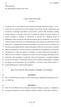 House Bill 338 By: Representative Bryant of the 160 th A BILL TO BE ENTITLED AN ACT 1 2 3 4 5 6 7 8 9 10 11 12 13 14 15 16 To amend Title 44 of the Official Code of Georgia Annotated, relating to property,
Bureau of Consumer Financial Protection. No. 158 August 15, 2012. Part III
 Vol. 77 Wednesday, No. 158 August 15, 2012 Part III Bureau of Consumer Financial Protection 12 CFR Parts 1024 and 1026 High-Cost Mortgage and Homeownership Counseling Amendments to the Truth in Lending