
Assessment of safe upper limits for vanadium, nickel, silicon, tin, potassium and phosphorus
|
|
|
- Christine Scott
- 9 years ago
- Views:
Transcription
1 Opinion of the Panel on Nutrition, Dietetic Products, Novel Food and Allergy of the Norwegian Scientific Committee for Food Safety Assessment of safe upper limits for vanadium, nickel, silicon, tin, potassium and phosphorus ISBN: Norwegian Scientific Committee for Food Safety (VKM) 1

2 CONTRIBUTORS Persons working for VKM, either as appointed members of the Committee or as ad hocexperts, do this by virtue of their scientific expertise, not as representatives for their employers. The Civil Services Act instructions on legal competence apply for all work prepared by VKM. ACKNOWLEDGEMENTS The Panel on Nutrition, Dietetic Products, Novel Food and Allergy thanks Helle Margrete Meltzer for drafting this opinion. Assessed by The report has been evaluated and approved by the Panel on Nutrition, Dietetic Products, Novel Food and Allergy of VKM. The members of the Panel on Nutrition, Dietetic Products, Novel Food and Allergy are: Margaretha Haugen (Chair), Lene Frost Andersen, Wenche Frølich, Livar Frøyland, Ragnhild Halvorsen, Helle Margrete Meltzer, Judith Narvhus and Jan Erik Paulsen Scientific coordinator from the secretariat: Bente Mangschou BACKGROUND The European Commission is planning the setting of maximum limits of vitamins, minerals and trace elements in food supplements and in foods with added vitamins and minerals. For several vitamins, minerals and trace elements there is not sufficient data to determine a tolerable upper intake level. TERMS OF REFERENCE The Norwegian Food Safety Authority has asked The Panel on Nutrition, Dietetic Products, Novel Food and Allergy the following questions regarding vanadium, nickel, silicon, tin, potassium and phosphorus: 1. For those vitamins and minerals where there are not sufficient data to determine a tolerable upper intake level (UL): What should be set as an upper safe limit, based on which health risks? Opinions given by other expert groups should be taken into consideration. 2. Are there special conditions in Norway that should be taken into account when determining safe limits for vitamins and minerals without UL. ASSESSMENT Criteria for essentiality of vitamins and minerals Most elements in the periodic table are found in the human body irrespective of having a known function or not. In addition to the elements that form the core of most molecules ( the Norwegian Scientific Committee for Food Safety (VKM) 2

3 elements of life ), i.e. H, O, C, P, N and S, we know that some elements are essential for electrolyte balance, i.e. Na, K, Cl, Mg, and P. Furthermore, a number of elements are given the honorary title of essential minerals or trace elements, some of them having a dual function as electrolytes and minerals. Unfortunately, there is no general consensus in the scientific world as to which trace elements should be classified as essential. The first among the classical criteria for defining a compound as essential for humans, is that a) a biological function for the nutrient should be known Furthermore, in an otherwise adequate diet: b) deficiency symptoms appear or biochemical activity is reduced when the nutrient in question is insufficient in the diet or the endogenous production is inadequate c) the signs and symptoms disappear when the nutrient is reintroduced Following these criteria very strictly, only iron, iodine, zinc, selenium, copper and (possibly) chromium are essential trace elements for humans. However, the criteria for essentiality of trace elements have been modified, and in 1996 an Expert Consultation of the World Health Organization (WHO)/Food and Agricultural Organization (FAO)/International Atomic Energy Agency (IAEA) suggested a new definition (1): An element is considered essential to an organism when reduction of its exposure below a certain limit results consistently in a reduction in a physiologically important function, or when the element is an integral part of an organic structure performing vital functions in the body. According to these criteria, manganese, fluoride, cobalt and molybdenum are also essential to humans. They are integral parts of organic structures performing vital functions in the body, although deficiency symptoms have never been diagnosed in humans. Several elements are on an imaginary waiting list for obtaining full status as essential trace elements for humans. Functions and deficiency symptoms have been identified in several animal species, but not in a number sufficient to substantiate essentiality for humans. Proof of essentiality of an element in one species does not prove essentiality in another, but the probability of an essential function in any species (including humans) increases with the number of other species in which essentiality has been proved (1). The process of becoming classified as an essential element for humans can be illustrated by selenium. It took 22 years from the discovery of selenium being essential to rats (1958) till it was accepted as essential to humans (in 1980), and a similar history applies to zinc and chromium. Diets deficient in arsenic, boron, bromine, lithium, molybdenum, silicon, tin or vanadium can induce deficiency signs in certain animals, and to some extent, their function has been revealed (2). Nevertheless, as long as no reduced biochemical activity or clear deficiency signs have been observed in humans, they are not universally accepted as essential to us (3). The lack of consensus about which trace elements are essential and resulting differences in regulatory laws has given room for uncertainty among health professionals and consumers and has provided ample space for conditional input from food supplement promoters. Nickel, tin, vanadium and silicon are not included in EU s positive-list for food supplements and not in the fortification regulations. Furthermore, the SCF/EFSA has claimed all four not to be essential for humans (4). Norwegian Scientific Committee for Food Safety (VKM) 3

4 Vanadium (V) Vanadium dependent enzymes have been found in lower organisms such as bacteria and algae, but in higher animals and humans no specific biochemical function has yet been identified. There are speculations that vanadium may play a role in the regulation of some enzymes connected to hormone, glucose and lipid metabolism, but conclusive evidence is lacking. In isolated cell systems, vanadium compounds have been shown to mimic the action of insulin. Their use in the therapy of diabetes mellitus has therefore been discussed (5). The toxicity of vanadium depends on its physico-chemical state; particularly on its valence state and solubility. Data from animal studies suggest that vanadium has adverse effects on both male and female reproduction and on the development on the subsequent offspring. There are insufficient data to establish whether or not this effect could occur in humans (4). Vanadium is not classified as a carcinogen. Dietary intake is estimated to be in the range of µg/day, with highest concentrations found in whole grains, seafood, meats and dairy products. Vanadium is included in several mineral supplements on the European marked (at levels up to 25 µg/tablet), and is especially popular in supplements consumed by weight training athletes, where doses are at mg levels (5). The intake from such supplements can be similar to the doses causing adverse effects in rats and humans, in spite of vanadium compounds being poorly absorbed through the gastrointestinal system. Based on animal studies and clinical experience with humans, there is not sufficient data to establish a tolerable upper intake level. As vanadium has not been shown to be essential for humans and has no nutritional value, and since vanadium may act as a pro-oxidant in relatively low doses, excessive intake from fortified foods and food supplements should be avoided until a tolerable upper intake level can be established. Vanadium should not be permitted in supplements or fortified foods. Nickel (Ni) Nickel is essential for the catalytic activity of some plant and bacterial enzymes. However, biochemical functions in humans or higher animals have not been found. Nickel deficiency symptoms have been observed in rats, but not in humans (6). Nickel at high doses and in certain forms is toxic to both man and animals. Chronic nickel poisoning can affect several organs including the cardiovascular and respiratory systems. Furthermore, the element is teratogenic and has carcinogenic potential. High dietary levels in animal experiments (pigs and hens) resulted in decrease of the Mg, Mn and Zn levels in different tissues (6). Sensitized individuals may show an allergy to nickel affecting their skin, also known as dermatitis. Nickel is an important cause of contact allergy, partly due to its use in jewelry intended for pierced ears. The amount of nickel which is allowed in products which come into contact with human skin is regulated by the EU. The intake of nickel from the average diet is estimated to be about 150 µg/day, cocoa, legumes, nuts and oatmeal having the highest content. If these food items are consumed in large amounts, the intake may be considerably higher. Release from kitchen utensils can increase the nickel content of foods. Norwegian Scientific Committee for Food Safety (VKM) 4

5 As nickel has not been shown to be essential for humans and has no nutritional value, it seems meaningless to permit this element in foods or supplements. Based on animal studies and clinical experience with humans, there is not sufficient data to establish a tolerable upper intake level (4). As nickel has not been shown to be essential for humans and has no nutritional value, and since nickel may inhibit the absorption of divalent essential metals, excessive intake from fortified foods and food supplements should be avoided until a tolerable upper intake level can be established. Nickel should not be permitted in supplements or fortified foods. Silicon (Si) Silicon is found in connective tissues, including aorta, trachea, tendon, bone and skin. If having a function in the human body, this is probably connected to silicon functioning as a biological cross-linking agent contributing to the architecture of the connective tissue. Short-term ingestion of silicate salts produces adverse renal effects in dogs and guinea pigs, but not in rats. Long-term oral administration of silica at high dose levels inhibits growth in rats and mice, probably due to the nutritional imbalance it causes. In humans, apart from occasional reports of renal stones, mainly associated with long-term use of silicate-containing antacids, there is little evidence of adverse effects of orally ingested silicon. The data available are inadequate to derive a tolerable upper intake level (4). The diet provides silicon in amounts between mg/day, most of it coming from water, coffee and beer. Dietary supplements on the European market may contain 1-75 mg silicon/daily dose. Based on animal studies and clinical experience with humans, there is not sufficient data to establish a tolerable upper intake level. As silicon has not been shown to be essential for humans and has no nutritional value, this element should not be permitted in foods or supplements on the European market. Tin (Sn) Tin has no known biochemical function, although one study has shown that it might have a function in the tertiary structure of proteins. Rats fed a tin-rich diet exhibited poor growth, decreased efficiency of food utilizations, and changes in mineral concentrations in various organs. The latter is probably due to the extensive inhibition of zinc, copper and iron absorption. In man and animals, gastrointestinal effects (abdominal distension and pain, vomiting, diarrhoea) are the main acute manifestations of toxicity associated with the ingestion of tin (4). Based on Dutch studies, the diet may provide between 0.65 and 1.7 mg tin/day, but if the consumption of tinned products is high, the intake may exceed 6 mg. The highest concentrations of tin in foods are found in tinned fruit and vegetables. Tin is present in some multi-vitamin and mineral food supplements on the EU market at levels up to 10 µg/tablet. The EU has set a maximum level for inorganic tin in canned foods (200 mg/kg) and canned beverages (100 mg/kg) (EC, 2004). Based on animal studies and clinical experience with humans, there is not sufficient data to establish a tolerable upper intake level. Norwegian Scientific Committee for Food Safety (VKM) 5

6 As tin has not been shown to be essential for humans and has no nutritional value, this element should not be permitted in foods or supplements. Potassium Potassium is an essential mineral in human nutrition; it is the major cation inside animal cells, and it is thus important in maintaining fluid, acid and electrolyte balance in the body. Adequate intake can generally be ensured by eating varied, and deficiency is rare in healthy individuals eating a balanced diet. Fruits, vegetables, milk and nuts are our richest sources of potassium. A number of food additives also contain potassium, but their contribution to the total daily intake is small. Food supplements can contain substantial amounts. The average daily intake of potassium in European food surveys is in the range of mg/day. Potassium intake has to our knowledge not been estimated in Norwegian countryrepresentative dietary surveys. About 90 % of ingested potassium is absorbed, irrespective of amount consumed. The US Food and Nutrition Board set an intake of 4.4 g potassium per day from food as an adequate intake (7). Recommended daily intakes in Europe are in the order of g/day (8). A similar recommendation was derived for the Nordic countries (9). Daily intake of potassium from the diet does not exceed 5 6 g/day and has not been associated with any negative effects in healthy individuals. Elderly people may be more vulnerable to potassium toxicity due to reduced renal function. Intake of potassium chloride (KCl) from tablets has been associated with acute poisoning in humans, with symptoms such as heart failure, cyanosis and cardiac arrest. Gastrointestinal effects include mucosal damage, ranging from mucosal lesions to ulceration. On the positive side, a number of studies have investigated the preventive effect of potassium supplementation on hypertension and heart disease. The majority of these studies show a beneficial effect of potassium supplementation. In spite of many studies on human beings, the EU SCF has concluded that data are insufficient to establish a safe upper intake level for potassium (4). Intakes up to 5-6 g/day are considered safe if derived from food sources, while long-term intakes of 3 g potassium/day as KCl supplements, in addition to potassium from foods, have been shown to cause no adverse effects in healthy adults. However, some case reports exist showing that gastrointestinal symptoms may appear in healthy subjects taking potassium supplements with doses ranging from 1 to 5 grams potassium/day. In addition, elderly people and some sensitive patient groups, particularly those with impaired kidney function, may be vulnerable to quite low doses of potassium from supplements. The UK Food Standards Agency has concluded that supplemental doses of up to 3700 mg potassium/day appear to be without effects and can be used as a guidance dose (10). However, their conclusion requires that older people do not take potassium supplements without medical advice. Even if being healthy, elderly people have a gradual decline in kidney function. In view of elderly people being a large population subgroup, care should be taken to secure that the exposure level of potassium will not increase the risk of kidney malfunction among them, even if they are considered healthy. The Norwegian Panel has not had capacity to go in depth in the matter, but supports a careful approach to setting an upper safe limit. Thus a safe upper limit from supplements and fortification should not exceed 1 g/day. Norwegian Scientific Committee for Food Safety (VKM) 6

7 Phosphorus Phosphorus is an essential mineral in human nutrition having multiple functions in the body. In addition to a structural role in bone (as part of hydroxyapatite), phosphorus is essential in a wide range of biological processes, including membrane fluidity (as phospholipids), energy production and storage, chemical synthesis, cell-signalling, protein function, and nucleic acid synthesis. Phosphorus is widely found in many food groups, largely as phosphate(s). Dietary sources rich in the element include red meats, dairy products, fish and cereals. A number of phosphate salts are used in foods and soft drinks as additives, and furthermore, phosphorus is used in food supplements and many medicines. Estimates of habitual dietary intakes in European countries are on average around mg/day, ranging up to about 2600 mg/day. Phosphorus intake has to our knowledge not been estimated in Norwegian country-representative dietary surveys. Recommended daily intakes have traditionally been linked to calcium requirements. On a molar basis, the ratio Ca:Ph should be 1:1. With this in mind, the SCF established a Population Reference intake of 550 mg/day in adults, while it was set at 950 mg/day for lactating women (8). The US Food and Nutrition Board have made recommendations based upon maintenance of the serum inorganic phosphate level within the normal range, ending up with 700 mg/day for adults. The Nordic countries recommends 600 mg/day for adults (9). Acute phosphate excess, although rare, can result in renal failure, hypo-calcemia, and hypotension. The condition will almost always be a result of kidney failure. In supplementation trials with humans, the predominant adverse reaction to orally administered phosphorus is osmotic diarrhoea, which has been reported at intakes of 750 mg/day and above. Other mild gastrointestinal effects, including nausea and vomiting, have been noted in some studies. Furthermore, changes in serum parathyroid hormone levels have been reported in supplementation trials in postmenopausal women with reduced mineral density and a history of fracture in healthy men (10). Physiological changes in calcium and parathyroid hormone levels have been associated with intakes of 1500 mg/day and above of supplemental phosphorus. Persons with hypo-vitaminosis D are vulnerable to hyperparathyroidism. Both the UK Food Standards Agency and EU s SCF consider the data on phosphorus to be insufficient to establish a Safe Upper Level for inorganic phosphates. The UK has suggested 250 mg/day from supplements to be a level not associated with adverse effects, including mild gastrointestinal upsets. The Norwegian Panel supports this suggestion. CONCLUSIONS: ANSWER TO THE QUESTIONS POSED BY THE NORWEGIAN FOOD SAFETY AUTHORITIES: Question: For those vitamins and minerals where there are not sufficient data to determine an UL: What should be set as an upper safe limit, based on which health risks? Opinions given by other expert groups should be taken into consideration. Answer: It is not possible to set an upper safe limit for nickel, silicon, tin and vanadium, and based on available literature adverse effects from excessive intake can not be ruled out. Thus none of them should be permitted in dietary supplements or in fortified foods. Norwegian Scientific Committee for Food Safety (VKM) 7

8 The UK has suggested 250 mg phosphorus/day from supplements to be a level not associated with adverse effects, including mild gastrointestinal upsets. The Panel on Nutrition, Dietetic Products, Novel Food and Allergy supports this suggestion. Intake of potassium from supplements and fortified food should not exceed 1 g/day. Question: Are there special conditions in Norway that should be taken into account when determining upper safe limits for vitamins and minerals without UL. Answer: The Panel is not aware f special conditions pertaining to Norway that is relevant for the vitamins and minerals without UL. REFERENCES 1. WHO/FAO/IAEA. Trace elements in human nutrition and health Geneva. Ref Type: Report 2. Nielsen FH. How should dietary guidance be given for mineral elements with beneficial actions or suspected of being essential? J Nutr 1996;126:2377S-85S. 3. Mertz W. Review of the scientific basis for establishing the essentiality of trace elements. Biol Trace Elem Res 1998;66: Scientific Committee on Food. Tolerable upper intake levels for vitamins and minerals. European Food Safety Authority, Mukherjee B, Patra B, Mahapatra S, et al. Vanadium--an element of atypical biological significance. Toxicol Lett 2004;150: Denkhaus E, Salnikow K. Nickel essentiality, toxicity, and carcinogenicity. Crit Rev Oncol Hematol 2002;42: Food and Nutrition Board. Dietary Reference Intakes: water, potassium, sodium, chloride, and sulphate. Washington DC: National Academy Press, Reports of the Scientific Committee for Food. Nutrient and energy intakes for the European Community. Luxembourg: Commission of the European Communities, Nordic Nutrition Recommendations Copenhagen: Nordic Council of Ministers, Food Standards Agency. Safe upper levels for vitamins and minerals. London: Available on: Norwegian Scientific Committee for Food Safety (VKM) 8

NUTRITION OF THE BODY
 5 Training Objectives:! Knowledge of the most important function of nutrients! Description of both, mechanism and function of gluconeogenesis! Knowledge of the difference between essential and conditionally
Week 30. Water Balance and Minerals
 Week 30 Water Balance and Minerals Water: more vital to life than food involved in almost every body function is not stored--excreted daily largest single constituent of the human body, averaging 60% of
Nutrient Reference Values for Australia and New Zealand
 Nutrient Reference Values for Australia and New Zealand Questions and Answers 1. What are Nutrient Reference Values? The Nutrient Reference Values outline the levels of intake of essential nutrients considered,
Micronutrient. Functio. Vitamin A
 EHPM Leaflet UK 25/4/00 14:50 Page 1 (1,1) Vitamin and mineral intake We cannot, however, afford to be complacent about our intake of vitamins and minerals. Poor diets with low quantities of fruit and
Fluoride. Introduction
 Fluoride Introduction Most fluoride in the body is found in bones and teeth, due to its high affinity for calcium and calcium phosphate. Ingestion of and topical treatment with fluoride is effective in
Calcium. 1995-2013, The Patient Education Institute, Inc. www.x-plain.com nuf40101 Last reviewed: 02/19/2013 1
 Calcium Introduction Calcium is a mineral found in many foods. The body needs calcium to maintain strong bones and to carry out many important functions. Not having enough calcium can cause many health
PHOSPHATE-SANDOZ Tablets (High dose phosphate supplement)
 1 PHOSPHATE-SANDOZ Tablets (High dose phosphate supplement) PHOSPHATE-SANDOZ PHOSPHATE-SANDOZ Tablets are a high dose phosphate supplement containing sodium phosphate monobasic. The CAS registry number
What are Minerals. Lecture 13: Minerals. Trace versus Major Minerals. Minerals are elements, can be found on the periodic table
 Lecture 13: Minerals What are Minerals Minerals are elements, can be found on the periodic table Inorganic (in chemical sense) Nutrition 150 Shallin Busch, Ph.D. Not broken down during digestion nor destroyed
DAILY MAXIMUM INTAKE LIMIT IN HEALTH FUNCTIONAL FOOD ACT
 Comment Number 1: By the Council for Responsible Nutrition, Washington, DC, USA DAILY MAXIMUM INTAKE LIMIT IN HEALTH FUNCTIONAL FOOD ACT The Republic of Korea (ROK) proposal is in agreement with the first
Corporate Medical Policy
 Corporate Medical Policy File Name: Origination: Last CAP Review: Next CAP Review: Last Review: testing_serum_vitamin_d_levels 9/2015 2/2016 2/2017 2/2016 Description of Procedure or Service Vitamin D,
Dietary Reference Intakes (DRIs): Estimated Average Requirements Food and Nutrition Board, Institute of Medicine, National Academies
 Dietary Reference Intakes (DRIs): Estimated Average Requirements Life Stage Group Calcium CHO Protein (g/kg/d) Vit A a Vit C Vit D Vit E b Thiamin Riboflavin Niacin c Vit B 6 0 to 6 mo 6 to 12 mo 1.0 6.9
Introduction. Introduction Nutritional Requirements. Six Major Classes of Nutrients. Water 12/1/2011. Regional Hay School -- Bolivar, MO 1
 Cattle and Horse Nutrition Dona Goede Livestock Specialist Introduction Many health, reproductive and production problems can be prevented with good nutrition. Poor nutrition results in: Poor conception
A] Calcium. Absorption is interfered with by: Phytic acid of cereal seeds and bran. Oxalic acid and soluble oxalates of some vegetables and fruits.
![A] Calcium. Absorption is interfered with by: Phytic acid of cereal seeds and bran. Oxalic acid and soluble oxalates of some vegetables and fruits.](/thumbs/26/9235094.jpg "A] Calcium. Absorption is interfered with by: Phytic acid of cereal seeds and bran. Oxalic acid and soluble oxalates of some vegetables and fruits.") Food Constituents [continued] 6- Essential elements Diet provides a number of inorganic elements that are needed for: Normal functioning of vital processes of the body. Formation and maintenance of bone
Food Constituents [continued] 6- Essential elements Diet provides a number of inorganic elements that are needed for: Normal functioning of vital processes of the body. Formation and maintenance of bone
Presentation Prepared By: Jessica Rivers, BASc., PTS
 Presentation Prepared By: Jessica Rivers, BASc., PTS Presentation Outline Why should we care about our eating habits? Why is nutrition so important as we age? How do we know if we are eating healthy? What
Fat-Soluble Vitamins. Quick Facts... Vitamin A. by J. Anderson and L. Young 1 (8/08)
 Fat-Soluble s by J. Anderson and L. Young 1 (8/08) Quick Facts... Small amounts of vitamins A, D, E and K are needed to maintain good health. Foods that contain these vitamins will not lose them when cooked.
FOOD QUALITY AND STANDARDS Vol. III - Minerals and other Microcomponents - Radomir Lasztity MINERALS AND OTHER MICROCOMPONENTS
 MINERALS AND OTHER MICROCOMPONENTS Radomir Lasztity Budapest University of Technology and Economics, Budapest, Hungary Keywords: amanitin, amygdalin, antinutritive constituents, ash, availability, ciguatera
The Under-Recognized Role of Essential Nutrients in Health and Health Care
 The Under-Recognized Role of Essential Nutrients in Health and Health Care Honolulu Subarea Health Planning Council February 7, 2013 Joannie Dobbs, Ph.D. CNS Assistant Specialist Human Nutrition, Food
PATIENT INFORMATION LEAFLET: CENTRUM. Read the contents of this leaflet carefully before you start using CENTRUM, because it
 PATIENT INFORMATION LEAFLET: CENTRUM Page 1 of 7 This leaflet tells you about CENTRUM tablets. Read the contents of this leaflet carefully before you start using CENTRUM, because it contains important
Nutrition After Weight Loss Surgery
 Nutrition After Weight Loss Surgery Gastric Bypass Sleeve Gastrectomy Gastric Banding VITAMINS AND MINERALS AFTER SURGERY TEXAS CENTER FOR MEDICAL & SURGICAL WEIGHT LOSS What We ll Cover Today Why do I
Rediscover What It Means to Be Full of Life
 Rediscover What It Means to Be Full of Life Vitality for Life supplements with patented Oligo Oligo U.S. Patent No. 8,273,393 Reinventing the Multivitamin Our modern diets have the majority of us gorging
Η δίαιτα στην πρόληψη του αγγειακού εγκεφαλικού επεισοδίου
 ΠΡΟΓΡΑΜΜΑ ΜΕΤΑΠΤΥΧΙΑΚΩΝ ΣΠΟΥΔΩΝ «Η ΔΙΑΤΡΟΦΗ ΣΤΗΝ ΥΓΕΙΑ ΚΑΙ ΣΤΗ ΝΟΣΟ» Η δίαιτα στην πρόληψη του αγγειακού εγκεφαλικού επεισοδίου Γεώργιος Ντάιος Παθολογική Κλινική Πανεπιστημίου Θεσσαλίας Stroke Statistics
Nutrition and Chronic Kidney Disease
 Nutrition and Chronic Kidney Disease I have been told I have early kidney failure. What does this mean? What can I expect? This means that your kidneys are not doing as good a job as they should to help
Nutrition Requirements
 Who is responsible for setting nutrition requirements in the UK? In the UK we have a set of Dietary Reference Values (DRVs). DRVs are a series of estimates of the energy and nutritional requirements of
Importance of zinc in human body. Overview of terminology. Rationale for upper intake level for zinc as recommended by the US Institute of
 Sonja Y. Hess, PhD University of California, Davis Importance of zinc in human body Overview of terminology Rationale for upper intake level for zinc as recommended by the US Institute of Medicine (2001)
Fish and seafood consumption in Norway Benefits and risks Norwegian scientific committee for food safety, March 2006 English summary
 Fish and seafood consumption in Norway Benefits and risks Norwegian scientific committee for food safety, March 2006 English summary The assignment Fish and other seafood contain substances that have a
1. If I go a couple of days without my vitamin D and calcium requirements, can I make up for them?
 GOOD NUTRITION FOR BONE Calcium, Vitamin D and So Much More QUESTION & ANSWER Wednesday, March 23, 2011 (2:30 p.m. to 4:00 p.m. ET) 1. If I go a couple of days without my vitamin D and calcium requirements,
Nutrients: Carbohydrates, Proteins, and Fats. Chapter 5 Lesson 2
 Nutrients: Carbohydrates, Proteins, and Fats Chapter 5 Lesson 2 Carbohydrates Definition- the starches and sugars found in foods. Carbohydrates are the body s preferred source of energy providing four
Bone Appétit: New Information on Calcium & Vitamin D QUESTION & ANSWER
 Bone Appétit: New Information on Calcium & Vitamin D QUESTION & ANSWER Wednesday, November 17, 2010 1:30 p.m. to 3:00 p.m. ET 1. I like to drink warm milk, but I have heard that heating some vitamins can
D. Vitamin D. 1. Two main forms; vitamin D2 and D3
 D. Vitamin D. Two main forms; vitamin D2 and D3 H H D3 - Cholecalciferol D2 - Ergocalciferol Technically, vitamin D is not a vitamin. It is the name given to a group of fat-soluble prohormones (substances
Calcium and Vitamin D: Important at Every Age
 Calcium and Vitamin D: Important at Every Age National Institutes of Health Osteoporosis and Related Bone Diseases ~ National Resource Center 2 AMS Circle Bethesda, MD 20892-3676 Tel: (800) 624-BONE or
Ca : methods for determining DRIs. Adults. 4average requirement, meta-analyzed balance studies by FAO/WHO :
 Minerals Categories of Ds for Minerals - Ca, P, Na, Cl, K, Mg - Mineral Ca RDA P Ca ; 서울대학교 이연숙 Na P ; 국민대학교 김선희 Na, Cl ; 동의대학교 임화재 K ; 국민대학교 장문정 Mg ; 인하대학교 천종희 Cl K Mg Indicators for Estimating Ds Ca
Growth & Feeding Puppies Karen Hedberg BVSc 2007. Growth
 Growth & Feeding Puppies Karen Hedberg BVSc 2007 Size and End Weight : Growth Dogs come in all sizes and shapes and have enormous variation in their final body weights. Dogs generally can be fed a very
PATIENT INFORMATION LEAFLET. Forceval Capsules
 PATIENT INFORMATION LEAFLET Forceval Capsules Read all of this leaflet carefully because it contains important information for you. This medicine is available without prescription. However, you still need
Diet for Kidney Stone Prevention
 Diet for Kidney Stone Prevention National Kidney and Urologic Diseases Information Clearinghouse U.S. Department of Health and Human Services NATIONAL INSTITUTES OF HEALTH How does diet affect the risk
PATIENT INFORMATION LEAFLET. Forceval Junior Capsules
 PATIENT INFORMATION LEAFLET Forceval Junior Capsules Read all of this leaflet carefully because it contains important information for you or your child. Please note this leaflet has been written as if
VITAMINS & MINERALS. Geoffrey Axiak. M.Sc. Nursing (Manchester), B.Sc. Nursing, P.G. Dip. Nutrition & Dietetics
 VITAMINS & MINERALS Geoffrey Axiak M.Sc. Nursing (Manchester), B.Sc. Nursing, P.G. Dip. Nutrition & Dietetics VITAMINS Definition An organic chemical compound (or related set of compounds) is called a
Nutrition Management After Bariatric Surgery
 Nutrition Management After Bariatric Surgery Federal Bureau of Prisons Clinical Practice Guidelines October 2013 Clinical guidelines are made available to the public for informational purposes only. The
Nutritional Challenges After Surgery
 Nutritional Challenges After Surgery L I N D A P A T A K I M S R D C S O L D C N S C M D A N D E R S O N C A N C E R C E N T E R H O U S T O N, T E X A S Objectives Identify the reasons that GIST and its
Vitamin D. Why Vitamin D is important and how to get enough
 Vitamin D Why Vitamin D is important and how to get enough Why is vitamin D vital for health? Vitamin D is needed by the body for both physical and mental health, but is best known for making sure bones
Overview. Nutritional Aspects of Primary Biliary Cirrhosis. How does the liver affect nutritional status?
 Overview Nutritional Aspects of Primary Biliary Cirrhosis Tracy Burch, RD, CNSD Kovler Organ Transplant Center Northwestern Memorial Hospital Importance of nutrition therapy in PBC Incidence and pertinence
6/29/2009 6.8 5.3 TDN
 Common Sense Meat Goat-Nutrition Brian Freking OSU LeFlore Co. Extension Nutrition Feeding goats is the single largest expense behind the purchase cost of the animals. Can be as high as 60% of the total
Chapter 25: Metabolism and Nutrition
 Chapter 25: Metabolism and Nutrition Chapter Objectives INTRODUCTION 1. Generalize the way in which nutrients are processed through the three major metabolic fates in order to perform various energetic
Your Vitamin and Mineral Needs Before and After Bariatric Surgery
 UW MEDICINE PATIENT EDUCATION Your Vitamin and Mineral Needs Before and After Bariatric Surgery Basic guidelines This handout for patients preparing for bariatric surgery gives basic guidelines for choosing
Considerations With Calcium And Vitamin D Supplementation
 Considerations With Calcium And Vitamin D Supplementation Activity Preview Calcium is an electrolyte involved in many systems in the body including bone health, nerve signaling pathways, muscle contractions,
Minerals. by Dr. Rick Machen Associate Professor & Extension Livestock Specialist Texas Agric ultural Exte nsio n Service, Uvalde
 Minerals Small Ruminant Series by Dr. Rick Machen Associate Professor & Extension Livestock Specialist Texas Agric ultural Exte nsio n Service, Uvalde As mentioned in previous articles, the nutrient requirements
NUTRIENTS: THEIR INTERACTIONS
 NUTRIENTS: THEIR INTERACTIONS TEACHER S GUIDE INTRODUCTION This Teacher s Guide provides information to help you get the most out of Nutrients: Their Interactions. The contents in this guide will allow
National Food Safety Standard Standard for nutrition labelling of prepackaged foods
 National Standards of People s Republic of China GB 28050 2011 National Food Safety Standard Standard for nutrition labelling of prepackaged foods (Nota: traducción no oficial) Issued on: 2011-10-12 Implemented
Vitamin D. Frequently Asked Questions
 Vitamin D Frequently Asked Questions What is vitamin D? What is a vitamin? Why do we need vitamins? Is there more than one form of vitamin D? Where do I get vitamin D? How long should I be outdoors, and
Course Curriculum for Master Degree in Food Science and Technology/ Department of Nutrition and Food Technology
 Course Curriculum for Master Degree in Food Science and Technology/ Department of Nutrition and Food Technology The Master Degree in Food Science and Technology / Department of Nutrition and Food Technology,
UCSF Kidney Transplant Symposium 2012
 UCSF Kidney Transplant Symposium 2012 Nutrition Fitness in Kidney Transplant Mary Ellen DiPaola, RD, CDE UCSF Outpatient Dietitian Goal of Nutrition Fitness for Transplant Nutritional guidance of pre-
Nutrition and Parkinson s Disease: Can food have an impact? Sarah Zangerle, RD, CD Registered Dietitian Froedtert Memorial Lutheran Hospital
 Nutrition and Parkinson s Disease: Can food have an impact? Sarah Zangerle, RD, CD Registered Dietitian Froedtert Memorial Lutheran Hospital Importance of Nutrition & Parkinson s Disease Good nutrition
Vitamin D Deficiency and Thyroid Disease. Theodore C. Friedman, M.D., Ph.D.
 Vitamin D Deficiency and Thyroid Disease Theodore C. Friedman, M.D., Ph.D. Vitamin D deficiency and thyroid diseases Vitamin D is an important vitamin that not only regulates calcium, but also has many
Why iron and haemoglobin are important
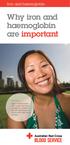 Iron and haemoglobin Why iron and haemoglobin are important Meet Kylie Kylie is a blood donor. Kylie knows that having a healthy iron enriched diet will help restore the iron removed with blood donation.
Eidon Incorporated in Association With. Bio-Trend Technologies. The Eidon Mineral Balancing Program
 Eidon Incorporated in Association With Bio-Trend Technologies Presents: The Eidon Mineral Balancing Program The Eidon Mineral Balancing Program Provides the health conscious consumer with:. The ability
Nutrition Information from My Plate Guidelines
 Nutrition Information from My Plate Guidelines Note: This information was compiled from the website: http://www.choosemyplate.gov/ for participants in the 4-H Food Prep Contest 1/12/16. The information
BEC Feed Solutions. Steve Blake BEC Feed Solutions
 BEC Feed Solutions Presenter: Steve Blake BEC Feed Solutions Nutritional Role of Phosphorus Phosphorus (P) is present in all cells in the body Essential for many digestive and metabolic processes, including
NUTR& 101 General Nutrition
 NUTR& 101 General Nutrition Instructor: Jill Emigh Email Address: [email protected] Phone: (509) 527-4558 Course Description (taken from the WWCC catalog) The study of food and nutrients and the application
Food Allergy Gluten & Diabetes Dr Gary Deed Mediwell 314 Old Cleveland Road Coorparoo 4151 3421 7488
 Food Allergy Gluten & Diabetes Dr Gary Deed Mediwell 314 Old Cleveland Road Coorparoo 4151 3421 7488 SUMMARY Type 1 diabetes Onset common in Children Insulin requiring Immune origins with attack on the
Nutrition for Family Living
 Susan Nitzke, Nutrition Specialist; [email protected] Sherry Tanumihardjo, Nutrition Specialist; [email protected] Amy Rettammel, Outreach Specialist; [email protected] Betsy Kelley,
VITAMIN B2. By : Dania Adel & Hanin Fareed
 VITAMIN B2 By : Dania Adel & Hanin Fareed VITAMIN B2 Vitamin B2, which is also known as Riboflavin, is an easily absorbed colored micronutrient with a key role in maintaining health in humans and other
FEEDING THE DAIRY COW DURING LACTATION
 Department of Animal Science FEEDING THE DAIRY COW DURING LACTATION Dairy Cattle Production 342-450A Page 1 of 8 Feeding the Dairy Cow during Lactation There are main stages in the lactation cycle of the
High Blood pressure and chronic kidney disease
 High Blood pressure and chronic kidney disease For People with CKD Stages 1 4 www.kidney.org National Kidney Foundation's Kidney Disease Outcomes Quality Initiative Did you know that the National Kidney
Diet and Arthritis. Dr Áine O Connor Nutrition Scientist. British Nutrition Foundation. 2011 The British Nutrition Foundation
 Diet and Arthritis Dr Áine O Connor Nutrition Scientist British Nutrition Foundation Outline Background What is arthritis? What are the common forms? Body weight and arthritis Diet and arthritis Nutrients
Essentials of Anatomy and Physiology, 5e (Martini/Nath) Chapter 17 Nutrition and Metabolism. Multiple-Choice Questions
 Essentials of Anatomy and Physiology, 5e (Martini/Nath) Chapter 17 Nutrition and Metabolism Multiple-Choice Questions 1) The sum of all of the biochemical processes going on within the human body at any
CORPORATE HEALTH LOWERING YOUR CHOLESTEROL & BLOOD PRESSURE
 CORPORATE HEALTH LOWERING YOUR CHOLESTEROL & BLOOD PRESSURE What is Cholesterol? What s wrong with having high cholesterol? Major risk factor for cardiovascular disease Higher the cholesterol higher the
Maintaining Nutrition as We Age
 SS-207-06 For more information, visit the Ohio Department of Aging web site at: http://www.goldenbuckeye.com and Ohio State University Extension s Aging in Ohio web site at: http://www.hec.ohio-state.edu/famlife/aging
483.25(i) Nutrition (F325) Surveyor Training: Interpretive Guidance Investigative Protocol
 483.25(i) Nutrition (F325) Surveyor Training: 1 With regard to the revised guidance F325 Nutrition, there have been significant changes. Specifically, F325 and F326 were merged. However, the regulatory
Pediatrics. Specialty Courses for Medical Assistants
 Pediatrics Specialty Courses for Medical Assistants 7007 College Boulevard, Suite 385 Overland Park, Kansas 66211 www.ncctinc.com t: 800.875.4404 f: 913.498.1243 Pediatrics Specialty Certificate Course
Dr. Barry Popkin The Beverage Panel The University of North Carolina at Chapel Hill
 The U.S. Diet and The Role of Beverages Dr. Barry Popkin Food and Beverage Trends The number of eating occasions is increasing Portion sizes of actual meals consumed is increasing Away from home eating
Recommended Dietary Allowances for Ireland 1999
 Recommended Dietary Allowances for Ireland 1999 Published by: Food Safety Authority of Ireland Abbey Court Lower Abbey Street Dublin 1 Tel: 8171 300, Fax: 8171 301 Email: [email protected] Website: www.fsai.ie
Analysis by Pamela Mason
 Analysis by Pamela Mason Contents Executive Summary 1 Overview 2 Introduction 3 Fruit and Vegetable Intake 4 Wholegrain Consumption 5 Oily Fish Consumption 5 Vitamin and Mineral Intakes 6 The NDNS in Adults
Glutathione and Oxidative Stress - Part I
 Glutathione and Oxidative Stress - Part I By: James L. Holly, MD Oxidative Stress refers to effects from endogenous (produced in the body) toxins (free radicals) produced in the body by normal metabolism
Methyl groups, like vitamins, are
 Methyl groups are essential for the body to function properly and must be obtained from the diet The need for methyl groups increases under stress Chapter 11 Betaine a new B vitamin Methyl groups reduce
High Blood Pressure and Chronic Kidney Disease. For People With CKD Stages 1 4
 High Blood Pressure and Chronic Kidney Disease For People With CKD Stages 1 4 National Kidney Foundation s Kidney Disease Outcomes Quality Initiative (NKF-KDOQI ) The National Kidney Foundation s Kidney
GRADUATE PROGRAMS IN HUMAN NUTRITION COURSE DESCRIPTIONS 2014-2015
 GRADUATE PROGRAMS IN HUMAN NUTRITION COURSE DESCRIPTIONS 2014-2015 The following table shows the planned course offerings for the 2014-2015 academic year. Courses are subject to change. Summer 2014 Fall
MILK It does a body good
 MILK It does a body good September 2007 In the early 90 s an ad campaign began that reminded Americans of the benefits of drinking milk. Besides the obvious benefits of strong teeth and bones milk provides
How To Get Healthy
 Dietary Fiber and Alcohol Nana Gletsu Miller, PhD Fall 2-13 Dietary Fiber It is the complex carbohydrate in plants that can not be broken down by human digestive enzymes Sources Grains Fruits and Vegetables
What Each Vitamin & Mineral Does In Your Body. Vitamin A
 What Each Vitamin & Mineral Does In Your Body Vitamin A Prevents skin disorders, such as acne, wrinkling and age spots. Enhances the immune system protects against colds, flu, and infections to kidney,
Vitamins & Minerals Chart
 Vitamins & Minerals Chart Vitamins & Minerals Functions Food Sources Water-soluble Vitamin B1-Thiamin Necessary to help the body maximizes the use of carbohydrate, its major source of energy. Essential
EUROPEAN COMMISSION. Directive 90/496/EEC on Nutrition Labelling for Foodstuffs: Discussion Paper on Revision of Technical Issues
 EUROPEAN COMMISSION Directive 90/496/EEC on Nutrition Labelling for Foodstuffs: Discussion Paper on Revision of Technical Issues EUROPEAN COMMISSION Directive 90/496/EEC on Nutrition Labelling for Foodstuffs:
Liver, Gallbladder, Exocrine Pancreas KNH 406
 Liver, Gallbladder, Exocrine Pancreas KNH 406 2007 Thomson - Wadsworth LIVER Anatomy - functions With disease blood flow becomes obstructed Bile All bile drains into common hepatic duct Liver Bile complex
Nutrition Education Competencies Aligned with the California Health Education Content Standards
 Nutrition Education Competencies Aligned with the California Health Education Content Standards Center for Nutrition in Schools Department of Nutrition University of California, Davis Project funded by
IODINE. Date of last Revision: January 2009
 Nutrition Fact Sheet IODINE This information is brought to you by many of the Australian nutrition professionals who regularly contribute to the Nutritionists Network ( Nut-Net'), a nutrition email discussion
Detailed Course Descriptions for the Human Nutrition Program
 1 Detailed Course Descriptions for the Human Nutrition Program Major Required Courses NUTR221 Principles of Food Science and Nutrition Credit (Contact) Hours 2 CH(2 Theory) Prerequisites Course Description
Assessment of Dietary Management of Patient during Dialysis
 Assessment of Dietary Management of Patient during Dialysis Shadia Mohamed 1, Amani Lafe Abdullah 2 1,2 University of Hail, Saudi Arabia Abstract: Inadequate dietary intake is a major determinant of malnutrition
Dietary Fiber and Alcohol. Nana Gletsu Miller, PhD Spring 2014
 Dietary Fiber and Alcohol Nana Gletsu Miller, PhD Spring 2014 Dietary Fiber It is the complex carbohydrate in plants that can not be broken down by human digestive enzymes Sources Grains Fruits and Vegetables
VITAMIN. guide. It s time to simplify vitamins. Tips and advice from your pharmacist. Look inside for your free money-saving Vitamin Club Card.
 Look inside for your free money-saving Vitamin Club Card. VITAMIN guide It s time to simplify vitamins. Tips and advice from your pharmacist. www.riteaid.com #460888 Rev 8/06 Form #2065 Did you know? If
Eating Guidelines for Diabetes
 Eating Guidleines Chronic Nutrition Fact Sheets Introduction If you have both diabetes and Chronic (CKD), it may seem that the diabetes and kidney diets don t fit well together. However, with careful planning,
THE EFFECT OF SODIUM CHLORIDE ON THE GLUCOSE TOLERANCE OF THE DIABETIC RAT*
 THE EFFECT OF SODIUM CHLORIDE ON THE GLUCOSE TOLERANCE OF THE DIABETIC RAT* BY JAMES M. ORTEN AND HENRY B. DEVLINt (From the Deparkment of Physiological Chemistry, Wayne University College of Medicine,
Bariatric Patients, Nutritional Intervention for
 SKILL COMPETENCY CHECKLIST Bariatric Patients, Nutritional Intervention for Link to Dietitian Practice and Skill Standard Met/Initials Prerequisite Skills Competency Areas Knowledge of how to conduct a
GP Guidance: Management of nutrition following bariatric surgery
 GP Guidance: Management of nutrition following bariatric surgery Introduction Patients who are morbidly obese will have struggled with their weight for many years before going forward for bariatric surgery.
Protecting and improving the nation s health. Vitamin D. Information for healthcare professionals
 Protecting and improving the nation s health Vitamin D Information for healthcare professionals 1 Vitamin D: Information for healthcare professionals Why is vitamin D important? Some of the UK population
Open the Flood Gates Urinary Obstruction and Kidney Stones. Dr. Jeffrey Rosenberg Dr. Emilio Lastarria Dr. Richard Kasulke
 Open the Flood Gates Urinary Obstruction and Kidney Stones Dr. Jeffrey Rosenberg Dr. Emilio Lastarria Dr. Richard Kasulke Nephrology vs. Urology Nephrologist a physician who has been trained in the diagnosis
Determination of Specific Nutrients in Various Foods. Abstract. Humans need to consume food compounds such as carbohydrates, proteins, fats,
 Determination of Specific Nutrients in Various Foods Abstract Humans need to consume food compounds such as carbohydrates, proteins, fats, and vitamins to meet their energy requirements. In this lab, reagents
B12 & Cobalamin. Learning objectives
 Learning objectives B12 & Cobalamin Define vitamins Classify fat soluble and water soluble vitamins. Study chemical structure and biological active coenzyme form of vitamin B12. List the dietary sources
LAB 5 - PLANT NUTRITION. Chemical Ionic forms Approximate dry Element symbol Atomic weight Absorbed by plants tissue concentration
 LAB 5 PLANT NUTRITION I. General Introduction All living organisms require certain elements for their survival. Plants are known to require carbon (C), hydrogen (H), oxygen (O), nitrogen (N), phosphorus
Kidney or renal disease
 Kidney or renal disease VETERINARY GUIDE 6 The kidneys are responsible for filtering waste products out of the blood to form urine. Disease of the kidneys is one of the most common problems affecting middle-aged
Four Vitamins You Should NEVER Take
 Four Vitamins You Should NEVER Take If you think that all vitamins are safe, you re dead wrong. Here at the Health Sciences Institute (HSI), we talk a lot about vitamins and minerals being essential for
Laboratory Monitoring of Adult Hospital Patients Receiving Parenteral Nutrition
 Laboratory Monitoring of Adult Hospital Patients Receiving Parenteral Nutrition Copy 1 Location of copies Web based only The following guideline is for use by medical staff caring for the patient and members
Selected Questions and Answers on Vitamin D
 Selected Questions and Answers on Vitamin D Joint FAQs to the BfR, German Nutrition Society (DGE) und Max Rubner-Institute (MRI) of 03 December 2014 1 Vitamin D promotes the intake of calcium from the