
Chapter 10 Micronutrients II: Trace Elements
|
|
|
- Cecilia O’Brien’
- 9 years ago
- Views:
Transcription
1 Individual trace elements Zinc Copper Selenium Manganese Chromium Molybdenum Fluoride Iodine Figure 10.1 Acrodermatitis enteropathica showing typical distribution of skin rash Figure 10.2 Endemic Goitre Figure 10.3 Goitre Figure 10.4 Cretinism Table 10.1 Recommended daily Allowances for Iron, Zinc, Iodine and Selenium Table 10.2 Safe and adequate intake for five minerals Table 10.3 Signs of deficiency and toxicity of minerals Table 10.4 Functions served by trace minerals Table 10.5 Etiology of trace element deficiency Table 10.6 Food sources of zinc Table 10.7 Food sources of copper Table 10.8 Food sources of Magnesium

2 358 The human body needs a number of minerals in trace (milligram) quantities. These include iron, copper and zinc. Other minerals are required in ultra trace (microgram) amounts. These are chromium, manganese, fluoride, iodide, cobalt, selenium, silicon, arsenic, boron, and vanadium. Of the 18 micro minerals thought to be essential only 4 have been studied in detail and the recommended daily allowance has been worked out. (See table 10.1) Table 10.1 Recommended daily Allowances for Iron, Zinc, Iodine and Selenium RDA Age Iron(mg) Zinc (mg) Iodine (mg) Selenium (µg) Infants 0-6 mos mos Children 1 3 years years years Males years years years years years Females years years years years years Pregnancy Lactation 0 6 mos mos

3 359 Additional five minerals have been studied sufficiently so as to make recommendations for intakes judged safe and adequate. (See table 10.2) Table 10.2 Safe and adequate intake for five minerals Mineral Copper Fluoride Manganese Chromium Molybdenum Intake mg/day mg/day mg/day µg/day µg/day Excess exposure to certain minerals can invoke the generation of free radicals. Free radicals can damage cell membranes altering their function, and can target several intracellular constituents like enzymes, transporters, signalling systems and even DNA. Table 10.3 gives a general description of signs of deficiency and of toxicity for the more important minerals. Table 10.3 Signs of deficiency and toxicity of minerals Mineral Deficiency Toxicity Iron Zinc Anaemia; low levels of haemoglobin, ferritin Poor growth and sexual maturation, anaemia, enlarged liver and spleen, skin rash, lethargy. Bloody diarrhoea, vomiting, sometimes liver failure Nausea, vomiting, epigastric pain, abdominal cramps, diarrhoea, central nervous system deficits, copper deficiency. Fluoride Excess tooth decay Mottling of teeth; fluorosis Copper Anaemia; poor wound healing; lethargy; depressed collagen synthesis. Rare Iodine Goitre None Manganese Abnormality of growth of bone and connective tissue Rare Molybdenum No clear cut symptoms described Rare; interferes with copper utilization Selenium Fragile red cells; heart and skeletal muscle degeneration Neuromuscular defects; liver and muscle damage. Usually mineral deficiency involves more than one, and these combined deficiencies have cumulative effect on health. 359

4 360 Absorption. Few enter the enterocyte by passive transfer. Several are carried into the body by proteins to which the minerals are loosely attached. Iron, zinc and copper are imported via such transporter proteins. The absorption process is dependent upon binding capacity of the transporter protein; solubility; the mixture of other minerals present in the gut content; and the presence of phytates which bind specific minerals and thereby change the mineral content presented to the enterocytes. Iodide and fluoride enter by way of anion-cat ion exchange mechanisms. All these factors determine the bioavailability of the minerals. In addition physiological factors like age, hormonal status and health status also influence absorption and subsequent use. Bioavailability. Bioavailability has been defined as the percentage of the consumed mineral that enters via the enterocyte and is used for its intended purpose. Bioavailability includes not only how much of a consumed mineral enters the body but also how much of it is retained and available for use. For example, iron in meat has a greater bioavailability than iron from spinach, because the haem form of iron in meat is absorbed better whereas in spinach it is bound to oxalate and is in the ferric form. Many of the minerals can be chelated by organic materials, and many of the chelating agents can chelate several minerals. This is important to know from the clinical point of view. For example EDTA when used as a chelating agent in lead overload also removes calcium and magnesium. Functions of minerals. They serve a variety of functions. Some have only one function e.g. cobalt in vitamin B 12 and iodine in thyroxine. But others serve multiple functions ranging from acting as cofactors in enzyme reactions to stabilizing and contributing to the hardness of bone. Metal ions occur almost always bound to particular proteins where they often play a crucial part in maintaining the protein s three dimensional structure. If the protein happens to be an enzyme then the metal may be needed for catalytic activity. Several of the minerals influence the expression of genes encoding one or more proteins by regulating the transcription and translation of the gene. In this respect zinc has been studied the most. Copper and iron are also similarly involved. The various functions served in the body by trace elements are summarised in Table 10.4, and further discussed in detail later under individual elements. Table 10.4 Functions served by trace minerals. Mineral Iron Zinc Copper Function Essential component of haemoglobin and the cytochromes. Serves in the expression of genes for receptors of ferritin, trans ferritin and metallothioneins. Cofactor in more than 100 enzymatic reactions. Essential component of nuclear DNA binding proteins; serves in the expression of genes for metallothioneins. Essential cofactor in several reactions concerning iron use, collagen synthesis, and suppression of free radicals. Serves in the expression of genes for several enzymes. Cobalt Essential in the structure of vitamin B 12. Iodine Manganese Selenium Fluorine Essential for synthesis of thyroid hormone. Essential cofactor in many enzymatic reactions. Essential for enzyme reactions for glutathione and thyroxine. Increases hardness of teeth; prevents caries. 360

5 361 Many of the functions described in table 12.4 are vital metabolic functions. Deficiency of trace minerals can produce a variety of diseases. It is the study of such diseases that has helped to provide an understanding of the role of trace minerals in body metabolism. Iron, copper, zinc, molybdenum, selenium and manganese have been identified as constituents of specific enzyme systems. Iron and copper can exist in two oxidation states. Ferrous can be oxidized to ferric and ferric reduced back to ferrous. A number of enzymes make use of this property of iron and copper. During the oxidation of glucose iron bound to mitochondrion protein cytochrome is alternately oxidised to ferric and reduced to ferrous state. Another cytochrome utilizes the oxidation and reduction of its copper component in a similar way. Certain trace elements are of fundamental importance in the structure or metabolic activity of important compound including haemoglobin (iron), vitamin B 12 (cobalt), and nucleic acids (multiple trace elements). The role of iodine in thyroxine and triiodothyronine and of chromium in facilitating the action of insulin is examples of the role of trace elements in the activity of certain hormones. The dependence of many vital metabolic processes on trace elements confers upon them a physiologic importance analogous to that of vitamins. Aetiology of trace elements deficiency. A number of factors play a role in causing a deficiency of trace elements. These are summarised in table 10.5 and further discussed under individual elements later. Table 10.5 Etiology of trace element deficiency Aetiology Trace element affected Inadequate intake Increased risk during infancy and pregnancy Losses during food processing including manufacture of humanized milk formulae Poor bioavailability Local deficiencies in the soil As part of protein-energy malnutrition Synthetic diets including intravenous feeding Iron, Zinc Zinc, Chromium, Copper, Selenium Iron, Zinc Iodine, Selenium Zinc, Copper, Chromium Zinc, Copper, Chromium, Selenium, Molybdenum Other circumstances Prematurity Intestinal disease causing impaired absorption or excessive loss of trace elements Inborn errors of metabolism of trace elements Iron, Copper, Zinc Zinc, Copper Chromium Zinc, Copper, Molybdenum 361

6 362 Diseases that cause intestinal malabsorption of fat and other nutrients may also cause trace element deficiencies. Some elements especially copper and iron are stored by the foetus during the last trimester of pregnancy. These stores are diminished or even lacking in the infant born preterm. Immaturity of intestinal absorption mechanisms and relatively high urinary losses compound the problem in preterm infants. At the same time rapid growth in the early postnatal period impose high nutritional requirements. Nutritional requirements may also be high during periods of rapid growth in the term infant as well as during pregnancy and lactation. Trace element deficiencies occur in defined geographical areas owing to deficiencies in soils, plants or water. For example, iodine deficiency is often found in mountainous regions and in river delta areas. Diets deficient in other nutrients may also contain inadequate quantities of trace elements. Losses occur during food processing. For example, it has been estimated that the milling of grain removes more than three-quarters of the zinc and manganese, and also substantial amounts of copper and molybdenum. Refining of sugar also causes losses of trace elements. Humanizing of cow s milk can inadvertently cause trace mineral deficiencies. There is much variation to be found in trace element concentration in different formulas on a world-wide basis. Variation in bioavailability is especially important for the infant because of dependence on just one food item, milk, for the first four to six months of life. If the feeds are deficient in any one trace element there is no chance for the infant to make good the deficit by a favourable supply from other food item. In this respect human milk has an important advantage with regard to the bioavailability of iron and zinc, and this may also be true for other trace elements. Individual trace elements. Zinc The requirement for zinc is 1 mg/day in infancy; 10 mg/day between 1 and 10 years of age, and 15 mg/day in adults. It is not generally appreciated that as much zinc as iron is required in the diet. There is no body store for zinc unlike iron. All the zinc is locked in bone or protein which explains the rapidity of onset of symptoms on a deficient diet. In this respect zinc resembles essential amino acids. This similarity as well as the non-specific nature of zinc deficiency signs suggests that zinc deficiency causes a block in protein and nucleic acid synthesis. The immune system, the skin and the gastro-intestinal tract are the tissues of the body with the highest rate of protein synthesis, and they are the main targets for deficiency signs to appear. 362

7 363 The major food sources of zinc are listed in Table Table 10.6 Food sources of zinc Food Zinc (mg/100 g) Milk 0.4 Cheese, cheddar 2.3 Meat Fish 0.5 Eggs 1.3 Potatoes 0.3 Lentils Soy bean, dried 3.0 Peanuts, roasted 3.2 Ginger 4.5 Bread, wholemeal 2.0 Bread, white 0.8 Chapatti 1.0 Maize flour 2.5 Rice, polished (raw) 1.3 Rice, Whole (raw) 1.4 In animal food sources the fat content becomes a major determinant of the zinc content because fat tissue contains much less zinc than muscle tissue. In general red meat has more zinc than white meat, and fish has less zinc than meat. The zinc content of colostrum is high. Over the first few weeks after delivery the concentration in breast milk falls but is usually sufficient to meet the needs of the term infant. Cereals are a major source of energy and zinc in large parts of the world. The amount depends on the refinement of the flour. Zinc is mainly located in the outer layers of the grain so that in highly refined flour a major portion of zinc as well as other minerals gets removed. The content of zinc in vegetables is dependent on the variety, class and location. Up to 10-fold variation in the zinc content of wheat has been reported depending on the botanical variety. Green leafy vegetables and fruit are only modest sources of zinc because of their high water content. A dietary factor that can impair zinc absorption is phytate present in whole grain cereal, legumes and other vegetables. Absorption of zinc occurs by a saturable mechanism that is carrier mediated. A number of ligands facilitate uptake by the mucosal cells. Zinc attached to transferrin travels from the mucosal enterocytes to the liver in the portal circulation. In the systemic circulation approximately twothirds of plasma zinc is loosely bound to albumin and the remainder to globulin. In the tissues highest known concentrations of zinc occur in the eye, bone and hair, and to a lesser extent in muscle and kidney. The primary route of excretion is by way of the gastro-intestinal tract with desquamation of mucosal cells. Physiological role. Zinc is involved in nucleic acid synthesis, protein metabolism, carbohydrate metabolism, bone metabolism, oxygen transport and protection against free radical damage. Such a large variety of functions is possible because zinc is a constituent of several hundred metalloenzymes. In some of these enzymes zinc is present at the active site; in others and in some nonenzyme proteins the function of zinc is structural. Zinc helps to stabilise the structures of DNA, 363

8 364 RNA, and ribosomes. It is involved in normal chromatin restructuring, and in gene expression. Zinc also seems to have an important role in the structure and function of membranes. It also plays an important role in the immune system especially T-cell function. A meta analysis of 33 prospective intervention studies of zinc supplementation and its effects on children s growth in many countries showed that zinc supplementation alone had a significant effect on linear growth and gain in weight. Zinc supplementation has been shown to reduce the incidence and duration of acute and persistent diarrhoea as well as acute respiratory infection in children. Signs of zinc deficiency. Decrease in growth velocity or total arrest of growth is a consistent and early result of zinc deficiency in infants, children and adolescents. In acute zinc deficiency states e.g. acrodermatitis enteropathica (See description below and fig.10.1) there is an abrupt cessation of weight gain and appearance of skin rash. It presents a few weeks following birth after foetal stores are exhausted. Figure 10.1 Acrodermatitis enteropathica showing typical distribution of skin rash. Acrodermatitis enteropathica is an autosomal recessively inherited disorder in which there is a partial block in the intestinal absorption of zinc. It used to be a severe, progressive and even fatal condition before the benefits of zinc therapy were realised. Factor or factors in human milk help to ameliorate the clinical and biochemical abnormalities. Catch-up growth occurs when zinc supplements are administered. The skin lesions have a characteristic distribution, primarily on the extremities and adjacent to body orifices. Secondary infection of the vesicles is common and difficult to heal. Frequent bacterial and monilial infections due to abnormalities of the immune system are common. Many of the features of zinc deficiency like, for example, growth retardation, poor wound healing, abnormalities in the immune system, are attributable to disturbance in nucleic acid metabolism and protein synthesis. Sodium transport across cell membrane is affected by zinc deficiency which explains the diarrhoea characteristic of zinc deficiency. Etiological factors in zinc deficiency. Dietary zinc deficiency is rare and occurs only in exceptional circumstances in the case of subjects on synthetic diets, or because of factors in the diet that interfere with bioavailability like high levels of phytate and fibre together with low levels of animal protein. 364

9 365 Bioavailability of zinc from human milk is much better than with cow s milk. Humanized cow s milk formulae need zinc supplementation, but a wide variation in zinc content of infant formulae has been reported. In diseases of the gastro-intestinal system malabsorption of zinc or excessive losses occur. Fat malabsorption or inflammatory bowel disease can impair zinc absorption as is the case with regional ileitis, celiac disease, cystic fibrosis and persistent diarrhoea. In protein-energy malnutrition there is often global deficiency of nutrients including micronutrients. Deficiency of zinc is contributes to reduced immunocompetence and increased morbidity from infectious diseases including diarrhoea. During diarrhoea further losses of zinc occur in stools in these children. In patients on total parenteral nutrition zinc deficiency is precipitated by failure to add zinc supplements to intravenous feeding. Treatment of zinc deficiency. Most cases of zinc deficiency can be treated with zinc 1 mg/kg body weight per day to a maximum of 20 mg per day of zinc. (1 mg of elemental zinc = 4.4 mg of zinc sulphate; 7 mg of zinc gluconate, and 2.8 mg of zinc acetate). Copper The copper content of soil determines the amount in foodstuff. Dairy products are generally poor source of copper. Whole grain cereals, organ meats, shell fish, nuts, dried legumes are good sources of copper. (See Table 10.7). Human milk contains µg/litre. Absorption from breast milk is high because of presence of ligands that facilitate absorption. Cow s milk contains 150 µg/litre. Infant formulae show a wide variation world-wide. Table 10.7 Food sources of copper Food Copper mg/100g Milk 0.01 Cheese, cheddar 0.05 Meat Fish Eggs 0.10 Potatoes 0.16 Lentils Soy bean, dried 1.17 Peanuts, roasted 0.27 Bread, whole meal 0.27 Bread, white 0.15 Maize flour 0.20 Rice, polished (raw) Rice, whole (raw)

10 366 Some 40% of ingested copper is absorbed in the stomach and small intestine; the proportion absorbed depending upon the dietary form and other constituents of diet like calcium, iron, or zinc which interfere with absorption. Absorbed copper travels bound to albumin in the portal circulation to the liver. Ceruloplasmin is formed in the liver and most copper circulates in the blood bound to ceruloplasmin. Very little of this copper is exchanged daily, so ceruloplasmin cannot play a major part in absorption and transport. Remaining copper is bound to albumin and is believed to constitute true transport copper. Copper forms part of a number of metallo-enzymes involved in the cytochromes chain in mitochondria, in the synthesis of proteins of collagen tissue in the skeleton and blood vessels, and in the synthesis of neurotransmitters and neuropeptides. In particular cytochrome C which is responsible for the production of most of the energy of metabolism is markedly reduced in the brains of experimental animals. In the adult 40 per cent of the 80mg of copper is located in muscle, 15 per cent in liver, 10 per cent in the brain, and 6 per cent in blood. The term infant is born with substantial stores in the liver. The normal newborn s hepatic concentration of copper is ten times higher than that in adults. Laying down of stores of copper occurs during the last trimester of pregnancy. In the pre-term infant liver stores are smaller and may develop deficiency after about 2 months of age. Copper deficiency disease is rare except in specific groups such as very low birth weight infant, in children treated for protein energy malnutrition with a milk based diet low in copper for a long period, in children with protracted diarrhoea, and during parenteral feeding. Copper deficiency leads to intracellular abnormality of iron metabolism because of defective iron transport causing inefficient production of heme, and a hypochromic anaemia not responding to iron. In pre-term infants copper deficiency may present as severe osteoporosis with cupping and flaring of the bone ends, periosteal reaction and sub-metaphyseal fractures. Skin rash similar to seborrhoeic dermatitis, failure to thrive, psychomotor retardation and heptosplenomegaly are other signs of copper deficiency. Response to copper 2 3 mg daily as copper sulphate 1% solution is rapid. Two conditions due to abnormalities of copper metabolism have been described. Wilson s disease (hepatolenticular degeneration) is an autosomal recessive condition in which excessive accumulation of copper occurs in tissues. Accumulation in erythrocytes, liver, brain and kidneys accounts for most of the symptoms. In erythrocytes it leads to acute haemolytic anaemia. Hepatic insufficiency is followed by cirrhosis and liver failure. Accumulation of copper in nerve cells causes tremors, choreo-athetoid movements and eventually dementia. Menke s steely hair syndrome is a severe and eventually fatal involvement of the central nervous system due to disorders of copper metabolism in brain cells. 366

11 367 A third condition, thought to be very likely due to liver damage by excessive ingestion of copper has been described from India. Indian Childhood Cirrhosis is a disease of infants and young children described from India. Liver biopsy in advance stages shows widespread damage to liver cells causing irreversible damage. Using special staining technique of biopsied liver tissue several authors have described presence of dark brown orcein-staining granules which represent copper associated protein. It is believed that milk stored overnight in copper vessels, a common custom in India, leaches out copper from the container. Over a period of time chronic poisoning with copper occurs. Indian Childhood Cirrhosis has not been reported in Indians living abroad in Africa, Europe and North America showing that it is peculiar to the way of life of Indian customs practiced in the home country. Selenium Selenium levels in soil vary widely which is reflected in the crops that grow on the soil. In animals disorders due to excess or deficiency have been recognised. In humans one condition called Keshan disease has been reported affecting otherwise normal individuals in a large part of China extending from northeast to the southwest of the country. The disease is thought to be associated with consumption of the local food staple in which selenium content is very low. Keshan disease affects largely children and women in the childbearing age. It is an endemic form of cardiomyopathy in which there are multiple foci of myocardial necrosis. Its presentation may be acute with heart failure, arrhythmia and cardiogenic shock, or chronic with cardiomegaly with or without congestive failure. The electrocardiogram shows low voltage and a bundle-branch or complete atrio-ventricular block. Selenium supplementation ( mg given weekly) brings down the incidence. Biochemistry. Selenium has an important role as an essential component of glutathione peroxidase in which it provides the active site. This enzyme utilizes two molecules of reduced glutathione to reduce hydrogen peroxide and convert it to two molecules of water. It also catalyzes the reduction of fatty acid hydro peroxides to hydroxy acids in the tissues and thus helps to protect the lipids of cell membranes fro peroxidation. Selenium is thus important for maintaining membrane stability and for controlling free radical damage. Glutathione peroxidase is present in a wide variety of tissues and accounts for 90 per cent of the selenium in erythrocytes. Absorption of selenium depends on the chemical form, the organic form being better absorbed than the inorganic. Intestinal absorption can be as much as 80 per cent. Principal route of excretion is by way of the kidney. Highest tissue concentrations are found in the liver, tooth enamel, and nails. Dietary requirements and the food sources. Human milk contains µg/litre. Thus the intake in a young breast fed infant is about 3 µg/kg body weight per day. The concentration in foods varies with geographical region and soil content. Sea food (0.5 µg/g), kidney, liver, meat (approximately 0.2 µg/g), and whole grains are good sources. Vegetables and fruits provide little selenium. Manganese Manganese is required for the synthesis of mucopolysaccharides through the enzymes polymerase and galacto-transferase. Only about 3 per cent of an ingested dose is absorbed. Nuts and unrefined grain are rich sources of manganese. Vegetables and fruits contain moderate amounts. Animal products and sea foods are relatively low in manganese. 367

12 368 Magnesium Magnesium is an intracellular ion which acts as a cofactor in oxidative phosphorylation in the synthesis or utilization of ATP (e.g. in muscle contraction). Many of the adhesion molecules i.e. proteins involved in direct cell-cell contact have magnesium located at the binding site of the molecule. Its plasma concentration relative to calcium affects nerve transmission and muscular contraction. The concentration of substances like fatty acids, phytate, and phosphorous in the gut contents affects magnesium absorption. Its absorptive pathway is common with calcium. Food sources. Magnesium is widely present in many foods especially whole grain cereals and green vegetables. (See Table 10.8). Refining the flour, rice and sugar causes considerable loss of magnesium. Breast milk contains about 35mg/l. Its absorption from cow s milk is also good. Table 10.8 Food sources of Magnesium Food Magnesium (mg/100 g) Milk, cow s whole 11 Cheese, cheddar 25 Eggs 12 Meat Fish Cabbage 4 Potatoes 14 Peanuts, dry roasted 190 Bread, white 24 Bread, wholemeal 76 Chapatti 37 Chromium Chromium acts as a cofactor for insulin by facilitating attachment of insulin to receptors on the surface of the target cell as well as within the cell. It forms a complex compound made up of chromium-amino acid-nicotinic acid which is referred to as the glucose tolerance factor. It is believed that chromium crosses the placenta only as the glucose tolerance factor. A large proportion of chromium is absorbed from organic chromium complexes present in food. Major excretory route is the kidney. The urine contains 80 per cent of excreted chromium. Food sources of chromium are yeast, liver, and kidney. Small quantities are present in fish, vegetables, and fruits. Major losses of chromium occur during milling of wheat and refining of sugar. 368

13 369 Molybdenum It acts as an agent for electron transfer. Xanthine oxidase is molybdenum containing metallo enzyme which has a role in purine metabolism. Xanthine dehydrogenase is nearly identical in structure and function to Xanthine oxidase. Food sources. Drinking water is a minor source (0.20 µg/litre except where mining effluents find their way into the water supply). Foods with highest levels of molybdenum are dried legumes, grains, cereal products and organ meats. Fluoride Adequate intake is obtained in geographical areas where the water supply is fluoridated to a level of 1mg/litre. Daily intake of breastfed infants is about 5 µg in low fluoride areas and 8 µg in high fluoride areas. Main source of fluorine is the drinking water which is considered ideal if it contains 1 part per million. Sea fish and tea are other rich sources. Accumulation of fluoride occurs in teeth and bones after prolonged high intake of fluorine. The condition is called fluorosis. Teeth are more commonly affected in the form of chalky white patches distributed irregularly over the surface of the enamel. Teeth mottling is proportional to fluoride content of the water supply, being mild at a level of 4 parts per million, and moderate to severe at 14 parts per million. The enamel on the affected teeth gets weakened and erodes giving rise to characteristic pitting. The changes in the bones are in the form of osteosclerosis and exostosis. 369

14 370 Iodine Iodine deficiency occurs in certain mountainous regions and areas prone to recurrent flooding. (See Fig.10.2) Figure 10.2 Endemic Goitre Iodine is necessary for the synthesis of the thyroid hormone. Enlargement of the thyroid gland occurs when iodine intake is less than 15 µg/day. Most goiterous persons are clinically euthyroid, and the only person is cosmetic. Of the two types of thyroid hormones circulating in the blood of such persons T4 decreases but T3 remains normal. The levels of thyroid stimulating hormone are raised causing enlargement of the thyroid gland, hence the goitre. (See Fig. 10.3) Figure 10.3 Goitre 370

15 371 Maternal iodine deficiency during pregnancy gives rise to cretinism, of which two types have been described, neurologic and myxoedematous. The neurologic type prevails in most regions. In goitre endemic areas 1 to 10 per cent of newborns show effects of neonatal hypothyroidism compared with only per cent in iodine sufficient regions. Iodine deficiency during the foetal and early neonatal period adversely affects the growing brain. The parts most affected are the cerebral neocortex, the cochlea, and the basal ganglia all of which grow rapidly during the second trimester and are vulnerable to iodine deficiency. This explains the combination of mental deficiency, deaf-mutism and motor rigidity found in cretinism. (See Fig. 10.4) Figure 10.4 Cretinism Supplementation with iodine through salt has been used as the main plank of the strategy of prevention. Even then marginal areas are likely to be missed out. Health education of the public and vigilance in the enforcement of using iodized salt are additional aspects of prevention. 371

16 372 BLANK PAGE 372

A] Calcium. Absorption is interfered with by: Phytic acid of cereal seeds and bran. Oxalic acid and soluble oxalates of some vegetables and fruits.
![A] Calcium. Absorption is interfered with by: Phytic acid of cereal seeds and bran. Oxalic acid and soluble oxalates of some vegetables and fruits.](/thumbs/26/9235094.jpg "A] Calcium. Absorption is interfered with by: Phytic acid of cereal seeds and bran. Oxalic acid and soluble oxalates of some vegetables and fruits.") Food Constituents [continued] 6- Essential elements Diet provides a number of inorganic elements that are needed for: Normal functioning of vital processes of the body. Formation and maintenance of bone
Food Constituents [continued] 6- Essential elements Diet provides a number of inorganic elements that are needed for: Normal functioning of vital processes of the body. Formation and maintenance of bone
What are Minerals. Lecture 13: Minerals. Trace versus Major Minerals. Minerals are elements, can be found on the periodic table
 Lecture 13: Minerals What are Minerals Minerals are elements, can be found on the periodic table Inorganic (in chemical sense) Nutrition 150 Shallin Busch, Ph.D. Not broken down during digestion nor destroyed
Micronutrient. Functio. Vitamin A
 EHPM Leaflet UK 25/4/00 14:50 Page 1 (1,1) Vitamin and mineral intake We cannot, however, afford to be complacent about our intake of vitamins and minerals. Poor diets with low quantities of fruit and
Calcium. 1995-2013, The Patient Education Institute, Inc. www.x-plain.com nuf40101 Last reviewed: 02/19/2013 1
 Calcium Introduction Calcium is a mineral found in many foods. The body needs calcium to maintain strong bones and to carry out many important functions. Not having enough calcium can cause many health
NUTRITION OF THE BODY
 5 Training Objectives:! Knowledge of the most important function of nutrients! Description of both, mechanism and function of gluconeogenesis! Knowledge of the difference between essential and conditionally
Week 30. Water Balance and Minerals
 Week 30 Water Balance and Minerals Water: more vital to life than food involved in almost every body function is not stored--excreted daily largest single constituent of the human body, averaging 60% of
Vitamins & Minerals Chart
 Vitamins & Minerals Chart Vitamins & Minerals Functions Food Sources Water-soluble Vitamin B1-Thiamin Necessary to help the body maximizes the use of carbohydrate, its major source of energy. Essential
VITAMINS & MINERALS. Geoffrey Axiak. M.Sc. Nursing (Manchester), B.Sc. Nursing, P.G. Dip. Nutrition & Dietetics
 VITAMINS & MINERALS Geoffrey Axiak M.Sc. Nursing (Manchester), B.Sc. Nursing, P.G. Dip. Nutrition & Dietetics VITAMINS Definition An organic chemical compound (or related set of compounds) is called a
Introduction. Introduction Nutritional Requirements. Six Major Classes of Nutrients. Water 12/1/2011. Regional Hay School -- Bolivar, MO 1
 Cattle and Horse Nutrition Dona Goede Livestock Specialist Introduction Many health, reproductive and production problems can be prevented with good nutrition. Poor nutrition results in: Poor conception
Why iron and haemoglobin are important
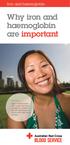 Iron and haemoglobin Why iron and haemoglobin are important Meet Kylie Kylie is a blood donor. Kylie knows that having a healthy iron enriched diet will help restore the iron removed with blood donation.
Food Allergy Gluten & Diabetes Dr Gary Deed Mediwell 314 Old Cleveland Road Coorparoo 4151 3421 7488
 Food Allergy Gluten & Diabetes Dr Gary Deed Mediwell 314 Old Cleveland Road Coorparoo 4151 3421 7488 SUMMARY Type 1 diabetes Onset common in Children Insulin requiring Immune origins with attack on the
Vitamins & Minerals Associated with Metabolism & Blood Health
 Vitamins & Minerals Associated with Metabolism & Blood Health Metabolism B-complex vitamins are especially important for energy metabolism thiamin (B 1 ) folate riboflavin (B 2 ) vitamin B 12 niacin pantothenic
Laboratory Monitoring of Adult Hospital Patients Receiving Parenteral Nutrition
 Laboratory Monitoring of Adult Hospital Patients Receiving Parenteral Nutrition Copy 1 Location of copies Web based only The following guideline is for use by medical staff caring for the patient and members
Chapter 25: Metabolism and Nutrition
 Chapter 25: Metabolism and Nutrition Chapter Objectives INTRODUCTION 1. Generalize the way in which nutrients are processed through the three major metabolic fates in order to perform various energetic
What Each Vitamin & Mineral Does In Your Body. Vitamin A
 What Each Vitamin & Mineral Does In Your Body Vitamin A Prevents skin disorders, such as acne, wrinkling and age spots. Enhances the immune system protects against colds, flu, and infections to kidney,
Rediscover What It Means to Be Full of Life
 Rediscover What It Means to Be Full of Life Vitality for Life supplements with patented Oligo Oligo U.S. Patent No. 8,273,393 Reinventing the Multivitamin Our modern diets have the majority of us gorging
Chemistry. All the three compounds are Naphthoquinone derivatives
 VITAMIN K History Existence first suggested by Henrik Dam in 1929 - Observed : Hemorrhagic disease of cattle fed on synthetic diets 1939 : Dam & co-workers isolated Vitamin K from the plant Alfalfa Edward
Nutrients: Carbohydrates, Proteins, and Fats. Chapter 5 Lesson 2
 Nutrients: Carbohydrates, Proteins, and Fats Chapter 5 Lesson 2 Carbohydrates Definition- the starches and sugars found in foods. Carbohydrates are the body s preferred source of energy providing four
Pediatrics. Specialty Courses for Medical Assistants
 Pediatrics Specialty Courses for Medical Assistants 7007 College Boulevard, Suite 385 Overland Park, Kansas 66211 www.ncctinc.com t: 800.875.4404 f: 913.498.1243 Pediatrics Specialty Certificate Course
Fat-Soluble Vitamins. Quick Facts... Vitamin A. by J. Anderson and L. Young 1 (8/08)
 Fat-Soluble s by J. Anderson and L. Young 1 (8/08) Quick Facts... Small amounts of vitamins A, D, E and K are needed to maintain good health. Foods that contain these vitamins will not lose them when cooked.
The Under-Recognized Role of Essential Nutrients in Health and Health Care
 The Under-Recognized Role of Essential Nutrients in Health and Health Care Honolulu Subarea Health Planning Council February 7, 2013 Joannie Dobbs, Ph.D. CNS Assistant Specialist Human Nutrition, Food
Methyl groups, like vitamins, are
 Methyl groups are essential for the body to function properly and must be obtained from the diet The need for methyl groups increases under stress Chapter 11 Betaine a new B vitamin Methyl groups reduce
PATIENT INFORMATION LEAFLET: CENTRUM. Read the contents of this leaflet carefully before you start using CENTRUM, because it
 PATIENT INFORMATION LEAFLET: CENTRUM Page 1 of 7 This leaflet tells you about CENTRUM tablets. Read the contents of this leaflet carefully before you start using CENTRUM, because it contains important
Nutritional Support of the Burn Patient
 Nutritional Support of the Burn Patient Objectives To understand the principles of normal nutrient utilization and the abnormalities caused by burn injury To be able to assess nutrient needs To be able
PATIENT INFORMATION LEAFLET. Forceval Junior Capsules
 PATIENT INFORMATION LEAFLET Forceval Junior Capsules Read all of this leaflet carefully because it contains important information for you or your child. Please note this leaflet has been written as if
Essentials of Anatomy and Physiology, 5e (Martini/Nath) Chapter 17 Nutrition and Metabolism. Multiple-Choice Questions
 Essentials of Anatomy and Physiology, 5e (Martini/Nath) Chapter 17 Nutrition and Metabolism Multiple-Choice Questions 1) The sum of all of the biochemical processes going on within the human body at any
Nutrient Reference Values for Australia and New Zealand
 Nutrient Reference Values for Australia and New Zealand Questions and Answers 1. What are Nutrient Reference Values? The Nutrient Reference Values outline the levels of intake of essential nutrients considered,
PATIENT INFORMATION LEAFLET. Forceval Capsules
 PATIENT INFORMATION LEAFLET Forceval Capsules Read all of this leaflet carefully because it contains important information for you. This medicine is available without prescription. However, you still need
Calcium and Vitamin D: Important at Every Age
 Calcium and Vitamin D: Important at Every Age National Institutes of Health Osteoporosis and Related Bone Diseases ~ National Resource Center 2 AMS Circle Bethesda, MD 20892-3676 Tel: (800) 624-BONE or
VITAMIN B2. By : Dania Adel & Hanin Fareed
 VITAMIN B2 By : Dania Adel & Hanin Fareed VITAMIN B2 Vitamin B2, which is also known as Riboflavin, is an easily absorbed colored micronutrient with a key role in maintaining health in humans and other
PERINATAL NUTRITION. Nutrition during pregnancy and lactation. Nutrition during infancy.
 PERINATAL NUTRITION Nutrition during pregnancy and lactation Nutrition during infancy. Rama Bhat, MD. Department of Pediatrics, University of Illinois Hospital Chicago, Illinois. Nutrition During Pregnancy
CHAPTER 10: NUTRIENTS INVOLVED IN ENERGY METABOLISM AND BLOOD HEALTH
 CHAPTER 10: NUTRIENTS INVOLVED IN ENERGY METABOLISM AND BLOOD HEALTH Vitamins and minerals are required for proper metabolism, do not directly provide energy, are necessary for obtaining energy from the
NUTRIENTS: THEIR INTERACTIONS
 NUTRIENTS: THEIR INTERACTIONS TEACHER S GUIDE INTRODUCTION This Teacher s Guide provides information to help you get the most out of Nutrients: Their Interactions. The contents in this guide will allow
Nutritional Glossary. Index of Contents
 Nutritional Glossary This glossary provides nutrition information about the nutrients commonly found in fruits, vegetables, and other plant foods Each glossary definition has a long and a short version.
B12 & Cobalamin. Learning objectives
 Learning objectives B12 & Cobalamin Define vitamins Classify fat soluble and water soluble vitamins. Study chemical structure and biological active coenzyme form of vitamin B12. List the dietary sources
(8 years or younger)
 What is iron? Iron deficiency in children (8 years or younger) Iron is a mineral found in food that your body needs. It is bound to hemoglobin, which is an important part of red blood cells. Iron helps
Overview. Nutritional Aspects of Primary Biliary Cirrhosis. How does the liver affect nutritional status?
 Overview Nutritional Aspects of Primary Biliary Cirrhosis Tracy Burch, RD, CNSD Kovler Organ Transplant Center Northwestern Memorial Hospital Importance of nutrition therapy in PBC Incidence and pertinence
Nutrition Requirements
 Who is responsible for setting nutrition requirements in the UK? In the UK we have a set of Dietary Reference Values (DRVs). DRVs are a series of estimates of the energy and nutritional requirements of
IRON METABOLISM DISORDERS
 IRON METABOLISM DISORDERS ANEMIA Definition Decrease in the number of circulating red blood cells Most common hematologic disorder by Most common hematologic disorder by far 1 Blood loss ANEMIA Causes
Regulation of Metabolism. By Dr. Carmen Rexach Physiology Mt San Antonio College
 Regulation of Metabolism By Dr. Carmen Rexach Physiology Mt San Antonio College Energy Constant need in living cells Measured in kcal carbohydrates and proteins = 4kcal/g Fats = 9kcal/g Most diets are
IODINE. Date of last Revision: January 2009
 Nutrition Fact Sheet IODINE This information is brought to you by many of the Australian nutrition professionals who regularly contribute to the Nutritionists Network ( Nut-Net'), a nutrition email discussion
Endocrine System: Practice Questions #1
 Endocrine System: Practice Questions #1 1. Removing part of gland D would most likely result in A. a decrease in the secretions of other glands B. a decrease in the blood calcium level C. an increase in
Level 3. Applying the Principles of Nutrition to a Physical Activity Programme Level 3
 MULTIPLE CHOICE QUESTION PAPER Paper number APNU3.0 Please insert this reference number in the appropriate boxes on your candidate answer sheet Title MOCK PAPER Time allocation 50 minutes Level 3 Applying
FACTS ON LIFE STYLE DISEASES AND NUTRITION DEFICIENCY DISEASES
 FACTS ON LIFE STYLE DISEASES AND NUTRITION DEFICIENCY DISEASES INTRODUCTION We suffer from these diseases as a result of the way we live. Many are caused by Malnutrition. Malnutrition describes a partial
USANA MICRO-NUTRITIONAL PRODUCTS KEY BENEFITS
 USANA Micro-nutritional Products Updated Apr 2014 USANA MICRO-NUTRITIONAL PRODUCTS KEY BENEFITS Introduction USANA Micro-nutritional Products is a guideline for USANA ANZ Associates regarding allowable
How To Get Healthy
 Dietary Fiber and Alcohol Nana Gletsu Miller, PhD Fall 2-13 Dietary Fiber It is the complex carbohydrate in plants that can not be broken down by human digestive enzymes Sources Grains Fruits and Vegetables
National Food Safety Standard Standard for nutrition labelling of prepackaged foods
 National Standards of People s Republic of China GB 28050 2011 National Food Safety Standard Standard for nutrition labelling of prepackaged foods (Nota: traducción no oficial) Issued on: 2011-10-12 Implemented
Adams Memorial Hospital Decatur, Indiana EXPLANATION OF LABORATORY TESTS
 Adams Memorial Hospital Decatur, Indiana EXPLANATION OF LABORATORY TESTS Your health is important to us! The test descriptions listed below are for educational purposes only. Laboratory test interpretation
PHOSPHATE-SANDOZ Tablets (High dose phosphate supplement)
 1 PHOSPHATE-SANDOZ Tablets (High dose phosphate supplement) PHOSPHATE-SANDOZ PHOSPHATE-SANDOZ Tablets are a high dose phosphate supplement containing sodium phosphate monobasic. The CAS registry number
WATER SOLUBLE VITAMINS
 WATER SOLUBLE VITAMINS BY: SHAMSUL AZAHARI ZAINAL BADARI DEPARTMENT OF RESOURCES MANAGEMENT AND CONSUMER STUDIES FACULTY OF HUMAN ECOLOGI UNIVERSITI PUTRA MALAYSIA WATER SOLUBLE VITAMINS Include vitamin
BEC Feed Solutions. Steve Blake BEC Feed Solutions
 BEC Feed Solutions Presenter: Steve Blake BEC Feed Solutions Nutritional Role of Phosphorus Phosphorus (P) is present in all cells in the body Essential for many digestive and metabolic processes, including
Organic Acid Disorders
 Genetic Fact Sheets for Parents Organic Acid Disorders Screening, Technology, and Research in Genetics is a multi-state project to improve information about the financial, ethical, legal, and social issues
Enzymes. A. a lipid B. a protein C. a carbohydrate D. a mineral
 Enzymes 1. All cells in multicellular organisms contain thousands of different kinds of enzymes that are specialized to catalyze different chemical reactions. Given this information, which of the following
Dietary Reference Intakes (DRIs): Estimated Average Requirements Food and Nutrition Board, Institute of Medicine, National Academies
 Dietary Reference Intakes (DRIs): Estimated Average Requirements Life Stage Group Calcium CHO Protein (g/kg/d) Vit A a Vit C Vit D Vit E b Thiamin Riboflavin Niacin c Vit B 6 0 to 6 mo 6 to 12 mo 1.0 6.9
Lesson Title: Nutrient Wise
 Standards This lesson aligns with the OSPI Health and Fitness Standards. This lesson will address GLE 1.5.1 Applies nutrition goals based on dietary guidelines and individual activity needs. GLE 1.5.4
Course Curriculum for Master Degree in Food Science and Technology/ Department of Nutrition and Food Technology
 Course Curriculum for Master Degree in Food Science and Technology/ Department of Nutrition and Food Technology The Master Degree in Food Science and Technology / Department of Nutrition and Food Technology,
Vitamin D Deficiency and Thyroid Disease. Theodore C. Friedman, M.D., Ph.D.
 Vitamin D Deficiency and Thyroid Disease Theodore C. Friedman, M.D., Ph.D. Vitamin D deficiency and thyroid diseases Vitamin D is an important vitamin that not only regulates calcium, but also has many
Name Date Period. Keystone Review Enzymes
 Name Date Period Keystone Review Enzymes 1. In order for cells to function properly, the enzymes that they contain must also function properly. What can be inferred using the above information? A. Cells
HIGH FIBER DIET. (Article - Web Site) August 20, 2003
 HIGH FIBER DIET (Article - Web Site) August 20, 2003 Dietary fiber, found mainly in fruits, vegetables, whole grains and legumes, is probably best known for its ability to prevent or relieve constipation.
Information on Vitamin C
 Super Baby Food Book Sample from Nutrition Chapter: Information on Vitamin C Vitamin C Perhaps you've heard the story of the British sailors in the eighteenth century, who came down with scurvy approximately
Dietary Fiber and Alcohol. Nana Gletsu Miller, PhD Spring 2014
 Dietary Fiber and Alcohol Nana Gletsu Miller, PhD Spring 2014 Dietary Fiber It is the complex carbohydrate in plants that can not be broken down by human digestive enzymes Sources Grains Fruits and Vegetables
Nutrition Information from My Plate Guidelines
 Nutrition Information from My Plate Guidelines Note: This information was compiled from the website: http://www.choosemyplate.gov/ for participants in the 4-H Food Prep Contest 1/12/16. The information
FOOD QUALITY AND STANDARDS Vol. III - Minerals and other Microcomponents - Radomir Lasztity MINERALS AND OTHER MICROCOMPONENTS
 MINERALS AND OTHER MICROCOMPONENTS Radomir Lasztity Budapest University of Technology and Economics, Budapest, Hungary Keywords: amanitin, amygdalin, antinutritive constituents, ash, availability, ciguatera
Nutritional Challenges After Surgery
 Nutritional Challenges After Surgery L I N D A P A T A K I M S R D C S O L D C N S C M D A N D E R S O N C A N C E R C E N T E R H O U S T O N, T E X A S Objectives Identify the reasons that GIST and its
Carbon-organic Compounds
 Elements in Cells The living substance of cells is made up of cytoplasm and the structures within it. About 96% of cytoplasm and its included structures are composed of the elements carbon, hydrogen, oxygen,
What Alcohol Does to the Body. Chapter 25 Lesson 2
 What Alcohol Does to the Body Chapter 25 Lesson 2 Short-Term Effects of Drinking The short-term term effects of alcohol on the body depend on several factors including: amount of alcohol consumed, gender,
Glutathione and Oxidative Stress - Part I
 Glutathione and Oxidative Stress - Part I By: James L. Holly, MD Oxidative Stress refers to effects from endogenous (produced in the body) toxins (free radicals) produced in the body by normal metabolism
7 Answers to end-of-chapter questions
 7 Answers to end-of-chapter questions Multiple choice questions 1 B 2 B 3 A 4 B 5 A 6 D 7 C 8 C 9 B 10 B Structured questions 11 a i Maintenance of a constant internal environment within set limits i Concentration
Fatty Acid Oxidation Disorders Galactosemia Biotinidase Deficiency
 Fatty Acid Oxidation Disorders Galactosemia Biotinidase Deficiency Dr. Kathy Grange, MD Division of Genetics and Genomic Medicine Department of Pediatrics Washington University School of Medicine What
HAIR LOSS IN WOMEN. by DAVID SALINGER. www.hair-loss-centre.com.au
 HAIR LOSS IN WOMEN by DAVID SALINGER HAIR LOSS IN WOMEN Loss of hair does worry people and when you realise that so many factors can be responsible for hair loss, you can appreciate that it is important
High Blood Pressure and Chronic Kidney Disease. For People With CKD Stages 1 4
 High Blood Pressure and Chronic Kidney Disease For People With CKD Stages 1 4 National Kidney Foundation s Kidney Disease Outcomes Quality Initiative (NKF-KDOQI ) The National Kidney Foundation s Kidney
The Five Food Groups and Nutrition Facts
 session 4 The Five Food Groups and Nutrition Facts (Note to the presenter: Comments in parentheses are instructions to follow while giving the presentation. Do not read the comments to participants. This
Blood Sugar & Glycaemic Index
 Nutrition Blood Sugar & Glycaemic Index Lesley Loizou The human body is designed to run on carbohydrates (CHO). While we can use protein and fat for energy, the easiest and most smoke-free fuel is carbohydrate.
NUTRITION IN LIVER DISEASES
 NUTRITION IN LIVER DISEASES 1. HEPATITIS: Definition: - Viral inflammation of liver cells. Types: a. HAV& HEV, transmitted by fecal-oral route. b. HBV & HCV, transmitted by blood and body fluids. c. HDV
Growth & Feeding Puppies Karen Hedberg BVSc 2007. Growth
 Growth & Feeding Puppies Karen Hedberg BVSc 2007 Size and End Weight : Growth Dogs come in all sizes and shapes and have enormous variation in their final body weights. Dogs generally can be fed a very
Elevated Cholesterol and Homocysteine
 Elevated Cholesterol and Homocysteine The evidence linking inflammation of the blood vessels and heart disease/hardening of the arteries is well documented. There is considerable debate about the role
TOTAL PROTEIN FIBRINOGEN
 UNIT: Proteins 16tproteins.wpd Task Determination of Total Protein, Albumin and Globulins Objectives Upon completion of this exercise, the student will be able to: 1. Explain the ratio of albumin and globulin
Free radicals - Enemies of health, beauty and youth
 Free radicals - Enemies of health, beauty and youth Free radicals (FR) are natural molecules produced in the body following biochemical reactions related to the behaviour of singlet oxygen. The human body
Diet and Arthritis. Dr Áine O Connor Nutrition Scientist. British Nutrition Foundation. 2011 The British Nutrition Foundation
 Diet and Arthritis Dr Áine O Connor Nutrition Scientist British Nutrition Foundation Outline Background What is arthritis? What are the common forms? Body weight and arthritis Diet and arthritis Nutrients
10.1 The function of Digestion pg. 402
 10.1 The function of Digestion pg. 402 Macromolecules and Living Systems The body is made up of more than 60 % water. The water is found in the cells cytoplasm, the interstitial fluid and the blood (5
Long Term Use of Antacid Medications Can Cause an Increased Risk for Osteoporosis and Much More
 Long Term Use of Antacid Medications Can Cause an Increased Risk for Osteoporosis and Much More By: Jeremie Pederson D.C., C.S.C.S. Many people are concerned about the FDA news release dated May 25, 2010
DRUGS FOR GLUCOSE MANAGEMENT AND DIABETES
 Page 1 DRUGS FOR GLUCOSE MANAGEMENT AND DIABETES Drugs to know are: Actrapid HM Humulin R, L, U Penmix SUNALI MEHTA The three principal hormones produced by the pancreas are: Insulin: nutrient metabolism:
Liver Function Tests. Dr Stephen Butler Paediatric Advance Trainee TDHB
 Liver Function Tests Dr Stephen Butler Paediatric Advance Trainee TDHB Introduction Case presentation What is the liver? Overview of tests used to measure liver function RJ 10 month old European girl
ARTICLE #1 PLEASE RETURN AT THE END OF THE HOUR
 ARTICLE #1 PLEASE RETURN AT THE END OF THE HOUR Alcoholism By Mayo Clinic staff Original Article: http://www.mayoclinic.com/health/alcoholism/ds00340 Definition Alcoholism is a chronic and often progressive
Presentation Prepared By: Jessica Rivers, BASc., PTS
 Presentation Prepared By: Jessica Rivers, BASc., PTS Presentation Outline Why should we care about our eating habits? Why is nutrition so important as we age? How do we know if we are eating healthy? What
Vitamin D. Frequently Asked Questions
 Vitamin D Frequently Asked Questions What is vitamin D? What is a vitamin? Why do we need vitamins? Is there more than one form of vitamin D? Where do I get vitamin D? How long should I be outdoors, and
Material AICLE. 5º de Primaria.: Food and nutrition (Solucionario)
 Material AICLE. 5º de Primaria.: Food and nutrition (Solucionario) 3 SOLUTIONS Activity 3. Listen to the following audio and complete this chart. Then, check your answers using the information in activity
Liver, Gallbladder, Exocrine Pancreas KNH 406
 Liver, Gallbladder, Exocrine Pancreas KNH 406 2007 Thomson - Wadsworth LIVER Anatomy - functions With disease blood flow becomes obstructed Bile All bile drains into common hepatic duct Liver Bile complex
THE DIGESTIVE SYSTEM
 THE DIGESTIVE SYSTEM What is digestion? Digestion is the process of breaking down food so that it's small enough to be absorbed and used by the body for energy or in other bodily functions. Digestion involves
6/29/2009 6.8 5.3 TDN
 Common Sense Meat Goat-Nutrition Brian Freking OSU LeFlore Co. Extension Nutrition Feeding goats is the single largest expense behind the purchase cost of the animals. Can be as high as 60% of the total
February 2006. 23 Best Foods for Athletes
 23 Best Foods for Athletes February 2006 1. Beans Legumes a. Excellent source of fiber (important for keeping blood sugar and cholesterol levels under control). b. High in protein and a good source of
Challenges in the Development of Micronutrient-rich Food Ingredients from Soya Beans and Moringa Oleifera Leaves
 Abstract Challenges in the Development of Micronutrient-rich Food Ingredients from Soya Beans and Moringa Oleifera Leaves Leonard M. P. Rweyemamu Department of Chemical & Process Engineering University
Minerals. by Dr. Rick Machen Associate Professor & Extension Livestock Specialist Texas Agric ultural Exte nsio n Service, Uvalde
 Minerals Small Ruminant Series by Dr. Rick Machen Associate Professor & Extension Livestock Specialist Texas Agric ultural Exte nsio n Service, Uvalde As mentioned in previous articles, the nutrient requirements
Nursing 113. Pharmacology Principles
 Nursing 113 Pharmacology Principles 1. The study of how drugs enter the body, reach the site of action, and are removed from the body is called a. pharmacotherapeutics b. pharmacology c. pharmacodynamics
Digestive System Why is digestion important? How is food digested? Physical Digestion and Movement
 Digestive System The digestive system is made up of the digestive tract a series of hollow organs joined in a long, twisting tube from the mouth to the anus and other organs that help the body break down
Chapter 48. Nutrients in Food. Carbohydrates, Proteins, and Lipids. Carbohydrates, Proteins, and Lipids, continued
 Carbohydrates, Proteins, and Lipids The three nutrients needed by the body in the greatest amounts are carbohydrates, proteins, and lipids. Nutrients in Food All of these nutrients are called organic compounds,
DIABETES & HEALTHY EATING
 DIABETES & HEALTHY EATING Food gives you the energy you need for healthy living. Your body changes most of the food you eat into a sugar called glucose. (glucose) Insulin helps your cells get the sugar
Clinical Nutrition and Dietetics Papers are given with Subject paper code A.
 Specialization - I : Clinical Nutrition and Dietetics Papers are given with Subject paper code A. Specialization -II : Food Science and Quality Control Papers are given with Subject paper code B. (DFN21A)