
Emergency ultrasound (EUS) refers to point-ofcare
|
|
|
- Meghan Chambers
- 9 years ago
- Views:
Transcription
1 EDUCATIONAL ADVANCE Pediatric Emergency Medicine Fellow Training in Ultrasound: Consensus Educational Guidelines Rebecca L. Vieira, MD, RDMS, Deborah Hsu, MD, MEd, Joshua Nagler, MD, Lei Chen, MD, MHS, Rachel Gallagher, MD, RDMS, and Jason A. Levy, MD, RDMS Abstract The importance of point-of-care emergency ultrasound (EUS) to the practice of emergency medicine (EM) is well established, and mounting research continues to demonstrate how EUS can benefit pediatric emergency department (ED) patients. As members of the EM community, pediatric EM (PEM) physicians should understand the potential value of EUS and seek opportunities to incorporate EUS into their daily practice. Currently, EUS education and training is at an early developmental stage for PEM fellows and varies greatly between programs. The goal of this article is to provide consensus education guidelines and to describe a sample curriculum that can be used by PEM fellowship programs when developing or revising their US training curricula. The authors recognize that programs may be at different stages of EUS development and will consequently need to tailor curricula to individual institutional needs and capabilities. This guideline was developed through a collaborative process between EUS educators and members of the American Academy of Pediatrics Section of EM Fellowship Directors Subcommittee. The guideline includes the following topics: important considerations regarding EUS in PEM, PEM US program framework, PEM US curriculum, PEM US education program, and competency assessment. ACADEMIC EMERGENCY MEDICINE 2013; 20: by the Society for Academic Emergency Medicine Emergency ultrasound (EUS) refers to point-ofcare US performed and interpreted at the patient s bedside by the treating physician to facilitate patient care in the emergency department (ED). Emergency physicians (EPs) use EUS for the resuscitation of critically ill patients, the diagnosis of patients with specific signs or symptoms, monitoring patients with rapidly changing clinical conditions, and the guidance of invasive procedures. The importance of EUS to the daily practice of EPs is underscored in policy statements published by the American College of Emergency Physicians (ACEP). The most recent ACEP From the Division of Emergency Medicine, Boston Children s Hospital (RLV, JN, RG, JAL), Boston, MA; the Department of Pediatrics, Harvard Medical School (RLV, JN, RG, JAL), Boston, MA; the Section of Emergency Medicine, Texas Children s Hospital (DH), Houston, TX; the Department of Pediatrics, Baylor College of Medicine (DH), Houston, TX; and the Section of Emergency Medicine, Yale University School of Medicine (LC), New Haven, CT. Received June 28, 2012; revision received September 1, 2012; accepted September 26, The authors have no relevant financial information or potential conflicts of interest to disclose. Supervising Editor: Christopher Moore, MD. Address for correspondence and reprints: Rebecca Vieira, MD, RDMS; [email protected]. policy statement includes comprehensive guidelines for the use of EUS in emergency medicine (EM) and summarizes recommendations for EUS training for EM residents. 1 The training recommendations in this guideline mirror education guidelines delineated in consensus recommendations from the 2008 Council of Emergency Medicine Residency Directors conference. 2 The use of EUS by pediatric emergency medicine (PEM) physicians is expanding rapidly, and PEM-specific applications are increasingly being described and studied. 3 5 EUS is listed in the American Board of Pediatrics core content guidelines for PEM fellowship training, and questions related to EUS appear on the subspecialty certification examination for PEM. In a recent survey of PEM fellowship directors, 95% of PEM programs endorse the use of EUS in their EDs. 6 Still, no specific guidelines exist for the training of PEM fellows, and consequently, education varies greatly. The number of programs offering US education to their PEM fellows has increased significantly over the past 4 years. 6 8 Still, according to the most recent published data, only 70% of PEM programs offer their fellows structured EUS rotations. 6 The American Academy of Pediatrics (AAP) Section of EM Fellowship Directors Subcommittee has identified the establishment of an EUS curriculum as one of its primary goals for The purpose of this article is to provide an educational framework and a sample EUS curriculum for PEM fellows. These recom- ISSN by the Society for Academic Emergency Medicine 300 PII ISSN doi: /acem.12087

2 ACADEMIC EMERGENCY MEDICINE March 2013, Vol. 20, No mendations were developed by a team composed of US educators and PEM fellowship directors. While it is understood that not all PEM fellowship programs will have the resources to institute similar curricula immediately, this can serve as a model for fellowships developing or expanding EUS programs. This curriculum mirrors the ACEP recommendations for EUS training in general EM residency programs, with important adaptations tailored to the unique aspects of EUS as they apply to PEM and pediatric patients. There are several challenges currently facing PEM programs desiring to educate their fellows in EUS. Most PEM attending physicians who finished their training more than 5 years ago received limited or no EUS education. Consequently, many PEM programs lack skilled faculty members to train their fellows and may need to look to other departments or outside resources for assistance. In hospitals where US studies are readily available through the department of radiology, developing EUS programs will require discussion and negotiation among department and hospital leadership. Prioritizing the best interest of patients and the education of trainees should help to encourage collaboration between hospital departments. GUIDELINE DEVELOPMENT PROCESS In October 2011, the AAP Section of EM Fellowship Directors Subcommittee met to discuss ideas for advancing a nationally based PEM fellowship curriculum. This group identified the need for collaboration in the improvement of EUS education for PEM fellows. As a result of this meeting, a team was assembled to develop consensus US education guidelines and propose a sample curriculum for PEM fellowship programs. Collaborators were identified by the chair of the Fellowship Directors Subcommittee and senior author and invited to participate on a voluntary basis. This team consisted of PEM fellowship directors, PEM physicians and EPs with advanced EUS training and EUS educational roles locally and nationally, the chair of the Fellowship Directors Subcommittee, and the past chair of the Pediatric EUS Subcommittee within ACEP. The authors researched past and current training recommendations for EM residents, 2,9 as well as literature related to EUS in pediatric populations and pediatricspecific applications of EUS. These data were reviewed for quality and subsequently used to draft an initial guideline. The team members then reviewed and discussed the guideline, which was revised until consensus was met. IMPORTANT CONSIDERATIONS REGARDING EUS IN PEM The role of EUS in the care of pediatric ED patients differs from that of adult patients. Well-established indications of EUS in adults include imaging of the heart, lungs, aorta, biliary tract, urinary tract, musculoskeletal tissues, and lower extremity venous system; evaluation of the trauma patient, pregnant patient, and hypotensive patient; and use of EUS for procedural guidance. Some of these applications are less applicable to the pediatric population. For example, abdominal aortic aneurysm is exceedingly rare in children, and deep venous thrombosis is much less common in pediatric patients than in adults. Thus, these EUS applications are less useful to PEM physicians. Alternatively, the use of EUS to evaluate pediatric patients for bladder volume or conditions such as transient synovitis may be more applicable to PEM physicians. In addition, board certification requirements for PEM differ than those for general EM and do not include specifics related to EUS training. Therefore, although ACEP EUS training recommendations and published model curricula for EM residents serve as valuable frameworks, the EUS curriculum for PEM fellows should be geared toward skills most relevant to the care of pediatric patients. PEM US PROGRAM FRAMEWORK The introduction of EUS into PEM is recent and evolving. As a result, many PEM faculty members may not have received EUS training and may not possess the necessary skills to train their fellows. Recommendations for the establishment of an EUS program, including personnel, equipment, and quality assurance (QA), have been previously described 10,11 and are summarized here in the context of providing US education to PEM fellows. Programs should attempt to achieve the following recommendations to ensure that PEM fellows received adequate EUS training. With regard to personnel, the first step is the appointment of an EUS director. This person should have adequate training and exposure to teach the core applications of EUS and the capability to arrange outside opportunities for fellows to gain experience in applications that they cannot learn in their own department. The EUS director should be supported with adequate allocated time for administration and teaching related to the education of fellows. The EUS director should be charged with the responsibility of instituting a QA plan. Every EUS study should be saved and interpreted by the operating physician at the time the study is acquired. As US is a dynamic study, video clips are preferred to still images. The EUS director and/or other qualified faculty should review studies in a timely manner and provide feedback related to technique (image quality, machine settings, probe selection) and interpretation. As much as possible, novice users should be supervised at the bedside and have their scanning critiqued in real time. Reviewing saved studies should be done when the real-time review is not feasible. Misinterpretations should be addressed in a timely fashion, and specific suggestions for improvement should be included in the feedback. Maintaining this scan-feedback loop is one of the most important aspects of teaching EUS. Whenever possible, important teaching points related to individual studies should be reviewed with the trainee and may be used to educate others. In some circumstance, EUS studies may be compared to studies done in the department of radiology for QA purposes; however, it should be recognized that EUS studies are primarily used to promptly answer simple yes/no questions in the clini-

3 302 Vieira et al. PEM FELLOW TRAINING IN US cal context of the patient (e.g., Is there free fluid in the peritoneum? ), whereas studies done in the department of radiology tend to be more comprehensive and descriptive. A QA database should be maintained to keep track of the total number of studies performed by each trainee. Information pertaining to the quality and accuracy of each study, with summary statistics regarding the total numbers of true and false-positive and -negative studies, should be collected and stored. These data will allow for the assessment of progress and serve as one component in the determination of proficiency. The EUS director should set forth policies regarding the clinical use of EUS findings. This may involve collaboration with other divisions within the academic center. It is important to specify which applications are considered sufficiently sensitive and specific to guide clinical decision-making and conversely which applications require confirmation by either clinical course or alternate imaging modality. It should also be determined what minimum number of scans and level of training are required to reach proficiency and be credentialed in each application. All studies performed prior to the attainment of credentialing should be considered educational, and findings should not guide clinical care unless reviewed by a clinician credentialed in that specific application. There should be a plan in place for incidental findings, both those discovered at the time of the bedside US, and those discovered during QA review of the study. Saved studies should include enough patient and sonographer identifying information to allow for appropriate follow-up on incidental findings. Similarly, a plan should be developed for documentation of educational studies and how these studies are described to the patients and their families. In terms of equipment, all programs should have US equipment physically available in the pediatric ED on a 24/7 basis. Prior to investing in a device, programs should research the available US equipment and determine which device and transducers are most suited to their practice environment based on published recommendations for US equipment for pediatric EDs. 10,11 The US device should have the ability to record and store images and clips for later review. Currently, some institutions will not have EUS-trained PEM faculty capable of developing and implementing EUS programs. In these circumstances, it is appropriate to seek guidance and training from other sources. Other imaging specialists, such as EUS-trained general EM faculty and US-trained members of the departments of radiology, gynecology, and cardiology, can play an important role in the development of EUS programs and the training of PEM fellows. Additionally, collaboration with radiology colleagues in the early phases of program development can foster a relationship of partnership and understanding and lead to more effective and efficient program development. PEM US CURRICULUM The core applications for EUS in PEM have not been well established. At the time of publication, efforts are under way to establish a policy statement endorsed by the AAP and ACEP for pediatric point-of-care US. These recommendations will be based on both the existing research and expert consensus recommendations. The curriculum presented here includes an array of potential applications that may be considered in PEM, which will likely evolve over time in response to future research. While certain applications may be generalizable to many locations, others may be relevant only to institutionally specific settings and in response to local and changing needs. Pediatric EM EUS applications can be broadly divided into the following categories: applications relevant to critically ill patients with potentially lifethreatening conditions ( resuscitative applications ), applications that may aid in diagnosis and inform decision-making ( diagnostic applications ), and applications for which US can be used to assist with procedures ( procedural applications ). Programs should strongly consider including in their curricula applications potentially relevant to patients requiring resuscitation (signified with an asterisk). It is recommended that PEM fellows are exposed to a variety of applications, including indications, technique, and limitations. Each program should determine which applications are most relevant to that program s practice setting. Applications that are potentially relevant to pediatric patients in the ED include the following (and are expanded in Table 1): 1. efast* (the extended focused assessment with sonography for trauma) to identify free peritoneal fluid, pericardial effusion, hemothorax, and pneumothorax in cases of blunt and penetrating abdominal or thoracic trauma; 2. Focused cardiovascular imaging* to identify pericardial effusion and cardiac standstill, evaluate function, and assess inferior vena cava for volume status; 3. Early pregnancy imaging* to identify intrauterine pregnancy and/or free peritoneal fluid in the evaluation for ectopic pregnancy; 4. Soft tissue imaging to identify infection, fluid collections, and foreign bodies; 5. Thoracic imaging to identify pleural fluid, pneumothorax, and parenchymal pathology. 6. Bladder imaging to assess for presence and volume of urine; 7. Focused abdominal imaging to identify appendicitis, pyloric stenosis, intussusception, and free peritoneal fluid; 8. Musculoskeletal imaging to identify fractures and joint effusions; 9. Renal imaging to identify hydronephrosis. 10. Biliary imaging to identify evidence of cholelithiasis or cholecystitis; 11. Deep venous thrombus imaging; 12. Ocular imaging to identify pathology such as retinal detachment and vitreous hemorrhage and to evaluate optic nerve sheath diameter. PEM fellows should be taught the principles of using bedside US to assist ED procedures. Relevant procedures include the following: 1) central venous catheter

4 ACADEMIC EMERGENCY MEDICINE March 2013, Vol. 20, No Table 1 Potential Pediatric Emergency Medicine Ultrasound Applications Resuscitative Applications Diagnostic Applications Procedural Applications efast Soft tissue CVC placement Identify free peritoneal fluid Identify infection Identify pericardial effusion Identify fluid collection Peripheral intravenous access Identify hemothorax Identify foreign body Identify pneumothorax Abscess incision and drainage Thoracic Focused cardiovascular Identify pleural fluid Suprapubic bladder aspiration Identify pericardial effusion Identify pneumothorax Identify cardiac standstill Identify parenchymal pathology Lumbar puncture Evaluate function Assess IVC for volume status Bladder ETT position confirmation Assess for urine Early pregnancy Nerve block Identify intrauterine pregnancy Focused abdominal and/or free peritoneal fluid in Identify appendicitis Arthrocentesis evaluation for Identify pyloric stenosis ectopic pregnancy Identify intussusception Thoracentesis Identify free peritoneal fluid Musculoskeletal Identify fractures Identify joint effusions Renal Assess for hydronephrosis Biliary Assess for cholelithiasis Assess for cholecystitis Deep venous Identify DVT Ocular Identify retinal detachment Identify vitreous hemorrhage Evaluate optic nerve sheath diameter Paracentesis CVC = central venous catheter; DVT = deep venous thrombosis; ETT = endotracheal tube; efast = extended focused assessment with sonography in trauma; IVC = inferior vena cava. placement,* 2) peripheral vascular access, 3) abscess incision and drainage, 4) suprapubic bladder aspiration, 5) lumbar puncture, 6) confirmation of endotracheal tube placement, 7) nerve block, 8) arthrocentesis, 9) thoracentesis, and 10) paracentesis. The current widespread institutional variability in resources, US educators, patient populations, and practice settings makes it difficult and unrealistic to universally recommend which applications should be prioritized. While some of these applications are widely accepted and have been studied in pediatric patients, others should be considered advanced, have not been adequately studied, and require significant skill and training. Each program should identify which applications are most useful in that program s practice setting and emphasize related instruction. In the early stages of program development it may be reasonable to focus education around those applications that are most technically straightforward and supported by published data. Each program should strive to expose its fellows to scanning techniques and examples of normal and abnormal studies for those applications not taught in depth during the PEM fellowship. PEM US EDUCATION PROGRAM Emergency US should be included in the core education program for all PEM fellowships. Within the goals of every education program should be to provide fellows with a solid understanding of EUS principals and a skill set that allows them to incorporate EUS into their daily clinical practice. PEM fellows should understand the advantages and limitations of EUS and identify strategies for staying abreast of the newest evidence-based practices and recommendations. An US education program for PEM fellows, adapted from recommendations by ACEP for EM residents, 1 is summarized here (also see Figure 1): Introductory Instruction All fellows should receive an introduction to EUS early in the course of their fellowship training. This introduc-

5 304 Vieira et al. PEM FELLOW TRAINING IN US First competency assessment Final competency assessment Start of Fellowship INTRODUCTION* History of emergency ultrasound Indications & limitations Physics Machine basics/ knobology Image acquisition Intro to resuscitative applications *May be accomplished with 1-day course US ROTATION Resuscitative applications Diagnostic applications Procedural applications Scheduled scanning time Image review Individualized feedback Required reading Access to resources LONGITUDINAL EXPERIENCE Review of core applications Practice scanning during clinical shifts Image review Individualized feedback New evidence/emerging applications Outside courses May coordinate with faculty development End of Fellowship Figure 1. Pediatric emergency medicine ultrasound education program timeline. tion should incorporate didactics and hands-on instruction and should include the following topics: a brief history of EUS, indications and limitations, relevant physics, and practical applications of EUS in the ED. Hands-on instruction should focus on machine basics (commonly referred to as knobology ) and image acquisition. The resuscitative applications should be introduced as early as possible, with the recognition that proficiency in these applications evolves over time with additional training and practice. A 1-day course in the first year of fellowship can accomplish these goals, with reinforcement of these basic skills as described below. Rotation Recommendations A dedicated 1- to 4-week EUS rotation is recommended for all PEM fellows. In some institutions, this rotation may be based in a general adult ED with instruction by qualified EM-trained faculty. Alternatively, experience may be sought within the department of radiology if available. During this rotation, fellows should have allocated time free from other clinical responsibilities. The rotation should be structured in a manner to incorporate the following features: Didactic sessions and hands-on instruction related to the relevant resuscitative, diagnostic, and procedural applications; Scheduled scanning time without simultaneous patient care responsibilities, with a majority of scanning proctored by the EUS director or qualified faculty members, particularly earlier in skill development; Image review of exemplary and/or departmental scans; Timely review of individual scans with feedback on image quality and interpretation throughout the rotation; Required reading from selected textbooks and journals; Access to educational resources including EUS textbooks, online resources, image banks, question banks, and electronic educational materials. If this training occurs in a general ED with primarily adult patients or in the department of radiology, the experience should be augmented with teaching related to aspects of EUS unique to pediatric ED populations. If providing a structured quality EUS rotation is not feasible given the resources of a particular program, the fellowship director may arrange for fellows to enroll in an outside, comprehensive course that includes basic and advanced applications. A pediatric EUS course is preferred, if available. Longitudinal Experience Beyond the EUS rotation, fellows should receive longitudinal EUS education, including regular didactics, hands-on instruction, image review, and feedback on individual scans throughout their fellowship training. At some institutions, participation in outside courses may be necessary to provide this longitudinal experience. Whenever possible, fellows should be encouraged to scan during their clinical shifts (even if not for clinical decision-making), and timely feedback should be provided on the quality and accuracy of their studies, with attention to improvement and maintenance of skills over time. New evidence and emerging applications can be discussed during didactic sessions or in the format of a journal club. At many institutions, longitudinal fellow educational opportunities can be combined with faculty development efforts. Adaptations to the EUS training program should be made for those PEM fellows who completed primary residency training in EM. Although these trainees will likely enter a fellowship proficient in EUS as it pertains to general EM, they should receive pediatric-specific EUS training and longitudinal instruction. Programs without the resources to provide EUS rotations and longitudinal EUS experiences for their fellows may use outside courses for current trainees, but should initiate plans toward developing a program with the educational capabilities described above. COMPETENCY ASSESSMENT Standards for the assessment of EUS competency in EM are delineated in the most recent ACEP guidelines. 1 These guidelines describe the goal of competency assessment as follows: to ensure that all EM residents have a basic set of skills to allow for integration of [EUS] into their daily clinical practice after residency

6 ACADEMIC EMERGENCY MEDICINE March 2013, Vol. 20, No training is complete. Currently, the role of EUS in PEM is still evolving and differs greatly between institutions. Until standardized guidelines for EUS within PEM are available, assessment of competency should be defined within each program. It is important that the department leadership clearly delineate how EUS will be used in their department. The minimum requirements for a fellow (or faculty member) to be deemed competent in each specific application should be well defined and based on the principals of competency assessment described for EM. The two key components of competency assessment for EUS are the assessment of technique (i.e., image acquisition) and image interpretation. Assessment of technique is best accomplished with practical examinations, during which the technical aspects of image acquisition and quality are evaluated (i.e., probe selection, machine settings, technical skill, quality of image, inclusion of minimum images for specific applications). The practical examination can be performed on a patient, volunteer, or US-capable simulator. The assessment of image interpretation is best accomplished by evaluating a trainee s decision-making skills using saved EUS images or video clips. Many EM programs use online standardized multiple-choice question tests to accomplish this assessment. At the time of publication, no similar examination is widely available for PEM fellows. Until such a tool is created, it is recommended that programs develop their own image banks to be used for testing. Images and video clips can be presented to assess fellows ability to interpret images and correctly make decisions. Emergency US is a multifaceted skill that requires clinical knowledge, image recognition, and manual dexterity. It must be practiced regularly to prevent deterioration of skill and confidence over time. Consequently, it is recommended that competency be assessed at least twice, at the end of each EUS rotation and again at the end of the fellowship. This ensures that competency is reached following a period of focused education and retained over time during fellowship training. CONCLUSIONS Emergency ultrasound is an important skill that has the potential to improve pediatric emergency care. Mounting evidence supporting the benefits of emergency ultrasound to pediatric patients substantiates the need to establish a curriculum for PEM fellows. Because of important differences between pediatric and adult ED patients, the emergency ultrasound education plan for PEM fellows will differ from the guidelines established by ACEP for EM residents. Although the development of an EUS education program for PEM fellows requires planning, resources, and commitment, the return on the investment is immense. EUS is an attainable skill with a steep learning curve. Based on the authors experience, with a robust firstyear fellow rotation and longitudinal instruction throughout the second year, many PEM fellows become active EUS educators to both junior fellows and PEM faculty by the completion of the fellowship. It is our hope that these graduates will go on to investigate important research questions that will further support the use of emergency ultrasound in pediatric patients. Presently, the body of evidence related to many EUS applications in pediatric patients is growing, and the role emergency ultrasound plays in PEM is changing rapidly. All PEM physicians who use EUS must be committed to staying informed of the most current literature and recommendations. The remarkable success of EM residency programs in training their residents supports the adaptation of their model. Each PEM fellowship program should strive to tailor an EUS curriculum best suited to that program s clinical practice setting using the above recommendations as a guideline. The incorporation of an emergency ultrasound curriculum into PEM fellowship training has the potential to benefit both PEM fellows and their patients. APPENDIX A CONSENSUS GUIDELINE COLLABORATORS (AUTHORS IN BOLD) Jennifer H. Chao, MD, SUNY Downstate Medical Center Lei Chen MD, MHS, Yale University School of Medicine Deborah Hsu, MD, MEd, Texas Children s Hospital and Baylor College of Medicine David Kessler, MD, MSc, RDMS, Columbia University Medical Center/New York Presbyterian Morgan Stanley, Children s Hospital of New York In K. Kim, MD, MBA, Kosair Children s Hospital and University of Louisville Rachel Gallagher, MD, RDMS, Boston Children s Hospital and Harvard Medical School Jason Levy, MD, RDMS, Boston Children s Hospital and Harvard Medical School Joshua Nagler, MD, Boston Children s Hospital and Harvard Medical School Jill C Posner, MD, MSCE, The Children s Hospital of Philadelphia and Perelman School of Medicine University of Pennsylvania Curt Stankovic, MD, Children s Hospital of Michigan and Wayne State University Vivek Tayal, MD, Carolinas Medical Center Rebecca Vieira, MD, RDMS, Boston Children s Hospital and Harvard Medical School References 1. American College of Emergency Physicians. Emergency ultrasound guidelines. Ann Emerg Med. 2009; 53: Akhtar S, Theodoro D, Gaspari R, Tayal V, Sierzenski P, Raio C. Resident training in emergency ultrasound: consensus recommendations from the 2008 Council of Emergency Medicine Residency Directors Conference. Acad Emerg Med. 2009; 16: S32 6.

7 306 Vieira et al. PEM FELLOW TRAINING IN US 3. Chen L, Baker MD. Novel applications of ultrasound in pediatric emergency medicine. Pediatr Emerg Care. 2007; 23: Levy JA, Bachur RG. Bedside ultrasound in the pediatric emergency department. Curr Opin Pediatr. 2008; 20: Levy JA, Noble VE. Bedside ultrasound in pediatric emergency medicine. Pediatrics. 2008; 121: e Marin JR, Zuckerman NS, Kahn JM. Use of emergency ultrasound in United States pediatric emergency medicine fellowship programs in J Ultrasound Med. 2012; 13: Ramirez-Schrempp D, Dorfman DH, Tien Y, Liteplo AS. Bedside ultrasound in pediatric emergency medicine fellowship programs in the United States, little formal training. Pediatr Emerg Care. 2008; 24: Chamberlain MC, Reid SR, Madhok M. Utilization of emergency ultrasound in pediatric emergency departments. Pediatr Emerg Care. 2011; 27: Mateer J, Plummer D, Heller M, Olson D, Jehle D, Gussow L. Model curriculum for physician training in emergency ultrasound. Ann Emerg Med. 1994; 23: Levy JA. Ultrasound. In: Fleisher GR, Ludwig S, eds. Textbook of pediatric emergency medicine, 6th ed. Philadelphia, PA: Lippincott Williams & Wilkins, 2011, pp Abo A, Kelley K, Kuppermann N, Cusick S. Ultrasound equipment of the pediatric emergency department. Pediatr Emerg Care. 2011; 27:220 9.

Ultrasound Credentialing & Curriculum for CCRMC FM Residency
 1. Purpose: Ultrasound Credentialing & Curriculum for CCRMC FM Residency To establish a credentialing process and a curriculum for an ultrasound program in the family medicine residency program at Contra
Ultrasound Billing CPT Codes Summary and Notes
 Ultrasound Billing CPT Codes Summary and Notes CPT codes for ultrasound examinations are considered to be complete studies unless specified as limited studies in their code definitions. A limited study
Emergency Ultrasound Course
 Emergency Ultrasound Course Dr Justin Bowra ED Course Manual 5: Credentialing 1 Why all the fuss? Why credential in point-of-care US (POCUS)? POCUS is quite a different skill to traditional US in the Radiology
Development and Validation of a Web-Based Assessment Tool for the Extended Focused Assessment With Sonography in Trauma Examination
 ORIGINAL RESEARCH Development and Validation of a Web-Based Assessment Tool for the Extended Focused Assessment With Sonography in Trauma Examination Joshua E. Markowitz, MD, RDMS, James Q. Hwang, MD,
Convincing Deans that Ultrasound should be in the Medical Student Curriculum. Richard Hoppmann Dean University of South Carolina School of Medicine
 Convincing Deans that Ultrasound should be in the Medical Student Curriculum Richard Hoppmann Dean University of South Carolina School of Medicine Convincing Deans that Ultrasound should be in the Medical
Teaching Medical Students Diagnostic Sonography
 Article Teaching Medical Students Diagnostic Sonography Peter H. Arger, MD, Susan M. Schultz, RDMS, Chandra M. Sehgal, PhD, Theodore W. Cary, Judith Aronchick, MD Objective. The purpose of this pilot project
How To Learn To Perform An Ultrasound
 CAE ICCU E-Learning CAE VIMEDIX Ultrasound Simulator Master Ultrasonography of the Thoracic, Abdominal and Pelvic Cavities An Engaging Learning Solution for Ultrasound Hands-on Simulation, Multimedia Content,
DELINEATION OF PRIVILEGES - EMERGENCY MEDICINE
 KALEIDA HEALTH Name: Date DELINEATION OF PRIVILEGES - EMERGENCY MEDICINE LEVEL I (CORE) PRIVILEGES Physicians with these privileges are expected to have training and/or experience and competence on a level
EMERGENCY ULTRASOUND: Workflow White Paper
 EMERGENCY ULTRASOUND: Workflow White Paper Mark Byrne MD, Rajesh Geria MD, Tobias Kummer MD, Stephen Leech MD, Resa Lewiss MD, Vicki Noble MD, Christopher Raio MD, Michael Stone MD, Vivek Tayal MD, Robert
Sonography. 1. Introduction. 2. Documentation of Compliance. 3. Didactic Competency Requirements. 4. Clinical Competency Requirements
 PRIMARY CERTIFICATION Sonography 1. Introduction Candidates for certification and registration are required to meet the Professional Education Requirements specified in the ARRT Rules and Regulations.
How To Teach An Integrated Ultrasound
 University of South Carolina School of Medicine Integrated Ultrasound Curriculum iusc Richard Hoppmann The Integrated Ultrasound Curriculum Initiated 2006 First (M1) and Second (M2) Year Medical Students
EMERGENCY ULTRASOUND CODING AND REIMBURSEMENT
 EMERGENCY ULTRASOUND CODING AND REIMBURSEMENT Ultrasound Section American College of Emergency Physicians Contributors Stephen Hoffenberg, MD, FACEP Vivek S. Tayal, MD, FACEP Anthony J. Dean, MD Gary Quick,
Regions Hospital Delineation of Privileges Internal Medicine
 Regions Hospital Delineation of Internal Medicine Applicant s Name: Last First M. Instructions: Place a check-mark where indicated for each core group you are requesting. Review education and basic formal
The Practice Standards for Medical Imaging and Radiation Therapy. Sonography Practice Standards
 The Practice Standards for Medical Imaging and Radiation Therapy Sonography Practice Standards 2015 American Society of Radiologic Technologists. All rights reserved. Reprinting all or part of this document
Ultrasound Simulators
 Ultrasound Simulators Tripp Bell, MD University of South Carolina School of Medicine Objectives Give a brief history of simulation in medicine Describe the types of ultrasound simulators Show how ultrasound
Name: Date: UNIVERSITY OF MARYLAND MEDICAL CENTER Specified Services for Nurse Practitioners
 UNIVERSITY OF MARYLAND MEDICAL CENTER Specified Services for Nurse Practitioners *This form should accompany your State Approved Nurse Practitioner Attestation and must coincide with what has been approved
Specific Standards of Accreditation for Residency Programs in General Surgery
 Specific Standards of Accreditation for Residency Programs in General Surgery 2010 INTRODUCTION The purpose of this document is to provide program directors and surveyors with an interpretation of the
Pediatric Point-of-Care Ultrasound Course 2015
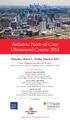 Pediatric Point-of-Care Ultrasound Course 2015 Thursday, March 5 Friday, March 6, 2015 Texas Children s Pavilion for Women 6621 Fannin Street 4th Floor Conference Center Houston, TX 77030 course Directors
The Lewin Group undertook the following steps to identify the guidelines relevant to the 11 targeted procedures:
 Guidelines The following is a list of proposed medical specialty guidelines that have been found for the 11 targeted procedures to be included in the Medicare Imaging Demonstration. The list includes only
Training in Clinical Radiology
 Training in Clinical Radiology What is Clinical Radiology? Clinical radiology relates to the diagnosis or treatment of a patient through the use of medical imaging. Diagnostic imaging uses plain X-ray
Educational Goals & Objectives
 Educational Goals & Objectives The Cardiology rotation will provide the resident with an understanding of cardiovascular physiology and its broad systemic manifestations. The resident will have the opportunity
Scope of Practice and Clinical Standards for the Diagnostic Medical Sonographer. April 13, 2015
 Scope of Practice and Clinical Standards for the Diagnostic Medical Sonographer April 13, 2015 This page intentionally left blank. 2013-2015 by the participating organizations as a joint work as defined
Cardiovascular Fellowship Goals and Objectives
 Cardiovascular Fellowship Goals and Objectives I. GOALS OF THE PROGRAM The objective of the Fellowship Training Program in Cardiovascular Disease is to provide an academically and clinically rigorous training
BERGEN COMMUNITY COLLEGE DIAGNOSTIC MEDICAL SONOGRAPHY PROGRAM Division of Health Professions DMS 213 SYLLABUS
 BERGEN COMMUNITY COLLEGE DIAGNOSTIC MEDICAL SONOGRAPHY PROGRAM Division of Health Professions DMS 213 SYLLABUS Course Title: DMS 213 - Abdominal Sonography 2 2 lec. 3 lab. 3 credits (5 hours) Required
Regions Hospital Delineation of Privileges Emergency Medicine
 Regions Hospital Delineation of Emergency Medicine Applicant s Name: Last First M. Instructions: Place a check-mark where indicated for each core group you are requesting. Review education and basic formal
Sample Learning Objectives for a Medical School Radiology Curriculum: Listed by Subjects
 Sample Learning Objectives for a Medical School Radiology Curriculum: Listed by Subjects This document lists sample learning objectives by subject matter The numerical ranking in parenthesis following
The Jane R. Perlman Fellowship Program Nurse Practitioner and Physician Assistant Fellowship in Emergency Medicine
 Topic (Module): Emergency Medicine Basics/Boot Camp Length: 2 weeks The Jane R. Perlman Fellowship Program Nurse Practitioner and Physician Assistant Fellowship in Emergency Medicine * All content areas
Teaching Risk Management: Addressing ACGME Core Competencies
 Teaching Risk Management: Addressing ACGME Core Competencies Kiki Nissen, MD, FACP Steven V. Angus, MD, FACP Wendy Miller, MD Adam R. Silverman, MD, FACP Abstract Background Risk management is an important
Radiologist Assistant Role Delineation
 Radiologist Assistant Role Delineation January 2005 Background The American Registry of Radiologic Technologists (ARRT) is developing a certification program for a new level of imaging technologist called
CURRICULUM VITAE FOR ACADEMIC PROMOTION The Johns Hopkins University School of Medicine
 CURRICULUM VITAE FOR ACADEMIC PROMOTION The Johns Hopkins University School of Medicine Thuy L. Ngo, DO, MEd, FAAP Date of this Version DEMOGRAPHIC AND PERSONAL INFORMATION Current Appointments The Johns
Medical Oncology. Rotation Goals & Objectives for rotating residents. General Objectives THE UNIVERSITY OF BRITISH COLUMBIA
 THE UNIVERSITY OF BRITISH COLUMBIA Department of Urologic Sciences Faculty of Medicine Gordon & Leslie Diamond Health Care Centre Level 6, 2775 Laurel Street Vancouver, BC, Canada V5Z 1M9 Tel: (604) 875-4301
ASSOCIATE OF APPLIED SCIENCE IN DIAGNOSTIC MEDICAL SONOGRAPHY (DMS AAS) 130 quarter credit units / 2,160 clock hours / 84 weeks (20-32 hours per
 ASSOCIATE OF APPLIED SCIENCE IN DIAGNOSTIC MEDICAL SONOGRAPHY (DMS AAS) 130 quarter credit units / 2,160 clock hours / 84 weeks (20-32 hours per week) Educational Objective: The Associate of Applied Science
School of Diagnostic Medical Sonography
 Semester 1 Orientation - 101 This class is an introduction to sonography which includes a basic anatomy review, introduction to sonographic scanning techniques and physical principles. This curriculum
Program Requirements for Fellowship Education in Surgical Retina & Vitreous
 Program Requirements for Fellowship Education in Surgical Retina & Vitreous I. Introduction A Definition and Scope of the Subspecialty The goal of the fellowship is to provide an advanced level of training
TRAUMA SURGERY Dr. Michal Cheatham Orlando Regional Health PGY-4
 ROTATION LIAISON: INSTITUTION: LEVEL(S): TRAUMA SURGERY Dr. Michal Cheatham Orlando Regional Health PGY-4 I. GENERAL INFORMATION The General Surgery Department at Orlando Regional Health has three full
Advanced Pediatric Emergency Medicine Assembly
 Advanced Pediatric Emergency Medicine Assembly Turn your most challenging pediatric emergencies into your most rewarding ones March 24-26, 2015 New York Hilton Midtown New York, N.Y. Learn More with Pre-Conference
Curriculum for Nephrology Fellowship
 Curriculum for Nephrology Fellowship Consultation: FMLH Service Description of Rotation or Educational Experience This part of the fellowship program in Nephrology provides training and experience such
PHYSICIAN ASSISTANT STUDIES UTMB ESSENTIAL FUNCTIONS AND TECHNICAL STANDARDS Updated 04/10/13
 PHYSICIAN ASSISTANT STUDIES UTMB ESSENTIAL FUNCTIONS AND TECHNICAL STANDARDS Updated 04/10/13 This description defines the capabilities that are necessary for an individual to successfully complete the
Case III. Disscussion. the UHP ultrasound protocol. Novel Ultrasound Approach to the Empiric Evaluation of the Undifferentiated Hypotensive Patient
 The UHP Ultrasound Protocol: A Novel Ultrasound Approach to the Empiric Evaluation of the Undifferentiated Hypotensive Patient JOHN S. ROSE, MD,* AARON E. BAIR, MD,* DIKU MANDAVIA, MD, AND DONNA J. KINSER,
CPT Pediatric Coding Updates 2009. The 2009 Current Procedural Terminology (CPT) codes are effective as of January 1, 2009.
 CPT Pediatric Coding Updates 2009 The 2009 Current Procedural Terminology (CPT) codes are effective as of January 1, 2009. NEW CODES Evaluation and Management Services Normal Newborn Care Codes 99431-99440
2. KEYWORDS International Medical Graduates, Comparability, Course, Rotations, Examinations
 1. THE ASSESSMENT OF INTERNATIONAL MEDICAL GRADUATES The standards of practice of the Royal Australasian College of Surgeons Surgical Education and Training (SET) program in Vascular Surgery have been
Emergency Medicine Sonography POCKET GUIDE
 Emergency Medicine Sonography POCKET GUIDE to Sonographic Anatomy and Pathology, MPH, PA-C, RDMS Physician Assistant, Department of Surgery, Division of Urology Lincoln Hospital and Medical Center, Bronx,
An abdominal ultrasound produces a picture of the organs and other structures in the upper abdomen.
 Scan for mobile link. Ultrasound - Abdomen Ultrasound imaging of the abdomen uses sound waves to produce pictures of the structures within the upper abdomen. It is used to help diagnose pain or distention
Competency Related Criteria
 Discipline Educational Requirements Competency Related Criteria Other General Criteria Radiology Practitioner Assistant (RPA) 1. Current Certification and Registration by the American Registry of Radiologic
UW MEDICINE PATIENT EDUCATION. Aortic Stenosis. What is heart valve disease? What is aortic stenosis?
 UW MEDICINE PATIENT EDUCATION Aortic Stenosis Causes, symptoms, diagnosis, and treatment This handout describes aortic stenosis, a narrowing of the aortic valve in your heart. It also explains how this
MINIMUM STANDARDS FOR THE CARDIAC SONOGRAPHER: A Position Paper. S. Michelle Bierig, MPH, RDCS, FASE* Donna Ehler, BS, RDCS, FASE
 MINIMUM STANDARDS FOR THE CARDIAC SONOGRAPHER: A Position Paper S. Michelle Bierig, MPH, RDCS, FASE* Donna Ehler, BS, RDCS, FASE Margaret L. Knoll, RDCS, FASE Alan D. Waggoner, MHS, RDCS * * St. Louis,
Delineation of Privileges Department of Surgery/Section of Vascular Surgery. Name: Please print or type
 University of Michigan Hospitals and Health Centers Delineation of Privileges Department of Surgery/Section of Vascular Surgery Name: Please print or type CORE PRIVILEGES VASCULAR SURGEON Vascular Surgery
Delineation Of Privileges Diagnostic Radiology Privileges
 DIAGNOSTIC RADIOLOGY - CORE PRIVILEGES Criteria: a) Board certification or qualified for certification by the American Board of Radiology; OR, b) Successful completion of an ACGME or AOA approved Radiology
ST. DAVID S MEDICAL CENTER CARDIOLOGY - Special, Invasive, Diagnostic, or High-Risk Procedure Requirements
 ST. DAVID S MEDICAL CENTER CARDIOLOGY - Special, Invasive, Diagnostic, or High-Risk Procedure Requirements Cardiac Catheterization & Peripheral Angiography Completion of a fellowship in Cardiovascular
Veterinary Imaging Education Program
 2013 Veterinary Imaging Education Program Front Cover: Taeva Schuller, RDMS Education Instructor With Patrick the Cat Below: Kodiak is eager to participate. Veterinarian & Technician Ultrasound Training
Overall Goals/Objectives - Surgical Critical Care Residency Program The goal of the Pediatric Surgical Critical Care Residency program is to provide
 Overall Goals/Objectives - Surgical Critical Care Residency Program The goal of the Pediatric Surgical Critical Care Residency program is to provide advanced proficiency in the care and management of critically
X-ray (Radiography) - Abdomen
 Scan for mobile link. X-ray (Radiography) - Abdomen Abdominal x-ray uses a very small dose of ionizing radiation to produce pictures of the inside of the abdominal cavity. It is used to evaluate the stomach,
Regions Hospital Delineation of Privileges Nurse Practitioner
 Regions Hospital Delineation of Privileges Nurse Practitioner Applicant s Last First M. Instructions: Place a check-mark where indicated for each core group you are requesting. Review education and basic
Blue Phantom Catalogue
 Blue Phantom Catalogue SonoSite Ltd is the distributor of Blue Phantom Ultrasound Training Models. We understand that learning to use ultrasound requires practice. Blue Phantom offers models for a wide
Inferior Vena Cava filter and removal
 Inferior Vena Cava filter and removal What is Inferior Vena Cava Filter Placement and Removal? An inferior vena cava filter placement procedure involves an interventional radiologist (a specialist doctor)
her Admissions Information Diploma 122 2,425 Hours: program. sonography too specializes in general sonography field. good health of the
 1 Diagnostic Medical Sonograp her Award: Quarter Credits: Hours: Weeks: Diploma 122 2,425 80 total instructional weeks Educational Objective The Diagnostic Medical Sonographer program is designed to provide
Case study. Simulation in Nursing Education
 Case study Simulation in Nursing Education Photo by Espen Dalmo Gjøvik University College Gjøvik, Norway By: Ellen Thomseth, Laerdal Medical This case study is one, in a series of seven, describing various
ULTRASOUND CODING AND REIMBURSEMENT DOCUMENT 2009 EMERGENCY ULTRASOUND SECTION AMERICAN COLLEGE OF EMERGENCY PHYSICIANS
 ULTRASOUND CODING AND REIMBURSEMENT DOCUMENT 2009 EMERGENCY ULTRASOUND SECTION AMERICAN COLLEGE OF EMERGENCY PHYSICIANS CONTRIBUTORS: Jessica Resnick MD FACEP Stephen Hoffenberg MD FACEP Vivek Tayal MD
P.A. STUDENT COMPETENCIES, TECHNICAL STANDARDS & JOB DESCRIPTION
 P.A. STUDENT COMPETENCIES, TECHNICAL STANDARDS & JOB DESCRIPTION TECHNICAL STANDARDS This description defines the capabilities that are necessary for an individual to successfully complete the physician
Standards for an Accredited Educational Program in Radiography
 Standards for an Accredited Educational Program in Radiography EFFECTIVE JANUARY 1, 2014 Adopted by: The Joint Review Committee on Education in Radiologic Technology - October 2013 Joint Review Committee
DIAGNOSTIC RADIOLOGY PROFILE
 DIAGNOSTIC RADIOLOGY PROFILE GENERAL INFORMATION (Sources: Perspectives on Health Occupations, the Canadian Medical Residency Guide and Pathway Evaluation Program, Royal College) Diagnostic radiology is
General RID Curriculum
 General RID Curriculum The goal of all Reproductive Infectious Diseases (RID) fellowships is to produce welltrained, academically-focused specialists in RID. After completion of a 2-3 year fellowship experience
Teaching Med-5 Students Point-of-Care Transthoracic Echocardiography
 Teaching Med-5 Students Point-of-Care Transthoracic Echocardiography Anthony M.-H. Ho, Lester A. H. Critchley, Patricia Kan, Sylvia Au, Siu Keung Ng, Simon K. C. Chan, Philip Lam, Gordon Choi, Alex Lee,
The leader in ultrasound training models. Over 150 different ultrasound training models available at www.bluephantom.com
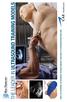 The leader in ultrasound training models Over 150 different ultrasound training models available at www.bluephantom.com The most realistic, ultra-durable Ultrasound training models available anywhere realistic
M E D I C AL D I AG N O S T I C S P E C I AL I S T Schematic Code 14251 (31000081)
 I. DESCRIPTION OF WORK M E D I C AL D I AG N O S T I C S P E C I AL I S T Schematic Code 14251 (31000081) Positions in this banded class perform skilled technical work in the administration of specialized
Practicum/Internship Handbook. Office of Educational Field Experiences
 Practicum/Internship Handbook Office of Educational Field Experiences Northwest Missouri State University 2015-2016 1 General Information and Standards The practicum/internship is designed to provide students
Autonomous Diagnostic Imaging Performed by Untrained Operators using Augmented Reality as a Form of Just in Time Training
 Autonomous Diagnostic Imaging Performed by Untrained Operators using Augmented Reality as a Form of Just in Time Training PROPOSAL TEAM PI: David S. Martin, MS, Wyle Science, Technology, and Engineering
A t h e n s I n s t i t u t e o f U l t r a s o u n d 8 6 4 S u n s e t D r i v e A t h e n s G A 3 0 6 0 6
 Student Catalog 2013 A t h e n s I n s t i t u t e o f U l t r a s o u n d 8 6 4 S u n s e t D r i v e A t h e n s G A 3 0 6 0 6 Table of Contents GENERAL INFORMATION 2 Mission 2 Vision 2 Facilities 2
Lackawanna College Sonography Program Application and Information Packet
 Lackawanna College Sonography Program Application and Information Packet The ultrasound profession is subdivided into nine specialties. The specialties offered at Lackawanna College are General Diagnostic
CMS Payment Policies (By State)
 CMS Payment Policies (By State) To date, IAC is aware of the following states that have adopted CMS reimbursement directives. There are several states in which the Medicare carrier requires or recommends
Yale New Haven Health System Center for Healthcare Solutions
 Table of Contents Education and Training Yale New Haven Health System Center for Healthcare Solutions 2009-2010 Fall/Winter Course Guide TOPICS [email protected] www.yalenewhavenhealth.org/healthcaresolutions
How To Manage A Pediatric Inpatient Rotation At American University Of Britain
 Pediatric Residency Program American University of Beirut In patients Experience Goals and Objectives The in patient rotation at AUB MC is based on a general pediatric ward in a tertiary care setting with
Sonography for Trauma
 Sonography for Trauma Christine Butts and Justin Cook 9 KEY POINTS Focused abdominal sonography for trauma (FAST) is sensitive and specific for the detection of intraperitoneal free fluid, but it has poor
SOUTHERN ILLINOIS UNIVERSITY RADIOLOGIC SCIENCES PROGRAM DIAGNOSTIC MEDICAL SONOGRAPHY SPECIALIZATION
 SOUTHERN ILLINOIS UNIVERSITY RADIOLOGIC SCIENCES PROGRAM DIAGNOSTIC MEDICAL SONOGRAPHY SPECIALIZATION ULTRASOUND DEPARTMENTAL PROCEDURE AND PROTOCOL FORM I,, have read and understand the Ultrasound Department
Blackhawk Technical College Diagnostic Medical Sonography/Vascular Technology Program Fast Facts & Frequently Asked Questions
 Blackhawk Technical College Diagnostic Medical Sonography/Vascular Technology Program Fast Facts & Frequently Asked Questions Diagnostic Medical Sonography (DMS), commonly called ultrasound, is a diagnostic
General and Vascular Surgery at Mount Auburn Hospital
 General and Vascular Surgery at Mount Auburn Hospital A Teaching Hospital of Harvard Medical School 2 Surgical Services in the Divisions of General and Vascular Surgery Mount Auburn Hospital s Divisions
BASIC STANDARDS FOR RESIDENCY TRAINING IN CARDIOLOGY
 BASIC STANDARDS FOR RESIDENCY TRAINING IN CARDIOLOGY American Osteopathic Association and the American College of Osteopathic Internists Specific Requirements For Osteopathic Subspecialty Training In Cardiology
Percutaneous Abscess Drainage
 Scan for mobile link. Percutaneous Abscess Drainage An abscess is an infected fluid collection within the body. Percutaneous abscess drainage uses imaging guidance to place a thin needle through the skin
You re Invited About Us Distinctions Education Executive Education. Graduate Training Technology Contact Us
 You re Invited About Us Distinctions Education Executive Education Graduate Training Technology Contact Us You re Invited Cleveland Clinic Global Physician Associate Program You re Invited Cleveland Clinic
School of. Diagnostic Ultrasound
 School of Diagnostic Ultrasound History The Yale- New Haven Hospital School of Diagnostic Ultrasound was founded in 1975. The program was initiated by the hospital in response to an emerging need to train
DEPARTMENT OF FAMILY MEDICINE Delineation of Privileges. Name: Date:
 Page 1 of 5 DEPARTMENT OF FAMILY MEDICINE Delineation of Name: Date: Types of Category I in this category include those procedures and cognitive skills involving serious medical problems that are normally
Department of Neurology and Neurosurgery Clinical and Clinical Research Fellowship Application Form
 Department of Neurology and Neurosurgery Clinical and Clinical Research Fellowship Application Form Fellowship in Multiple Sclerosis and Neuroinflammatory Disorders Type of Fellowship: Clinical Research
Case study. Simulation in Nursing Education
 Case study Simulation in Nursing Education Photo by Espen Dalmo Gjøvik University College Gjøvik, Norway By: Ellen Thomseth, Laerdal Medical This case study is one, in a series of seven, describing various